


Product Monograph - Auro-Clozapine
Recent Major Label Changes
N/A
Table of Contents
Certain sections or subsections that are not applicable at the time of the preparation of the most recent authorized product monograph are not listed.
Recent Major Label Changes .............................................................................................. 2
Table of Contents ............................................................................................................... 2
Part 1: Health Professional Information ............................................................................. 4
1 Indications ...................................................................................................................... 4
1.1 Pediatrics ................................................................................................................ 5
1.2 Geriatrics ................................................................................................................. 5
2 Contraindications ............................................................................................................ 5
3 Serious Warnings and Precautions Box ........................................................................... 6
4 Dosage and Administration ............................................................................................. 6
4.1 Dosing Considerations ............................................................................................ 6
4.2 Recommended Dose and Dosage Adjustment ........................................................ 8
4.4 Administration ...................................................................................................... 10
4.5 Missed Dose .......................................................................................................... 10
5 Overdosage ................................................................................................................... 10
6 Dosage Forms, Strengths, Composition and Packaging .................................................. 11
7 Warnings and Precautions ............................................................................................ 11
7.1 Special Populations .................................................................................................... 21
7.1.1 Pregnant Women ............................................................................................. 21
7.1.2 Breast-Feeding .................................................................................................. 22
7.1.3 Pediatrics .......................................................................................................... 22
7.1.4 Geriatrics .......................................................................................................... 22
8 Adverse Reactions ......................................................................................................... 23
8.1 Adverse Reaction Overview .................................................................................. 23
8.2 Clinical Trial Adverse Reactions ............................................................................. 24
8.2.1 Clinical Trial Adverse Reactions (Pediatrics) ..................................................... 26
8.3 Less Common Clinical Trial Adverse Reactions .................................................... 26
8.4 Abnormal Laboratory Findings: Hematologic, Clinical Chemistry and Other Quantitative Data .......................................................................................... 27
8.5 Post-Market Adverse Reactions .......................................................................... 27
9 Drug Interactions .......................................................................................................... 28
9.2 Drug Interactions Overview ................................................................................ 29
9.3 Drug-Behavioral Interactions .............................................................................. 29
9.4 Drug-Drug Interactions ....................................................................................... 29
9.5 Drug-Food Interactions ....................................................................................... 30
9.6 Drug-Herb Interactions ....................................................................................... 30
9.7 Drug-Laboratory Test Interactions ...................................................................... 30
10 Clinical Pharmacology ................................................................................................. 30
10.1 Mechanism of Action ........................................................................................ 30
10.2 Pharmacodynamics ........................................................................................... 31
10.3 Pharmacokinetics ............................................................................................. 31
11 Storage, Stability And Disposal .................................................................................... 32
12 Special Handling Instructions ...................................................................................... 32
Part 2: Scientific Information ........................................................................................... 33
13 Pharmaceutical Information ........................................................................................ 33
14 Clinical Trials ............................................................................................................... 34
14.1 Trial Design and Study Demographics ............................................................... 34
14.2 Study Results .................................................................................................... 34
14.3 Comparative Bioavailability Studies .................................................................. 35
15 Microbiology ............................................................................................................... 36
16 Non-Clinical Toxicology ............................................................................................... 36
17 Supporting Product Monographs ................................................................................ 40
Patient Medication Information ...................................................................................... 41
Part 1: Health Professional Information
1 Indications
Auro-Clozapine (clozapine) tablet is indicated in the management of symptoms of treatment- resistant schizophrenia. In controlled clinical trials, clozapine was found to improve both positive and negative symptoms.
Due to the significant risk of neutropenia and seizure associated with its use, clozapine should be limited to treatment-resistant schizophrenic patients who are non-responsive to, or intolerant of, conventional antipsychotic drugs. Non-responsiveness is defined as the lack of satisfactory clinical response, despite treatment with appropriate courses of at least two marketed chemically-unrelated antipsychotic drugs. Intolerance is defined as the inability to achieve adequate benefit with conventional antipsychotic drugs because of dose-limiting, intolerable adverse effects.
Because of the significant risk of neutropenia and seizure, events which both present a continuing risk over time, the extended treatment of patients failing to show an acceptable level of clinical response to clozapine should ordinarily be avoided. Seizure risk is dose-related and is more likely to occur with rapid dose increases. Titrate gradually and use divided doses. Use with caution in patients with history of seizure or risk factors for seizure.
Clozapine can be used only if regular hematological examinations can be guaranteed, as specified under 7 WARNINGS AND PRECAUTIONS, Hematologic and 4 DOSAGE AND ADMINISTRATION.
Auro-Clozapine is available only through a distribution system Auro-Clozapine Risk Management Program that ensures weekly, every-two-week or every-four-week hematological testing prior to the dispensing of the next period's supply of Auro-Clozapine (see 7 WARNINGS AND PRECAUTIONS, Hematologic).
This requires:
- all patients taking clozapine, the physician must have obtained consent from the patient; and registration of the patient, their current location, treating physician, testing laboratory and dispensing pharmacist in the Auro-Clozapine Risk Management Program.
- maintenance of a national Auro Pharma Inc specific database that enables the monitoring system of the hematological results of all patients on Auro-Clozapine and provides timely feedback (within 24 hours of receipt of the blood test results) to the treating physician and dispensing pharmacist/or pharmacy
the ability to identify patients who have been assigned "Non-rechallengeable Status" (see 7 WARNINGS AND PRECAUTIONS). This requires that Auro Pharma Inc. both provide to, and obtain from, all other approved suppliers1 of clozapine, the Non- rechallengeable Status / Hematological Status of all patients (see 4 DOSAGE AND ADMINISTRATION). Auro Pharma Inc. must be able to provide this information within 24 hours of receiving a written request.
1 “approved supplier” is a manufacturer who holds a valid Notice of Compliance (NOC) for clozapine
Physicians should not prescribe Auro-Clozapine until the non-rechallengeable status and the hematological status of the patient has been verified.
For the distribution system to be effective, treating physicians must ensure that the hematological testing is performed at the required frequency (see 7 WARNINGS AND PRECAUTIONS, Hematologic) and that arrangements are made for the hematological results to be sent to Auro-Clozapine Risk Management Program distribution system. Physicians may obtain details on the Risk Management Program by calling a toll-free phone number (1-855-648-6681).
Other Monitoring and Distribution Systems
Between 1991 and 2003, clozapine was distributed by a single manufacturer, and patients were monitored by this manufacturer's specific registry and distribution system. The introduction of clozapine from other manufacturers has now resulted in the establishment of manufacturer- specific registry and distribution systems.
In order to ensure the safe use and continued monitoring of all patients taking clozapine, the physician must have obtained consent from the patient for the potential sharing of hematological and other safety data between clozapine registries.
Patients may not be switched from one brand of clozapine to another without the completion of a new registry-specific patient registration form signed by the prescribing physician.
If a patient is switched from one brand of clozapine to another, the frequency of hematological monitoring may continue unaltered unless a change is clinically indicated.
1.1 Pediatrics
Pediatrics (< 18 years of age): No pediatric studies have been performed. The safety and efficacy of clozapine in children and adolescents have not been established. No data are available to Health Canada; therefore, Health Canada has not authorized an indication for pediatric use.
1.2 Geriatrics
Geriatrics (>60 years of age): See 3 SERIOUS WARNINGS AND PRECAUTIONS BOX and 7.1.4 Geriatrics. Auro-Clozapine should be used with care in the elderly (see 4.2 Recommended Dose and Dosage Adjustment, Dosing Considerations in Special Populations.
2 Contraindications
- Auro-Clozapine (clozapine) is contraindicated in patients who are hypersensitive to clozapine or to any ingredient in the formulation, including any non-medicinal ingredient, or component of the container. For a complete listing, see 6 DOSAGE FORMS, STRENGTHS, COMPOSITION AND PACKAGING.
Patients with myeloproliferative disorders, a history of toxic or idiosyncratic agranulocytosis or severe granulocytopenia (with the exception of granulocytopenia/ agranulocytosis from previous chemotherapy). [Clozapine should not be used simultaneously with other agents known to
- suppress bone marrow function].
- Patients with active liver disease associated with nausea, anorexia, or jaundice; progressive liver disease; hepatic failure.
- Patients unable to undergo blood tests.
Other contraindications include severe central nervous system depression or comatose states, severe renal or cardiac disease (e.g., myocarditis), paralytic ileus, uncontrolled epilepsy.
3 Serious Warnings and Precautions Box
Serious Warnings and Precautions
Severe Neutropenia (Agranulocytosis)
Clozapine treatment has caused severe neutropenia, defined as an absolute neutrophil count (ANC) less than 0.5 x 10⁹/L. Severe neutropenia can lead to serious infection and death. Prior to initiating treatment with Auro-Clozapine a baseline ANC must be at least ≥ 2.0 x 10⁹/L for the general population; and must be at least ≥ 1.0 x 10⁹/L for patients with documented Benign Ethnic Neutropenia (BEN). Regular hematologic monitoring is required prior to dispensing, because of the significant risk of this potentially life-threatening adverse event (see 7 WARNINGS AND PRECAUTIONS, Hematologic). Advise patients to immediately report the appearance of lethargy, weakness, fever, sore throat, flu-like complaints or any other signs of infection.
Because of the risk of severe neutropenia, Auro-Clozapine is available only through a distribution system Auro-Clozapine Risk Management Program that ensures weekly, every-two-week or every-four-week hematological testing prior to the dispensing of the next period's supply of Auro-Clozapine (see 7 WARNINGS AND PRECAUTIONS).
Myocarditis, Pericarditis, and Cardiomyopathy and Mitral Valve Incompetence
Fatal myocarditis and cardiomyopathy have occurred with the use of clozapine. Discontinue Auro-Clozapine and obtain a cardiac evaluation upon suspicion of myocarditis or cardiomyopathy. Consider the possibility of myocarditis, pericarditis, or cardiomyopathy if chest pain, tachycardia, palpitations, dyspnea, fever, flu-like symptoms, hypotension, or ECG changes occur. Generally, patients with a history of clozapine-associated myocarditis or cardiomyopathy should not be rechallenged with Auro-Clozapine. (see 7 WARNINGS AND PRECAUTIONS, Cardiovascular)
Increased Mortality in Elderly Patients with Dementia
Elderly patients with dementia treated with antipsychotic drugs are at an increased risk of death compared to those treated with placebo (see 7.1.4 Geriatrics). Auro-Clozapine is not approved for use in elderly patients with dementia.
4 Dosage and Administration
4.1 Dosing Considerations
Auro-Clozapine (clozapine) treatment must be initiated on an in-patient basis or in an out-patient setting, where medical supervision is available and vital signs can be monitored for a minimum of 6 to 8 hours after the initial 2 to 3 doses.
When treatment is initiated in out-patients, special caution is advised in patients who are receiving benzodiazepines or other psychotropic drugs as these patients may have an increased risk of circulatory collapse accompanied by respiratory and/or cardiac arrest (see 9.4 Drug-Drug Interactions). Extra caution is advised in patients with cardiovascular disease or a history of seizures (see 7 WARNINGS AND PRECAUTIONS, Cardiovascular and Neurologic).
Auro-Clozapine is restricted to patients who have a normal absolute neutrophil count (ANC) and in whom an ANC can be carried out at least weekly for the first 26 weeks of treatment with clozapine, at least at two-week intervals for the next 26 weeks, and at least at four-week intervals thereafter. Monitoring must continue for as long as the patient is on the drug. If the patient is discontinued due to neutropenia, monitoring should be conducted twice a week until ANC is normal (ANC is ≥2.0 x 10⁹/L). (see 7 WARNINGS AND PRECAUTIONS, Severe Neutropenia, ANC Count Guidelines). In patients with BEN, continue monitoring until their ANC is ≥1.0 x 10⁹/L. For clozapine discontinuation for a reason unrelated to neutropenia, continuation of the existing ANC monitoring is recommended for general population patients until their ANC is ≥2.0 x 10⁹/L (≥1.0 x 10⁹/L for BEN patients).
The change from a weekly to a "once every two weeks", or from a “once every two weeks” to a “once every four weeks” schedule should be evaluated on an individual patient basis after 26 and 52 weeks of treatment, respectively. This decision should be made based upon the hematological profile of the patient during the first 26 or 52 weeks of treatment (as appropriate) (see 7 WARNINGS AND PRECAUTIONS, Hematologic), the clinical judgement of the treating physician, and if they deem it appropriate, a consulting hematologist, as well as the patient's willingness to pursue a given frequency of blood monitoring. In turn, the clinical evaluation should take into consideration possible factors that would place the patient in a higher risk group. Weekly hematological testing should be resumed for an additional 6 weeks if therapy is disrupted for more than 3 days. If clozapine is interrupted for 4 weeks or longer, weekly monitoring is required for an additional 26 weeks (See 7 WARNINGS AND PRECAUTIONS, Severe Neutropenia, Monitoring Schedule Guideline).
Auro-Clozapine is available only through a distribution system that requires weekly, every-two-week or every-four-week hematological testing prior to the dispensing of the next period's supply of medication (see 1 INDICATIONS).
Auro Pharma Inc. will provide the Non-rechallengeable Status/Hematological Status of patients to the requesting approved suppliers2 of clozapine within 24 hours of receipt of a written request (see 1 INDICATIONS).
The dosage of Auro-Clozapine must be adjusted individually. For each patient the lowest effective dose should be used.
Monitoring for elevated clozapine blood levels
Blood clozapine monitoring for elevated clozapine levels may be advised in certain clinical situations, such as when a patient ceases smoking or switches to e-cigarettes; when concomitant medicines may interact to increase clozapine blood levels; when a patient has pneumonia or other serious infection;
2 “approved supplier” is a manufacturer who holds a valid Notice of Compliance (NOC) for clozapine
and in the event of onset of symptoms suggestive of toxicity. (See also 9 DRUG INTERACTIONS, and 10.3 Pharmacokinetics).
4.2 Recommended Dose and Dosage Adjustment
Initial Dose
On the first day, Auro-Clozapine should be given at a 12.5 mg dose (one-half of a 25 mg tablet) once or twice, followed by one or two 25 mg tablets on the second day. If well tolerated, the dosage may be increased in daily increments of 25 mg to 50 mg, achieving a target dose of 300-450 mg/day by the end of two weeks. Subsequent dosage increases should be made no more than once or twice weekly, in increments not to exceed 100 mg. Cautious titration and a divided dosage schedule are necessary to minimize the risks of hypotension, seizure and sedation (see also 9 DRUG INTERACTIONS).
Switching from Previous Neuroleptics
When Auro-Clozapine therapy is initiated in a patient undergoing oral neuroleptic therapy, it is generally recommended that the other neuroleptic should first be discontinued by tapering the dosage downwards. Once the neuroleptic is completely discontinued for at least 24 hours, Auro-Clozapine treatment can be started as described above. It is generally recommended that Auro-Clozapine should not be used in combination with other neuroleptics.
Therapeutic Dose Range
In most patients, antipsychotic efficacy can be expected within the therapeutic range of 300-600 mg/day in divided doses. The total daily dose may be divided unevenly, with the larger portion at bedtime.
Since improvement may be gradual, continued therapeutic response can be expected beyond the first month of treatment.
Maximum Dose
Occasionally, patients may require doses higher than 600 mg/day to obtain an acceptable therapeutic response. Because of the possibility of increased adverse reactions (particularly seizures) at daily doses of 600 mg and higher, the decision to treat in the range of 600-900 mg/day must be taken prudently. Patients must be given adequate time to respond to a given dose level before escalation to a higher dose is contemplated. The maximum dose of 900 mg/day should not be exceeded.
Maintenance Dose
After achieving maximum therapeutic benefit, many patients can be maintained effectively at lower doses. Careful downward titration is recommended to the level of 150-300 mg/day in divided doses. At daily doses not exceeding 200 mg, a single administration in the evening may be appropriate. Patients should be periodically reassessed to determine the continued need for maintenance treatment.
Dosing Considerations in Special Populations
Patients 60 years of Age and Older: It is recommended that treatment in patients 60 years and older is initiated at a particularly low dose of Auro-Clozapine (12.5 mg given once on the first day) with subsequent dose increments restricted to 25 mg/day.
Pediatrics (< 18 years of age): No pediatric studies have been performed. The safety and efficacy of clozapine in children and adolescents have not been established.
Cardiovascular Disorders: Severe cardiovascular disorders are contraindications. Auro-Clozapine should be used with caution in patients with known cardiovascular and/or pulmonary disease, particularly in those with cardiac arrhythmias and conduction disturbances, and the recommendation for gradual titration of dose should be carefully observed.
Renal Impairment: In patients with mild to moderate renal impairment the initial dose of Auro-Clozapine should be 12.5 mg given once on the first day, and dosage increase should be slow and in small increments.
Hepatic Impairment: Patients with hepatic impairment should receive Auro-Clozapine with caution along with regular monitoring of liver function tests (see 7 WARNINGS AND PRECAUTIONS, Hepatic/Biliary/Pancreatic).
Discontinuation of Therapy
In the event of planned termination of Auro-Clozapine therapy, gradual reduction in dose is recommended over a 1 to 2-week period. However, should a patient's medical condition require abrupt discontinuation (e.g., severe leukopenia, cardiovascular toxicity), the patient should be carefully observed for the recurrence of psychotic symptoms and symptoms related to cholinergic rebound such as headache, nausea, vomiting and diarrhea (see also 7 WARNINGS AND PRECAUTIONS, General, and ANC Count Guidelines).
Re-Initiation of Treatment in Patients Previously Discontinued
Auro-Clozapine therapy must not be resumed in:
- Patients who have been discontinued from treatment due to clozapine-associated neutropenia (ANC <1.5 x 10⁹/L, i.e. Non-rechallengeable Status)
- Patients with clozapine-induced myocarditis
When restarting patients who have had even a brief interval off Auro-Clozapine i.e., two days or more since the last dose, it is recommended that treatment be re-initiated with 12.5 mg (one half of a 25 mg tablet) once or twice on the first day (see 4 DOSAGE AND ADMINISTRATION for hematological testing conditions). If that dose is well tolerated, it may be feasible to titrate patients back to a therapeutic dose more quickly than is recommended for initial treatment.
Certain additional precautions seem prudent when re-initiating treatment. The mechanisms underlying some of the Auro-Clozapine-induced adverse reactions are unknown. It is conceivable that re-exposure of a patient might enhance the risk of an untoward event's occurrence and increase its severity. Such phenomena, for example, occur when immune mediated mechanisms are responsible. Therefore, any patient who has previously experienced respiratory or cardiac arrest with initial dosing but was then able to be successfully titrated to a therapeutic dose, should be re-titrated with extreme caution after even 24 hours of discontinuation.
If therapy is disrupted for more than 3 days, weekly hematological testing should be resumed for an additional 6 weeks (see 7 WARNINGS AND PRECAUTIONS, Severe Neutropenia)
4.4 Administration
For product administration, refer to 4.2 Recommended Dose and Dosage Adjustment. The tablet may be crushed if required.
4.5 Missed Dose
If a dose of Auro-Clozapine is missed and remembered within two hours, then it may be taken immediately. Otherwise, the missed dose is skipped and the regular dosing schedule is continued. Double doses should not be taken. If dosing is missed for two days or more, see Re-Initiation of Treatment in Patients Previously Discontinued above.
5 Overdosage
The signs and symptoms associated with clozapine overdose are: agitation, areflexia, aspiration pneumonia, blurred vision, cardiac arrhythmias, collapse, coma, confusion, convulsions, delirium, drowsiness, dyspnea, extrapyramidal symptoms, hallucinations, heart block, hyperreflexia, hypersalivation, hypotension, mydriasis, tachycardia, thermolability, and respiratory depression or failure.
In cases of acute intentional or accidental clozapine overdosage, for which information on the outcome is available, to date the mortality is about 12%. Most of the fatalities were associated with cardiac failure or pneumonia caused by aspiration and occurred at doses above 2,000 mg. There have been reports of patients recovering from an overdose in excess of 10,000 mg.
However, in a few adult individuals, primarily those not previously exposed to clozapine, the ingestion of doses as low as 400 mg led to life-threatening comatose conditions and, in one case, to death. In young children, the intake of 50 mg to 200 mg resulted in strong sedation or coma without being lethal.
Treatment of Overdosage
Establish and maintain an airway; ensure adequate oxygenation and ventilation. Perform gastric lavage and/or the administration of activated charcoal within the first 6 hours after the ingestion of the drug. Activated charcoal, which may be used with sorbitol, may be as or more effective than emesis or lavage, and should be considered in treating overdosage. Cardiac and vital signs monitoring is recommended along with general symptomatic and supportive measures.
Surveillance should be continued for several days because of the risk of delayed effects. Avoid epinephrine when treating hypotension, and quinidine and procainamide when treating cardiac arrhythmia.
There are no specific antidotes for Auro-Clozapine (clozapine). Forced diuresis, dialysis, hemoperfusion and exchange transfusion are unlikely to be of benefit.
In managing overdosage, the physician should consider the possibility of multiple drug involvement.
For the most recent information in the management of a suspected drug overdose, contact your regional poison control centre or Health Canada’s toll-free number, 1-844 POISON-X (1-844-764-7669).
6 Dosage Forms, Strengths, Composition and Packaging
Table 1 Dosage Forms, Strengths, Composition and Packaging.
| Route of Administration | Dosage Form / Strength / Composition | Non-medicinal Ingredients | ||||||||
|---|---|---|---|---|---|---|---|---|---|---|
| oral | Tablets / 25 mg, 50 mg, 100 mg and 200 mg | Corn starch, colloidal silicon dioxide, lactose monohydrate, magnesium stearate, povidone and talc. | ||||||||
| Dosage form | Tablets | |||||||||
| Strength | 25 mg | 50 mg | 100 mg | 200 mg | ||||||
| Label claim | Each tablet contains 25 mg of Clozapine. | Each tablet contains 50 mg of Clozapine. | Each tablet contains 100 mg of Clozapine. | Each tablet contains 200 mg of Clozapine. | ||||||
| Description | Pale yellow colored, round, flat faced, bevel edged uncoated tablets debossed with “C facilitated scoreline C” on one side and “54” on the other side. | Pale yellow colored, round, flat faced, bevel edged uncoated tablets debossed with “C facilitated scoreline C’ on one side and “55” on the other side. | Pale yellow colored, round, flat faced, bevel edged uncoated tablets debossed with “C facilitated scoreline C’ on one side and “57” on the other side. | Pale yellow colored, oval shaped, uncoated tablets debossed with “C scoreline C’ on one side and “71” on the other side. | ||||||
| Composition | Corn starch, colloidal silicon dioxide, lactose monohydrate, magnesium stearate, povidone and talc. | |||||||||
| Packaging | HDPE bottles of 100 and 500 tablets. | |||||||||
Auro-Clozapine is available only through a distribution system that requires weekly, every-two-week or every-four-week hematological testing prior to the delivery of the next period’s supply of medication (see 1 INDICATIONS).
7 Warnings and Precautions
Please see 3 SERIOUS WARNINGS AND PRECAUTIONS BOX.
General
Neutropenia: Because of the significant risk of neutropenia, patients must be monitored as defined in the monograph. (See also 7 WARNINGS AND PRECAUTIONS, Hematologic, Severe Neutropenia). To improve and standardize understanding, “neutropenia” replaces the previous terms leukopenia, granulocytopenia, or agranulocytosis.
Fever: During clozapine therapy, patients may experience transient temperature elevations above 38°C (100.4°F) with the peak incidence within the first three weeks of treatment. This fever is generally benign and self-limiting; however, on occasion there may be an associated increase or decrease in the white blood cell count. Patients should be carefully evaluated to rule out the possibility of an underlying infectious process or the development of blood dyscrasia. In the presence of high fever, the possibility of neuroleptic malignant syndrome must be considered (see 7 WARNINGS AND PRECAUTIONS, Neurologic). If the diagnosis of neuroleptic malignant syndrome is confirmed, Auro-Clozapine should be discontinued immediately and appropriate medical measures should be administered. Fever that is otherwise unexplained can accompany myocarditis (see 7 WARNINGS AND PRECAUTIONS, Cardiovascular).
Anticholinergic Activity: Auro-Clozapine has potent anticholinergic effects, which may produce undesirable effects throughout the body. Great care should be exercised in using the drug in the presence of prostatic enlargement, narrow-angle glaucoma or paralytic ileus. Probably on account of its anticholinergic properties, clozapine has been associated with varying degrees of impairment of intestinal peristalsis, ranging from constipation to intestinal obstruction, fecal impaction and paralytic ileus, megacolon and intestinal infarction/ischemia. On rare occasions, these cases have been fatal. Careful monitoring during treatment with Auro-Clozapine to identify early the onset of constipation, followed by effective management of constipation are recommended to prevent complications. Particular care is necessary in patients who are receiving concomitant medications known to cause constipation (especially those with anticholinergic properties such as some antipsychotics, antidepressants and antiparkinsonian treatments), have a history of colonic disease or a history of lower abdominal surgery as these may exacerbate the situation. It is vital that constipation is recognized and actively treated.
Rebound, Withdrawal Effects: If abrupt discontinuation of Auro-Clozapine is necessary (e.g., because of leukopenia), the patient should be carefully observed for the recurrence of psychotic symptoms and symptoms related to cholinergic rebound such as profuse sweating, headache, nausea, vomiting and diarrhea.
Cardiovascular
Cardiotoxicity: IMPORTANT SAFETY INFORMATION REGARDING A CONSTELLATION OF CARDIOVASCULAR EVENTS REPORTED IN PATIENTS TREATED WITH CLOZAPINE:
Analysis of safety databases suggests that the use of clozapine is associated with an increased risk of myocarditis and cardiomyopathy, especially during, but not limited to, the first two months of therapy. Myocarditis has been reported in patients 19 years of age and older, at dosages within the approved dosage range.
Pericarditis, and pericardial effusion have also been reported in association with clozapine use, as have heart failure, myocardial infarction and mitral insufficiency; these reports include fatalities. Eosinophilia has been co-reported in some cases, which may indicate that the carditis is a hypersensitivity reaction to clozapine; however, it is not known whether eosinophilia is a reliable predictor of carditis. (See also 7 WARNINGS AND PRECAUTIONS, Eosinophilia).
Patients with a family history of heart failure should have a cardiac evaluation prior to commencing treatment; clozapine is contraindicated in patients with severe cardiac disease.
Discontinue Auro-Clozapine and obtain an urgent cardiac evaluation upon suspicion of myocarditis, pericarditis, or cardiomyopathy, or other significant cardiotoxicity. Generally, patients with a history of clozapine-associated myocarditis or cardiomyopathy should not be rechallenged with Auro-Clozapine. Recurrences of myocarditis upon rechallenge with clozapine have been documented. However, if the benefit of Auro-Clozapine treatment is judged to outweigh the potential risks of recurrent myocarditis or cardiomyopathy, the clinician may consider rechallenge with Auro-Clozapine in consultation with a cardiologist, after a complete cardiac evaluation, and under close monitoring.
Consider the possibility of myocarditis, pericarditis or cardiomyopathy in patients receiving clozapine who present with chest pain, dyspnea, persistent tachycardia at rest, palpitations, fever that is otherwise unexplained, fatigue, flu-like symptoms, hypotension, other signs or symptoms of heart failure (e.g. chest pain, tachypnea (shortness of breath), or arrhythmias), or electrocardiographic findings (low voltages, ST-T abnormalities, arrhythmias, right axis deviation, and poor R wave progression and/or raised jugular venous pressure).
Myocarditis most frequently presents within the first 2 months of clozapine treatment. Symptoms of cardiomyopathy generally occur later than clozapine-associated myocarditis and usually after 8 weeks of treatment. However, myocarditis, pericarditis, and cardiomyopathy can occur at any period during treatment with clozapine. It is common for nonspecific flu-like symptoms such as malaise, myalgia, pleuritic chest pain, and low-grade fevers to precede more overt signs of heart failure. Typical laboratory findings include elevated troponin I or T, elevated creatinine kinase-MB, peripheral eosinophilia, and elevated C-reactive protein (CRP). Chest x-ray may demonstrate cardiac silhouette enlargement, and cardiac imaging (echocardiogram, radionucleotide studies, or cardiac catheterization) may reveal evidence of left ventricular dysfunction. In patients who are diagnosed with cardiomyopathy while taking clozapine mitral valve incompetence has been reported. These cases reported either mild or moderate mitral regurgitation on two-dimensional echocardiography. In patients with suspected cardiomyopathy, consider a 2D-echo Doppler examination to identify mitral valve incompetence.
Other Adverse Cardiovascular and Respiratory Effects
Auro-Clozapine should be used with caution in patients with known cardiovascular and/or pulmonary disease, particularly in those with cardiac arrhythmias and conduction disturbances, and the recommendation for gradual titration of dose should be carefully observed [initial dose should be 12.5 mg given once on the first day, and dosage increase should be slow and in small increments (see 4.2 Recommended Dose and Dosage Adjustment)].
Orthostatic hypotension, with or without syncope, can occur during Auro-Clozapine treatment and may represent a continuing risk in some patients. Rarely (approximately 1 case per 3,000 patients in the United States), collapse can be profound and can be accompanied by respiratory and/or cardiac arrest. Orthostatic hypotension is more likely to occur during initial titration in association with rapid dose escalation and may even occur on first dose. In one report, initial doses as low as 12.5 mg were associated with collapse and respiratory arrest. When restarting patients who have had even a brief interval of Auro-Clozapine, i.e., 2 days or more since the last dose, it is recommended that treatment be reinitiated with one-half of a 25 mg tablet (12.5 mg) once or twice daily (see 4.2 Recommended Dose and Dosage Adjustment).
Cases of collapse/ respiratory arrest/ cardiac arrest during initial clozapine treatment occurred in patients administered clozapine by itself and in patients administered clozapine in combination with benzodiazepines or other psychotropic drugs. Although it has not been established that there is an interaction between clozapine and benzodiazepines or other psychotropics, caution is advised when clozapine is initiated in patients taking a benzodiazepine or any other psychotropic drug.
Tachycardia, which may be sustained, has been observed in approximately 25% of patients taking clozapine with patients having an average increase in pulse rate of 10 to 15 bpm. The sustained tachycardia is not simply a reflex response to hypotension and is present in all positions monitored. Tachycardia may be due to the anticholinergic effect of clozapine and its ability to elevate plasma norepinephrine. Either tachycardia or hypotension may pose a serious risk for an individual with compromised cardiovascular function.
A minority of clozapine-treated patients experience ECG repolarization changes similar to those seen with other antipsychotic drugs, including S-T segment depression and flattening or inversion of T waves. The clinical significance of these changes is unclear. However, in clinical trials with clozapine, several patients experienced significant cardiac events, including ischemic changes, myocardial infarction, arrhythmias, and sudden death. In addition, there have been post-marketing reports of congestive heart failure. Causality assessment was difficult in many of these cases due to serious preexisting cardiac disease and plausible alternative causes. Rare instances of sudden, unexplained death have been reported in psychiatric patients, with or without associated antipsychotic drug treatment, and the relationship of these events to antipsychotic drug use is unknown.
QT Interval Prolongation: As with other antipsychotics, caution is advised in patients with known cardiovascular disease, a family history of QT prolongation, or when clozapine is prescribed with medicines known to increase the QTc interval.
Venous Thromboembolism: Venous thromboembolism (VTE), including fatal pulmonary embolism, has been reported with antipsychotic drugs including clozapine, in case reports and/or observational studies. When prescribing Auro-Clozapine all possible risk factors for VTE should be identified before and during treatment with Auro-Clozapine and preventative measures undertaken.
Since Auro-Clozapine may cause sedation and weight gain, thereby increasing the risk of thromboembolism, immobilization of patients should be avoided.
Driving and Operating Machinery
Due to the risk of convulsions during Auro-Clozapine treatment, activities where a sudden loss of consciousness could occur should be avoided (e.g., driving, using machines, swimming, climbing).
Because of the potential for initial sedation, Auro-Clozapine may impair mental and/or physical abilities especially during the first few days of therapy. The recommendation for gradual dose escalation should be carefully adhered to and patients should be cautioned about activities requiring alertness (e.g., driving, operating machinery, swimming, climbing, etc.) (see 4.2 Recommended Dose and Dosage Adjustment).
Endocrine and Metabolism
Metabolic Changes: Atypical antipsychotic drugs, including clozapine, have been associated with metabolic changes that may increase cardiovascular/cerebrovascular risk. These metabolic changes may include hyperglycemia, dyslipidemia, and body weight gain. While atypical antipsychotic drugs may produce some metabolic changes, each drug in the class has its own specific risk profile.
Hyperglycemia: On rare occasions, severe hyperglycemia, sometimes leading to ketoacidosis/hyperosmolar coma including some fatal cases, has been reported during clozapine treatment in patients with no prior history of hyperglycemia. While a causal relationship to clozapine use has not been definitely established, glucose levels returned to normal in most patients after discontinuation of clozapine and rechallenge produced a recurrence of hyperglycemia in a few cases. The effect of clozapine on glucose metabolism in patients with diabetes mellitus has not been studied. Impaired glucose tolerance, severe hyperglycemia, ketoacidosis and hyperosmolar coma have been reported in patients with no prior history of hyperglycaemia. Patients should have baseline and periodic monitoring of blood glucose and body weight. In patient receiving Auro-Clozapine who developed symptom of hyperglycaemia, such as polydipsia, polyuria, polyphagia or weakness discontinuation should be considered.
There is a risk of altering the metabolic balance resulting in slight impairment of glucose homeostasis and a possibility of unmasking a pre-diabetic condition or aggravating pre-existing diabetes.
Assessment of the relationship between atypical antipsychotic use and glucose abnormalities is complicated by the possibility of an increased background risk of diabetes mellitus in patients with schizophrenia and the increasing incidence of diabetes mellitus in the general population. Given these confounders, the relationship between atypical antipsychotic use and hyperglycemia-related adverse events is not completely understood. However, epidemiological studies suggest an increased risk of treatment-emergent hyperglycemia-related adverse events in patients treated with the atypical antipsychotics. Precise risk estimates for hyperglycemia-related adverse events in patients treated with atypical antipsychotics are not available.
Any patient treated with atypical antipsychotics should be monitored for symptoms of hyperglycemia including polydipsia, polyuria, polyphagia, and weakness. Patients who develop symptoms of hyperglycemia during treatment with atypical antipsychotics should undergo fasting blood glucose testing. In some cases, hyperglycemia has resolved when the atypical antipsychotic was discontinued; however, some patients required continuation of anti-diabetic treatment despite discontinuation of the suspect drug. Patients with risk factors for diabetes mellitus (e.g., obesity, family history of diabetes) who are starting treatment with atypical antipsychotics should undergo fasting blood glucose testing at the beginning of treatment and periodically during treatment. Patients with an established diagnosis of diabetes mellitus who are started on atypical antipsychotics should be monitored regularly for worsening of glucose control.
Dyslipidemia: Undesirable alterations in lipids have been observed in patients treated with atypical antipsychotics, including clozapine. Clinical monitoring, including baseline and periodic follow-up lipid evaluations in patients using clozapine, is recommended.
Weight Gain: Weight gain has been observed with atypical antipsychotic use, including clozapine. Clinical monitoring of weight is recommended.
Genitourinary
Very rare cases of priapism have been reported with clozapine. This adverse reaction, as with other psychotropic drugs, did not appear to be dose-dependent and did not correlate with the duration of treatment.
Hematologic
Severe Neutropenia: Because of the significant risk of neutropenia, a potentially life- threatening adverse event (see below), clozapine should be reserved for use in the treatment of schizophrenic patients who fail to show an acceptable response to adequate courses of conventional antipsychotic drug treatment, either because of insufficient effectiveness or the inability to achieve an effective dose due to intolerable adverse effects.
Fatalities occurring in association with clozapine-induced neutropenia have generally resulted from infections due to compromised immune system responses. Therefore, patients should be advised to report immediately the appearance of lethargy, weakness, fever, sore throat, flu-like complaints or any other signs of infection.
Auro-Clozapine is available only through a distribution system Auro-Clozapine Risk Management Program that requires weekly, every-two-week, or every-four-week hematological testing prior to the dispensing of the next period's supply of Auro-Clozapine (see 1 INDICATIONS). All patients must be screened to ensure that they do not have a history of neutropenia/ agranulocytosis associated with clozapine use (i.e., are not in the Non-rechallengeable databases of any of the current approved suppliers of clozapine).
Patients must have a normal absolute neutrophil count (ANC), i.e., ≥2.0 x 10⁹/L (≥1.0 x 10⁹/L in BEN patients) count prior to starting clozapine therapy. The ANC is usually available as a component of the complete blood count (CBC), including differential, and is more relevant to drug-induced neutropenia than is the white blood cell (WBC). Subsequently, an ANC must be carried out at least weekly for the first 26 weeks of treatment with clozapine. Thereafter, if acceptable ANC 2.0 x 10⁹/L have been maintained during the first 26 weeks of continuous therapy, the ANC can be performed at least at two-week intervals for the next 26 weeks.
Thereafter, if acceptable ANCs (ANC ≥2.0 x 10⁹/L) have been maintained during the second 26 weeks of continuous therapy, the ANC can be performed at least every four weeks throughout treatment.
ANC Count Guidelines
Auro-Clozapine treatment should be initiated and carried out according to the following guidelines:
- Treatment should not be initiated if the ANC count is less than 2.0 x 10⁹/L (<1.0 x 10⁹/L for patients with BEN), or if the patient has a history of a myeloproliferative disorder, or toxic or idiosyncratic neutropenia (with the exception of agranulocytosis from previous chemotherapy).
- Independently of the frequency of their blood monitoring regimen (weekly, at two-week, or at four-week intervals), patients should be evaluated immediately, and ANC checked, if after the initiation of treatment, ANC falls according to the Table below, or flu-like complaints or other symptoms appear which might suggest infection.
Table 2 ANC Count Guidelines
| ANC (/L) | Action Required | |
|---|---|---|
Non-BEN patients | BEN patients | |
| ≥ 2.0 x 10⁹ | ≥ 1.0 x 10⁹ | Continue Auro-Clozapine treatment |
≥ 1.5 x 10⁹ and < 2.0 x 10⁹ | ≥ 0.5 x10⁹ and < 1.0 x 10⁹ | Continue Auro-Clozapine treatment, sample blood at least twice weekly until counts stabilise or increase |
| < 1.5 x 10⁹ | < 0.5 x 10⁹ | Immediately withhold Auro-Clozapine and monitor patient closely. Confirmation of the hematological values is recommended. Stop Auro-Clozapine therapy immediately if results are confirmed, and patient is to be assigned “Non-rechallengeable Status” for clozapine associated neutropenia. |
- In the event of a fall in ANC to below 1.5 x 10⁹/L, Auro-Clozapine therapy must be immediately withheld and the patient closely monitored. ANC should be monitored, and patients should be carefully monitored for flu-like symptoms or other symptoms suggestive of infection. The patient is to be assigned “Non-rechallengeable” status upon confirmation of fall in ANC. Auro-Clozapine therapy must not be resumed. Confirmation of the hematological values is recommended by performing another blood count. Auro-Clozapine therapy must be immediately stopped if results are confirmed. Particular attention should be paid to any flu-like complaints or other symptoms which might suggest infection. If the patient should develop a further decrease in ANC to below 0.5 x 10⁹/L, it is recommended that the patient be placed in protective isolation with close observation and be watched for signs of infection by their physician. Should evidence of infection develop, the appropriate cultures should be performed, and an appropriate antibiotic regimen instituted.
- Blood monitoring should occur at least twice weekly following discontinuation of clozapine therapy for neutropenia until ANC is ≥ 2.0 x 10⁹ (≥ 1.0 x 10⁹ for BEN patients).
- Benign ethnic neutropenia (BEN) is a condition observed in certain ethnic groups whose average ANC values are lower than “standard” laboratory ranges for neutrophils. It is most commonly observed in individuals of African descent (approximate prevalence of 25-50%), some Middle Eastern ethnic groups, and in other non-Caucasian ethnic groups with darker skin. BEN is more common in men. Patients with BEN have normal hematopoietic stem cell number and myeloid maturation, are healthy, and do not suffer from repeated or severe infections. They are not at increased risk for developing Auro-Clozapine induced neutropenia. Additional evaluation may be needed to determine if baseline neutropenia is due to BEN. Consider hematology consultation before initiating or during Auro-Clozapine treatment as necessary. Patients with BEN require a different ANC algorithm for Auro-Clozapine management due to their lower baseline ANC levels (see Table 2 above).
Monitoring Schedule Guideline
The change from a weekly to a "once every two weeks", or from a “once every two weeks” to a “once every four weeks” schedule should be evaluated on an individual patient basis after 26 and 52 weeks of treatment, respectively. This decision should be made based upon the hematological profile of the patient during the first 26 or 52 weeks of treatment (as appropriate), as well as on the clinical judgement of the treating physician, and if they deem it appropriate, a consulting hematologist, and on the patient's willingness to pursue a given frequency of blood monitoring. In turn, the clinical evaluation should take into consideration possible factors that would place the patient in a higher risk group.
Monitoring must continue for as long as the patient is on the drug. Monitoring frequency does not have to be modified if therapy is interrupted for 3 days or less. However, weekly hematological testing should be resumed for at least an additional 6 weeks if therapy is disrupted for more than 3 days (see Table 3). For clozapine discontinuation for a reason unrelated to neutropenia, continuation of the existing ANC monitoring is recommended for general population patients until their ANC is ≥2.0 x 10⁹/L (≥1.0 x 10⁹/L for BEN patients)
Table 3 Resuming Monitoring Frequency after Interruption in Therapy
| Duration of Treatment prior to Interruption | ≤ 6 months | 6 – 12 months | > 12 months | ||||||||
|---|---|---|---|---|---|---|---|---|---|---|---|
| Length of Interruption |
| > 4 weeks |
| > 4 weeks |
| > 4 weeks | |||||
| Monitoring Frequency after Therapy resumed | Additional weekly for 6 weeks | Weekly for 6 months | Weekly for 6 weeks, then every 2 weeks for 6 months | Weekly for 6 months, then every 2 weeks for 6 months | Weekly for 6 weeks, then every 4 weeks | Weekly for 6 months, then every 2 weeks, for 6 months, then every 4 weeks | |||||
The cumulative incidence of neutropenia with clozapine use is 2.6%. This cumulative incidence can be further divided into moderate neutropenia (1.24%), severe neutropenia (0.62%) and agranulocytosis (0.76%).
Rare fatal cases of clozapine-induced neutropenia have been reported in association with clozapine. However, more than half of these deaths occurred before 1977, prior to the recognition of the risk of neutropenia and the need for routine blood monitoring.
The development of neutropenia and agranulocytosis does not appear to be dependent on the duration of treatment. Recent Canadian data indicate that approximately 51% of the cases of neutropenia have occurred during the first 26 weeks of therapy, and 41% occurred after ≥52 weeks of treatment, underscoring the need for continued monitoring. Experience in Canada (38,996 patients ever exposed to April 2019) reveals that the mean age of patients treated with clozapine is 39.3 years while the mean age of patients experiencing a hematological event is 44 years and 47 years for those experiencing agranulocytosis.
Patients who have shown hematopoietic reactions to other medications may also be more likely to demonstrate such reactions with clozapine.
Neutropenia associated with other antipsychotic drugs has been reported to occur with a greater frequency in patients who are cachectic or have a serious underlying medical illness.
Eosinophilia: In the event of eosinophilia, it is recommended to discontinue Auro-Clozapine if the eosinophil count rises above 3.0 x 10⁹/L, and to re-start therapy only after the eosinophil count has fallen below 1.0 x 10⁹/L. Eosinophilia has been co-reported in some cases of myocarditis and thus such cardiovascular adverse events associated with clozapine use may represent hypersensitivity reactions to clozapine. See also 7 WARNINGS AND PRECAUTIONS, Skin, Severe Cutaneous Adverse Reactions (SCARs)).
Patients with both eosinophilia and clozapine-induced myocarditis should not be re-exposed to clozapine.
Thrombocytopenia: In the event of thrombocytopenia, it is recommended to discontinue Auro-Clozapine therapy if the platelet count falls below 50.0 x 10⁹/L.
Hepatic/Biliary/Pancreatic
Hepatotoxicity: Severe, life threatening, and in some cases fatal hepatotoxicity including hepatic failure, hepatic necrosis, and hepatitis have been reported in post marketing studies in patients treated with clozapine. Monitor for the appearance of signs and symptoms of hepatotoxicity such as fatigue, malaise, anorexia, nausea, jaundice, bilirubinemia, coagulopathy, and hepatic encephalopathy. Perform serum tests for liver injury and consider permanently discontinuing treatment, if hepatitis or transaminase elevations combined with other systemic symptoms are due to clozapine.
Hepatic Impairment: Patients with stable pre-existing liver disorders may receive Auro-Clozapine but need regular liver function tests. In patients in whom, during Auro-Clozapine treatment, symptoms of possible liver dysfunction such as nausea, vomiting and/or anorexia develop, liver function tests should be performed immediately. If the elevation of these values is clinically relevant or if symptoms of jaundice occur, treatment with clozapine must be discontinued. It may be resumed (see 4.2 Recommended Dose and Dosage Adjustment, Re-Initiation of Treatment in Patients Previously Discontinued) only when the liver function tests have returned to normal values. In such cases, liver function should be closely monitored after the re- introduction of the drug.
Neurologic
Seizures: Auro-Clozapine may lower seizure threshold. Caution should be used in administering Auro-Clozapine to patients having a history of seizures or other predisposing factors.
Seizures have been estimated to occur in association with clozapine use at a cumulative incidence at one year of approximately 5%, based on the occurrence of one or more seizures in the patients exposed to clozapine during clinical trials in the United States. Dose appears to be an important predictor of seizure. At doses below 300 mg/day, seizure risk is comparable to that of other antipsychotic drugs (about 1-2%). At higher doses, seizure risk rises accordingly, reaching 5% at doses of 600 to 900 mg/day. Because of the risk of seizure associated with clozapine use, patients should be advised not to engage in any activity where sudden loss of consciousness could cause serious risk to themselves or others (e.g., driving, operating machinery, swimming, climbing, etc.)
Falls: Auro-Clozapine, like other antipsychotics, may cause somnolence, postural hypotension, motor and sensory instability, which may lead to falls and, consequently, fractures or other injuries. For patients with diseases, conditions, or medications that could exacerbate these effects, complete fall risk assessments when initiating antipsychotic treatment and recurrently for patients on long-term antipsychotic therapy.
Neuroleptic Malignant Syndrome: A potentially fatal symptom complex sometimes referred to as neuroleptic malignant syndrome (NMS) has been reported in association with antipsychotic drugs. Cases of NMS have been reported in patients treated with clozapine, most of which have included the concomitant use of lithium or other CNS-active agents.
Clinical manifestations of NMS are hyperpyrexia, muscle rigidity, altered mental status (including catatonic signs) and evidence of autonomic instability (irregular pulse or blood pressure, tachycardia, diaphoresis, and cardiac dysrhythmias). Additional signs may include elevated creatine phosphokinase, myoglobinuria (rhabdomyolysis), and acute renal failure.
The diagnostic evaluation of patients with this syndrome is complicated. In arriving at a diagnosis, it is important to identify cases where the clinical presentation includes both serious medical illness (e.g., pneumonia, systemic infection, etc.) and untreated or inadequately treated extrapyramidal signs and symptoms (EPS). Other important considerations in the differential diagnosis include central anticholinergic toxicity, heat stroke, drug fever and primary central nervous system (CNS) pathology.
The management of NMS should include: (1) immediate discontinuation of antipsychotic drugs and other drugs not essential to concurrent therapy; (2) intensive symptomatic treatment and medical monitoring; and (3) treatment of any concomitant serious medical problems for which specific treatments are available. There is no general agreement about specific pharmacological treatment regimens for uncomplicated NMS.
If a patient requires antipsychotic drug treatment after recovery from NMS, the potential reintroduction of drug therapy should be carefully considered. The patient should be carefully monitored, since recurrences of NMS have been reported.
Tardive Dyskinesia: A syndrome consisting of potentially irreversible, involuntary, dyskinetic movements may develop in patients treated with conventional antipsychotic drugs. Although the prevalence of tardive dyskinesia with conventional antipsychotics appears to be highest among the elderly, especially elderly women, it is impossible to rely upon prevalence estimates to predict, at the beginning of treatment, which patients are likely to develop the syndrome.
Both the risk of developing tardive dyskinesia and the likelihood that it will become irreversible are believed to increase as the duration of treatment and the total cumulative dose of antipsychotic drugs administered to the patient increase. However, the syndrome can develop, although much less commonly, after relatively brief treatment periods at low doses. There is no known treatment for established cases of tardive dyskinesia, although the syndrome may remit, partially or completely, if antipsychotic drug treatment is withdrawn. Antipsychotic drug treatment itself, however, may suppress (or partially suppress) the signs and symptoms of tardive dyskinesia and thereby may possibly mask the underlying process. The effect that symptom suppression has upon the long-term course of the syndrome is unknown.
There are several reasons for predicting that clozapine may be different from other antipsychotic drugs in its potential for inducing tardive dyskinesia. These include the preclinical finding that it has a relatively weak dopamine receptor blocking effect and the clinical finding that it is associated with a low incidence of extrapyramidal symptoms. Very rarely tardive dyskinesia has been reported in patients on clozapine who had been previously treated with other antipsychotic agents, so that a causal relationship cannot be established. Nevertheless, it cannot be concluded, without more extended experience, that clozapine will not induce this syndrome.
Given this consideration, Auro-Clozapine should be prescribed in a manner that is most likely to minimize the risk of the occurrence of tardive dyskinesia. As with any antipsychotic drug, chronic Auro-Clozapine use should be reserved for patients who appear to be obtaining substantial benefit from the drug. In such patients, the smallest dose and the shortest duration of treatment should be sought. The need for continued treatment should be reassessed periodically.
Patients in whom tardive dyskinesia developed with other neuroleptics have improved on clozapine.
If signs and symptoms of tardive dyskinesia appear in a patient on Auro-Clozapine, drug discontinuation should be considered. However, some patients may require treatment with Auro-Clozapine despite the presence of the syndrome.
Renal
Renal Impairment: In patients suffering from mild to moderate renal impairment, an initial dose of 12.5 mg/day (half a 25 mg tablet) is recommended (see 4.2 Recommended Dose and Dosing Adjustment, Dosing Considerations in Special Populations).
Skin
Severe Cutaneous Adverse Reactions (SCARs): Severe cutaneous adverse reactions (SCARs), including Stevens-Johnson syndrome (SJS), toxic epidermal necrolysis (TEN), drug reaction with eosinophilia and systemic symptoms (DRESS), and acute generalized exanthematous pustulosis (AGEP) are potentially life-threatening adverse drug reactions that have been reported with atypical antipsychotic exposure (see 8.5 Post-Market Adverse Reactions). SCARs commonly present as a combination of the following symptoms: extensive cutaneous rash or exfoliative dermatitis, fever, lymphadenopathy and possible eosinophilia (see 7 WARNINGS AND PRECAUTIONS, Hematologic). Discontinue Auro-Clozapine if severe cutaneous adverse reactions occur.
Post market cases of DRESS have been reported in association with clozapine.
7.1 Special Populations
7.1.1 Pregnant Women
There have not been any adequate and well-controlled studies in pregnant women.
Reproduction studies, performed in rats and rabbits at doses of approximately 2 to 4 times the human dose, have revealed no evidence of impaired fertility or harm to the fetus due to clozapine. Because animal reproduction studies are not always predictive of human response and in view of the desirability of keeping the administration of all drugs to a minimum during pregnancy, Auro-Clozapine should be used only if the benefits clearly outweigh the risks.
To monitor outcomes in women exposed to Auro-Clozapine during pregnancy, patients and healthcare professionals are encouraged to report a pregnancy by calling the Auro-Clozapine Risk Management Program distribution system at 1 (855) 648-6681.
Non-Teratogenic Effects: Neonates exposed to antipsychotic drugs, during the third trimester of pregnancy are at risk for extrapyramidal and/or withdrawal symptoms following delivery.
There have been reports of agitation, hypertonia, hypotonia, tremor, somnolence, respiratory distress and feeding disorder in these neonates. These complications have varied in severity; while in some cases symptoms have been self-limited, in other cases neonates have required intensive care unit support and prolonged hospitalization.
Women of Childbearing Potential and Contraceptive Measures: Some female patients treated with antipsychotics other than Auro-Clozapine may become amenorrheic. A return to normal menstruation may occur as a result of switching from other antipsychotics to Auro-Clozapine.
Adequate contraceptive measures must therefore be ensured in women of childbearing potential.
7.1.2 Breast-Feeding
Clozapine is present in human milk. Animal studies suggest that clozapine has an effect in the suckling offspring. Therefore, women receiving Auro-Clozapine should not breast-feed.
Agranulocytosis and sedation have been reported in infants exposed to clozapine through human milk. There is no information on the effects of clozapine on milk production.
7.1.3 Pediatrics
Pediatrics (<18 years of age): No pediatric studies have been performed. Safety and efficacy of clozapine in children and adolescents below age 18 have not been established and its use is not recommended.
Weight gain has been observed with atypical antipsychotic use in pediatric and adolescent patient populations. Independent of any drug-specific effects, weight gain can be associated with adverse changes in other metabolic parameters (e.g., glucose and lipid metabolism).
Abnormal childhood weight and metabolic status can have adverse effects on cardiovascular outcomes in adulthood. Weight gain and adverse effects on other metabolic parameters associated with atypical antipsychotics can be more frequent or more severe in pediatric and adolescent patients than in the adult patients.
The long-term safety, including cardiometabolic effects and effects on growth, maturation and behavioral development in patients under 18 years of age has not been systematically evaluated.
7.1.4 Geriatrics
Patients Aged 60 Years and Older: Orthostatic hypotension can occur with clozapine treatment and there have been rare reports of tachycardia, which may be sustained, in patients taking clozapine. Patients aged 60 years and older, particularly those with compromised cardiovascular function, may be more susceptible to these effects.
Patients aged 60 years and older may also be particularly susceptible to the anticholinergic effects of Auro-Clozapine, such as urinary retention and constipation.
Use in Patients Aged 60 Years and Older with Dementia
Overall Mortality
Elderly patients with dementia treated with atypical antipsychotic drugs are at an increased risk of death compared to placebo. Analyses of thirteen placebo-controlled trials with various atypical antipsychotics (modal duration of 10 weeks) in these patients showed a mean 1.6-fold increase in the death rate in the drug-treated patients. Although the causes of death were varied, most of the deaths appeared to be either cardiovascular (e.g., heart failure, sudden death) or infectious (e.g., pneumonia) in nature. Auro-Clozapine (clozapine) has not been studied in elderly patients with dementia and therefore no such data were included in this analysis.
Observational studies suggest that, similar to atypical antipsychotic drugs, treatment with conventional antipsychotic drugs may increase mortality. The extent to which the findings of increased mortality in observational studies may be attributed to the antipsychotic drug as opposed to some characteristic(s) of the patients is not clear.
In the published literature, risk factors that may predispose this patient population to increased risk of death when treated with antipsychotics include sedation, the presence of cardiac conditions (e.g., cardiac arrhythmias) or pulmonary conditions (e.g., pneumonia, with or without aspiration).
Auro-Clozapine is not indicated for the treatment of elderly patients with dementia
Aspiration Pneumonia
Esophageal dysmotility and aspiration have been associated with antipsychotic drug use. Aspiration pneumonia is a common cause of morbidity and mortality in elderly patients, in particular those with advanced Alzheimer's dementia. Auro-Clozapine and other antipsychotic drugs should be used cautiously in patients at risk for aspiration pneumonia.
Cerebrovascular Adverse Events (CVAEs), Including Stroke, in Elderly Patients with Dementia:
In placebo-controlled trials with some atypical antipsychotics, there was a higher incidence of cerebrovascular adverse events (cerebrovascular accidents and transient ischemic attacks) including fatalities compared to placebo-treated subjects. There are insufficient data with clozapine to know if there is an increased risk of cerebrovascular events associated with clozapine. Auro-Clozapine is not indicated for the treatment of patients with dementia-related psychosis (see also 3 SERIOUS WARNINGS AND PRECAUTIONS BOX).
8 Adverse Reactions
8.1 Adverse Reaction Overview
The most serious adverse reactions experienced with clozapine are neutropenia seizure, cardiovascular effects and fever (see 7 WARNINGS AND PRECAUTIONS, Hematologic). The most common side effects are drowsiness/sedation, dizziness, hypersalivation, tachycardia, and constipation.
Adverse Events Leading to Discontinuation
Of 1080 patients who received clozapine in premarketing clinical trials, 16% discontinued treatment due to an adverse event, including both those that could be reasonably attributed to clozapine treatment and those that might more appropriately be considered intercurrent illness. The more common events considered to be causes of discontinuation included: CNS (psychotic disorder), primarily drowsiness/sedation, somnolence, seizures, dizziness (excluding vertigo)/syncope; cardiovascular, primarily tachycardia, hypotension and ECG changes; gastrointestinal, primarily nausea/vomiting; hematologic, primarily neutropenia and fever. None of the events enumerated accounts for more than 1.7% of all discontinuations attributed to adverse clinical event.
Most Frequent Adverse Events
Adverse events observed in association with the use of clozapine in clinical trials at an incidence of greater than 5% were: central nervous system complaints, including drowsiness/sedation, dizziness/vertigo, headache and tremor; autonomic nervous system complaints, including salivation, sweating, dry mouth and visual disturbances; cardiovascular findings, including tachycardia, hypotension and syncope; and gastrointestinal complaints, including constipation and nausea; and fever. Complaints of drowsiness/sedation tend to subside with continued therapy or dose reduction. Salivation may be profuse, especially during sleep, but may be diminished with dose reduction.
8.2 Clinical Trial Adverse Reactions
The following table enumerates adverse events that occurred at a frequency of 1% or greater among clozapine patients who participated in clinical trials. These rates are not adjusted for duration of exposure.
Table 4 Treatment-Emergent Adverse Experience Incidence Among Patients Taking Clozapine in Clinical Trials
Body System Adverse Eventa | % Patients (N=842) |
|---|---|
Body System Adverse Eventa | % Patients (N=842) |
Body System Adverse Eventa | % Patients (N=842) |
Nervous System Disorders Drowsiness/Sedation Dizziness/Vertigo Headache Tremor Disturbed sleep/Nightmares Hypokinesia/Akinesia Seizures (convulsions) Rigidity Akathisia Confusion Insomnia Hyperkinesia Weakness Lethargy Ataxia Slurred speech Depression Epileptiform movements/Myoclonic jerks Anxiety | 39 19 7 6 4 4 3b 3 3 3 2 1 1 1 1 1 1 1 1 |
| Psychiatric Disorders | |
Agitation Restlessness | 4 4 |
Cardiac Disorders Tachycardia Chest pain/Angina ECG changes/Cardiac abnormality | 25b 1 1 |
Vascular Disorders Syncope Hypotension Hypertension | 6 9 4 |
Gastrointestinal Disorders Constipation Nausea Abdominal discomfort/Heartburn Nausea/Vomiting Vomiting Dry mouth Diarrhea Anorexia | 14 5 4 3 3 6 2 1 |
Hepatobiliary Disorders Liver test abnormality | 1 |
Renal and Urinary Disorders Urinary abnormalities Urinary incontinence Urinary urgency/frequency Urinary retention Reproductive System Disorders Abnormal ejaculation | 2 1 1 1 1 |
Autonomic Nervous System Salivation Sweating Visual disturbances | 31 6 5 |
Skin and Subcutaneous Tissue Disorders Rash | 2 |
Musculoskeletal Muscle weakness Pain (back, neck, legs) Muscle spasm Muscle pain, ache | 1 1 1 1 |
Respiratory Disorders Throat discomfort Dyspnea, shortness of breath Nasal congestion | 1 1 1 |
Blood and Lymphatic Disorders Leukopenia/Decreased WBC/Neutropenia | 3 |
Agranulocytosis Eosinophilia Metabolism and Nutrition Disorders Weight gain | 1b 1 4 |
Miscellaneous Fever Fatigue Tongue numb/sore | 5 2 1 |
a Events reported by at least 1% of clozapine patients are included.
b Rate based on population of approximately 1700 exposed during premarket clinical evaluation of clozapine.
Adverse Events Observed During the InterSePT Study
Adverse events reported during the InterSePT study were consistent with the known safety profiles for clozapine and olanzapine. The ten most frequently reported adverse events in the clozapine treatment group were: salivary hypersecretion, somnolence, weight increase, anxiety, depression, dizziness (excluding vertigo), psychotic disorder, suicidal ideation, constipation, and insomnia.
8.2.1 Clinical Trial Adverse Reactions (Pediatrics)
No pediatric studies have been performed.
8.3 Less Common Clinical Trial Adverse Reactions
Other Adverse Events Observed during Clinical Trials
This section reports additional, less frequent adverse events which occurred among the patients taking clozapine in clinical trials. Various adverse events were reported as part of the total experience in these clinical studies; a causal relationship to clozapine treatment cannot be determined in the absence of appropriate controls in some of the studies. The table above enumerates adverse events that occurred at a frequency of at least 1% of patients treated with clozapine. The list below includes all additional adverse experiences reported as being temporally associated with the use of the drug which occurred at a frequency less than 1%, enumerated in alphabetical order by organ system.
Autonomic Nervous System: dry throat, hot flashes, mydriasis, numbness, polydipsia.
Blood and Lymphatic System: anemia and leukocytosis.
Cardiac: arrhythmias, bradycardia, cyanosis, edema, ischemic changes, myocardial infarction, nosebleed, palpitations, phlebitis/thrombophlebitis, premature ventricular contraction, sudden death.
Eye: bloodshot eyes, eyelid disorder, nystagmus.
Gastrointestinal: abdominal distension, abnormal stools, bitter taste, eructation, gastric ulcer, gastroenteritis, hematemesis, nervous stomach, rectal bleeding
General: appetite increase, chills/chills with fever, ear disorder, hypothermia, malaise,
Musculoskeletal and Connective Tissue: joint pain, twitching.
Nervous System: amentia, amnesia/memory loss, delusions/hallucinations, irritability, histrionic movements, involuntary movement, libido increase or decrease, loss of speech, paranoia, Parkinsonism, poor coordination, tics, restless legs syndrome, shakiness.
Psychiatric: dysarthria, dysphemia (stuttering).
Reproductive System: breast pain/discomfort, dysmenorrhea, impotence, and vaginal itch/infection.
Respiratory: bronchitis, coughing, hyperventilation, laryngitis, pneumonia/pneumonia-like symptoms, rhinorrhea, sneezing, wheezing.
Skin and Subcutaneous Tissue: bruise, dermatitis, eczema, erythema, pallor, petechiae, pruritus, urticaria.
8.4 Abnormal Laboratory Findings: Hematologic, Clinical Chemistry and Other Quantitative Data
Not applicable.
8.5 Post-Market Adverse Reactions
Post-marketing experience has shown an adverse experience profile similar to that presented above. In post-marketing experience, cases of hepatic, cholestatic or mixed liver injury, hepatic failure, including fatalities, have been reported with the use of clozapine.
Atypical antipsychotic drugs, including clozapine, have been associated with cases of sleep apnea, with or without concomitant weight gain. In patients who have a history of or are at risk for sleep apnea, clozapine should be prescribed with caution.
Sleep walking (SW) and sleep-related eating disorder (SRED) have been associated with the use of atypical antipsychotics, including cases reported with clozapine.
Voluntary reports of adverse events temporally associated with clozapine not mentioned above that have been received since market introduction and that may have no causal relationship with the drug include the following, listed in alphabetical order within system organ class:
Blood and Lymphatic System: deep vein thrombosis, elevated hemoglobin, ESR increased, pulmonary embolism, thrombocythemia, thrombocytopenia, sepsis, thrombocytosis
Cardiac: analysis of safety databases suggests that the use of clozapine is associated with an increased risk of myocarditis and pericarditis (which may be fatal) especially during, but not limited to, the first month of therapy (see 7 WARNINGS AND PRECAUTIONS, Cardiovascular); atrial or ventricular fibrillation, cardiomyopathy, heart failure, mitral insufficiency, mitral valve incompetence associated with clozapine-related cardiomyopathy and myocardial infarction which may be fatal, periorbital edema, and pericardial effusion. Very rare events of cardiac arrest, QT prolongation which may be associated with torsades de pointes, and ventricular tachycardia have been observed.
Endocrine: pseudopheochromocytoma
Eye: narrow angle glaucoma.
Gastrointestinal: colitis (sometimes fatal), dysphagia, dyspepsia, fecal impaction, intestinal infarction/ischemia (which may be fatal), intestinal obstruction/paralytic ileus, intestinal necrosis (sometimes fatal), ulceration (sometimes fatal) and perforation (sometimes fatal), parotid gland enlargement, megacolon (which may be fatal); fecal incontinence.
General: polyserositis
Hepatobiliary Disorders: acute pancreatitis, cholestasis, fulminant hepatic necrosis, hepatic steatosis, hepatic necrosis, hepatitis, hepatotoxicity, hepatic fibrosis, hepatic cirrhosis, jaundice, liver disorders including those hepatic events leading to life-threatening consequences such as liver failure, liver injury, liver transplant.
Immune System: angioedema, leukocytoclastic vasculitis (sometimes fatal).
Infections and Infestations: sepsis
Investigations: CPK elevation.
Metabolism and Nutritional: diabetes aggravated, hypercholesterolemia, hyperglycemia, hyperosmolar coma, hypertriglyceridemia, hyperuricemia, hyponatremia, impaired glucose tolerance, ketoacidosis, new onset diabetes, obesity, weight loss
Musculoskeletal and Connective Tissue: myasthenic syndrome, rhabdomyolysis, systemic lupus erythematosus.
Nervous System: cholinergic syndrome, delirium, EEG abnormal, exacerbation of psychosis, myoclonus, obsessive compulsive symptoms, overdose, paresthesia, pleurothotonus, possible mild cataplexy, status epilepticus.
Renal and Urinary: acute interstitial nephritis, nocturnal enuresis, renal failure
Reproductive System: priapism, retrograde ejaculation.
Respiratory: aspiration, pleural effusion, pneumonia and lower respiratory tract infection which may be fatal, respiratory arrest.
Skin and Subcutaneous Tissue: hypersensitivity reactions: erythema multiforme, pigmentation disorder, photosensitivity, Stevens-Johnson syndrome, vasculitis. Post market cases of Drug Reaction with Eosinophilia and Systemic Symptoms (DRESS) have been reported in association with clozapine.
9 Drug Interactions
9.2 Drug Interactions Overview
As with other antipsychotics, caution should be exercised when Auro-Clozapine (clozapine) is prescribed with medicines known to increase the QTc interval or causing electrolyte imbalance.
Clozapine is a substrate for many CYP 450 isoenzymes, in particular 1A2 and 3A4. Caution is called for in patients receiving concomitant treatment with other drugs which are either inhibitors or inducers of these enzymes, and in patients with serious infection, as this can cause inflammation-mediated downregulation of these enzymes. (See also 4.1 Dosing Considerations, Monitoring for elevated clozapine blood levels and 10.3 Pharmacokinetics).
9.3 Drug-Behavioral Interactions
Auro-Clozapine may enhance the central effects of alcohol.
In cases of sudden smoking cessation, the plasma clozapine concentration may be increased, thus leading to an increase in adverse effects.
9.4 Drug-Drug Interactions
Auro-Clozapine may enhance the central effects of MAO inhibitors, CNS depressants including narcotics, antihistamines, and benzodiazepines, as well as the effects of anticholinergic and antihypertensive agents.
Caution is advised with patients who are receiving (or have recently received) benzodiazepines or other psychotropic drugs, as these patients may have an increased risk of circulatory collapse accompanied by respiratory and/or cardiac arrest.
Owing to its anti-alpha-adrenergic properties, Auro-Clozapine may reduce the blood pressure increasing effect of norepinephrine or other predominantly alpha-adrenergic agents and reverse the pressor effect of epinephrine.
Auro-Clozapine should not be used with other agents, such as carbamazepine, having a known potential to suppress bone marrow function. In particular, the concomitant use of long-acting depot antipsychotic drugs should be avoided because these medications, which may have the potential to be myelosuppressive, cannot be rapidly removed from the body.
Concomitant use of valproic acid with Auro-Clozapine may alter the plasma levels of clozapine. Rare but serious reports of seizures, including onset of seizures in non-epileptic patients, and isolated cases of delirium where clozapine was co-administered with valproic acid have been reported. These effects are possibly due to a pharmacodynamic interaction, the mechanism of which has not been determined.
Concomitant administration of drugs known to inhibit the activity of cytochrome P450 isozymes may increase the plasma levels of clozapine:
Drugs known to inhibit the activity of the major isozymes involved in the metabolism of
- clozapine and with reported interactions include, cimetidine (2D6, 3A4), and erythromycin (3A4). Other potent inhibitors of CYP3A, such as azole antimycotics and protease inhibitors, could potentially also increase clozapine plasma concentrations; however, no interactions have been reported to date.
- Substantial elevation of the plasma concentration of clozapine has been reported in patients receiving the drug in combination with fluvoxamine (1A2), ciprofloxacin (1A2) and oral contraceptives (1A2, 3A4, 2C19). Smaller elevations in clozapine plasma concentrations have also been reported in patients receiving the drug in combination with other selective serotonin re-uptake inhibitors (SSRIs) such as paroxetine, sertraline, fluoxetine and citalopram (possibly a weak inhibitor of CYP1A2 and possibly the least likely among SSRIs to cause a clinically significant interaction with clozapine).
- The plasma concentration of clozapine is increased by caffeine (1A2) intake and decreased by nearly 50% following a 5-day caffeine-free period.
No clinically relevant interactions have been observed thus far with tricyclic antidepressants, or type 1c anti-arrhythmics, known to bind to cytochrome P450 2D6.
Concomitant administration of drugs known to induce cytochrome P450 enzymes may decrease the plasma levels of clozapine:
- Drugs known to induce the activity of 3A4 and with reported interactions with clozapine include, for instance, carbamazepine, phenytoin and rifampicin.
- Known inducers of 1A2 include, for instance, omeprazole and tobacco smoking. In cases of sudden smoking cessation, the plasma clozapine concentration may be increased, thus leading to an increase in adverse effects.
9.5 Drug-Food Interactions
Interactions with food have not been established.
9.6 Drug-Herb Interactions
Interactions with herbal products have not been established.
9.7 Drug-Laboratory Test Interactions
Interactions with laboratory tests have not been established.
10 Clinical Pharmacology
10.1 Mechanism of Action
Clozapine, a dibenzodiazepine derivative, is an atypical antipsychotic drug because its profile of binding to dopamine receptors and its effects on various dopamine- mediated behaviors differ from those exhibited by conventional antipsychotics. In contrast to conventional antipsychotics, clozapine produces little or no prolactin elevation. Clozapine exerts potent anticholinergic, adrenolytic, anti-histaminic and anti-serotoninergic activity.
Clozapine is distinguished from classical neuroleptics by its failure to induce the characteristic effects of dopamine (DA) receptor blockade, e.g., antagonism of apomorphine- or amphetamine-induced stereotyped behaviour, catalepsy, and DA receptor super sensitivity following repeated administration.
Clozapine inhibits conditioned avoidance response albeit at doses somewhat higher than those which attenuate locomotor activity. Clozapine induces hypothermia and exerts potent anti- aggressive activity against isolation - induced fighting behaviour.
Clozapine has potent anticholinergic activity as shown in in vivo (oxotremorine-induced tremors), in vitro (isolated tissue - Acetylcholine-induced contractions), and binding (3H-QNB) studies.
Clozapine has potent anti-histaminic activity as shown in in vivo (histamine - induced bronchoconstriction) and in vitro (isolated ileum - histamine-induced contractions) studies.
Clozapine has potent anti-serotoninergic activity as shown in in vivo (5-HTP-induced behaviours) and in vitro (isolated uterus - 5-HT-induced contractions) studies.
Clozapine binds to several types of receptors, especially serotoninergic (S2), alpha-adrenergic, and histaminergic (H1) receptors. It has weak dopamine receptor blocking activity at D1, D2, D3 and D5, but shows high potency for the D4 receptor.
Most neuroleptics increase dopamine (DA) turnover in the nigrostriatum to the same or greater extent than occurs in the mesolimbic system. Clozapine is atypical, in that it produces higher DA turnover in the mesolimbic than in the nigrostriatal system. Since dopamine receptor blockade in the corpus striatum is considered to be responsible for extrapyramidal symptoms observed in patients, this differential effect of clozapine may account for the low profile of extrapyramidal side effects exhibited by the drug.
10.2 Pharmacodynamics
Controlled clinical trials indicate that clozapine improves both positive and negative symptoms.
Patients on rare occasions may report an intensification of dream activity during clozapine therapy. Rapid eye movement (REM) sleep was found to be increased to 85% of the total sleep time. In these patients, the onset of REM sleep occurred almost immediately after falling asleep. As is true of more typical antipsychotic drugs, clinical EEG studies have shown that clozapine increases delta and theta activity and slows dominant alpha frequencies. Enhanced synchronization occurs, and sharp wave activity and spike and wave complexes may also develop.
10.3 Pharmacokinetics
Absorption: The absorption of orally administered clozapine is 90 to 95%. Food does not affect either the rate or the extent of absorption. Clozapine is subject to first-pass metabolism, resulting in an absolute bioavailability of 50 to 60%.
Distribution: Plasma concentrations show large inter-individual differences, with peak concentrations occurring approximately 2.5 hours (range: 1 to 6 hours) after dosing. In a dose range of 37.5 mg bid to 150 mg bid, the area under the curve (AUC) and the peak plasma concentration (Cmax) increase linearly in a dose-related fashion. Clozapine is approximately 95% bound to plasma proteins.
Metabolism: Clozapine is almost completely metabolized prior to excretion. Clozapine is converted to norclozapine (desmethyl clozapine) by CYP1A2 and 3A4, and to clozapine-N-oxide by 3A4, and metabolized to some extent by CYP2C19 and 2D6. Recent studies suggest that there is a significant correlation between clozapine plasma levels and clinical response. The concentrations of clozapine, and its major metabolite norclozapine, were significantly higher in responders than in nonresponders although the mean doses of clozapine did not differ between the two groups. Of the main metabolites, only norclozapine was found to be active. In patients who responded to treatment, plasma clozapine levels reached at least 350 to 370 ng/mL.
Elimination: The elimination of clozapine is biphasic with a mean terminal half-life of 12 hours (range: 6 to 30 hours, calculated from three steady-state in vivo studies). After single doses of 75 mg, the mean terminal half-life was 7.9 hours; it increased to 14.2 hours when steady-state conditions were reached by administering daily doses of 75 mg for at least 7 days.
Only trace amounts of unchanged drug are detected in the urine and feces. Approximately 50% of the administered dose is excreted as metabolites in the urine and 30% in the feces.
Patients with Pneumonia and other Inflammatory Conditions
Published case reports describe examples where pneumonia or other inflammatory conditions may increase clozapine concentrations. The clinical significance, the impact of treatments to modulate this inflammation, and mechanism of this potential increase in clozapine concentrations have not been fully characterized but may involve reduced cytochrome P450 1A2 activity. (See also 4.1 Dosing Considerations, Monitoring for elevated clozapine blood levels and 9 DRUG INTERACTIONS).
11 Storage, Stability And Disposal
Store at room temperature (15°C-30°C).
12 Special Handling Instructions
There are no special instructions in handling Auro-Clozapine.
Part 2: Scientific Information
13 Pharmaceutical Information
Drug Substance
Proper Name: Clozapine
Chemical Name: 8-Chloro-11-(4-methylpiperazin-1-yl)-5H-dibenzo [b,e][1,4]diazepine
Or
8-Chloro-11-(4-methyl-1-piperazinyl)-5H-dibenzo-[b,e][1,4]diazepine
Molecular formula: C18H19ClN4
Molecular mass: 326.83 g/mol
Structural Formula:
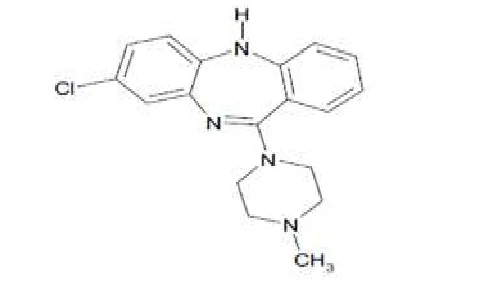
Physicochemical properties: Clozapine is a yellow crystalline powder, odorless or with a weak characteristic odor. Clozapine is freely soluble in Methylene chloride, soluble in diluted Acetic acid and in Ethanol, practically insoluble in Water. Clozapine melts in the range between 182-186 °C
14 Clinical Trials
Clinical Trial Data on Suicidal Behaviour (InterSePT Study)
The International Suicide Prevention Study (InterSePT) Study ABA 451 was a prospective, open-label randomized, international, parallel-group comparison of clozapine vs. olanzapine of two years duration, with approximately 490 patients per treatment group
14.1 Trial Design and Study Demographics
Patients were diagnosed with schizophrenia or schizoaffective disorder using DSM-IV criteria and meeting at least one of the following criteria in order to be deemed at high risk for suicide:
- a) a suicide attempt, or hospitalization to prevent an attempt, within the last three years; or b) moderate to severe suicidal ideation with either a depressive component or command hallucinations, within the last week. One fourth (27%) of the patient population was considered "treatment-resistant".
Due to the high-risk nature of the study population, the principal investigators (PIs) were permitted to treat patients as they judged necessary, including concomitant medications, non-drug treatments, and hospitalizations. Both the PIs and the patients were aware of the treatment group assignment.
Efficacy Measures
The primary efficacy measure was time to the first occurrence of either a Type I or Type II event.
The unblinded PIs were responsible for identifying Type I events: a suicide attempt, or the judgement of need for hospitalization/increased surveillance to prevent an attempt. In the case of the Type I events, all relevant information from the PIs was blinded and forwarded to a blinded group of experts (the Suicide Monitoring Board) for final confirmation of each potential Type I event. Blinded psychiatrists, who assessed the patients at pre-determined intervals, were responsible for identifying Type II events: "much worsening" or "very much worsening" from baseline in the Clinical Global Impression of Severity of Suicidality-Blinded Psychiatrist (CGI- SS-BP) scale.
14.2 Study Results
Analysis using the Cox's proportional hazard regression model demonstrates that within the context of the InterSePT trial there was a 26% reduced risk for a suicide attempt or hospitalization to prevent suicide (Type 1 event) for clozapine-treated patients compared to olanzapine treated-patients (p=0.02, hazard ratio 0.74 [95% C.I.:0.57, 0.96]).
Factors that preclude regulatory endorsement of an indication for clozapine for the risk of recurrent suicidal behavior in patients with schizophrenia or schizoaffective disorder:
- 1. The heavy reliance of the endpoints on clinical judgement, when combined with the fact that the principal investigators were not blinded to the treatment group, creates the potential for bias in the results.
- 2. Separate indications for the domain of recurrent suicidal behavior versus that of psychosis require a conclusion that the two domains are independent; currently, there is insufficient evidence to allow such a conclusion.
- 3. The usual concerns with generalizability of study results to individual patients in clinical practice are magnified in this therapeutic area. Given that schizophrenia is associated with long-term increased risk of suicide, the two-year duration of the study limits generalizability. Many patients in this study had multiple suicide risk factors; the variable and dynamic nature of risk and protective factors, and the unpredictability of interaction with unique life circumstances also limit generalizability, as do the unusual efforts made in the study to prevent a suicide attempt, including frequent patient-clinician contact.
- 4. Because decisions about concomitant treatment were made by unblinded PIs, the post- hoc finding that the clozapine group received significantly less psychotropic medication than did the olanzapine group is not readily interpretable.
- 5. This is the sole prospective randomized trial.
Conclusion
Under the currently approved Canadian indication, clozapine is already available to a substantial percentage of psychotic patients at risk of suicide, given the frequency of tolerability issues and the fact that a complete response to an anti-psychotic is rare. The InterSePT study is a source of further information with regards to these patients.
While the InterSePT results are hypothesis-generating, they fail to provide sufficient evidence to support the safety and efficacy of the use of clozapine in patients who are naive to anti-psychotics or have schizoaffective disorder.
14.3 Comparative Bioavailability Studies
A randomized, multi-centre, double-blind, two-way, crossover, multiple-dose, steady-state comparative bioavailability study of Auro-Clozapine (Auro Pharma Inc.) and CLOZARIL® (Novartis Pharmaceuticals Canada Inc.) was conducted in adult, male and female patients with schizophrenia already receiving / stabilized with clozapine under fasting conditions. Comparative bioavailability data from the 30 subjects that were included in the statistical analyses are presented in the following table.
Summary Table of the Comparative Bioavailability Data
Clozapine (1 x 100 mg) Geometric Mean Arithmetic Mean (CV %) | ||||
| Parameter | Test1 | Reference2 | % Ratio of Geometric Means | 90% Confidence Interval |
AUCtau (ng·h/mL) | 6539.5 7127.3 (47.8) | 6894.3 7575.5 (51.2) | 94.9 | 88.8 – 101.4 |
Cmax (ng/mL) | 773.4 829.4 (40.3) | 860.6 923.1 (40.8) | 89.9 | 83.4 – 96.9 |
Cmin (ng/mL) | 332.9 401.3 (68.2) | 355.8 425.7 (72.9) | 93.6 | 83.8 – 104.5 |
Tmax3 (h) | 2.0 (1.00 – 3.00) | 1.50 (1.00 – 3.00) | ||
1 Auro-Clozapine (clozapine) tablets, 100 mg (Auro Pharma Inc.).
2 CLOZARIL ® (clozapine) tablets, 100 mg (Novartis Pharmaceuticals Canada Inc.).
3 Expressed as the median (range) only.
15 Microbiology
No microbiological information is required for this drug product.
16 Non-Clinical Toxicology
General Toxicity
Acute Toxicity
The acute toxicity of clozapine is as follows:
Table 5 Acute Toxicity of Clozapine
| Species | Sex | Route | LD50 (mg/kg) |
|---|---|---|---|
| Mouse | M,F M,F M F | IV IP Oral Oral | 61 90 210 190 |
| Rat | M,F M F M F | IV IM IM Oral Oral | 58 228 198 325 225 |
| Guinea Pig | M F | Oral Oral | 510 681 |
| Dog | M,F | Oral | 145 |
Long-Term Toxicity
Table 6 Long Term Toxicity of Clozapine
| Species | Duration | Route | Dose (mg/kg/d) | Findings |
|---|---|---|---|---|
| Species | Duration | Route | Dose (mg/kg/d) | Findings |
| Species | Duration | Route | Dose (mg/kg/d) | Findings |
| Rat | 26-week | Oral gavage | 10, 20, 40 | 10 mg/kg/day: slight increase in liver weights in the males. 20, 40 mg/kg/day: sedation during early weeks; aggression during the later weeks; somewhat impaired weight gain; absolute and relative liver weights slightly increased; fore stomach slightly dilated in males. |
| Rat | 100- week | Oral feed | 0, 15, 31, 74 | During the study, a dose- and time-dependent occurrence of increased lipopigment was observed in various organs. 15 mg/kg/d: pigment seen in thyroid, heart and brain at |
terminal examination (100 weeks), not associated with significant adverse changes 31 mg/kg/day: reddened urine (probably due to a metabolite) 31, 74 mg/kg/day: increased lipopigment in the thyroid, brain, kidney, liver, heart, spleen and skeletal muscle of animals dying or sacrificed after one year. 15, 31, 74 mg/kg/d: dose dependent microscopic liver changes: namely centro-lobular vacuolization and hepatocyte swelling, increased liver weights; BUN and SGPT levels slightly increased at 26 and 100 weeks; degenerative changes seen in testes and skeletal muscle. These findings were more intense at the high dose. Overall mortality marginally increased in treated rats; not dose- dependent | ||||
| Rat | 24- month (108 weeks) | Oral feed | 0, 3, 10, 35 | Mortality comparable to controls at all time intervals. With the exception of lipofuscin pigmentation similar to that observed in the 100-week oral toxicity study there was no evidence that the treatments had affected the occurrence of diseases anticipated to occur spontaneously in laboratory rats. |
| Mouse | 78-week | Oral feed | 40 (75 after wk 32, in half of group) | Occasional skin lesions during early weeks of treatment in up to 40% of the mice (including controls) of unknown etiology (treated for short periods with antibiotic and antimycotic drugs). Clinical pathology results were unremarkable except for slightly increased serum glutamic oxaloacetic transaminase levels in treated mice at week 78. No evidence of hepatotoxicity in liver histology. |
Beagle Dog | 13-week | Oral capsules | 0, 5, 10, 20 | All doses: dose-dependent sedation, muscular relaxation, miosis, lacrimation, salivation, muscular tremors, prolapse of nictitating membranes, irritability and emesis, all disappearing within 12 hours after drug administration except salivation, persisting up to 24 hours. No toxicological changes Toxicological changes: increased liver weight in some treated dogs compared with controls (non-dose-dependent). One female (10 mg/kg/d) died after 25 days of treatment, due to acute pneumonia (not medication-related). No other deaths occurred at any dose level. |
| Beagle Dogs | 13-weeks | Oral capsules | Wk -9: Increasing from 20 – 90 Wk 9- | 20 - 30 mg/kg/day: slight paresis, prolapse of the nictitating membrane, salivation, tremor and distinct dacryorrhea, progressively accentuated at increasing doses. Increasing doses: miosis, unnatural posture, tachypnea |
13: 90 + 8 wk recovery for half | and aggression; convulsions and ataxia (2 dogs), all disappearing within 2 wk drug discontinuation. ECG: decreased heart rate, prolonged QT intervals and twin- peaked T-waves in some leads, disappearing within 4 weeks after drug discontinuation No other drug-induced changes found on clinical and postmortem examinations, with the possible exception of increased kidney weights. Microscopic examinations were unremarkable. 90 mg/kg/d is ~60% of acute LD50. | |||
| Beagle Dog | 1 year | Oral capsules | 0, 5, 10, 20 x 4 wks, then 0, 7.5, 15, 30 | Dose dependent salivation, apathy, slight tremor and diarrhea. Minor coincidental lesion in some dogs, not drug related. |
| Rhesus Monkey | 104-wk | Oral caps | 3, 20 (up to 30 in early weeks) | 3 mg/kg/d: slight transient clinical signs (sedation and ptosis on day 1) and minor hematologic changes in the early weeks (slight falls in red and white blood cell counts without development of anemia or leukopenia). ECG: slightly prolonged QT intervals in individual monkeys at sporadic intervals, mostly in the first year. "No-toxic effect" level for the monkey. 20 mg/kg/d: sedation, ptosis and salivation; impaired weight gain; slight depressions of red and white cell counts (no cases of anemia or leukopenia). ECG: similar to low dose, although decreased incidence during year 2. 1-year post-mortem: slightly increased lipopigment deposition in myocardial fibres 2-year post-mortem: distinct brown discoloration of heart and urinary bladder mucosa associated with pigment deposition. Similar pigment was also seen microscopically in the neurons of the CNS and the mucosa of the gallbladder; slightly increased splenic weights; no specific organ toxicity seen. |
Carcinogenicity
No evidence of carcinogenicity was seen in the 100-week and 24-month rat toxicity studies or the 78-week mouse carcinogenicity study described above, or in a second 18-month mouse study of clozapine 6, 21, and 61 mg/kg/d.
Genotoxicity
No evidence of mutagenic effects of clozapine was detected in four assays: 1. Ames Salmonella; 2. DNA repair synthesis (UDS) in vitro rat hepatocytes; 3. V79 Chinese hamster cells in vitro; and 4. In vivo mouse micronucleus.
Reproductive and Developmental Toxicology
Teratology: Pregnant rats and rabbits were given clozapine 0, 20 and 40 mg/kg/day orally during organogenesis.
Clozapine had no apparent effect on the maternal, litter or fetal parameters. In rabbits, treatment attenuated weight gain during drug administration, which was not compensated for during the remainder of pregnancy. Nevertheless, no drug-related change in pregnancy, litter, or fetal data was observed, apart from a slight reduction in mean fetal weights (within normal limits).
Fertility: Male and female rats were treated before mating with clozapine 0, 20 and 40 mg/kg/day by gavage for 70 and 14 days, respectively. On day 13 of pregnancy half of the dams were sacrificed. Their genital tract and the condition of the fetuses were inspected. The remaining dams were allowed to litter and the young were sacrificed on day 21 postpartum and examined for abnormalities.
At the end of the treatment period, treated males, at both dose levels, had impaired weight gain as compared to the controls. Sedation was seen at 40 mg/kg/day, and excitation at 20 mg/kg/day. Fertility was not impaired. Pregnancy, fetal and postnatal development of the young were normal throughout the study.
In the females, the 2-week treatment period had no adverse effect on weight gain. The pharmacological effects observed were similar to those seen in the males. Pregnancy rate was remarkably high in the 40 mg/kg group but was associated with a slightly increased number of intrauterine deaths. No abnormalities were observed in fetuses or newborn animals. Birth and postnatal development were normal throughout the study.
Perinatal: Mated female rats were given clozapine by gavage at doses of 20 and 40 mg/kg/day over the last third of pregnancy until day 21 post-partum. Controls received water. Observations of the fetuses were made at birth and during the postnatal period.
A dose-dependent impairment of weight gain was apparent in the dams. With 40 mg/kg/day there was actually a weight loss. Litter size and litter weights were within normal limits, although a slight dose-dependent reduction was seen. Survival rates and mean weights of the offspring were reduced by the end of lactation compared to that of the controls. The offspring showed evidence of increased excitability.
Generation Study: The offspring of the three groups of the above study (controls, 20 and 40 mg/kg/day) were allowed to reach sexual maturity and mated, six possible combinations between groups being used (control males with 40 mg/kg females, control males with 20 mg/kg females, 40 mg/kg males with control females, 20 mg/kg males with control females, 20 mg/kg males with same dose females, 40 mg/kg males with same dose females). Pregnancy rates and litter data as well as the postnatal development of the F2-generation were studied.
In none of the 6 groups was a deviation from normal values detected, nor was any intra-group difference noted. From these results, it may be concluded that clozapine administration had no effect on the F2-generation.
Other Studies
In several test systems employing animal bone marrow cells, clozapine, as well as certain other drugs with a potential to cause neutropenia were shown to have a suppressant effect on cell division. However, the relevance of these models for predicting potential bone marrow toxicity remains to be fully established.
17 Supporting Product Monographs
- 1. PrCLOZARIL (Clozapine Tablets) 25 mg, 50 mg, 100 mg and 200 mg, Control No.: 293275, Product Monograph, Manufactured by HLS Therapeutics Inc. Date of Revision: July 10, 2025.