


Product Monograph - Auro-Rufinamide
SUMMARY PRODUCT INFORMATION
| Route of Administration | Dosage Form / Strength | Non-medicinal Ingredients |
|---|---|---|
| Oral | Tablet; 200 mg and 400 mg | Microcrystalline cellulose, Lactose Monohydrate, Corn Starch, Croscarmellose sodium, Hypromellose Methocel E5 LV premium, Sodium Lauryl Sulfate, Colloidal Silicon Dioxide, Magnesium Stearate, titanium dioxide, polyethylene glycol, talc and iron oxide red. |
INDICATIONS AND CLINICAL USE
Auro-Rufinamide (rufinamide) is indicated for adjunctive treatment of seizures associated with Lennox-Gastaut syndrome in children 4 years of age and older and in adults.
In a placebo-controlled clinical trial of 12 weeks in duration in patients with Lennox-Gastaut syndrome, Rufinamide decreased the frequency of total seizures, tonic-atonic seizures (drop attacks), and seizure severity (see CLINICAL TRIALS).
Auro-Rufinamide is not indicated for the treatment of any other type of seizure disorder.
Geriatrics (> 65 years of age): There is limited information on the use of rufinamide in subjects over 65 years of age. In general, dose selection for an elderly patient should be cautious, usually starting at the low end of the dosing range, reflecting the greater frequency of decreased hepatic, renal, or cardiac function, and of concomitant disease or other drug therapy (see WARNINGS AND PRECAUTIONS, Special Populations).
Pediatrics (1 to <4 years of age): The safety and pharmacokinetic profile of rufinamide in children 1 to <4 years of age with Lennox-Gastaut syndrome have been studied in a randomized, active-controlled open-label study (see WARNINGS AND PRECAUTIONS, QT Shortening; ADVERSE REACTIONS; ACTION AND CLINICAL PHARMACOLOGY; Special
Populations and Conditions, Pediatrics).
Safety and efficacy in children under 1 year of age have not been studied. Auro-Rufinamide is not indicated for use in this patient population (see WARNINGS AND PRECAUTIONS, Special Populations).
CONTRAINDICATIONS
- Patients with Familial Short QT syndrome, family history of short QT syndrome, presence, or history of short QT interval (see WARNINGS AND PRECAUTIONS, QT Shortening).
- Patients who are hypersensitive to rufinamide, triazole derivatives or any of the excipients (see WARNINGS AND PRECAUTIONS and DOSAGE AND ADMINISTRATION). For a complete listing, see Dosage Forms, Composition and Packaging section.
WARNINGS AND PRECAUTIONS
Carcinogenesis and Mutagenesis
See PART II: SCIENTIFIC INFORMATION, TOXICOLOGY.
Cardiovascular
QT Shortening
Formal cardiac ECG studies demonstrated shortening of the QT interval (mean = 20 msec, for doses ≥ 2400 mg twice daily) with rufinamide treatment. In a placebo-controlled study of the QT interval in 117 healthy subjects, a higher percentage of rufinamide-treated subjects (46% at 2400 mg, 46% at 3200 mg, and 65% at 4800 mg) had a QT shortening of greater than 20 msec at Tmax compared to placebo (5 – 10%). In this placebo-controlled study, a moderate rise in heart rate was induced by rufinamide in only the four subjects who received the maximum dose of 7200 mg/day. Reductions of the QT interval below 300 msec were not observed.
In the study in patients 1 to <4 years of age, 12 of 25 rufinamide-treated patients (dose range: 40 to 51 mg/kg/day) had clinically notable increases in heart rate either at various points during the study or at the end of the trial. There were no clinically significant changes in blood pressure in these patients during the study. Reductions of the QT interval below 300 msec were not observed (see ACTION AND CLINICAL PHARMACOLOGY, Special Populations and Conditions, Pediatrics).
The degree of QT shortening induced by rufinamide is without any known clinical risk. Familial Short QT syndrome is associated with an increased risk of sudden death and ventricular arrhythmias, particularly ventricular fibrillation. Such events in this syndrome are believed to occur primarily when the corrected QT interval falls below 300 msec. Nonclinical data also indicate that QT shortening is associated with ventricular fibrillation.
Patients with Familial Short QT syndrome, family history of short QT syndrome, and presence, or history of short QT interval should not be treated with Auro-Rufinamide (see CONTRAINDICATIONS). Caution should be used when administering Auro-Rufinamide with other drugs or products that may shorten the QT interval (e.g., digoxin, mexiletine, phenytoin, magnesium sulfate).
Dependence/Tolerance
The abuse and dependence potential of rufinamide has not been evaluated in humans. Studies in Cynomolgus monkeys have shown no potential for physical or psychological dependence.
Endocrine and Metabolism
Auro-Rufinamide contains lactose, therefore patients with rare hereditary problems of galactose intolerance, the Lapp lactase deficiency or glucose-galactose malabsorption should not take this medicine.
Neurologic
Withdrawal of AEDs
As with all antiepileptic drugs, Auro-Rufinamide should be withdrawn gradually to minimize the risk of precipitating seizures, seizure exacerbation, or status epilepticus. If abrupt discontinuation of the drug is medically necessary, the transition to another AED should be made under close medical supervision. In clinical trials, rufinamide discontinuation was achieved by reducing the dose by approximately 25% every two days.
Status Epilepticus
Cases of status epilepticus have been reported during various controlled clinical trials of rufinamide. In the controlled Lennox Gastaut syndrome (LGS) trial, 3 of 74 (4%) rufinamide- treated patients experienced status epilepticus compared to none of the 64 placebo-treated patients. In all controlled trials that included patients with different epilepsies, 11 of 1240 (1%) rufinamide-treated patients experienced status epilepticus compared to none of the 635 placebo- treated patients. In these trials, nearly 20% of the patients that had status epilepticus discontinued from study. In cases where the patient develops new seizure type(s) and/or experiences an increased frequency of status epilepticus, the risk-benefit ratio of continued rufinamide therapy should be reassessed. Status epilepticus has been reported post-market (see ADVERSE REACTIONS).
Dizziness and Ataxia
In the controlled LGS trial, 2 of 74 (3%) rufinamide-treated patients experienced dizziness compared to none of the 64 placebo-treated patients. Four rufinamide-treated patients (5%) experienced ataxia compared to none of the placebo-treated patients (see ADVERSE REACTIONS).
In all other controlled trials that included patients with different epilepsies, dizziness was experienced in 190 of 1166 (16%) rufinamide-treated patients compared to 60 of 571 (11%) placebo-treated patients. Thirty-nine rufinamide-treated patients (3%) experienced ataxia compared to 3 (1%) of the placebo-treated patients.
Patients should be advised about the potential for somnolence or dizziness and advised not to drive or operate machinery until they have gained sufficient experience on Auro-Rufinamide to gauge whether it affects their mental and/or motor performance.
Somnolence and Fatigue
In the controlled LGS trial 18 rufinamide-treated patients (24%) experienced somnolence compared to 8 (13%) of the placebo-treated patients. Seven rufinamide-treated patients (10%) experienced fatigue compared to 5 (8%) of the placebo-treated patients.
In all other controlled trials that included patients with different epilepsies, somnolence was experienced by 128 (11%) of rufinamide-treated patients compared to 50 (9%) of the placebo- treated patients. Fatigue was experienced by 162 (14%) of the rufinamide-treated patients compared to 52 (9%) of the placebo-treated patients.
Ophthalmological Effects
In the controlled LGS trial, rufinamide treatment was associated with vision-related adverse events such as diplopia, dry eye, eye infection, eye irritation, eye pruritus, and blurred vision all at an incidence of 1% compared to 0% in the placebo-treated patients. Nystagmus occurred in 4% of the rufinamide-treated patients compared to 0% in the placebo-treated patients. None of the rufinamide-treated patients discontinued treatment due to vision-related adverse events (see ADVERSE REACTIONS).
In all other controlled trials that included patients with different epilepsies, rufinamide treatment was associated with vision-related adverse events such as diplopia (7%), blurred vision (4%) and nystagmus (4%) compared to 2%, 2% and 3%, respectively, for patients who received placebo.
Psychiatric
Suicidal Ideation and Behaviour
Suicidal ideation and behaviour have been reported in patients treated with antiepileptic agents in several indications.
All patients treated with antiepileptic drugs, irrespective of indication, should be monitored for signs of suicidal ideation and behaviour and appropriate treatment should be considered. Patients (and caregivers of patients) should be advised to seek medical advice should signs of suicidal ideation or behaviour emerge.
An FDA meta-analysis of randomized placebo-controlled trials, in which antiepileptic drugs were used for various indications, has shown a small increased risk of suicidal ideation and behaviour in patients treated with these drugs. The mechanism of this risk is not known.
There were 43,892 patients treated in the placebo-controlled clinical trials that were included in the meta-analysis. Approximately 75% of patients in these clinical trials were treated for indications other than epilepsy and, for the majority of non-epilepsy indications the treatment (antiepileptic drug or placebo) was administered as monotherapy. Patients with epilepsy represented approximately 25% of the total number of patients treated in the placebo-controlled clinical trials and, for the majority of epilepsy patients, treatment (antiepileptic drug or placebo) was administered as adjunct to other antiepileptic agents (i.e., patients in both treatment arms were being treated with one or more antiepileptic drug). Therefore, the small increased risk of suicidal ideation and behaviour reported from the meta-analysis (0.43% for patients on antiepileptic drugs compared to 0.24% for patients on placebo) is based largely on patients that received monotherapy treatment (antiepileptic drug or placebo) for non-epilepsy indications. The study design does not allow an estimation of the risk of suicidal ideation and behaviour for patients with epilepsy that are taking antiepileptic drugs, due both to this population being the minority in the study, and the drug-placebo comparison in this population being confounded by the presence of adjunct antiepileptic drug treatment in both arms.
Sensitivity/Resistance
Multi-organ Hypersensitivity Reactions
Multi-organ hypersensitivity syndrome (also known as Drug Rash Eosinophilia and Systemic
Symptoms or DRESS), a serious condition sometimes induced by antiepileptic drugs, has occurred in association with rufinamide therapy in clinical trials. One patient experienced rash, urticaria, facial edema, fever, elevated eosinophils, stuporous state, and severe hepatitis, beginning on Day 29 of rufinamide therapy and extending over a course of 30 days of continued rufinamide therapy. Symptoms resolved 11 days after rufinamide discontinuation. Four additional possible cases presented with rash and one or more of the following: fever, elevated liver function tests, hematuria, and lymphadenopathy. These symptoms occurred in children under 12 years of age, within four weeks of treatment initiation, and were noted to resolve and/or improve upon rufinamide discontinuation. This syndrome has been reported with other anticonvulsants and typically, although not exclusively, presents with fever and rash associated with other organ system involvement that may or may not include eosinophilia, hepatitis, nephritis, lymphadenopathy, and/or myocarditis. Because this disorder is variable in its expression, other organ system signs and symptoms not noted here may occur. In addition rare cases of DRESS (Drug Reaction with Eosinophilia and Systemic Symptoms) and Stevens-Johnson syndrome have been reported in association with rufinamide therapy post marketing. If an antiepileptic drug hypersensitivity syndrome is suspected, Auro-Rufinamide should be discontinued and alternative treatment started.
All patients who develop a rash while taking Auro-Rufinamide must be closely supervised.
Special Populations
Women of Childbearing Potential: Women of childbearing potential should be warned that the concurrent use of rufinamide with hormonal contraceptives may render this method of contraception less effective (see DRUG INTERACTIONS). Additional non-hormonal forms of contraception are recommended when using Auro-Rufinamide.
Pregnant Women: Rufinamide produced developmental toxicity when administered orally to pregnant animals at clinically relevant doses, based on systemic exposure. The no-effect doses for adverse effects are associated with plasma AUCs approximately 0.2 times that in humans at the maximum recommended human dose (MRHD, 3200 mg) and the high doses are associated with plasma AUCs 1.5 to 2 times the human plasma AUC at the MRHD (see TOXICOLOGY, Developmental and Reproductive Studies). There are no adequate and well-controlled studies in pregnant women. Auro-Rufinamide should not be used during pregnancy unless the benefit to the mother clearly outweighs the potential risk to the foetus. If women decide to become pregnant while taking Auro-Rufinamide, the use of this product should be carefully re-evaluated.
Labour and Delivery
The effect of rufinamide on labor and delivery in humans is not known.
Pregnancy Registry
Physicians are advised to recommend that pregnant patients taking Auro-Rufinamide enroll in the North American Antiepileptic Drug Pregnancy Registry. This can be done by calling the toll free number 1-888-233-2334, and must be done by patients themselves. Information on the registry can also be found at the following website: http://www.aedpregnancyregistry.org/.
Nursing Women: Rufinamide is likely to be excreted in breast milk. Because of the potential for serious adverse reactions from rufinamide in nursing infants, a decision should be made whether to discontinue nursing or discontinue the drug taking into account the importance of the drug to the mother.
Pediatrics (under 1 year of age): The safety and efficacy of rufinamide in children under 1 years of age with Lennox-Gastaut syndrome have not been studied. Auro-Rufinamide is not indicated for use in this patient population.
Geriatrics (> 65 years of age): Clinical studies of rufinamide did not include sufficient number of subjects aged 65 and over to determine whether they respond differently from younger subjects. In general, dose selection for an elderly patient should be cautious, usually starting at the low end of the dosing range, reflecting the greater frequency of decreased hepatic, renal, or cardiac function, and of concomitant disease or other drug therapy.
A study evaluating the pharmacokinetics of rufinamide in elderly subjects showed that there were no significant differences in the plasma and urine pharmacokinetic parameters of rufinamide between the younger and elderly subjects under both single and multiple dose treatments (see ACTION AND CLINICAL PHARMACOLOGY, Special Populations and Conditions).
ADVERSE REACTIONS
Adverse Drug Reaction Overview
Adverse Reactions in Adult and Pediatric Patients ages 4 to less than 17 years
Placebo-controlled double-blind studies were conducted in adults and in pediatric patients (> 4 years of age) in other forms of epilepsy in addition to the trial in Lennox-Gastaut syndrome (LGS). Rufinamide has been administered to 1978 patients during all epilepsy clinical trials (placebo-controlled and open-label). The safety profile was similar across different epilepsy populations. Overall, the most commonly observed (≥10%) adverse reactions in rufinamide- treated epilepsy patients at all doses studied (200 to 3200 mg/day) with a higher frequency than in placebo were headache, dizziness, fatigue, somnolence and nausea. At the target dose of 45 mg/kg/day in children, the most common (≥5%) adverse reactions were somnolence, vomiting, headache, fatigue, dizziness, nausea, influenza, nasopharyngitis and decreased appetite. At doses up to 3200 mg/day in adults, the most common (≥5%) adverse reactions were headache, dizziness, fatigue, nausea, somnolence, diplopia, tremor, nystagmus, vision blurred, and vomiting. These adverse reactions were usually mild to moderate and transient in nature. In controlled double-blind clinical studies, 8.1% (100/1240) of patients receiving rufinamide as adjunctive therapy and 4.3% (27/635) receiving placebo discontinued as a result of an adverse reaction. In the LGS trial, 8.1% (6/74) rufinamide-treated patients discontinued from the study due to adverse events compared with none of the 64 placebo-treated patients.
Pediatric Patients ages 1 to less than 4 years
In a multicenter, parallel group, open-label study comparing rufinamide (up to 45 mg/kg per day) adjunctive treatment (n=25) to the adjunctive treatment with an AED of the investigator’s choice (n=11) in pediatric patients (1 year to less than 4 years of age) with inadequately controlled Lennox-Gastaut Syndrome, the adverse reaction profile was generally similar to that observed in adults and pediatric patients 4 years of age and older treated with rufinamide. Treatment-emergent adverse events that occurred in at least 10% of rufinamide-treated patients and with a higher frequency than in the AED comparator group were: vomiting (28%), pneumonia (20%), somnolence (20%), sinusitis (16%), otitis media (16%), bronchitis (12%), nasal congestion (12%), constipation (12%), decreased appetite (12%), irritability (12%), and rash (12%).
Clinical Trial Adverse Drug Reactions
Because clinical trials are conducted under very specific conditions the adverse reaction rates observed in the clinical trials may not reflect the rates observed in practice and should not be compared to the rates in the clinical trials of another drug. Adverse drug reaction information from clinical trials is useful for identifying drug-related adverse events and for approximating rates.
Lennox-Gastaut Syndrome
Somnolence, dizziness, ataxia and gait disturbance were common central nervous system reactions in the controlled trial of patients 4 years or older with Lennox-Gastaut syndrome treated with rufinamide as adjunctive therapy. Vomiting and pyrexia were also commonly reported adverse reactions (see WARNINGS AND PRECAUTIONS, Neurologic).
Somnolence was reported in 24% of rufinamide-treated patients compared to 13% of placebo patients. Fatigue was reported in 10% of rufinamide-treated patients compared to 8% of placebo patients. Dizziness was reported in 3% of rufinamide-treated patients compared to 0% of placebo patients. Ataxia and gait disturbance were reported in 5% and 1% of rufinamide-treated patients, respectively, and in no placebo patients. Balance disorder and abnormal coordination were each reported in 0% of rufinamide-treated patients and 2% of placebo patients.
Table 1: Incidence (%) of Treatment-Emergent Adverse Reactions in the Lennox- Gastaut Syndrome Study by Preferred Term for All Treated Patients (Adults and Pediatric [ages 4 to less than 17 years]). (Adverse Reactions occurred in at least 1% of rufinamide-treated patients and occurred more frequently than in Placebo Patients)
| System Organ Class / Preferred Term | Placebo (N=64) % | Rufinamide (N=74) % | ||||
|---|---|---|---|---|---|---|
| Blood and lymphatic system disorders | ||||||
| Ecchymosis | 0 | 1 | ||||
| Petechiae | 0 | 1 | ||||
| Ear and labyrinth disorders | ||||||
| Ear Infection | 2 | 4 | ||||
| Endocrine disorders | ||||||
| Hypothyroidism | 0 | 1 | ||||
| Eye disorders | ||||||
| Diplopia | 0 | 1 | ||||
| Dry Eye | 0 | 1 | ||||
| Eye Infection | 0 | 1 | ||||
| Eye Irritation | 0 | 1 | ||||
| Eye Pruritus | 0 | 1 | ||||
| Periorbital Oedema | 0 | 1 | ||||
| Vision Blurred | 0 | 1 | ||||
| Gastrointestinal disorders | ||||||
| Vomiting | 6 | 22 | ||||
| Loose Stools | 2 | 3 | ||||
| Gingival Swelling | 0 | 1 | ||||
| Halitosis | 0 | 1 | ||||
| Nausea | 0 | 1 | ||||
| Oesophagitis | 0 | 1 | ||||
| Salivary Hypersecretion | 0 | 1 | ||||
| General disorders and administration site conditions | ||||||
| Fatigue | 8 | 10 | ||||
| Ataxia | 0 | 5 | ||||
| Difficulty in Walking | 0 | 1 | ||||
| Gait Abnormal | 0 | 1 | ||||
| Intermittent Pyrexia | 0 | 1 | ||||
| Immune system disorders | ||||||
| Bronchospasm | 0 | 1 | ||||
| Infections and infestations | ||||||
| Nasopharyngitis | 3 | 10 | ||||
| Rhinitis | 5 | 5 | ||||
| Sinusitis | 2 | 3 | ||||
| Influenza | 0 | 3 | ||||
| Pneumonia | 0 | 3 | ||||
| Bronchitis Acute | 0 | 1 | ||||
| Cellulitis | 0 | 1 |
|---|---|---|
| Croup Infectious | 0 | 1 |
| Folliculitis | 0 | 1 |
| Herpes Viral Infection | 0 | 1 |
| Hordeolum | 0 | 1 |
| Periorbital Cellulitis | 0 | 1 |
| Rubella | 0 | 1 |
| Injury, poisoning and procedural complications | ||
| Contusion | 2 | 3 |
| Head Injury | 2 | 3 |
| Arthropod Bite | 0 | 1 |
| Drug Toxicity | 0 | 1 |
| Ligament Injury | 0 | 1 |
| Skin Laceration | 0 | 1 |
| Post Procedural Complication | 0 | 1 |
| Investigations | ||
| Liver Function Test Abnormal | 0 | 1 |
| Respiratory Rate Increased | 0 | 1 |
| Metabolism and nutrition disorders | ||
| Decreased Appetite | 5 | 10 |
| Musculoskeletal and connective tissue disorders | ||
| Back Disorder | 0 | 1 |
| Musculoskeletal Stiffness | 0 | 1 |
| Myalgia | 0 | 1 |
| Nervous system disorders | ||
| Somnolence | 13 | 24 |
| Headache | 5 | 7 |
| Psychomotor Hyperactivity | 3 | 4 |
| Nystagmus | 0 | 4 |
| Status Epilepticus | 0 | 4 |
| Convulsions | 0 | 3 |
| Dizziness | 0 | 3 |
| Abasia | 0 | 1 |
| Aphasia | 0 | 1 |
| Crying | 0 | 1 |
| Tension Headache | 0 | 1 |
| Tonic Convulsion | 0 | 1 |
| Psychiatric disorders | ||
| Eating Disorder | 0 | 3 |
| Disorientation | 0 | 1 |
| Hostility | 0 | 1 |
| Renal and urinary disorders | ||
| Enuresis | 0 | 1 |
| Micturition Frequency Decreased | 0 | 1 |
| Urinary Retention | 0 | 1 |
| Reproductive system and breast disorders | ||
| Menses Delayed | 0 | 3 |
| Respiratory, thoracic and mediastinal disorders | ||
| Epistaxis | 0 | 4 |
| Excessive bronchial secretion | 0 | 1 |
| Pharyngolaryngeal Pain | 0 | 1 |
| Rhinitis Seasonal | 0 | 1 |
Controlled Clinical Studies in All Indications
Pediatrics (ages 4 to less than 17 years)
Table 2 lists treatment-emergent adverse reactions that occurred in at least 1% of pediatric patients with epilepsy treated with rufinamide in controlled adjunctive studies and were numerically more common in patients treated with rufinamide than placebo.
Table 2: Incidence (%) of Treatment-Emergent Adverse Reactions in All Pediatric (4 to 16 years) Double-Blind Adjunctive Trials in All indications by Preferred Term at the Recommended Dose of 45 mg/kg/day (Adverse Reactions occurred in at least 1% of rufinamide-treated patients and occurred more frequently than in Placebo Patients)
| Stridor | 0 | 1 |
|---|---|---|
| Skin and subcutaneous tissue disorders | ||
| Rash | 2 | 7 |
| Acne | 0 | 3 |
| Exanthem | 0 | 3 |
| Dermatitis Contact | 0 | 1 |
| Dry Skin | 0 | 1 |
| Swelling Face | 0 | 1 |
| Vascular disorders | ||
| Pallor | 0 | 1 |
| System Organ Class / Preferred Term | Placebo (N=182) % | Rufinamide (N=187) % | ||
|---|---|---|---|---|
| Blood and lymphatic system disorders | ||||
Disseminated Intravascular Coagulation | 0 | 1 | ||
| Leukopenia | 0 | 1 | ||
| Neutropenia | 0 | 1 | ||
| Cardiac disorders | ||||
| Tachycardia | 0 | 1 | ||
| Ear and labyrinth disorders | ||||
| Ear Infection | 1 | 3 | ||
| Vertigo | 0 | 2 | ||
| Tinnitus | 0 | 1 | ||
| Endocrine disorders | ||||
| Hypothyroidism | 0 | 1 | ||
| Eye disorders | ||||
| Diplopia | 1 | 4 | ||
| Chalazion | 0 | 1 | ||
| Conjunctival Hyperaemia | 0 | 1 | ||
| Conjunctivitis Allergic | 0 | 1 | ||
| Eye Swelling | 0 | 1 | ||
| Eye Pain | 0 | 1 | ||
| Lacrimation Increased | 0 | 1 | ||
| Vision Blurred | 0 | 1 | ||
| System Organ Class / Preferred Term | Placebo (N=182) % | RUFINAMIDE (N=187) % | ||
|---|---|---|---|---|
| Gastrointestinal disorders | ||||
| Vomiting | 7 | 17 | ||
| Nausea | 3 | 7 | ||
| Abdominal Pain Upper | 2 | 3 | ||
| Abdominal Discomfort | 0 | 1 | ||
| Faecal Incontinence | 0 | 1 | ||
| Halitosis | 0 | 1 | ||
| Gingival Swelling | 0 | 1 | ||
| Oesophagitis | 0 | 1 | ||
| Stomach Discomfort | 0 | 1 | ||
| General disorders and administration site conditions | ||||
| Fatigue | 8 | 9 | ||
| Ataxia | 1 | 4 | ||
| Gait Disturbance | 0 | 2 | ||
| Difficulty in Walking | 0 | 1 | ||
| Face Oedema | 0 | 1 | ||
| Feeling Abnormal | 0 | 1 | ||
| Injection Site Rash | 0 | 1 | ||
| Malaise | 0 | 1 | ||
| Oedema Peripheral | 0 | 1 | ||
| Immune system disorders | ||||
| Hypersensitivity | 1 | 2 | ||
| Infections and infestations | ||||
| Influenza | 4 | 5 | ||
| Nasopharyngitis | 3 | 5 | ||
| Bronchitis | 2 | 3 | ||
| Sinusitis | 2 | 3 | ||
| Viral Infection | 1 | 2 | ||
| Pneumonia | 1 | 2 | ||
| Pharyngitis Streptococcal | 1 | 2 | ||
| Cellulitis | 0 | 1 | ||
| Croup Infectious | 0 | 1 | ||
| Gingival Abscess | 0 | 1 | ||
| Hordeolum | 0 | 1 | ||
| Rubella | 0 | 1 | ||
| Urinary Tract Infection | 0 | 1 | ||
| Injury, poisoning and procedural complications | ||||
| Abdominal Injury | 0 | 1 | ||
| Arthropod Bite | 0 | 1 | ||
| Chest Injury | 0 | 1 | ||
| Foot Fracture | 0 | 1 | ||
| Injury | 0 | 1 | ||
| Ligament Injury | 0 | 1 | ||
| Lower Limb Fracture | 0 | 1 | ||
| Post Procedural Pain | 0 | 1 | ||
| Skin Laceration | 0 | 1 | ||
| Investigations | |||
|---|---|---|---|
| Weight Decreased | 1 | 2 | |
| Hepatic Enzyme Increased | 0 | 1 | |
| Respiratory Rate Increased | 0 | 1 | |
| Metabolism and nutrition disorders | |||
| Decreased Appetite | 2 | 5 | |
| Increased Appetite | 1 | 2 | |
| Appetite Disorder | 0 | 1 | |
| Musculoskeletal and connective tissue disorders | |||
| Arthritis | 0 | 1 | |
| Back Disorder | 0 | 1 | |
| Back Pain | 0 | 1 | |
| Buttock Pain | 0 | 1 | |
| Neck Pain | 0 | 1 | |
| Osteoporosis | 0 | 1 | |
| Scoliosis | 0 | 1 | |
| Nervous system disorders | |||
| Somnolence | 9 | 17 | |
| Headache | 8 | 16 | |
| Dizziness | 6 | 8 | |
| Convulsion | 4 | 5 | |
| Disturbance in Attention | 1 | 3 | |
| Psychomotor Hyperactivity | 1 | 3 | |
| Status Epilepticus | 0 | 2 | |
| Aphasia | 0 | 1 | |
| Balance Disorder | 0 | 1 | |
| Dyskinesia | 0 | 1 | |
| Hyperkinesia | 0 | 1 | |
| Hypersomnia | 0 | 1 | |
| Hypotonia | 0 | 1 | |
| Mental Impairment | 0 | 1 | |
| Mental Retardation Severity Unspecified | 0 | 1 | |
| Migraine | 0 | 1 | |
| Postictal Headache | 0 | 1 | |
| Psychomotor Skills Impaired | 0 | 1 | |
| Sciatica | 0 | 1 | |
| Speech Disorder | 0 | 1 | |
| Tonic Convulsion | 0 | 1 | |
| Psychiatric disorders | |||
| Aggression | 2 | 3 | |
| Depressed Mood | 0 | 1 | |
| Disorientation | 0 | 1 | |
| Eating Disorder | 0 | 1 | |
| Excitability | 0 | 1 | |
Adults
Table 3 lists treatment-emergent adverse reactions that occurred in at least 1% of adult patients with epilepsy treated with rufinamide (up to 3200 mg/day) in adjunctive controlled studies and were numerically more common in patients treated with rufinamide than placebo. In these studies, either rufinamide or placebo was added to current AED therapy.
Table 3: Incidence (%) of Treatment-Emergent Adverse Reactions in All Adult (≥ 17 years of age) Double-Blind Adjunctive Trials (up to 3200 mg/day) in All Indications by Preferred Term (Adverse Reactions occurred in at least 1% of rufinamide-treated patients and occurred more frequently than in Placebo Patients)
| System Organ Class / Preferred Term | Placebo (N=182) % | Rufinamide (N=187) % | |||
|---|---|---|---|---|---|
| Nightmare | 0 | 1 | |||
| Sleep Disorder | 0 | 1 | |||
| Renal and urinary disorders | |||||
| Enuresis | 0 | 1 | |||
| Urinary Incontinence | 0 | 1 | |||
| Proteinuria | 0 | 1 | |||
| Reproductive system and breast disorders | |||||
| Genital Haemorrhage | 0 | 1 | |||
| Oligomenorrhoea | 0 | 1 | |||
| Respiratory, thoracic and mediastinal disorders | |||||
| Asphyxia | 0 | 1 | |||
| Bronchospasm | 0 | 1 | |||
| Dyspnoea | 0 | 1 | |||
| Increased Bronchial Secretion | 0 | 1 | |||
| Productive Cough | 0 | 1 | |||
| Rhinitis Seasonal | 0 | 1 | |||
| Skin and subcutaneous tissue disorders | |||||
| Rash | 2 | 4 | |||
| Pruritus | 0 | 3 | |||
| Dermatitis Allergic | 0 | 1 | |||
| Dermatitis Contact | 0 | 1 | |||
| Dry Skin | 0 | 1 | |||
| Eczema | 0 | 1 | |||
| Exanthem | 0 | 1 | |||
| Neurodermatitis | 0 | 1 | |||
| Skin Striae | 0 | 1 | |||
| Swelling Face | 0 | 1 | |||
| Urticaria | 0 | 1 | |||
| Vascular disorders | |||||
| Hot Flash | 0 | 1 | |||
| Pallor | 0 | 1 | |||
| System Organ Class / Preferred Term | Placebo (N=376) % | Rufinamide (N=823) % | |||
|---|---|---|---|---|---|
| Ear and labyrinth disorders | |||||
| Vertigo | 1 | 3 | |||
| Eye disorders | |||||
| Diplopia | 3 | 9 | |||
| Vision Blurred | 2 | 6 | |||
| Conjunctivitis | 0 | 1 | |||
Discontinuation in Controlled Clinical Studies
| Eye Irritation | 0 | 1 |
|---|---|---|
| Visual Disturbance | 0 | 1 |
| Gastrointestinal disorders | ||
| Nausea | 9 | 12 |
| Vomiting | 4 | 5 |
| Abdominal Pain Upper | 2 | 3 |
| Constipation | 2 | 3 |
| Dyspepsia | 2 | 3 |
| Abdominal Distension | 0 | 1 |
| Loose Stools | 0 | 1 |
| General disorders and administration site conditions | ||
| Fatigue | 10 | 16 |
| Gait Disturbance | 1 | 3 |
| Infections and infestations | ||
| Bronchitis Acute | 0 | 1 |
| Respiratory Tract Infection | 0 | 1 |
| Injury, poisoning and procedural complications | ||
| Face Injury | 0 | 1 |
| Joint Sprain | 0 | 1 |
| Investigations | ||
| Weight Decreased | 0 | 1 |
| Metabolism and nutrition disorders | ||
| Decreased Appetite | 0 | 1 |
| Musculoskeletal and connective tissue disorders | ||
| Back Pain | 1 | 3 |
| Myalgia | 0 | 2 |
| Nervous system disorders | ||
| Headache | 26 | 27 |
| Dizziness | 12 | 19 |
| Somnolence | 9 | 11 |
| Nystagmus | 5 | 6 |
| Tremor | 5 | 6 |
| Ataxia | 0 | 4 |
| Balance Disorder | 1 | 2 |
| Cerebellar Syndrome | 0 | 1 |
| Dyskinesia | 0 | 1 |
Partial Seizures with Secondary Generalization | 0 | 1 |
| Sensory Disturbance | 0 | 1 |
| Speech Disorder | 0 | 1 |
| Status Epilepticus | 0 | 1 |
| Tension Headache | 0 | 1 |
| Psychiatric disorders | ||
| Anxiety | 2 | 3 |
| Anorexia | 1 | 2 |
| Nervousness | 2 | 2 |
| Depression | 1 | 2 |
| Apathy | 0 | 1 |
| Skin and subcutaneous tissue disorders | ||
| Pruritus | 1 | 2 |
| Skin Lesion | 0 | 1 |
| Vascular disorders | ||
| Hypotension | 0 | 1 |
Discontinuation Due to Adverse Events in the Controlled Lennox-Gastaut Syndrome Study
In the controlled Lennox Gastaut syndrome study, 8.1% of rufinamide-treated patients and 0% of placebo-treated patients discontinued due to adverse events. The adverse reactions most commonly leading to discontinuation of rufinamide (>1%) are presented in Table 4.
Table 4: Adverse Reactions Most Commonly Leading to Discontinuation in Lennox-Gastaut Syndrome Study in Adult and Pediatric (ages 4 to less than 17 years) Patients
| Preferred Term | Placebo (N=64) % | Rufinamide (N=74) % |
|---|---|---|
| Vomiting | 0 | 4 |
| Rash | 0 | 3 |
| Somnolence | 0 | 3 |
| Anorexia | 0 | 1 |
| Apathy | 0 | 1 |
| Back Disorder | 0 | 1 |
| Convulsions | 0 | 1 |
| Eating Disorder | 0 | 1 |
| Fatigue | 0 | 1 |
| Liver Function Test Abnormal | 0 | 1 |
| Pneumonia | 0 | 1 |
Discontinuation Due to Adverse Events in All Controlled Clinical Trials in All indications
In controlled double-blind clinical studies, 8.1% of patients receiving rufinamide as adjunctive therapy and 4.3% receiving placebo discontinued as a result of an adverse reaction. The adverse reactions most commonly leading to discontinuation of rufinamide (>1%) used as adjunctive therapy were generally similar in adults and children (ages 4 to less than 17 years).
Pediatrics Patients ages 4 to less than 17 years
In pediatric double-blind adjunctive clinical studies, 8.0% of patients receiving rufinamide as adjunctive therapy and 2.2% receiving placebo discontinued as a result of an adverse reaction. The adverse reactions most commonly leading to discontinuation of rufinamide (>1%) used as adjunctive therapy are presented in Table 5.
Table 5: Adverse Reactions Most Commonly Leading to Discontinuation in Double-Blind Adjunctive Trials in All Indications (At the Recommended Dose of 45 mg/kg/day) in Pediatric Patients (4 to less than 17 years)
| Preferred Term | Placebo (N=182) % | Rufinamide (N=187) % |
|---|---|---|
| Convulsion | 1 | 2 |
| Rash | 1 | 2 |
| Fatigue | 0 | 2 |
| Vomiting | 0 | 1 |
Adults
In adult double-blind adjunctive clinical studies (up to 3200 mg/day), 9.5% of patients receiving rufinamide as adjunctive therapy and 5.9% receiving placebo discontinued as a result of an adverse reaction. The adverse reactions most commonly leading to discontinuation of rufinamide (>1%) used as adjunctive therapy are presented in Table 6.
Table 6: Adverse Reactions Most Commonly Leading to Discontinuation in Double-Blind Adjunctive Trials in All Indications (up to 3200 mg/day) in Adult Patients
| Preferred Term | Placebo (N=376) % | Rufinamide (N=823) % |
|---|---|---|
| Dizziness | 1 | 3 |
| Fatigue | 1 | 2 |
| Headache | 1 | 2 |
| Ataxia | 0 | 1 |
| Nausea | 0 | 1 |
Other Adverse Events Observed During Clinical Trials
Adverse events occurring at least three times and considered possibly related to treatment are included in the System Organ Class listings below. Terms not included in the listings are those too general to be informative, those related to procedures and terms describing events common in the population. Some events occurring fewer than 3 times are also included based on their medical significance. Because the reports include events observed in open-label, uncontrolled observations, the role of rufinamide in their causation cannot be reliably determined.
Events are classified by body system and listed in order of decreasing frequency as follows: frequent adverse events- those occurring in at least 1/100 patients; infrequent adverse events- those occurring in 1/100 to 1/1000 patients; rare- those occurring in fewer than 1/1000 patients.
Blood and Lymphatic System Disorders: Frequent: anemia. Infrequent: lymphadenopathy, leukopenia, neutropenia, iron deficiency anemia, thrombocytopenia.
Cardiac Disorders: Infrequent: bundle branch block right, atrioventricular block first degree.
Metabolic and Nutritional Disorders: Frequent: decreased appetite, increased appetite.
Renal and Urinary Disorders: Frequent: pollakiuria. Infrequent: urinary incontinence, dysuria, hematuria, nephrolithiasis, polyuria, enuresis, nocturia, incontinence.
Abnormal Hematologic and Clinical Chemistry Findings
Leukopenia (white cell count <3x10⁹ L) was more commonly observed in rufinamide-treated patients (43 of 1171, 4%) than placebo-treated patients (7 of 579, 1%) in all controlled trials.
Long-term Safety in Lennox-Gastaut Syndrome
Pediatrics and Adults (between 4 and 37 years of age):
In a 36-month observational open label study, 124 patients were treated with rufinamide; 71.8% were between 4 and 16 years of age. The median daily dose of rufinamide during therapy was
1800 mg/day ranging from 103 to 4865 mg/day. The median duration of exposure to rufinamide was 432 days (range 10-1149 days). Thirty-four percent of patients completed the study. Twelve patients (9.7%) discontinued due to adverse events. The four most frequent adverse events observed during rufinamide treatment were vomiting (31%), pyrexia (26%), upper respiratory tract infection (22%) and somnolence (21%). The long-term safety profile was similar to that found in the 12-week, controlled portion of study.
Post-Market Adverse Drug Reactions
The following serious and unexpected adverse reactions have been identified in patients receiving marketed rufinamide from worldwide use since approval. Because these reactions are reported voluntarily from a population of uncertain size, it is not always possible to reliably estimate their frequency or establish a causal relationship to drug exposure. The adverse drug reactions are ranked by frequency, calculated per patient-years of estimated exposure.
Table 7: Post-market Reports of Adverse Drug Reactions
| Frequency | |||||||
| Serious Adverse Event | Common ≥ 1% | Uncommon < 1% and ≥ 0.1% | Rare < 0.1% and ≥ 0.01% | Very Rare < 0.01% | |||
| Blood and lymphatic system disorders | |||||||
| Thrombocytopenia | X | ||||||
| Cardiac disorders | |||||||
| Myocardial infarction | X | ||||||
| Eye disorders | |||||||
| Eye movement disorder1 | X | ||||||
| Gastrointestinal disorders | |||||||
| Diarrhoea | X | ||||||
| Pancreatitis | X | ||||||
| Pancreatis acute | X | ||||||
| General disorders and administration site conditions | |||||||
Asthenia Death Drug intolerance Fatigue2 Irritability Pain Pyrexia3 Sudden unexplained death in epilepsy | X | ||||||
| X | |||||||
| X | |||||||
| X | |||||||
| X | |||||||
| X | |||||||
| X | |||||||
| X | |||||||
| Hepatobiliary disorders | |||||||
Cholelithiasis Hepatic failure Hepatitis cholestatic | X | ||||||
| X | |||||||
| X | |||||||
| Infections and infestations | |||||||
| Bronchopneumonia | X | ||||||
| Injury, poisoning, and procedural complications | |||||||
Fall Rib Fracture Tooth injury Upper limb fracture | X | ||||||
| X | |||||||
| X | |||||||
| X | |||||||
| Investigations | |||||||
| Frequency | |||||||
| Serious Adverse Event | Common ≥ 1% | Uncommon < 1% and ≥ 0.1% | Rare < 0.1% and ≥ 0.01% | Very Rare < 0.01% | |||
Electrocardiogram QT shortened4 Eosinophil count increased3 Haemoglobin decreased Liver function test abnormal3 Platelet count decreased Quality of life decreased Weight decreased | X | ||||||
| X | |||||||
| X | |||||||
| X | X | ||||||
| X | |||||||
| X | |||||||
| X | |||||||
| Metabolism and nutrition disorders | |||||||
Appetite disorder Hypoglycaemia Lactic acidosis Metabolic acidosis | X | ||||||
| X | |||||||
| X | |||||||
| X | |||||||
| Musculoskeletal and connective tissue disorders | |||||||
| Muscular weakness | X | ||||||
| Nervous system disorders | |||||||
Aphasia Ataxia5 Convulsion Coordination Abnormal Drooling Dyskinesia Encephalopathy Lethargy Speech disorder Status epilepticus6 | X | ||||||
| X | |||||||
| X | |||||||
| X | |||||||
| X | |||||||
| X | |||||||
| X | |||||||
| X | |||||||
| X | |||||||
| X | |||||||
| Psychiatric disorders | |||||||
Abnormal behaviour Aggression Agitation Conduct disorder Depression Dyssomnia Hallucination Obsessive-compulsive disorder Paranoia Psychotic disorder Suicidal behaviour7 Suicidal ideation7 | X | ||||||
| X | |||||||
| X | |||||||
| X | |||||||
| X | |||||||
| X | |||||||
| X | |||||||
| X | |||||||
| X | |||||||
| X | |||||||
| X | |||||||
| X | |||||||
| Renal and urinary disorders | |||||||
Renal failure Renal failure acute | X | ||||||
| X | |||||||
| Reproductive system and breast disorders | |||||||
| Menometrorrhagia | X | ||||||
| Skin and subcutaneous tissue disorder | |||||||
Alopecia Hair colour changes Hyperhidrosis Rash3 Stevens-Johnson syndrome Trichorrhexis | X | ||||||
| X | |||||||
| X | |||||||
| X | |||||||
| X | |||||||
| X | |||||||
| Frequency | ||||||
| Serious Adverse Event | Common ≥ 1% | Uncommon < 1% and ≥ 0.1% | Rare < 0.1% and ≥ 0.01% | Very Rare < 0.01% | ||
| Vascular disorders | ||||||
Hyperaemia Thrombosis | X | |||||
| X | ||||||
1 see WARNINGS AND PRECAUTIONS, Ophthalmological Effects
2 see WARNINGS AND PRECAUTIONS, Neurologic, Somnolence and Fatigue, see DRUG INTERACTIONS, Drug-Lifestyle Interactions
3 see WARNINGS AND PRECAUTIONS, Sensitivity/Resistance
4 see WARNINGS AND PRECAUTIONS, Cardiovascular
5 see WARNINGS AND PRECAUTIONS, Neurologic, Dizziness and Ataxia, see DRUG INTERATIONS, Drug-Lifestyle Interactions
6 see WARNINGS AND PRECAUIONS, Neurologic, Status Epilepticus
7 see WARNINGS AND PRECAUTIONS, Psychiatric
DRUG INTERACTIONS
Overview
In vitro and in vivo studies have shown that rufinamide is unlikely to be involved in significant pharmacokinetic interaction.
Based on in vitro studies, rufinamide shows little or no inhibition of most cytochrome P450 enzymes at clinically relevant concentrations, with weak inhibition of CYP 2E1. Drugs that are substrates of CYP 2E1 (e.g., chlorzoxazone) may have increased plasma levels in the presence of rufinamide, but this has not been studied.
Based on in vivo drug interaction studies with triazolam and oral contraceptives, rufinamide is a weak inducer of the CYP 3A4 enzyme and can decrease exposure of drugs that are substrates of CYP 3A4 (see Effects of rufinamide on Other Medications).
Rufinamide is metabolized by carboxylesterases. Drugs that may induce the activity of carboxylesterases may increase the clearance of rufinamide. Broad-spectrum inducers such as carbamazepine and phenobarbital may have minor effects on rufinamide metabolism via this mechanism. Drugs that are inhibitors of carboxylesterases may decrease metabolism of rufinamide. See Table 8.
As with all centrally acting medications, alcohol in combination with Auro-Rufinamide may cause additive central nervous system effects.
Drug-Drug Interactions
Antiepileptic Drugs
Effects of rufinamide on Other AEDs
Population pharmacokinetic analysis of average concentration at steady state, of carbamazepine, lamotrigine, phenobarbital, phenytoin, topiramate, and valproate showed that typical rufinamide Cavss levels had little effect on the pharmacokinetics of other AEDs. Any effects, when they occurred, have been more marked in the pediatric population.
Phenytoin: The decrease in clearance of phenytoin estimated at typical levels of Rufinamide (Cavss 15 µg/mL) is predicted to increase plasma levels of phenytoin by 7 to 21%. As phenytoin is known to have non-linear pharmacokinetics (clearance becomes saturated at higher doses), it is possible that exposure will be greater than the model prediction, particularly at higher doses.
Table 8 summarizes the drug-drug interactions of rufinamide with other AEDs.
Table 8: Summary of Drug-Drug Interactions of Rufinamide with Other Antiepileptic Drugs
AED Co-administered | Influence of Rufinamide on AED concentrationa) | Influence of AED on Rufinamide concentration |
|---|---|---|
| Carbamazepine | Decrease by 7 to 13%b) | Decrease by 19 to 26% Dependent on dose of carbamazepine |
| Lamotrigine | Decrease by 7 to 13%b) | No Effect |
| Phenobarbital | Increase by 8 to 13%b) | Decrease by 25 to 46%c)’ d) Independent of dose or concentration of phenobarbital |
| Phenytoin | Increase by 7 to 21%b) | Decrease by 25 to 46%c)’ d) Independent of dose or concentration of phenytoin |
| Topiramate | No Effect | No Effect |
| Valproate | No Effect | Increase by <16 to 70%c) Dependent on concentration of valproate |
| Primidone | Not Investigated | Decrease by 25 to 46%c)’ d) Independent of dose or concentration of primidone |
| Benzodiazepines e) | Not Investigated | No Effect |
- a) Predictions are based on rufinamide concentrations at the maximum recommended dose of rufinamide
- b) Maximum changes predicted to be in children and in patients who achieve significantly higher levels of rufinamide, as the effect of rufinamide on these AEDs is concentration-dependent.
- c) Larger effects in children at high doses/concentrations of AEDs.
- d) Phenobarbital, primidone and phenytoin were treated as a single covariate (phenobarbital-type inducers) to examine the effect of these agents on rufinamide clearance.
- e) All compounds of the benzodiazepine class were pooled to examine for ‘class effect’ on rufinamide clearance.
Effects of Other AEDs on rufinamide
Valproate: Depending on its dose, valproate can increase plasma concentration of rufinamide by up to 70%. Therefore, patients stabilized on Auro-Rufinamide before being prescribed valproate should begin valproate therapy at a low dose, and titrate to a clinically effective dose. Similarly, depending on their weight, patients on valproate therapy should begin at a Auro-Rufinamide dose lower than the recommended daily starting dose.
Potent cytochrome P450 enzyme inducers, such as carbamazepine, phenytoin, primidone, and phenobarbital appear to increase the clearance of rufinamide (see Table 8). Given that the majority of clearance of rufinamide is via a non-CYP-dependent route, the observed decreases in blood levels seen with carbamazepine, phenytoin, phenobarbital, and primidone are unlikely to be entirely attributable to induction of a P450 enzyme. Other factors explaining this interaction are not understood. Any effects, where they occurred were likely to be more marked in the pediatric population.
Effects of Rufinamide on Other Medications
Hormonal Contraceptives: Coadministration of rufinamide (800 mg b.i.d for 14 days) with ethinyl estradiol and norethindrone can decrease AUC0-24 of these hormonal contraceptives by 22% and 14% and Cmax by 31% and 18%, respectively. Female patients of childbearing age should be warned that the concurrent use of rufinamide with hormonal contraceptives may render this method of contraception less effective. Additional non-hormonal forms of contraception are recommended when using Auro-Rufinamide.
Triazolam: Co-administration and pre-treatment with rufinamide (400 mg b.i.d) in healthy volunteers (n = 21) resulted in a 37% decrease in AUC and a 23% decrease in Cmax of triazolam, a CYP 3A4 substrate.
Olanzapine: Co-administration and pre-treatment with rufinamide (400 mg b.i.d) in healthy volunteers (n = 19) resulted in no change in AUC and Cmax of olanzapine, a CYP 1A2 substrate.
Drug-Food Interactions
Food increased the extent of absorption and peak exposure of rufinamide in healthy volunteers after a single dose of 400 mg, although the Tmax was not increased. Clinical trials were performed under fed conditions and dosing is recommended with food (see DOSAGE AND ADMINISTRATION).
Drug-Laboratory Test Interactions
There are no known interactions of rufinamide with commonly used laboratory tests.
Drug-Lifestyle Interactions
Patients should be advised about the potential for somnolence or dizziness and advised not to drive or operate machinery until they have gained sufficient experience on Auro-Rufinamide to gauge whether it adversely affects their mental and/or motor performance.
DOSAGE AND ADMINISTRATION
Auro-Rufinamide manufactured by Auro Pharma Inc. is only available as 200 mg and 400 mg tablets.
Dosing Considerations
Auro-Rufinamide should be given with food. Absence of food may reduce bioavailability.
Patients with Renal Impairment
Renally impaired patients (creatinine clearance less than 30 mL/min) do not require any special dosage change when taking Auro-Rufinamide.
Patients Undergoing Hemodialysis
Hemodialysis may reduce exposure to a limited extent (about 30%). Accordingly, adjusting the
Auro-Rufinamide dose during the dialysis process may be considered (see WARNINGS AND PRECAUTIONS and ACTION AND CLINICAL PHARMACOLOGY).
Patients with Hepatic Disease
Use of rufinamide in patients with hepatic impairment has not been studied. Therefore, use in patients with severe hepatic impairment is not recommended. Caution should be exercised in treating patients with mild to moderate hepatic impairment.
Recommended Dose and Dosage Adjustment Use in children and adults less than 30 kg
Treatment should be initiated at a daily dose of 200 mg administered in two equally divided doses. According to clinical response and tolerability, the dose should be increased at
5 mg/kg/day every two weeks, after an evaluation of efficacy. Titration should be stopped after a satisfactory control of seizures is obtained. Maximum recommended daily dose in this population is 1300 mg/day.
Use in adults, adolescents and children 30 kg or over
Treatment should be initiated at a daily dose of 400 mg administered in two equally divided doses. According to clinical response and tolerability, the dose should be increased at
5 mg/kg/day every two weeks, after an evaluation of efficacy. Titration should be stopped after a satisfactory control of seizures is obtained. In clinical trials, the dose was increased as frequently as every two days.
| Weight range | 30.0 – 50.0 kg | 50.1 – 70.0 kg | ≥ 70.1 kg |
|---|---|---|---|
Maximum recommended dose (mg/day) | 1800 | 2400 | 3200 |
Safety of doses above 3200 mg/day has not been established.
Valproate:
Depending on its dose, valproate can increase plasma concentration of rufinamide by up to 70% (see DRUG INTERACTIONS). Therefore, patients stabilized on Auro-Rufinamide before being prescribed valproate should begin valproate therapy at a low dose, and titrate to a clinically effective dose. Similarly, depending on their weight, patients on valproate therapy should begin at a Auro-Rufinamide dose lower than the recommended daily starting dose.
Auro-Rufinamide manufactured by Auro Pharma Inc. is only available as 200 mg and 400 mg tablets
Missed Dose
A missed dose should be taken as soon as possible. However, if it is almost time for the next dose, the missed dose should be skipped and the regular dosing schedule followed. The dose should not be doubled to make up for a missed dose.
Administration
Auro-Rufinamide tablets are scored on both sides and can be cut in half for dosing flexibility.
Tablets can be administered whole, as half tablets or crushed.
OVERDOSAGE
One overdose of 7200 mg/day rufinamide was reported in an adult during the clinical trials. The overdose was associated with no major signs or symptoms, no medical intervention was required, and the patient continued in the study at the target dose.
Treatment or Management of Overdose: There is no specific antidote for overdose with rufinamide. If clinically indicated, elimination of unabsorbed drug should be attempted by induction of emesis or gastric lavage. Usual precautions should be observed to maintain the airway. General supportive care of the patient is indicated including monitoring of vital signs and observation of the clinical status of the patient.
Hemodialysis: Standard hemodialysis procedures may result in limited clearance of rufinamide. Although there is no experience to date in treating overdose with hemodialysis, the procedure may be considered when indicated by the patient’s clinical state.
For management of a suspected drug overdose, contact your regional Poison Control Centre.
ACTION AND CLINICAL PHARMACOLOGY
Mechanism of Action
The precise mechanism(s) by which rufinamide exerts its antiepileptic effect in humans, is unknown (see Part II: DETAILED PHARMACOLOGY).
Pharmacodynamics
Population pharmacokinetic/pharmacodynamic modelling demonstrated that in the Lennox-
Gastaut trial, the reduction of total and tonic-clonic seizure frequencies, the improvement of the global evaluation of seizure severity and rate of reduction of seizure frequency by >50% were dependent on rufinamide concentrations. Linear relationships were estimated between average rufinamide concentrations at steady-state (or log Cavss) and: the natural logarithm of seizure frequency, the severity rating score, and the logit of probability of response. None of these relationships were affected by concomitant administration of the AEDs studied which included valproate, lamotrigine, topiramate and clonazepam.
A study in healthy volunteers of the effect of rufinamide at a single oral dose of 800 mg on acoustically evoked potential found a statistically significant (p<0.05) increase of the N100 amplitude with rufinamide compared to placebo. As the N100 likely reflects early attentional and orienting processes, the increase in N100 suggests an intensified attentional focusing on target stimuli. No rufinamide related effects were found on contingent negative variation, monitoring anticipation and behavioural control, and on mean reaction time. Rufinamide also had no influence on the spontaneous-EEG parameters α-power and centre frequency.
Rufinamide did not change hyperventilation-related negative DC-shift suggesting the lack of general depressant effects of rufinamide.
Pharmacokinetics
Absorption: Rufinamide is well absorbed. Following oral administration of rufinamide, peak plasma concentrations occur between 4 and 6 hours (Tmax) both under fed and fasted conditions. Rufinamide tablets display decreasing bioavailability with increasing dose after single and multiple dose administration. At doses lower than 400 mg, the exposure increases approximately proportionally to the dose. Based on urinary excretion, the extent of absorption was at least 85% following oral administration of a single dose of 600 mg rufinamide under fed conditions.
Food increased the extent of absorption of rufinamide in healthy volunteers by 34% and increased peak exposure by 56% after a single dose of 400 mg, although the Tmax was not elevated. Clinical trials were performed under fed conditions and dosing is recommended with food (see DOSAGE AND ADMINISTRATION).
Upon multiple dosing b.i.d, steady-state is reached in 2-3 days. The elimination half-life is 6-9 hours. The accumulation ratio ranges from 1.5 to 3 and is in accord with the estimated half-life, indicating that the PK of rufinamide is not altered on multiple dosing.
Distribution: Only a small fraction of rufinamide (34%) is bound to human serum proteins, predominantly to albumin (27%), giving little risk of displacement drug-drug interactions. Rufinamide was evenly distributed between erythrocytes and plasma. The apparent volume of distribution is dependent upon dose and varies with body surface area. The apparent volume of distribution was about 50 L at 3200 mg/day.
The clearance and volume of distribution of rufinamide increase with body surface area. Clearance is not affected by renal or liver function markers or by the age or gender of the patient.
Typical pharmacokinetic parameters after multiple 1600 mg b.i.d doses of rufinamide in healthy adult volunteers under fed conditions are shown in Table 9.
Table 9: Summary of Rufinamide Pharmacokinetic Parameters in Healthy Adult Volunteers
| Dose | Cmax (μg/mL) | Tmax (h) | AUC0-12 (h.µg/mL) | Apparent Clearance (CL/F) (L/h) |
|---|---|---|---|---|
| 1600 mg b.i.d | 22.52 (19.67; 26.69) | 4.00 (3.00; 4.07) | 225 (197; 264) | 7.11 |
In patients with epilepsy, rufinamide exposure predicted from a population PK model in populations of children (<11 years), adolescents (12-17 years) and adults administered doses of 41 to 50 mg/kg body weight are presented in Table 10. The exposure appears to be lower than in healthy subjects treated with comparable doses (3200 mg/day).
Table 10: Exposure in Patients with Epilepsy Treated with rufinamide 41-50 mg/kg/day
| Age Group | Cavss (μg/mL) | AUC24SS (h.µg/mL) |
|---|---|---|
| >2 to <12 years | 12.63 (11.87; 13.44) | 303.1 (284.85; 322.52) |
| ≥12 to <18 years | 13.23 (12.6; 13.9) | 317.63 (302.47; 333.56) |
| ≥18 years | 12.68 (12.18; 13.2) | 304.27 (292.33; 316.7) |
Metabolism: Rufinamide is extensively metabolized by hydrolysis of the carboxide group to the carboxylic acid derivative (CGP 47292). This metabolite, which is pharmacologically inactive, is mainly cleared by renal excretion. A few minor additional metabolites were detected in urine, which appeared to be acyl-glucuronides of CGP 47292. There is no evidence of oxidative metabolism by cytochrome P450 enzymes, or of conjugation with glutathione. Following a radiolabeled dose of rufinamide, less than 2% of the dose is excreted unchanged in the urine.
Rufinamide is a weak inhibitor of CYP 2E1. It did not show significant inhibition of other CYP enzymes. Rufinamide is a weak inducer of CYP 3A4 enzymes.
Excretion: Renal excretion is the predominant route of elimination for drug related material, accounting for 85% of the dose based on a radiolabeled study. Of the metabolites identified in urine, at least 66% of the rufinamide dose was excreted as the acid metabolite CGP 47292, with 2% of the dose excreted as rufinamide.
The plasma elimination half-life is approximately 6-10 hours in healthy subjects and patients with epilepsy.
Special Populations and Conditions
Pediatrics: In a 2-year, open-label, safety and pharmacokinetic study, patients 1 to less than 4 years of age received adjunctive rufinamide oral suspension up to 45 mg/kg/day, in 2 divided doses, or any other adjunctive anti-epileptic drug (AED) of the investigator’s choice in a positive control arm. Patients in each arm weighed on average 12 - 13 kg (Range: 7 - 19 kg). Average and median age for patients in each arm was 28 - 30 months (Range: 12 - 47 months). Fifteen of the 25 patients (60%) in the rufinamide arm and 4 of the 12 patients (33%) in the any other AED arm completed the study. The adverse event profile of rufinamide in this study was similar to that in studies of patients 4 years and older (see ADVERSE REACTIONS). This study was not designed nor adequately powered to evaluate efficacy measures including seizure-related end- points.
Based on pharmacokinetic data obtained from randomly collected steady-state blood samples in 115 children, including 24 (age 1-3 years), 40 (age 4-11 years), and 21 adolescents (age 12-17 years), the pharmacokinetics of rufinamide appears to be similar across these age groups.
Geriatrics: The results of a study evaluating single-dose (400 mg) and multiple dose (800 mg/day for 6 days) pharmacokinetics of rufinamide in 8 healthy elderly subjects (65-80 years old) and 7 younger healthy subjects (18-45 years old) found no significant age-related differences in the pharmacokinetics of rufinamide.
Gender: Population pharmacokinetic analyses of females show a 6-14% lower apparent clearance of rufinamide compared to males. This effect is not clinically important.
Race: In a population pharmacokinetic analysis of clinical studies, no difference in clearance or volume of distribution of rufinamide was observed between the Black (n = 32) and Caucasian
(n = 481) subjects, after controlling for body size. Information on other races could not be obtained because of smaller numbers of these subjects.
Hepatic Insufficiency: There have been no specific studies investigating the effect of hepatic impairment on the pharmacokinetics of rufinamide.
Renal Insufficiency: Rufinamide pharmacokinetics in 9 patients (7 males, 2 females), age range from 32 to 61 years, with severe renal impairment (creatinine clearance <30 mL/min) was similar to that of 9 healthy subjects (29 to 63 years). Patients undergoing dialysis 3 hours after rufinamide dosing showed a reduction in AUC and Cmax by 29% and 16%, respectively. Adjusting rufinamide dose for the loss of drug upon dialysis may be considered (see WARNINGS AND PRECAUTIONS and DOSAGE AND ADMINISTRATION).
STORAGE AND STABILITY
Store at room temperature 15-30ºC. Protect from moisture. Replace cap securely after opening. Keep in a safe place out of the reach of children.
DOSAGE FORMS, COMPOSITION AND PACKAGING
AURO-RUFINAMIDE is available for oral administration in film-coated tablets, scored on both sides, containing 200 mg and 400 mg of rufinamide. Non-medicinal ingredients are Microcrystalline cellulose, Lactose Monohydrate, Corn Starch, Croscarmellose sodium, Hypromellose Methocel E5 LV premium, Sodium Lauryl Sulfate, Colloidal Silicon Dioxide, Magnesium Stearate, titanium dioxide, polyethylene glycol, talc and iron oxide red.
AURO-RUFINAMIDE 200 mg tablets (containing 200 mg rufinamide) are Red to brownish red, film coated, capsule shaped biconvex, tablet with a score on both sides, debossed with RF on the left of the score and 200 on right of the score on one side of the tablet and plain on other side.
They are available in bottles of 120 and 500.
AURO-RUFINAMIDE 400 mg tablets (containing 400 mg rufinamide) are Red to brownish red, film coated, capsule shaped biconvex, tablet with a score on both sides, debossed with RF on the left of the score and 400 on right of the score on one side of the tablet and plain on other side.
They are available in bottles of 120 and 500.
PART II: SCIENTIFIC INFORMATION
PHARMACEUTICAL INFORMATION
Drug Substance
Proper name: Rufinamide
Chemical name: 1-[(2,6-difluorobenzyl)-1H-1,2,3-triazole-4 carboxamide
Molecular formula: C10H8F2N4O
Molecular mass: 238.19 g/mol
Structural formula:
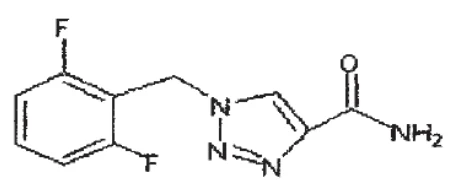
Description: White to off-white crystalline powder
Solubility: Slightly soluble in Tetrahydrofuran and in methanol; very slightly soluble in alcohol and in Acetonitrile; practically insoluble in water
CLINICAL TRIALS
COMPARATIVE BIOAVAILABILITY STUDIES
A randomized, two-treatment, two-period, single dose, crossover, oral comparative bioavailability study of Auro-Rufinamide 400 mg tablets (Auro Pharma Inc.) and BANZEL® 400 mg tablets (Eisai Limited) was conducted in healthy, adult, male subjects under fed conditions. Comparative bioavailability data from 54 subjects that were included in the statistical analysis are presented in the following table:
SUMMARY TABLE OF THE COMPARATIVE BIOAVAILABILITY DATA
Rufinamide (1 X 400 mg) Geometric Mean Arithmetic Mean (CV %) | ||||
| Parameter | Test1 | Reference2 | % Ratio of Geometric Means | 90% Confidence Interval |
AUCT (ng•h/mL) | 86865.0 89796.1 (25.8) | 84786.8 87941.6 (28.2) | 102.5 | 99.9 - 105.1 |
AUCI (ng•h/mL) | 87687.1 90764.0 (26.6) | 86364.6 89716.7 (28.8) | 101.5 | 99.2 - 104.0 |
Cmax (ng/mL) | 4967.3 5022.5 (15.1) | 4811.8 4857.2 (13.9) | 103.2 | 100.7 - 105.8 |
| Tmax3 (hr) | 5.0 (2.0 - 8.0) | 4.7 (2.5 - 8.0) | ||
| T½4 (hr) | 10.2 (20.4) | 10.2 (18.6) | ||
1 Auro-Rufinamide (rufinamide) tablets, 400 mg (Auro Pharma Inc.)
2 BANZEL® (rufinamide) tablets, 400 mg (Eisai Limited)
3 Expressed as median (range) only
4 Expressed as arithmetic mean (CV %) only
The efficacy of rufinamide as adjunctive treatment for the seizures associated with Lennox- Gastaut syndrome (LGS) was established in a single multicenter, double-blind, placebo- controlled, randomized, parallel-group study (74 rufinamide, 64 placebo). Male and female patients (between 4 and 37 years of age) were included if they had a diagnosis of inadequately controlled seizures associated with LGS (including both atypical absence seizures and drop attacks) and were being treated with 1 to 3 concomitant stable dose Anti-Epileptic Drugs (AEDs). Number of seizures experienced by patients in the 28 days prior to study entry ranged between 21 and 109,714 in the placebo arm and 48 to 53,760 in the rufinamide group.
After completing a 4-week Baseline Phase on stable AED therapy, patients were randomized to have rufinamide or placebo added to their ongoing therapy during the 12-week Double-blind (Treatment) Phase. The Treatment Phase consisted of 2 periods: the Titration Period (1 to 2 weeks) and the Maintenance Period (10 weeks). During the Titration Period, the dose was increased to a target dosage of approximately 45 mg/kg/day (3200 mg in adults of ≥ 70 kg), given on a b.i.d schedule. Dosage reductions were permitted during the Titration Period if problems in tolerability were encountered. Final doses achieved at the end of Titration Period were to remain stable/fixed during the Maintenance Period. Target dosage was achieved in 88% of the rufinamide-treated patients. Of the 74 patients who received rufinamide and of the 64 patients who received placebo, 64 (86.5%) and 59 (92.2%), respectively, completed the study.
The co-primary efficacy end-points were:
- The median percent change in total seizure frequency per 28 days;
- The median percent change in tonic-atonic seizure frequency (drop attacks) per 28 days;
- Seizure severity from the Parent/Guardian Global Evaluation of the patient’s condition.
- This was a 7-point assessment performed at the end of the Double-blind Phase. A score of +3 indicated that the patient’s seizure severity was very much improved, a score of 0 indicated that the seizure severity was unchanged, and a score of -3 indicated that the seizure severity was very much worse.
A significant improvement was observed for all three co-primary end-points (Table 11).
Table 11: Results of primary efficacy end-points for the Lennox-Gastaut Syndrome Trial
Efficacy End-point Treatment Phase (Titration + Maintenance) | Placebo (n = 64) | Rufinamide (n = 74) |
|---|---|---|
Median percent change in total seizure frequency per 28 days | -11.7 | -32.7 (p=0.0015) |
Median percent change in tonic-atonic seizure frequency per 28 Days | 1.4 | -42.5 (p<0.0001) |
| Improvement in Seizure Severity Rating from Global Evaluation | 30.6 | 53.4 (p=0.0041) |
DETAILED PHARMACOLOGY
Mechanism of Action
The precise mechanism(s) by which rufinamide exerts its antiepileptic effect is unknown. The results of in vitro studies suggest that rufinamide may prolong the inactive state of plasma membrane sodium channels.
Pharmacodynamics
Studies carried out in vitro show that rufinamide acts to limit the frequency of firing of sodium- dependent action potentials in rat and mouse neurons, an effect that may contribute to blocking the spread of seizure activity from an epileptogenic focus. Rufinamide did not significantly interact with a number of neurotransmitter systems, including: GABA, benzodiazepine, monoaminergic and cholinergic binding sites, NMDA and other excitatory amino acid binding sites.
In vivo anti-convulsant studies examined the ability of rufinamide to suppress both electrically and chemically-induced seizures as well as partial seizures. Following oral or intraperitoneal administration, rufinamide potently suppressed maximal electroshock-induced tonic-clonic seizures in rodents. No development of tolerance occurred during a 5-day treatment period in mice and rats. Rufinamide was also effective, but comparably less potent, in antagonizing chemically-induced clonic seizures. In Rhesus monkeys with chronically recurring partial seizures, rufinamide reduced seizure frequency. The protective index and safety ratio of rufinamide were comparable to or better than other AEDs.
To assess the effects of rufinamide on learning and memory, the electroshock-induced amnesia test and the step-down passive avoidance test were performed in mice. A reduction in electro- shock induced amnesia and an improvement in learning were observed in each respective test. These effects of rufinamide showed an inverted U-shaped dose-response relationship.
Safety Pharmacology
Central nervous system (CNS) studies identified relatively minor effects on behaviour, locomotor activity, motor coordination and drug-induced sleep time in mice. In monkeys, mild transient symptoms of CNS depression were seen after a high dose of rufinamide.
In a hERG assay, the 35.9% inhibition of hERG induced tail currents with 100 μmol/L rufinamide was comparable to the 31.6% inhibition seen with the 1% dimethylsulfoxide vehicle indicating rufinamide had no significant inhibitory effects. The positive control exhibited a significant 87.1% inhibition of hERG current. No liability was identified in a dog cardiovascular study at intravenous (IV) doses up to 10 mg/kg. In this study, the magnitude of heart rate decrease observed in rufinamide treated dogs was not as pronounced as the heart rate decrease seen in controls given the 30% PEG 400 in saline vehicle. A very slight increase in tidal volume lasting about 30 minutes was observed in dogs after the highest IV dose of 10 mg/kg.
In a renal study conducted in female rats given single oral rufinamide doses up to 300 mg/kg, the only significant effect was an increase in urine potassium excretion 6 hours after 300 mg/kg, with no concomitant effect on plasma electrolyte levels.
TOXICOLOGY
Acute Toxicity
Rufinamide was of low acute toxicity with approximate lethal doses of more than 5000 mg/kg
(p.o.) in mice, 5000 mg/kg (p.o.) and 1000 mg/kg i.p. in rats and more than 2000 mg/kg (p.o.) in dogs. The majority of observations were CNS related.
Repeated Dose Toxicity
In rats studied for up to 52 weeks at doses of up to 600 mg/kg by gavage or diet, centrilobular hypertrophy and thyroid follicular hypertrophy were observed along with related effects on the pituitary at ≥ 60 mg/kg. Cytoplasmic vacuolation of cells of the anterior pituitary which were positive for thyroid stimulating hormone (TSH) were observed. The effect of liver enzyme induction that disrupts the pituitary-thyroid axis is a well-established species sensitive phenomenon in the rat and therefore the relevance of these findings in humans is limited.
In dog studies, rufinamide at doses up to 600 mg/kg by oral capsule administration was well tolerated clinically for up to 52 weeks, except for two moribund cases in a 13-week study that were accompanied by anemia and bone marrow changes at 200 and 600 mg/kg; however these findings were not seen in any other subsequent study in dogs, indicating that a direct relationship to rufinamide was unlikely. Histopathological evidence of hepatobiliary toxicity/cholestatsis were observed at dose levels at and above 20 mg/kg/day and were accompanied by increased ALP, AST, and ALT at a dose of 200 mg/kg/day. These microscopic findings were not seen in rodents or monkeys.
Non-human primate studies were performed in the baboon (1-month duration only) and the Cynomolgus monkey by oral administration at up to 300 mg/kg for up to 52 weeks. No test- article related deaths occurred, and the major finding was the formation of choleliths in the gall bladder. These were composed mainly of an insoluble cysteine conjugate of a hydroxylated metabolite of rufinamide, which is not formed in humans. A human radiotracer study showed that this metabolic pathway was not relevant in humans. This finding, therefore, is not likely relevant to human risk assessment. Reversible liver weight increases and reversible adaptive hepatocellular hypertrophy were observed.
These findings are presented side by side with drug exposure levels in Table 12.
Table 12: Noteworthy Findings from the Pivotal Repeated Dose Toxicity Studies and Drug Exposure
| Species | Noteworthy Findings | Dose (mg/kg) | AUC(0-24hr) * (μmol.hr/L) | |||
|---|---|---|---|---|---|---|
| Male | Female | |||||
| Rats | None (NOAEL) | 20 | NP | NP | ||
| Reduced body weight gain and food consumption. Increased T4. Histopathological changes in liver, pituitary and thyroid | 60 | NA (<1.0) | NA (<1.0) | |||
| Dogs | Histopathological changes in liver. | 20 | 734 (0.4) | 352 (0.2) | ||
| Increased ALP | 200 | 991 (0.5) | 3580 (1.9) | |||
Cynomolgus Monkeys | None (NOAEL) | 60 | 1690 (0.9) | 2290 (1.2) | ||
Increased AST and ALP. Histopathological changes in liver. Choleliths. | 200 | 3190 (1.7) | 3060 (1.6) | |||
NP= not performed
NA= not available (ratio to human exposure estimated)
* Ratios to human levels of the maximum clinical dose (3200 mg/day or 1923 μmol.hr/L) are presented in the parentheses.
Carcinogenesis and Mutagenesis
Rufinamide was given in the diet to mice at 40, 120, and 400 mg/kg/day and to rats at 20, 60, and 200 mg/kg/day for two years. The doses in mice were associated with plasma AUCs 0.1 to 1 times the human plasma AUC at the maximum recommended human dose (MRHD, 3200 mg/day). Increased incidences of tumors (benign bone tumors (osteomas) and/or hepatocellular adenomas and carcinomas) were observed in mice at all doses. Increased incidences of thyroid follicular adenomas were observed in rats at all but the low dose; the low dose is <0.1 times the MRHD on a mg/m2 basis.
Rufinamide was not mutagenic in the in vitro bacterial reverse mutation (Ames) assay or the in vitro mammalian cell point mutation assay. Rufinamide was not clastogenic in the in vitro mammalian cell chromosomal aberration assay or the in vivo rat bone marrow micronucleus assay.
Developmental and Reproductive Studies
Oral administration of rufinamide (doses of 20, 60, 200, and 600 mg/kg/day) to male and female rats prior to mating and throughout mating, and continuing in females up to Day 6 of gestation resulted in increased post-implantation losses at all dose levels, decreased fertility index, conception rate, numbers of corpora lutea, implantations, and live embryos at 200 and 600 mg/kg and reduced mating index, sperm count, and sperm motility at 600 mg/kg. Therefore a NOAEL was not identified at dose levels as low as 20 mg/kg at which systemic exposure would have been well below that at the MRHD.
Rufinamide was administered orally to rats at doses of 20, 100, and 300 mg/kg/day and to rabbits (in 2 studies) at doses of 30, 200, and 700 or 1000 mg/kg/day during the period of organogenesis (implantation to closure of the hard palate); the high doses are associated with plasma AUCs 1.5 to 2 times the human plasma AUC at the maximum recommended human dose (MRHD, 3200 mg/day). Decreased fetal weights and increased incidences of fetal skeletal abnormalities were observed in rats at dose levels of 100 and 200 mg/kg that were associated with maternal toxicity. Dose-dependent increases in skeletal variations were seen at all dose levels, although the effect was mild at the low dose and thus 20 mg/kg is considered a NOAEL for the offspring. In rabbits, embryo-fetal death, decreased fetal body weights, and increased incidences of fetal visceral and skeletal abnormalities occurred at all but the low dose (30 mg/kg). The highest dose (1000 mg/kg) tested in rabbits was associated with abortion. The no-effect doses for adverse effects on rat and rabbit embryo-fetal development (20 and 30 mg/kg/day, respectively) were associated with plasma AUCs ≈ 0.2 times that in humans at the MRHD).
In a rat pre- and post-natal development study (dosing from implantation through weaning) conducted at oral doses of 5, 30, and 150 mg/kg/day (associated with plasma AUCs up to ≈1.5 times that in humans at the MRHD), decreased offspring growth and survival were observed at all doses tested. A no-effect dose for adverse effects on pre- and post-natal development was not established. The lowest dose tested was associated with plasma AUC < 0.1 times that in humans at the MRHD.
Repeat-dose toxicity studies have been performed in the neonate and/or juvenile rat and dog and findings were generally similar to those in adult/older animals. In the pivotal rat study, pre- weaning weight reductions were observed. Post-weaning, body weight reductions were seen at 150 mg/kg/day, along with reversible, adaptive centrilobular hepatocellular hypertrophy. At 50 and 150 mg/kg/day, pituitary cytoplasmic vacuolation was observed, with some reversibility. This finding is related to the hepatocellular hypertrophy/liver enzyme induction, and both findings in the rat are not considered toxicologically important to humans, in view of the species- sensitivity at the liver and thyroid-pituitary axis. The NOAEL of this study was 15 mg/kg/day. In the pivotal juvenile dog study, significant findings were an increase in ALT and pigment deposition in centrilobular and midzonal hepatocytes and bile canaliculi; lipofuscin-containing dark brown pigment in Kupffer cells after a 4-week reversal period; and primary focal neutrophilic infiltrates surrounding intrahepatic bile ducts or that were perivascular at the highest dose (200 mg/kg). The NOAEL of this study was 5 mg/kg/day, at which systemic exposure would have been about 1/20th that at the MRHD. There were no effects on behavioural or physical development at any dose level.
REFERENCES
Arroyo S. Rufinamide. Neurotherapeutics 2007; 4(1):155-62.
Glauser T, Kluger G, Sachdeo R, Krauss G, Perdomo C, Arroyo S. Rufinamide for generalized seizures associated with Lennox-Gastaut syndrome. Neurology 2008; 70(21):1950-8.
Hakimian S, Cheng-Hakimian A, Anderson GD, Miller JW. Rufinamide: a new anti-epileptic medication. Expert Opin Pharmacother 2007; 8(12):1931-40.
Heaney D, Walker MC. Rufinamide. Drugs Today 2007;43(7):455-60.
Kluger G, Bauer B. Role of rufinamide in the management of Lennox-Gastaut syndrome (childhood epileptic encephalopathy). Neuropsychiatr Dis Treat 2007; 3(1):3-11.
Kluger G, Glauser T, Krauss G, Seeruthun R, Perdomo C, Arroyo S. Adjunctive rufinamide in Lennox-Gastaut syndrome: a long-term, open-label extension study. Acta Neurol Scand 2010 Sep;122(3):202-8. Epub 2010 Mar 1.
Perucca E, Cloyd J, Critchley D, Fuseau E. Rufinamide: clinical pharmacokinetics and concentration-response relationships in patients with epilepsy. Epilepsia 2008; 49(7):1123-41.
Stafstrom CE. Update on the management of Lennox-Gastaut syndrome with a focus on rufinamide. Neuropsychiatr Dis Treat 2009; 5:547-51.
Wheless JW, Vazquez B. Rufinamide: a novel broad-spectrum antiepileptic drug. Epilepsy Curr 2010; 10(1):1-6.
Wisniewski CS. Rufinamide: a new antiepileptic medication for the treatment of seizures associated with lennox-gastaut syndrome. Ann Pharmacother 2010; 44(4):658-67.
PrBANZEL® (Rufinamide Tablets, 100 mg, 200 mg and 400 mg), Submission Control No. 240739, Product Monograph, Eisai Limited, Date of revision: October 14, 2020