


Product Monograph - PMS-Carbamazepine (Pharmascience, 200 mg)
ACTION AND CLINICAL PHARMACOLOGY
pms-CARBAMAZEPINE (carbamazepine) tablets have anticonvulsant properties which have been found useful in the treatment of partial seizures (simple or complex) with and without secondary generalization, and generalized tonic-clonic seizures. A mild psychotropic effect has been observed in some patients, which seems related to the effect of carbamazepine in localization-related epilepsies and syndromes.
Clinical Trials
Evidence supporting the efficacy of carbamazepine as an anticonvulsant was derived from active drug-controlled studies that enrolled patients with the following seizure types:
- 1. Partial seizures with simple or complex symptomatology.
- 2. Generalized tonic-clonic seizures.
- 3. Mixed seizure patterns which include the above, or other partial or generalized seizures.
Carbamazepine relieves or diminishes the pain associated with trigeminal neuralgia often within 24 to 48 hours.
Carbamazepine given as a monotherapy or in combination with lithium or neuroleptics has been found useful in the treatment of acute mania and the prophylactic treatment of bipolar (manic-depressive) disorders.
Like other tricyclic compounds, carbamazepine has a moderate anticholinergic action which is responsible for some of its side effects. A tolerance may develop to the action of carbamazepine after a few months of treatment and should be watched for.
Carbamazepine may suppress ventricular automaticity due to its membrane-depressant effect, similar to that of quinidine and procainamide, associated with suppression of phase 4 depolarization of the heart muscle fiber.
A number of investigators have reported a deterioration of EEG abnormalities with regard to focal alterations and a higher incidence of records with nil $-activity, during carbamazepine-combined treatment.
Clinical Pharmacokinetics
The absorption of carbamazepine in man is relatively slow. When taken in a single oral dose, carbamazepine tablets and chewable tablets yield peak plasma concentrations of unchanged carbamazepine within 4-24 hours. With respect to the quantity of carbamazepine absorbed, there is no clinically relevant difference between the various dosage forms. Ingestion of food has no significant influence on the rate and extent of absorption regardless of the dosage form of carbamazepine.
When carbamazepine controlled release tablets are administered repeatedly, they yield a lower average maximal concentration of carbamazepine in the plasma, without a reduction in the average minimal concentration. This tends to result in a lower incidence of intermittent concentration-dependent adverse drug reactions. It also ensures that the plasma concentrations remain largely stable throughout the day, thereby making it possible to manage with a twice-daily dosage.
Carbamazepine becomes bound to serum proteins to the extent of 70-80%. The concentration of unchanged substance in the saliva reflects the non-protein-bound portion present in the serum (20-30%).
The elimination half-life of unchanged carbamazepine in the plasma averages approximately 36 hours following a single oral dose, whereas after repeated administration, which leads to autoinduction of hepatic enzymes, it averages only 16-24 hours, depending on the duration of the medication. In patients receiving concomitant treatment with other enzyme-inducing antiepileptic agents, half-life values averaging 9-10 hours have been found. One study in 39 children (aged 3-10 years) and 79 adults (aged 15-65 years) has indicated that carbamazepine elimination may be slightly enhanced in children. This data suggests that children may require higher doses of carbamazepine (in mg/kg) than adults.
Only 2-3% of the dose, whether given singly or repeatedly, is excreted in the urine in unchanged form. Approximately 30% of carbamazepine is renally eliminated via the epoxide pathway. The primary metabolite is the pharmacologically active 10,11-epoxide. The mean elimination half-life of this active metabolite in the plasma is about 6 hours following single oral doses of the epoxide itself.
In man, the main urinary metabolite of carbamazepine is the trans-diol derivative originating from the 10,11-epoxide; a small portion of the epoxide is converted into 9-hydroxymethyl-10-carbamoyl-acridan. Other important biotransformation products are various monohydroxylated compounds, as well as the N-glucuronide of carbamazepine produced by UGT2B7.
In patients with epilepsy, the therapeutic range for the steady-state plasma concentration of carbamazepine generally lies between 4-10 :g/mL.
INDICATIONS AND CLINICAL USE
A. Epilepsy: pms-CARBAMAZEPINE (carbamazepine) is indicated for use as an anticonvulsant drug either alone or in combination with other anticonvulsant drugs.
Carbamazepine is not effective in controlling absence, myoclonic or atonic seizures, and does not prevent the generalization of epileptic discharge. Moreover, exacerbation of seizures may occasionally occur in patients with atypical absences.
B. Trigeminal Neuralgia: pms-CARBAMAZEPINE is indicated for the symptomatic relief of pain of trigeminal neuralgia only during periods of exacerbation of true or primary trigeminal neuralgia (tic douloureux). It should not be used preventively during periods of remission. In some patients, carbamazepine has relieved glossopharyngeal neuralgia. For patients who fail to respond to pms-CARBAMAZEPINE, or who are sensitive to the drug, recourse to other accepted measures must be considered.
Carbamazepine is not a simple analgesic and should not be used to relieve trivial facial pains or headaches.
C. Treatment Of Acute Mania And Prophylaxis In Bipolar (Manic-Depressive) Disorders: pms-CARBAMAZEPINE may be used as a monotherapy or as an adjunct to lithium in the treatment of acute mania or prophylaxis of bipolar (manic-depressive) disorders in patients who are resistant to or are intolerant of conventional antimanic drugs. Carbamazepine may be a useful alternative to neuroleptics in such patients. Patients with severe mania, dysphoric mania or rapid cycling who are non-responsive to lithium may show a positive response when treated with carbamazepine.
It is important to note that these recommendations are based on extensive clinical experience and some clinical trials versus active comparison agents.
CONTRAINDICATIONS
pms-CARBAMAZEPINE (carbamazepine) tablets should not be administered to patients with hepatic disease, a history of bone -marrow depression, a history of hepatic porphyria (acute intermittent porphyria, variegate porphyria, porphyria cutanea tarda), or serious blood disorder.
pms-CARBAMAZEPINE should not be administered immediately before, in conjunction with, or immediately after a monoamine oxidase (MAO) inhibitor (see Precautions, Drug Interactions).
Co-administration of pms-CARBAMAZEPINE and voriconazole is contraindicated, until data become available from drug interactions studies. CYP3A4 is one of the enzymes thought to be involved in the metabolism of voriconazole. Therefore, co-administration of pms-CARBAMAZEPINE, a potent inducer of CYP3A4, could diminish the therapeutic effect of voriconazole (see PRECAUTIONS-Drug Interactions, Effects of pms-CARABAMAZEPINE on plasma levels of concomitant agents).
pms-CARBAMAZEPINE should not be administered to patients presenting atrioventricular heart block (see Actions And Clinical Pharmacology and Precautions).
pms-CARBAMAZEPINE should not be administered to patients with known hypersensitivity to carbamazepine, to any of the components of the tablets, or to any of the tricyclic compounds, such as: amitriptyline, trimipramine, imipramine, or their analogues or metabolites, because of the similarity in chemical structure.
WARNINGS
HAEMATOLOGIC: Although reported infrequently, serious adverse effects have been observed during the use of carbamazepine. Agranulocytosis and aplastic anemia, with a fatal outcome, have occurred very rarely. Leucopenia, thrombocytopenia, hepatocellular and cholestatic jaundice, and hepatitis have also been reported. However, in the majority of cases, leucopenia and thrombocytopenia were transient and did not signal the onset of either aplastic anemia or agranulocytosis. It is important that pms-CARBAMAZEPINE should be used carefully and close clinical and frequent laboratory supervision should be maintained throughout treatment in order to detect as early as possible signs and symptoms of a possible blood dyscrasia. pms-CARBAMAZEPINE should be discontinued if any evidence of significant bone marrow depression appears (see PRECAUTIONS). DERMATOLOGIC: Steven’s-Johnson Syndrome and Toxic Epidemal Necrolysis: Serious and sometimes fatal dermatologic reactions, including Toxic Epidermal Necrolysis (TEN) and Stevens-Johnson Syndrome (SJS), have been reported with carbamazepine. In countries with mainly Caucasian populations, these reactions are estimated to occur in 1 to 6 per 10,000 new users, but in some Asian countries (e.g., Taiwan, Malaysia and the Philippines) the risk is estimated to be about 10 times higher. |
HLA-B*1502: In studies that included small samples of patients of Han Chinese ancestry a strong association was found between the risk of developing SJS/TEN and the presence of HLA-B*1502, an inherited allelic variant of the HLA-B gene. The HLA-B*1502 allele is found almost exclusively in individuals with ancestry across broad areas of Asia1. Results of these studies suggest that the presence of the HLA-B *1502 allele may be one of the risk factors for carbamazepine-associated SJS/TEN in patients with Asian ancestry. Therefore, physicians should consider HLA-B *1502 genotyping as a screening tool in these patients. Until further information is available, the use of pms-CARBAMAZEPINE and other anti-epileptic drugs associated with SJS/TEN should also be avoided in patients who test positive for the HLA-B*1502 allele (see WARNINGS-Asian Ancestry and Allelic Variation in the HLA-B gene and WARNINGS-Important Limitations of HLA-B Genotyping). Treatment recommendations for dermatological reactions: pms-CARBAMAZEPINE should be discontinued at the first sign of a rash, unless the rash is clearly not drug-related. If signs or symptoms suggest SJS/TEN, use of this drug should not be resumed and alternative therapy should be considered. The use of other anti-epileptic drugs associated with SJS/TEN should be avoided in patients who have shown severe dermatological reactions during carbamazepine treatment. CARCINOGENICITY: Long-term toxicity studies in rats indicated a potential carcinogenic risk (see TOXICOLOGY). Therefore, the possible risk of the drug must be weighed against the potential benefits before prescribing pms-CARBAMAZEPINE to individual patients. |
Asian Ancestry and Allelic Variation in the HLA-B Gene
In studies that included small samples of patients of Han Chinese ancestry a strong association was found between the risk of developing SJS/TEN and the presence of HLA-B*1502, an inherited allelic variant of the HLA-B gene. The HLA-B*1502 allele is found almost exclusively in individuals with ancestry across broad areas of Asia. Results of these studies suggest that the presence of the HLA-B*1502 allele may be one of the risk factors for carbamazepine-associated SJS/TEN in patients with Asian ancestry. Therefore, physicians should consider HLA-B*1502 genotyping as a screening tool in these patients. Until further information is available, the use of pms-CARBAMAZEPINE and other anti-epileptic drugs associated with SJS/TEN should also be avoided in patients who test positive for the HLA-B*1502 allele.
Important Limitations of HLA-B Genotyping
1 The following rates provide a rough estimate of the prevalence of HLA-B*1502 in various populations. Greater than 15% of the population is reported positive in Hong Kong, Thailand, Malaysia, and parts of the Philippines, compared to about 10% in Taiwan and 4% in North China. South Asians, including Indians, appear to have intermediate prevalence of HLA-B*1502, averaging 2 to 4%, but this may be higher in some groups. HLA-B*1502 is present in <1% of the population in Japan and Korea. HLA-B*1502 is largely absent in individuals not of Asian origin (e.g., Caucasians, African-Americans, Hispanics, and Native Americans). The estimated prevalence rates have limitations due to the wide variability in rates that exist within ethnic groups, the difficulties in ascertaining ethnic ancestry and the likelihood of mixed ancestry.
HLA-B*1502 genotyping as a screening tool has important limitations and must never substitute for appropriate clinical vigilance and patient management. Many HLA-B*1502-positive Asian patients treated with pms-CARBAMAZEPINE will not develop SJS/TEN, and these reactions can still occur infrequently in HLA-B*1502-negative patients of any ethnicity. The role of other possible factors in the development of, and morbidity from, SJS/TEN, such as antiepileptic drug (AED) dose, compliance, concomitant medications, comorbidities, and the level of dermatologic monitoring have not been studied.
In addition, it should be kept in mind that over 90% of pms-CARBAMAZEPINE treated patients who will experience SJS/TEN have this reaction withing the first few months of treatment. This information may be taken into consideration when deciding whether to screen genetically at-risk patients currently on pms-CARBAMAZEPINE.
Should signs and symptoms suggest a severe skin reaction such as SJS or TEN, pms-CARBAMAZEPINE should be withdrawn at once.
Hypersensitivity
pms-CARBAMAZEPINE may trigger hypersensitivity reactions, including multi-organ hypersensitivity reactions, which can affect the skin, liver, hematopoietic orgrans and lymphatic system or other organs, either individually or together in the context of a systemic reaction (see section Adverse reactions).
In general, if signs and symptoms suggestive of hypersensitivity reactions occur, pms-CARBAMAZEPINE should be withdrawn immediately, and alternative therapy should be considered.
Patients who have exhibited hypersensitivity reactions to carbamazepine should be informed that approximately 25 to 30% of these patients may experience hypersensitivity reactions with oxcarbazepine (Trileptal®).
Cross-hypersensitivity can occur between carbamazepine and phenytoin.
Pregnancy and Nursing
Pregnancy
Women with epilepsy who are, or intend to become pregnant, should be treated with special care.
In women of childbearing potential, pms-CARBAMAZEPINE should, whenever possible, be prescribed as monotherapy, because the incidence of congenital abnormalities in the offspring of women treated with more than one antiepileptic drug is greater than in those of women receiving a single antiepileptic.
Minimum effective doses should be given, and the plasma levels monitored.
If pregnancy occurs in a woman receiving pms-CARBAMAZEPINE, or if the problem of initiating pms-CARBAMAZEPINE arises during pregnancy, the drug's potential benefits must be weighed against its hazards, particularly during the first 3 months of pregnancy. pms-CARBAMAZEPINE should not be discontinued or withheld from patients if required to prevent major seizures because of the risks posed, to both mother and fetus, by status epilepticus with attendant hypoxia.
The possibility that carbamazepine, like all major antiepileptic drugs, increases the risk of malformations has been reported. Developmental disorders and malformations, including spina bifida, and also other congenital anomalies, e.g. craniofacial defects, cardiovascular malformations, hypospadias, and anomalies involving various body systems, have been reported in association with carbamazepine.
Conclusive evidence from controlled studies with carbamazepine monotherapy is lacking. Patients should be counselled regarding the possibility of an increased risk of malformations and given the opportunity of antenatal screening.
During pregnancy, an effective antiepileptic treatment should not be interrupted, since the aggravation of the illness is detrimental to both the mother and the fetus.
Folic acid deficiency is known to occur in pregnancy. Antiepileptic drugs have been reported to aggravate folic acid deficiency. This deficiency may contribute to the increased incidence of birth defects in the offspring of treated epileptic women. Folic acid supplementation has therefore been recommended before and during pregnancy.
To prevent neonatal bleeding disorders, Vitamin Kl administration to the mother during the last weeks of pregnancy, as well as to the newborn, has been recommended.
A few cases of neonatal seizures and respiratory depression have been associated with maternal carbamazepine and other concomitant anticonvulsant drug use. A few cases of neonatal vomiting, diarrhea, and/or decreased feeding have also been associated with maternal carbamazepine use. These reactions may represent a neonatal withdrawal syndrome.
Lactation
Carbamazepine passes into breast milk in concentrations of about 25-60% of the plasma level. No reports are available on the long-term effect of breast feeding. The benefits of breast feeding should be weighed against the possible risks to the infant. Should the mother taking carbamazepine nurse her infant, the infant must be observed for possible adverse reactions, e.g., somnolence, allergic skin reaction.
It should be noted that the reliability of oral contraceptives may be adversely affected by carbamazepine (see Drug Interactions section under Precautions).
Fertility
There have been very rare reports of impaired male fertility and/or abnormal spermatogenesis.
PRECAUTIONS
Clinical Monitoring Of Adverse Reactions
pms-CARBAMAZEPINE (carbamazepine) tablets should be prescribed only after a critical risk-benefit appraisal in patients with a history of cardiac, hepatic or renal damage, adverse hematological reactions to other drugs, or interrupted courses of therapy with pms-CARBAMAZEPINE. Careful clinical and laboratory supervision should be maintained throughout treatment. Should any signs or symptoms or abnormal laboratory findings be suggestive of blood dyscrasia or liver disorder, pms-CARBAMAZEPINE should be immediately discontinued until the case is carefully reassessed.
(a) Bone marrow function: Complete blood counts, including platelets and possibly reticulocytes and serum iron, should be carried out before treatment is instituted, and periodically thereafter.
If definitely low or decreased white blood cell or platelet counts are observed during treatment, the patient and the complete blood count should be monitored closely. Non-progressive fluctuating asymptomatic leucopenia, which is encountered, does not generally call for the withdrawal of pms-CARBAMAZEPINE. However, treatment with pms-CARBAMAZEPINE should be discontinued if the patient develops leucopenia which is progressive or accompanied by clinical manifestations, e.g., fever or sore throat, as this could indicate the onset of significant bone marrow depression.
Because the onset of potentially serious blood dyscrasias may be rapid, patients should be made aware of early toxic signs and symptoms of a potential hematological problem, as well as symptoms of dermatological or hepatic reactions. If reactions such as fever, sore throat, rash, ulcers in the mouth, easy bruising, petechial or purpuric hemorrhage appear, the patient should be advised to consult his/her physician immediately.
(b) Hepatic function: Baseline and periodic evaluations of hepatic function must be performed, particularly in elderly patients and patients with a history of liver disease. pms-CARBAMAZEPINE should be withdrawn immediately in cases of aggravated liver dysfunction or active liver disease.
(c) Kidney function: Pre-treatment and periodic complete urinalysis and BUN determinations should be performed.
(d) Ophthalmic examinations: Carbamazepine has been associated with pathological eye changes. Periodic eye examinations, including slit-lamp funduscopy and tonometry are recommended.
(e) Plasma levels: Although correlations between dosage and plasma levels of carbamazepine, and between plasma levels and clinical efficacy or tolerability are rather tenuous, monitoring plasma levels may be useful in the following conditions: dramatic increase in seizure frequency/verification of patient compliance; during pregnancy; when treating children or adolescents; in suspected absorption disorders; in suspected toxicity, especially where more than one drug is being used (see Drug Interactions).
Increased Seizure Frequency
pms-CARBAMAZEPINE should be used with caution in patients with mixed seizures which includes absences, either typical or atypical. In all these conditions, carbamazepine may exacerbate seizures. In case of exacerbation of seizures, pms-CARBAMAZEPINE should be discontinued.
Dermatologic
Mild skin reactions, e.g., isolated macular or maculopapular exanthema, usually disappear within a few days or weeks, either during a continued course of treatment or following a decrease in dosage. However, the patient should be kept under close surveillance because of the rare possibility of Steven-Johnson syndrome or Toxic Epidermal Necrolysis occurring (see Warnings-DERMATOLOGIC).
Urinary Retention And Increased Intraocular Pressure
Because of its anticholinergic action, carbamazepine should be given cautiously, if at all, to patients with increased intraocular pressure or urinary retention. Such patients should be followed closely while taking the drug.
Psychiatric
Because it is closely related to the other tricyclic drugs, there is some possibility that carbamazepine might activate a latent psychosis, or, in elderly patients, produce agitation or confusion, especially when combined with other drugs. Caution should also be exercised in alcoholics.
Risk of Suicide in Patients with Bipolar Disorder:
Patients with bipolar disorder may experience worsening of their depressive symptoms and/or the emergence of suicidal ideation and behaviors (suicidality) whether or not they are taking medications for bipolar disorder. Patients should be closely monitored for clinical worsening (including development of new symptoms) and suicidality, especially at the beginning of a course of treatment, or at the time of dose changes.
In addition, patients with a history of suicidal behavior or thoughts, those patients exhibiting a significant degree of suicidal ideation prior to commencement of treatment, and young adults, are at an increased risk of suicidal thoughts or suicide attempts, and should receive careful monitoring during treatment.
Patients (and caregivers of patients) should be alerted about the need to monitor for any worsening of their condition (including development of new symptoms) and /or the emergence of suicidal ideation/behavior or thoughts of harming themselves and to seek medical advice immediately if these symptoms present.
Prescriptions for all medications, including pms-CARBAMAZEPINE, should be written for the smallest quantity of tablets consistent with good patient management, in order to reduce the risk of overdose.
Use In Patients With Cardiovascular Disorders
pms-CARBAMAZEPINE should be used cautiously in patients with a history of coronary artery disease, organic heart disease, or congestive heart failure. If a defective conductive system is suspected, an ECG should be performed before administering pms-CARBAMAZEPINE, in order to exclude patients with atrioventricular block.
Driving And Operating Hazardous Machinery
Because dizziness and drowsiness are possible side effects of pms-CARBAMAZEPINE, patients should be warned about the possible hazards of operating machinery or driving automobiles.
Drug Interactions
Cytochrome P450 3A4 (CYP3A4) is the main enzyme responsible for metabolizing carbamazepine. Coadministration of CYP3A4 inhibitors may increase plasma carbamazepine concentrations and induce adverse reactions. Drugs that have been shown , or would be expected, to increase plasma carbamazepine levels include:
cimetidine, danazol, diltiazem, macrolides, erythromycin, troleandomycin, clarithromycin, fluoxetine, fluvoxamine, nefazodone, loratadine, terfenadine, isoniazid, niacinamide, nicotinamide, propoxyphene, azoles (e.g., ketaconazole, itraconazole, fluconazole), acetazolamide, verapamil, grapefruit juice, protease inhibitors, valproate2.
Coadministration of CYP3A4 inducers may increase the rate of carbamazepine metabolism leading to a potential decrease in carbamazepine serum levels and therapeutic effect. Similarly, discontinuation of a CYP3A4 inducer may decrease the rate of metabolism of carbamazepine, leading to an increase in carbamazepine plasma levels. Drugs that have been shown, or that would be expected, to decrease plasma carbamazepine levels include:
cisplatin, doxorubicin HCl, felbamate3, rifampin, phenobarbital, phenytoin, primidone, methsuximide, theophylline.
Carbamazepine is a potent inducer of CYP3A4 and other phase I and phase II enzyme systems in the liver, and may therefore reduce plasma concentrations of comedications mainly metabolized by CYP3A4 by induction of their metabolism.
Human microsomal epoxide hydrolase has been identified as the enzyme responsible for the formation of the 10,11-transdiol derivative from carbamazepine-10,11 epoxide. Co-administration of inhibitors of human microsomal epoxide hydrolase may result in increased carbamazepine-10,11 epoxide plasma concentrations.
Effects of pms-CARBAMAZEPINE on plasma levels of concomitant agents
Carbamazepine may lower the plasma level, or diminish or even abolish the activity of certain drugs. The dosage of the following drugs may have to be adjusted to clinical requirements when administered with pms-CARBAMAZEPINE:
Analgesics, anti-inflammatory agents: methadone, paracetamol, phenazone (antipyrine), tramadol.
Antibiotics: doxycycline.
Anticoagulants: oral anticoagulants (warfarin, phenprocoumon, dicoumarol and acenocoumarol),
2Increased levels of the active 10, 11-epoxide
3 Decreased levels of carbamazepine and increased levels of the 10, 11-epoxide
Antidepressants: bupropion, citalopram, nefadozone, trazodone, tricyclic antidepressants (e.g. imipramine, amitriptyline, nortryptyline, clomipramine). The use of pms-CARBAMAZEPINE is not recommended in combination with monoamine-oxidase inhibitors (MAOIs), before administering pms-CARBAMAZAPINE MAOIs should be discontinued for a minimum of 2 weeks, or longer if the clinical situation permits (see Contraindications).
Antiepileptics: oxcarbazepine, clobazam, clonazepam, ethosuximide, primidone, valproic acid, felbamate lamotrigine, zonisamide tiagabine, topiramate. Phenytoin plasma levels have been reported both to be raised and lowered by carbamazepine, and mephenytoin plasma levels have been reported in rare instances to increase.
Antifungals: casponfungin, itraconazole, voriconazole (see CONTRAINDICATIONS).
Antihelmintics: praziquantel.
Antineoplastics: imatinib, irinotecan, gefitinib.
Antipsychotics: clozapine, haloperidol and bromperidol, olanzapine, quetiapine, risperidone, zisprasidone.
Antivirals: protease inhibitors for HIV treatment, e.g. indinavir, ritonavir, saquinavir.
Anxiolytics: alprazolam, midazolam.
Bronchodilatators or anti-asthma drugs: theophylline.
Contraceptives: hormonal contraceptives.
Cardiovascular drugs: calcium channel blockers (dihydropyridine group), e.g. felodipine, digoxin, disopyramide, quinidine, propanolol.
Corticosteroids: corticosteroids (e.g., prednisolone, dexamethasone).
Immunosuppressants: cyclosporin, everolimus, tacrolimus.
Thyroid agents: levothyroxine.
Other drug interactions: products containing estrogens and/or progesterones.
Agents that may raise carbamazepine and/or carbamazepine-10,11-epoxide plasma levels
Since an increase in carbamazepine and/or carbamazepine-10,11-epoxide plasma levels may result in adverse reactions (e.g., dizziness, drowsiness, ataxia, diplopia), the dosage of pms-CARBAMAZEPINE should be adjusted accordingly and the blood levels monitored when used concomitantly with the substances described below.
Analgesics, anti-inflammatory drugs: dextropropoxyphene, ibuprofen.
Androgens: danazol.
Antibiotics: macrolide antibiotics (e.g. erythromycin, troleandomycin, josamycin, clarithromycin, telithormycin).
Antidepressants: possibly desipramine, fluoxetine, fluvoxamine, nefadozone, paroxetine, trazodone, viloxazine.
Antiepileptics: stiripentol, vigabatrin.
Antifungals: azoles (itraconazole, ketoconazole, fluconazole, voriconazole).
Antihistamines: terfenadine, loratadine.
Antipsychotics: loxapine, olanzapine, quetiapine.
Antituberculosis: isoniazid.
Antivirals: protease inhibitors for HIV treatment (e.g. ritonavir).
Carbonic anhydrase inhibitors: acetazolamide.
Cardiovascular drugs: verapamil, diltiazem.
Gastrointestinal drugs: cimetidine, omeprazole.
Muscle relaxants: oxybutynin, dantrolene.
Platelet aggregation inhibitors: ticlopidine.
Other interactions: grapefruit juice, nicotinamide (raises carbamazepine plasma levels in children, but only at high dosage in adults).
Loxapine, felbamate, quetiapine, primidone, valproic acid and valpromide were reported to increase concentration of the active metabolite carbamazepine-10,11-epoxide.
Agents that may decrease carbamazepine plasma levels
The dose of pms-CARBAMAZEPINE may consequently have to be adjusted when used concomitantly with the substances described below.
Antiepileptics: felbamate (might decrease the carbamazepine serum concentration associated with an increase in carbamazepine epoxide levels, and might decrease the serum felbamate levels), methsuximide, oxcarbazepine, phenobarbitone, phensuximide, phenytoin and fosphenytoin, primidone, progabide, and possibly by clonazepam, valproic acid or valpromide.
Antineoplastics: cisplatin or doxorubicin.
Antituberculosis: rifampicin.
Bronchodilatators or anti-asthma drugs: theophylline, aminophylline.
Dermatological drugs: isotretinoin.
Other interactions: herbal preparations containing St John's wort (Hypericum perforatum).
Combination that requires specific consideration
Concomitant use of carbamazepine and levetiracetam has been reported to increase carbamazepine-induced toxicity (e.g., nystagmus, nausea, vomiting).
Combined use of carbamazepine with lithium, metoclopramide, or haloperidol, may increase the risk of neurotoxic side effects (even in the presence of "therapeutic plasma levels").
Concomitant use of carbamazepine and isoniazid has been reported to increase isoniazid-induced hepatotoxicity.
pms-CARBAMAZEPINE, like other anticonvulsants, may adversely affect the reliability of hormonal contraceptives; breakthrough bleeding may occur. Accordingly, patients should be advised to use some alternative, non-hormonal method of contraception while taking pms-CARBAMAZEPINE. Due to enzyme induction carbamazepine may cause failure to the therapeutic effect of estrogen and/or progesterone containing drugs (e.g. failure of contraception).
Concomitant medication with carbamazepine and some diuretics (hydrochlorothiazide, furosemide) may lead to symptomatic hyponatremia.
Carbamazepine may antagonize the effects of non-depolarising muscle relaxants (e.g., pancuronium); their dosage may need to be raised and patients should be monitored closely for more rapid recovery from neuromuscular blockade than expected.
Isotretinoin has been reported to alter the bioavailability and/or clearance of carbamazepine and carbamazepine 10,11-epoxide; carbamazepine plasma levels should be monitored.
Carbamazepine, like other psycho-active drugs, may reduce the patient's alcohol tolerance; it is therefore advisable to abstain from alcohol consumption during treatment.
pms-CARBAMAZEPINE should not be administered in conjunction with an MAO inhibitor (see Contraindications).
Information to be Provided to the Patient
See Information for the Consumer
ADVERSE REACTIONS
The reactions which have been most frequently reported with carbamazepine are CNS disturbances (e.g., drowsiness, headache, unsteadiness on the feet, diplopia, dizziness), gastrointestinal disturbances (nausea, vomiting), as well as allergic skin reactions. These reactions usually occur only during the initial phase of therapy, if the initial dose is too high, or when treating elderly patients. They have rarely necessitated discontinuing carbamazepine therapy, and can be minimized by initiating treatment at a low dosage.
The occurrence of CNS adverse reactions may be a manifestation of relative overdosage or significant fluctuation in plasma levels. In such cases it is advisable to monitor the plasma levels.
The more serious adverse reactions observed are the hematologic, hepatic, cardiovascular and dermatologic reactions, which require discontinuation of therapy.
Abrupt withdrawal of carbamazepine may precipitate seizures. In epileptic patients, the changeover to the new antiepileptic compound should be made under cover of a suitable drug (e.g., diazepam i.v. or phenytoin i.v.).
The following adverse reactions have been reported (Frequency estimate: Very common: > 1/10; common: (>1/100 to <1/10); uncommon:( >1/1000, <1/100); rare:( >1/10000 ,1/1000); very rare: (<1/10000):
Hematologic
Very common: leucopenia;
Common: eosinophilia, thrombocytopenia;
Rare: leucocytosis, lymphadenopathy, folic acid deficiency;
Very rare: agranulocytosis, aplastic anemia, pancytopenia, pure red cell aplasia, anemia, macrocytic anemia, megaloblastic anemia, acute intermittent porphyria, variegate porphyria, porphyria cutanea tarda, reticulocytosis, thrombocytopenic purpura and possibly hemolytic anemia. In a few instances, deaths have occurred.
Hepatic
Very common: increased gamma-GT (due to hepatic enzyme induction), usually not clinically relevant;
Common: increased blood alkaline phosphatase;
Uncommon: increased transaminases,
Rare: jaundice, hepatitis of a cholestatic, parenchymal (hepatocellular), or mixed type.
Very rare: granulomatous hepatitis, hepatic failure.
Dermatologic
Very common: dermatitis allergic and rashes, erythematous rashes, urticaria which may be severe;
Uncommon: exfoliative dermatitis and erythroderma;
Rare: systemic lupus erythematosus, puritis;
Very rare: Steven Johnson syndrome4, toxic epidermal necrolysis (Lyell's syndrome), photosensitivity reaction, erythema multiform and nodosum, skin pigmentation changes, purpura, acne, diaphoresis, alopecia and neurodermatitis, hirsutism.
Neurologic
Very common: dizziness, drowsiness, ataxia and fatigue;
Common: an increase in motor seizures (see Indications), headache, diplopia, accommodation disorders (e.g., blurred vision);
Uncommon: abnormal involuntary movements (e.g., tremor, asterixis, dystonia, tics), nystagmus;
Rare: Orofacial dyskinesia, paresis, eye movement disturbances, speech disorders (e.g., dysarthria, slurred speech), neuropathy peripheral, paraesthesia, muscle weakness, choreoathetosis;
Very rare: neuroleptic malignant syndrome.
Cardiovascular
Rare: cardiac conduction disorders (including second and third degree atrioventricular heart block), hypertension or hypotension;
Very rare: bradycardia, arrhythmias, Stokes-Adams in patients with atrioventricular block, circulatory collapse, congestive heart failure, aggravation of coronary artery disease, thrombophlebitis, thromboembolism (e.g. pulmonary embolism). Some of these cardiovascular complications have had fatal outcomes. Myocardial infarction and arrhythmia have been associated with other tricyclic compounds.
Psychiatric
Rare: hallucinations (visual or auditory), depression with agitation, talkativeness, agitation, anorexia, restlessness, aggression, confusional state;
Very rare: activation of psychosis. Very rare cases of suicide attempt and completed suicide have been reported, however a causal relationship has not been established.
Genitourinary
Very rare: interstitial nephritis and renal failure, renal impairment (e.g., albuminuria, glycosuria, hematuria, oliguria sometimes associated with elevated blood pressure, and blood urea nitrogen increased/azotemia), urinary frequency, urinary retention and sexual disturbances/impotence spermatogenesis abnormal (with decreased sperm count and/or motility).
Gastrointestinal
Very common: nausea, vomiting;
Common: dryness of the mouth and throat;
Uncommon: diarrhea or constipation;
Rare: abdominal pain;
Very rare: glossitis, stomatitis, pancreatitis.
4In some Asian countries also reported as rare. See Warnings.
Sense Organs
Very rare: lenticular opacities, conjunctivitis, intraocular pressure increased, retinal changes, hearing disorders (e.g. tinnitus, hyperacusis, hypoacusis), taste disturbances, change in pitch perception.
Endocrine System And Metabolism
Common: edema, fluid retention, weight increase, hyponatremia and blood osmolarity decreased due to antidiuretic hormone (ADH)-like effect occurs, leading in rare cases to water intoxication accompanied by lethargy, vomiting, headache, confusional state and neurological disorders.
Very rare: Blood prolactin increased with or without clinical manifestations (e.g. galactorrhea), gynecomastia, abnormal thyroid function tests: decreased L-thyroxine (free thyroxine, thyroxine, tri-iodothyronine) and increased blood thyroid stimulating hormone, usually without clinical manifestations, bone metabolism disorders (decrease in plasma calcium and blood 25-hydroxy-calciferol), leading to osteomalacia/osteoporosis, increased blood cholesterol, including HDL cholesterol and triglycerides.
Musculoskeletal System
Very rare: arthralgia, muscle pain, muscle spasms.
Respiratory
Very rare: pulmonary hypersensitivity characterized by fever, dyspnea, pneumonitis or pneumonia.
Hypersensitivity Reactions
Rare: delayed multi-organ hypersensitivity disorder with fever, rashes, vasculitis, lymphadenopathy, pseudo lymphoma, arthralgia, leucopenia, eosinophilia, hepatosplenomegaly and abnormal liver function tests, occurring in various combinations. Other organs may also be affected (e.g., lungs, kidneys, pancreas, myocardium, colon);
Very rare: aseptic meningitis with myoclonus and peripheral eosinophilia, anaphylactic reaction, angioneurotic edema.
Investigations
Very rare: hypogammaglobulinaemia.
SYMPTOMS AND TREATMENT OF OVERDOSAGE
Lowest known lethal dose: estimated 3.2 g (24 year old woman).
Highest known doses survived: 80 g (34 year old man); 34 g (13 year old girl); 1.4 g (23 month old girl).
Symptoms Of Overdosage
The presenting signs and symptoms of overdosage usually involve the central nervous, cardiovascular and respiratory systems.
Central Nervous System: CNS depression, disorientation, tremor, restlessness, somnolence, agitation, hallucination, coma, blurred vision, nystagmus, mydriasis, slurred speech, dysarthria, ataxia, dyskinesia, abnormal reflexes (slowed/hyperactive), convulsions, psychomotor disturbances, myoclonus, opisthotonia, hypothermia/ hyperthermia, flushed skin/cyanosis, EEG changes.
Respiratory System: respiratory depression, pulmonary edema.
Cardiovascular System: tachycardia, hypotension/hypertension, conduction disturbance with widening of QRS complex, syncope in association with cardiac arrest.
Gastrointestinal System: nausea, vomiting, delayed gastric emptying, reduced bowel motility.
Renal Function: urinary retention, oliguria or anuria; fluid retention, and water intoxication.
Laboratory Findings: hyponatremia, hypokalemia, leukocytosis, reduced white cell count, metabolic acidosis, hyperglycemia, glycosuria, acetonuria, increased muscle creatinine phosphokinase.
Treatment Of Overdosage
For management of a suspected drug overdose contact your regional Poison Control Centre.
There is no known specific antidote to pms-CARBAMAZEPINE (carbamazepine).
Evacuate the stomach, with an emetic or by gastric lavage, then administer activated charcoal. Delay in evacuating the stomach may result in delayed absorption, leading to relapse during recovery from intoxication.
Vital signs should be watched and symptomatic treatment should be administered as required. Hyperirritability or convulsions may be controlled by the administration of parenteral diazepam or barbiturates but they may induce respiratory depression, particularly in children. Paraldehyde may be used to counteract muscular hypertonus without producing respiratory depression.
When barbiturates are employed, it is advisable to have equipment available for artificial ventilation and resuscitation. Barbiturates should not be used if drugs that inhibit monoamine oxidase have been taken by the patient, either in overdosage or in recent therapy (within two weeks).
Hyponatremia should be treated by restricting fluids and a slow and careful NaCl 0.9% infusion I.V. These measures may be useful in preventing brain damage.
Shock (circulatory collapse) should be treated with supportive measures, including intravenous fluids, oxygen, and corticosteroids. For hypotension unresponsive to measures taken to increase plasma volume, dopamine or dobutamine I.V. may be administered.
It is recommended that the electrocardiogram be monitored, particularly in children, to detect any cardiac arrhythmias or conduction defects.
Charcoal hemoperfusion has been recommended. Forced diuresis, hemodialysis and peritoneal dialysis have been reported to be ineffective.
Relapse and aggravation of the symptomatology on the 2nd or 3rd day after overdose, due to delayed absorption, should be anticipated.
DOSAGE AND ADMINISTRATION
Use In Epilepsy (see Indications)
pms-CARBAMAZEPINE (carbamazepine) may be used alone or with other anticonvulsants. A low initial daily dosage of pms-CARBAMAZEPINE with a gradual increase in dosage is advised. Dosage should be adjusted to the needs of the individual patient. pms-CARBAMAZEPINE should be taken with meals whenever possible.
pms-CARBAMAZEPINE Tablets and Chewtabs should be taken in 2 to 4 divided doses daily.
pms-CARBAMAZEPINE Chewtabs are particularly suitable for patients who have difficulty swallowing tablets or who need initial careful adjustment of dosage.
The controlled release characteristics of pms-CARBAMAZEPINE-CR reduce the daily fluctuations of plasma carbamazepine. pms-CARBAMAZEPINE-CR tablets (either whole or, if so prescribed, only half a tablet) should be swallowed unchewed with a little liquid during or after a meal. These controlled release tablets are designed to be taken in a twice-daily dosage. If necessary, three divided doses may be prescribed. Some patients have been reported to require a dosage increase when switching from tablets to CR tablets. Dosage adjustments should be individualized based on clinical response and, if necessary, plasma carbamazepine levels.
Adults And Children Over 12 Years Of Age
Initially, 100 to 200 mg once or twice a day depending on the severity of the case and previous therapeutic history. The initial dosage is progressively increased, in divided doses, until the best response is obtained. The usual optimal dosage is 800 to 1200 mg daily. In rare instances some adult patients have received 1600 mg. As soon as disappearance of seizures has been obtained and maintained, dosage should be reduced very gradually until a minimum effective dose is reached.
Children 6-12 Years Of Age
Initially, 100 mg in divided doses on the first day. Increase gradually by adding 100 mg per day until the best response is obtained. Dosage should generally not exceed 1000 mg daily. As soon as disappearance of seizures has been obtained and maintained, dosage should be reduced very gradually until a minimum effective dose is reached.
Combination Therapy
When added to existing anticonvulsant therapy, the drug should be added gradually while the other anticonvulsants are maintained or gradually decreased, except for phenytoin, which may be increased (see Drug Interactions section under Precautions and Pregnancy And Nursing section under Warnings).
Use In Trigeminal Neuralgia
The initial daily dosage should be small; 200 mg taken in 2 doses of 100 mg each is recommended. The total daily dosage can be increased by 200 mg/day until relief of pain is obtained. This is usually achieved at dosage between 200 and 800 mg daily, but occasionally up to 1200 mg/day may be necessary. As soon as relief of pain has been obtained and maintained, progressive reduction in dosage should be attempted until a minimal effective dosage is reached. Because trigeminal neuralgia is characterized by periods of remission, attempts should be made to reduce or discontinue the use of pms-CARBAMAZEPINE at intervals of not more than 3 months, depending upon the individual clinical course.
Prophylactic use of the drug in trigeminal neuralgia is not recommended.
Use In Mania And Bipolar (Manic-Depressive) Disorders
The initial daily dosage should be low, 200 to 400 mg/day, administered in divided doses, although higher starting doses of 400 to 600 mg/day may be used in acute mania. This dose may be gradually increased until patient symptomatology is controlled or a total daily dose of 1600 mg is achieved. Increments in dosage should be adjusted to provide optimal patient tolerability. The usual dose range is 400 to 1200 mg/day administered in divided doses. Doses used to achieve optimal acute responses and tolerability should be continued during maintenance treatment. When given in combination with lithium and neuroleptics, the initial dosage should be low, 100 mg to 200 mg daily, and then increased gradually. A dose higher than 800 mg/day is rarely required when given in combination with neuroleptics and lithium, or with other psychotropic drugs such as benzodiazepines. Plasma levels are probably not helpful for guiding therapy in bipolar disorders.
PHARMACEUTICAL INFORMATION
Drug Substance
Proper Name: Carbamazepine
Chemical Name: 5-Carbamoyl-5H-dibenz(b,f)azepine
Molecular Formula: C15HI2N2O
Structural Formula:
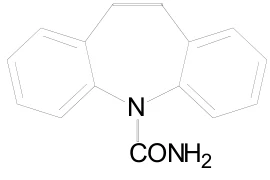
Molecular Weight: 236.27
Description: White to off-white powder
Solubility: Practically insoluble in water and in acetone
Stability and Storage Recommendations
See Following Table.
Keep out of reach of children.
Availability Of Dosage Forms
See Following Table.
| pms-CARBAMAZEPINE Tablets 200mg | pms-CARBAMAZEPINE Tablets (Chewable) 100mg | pms-CARBAMAZEPINE Tablets (Chewable) 200mg | pms-CARBAMAZEPINE-CR Tablets (Controlled Release) 200mg |
pms-CARBAMAZEPINE-CR Tablets (Controlled Release) 400mg
| White | White with red specks | White with red specks | Beige-orange |
Brown-orange
| Shape | Round, flat-faced and bevel-edged | Round, flat-faced, bevel-edged | Oval, biconvex | Oval, slightly biconvex |
Oval, slightly biconvex
| Medicinal Content | 200 mg carbamazepine | 100 mg carbamazepine | 200 mg carbamazepine | 200 mg carbamazepine |
400 mg carbamazepine
| Non-medicinal Ingredients | cellulose compounds, magnesium stearate, silicon dioxide | cherry-mint flavour, corn starch, erythrosine, gelatin, glycerin, magnesium stearate, silicon dioxide, sodium starch glycolate, stearic acid, sugar | |
acrylic esters, cellulose compounds, iron oxides, magnesium stearate, silicon dioxide, talc, titanium dioxide, castor oil derivative
| Availability | Bottles of 100 & 500 | Bottles of 100 | Bottles of 100 | Bottles of 100 |
Bottles of 100
| Storage | Conditions | Store below 30°C, protect from humidity | Store below 30°C, protect from humidity and light | Store below 30°C, protect from humidity and light | Store below 25°C, protect from humidity |
Store below 25°C, protect from humidity