


Product Monograph - Taro-Carbamazepine Chewable Tablets
RECENT MAJOR LABEL CHANGES
7 WARNINGS AND PRECAUTIONS, Pregnancy
04/2025
TABLE OF CONTENTS
Sections or subsections that are not applicable at the time of authorization are not listed.
RECENT MAJOR LABEL CHANGES ..................................................................................................... 2
TABLE OF CONTENTS ....................................................................................................................... 2
PART I: HEALTH PROFESSIONAL INFORMATION ............................................................................... 4
1 INDICATIONS ........................................................................................................................... 4
1.1 Pediatrics ........................................................................................................................................ 5
1.2 Geriatrics ........................................................................................................................................ 5
2 CONTRAINDICATIONS .............................................................................................................. 5
3 SERIOUS WARNINGS AND PRECAUTIONS BOX ......................................................................... 6
4 DOSAGE AND ADMINISTRATION .............................................................................................. 7
4.1 Dosing Considerations ................................................................................................................... 7
4.2 Recommended Dose and Dosage Adjustment .............................................................................. 7
4.4 Administration ............................................................................................................................... 9
4.5 Missed Dose ................................................................................................................................... 9
5 OVERDOSAGE ........................................................................................................................ 10
6 DOSAGE FORMS, STRENGTHS, COMPOSITION AND PACKAGING ............................................. 11
7 WARNINGS AND PRECAUTIONS ............................................................................................. 12
7.1 Special Populations ...................................................................................................................... 20
7.1.1 Pregnant Women ................................................................................................................. 20
7.1.2 Breastfeeding ....................................................................................................................... 21
7.1.3 Pediatrics .............................................................................................................................. 21
7.1.4 Geriatrics .............................................................................................................................. 21
8 ADVERSE REACTIONS ............................................................................................................. 22
8.1 Adverse Reaction Overview ......................................................................................................... 22
8.2 Clinical Trial Adverse Reactions ................................................................................................... 25
8.5 Post-Market Adverse Reactions ................................................................................................... 26
9 DRUG INTERACTIONS............................................................................................................. 26
9.1 Serious Drug Interactions ............................................................................................................ 26
9.2 Drug Interactions Overview ......................................................................................................... 27
9.3 Drug-Behavioural Interactions ..................................................................................................... 27
9.4 Drug-Drug Interactions ................................................................................................................ 27
9.5 Drug-Food Interactions ................................................................................................................ 31
9.6 Drug-Herb Interactions ................................................................................................................ 31
9.7 Drug-Laboratory Test Interactions............................................................................................... 31
10 CLINICAL PHARMACOLOGY .................................................................................................... 32
10.1 Mechanism of Action ............................................................................................................... 32
10.2 Pharmacodynamics .................................................................................................................. 32
10.3 Pharmacokinetics ..................................................................................................................... 32
11 STORAGE, STABILITY AND DISPOSAL ...................................................................................... 33
PART II: SCIENTIFIC INFORMATION ................................................................................................ 34
13 PHARMACEUTICAL INFORMATION ........................................................................................ 34
14 CLINICAL TRIALS .................................................................................................................... 34
14.1 Trial Design and Study Demographics ...................................................................................... 34
14.2 Study Results ............................................................................................................................ 35
14.3 Comparative Bioavailability Studies ........................................................................................ 35
15 MICROBIOLOGY ..................................................................................................................... 38
16 NON-CLINICAL TOXICOLOGY .................................................................................................. 38
17 SUPPORTING PRODUCT MONOGRAPHS ................................................................................. 40
PATIENT MEDICATION INFORMATION ........................................................................................... 41
PART I: HEALTH PROFESSIONAL INFORMATION
1 INDICATIONS
Epilepsy:
Adults (>18 years of age)
TARO-CARBAMAZEPINE (carbamazepine) is indicated for use as an anticonvulsant drug either alone or in combination with other anticonvulsant drugs.
Carbamazepine is not effective in controlling absence, myoclonic or atonic seizures, and does not prevent the generalization of epileptic discharge. Moreover, exacerbation of seizures may occasionally occur in patients with atypical absences.
Trigeminal Neuralgia:
Adults (>18 years of age)
TARO-CARBAMAZEPINE is indicated for the symptomatic relief of pain of trigeminal neuralgia only during periods of exacerbation of true or primary trigeminal neuralgia (tic douloureux). It should not be used preventively during periods of remission. In some patients, carbamazepine has relieved glossopharyngeal neuralgia. For patients who fail to respond to TARO-CARBAMAZEPINE, or who are sensitive to the drug, recourse to other accepted measures must be considered.
Carbamazepine is not a simple analgesic and should not be used to relieve trivial facial pains or headaches.
Treatment of Acute Mania and Prophylaxis in Bipolar (Manic-Depressive) Disorders:
Adults (>18 years of age)
TARO-CARBAMAZEPINE may be used as a monotherapy or as an adjunct to lithium in the treatment of acute mania or prophylaxis of bipolar (manic-depressive) disorders in patients who are resistant to or are intolerant of conventional antimanic drugs. Carbamazepine may be a useful alternative to neuroleptics in such patients. Patients with severe mania, dysphoric mania or rapid cycling who are non-responsive to lithium may show a positive response when treated with carbamazepine.
It is important to note that these recommendations are based on extensive clinical experience and some clinical trials versus active comparison agents.
1.1 Pediatrics
Epilepsy:
Pediatrics (≥ 6 years of age):
TARO-CARBAMAZEPINE is indicated for use as an anticonvulsant drug either alone or in combination with other anticonvulsant drugs (see 4.2 Recommended Dose and Dosage Adjustment, Use in Epilepsy, Adults and Children Over 12 Years of Age and Children 6-12 Years of Age).
Trigeminal Neuralgia:
Pediatrics (< 18 years of age)
The safety and efficacy of carbamazepine in pediatric patients (<18 years of age) have not been studied. TARO-CARBAMAZEPINE is not authorized for pediatric use in trigeminal neuralgia.
Treatment of Acute Mania and Prophylaxis in Bipolar (Manic-Depressive) Disorders:
Pediatrics (< 18 years of age)
The safety and efficacy of carbamazepine in pediatric patients (<18 years of age) have not been studied. TARO-CARBAMAZEPINE is not authorized for pediatric use in acute mania and prophylaxis in bipolar (manic-depressive) disorders.
1.2 Geriatrics
Geriatrics (> 65 years of age)
For all indications, due to drug interactions and different antiepileptic drug pharmacokinetics, the dosage of TARO-CARBAMAZEPINE should be selected with caution in elderly patients. See 7.1.4 WARNINGS AND PRECAUTIONS, Special Populations, Geriatrics and 4.1 Dosing Considerations, Geriatrics.
2 CONTRAINDICATIONS
TARO-CARBAMAZEPINE is contraindicated in:
- Patients who are hypersensitive to carbamazepine or to any of the components of the tablets or suspension. For a complete listing, see 6 DOSAGE FORMS, STRENGTHS, COMPOSITION AND PACKAGING.
- Patients who are hypersensitive to carbamazepine or structurally related drugs like the tricyclic compounds (e.g. amitriptyline, trimipramine, imipramine, or their analogues or metabolites).
- Patients with hepatic disease, a history of bone-marrow depression, a history of hepatic porphyria (acute intermittent porphyria, variegate porphyria, porphyria cutanea tarda), or serious blood disorder.
- Conjunction with, or immediately after, a monoamine oxidase (MAO) inhibitor. See 9 DRUG INTERACTIONS.
- Conjunction with itraconazole and voriconazole. See 9 DRUG INTERACTIONS.
- Patients presenting atrioventricular heart block. See 7 WARNINGS AND PRECAUTIONS, Cardiovascular.
3 SERIOUS WARNINGS AND PRECAUTIONS BOX
HAEMATOLOGIC: Although reported infrequently, serious adverse effects have been observed during the use of carbamazepine. Agranulocytosis and aplastic anemia with a fatal outcome have occurred very rarely. Leucopenia, thrombocytopenia, hepatocellular and cholestatic jaundice, and hepatitis have also been reported. However, in the majority of cases, leucopenia and thrombocytopenia were transient and did not signal the onset of either aplastic anemia or agranulocytosis. It is important that TARO-CARBAMAZEPINE be used carefully and close clinical and frequent laboratory supervision should be maintained throughout treatment in order to detect as early as possible signs and symptoms of a possible blood dyscrasia. TARO-CARBAMAZEPINE should be discontinued if any evidence of significant bone marrow depression appears. See 7 WARNINGS AND PRECAUTIONS, Monitoring and Laboratory Tests, Bone marrow function.
DERMATOLOGIC: Steven’s-Johnson Syndrome and Toxic Epidermal Necrolysis: Serious and sometimes fatal dermatologic reactions, including Toxic Epidermal Necrolysis (TEN) and Stevens-Johnson Syndrome (SJS), have been reported with carbamazepine. In countries with mainly Caucasian populations, these reactions are estimated to occur in 1 to 6 per 10,000 new users, but in some Asian countries (e.g., Taiwan, Malaysia and the Philippines) the risk is estimated to be about 10 times higher.
Human Leukocyte Antigens (HLA)-A*3101 and HLA-B*1502 may be risk factors for the development of serious cutaneous adverse drug reactions. Retrospective genome-wide studies in Japanese and Northern European populations reported an association between severe skin reactions (SJS, TEN, Drug Reaction with Eosinophilia and Systemic Symptoms (DRESS), Acute Generalized Exanthematous Pustulosis (AGEP) and maculopapular rash) associated with carbamazepine use and the presence of the HLA-A*3101 allele in these patients. Similarly, in studies that included small samples of patients of HanRash Chinese ancestry, a strong association was found between the risk of developing SJS/TEN and the presence of the HLA-B*1502 allele. The HLA-B*1502 allele is found almost exclusively in individuals with ancestry across broad areas of Asia (This provides a rough estimate of the frequency of HLA-B*1502 allele in various populations: from 2 to 12% in Han Chinese populations, about 8% in Thai populations, and above 15% in the Philippines and some Malaysian populations. Allele frequencies up to about 2% and 6% have been reported in Korea and India, respectively. The frequency of the HLA-B*1502 allele is negligible in persons from European descent, several African populations, indigenous peoples of the Americas, Hispanic populations sampled and in Japanese (< 1%). The estimated frequencies have limitations due to the wide variation in allele frequencies that exist within ethnic groups, the difficulties in ascertaining ethnic ancestry and the likelihood of mixed ancestry). It is therefore, recommended that physicians consider HLA-A*3101 and HLA-B*1502 genotyping as screening tools in genetically at-risk populations. See 7 WARNINGS AND PRECAUTIONS, Ancestry and Allelic Variations in the HLA-A Gene and Ancestry and Allelic Variations in the HLA-B Gene. Until further information is available, the use of TARO-CARBAMAZEPINE and other anti-epileptic drugs associated with SJS/TEN should be avoided in patients who test positive for the HLA-A*3101 or HLA-B*1502 alleles (see 7 WARNINGS AND PRECAUTIONS, Ancestry and Allelic Variations in the HLA-A Gene, Ancestry and Allelic Variation in the HLA-B Gene, Important Limitations of HLA-A and HLA-B Genotyping).
Treatment recommendations for dermatological reactions: TARO-CARBAMAZEPINE should be discontinued at the first sign of a rash, unless the rash is clearly not drug-related. If signs or symptoms suggest SJS/TEN, use of this drug should not be resumed and alternative therapy should be considered. The use of other anti-epileptic drugs associated with SJS/TEN should be avoided in patients who have shown severe dermatological reactions during TARO-CARBAMAZEPINE treatment.
CARCINOGENICITY: Long-term toxicity studies in rats indicated a potential carcinogenic risk. See 16 NON-CLINICAL TOXICOLOGY). Therefore, the possible risk of the drug must be weighed against the potential benefits before prescribing TARO-CARBAMAZEPINE to individual patients.
4 DOSAGE AND ADMINISTRATION
4.1 Dosing Considerations
- TARO-CARBAMAZEPINE (suspension) produces higher peak carbamazepine levels than the same dose in tablet form, it is therefore advisable to start with low doses and to increase slowly to avoid adverse reactions. See 10.3 Pharmacokinetics.
- Geriatrics: Due to drug interactions and different antiepileptic drug pharmacokinetics, the dosage of TARO-CARBAMAZEPINE should be selected with caution in elderly patients. In general, dose selection for an elderly patient usually starts at the low end of the dosing range (see 4.2 Recommended Dose and Dosage Adjustment), reflecting the greater frequency of decreased hepatic, renal, or cardiac function, and of concomitant disease.
- Renal insufficiency/Hepatic insufficiency: see 10.3 Pharmacokinetics, Special Populations and Conditions.
4.2 Recommended Dose and Dosage Adjustment
Use in Epilepsy
TARO-CARBAMAZEPINE may be used alone or with other anticonvulsants. A low initial daily dosage of TARO-CARBAMAZEPINE with a gradual increase in dosage is advised. To achieve adequate control of seizures, dosage should be adjusted to the needs of the individual patient. Determination of plasma levels may help in establishing the optimum dosage. In the treatment of epilepsy, the dose of carbamazepine should be adjusted to maintain steady state plasma concentration of about 4 - 10 mcg/mL. See 10 CLINICAL PHARMACOLOGY. TARO-CARBAMAZEPINE should be taken with meals whenever possible.
TARO-CARBAMAZEPINE CHEWABLE TABLETS and TARO-CARBAMAZEPINE (suspension) should be taken in 2 to 4 divided doses daily.
TARO-CARBAMAZEPINE CHEWABLE TABLETS and TARO-CARBAMAZEPINE (suspension) are particularly suitable for patients who have difficulty swallowing tablets or who need initial careful adjustment of dosage.
Adults and Children Over 12 Years of Age
Initially, 100 to 200 mg once or twice a day depending on the severity of the case and previous therapeutic history. The initial dosage is progressively increased, in divided doses, until the best response is obtained. The usual optimal dosage is 800 to 1200 mg daily. In rare instances some adult patients have received 1600 mg. As soon as disappearance of seizures has been obtained and maintained, dosage should be reduced very gradually until a minimum effective dose is reached.
Children 6-12 Years of Age
Initially, 100 mg in 2 to 4 divided doses on the first day. Increase gradually by adding 100 mg per day until the best response is obtained. Dosage should generally not exceed 1000 mg daily. As soon as disappearance of seizures has been obtained and maintained, dosage should be reduced very gradually until a minimum effective dose is reached.
Combination Therapy
When added to existing anticonvulsant therapy, the drug should be added gradually while the other anticonvulsants are maintained or gradually decreased, except for phenytoin, which may be increased. See 7.1.1 WARNINGS AND PRECAUTIONS, Special Populations: Pregnant Women and 9 DRUG INTERACTIONS.
Use in Trigeminal Neuralgia (Adults > 18 years of age)
The initial daily dosage should be small; 200 mg taken in 2 doses of 100 mg each is recommended. The total daily dosage can be increased by 200 mg/day until relief of pain is obtained. This is usually achieved at dosage between 200 and 800 mg daily, but occasionally up to 1200 mg/day may be necessary. Maximum recommended dose is 1200 mg/day. As soon as relief of pain has been obtained and maintained, progressive reduction in dosage should be attempted until a minimal effective dosage is reached. Because trigeminal neuralgia is characterized by periods of remission, attempts should be made to reduce or discontinue the use of TARO-CARBAMAZEPINE at intervals of not more than 3 months, depending upon the individual clinical course.
Prophylactic use of the drug in trigeminal neuralgia is not recommended.
TARO-CARBAMAZEPINE is not authorized for pediatric use in trigeminal neuralgia.
Use in Mania and Bipolar (Manic-Depressive) Disorders (Adults >18 years of age)
The initial daily dosage should be low, 200 to 400 mg/day, administered in divided doses, although higher starting doses of 400 to 600 mg/day may be used in acute mania. This dose may be gradually increased until patient symptomatology is controlled or a total daily dose of 1600 mg is achieved. Increments in dosage should be adjusted to ensure optimal patient tolerability. The usual dose range is 400 to 1200 mg/day administered in divided doses. Doses used to achieve optimal acute responses and tolerability should be continued during maintenance treatment. When given in combination with lithium and neuroleptics, the initial dosage should be low, 100 mg to 200 mg daily, and then increased gradually. A dose higher than 800 mg/day is rarely required when given in combination with neuroleptics and lithium, or with other psychotropic drugs such as benzodiazepines. Plasma levels are probably not helpful for guiding therapy in bipolar disorders.
TARO-CARBAMAZEPINE is not authorized for pediatric use in acute mania and prophylaxis in bipolar (manic-depressive) disorders.
4.4 Administration
TARO-CARBAMAZEPINE (suspension) should be well shaken before use since improper re-suspension may lead to administering an incorrect dose.
4.5 Missed Dose
If a scheduled dose is missed, TARO-CARBAMAZEPINE should be administered as soon as possible unless nearing the time to administer the next dose in which case the missed dose should be skipped. Doses should not be doubled.
5 OVERDOSAGE
Lowest known lethal dose: Estimated 3.2 g (24 year old woman).
Highest known doses survived: 80 g (34 year old man); 34 g (13 year old girl); 1.4 g (23 month old girl).
Symptoms of Overdosage
The presenting signs and symptoms of overdosage usually involve the central nervous, cardiovascular, and respiratory systems, as well as the adverse drug reactions mentioned under the Adverse Reaction section (see 8 ADVERSE REACTIONS). Relapse and aggravation of the symptomatology on the 2nd or 3rd day after overdose, due to delayed absorption, should be anticipated.
Central Nervous System: CNS depression, disorientation, depressed level of consciousness, tremor, restlessness, somnolence, agitation, hallucination, coma, blurred vision, nystagmus, mydriasis, slurred speech, dysarthria, ataxia, dyskinesia, abnormal reflexes (slowed/hyperactive), convulsions, psychomotor disturbances, myoclonus, opisthotonia, hypothermia/ hyperthermia, flushed skin/cyanosis, EEG changes.
Respiratory System: respiratory depression, pulmonary edema.
Cardiovascular System: tachycardia, hypotension/hypertension, conduction disturbance with widening of QRS complex, syncope in association with cardiac arrest.
Gastrointestinal System: nausea, vomiting, delayed gastric emptying, reduced bowel motility.
Musculoskeletal System: There have been some cases which reported rhabdomyolysis in association with carbamazepine toxicity.
Renal Function: urinary retention, oliguria or anuria; fluid retention, and water intoxication.
Laboratory Findings: hyponatremia, hypokalemia, leukocytosis, reduced white cell count, metabolic acidosis, hyperglycemia, glycosuria, acetonuria, increased muscle creatine phosphokinase.
Treatment of Overdosage
There is no known specific antidote to TARO-CARBAMAZEPINE.
Evacuate the stomach, with an emetic or by gastric lavage and then administer activated charcoal. Delay in evacuating the stomach may result in delayed absorption, leading to relapse during recovery from intoxication.
Hemodialysis is the effective treatment modality in the management of the carbamazepine overdose.
Vital signs, including electrocardiogram to detect any cardiac arrhythmias or conduction defects, should be watched and symptomatic treatment should be administered as required. Hyperirritability or convulsions should be appropriately managed by standard medical care.
Hyponatremia should be appropriately managed by standard medical care.
Shock (circulatory collapse) should be treated with supportive measures, including intravenous fluids, oxygen, and corticosteroids.
Charcoal hemoperfusion has been recommended.
For management of a suspected drug overdose, contact your regional poison control centre or Health Canada's toll-free number, 1-844 POISON-X (1-844-764-7669).
6 DOSAGE FORMS, STRENGTHS, COMPOSITION AND PACKAGING
Table 1 – Dosage Forms, Strengths, Composition and Packaging.
| Route of Administration | Dosage Form / Strength/Composition | Non-medicinal Ingredients | ||
|---|---|---|---|---|
| Oral | chewable tablets; 100 mg and 200 mg | Croscarmellose Sodium, Diethyl Phthalate, Eudragit RS 30D, FD & C Red No.40 Lake, Magnesium Stearate, Microcrystalline Cellulose, Natural Cherry Flavour, Pregelatinized Starch, Sorbitol | ||
| suspension; 100 mg / 5mL | Citric acid, FD&C Yellow # 6, Orange Flavour, Poloxamer 188, Potassium Sorbate, Propylene Glycol, Purified Water, Sucrose, Sorbitol Solution, Xanthan Gum | |||
Availability of Dosage Forms
TARO-CARBAMAZEPINE CHEWABLE TABLETS 100 mg are white with pink speckles, cherry odour, round, flat. Scored on one side, engraved “TARO” above the score and “16" under the score. Available in Bottles of 100's
TARO-CARBAMAZEPINE CHEWABLE TABLETS 200 mg are white with pink speckles, cherry odour, oval, flat. Both sides scored, one side “T” engraved above the score line and “27" under the score line. Available in Bottles of 100's
TARO-CARBAMAZEPINE (suspension) 100 mg/5 mL is orange in colour. Available in bottles of 450 mL
7 WARNINGS AND PRECAUTIONS
Please see 3 SERIOUS WARNINGS AND PRECAUTIONS BOX.
General
TARO-CARBAMAZEPINE should not be used in conjunction with the antiretroviral agent delavirdine due to potential for loss of virologic response and possible resistance to delavirdine or to the class of non-nucleoside reverse transcriptase inhibitors. See also 9.4 Drug-Drug Interactions.
Anticholinergic effects
Like other tricyclic compounds, carbamazepine has a moderate anticholinergic action which is responsible for some of its side effects. Because of its anticholinergic action, carbamazepine should be given cautiously, if at all, to patients with increased intraocular pressure or urinary retention.
Falls Carbamazepine treatment has been associated with ataxia, dizziness, somnolence, hypotension, confusional state, sedation (see 8.5 Post-Market Adverse Reactions) which may lead to falls and, consequently fractures or other injuries. For patients with diseases, conditions, or medications that could exacerbate these effects, complete risk assessment of fall should be considered recurrently for patients on long-term TARO-CARBAMAZEPINE treatment.
Bone Disorders
Long-term use of antiepileptics such as carbamazepine, phenobarbital, phenytoin, primidone, oxcarbazepine, lamotrigine and sodium valproate is associated with a risk of decreased bone mineral density that may lead to weakened or brittle bones.
Carcinogenesis and Mutagenesis
Long-term toxicity studies in rats indicated a potential carcinogenic risk. See 16 NON-CLINICAL TOXICOLOGY. Therefore, the possible risk of the drug must be weighed against the potential benefits before prescribing TARO-CARBAMAZEPINE to individual patients.
Cardiovascular
TARO-CARBAMAZEPINE should be used cautiously in patients with a history of coronary artery disease, organic heart disease, or congestive heart failure. Carbamazepine may suppress ventricular automaticity due to its membrane-depressant effect, similar to that of quinidine and procainamide, associated with suppression of phase 4 depolarization of the heart muscle fiber (see 14 CLINICAL TRIALS).
If a defective conductive system is suspected, an ECG should be performed before administering TARO-CARBAMAZEPINE, in order to exclude patients with atrioventricular block.
Dependence/Tolerance
A tolerance may develop to the action of carbamazepine after a few months of treatment and should be watched for. See 14 CLINICAL TRIALS.
Driving and Operating Machinery
Patients’ ability to react may be impaired by their medical condition resulting in seizures and adverse reactions reported with carbamazepine, including dizziness, drowsiness, ataxia, diplopia, impaired accommodation and blurred vision. Patients should be advised not to drive or use complex machines, or engage in other hazardous activities, until they have gained sufficient experience on carbamazepine to gauge whether it affects their mental and/or motor performance adversely.
Endocrine and Metabolism
Patients with fructose intolerance
TARO-CARBAMAZEPINE CHEWABLE TABLETS and TARO-CARBAMAZEPINE(suspension) contain sorbitol and, therefore, should not be administered to patients with rare hereditary problems of fructose intolerance.
Hyponatremia
Hyponatremia is known to occur with carbamazepine. Although hyponatremia occurs in 10 to 15% of patients taking carbamazepine, it is seldom symptomatic or severe enough to cause fluid retention. In patients with pre-existing renal conditions associated with low sodium or in patients treated concomitantly with sodium-lowering medicinal products (e.g. diuretics, medicinal products associated with inappropriate ADH secretion), serum sodium levels should be measured prior to initiating carbamazepine therapy. Thereafter, serum sodium levels should be measured after approximately two weeks and then at monthly intervals for the first three months during therapy, or according to clinical need. These risk factors may apply especially to the elderly and renally-compromised patients. If hyponatremia is observed, water restriction is an important counter-measurement if clinically indicated.
Hypothyroidism
Carbamazepine can reduce serum concentrations of thyroid hormones through enzyme induction requiring an increase in dose of thyroid replacement therapy in patients with hypothyroidism. In order to adjust the dosage of thyroid replacement therapy, evaluation of thyroid hormone status should be considered for patients treated with TARO-CARBAMAZEPINE, particularly for pediatric patients, due to the potential risk of hypothyroidism and long-term adverse effects on development that can occur in relation to undetected changes in thyroid hormone status.
Hypersensitivity
Class I (immediate) hypersensitivity reactions including rash, pruritus, urticaria, angioedema and reports of anaphylaxis have been reported with carbamazepine. If a patient develops these reactions after treatment with TARO-CARBAMAZEPINE, the drug must be discontinued, and an alternative treatment started.
TARO-CARBAMAZEPINE can trigger hypersensitivity reactions, including Drug Reaction with Eosinophilia and Systemic Symptoms (DRESS), a delayed multi-organ hypersensitivity disorder with fever, rash, vasculitis, lymphadenopathy, pseudo lymphoma, arthralgia, leukopenia, eosinophilia, hepato-splenomegaly, abnormal liver function tests and vanishing bile duct syndrome (destruction and disappearance of the intrahepatic bile ducts), that may occur in various combinations. One or more organs such as skin, liver, lungs, kidneys, pancreas, myocardium, bone marrow, spleen, thymus, lymph nodes and colon may be affected. See 8 ADVERSE REACTIONS.
The HLA-A*3101 allele has been found to be associated with the occurrence of hypersensitivity syndrome, including maculopapular rash.
In general, if signs and symptoms suggestive of hypersensitivity reactions occur,
TARO-CARBAMAZEPINE should be withdrawn immediately, and alternative therapy should be considered.
Patients who have exhibited hypersensitivity reactions to carbamazepine should be informed that approximately 25 to 30% of these patients may experience hypersensitivity reactions with oxcarbazepine.
Cross-hypersensitivity can occur between carbamazepine and aromatic antiepileptic drugs (e.g. phenytoin, primidone, and phenobarbital).
Pharmacogenomics
There is growing evidence of the role of different HLA alleles in predisposing patients to immune-mediated adverse reactions.
Ancestry and Allelic Variation in the HLA-A Gene
The frequency of the HLA-A*3101 allele, an inherited allelic variant of the HLA-A gene, varies widely between ethnic populations and its frequency is about 2 to 5% in European populations and about 10% in the Japanese population. The frequency of this allele is estimated to be less than 5% in the majority of Australian, Asian, African and North American populations with some exceptions within 5-12%. Prevalence above 15% has been estimated in some ethnic groups in South America (Argentina and Brazil), North America (US Navajo and Sioux, and Mexico Sonora Seri) and Southern India (Tamil Nadu) and between 10%-15% in other native ethnicities in these same regions.
Testing for the presence of HLA-A*3101 allele should be considered in patients with ancestry in genetically at-risk populations (for example, patients of the Japanese and Caucasian populations, patients who belong to the indigenous populations of the Americas, Hispanic populations, people of southern India, and people of Arabic descent), prior to initiating treatment with TARO-CARBAMAZEPINE (see 7 WARNINGS AND PRECAUTIONS, Important Limitations of HLA-A and HLA-B Genotyping). The use of TARO-CARBAMAZEPINE should be avoided in patients who are found to be positive for HLA-A*3101, unless the benefits clearly outweigh the risks. Screening is generally not recommended for any current TARO-CARBAMAZEPINE users, as the risk of SJS/TEN, AGEP, DRESS and maculopapular rash is largely confined to the first few months of therapy, regardless of HLA-A*3101 status. See 7 WARNINGS AND PRECAUTIONS, Important Limitations of HLA-A and HLA-B Genotyping.
Ancestry and Allelic Variation in the HLA-B Gene
In studies that included small samples of carbamazepine-treated patients of Han Chinese and Thai origin, a strong association was found between the risk of developing SJS/TEN and the presence of HLA-B*1502, an inherited allelic variant of the HLA-B gene. The HLA-B*1502 allele is found almost exclusively in individuals with ancestry across broad areas of Asia. Results of these studies suggest that the presence of the HLA-B *1502 allele may be one of the risk factors for carbamazepine-associated SJS/TEN in patients with Asian ancestry. Therefore, physicians should consider HLA-B*1502 genotyping as a screening tool in these patients. Until further information is available, the use of TARO-CARBAMAZEPINE and other anti-epileptic drugs associated with SJS/TEN should also be avoided in patients who test positive for the HLA-B*1502 allele.
Important Limitations of HLA-A and HLA-B Genotyping
HLA-A*3101 and HLA-B*1502 genotyping as screening tools have important limitations and must never substitute for appropriate clinical vigilance and patient management. Many patients positive for HLA-A*3101 and treated with TARO-CARBAMAZEPINE will not develop SJS, TEN, DRESS, AGEP or maculopapular rash and patients negative for HLA-A*3101 of any ethnicity can still develop these severe cutaneous adverse reactions. Similarly, many HLA-B*1502-positive Asian patients treated with TARO-CARBAMAZEPINE will not develop SJS/TEN, and these reactions can still occur infrequently in HLA-B*1502-negative patients of any ethnicity. The role of other possible factors in the development of, and morbidity from, these severe cutaneous adverse reactions, such as antiepileptic drug (AED) dose, compliance, concomitant medications, co-morbidities, and the level of dermatologic monitoring have not been studied.
In addition, it should be kept in mind that over 90% of TARO-CARBAMAZEPINE treated patients who will experience SJS/TEN have this reaction within the first few months of treatment. This information may be taken into consideration when deciding whether to screen genetically at-risk patients currently on TARO-CARBAMAZEPINE.
The identification of subjects carrying the HLA-B*1502 allele and the avoidance of carbamazepine therapy in these subjects has been shown to decrease the incidence of carbamazepine-induced SJS/TEN.
Should signs and symptoms suggest a severe skin reaction such as SJS or TEN, TARO-CARBAMAZEPINE should be withdrawn at once.
Monitoring and Laboratory Tests
TARO-CARBAMAZEPINE should be prescribed only after a critical risk-benefit appraisal in patients with a history of cardiac, hepatic or renal damage, adverse hematological reactions to other drugs, or interrupted courses of therapy with TARO-CARBAMAZEPINE. Careful clinical and laboratory supervision should be maintained throughout treatment. Should any signs or symptoms or abnormal laboratory findings be suggestive of blood dyscrasia or liver disorder, TARO-CARBAMAZEPINE should be immediately discontinued until the case is carefully reassessed.
Bone marrow function
Complete blood counts, including platelets and possibly reticulocytes and serum iron, should be carried out before treatment is instituted, and periodically thereafter.
If definitely low or decreased white blood cell or platelet counts are observed during treatment, the patient and the complete blood count should be monitored closely. Non-progressive fluctuating asymptomatic leucopenia, which is encountered, does not generally call for the withdrawal of TARO-CARBAMAZEPINE. However, treatment with TARO-CARBAMAZEPINE should be discontinued if the patient develops leucopenia which is progressive or accompanied by clinical manifestations, e.g., fever or sore throat, as this could indicate the onset of significant bone marrow depression.
Because the onset of potentially serious blood dyscrasias may be rapid, patients should be made aware of early toxic signs and symptoms of a potential hematological problem, as well as symptoms of dermatological or hepatic reactions. If reactions such as fever, sore throat, rash, ulcers in the mouth, easy bruising, petechial or purpuric hemorrhage appear, the patient should be advised to consult his/her physician immediately.
Hepatic function
Baseline and periodic evaluations of hepatic function must be performed, particularly in elderly patients and patients with a history of liver disease. TARO-CARBAMAZEPINE should be withdrawn immediately in cases of aggravated liver dysfunction or active liver disease.
Renal function
Pre-treatment and periodic complete urinalysis and BUN determinations should be performed.
Ophthalmic examinations
Carbamazepine has been associated with pathological eye changes (see 8.1 Adverse Reaction Overview, Eye disorders). Periodic eye examinations, including slit-lamp funduscopy and tonometry are recommended.
Plasma levels
Although correlations between dosage and plasma levels of carbamazepine, and between plasma levels and clinical efficacy or tolerability are rather tenuous, monitoring plasma levels may be useful in the following situations: dramatic increase in seizure frequency/verification of patient compliance; during pregnancy; when treating children or adolescents; in suspected absorption disorders; in suspected toxicity, especially where more than one drug is being used. See 9 DRUG INTERACTIONS.
Neurologic
Increased seizure frequency
Abrupt withdrawal of TARO-CARBAMAZEPINE may precipitate seizures. Therefore, if carbamazepine has to be discontinued, it should be withdrawn gradually over a 6-month period. In epileptic patients, the switch to the new antiepileptic compound should be made under cover of a suitable drug. See 9.4 Drug-Drug Interactions.
TARO-CARBAMAZEPINE should be used with caution in patients with mixed seizures which includes absences, either typical or atypical. In all these conditions, TARO-CARBAMAZEPINE may exacerbate seizures.
In the event of exacerbation of seizures, TARO-CARBAMAZEPINE should be discontinued.
The occurrence of CNS adverse reactions may be a manifestation of relative overdosage or significant fluctuation in plasma levels. In such cases, it is advisable to monitor the plasma levels.
A number of investigators have reported a deterioration of EEG abnormalities with regard to focal alterations and a higher incidence of records with nil beta-activity; during carbamazepine-combined treatment See 14 CLINICAL TRIALS.
Psychiatric
Because it is closely related to other tricyclic drugs, there is some possibility that carbamazepine might activate a latent psychosis, or, in elderly patients, produce agitation or confusion, especially when combined with other drugs. Caution should also be exercised in patients with alcohol dependence.
Suicidal ideation and behaviour
Suicidal ideation and behaviour have been reported in patients treated with antiepileptic agents in several indications.
All patients treated with antiepileptic drugs, irrespective of indication, should be monitored for signs of suicidal ideation and behaviour and appropriate treatment should be considered. Patients (and caregivers of patients) should be advised to seek medical advice should signs of suicidal ideation or behaviour emerge.
An FDA meta-analysis of randomized placebo controlled trials, in which antiepileptic drugs were used for various indications, has shown a small increased risk of suicidal ideation and behaviour in patients treated with these drugs. The reason for this risk is not known.
There were 43892 patients treated in the placebo controlled clinical trials that were included in the meta-analysis. Approximately 75% of patients in these clinical trials were treated for indications other than epilepsy and, for the majority of non-epilepsy indications the treatment (antiepileptic drug or placebo) was administered as monotherapy. Patients with epilepsy represented approximately 25% of the total number of patients treated in the placebo controlled clinical trials and, for the majority of epilepsy patients, treatment (antiepileptic drug or placebo) was administered as adjunct to other antiepileptic agents (i.e., patients in both treatment arms were being treated with one or more antiepileptic drug). Therefore, the small increased risk of suicidal ideation and behaviour reported from the meta-analysis (0.43% for patients on antiepileptic drugs compared to 0.24% for patients on placebo) is based largely on patients that received monotherapy treatment (antiepileptic drug or placebo) for non-epilepsy indications. The study design does not allow for an estimation of the risk of suicidal ideation and behaviour for patients with epilepsy that are taking antiepileptic drugs, due both to this population being the minority in the study, and the drug-placebo comparison in this population being confounded by the presence of adjunct antiepileptic drug treatment in both arms.
Risk of suicide in patients with bipolar disorder
Patients with bipolar disorder may experience worsening of their depressive symptoms and/or the emergence of suicidal ideation and behaviors (suicidality) whether or not they are taking medications for bipolar disorder. Patients should be closely monitored for clinical worsening (including development of new symptoms) and suicidality, especially at the beginning of a course of treatment, or at the time of dose changes.
In addition, patients with a history of suicidal behavior or thoughts, those patients exhibiting a significant degree of suicidal ideation prior to commencement of treatment, and young adults, are at an increased risk of suicidal thoughts or suicide attempts, and should receive careful monitoring during treatment.
Patients (and caregivers of patients) should be alerted about the need to monitor for any worsening of their condition (including development of new symptoms) and/or the emergence of suicidal ideation/behavior or thoughts of harming themselves and to seek medical advice immediately if these symptoms present.
Prescriptions for all medications, including TARO-CARBAMAZEPINE, should be written for the smallest quantity of tablets consistent with good patient management, in order to reduce the risk of overdose (See 4.2 Recommended Dose and Dosage Adjustment).
Reproductive Health: Female and Male Potential
There have been very rare reports of impaired male fertility and/or abnormal spermatogenesis.
Women of child-bearing potential and contraceptive measures
Women of childbearing potential should use effective contraception during treatment with TARO-CARBAMAZEPINE and for 2 weeks after the last dose. Due to enzyme induction, TARO-CARBAMAZEPINE may result in a failure of the therapeutic effect of oral contraceptive drugs containing estrogen and/or progesterone. Therefore, women of childbearing potential should be advised to use alternative contraceptive methods while on treatment with TARO-CARBAMAZEPINE.
It should be noted that the reliability of oral contraceptives may be adversely affected by carbamazepine. See 9.4 Drug-Drug Interactions, Combinations that require specific consideration.
Skin
Mild skin reactions, e.g., isolated macular or maculopapular exanthema, usually disappear within a few days or weeks, either during a continued course of treatment or following a decrease in dosage. However, the patient should be kept under close surveillance because of the rare possibility of Steven-Johnson Syndrome or Toxic Epidermal Necrolysis occurring (see 3 SERIOUS WARNINGS AND PRECAUTIONS BOX).
In addition to being associated with severe adverse cutaneous reactions (see 7 WARNINGS AND PRECAUTIONS, Hypersensitivity), the HLA-A*3101 allele has been found to be associated with less severe adverse cutaneous reactions from carbamazepine, and may predict the risk of such reactions as anticonvulsant hypersensitivity syndrome or non-serious rash (maculopapular eruption). However, the HLA-B*1502 allele has not been found to predict the risk of these aforementioned skin reactions (see 7 WARNINGS AND PRECAUTIONS, Pharmacogenomics, Ancestry and Allelic Variation in the HLA-A Gene).
7.1 Special Populations
7.1.1 Pregnant Women
Pregnancy
Women with epilepsy who are, or intend to become pregnant, should be treated with special care.
In women of childbearing potential, TARO-CARBAMAZEPINE should, whenever possible, be prescribed as monotherapy, because the incidence of congenital abnormalities in the offspring of women treated with more than one antiepileptic drug is greater than in those of women receiving a single antiepileptic. The risk of malformations following exposure to carbamazepine as polytherapy may vary depending on the specific drugs used and may be higher in polytherapy combinations that include valproate.
If pregnancy occurs in a woman receiving TARO-CARBAMAZEPINE or if the need to initiate TARO-CARBAMAZEPINE arises during pregnancy, the drug's expected benefits must be weighed against its hazards, particularly during the first 3 months of pregnancy. TARO-CARBAMAZEPINE should not be discontinued or withheld from patients if required to prevent major seizures because of the risks posed, to both mother and fetus, by status epilepticus with attendant hypoxia. During pregnancy, an effective antiepileptic treatment should not be interrupted, since the aggravation of the illness is detrimental to both the mother and the fetus.
Carbamazepine increases the risk of malformations. Developmental disorders and malformations, including spina bifida, and also other congenital anomalies, e.g. craniofacial defects, cardiovascular malformations, hypospadias, microcephaly and anomalies involving various body systems, have been reported in association with carbamazepine.
Pregnancy registry data suggests an increased risk for infants of being born with low birth weight (<2500 grams) or small for gestational age (SGA; includes those with birthweight below the 3rd or 10th percentile corrected for their gestational age) in pregnant women receiving carbamazepine monotherapy or polytherapy during pregnancy compared to unexposed pregnant women with epilepsy. This risk appears to be dose -dependent. Neurodevelopmental disorders (such as developmental delay, Autism spectrum disorder, Intellectual disability, ADHD, etc.) have been reported among children born to women with epilepsy treated with carbamazepine alone or in combination with other antiepileptic drugs during pregnancy. Studies related to the risk of neurodevelopmental disorders in children exposed to carbamazepi ne during pregnancy are contradictory and a risk cannot be excluded.
Conclusive evidence from controlled studies with carbamazepine monotherapy is lacking. Patients should be counseled regarding the possibility of an increased risk of malformations and given the opportunity of antenatal screening.
Monitoring and prevention
Folic acid deficiency is known to occur in pregnancy. Antiepileptic drugs have been reported to aggravate folic acid deficiency. This deficiency may contribute to the increased incidence of birth defects in the offspring of treated epileptic women. Folic acid supplementation has therefore been recommended before and during pregnancy.
In the neonate
To prevent neonatal bleeding disorders, Vitamin K1 administration to the mother during the last weeks of pregnancy, as well as to the newborn, has been recommended.
Cholestatic hepatitis in neonates exposed to carbamazepine in the antenatal period has been reported. Infants of mothers treated with TARO-CARBAMAZEPINE should be carefully observed for adverse hepatobiliary effects. A few cases of neonatal seizures and respiratory depression have been associated with maternal carbamazepine and other concomitant anticonvulsant drug use. A few cases of neonatal vomiting, diarrhea, and/or decreased feeding have also been associated with maternal carbamazepine use. These reactions may represent a neonatal withdrawal syndrome.
7.1.2 Breastfeeding
Carbamazepine passes into breast milk in concentrations of about 25 - 60% of the plasma level. No reports are available on the long-term effect of breastfeeding but there have been some reports of cholestatic hepatitis in neonates exposed to carbamazepine during breast feeding. The benefits of breast-feeding should be weighed against the possible risks to the infant and a decision should be made whether to discontinue nursing or to discontinue TARO-CARBAMAZEPINE, taking into account the importance of the drug to the mother. Therefore breast-fed infants of mothers treated with carbamazepine should be carefully observed for adverse reactions such as somnolence, allergic skin reactions and adverse hepatobiliary effects.
7.1.3 Pediatrics
Pediatrics (< 18 years of age): The safety and efficacy of carbamazepine have not been studied in pediatric patients with trigeminal neuralgia and acute mania and prophylaxis in bipolar (manic-depressive) disorders. TARO-CARBAMAZEPINE is not authorized for pediatric use in trigeminal neuralgia and acute mania and prophylaxis in bipolar (manic-depressive) disorders.
7.1.4 Geriatrics
Geriatrics (> 65 years of age):
See 4.1 Dosing Considerations, Geriatrics
8 ADVERSE REACTIONS
8.1 Adverse Reaction Overview
The reactions which have been most commonly reported with carbamazepine are CNS disturbances (e.g., drowsiness, headache, unsteadiness on the feet, diplopia, dizziness), gastrointestinal disturbances (nausea, vomiting), and allergic skin reactions. These reactions usually occur only during the initial phase of therapy, if the initial dose is too high, or when treating elderly patients. They have rarely necessitated discontinuing carbamazepine therapy, and can be minimized by initiating treatment at a low dosage.
The occurrence of CNS adverse reactions may be a manifestation of relative overdosage or significant fluctuation in plasma levels. In such cases it is advisable to monitor the plasma levels.
The more serious adverse reactions observed are the hematologic, hepatic, cardiovascular and dermatologic reactions, which require discontinuation of therapy.
Blood and lymphatic system disorders
Very common: leucopenia;
Common: eosinophilia, thrombocytopenia;
Rare: leucocytosis, lymphadenopathy,;
Very rare: agranulocytosis, aplastic anemia, pancytopenia, pure red cell aplasia, anemia, macrocytic anemia, megaloblastic anemia, reticulocytosis, thrombocytopenic purpura, and hemolytic anemia. In a few instances, deaths have occurred.
Hepatobiliary disorders
Rare: hepatitis of a cholestatic, parenchymal (hepatocellular), or mixed type, vanishing bile duct syndrome, jaundice;
Very rare: hepatic failure, granulomatous liver disease.
Skin and subcutaneous tissue disorders
Very common: erythematous rashes, urticaria which may be severe, allergic dermatitis and rashes;
Uncommon: exfoliative dermatitis;
Rare: systemic lupus erythematosus, pruritis;
Very rare: Steven Johnson syndrome (In some Asian countries also reported as rare. See 7 WARNINGS AND PRECAUTIONS, toxic epidermal necrolysis (Lyell's syndrome), photosensitivity reaction, erythema multiform, erythema nodosum, pigmentation disorder, purpura, acne, diaphoresis, alopecia, neurodermatitis, hirsutism.
Nervous system disorders
Very common: ataxia, dizziness, somnolence;
Common: an increase in motor seizures (see 1 INDICATIONS), diplopia, headache;
Uncommon: abnormal involuntary movements (e.g., tremor, asterixis, dystonia, tics), nystagmus;
Rare: dyskinesia, paresis, eye movement disorder, speech disorders (e.g., dysarthria, slurred speech), choreoathetosis, peripheral neuropathy, paraesthesia, muscle weakness;
Very rare: neuroleptic malignant syndrome, aseptic meningitis with myoclonus and peripheral eosinophilia, dysgeusia.
Cardiac disorders
Rare: cardiac conduction disorders (including second and third degree atrioventricular heart block);
Very rare: arrhythmias, Stokes-Adams in patients with atrioventricular block, bradycardia, congestive cardiac failure, aggravated coronary artery disease. Some of these cardiovascular complications have had fatal outcomes. Myocardial infarction and arrhythmia have been associated with other tricyclic compounds.
Vascular disorders
Rare: hypertension or hypotension;
Very Rare: circulatory collapse, thromboembolism (e.g. pulmonary embolism), thrombophlebitis.
Psychiatric disorders
Rare: hallucinations (visual or auditory), depression, talkativeness, agitation, anorexia, restlessness, confusional state;
Very rare: activation of psychosis. Very rare cases of suicide attempt and completed suicide have been reported, however a causal relationship has not been established.
Renal and urinary disorders
Very rare: tubulointerstitial nephritis, renal failure, renal impairment (e.g., albuminuria, glycosuria, hematuria, oliguria sometimes associated with elevated blood pressure, and blood urea nitrogen increased/azotemia), urinary retention, urinary frequency.
Reproductive system
Very rare: sexual dysfunction/erectile dysfunction, spermatogenesis abnormal (with decreased sperm count and/or motility).
Gastrointestinal disorders
Very common: vomiting, nausea;
Common: dry mouth and throat;
Uncommon: diarrhea, constipation;
Rare: abdominal pain;
Very rare: pancreatitis, glossitis, stomatitis;
Eye disorders
Common: accommodation disorders (e.g. blurred vision);
Very rare: lenticular opacities, conjunctivitis, retinal changes.
Ear and labyrinth disorders
Very rare: hearing disorders (e.g. tinnitus, hyperacusis, hypoacusis), change in pitch perception.
Endocrine disorders
Common: edema, fluid retention, weight increase, hyponatremia and blood osmolarity decreased due to antidiuretic hormone (ADH)-like effect occurs, leading in rare cases to water intoxication accompanied by lethargy, vomiting, headache, confusional state, neurological disorders;
Very rare: galactorrhea, gynecomastia.
Metabolism and nutrition disorders
Rare: folate deficiency, decreased appetite;
Very rare: acute porphyria (acute intermittent porphyria and variegate porphyria), non-acute porphyria (porphyria cutanea tarda).
Musculoskeletal, connective tissue and bone disorders
Very rare: bone metabolism disorders (decrease in plasma calcium and blood 25-hydroxy- cholecalciferol) leading to osteomalacia/osteoporosis, arthralgia, myalgia, muscle spasms.
Respiratory, thoracic and mediastinal system
Very rare: pulmonary hypersensitivity characterized by fever, dyspnea, pneumonitis or pneumonia.
Immune system disorders
Rare: DRESS; delayed multi-organ hypersensitivity disorder with fever, rashes, vasculitis, lymphadenopathy, pseudo lymphoma, arthralgia, leucopenia, eosinophilia, hepatosplenomegaly, abnormal liver function tests and vanishing bile duct syndrome (destruction and disappearance of the intrahepatic bile ducts), occurring in various combinations. Other organs may also be affected (e.g., lungs, kidneys, pancreas, myocardium, colon);
Very rare: anaphylactic reaction, angioedema, hypogammaglobulinemia.
General disorders and administration site conditions
Very common: fatigue.
Investigations
Very common: increased gamma-glutamyltransferase (due to hepatic enzyme induction), usually not clinically relevant;
Common: increased blood alkaline phosphatase;
Uncommon: increased transaminases;
Very rare: increased intraocular pressure, increased blood cholesterol, increased high density lipoprotein, increased blood triglycerides. Abnormal thyroid function test: decreased L-Thyroxin (free thyroxine, thyroxine, tri-iodothyronine) and increased blood thyroid stimulating hormone, increased blood prolactin (usually without clinical manifestations).
8.2 Clinical Trial Adverse Reactions
The clinical trial data on which the original indication was authorized is not available.
8.5 Post-Market Adverse Reactions
The following adverse drug reactions have been derived from post-marketing experience with carbamazepine via spontaneous case reports and literature cases. Because these reactions are reported voluntarily from a population of uncertain size, it is not possible to reliably estimate their frequency which is therefore categorized as not known. Adverse drug reactions are listed according to system organ classes in MedDRA. Within each system organ class, adverse drug reactions (ADRs) are presented in order of decreasing seriousness.
Blood and lymphatic system disorders: bone marrow failure.
Gastrointestinal disorders: colitis.
Immune system disorders: Drug Reaction with Eosinophilia and Systemic Symptoms (DRESS).
Infections and infestations: reactivation of human herpesvirus 6 infection.
Injury, poisoning and procedural complications: fall (associated with carbamazepine-induced ataxia, dizziness, somnolence, hypotension, confusional state, sedation). See 7 WARNINGS AND PRECAUTIONS, General, Falls.
Investigations: bone density decreased.
Musculoskeletal, connective tissue and bone disorders: fracture.
Nervous system disorders: sedation, memory impairment.
Skin and subcutaneous tissue disorders: Acute Generalized Exanthematous Pustulosis (AGEP), lichenoid keratosis, onychomadesis.
9 DRUG INTERACTIONS
9.1 Serious Drug Interactions
Serious Drug Interactions
TARO-CARBAMAZEPINE is contraindicated in:
- Conjunction with, or immediately after, a monoamine oxidase (MAO) inhibitor. See 9.4 Drug-Drug Interactions.
- Conjunction with itraconazole and voriconazole. See 9.4 Drug-Drug Interactions.
9.2 Drug Interactions Overview
Cytochrome P450 3A4 (CYP3A4) is the main enzyme responsible for metabolizing carbamazepine.
Enzyme Inhibition
Co-administration of CYP3A4 inhibitors may increase carbamazepine plasma concentrations and induce adverse reactions.
Human microsomal epoxide hydrolase has been identified as the enzyme responsible for the formation of the 10,11-transdiol derivative from carbamazepine-10,11 epoxide. Coadministration of inhibitors of human microsomal epoxide hydrolase may result in increased carbamazepine-10,11 epoxide plasma concentrations. See 9.4 Drug-Drug Interactions, Agents that may raise carbamazepine and/or carbamazepine-10,11-epoxide plasma levels, and 9.5 Drug-Food Interactions.
Enzyme Induction
Co-administration of CYP3A4 inducers may increase the rate of carbamazepine metabolism leading to potential decreases in the carbamazepine serum levels and therapeutic effect. Alternatively, discontinuation of a CYP3A4 inducer may decrease the rate of metabolism of carbamazepine, leading to an increase in carbamazepine plasma levels. See 9.4 Drug-Drug Interactions, Agents that may decrease carbamazepine plasma levels.
Carbamazepine is a potent inducer of CYP3A4 and other phase I and phase II enzyme systems in the liver, and may therefore reduce plasma concentrations of co-medications mainly metabolized by CYP3A4 by induction of their metabolism.
9.3 Drug-Behavioural Interactions
Carbamazepine, like other psycho-active drugs, may reduce the patient's alcohol tolerance; it is therefore advisable to abstain from alcohol consumption during treatment.
Caution should also be exercised in patients with alcohol dependence.
9.4 Drug-Drug Interactions
Effects of Carbamazepine on Plasma Levels of Concomitant Agents
Carbamazepine may lower the plasma level, or diminish or even abolish the activity of certain drugs. The dosage of the following drugs may have to be adjusted to clinical requirements when administered with TARO-CARBAMAZEPINE:
Analgesics, anti-inflammatory agents: buprenorphine, methadone, paracetamol (long term administration of carbamazepine and paracetamol (acetaminophen) may be associated with hepatotoxicity), phenazone (antipyrine), tramadol.
Antibiotics: doxycycline, rifabutin.
Anticoagulants: oral anticoagulants (warfarin, phenprocoumon, dicoumarol, acenocoumarol rivaroxaban, dabigatran, apixaban, edoxaban).
Antidepressants: bupropion, citalopram, mianserin, nefadozone, sertraline, trazodone, tricyclic antidepressants (e.g. imipramine, amitriptyline, nortryptyline, clomipramine).
Antiemetics: aprepitant.
Antiepileptics: oxcarbazepine, clobazam, clonazepam, ethosuximide, primidone, valproic acid, felbamate, lamotrigine, eslicarbazepine, zonisamide tiagabine, topiramate. Phenytoin plasma levels have been reported both to be raised and lowered by carbamazepine. Phenytoin has also been shown to decrease carbamazepine plasma levels. To avoid phenytoin intoxication and subtherapeutic concentrations of carbamazepine, it is recommended to monitor the plasma concentration of both drugs during titration and adjust dosage accordingly. Mephenytoin plasma levels have been reported in rare instances to increase.
Antifungals: caspofungin, itraconazole, voriconazole. TARO-CARBAMAZEPINE should not be used in combination with voriconazole or itraconazole. See 2 CONTRAINDICATIONS.
Antihelmintics: praziquantel, albendazole.
Antineoplastics: imatinib, irinotecan, gefitinib, cyclophosphamide, lapatinib, temsirolimus.
Antipsychotics: clozapine, haloperidol and bromperidol, olanzapine, quetiapine, risperidone, ziprasidone, aripiprazole, paliperidone.
Antivirals: protease inhibitors for HIV treatment (e.g. indinavir, ritonavir, saquinavir), the antiretroviral agent delavirdine.
Anxiolytics: alprazolam, midazolam.
Bronchodilators or anti-asthma drugs: theophylline.
Contraceptives: hormonal contraceptives.
Cardiovascular drugs: calcium channel blockers (dihydropyridine group), e.g. felodipine, digoxin, disopyramide, quinidine, propranolol, simvastatin, atorvastatin, lovastatin, ivabradine.
Corticosteroids: corticosteroids (e.g., prednisolone, dexamethasone).
Drugs used in erectile dysfunction: tadalafil.
Immunosuppressants: cyclosporin, everolimus, tacrolimus, sirolimus.
Thyroid agents: levothyroxine.
Other drug interactions: products containing estrogens and/or progesterones.
Agents that may raise carbamazepine and/or carbamazepine-10,11-epoxide plasma levels
Since an increase in carbamazepine and/or carbamazepine-10,11-epoxide plasma levels may result in adverse reactions (e.g., dizziness, drowsiness, ataxia, diplopia), the dosage of TARO-CARBAMAZEPINE should be adjusted accordingly and the blood levels monitored when used concomitantly with the substances described below:
Analgesics, anti-inflammatory drugs: dextropropoxyphene, ibuprofen.
Androgens: danazol.
Antibiotics: macrolide antibiotics (e.g. erythromycin, troleandomycin, josamycin, clarithromycin, telithromycin), ciprofloxacine.
Antidepressants: possibly desipramine, fluoxetine, fluvoxamine, nefazodone, paroxetine, trazodone, viloxazine.
Antiepileptics: stiripentol, vigabatrin.
Antifungals: azoles (itraconazole, ketoconazole, fluconazole, voriconazole). TARO-CARBAMAZEPINE should not be used in combination with voriconazole or itraconazole. See 2 CONTRAINDICATIONS.
Antihistamines: terfenadine.
Antipsychotics: loxapine, olanzapine, quetiapine.
Antituberculosis: isoniazid.
Antivirals: protease inhibitors for HIV treatment (e.g. ritonavir).
Carbonic anhydrase inhibitors: acetazolamide.
Cardiovascular drugs: verapamil, diltiazem.
Gastrointestinal drugs: cimetidine, omeprazole.
Muscle relaxants: oxybutynin, dantrolene.
Platelet aggregation inhibitors: ticlopidine.
Other interactions: nicotinamide, niacinamide.
Loxapine, felbamate, quetiapine, primidone, valproic acid, valpromide and brivaracetam were reported to increase concentration of the active metabolite carbamazepine-10,11-epoxide.
Agents that may decrease carbamazepine plasma levels
The dose of TARO-CARBAMAZEPINE may consequently have to be adjusted when used concomitantly with the substances described below:
Antiepileptics: felbamate (might decrease the carbamazepine serum concentration associated with an increase in carbamazepine-10,11-epoxide levels, and might decrease the serum felbamate levels), methsuximide, oxcarbazepine, phenobarbital, phensuximide, phenytoin (to avoid phenytoin intoxication and subtherapeutic concentrations of carbamazepine, it is recommended to monitor the plasma concentration of both drugs during titration (see also 9.4 Drug-Drug Interactions, Effects of Carbamazepine on Plasma Levels of Concomitant Agents)) and fosphenytoin, primidone, progabide, and possibly by clonazepam, valproic acid or valpromide.
Antineoplastics: cisplatin or doxorubicin.
Antituberculosis: rifampicin.
Bronchodilators or anti-asthma drugs: theophylline, aminophylline.
Dermatological drugs: isotretinoin.
Combinations that require specific consideration
Concomitant use of carbamazepine and levetiracetam has been reported to increase carbamazepine-induced toxicity (e.g., nystagmus, nausea, vomiting).
Combined use of TARO-CARBAMAZEPINE with lithium, metoclopramide, or haloperidol, may increase the risk of neurotoxic side effects (even in the presence of "therapeutic plasma levels").
Concomitant use of carbamazepine and isoniazid has been reported to increase isoniazid-induced hepatotoxicity.
TARO-CARBAMAZEPINE, like other anticonvulsants, may adversely affect the reliability of hormonal contraceptives; breakthrough bleeding may occur. Accordingly, patients should be advised to use some alternative, non-hormonal method of contraception while taking TARO-CARBAMAZEPINE. Due to enzyme induction TARO-CARBAMAZEPINE may result in a failure of the therapeutic effect of oral contraceptive drugs containing estrogen and/or progesterone (e.g. failure of contraception).
Concomitant medication with TARO-CARBAMAZEPINE and some diuretics (hydrochlorothiazide, furosemide) may lead to symptomatic hyponatremia.
Carbamazepine may antagonize the effects of non-depolarising muscle relaxants (e.g., pancuronium);
their dosage may need to be raised and patients should be monitored closely for more rapid recovery from neuromuscular blockade than expected.
Isotretinoin has been reported to alter the bioavailability and/or clearance of carbamazepine and carbamazepine 10,11-epoxide; carbamazepine plasma levels should be monitored.
The use of TARO-CARBAMAZEPINE in combination with MAO inhibitors (MAOIs) is contraindicated. Before administering TARO-CARBAMAZEPINE, MAOIs should be discontinued for a minimum of 2 weeks, or longer, if the clinical situation permits. See 2 CONTRAINDICATIONS.
Concomitant use of carbamazepine with direct acting oral anti-coagulants (rivaroxaban, dabigatran, apixaban, and edoxaban) may lead to reduced plasma concentrations of direct acting oral anti-coagulants, which carries the risk of thrombosis. Therefore, if a concomitant use is necessary, close monitoring of signs and symptoms of thrombosis is recommended.
9.5 Drug-Food Interactions
Agents that may raise carbamazepine and/or carbamazepine-10, 11-epoxide plasma levels: grapefruit juice.
9.6 Drug-Herb Interactions
Agents that may decrease carbamazepine plasma levels: herbal preparations containing St John’s wort (Hypericum perforatum).
9.7 Drug-Laboratory Test Interactions
Interference with serological testing
Carbamazepine may result in false positive perphenazine concentrations in High Performance Liquid
Chromatography (HPLC) analysis due to interference.
Carbamazepine and the 10,11-epoxide metabolite may result in false positive tricyclic antidepressant concentration in fluorescence polarized immunoassay method.
10 CLINICAL PHARMACOLOGY
10.1 Mechanism of Action
Not known at the time of authorization.
10.2 Pharmacodynamics
Carbamazepine has anticonvulsant properties which have been found useful in the treatment of partial seizures (simple or complex) with and without secondary generalization, and generalized tonic-clonic seizures. A mild psychotropic effect has been observed in some patients, which seems related to the effect of carbamazepine in localization-related epilepsies and syndromes.
10.3 Pharmacokinetics
Absorption
Ingestion of food has no significant influence on the rate and extent of absorption regardless of the dosage form of carbamazepine.
In patients with epilepsy, the therapeutic range for the steady-state plasma concentration of carbamazepine generally lies between 4 -10 mcg/mL.
Distribution
Carbamazepine becomes bound to serum proteins to the extent of 70-80%. The concentration of unchanged substance in the saliva reflects the non-protein-bound portion present in the serum (20-30%).
Metabolism
Carbamazepine is catabolized into its primary pharmacologically active metabolite, carbamazepine-10,11 epoxide, which is then further metabolized primarily into carbamazepine 10,11-transdiol. A small portion of the carbamazepine-10,11 epoxide is also converted into 9-hydroxymethyl-10 carbamoyl-acridan. Additional biotransformation products include various monohydroxylated compounds and the N-glucuronide of carbamazepine produced by UGT2B7.
The elimination half-life of unchanged carbamazepine in plasma averages approximately 36 hours following a single oral dose. Repeated administration leads to autoinduction of hepatic enzymes and an elimination half-life of only 16-24 hours, depending on the length of the treatment. In patients receiving concomitant treatment with other enzyme-inducing antiepileptic agents, half-life values averaging 9 -10 hours have been found. The mean elimination half-life of carbamazepine-10,11 epoxide in the plasma is about 6 hours following single oral doses of the epoxide itself.
Elimination
Only 2 3% of carbamazepine, whether administered as a single or in repeated doses, is excreted in the urine in an unchanged form. Approximately 30% of carbamazepine is renally eliminated via the carbamazepine-10,11 epoxide pathway with carbamazepine 10,11-trans-diol as the main urinary metabolite.
Special Populations and Conditions
- Geriatrics: Due to drug interactions and different antiepileptic drug pharmacokinetics, the dosage of TARO-CARBAMAZEPINE should be selected with caution in elderly patients.
- Pediatrics: One study in 39 children (aged 3-10 years) and 79 adults (aged 15-65 years), suggests that carbamazepine elimination may be slightly enhanced in children. This data suggests that children may require higher doses of carbamazepine (in mg/kg) than adults.
- Hepatic Insufficiency: No data are available on the pharmacokinetics of carbamazepine in patients with any degree of hepatic impairment.
- Renal Insufficiency: No data are available on the pharmacokinetics of carbamazepine in patients with any degree of renal impairment.
11 STORAGE, STABILITY AND DISPOSAL
TARO- CARBAMAZEPINE CHEWABLE TABLETS: Store at room temperature (15°C -30°C). Protect from light and humidity
TARO- CARBAMAZEPINE (suspension): Store in tightly closed container at room temperature (15°C -30°C), protect from humidity and light. Discard 2 months after opening.
TARO-CARBAMAZEPINE must be kept out of the reach and sight of children.
There is no specific instruction for disposal.
PART II: SCIENTIFIC INFORMATION
13 PHARMACEUTICAL INFORMATION
Drug Substance
Proper name: carbamazepine
Chemical name: 5-carbamoyl-5H-dibenzo(b,f)azepine-5carboxamide
Molecular formula and molecular mass: C15H12N2O and 236.27 g/mol
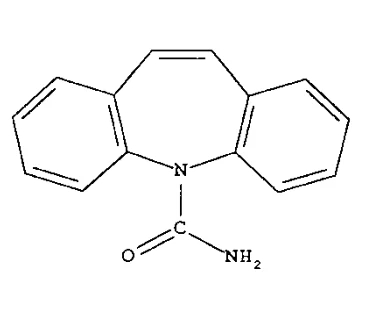
Structural formula:
Physiochemical properties: Carbamazepine is a white to off-white powder, freely soluble in methylene chloride, sparingly soluble in acetone and in alcohol, practically insoluble in water and in ether.
Specific Rotation: Optically inactive
Melting Point: 189°C to 193°C
Solubility: Practically insoluble in water and in acetone
14 CLINICAL TRIALS
The clinical trial data on which the original indication was authorized is not available.
14.1 Trial Design and Study Demographics
Evidence supporting the efficacy of carbamazepine as an anticonvulsant was derived from active drug-controlled studies that enrolled patients with the following seizure types:
- 1. Partial seizures with simple or complex symptomatology.
- 2. Generalized tonic-clonic seizures.
- 3. Mixed seizure patterns, which include the above, or other partial or generalized seizures.
14.2 Study Results
Carbamazepine relieves or diminishes the pain associated with trigeminal neuralgia often within 24 to 48 hours.
Carbamazepine given as a monotherapy or in combination with lithium or neuroleptics has been found useful in the treatment of acute mania and the prophylactic treatment of bipolar (manic-depressive) disorders.
A tolerance may develop to the action of carbamazepine after a few months of treatment and should be watched for.
14.3 Comparative Bioavailability Studies
Chewable Tablets
A randomized, single dose (1 x 200 mg), two-way, crossover, comparative bioavailability study of TARO-CARBAMAZEPINE (chewable tablets) 200 mg (Taro Pharmaceuticals Inc.) versus Tegretol Chewtabs, 200 mg (Novartis Pharmaceuticals, Canada) was conducted in 20 healthy male subjects under fasting conditions.
The results are summarized in the table below:
Carbamazepine (1 x 200 mg) Geometric Mean Arithmetic Mean (CV%) | ||||
| Parameter | Test1 | Reference2 | % Ratio of Geometric Means | 90% Confidence Interval |
AUC0-72 (ng·hr/mL) | 115138.04 116314.33 (13.64) | 109777.59 113494.35 (22.97) | 104.9 | 97.0 – 113.5 |
| Cmax (ng/mL) | 2467.54 2480.22 (9.64) | 2450.08 2507.89 (18.07) | 100.7 | 93.7 –108.2 |
| Tmax (hr)3 | 7.38 (44.68) | 6.00 (49.42) | ||
1 TARO-CARBAMAZEPINE (carbamazepine) chewable tablets, 200 mg (Taro Pharmaceuticals Inc.)
2 Tegretol® Chewtabs (carbamazepine), 200 mg (Novartis Pharmaceuticals, Canada)
3 Expressed as arithmetic mean (CV%) only
Note: Due to the reported long elimination half-life of carbamazepine, the terminal elimination constant, Kel, could not be reliably estimated in this study and therefore parameters derived from Kel, such as T1/2, and AUCI are not provided in the summary table.
A randomized, single dose (1 x 200 mg), two-way, crossover, comparative bioavailability study of TARO-CARBAMAZEPINE (chewable tablets) 200 mg (Taro Pharmaceuticals Inc.) versus Tegretol Chewtabs, 200 mg (Novartis Pharmaceuticals, Canada) was conducted in 20 healthy male subjects under high-fat fed conditions. The results are summarized in the table below:
Carbamazepine (1 x 200 mg) Geometric Mean Arithmetic Mean (CV%) | ||||
| Parameter | Test1 | Reference2 | % Ratio of Geometric Means | 90% Confidence Interval |
AUC0-72 (ng·hr/mL) | 113415.24 114203.16 (11.81) | 111361.80 111985.11 (10.97) | 101.8 | 99.0 – 104.8 |
| Cmax (ng/mL) | 2644.22 2652.59 (8.05) | 2578.64 2589.71 (9.74) | 102.5 | 100.0 – 105.2 |
| Tmax1 (hr) | 7.95 (32.51) | 7.20 (31.99) | ||
1 TARO-CARBAMAZEPINE (carbamazepine) chewable tablets, 200 mg (Taro Pharmaceuticals Inc.)
2 Tegretol® Chewtabs (carbamazepine), 200 mg (Novartis Pharmaceuticals, Canada)
3 Expressed as arithmetic mean (CV%) only
Note: Due to the reported long elimination half-life of carbamazepine, the terminal elimination constant, Kel, could not be reliably estimated in this study and therefore parameters derived from Kel, such as T1/2, and AUCI are not provided in the summary table.
Oral Suspension
A randomized, 2-way crossover, bioequivalence study of carbamazepine suspension administered as a single dose in 23 healthy, adult male volunteers under fasting conditions was conducted to compare the rate and extent of carbamazepine absorption between TARO-CARBAMAZEPINE (suspension) 100 mg/5 mL versus Tegretol Oral Suspension, 100 mg/5 mL (Novartis Canada).
The results are summarized in the table below:
Summary Table of the Comparative Bioavailability Data
Carbamazepine (1 x 100 mg) Geometric Mean Arithmetic Mean (CV%) | ||||
| Parameter | Test1 | Reference2 | % Ratio of Geometric Means | Confidence Interval (90%) |
AUC0-72 (µg*hr/ml) | 76.85 77.79 (14.77) | 76.59 77.58 (15.73) | 100.3 | 98.4 – 102.3 |
Cmax (µg/ml) | 1.84 1.86 (15.03) | 1.84 1.87 (16.50) | 99.5 | 94.6 – 104.7 |
| Tmax3 (h) | 2.04 (85.42) | 1.82 (68.38) | ||
1 Taro-Carbamazepine Oral Suspension 100 mg/5 mL (Taro Pharmaceutical Industries Ltd.)
2 Tegretol® Oral Suspension 100 mg/5 mL (Novartis Canada)
3 Expressed as arithmetic mean (CV%) only
Note: Due to the reported long elimination half-life of carbamazepine, the terminal elimination constant, Kel, could not be reliably estimated in this study and therefore parameters derived from Kel, such as T1/2 and AUCI are not provided in the summary table.
A randomized, 2-way crossover, bioequivalence study of carbamazepine suspension administered as a single dose in 24 healthy, adult male volunteers under high-fat fed conditions was conducted to compare the rate and extent of carbamazepine absorption between TARO-CARBAMAZEPINE (suspension) 100 mg/5 mL versus Tegretol Oral Suspension, 100 mg/5 mL (Novartis Canada).
The results are summarized in the table below:
Summary Table of the Comparative Bioavailability Data
Carbamazepine (1 x 100 mg) Geometric Mean Arithmetic Mean (CV %) | ||||
| Parameter | Test1 | Reference2 | % Ratio of Geometric Means | Confidence Interval (90%) |
AUC0-72 (µg*hr/ml) | 72.80 73.19 (10.7) | 73.53 73.88 (9.8) | 99.0 | 97.0 - 101.1 |
Cmax (µg/ml) | 1.53 1.54 (12.06) | 1.50 1.51 (11.96) | 102.2 | 99.5 - 105.0 |
| Tmax3 (h) | 7.63 (46.86) | 7.33 (39.94) | ||
1 Taro-Carbamazepine Oral Suspension 100 mg/5 mL (Taro Pharmaceuticals Inc.)
2 Tegretol® Oral Suspension 100 mg/5 mL (Novartis Canada)
3 Expressed as the arithmetic mean (CV%)
Note: Due to the reported long elimination half-life of carbamazepine, the terminal elimination constant, Kel, could not be reliably estimated in this study and therefore parameters derived from Kel, such as T1/2 and AUCI are not provided in the summary table.
15 MICROBIOLOGY
No microbiological information is required for this drug product.
16 NON-CLINICAL TOXICOLOGY
Detailed Pharmacology
When administered to mice by the oral route at the dose level of 100 mg/kg, carbamazepine protected all animals against electroshock-induced convulsions (50 mA for 0.2 seconds) for up to 5 hours. In rats, at 50 mg/kg orally, the convulsive threshold was increased by 88 %, and at the dosage of 100 mg/kg, carbamazepine increased the convulsive threshold by about 130%. On the other hand, very minimal effects were noted when carbamazepine was given to mice challenged with picrotoxin and it did not block pentylenetetrazol-induced convulsions.
Carbamazepine has slight sedative and tranquilizing effects in mice but no hypnotic effect except at almost toxic doses. Although intact and spinal animals are influenced in the same way as by muscle relaxants, carbamazepine has no clinically significant muscle relaxant action. In animals, carbamazepine has only a slight anticholinergic effect and no antiemetic activity. Carbamazepine did not inhibit monoamine oxidase in the guinea pig liver at the drug concentration of 1 x 10⁻³M.
In rabbits, carbamazepine administered intravenously could not be given in a dosage sufficient to produce a Stage IV anesthesia (Magnus and Girndt) without toxic effects. Hence, the anesthetic potential is considered nil.
In experimental animals, carbamazepine depresses certain pain reflexes that are mediated by cranial nerves, such as the linguomandibular and infraorbital reflexes. There is no general analgesic effect and non-specific cutaneous pain is not modified by carbamazepine, except at very high doses. In humans, the effect of carbamazepine upon trigeminal or glossopharyngeal pain is probably largely due to blocking of bulbar, thalamic and higher synapses.
In experimental animals, carbamazepine is rapidly absorbed and rapidly equilibrated between the blood and tissues. It does not accumulate in tissues other than adipose tissue. In the rabbit, carbamazepine is rapidly metabolized and excreted so that blood and tissue levels are very low within 24 hours. Only about 2% is excreted unchanged in the urine.
Toxicology
Acute Toxicity
In mice, the oral LD50 of carbamazepine is between 1100 and 3750 mg/kg; in rats, 3850 - 4025 mg/kg; in rabbits, 1500 - 2680 mg/kg; in guinea pigs, about 920 mg/kg; and in dogs, more than 5620 mg/kg.
The principal toxic effects in these species were laboured breathing, ataxia, clonic and tonic convulsions, and coma. In dogs, toxic doses of carbamazepine induced severe vomiting and defecation, in addition to disturbance of locomotor function.
Subacute and Chronic Toxicity
Subacute and chronic toxicity studies have been carried out on carbamazepine for up to one year at dosage levels of 50, 100, 200 and 400 mg/kg in rats and 50, 100, 150 and 200 mg/kg in the dog. In rats, at 100 and 200 mg/kg/day and above, there was evidence of hepatotoxicity including a slight increase in ALT and histological changes in the liver. At a dosage of 400 mg/kg/day, 25 of 50 animals died, beginning at the 15th week. ALT and BUN levels were slightly increased. The relative organ/body weight ratios were increased for the heart, liver and kidneys.
Genotoxicity
Carbamazepine was not found to be genotoxic in various standard bacterial and mammalian mutagenicity studies.
Carcinogenicity
Carbamazepine, when administered to Sprague-Dawley rats for 2 years in the diet at doses of 25, 75 and 250 mg/kg/day, resulted in a dose-related increase in the incidence of hepatocellular tumors in females and in benign interstitial cell adenomas in the testes of males. Carbamazepine must, therefore, be considered to be carcinogenic in Sprague-Dawley rats. The carcinogenicity findings in rats are considered to be not relevant to the use of carbamazepine in humans.
Testicular atrophy and deficient spermatogenesis were observed in a four week oral study with carbamazepine in the rat at 100 mg/kg/day, but were not observed in animals dosed with 200, 500 and 1000 mg/kg/day. In a 24 week study in rats, evidence of testicular atrophy was observed in 3 of 10 animals at 50 mg/kg/day and in one of 10 at 100 mg/kg/day, but no testicular damage was observed at 200 mg/kg/day. In a one year study, inhibition of spermatogenesis and testicular atrophy were noted in 6 of 19 surviving male rats receiving 400 mg/kg/day.
In dogs, there were some macroscopic gray or brownish discolorations of urinary bladders at 100 and 200 mg/kg/day in a 3 month study and at all dose levels (50, 100 and 150 mg/kg/day) in a one year study. Histologically, the brownish pigment was found in the macrophages in the submucosa. The pigment is considered to be a non-toxic metabolite rather than melanin or argentaffin. In one dog, there was minimal hepatic damage after 12 months.
Reproductive Toxicity
In the course of reproductive studies with carbamazepine in rats and rabbits, approximately 1% of the offspring were listed as having some anomaly.
In the reproductive study in rats, two of the offspring showed kinked ribs bilaterally at doses of 250 mg/kg and 4 animals had cleft palates and talipes at 650 mg/kg. Two of the latter also had anophthalmos. In mice and rats, carbamazepine, when given parenterally, produced a low but nevertheless definite incidence of anomalies including anencephalia, anophthalmos, cleft palates and rudimentary or absent tails. In one study using mice, carbamazepine (40 - 240 mg/kg body weight daily, orally) caused defects (mainly dilatation of cerebral ventricles) in 4.7% of exposed fetuses as compared with 1.3% in controls).
In nursing rats, toxicity was demonstrated by lack of weight gain at the dose level of 200 mg/kg.
17 SUPPORTING PRODUCT MONOGRAPHS
- 1. TEGRETOL® (Tablets, 200 mg), TEGRETOL® CR (Controlled-Release Tablets, 200 mg and 400 mg), TEGRETOL® Suspension (Suspension, 100 mg / 5 mL), submission control 292773, Product Monograph, Novartis Pharmaceuticals Canada Inc. (APR 29, 2025)