


Product Monograph - Azarga
RECENT MAJOR LABEL CHANGES
| 7 WARNINGS AND PRECAUTIONS; Hypersensitivity; Skin | 12/2022 |
|---|
TABLE OF CONTENTS
Sections or subsections that are not applicable at the time of authorization are not listed.
RECENT MAJOR LABEL CHANGES .......................................................................................... 2
TABLE OF CONTENTS ............................................................................................................ 2
PART I: HEALTH PROFESSIONAL INFORMATION .................................................................... 4
1 INDICATIONS ............................................................................................................. 4
1.1 Pediatrics (< 18 years of age): ...................................................................................... 4
1.2 Geriatrics (> 65 years of age): ...................................................................................... 4
2 CONTRAINDICATIONS ................................................................................................ 4
4 DOSAGE AND ADMINISTRATION ................................................................................ 4
4.1 Dosing Considerations ................................................................................................. 4
4.2 Recommended Dose and Dosage Adjustment ............................................................ 5
4.3 Reconstitution .............................................................................................................. 5
4.4 Administration ............................................................................................................. 5
4.5 Missed Dose ................................................................................................................. 5
5 OVERDOSAGE ............................................................................................................ 5
6 DOSAGE FORMS, STRENGTHS, COMPOSITION AND PACKAGING ................................ 6
7 WARNINGS AND PRECAUTIONS ................................................................................. 6
7.1 Special Populations .................................................................................................. 9
7.1.1 Pregnant Women ............................................................................................... 9
7.1.2 Breast-feeding .................................................................................................. 10
7.1.3 Pediatrics (< 18 years of age): .......................................................................... 10
7.1.4 Geriatrics (> 65 years of age): .......................................................................... 10
8 ADVERSE REACTIONS............................................................................................... 10
8.1 Adverse Reaction Overview ....................................................................................... 10
8.2 Clinical Trial Adverse Reactions ................................................................................. 10
8.3 Less Common Clinical Trial Adverse Reactions .......................................................... 11
8.4 Abnormal Laboratory Findings: Hematologic, Clinical Chemistry and Other Quantitative Data ............................................................................................................. 13
8.5 Post-Market Adverse Reactions ................................................................................. 13
9 DRUG INTERACTIONS .............................................................................................. 15
9.2 Drug Interactions Overview ....................................................................................... 15
9.3 Drug-Behavioural Interactions ................................................................................... 15
9.4 Drug-Drug Interactions .............................................................................................. 15
9.5 Drug-Food Interactions .............................................................................................. 17
9.6 Drug-Herb Interactions .............................................................................................. 17
9.7 Drug-Laboratory Test Interactions ............................................................................. 17
10 CLINICAL PHARMACOLOGY ...................................................................................... 17
10.1 Mechanism of Action ............................................................................................... 17
10.2 Pharmacodynamics .................................................................................................. 18
10.3 Pharmacokinetics ..................................................................................................... 19
11 STORAGE, STABILITY AND DISPOSAL ........................................................................ 21
12 SPECIAL HANDLING INSTRUCTIONS .......................................................................... 21
PART II: SCIENTIFIC INFORMATION ..................................................................................... 22
13 PHARMACEUTICAL INFORMATION .......................................................................... 22
14 CLINICAL TRIALS ...................................................................................................... 23
14.1 Clinical Trials by Indication....................................................................................... 23
Intraocular Pressure (IOP) Reduction .............................................................................. 23
15 MICROBIOLOGY ...................................................................................................... 26
16 NON-CLINICAL TOXICOLOGY .................................................................................... 27
PATIENT MEDICATION INFORMATION ................................................................................ 33
PART I: HEALTH PROFESSIONAL INFORMATION
1 INDICATIONS
AZARGA® (brinzolamide/timolol ophthalmic suspension) is indicated for the reduction of intraocular pressure (IOP) in adult patients with open-angle glaucoma or ocular hypertension for whom monotherapy provides insufficient IOP reduction and when the use of AZARGA is considered appropriate.
1.1 Pediatrics (< 18 years of age):
No data are available to Health Canada; therefore, Health Canada has not authorized an indication for pediatric use.
1.2 Geriatrics (> 65 years of age):
No overall differences in safety and effectiveness have been observed between elderly and other adult patients.
2 CONTRAINDICATIONS
brinzolamide/timolol ophthalmic suspension is contraindicated in patients with:
- hypersensitivity to brinzolamide, timolol, or to any ingredient in the formulation or component of the container (for a complete listing, see section 6. Dosage Forms, Composition and Packaging section of the Product Monograph)
- bronchial asthma, a history of bronchial asthma, or severe chronic obstructive pulmonary disease
- sinus bradycardia, sick sinus syndrome, sino-atrial block, second or third degree atrioventricular block, overt cardiac failure, or cardiogenic shock
- severe allergic rhinitis and bronchial hyper-reactivity
- hypersensitivity to other beta blockers
- hyperchloraemic acidosis
- severe renal impairment
- hypersensitivity to sulfonamides
No studies have been conducted with AZARGA or timolol maleate ophthalmic solution in patients with hepatic or renal impairment, or in patients with hyperchloraemic acidosis. Since brinzolamide and its main metabolite are excreted predominantly by the kidney, AZARGA is, therefore, contraindicated in patients with severe renal impairment (CrCl<30 mL/min) or hyperchloraemic acidosis.
4 DOSAGE AND ADMINISTRATION
4.1 Dosing Considerations
When substituting another ophthalmic antiglaucoma agent with AZARGA, the other agent should be discontinued and AZARGA should be started the following day.
If more than one topical ophthalmic medicinal product is being used, the medicines must be administered at least 5 minutes apart.
4.2 Recommended Dose and Dosage Adjustment
The adult dose is one drop of AZARGA in the conjunctival sac of the affected eye(s) twice daily.
4.3 Reconstitution
Not applicable
4.4 Administration
Patients should be instructed to shake the bottle well before use.
Nasolacrimal occlusion and gently closing the eyelid for 2 minutes after instillation is recommended. This may reduce the systemic absorption of medications administered via the ocular route and result in a decrease in systemic adverse events.
Do not allow the dropper tip of the bottle to touch the eye or other surrounding structures, because this could cause eye injury or contaminate the tip with common bacteria known to cause eye infections. Serious damage to the eye with subsequent loss of vision may result if you use eye drop solutions that have become contaminated. Do not use suspension if the bottle is cracked or damaged in any way.
Instruct patients to keep the bottle tightly closed when not in use. After the cap is removed, if the tamper evident snap collar is loose, instruct patients to remove it before using the product.
4.5 Missed Dose
If a dose is missed, a single drop should be applied as soon as possible before reverting to regular routine. Do not use a double dose to make up for the one missed.
5 OVERDOSAGE
No data are available in humans with regards to over dosage by accidental or deliberate ingestion of AZARGA. In case of accidental ingestion of AZARGA, symptoms of overdose from beta blockade may include bradycardia, hypotension, cardiac failure, and bronchospasm.
If overdose with AZARGA occurs, treatment should be symptomatic and supportive. Electrolyte imbalance, development of an acidotic state, and possibly central nervous system effects may occur. Serum electrolyte levels (particularly potassium) and blood pH levels should be monitored. Studies have shown that timolol does not dialyse readily.
| For management of a suspected drug overdose, contact your regional poison control centre. |
|---|
6 DOSAGE FORMS, STRENGTHS, COMPOSITION AND PACKAGING
Table 1 – Dosage Forms, Strengths, Composition and Packaging
| Route of Administration | Dosage Form / Strength / Composition | Non-medicinal Ingredients |
| Ophthalmic (topical) | Suspension / brinzolamide 1.0% w/v and timolol 0.5% w/v (as timolol maleate) | Benzalkonium chloride as preservative, Carbomer 974P, edetate disodium, hydrochloric acid (to adjust pH), mannitol, purified water, sodium chloride, sodium hydroxide (to adjust pH) and tyloxapol. |
Description
AZARGA contains the medicinal ingredients brinzolamide 1.0% (10 mg/mL) and timolol 0.5% (5 mg/mL, as timolol maleate), the preservative benzalkonium chloride 0.01%, and the nonmedicinal ingredients carbomer 974P, edetate disodium, hydrochloric acid (to adjust pH), mannitol, purified water, sodium chloride, sodium hydroxide (to adjust pH) and tyloxapol.
AZARGA is formulated at a pH of approximately 7.2 and is isotonic.
AZARGA is supplied in an 8 mL round low-density polyethylene bottle with a low-density polyethylene dispensing plug and white polypropylene cap. Tamper evidence is provided by a closure with an extended skirt that locks to the bottle finish on application and breaks away from the closure on opening.
Net contents are 5 mL supplied in an 8 mL bottle.
7 WARNINGS AND PRECAUTIONS
General
FOR TOPICAL OPHTHALMIC USE ONLY.
Like other topically applied ophthalmic agents, brinzolamide and timolol, the medicinal ingredients of AZARGA, are absorbed systemically. Systemic absorption can be minimized by nasolacrimal occlusion (see section 4.4 Administration).
Brinzolamide
AZARGA contains brinzolamide, a sulphonamide. The same type of undesirable effects that are attributable to sulphonamides may occur with topical administration. Hypersensitivity reactions common to all sulphonamide derivatives can occur in patients receiving AZARGA. If signs of serious reactions or hypersensitivity occur, discontinue the use of this medicinal product.
Acid-base disturbances have been reported with oral carbonic anhydrase inhibitors. AZARGA contains brinzolamide, an inhibitor of carbonic anhydrase, and although administered topically, is absorbed systemically. The same types of adverse reactions that are attributable to oral carbonic inhibitors (i.e. acid-base disturbances) may occur with topical administration. AZARGA is contraindicated in patients with severe renal impairment. Caution is advised when using AZARGA in patients with mild to moderate renal impairment because of the possible risk of metabolic acidosis.
There is potential for an additive effect on the known systemic effects of carbonic anhydrase inhibition in patients receiving an oral carbonic anhydrase inhibitor and AZARGA. The concomitant administration of AZARGA and oral carbonic anhydrase inhibitors has not been studied and is not recommended. The use of two local carbonic anhydrase inhibitors is not recommended.
Timolol
Due to the beta-adrenergic component, timolol, the same types of cardiovascular, pulmonary and other adverse reactions as seen with systemic beta-adrenergic blocking agents may occur.
Beta adrenergic blocking agents should be administered with caution in patients subject to spontaneous hypoglycaemia or to patients with labile insulin-dependent diabetes as beta adrenergic blocking agents may mask the signs and symptoms of acute hypoglycaemia. They may also mask the signs of hyperthyroidism.
Beta adrenergic blocking agents have been reported to potentiate muscle weakness consistent with certain myasthenic symptoms, such as diplopia, ptosis and generalized weakness.
Timolol may interact with other medicinal products.
The effect on intraocular pressure or the known effects of systemic beta blockade may be potentiated when AZARGA is given to patients already receiving an oral beta-adrenergic blocking agent. The use of two local beta-adrenergic blocking agents is not recommended.
Cardiovascular
Cardiac reactions, and rarely, death in association with cardiac failure, have been reported following administration of timolol maleate.
Cardiac failure should be adequately controlled before beginning therapy with AZARGA. Patients with a history of severe cardiac disease should be monitored for signs of cardiac failure.
AZARGA is not recommended for use in patients with cardiovascular diseases (e.g., coronary heart disease, Prinzmetal’s angina, cardiac failure, etc.) or hypotension, as it can cause worsening of Prinzmetal angina, severe peripheral and central circulatory disorders, and hypotension.
Caution is advised when using AZARGA in patients with severe peripheral circulatory disturbances/disorders, such as severe forms of Raynaud’s disease or Raynaud’s syndrome.
Driving and Operating Machinery
Carbonic anhydrase inhibitors can impair the ability to perform tasks requiring mental alertness and/or physical coordination. As AZARGA is absorbed systemically, caution is advised when using AZARGA in patients requiring mental alertness and/or physical coordination.
Hepatic/Biliary/Pancreatic
AZARGA has not been studied in patients with hepatic impairment and, therefore, should be used with caution in such patients.
Hypersensitivity
AZARGA contains brinzolamide which is a sulfonamide, and although administered topically is absorbed systemically. Therefore, the same types of adverse reactions that are attributable to sulfonamides may occur with topical administration of AZARGA. Fatalities have occurred due to severe reactions to sulfonamides including Stevens Johnson Syndrome (SJS), Toxic Epidermal Necrolysis (TEN), fulminant hepatic necrosis, agranulocytosis, aplastic anemia, and other blood dyscrasias (see 8 ADVERSE
REACTIONS). Rechallenge irrespective of the route of administration should not be undertaken in patients with hypersensitivity syndrome and SJS/TEN (See 7 WARNINGS AND PRECAUTIONS, Skin).
Immune
Anaphylactic Reactions
While taking beta adrenergic blocking agents, patients with a history of atopy or a history of severe anaphylactic reaction to a variety of allergens may be more reactive to repeated challenges with such allergens; such patients may be unresponsive to the usual doses of adrenaline used to treat anaphylactic reactions.
Monitoring and Laboratory Tests
No untoward safety issues were identified based upon a review of the laboratory data (haematology, blood chemistry, and urinalysis) from a single pharmacokinetic study.
Musculoskeletal
See “Driving and Operating Machinery”
Ophthalmologic
There is limited experience with AZARGA in the treatment of patients with pseudoexfoliative glaucoma or pigmentary glaucoma.
AZARGA has not been studied in patients with narrow-angle glaucoma and is not recommended for use in these patients.
Carbonic anhydrase activity has been observed in both the cytoplasm and around the plasma membranes of the corneal epithelium. There is an increased potential for developing corneal edema in patients with low endothelial cell counts.
The possible role of brinzolamide on corneal endothelial function has not been investigated in patients with compromised corneas (particularly in patients with low endothelial count). Specifically, patients wearing contact lenses have not been studied and careful monitoring of these patients when using brinzolamide is recommended, since carbonic anhydrase inhibitors may affect corneal hydration which may lead to a corneal decompensation and oedema, and wearing contact lenses might increase the risk for the cornea. Likewise, in other cases of compromised corneas such as patients with diabetes mellitus or corneal dystrophies, careful monitoring is recommended.
AZARGA contains the preservative benzalkonium chloride, which may cause eye irritation and is known to discolour soft contact lenses. Contact with soft contact lenses is to be avoided. Patients must be instructed to remove contact lenses prior to the instillation of AZARGA and wait at least 15 minutes after dosing before contact lenses are reinserted.
Benzalkonium chloride has also been reported to cause punctate keratopathy and/or toxic ulcerative keratopathy. Close monitoring is required with frequent or prolonged use.
Choroidal detachment has been reported with administration of aqueous suppression therapy (e.g., timolol, acetazolamide) after filtration procedures.
AZARGA may cause temporary blurred vision or other visual disturbances that can affect the ability to drive or use machines. If blurred vision occurs at instillation, the patient must wait until the vision clears before driving or using machinery.
Peri-Operative Considerations
Surgical Anesthesia
Beta blocking ophthalmological preparations may block systemic beta-agonist effects, such as that of adrenaline. Anesthesiologist should be informed if and when patients are receiving AZARGA.
Renal
AZARGA is contraindicated in patients with severe renal impairment. Caution is advised when using AZARGA in patients with mild to moderate renal impairment.
Reproductive Health: Female and Male Potential:
Fertility
The effect of AZARGA on human fertility is unknown. Nonclinical data do not suggest an effect of brinzolamide or timolol on fertility following oral dosing. In animals, developmental toxicity was observed with brinzolamide at doses that induced maternal toxicity.
Skin
AZARGA should be discontinued immediately at the appearance of a skin rash, as the rash may be, in some instances, followed by dermatological reactions/hypersensitivity syndrome including SJS and TEN. At the time of prescription, patients should be informed of the signs and symptoms, and advised to monitor closely for skin reactions.
Respiratory
Respiratory reactions, including death due to bronchospasm in patients with asthma, have been reported following administration of timolol maleate.
7.1 Special Populations
7.1.1 Pregnant Women
AZARGA is not recommended during pregnancy or in women of child bearing potential not using contraception.
Developmental toxicity studies with brinzolamide in rabbits at oral doses of 1, 3, and 6 mg/kg/day (43, 129, and 258 times the recommended human ophthalmic dose) produced maternal toxicity at 6 mg/kg/day and a significant increase in the number of fetal variations, such as accessory skull bones, which was only slightly higher than the historic value at 1 and 6 mg/kg. In rats, statistically decreased body weights of fetuses from dams receiving oral doses of 18 mg/kg/day (783 times the recommended human ophthalmic dose) during gestation were proportional to the reduced maternal weight gain, with no statistically significant effects on organ or tissue development. Increases in unossified sternebrae, reduced ossification of the skull, and unossified hyoid that occurred at 6 and 18 mg/kg were not statistically significant. No treatment-related malformations were seen. Following oral administration of 14C-brinzolamide to pregnant rats, radioactivity was found to cross the placenta and was present in the fetal tissues and blood.
Data on a limited number of exposed pregnancies indicate no adverse effects of timolol in ophthalmic solutions on pregnancy or on the health of the fetus/newborn child, but bradycardia and arrhythmia have been reported in one case in the fetus of a woman treated with timolol ophthalmic solution. To date, no other relevant epidemiological data are available.
7.1.2 Breast-feeding
AZARGA should not be used by women nursing neonates/infants.
It is not known whether topical AZARGA is excreted in human breast milk; however, a risk to the nursing child cannot be excluded. Available pharmacodynamic / toxicological data in animals have shown that following oral administration, brinzolamide and timolol are excreted in breast milk.
7.1.3 Pediatrics (< 18 years of age):
No data are available to Health Canada; therefore, Health Canada has not authorized an indication for pediatric use.
7.1.4 Geriatrics (> 65 years of age):
see 1.2 Geriatrics.
8 ADVERSE REACTIONS
8.1 Adverse Reaction Overview
In clinical studies involving over 500 patients treated with AZARGA, the most frequently reported adverse drug reaction was temporary blurred vision (6%) upon instillation, lasting from a few seconds to a few minutes.
Dysgeusia (bitter or unusual taste in the mouth following topical ocular instillation) was the most frequently reported systemic adverse drug reaction. It is likely caused by passage of the eye drops in the nasopharynx via the nasolacrimal canal and is attributable to the brinzolamide component of this combination product. Nasolacrimal occlusion or gently closing the eyelid after instillation may help reduce the incidence of this effect.
AZARGA contains brinzolamide which is a sulphonamide inhibitor of carbonic anhydrase with systemic absorption. Gastrointestinal, nervous system, haematological, renal and metabolic effects are generally associated with systemic carbonic anhydrase inhibitors. The same type of adverse drug reactions that are attributable to oral carbonic anhydrase inhibitors may occur with topical administration.
8.2 Clinical Trial Adverse Reactions
Clinical trials are conducted under very specific conditions. The adverse reaction rates observed in the clinical trials; therefore, may not reflect the rates observed in practice and should not be compared to the rates in the clinical trials of another drug. Adverse reaction information from clinical trials may be useful in identifying and approximating rates of adverse drug reactions in real-world use.
In 5 clinical studies, AZARGA was administered to 501 patients at a dose of one drop two times daily for up to 1 year. The most frequent adverse drug reactions (≥1%) seen in clinical trials are presented in Table 2.
Table 2: Treatment-Related Adverse Drug Reactions ≥ 1%
| MedDRA Preferred Term | AZARGA | COSOPT* N = 264 (%) | AZOPT N = 203 (%) | Timolol N = 236 (%) |
8.3 Less Common Clinical Trial Adverse Reactions
Eye disorders: abnormal sensation in eye, anterior chamber flare, asthenopia, blepharitis, blepharitis allergic, conjunctivitis allergic, conjunctival hyperaemia, corneal disorder, corneal erosion, dry eye, erythema of eyelid, eye discharge, eyelid margin crusting, eyelids pruritis, eye pruritis, intraocular pressure decreased, lacrimation increased, ocular hyperaemia, photophobia, punctate keratitis, scleral hyperaemia.
Psychiatric disorders: insomnia.
Respiratory, thoracic and mediastinal disorders: chronic obstructive pulmonary disease, cough, pharyngolaryngeal pain, rhinorrhea.
Skin and subcutaneous tissue disorders: hair disorder, lichen planus.
Vascular disorders: blood pressure decreased.
Additional Adverse Reactions Observed in Clinical Trials with the Individual Components of AZARGA
AZARGA contains brinzolamide and timolol (as timolol maleate). Additional adverse reactions associated with the use of the individual components observed in clinical studies that may potentially occur with AZARGA include:
Brinzolamide 1.0%
Blood and the lymphatic system disorders: blood chloride increased, red blood cell count decreased.
Cardiac disorders: angina pectoris, arrhythmia, bradycardia, cardio-respiratory distress, heart rate increased, heart rate irregular, palpitation, tachycardia.
Ear and labyrinth disorders: tinnitus, vertigo.
Eye disorders: conjunctivitis, corneal epithelium defect, corneal epithelium disorder, corneal oedema, corneal staining, deposit eye, diplopia, eye allergy, eye swelling, eyelid disorder, eyelid oedema, glare, hypoaesthesia eye, intraocular pressure increased, keratitis, keratoconjunctivitis sicca, keratopathy, madarosis, meibomianitis, ocular discomfort, optic nerve cup/disc ratio increased, photopsia, pterygium, scleral pigmentation, subconjunctival cyst, visual acuity reduced, visual disturbance.
| (Version 10.0) | N = 501 (%) | ||||
| Eye Disorders | |||||
| blurred vision | 6% | 1% | 3% | 1% | |
| eye irritation | 4% | 12% | 2% | 3% | |
| eye pain | 3% | 9% | 0% | 1% | |
| foreign body sensation in eyes | 1% | 0% | 0% | 0% | |
| Nervous System Disorders | |||||
| dysgeusia | 2% | 2% | 5% | 0% | |
Gastrointestinal disorders: abdominal discomfort, diarrhea, dry mouth, dyspepsia, flatulence, frequent bowel movements, gastrointestinal disorder, hypoaesthesia oral, nausea, oesophagitis, paraesthesia oral, stomach discomfort, upper abdominal pain, vomiting.
General disorders and administration site conditions: asthenia, chest discomfort, chest pain, fatigue, feeling abnormal, feeling jittery, irritability, malaise, medication residue, pain, peripheral oedema.
Hepatobiliary disorders: liver function test abnormal.
Immune system disorders: hypersensitivity.
Infections and infestations: nasopharyngitis, pharyngitis, rhinitis, sinusitis.
Injury, poisoning and procedural complications: foreign body in eye.
Musculoskeletal and connective tissue disorders: arthralgia, back pain, muscle spasms, myalgia, pain in extremity.
Nervous system disorders: ageusia, amnesia, dizziness, headache, hypoaesthesia, motor dysfunction, memory impairment, paraesthesia, somnolence, tremor.
Psychiatric disorders: apathy, depressed mood, depression, libido decreased, nervousness, nightmare.
Renal and urinary disorders: pollakiuria, renal pain.
Reproductive system and breast disorders: erectile dysfunction.
Respiratory, thoracic and mediastinal disorders: asthma, bronchial hyperactivity, dyspnoea, epistaxis, nasal congestion, nasal dryness, postnasal drip, sneezing, throat irritation, upper respiratory tract congestion.
Skin and subcutaneous tissue disorders: alopecia, dermatitis, erythema, pruritus generalized, rash, rash maculo-papular, skin tightness, urticaria.
Vascular disorders: blood pressure increased, hypertension.
Timolol 0.5%
Cardiac disorders: arrhythmia, atrioventricular block, bradycardia, cardiac arrest, cardiac failure, palpitation.
Eye disorders: conjunctivitis, diplopia, eyelid ptosis, keratitis, visual disturbance.
Gastrointestinal disorders: diarrhoea, nausea.
General disorders and administration site conditions: asthenia, chest pain.
Metabolism and nutrition disorders: hypoglycemia.
Nervous system disorders: cerebral ischaemia, cerebrovascular accident, dizziness, headache, myasthenia gravis, paresthesia, syncope.
Psychiatric disorders: depression.
Respiratory, thoracic and mediastinal disorders: bronchospasm, dyspnoea, nasal congestion, respiratory failure.
Skin and subcutaneous tissue disorders: alopecia, rash.
Vascular disorders: hypotension.
8.4 Abnormal Laboratory Findings: Hematologic, Clinical Chemistry and Other Quantitative Data
Clinical Trial Findings
AZARGA had no clinically relevant treatment-related effect on laboratory parameters.
8.5 Post-Market Adverse Reactions
Adverse reactions identified from post-marketing experience with the individual components that have not been reported previously in the above-mentioned clinical trials with AZARGA, brinzolamide 1.0% or timolol 0.5% are listed below.
AZARGA
Blood and the lymphatic system disorders: white blood cell count decreased.
Cardiac disorders: heart rate decreased.
Eye disorders: eyelid oedema, visual impairment, vital dye staining cornea present.
Gastrointestinal disorders: abdominal discomfort, diarrhea, dry mouth, nausea.
General disorders and administration site conditions: chest pain, fatigue.
Immune system disorders: hypersensitivity.
Musculoskeletal and connective tissue disorders: myalgia.
Nervous system disorders: dizziness, headache.
Psychiatric disorders: hallucination, depression.
Respiratory, thoracic and mediastinal disorders: dyspnoea, epistaxis, oropharyngeal pain.
Renal and urinary disorders: blood urine present.
Skin and subcutaneous tissue disorders: alopecia, erythema, rash.
Vascular disorders: blood pressure increased.
Brinzolamide 1.0%
Blood and the lymphatic system disorders: agranulocytosis, thrombocytopenia.
Cardiac disorders: cardiac disorder, supraventricular extrasystoles.
Congenital and familial/genetic disorders: congenital anomaly.
Ear and labyrinth disorders: ear pain.
Eye disorders: accommodation disorder, anterior chamber fibrin, blepharospasm, choroidal detachment, conjunctival haemorrhage, conjunctival irritation, conjunctival oedema, conjunctival scar, corneal degeneration, corneal opacity, dark circles under eyes, descemet’s membrane disorder, eye oedema, eyelid exfoliation, iris disorder, iritis, macular oedema, ocular vascular disorder, oculogyration, optic disc drusen, periorbital disorder, uveitis, visual brightness.
Gastrointestinal disorders: abdominal pain, disphagia, mouth haemorrhage, pancreatitis acute.
General disorders and administration site conditions: adverse drug reaction, condition aggravated, drug ineffective, drug intolerance, face oedema, facial pain, feeling cold, pyrexia, sensation of foreign body.
Hepatobiliary disorders: jaundice.
Immune system disorders: anaphylactic shock.
Injury, poisoning and procedural complications: drug exposure during pregnancy, injury, limb injury, periorbital haematoma, transplant failure.
Infections and infestations: bronchitis, herpes ophthalmic, herpes virus infection, pneumonia.
Investigations: blood lactic acid increased, blood urea increased, body temperature decreased, electrocardiogram abnormal, gamma-glutamyltransferase increased, hepatic enzyme increased.
Metabolism and nutrition disorders: anorexia, metabolic acidosis
Musculoskeletal and connective tissue disorders: musculoskeletal discomfort
Nervous system disorders: anosmia, aphonia, burning sensation, burning sensation mucosal, cerebral infarction, cerebrovascular accident, convulsion, disturbance in attention, facial palsy, hyperaesthesia, hypogeusia, hyposmia, lethargy, loss of consciousness
Psychiatric disorders: agitation, anxiety, bradyphrenia, depressive symptom, fear, restlessness, thought blocking
Renal and urinary disorders: micturition disorder, micturition urgency, renal failure acute.
Respiratory, thoracic and mediastinal disorders: bronchospasm, dry throat, dysphonia, lung disorder, nasal discomfort, nasal turbinate abnormality, respiratory distress, respiratory failure.
Skin and subcutaneous tissue disorders: dermatitis contact, dry skin, eczema, hair colour changes, hair texture abnormal, hyperhidrosis, periorbital oedema, pruritis, psoriasis, rash generalised, rash pruritic, rash vesicular, skin hyperpigmentation, skin reaction, Stevens-Johnson syndrome (SJS), swelling face, Toxic epidermal necrolysis (TEN), vascular purpura.
Surgical and medical procedures: sinus operation.
Vascular disorders: angiopathy, haematoma, hot flush.
Timolol 0.5% Cardiac disorders: accelerated idioventricular rhythm, atrioventricular block complete, cardiotoxicity, myocardial infarction, sinus bradycardia.
Congenital and familial/genetic disorders: multiple congenital abnormalities.
Ear and labyrinth disorders: vertigo.
Endocrine disorders: thyroid disorder.
Eye disorders: conjunctival oedema, corneal deposits, corneal oedema, corneal opacity, corneal scar, ectropion, eye allergy, eye disorder, keratopathy, miosis, visual acuity reduced.
General disorders and administration site conditions: chest discomfort, drug ineffective, drug interaction, fatigue, peripheral coldness, tachyphylaxis.
Immune system disorders: hypersensitivity.
Infections and infestations: nasopharyngitis.
Injury, poisoning and procedural complications: accidental exposure, drug exposure during pregnancy, fall, medication error, transplant failure.
Investigations: blood phosphorus increased, heart rate increased, pulse abnormal, respiratory rate increased, skin test positive.
Metabolism and nutrition disorders: metabolic acidosis.
Musculoskeletal and connective tissue disorders: muscular weakness, myalgia.
Nervous system disorders: amnesia, balance disorder, depressed level of consciousness, hypotonia, lethargy, nervous system disorder.
Psychiatric disorders: confusional state, nervousness.
Reproductive system and breast disorders: menorrhagia.
Skin and subcutaneous tissue disorders: dermatitis, dermatitis contact, erythema, periorbital oedema, pruritus, skin exfoliation, toxic epidermal necrolysis.
9 DRUG INTERACTIONS
9.2 Drug Interactions Overview
Specific drug interaction studies were not conducted with AZARGA. In clinical studies, AZARGA was used concomitantly with the following systemic medications without evidence of adverse interactions: antihistamines, anti-infectives, cardiovascular medications, central nervous system medications, analgesic /antipyretic medications, non-steroidal anti-inflammatory drugs, psychotherapeutic agents, antidiabetic medications, and thyroid agents. However, the potential for interactions with any drug should be considered.
9.3 Drug-Behavioural Interactions
Not applicable
9.4 Drug-Drug Interactions
AZARGA contains brinzolamide, a carbonic anhydrase inhibitor and, although administered topically, is absorbed systemically. Acid-base disturbances have been reported with oral carbonic anhydrase inhibitors. The potential for interactions must be considered in patients receiving AZARGA.
Table 3 - Potential Drug-Drug Interactions
| AZARGA | Source of Evidence | Effect | Clinical comment |
inhibitors of CYP3A4: (ketoconazole, itraconazole, clotrimazole, ritonavir and troleandomycin) | The cytochrome P-450 isozymes responsible for metabolism of brinzolamide include CYP3A4 (main), CYP2A6, CYP2B6, CYP2C8 and CYP2C9. Listed drugs will inhibit the metabolism of brinzolamide by CYP3A4. | Caution is advised if CYP3A4 inhibitors are given concomitantly. Brinzolamide is not an inhibitor of cytochrome P-450 isozymes. | |
| salicylates (e.g., acetylsalicylic acid) | AZARGA may lead to decreased efficacy of the salicylate, CNS toxicity, metabolic acidosis, and other adverse reactions. These alterations were not observed in clinical trials with brinzolamide ophthalmic suspension 1%; however, in patients treated with oral carbonic anhydrase inhibitors, rare cases of acid-base alterations have occurred with high dose salicylate therapy. | Concomitant use of salicylates with AZARGA is not recommended. | |
| carbonic anhydrase inhibitors | There is a potential for an additive effect on the known systemic effects of carbonic anhydrase inhibition in patients receiving an oral carbonic anhydrase inhibitor and brinzolamide eye drops. | Concomitant use of oral carbonic anhydrase inhibitors and AZARGA is not recommended. | |
| oral calcium channel blockers, guanethidine, other beta adrenergic blocking agents, antiarrhythmics, (e.g., amiodarone), digitalis glycosides or parasympathomimetics | There is a potential for additive effects resulting in hypotension and/or marked bradycardia when ophthalmic solutions with beta blockers such as timolol are administered concomitantly with these drugs |
| clonidine | The hypertensive reaction to sudden withdrawal of clonidine can be potentiated when taking beta adrenergic blocking agents. | ||
| CYP2D6 inhibitors (e.g., quinidine, cimetidine, fluoxetine, paroxetine) | Potentiated systemic beta-blockade (e.g., decreased heart rate) has been reported during combined treatment with CYP2D6 inhibitors and timolol. | ||
| adrenaline (i.e., epinephrine) | Mydriasis resulting from concomitant use of ophthalmic beta-blockers and adrenaline (i.e., epinephrine) has been reported occasionally. |
9.5 Drug-Food Interactions
Interactions with food are not anticipated following topical ocular administration.
9.6 Drug-Herb Interactions
Interactions with herbal products are not anticipated following topical ocular administration.
9.7 Drug-Laboratory Test Interactions
Interactions with laboratory tests are not anticipated following topical ocular administration.
10 CLINICAL PHARMACOLOGY
10.1 Mechanism of Action
AZARGA contains two active substances: brinzolamide and timolol maleate. These two components decrease elevated IOP primarily by reducing aqueous humour secretion but do so by different mechanisms of action. The combined effect of these two agents results in additional IOP reduction compared to either compound alone.
Brinzolamide is a carbonic anhydrase inhibitor (CAI) with high affinity for, and potent inhibitory activity against, human carbonic anhydrase II (CA-II) with a Ki of 0.13 nM and an IC50 of 3.2 nM. Carbonic anhydrase is an enzyme found in many tissues of the body and the CA-II is the predominant isozyme in the eye. It catalyzes the reversible reaction involving the hydration of carbon dioxide and the dehydration of carbonic acid. Inhibition of carbonic anhydrase in the ciliary processes of the eye decreases aqueous humour secretion, presumably by slowing the formation of bicarbonate ions with subsequent reduction of sodium and fluid transport. The result is a reduction in intraocular pressure (IOP).
Timolol is a non-selective beta adrenergic blocking agent that has no intrinsic sympathomimetic, direct myocardial depressant or membrane-stabilising activity.
Timolol has been utilised as the primary therapy for the reduction of elevated IOP in patients with ocular hypertension or open-angle glaucoma for many years. Tonography and fluorophotometry studies suggest that timolol’s predominant action is related to a reduction in aqueous humour formation following blockade of the beta-adrenoreceptors on the non-pigmented epithelial cells of the ciliary body and a slight increase in outflow facility.
10.2 Pharmacodynamics
The active components of AZARGA, brinzolamide and timolol maleate, are approved therapeutic agents for the reduction of elevated intraocular pressure in patients with open-angle glaucoma or ocular hypertension, with different mechanisms of action. Brinzolamide/timolol eye drops produces greater mean IOP reductions than those produced by either AZOPT (brinzolamide 1% ophthalmic suspension), or Timolol Maleate Ophthalmic Solution, 0.5% used alone.
Brinzolamide/timolol eye drops, when applied topically to the eye, has the action of reducing elevated as well as normal intraocular pressure, whether or not accompanied by glaucoma. Elevated intraocular pressure is a major risk factor in the pathogenesis of glaucomatous visual field loss. The higher the level of intraocular pressure, the greater the likelihood of glaucomatous visual field loss and optic nerve damage. The Advanced Glaucoma Intervention Study (AGIS) established elevated intraocular pressure as a positive risk factor for glaucomatous visual field loss. Eyes with intraocular pressures below 18 mmHg at all visits were found to have little to no visual field loss during the six-year monitoring period.
Clinical effects:
In a twelve-month, controlled clinical trial in patients with open-angle glaucoma or ocular hypertension who, in the investigator’s opinion could benefit from a combination therapy, and who had baseline mean IOP of 25 to 27 mmHg, the mean IOP-lowering effect of brinzolamide/timolol eye drops dosed twice daily was 7 to 9 mmHg.
In a six-month, controlled clinical study in patients with open-angle glaucoma or ocular hypertension and baseline mean IOP of 25 to 27 mmHg, the mean IOP-lowering effect of brinzolamide/timolol eye drops dosed twice daily was 7 to 9 mmHg, and was up to 3 mmHg greater than that of brinzolamide 1.0% dosed twice daily and up to 2 mmHg greater than that of timolol 0.5% dosed twice daily. A statistically superior reduction in mean IOP was observed compared to both brinzolamide and timolol at all time-points and visits throughout the study.
In two controlled clinical trials, the ocular discomfort upon instillation of brinzolamide/timolol eye drops was significantly lower than that of COSOPT*.
10.3 Pharmacokinetics
Table 4: Steady State Red Blood Cell Concentrations of brinzolamide and N-desethyl brinzolamide following administration of brinzolamide/timolol eye drops in Healthy Subjects
C107 (µM) | AUC 15-107day (µM∙day) | |
| brinzolamide | 18.4 ± 3.01 | 1681 ± 225 |
| N-desethyl-brinzolamide | 1.57 ± 1.13 | 118 ± 61.8 |
Table 5: Steady State Plasma Concentrations of timolol following administration of brinzolamide/timolol eye drops in Healthy Subjects
Cmax (ng/ml) | Tmax (h) | AUC 0-12 (ng∙h/ml) | t½ (h) | |
| timolol | 0.824 ± 0.453 | 0.79 ± 0.45 | 4.71 ± 2.49 | 4.8 ± 1.8 h |
Brinzolamide pharmacokinetics are inherently non-linear due to saturable binding to carbonic anhydrase in whole blood and various tissues. Steady-state exposure does not increase in a dose-proportional manner.
Absorption
Following topical ocular administration of brinzolamide/timolol eye drops, brinzolamide and timolol are absorbed through the cornea and into the systemic circulation. Brinzolamide binds strongly to carbonic anhydrase in red blood cells (RBCs). Plasma drug concentration is low. Whole blood elimination half-life is prolonged (>100 days) in humans due to RBC carbonic anhydrase binding, resulting in significant accumulation of brinzolamide in the blood. In contrast, circulating timolol is present in plasma and has a relatively short half-life. Minimal accumulation occurs following chronic dosing.
Distribution:
Studies in rabbits showed that during a course of topical ocular BID administration, brinzolamide significantly accumulates in ICB, choroid and especially retina. Plasma protein binding of brinzolamide is moderate (about 60%). Brinzolamide is sequestered in RBCs due to its high affinity binding to CA-II and to a lesser extent to carbonic anhydrase I (CA-I). Its active N-desethyl metabolite also accumulates in RBCs where it binds primarily to CA-I. The affinity of brinzolamide and metabolite to RBC and tissue CA results in low plasma concentrations. Binding to carbonic anhydrase may be a reason for prolonged ocular retention of brinzolamide.
Timolol can be measured in human aqueous humour after administration of timolol ophthalmic solution and in plasma for up to 12 hours after administration of brinzolamide/timolol eye drops.
Metabolism:
Brinzolamide is metabolized by hepatic cytochrome P450 isozymes, specifically CYP3A4, CYP2A6, CYP2B6, CYP2C8 and CYP2C9. The primary metabolite is N-desethylbrinzolamide followed by the N-desmethoxypropyl and O-desmethyl metabolites as well as an N-propionic acid analog formed by oxidation of the N-propyl side chain of O-desmethyl brinzolamide. Brinzolamide and N-desethylbrinzolamide do not inhibit cytochrome P450 isozymes at concentrations at least 100-fold above maximum systemic levels.
Timolol is metabolised by two pathways. One route yields an ethanolamine side chain on the thiadiazole ring and the other giving an ethanolic side chain on the morpholine nitrogen and a second similar side chain with a carbonyl group adjacent to the nitrogen. Timolol metabolism is mediated primarily by CYP2D6.
Elimination
Brinzolamide is eliminated primarily by renal excretion (approximately 60%). About 20% of the dose has been accounted for in urine as metabolite. Brinzolamide and N-desethyl-brinzolamide are the predominant components in the urine along with trace levels (<1%) of the N-desmethoxypropyl and O-desmethyl metabolites. Data in rats showed some biliary excretion (about 30%), primarily as metabolites.
Timolol and its metabolites are primarily excreted by the kidneys. Approximately 20% of a timolol dose is excreted in the urine unchanged and the remainder excreted in urine as metabolites. The plasma t1/2 of timolol is 4.8 hours after administration of brinzolamide/timolol eye drops.
Special Populations and Conditions
- Pediatrics brinzolamide/timolol eye drops has not been evaluated in the pediatric population.
- Geriatrics No overall differences in safety and effectiveness have been observed between elderly and other adult patients.
- Sex Following topical ocular administration of brinzolamide/timolol eye drops, there were no clinically relevant differences in systemic exposure to brinzolamide, N-desethyl brinzolamide or timolol, when analyzed by gender.
- Ethnic Origin No efficacy and safety differences due to ethnicity are expected with brinzolamide/timolol eye drops.
- Hepatic Insufficiency brinzolamide/timolol eye drops has not been studied in patients with hepatic disease.
- Renal Insufficiency brinzolamide/timolol eye drops are contraindicated in patients with severe renal impairment (CrCl<30 mL/min) or hyperchloraemic acidosis. Brinzolamide/timolol eye drops has not been studied in patients with renal impairment.
In Vitro Studies
No in vitro studies were conducted with brinzolamide/timolol eye drops in humans.
In Vivo Studies
Following twice daily topical ocular administration of brinzolamide/timolol eye drops in healthy subjects for 13 weeks (which followed a 2-week oral phase with brinzolamide 1-mg dosed twice daily, to shorten the time to reach steady-state), the mean whole blood concentrations (RBC) of brinzolamide averaged 18.8 ± 3.29 µM, 18.1 ± 2.68 µM and 18.4 ± 3.01 µM on Study Weeks 4, 10 and 15, respectively, indicating that steady-state RBC concentrations of brinzolamide were maintained (RBC saturation of CA-II at ~20 µM). The mean RBC concentrations of the active metabolite of brinzolamide (N-desethyl brinzolamide) increased gradually during the study, reaching a mean RBC concentration of 1.57 ± 1.13 µM at Week 15. The mean AUC15-107day for brinzolamide and N-desethyl brinzolamide were 1681 ± 225 µM·day and 118 ± 61.8 µM·day, respectively.
Following AZARGA administration, the mean peak concentration (Cmax) of timolol at steady-state (0.824 ± 0.453 ng/mL) was reached at an average of 0.79 ± 0.45 hours after dosing. After the peak, plasma concentrations of timolol declined with a mean t1/2 of 4.8 ± 1.8 hours. The mean steady-state Cmax of timolol following bilateral BID topical ocular administration of brinzolamide/Timolol eye drops is over
100 times lower than the mean Cmax (84.3 ± 44.8 ng/mL) observed in subjects following a 20-mg oral dose of timolol.
11 STORAGE, STABILITY AND DISPOSAL
Store at 2°C – 30°C. Discard 60 days after opening. Keep out of reach and sight of children.
12 SPECIAL HANDLING INSTRUCTIONS
Patients should be advised to avoid touching the tip of the bottle to the eye or any surface, as this may contaminate the solution. See section 4.4 Administration for more detailed information.
PART II: SCIENTIFIC INFORMATION
13 PHARMACEUTICAL INFORMATION
Drug Substance
Proper name: brinzolamide
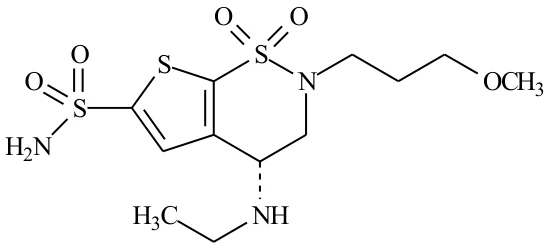
Chemical name: (R)-4-(Ethylamino)-3,4-dihydro-2-(3-methoxypropyl)-2H-thieno[3,2- e]-1,2-thiazine-6-sulfonamide 1,1-dioxide
Molecular formula and molecular mass: C12H21N3O5S3; 383.51
Structural formula:
Physicochemical properties: White to off-white powder or crystals. Insoluble in water; slightly soluble in alcohol and in methanol.
Drug Substance
Proper name: timolol maleate
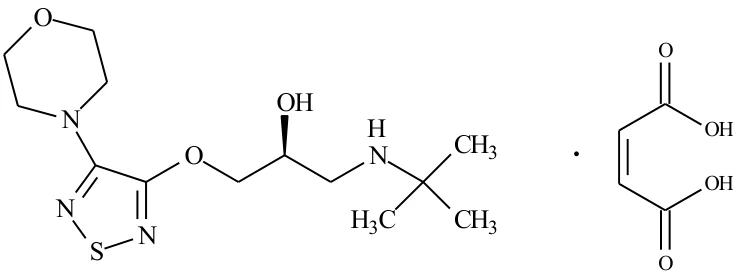
Chemical name: (-)-1-(tert-Butylamino)-3-[(4-morpholino-1,2,5-thiadiazol-3-yl)oxy]-
2-propanol maleate (1:1) (salt)
Molecular formula: C13H24N4O3S • C4H4O4
Molecular mass timolol maleate: 432.49
Molecular mass timolol: 316.42
Structural formula:
Physicochemical properties: White or almost white, odorless, crystalline powder. Soluble in water, in alcohol, and in methanol; sparingly soluble in chloroform and in propylene glycol; insoluble in ether and in cyclohexane.
14 CLINICAL TRIALS
14.1 Clinical Trials by Indication
Intraocular Pressure (IOP) Reduction
Table 6: Summary of patient demographics for clinical trials in IOP
| Study # | Study design | Dosage, route of administration and duration | Study subjects (n) | Mean age (Range) | Sex |
C-97-22 Safety and Efficacy | Double-masked, parallel group, randomised | AZARGA: 1 drop BID Timolol: 1 drop BID 2 weeks | n = 66 | 60.8 yrs (31-87 yrs) | 19 M 47 F |
C-05-24 Safety and Efficacy | Double-masked, parallel group, randomised | AZARGA: 1 drop BID AZOPT: 1 drop BID Timolol: 1 drop BID 6 months | n = 517 | 62.8 yrs (26-90 yrs) | 221 M 296 F |
C-05-10 Safety and Efficacy | Double-masked, parallel group, randomised | AZARGA: 1 drop BID COSOPT*: 1 drop BID 12 months | n = 431 | 64.9 yrs (22-90 yrs) | 180 M 251 F |
C-05-49 Comfort | Double-masked, crossover, randomised | AZARGA: 1 drop BID COSOPT*: 1 drop BID 1 week | n = 95 | 67.6 yrs (32-90 yrs) | 33 M 62 F |
A summary of the patient demographics for each of the 4 studies relevant to the evaluation of the efficacy and comfort of AZARGA is provided in Table 6 above. Overall, these demographics are representative of the population that would be expected to receive this medicinal product.
Three clinical studies were conducted to assess the efficacy and safety of AZARGA. All three studies demonstrated that AZARGA dosed twice daily produces statistically significant and clinically relevant reductions in IOP from baseline.
An additional clinical study was conducted to evaluate the comfort of the combination product.
Comparison to Monotherapy (C-97-22)
A fourteen-day, multicentre, triple-masked, parallel group study (n=66) was conducted to evaluate AZARGA b.i.d. compared to 0.5% timolol b.i.d. in patients with elevated IOP ≥ 22 mmHg, inadequately controlled after 3 weeks of 0.5% timolol b.i.d. monotherapy.
AZARGA dosed twice daily produced statistically significant additional mean reductions in IOP (2.8 mmHg to 3.3 mmHg) from an open-label Timolol 0.5% Solution baseline greater than 21 mmHg. Differences in mean IOP change from baseline ranged from 1.0 to 1.6 mmHg in favour of the AZARGA treatment group and were statistically significant (p≤0.0413) for 4 of the 5 on-therapy time points.
Table 7: Mean IOP Change from Baseline (mmHg) (C-97-22)
| Baseline | Day 1 | Day 7 | Day 14 | |||||||||||||||||||
| 8AM | 10AM | 8AM | 8AM | 10AM | 8AM | 10AM | ||||||||||||||||
| AZARGA | ||||||||||||||||||||||
| Mean | 24.6 | 23.7 | -2.8 | -2.7 | -3.3 | -3.2 | -3.3 | |||||||||||||||
| N | 33 | 33 | 33 | 33 | 33 | 33 | 33 | |||||||||||||||
| P-value | <.0001 | <.0001 | <.0001 | <.0001 | <.0001 | <.0001 | <.0001 | |||||||||||||||
| Timolol | ||||||||||||||||||||||
| Mean | 23.9 | 23.4 | -1.6 | -1.4 | -2.3 | -1.7 | -2.3 | |||||||||||||||
| N | 30 | 30 | 30 | 28 | 28 | 30 | 30 | |||||||||||||||
| P-value | <.0001 | <.0001 | <.0001 | 0.0005 | <.0001 | <.0001 | <.0001 | |||||||||||||||
| Difference | 0.7 | 0.3 | -1.2 | -1.3 | -1.0 | -1.6 | -1.1 | |||||||||||||||
| P-value | 0.1736 | 0.5965 | 0.0200 | 0.0144 | 0.0679 | 0.0034 | 0.0413 | |||||||||||||||
Contribution of Elements (C-05-24)
A 6-month, multi-centre, double-masked, active-controlled, randomized, parallel group study was designed to demonstrate the contribution of elements of AZARGA relative to its individual components, AZOPT (brinzolamide 1.0%) suspension and Timolol 0.5% Solution, in patients with open-angle glaucoma or ocular hypertension.
AZARGA dosed twice daily produced IOP-lowering efficacy that was superior to both AZOPT and Timolol 0.5% Solution as evidenced by statistically significantly lower (p<0.05) mean IOP values at all 6 on-therapy assessment times over the 6 month study. Mean IOP in the intent-to-treat (ITT) analysis ranged from 17.1 to 19.0 mmHg for the AZARGA group, 20.4 to 22.0 mmHg for the AZOPT group, and 18.8 to 20.4 mmHg for the Timolol 0.5% Solution group. Differences in mean IOP favored the AZARGA group and ranged from -3.3 to -2.7 mmHg for comparisons against the AZOPT group, and from -1.8 to -1.3 mmHg for comparisons against the Timolol 0.5% Solution group.
AZARGA dosed twice daily produced statistically significant and clinically relevant diurnal IOP control. Among patients enrolled at selected sites (approximately 33% of total patients in study) where additional IOP measurements were performed at 12:00 PM, 4:00 PM and 8:00 PM, AZARGA demonstrated statistically significantly superior IOP-lowering efficacy relative to AZOPT and Timolol 0.5% Solution. Mean IOP across these 6 additional on-therapy assessment times ranged from 17.0 to 17.8 mmHg for the AZARGA group, 20.0 to 20.8 mmHg for the AZOPT group, and 19.2 to 20.3 mmHg for the Timolol 0.5% Solution group. Differences in mean IOP between the AZARGA and AZOPT groups ranged from -3.1 to -2.2 mmHg and were statistically significant (p<0.05) at each of the 6 additional on-therapy assessment times. Differences in mean IOP between the AZARGA and Timolol 0.5% Solution groups ranged from -2.8 to -1.5 mmHg and were statistically significant (p<0.05) at each of the 6 additional on-therapy assessment times.
Table 8: Mean IOP Change from Baseline (mmHg) (C-05-24)
| Baseline | Combined | Week 2 | Month 3 | Month 6 | |||||||||||||||||||||
| 8AM | +2 HRS | 8AM | +2 HRS | 8AM | +2 HRS | 8AM | +2 HRS | 8AM | +2 HRS | ||||||||||||||||
| AZARGA | |||||||||||||||||||||||||
| Mean | 27.1 | 25.8 | -8.3 | -8.5 | -8.4 | -8.7 | -8.3 | -8.7 | -8.1 | -8.0 | |||||||||||||||
| N | 171 | 171 | 171 | 171 | 170 | 170 | 171 | 171 | 171 | 171 | |||||||||||||||
| P-value | -- | -- | <.0001 | <.0001 | <.0001 | <.0001 | <.0001 | <.0001 | <.0001 | <.0001 | |||||||||||||||
| AZOPT | |||||||||||||||||||||||||
| Mean | 27.1 | 25.6 | -5.3 | -5.2 | -5.1 | -5.2 | -5.6 | -5.3 | -5.2 | -5.1 | |||||||||||||||
| N | 173 | 173 | 173 | 173 | 172 | 172 | 173 | 173 | 173 | 173 | |||||||||||||||
| P-value | -- | -- | <.0001 | <.0001 | <.0001 | <.0001 | <.0001 | <.0001 | <.0001 | <.0001 | |||||||||||||||
| Timolol | |||||||||||||||||||||||||
| Mean | 27.0 | 25.4 | -6.8 | -6.2 | -6.9 | -6.6 | -6.9 | -6.4 | -6.6 | -5.7 | |||||||||||||||
| N | 173 | 173 | 173 | 173 | 173 | 173 | 173 | 173 | 173 | 173 | |||||||||||||||
| P-value | -- | -- | <.0001 | <.0001 | <.0001 | <.0001 | <.0001 | <.0001 | <.0001 | <.0001 | |||||||||||||||
| Combined = Results pooled across Week 2, Month 3 and Month 6. | |||||||||||||||||||||||||
Comparative Study (C-05-10)
A twelve-month, multinational study conducted at 45 centres was designed to compare the IOP-lowering efficacy and safety of AZARGA to that of COSOPT* (dorzolamide 20 mg/ml and timolol 5 mg/ml). Both medications were dosed twice daily at 8 AM and 8 PM.
AZARGA produced statistically significant and clinically relevant reductions from baseline in IOP, with mean reductions in the per protocol analysis ranging from approximately 7 to 9 mmHg. These equate to IOP reductions of 28% to 35%. Furthermore, AZARGA provided clinically relevant control of IOP throughout the day, with approximately 60% of patients achieving IOP levels <18 mmHg at least at 1 visit.
AZARGA demonstrated the same IOP-lowering efficacy as COSOPT*. Treatment group differences in means numerically favoured AZARGA at 9 of 12 study visit and times in the per protocol analysis and at 11 of 12 study visits and times in the intent-to-treat analysis.
Table 9: Comparison of Mean IOP (mmHg) AZARGA versus COSOPT* (C-05-10)
| Timepoints | AZARGA | COSOPT* | Treatment Effect | |||||||||||||||
|---|---|---|---|---|---|---|---|---|---|---|---|---|---|---|---|---|---|---|
| Mean | N | Mean | N | Difference† | Upper 95% CI | Lower 95% CI | ||||||||||||
| Baselinea | 8AM | 27.3 | 218 | 27.3 | 201 | -0.0 | 0.6 | -0.7 | ||||||||||
| 10AM | 25.9 | 218 | 26.1 | 201 | -0.2 | 0.4 | -0.8 | |||||||||||
| 4PM | 24.8 | 218 | 24.8 | 201 | -0.0 | 0.6 | -0.6 | |||||||||||
| Week 2 | 8AM | -8.5 | 216 | -8.0 | 198 | -0.6 | 0.2 | -1.3 | ||||||||||
| 10AM | -8.8 | 195 | -8.7 | 185 | -0.4 | 0.4 | -1.1 | |||||||||||
| Month 3 | 8AM | -9.1 | 208 | -8.7 | 187 | -0.6 | 0.2 | -1.3 | ||||||||||
| 10AM | -9.2 | 207 | -8.8 | 186 | -0.6 | 0.2 | -1.3 | |||||||||||
| Month 6 | 8AM | -8.8 | 205 | -8.3 | 181 | -0.5 | 0.3 | -1.2 | ||||||||||
| 10AM | -8.8 | 204 | -8.7 | 181 | -0.1 | 0.6 | -0.8 | |||||||||||
| 4PM | -7.5 | 200 | -7.4 | 180 | 0.1 | 0.9 | -0.6 | |||||||||||
| Month 9 | 8AM | -8.7 | 198 | -8.2 | 173 | -0.5 | 0.3 | -1.2 | ||||||||||
| 10AM | -8.8 | 198 | -8.6 | 173 | -0.3 | 0.5 | -1.1 | |||||||||||
| Month 12 | 8AM | -8.7 | 191 | -8.5 | 169 | -0.1 | 0.6 | -0.8 | ||||||||||
| 10AM | -8.6 | 192 | -8.9 | 168 | 0.2 | 1.0 | -0.5 | |||||||||||
| 4PM | -7.2 | 192 | -7.7 | 168 | 0.7 | 1.4 | -0.1 | |||||||||||
† negative values favour AZARGA CI = confidence interval | ||||||||||||||||||
Comfort Study (C-05-49)
A one-week, double-masked, randomized, active-controlled, parallel trial was conducted to evaluate the ocular discomfort of AZARGA compared to COSOPT*. Patient assessment was based on burning and stinging using a 5-point scale (0 = none, 4 = very severe).
The ocular comfort of AZARGA was superior to COSOPT*, as evidenced by a significantly higher percentage of patients on AZARGA that experienced no burning or stinging after 1 week of dosing compared to COSOPT* (48.9% and 14.9%, respectively, p=0.0004). The mean discomfort scores at the Week 1 visit were 1.53 for the COSOPT* group and 0.77 for the AZARGA group in the intent-to-treat analysis (p=0.0003).
The ocular comfort of AZARGA was further supported by a review of treatment-related adverse events which demonstrated a higher incidence of ocular pain (23.4% vs. 10.4%) and ocular irritation (17.0% vs. 8.3%) in patients treated with COSOPT*.
15 MICROBIOLOGY
Not applicable
16 NON-CLINICAL TOXICOLOGY
Animal Pharmacology
Pharmacodynamics:
No non-clinical ocular or systemic pharmacodynamic studies were conducted on AZARGA since the pharmacology of each active component has been well established previously in the medical and scientific literature. Previous studies have shown that the concomitant application of carbonic anhydrase inhibitors with timolol results in an additional reduction in IOP compared to the administration of either single agent.
General Toxicology:
Single Dose Studies
Brinzolamide/Timolol Combination
Single-dose studies were not conducted with the brinzolamide/timolol combination. However, single dose topical ocular and oral studies were conducted with brinzolamide and single dose toxicity studies by three routes of administration were conducted with timolol.
Brinzolamide
Single-dose toxicity studies included a 1-day topical ocular irritation evaluation in rabbits and acute oral toxicity studies in rats and mice. Exaggerated topical ocular dosing studies with a 2.0% formulation of brinzolamide indicated that ocular irritation and comfort scores were consistent with those normally observed with ophthalmic suspensions, and no significant clinical findings were noted.
Single-dose oral toxicity studies were conducted in rats and mice to assess the acute toxicity of brinzolamide. The oral LD50 of brinzolamide in mice was estimated to be 1,400 mg/kg, with the oral LD50 in rats estimated at 1,000 to 2,000 mg/kg.
Timolol
Acute oral dosing studies established an LD50 of approximately 1000 mg/kg for mice and rats. The most frequent clinical observations were decreased activity and bradypnea. Oral acute interaction studies in mice in which timolol maleate was administered with probenecid, methyldopa, hydralazine, hydrochlorothiazide, or tolbutamide, showed that these drugs had no effect on the toxicity of timolol maleate. Timolol maleate had no effect on hypoprothrombinemia induced by bishydroxycoumarin in the dog.
Repeat-Dose Topical Ocular Administration
Brinzolamide/Timolol Combination
Toxicologic evaluations of the brinzolamide/timolol fixed combination conducted during 6 and 9 month evaluations in New Zealand albino and pigmented rabbits revealed no significant treatment-related observations during in-life or after microscopic evaluation of ocular and systemic tissues. The only finding that has been observed consistently in topical ocular rabbit studies with brinzolamide has been slight corneal thickening. This has been established as a species-specific effect and has not been observed in monkey topical ocular studies with brinzolamide or clinical studies with AZARGA. In addition, microscopic evaluation of the corneal tissue in animals where thickening has occurred did not reveal any adverse cellular effects.
| Table 10: Summary of Repeated Dose Topical Ocular Nonclinical Safety Studies Conducted with A Combination of Brinzolamide and Timolol | |||||||||
| Duration / Species / Strain | No. of Animals | Dose and Frequency | Brinzolamide/ Timolol Doses (mg/ml) | Results/Findings | |||||
2-Week/ Rabbit/ NZW | 4/sex/group | 1 drop BID, OU | UC, 0/0 (Vehicle), 20/5 | Slight increase in corneal thickness in treated groups | |||||
3/6-Month/ Rabbit/ NZW | 10(4a)/sex/group | 1 drop TID, OU | UC, 0/0 (Vehicle), 10/5, 20/5 | Slight increase in corneal thickness in treated groups | |||||
| 9-Month/ Rabbit/ NZ Pigmented | 6/sex/group | 1 drop BID or TID, OU | UC, 0/0c (Vehicle)c, 10/5b, 20/5c | No test-article related changes | |||||
a euthanised at 3 months b one group was dosed BID and a second group was dosed TID c dosed TID UC = untreated control; BID = twice a day; TID = three times a day; OU = both eyes The highest No Observed Adverse Effect Level (NOAEL) is underlined. | |||||||||
Brinzolamide
Five repeat-dose topical ocular studies were conducted in rabbits, ranging in duration from 1 to 6 months, and a 1-year topical ocular study was conducted in nonhuman primates.
These studies demonstrated that there was no significant ocular toxicity or irritation when the drug was administered topically. Irritation scores were unremarkable and similar to controls.
Concentrations of brinzolamide ophthalmic suspension as high as 4.0% were administered chronically up to 4 times a day in rabbits and three times a day in monkeys without significant toxicological findings.
| Table 11: Summary of Repeated-Dose Topical Ocular Nonclinical Safety Studies Conducted with Brinzolamide | ||||
| Duration / Species / Strain | No. of Animals | Dose and Frequency | Brinzolamide Doses (mg/ml) | Results |
1-Month/ Rabbit/NZW | 4/sex/group | 2 drops TID; OD | UC, 0 (Vehicle), 10, 30 - gel forming solution | No significant findings |
1-Month/ Rabbit/ NZW | 4/sex/group | 1 drop QID; OD | UC, 0 (Vehicle), 20, 40 – suspension | No significant findings |
1/3-Month/ Rabbit/ NZW | 1-Month 3/sex/group; 3-Month 4/sex/group | 2 drops QID; OD | UC, 0 (Vehicle), 20, 40 – suspension | No significant findings |
3-Month/ Rabbit/ NZW | 5/sex/group | 1 drop TID; OU | UC, 0 (Vehicle), 10, 20 – suspension | Slight increase in corneal thickness in brinzolamide treated groups |
6-Month/ Rabbit/ NZW | 10/sex/group | 2 drops QID; OD | UC, 0 (Vehicle), 20, 40 – suspension | No significant findings |
1-Year/ Monkey/ Cynomolgus | 4/sex/group | 2 drops TID; OD | UC, 0 (Vehicle), 10, 20, 40 – suspension | No significant findings |
Underlined = NOAEL - the identified (No Adverse Effect Level) for the study. UC = untreated control; TID = three times a day; QID = four times a day; NZW = New Zealand White; OD = right eye; OU = both eyes | ||||
Timolol
No adverse ocular effects were observed in rabbits and dogs administered Timolol 0.5% Solution topically in studies lasting one and two years, respectively.
Repeat-Dose Systemic Administration
Brinzolamide/Timolol Combination
Systemically administered repeat-dose studies were not conducted with the brinzolamide/timolol combination. Repeat-dose oral toxicity studies were conducted with brinzolamide and with timolol.
Brinzolamide
Repeat-dose oral toxicity studies in rats and mice established the urinary system as the primary site of toxicity, consistent with known effects of CAIs. Pharmacological effects on urine volume, specific gravity and electrolytes were observed. Minimal to mild nephropathy, with crystalline material in the urine, was observed at the higher dose levels. The No Observed Effect Level (NOEL) for brinzolamide in a chronic 6-month rat study was 1 mg/kg/day with a steady-state whole blood concentration of 62.7 to 70.8 µM.
Timolol
Timolol was administered orally to rats at dose levels 5, 10 and 25 mg/kg/day for up to 67 weeks. No physical signs, ocular signs or deaths which could be attributed to the drug were evident.
In a 54 week oral study, timolol was administered to dogs at doses of 5, 10 and 25 mg/kg/day. Body weight and food consumption were normal and no physical signs attributable to treatment were evident. Slight focal hyperplasia of the transitional epithelium was seen in the renal pelvis of one dog receiving 25 mg/kg/day.
In rats treated with 100 to 400 mg/kg timolol maleate for seven weeks, excessive salivation seen 5 to 10 minutes after dosing had a dose related incidence in the first week of the study. At necropsy, organ weight studies revealed a significant increase in the kidneys, spleen and liver of some treated animals. Except for splenic congestion, there were no morphological changes to account for the increase in organ weights. Rats treated with 1 gram per day for eight weeks exhibited ptyalism, muscle tremors and transient pale extremities.
In dogs, doses of 200 mg/kg timolol maleate or higher, were lethal to some animals. Low grade tubular nephrosis and trace amounts of hyaline casts in the collecting and convoluted tubules occurred in one of two dogs administered 100 mg/kg/day and in both dogs receiving 400 mg/kg/day. Small foci of tubular degeneration and regeneration occurred in the nephrotic areas. Similar slight multi focal degeneration of the collecting tubules in the medulla of both kidneys was evident in one of four dogs in a 15 day intravenous toxicity study.
Carcinogenicity:
Brinzolamide
An initial cell proliferation study in rats confirmed an absence of proliferation potential with brinzolamide. Brinzolamide has been characterised as unequivocally noncarcinogenic based on 2-year oral dosing studies in mice and rats.
Timolol
Two-year oral carcinogenicity studies were conducted in the mouse and the rat with timolol. In the mouse study, there were statistically significant increases in the incidence of benign and malignant pulmonary tumours, benign uterine polyps and mammary adenocarcinomas in female mice at 500 mg/kg/day (approximately 35,000 times the systemic exposure following the maximum recommended human ophthalmic dose of 5 mg/ml), but not at 5 or 50 mg/kg/day (approximately 350 or 3,500, respectively, times the systemic exposure following the maximum recommended human ophthalmic dose). Subsequently, this increase was determined to be associated with elevated serum prolactin which occurred in female mice administered oral timolol at 500 mg/kg/day, but not at doses of 5 or 50 mg/kg/day. The relevance of this finding in mice has not been established in humans.
In the rat study, where timolol maleate was administered orally, there was a statistically significant increase in the incidence of adrenal pheochromocytomas in male rats administered 300 mg/kg/day (approximately 21,000 times the systemic exposure following the maximum recommended human ophthalmic dose). Similar differences were not observed in rats administered 100 mg/kg/day oral doses equivalent to approximately 7,000 times the maximum recommended human ophthalmic dose.
Genotoxicity:
Brinzolamide
Two in vitro and two in vivo mutation assays were conducted with brinzolamide in order to evaluate the genotoxicity potential of the drug substance. Results of the in vitro bacterial mutation and the two in vivo assays unequivocally demonstrate a lack of mutagenicity. The in vitro mammalian cell mutation assay indicated a potential for mutagenicity, but when the cytotoxicity and class of drug was put into context, brinzolamide was considered nonmutagenic.
Timolol
In the Ames assays, the highest concentrations of timolol employed, 5,000 or 10,000 μg/plate, were associated with statistically significant elevations of revertants observed with tester strain TA100 (in seven replicate assays), but not in the remaining three strains. In the assays with tester strain TA100, no consistent dose-response relationship was observed, and the ratio of test to control revertants did not reach the criterion for a positive Ames test. Timolol maleate was not mutagenic in the in vitro neoplastic cell transformation assay (up to 100 μg/ml). Timolol maleate was also not mutagenic when tested in vivo in the mouse micronucleus test and cytogenetic assay (doses up to 800 mg/kg).
Reproductive and Developmental Toxicology:
Brinzolamide
Brinzolamide when given orally demonstrated no effect on male or female fertility. Brinzolamide increased the incidence of unossified sternebrae or hyoid and reduced ossification of the skull in rats at 18 mg/kg/day given orally. Reduced ossification was not dose-dependent. In rabbits, no malformations were observed and ossification appeared to be unaffected. In a peri- and postnatal effect study, F1 pup body weights were significantly reduced, as compared with controls, throughout the lactation period, at the 15 mg/kg/day dose level. These effects are comparable with other drugs of this class.
Timolol
In reproduction and fertility studies in rats with timolol, there were no adverse effects on male or female fertility at doses up to 150 mg/kg/day or 10,000 times the systemic exposure following the maximum recommended human ophthalmic dose.
Teratogenicity studies with timolol in mice, rats, and rabbits at oral doses up to 50 mg/kg/day (3,500 times the systemic exposure following the maximum recommended human ophthalmic dose) demonstrated no evidence of foetal malformations. Although delayed foetal ossification was observed at this dose in rats, there were no adverse effects on postnatal development of offspring. Doses of 1,000 mg/kg/day (71,000 times the maximum recommended human ophthalmic dose) were maternotoxic in mice and resulted in an increased number of foetal resorptions. Increased foetal resorptions were also seen in rabbits at doses of 90 mg/kg/day or 6,400 times the maximum recommended human ophthalmic dose, in this case without apparent maternotoxicity.
Special Toxicology:
Brinzolamide
Brinzolamide is considered to have little or no potential to induce contact sensitisation based on a guinea pig maximisation test. The main impurities, S-isomer and N-desethyl were characterised as nongenotoxic in bacterial mutagenicity and mouse micronucleus tests. In addition, a 1-month topical ocular rabbit study was performed with concentrations of S-isomer up to 2 mg/ml. This study determined that the impurity S-isomer was safe in the AZOPT formulation well above the specified limit.
Timolol
The potential for delayed contact sensitisation of timolol maleate was evaluated in the guinea pig maximisation test. No significant response occurred after the primary challenge, and a re-challenge was conducted on Day 35. Responses in both the primary (0/20) and re-challenge (1/20) procedures were comparable with negative controls (0/10). In this study, timolol maleate showed no evidence of delayed contact dermal sensitisation.