


Product Monograph - Backup Plan
SUMMARY PRODUCT INFORMATION
Route of Administration | Dosage Form / Strength | All Non-medicinal Ingredients |
| Oral | Tablet 0.75 mg | croscarmellose sodium, lactose monohydrate Fast Flo, magnesium stearate vegetable, microcrystalline cellulose PH102 and poloxamer. |
INDICATIONS AND CLINICAL USE
BACKUP PLAN™ (levonorgestrel 0.75 mg tablets) is an emergency contraceptive that can prevent pregnancy and is intended to be used within 72 hours (three days) following known or suspected contraceptive failure or unprotected intercourse such as:
- when no contraceptive has been used
when a contraceptive method may have failed, including:
- condom rupture, slippage, or misuse
- diaphragm or cap dislodgment, breakage or early removal
- failed coitus interruptus
- miscalculation of periodic abstinence method
- expelled intrauterine device
- missed oral contraceptive
- a delay in starting a new packet of oral contraceptives
- a delay in getting a scheduled contraceptive injection
- in cases of sexual assault
Treatment should not be delayed as efficacy may decline with an increased interval between intercourse and the start of the treatment. Efficacy is greatest when treatment is taken within 24 hours of unprotected intercourse, decreasing somewhat during each subsequent 24 hour period.
The pregnancy rate of levonorgestrel tablets is calculated for a single use. If levonorgestrel tablets are used on more than one occasion, the cumulative pregnancy rate will be higher. Levonorgestrel tablets are not recommended for routine use as a contraceptive.
Levonorgestrel tablets will not prevent pregnancy from future acts of unprotected intercourse. Following use of this product, the woman should either abstain or use an alternative contraceptive method until her next menstrual cycle.
Note to Pharmacist: If you determine that a woman is a repeat user of Emergency Contraception (defined as use more than once a month on a regular basis) or that levonorgestrel tablets have been used within the past cycle, you should consider discussing other, more effective contraceptive methods with the woman, as well as encouraging her to see her physician or other health professional for contraceptive counseling services and advise on other methods of contraception and prevention of sexually transmitted infections. Levonorgestrel tablets should still be dispensed, if indicated.
Geriatrics: Levonorgestrel tablets have not been studied in this population.
Pediatrics: Levonorgestrel tablets have not been studied in this population.
CONTRAINDICATIONS
- Patients who are hypersensitive to the active substance levonorgestrel or to any ingredient in the formulation. For a complete listing, see the DOSAGE FORMS, COMPOSITION AND PACKAGING section of the product monograph.
- Women with known or suspected pregnancy. The method is not to be used by a woman who is pregnant due to a previous act of intercourse, especially if there is recent abnormal bleeding, a pregnancy test should be performed before taking levonorgestrel tablets.
- Patients with undiagnosed abnormal vaginal bleeding, a pregnancy test should be performed before taking levonorgestrel tablets.
Progestin-only oral contraceptives are used as a routine method of birth control over longer periods of time, and are contraindicated in some conditions (acute liver disease or history of or actual benign or malignant liver tumours, known or suspected carcinoma of the breast, and undiagnosed abnormal vaginal bleeding). It is not known whether these same conditions apply to the levonorgestrel tablets regimen consisting of the emergency use of two progestin pills, but these risks should be considered if levonorgestrel tablets need to be administered several times.
WARNINGS AND PRECAUTIONS
General
Levonorgestrel tablets are not an abortifacient and should not be taken by pregnant women, as it will not be effective.
Patients should be advised that levonorgestrel tablets provide no protection against HIV infection (AIDS) and other sexually transmitted diseases.
The use of cyclic combination oral contraceptives containing estrogen and progestin is associated with increased risks of several serious conditions, including thromboembolic and cardiovascular disorders (e.g. thrombophlebitis, pulmonary embolism, cerebrovascular disorders, myocardial ischemia, mesenteric thrombosis, retinal thrombosis), hepatic neoplasia and gallbladder disease. These conditions have not been associated with the routine use of progestin-only oral contraceptives, but whether short-term (single dose) use of high-dose progestin-only contraceptives would accentuate the risk is unknown. levonorgestrel tablets do not contain estrogen. Controlled clinical trials using levonorgestrel tablets and postmarket experience with levonorgestrel for postcoital and emergency contraception have not so far identified any serious adverse events.
Levonorgestrel tablets are not recommended for routine use as a contraceptive. The pregnancy rate of levonorgestrel tablets is calculated for a single use. If levonorgestrel tablets are used on more than one occasion, the cumulative pregnancy rate will be higher.
Migraine and Headache: During the use of levonorgestrel tablets, the onset or exacerbation of migraine or the development of a new pattern that is recurrent, persistent or severe requires evaluation of the cause and may require re-evaluation of a future use of emergency contraceptive pills.
Concomitant use of levonorgestrel tablets and drugs containing ulipristal acetate is not recommended (see Drug-Drug Interactions section).
Carcinogenesis and Mutagenesis
See Toxicology section in Part II: Scientific Information.
Cardiovascular
Hypertension: Patients with essential hypertension whose blood pressure is well controlled may be given combined oral contraceptives containing estrogen and progestin, but only under close supervision. Progestin-only oral contraceptives are not contraindicated for such patients.
Endocrine and Metabolism
Diabetes: The effects of levonorgestrel tablets on carbohydrate metabolism are unknown. Some users of progestin-only oral contraceptives experience slight deterioration in glucose tolerance, with increases in plasma insulin; however, women with diabetes mellitus who use progestin-only oral contraceptives do not generally experience changes in their insulin requirements. Nevertheless, diabetic women should be monitored while taking levonorgestrel tablets.
Hepatic
Hepatic function: Following a single oral dose of 0.75 mg, levonorgestrel does not appear to be significantly metabolized by the liver. The risks of levonorgestrel tablets to women with a history of liver disease are unknown. Women with a history of liver disease should be given
levonorgestrel tablets under medical supervision especially if the method needs to be administered more than once.
Sexual Function/Reproduction
Effects on Menses: Menstrual bleeding patterns are often irregular among women using progestin-only oral contraceptives and in clinical studies of levonorgestrel for postcoital and emergency contraceptive use. Some women may experience spotting a few days after taking levonorgestrel tablets. At the time of expected menses, approximately 77% of women using levonorgestrel tablets had vaginal bleeding similar to their normal menses, 11-12% bled more than usual and 11% bled less than usual. The majority of women (78%) had their next menstrual period at the expected time or within 5 days, while only 4.5% had a delay of more than 7 days beyond the anticipated onset of menses. If there is a delay in the onset of menses beyond 1 week, the possibility of pregnancy should be considered.
Ectopic Pregnancy: Ectopic pregnancies account for approximately 2% of reported pregnancies (19.7 per 1000 reported pregnancies). Up to 10% of pregnancies reported in clinical studies of routine use of progestin-only oral contraceptives are ectopic. However, there appears to be no increase in the rate of ectopic pregnancy after use of levonorgestrel for emergency contraception. A history of ectopic pregnancy need not be considered a contraindication to use of this emergency contraceptive method. However, physicians should be alert to the possibility of an ectopic pregnancy in women who become pregnant or complain of lower abdominal pain after taking levonorgestrel tablets.
Suspected Pregnancy: A pregnancy test is warranted if pregnancy is suspected. Women should be counseled to abstain from sexual intercourse or use an alternative contraceptive method until the onset of their next normal menstrual period. If a normal menstrual period is delayed beyond 1 week, the patient’s pregnancy status should be confirmed with a pregnancy test and follow-up with a health professional. Counseling on routine contraception for future use should be provided as appropriate.
Special Populations
Pregnant Women: Levonorgestrel tablets are not an abortifacient and should not be taken by pregnant women, as it will not be effective. Studies involving women who have taken combined oral contraceptives containing levonorgestrel inadvertently during early pregnancy do not suggest that these drugs have an adverse effect on the fetus and there is no evidence that levonorgestrel taken as an emergency contraceptive would have an adverse effect on an established pregnancy. However, there are insufficient data to rule out the possibility of adverse effects on the fetus if levonorgestrel tablets are used after a woman is already pregnant or in cases of method failure.
Nursing Women: Administration of combined oral contraceptives and progestin-only contraceptives to breastfeeding women has been reviewed in the literature13. Seven studies were reviewed that analyzed the transmission of progestins in breast milk. Data were obtained as early as one week post-partum up to approximately six months post-partum. Very small amounts of
progestin have been measured in the milk of breastfeeding mothers who are taking progestin-only contraceptives. Levonorgestrel is transferred from maternal breast milk to infants, with infant plasma levels approximately 40% of those in breast milk and approximately 1% to 6% of maternal plasma13, 14. No adverse effects due to progestin-only oral contraceptives have been found on breastfeeding performance, either in the quality or quantity of the milk, or on the health, growth, or development of the infant.
Pediatrics: No data is available.
Geriatrics: No data is available.
Body weight: Limited and inconclusive data suggest that there may be reduced efficacy of levonorgestrel with increasing body weight or body mass index (BMI). In all women, emergency contraception should be taken as soon as possible after unprotected intercourse, regardless of the women’s body weight or BMI.
ADVERSE REACTIONS
Adverse Drug Reaction Overview
There are in general no serious adverse drug reactions to report following the use of levonorgestrel tablets, either in clinical trials or post-market surveillance. Most commonly observed adverse drug reactions are presented in the following sections.
Clinical Trial Adverse Drug Reactions
Because clinical trials are conducted under very specific conditions the adverse reaction rates observed in the clinical trials may not reflect the rates observed in practice and should not be compared to the rates in the clinical trials of another drug. Adverse drug reaction information from clinical trials is useful for identifying drug-related adverse events and for approximating rates.
Levonorgestrel tablets divided dose regimen
The most common adverse events reported in the Pivotal study (Study 92908) of levonorgestrel tablets when administered as two doses of 0.75 mg at a 12-hour interval included:
- Nausea: 23%
- Abdominal pain: 18%
- Fatigue: 17%
- Headache: 17%
- Vomiting: 6%
Intermenstrual bleeding and altered menstrual cycles: Some women may experience spotting a few days after taking levonorgestrel tablets. The majority of women (58%) will have their next menstrual period at about the expected time or a few days early or late; if there is a delay in the onset of menses of more than one week, the possibility of
pregnancy should be excluded. Women who take levonorgestrel tablets frequently are likely to experience disruptions of the menstrual cycle.
- Other: breast tenderness, dizziness and diarrhea have been reported in women using levonorgestrel tablets and may be drug related.
In this comparative clinical study involving 1,955 evaluable women, the incidence of nausea and vomiting, were significantly (P<0.01) less for women using levonorgestrel tablets than for women receiving the Yuzpe regimen. Adverse events reported in the other controlled clinical trial of the levonorgestrel regimen by Ho and Kwan 10 were consistent with those in the Pivotal study (Study 92908) (Table 1).
In the combined controlled clinical trials, the proportion of women receiving levonorgestrel who reported nausea was less than half of the proportion in the Yuzpe group (Table 2). The proportion that reported vomiting in the levonorgestrel group was only one-fourth that in the Yuzpe group.
Table 1: Frequency of Adverse Experiences by Body System Reported in ≥ 1% of Subjects for Emergency Contraception: Subjects in Controlled Clinical Trials (June 1998)
Body System/ MEDRA Preferred Term | WHO/HRP 1998-Study 92908 | Ho and Kwan, 1993 | ||
Levonorgestrel N = 977 (%) | Yuzpe N = 979 (%) | Levonorgestrel N = 410 (%) | Yuzpe N = 424 (%) | |
| Body, Whole | ||||
| Abdominal pain | 172 (17.6) | 205 (20.9) | --- | --- |
| Fatigue | 165 (16.9) | 279 (28.5) | 98 (23.9)* | 156 (36.8) |
| Flu syndrome | 10 (1.0) | 9 (0.9) | --- | --- |
| Digestive | ||||
| Diarrhea | 49 (5.0) | 64 (6.5) | --- | --- |
| Nausea | 226 (23.1)* | 494 (50.5) | 66 (16.1)* | 197 (46.5) |
| Vomiting | 55 (5.6)* | 184 (18.8) | 11 (2.7)* | 95 (22.4) |
| Nervous | ||||
| Dizziness | 109 (11.2) | 163 (16.6) | 76 (18.5) | 98 (23.1) |
| Headache | 164 (16.8) | 198 (20.2) | --- | --- |
| Urogenital | ||||
| Breast tenderness | 105 (10.7) | 118 (12.1) | 65 (15.9) | 88 (20.8) |
| Bleeding more | 133 (15.6) | 116 (11.8) | --- | --- |
| Vaginal hemorrhage | 10 (1.0) | 12 (1.2) | 14 (3.4) | 18 (4.2) |
*Significantly different, P < 0.001
Table 2: Frequency of Adverse Experiences by Body System Reported in ≥ 1% of Subjects for Emergency Contraception: Subjects in Controlled Clinical Trials (Pooled), March 1999
| Body System/ MEDRA Preferred Term | Levonorgestrel N = 1387 (%) | Yuzpe N = 1403 (%) |
Body, Whole
| Fatigue | 263 (19.0)* | 435 (31.0) |
Digestive
| Nausea | 292 (21.1)* | 691 (49.3) |
| Vomiting | 66 (4.8)* | 279 (19.9) |
Nervous
| Dizziness | 185 (13.3)* | 261 (18.7) |
Urogenital
| Breast tenderness | 170 (12.3) | 206 (14.7) |
| Spotting/bleeding | 24 (1.7) | 30 (2.1) |
*Significantly different, P < 0.001
The OTC Label Comprehension Study18 was conducted to evaluate whether levonorgestrel tablets can be used safely and effectively without oversight by a licensed medical practitioner. A total of 540 women used the study product. No serious adverse events were reported. The findings of the study, compared to those of the Pivotal study, indicate that the pattern of adverse events does not change when the product is provided in a non-prescription setting. (Table 3)
Table 3: Adverse Events in OTC Actual Use Study and WHO Pivotal Clinical Trial
| % Subjects Reporting Adverse Events | ||
| Adverse Event | OTC Actual Use Study WCC/FHI 2002 N = 540 | WHO/HRP 1998 Study Study 92908 N = 979 |
| Abdominal Pain | 14.3 | 17.6 |
| Asthenia (Fatigue) | 8.0 | 16.9 |
| Headache | 11.3 | 5.6 |
| Nausea | 12.4 | 23.1 |
| Vomiting | 1.2 | 5.6 |
| Metrorrhagia | 4.3 | -- |
| Dizziness | 3.7 | 11.2 |
| All other | 29.6 | 13.5 |
Levonorgestrel tablet single dose administration
In a double-blind pivotal trial, the safety profile of levonorgestrel was compared following the administration of a single dose of 1.5 mg or two doses of 0.75 mg at a 12-hour interval (Study 97902). A total of 2,756 women used the study product. There was no statistically significant difference in the incidence of the adverse events between the two levonorgestrel groups.
Table 4: Frequency of Adverse Experiences by Body System Reported in ≥ 1% of Subjects for Emergency Contraception: Subjects in Study 97902
| Adverse Event | Levonorgestrel One dose of 1.5 mg N = 1379 (%) | Levonorgestrel two tablets of 0.75 mg Administered at a 12-hour interval N = 1377 (%) |
| Lower abdominal pain | 183 (13.3) | 198 (14.4) |
| Fatigue | 184 (13.3) | 182 (13.2) |
| Diarrhea | 53 (3.8) | 44 (3.2) |
| Nausea | 189 (13.7) | 199 (14.5) |
| Vomiting | 19 (1.4) | 19 (1.4) |
| Dizziness | 132 (9.6) | 126 (9.2) |
| Headache | 142 (10.3) | 130 (9.4) |
| Breast tenderness | 113 (8.2) | 115 (8.4) |
| Bleeding more | 426 (30.9) | 426 (30.9) |
| Delay of menses more than 7 days* | 61 (4.5) | 61 (4.5) |
* The denominator for “Delay of menses more than 7 days” is 1359 and 1353, compared to 1379 and 1377 for the other adverse experiences listed in the table.
Less Common Clinical Trial Adverse Drug Reactions (<1%)
Body as a whole: Back muscular pain, influenza, light headedness, numbness in lower extremities, migraine NOS, redness arms, redness of the chest, tiredness
Cardiovascular: Palpitations
Ear and Nose: Otitis
Gastrointestinal: Acute appendicitis, air in stomach, constipation, polydipsia
Hematology: High platelets counts, low haemoglobin (anaemia hypochromic)
Immunology: Acute tonsillitis, otitis, pharyngitis
Metabolic: Blood glucose increased
Musculoskeletal: Muscle twitching, leg cramps
Psychiatric: Weeping
Reproductive: Corpus luteum cyst or haematoma, ectopic pregnancy termination, late menses, vaginal mycosis
Respiratory: Coughing, rhinitis, sinusitis NOS
Skin and appendages: Acne, acne aggravated, chapped lips, rash
Urinary: Blood in urine, cystitis, ketone positive in urine, urinary protein increased, white blood cells positive in urine
Post-Market Adverse Drug Reactions
The following adverse reactions have been identified during post-approval use of levonorgestrel tablets. Because these reactions are reported voluntarily from a population of uncertain size, it is
not always possible to reliably estimate their frequency or establish a causal relationship to drug exposure.
Gastrointestinal disorders: Abdominal distension, abdominal pain, diarrhoea, nausea, vomiting
General disorders and administration site conditions: Fatigue
Musculoskeletal and connective tissue disorders: Back pain
Nervous system disorders: Dizziness, headache
Pregnancy, puerperium and perinatal conditions: Unintended pregnancy
Reproductive system and breast disorders: Breast tenderness, dysmenorrhoea, menorrhagia, menstruation delayed, menstruation irregular, oligomenorrhoea, pelvic pain, uterine hemorrhage, vaginal discharge, vaginal hemorrhage.
DRUG INTERACTIONS
Overview
There are no published drug interaction studies of levonorgestrel. Contraceptive steroids are known to be sensitive to anticonvulsants, griseofulvin, rifampicin, and certain other antibiotics (decreased efficacy) and acetaminophen 3. As the efficacy of levonorgestrel tablets may be decreased in cases of concomitant intake of these drugs, it is recommended that patients perform a pregnancy test if menses is delayed beyond 1 week.
Drug-Drug Interactions
Anti-HIV Drugs: The metabolism of levonorgestrel is enhanced by the concomitant use of liver enzyme inducers, mainly CYP3A4 enzyme inducers. Concomitant administration of efavirenz has been found to reduce plasma levels of levonorgestrel (AUC) by around 50% 24, 25, 26. A similar reduction is suspected with the concomitant administration of ritonavir.
Anticonvulsant Drugs: There was a marked decrease in the AUC of levonorgestrel following 12 weeks of treatment with phenytoin and carbamazepine (42% and 40%, respectively)5. In contrast, sodium valproate had no detectable effect. These results are consistent with the known effects of the drugs on liver enzyme induction. A number of reports exist in the literature on oral contraceptive failures in women using certain anticonvulsants, most commonly phenytoin, primidone and phenobarbital.
Antibiotics (see below for rifampicin and rifabutin): No consistent effect has been found in formal pharmacokinetic studies3 of a number of antibiotics (including ampicillin, cotrimoxazole, tetracycline, the quinolone temafloxacin, and the macrolide clarithromycin) on plasma concentrations of steroids, in particular ethinyl estradiol. It is impossible at the present time to evaluate fully the potential impact of antibiotics on efficacy based on the literature.
Rifampicin/Rifabutin: Rifampicin is a potent enzyme inducer and, as with anticonvulsant drugs, there is a molecular basis for expecting an interaction with contraceptive steroid efficacy. Oral contraceptive failures, menstrual abnormalities, and low progestin levels have been shown in subjects being treated simultaneously with oral contraceptives and rifampicin13. The metabolism of levonorgestrel is enhanced by the concomitant use of rifabutin.
Acetaminophen: Paracetamol is metabolized primarily by conjugation with sulfuric and glucuronic acids and hence has the potential for interfering with ethinyl estradiol metabolism. However, a similar effect on levonorgestrel was not shown in the same study15.
Ulipristal acetate: Ulipristal acetate is a progesterone receptor modulator that may interact with the progestational activity of levonorgestrel. Therefore the concomitant use of levonorgestrel and drugs containing ulipristal acetate is not recommended.
Drug-Food Interactions
No formal pharmacokinetic studies of the effect of food have been performed. Efficacy is presumed to be independent of the timing of meals since no instruction on timing of dosing relative to meals was provided to the participants in the primary clinical trials supporting the indication.
Drug-Herb Interactions
The concomitant use of Hypericum perforatum (St. John’s wort) can decrease the efficacy of levonorgestrel tablets.
Interactions with other herbal products have not been established.
Drug-Laboratory Interactions
Use of oral contraceptives can modify the results of laboratory tests. Lab tests should therefore be done prior to dosing or more than 3 days after dosing to avoid misinterpretation of the results. Pathologists should be advised about oral contraceptive therapy when specimens obtained from Pap smears are submitted for examination.
DOSAGE AND ADMINISTRATION
Dosing Considerations
Levonorgestrel tablets, 0.75 mg, can be administered at any time during the menstrual cycle.
Recommended Dose and Dosage Adjustment
Two tablets of levonorgestrel, 0.75 mg, should be taken at the same time, orally, as soon as possible but within 72 hours after unprotected intercourse. The total dosage for one complete
regimen of levonorgestrel tablets consists in a single dose of 1.50 mg levonorgestrel.
The patient should be instructed to contact her health care professional if she vomits in the first two hours after taking the dose of medication. An additional dose may be administered, based on the judgment of the health care professional. In clinical studies, of the 55 women who vomited as a result of taking levonorgestrel tablets, 40 took a replacement dose. Statistical analysis showed that the replacement dose did not increase efficacy significantly. If vomiting occurs as a result of taking levonorgestrel tablets, it is possible that sufficient quantities of the hormone have been absorbed, as the maximum blood level after oral consumption is reached in about 1.6 hours. If vomiting occurs, for other reasons (such as the flu), or if the pills are visible in the emesis, a replacement dose may be warranted.
The patient should be counselled to abstain or use an alternative method of contraception (e.g., diaphragm or condom) until the next menstrual cycle. Most patients will have their next menstrual period at the expected time or within a week of the expected time. If a normal period is delayed beyond 1 week, the patient’s pregnancy status should be confirmed with a pregnancy test and follow-up with a health professional.
OVERDOSAGE
For management of a suspected drug overdose, contact your regional Poison Control Centre.
There are no data on overdosage of levonorgestrel tablets; however, it is anticipated that the incidence and severity of nausea and vomiting and of menstrual cycle disturbances may be increased. In case of overdose or accidental ingestion by children, treatment is generally not required, but the patient should be closely observed by the physician and gastric lavage may be employed if considered necessary.
ACTION AND CLINICAL PHARMACOLOGY
Mechanism of Action
Emergency contraceptives are intended to be used after known or suspected contraceptive failure or unprotected intercourse. They are not effective if a woman is already pregnant. levonorgestrel is believed to act as an emergency contraceptive principally by preventing ovulation or by inhibiting fertilization (by altering tubal transport of sperm and/or ova). It may also prevent implantation (by altering the endometrium). It is not effective once the process of implantation has begun.
Pharmacokinetics
Absorption and Distribution:
The absolute bioavailability of levonorgestrel in humans has not been specifically investigated. However, levonorgestrel is reported in the literature to be rapidly and completely absorbed
following oral administration and does not undergo first pass metabolism.
Single dose Studies:
In WCC-PK 001, investigators administered single doses of 0.75 mg tablets to 16 healthy young women. The same subjects received levonorgestrel 0.75 mg as an oral suspension, prepared immediately prior to dosing. The rate and extent of absorption following administration of the suspension were lower than those measured following administration of the tablet (mean Cmax of 7.52 ± 4.14 ng /mL occurring on average 2.8 ± 1.1 hours post-dose for the suspension versus 14.1± 7.7 ng /mL and 1.6 ± 0.7 hours post-dose for the tablets). This pattern was observed in 14 of 16 subjects. (The lower bioavailability of the oral suspension is attributed to the larger particle size in the micronized drug substance as compared with that in the tablet.)
The volume of distribution (Vd) was estimated to be 260.0 L. Serum levels declined with a mean terminal half-life of 24.4 ± 5.3 hours following administration as a tablet and 27.3 ± 6.3 hours following administration as a suspension.
Results for the three published studies were similar to one another and also to results for the tablet in the WCC sponsored study (Table 5). Reported half-lives were shorter in the published single dose studies, approximately 13 to 14 hours. The duration of sampling was shorter.
Table 5: Summary of Pharmacokinetic Parameter Values for Studies
| Study | N | Dose | Mean (± S.D.) | ||||||
| Cmax (ng/mL) | Tmax (h) | Tα (h) | Tβ (h) | Vd (L) | CL (L/h) | AUC0-∞ (ng/mL/h) | |||
| WCC-Sponsored Study of Proposed Commercial Formulation | |||||||||
| WCC-PK 001 | 16 | 0.75 mg | 14.1 ± 7.7 | 1.6 ± 0.7 | -- | 24.4 ± 5.3 | 260.0 | 7.7 ± 2.7 | 123.1 ± 50.1 |
| Other Studies Performed with Gedeon Richter Formulation | |||||||||
| He 1990 | 10 | 0.75 mg | 11.2 ± 3.4 | 1.9 ± 0.6 | 1.3 ± 0.6 | 13.3 ± 3.7 | 115 ± 41 | 6.1 ± 1.9 | 124 ± 43 |
| Landgren 1989 | 10 | 0.75 mg | 16.0 | -- | -- | 14.5 | -- | -- | -- |
| Shi 1988 | 6 | 0.75 mg | 9.0 ± 2.2 | 2 ± 4 | -- | 8.9 ± 1.9 | 88.6 ± 25.6 | 7.2 ± 2.7 | 116 ± 41 |
Multiple Dose Study:
One study16, also provided results for seven-day dosing of six healthy young women. Serum levels on Day 7 were found to be somewhat lower than Day 1 levels (mean Cmax value of 9.0 ng/mL for Day 1; 5.3 ng/mL mean Cmax for Day 7 corrected values), and a longer half-life was reported (mean 12.6 hours on Day 7). Steady state was obtained on the fourth day, with no unanticipated accumulation.
Orally administered levonorgestrel is found in breast milk at levels approximating a plasma/milk ratio of 100:15.
Metabolism: Following a single oral dosage, levonorgestrel does not appear to be extensively metabolized by the liver. The primary metabolites are 3a,5b- and 3a,5a-tetrahydrolevonorgestrel with 16b-hydroxynorgestrel also identified. Together, these account for less than 10% of parent plasma levels. Urinary metabolites hydroxylated at the 2a and 16b positions have also been identified. Small amounts of the metabolites are present in plasma as sulfate and glucuronide conjugates.
Special Populations and Conditions
Age Effects: Due to the age range of women participating in these studies (19-44 years), and given that the target population for levonorgestrel emergency contraception is comparable, age effects have not been evaluated.
Race: Pharmacokinetic parameters have been summarized separately by ethnicity (Table 6). Ethnicity was not stated in the three published studies. Two studies were conducted in China, and presumably, all 16 subjects were Chinese. Similarly, the ten subjects participating in Sweden are all assumed to be Caucasian. There is a suggestion of lower concentrations in Asian subjects. These observations should be interpreted with caution, however, as in the U.S.-based study, there was only one Asian subject, and the assay methodology in the other studies differed.
Table 6: Summary of Levonorgestrel 0.75 mg Single Dose Tablet Pharmacokinetic Parameter Values by Ethnicity
| Parameters | WCC-PK 001 | Landgren, 1989 | He, 1990 | Shi, 1988 | ||
Caucasian (U.S.) (N=9) | Black (U.S.) (N=6) | Asian/Pacific Islander (U.S.) (N=1) | — (Sweden) (N=10) | — (China) (N=10) | — (China) (N=6) | |
| Cmax (ng/mL) | 15.9 | 12.2 | 9.4 | 16.0 | 11.2 ± 3.4 | 9.0 ± 2.2 |
| Tmax (h) | 1.8 | 1.4 | 1.3 | — | 1.9 ± 0.6 | 2-4 |
| AUC0-∞ (ng/mL/h) | 131.5 | 120.7 | 62.5 | — | 124 ± 43 | 116 ± 41 |
| Half life (h) | 24.6 | 24.5 | 22.9 | 14.5 | 13.3 ± 3.7 | 8.9 ± 1.9 |
| CL (L/hr) | 6.4 | 7.2 | 12.0 | — | 6.1 ± 1.9 | 7.2 ± 2.7 |
Hepatic and Renal Insufficiency: No formal pharmacokinetic studies have been conducted in patients with renal or hepatic impairment. Since the product is administered as a single course of treatment there is no concern about the potential accumulation that might occur with chronic dosing in patients with hepatic or renal impairment.
STORAGE AND STABILITY
Store levonorgestrel tablets, 0.75 mg, at controlled room temperature 15°C to 30°C.
DOSAGE FORMS, COMPOSITION AND PACKAGING
How Supplied: Levonorgestrel tablets: Round, biconvex, white tablet of about 6 mm diameter with “LN” debossed on one side and “2“on the other side.
Packaging: Levonorgestrel tablets is available in PVC/PVDC - aluminum foil blister packages of two tablets.
Composition: Each levonorgestrel tablet contains 0.75 mg of a single active steroid ingredient, levonorgestrel [18,19-Dinorpregn-4-en-20-yn-3-one,13-ethyl-17-hydroxy–(17α)-(-)-], a totally synthetic progestogen. The inactive ingredients present are croscarmellose sodium, lactose monohydrate Fast Flo, magnesium stearate vegetable, microcrystalline cellulose PH102 and poloxamer.
PART II: SCIENTIFIC INFORMATION
PHARMACEUTICAL INFORMATION
Drug Substance
Proper name: Levonorgestrel (USAN), Progestin (INN, BAN)
Chemical name: 18,19-Dinorpregn-4-en-20-yn-3-one, 13-ethyl-17-hydroxy-(17α)-(-)-
Molecular formula: C21H28O2
Molecular mass: 312.45 g/mol
Structural formula:
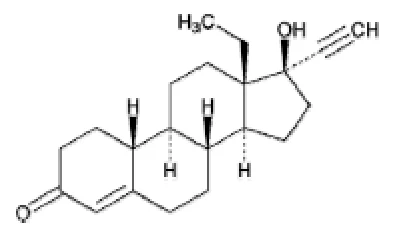
Physicochemical properties:
Description: White or almost white crystalline powder.
Solubility: Practically insoluble in water, soluble in chloroform, sparingly soluble in ethanol and methylene chloride.
Melting Point: 232°C to 239°C
CLINICAL TRIALS
A randomized, single dose, blinded, 2-way crossover comparative bioavailability study was conducted under fasting conditions on healthy female volunteers from 24-43 years of age (N=19). The rate and extent of absorption of levonorgestrel was measured and compared following a single oral dose (1x 0.75 mg tablet) of BACKUP PLAN (levonorgestrel) tablets (Apotex Inc.) and plan B®/MD (levonorgestrel) tablets (Paladin Labs Inc.). The results from measured data are summarized in the following table.
SUMMARY TABLE OF THE COMPARATIVE BIOAVAILABILITY DATA
Levonorgestrel (1 x 0.75 mg) From Measured Data Geometric Mean Arithmetic Mean (CV %) | ||||
| Parameter | Test* | Reference† | % Ratio of Geometric Means | 90% Confidence Interval |
| AUC0-72 (ng •h/mL) | 167.54 179.54 (37) | 175.52 188.08 (37) | 95.5 | 90.2 − 101.0 |
AUCI # (ng•h/mL) | 211.21 231.44 (32) | 223.80 238.74 (36) | 94.4 | 89.5 − 99.5 |
Cmax (ng/mL) | 11.27 11.80 (32) | 12.22 12.68 (28) | 92.2 | 85.9 − 99.0 |
| Tmax€ (h) | 1.50 (1.00 – 3.00) | 1.75 (1.00– 4.00) | ||
| T1/2§ # (h) | 34.43 (22) | 35.59 (18) | ||
* BACKUP PLAN (levonorgestrel) tablets (Apotex, Inc.). † plan B®/MD (levonorgestrel) tablets are manufactured by Duramed Pharmaceuticals Inc., USA, are distributed in Canada by Paladin Labs Inc. and were purchased in Canada. # N=18 for this parameter. € Expressed as the median (range) only. § Expressed as the arithmetic mean (CV%) only. | ||||
Levonorgestrel tablets divided dose regimen
Study demographics and trial design
Two well-controlled studies have evaluated a two tablet regimen of levonorgestrel 0.75 mg tablets specifically for emergency contraception. Both were randomized trials comparing the levonorgestrel regimen to the standard Yuzpe regimen of combined high-dose oral contraceptives.
Pivotal Study (Study 92908)
The Pivotal Study was conducted between 1995 and 1997 at 21 clinical sites in 14 countries on 5 continents. The earlier controlled clinical trial by Ho and Kwan showed that levonorgestrel alone was at least as effective as a regimen combining ethinyl estradiol and levonorgestrel (the Yuzpe regimen), and was associated with significantly lower incidence of nausea, vomiting, and other side effects. The sample size on the Ho and Kwan study of 834 women was too small, however, to detect a difference in efficacy of levonorgestrel and hence the pivotal trial was commenced.
In the Pivotal Study, a total of 1,998 women were recruited, including 1,001 in the levonorgestrel group and 997 in the Yuzpe group; between 42 and 200 women were enrolled at each site. Of the enrolled women, the final pregnancy status was unknown in 43 women who were lost to follow-up. The 100 protocol violations included 4 women who were found after discontinuation to have been pregnant at admission (1 in the levonorgestrel group and 3 in the Yuzpe group) and 5 who were pregnant at discontinuation but whose pregnancy status at admission was unknown (two in the levonorgestrel group and 3 in the Yuzpe group). These latter 5 women were excluded from the primary efficacy analysis population, which thus included 976 women in the levonorgestrel group and 979 women in the Yuzpe group. Among these 1,995 women, an additional 698 used the treatment imperfectly.
Ho and Kwan Study
In the Ho and Kwan study, 440 women were recruited into each group. Of these, 46 never returned after admission and were excluded from the analysis. No women were found to have been pregnant at admission.
OTC Actual Use Study
An OTC (over-the-counter) Actual Use study18 was also conducted to evaluate whether levonorgestrel tablets can be used safely and effectively without oversight by a licensed medical practitioner. The study was conducted in the year 2000 at five affiliates of Planned Parenthood Federation of America located in geographically diverse regions of the United States and at five pharmacies in the US state of Washington.
Study results
Pivotal and Ho and Kwan Studies
No differences in baseline characteristics were detected between groups in the primary efficacy analysis population in either study. In both studies, the average age was about 27 years, and many women had previously been pregnant. The ethnic background of the women in the two studies differed substantially owing to the locations of the study centres. In both studies, about half of the participants requested emergency contraception because of failure to use a method during intercourse, and the rest requested it because of method failure (such as a ruptured condom).
Distribution of the day of intercourse relative to ovulations was similar between groups within each study. In both studies, the distribution was skewed such that more women had intercourse before ovulation than after. In each study, the two groups were also similar in the timing of intercourse and treatment received. In the Pivotal Study, just under half started treatment within 24 hours after intercourse, whereas in the Ho and Kwan study, almost two-thirds did so.
In the Pivotal Study, 31 women (3.2%) became pregnant in the Yuzpe group and 11 (1.1%) became pregnant in the levonorgestrel group. The relative risk of pregnancy in the Yuzpe group was 2.8 times higher than that of the levonorgestrel group, with a lower one-sided 95% confidence bound of 1.53. Since the lower confidence bound was greater than 0.5, the levonorgestrel regimen was deemed to be as effective as the Yuzpe regimen. The fact that this bound was greater than 1 was considered strong evidence that the levonorgestrel regimen was more effective than the Yuzpe regimen.
Treatment should not be delayed as efficacy may decline with an increased interval between intercourse and the start of treatment. Efficacy is greatest when treatment is taken within 24 hours of unprotected intercourse (95% of expected pregnancies prevented), decreasing somewhat during each subsequent 24 hour period (prevents 61% of expected pregnancies when taken during the 48 to 72 hour period).
In the Ho and Kwan study, 12 women (2.9%) became pregnant in the levonorgestrel group and 15 (3.5%) became pregnant in the Yuzpe group.
Ectopic Pregnancy
Ectopic pregnancy is a potential risk of progestin-only contraception; however, the reports of ectopic pregnancies are sparse. They do not appear to occur more in women using emergency contraception than in the untreated population. The controlled and uncontrolled trials have been reviewed for possible ectopic pregnancies. If ectopic pregnancies occurred in up to 10% of pregnancies as predicted by the literature13, 3 ectopic pregnancies would have been seen in the five studies conducted by WHO/HRP. None were observed. Among the 30 pregnancies reported in the 30 other small studies of levonorgestrel 0.75 mg reviewed, no ectopic pregnancies were reported. One ectopic pregnancy is noted in the literature. There appears to be no increase in the rate of ectopic pregnancy after use of levonorgestrel for emergency contraception. There were also no reports of congenital anomalies in any of the clinical studies.
OTC Actual Use Study
In the OTC Actual Use study, 665 women were screened, 585 were enrolled in the study, and 540 are known to have used the product at least once. The primary objective was to estimate the frequency of contraindicated and incorrect uses of levonorgestrel tablets when dispensed under simulated OTC conditions. Secondary objectives were to estimate the incidence of repeat use, pregnancy and adverse events. The label was written to be understood by women of low literacy. Women received no medical screening or counseling prior to receiving the product.
The reproductive and contraceptive histories were similar across the study populations and consisted of a wide range of demographic characteristics representative of the female population of the USA. About 68% of the enrolled population had never been pregnant before their first screening and more than 80% had no living children. A total of 92% reported having used a contraceptive method in the month before admission and 60% indicated that they had had sex without contraception at least once in that month. About 16% reported irregular menstrual cycles.
Contraindicated use occurred in 1.3% and incorrect use occurred in 7% of users. Eight subjects used the product twice and two used it three times during the course of the study; the reason for each repeat use was consistent with the indications for use described on the product label. Ten of the product users (1.9%) were noted to be pregnant during the study. Adverse events reported by more than 5% of the subjects were abdominal pain, headache, nausea, and asthenia. These findings were consistent across subgroups of the study populations defined by age, race, ethnicity, and education level. No serious adverse events occurred.
Under simulated OTC conditions, the incidence of contraindicated use was extremely low, the incidence of incorrect use was also very low, and repeat use was very low. The pregnancy rate and pattern of adverse events were consistent with the findings of previous studies of the product.
Levonorgestrel tablets single dose regimen
Study Demographics and Trial Design
Pivotal Study (Study 97902)
A double blind, randomized, multicenter study evaluated and compared the efficacy and safety of levonorgestrel for emergency contraception following the administration of one single dose of 1.5 mg, as well as when two doses of 0.75 mg each were given at a 12-hour interval. This study was done in 15 family-planning clinics in China, Finland, Georgia, Hungary, India, Mongolia, Slovenia, Sweden, Switzerland, and the UK between 1998 and 2001. Each centre recruited between 41 and 149 subjects.
A total of 2,756 healthy women, who needed emergency contraception were randomly allocated into one of the two dose groups, with 1379 to receive a single dose of 1.5 mg levonorgestrel and 1377 to receive two doses of 0.75 mg levonorgestrel. Overall, 41 subjects (1.5%) were lost to follow-up and the outcome of treatment was unknown. Of these, 22 were in the single dose levonorgestrel group and 19 were in the two-dose levonorgestrel group. Three women (0.1%) were found to have had unprotected intercourse after the expected date of menses were considered withdrawn as they had been erroneously treated (i.e., they had no need for EC). Of these 3 subjects, 1 was in the two-dose levonorgestrel group and 2 were in the single dose levonorgestrel group. The intent to treat population was therefore 1356, in both groups.
There were 156 protocol violations among 144 subjects. These were primarily further acts of unprotected intercourse (31 in the single dose group and 30 in the two-dose group) and use of rhythm methods in current cycle (23 in the single dose group and 37 in the two-dose group).
Study Results
Baseline characteristics were similar for subjects randomized for each group. The mean age was 27, the mean weight was 56 kg, the mean height was 163 cm, and the mean duration of menstrual flow was 5 days. The mean cycle length was 29.2 days in the single dose group and 29.3 days in the two-dose group. In both groups 54% were Chinese, 34% were Caucasian and 12% were Asian or Black.
In the single dose group 53.5% of subjects requested emergency contraception because of failure to use a method during intercourse, and 36.4% requested it because of method failure. Corresponding figures for the two-dose group were 50.6% and 39.5%, respectively.
In the single dose group 45.9% of subjects requested treatment within 24hr, 27.8% within 48 hr, 14.7% within 72 hr, 6.4% within 96 hr and 4.6% requested treatment after 97 hrs. Corresponding figures for the two-dose group were 42.2%, 26.6%, 18.4%, 7.4% and 4.6%, respectively.
The fraction of prevented pregnancies was 81.9% (CI: 72.1% to 88.9%) in the levonorgestrel single group and 77.3% (CI: 66.3% to 85.5%) in the 0.75 mg two-dose group, with a relative risk of pregnancy of 0.83 (CI: 0.46 to 1.50) for the levonorgestrel single dose group over the 0.75 mg two-dose group.
The two levonorgestrel regimens studied are highly effective for emergency contraception. The study showed that the 1.5 mg levonorgestrel single dose regimen had a similar effectiveness with the two doses of 0.75 mg levonorgestrel. There was no significant difference between the two levonorgestrel groups (p>0.6).
When comparing the efficacy of treatment in women starting the treatment within 3 days of unprotected intercourse and those starting treatment within a delay of 4 or 5 days, there was a decreasing trend of efficacy found, although the difference in efficacy was not statistically significant.
For all treatment groups combined, there was a significant trend in pregnancy rates in the 5 successive days from the time of unprotected intercourse in each efficacy set, showing an increase in pregnancy rates by days elapsed from unprotected intercourse. A similar trend was found when the two levonorgestrel regimens were combined.
Post-hoc analysis of efficacy by weight:
In clinical trials of products similar to BACKUP PLAN (levonorgestrel tablets), a post-hoc analysis20 of data from two published papers21, 22 on the efficacy of levonorgestel 1.5 mg (single
dose) and 0.75 mg (two doses 12 hours apart) raised questions concerning the efficacy of single ingredient levonorgestrel emergency contraceptives in women with higher body weights.
There is limited and inconclusive data on the effect of high body weight/high BMI in the contraceptive efficacy. In three WHO studies(1,19,23) no trend for a reduced efficacy with increasing body weight/BMI was observed (Table 7), whereas in the two other studies (21, 22) a reduced contraceptive efficacy was observed with increasing body weight or BMI (Table 8). Both meta-analyses excluded intake later than 72 hours after unprotected intercourse and women who had further acts of unprotected intercourse.
Table 7: Meta-analyses on three WHO studies 1,19, 23
| BMI (kg/m2) | Underweight 0 – 18.5 | Normal 18.5 - 25 | Overweight 25 – 30 | Obese ≥ 30 |
| N total | 600 | 3952 | 1051 | 256 |
| N pregnancies | 11 | 39 | 6 | 3 |
| Pregnancy rate | 1.83% | 0.99% | 0.57% | 1.17% |
| Confidence Interval | 0.92 – 3.26 | 0.70 – 1.35 | 0.21 – 1.24 | 0.24 – 3.39 |
Table 8: Meta-analyses on two studies 21, 22
| BMI (kg/m2) | Underweight 0 – 18.5 | Normal 18.5 - 25 | Overweight 25 – 30 | Obese ≥ 30 |
| N total | 64 | 933 | 339 | 212 |
| N pregnancies | 1 | 9 | 8 | 11 |
| Pregnancy rate | 1.56% | 0.96% | 2.36% | 5.19% |
| Confidence Interval | 0.04 - 8.40 | 0.44 – 1.82 | 1.02 – 4.60 | 2.62 – 9.09 |
DETAILED PHARMACOLOGY
Pharmacodynamics
Animal in vivo studies
Levonorgestrel is active in standard tests for progesterone activity, acts like a true progestin when tested for pregnancy maintenance, and is neither estrogenic by itself nor metabolically converted to an estrogen. Non-clinical studies conducted on the use of levonorgestrel or norgestrel have shown that levonorgestrel administered subcutaneously or orally mimics the primary properties of progesterone in that it binds to the progesterone receptor and produces glandular transformation of the endometrium. In addition, levonorgestrel maintains pregnancy in the appropriate animal model and delays implantation of the blastocysts. Levonorgestrel also inhibits ovulation, gonadotropin secretion, and shows contraceptive activity as demonstrated in a number of biological systems. The qualitative and quantitative parameters for the reproductive pharmacology of levonorgestrel have been established through extensive studies using rabbits, rats, and mice.
Levonorgestrel can increase uterine weight but does not bind to the estrogenic receptor and does not lead to keratinization of the vaginal epithelium. Anti-estrogenic activity against the vaginal and uterine effects of estrone and estradiol have been demonstrated following parenteral administration of levonorgestrel. This estrogenic antagonism suggests levonorgestrel acts like progesterone. However, there is no evidence to support antagonism of estrogen-induced mammary tumours, uterine overstimulation, or cataracts. Levonorgestrel can bind to the androgenic receptor and has anabolic androgenic effects such as protecting bone mass from osteopenia in an animal model. However, levonorgestrel inhibits ovulation at much lower dosages than were needed to produce androgenic and anabolic effects on suitable target tissues. In a number of other standard evaluations of endocrine activity, levonorgestrel was devoid of detectable glucocorticoid, mineralocorticoid, and anti-mineralocorticoid activity in vivo, even though it binds to the glucocorticoid (aldosterone) receptor.
The qualitative profile of levonorgestrel with respect to sexual function is summarized in Table
9.
Table 9: Qualitative Non-clinical Pharmacological Profile of Levonorgestrel with Respect to Sexual Functions
| Test | Activity |
| Progestin-like activity | |
| In vivo | Active |
| Receptor binding | Active |
| Contraception | |
| In vivo | Active |
| Inhibition of fertility | |
| Inhibition of the gonadotropins | Active |
| Inhibition of ovulation | Active |
| Change in the estrous cycle | Active |
| Androgen-like/anabolic activity | |
| In vivo | Some active/some inactive |
| Receptor binding | Some active/some inactive |
| Antiandrogenic activity | |
| In vivo | Inactive |
| Estrogenic activity | |
| In vivo | Inactive |
| Receptor binding | Inactive |
| Estrogen antagonism | |
| In vivo | Active |
| Receptor binding | Inactive |
Pharmacokinetics
The non-clinical pharmacokinetics of levonorgestrel have been investigated pertaining to its development as a low-dose oral contraceptive. These data indicate low oral bioavailability of levonorgestrel in animals as compared to man, urinary and biliary excretion of an absorbed dose,
and the formation of conjugated metabolites. The pharmacokinetics of a single elevated dose have not been investigated in animals.
TOXICOLOGY
The non-clinical toxicology of levonorgestrel or norgestrel has been investigated in a number of studies in rodents, dogs, and monkeys, including a 7-year repeat administration study in monkeys and numerous reproductive toxicity studies and mutagenicity studies. All of these studies were conducted as part of the non-clinical development of norgestrel as a traditional oral contraceptive or contraceptive implant. This large body of evidence was used to support the approval of oral contraceptives containing up to 500 mcg of norgestrel in combination with ethinyl estradiol or 75 mcg alone, where the intended use required chronic administration.
The Toxicology Review Panel of the Special Programme (WHO) has reviewed the available animal data on levonorgestrel and has concluded that the toxicological and teratological data from animal studies on levonorgestrel provide a sufficient indication that levonorgestrel may be considered safe for use as an implantable contraceptive. Toxicity studies are summarized in Table 10.
Table 10: Previously Reviewed FDA Toxicity Studies
| Title | Date | Dose of Wy-3707 | Duration |
| Studies in Rodents | |||
| Toxicity Study of Norgestrel in Combination with Ethinyl Estradiol in Mice (10: and 20:1 ratios) | 0.0002 and 0.0004% of diet | 81 - 83 weeks | |
| Toxicity Studies in Rodents | 6/12/62 | 0.0125, 0.025 mg/kg | 7.5 weeks |
| Sub-acute Toxicity of Wy-3707 Alone, Mixtures of Wy-3707 with Ethinyl Estradiol, Ethinyl Estradiol Alone in Rats | 6/12/64 | 0.01, 0.1, 0.2 mg/kg | 7 - 10 weeks |
| Toxicity Study of Wy-3707 in Combination with Ethinyl Estradiol in Rats (Radios of 2:1and 5:1) | 7/1/66 | 0.0001 - 0.0025 mg/kg | 36 - 38.5 weeks |
| Toxicity Study of Wy-3707 in Combination with Ethinyl Estradiol in Rats (Radios of 25:1, 20:1, and 2:1) | 7/1/66 | 0.00025, 0.005, 0.001 mg/kg | 56 weeks |
| Chronic Toxicity Study of Wy-3707 in Rats | 7/1/66 | 0.001, 0.01, 0.05, 0.1 mg/kg | 62.5 – 80 weeks |
| Toxicity Studies of Wy-3707 and Ethinyl Estradiol in Rats | 7/1/66 | 0.0001 - 0.001 mg/kg | 99.5 – 100 weeks |
| Toxicity Studies of Wy-3707 in Combination with Ethinyl Estradiol in Rats (Ratio of 10:1) | 7/1/66 | 0.000-0.01 mg/kg | 99 – 100 weeks |
| Studies in Dogs | |||
| Sub-acute Toxicity in Dogs | 6/2/64 | 1, 10, 50 mg/kg | 6 weeks |
| Sub-acute Toxicity Studies of Wy-3707 Alone and Mixtures of Wy-3707 and Ethinyl Estradiol Alone in Dogs | 6/17/64 | 1, 10, 50 mg/kg | 6 weeks |
| Chronic Toxicity Study of Wy-3707 in Dogs | 10/14/65 | 1, 10, 20 mg/kg | 52 - 52.5 weeks |
| Toxicity Studies of Wy-3707 in Combination with Ethinyl Estradiol in Dogs (Ratio of 10:1) | 7/1/66 | 1 or 2 mg/kg | 54 and 104 weeks |
| Toxicity Studies of Wy-3703 and Wy-3707 in Combination With Ethinyl Estradiol in Dogs (Ratio of 20:1) | 7/1/66 | 2 or 4 mg/kg | 25 - 36 weeks |
| Toxicity Studies of Wy-3707 and Ethinyl Estradiol in Dogs | 7/1/66 | 0.01, 0.1, 0.2, 1.0 mg/kg | 54, 64 and 100/104 weeks |
| Toxicity Studies of Norgestrel in Dogs | ~ 1977 | 0.1, 0.25 mg/kg | 7 years |
| Study in Primates | |||
| Toxicity Study of Norgestrel in Rhesus Monkeys | ~ 1977 | 0.02, 0.1, 0.5 mg/kg | 7 years |
Acute Toxicity Studies: In single dose studies, the LD50 for norgestrel was > 5000 mg/kg dosed orally in rodents and dogs. Multiple dose studies in mice for 18 months had no effect. In rats, other than exaggerated physiological effects expected with high doses of estrogens, there was little evidence of drug toxicity. Findings included decreased pituitary weights, secretory changes in the cervix and vagina, and endometrial hyperplastic changes. Growth rate and food consumption were depressed among norgestrel-treated animals at high doses.
Chronic Toxicity Studies: Data from the first seven years of a ten-year repeat administration study in Rhesus monkeys with d,l-norgestrel was collected to support clinical use as an oral contraceptive. Sixty-four female Rhesus monkeys (16/group) were administered norgestrel 0 mg, 0.02 mg, 0.1 mg, and 0.5 mg/kg/day as a dietary admixture for 21 consecutive days followed by seven days of a non-dosing period (28-day cycle). There were no norgestrel-related effects on mortality, behaviour, mean body weights, endocrine function, or ophthalmoscopic exams. A number of minor dose related changes were noted in hematocrit, Stypven Times, activated partial thromboplastin times, fibrinogen concentrations, and urinary output of 17-hydroxycorticosteroids. There were no findings in gross or histopathologic evaluations indicative of toxicity, and microscopic examination of cervical smears did not reveal any evidence of neoplasia. No mammary nodules were palpable at the end of the first, third, sixth, and seventh years, none of the monkeys had palpable mammary nodules at the end of the sixth and seventh years, and there was no effect on the number of palpable mammary nodules or the month when the first mammary nodule was found over the course of seven years. The conclusion of the U.S. FDA review of this study indicated that administration of norgestrel to female monkeys for ten years caused essentially no untoward effects.
Carcinogenicity Studies: In CF-LP (MTV+) mice administered doses described as low (2-5 times clinical), mid (50-150 times clinical), and high (200-400 times clinical) for 80 weeks, there was no effect on incidence of tumours in any tissues. In castrated C3HxRIII (MTV+) mice administered 0.5 mg/kg d-norgestrel or 1 mg/kg dl-norgestrel in the diet, the incidence of mammary tumours was slightly raised in the absence of any effect on latency. In the rat, administration of norgestrel in the diet (doses not described) for 104 weeks had no effect on the incidence of tumours.
Genotoxicity: Levonorgestrel revealed no potential for genotoxicity in a standard Ames Salmonella/Microsome Mutagenicity Test.
Reproductive Toxicity: A large number of reproductive toxicity studies were performed by repeat dose administration to evaluate the effects on mating fertility, fecundity, post-treatment recovery of fertility, effects on the estrous cycle, claudogenic effects as well as classic Segment I, II, and III reproductive studies. Of greatest possible relevance to emergency contraception are the studies of recovery of fertility and birth defects. In a study in mice treated with up to 50x the human contraceptive dose, no irreversible impairment of fertility was noted.
Segment II studies were given by repeat dose during organogenesis. At the levels required to maintain pregnancy, virilizing effects were noted and were considerably greater than those of progesterone. Two of 439 fetuses from dams treated at these levels of norgestrel were deformed; one fetus from a dam treated with norgestrel 3 mg subcutaneously had incomplete spinal closure and one fetus from a dam treated with norgestrel 3 mg orally had a poorly developed cranium. The 88 control fetuses were normal. Occasional deformities appeared in the other progestogen groups, and were more frequent from spayed mothers. In a study where norgestrel was given subcutaneously from Days 16 to 19 of gestation, potency in producing virilization in female fetuses was found to be nearly equal to testosterone propionate and three times greater than norethindrone acetate. Histological examination showed that norgestrel 0.1 mg/day subcutaneously was effective, while 10 mg/day orally was ineffective. For a macroscopically detectable increase in ano-genital distance, 3 mg/day subcutaneously was required.
REFERENCES
- 1. Task Force on Postovulatory Methods of Fertility Regulation. Randomized controlled trial of levonorgestrel versus the Yuzpe regimen of combined oral contraceptive for emergency contraception. The Lancet 1998; 352:428-33.
- 2. Bracken M.B. Oral contraception and congenital malformations in offspring: a review and meta-analysis of the prospective studies. Obstet Gynecol 1990 Sep; 76:552-57.
- 3.
Back DJ, Orme ML’E. Pharmacokinetic drug interactions with oral contraceptive. In: Steroid
Contraceptives and Women’s Response. Snow R and Hall P (Ed.). Plenum Press, New York. 1994; pp 103-12.
- 4. Brenner PF, Mishell DR, Stanczyk FZ, Goebelsmann U. Serum levels of d-Norgestrel, luteinizing hormone, follicle-stimulating hormone, estradiol, and progesterone in women during and following ingestion of combination oral contraceptives containing dl-Norgestrel. Am J Obstet Gynecol. 1977; 129:133-40.
- 5. Crawford et al., as summarized by Back and Orme (referenced above), 1994.
- 6.
Family Health International. Plan B Over-the-Counter Label Comprehension Study. October
4, 2001. Unpublished manuscript. Prepared under contract with Women’s Capital Corporation for regulatory submissions.
- 7.
Fotherby K. Levonorgestrel: Clinical pharmacokinetics. Clin Pharmacokinet. 1995; 28:203-
15.
- 8.
Fotherby K. Pharmacokinetics of gestagens: Some problems. Am J Obstet Gynecol. 1990;
163:323-328.
- 9.
He CH, Shi YE, Liao DL, Zhu YH, Xu JQ, Matlin SA, Vince PM, Fotherby K, Van Look
PF. Comparative cross-over pharmacokinetic study on two types of postcoital contraceptive tablets containing levonorgestrel. Contraception. 1990; 41:557-67.
- 10.
Ho PC and Kwan MSW. A prospective randomized comparison of levonorgestrel with the
Yuzpe regimen in post-coital contraception. Human Reproduction. 1993; 8:389-392.
- 11.
Hümpel M, Wendt H, Pommerenke G, Weiss C, Speck U. Investigations of
pharmacokinetics of levonorgestrel to specific consideration of a possible first-pass effect in women. Contraception. 1978; 17: 207-20.
- 12.
McCann MF. Levonorgestrel literature review. July 2, 1998. Unpublished manuscript.
Prepared under contract with Women’s Capital Corporation for regulatory submissions.
- 13.
McCann MF. and Potter LS. Progestin-only oral contraception: A comprehensive review.
Contraception. 1994; 50:S1-S198.
- 14. Nilsson S, Nygren K, Johansson EDB. D-Norgestrel concentrations in maternal plasma, milk, and child plasma during administration of oral contraceptives to nursing women. Am J Obstet Gynecol. 1977; 129:178-84.
- 15. Rogers SM, Back DJ, Stevenson PJ, Grimmer SF, Fotherby K. Paracetamol interaction with oral contraceptive steroids: Increased plasma concentrations of ethinyloestradiol. Br J Clin Pharmac. 1987; 23:721-25.
- 16. Shi YE, Zheng SH, Zhu YH, He CH, Yu PP, Fotherby K. Pharmacokinetic study of levonorgestrel used as a postcoital agent. Contraception 1988; 37:359-69.
- 17.
Weiner E, Victor A, Johansson E. Plasma levels of d-Norgestrel after oral administration.
Contraception. 1976; 14:563-70.
- 18.
Family Health International. Plan B Over-the-Counter Actual Use Study. September 30,
2002. Unpublished study report. Prepared under contract with Women’s Capital Corporation for regulatory submissions.
- 19.
WHO, von Hertzen H, Piaggioa G, et al. Low Dose Mifepristone and Two Regimens of
Levonorgestrel for Emergency Contraception: a WHO Multicenter Randomized Trial. The Lancet 2002; 360:1803.
- 20. Glasier A, Cameron ST, Blithe D, Scherrer B, Mathe H, Levy D, Gainer E, Ulmann A. Can we identify women at risk of pregnancy despite using emergency contraception? Data from randomized trials of ulipristal acetate and levonorgestrel. Contraception. 2011; 84:363-367.
- 21. Creinin MD, Schlaff W, Archer DF, et al. Progesterone receptor modulator for emergency contraception. A randomized controlled trial. Obstetrics & Gynecology 2006; 108(5):1089-1097.
- 22. Glasier AF, Cameron ST, Fine PM, Logan SJ, et al. Ulipristal acetate versus levonorgestrel for emergency contraception: a randomised non-inferiority trial and metaanalysis. Lancet 2010; 375:555-62 (see also Clinical Trials NCT00271583 and NCT00551616 at http://clinicaltrials.gov/ct2/home)
- 23. Dada O.A, Emily M. Godfrey EM, Piaggio G, von Hertzen H. A randomized, double-blind, noninferiority study to compare two regimens of levonorgestrel for emergency contraception in Nigeria. Contraception 82 (2010) 373–378.
- 24. Carten ML, Kiser JJ, Kwara A, Mawhinney S, Cu-Uvin S. Pharmacokinetic interactions between the hormonal emergency contraception, levonorgestrel (Plan B), and efavirenz. Infect Dis Obstet Gynecol 2011; (2012): 1-4.
- 25.
Scarsi KK, Darin KM, Nakalema S, Back DJ, Byakika-Kibwika P, Else LJ, et al.
Unintended pregnancies observed with combined use of levonorgestrel contraceptive
implant and efavirenz-based antiretroviral therapy: a three arm pharmacokinetic evaluation over 48 weeks. Clin Infect Dis 2016;62(6):675-82.
- 26. Scarsi K, Lamorde M, Darin K, Dilly Penchala S, Else L, Nakalema S, et al. Efavirenz-but not nevirapine-based antiretroviral therapy decreases exposure to the levonorgestrel released from a subdermal contraceptive implant [abstract]. J Int AIDS Soc 2014; 17 (4 Supp 3):19484.
- 27.
PLAN B® Levonorgestrel Tablets 0.75 mg Paladin Labs Inc. Date of Revision: October 13,
2017. Submission Control No: 208163.