


Product Monograph - Cerebyx
RECENT MAJOR LABEL CHANGES
| N/A |
|---|
TABLE OF CONTENTS
Sections or subsections that are not applicable at the time of authorization are not listed.
RECENT MAJOR LABEL CHANGES ............................................................................................ 2
TABLE OF CONTENTS .............................................................................................................. 2
PART I: HEALTH PROFESSIONAL INFORMATION ...................................................................... 4
1 INDICATIONS ............................................................................................................... 4
1.1 Pediatrics ................................................................................................................ 4
1.2 Geriatrics ................................................................................................................ 4
2 CONTRAINDICATIONS ................................................................................................. 4
3 SERIOUS WARNINGS AND PRECAUTIONS BOX ............................................................ 4
4 DOSAGE AND ADMINISTRATION ................................................................................. 5
4.1 Dosing Considerations ............................................................................................ 5
4.2 Recommended Dose and Dosage Adjustment ....................................................... 5
4.3 Reconstitution ........................................................................................................ 7
4.4 Administration ........................................................................................................ 7
5 OVERDOSAGE .............................................................................................................. 7
6 DOSAGE FORMS, STRENGTHS, COMPOSITION AND PACKAGING ................................. 8
7 WARNINGS AND PRECAUTIONS .................................................................................. 8
7.1 Special Populations............................................................................................... 15
7.1.1 Pregnant Women ........................................................................................... 15
7.1.2 Breast-feeding ................................................................................................ 16
7.1.3 Pediatrics (≤ 18 years of age) .......................................................................... 16
7.1.4 Geriatrics (≥ 65 years of age) .......................................................................... 16
8 ADVERSE REACTIONS ................................................................................................ 16
8.1 Adverse Reaction Overview .................................................................................. 16
8.2 Clinical Trial Adverse Reactions ............................................................................ 17
8.3 Less Common Clinical Trial Adverse Reactions ..................................................... 20
8.5 Post-Market Adverse Reactions ........................................................................... 21
9 DRUG INTERACTIONS ................................................................................................ 21
9.2 Drug Interactions Overview .................................................................................. 21
9.3 Drug-Behavioural Interactions .............................................................................. 22
9.4 Drug-Drug Interactions ......................................................................................... 22
9.5 Food-Food Interactions ........................................................................................ 26
9.6 Drug-Herb Interactions ......................................................................................... 26
9.7 Drug-Laboratory Test Interactions ........................................................................ 26
10 CLINICAL PHARMACOLOGY ....................................................................................... 26
10.1 Mechanism of Action ...................................................................................... 26
10.2 Pharmacodynamics ........................................................................................ 27
10.3 Pharmacokinetics ........................................................................................... 28
11 STORAGE, STABILITY AND DISPOSAL ......................................................................... 30
PART II: SCIENTIFIC INFORMATION ....................................................................................... 31
13 PHARMACEUTICAL INFORMATION ............................................................................ 31
14 CLINICAL TRIALS ........................................................................................................ 31
14.1 Clinical Trials by Indication ............................................................................. 31
15 MICROBIOLOGY ........................................................................................................ 32
16 NON-CLINICAL TOXICOLOGY ..................................................................................... 32
PATIENT MEDICATION INFORMATION .................................................................................. 44
PART I: HEALTH PROFESSIONAL INFORMATION
1 INDICATIONS
CEREBYX (Fosphenytoin Sodium Injection) is indicated for:
short-term parenteral administration when other means of phenytoin administration are unavailable, inappropriate or deemed less advantageous.
The safety and effectiveness of CEREBYX in this use has not been systematically evaluated for more than 5 days. CEREBYX should be used only when oral phenytoin administration is not possible. CEREBYX must not be given orally.
- CEREBYX can be used for the control of generalized convulsive status epilepticus and prevention and treatment of seizures occurring during neurosurgery. It can also be substituted, short-term, for oral phenytoin.
1.1 Pediatrics
Pediatrics (≤ 18 years of age): The safety of CEREBYX in pediatric patients have not been established (see 7.1.3 Pediatrics).
1.2 Geriatrics
Geriatrics (≥ 65 years of age): No systematic studies in geriatric patients have been conducted. Phenytoin clearance tends to decrease with increasing age (see 7.1.4 Geriatrics).
2 CONTRAINDICATIONS
- CEREBYX (Fosphenytoin Sodium Injection) is contraindicated in patients who have demonstrated hypersensitivity to CEREBYX or its ingredients, or phenytoin or other hydantoins.
- Because of the effect of parenteral phenytoin on ventricular automaticity, CEREBYX is contraindicated in patients with sinus bradycardia, sino-atrial block, second- and third-degree A-V block, and Adams-Stokes syndrome.
- Coadministration of CEREBYX with delavirdine is contraindicated due to potential for loss of virologic response and possible resistance to delavirdine or to the class of non-nucleoside reverse transcriptase inhibitors.
3 SERIOUS WARNINGS AND PRECAUTIONS BOX
Serious Warnings and Precautions
|
|---|
4 DOSAGE AND ADMINISTRATION
4.1 Dosing Considerations
- The dose, concentration in dosing solutions, and infusion rate of IV CEREBYX (Fosphenytoin Sodium Injection) is expressed as phenytoin sodium equivalents (PE) to avoid the need to perform molecular weight-based adjustments when converting between fosphenytoin and phenytoin sodium doses.
- CEREBYX should always be prescribed and dispensed in phenytoin sodium equivalent units (PE). 1.5 mg of fosphenytoin sodium is equivalent to 1 mg phenytoin sodium, and is referred to as 1 mg PE. The amount and concentration of fosphenytoin is always expressed in terms of mg of phenytoin sodium equivalents (mg PE). For example, if a patient is receiving 1000 mg PE of CEREBYX, that is equivalent to 1000 mg of phenytoin sodium.
- CEREBYX has important differences in administration from those for parenteral phenytoin sodium.
- As non-emergency therapy, intravenous CEREBYX should be administered more slowly. Because of the risks of cardiac and local toxicity associated with IV CEREBYX, oral phenytoin should be used whenever possible.
Dosing in Special Populations:
- Patients with Renal or Hepatic Disease: Due to an increased fraction of unbound phenytoin in patients with renal or hepatic disease, or in those with hypoalbuminemia, the interpretation of total phenytoin plasma concentrations should be made with caution (see 10 CLINICAL PHARMACOLOGY, Special Populations). Unbound phenytoin concentrations may be more useful in these patient populations. After IV CEREBYX administration to patients with renal and/or hepatic disease, or in those with hypoalbuminemia, fosphenytoin clearance to phenytoin may be increased without a similar increase in phenytoin clearance. This has the potential to increase the frequency and severity of adverse events (see 7 WARNINGS AND PRECAUTIONS).
4.2 Recommended Dose and Dosage Adjustment
Phenytoin doses are usually selected to attain therapeutic plasma total phenytoin concentrations of 40-80 μmol/L [10 to 20 μg/mL], (unbound phenytoin concentrations of 4-8 μmol/L [1 to 2 μg/mL]. Following CEREBYX administration, it is recommended that phenytoin concentrations not be monitored until conversion to phenytoin is essentially complete. This occurs within approximately 2 hours after the end of IV infusion and 4 hours after IM injection.
Prior to complete conversion, commonly used immunoanalytical techniques, such as TDx/TDxFLx (fluorescence polarization) and Emit 2000 (enzyme multiplied), may significantly overestimate plasma phenytoin concentrations because of cross-reactivity with fosphenytoin. The TDx/TDxFLx assay is not recommended due to an unacceptable margin of error. The difference between predicted and actual phenytoin concentrations at 4 hours postdose is ≤20 μmol/L [5 μg/mL]. The error is dependent on plasma phenytoin and fosphenytoin concentration (influenced by CEREBYX dose, route and rate of administration, and time of sampling relative to dosing), and analytical method. Chromatographic assay methods accurately quantitate phenytoin concentrations in biological fluids in the presence of fosphenytoin. Prior to complete conversion, blood samples for phenytoin monitoring should be collected in tubes containing EDTA as an anticoagulant to minimize ex vivo conversion of fosphenytoin to phenytoin. However, even with specific assay methods, phenytoin concentrations measured before conversion of fosphenytoin is complete will not reflect phenytoin concentrations ultimately achieved.
Do not confuse the concentration of CEREBYX with the total amount of drug in the vial.
Status Epilepticus
- The loading dose of CEREBYX is 15 to 20 mg PE/kg administered at 100 to 150 mg PE/min intravenously.
- Because of the risk of hypotension, fosphenytoin should be administered no faster than 150 mg PE/min. Continuous monitoring of the electrocardiogram, blood pressure, and respiratory function is essential and the patient should be observed throughout the period where maximal serum phenytoin concentrations occur, approximately 10 to 20 minutes after the end of CEREBYX infusions.
- Because the full antiepileptic effect of phenytoin, whether given as CEREBYX or parenteral phenytoin, is not immediate, other measures, including concomitant administration of an IV benzodiazepine, will usually be necessary for the control of status epilepticus.
- The loading dose should be followed by maintenance doses of CEREBYX, or phenytoin, either orally or parenterally (see 4.2 Recommended Dose and Dosage Adjustment, Non-Emergent Loading and Maintenance Dosing).
If administration of CEREBYX does not terminate seizures, the use of other anticonvulsants and other appropriate measures should be considered.
IM CEREBYX should not be used in the treatment of status epilepticus because therapeutic phenytoin concentrations may not be reached as quickly as with IV administration. If IV access is impossible, loading doses of CEREBYX have been given by the IM route for other indications.
Non-Emergent Loading and Maintenance Dosing
- The loading dose of CEREBYX is 10 - 20 mg PE/kg given IV or IM. The rate of administration for IV CEREBYX should be no greater than 150 mg PE/min. Continuous monitoring of the electrocardiogram, blood pressure, and respiratory function is essential and the patient should be observed throughout the period where maximal serum phenytoin concentrations occur, approximately 10 to 20 minutes after the end of CEREBYX infusions.
- The initial daily maintenance dose of CEREBYX is 4 - 6 mg PE/kg/day in divided doses.
IM or IV Substitution for Oral Phenytoin Therapy
- When treatment with oral phenytoin is not possible, CEREBYX can be substituted for oral phenytoin sodium therapy at the same total daily dose.
- Phenytoin tablets are approximately 90% bioavailable by the oral route. Phenytoin, supplied as CEREBYX, is 100% bioavailable by both the IM and IV routes. For this reason, plasma phenytoin concentrations may increase modestly when IM or IV CEREBYX is substituted for oral phenytoin sodium therapy.
- The rate of administration for IV CEREBYX should be no greater than 150 mg PE/min.
- In controlled trials, IM CEREBYX was administered as a single daily dose utilizing either 1 or 2 injection sites. Some patients may require more frequent dosing.
Geriatrics (≥ 65 years of age): Age does not have a significant impact on the pharmacokinetics of fosphenytoin following CEREBYX administration. Phenytoin clearance is decreased slightly in elderly patients and lower or less frequent dosing may be required (See 10.3 Pharmacokinetics, Special Populations and Conditions).
Pediatrics (≤ 18 years of age): The safety of CEREBYX in pediatric patients has not been established. Therefore, CEREBYX is not indicated in this patient population (see 7.1.3 Pediatrics).
4.3 Reconstitution
Parenteral Products:
Prior to IV infusion, dilute CEREBYX in 5% dextrose or 0.9% saline solution for injection to a concentration ranging from 1.5 to 25 mg PE/mL.
CEREBYX added to 5% dextrose or 0.9% saline solution for injection in a concentration range from 2.5 to 40 mg/mL is stable for 8 hours at room temperature or 24 hours when stored under refrigeration (2o to 8oC). Products with particulate matter or discolouration should not be used.
CEREBYX is for parenteral use only. As with all parenteral formulations, CEREBYX vials should be inspected visually for particulate matter and discolouration before administration whenever solution and container permit. Products with particulate matter or discolouration should be discarded.
4.4 Administration
See 4.2 Recommended Dose and Dosage Adjustment.
5 OVERDOSAGE
The median lethal dose of fosphenytoin given intravenously in mice and rats was 156 mg PE/kg and approximately 250 mg PE/kg, or about 0.6 and 2 times, respectively, the maximum human loading dose on a mg/m2 basis. Signs of acute toxicity in animals included ataxia, laboured breathing, ptosis, and hypoactivity.
Symptoms: Because CEREBYX (Fosphenytoin Sodium Injection) is a prodrug of phenytoin, the following information may be helpful. Initial symptoms of acute phenytoin toxicity are nystagmus, ataxia, and dysarthria. Other signs include tremor, hyperreflexia, lethargy, slurred speech, nausea, vomiting, coma, and hypotension. Depression of respiratory and circulatory systems leads to death. There are marked variations among individuals with respect to plasma phenytoin concentrations where toxicity occurs. Lateral gaze nystagmus usually appears at 80 μmol/L [20 μg/mL], ataxia at 120 μmol/L [30 μg/mL], and dysarthria and lethargy appear when the plasma concentration is over 160 μmol/L [40 μg/mL]. However, phenytoin concentrations as high as 200 μmol/L [50 μg/mL] have been reported without evidence of toxicity. As much as 25 times the therapeutic phenytoin dose has been taken, resulting in plasma phenytoin concentrations over 400 μmol/L [100 μg/mL], with complete recovery.
Nausea, vomiting, lethargy, tachycardia, bradycardia, asystole, cardiac arrest, hypotension, syncope, hypocalcemia, metabolic acidosis and death have been reported in cases of overdosage with CEREBYX.
Treatment:
For up-to-date information on the management of a suspected drug overdose, contact the regional Poison Control Center.
Treatment is nonspecific since there is no known antidote to CEREBYX or phenytoin overdosage. The adequacy of the respiratory and circulatory systems should be carefully observed, and appropriate supportive measures employed. Hemodialysis can be considered since phenytoin is not completely bound to plasma proteins. Total exchange transfusion has been used in the treatment of severe intoxication in children. In acute overdosage the possibility of other CNS depressants, including alcohol, should be borne in mind.
Formate and phosphate are metabolites of fosphenytoin and therefore may contribute to signs of toxicity following overdosage. Signs of formate toxicity are similar to those of methanol toxicity and are associated with severe anion-gap metabolic acidosis. Large amounts of phosphate, delivered rapidly, could potentially cause hypocalcemia with paraesthesia, muscle spasms, and seizures. Ionized free calcium levels can be measured and, if low, used to guide treatment.
| For management of a suspected drug overdose, contact your regional poison control centre. |
|---|
6 DOSAGE FORMS, STRENGTHS, COMPOSITION AND PACKAGING
Table 1: Dosage Forms, Strengths, Composition and Packaging
Each CEREBYX (Fosphenytoin Sodium Injection) vial contains 75 mg/mL fosphenytoin sodium as heptahydrate, equivalent to 50 mg/mL phenytoin sodium after administration. Each vial also contains Water for Injection and tromethamine buffer (12 mg/mL) adjusted to pH 8.6 to 9.0 with hydrochloric acid.
CEREBYX (Fosphenytoin Sodium Injection, 75 mg/mL) is supplied in 2 mL or 10 mL single-dose vials:
2 mL Vials: Packages of 5 vials (equivalent to 100 mg phenytoin sodium per 2 mL vial, or 50 mg/mL)
10 mL Vials: Packages of 1 vial (equivalent to 500 mg phenytoin sodium per 10 mL vial, or 50 mg/mL).
7 WARNINGS AND PRECAUTIONS
Please see 3 SERIOUS WARNINGS AND PRECAUTIONS BOX.
The following warnings are based on experience with CEREBYX or phenytoin.
General
Dosing Errors
In this monograph doses of cerebyx (fosphenytoin sodium injection (maunufacturer standard)) are always expressed in terms of milligrams of phenytoin sodium equivalents (mg pe) 1 mg pe is equivalent to 1 mg phenytoin sodium.
Do not, therefore, make any adjustment in the recommended doses when substituting cerebyx for phenytoin sodium or vice versa. for example, if a patient is receiving 1000 mg pe of cerebyx, that is equivalent to 1000 mg of phenytoin sodium.
| Route of Administration | Dosage Form / Strength/Composition | Non-medicinal Ingredients |
| Intravenous | Liquid: 75 mg/mL | Water for Injection and tromethamine buffer (12 mg/mL) adjusted to pH 8.6 to 9.0 with hydrochloric acid. |
Do not confuse the amount of drug to be given in PE with the concentration of the drug in the vial.
Medication errors associated with CEREBYX have resulted in patients receiving the wrong dose of fosphenytoin. CEREBYX is marketed in 2 mL vials containing a total of 100 mg PE and 10 mL vials containing a total of 500 mg PE. The concentration of each vial is 50 mg PE/ mL. Errors have occurred when the concentration of the vial (50 mg PE/mL) was misinterpreted to mean that the total content of the vial was 50 mg PE. These errors have resulted in two- or tenfold overdoses of CEREBYX since each vial actually contains a total of 100 mg PE or 500 mg PE. In some cases, ten-fold overdoses were associated with fatal outcomes. To help minimize confusion, the prescribed dose of CEREBYX should always be expressed in milligrams of phenytoin equivalents (mg PE) (see 4 DOSAGE AND ADMINISTRATION). Additionally, when ordering and storing CEREBYX, consider displaying the total drug content (i.e., 100 mg PE/ 2 mL or 500 mg PE/ 10 mL) instead of concentration in computer systems, pre-printed orders, and automated dispensing cabinet databases to help ensure that total drug content can be clearly identified. Care should be taken to ensure the appropriate volume of CEREBYX is withdrawn from the vial when preparing the drug for administration. Attention to these details may prevent some CEREBYX medication errors from occurring.
Withdrawal Precipitated Seizure, Status Epilepticus
Antiepileptic drugs should not be abruptly discontinued because of the possibility of increased seizure frequency, including status epilepticus. When, in the judgement of the clinician, the need for dosage reduction, discontinuation, or substitution of alternative antiepileptic medication arises, this should be done gradually. However, in the event of an allergic or hypersensitivity reaction, rapid substitution of alternative therapy may be necessary. In this case, alternative therapy should be an antiepileptic drug not belonging to the hydantoin chemical class.
- CEREBYX Specific
Sensory Disturbances: Severe burning, itching, and/or paraesthesia were reported by 7 of 16 normal volunteers administered IV CEREBYX (Fosphenytoin Sodium Injection) at a dose of 1200 mg PE at the maximum rate of administration (150 mg PE/min). The severe sensory disturbance lasted from 3 to 50 minutes in 6 of these subjects and for 14 hours in the seventh subject. In some cases, milder sensory disturbances persisted for as long as 24 hours. The location of the discomfort varied among subjects with the groin mentioned most frequently as an area of discomfort. In a separate cohort of 16 normal volunteers (taken from 2 other studies) who were administered IV CEREBYX at a dose of 1200 mg PE at the maximum rate of administration (150 mg PE/min), none experienced severe disturbances, but most experienced mild to moderate itching or tingling.
Patients administered CEREBYX at doses of 20 mg PE/kg at 150 mg PE/min are expected to experience discomfort of some degree. The occurrence and intensity of the discomfort can be lessened by slowing or temporarily stopping the infusion.
The effect of continuing infusion unaltered in the presence of these sensations is unknown. No permanent sequelae have been reported thus far. The pharmacologic basis for these positive sensory phenomena is unknown, but other phosphate ester drugs, which deliver smaller phosphate loads, have been associated with burning, itching, and/or tingling predominantly in the groin area.
- Phosphate Load: The phosphate load provided by CEREBYX (0.0037 mmol phosphate/mg PE CEREBYX) should be considered when treating patients who require phosphate restriction, such as those with severe renal impairment.
- IV Loading in Renal and/or Hepatic Disease or in Those With Hypoalbuminemia: After IV administration to patients with renal and/or hepatic disease, or in those with hypoalbuminemia, fosphenytoin clearance to phenytoin may be increased without a similar increase in phenytoin clearance. This has the potential to increase the frequency and severity of adverse events (see 10 CLINICAL PHARMACOLOGY, Special Populations and 4 DOSAGE AND ADMINISTRATION, Dosing in Special Populations).
Phenytoin Associated
CEREBYX is not indicated for the treatment of absence seizures. If tonic-clonic (grand mal) and absence (petit mal) seizures are present, combined drug therapy is needed.
Phenytoin and other hydantoins are not indicated for seizures due to hypoglycemic or other metabolic causes. Appropriate diagnostic procedures should be performed as indicated.
A small percentage of individuals who have been treated with phenytoin have been shown to metabolize the drug slowly. Slow metabolism may be due to limited enzyme availability and lack of induction; it appears to be genetically determined.
Phenytoin and other hydantoins are contraindicated in patients who have experienced phenytoin hypersensitivity.
Hyperglycemia, resulting from phenytoin's inhibitory effect on insulin release, has been reported. Phenytoin may also raise serum glucose concentrations in diabetic patients.
Phenytoin has the potential to lower serum folate levels.
Cardiovascular
As non-emergency therapy, intravenous CEREBYX should be administered more slowly. Because of the risks of cardiac and local toxicity associated with IV CEREBYX, oral phenytoin should be used whenever possible.
Because adverse cardiovascular reactions have occurred during and after infusions, careful cardiac monitoring is needed during and after the administration of intravenous CEREBYX. Reduction in rate of administration or discontinuation of dosing may be needed.
Adverse cardiovascular reactions include severe hypotension and cardiac arrhythmias. Cardiac arrhythmias have included bradycardia, heart block, QT interval prolongation, ventricular tachycardia, and ventricular fibrillation which have resulted in asystole, cardiac arrest, and death. Severe complications are most commonly encountered in critically ill patients, elderly patients, and patients with hypotension and severe myocardial insufficiency. However, cardiac events have also been reported in adults and children without underlying cardiac disease or comorbidities and at recommended doses and infusion rates.
Status Epilepticus Dosing Regimen: Because of the increased risk of adverse cardiovascular reactions associated with rapid administration, do not administer CEREBYX at a rate greater than 150 mg PE/min. The dose of IV CEREBYX (15 to 20 mg PE/kg) that is used to treat status epilepticus is administered at a maximum rate of 150 mg PE/min. The typical CEREBYX infusion administered to a 50 kg patient would take between 5 and 7 minutes. Note that the delivery of an identical molar dose of phenytoin using phenytoin sodium injection cannot be accomplished in less than 15 to 20 minutes because of the untoward cardiovascular effects that accompany the direct intravenous administration of phenytoin at rates greater than 50 mg/min.
If rapid phenytoin loading is a primary goal, IV administration of CEREBYX is preferred because the time to achieve therapeutic plasma phenytoin concentrations is greater following IM than that following IV administration (see 4 DOSAGE AND ADMINISTRATION).
Driving and Operating Machinery
Patients should be advised not to drive a car or operate potentially dangerous machinery until it is known that this medication does not affect their ability to engage in these activities.
Endocrine and Metabolism
Phenytoin has been infrequently associated with the exacerbation of porphyria. Caution should be exercised when CEREBYX is used in patients with this disease.
Hematologic
Hemopoietic: Hemopoietic complications, some fatal, have occasionally been reported in association with administration of phenytoin. These have included thrombocytopenia, leucopenia, granulocytopenia, agranulocytosis, and pancytopenia with or without bone marrow suppression.
There have been a number of reports that have suggested a relationship between phenytoin and the development of lymphadenopathy (local or generalized), including benign lymph node hyperplasia, pseudolymphoma, lymphoma, and Hodgkin's disease. Although a cause and effect relationship has not been established, the occurrence of lymphadenopathy indicates the need to differentiate such a condition from other types of lymph node pathology. Lymph node involvement may occur with or without symptoms and signs resembling DRESS. In all cases of lymphadenopathy, follow-up observation for an extended period is indicated and every effort should be made to achieve seizure control using alternative antiepileptic drugs.
Hepatic/Biliary/Pancreatic
The liver is the primary site of biotransformation of phenytoin; patients with impaired liver function, elderly patients, or those who are gravely ill may show early signs of toxicity.
Cases of acute hepatotoxicity, including infrequent cases of acute hepatic failure, have been reported with phenytoin. These incidents have been associated with a hypersensitivity syndrome characterized by fever, skin eruptions, and lymphadenopathy, and usually occur within the first 2 months of treatment. Other common manifestations include jaundice, hepatomegaly, elevated serum transaminase levels, leucocytosis, and eosinophilia. The clinical course of acute phenytoin hepatotoxicity ranges from prompt recovery to fatal outcomes. In patients with acute hepatotoxicity, CEREBYX should be immediately discontinued and not readministered.
Immune
Serious Dermatologic Reactions: Serious and sometimes fatal dermatologic reactions, including Toxic Epidermal Necrolysis (TEN) and Stevens-Johnson Syndrome (SJS), have been reported with CEREBYX. In countries with mainly Caucasian populations, these reactions are estimated to occur in 1 to 6 per 10,000 new users, but in some Asian countries (e.g., Taiwan, Malaysia and the Philippines) the risk is estimated to be much higher. The onset of symptoms is usually within 28 days, but can occur later. CEREBYX should be discontinued at the first sign of a rash, unless the rash is clearly not drug-related. If signs or symptoms suggest SJS/TEN, use of this drug should not be resumed and alternative therapy should be considered. The use of other anti-epileptic drugs associated with SJS/TEN should be avoided in patients who have shown severe dermatological reactions during CEREBYX If a rash occurs, the patient should be evaluated for signs and symptoms of Drug Reaction with Eosinophilia and Systemic Symptoms (see DRESS/Multiorgan hypersensitivity below). If the rash is exfoliative, purpuric, or bullous, or if lupus erythematosus, Stevens-Johnson Syndrome (SJS), or Toxic Epidermal Necrolysis (TEN) is suspected, use of this drug should not be resumed and alternative therapy should be considered. If the rash is of a milder type (measles-like or scarlatiniform), therapy may be resumed after the rash has completely disappeared. If the rash recurs upon reinstitution of therapy, further CEREBYX or phenytoin administration is contraindicated.
Literature reports suggest that the combination of phenytoin, cranial irradiation and the gradual reduction of corticosteroids may be associated with the development of erythema multiforme, and/or Stevens-Johnson syndrome, and/or toxic epidermal necrolysis. In any of the above circumstances, caution should be exercised if using structurally similar compounds (eg, barbiturates, succinimides, oxazolidinediones, and other related compounds) in these same patients (see 2 CONTRAINDICATIONS and 7 WARNINGS AND PRECAUTIONS, Dermatologic). Published literature has suggested that there may be an increased, although still rare, risk of hypersensitivity reactions, including skin rash, SJS, TEN, hepatotoxicity, and DRESS in black patients.
Asian Ancestry and Allelic Variation in the HLA-B Gene: In studies that included small samples of patients of Asian ancestry a strong association was found between the risk of developing SJS/TEN and the presence of HLA-B*1502, an inherited allelic variant of the HLA-B gene.
The HLA-B*1502 allele is found almost exclusively in individuals with ancestry across broad areas of Asia†. Results of these studies suggest that the presence of the HLA-B *1502 allele may be one of the risk factors for phenytoin-associated SJS/TEN in patients with Asian ancestry. Therefore, physicians should consider HLA-B *1502 genotyping as a screening tool in these patients. Until further information is available, the use of CEREBYX* and other anti- epileptic drugs associated with SJS/TEN should also be avoided in patients who test positive for the HLA-B*1502 allele (see 7 WARNINGS AND PRECAUTIONS, Important Limitations of HLA-B Genotyping).
† The following rates provide a rough estimate of the prevalence of HLA-B*1502 in various populations. Greater than 15% of the population is reported positive in Hong Kong, Thailand, Malaysia, and parts of the Philippines, compared to about 10% in Taiwan and 4% in North China. South Asians, including Indians, appear to have intermediate prevalence of HLA-B*1502, averaging 2 to 4%, but this may be higher in some groups. HLA-B*1502 is present in <1% of the population in Japan and Korea. HLA-B*1502 is largely absent in individuals not of Asian origin (e.g., Caucasians, African-Americans, Hispanics, and Native Americans). The estimated prevalence rates have limitations due to the wide variability in rates that exist within ethnic groups, the difficulties in ascertaining ethnic ancestry and the likelihood of mixed ancestry.
Important Limitations of HLA-B Genotyping: HLA-B*1502 genotyping as a screening tool has important limitations and must never substitute for appropriate clinical vigilance and patient management. Many HLA-B*1502- positive Asian patients treated with CEREBYX* will not develop SJS/TEN, and these reactions can still occur infrequently in HLA-B*1502-negative patients of any ethnicity. The role of other possible factors in the development of, and morbidity from, SJS/TEN, such as antiepileptic drug (AED) dose, compliance, concomitant medications, co-morbidities, and the level of dermatologic monitoring have not been studied.
In addition, it should be kept in mind that the majority of CEREBYX treated patients who will experience SJS/TEN have this reaction within the first few months of treatment. This information may be taken into consideration when deciding whether to screen genetically at- risk patients currently on CEREBYX.
Drug Reaction with Eosinophilia and Systemic Symptoms (DRESS): Drug Reaction with Eosinophilia and Systemic Symptoms (DRESS), also known as Multiorgan Hypersensitivity, has been reported in patients taking antiepileptic drugs, including phenytoin. Some of these events have been fatal or life-threatening. DRESS typically, although not exclusively, presents with fever, rash, and/or lymphadenopathy, in association with other organ system involvement, such as hepatitis, nephritis, hematological abnormalities, myocarditis, or myositis sometimes resembling an acute viral infection.
Eosinophilia is often present. Because this disorder is variable in its expression, other organ systems not noted here may be involved. It is important to note that early manifestations of hypersensitivity, such as fever or lymphadenopathy, may be present even though rash is not evident. If such signs or symptoms are present, the patient should be evaluated immediately.
The mechanism is unknown. The interval between first drug exposure and symptoms is usually 2-4 weeks but has been reported in individuals receiving anticonvulsants for 3 or more months.
CEREBYX should be discontinued if an alternative etiology for the signs or symptoms cannot be established.
Patients at higher risk for developing DRESS include black patients, patients who have a family history of or who have experienced this syndrome in the past, and immuno-suppressed patients. The syndrome is more severe in previously sensitized individuals. If a patient is diagnosed with DRESS, discontinue the fosphenytoin and provide appropriate supportive measures.
Monitoring and Laboratory Tests
Phenytoin doses are usually selected to attain therapeutic plasma total phenytoin concentrations of 40 to 80 μmol/L [10 to 20 µg/mL], (unbound phenytoin concentrations of 4 to 8 µmol/L [1 to 2 µg/mL]). Following CEREBYX administration, it is recommended that phenytoin concentrations not be monitored until conversion to phenytoin is essentially complete. This occurs within approximately 2 hours after the end of IV infusion and 4 hours after IM injection.
Prior to complete conversion, commonly used immunoanalytical techniques, such as TDx/TDxFLx (fluorescence polarization) and Emit 2000 (enzyme multiplied), may significantly overestimate plasma phenytoin concentrations because of cross-reactivity with fosphenytoin. The TDx/TDxFLx assay is not recommended while unconverted fosphenytoin is present in plasma, due to an unacceptable margin of error (overestimation) in the phenytoin measurement. The difference between predicted and actual phenytoin concentrations at 4 hours postdose is ≤20 µmol/L [≤5 µg/mL] The error is dependent on plasma phenytoin and fosphenytoin concentration (influenced by CEREBYX dose, route and rate of administration, and time of sampling relative to dosing), and analytical method. Chromatographic assay methods accurately quantitate phenytoin concentrations in biological fluids in the presence of fosphenytoin. Prior to complete conversion, blood samples for phenytoin monitoring should be collected in tubes containing EDTA as an anticoagulant to minimize ex vivo conversion of fosphenytoin to phenytoin. However, even with specific assay methods, phenytoin concentrations measured before conversion of fosphenytoin is complete will not reflect phenytoin concentrations ultimately achieved.
Musculoskeletal
Phenytoin and other anticonvulsants that have been shown to induce the CYP450 enzyme are thought to affect bone mineral metabolism indirectly by increasing the metabolism of Vitamin D3. This may lead to Vitamin D deficiency and heightened risk of osteomalacia, bone fractures, osteoporosis, hypocalcemia, and hypophosphatemia in chronically treated epileptic patients (see 8.5 Post-Market Adverse Reactions). In patients on long term phenytoin therapy, vitamin D is given to prevent side effects affecting bones.
Neurologic
Plasma concentrations of phenytoin sustained above the optimal range may produce confusional states referred to as "delirium," "psychosis," or "encephalopathy," or rarely, irreversible cerebellar dysfunction. Accordingly, at the first sign of acute toxicity, determination of plasma phenytoin concentrations is recommended (see 7 WARNINGS AND PRECAUTIONS, Monitoring and Laboratory Tests). CEREBYX dose reduction is indicated if phenytoin concentrations are excessive; if symptoms persist, administration of CEREBYX should be discontinued.
Psychiatric
Suicidal ideation and behaviour: Suicidal ideation and behaviour have been reported in patients treated with antiepileptic agents in several indications.
All patients treated with antiepileptic drugs, irrespective of indication, should be monitored for signs of suicidal ideation and behaviour and appropriate treatment should be considered. Patients (and caregivers of patients) should be advised to seek medical advice should signs of suicidal ideation or behaviour emerge.
An FDA meta-analysis of randomized placebo controlled trials, in which antiepileptic drugs were used for various indications, has shown a small increased risk of suicidal ideation and behaviour in patients treated with these drugs. The mechanism of this risk is not known.
There were 43892 patients treated in the placebo controlled clinical trials that were included in the meta-analysis. Approximately 75% of patients in these clinical trials were treated for indications other than epilepsy and, for the majority of non-epilepsy indications the treatment (antiepileptic drug or placebo) was administered as monotherapy. Patients with epilepsy represented approximately 25% of the total number of patients treated in the placebo controlled clinical trials and, for the majority of epilepsy patients, treatment (antiepileptic drug or placebo) was administered as adjunct to other antiepileptic agents (i.e., patients in both treatment arms were being treated with one or more antiepileptic drug). Therefore, the small increased risk of suicidal ideation and behaviour reported from the meta-analysis (0.43% for patients on antiepileptic drugs compared to 0.24% for patients on placebo) is based largely on patients that received monotherapy treatment (antiepileptic drug or placebo) for non-epilepsy indications. The study design does not allow an estimation of the risk of suicidal ideation and behaviour for patients with epilepsy that are taking antiepileptic drugs, due both to this population being the minority in the study, and the drug-placebo comparison in this population being confounded by the presence of adjunct antiepileptic drug treatment in both arms.
Sensitivity/Resistance
Hypersensitivity: CEREBYX and other hydantoins are contraindicated in patients who have experienced phenytoin hypersensitivity (see 2 CONTRAINDICATIONS). Additionally, consider alternatives to structurally similar drugs such as carboxamides (e.g., carbamazepine), barbiturates, succinimides, and oxazolidinediones (e.g., trimethadione) in these same patients. Similarly, if there is a history of hypersensitivity reactions to these structurally similar drugs in the patient or immediate family members, consider alternatives to CEREBYX.
Skin
Local toxicity (Purple Glove Syndrome): Edema, discoloration, and pain distal to the site of injection (described as “purple glove syndrome”) have also been reported following peripheral intravenous CEREBYX injection. This may or may not be associated with extravasation. The syndrome may not develop for several days after injection. Although resolution of symptoms may be spontaneous, skin necrosis and limb ischemia have occurred and required such interventions as fasciotomies, skin grafting, and in rare cases, amputation.
7.1 Special Populations
7.1.1 Pregnant Women
Clinical:
A Risks to Mother: An increase in seizure frequency may occur during pregnancy because of altered phenytoin pharmacokinetics. Periodic measurement of plasma phenytoin concentrations may be valuable in the management of pregnant women as a guide to appropriate adjustment of dosage (see 7 WARNINGS AND PRECAUTIONS, Monitoring and Laboratory Tests). However, postpartum restoration of the original dosage will probably be indicated.
Risks to the Fetus: If this drug is used during pregnancy, or if the patient becomes pregnant while taking the drug, the patient should be apprised of the potential harm to the fetus.
Prenatal exposure to phenytoin may increase the risks for congenital malformations and other adverse developmental outcomes. Increased frequencies of major malformations (such as orofacial clefts and cardiac defects), minor anomalies (dysmorphic facial features, nail and digit hypoplasia), growth abnormalities (including microcephaly), and mental deficiency have been reported among children born to epileptic women who took phenytoin alone or in combination with other antiepileptic drugs during pregnancy. There have also been several reported cases of malignancies, including neuroblastoma, in children whose mothers received phenytoin during pregnancy. The overall incidence of malformations for children of epileptic women treated with antiepileptic drugs (phenytoin and/or others) during pregnancy is about 10%, or two- to three-fold that in the general population. However, the relative contribution of antiepileptic drugs and other factors associated with epilepsy to this increased risk are uncertain and in most cases it has not been possible to attribute specific developmental abnormalities to particular antiepileptic drugs.
Patients should consult with their physicians to weigh the risks and benefits of phenytoin during pregnancy and to select the regimen which would provide the least risk to mother and fetus.
Pregnancy Registry
To provide information regarding the effects of in utero exposure to CEREBYX, physicians are advised to recommend that pregnant patients who have received CEREBYX during their pregnancy enroll in the North American Antiepileptic Drug (NAAED) Pregnancy Registry. This can be done by calling the toll free number 1-888-233-2334, and must be done by patients themselves. Information on the registry can also be found at the website http://www.aedpregnancyregistry.org/.
Postpartum Period: A potentially life-threatening bleeding disorder related to decreased levels of vitamin K-dependent clotting factors may occur in newborns exposed to phenytoin in utero. This drug-induced condition can be prevented with vitamin K administration to the mother before delivery and to the neonate after birth.
Pre-clinical: Increased frequencies of malformations (brain, cardiovascular, digit, and skeletal anomalies), death, growth retardation, and functional impairment (chromodacryorrhea, hyperactivity, circling) were observed among the offspring of rats receiving fosphenytoin during pregnancy. Most of the adverse effects on embryo-fetal development occurred at doses of 33 mg PE/kg or higher (approximately 30% of the maximum human loading dose or higher on a mg/m2 basis), which produced peak maternal plasma phenytoin concentrations of approximately 20 μg/mL or greater. Maternal toxicity was often associated with these doses and plasma concentrations, however, there is no evidence to suggest that the developmental effects were secondary to the maternal effects. The single occurrence of a rare brain malformation at a non•maternotoxic dose of 17 mg PE/kg (approximately 10% of the maximum human loading dose on a mg/m2 basis) was also considered drug-induced. The developmental effects of fosphenytoin in rats were similar to those which have been reported following administration of phenytoin to pregnant rats. No effects on embryo-fetal development were observed when rabbits were given up to 33 mg PE/kg of fosphenytoin (approximately 50% of the maximum human loading dose on a mg/m2 basis) during pregnancy. Increased resorption and malformation rates have been reported following administration of phenytoin doses of 75 mg/kg or higher (approximately 120% of the maximum human loading dose or higher on a mg/m2 basis) to pregnant rabbits.
7.1.2 Breast-feeding
It is not known whether fosphenytoin is excreted in human milk.
Following administration of phenytoin tablets, phenytoin appears to be excreted in low concentrations in human milk. Therefore, breast-feeding is not recommended for women receiving CEREBYX.
7.1.3 Pediatrics (≤ 18 years of age)
The safety of CEREBYX in pediatric patients has not been established. Only limited pharmacokinetic data are available in children (N=8; age 5 to 10 years). In these patients with status epilepticus who received loading doses of CEREBYX, the plasma fosphenytoin, total phenytoin, and unbound phenytoin concentration-time profiles did not signal any major differences from those in adult patients with status epilepticus receiving comparable doses.
7.1.4 Geriatrics (≥ 65 years of age)
No systematic studies in geriatric patients have been conducted. Phenytoin clearance tends to decrease with increasing age (see 10 CLINICAL PHARMACOLOGY, Special Populations).
8 ADVERSE REACTIONS
8.1 Adverse Reaction Overview
The more important adverse clinical events caused by the IV use of CEREBYX (Fosphenytoin Sodium Injection) or phenytoin are cardiovascular collapse and/or central nervous system depression. Hypotension can occur when either drug is administered rapidly by the IV route. The rate of administration is very important; for CEREBYX, it should not exceed 150 mg PE/min.
The adverse clinical events most commonly observed with the use of CEREBYX in clinical trials were nystagmus, dizziness, pruritus, paraesthesia, headache, somnolence, and ataxia. With two exceptions, these events are commonly associated with the administration of IV phenytoin. Paraesthesia and pruritus, however, were seen much more often following CEREBYX administration and occurred more often with IV CEREBYX administration than with IM CEREBYX administration. These events were dose and rate related; most alert patients (41 of 64; 64%) administered doses of ≥15 mg PE/kg at 150 mg PE/min experienced discomfort of some degree. These sensations, generally described as itching, burning, or tingling, were usually not at the infusion site. The location of the discomfort varied with the groin mentioned most frequently as a site of involvement. The paraesthesia and pruritus were transient events that occurred within several minutes of the start of infusion and generally resolved within 10 minutes after completion of CEREBYX infusion. Some patients experienced symptoms for hours. These events did not increase in severity with repeated administration. Concurrent adverse events or clinical laboratory change suggesting an allergic process were not seen (see 7 WARNINGS AND PRECAUTIONS, Sensory Disturbances).
Approximately 2% of the 859 individuals who received CEREBYX in premarketing clinical trials discontinued treatment because of an adverse event. The adverse events most commonly associated with withdrawal were pruritus (0.5%), hypotension (0.3%), and bradycardia (0.2%).
Dose and Rate Dependency of Adverse Events Following IV CEREBYX: The incidence of adverse events tended to increase as both dose and infusion rate increased. In particular, at doses of ≥15 mg PE/kg and rates ≥150 mg PE/min, transient pruritus, tinnitus, nystagmus, somnolence, and ataxia occurred 2 to 3 times more often than at lower doses or rates.
8.2 Clinical Trial Adverse Reactions
Clinical trials are conducted under very specific conditions. The adverse reaction rates observed in the clinical trials; therefore, may not reflect the rates observed in practice and should not be compared to the rates in the clinical trials of another drug. Adverse reaction information from clinical trials may be useful in identifying and approximating rates of adverse drug reactions in real-world use.
All adverse events were recorded during the trials by the clinical investigators using terminology of their own choosing. Similar types of events were grouped into standardized categories using modified COSTART dictionary terminology. These categories are used in the tables and listings below with the frequencies representing the proportion of individuals exposed to CEREBYX or comparative therapy. The prescriber should be aware that these figures cannot be used to predict the frequency of adverse events in the course of usual medical practice where patient characteristics and other factors may differ from those prevailing during clinical studies. Similarly, the cited frequencies cannot be directly compared with figures obtained from other clinical investigations involving different treatments, uses or investigators. An inspection of these frequencies, however, does provide the prescribing physician with one basis to estimate the relative contribution of drug and nondrug factors to the adverse event incidences in the population studied.
Incidence in Controlled Clinical Trials - IV Administration To Patients With Epilepsy or Neurosurgical Patients: Table 2 lists treatment-emergent adverse events that occurred in at least 2% of patients treated with IV CEREBYX at the maximum dose and rate in a randomized, double-blind, controlled clinical trial where the rates for phenytoin and CEREBYX administration would have resulted in equivalent systemic exposure to phenytoin.
Table 2: Treatment-Emergent Adverse Event Incidence Following IV Administration at the Maximum
Dose and Rate to Patients With Epilepsy or Neurosurgical Patients
| (Events in at Least 2% of CEREBYX-Treated Patients) | |||||
|---|---|---|---|---|---|
BODY SYSTEM Adverse Event | IV CEREBYX N = 90 | IV Phenytoin N = 22 | |||
| BODY AS A WHOLE | |||||
| Pelvic Pain | 4.4 | 0.0 | |||
| Asthenia | 2.2 | 0.0 | |||
| Back Pain | 2.2 | 0.0 | |||
| Headache | 2.2 | 4.5 | |||
| CARDIOVASCULAR | |||||
| Hypotension | 7.7 | 9.1 | |||
| Vasodilatation | 5.6 | 4.5 | |||
| Tachycardia | 2.2 | 0.0 | |||
| DIGESTIVE | |||||
| Nausea | 8.9 | 13.6 | |||
| Tongue Disorder | 4.4 | 0.0 | |||
| Dry Mouth | 4.4 | 4.5 | |||
| Vomiting | 2.2 | 9.1 | |||
| NERVOUS | |||||
| Nystagmus | 44.4 | 59.1 | |||
| Dizziness | 31.1 | 27.3 | |||
| Somnolence | 20.0 | 27.3 | |||
| Ataxia | 11.1 | 18.2 | |||
| Stupor | 7.7 | 4.5 | |||
| Incoordination | 4.4 | 4.5 | |||
| Paraesthesia | 4.4 | 0.0 | |||
| Extrapyramidal Syndrome | 4.4 | 0.0 | |||
| Tremor | 3.3 | 9.1 | |||
| Agitation | 3.3 | 0.0 | |||
| Hypaesthesia | 2.2 | 9.1 | |||
| Dysarthria | 2.2 | 0.0 | |||
| Vertigo | 2.2 | 0.0 | |||
| Brain Edema | 2.2 | 4.5 | |||
| SKIN AND APPENDAGES | |||||
| Pruritus | 48.9 | 4.5 | |||
| SPECIAL SENSES | |||||
| Tinnitus | 8.9 | 9.1 | |||
| Diplopia | 3.3 | 0.0 | |||
| Taste Perversion | 3.3 | 0.0 | |||
| Amblyopia | 2.2 | 9.1 | |||
| Deafness | 2.2 | 0.0 | |||
Incidence in Controlled Trials - IM Administration to Patients With Epilepsy: Table 3 lists treatment-emergent adverse events that occurred in at least 2% of CEREBYX-treated patients in a double-blind, randomized, controlled clinical trial of adult epilepsy patients receiving either IM CEREBYX substituted for oral phenytoin tablets or continuing oral phenytoin tablets. Both treatments were administered for 5 days.
Table 3: Treatment-Emergent Adverse Event Incidence Following Substitution of IM CEREBYX for Oral Dilantin in Patients With Epilepsy
| (Events in at Least 2% of CEREBYX-Treated Patients) | |||||
|---|---|---|---|---|---|
BODY SYSTEM Adverse Event | IM CEREBYX N = 179 | Oral Dilantin N = 61 | |||
| BODY AS A WHOLE | |||||
| Headache | 8.9 | 4.9 | |||
| Asthenia | 3.9 | 3.3 | |||
| Accidental Injury | 3.4 | 6.6 | |||
| DIGESTIVE | |||||
| Nausea | 4.5 | 0.0 | |||
| Vomiting | 2.8 | 0.0 | |||
| HEMATOLOGIC AND LYMPHATIC | |||||
| Ecchymosis | 7.3 | 4.9 | |||
| NERVOUS | |||||
| Nystagmus | 15.1 | 8.2 | |||
| Tremor | 9.5 | 13.1 | |||
| Ataxia | 8.4 | 8.2 | |||
| Incoordination | 7.8 | 4.9 | |||
| Somnolence | 6.7 | 9.8 | |||
| Dizziness | 5.0 | 3.3 | |||
| Paraesthesia | 3.9 | 3.3 | |||
| Reflexes Decreased | 2.8 | 4.9 | |||
| SKIN AND APPENDAGES | |||||
| Pruritus | 2.8 | 0.0 | |||
Adverse Events During All Clinical Trials
CEREBYX has been administered to 859 individuals during all clinical trials. All adverse events seen at least twice are listed in the following, except those already included in previous tables and listings. Events are further classified within body system categories and enumerated in order of decreasing frequency using the following definitions: frequent adverse events are defined as those occurring in greater than 1/100 individuals; infrequent adverse events are those occurring in 1/100 to 1/1000 individuals.
Body As a Whole
Frequent: fever, injection-site reaction, infection, chills, face edema, injection-site pain
Cardiovascular
Frequent: hypertension
Digestive
Frequent: constipation
Metabolic and Nutritional
Frequent: hypokalemia
Musculoskeletal
Frequent: myasthenia
Nervous
Frequent: reflexes increased, speech disorder, dysarthria, intracranial hypertension, thinking abnormal, nervousness, hypaesthesia
Respiratory
Frequent: pneumonia
Skin and Appendages
Frequent: rash
Special Senses
Frequent: taste perversion
8.3 Less Common Clinical Trial Adverse Reactions
Body As a Whole
Infrequent: sepsis, injection-site inflammation, injection-site edema, injection-site hemorrhage, flu syndrome, malaise, generalized edema, shock, photosensitivity reaction, cachexia, cryptococcosis.
Cardiovascular
Infrequent: cardiac arrest, migraine, syncope, cerebral hemorrhage, palpitation, sinus bradycardia, atrial flutter, bundle branch block, cardiomegaly, cerebral infarct, postural hypotension, pulmonary embolus, QT interval prolongation, thrombophlebitis, ventricular extrasystoles, congestive heart failure.
Digestive
Infrequent: dyspepsia, diarrhea, anorexia, gastrointestinal hemorrhage, increased salivation, liver function tests abnormal, tenesmus, tongue edema, dysphagia, flatulence, gastritis, ileus.
Endocrine
Infrequent: diabetes insipidus.
Hematologic and Lymphatic
Infrequent: thrombocytopenia, anemia, leucocytosis, cyanosis, hypochromic anemia, leucopenia, lymphadenopathy (see 7 WARNINGS AND PRECAUTIONS, Hematologic), petechia.
Metabolic and Nutritional
Infrequent: hyperglycemia, hypophosphatemia, alkalosis, acidosis, dehydration, hyperkalemia, ketosis.
Musculoskeletal
Infrequent: myopathy, leg cramps, arthralgia, myalgia.
Nervous
Infrequent: confusion, twitching, Babinski sign positive, circumoral paraesthesia, hemiplegia, hypotonia, convulsion, extrapyramidal syndrome, insomnia, meningitis, depersonalization, CNS depression, depression, hypokinesia, hyperkinesia, brain edema, paralysis, psychosis, aphasia, emotional lability, coma, hyperesthesia, myoclonus, personality disorder, acute brain syndrome, encephalitis, subdural hematoma, encephalopathy, hostility, akathisia, amnesia, neurosis.
Respiratory
Infrequent: pharyngitis, sinusitis, hyperventilation, rhinitis, apnea, aspiration pneumonia, asthma, dyspnea, atelectasis, cough increased, sputum increased, epistaxis, hypoxia, pneumothorax, hemoptysis, bronchitis.
Skin and Appendages
Infrequent: maculopapular rash, urticaria, sweating, skin discolouration, contact dermatitis, pustular rash, skin nodule.
Special Senses
Infrequent: deafness, visual field defect, eye pain, conjunctivitis, photophobia, hyperacusis, mydriasis, parosmia, ear pain, taste loss.
Urogenital
Infrequent: urinary retention, oliguria, dysuria, vaginitis, albuminuria, genital edema, kidney failure, polyuria, urethral pain, urinary incontinence, vaginal moniliasis.
8.5 Post-Market Adverse Reactions
There have been post-marketing reports of anaphylactoid reaction, anaphylaxis, confusion, and dyskinesia. Bone fractures and osteomalacia have been associated with long-term (>10 years) use of phenytoin by patients with chronic epilepsy. Osteoporosis and other disorders of bone metabolism such as hypocalcemia, hypophosphatemia and decreased levels of Vitamin D metabolites have also been reported (see 7 WARNINGS AND PRECAUTIONS, Musculoskeletal). Reports of Purple Glove Syndrome (PGS) with fosphenytoin therapy have been identified.
9 DRUG INTERACTIONS
9.2 Drug Interactions Overview
No drugs are known to interfere with the conversion of fosphenytoin to phenytoin. Conversion could be affected by alterations in the level of phosphatase activity, but given the abundance and wide distribution of phosphatases in the body it is unlikely that drugs would affect this activity enough to affect conversion of fosphenytoin to phenytoin. Drugs highly bound to albumin could increase the unbound fraction of fosphenytoin. Although, it is unknown whether this could result in clinically significant effects, caution is advised when administering CEREBYX with other drugs that significantly bind to serum albumin.
The most significant drug interactions following administration of CEREBYX are expected to occur with drugs that interact with phenytoin. Phenytoin is extensively bound to plasma proteins and is prone to competitive displacement. Phenytoin is metabolized by hepatic cytochrome P450 enzymes and is particularly susceptible to inhibitory drug interactions because it is subject to saturable metabolism. Inhibition of metabolism may produce significant increases in circulating phenytoin concentrations and enhance the risk of drug toxicity. Phenytoin is a potent inducer of hepatic drug-metabolizing enzymes.
9.3 Drug-Behavioural Interactions
Acute alcohol intake may increase plasma phenytoin concentrations while chronic alcohol use may decrease plasma concentrations.
9.4 Drug-Drug Interactions
Drugs which may increase phenytoin serum levels
Various drugs which may increase phenytoin serum levels either by decreasing its rate of metabolism by the hepatic CYP450 2C9 and 2C19 enzymatic systems (e.g., omeprazole, ticlopidine), by competing for protein binding sites (e.g. salicylates, sulfisoxazole, tolbutamide), or by a combination of both processes (e.g. phenylbutazone, valproate sodium). The following drug classes are also included.
Table 4: Drug classes which may potentially increase phenytoin serum levels
| DRUG CLASSES OR DRUG | DRUGS IN EACH CLASS (SUCH AS) |
|---|---|
| Alcohol (acute intake) | |
| Analgesic / Anti-inflammatory agents | Phenylbutazone Salicylates |
| Anesthetics | Halothane |
| Antibacterial agents | Chloramphenicol erythromycin isoniazid sulfonamides |
| Anticonvulsants | felbamate, succinimides, ethosuximide, methsuximide, oxcarbazepine, topiramate1 |
| Antifungal agents | amphotericin B fluconazole ketoconazole miconazole itraconazole |
| Anticancer drugs | Capecitabine, fluorouracil |
| Benzodiazepines / Psychotropic agents | Chlordiazepoxide diazepam methylphenidate trazodone |
| Calcium channel blockers / Cardiovascular agents | Amiodarone diltiazem nifedipine |
| DRUG CLASSES OR DRUG | DRUGS IN EACH CLASS (SUCH AS) |
|---|---|
| ticlopidine | |
| Disulfiram | |
| Fluvastatin | |
| H2-antagonists | Cimetidine |
| Hormones | Estrogens |
| Oral hypoglycemic agents | Tolbutamide |
| Proton pump inhibitors | Omeprazole |
| Phenothiazines | |
| Serotonin re-uptake inhibitors | Fluoxetine fluvoxamine sertraline |
| Warfarin |
1 Coadministration with topiramate reduces serum topiramate levels by 59%, and has the potential to increase phenytoin levels by 25% in some patients. The addition of topiramate therapy to phenytoin should be guided by clinical outcome.
Drugs which may decrease phenytoin plasma levels
Table 5: Drug classes which may potentially decrease phenytoin plasma levels
| Alcohol (chronic intake) | |
|---|---|
| Antibacterial agents | Rifampin Ciprofloxacin |
| Anticancer agents | Bleomycin Carboplatin cisplatin doxorubicin methotrexate |
| Anticonvulsants | Vigabatrini |
| Antiulcer agents | Sucralfate |
| Antiretroviral | Fosamprenavir Nelfinavir Ritonavir |
| Bronchodilators | Theophylline |
| Cardiovascular agents | Reserpine |
| Folic acid |
| Oral hypoglycemic agents | Diazoxide |
|---|---|
| St John’s Wort |
i Coadministration with vigabatrin reduces serum phenytoin levels by 20 to 30%. This may be clinically significant in some patients and may require dosage adjustment.
Molindone Hydrochloride contains calcium ions which interfere with the absorption of phenytoin. Ingestion times of phenytoin and antacid preparations, including antacid preparations containing calcium should be staggered to prevent absorption problems.
Drugs which may either increase or decrease phenytoin serum levels
Table 6: summarizes the drug classes which may either increase or decrease phenytoin serum levels
| DRUG CLASSES | DRUGS IN EACH CLASS (SUCH AS) |
|---|---|
| Anticonvulsants | Carbamazepine phenobarbital sodium valproate valproic acid |
| Antineoplastic agents | Teniposide |
| Psychotropic agents | Chlordiazepoxide diazepam |
Similarly, the effects of phenytoin on carbamazepine, phenobarbital, valproic acid and sodium plasma valproate concentrations are unpredictable.
Drugs which blood levels and/or effects may be altered by phenytoin
Table 7: summarizes the drug classes which blood levels and/or effects may be altered by phenytoin
| DRUG CLASSES | DRUGS IN EACH CLASS (SUCH AS) |
|---|---|
| Antibacterial agents | doxycycline praziquantel rifampin tetracycline |
| Anticonvulsants | Lamotriginei, topiramateii, carbamazepine, felbamate, lamotrigine, topiramate, oxcarbazepine, quetiapine |
| Antifungal agents | Azoles (fluconazole, ketoconazole, itraconazole, miconazole, voriconazole, posaconazole) |
| Antineoplastic agents | Teniposide |
| DRUG CLASSES | DRUGS IN EACH CLASS (SUCH AS) |
|---|---|
| Antiretroviral | Delavirdine efavirenz lopinavir/ritonavir indinavir nelfinavir ritonavir saquinavir |
| Bronchodilators | theophylline |
| Calcium channel blockers / Cardiovascular agents | Digitoxin Digoxin Nicardipine Nifedipine Nimodipine Nisoldipine Quinidine verapamil |
| Corticosteroids | |
| Coumarin anticoagulants | |
| Cyclosporine | |
| Diuretics | furosemide |
| Folic Acid | |
| Hormones | estrogens oral contraceptives |
| Hyperglycemic agents | diazoxide |
| Mexiletine | |
| Neuromuscular blocking agents | Pancuronium vecuronium |
| Opioid analgesics | methadone |
| Oral hypoglycemic agents | Chlorpropamide Glyburide tolbutamide |
| DRUG CLASSES | DRUGS IN EACH CLASS (SUCH AS) |
|---|---|
| Psychotropic agents / Antidepressants | Clozapine Paroxetine sertraline |
| Praziquantel | |
| Statins | Atorvastatin Fluvastatin Simvastatin |
| Vitamin D | |
| Warfarin |
i Coadministration with lamotrigine doubles the plasma clearance and reduces the elimination half life of lamotrigine by 50%. This clinically important interaction requires dosage adjustment.
ii Coadministration with topiramate reduces serum topiramate levels by 59%, and has the potential to increase phenytoin levels by 25% in some patients. The addition of topiramate therapy to phenytoin should be guided by clinical outcome.
Although not a true drug interaction, tricyclic antidepressants may precipitate seizures in susceptible patients and CEREBYX dosage may need to be adjusted.
Monitoring of plasma phenytoin concentrations may be helpful when possible drug interactions are suspected (see 9.7 Drug-Laboratory Test Interactions).
9.5 Food-Food Interactions
Interactions with food have not been established.
9.6 Drug-Herb Interactions
Interactions with herbal products have not been established.
9.7 Drug-Laboratory Test Interactions
Phenytoin may decrease serum concentrations of T4. It may also produce artifactually low results in dexamethasone or metyrapone tests. Phenytoin may cause increased serum concentrations of glucose, alkaline phosphatase, and gamma glutamyl transpeptidase (GGT). Phenytoin may affect blood calcium and blood sugar metabolism tests.
Care should be taken when using immunoanalytical methods to measure plasma phenytoin concentrations following CEREBYX administration (see Laboratory Tests).
10 CLINICAL PHARMACOLOGY
10.1 Mechanism of Action
Fosphenytoin is a prodrug of phenytoin and accordingly, its anticonvulsant effects are attributable to phenytoin.
After IV administration to mice, fosphenytoin blocked the tonic phase of maximal electroshock seizures at doses equivalent to those effective for phenytoin. In addition to its ability to suppress maximal electroshock seizures in mice and rats, phenytoin exhibits anticonvulsant activity against kindled seizures in rats, audiogenic seizures in mice, and seizures produced by electrical stimulation of the brainstem in rats. The cellular mechanisms of phenytoin thought to be responsible for its anticonvulsant actions include modulation of voltage-dependent sodium channels of neurons, inhibition of calcium flux across neuronal membranes, modulation of voltage-dependent calcium channels of neurons, and enhancement of the sodium-potassium ATPase activity of neurons and glial cells. The modulation of sodium channels may be a primary anticonvulsant mechanism because this property is shared with several other anticonvulsants in addition to phenytoin.
10.2 Pharmacodynamics
Following parenteral administration of CEREBYX (Fosphenytoin Sodium Injection), fosphenytoin is converted to the anticonvulsant phenytoin. For every mmol of fosphenytoin administered, one mmol of phenytoin is produced. The pharmacological and toxicological effects of fosphenytoin include those of phenytoin. However, the hydrolysis of fosphenytoin to phenytoin yields two metabolites, phosphate and formaldehyde. Formaldehyde is subsequently converted to formate, which is in turn metabolized via a folate dependent mechanism. Although phosphate and formaldehyde (formate) have potentially important biological effects, these effects typically occur at concentrations considerably in excess of those obtained when CEREBYX is administered under conditions of use recommended in this labelling.
Animal Pharmacology
- In the maximal electroshock test with rodents, fosphenytoin and phenytoin are equipotent anticonvulsants on a molar basis.
- The time course of anticonvulsant actions for fosphenytoin and phenytoin do not differ greatly in mice.
- Fosphenytoin and phenytoin have approximately equipotent antiarrhythmic activity in vivo, but phenytoin is more potent in most in vitro tests.
- These data suggest that the predominant pharmacological actions of fosphenytoin are due to metabolic conversion of fosphenytoin to phenytoin and subsequent action of phenytoin on pharmacologically relevant sites in brain or cardiovascular tissue.
- Both phenytoin and fosphenytoin prevent ischemic brain damage in several models of cerebral stroke.
- Fosphenytoin is highly bound (>91%) to dog and human plasma proteins, predominantely to albumin.
- Absolute bioavailability of IM fosphenytoin is essentially 100% in dog, based on phenytoin AUC data.
- Phenytoin pharmacokinetic parameters are similar in dogs following IV fosphenytoin and phenytoin administration.
- [14C]Fosphenytoin radioequivalents are not retained by rodent tissues.
- IM fosphenytoin does not cause tissue damage to dog hindlimb muscles nor drug precipitation at the injection site.
- Fosphenytoin is rapidly converted in vivo to phenytoin by phosphatases in rat and dog.
- Metabolism and urinary excretion profile of IV fosphenytoin and phenytoin are similar in dog.
- 5-(p-hydroxyphenyl)-5-phenylhydantoin (p-HPPH) glucuronide is the major metabolite in rat urine; whereas 5-(m-hydroxyphenyl)-5-phenylhydantoin (m-HPPH) glucuronide is the major urinary metabolite in dog.
- Urinary excretion is the major elimination pathway of [14C]fosphenytoin and its metabolites in rat.
- At toxicologically relevant doses, total phenytoin exposure in rats following IM fosphenytoin is reduced slightly relative to an IV dose, while phenytoin exposure in dogs is similar following IM and IV fosphenytoin.
10.3 Pharmacokinetics
Fosphenytoin
Absorption/Bioavailability:
Intravenous: When CEREBYX is administered by IV infusion, maximum plasma fosphenytoin concentrations are achieved at the end of the infusion. Fosphenytoin has a half-life of approximately 15 minutes.
Intramuscular: Fosphenytoin is completely bioavailable following IM administration of CEREBYX. Peak concentrations occur at approximately 30 minutes postdose. Plasma fosphenytoin concentrations following IM administration are lower but more sustained than those following IV administration due to the time required for absorption of fosphenytoin from the injection site.
Distribution:
Fosphenytoin is extensively bound (95% to 99%) to human plasma proteins, primarily albumin. Binding to plasma proteins is saturable with the result that the percent bound decreases as total fosphenytoin concentrations increase. Fosphenytoin displaces phenytoin from protein binding sites. The volume of distribution of fosphenytoin increases with CEREBYX dose and rate, and ranges from 4.3 to 10.8 litres.
Metabolism and Elimination:
The conversion half-life of fosphenytoin to phenytoin is approximately 15 minutes. The mechanism of fosphenytoin conversion has not been determined, but phosphatases probably play a major role. Fosphenytoin is not excreted in urine. Each mmol of fosphenytoin is metabolized to 1 mmol of phenytoin, phosphate, and formate (see 10 CLINICAL PHARMACOLOGY and 7 WARNINGS AND PRECAUTIONS, Phosphate Load for Renally Impaired Patients).
Phenytoin (after CEREBYX Administration)
In general, IM administration of CEREBYX generates systemic phenytoin concentrations that are similar enough to oral phenytoin sodium to allow essentially interchangeable use.
The pharmacokinetics of fosphenytoin following IV administration of CEREBYX, however, are complex, and when used in an emergency setting (e.g., status epilepticus), differences in rate of availability of phenytoin could be critical. Studies have therefore empirically determined an infusion rate for CEREBYX that gives a rate and extent of phenytoin systemic availability similar to that of a 50 mg/min phenytoin sodium infusion.
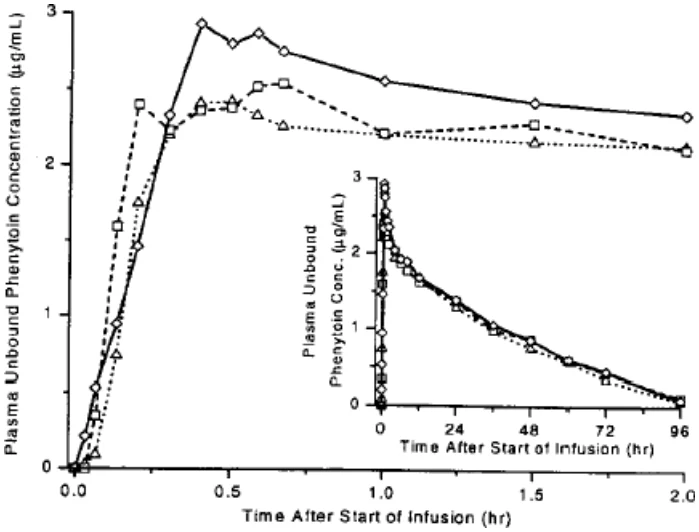
A dose of 15 to 20 mg PE/kg of CEREBYX infused at 100 to 150 mg PE/min yields plasma free phenytoin concentrations over time that approximate those achieved when an equivalent dose of phenytoin sodium (e.g., parenteral phenytoin sodium) is administered at 50 mg/min (See 4 DOSAGE AND ADMINISTRATION and 7 WARNINGS AND PRECAUTIONS).
Following administration of single IV CEREBYX doses of 400 to 1200 mg PE, mean maximum total phenytoin concentrations increase in proportion to dose, but do not change appreciably with changes in infusion rate. In contrast, mean maximum unbound phenytoin concentrations increase with both dose and rate.
Figure 1: Mean plasma unbound phenytoin concentrations following IV administration of 1200 mg PE of CEREBYX infused at 100 mg PE/min (triangles) or 150 mg PE/min (squares) and 1200 mg parenteral phenytoin infused at 50 mg/min (diamonds) to healthy subjects (N = 12). Inset shows time course for the entire 96-hour sampling period.
Absorption/Bioavailability:
Fosphenytoin is completely converted to phenytoin following IV administration, with a half-life of approximately 15 minutes. Fosphenytoin is also completely converted to phenytoin following IM administration and plasma total phenytoin concentrations peak in approximately 3 hours.
Distribution:
Phenytoin has an apparent volume of distribution of 0.6L/kg and is highly bound (90%) to plasma proteins, primarily albumin. Free phenytoin levels may be altered in patients whose protein binding characteristics differ from normal. In the absence of fosphenytoin, approximately 12% of total plasma phenytoin is unbound over the clinically relevant concentration range. However, fosphenytoin displaces phenytoin from plasma protein binding sites. This increases the fraction of phenytoin unbound (up to 30% unbound) during the period required for conversion of fosphenytoin to phenytoin (approximately 0.5 to 1 hour postinfusion). Following administration of single IV fosphenytoin doses of 400 to 1200 mg PE, total and unbound phenytoin AUC values increase disproportionately with dose. Mean total phenytoin half-life values (12.0 to 28.9 hr) following fosphenytoin administration at these doses are similar to those after equal doses of parenteral phenytoin and tend to be greater at higher plasma phenytoin concentrations. The concentration of phenytoin in cerebrospinal fluid, brain, and saliva approximates the level of free phenytoin in plasma.
Metabolism and Elimination:
Phenytoin is biotransformed in the liver by oxidative metabolism. The major pathway involves 4-hydroxylation, which accounts for 80% of all metabolites. CYP2C9 plays the major role in the metabolism of phenytoin (90% of net intrinsic clearance), while CYP2C19 has a minor involvement in this process (10% of net intrinsic clearance). This relative contribution of CYP2C19 to phenytoin metabolism may however increase at higher phenytoin concentrations.
Because the cytochrome systems involved in phenytoin hydroxylation in the liver are saturable at high serum concentrations, small incremental doses of phenytoin may increase the half-life and produce very substantial increases in serum levels when these are in or above the upper therapeutic range. The clearance of phenytoin has been shown to be impaired by CYP2C9 inhibitors such as phenylbutazone and sulphaphenazole. Impaired clearance has also been shown to occur in patients administered CYP2C19 inhibitors such as ticlopidine.
Most of the drug is excreted in the bile as inactive metabolites which are then reabsorbed from the intestival tract and eliminated in the urine partly through glomerular filtration but, more importantly via tubular secretion. Less than 5% of the dose is excreted as unchanged phenytoin.
Special Populations and Conditions
- Patients with Renal or Hepatic Disease: Due to an increased fraction of unbound phenytoin in patients with renal or hepatic disease, or in those with hypoalbuminemia, the interpretation of total phenytoin plasma concentrations should be made with caution (see 4 DOSAGE AND ADMINISTRATION). Unbound phenytoin concentrations may be more useful in these patient populations. After IV administration of fosphenytoin to patients with renal and/or hepatic disease, or in those with hypoalbuminemia, fosphenytoin clearance to phenytoin may be increased without a similar increase in phenytoin clearance. This has the potential to increase the frequency and severity of adverse events (see 7 WARNINGS AND PRECAUTIONS).
- Age: The effect of age was evaluated in patients 5 to 98 years of age, however, no systematic studies in geriatric patients have been conducted. Patient age had no significant impact on fosphenytoin pharmacokinetics. Phenytoin clearance tends to decrease with increasing age (20% less in patients over 70 years of age relative to that in patients 20-30 years of age). Phenytoin dosing requirements vary between patients and must be individualized (see 4 DOSAGE AND ADMINISTRATION).
- Gender and Race: Gender and race have no significant impact on fosphenytoin or phenytoin pharmacokinetics.
11 STORAGE, STABILITY AND DISPOSAL
Store under refrigeration at 2° to 8°C. The product should not be stored at room temperature for more than 48 hours. Vials that develop particulate matter should be discarded.
PART II: SCIENTIFIC INFORMATION
13 PHARMACEUTICAL INFORMATION
Drug Substance
Proper name: Fosphenytoin Sodium, Heptahydrate
Chemical name: 5,5-diphenyl-3-[(phosphonooxy)methyl]-2-4-imidazolidinedione disodium heptahydrate salt
Molecular formula and molecular mass: C16H13N2O6PNa2•7H2O, 532.35
Structural formula:
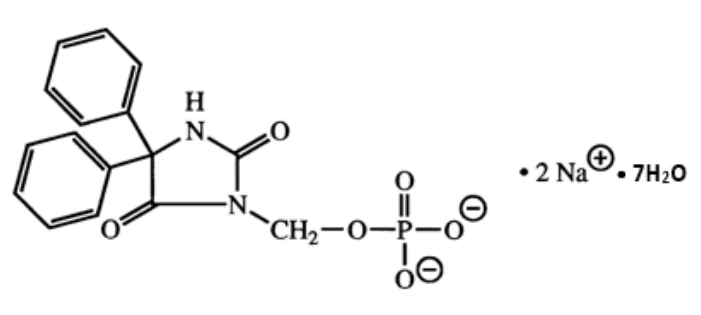
Physicochemical properties: pKa = 6.2
14 CLINICAL TRIALS
14.1 Clinical Trials by Indication
Infusion tolerance
Infusion tolerance was evaluated in clinical studies. One double-blind study assessed infusion- site tolerance of equivalent loading doses (15-20 mg PE/kg) of CEREBYX infused at 150 mg PE/min or phenytoin infused at 50 mg/min. The study demonstrated better local tolerance (pain and burning at the infusion site), fewer disruptions of the infusion, and a shorter infusion period for CEREBYX-treated patients (Error! Reference source not found.).
Table 8: Infusion Tolerance of Equivalent Loading Doses of IV CEREBYX and IV Phenytoin
| IV CEREBYX N = 90 | IV Phenytoin N = 22 | |
|---|---|---|
| Local Intolerance | 9%a | 90% |
| Infusion Disrupted | 21% | 67% |
| Average Infusion Time | 13 min | 44 min |
a Percent of patients.
CEREBYX-treated patients, however, experienced more systemic sensory disturbances (see 7 WARNINGS AND PRECAUTIONS, Sensory Disturbances). Infusion disruptions in CEREBYX-treated patients were primarily due to systemic burning; pruritus, and/or paraesthesia while those in phenytoin- treated patients were primarily due to pain and burning at the infusion site (see Table 8).
Intramuscular tolerance
In a double-blind study investigating temporary substitution of CEREBYX for oral phenytoin, IM CEREBYX was as well-tolerated as IM placebo. IM CEREBYX resulted in a slight increase in transient, mild to moderate local itching (23% of patients versus 11% of IM placebo-treated patients at any time during the study). This study also demonstrated that equimolar doses of IM CEREBYX may be substituted for oral phenytoin sodium with no dosage adjustments needed when initiating IM or returning to oral therapy. In contrast, switching between IM and oral phenytoin requires dosage adjustments because of slow and erratic phenytoin absorption from muscle.
15 MICROBIOLOGY
No microbiological information is required for this drug product.
16 NON-CLINICAL TOXICOLOGY
The results of animal toxicology studies (acute, multiple-dose, reproductive, and genetic toxicity) are summarized in Tables 9-15.
The toxicologic profile of the prodrug fosphenytoin is similar to that of phenytoin. Generally, CNS effects were seen at equimolar doses with both compounds.
Effects on serum hepatic enzymes and liver weights observed in multidose studies in rats and dogs with fosphenytoin are known effects of phenytoin in animals and are consistent with microsomal enzyme induction. Microscopic changes in the liver were attributed to increased cellular glycogen content and secondary to phenytoin-induced hyperglycemia which occurs after fosphenytoin administration.
Malformations seen in rats given fosphenytoin are consistent with those seen in rats given phenytoin.
The clastogenic effects of fosphenytoin in vitro are not linked to mutagenic activity as both the bacterial and mammalian cell mutagenicity assays were negative. Because the clastogenic activity of fosphenytoin was restricted to an in vitro assay at concentrations considerably higher than maximum therapeutic plasma concentrations of 20 µg/mL and clastogenic activity was not detected in vivo at doses which substantially exceed the maximum therapeutic dose, the in vitro clastogenic activity of fosphenytoin was not considered biologically relevant.
Local irritation following IV or IM administration was less severe with fosphenytoin than with phenytoin.
Table 9: Fosphenytoin Single-Dose Toxicity Studies in Rodents
| (Page 1 of 2) | ||||
|---|---|---|---|---|
| Species (Strain) Sex/Group, Total Age | Route (Dose Volume) Observation Period | Dose (mg/kg) | Results (mg/kg) | |
| Fosphenytoina | Phenytoinb | |||
Mouse (CD-1) 5M + 5F, 120 6 Weeks | IV Infusionc (20 mL/kg)d 14 Days | SAL VCe 33.3 63.3 120 230 433 | 33 63 120 233 440 | Fosphenytoina NOED = 33.3 MNLD = 63.3 MLD = 156 Phenytoin NOED = ND MNLD = 63 MLD = 192 |
Rat (SD) 5M + 5F, 150 7 Weeks | IV Bolus (10 mL/kg)f 14 Days | SAL VCg 50 73.3 106.7 153 233 333 | VC 45 65 95 145 210 300 | Fosphenytoina NOED = 50 MNLD = 153 MLD = 213 Phenytoin NOED = ND MNLD = 45 MLD = 90.4 |
Rat (SD) 5M + 5F, 130 7 Weeks | IV Infusionc (10 mL/kg)f 14 Days | SAL 50g 73.3 107 153 233 333 | 45 65 95 145 210 300 | Fosphenytoina NOED = ND MNLD = 153 MLD = 242 Phenytoin NOED = ND MNLD = 210 MLD = 275h |
Rat (SD) 5M + 5F, 120 4 Weeks | IV Infusionc (10 mL/kg)i 14 Days | SAL VCe 33.3 63.3 120 230 433 | 33 63 120 233 440 | Fosphenytoina NOED = 33.3 MNLD = 120 MLD = 258 Phenytoin NOED = 33 MNLD = 120 MLD = 297 |
IV = Intravenous; SAL = Saline (0.9% NaCl) control; VC = Vehicle control; NOED = No observed effect dose; MNLD = Maximum nonlethal dose; MLD = Combined-sex median lethal dose; SD = Sprague-Dawley.
a Dose expressed as milligram/kilogram phenytoin equivalents. Approximate fosphenytoin dose can be derived by multiplying the phenytoin equivalent dose by 1.5.
b Phenytoin Sodium Injection USP; vehicle = 40% propylene glycol and 10% alcohol, pH adjusted to 12.
cDuration of infusion = 30 minutes.
d Fosphenytoin dosing solution concentrations ranged from 2.50 to 32.5 mg/mL. Phenytoin dosing solution concentrations ranged from 1.65 to 22.0 mg/mL.
e Vehicle = l-arginine HCl, pH adjusted to 8.8.
fFosphenytoin dosing solution concentrations ranged from 7.5 to 50 mg/mL. Phenytoin dosing solution concentrations ranged from 4.50 to 30.0 mg/mL.
g Vehicle = Tris buffer, pH adjusted to 8.8.
h Estimated; value could not be calculated using Moving Average Interpretation or Probit Analyses Method iFosphenytoin dosing solution concentrations ranged from 5.0 to 65 mg/mL. Phenytoin dosing solution concentrations ranged from 3.3 to 44 mg/mL.
Table 10: Fosphenytoin Single-Dose Toxicity Studies in Rodents
| (Page 2 of 2) | ||||
|---|---|---|---|---|
| Species (Strain) Sex/Group, Total Age | Route (Dose Volume) Observation Period | Dose (mg/kg) | Results (mg/kg) | |
| Fosphenytoina | Phenytoinb | |||
Rat (SD) 3M + 3F, 72 7 weeks | IM (5 mL/kg)j,k 14 Days | SAL 33.3g 77 167 247l 333l | 34 169 250 337l | Fosphenytoina NOED = 33.3 MNLD = 167 MLD = 278 Phenytoin NOED = 34 MNLD = 337 MLD = >337 |
Rat (SD) 5M + 5F, 160 6 Weeks | IP (10 mL/kg)m 14 Days | SAL VCe 33.3 60 100 177 300 500 850 | 33 60 102 178 305 500 860 | Fosphenytoina NOED = 60 MNLD = 177 MLD = 352 Phenytoin NOED = 60 MNLD = 178 MLD = 339 |
Rat (SD) 5M + 5F, 140 7 Days | IP (20 mL/kg)n 14 Days | SAL VCe 33.3 60 100 177 300 500 | 33 60 102 178 305 500 | Fosphenytoina NOED = 100 MNLD = 100 MLD = 181 Phenytoin NOED = 102 MNLD = 102 MLD = 224 |
SD = Sprague-Dawley; IM = Intramuscular; SAL = Saline (0.9% NaCl) control; NOED = No observed effect dose; MNLD = Maximum nonlethal dose; MLD = Combined-sex median lethal dose; IP = Intraperitoneal; VC = Vehicle control.
a Dose expressed as milligram/kilogram phenytoin equivalents. Approximate fosphenytoin dose can be derived by multiplying the phenytoin equivalent dose by 1.5.
b Phenytoin Sodium Injection USP; vehicle = 40% propylene glycol and 10% alcohol, pH adjusted to 12.
c Duration of infusion = 30 minutes.
e Vehicle = l-arginine HCl, pH adjusted to 8.8.
g Vehicle = Tris buffer, pH adjusted to 8.8.
j Dose volume for 337 mg/kg phenytoin group was 6.74 mL/kg.
k Fosphenytoin dosing solution concentrations ranged from 10 to 100 mg/mL. Phenytoin dosing solution concentrations ranged from 6.8 to 50 mg/mL.
l N = 5 rats/sex.
m Fosphenytoin dosing solution concentrations ranged from 5.0 to 75 mg/mL. Phenytoin dosing solution concentrations ranged from 3.3 to 50 mg/mL.
n Fosphenytoin dosing solution concentrations ranged from 2.50 to 37.5 mg/mL. Phenytoin dosing solution concentrations ranged from 1.65 to 25.0 mg/mL.
Table 11: Fosphenytoin Escalating-Dose Toxicity Studies in Nonrodents
| Species (Strain) Sex/Group, Total Age | Route (Dose Volume) | Day | Dose (mg/kg) | Results (mg/kg) | |||||||
|---|---|---|---|---|---|---|---|---|---|---|---|
| Fosphenytoina | Phenytoinb | ||||||||||
Rabbit (NZW) 6M + 6F, 24 NA | IV Infusionc (10 mL/kg)e | 1 3 6 9 13 15f | 6.7d 13.3 20 26.7 40 53.3 | 6.8 13.5 20.2 27 40.5 54 | Fosphenytoina NOED = 40 MTD = 40 No Deaths Phenytoin NOED = 27 MTD = 40.5 No Deaths | ||||||
Dog (beagle) 2M + 2F, 8 10 months | IV Bolus (2 mL/kg)h | 1 3 5 8f | 6.7g 13.3 26.7 40 | 6 12 24 36 | Fosphenytoina NOED = 13.3 MTD = 26.7 No Deaths Phenytoin NOED = 6 MTD = 24 No Deaths | ||||||
Dog (beagle) 2M + 2F, 8 10 months | IV Infusionc (2 mL/kg)h | 1 3 5 8f | 6.7g 13.3 26.7 40 | 6 12 24 36 | Fosphenytoina NOED = 13.3 MTD = 26.7 No Deaths Phenytoin NOED = 12 MTD = 24 No Deaths | ||||||
Dog (beagle) 3M + 3F, 12 10 months | IM (0.13-1.00 mL/kg)i | 1 3 7 9f | 6.7g 16.7 33.3 50 | 6.7 16.9 33.7 50 | Fosphenytoina NOED = 33.3 MTD = 33.3 No Deaths Phenytoin NOED = 6.7 MTD = >50 No Deaths | ||||||
NZW = New Zealand White; IV = Intravenous; NOED = No observed effect dose; NA = Not available; MTD = Maximum tolerated dose; IM = Intramuscular.
a Dose expressed as milligram/kilogram phenytoin equivalents. Approximate fosphenytoin dose can be derived by multiplying the phenytoin equivalent dose by 1.5.
b Phenytoin Sodium Injection USP; vehicle = 40% propylene glycol and 10% alcohol, pH adjusted to 12.
c Duration of infusion = 30 minutes.
d Vehicle = l-arginine HCl, pH adjusted to 8.8.
e Fosphenytoin dosing solution concentrations ranged from 1.0 to 8.0 mg/mL. Phenytoin dosing solution concentrations ranged from 0.68 to 5.40 mg/mL.
f Animals observed for 14 days after last dose.
g Vehicle = Tris buffer, pH adjusted to 8.8.
h Fosphenytoin dosing solution concentrations ranged from 5.0 to 30 mg/mL. Phenytoin dosing solution concentrations ranged from 3.0 to 18 mg/mL.
I Fosphenytoin dosing solution concentration = 75 mg/mL. Phenytoin dosing solution concentration = 50 mg/mL.
Table 12: Fosphenytoin Multidose Toxicity Studies in Rats
Species (Strain) Sex/Group, Total Age | Route (Dose Volume) Duration | Daily Dosea (mg/kg) | Results |
|---|---|---|---|
Rat (SD) 5M + 5F, 60 6-7 Weeks | IV Bolus (10 mL/kg)c 7 Days | VCb 20 40 66.7 107 160 | Deaths at 107 and 160 mg/kg. Dose-related lethargy, ataxia, and head tremors at ≥66.7 mg/kg. Decreased body weight gain and food consumption, glucosuria, and increased ALT, ALP, and BUN at 107 and 160 mg/kg. No pathologic findings. |
Rat (SD) 10M + 10F, 100 8 Weeks | IV Bolus (10 mL/kg)d 2 Weeks | SAL VCb 13.3 33.3 100 | Death, hypoactivity, dyspnea, dilated pupils, prostration, ataxia, hypothermia, decreased body weight gain in males, transient decreases in food consumption, increased urine volumes, and glucosuria in both sexes at 100 mg/kg. No pathologic findings. |
Rat (Wistar) 15M + 15F, 144e 6-7 Weeks | IV Bolus (2 mL/kg)f 4 Weeksg | VCb 20 40 100 | No deaths. Ataxia, hypoactivity, and salivation at 40 and 100 mg/kg. Decreased body weight gain and food consumption in males at 100 mg/kg. Reversible increases in ALT and ALP at 100 mg/kg. Increased liver: body weight in males at 100 mg/kg and females at all doses; reversible at 20 and 40 mg/kg. Reversible dose-related injection-site irritation at ≥20 mg/kg and vacuolation of hepatocytes at 100 mg/kg. |
Species (Strain) Sex/Group, Total Age | Route (Dose Volume) Duration | Daily Dosea (mg/kg) | Results |
|---|---|---|---|
Rat (SD) 5M + 5F, 90e 7-9 Weeks | IM (0.7-3.3 mL/kg)h 2 Weeks | SAL 33.3 66.7 100 133 167 | Deaths at 133 and 167 mg/kg. Dose-related lethargy, prostration, ataxia, and/or tremors at ≥66.7 mg/kg. Decreased body weight gain, transient decreases in food consumption, and increased urine volumes in males at ≥100 mg/kg. Injection- related gross pathologic changes in muscle in 1 animal each at 100 and 167 mg/kg. |
Rat (SD) 10M + 10F, 150i 7 Weeks | IM (0.4-2.0 mL/kg)h 13 Weeks | SAL PHTj 20 40 100 | Increased liver weights in females at all doses. Deaths, dilated pupils, hypoactivity, excessive salivation, decreased body weight, increased AST, ALT, and ALP, hyperglycemia, glucosuria, and intracytoplasmic hepatocellular vacuolation with fosphenytoin at 100 mg/kg. Similar findings were noted with phenytoin. Local irritation with both compounds. |
SD = Sprague-Dawley; IV = Intravenous; VC = Vehicle control; ALT = Alanine aminotransferase; ALP = Alkaline phosphatase; BUN = Blood urea nitrogen; SAL = Saline (0.9% NaCl) control; IM = Intramuscular; PHT = Phenytoin; AST = Aspartate aminotransferase;
a Dose expressed as milligram/kilogram phenytoin equivalents. Approximate fosphenytoin dose can be derived by multiplying the phenytoin equivalent dose by 1.5.
b Vehicle = Tris buffer, pH adjusted to 8.8.
c Fosphenytoin dosing solution concentrations ranged from 3.0 to 24 mg/mL.
d Fosphenytoin dosing solution concentrations ranged from 2.0 to 15 mg/mL.
e Three additional animals per sex included in control and/or drug-treated groups and utilized only for determination of drug concentrations.
fFosphenytoin dosing solution concentrations ranged from 15 to 75 mg/mL.
g Five animals per sex per group were euthanized after a 4-week withdrawal period (Week 8).
h Fosphenytoin dosing solution concentration = 75 mg/mL.
I Five additional animals per sex per group utilized only for determination of drug concentrations.
j Phenytoin Sodium Injection USP, administered at 100 mg/kg, dosing solution concentration = 50 mg/mL; group terminated at Week 9.
Table 13: Fosphenytoin Multidose Toxicity Studies in Dogs
| Species (Strain) Sex/Group, Total Age | Route (Dose Volume) Duration | Daily Dosea (mg/kg) | Results |
|---|---|---|---|
Dog (beagle) 2M + 2F, 24 11-12 months | IV Bolus (2.0 mL/kg)c 7 Days | VCb 6.7 13.3 20 26.7 33.3 | No deaths. Dose-related incidence of diarrhea, salivation, and emesis at ≥13.3 mg/kg. In addition, ataxia at 26.7 and 33.3 mg/kg. No significant changes in clinical laboratory parameters. No pathologic findings. |
| Species (Strain) Sex/Group, Total Age | Route (Dose Volume) Duration | Daily Dosea (mg/kg) | Results |
|---|---|---|---|
Dog (beagle) 4M + 4F, 40 7-8 months | IV Bolus (2.0 mL/kg)d 2 Weeks | SAL VCb 10 20 33.3 | No deaths. Hypoactivity, emesis, excessive salivation, and ataxia at 20 and 33.3 mg/kg. In addition, tremors at 33.3 mg/kg. No significant changes in clinical laboratory parameters. No pathologic findings. |
Dog (beagle) 4M + 4F, 24 10-12 months | IV Bolus (0.67 mL/kg)e 4 Weeksf | VCb 10 20 33.3 | No deaths. Dose-related incidence of emesis at ≥10 mg/kg and transient salivation, ataxia, and erythema of gums at ≥20 mg/kg. Tremors and hypoactivity at 33.3 mg/kg. Increased ALP at 33.3 mg/kg at Weeks 4 and 8. Increased salivary gland weights in both sexes at 33.3 mg/kg and females at 20 mg/kg at Week 4. Increased liver: body weight in males at 20 and 33.3 mg/kg; reversible at 20 mg/kg. Hypertrophy of salivary glands in males at 33.3 mg/kg at Weeks 4 and 8. |
Dog (beagle) 2M + 2F, 24 9-10 months | IM (0.2-1.0 mL/kg)g 2 Weeks | SAL 10 20 33.3 40 50 | No deaths. Dose-related incidence of emesis and ataxia at ≥33.3. Sporadic convulsions, diarrhea, and/or tonic stance at 40 and 50 mg/kg. In addition, prostration and excessive salivation at 50 mg/kg. No significant changes in clinical laboratory parameters. No pathologic findings. |
Dog (beagle) 4M + 4F, 40 7-9 months | IM (0.2-0.8 mL/kg)g 13 Weeks | SAL PHTh 10 20 40 | No deaths. Emesis and excessive salivation at all doses. In addition, ataxia, hypoactivity, diarrhea, increased ALP, increased liver weights, and intracytoplasmic hepatocellular vacuolation with fosphenytoin at 40 mg/kg. Similar findings were noted with phenytoin. Local irritation with fosphenytoin at 20 and 40 mg/kg and with phenytoin. |
IV = Intravenous; VC = Vehicle control; SAL = Saline (0.9% NaCl) control; ALP = Alkaline phosphatase; IM = Intramuscular; PHT = Phenytoin;
a Dose expressed as milligram/kilogram phenytoin equivalents. Approximate fosphenytoin dose can be derived by multiplying the phenytoin equivalent dose by 1.5.
b Vehicle Control = Tris buffer, pH adjusted to 8.8.
c Fosphenytoin dosing solution concentrations ranged from 5.0 to 25 mg/mL.
d Fosphenytoin dosing solution concentrations ranged from 7.5 to 25 mg/mL.
e Fosphenytoin dosing solution concentrations ranged from 22.4 to 75.0 mg/mL.
f One animal per sex per group was euthanized after a 4-week withdrawal period (Week 8).
g Fosphenytoin dosing solution concentration = 75 mg/mL.
h Phenytoin Sodium Injection USP, administered at 40 mg/kg, dosing solution concentration = 50 mg/mL.
Table 14: Fosphenytoin Special Toxicity Studies
| (Page 1 of 2) | ||
|---|---|---|
| Species (Strain) Sex/Group, Total | Study Designa | Results |
| Venous and Perivascular Irritationb | ||
| (Page 1 of 2) | ||
|---|---|---|
| Species (Strain) Sex/Group, Total | Study Designa | Results |
| Rabbits (NZW) 6 Males, 66 | Dosing: Single 30-min IV infusion or SC injection FOS (mg/mL):VCc, 10, 25, 50, 75 PHTd (mg/mL):VC, 6.7, 16.9, 33.7, 50 Observation: 24 hours Parameters: Gross and microscopic examinations | No significant differences in perivascular or venous irritation between fosphenytoin and saline controls. Significant venous and perivascular irritation and high incidence of thrombus formation with phenytoin. |
| Intramuscular Irritationb | ||
| Rabbits (NZW) 12 Males, 12 | Dosing: Single IM injection FOS (mg/mL):VCe, 25, 50, 75, 100 PHTd (mg/mL):VC, 50 Observation: 24 hours Parameters: Gross and microscopic examinations | Fosphenytoin less irritating than saline or phenytoin. Trace to mild hemorrhage, acute inflammation and necrosis with saline, phenytoin vehicle, and phenytoin. |
| Rabbits (NZW) 4 Males, 28 | Dosing: 5 daily IM injections FOS (mg/mL):VCe, 50, 75, 100 PHTd (mg/mL):VC, 50 Observation: 5 days Parameters: Serum CPK, gross and microscopic examinations | Hemorrhage in all control and treatment groups. Necrosis with phenytoin; less severe with fosphenytoin at 75 and 100 mg/mL. Increased CPK with phenytoin vehicle, phenytoin, and fosphenytoin. |
| Glucosuriaf | ||
Rats (SD) 10 Males, 30 | Dosing: Single 30-min IV infusion FOSe (mg/kg): 100 PHTd (mg/kg): 100 Dose Volume: 10 mL/kgg Observation: 48 hours Parameters: Clinical signs, serum and urine glucose concentrations | Similar increases in serum and urinary glucose concentrations with fosphenytoin and phenytoin. |
NZW = New Zealand White; IV = Intravenous; SC = Subcutaneous; FOS = Fosphenytoin; VC = Vehicle control; PHT = Phenytoin; IM = Intramuscular; CPK = Creatine phosphokinase; SD = Sprague-Dawley;
a All in vivo studies included saline (0.9% NaCl) control group.
b Concentrations based on the weight of the sodium salt of fosphenytoin or phenytoin.
c Vehicle = l-arginine HCl, pH adjusted to 8.8.
d Phenytoin Sodium Injection USP, Vehicle = 40% propylene glycol and 10% alcohol, pH adjusted to 12.
e Vehicle = Tris buffer, pH adjusted to 8.8.
f Dose expressed as milligram/kilogram phenytoin equivalents. Approximate fosphenytoin dose can be derived by multiplying the phenytoin equivalent dose by 1.5.
g Fosphenytoin dosing solution concentration = 15 mg/mL. Phenytoin dosing solution concentration = 10 mg/mL.
Table 15: Fosphenytoin Special Toxicity Studies
| (Page 2 of 2) | ||
|---|---|---|
| Species (Strain) Sex/Group, Total | Study Designa | Results |
| CNS Safety Screenf | ||
Mice (CD-1) 6 Males, 90 | Dosing: Single IP injection FOS (mg/kg): VCe, 33.3, 66.7, 133, 333, 667 PHTd (mg/kg): VCh, 33, 69, 134, 337, 675 Dose Volume: 20 mL/kgi Observation: Approximately 4 hours Parameters: Clinical signs and behavioral changes | Deaths at 333 and 667 mg/kg fosphenytoin, and 337 and 675 mg/kg phenytoin. Similar incidence and severity of CNS effects observed with fosphenytoin and phenytoin. |
| Cardiovascular Safety Screenf | ||
Dogs (beagle) 4 Females, 20 | Dosing: Single IV injection FOS (mg/kg): VCe, 18 PHTd (mg/kg): VC, 18 Dose Volume: 1 mL/kgj Observation: 60 minutes Parameters: Cardiovascular, blood drug concentrations | No deaths. Gradual decrease in hr, LVdP/dt, and MABP with fosphenytoin and immediate decreases in these parameters with phenytoin. Significant increase in LVEDP with phenytoin. Maximum plasma phenytoin concentrations were 22.1 µg/mL 5 minutes postdose and 49.4 µg/mL 30 seconds postdose following administration of fosphenytoin and phenytoin, respectively. |
| Human Blood Compatibilityb | ||
| In vitro | Concentrations: FOS (mg/mL): 0.15 to 75 PHTd (mg/mL): 0.10 to 50 Parameters: Hemolysis, plasma protein flocculation | No hemolysis or plasma protein flocculation with fosphenytoin. Hemolysis at 5.0 to 50 mg/mL and mild plasma protein flocculation with phenytoin at 20 mg/mL. |
CNS = central nervous system; IP = intraperitoneal; FOS = fosphenytoin; VC = vehicle control; PHT = phenytoin;
IV = intravenous; hr = heart rate; LVdP/dt = left ventricular contractility; MABP = mean arterial blood pressure; LVEDP = left ventricular end diastolic pressure;
a All in vivo studies included saline (0.9% NaCl) control group
b Concentrations based on the weight of the sodium salt of fosphenytoin or phenytoin.
d Phenytoin Sodium Injection USP, Vehicle = 40% propylene glycol and 10% alcohol, pH adjusted to 12.
e Vehicle = Tris buffer, pH adjusted to 8.8.
fDose expressed as milligram/kilogram phenytoin equivalents. Approximate fosphenytoin dose can be derived by multiplying the phenytoin equivalent dose by 1.5.
h Vehicle was tested in 3 groups of animals at 100% or diluted to 66% or 32% with saline (0.9% NaCl).
iFosphenytoin dosing solution concentrations ranged from 2.5 to 50 mg/mL. Phenytoin dosing solution concentrations ranged from 1.65 to 33.75 mg/mL.
jFosphenytoin dosing solution concentration = 27 mg/mL. Phenytoin dosing solution concentration = 18 mg/mL
Table 14: Fosphenytoin Reproductive Toxicity Studies
| (Page 1 of 2) | ||||
|---|---|---|---|---|
Species (Strain) Sex/Group, Total Age | Route (Vehicle) [Dose Volume] | Daily Dosea (mg/kg) | Treatment Regimen | Results |
| FERTILITY AND GENERAL REPRODUCTION | ||||
| Male | ||||
Rat (SD) 40, 200 12-13 Weeks | IM (Tris Buffer) [2 mL/kg] | UC VC 16.7 50 100 | 75 days prior to and through mating | Paternal toxicity at 50 and 100 mg/kg. No effects on fertility or reproduction. |
| Female | ||||
Rat (SD) 40, 200 15 Weeks | IM (Tris Buffer) [2 mL/kg] | UC VC 16.7 50 100 | 15 Days Prior to Mating through Lactation Day 21 | Maternal and reproductive toxicity at 50 and 100 mg/kg. Developmental toxicity at all doses including teratogenicity at 16.7 and 100 mg/kg. |
| TERATOLOGY | ||||
| Exploratory | ||||
Rat (SD) 3F, 9 NA | IV Bolus (Tris Buffer) [2,3,10 mL/kg] | 100 | 10 days | All animals euthanized moribund by Day 4. No trauma at injection site. |
| Dose Range-Finding | ||||
Rat (SD) 5F, 35 20 Weeks | IV Bolus (Tris Buffer) [2 mL/kg] | VC 6.7 16.7 33.3 50 66.7 | Gestation Days 7 through 17 | Maternal toxicity at 16.7, 33.3, and 66.7 mg/kg. Developmental toxicity at 50 and 66.7 mg/kg. No adverse effects at 6.7 mg/kg. MTD = 66.7 mg/kg. |
| Definitive | ||||
Rat (SD) 40F, 200 12-13 Weeks | IV Bolus (Tris Buffer) [2 mL/kg] | UC VC 6.7 33.3 66.7 | Gestation Days 7 through 17 | Four deaths, decreased maternal body weight gain and food consumption, decreased birth and male offspring weights at Week 13 at 66.7 mg/kg. No teratogenicity or behavioral toxicity. |
SD = Sprague-Dawley; IM = Intramuscular; UC = Untreated control; VC = Vehicle control; IV = Intravenous; NA = Not available; MTD = Maximum tolerated dose.
a Doses expressed as milligram/kilogram phenytoin equivalents; fosphenytoin dosing solution concentrations ranged from 5 to
75 mg/mL. Approximate fosphenytoin dose can be derived by multiplying the phenytoin equivalent dose by 1.5.
Table 14: Fosphenytoin Reproductive Toxicity Studies
| (Page 2 of 2) | ||||
|---|---|---|---|---|
Species (Strain) Sex/Group, Total Age | Route (Vehicle)[Dose Volume] | Daily Dosea (mg/kg) | Treatment Regimen | Results |
| TERATOLOGY (continued) | ||||
| Exploratory | ||||
Rabbit (NZW) 3F, 6 NA | IV Bolus (Tris Buffer) [1,2 mL/kg] | 33.3 | 13 Days | No clinical signs or effects on body weight or food consumption. No trauma at injection site. |
| Dose Range-Finding | ||||
Rabbit (NZW) 5F, 35 7-8 months | IV Bolus (Tris Buffer) [1-2 mL/kg] | VC 3.3 16.7 33.3 50 66.7 | Gestation Days 6 through 18 | Maternal toxicity at 33.3, 50, and 66.7 mg/kg. Developmental toxicity at 66.7 mg/kg. No adverse effects at 3.3 mg/kg. MTD = 33.3 mg/kg. |
| Definitive | ||||
Rabbit (NZW) 20F, 100 7-8 months | IV Bolus (Tris Buffer) [1 mL/kg] | UC VC 6.7 16.7 33.3 | Gestation Days 6 through 18 | No deaths. Decreased body weight gain and food consumption at 16.7 and 33.3 mg/kg. No maternal reproductive or fetal toxicity, and no teratogenicity. |
| PERINATAL-POSTNATAL TOXICITY | ||||
Rat (SD) 25F, 125 12 Weeks | IV Bolus (Tris Buffer) [2 mL/kg] | UC VC 16.7 33.3 66.7 | Gestation Day 15 through Lactation Day 20 | Maternal and perinatal-postnatal toxicity at 33.3 and 66.7 mg/kg. Subtle behavioral toxicity at 33.3 and 66.7 mg/kg. |
NZW = New Zealand White; IV = Intravenous; NA = Not available; VC = Vehicle control; MTD = Maximum-tolerated dose; UC = Untreated control; SD = Sprague-Dawley.
a Doses expressed as milligram/kilogram phenytoin equivalents; fosphenytoin dosing solution concentrations ranged from 5 to
75 mg/mL. Approximate fosphenytoin dose can be derived by multiplying the phenytoin equivalent dose by 1.5.
Table 15: Fosphenytoin Genetic Toxicity Studies
| Test | Concentration Range or Dose | Results | |||
|---|---|---|---|---|---|
| Mutagenicity | |||||
| Mutagenesis in Salmonella typhimurium | 312.5-5000 µg/platea | Nonmutagenic in the absence or presence of S9. | |||
| Point mutation assay in V79 Chinese hamster lung cells | 500-4000 µg/mLa | No mutation at HGPRT locus in the absence or presence of S9. | |||
| Clastogenicity | |||||
| Structural chromosome aberration assay in V79 chinese hamster lung cells | 500-4000 µg/mLa(-S9) 125-4000 µg/mLa(+S9) | Clastogenic at ≥3000 µg/mL only in the presence of S9. | |||
| Test | Concentration Range or Dose | Results |
|---|---|---|
| Micronucleus assay | 33.3, 66.7, 133 mg/kgb | No increase in micronucleus frequency. |
HGPRT = Hypoxanthine-quanine phosphoribosyltransferase; S9 = Postmitochondrial supernatant from livers of rats induced by Aroclor 1254.
a Concentrations based on the weight of fosphenytoin
b Doses expressed as mg phenytoin equivalents; fosphenytoin dosing solution concentrations ranged from 5 to 20 mg/mL; dose volume = 10 mL/kg.