


Product Monograph - Taro-Phenytoin (Taro Pharmaceuticals, 100 mg)
SUMMARY PRODUCT INFORMATION
Route of Administration | Dosage Form / Strength | Non-Medicinal Ingredients |
| Oral | Extended Capsules 100 mg | Lactitol monohydrate, magnesium stearate, sodium lauryl sulphate, and talc. Capsule Shells: Black iron oxide, erythrosine, gelatin, potassium hydroxide, propylene glycol, quinoline yellow, shellac, and titanium dioxide. |
INDICATIONS AND CLINICAL USE
Taro-Phenytoin (Extended Phenytoin Sodium Capsules) capsules are indicated for the control of generalized tonic-clonic and psychomotor (grand mal and temporal lobe) seizures and prevention and treatment of seizures occurring during or following neurosurgery.
Phenytoin serum level determinations may be necessary for optimal dosage adjustments (see DOSAGE AND ADMINISTRATION and ACTION AND CLINICAL PHARMACOLOGY).
CONTRAINDICATIONS
Patients who are hypersensitive to phenytoin, other hydantoins, or any of the excipients. For a complete listing of ingredients, see DOSAGE FORMS, COMPOSITION AND PACKAGING.
Taro-Phenytoin capsules are contraindicated to patients who are hypersensitive to phenytoin, to other hydantoins or to any of the nonmedicinal ingredients in the formulations (see WARNINGS AND PRECAUTIONS, Hypersensitivity).
Coadministration of Taro-Phenytoin with delavirdine is contraindicated due to potential for loss of virologic response and possible resistance to delavirdine or to the class of non-nucleoside reverse transcriptase inhibitors.
Because of its effect on ventricular automaticity, Taro-Phenytoin capsules is contraindicated in patients who currently suffer from sick sinus syndrome, sinus bradycardia, sinoatrial block, second- and third- degree atrioventricular (A-V) block, QT interval prolongation, Adams-Stokes syndrome, or other heart rhythm disorders (see WARNINGS AND PRECAUTIONS, OVERDOSAGE).
WARNINGS AND PRECAUTIONS
General
Taro-Phenytoin Capsules should not be abruptly discontinued because of the possibility of increased seizure frequency, including status epilepticus. When, in the judgment of the clinician, the need for dosage reduction, discontinuation, or substitution of alternative anticonvulsant medication arises, this should be done gradually. However, in the event of an allergic hypersensitivity reaction, rapid substitution of alternative therapy may be necessary. In this case, alternative therapy should be an anticonvulsant drug which does not belong to the hydantoin chemical class.
Acute alcoholic intake may increase phenytoin serum levels while chronic alcoholic use may decrease serum levels.
Phenytoin is not indicated for seizures due to hypoglycemic or other metabolic causes. Appropriate diagnostic procedures should be performed as indicated.
Phenytoin is not effective for absence (petit mal) seizures. If tonic-clonic (grand mal) and absence (petit mal) seizures are present, combined drug therapy is needed.
A small percentage of individuals who have been treated with phenytoin have been shown to metabolize the drug slowly. Slow metabolism may be due to limited enzyme availability and lack of induction; it appears to be genetically determined.
In patients with renal or hepatic impairment or in those with hypoalbuminemia, there is increased plasma levels of unbound phenytoin. In patients with hyperbilirubinemia, plasma levels of unbound phenytoin may also be elevated. Since unbound phenytoin concentrations may be more useful in these patient populations, it may affect dosing considerations (see DOSAGE AND ADMINSTRATION, Renal or Hepatic Disease).
Skin
Serious Dermatological Reactions
Phenytoin can cause rare, severe cutaneous adverse reactions (SCARs) such as acute generalized exanthematous pustulosis (AGEP), exfoliative dermatitis, Steven-Johnson Syndrome (SJS), toxic epidermal necrolysis (TEN), and drug reaction with eosinophilia and systemic symptoms (DRESS), which can be fatal. Although serious skin reactions may occur without warning, patients should be alert for the occurrence of rash and other symptoms of hypersensitivity syndrome (HSS)/DRESS.
Hypersensitivity Syndrome / Drug Reaction with Eosinophilia and Systemic Symptoms Hypersensitivity Syndrome (HSS) or Drug rash with Eosinophilia and Systemic Symptoms
(DRESS) has been reported in patients taking anticonvulsant drugs, including phenytoin. Some of these events have been fatal or life threatening.
HSS/DRESS typically, although not exclusively, presents with fever, rash, and/or lymphadenopathy, in association with other organ system involvement, such as hepatitis, nephritis, hematological abnormalities, myocarditis, myositis or pneumonitis. Initial symptoms may resemble an acute viral infection. Other common manifestations include arthralgias, jaundice, hepatomegaly, leukocytosis, and eosinophilia. The interval between first drug exposure and symptoms is usually 2-4 weeks but has been reported in individuals receiving anticonvulsants for 3 or more months. If such signs and symptoms occur, the patient should be evaluated immediately. Phenytoin should be discontinued if an alternative aetiology for the signs and symptoms cannot be established.
Patients at higher risk for developing HSS/DRESS include black patients, patients who have experienced HSS/DRESS in the past (with phenytoin or other anticonvulsant drugs), those with a family history of HSS/DRESS, and immune-suppressed patients. The syndrome is more severe in previously sensitized individuals.
Stevens-Johnson Syndrome, Acute Generalized Exanthematous Pustulosis and Toxic Epidermal Necrolysis
Serious and sometimes fatal dermatologic reactions, including Toxic Epidermal Necrolysis (TEN), Acute Generalized Exanthematous Pustulosis (AGEP) and Stevens-Johnson Syndrome (SJS), have been reported with phenytoin. Although serious skin reactions may occur without warning, patients should be alert for the occurrence of rash and other symptoms of DRESS (see WARNINGS AND PREACUTIONS, Skin). In countries with mainly Caucasian populations, these reactions are estimated to occur in 1 to 6 per 10,000 new users, but in some Asian countries (e.g., Taiwan, Malaysia and the Philippines) the risk is estimated to be much higher (see WARNINGS AND PRECAUTIONS, Skin - Asian Ancestry and Allelic Variation in the HLA-B Genotyping).
Literature reports suggest that the combination of phenytoin, cranial irradiation and the gradual reduction of corticosteroids may be associated with the development of erythema multiforme, and/or SJS, and/or TEN. In any of the above instances, caution should be exercised if using structurally similar compounds (e.g., barbiturates, succinimides, oxazolidinediones and other related compounds) in these same patients.
Treatment recommendations for dermatological reactions
Phenytoin should be discontinued at the first sign of a rash, unless the rash is clearly not drug-related. If the rash is exfoliative, purpuric, or bullous or if lupus erythematosus or SJS or TEN is suspected, use of this drug should not be resumed and alternative therapy should be considered (see ADVERSE REACTIONS). If the rash is of a milder type (measles-like or scarlatiniform), therapy may be resumed after the rash has completely disappeared. If the rash recurs upon reinstitution of therapy, further phenytoin medication is contraindicated. The use of other anti-epileptic drugs associated with SJS/TEN should be avoided in patients who have shown severe dermatological reactions during phenytoin treatment. If a rash occurs and SJS or TEN is not suspected, the patient should be evaluated for signs and symptoms of DRESS (see WARNINGS AND PRECAUTIONS, Skin).
Asian Ancestry and Allelic Variation in the HLA-B Genotyping
HLA-B*1502
In studies that included small samples of patients of Asian ancestry a strong association was found between the risk of developing SJS/TEN and the presence of HLA-B*1502, an inherited allelic variant of the HLA-B gene. The HLA-B*1502 allele is found almost exclusively in individuals with ancestry across broad areas of Asia1. Results of these studies suggest that the presence of the HLA-B *1502 allele may be one of the risk factors for phenytoin-associated SJS/TEN in patients with Asian ancestry.
Therefore, physicians should consider HLA-B *1502 genotyping as a screening tool in these patients. Until further information is available, the use of phenytoin and other anti-epileptic drugs associated with SJS/TEN should also be avoided in patients who test positive for the HLA-B*1502 allele.
Important Limitations of HLA-B Genotyping
HLA-B*1502 genotyping as a screening tool has important limitations and must never substitute for appropriate clinical vigilance and patient management. Many HLA-B*1502-positive Asian patients treated with phenytoin will not develop SJS/TEN, and these reactions can still occur infrequently in HLA-B*1502- negative patients of any ethnicity. The role of other possible factors in the development of, and morbidity from, SJS/TEN, such as antiepileptic drug (AED) dose, compliance, concomitant medications, co-morbidities, and the level of dermatologic monitoring have not been studied.
In addition, it should be kept in mind that the majority of phenytoin treated patients who will experience SJS/TEN have this reaction within the first few months of treatment. This information may be taken into consideration when deciding whether to screen genetically at-risk patients currently on phenytoin.
Should signs and symptoms suggest a severe skin reaction such as SJS or TEN, phenytoin should be withdrawn at once.
Angioedema
Angioedema has been reported in patients treated with phenytoin. Phenytoin should be discontinued immediately if symptoms of angioedema, such as facial, perioral, or upper airway swelling occur.
Hepatic/Biliary/Pancreatic
Cases of acute hepatotoxicity, including infrequent cases of acute hepatic failure, have been reported with phenytoin. These incidents have been associated with a hypersensitivity syndrome characterized by fever, skin eruptions, and lymphadenopathy, and usually occur within the first 2
1 The following rates provide a rough estimate of the prevalence of HLA-B*1502 in various populations. Greater than 15% of the population is reported positive in Hong Kong, Thailand, Malaysia, and parts of the Philippines, compared to about 10% in Taiwan and 4% in North China. South Asians, including Indians, appear to have intermediate prevalence of HLA-B*1502, averaging 2 to 4%, but this may be higher in some groups. HLA-B*1502 is present in <1% of the population in Japan and Korea. HLA-B*1502 is largely absent in individuals not of Asian origin (e.g., Caucasians, African-Americans, Hispanics, and Native Americans). The estimated prevalence rates have limitations due to the wide variability in rates that exist within ethnic groups, the difficulties in ascertaining ethnic ancestry and the likelihood of mixed ancestry.
months of treatment. Other common manifestations include arthralgias, rash, jaundice, hepatomegaly, elevated serum transaminase levels, leukocytosis, and eosinophilia. The clinical course of acute phenytoin hepatotoxicity ranges from prompt recovery to fatal outcomes. In these patients with acute hepatotoxicity, phenytoin should be immediately discontinued and not re-administered.
The liver is the chief site of biotransformation of phenytoin. Patients with impaired liver function, elderly patients, or those who are gravely ill may show early signs of toxicity (see OVERDOSAGE).
Toxic hepatitis, liver damage, and hypersensitivity syndrome have been reported and may, in rare cases be fatal (see ADVERSE REACTIONS).
Immune
Hypersensitivity
Phenytoin and other hydantoins are contraindicated in patients who have experienced phenytoin hypersensitivity (see CONTRAINDICATIONS). If there is a history of hypersensitivity reactions to structurally similar drugs, such as carboxamides (e.g., carbamazepine), barbiturates, succinimides, and oxazolidinediones (e.g., trimethadione) in these patients or immediate family members, other alternatives should be considered.
Cardiovascular
Cardiac Effects
Cardiac-related adverse events have been reported in association with therapeutic and supratherapeutic levels of phenytoin in patients with or without history of cardiac disease or comorbidities and with or without other medications present. These reactions occurred in all age groups and included bradycardia, ventricular tachycardia, cardiac arrest, and death. In a number of cases, patients recovered following phenytoin dose reduction or discontinuation. Patients with any underlying cardiac conditions should be evaluated on an individual basis, and potential benefits of phenytoin treatment should be assessed against its potential risks (see CONTRAINDICATIONS, OVERDOSAGE).
Hematologic
Hematopoietic
Hematopoietic complications, some fatal, have occasionally been reported in association with administration of phenytoin. These have included thrombocytopenia, leukopenia, granulocytopenia, agranulocytosis, and pancytopenia with or without bone marrow suppression.
There have been a number of reports suggesting a relationship between phenytoin and the development of lymphadenopathy (local or generalized) including benign lymph node hyperplasia, pseudolymphoma, lymphoma, and Hodgkin's Disease. Although a cause and effect relationship has not been established, the occurrence of lymphadenopathy indicates the need to differentiate such a condition from other types of lymph node pathology. Lymph node involvement may occur with or without symptoms and signs resembling DRESS (see WARNINGS AND PRECAUTIONS, Skin). In all cases of lymphadenopathy, follow-up observation for an extended period is indicated and every effort should be made to achieve seizure control using alternative anticonvulsant drugs.
While macrocytosis and megaloblastic anemia have occurred, these conditions usually respond to folic acid therapy. If folic acid is added to phenytoin therapy, a decrease in seizure control may occur.
Carcinogenesis and Mutagenesis
(See WARNINGS AND PRECAUTIONS, Hematopoietic; WARNINGS AND PRECAUTIONS, Special Populations – Pregnant Women
Endocrine and Metabolism
Porphyria
In view of isolated reports associating phenytoin with exacerbation of porphyria, caution should be exercised in using this medication in patients suffering from this disease.
Hyperglycemia
Hyperglycemia, resulting from the drug's inhibitory effects on insulin release, has been reported. Phenytoin may also raise the serum glucose level in diabetic patients.
Musculoskeletal
Chronic use of phenytoin by patients with epilepsy has been associated with decreased bone mineral density (osteopenia, osteoporosis, osteomalacia) and bone fractures (see ADVERSE REACTIONS, Post-Market Adverse Drug Reactions).
Phenytoin and other anticonvulsants that have been shown to induce the CYP450 enzyme are thought to affect bone mineral metabolism indirectly by increasing the metabolism of Vitamin D3. This may lead to Vitamin D deficiency and heightened risk of osteomalacia, bone fractures, osteoporosis, hypocalcemia, and hypophosphatemia in chronically treated epileptic patients. Consideration should be given to monitoring with bone-related laboratory and radiological tests and initiating treatment plans, as appropriate.
Neurologic
Central Nervous System
Serum levels of phenytoin sustained above the optimal range may produce confusional states referred to as "delirium", "psychosis" or "encephalopathy", or rarely irreversible cerebellar dysfunction and/or cerebellar atrophy. Accordingly, at the first sign of acute toxicity, serum drug level determinations are recommended. Dose reduction of phenytoin therapy is indicated if serum levels are excessive; if symptoms persist, termination of phenytoin therapy is recommended (see ACTION AND CLINICAL PHARMACOLOGY, Pharmacokinetics-Absorption; WARNINGS AND PRECAUTIONS, General).
Driving/Operating Machinery
Patients should be advised not to drive or operate complex machinery or engage in other hazardous activities until they have gained sufficient experience on phenytoin to gauge whether or not it affects their mental and/or motor performance adversely.
Psychiatric
Suicidal ideation and behaviour
Suicidal ideation and behaviour have been reported in patients treated with antiepileptic agents in several indications. An FDA meta-analysis of randomized placebo controlled trials, in which antiepileptic drugs were used for various indications, has shown a small increased risk of suicidal ideation and behaviour in patients treated with these drugs. The mechanism of this risk is not known.
All patients treated with antiepileptic drugs, irrespective of indication, should be monitored for signs of suicidal ideation and behaviour and appropriate treatment should be considered. Patients (and caregivers of patients) should be advised to seek medical advice should signs of suicidal ideation or behaviour emerge.
There were 43,892 patients treated in the placebo controlled clinical trials that were included in the meta-analysis. Approximately 75% of patients in these clinical trials were treated for indications other than epilepsy and, for the majority of non-epilepsy indications the treatment (antiepileptic drug or placebo) was administered as monotherapy. Patients with epilepsy represented approximately 25% of the total number of patients treated in the placebo controlled clinical trials and, for the majority of epilepsy patients, treatment (antiepileptic drug or placebo) was administered as adjunct to other antiepileptic agents (i.e., patients in both treatment arms were being treated with one or more antiepileptic drug). Therefore, the small increased risk of suicidal ideation and behaviour reported from the meta-analysis (0.43% for patients on antiepileptic drugs compared to 0.24% for patients on placebo) is based largely on patients that received monotherapy treatment (antiepileptic drug or placebo) for non-epilepsy indications. The study design does not allow an estimation of the risk of suicidal ideation and behaviour for patients with epilepsy that are taking antiepileptic drugs, due both to this population being the minority in the study, and the drug-placebo comparison in this population being confounded by the presence of adjunct antiepileptic drug treatment in both arms.
Special Populations
Women of child-bearing potential: Anticonvulsant drugs should not be discontinued in patients in whom the drug is administered to prevent major seizures because of the strong possibility of precipitating status epilepticus with attendant hypoxia and threat to life. In individual cases where the severity and frequency of the seizure disorder are such that the removal of medication does not pose a serious threat to the patient, discontinuation of the drug may be considered prior to and during pregnancy although it cannot be said with any confidence that even minor seizures do not pose some hazard to the developing embryo or fetus. The prescribing physician will wish to weigh these considerations in treating and counseling epileptic women of childbearing potential.
Pregnant Women
Risks to mother: An increase in seizure frequency during pregnancy occurs in a high proportion of patients, because of altered phenytoin absorption or metabolism. Periodic measurement of serum phenytoin levels is particularly valuable in the management of a pregnant epileptic patient as a guide to an appropriate adjustment of dosage (see ACTION AND CLINICAL PHARMACOLOGY, Pharmacokinetics- Absorption). However, postpartum restoration of the original dosage will probably be indicated.
Risks to fetus: Phenytoin crosses the placental barrier and may cause fetal harm when administered to a pregnant woman. Prenatal exposure to phenytoin may increase the risks for congenital malformations and other adverse development outcomes.
Increased frequencies of major malformations (such as orofacial clefts and cardiac defects), and abnormalities characteristic of fetal hydantoin syndrome, including dysmorphic skull and facial features, nail and digit hypoplasia, growth abnormalities (including microcephaly), and cognitive deficits, have been reported among children born to women with epilepsy who took phenytoin alone or in combination with other antiepileptic drugs during pregnancy.
Risk to newborn:
A potentially life-threatening bleeding disorder related to decreased levels of vitamin K- dependent clotting factors may occur in newborns exposed to phenytoin in utero. This drug- induced condition can be prevented with vitamin K administration to the mother before delivery and to the neonate after birth.
There have been several reported cases of malignancies, including neuroblastoma, in children whose mothers received phenytoin during pregnancy.
Therefore, Taro-Phenytoin should be used during pregnancy only if the potential benefit outweighs the potential risks. If this drug is used during pregnancy, or if the patient becomes pregnant while taking the drug, the patient should be apprised of the potential harm to the fetus from exposure to phenytoin.
Counsel pregnant women and women of childbearing potential about alternative therapeutic options. Women of childbearing potential who are not planning a pregnancy should be advised regarding the use of effective contraception during treatment. Phenytoin may result in a failure of the therapeutic effect of hormonal contraceptives (see DRUG INTERACTIONS, Drug-Drug Interactions, Table 4).
Nursing Women: Infant breast feeding is not recommended for women taking phenytoin. Phenytoin is secreted into human milk. Limited observations in patients suggest that phenytoin concentration in breast milk is approximately one-third of the corresponding maternal plasma concentration.
Geriatrics (> 65 years of age): Phenytoin clearance is decreased slightly in elderly patients (see DOSAGE AND ADMINISTRATION, Geriatrics).
Lactitol Monohydrate: Taro-Phenytoin capsules contain lactitol monohydrate. Patients with rare hereditary problems of galactose intolerance or glucose-galactose malabsorption should not take Taro-Phenytoin capsules.
Monitoring and Laboratory Tests
Phenytoin serum level determinations may be necessary to achieve optimal dosage adjustments.
Information for Patients and Caregivers
Patients and caregivers should be advised to read the Consumer Information sheet for Taro-Phenytoin prior to use. Patients receiving Taro-Phenytoin, and caregivers, should be given the following instructions by the physician and pharmacist:
- 1. Patients taking phenytoin should be advised of the importance of adhering strictly to the prescribed dosage regimen, and of informing their physician of any clinical condition in which it is not possible to take the drug orally as prescribed, eg, surgery, etc.
- 2. Patients should be advised of the early toxic signs and symptoms of potential hematologic, dermatologic, hypersensitivity, or hepatic reactions. These symptoms may include, but are not limited to, fever, sore throat, rash, ulcers in the mouth, easy bruising, lymphadenopathy and petechial or purpuric hemorrhage, and in the case of liver reactions, anorexia, nausea/vomiting, or jaundice. The patient should be advised that, because these signs and symptoms may signal a serious reaction, that they must report any occurrence immediately to a physician. In addition, the patient should be advised that these signs and symptoms should be reported even if mild or when occurring after extended use. Patients should be advised that a history of hypersensitivity reactions with other antiepileptic drugs may be a risk for developing reactions with phenytoin (see WARNINGS AND PRECAUTIONS, Hematologic; Immune; Skin; Hepatic /Biliary /Pancreatic).
- 3. Patients should be cautioned on the use of other drugs or alcoholic beverages without first seeking the physician's advice (see DRUG INTERACTIONS).
- 4. Patients should be instructed to call their physician if skin rash develops.
- 5. The importance of good dental hygiene should be stressed in order to minimize the development of gingival hyperplasia and its complications.
- 6. Patients, their caregivers, and families should be counseled that antiepileptic drugs, including Taro-Phenytoin, may increase the risk of suicidal thoughts and behavior and should be advised of the need to be alert for the emergence or worsening of symptoms of depression, any unusual changes in mood or behavior, or the emergence of suicidal thoughts, behavior, or thoughts about self-harm. Behaviors of concern should be reported immediately to healthcare providers (see WARNINGS AND PRECAUTIONS, Psychiatric).
- 7. Women of child-bearing potential should be warned to consult their physician regarding the discontinuation of the drug due to the potential hazards to themselves and to the fetus if they are pregnant or intend to become pregnant (see WARNINGS AND PRECAUTIONS, Special Populations – Women of child-bearing potential, Pregnant Women, Nursing Women).
- 8. Patients who become pregnant should be encouraged to enroll in the North American Antiepileptic Drug (NAAED) Pregnancy Registry. This registry is collecting information about the safety of antiepileptic drugs during pregnancy. To enroll, patients themselves must call the toll free number 1-888-233-2334. Registry information can also be obtained from the Internet at www.aedpregnancyregistry.org (see WARNINGS AND PRECAUTIONS, Special Populations – Pregnant Women).
ADVERSE REACTIONS
Adverse Drug Reaction Overview
The following listing of adverse events is based on adverse events reported in clinical trials and/or spontaneous adverse event reports from post-marketing experience A frequency cannot be estimated from the available data and is therefore classified as ‘not known’.
Body as a whole: Anaphylactic reaction and anaphylaxis
Central Nervous System: The most common manifestations encountered with Taro-Phenytoin therapy are referable to this system and are usually dose-related. These include nystagmus, ataxia, slurred speech, decreased coordination, and mental confusion. Cerebellar atrophy has been reported and appears more likely in settings of elevated phenytoin levels and/or long term phenytoin use (see WARNINGS AND PRECAUTIONS, Neurologic). Dizziness, vertigo, insomnia, transient nervousness, motor twitchings, headaches, paresthesia and somnolence have also been observed.
There have also been rare reports of phenytoin induced dyskinesias, including chorea, dystonia, tremor and asterixis, similar to those induced by phenothiazine and other neuroleptic drugs.
A predominantly sensory peripheral polyneuropathy has been observed in patients receiving long-term phenytoin therapy.
Connective Tissue System: Coarsening of the facial features, enlargement of the lips, gingival hyperplasia, and Peyronie's Disease.
Gastrointestinal System: Acute hepatic failure, toxic hepatitis, liver damage, vomiting, nausea, constipation. (see WARNINGS AND PRECAUTIONS, Hepatic/Biliary/Pancreatic).
Hematopoietic System: Hematopoietic complications, some fatal, have occasionally been reported in association with administration of phenytoin. These have included thrombocytopenia, leukopenia, granulocytopenia, agranulocytosis, and pancytopenia with or without bone marrow suppression. While macrocytosis and megaloblastic anemia have occurred, these conditions usually respond to folic acid therapy. Lymphadenopathy, including benign lymph node hyperplasia, pseudolymphoma, lymphoma, and Hodgkin's Disease has been reported (see WARNINGS AND PRECAUTIONS, Hematologic).
Immunologic: Drug rash with eosinophilia and systemic symptoms (DRESS) (which may include, but is not limited to symptoms such as arthralgias, eosinophilia, fever, liver dysfunction, lymphadenopathy or rash), systemic lupus erythematosus, periarteritis nodosa, and immunoglobulin abnormalities. Angioedema has been reported. Several individual case reports have suggested that there may be an increased, although still rare, incidence of hypersensitivity reactions, including skin rash and hepatotoxicity, in black patients (see WARNINGS AND PRECAUTIONS, Skin).
Investigations: Thyroid function test abnormal
Musculoskeletal System: Bone fractures and osteomalacia have been associated with chronic use of phenytoin by patients with epilepsy. Osteoporosis and other disorders of bone metabolism such as hypocalcemia, hypophosphatemia and decreased levels of Vitamin D metabolites have also been reported (see WARNINGS AND PRECAUTIONS, Musculoskeletal).
Skin: Dermatological manifestations sometimes accompanied by fever have included scarlatiniform or morbilliform rashes. A morbilliform rash (measles-like) is the most common; other types of dermatitis are seen more rarely. Urticaria has been reported. Other more serious forms which may be fatal have included bullous, exfoliative or purpuric dermatitis, lupus erythematosus, acute generalized exanthematous pustulosis, Stevens-Johnson syndrome and toxic epidermal necrolysis (see WARNINGS AND PRECAUTIONS, Skin). There have also been reports of hypertrichosis.
Special Senses: Taste perversion
DRUG INTERACTIONS
Drug-Drug Interactions
Phenytoin is extensively bound to serum plasma proteins and is prone to competitive displacement. Phenytoin is metabolized by hepatic cytochrome (CYP) P450 enzymes CYP2C9 and CYP2C19 and is particularly susceptible to inhibitory drug interactions because it is subject to saturable metabolism. Inhibition of metabolism may produce significant increases in circulating phenytoin concentrations and enhance the risk of drug toxicity.
Phenytoin is a potent inducer of hepatic drug-metabolizing enzymes and may reduce the levels of drugs metabolized by these enzymes.
There are many drugs which may increase or decrease phenytoin levels or which phenytoin may affect. Serum level determinations for phenytoin are especially helpful when possible drug interactions are suspected.
The most commonly occurring drug interactions are listed below.
- 1. Table 1 summarizes the drug classes which may potentially increase phenytoin serum levels:
Table 1: Drugs Which May Increase Phenytoin Serum Levels
| Drug Classes | Drugs in each Class (such as) |
|---|---|
| Alcohol (acute intake) | |
| Analgesic/anti-inflammatory agents | azapropazone phenylbutazone salicylates |
| Anesthetics | halothane |
| Antibacterial agents | chloramphenicol erythromycin isoniazid sulfadiazine sulfamethizole sulfamethoxazole-trimethoprim sulfaphenazole |
| Drug Classes | Drugs in each Class (such as) |
|---|---|
sulfisoxazole sulfonamides | |
| Anticonvulsants | felbamate oxcarbazepine sodium valproate succinimides (e.g. ethosuximide) valproate sodium topiramatea |
| Antifungal agents | amphotericin B fluconazole itraconazole ketoconazole miconazole voriconazole |
| Antineoplastic agents | capecitabine fluorouracil |
| Benzodiazepines/psychotropic agents | chlordiazepoxide diazepam disulfiram methylphenidate trazodone phenothiazine viloxazine |
Calcium channel blockers/ Cardiovascular agents | amiodarone dicumarol diltiazem nifedipine ticlopidine |
| H2-antagonists | cimetidine |
| HMG-CoA reductase inhibitors | fluvastatin |
| Hormones | estrogens |
| Immunosuppressant drugs | tacrolimus |
| Oral hypoglycemic agents | tolbutamide |
| Proton pump inhibitors | omeprazole |
| Serotonin re-uptake inhibitors | fluoxetine fluvoxamine sertraline |
a Coadministration with topiramate reduces serum topiramate levels by 59%, and has the potential to increase phenytoin levels by 25% in some patients. The addition of topiramate therapy to phenytoin should be guided by clinical outcome.
- 2. Table 2 summarizes drugs which may decrease phenytoin serum levels.
Table 2: Drugs Which May Decrease Phenytoin Serum Levels
| Drug Classes | Drugs in each Class (such as) |
| Alcohol (chronic intake) | |
| Antibacterial agents/Fluoroquinolones | ciprofloxacin rifampin |
| Anticonvulsants | carbamazepine vigabatrinb |
| Antineoplastic agent | bleomycin carboplatin cisplatin doxorubicin methotrexate |
| Antiretrovirals | fosamprenavir nelfinavir ritonavir |
| Antiulcer agents | sucralfate |
| Bronchodilators | theophylline |
| Calcium preparation | molindone hydrochloride |
| Cardiovascular agents | reserpine |
| Folic Acid | folic acid |
| Hyperglycemic agents | diazoxide |
| Protease Inhibitors | nelfinavir |
| St. John’s Wort | St. John’s Wort |
bCoadministration with vigabatrin reduces serum phenytoin levels by 20 to 30%. This may be clinically significant in some patients and may require dosage adjustment.
Molidone hydrochloride
Molindone hydrochloride contains calcium ions which interfere with the absorption of phenytoin.
Calcium Preparations
Ingestion times of phenytoin and antacid calcium preparations, including antacid preparations containing calcium should be staggered to prevent absorption problems.
Nelfinavir
A pharmacokinetic interaction study between nelfinavir (1,250 mg twice a day) and phenytoin (300 mg once a day) administered orally showed that nelfinavir reduced AUC values of phenytoin (total) and free phenytoin by 29% and 28% (n=12), respectively. The plasma concentration of nelfinavir was not changed (n=15). Phenytoin concentration should be monitored during coadministration with nelfinavir, as nelfinavir may reduce phenytoin plasma concentration.
- 3. Table 3 summarizes drugs which may either increase or decrease phenytoin serum levels.
Table 3: Drugs Which May Either Decrease or Increase Phenytoin Serum Levels
| Drug Classes | Drugs in each class (such as) |
| Antibacterial agents | ciprofloxacin |
| Anticonvulsants | carbamazepine phenobarbital sodium valproate valproic acid |
| Antineoplastic agents | |
| Psychotropic agents | chlordiazepoxide diazepam phenothiazines |
Similarly, the effect of phenytoin on carbamazepine, phenobarbital, valproic acid and sodium valproate serum levels is unpredictable.
- 4. Although not a true drug interaction, tricyclic antidepressants may precipitate seizures in susceptible patients and phenytoin dosage may need to be adjusted.
- 5. Table 4 summarizes drugs whose blood serum levels and/or effects may be altered by phenytoin.
Table 4: Drugs Whose Blood Serum Levels and/or Effects May be Altered by Phenytoin
| Drug Classes | Drugs in each Class (such as) |
|---|---|
| Antibacterial agents | doxycycline rifampin tetracycline |
| Anticonvulsants | carbamazepine lamotriginea phenobarbital sodium valproate topiramateb valproic acid |
| Antifungal agents | azoles posaconazole voriconazole |
| Anthelmintics | albendazole praziquantel |
| Antineoplastic agents | teniposide |
| Antiretrovirals | delavirdine efavirenz fosamprenavir indinavir lopinavir/ritonavir nelfinavir ritonavir saquinavir |
| Bronchodilators | theophylline |
| Calcium channel blockers / Cardiovascular agents | digitoxin digoxin disopyramide mexiletine nicardipine nimodipine nisoldipine quinidine verapamil |
| Corticosteroids | |
| Coumarin anticoagulants | warfarin |
| Cyclosporine | |
| Diuretics | furosemide |
| HMG-CoA reductase inhibitors | atorvastatin fluvastatin simvastatin |
| Hormones | estrogens oral contraceptives |
| Hyperglycemic agents | diazoxide |
| Immunosuppressant | cyclosporine |
| Neuromuscular blocking agents | alcuronium cisatracurium pancuronium rocuronium vecuronium |
| Opioid analgesics | methadone |
| Oral hypoglycemic agents | chlorpropamide glyburide tolbutamide |
| Drug Classes | Drugs in each Class (such as) |
|---|---|
| Psychotropic agents/Antidepressants | clozapine paroxetine quetiapine sertraline |
| Vitamins | vitamin D |
| Folic Acid | folic acid |
a Coadministration with lamotrigine doubles the plasma clearance and reduces the elimination half life of lamotrigine by 50%. This clinically important interaction requires dosage adjustment for lamotrigine. There is no significant change in phenytoin plasma levels in the presence of lamotrigine.
b Coadministration with topiramate reduces serum topiramate levels by 59%, and has the potential to increase phenytoin levels by 25% in some patients. The addition of topiramate therapy to phenytoin should be guided by clinical outcome.
Drug-Food Interactions
Literature reports suggest that patients who have received enteral feeding preparations and/or related nutritional supplements have lower than expected phenytoin plasma levels. It is therefore suggested that phenytoin not be administered concomitantly with an enteral feeding preparation.
More frequent serum phenytoin level monitoring may be necessary in these patients.
Drug-Herb Interactions
Interactions with herbal products have not been established.
Drug-Laboratory Interactions
Phenytoin may cause decreased serum levels of protein-bound iodine (PBI). It may also produce lower than normal values for dexamethasone or metyrapone tests. Phenytoin may cause increased serum levels of glucose, alkaline phosphatase, and gamma glutamyl transpeptidase (GGT). Phenytoin may affect blood calcium and blood sugar metabolism tests.
Drug-Lifestyle Interactions
Interactions with lifestyle have not been established.
DOSAGE AND ADMINISTRATION
Dosing Considerations
Serum phenytoin concentrations should be monitored and care should be taken when switching a patient from the sodium salt to the free acid form.
Taro-Phenytoin extended capsules are formulated with the sodium salt of phenytoin. Because there is approximately an 8% increase in drug content with the free acid form over that of the sodium salt, dosage adjustments and serum level monitoring may be necessary when switching from a product formulated with the free acid to a product formulated with the sodium salt and vice versa.
Recommended Dose and Dosage Adjustment
General
Dosage should be individualized to provide maximum benefit. In some cases, serum blood level determinations may be necessary for optimal dosage adjustments. The clinically effective serum level is usually 40-80 micromol/L (10-20 mcg/mL). Serum blood level determinations are especially helpful when possible drug interactions are suspected. With recommended dosage, a period of 7 to 10 days may be required to achieve therapeutic blood levels with Taro-Phenytoin and changes in dosage (increase or decrease) should not be carried out at intervals shorter than 7 to 10 days.
Adults
Patients who have received no previous treatment may be started on one 100 mg extended phenytoin sodium capsule three times daily, and the dose then adjusted to suit individual requirements. For most adults, the satisfactory maintenance dosage will be three to four capsules (300-400 mg) daily. An increase to six capsules daily may be made, if necessary.
Pediatrics (< 18 years of age)
Taro-Phenytoin is intended for use in children over 6 years old, weighing at least 40 kg and who are able to swallow capsules.
Taro-Phenytoin IS NOT available in any pediatric dosage forms i.e. a 30 mg capsule strength, a 50 mg chewable tablet, or an oral suspension of 30 mg in each 5 mL.
Starting Dose
Initially, 5 mg/kg/day in two or three equally divided doses, with subsequent dosage individualized to a maximum of 300 mg daily. Given that Taro-Phenytoin is available only as a 100 mg capsule, this means that a child must be a minimum of 40 kg to initiate phenytoin using this product.
Maintenance
A recommended daily maintenance dosage is usually 4 to 8 mg/kg. Children over 6 years old may require the minimum adult dose (300 mg/day).
Geriatrics (> 65 years of age)
Phenytoin clearance is decreased slightly in elderly patients. Lower doses than the doses recommended for adults may be required when initiating treatment. Phenytoin dosing requirements are highly variable and must be individualized (see ACTION AND CLINICAL PHARMACOLOGY – Special Populations – Geriatrics).
Renal or Hepatic Disease
In patients with renal or hepatic impairment or in those with hypoalbuminemia, plasma levels of unbound phenytoin are elevated. Unbound phenytoin concentrations may be more useful in these patient populations. This finding should be considered during therapeutic monitoring and following phenytoin serum level determinations, which may be necessary for optimal dosage adjustment (see DOSAGE AND ADMINISTRATION, Recommended Dose and Dosage Adjustment; (see WARNINGS AND PRECAUTIONS – General).
Alternative Dose
Once-a-day dosage for adults with 300 mg of extended phenytoin sodium capsules may be considered if seizure control is established with divided doses of three 100 mg extended phenytoin sodium capsules daily. Studies comparing divided doses of 300 mg with a single daily dose of this quantity indicated that absorption, peak plasma levels, biologic half-life, difference between peak and minimum values, and urinary recovery were equivalent. Once-a-day dosage offers a convenience to the individual patient or to nursing personnel for institutionalized patients, and is intended only to be used for patients requiring this amount of drug daily. A major problem in motivating noncompliant patients may also be lessened when the patient can take all of his medication once-a-day. However, patients should be cautioned not to inadvertently miss a dose. Only extended phenytoin sodium capsules are recommended for once-a-day dosing.
Missed Dose
The patient/caregiver should be advised that if a dose is missed, the missed dose should be taken as soon it is remembered. If it is almost time for the next dose the missed dose should not be taken. Instead, take the next scheduled dose. The patient/caregiver should be advised to not make up for a missed dose by taking a double dose next time.
OVERDOSAGE
| For management of a suspected drug overdose, contact your regional Poison Control Centre immediately. |
The lethal dose of phenytoin in pediatric patients is not known. The lethal dose of phenytoin in adults is estimated to be 2 to 5 grams. The initial symptoms are nystagmus, ataxia, and dysarthria. Other signs are tremor, hyperreflexia, somnolence, drowsiness, lethargy, slurred speech, blurred vision, nausea, vomiting. The patient may become comatose and hypotensive. Bradycardia and asystole/cardiac arrest have been reported (see WARNINGS AND PRECAUTIONS, Cardiovascular, Cardiac effects). Death is due to respiratory and circulatory depression.
There are marked variations among individuals with respect to phenytoin plasma levels where toxicity may occur. Nystagmus on lateral gaze, usually appears at 80 micromol/L (20 mcg/mL), ataxia at 119 micromol/L (30 mcg/mL). Dysarthria and lethargy appear when the serum concentration is > 159 micromol/L (40 mcg/mL), but a concentration as high as 198 micromol/L (50 mcg/mL) has been reported without evidence of toxicity. As much as 25 times the therapeutic dose has been taken to result in a serum concentration over >396 micromol/L (100 mcg/mL) with complete recovery. Irreversible cerebellar dysfunction and atrophy have been reported.
Treatment and Management
Treatment is nonspecific since there is no known antidote.
The adequacy of the respiratory and circulatory systems should be carefully observed and appropriate supportive measures employed. Hemodialysis can be considered since phenytoin is not completely bound to plasma proteins. Total exchange transfusion has been used in the treatment of severe intoxication in pediatric patients.
In acute overdosage the possibility of the presence of other CNS depressants, including alcohol, should be kept in mind.
ACTION AND CLINICAL PHARMACOLOGY
Mechanism of Action
Taro-Phenytoin is an anticonvulsant drug which can be useful in the treatment of epilepsy. The primary site of action appears to be the motor cortex where spread of seizure activity is inhibited. Possibly by promoting sodium efflux from neurons, phenytoin tends to stabilize the threshold against hyperexcitability caused by excessive stimulation or environmental changes capable of reducing membrane sodium gradient. This includes the reduction of post-tetanic potentiation at synapses. Loss of post-tetanic potentiation prevents cortical seizure foci from detonating adjacent cortical areas. Phenytoin reduces the maximal activity of brain stem centers responsible for the tonic phase of tonic-clonic (grand mal) seizures.
Pharmacokinetics
Absorption: Phenytoin is a weak acid and has limited hydrosolubility, even in the intestine. The compound undergoes a slow and somewhat variable absorption after oral administration.
The plasma half-life of phenytoin in man after oral administration of phenytoin oral suspension averages 22 hours, with a range of 7 to 42 hours. Steady-state therapeutic levels are achieved at least 7 to 10 days after initiation of therapy with recommended doses of 300 mg/day.
In most patients maintained at a steady dosage, stable phenytoin serum levels are achieved. There may be wide interpatient variability in phenytoin serum levels with equivalent dosages. Patients with unusually low levels may be noncompliant or hypermetabolizers of phenytoin. Unusually high levels result from liver disease, congenital enzyme deficiency or drug interactions which result in metabolic interference. The patient with large variations in phenytoin serum levels, despite standard doses, presents a difficult clinical problem. Serum level determinations in such patients may be particularly helpful. As phenytoin is highly protein bound, free phenytoin levels may be altered in patients whose protein binding characteristics differ from normal.
When serum level determinations are necessary, they should be obtained at least 7 - 10 days after treatment initiation, dosage change, or addition or subtraction of another drug to the regimen so that equilibrium or steady-state will have been achieved. Trough levels obtained just prior to the patient's next scheduled dose provide information about clinically effective serum level range and confirm patient compliance. Peak drug levels, obtained at the time of expected peak concentration, indicate an individual's threshold for emergence of dose-related side effects. For phenytoin capsules, peak serum levels occur 4-12 hours after administration.
Distribution: Phenytoin is distributed into cerebrospinal fluid, saliva, semen, gastrointestinal fluids, bile, and breast milk. The concentration of phenytoin in cerebrospinal fluid approximates the level of free phenytoin in plasma.
Metabolism: Phenytoin is biotransformed in the liver by oxidative metabolism. The major pathway involves 4-hydroxylation, which accounts for 80% of all metabolites. Experiments in human liver microsomes have demonstrated that CYP2C9 plays the major role in the metabolism of phenytoin (90% of net intrinsic clearance), while CYP2C19 has a minor involvement in this process (10% of the net intrinsic clearance). In experiments with human liver microsomes, the relative contribution of CYP2C19 to phenytoin metabolism increased with increasing phenytoin concentrations, above the concentrations considered to be in the therapeutic range (see DOSAGE AND ADMINISTRATION, Recommended Dose and Dose Adjustment).
Pharmacokinetic data on six patients (age range: 22-64 years) receiving phenytoin monotherapy showed that ticlopidine (a CYP2C19 inhibitor), administered for two weeks, decreased plasma clearance of phenytoin.
In a human liver microsome study, phenylbutazone (a CYP2C9 inhibitor) decreased clearance of phenytoin (see DRUG INTERACTIONS).
Excretion: Most of the drug is eliminated in the bile as inactive metabolites which are then reabsorbed from the intestinal tract and excreted in the urine partly with glomerular filtration but more importantly by tubular secretion. Less than 5% of phenytoin is excreted as the parent compound. Because phenytoin is hydroxylated in the liver by a cytochrome system which is saturable at high serum levels, small incremental doses may increase the half-life and produce very substantial increases in serum levels when these are in or above the upper therapeutic range. The steady state level may be disproportionately increased, with resultant intoxication, from an increase in dosage of 10% or more.
Special Populations
Geriatrics (>65 years of age)
Phenytoin clearance tends to decrease with increasing age (20% less in patients over 70 years of age relative to that in patients 20-30 years of age). Phenytoin dosing requirements are highly variable and must be individualized (see DOSAGE AND ADMINISTRATION, Geriatrics).
STORAGE AND STABILITY
Taro-Phenytoin Capsules: Store at controlled room temperature 15-30°C. Protect from light and moisture.
DOSAGE FORMS, COMPOSITION AND PACKAGING
Taro-Phenytoin Capsules: Extended phenytoin sodium capsules are available in dosage strength of
100 mg in bottles of 100 and 1,000 capsules.
100 mg: Extended Phenytoin Sodium Capsules: Size "3" hard gelatin capsule shells with orange cap and white opaque body with "096" imprinted axially in black ink on body and cap containing white to off-white powder.
Capsule Composition
Each 100 mg capsule contains 100 mg phenytoin sodium. The capsules also contain the following non-medicinal ingredients: lactitol monohydrate, magnesium stearate, sodium lauryl sulphate, and talc. Capsule Shell (100 mg): Black iron oxide, erythrosine, gelatin, potassium hydroxide, propylene glycol, quinoline yellow, shellac, and titanium dioxide.
PART II: SCIENTIFIC INFORMATION
PHARMACEUTICAL INFORMATION
Drug Substance
Proper name: Phenytoin Sodium
Chemical name: 5,5-diphenyl-2,4-imidazolidinedione monosodium salt
Molecular formula: C15H11N2NaO2
Molecular mass: 274.25 g/mol
Structural formula:
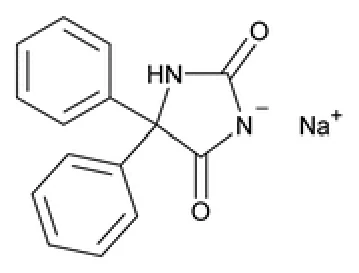
Physicochemical properties: White, odorless powder. Is somewhat hygroscopic and on exposure to air gradually absorbs carbon dioxide. Freely soluble in water, the solution usually being somewhat turbid due to partial hydrolysis and absorption of carbon dioxide; soluble in alcohol; practically insoluble in ether and in chloroform.
CLINICAL TRIALS
Fasted study:
A randomized, two treatment, two period, two sequence, single dose, crossover, bioequivalence study of Extended Phenytoin Sodium 100 mg Capsules of Taro Pharmaceuticals Inc., Canada and PrDilantin®MD (Extended Phenytoin Sodium) 100 mg Capsules of Pfizer Canada Inc., was conducted in 72 healthy human adult subjects under fasting conditions; 70 subjects were included in the statistical analysis.
SUMMARY TABLE OF THE COMPARATIVE BIOAVAILABILITY DATA
Phenytoin Sodium (1 x 100 mg) From measured data Geometric Mean Arithmetic Mean (CV %) | ||||
|---|---|---|---|---|
| Parameter | Test* | Reference† | % Ratio of Geometric Means | 90% Confidence Interval |
AUCT (ng.h/ml) | 51243.2 54466.3 (38.6) | 50875.8 54353.0 (38.8) | 100.1 | 97.2 to 103.2 |
AUCI (ng.h/ml) | 54073.9 58908.0 (49.1) | 54173.5 59749.4 (51.2) | 99.9 | 96.9 to 103.0 |
Cmax (ng/ml) | 1930.5 1972.4 (20.7) | 1906.6 1954.9 (21.8) | 100.9 | 96.4 to 105.7 |
Tmax§ (h) | 3.5 (92.6) | 3.7 (64.9) | ||
T½§ (h) | 15.8 (40.0) | 16.0 (41.5) | ||
* Extended Phenytoin Sodium 100 mg Capsule of Taro Pharmaceuticals Inc., Canada
† PrDilantin®MD (Extended Phenytoin Sodium) 100 mg Capsule of Pfizer Canada Inc.
§ Expressed as arithmetic mean (CV%)
Fed study:
A randomized, two treatment, two period, two sequence, single dose, crossover, bioequivalence study of Extended Phenytoin Sodium 100 mg Capsules of Taro Pharmaceuticals Inc., Canada and PrDilantin®MD (Extended Phenytoin Sodium) 100 mg Capsules of Pfizer Canada Inc., was conducted in 71 healthy human adult subjects under fed conditions; 69 subjects were included in the statistical analyses.
SUMMARY TABLE OF THE COMPARATIVE BIOAVAILABILITY DATA
Phenytoin Sodium (1 x 100 mg) From measured data Geometric Mean Arithmetic Mean (CV %) | ||||
|---|---|---|---|---|
| Parameter | Test* | Reference† | % Ratio of Geometric Means | 90% Confidence Interval |
AUCT (ng.h/ml) | 53546.1 56550.1 (36.1) | 53483.6 56185.9 (34.3) | 101.0 | 98.7 to 103.3 |
AUCI (ng.h/ml) | 57696.8 64564.4 (64.6) | 57275.9 62621.6 (53.6) | 101.4 | 98.8 to 104.0 |
Cmax (ng/ml) | 2373.0 2415.9 (19.0) | 2218.9 2256.9 (18.3) | 108.2 | 104.7 to 111.9 |
Tmax§ (h) | 5.9 (27.4) | 6.8 (34.1) | ||
T½§ (h) | 17.1 (69.7) | 16.2 (55.3) | ||
* Extended Phenytoin Sodium 100 mg Capsule of Taro Pharmaceuticals Inc., Canada
† PrDilantin®/MD (Extended Phenytoin Sodium) 100 mg Capsule of Pfizer Canada Inc.
§ Expressed as arithmetic mean (CV%)
REFERENCES
- 1. Aiges HW, Daum F, Olson M, et al. The effects of phenobarbital and diphenylhydantoin on liver function and morphology. J Pediatr 1980;97:22-6.
- 2. Browne TR, Mattson RH, Penry JK, et al. Vigabatrin for refractory complex partial seizures: Multicenter single-blind study with long-term follow-up. Neurology 1987;37(2):184-9.
- 3. Chung, WH. et al., Medical genetics: a marker for Stevens-Johnson syndrome. Nature, 2004 428(6982): p. 486.
- 4. Delgado-Escueta AV, Treiman DM, Walsh G. The treatable epilepsies. N Eng J Med 1983;308:1508-14, 1576-84.
- 5. Earnest MP, Marx JA, Drury LR. Complications of intravenous phenytoin for acute treatment of seizures. JAMA 1983;249:762-5.
- 6. Gillis RA, McClellan JR, Sauer TS, et al. Depression of cardiac sympathetic nerve activity by diphenylhydantoin. J Pharmacol Exp Ther 1971;179:599-610.
- 7. Hassell TM, Gilbert GH. Phenytoin sensitivity of fibroblasts as the basis for susceptibility to gingival enlargement. Am J Pathol 1983;112:218-23.
- 8. Jones GL, Wimbish GH. Hydantoins In: Antiepileptic Drugs (Frey HH, Janz D, eds.). Handbook of Experimental Pharmacology, Springer-Verlag, Berlin, 1985;74:351-419.
- 9. Locharernkul et al. Carbamazepine and phenytoin induced Stevens-Johnson syndrome is associated with HLA-B* 1502 allele in Thai population. Epilepsia 2008; 49 (12):2087-2091.
- 10. Lonjou, C., et al., A marker for Stevens-Johnson syndrome…: ethnicity matters. Pharmacogenomics J. 2006. 6(4): p 265-8.
- 11. MacDonald RL, McLean JM. Cellular basis of barbiturate and phenytoin anticonvulsant drug action. Epilepsia 1982;23 Suppl 1:7-18.
- 12. Man, C., et al., Association between HLA-B*1502 Allele and Antiepileptic Drug Induced Cutaneous Reactions in Han Chinese. Epilepsia, 2007. 48(5): p. 1015-1018.
- 13. Melikian AP, Straughn AB, Slywka GWA, et al. Bioavailability of 11 phenytoin products. J Pharmacokinet Biopharm 1977;5:133-46.
- 14. Richens A. Clinical pharmacokinetics of phenytoin. Clin Pharmacokinet 1979;4:153-69.
- 15. Rimmer EM, Richens A. Interaction between vigabatrin and phenytoin. Br J Clin Pharmacol 1989;27 (Suppl.):27S-33S.
- 16. Symposium (various authors). Antiepileptic drugs, 2nd ed. Woodbury DM, Penry JK, Pippenger CE, eds., Raven Press, New York 1982.
- 17. Symposium (various authors). Antiepileptic drugs: Mechanisms of action. Advances in neurology, Vol. 27, Glaser GH, Penry JK, Woodbury DM, eds., Raven Press, New York 1980.
- 18. Symposium (various authors). Epilepsy, pregnancy and the child. Jans D, Dam M, Richens A, Bossi L, Helgo H, Schmidt D, eds., Raven Press, New York 1982.
- 19. Symposium (various authors). Epilepsy: Diagnosis and management. Browne TR, Feldman RG, eds., Little, Brown and Co., Boston 1983.
- 20. Wit AL, Rosen MR, Hoffman BF. Electrophysiology and pharmacology of cardiac arrhythmias. VIII. Cardiac effects of diphenylhydantoin. Am Heart J. 1975 Sep;90(3):397-404.
- 21. Product Monograph: PrDILANTIN® Warner-Lamber Company LLC Pfizer Canada Inc. Licensee, Submission Control # 222333, Date of Revision: January 23, 2019.