


Product Monograph - Contrave
RECENT MAJOR LABEL CHANGES
| 3 SERIOUS WARNINGS AND PRECAUTIONS BOX | 03/2022 |
|---|---|
| 4 DOSAGE AND ADMINISTRATION, 4.1 Dosing Considerations | 08/2023 |
| 7 WARNINGS AND PRECAUTIONS, Cardiovascular, Unmasking of Brugada syndrome | 08/2023 |
| 7 WARNINGS AND PRECAUTIONS, Immune, Cutaneous lupus erythematosus (CLE)/Systemic lupus erythematosus (SLE) | 03/2022 |
| 7 WARNINGS AND PRECAUTIONS, Neurologic, Serotonin Toxicity / Serotonin Syndrome | 03/2022 |
TABLE OF CONTENTS
Sections or subsections that are not applicable at the time of authorization are not listed.
RECENT MAJOR LABEL CHANGES........................................................................................ 2
TABLE OF CONTENTS ............................................................................................................. 2
PART I: HEALTH PROFESSIONAL INFORMATION ................................................................ 4
1 INDICATIONS ................................................................................................................. 4
1.1 Pediatrics .............................................................................................................. 4
1.2 Geriatrics ............................................................................................................... 4
2 CONTRAINDICATIONS.................................................................................................. 4
3 SERIOUS WARNINGS AND PRECAUTIONS BOX ....................................................... 5
4 DOSAGE AND ADMINISTRATION ................................................................................ 5
4.1 Dosing Considerations .......................................................................................... 5
4.2 Recommended Dose and Dosage Adjustment ...................................................... 6
4.4 Administration ........................................................................................................ 7
4.5 Missed Dose.......................................................................................................... 7
5 OVERDOSAGE .............................................................................................................. 9
6 DOSAGE FORMS, STRENGTHS, COMPOSITION AND PACKAGING ....................... 10
7 WARNINGS AND PRECAUTIONS ............................................................................... 10
7.1 Special Populations ............................................................................................. 20
7.1.1 Pregnant Women ........................................................................................... 20
7.1.2 Breast-feeding ............................................................................................... 20
7.1.3 Pediatrics ....................................................................................................... 20
7.1.4 Geriatrics ....................................................................................................... 20
8 ADVERSE REACTIONS ............................................................................................... 21
8.1 Adverse Reaction Overview ................................................................................ 21
8.2 Clinical Trial Adverse Reactions .......................................................................... 21
8.3 Less Common Clinical Trial Adverse Reactions .................................................. 24
8.5 Post-Market Adverse Reactions .......................................................................... 25
9 DRUG INTERACTIONS ................................................................................................ 25
9.1 Serious Drug Interactions .................................................................................... 25
9.2 Drug Interactions Overview ................................................................................. 26
9.3 Drug-Behavioural Interactions ............................................................................. 27
9.4 Drug-Drug Interactions ........................................................................................ 27
9.5 Drug-Food Interactions ........................................................................................ 32
9.6 Drug-Herb Interactions ........................................................................................ 32
9.7 Drug- Laboratory Test Interactions ...................................................................... 32
10 CLINICAL PHARMACOLOGY ..................................................................................... 33
10.1 Mechanism of Action ..................................................................................... 33
10.2 Pharmacodynamics ....................................................................................... 33
10.3 Pharmacokinetics .......................................................................................... 33
11 STORAGE, STABILITY AND DISPOSAL .................................................................... 37
12 SPECIAL HANDLING INSTRUCTIONS ....................................................................... 37
PART II: SCIENTIFIC INFORMATION ..................................................................................... 38
13 PHARMACEUTICAL INFORMATION .......................................................................... 38
14 CLINICAL TRIALS ....................................................................................................... 40
14.1 Clinical Trials by Indication ............................................................................ 40
15 MICROBIOLOGY.......................................................................................................... 49
16 NON-CLINICAL TOXICOLOGY .................................................................................... 49
PATIENT MEDICATION INFORMATION ................................................................................. 53
PART I: HEALTH PROFESSIONAL INFORMATION
1 INDICATIONS
CONTRAVE is indicated as an adjunct to a reduced-calorie diet and increased physical activity for chronic weight management in adults with an initial body mass index (BMI) of:
- 30 kg/m2 or greater (obese) or
- 27 kg/m2 or greater (overweight) in the presence of at least one weight-related comorbidity (e.g., controlled hypertension, type 2 diabetes mellitus, or dyslipidemia).
Limitations of Use
- The effect of CONTRAVE on cardiovascular morbidity and mortality has not been established (see 7 WARNINGS AND PRECAUTIONS, Cardiovascular, Increase in Blood Pressure and Heart Rate).
- The safety and effectiveness of CONTRAVE in combination with other products intended for weight loss, including prescription drugs, over-the-counter drugs, and herbal preparations, have not been established.
1.1 Pediatrics
Pediatrics (<18 years of age): No data are available to Health Canada; therefore, Health Canada has not authorized an indication for pediatric use (see 7 WARNINGS AND PRECAUTIONS, Psychiatric, POTENTIAL ASSOCIATION WITH BEHAVIOURAL AND EMOTIONAL CHANGES, INCLUDING SELF-HARM and 7.1.3 Pediatrics).
1.2 Geriatrics
Geriatrics (65 ≥ years of age): Clinical studies of CONTRAVE did not include sufficient numbers of subjects aged 65 and over to determine whether they respond differently from younger subjects, but greater sensitivity of some older individuals cannot be ruled out (see 7.1.4 Geriatrics).
2 CONTRAINDICATIONS
CONTRAVE is contraindicated in patients:
- with an uncontrolled hypertension (see 7 WARNINGS AND PRECAUTIONS).
- with a current seizure disorder or history of seizures
- using other bupropion hydrochloride-containing products (including, but not limited to, WELLBUTRIN® SR, WELLBUTRIN® XL, and ZYBAN®), because the incidence of seizure is dose dependent (see 7 WARNINGS AND PRECAUTIONS, Neurologic, Seizures).
- with a current or prior diagnosis of bulimia or anorexia nervosa because of a higher incidence of seizures noted in patients treated for bulimia with the immediate release formulation of bupropion (see Seizures).
- with chronic opioid or opiate agonist (e.g., methadone) or partial agonists (e.g., buprenorphine) use, or acute opiate withdrawal.
undergoing an abrupt discontinuation of alcohol, benzodiazepines or other sedatives, and
- antiepileptic drugs.
- using concomitant administration of monoamine oxidase inhibitors (MAOI). At least 14 days should elapse between discontinuation of MAOI and initiation of treatment with CONTRAVE.
- using concomitant administration of the antipsychotic thioridazine, since bupropion may inhibit thioridazine metabolism, thus causing an increase in thioridazine levels and a potential increased risk of thioridazine-related serious ventricular arrhythmias and sudden death.
- who are pregnant (see 7.1.1 Pregnant Women).
- with severe hepatic impairment.
- with an end-stage renal failure.
- who are hypersensitive to this drug or to any ingredient in the formulation or component of the container. For a complete listing, (see the 6 DOSAGE FORMS, COMPOSITION AND PACKAGING section).
3 SERIOUS WARNINGS AND PRECAUTIONS BOX
Serious Warnings and Precautions
- Bupropion, a component of CONTRAVE, is used for the treatment of depression. There is an increased risk of self-harm, harm to others, suicidal thinking and behaviour with antidepressant use. Closely monitor all patients for emergence of depression, agitation-type and/or suicidal thoughts and behaviours (see 7 WARNINGS AND PRECAUTIONS, Psychiatric, POTENTIAL ASSOCIATION WITH BEHAVIOURAL AND EMOTIONAL CHANGES, INCLUDING SELF-HARM).
4 DOSAGE AND ADMINISTRATION
4.1 Dosing Considerations
CONTRAVE is not indicated for use in children under 18 years of age (see 7 WARNINGS AND PRECAUTIONS, Psychiatric, POTENTIAL ASSOCIATION WITH BEHAVIOURAL AND EMOTIONAL CHANGES, INCLUDING SELF-HARM).
In order to minimize the risk of seizures (see 7 WARNINGS AND PRECAUTIONS, Neurologic, Seizures), the maximum recommended daily dose should not be exceeded.
Patients may develop elevated blood pressure or heart rate during CONTRAVE treatment; the risk may be greater during the initial three months of therapy. Blood pressure and pulse should be measured prior to starting therapy with CONTRAVE and should be monitored at regular intervals consistent with usual clinical practice. CONTRAVE should not be given to patients with uncontrolled hypertension (see 2 CONTRAINDICATIONS) and should be used with caution in patients with controlled hypertension prior to treatment (see 7 WARNINGS AND PRECAUTIONS, Cardiovascular, Increase in Blood Pressure and Heart Rate).
Unmasking of Brugada syndrome has been reported with bupropion, a component of CONTRAVE. It is advised to avoid use of CONTRAVE in patients with Brugada syndrome. If treatment with CONTRAVE is considered in patients with Brugada syndrome and patients at risk of having Brugada syndrome (e.g., patients with unexplained syncope, patients with a family history of cardiac arrest or sudden death), an evaluation by a cardiologist should be sought prior to initiating treatment, to assess suitability of treatment and to determine the most appropriate strategy for monitoring cardiac effects (see 7 WARNINGS AND PRECAUTIONS, Cardiovascular, Unmasking of Brugada syndrome).
Response to therapy should be evaluated after 12 weeks at the maintenance dosage. If a patient has not lost at least 5% of baseline body weight, discontinue CONTRAVE, as it is unlikely that the patient will achieve and sustain clinically meaningful weight loss with continued treatment (see 14 CLINICAL TRIALS).
Dosage adjustments are required in subjects with hepatic impairment or renal impairment, and with concomitant use of CYP2B6 inhibitors (see below). All patients with hepatic or renal impairment should be closely monitored for possible adverse effects (e.g., insomnia, dry mouth, seizures) that could indicate high drug or metabolite levels.
4.2 Recommended Dose and Dosage Adjustment
The recommended daily dose of CONTRAVE is two 8 mg / 90 mg tablets taken twice daily for a total dose of 32 mg / 360 mg.
CONTRAVE dosing should be escalated according to the following schedule:
| Morning Dose | Evening Dose | |
|---|---|---|
| Week 1 | 1 tablet | None |
| Week 2 | 1 tablet | 1 tablet |
| Week 3 | 2 tablets | 1 tablet |
| Week 4 – Onward | 2 tablets | 2 tablets |
A total daily dosage of two CONTRAVE 8 mg / 90 mg tablets twice daily (32 mg / 360 mg) is reached at the start of Week 4.
Dose Adjustment in Patients with Renal Impairment
In patients with moderate or severe renal impairment, the maximum recommended daily dose for CONTRAVE is two tablets (one tablet each morning and evening). CONTRAVE is contraindicated in patients with end-stage renal disease. There is a lack of adequate information to guide dosing in patients with mild renal impairment (see 7 WARNINGS AND PRECAUTIONS).
Dose Adjustment in Patients with Hepatic Impairment
In patients with mild or moderate hepatic impairment, the maximum recommended daily dose of CONTRAVE is one tablet in the morning (see 7 WARNINGS AND PRECAUTIONS). CONTRAVE is contraindicated in severe hepatic impairment (see 2 CONTRAINDICATIONS).
Concomitant Use with CYP2B6 Inhibitors
During concomitant use with CYP2B6 inhibitors (e.g., ticlopidine or clopidogrel), the maximum recommended daily dose of CONTRAVE is two tablets (one tablet each morning and evening) (see 9 DRUG INTERACTIONS).
4.4 Administration
CONTRAVE should be taken by mouth in the morning and in the evening. The tablets should not be cut, chewed, or crushed. The maximum recommended dose is 32 mg / 360 mg per day (two tablets twice daily).
In clinical trials, CONTRAVE was administered with meals. However, CONTRAVE should not be taken with a high-fat meal because of a resulting significant increase in bupropion and naltrexone systemic exposure (see 7 WARNINGS AND PRECAUTIONS and 10 CLINICAL PHARMACOLOGY).
Switching a Patient To or From a Monoamine Oxidase Inhibitor (MAOI) Antidepressant
At least 14 days should elapse between discontinuation of an MAOI intended to treat depression and initiation of therapy with CONTRAVE. Conversely, at least 14 days should be allowed after stopping CONTRAVE before starting an MAOI antidepressant (see 2 CONTRAINDICATIONS and 9 DRUG INTERACTIONS).
4.5 Missed Dose
CONTRAVE should be taken at the same time each day, and no more than the recommended doses should be taken each day. In order to minimize the risk of seizures, if the normal administration time has been missed, the dose should be skipped, and administration resumed at the normal administration time of the following dose.
BMI is calculated by dividing weight (in kg) by height (in meters) squared. A BMI chart for determining BMI based on height and weight is provided in Table 1.
Table 1: BMI Conversion Chart
| Weight | (lb) | 125 | 130 | 135 | 140 | 145 | 150 | 155 | 160 | 165 | 170 | 175 | 180 | 185 | 190 | 195 | 200 | 205 | 210 | 215 | 220 | 225 | |
| (kg) |
|
|
|
|
|
|
|
|
|
|
|
|
|
|
|
|
|
|
| 100 . 0 | 102 . 3 | ||
| Height | |||||||||||||||||||||||
| (in) | (cm) | ||||||||||||||||||||||
| 58 | 147. 3 | 26 | 27 | 28 | 29 | 30 | 31 | 32 | 34 | 35 | 36 | 37 | 38 | 39 | 40 | 41 | 42 | 43 | 44 | 45 | 46 | 47 | |
| 59 | 149. 9 | 25 | 26 | 27 | 28 | 29 | 30 | 31 | 32 | 33 | 34 | 35 | 36 | 37 | 38 | 39 | 40 | 41 | 43 | 44 | 45 | 46 | |
| 60 | 152. 4 | 24 | 25 | 26 | 27 | 28 | 29 | 30 | 31 | 32 | 33 | 34 | 35 | 36 | 37 | 38 | 39 | 40 | 41 | 42 | 43 | 44 | |
| 61 | 154. 9 | 24 | 25 | 26 | 27 | 27 | 28 | 29 | 30 | 31 | 32 | 33 | 34 | 35 | 36 | 37 | 38 | 39 | 40 | 41 | 42 | 43 | |
| 62 | 157. 5 | 23 | 24 | 25 | 26 | 27 | 27 | 28 | 29 | 30 | 31 | 32 | 33 | 34 | 35 | 36 | 37 | 38 | 38 | 39 | 40 | 41 | |
| 63 | 160. 0 | 22 | 23 | 24 | 25 | 26 | 27 | 28 | 28 | 29 | 30 | 31 | 32 | 33 | 34 | 35 | 36 | 36 | 37 | 38 | 39 | 40 | |
| 64 | 162. 6 | 22 | 22 | 23 | 24 | 25 | 26 | 27 | 28 | 28 | 29 | 30 | 31 | 32 | 33 | 34 | 34 | 35 | 36 | 37 | 38 | 39 | |
| 65 | 165. 1 | 21 | 22 | 23 | 23 | 24 | 25 | 26 | 27 | 28 | 28 | 29 | 30 | 31 | 32 | 33 | 33 | 34 | 35 | 36 | 37 | 38 | |
| 66 | 167. 6 | 20 | 21 | 22 | 23 | 23 | 24 | 25 | 26 | 27 | 27 | 28 | 29 | 30 | 31 | 32 | 32 | 33 | 34 | 35 | 36 | 36 | |
| 67 | 170. 2 | 20 | 20 | 21 | 22 | 23 | 24 | 24 | 25 | 26 | 27 | 27 | 28 | 29 | 30 | 31 | 31 | 32 | 33 | 34 | 35 | 35 | |
| 68 | 172. 7 | 19 | 20 | 21 | 21 | 22 | 23 | 24 | 24 | 25 | 26 | 27 | 27 | 28 | 29 | 30 | 30 | 31 | 32 | 33 | 34 | 34 | |
| 69 | 175. 3 | 18 | 19 | 20 | 21 | 21 | 22 | 23 | 24 | 24 | 25 | 26 | 27 | 27 | 28 | 29 | 30 | 30 | 31 | 32 | 33 | 33 | |
| 70 | 177. 8 | 18 | 19 | 19 | 20 | 21 | 22 | 22 | 23 | 24 | 24 | 25 | 26 | 27 | 27 | 28 | 29 | 29 | 30 | 31 | 32 | 32 | |
| 71 | 180. 3 | 17 | 18 | 19 | 20 | 20 | 21 | 22 | 22 | 23 | 24 | 24 | 25 | 26 | 27 | 27 | 28 | 29 | 29 | 30 | 31 | 31 | |
| 72 | 182. 9 | 17 | 18 | 18 | 19 | 20 | 20 | 21 | 22 | 22 | 23 | 24 | 24 | 25 | 26 | 27 | 27 | 28 | 29 | 29 | 30 | 31 | |
| 73 | 185. 4 | 17 | 17 | 18 | 19 | 19 | 20 | 20 | 21 | 22 | 22 | 23 | 24 | 24 | 25 | 26 | 26 | 27 | 28 | 28 | 29 | 30 | |
| 74 | 188. 0 | 16 | 17 | 17 | 18 | 19 | 19 | 20 | 21 | 21 | 22 | 23 | 23 | 24 | 24 | 25 | 26 | 26 | 27 | 28 | 28 | 29 | |
| 75 | 190. 5 | 16 | 16 | 17 | 18 | 18 | 19 | 19 | 20 | 21 | 21 | 22 | 23 | 23 | 24 | 24 | 25 | 26 | 26 | 27 | 28 | 28 | |
| 76 | 193. 0 | 15 | 16 | 16 | 17 | 18 | 18 | 19 | 20 | 20 | 21 | 21 | 22 | 23 | 23 | 24 | 24 | 25 | 26 | 26 | 27 | 27 | |
5 OVERDOSAGE
Human Experience
There is no clinical experience with overdosage with CONTRAVE. The maximum daily dose of CONTRAVE administered in clinical trials contained 50 mg naltrexone and 400 mg bupropion. The most serious clinical implications of CONTRAVE overdose are likely those related to overdose of bupropion.
Overdoses of up to 30 grams or more of bupropion (equivalent of up to 83 times the recommended daily dose of CONTRAVE 32 mg / 360 mg) have been reported. Seizure was reported in approximately one third of all cases. Other serious reactions reported with overdoses of bupropion alone included hallucinations, loss of consciousness, sinus tachycardia, and ECG changes such as conduction disturbances (including QRS prolongation) or arrhythmias. Fever, muscle rigidity, rhabdomyolysis, hypotension, stupor, coma, and respiratory failure have been reported mainly when bupropion was part of multiple drug overdoses.
Although most patients recovered without sequelae, deaths associated with overdoses of bupropion alone have been reported in patients ingesting large doses of the drug. Multiple uncontrolled seizures, bradycardia, cardiac failure, and cardiac arrest prior to death were reported in these patients.
There is limited experience with overdose of naltrexone monotherapy in humans. In one study, subjects who received 800 mg naltrexone daily (equivalent to 25 times the recommended daily dose of CONTRAVE 32 mg / 360 mg) for up to one week showed no evidence of toxicity.
Serotonin toxicity, also known as serotonin syndrome, is a potentially life-threatening condition and has been reported with bupropion in association with overdose. These cases include chronic administration at supratherapeutic doses (doses just above the maximum recommended daily dose, e.g., 600-800 mg). Symptoms of serotonin toxicity possibly include hyperthermia, rigidity, myoclonus, autonomic instability with possible rapid fluctuations of vital signs, mental status changes including confusion, irritability, extreme agitation progressing to delirium and coma and supportive symptomatic treatment should be initiated. If concomitant treatment with CONTRAVE or serotonergic agents is clinically warranted, careful observation of the patient is advised, particularly during treatment initiation and dose increases (see 9.4 Drug-Drug Interactions). If serotonin toxicity is suspected, discontinuation of CONTRAVE should be considered (see 7 WARNINGS AND PRECAUTIONS, Neurologic, Serotonin Toxicity / Serotonin Syndrome).
Animal Experience
In the mouse, rat, and guinea pig, the oral LD50s for naltrexone were 1,100 to 1,550 mg/kg; 1,450 mg/kg; and 1,490 mg/kg; respectively. High doses of naltrexone (generally greater than or equal to 1,000 mg/kg) produced salivation, depression/reduced activity, tremors, and convulsions. Mortality in animals due to high-dose naltrexone administration usually was due to clonic-tonic convulsions and/or respiratory failure.
Management of Overdose
There are no known antidotes for CONTRAVE. In case of an overdose, provide supportive care, including close medical supervision and monitoring. Consider the possibility of multiple drug overdoses. Ensure an adequate airway, oxygenation, and ventilation. Monitor cardiac rhythm and vital signs. Induction of emesis is not recommended. Gastric lavage with a large-bore orogastric tube with appropriate airway protection, if needed, may be indicated if performed soon after ingestion or in symptomatic patients. Activated charcoal should be administered. There is no experience with the use of forced diuresis, dialysis, hemoperfusion, or exchange transfusion in the management of bupropion overdoses.
For management of a suspected drug overdose, contact your regional poison control centre.
6 DOSAGE FORMS, STRENGTHS, COMPOSITION AND PACKAGING
Table 2 – Dosage Forms, Strengths, Composition and Packaging
CONTRAVE 8 mg / 90 mg (naltrexone HCl 8 mg and bupropion HCl 90 mg) extended-release, tri-layer tablets are blue, round, bi-convex, film-coated tablets debossed with “NB-890” on one side. Each tablet has a trilayer core composed of two drug layers, containing the drug and excipients, separated by a more rapidly dissolving inert layer. Each tablet contains 8 mg of naltrexone hydrochloride and 90 mg of bupropion hydrochloride. Tablets are blue and are debossed with NB-890 on one side.
CONTRAVE extended-release tablets are available in bottles of 120 tablets.
7 WARNINGS AND PRECAUTIONS
General
Although CONTRAVE is not indicated for the treatment of depression, it contains the same active ingredient, bupropion, as WELLBUTRIN SR and WELLBUTRIN XL antidepressant medications. Therefore, some warnings may apply to CONTRAVE, including the potential association with the occurrence of behavioural and emotional changes including self-harm (see 7 WARNINGS AND PRECAUTIONS, Psychiatric, POTENTIAL ASSOCIATION WITH BEHAVIOURAL AND EMOTIONAL CHANGES, INCLUDING SELF-HARM).
- Interference with the Action of Opioid Containing Drug Product
Patients taking CONTRAVE may not benefit from opioid containing medicines, such as cough and cold preparations, antidiarrheal preparations, and opioid analgesics. Where a non-opioid containing alternative is available, it should be used.
| Route of Administration | Dosage Form / Strength/Composition | Non-medicinal Ingredients |
| Oral | Tablets / Naltrexone hydrochloride 8mg and Bupropion hydrochloride 90mg | Colloidal Silicon Dioxide, Crospovidone, Edetate Disodium, FD&C Blue No. 2 Indigo Carmine Aluminum Lake, Hydroxypropyl Cellulose, Hypromellose, Lactose Anhydrous, Lactose Monohydrate, L-Cysteine Hydrochloride, Macrogol/Peg, Magnesium Stearate, Microcrystalline Cellulose, Polyvinyl Alcohol-Part Hydrolyzed, Talc and Titanium Dioxide. |
- Patients Receiving Opioid Analgesics
Vulnerability to Opioid Overdose: CONTRAVE should not be administered to patients receiving chronic opioids, due to the naltrexone component, which is an opioid receptor antagonist (see 2 CONTRAINDICATIONS). If chronic opiate therapy is required, CONTRAVE treatment should be stopped. In patients requiring intermittent opiate treatment, CONTRAVE therapy should be temporarily discontinued, and lower doses of opioids may be needed. Patients should be alerted that they may be more sensitive to opioids, even at lower doses, after CONTRAVE treatment is discontinued.
An attempt by a patient to overcome any naltrexone opioid blockade by administering large amounts of exogenous opioids is especially dangerous and may lead to a fatal overdose or life-threatening opioid intoxication (e.g., respiratory arrest, circulatory collapse). Patients should be told of the serious consequences of trying to overcome the opioid blockade.
- Precipitated Opioid Withdrawal
The symptoms of spontaneous opioid withdrawal, which are associated with the discontinuation of opioid in a dependent individual, are uncomfortable, but they are not generally believed to be severe or necessitate hospitalization. However, when withdrawal is precipitated abruptly, the resulting withdrawal syndrome can be severe enough to require hospitalization. To prevent occurrence of either precipitated withdrawal in patients dependent on opioids or exacerbation of a pre-existing subclinical withdrawal symptoms, opioid-dependent patients, including those being treated for alcohol dependence, should be opioid-free (including tramadol) before starting CONTRAVE treatment.
An opioid-free interval of a minimum of 7 to 10 days is recommended for patients previously dependent on short-acting opioids, and those patients transitioning from buprenorphine or methadone may need as long as two weeks. Patients should be made aware of the risks associated with precipitated withdrawal and encouraged to give an accurate account of last opioid use.
Cardiovascular
- Unmasking of Brugada syndrome
There have been isolated post-marketing reports of unmasking of Brugada syndrome with bupropion, a component of CONTRAVE. Brugada syndrome is a disorder characterized by syncope, characteristic ECG changes, such as right bundle branch block and ST segment elevation in right precordial leads, and a risk of cardiac arrest and sudden death.
It is advised to avoid use of CONTRAVE in patients with Brugada syndrome. If CONTRAVE is considered in patients with Brugada syndrome or in patients at risk of having Brugada syndrome (e.g., patients with unexplained syncope, patients with a family history of cardiac arrest or sudden death), an evaluation by a cardiologist should be sought prior to initiating treatment, to assess suitability of treatment and to determine the most appropriate strategy for monitoring cardiac effects. Patients should be informed about the signs and symptoms of Brugada syndrome. If unmasking of Brugada syndrome occurs, discontinue treatment with CONTRAVE.
- Increase in Blood Pressure and Heart Rate
CONTRAVE can cause an increase in systolic and/or diastolic blood pressure as well as an increase in resting heart rate. In clinical practice with other bupropion-containing products, hypertension, in some cases severe and requiring acute treatment, has been reported. The clinical significance of the increases in blood pressure and heart rate observed with CONTRAVE treatment is unclear, especially for patients with cardiac and cerebrovascular disease, since patients with a history of myocardial infarction or stroke in the previous 6 months, life-threatening arrhythmias, or congestive heart failure were excluded from CONTRAVE clinical trials. Blood pressure and pulse should be measured prior to starting therapy with CONTRAVE and should be monitored at regular intervals consistent with usual clinical practice (see 4 DOSAGE AND ADMINISTRATION). If patients experience clinically relevant and sustained increases in blood pressure or pulse rate as a result of CONTRAVE treatment, it should be discontinued. CONTRAVE should not be given to patients with uncontrolled hypertension (see 2 CONTRAINDICATIONS) and should be used with caution in patients with controlled hypertension.
Among patients treated with CONTRAVE in placebo-controlled clinical trials, mean systolic and diastolic blood pressure was approximately 1 mm Hg higher than baseline at Weeks 4 and 8, similar to baseline at Week 12, and approximately 1 mm Hg below baseline between Weeks 24 and 56. In contrast, among patients treated with placebo, mean blood pressure was approximately 2 to 3 mm Hg below baseline throughout the same time points, yielding statistically significant differences between the groups at every assessment during this period. The largest mean differences between the groups were observed during the first 12 weeks (treatment difference +1.8 to +2.4 mm Hg systolic, all p<0.001; +1.7 to +2.1 mm Hg diastolic, all p<0.001; last-observation-carried-forward).
In subgroups who did not experience significant weight loss, systolic and diastolic blood pressure levels in patients treated with CONTRAVE were approximately 1 mm Hg higher than baseline at Week 4 and 8, and similar to baseline between week 12 and 56 of the study. In patients treated with placebo, blood pressure levels were approximately 1-2 mm Hg below baseline through the 56 weeks of study.
The differences in blood pressure in CONTRAVE compared to placebo treated patients were larger in the subgroup of patients with significant weight loss than in the subgroup without significant weight loss.
For heart rate, at both Weeks 4 and 8, mean heart rate was statistically significantly higher (2.1 bpm) in the CONTRAVE group compared with the placebo group; at Week 52, the difference between groups was +1.7 bpm (p<0.001; last-observation-carried-forward).
In subgroups who experienced significant weight loss (at least 5% weight loss from baseline at Week 16 of treatment), throughout the 56 weeks study, the mean heart rate varied from no change to approximately 2 bpm higher than baseline in patients treated with CONTRAVE compared to approximately 1-3 bpm below baseline in patients treated with placebo.
In subgroups who did not experience significant weight loss, mean heart rates varied between approximately 1-3 bpm higher than baseline in CONTRAVE, and from no change to approximately 2 bpm higher than baseline in placebo throughout the 56 weeks study.
The differences in heart rate in CONTRAVE compared to placebo treated patients were larger in the subgroup of patients with significant weight loss than in the subgroup without significant weight loss.
In an ambulatory blood pressure monitoring sub study of obese patients (CONTRAVE N=79, placebo N=38), the mean change from baseline in the average 24-hr systolic blood pressure after 52 weeks of treatment was -0.2 mm Hg for the CONTRAVE group and -2.8 mm Hg for the placebo group (treatment difference, +2.6 mm Hg, p=0.08); the mean change in the average 24-hr diastolic blood pressure was +0.8 mm Hg for the CONTRAVE group and -2.1 mm Hg for the placebo group (treatment difference, +2.9 mm Hg, p=0.004).
A greater percentage of subjects in the CONTRAVE group compared to the placebo group had adverse reactions of hypertension/blood pressure increased (5.9% vs 4.0%, respectively) and of tachycardia (0.7% vs. 0.2%, respectively). Greater incidences of these events in CONTRAVE versus placebo were observed in both patients with and without evidence of pre-existing hypertension, and in both patients with or without significant weight loss (i.e., loss of at least 5% of baseline weight by Week 16 of treatment). In a trial that enrolled individuals with diabetes, 12.0% of patients in the CONTRAVE group and 6.5% in the placebo group had a hypertension/blood pressure increased adverse reaction; also, a greater incidence of subjects in CONTRAVE than placebo had adverse reactions of heart rate increased (0.6% vs. 0%, respectively), tachycardia (1.2% vs. 0%, respectively), and sinus tachycardia (0.3% vs. 0%, respectively).
The effect of CONTRAVE on cardiovascular morbidity and mortality has not been established.
Dependence/Tolerance
- Abuse
CONTRAVE (naltrexone HCl and bupropion HCl) has not been systematically studied in humans for its potential for abuse, tolerance, or physical dependence. However, in outpatient clinical studies of up to 56 weeks in duration, there was no evidence of euphoric drug intoxication, physical dependence, diversion, or abuse. There was no evidence of an abstinence syndrome following abrupt or tapered drug discontinuation after 56 weeks of double-blind, placebo-controlled, randomized treatment.
Naltrexone is a pure opioid antagonist. It does not lead to physical or psychological dependence. Tolerance to the opioid antagonistic effect is not known to occur.
Controlled clinical trials of bupropion (immediate-release formulation) conducted in normal volunteers, in subjects with a history of multiple drug abuse, and in depressed subjects showed some increase in motor activity and agitation/excitement. In a population of individuals experienced with drugs of abuse, a single dose of 400 mg of bupropion produced mild amphetamine-like activity as compared with placebo on the Morphine-Benzedrine Subscale of the Addiction Research Center Inventories (ARCI) and a score intermediate between placebo and amphetamine on the Liking Scale of the ARCI. These scales measure general feelings of euphoria and drug desirability. Findings in clinical trials, however, are not known to reliably predict the abuse potential of drugs. Nonetheless, evidence from single-dose studies does suggest that the recommended daily dosage of bupropion when administered in divided doses is not likely to be significantly reinforcing to amphetamine or CNS stimulant abusers.
The inhalation of crushed tablets or injection of dissolved bupropion has been reported. Seizures and/or cases of death have been reported when bupropion has been administered intranasally or by parenteral injection. CONTRAVE (naltrexone HCl and bupropion HCl) extended-release tablets are intended for oral use only.
Studies in rodents and primates have shown that bupropion exhibits some pharmacologic actions common to psychostimulants. In rodents, it has been shown to increase locomotor activity, elicit a mild stereotyped behavioral response, and increase rates of responding in several schedule-controlled behavior paradigms. In primate models assessing the positive reinforcing effects of psychoactive drugs, bupropion was self-administered intravenously. In rats, bupropion produced amphetamine-like and cocaine-like discriminative stimulus effects in drug discrimination paradigms used to characterize the subjective effects of psychoactive drugs.
Driving and Operating Machinery
Any psychoactive drug may impair judgement, thinking or motor skills. Therefore, patients should be cautioned about operating hazardous machinery, including automobiles, until they are reasonably certain that the drug treatment does not affect their performance adversely.
Endocrine and Metabolism
- Lactose
CONTRAVE tablets contain lactose. This should be considered when prescribing to patients with rare hereditary problems of galactose intolerance, lactase deficiency or glucose-galactose malabsorption.
- Potential Risk of Hypoglycemia in Patients with Type 2 Diabetes Mellitus on Antidiabetic Therapy
Weight loss may increase the risk of hypoglycemia in patients with type 2 diabetes mellitus treated with insulin and/or insulin secretagogues (e.g., sulfonylureas). CONTRAVE has not been studied in combination with insulin in phase 2/phase 3 clinical trials.
Measurement of blood glucose levels prior to starting CONTRAVE and during CONTRAVE treatment is recommended in patients with type 2 diabetes. Decreases in medication doses for antidiabetic medications which are non-glucose-dependent should be considered to mitigate the risk of hypoglycemia. If a patient develops hypoglycemia after starting CONTRAVE, appropriate changes should be made to the antidiabetic drug regimen.
Hepatic/Biliary/Pancreatic
- Tamoxifen and other Drugs Metabolized by CYP2D6
Drugs which require metabolic activation by CYP2D6 in order to be effective (e.g., tamoxifen), may have reduced efficacy when administered concomitantly with inhibitors of CYP2D6 such as bupropion. Therefore, CONTRAVE should not be used in combination with tamoxifen and other treatment options should be considered (see 9 DRUG INTERACTIONS).
- Hepatic Impairment
CONTRAVE has not been evaluated in subjects with hepatic impairment. Based on information available for the individual constituents, systemic exposure is significantly higher for bupropion and metabolites (two- to three-fold), and naltrexone and metabolites (up to 10-fold higher) in subjects with moderate-to-severe hepatic impairment. Therefore, the maximum recommended daily dose of CONTRAVE is one tablet in the morning in patients with mild to moderate hepatic impairment (see 4 DOSAGE AND ADMINISTRATION sections). All patients with hepatic impairment should be closely monitored for possible adverse effects (e.g., insomnia, dry mouth, seizures) that could indicate high drug or metabolite levels.
- Hepatotoxicity
Cases of hepatitis and clinically significant liver dysfunction were observed in association with naltrexone exposure during naltrexone clinical trials and in post marketing reports for patients using naltrexone. Transient, asymptomatic hepatic transaminase elevations were also observed.
When patients presented with elevated transaminases, there were often other potential causative or contributory etiologies identified, including pre-existing alcoholic liver disease, hepatitis B and/or C infection, and concomitant usage of other potentially hepatotoxic drugs. Although clinically significant liver dysfunction is not typically recognized as a manifestation of opioid withdrawal, opioid withdrawal that is precipitated abruptly may lead to systemic sequelae, including acute liver injury.
CONTRAVE is contraindicated in severe hepatic impairment (see 2 CONTRAINDICATIONS Patients should be warned of the risk of hepatic injury and advised to seek medical attention if they experience symptoms of acute hepatitis. Use of CONTRAVE should be discontinued in the event of symptoms and/or signs of acute hepatitis.
In CONTRAVE clinical trials, there were no cases of elevated transaminases greater than three times the upper limit of normal (ULN) in conjunction with an increase in bilirubin greater than two times ULN; however, 1/4455 CONTRAVE-treated subjects in a randomized, double-blind, placebo-controlled trial in overweight and obese subjects with cardiovascular risk factors experienced a serious event of drug-induced liver injury leading to discontinuation.
Immune
- Anaphylactic Reaction
Anaphylactoid/anaphylactic reactions characterized by symptoms such as pruritus, urticaria, angioedema, and dyspnea have been reported at a rate of one to three per thousand in clinical trials. In addition, there have been rare spontaneous post-marketing reports of erythema multiforme, Stevens Johnson syndrome, and anaphylactic shock associated with bupropion. A patient should stop taking CONTRAVE and consult a doctor if experiencing allergic or anaphylactoid/anaphylactic reactions (e.g., skin rash, pruritis, hives, chest pain, edema, and shortness of breath) during treatment.
- Cutaneous lupus erythematosus (CLE)/Systemic lupus erythematosus (SLE)
Treatment with CONTRAVE has been associated with the development of cutaneous lupus erythematosus which has resolved following withdrawal of medication. Exacerbation of systemic lupus erythematosus has also occurred. Symptoms such as arthralgia, myalgia, rash, swelling and positive autoantibodies have been observed. If any of the above effects should occur after CONTRAVE treatment, CONTRAVE should be discontinued, and the patient should be carefully evaluated for appropriate clinical management.
- Hypersensitivity
Arthralgia, myalgia, and fever have also been reported in association with rash and other symptoms suggestive of delayed hypersensitivity. These symptoms may resemble serum sickness.
Bupropion should be discontinued immediately if any hypersensitivity reactions are experienced. Symptoms of hypersensitivity should be treated in accordance with established medical practice. Clinicians should be aware that symptoms may persist beyond the discontinuation of bupropion, and clinical management should be provided accordingly. In post-market experience, there have been reports of hypersensitivity reactions in patients who consumed alcohol while taking bupropion. As the contribution of alcohol to these reactions has been established, patients should avoid alcohol when they are taking bupropion (see 9.3 Drug-Behavioural Interactions, Alcohol Interactions).
Monitoring and Laboratory Tests
Patients being treated with antidepressants for major depressive disorder or other indications, both psychiatric and nonpsychiatric, should be monitored for the emergence of anxiety, agitation, irritability, unusual changes in behavior, as well as the emergence of suicidality, especially during the initial few months of a course of drug therapy, or at times of dose changes, either increases or decreases. Such monitoring should include daily observation by families and caregivers (see 7 WARNINGS AND PRECAUTIONS, Psychiatric, POTENTIAL ASSOCIATION WITH BEHAVIOURAL AND EMOTIONAL CHANGES, INCLUDING SELF-HARM).
Blood pressure and pulse should be measured prior to starting therapy with CONTRAVE and should be monitored at regular intervals during CONTRAVE treatment (see 7 WARNINGS AND PRECAUTIONS, Cardiovascular, Increase in Blood Pressure and Heart Rate).
The impact on glycemic levels of CONTRAVE when used concomitantly with antidiabetic pharmacologic treatment regimens should be monitored by periodic measurements of blood glucose and HbA1c levels (see 7 WARNINGS AND PRECAUTIONS, Endocrine and Metabolism, Potential Risk of Hypoglycemia in Patients with Type 2 Diabetes Mellitus on Antidiabetic Therapy).
Weight loss may increase the risk of hypoglycemia in patients with type 2 diabetes mellitus treated with insulin and/or insulin secretagogues (e.g., sulfonylureas). Measurement of blood glucose levels prior to starting CONTRAVE and during CONTRAVE treatment is recommended in patients with type 2 diabetes (see 7 WARNINGS AND PRECAUTIONS, Endocrine and Metabolism).
Neurologic
- Seizures
Patients should be made aware that CONTRAVE Tablets contain the same active ingredient found in WELLBUTRIN® SR Extended-Release Tablets and WELLBUTRIN® XL Extended-Release Tablets, used to treat depression, and that CONTRAVE should NOT be administered to patients already receiving a product containing bupropion hydrochloride (see 2 CONTRAINDICATIONS).
Bupropion, a component of CONTRAVE, can cause seizures. The risk of seizure is dose-related. The incidence of seizure in patients receiving CONTRAVE in clinical trials was approximately 0.1% vs 0% on placebo. CONTRAVE should be discontinued and not restarted in patients who experience a seizure while being treated with CONTRAVE.
The risk of seizures is also related to patient factors, clinical situations, and concomitant medications that lower the seizure threshold. Consider these risks before initiating treatment with CONTRAVE. CONTRAVE is contraindicated in patients with a seizure disorder, current or prior diagnosis of anorexia nervosa or bulimia, undergoing abrupt discontinuation of alcohol, benzodiazepines, barbiturates, and antiepileptic drugs, or using other bupropion-containing products. Caution should be used when prescribing CONTRAVE to patients with predisposing factors that may increase the risk of seizure including:
- history of head trauma or prior seizure, severe stroke, arteriovenous malformation, central nervous system tumor or infection, or metabolic disorders (e.g., hypoglycemia, hyponatremia, severe hepatic impairment, and hypoxia);
- excessive use of alcohol or sedatives, addiction to cocaine or stimulants, or withdrawal from sedatives;
- patients with diabetes treated with insulin and/or oral diabetic medications (sulfonylureas and meglitinides) that may cause hypoglycemia;
- concomitant administration of medications that may lower the seizure threshold including antipsychotics, tricyclic antidepressants, theophylline, systemic steroids.
Recommendations for Reducing the Risk of Seizure: Clinical experience with bupropion suggests that the risk of seizure may be minimized by adhering to the recommended dosing recommendations [see 4 DOSAGE AND ADMINISTRATION], in particular:
- the total daily dose of CONTRAVE does not exceed 360 mg of the bupropion component (i.e., four tablets per day)
- the daily dose is administered in divided doses (twice daily)
- the dose is escalated gradually
- no more than two tablets are taken at one time
- co-administration of CONTRAVE with high-fat meals should be avoided (see 4 DOSAGE AND ADMINISTRATION and 10 CLINICAL PHARMACOLOGY)
- if a dose is missed, a patient should wait until the next scheduled dose to resume the regular dosing schedule
If a Seizure Occurs: Patients should be warned that if they experience a seizure while taking CONTRAVE, they should contact their doctor or be taken to a hospital emergency ward immediately and should stop taking CONTRAVE. Treatment should not be restarted if a patient has experienced a seizure while taking WELLBUTRIN® SR, WELLBUTRIN® XL or ZYBAN®.
- Serotonin Toxicity / Serotonin Syndrome
Serotonin toxicity, also known as serotonin syndrome, is a potentially life-threatening condition and has been reported with bupropion, including CONTRAVE, particularly during combined use with other serotonergic drugs (see 9.4 Drug-Drug Interactions).
Serotonin toxicity is characterized by neuromuscular excitation, autonomic stimulation (e.g., tachycardia, flushing) and altered mental state (e.g., anxiety, agitation, hypomania). In accordance with the Hunter Criteria, serotonin toxicity diagnosis is likely when, in the presence of at least one serotonergic agent, one of the following is observed:
- Spontaneous clonus
- Inducible clonus or ocular clonus with agitation or diaphoresis
- Tremor and hyperreflexia
- Hypertonia and body temperature >38°C and ocular clonus or inducible clonus.
If concomitant treatment with CONTRAVE and serotonergic agents is clinically warranted, careful observation of the patient is advised, particularly during treatment initiation and dose increases (see 9.4 Drug-Drug Interactions). If serotonin toxicity is suspected, discontinuation of the serotonergic agents should be considered.
Ophthalmologic
- Angle-Closure Glaucoma
Although CONTRAVE is not indicated for the treatment of depression, it contains bupropion, the same active ingredient as WELLBUTRIN SR and WELLBUTRIN XL antidepressant medications. Antidepressant medications including bupropion may cause mydriasis, which may trigger an angle-closure attack in a patient with anatomically narrow ocular angles. Healthcare providers should inform patients to seek immediate medical assistance if they experience eye pain, changes in vision or swelling or redness in or around the eye.
Psychiatric
CONTRAVE contains bupropion, a drug used for the treatment of depression; therefore, the following precautions pertaining to this product should be considered when treating patients with CONTRAVE.
- POTENTIAL ASSOCIATION WITH BEHAVIOURAL AND EMOTIONAL CHANGES, INCLUDING SELF-HARM
Pediatrics: Placebo-Controlled Clinical Trial Data
Recent analyses of placebo-controlled clinical trial safety databases from SSRIs, bupropion, and other newer anti-depressants suggest that use of these drugs in patients under the age of 18 may be associated with behavioural and emotional changes, including an increased risk of suicidal ideation and behaviour over that of placebo.
The small denominators in the clinical trial database, as well as the variability in placebo rates, preclude reliable conclusions on the relative safety profiles among these drugs
Adults and Pediatrics: Additional Data
There are clinical trial and post-marketing reports with SSRIs, bupropion, and other newer anti-depressants, in both pediatrics and adults, of severe agitation-type adverse events coupled with self-harm or harm to others. The agitation-type events include akathisia, agitation, disinhibition, emotional lability, hostility, aggression, depersonalization. In some cases, the events occurred within several weeks of starting treatment.
Rigorous clinical monitoring for suicidal ideation or other indicators of potential for suicidal behaviour is advised in patients of all ages given an anti-depressant drug. This includes monitoring for agitation-type emotional and behavioural changes.
Patients with major depressive disorder, both adult and pediatric, may experience worsening of their depression and/or the emergence of suicidal ideation and behavior (suicidality) or unusual changes in behavior, whether or not they are taking antidepressant medications, and this risk may persist until significant remission occurs. Suicide is a known risk of depression and certain other psychiatric disorders, and these disorders themselves are the strongest predictors of suicide. There has been a long-standing concern that antidepressants may have a role in inducing worsening of depression and the emergence of suicidality in certain patients during the early phases of treatment.
All patients being treated with antidepressants such as bupropion for any indication should be monitored appropriately and observed closely for clinical worsening, suicidality, and unusual changes in behavior, especially during the initial few months of a course of drug therapy, or at times of dose changes, either increases or decreases.
The following symptoms, anxiety, agitation, panic attacks, insomnia, irritability, hostility, aggressiveness, impulsivity, akathisia (psychomotor restlessness), hypomania, and mania, have been reported in adult and pediatric patients being treated with antidepressants for major depressive disorder as well as for other indications, both psychiatric and nonpsychiatric. Although a causal link between the emergence of such symptoms and either the worsening of depression and/or the emergence of suicidal impulses has not been established, there is concern that such symptoms may represent precursors to emerging suicidality.
Consideration should be given to changing the therapeutic regimen, including possibly discontinuing the medication, in patients whose depression is persistently worse, or who are experiencing emergent suicidality or symptoms that might be precursors to worsening depression or suicidality, especially if these symptoms are severe, abrupt in onset, or were not part of the patient’s presenting symptoms.
In placebo-controlled clinical trials with CONTRAVE for the treatment of obesity in adult patients, no suicide or suicide attempts were reported in studies up to 56 weeks duration with CONTRAVE (equivalent to bupropion doses of 360 mg/day). In these same studies, suicidal ideation was reported by 3 (0.20%) of 1,515 patients treated with placebo compared with 1 (0.03%) of 3,239 treated with CONTRAVE; one event of suicidal ideation in each group led to discontinuation of study drug. Patients with a history of serious psychiatric illness, current serious psychiatric illness including current severe major depressive disorder, recent (previous 6 months) suicide attempt, current active suicidal ideation, recent hospitalization due to psychiatric illness and patients receiving antidepressant medications were excluded from CONTRAVE in phase 2/phase 3 clinical trials.
- Activation of Mania
Bupropion, a component of CONTRAVE, is a drug used for the treatment of depression. Antidepressant treatment can precipitate a manic, mixed, or hypomanic episode. The risk appears to be increased in patients with bipolar disorder or who have risk factors for bipolar disorder. Prior to initiating CONTRAVE, screen patients for a history of bipolar disorder and the presence of risk factors for bipolar disorder (e.g., family history of bipolar disorder, suicide, or depression). CONTRAVE is not approved for use in treating bipolar depression. No activation of mania or hypomania was reported in the clinical trials evaluating effects of CONTRAVE in obese patients; however, patients receiving antidepressant medications and patients with a history of bipolar disorder or recent hospitalization because of psychiatric illness were excluded from CONTRAVE clinical trials.
- Hallucinations
Patients with major depression treated with bupropion have been reported to show a variety of neuropsychiatric signs and symptoms including delusions, hallucinations, psychosis, concentration disturbance, paranoia and confusion.
In a long-term multicentre, randomized, double-blind, placebo-controlled trial in overweight and obese subjects with cardiovascular risk factors, treatment-emergent adverse events of hallucination (including events of auditory hallucination and visual hallucination) led to premature discontinuation in 14/4455 (0.3%) of patients in the CONTRAVE group and 0/4450 subjects in the placebo group. In the Phase 2/3 trials of CONTRAVE, treatment-emergent hallucination events were reported for 2/2545 (<0.1%) subjects in CONTRAVE group, one of them discontinued due to the event, and 0/1515 subjects in the placebo group.
Renal
- Renal Impairment
A dedicated pharmacokinetic study has not been conducted for CONTRAVE in subjects with renal impairment. Based on information available for the individual constituents, systemic exposure is significantly higher for bupropion and metabolites (two- to three-fold), and naltrexone and metabolites in subjects with moderate-to-severe renal impairment. Therefore, the maximum recommended daily maintenance dose for CONTRAVE is two tablets (one tablet each morning and evening) in patients with moderate or severe renal impairment. CONTRAVE is contraindicated in patients with end-stage renal disease. There is a lack of adequate information to guide CONTRAVE dosing in patients with mild renal impairment. All patients with renal impairment should be closely monitored for possible adverse effects (e.g., insomnia, dry mouth, seizures) that could indicate high drug or metabolite levels (see 4 DOSAGE AND ADMINISTRATION and 10 CLINICAL PHARMACOLOGY).
7.1 Special Populations
7.1.1 Pregnant Women
CONTRAVE is contraindicated during pregnancy, because weight loss offers no potential benefit to a pregnant woman and may result in fetal harm. If this drug is used during pregnancy, or if the patient becomes pregnant while taking this drug, the patient should be apprised of the potential hazard of maternal weight loss to the fetus.
Clinical Considerations
A minimum weight gain, and no weight loss, is currently recommended for all pregnant women, including those who are already overweight or obese, due to the obligatory weight gain that occurs in maternal tissues during pregnancy.
Human Data
There are no adequate and well-controlled studies of CONTRAVE in pregnant women. The extent of exposure in pregnancy during clinical trials is very limited. In clinical studies, 21 (0.7%) of 3,024 women became pregnant while taking CONTRAVE: 11 carried to term and gave birth to a healthy infant, three had elective abortions, four had spontaneous abortions, and the outcomes of three pregnancies were unknown.
7.1.2 Breast-feeding
The constituents and metabolites of CONTRAVE have been shown to be secreted in human milk. Transfer of naltrexone and 6-beta-naltrexol into human milk has been reported with oral naltrexone. Bupropion and its metabolites are also secreted in human milk. CONTRAVE should not be used by nursing mothers.
7.1.3 Pediatrics
No data are available to Health Canada; therefore, Health Canada has not authorized an indication for pediatric use (see 7 WARNINGS AND PRECAUTIONS, Psychiatric, POTENTIAL ASSOCIATION WITH BEHAVIOURAL AND EMOTIONAL CHANGES, INCLUDING SELF-HARM).
7.1.4 Geriatrics
Of the 3,239 subjects who participated in clinical trials with CONTRAVE, 62 (2%) were 65 years and older and none were 75 years and older. Clinical studies of CONTRAVE did not include sufficient numbers of subjects aged 65 and over to determine whether they respond differently from younger subjects. Older individuals may be more sensitive to the central nervous system adverse effects of CONTRAVE. Naltrexone and bupropion are known to be substantially excreted by the kidney, and the risk of adverse reactions to CONTRAVE may be greater in patients with impaired renal function. Because elderly patients are more likely to have decreased renal function, care should be taken in dose selection, and it may be useful to monitor renal function. CONTRAVE should be used with caution in patients over 65 years of age (see 7 WARNINGS AND PRECAUTIONS).
8 ADVERSE REACTIONS
8.1 Adverse Reaction Overview
The most common adverse reactions for CONTRAVE (incidence ≥5% and twice the incidence in placebo) are nausea, constipation, vomiting, dizziness, and dry mouth. In addition, headache was more commonly observed in CONTRAVE patients than in placebo (17.6% vs. 10.4%).
In clinical studies, 24% of subjects receiving CONTRAVE and 12% of subjects receiving placebo discontinued treatment due to an adverse event. The most frequent adverse reactions leading to discontinuation with CONTRAVE were nausea (6%), headache (2%), dizziness (1%) and vomiting (1%).
Other adverse reactions are discussed in the WARNINGS AND PRECAUTIONS section of this monograph.
8.2 Clinical Trial Adverse Reactions
Clinical trials are conducted under very specific conditions. The adverse reaction rates observed in the clinical trials; therefore, may not reflect the rates observed in practice and should not be compared to the rates in the clinical trials of another drug. Adverse reaction information from clinical trials may be useful in identifying and approximating rates of adverse drug reactions in real-world use.
Naltrexone / bupropion was evaluated for safety in five double-blind placebo-controlled studies in 4,754 overweight or obese subjects (3,239 subjects treated with naltrexone / bupropion and 1,515 subjects treated with placebo) for a treatment period up to 56 weeks. All subjects received study drug in addition to diet and exercise counseling. One trial (N=793) evaluated patients participating in an intensive behavioral modification program and another trial (N= 505) evaluated patients with type 2 diabetes. In the 5 randomized, placebo-controlled trials, 2,482 patients received CONTRAVE 32 mg/360 mg daily in four 56-week Phase 3 trials, and n=63 received a combination of naltrexone 32 mg and bupropion SR 400 mg/day in one 24-week Phase 2 study, for a total of n=2545 subjects. The mean treatment duration was 36 weeks (median, 56 weeks). Dosing was initiated and increased weekly to reach the maintenance dose within 4 weeks. Baseline patient characteristics included a mean age of 46 years, 82% women, 78% white, 25% with hypertension, 13% with type 2 diabetes, 56% with dyslipidemia, 25% with BMI greater than 40 kg/m2, and less than 2% with coronary artery disease.
Table 3: Treatment-emergent adverse events with incidence ≥1% and higher than in placebo in overweight or obese subjects in Phase 2/Phase 3 trials with CONTRAVE*.
| System Organ Class / Preferred Term | CONTRAVE* (n = 2545) (%) | Placebo (n = 2545) (%) |
| System Organ Class / Preferred Term | CONTRAVE* (n = 2545) (%) | Placebo (n = 2545) (%) |
| System Organ Class / Preferred Term | CONTRAVE* (n = 2545) (%) | Placebo (n = 2545) (%) |
Cardiac Disorders Palpitations | 2% | 1% |
Ear and Labyrinth Disorders Tinnitus Vertigo | 3% 1% | 1% <1% |
Eye Disorders Vision blurred | 2% | 1% |
Gastrointestinal Disorders Nausea Constipation Vomiting Dry mouth Diarrhea Abdominal pain upper Abdominal pain Dyspepsia | 33% 19% 11% 8% 7% 4% 3% 2% | 7% 7% 3% 2% 5% 1% 1% 1% |
General disorders and administration site conditions Fatigue Irritability Feeling jittery | 4% 3% 2% | 3% 2% <1% |
Infections and Infestations Influenza Gastroenteritis viral Urinary tract infection | 3% 4% 3% | 3% 3% 3% |
Injury, poisoning and procedural complications Muscle strain | 2% | 2% |
Investigations Blood pressure increased Heart rate increased | 2% 2% | 2% 1% |
Nervous system disorders Headache Dizziness Tremor Dysgeusia Migraine Disturbance in attention Lethargy | 18% 10% 4% 2% 2% 2% 1% | 10% 3% 1% 1% 1% <1% <1% |
Psychiatric disorders Insomnia Anxiety Abnormal dreams | 9% 4% 1% | 6% 3% <1% |
Respiratory Disorders, Thoracic and Mediastinal Cough | 2% | 1% |
Skin and subcutaneous tissue disorders Hyperhidrosis Rash Alopecia Pruritus | 3% 2% 2% 2% | 1% 2% 1% 1% |
Vascular Disorders Hot flush Hypertension | 4% 3% | 1% 2% |
*CONTRAVE 32 mg/360 mg (n=2482) for up to 52 weeks or a combination of naltrexone 32 mg and bupropion SR 400 mg/day (n=63) for up to 24 weeks
Gastrointestinal adverse reactions
The vast majority of subjects treated with naltrexone / bupropion who experienced nausea reported the event within 4 weeks of starting treatment. Events were generally self-limited; the majority of events resolved within 4 weeks and almost all resolved by Week 24. Similarly, the majority of events of constipation in subjects treated with naltrexone/bupropion were reported during the dose escalation phase. The time to resolution of constipation was similar between subjects treated with naltrexone / bupropion and subjects treated with placebo.
Approximately half of the subjects treated with naltrexone / bupropion who experienced vomiting first reported the event during the dose escalation phase. Time to resolution for vomiting was typically rapid (within one week) and almost all events resolved within 4 weeks. The incidence of these common gastrointestinal adverse reactions in naltrexone / bupropion versus placebo was as follows: nausea (31.8% vs. 6.7%), constipation (18.1% vs. 7.2%), and vomiting (9.9% vs. 2.9%). The incidence of severe nausea, severe constipation, and severe vomiting was low, but was higher in subjects treated with naltrexone / bupropion compared to subjects treated with placebo (severe nausea: naltrexone / bupropion 1.9%, placebo <0.1%; severe constipation: naltrexone / bupropion 0.6%, placebo 0.1%; severe vomiting: naltrexone / bupropion 0.7%, placebo 0.3%). No events of nausea, constipation, or vomiting were considered serious.
Elderly patients
Elderly patients may be more sensitive to some of the central nervous system-related adverse reactions of naltrexone / bupropion (primarily dizziness and tremor). There is an increased incidence of gastrointestinal disorders with higher age categories. Common events leading to withdrawal among elderly were nausea, vomiting, dizziness, constipation.
Type 2 diabetes
Patients with type 2 diabetes treated with naltrexone / bupropion demonstrated a higher incidence of gastrointestinal adverse events, primarily nausea, vomiting, and diarrhea, than subjects without diabetes. Patients with type 2 diabetes may be more prone to these events due to concomitant medicinal product use (e.g., metformin) or may be more likely to have underlying gastrointestinal disorders (e.g., gastroparesis) predisposing to gastrointestinal symptoms.
Renal impairment
Patients with moderate renal impairment had a higher incidence of gastrointestinal and central nervous system-related adverse events, thus these patients generally had lower tolerability of naltrexone / bupropion.
8.3 Less Common Clinical Trial Adverse Reactions
Adverse events observed in clinical trials at an incidence of < 1% of patients treated with CONTRAVE and with incidence twice that of placebo are provided below:
Cardiac Disorders: Tachycardia, myocardial infarction
Ear and Labyrinth Disorders: Motion sickness
Gastrointestinal Disorders: Lower abdominal pain, eructation, lip swelling, haematochezia, hernia, and infrequent bowel movements
General Disorders and Administration Site Conditions: Feeling abnormal, asthenia, energy increased, thirst, feeling hot, and malaise
Hepatobiliary disorders: Cholecystitis
Infections and Infestations: Pneumonia, laryngitis, pharyngitis, respiratory tract infection, staphylococcal infection, kidney infection
Investigations: Increased blood creatinine, increased aspartate aminotransferase, increased blood calcium, increased hepatic enzymes, and decreased haematocrit
Metabolism and Nutrition Disorders: Decreased appetite, dehydration
Musculoskeletal and Connective Tissue Disorders: Muscle tightness, intervertebral disc protrusion, and jaw pain
Nervous System Disorders: Intention tremor, balance disorder, memory impairment, amnesia, mental impairment, poor quality sleep, presyncope, burning sensation, psychomotor hyperactivity
Psychiatric Disorders: Nervousness, middle insomnia, libido decreased, disorientation, dissociation, tension, agitation, mood altered mood swings, nightmare, euphoric mood
Renal and Urinary Disorders: Micturation urgency
Reproduction System and Breast Disorders: Menstruation irregular, dysmenorrhoea, vaginal hemorrhage, erectile dysfunction, and vulvovaginal dryness
Skin and Subcutaneous Tissue Disorders: Dry skin, rash erythematous, hypoesthesia facial, skin lesion, cold sweats
8.5 Post-Market Adverse Reactions
Additional adverse reactions have been identified during post approval use of CONTRAVE. Because these reactions are reported voluntarily from a population of uncertain size, it is generally not possible to reliably estimate their frequency or establish a causal relationship to drug exposure.
Note: Some of the adverse reactions listed below have not been reported with CONTRAVE but have been reported with bupropion, a component of CONTRAVE. These adverse reactions should be considered when CONTRAVE is administered.
Cardiac disorders: Brugada syndrome
Nervous system disorders: Loss of consciousness
Dysphemia: Post-marketing reports suggest a link between dysphemia and bupropion, including CONTRAVE. Symptoms typically resolve upon discontinuation and may reappear with rechallenge. Patients with a history of dysphemia may experience exacerbation of symptoms.
Seizures: Post-marketing reports suggest that the reintroduction of CONTRAVE in patients who experienced a seizure is associated with a risk of seizure reoccurrence in some cases. Thus, patients should not restart CONTRAVE therapy if they have had a seizure on a bupropion formulation (WELLBUTRIN® SR, WELLBUTRIN® XL or ZYBAN®; see 7 WARNINGS AND PRECAUTIONS, Neurologic, Seizures).
Skin and subcutaneous tissue disorders: Acute generalized exanthematous pustulosis (AGEP).
9 DRUG INTERACTIONS
9.1 Serious Drug Interactions
Serious Drug Interactions
Serious drug interactions with CONTRAVE include:
- concomitant medicines that contain bupropion hydrochloride (e.g., WELLBUTRIN® XL, WELLBUTRIN® SR, and ZYBAN®);
- monoamine oxidase inhibitors (MAOI);
- medicines that contain thioridazine.
See 2 CONTRAINDICATIONS for details.
9.2 Drug Interactions Overview
Monoamine Oxidase Inhibitors (MAOI)
Concomitant use of MAOIs and bupropion is contraindicated. Bupropion inhibits the re-uptake of dopamine and norepinephrine and can increase the risk for hypertensive reactions when used concomitantly with drugs that also inhibit the re-uptake of dopamine or norepinephrine, including MAOIs. Studies in animals demonstrate that the acute toxicity of bupropion is enhanced by the MAOI phenelzine. At least 14 days should elapse between discontinuation of an MAOI and initiation of treatment with CONTRAVE. Conversely, at least 14 days should be allowed after stopping CONTRAVE before starting an MAOI (see 2 CONTRAINDICATIONS).
Opioid Analgesics
Because of the naltrexone hydrochloride component, patients taking CONTRAVE may not fully benefit from treatment with opioid-containing medicines, such as cough and cold remedies, antidiarrheal preparations, and opioid analgesics. In patients requiring intermittent opiate treatment, CONTRAVE therapy should be temporarily discontinued, and opiate dose should not be increased above the standard dose. CONTRAVE may be used with caution after chronic opioid use has been stopped for 7 to 10 days in order to prevent precipitation of withdrawal (see 2 CONTRAINDICATIONS and 7 WARNINGS AND PRECAUTIONS, General, Interference with the Action of Opioid Containing Drug Product).
During CONTRAVE clinical studies, the use of concomitant opioid or opioid-like medications, including analgesics or antitussives, were excluded.
Drugs That Lower Seizure Threshold
Use extreme caution when co-administering CONTRAVE with other drugs that lower seizure threshold (e.g., antipsychotics, antidepressants, theophylline, lithium, or systemic corticosteroids). Use low initial doses and increase the dose gradually. Concomitant use of other bupropion-containing products is contraindicated (see 2 CONTRAINDICATIONS and 7 WARNINGS AND PRECAUTIONS).
Dopaminergic Drugs (Levodopa and Amantadine)
Bupropion, levodopa, and amantadine have dopamine agonist effects. CNS toxicity has been reported when bupropion was co-administered with levodopa or amantadine. Adverse reactions have included confusion, restlessness, agitation, tremor, ataxia, gait disturbance, vertigo, and dizziness. It is presumed that the toxicity results from cumulative dopamine agonist effects. Use caution and monitor for such adverse reactions when administering CONTRAVE concomitantly with these drugs.
CYP isozymes
Bupropion is primarily metabolized to hydroxybupropion by CYP2B6. Therefore, the potential exists for drug interactions between CONTRAVE and drugs that are inhibitors or inducers of CYP2B6 (see below, Effects of Other Drugs on the Pharmacokinetics of CONTRAVE)
Bupropion and its metabolites inhibit CYP2D6 (see below, Potential for CONTRAVE to affect Other Drugs). Concomitant administration of the antipsychotic thioridazine is contraindicated, since bupropion may inhibit thioridazine metabolism, thus causing an increase in thioridazine levels and a potential increased risk of thioridazine-related serious ventricular arrhythmias and sudden death. The use of CONTRAVE together with tamoxifen may result in reduced efficacy of tamoxifen.
9.3 Drug-Behavioural Interactions
Use with Alcohol
Although clinical data do not identify a pharmacokinetic interaction between bupropion and alcohol, in post-marketing experience, there have been rare reports of adverse neuropsychiatric events or reduced alcohol tolerance in patients who were drinking alcohol during treatment with bupropion. There are no known pharmacokinetic interactions between naltrexone and alcohol. The consumption of alcohol during treatment with CONTRAVE should be minimized or avoided.
Smokers
Pooled analysis of CONTRAVE data revealed no meaningful differences in the plasma concentrations of bupropion or naltrexone in smokers compared with non-smokers. The effects of cigarette smoking on the pharmacokinetics of bupropion were studied in 34 healthy male and female volunteers; 17 were chronic cigarette smokers and 17 were non-smokers. Following oral administration of a single 150 mg dose of bupropion, there was no statistically significant difference in Cmax, half-life, Tmax, AUC, or clearance of bupropion or its active metabolites between smokers and non-smokers.
9.4 Drug-Drug Interactions
Potential for CONTRAVE to affect Other Drugs
Drug interaction between CONTRAVE and CYP2D6 substrates (metoprolol) or other drugs (atorvastatin, glyburide, lisinopril, nifedipine, valsartan) has been evaluated. In addition, drug interaction between bupropion, a component of CONTRAVE, and CYP2D6 substrates (desipramine) or other drugs (citalopram, lamotrigine) has also been evaluated (Table 4).
Table 4: Effect of Naltrexone / Bupropion Co-administration on Systemic Exposure of Other Drugs
| Naltrexone / Bupropion Dosage | Co-administered Drug | |||
|---|---|---|---|---|
| Name and Dose Regimens | Change in Systemic Exposure | |||
| Initiate the following drugs at the lower end of the dose range during concomitant use with CONTRAVE | ||||
Bupropion 150 mg twice daily for 10 days | Desipramine 50 mg single dose | ↑5-fold AUC, ↑2-fold Cmax | ||
Bupropion 300 mg (as XL) once daily for 14 days | Citalopram 40 mg once daily for 14 days | ↑40% AUC, ↑30% Cmax | ||
| Naltrexone / Bupropion | Metoprolol 50 mg single dose | ↑4-fold AUC, ↑2-fold Cmax | ||
| 16 mg/180 mg twice daily for 7 days | ||||
| No dose adjustment needed for the following drugs during concomitant use with CONTRAVE: | ||||
Naltrexone / Bupropion 16 mg/180 mg single dose | Atorvastatin 80 mg single dose | No Effect | ||
Naltrexone / Bupropion 16 mg/180 mg single dose | Glyburide 6 mg single dose | No Effect | ||
Naltrexone / Bupropion 16 mg/180 mg single dose | Lisinopril 40 mg single dose | No Effect | ||
Naltrexone / Bupropion 16 mg/180 mg single dose | Nifedipine 90 mg single dose | No Effect | ||
Naltrexone / Bupropion 16 mg/180 mg single dose | Valsartan 320 mg single dose | No Effect | ||
Bupropion 150 mg twice daily for 12 days | Lamotrigine 100 mg single dose | No Effect | ||
| Caution is advised with the following drugs during concomitant use with CONTRAVE | ||||
Bupropion 150 mg extended-release tablets | Digoxin | ↓1.6-fold AUC, ↑1.8-fold Cl-renal | ||
Drugs Metabolized by CYP2D6
In a clinical study, CONTRAVE (32 mg naltrexone/360 mg bupropion) daily was co-administered with a 50 mg dose of metoprolol (a CYP2D6 substrate). CONTRAVE increased metoprolol AUC and Cmax by approximately 4- and 2-fold, respectively, relative to metoprolol alone. Similar clinical drug interactions resulting in increased pharmacokinetic exposure of CYP2D6 substrates have also been observed with bupropion as a single agent with desipramine or venlafaxine. Concomitant administration of the antipsychotic thioridazine is contraindicated (see 2 CONTRAINDICATIONS). Co-administration of CONTRAVE with other drugs that are metabolized by CYP2D6 isozyme including certain antidepressants (SSRIs and many tricyclics), antipsychotics (e.g., haloperidol, risperidone), beta-blockers (e.g., metoprolol) and Type 1C antiarrhythmics (e.g., propafenone and flecainide), should be approached with caution and should be initiated at the lower end of the dose range of the concomitant medication. If CONTRAVE is added to the treatment regimen of a patient already receiving a drug metabolized by CYP2D6, the need to decrease the dose of the original medication should be considered, particularly for those concomitant medications with a narrow therapeutic index (see 10 CLINICAL PHARMACOLOGY).
Tamoxifen
Tamoxifen is a pro-drug requiring metabolic activation by CYP2D6. Co-administration of this drug with strong CYP2D6 inhibitors such as bupropion can lead to reduced plasma concentrations of a primary active metabolite (endoxifen). Therefore, since chronic use of CYP2D6 inhibitors together with tamoxifen may result in reduced efficacy of tamoxifen, bupropion should not be used in combination with tamoxifen and other treatment options should be considered (see 7 WARNINGS AND PRECAUTIONS).
Digoxin
Coadministration of CONTRAVE with digoxin may decrease plasma digoxin levels. Monitor plasma digoxin levels in patients treated concomitantly with naltrexone/bupropion and digoxin. Clinicians should be aware that digoxin levels may rise on discontinuation of naltrexone/bupropion and the patient should be monitored for possible digoxin toxicity.
Selective Serotonin Reuptake Inhibitors (SSRIs/SNRIs)
Concomitant use with bupropion increases the risk of serotonin toxicity (see 7 WARNINGS AND PRECAUTIONS, Neurologic, Serotonin Toxicity / Serotonin Syndrome).
Effects of Other Drugs on the Pharmacokinetics of CONTRAVE
Bupropion is primarily metabolized to hydroxybupropion by CYP2B6. Therefore, the potential exists for drug interactions between CONTRAVE and drugs that are inhibitors or inducers of CYP2B6.
Drug interactions between CYP2B6 inhibitors (ticlopidine, clopidogrel, prasugrel), CYP2B6 inducers (ritonavir, lopinavir) and bupropion (one of the CONTRAVE components), or between other drugs (atorvastatin, glyburide, metoprolol, lisinopril, nifedipine, valsartan) and CONTRAVE have been evaluated (Table 5). While not systematically studied, carbamazepine, phenobarbital, or phenytoin may induce the metabolism of bupropion.
Table 5: Effect of Co-Administered Drugs on Systemic Exposure of Naltrexone / Bupropion
| Name and Dose Regimens | Co-administered Drug | |
|---|---|---|
| CONTRAVE components | Change in Systemic Exposure | |
| Do not exceed one tablet twice daily dose of CONTRAVE with the following drugs: | ||
Ticlopidine 250 mg twice daily for 4 days | Bupropion Hydroxybupropion | ↑85% AUC, ↑38% Cmax ↓84% AUC, ↓78% Cmax |
Clopidogrel 75 mg once daily for 4 days | Bupropion Hydroxybupropion | ↑60% AUC, ↑40% Cmax ↓52% AUC, ↓50% Cmax |
| No dose adjustment needed for CONTRAVE with the following drugs: | ||
Atorvastatin 80 mg single dose | Naltrexone 6-beta naltrexol | No Effect No Effect |
Bupropion Hydroxybupropion Threohydrobupropion Erythrohydrobupropion | No Effect No Effect No Effect No Effect | |
Lisinopril 40 mg single dose | Naltrexone 6-beta naltrexol Bupropion Hydroxybupropion Threohydrobupropion Erythrohydrobupropion | No Effect No Effect No Effect No Effect No Effect No Effect |
Valsartan 320 mg single dose | Naltrexone 6-beta naltrexol Bupropion Hydroxybupropion Threohydrobupropion Erythrohydrobupropion | No Effect No Effect No Effect ↓14% AUC, No Effect on Cmax No Effect No Effect |
Cimetidine 800 mg single dose | Bupropion Hydroxybupropion Threo/Erythrohydrobupropion | No Effect No Effect ↑16% AUC, ↑32% Cmax |
Citalopram 40 mg once daily for 14 days | Bupropion Hydroxybupropion Threohydrobupropion Erythrohydrobupropion | No Effect No Effect No Effect No Effect |
Metoprolol 50 mg single dose | Naltrexone 6-beta naltrexol Bupropion Hydroxybupropion Threohydrobupropion Erythrohydrobupropion | ↓25% AUC, ↓29% Cmax No Effect No Effect No Effect No Effect No Effect |
Nifedipine 90 mg single dose | Naltrexone 6-beta naltrexol | ↑24% AUC, ↑58% Cmax No Effect |
Bupropion Hydroxybupropion Threohydrobupropion Erythrohydrobupropion | No Effect on AUC, ↑22% Cmax No Effect No Effect No Effect | |
Prasugrel 10 mg once daily for 6 days | Bupropion Hydroxybupropion | ↑18% AUC, ↑14% Cmax ↓24%AUC, ↓32% Cmax |
| Use CONTRAVE with caution with the following drugs: | ||
Glyburide 6 mg single dose* | Naltrexone 6-beta naltrexol Bupropion Hydroxybupropion Threohydrobupropion Erythrohydrobupropion | ↑2-fold AUC, ↑2-fold Cmax No Effect ↑36% AUC, ↑18% Cmax ↑22% AUC, ↑21% Cmax No Effect on AUC, ↑15% Cmax No Effect |
| Avoid concomitant use of CONTRAVE with following drugs: | ||
Ritonavir 100 mg twice daily for 17 days 600 mg twice daily for 8 days | Bupropion Hydrobupropion Threohydrobupropion Erythrohydrobupropion Bupropion Hydrobupropion Threohydrobupropion Erythrohydrobupropion | ↓22% AUC, ↓21 % Cmax ↓23% AUC, No Effect on Cmax ↓38% AUC, ↓39 % Cmax ↓48% AUC, ↓28 % Cmax ↓66% AUC, ↓62% Cmax ↓78% AUC, ↓42% Cmax ↓50% AUC, ↓ 58% Cmax ↓ 68% AUC, ↓48% Cmax |
Lopinavir / Ritonavir 400 mg/100 mg twice daily for 14 days | Bupropion Hydroxybupropion | ↓57% AUC, ↓57% Cmax ↓50% AUC, ↓31% Cmax |
Efavirenz 600 mg once daily for 2 weeks | Bupropion Hydroxybupropion | ↓55% AUC, ↓34% Cmax No Effect on AUC, ↑50% Cmax |
*Results were confounded by the food-effect due to oral glucose co-administered with the treatment.
Inhibitors of CYP2B6
Ticlopidine and Clopidogrel: Concomitant treatment with these drugs can increase bupropion exposure but decrease hydroxybupropion exposure. During concomitant use with CYP2B6 inhibitors (e.g., ticlopidine or clopidogrel), the CONTRAVE daily dose should not exceed two tablets (one tablet each morning and evening) (see 4 DOSAGE AND ADMINISTRATION and 10 CLINICAL PHARMACOLOGY).
Inducers of CYP2B6
Ritonavir, Lopinavir, and Efavirenz: Concomitant treatment with these drugs can decrease bupropion and hydroxybupropion exposure and may reduce efficacy. Avoiding concomitant use with ritonavir, lopinavir, or efavirenz is recommended.
Drug Transporter Interaction
Co-administration of CONTRAVE with substrate drugs transported by OCT2 including metformin, should be approached with caution and patients should be monitored for adverse effect.
In a phase 1, open–label sequential design study that evaluated the potential effect of multiple oral doses of CONTRAVE on the pharmacokinetic of a single oral dose of metformin in healthy subjects, results show that overall exposure to metformin (AUC∞ and AUCt) was 23% higher in the presence of CONTRAVE compared with metformin alone. The effect of CONTRAVE on metformin PK is likely due to a combination of effects on the OCT2 transporter and transient, mild effects on glomerular filtration.
9.5 Drug-Food Interactions
CONTRAVE should not be taken with a high-fat meal because of a resulting significant increase in bupropion and naltrexone systemic exposure (see 7 WARNINGS AND PRECAUTIONS and 10 CLINICAL PHARMACOLOGY).
9.6 Drug-Herb Interactions
Interactions of CONTRAVE with herbal have not been established.
9.7 Drug- Laboratory Test Interactions
False-positive urine immunoassay screening tests for amphetamines have been reported in patients taking bupropion. This is due to lack of specificity of some screening tests. False-positive test results may result even following discontinuation of bupropion therapy. Confirmatory tests, such as gas chromatography/mass spectrometry, will distinguish bupropion from amphetamines.
Increases in Serum Creatinine
In the one-year controlled trials of CONTRAVE, larger mean increases in serum creatinine from baseline to trial endpoint were observed in the CONTRAVE group compared with the placebo group (0.07 mg/dL and 0.01 mg/dL, respectively) as well as from baseline to the maximum value during follow-up (0.15 mg/dL and 0.07 mg/dL, respectively). Increases in serum creatinine that exceeded the upper limit of normal and were also greater than or equal to 50% higher than baseline occurred in 0.6% of subjects receiving CONTRAVE compared to 0.1% receiving placebo. An in vitro drug-drug interaction study demonstrated that bupropion and its metabolites inhibit organic cation transporter 2 (OCT2), which is involved in the tubular secretion of creatinine, suggesting that the observed increase in serum creatinine may be the result of OCT2 inhibition.
10 CLINICAL PHARMACOLOGY
10.1 Mechanism of Action
CONTRAVE has two components: naltrexone, an opioid antagonist, and bupropion, a relatively weak inhibitor of the neuronal reuptake of dopamine and norepinephrine. Nonclinical studies suggest that naltrexone and bupropion have effects on two separate areas of the brain involved in the regulation of food intake: the hypothalamus (appetite regulatory center) and the mesolimbic dopamine circuit (reward system). The exact neurochemical effects of CONTRAVE leading to weight loss are not fully understood.
10.2 Pharmacodynamics
Combined, bupropion and naltrexone increased the firing rate of hypothalamic pro-opiomelanocortin (POMC) neurons in vitro, which are associated with regulation of appetite. The combination of bupropion and naltrexone also reduced food intake when injected directly into the ventral tegmental area of the mesolimbic circuit in mice, an area associated with regulation of reward pathways and cravings.
Cardiac Electrophysiology
In a randomized, double-blind, placebo- and positive-controlled, 3-way crossover study, 78 healthy subjects were treated with 8 mg naltrexone and 90 mg bupropion twice daily on Days 1 to 3, 16 mg naltrexone and 180 mg bupropion twice daily on Days 4 to 10, and 16 mg naltrexone and 180 mg bupropion on the morning of Day 11. Naltrexone / bupropion was associated with an elevation in heart rate, with statistically significant differences from placebo in mean change from baseline heart rate from pre-dose to 23.5 h post-dose, inclusive, on Day 11. The maximum difference from placebo was 7.5 bpm (90% CI 6.2, 8.8) at the 3 h time point. No noteworthy effects on the QTc, QRS, or PR intervals were evident. In this study, in which naltrexone/bupropion was not administered with food, the mean Cmax values were 1.2 ng/mL for naltrexone and 103.9 ng/mL for bupropion.
10.3 Pharmacokinetics
Absorption
- Naltrexone
Following single oral administration of CONTRAVE (two 8 mg naltrexone / 90 mg bupropion tablets) to healthy subjects, mean peak naltrexone concentration (Cmax) was 1.4 ng/mL, time to peak concentration (Tmax) was 2 hours, and extent of exposure (AUC0-inf) was 8.4 ng∙hr/mL.
- Bupropion
Following single oral administration of CONTRAVE (two 8 mg naltrexone / 90 mg bupropion tablets) to healthy subjects, mean peak bupropion concentration (Cmax) was 168 ng/mL, time to peak concentration (Tmax) was three hours, and extent of exposure (AUC0-inf) was 1,607 ng∙hr/mL.
Food Effect on Absorption
When CONTRAVE was administered with a high-fat meal, the AUC and Cmax for naltrexone increased 2.1-fold and 3.7-fold, respectively, and the AUC and Cmax for bupropion increased 1.4-fold and 1.8-fold, respectively. Thus, CONTRAVE should not be taken with high-fat meals because of the resulting significant increases in bupropion and naltrexone systemic exposure.
Distribution
- Naltrexone
Naltrexone is 21% plasma protein bound. The mean apparent volume of distribution at steady state for naltrexone (Vss/F) is 5,697 liters.
- Bupropion
Bupropion is 84% plasma protein bound. The mean apparent volume of distribution at steady state for bupropion (Vss/F) is 880 liters.
Metabolism
- Naltrexone
The major metabolite of naltrexone is 6-beta-naltrexol. The activity of naltrexone is believed to be the result of both the parent and the 6-beta-naltrexol metabolite. Though less potent, 6-beta-naltrexol is eliminated more slowly and thus circulates at much higher concentrations than naltrexone. Naltrexone and 6-beta-naltrexol are not metabolized by cytochrome P450 enzymes and in vitro studies indicate that there is no potential for inhibition or induction of important isozymes.
- Bupropion
Bupropion is extensively metabolized with three active metabolites: hydroxybupropion, threohydrobupropion and erythrohydrobupropion. The metabolites have longer elimination half-lives than bupropion and accumulate to a greater extent. Following bupropion administration, more than 90% of the exposure is a result of metabolites. In vitro findings suggest that CYP2B6 is the principal isozyme involved in the formation of hydroxybupropion whereas cytochrome P450 isozymes are not involved in the formation of the other active metabolites. Bupropion and its metabolites inhibit CYP2D6. Plasma protein binding of hydroxybupropion is similar to that of bupropion (84%) whereas the other two metabolites have approximately half the binding.
Excretion
- Naltrexone
Naltrexone and its metabolites are excreted primarily by the kidney (53% to 79% of the dose). Urinary excretion of unchanged naltrexone accounts for less than 2% of an oral dose. Urinary excretion of unchanged and conjugated 6-beta-naltrexol accounts for 43% of an oral dose. The renal clearance for naltrexone ranges from 30 to 127 mL/min, suggesting that renal elimination is primarily by glomerular filtration. The renal clearance for 6-beta-naltrexol ranges from 230 to 369 mL/min suggesting an additional renal tubular secretory mechanism. Fecal excretion is a minor elimination pathway.
Following single oral administration of CONTRAVE tablets to healthy subjects, mean elimination half-life (T1/2) was approximately 5 hours for naltrexone. Following twice daily administration of CONTRAVE, naltrexone did not accumulate and its kinetics appeared linear. However, in comparison to naltrexone, 6-beta-naltrexol accumulates to a larger extent (accumulation ratio ~3).
- Bupropion
Following oral administration of 200 mg of 14C-bupropion in humans, 87% and 10% of the radioactive dose were recovered in the urine and feces, respectively. The fraction of the oral dose of bupropion excreted unchanged was 0.5%, a finding consistent with the extensive metabolism of bupropion.
Following single oral administration of CONTRAVE tablets to healthy subjects, mean elimination half-life (T½) was approximately 21 hours for bupropion. Following twice daily administration of CONTRAVE, metabolites of bupropion, and to a lesser extent unchanged bupropion, accumulate and reach steady-state concentrations in approximately one week.
Special Populations and Conditions
- Pediatrics: The pharmacokinetics of CONTRAVE in individuals under 18 years old has not been evaluated.
- Geriatrics: The pharmacokinetics of CONTRAVE have not been evaluated in the geriatric population. The effects of age on the pharmacokinetics of naltrexone or bupropion and their metabolites have not been fully characterized. An exploration of steady-state bupropion concentrations from several depression efficacy studies involving patients dosed in a range of 300 to 750 mg/day, on a three times daily schedule, revealed no relationship between age (18 to 83 years) and plasma concentration of bupropion. A single-dose pharmacokinetic study demonstrated that the disposition of bupropion and its metabolites in elderly subjects was similar to that of younger subjects. These data suggest there is no prominent effect of age on bupropion concentration; however, another pharmacokinetic study, single and multiple doses, has suggested that the elderly are at increased risk for accumulation of bupropion and its metabolites (see 7.1.4 Geriatrics).
- Gender: Pooled analysis of CONTRAVE data suggested no clinically meaningful differences in the pharmacokinetic parameters of bupropion or naltrexone based on gender.
- Ethnic Origins: Pooled analysis of CONTRAVE data suggested no clinically meaningful differences in the pharmacokinetic parameters of bupropion or naltrexone based on race.
Hepatic Insufficiency: Pharmacokinetic data are not available with CONTRAVE in patients with hepatic impairment. Subjects with hepatic insufficiency were excluded from CONTRAVE Phase 3 trials. The following information is available for individual constituents:
Naltrexone
An increase in naltrexone AUC of approximately 5- and 10-fold in patients with compensated and decompensated liver cirrhosis, respectively, compared with subjects with normal liver function, has been reported. These data also suggest that alterations in naltrexone bioavailability are related to liver disease severity.
Bupropion
The effect of hepatic impairment on the pharmacokinetics of bupropion was characterized in two single-dose trials, one trial in patients with alcoholic liver disease and a second trial in patients with mild-to-severe cirrhosis.
The first trial showed that the half-life of hydroxybupropion was significantly longer in eight patients with alcoholic liver disease than in eight healthy volunteers (32±14 hours vs 21±5 hours, respectively). Although not statistically significant, the AUCs for bupropion and hydroxybupropion were more variable and tended to be greater (by 53% to 57%) in patients with alcoholic liver disease. The differences in half-life for bupropion and the other metabolites in the two patient groups were minimal.
The second trial demonstrated no statistically significant differences in the pharmacokinetics of bupropion and its active metabolites in nine subjects with mild-to-moderate hepatic cirrhosis compared with eight healthy volunteers. However, more variability was observed in some of the pharmacokinetic parameters for bupropion (AUC, Cmax, and Tmax) and its active metabolites (t½) in subjects with mild-to-moderate hepatic cirrhosis. In subjects with severe hepatic cirrhosis, significant alterations in the pharmacokinetics of bupropion and its metabolites were seen (Table 6).
Table 6: Pharmacokinetics of Bupropion and Metabolites in Patients With Severe Hepatic Cirrhosis: Ratio Relative to Healthy Matched Controls
| Cmax | AUC | t½ | Tmax* | ||
|---|---|---|---|---|---|
| Bupropion | 1.69 | 3.12 | 1.43 | 0.5 h | |
| Hydroxybupropion | 0.31 | 1.28 | 3.88 | 19 h | |
| Threo / erythrohydrobupropion amino alcohol | 0.69 | 2.48 | 1.96 | 20 h | |
| * = Difference | |||||
The dose of CONTRAVE should be reduced in patients with hepatic impairment (see 4 DOSAGE AND ADMINISTRATION, Dose Adjustment in Patients with Hepatic Impairment). CONTRAVE is contraindicated in severe hepatic impairment (see 2 CONTRAINDICATIONS).
Renal Insufficiency: A dedicated pharmacokinetic study has not been conducted for CONTRAVE in subjects with renal impairment. Subjects with renal insufficiency were excluded from CONTRAVE Phase 3 trials. The following information is available for the individual constituents:
Naltrexone
Limited information is available for naltrexone in patients with moderate to severe renal impairment. In a study of seven patients with end-stage renal disease requiring dialysis, peak plasma concentrations of naltrexone were elevated at least 6-fold compared to healthy subjects.
Bupropion
Limited information is available for bupropion in patients with moderate to severe renal impairment. An inter-trial comparison between normal subjects and patients with end-stage renal failure demonstrated that the bupropion Cmax and AUC values were comparable in the two groups, whereas the hydroxybupropion and threohydrobupropion metabolites had a 2.3- and 2.8-fold increase, respectively, in AUC for patients with end-stage renal failure. A second trial, comparing normal subjects and patients with moderate-to-severe renal impairment (GFR 30.9 ± 10.8 mL/min) showed that exposure after a single 150 mg dose of sustained-release bupropion was approximately 2-fold higher in patients with impaired renal function while levels of the hydroxybupropion and threo / erythrohydrobupropion (combined) metabolites were similar in the two groups. The elimination of bupropion and/or the major metabolites of bupropion may be reduced by impaired renal function.
The dose of CONTRAVE should be reduced in patients with moderate or severe renal impairment. CONTRAVE is contraindicated for use in patients with end-stage renal disease.
11 STORAGE, STABILITY AND DISPOSAL
Store at room temperature (15° to 25°C).
Keep out of sight and reach of children.
12 SPECIAL HANDLING INSTRUCTIONS
No special handling instructions are required for this product.
PART II: SCIENTIFIC INFORMATION
13 PHARMACEUTICAL INFORMATION
Drug Substance
Proper name: Naltrexone Hydrochloride
Chemical name: morphinan-6-one, 17-(cyclopropylmethyl)-4,5-epoxy-3,14-dihydroxy-, hydrochloride, (5α)
Molecular formula and molecular mass: C20H23NO4•HCl 377.86 g/mol
Structural formula:
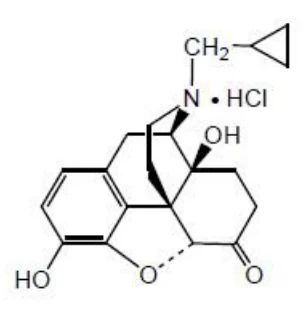
Physicochemical properties:
Description: Naltrexone hydrochloride is a white to yellowish, crystalline compound.
Solubility: It is soluble in water to the extent of about 100 mg/mL.
Drug Substance
Proper name: Bupropion Hydrochloride
Chemical name: (±)-1-(3 chlorophenyl)-2-[(1,1 dimethylethyl)amino]-1-propranone hydrochloride
Molecular formula and molecular mass: C13H18ClNO•HCl 276.2 g/mol
Structural formula:
Physicochemical properties:
Description: Bupropion hydrochloride powder is white, crystalline.
Solubility: Highly soluble in water.
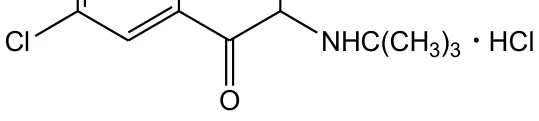
14 CLINICAL TRIALS
14.1 Clinical Trials by Indication
Adjunct to a reduced-calorie diet and increased physical activity for chronic weight management in adults
The effects of CONTRAVE on weight loss in conjunction with reduced caloric intake and increased physical activity was studied in Phase 2 and Phase 3 double-blind, placebo-controlled obesity trials (BMI range 27 to 45 kg/m2) with study durations of 16 to 56 weeks in which patients were randomized to naltrexone (16 to 50 mg/day) and/or bupropion (300 to 400 mg/day) or placebo.
Effect on Weight Loss and Weight Maintenance
Four Phase 3 56-week multicenter, double-blind, placebo-controlled obesity trials (CONTRAVE Obesity Research, or COR-I, COR-II, COR-BMOD, and COR-Diabetes) were conducted to evaluate the effect of CONTRAVE in conjunction with lifestyle modification in 4,536 patients randomized to CONTRAVE or placebo. The COR-I, COR-II, and COR-BMOD trials enrolled patients with obesity (BMI 30 kg/m2 or greater) or overweight (BMI 27 kg/m2 or greater) and at least one comorbidity (hypertension or dyslipidemia). The COR-Diabetes trial enrolled patients with BMI greater than 27 kg/m2 with type 2 diabetes with or without hypertension and/or dyslipidemia and not achieving glycemic goal of a HbA1c less than 7% either with or without oral antidiabetic agents.
Treatment was initiated with a three-week dose-escalation period followed by approximately 1 year of continued therapy. Patients were instructed to take CONTRAVE with food. COR-I, COR-II and COR-Diabetes included a program consisting of instruction to follow a reduced-calorie diet resulting in an approximate 500 kcal/day decrease in caloric intake, behavioral counseling, and increased physical activity. COR-BMOD included an intensive behavioral modification program consisting of 28 group counseling sessions over 56 weeks as well as a prescribed diet and exercise regimen.
In the Phase 3 COR-I, COR-II and COR-BMOD combined, the mean age was 46 years, 83% were female, 77% were Caucasian, 18% were Black, and 5% were other races. At baseline, mean BMI was 36 kg/m2 and mean waist circumference was 110 cm. Of the overall population from these three trials, 25% had hypertension, 33% had fasting glucose levels ≥100 mg/dL (5.6 mmol/L) at baseline, 54% had dyslipidemia at study entry, and 11% had type 2 diabetes. In the Phase 3 COR-Diabetes trial, the mean age was 54 years, 54% were female, 80% were Caucasian, 16% were Black, and 4% were other races. At baseline, mean BMI was 37 kg/m2, mean waist circumference was 115 cm and mean HbA1c was 8%. At study entry, 62% had hypertension and 84% had dyslipidemia.
A substantial percentage of randomized patients withdrew from the trials prior to Week 56: 45% for the placebo group and 46% for the CONTRAVE group. The majority of these patients discontinued within the first 12 weeks of treatment. Approximately 24% of patients treated with CONTRAVE and 12% of patients treated with placebo discontinued treatment because of an adverse reaction.
The two co-primary endpoints were percent change from baseline body weight and the proportion of subjects achieving ≥5% total decreased body weight. The primary endpoint was at Week 56 for Studies COR-I, COR-BMOD and COR-Diabetes. In Study COR-II, the primary endpoint was Week 28, since non-responders were re-randomized to a higher naltrexone dose starting at Week 28. For this reason, efficacy results for COR-II are not fully described; however, results were generally consistent with those of Study COR-I.
Results from COR-I, COR-BMOD and COR-Diabetes are shown below.
In the 56-week COR-I trial, the mean change in body weight was -5.4% among patients assigned to CONTRAVE 32 mg / 360 mg compared with -1.3% among patients assigned to placebo (Intent-To-Treat [ITT] population), as shown in Table 7 and Figure 1. In this trial, the achievement of at least a 5% reduction in body weight from baseline occurred more frequently for patients treated with CONTRAVE 32 mg / 360 mg compared with placebo (42% vs 17%).
As seen in Table 7, in the COR-I study subjects had a mean percent body weight loss of -5.4% while receiving CONTRAVE compared to -1.3% in placebo-treated subjects. Weight loss of at least 5% baseline body weight was observed more frequently for subjects treated with CONTRAVE (31%) compared to placebo (12%) (Table 7). More pronounced weight loss was observed in the cohort of subjects who completed 56 weeks of treatment with CONTRAVE
(-8.1%) compared to placebo (-1.8%). Comparable results were seen in the COR-II study, which was of similar design, with significant weight loss observed in CONTRAVE–treated subjects compared to placebo at the Week 28 primary endpoint and sustained through 56 weeks from baseline (Table 7).
CONTRAVE was also evaluated in combination with intensive behavioural modification counseling in the COR-BMOD study. Correspondingly, there was greater mean weight loss from baseline for CONTRAVE treatment (-8.1%) compared to study COR-I (-5.4%) at Week 56, and for placebo (-4.9%) compared to study COR-I (-1.3%).
The treatment effects observed in obese and overweight subjects with type 2 diabetes mellitus
(Study COR-Diabetes) were somewhat less pronounced than those observed in the other Phase 3 studies, but CONTRAVE (-3.7%) was significantly (p<0.001) more efficacious than placebo (-1.7%) treatment in this population.
Table 7: Mean Weight Loss (% Change) from Baseline to Week 56 (ITT/LOCF) in CONTRAVE Phase 3 Studies COR-I, COR-BMOD, and COR-Diabetes
| COR-I | COR-BMOD | COR-Diabetes | ||||||||||||||||||||||
|---|---|---|---|---|---|---|---|---|---|---|---|---|---|---|---|---|---|---|---|---|---|---|---|---|
CONTRAVE 32 mg/360 mg | Placebo | CONTRAVE 32 mg/360 mg | Placebo | CONTRAVE 32 mg/360 mg | Placebo | |||||||||||||||||||
| N | 538 | 536 | 565 | 196 | 321 | 166 | ||||||||||||||||||
| Intent-to-Treat Analysis Set† | ||||||||||||||||||||||||
| Baseline (kg) | 99.8 | 99.5 | 100.3 | 101.8 | 104.2 | 105.3 | ||||||||||||||||||
| LS Mean % Change from Baseline (95% CI) | -5.4* (-6.0, -4.8) | -1.3 (-1.9, -.07) | -8.1* (-8.8, -7.4) | -4.9 (-6.1, -3.7) | -3.7 (-4.3, -3.1) | -1.7 (-2.5, -0.9) | ||||||||||||||||||
| Difference from placebo (LS Mean) (95% CI) | -4.0* (-4.8, -3.3) | -3.2* (-4.5, -1.8) | -2.0* (-3.0, -1.0) | |||||||||||||||||||||
CI, Confidence Interval; LS, Least Squares.
95% confidence intervals calculated as LS Mean ±1.96 x Standard Error.
† Subjects who were randomized, had a baseline body weight measurement, and had at least one postbaseline body weight measurement during the defined treatment phase. All available body weight data during the double-blind treatment phase are included in the analysis, including data collected from subjects who discontinued study drug. Results are based on last-observation carried- forward (LOCF).
* Difference from placebo, p<0.001.
Studies COR-I, COR-BMOD, and COR-Diabetes were conducted in subjects who were obese, or overweight or obese with comorbidities. Study COR-BMOD had a more intensive behavioural modification program. Study COR-Diabetes was conducted in subjects who were overweight or obese and had type 2 diabetes mellitus.
The percentages of patients who achieved at least 5% or at least 10% body weight loss from baseline were greater among those assigned to CONTRAVE, compared with placebo (Table 8), in all four obesity trials.
Table 8: Percentage (%) of Subjects Losing ≥5% and ≥10% of Body Weight from Baseline to Week 56 (ITT/LOCF and All Randomized/BOCF) in Phase 3 Studies COR-I, COR-BMOD, and COR-Diabetes
| COR-I | COR-BMOD | COR-Diabetes | |||||||||||||||
|---|---|---|---|---|---|---|---|---|---|---|---|---|---|---|---|---|---|
CONTRAVE 32 mg/ 360 mg | Placebo | CONTRAVE 32 mg/ 360 mg | Placebo | CONTRAVE 32 mg/ 360 mg | Placebo | ||||||||||||
| Intent-to-Treat Analysis Set† | |||||||||||||||||
| N | 538 | 536 | 565 | 196 | 321 | 166 | |||||||||||
| ≥5% Weight Loss | 42* | 17 | 57* | 43 | 36* | 18 | |||||||||||
| ≥10% Weight Loss | 21* | 7 | 35* | 21 | 15** | 5 | |||||||||||
| Randomized Population†‡ | |||||||||||||||||
| N | 583 | 581 | 591 | 202 | 335 | 170 | |||||||||||
| ≥5% Weight Loss | 31* | 12 | 46** | 34 | 28* | 14 | |||||||||||
| ≥10% Weight Loss | 17* | 5 | 30* | 17 | 13** | 5 | |||||||||||
† Subjects who were randomized, had a baseline body weight measurement, and had at least one postbaseline body weight measurement during the defined treatment phase. All available body weight data during the double-blind treatment phase are included in the analysis, including data collected from subjects who discontinued study drug. Results are based on last-observation carried- forward (LOCF).
‡With baseline observation carried forward (BOCF), i.e., subjects who discontinued before Week 56 were considered as non-responders
* Difference from placebo, p<0.001
** Difference from placebo, p<0.01
Studies COR-I, COR-BMOD, and COR-Diabetes were conducted in subjects who were obese, or overweight or obese with comorbidities. Study COR-BMOD had a more intensive behavioural modification program. Study COR-Diabetes was conducted in subjects who were overweight or obese and had type 2 diabetes mellitus.
Of the subjects with observed data at Week 16 in the four Phase 3 clinical trials, 50.8% of those randomized to receive CONTRAVE had lost ≥5% of their baseline body weight, compared to 19.3% of placebo-treated subjects (Week 16 Responders). Additionally, Week 16 Responders who received CONTRAVE had a high retention rate with 87% completing 1 year of treatment. The ≥5% weight loss threshold at Week 16 had 86.4% positive predictive value and 84.8% negative predictive value for determining whether a subject treated with CONTRAVE would achieve at least 5% weight loss at Week 56. Patients who did not meet the early response criterion were not found to have increased tolerability or safety issues relative to patients who did have a favorable early response.
The time course of weight loss up to Week 56 is shown by study in Figures 1, 2 and 3 below, for the patients who completed 56 weeks of double-blind treatment; the results for the ITT/LOCF are indicated for the Week 56 endpoint.
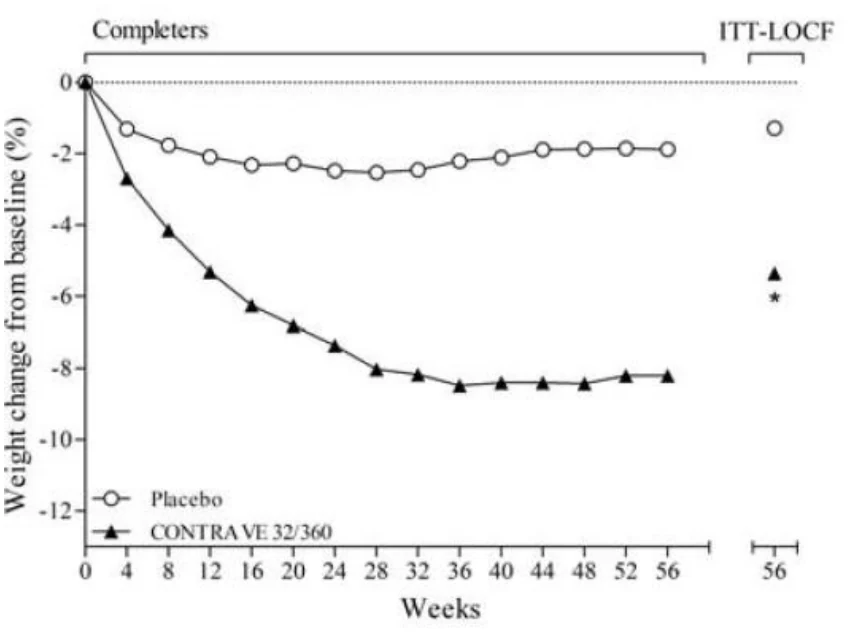
* p<0.001 vs placebo
Figure 1 – Weight Loss Over Time in Completer Population: COR-I Trial
COR-I trial: 50.1% in the placebo group and 49.2% in the CONTRAVE group discontinued the drug.
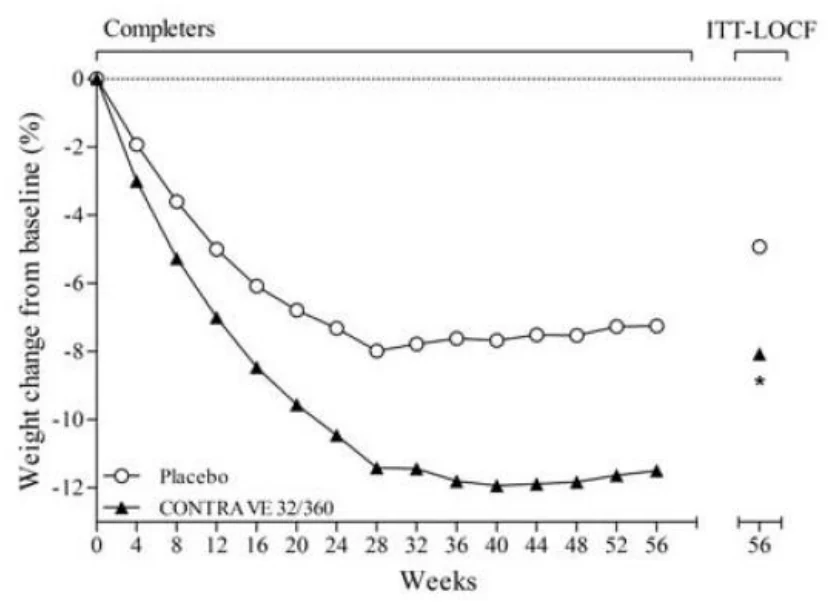
* p<0.001 vs placebo
Figure 2 – Weight Loss Over Time in Completer Population: COR-BMOD Trial
COR-BMOD trial: 41.6% in the placebo group and 42.1% in the CONTRAVE group discontinued the drug.
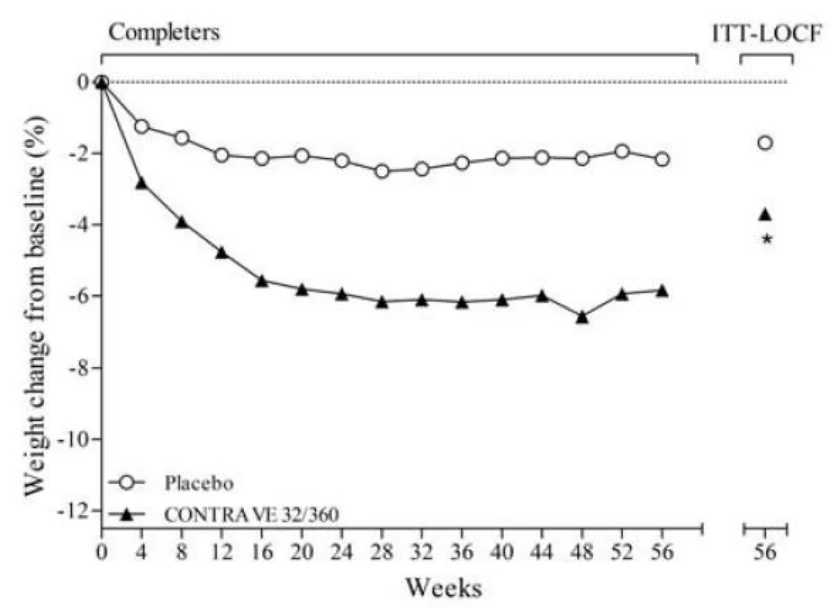
* p<0.001 vs placebo
Figure 3 – Weight Loss Over Time in Completer Population: COR-Diabetes Trial
COR-Diabetes trial: 41.2% in the placebo group and 47.8% in the CONTRAVE group discontinued the drug.
Effect on Cardiovascular and Metabolic Parameters
Changes in cardiovascular and metabolic parameters associated with obesity are presented for studies COR-I and COR-BMOD (patients without diabetes) in Table 9 and for Study COR-Diabetes in Table 10. Changes in mean blood pressure and heart rate are also further described elsewhere (see 7 WARNINGS AND PRECAUTIONS, Cardiovascular, Increase in Blood Pressure and Heart Rate).
Table 9: Change in Cardiovascular and Metabolic Parameters from Baseline to Week 56 in Phase 3 Studies COR-I and COR-BMOD (overweight or obese patients without Diabetes)
| Parameters | COR-I | ||||
|---|---|---|---|---|---|
CONTRAVE 32 mg/360 mg N=471 | Placebo N=511 | ||||
| Baseline mean | Change from baseline† | Baseline mean | Change from baseline† | CONTRAVE minus placebo (LS Mean) | |
| Waist circumference, cm | 108.8 | -6.2 | 110.0 | -2.5 | -3.8 |
| Systolic blood pressure, mm Hg | 118.9 | -0.1 | 119.0 | -1.9 | 1.8 |
| Diastolic blood pressure, mm Hg | 77.1 | 0.00 | 77.3 | -0.9 | 0.9 |
| Heart rate, bpm | 72.1 | 1.0 | 71.8 | -0.2 | 1.2 |
| % Change from baseline† | % Change from baseline† | ||||
| Triglycerides, mmol/L* | 1.3 | -11.6 | 1.3 | 1.7 | -10.7 |
| HDL-C, mmol/L | 1.3 | 8.0 | 1.3 | 0.8 | 7.2 |
| LDL-C, mmol/L | 3.1 | -2.0 | 3.1 | -0.5 | -1.5 |
| Parameters | COR-BMOD | |||||||||||||||
|---|---|---|---|---|---|---|---|---|---|---|---|---|---|---|---|---|
CONTRAVE 32 mg/360 mg N=482 | Placebo N=193 | |||||||||||||||
| Baseline mean | Change from baseline† | Baseline mean | Change from baseline† | CONTRAVE minus placebo (LS Mean) | ||||||||||||
| Waist circumference, cm | 109.3 | -10.0 | 109.0 | -6.8 | -3.2 | |||||||||||
| Systolic blood pressure, mm Hg | 116.9 | -1.3 | 116.7 | -3.9 | 2.6 | |||||||||||
| Diastolic blood pressure, mm Hg | 78.2 | -1.4 | 77.2 | -2.8 | 1.4 | |||||||||||
| Heart rate, bpm | 70.7 | 1.1 | 70.4 | 0.2 | 0.9 | |||||||||||
| % Change from baseline† | % Change from baseline† | |||||||||||||||
| Triglycerides, mmol/L* | 1.24 | -17.8 | 1.16 | -7.4 | -9.9 | |||||||||||
| HDL-C, mmol/L | 1.6 | 9.4 | 1.4 | 2.8 | 6.6 | |||||||||||
| LDL-C, mmol/L | 2.8 | 7.1 | 2.8 | 10.0 | -2.9 | |||||||||||
*Values are baseline median, median % change, and the Hodges-Lehmann estimate of the median treatment difference
† Least square means, from all randomised subjects who had a baseline measurement and had at least one post-baseline body weight measurement while on study drug. Based on LOCF with the last on-drug observation carried forward.
Studies COR-I and COR-BMOD were conducted in subjects who were obese, or overweight or obese with comorbidities. Study COR-BMOD had a more intensive behavioural modification program.
Table 10: Change in Cardiovascular and Metabolic Parameters from Baseline to Week 56 in the Phase 3 Study COR-Diabetes (overweight or obese patients with Type 2 Diabetes Mellitus)
CONTRAVE 32 mg/360 mg N=265 | Placebo N=159 | ||||||||||||||||||
|---|---|---|---|---|---|---|---|---|---|---|---|---|---|---|---|---|---|---|---|
| Parameters | Baseline mean | Change from baseline† | Baseline mean | Change from baseline† | CONTRAVE minus placebo (LS Mean) | ||||||||||||||
| HbA1c, % | 8.0 | -0.6 | 8.0 | -0.1 | -0.5 | ||||||||||||||
| Fasting glucose, mmol/L | 8.9 | -0.7 | 9.1 | -0.2 | -0.4 | ||||||||||||||
| Waist circumference, cm | 115.6 | -5.0 | 114.3 | -2.9 | -2.1 | ||||||||||||||
| Systolic blood pressure, mm Hg | 125.0 | 0.0 | 124.5 | -1.1 | 1.2 | ||||||||||||||
| Diastolic blood pressure, mm Hg | 77.5 | -1.1 | 77.4 | -1.5 | 0.4 | ||||||||||||||
| Heart rate, bpm | 72.9 | 0.7 | 73.1 | -0.2 | 0.9 | ||||||||||||||
| Baseline mean | % Change from baseline† | Baseline mean | % Change from baseline† | CONTRAVE minus placebo (LS Mean) | |||||||||||||||
| Triglycerides, mmol/L* | 1.7 | -7.7 | 1.9 | -8.6 | -3.3 | ||||||||||||||
| HDL-C, mmol/L | 1.2 | 7.4 | 1.2 | -0.2 | 7.6 | ||||||||||||||
| LDL-C, mmol/L | 2.6 | 2.4 | 2.6 | 4.2 | -1.9 | ||||||||||||||
† Least square means, from all randomised subjects who had a baseline measurement and had at least one post-baseline body weight measurement while on study drug. Based on LOCF with the last on-drug observation carried forward.
*Values are baseline median, median % change, and the Hodges-Lehmann estimate of the median treatment difference
Effect on Body Composition
In a subset of subjects, body composition was measured using dual energy X-ray absorptiometry (DEXA) (CONTRAVE = 79 subjects and placebo = 45 subjects). The DEXA assessment showed that treatment with CONTRAVE was associated with greater reductions from baseline in total body fat than placebo. The results in this small sample of subjects indicated that most of the change in body mass in CONTRAVE and placebo (-6.97 kg CONTRAVE and -2.01 kg placebo) was attributable to a decrease in fat mass (-4.72 kg CONTRAVE and -1.44 kg placebo) as opposed to lean mass (-1.94 CONTRAVE vs. -0.60 placebo), as measured by DEXA. In terms of body composition, the decreases in percent fat mass in both CONTRAVE and placebo were -2.44% vs. -0.77%, respectively as measured by DEXA.
15 MICROBIOLOGY
No microbiological information is required for this drug product.
16 NON-CLINICAL TOXICOLOGY
Studies to evaluate single and repeat dose toxicity, genotoxicity, carcinogenesis, or impairment of fertility with the combined products in CONTRAVE have not been conducted. The following findings are from studies performed individually with naltrexone and bupropion. The potential genotoxic, carcinogenic, and fertility effects of the metabolite 6-beta-naltrexol are unknown. Safety margins were estimated using body surface area exposure (mg/m2) based on a body weight of 100 kg.
General Toxicology
- Naltrexone
The findings of acute toxicity studies carried out with naltrexone are summarized in the following table:
| Acute Toxicity | Drug-related findings LD50 (mg/kg) | ||||||||||
|---|---|---|---|---|---|---|---|---|---|---|---|
| Species | PO | SC | IV | IP | |||||||
| Mouse | 1100 | 570 | 95, 180* | 332 | |||||||
| Rat | 1450 | 1930 | 117 | --- | |||||||
| Guinea Pig | 1490 | 301 | --- | --- | |||||||
| Dog | >130 | 200 | 117 | --- | |||||||
* two tests
In the acute toxicity studies in the mouse, rat, and dog, cause of death was due to clonic-tonic convulsions and/or respiratory failure.
The findings of the repeat dose toxicity studies carried out with naltrexone are summarized in the following table:
| Species | Duration | Dose (mg/kg/day) | Observations | |||||
|---|---|---|---|---|---|---|---|---|
| Rat | 90 days | 35, 70, 560 p.o. | No significant findings | |||||
| 30 days | 3, 15, 300 s.c. | No significant findings | ||||||
| Dog | 90 days | 20, 40, 100 p.o. | Emesis at 100 mg/kg/day; no other significant findings | |||||
| 28 days | 2, 10. 50 s.c. | Emesis, salivation, mild tremors, and muscular weakness at 50 mg/kg/day; no other significant findings | ||||||
| Monkey | 1 year | 1, 5, 10, 20 p.o. | No significant findings | |||||
- Bupropion
Three acute toxicity studies (LD50) were carried out in mice and rats at doses ranging from 175 to 700 mg/kg. The LD50 ranged from 263 mg/kg in male Long-Evans rats to 636 mg/kg in female CD-1 mice. Clinical signs included convulsions, ataxia, loss of righting reflex, laboured breathing, prostration, salivation, and ptosis.
In a 14-day oral toxicity study in rats, a reversible dose-related increase in absolute and relative liver weights (approximately 5-30%) was noted in males and females in all treated groups at termination of dosing. The doses used in this study were 0, 100, 200 and 300 mg/kg/day. These liver weight increases were related to microsomal enzyme production. No other treatment related changes were found.
In a 90-day study in rats, dose-related irritability and urinary incontinence was observed. A dose related increase in liver weight was noted. The dosage used was up to 450 mg/kg/day.
In a 55-week study in rats, a dose-related increase in the frequency of yellow staining of the fur around the anogenital region was observed. Other findings were dry brown material around the nose or mouth and moisture around the mouth, especially soon after dosing. No compound related effects on body weight, food consumption, haematology, biochemistry, or urinalysis was observed. No compound related gross pathological findings were noted. Statistically significant increases in group mean liver and kidney weights across all treated groups and a slight increase in iron positive pigment in the spleens of males at 100 mg/kg/day were noted.
In repeat dose studies in dogs of up to fifty weeks, increased salivation, emesis, and dry nose and/ or mouth were noted occasionally. Generally, body trembling and weakness were also seen at 150mg/kg/day. Dose related frequency of occurrence of slight to moderate decrease in haemoglobin, haematocrit and total erythrocytes was noted at most intervals of analysis. Slight to moderate increase in SGPT and SGOT, alkaline phosphatase and BSP retention was noted in some dogs.
In rats receiving large doses of bupropion chronically, there was an increase in incidence of hepatic hyperplastic nodules and hepatocellular hypertrophy. In dogs receiving large doses of bupropion chronically, various histologic changes were seen in the liver, and laboratory tests suggesting mild hepatocellular injury were noted. Data generated to date from clinical trials does not indicate an association of bupropion with hepatotoxicity in humans.
Genotoxicity
- Naltrexone
There was limited evidence of a weak genotoxic effect of naltrexone in one gene mutation assay in a mammalian cell line, in the Drosophila recessive lethal assay, and in non-specific DNA repair tests with E. coli. However, no evidence of genotoxic potential was observed in a range of other in vitro tests, including assays for gene mutation in bacteria, yeast, or in a second mammalian cell line, a chromosomal aberration assay, and an assay for DNA damage in human cells. Naltrexone did not exhibit clastogenicity in an in vivo mouse micronucleus assay.
- Bupropion
Bupropion produced a positive response (two to three times control mutation rate) in two of five strains in the Ames bacterial mutagenicity test and an increase in chromosomal aberrations in one of three in vivo rat bone marrow cytogenetic studies.
Carcinogenicity
- Naltrexone
In a two-year carcinogenicity study in rats with naltrexone, there were small increases in the numbers of testicular mesotheliomas in males and tumors of vascular origin in males and females. The incidence of mesothelioma in males given naltrexone at a dietary dose of 100 mg/kg/day (approximately 50 times the recommended therapeutic dose on a mg/m2 basis for the naltrexone maintenance dose for CONTRAVE) was 6%, compared with a maximum historical incidence of 4%. The incidence of vascular tumors in males and females given dietary doses of 100 mg/kg/day was 4%, but only the incidence in females was increased compared with a maximum historical control incidence of 2%. There was no evidence of carcinogenicity in a two-year dietary study with naltrexone in male and female mice.
- Bupropion
Lifetime carcinogenicity studies of bupropion were performed in rats and mice at doses up to 300 and 150 mg/kg/day, respectively. These doses are approximately 15 and 3 times the maximum recommended human dose (MRHD) of the bupropion component in CONTRAVE, respectively, on a mg/m2 basis. In the rat study there was an increase in nodular proliferative lesions of the liver at doses of 100 to 300 mg/kg/day (approximately 5 to 15 times the MRHD of the bupropion component in CONTRAVE on a mg/m2 basis); lower doses were not tested. The question of whether or not such lesions may be precursors of neoplasms of the liver is currently unresolved. Similar liver lesions were not seen in the mouse study, and no increase in malignant tumors of the liver and other organs was seen in either study.
Reproductive and Developmental Toxicology
Reproduction and developmental studies have not been conducted for the combined products naltrexone and bupropion in CONTRAVE. Safety margins were estimated using body surface area exposure (mg/m2) based on a body weight of 100 kg.
Separate studies with bupropion and naltrexone have been conducted in pregnant rats and rabbits.
- Naltrexone
Naltrexone administered orally to rats caused a significant increase in pseudopregnancy and a decrease in pregnancy rates in rats at 100 mg/kg/day (approximately 50 times the MRHD of the naltrexone component in CONTRAVE on a mg/m2 basis). There was no effect on male fertility at this dose level. The relevance of these observations to human fertility is not known.
Naltrexone administered orally has been shown to increase the incidence of early fetal loss in rats administered ≥30 mg/kg/day (180 mg/m2/day) and rabbits administered ≥60 mg/kg/day (720 mg/m2/day), doses at least 15 and 60 times, respectively, the maximum recommended human dose [MRHD] of the naltrexone component in CONTRAVE on a mg/m2 basis. There was no evidence of teratogenicity when naltrexone was administered orally to rats and rabbits during the period of major organogenesis at doses up to 200 mg/kg/day (approximately 100 and 200 times the recommended therapeutic dose, respectively, on a mg/m2 basis). Rats do not form appreciable quantities of the major human metabolite, 6-beta-naltrexol; therefore, the potential reproductive toxicity of the metabolite in rats is not known.
- Bupropion
A fertility study of bupropion in rats at doses up to 300 mg/kg/day (approximately 15 times the MRHD of the bupropion component in CONTRAVE on a mg/m2 basis) revealed no evidence of impaired fertility.
Bupropion was administered orally in studies conducted in rats and rabbits at doses up to 450 and 150 mg/kg/day, respectively (approximately 20 and 15 times the MRHD, respectively, of the bupropion component in CONTRAVE on a mg/m2 basis), during the period of organogenesis. No clear evidence of teratogenic activity was found in either species; however, in rabbits, slightly increased incidences of fetal malformations and skeletal variations were observed at the lowest dose tested (25 mg/kg/day, approximately 2 times the MRHD on a mg/m2 basis) and greater. Decreased fetal weights were seen at 50 mg/kg and greater (approximately 5 times the MRHD of the bupropion component in CONTRAVE on a mg/m2 basis). When rats were administered bupropion at oral doses of up to 300 mg/kg/day (approximately 15 times the MRHD of the bupropion component in CONTRAVE on a mg/m2 basis) prior to mating and throughout pregnancy and lactation, there were no apparent adverse effects on offspring development.