


Product Monograph - Desloratadine Tablets
SUMMARY PRODUCT INFORMATION
Route of Administration | Dosage Form / Strength | All Nonmedicinal Ingredients |
| oral | Tablet 5 mg | FD&C blue #2/indigo carmine aluminum lake, hydroxypropyl methylcellulose, lactose monohydrate, mannitol, methyl cellulose, opadry II blue 32B10817, polyethylene glycol, titanium dioxide and zinc stearate. |
INDICATIONS AND CLINICAL USE
DESLORATADINE TABLETS are indicated for:
- fast 24 hour and effective relief of multi nasal and non-nasal symptoms associated with allergic rhinitis, including sneezing, nasal discharge/rhinorrhea and itching, nasal congestion/stuffiness, itching of the palate and/or ears and/or throat and/or eyes and allergic cough, as well as burning, swollen, tearing and redness of the eyes.
- the rapid and effective relief of symptoms associated with chronic idiopathic urticaria, such as pruritus and hives.
CONTRAINDICATIONS
- Patients who are hypersensitive to this drug or to any ingredient in the formulation or component of the container. For a complete listing, see the Dosage Forms, Composition and Packaging section of the product monograph.
WARNINGS AND PRECAUTIONS
Serious Warnings and Precautions
In the case of severe hepatic or renal insufficiency, use with caution.
Hepatic/Biliary/Pancreatic
In a single-dose (7.5 mg) pharmacokinetic study, subjects with mild to severe hepatic dysfunction (n=4/group) had mean AUC and Cmax values up to 2.4 times higher than healthy subjects (n=8); however, these findings are not considered to be clinically relevant.
Desloratadine tablets 5 mg was administered for 10 days to subjects with normal hepatic function (n=9) or moderate dysfunction (n=11). Subjects with hepatic dysfunction could experience a 3-fold increase in exposure (AUC) to desloratadine, but these findings are not considered to be clinically relevant.
Therefore no dosage modification is recommended in individuals with hepatic dysfunction (see DETAILED PHARMACOLOGY / Human Pharmacokinetics / Hepatic Dysfunction).
Neurologic
Desloratadine should be administered with caution in patients with a medical or family history of seizures. In particular, young children may be more susceptible to developing new seizures under desloratadine treatment. Healthcare providers may consider discontinuing desloratadine in patients who experience a seizure while on treatment.
Renal
In a single-dose (7.5 mg) pharmacokinetic study, subjects (n=25) with varying degrees of renal insufficiency (mild, moderate, severe and hemodialysis) had 1.7 to 2.5 fold increases in desloratadine mean AUC with minimal change in 3-hydroxy desloratadine concentrations. However, these findings are not considered to be clinically relevant (see DETAILED PHARMACOLOGY / Human Pharmacokinetics / Renal Dysfunction).
In the case of severe renal insufficiency, desloratadine should be used with caution.
Respiratory
Use in Asthmatics: Desloratadine has been safely administered to patients with mild to moderate asthma (see CLINICAL TRIALS / Efficacy in Seasonal Allergic Rhinitis: Patients with SAR and Concomitant Mild to Moderate Asthma).
Desloratadine did not cause exacerbation of asthma symptoms (see DETAILED PHARMACOLOGY / Human Pharmacokinetics / Asthmatics).
Special Populations
Pregnant Women: Since no clinical data on exposed pregnancies are available with desloratadine, the safe use of desloratadine during pregnancy has not been established. The use of Desloratadine Tablets during pregnancy is therefore not recommended.
No overall effect on rat fertility was observed with desloratadine at an exposure that was 34 times higher than the exposure in humans at the recommended clinical dose. No teratogenic or mutagenic effects were observed in animal trials with desloratadine (see TOXICOLOGY).
Nursing Women: Desloratadine passes into breast milk; therefore, breast-feeding is not recommended in lactating women taking Desloratadine Tablets.
Pediatrics (Tablets <12 years of age): The efficacy and safety of desloratadine in children under 12 years of age have not been established.
Geriatrics (> 65 years of age): In a multiple dose study with desloratadine 5 mg, subjects >65 years of age (n=17) had AUC and Cmax values 20% greater and plasma elimination half-life approximately 30% longer than in younger subjects; however, these changes are not considered to be clinically relevant and no dosage adjustment is warranted in this age subgroup (see DETAILED PHARMACOLOGY / Human Pharmacokinetics / Elderly).
ADVERSE REACTIONS
Adverse Drug Reaction Overview
No clinically relevant drug-related adverse effects including cardiovascular effects were observed with desloratadine in clinical trials.
Very rare cases of hypersensitivity reactions including anaphylaxis and rash have been reported during the marketing of desloratadine. In addition, cases of tachycardia, palpitations, psychomotor hyperactivity, seizures, elevations of liver enzymes, hepatitis, increased bilirubin, and increased appetite have been reported very rarely.
Clinical Trial Adverse Drug Reactions
Because clinical trials are conducted under very specific conditions the adverse reaction rates observed in the clinical trials may not reflect the rates observed in practice and should not be compared to the rates in the clinical trials of another drug. Adverse drug reaction information from clinical trials is useful for identifying drug-related adverse events and for approximating rates.
The frequency of reasonably related undesirable effects is presented as the excess incidence in 1866 patients who received desloratadine 5 mg tablets compared to that seen in 1857 patients who received placebo in multiple-dose clinical trials evaluating the treatment of seasonal and allergic rhinitis and chronic idiopathic urticaria. The type and frequency of undesirable effects reported throughout the desloratadine allergic rhinitis and CIU clinical trials were comparable to those reported with placebo.
At the recommended dose of 5 mg daily, undesirable effects with desloratadine were reported in only 3% of patients in excess of those treated with placebo. No excess incidence of somnolence was reported in patients treated with desloratadine. Headache was reported in only 0.6% of patients in excess of those treated with placebo. The incidence of treatment-related adverse events reported by ≥ 1% of subjects treated with desloratadine 5 mg in multiple-dose clinical trials is presented in Table 1.
Table 1. Incidence of Treatment-Related Adverse Events Reported by ≥ 2% of Subjects
Treated with desloratadine 5 mg in Multiple-Dose Allergic Rhinitis and Chronic Idiopathic Urticaria Studies.
| Numbera (%) of Subjects | ||||||
| Desloratadine | ||||||
| 5.0 mg | Placebo | |||||
| (n= 1866) | (n= 1857) | |||||
| No. of Subjects (%) with Any Related Adverse Eventb | 281 (15.1) | 232 (12.5) | ||||
Autonomic Nervous System Disorders Dry Mouth Fatigue | 51 (2.7) 49 (2.6) 33 (1.8) | 36 (1.9) 34 (1.8) 12 (0.6) | ||||
Body As a Whole-General Disorders Headache | 124 (6.6) 84 (4.5) | 88 (4.7) 72 (3.9) | ||||
Psychiatric Disorders Somnolence | 53 (2.8) 36 (1.9) | 48 (2.6) 35 (1.9) | ||||
a: Number of subjects reporting related adverse events at least once during the study. Some subjects may have reported more than one adverse event.
b: Considered by the investigator to be possibly or probably related to treatment.
Post-Market Adverse Drug Reactions
Very rare cases of hypersensitivity reactions, including anaphylaxis and rash have been reported during the marketing of desloratadine. In addition, cases of tachycardia, palpitations, psychomotor hyperactivity, somnolence, seizures, elevations of liver enzymes, hepatitis, increased bilirubin, and increased appetite have been reported very rarely.
DRUG INTERACTIONS
Overview
Desloratadine taken concomitantly with alcohol did not potentiate the performance impairing effects of alcohol (see DETAILED PHARMACOLOGY / Human Pharmacodynamics / Psychomotor Pharmacodynamics).
Drug-Drug Interactions
No clinically relevant interactions with desloratadine were observed in clinical trials investigating the potential for interaction with azithromycin, erythromycin, ketoconazole, fluoxetine, and cimetidine (see DETAILED PHARMACOLOGY / Human Pharmacokinetics / Drug-Drug Interactions).
Drug-Food Interactions
There was no effect of food or grapefruit juice on the disposition of desloratadine (see DETAILED PHARMACOLOGY / Human Pharmacokinetics / Effect of food).
Drug-Herb Interactions
Interactions with herbal products have not been established.
Drug-Laboratory Interactions
Interactions with laboratory test have not been established.
Drug-Lifestyle Interactions
Effects on Ability To Drive And Use Machines: None (see DETAILED PHARMACOLOGY / Human Pharmacodynamics / Psychomotor Pharmacodynamics).
DOSAGE AND ADMINISTRATION
Dosing Considerations
In the case of severe hepatic or renal insufficiency, Desloratadine Tablets should be used with caution.
Recommended Dose and Dosage Adjustment
Adults and children (12 years of age and older): One desloratadine 5 mg tablet daily regardless of mealtime. For oral use.
OVERDOSAGE
In the event of overdose, consider standard measures to remove unabsorbed active substance. Symptomatic and supportive treatment is recommended. Desloratadine administered at a dose of 45 mg daily (nine times the clinical dose) for ten days showed no statistically or clinically relevant prolongation of the QTc interval. The mean changes in QTc were 0.3 msec and 4.3 msec for placebo and desloratadine, respectively (p=0.09; Lower confidence interval (LCI) = -0.6; Upper confidence interval (UCI) = 8.7).
Desloratadine is not eliminated by hemodialysis; it is not known if it is eliminated by peritoneal dialysis.
For management of a suspected drug overdose, contact your regional Poison Control Centre immediately.
ACTION AND CLINICAL PHARMACOLOGY
Mechanism of Action
Desloratadine is a non-sedating long-acting antihistamine with selective peripheral H1-receptor antagonist activity, which has demonstrated antiallergic, antihistaminic, and anti-inflammatory activity.
Desloratadine does not exacerbate asthma.
Pharmacodynamics
After oral administration, desloratadine selectively blocks peripheral histamine H1-receptors as the drug is effectively excluded from entry into the central nervous system.
Wheal and Flare: Desloratadine 5 mg was significantly better than placebo, as measured by a reduction in histamine-induced wheal and flare areas for all days tested (1, 7, 14, 21, 28). There was no evidence of tachyphylaxis over the 28-day dosing period.
Psychomotor Pharmacodynamics: Clinical trials have demonstrated that there was no difference in the incidence of somnolence in subjects treated with desloratadine 5 mg as compared to subjects treated with placebo.
No significant differences were found in the psychomotor test results between desloratadine and placebo groups, whether administered alone or with alcohol. Co-administration of alcohol with desloratadine did not increase the alcohol-induced impairment in performance or increase in sleepiness. No effects on the ability to drive and use machines have been observed. A single dose of desloratadine did not affect standard measures of flight performance including exacerbation of subjective sleepiness or tasks related to flying.
Cardiovascular Pharmacodynamics: In a multiple dose clinical trial, in which up to 20 mg of desloratadine was administered daily for 14 days to 49 healthy volunteers, no statistically or clinically relevant cardiovascular effects were observed. In another trial, desloratadine was administered at a dose of 45 mg daily (nine times the clinical dose) for ten days; no prolongation of the QTc interval was seen (see OVERDOSAGE).
The potential for desloratadine to interact with ketoconazole (N=24), erythromycin (N=24), azithromycin (N=90), fluoxetine (N=54), and cimetidine (N=36) was investigated in separate interaction studies. Ketoconazole co-administered with desloratadine increased Cmax and AUC values for desloratadine by 29% and 21% respectively, and 3-hydroxy desloratadine Cmax and AUC values by 77% and 110%, respectively. Erythromycin co-administered with desloratadine increased the Cmax and AUC values for desloratadine by 24% and 14%, respectively. The increases were 43% and 40%, respectively, for 3-hydroxy desloratadine. Azithromycin co-administered with desloratadine increased the Cmax and AUC values for desloratadine by 15% and 5%, respectively. The increases were 15% and 4%, respectively, for 3-hydroxy desloratadine. Fluoxetine co-administered with desloratadine resulted in no change in the AUC of desloratadine and an increase of 15% in the Cmax of desloratadine. The Cmax and AUC values for 3-hydroxy desloratadine were increased by 17% and 13% respectively. Cimetidine co-administered with desloratadine increased Cmax and AUC values by 12% and 19% respectively while the Cmax and AUC of 3-hydroxy desloratadine were reduced by 11.2% and 2.8% respectively. However, as there was no evidence of change in the safety profile of desloratadine throughout these studies, the increases in plasma concentrations are not considered to be
clinically relevant. In addition, no clinically relevant changes in electrocardiographic pharmacodynamics (QTc) were observed.
Pharmacokinetics
Absorption: Desloratadine plasma concentrations can be detected within 30 minutes of desloratadine administration. Desloratadine is well absorbed with maximum concentrations achieved after approximately 3 hours; the mean elimination half-life is approximately 27 hours. The bioavailability of desloratadine is dose proportional over the range of 5 mg to 20 mg. Equivalent exposure (AUC) to desloratadine, 3-hydroxy desloratadine, and 3-hydroxy desloratadine glucuronide was achieved after desloratadine 5mg and loratadine 10 mg.
In separate single dose studies, at the recommended doses, pediatric patients had comparable AUC and Cmax values of desloratadine to those in adults who received a 5 mg dose of desloratadine syrup or tablets.
Distribution: No information available.
Metabolism: Desloratadine is extensively metabolized. The results of metabolic profiling indicated that hydroxylation of desloratadine to 3-hydroxy desloratadine (3-OH desloratadine) followed by its subsequent glucuronidation was the major pathway of metabolism of desloratadine. The enzyme responsible for the metabolism of desloratadine has not been identified yet, and therefore some interactions with other drugs cannot be fully excluded. In-vivo studies with specific inhibitors of CYP3A4 and CYP2D6 have shown that these enzymes are not important in the metabolism of desloratadine. Desloratadine does not inhibit CYP3A4 and CYP2D6 and is neither a substrate nor an inhibitor of p-glycoprotein.
Data from clinical pharmacology studies indicate that a subset of the general adult and pediatric patient population has a decreased ability to form 3-hydroxydesloratadine. Ninety pediatric and 440 adult subjects were phenotyped for the polymorphism in clinical pharmacology studies. The incidence of the trait was approximately 8.6% in adults and 15.6% in pediatric subjects. In both pediatric and adult studies the slow metabolizer trait is more frequent in subjects of African descent than Caucasians. The desloratadine exposure (AUC) associated with the slow metabolizer phenotype has been well characterized (~4 times that of normal metabolizers) in single dose studies and is similar in pediatric and adult subjects at various doses. Median (range) AUC in pediatric normal and slow metabolizers was 31.9 (14 to 74) ng.hr/mL and 116 (72 to 210) ng.hr/mL, respectively. The corresponding values for adult normal and slow metabolizers were 33.5 (8.7 to 99) ng.hr/mL and 139 (82 to 393) ng.hr/mL, respectively. In adults characterized as slow metabolizers, desloratadine exposure (AUC) after multiple doses has been demonstrated to be about six fold higher than that of normal metabolizers. The desloratadine exposure after multiple doses has not been documented for children. The safety profile of adult and pediatric slow metabolizers of desloratadine was not different from that of the general population.
Desloratadine is moderately bound (83% to 87%) to plasma proteins.
Following administration of desloratadine 5mg for 28 days, the approximate two-fold degree of accumulation of desloratadine and 3-OH desloratadine is consistent with the half-life of DL and its active metabolite and a once daily dosing frequency. This accumulation is not clinically meaningful. The pharmacokinetics of desloratadine and 3-OH desloratadine do not change after daily dosing for 7 consecutive days.
There is no evidence of clinically relevant drug accumulation following once daily dosing of desloratadine (5 mg to 20 mg) for 14 days.
Results from a single dose trial of 7.5 mg desloratadine demonstrate that there was no effect of food (high-fat, high caloric breakfast) on the disposition of desloratadine. In another study, grapefruit juice had no effect on the disposition of desloratadine.
Excretion: A human mass balance study documented a recovery of approximately 87% of the 14C-desloratadine dose, which was equally distributed in urine and feces as metabolic products.
Special Populations and Conditions
See DETAILED PHARMACOLOGY/ Human Pharmacokinetics for:
- Pediatrics
- Geriatrics
- Gender
- Race
- Hepatic Insufficiency
- Renal Insufficiency
STORAGE AND STABILITY
Temperature and Moisture
Store at controlled room temperature 15°C to 30°C. Protect from moisture.
Others
Keep in a safe place out of the reach of children. Store in well closed container.
SPECIAL HANDLING INSTRUCTIONS
None.
DOSAGE FORMS, COMPOSITION AND PACKAGING
Dosage Forms
Desloratadine Tablets: 5 mg tablet for oral administration.
Composition
Desloratadine Tablets are formulated as blue, round, film-coated, biconvex, immediate release tablets, engraved “APO” on one side and “DL5” on the other side. Each tablet contains 5 mg of active ingredient, desloratadine.
Non-medicinal ingredients: FD&C blue #2/indigo carmine aluminum lake, hydroxypropyl methylcellulose, lactose monohydrate, mannitol, methyl cellulose, opadry II blue 32B10817, polyethylene glycol, titanium dioxide and zinc stearate.
Packaging
Desloratadine Tablets are packaged in PVC/PVdC aluminum blisters in boxes of 10, 12, 20, 24, 30, 36, 48 and 50 tablets. Desloratadine tablets are also available in HDPE bottles of 100 tablets. 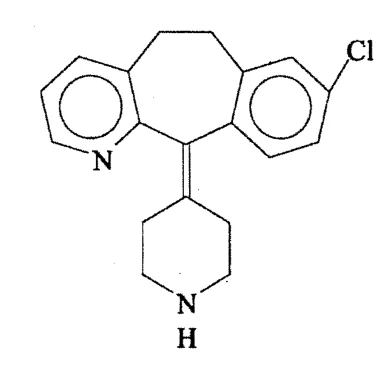
PART II: SCIENTIFIC INFORMATION
PHARMACEUTICAL INFORMATION
Drug Substance
Proper Name: Desloratadine
Chemical Name: 8-chloro-6,11-dihydro-11-(4-piperidinylidene)-5H-benzo-
[5,6]cyclohepta[1,2-b]pyridine
Molecular Formula: C19H19ClN2
Molecular Mass: 310.83 g/mol
Structural Formula:
Physicochemical properties:
Physical Form: White to creamish powder
Solubility: Desloratadine is soluble in Methanol and Chloroform.
It is very soluble in Methanol (>400 mg/mL), Ethanol (>100 mg/mL) and Propylene glycol (>100 mg/mL). It is soluble in Acetone (20 mg/mL) and 0.1N HCl (40 mg/mL). It is slightly soluble in Water (0.1 mg/mL) and 0.1N NaOH (0.08 g/mL).
The aqueous solubility as a function of pH determined at ambient temperature:
Water 0.080 mg/mL
0.1N HCl 33.986 mg/mL
0.01N HCl 3.230 mg/mL
0.001N HCl 0.416 mg/mL
pH 4.5 Acetate buffer 11.632 mg/mL
pH 7.4 Phosphate buffer 4.049 mg/mL SGF (without enzymes) 28.582 mg/mL SGF (with enzymes) 20.157 mg/mL SIF 9.093 mg/mL SIF (with enzymes) 9.019 mg/mL
pKa Values: Pyridine Nitrogen 4.3
Piperidine Nitrogen 9.7
Partition Coefficient: 5.4 x 10⁻³ at pH 1 and 10.5 at pH 7 (N-Octane and Buffer)
Melting Point: 150 to 151°C
CLINICAL TRIALS
Comparative Bioavailability Studies
A randomized, single dose, double-blinded, 2-way crossover comparative bioavailability study, conducted under fasting conditions was performed on healthy male volunteers. The rate and extent of absorption of desloratadine was measured and compared following a single oral dose (1 x 5 mg tablet) of AERIUS® (desloratadine) and Desloratadine Tablet in 22 volunteers. The results from measured data are summarized in the following table:
Summary Table of the Comparative Bioavailability Data
Desloratadine (A single 5 mg dose: 1 x 5 mg) From Measured Data/Fasting Conditions Geometric Mean Arithmetic Mean (CV%) | ||||
| Parameter | Desloratadine Tablets (Apotex Inc.) (Canada) | AERIUS®† (Schering Canada Inc.) (Canada) | Ratio of Geometric Means (%) | 90% Confidence Interval (%) |
AUC0-72 (ng•hr/mL) | 26.3765 32.4626 (58.57) | 25.5479 32.1245 (58.12) | 103.24 | 90.93 – 117.22 |
AUCI (ng•hr/mL) | 30.9620 37.8607 (47.60) | 28.9957 35.4404 (53.64) | 106.78 | 92.78 – 122.90 |
Cmax (ng/mL) | 1.9847 2.2205 (45.81) | 2.1160 2.3583 (47.56) | 93.79 | 83.38 – 105.50 |
| Tmax§ (hr) | 4.67 (30.75) | 4.20 (40.72) | - | - |
| T1/2§ (hr) | 12.79 (22.58) | 12.29 (34.62) | - | - |
§ Arithmetic means (CV%) only. † AERIUS® is manufactured by Schering Canada Inc. and was purchased in Canada. | ||||
Efficacy in Seasonal Allergic Rhinitis
Study demographics and trial design
The clinical efficacy of desloratadine in the treatment of seasonal allergic rhinitis (SAR) was demonstrated in four multiple-dose, placebo-controlled clinical trials (C98-001, C98-223, C98-224, and C98-225). A total of 2499 subjects with SAR were randomized to treatment with either desloratadine or placebo. Of these, 1838 patients received active treatment. Efficacy endpoints in
the clinical trials included Total Symptom Score, Total Nasal Symptom Score, Total Non-Nasal Symptom Score, and Quality of Life analysis. Desloratadine 5 mg once daily significantly reduced the Total Symptom Scores (the sum of individual scores for rhinorrhea, sneezing, congestion/stuffiness, nasal itching, itchy/burning eyes, tearing, ocular redness, and itchy ears/palate).
Study Results
Desloratadine tablets 5 mg was significantly more effective than placebo in reducing Total Nasal Symptoms including congestion and Total Non-Nasal Symptoms. Instantaneous assessments of efficacy at the end of the dosing interval demonstrated that reductions in symptoms which were observed following the first dose of desloratadine 5 mg were maintained for the full 24 hour dosing interval. There was no significant difference in the effectiveness of desloratadine 5 mg across subgroups of patients defined by gender, age, or race.
Onset of Action Studies: Results from onset of action studies utilizing controlled-exposure chambers indicated that subjects first became aware of significant improvements in their SAR symptoms as early as 1 hour and 15 minutes following a 5.0 mg dose of desloratadine.
Quality of Life (QOL) Assessments: Exploratory assessments of quality of life in clinical trials indicated that SAR produced a consistent burden of disease. Improvements in therapeutic responses with desloratadine 5 mg were also associated with improvements in various QOL domains including but not limited to: activity limitations, sleep problems, general problems, practical problems, nasal symptoms, ocular problems, emotional function, vitality and social functioning (see Table 2).
Table 2: Desloratadine tablets (5 mg) effectiveness in alleviating the burden of SAR: improvement in QOL domains.
| Study | Study Description | Results |
| Pradalier A. et al. (2007) | Methods: A multicenter, double-blind, randomized, placebo-controlled, parallel-group study of desloratadine 5 mg vs placebo in patients with symptomatic SAR. Objective: To compare the effects of desloratadine and placebo on QOL in seasonal AR Study duration: Two weeks. Population: ITT population consisted of 483 subjects (234 patients in the desloratadine 5 mg arm vs 249 patients in the placebo arm). Validated QOL measurement tool: French-language version of RQLQ. The questionnaire includes 28 items in seven domains (activity limitations, |
|
| Study | Study Description | Results |
| sleep problems, general problems, practical problems, nasal symptoms, ocular symptoms, and emotional function).Patients rated experiences over the previous week using a 7-point scale: 0 (not bothered at all) to 6 (extremely bothered); the total score was the mean of the domain scores. Secondary efficacy variables: The change from baseline to D14 in TNSS. Primary efficacy variable: QOL assessment, and change from baseline in TNSS, TNNSS, TSS and individual symptom score and diary symptom score. | in TNSS (P=0.0003), TNNSS (P=0.001) and TSS (P=0.0001) at D14 compared to D0 vs placebo.
|
QOL: Quality of Life
ITT: Intent-To-Treat
D0: day 0;
D14: day 14;
RQLQ: French-language version of Rhinoconjunctivitis Quality of Life Questionnaire.
TNSS: Total Nasal Symptoms Score;
TNNSS: Total Non-Nasal Symptoms Score;
TSS: Total Symptoms Score.
Efficacy in Perennial Allergic Rhinitis
Study demographics and trial design
The clinical efficacy of desloratadine in the treatment of perennial allergic rhinitis (PAR) was evaluated in two multiple-dose, placebo-controlled clinical trials (P00218 and P00219). A total of 1374 subjects with PAR were randomized to treatment with either desloratadine tablets or placebo. Of these, 685 patients received active treatment.
Study Results
One of the two perennial allergic rhinitis trials supported efficacy of desloratadine, compared with placebo, for the primary efficacy endpoint (average am/pm instantaneous total symptom score excluding nasal stuffiness/congestion expressed as change from baseline). In that study, the majority of the secondary efficacy endpoints supported treatment efficacy. The second pivotal trial did not achieve statistical significance for the primary efficacy endpoint "average am/pm instantaneous total symptom score excluding nasal stuffiness/congestion, expressed as change from baseline". A statistically significant difference between desloratadine and placebo was shown in this trial for one of the secondary efficacy variables “joint investigator-subject evaluation of therapeutic response”.
Efficacy in Seasonal Allergic Rhinitis: Patients With SAR and Concomitant Mild to Moderate Asthma.
Berger et al (2002) published results from a study evaluating safety and efficacy of (5 mg desloratadine) in patients with SAR and mild seasonal allergic asthma. The four week multi-center, double-blind, placebo-controlled study included 331 patients (ages 15 or older) with a two year history of SAR and increased asthma signs or symptoms in conjunction with fall/winter allergy season. Patients were clinically symptomatic at screening and were assigned to take either 5 mg desloratadine or placebo once daily for 4 weeks. The following symptoms were evaluated in the study: rhinorrhea, nasal stuffiness/congestion, nasal itching, sneezing, itching/burning eyes, tearing/watering eyes, redness of eyes, and itching of ears/palate. Patients evaluated symptoms twice daily (morning/evening) and the primary efficacy parameter was difference from baseline in AM/PM reflective total symptom scores. The results showed that compared to placebo, desloratadine significantly reduced SAR total symptom scores with first dose, which continued throughout the study duration (p < 0.001). Desloratadine was safe and well tolerated in patients with SAR and mild seasonal allergic asthma. The number and type of treatment-related adverse events were similar between the desloratadine and placebo groups.
Table 3: Published clinical trial evaluating safety and efficacy of Desloratadine tablets (5 mg) in treating SAR in patients with SAR and concomitant mild to moderate asthma.
| Study | Study Description | Results |
| Berger WE. et al. (2002) | Methods: A multicenter, parallel-group, double-blind, placebo-controlled, study of desloratadine 5 mg vs placebo in patients with SAR and mild seasonal allergic asthma. Objective: To evaluate the safety and efficacy of desloratadine 5 mg in patients experiencing moderate SAR, nasal congestion, and symptoms of seasonal allergic asthma. Study duration: Four weeks. Population: ITT population consisted of 331 subjects (168 patients in the desloratadine 5 mg arm vs 163 patients in the placebo arm). Primary efficacy variable: The mean AM/PM reflective TSS, expressed as the change from baseline for the averages of days 1 to 15, with additional analyses at days 1 to 29. |
|
SAR: Seasonal allergic rhinitis; ITT: Intent-To-Treat;
TSS: Total Symptoms Score;
Efficacy in Chronic Idiopathic Urticaria
Study demographics and trial design
The clinical efficacy of desloratadine in the treatment of chronic idiopathic urticaria (CIU) was documented in over 400 chronic idiopathic urticaria patients 12 to 84 years of age in 2 double-blind, placebo-controlled, randomized clinical trials of 6 weeks duration as demonstrated by reduction of associated itching and hives.
Study Results
Desloratadine tablets significantly reduced the severity of pruritus, number of hives, size of largest hive, and total symptom score when compared to placebo. Symptoms were effectively reduced as early as one day after initiation of treatment with desloratadine and were sustained for the full 24-hour dosing interval.
Treatment with desloratadine also improved sleep and daytime functions as measured by reduced interference with sleep and routine daily activities.
There was no significant difference in the effectiveness of desloratadine 5 mg across subgroups of patients defined by gender, age, or race.
Quality of Life (QOL) Assessment
A number of published clinical trials, evaluating the impact of desloratadine (5 mg) on chronic idiopathic urticaria on QOL have demonstrated that desloratadine 5 mg significantly improves a variety of QOL domains. A summary is provided in Table 4.
Table 4: Clinical trials demonstrating desloratadine (5 mg) effectiveness in alleviating the burden of chronic idiopathic urticaria: improvement in QOL domains.
| Study | Study Description | Results |
| Grob JJ et al (2008) | Methods: A multicentered, double-blinded, randomized, placebo-controlled study of desloratadine 5 mg vs placebo in patient with a history of CIU. Objective: To evaluate the effect of desloratadine 5 mg on QOL scores in patients with CIU. Study duration: Six weeks. Population: ITT population consisted of 137 subjects (65 patients in the desloratadine arm vs 72 patients in the placebo arm). Validated QOL measurement tool: DLQI comprises 10 equally weighted items that evaluate the effect of skin problems on patients’ lives: itchiness/soreness/ pain; embarrassment; interference with shopping; |
|
| Study | Study Description | Results |
clothes purchases; social leisure; difficulty playing sports; difficulty with work or study; problems with partner; sexual difficulties; and problems at home caused by treatment. Each item is scored on a continuum from 0 (least impairment) to 3 (worst impairment), with total DLQI scores ranging from 0 to
| self-image (21.5 vs. 30; P=0.075). | |
| Monroe E. et al. (2003) | Methods: A multicentered, double-blinded, randomized, placebo-controlled, parallel-group study of desloratadine 5 mg vs placebo in patient with moderate to severe CIU. Objective: To determine the efficacy (including secondary efficacy QOL sleep and daily activities parameters) and safety of desloratadine 5 mg in patients with moderate to severe CIU. Study duration: Six weeks. Population: ITT population consisted of 226 subjects (116 patients in the desloratadine arm vs 110 patients in the placebo arm). Primary efficacy measure: The change in average reflective AM/PM pruritus scores from baseline. Secondary efficacy outcomes: The reflective average AM/PM scores for number of hives, size of largest hive, and total symptom score (sum of pruritus, number of hives, and size of largest hive scores) as well as, QOL measurements, interference with sleep (AM reflective), and interference with daily activities (PM reflective). |
|
| Lachapelle JM et al. | Methods: A multicentered, open label study of desloratadine 5 mg in patient with CIU. Objective: To assess the effect of once daily desloratadine 5 mg on the QOL of patients |
|
| Study | Study Description | Results |
suffering from CIU. Study duration: Six weeks. Population: ITT population consisted of 121 patients. Validated QOL measurement tool: DLQI comprises 10 equally weighted items that evaluate the effect of skin problems on patients’ lives: itchiness/soreness/ pain; embarrassment; interference with shopping; clothes purchases; social leisure; difficulty playing sports; difficulty with work or study; problems with partner; sexual difficulties; and problems at home caused by treatment. Each item is scored on a continuum from 0 (least impairment) to 3 (worst impairment), with total DLQI scores ranging from 0 to 30); pruritus, number and maximum size of hives, sleep quality and activity impairment were also assessed. | The mean proportional scores observed with desloratadine-treatment at D0, D7 and D42 (44.5%, 30.3%, and 21.9% respectively). The relative proportional changes from baseline were observed with desloratadine on both D7 and D42 (-31.6% and -50.9% respectively). All these changes were statistically significant (P<0.0001).
| |
Grob JJ and Lachapelle JM (2008) | Methods: A structured search of the MEDLINE database was conducted to identify papers published between 1 January 1991 and 30 September 2007 on the treatment of CIU with the second-generation antihistamines cetirizine, desloratadine, fexofenadine, and levocetirizine, and their effects on patient -reported QOL. The Following search terms were used alone or in combination: ‘chronic idiopathic urticaria’; ‘pruritus’; ‘wheals’; ‘hives’; ‘second-generation antihistamines’; ‘cetirizine’; ‘desloratadine’; ‘fexofenadine’; ‘levocetirizine’; and ‘quality of life’. Validated QOL measurement tool: DLQI and VQ-Dermato validated instruments.: DLQI comprises 10 equally weighted items that evaluate the effect of skin problems on patients’ lives: itchiness/soreness/ pain; embarrassment; interference with shopping; |
|
| Study | Study Description | Results |
clothes purchases; social leisure; difficulty playing sports; difficulty with work or study; problems with partner; sexual difficulties; and problems at home caused by treatment. Each item is scored on a continuum from 0 (least impairment) to 3 (worst impairment), with total DLQI scores ranging from 0 to
|
CIU: chronic idiopathic urticaria;
QOL: Quality of Life;
ITT: Intent-To-Treat;
DLQI: Dermatology Life Quality Index;
VQ-Dermato: Questionnaire; reproducible dermatology instrument designed to assess QOL outcomes in French speakers;
RQLQ: French-language version of Rhinoconjunctivitis Quality of Life Questionnaire;
D0: day 0;
D7: day 7;
D42: day 42.
Pediatric Efficacy
Study Results
When given at the recommended doses, the plasma concentration of desloratadine was comparable in the pediatric (2 to 11 years of age) and adult populations (>12 years of age). Thus, since the course of seasonal allergic rhinitis, perennial allergic rhinitis and chronic idiopathic urticaria, and the profile of desloratadine are similar in adults and pediatric patients, efficacy data in adults can be extrapolated to the pediatric population.
Safety Evaluation
Study demographics and trial design
A total of 3758 subjects who received desloratadine in clinical programs for the allergic rhinitis and CIU indications were evaluable for safety. Of these, 3045 were treated with desloratadine in multiple-dose trials, with 2872 receiving doses of 5 mg or higher.
Study Results
The overall incidence of treatment-related adverse events (AEs) in patients treated with desloratadine tablets 5 mg was comparable to the incidence in patients treated with placebo (15.1% with desloratadine tablets 5 mg vs. 12.5% with placebo).
The most common adverse event thought to be at least possibly related to treatment was headache. Treatment-related headache was reported in 4.5% of subjects treated with desloratadine 5 mg compared with 3.9% of placebo subjects. There is no significant difference in the safety of desloratadine among subgroups defined by gender, age or race. There were no indications of any particular cardiovascular safety concerns during the clinical trials based on adverse events, vital signs and ECG assessments. No particular safety concerns relevant to the hepatic system were demonstrated. Overall, the incidence of AEs observed in this program was comparable to placebo, giving desloratadine an acceptable safety profile.
Very rare cases of hypersensitivity reactions, including anaphylaxis and rash have been reported during the marketing of desloratadine.
DETAILED PHARMACOLOGY
Preclinical Pharmacology
Desloratadine is an active metabolite of loratadine that possesses qualitatively similar pharmacodynamic activity with a relative oral potency in animals 2.5 to 4 times greater than loratadine. In guinea pigs, the antihistamine effect after a single dose of desloratadine lasts 24 hours.
In addition to antihistaminic activity, desloratadine has demonstrated antiallergic and anti-inflammatory activity in a number of in vitro (mainly conducted on cells of human origin) and in vivo studies. These studies have shown that desloratadine inhibits the broad cascade of events that initiate and propagate allergic inflammation, including:
- the release of proinflammatory cytokines including IL-4, IL-6, IL-8 and IL-13,
- the release of important proinflammatory chemokines such as RANTES (Regulated upon Activation, Normal T-cell Expressed and Secreted),
- superoxide anion production by activated polymorphonuclear neutrophils,
- eosinophil adhesion and chemotaxis,
- the expression of the adhesion molecules such as P-selectin,
- IgE-dependent release of histamine, prostaglandin (PGD2) and leukotriene (LTC4)
- the acute allergic bronchoconstrictor response and allergic cough.
Desloratadine exhibits excellent receptor specificity for histamine H1-receptors. This selectivity together with a limited entry to the CNS accounts for the little or no sedation liability observed in clinical studies. Although antimuscarinic activity is significant from in vitro studies, this activity does not seem to be relevant in vivo where anticholinergic effects are only seen at very high doses, well in excess of the antihistamine dose.
Reports of serious cardiac arrhythmias with the use of some antihistamines prompted a careful and extensive evaluation of the cardiovascular safety of desloratadine. Years of clinical experience with loratadine, and indirectly with desloratadine, indicates that desloratadine has not been associated with ventricular arrhythmias. Studies with desloratadine in rats, guinea pigs and monkeys, at multiples of the clinical dose, have confirmed there is no effect on important components of the ECG such as PR interval, QRS interval or QTc interval. Further studies on
cardiac K+ channels, including the important HERG channel, have shown no effect at 1 micromolar desloratadine concentration, which is well in excess of therapeutic plasma levels.
Pharmacokinetics
In laboratory animals and humans, desloratadine was extensively absorbed (> 90%) following oral administration. In laboratory animals, accurate exposure estimates to desloratadine were only obtained at low doses since duration (0-24 hr) of plasma sampling did not allow for an accurate determination of AUC(0-∞). In rats and monkeys, CL/F values for desloratadine decreased with duration of dosing; however in humans, single dose and multiple dose CL/F values were the same. The cause for the changes in CL/F in rats and monkeys is unknown. In all species, exposure to desloratadine was greater following desloratadine administration than following an equal dose (mg/kg or mg) of loratadine.
The low amounts of desloratadine recovered in urine and feces indicate that, in laboratory animals and humans (normal metabolizers), desloratadine is metabolically cleared from plasma.
In vivo and in vitro metabolic profiles for desloratadine, loratadine and their metabolites were obtained in laboratory animals and humans. The metabolic pathways for desloratadine were the same within each species following 14C-desloratadine and 14C-loratadine administration. The primary pathways for desloratadine metabolism involved hydroxylation at either the 3-, 5-, or 6- positions. All desloratadine metabolites identified in human plasma and excreta following desloratadine and loratadine administration were also observed in profiles from at least one of the preclinical species.
The major (>5%) human metabolites of desloratadine were present in all species (mouse, rat, rabbit, monkey) after exposure to desloratadine and loratadine. In laboratory animals, hydroxylation was primarily at the 5- and 6-position while in humans hydroxylation occurred primarily at the 3-position.
Human Pharmacodynamics
Cardiovascular Pharmacodynamics: To confirm the cardiovascular safety of desloratadine, a study to evaluate the electrocardiographic effects of desloratadine in subjects (n=24) treated with 45 mg desloratadine (nine times the clinical dose) once daily for 10 days was conducted. The primary endpoint of this study was the difference between Baseline (Day -1) maximum ventricular rate, PR, QRS, QT and QTc intervals and the corresponding Day 10 maximum ECG parameters. At 9-fold the proposed clinical dose, there was no statistically or clinically relevant prolongation of the QTc interval. The mean changes in QTc were 0.3 msec and 4.3 msec for placebo and desloratadine, respectively (p=0.09; Lower confidence interval (LCI) = -0.6; Upper confidence interval (UCI) = 8.7). It should be noted that in a separate rising, multiple dose study in which up to 20 mg of desloratadine was administered daily for 14 days, no statistically or clinically relevant cardiovascular effects were observed.
Psychomotor Pharmacodynamics: Drowsiness and somnolence, which affect psychomotor performance, have been reported with first generation antihistamines. The co-administration of alcohol with such products has resulted in further impairment of psychomotor performance. In a
previous study, CLARITIN (loratadine) did not increase the alcohol-induced impairment in performance or increase in sleepiness.
In the previously mentioned clinical study, which utilized a 45 mg dose of desloratadine (nine times the clinical dose) (see Cardiovascular Pharmacodynamics), there were no reports of somnolence. In a separate randomized, single-dose, double-blind, placebo-controlled, 4-way crossover study, 25 healthy volunteers were treated with desloratadine 7.5 mg/juice, desloratadine 7.5 mg/alcohol in juice, placebo tablet/alcohol in juice and placebo tablet/juice. No significant differences were found in the psychomotor test results between desloratadine and placebo groups, whether given alone or with alcohol. In a study with desloratadine no effects on the ability to drive and use machines have been observed. In a separate study in normal volunteers administered a single dose of 5 mg desloratadine, no effects on standard measures of flight performance were observed.
Human Pharmacokinetics
A multiple-dose pharmacokinetic study was conducted at the clinical dose of 5 mg in a large cohort of subjects (n=112) comprised of a 1:1 ratio of males to females and in which patient demographics were comparable to those of the general SAR population. Subjects received their treatment once daily for 10 days. Steady state for desloratadine and 3-hydroxy desloratadine (3-OH DL) was attained by Day 7. In this study, 4% of the subjects, defined as slow metabolizers, achieved a higher concentration of desloratadine. Maximum desloratadine concentration was about 3-fold higher at approximately 7 hours with a terminal phase half-life of approximately 89 hours. In these subjects, desloratadine is cleared from plasma by elimination of parent drug in urine and feces. The safety profile of these subjects was not different from that of the general population. The accumulation (R=1.11 to 1.64) after 14 days of once daily dosing was consistent with desloratadine half-life (~27 hours) and the once daily dosing frequency.
The influence of sex and race (Caucasian, Black) on the pharmacokinetic parameters (area under the curve [AUC], maximum concentration [Cmax]) for desloratadine and 3-OH desloratadine was examined in a second multiple dose study. The mean AUC and Cmax were higher in females (desloratadine: 3 and 10%, respectively, and 3-OH desloratadine: 48% and 45%, respectively) compared to males. With regards to race, AUC and Cmax were higher (18% and 32%, respectively) in Blacks than Caucasians. In contrast, the 3-OH desloratadine parameters were lower (10%). Considering the magnitude of the changes and safety demonstrated following administration of a dose of 45 mg desloratadine, the increases are not clinically relevant, therefore, no dosage adjustment is required for race or gender.
Protein Binding: The in vitro protein binding of desloratadine to human plasma protein was determined by ultrafiltration and ranges between 82.8% to 87.2% over the concentration range of 5 to 400 ng/mL. For this degree of protein binding (free fraction 13%), interactions involving displacement are not known to be clinically important.
Effect of Food: Results from a single dose food effect study using a 7.5 mg dose of desloratadine demonstrated that there was no effect of food (high-fat, high caloric breakfast) on the disposition of desloratadine. In another study, grapefruit juice had no effect on the disposition of desloratadine.
Drug-Drug Interactions: Two randomized, two-way crossover, third-party blind, multiple dose (10 days), placebo-controlled studies characterized the effect of CYP3A4 inhibitors ketoconazole (N=24) and erythromycin (N=24) on the pharmacokinetics and cardiovascular safety of desloratadine.
A third study (N=90) with similar design, except comparing parallel groups, investigated the effect of azithromycin, an azilide antibiotic that also inhibits CYP3A4, on the pharmacokinetics and cardiovascular pharmacodynamics of desloratadine.
Two additional randomized, multiple dose, parallel group studies investigated the effect of cimetidine (N=36) and fluoxetine (N=54) on the pharmacokinetics and cardiovascular pharmacodynamics of desloratadine.
Ketoconazole co-administered with desloratadine increased Cmax and AUC values for desloratadine by 29% and 21%, respectively, and 3-hydroxy desloratadine Cmax and AUC values by 77% and 110%, respectively. Erythromycin increased Cmax and AUC values for desloratadine by 24% and 14%, respectively. The increases were 43% and 40%, respectively, for 3-hydroxy desloratadine. Azithromycin co-administered with desloratadine increased the Cmax and AUC values for desloratadine by 15% and 5%, respectively. The increases were 15% and 4%, respectively, for 3-hydroxy desloratadine throughout these studies, there was no evidence of change in the safety profile of desloratadine, therefore the increases in plasma concentrations are not considered to be clinically relevant. Ketoconazole induced a small increase in the plasma desloratadine concentrations compared with those reported for loratadine. These data suggest that desloratadine has a reduced potential for interacting with inhibitors of CYP3A4. The similarity of the erythromycin concentrations from this study to previous studies suggests that desloratadine is unlikely to inhibit the metabolism of substrates of CYP3A4, which comprise at least 50% of drugs currently marketed. Fluoxetine co-administered with desloratadine resulted in no change in the AUC of desloratadine and an increase of 15% in the Cmax of desloratadine. The Cmax and AUC for 3-hydroxy desloratadine were increased by 17% and 13% respectively. Cimetidine co-administered with desloratadine increased Cmax and AUC values by 12% and 19% respectively and the Cmax and AUC of 3-hydroxy desloratadine were reduced by 11.2% and 2.8% respectively.
Serial ECG measurements showed no statistically significant or clinically relevant changes in QTc intervals. Mean changes in QTc were 5.4 msec and 2.3 msec for ketoconazole/desloratadine and desloratadine/placebo, respectively (p=0.14; LCI = -7.3; UCI= 11). Mean changes in QTc were 9.8 msec and 7.8 msec for erythromycin/desloratadine and desloratadine/placebo, respectively (p=0.53; LCI = -8.4; UCI = 4.5). Mean changes in QTc were -4.2 msec and -6.3 msec for desloratadine/Azithromycin and desloratadine/placebo, respectively (p = 0.61).
Hepatic Dysfunction: In a single-dose (7.5 mg) study, the pharmacokinetics of subjects with mild, moderate and severe hepatic dysfunction (n=4/group), as defined by the Child-Pugh Classification (A, B or C), were compared with data from healthy subjects (n=8) without any evidence of hepatic dysfunction. Within the various subgroups of hepatic dysfunction, there were no significant differences in pharmacokinetics. Subjects with hepatic dysfunction had mean AUC
and Cmax values up to 2.4 times greater than healthy subjects. The pharmacokinetics of desloratadine was evaluated in subjects with normal hepatic function (n=9) or moderate dysfunction (n=11) following once daily administration of desloratadine 5mg for 10 days. Subjects with hepatic dysfunction could experience a 3-fold increase in exposure (AUC) to desloratadine. The exposure to 3-OH DL in subjects with hepatic dysfunction was similar to that in normal subjects. The adverse event profile and electrocardiograms showed no consistent changes of clinical relevance in any subject with hepatic dysfunction. Since the increased concentrations are not considered clinically relevant, no dosage adjustment is recommended for subjects with hepatic dysfunction.
Renal Dysfunction: The pharmacokinetics of desloratadine following a single dose of 7.5 mg was evaluated in patients with mild (n=7), moderate (n=6), and severe (n=6) renal impairment or hemodialysis dependent (n=6) patients. There was little difference between the Cmax and AUC values for subjects with mild and moderate insufficiency. Patients with varying degrees of renal dysfunction including dialysis dependent subjects experienced a 1.7- to 2.5-fold increase in desloratadine median AUC with minimal change in 3-hydroxy desloratadine concentrations. Desloratadine and 3-hydroxy desloratadine were not removed by hemodialysis. Plasma protein binding of desloratadine and 3-hydroxy desloratadine was unaltered by renal disease. The results show that patients with varying degrees of renal dysfunction, including those with severe renal impairment or on dialysis, demonstrated no clinically relevant changes from baseline in pharmacokinetic parameters. In the case of severe renal insufficiency, desloratadine should be used with caution.
Elderly: The pharmacokinetics of desloratadine was evaluated in a subset (n= 17) of subjects >65 years of age who participated in a multiple dose (5 mg once daily x 10 days) study. The mean AUC and Cmax were 20% greater than in subjects <65 years old. The apparent total body clearance adjusted for body weight was similar between the two age groups. The mean plasma elimination half-life was prolonged by approximately 30% (33.7 hours) in subjects > 65 years old. There was no difference in the adverse event reporting frequency in this group. These age related changes are not clinically relevant, therefore, no dosage adjustment is warranted in subjects >65 years of age.
Asthmatics: In 2 four-week studies of 924 patients (aged 15 to 75 years) with seasonal allergic rhinitis and concomitant asthma, desloratadine 5 mg tablets improved rhinitis symptoms, with no decrease in pulmonary function. This supports the safety of administering desloratadine 5 mg tablets to adult patients with seasonal allergic rhinitis with mild to moderate asthma.
MICROBIOLOGY
Not applicable.
TOXICOLOGY
Acute Toxicity
The acute oral (gavage) and intraperitoneal toxicity of desloratadine was evaluated in six week old Sprague-Dawley rats and CD-1 mice. Estimated oral and intraperitoneal LD50 values in both
rats and mice were significant multiples of a human dose of 5.0 mg desloratadine/day. Oral LD50 values were 3530 and ≥ 5490 times the daily human dose in mice and rats respectively. Intraperitoneal LD50 values were ≥ 460 and ≥ 680 times a daily human dose in mice and rats, respectively (Table 5).
Table 5. Desloratadine LD50 Values
| Species | Sex | Route | LD50 Value (mg/kg) | ||
| (Clin. Dose Multiple)a | |||||
| Mouse | Male | PO | 353 (3530X) | ||
| Female | PO | 353 (3530X) | |||
| Mouse | Male | IP | 49 (490X) | ||
| Female | IP | 46 (460X) | |||
| Rat | Male | PO | 616 (6160X) | ||
| Female | PO | 549 (5490X) | |||
| Rat | Male | IP | 178 (1780X) | ||
| Female | IP | 68 (680X) | |||
PO = Oral (gavage); IP = Intraperitoneal
a: Based upon a projected desloratadine clinical dose of 5.0 mg/day (0.10 mg/kg presuming a 50 kg patient).
In an oral (gavage) rising-dose tolerance study in young adult cynomolgus monkeys, emesis was observed at doses ≥ 23.5 and ≥ 93.75 mg/kg in males and females, respectively. Emesis occurred approximately 15 minutes after and/or up to three hours post dose. The maximum dose that did not produce emesis in male monkeys (11.75 mg/kg) still represents an 118-fold multiple of the human dose (0.10 mg desloratadine/kg/day), and an 92-fold monkey-to-human systemic exposure multiple compared to an arithmetic mean Cmax value of 4.0 ng/mL in humans following a 5.0 mg/day dose of desloratadine.
Repeated-Dose Toxicity
Two-week, one-month and three-month desloratadine studies were conducted in rats at doses of up to 240 mg/kg for an initial pilot two-week study, up to 8 mg/kg for the second two-week study and up to 120 mg/kg for one- and three-months. Desloratadine systemic exposure at 60 mg/kg is similar to that achieved with a 120 mg/kg dose of loratadine. The no-effect level for the three-month study was ≥ 3 mg/kg (low-dose) but less than 30 mg/kg. Mortality was observed in the 30, 60 and 120 mg/kg dose groups and in the comparative control (120 mg loratadine/kg) dose group in the three-month study. Fecal changes were observed and were considered related to the anticholinergic effect of this class of compounds. Clinical pathology changes occurred at desloratadine doses ≥ 30 mg/kg (systemic exposure multiple of at least 458 times). The findings associated with target organs/tissues consisted mainly of vacuolation corresponding to phospholipidosis. Phospholipidosis is a common finding of amphiphilic compounds like desloratadine and loratadine. Centrilobular hepatocyte hypertrophy occurred at desloratadine doses of ≥ 30 mg/kg and at 120 mg/kg of loratadine. There was no evidence of phospholipidoses at the 3 mg/kg dose.
Renal tubular cell necrosis and/or renal tubular dilatation were observed at desloratadine doses ≥ 60 mg/kg (systemic exposure multiple of at least 605 times) or at a loratadine dose of 120 mg/kg (desloratadine systemic exposure multiple of at least 663 times).
Renal tubular casts were seen in males given either 60 mg/kg of desloratadine or 120 mg/kg of loratadine. Myofiber degeneration, muscle fibrosis and/or mononuclear infiltrates in muscle occurred at desloratadine doses of ≥ 60 mg/kg and at 120 mg/kg of loratadine. Luminal cellular debris was seen in the seminiferous tubules of the testes at a desloratadine dose of 60 mg/kg and at 120 mg/kg dose of loratadine.
Hypospermatogenesis occurred in the testes of one or more males given 120 mg loratadine/kg or desloratadine doses ≥ 30 mg/kg. Luminal cellular debris was present in the epididymides of the loratadine-dosed males and in the desloratadine-dosed males at doses ≥ 30 mg/kg. Oligospermia was also seen in the epididymides of one male given 30 mg/kg of desloratadine, in one male given 60 mg/kg of desloratadine, and in some males given 120 mg/kg of desloratadine or loratadine. However, there were no testicular changes observed in the one-month study at doses up to 120 mg/kg. Furthermore, these testicular-related changes were consistent with those previously observed with loratadine at doses as low as 2 mg loratadine/kg in rats but with a loratadine no effect dose of 1 mg loratadine/kg for similar findings after one year of dosing. This effect on rat testes has been reported with other antihistamines. With loratadine and desloratadine, this effect is only observed in rats. In the three-month study, granulosa cell necrosis was seen in the ovaries of many females given 120 mg/kg of desloratadine and in some females given 120 mg/kg of loratadine. Uterine immaturity occurred in some females given 60 mg/kg of desloratadine and in many females given 120 mg/kg of desloratadine or loratadine.
A seven-day, a two-week, two one-month and a three-month study were conducted in monkeys with desloratadine. Desloratadine doses of up to 12 mg/kg (systemic exposure multiple of at least 182 times) were well tolerated for up to three-months of dosing and was the no-effect dose in the one-month studies. Doses ≥ 36 mg/kg (systemic exposure multiple of at least 842 times) in the repeat one-month study caused emesis.
In the three-month study, the high dose of 18 mg/kg of desloratadine was increased to 24 mg/kg and the loratadine dose was increased from 22 mg/kg to 72 mg/kg on Day 36. Clinical signs, including few or no feces, extended abdomen, hunched posture and/or lethargy, at the 18/24 mg/kg of desloratadine (systemic exposure multiple of at least 953 times) and 22/72 mg/kg of loratadine (desloratadine systemic exposure multiple of at least 1147 times) doses were attributed to the anticholinergic effects of this class of compounds. Decreases in serum cholesterol and alkaline phosphatase were noted in the 18/24 mg/kg desloratadine group and in the 22/72 mg/kg loratadine group. Evaluation of histopathologic findings from the desloratadine 18/24 mg/kg dose group suggests that this dose produces phospholipidosis similar to that produced by the 22/72 mg/kg loratadine dose. There was no evidence of phospholipidosis following desloratadine doses of 6 mg/kg. There were no testicular changes observed in monkeys dosed for three months at doses up to 18/24 mg desloratadine/kg or 22/72 mg loratadine/kg. In this three-month study, the only effects observed at the 12 mg/kg dose of desloratadine were vacuolation in the salivary glands and lungs. A dose of 6 mg/kg (systemic exposure multiple 204 times) was the no-effect
dose. The toxicity studies demonstrate adequate exposure multiples at the no-effect levels and ensure an acceptable safety profile for desloratadine (Table 6).
Table 6. Systemic Exposure of Desloratadine in Animals Following PO Dose Repeated
Administration of Desloratadine.
| Species | Study | Dose Route/ | Gender | AUC (0-24 hr) (ng•hr/mL) | Animal to Human | ||||
| No-Effect | Exposure Ratio | ||||||||
| Dose | (5.0 mg/day | ||||||||
| (mg/kg) | human dose) | ||||||||
| Rat | 3 Month Toxicity (Day 57) | Gavage 3 | M F | 1950 1890 | 34 33 | ||||
| Monkey | 2-Week Toxicity (Day 14) | Gavage 6.5 | M,Fa | 5115 | 90 | ||||
| Monkey | 1-Month Toxicity (Day 15) | Gavage 12 | M,F | 10388 | 182 | ||||
| Monkey | 1-Month Toxicity Repeat (Day 15) | Gavage 12 | M,F | 16002 | 281 | ||||
| Monkey | 3-Month Toxicity (Day 57) | Gavage 6 | M,F | 11623 | 204 | ||||
| a: M,F equals values for males and females combined. | |||||||||
Carcinogenicity
Since animals and humans are exposed to desloratadine through metabolism of loratadine, carcinogenicity studies conducted with loratadine also assessed the carcinogenic risk of desloratadine.
In an 18-month carcinogenicity study in mice and a 2-year study in rats, loratadine was administered in the diet at doses up to 40 mg/kg/day (mice) and 25 mg/kg/day (rats). Pharmacokinetic assessments were carried out to determine the animal exposure to desloratadine as well as to loratadine in the carcinogenicity studies. Desloratadine AUC data demonstrated that the exposure of mice given 40 mg/kg/day loratadine was 33 times higher than in humans given the maximum recommended daily oral dose of desloratadine. Desloratadine exposure of rats given 25 mg/kg/day of loratadine was 123 times higher than in humans given the highest recommended dose of desloratadine (5mg/day). Male mice given 40 mg/kg/day of loratadine had a significantly higher incidence of hepatocellular tumors (adenomas and carcinomas combined) than concurrent controls. In rats, a significantly higher incidence of hepatocellular tumors (adenomas and carcinomas combined) was observed in males given 10 mg/kg/day and in males
and females given 25 mg/kg/day. The liver tumors observed in the loratadine carcinogenicity studies were considered to be due to nongenotoxic mechanism(s) that were observed only at high doses of loratadine; thus, these animal carcinogenicity findings were not considered relevant to humans taking recommended therapeutic doses of either loratadine or desloratadine.
Mutagenicity
In mutagenicity studies with desloratadine, there was no evidence of mutagenic potential in a reverse point mutation assay (Salmonella/E. coli mammalian microsome bacterial mutagenicity assay) or in two assays for chromosomal aberrations (human peripheral blood lymphocyte clastogenicity assay and mouse bone marrow micronucleus assay).
Reproductive Toxicology
There was no effect on female fertility at doses up to 24 mg/kg/day which produced systemic exposure levels in female rats which were at least 506 times those in humans given the highest recommended clinical dose of desloratadine. In a separate study, decreased fertility in male rats was shown by lower female conception rates associated with decreases in sperm numbers and motility and histopathologic testicular changes, which occurred at an oral dose of desloratadine of 12 mg/kg (systemic exposure approximately 175 times higher than in humans given the maximum recommended dose of desloratadine). Although there was no overall effect on mean sperm motility or concentration, a few rats given desloratadine at a dose of 3 mg/kg/day appeared to have testicular findings consistent with those observed previously with loratadine, which had a no effect dose of 1 mg/kg/day for similar findings after one year of administration. There was no effect on fertility at 3 mg/kg/day, which produced plasma levels (AUC) in rats that were 34 times higher than in humans receiving the maximum clinical dose of desloratadine. This effect on rat testes has been reported with other antihistamines but as with desloratadine and loratadine, this effect is not observed in other laboratory animal species and appears to be unique to the rat.
REFERENCES
- 1. Agrawal DK. Pharmacology and clinical efficacy of desloratadine as an ant-allergic and anti-inflammatory drug. Exp. Opin. Invest. Drugs. 10, 547-560; 2001.
- 2. Bachert C. Decongestant efficacy of desloratadine in patients with seasonal allergic rhinitis. Allergy, Supplement 65. 56,14-20; 2001.
- 3. Bachert C. The role of histamine in allergic disease: reappraisal of its inflammatory potential. Allergy. 57: 287-296; 2002.
- 4. Bachert C. A Review of the Efficacy of Desloratadine, Fexofenadine, and Levocetirizine in the Treatment of Nasal Congestion in Patients with Allergic Rhinitis. Clin Therapeutics. 31(5): 921-44; 2009.
- 5. Baena-Cagnani C.E. Desloratadine activity in concurrent seasonal allergic rhinitis and asthma. Allergy. 56, 21-27; 2001.
- 6. Berger WE, Schenkel EJ, Mansfield LE. Safety and efficacy of desloratadine 5 mg in asthma patients with seasonal allergic rhinitis and nasal congestion. Ann Allergy Asthma Immunol. 89(5): 485-91; 2002.
- 7. Berger WE, Lumry WR, Meltzer EO and Pearlman DS. Efficacy of desloratadine, 5 mg, compared with fexofenadine, 180 mg, in patients with symptomatic seasonal allergic rhinitis. Allergy Asthma Proc. 24(3): 214-23; 2006.
- 8.
Bousquet J, Khaltaev N, Cruz AA, Denburg J, Fokkens WJ, Togias A, et al. Allergic
Rhinitis and its Impact on Asthma (ARIA) 2008 update (in collaboration with the World Health Organization, GA(2)LEN* and AllerGen**). Allergy. 63 (Suppl 86): 8-160; 2008.
- 9. Cerminara C, El-Malhany N, Roberto D, Lo Castro A, Curatolo P. Seizures induced by desloratadine, a second-generation antihistamine: clinical observations. Neuropediatrics. 2013 Aug;44(4):222-4.
- 10.
Day J. Pros and cons of the use of antihistamines in managing allergic rhinitis. J All Clin
Immunol 103:S395-399, 1999.
- 11.
Geha RS, and Meltzer,EO: Desloratadine: A new, nonsedating, oral antihistamine. J
Allergy Clin Immunol. 107, 752-762; 2001.
- 12. Grob JJ, Auquier P, Dreyfus I, and Ortonne JP. Quality of life in adults with chronic idiopathic urticaria receiving desloratadine: a randomized, double-blind, multicentre, placebo-controlled study. J Eur Acad Dermatol Venereol. 22(1): 87-93; 2008.
- 13.
Gupta S, Banfield C, Kantesaria B et al. Pharmacokinetic and Safety Profile of
Desloratadine and Fexofenadine When Coadministered with Azithromycin: A Randomized, Placebo-Controlled, Parallel-Group Study. Clinical Therapeutics. 23,451-466: 2001.
- 14.
Henz BM: The pharmocological profile of desloratadine: a review. Allergy, Supplement
- 65. 56:7-13; 2001.
- 15. Juhlin L. Inhibition of cold urticaria by desloratadine. J Derm Treat. 15:51-54; 2004.
- 16. Kaplan AP, Gray L, Shaff RE, Horakova Z, and Beaven MA. In vivo studies of mediator release in cold urticaria and cholinergic urticaria. J Allergy Clin Immunol. 55:394-402; 1975.
- 17.
Kennard CD, Ellis CN. Pharmacological therapy for urticaria. J Am Acad Dermatol
25:176-189, 1991.
- 18. Kim K, Sussman G, Hebert J, William Lumry W, Lutsky B, and Gates D. Desloratadine therapy for symptoms associated with perennial allergic rhinitis. Ann Allergy Asthma Immunol. 96:460–5, 2006.
- 19. Kreutner W, Hey JA, Anthes J et al. Preclinical pharmacology of desloratadine, a selective and nonsedating histamine H1 receptor antagonist. 1st communication: receptor selectivity, antihistamine activity and antiallergic effects. Arzneim.-Forsch./Drug Res. 50 (I), 345-352; 2000.
- 20. Kreutner W, Hey JA, Chiu P et al. Preclinical pharmacology of desloratadine, a selective and nonsedating histamine H1 receptor antagonist. 2nd communication: Lack of central nervous system and cardiovascular effects. Arzneim.-Forsch./Drug Res. 50 (I), 441-448; 2000.
- 21.
Lachapelle JM, Decroix J, Henrijean A, Roquet-Gravy PP, De Swerdt A. Boonen H,
Lecuyer M, Suys E, Speelman G, and Vastesaeger N. Desloratadine 5 mg once daily improves the quality of life of patients with chronic idiopathic urticaria. J Eur Acad Dermatol Venereol. 20(3):288-92, 2006.
- 22. McClellan K, and Jarvis B; Desloratadine. Drugs 2001; 61 (6): 789-796.
- 23. Meltzer E. Comparative safety of H1 antihistamines. Ann Allergy 67:625, 1991.
- 24. Meltzer EO, Prenner BM, Nayak A, et al: Efficacy and tolerability of once-daily 5 mg desloratadine, an H1-receptor antagonist, in patients with seasonal allergic rhinitis. Clin Drug Invest. 21, 25-32; 2001.
- 25. Meltzer EO, Jalowayski AA, Vogt K, Iezzoni D, and Harris AG. Effect of desloratadine therapy on symptom scores and measures of nasal patency in seasonal allergic rhinitis: results of a single-center, placebo-controlled trial. Ann Allergy Asthma Immunol. 96:363-68, 2006.
- 26. Monroe E, Finn A, Patel P, Guerrero R, Ratner P, and Bernstein D. Efficacy and safety of desloratadine 5 mg once daily in the treatment of chronic idiopathic urticaria: A double-blind, randomized, placebo controlled trial*. J Am Acad Dermatol. 48:535-41, 2003.
- 27.
Monroe EW. The role of antihistamines in the treatment of chronic urticaria. J Allergy Clin
Immunol 86:662-665, 1990.
- 28. Nayak A.S., Schenkel E. Desloratadine reduces nasal congestion in patients with intermittent allergic rhinitis. Allergy 56, 1077-1080; 2001.
- 29. Naclerio RM. Allergic rhinitis, N Engl J Med 325:860-869, 1991.
- 30. Nettis E, Colanardi MC, Soccio AL, Ferrannini A, and Vacca A. Desloratadine in combination with montelukast suppresses the dermographometer challenge test papule, and is effective in the treatment of delayed pressure urticaria: a randomized, double-blind, placebo-controlled study. Br J Dermatol. 155:1279-1282; 2006.
- 31.
Ortonne JP, Grob, JJ, Pascal Auquier P, and Dreyfus I. Efficacy and Safety of
Desloratadine in Adults with Chronic Idiopathic Urticaria: A Randomized, Double-Blind, Placebo-Controlled, Multicenter Trial. Am J Clin Dermatol. 8(1):37-42, 2007.
- 32. Pradalier A, Neukirch C, Dreyfus I, and Devillier P. Desloratadine improves quality of life and symptom severity in patients with allergic rhinitis. Allergy. 62:1331–34, 2007.
- 33. Ring J, Hein R, Gauger A, Bronsky E, Miller B, et al: Once-daily desloratadine improves the signs and symptoms of chronic idiopathic urticaria: a randomized, double-blind, placebo-controlled study. Intl J Dermatol. 40:1-5; 2001.
- 34. Salmun LM and Lorber R. 24-hour efficacy of once-daily desloratadine therapy in patients with seasonal allergic rhinitis [ISRCTN32042139]. BMC Family Practice. 3:1-6, 2002.
- 35. Siebenhaar F, Degener F, Zuberbier T, Martus P, Maurer M. Up-dosing of desloratadine results in better improvement of temperature and exposure time thresholds in patients with cold urticaria. Allergy. 63 (Suppl 88):539; 2008.
- 36. Zuberbier T. Urticaria. Allergy. 58:1224-1234; 2003.
- 37. Zuberbier T, Ifflander J, Semmler C, Henz BM. Acute urticaria: clinical aspects and therapeutic responsiveness. Acta Derm Venereol. 76:295-297; 1996.
- 38. Zuberbier T, Bendslev-Jensen C, Canonica W, Grattan CEH, Greaves MW, Henz BM, et al. EAACI/GA2LEN/EDF guideline: definition, classification and diagnosis of urticaria. Allergy. 61:316-320; 2006.
- 39. Zuberbier T, Bendslev-Jensen C, Canonica W, Grattan CEH, Greaves MW, Henz BM, et al. EAACI/GA2LEN/EDF guideline: management of urticaria. Allergy. 61:321-331; 2006.
- 40.
Product Monograph - AERIUS®, Desloratadine Tablets 5 mg, Bayer Inc., Consumer Care,
Date of Revision: July 9, 2018 (Control # 215387).