


Product Monograph - Edarbyclor
1 Indications
- EDARBYCLOR (azilsartan medoxomil/chlorthalidone) is indicated as initial therapy in patients with severe essential hypertension for whom the benefit of a prompt blood pressure reduction exceeds the risk of initiating combination therapy (see 14 Clinical trials and 4 Dosage and Administration).
- The choice of EDARBYCLOR as initial therapy for severe essential hypertension should be based on an assessment of potential benefits and risks including whether the patient is likely to tolerate the starting dose of EDARBYCLOR.
1.1 Pediatrics
Pediatrics (<18 years): Based on the data submitted and reviewed by Health Canada, the safety and efficacy of EDARBYCLOR in pediatric patients has not been established; therefore, Health Canada has not authorized an indication for pediatric use.
1.2 Geriatrics (aged ≥75 years)
No overall differences in safety or effectiveness were observed between elderly patients and younger patients, however, greater sensitivity of some older individuals cannot be ruled out.
2 Contraindications
EDARBYCLOR (azilsartan medoxomil/chlorthalidone) is contraindicated in:
- Patients who are hypersensitive to azilsartan medoxomil, chlorthalidone, any ingredient in the formulation or component of the container. For a complete listing, see the 6 Dosage Forms, Composition and Packaging section of the product monograph.
- Patients who are hypersensitive to other sulfonamide-derived drugs because of the chlorthalidone component.
- Patients with anuria.
- Patients with refractory hyponatremia
- Combination with aliskiren-containing drugs in patients with diabetes mellitus (type 1 or type 2) or moderate to severe renal impairment (GFR < 60 ml/min/1.73m2) (see 7 Warnings and Precautions, Cardiovascular, Dual Blockade of the Renin-Angiotensin System (RAS) and Renal, and 9.4 Drug-Drug Interactions, Dual Blockade of the Renin-Angiotensin-System (RAS) with ARBs, ACEIs or aliskiren-containing drugs).
- Pregnancy (see 7.1.1 Pregnancy).
- Nursing women (see 7.1.2 Breast-Feeding).
3 Serious Warnings and Precautions Box
When used in pregnancy, angiotensin receptor (AT1) blockers (ARBs) can cause injury or even death of the developing fetus. When pregnancy is detected, EDARBYCLOR should be discontinued as soon as possible (see 7.1 Special Populations).
4 Dosage and Administration
4.1 Dosing Considerations
Geriatrics
No overall differences in safety or effectiveness were observed between elderly patients and younger patients, however, greater sensitivity of some older individuals cannot be ruled out.
Hepatic Impairment
EDARBYCLOR has not been studied in patients with severe hepatic impairment and therefore its use is not recommended in this patient group. As total exposure is increased in mild and moderate hepatic impairment patients, care should be exercised and a lower starting dose is recommended in patients with liver diseases, and the maximum dose should not be exceeded. Care should be exercised in patients with liver disease, especially in those patients with biliary obstructive disorders, as the majority of azilsartan is eliminated in the bile.
Renal Impairment
Caution should be exercised in patients with severe renal impairment and ESRD as there is no experience on the use of EDARBYCLOR in these patients. No dose adjustment is required in patients with mild or moderate renal impairment. The dosage must be individualized.
Intravascular volume or salt depletion
Correct volume and/or salt depletion prior to administration.
4.2 Recommended Dose and Dosage Adjustment
EDARBYCLOR (azilsartan medoxomil/chlorthalidone) is available in strengths of 40 mg/12.5 mg, 80 mg/12.5 mg and 40 mg/25 mg. The antihypertensive effect of EDARBYCLOR is related to the dose of both components.
The usual starting dose of EDARBYCLOR is 40 mg/12.5 mg taken orally once daily. Most of the antihypertensive effect is apparent within 1-2 weeks and therefore, the dosage may be increased after 2-4 weeks as needed to control blood pressure. The maximally effective dose of EDARBYCLOR is 40 mg/25 mg.
Initial Therapy
EDARBYCLOR may be used as initial therapy in patients with severe essential hypertension if it is unlikely that control of blood pressure would be achieved with a single agent.
Dosage should be individualized. Depending on the blood pressure response, the dose may be titrated at intervals of 2-4 weeks.
The dose of EDARBYCLOR is 1 tablet once daily. More than 1 tablet daily is not recommended.
EDARBYCLOR may be taken with or without food (see 10 Clinical Pharmacology).
4.5 Missed Dose
If a dose of EDARBYCLOR is missed at its usual time, it should be taken as soon as possible. However, if it is too close to the time of the next dose, the missed dose should be skipped, and treatment should be resumed with the next scheduled dose. A double dose should not be taken.
5 Overdose
Azilsartan medoxomil
Limited data are available related to overdosage in humans. The most likely manifestations of overdosage would be hypotension and tachycardia. Bradycardia could be encountered if parasympathetic (vagal) stimulation occurs. If symptomatic hypotension should occur, supportive treatment should be initiated.
Hemodialysis does not remove azilsartan from the systemic circulation.
Chlorthalidone
Symptoms of acute overdosage include nausea, weakness, dizziness, and disturbances of electrolyte balance.
For the most recent information in the management of a suspected drug overdose, contact your regional poison control centre or Health Canada’s toll-free number, 1-844 POISON-X (1-844-764-7669)
6 Dosage Forms, Strengths, Composition, and Packaging
Table 1 – Dosage Forms, Strengths, and Composition
Description
EDARBYCLOR is supplied as fixed dose combination tablets that are varying shades of red in color in the following strengths:
- 40 mg/12.5 mg: pale red, round, biconvex, film-coated tablets, approximately 9.7 mm in diameter, with “A/C” and “40/12.5” imprinted on one side. Each tablet contains 42.68 mg azilsartan medoxomil potassium (equivalent to 40 mg of azilsartan medoxomil) and 12.5 mg of chlorthalidone. Supplied in cartons containing one blister of 7 tablets or two blisters of 14 tablets each.
- 80 mg/12.5 mg: pale red, oval, biconvex, film-coated tablets, approximately 14.2 x 8.2 mm, with “A/C” and “80/12.5” imprinted on one side. Each tablet contains 85.36 mg azilsartan medoxomil potassium (equivalent to 80 mg of azilsartan medoxomil) and 12.5 mg of chlorthalidone. Supplied in cartons containing two blisters of 14 tablets each.
- 40 mg/25 mg: light red, round, biconvex, film-coated tablets, approximately 9.7 mm in diameter, with “A/C” and “40/25” imprinted on one side. Each tablet contains 42.68 mg azilsartan medoxomil potassium (equivalent to 40 mg of azilsartan medoxomil) and 25 mg of chlorthalidone. Supplied in cartons containing two blisters of 14 tablets each.
7 Warnings and Precautions
See 3 Serious Warnings and Precautions Box.
Cardiovascular
Hypotension in Volume- or Salt-Depleted Patients
In patients with an activated renin-angiotensin-aldosterone- system (RAAS), such as volume- and/or salt-depleted patients (e.g., those being treated with high doses of diuretics), symptomatic hypotension may occur after initiation of treatment with EDARBYCLOR. The condition should be corrected prior to administration of EDARBYCLOR, or treatment should be started under close medical supervision. If hypotension does occur, the patient should be placed in the supine position and, if necessary, given an
| Route of Administration | Dosage Form / Strength/Composition | Non-medicinal Ingredients |
| Oral | Tablets / 40 mg/12.5 mg, 80 mg/12.5 mg, and 40 mg/25 mg | Crospovidone, Ferric Oxide Red, Fumaric Acid, Hydroxypropyl Cellulose, Hypromellose 2910, Magnesium Stearate, Mannitol, Microcrystalline Cellulose, Polyethylene Glycol 8000, Printing Ink Grey F1, Sodium Hydroxide, Talc and Titanium Dioxide |
intravenous infusion of normal saline. A transient hypotensive response is not a contraindication to further treatment, which usually can be continued without difficulty once the blood pressure has stabilized.
Similar considerations apply to patients with ischemic heart or cerebrovascular disease, in whom an excessive fall in blood pressure could result in myocardial infarction or cerebrovascular accident.
Valvular Stenosis
There is concern on theoretical grounds that patients with aortic stenosis might be at a particular risk of decreased coronary perfusion because they do not develop as much afterload.
Dual blockade of the Renin-Angiotensin System (RAS)
There is evidence that co-administration of angiotensin receptor blockers (ARBs), such as the azilsartan component of EDARBYCLOR, or of angiotensin converting enzyme inhibitors (ACEIs) with aliskiren increases the risk of hypotension, syncope, stroke, hyperkalemia, and deterioration of renal function, including renal failure, in patients with diabetes mellitus (type 1 or type 2) and/or moderate to severe renal impairment (GFR < 60 ml/min/1.73m2). Therefore, the use of EDARBYCLOR in combination with aliskiren-containing drugs is contraindicated in these patients (see 2 Contraindications).
Further, co-administration of ARBs, including the azilsartan component of EDARBYCLOR, with other agents blocking the RAS, such as ACEIs or aliskiren-containing drugs, is generally not recommended in other patients, since such treatment has been associated with an increased incidence of severe hypotension, renal failure, and hyperkalemia.
Endocrine and Metabolism
For endocrine and metabolic effects of EDARBYCLOR, please see 8.4 Abnormal Laboratory Findings: Hematologic, Clinical Chemistry and Other Quantitative Data.
Electrolyte Imbalances
EDARBYCLOR may cause hyponatremia. Monitor serum electrolytes periodically.
Gastrointestinal
Intestinal angioedema: Intestinal angioedema has been reported in patients treated with angiotensin II receptor antagonists, including azilsartan. These patients presented with abdominal pain (with or without nausea, vomiting or diarrhoea). Symptoms resolved after discontinuation of angiotensin II receptor antagonists. Intestinal angioedema should be included in the differential diagnosis of patients treated with angiotensin II receptor antagonists presenting with abdominal pain. If intestinal angioedema is diagnosed, EDARBYCLOR should be discontinued and appropriate monitoring should be initiated until complete resolution of symptoms has occurred.
Chlorthalidone
Hypokalemia
Hypokalemia may develop with chlorthalidone as with any other diuretic, especially with brisk diuresis when severe cirrhosis is present or during concomitant use of corticosteroids or ACTH.
Interference with adequate oral electrolyte intake will also contribute to hypokalemia. Digitalis therapy may exaggerate metabolic effects of hypokalemia especially with reference to myocardial activity.
Hypochloremia
Any chloride deficit is generally mild and usually does not require specific treatment except under extraordinary.
Hyponatremia
Dilutional hyponatremia may occur in edematous patients in hot weather, appropriate therapy is water restriction, rather than administration of salt except in rare instances when the hyponatremia is life threatening. In actual salt depletion, appropriate replacement is the therapy of choice.
Hyperuricemia or gout
Hyperuricemia may occur or frank gout may be precipitated in certain patients receiving chlorthalidone.
Hypomagnesemia
Thiazide-like diuretics have been shown to increase the urinary excretion of magnesium; this may result in hypomagnesemia. Calcium excretion is decreased by thiazide-like drugs.
Immune
Angioedema
Azilsartan medoxomil
One case of angioedema was reported and possibly related to the use of azilsartan medoxomil. Angioedema has been reported with other ARBs. There is potential risk of angioedema with the use of azilsartan medoxomil. If angioedema of the face, extremities, lips, tongue, or glottis occurs, azilsartan medoxomil should be discontinued immediately, the patient should be treated appropriately in accordance with accepted medical care, and carefully observed until the symptoms and signs disappear.
Patients with a known hypersensitivity (anaphylaxis) or angioedema to ARBs should not be treated with EDARBYCLOR.
Systemic Lupus Erythematosus
Chlorthalidone
The possibility of exacerbation or activation of systemic lupus erythematosus has been reported with thiazide diuretics, which are structurally related to chlorthalidone. However, systemic lupus erythematosus has not been reported following chlorthalidone administration.
Hepatic/Biliary/Pancreatic
EDARBYCLOR has not been studied in patients with severe hepatic impairment and therefore its use is not recommended in this patients group. As total exposure is increased in mild and moderate hepatic impaired patients, care should be exercised and a lower starting dose is recommended in patients with liver diseases, and the maximum dose should not be exceeded. Care should be exercised in patients with liver disease, especially in those patients with biliary obstructive disorders, as the majority of azilsartan is eliminated in the bile (see 10 Clinical Pharmacology).
Peri-Operative Considerations
The antihypertensive effects of the drug may be enhanced in the post-sympathectomy patient.
Ophthalmologic
Choroidal Effusion, Acute Myopia and Secondary Angle-Closure Glaucoma
Chlorthalidone is a thiazide-like diuretic contained in EDARBYCLOR. Thiazide diuretics, which are sulfonamides, can cause an idiosyncratic reaction resulting in choroidal effusion associated with acute transient myopia and/or acute angle-closure glaucoma. Symptoms include acute onset of decreased visual acuity or ocular pain and typically occur within hours to a week of a drug initiation. Untreated acute-angle glaucoma can lead to permanent vision loss. The primary treatment is to discontinue the chlorthalidone as rapidly as possible. Prompt medical or surgical treatment may need to be considered if the intraocular pressure remains uncontrolled. Risk factors for developing acute angle closure glaucoma may include a history of sulfonamide or penicillin allergy.
Renal
EDARBYCLOR has not been studied in patients with severe renal impairment.
Azilsartan medoxomil
As a consequence of inhibiting the RAAS, changes in renal function may be anticipated in susceptible individuals treated with EDARBYCLOR. In patients whose renal function may depend on the activity of the RAAS (e.g., patients with severe congestive heart failure, renal artery stenosis, or volume depletion), treatment with ACEIs and ARBs has been associated with oliguria and/or progressive azotemia and rarely with acute renal failure and/or death. Similar results may be anticipated in patients treated with EDARBYCLOR (see 10 Clinical Pharmacology).
The use of ARBs – including the azilsartan component of EDARBYCLOR – or ACEIs with
aliskiren-containing drugs is contraindicated in patients with moderate to severe renal impairment (GFR < 60 ml/min/1.73m2) (see 2 Contraindications and 9.4 Drug-Drug Interactions, Dual Blockade of the Renin-Angiotensin-System (RAS) with ARBs, ACEIs, or aliskiren-containing drugs).
In studies of ACEIs in patients with unilateral or bilateral renal artery stenosis, increases in serum creatinine or blood urea nitrogen (BUN) have been reported. There has been no long-term use of EDARBYCLOR in patients with unilateral or bilateral renal artery stenosis, but similar results may be expected with the use of EDARBYCLOR.
Use of EDARBYCLOR should include appropriate assessment of renal function.
Caution should be exercised in hypertensive patients with severe renal impairment and end-stage renal disease (ESRD) as there is no experience on the use of EDARBYCLOR in these patients. No dose adjustment is required in patients with mild or moderate renal impairment (see 10 Clinical Pharmacology).
There is currently no experience on the use of EDARBYCLOR in patients who have recently undergone kidney transplantation.
Chlorthalidone
In patients with renal disease, chlorthalidone may precipitate azotemia. Cumulative effects of the drug may develop in patients with impaired renal function. If progressive renal impairment becomes evident, as indicated by increased BUN, a careful reappraisal of EDARBYCLOR therapy is necessary with consideration given to withholding or discontinuing diuretic therapy.
There is currently no experience on the use of EDARBYCLOR in patients who have recently undergone kidney transplantation.
Musculoskeletal
Azilsartan medoxomil
Cases of myopathy/rhabdomyolysis have been reported in patients treated with azilsartan medoxomil. In patients who develop unexplained myalgia and muscle weakness, elevated blood creatine phosphokinase, and elevated blood/urine myoglobin, administration should be discontinued, and appropriate measures taken. Caution should be exercised in the development of acute renal failure due to rhabdomyolysis.
Sensitivity/Resistance
Chlorthalidone
Sensitivity reactions may occur in patients with a history of allergy or bronchial asthma.
Photosensitization has been rarely reported.
7.1 Special Populations
7.1.1 Pregnancy
Azilsartan medoxomil
Drugs that act directly on the RAAS can cause fetal and neonatal morbidity and death when administered to pregnant women. When pregnancy is detected, EDARBYCLOR should be discontinued as soon as possible.
The use of ARBs is contraindicated during pregnancy (see 2 Contraindications). Epidemiological evidence regarding the risk of teratogenicity following exposure to ACEIs (another class of therapeutic products interfering with the RAAS) during the first trimester of pregnancy has not been conclusive; however, a small increase in risk cannot be excluded. Given the current evidence available on the risk with ARBs, similar risks may exist for
EDARBYCLOR. Patients planning pregnancy should be changed to alternative anti-hypertensive treatments which have an established safety profile for use in pregnancy. When pregnancy is diagnosed, treatment with ARBs should be stopped immediately, and, if appropriate, alternative therapy should be started.
The use of ARBs during the second and third trimesters is known to induce human fetotoxicity (decreased renal function, oligohydramnios, skull ossification retardation) and neonatal toxicity (renal failure, hypotension, hyperkaliemia).
Infants with histories of in utero exposure to ARBs should be closely observed for hypotension, oliguria, and hyperkalemia. If oliguria occurs, attention should be directed toward support of blood pressure and renal perfusion. Exchange transfusion or dialysis may be required as a means of reversing hypotension and/or substituting for impaired renal function; however, due to limited experience with these procedures, this has not been associated with significant clinical benefit.
Hemodialysis does not remove azilsartan from the systemic circulation.
Animal Data
Azilsartan medoxomil
Azilsartan medoxomil administered to pregnant rats from gestation day 6 to lactation day 21 at 10 mg/kg/day produced adverse effects on pup viability, delayed incisor eruption, and dilatation of the renal pelvis along with hydronephrosis. This oral dose was associated with a systemic exposure (AUC) to azilsartan in non-pregnant rats of about 4.5x that in humans given 80 mg/day. When administered from gestation days 6-17 or 18 embryo-fetal toxicity occurred at azilsartan medoxomil doses of 1,000 mg/kg/day in rats (dilated renal pelvis and short supernumerary ribs) and 50 mg/kg/day in rabbits (post-implantation loss, embryo-fetal deaths, and decreased number of live fetuses). The azilsartan systemic exposure at the no-observed-adverse-effect levels (NOAELs) (100 mg/kg/day in rats and 30 mg/kg/day in rabbits,) was estimated at 20x and 9x that achieved in humans given 80 mg/day, respectively.
Chlorthalidone
Thiazides cross the placental barrier and appear in cord blood. Hazards include fetal or neonatal jaundice, thrombocytopenia and possibly other adverse reactions which have occurred in the adult.
7.1.2 Breastfeeding
It is not known whether azilsartan is excreted in human milk, but it has been found in the milk of lactating rats. Thiazide-like diuretics like chlorthalidone are excreted in human milk. Because many drugs are excreted in human milk and because of their potential for affecting the nursing infant adversely, a decision should be made whether to discontinue nursing or discontinue the drug, taking into account the importance of the drug to the mother (see 2 Contraindications).
7.1.3 Pediatrics
The safety and effectiveness of EDARBYCLOR in pediatric patients <18 years of age have not been established. Therefore, EDARBYCLOR is not indicated in this patient population.
7.1.4 Geriatrics
No overall differences in safety or effectiveness were observed between elderly patients and younger patients, however, greater sensitivity of some older individuals cannot be ruled out.
8 Adverse Reactions
8.1 Adverse Drug Reaction Overview
EDARBYCLOR has been evaluated for safety in >3900 patients with hypertension; >700 patients were treated for ≥6 months and >280 for ≥1 year. Adverse reactions have generally been mild and transient in nature.
8.2 Clinical Trial Adverse Reactions
Because clinical trials are conducted under very specific conditions the adverse reaction rates observed in the clinical trials may not reflect the rates observed in practice and should not be compared to the rates in the clinical trials of another drug. Adverse drug reaction information from clinical trials is useful for identifying drug-related adverse events and for approximating rates.
Common adverse reactions that occurred in the factorial design trial in ≥1% of EDARBYCLOR-treated patients and greater than azilsartan medoxomil or chlorthalidone are presented in Table 1.
Table2: Adverse Reactions Occurring at an Incidence of ≥1% of EDARBYCLOR-treated Patients and greater than Azilsartan medoxomil or Chlorthalidone
| Preferred Term | Azilsartan medoxomil 20, 40, 80 mg (N=470) | Chlorthalidone 12.5, 25 mg (N=316) | EDARBYCLOR 40/12.5, 80/12.5, 40/25 mg/mg (N=455) |
| Dizziness | 1.7% | 1.9% | 8.8% |
| Fatigue | 0.6% | 1.3% | 2.4% |
| Muscle spasms | 0.4% | 0.3% | 1.1% |
| Hypotension | 0.2% | 0.3% | 1.5% |
Discontinuation because of adverse events (AEs) occurred in 7.9% of patients treated with the recommended doses of EDARBYCLOR compared with 3.2% of patients treated with azilsartan medoxomil and 3.2% of patients treated with chlorthalidone. The most common reason for discontinuation of therapy with EDARBYCLOR was blood creatinine increased.
8.3 Less Common Clinical Trial Adverse Reactions
Other adverse reactions that have been reported in patients treated with EDARBYCLOR in randomized, double-blind controlled trials are listed below:
- Blood and Lymphatic System Disorder: Anemia
- Cardiac Disorders: Palpitations, tachycardia
- Ear and Labyrinth Disorders: Vertigo
Eye Disorders: Vision blurred
Gastrointestinal Disorders: Abdominal pain upper, constipation, diarrhea, dry mouth, dyspepsia, vomiting
General Disorders and Administration Site Conditions: Asthenia, chest pain, edema peripheral
- Metabolism and Nutrition Disorders: Hyperkalemia, hypokalemia, hyponatremia
- Musculoskeletal and Connective Tissue Disorders: Arthralgia, pain in extremity, rhabdomyolysis
- Nervous System Disorders: Dizziness postural, headache, somnolence, syncope
- Renal and Urinary Disorders: Renal impairment
- Reproductive System and Breast Disorders: Erectile dysfunction
- Respiratory, Thoracic and Mediastinal Disorders: Cough, dyspnea
- Skin and subcutaneous Tissue Disorders: Hyperhidrosis, Toxic Epidermal Necrolysis
- Vascular Disorders: Orthostatic hypotension
The adverse reaction profile obtained from 52 weeks of open-label combination therapy with EDARBYCLOR (azilsartan medoxomil and chlorthalidone) was similar to that observed during the double-blind, active controlled trials.
In 3 double-blind, active controlled, titration studies, in which EDARBYCLOR was titrated to higher doses in a stepwise manner, adverse reactions and discontinuations due to AEs were less frequent than in the fixed-dose factorial trial.
8.4 Abnormal Laboratory Findings: Hematologic, Clinical Chemistry and Other Quantitative Data
- uncommon with administration of the recommended doses of EDARBYCLOR.
- and is related to the magnitude of blood pressure reduction. The incidence of consecutive increases of creatinine ≥50% from baseline and > upper limit normal (ULN) was 2.0% in patients treated with the recommended doses of EDARBYCLOR compared with 0.4% and 0.3% with azilsartan medoxomil and chlorthalidone, respectively. Elevations of creatinine were typically transient, or non-progressive and reversible, and associated with large blood pressure reductions.
- medoxomil (1.5 mg/dL) and chlorthalidone (2.5 mg/dL).
- and azilsartan medoxomil.
- -treated patients, 0.9% of azilsartan medoxomil-treated patients, and 13.4% of chlorthalidone-treated patients shifted to low potassium values (<3.4 mmol/L). Hypokalemia is a known, dose-dependent adverse reaction of diuretics, including chlorthalidone; the incidence of hypokalemia was highest with chlorthalidone (7.3%), but lower when combined with azilsartan medoxomil in EDARBYCLOR (1.1%).
Other electrolytes
- magnesium and calcium.
Hemoglobin/Hematocrit
- for patients treated with EDARBYCLOR, azilsartan medoxomil, and chlorthalidone, respectively. Low and high markedly abnormal platelet and white blood cell (WBC) counts were observed in ≤ 0.3% of patients.
- significant changes in high density lipoprotein (HDL) and low-density lipoprotein (LDL) cholesterol.
In addition, the following laboratory abnormalities were reported in ≥0.3% of subjects as adverse reactions: alanine aminotransferase (ALT) increased, aspartate aminotransferase (AST) increased, blood chloride decreased, blood creatine phosphokinase increased, blood creatinine increased, blood glucose increased, blood potassium decreased, blood potassium increased, blood sodium decreased, blood urea increased, blood uric acid increased, gamma-glutamyl transferase increased.
8.5 Post-Market Adverse Reactions
-approval use of EDARBYCLOR. Because these reactions are reported voluntarily from a population of uncertain size, it is not always possible to reliably estimate their frequency or establish a causal relationship to drug exposure.
- Eye disorders: Choroidal effusion, acute myopia, acute angle-closure glaucoma
- Gastrointestinal Disorders: Nausea, Intestinal angioedema
- Musculoskeletal and Connective Tissue Disorders: Arthralgia, rhabdomyolysis; myalgia and muscle weakness
- Nervous System Disorders: Syncope, loss of consciousness
- Skin and subcutaneous Tissue Disorders: Angioedema, pruritus, rash
9 Drug Interactions
9.4 Drug-Drug Interactions
- co-administered.
- have been conducted with azilsartan medoxomil and chlorthalidone.
- interactions due to the expected magnitude and seriousness of the interaction (i.e., those identified as contraindicated).
Table 3 - Established or Potential Drug-Drug Interaction
Azilsartan Medoxomil
| Azilsartan Medoxomil | Source of Evidence | Effect | Clinical comment |
| Agents increasing serum potassium | C | Azilsartan reduces the production of aldosterone. | Potassium-sparing diuretics or potassium supplements should be given only for documented hypokalemia and with frequent monitoring of serum potassium. Potassium-containing salt substitutes should also be used with caution. Concomitant thiazide diuretic use may attenuate any effect that azilsartan may have on serum potassium. |
| Amlodipine | CT | Concomitant administration of azilsartan medoxomil and amlodipine has no effect on steady state pharmacokinetics of amlodipine or azilsartan, but there is isolated transient systolic blood pressure reduction. | There is a possibility of symptomatic hypotension with the concomitant use of azilsartan medoxomil and amlodipine. |
| Antacid | CT | In a short-term study, concomitant administration azilsartan medoxomil and antacid liquid results in a small (18%) decrease in AUC(0-inf) of azilsartan and Tmax delay for 1.5 hour. There is no change in azilsartan Cmax. | - |
| Caffeine, Midazolam, tolbutamide, Dextromethorphan, Fexofenadine cocktail | CT | Azilsartan administered as 40 mg for 5 days, has no clinically significant effect (inhibition or induction) on CYP1A2, CYP2C9, CYP2D6, CYP3A4 or PgP activity. | - |
| CT | Azilsartan medoxomil administered as 80 mg for 5 days has no clinically significant effect (inhibition or induction) on CYP1A2, CYP2C9, CYP2D6 or CYP3A4. Fexofenadine AUC and Cmax were reduced by over 25%, but Tmax was not changed. | PgP may be affected by the use of azilsartan medoxomil, but the clinical impact is unknown. | |
| Digoxin | CT | No significant PK changes are found following coadministration of azilsartan medoxomil and digoxin, which is a PgP substrate. | - |
Dual Blockade of the Renin-Angiotensin-System (RAS) with ARBs, ACEIs or aliskiren containing drugs | CT | Dual Blockade of the Renin-Angiotensin-System with ARBs, ACEIs or aliskiren-containing drugs is contraindicated in patients with diabetes and/or moderate to severe renal impairment (GFR <60 ml/min/1.73m2), and is generally not recommended in other patients, since such treatment has been associated with an increased incidence of severe hypotension, renal failure, and hyperkalemia. | See 2 CONTRAINDICATIONS and 7 WARNINGS AND PRECAUTIONS, Cardiovascular, Dual Blockade of the Renin-Angiotensin-System (RAS). |
| Fluconazole | CT | Concomitant administration of azilsartan and fluconazole (a potent CYP2C9/CYP2C19 inhibitor) increases azilsartan plasma AUC(0-inf) by 42%, Cmax by 14%, and urinary exposure XU (0-24) by 48%. There are no significant effects on azilsartan T1/2 (13.0 hr vs 12.2 hr) or Tmax values (1.73 hr vs 1.76 hr). | CYP2C9/CYP2C19 may be involved in azilsartan medoxomil metabolism, but the clinical impact is unknown. |
| Glyburide | CT | Concomitant administration of azilsartan and glyburide has no effect in glyburide AUC and Cmax. Glyburide Tmax is earlier by 30 minutes. | - |
| Ketoconazole | CT | Concomitant administration of azilsartan and ketoconazole (a potent CYP3A4 inhibitor) reduces azilsartan plasma AUC(0-inf) by 21% and Cmax by 32%. Tmax values are delayed by 1 hour (3.21 vs 2.06 hr). | CYP3A4 may be involved in azilsartan medoxomil metabolism but the clinical impact is unknown. |
| Lithium salts | T | Lithium clearance may be reduced. | Serum lithium levels should be monitored carefully if lithium salts are to be administered. |
| Metformin | CT | Concomitant administration of azilsartan and metformin has no change in azilsartan AUC or Cmax. Azilsartan Tmax is delayed by 30 minutes. Concomitant administration results in a 20% decrease in metformin AUC and a 18% decrease in metformin Cmax. There is no change in metformin Tmax. | - |
| NSAIDs (Non-Steroidal Anti-Inflammatory Drugs) | T | In patients who are elderly, volume-depleted (including those on diuretic therapy), or with compromised renal function, co-administration of NSAIDs, including selective COX-2 inhibitors with ARBs, including azilsartan, may result in deterioration of renal function, including possible acute renal failure. These effects are usually reversible. The antihypertensive effect of ARBs, including azilsartan may be attenuated by NSAIDs including selective COX-2 inhibitors. | Renal function should be monitored periodically in patients receiving azilsartan and NSAID therapy, including selective COX-2 inhibitors. |
| Pioglitazone | CT | Concomitant administration has no effect on azilsartan or pioglitazone AUC or Tmax. There is a 14% increase in pioglitazone Cmax; there is no change in azilsartan Cmax. | - |
| Warfarin | CT | Concomitant administration had no effect on warfarin AUC or Cmax. No change is found in pharmacodynamics (PT or INR). S-warfarin Tmax was earlier by 15 minutes; there was no change in S-warfarin Tmax. | - |
Legend: C = Case Study; CT = Clinical Trial; T = Theoretical
Chlorthalidone
| Chlorthalidone | Source of Evidence | Effect | Clinical comment |
| Alcohol, barbiturates, and narcotics | C | Potentiation of orthostatic hypotension may occur. | Avoid alcohol, barbiturates, or narcotics, especially with initiation of therapy. |
| Amphotericin B | T | Amphotericin B increases the risk of hypokalemia induced by thiazide diuretics | Monitor serum potassium level. |
| Anti-diabetic drugs (e.g., oral hypoglycemic agents and insulin) | CT | Thiazide-induced hyperglycemia may compromise blood sugar control. Depletion of serum potassium augments glucose intolerance. | Monitor glycemic control, supplement potassium, if necessary, to maintain appropriate serum potassium levels, and adjust diabetes medications as required. |
| Antineoplastic drugs, including cyclophosphamide and methotrexate | C | Concomitant use of thiazide | Hematological status should be closely monitored in patients receiving this combination. Dose adjustment of cytotoxic agents may be required. |
| Bile acid sequestrants, e.g. cholestyramine and colestipol resins | CT | Bile acid sequestrants bind thiazide diuretics in the gut and impair gastrointestinal absorption by 43-85%. Administration of thiazide 4 hours after a bile acid sequestrant reduced absorption of hydrochlorothiazide by 30-35%. | Give thiazide 2-4 hours before or 6 hours after the bile acid sequestrant. Maintain a consistent sequence of administration. Monitor blood pressure, and increase dose of thiazide, if necessary. There were no clinically significant changes in HDL and LDL cholesterol. |
| Calcium or vitamin D supplements. | C | Increased risk of hypercalcemia and associated calcium toxicity. Thiazides decrease renal excretion of calcium and increase calcium release from bone. Hypercalcemia may occur with chronic high doses of calcium. | Monitor serum calcium, especially with concomitant use of high doses of calcium supplements, and signs of hypercalcemia. Dose reduction and/or withdrawal of calcium and/or Vitamin D supplements may be necessary. |
| Carbamazepine | C | Carbamazepine may cause clinically significant hyponatremia. Concomitant use with thiazide diuretics may potentiate hyponatremia. | Monitor serum sodium levels. Use with caution. |
| Corticosteroids and adrenocorticotropic hormone (ACTH) | T | Intensified electrolyte depletion, particularly hypokalemia may occur. | Monitor serum potassium, and adjust medications, as required. |
| Digitalis | T | Hypokalemia caused by the action of chlorthalidone can exacerbate digitalis-induced cardiac arrhythmia. | Concomitant administration of chlorthalidone and digitalis requires caution. |
| Digoxin | CT | Thiazide-induced electrolyte disturbances, i.e., hypokalemia, hypomagnesemia, increase the risk of digoxin toxicity, which may lead to fatal arrhythmic events. | Concomitant administration of chlorthalidone and digoxin requires caution. Monitor electrolytes and digoxin levels closely. Supplement potassium or adjust doses of digoxin or thiazide, as required. |
| Drugs that alter GI motility, i.e., anti-cholinergic agents, such as atropine and prokinetic agents, such as metoclopramide, domperidone | CT, T | Bioavailability of thiazide diuretics may be increased by anticholinergic agents due to a decrease in gastrointestinal motility and gastric emptying. Conversely, prokinetic drugs may decrease the bioavailability of thiazide diuretics. | Dose adjustment of thiazide may be required. |
| Gout medications, including allopurinol (xanthine oxidase inhibitors), probenecid (uricosurics) | T, CT | Thiazide-induced hyperuricemia may compromise control of gout by allopurinol and probenecid. The co-administration of thiazide diuretics and allopurinol may increase the incidence of hypersensitivity reactions to allopurinol. | Dosage adjustment of gout medications may be required. |
| Lithium | CT | Lithium renal clearance is reduced by chlorthalidone increasing the risk of lithium toxicity. | Concomitant use of thiazide diuretics with lithium is generally not recommended. If such use is deemed necessary, reduce lithium dose by 50% and monitor lithium levels closely. |
| Nonsteroidal anti-inflammatory drugs (NSAID) | CT | NSAID-related retention of sodium and water antagonises the diuretic and antihypertensive effects of thiazides. NSAID-induced inhibition of renal prostaglandins leading to decreases of renal blood flow, along with thiazide-induced decreases in GFR may lead to acute renal failure. Patients with heart failure may be at particular risk. | If combination use is necessary, monitor renal function, serum potassium, and blood pressure closely. Dose adjustments may be required. |
| Selective serotonin reuptake inhibitors (SSRIs, e.g., citalopram, escitalopram, sertraline) | T, C | Concomitant use with thiazide diuretics may potentiate hyponatremia. | Monitor serum sodium levels. Use with caution. |
| Skeletal muscle relaxants of the curare family, e.g., tubocurare | C | Thiazide drugs may increase the responsiveness of some skeletal muscle relaxants, such as curare derivatives | - |
| Topiramate | CT | Additive hypokalemia. Possible thiazide-induced increase in topiramate serum concentrations. | Monitor serum potassium and topiramate levels. Use potassium supplements or adjust topiramate dose as necessary. |
Legend: C = Case Study; CT = Clinical Trial; T = Theoretical
9.5 Drug-Food Interactions
EDARBYCLOR may be taken with or without food.
9.6 Drug-Herb Interactions
Interactions with herbal products have not been established.
9.7 Drug-Laboratory Test Interactions
Interactions with laboratory tests have not been established.
10 Clinical Pharmacology
10.1 Mechanism of Action
The active ingredients of EDARBYCLOR target two separate mechanisms involved in blood pressure regulation. Specifically, azilsartan medoxomil blocks the vasoconstriction and sodium retaining effects of angiotensin II on cardiac, vascular smooth muscle, adrenal and renal cells and chlorthalidone produces diuresis with increased excretion of sodium and chloride. The site of action appears to be the distal renal tubule (early convoluted part), inhibiting NaCl reabsorption (by antagonizing the Na+-Cl-cotransporter) and promoting Ca++ reabsorption (by an unknown mechanism). The enhanced delivery of Na+ and water to the cortical collecting tubule and/or the increased flow rate leads to increased secretion and elimination of K+ and H+.
Azilsartan medoxomil
Angiotensin II is formed from angiotensin I in a reaction catalyzed by angiotensin-converting enzymes (ACE, kinase II). Angiotensin II is the principle pressor agent of the renin-angiotensin system (RAS), with effects that include vasoconstriction, stimulation of synthesis and release of aldosterone, cardiac stimulation, and renal reabsorption of sodium. Azilsartan blocks the vasoconstrictor and aldosterone-secreting effects of angiotensin II by selectively blocking the binding of angiotensin II to the AT1 receptor in many tissues, such as vascular smooth muscle and the adrenal gland. Its action is, therefore, independent of the pathway for angiotensin II synthesis.
An AT2 receptor is also found in many tissues, but this receptor is not known to be associated with cardiovascular homeostasis. Azilsartan has >10,000-fold greater affinity for the AT1 receptor than for the AT2 receptor.
Because azilsartan does not inhibit ACE (kinase II), it should not affect the response to bradykinin. Whether this difference has clinical relevance is not yet known.
Blockade of the angiotensin II receptor inhibits the negative regulatory feedback of angiotensin II on renin secretion, but the resulting increased plasma renin activity and angiotensin II circulating levels do not overcome the effect of azilsartan on blood pressure.
Chlorthalidone
The diuretic effects of chlorthalidone lead to decreased extracellular fluid volume, plasma volume, cardiac output, total exchangeable sodium, glomerular filtration rate, and renal plasma flow. Although the mechanism of action of chlorthalidone and related drugs is not wholly clear, sodium and water depletion appear to provide a basis for its antihypertensive effect.
10.2 Pharmacodynamics
There were no nonclinical pharmacology or pharmacokinetic studies conducted with the combination of azilsartan medoxomil and chlorthalidone.
EDARBYCLOR
EDARBYCLOR tablets have been shown to be effective in lowering blood pressure. Both azilsartan medoxomil and chlorthalidone lower blood pressure by reducing peripheral resistance but through complementary mechanisms.
Azilsartan medoxomil
Azilsartan inhibits the pressor effects of an angiotensin II infusion in a dose-related manner. An azilsartan single dose equivalent to 32 mg azilsartan medoxomil inhibited the maximal pressor effect by approximately 90% at peak, and approximately 60% at 24 hours. In healthy subjects, single and repeated administration of azilsartan medoxomil increased plasma angiotensin I and II concentrations and plasma renin activity while decreasing plasma aldosterone concentrations; no clinically significant effects on serum potassium or sodium were observed.
The results of nonclinical pharmacology studies demonstrated that azilsartan, the active form of azilsartan medoxomil, is a long-lasting, competitive, reversible, and selective antagonist at the angiotensin II receptor AT1. Azilsartan medoxomil and azilsartan dose-dependently reduced blood pressure in animal models of normo- and supra-renin hypertension. Two metabolites of azilsartan, M-I and M-II, demonstrated only weak binding affinity for AT1 receptors and are pharmacologically inactive.
Binding and functional assays showed that the secondary pharmacodynamic effects of azilsartan medoxomil and related compounds/metabolites occurred at concentrations ≥10x higher than that would be anticipated with an 80 mg dose in human.
In safety pharmacology studies, azilsartan medoxomil did not adversely affect the central nervous system or respiratory function in rats (≤2,000 mg/kg p.o.), or cardiovascular parameters (other than the expected decrease in arterial blood pressure) in dogs (≤300 mg/kg p.o.). Results of in vitro study did not indicate potential for inhibition of hERG channel current by azilsartan.
Chlorthalidone
Chlorthalidone is an oral thiazide-like diuretic with prolonged action (48-72 hours) and low toxicity. The diuretic effect of the drug occurs in approximately 2.6 hours and continues for ≤72 hours.
Chlorthalidone is a thiazide-type diuretic. The diuretic effect of chlorthalidone is due to inhibition of sodium reabsorption in the kidney, which leads to increased water excretion. The initial blood pressure-lowering effect of the thiazide diuretic, and drugs that act in a similar fashion, is likely due to decreases in fluid volume and cardiac output related to diuresis; however, with continued treatment, volume status tends to return to near pre-treatment levels, whereas blood pressure reductions persist, possibly due to their vasodilatory activity.
10.3 Pharmacokinetics
EDARBYCLOR
Following oral administration of EDARBYCLOR in normal healthy adults, peak plasma concentrations of azilsartan and chlorthalidone are reached at 3 and 1 hours, respectively. The rate (Cmax and Tmax) and extent (AUC) of appearance of azilsartan from EDARBYCLOR are the same as when administered as individual tablets. The extent (AUC) of absorption of chlorthalidone from EDARBYCLOR is the same as when administered as individual tablets; however, the Cmax of chlorthalidone from EDARBYCLOR was 45-47% higher. Food does not affect the bioavailability of EDARBYCLOR. The clinical relevance of the difference in bioavailability with the co-administration of azilsartan medoxomil and chlorthalidone is not known.
Azilsartan medoxomil
Based on the in vitro data using CaCo-2 cell monolayers, neither azilsartan medoxomil nor azilsartan is considered as a potential P-glycoprotein substrate or inhibitor in the clinical setting.
After a single oral dose of radioactive azilsartan medoxomil in rats, total radioactivity was distributed widely to tissues with relatively high concentrations in liver. Azilsartan is highly protein bound in plasma of animals and humans.
Azilsartan is metabolized into the inactive metabolites M-I and M-II, primarily by the cytochrome P450 (CYP) isoform CYP2C8 and CYP2C9, respectively. Only a small amount of unchanged azilsartan was present in urine or feces. In human hepatic microsomes, azilsartan medoxomil was found to inhibit CYP2C8 and CYP2C9 with IC50 <10 mcmol/L, whereas, in human hepatocytes, azilsartan did not affect any of the CYPs tested.
Absorption
Azilsartan medoxomil is rapidly hydrolyzed to azilsartan, a selective antagonist of angiotensin AT1 receptors, in the gastrointestinal tract during absorption. Dose proportionality in exposure was established for azilsartan in the azilsartan medoxomil dose range of 20-320 mg after single or multiple dosing.
The estimated absolute bioavailability of azilsartan medoxomil based on levels of azilsartan is approximately 60%. After oral administration of azilsartan medoxomil, peak plasma concentrations (Cmax) of azilsartan are reached within 1.5-3 hours. Food does not affect the bioavailability of azilsartan.
Distribution
Azilsartan medoxomil
The volume of distribution of azilsartan is approximately 16L. Azilsartan is highly bound to human plasma proteins (>99%), mainly serum albumin. Protein binding is constant at azilsartan plasma concentrations well above the range achieved with recommended doses.
In rats, minimal azilsartan-associated radioactivity crossed the blood-brain barrier. Azilsartan and all related metabolites passed across the placental barrier in pregnant rats and were distributed to the fetus.
Chlorthalidone
In whole blood, chlorthalidone is predominantly bound to erythrocyte carbonic anhydrase. In the plasma, approximately 75% of chlorthalidone is bound to plasma proteins, while 58% of the drug is bound to albumin.
Metabolism
Azilsartan medoxomil
Azilsartan is metabolized to two primary metabolites. The major metabolite in plasma is formed by O-dealkylation, referred to as metabolite M-II, and the minor metabolite is formed by decarboxylation, referred to as metabolite M-I. Systemic exposures to the major and minor metabolites in humans were approximately 50% and <1% of azilsartan, respectively. M-I and M-II do not contribute to the pharmacologic activity of azilsartan medoxomil. The major enzyme responsible for azilsartan metabolism is CYP2C9.
Excretion
Azilsartan medoxomil
Following an oral dose of 14C labeled azilsartan medoxomil, approximately 55% of radioactivity was recovered in feces and approximately 42% in urine, with 15% of the dose excreted in urine as azilsartan. Azilsartan medoxomil, when administered alone or in combination with chlorthalidone is eliminated from plasma with an elimination half-life of 11-13 hours and renal clearance is approximately 2.3 mL/min. Steady-state levels of azilsartan are achieved within 5 days and no accumulation in plasma occurs with repeated once-daily dosing.
Chlorthalidone
Chlorthalidone when administered alone or in combination with azilsartan medoxomil is eliminated from plasma with an elimination half-life of 42-45 hours. The elimination half-life is unaltered following repeat dosing. The majority of an absorbed quantity of chlorthalidone is excreted by the kidneys with a mean plasma clearance of 55-57 mL/min. By contrast, metabolism and excretion via the liver and bile play a minor role in the elimination of the substance.
Approximately 70% of chlorthalidone is excreted in the urine and feces within 120 hours, mainly in unchanged form.
Special Populations and Conditions
Azilsartan medoxomil
The effect of demographic and functional factors on the pharmacokinetics of azilsartan was studied in single and multiple dose studies. Effects are modest and do not call for dosage adjustment.
Pediatrics
The pharmacokinetics of azilsartan has not been studied in patients <18 years of age.
Geriatrics
Pharmacokinetics of azilsartan do not differ significantly between young (age range 18-45) and elderly (age range >75) subjects.
Sex
Pharmacokinetics of azilsartan do not differ significantly between males and females. No dose adjustment is necessary based on gender.
Ethnic Origin
Pharmacokinetics of azilsartan do not differ significantly between the black and white populations.
Hepatic Insufficiency
EDARBYCLOR has not been studied in patients with hepatic impairment.
Azilsartan medoxomil
Azilsartan medoxomil has not been studied in patients with severe hepatic impairment and therefore its use is not recommended in this patients group. Total exposure (AUC) of azilsartan was increased by 64% in moderate and by 28% in mild hepatic impairment patients.
Chlorthalidone
Chlorthalidone should be used with caution in patients with impaired hepatic function or progressive liver disease since minor alterations of fluid and electrolyte balance may precipitate hepatic coma.
Renal Impairment
Azilsartan medoxomil
Total exposure to azilsartan, after a single dose of azilsartan medoxomil, increases by 30%, 25%, and 96%, in subjects with mild, moderate, and severe renal impairment, respectively.
Hemodialysis does not remove azilsartan from the systemic circulation.
Chlorthalidone
Chlorthalidone may precipitate azotemia. Cumulative effects of the drug may develop in patients with impaired renal function.
11 Storage, Stability and Disposal
Store at 15°-30°C. Keep container tightly closed. Protect from moisture and light.
12 Special Handling Instructions
Do not repackage EDARBYCLOR. Dispense and store EDARBYCLOR in its original container with provided desiccant to protect EDARBYCLOR from light and moisture.
PART 2: Scientific Information
13 Pharmaceutical Information
Drug Substance
Proper name: Azilsartan Medoxomil
Chemical name: (5-Methyl-2-oxo-1,3-dioxol-4-yl) methyl 2-ethoxy-1- {[2'-(5-oxo-
4,5-dihydro-1,2,4-oxadiazol-3-yl) biphenyl-4-yl] methyl}-1H- benzimidazole-7-carboxylate monopotassium salt.
Molecular formula: C30H23KN4O8
Molecular mass: Azilsartan medoxomil potassium: 606.62 g/mol
Azilsartan medoxomil: 568.53 g/mol
Structural formula:
Physicochemical properties
Solubility: Azilsartan medoxomil potassium is practically insoluble in water and freely soluble in methanol.
Drug Substance
Proper name: Chlorthalidone
Chemical name: 2-chloro-5-(1-hydroxy-3-oxo-1-isoindolinyl) benzenesulfonamide
Molecular formula: C14H11ClN2O4S
Molecular mass: 338.77 g/mol
Structural formula:
H2N S O O Cl HO HN O
Physicochemical properties
Description: Chlorthalidone is a non-hygroscopic, white to yellowish white powder.
Solubility: It is practically insoluble in water, ether, and chloroform; slightly soluble in alcohol; and soluble in methanol.
14 Clinical Trials
14.1 Trial Design and Study Demographics
Table 4 - Summary of patient demographics for clinical trials
| Study design | Dosage, route of administration and duration | Study subjects (n) | Mean age (Range) | Sex |
| Double-blind, randomized, parallel group, factorial study | A: Placebo + 12.5 mg Chlorthalidone B: Placebo + 25 mg Chlorthalidone C: Azilsartan medoxomil 20 mg + Placebo D: Azilsartan medoxomil 20 mg + 12.5 mg Chlorthalidone E: Azilsartan medoxomil 20 mg + 25 mg Chlorthalidone F: Azilsartan medoxomil 40 mg + Placebo G: Azilsartan medoxomil 40 mg + 12.5 mg Chlorthalidone H: Azilsartan medoxomil 40 mg + 25 mg Chlorthalidone I: Azilsartan medoxomil 80 mg + Placebo J: Azilsartan medoxomil 80 mg + 12.5 mg Chlorthalidone K: Azilsartan medoxomil 80 mg + 25 mg Chlorthalidone Oral administration 8 weeks | 1,715 (n=150/arm) | 57.2 yrs. 63.5 % were 45 - 64 years and 25% were ≥65 years. | 47.0% M 53.0% F |
14.2 Study Results
The antihypertensive effects of EDARBYCLOR (azilsartan medoxomil/chlorthalidone) were demonstrated in a total of 5 randomized controlled studies, which included 4 double-blind, active-controlled studies and 1 open-label, long-term active-controlled study. The studies ranged from 8 weeks to 12 months in duration, at doses ranging from 20 mg/12.5 mg to 80 mg/25 mg once daily. A total of 5,310 patients (3,082 given EDARBYCLOR and 2,228 given active comparator) with moderate or severe hypertension were studied; 14% of EDARBYCLOR-treated patients had severe hypertension. Overall, randomized patients had a mean age of 56.9 years, and included 52% males, 72% whites, 21% blacks, 15% with diabetes, 70% with mild or moderate renal impairment, and a mean BMI of 31.6 kg/m2.
In order to determine if treatment with EDARBYCLOR was more effective in reducing blood pressure than the respective monotherapies, an 8-week, multicenter, randomized, double-blind, active-controlled, parallel group factorial trial was conducted in patients with moderate to severe hypertension. The trial randomized 1,714 patients with baseline systolic blood pressure (SBP) between 160-190 mm Hg (mean 164.5 mm Hg) and a baseline diastolic blood pressure (DBP) <119 mm Hg (mean 95.1 mm Hg) to one of the 11 active treatment arms. Of these, 225 had severe hypertension (baseline SBP ≥180 mm Hg or DBP ≥110 mm Hg).
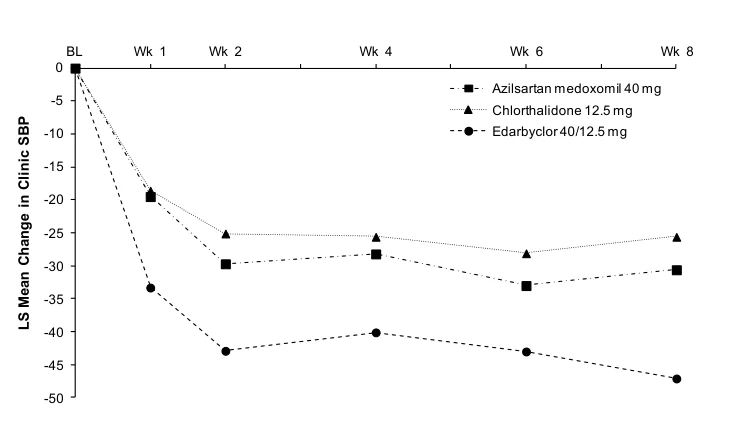
The 6 treatment combinations of azilsartan medoxomil 20, 40, or 80 mg and chlorthalidone 12.5 or 25 mg resulted in statistically significant reduction in SBP and DBP as determined by ambulatory blood pressure monitoring (ABPM) (Table 4) and clinic measurement (Table 5) at trough compared with the respective individual monotherapies. Most of the antihypertensive effect of EDARBYCLOR occurred within 1-2 weeks of dosing (Figure 1). In addition, the blood pressure lowering effect was maintained throughout the 24-hour period (Figure 2). Similar results were observed in patients with severe hypertension (Tables 6 and 7, Figure 3).
Table 5 - Mean Change from Baseline in Systolic/Diastolic Blood Pressure (SBP/DBP) (mmHg) as Measured by ABPM at Trough (22-24 Hours Post Dose) at Week 8: Combination Therapy vs Monotherapy
Table 6 - Mean Change from Baseline in Clinic Systolic/Diastolic Blood Pressure (SBP/DBP) (mmHg) at Week 8: Combination Therapy vs Monotherapy
| Chlorthalidone, mg | Azilsartan Medoxomil, mg | ||||||||||||
| 0 | 20 | 40 | 80 | ||||||||||
| Mean change from baseline in SBP/DBP (mmHg) | |||||||||||||
| 0 | N/A | -12.1 / -7.9 | -12.8 / -7.3 | -15.1 / -8.9 | |||||||||
| 12.5 | -12.7 / -6.5 | -22.9 / -13.3 | -24.4 / -13.5 | -26.3 / -16.5 | |||||||||
| 25 | -15.9 / -7.5 | -26.3 / -15.0 | -29.8 / -17.3 | -28.0 / -16.1 | |||||||||
| Chlorthalidone, mg | Azilsartan Medoxomil, mg | ||||||||||||
| 0 | 20 | 40 | 80 | ||||||||||
| Mean change from baseline in SBP/DBP (mmHg) | |||||||||||||
| 0 | N/A | -19.8 / -6.7 | -23.3 / -9.2 | -24.2 / -9.9 | |||||||||
| 12.5 | -21.1 / -7.4 | -33.8 / -14.4 | -36.8 / -15.6 | -36.9 / -16.9 | |||||||||
| 25 | -27.1 / -9.2 | -37.0 / - 15.5 | -39.5 / -17.0 | -40.1 / -18.5 | |||||||||
Figure 1: Mean Change from Baseline in Clinic Systolic Blood Pressure (SBP) (mmHg) at Each Week
Figure 2: Mean Change from Baseline at Week 8 in Ambulatory Systolic Blood Pressure (SBP) (mmHg) by Treatment and Hour
In addition, the safety and efficacy of EDARBYCLOR as initial therapy for severe hypertension (baseline mean DBP ≥110 mm Hg or SBP ≥180 mm Hg) was demonstrated in this study as shown in Tables 6, 7, and Figure 3.
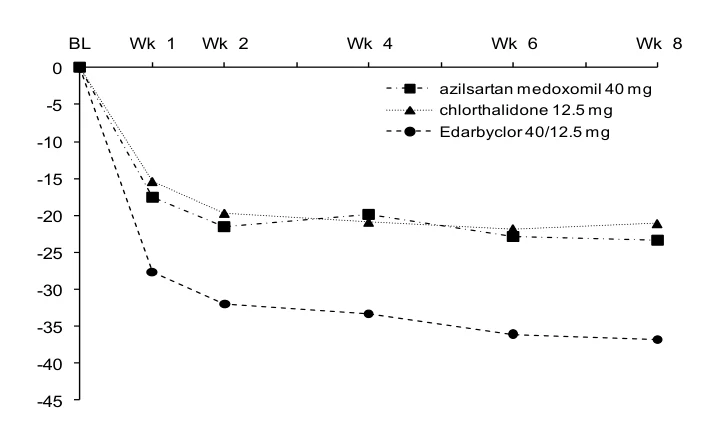
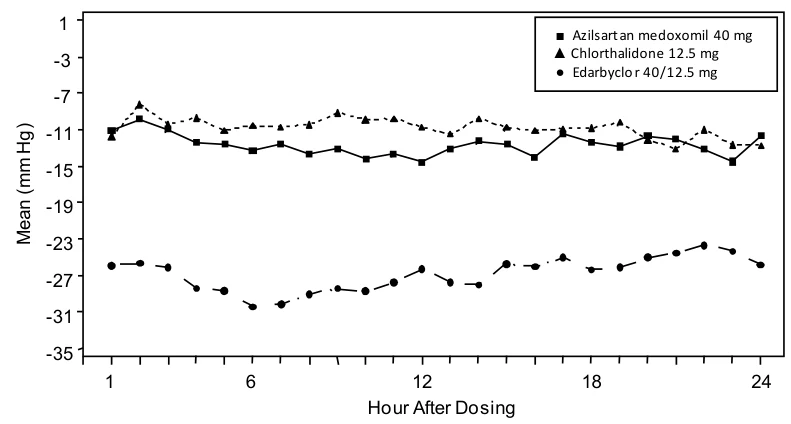
Table 7 - Mean Change from Baseline in Systolic/Diastolic Blood Pressure (SBP/DBP) (mmHg) as Measured by ABPM at Trough (22-24 Hours Post Dose) at Week 8: Combination Therapy vs Monotherapy in Patients with Severe Hypertension
Table 8 - Mean Change from Baseline in Clinic Systolic/Diastolic Blood Pressure (SBP/DBP) (mmHg) at Week 8: Combination Therapy vs Monotherapy in Patients with Severe Hypertension
Figure 3: Mean Change from Baseline in Clinic Systolic Blood Pressure (SBP) (mmHg) at Each Week in Patients with Severe Hypertension
| Chlorthalidone, mg | Azilsartan Medoxomil, mg | ||||||||||||
| 0 | 20 | 40 | 80 | ||||||||||
| Mean change from baseline in SBP/DBP (mmHg) | |||||||||||||
| 0 | N/A | -16.4/-11.6 | -20.0/-11.2 | -17.7/-9.1 | |||||||||
| 12.5 | -15.6/-7.1 | -28.8/-15.8 | -29.6/-17.8 | -28.2/-15.5 | |||||||||
| 25 | -24.7/-12.0 | -31.5/-18.1 | -35.0/-20.4 | -32.5/-19.0 | |||||||||
| Chlorthalidone, mg | Azilsartan Medoxomil, mg | ||||||||||||
| 0 | 20 | 40 | 80 | ||||||||||
| Mean change from baseline in SBP/DBP (mmHg) | |||||||||||||
| 0 | N/A | -18.6/-11.0 | -30.6/-14.0 | -26.6/-11.8 | |||||||||
| 12.5 | -25.6/-9.4 | -32.6/-16.2 | -47.1/-21.0 | -40.5/-22.6 | |||||||||
| 25 | -32.1/-11.2 | -47.3/-19.6 | -49.3/-22.0 | -45.2/-23.8 | |||||||||
15 Microbiology
No microbiological information is required for this drug product.
16 Non-Cinical Toxicology
EDARBYCLOR
A 13-week oral gavage toxicity study was conducted in rats with chlorthalidone alone, azilsartan medoxomil/M-II, or the combination of azilsartan medoxomil/M-II/chlorthalidone. The results of this study indicated that the combined administration of azilsartan medoxomil, M-II, and chlorthalidone resulted in increased exposures to chlorthalidone. Pharmacologically mediated toxicity, including suppression of body weight gain and decreased food consumption in male rats, and increases in blood urea nitrogen in both sexes, was enhanced by coadministration of azilsartan medoxomil, M-II, and chlorthalidone. With the exception of these findings, there were no toxicologically synergistic effects in this study.
Azilsartan medoxomil
Azilsartan medoxomil (pro-drug), azilsartan (active drug) and M-II (main metabolite in human) were evaluated in a program of toxicology studies including: acute and repeat-dose studies in rodents and dogs; genotoxicity studies; rodent carcinogenicity studies and reproductive and developmental studies in rats and rabbits. Essentially there was overlap and concordance of findings in the toxicology studies for azilsartan medoxomil and azilsartan; therefore, mainly findings in studies with azilsartan medoxomil are described in the following section.
The M-II metabolite had a low order of acute toxicity, had no major toxicologic findings in repeat-dose studies, was non-carcinogenic in 26-week Tg.asH2 mouse and 2-year rat studies and had no effect on fertility in rats.
Acute Toxicity
Azilsartan medoxomil has low oral acute toxicity in rats and dogs. Doses ≤2000 mg/kg were administered to rats and ≤30 mg/kg to dogs with no severe clinical signs or mortality. Transient diarrhea and vomiting occurred in dogs at ≥30 mg/kg. Severe clinical signs (including convulsions) occurred after intravenous bolus dosing of azilsartan medoxomil (≥40 mg/kg) in rats, with lethality at 40 mg/kg in males and 200 mg/kg in females.
Long-Term Toxicity
Oral repeat-dose toxicity studies demonstrated that the NOAELs for azilsartan medoxomil occurred at <20 mg/kg/day in mice (13 weeks), 20 (males) and 200 (females) mg/kg/day in rats (6 months), and 60 (males) and 12 (females) mg/kg/day in dogs (6 months). Severe toxicity, including mortality, occurred in dogs administered azilsartan medoxomil at 300 mg/kg/day (males) and ≥100 mg/kg/day (females). Following administration of 300 mg/kg/day (males) and 100 mg/kg/day (females) of azilsartan in the chronic dog study, systemic exposure to azilsartan at 6 months was about 7- fold (both males and females,) compared with exposure at the maximum recommended human dose (MRHD). Clinical and clinical pathology findings and pathologic lesions in several organs (including kidney, gastrointestinal tract, and heart) reflected effects secondary to uremia and altered body fluid balance/poor general condition. Deaths were reported in mice at doses ≥200 mg/kg/day. No deaths occurred in rats administered ≥2,000 mg/kg/day for 6 months.
Hematological effects in animals included decreases in erythroid parameters, such as erythrocyte count, hemoglobin concentration, and hematocrit value. Clinical chemistry changes included increases in blood urea nitrogen, creatinine, and total cholesterol, as well as decreased levels of triglycerides, sodium, chloride, and calcium. Increased plasma/serum aspartate aminotransferase, alanine aminotransferase and alkaline phosphatase occurred following administration of relatively high dose levels. Urinary excretion of sodium and chloride were decreased.
Histopathological findings in the stomach and kidneys of rodents and dogs, and in adrenals of rats were observed, including changes in the glandular stomach that were seen in mice, rats, and dogs. In kidney, hypertrophy or hyperplasia of the juxtaglomerular apparatus is considered to be due to the pharmacological effects of azilsartan on the RAAS. Renal tubular dilatation, basophilia, vacuolization and regeneration were observed in mice, rats, and dogs. These histopathological findings in kidneys (and in stomach in one rat study) occurred, in repeat-dose toxicity studies, at systemic exposure levels similar to the MRHD of 80 mg/day in humans. Atrophy of the adrenal cortex zona glomerulosa, considered to represent a pharmacologic effect, occurred in rats at systemic exposure values of azilsartan that were lower than at the MRHD of 80 mg/day. Reversibility of the adrenal zona glomerulosa atrophy was not evaluated in non-clinical studies. Decreased heart weights were also observed in rats and mice treated with repeated dose of azilsartan medoxomil.
Decreased red blood cell parameters and heart weight, and pathologic changes in kidneys and stomach are anticipated effects in animals secondary to antagonism at angiotensin II type 1 (AT1) receptors. These findings were eliminated or diminished as a result of saline supplementation in rats.
Mutagenicity
No mutagenicity studies have been conducted with the combination of azilsartan medoxomil and chlorthalidone. However, these studies have been conducted for azilsartan medoxomil, azilsartan and M-II
Azilsartan medoxomil
Azilsartan medoxomil, azilsartan, and M-II were positive for structural aberrations in the Chinese Hamster Lung Cytogenic Assay. Azilsartan medoxomil, azilsartan, and M-II were devoid of genotoxic potential in the bacterial (Ames) mutagenicity assays; azilsartan was negative in the in vitro Chinese Hamster Ovary Cell forward mutation and mouse lymphoma tk locus gene mutation assays; and azilsartan medoxomil and azilsartan were negative in unscheduled DNA synthesis tests in rats, and in vivo mouse and/or rat bone marrow micronucleus assays.
Carcinogenicity
No carcinogenicity studies have been conducted with the combination of azilsartan medoxomil and chlorthalidone or with chlorthalidone alone. However, these studies have been conducted for azilsartan medoxomil, azilsartan and M-II.
Azilsartan medoxomil
Azilsartan medoxomil was not carcinogenic when assessed in 26-week transgenic (Tg.rasH2) mouse (highest dose tested 450 mg/kg/day) and 2-year rat (highest dose tested 600 mg/kg/day) studies with systemic exposures to azilsartan 7 and 17 (male and female mice) and 25 and 28 (male and female rats) times the average exposure to azilsartan in humans given the MRHD (80 mg azilsartan medoxomil/day).
Reproduction Studies
EDARBYCLOR
In an embryo-fetal developmental study in rats, there was no teratogenicity or increase in fetal mortality in the litters of dams receiving azilsartan medoxomil, M-II and chlorthalidone concomitantly at maternally toxic doses.
Azilsartan medoxomil
There was no effect of azilsartan medoxomil on the fertility of male or female rats at oral doses ≤1000 mg/kg/day, at which systemic exposure (AUC) to azilsartan would be about 30x that at the azilsartan medoxomil MRHD of 80 mg/day.
In pre- and postnatal development studies in rats, adverse effects on pup viability, delayed incisor eruption, and dilatation of the renal pelvis along with hydronephrosis were seen when azilsartan medoxomil was administered to pregnant rats from gestation day 6 to lactation day 21 at 10 mg/kg/day (estimated exposure margin 4.5x the MRHD based on AUC data from non-pregnant rats). Similar studies with azilsartan in rats resulted in F1 generation findings of dilatation of the renal pelvis/ureter (≥0.3 mg/kg/day), lower body weight and survival, and increased incidence of rough kidney surface (≥10 mg/kg/day), and F1 reproductive effects (30 mg/kg/day).
Azilsartan medoxomil was not teratogenic when administered at oral doses ≤1,000 mg/kg/day azilsartan medoxomil/kg/day to pregnant rats or ≤50 mg/kg/day azilsartan medoxomil to pregnant rabbits. However, embryo-fetal toxicity occurred at azilsartan medoxomil doses of 1,000 mg/kg/day in rats (dilated renal pelvis and short supernumerary ribs) and 50 mg/kg/day in rabbits (increased post-implantation loss, embryo-fetal deaths, and decreased number of live fetuses), with azilsartan systemic exposure at the NOAELs (100 and 30 mg/kg/day, respectively) estimated at 20x and 9x that at the MRHD. Embryo-fetal toxicity was also reported in rats with azilsartan doses of ≥30 mg/kg/day (delayed ossification in the caudal vertebrae) and 100 mg/kg/day (lower male fetal body weight) and at 500 mg/kg/day in rabbits (increased post-implantation loss). Azilsartan crossed the placenta and was found in the fetuses of pregnant rats and was also excreted into the milk of lactating rats.
Chlorthalidone
Chlorthalidone had no effect on fertility in rats. Reproduction studies were performed in the rat and the rabbit with chlorthalidone at doses ≤420x the human dose and revealed no evidence of harm to the fetus due to chlorthalidone. Thiazides cross the placental barrier and appear in cord blood.