


Product Monograph - Euglucon
SUMMARY PRODUCT INFORMATION
Route of Administration | Dosage Form / Strength | Clinically Relevant Nonmedicinal Ingredients |
| Oral | Tablet 5 mg | Lactose monohydrate For a complete listing see DOSAGE FORMS, COMPOSITION AND PACKAGING section. |
INDICATIONS AND CLINICAL USE
EUGLUCON® (glyburide) is indicated:
- To control hyperglycemia in glyburide-responsive diabetes mellitus of stable, mild, non-ketosis prone, maturity-onset or adult type (Type 2) which cannot be controlled by proper dietary management and exercise, or when insulin therapy is not appropriate.
Geriatrics:
Elderly with type 2 diabetes when treated with EUGLUCON® (glyburide) may be more prone to hypoglycaemia8 (see WARNINGS and PRECAUTIONS, Special Populations).
Pediatrics (< 18 years of age):
Safety and effectiveness of EUGLUCON® (glyburide) have not been established in this population. Use in patients under 18 years of age is not recommended (see WARNINGS and PRECAUTIONS, Special Populations).
CONTRAINDICATIONS
EUGLUCON® (glyburide) is contraindicated in patients with:
- Known hypersensitivity or allergy to glyburide, to any sulfonylurea or sulfonamides or any other component of the formulation. For a complete listing, see DOSAGE FORMS, COMPOSITION AND PACKAGING.
- Unstable and/or Type 1 diabetes (formerly known as insulin-dependent diabetes mellitus).
- Diabetic ketoacidosis with or without coma. This condition should be treated with insulin.
- Diabetic precoma or coma.
- Severe liver disease or frank jaundice.
- Severe renal impairment (creatinine clearance less than 30 mL/min).
- Patients treated with bosentan (see DRUG INTERACTIONS).
Pregnancy and lactation.
During pregnancy, no oral antidiabetic agent should be given.
Due to the possible excretion in human milk, the patient should discontinue nursing or discontinue taking the drug depending on the importance of the drug to the mother. If glyburide is discontinued, the patient should be transferred to insulin therapy.
WARNINGS AND PRECAUTIONS
General
Use of EUGLUCON® must be viewed by both the physician and patient as a treatment in addition to diet and exercise and not as a substitute for proper dietary management, exercise and weight reduction or as a convenient mechanism for avoiding dietary restraint. Furthermore, loss of blood glucose control on diet and exercise alone may be transient, thus requiring only short-term administration of EUGLUCON®. As is necessary during treatment with any blood-glucose-lowering drug, the patient and the physician must be aware of the risk of hypoglycaemia.
In initiating treatment for Type 2 diabetes, non-pharmacologic therapy (proper dietary management, exercise and weight reduction) should be emphasized as the initial form of treatment. Caloric restriction, weight loss and exercise are essential in the obese diabetic patient.
Proper dietary management and exercise alone may be effective in controlling the blood glucose and symptoms of hyperglycaemia. If non-pharmacologic therapy fails to reduce symptoms and/or blood glucose, the use of an oral sulfonylurea should be considered.
Patient Selection and Follow-Up
Careful selection of patients is important.
It is imperative that there be careful ongoing attention to diet, adherence to regular exercise, reduction of body weight in obese patients, careful adjustment of dosage, instruction of the patient on hypoglycaemic reactions and their control, as well as regular, thorough follow-up
examinations. Cardiovascular risk factors should be identified.
The effectiveness of any oral hypoglycaemic drug, including EUGLUCON®, in lowering blood glucose to a desired level decreases in many patients over a period of time, which may be due to progression of the severity of the diabetes or to diminished responsiveness to the drug. This phenomenon, known as secondary failure, is distinctive of primary failure, in which the drug is ineffective in an individual patient when given for the first time.
Patients should therefore be monitored with regular clinical and laboratory evaluations, including blood glucose and glycosylated hemoglobin (A1C) determinations, to determine the minimum effective dosage and to detect primary failure (inadequate lowering of blood glucose concentrations at the maximum recommended dosage) or secondary failure (progressive deterioration in blood sugar control following an initial period of effectiveness). The rate of primary failure will vary greatly depending upon patient selection and adherence to diet and exercise. The etiology of secondary failure is multifactorial and may involve progressive β-cell failure as well as exogenous diabetogenic factors such as obesity, illness, drugs, or tachyphylaxis to the sulfonylurea.
Cardiovascular
Some literature studies have suggested an association between the use of sulfonylureas and the risk of cardiovascular events including cardiovascular mortality, since these agents may potentially impair cardioprotective processes. Although, there is inconsistency in the literature regarding a definite conclusion for this association, a cautious approach is nevertheless warranted. All patients on sulfonylureas, particularly high risk patients with cardiovascular disease, should be closely monitored for cardiovascular complications.
Some literature studies have suggested an association between glyburide and QTc interval prolongation. Particular caution should be observed in patients who have risk factors for torsade de pointes, such as QTc prolongation at baseline, cardiovascular disease, or electrolyte abnormalities, or who are receiving other QTc interval prolonging drugs (see DRUG INTERACTIONS).
Endocrine and Metabolism
Hypoglycaemia
Hypoglycaemia, sometimes prolonged and even life-threatening, may occur as a result of the blood-glucose-lowering action of EUGLUCON®. Severe hypoglycaemia can be induced by all sulfonylurea drugs. Thus, proper patient selection, dosage, and instructions are important to avoid hypoglycaemic episodes. Hepatic and/or renal disease, inadequate caloric intake, malnutrition and/or irregular meals, exercise without adequate caloric supplementation, debility, advanced age, patient non-compliance, when alcohol is ingested (especially in combination with skipped meals), certain disorders of thyroid function, adrenal or pituitary insufficiency, excessive glyburide dosage, treatment with glyburide in the absence of indication or concurrent use with other agents with blood glucose lowering potential (see DRUG-DRUG INTERACTIONS) may be predisposing factors. Oral hypoglycaemic agents should be administered with caution to
patients with Addison's disease.
The patient should be questioned about such factors, as well as about pertinent lifestyle changes, concomitant illnesses and hypoglycemic episodes as these may indicate the need for particularly careful monitoring. If necessary, the dosage of EUGLUCON® may need to be modified.
The manifestations of hypoglycaemia include: flushing or pallor, chilliness, excessive hunger, trembling, headache, dizziness, nausea, vomiting, restlessness, aggressiveness, depression, speech disorders, aphasia, sensory and/or visual disturbances, helplessness, lassitude, shallow respiration or bradycardia. In more severe cases, the clinical symptoms of a stroke or coma appear. However, symptoms of hypoglycaemia are not necessarily as typical as described above and sulphonylureas may cause insidious development of symptoms mimicking cerebrovascular insufficiency (e.g., disordered sleep, somnolence, impaired alertness and reactions, confusion, delirium, cerebral convulsions, paralytic symptoms or loss of consciousness).
Signs of adrenergic counter-regulation to hypoglycaemia include: sweating, damp skin, anxiety, tachycardia, hypertension, palpitations, angina pectoris, and cardiac arrhythmias. However, these symptoms may be milder or absent in patients who develop hypoglycaemia gradually, patients with autonomic neuropathy, elderly or patients who receive concurrent treatment with sympatholytic agents (e.g., beta blockers, clonidine, reserpine, guanethidine) (see DRUG-DRUG INTERACTIONS).
Mild to moderate episodes of hypoglycaemia can usually be treated by immediate intake of oral carbohydrates. Patients should be advised to carry an adequate amount of glucose with them at all times. Patients may require the assistance of other persons. Artificial sweeteners are ineffective in controlling hypoglycaemia. The symptoms of hypoglycaemia nearly always subside when hypoglycaemia is corrected. Despite initially successful countermeasures, hypoglycaemia may recur. Patients must, therefore, remain under close observation after an episode of hypoglycemia.
Severe hypoglycaemia, which may be prolonged and has occasionally been life-threatening, may occur and mimics acute CNS disorders. Signs of severe hypoglycaemia can include disorientation, loss of consciousness, and seizures. Severe hypoglycaemia, or a protracted episode, which can only be temporarily controlled by usual amounts of sugar requires in-patient hospital care.
Drug interactions: Severe hypoglycemia has been reported following coadministration of clarithromycin and glyburide. A potential interaction between oral miconazole and oral hypoglycemic agents leading to severe hypoglycemia has also been reported. See DRUG INTERACTIONS.
Loss of control of blood glucose
If loss of adequate blood glucose lowering response to sulfonylurea is detected, treatment must be reassessed.
When a patient stabilized on any diabetic regimen is exposed to stress such as illness during therapy, fever, trauma, infection, or surgery, a loss of glycaemic control may occur. At such times, it may be necessary to adjust the dosage of EUGLUCON® or consider discontinuation of EUGLUCON® and administration of insulin.
Lactose
EUGLUCON® tablets contain lactose monohydrate. Patients with hereditary problems of galactose intolerance, the Lapp lactase deficiency or glucose-galactose malabsorption should not take this product.
Hematologic
Treatment of patients with glucose-6-phosphate dehydrogenase (G6PD)-deficiency with sulfonylurea agents can lead to haemolytic anemia. Since EUGLUCON® belongs to the class of sulfonylurea agents, caution should be used in patients with G6PD-deficiency and a nonsulfonylurea alternative should be considered.29,55
Hepatic/Biliary/Pancreatic
The metabolism and excretion of sulfonylureas including EUGLUCON® may be slowed in patients with impaired hepatic function (see MONITORING AND LABORATORY TESTS below). EUGLUCON® is contraindicated in patients with severe liver disease or frank jaundice. Patients with liver disease may be more susceptible to glyburide-induced hypoglycaemia. Elevation of liver enzyme levels has been reported very rarely in patients treated with glyburide (see Monitoring and Laboratory Tests; ADVERSE REACTIONS - Adverse Drug Reaction Overview).
Immune
Persons allergic to sulfonamide derivatives may also develop an allergic reaction to glyburide.
Peri-operative considerations
See Endocrine and Metabolism section - Loss of control of blood glucose.
Renal
EUGLUCON® is contraindicated in patients with severe renal impairment (creatinine clearance less than 30 mL/min).19 In patients with mild to moderate renal insufficiency, the initial dosing, dose increments, and maintenance dosage should be conservative to avoid hypoglycaemic reactions. See Monitoring and Laboratory Tests; ACTION AND CLINICAL PHARMACOLOGY, Special Populations.
Special Populations
Pregnant Women: The use of EUGLUCON® is contraindicated in pregnancy (see CONTRAINDICATIONS). EUGLUCON® should be discontinued in patients who become pregnant or who are planning a pregnancy. These patients should be changed over to insulin. Recent information suggests that abnormal blood glucose levels during pregnancy are associated with a higher incidence of congenital abnormalities. Experts, including the Canadian Diabetes Association and the Canadian Medical Association recommend that insulin be used during
pregnancy to maintain glucose levels as close to normal as possible.8
Nursing Women: The use of EUGLUCON® is contraindicated in lactating women (see CONTRAINDICATIONS).
Pediatrics (< 18 years of age): Safety and effectiveness of EUGLUCON® (glyburide) have not been established in this population. Use in patients under 18 years of age is not recommended.
Geriatrics: Elderly patients with Type 2 diabetes are more susceptible to hypoglycaemia.8
Monitoring and Laboratory Tests
Fasting blood glucose should be monitored periodically to determine therapeutic response. Glycosylated hemoglobin (HbA1C) should also be monitored, usually every 3 to 6 months, to more precisely assess long-term glycaemic control. Blood glucose self-monitoring is also recommended.
Periodic assessment of cardiovascular, ophthalmic, hematologic, renal and hepatic status is recommended.
EUGLUCON® is contraindicated in patients with severe liver disease and frank jaundice. Glyburide is extensively metabolized by the liver (see ACTION AND CLINICAL PHARMACOLOGY – Pharmacokinetics), thus patients with liver disease may be more susceptible to glyburide-induced hypoglycaemia. Patients with mild to moderately impaired hepatic function should be monitored carefully for hypoglycaemia and should have their hepatic function reassessed periodically.
Elderly patients, particularly those who are malnourished or who have mild to moderate hepatic or renal insufficiency or impaired adrenal function, will require special care.
ADVERSE REACTIONS
Adverse Drug Reaction Overview
Hypoglycemia and weight gain are common side effects of treatment with glyburide.8
Blood and lymphatic system disorders: Potentially life-threatening hematological changes may occur. Rare cases of mild to severe thrombocytopenia which can manifest as purpura have been reported. Leukopenia, agranulocytosis, pancytopenia (which may be due to myelosuppression), erythrocytopenia, granulocytopenia, hemolytic anemia (immune, G6PD-deficiency) and aplastic anemia have been observed very rarely with glyburide therapy. These reactions may be reversible following discontinuation of the sulphonylurea antidiabetic agent.1,29,30,36,55
Endocrine disorders: Reduced radioactive iodine uptake by the thyroid gland has been reported.
Eye disorders: Transient visual disturbances may occur at the commencement of treatment due to fluctuations in blood glucose levels.
Gastrointestinal disorders: Nausea, epigastric fullness and heartburn are common reactions. Vomiting, diarrhea and abdominal pain have also been reported. These tend to be dose-related and may disappear when dosage is reduced.
General disorders and administration site conditions: Fatigue, malaise, and weakness have been reported.
Hepatobiliary disorders: Elevation of liver enzyme levels has been reported very rarely in patients treated with glyburide. In isolated cases, impairment of liver function (e.g. cholestasis and jaundice) and hepatitis have been observed, which can regress after withdrawal of the drug or may lead to life-threatening liver failure.
Immune system disorders: Allergic skin reactions such as pruritus, erythema, urticaria, and morbilliform or maculopapular eruptions have been observed following sulfonylurea therapy. These may subside with continued use of the drug, but if they persist, the drug should be discontinued.
Reactions such as urticaria may very rarely develop into serious and life-threatening reactions including dyspnea, hypotension or shock. The patient should be advised to contact a physician immediately if urticaria develop.
Allergic vasculitis has been observed very rarely in patients receiving glyburide and in some circumstances may be life-threatening, including a severe skin reaction in one patient that occurred as a result of a generalized hypersensitivity to glyburide; hepatic, splanchnic and renal complications, followed by bronchopneumonia and renal failure resulted in a fatal outcome.10
A hypersensitivity reaction may occur in response to exposure to glyburide or to any of the excipients in EUGLUCON®. Cross-sensitivity to sulfonamides or their derivatives may occur in patients treated with oral sulphonylurea hypoglycaemic agents.
Metabolism and nutrition disorders: Severe hypoglycemia which mimics acute central nervous system disorders may occur (see WARNINGS AND PRECAUTIONS).
Hepatic porphyria and disulfiram-like reactions have been observed.
Cases of hyponatremia have been reported with sulfonylureas, most often in patients who are on other medications or have medical conditions known to cause hyponatremia or increased release of antidiuretic hormones. The syndrome of inappropriate antidiuretic hormone (SIADH) secretion has been reported with sulfonylureas, and it has been suggested that these sulfonylureas may augment the peripheral (antidiuretic) action of ADH and/or increased release of ADH.
Nervous system disorders: Headache, tinnitus, and dizziness have been reported.
Skin and subcutaneous tissue disorders: Porphyria cutanea tardis and photosensitivity reactions have been reported.
Clinical Trial Adverse Drug Reactions
No clinical trial adverse drug reaction data available.
Post-Market Adverse Drug Reactions
The following serious and unexpected adverse events not previously listed in the Adverse Drug Reaction Overview section of the Product Monograph have been reported. Because these events are reported voluntarily from a population of uncertain size, it is generally not possible to reliably estimate their frequency or establish a causal relationship to drug exposure.
Blood and lymphatic system disorders: anaemia, neutropenia
Cardiac disorders: cardiac arrest, cardiac failure acute, myocardial infarction, torsade de pointes
Eye disorders: blindness
Gastrointestinal disorders: ascites, constipation, large intestinal obstruction, lower gastrointestinal haemorrhage, melaena, pancreatitis acute, varices oesophageal
General disorders and administration site conditions: death, drug ineffective, drug interaction, general physical health deterioration, ill-defined disorder, multi-organ failure, oedema peripheral
Hepatobiliary disorders: cryptogenic cirrhosis, hepatic cirrhosis, hepatitis acute, hepatitis toxic, hepatocellular injury, liver disorder, liver injury
Infections and infestations: Acinetobacter infection, candiduria, cytomegalovirus enteritis, gastroenteritis, staphylococcal infection, zygomycosis
Injury, poisoning and procedural complications: accidental exposure, drug toxicity, fall, overdose, poisoning, therapeutic agent toxicity, traumatic brain injury
Investigations: antinuclear antibody positive, blood creatinine increased, blood glucose increased, electrocardiogram QT prolonged, Glasgow coma scale abnormal, haemoglobin decreased, transaminases increased
Metabolism and nutrition disorders: decreased appetite, dehydration, diabetes mellitus, failure to thrive, hypoglycaemic unconsciousness, lactic acidosis, metabolic acidosis
Musculoskeletal and connective tissue disorders: myalgia, polymyalgia rheumatica, rheumatoid arthritis
Neoplasms benign, malignant and unspecified (including cysts and polyps): neoplasm malignant, rectal adenoma
Nervous system disorders: altered state of consciousness, coma, depressed level of consciousness, dysarthria, haemorrhagic stroke, hemiparesis, hypoglycaemic coma, hypoglycaemic encephalopathy, motor dysfunction, neurological symptom
Psychiatric disorders: abnormal behaviour, confusional state, delirium, disorientation, hallucination, intentional drug misuse, mental disorder, mental status changes
Renal and urinary disorders: anuria, glomerulonephritis membranous, renal failure, renal failure acute, renal vein thrombosis
Respiratory, thoracic and mediastinal disorders: hypoxia, lung disorder, pneumonia aspiration, pulmonary arterial hypertension, respiratory failure, tachypnoea
Skin and subcutaneous tissue disorders: dermatitis exfoliative, hyperhidrosis, linear IgA disease, toxic skin eruption
Vascular disorders: circulatory collapse, hypertension, hypotension
DRUG INTERACTIONS
Serious Drug Interactions
The concomitant use of bosentan and EUGLUCON® (glyburide) is contraindicated (see CONTRAINDICATIONS and DRUG-DRUG INTERACTIONS, Table 1).
Overview
Glyburide is extensively metabolized in the liver by cytochrome P450. The isoforms 2C9, 2C19 and 3A4 are involved, each to an unknown extent. Glyburide is also a substrate for p-glycoprotein. 25-27,30,35,38,39,54 Blood glucose should be monitored carefully if EUGLUCON® is administered with other drugs whose metabolism is dependent upon CYP 2C9, 2C19, 3A4 and p-glycoprotein. In addition, the hypoglycaemic action of sulfonylureas is potentiated when used with insulin and other oral antidiabetics. Patients should be monitored accordingly. See Table 1, below. See also ACTION AND CLINICAL PHARMACOLOGY, Metabolism.
Drug-Drug Interactions
Patients who take or discontinue taking certain other medicines while undergoing treatment with EUGLUCON® may experience changes in blood glucose control.
A study in 12 healthy volunteers showed that the concomitant administration of clarithroymycin increases plasma concentrations of glyburide. Severe hypoglycemia has been reported following coadministration of these two drugs. 6,26,27,47 See Table 1, below.
A potential interaction between oral miconazole and oral hypoglycemic agents leading to severe hypoglycemia has been reported. Whether this interaction also occurs with the intravenous, topical or vaginal preparations of miconazole is not known. See Table 1, below.
Table 1 - Established or Potential Drug-Drug Interactions
| Proper name | Ref | Effect | Clinical Comment |
| ACE-inhibitors | T | The hypoglycaemic action of sulfonylureas may be potentiated. | When these drugs are administered to a patient receiving EUGLUCON®, the patient should be observed closely for hypoglycaemia. When these drugs are withdrawn from a patient receiving EUGLUCON®, the patient should be observed closely for loss of glycaemic control. |
| Anabolic steroids and androgens | T | ||
| Azapropazone | T | ||
| Chloramphenicol | T | ||
| Clarithromycin 6,26,27,47 | CT, C | ||
| Coumarin derivatives | T | ||
| Cyclophosphamide | T | ||
| Disopyramide52 | T | ||
| Fenfluramine | T | ||
| Fenyramidol (phenyramidol) | T | ||
| Fibrates (clofibrate) | T | ||
| Fluconazole2 | T | ||
| Fluoxetine | T | ||
| Ifosfamide | T | ||
| Insulin and other (oral) antidiabetics | T | ||
| Miconazole2 | T | ||
| Monoamine oxidase inhibitors | T | ||
| Nonsteroidal anti-inflammatory drugs | T | ||
| Oxyphenbutazone | T | ||
| Para-aminosalicylic acid | T | ||
| Pentoxifylline (high dose parenteral) | T | ||
| Phenylbutazone | T | ||
| Probenecid | T | ||
| Propranolol | T | ||
| Quinolones | T | ||
| Salicylates | T | ||
| Sulfonamides (e.g., sulphaphenazole) | T | ||
| Sulphinpyrazone | T | ||
| Sympatholytic agents (e.g., beta-blockers, guanethidine | T | ||
| Tetracyclines | T | ||
| Tritoqualine | T | ||
| Trofosfamide | T | ||
| Tuberculostatics | T | ||
| Acetazolamide | T | These drugs tend to produce hyperglycaemia and may lead to loss of blood sugar control. | When these drugs are administered to a patient receiving EUGLUCON®, the patient should be observed closely for loss of glycaemic control. |
| Barbiturates | T | ||
| Calcium channel blockers | T | ||
| Corticosteroids | T | ||
| Danazol52 | T |
| Proper name | Ref | Effect | Clinical Comment |
| Diazoxide | T | When these drugs are withdrawn from a patient receiving EUGLUCON®, the patient should be observed closely for hypoglycaemia. | |
| Diuretics (thiazides, furosemide) | T | ||
| Epinephrine (e.g., adrenaline) and other sympathomimetic agents | T | ||
| Estrogen and progestogen | T | ||
| Glucagon | T | ||
| Isoniazid | T | ||
| Laxatives (after protracted use) | T | ||
| Nicotinic acid (in pharmacologic doses) | T | ||
| Phenothiazines | T | ||
| Phenytoin | T | ||
| Thyroid products | T | ||
| Rifampicin (Rifampin) 38 | CT | Co-administration of rifampin has been shown to reduce glyburide plasma levels. | When rifampin is administered to a patient receiving EUGLUCON®, the patient should be observed closely for loss of glycemic control. When rifampin is withdrawn from a patient receiving EUGLUCON®, the patient should be observed closely for hypoglycemia. |
| Barbiturates (and other sedatives and hypnotics) | T | EUGLUCON® may prolong the action of barbiturates (and other sedatives and hypnotics). | To be used cautiously in patients receiving an oral hypoglycaemic agent. |
| Bosentan | CT | Potentiation of the risk of cholestatic liver injury and an increased incidence of elevated liver enzymes was observed in patients receiving glyburide concomitantly with bosentan. Both glyburide and bosentan inhibit the bile salt export pump (Bsep), leading to intracellular accumulation of cytotoxic bile salts.7, 13 ,51 | This combination should not be used (see CONTRAINDICATIONS). |
| Coumarin derivatives | T | EUGLUCON® may potentiate or weaken the effects of coumarin derivatives. | |
| Cyclosporine | C | EUGLUCON® may increase cyclosporine plasma levels, with potentially increased toxicity.20 | Monitoring and dosage adjustment of cyclosporine are recommended when both drugs are coadministered. |
| Proper name | Ref | Effect | Clinical Comment |
| Drug containing alcohol | C | Both acute and chronic alcohol intake may potentiate or weaken the blood-glucose lowering action of EUGLUCON® in an unpredictable fashion. | Intolerance to alcohol (disulfiram-like reaction; flushing, sensation of warmth, giddiness, nausea, and occasionally tachycardia) may occur in patients treated with a sulfonylurea. Caution should be exercised with the concomitant use with alcohol-containing drugs. |
| H2-receptor antagonists, beta-blockers, clonidine or reserpine | T | Concurrent use with EUGLUCON® may lead to either a potentiation or an attenuation of the blood-glucose-lowering effect. | |
| Nicorandil | T | Some in vitro and in vivo experimental animal data indicate a potential impairment of the activity of nicorandil by glyburide. 31,43 | The clinical relevance of this interaction is unknown. |
| Sympatholytic drugs (such as beta-blockers, clonidine, guanethidine, and reserpine) | T | The signs of adrenergic counter-regulation to hypoglycaemia may be reduced or absent in case of concomitant use with EUGLUCON®. |
Legend: C = Case Study; CT = Clinical Trial; T = Theoretical
QTc Prolonging Drugs: Some literature studies have suggested an association between glyburide and QTc interval prolongation. Caution should be observed if glyburide is to be used concomitantly with QT/QTc-prolonging drugs. Drugs that have been associated with QT/QTc interval prolongation and/or torsade de pointes include, but are not limited to, the examples in the following list. Chemical/pharmacological classes are listed if some, although not necessarily all, class members have been implicated in QT/QTc prolongation and/or torsade de pointes:
Class IA antiarrhythmics (e.g., quinidine, procainamide, disopyramide); Class III antiarrhythmics (e.g., amiodarone, sotalol, ibutilide); Class 1C antiarrhythmics (e.g., flecainide, propafenone); antipsychotics (e.g., chlorpromazine, pimozide, haloperidol, droperidol, ziprasidone); antidepressants (e.g., fluoxetine, citalopram, venlafaxine, tricyclic/tetracyclic antidepressants e.g., amitriptyline, imipramine, maprotiline); opioids (e.g., methadone); macrolide antitibiotics and analogues (e.g., erythromycin, clarithromycin, telithromycin, tacrolimus); quinolone antibiotics (e.g., moxifloxacin, levofloxacin, ciprofloxazin); antimalarials (e.g., quinine, chloroquine); azole antifungals (e.g., ketoconazole, fluconazole, voriconazole); domperidone; 5-hydroxytryptamine (5-HT) 3 receptor antagonists (e.g., dolasetron, ondansetron); tyrosine kinase inhibitors (e.g., sunitinib, nilotinib, lapatinib); histone deacetylase inhibitors (e.g., vorinostat); beta-2 adrenoceptor agonists (e.g., salmeterol, formoterol).
Caution should be exercised if using EUGLUCON® with drugs that can disrupt electrolyte levels, including, but not limited to, the following: loop, thiazide, and related diuretics; laxatives and enemas; amphotericin B; high dose corticosteroids.
The above lists of potentially interacting drugs are not comprehensive. Current information sources should be consulted for newly approved drugs that prolong the QT/QTc interval or cause electrolyte disturbances, as well as for older drugs for which these effects have recently been established.
Drug-Food Interactions
Interactions with food have not been established.
Drug-Herb Interactions
Interactions with herbal products have not been established.
Drug-Laboratory Interactions
Interactions with laboratory tests have not been established.
Drug-Lifestyle Interactions
Alertness and reactions may be impaired due to hypoglycaemic or hyperglycaemia episodes, especially when beginning or after altering treatment or when EUGLUCON® is not taken regularly. This may, for example, affect the ability to drive a vehicle or to operate machinery.
Both acute and chronic alcohol intake may potentiate or weaken the blood-glucose-lowering action of EUGLUCON® in an unpredictable fashion. Intolerance to alcohol (disulfiram-like reaction: flushing, sensation of warmth, giddiness, nausea, and occasionally tachycardia) may occur in patients treated with a sulfonylurea. These reactions can be prevented by avoiding the use of alcohol.
DOSAGE AND ADMINISTRATION
Dosing Considerations
In diabetic subjects, there is no fixed dosage regimen for the management of blood glucose levels. Individual determination of the minimum dose that will lower the blood glucose adequately should be made.
Over a period of time, patients may become progressively less responsive to therapy with oral hypoglycaemic agents because of deterioration of their diabetic state. Patients should therefore be monitored with regular clinical and laboratory evaluations, including blood glucose and glycosylated hemoglobin (A1C) measurements, to determine the minimum effective dosage and to detect primary failure or secondary failure (see WARNINGS AND PRECAUTIONS).
Adjustment of glyburide dosage should be considered whenever factors predisposing the patient to the development of hypo- or hyperglycaemia are present (see CONTRAINDICATIONS, WARNINGS AND PRECAUTIONS, and DRUG INTERACTIONS). As an improvement in control of diabetes is, in itself, associated with higher insulin sensitivity, glyburide requirements
may fall as treatment proceeds. To avoid hypoglycaemia, timely dose reduction or cessation of EUGLUCON® therapy must therefore be considered.
Timing of doses should be decided by the prescriber, taking into consideration the patient’s current lifestyle.
The first dose should be given during or immediately after breakfast. Patients who eat only a light breakfast should defer the first dose of the day until lunchtime. If a second daily dose is required, the second dose should be taken with the evening meal.
It is very important not to skip meals after the tablets have been taken.
Renal: EUGLUCON® is contraindicated in patients with severe renal impairment (creatinine clearance less than 30 mL/min). In patients with mild to moderate renal insufficiency, the initial dosing, dose increments, and maintenance dosage should be conservative to avoid hypoglycaemic reactions.
Pediatrics (< 18 years of age): Safety and effectiveness of EUGLUCON® (glyburide) have not been established in this population. Use in patients under 18 years of age is not recommended.
Geriatrics (>60 years of age): Elderly patients with Type 2 diabetes are more susceptible to hypoglycaemia. Caution should be applied when initiating or escalating doses of EUGLUCON® in patients over 60 years of age. It is recommended that treatment be started with the smallest dose (2.5mg) in this population. See Usual Starting Dose, below.
Recommended Dose and Dosage Adjustment
Usual Starting Dose
In newly-diagnosed diabetics, the initial dose is 5 mg daily; however, it is recommended that treatment be started with the smallest dose (2.5 mg) in patients over 60 years of age, and in patients who have a tendency to hypoglycemia (see WARNINGS AND PRECAUTIONS) or who weigh less than 50 kg. The initial dose should be administered with breakfast or a first meal of the day and should be continued for five to seven days. Depending on the response, the dosage should then be either increased or decreased in steps of 2.5 mg. The increases or decreases should be guided by regular blood glucose monitoring.
Usual Maintenance Dose
Occasionally, glycemic control is maintained with 2.5 mg daily. The majority of cases can be controlled by 5 mg to 10 mg daily given as a single dose during or immediately after breakfast. Patients who eat only a light breakfast should defer the first dose of the day until lunchtime. A single dose of 10 mg must not be exceeded. If more than 10 mg daily is required, the excess should be taken with the evening meal.
Maximum Daily Dose
The maximum daily dose of EUGLUCON® is 20 mg. A single dose of 10 mg must not be
exceeded. Large daily doses must be divided into at least 2 separate single doses.
Changeover From Other Oral Hypoglycaemic Agents
There is no exact dosage relationship between EUGLUCON® and other oral antidiabetic agents. Discontinue previous oral medication and start EUGLUCON® 5 mg daily (2.5 mg in patients over 60 years of age, and in patients who have a tendency to hypoglycaemia (see WARNINGS AND PRECAUTIONS) or who weigh less than 50 kg). This also applies to patients changed over from the maximum dose of another oral antidiabetic medication. Consideration must be given to the potency and duration of action of the previous antidiabetic agent. A break from medication may be required to avoid any summation of effects entailing a risk of hypoglycemia.
Determine maintenance dosage as in newly-diagnosed diabetics.
Changeover From Insulin
If a change from insulin to glyburide is contemplated in a patient with stable, mild, maturity-onset (Type 2) diabetes, treatment with insulin should be discontinued for a period of two or three days to determine whether any therapy other than dietary regulation and exercise is needed. During this insulin-free interval, the patient's urine should be tested at least three times daily for glucose and ketone-bodies, and the results monitored carefully by a physician. The appearance of significant ketonuria accompanied by glucosuria within 12 to 24 hours after the withdrawal of insulin strongly suggests that the patient is ketosis prone and precludes the change from insulin to sulfonylurea therapy.
Missed Dose
The missed dose should be taken as soon as possible, unless it is almost time for the next dose. Forgetting to take a dose must never be corrected by subsequently taking a larger dose.
Prior to starting treatment with EUGLUCON®, the physician and patient should discuss how to address missed doses or skipped meals.
If it is discovered that too high a dose or an extra dose of EUGLUCON® has been taken, a physician must be notified immediately (see OVERDOSAGE).
Method of Administration
EUGLUCON® tablets must be swallowed whole with sufficient amounts of liquid; half a glass to one glass of water is recommended.
OVERDOSAGE
For management of a suspected drug overdose, contact your regional Poison Control Centre.
Acute overdosage as well as long-term treatment with too high a dose of glyburide may lead to severe, protracted, life-threatening hypoglycaemia. The dosage which causes hypoglycaemia varies widely, and may be within the accepted therapeutic range in sensitive individuals. Significant overdoses and severe reactions with serious neurological signs and/or loss of consciousness are medical emergencies that require immediate treatment and admission to hospital.
Symptoms
The manifestations of hypoglycemia include sweating, flushing or pallor, numbness, chilliness, hunger, trembling, headache, dizziness, increased pulse rate, palpitations, increase in blood pressure and apprehensiveness in mild cases. In more severe cases, coma occurs. Symptoms of hypoglycaemia are not necessarily as typical as described above and sulfonylureas may cause insidious development of symptoms which mimic cerebrovascular insufficiency.
Treatment
Discontinue medication and treat hypoglycaemia by giving dextrose promptly and in sufficient quantity. After acute glucose replacement has been completed, it may be necessary to give an intravenous glucose infusion to ensure that the hypoglycaemia does not recur. Continuous dextrose infusions for hours to days have been necessary. The patient's blood-glucose level should be carefully monitored for at least 24 hours. Admission to hospital may sometimes be necessary as a precautionary measure.
The symptoms of hypoglycaemia nearly always subside when blood glucose control is attained; however, some sulfonylurea-induced hypoglycaemias may be refractory to treatment and susceptible to relapse, especially in elderly or malnourished patients. In severe cases with a protracted course, hypoglycaemia or the danger of slipping back into hypoglycaemia may persist for several days. Patients must therefore remain under close observation.
Patients who have ingested life-threatening amounts of glyburide require detoxification (for instance by gastric lavage and medicinal charcoal).24,50
ACTION AND CLINICAL PHARMACOLOGY
Mechanism of Action
The principal action of EUGLUCON® is to increase the amount of insulin released from the pancreas. Extrapancreatic effects may play a part in the mechanism of action of oral sulfonylurea hypoglycaemic drugs. The insertion of an alkyl chain on the benzene nucleus results in a product of very high potency. The hypoglycaemic activity of 5 mg of EUGLCON® is approximately equal to that of 1g of tolbutamide, 500mg of acetohexamide or 250mg chlorpropamide.
Pharmacodynamics
Cardiac Electrophysiology: A clinical trial was performed in which patients with type 2 diabetes were randomised to receive glibenclamide (N=15) or metformin (N=15). ECG recordings were performed at baseline and after two months of treatment. Glibenclamide was associated with a significant increase in QTc (433±24 to 467±24 ms, p <0.001) from baseline to month 2 of treatment, whilst metformin was associated with a decrease in QTc (444±15 to 432±15 ms, p <0.01).34
Pharmacokinetics
Absorption: EUGLUCON® is largely absorbed from the intestinal tract.4,45 The pharmacokinetics of glyburide have been studied using orally administered 14C-labelled glyburide in two subjects, and were shown to follow a complex multicompartmental pattern.4 Plasma concentrations showed a steep rise and fall immediately before and after reaching the peak value.
Distribution: Sulfonylurea drugs are extensively bound to serum proteins. Displacement from protein binding sites by other drugs may lead to enhanced hypoglycaemic action.
Metabolism: Glyburide is extensively metabolized in the liver by cytochrome P450. The isoforms 2C9, 2C19 and 3A4 are involved, each to an unknown extent. Glyburide is also a substrate for p-glycoprotein.25-27,30,35,38,39,54 Blood glucose should be monitored carefully if EUGLUCON® is administered with other drugs dependent on CYP 2C9, 2C19, and 3A4 and p-glycoprotein for metabolism.
The principal metabolites of glyburide result from hydroxylation of the cyclohexyl ring to the 4-trans-hydroxyl (major metabolite) and 3-cis-hydroxy (minor metabolite) derivatives. In rabbits, these metabolites contribute no significant hypoglycemic action as they are only weakly active (1/400th and 1/40th respectively, as glyburide).14 However, the results of one small (n=8) placebo-controlled cross-over study in humans in which these two metabolites were administered by the intravenous route suggest that these metabolites may contribute to the blood-glucose-lowering effect in humans.22,46 The role of the kidneys in the biotransformation of the drug appears minimal.
Excretion: Glyburide is excreted as metabolites in the bile and urine.9,14,15,41,46 Reported biological half-lives ranged from 1.9 to 16.0 hours.
Special Populations and Conditions
Renal Insufficiency: In a study of diabetic patients with impaired renal function (n=13) administered a single oral dose of glyburide as a solution, there was no relationship between creatinine clearance (CLCR) and glyburide clearance in patients with normal to moderately impaired renal function (CLCR 29 – 131 mL/min). In one patient with severe renal impairment (CLCR of 5mL/min), however, glyburide clearance was significantly reduced, resulting in an
elimination half-life of 11 hours compared to 2 – 5 hours in patients without severe renal impairment.41
In another study of diabetic patients administered a single oral dose of glyburide, there were decreased levels of metabolites excreted in the urine of renally impaired patients (n=11) compared with patients with normal renal function (n=11), suggesting that in renal impairment, the metabolites of glyburide may be eliminated via the complementary non-renal route of biliary excretion.23
STORAGE AND STABILITY
EUGLUCON® should be stored at room temperature between 15 and 30oC, and not beyond the expiry date indicated on the package.
Keep in a safe place out of the reach of children and pets.
Unused medication should not be disposed of down the drain or in household garbage.
DOSAGE FORMS, COMPOSITION AND PACKAGING
EUGLUCON® 5 mg contains 5 mg glyburide (non-micronised). Each tablet also contains as non-medicinal ingredients: colloidal anhydrous silica, lactose monohydrate, magnesium stearate, starch (corn starch, and pre-gelatinized corn starch) and talc.
EUGLUCON® (glyburide) 5 mg tablets are white to off-white, oblong tablets, with bilateral break-marks. They are debossed “BM/EU” on both faces. EUGLUCON® 5 mg tablets are available in bottles of 100 and 500 tablets and blister packs of 30 tablets. The blister format is 3 x 5 tablets per blister sheet; 2 blister sheets per carton.
PART II: SCIENTIFIC INFORMATION
PHARMACEUTICAL INFORMATION
Drug Substance
Proper name: Glyburide (as per USP), Glibenclamide (as per Ph.Eur.)
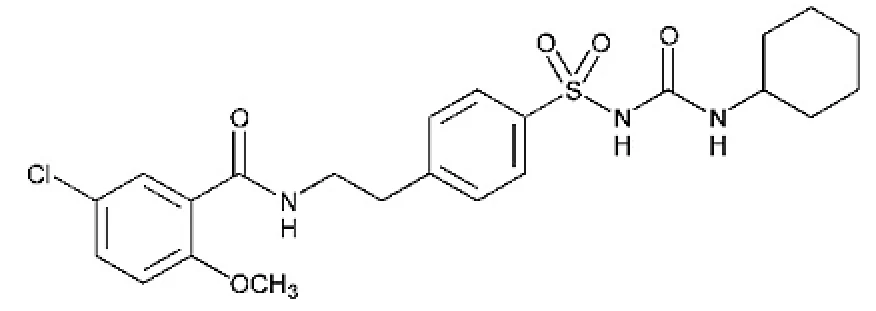
Chemical name: 1-[[4-[2-[(5-Chloro-2-
methoxybenzoyl)amino]ethyl]phenyl]sulphonyl]-3-cyclohexylurea
Molecular formula: C23H28ClN3O5S
Molecular mass: 494
Structural formula:
Physiochemical properties:
Description: White or almost white, odourless to almost odourless, crystalline powder.
Melting Point: 169 – 174oC
Solubility: Practically insoluble in: water, ether Slightly soluble in: ethanol, methanol Sparingly soluble in: chloroform, methylene chloride Sparingly soluble (with salt formation) in: alkaline solution Freely soluble in: dimethylformamide
CLINICAL TRIALS
No clinical data available.
DETAILED PHARMACOLOGY
Animals
In rabbits, the oral administration of 0.2 mg/kg of EUGLUCON® lowered the blood sugar level 25%, an effect which occurred 3 hours after administration of the drug and lasted longer than 24 hours. The duration of action of 200 mg/kg of tolbutamide was much shorter.5 In the isolated rat pancreas, EUGLUCON® produced a long-lasting rise in insulin output while tolbutamide had an effect of a faster onset and a shorter duration.28 A short period of exposure of isolated rat pancreas to tolbutamide caused a brief release of insulin, but the effect of EUGLUCON® lasted longer and exceeded the time of exposure.18 In the presence of 0.5 ug/mL of EUGLUCON®, isolated rat pancreatic islets released insulin continuously; in contrast, the effect of 0.3 mg/ml of tolbutamide could not be maintained.16
Safety Pharmacology
Glibenclamide has been reported to block the ATP-sensitive potassium channels in cardiac myocytes and pancreatic beta cells 56 and the neural and cardiac delayed rectifier potassium current (IKr) channels.44 In post-infarcted anaesthetised dogs (N=10/treatment), glibenclamide (0.3 to 10 mg/kg iv) had proarrhythmic effects, as reflected by increased inducibility, lowered ventricular fibrillation threshold, and reduced survival.11
Humans
Improved glucose tolerance levels and random blood sugar levels over diet alone were described; the improvement in glucose tolerance was ascribed to a combination of a reduced fasting plasma sugar level and an improved tolerance to the glucose load.12
In a study comparing the effects of phenformin, metformin and glyburide on six patients with maturity-onset diabetes37, it was found that the greatest reduction of the blood glucose concentration was obtained following treatment with glyburide, and corresponded with the observed higher serum insulin levels. Although gross and moderate elevation of blood lactate concentrations were observed in the patients treated with phenformin and metformin respectively, normal blood lactate levels were observed in the patients treated with glyburide. Similar effects were observed on the lactate/pyruvate ratios, and on the levels of alanine, glycerol and ketone bodies; only phenformin administration resulted in significantly increased levels of serum triglycerides.
TOXICOLOGY
The LD50 for white mice, rats and guinea pigs was found to be more than 15 g/kg body weight and for rabbits and beagles more than 10 g/kg body weight when glyburide was given orally. The LD50 in rats following intraperitoneal injection was found to be from 6.3 to 8.4 g/kg body weight.
Long-term feeding experiments were carried out in rats and dogs over the course of one year. Rats were given glyburide in their food in doses of approximately 0.2, 1.0 and 5.0 mg/kg body weight daily. The highest dose is equivalent to 350 times the minimal effective hypoglycaemic dose in man. Organ function tests were carried out continuously. Hematological examinations, blood sugar tests and urine analyses were performed every three months. None of the rats showed any abnormal findings in the function tests, or in the blood and urine studies. Subsequent post-mortem examination revealed no macroscopic or histological changes attributable to a toxic effect of glyburide.
Dogs were given glyburide by mouth at dose levels of 0.4, 2.0 and 10.0 mg/kg body weight daily. The highest dose is equivalent to 650 times the minimal effective hypoglycaemic dose in man. Regular checks of blood cell counts, blood glucose, urine, electrolytes, electrophoresis, BUN and serum enzyme levels (GPT, GOT, LDH, AP) showed no abnormalities. All the animals behaved normally during the period of experiment. There was no vomiting or diarrhea, and their weights remained unchanged. Subsequent post-mortem examination and histological investigation showed no abnormality.
Teratological tests were carried out in rats and rabbits. Rats were given 0.2, 20 and 2000 mg/kg body weight of glyburide from days 7 to 16 of gestation. For rabbits, the doses were 0.035, 3.5 and 350 mg/kg given from day 7 to 17 of gestation, in a starch suspension by gastric tube. Examination of the intact fetuses, followed by examination of transverse sections and of the stained skeletons, showed no evidence of teratogenic action.
REFERENCES
- 1. Abbate SL, Hoogwerf BJ. Hemolytic anemia associated with sulfonylurea use. Case study and review of literature. Diabetes Care. 1990 Aug;13(8):904-5.
- 2. Albengres E, Le Louët H, Tillement JP. Systemic antifungal agents. Drug interactions of clinical significance. Drug Saf. 1998 Feb;18(2):83-97.
- 3.
Asplund K, Wiholm BE, Lithner F. Glibenclamide-associated hypoglycaemia: a report of 57 cases.
Diabetologia. 1983 Jun;24(6):412-7.
- 4. Balant L, Fabre J, Zahnd GR. Comparison of the pharmacokinetics of glipizide and glibenclamide in man. Eur J Clin Pharmacol. 1975;8(1):63-69.
- 5. Bänder A, Pfaff W, Schmidt FH, Stork H, Schröeder HG. Zur Pharmakologie von HB 419, einem neuen, stark wirksamen oralen Antidiabeticum. Arzneimittelforschung. 1969;19:1363-1372.
- 6.
Bussing R, Gende A. Severe hypoglycaemia from clarithromycin-sulfonylurea drug interaction.
Diabetes Care. 2002 Sep;25(9):1659-60.
- 7. Byrne JA, Strautnieks SS, Mieli-Vergani G, Higgins CF, Linton KJ, Thompson RJ. The human bile salt export pump: characterization of substrate specificity and identification of inhibitors. Gastroenterology. 2002 Sep;123(5):1649-58.
- 8.
Canadian Diabetes Association. Clinical Practice Guidelines for the Prevention and Management of
Diabetes in Canada (2008). Canadian Journal of Diabetes. September 2008:32(Supplement 1).
- 9. Christ OE, Heptner W, Rupp W. Investigations on absorption, excretion, and metabolism in man after administration of 14C-labeled HB 419. Horm Metab Res. 1969;1(Suppl):51-54.
- 10. Clarke BF, Campbell IW, Ewing DJ, Beveridge GW, MacDonald MK. Generalized hypersensitivity reaction and visceral arteritis with fatal outcome during glibenclamide therapy. Diabetes. 1974 Sep;23(9):739-42.
- 11. D'Alonzo AJ, Sewter JC, Darbenzio RB, Hess TA. Effects of cromakalim or glibenclamide on arrhythmias and dispersion of refractoriness in chronically infarcted anesthetized dogs. Naunyn Schmiedebergs Arch Pharmacol. 1995 Aug;352(2):222-8.
- 12. Doar JW, Thompson ME, Wilde CE, Sewell PF. Diet and oral antidiabetic drugs and plasma sugar and insulin levels in patients with maturity-onset diabetes mellitus. Br Med J. 1976 Feb;1(6008):498-500.
- 13. Fattinger K, Funk C, Pantze M, Weber C, Reichen J, Stieger B, Meier PJ. The endothelin antagonist bosentan inhibits the canalicular bile salt export pump: a potential mechanism for hepatic adverse reactions. Clin Pharmacol Ther. 2001 Apr;69(4):223-31.
- 14. Feldman JM. Glyburide: a second-generation sulfonylurea hypoglycaemic agent. History, chemistry, metabolism, pharmacokinetics, clinical use and adverse effects. Pharmacotherapy. 1985 Mar-Apr;5(2):43-62.
- 15. Fucella LM, Tamassia V, Valzelli G. Metabolism and kinetics of the hypoglycaemic agent glipizide in man - comparison with glibenclamide. J Clin Pharmacol New Drugs. 1973 Feb-Mar;13(2):68-75.
- 16. Fussgaenger RD, Goberna R, Hinz M, Jaros P, Karsten C, Pfeiffer EF, Raptis S. Comparative studies of the dynamics on insulin secretion following HB 419 and tolbutamide of the perfused isolated rat pancreas and the perfused isolated pieces and islets of rat pancreas. Horm Metab Res. 1969;1(Suppl):34-40.
- 17. Gribble FM, Tucker SJ, Seino S, Ashcroft FM. Tissue specificity of sulfonylureas: studies on cloned cardiac and β-cell KATP channels. Diabetes. 1998 Sep;47(9):1412-8.
- 18. Grodsky GM, Curry D, Landahl H, Bennet L. Further studies on the dynamic aspects of insulin release in vitro with evidence for a two-compartmental storage system. Acta Diabetol Lat. 1969 Sep;6 Suppl 1:554-78.
- 19. Hanlon JT, Aspinall SL, Semla TP, Weisbord SD, Fried LF, Good CB et al. Consensus guidelines for oral dosing of primarily renally cleared medications in older adults. J Am Geriatr Soc. 2009 February; 57(2):335-340.
- 20. Islam SI, Masuda QN, Bolaji OO, Shaheen FM, Sheikh IA. Possible interaction between cyclosporine and glibenclamide in posttransplant diabetic patients. Ther Drug Monit. 1996 Oct;18(5):624-6.
- 21.
Jackson JE, Bressler R. Clinical pharmacology of sulphonylurea hypoglycaemic agents: Part 1.
Drugs. 1981;22(3):211-45.
- 22. Jönsson A, Hallengren B, Rydberg T, Melander A. Effects and serum levels of glibenclamide and its active metabolites in patients with type 2 diabetes. Diabetes Obes Metab. 2001 Dec;3(6):403-9.
- 23. Jönsson A, Rydberg T, Sterner G and Melander A. Pharmacokinetics of glibenclamide and its metabolites in diabetic patients with impaired renal function. Eur J Clin Pharmacol 1998;53:429-435.
- 24.
Kannisto H and Neuvonen PJ. Adsorption of sulfonylureas onto activated charcoal. Journal of
Pharmaceutical Sciences 1984;73(2): 253-256.
- 25. Kirchheiner J, Brockmöller J, Meineke I, Bauer S, Rohde W, Meisel C, Roots I. Impact of CYP2C9 amino acid polymorphisms on glyburide kinetics and on the insulin and glucose response in healthy volunteers. Clin Pharmacol Ther. 2002 Apr;71(4):286-96.
- 26.
Leiba A, Leibowitz A, Grossman E. An unusual case of hypoglycaemia in a diabetic patient. Ann
Emerg Med. 2004 Oct;44(4):427-8.
- 27. Lilja JJ, Niemi M, Fredrikson H, Neuvonen PJ. Effects of clarithromycin and grapefruit juice on the pharmacokinetics of glibenclamide. Br J Clin Pharmacol. 2007 Jun;63(6):732-40.
- 28.
Mariani MM. The action of sulfonylureas on the insulin secretion of the perfused rat pancreas. Acta
Diabetol Lat. 1969;6 Suppl 1:256-70.
- 29.
Meloni G, Meloni T. Glyburide-induced acute haemolysis in a G6PD-deficient patient with NIDDM.
Br J Haematol. 1996 Jan;92(1):159-60.
- 30.
Meyler’s side effects of drugs. 14th edn. Dukes MNG, Aronson JK eds. Amsterdam: Elsevier; 2000.
p.1510
- 31.
Mizumura T, Nithipatikom K, Gross GJ. Infarct size-reducing effect of nicorandil is mediated by the
KATP channel but not by its nitrate-like properties in dogs. Cardiovasc Res. 1996 Aug;32(2):274-85.
- 32.
Morris AD, Boyle DI, McMahon AD, Pearce H, Evans JM, Newton RW, Jung RT, MacDonald TM.
ACE inhibitor use is associated with hospitalization for severe hypoglycaemia in patients with diabetes. DARTS/MEMO Collaboration. Diabetes Audit and Research in Tayside, Scotland. Medicines Monitoring Unit. Diabetes Care. 1997 Sep;20(9):1363-7.
- 33. Muller R, Bauer G, Schroder R, Saito S. Summary report of clinical investigation of the oral antidiabetic drug HB 419 (glibenclamide). Horm Metab Res. 1969;1(Suppl):88-92.
- 34. Najeed SA, Khan IA, Molnar J, Somberg JC. Differential effect of glyburide (glibenclamide) and metformin on QT dispersion: a potential adenosine triphosphate sensitive K+ channel effect. Am J Cardiol. 2002 Nov 15;90(10):1103-6.
- 35.
Naritomi Y, Terashita S, Kagayama A. Identification and relative contributions of human cytochrome P450 isoforms involved in the metabolism of glibenclamide and lansoprazole: evaluation of an approach based on the in vitro substrate disappearance rate. Xenobiotica. 2004 May;34(5):415-
27.
- 36. Nataas OB, Nesthus I. Immune haemolytic anaemia induced by glibenclamide in selective IgA deficiency. Br Med J (Clin Res Ed). 1987 Aug;295(6594):366-7.
- 37. Nattrass M, Todd PG, Hinks L, Lloyd B, Alberti KG. Comparative effects of phenformin, metformin and glibenclamide on metabolic rhythms in maturity-onset diabetics. Diabetologia. 1977 Apr;13(2):145-52.
- 38. Niemi M, Backman JT, Neuvonen M, Neuvonen PJ, Kivistö KT. Effects of rifampin on the pharmacokinetics and pharmacodynamics of glyburide and glipizide. Clin Pharmacol Ther. 2001 Jun;69(6):400-6.
- 39. Niemi M, Cascorbi I, Timm R, Kroemer HK, Neuvonen PJ, Kivistö KT. Glyburide and glimepiride pharmacokinetics in subjects with different CYP2C9 genotypes. Clin Pharmacol Ther. 2002 Sep;72(3):326-32.
- 40. Peacock I, Tattersall RB. The difficult choice of treatment of poorly controlled maturity onset of diabetes: tablets or insulin? Br Med J (Clin Res Ed). 1984 Jun;288(6435):1956-9.
- 41. Pearson JG, Antal EJ, RaehI CL. Gorsch HK, Craig WA, Albert KS et al. Pharmacokinetic disposition of 14C-glyburide in patients with varying renal function. Clin Pharmacol Ther. 1986 March; 39(3): 318-324.
- 42. Raptis S, Rau RM, Schröder KE, Faulhaber JD, Pfeiffer EF. Comparative study of insulin secretion following repeated administration of glucose, tolbutamide, and glibenclamide (HB 419) in diabetic and non-diabetic human subjects. Horm Metab Res. 1969;1(Suppl):65-72.
- 43. Reimann F, Ashcroft FM and Gribble FM. Structural basis for the interference between nicorandil and sulfonylurea action. Diabetes. 2001 Oct;50(10):2253-9.
- 44. Rosati B, Rocchetti M, Zaza A, Wanke E. Sulfonylureas blockade of neural and cardiac HERG channels. FEBS Lett. 1998 Nov 27;440(1-2):125-30.
- 45.
Rupp W, Christ OE, Fuelberth W. Studies on the bioavailability of glibenclamide.
Arzneimittelforschung. 1972;22:471-3.
- 46.
Rydberg T, Jönsson A, Røder M, Melander A. Hypoglycaemic activity of glyburide (glibenclamide)
metabolites in humans. Diabetes Care. 1994 Sep;17(9):1026-30.
- 47. Schenkel F, Drug Safety Report No. 1030752, September 2008.
- 48. Schmidt HAE, Petridge P. Glukose-und HB 419-Konzentration im Blut sowie HB 419-Ausscheidung im Urin nach einmaliger oraler Applilcation von HB 419 14-C. Arzneim Forsch. 1969;12:1422-8.
- 49. Sirek OV, Sirek Z, Policova Z. Inhibition of sulphonylurea-stimulated insulin secretion by beta adrenergic blockade. Diabetologia. 1975 Aug;11(4):269-72.
- 50.
Spiller HA and Sawyer TS. Toxicology of oral antidiabetic medications. Am J Health-Syst Pharm
2006;63;929-38.
- 51. Stieger B, Fattinger K, Madon J, Kullak-Ublick GA, Meier PJ. Drug- and estrogen-induced cholestasis through inhibition of the hepatocellular bile salt export pump (Bsep) of rat liver. Gastroenterology. 2000 Feb;118(2):422-430.
- 52.
Stockley IH. Stockley’s Drug Interactions: A Sourcebook of Interactions, Their Mechanism, Clinical
Importance and Management. 6th ed. London: Pharmaceutical Press, 2002. p.576
- 53. Taylor KG, John WG, Matthews KA, Wright AD. A prospective study of the effect of 12 months treatment on serum lipids and apolipoproteins A-I and B in Type 2 (non-insulin-dependent) diabetes. Diabetologia. 1982 Dec;23(6):507-10.
- 54. van Giersbergen PL, Treiber A, Clozel M, Bodin F, Dingemanse J. In vivo and in vitro studies exploring the pharmacokinetic interaction between bosentan, a dual endothelin receptor antagonist, and glyburide. Clin Pharmacol Ther. 2002 Apr;71(4):253-62.
- 55. Vinzio S, Andrès E, Perrin AE, Schlienger JL, Goichot B. Glibenclamide-induced acute haemolytic anaemia revealing a G6PD-deficiency. Diabetes Res Clin Pract. 2004 Jun;64(3):181-3.
- 56. Zünkler BJ. Human ether-a-go-go-related (HERG) gene and ATP-sensitive potassium channels as targets for adverse drug effects. Pharmacol Ther. 2006 Oct;112(1):12-37.