


Patient Medication Information: uses, side effects, how to take - Evra
Serious warnings and precautions box
What EVRA is used for:
EVRA is used in adult women to prevent pregnancy.
How EVRA works:
EVRA is a hormonal contraceptive patch that contains two female sex hormones (norelgestromin and ethinyl estradiol). The EVRA patch sticks to the skin and continuously releases the hormones through the skin and into the blood stream. The EVRA patch produces a hormone exposure pattern that is different from that of the birth control pill. Talk to your healthcare professional about how this relates to your use of EVRA.
Hormonal contraceptives, including EVRA, have been shown to be highly effective in preventing pregnancy when taken as prescribed by your healthcare professional.
|
Hormonal contraceptives like EVRA work in three ways:
- 1. they inhibit the monthly release of an egg by the ovaries.
- 2. changing the endometrium (lining of the womb), this lowers the likelihood of implantation
- 3. change the mucus produced by the cervix. This makes it more difficult for the sperm to enter the uterus.
Effectiveness of Hormonal Contraceptive Methods:
When EVRA is used correctly, the chance of becoming pregnant is comparable to that of combination birth control pills. Combination birth control pills are more than 99 percent effective in preventing pregnancy when:
- The pill is taken as directed
- The amount of estrogen is 20 mcg or more
This means if 100 women used the contraceptive patch for one year, one women would get pregnant.
The chance of becoming pregnant increases with incorrect use.
Other Ways to Prevent Pregnancy:
Other methods of birth control are available to you. They are usually less effective than hormonal contraceptive methods such as the birth control pill or EVRA. When used properly, however, other methods of birth control are effective enough for many women.
The following table gives reported pregnancy rates for various forms of birth control, including no birth control. The reported rates represent the number of women out of 100 who would become pregnant in one year.
Reported Pregnancies per 100 Women per Year
Combination pill
less than 1 to 2
Intrauterine device (IUD)
less than 1 to 6
Condom with spermicidal foam or gel
1 to 6
Mini-pill
3 to 6
Condom
2 to 12
Diaphragm with spermicidal foam or gel
3 to 18
Spermicide
3 to 21
Sponge with spermicide
3 to 28
Cervical cap with spermicide
5 to 18
Periodic abstinence (rhythm), all types
2 to 20
No birth control
60 to 85
Pregnancy rates vary widely because people differ in how carefully and regularly they use each method. (This does not apply to IUDs since they are implanted in the uterus.). Regular users may achieve pregnancy rates in the lower ranges. Others may expect pregnancy rates more in the middle ranges.
The ingredients in EVRA are:
Medicinal ingredients: norelgestromin and ethinyl estradiol
Non-medicinal ingredients: crospovidone, lauryl lactate, non-woven polyester, polydimethylsiloxane, polyester, polyethylene, polyethylene terephthalate and polysiobutylene/polybutene adhesive.
The EVRA patch does not contain any metal components.
EVRA comes in the following dosage form:
The EVRA transdermal system is available as a thin, beige plastic patch, that sticks to the skin, containing 6 mg norelgestromin and 0.6 mg ethinyl estradiol. The sticky part of the patch contains the hormones norelgestromin and ethinyl estradiol, which are released continuously through the skin and into the bloodstream.
The EVRA transdermal system releases approximately 35 micrograms of ethinyl estradiol and 200 micrograms of norelgestromin every 24 hours.
Do not use EVRA if:
- you are allergic to ethinyl estradiol, norelgestromin or to any of the non-medicinal ingredients in EVRA (see The ingredients in EVRA are:)
- you have or have had blood clots in the legs, lung, eyes, or elsewhere, or thrombophlebitis (inflammation of the veins)
- you have or have had a stroke, heart attack, or coronary artery disease (e.g., angina pectoris)
- you have a disease of the heart valves (one or more of the heart valves do not open or close properly) with complications
- you have or had cerebrovascular diseases (disorders impacting the blood flow and blood vessels in the brain)
you have risk factors for developing blood clots in the veins or arteries, such as:
- you have uncontrolled high blood pressure
- you have diabetes affecting your circulation
- you have very high blood cholesterol or triglyceride levels
- you are over age 35 and smoke
you have known abnormalities of the blood clotting system that increase you risk for developing blood clots such as:
- Factor V Leiden mutation,
- Activated protein C (APC) resistance,
- Protein C deficiency,
- Protein S deficiency,
- Hyperhomocysteinemia,
- Prothrombin mutation G20210A
- Antiphospholipid antibodies
- you are on prolonged bed rest
- you are scheduled for major surgery with a higher risk of blood clots following surgery
- you have or had migraine headache with neurological symptoms such as aura (visual or sensory disturbance)
- you have or had jaundice (yellowing of the eyes or skin), liver disease or liver tumour (either malignant or benign)
- you have known or have suspected cancer of the breast or uterus (womb) or other estrogen-dependent cancer
- you have unusual vaginal bleeding without a known reason
- you have or had a partial or complete loss of vision or other vision problems due to blood vessel disease of the eye (vascular disease)
- you are pregnant or suspect you may be pregnant
- you are taking medicines containing ombitasvir/paritaprevir/ritonavir with dasabuvir
- you are taking medicines containing glecaprevir/pibrentasvir or sofosbuvir/velpatasvir/voxilaprevir
To help avoid side effects and ensure proper use, talk to your healthcare professional before you take EVRA. Talk about any health conditions or problems you may have, including if you:
- smoke
- weigh more than 90 kg (198 lbs)
- are obese (a body mass index more than 30 kg/m2)
- have a history of breast disease (e.g., breast lumps) or a family history of breast cancer
- have high blood pressure
- have abnormal levels of fats in the bloodstream (high cholesterol or triglycerides)
- have diabetes
- have heart or kidney disease
- have a history of seizures/epilepsy
- you have or had migraines or headaches. You may be at an higher risk for developing a stroke.
- have a history of depression
- have premenstrual syndrome (PMS)
- have a history of liver disease or jaundice (yellowing of the eyes or skin)
- wear contact lenses
- have uterine fibroids (benign growths of the uterus/womb)
- have irregular vaginal bleeding
- have inflammatory bowel disease such as Crohn’s disease or ulcerative colitis
- have systemic lupus erythematosus
- have hepatitis C
- have a leg cast
- have varicose veins (enlarged and twisted veins)
- have issues with retaining fluid, EVRA may aggravate this condition
- may be pregnant or are breastfeeding
- have or have had ‘pregnancy spots’. These are yellowish brown patches or spots, especially on your face (called ‘chloasma’). These spots may not go away completely, even after you stop using EVRA. Protect your skin from sunlight or ultraviolet radiation. This may help prevent you from getting these spots or help prevent them from getting worse.
- have a condition called hereditary or acquired angioedema which causes swelling of the face, tongue, or throat, difficulty swallowing, urticaria, and/or respiratory distress.
Other warnings you should know about:
While wearing EVRA you should not expose the patch area to sources of heat such as heating pads, electric blankets, heated waterbeds, heat lamps, saunas and hot tubs, intensive sunbathing, etc. This may increase the drug’s ability to go through the skin and result in being exposed to too much estrogen. This may also occur if you develop a fever. Talk to your healthcare professional for advice if you develop a fever.
If you see a different healthcare professional, tell them you are using EVRA.
Tell your healthcare professional if you are scheduled for any laboratory tests since certain blood tests may be affected by hormonal contraceptives.
Also tell your healthcare professional if you are scheduled for MAJOR surgery. You should talk to your healthcare professional about stopping EVRA four weeks before surgery. You should also talk to your healthcare professional about not using EVRA for a time after surgery or during bed rest.
EVRA should be used only under the supervision of a healthcare professional, with regular follow-up to identify side effects that may develop. Your visits may include a blood pressure check, a breast exam, an abdominal exam and a pelvic exam, including a Pap smear. Visit your healthcare professional three months or sooner after the initial examination. Afterward, visit your healthcare professional at least once a year. Use EVRA only on the advice of your healthcare professional and carefully follow all directions given to you. You must use the contraceptive patch exactly as prescribed. Otherwise, you may become pregnant.
If you and your healthcare professional decide that, for you, the benefits of the EVRA contraceptive patch outweigh the risks, you should be aware of the following:
Blood and Heart Problems (including blood clots in legs, lungs, heart, eyes or brain)
There have now been several studies conducted that have assessed the risk of blood clots in the legs and lungs in women using ORTHO EVRA (the formulation of EVRA marketed in the United States) compared to women using oral contraceptives. These studies reported results ranging from no increase in risk of blood clots to an approximate doubling of risk of blood clots in women using ORTHO EVRA.
You should tell your healthcare professional about a family history of blood clots, heart attacks or strokes. There have been cases of heart attack, stroke and blood clots in the legs, lungs and eyes in women using EVRA. Blood clots are the most common serious side effects of hormonal contraceptives, including the contraceptive patch. The risk of developing blood clots is especially high during the first year a woman ever uses a hormonal contraceptive or restarts the same or a different hormonal contraceptive after a break of 4 weeks or more. Clots can occur in many parts of the body.
Be alert for the following symptoms and signs of serious side effects. Call your healthcare professional immediately if they occur:
- sharp pain in the chest, coughing blood, or sudden shortness of breath. These symptoms could indicate a possible blood clot in the lung.
- pain and/or swelling in the calf. These symptoms could indicate a possible blood clot in the leg.
- crushing chest pain or heaviness. These symptoms could indicate a possible heart attack.
- sudden severe or worsening headache or vomiting, dizziness or fainting, disturbances of vision or speech, or weakness or numbness in an arm or leg. These symptoms could indicate a possible stroke.
- sudden blurry or full loss of vision, eye pain or eye pressure. This symptom could indicate a blood clot in the eye.
Any of these conditions can cause death or disability. Clots also occur rarely in the eye, resulting in serious vision problems. It can also happen in a blood vessel leading to an arm or leg, resulting in damage to or loss of a limb.
Women who use hormonal contraceptives have a higher incidence of blood clots. The risk of clotting seems to increase with higher estrogen doses. It is important, therefore, to use as low a dosage of estrogen as possible.
Breast Cancer
Major risk factors for breast cancer are increasing age and a strong history of breast cancer in the family (mother or sister). Other established risk factors include:
- obesity,
- never having children, and
- having your first full-term pregnancy at a late age.
Women may be at a higher risk of developing breast cancer before menopause, which happens around age 50, if they are:
- Long term users of hormonal contraceptives (more than eight years)
- Started using hormonal contraceptives at an early age
The use of hormonal contraceptives may speed up the growth of undiagnosed breast cancer.
A yearly breast examination by a health care professional is recommended for all women.
ASK YOUR HEALTHCARE PROFESSIONAL FOR ADVICE AND INSTRUCTIONS ON REGULAR SELF-EXAMINATION OF YOUR BREASTS. Tell your healthcare professional if you find any breast lumps.
Cervical cancer
Some studies have found an increase of cancer of the cervix in women who use hormonal contraceptives, although this finding may be related to factors other than the use of hormonal contraceptives, including infection with the Human Papilloma Virus (HPV). HPV is an important risk factor for cervical cancer. However, there is insufficient evidence to rule out the possibility that oral contraceptives may cause such cancers.
Liver tumours
The short- and long-term use of birth control pills also has been linked with the growth of liver tumours and liver cancer (hepatocellular carcinoma). The risk increases with the duration of hormonal contraceptive use. Such tumours are extremely rare. Since the contraceptive patch contains hormones similar to those in birth control pills, this association may also exist with the contraceptive patch.
Talk to your healthcare professional immediately if you experience severe pain or a lump in the abdomen.
Gallbladder disease
Gallbladder disease including cholecystitis (inflammation of the gallbladder) and cholelithiasis (gallstones) have been reported with hormonal contraceptive use. Women using oral contraceptives are at a higher risk of developing gallbladder disease requiring surgery within the first year of use. The risk may double after using oral contraceptives for four or five years.
Seizures (convulsions)
There have been rare cases of seizures (convulsions) in women using EVRA. Talk to your healthcare professional if you have seizure disorders (e.g. epilepsy) and are taking anticonvulsants. It is important to contact your healthcare professional immediately if you experience a new seizure or worsening of a previous seizure disorder (e.g., epilepsy).
Body weight >90 kg (198 lbs)
The effectiveness of EVRA may be reduced in women weighing more than 90 kg (198 lbs). If you weigh more than 90 kg (198 lbs) you should talk to your healthcare professional to determine which method of birth control may be right for you.
Use in pregnancy
Hormonal contraceptives, including the EVRA contraceptive patch, should not be taken if you think you are pregnant. They will not prevent the pregnancy from continuing. There is no evidence, however, that hormonal contraceptives can damage a developing child. You should check with your healthcare professional about risks to your unborn child from any medication taken during pregnancy.
Use after pregnancy, miscarriage or an abortion
Your healthcare professional will advise you of the appropriate time to start the use of EVRA after childbirth, miscarriage, or therapeutic abortion.
Pregnancy after stopping EVRA
You should delay pregnancy until at least one normal spontaneous cycle has occurred. You should use an alternative form of contraceptive during this time. This allows the pregnancy to be more accurately dated. There may be a delay in becoming pregnant after stopping EVRA, especially if you had irregular menstrual cycles before using the contraceptive patch.
Use while breast-feeding
Hormonal contraceptives are passed on to the child in the milk. Adverse effects on the child have been reported including yellowing of the skin (jaundice) and breast enlargement. Hormonal contraceptives may decrease the amount and quality of your milk. It is recommended that you do not use combination hormonal contraceptives while breastfeeding. You should use another form of contraceptives until you have completely weaned the child.
Tell your healthcare professional about all the medicines you take, including any drugs, vitamins, minerals, natural supplements or alternative medicines.
Certain drugs may interact with hormonal contraceptives, including EVRA, to make them less effective in preventing pregnancy or cause unexpected bleeding (spotting or breakthrough bleeding). EVRA may also interfere with how other drugs work. Talk to your healthcare professional about when you may need to use an additional back-up, non-hormonal method of birth control (such as condoms, foam or sponge). Do not use EVRA if you are taking ombitasvir, paritaprevir, ritonavir, glecaprevir / pibrentasvir or sofosbuvir / velpatasvir / voxilaprevir, with or without dasabuvir, for the treatment of Hepatitis C. Using these drugs at the same time as EVRA has the potential to cause problems with your liver, such as an increase in the ALT liver enzyme. Talk to your healthcare professional about restarting EVRA after finishing your Hepatitis C treatment (see Do not use EVRA if:).
The following may interact with EVRA:
- drugs used to treat epilepsy (e.g., carbamazepine, ethosuximide, lamotrigine, oxcarbazepine, phenobarbital, phenytoin, primidone, rufinamide, topiramate)
- antibiotics (drugs used to treat bacterial infections) (e.g. cotrimoxazole, metronidazole, nitrofurantoin, penicillins, sulfonamides)
- tetracycline has been shown not to interact with EVRA
- drugs used to treat tuberculosis (e.g., rifampin, rifabutin)
- drugs used to treat HIV/AIDS (e.g., atazanavir, etravirine, indinavir, nelfinavir, nevirapine, ritonavir, ritonavir-boosted protease inhibitors), or HIV/AIDS combination medications that contain cobicistat
- drugs used to lower cholesterol levels (e.g. clofibrate, and cholestyramine)
- CYP3A4 inhibitors (e.g. voriconazole)
- antifungals (drugs used to treat fungal infections) (e.g., fluconazole, griseofulvin, ketoconazole, itraconazole)
- drugs used to reduce fevers (such as acetaminophen, salicylic acid)
- drugs used to treat allergies (antihistamines)
- drugs used to treat migraines (antimigraine preparations)
- drugs used to treat and manage pain (analgesics) (e.g. meperidine and morphine)
- anticoagulants (blood thinners)
- the herbal remedy St. John’s wort (pregnancies and breakthrough bleeding have been reported by users of combined oral contraceptives who also used St. John’s wort)
- drugs used to treat high blood pressure (such as bosentan, guanethidine and methyldopa)
- bronchodilators (drugs used for the treatment of asthma, chronic obstructive pulmonary disease, chronic bronchitis) (e.g., theophylline)
- diabetic medications including insulin
- lipid-lowering drugs (e.g., atorvastatin, rosuvastatin)
- sedatives (e.g., barbiturates, benzodiazepines, chloral hydrate, glutethimide, meprobamate)
- stimulants (e.g., modafinil)
- proton pump inhibitors (e.g. omeprazole)
- drugs used to stop uterine contractions (e.g. isoproterenol)
- aminocaproic acid (used to treat bleeding conditions)
- antacids (used to treat heartburn and indigestion)
- cyclosporine (used to treat organ rejection)
- (fos)aprepitant (drug used for nausea)
- phenylbutazone
- prednisone, prednisolone
- selegiline (drug used for Parkinson’s disease)
- tizanidine (drug used for multiple sclerosis [MS])
grapefruit juice
- alcohol and caffeine
- some nutritional supplements (e.g., folic acid, vitamin B12, vitamin C, vitamin E)
This is not a complete list of possible drug interactions with EVRA. Talk to your healthcare professional for more information about drug interactions.
How to take EVRA:
The transdermal contraceptive system keeps you from becoming pregnant by transferring hormones to your body through your skin. The patch must stick securely to your skin in order for it to work properly. This system uses a 28-day, four-week cycle. You will apply a new patch each week for three weeks - 21 total days. You will not apply a patch during week four. You will have your period this week. This means that every new patch will be applied on the same day of the week. This will be your “Patch Change Day”. For example, if you apply your first patch on a Monday, all of your patches should be applied on a Monday. You will wear only one patch at a time.
On the day after week four ends, you will begin a new four-week cycle by applying a new patch.
Save these instructions.
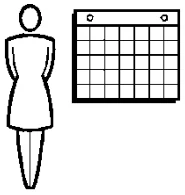
| If this is the first time you are using the birth control patch, wait until the day you get your menstrual period. Either a First Day start or a Sunday Start can be used (see step 2). The day you apply your first patch will be Day 1. Your “Patch Change Day” will be on this day every week. |
 | For First Day start: apply your first patch during the first 24 hours of your period. OR
For both a First Day start and a Sunday start, you must use back-up contraception (such as condom or diaphragm) for the first week of your first cycle only. |
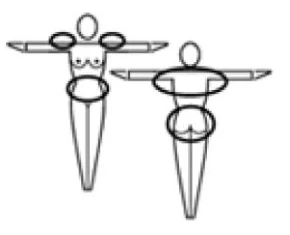 | Choose a place on your body to apply the patch. Put the patch on your buttock, abdomen, upper outer arm or upper torso, in a place where it won’t be rubbed by tight clothing. The patch should be placed on clean, dry, hairless, intact healthy skin. EVRA should not be placed on skin that is red, irritated or cut. Never put the patch on your breasts. To avoid irritation, apply each new patch to a different place on your skin. To prevent interference with the adhesive, do not use make-up, creams, lotion, powders or other topical products on the skin where EVRA is currently placed or will be applied shortly. |
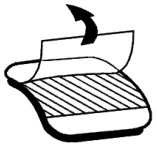 | Using your fingers, open the foil pouch by tearing it along the edge. Firmly grasp a corner of the patch and gently remove it from the foil pouch. Sometimes patches can stick to the inside of the pouch - be careful not to accidentally remove the clear liner as you remove the patch. Then, as indicated above, peel away half of the clear protective liner. Avoid touching the sticky surface. |
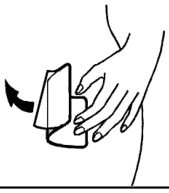 | Position the patch on your skin and then remove the other half of the liner. Press down firmly on the patch with the palm of your hand for 10 seconds, making sure that the edges stick well. Check your patch every day to make sure it is sticking. |
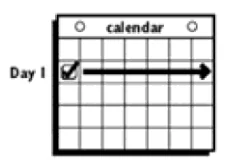 | Wear the patch for 7 days (one week). On the “Patch Change Day,” Day 8, remove the used patch. Apply a new patch immediately. The used patch still contains some medicine – throw it away by carefully folding it in half so that it sticks to itself. |
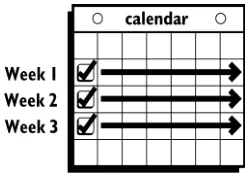 | You will apply a new patch on week two (Day 8) and again on week three (Day 15), on your “Patch Change Day”. Patch change can happen at any time on Patch Change Day. To avoid irritation, do not apply the new patch to the exact same place on your skin. |
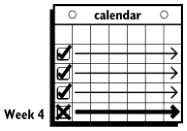
| Do not wear a patch on week four (Day 22 through Day 28). You should have your period during this week. |
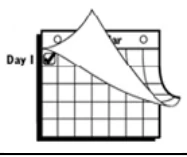
| Begin your next four-week cycle by applying a new patch on your normal “Patch Change Day”, the day after Day 28 - no matter when your period begins or ends. |
If your patch becomes loose, lifts at the edges or falls off
- for less than one day (up to 24 hours), try to re-apply it to the same spot or apply a new patch immediately. No back-up contraception is needed. Your “Patch Change Day” will remain the same.
- for more than one day (more than 24 hours), OR if you are not sure for how long. YOU MAY BECOME PREGNANT. Start a new four-week cycle immediately by putting on a new patch. You now have a new Day 1 and a new “Patch Change Day”. You must use back-up contraception for the first week of your new cycle.
- do not try to re-apply a patch if it is no longer sticky, if it has become stuck to itself or another surface, if it has other material stuck to it, or if it has become loose or has fallen off before. No tapes or wraps should be used to keep the patch in place. If you cannot re-apply a patch, apply a new patch immediately.
Other Information
- Do not cut, damage or alter the patch in any way.
- If patch use results in uncomfortable irritation, a new patch may be applied to a new location until the next Patch Change Day. Only one patch should be worn at a time.
- Some medicines may change the way the transdermal contraceptive system works. If you are taking any medication, you must talk to your healthcare professional BEFORE you use the patch. You may need to use back-up contraception.
- Your healthcare professional will tell you when you can re-start EVRA after childbirth, miscarriages or abortions.
Disposal of EVRA
Used patches still contain some active hormones. Throw away the used patch by carefully folding in half so the adhesive side sticks to itself, place the folded patch in a sturdy container, preferably with a child-resistant cap, and dispose of it in the garbage out of the reach of children and pets. Remaining active hormonal ingredients of the patch may have harmful effects if they reach the aquatic environment. Used patches should not be flushed down the toilet or placed in liquid waste disposal systems.
When you Switch from the Birth Control Pill to EVRA
If you are switching from the pill to EVRA, wait until you get your menstrual period. Start EVRA on the first day of withdrawal bleeding. If you do not start EVRA on the first day of withdrawal bleeding, you should use a non-hormonal contraceptive for the first 7 days. If it has been more than 7 days since taking the last active pill, talk to your healthcare professional before starting EVRA. If you do not get your period within five days of taking the last active pill, check with your healthcare professional before starting EVRA.
Important Points to Remember:
 |
- 1. It is important to use EVRA exactly as directed in this leaflet. Dosing errors increase your chances of becoming pregnant. This includes starting your contraceptive cycle late or missing your scheduled “Patch Change Day”.
- 2. Do not use EVRA for any condition other than the one for which it was prescribed. EVRA has been prescribed specifically for you; do not give it to others who may want birth control.
- 3. You should wear one patch per week for three weeks, followed by one week off. You should never have the patch off for more than seven days in a row. If you have the patch off for more than seven days in a row and you have had sexual intercourse during this time, you may be at risk of pregnancy. Check with your healthcare professional.
- 4.
If you are not sure what to do about dosing errors:
- Use a back-up method of birth control any time you have sex.
- Contact your healthcare professional for instructions.
- 5. Do not skip patches even if you do not have sex very often.
- 6. Many women have spotting or light bleeding, breast tenderness or may feel sick to their stomach during the first three cycles. If these symptoms occur, do not stop using EVRA. The problem will usually go away. If it doesn’t go away, check with your healthcare professional.
- 7. Mistakes in using your patches can also cause spotting or light bleeding.
- 8. Unlike the pill, the amount of drug you get from the EVRA patch should not be affected by vomiting or diarrhea.
- 9. If you want to move your “Patch Change Day” to a different day of the week, contact your healthcare professional.
- 10.
Be sure to have ready at all times:
- • A non-hormonal birth control (such as condoms, foam, or sponge) to use as a back-up in case of dosing errors.
- 11. If you have trouble remembering to change your contraceptive patch, talk to your healthcare professional about how to make patch-changing easier or about using another method of birth control.
- 12. There is no need to stop taking the EVRA contraceptive patch for a rest period.
- 13. For patch replacement, see How to Use EVRA.
If you have any questions or are unsure about the information in this leaflet, call your healthcare professional.
Missed Periods:
There may be times when you may not menstruate regularly during your patch-free week. If you have used EVRA correctly and miss one menstrual period, continue using EVRA for the next cycle, but be sure to inform your healthcare professional before doing so. If you have not used EVRA as instructed and missed a menstrual period, or if you missed two consecutive menstrual periods, you may be pregnant. Check with your healthcare professional immediately to determine whether you are pregnant. Stop using EVRA and use a non-hormonal method of birth control until you are sure you are not pregnant.
Pregnancy Due to Contraceptive Patch Failure:
The incidence of pregnancy from hormonal contraceptive failure is approximately one percent (i.e. one pregnancy per 100 women per year) if used correctly. The chance of becoming pregnant increases with incorrect use. If contraceptive patch failure occurs, the risk to the fetus is minimal.
Overdose:
Overdose may cause nausea and vomiting. Vaginal bleeding may occur in women. If overdose is suspected, the patch should be removed.
| If you think you, or a person you are caring for, have taken too much EVRA, contact a healthcare professional, hospital emergency department, regional poison control centre or Health Canada’s toll-free number, 1-844 POISON-X (1-844-764-7669) immediately, even if there are no signs or symptoms. |
|---|
Missed dose:
If you forget to change your patch
- at the start of any patch cycle, Week one (Day 1): if you forget to apply your patch, you may become pregnant - you must use back-up contraception for one week. Apply the first patch of your new cycle as soon as you remember. You now have a new “Patch Change Day” and new Day 1. If you had sexual intercourse during this time, you may be at risk of pregnancy. Check with your healthcare professional.
in the middle of your patch cycle, Week two (day 8) or week three (day 15):
- if you forget to change your patch for one or two days (up to 48 hours), apply a new patch as soon as you remember. Apply your next patch on your normal “Patch Change Day”. No back-up contraception is needed.
- if you forget to change your patch for more than two days (48 hours or more), you may become pregnant - start a new four-week cycle as soon as you remember by putting on a new patch. You now have a different “Patch Change Day” and a new Day 1. You must use back-up contraception for the first week of your new cycle.
- at the end of your patch cycle, Week four: if you forget to remove your patch, take it off as soon as you remember. Start your next cycle on your normal “Patch Change Day”, the day after Day 28. No back-up contraception is needed.
- at the start of your next patch cycle, Day 1(Week one): if you forget to apply your patch, you may become pregnant - apply the first patch of your new cycle as soon as you remember. You now have a new “Patch Change Day” and a new Day 1. You must use back-up contraception for the first week of your new cycle.
- you should never have the patch off for more than seven days. If there are more than 7 patch-free days, you are not protected from pregnancy and you must use back-up contraceptive.
Possible side effects from using EVRA:
These are not all the possible side effects you may have when using EVRA. If you experience any side effects not listed here, tell your healthcare professional.
- Skin irritation, redness or rash may occur at the site of application. If this occurs, a new patch may be applied to a new location until the next Patch Change Day.
- Unexpected vaginal bleeding or spotting may occur. These side effects usually disappear after the first few cycles of contraceptive patch use. This does not mean that you should stop using EVRA. If the bleeding persists for more than one cycle or lasts for more than a few days, talk to your healthcare professional
Other side effects may include:
- breast discomfort
- breast enlargement, breast pain
- painful menstrual periods
- bleeding between periods
- vaginal discharge, itching
- headache
- acne
- rash
- diarrhea
- flatulence (gas)
- fatigue, fever
- flu-like symptoms
- runny or stuffy nose, sore throat
- cough
- weight gain
- back pain, muscle pain
The following additional side effects have been reported in women taking hormonal contraceptives in general:
- abdominal cramps/bloating
- change in appetite
- change in skin pigmentation (can be permanent)
- difficulty wearing contact lenses
- fluid retention/swelling of the extremities
- weight change (increase or decrease)
Serious side effects and what to do about them
| Frequency/Side Effect/Symptom | Talk to your healthcare professional | Stop taking this drug and get immediate medical help | |||||
|---|---|---|---|---|---|---|---|
| Frequency/Side Effect/Symptom | Talk to your healthcare professional | Stop taking this drug and get immediate medical help | |||||
| Frequency/Side Effect/Symptom | Talk to your healthcare professional | Stop taking this drug and get immediate medical help | |||||
| Only if severe | In all cases | ||||||
| Only if severe | In all cases | ||||||
| Only if severe | In all cases | ||||||
| Common | |||||||
| Urinary tract infection: pain or burning sensation while urinating, frequent urination, blood in urine, pain in the pelvis, strong smelling urine, cloudy urine | ✓ | ||||||
| Uncommon | |||||||
| Blood clot in the eye: sudden partial or complete loss of vision or double vision | ✓ | ||||||
| Breast changes (breast lumps / breast cancer): breast mass, lumps, pain and tenderness, nipple discharge | ✓ | ||||||
| Convulsions or seizure (fits): muscle twitching, changes in emotions, confusion, uncontrollable shaking with or without loss of consciousness | ✓ | ||||||
| Depression (sad mood that won’t go away): difficulty sleeping, sleeping or sleeping too much, feelings of worthlessness, guilt, regret, helplessness or hopelessness, withdrawal from social situations, family, gatherings and activities with friends, reduced libido (sex drive) and thoughts of death or suicide. If you have a history of depression, your depression may become worse. | ✓ | ||||||
| Edema: unusual swelling of the extremities | ✓ | ||||||
| Jaundice (build up of bilirubin in the blood): yellowing of the skin and eyes, dark urine, light coloured stool, itching all over your body | ✓ | ||||||
| Liver tumour: abdominal pain, nausea or vomiting or lump in the abdomen | ✓ | ||||||
| Pulmonary embolism (blood clot in the lung): sharp chest pain that may increase with deep breathing, cough, coughing up blood, shortness of breath | ✓ | ||||||
| Unexpected (abnormal) vaginal bleeding | ✓ | ||||||
| Rare | |||||||
| Angioedema (swelling of tissue under the skin): swollen face, hands, feet, genitals, tongue and/or throat, difficulty swallowing, difficulty breathing, swelling of the digestive tract | ✓ | ||||||
| causing diarrhea, nausea or vomiting | |||||||
| Arterial thromboembolism, Myocardial infarction (blood clot in the artery, heart attack): sudden pain, discomfort, pressure, heaviness, sensation of squeezing or fullness in the shoulder, chest, arm, or below the breastbone, discomfort radiating to the back, jaw, throat, arm, stomach, feeling of being full, having indigestion or choking, sweating, nausea, vomiting or dizziness, extreme weakness, anxiety, or shortness of breath, rapid or irregular heartbeats | ✓ | ||||||
| Deep vein thrombosis (blood clot in the deep veins of the leg or arm): swelling, pain, arm or leg may be warm to the touch and may appear red | ✓ | ||||||
| Stroke (bleeding or blood clot in the brain): sudden numbness, weakness or tingling of the face, arm, or leg, particularly on one side of the body, sudden headache, blurry vision, difficulty swallowing or speaking, or lethargy, dizziness, fainting, vomiting, trouble understanding, trouble with walking and loss of balance | ✓ | ||||||
| Very rare | |||||||
| Allergic reaction: difficulty swallowing or breathing, wheezing, drop in blood pressure, feeling sick to your stomach and throwing up, hives or rash, swelling of the face, lips, tongue or throat | ✓ | ||||||
If you have a troublesome symptom or side effect that is not listed here or becomes bad enough to interfere with your daily activities, tell your healthcare professional.
Reporting side effects
You can report any suspected side effects associated with the use of health products to Health Canada by:
NOTE: Contact your healthcare professional if you need information about how to manage your side effects. The Canada Vigilance Program does not provide medical advice. |
Storage:
Store between 15°C - 25°C. Do not refrigerate or freeze. Store patches in their protective pouches inside the original box. Apply patch immediately upon removal from its packaging.
Keep new and used transdermal systems out of the sight and reach of children and pets.
If you want more information about EVRA:
- Talk to your healthcare professional
- Find the full product monograph that is prepared for healthcare professionals and includes this Patient Medication Information by visiting the Health Canada Drug Product Database website: (https://www.canada.ca/en/health-canada/services/drugs-health-products/drug-products/drug-product-database.html); the manufacturer’s website (www.searchlightpharma.com), or by calling 1-800-667-4708.
Date of Authorization: 2026-08-18
All trademarks used under license.