


Product Monograph - Ferinject
RECENT MAJOR LABEL CHANGES
Not applicable.
TABLE OF CONTENTS
Sections or subsections that are not applicable at the time of authorization are not listed.
RECENT MAJOR LABEL CHANGES ............................................................................................ 2
TABLE OF CONTENTS .............................................................................................................. 2
PART I: HEALTH PROFESSIONAL INFORMATION ...................................................................... 4
1 INDICATIONS ............................................................................................................... 4
1.1 Pediatrics .............................................................................................................. 4
1.2 Geriatrics .............................................................................................................. 4
2 CONTRAINDICATIONS ................................................................................................. 4
3 SERIOUS WARNINGS AND PRECAUTIONS BOX ............................................................ 5
4 DOSAGE AND ADMINISTRATION ................................................................................. 5
4.1 Dosing Considerations .......................................................................................... 5
4.2 Recommended Dose and Dosage Adjustment ..................................................... 5
4.3 Reconstitution ...................................................................................................... 7
4.4 Administration ...................................................................................................... 8
4.5 Missed Dose ......................................................................................................... 9
5 OVERDOSAGE .............................................................................................................. 9
6 DOSAGE FORMS, STRENGTHS, COMPOSITION AND PACKAGING ................................. 9
7 WARNINGS AND PRECAUTIONS .................................................................................. 9
7.1 Special Populations ............................................................................................. 11
7.1.1 Pregnant Women ........................................................................................... 11
7.1.2 Breast-feeding ................................................................................................ 12
7.1.3 Pediatrics (1-17 years) .................................................................................... 12
7.1.4 Geriatrics ........................................................................................................ 12
8 ADVERSE REACTIONS ................................................................................................ 12
8.1 Adverse Reaction Overview ................................................................................ 12
8.2 Clinical Trial Adverse Reactions .......................................................................... 13
8.2.1 Clinical Trial Adverse Reactions – Pediatrics ................................................... 16
8.3 Less Common Clinical Trial Adverse Reactions ................................................... 17
8.4 Abnormal Laboratory Findings: Hematologic, Clinical Chemistry and Other Quantitative Data ........................................................................................................... 18
8.5 Post-Market Adverse Reactions ......................................................................... 19
9 DRUG INTERACTIONS ................................................................................................ 19
9.2 Drug Interactions Overview ................................................................................ 19
9.3 Drug-Behavioural Interactions ............................................................................ 19
9.4 Drug-Drug Interactions ....................................................................................... 19
9.5 Drug-Food Interactions ....................................................................................... 19
9.6 Drug-Herb Interactions ....................................................................................... 19
9.7 Drug-Laboratory Test Interactions ...................................................................... 19
10 CLINICAL PHARMACOLOGY ....................................................................................... 19
10.1 Mechanism of Action .......................................................................................... 19
10.2 Pharmacodynamics ............................................................................................ 20
10.3 Pharmacokinetics ............................................................................................... 20
11 STORAGE, STABILITY AND DISPOSAL ......................................................................... 21
12 SPECIAL HANDLING INSTRUCTIONS ........................................................................... 21
PART II: SCIENTIFIC INFORMATION ....................................................................................... 22
13 PHARMACEUTICAL INFORMATION ............................................................................ 22
14 CLINICAL TRIALS ........................................................................................................ 23
14.1 Clinical Trials by Indication ................................................................................. 23
15 MICROBIOLOGY ........................................................................................................ 29
16 NON-CLINICAL TOXICOLOGY ..................................................................................... 29
PATIENT MEDICATION INFORMATION .................................................................................. 31
PART I: HEALTH PROFESSIONAL INFORMATION
1 INDICATIONS
FERINJECT (ferric carboxymaltose) is indicated:
- for the treatment of iron deficiency anemia (IDA) in adult and pediatric patients 1 year of age and older when oral iron preparations are not tolerated or are ineffective.
- for the treatment of iron deficiency (ID) in adult patients with heart failure and New York Heart Association (NYHA) class II/III to improve exercise capacity.
The diagnosis of iron deficiency must be based on laboratory tests.
1.1 Pediatrics
Pediatrics (1-17 years of age): Based on the data submitted and reviewed by Health Canada, the safety and efficacy of FERINJECT in pediatric patients has been established. Therefore, Health Canada has authorized an indication for pediatric use (see 4 DOSAGE AND ADMINISTRATION, 4.2 Recommended Dose and Dosage Adjustment). Use of FERINJECT in pediatric patients with IDA when oral iron preparations are not tolerated or are ineffective is supported by evidence from adequate and well-controlled studies of FERINJECT in adults with additional pharmacokinetic, pharmacodynamic, and safety data in pediatric patients aged 1 year and older (see 8.2.1 ADVERSE REACTIONS, Pediatrics, 10.2 CLINICAL PHARMACOLOGY, Pharmacodynamics, and 10.3 CLINICAL PHARMACOLOGY, Pharmacokinetics).
The efficacy and safety of FERINJECT has not been investigated in children below 1 year of age. FERINJECT is therefore not recommended for use in children in this age group.
1.2 Geriatrics
Geriatrics (≥65 years of age): Clinical studies with FERINJECT have not identified differences in unintended responses between elderly and younger patients (see 7 WARNINGS AND PRECAUTIONS, 7.1 Special Populations, 7.1.4 Geriatrics).
2 CONTRAINDICATIONS
FERINJECT is contraindicated in patients:
- who are hypersensitive to this drug or to any ingredient in the formulation, including any non-medicinal ingredient, or component of the container. For a complete listing, see 6 DOSAGE FORMS, STRENGTHS, COMPOSITION AND PACKAGING.
- with known serious hypersensitivity to other parenteral iron products.
- with anemia not attributed to iron deficiency (e.g., other microcytic anemia).
- with evidence of iron overload or disturbances in utilization of iron (e.g., hemochromatosis, hemosiderosis).
3 SERIOUS WARNINGS AND PRECAUTIONS BOX
Serious Warnings and Precautions
FERINJECT is contraindicated in patients who are hypersensitive to this drug or to any ingredient in the formulation, including any non-medicinal ingredient, or component of the container. For a complete listing, see 6 DOSAGE FORMS, STRENGTHS, COMPOSITION AND PACKAGING.
|
|---|
4 DOSAGE AND ADMINISTRATION
4.1 Dosing Considerations
- The dosage of FERINJECT (ferric carboxymaltose) is expressed as mg of elemental iron, with each mL containing 50 mg of elemental iron.
4.2 Recommended Dose and Dosage Adjustment
The recommended dosing of FERINJECT follows a stepwise approach: 1) determination of the individual iron need, 2) calculation and administration of the iron dose(s), and 3) post iron repletion assessments. These steps are outlined below:
Adults
Step 1: Determination of the iron need
The individual iron need for repletion using FERINJECT is determined based on the patient’s body weight and hemoglobin (Hb) level. Refer to Table 1 for determination of the total iron need. See Step 2 for the maximum individual iron doses.
Table 1: Determination of the Total Iron Need – Adults
| Hb | Patient Body Weight | |||
|---|---|---|---|---|
| g/dL | mmol/L | Below 35 kg | 35 kg to <70 kg | 70 kg and above |
| <10 | <6.2 | 500 mg | 1500 mg | 2000 mg |
| 10 to <14 | 6.2 to <8.7 | 500 mg | 1000 mg | 1500 mg |
| ≥14 | ≥8.7 | 500 mg | 500 mg | 500 mg |
Iron deficiency must be confirmed by laboratory tests (see 1 INDICATIONS).
Step 2: Calculation and administration of the maximum individual iron dose(s)
Based on the total iron need determined using Table 1 above, the appropriate dose(s) of FERINJECT should be administered taking into consideration the following:
A single FERINJECT administration should not exceed:
- 15 mg iron/kg body weight
- 1000 mg of iron (20 mL FERINJECT)
The maximum recommended cumulative dose of FERINJECT is 1000 mg of iron (20 mL FERINJECT) per week. If the total iron need is higher, then the administration of an additional dose should be a minimum of 7 days apart from the first dose.
Step 3: Post-iron repletion assessments
Re-assessment should be performed by the clinician based on the individual patient’s condition. The Hb level should be re-assessed no earlier than 4 weeks post final FERINJECT administration to allow adequate time for erythropoiesis and iron utilization. In the event the patient requires further iron repletion, the iron need should be recalculated using Table 1 above.
Pediatrics (1 to 17 years of age)
Step 1: Determination of the iron need
The individual iron need for repletion using FERINJECT is determined based on the patient’s body weight and Hb level. The individual total iron need must be calculated for each patient either with the following Ganzoni formula or according to Table 2. It is recommended that the cumulative dose (total iron need as calculated by the Ganzoni formula or using Table 2) does not exceed those shown in Table 2. See Step 2 for the maximum individual iron doses.
Total iron deficit [mg] = body weight [kg] x (target Hb-actual Hb) [g/dL] x 2.4 + storage iron [mg]
Below 35 kg body weight: Target Hb = 13 g/dL and storage iron = 15 mg/kg body weight
35 kg body weight and above: Target Hb = 15 g/dL and storage iron = 500 mg
The calculated iron need is to be rounded to the nearest 50 mg. See Table 2 for examples of iron need for various body weights and Hb levels.
Table 2: Determination of the Total Iron Need - Patients Aged 1 to 17 Years
| Hb | Patient Body Weight | ||||||
|---|---|---|---|---|---|---|---|
| g/dL | mmol/L | 10 kg | 20 kg | 30 kg | 40 kg | 50 kg | 60 kg |
| 7 | 4.3 | 300 mg | 600 mg | 900 mg | 1200 mg | 1350 mg | 1500 mg |
| 9 | 5.6 | 250 mg | 500 mg | 750 mg | 1100 mg | 1200 mg | 1350 mg |
| 11 | 6.8 | 200 mg | 400 mg | 600 mg | 900 mg | 1000 mg | 1100 mg |
| 13 | 8.1 | 150 mg | 300 mg | 450 mg | 700 mg | 750 mg | 800 mg |
| ≥15 | ≥9.3 | 150 mg | 300 mg | 450 mg | 500 mg | 500 mg | 500 mg |
Iron deficiency must be confirmed by laboratory tests (see 1 INDICATIONS).
Step 2: Calculation and administration of the maximum individual iron dose(s)
Based on the total iron need determined above, the appropriate dose(s) of FERINJECT should be administered taking into consideration the following:
A single FERINJECT administration should not exceed:
- 15 mg iron/kg body weight
- 750 mg of iron (15 mL FERINJECT)
The maximum recommended cumulative dose of FERINJECT is 750 mg of iron (15 mL FERINJECT) per week. If the total iron need is higher, then the administration of an additional dose should be a minimum of 7 days apart from the first dose.
Step 3: Post-iron repletion assessments
Re-assessment should be performed by the clinician based on the individual patient’s condition. The Hb level should be re-assessed no earlier than 4 weeks post final FERINJECT administration to allow adequate time for erythropoiesis and iron utilization. In the event the patient requires further iron repletion, the iron need should be recalculated using the Ganzoni formula above.
Renal Impairment
In adult hemodialysis-dependent chronic kidney disease (HDD-CKD) patients, a single maximum daily dose of 200 mg iron as FERINJECT should not be exceeded (see 7 WARNINGS AND PRECAUTIONS).
In children and adolescents with chronic kidney disease requiring hemodialysis, the efficacy and safety of FERINJECT has not been investigated. FERINJECT is therefore not recommended for use in children and adolescents with chronic kidney disease requiring hemodialysis.
Pregnant Women (gestation week ≥16)
It is recommended that the maximum cumulative dose in pregnant patients is restricted to 1000 mg for patients with Hb >90 g/L, or 1500 mg in patients with Hb ≤90 g/L. Do not administer more than 1000 mg iron per week (see 7.1.1 Pregnant Women).
4.3 Reconstitution
FERINJECT is supplied in 2 mL, 10 mL or 20 mL vials with each mL of ferric carboxymaltose dispersion containing 50 mg iron (see 6 DOSAGE FORMS, STRENGTHS, COMPOSITION AND PACKAGING). Each vial of FERINJECT is for single use only. Discard any unused product after use.
Intravenous Injection
FERINJECT may be administered by IV injection using undiluted dispersion. The undiluted dispersion should be used immediately after opening (see 11 STORAGE, STABILITY AND DISPOSAL).
Intravenous Infusion
For administration by IV infusion, FERINJECT must be diluted in sterile 0.9% sodium chloride solution as shown in Table 3. FERINJECT must only be mixed with sterile 0.9% sodium chloride solution. No other IV dilution solutions or therapeutic agents should be used, as there is the potential for precipitation and/or incompatibility. FERINJECT should not be diluted to concentrations less than 2 mg iron/mL (not including the volume of the FERINJECT dispersion).
Table 3: Dilution Plan of FERINJECT for IV Infusion
| Volume of FERINJECT Required | Equivalent Iron Dose | Maximum Amount of Sterile 0.9% Sodium Chloride Solution | Minimum Administration Time | |||||
| Adults | ||||||||
| 2 | to | 4 mL | 100 | to | 200 mg | 50 mL | 3 minutes | |
| >4 | to | 10 mL | >200 | to | 500 mg | 100 mL | 6 minutes | |
| >10 | to | 20 mL | >500 | to | 1000 mg | 250 mL | 15 minutes | |
| Pediatrics | ||||||||
| 2 | to | 15 mL | 100 | to | 750 mg | 250 mL | 15 minutes |
Diluted dispersion should be used within 24 hours of dilution when stored at 2°C to 8°C (see 11 STORAGE, STABILITY AND DISPOSAL).
4.4 Administration
FERINJECT must only be administered by the IV route:
- by injection, or
- by infusion, or
- during a hemodialysis session, undiluted, directly into the venous line of the dialyser.
FERINJECT must not be administered by the subcutaneous or intramuscular route.
Vials should be visually inspected for sediment and damage before use. Use only those containing sediment-free, homogeneous dispersion.
Intravenous Injection
FERINJECT may be administered by IV injection using undiluted dispersion. In adults, the maximum single dose is 15 mg iron/kg body weight but should not exceed 1000 mg of iron. In children and adolescents aged 1 to 17 years, the maximum single dose is 15 mg iron/kg body weight but should not exceed 750 mg of iron. The administration rates are as shown in Table 4:
Table 4 Administration Rates for IV Injection of FERINJECT
| Volume of Ferric Carboxymaltose Required | Equivalent Iron Dose | Administration Rate/ Minimum Administration Time | ||||||||||
|---|---|---|---|---|---|---|---|---|---|---|---|---|
| Adults | ||||||||||||
| 2 | to | 4 mL | 100 | to | 200 mg | No minimal prescribed time | ||||||
| >4 | to | 10 mL | >200 | to | 500 mg | 100 mg iron/min | ||||||
| >10 | to | 20 mL | >500 | to | 1000 mg | 15 minutes | ||||||
| Pediatrics | |||||||
|---|---|---|---|---|---|---|---|
| 2 | to | 15 mL | 100 | to | 750 mg | 100 mg iron/min | |
Intravenous Infusion
FERINJECT may be administered by IV infusion, in which case it must be diluted in sterile 0.9% sodium chloride solution (Table 3). In adults, the maximum single dose is 15 mg iron/kg body weight but should not exceed 1000 mg of iron. In children and adolescents aged 1 to 17 years, the maximum single dose is 15 mg iron/kg body weight but should not exceed 750 mg of iron.
4.5 Missed Dose
Not applicable.
5 OVERDOSAGE
Administration of FERINJECT in quantities exceeding the amount needed to correct iron deficit may lead to accumulation of iron in storage sites, eventually leading to hemosiderosis. Monitoring of iron parameters such as serum ferritin and transferrin saturation (TSAT) may assist in recognising iron accumulation. If iron accumulation has occurred, treat according to standard medical practice, e.g., consider the use of an iron chelator.
Do not administer FERINJECT to patients with iron overload. See 2 CONTRAINDICATIONS.
| For management of a suspected drug overdose, contact your regional poison control centre or Health Canada’s toll-free number, 1-844 POISON-X (1-844-764-7669). |
|---|
6 DOSAGE FORMS, STRENGTHS, COMPOSITION AND PACKAGING
Table 5: Dosage Forms, Strengths, Composition and Packaging
FERINJECT is supplied as a dark brown non-transparent aqueous colloidal dispersion in sterile, preservative-free, nonpyrogenic, single-dose vials. Each vial contains ferric carboxymaltose corresponding to 50 mg elemental iron/mL. FERINJECT is supplied in 2 mL, 10 mL and 20 mL vials.
7 WARNINGS AND PRECAUTIONS
Please see 3 SERIOUS WARNINGS AND PRECAUTIONS BOX.
| Route of Administration | Dosage Form/Strength/Composition | Non-medicinal Ingredients |
| Intravenous | Dispersion, 100 mg/2 mL, 500 mg/10 mL, and 1000 mg/20 mL, each corresponding to 50 mg elemental iron/mL (as ferric carboxymaltose). | Hydrochloric acid (for pH adjustment), sodium hydroxide (for pH adjustment), water for injections |
General
Excessive therapy with parenteral iron may lead to accumulation of iron in storage sites and possible hemosiderosis. Do not administer FERINJECT to patients with iron overload (see 2 CONTRAINDICATIONS, 5 OVERDOSAGE).
Endocrine and Metabolism
Hypophosphatemia and Hypophosphatemic Osteomalacia
Cases of symptomatic hypophosphatemia with serious outcomes, including hypophosphatemic osteomalacia and fractures that required clinical intervention including surgery, were reported in the post-marketing setting. Patients should be asked to seek medical advice if they experience arthralgia or bone pain.
In FERINJECT clinical trials, a transient decrease of blood phosphorus below 2.5 mg/dL was reported in 45% of patients. The decrease in phosphorus in most cases was asymptomatic, with treatment-emergent adverse events (TEAEs) reported in 3% of patients. Incidental cases of hypophosphatemia requiring medical attention were reported, mainly in patients with existing risk factors and after prolonged exposure to high-dose IV iron. The median time from first dose for patients with a phosphorus value <2.5 mg/dL was 11 days.
Possible risk factors for hypophosphatemia include vitamin D deficiency, calcium and phosphate malabsorption, secondary hyperparathyroidism, hereditary hemorrhagic telangiectasia, inflammatory bowel disease (IBD), and osteoporosis. Patients who receive multiple higher doses for a long-term treatment and with underlying risk factors should be monitored for hypophosphatemic osteomalacia. Serum phosphate levels should be checked in patients at risk for low serum phosphate who require a repeat course of treatment or for any patient who receives a repeat course of treatment within three months.
Correct pre-existing hypophosphatemia prior to initiating therapy with FERINJECT. Treat hypophosphatemia as medically indicated. In case of persisting hypophosphatemia, treatment with FERINJECT should be re-evaluated.
Hepatic/Biliary/Pancreatic
In patients with liver dysfunction, parenteral iron should only be administered after careful benefit/risk assessment. Parenteral iron administration should be avoided in patients with hepatic dysfunction where iron overload is a precipitating factor, in particular porphyria cutanea tarda (PCT). Careful monitoring of iron status is recommended to avoid iron overload.
Immune
Hypersensitivity Reactions
Parenterally administered iron preparations, including FERINJECT, have been reported to cause hypersensitivity reactions including serious and potentially fatal anaphylactic reactions. Cases of mild to moderate hypersensitivity reactions, characterized by wheezing, dyspnea, hypotension, rash, and/or pruritus, have also been observed in clinical trials and post-market studies. Hypersensitivity reactions have been reported after previously uneventful doses of any parenteral iron complexes, including FERINJECT.
The risk is enhanced for patients with known allergies, including drug allergies, and patients with a history of severe asthma, eczema or other atopic allergy. There is also an increased risk of hypersensitivity reactions to parenteral iron complexes in patients with immune or inflammatory conditions (e.g., rheumatoid arthritis, systemic lupus erythematosus).
Monitor patients for signs and symptoms of hypersensitivity during and after FERINJECT administration. Facilities for cardiopulmonary resuscitation must be available. If hypersensitivity reactions or signs of intolerance occur during administration, the treatment must be stopped immediately. Each patient should be observed for adverse effects for at least 30 minutes following each FERINJECT administration.
Infection
There is a risk that iron preparations enhance bacterial growth and inhibit leukocyte function and phagocytosis. Parenteral iron must be used with caution in case of acute or chronic infection. FERINJECT should not be used in patients with ongoing bacteremia. In patients with chronic infection, a benefit/risk evaluation should be performed, taking into account the suppression of erythropoiesis (due to chronic infection).
Monitoring and Laboratory Tests
Patients must have a confirmed diagnosis of iron deficiency based on appropriate laboratory tests before treatment with FERINJECT (see 1 INDICATIONS).
Hematologic response and iron parameters, such as serum ferritin and TSAT, should be regularly monitored during parenteral iron therapy. Monitoring of iron parameters such as serum ferritin and TSAT may assist in recognizing iron accumulation. In the 24 hours following administration of FERINJECT, laboratory assays may overestimate serum iron and transferrin bound iron by also measuring the iron in FERINJECT.
Monitor patients for signs and symptoms of hypersensitivity reactions (e.g., urticaria, edema, bronchospasm, hypotension, cardiorespiratory arrest, syncope, unresponsiveness, or loss of consciousness) during administration and for at least 30 minutes following each FERINJECT administration.
Monitor serum phosphate levels in patients at risk for chronic low serum phosphate, and check serum phosphate levels prior to a repeat course of treatment in patients at risk for low serum phosphate and in any patient who receives a second course of therapy within three months.
Renal
No safety data on HDD-CKD patients receiving single doses of more than 200 mg iron are available.
Skin
Caution should be exercised to avoid paravenous leakage when administering FERINJECT. Paravenous leakage may lead to irritation of the skin and potentially long-lasting brown discolouration at the site of administration. In case of paravenous leakage, the administration of FERINJECT must be stopped immediately.
7.1 Special Populations
7.1.1 Pregnant Women
There are limited clinical data from the use of FERINJECT in pregnant women. In a randomized study, 123 women with iron deficiency anemia who were in gestation week 16-33 received FERINJECT as a cumulative dose of 1000 or 1500 mg. The most commonly reported adverse events were headache, nausea, and dizziness.
Fetal bradycardia may occur following administration of parenteral irons. It is usually transient and a consequence of a hypersensitivity reaction in the mother.
A careful benefit/risk evaluation is required before use during pregnancy, and FERINJECT should only be used during pregnancy when clearly necessary. Treatment with FERINJECT should be confined to gestation week 16 and beyond if the benefit is judged to outweigh the potential risk to both the mother and fetus. The unborn baby should be carefully monitored during administration of FERINJECT to pregnant women.
Animal data indicate that iron released from ferric carboxymaltose can cross the placenta. In reproductive toxicology studies, administration of ferric carboxymaltose during the period of organogenesis caused adverse developmental outcomes, including fetal skeletal malformations and increased implantation loss, in the presence of maternal toxicity (see 16 NON-CLINICAL TOXICOLOGY).
7.1.2 Breast-feeding
The results from a clinical study in post-partum women with iron deficiency anemia showed that transfer of iron from FERINJECT to human milk was ≤1% of the dose administered (See 10 CLINICAL PHARMACOLOGY, 10.3 Pharmacokinetics). Among the breastfed infants in that study, adverse events included constipation and diarrhea (1.3% each), but none of the adverse events reported were considered related to FERINJECT exposure through breastmilk. The developmental and health benefits of breastfeeding should be considered along with the mother’s clinical need for FERINJECT in addition to any potential adverse effects on the breastfed child from the drug or from the underlying maternal condition.
7.1.3 Pediatrics (1-17 years)
Based on the data submitted and reviewed, Health Canada has authorized FERINJECT for patients 1 year of age and older, for the treatment of iron deficiency anemia when oral iron preparations are not tolerated or are ineffective. See 4 DOSAGE AND ADMINISTRATION, 4.2 Recommended Dose and Dosage Adjustment for pediatric and adolescent dosing schedules. Overall, the frequency of TEAEs in pediatric patients treated with FERINJECT was comparable to that observed in the overall study population. See 8 ADVERSE REACTIONS for safety findings.
7.1.4 Geriatrics
In the pooled safety database, 29% of patients treated with FERINJECT were 65 years of age or older, and 14% were 75 years or older. No overall differences in safety or effectiveness were observed between elderly and younger patients.
8 ADVERSE REACTIONS
8.1 Adverse Reaction Overview
In pivotal clinical trials, based on a pooled safety population of 2196 patients from multiple therapy areas treated with FERINJECT, all-causality TEAEs were reported for a total of 932 (42.4%) patients. The most commonly reported TEAEs (≥2%) by preferred term were headache (3.6%), edema (3.2%), hypertension (3.2%), injection/infusion site reactions (3.2%), rash (2.9%), arthralgia (2.5%), urinary tract infections (2.5%), dizziness (2.4%), nausea (2.3%), nasopharyngitis (2.2%), and diarrhea (2.2%).
Serious TEAEs (SAEs) (all causality) were reported in 131 (6.0%) patients treated with FERINJECT. No SAEs were reported in >1% of patients treated with FERINJECT. Pyrexia, headache, and pulmonary embolism, reported in 1 patient each, were the only treatment-related SAEs reported for FERINJECT patients.
There were 6 (0.3%) TEAEs leading to study drug discontinuation, and 12 (0.5%) TEAEs leading to death, none of which was considered related to FERINJECT.
8.2 Clinical Trial Adverse Reactions
Clinical trials are conducted under very specific conditions. The adverse reaction rates observed in the clinical trials; therefore, may not reflect the rates observed in practice and should not be compared to the rates in the clinical trials of another drug. Adverse reaction information from clinical trials may be useful in identifying and approximating rates of adverse drug reactions in real-world use.
The frequency of adverse events associated with the use of FERINJECT in adult patients with IDA has been documented in seven randomized clinical trials across nephrology, gastroenterology, and women’s health therapy areas, as well as in an additional study in adult patients with chronic heart failure (CHF) with ID. The demographic characteristics varied according to the purpose of the studies and the therapy areas. Studies included both male and female patients, except for those specific to women’s health. Overall, the safety population comprised substantial numbers of patients of Caucasian, African, Hispanic, and Asian descent.
Common adverse reactions with ≥1% of all patients with IDA treated with FERINJECT by preferred term are shown in Table 6.
Table 6: Clinical Trial Adverse Reactions Reported in ≥1% of Patients Treated with FERINJECT; Studies in Nephrology, Gastrointestinal, and Women’s Health Therapy Areas
| System Organ Class MedDRA Preferred Term | FERINJECT N=2196 n (%) | IV Iron N=357 n (%) | Oral Iron N=522 n (%) | SMC N=1281 n (%) | |||||
| Cardiac disorders | |||||||||
| Chest pain** | 27 (1.2%) | 2 (0.6%) | 9 (1.7%) | 4 (0.3%) | |||||
| Gastrointestinal disorders | |||||||||
| Nausea | 50 (2.3%) | 12 (3.4%) | 29 (5.6%) | 40 (3.1%) | |||||
| Diarrhea | 48 (2.2%) | 7 (2.0%) | 54 (10.3%) | 23 (1.8%) | |||||
| Abdominal pain** | 42 (1.9%) | 12 (3.4%) | 35 (6.7%) | 27 (2.1%) | |||||
| Vomiting* | 26 (1.2%) | 6 (1.7%) | 20 (3.8%) | 16 (1.2%) | |||||
| Colitis ulcerative | 25 (1.1%) | 7 (2.0%) | 9 (1.7%) | 0 | |||||
| General disorders and administration site conditions | |||||||||
| Edema** | 71 (3.2%) | 0 | 42 (8.0%) | 15 (1.2%) | |||||
| Injection/infusion site reactions** | 70 (3.2%) | 7 (2.0%) | 3 (0.6%) | 4 (0.3%) | |||||
| Fatigue** | 36 (1.6%) | 9 (2.5%) | 34 (6.5%) | 10 (0.8%) | |||||
| Pyrexia* | 35 (1.6%) | 5 (1.4%) | 12 (2.3%) | 2 (0.2%) | |||||
| System Organ Class MedDRA Preferred Term | FERINJECT N=2196 n (%) | IV Iron N=357 n (%) | Oral Iron N=522 n (%) | SMC N=1281 n (%) | |||
| Infections and infestations | |||||||
| Urinary tract infection | 54 (2.5%) | 1 (0.3%) | 23 (4.4%) | 11 (0.9%) | |||
| Nasopharyngitis | 49 (2.2%) | 8 (2.2%) | 21 (4.0%) | 5 (0.4%) | |||
| Upper respiratory tract infection** | 38 (1.7%) | 5 (1.4%) | 24 (4.6%) | 18 (1.4%) | |||
| Lower respiratory tract infection** | 33 (1.5%) | 8 (2.2%) | 33 (6.3%) | 5 (0.4%) | |||
| Influenzae** | 27 (1.2%) | 4 (1.1%) | 9 (1.7%) | 3 (0.2%) | |||
| Musculoskeletal and connective tissue disorders | |||||||
| Arthralgia** | 55 (2.5%) | 7 (2.0%) | 31 (5.9%) | 4 (0.3%) | |||
| Back pain | 40 (1.8%) | 3 (0.8%) | 17 (3.3%) | 6 (0.5%) | |||
| Muscle spasms** | 30 (1.4%) | 9 (2.5%) | 5 (1.0%) | 0 | |||
| Nervous system disorders | |||||||
| Headache** | 78 (3.6%) | 14 (3.9%) | 24 (4.6%) | 18 (1.4%) | |||
| Dizziness** | 52 (2.4%) | 8 (2.2%) | 14 (2.7%) | 8 (0.6%) | |||
| Respiratory, thoracic and mediastinal disorders | |||||||
| Dyspnea* | 27 (1.2%) | 1 (0.3%) | 17 (3.3%) | 2 (0.2%) | |||
| Skin and subcutaneous tissue disorders | |||||||
| Rash** | 64 (2.9%) | 8 (2.2%) | 28 (5.4%) | 11 (0.9%) | |||
| Vascular disorders | |||||||
| Hypertension** | 70 (3.2%) | 12 (3.4%) | 48 (9.2%) | 11 (0.9%) | |||
| Hypotension** | 37 (1.7%) | 13 (3.6%) | 7 (1.3%) | 4 (0.3%) | |||
IV=intravenous; MedDRA= Medical Dictionary for Regulatory Activities; PT=Preferred term; SMC=Standard Medical Care; SOC=System Organ Class. *The group terms Vomiting, Pyrexia, and Dyspnea are each composed of several near synonym terms.
**Group terms that include distinct clinical events are: Chest pain (includes Angina pectoris); Abdominal pain (Abdominal distension); Edema (Peripheral swelling); Injection/infusion site reactions (Extravasation, Hematoma, Post procedural hematoma, Local reaction); Fatigue (Malaise, Illness, Discomfort); Upper respiratory tract infection (Rhinitis, Sinusitis); Lower respiratory tract infection (Bronchitis, Pneumonia); Influenza (Influenza-like illness); Arthralgia (Joint stiffness, Joint swelling); Muscle spasms (Musculoskeletal stiffness); Headache (Migraine, Migraine with aura); Dizziness (Vertigo, Balance disorder); Rash (Exanthema, Urticaria, Pruritus, Boston exanthema); Hypertension (Hypertensive crisis); Hypotension (Blood pressure abnormal, Dialysis hypotension).
The frequency of adverse events associated with the use of FERINJECT in adult patients with CHF with ID has been documented in an additional study.
The most common adverse reactions in subjects treated with FERINJECT in this study were hypertension (16.4%), headache (9.9%), dizziness (9.2%), fatigue (8.6%), atrial fibrillation, chest pain and sinus bradycardia (5.9% each).
Common adverse reactions reported in ≥2% of heart failure patients, and reported more frequently in the FERINJECT than the placebo arm, are presented by SOC and preferred term in Table 7.
Table 7: Clinical Trial Adverse Reactions Reported in ≥2% of Patients with CHF, and Reported More Frequently in Patients Treated with FERINJECT Compared to Placebo
| System Organ Class MedDRA Preferred Term | FERINJECT N=152 n (%) | Placebo N=152 n (%) | |||
| Cardiac disorders | |||||
| Atrial fibrillation | 9 (5.9%) | 7 (4.6%) | |||
| Chest pain** | 9 (5.9%) | 7 (4.6%) | |||
| Sinus bradycardia* | 9 (5.9%) | 2 (1.3%) | |||
| Atrial flutter | 3 (2.0%) | 2 (1.3%) | |||
| Sudden cardiac death* | 4 (2.6%) | 3 (2.0%) | |||
| Gastrointestinal disorders | |||||
| Abdominal pain** | 6 (3.9%) | 2 (1.3%) | |||
| Nausea | 6 (3.9%) | 2 (1.3%) | |||
| Constipation | 4 (2.6%) | 1 (0.7%) | |||
| Vomiting** | 4 (2.6%) | 2 (1.3%) | |||
| Hemorrhoids | 3 (2.0%) | 0 | |||
| General disorders and administration site conditions | |||||
| Fatigue** | 13 (8.6%) | 9 (5.9%) | |||
| Flushing* | 6 (3.9%) | 0 | |||
| Infections and infestations | |||||
| Cystitis | 3 (2.0%) | 0 | |||
| Injury, poisoning and procedural complications | |||||
| Injection/infusion site reactions** | 6 (3.9%) | 1 (0.7%) | |||
| Fall | 4 (2.6%) | 1 (0.7%) | |||
| Fracture** | 3 (2.0%) | 1 (0.7%) | |||
| Investigations | |||||
| Glomerular filtration rate decreased | 4 (2.6%) | 2 (1.3%) | |||
| Weight decreased | 3 (2.0%) | 0 | |||
| Metabolism and nutritional disorders | |||||
| Diabetes mellitus | 5 (3.3%) | 2 (1.3%) | |||
| Musculoskeletal and connective tissue disorders | |||||
| Back pain | 6 (3.9%) | 4 (2.6%) | |||
| Pain in extremity* | 5 (3.3%) | 3 (2.0%) | |||
| Osteoarthritis | 4 (2.6%) | 0 | |||
| Osteochondrosis | 4 (2.6%) | 1 (0.7%) | |||
| Nervous system disorders | |||||
| Headache** | 15 (9.9%) | 10 (6.6%) | |||
| Dizziness** | 14 (9.2%) | 10 (6.6%) | |||
| Renal and urinary disorders | |||||
| Chronic kidney disease | 3 (2.0%) | 2 (1.3%) | |||
| System Organ Class MedDRA Preferred Term | FERINJECT N=152 n (%) | Placebo N=152 n (%) | |||
| Respiratory, thoracic and mediastinal disorders | |||||
| Dyspnea* | 6 (3.9%) | 3 (2.0%) | |||
| Skin and subcutaneous tissue disorders | |||||
| Rash** | 4 (2.6%) | 2 (1.3%) | |||
| Vascular disorders | |||||
| Hypertension** | 25 (16.4%) | 20 (13.2%) | |||
MedDRA=Medical Dictionary for Regulatory Activities; PT=Preferred term; SOC=System Organ Class. *The group terms Sinus bradycardia, Sudden cardiac death, Vomiting, Flushing, Pain in extremity, and Dyspnea are each composed of several near synonym terms.
**Group terms that include distinct clinical events are: Chest pain (includes Angina pectoris); Abdominal pain (Abdominal distension); Fatigue (Malaise, Illness, Discomfort); Injection/infusion site reactions (Extravasation, Hematoma, Post procedural hematoma, Local reaction); Fracture (Hip fracture, Rib fracture, Spinal compression fracture); Headache (Migraine, Migraine with aura); Dizziness (Vertigo, Balance disorder); Rash (Exanthema, Urticaria, Pruritus, Boston exanthema); Hypertension (Hypertensive crisis).
8.2.1 Clinical Trial Adverse Reactions – Pediatrics
The safety of FERINJECT in pediatric patients (aged 1 to 17 years) with IDA was evaluated in the randomized, active-controlled study 1VIT17044. Forty patients (1-12 years of age: 10 patients; 12-17 years of age: 30 patients) received FERINJECT 15 mg/kg to a maximum single dose of 750 mg on Days 0 and 7 for a maximum total dose of 1500 mg. The median age of patients who received FERINJECT was 14.5 years (range, 1-17). Oral ferrous sulfate was administered to 38 patients in the comparator arm for 28 days.
There were no new or unexpected TEAEs observed in the pediatric population compared to those reported in the adult population. TEAEs (all causality) were reported in 35% of patients treated with FERINJECT. The most commonly reported adverse reactions (≥5%) were hypophosphatemia (12.5%), rash (7.5%), injection/infusion site reaction (7.5%), headache (5%), and vomiting (5%). None of the patients experienced an SAE, and there was 1 TEAE leading to study drug discontinuation (injection site pain).
Table 8: Clinical Trial Adverse Reactions Reported in ≥1%, Subjects <1-17 years
| System Organ Class MedDRA Preferred Term | FERINJECT N=40 n (%) | Oral Iron N=37 n (%) | |||
| Any TEAE | 14 (35.0%) | 9 (24.3%) | |||
| Gastrointestinal disorders | |||||
| Vomiting* | 2 (5.0%) | 1 (2.7%) | |||
| General disorders and administration site conditions | |||||
| Flushing* | 1 (2.5%) | 0 | |||
| Infections and infestations | |||||
| Gastrointestinal infection | 1 (2.5%) | 0 | |||
| System Organ Class MedDRA Preferred Term | FERINJECT N=40 n (%) | Oral Iron N=37 n (%) | |||
| Any TEAE | 14 (35.0%) | 9 (24.3%) | |||
| Nasopharyngitis | 1 (2.5%) | 2 (5.4%) | |||
| Injury, poisoning and procedural complications | |||||
| Injection/infusion site reactions** | 3 (7.5%) | 0 | |||
| Metabolism and nutritional disorders | |||||
| Hypophosphatemia | 5 (12.5%) | 0 | |||
| Nervous system disorders | |||||
| Headache** | 2 (5.0%) | 1 (2.7%) | |||
| Skin and subcutaneous tissue disorders | |||||
| Rash** | 3 (7.5%) | 0 | |||
MedDRA=Medical Dictionary for Regulatory Activities; PT=Preferred term; SOC=System Organ Class. *The group terms Vomiting, and Flushing are each composed of several near synonym terms.
**Group terms that include distinct clinical events are: Injection/infusion site reactions (includes Extravasation, Hematoma, Post procedural hematoma, Local reaction); Headache (Migraine, Migraine with aura); Rash (Exanthema, Urticaria, Pruritus, Boston exanthema).
8.3 Less Common Clinical Trial Adverse Reactions
Other clinically significant adverse drug reactions reported in adult patients are presented below.
Blood and Lymphatic System Disorders: Reticulocytosis
Cardiac Disorders: Palpitations
Ear and Labyrinth Disorder: Ear pain
Eye Disorders: Visual field defect
General Disorders and Administration Site Conditions: Feeling jittery
Hepatobiliary Disorders: Cholangitis sclerosing, hepatotoxicity
Investigations: Serum ferritin increased, blood alkaline phosphatase increased, blood lactate dehydrogenase increased, activated partial thromboplastin time prolonged, blood iron increased, C-reactive protein increased, electrocardiogram QRS complex prolonged, high density lipoprotein increased, liver function test abnormal, low density lipoprotein decreased, urine phosphorus decreased
Metabolism and Nutrition Disorders: Decreased appetite, iron overload
Musculoskeletal and Connective Tissue Disorders: Myalgia, synovial cyst
Neoplasm Benign, Malignant and Unspecified: Adrenal adenoma
Nervous System Disorders: Dysgeusia, diabetic neuropathy, peripheral sensory neuropathy
Psychiatric Disorders: Insomnia
Renal and Urinary Disorders: Chromaturia, hematuria, nephropathy
Reproductive System and Breast Disorder: Postmenopausal hemorrhage
Respiratory, Thoracic and Mediastinal Disorders: Cough, pharyngeal disorder
Skin and Subcutaneous Tissue Disorders: Angiodema, hyperhidrosis, skin exfoliation
8.4 Abnormal Laboratory Findings: Hematologic, Clinical Chemistry and Other Quantitative Data
Table 9: Laboratory Abnormalities in ≥1% of Patients Treated with FERINJECT, Studies in Nephrology, Gastrointestinal, and Women’s Health Therapy Areas
| Laboratory Parameter | FERINJECT N=2196 n (%) | IV Iron N=357 n (%) | Oral Iron N=522 n (%) | SMC N=1281 n (%) | |
| Chemistry abnormalities | |||||
| Alanine aminotransferase increased | 25 (1.1%) | 6 (1.7%) | 7 (1.3%) | 6 (0.5%) | |
Table 10: Laboratory Abnormalities in ≥1% of Patients with CHF
| Laboratory Parameter | FERINJECT N=152 n (%) | Placebo N=152 n (%) | ||
| Chemistry abnormalities | ||||
| Gamma-glutamyl transferase increased | 6 (3.9%) | 2 (1.3%) | ||
Table 11: Laboratory Abnormalities in ≥1% of Pediatric Patients (1-17 years)
| Laboratory Parameter | FERINJECT N=40 n (%) | Oral Iron N=37 n (%) | |||
| Hematology abnormalities | |||||
| Platelet count decreased | 1 (2.5%) | 0 | |||
| White blood cell count abnormal | 1 (2.5%) | 0 | |||
| Chemistry abnormalities | |||||
| Liver function test increased | 1 (2.5%) | 0 | |||
| Hypophosphatemia* | 5 (12.5%) | 0 | |||
* Hypophosphatemia includes blood phosphorus decreased and hypophosphatemia.
Hypophosphatemia
The occurrence of hypophosphatemia was reviewed in a pooled analysis of 7 clinical trials, in 2196 adult patients treated with FERINJECT at varying doses. Of these patients, 25.4% had at least 1 post-baseline phosphorus value <2.5 mg/dL, and 1.1% had a value <1 mg/dL. None of these lab values were reported as a serious TEAE. For subjects in clinical trials that showed a decrease in serum phosphorous, the minimum values were obtained after approximately 2 weeks, and returned to baseline values in most cases by 12 weeks following FERINJECT treatment.
In the pediatric study with FERINJECT, transient hypophosphatemia, reported as a TEAE and/or as a potentially significant laboratory deviation, was reported in approximately 12.5% of the patients treated with FERINJECT at 2 doses of 15 mg iron/kg given 7 days apart. Two cases reported as TEAEs were considered severe by the Investigator. In all patients (including those considered severe), hypophosphatemia was asymptomatic and transient without any action taken.
8.5 Post-Market Adverse Reactions
Because these reactions are reported voluntarily from a population of uncertain size, it is not possible to reliably estimate their frequency or establish a causal relationship to drug exposure. The following adverse reactions have been reported from the post-marketing spontaneous reports with FERINJECT:
Cardiac Disorders: Fetal bradycardia due to maternal hypersensitivity reactions
Musculoskeletal and Connective Tissue Disorders: Hypophosphatemic osteomalacia
Nervous System Disorders: Loss of consciousness
Skin and Subcutaneous Tissue Disorders: Dermatitis, face edema
9 DRUG INTERACTIONS
9.2 Drug Interactions Overview
As with all parenteral iron preparations, the absorption of oral iron is reduced when administered concomitantly. Therefore, if required, oral iron therapy should not be started within 5 days after the last administration of FERINJECT.
9.3 Drug-Behavioural Interactions
The interaction of FERINJECT with individual behavioural risks (e.g., cigarette smoking, cannabis use, and/or alcohol consumption) has not been studied.
9.4 Drug-Drug Interactions
Interactions with other drugs have not been established.
9.5 Drug-Food Interactions
Interactions with food have not been established.
9.6 Drug-Herb Interactions
Interactions with herbal products have not been established.
9.7 Drug-Laboratory Test Interactions
In the 24 hours following administration of FERINJECT, laboratory assays may overestimate serum iron and transferrin bound iron by also measuring the iron in FERINJECT.
10 CLINICAL PHARMACOLOGY
10.1 Mechanism of Action
FERINJECT is a colloidal dispersion of ferric carboxymaltose. It contains iron in a stable ferric state as a non-dextran iron complex consisting of a polynuclear iron-hydroxide core with a carbohydrate ligand. The complex is designed to provide utilisable iron for the iron transport and storage proteins in the body (transferrin and ferritin, respectively).
10.2 Pharmacodynamics
Using positron emission tomography (PET), it was demonstrated that red blood cell uptake of 59Fe from ferric carboxymaltose ranged from 91% to 99% at 24 days after FERINJECT IV administration in patients with IDA.
Ferric carboxymaltose treatment of patients with IDA led to an increase in Hb, reticulocyte counts, TSAT and serum ferritin levels.
Cardiac electrophysiology
ECG parameters were assessed in patients with mild IDA administered single doses of ferric carboxymaltose at 100, 500, 800, or 1000 mg iron (n=6 per group), or placebo (n=8). There was no evidence of QT/QTc prolongation potential.
10.3 Pharmacokinetics
Six clinical studies assessed the pharmacokinetics (PK) and pharmacodynamics (PD) of FERINJECT after single (5 studies) or multiple (1 study) IV administration, with iron doses of 100 to 1000 mg in adult patients with ID or IDA and 7.5 to 15 mg/kg (up to 750 mg) in pediatric patients with IDA.
After IV administration of a single dose of FERINJECT of 100 to 1000 mg of iron in adult patients, an increase of total serum iron was observed with maximum geometric mean (Cmax) ranged from 37 µg/mL to 331 µg/mL after 15 minutes to 1.21 hour post dose and geometric mean AUC0-t ranged from 426 µg*h/mL to 6311 µg*h/mL. Cmax were generally proportional to the dose of FERINJECT (100 to 1000 mg), while a more than proportional increase was observed in AUC with increasing doses. Serum iron levels declined to baseline within a few days, with a half-life around 10 to 20 hours in all single dose studies. In a multiple dose study, serum levels returned to baseline within 4 to7 days and no accumulation of serum iron was observed.
Absorption
Not applicable.
Distribution
The volume of distribution of the central compartment corresponded to the plasma volume (approximately 3 L).
It was shown with PET that 52Fe from 52Fe/59Fe-labelled ferric carboxymaltose was distributed to the liver, spleen, and bone marrow after a single IV injection of 100 mg in IDA patients. A distribution phase of about 25 minutes was noted in liver and spleen whereas for the bone marrow, a fast uptake was seen in the first 10 minutes, followed by a further influx at a lower but steady rate. 52Fe was cleared from the blood, and at the end of the observational period (about 8 hours), the majority of the injected dose was distributed in the bone marrow. The uptake of 59Fe by red blood cells increased up to Days 6–9 and then increased at a relatively much slower rate. Red blood cell uptake of 59Fe ranged from 91% to 99% at 24 days after the ferric carboxymaltose dose.
Metabolism
Ferric carboxymaltose is mainly taken up in the reticuloendothelial system of the bone marrow, liver, and the spleen.
Elimination
The iron from ferric carboxymaltose is cleared from the plasma; in 1 study, the terminal half-life ranged from 7 to 12 hours and the mean residence time ranged from 11 to 17 hours in IDA patients given a single dose of 100 mg to 1000 mg. Renal elimination of iron was negligible.
Interchangeability
Different IV iron complexes are not clinically interchangeable, as they differ in their structures, which impact their comparative pharmacokinetic profiles.
Special Populations and Conditions
Pediatrics
Serum iron increased proportionally to the dose after a single dose of 7.5 mg iron/kg or 15 mg iron/kg of FERINJECT in pediatric patients with IDA. After a single dose of FERINJECT of 15 mg iron/kg body weight (maximum 750 mg), mean maximum total serum iron (Cmax) value of 310 µg/mL was measured after 1.12 hours and mean AUC0-t was 4851 µg*h/mL. The median terminal half-life for the patients aged 1 to 6, 7 to 11 and 12 to 17 years old was respectively 9.04, 8.44 and 10.88 hours. The Population PK analysis (n=70; age 1 to <18 years, body weight range 9 to 79 kg, BSA range 0.44 to 1.9 m2) showed clearance and volume of distribution both decreased with decreasing BSA. The range of typical clearances was 0.05 to 0.2 L/hr and typical volumes of distribution was 0.4 to 3.1 L.
Breast-feeding
In a subset of patients (n=25) in a post-partum anemia study, the mean iron values in breastmilk were higher in the FERINJECT group than in the ferrous sulfate (oral iron treatment) group at 24 hours (1.45 mg/kg vs. 0.35 mg/kg) and 48 hours (0.60 mg/kg vs. 0.33 mg/kg) post-dose and at pre-dose Week 1 (0.51 mg/kg vs. 0.38 mg/kg). However, at Week 1 post-dose and Week 2 pre-dose, the mean iron values in breastmilk were similar between the two groups. The highest iron level observed in the breastmilk samples was 9.96 mg/kg for only one patient in the FERINJECT group, 24 hours post-dose. These results show that the transfer of iron from FERINJECT to human milk was ≤1% of the dose administered.
11 STORAGE, STABILITY AND DISPOSAL
Unopened vials of FERINJECT should be stored at 15°C to 30°C in the original packaging to protect from exposure to light. FERINJECT should not be frozen.
Undiluted FERINJECT for IV injection should be used immediately after opening.
FERINJECT diluted with sterile 0.9% sodium chloride for IV infusion should be used within 24 hours when stored at 2°C to 8°C.
Each vial of FERINJECT is intended for single use only. Any unused product or waste material should be disposed of in accordance with local requirements.
12 SPECIAL HANDLING INSTRUCTIONS
Inspect vials visually for sediment and damage before use. Use only those containing sediment-free, homogeneous dispersion.
PART II: SCIENTIFIC INFORMATION
13 PHARMACEUTICAL INFORMATION
Drug Substance
Proper/Common name: Ferric carboxymaltose
Chemical name(s): Iron dextri-maltose
Iron(3+)-hydroxide oxide poly-(1→4)-α-D-glucopyranosyl-(1→4)-D-gluconate hydrate
Polynuclear iron(III)-hydroxide 4(R)-(poly-(1→4)-O-α-D-glucopyranosyl)-oxy2(R),3(R),5(R), 6-tetrahydroxy-hexanoate
Poly[D-glucopyranosyl(1→4)]-D-gluconic acid complex of hydrated iron(III) oxide
Molecular formula and molecular mass: [FeOx(OH)y(H2O)z]n[{(C6H10O5)m(C6H12O7)}l]k
n ≈ approximately 103, m ≈ approximately 8, l ≈ approximately 11, k ≈ approximately 4
The relative molecular weight of ferric carboxymaltose is between 130000 and 200000 Da.
Structural formula:
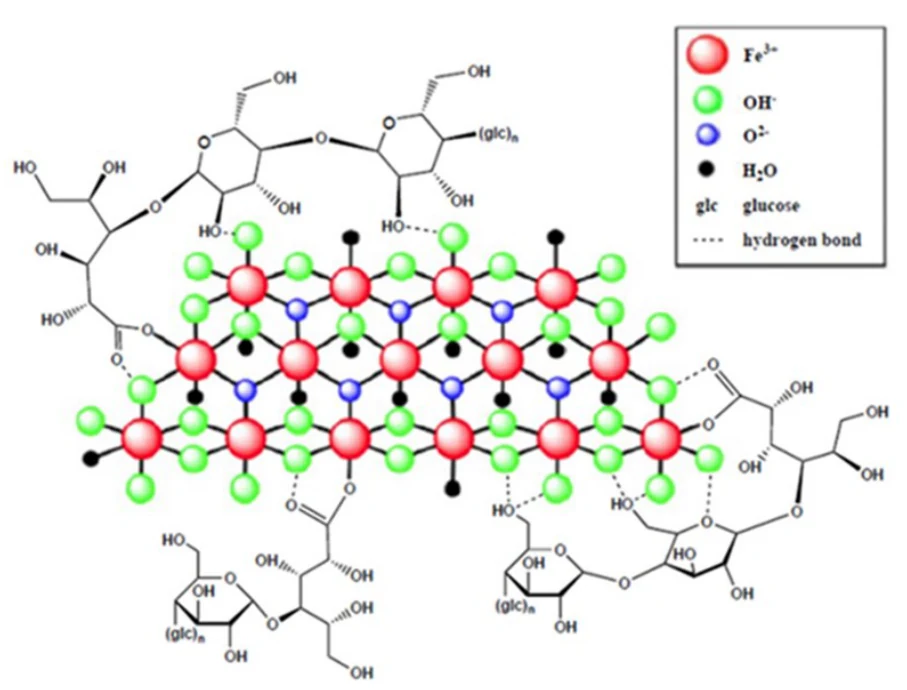
Physicochemical properties:
Ferric carboxymaltose, is an iron-based nano-colloidal complex consisting of a polynuclear iron(III)-oxyhydroxide core that is surrounded and stabilized by a defined carbohydrate ligand. Ferric carboxymaltose is a brown amorphous powder that is soluble as a colloidal solution in water but insoluble in most organic solvents and has a pH range of 6.9±0.3. The osmolarity of a 5% (m/v) iron solution of ferric carboxymaltose ranged between 288 and 388 mOsm/L.
14 CLINICAL TRIALS
14.1 Clinical Trials by Indication
Treatment of Iron Deficiency Anemia
Five pivotal clinical trials were conducted to assess efficacy of patients with IDA across various therapy areas (Table 12).
The study designs and demographic characteristics of the study populations varied depending on the therapy area. All studies were randomized, and baseline demographics were generally balanced across the treatment groups within each study. Patient demographics are summarized in Table 12.
Table 12: Summary of Patient Demographics for Clinical Trials in IDA
| Study # | Study Design | Dosage, Route of Administration and Duration | Study Subjects (n) | Mean Age (Range) | Sex | Diagnosis |
| Nephrology | ||||||
| VIT-IV-CL-015 | Phase 3, open-label, randomized, active-controlled | FCM IV 2–3x/week in single doses of ≤200 mg | 119 | 52.6 years (22 to 80) | Females: 50 Males: 69 | HDD-CKD and IDA |
| Iron sucrose IV 2–3x/week in single doses of ≤200 mg | 118 | 51.0 years (22 to 79) | Females: 47 Males: 71 | |||
| FER-CKD-01 | Phase 3b, open-label, randomized, dose-ranging, active-controlled | FCM IV 1x/month in single doses of ≤1000 mg | 154 | 69.5 years (23 to 92) | Females: 92 Males: 62 | NDD-CKD, eGFR ≤60 mL/min/ 1.73 m2 and IDA |
| FCM IV 1x/month in single doses of ≤200 mg | 150 | 68.1 years (29 to 88) | Females: 96 Males: 54 | |||
| Ferrous sulphate PO 2x/day 100 mg | 312 | 69.3 years (18 to 96) | Females: 196 Males: 116 | |||
| Gastroenterology | ||||||
| VIT-IV-CL-008 | Phase 3, open-label, randomized, active-controlled | FCM IV 1x/week in single doses of ≤1000 mg | 137 | 40.7 years (19 to 78) | Females: 81 Males: 56 | Chronic IBD and IDA |
| Ferrous sulphate PO 2x/day 100 mg | 63 | 45.2 years (20 to 78) | Females: 38 Males: 25 | |||
| Study # | Study Design | Dosage, Route of Administration and Duration | Study Subjects (n) | Mean Age (Range) | Sex | Diagnosis |
| FER-IBD-07-COR | Phase 3, open-label, randomized, active-controlled | FCM IV 1x/week in ≤3 doses, single doses of ≤1000 mg | 244 | 39.7 years (18 to 81) | Females: 146 Males: 98 | Chronic IBD and IDA |
| Iron sucrose IV in ≤11 doses, single doses of ≤200 mg | 239 | 39.6 years (18 to 78) | Females: 138 Males: 101 | |||
| Women’s Health | ||||||
| 1VIT06011 | Phase 3, open-label, randomized, active-controlled | FCM 1x/week ≤1000 mg | 142 | 26.4 years (16 to 43) | Females: 142 Males: NA | Postpartum women (within 10 days after delivery) with IDA |
| Ferrous sulphate PO 3x/day 325 mg | 147 | 26.5 years (15 to 43) | Females: 147 Males: NA | |||
FCM=ferric carboxymaltose; HDD-CKD=hemodialysis-dependent chronic kidney disease; IBD=inflammatory bowel disease; IDA=iron deficiency anemia; IV=intravenous; NA=not applicable; NDD-CKD=non-dialysis-dependent chronic kidney disease
Nephrology
The efficacy of FERINJECT in the treatment of IDA associated with CKD was evaluated in one study in patients with HDD-CKD (Study VIT-IV-CL-015) and one study in patients with non-dialysis-dependent chronic kidney disease (NDD-CKD) (Study FER-CKD-01).
Study VIT-IV-CL-015
Study VIT-IV-CL-015 was a Phase 3, open-label, randomized, active-controlled study conducted to compare the efficacy of FERINJECT and iron sucrose in patients on hemodialysis with IDA associated with chronic renal failure. Patients with Hb ≤115 g/L and TSAT <20 % or serum ferritin <200 ng/mL, with or without erythropoietin therapy, were randomized to receive FERINJECT or iron sucrose. Total cumulative iron requirement was calculated using the Ganzoni formula. Both FERINJECT and iron sucrose were administered 2 to 3 times per week in single doses of 200 mg iron directly into the dialyser until the individually calculated cumulative iron dose was reached (mean cumulative dose of iron as FERINJECT: 1700 mg). The primary efficacy endpoint was the percentage of patients in the per-protocol (PP) population reaching a Hb increase of ≥10 g/L at 4 weeks after baseline (Table 13). No formal statistical analyses were planned to directly compare FERINJECT and iron sucrose in this study; however, and the data can therefore be used for descriptive comparative purposes only. The mean baseline Hb was 93.6 g/L.
Table 13: Primary Efficacy Results of Study VIT-IV-CL-015 in Patients with IDA and HDD-CKD
1 Chi-squared test, no formal statistical analyses was performed
Per protocol analysis set
Study FER-CKD-01
Study FER-CKD-01 was a Phase 3, open-label, randomized, active-controlled, dose-ranging trial conducted to compare the long-term efficacy of high-dose and low-dose FERINJECT to oral iron to delay or reduce additional or alternative anemia management or Hb trigger in NDD-CKD patients.
The study enrolled patients with Hb 90 to 110 g/L and serum ferritin <100 ng/mL or <200 ng/mL with TSAT <20%, without erythropoiesis-stimulating agent therapy. Patients received either high-dose FERINJECT (administered once/month, ≤1000 mg iron), targeting higher serum ferritin levels (400 to 600 ng/mL); low-dose FERINJECT (administered once/month, ≤200 mg iron), targeting lower serum ferritin levels (100 to 200 ng/mL); or oral iron (ferrous sulphate, two times daily 100 mg) over 52 weeks. The primary efficacy endpoint was the time to either the initiation of additional or alternative anemia management; or two consecutive Hb values <10 g/L (without an Hb increase of ≥5 g/L between the values) (Table 14). The comparison between the two FERINJECT groups was not powered to reach statistical significance. The mean baseline Hb was 104 g/L.
Table 14: Primary Efficacy Results of Study FER-CKD-01 in Patients with IDA and NDD-CKD
1 Comparison versus FCM high-dose group
2 Log-rank p-value
The full analysis set
FERNJECT N=97 | Iron Sucrose N=86 | |||
|---|---|---|---|---|
| Hb increase of ≥10 g/L at 4 weeks after baseline | ||||
| Responders, n (%) | 45 (46.4) | 32 (37.2) | ||
| 95% CI | 30.5, 46.6 | 20.8, 35.8 | ||
| p-value1 | 0.2101 | |||
FERNJECT High Dose N=153 | FERNJECT Low Dose N=152 | Oral Iron N=308 | ||||||
|---|---|---|---|---|---|---|---|---|
| Initiation of additional or alternative anemia management or two consecutive Hb values <10 g/L | ||||||||
| Number of event (%) | 36 (23.5) | 49 (32.2) | 98 (31.8) | |||||
| Hazard ratio (95% CI)1 | N/A | 0.68 (0.45, 1.05) | 0.65 (0.44, 0.95) | |||||
| P value1, 2 | N/A | p=0.082 | p=0.026 | |||||
Gastroenterology
Study VIT-IV-CL-008
Study VIT-IV-CL-008 was a Phase 3, open-label, randomized, active-controlled trial conducted to test the non-inferiority of FERINJECT compared to oral iron in reducing IDA in chronic IBD.
The inclusion criteria included patients with iron deficiency secondary to chronic IBD (Crohn’s disease or ulcerative colitis) who had Hb ≤110 g/L, and TSAT <20% or serum ferritin <100 ng/mL, with a calculated iron requirement of at least 1000 mg based on the Ganzoni formula. Patients were randomized in a 2:1 ratio to receive either FERINJECT (maximum 1000 mg iron per infusion) at 1-week intervals until the patients’ calculated total iron deficit was reached or oral ferrous sulphate (100 mg) twice daily for 12 weeks. The primary endpoint was the change in Hb from baseline to Week 12.
Overall, 200 patients were enrolled and 160 (FERINJECT, 111; oral iron, 49) were included in the PP efficacy analysis. In the FERINJECT group, 31 (27.9%) patients had Crohn’s disease and 80 (72.1%) patients had ulcerative colitis; in the oral iron group, 13 (26.5%) patients had Crohn’s disease and 36 (73.5%) patients had ulcerative colitis (Table 15). The mean baseline Hb was 86.2 g/L.
Table 15: Primary Efficacy Results of Study VIT-IV-CL-008 in Patients with IDA and Chronic IBD per-protocol (PP) population
1The lower limit of the 95% CI for difference of Hb changes between the treatments was -5.0 g/L; hence, non-inferiority was concluded.
2 ANCOVA model including Baseline value, sex and country as covariates
Study FER-IBD-07-COR
Study FER-IBD-07-COR was a Phase 3, open-label, randomized, active-controlled study conducted to compare the efficacy of a simplified dosing schedule (based on Hb and body weight) of FERINJECT to individually calculated iron sucrose doses in chronic IBD patients.
The study included patients with mild IBD (Crohn’s disease or ulcerative colitis), Hb 70–120 g/L (women) or 70–130 g/L (men), and serum ferritin <100 ng/mL. The iron amount required was calculated according to the Ganzoni formula. Patients received either FERINJECT in ≤3 infusions of 1000 or 500 mg iron, according to their Hb and body weight, with a total weekly dose not to exceed 1000 mg, regardless of body weight. Calculated iron sucrose doses in ≤11 infusions of 200 mg iron within 3 weeks after randomization were administered to the control arm. The primary endpoint was the number of responders, defined as Hb increase ≥20 g/L by Week 12.
FERNJECT N=111 | Oral Iron N=49 | |||||
|---|---|---|---|---|---|---|
| Change in Hb (g/L) from baseline to Week 12 | ||||||
| Mean change | 38.3 | 37.5 | ||||
| LS Mean Difference [95% CI] 1 | 0.73 [-5.00, 6.46] | |||||
| p-value2 | 0.8016 | |||||
Overall, 485 patients were randomized and 483 received study treatment with FERINJECT (244 patients; Crohn’s disease 35.2%; ulcerative colitis 64.8%) or iron sucrose (239 patients; Crohn’s disease 31.0%; ulcerative colitis 69.0%) (Table 16). Mean baseline Hb was 10.2 g/dL.
Table 16: Primary Efficacy Results of Study FER-IBD-07-COR in Patients with IDA and Chronic IBD
The full analysis set
1 1-sided Wilson score test with a 97.5% confidence interval (CI). Noninferiority limit was set to -7%
Women’s Health
Study 1VIT06011
Study 1VIT06011 was a Phase 3, open-label, randomized, active-controlled trial conducted to compare the efficacy of FERINJECT to oral iron in women with postpartum IDA.
The study included women <10 days after delivery with Hb ≤100 g/L. Patients were randomized and stratified by baseline Hb levels, screening ferritin, and requirement for a C-section. FERINJECT dosage was based on the calculated iron deficit according to the simplified table using pre-pregnancy weight. Patients received either FERINJECT ≤1000 mg (15 mg/kg), repeated weekly to a calculated replacement dose (maximum 2500 mg), or ferrous sulphate (325 mg orally three times daily) for 6 weeks. The primary endpoint was the proportion of patients achieving Hb >120 g/L anytime between baseline and end of study (Day 42) (Table 17). The mean baseline Hb was 8.9 g/dL.
Table 17: Primary Efficacy Results of Study 1VIT06011 in Postpartum Women with IDA modified intent-to-treat (mITT)
1 Fisher’s Exact p-value
FERNJECT N=240 | Iron Sucrose N=235 | ||||
|---|---|---|---|---|---|
| Hb increase of ≥20 g/L by Week 12 | |||||
| Responders, n (%) | 150 (65.8) | 118 (53.6) | |||
| Difference [95% CI]1 | 12.15 [3.07, 20.97] | ||||
| p-value | p=0.004 | ||||
FERNJECT N=139 | Oral Iron N=147 | ||
|---|---|---|---|
| Hb >120 g/L anytime between baseline and end of study (Day 42) | |||
| Responders, n (%) | 127 (91.4) | 98 (66.7) | |
| p-value1 | <0.0001 | ||
Iron Deficiency in Patients with Heart Failure and NYHA Class II/III
The efficacy of FERINJECT in the treatment of ID in patients with CHF was evaluated in study FER-CARS-05 (CONFIRM-HF).
Table 18: Summary of Patient Demographics for Clinical Trial in Cardiology Patients with ID
| Study # | Study Design | Dosage, Route of Administration and Duration | Study Subjects (n) | Mean Age (Range) | Sex | Diagnosis |
| Cardiology | ||||||
| FER-CARS-05 | Phase 4, double-blind, randomized, placebo-controlled | FCM Weeks 0, 6, 12, 24 and 36: ≤1000 mg | 152 | 68.9 years (43 to 86) | Females: 68 Males: 84 | CHF with NYHA class II-III, LVEF ≤45% and ID |
| Normal saline IV | 152 | 69.4 years (35 to 88) | Females: 74 Males: 78 | |||
CHF=chronic heart failure; FCM=ferric carboxymaltose; ID=iron deficiency; IV=intravenous; NYHA=New York Heart Association
Study FER-CARS-05
Study FER-CARS-05 was a randomized, double-blind, placebo-controlled study conducted in patients with ID and CHF with left ventricular ejection fraction of <45% and NYHA class II/III to determine the effect of FERINJECT on exercise intolerance in CHF patients with ID.
The study enrolled patients presenting with NYHA class II to III, systolic CHF (LVEF ≤45%), mild to moderate symptoms despite optimal CHF medication and serum ferritin <100 ng/mL (or 100 to 300 ng/mL with TSAT <20%). Patients with baseline Hb ≥15 g/dL were excluded. At baseline, 57% and 43% of patients were classified as NYHA class II and III, respectively. Patients were randomized to receive FERINJECT or placebo (0.9% saline IV) for 36 weeks, stratified by screening Hb values. Dosing at Day 1 and Week 6 was based on the simplified dosing table, using screening Hb and body weight; further dosing at Weeks 12, 24 and 36 was given only if serum ferritin was <100 ng/mL or 100 to 300 ng/mL with TSAT <20%. The primary endpoint was the change in the 6-minute walk test (6-MWT) at 24 weeks (Table 19). The mean baseline Hb was 12 g/dL.
Table 19: Primary Efficacy Results of study FER-CARS-05 in Patients with ID and CHF
FERNJECT N=150 | Placebo N=151 | |||||
|---|---|---|---|---|---|---|
| Change in the 6-MWT distance (m) from Baseline to Week 24 | ||||||
| LS Mean | 17.5 | -15.7 | ||||
| LS Mean Difference [95% CI] | 33 [12.5, 53.9] | |||||
| p-value1 | 0.002 | |||||
The full analysis set
1 ANCOVA model including baseline score, country and baseline Hb covariates
In FERINJECT-treated patients, change from baseline to week 24 in Hb was 0.6 g/dL (0.3, 0.8), in serum ferritin was 269 ng/mL (229, 309), and in TSAT was 9.1% (6.7, 11.4).
15 MICROBIOLOGY
No microbiological information is required for this drug product.
16 NON-CLINICAL TOXICOLOGY
General Toxicology:
Acute toxicity studies in mice and rats showed that IV administered ferric carboxymaltose is non-lethal at 1000 mg/kg, which corresponds to a human equivalent dose (HED) based on body surface area of 81 and 161 mg/kg, respectively (maximum recommended weekly clinical dose is 15 mg/kg). Enlarged spleen was observed in both species, and clinical signs of piloerection, swollen limbs, and dark swollen extremities was observed in rats.
Repeat-dose toxicity studies of 26 weeks duration were conducted in rats and Beagle dogs. Ferric carboxymaltose was administered at 3, 9, and 30 mg/kg/week, divided into three equal IV injections over the week. The principal target organs for iron accumulation were the liver, kidney, spleen, and lymph nodes. No treatment-related mortality was observed at any dose.
In rats, reduced body weight gain and food intake, and elevated liver enzymes and blood urea were observed at 30 mg/kg/week. Reduced red cell parameters was observed at ≥9 mg/kg/week. At all doses, iron accumulation was noted in macrophages in the majority of tissues and in parenchymal cells in the liver, kidney, spleen, and adrenals. Increased spleen, liver, and kidney weights were observed starting at 3, 9, and 30 mg/kg/week, respectively. The No Observed Adverse Effect Level (NOAEL) was considered to be 3 mg/kg/week (HED of 0.5 mg/kg/week).
In dogs, reduced red cell parameters, increased hepatic extramedullary hematopoiesis, and decreased albumin and cholesterol synthesis was observed at 30 mg/kg/week. Iron accumulation in macrophages in multiple tissues was seen at all doses, and in glomerular mesangial cells and interstitium of the kidneys at 30 mg/kg/week. Increased liver weight was noted at all doses and increased kidney weight at 30 mg/kg/week. The NOAEL was considered to be 9 mg/kg/week (HED of 5 mg/kg/week).
In both rats and dogs, toxicological findings at 30 mg/kg/week (HED of 4.8 and 17 mg/kg/week, respectively) persisted following a 6-week recovery period, considered due to saturation of storage iron and low clearance and utilization.
Carcinogenicity: No long-term animal studies have been performed to evaluate the carcinogenic potential of ferric carboxymaltose.
Genotoxicity: Ferric carboxymaltose was not genotoxic in assays for gene mutation (in vitro bacterial and mouse lymphoma cell assays) and chromosomal damage (human lymphocytes in vitro and mouse micronucleus test in vivo).
Reproductive and Developmental Toxicology:
In a fertility and early embryonic development study in rats, there was no effect of ferric carboxymaltose on fertility or mating performance at IV doses up to 30 mg/kg three times a week (HED of 15 mg/kg/week).
Embryofetal development studies were conducted in rats and rabbits. In rats, ferric carboxymaltose was administered intravenously at 3, 9, and 30 mg/kg/day during the period of organogenesis. Increased incidence of thickened/kinked ribs was observed in fetuses in the presence of maternal toxicity at 30 mg/kg/day, which corresponds to 2 times the maximum recommended human dose (MRHD) from a single course of FERINJECT (2000 mg in a 70 kg person).
In rabbits, ferric carboxymaltose was administered intravenously at 4.5, 9, 13.5, and 18 mg/kg/day during the period of organogenesis. Adverse embryofetal effects were observed in the presence of maternal toxicity. Spontaneous abortions occurred starting at 4.5 mg/kg/day (0.7 times the MRHD from a single course of FERINJECT). Skeletal malformations were seen starting at 9 mg/kg/day (1.4 times the MRHD from a single course of FERINJECT). Pre-implantation loss was observed at the highest dose (2.8 times the MRHD from a single course of FERINJECT).
In rats, iron released from ferric carboxymaltose has been demonstrated to cross the placental barrier and be excreted in milk. A pre- and post-natal development study was conducted in rats at IV doses up to 18 mg/kg/day (2 times the MRHD from a single course of FERINJECT). There were no adverse effects on offspring survival, behaviour, sexual maturation, or reproductive parameters.