


Product Monograph - Fibristal
SUMMARY PRODUCT INFORMATION
| Route of Administration | Dosage Form / Strength | Clinically Relevant Nonmedicinal Ingredients |
| Oral | Tablet, 5 mg | For a complete listing see Dosage Forms, Composition and Packaging section. |
INDICATIONS AND CLINICAL USE
FIBRISTAL® (ulipristal acetate) is indicated for:
- Preoperative treatment of moderate to severe signs and symptoms of uterine fibroids in adult women of reproductive age.
- Intermittent treatment of moderate to severe signs and symptoms of uterine fibroids in adult women of reproductive age who are not eligible for surgery.
The duration of each treatment course is 3 months.
Geriatrics (≥ 65 years of age):
Safety and efficacy of FIBRISTAL® have not been established in women ≥ 65 years of age.
Pediatrics (< 18 years of age):
Safety and efficacy of FIBRISTAL® have not been established in women < 18 years of age.
CONTRAINDICATIONS
- Women who are hypersensitive to ulipristal acetate or to any ingredient in the formulation. For a complete listing, see the Dosage Forms, Composition and Packaging section of the product monograph.
- For use during pregnancy and in women who are breastfeeding.
- Women with genital bleeding of unknown etiology or for reasons other than uterine fibroids.
- Women with uterine, cervical, ovarian or breast cancer.
- Women with a history of and/or active/concomitant hepatic disease (as determined by baseline liver function tests [LFT])
WARNINGS AND PRECAUTIONS
Ulipristal acetate should only be prescribed after careful diagnosis. Pregnancy should be precluded prior to treatment.
Hypersensitivity
Hypersensitivity reactions were reported in patients taking FIBRISTAL®, such as generalised edema, pruritus, rash, swelling face or urticaria. Rarely, serious cases of angioedema and drug hypersensitivity with respiratory difficulty were also reported. If hypersensitivity occurs, FIBRISTAL® treatment should be discontinued and appropriate medical treatment should be initiated.
Contraception
Concomitant use of progestagen-only pills, a progestagen-releasing intrauterine device or combined oral contraceptive pills is not recommended. Although a majority of women taking a therapeutic dose of ulipristal acetate have anovulation, a non-hormonal contraceptive method is recommended during treatment.
Hepatic Impairment
The mechanism by which FIBRISTAL® may cause liver injury is unknown at this time. No clear pattern was identified for the time to event onset in the post-market cases assessed.
Before starting each treatment course, liver function tests (LFTs) should be performed. Patients with confirmed abnormal transaminase results of alanine transaminase (ALT >2 x ULN) or aspartate aminotransferase (AST >2 x ULN) should not start treatment with FIBRISTAL®.
While on FIBRISTAL® treatment, LFTs should be conducted no later than four weeks after treatment initiation and on a monthly basis thereafter during each treatment course. If ALT or AST level is >3 x ULN, treatment with FIBRISTAL® should be stopped, and a full liver evaluation should be undertaken.
If a patient shows signs or symptoms compatible with liver injury (nausea, vomiting, fatigue, abdominal pain, jaundice), then LFTs should be done immediately.
Liver function tests (LFTs) should also be performed again between 2 weeks and 4 weeks after stopping treatment with FIBRISTAL® and thereafter as clinically indicated.
In order to minimize the risk of liver injury, prescribers who intend to prescribe FIBRISTAL® should consult the complete product monograph.
Before prescribing FIBRISTAL® the prescriber should explain to the patient the potential risk of hepatic injury and provide her with the Patient Alert Card.
An additional Healthcare Professional Brochure, as well as the Patient Card, are available on-line at http://Fibristal.ca/resource or by calling Allergan Medical Information at 1-800-668-6424.
Renal Impairment
Renal impairment is not expected to significantly alter the elimination of ulipristal acetate. In the absence of specific studies, ulipristal acetate is not recommended for patients with moderate and severe renal impairment unless the patient is closely monitored.
Concomitant Treatments
No dose adjustment is recommended in patients receiving FIBRISTAL® with mild CYP3A4 inhibitors. Co-administration of moderate or potent CYP3A4 inhibitors (e.g., clarithromycin, ketoconazole, erythromycin) and ulipristal acetate is not recommended.
When prescribing ulipristal acetate to patients receiving CYP3A4 inducers, plasma levels of ulipristal acetate may be reduced. Concomitant use of ulipristal acetate and potent enzyme inducers (e.g., rifampicin, carbamazepine, phenytoin, St. John's wort) is not recommended.
Asthma Patients
Use in women with severe asthma insufficiently controlled by oral glucocorticoids is not recommended.
Endometrial Changes: Endometrial Thickening/Progesterone receptor modulator Associated Endometrial Changes (PAEC)
Ulipristal acetate has a specific pharmacodynamic action on the endometrium. An increase in thickness of the endometrium may occur. The thickness of the endometrium decreases to baseline levels upon treatment cessation. If the endometrial thickening persists beyond 3 months following the end of treatment and return of menstruations, this may need to be investigated as per usual clinical practice to exclude underlying conditions.
Changes in the histology of the endometrium may be observed in patients treated with ulipristal acetate. These changes are reversible after treatment cessation.
These histological changes are denoted as “Progesterone receptor modulator Associated Endometrial Changes” (PAEC) and should not be mistaken for endometrial hyperplasia.
In case of repeated intermittent treatment, periodic monitoring of the endometrium is recommended. This includes annual ultrasound to be performed after resumption of menstruation during off-treatment period.
If endometrial thickening is noted, which persists after return of menstruations during off-treatment periods or beyond 3 months following the end of treatment courses, and/or an altered bleeding pattern is noted (see ‘bleeding pattern’), investigation including endometrial biopsy should be performed in order to exclude other underlying conditions, including endometrial malignancy.
In case of hyperplasia (without atypia), monitoring as per usual clinical practice (e.g., a follow-up control 3 months later) would be recommended. In case of atypical hyperplasia, investigation and management as per usual clinical practice should be performed.
Repeated intermittent treatment has been studied up to 4 intermittent treatment courses. Individual treatment courses should each not exceed 3 months as the risk of adverse impact on the endometrium is unknown if treatment is continued without interruption.
Bleeding Pattern
Patients should be informed that treatment with ulipristal acetate usually leads to a significant reduction in menstrual blood loss or amenorrhea within the first 10 days of treatment. Should the excessive bleeding persist, patients should notify their physician. Menstrual periods will generally return within 4 weeks after the end of the treatment course.
If an altered persistent or unexpected bleeding pattern occurs, such as inter-menstrual bleeding, after the initial reduction in bleeding or amenorrhea during repeated intermittent treatment, investigation of the endometrium including endometrial biopsy should be performed in order to exclude other underlying conditions, including endometrial malignancy.
Special Populations
Pregnant Women: Use of FIBRISTAL® is contraindicated during an existing or suspected pregnancy. The extent of exposure in pregnancy during clinical trials is very limited.
Nursing Women: It is not known if ulipristal acetate is excreted in human milk. However, ulipristal acetate is detected in milk of lactating rats. Because many drugs are excreted in human milk, risk to the breast-fed child cannot be excluded. Breastfeeding while taking FIBRISTAL® is not recommended.
Pediatrics (< 18 years of age): Safety and efficacy of FIBRISTAL® have not been established in women < 18 years of age.
Geriatrics (≥ 65 years of age): Safety and efficacy of FIBRISTAL® have not been established in women ≥ 65 years of age.
Monitoring and Laboratory Tests
Pregnancy should be excluded before prescribing FIBRISTAL®. If pregnancy cannot be excluded on the basis of history and/or physical examination, pregnancy testing should be performed. If there is any doubt concerning the general health or pregnancy status of any woman after taking FIBRISTAL®, further investigation may be warranted.
ADVERSE REACTIONS
Adverse Drug Reaction Overview
The safety of ulipristal acetate has been evaluated in 1,032 women with uterine fibroids treated with 5 mg or 10 mg ulipristal acetate during Phase III studies for at least 3 months of exposure. The most common finding in clinical trials was amenorrhea, which is considered to be a desirable outcome for the patients.
The most common adverse drug reactions (≥ 5%) in the clinical trials for women receiving FIBRISTAL® 5 mg were hot flash and headache. The vast majority of adverse drug reactions were mild or moderate (95.0%), and did not lead to discontinuation of the medication (98.0%).
Clinical Trial Adverse Drug Reactions
Because clinical trials are conducted under very specific conditions the adverse reaction rates observed in the clinical trials may not reflect the rates observed in practice and should not be compared to the rates in the clinical trials of another drug. Adverse drug reaction information from clinical trials is useful for identifying drug-related adverse events and for approximating rates.
FIBRISTAL® was studied in two short term and two long term randomized studies.
In the Phase III studies (PEARL I, PEARL II, PEARL III/PEARL III extension, and PEARL IV) the majority of subjects were White (85% to 94.2%), all other subjects in PEARL I were Asian, while in PEARL II, PEARL III, PEARL III Extension and PEARL IV, the remaining subjects were Black, Hispanic and Asian. In all Phase III studies, mean age ranged from 40.1 to 42.0 year (subject age ranging from 19 to 50 years). Similarly, height (ranging from 145 to 184 cm), weight (ranging from 41 to 120 kg) and BMI (ranging from 17.9 to 40 kg/m2) were comparable across studies. In all studies the large majority of subjects was of childbearing potential (ranging from 91.6% to 97.7%).
Short-term:
- PEARL I (PGL07-021) – safety and efficacy of one 3-month treatment course of ulipristal acetate 5 mg and 10 mg against placebo
- PEARL II (PGL07-022) – safety and efficacy of one 3-month treatment course of ulipristal acetate 5 mg and 10 mg against active comparator (leuprolide acetate 3.75 mg).
Long-term:
- PEARL III (PGL09-026) and PEARL III Extension (PGL09-027) – safety and efficacy of up to four 3-month treatment courses of ulipristal acetate 10 mg
- PEARL IV (PGL11-006) – safety and efficacy of up to four 3-month treatment courses of ulipristal acetate 5 mg and 10 mg
A total of 1,922 subjects have been exposed to 5 mg and 10 mg of ulipristal acetate for at least a day during its development as a treatment for uterine fibroids (Table 1).
| Table 1 Actual exposure to ulipristal acetate during its clinical development, completed studies (safety populations) | |||||||||||
| Exposure (not including off-treatment intervals) | Ulipristal acetate dose (mg/day) | ||||||||||
| 5 | 10 | Total of 5 mg and 10 mg | |||||||||
| N (%) | |||||||||||
| ≥ 1 day | 482 (100) | 1440 (100) | 1922 | ||||||||
| ≥ 3 Months | 412 (85) | 620 (43) | 1032 | ||||||||
| ≥ 6 Months | 207 (43) | 329 (23) | 536 | ||||||||
| ≥ 9 Months | 183 (38) | 296 (21) | 479 | ||||||||
| ≥ 12 Months | 173 (36) | 273 (19) | 446 | ||||||||
| N = number of subjects | |||||||||||
In the two long-term studies, the safety profile was similar to that observed for one treatment course.
Overall, with about 497,000 patients from post-marketing exposure (from February 23, 2012 to February 22, 2017), and around 2,000 subjects from clinical development, a total of 499,000 patients were exposed to multiple doses of ulipristal acetate up to 10 mg/day for uterine fibroids.
Short-term studies
Ulipristal acetate was studied for one 3-month treatment course in two short-term studies, in a randomized, double-blind, placebo-controlled multicenter trial PEARL I, and in a randomized, double-blind, active comparator-controlled multicenter trial PEARL II. In these studies, a total of 393 women in 5 mg and 10 mg ulipristal acetate groups, respectively, were included in the safety analysis. The mean age of women who received ulipristal acetate in PEARL I was 42 years and the body mass index (BMI) was 25.3. The racial demographics of those enrolled were 88% Caucasian and 12% Asian. The mean age of women who received ulipristal acetate in PEARL II was 40 years and the mean BMI was 25.5. The racial demographics of those enrolled were 85% Caucasian, 10% Black, 1% Asian, and 5% other.
Adverse drug reactions reported in at least 1% of subjects in any treatment group, in either study are shown in Table 2.
Table 2: Adverse Drug Reactions Occurring in ≥ 1% of Subjects in Any Treatment Group in Clinical Trials
| System Organ Class | Adverse Reactions (MedDRA) | PEARL I | PEARL II | |||||||||||||||
|---|---|---|---|---|---|---|---|---|---|---|---|---|---|---|---|---|---|---|
Uliprista l acetate 5 mg/day N = 95 | Uliprista l acetate 10 mg/day N = 98 | Placebo N = 48 | Ulipristal acetate 5 mg/day N = 97 | Uliprista l acetate 10 mg/day N = 103 | Leupro-lide acetate 3.75 mg N = 101 | |||||||||||||
| Cardiac disorders | Sinus bradycardia | 1 (1.1) | -- | -- | -- | -- | -- | |||||||||||
| Ear and labyrinth disorders | Vertigo | -- | -- | -- | 4 (4.1) | 3 (2.9) | 1 (1.0) | |||||||||||
| Endocrine disorders | Hyperprolactinemia | -- | -- | 1 (2.1) | -- | -- | -- | |||||||||||
| Hypothyroidism | 2 (2.1) | 1 (1.0) | -- | -- | -- | -- | ||||||||||||
| Thyroid disorder | 1 (1.1) | -- | -- | -- | -- | -- | ||||||||||||
| Gastrointestinal disorders | Abdominal pain | -- | -- | -- | -- | 4 (3.9) | 4 (4.0) | |||||||||||
| Nausea | -- | 2 (2.0) | -- | 3 (3.1) | 4 (3.9) | 4 (4.0) | ||||||||||||
| Constipation | -- | -- | -- | 1 (1.0) | 1 (1.0) | 1 (1.0) | ||||||||||||
| Abdominal pain upper | -- | -- | -- | 1 (1.0) | 1 (1.0) | -- | ||||||||||||
| Dyspepsia | -- | -- | -- | 1 (1.0) | -- | -- | ||||||||||||
| General disorders and administration site conditions | Fatigue | -- | -- | -- | 4 (4.1) | 4 (3.9) | 3 (3.0) | |||||||||||
| Asthenia | -- | -- | -- | -- | 2 (1.9) | 1 (1.0) | ||||||||||||
| Irritability | -- | -- | -- | -- | 2 (1.9) | -- | ||||||||||||
| Edema | 1 (1.1) | -- | -- | -- | -- | -- | ||||||||||||
| Generalized edema | -- | -- | -- | 1 (1.0) | -- | -- | ||||||||||||
| Pyrexia | -- | -- | -- | 1 (1.0) | -- | -- | ||||||||||||
| Infections and infestations | Vaginal infection | -- | -- | -- | -- | -- | 2 (2.0) | |||||||||||
| Vulvovaginal candidiasis | 1 (1.1) | 1 (1.0) | -- | -- | -- | -- | ||||||||||||
| Herpes virus infection | -- | 1 (1.0) | -- | 1 (1.0) | -- | -- | ||||||||||||
| Pharyngitis | -- | -- | -- | 1 (1.0) | -- | -- | ||||||||||||
| Investigations | Weight increased | -- | 2 (2.0) | -- | -- | -- | -- | |||||||||||
| Gamma-glutamyltransferase increased | 1 (1.1) | -- | -- | -- | -- | -- | ||||||||||||
| Activated partial thromboplastin time prolonged | -- | 1 (1.0) | -- | -- | -- | -- | ||||||||||||
| Metabolism and nutrition disorders | Hypercholesterolemi a | 3 (3.2) | 2 (2.0) | 1 (2.1) | 3 (3.1) | -- | 1 (1.0) | |||||||||||
| Hypertriglyceridemia | 3 (3.2) | -- | -- | -- | -- | -- | ||||||||||||
| Obesity | 1 (1.1) | -- | -- | 1 (1.0) | -- | -- | ||||||||||||
| Fluid retention | -- | 1 (1.0) | -- | -- | -- | -- | ||||||||||||
| Musculoskeletal and connective tissue | Arthralgia | -- | -- | -- | 2 (2.1) | 3 (2.9) | 2 (2.0) | |||||||||||
| Muscle spasms | -- | -- | -- | 2 (2.1) | -- | -- | ||||||||||||
| Back pain | -- | -- | -- | 1 (1.0) | 1 (1.0) | -- | ||||||||||||
| Pain in extremity | -- | -- | -- | 1 (1.0) | 1 (1.0) | -- | ||||||||||||
| Nervous system disorders | Headache | 1 (1.1) | 3 (3.1) | -- | 15 (15.5) | 6 (5.8) | 8 (7.9) | |||||||||||
| Migraine | -- | -- | -- | 1 (1.0) | 2 (1.9) | 2 (2.0) | ||||||||||||
| Somnolence | -- | -- | -- | 1 (1.0) | 1 (1.0) | 2 (2.0) | ||||||||||||
| Dizziness | 1 (1.1) | 1 (1.0) | -- | 1 (1.0) | -- | -- | ||||||||||||
| Neoplasms benign, malignant and unspecified (incl cysts and polyps) | Ectopic ACTH syndrome | -- | 1 (1.0) | -- | -- | -- | -- | |||||||||||
| Psychiatric disorders | Insomnia | -- | -- | -- | 2 (2.1) | 2 (1.9) | 5 (5.0) | |||||||||||
| Depression | -- | -- | -- | -- | -- | 2 (2.0) | ||||||||||||
| System Organ Class | Adverse Reactions (MedDRA) | PEARL I | PEARL II | |||||||||||||||
Uliprista l acetate 5 mg/day N = 95 | Uliprista l acetate 10 mg/day N = 98 | Placebo N = 48 | Ulipristal acetate 5 mg/day N = 97 | Uliprista l acetate 10 mg/day N = 103 | Leupro-lide acetate 3.75 mg N = 101 | |
|---|---|---|---|---|---|---|
| Affect lability | -- | -- | -- | 1 (1.0) | -- | 1 (1.0) |
| Aggression | -- | -- | -- | 1 (1.0) | -- | -- |
| Sleep disorder | -- | -- | -- | 1 (1.0) | -- | -- |
| Reproductive system and breast disorders | ||||||
| Hot flash | ||||||
| 1 (1.1) | 1 (1.0) | -- | ||||
| 24 (24.7) | 25 (24.3) | 63 (62.4) | ||||
| Ovarian cyst | -- | 1 (1.0) | -- | 1 (1.0) | 4 (3.9) | 1 (1.0) |
| Breast tenderness | -- | 3 (3.1) | -- | 1 (1.0) | -- | -- |
| Endometrial hypertrophy | -- | -- | -- | -- | 3 (2.9) | -- |
| Breast pain | 2 (2.1) | 2 (2.0) | -- | 2 (2.1) | 1 (1.0) | 2 (2.0) |
| Dysmenorrhea | -- | -- | 1 (2.1) | -- | -- | -- |
| Endometrial hyperplasia | 2 (2.1) | -- | -- | -- | -- | -- |
| Genital hemorrhage | -- | -- | -- | 2 (2.1) | 2 (1.9) | 2 (2.0) |
| Pelvic pain | 2 (2.1) | 1 (1.0) | -- | 1 (1.0) | -- | -- |
| Menometrorrhagia | -- | -- | 1 (2.1) | -- | -- | -- |
| Metrorrhagia | -- | -- | 1 (2.1) | 1 (1.0) | 1 (1.0) | 2 (2.0) |
| Uterine hemorrhage | 1 (1.1) | 1 (1.0) | -- | -- | 1 (1.0) | -- |
| Amenorrhea | 1 (1.1) | -- | -- | -- | -- | -- |
| Ovarian hyperfunction | 1 (1.1) | -- | -- | -- | -- | -- |
| Uterine disorder | 1 (1.1) | -- | -- | -- | -- | -- |
| Breast discomfort | -- | 1 (1.0) | -- | -- | -- | -- |
| Vulvovaginal dryness | -- | -- | -- | 1 (1.0) | -- | 1 (1.0) |
| Breast swelling | -- | -- | -- | 1 (1.0) | -- | -- |
| Genital discharge | -- | -- | -- | 1 (1.0) | -- | -- |
| Respiratory, thoracic and mediastinal disorders | ||||||
| Dyspnea | -- | -- | -- | 1 (1.0) | -- | -- |
| Epistaxis | -- | -- | -- | 1 (1.0) | -- | -- |
| Skin and subcutaneous tissue | ||||||
| Night sweats | -- | -- | -- | 2 (2.1) | ||
| 3 (2.9) | -- | |||||
| Acne | 1 (1.1) | 2 (2.0) | -- | -- | 5 (4.9) | 4 (4.0) |
| Hyperhidrosis | -- | 2 (2.0) | -- | -- | -- | 3 (3.0) |
| Seborrhea | 1 (1.1) | -- | -- | -- | -- | -- |
| Dry skin | -- | -- | -- | 1 (1.0) | 1 (1.0) | 1 (1.0) |
| Alopecia | -- | -- | -- | 1 (1.0) | -- | -- |
| Vascular disorders | ||||||
| Hyperaemia | -- | -- | ||||
| 1 (2.1) | -- | -- | -- | |||
| Hypertension | -- | -- | 1 (2.1) | -- | -- | -- |
| Hypotension | -- | -- | -- | 1 (1.0) | -- | -- |
Long term studies
FIBRISTAL® was also assessed in longer studies in two randomized, double-blind, multi-centre studies. PEARL IV assessed both the 5 mg and 10 mg doses, and PEARL III/PEARL III extension, assessing the 10 mg dose only. The longer studies for safety included 1,077 subjects exposed for ≥ 3 months, with 412 subjects receiving 5 mg/day, and 620 receiving 10 mg/day. The 10 mg dose is not commercialized or approved for use in the Canadian market.
There was no change in the safety profile over time with repeated treatment courses. The adverse reactions rate was less frequent in courses 2, 3, and 4 than during course 1.
PEARL III/PEARL III Extension
PEARL III and its extension were long-term, open-label, phase III trials of ulipristal acetate 10 mg/day, which were double-blinded and placebo-controlled towards the administration of progestin or placebo after the end of each ulipristal acetate treatment course.
PEARL III assessed ulipristal acetate 10 mg/day. All subjects were treated with ulipristal acetate for one treatment course (3 months). Following this course, 92 subjects were treated with 10 days of progestin (NETA). The other 98 subjects were given a placebo for 10 days.
PEARL III Extension assessed an additional three ulipristal acetate treatment courses. Subjects electing to continue after PEARL III did so with the same regimen, with either NETA or placebo after each successive ulipristal acetate course. Sixty-four subjects continued in the NETA arm with 48 subjects completing the study. Sixty-eight subjects continued in the placebo arm with 51 subjects completing the study.
The mean age of women who received ulipristal acetate in this study was 40.5 years, and the mean body mass index (BMI) was 25.39. The racial demographics of those enrolled were 91.7% Caucasian, 6.1% Black, 0.8% Asian, and 1.5% Hispanic.
The overall safety profile seen with ulipristal acetate in PEARL III Extension was similar to the observations made in PEARL I and PEARL II.
The total number of adverse reactions reported in ≥ 1% of subjects is presented in Table 3.
| Table 3 Adverse Drug Reactions Occurring in ≥ 1% of Subjects in Any Treatment Course in PEARL III/PEARL III Extension | |||||||||||||||
|---|---|---|---|---|---|---|---|---|---|---|---|---|---|---|---|
| System Organ Class | Adverse Reactions (MedDRA) | PEARL III & PEARL III Extension (Ulipristal Acetate 10 mg/day) | |||||||||||||
Treatment Course 1a N=209 | Treatment Course 2b N=131 | Treatment Course 3c N=119 | Treatment Course 4c N=107 | ||||||||||||
| Ear and labyrinth disorders | Vertigo | 4 (1.9) | -- | 1 (0.8) | 1 (0.9) | ||||||||||
| Gastrointestinal disorders | Abdominal pain lower | 5 (2.4) | -- | -- | -- | ||||||||||
| General disorders and administration site conditions | Fatigue | 5 (2.4) | -- | 1 (0.8) | -- | ||||||||||
| Investigations | Alanine aminotransferase increased | 4 (1.9) | -- | -- | -- | ||||||||||
| Aspartate aminotransferase increased | 4 (1.9) | -- | -- | -- | |||||||||||
| Nervous system disorders | Headache | 16 (7.7) | 1 (0.8) | 3 (2.5) | 2 (1.9) | ||||||||||
| Reproductive system and breast disorders | Hot flash | 9 (4.3) | 1 (0.8) | 5 (4.2) | -- | ||||||||||
| Pelvic pain | 3 (1.4) | -- | -- | -- | |||||||||||
| Vaginal discharge | 4 (1.9) | -- | 1 (0.8) | -- | |||||||||||
| Breast pain | 3 (1.4) | -- | -- | -- | |||||||||||
| Breast tenderness | 3 (1.4) | -- | -- | -- | |||||||||||
| Skin and subcutaneous tissue | Acne | 5 (2.4) | -- | -- | 1 (0.9) | ||||||||||
| Alopecia | 4 (1.9) | 1 (0.8) | 1 (0.8) | -- | |||||||||||
aTreatment Course 1 includes subjects from the PEARL III study. bTreatment Course 2 includes completed subjects from the PEARL III study that enrolled into the PEARL III extension study and were exposed to study drug. cTreatment Courses 3 and 4 included subjects that returned for each of the respective treatment courses. | |||||||||||||||
PEARL IV
PEARL IV was a randomized, double-blind multicenter trial with a total of 451 (230 + 221) women in 5 mg and 10 mg ulipristal acetate groups, respectively, included in the safety analysis. The efficacy and safety were assessed over four intermittent 3-month treatment courses. Treatment courses were separated by a drug-free period until the start of the second menstruation after each course, approximately 6 weeks. The mean age of women who received ulipristal acetate in this study was 41.5 years, and the mean body mass index (BMI) was 25.23. The racial demographics of those enrolled were 94.2% Caucasian, 4.4% Black, 0.2% Asian, 0.2% Hispanic, and 0.7% other.
Ulipristal acetate was well tolerated and the safety profile was comparable in the 5 mg/day and 10 mg/day dosing groups. There was no indication of an increased safety risk with repeated courses of ulipristal acetate treatment in either treatment group.
The total number of study medication on-treatment related treatment emergent adverse events (TEAEs) reported in ≥ 1% of subjects in any treatment group are shown in Table 4.
| Table 4 Adverse Drug Reactions Occurring in ≥ 1% of Subjects in any Treatment Course in PEARL IV | ||||||||||||||||||||||||
|---|---|---|---|---|---|---|---|---|---|---|---|---|---|---|---|---|---|---|---|---|---|---|---|---|
System Organ Class | Preferred Term | Course 1 | Course 2 | Course 3 | Course 4 | |||||||||||||||||||
| Ulipristal acetate | ||||||||||||||||||||||||
5 mg/day (N=230) | 10 mg/day (N=221) | 5 mg/day (N=215) | 10 mg/day (N=205) | 5 mg/day (N=193) | 10 mg/day (N=188) | 5 mg/day (N=180) | 10 mg/day (N=174) | |||||||||||||||||
| Reproductive system and breast disorders | Hot flash | 12 (5.2) | 14 (6.3) | 8 (3.7) | 6 (2.9) | 3 (1.6) | 5 (2.7) | 5 (2.8) | 7 (4.0) | |||||||||||||||
Breast pain/ Breast tenderness/ Breast discomforta | 3 (1.3) | 5 (2.3) | 0 (0.0) | 0 (0.0) | 0 (0.0) | 1 (0.5) | 1 (0.6) | 1 (0.6) | ||||||||||||||||
| Pelvic pain | 3 (1.3) | 1 (0.5) | -- | -- | 0 (0.0) | 0 (0.0) | 0 (0.0) | 0 (0.0) | ||||||||||||||||
| Vaginal discharge | 3 (1.3) | 0 (0.0) | 1 (0.5) | 1 (0.5) | 1 (0.5) | 0 (0.0) | 1 (0.6) | 0 (0.0) | ||||||||||||||||
| Nervous system disorders | Headache | 10 (4.3) | 10 (4.5) | 6 (2.8) | 0 (0.0) | 3 (1.6) | 2 (1.1) | 1 (0.6) | 2 (1.1) | |||||||||||||||
| Gastrointestinal disorders | Nausea | 4 (1.7) | 4 (1.8) | -- | -- | 0 (0.0) | 0 (0.0) | 0 (0.0) | 1 (0.6) | |||||||||||||||
| General disorders and administration site conditions | Fatigue | 2 (0.9) | 5 (2.3) | 2 (0.9) | 1 (0.5) | 0 (0.0) | 1 (0.5) | 0 (0.0) | 1 (0.6) | |||||||||||||||
| Skin and subcutaneous tissue disorders | Acne | 4 (1.7) | 4 (1.8) | 2 (0.9) | 1 (0.5) | 1 (0.5) | 0 (0.0) | 0 (0.0) | 0 (0.0) | |||||||||||||||
| Ear and labyrinth disorders | Vertigo | 3 (1.3) | 2 (0.9) | 1 (0.5) | 1 (0.5) | 0 (0.0) | 0 (0.0) | 0 (0.0) | 0 (0.0) | |||||||||||||||
N = number of subjects with event, % = 100*(number of subjects with event/number of subjects).
| ||||||||||||||||||||||||
Description of selected adverse reactions from all Phase III studies
Endometrial thickening/PAEC
In the short-term studies, 10-15% of subjects had thickening of the endometrium (>16 mm by ultrasound or MRI at end of treatment) with ulipristal acetate by the end of the first 3-month treatment course.
In the long-term studies, endometrial thickening was less frequently observed:
- PEARL III/PEARL III Extension: 7.7%and 1.1% of subjects (10 mg/day) by the end of courses 1and 4, respectively.
- PEARL IV: 6.3% and 5.2% of subjects on 5 mg/day; 3.5% and 3.0% of subjects on 10 mg/day by the end of courses 2 and 4, respectively.
The endometrial thickening reversed when treatment was stopped and menstrual periods resumed.
In addition, reversible changes to the endometrium are denoted PAEC and are different from endometrial hyperplasia. If hysterectomy or endometrial biopsy specimens are sent for histology, then the pathologist should be informed that the patient has taken ulipristal acetate.
Endometrial findings
The incidence of endometrial hyperplasia in the untreated target population is 1.82%. In all Phase III studies including repeated intermittent treatment studies, a total of 7 cases of hyperplasia were observed out of 789 patients with adequate biopsies (0.89%). The vast majority spontaneously reversed to normal endometrium after resumption of menstruation during the off-treatment period. For 6 cases, this reversion was confirmed in the subsequent biopsy results. For the remaining case, a diagnosis of complex, non-atypical hyperplasia was made at the end of treatment course 4. A consensus assessment of the biopsies by three expert pathologists diagnosed this to be a case of benign endometrium.
The incidence of hyperplasia did not increase with repeated treatment courses. The observed frequency is in line with control groups and prevalence reported in literature for symptomatic pre-menopausal women of this age group (mean of 40 years).
Hot flash
Hot flashes were reported by 8.1% of subjects but the rates varied across trials. In PEARL I, the rates of hot flashes were 1.0% for ulipristal acetate, and 0% for placebo. In PEARL II, the rates were statistically significant at 23.7% (11.3% moderate or severe) for ulipristal acetate 5 mg/day vs 62.4% (39.6% moderate or severe) for leuprolide acetate -treated patients, with a p-value <.001. In the first 3-month treatment course of PEARL III Extension and PEARL IV, the frequency was 5.3% and 5.8% for ulipristal acetate, respectively, and was less frequent during subsequent courses.
Headache
Mild or moderate severity headache was reported in 5.8% of subjects.
Ovarian cyst
Functional ovarian cysts were observed during and after treatment in 1.0% of subjects and in most of the cases spontaneously disappeared within a few weeks.
Uterine hemorrhage
Patients with heavy menstrual bleeding due to uterine fibroids are at risk of excessive bleeding, which may require surgical intervention. A few cases have been reported during ulipristal acetate treatment or within 2-3 months after ulipristal acetate treatment was stopped.
Discontinuation rates due to clinical adverse reactions
During clinical trials, the majority of adverse reactions were mild or moderate in severity (95%).
In the long-term studies, the study discontinuation rate due to adverse events was 3.3% for PEARL IV, and 2.3% for PEARL III/PEARL III Extension. In the short-term studies, there were no subjects who discontinued from PEARL I due to adverse events. Additionally, in PEARL II,
FIBRISTAL® 5 mg demonstrated a lower rate of study discontinuation due to adverse events than the active comparator (1% for 5 mg ulipristal acetate vs. 5% for active comparator).
Post-Market Experience
During post-market experience, rare cases of liver injury, including isolated cases of serious liver impairment requiring liver transplantation, were reported.
DRUG INTERACTIONS
Drug-Drug Interactions
Hormonal Contraceptives
Effect of Hormonal Contraceptives on Ulipristal Acetate
Ulipristal acetate has a steroid structure and acts as a selective progesterone receptor modulator with predominantly inhibitory effects on the progesterone receptor. Thus, hormonal contraceptives and progestogens are likely to reduce FIBRISTAL® efficacy.
Effect of Ulipristal Acetate on Hormonal Contraceptives
Ulipristal acetate may interfere with the action of hormonal contraceptive products (progestogen only contraceptive pills, progestogen releasing devices or combination estrogen and progestogen oral contraceptive pills) and progestogen administered for other reasons. Therefore concomitant administration of medicinal products containing progestogen is not recommended. Medicinal products containing progestogen should not be taken within 12 days after cessation of FIBRISTAL® treatment. Patients should be advised to use an alternative reliable barrier contraceptive method (such as a condom) while taking FIBRISTAL®.
CYP3A4 Inhibitors
Following administration of the moderate CYP3A4 inhibitor erythromycin propionate (500 mg twice daily for 9 days) to healthy female volunteers, Cmax and AUC of ulipristal acetate increased 1.2- and 2.9-fold, respectively; the Cmax of the active metabolite decreased (0.52-fold change), while the AUC of PGL4002, the mono-N-demethylated active metabolite of ulipristal acetate, increased 1.5-fold.
In the presence of the strong CYP3A4 inhibitor ketoconazole (400 mg once a day for 7 days), mean ulipristal acetate Cmax and AUC0-inf were increased by 1.96-fold and 5.86-fold, respectively. PGL4002 Cmax in the presence of ketoconazole was decreased by 0.53-fold while AUC0-inf was increased by 2.4-fold.
No dose adjustment is considered necessary for administration of ulipristal acetate to patients receiving concomitant mild CYP3A4 inhibitors. Co-administration of moderate or strong CYP3A4 inhibitors and ulipristal acetate is not recommended.
CYP3A4 Inducers
Administration of the potent CYP3A4 inducer rifampicin (300 mg twice daily for 9 days) to healthy female volunteers markedly decreased Cmax and AUC of ulipristal acetate and its active metabolite by 90% or more and decreased ulipristal acetate half-life by 2.2-fold corresponding to an approximately 10-fold decrease of ulipristal acetate exposure. Concomitant use of ulipristal acetate and potent CYP3A4 inducers (e.g., rifampicin, rifabutin, carbamazepine, oxcarbazepine, phenytoin, fosphenytoin, phenobarbital, primidone, St. John’s wort, efavirenz, nevirapine, long term use of ritonavir) is not recommended.
P-gp Substrates
Following the co-administration of ulipristal acetate and fexofenadine (60 mg), mean fexofenadine AUC and Cmax were all minimally decreased in the presence of ulipristal acetate, with no effect on the time to maximum fexofenadine concentration. The co-administration of ulipristal acetate is not expected to result in a clinically relevant effect on the pharmacokinetics of P-gp substrates.
Oral Iron
The co-administration of ulipristal acetate and oral ferrous sulfate resulted in a 32% reduction in ulipristal acetate Cmax but only a 10% decrease in ulipristal acetate AUC with no effect on the time to achieve Cmax (Tmax) compared to ulipristal acetate administration without iron. A similar effect was seen for PGL4002, the mono-N-demethylated active metabolite of ulipristal acetate. No dose adjustment is recommended for co-administration of ulipristal acetate with iron preparations.
Drug-Food Interactions
FIBRISTAL® can be taken with or without food (see “Absorption” section under “Pharmacokinetics”).
Drug-Herb Interactions
Interactions with herbal products have not been established nevertheless St. John’s wort as a CYP3A4 inducer may decrease the plasma concentrations of ulipristal acetate,and may decrease its effectiveness (see section “Drug-Drug Interactions”).
Drug-Laboratory Test Interactions
No laboratory test interactions were observed during clinical evaluations.
DOSAGE AND ADMINISTRATION
The usual dose of FIBRISTAL® is one 5 mg tablet per day, taken orally. A treatment course is three months of continuous use.
Treatment should only be initiated when menstruation has occurred:
- The first treatment course should be initiated within the first 7 days of menstruation
- Subsequent treatment courses should start, at earliest, during the first week of the second menstruation following completion of the previous treatment course
The treating physician should explain to the patient the requirement for treatment-free intervals.
Repeated intermittent treatment has been studied up to 4 intermittent courses.
The tablet should be swallowed with water and can be taken with or without food.
Missed Dose
If the patient misses a dose, she should take it as soon as it is remembered. However, if it is time for the next tablet, the patient should skip the missed tablet and take only a single tablet as usual.
OVERDOSAGE
Experience with ulipristal acetate overdose is limited.
Single doses up to 200 mg and daily doses of 50 mg for 10 consecutive days were administered to a limited number of subjects, and no severe or serious adverse reactions were reported.
| For management of a suspected drug overdose, contact your regional Poison Control Centre. |
ACTION AND CLINICAL PHARMACOLOGY
Mechanism of Action
Ulipristal acetate (which is the first, in a new class called selective progesterone receptor modulators [SPRM]) is an orally-active selective progesterone receptor modulator characterized by a tissue-specific, partial progesterone antagonist effect. The mixed agonist/antagonist profile of action leads to selective stimulation or inhibition of progesterone-like action in different tissues.
Progesterone, a naturally occurring hormone in human body, is known to promote fibroid growth. FIBRISTAL® is thought to work by blocking the receptors in the fibroids causing the fibroids to shrink.
In the cell nucleus, FIBRISTAL® selectively binds to intracellular progesterone receptors to form a dimer. This then binds to the DNA which controls progesterone-regulated gene expression (Progesterone Response Element (PRE)).
In most tissues, FIBRISTAL® allows co-repressor proteins to block the transcription of progesterone-induced genes, which turns off progesterone-activated gene expression.
In other tissues, FIBRISTAL® attracts co-activator binding, enabling progesterone receptor activity. Gene expression normally activated by progesterone is also activated by FIBRISTAL®.
FIBRISTAL® exerts direct action on 3 different tissues: the fibroids, the pituitary gland, and the endometrium (see Detailed Pharmacology).
Fibroids
FIBRISTAL® blocks the progesterone receptors inhibiting cell proliferation and inducing apoptosis or cell death resulting in the shrinkage of fibroids.
Pituitary gland
FIBRISTAL® can selectively block progesterone activity, reducing luteinizing hormone (LH) and follicle stimulating hormone (FSH) secretion while maintaining estrogen levels in the mid-follicular range. This limits the incidence of hot flashes. The direct action of FIBRISTAL® on the pituitary leads to the inhibition of ovulation, which can contribute to amenorrhea.
Endometrium
FIBRISTAL® also has a direct effect on the endometrium, which contributes to the reduction in bleeding (or rapidly suppressing uterine bleeding).
Electrocardiography
A double-blind ECG assessment study was conducted in 186 healthy female volunteers evaluating the potential effects of FIBRISTAL® on the QT/QTc interval using a 4-arm (FIBRISTAL® 10 mg [n=47], FIBRISTAL® 50 mg [n=47], placebo [n=47], moxifloxacin [n=45]), parallel group design. FIBRISTAL® did not significantly prolong or shorten the QTc interval at supratherapeutic oral doses of 10 mg/day or 50 mg/day for 8 days.
Pharmacokinetics
Absorption
Following single-dose oral administration of 5 mg, ulipristal acetate is rapidly absorbed, with a Cmax of 23.5 ± 14.2 ng/mL occurring approximately 1 hour after ingestion, and with an AUC0-∞ of 68.5 ± 33.0 ng·h/mL. Ulipristal acetate is rapidly transformed into PGL4002, the pharmacologically active mono-N-demethylated active metabolite with a Cmax of
9.0 ± 4.4 ng/mL also occurring approximately 1 hour after ingestion, and with an AUC0-∞ of 29.1 ± 12.9 ng·h/mL.
Administration of ulipristal acetate after a high-fat meal resulted in a slower rate of ulipristal acetate absorption as indicated by a 26 - 27% decrease in Cmax and a delay of about 1.5 hours in median Tmax for both ulipristal acetate and PGL4002. However, the extent of absorption was increased in the presence of food as evidenced by an increase in AUC0-∞ of 26% compared to that observed after ulipristal acetate administration in the fasted state. Because of the modest degree of these changes, ulipristal may be taken without regard to food.
The rate of absorption of ulipristal acetate is pH-dependent. Administration of ulipristal acetate together with the proton pump inhibitor esomeprazole (20 mg daily for 6 days) resulted in approximately 65% lower mean Cmax, a delayed tmax (from a median of 0.75 hours to 1.0 hours) and 13% higher mean AUC (close to bioequivalence levels). Similar results were obtained for the active mono-N-demethylated metabolite. This kinetic effect of medicinal products that increase gastric pH is not expected to be of clinical relevance for daily administration of FIBRISTAL® tablets.
Distribution
Ulipristal acetate is highly bound (>98%) to plasma proteins, including albumin, alpha-l-acid glycoprotein, high density lipoprotein and low density lipoprotein. The binding of metabolite PGL4002 to human plasma proteins is 96.5%.
Metabolism
Ulipristal acetate is metabolized to mono-N-demethylated (PGL4002) and di-N-demethylated (PGL4004) metabolites. In vitro data indicate that this is predominantly mediated by CYP3A4. The mono-demethylated metabolite is pharmacologically active.
Excretion
The main route of elimination is through feces and less than 10% is excreted in the urine. The terminal half-life of ulipristal acetate in plasma following a single dose is estimated to be about 38 hours, with a mean oral clearance (CL/F) of about 100 L/h.
Special Populations and Conditions
Pediatrics and Geriatrics: No pharmacokinetic studies with ulipristal acetate have been performed in the pediatric or geriatric populations.
Hepatic and Renal Insufficiency: In a clinical study in eight subjects with moderate hepatic function, relative to eight subjects with normal hepatic function, no major changes were observed in pharmacokinetic parameters for ulipristal acetate or its metabolite, PGL4002. FIBRISTAL® has not been studied in patients with severe hepatic impairment. FIBRISTAL® is contraindicated in patients with a history of and/or active hepatic disease (see CONTRAINDICATIONS). FIBRISTAL® has not been studied in patients with impaired renal function.
STORAGE AND STABILITY
Store at controlled room temperature (15 to 30° C).
Tablets packaged in blisters: Keep the blister cards inside the outer carton in order to protect from light.
Keep out of reach and sight of children.
SPECIAL HANDLING INSTRUCTIONS
There are no special handling instructions.
DOSAGE FORMS, COMPOSITION AND PACKAGING
FIBRISTAL® (ulipristal acetate) tablet, 5 mg is supplied in cartons containing 7 tablets in a blister pack or 30 tablets in 2 blister packs of 15 tablets each:
The tablet is a white to off-white, round and biconvex tablet marked with “ES5” on one side.
The inactive ingredients are croscarmellose sodium, magnesium stearate, mannitol microcrystalline cellulose, and talc.
PART II: SCIENTIFIC INFORMATION
PHARMACEUTICAL INFORMATION
Drug Substance
Proper Name: ulipristal acetate
Chemical name(s): 17α-acetoxy-11β-(4-N,N-dimethylaminophenyl)-19-norpregna-4,9-diene-3,20-dione;
19-Norpregna-4,9-diene-3,20-dione, 17-(acetyloxy)-11-[4-(dimethylamino)phenyl]-,(11β)-
11β-[4-(dimethylamino)phenyl]-3,20-dioxo-19-norpregna-4,9-dien-17-yl acetate
Molecular formula and molecular mass: C30H37NO4; 475.6
Structural formula:
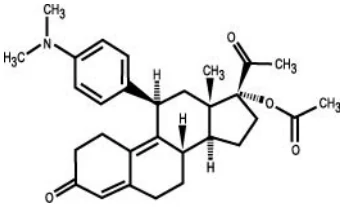
Physiochemical properties: Ulipristal acetate is a white to yellow crystalline powder. Micronized ulipristal acetate is freely soluble in methylene chloride, soluble in methanol, acetone and ethanol, and insoluble in water.
CLINICAL TRIALS
Study Demographic and Trial Design
Table 5 Phase III Studies assessing ulipristal acetate, 5 mg and 10 mg on uterine fibroids
| Study # | Trial design | Dosage, route of administration and duration | Study subjects (n = number) | Mean age (Range) | Gender |
|---|---|---|---|---|---|
| PEARL I | Phase 3 randomized, double-blind, placebo controlled 13 week study | Oral 5 mg, or 10 mg ulipristal acetate, or placebo daily; concomitant iron administration One 3-month treatment course | 242 5 mg (n=96); or 10 mg (n=98) UPA; or placebo (n=48) | 42 (23-50) | Pre-menopausal women |
| PEARL II | Phase 3, randomized, double-blind, active comparator-controlled 13 week study | Oral 5 mg, or 10 mg ulipristal acetate daily, or intramuscular leuprolide acetate 3.75 mg One 3-month treatment course | 301 UPA 5 mg (n=97); or 10 mg (n=103); or active comparator (n=101) | 40 (20-51) | Pre-menopausal women |
| PEARL III | Phase 3, randomized, open label, double-blinded placebo controlled post-UPA period | Oral 10 mg ulipristal acetate daily for 3 months Post-UPA period, blinded to 10 days of either NETA or placebo | 209 Post-UPA period: NETA (n=98); placebo (n=103) | 40 (20-48) | Pre-menopausal women |
| PEARL III Extension | Phase 3, randomized, double-blind, parallel group | Oral 10 mg ulipristal acetate daily Three 3-months treatment courses separated by a drug-free period Post-UPA period, blinded to 10 days of either NETA or placebo | 132 NETA (n=64); Placebo (n=68) | 41 (20-48) | Pre-menopausal women |
| PEARL IV | Phase 3, randomized, double-blind, parallel group | Oral 5 mg, or 10 mg ulipristal acetate daily Four 3-month treatment courses separated by a drug-free period | 451 UPA 5 mg (n=228); or 10 mg (n=223) | 42 (19-50) | Pre-menopausal women |
Initial single treatment course Phase III studies (PEARL I and PEARL II) were conducted on the 5 mg dose of ulipristal acetate for one 3-month treatment course. These were followed by longer studies (PEARL IV, and PEARL III/ PEARL III Extension) which assessed repeated intermittent use for up to four 3-month treatment courses, with each treatment course separated by a two month drug-free period. The PEARL I, PEARL II, and PEARL IV studies also evaluated a higher 10 mg daily dose of ulipristal acetate. PEARL III and PEARL III Extension evaluated only the 10 mg dose. This higher dose is investigational and not approved for use in Canada.
Short-term studies
The short-term efficacy of ulipristal acetate 5 mg once daily for one 3-month treatment course was evaluated in PEARL I and PEARL II, two Phase 3 randomized, double-blind, 13 week studies recruiting subjects with heavy menstrual bleeding associated with uterine fibroids and at least one fibroid measuring 3 cm or more in diameter. Both studies also evaluated a higher 10 mg daily dose of ulipristal acetate. This higher dose is investigational and not approved for use in Canada. PEARL I was double-blind placebo controlled and recruited subjects with fibroid related anemia at study entry. PEARL II contained the GnRH agonist active comparator/leuprolide acetate 3.75 mg (not approved in Canada for the treatment of uterine fibroids) given once per month by intramuscular injection. In PEARL II, a double-dummy method was used to maintain the blind.
In both studies menstrual blood loss was assessed using the Pictorial Bleeding Assessment Chart (PBAC). The PBAC was initially developed as a screening tool to discriminate between menorrhagia and normal blood loss and has been extensively used as a tool to describe the reduction of menstrual blood loss in clinical trials. In this context, a PBAC score of 100 corresponds to approximately 80 mL of blood loss, or 20 pads or tampons, which is considered the threshold for heavy menstrual bleeding.
Studies PEARL I and PEARL II showed that the myoma size reduction obtained after a single 3 month course of ulipristal acetate treatment was, for a majority of patients, maintained during the 6-month post-treatment period.
Study Results
The results in Table 6 reflect FIBRISTAL® 5 mg vs. placebo and FIBRISTAL® 5 mg vs. active comparator.
| Table 6: Results of Primary and Selected Secondary Efficacy Assessments in Short-term Phase 3 Studies | ||||||||||||||||||
|---|---|---|---|---|---|---|---|---|---|---|---|---|---|---|---|---|---|---|
| Parameter | PEARL I | PEARL II | ||||||||||||||||
Placebo N = 48 | Ulipristal acetate 5 mg/day N = 95 | Active comparator 3.75 mg/ month N = 93 | Ulipristal acetate 5 mg/day N = 93 | |||||||||||||||
| Subjects whose menstrual bleeding became normal (PBAC < 75) at Week 13 | 9 (18.8%) | 86 (91.5%)1 | 82 (89.1%) | 84 (90.3%) | ||||||||||||||
| Median change in fibroid volume from baseline to Week 13a | +3.0% | -21.2%2 | -53.5% | -35.6% | ||||||||||||||
Menstrual bleeding Median PBAC at baseline Median change at Week 13 | 376 -59 | 386 -329 | 297 -274 | 286 -268 | ||||||||||||||
| Subjects in amenorrhea at Week 13 | 3 (6.3%) | 69 (73.4%)1 | 74 (80.4%) | 70 (75.3%) | ||||||||||||||
| Median change in uterine volume from screening to Week 13a | +5.88% | -12.1% | -47.1% | -20.4% | ||||||||||||||
| Hemoglobin change from baseline to Week 13 (g/dL) (adjusted mean) | +3.13 | +4.051 | +0.53 | +0.51 | ||||||||||||||
| Pain Assessment (SF-MPQ) change from baseline to Week 13 (median) | -2.5 | -5.03 | -5.5 | -5.0 | ||||||||||||||
a In PEARL I, change from baseline in total fibroid and uterine volume was measured by MRI. In PEARL II, change in the volume of the three largest fibroids and uterine volume were measured by ultrasound.
p-values (relative to placebo): 1 = <0.001, 2= 0.002, 3=0.101.
PEARL I
Study Design
This study was a multicenter, double-blind, placebo-controlled trial. Subjects were enrolled at 38 sites in six countries in Europe. Pre-menopausal women with symptomatic uterine fibroid(s), excessive uterine bleeding (a PBAC >100 within the first 8 days of menses is considered to represent excessive menstrual blood loss) and anemia (hemoglobin [Hb] <10.2 g/dL) who were eligible for surgery (N=241) with a mean age of 42 years received a dose of 5 mg (n=95) or 10 mg (n=98) ulipristal acetate (FIBRISTAL®) or placebo (n=48). All subjects received 80 mg elemental iron (Fe2+) orally once daily in addition to study drug or placebo. The mean BMI for the study subjects was 25.3 and ranged from 18.0 to 40.1.
The primary endpoints were the percentage of subjects with reduction in uterine bleeding defined as a PBAC score <75 (i.e., control of bleeding) at end-of-treatment visit (Week 13) and the change in total fibroid volume assessed by magnetic resonance imaging (MRI) from screening to end-of-treatment visit (Week 13). Secondary endpoints were the following: change from baseline to Week 5, Week 9, and Week 13 visits in bleeding pattern recorded by subjects using the PBAC; change from baseline to Week 5, Week 9 and Week 13 visits in Hb, hematocrit (Hct) and ferritin; percentage of subjects with Hb >12 g/dL and Hct >36% at Week 5, Week 9 and Week 13 visits; percentage of subjects in amenorrhea at Week 5, Week 9, and Week 13 visits; percentage of subjects with a volume reduction of ≥25% of the total fibroid volume assessed by MRI at Week 13 visit; percentage of subjects with a reduction of ≥25% of uterine volume assessed by MRI at Week 13 visit; change from screening to Week 13 visit in uterine volume assessed by MRI; change from baseline to Week 5, Week 9, and Week 13 visits in global pain score (Short Form McGill Pain Questionnaire [SF-MPQ]); and change from baseline to Week 13 visit in symptoms related to uterine fibroids (measurement of discomfort due to uterine fibroids questionnaire).
Bleeding Symptoms
At Week 13, the percentage of subjects with PBAC score <75 was far greater with ulipristal acetate 5 mg (91.5%) than with placebo (18.8%) (p < 0.001). In addition, the decrease in mean PBAC at study Weeks 9 and 13 was statistically significant; p < 0.001) compared to placebo. Significantly more subjects were in amenorrhea with ulipristal acetate 5 mg compared to placebo at both Weeks 9 and 13 (p < 0.001). At Week 13, the percentage of subjects in amenorrhea was 6% with placebo, and 73% with ulipristal acetate.
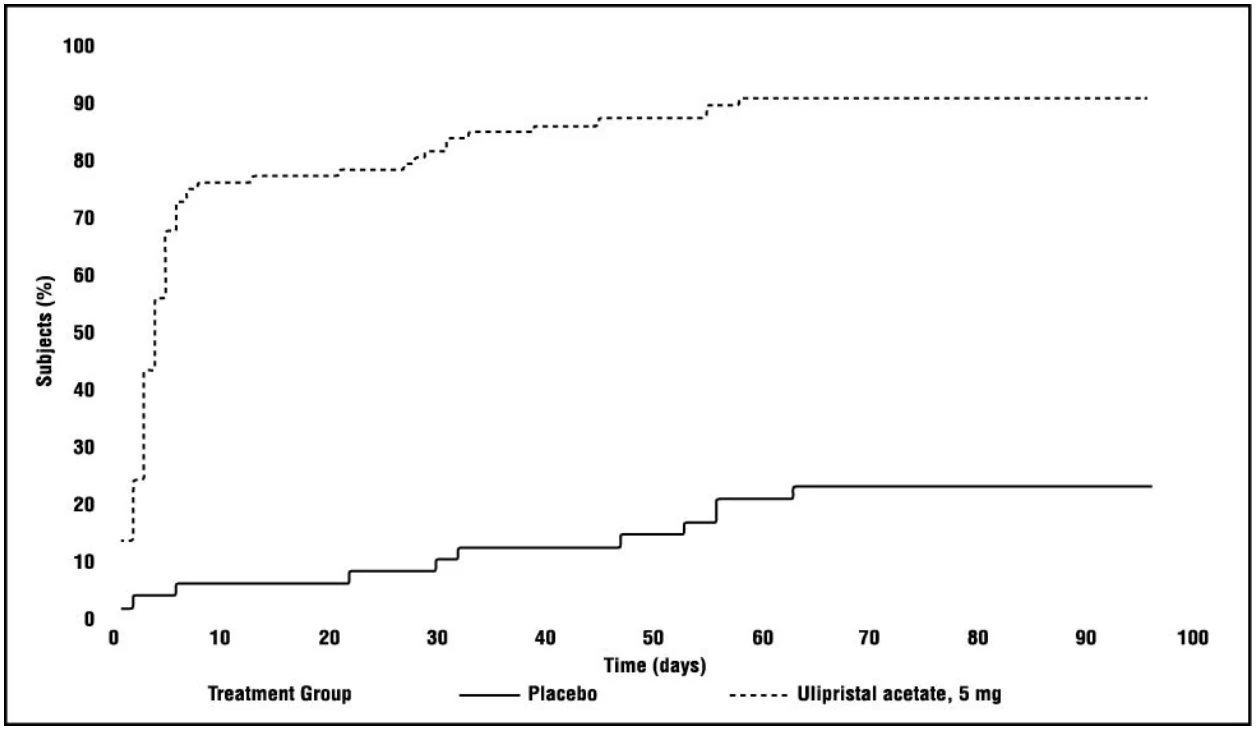
A return to normal bleeding/control of bleeding (as defined by subsequent PBAC scores that were always <75) was achieved by Week 13 in the majority of subjects who were treated with ulipristal acetate 5 mg as shown in Figure 1. At day 8 of treatment, approximately 76% of FIBRISTAL® patients had their bleeding controlled (PBAC <75) compared to approximately 6% of placebo patients.
Figure 1: Time to control of bleeding (PBAC <75) (ITT Population) – PEARL I
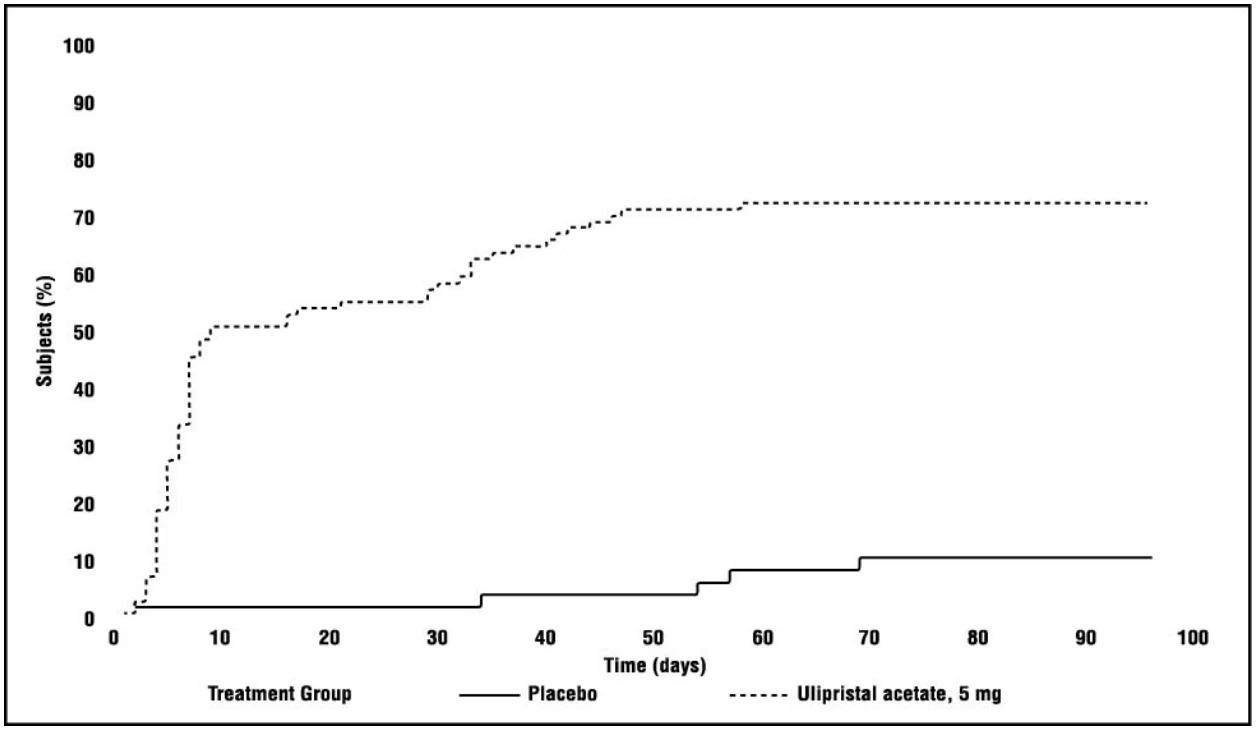
Approximately 50% of the subjects in the ulipristal acetate 5 mg group became amenorrheic within the first 10 days of treatment as shown in Figure 2.
Figure 2: Time to No Bleeding (Persistent Amenorrhea) (ITT Population) – PEARL I
Of the subjects who had not undergone hysterectomy or endometrial ablation, a total of 55
(72.4%) subjects from the ulipristal acetate 5 mg group returned to menstruation within one month, after 13 weeks of treatment. For those subjects, the mean time to return to menstruation after end of treatment was 19.9 days (median = 21.0 days).
Correction of Anemia (Hemoglobin and Hematocrit Values)
The mean increase in Hb at Week 13 with ulipristal acetate 5 mg was 4.1 g/dL compared with 3.1 g/dL for placebo (p<0.001). In addition, there was a mean increase of Hct at Week 13 of 10.0% with ulipristal acetate 5 mg versus 7.4% for placebo (p<0.001). Anemia was corrected by Week 13 in over 80% of subjects with anemia who received 5 mg ulipristal acetate. In addition, fewer subjects were anemic (defined as Hb ≤ 10.2 g/dL) at Week 13 with ulipristal acetate (4.0%) compared to placebo (11.4%).
Fibroid and Uterine Volume
A significantly greater proportion of subjects had a reduction in total fibroid volume ≥ 25% at Week 13 with ulipristal acetate 5 mg/day (41%) compared with placebo (18%) (p=0.014). Also, change in uterine volume from screening to Week 13 was statistically significant with a median % change of +5.9 cm3 with placebo and -12.1 cm3 with ulipristal acetate 5 mg (p=0.001).
Serum Estradiol
For the safety population (N=95), the mean serum estradiol value was 92.4 pg/mL (339.2 pmol/L) in the ulipristal acetate 5 mg group at Week 13, which corresponds to mid-follicular phase levels for a pre-menopausal woman, and was 119.6 pg/mL (439.1 pmol/L) in the placebo group.
Pain and Discomfort
There was a greater improvement in levels of pain as assessed by the Visual Analog Scale (VAS) from baseline to Week 9 between the ulipristal acetate 5 mg group (-31.23) and the placebo group (-18.42) (p=0.048).
A significantly greater improvement in discomfort measurements due to uterine fibroids, as determined using the Discomfort Due to Uterine Fibroids Questionnaire was seen for subjects in the ulipristal acetate 5 mg group versus placebo at Week 13 (median change from Baseline of -9.0 for ulipristal acetate vs. -6.0 for placebo; p=0.001).
Hot Flashes
The number and percentage of subjects reporting at least one episode of a moderate to severe hot flash during the treatment period was 2 (2.1%) (no hot flashes were reported in subjects in the placebo group).
Endometrial Changes
At Week 13, 10 subjects (10.5%) in the ulipristal acetate 5 mg group and one subject (2.1%) in the placebo group had endometrial thickness > 16 mm. At Week 13, endometrial-biopsy samples that were assessed centrally revealed no malignant or premalignant lesions or hyperplasia. However, non-physiological progesterone receptor modulator-associated endometrial changes (PAEC) were observed more frequently in the ulipristal acetate 5 mg group than in the placebo group (59.8% and 7.9%, respectively). The results of the endometrial biopsies 6 months after the end of treatment showed that the PAEC seen on treatment were generally reversible with only 1 subject (7.8%) in the ulipristal acetate 5 mg group and 1 subject (2.6%) in the placebo group with PAEC at that timepoint.
PEARL II
Study Design
This study was a multicenter, double-blind, active comparator-controlled comparison of the efficacy and safety of ulipristal acetate (FIBRISTAL®) to active comparator. Subjects were enrolled at 32 sites in seven countries in Europe. Pre-menopausal women with symptomatic uterine fibroid(s) and excessive uterine bleeding who were eligible for surgery (N= 301) with a mean age of 40 years were randomly allocated to receive FIBRISTAL® 5 mg (n=97) or 10 mg (n=103) or active comparator (n=101). Subjects were not required to be anemic to be enrolled in this study. The mean BMI for the study subjects was 25.5 and ranged from 18.1 to 39.8.
The primary endpoint was the percentage of subjects with reduction of uterine bleeding defined as a PBAC score < 75 (i.e., control of bleeding) at end-of-treatment visit (Week 13 visit). The secondary endpoints were the following: change from baseline to Week 5, Week 9 and Week 13 visits in Hb, Hct, and ferritin; percentage of subjects in amenorrhea at Week 5, Week 9, and Week 13 visits; change from screening to Week 13 visit in the total volume of the three largest fibroids assessed by ultrasound (US); change from screening to Week 13 visit in uterine volume assessed by US; change from baseline to Week 5, Week 9, and Week 13 visits in global pain score (SF-MPQ); and change from baseline to Week 13 visit in Uterine Fibroid Symptom and health-related Quality of Life (UFS-QOL) score. The co-primary safety objectives were to show a superior side-effect profile for ulipristal acetate versus active comparator in terms of serum estradiol levels at Week 13 and the proportion of subjects with moderate-to-severe hot flashes during treatment. Secondary safety end points included hematologic and other laboratory assessments, including bone-turnover markers (urinary N-terminal propeptide of type 1 procollagen [P1NP], type I collagen C-telopeptide [CTX], and bone-specific alkaline phosphatase [BSAP] and deoxypyridinoline [DPD]).
Bleeding Symptoms
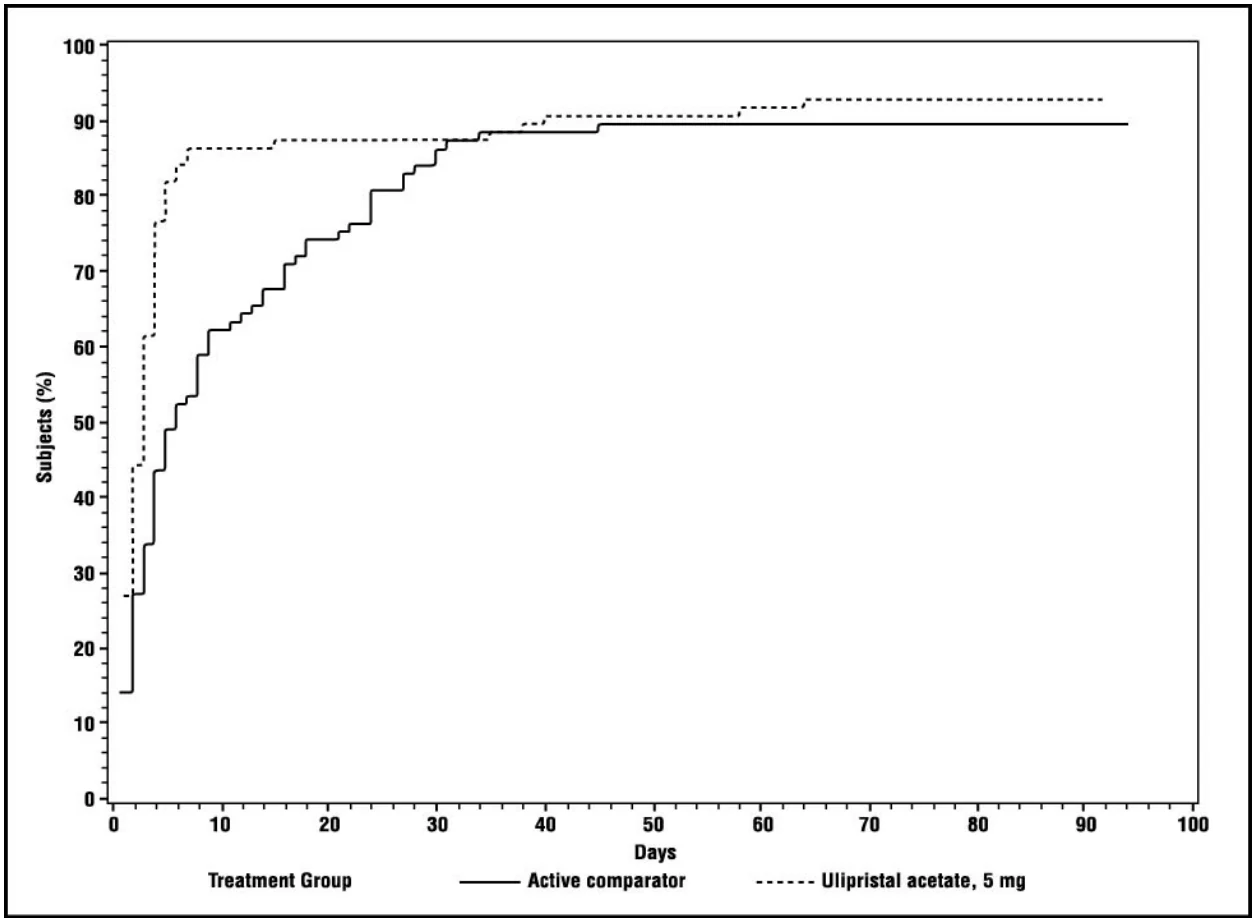
Control of bleeding/a return to normal bleeding (as defined by subsequent PBAC scores that were <75 for the preceding 4 weeks) was achieved at Week 13 by 90% of the subjects receiving ulipristal acetate 5 mg and 89% of subjects receiving active comparator as shown in Figure 3. By day 8, 86% of FIBRISTAL ® patients had their bleeding controlled vs. 62% for leuprolide acetate, the active comparator.
Figure 3: Time to control of bleeding (PBAC <75) (ITT Population) – PEARL II
Excessive bleeding (i.e., PBAC >100) was controlled more rapidly in subjects who received ulipristal acetate 5 mg than those who received active comparator, with the majority of ulipristal acetate 5 mg subjects achieving persistent amenorrhea within 10 days, as shown in Figure 4. A total of 75.3% of subjects achieved amenorrhea by end of 13 weeks, with the majority of ulipristal acetate 5 mg subjects achieving persistent amenorrhea within 10 days.
Figure 4: Time to No Bleeding (Persistent Amenorrhea) (ITT Population) – PEARL II
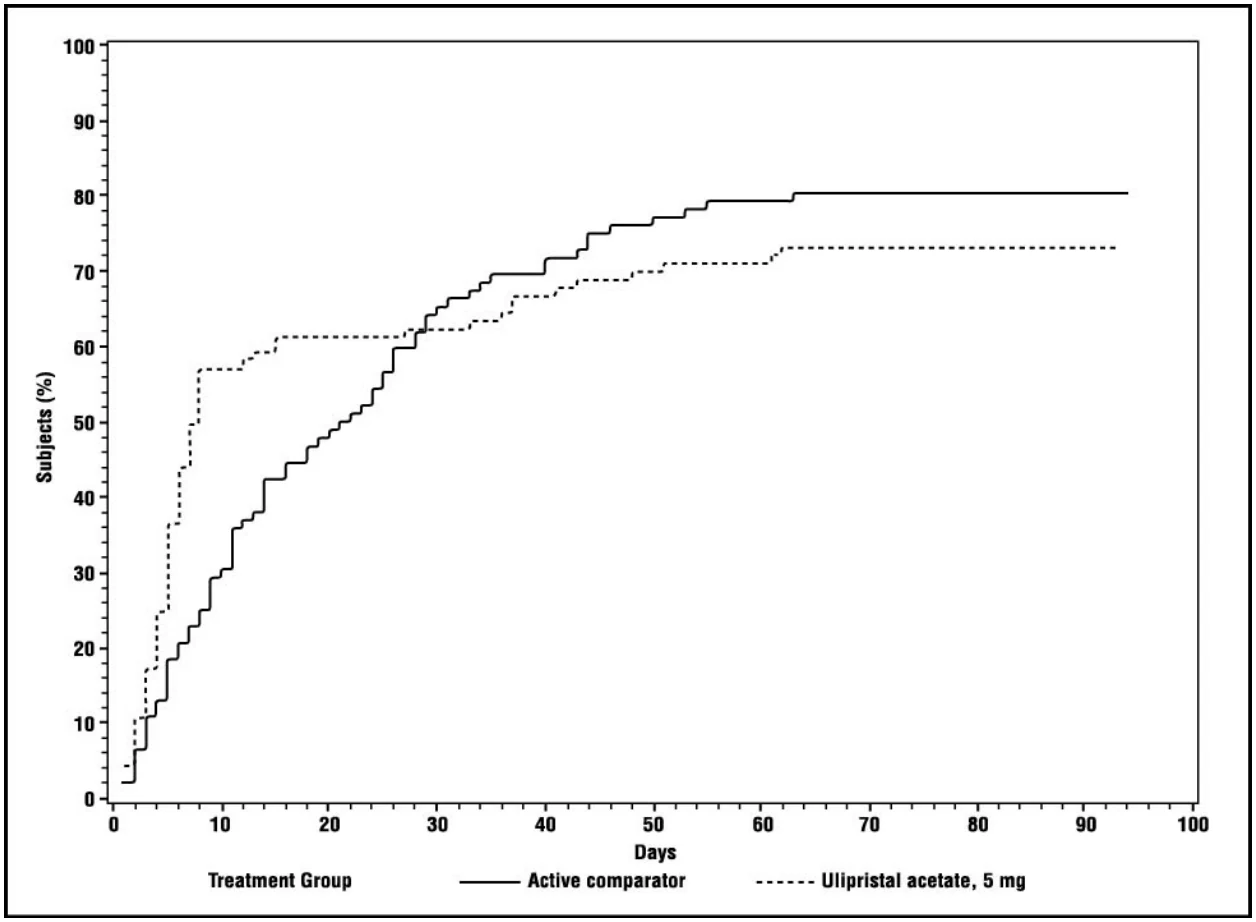
Of the subjects who had not undergone hysterectomy or endometrial ablation, a total of 49 (63.6%) subjects from the ulipristal acetate 5 mg group returned to menstruation within one month, after Week 13, and a total of 22 (28.9%) of those treated with active comparator returned to menstruation by Week 13.
Following completion of treatment, the median time to return to menstruation was 25 days for subjects treated with ulipristal acetate 5 mg and 43 days for subjects treated with active comparator.
Correction of Anemia (Hemoglobin Values)
At Week 13, subjects treated with ulipristal acetate 5 mg had an adjusted mean change from baseline of +0.51 g/dL in Hg.
Fibroid and Uterine Volume
Ulipristal acetate exerts a direct action on fibroids reducing their size through inhibition of cell proliferation and induction of apoptosis.
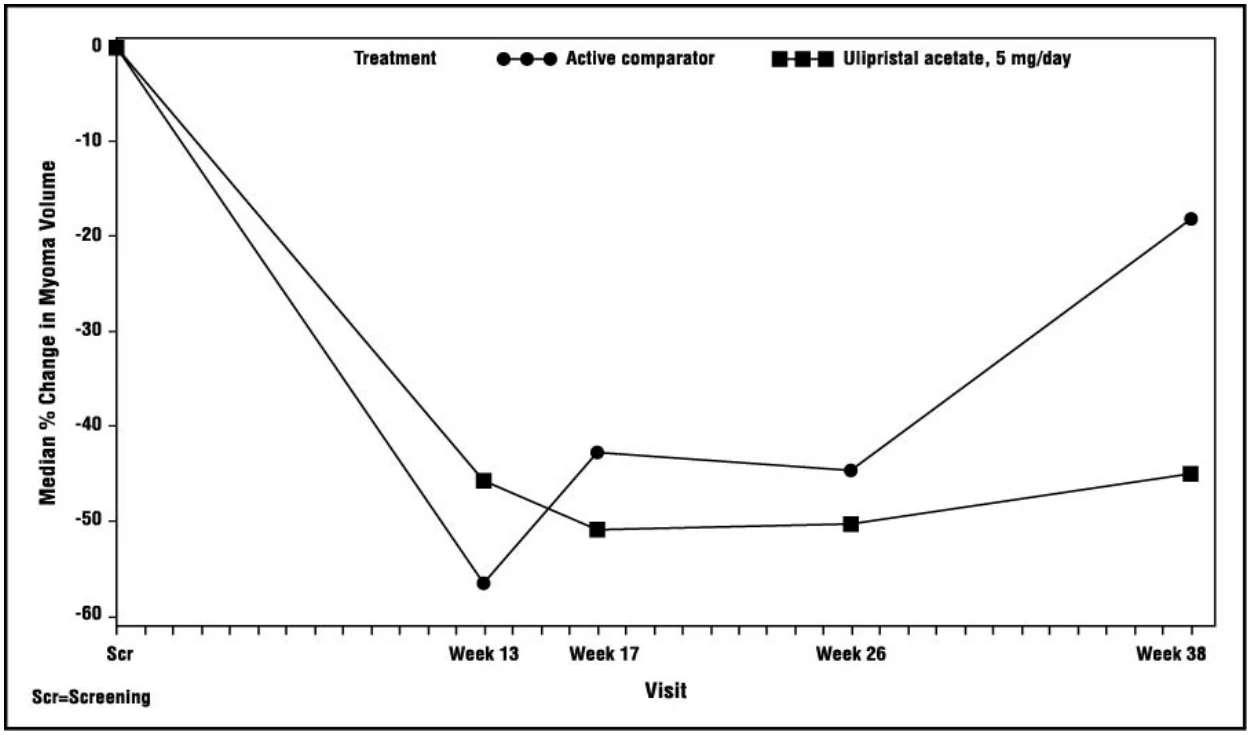
The volume of the three largest fibroids was assessed by ultrasound at the end of treatment (Week 13) and at Week 26 (without further treatment) in subjects who did not have hysterectomy or myomectomy performed. For these subjects, the median percentage change from screening in the total volume of the three largest fibroids in the ulipristal acetate 5 mg treatment group was -45.5% and -50.0% for Weeks 13 and 26, respectively (see Figure 5). This average decrease was maintained at Week 38 for subjects treated with ulipristal acetate 5 mg who did not undergo hysterectomy or myomectomy (median of -44.8%). Subjects who did not undergo hysterectomy or myomectomy and received active comparator had median values of -55.7% and -43.3% at Weeks 13 and 26 respectively. For these subjects, fibroids began to enlarge approximately 1 month after the last dose of active comparator acetate (median of -42.4% at Week 17) and continued to increase through week 38 (median of -16.5%). However, fibroid volume reduction in subjects receiving ulipristal acetate appeared to be maintained in the majority of subjects for 6 months after the end of treatment.
Figure 5: Median Percentage Change from Screening to Weeks 13, 17, 26, and 38 in the Volume of the Three Largest Fibroids in Subjects who did not have Surgery before Week 38 – PEARL II
Serum Estradiol
For the safety population (N=97), the median serum estradiol value was 64.0 pg/mL (234.9 pmol/L) in the ulipristal acetate 5 mg group and 60.5 pg/mL (222.1 pmol/L) in the group receiving 10 mg of ulipristal acetate at Week 13 (levels maintained at mid-follicular levels), but decreased to postmenopausal levels in the active comparator group (25.0 pg/mL) (91.8 pmol/L) (p<0.001 for each ulipristal group vs. active comparator). The number, and percentage, of subjects reporting episodes of moderate or severe hot flashes during the treatment period was 11 (11.3%) for subjects treated with ulipristal acetate 5 mg, and 40 (39.6%) for subjects treated with active comparator (p<0.001).
Pain and Discomfort
The median change from baseline to Week 13 for responses to the SF-MPQ and VAS in subjects treated with ulipristal acetate 5 mg were -5.0 and -31.0, respectively. In addition, subjects in the 5 mg ulipristal acetate treatment group showed an improvement (-31.8, corresponding to a 59% reduction) on average for the symptom severity score and an improvement (23.1, corresponding to a 43% improvement) on average for the quality of life total score at Week 13 compared to baseline.
Endometrial Changes
At Week 13, the histologic specimens from subjects in the ulipristal acetate 5 mg group were all given a diagnosis of benign endometrium except for one who had a diagnosis of simple, non-atypical hyperplasia. PAEC at Week 13 were observed in 54.6% of the subjects in the ulipristal acetate 5 mg group, 61.3% of the subjects in the ulipristal acetate 10 mg group, and in 13.9% of subjects in the active comparator group. The results of the endometrial biopsies 6 months after the end of treatment showed that the PAEC seen on treatment were generally reversible with only five subjects 6.5%) in the ulipristal acetate 5 mg group with PAEC at that timepoint.
Bone Resorption
Due to the short duration of the clinical study, meaningful changes in bone markers were not expected. However, subjects treated with active comparator showed a significantly larger increase in median levels from baseline to Week 13 of type 1 CTX (101.5 mcg/mmol to 258.0 mcg/mmol) compared to subjects treated with ulipristal acetate (117.0 mcg/mmol to 175.0 mcg/mmol) (p>0.001).
Long-term studies
The long term efficacy of ulipristal acetate 5 mg once daily was evaluated in one Phase 3 study (PEARL IV). A second long term study (PEARL III) evaluated the 10 mg dose only. Both studies assessed four intermittent treatment courses.
PEARL III and PEARL III Extension Study
PEARL III was a multicentre, uncontrolled, open-label, Phase 3, efficacy and safety study of 10 mg ulipristal acetate for the treatment of signs and symptoms of uterine fibroids. PEARL III Extension was an optional extension study in which subjects could receive three additional 3-month treatment courses, each separated by a drug-free period. Treatment was resumed in each subsequent course at the onset of the subject’s second menstrual period after completing the previous treatment course.
Figure 6: Study Design

In PEARL III, 251 subjects were screened at 21 sites and 209 subjects started treatment with ulipristal acetate of which 190 completed the study. Pre-menopausal women with symptomatic uterine myoma(s) and excessive uterine bleeding who were eligible for surgery with a mean age of 40.1 years and mean BMI of 25.4 (ranged from18.0 to 39.8). Of the 209 treated subjects, 164 (78.5%) subjects were identified as being in amenorrhoea (defined as no bleeding for longer than
35 days) at the end of ulipristal acetate treatment. The mean (median) time to amenorrhoea (time from the start of first menstruation on or prior to the first dose of ulipristal acetate to amenorrhoea) for those who were identified as being in amenorrhoea at the end of ulipristal acetate treatment was 10.6 days (5.0 days).
The total volume of the three largest myomas identified at screening was shown to decrease by the end of treatment course one. At screening the mean (median) total volume was 91.76 cm3 (53.88 cm3) and at end of treatment the mean (median) percentage change from screening was -37.52% (-45.13%). Additionally, 145 (74.7%) subjects had a reduction of ≥ 25%. At the next study visit approximately 2 weeks after return of menstruation, the mean total volume and percentage change from screening were approximately the same with a mean (median) percentage change from screening of -35.04% (-45.82%). The number of subjects with a total volume reduction of ≥ 25% decreased slightly to 128 (70.7%).
Of the 190 subjects who completed PEARL III, 131 subjects elected to continue in the extension Study PGL09-027 and receive treatment course 2 (first course of PEARL III extension, 119 subjects started treatment course 3 and 107 subjects started treatment course 4. A total of 99 subjects completed the study.
The estimated percentage of subjects in subsequent amenorrhea versus time for each treatment course in PEARL III (PGL09-026) and PEARL III extension is provided in Figure 7.
Figure 7: Time to No Bleeding (Persistent Amenorrhea (ITT Population, PEARL III and PEARL III extension)
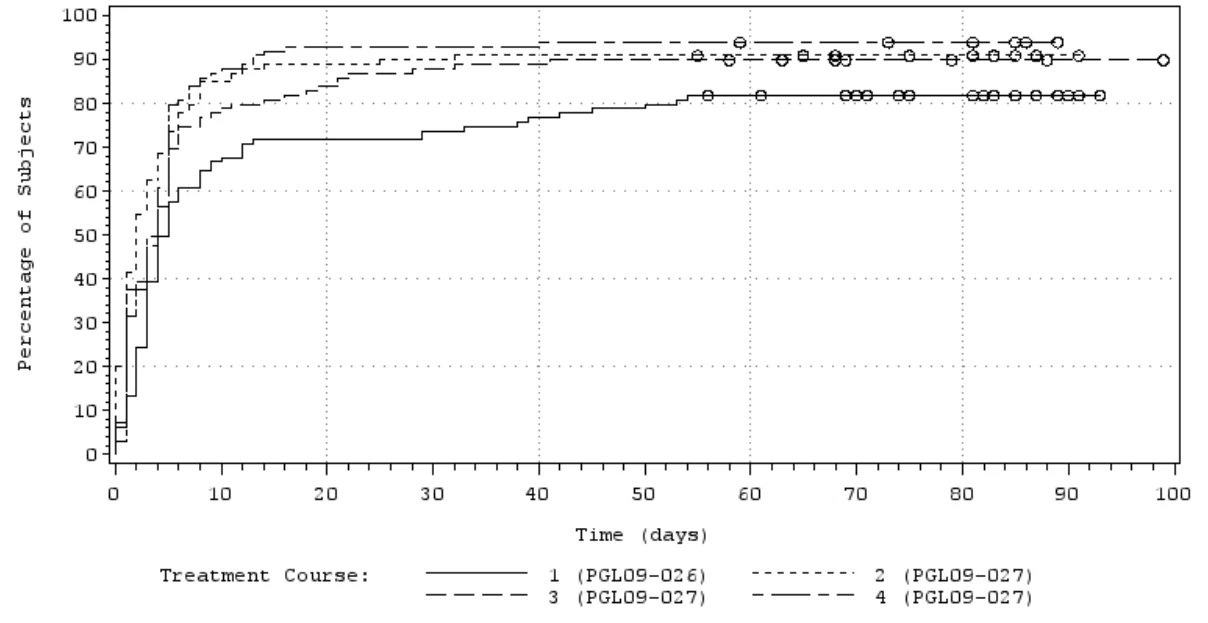
From Day 10 onwards, over 80% of subject reported no uterine bleeding or spotting on any particular day, increasing to over 90% from Day 13 onwards. In addition, from Day 10 onwards, less than 5% of subjects on any particular day reported bleeding or heavy bleeding and less than 2% reported heavy bleeding. Heavy bleeding was only reported occasionally by 2 or less subjects on any particular day from Day 37 onwards.
After treatment course 4, the mean time to no bleeding was 4.2 days compared to 10.6 days after the first treatment course and the the rate of persistent amenorrhea was 89.7% and increased to 93.5% of the patients with amenorrhea or only spotting.
The mean (median) total volume was 89.91 cm3 (56.20 cm3) at screening for the subjects that went into the PEARL III extension in the ITT Population. For these subjects, this total volume decreased to 54.92 cm3 (27.34 cm3) at the end of treatment course 1, with a mean (median) percent change from screening of -41.92% (-49.86%). At the end of treatment course 4, a cumulative effect was observed (through treatment courses 1-4) and the mean (median) total myoma volume was 42.59 cm3 (13.69 cm3), with a mean (median) percent change from screening of -53.53% (-72.08%). Approximately 3 months after completion of treatment course 4, the mean (median) total myoma volume was 57.93 cm3 (18.14 cm3) and the mean (median) percent change from screening was -33.68% (-58.84%). After treatment course 4, 82.3% of the patients had at least ≥25% decrease in volume of the three largest fibroids and 69.8% of the patients had at least ≥ 50 decrease in volume of the three largest fibroids compared to baseline.
Endometrial Changes
In PEARL III extension study, 96 subjects provided endometrium biopsy samples 10-18 days after the first day of menstruation following the end of treatment course 4, of which, 87 (90.6%) were considered adequate for histology review. An observation of benign endometrium was made for all (100%) samples. The finding of benign polyp was made in one (1.1%) subject.
The median endometrium thickness at the end of the first treatment course in PEARL III was greater than seen at the end of the fourth treatment course (8.0 mm compared to 7.0 mm) in the PEARL III extension. More subjects had an endometrial thickness >16 mm (18 [9.1%]) in PEARL III than compared to 1 [1.1%] subjects for treatment course 4 in the PEARL III extension.
PEARL IV
Study Design
PEARL IV is a randomised, double blind parallel group study during which ulipristal acetate 5 or 10 mg was administered daily, in 228 and 223 subjects respectively, for four 3-month courses of ulipristal acetate. Each course was separated from the following one by a drug free interval of approximately 6 weeks, until the start of the second menstruation following the end of the previous treatment course. The 10 mg dose is not approved.
The subjects had symptomatic uterine fibroids and confirmed menorrhagia. They were between the ages of 18 to 50, with a BMI of >18 and <40, a PBAC score >100 during day 1 to 8 of menstruation preceding the baseline visit, myomatous uterus <16 weeks, with the largest uterine fibroid between 3 cm and 12 cm diameter, and menstrual cycles >22 and <35 days.
The primary endpoints were the percentage of subjects who were in amenorrhea at the end of courses 1 and 2, and at the end of all four treatment courses. Amenorrhea was defined as no more than 1 day of spotting within a 35-day interval.
Study Results
Primary Efficacy Results
In PEARL IV, the full analysis set 1 (FAS 1) population was the population of primary interest for the efficacy analyses. It was defined as all randomised subjects who received study medication at least once during treatment course 1. Subjects in the FAS 1 population were analysed according to the treatment group to which they were randomised, rather than by the actual treatment they received.
A large number of subjects were in amenorrhea at the end of courses 2 and 4 (Table 7).
| Table 7 Subjects in amenorrhea at the end of courses 1 and 2, and at the end of all four courses (FAS 1 population) – PEARL IV | ||||
|---|---|---|---|---|
Ulipristal acetate 5 mg/day (N=228) | ||||
| Non-missing amenorrhea assessment for both treatment courses 1 and 2 | 197 | |||
| Subjects in | Yes | 122 (61.9%) | ||
| Amenorrhea a | No | 75 (38.1%) | ||
| Non-missing amenorrhea assessment for all four treatment courses | 195 | |||
| Subjects in | Yes | 95 (48.7%) | ||
| Amenorrhea a | No | 100 (51.3%) | ||
a The denominator of percentage is the number of subjects with a non-missing amenorrhea assessment for both treatment courses 1 and 2 (Part I) and all four treatment courses (Part II). FAS = full analysis set, N = number of subjects in treatment group | ||||
Secondary and Exploratory Efficacy Results
Subjects in amenorrhea at the end of each treatment course
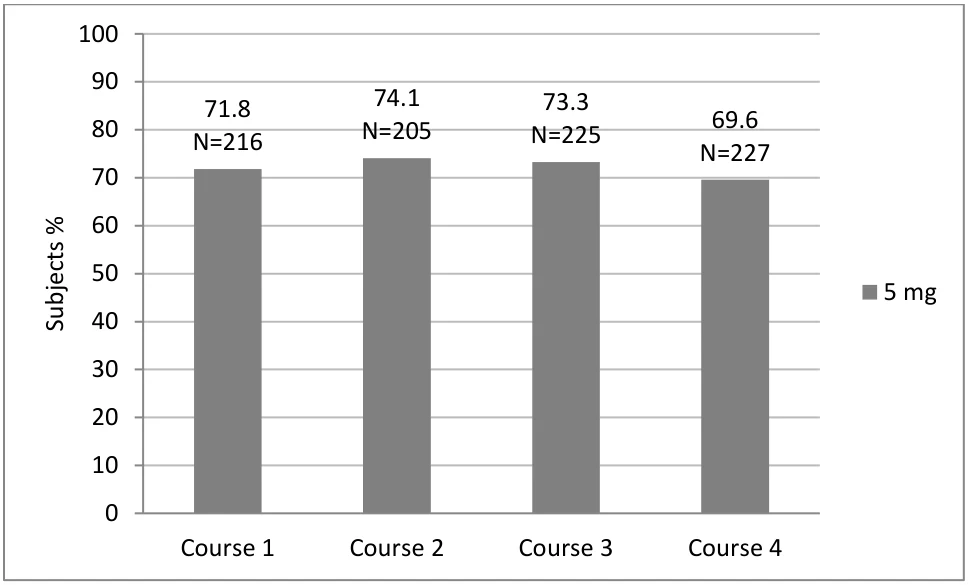
Ulipristal acetate 5 mg/day demonstrated efficacy in the achievement of amenorrhea that was maintained over all four successive treatment courses (Figure 8).
Figure 8 Subjects (FAS 1) in amenorrhea at the end of each treatment course
- PEARL IV
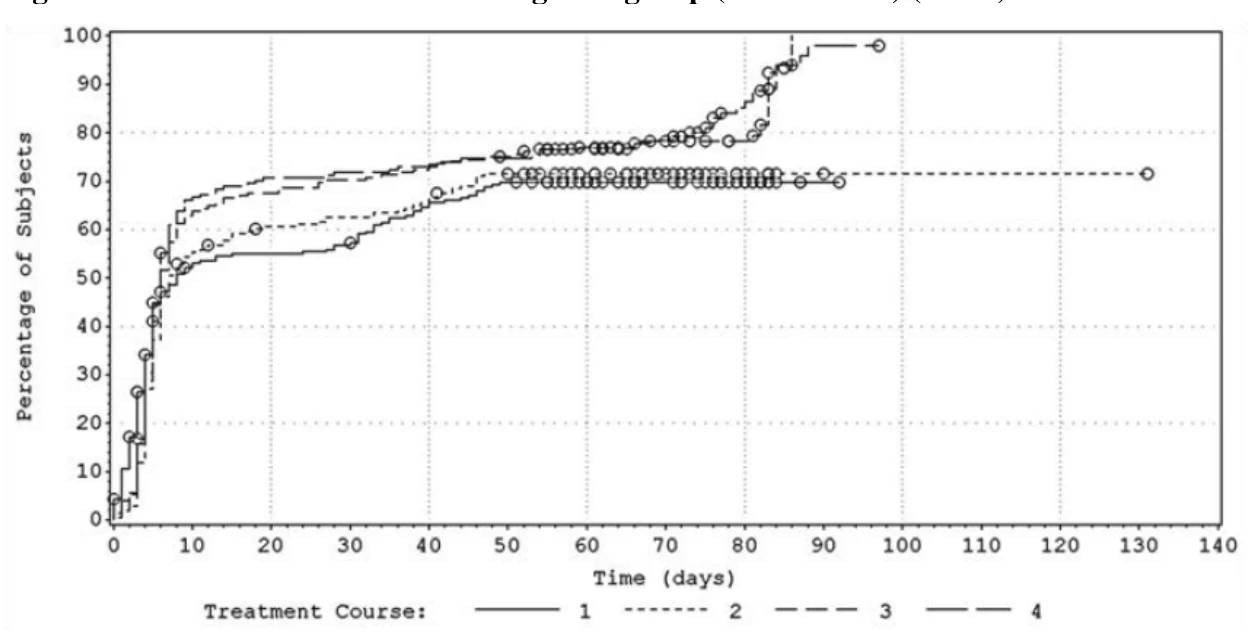
Time to amenorrhea by treatment course
The median time to amenorrhea was maintained over all 4 successive treatment courses (Figure 9). The time from first dose of study medication for each course to start of amenorrhea was 5, 5, 6, and 5 days for courses 1, 2, 3 and 4, respectively.
Figure 9 Time to no bleed for 5 mg dose group (amenorrhea) (FAS1) – PEARL IV
Control of bleeding by treatment course
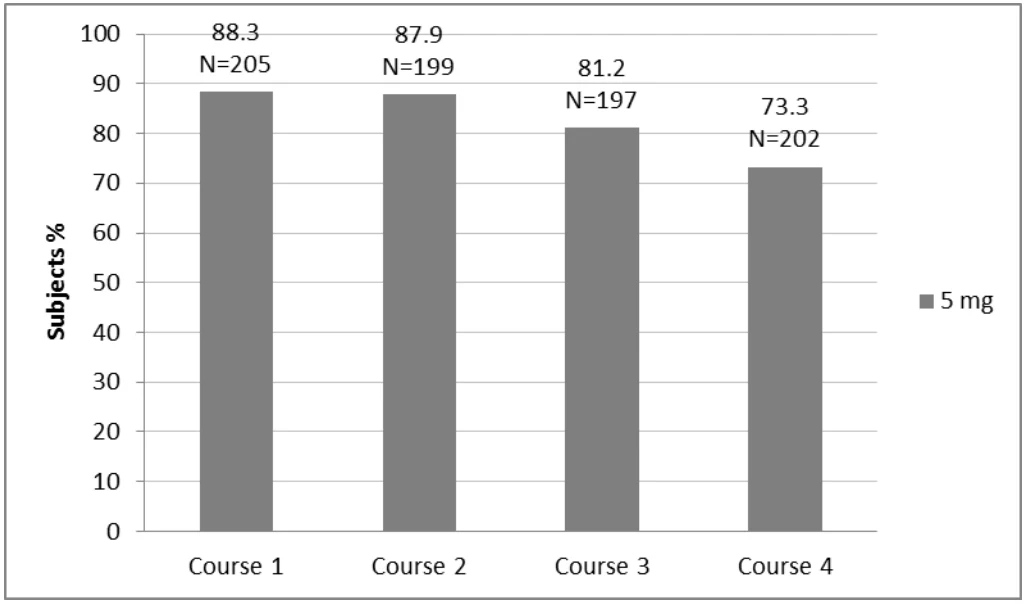
The number (percentage) of subjects with controlled bleeding (no episodes of heavy bleeding and a maximum of 8 days of bleeding over 56 days) in the FAS 1 population with non-missing data for all four treatment courses was 106 (67.1%) in the 5 mg/day subjects.
Figure 10 shows the percent of subjects with controlled bleeding at the end of each treatment course.
Figure 10 Subjects (FAS 1) with controlled bleeding at the end of each treatment course – PEARL IV
Effect of ulipristal acetate on return to menstruation
The median time to return of menstruation for the subjects in the 5 mg group was 23.0 days (N=221), 26 days (N=198), 27 days (N=186), and 27 days (N=174) following treatment courses 1, 2, 3, and 4 respectively.
Uterine bleeding pattern
The pictorial bleeding assessment chart (PBAC) is one of the current standard methods used to objectively estimate menstrual blood loss and diagnose menorrhagia. The PBAC score is < 75 in women with normal menstrual bleeding. A PBAC score >100 defines excessive menstrual bleeding (menorrhagia). This represents approximately 80 mL of blood loss, equivalent to approximately 20 pads or tampons.
Assessment of the blood loss during the first menstrual bleed after treatment courses 1, 2 and 4 using the PBAC showed a marked progressive reduction from baseline (Figure 11).
Figure 11 Intensity of menstrual bleeding (median PBAC score) in first menses after screening or completion of course (FAS 1) – PEARL IV
Data on intensity of menstrual bleeding was not collected during the visit after course 3.
Fibroid volume reduction
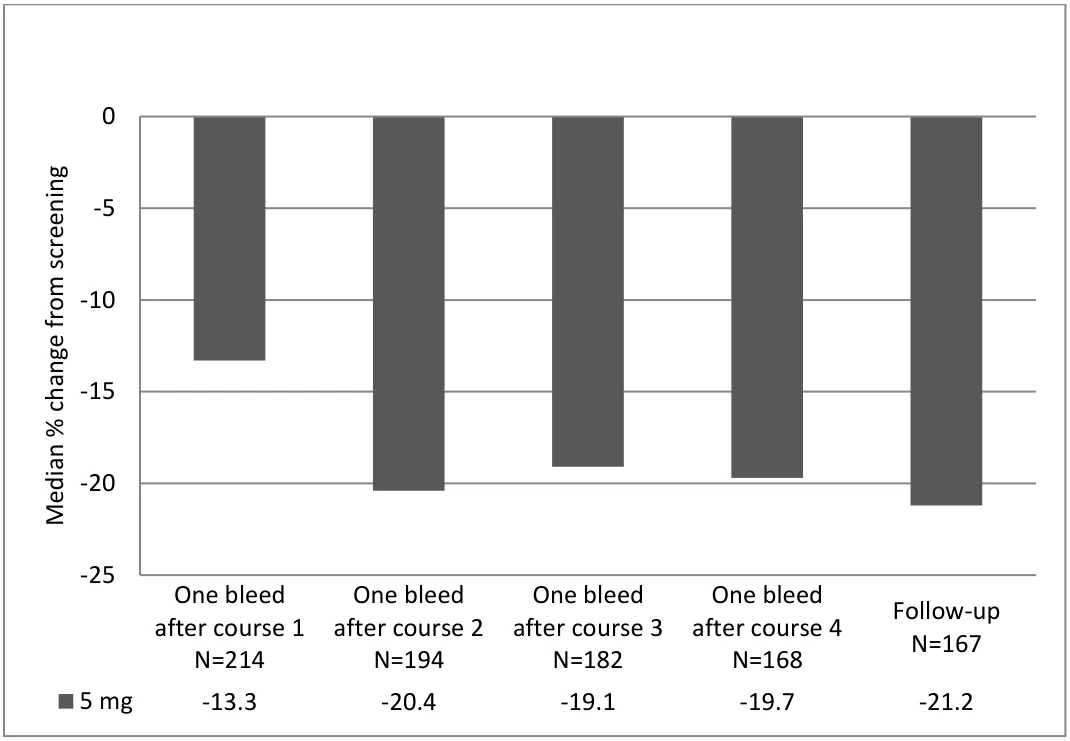
The average total volume continued to reduce from screening when assessed between each treatment course. A summary of the total volume of the 3 largest fibroids (in cm3) at each visit and the percent change from screening by visit is presented in Figure 12 for the FAS 1.
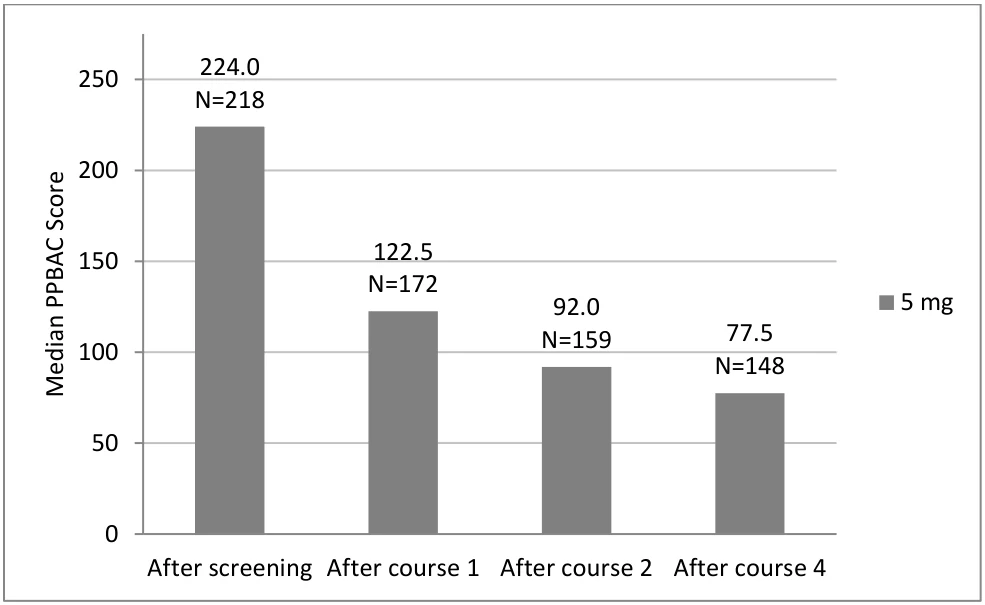
Figure 12 Median % change from screening in the total volume of the three largest fibroids (FAS1) – PEARL IV
Volume of 3 largest fibroids combined
Follow-up visit was approximately 3 months after completion of course 4
The percentage of subjects with a reduction in fibroid volume of ≥50% was maintained with each additional treatment course (Figure 13). The combined volume of the three largest fibroids was measured.
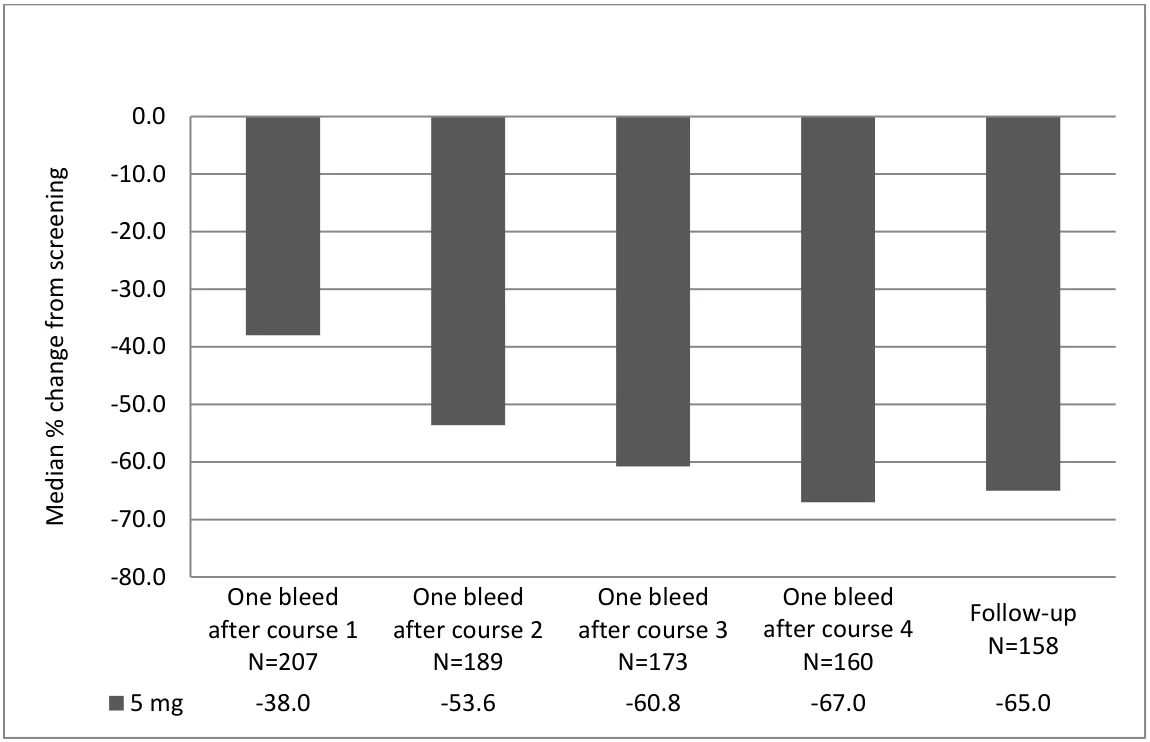
Figure 13 Subjects with clinically significant reduction in fibroid volume of ≥50% (FAS 1) by course – PEARL IV
Volume of 3 largest fibroids combined
Follow-up visit was approximately 3 months after completion of course 4
Uterine volume reduction
The uterine volume as measured by ultrasound decreased from screening and maintained after each successive course with a slightly reduced volume at the end of study follow-up (Figure 14).
In the 5 mg/day group, the reduction of ≥50% in uterine volume following one period after course 1 was observed in 13 (6.1%) subjects. At the end of course 2, 31 (15.1%) subjects had a reduction of ≥50% in uterine volume. Following one period (bleed) after course 2, one period after course 3, end course 4, following one period after course 4, and at the follow-up visit, there were 18 (9.3%), 20 (11.0%), 32 (18.8%), 26 (15.5%), and 22 (13.2%) subjects, respectively, with a ≥50% volume reduction.
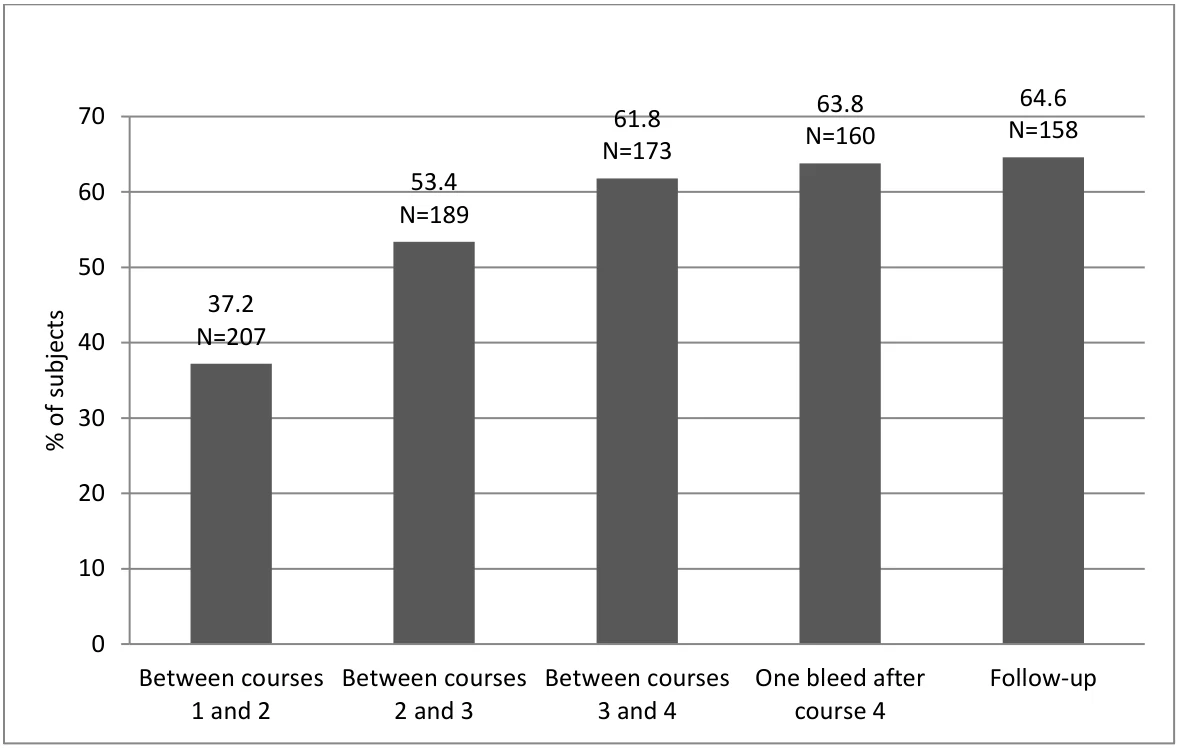
Figure 14 Median % change in uterine volume (FAS1) from screening by course – PEARL IV
Follow-up visit was approximately 3 months after completion of course 4
Effect of ulipristal acetate on pain
Pain was assessed by a visual analogue scale (VAS), ranging from a score of 0 for no pain to 100 for the worst possible pain. This was recalled by the subject over a period of 1 month for both the FAS 1 population and a subgroup of subjects with the most severe pain at baseline (VAS score >40).
At the start of treatment course 1 (baseline) in the 5 mg/day FAS 1 population, the median pain VAS score was 39.0. At the end of treatment course 1, the score decreased to 6.0. At the end of treatment courses 2, and 3, the median scores were again 6.0, with 7.0 as the median score at the end of course 4. At the follow-up visit, the median score was 9.0.
In the subgroup of subjects with the most severe pain at baseline (VAS > 40), median values at the end of treatment courses 1, 2, 3 and 4 were very similar to those seen for all subjects in the overall FAS 1 population. In this subset, the percentages of subjects exhibiting ≥30% and ≥50% improvement from baseline were greater than those seen in the whole FAS 1 population. At the end of each treatment course, ≥86.7% of all subjects showed an improvement from baseline of ≥30% and ≥78.9% of subjects showed an improvement from baseline of ≥50%, demonstrating that for the majority of subjects, the reduction in pain continued up to 3 months after completing treatment.
Effect of ulipristal acetate on quality of life and symptom severity
Quality of life (QoL) was measured using the specific Uterine Fibroid Symptom (UFS) QoL symptom severity score and Health-Related Quality of Life (HRQL) scales, and also by the general EQ 5D questionnaire.
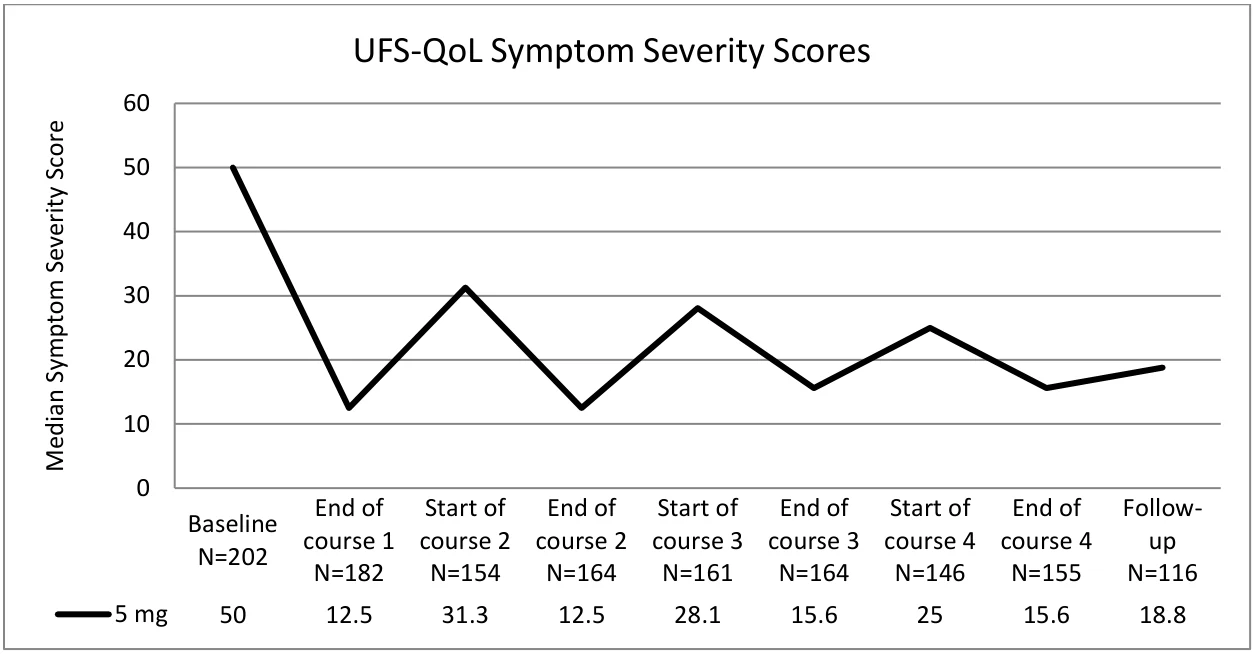
The UFS-QoL questionnaire, a validated scale which was developed specifically for women with fibroids, consists of 2 parts; 8 symptom severity questions and 29 health-related QoL (HRQL) questions. The symptom severity part of the questionnaire includes grading of bleeding, bulk symptoms (abdominal pressure, urination frequency) and fatigue; validation studies identified a score of 44 for uterine fibroid patients. Lower scores indicated better quality of life. Within this validated scale, the reported score for healthy patients is 23.
The HRQL part of the questionnaire evaluates the following domains: concern, activities, energy/mood, control, self-consciousness and sexual function; validation studies observed a total HRQL score of 63 for uterine fibroid patients. The recall period for completion of the UFS-QoL questionnaire was 3 months. Higher scores indicated better health-related quality of life. Within this validated scale, the reported score for healthy patients is 86.
The EQ-5D questionnaire is a more general assessment of health state on the day of completion and consists of 5 questions and a VAS rating of general health.
In the 5 mg/day group, the mean (median) symptom severity score at baseline was 48.17 (50.00). The average UFS QoL symptom severity scores showed comparable improvements (decrease) at the end of treatment courses 1, 2, 3, and 4 (see Figure 15).
Figure 15 Effect of Ulipristal Acetate 5 mg/day on Symptom Severity (FAS 1)
- PEARL IV
Follow-up visit was approximately 3 months after completion of course 4
The pattern of improvement was similar for the HRQL. The total score showed an improvement (increase) at the end of treatment courses 1, 2, 3, and 4 (Figure 16).
Figure 16 Effect of Ulipristal Acetate 5 mg/day on HRQL Total Scores (FAS 1)
- PEARL IV
Follow-up visit was approximately 3 months after completion of course 4
In the EQ-5D questionnaire, the most complaints at baseline and throughout the study were in the pain/discomfort and anxiety/depression dimensions. Compared to baseline, these dimensions showed improvements near the end of treatment course 1, which were maintained at the end of treatment courses 2 and 4.
For the visual analogue scale (VAS) part of the EQ-5D questionnaire, the median change from baseline to Visits 5, 7, 10, and 12, respectively, was 5.5, 9.0, 10.0, and 10.0 in the 5 mg/day group.
Clinical trial discontinuations
A total of 451 subjects were enrolled in the study and randomised. In the ulipristal acetate 5 mg/day group, 228 subjects were randomised to receive medication in treatment course 1, 213 subjects (93.4%) started treatment course 2, 191 subjects (83.8%) started treatment course 3 and 178 subjects (78.1%) started treatment course 4 (Figure 17).
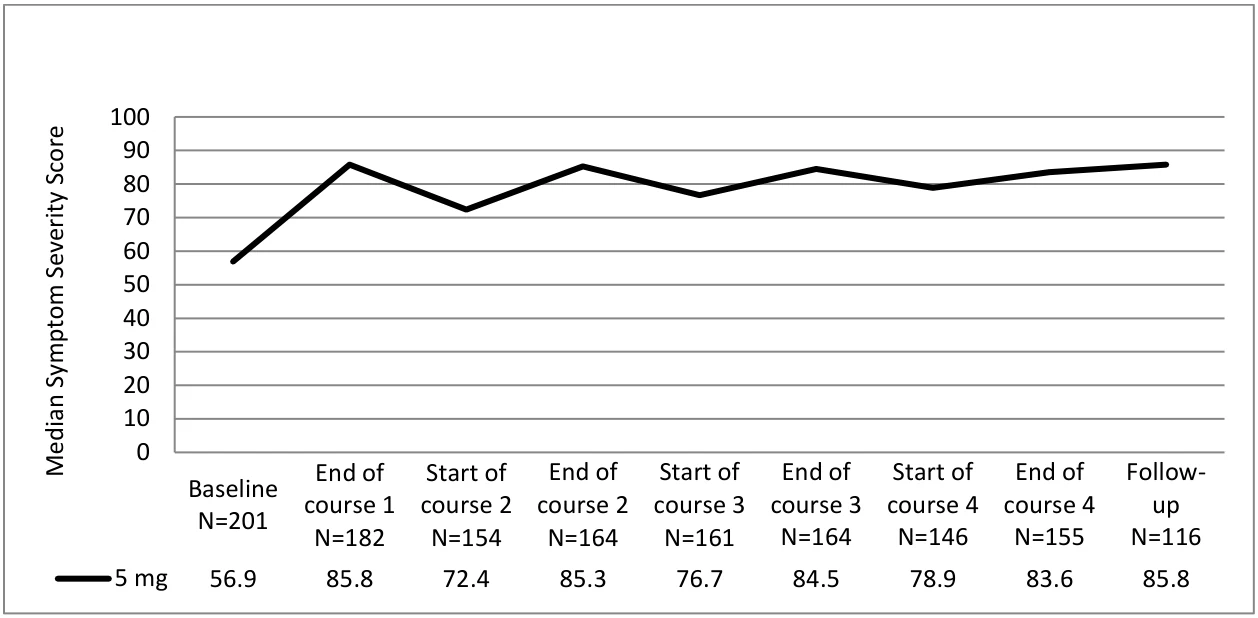
Figure 17 Subjects (%) receiving study treatment per course (FAS) – PEARL IV
Of the 451 subjects in the FSA1 population (all subjects who received study medication at least once for treatment course 1), almost 75% of subjects remained in the study until the follow-up after the fourth treatment course, on average a total of 20 months, demonstrating good compliance to the protocol. In total, 61 (26.8%) subjects from the 5 mg group discontinued the study after the start of treatment course 1 up to the end of study follow-up visit. Reasons for discontinuation included subject request (N=27 [11.8%]), adverse events (N=16 [7.0%]), ‘other reasons’ (N=14 [6.1%]), lack of efficacy (N=2 [0.9%]), pregnancy (N=1 [0.4%]), and lost to follow-up (N=1 [0.4%]).
Surgical Outcomes
Surgical outcome was an exploratory endpoint in the Phase III studies.
In the single treatment course studies, the proportion of subjects whose surgery was cancelled, and those who were switched to less invasive surgery than originally planned, was not significant different between active treatment arms.
Overall, in all Phase III studies, only very few subjects discontinued treatment in order to undergo surgery which demonstrates a good compliance and good patient satisfaction to treatment.
Treatment Emergent Adverse Events (TEAEs) by severity
The following are reported TEAEs by severity, regardless of treatment-relatedness.
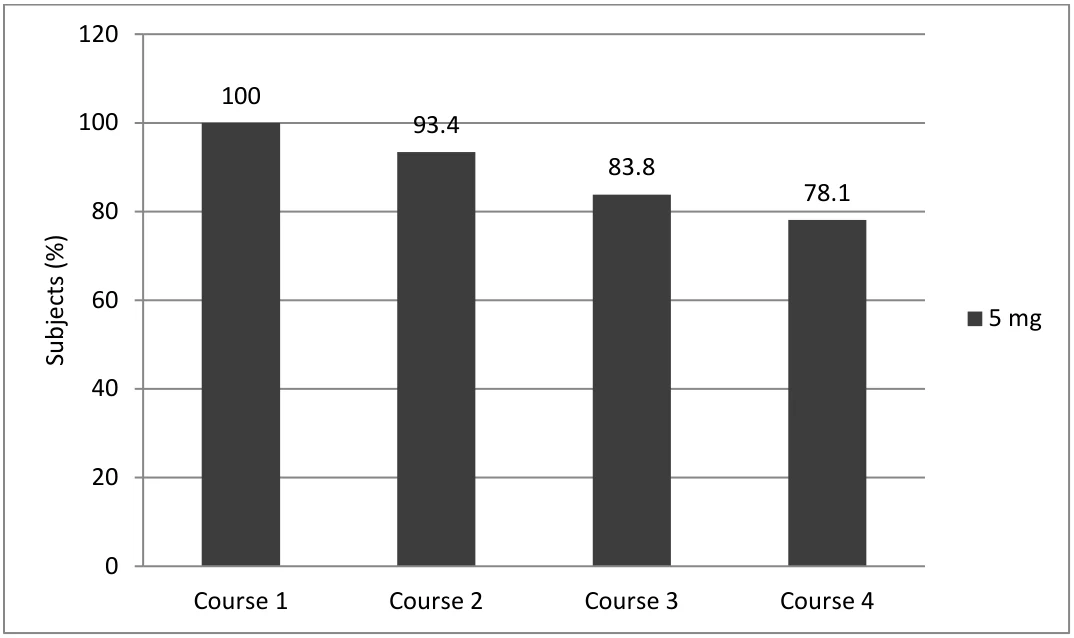
In total, 97.6% (869) of all reported on-treatment TEAEs were rated as being of mild or moderate severity; 433 TEAEs (297 mild, 136 moderate) reported by subjects from the 5 mg group and 436 TEAEs (319 mild, 117 moderate) reported by subjects from the 10 mg group.
Serious adverse events (SAEs) during ulipristal acetate treatment
Treatment-related SAEs reported for the 5 mg/day group were bipolar disorder, menorrhagia (5 subjects), endometrial hyperplasia (4 subjects), abdominal pain, back pain, blood alkaline phosphatase increased, and for the 10 mg/day group were uterine fibroids (3 subjects), endometriosis, endometrial hypertrophy, menorrhagia (3 subjects), liver function test abnormal.
Effect of ulipristal acetate on endometrium thickness
The mean endometrial thickness was similar at all visits including screening, ranging from 7.4 to 8.8 mm in the 5 mg/day group and from 7.4 to 9.5 mm in the 10 mg/day group. Overall, the number of subjects with a thickness >16 mm rose from 22 subjects (4.9%) at screening to 31 subjects (7.4%) at Visit 6 (10 to 18 days after start of menstruation following end of treatment course 1), before returning to levels similar to screening at Visit 7 (20 mm [4.9%] at the end of treatment course 2). The number of subjects with an endometrial thickness >16 mm decreased overall (Figure 18).
Figure 18 Effect of ulipristal acetate on mean endometrium thickness (mm) in PEARL IV (Safety set)
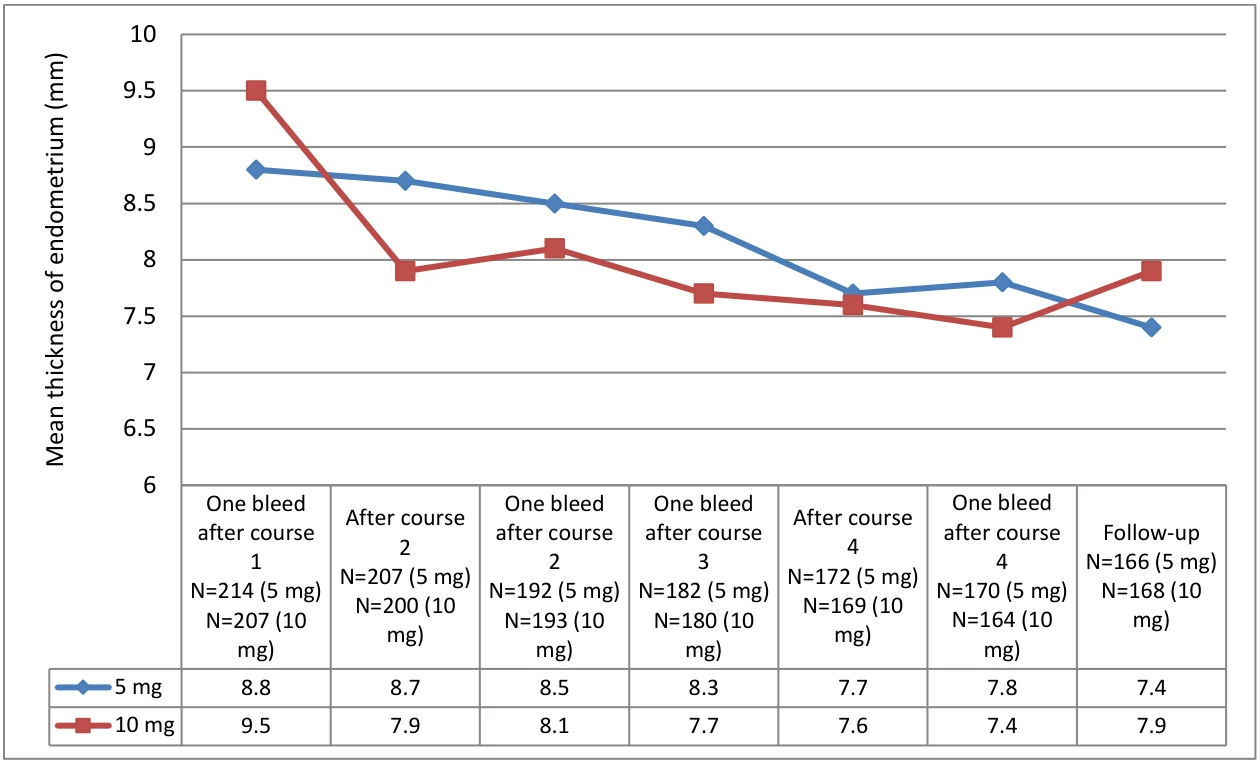
Endometrial Changes
The frequency of PAEC observed increased with study treatment. Following treatment courses 2 and 4, the total number of biopsies with PAEC observed by at least 2 pathologists were 17.8% and 13.3%, respectively. These changes returned to pre-treatment levels within 3 months of completion of treatment course 4.
DETAILED PHARMACOLOGY
Ulipristal acetate is an orally-active selective progesterone receptor modulator characterized by a tissue-specific partial progesterone antagonist effect.
Endometrium
Ulipristal acetate exerts a direct effect on the endometrium by rapidly suppressing uterine bleeding. When daily administration of a 5 mg dose is commenced during a menstrual cycle most subjects (including subjects with fibroid) will complete their first menstruation but will not menstruate again until after treatment cessation. Upon ulipristal acetate treatment cessation, menstrual cycles generally resume within 4 weeks.
The direct action on the endometrium results in class-specific reversable changes in histology termed, PAEC. Typically, the histological appearance is an inactive and weakly proliferating epithelium associated with asymmetry of stromal and epithelial growth resulting in prominent cystically dilated glands with admixed estrogen (mitotic) and progestin (secretory) epithelial effects. Such a pattern has been observed in approximately 60% of subjects treated with FIBRISTAL® for 3 months. These changes are reversible after treatment cessation. These changes should not be confused with endometrial hyperplasia.
About 5% of patients of reproductive age experiencing heavy menstrual bleeding have an endometrial thickness of greater than 16 mm. Endometrial thickening >16 mm was observed in approximately 11% of subjects treated with FIBRISTAL®. This thickening disappears after treatment is withdrawn and menstruation occurs. If endometrial thickness persists beyond the 3 months following the end of treatment and return of menstruation then this may need to be investigated as per usual clinical practice to exclude underlying conditions.
Fibroids
Ulipristal acetate exerts a direct action on fibroids reducing their size through inhibition of cell proliferation and induction of apoptosis.
Pituitary
A daily dose of ulipristal acetate 5 mg inhibits ovulation in the majority of subjects as indicated by progesterone levels maintained at around 0.3 ng/mL.
A daily dose of ulipristal acetate 5 mg partially suppresses FSH levels but serum estradiol levels are maintained in the mid-follicular range in the majority of subjects and are similar to levels in subjects who received placebo.
Ulipristal acetate does not affect serum levels of TSH, ACTH or prolactin during 3 months of treatment.
TOXICOLOGY
Non-clinical data reveal no special hazard for humans based on conventional studies of safety pharmacology, repeated dose toxicity, and genotoxicity.
Most findings in general toxicity studies were related to the action of ulipristal acetate on progesterone receptors, with antiprogesterone activity observed at exposures similar to therapeutic levels. In a 39 week study in cynomolgus monkeys, histological changes resembling PAEC were noted at low doses.
Due to its mechanism of action, ulipristal acetate has an embryolethal effect in rats, rabbits (at repeated doses above 1 mg/kg), guinea pigs and in monkeys. The safety for a human embryo is unknown. At doses which were low enough to maintain gestation in the animal species, no teratogenic potential was observed.
Reproduction studies performed in rats at doses giving exposure in the same range as the human dose have revealed no evidence of impaired fertility due to ulipristal acetate in treated animals or the offspring of treated females.
Administration of ulipristal acetate at dose levels up to 10 mg/kg/day for at least 99 weeks in female rats and 100 weeks in male rats resulted in significant reductions in bodyweight gain but no evidence of an increase in tumors. In addition, Transgenic Hemizygous CByB6F1-Tg(HRAS)2Jic mice were dosed with ulipristal acetate at 0, 15, 45, or 130 mg/kg/day for 26 weeks. There was no evidence of any test article-induced carcinogenicity. Based on these data, ulipristal acetate is not considered to be carcinogenic up to the highest doses tested.
REFERENCES
- 1. Bouchard P, Chabbert-Buffet N, Fauser BC. Selective progesterone receptor modulators in reproductive medicine: pharmacology, clinical efficacy and safety. Fertil Steril. 2011 Nov; 96(5):1175-89.
- 2. Chabbert-Buffet N, Pintiaux A, Bouchard P. The imminent dawn of SPRMs in obstetrics and gynecology. Mol Cell Endocrinol. 2012 Jul 25; 358(2):232-43.
- 3. Williams AR, Bergeron C, Barlow DH, Ferenczy A. Endometrial morphology after treatment of uterine fibroids with the selective progesterone receptor modulator, ulipristal acetate. Int J Gynecol Pathol. 2012 Nov; 31(6):556-69.
- 4. Donnez J, Tatarchuk TF, Bouchard P, Puscasiu L, Zakharenko NF, Ivanova T, et al. Ulipristal Acetate versus Placebo for Fibroid Treatment before Surgery. N Engl J Med. 2012 Feb 2; 366(5):409-20.
- 5. Donnez, J, Tomaszewski, J, Vazquez, F, Bouchard, P, Lemieszczuk, B, Baro, et al. Ulipristal Acetate versus Leuprolide Acetate for Uterine Fibroids. N Engl J Med. 2012 Feb 2; 366(5):421-32.
- 6. Donnez J, Vázquez F, Tomaszewski J, Nouri K, Bouchard P, Fauser BC, et al. Long-term treatment of uterine fibroids with ulipristal acetate. Fertil Steril. 2014 Jun; 101(6):1565-73.
- 7. Donnez J, Hudecek R, Donnez O, Matule D, Arhendt HJ, Zatik J, et al. Efficacy and safety of repeated use of ulipristal acetate in uterine fibroids. Fertil Steril. 2015 Feb; 103(2):519-27.
- 8. Horak P, Mara M, Dundr P, Kubinova K, Kuzel D, Hudecek R, et al. Effect of a Selective Progesterone Receptor Modulator on Induction of Apoptosis in Uterine Fibroids In Vivo. Int J Endocrinol. 2012; Published online 2012 Jul 16.