


Product Monograph - Fulphila
1 INDICATIONS
The indication has been granted on the basis of similarity between Fulphila and the reference biologic drug Neulasta (pegfilgrastim).
Fulphila (pegfilgrastim) is indicated to decrease the incidence of infection, as manifested by febrile neutropenia, in patients with non-myeloid malignancies receiving myelosuppressive anti-neoplastic drugs.
1.1 Pediatrics
Pediatrics (<18 years of age):
No data are available to Health Canada; therefore, Health Canada has not authorized an indication for pediatric use.
2 CONTRAINDICATIONS
Fulphila (pegfilgrastim) is contraindicated in patients with known hypersensitivity to E. coli-derived proteins‚ pegfilgrastim‚ filgrastim, or any ingredient in the formulation, including any non-medicinal ingredient, or component of the container. For a complete listing, see 6 DOSAGE FORMS, STRENGTHS, COMPOSITION AND PACKAGING
3 SERIOUS WARNINGS AND PRECAUTIONS BOX
Serious Warnings and Precautions
|
|---|
4 DOSAGE AND ADMINISTRATION
4.1 Dosing Considerations
Fulphila (pegfilgrastim) should be administered no sooner than 24 hours after the administration of cytotoxic chemotherapy (see 7 WARNINGS AND PRECAUTIONS).
Renal impairment, including end-stage renal disease, appears to have no effect on the pharmacokinetics of pegfilgrastim and no dosage adjustment is required.
4.2 Recommended Dose and Dosage Adjustment
The recommended dosage of Fulphila is a single subcutaneous injection of 6 mg, administered once per cycle of chemotherapy. Fulphila should be administered no sooner than 24 hours after the administration of cytotoxic chemotherapy (see 7 WARNINGS AND PRECAUTIONS).
Health Canada has not authorized an indication for pediatric use. (see 1 INDICATIONS: Pediatrics).
4.3 Reconstitution
Not applicable; Fulphila is administered from a prefilled syringe and should not be mixed with any diluents.
4.4 Administration
Fulphila is intended for subcutaneous injection only and should not be given by any other route of administration. Fulphila should not be mixed with any diluents.
Fulphila should not be vigorously shaken.
Following administration of Fulphila from the single-use prefilled syringe, the patient should activate the UltraSafe™ Plus Passive Needle Guard by releasing the plunger and allowing the syringe to move up until the needle is covered by needle guard.
Note: The needle guard will not activate unless the entire dose is injected.
4.5 Missed Dose
If a scheduled dose is missed, Fulphila should not be administered less than 14 days before subsequent administration of cytotoxic chemotherapy.
5 OVERDOSAGE
The maximum tolerated dose of Fulphila (pegfilgrastim) has not been determined in humans. Pegfilgrastim administered at a dose of 300 µg/kg (n = 12), approximately 3 times the recommended dose, exhibited an adverse event profile similar to that observed at the recommended dose.
| For management of a suspected drug overdose, contact your regional poison control centre. |
|---|
6 DOSAGE FORMS, STRENGTHS, COMPOSITION AND PACKAGING
To help ensure the traceability of biologic products, including biosimilars, health professionals should recognise the importance of recording both the brand name and the non-proprietary (active ingredient) name as well as other product-specific identifiers such as the Drug Identification Number (DIN) and the batch/lot number of the product supplied.
Table 1 – Dosage Forms, Strengths, Composition and Packaging
Availability
Fulphila is supplied as a preservative-free solution (0.6 mL) containing 6 mg of pegfilgrastim (10 mg/mL) in a single-dose syringe with a 29 gauge, with an UltraSafe™ Plus Passive Needle Guard.
Syringe components are not made with natural rubber latex.
To reduce the risk of accidental needle sticks to users, each single-use prefilled syringe is equipped with an UltraSafe™ Plus Passive Needle Guard that is activated to cover the needle during disposal.
Fulphila is provided in a dispensing pack containing one syringe.
Composition
Fulphila (pegfilgrastim) is a sterile‚ clear‚ colorless‚ preservative-free liquid for SC administration. Each single-use syringe (0.6 mL) of Fulphila (10 mg/mL) contains 6 mg of pegfilgrastim (based on protein mass only). The product is formulated at pH 4.0 in acetate buffer with 5% D-sorbitol and 0.004% Polysorbate 20.
DESCRIPTION
Fulphila (pegfilgrastim) is a biosimilar biologic drug (biosimilar) to Neulasta, that is a long-acting form of recombinant human granulocyte colony-stimulating factor (r-metHuG-CSF) or
| Route of Administration | Dosage Form / Strength/Composition | Non-medicinal Ingredients |
| Subcutaneous | Sterile Solution for Injection 6 mg (10 mg/mL) | Acetate, D-Sorbitol, Polysorbate 20 |
filgrastim. Fulphila is composed of filgrastim with a 20,000 dalton polyethylene glycol (PEG) molecule covalently bound to the N-terminal methionine residue. Filgrastim is a
175 amino acid protein with a molecular weight of 18,800 daltons; Fulphila has a total molecular weight of 39,000 daltons.
7 WARNINGS AND PRECAUTIONS
Please see 3 Serious Warnings and Precautions Box at the beginning of Part I: Health Professional Information.
General
Fulphila (pegfilgrastim) has not been evaluated for PBPC (peripheral blood progenitor cell) mobilization. Therefore, it should not be used in that setting.
Splenic Rupture
Splenic rupture, including fatal cases, has been reported following the administration of pegfilgrastim and its parent compound, filgrastim. Patients receiving Fulphila who report left upper abdominal and/or shoulder tip pain should be evaluated for an enlarged spleen or splenic rupture.
Simultaneous Use with Chemotherapy and Radiation Therapy
The safety and efficacy of Fulphila administered concurrently with cytotoxic chemotherapy have not been established. Because of the potential for an increase in sensitivity of rapidly dividing myeloid cells to cytotoxic chemotherapy‚ Fulphila should not be administered in the period between 14 days before and 24 hours after administration of cytotoxic chemotherapy (see 4 DOSAGE AND ADMINISTRATION).
The safety and efficacy of Fulphila have not been evaluated in patients receiving chemotherapy associated with delayed myelosuppression (e.g., nitrosoureas), mitomycin C, or myelosuppressive doses of anti-metabolites such as 5-fluorouracil (5-FU). Concomitant use of Fulphila with 5-FU or other anti-metabolites has not been evaluated in humans, although it has been studied and shown to potentiate myelosuppression in animal models (see 16 NONCLINICAL TOXICOLOGY).
The safety and efficacy of Fulphila have not been evaluated in patients receiving radiation therapy, except for patients with breast or lung cancer.
Carcinogenesis and Mutagenesis
No carcinogenesis or mutagenesis studies were conducted with Fulphila.
Potential Effect on Malignant Cells
Fulphila (pegfilgrastim) and filgrastim are growth factors that primarily stimulate production of neutrophils and neutrophil precursors by binding to the G-CSF receptor. Overall, the possibility that Fulphila can act as a growth factor for any tumour type cannot be excluded. The use of Fulphila in chronic myeloid leukemia (CML) and myelodysplasia (MDS) has not been studied.
MDS and Acute Myeloid Leukaemia (AML) in Breast and Lung Cancer Patients
In the post-marketing observational study setting, findings showed that pegfilgrastim is associated with an increased risk of MDS and AML in breast and lung cancer patients when used in conjunction with chemotherapy and/or radiotherapy. Monitor patients for signs and symptoms of MDS/AML in these settings.
Cardiovascular
Aortitis
Aortitis has been reported in patients receiving pegfilgrastim and may present with generalized signs and symptoms such as fever and increased inflammatory markers. Consider aortitis in patients who develop these signs and symptoms without known etiology.
Capillary Leak Syndrome
Capillary leak syndrome (CLS) has been reported after the administration of pegfilgrastim or filgrastim. CLS can cause circulatory shock and may be fatal, and is characterized by hypotension, hypoalbuminemia, edema, and hemoconcentration. Episodes vary in frequency, severity, and may be life-threatening if treatment is delayed. Patients who develop symptoms of capillary leak syndrome should be closely monitored and receive treatment, which may include a need for intensive care.
Cutaneous Vasculitis
Uncommon (≥1/1,000 to <1/100) events of cutaneous vasculitis have been reported in patients treated with pegfilgrastim sterile solution for injection. The mechanism of vasculitis in patients receiving pegfilgrastim is unknown.
Hematologic
Sickle Cell Crises
Severe sickle cell crises have been associated with the use of pegfilgrastim in patients with sickle cell trait or sickle cell disease. Severe sickle cell crises, in some cases resulting in death, have also been associated with filgrastim, the parent compound of pegfilgrastim. Only physicians qualified by specialized training or experience in the treatment of patients with sickle cell trait and sickle cell disease should prescribe Fulphila for such patients, and only after careful consideration of the potential risks and benefits.
Leukocytosis
In clinical studies with pegfilgrastim, white blood cell counts of 100 x 109/L or greater have been reported in less than 1% of patients with cancer receiving myelosuppressive chemotherapy (n = 930), and were not associated with any reported adverse clinical effects (see 7 WARNINGS AND PRECAUTIONS, Monitoring and Laboratory Tests).
In studies of pegfilgrastim administration after chemotherapy‚ most reported side effects were consistent with those usually seen as a result of cytotoxic chemotherapy (see 8 ADVERSE REACTIONS). Because of the potential for patients to receive full doses of chemotherapy on the prescribed schedule‚ patients may be at greater risk of thrombocytopenia‚ anemia‚ and non- hematologic consequences of increased chemotherapy doses (please refer to the prescribing information for specific chemotherapy agents). Regular monitoring of hematocrit value and platelet count is recommended. Furthermore‚ care should be exercised in the administration of Fulphila in conjunction with drugs known to lower platelet count.
Thrombocytopenia
Thrombocytopenia, including serious events, has been reported in patients receiving pegfilgrastim. Platelet counts should be monitored regularly as clinically indicated.
Immune
Hyersensitivity/Allergic Reactions
Hypersensitivity including serious allergic reactions and anaphylactic reactions, skin rash, urticaria and erythema/flushing occurring on initial or subsequent treatment have been reported both with pegfilgrastim and filgrastim. In some cases, symptoms have recurred with re-challenge, suggesting a causal relationship. In rare cases, allergic reactions, including anaphylactic reactions, recurred within days after initial anti-allergic treatment was discontinued. If a serious allergic reaction or an anaphylactic reaction occurs, appropriate therapy should be administered and further use of Fulphila should be discontinued. Antibodies to filgrastim or pegfilgrastim have been reported, although no neutralizing antibodies have been reported (see 8 ADVERSE REACTIONS; Immunogenicity). Do not administer filgrastim to patients with a history of hypersensitivity to filgrastim or pegfilgrastim.
Monitoring and Laboratory Tests
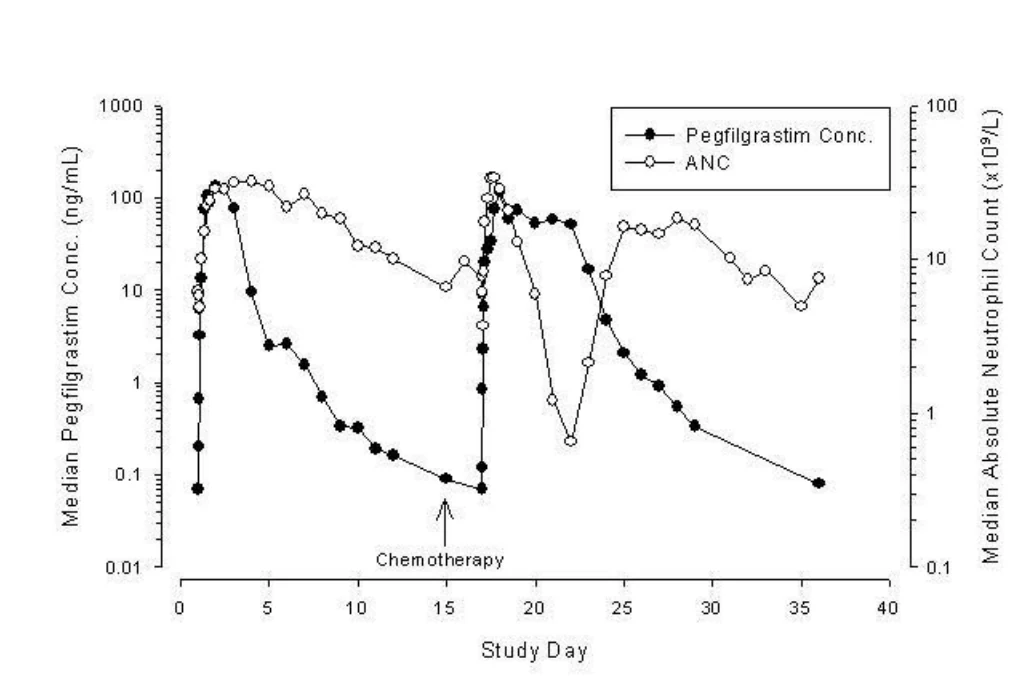
To assess a patient's hematologic status and ability to tolerate myelosuppressive chemotherapy, a complete blood count (CBC) and platelet count should be obtained before chemotherapy is administered. Pegfilgrastim produced ANC (absolute neutrophil count) profiles similar to daily filgrastim, including earlier ANC nadir, shorter duration of severe neutropenia, and accelerated ANC recovery, compared with ANC profiles observed without growth factor support. Regular monitoring of hematocrit value, white blood cell count and platelet count, as clinically indicated, is recommended.
Renal
Glomerulonephritis
Glomerulonephritis has been reported in patients receiving filgrastim and pegfilgrastim. Generally, events of glomerulonephritis resolved after dose reduction or withdrawal of filgrastim and pegfilgrastim. Urinalysis monitoring is recommended.
Respiratory
Acute Respiratory Distress Syndrome (ARDS)
Acute respiratory distress syndrome (ARDS) has been reported following administration of pegfilgrastim sterile solution for injection and is postulated to be secondary to an influx of neutrophils to sites of inflammation in the lungs. Neutropenic patients receiving Fulphila who develop fever, lung infiltrates, or respiratory distress should be evaluated for the possibility of ARDS. In the event that ARDS occurs, Fulphila should be discontinued and/or withheld until resolution of ARDS and patients should receive appropriate medical management for this condition.
Sexual Health
Reproduction
No studies evaluating reproduction in humans were conducted with Fulphila.
Function
No studies evaluating sexual function in humans were conducted with Fulphila.
7.1 Special Populations
7.1.1 Pregnant Women
There were no pregnant women exposed to Fulphila in clinical trials. Fulphila should be used during pregnancy only if the potential benefit outweighs the risk to the fetus (see 16 NONCLINICAL TOXICOLOGY).
7.1.2 Breast-feeding
It is not known whether Fulphila is excreted in human milk. Because many drugs are excreted in human milk‚ Fulphila is not recommended for women who are breast feeding. Fulphila should only be administered to a nursing woman if the potential benefit outweighs the risk.
7.1.3 Pediatrics
Pediatrics (<18 years of age): The safety and effectiveness of Fulphila in pediatric patients have not been established.
7.1.4 Geriatrics
Geriatrics (>65 years of age): Of the total number of patients with cancer who received pegfilgrastim in clinical studies (n = 930), 139 patients (15%) were 65 years or older and 18 patients (2%) were 75 years or older. No overall differences in safety or effectiveness were observed between these patients and younger patients, and other reported clinical experience has not identified differences in responses between the elderly and younger patients; however, due to the small number of elderly patients, small but clinically relevant differences cannot be excluded.
8 ADVERSE REACTIONS
The adverse drug reaction profiles reported in clinical studies that compared Fulphila to the reference biologic drug were comparable. The description of adverse reactions in this section is based on clinical experience with the reference biologic drug.
8.1 Adverse Reaction Overview
The most frequently reported study drug-related adverse event was bone pain, for which the incidence in patients treated with pegfilgrastim was similar to that in patients treated with filgrastim. Bone pain was generally reported as mild-to-moderate, could be controlled in most patients with non-narcotic analgesia.
See 7 WARNINGS AND PRECAUTIONS regarding Splenic Rupture, ARDS, Hypersensitivity/Allergic Reactions, and Sickle Cell Crises.
8.2 Clinical Trial Adverse Reactions
Because clinical trials are conducted under very specific conditions, the adverse reaction rates observed in the clinical trials may not reflect the rates observed in practice and should not be compared to the rates in the clinical trials of another drug. Adverse reaction information from clinical trials is useful for identifying drug-related adverse events and for approximating rates.
Safety data are based on 7 randomized clinical trials involving 932 patients with lymphoma and solid tumors (breast and thoracic) who received pegfilgrastim after non-myeloablative cytotoxic chemotherapy. Common adverse events occurred at similar rates between the treatment arms in both the filgrastim-controlled trials (pegfilgrastim, n = 465; filgrastim, n = 331) and the placebo-controlled trial (pegfilgrastim, n = 467; placebo, n = 461). Most adverse experiences were attributed by the investigator as the sequelae of the underlying malignancy or cytotoxic chemotherapy. In the filgrastim-controlled trials, these adverse experiences occurred at rates between 15% and 72% and included: nausea, fatigue, alopecia, diarrhea, vomiting, constipation, fever, anorexia, skeletal pain, headache, taste perversion, dyspepsia, myalgia, insomnia, abdominal pain, arthralgia, generalized weakness, peripheral edema, dizziness, granulocytopenia, stomatitis, mucositis, and neutropenic fever. A summary of the most frequently reported adverse reactions in these randomized clinical trials can be found in Table 2 and Table 3.
In clinical trials comparing pegfilgrastim to filgrastim, medullary bone pain was reported in 26% of pegfilgrastim-treated patients, which was comparable to the incidence in filgrastim-treated patients. In the study comparing pegfilgrastim to placebo, the incidence of bone pain was 23% vs. 16%, respectively. This bone pain was generally reported to be of mild-to-moderate severity. Approximately 17% (for all bone pain type AEs; 10% for specifically “bone pain”) of all subjects utilized non-narcotic analgesics and less than 6% utilized narcotic analgesics in association with bone pain. No patient withdrew from study due to bone pain.
Across all studies, no life-threatening or fatal adverse events were attributed to pegfilgrastim. There was only one serious adverse event (dyspnea) reported as possibly related to pegfilgrastim in a single patient. No events of pleuritis, pericarditis, or other major systemic reactions to pegfilgrastim were reported.
No clinically significant changes in vital signs were observed. No evidence of interaction of pegfilgrastim with other drugs was observed in the course of clinical trials (see 7 WARNINGS AND PRECAUTIONS).
Table 2: Most Frequently* Reported Adverse Reactions in Randomized Clinical Trials with Filgrastim as Comparator
| Body System and Preferred Term | Pegfilgrastim (n = 465) | Filgrastim (n = 331) |
|---|---|---|
Application Site Injection Site Pain Body as a whole Pain Chest Pain (Non-Cardiac) Edema Periorbital Fever CNS/PNS Headache Musculo-skeletal Skeletal Pain Myalgia Arthralgia Back Pain Limb Pain Musculo-Skeletal Pain Neck Pain | 16 (3%) 8 (2%) 4 (1%) 3 (1%) 3 (1%) 20 (4%) 96 (21%) 32 (7%) 27 (6%) 19 (4%) 12 (3%) 5 (1%) 4 (1%) | 9 (3%) 4 (1%) 3 (1%) 0 (0%) 4 (1%) 12 (4%) 89 (27%) 25 (8%) 19 (6%) 26 (8%) 7 (2%) 4 (1%) 3 (1%) |
* Most frequently reported events were considered to be those events reported in ≥1% of the patients in the pegfilgrastim group.
Table 3: Most Frequently* Reported Adverse Reactions in Randomized Clinical Trials with Placebo Control
| Body System and Preferred Term | Pegfilgrastim (n = 467) | Placebo (n = 461) |
|---|---|---|
| Body System and Preferred Term | Pegfilgrastim (n = 467) | Placebo (n = 461) |
Blood and Lymphatic System Disorders Leukocytosis Gastrointestinal Disorders Diarrhea General Disorders and Administration Site Conditions Pyrexia Fatigue Infections and Infestations Influenza Musculoskeletal and Connective Tissue Disorders Bone Pain Myalgia Arthralgia Polymyalgia Musculoskeletal Pain Pain in Limb Back Pain Polyarthralgia Nervous System Disorders | 5 (1%) 9 (2%) 8 (2%) 3 (1%) 6 (1%) 62 (13%) 26 (6%) 32 (7%) 8 (2%) 14 (3%) 11 (2%) 8 (2%) 5 (1%) | 1 (0%) 10 (2%) 9 (2%) 5 (1%) 5 (1%) 41 (9%) 23 (5%) 19 (4%) 7 (2%) 5 (1%) 5 (1%) 4 (1%) 0 (0%) |
Headache Skin and Subcutaneous Tissue Disorders Alopecia | 6 (1%) 8 (2%) | 2 (0%) 9 (2%) |
* Most frequently reported events were considered to be those events reported in ≥ 1% of the patients in the pegfilgrastim group.
8.2.1 Clinical Trial Adverse Reactions (Pediatrics)
Based on the data submitted and reviewed by Health Canada, the safety and efficacy of the reference product (pegfilgrastim) in pediatric patients (< 18 years of age) has not been established; therefore, Health Canada has not authorized an indication for pediatric use.
8.3 Less Common Clinical Trial Adverse Reactions (<1%)
The following adverse drug reactions were reported at an incidence of <1% in controlled clinical studies (occurring in more than 1 patient, with higher frequency than filgrastim):
General Disorders and Administration Site Conditions: injection site bruising
Infections and Infestations: rhinitis
Nervous System Disorders: hypertonia
Skin and Subcutaneous Tissue Disorders: periorbital edema
The following adverse drug reactions were reported at an incidence of <1% in controlled clinical studies (occurring in more than 1 patient, with higher frequency than placebo):
General Disorders and Administration Site Conditions: chest pain, pain.
8.4 Abnormal Laboratory Findings: Hematologic, Clinical Chemistry and Other Quantitative Data
Spontaneously reversible elevations in LDH, alkaline phosphatase, and uric acid of mild-to- moderate severity were observed. Most changes have been attributed to post-cytokine bone marrow expansion as well as to chemotherapy and metastatic disease. The incidences of these changes, presented for pegfilgrastim versus filgrastim and placebo, were: LDH (18% versus 29% and 18%), alkaline phosphatase (11% versus 16% and 12%), and uric acid [10% versus 9% and 13% (1% of uric acid reported cases for filgrastim and pegfilgrastim treatment groups were classified as severe)].
In clinical studies with pegfilgrastim, white blood cell counts of 100 x 109/L or greater have been reported in less than 1% of patients with cancer receiving myelosuppressive chemotherapy (n = 930), and were not associated with any reported adverse clinical effects.
Immunogenicity
As with all therapeutic proteins, there is a potential for immunogenicity. The incidence of antibody development in patients receiving pegfilgrastim has not been adequately determined. While available data suggest that a small proportion of patients developed binding antibodies to filgrastim or pegfilgrastim, the nature and specificity of these antibodies has not been adequately studied. No neutralizing antibodies have been detected using a cell-based bioassay in 46 (9%, n = 534) patients who apparently developed binding antibodies. The detection of antibody formation is highly dependent on the sensitivity and specificity of the assay, and the observed incidence of antibody positivity in an assay may be influenced by several factors including sample handling, concomitant medications, and underlying disease. Therefore, comparison of the incidence of antibodies to pegfilgrastim with the incidence of antibodies to other products may be misleading.
Cytopenias resulting from an antibody response to exogenous growth factors have been reported on rare occasions in patients treated with other recombinant growth factors. There is a theoretical possibility that an antibody directed against fulphila may cross-react with endogenous g-csf, resulting in immune-mediated neutropenia, but this has not been observed in clinical studies.
8.5 Post-Market Adverse Reactions
In addition to the events listed above, reports of adverse reactions have been identified post- market in patients receiving pegfilgrastim, including:
- Splenomegaly (enlarged spleen) and Splenic rupture (see 7 WARNINGS AND PRECAUTIONS: Splenic Rupture)
- Acute respiratory distress syndrome (ARDS) (see 7 WARNINGS AND PRECAUTIONS: Respiratory)
- Allergic reactions (see 7 WARNINGS AND PRECAUTIONS: Hypersensitivity/Allergic Reactions)
- Sickle cell crisis (see 7 WARNINGS AND PRECAUTIONS: Hematologic)
- Myelodysplastic Syndrome (MDS) and Acute Myeloid Leukaemia (AML) in Breast and Lung Cancer Patients (see 7 WARNINGS AND PRECAUTIONS, Hematologic)
- Injection site reactions (pain, induration, and local erythema)
- Generalized erythema and flushing
- Sweet’s syndrome (acute febrile neutrophilic dermatosis)
- Cutaneous Vasculitis (see 7 WARNINGS AND PRECAUTIONS: Cutaneous Vasculitis)
- Capillary Leak Syndrome (see 7 WARNINGS AND PRECAUTIONS: Capillary Leak Syndrome)
- Glomerulonephritis (see 7 WARNINGS AND PRECAUTIONS: Glomerulonephritis)
- Aortitis (see 7 WARNINGS AND PRECAUTIONS: Aortitis)
9 DRUG INTERACTIONS
9.2 Drug Interactions Overview
Drug interactions between pegfilgrastim and other drugs have not been studied. Drugs such as lithium that may potentiate the release of neutrophils should be used with caution; such patients should have more frequent monitoring of their neutrophil counts.
9.3 Drug Behavioural Interactions
Drug behavioural interactions have not been established.
9.4 Drug-Drug Interactions
Interactions with other drugs have not been established.
9.5 Drug-Food Interactions
Interactions with food have not been established.
9.6 Drug-Herb Interactions
Interactions with herbal products have not been established.
9.7 Drug-Laboratory Test Interactions
Increased hematopoietic activity of the bone marrow in response to growth factor therapy has been associated with transient positive bone-imaging changes. This should be considered when interpreting bone-imaging results.
10 CLINICAL PHARMACOLOGY
10.1 Mechanism of Action
Both pegfilgrastim and filgrastim are colony-stimulating factors that act on hematopoietic cells by binding to specific cell surface receptors thereby stimulating proliferation, differentiation, commitment, and end cell functional activation. Studies on cellular proliferation, receptor binding, and neutrophil function demonstrate that filgrastim and pegfilgrastim have the same mechanism of action. Pegfilgrastim has reduced renal clearance and prolonged persistence in vivo as compared to filgrastim.
10.2 Pharmacodynamic
See information in 10.3 below.
10.3 Pharmacokinetics
The pharmacokinetics and pharmacodynamics of pegfilgrastim were studied in patients with cancer. The pharmacokinetics of pegfilgrastim were nonlinear in cancer patients and clearance decreased with increases in dose. Neutrophil-mediated clearance is an important component of the clearance of pegfilgrastim, and serum clearance is related to the number of neutrophils (neutrophil-mediated, self-regulating clearance). Consistent with a self-regulating clearance mechanism, the serum concentration of pegfilgrastim declined rapidly at the onset of neutrophil recovery, following myelosuppressive chemotherapy (see figure 1). In addition to numbers of neutrophils, body weight appeared to be a factor. Patients with higher body weights experienced higher systemic exposure to pegfilgrastim after receiving a dose normalized for body weight. A large variability in the pharmacokinetics of pegfilgrastim was observed in cancer patients. The half-life of pegfilgrastim ranged from 25 to 49 hours after SC injection
Table 4: Summary of Pharmacokinetic Parameters of Pegfilgrastim in Cancer Patients After Subcutaneous Administration
| Cmax | t½ | AUC0-∞ | Clearance | |
|---|---|---|---|---|
| Single dose* Median | 78.3-175 ng/mL | 25-49 hr | 5640-15000 ng·hr/mL | 6.68-17.7 mL/hr/kg |
* Doses of 100 μg/kg and 6 mg
Figure 1: Median Pegfilgrastim Serum Concentration and Absolute Neutrophil Count Profiles in Patients with Non-Small Cell Lung Cancer (n = 3) After a Single Injection of Pegfilgrastim 100 µg/kg Administered Before and After Chemotherapy
Special Populations and Conditions
Pediatrics: The pharmacokinetic profile in pediatric populations has not been assessed.
Geriatrics: no differences were observed in the pharmacokinetics of geriatric patients with cancer (≥65 years of age) compared to younger patients (<65 years of age) (see 7 WARNINGS AND PRECAUTIONS, Special Populations, Geriatrics).
Sex: no gender-related differences were observed in the pharmacokinetics of pegfilgrastim.
Ethnic origin: The effect of race on pharmacokinetics has not been adequately assessed.
Hepatic Insufficiency: The pharmacokinetic profile in patients with hepatic insufficiency has not been assessed.
Renal Insufficiency: Renal impairment, including end-stage renal disease, appears to have no effects on the pharmacokinetics of pegfilgrastim.
11 STORAGE, STABILITY AND DISPOSAL
Fulphila (pegfilgrastim) should be stored refrigerated at 2° to 8°C (36° to 46°F). Keep the container in the outer carton to protect from light. Before injection‚ Fulphila may be allowed to reach room temperature for a maximum of 72 hours. Fulphila left at room temperature for more than 72 hours should be discarded. Freezing should be avoided; however, if accidentally frozen Fulphila should be allowed to thaw in the refrigerator before administration. If frozen a second time, Fulphila should be discarded.
Fulphila should be visually inspected for discoloration and particulate matter before administration. Fulphila should not be administered if discoloration or particulates are observed.
Fulphila should be disposed of by placing all needle covers and used prefilled syringes in an approved sharps disposal container right away after use (see the Instructions for Use leaflet for further instructions on activating the needle guard and safe disposal of the used prefilled syringe).
12 SPECIAL HANDLING INSTRUCTIONS
Fulphila (pegfilgrastim) should not be vigorously shaken.
Full instructions for use are included in the PATIENT MEDICATION INFORMATION section.
PART II: SCIENTIFIC INFORMATION
13 PHARMACEUTICAL INFORMATION
| Proper name/Common name: | pegfilgrastim |
|---|---|
| Chemical name: | recombinant methionyl human granulocyte colony-stimulating factor |
| Molecular formula and molecular mass: | Pegfilgrastim has a total molecular weight of 39,000 daltons. |
| Structural formula: | Pegfilgrastim is composed of filgrastim (recombinant methionyl human G-CSF) with a 20,000 dalton polyethylene glycol (PEG) molecule covalently bound to the N-terminal methionine residue. Filgrastim is a 175 amino acid protein manufactured by recombinant DNA technology. Filgrastim is produced by Escherichia coli (E. coli) bacteria into which the human G-CSF gene has been inserted. Filgrastim has an amino acid sequence that is identical to the natural sequence predicted by human DNA sequence analysis‚ except for the addition of an N-terminal methionine necessary for expression in E. coli. Because filgrastim is produced in E. coli‚ the protein is nonglycosylated and thus differs from G-CSF isolated from a human cell. |
| Physicochemical properties: | Fulphila (pegfilgrastim) is a sterile, clear, colorless liquid. |
14 CLINICAL TRIALS
14.1 Trial Design and Study Demographics
Three clinical studies were conducted to support similarity between Fulphila and the reference biologic drug:
- A comparative bioavailability study performed in healthy volunteers.
- A comparative immunogenicity study performed in healthy volunteers.
- A clinical study performed in patients with breast cancer.
An overview of the study design(s) and demographic characteristics of patients enrolled in each clinical study are presented in Table 5.
Table 5 - Summary of trial design and patient demographics
| Study # | Trial design | Dosage, route of administration and duration | Study subjects (n) | Mean age (Range) | Sex |
| Study # | Trial design | Dosage, route of administration and duration | Study subjects (n) | Mean age (Range) | Sex |
| MYL-1401H-1001 | Single-center, randomized, double-blind, 3-period, 3-treatment, 3-way crossover, to compare PK, PD, safety, and tolerability of Fulphila and Neulasta | Fulphila or Neulasta (EU-and US-sourced) 2 mg SC injection Single dose | 216 subjects were randomized and treated in at least 1 of 3 periods; 196 subjects completed all 3 periods per protocol. Healthy subjects | 37 (18-65) | Male-170 (78.7%) Female-46 (21.3%) |
| MYL-1401H-1002 | Single-center, randomized, open-label, 2-dose, parallel immunogenicity study. | Fulphila or Neulasta (US sourced) 6 mg SC injection 2 doses | 50 subjects were treated Healthy subjects | 38 (19-65) | Male 24 (48%) Female 26(52%) |
| MYL-1401H-3001 | Multi-center, randomized, double-blind clinical study. | Fulphila or Neulasta (EU sourced) 6 mg SC injection post-chemotherapy Single dose of Fulphila on Day 2 of each chemotherapy cycle. Each cycle was approximately 3 weeks (from the first day of chemotherapy [Day 1 Cycle 1] to the last scheduled assessment in Cycle 1). Up to 6 cycles of chemotherapy | 194 patients randomly assigned to either Fulphila (N=127 patients) or EU Neulasta (N=67 patients) Stage II/III invasive breast cancer patients | 49.7 (25-79) | Male 1(0.5%) Female 193 (99.5%) |
14.2 Study Results
See 14.3 Comparative Bioavailability Studies.
14.3 Comparative Bioavailability Studies
Pharmacodynamic (PD) and pharmacokinetic (PK) comparability between Fulphila and Neulasta® was demonstrated in Study MYL-1401H-1001, a single center, randomized, double blind, 3-Period, 3 treatments, 3-way crossover pharmacokinetics, pharmacodynamics trial to assess PK, PD, safety and tolerability of Fulphila after single subcutaneous injection at one dose level (2mg) comparing to an EU and US marketed reference drug product (Neulasta®) in 216 healthy subjects. Of the 216 subjects, 196 completed all 3 treatment periods of the study and were part of the 208 subjects who were included in both the PK and PD analysis.
14.3.1 Pharmacokinetics
The results of the pharmacokinetic comparisons are shown in Table 6 below.
Table 6: Summary of Pharmacokinetic Parameters for Pegfilgrastim in Serum (Geometric Mean [CV]; Study MYL-1401H-1001)
Summary Data: Fulphila vs EU Neulasta
Pegfilgrastim 2 mg fixed single subcutaneous injection (uncorrected data for potency) Geometric Mean Arithmetic Mean (CV %) | ||||
Pegfilgrastim 2 mg fixed single subcutaneous injection (uncorrected data for potency) Geometric Mean Arithmetic Mean (CV %) | ||||
| Parameter | Test1 N=204 | Reference2 N=203 | % Ratio of Geometric Means | 90% Confidence Interval3 |
| Parameter | Test1 N=204 | Reference2 N=203 | % Ratio of Geometric Means | 90% Confidence Interval3 |
| AUCT (ng•hr/mL) | 888.6 1158 (74.22) | 841.6 1119 (76.01) | 105.6% | 98.1% – 113.7% |
| AUCI (ng•hr/mL) | 974.9 1220 (70.89) | 933.6 1164 (74.47) | 104.4% | |
| Cmax (ng/mL) | 36.80 48.89 (72.09) | 34.33 46.43 (72.05) | 107.2% | |
| λ (hr-1)4 | 0.0191 (52.89) | 0.0188 (53.82) | ||
| t½ (hr)4 | 45.14 (46.34) | 45.57 (45.95) | ||
| tmax (hr)4 | 11.52 (23.36) | 11.57 (32.79) | ||
Statistical analysis based on an analysis of variance (ANOVA) model performed on the log-transformed parameters of AUCT, AUCI, and Cmax and the non-log transformed parameters of λ, t1/2, and tmax, with treatment, sequence, and period as fixed effects, and subject within sequence as a random effect.
1 Fulphila (pegfilgrastim) sterile solution for injection, 10 mg/mL, BGP Pharma ULC.
2 Neulasta (EU) (pegfilgrastim) injection, 10 mg/mL, (Amgen Inc.), (purchased in Ireland).
3 Used Natural Log Transformed Parameter.
4 Expressed as the arithmetic mean (CV%) only
14.3.2 Pharmacodynamics
The results of the pharmacodynamics comparisons are shown in Table 7 and Table 8 below.
Table 7: Summary of PD Parameters for Absolute Neutrophil Count (ANC) (Baseline-Corrected Absolute Neutrophil Count (ANC) Parameters in Healthy Adult Male Subjects Following a Single 2 mg Subcutaneous Injection; Study MYL-1401H-1001)
Summary Data: Fulphila vs EU Neulasta
| Parameter | Geometric Mean Arithmetic Mean (%CV) A = MYL-1041H N=204 | Geometric Mean Arithmetic Mean (%CV) B = EU-Neulasta® N=203 | % Ratio of Geometric Means (A/B)* | 95% Confidence Interval** |
ANC AUCT (109•hr/L) | 2815 2923 (28.24) | 2830 2960 (29.05) | 99.5% | 96.4% – 102.7% |
ANC Cmax (109/L) | 22.58 23.29 (25.68) | 22.66 23.48 (25.87) | 99.6% | 96.7% – 102.7% |
| ANC tmax (hr)§ | 37.65 (40.77) | 37.30 (39.04) |
Treatment A: Fulphila (pegfilgrastim) Sterile Solution for Injection, 10 mg/mL
Treatment B: EU-Neulasta® (pegfilgrastim) Sterile Solution for Injection, 10 mg/mL (sourced from Ireland)
Statistical analysis based on an analysis of variance (ANOVA) model performed on the log-transformed parameters of AUCT and Cmax and the non-log transformed parameter of tmax, with treatment and sequence and period as fixed effects, and subject within sequence as a random effect.
§Arithmetic mean (%CV) presented only;
* Ratio (A/B) = 100% x e [LSMEANS of (LNA – LNB)];
**Used Natural Log Transformed Parameter
Table 8: Summary of PD Parameters for Hematopoietic Progenitor Cell Antigen (CD34+) (Baseline-Corrected CD34+ Parameters in Healthy Adult Male Subjects Following a Single 2 mg Subcutaneous Injection; Study MYL-1401H-1001)
Summary Data: Fulphila vs EU Neulasta
| Parameter | Geometric Mean Arithmetic Mean (%CV) A = MYL-1041H N=204 | Geometric Mean Arithmetic Mean (%CV) B = EU-Neulasta® N=203 | % Ratio of Geometric Means (A/B)* | 95% Confidence Interval** |
CD34+ AUCT (109•hr/L) | 1641 2206 (77.76) | 1658 2250 (79.73) | 99.0% | 93.6% – 104.8% |
ANC Cmax (109/L) | 17.39 22.83 (76.55) | 17.50 23.21 (77.01) | 99.4% | |
| ANC tmax (hr)§ | 106.6 (17.68) | 108.5 (20.08) |
Treatment A: Fulphila (pegfilgrastim) Sterile Solution for Injection, 10 mg/mL
Treatment B: EU-Neulasta® (pegfilgrastim) Sterile Solution for Injection, 10 mg/mL (sourced from Ireland)
§Arithmetic mean (%CV) presented only;
* Ratio (A/B) = 100% x e [LSMEANS of (LNA – LNB)];
**Used Natural Log Transformed Parameter
The types, frequency and severity of adverse events were comparable between Fulphila and Neulasta.
14.4 Immunogenicity
Study MYL-1401H-1002 was a single center, randomized, open-label, parallel trial to compare immunogenicity, safety, and tolerability of Fulphila and the US-Neulasta after two subcutaneous (sc) injections (6 mg each) in a total of 50 healthy subjects (n=25 in each treatment group).
Samples for determination of anti-drug antibody (ADA) were taken each period on the day before study drug administration, at 7, 14, and 21 days post-dose and at follow-up approximately 28 days after dosing in the last period. The number of subjects positive for ADA at any time point was 8/25 (32%) in each of the two treatment groups. The titer of ADA was low (up to 30) in patients who received either Fulphila or the US-Neulasta. Treatment-emergent neutralizing antibody was detected in one subject after receiving one dose of the US-Neulasta.
Study MYL-1401H-3001 was a randomized, double-blind, multicenter study in patients with Stage II/III breast cancer receiving 6 cycles TAC (docetaxel, doxorubicin, cyclophosphamide) as neoadjuvant or adjuvant chemotherapy. Fulphila or EU-Neulasta (6 mg) was administered subcutaneously on Day 2 of each chemotherapy cycle. The duration of the study was 24 weeks (18-week treatment period followed by 6-week follow up). The incidence of treatment-emergent induced anti-drug antibodies (ADA) was 0.8% in the Fulphila group and 3% in the EU-Neulasta group. None of the positive sera was positive for neutralizing antibodies (NAb).
14.5 Clinical Trials – Reference Biologic Drug
Table 9: Summary of Patient Demographics for Clinical Trials in Specific Indication
| Study # | Trial design | Dosage, route of administration and duration | Study subjects (n = number) | Mean age (Range) years | Gender |
|---|---|---|---|---|---|
| 980226 | Phase 3, double-blind, randomized, filgrastim controlled | Single SC dose of 100 μg/kg/day pegfilgrastim or daily SC dose of 5 μg/kg/day filgrastim, up to 4 cycles | 310 (154 pegfilgrastim, 156 filgrastim) | 50.9 (25-81) pegfilgrastim 51.8 (26-87) filgrastim | 306 female, 4 male |
| 990749 | Phase 3, double-blind, randomized, filgrastim controlled | 6 mg single dose of pegfilgrastim SC or 5 μg/kg/day filgrastim up to 14 days, up to 4 cycles | 157 (80 pegfilgrastim, 77 filgrastim) | 51.9 (31-75) pegfilgrastim 52.6 (30-74) filgrastim | 156 female, 1 male |
| 20010144 | Phase 3, double-blind, placebo-controlled, randomized | Pegfilgrastim, 6 mg SC, single dose every 3 weeks, up to 12 weeks | 928 (463 pegfilgrastim, 465 placebo) | 51.9 (21-88) pegfilgrastim 52.1 (24-76) placebo | 99% female |
Study Results
Clinical Experience: Response to pegfilgrastim
Pegfilgrastim administered as a single SC injection, after each cycle of chemotherapy, has been shown to be safe and effective in reducing neutropenia and associated clinical sequelae in a variety of chemotherapy settings.
Pegfilgrastim has been evaluated in three Phase 3, randomized, double-blind, controlled studies. Results from two active controlled studies (n = 467) conducted in patients with breast cancer undergoing up to 4 cycles of chemotherapy with doxorubicin and docetaxel demonstrated non- inferiority of pegfilgrastim to filgrastim. A clinically and statistically similar reduction in the duration of severe neutropenia (absolute neutrophil count [ANC] < 0.5 x 10⁹/L; WHO grade 4) was seen in patients who received a single injection of pegfilgrastim, either 6 mg fixed dose or 100 µg/kg, compared with patients who received a mean of 11 daily injections (Cycle 1) of filgrastim 5 µg/kg/day.
The mean (std dev) duration of severe neutropenia in cycle 1 in patients who received a single fixed-dose (6 mg) SC injection of pegfilgrastim (n = 68) was 1.8 (1.4) days compared with 1.6 (1.1) days in patients who received daily injections (range: 7-14 injections) of filgrastim (n = 62). The difference in means was 0.18 days (95% CI of -0.23 to 0.61). Durations of severe neutropenia were also comparable between treatment groups in all subsequent cycles. The rate of febrile neutropenia (temperature ≥ 38.2°C with an ANC < 0.5 x 10⁹/L) across all cycles was lower for patients receiving pegfilgrastim (13%) compared with patients receiving filgrastim (20%) (-7% difference; 95% CI of -19% to +5%). A single SC injection of pegfilgrastim per chemotherapy cycle was safe and well tolerated (see 7 ADVERSE REACTIONS).
The third study employed a placebo control and evaluated the effect of pegfilgrastim on the incidence of febrile neutropenia when administered in first and all subsequent cycles of a moderately myelosuppressive chemotherapy regimen, docetaxel administered at 100 mg/m2 Q3W for 4 cycles, which has been reported to be associated with a febrile neutropenia rate of 10% to 20%.
In this study, 928 patients with metastatic or non-metastatic breast cancer were treated with docetaxel. On Day 2 of Cycle 1, patients were randomized to receive either a single SC dose of 6 mg of pegfilgrastim or placebo. Patients who received pegfilgrastim in Cycle 1 were scheduled to receive pegfilgrastim in all subsequent cycles. Patients who received placebo in cycle 1 were scheduled to receive placebo in all subsequent cycles; however, patients who experienced febrile neutropenia would receive open-label pegfilgrastim.
The incidence of febrile neutropenia was statistically significantly lower for patients randomized to receive pegfilgrastim versus placebo (1% versus 17%, p ≤0.001). The incidence of hospitalizations and IV anti-infective use associated with a clinical diagnosis of febrile neutropenia was significantly lower in the pegfilgrastim group compared with placebo [1% versus 14%, p ≤0.001; and 2% versus 10%, p ≤0.001, respectively (see Error! Reference source not found.)].
Figure 2: Percentage of Subjects with Febrile Neutropenia (FN), Who Were Hospitalized, and Who Received IV Anti-infectives for FN
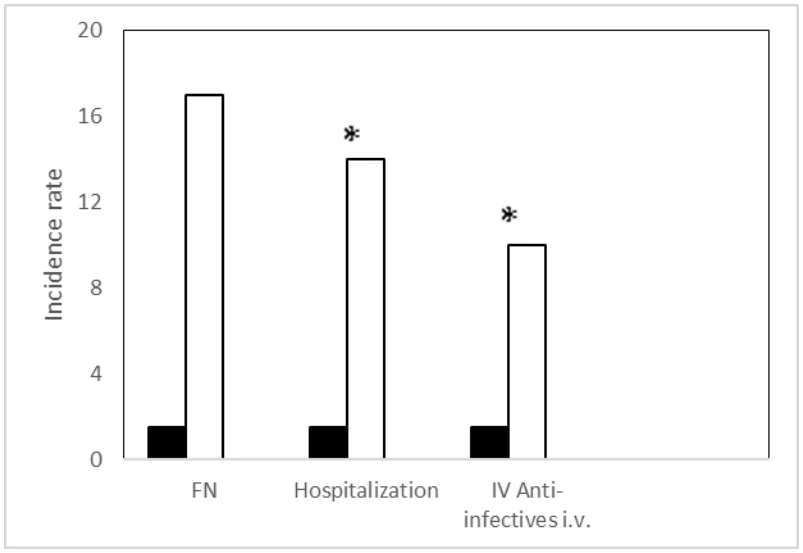
- Pegfilgrastim
□ Placebo
* P< 0,001
Data from Phase 2 studies in patients with various malignancies undergoing a variety of chemotherapy regimens further support the safety and efficacy of pegfilgrastim. Dose-finding studies in patients with breast cancer (n = 152), thoracic tumors (n = 92), and non-Hodgkin's lymphoma (NHL) (n = 49) demonstrated that the efficacy of a single injection of pegfilgrastim 100 µg/kg was similar to daily injections of filgrastim 5 µg/kg/day, and superior to pegfilgrastim doses of 30 or 60 µg/kg, at reducing the duration of severe neutropenia and the rate of febrile neutropenia. A randomized Phase 2 study of patients with NHL or Hodgkin's lymphoma (n = 60) further supports the safety and efficacy of pegfilgrastim.
15 MICROBIOLOGY
No microbiological information is required for this drug product.
16 NON-CLINICAL TOXICOLOGY
Preclinical Studies
The preclinical toxicology of pegfilgrastim was studied in Sprague-Dawley® rats and cynomolgus monkeys. A single-dose IV study was conducted in rats. Pegfilgrastim caused no clinical signs or mortality at single IV doses up to 10,000 µg/kg in rats.
Repeat-dose studies included 2-week SC (every-other-day dosing) and 6-month SC/IV (weekly dosing) studies in rats and a 1-month SC (weekly dosing) study in monkeys. Dosing was intermittent to mimic intended human use of pegfilgrastim. Pegfilgrastim was well tolerated for 6 months at once-weekly doses up to 1000 µg/kg SC or 300 µg/kg IV in rats, and for 1 month at once-weekly doses up to 750 µg/kg SC in cynomolgus monkeys. No effects on body weight, food consumption, or survival were observed. Pegfilgrastim caused an increase in leukocyte counts, primarily segmented neutrophils, but also some increases in band neutrophils, monocytes, and lymphocytes. Pegfilgrastim also modestly decreased erythrocyte counts, hemoglobin and hematocrit levels, decreased serum cholesterol, slightly decreased serum potassium, and increased serum alkaline phosphatase. Splenomegaly was the principal gross pathological finding. Histopathological examination revealed increased neutrophilic granulopoiesis in bone marrow and extramedullary hematopoiesis in spleen, liver, and/or lymph nodes. Leukocytosis in spleen, liver, and lymph nodes, and mild inflammation and mononuclear cell infiltrate at the injection site were additionally observed in monkeys treated with pegfilgrastim. Observed changes tended to reverse upon cessation of treatment. Changes specific to every-other-day dosing in rats (≥ 500 µg/kg only) included slightly increased serum ALT and/or AST, mild myelofibrosis in bone marrow, and increased osteoblastic/osteoclastic activity in bone. Little or no seroreactivity to pegfilgrastim was evident in rats, whereas a dose-and time-dependent increase in seroreactivity was observed in monkeys; however, pegfilgrastim- induced neutrophil increases were maintained.
Pegfilgrastim has been shown to have adverse effects in pregnant rabbits when given every- other-day at doses as low as 50 µg/kg. Nonclinical data in pregnant rats indicate that very low levels of pegfilgrastim may cross the placenta.
Pegfilgrastim administered SC to pregnant rabbits at doses of 200 and 250 µg/kg every-other-day during the period of organogenesis was associated with an increased incidence of abortions.
Increased postimplantation loss due to early resorptions and decreased numbers of live fetuses were observed at pegfilgrastim doses of 200 to 1000 µg/kg every other day. Decreased maternal food consumption and/or weight gain and decreased fetal weight were observed at doses of 50 to 1000 µg/kg every other day. Pegfilgrastim did not cause visceral or skeletal malformations in rabbit fetuses at doses as high as 200 µg/kg every-other-day and did not cause external malformations in rabbit fetuses at doses as high as 1000 µg/kg every other day.
Pegfilgrastim was not associated with an increase in external, visceral, or skeletal malformations in fetuses when administered by SC injection to pregnant rats during the period of organogenesis at dose levels up to 1000 µg/kg every other day. However, an increased incidence of wavy ribs, generally regarded as a reversible pathological finding, was observed in rat fetuses at dose levels of 300 and 1000 µg/kg every other day. No maternal or neonatal toxicities were observed in female rats administered once-weekly SC injections of pegfilgrastim up to 1000 µg/kg in a pre- and postnatal developmental study.
Filgrastim is known to be negative in bacterial mutagenesis assays (Ames assay). Pegfilgrastim did not cause precancerous or cancerous lesions in Sprague-Dawley® rats after once-weekly SC injections of up to 1000 µg/kg for 6 months. Given the similar biochemical activity to filgrastim, the chemical nature of the PEG moiety, and extensive clinical experience with filgrastim, it is considered unlikely that pegfilgrastim would be carcinogenic when used as directed.
Pegfilgrastim is a growth factor that primarily stimulates production of neutrophils and neutrophil precursors; however, the G-CSF receptor through which pegfilgrastim and filgrastim act has been found on tumor cell lines, including some myeloid, T-lymphoid, lung, head and neck, and bladder tumor cell lines. In vitro proliferation has been observed in response to filgrastim in some of these cell lines, particularly acute myeloid leukemia (AML) cell lines.
Indices of mating or fertility in male and female Sprague-Dawley® rats were not adversely affected by once-weekly SC injections of pegfilgrastim of up to 1000 µg/kg for 2 to 4 weeks before and during cohabitation.
16.1 Comparative Non-Clinical Pharmacology and Toxicology
16.1.1 Comparative Non-Clinical Pharmacodynamics
In vitro Studies
Table 10: Summary of Studies Comparing Pharmacodynamic Activity of Fulphila and Neulasta
| Type of Study | Main Parameter Measured | Summary |
| In vitro GCSF-R binding assay | Kinetics of association, kinetics of dissociation, and equilibrium dissociation constant values for pegfilgrastim binding to GCSF-R. | All batches of Fulphila, EU-Neulasta, and US-Neulasta had comparable dissociation constants. |
| In vitro bioactivity assay | Relative biological potency measured by induction of proliferation of M-NFS-60 murine myeloid cells. | For all batches of Fulphila, EU-Neulasta, and US-Neulasta, the relative potency values were within the acceptable potency range of 0.80-1.25. |
| 3-way comparative pharmacodynamic study in neutropenic rats | Hematology |
|
16.1.2 Comparative Toxicology
Table 11: Summary of Comparative Repeat-Dose Toxicity Study Comparing Fulphila and Neulasta
| Study ID | Study Description/Title | Group description | No. / Sex | Dose (mg/kg/day) |
|---|---|---|---|---|
| TOX 071-001 | 2-way comparative repeat-dose (28 day, 5 weekly injections) toxicity in SD rats by SC route with 2-week recovery period. | Vehicle control Fulphila Neulasta | 10/M, 10/F 10/M, 10/F at each dose level 10/M, 10/F at each dose level | 0 0.15, 0.65, 1.5 0.15, 1.5 |
In the repeat dose toxicity study, no notable treatment-related observations were indicated for physical examination, clinical signs, net weight gain, or food consumption; for either product. Injection site observations were as expected for repeat-SC administration, and were comparable between Fulphila, Neulasta, and placebo controls. Changes in neutrophil count were similar between the Fulphila and Neulasta treated rats. Pathological findings were consistent with historical data and were similar between the Fulphila and the Neulasta groups. There was 1 mortality (sacrificed after being found moribund, clinical signs associated with leukemia) in the high-dose (female) Neulasta group; a relationship with treatment could not be excluded.
17 SUPPORTING PRODUCT MONOGRAPHS
NEULASTA® (Sterile Solution for Injection, 10 mg/mL), Control No. 242732, Product Monograph, Amgen Canada Inc., January 8, 2021