


Product Monograph - Gabapentin (Sivem Pharmaceuticals, 100 mg, 300 mg, 400 mg)
RECENT MAJOR LABEL CHANGES
| 7 WARNINGS AND PRECAUTIONS, Dependence/Tolerance | 2026-04 |
|---|---|
| 7 WARNINGS AND PRECAUTIONS, Dependence/Tolerance | 2026-09 |
| 7.1 Special Populations, 7.1.1 Pregnant Women, Neonatal withdrawal syndrome | 2026-09 |
| 7.1 Special Populations, 7.1.1 Pregnant Women, Women of childbearing potential/Contraception | 2026-09 |
| 7.1 Special Populations, 7.1.1 Pregnant Women, Teratogenic Potential | 2026-09 |
TABLE OF CONTENTS
Certain sections or subsections that are not applicable at the time of the preparation of the most recent authorized product monograph are not listed.
RECENT MAJOR LABEL CHANGES..........................................................................................................2
TABLE OF CONTENTS............................................................................................................................2
PART I: HEALTH PROFESSIONAL INFORMATION ...................................................................................... 4
1 INDICATIONS .................................................................................................................................... 4
1.1 Pediatrics ................................................................................................................................. 4
1.2 Geriatrics ................................................................................................................................. 4
2 CONTRAINDICATIONS ...................................................................................................................... 4
3 SERIOUS WARNINGS AND PRECAUTIONS BOX ............................................................................... 4
4 DOSAGE AND ADMINISTRATION .................................................................................................... 4
4.1 Dosing Considerations ............................................................................................................. 4
4.2 Recommended Dose and Dosage Adjustment ........................................................................ 5
4.4 Administration ......................................................................................................................... 6
4.5 Missed Dose ............................................................................................................................ 6
5 OVERDOSAGE .................................................................................................................................. 7
6 DOSAGE FORMS, STRENGTHS, COMPOSITION AND PACKAGING .................................................. 7
7 WARNINGS AND PRECAUTIONS ...................................................................................................... 8
7.1 Special Populations ............................................................................................................... 11
7.1.1 Pregnant Women .................................................................................................................. 11
7.1.2 Breast-feeding ....................................................................................................................... 13
7.1.3 Pediatrics ............................................................................................................................... 13
7.1.4 Geriatrics ............................................................................................................................... 13
8 ADVERSE REACTIONS .................................................................................................................... 13
8.1 Adverse Reaction Overview .................................................................................................. 14
8.2 Clinical Trial Adverse Reactions ............................................................................................. 14
8.3 Less Common Clinical Trial Adverse Reactions ...................................................................... 16
8.5 Post-Market Adverse Reactions............................................................................................. 18
9 DRUG INTERACTIONS .................................................................................................................... 19
9.1 Serious Drug Interactions ...................................................................................................... 19
9.2 Drug Interactions Overview .................................................................................................. 19
9.4 Drug-Drug Interactions .......................................................................................................... 20
9.5 Drug-Food Interactions ......................................................................................................... 22
9.6 Drug-Herb Interactions .......................................................................................................... 22
9.7 Drug-Laboratory Test Interactions ......................................................................................... 22
10 CLINICAL PHARMACOLOGY ....................................................................................................... 22
10.1 Mechanism of Action ............................................................................................................ 22
10.3 Pharmacokinetics .................................................................................................................. 23
11 STORAGE, STABILITY AND DISPOSAL ........................................................................................ 26
12 SPECIAL HANDLING INSTRUCTIONS ......................................................................................... 26
PART II: SCIENTIFIC INFORMATION ........................................................................................................ 27
13 PHARMACEUTICAL INFORMATION ........................................................................................... 27
14 CLINICAL TRIALS ........................................................................................................................ 27
14.2 Comparative Bioavailability Studies ...................................................................................... 27
15 MICROBIOLOGY ......................................................................................................................... 28
16 NON-CLINICAL TOXICOLOGY ..................................................................................................... 28
17 SUPPORTING PRODUCT MONOGRAPHS .................................................................................. 30
PATIENT MEDICATION INFORMATION ................................................................................................... 31
PART I: HEALTH PROFESSIONAL INFORMATION
1 INDICATIONS
Adults
GABAPENTIN (Gabapentin Capsules) is indicated as adjunctive therapy for the management of patients with epilepsy who are not satisfactorily controlled with conventional therapy.
1.1 Pediatrics
Pediatrics (< 18 years of age): Based on the data submitted and reviewed by Health Canada, the safety and efficacy of gabapentin in pediatric patients has not been established; therefore, Health Canada has not authorized an indication for pediatric use. (See 7.1.3 Pediatrics).
1.2 Geriatrics
Geriatrics (> 65 years of age): No data are available to Health Canada; therefore, Health Canada has not authorized an indication for geriatric use. (See 7.1.4 Geriatrics).
2 CONTRAINDICATIONS
GABAPENTIN is contraindicated in patients who are hypersensitive to this drug or to any ingredient in the formulation, including any non-medicinal ingredients, or component of the container. For a complete listing, see 6 DOSAGE FORMS, STRENGTHS, COMPOSITION AND PACKAGING.
3 SERIOUS WARNINGS AND PRECAUTIONS BOX
Serious Warnings and Precautions
Life-threatening Respiratory Depression Concomitant use of GABAPENTIN with opioids may result in respiratory depression, profound sedation, syncope, and death. (see 7 WARNINGS AND PRECAUTIONS, Neurologic, Concomitant Use with Opioids)
|
|---|
4 DOSAGE AND ADMINISTRATION
4.1 Dosing Considerations
Because GABAPENTIN is eliminated solely by renal excretion, dosage adjustments are recommended for patients with renal impairment (including elderly patients with declining renal function) and patients undergoing hemodialysis.
(See 4.2 Recommended Dose and Dosage Adjustment, Special Patient Populations, Geriatrics and Renal Impairment).
4.2 Recommended Dose and Dosage Adjustment
Adults
Initial dose: The starting dose is 300 mg three times a day.
Dose Range: The dose may be increased, depending on the response and tolerance of the patient, using 300 or 400 mg capsules, 3 times a day up to 1800 mg / day. In clinical trials, the effective dosage range was 900 to 1800 mg / day, given 3 times a day using 300 mg or 400 mg capsules. Dosages up to 2400 mg / day have been well tolerated in long-term open-label clinical studies. Doses of 3600 mg / day have also been administered to a small number of patients for a relatively short duration and have been well tolerated.
Although data from clinical trials suggest that doses higher than 1200 mg / day may have increased efficacy in some patients, higher doses may also increase the incidence of adverse events. (see 8 ADVERSE REACTIONS).
Maintenance: Daily maintenance doses should be given in three equally divided doses, and the maximum time between doses in a three times daily schedule should not exceed 12 hours to prevent breakthrough convulsions. It is not necessary to monitor gabapentin plasma concentrations in order to optimize GABAPENTIN therapy. Further, as there are no drug interactions with commonly used antiepileptic drugs, GABAPENTIN may be used in combination with these drugs without concern for alteration of plasma concentrations of either gabapentin or other antiepileptic drugs.
Discontinuation of Treatment, Dose Reduction or Initiation of Adjunctive Antiepileptic Therapy: If GABAPENTIN dose is reduced, discontinued or substituted with an alternate anticonvulsant or an alternate anticonvulsant is added to GABAPENTIN therapy, this should be done gradually over a minimum of 1 week (a longer period may be needed at the discretion of the prescriber. (See 7 WARNINGS AND PRECAUTIONS, General, Discontinuation of Treatment with GABAPENTIN).
Special Patient Populations
Geriatrics and Renal Impairment: Due to the primarily renal excretion of gabapentin, the following dosage adjustments are recommended for elderly patients with declining renal function, patients with renal impairment and patients undergoing hemodialysis. (See 4.1 Dosing Considerations; 10.3 Pharmacokinetics, Special Populations and Conditions).
Table 1 - Dosage of GABAPENTIN in Adults Based on Renal Function
Renal Function Creatinine Clearance (mL/min) | Total Daily Dose Range1 (mg/day) | Dose Regimen2 | ||
|---|---|---|---|---|
| ≥ 60 | 900 - 3600 | Total daily dose (mg/day) should be divided by 3 and administered three times daily (TID) | ||
| > 30 - 59 | 400 - 1400 | Total daily dose (mg/day) should be divided by 2 and administered twice daily (BID) | ||
| > 15 - 29 | 200 - 700 | Total daily dose (mg/day) should be administered once daily (QD) | ||
| 15 | 100 - 300 | Total daily dose (mg/day) should be administered once daily (QD). For patients with creatinine clearance < 15 mL/min, reduce daily dose in proportion to creatinine clearance (e.g., patients with a creatinine clearance of 7.5 mL/min should receive one-half the daily dose that patients with a creatinine clearance of 15 mL/min receive) | ||
| Post-hemodialysis Supplemental Dose (mg) | ||||
| Hemodialysis | 125 - 350 | Patients on hemodialysis should receive maintenance doses as indicated and an additional post-hemodialysis dose administered after each 4 hours of hemodialysis. | ||
1 The table lists the recommended dose to be administered. When the recommended dose is unobtainable with the available dosage strengths, in these cases, dose selection should be based on available dosage strengths, clinical judgement and tolerability.
2 Health professional should administer the dose regimen according to the response and tolerance of the patient.
Pediatrics: GABAPENTIN is not indicated for use in children under 18 years of age. (See 1.1 Pediatrics; 7.1.3 Pediatrics).
Hepatic Impairment: Because gabapentin is not metabolized to a significant extent in humans, no studies have been performed in patients with hepatic impairment.
4.4 Administration
GABAPENTIN is given orally with or without food.
4.5 Missed Dose
Health professionals should instruct their patients that if a dose is missed, the next one should be taken as soon as possible. However, if it is within 4 hours of the next dose, the missed dose is not to be taken and the patient should return to the regular dosing schedule. To avoid breakthrough convulsions the maximum time between doses should not exceed 12 hours.
5 OVERDOSAGE
Symptoms of Overdosage
Acute, life-threatening toxicity has not been observed with gabapentin overdoses of up to 49 grams ingested at one time. In these cases, dizziness, double vision, slurred speech, drowsiness, loss of consciousness, lethargy and mild diarrhea were observed. All patients recovered with supportive care.
Overdoses of gabapentin, particularly in combination with other CNS depressant medications, including opioids, can result in coma and death.
An oral lethal dose of gabapentin was not identified in mice and rats given doses as high as 8000 mg/kg. Signs of acute toxicity in animals included ataxia, laboured breathing, ptosis, hypoactivity, or excitation.
Treatment of Overdosage
Gabapentin can be removed by hemodialysis. Although hemodialysis has not been performed in the few overdose cases reported, it may be indicated by the patient’s clinical state or in patients with significant renal impairment.
Reduced absorption of gabapentin at higher doses may limit drug absorption at the time of overdosing and, hence, reduce toxicity from overdoses.
In managing overdosage, consider the possibility of multiple drug involvement.
| For the most recent information in the management of a suspected drug overdose, contact your regional poison control centre or Health Canada’s toll-free number, 1-844 POISON-X (1-844-764-7669). |
|---|
6 DOSAGE FORMS, STRENGTHS, COMPOSITION AND PACKAGING
Table 2 – Dosage Forms, Strengths, Composition and Packaging
| Route of Administration | Dosage Form / Strength /Composition | Non-medicinal Ingredients |
|---|---|---|
| Oral | ||
| Capsules 100 mg, 300 mg, and 400 mg | Mannitol, maize starch, and talc. Capsule shells contains gelatin, titanium dioxide, ferric oxide yellow (only in the 300 mg and 400 mg strengths) | |
| and ferric oxide red (only in the 400 mg strength). Imprinting ink may contain traces of shellac, povidone D & C Blue #1 Aluminum Lake and propylene glycol. | ||
GABAPENTIN are supplied as follows:
100-mg capsules:
White to off white crystalline powder filled in size « 4 » white hard gelatin capsule imprinted with « G45 » on cap with blue ink. Bottles of 100 capsules and bottles of 500 capsules.
300-mg capsules:
White to off white crystalline powder filled in size « 1 » yellow hard gelatin capsule imprinted with « G46 » on cap with blue ink. Bottles of 100 capsules and bottles of 500 capsules.
400-mg capsules:
White to off white crystalline powder filled in size « 0 » orange hard gelatin capsule imprinted with « G47 » on cap with blue ink. Bottles of 100 capsules and bottles of 500 capsules.
7 WARNINGS AND PRECAUTIONS
Please see 3 SERIOUS WARNINGS AND PRECAUTIONS BOX.
General
GABAPENTIN is not considered effective in the treatment of absence seizures and should therefore be used with caution in patients who have mixed seizure disorders that include absence seizures.
Discontinuation of Treatment with GABAPENTIN: As with other anticonvulsant agents, abrupt withdrawal is not recommended because of the possibility of increased seizure frequency. There have been post-marketing reports of adverse events such as anxiety, insomnia, nausea, pain and sweating following abrupt discontinuation of treatment. (See 8.5 Post-Market Adverse Drug Reactions). When in the judgement of the clinician there is a need for dose reduction, discontinuation or substitution with an alternative medication, this should be done gradually over a minimum of 1 week (a longer period may be needed at the discretion of the prescriber).
Carcinogenesis and Mutagenesis
Gabapentin produced an increased incidence of acinar cell adenomas and carcinomas in the pancreas of male rats, but not female rats or in mice, in oncogenic studies with doses of 2000 mg/kg which resulted in plasma concentrations 14 times higher than those occurring in humans at a dose of 2400 mg/day. The relevance of these pancreatic acinar cell tumours in male rats to humans is unknown, particularly since tumours of ductal rather than acinar cell origin are the predominant form of human pancreatic cancer. (See 16 NON-CLINICAL TOXICOLOGY, Carcinogenicity).
Dependence/Tolerance
Gabapentin can cause abuse and lead to dependence in patients with or without history of psychiatric or substance use disorder. Post-marketing cases of abuse and dependence have been reported in patients who were taking both therapeutic or higher than recommended doses of gabapentin, in some cases, for unapproved indications. Gabapentin mixed with opioids, increases the risk of respiratory depression, hospitalization and mortality. As with any CNS active drug, health professionals should carefully evaluate patients for a history of psychiatric and/or substance use disorders. Caution should be exercised when considering gabapentin use in patients with current substance abuse or a history of substance abuse, who may be at higher risk for gabapentin abuse.
All patients treated with gabapentin should be monitored for signs and symptoms of gabapentin abuse or dependence, such as the development of tolerance, dose escalation and drug-seeking behavior.
Withdrawal: After discontinuation of short-term and long-term treatment with gabapentin, withdrawal symptoms have been observed in some patients. Withdrawal symptoms may occur shortly after the discontinuation, usually within 48 hours. Most frequently reported symptoms of withdrawal include anxiety, insomnia, nausea, pains, sweating, tremor, headache, depression, feeling abnormal, dizziness, and malaise. The occurrence of withdrawal symptoms following discontinuation of gabapentin may indicate drug dependence. Counsel patients about withdrawal and its potential symptoms prior to start of therapy. If a decision is made to discontinue gabapentin, it should be done gradually over a minimum of 1 week (See 7 WARNINGS AND PRECAUTIONS, General, Discontinuation of treatment with GABAPENTIN).
Driving and Operating Machinery
Due caution should be exercised when driving or operating a vehicle or potentially dangerous machinery. Patients with uncontrolled epilepsy should not drive or handle potentially dangerous machinery. Patients taking GABAPENTIN should not drive until they have gained sufficient experience to assess whether GABAPENTIN impairs their ability to drive. During clinical trials, the most common adverse reactions observed were somnolence, ataxia, fatigue, and nystagmus. Patients should be advised to refrain from activities requiring mental alertness or physical coordination until they are sure that GABAPENTIN does not affect them adversely.
Immune
Anaphylaxis: Gabapentin can cause anaphylaxis. Signs and symptoms in reported cases have included difficulty breathing, swelling of the lips, throat and tongue and hypotension requiring emergency treatment. Patients should be instructed to discontinue gabapentin and seek immediate medical care should they experience signs or symptoms of anaphylaxis.
Neurologic
Gabapentin treatment has been associated with dizziness and somnolence, which could increase the occurrence of accidental injury (fall). There have also been post-marketing reports of agitation, confusion, loss of consciousness and mental impairment. Therefore, patients should be advised to exercise caution until they are familiar with the potential effects of the medication. (See 8.5 Post-Market Adverse Reactions).
Respiratory Depression: Gabapentin has been associated with central nervous system (CNS) depression including sedation, somnolence, loss of consciousness as well as serious cases of respiratory depression. Patients with compromised respiratory function, respiratory or neurological disease, renal impairment and the elderly are at higher risk of experiencing these severe adverse effects. Concomitant use of CNS depressants with gabapentin is also a contributing factor.
Concomitant Use With Opioids: Concomitant use of opioids with GABAPENTIN potentiates the risk of respiratory depression, profound sedation, syncope, and death. Gabapentin concentrations may also increase in patients receiving concomitant opioid (See 3 SERIOUS WARNINGS AND PRECAUTIONS BOX, Life-threatening Respiratory Depression; 9.1 Serious Drug Interactions).
Patients who require concurrent treatment with opioids or other CNS depressants should be observed carefully for signs and symptoms of CNS depression, and the dose of gabapentin or opioid should be reduced accordingly.
Monitoring and Laboratory Tests
Clinical trials data do not indicate that routine monitoring of clinical laboratory parameters is necessary for the safe use of gabapentin. GABAPENTIN may be used in combination with other commonly used antiepileptic drugs without concern for alteration of the blood concentrations of gabapentin or other antiepileptic drugs.
Psychiatric
Suicidal ideation and behaviour: Suicidal ideation and behaviour have been reported in patients treated with antiepileptic agents in several indications.
All patients treated with antiepileptic drugs, irrespective of indication, should be monitored for signs of suicidal ideation and behaviour and appropriate treatment should be considered. Patients (and caregivers of patients) should be advised to seek medical advice should signs of suicidal ideation or behaviour emerge.
An FDA meta-analysis of randomized placebo-controlled trials, in which antiepileptic drugs were used for various indications, has shown a small increased risk of suicidal ideation and behaviour in patients treated with these drugs. The mechanism of this risk is not known.
There were 43,892 patients treated in the placebo-controlled clinical trials that were included in the meta-analysis. Approximately 75% of patients in these clinical trials were treated for indications other than epilepsy and, for the majority of non-epilepsy indications the treatment (antiepileptic drug or placebo) was administered as monotherapy. Patients with epilepsy represented approximately 25% of the total number of patients treated in the placebo-controlled clinical trials and, for the majority of epilepsy patients, treatment (antiepileptic drug or placebo) was administered as adjunct to other antiepileptic agents (i.e., patients in both treatment arms were being treated with one or more antiepileptic drug). Therefore, the small increased risk of suicidal ideation and behaviour reported from the meta-analysis (0.43% for patients on antiepileptic drugs compared to 0.24% for patients on placebo) is based largely on patients that received monotherapy treatment (antiepileptic drug or placebo) for non-epilepsy indications. The study design does not allow an estimation of the risk of suicidal ideation and behaviour for patients with epilepsy that are taking antiepileptic drugs, due both to this population being the minority in the study, and the drug-placebo comparison in this population being confounded by the presence of adjunct antiepileptic drug treatment in both arms.
Skin
Severe cutaneous adverse reactions (SCARs): There have been post-marketing reports of potentially life-threatening severe cutaneous adverse reactions (SCARs), including Stevens-Johnson syndrome (SJS)/toxic epidermal necrolysis (TEN), Erythema multiforme (EM), and drug rash with eosinophilia and systemic symptoms (DRESS) in patients treated with gabapentin. Prior to initiation of treatment the patient should be instructed that a rash or other signs or symptoms of hypersensitivity such as fever or lymphadenopathy may herald a serious medical event and that the patient should report any such occurrence to a health professional immediately. Should signs and symptoms suggest SJS/TEN, EM or DRESS, gabapentin should be discontinued immediately (see 8.5 Post-Market Adverse Drug Reactions).
7.1 Special Populations
7.1.1 Pregnant Women
Women of childbearing potential/Contraception
Gabapentin use in the first trimester of pregnancy may cause major birth defects in the unborn child. Gabapentin should not be used during pregnancy unless the benefit to the mother clearly outweighs the potential risk to the fetus. Women of childbearing potential must use effective contraception during treatment.
Teratogenic Potential
Gabapentin crosses the human placental barrier.
Data from a Nordic population-based observational study, which included more than 1700 pregnancies exposed to gabapentin in the first trimester do not suggest substantially increased risks of major congenital malformations among the children exposed to gabapentin compared to the unexposed children.
For major congenital malformations, the adjusted prevalence ratios (aPRs) and 95% confidence intervals (CI) in the standard meta-analysis for first trimester gabapentin exposed vs. unexposed to antiepileptic drugs was 0.99 (0.80-1.23).
Birth and postnatal neurodevelopmental outcomes
In the Nordic study, there was limited evidence of a higher risk of low birth weight and preterm birth. The aPRs were 1.21 (1.02-1.44) for low birth weight, and 1.16 (1.00-1.35) for preterm birth.
In pediatric population exposed in utero, the study did not provide evidence of an increased risk for neurodevelopmental outcomes, such as attention deficit hyperactivity disorder (ADHD), autism spectrum disorders (ASD), and intellectual disabilities.
Gabapentin should not be used during pregnancy unless the potential benefit to the mother clearly outweighs the potential risk to the fetus.
Neonatal withdrawal syndrome
Neonatal withdrawal syndrome has been reported in newborns exposed in utero to various doses of gabapentin. Co-administration of gabapentin and opioids during pregnancy can increase the risk of neonatal withdrawal syndrome. Newborns should be evaluated and monitored carefully.
Risk to fetus
Based on animal data, gabapentin may cause fetal harm (see 16 NON-CLINICAL TOXICOLOGY – Reproductive and Developmental Toxicology). In non-clinical studies in mice, rats and rabbits, gabapentin was developmentally toxic (e.g., increased fetal skeletal and visceral abnormalities, and increased embryofetal mortality) when administered to pregnant animals at doses lower than the maximum recommended human dose (MRHD) of 3600 mg/day on a body surface area (mg/m2) basis.
Pregnancy Registry
Health professionals are advised to recommend that pregnant patients taking GABAPENTIN enroll in the North American Antiepileptic Drug (NAAED) Pregnancy Registry. This can be done by calling the toll free number 1-888-233-2334, and must be done by patients themselves. Information on the registry can also be found at the following website: http://www.aedpregnancyregistry.org/.
7.1.2 Breast-feeding
Gabapentin is excreted in human milk. There are no controlled studies on the effects of gabapentin on breast-fed infants. Because of the potential for serious adverse reactions in nursing infants, a decision should be made as to whether to discontinue nursing or to discontinue GABAPENTIN, taking into account the benefit of the drug to the mother.
7.1.3 Pediatrics
Pediatrics (< 18 years of age): Based on the data submitted and reviewed by Health Canada, the safety and efficacy of gabapentin in pediatric patients has not been established; therefore, Health Canada has not authorized an indication for pediatric use.
Safety data in 39 patients between the ages of 12 and 18 years included in the double-blind, placebo-controlled trials showed that, at doses of 900 to 1200 mg/day, the incidence of adverse events in this group of patients was similar to that observed in older individuals.
In controlled clinical trials involving patients, 3 to 12 years of age (N = 323), psychiatric adverse events such as emotional lability, hostility, hyperkinesia and thought disorder were reported at a higher frequency in patients treated with gabapentin compared to placebo.
7.1.4 Geriatrics
Geriatrics (> 65 years of age): Systematic studies in geriatric patients have not been conducted. Adverse clinical events reported among 59 patients over the age of 65 years treated with gabapentin did not differ from those reported for younger individuals. The small number of individuals evaluated and the limited duration of exposure limits the strength of any conclusions reached about the influence of age, if any, on the kind and incidence of adverse events associated with the use of gabapentin.
As gabapentin is eliminated primarily by renal excretion, dosage adjustment may be required in elderly patients because of declining renal function. (See 4.2 Recommended Dose and Dosage Adjustment; 10.3 Pharmacokinetics, Special Populations and Conditions).
8 ADVERSE REACTIONS
8.1 Adverse Reaction Overview
Commonly Observed Adverse Events
The most commonly observed adverse events associated with the use of gabapentin in combination with other antiepileptic drugs, not seen at an equivalent frequency in placebo-treated patients, were somnolence, dizziness, ataxia, fatigue, nystagmus and tremor (See Table 3).
Adverse Events Leading to Discontinuation of Treatment
Approximately 6.4% of the 543 patients who received gabapentin in the placebo-controlled studies withdrew due to adverse events. In comparison, approximately 4.5% of the 378 placebo-controlled participants withdrew due to adverse events during these studies. The adverse events most commonly associated with withdrawal were somnolence (1.2%), ataxia (0.8%), fatigue, nausea and/or vomiting and dizziness (all at 0.6%).
8.2 Clinical Trial Adverse Reactions
Clinical trials are conducted under very specific conditions. The adverse reaction rates observed in the clinical trials; therefore, may not reflect the rates observed in practice and should not be compared to the rates in the clinical trials of another drug. Adverse reaction information from clinical trials is useful for identifying and approximating rates of adverse drug reactions in real-world use.
Incidence in Controlled Clinical Trials
Adults: Multiple doses of gabapentin were administered to 543 subjects with partial seizures in placebo-controlled clinical trials of 12 weeks duration. In these studies, either gabapentin (at doses of 600, 900, 1200 or 1800 mg/day) or placebo was added to the patient's current antiepileptic drug therapy. Treatment-emergent signs and symptoms that occurred in at least 1% of patients participating in these studies are listed in Table 3.
Table 3 - Treatment-Emergent Adverse Event Incidence in Placebo-Controlled Add-On Trials (Events in at Least 1% of Gabapentin Patients and Numerically More Frequent than in the Placebo Group)
Gabapentina n=543 (%) | Placeboa n=378 (%) | |||
|---|---|---|---|---|
| Body as a Whole | ||||
| Fatigue | 11.0 | 5.0 | ||
| Weight Increase | 2.9 | 1.6 | ||
| Back Pain | 1.8 | 0.5 | ||
| Peripheral Edema | 1.7 | 0.5 | ||
| Cardiovascular | ||||
| Vasodilatation | 1.1 | 0.3 | ||
| Digestive System | ||||
| Dyspepsia | 2.2 | 0.5 | ||
| Mouth or Throat Dry | 1.7 | 0.5 | ||
| Constipation | 1.5 | 0.8 | ||
| Dental Abnormalities | 1.5 | 0.3 | ||
| Increased Appetite | 1.1 | 0.8 | ||
| Hematologic and Lymphatic Systems | ||||
| Leukopenia | 1.1 | 0.5 | ||
| Musculoskeletal | ||||
| Myalgia | 2.0 | 1.9 | ||
| Fracture | 1.1 | 0.8 | ||
| Nervous System | ||||
| Somnolence | 19.3 | 8.7 | ||
| Dizziness | 17.1 | 6.9 | ||
| Ataxia | 12.5 | 5.6 | ||
| Nystagmus | 8.3 | 4.0 | ||
| Tremor | 6.8 | 3.2 | ||
| Nervousness | 2.4 | 1.9 | ||
| Dysarthria | 2.4 | 0.5 | ||
| Amnesia | 2.2 | 0.0 | ||
| Depression | 1.8 | 1.1 | ||
| Thinking Abnormal | 1.7 | 1.3 | ||
| Twitching | 1.3 | 0.5 | ||
| Coordination Abnormal | 1.1 | 0.3 | ||
| Respiratory System | ||||
| Rhinitis | 4.1 | 3.7 | ||
| Pharyngitis | 2.8 | 1.6 | ||
| Coughing | 1.8 | 1.3 | ||
| Skin and Appendages | ||||
| Abrasion | 1.3 | 0.0 | ||
| Pruritus | 1.3 | 0.5 | ||
| Urogenital System | ||||
| Impotence | 1.5 | 1.1 | ||
| Special Senses | ||||
| Diplopia | 5.9 | 1.9 | ||
| Amblyopia | 4.2 | 1.1 | ||
| Laboratory Deviations | ||||
| WBC Decreased | 1.1 | 0.5 | ||
a Plus background antiepileptic drug therapy.
Since gabapentin was administered most often in combination with other antiepileptic agents, it was not possible to determine which agent(s) was associated with adverse events.
Dose-Related Treatment Emergent Adverse Events
Among the treatment-emergent adverse events occurring in gabapentin-treated patients, somnolence and ataxia appeared to exhibit a positive dose-response relationship. Patients treated with 1800 mg/day (n = 54, from one controlled study) experienced approximately a two-fold increase, as compared to patients on lower doses of 600 to 1200 mg/day (n = 489, from several controlled studies), in the incidence of nystagmus (20.4%), tremor (14.8%), rhinitis (13%), peripheral edema (7.4%), coordination abnormal, depression and myalgia (all at 5.6%). Adverse events were usually mild to moderate in intensity, with a median time to resolution of 2 weeks.
Data from long-term, open, uncontrolled studies shows that gabapentin treatment does not result in any new or unusual adverse events.
8.3 Less Common Clinical Trial Adverse Reactions
Adverse events that occurred in at least 1% of the 2074 individuals who participated in all clinical trials, only some of which were placebo-controlled, are described below. During these trials, all adverse events were recorded by the clinical investigators using terminology of their own choosing. To provide a meaningful estimate of the proportion of individuals having adverse events, similar types of events were grouped into a smaller number of standardized categories using modified COSTART dictionary terminology. These categories are used in the listing below. The frequencies presented represent the proportion of the 2074 patients exposed to gabapentin who experienced an event of the type cited on at least one occasion while receiving gabapentin. All reported events are included except those already listed in Table 3, those too general to be informative, and those not reasonably associated with the use of the drug.
Events are further classified within body system categories and enumerated in order of decreasing frequency using the following definitions: frequent adverse events are defined as those occurring in at least 1/100 patients; infrequent adverse events are those occurring in 1/100 to 1/1000 patients; rare events are those occurring in fewer than 1/1000 patients.
Body As A Whole: Frequent: asthenia, malaise, face edema; Infrequent: allergy, generalized edema, weight decrease, chill; Rare: strange feelings, lassitude, alcohol intolerance, hangover effect.
Cardiovascular System: Frequent: hypertension; Infrequent: hypotension, angina pectoris, peripheral vascular disorder, palpitation, tachycardia, migraine, murmur; Rare: atrial fibrillation, heart failure, thrombophlebitis, deep thrombophlebitis, myocardial infarction, cerebrovascular accident, pulmonary thrombosis, ventricular extrasystoles, bradycardia, premature atrial contraction, pericardial rub, heart block, pulmonary embolus, hyperlipidemia, hypercholesterolemia, pericardial effusion, pericarditis.
Dermatological: Infrequent: alopecia, eczema, dry skin, increased sweating, urticaria, hirsutism, seborrhea, cyst, herpes simplex; Rare: herpes zoster, skin discolor, skin papules, photosensitive reaction, leg ulcer, scalp seborrhea, psoriasis, desquamation, maceration, skin nodules, subcutaneous nodule, melanosis, skin necrosis, local swelling.
Digestive System: Frequent: anorexia, flatulence, gingivitis; Infrequent: glossitis, gum hemorrhage, thirst, stomatitis, increased salivation, gastroenteritis, hemorrhoids, bloody stools, fecal incontinence, hepatomegaly; Rare: dysphagia, eructation, pancreatitis, peptic ulcer, colitis, blisters in mouth, tooth discolor, perleche, salivary gland enlarged, lip hemorrhage, esophagitis, hiatal hernia, hematemesis, proctitis, irritable bowel syndrome, rectal hemorrhage, esophageal spasm.
Endocrine System: Rare: hyperthyroid, hypothyroid, goiter, hypoestrogen, ovarian failure, epididymitis, swollen testicle, cushingoid appearance.
Hematologic and Lymphatic System: Frequent: purpura most often described as bruises resulting from physical trauma; Infrequent: anemia, thrombocytopenia, lymphadenopathy; Rare: WBC count increased, lymphocytosis, non-Hodgkin’s lymphoma, bleeding time increased.
Musculoskeletal System: Frequent: arthralgia; Infrequent: tendinitis, arthritis, joint stiffness, joint swelling, positive Romberg test; Rare: costochondritis, osteoporosis, bursitis, contracture.
Nervous System: Frequent: vertigo, hyperkinesia, paresthesia, decreased or absent reflexes, increased reflexes, anxiety, hostility; Infrequent: CNS tumors, syncope, dreaming abnormal, aphasia, hypesthesia, intracranial hemorrhage, hypotonia, dysesthesia, paresis, dystonia, hemiplegia, facial paralysis, stupor, cerebellar dysfunction, positive Babinski sign, decreased position sense, subdural hematoma, apathy, hallucination, decrease or loss of libido, agitation, paranoia, depersonalization, euphoria, feeling high, doped-up sensation, suicide attempt, psychosis; Rare: choreoathetosis, orofacial dyskinesia, encephalopathy, nerve palsy, personality disorder, increased libido, subdued temperament, apraxia, fine motor control disorder, meningismus, local myoclonus, hyperesthesia, hypokinesia, mania, neurosis, hysteria, antisocial reaction, suicide.
Respiratory System: Frequent: pneumonia; Infrequent: epistaxis, dyspnea, apnea; Rare: mucositis, aspiration pneumonia, hyperventilation, hiccup, laryngitis, nasal obstruction, snoring, bronchospasm, hypoventilation, lung edema.
Special Senses: Frequent: abnormal vision; Infrequent: cataract, conjunctivitis, eyes dry, eye pain, visual field defect, photophobia, bilateral or unilateral ptosis, eye hemorrhage, hordeolum, hearing loss, earache, tinnitus, inner ear infection, otitis, taste loss, unusual taste, eye twitching, ear fullness; Rare: eye itching, abnormal accommodation, perforated ear drum, sensitivity to noise, eye focusing problem, watery eyes, retinopathy, glaucoma, iritis, corneal disorders, lacrimal dysfunction, degenerative eye changes, blindness, retinal degeneration, miosis, chorioretinitis, strabismus, eustachian tube dysfunction, labyrinthitis, otitis externa, odd smell.
Urogenital System: Infrequent: hematuria, dysuria, urination frequency, cystitis, urinary retention, urinary incontinence, vaginal hemorrhage, amenorrhea, dysmenorrhea, menorrhagia, breast cancer, unable to climax, ejaculation abnormal; Rare: kidney pain, leukorrhea, pruritus genital, renal stone, acute renal failure, anuria, glycosuria, nephrosis, nocturia, pyuria, urination urgency, vaginal pain, breast pain, testicle pain.
8.5 Post-Market Adverse Reactions
Sudden, unexplained deaths in patients with epilepsy have been reported where a causal relationship to treatment with gabapentin has not been established.
Post-marketing adverse events that have been reported, which may have no causal relationship to gabapentin, are as follows:
Cardiac disorders: chest pain.
Gastrointestinal disorders: pancreatitis.
Hepatobiliary disorders: hepatitis, hepatic function abnormal, hepatitis cholestatic, hepatitis fulminant, jaundice.
Immune system disorders: anaphylactic reaction, hypersensitivity.
Injury, poisoning and procedural complications: fall.
Investigations: blood creatine phosphokinase increased, blood glucose abnormal.
Metabolism and nutrition disorders: hyperglycemia, hypoglycemia, hyponatremia.
Musculoskeletal and connective tissue disorders: rhabdomyolysis.
Nervous system disorders: loss of consciousness.
Psychiatric disorders: agitation, withdrawal reactions*, suicidal ideation, drug dependence.
Renal and urinary disorders: acute renal failure.
Reproductive system and breast disorders: gynecomastia, breast enlargement, sexual dysfunction (including changes in libido, ejaculation disorders and anorgasmia).
Respiratory, thoracic and mediastinal disorders: pulmonary oedema.
Skin and subcutaneous tissue disorders: angioedema, erythema multiforme (EM), Stevens-Johnson syndrome/toxic epidermal necrolysis, drug reaction with eosinophilia and systemic symptoms (DRESS).
*After discontinuation of short-term and long-term treatment with gabapentin, withdrawal symptoms have been observed in some patients. Most frequently reported symptoms include anxiety, insomnia, nausea, pains, sweating, tremor, headache, depression, feeling abnormal, dizziness, and malaise (See 7 WARNINGS AND PRECAUTIONS, Dependence/Tolerance, Withdrawal).
9 DRUG INTERACTIONS
9.1 Serious Drug Interactions
Serious Drug Interactions Concomitant use of GABAPENTIN with opioids may result in respiratory depression, profound sedation, syncope, and death.
|
|---|
9.2 Drug Interactions Overview
In vitro studies were performed to investigate the potential of gabapentin to inhibit the major cytochrome P450 enzymes (CYP1A2, CYP2A6, CYP2C9, CYP2C19, CYP2D6, CYP2E1, and CYP3A4) that mediate drug and xenobiotic metabolism, using isoform selective marker substrates and human liver microsomal preparations. Only at the highest concentration tested (171 mcg/mL; 1 mM) was a slight degree of inhibition (14% to 30%) observed with isoform CYP2A6. No inhibition was observed with any of the other isoforms tested at gabapentin concentrations up to 171 mcg/mL (approximately 15 times the Cmax at 3600 mg/day). Gabapentin is not an inducer of cytochrome P450 enzymes.
At plasma concentrations associated with doses up to 3600 mg/day (Cmax 11.6 mcg/mL), the highest recommended daily dose, a metabolically-based interaction between gabapentin and a drug whose clearance is dependent upon the major cytochrome P450 enzymes is unlikely.
Gabapentin is not metabolized to a significant extent in humans and does not interfere with the metabolism of commonly administered antiepileptic drugs. (See 9.4 Drug-Drug Interactions). Gabapentin also shows a low level of binding to plasma proteins (approximately 3%) and is eliminated solely by renal excretion as unchanged drug. (See 10.3 Pharmacokinetics). Consequently, there have been few drug interactions described in which the pharmacokinetics of gabapentin or other co-administered drugs were affected to an appreciable extent.
9.4 Drug-Drug Interactions
The drugs listed in Table 4 are based on either drug interaction case reports or studies, or potential interactions due to the expected magnitude and seriousness of the interaction (i.e., those identified as contraindicated).
Table 4 - Established or Potential Drug-Drug Interactions
| [Proper/Common name] | Source of Evidence | Effect | Clinical comment |
|---|---|---|---|
| Aluminum and magnesium-based Antacids | CT | Coadministration of gabapentin with an aluminum and magnesium-based antacid reduces gabapentin bioavailability by up to 20%. | Although the clinical significance of this decrease is not known, co-administration of similar antacids and gabapentin is not recommended. |
| Antiepileptic Agents (e.g., phenytoin, valproic acid, carbamazepine, phenobarbital) | CT | There is no interaction between gabapentin and phenytoin, valproic acid, carbamazepine, or phenobarbital. | GABAPENTIN may be used in combination with other commonly used antiepileptic drugs without concern for alteration of the plasma concentrations of gabapentin or the other antiepileptic drugs. |
| Cimetidine | CT | A slight decrease in renal excretion of gabapentin observed when coadministered with cimetidine. | The decrease in renal excretion is not expected to be of clinical importance. The effect of gabapentin on cimetidine has not been evaluated. |
| CNS Depressants (e.g., Opioids, benzodiazepines and alcohol) | C | Gabapentin appears to be additive in the impairment of cognitive and gross motor function caused by opioids, benzodiazepines and alcohol. | In post-marketing experience, there are reports of respiratory failure, coma and deaths in patients taking gabapentin alone or in combination with other CNS depressants, including in patients with substance use disorders. Patients who require concurrent treatment with opioids or other CNS The mechanism for this interaction is unknown. The magnitude of interaction with higher doses of gabapentin is not known. |
| depressants should be observed carefully for signs and symptoms of CNS depression, and the dose of gabapentin or opioid should be reduced accordingly. | |||
| Hydrocodone | CT | Co-administration of single doses of gabapentin (125 mg to 500 mg; N = 48) and hydrocodone (10 mg; N = 50) decreased the Cmax and AUC values of hydrocodone in a dose-dependent manner relative to administration of hydrocodone alone. The Cmax and AUC values for hydrocodone were 2% and 4% lower, respectively, after administration of 125 mg gabapentin and 16% and 22% lower, respectively, after administration of 500 mg gabapentin. Hydrocodone (10 mg) increased gabapentin AUC values by 14%. | |
| Morphine | CT | When a 60 mg controlled release morphine capsule was administered 2 hours prior to a 600 mg gabapentin capsule in healthy volunteers (N = 12), mean gabapentin AUC increased by 44% compared to gabapentin administered without morphine. Morphine pharmacokinetic parameter values were not affected by administration of gabapentin 2h after morphine. | Because this was a single dose study, the magnitude of the interaction at steady state and at higher doses of gabapentin are not known. |
| Naproxen | CT | In healthy adult volunteers (N = 18), the co-administration of single doses of naproxen | These doses are lower than the therapeutic doses for both drugs. Therefore, the |
| Oral Contraceptives Norethindrone acetate / ethinyl estradiol | CT | ||
sodium capsules (250 mg) and gabapentin (125 mg) increased the amount of gabapentin absorbed by 12% to 15%. Gabapentin did not affect naproxen pharmacokinetic parameters in this study. | magnitude of interaction at steady state and within the recommended dose ranges of either drug is not known. Coadministration of gabapentin with the oral contraceptive containing Norethindrone acetate / ethinyl estradiol does not influence the steady-state pharmacokinetics of norethindrone or ethinyl estradiol. | ||
| Probenecid | CT | Renal excretion of gabapentin is unaltered by probenecid. | |
Legend: C = Case Study; CT = Clinical Trial; T = Theoretical
9.5 Drug-Food Interactions
GABAPENTIN is given orally with or without food.
9.6 Drug-Herb Interactions
Interactions with herbal products have not been established.
9.7 Drug-Laboratory Test Interactions
For urinary protein determination the sulfosalicylic acid precipitation procedure is recommended, as false positive readings were reported with the Ames N-Multistix SG® dipstick test, when gabapentin or placebo was added to other anticonvulsant drugs.
10 CLINICAL PHARMACOLOGY
10.1 Mechanism of Action
Gabapentin readily enters the brain and prevents seizures in a number of animal models of epilepsy. The mechanism of the anticonvulsant action of gabapentin appears to be distinctly different from that of other antiepileptic drugs. Gabapentin is structurally related to the neurotransmitter GABA (gamma-aminobutyric acid), but does not possess affinity for either GABAA or GABAB receptor. Gabapentin at concentrations up to 1000 mcM, did not bind to GABA receptors, it was not metabolized to GABA or a GABA agonist, and it did not inhibit the uptake of GABA or its degradation by GABA-transaminase. Therefore, it does not appear to act through any known GABA mechanism, in contrast to the benzodiazepines, barbiturates, sodium valproate and other similar agents.
Gabapentin (0.01-100 mcM) did not interact with neuronal sodium channels or L-type calcium channels, in contrast to phenytoin, carbamazepine and sodium valproate which interact with these to promote the stability of excitable membranes. Finally, gabapentin (0.01-100 mcM) did not interact with glutamate, glycine or N-methyl-D-aspartate (NMDA) receptors, in contrast to other drugs that have demonstrated anticonvulsant activity in animal models following interaction with these receptors. These neurophysiological findings indicate that gabapentin has a mechanism of action different from that of commonly used antiepileptic drugs.
Gabapentin binds with high affinity to the α2-δ (alpha-2-delta) subunit of voltage-gated calcium channels. Autoradiographic studies have confirmed that there are high levels of gabapentin binding in the outer layers of the cerebral cortex and other regions of the brain with major excitatory input, such as the hippocampus and cerebellum, that are known to be associated with seizure activity. Broad panel screening suggests it does not bind to other neurotransmitter receptors of the brain.
The relevance of the binding activity of gabapentin to the anticonvulsant effects in animal models and in humans remains to be established.
10.3 Pharmacokinetics
All pharmacological actions following gabapentin administration are due to the activity of the parent compound; gabapentin is not metabolized to a significant extent in humans.
Plasma gabapentin concentrations are dose-proportional at doses of 300 to 400 mg every 8 hours (q8h), ranging between 1 mcg/mL and 10 mcg/mL, but are less than dose-proportional above the clinical range (> 600 mg q8h). There is no correlation between plasma levels and efficacy.
Gabapentin pharmacokinetics are not affected by repeated administration, and steady state plasma concentrations are predictable from single dose data. Gabapentin steady-state pharmacokinetics are similar for healthy subjects and patients with epilepsy receiving antiepileptic agents.
Absorption: Following oral administration of gabapentin, peak plasma concentrations are observed within 2 to 3 hours. Absolute bioavailability of a 300 mg dose of gabapentin capsules is approximately 59%. At doses of 300 and 400 mg, gabapentin bioavailability is unchanged following multiple dose administration.
Food has no effect on the rate or extent of absorption of gabapentin.
Distribution: Less than 3% of gabapentin is bound to plasma proteins. The apparent volume of distribution of gabapentin after 150 mg intravenous administration is 58+6 L (Mean + SD). In patients with epilepsy, gabapentin concentrations in cerebrospinal fluid are approximately 20% of corresponding steady-state trough plasma concentrations.
Metabolism: Gabapentin is not metabolized to a significant extent in humans. Gabapentin does not induce or inhibit hepatic mixed function oxidase enzymes responsible for drug metabolism and does not interfere with the metabolism of commonly coadministered antiepileptic drugs.
Elimination: Gabapentin is eliminated solely by renal excretion as unchanged drug, and can be removed from plasma by hemodialysis. Gabapentin elimination rate constant, plasma clearance and renal clearance are directly proportional to creatinine clearance. The elimination half-life of gabapentin is independent of dose and averages 5 to 7 hours in subjects with normal renal function.
Table 5 summarizes the mean steady-state pharmacokinetic parameters of gabapentin capsules.
Table 5 - Summary of Gabapentin Mean Steady-State Pharmacokinetic Parameters in Adults Following Q8H Administration
| Pharmacokinetic Parameter | 300 mg (N = 7) | 400 mg (N = 11) |
|---|---|---|
| Cmax (mcg/mL) | 4.02 | 5.50 |
| tmax (hr) | 2.7 | 2.1 |
| T½ (hr) | 5.2 | 6.1 |
| AUC(0-∞) (mcg·hr/mL) | 24.8 | 33.3 |
| AE%1 | NA | 63.6 |
1 Amount excreted in urine (% of dose)
NA = Not available
Bioequivalence of Dosage Forms
Gabapentin 600 mg and 800 mg tablets are bioequivalent to two 300 mg capsules and two 400 mg capsules, respectively. The results of a single-dose, two-way crossover, comparative bioavailability study in the fasted state comparing Gabapentin 600 mg tablets and 2 x 300 mg Gabapentin capsules are summarized below.
Table 6 – Summary Table of the Comparative Bioavailability Data Gabapentin 600 mg tablets and Gabapentin 2 x 300 mg capsules
| Parameter | 600 mg tablets | 2 x 300 mg capsules | % Ratio of Geometric Means | ||
| Arithmetic (CV%) | Geometric | Arithmetic (CV%) | Geometric | ||
| Mean values from measured data | |||||
| AUCT (mcg·hr/mL) | 51.3 (31.8) | 48.9 | 46.8 (28.4) | 45.2 | 108 |
| AUCI (mcg·hr/mL) | 52.5 (30.2) | 50.4 | 47.7 (27.1) | 46.1 | 109 |
| Cmax (mcg/mL) | 4.94 (30.9) | 4.71 | 4.48 (25.9) | 4.35 | 108 |
| Tmax (hr) | 3.2 (27.3) | - | 3.5 (34.1) | - | - |
| T1/2 (hr) | 15.6 (88.2) | - | 15.4 (90.5) | - | - |
Special Populations and Conditions
Pediatrics: There are no pharmacokinetic data available in children under 18 years of age.
Geriatrics: Apparent oral clearance (CL/F) of gabapentin decreased as age increased, from about 225 mL/min in subjects under 30 years of age to about 125 mL/min in subjects over 70 years of age. Renal clearance (CLr) of gabapentin also declined with age; however, this decrease can largely be explained by the decline in renal function. Reduction of gabapentin dose may be required in patients who have age-related compromised renal function. (See 4.2 Recommended Dose and Dosage Adjustment, Special Patient Populations).
Pregnancy and Breast-feeding: Gabapentin should not be used during pregnancy unless the potential benefit to the mother clearly outweighs the potential risk to the fetus.
Hepatic Insufficiency: Because gabapentin is not metabolized to a significant extent in humans, no study was performed in patients with hepatic impairment.
Renal Insufficiency: In patients with impaired renal function, gabapentin clearance is markedly reduced and dosage adjustment is necessary. (See 4.2 Recommended Dose and Dosage Adjustment, Special Patient Populations).
Hemodialysis: In a study in anuric subjects (N = 11), the apparent elimination half-life of gabapentin on non-dialysis days was about 132 hours; during dialysis the apparent half-life of gabapentin was reduced to 3.8 hours. Hemodialysis thus has a significant effect on gabapentin elimination in anuric subjects.
Dosage adjustment in patients undergoing hemodialysis is necessary. (See 4.2 Recommended Dose and Dosage Adjustment, Special Patient Populations).
11 STORAGE, STABILITY AND DISPOSAL
Capsules: Store at controlled room temperature, 15°C to 30°C.
12 SPECIAL HANDLING INSTRUCTIONS
There are no special handling instructions for this drug product.
PART II: SCIENTIFIC INFORMATION
13 PHARMACEUTICAL INFORMATION
Drug Substance
Proper name: Gabapentin
Chemical name: 1-(aminomethyl)cyclohexaneacetic acid
Molecular formula and molecular mass: C9H17NO2, 171.24 g / mol
Structural formula:
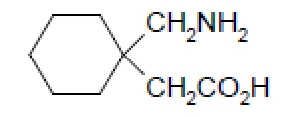
Physiochemical properties: A white to off white crystalline solid. Freely soluble in water and both basic and acidic aqueous solutions. pKa1 = 3.68; pKa2 = 10.70; partition coefficient at pH 7.4 = 1.25 (Log P)
14 CLINICAL TRIALS
In placebo-controlled trials of 12 weeks duration in patients not satisfactorily controlled with current antiepileptic drugs, gabapentin, when added to current antiepileptic therapy, was superior to placebo in reducing the frequency of both simple and complex partial seizures and secondarily generalized tonic-clonic seizures. Further analysis of data indicated a higher efficacy for complex partial seizures and secondarily generalized tonic-clonic seizures as compared to all seizure types. Doses ranged from 900 to 1800 mg/day, with a median dose of 1200 mg/day.
Long-term, open, uncontrolled studies in drug-resistant patients for periods of up to 18 months demonstrated that doses up to 3600 mg/day did not result in anything unusual in the type or frequency of adverse events.
14.2 Comparative Bioavailability Studies
A randomized, two-treatment, two-period, single dose, crossover, oral comparative bioavailability study of GABAPENTIN (gabapentin) 400 mg capsules (Sivem Pharmaceuticals ULC) and NEURONTIN® (gabapentin) 400 mg capsules (Upjohn Canada ULC) was conducted in healthy, adult, male volunteers under fasting conditions. Comparative bioavailability data from 31 subjects that were included in the statistical analysis are presented in the following table:
SUMMARY TABLE OF THE COMPARATIVE BIOAVAILABILITY DATA
Gabapentin (1 x 400 mg) Geometric Mean Arithmetic Mean (CV%) | ||||
|---|---|---|---|---|
| Parameter | Test1 | Reference2 | % Ratio of Geometric Means | 90% Confidence Interval |
AUCT (ng·h/mL) | 33352.3 34392.5 (25.4) | 35428.7 36735.4 (25.8) | 94.1 | 87.7 – 101.0 |
AUCI (ng·h/mL) | 34236.0 35252.6 (25.0) | 36381.9 37650.3 (25.1) | 94.1 | 87.8 – 100.8 |
Cmax (ng/mL) | 3353.7 3445.6 (24.2) | 3582.4 3670.2 (21.0) | 93.6 | 87.7 – 99.9 |
Tmax3 (h) | 2.8 (1.7 – 5.0) | 3.5 (1.3 – 5.5) | ||
T1/24 (h) | 6.4 (19.5) | 6.2 (14.7) | ||
1 GABAPENTIN (gabapentin) capsules, 400 mg (Sivem Pharmaceuticals ULC).
2 NEURONTIN® (gabapentin) capsules, 400 mg (Upjohn Canada ULC).
3 Expressed as the median (range) only.
4 Expressed as the arithmetic mean (CV%) only.
15 MICROBIOLOGY
No microbiological information is required for this drug product.
16 NON-CLINICAL TOXICOLOGY
Acute Toxicity: Gabapentin exhibited a very low order of acute toxicity in rodents and monkeys. In adult and 3 week old mice, no deaths occurred and median lethal doses (MLD’s) were not identified, being greater than 8000, 2000, and 4000 mg/kg by the oral, intravenous, and subcutaneous routes, respectively. In adult and 3 week old rats, MLD’s after single oral and intravenous doses were greater than 8000 and 2000 mg/kg, respectively. No signs of toxicity were noted in monkeys given single oral doses of gabapentin up to 1250 mg/kg.
Chronic Toxicity: Multidose oral administration of gabapentin was well tolerated in all species tested (mice, rats, dogs, monkeys). Decreased body weight gain was observed in rats; hypoactivity, emesis, and salivation were observed in dogs; and changes in fecal consistency were noted in all species except mice. Increased kidney weights in male rats correlated with the accumulation of hyaline droplets in renal proximal tubular epithelium. No changes were found in the kidneys of female rats. Reversible increases in liver weight were observed in rats administered gabapentin at 3000 mg/kg for 13 weeks or 1500 mg/kg for 26 weeks, and in dogs at 2000 mg/kg for 6 months. No pathologic findings were noted in mice given up to 2000 mg/kg gabapentin for 13 weeks or in monkeys given up to 500 mg/kg for 52 weeks.
In rats, plasma gabapentin concentrations increased with increasing dose. The increases were not dose proportional between 2000 and 3000 mg/kg, suggesting saturation of absorption at high doses.
Genotoxicity: Gabapentin has no genotoxic potential. It was not mutagenic in the Ames bacterial plate incorporation assay or at the HGPRT locus in mammalian cells in the presence or absence of metabolic activation. Gabapentin did not induce structural chromosome aberrations in mammalian cells in vitro or in vivo, and did not induce micronucleus formation in the bone marrow of hamsters.
Carcinogenicity: Gabapentin was given in the diet to mice at 200, 600, and 2000 mg/kg/day and to rats at 250, 1000, and 2000 mg/kg/day for 2 years. A statistically significant increase in the incidence of pancreatic acinar cell tumours was found only in male rats at the highest dose, but not in female rats or in mice of either sex. Peak plasma drug concentrations and areas under the concentration time curve in rats at 2000 mg/kg are 20 times higher than the therapeutic concentrations in humans given 1200 mg/day and are 14 times higher than the therapeutic concentrations in humans given 2400 mg/day.
The pancreatic acinar cell tumours in male rats are low grade malignancies, did not affect survival, did not metastasize or invade surrounding tissue, and were similar to those seen in concurrent controls. Furthermore, higher concentrations of gabapentin in pancreas relative to plasma have been observed in rats but not monkeys, which may account for the species-specific effects.
The relevance of these pancreatic acinar cell tumours in male rats to carcinogenic risk in humans is unclear, as the biologic characteristics of the tumours in rats are unlike those observed in humans. Ductal carcinoma comprise over 90% of all primary cancers of human exocrine pancreas, whereas acinar cell adenomas represent the primary pancreatic exocrine tumours in rats. In humans, pancreatic neoplasia exhibit local and distant tumour spread at the time of diagnosis. Metastasis occurs in 67% of cases, and survival is between 2 and 6 months after diagnosis. In contrast, pancreatic acinar cell tumours in male rats given gabapentin did not metastasize, exhibit aggressive behaviour or affect survival.
Reproductive and Developmental Toxicology: In a fertility and general reproduction study in rats with dietary doses of gabapentin up to 2000 mg/kg, (approximately 5 times the maximum daily human dose, on a mg/m2 basis), no adverse effects were noted on fertility, precoital interval, pregnancy rate, gestation length, parturition, nesting/nursing behaviour, or lactation.
Gabapentin did not increase the incidence of malformations, compared to controls, in the offsprings of mice, rats, or rabbits at doses up to 50, 30, and 25 times, respectively, the daily human dose of 3600 mg, (4, 5 or 8 times, respectively, the human daily dose, on a mg/m2 basis).
When pregnant mice received oral doses of gabapentin (500, 1000, or 3000 mg/kg/day) during the period of organogenesis, embryofetal toxicity (increased incidences of skeletal variations) was observed at 1000 and 3000 mg/kg/day (17 and 50 times, respectively the human daily dose of 3600 mg; 1.3 and 4 times, respectively, the human daily dose on a mg/m2 basis). The no-effect dose for embryofetal developmental toxicity in mice was observed at 500 mg/kg/day (8 times the human daily dose of 3600 mg; 0.7 times the human daily dose, on a mg/m2) basis.
In studies in which rats received oral doses of gabapentin (500 to 2000 mg/kg/day) during pregnancy, adverse effect on offspring development (increased incidences of hydroureter and/or hydronephrosis) were observed at all doses. The lowest dose tested is similar to the MRHD on a mg/m2 basis.
When pregnant rabbits were treated with gabapentin during the period of organogenesis, an increase in embryofetal mortality was observed at all doses tested (60, 300, or 1500 mg/kg). The lowest dose tested is less than the MRHD on a mg/m2 basis.
In a published study, gabapentin (400 mg/kg/day) was administered by intraperitoneal injection to neonatal mice during the first postnatal week, a period of synaptogenesis in rodents (corresponding to the last trimester of pregnancy in humans). Gabapentin caused a marked decrease in neuronal synapse formation in brains of intact mice and abnormal neuronal synapse formation in a mouse model of synaptic repair. Gabapentin has been shown in vitro to interfere with activity of the α2δ subunit of voltage-activated calcium channels, a receptor involved in neuronal synaptogenesis. The clinical significance of these findings is unknown.
17 SUPPORTING PRODUCT MONOGRAPHS
- 1. NEURONTIN (capsules, 100 mg, 300 mg and 400 mg; tablets, 600 mg and 800 mg), submission control 293626, Product Monograph, BGP Pharma ULC. (MAY 22, 2025)