


Product Monograph - Gazyva
Recent Major Label Changes
| 1 Indications | 2026-01 |
|---|---|
| 4 Dosage and Administration, 4.1 Dosing Considerations | 2026-01 |
| 4 Dosage and Administration, 4.2 Recommended Dose and Dosage Adjustment | 2026-10 |
| 7 Warnings and Precautions | 2026-01 |
| 7 Warnings and Precautions, 7.1.4 Geriatrics | 2026-01 |
| 7 Warnings and Precautions, 7.1.5 Renal Impairment | 2026-01 |
Table of Contents
Certain sections or subsections that are not applicable at the time of the preparation of the most recent authorized product monograph are not listed.
Recent Major Label Changes ................................................................................................... 2
Table of Contents ................................................................................................................... 2
Part 1: Health Professional Information .................................................................................. 5
- 1.
Indications .................................................................................................................. 5
1.1. Pediatrics .............................................................................................................. 5
1.2. Geriatrics .............................................................................................................. 5
- 2. Contraindications ........................................................................................................ 5
- 3. Serious Warnings and Precautions Box ....................................................................... 6
- 4.
Dosage and Administration ......................................................................................... 7
4.1. Dosing Considerations .......................................................................................... 7
4.2. Recommended Dose and Dosage Adjustment ........................................................... 8
4.3. Reconstitution .......................................................................................................... 14
4.4. Administration ......................................................................................................... 15
4.5. Missed Dose ............................................................................................................. 15
- 5. Overdose................................................................................................................... 16
- 6. Dosage Forms, Strengths, Composition and Packaging .............................................. 16
- 7.
Warnings and Precautions ......................................................................................... 17
General ........................................................................................................................... 17
Cardiovascular ................................................................................................................ 17
Driving and Operating Machinery .................................................................................. 17
Endocrine and Metabolism ............................................................................................ 17
Gastrointestinal .............................................................................................................. 18
Hematologic ................................................................................................................... 18
Immune .......................................................................................................................... 19
Reproductive Health ...................................................................................................... 23
7.1. Special Populations ............................................................................................. 23
7.1.1. Pregnancy ....................................................................................................... 23
7.1.2. Breastfeeding ................................................................................................. 24
7.1.3. Pediatrics ........................................................................................................ 24
7.1.4. Geriatrics ........................................................................................................ 24
7.1.5. Renal Impairment ........................................................................................... 25
- 8.
Adverse Reactions ..................................................................................................... 25
8.1. Adverse Reaction Overview ................................................................................ 25
8.2. Clinical Trial Adverse Reactions .......................................................................... 27
8.3. Less Common Clinical Trial Adverse Reactions ................................................... 54
8.4. Abnormal Laboratory Findings: Hematologic, Clinical Chemistry and Other Quantitative Data ........................................................................................................... 61
8.5. Post-Market Adverse Reactions ......................................................................... 65
- 9.
Drug Interactions ...................................................................................................... 66
9.2. Drug Interactions Overview ................................................................................ 66
- 10.
Clinical Pharmacology ............................................................................................... 66
10.1. Mechanism of Action ...................................................................................... 66
10.2. Pharmacodynamics ........................................................................................ 66
10.3. Pharmacokinetics ........................................................................................... 67
10.4. Immunogenicity .............................................................................................. 70
- 11. Storage, Stability, and Disposal ................................................................................. 71
- 12. Special Handling Instructions .................................................................................... 72
Part 2: Scientific Information ................................................................................................ 73
- 13. Pharmaceutical Information ...................................................................................... 73
- 14.
Clinical Trials ............................................................................................................. 73
14.1. Clinical Trial by Indication ............................................................................... 73
Non-Hodgkin Lymphoma (Follicular Lymphoma) ........................................................... 77
Previously Untreated Follicular Lymphoma .................................................................... 81
Lupus Nephritis .............................................................................................................. 84
14.2. Comparative Bioavailability Studies ................................................................ 86
- 16. Non-Clinical Toxicology ............................................................................................. 86
Patient Medication Information ........................................................................................... 88
Part 1: Health Professional Information
1. Indications
GAZYVA (obinutuzumab for injection) is indicated for:
Chronic Lymphocytic Leukaemia (CLL)
GAZYVA (obinutuzumab) in combination with chlorambucil is indicated for the treatment of patients with previously untreated chronic lymphocytic leukaemia (CLL) (see 14 Clinical Trials).
Follicular Lymphoma (FL)
- GAZYVA in combination with bendamustine followed by GAZYVA monotherapy is indicated for the treatment of patients with follicular lymphoma who relapsed after, or are refractory to, a rituximab-containing regimen.
- GAZYVA, in combination with chemotherapy, followed by GAZYVA monotherapy in patients achieving a response, is indicated for the treatment of patients with previously untreated stage II bulky (>7cm), III or IV follicular lymphoma (FL) (see 14 Clinical Trials).
Lupus Nephritis (LN)
GAZYVA is indicated for the treatment of adult patients with active lupus nephritis who are receiving standard therapy.
1.1. Pediatrics
Pediatrics (<18 years of age): No data are available to Health Canada; therefore, Health Canada has not authorized an indication for pediatric use.
1.2. Geriatrics
Geriatrics (≥65 years of age): In CLL and FL no significant differences in efficacy were observed between patients ≥ 65 years of age and younger patients (see 7 Warnings and Precautions: 7.1 Special Populations and 14 Clinical Trials). The safety and efficacy of GAZYVA in LN patients ≥ 65 years of age have not been established.
2. Contraindications
- GAZYVA is contraindicated in patients who are hypersensitive to this drug or to any ingredient in the formulation, including any non-medicinal ingredient, or component of the container. For a complete listing, see 6 Dosage Forms, Strengths, Composition and Packaging.
3. Serious Warnings and Precautions Box
Infusion Related Reactions (IRRs) GAZYVA can cause severe and life-threatening infusion related reactions. Monitor patients closely during infusions. Modify infusion of GAZYVA according to the Grade of reaction (see 7 Warnings and Precautions: Infusion Related Reactions and 4 Dosage and Administration). Hepatitis B Virus (HBV) Reactivation HBV reactivation, in some cases resulting in fulminant hepatitis, hepatic failure and death, can occur in patients receiving CD20-directed cytolytic antibodies, including GAZYVA (see 7 Warnings and Precautions: Hepatitis B Virus Reactivation). Progressive Multifocal Leukoencephalopathy (PML) PML can occur in patients receiving GAZYVA. Put GAZYVA treatment on hold in case of PML suspicion, until the diagnosis can be clearly established. Discontinue GAZYVA therapy and consider discontinuation or reduction of any concomitant chemotherapy or immunosuppressive therapy in patients who develop PML (see 7 Warnings and Precautions: Progressive Multifocal Leukoencephalopathy). Tumour Lysis Syndrome (TLS) Serious TLS, including acute renal failure, has been reported in patients receiving GAZYVA [see 7 Warnings and Precautions: Tumour Lysis Syndrome (TLS)]. Cardiovascular Serious cardiac events, including worsening of existing underlying cardiac disease and fatal cases, such as fatal myocardial infarctions, have been reported with GAZYVA therapy (see 7 Warnings and Precautions: Cardiovascular). Infections Serious and life-threatening infections, some of which resulted in death, have occurred in patients treated with GAZYVA. Thrombocytopenia Severe and life threatening thrombocytopenia has been observed during treatment of GAZYVA in combination with chemotherapy. Fatal haemorrhagic events have been reported in patients treated with GAZYVA in combination with chemotherapy. A clear relationship between thrombocytopenia and haemorrhagic events has not been established. (see 7 Warnings and Precautions: Thrombocytopenia) |
|---|
4. Dosage and Administration
4.1. Dosing Considerations
GAZYVA should be administered under the close supervision of an experienced healthcare professional with access to appropriate medical support to manage the most frequent adverse reactions. Resources for the treatment of hypersensitivity and anaphylactic reactions should be immediately available. GAZYVA infusions should not be administered as an intravenous push or bolus. Isotonic 0.9% sodium chloride solution should be used as the infusion vehicle (see 4 Dosage and Administration: 4.3 Reconstitution).
Prophylaxis and Premedication for Tumour Lysis Syndrome (TLS)
Patients with a high tumour burden and/or a high circulating lymphocyte count (>25 x 109/L) and/or renal impairment (CrCl <70 mL/min) are considered at risk of TLS and should receive prophylaxis. Prophylaxis should consist of adequate hydration and administration of uricostatics (e.g. allopurinol) or suitable alternative such as urate oxidase (e.g. rasburicase) prior to start of GAZYVA infusion as per standard practice (see 7 Warnings and Precautions). Patients should continue to receive repeated prophylaxis prior to each subsequent infusion, if deemed appropriate.
Prophylaxis and Premedication for Infusion Related Reactions (IRRs)
Premedication to reduce the risk of infusion related reactions (see 7 Warnings and Precautions) is outlined in Table 1 for each GAZYVA indication. Corticosteroid premedication is recommended for patients with FL. Corticosteroid premedication is mandatory for patients with CLL during the first infusion, and for patients with LN through at least infusion #5. Premedication for subsequent infusions and other premedication should be administered as described below.
Hypotension, as a symptom of IRR, may occur during GAZYVA intravenous infusions. Therefore, withholding of antihypertensive treatments should be considered for 12 hours prior to and throughout each GAZYVA infusion and for the first hour after administration (see 7 Warnings and Precautions).
Table 1 Premedication to be administered before GAZYVA Infusion to reduce the risk of Infusion Related Reactions
| Day of Treatment Cycle | Patients requiring premedication | Premedication | Administration |
|---|---|---|---|
| Day of Treatment Cycle | Patients requiring premedication | Premedication | Administration |
Cycle 1: CLL Day 1 Day 2 FL Day 1 | All patients | Intravenous corticosteroid1, 2 | Completed at least 1 hour prior to GAZYVA infusion. |
| Oral analgesic/anti-pyretic3 | At least 30 minutes before GAZYVA infusion. | ||
| Anti-histaminic drug4 | |||
| All subsequent | Patients with no IR during the previous infusion | Oral analgesic/anti-pyretic3 | At least 30 minutes before GAZYVA infusion. |
| infusions: CLL and FL | Patients with an IR (Grade 1 or 2) with the previous infusion | Oral analgesic/anti-pyretic3 | At least 30 minutes before GAZYVA infusion. |
| Anti-histaminic drug4 | |||
Patients with a Grade 3 IR with the previous infusion OR Patients with lymphocyte counts >25 x 109/L prior to next treatment | Intravenous corticosteroid1 | Completed at least 1 hour prior to GAZYVA infusion. | |
| Oral analgesic/anti-pyretic3 | At least 30 minutes before GAZYVA infusion. | ||
| Anti-histaminic drug3 | |||
| Lupus nephritis | All patients | Intravenous corticosteroid5 | Completed between 30 and 60 minutes prior to GAZYVA infusion. Starting from Dose 6, intravenous corticosteroid should only be administered to patients who have experienced an IRR in the prior infusion. |
| Oral analgesic/anti-pyretic6 | |||
| Anti-histaminic drug4 | |||
1100 mg prednisone/prednisolone or 20 mg dexamethasone or 80 mg methylprednisolone. Hydrocortisone should not be used as it has not been effective in reducing rates of IR.
2 If a corticosteroid-containing chemotherapy regimen is administered on the same day as GAZYVA, the corticosteroid can be administered as an oral medication if given at least 1 hour prior to GAZYVA, in which case additional IV corticosteroid as premedication is not required.
3 e.g. 1000 mg acetaminophen/paracetamol
4 e.g. 50 mg diphenhydramine
5 80 mg IV methylprednisolone
6 650 – 1000 mg acetaminophen/paracetamol
Premedication for anti-microbial prophylaxis
CLL and FL patients with neutropenia are strongly recommended to receive antimicrobial prophylaxis throughout the treatment period. Antiviral and antifungal prophylaxis should be also considered. Granulocyte colony stimulating factors should be considered in patients with neutropenia if necessary.
4.2. Recommended Dose and Dosage Adjustment
Chronic Lymphocytic Leukaemia (in combination with chlorambucil1)
1 See CLINICAL TRIALS for information on chlorambucil dose.
Cycle 1
The recommended dosage of GAZYVA is 1000 mg administered over Day 1 and Day 2, and on Day 8 and Day 15 of the first 28 day treatment cycle as shown in Table 2.
Two infusion bags should be prepared for the first dose 100 mg for first infusion (Day 1) and 900 mg for the second infusion (Day 2). If the 100 mg dose is completed without modifications of the infusion rate or interruptions, the 900 mg dose can be administered on the same day (without dose delay) provided that appropriate time, conditions and medical supervision are available throughout the infusion. If there are any modifications of the infusion rate or interruptions during the first 100 mg, the 900 mg infusion must be administered the following day (see Table 2).
Cycle 2-6
The recommended dosage of GAZYVA is 1000 mg administered on Day 1 for each 28 day treatment cycle as shown in Table 2.
Table 2 Dose and Infusion Rate of GAZYVA for Patients with CLL
| Day of Treatment Cycle | Dose of GAZYVA | Rate of infusion For management of infusion related reactions that occur during infusion, refer to Table 4. | |
|---|---|---|---|
| Cycle 1 | Day 1 | 100 mg | Administer at 25 mg/hr over 4 hours. Do not increase the infusion rate. |
Day 1 (continued) or Day 2 | 900 mg | If no infusion related reaction occurred during the previous infusion, administer at 50 mg/hr. The rate of the infusion can be escalated in increments of 50 mg/hr every 30 minutes to a maximum rate of 400 mg/hr. If the patient experienced an infusion related reaction during the previous infusion, start administration at 25 mg/hr. The rate of infusion can be escalated in increments of up to 50 mg/hr every 30 minutes to a maximum rate of 400 mg/hr. | |
| Day 8 | 1000 mg | If no infusion related reaction occurred during the previous infusion where the final infusion rate was ≥100 mg/hr, infusions can be started at a rate of 100 mg/hr and increased by 100 mg/hr increments every 30 minutes to a maximum of 400 mg/hr. If the patient experienced an IRR during the previous infusion, administer at 50 mg/hr. The rate of the infusion can be escalated in increments of 50mg/hr every 30 minutes to a maximum rate of 400 mg/hr. | |
| Day 15 | 1000 mg | ||
| Cycles 2 – 6 | Day 1 | 1000 mg | |
Follicular Lymphoma
The recommended dosage of GAZYVA is 1000 mg administered intravenously according to Table 3.
Relapsed/Refractory Follicular Lymphoma
For patients with follicular lymphoma who have relapsed after or who are refractory to rituximab or a rituximab-containing regimen, GAZYVA should be administered in six 28 day cycles in combination with bendamustine2.Relapsed/Refractory patients who achieve complete or partial response or have stable disease should continue to receive GAZYVA 1000 mg monotherapy once every 2 months until disease progression or for up to 2 years.
Previously Untreated Follicular Lymphoma
For patients with previously untreated follicular lymphoma, GAZYVA should be administered with chemotherapy as follows:
- Six 28 day cycles in combination with bendamustine3 or,
- Six 21 day cycles in combination with CHOP, followed by 2 additional cycles of GAZYVA alone or,
- Eight 21 day cycles in combination with CVP.
Previously untreated patients who achieve a complete or partial response to GAZYVA plus chemotherapy should continue to receive GAZYVA (1000 mg) alone as maintenance therapy once every 2 months until disease progression or for up to 2 years.
GAZYVA should be administered at the standard infusion rate in Cycle 1 (see Table 3). In patients who do not experience Grade ≥3 infusion related reactions (IRRs) during Cycle 1, GAZYVA may be administered as a short (approximately 90 minutes) duration infusion (SDI) from Cycle 2 onwards (see Table 4).
Table 3 Dose and Infusion Rate of GAZYVA for Patients with FL
| Day of treatment cycle | Dose of GAZYVA | Rate of infusion For management of infusion related reactions that occur during infusion, refer to Table 7. | |
|---|---|---|---|
| Cycle 1 | Day 1 | 1000 mg | Administer at 50 mg/hr. The rate of infusion can be escalated in 50 mg/hr increments every 30 minutes to a maximum of 400 mg/hr. |
| Day 8 | 1000 mg | If no infusion related reaction or an infusion related reaction of Grade 1 occurred during the previous infusion, where the final infusion rate was ≥100 mg/hr, infusions can be started at a rate of 100 mg/hr and | |
| Day 15 | 1000 mg | ||
| Cycles 2–6 or 2–8 | Day 1 | 1000 mg | |
2 See 14 Clinical Trials for information on bendamustine dose.
- 3 See 14 Clinical Trials for information on bendamustine dose.
increased by 100 mg/hr increments every 30 minutes to a maximum of 400 mg/hr. If the patient experienced an infusion related reaction of Grade 2 or higher during the previous infusion, administer at 50 mg/hr. The rate of infusion can be escalated in 50 mg/hr increments every 30 minutes to a maximum of 400 mg/hr. | Monotherapy | Every two months until progression or up to two years | 1000 mg |
|---|
Table 4 Short duration infusion (SDI). Dose and infusion rate of GAZYVA for patients with FL
| Day of treatment cycle | Dose of GAZYVA | Rate of infusion For management of IRRs that occur during infusion, refer to Table 7. | ||
|---|---|---|---|---|
Cycles 2–6 or 2-8 | Day 1 | 1000 mg | If no IRR of Grade ≥3 occurred during Cycle 1: 100 mg/hr for 30 minutes, then 900 mg/hr for approximately 60 minutes. If an IRR of Grade 1-2 with ongoing symptoms or a Grade 3 IRR occurred during the previous SDI infusion, administer obinutuzumab at the standard infusion rate (see Table 3). | |
| Maintenance | Every 2 months until progression or up to 2 years | 1000 mg | ||
Lupus Nephritis
The recommended dosage of GAZYVA is 1000 mg administered intravenously, according to Table 5.
Table 5 Dose and Infusion Rate of GAZYVA for patients with Lupus Nephritis
| Dose number | Timing of treatment | Dose | Rate of infusion |
|---|---|---|---|
| 1 | Initial infusion | 1000 mg | Administer at a rate of 50 mg/hr. The rate of infusion can be escalated in 50 mg/hr increments every 30 minutes to a maximum of 400 mg/hr. For management of IRRs that occur during infusion, refer to Table 8. |
| 2 | Week 2 (two weeks after Dose 1) | 1000 mg | Administer at a rate of 100 mg/hr. The rate of infusion can be escalated at a rate of 100 mg/hr every 30 minutes to a maximum of 400 mg/hr. |
| 3 | Week 24 | 1000 mg | |
| 4 | Week 26 (two weeks after Dose 3) | 1000 mg | |
| 5* and thereafter | Every 6 months** | 1000 mg | |
*Dose 5 should be administered six months after Dose 4.
** The patient's condition should be evaluated at Week 76 and beyond, and an appropriate risk-benefit analysis should be made for continuation of therapy. There are limited data from exposure to GAZYVA for >18 months in patients with LN.
Patients who do not experience Grade ≥ 3 infusion related reactions during the previous infusion may receive GAZYVA as a short (approximately 90 minutes) duration infusion from Dose 2 onwards (see Table 6), with continued premedication.
Table 6 Short duration infusion (SDI). Dose and infusion rate of GAZYVA for patients with Lupus Nephritis
| Dose number | Rate of infusion |
|---|---|
| 1 | See Table 5. |
2 and thereafter (if no Grade 3 or higher IRR during previous infusion) | 100 mg/hr for 30 minutes, then 900 mg/hr for approximately 60 minutes. If an IRR of Grade 1-2 with ongoing symptoms or a Grade 3 or higher IRR occurred during the previous SDI, administer GAZYVA at the standard infusion rate (see Table 5). |
Dosage modifications during treatment (all indications)
No dose reductions of GAZYVA are recommended.
For management of symptomatic adverse events during infusion (infusion related reactions), see Table 7 (CLL and FL) and Table 8 (LN) below and 7 Warnings and Precautions.
Table 7 Infusion Rate Modification Guidelines for Infusion Related Reactions (IRRs) for CLL and FL Indications
| Grade 4 (life-threatening) |
|
|---|---|
| Grade 3 (severe) |
|
| Grade 1-2 (mild and moderate) |
|
Table 8 Infusion Rate Modification Guidelines for Infusion Related Reactions for the LN indication
| Grade 4 (life-threatening) |
|
|---|---|
| Grade 3 (severe) |
|
| Grade 1-2 (mild and moderate) |
|
| (See 7 Warnings and Precautions: Infusion Related Reactions) | |
Pediatrics
The safety and efficacy of GAZYVA in children below 18 years of age have not been established. Health Canada has not authorized an indication for pediatric use.
Geriatrics
No dose adjustment is required in CLL and FL patients ≥ 65 years of age (see 7 Warnings and Precautions: 7.1 Special Populations). The safety and efficacy of GAZYVA in LN patients ≥ 65 years of age have not been established (see 10 Clinical Pharmacology: 10.3 Pharmacokinetics).
Renal impairment
No dose adjustment is required in patients with mild or moderate (creatinine clearance [CrCl] 30-89 mL/min) renal impairment. The safety and efficacy of GAZYVA in CLL, FL and LN have not been formally studied in patients with severe ([CrCl] <30 mL/min) renal impairment (see 7 Warnings and Precautions: 7.1 Special Populations and 10 Clinical Pharmacology: 10.3 Pharmacokinetics).
Hepatic Impairment
The safety and efficacy of GAZYVA in patients with hepatic impairment have not been established.
4.3. Reconstitution
Parenteral Products:
Instructions for dilution
For CLL cycles 2 – 6, all FL cycles, and throughout LN treatment
Withdraw 40 mL of GAZYVA liquid concentrate from the vial and dilute in PVC or non-PVC polyolefin infusion bags containing sterile, non-pyrogenic 0.9% aqueous sodium chloride solution. For administration of 1000 mg GAZYVA, use 250 mL infusion bags.
For preparation of infusion bags for CLL only Cycle 1, Day 1 dose administered over 2 days
To ensure differentiation of the two infusion bags for the initial 1000 mg dose, the recommendation is to use bags of different sizes to distinguish between the 100 mg dose for Cycle 1 Day 1 and the 900 mg dose for Cycle 1 Day 1 (continued) or Day 2 (see Table 9 below). To prepare the 2 infusion bags, withdraw 40 mL of GAZYVA liquid concentrate from vial and dilute 4 mL into a 100 mL infusion bag and the remaining 36 mL in a 250 mL PVC or non-PVC polyolefin infusion bags containing sterile, non-pyrogenic 0.9% aqueous sodium chloride solution. Clearly label each infusion bag.
Table 9 Reconstitution
| Dose of GAZYVA to be Administered | Required Amount of GAZYVA Liquid Concentrate | Size of PVC or non-PVC polyolefin infusion bag |
|---|---|---|
| 100 mg | 4 mL | 100 mL |
| 900 mg | 36 mL | 250 mL |
| 1000 mg | 40 mL | 250 mL |
Vial size: 50 mL
Available volume: 40 mL
Concentration: 25 mg/mL
Do not use other diluents such as Dextrose (5%) solution (see Incompatibilities).
The bag should be gently inverted to mix the solution in order to avoid excessive foaming.
Parenteral drug products should be inspected visually for particulates and discolouration prior to administration.
Incompatibilities
There are no incompatibilities between GAZYVA and the following compounds, as they have been observed in concentration ranges from 0.4 mg/mL to 20.0 mg/mL after dilution of GAZYVA with 0.9% sodium chloride:
- polyvinyl chloride, polyethylene, polypropylene or polyolefin bags
- polyvinyl chloride (PVC), polyurethane (PUR) or polyethylene (PE) infusion sets
- optional inline filters with product contact surfaces of polyethersulfon (PES)
- a 3-way stopcock infusion aid made from polycarbonate (PC)
- catheters made from polyetherurethane (PEU)
Diluted product should not be shaken or frozen.
Do not use other diluents such as Dextrose (5%) solution to dilute GAZYVA since its use has not been tested.
Do not mix GAZYVA with other drugs in the infusion bag.
Storage
Store vials in a refrigerator at 2 - 8°C. Chemical and physical in-use stability has been demonstrated for 24 hours at 2 - 8°C followed by 24 hours at ambient temperature (≤ 30°C) followed by an infusion taking no longer than 24 hours (see 11 Storage, Stability and Disposal).
From a microbiological point of view, the prepared infusion solution should be used immediately. If not used immediately, in-use storage times and conditions prior to use are the responsibility of the user and would normally not be longer than 24 hours at 2 - 8°C, unless dilution has taken place in controlled and validated aseptic conditions (see 11 Storage, Stability and Disposal).
4.4. Administration
Therapy with GAZYVA should only be initiated under supervision of a physician experienced in the treatment of the indicated condition.
4.5. Missed Dose
Delayed or missed doses
Chronic Lymphocytic Leukaemia
If a planned dose of GAZYVA is missed, it should be administered as soon as possible; do not wait until the next planned dose. The planned treatment interval for GAZYVA should be maintained between doses.
Follicular Lymphoma
If a planned dose of GAZYVA is missed, it should be administered as soon as possible; do not omit it or wait until the next planned dose.
If toxicity occurs before Cycle 1 Day 8 or Cycle 1 Day 15, requiring delay of treatment, these doses should be given after resolution of toxicity. In such instances, all subsequent visits and the start of Cycle 2 will be shifted to accommodate for the delay in Cycle 1.
During monotherapy, maintain the original dosing schedule for subsequent doses.
Lupus Nephritis
If a planned dose of GAZYVA is missed, it should be administered as soon as possible – do not wait until the next planned dose. The schedule of administration should be adjusted to maintain the appropriate interval between doses.
5. Overdose
No experience with overdosage is available from human clinical trials. In clinical trials with GAZYVA (obinutuzumab), doses ranging from 50 mg up to and including 2000 mg per infusion have been administered. The incidence and intensity of adverse reactions reported in these studies did not appear to be dose dependent.
Patients who experience overdose should have immediate interruption or reduction of their infusion and should be closely supervised. Consideration should be given to the need for regular monitoring of blood cell count and for increased risk of infections while patients are B cell-depleted.
| For the most recent information in the management of a suspected drug overdose, contact your regional poison control centre or Health Canada’s toll-free number, 1-844 POISON-X (1-844-764-7669). |
|---|
6. Dosage Forms, Strengths, Composition and Packaging
To help ensure the traceability of biologic products, healthcare professionals should record both the brand name and the non-proprietary (active ingredient) name as well as other product-specific identifiers such as the Drug Identification Number (DIN) and the batch/lot number of the product supplied.
Table 10 Dosage Forms, Strengths, Composition and Packaging
GAZYVA is a clear, colourless to slightly brownish liquid supplied as a single 1000 mg dose in a sterile, preservative free, non-pyrogenic 50 mL glass vial containing 40 mL of liquid concentrate (25 mg/mL).
| Route of Administration | Dosage Form / Strength/Composition | Non-Medicinal Ingredients |
| Intravenous infusion | Concentrate for solution for infusion 1000 mg obinutuzumab / 40 mL (25 mg.mL) | L-histidine, L-histidine hydrochloride, poloxamer 188, trehalose, water for injection. |
7. Warnings and Precautions
Please see 3 Serious Warnings and Precautions Box.
General
Therapy with GAZYVA should only be initiated under supervision of a physician experienced in the treatment of the indicated condition.
Cardiovascular
Chronic Lymphocytic Leukaemia and Follicular Lymphoma
Serious cardiovascular events including fatal myocardial infarction, dysrhythmias, tachycardia, heart failure, acute coronary syndrome, angina pectoris, and cerebrovascular accident have occurred more frequently in CLL and FL patients treated with GAZYVA as compared to those treated in control arm (see 8 Adverse Reactions).
Cardiovascular events may occur as part of an infusion related reaction, may be fatal, and occur in patients who have existing cardiovascular diseases. Patients with a history of cardiac disease should be monitored closely. In addition these patients should be hydrated with caution in order to prevent a potential fluid overload (see 8 Adverse Reactions).
Lupus Nephritis
Worsening of cardiac conditions has not been reported in patients treated with GAZYVA in the LN pooled, placebo-controlled studies. However, potential cardiovascular adverse events cannot be ruled out in LN.
Driving and Operating Machinery
No studies on the effects of GAZYVA on the ability to drive and to use machines have been performed. Patients experiencing infusion-related symptoms should be advised not to drive and use machines until symptoms abate.
Endocrine and Metabolism
Tumour Lysis Syndrome (TLS)
Chronic Lymphocytic Leukaemia and Follicular Lymphoma
Acute renal failure, hyperkalaemia, hypocalcaemia, hyperuricemia, and/or hyperphosphatemia consistent with Tumour Lysis Syndrome can occur within 12-24 hours after the first infusion of GAZYVA. Patients with higher tumour burden and/or high circulating lymphocyte count (>25 x 109/L) and/or renal impairment (CrCl <70 mL/min) are at greater risk for TLS and should receive prophylaxis. Prophylaxis should consist of adequate hydration and administration of uricostatics (e.g., allopurinol) or a suitable alternative such as a urate oxidate (e.g. rasburicase) starting 12-24 hours prior to the infusion of GAZYVA as per standard practice (see 4 Dosage and Administration). All patients considered at risk should be carefully monitored during the initial days of treatment with a special focus on renal function, potassium, and uric acid values. Any additional guidelines according to standard practice should be followed. For treatment of TLS, correct electrolyte abnormalities, monitor renal function and fluid balance, and administer supportive care, including dialysis as indicated.
Lupus Nephritis
TLS is not identified as a risk in LN.
Gastrointestinal
Chronic Lymphocytic Leukaemia and Follicular Lymphoma
Serious cases of gastro-intestinal perforation have been reported in patients receiving GAZYVA, mainly in patients with Non-Hodgkin lymphoma (NHL) (see 8 Adverse Reactions).
Lupus Nephritis
Gastrointestinal perforation has been reported in a patient treated with GAZYVA in the LN pooled placebo-controlled studies (see 8 Adverse Reactions).
Hematologic
Chronic Lymphocytic Leukaemia and Follicular Lymphoma
Coagulation abnormalities including disseminated intravascular coagulation (DIC)
Disseminated intravascular coagulation (DIC) has been reported in patients receiving GAZYVA for treatment of chronic lymphocytic leukemia and follicular lymphoma. In the majority of cases, the events have involved subclinical (asymptomatic) changes in platelets and laboratory coagulation parameters following the first infusion. In some cases, the events were associated with IRRs and/or TLS. Serious and/or fatal coagulation abnormalities including DIC have occurred during treatment with GAZYVA. (see 8 Adverse Reactions).
Lupus Nephritis
Cases of DIC have not been reported in patients treated with GAZYVA during the LN pooled, placebo-controlled trials.
Neutropenia
Chronic Lymphocytic Leukaemia and Follicular Lymphoma
Severe and life-threatening (Grade 3 or 4) neutropenia occurred in more than one third of patients receiving GAZYVA (with normal neutrophils at baseline). Febrile neutropenia, worsening existing neutropenia and prolonged (lasting more than 28 days) or late onset neutropenia (occurring 28 days or later after completion of treatment) were also observed.
Blood cell counts should be closely monitored with regular laboratory tests until resolution in patients receiving GAZYVA. Granulocyte colony stimulating factors should be considered in patients with neutropenia if necessary. Dose delays in the case of Grade 3 or 4 neutropenia should be considered. Patients with neutropenia are strongly recommended to receive antimicrobial prophylaxis (as appropriate). Antiviral and antifungal prophylaxis should be considered as well.
Lupus Nephritis
Severe and life-threatening neutropenia, including febrile neutropenia, has been reported in patients receiving GAZYVA for treatment of LN. Patients who experience neutropenia should be closely monitored with regular laboratory tests until resolution. If treatment is necessary, it should be administered in accordance with local guidelines and administration of granulocyte colony-stimulating factors (G-CSF) should be considered. Any signs of concomitant infection should be treated as appropriate.
Thrombocytopenia
Chronic Lymphocytic Leukaemia and Follicular Lymphoma
Severe and life-threatening thrombocytopenia can occur during treatment with GAZYVA in combination with chemotherapy. Fatal haemorrhagic events have been reported in patients with NHL and CLL treated with GAZYVA in combination with chemotherapy, including during Cycle 1. A clear relationship between thrombocytopenia and haemorrhagic events has not been established.
Monitor all patients frequently for thrombocytopenia and haemorrhagic events, especially during the first cycle. In patients with severe or life-threatening (Grade 3 or 4) thrombocytopenia, monitor platelet counts more frequently until resolution and consider subsequent dose delays of GAZYVA and chemotherapy or dose reductions of chemotherapy. Transfusion of blood products (i.e. platelet transfusion) may be necessary. Consider withholding any concomitant medications which may increase bleeding risk (platelet inhibitors, anticoagulants), especially during the first cycle.
Lupus Nephritis
Thrombocytopenia has been reported in LN patients receiving GAZYVA.
B-cell Depletion
Due to the mechanism of action of GAZYVA, anti-CD20 antibody induced B-cell depletion with GAZYVA is expected. The majority of CLL and NHL patients with their B-cell assessed (40/44 in CLL and 732/743 in NHL) had peripheral B-cell depletion at the last dose of GAZYVA. See 10.2 Pharmacodynamics for data in LN.
Immune
Anti-obinutuzumab Antibodies
Patients treated with GAZYVA may develop anti-obinutuzumab antibodies. No clinical or pharmacokinetic consequences of these antibodies have been identified.
Hepatitis B Virus (HBV) Reactivation
Chronic Lymphocytic Leukaemia and Follicular Lymphoma
Hepatitis B virus (HBV) reactivation, in some cases resulting in fulminant hepatitis, hepatic failure and death, can occur in patients treated with anti-CD20 antibodies such as GAZYVA. HBV reactivation has been reported in patients who are hepatitis B surface antigen (HBsAg) positive and also in patients who are HBsAg negative but are hepatitis B core antibody (anti-HBc) positive. Reactivation has also occurred in patients who appear to have resolved hepatitis B infection (i.e., HBsAg negative, anti-HBc positive, and hepatitis B surface antibody [anti-HBs] positive).
HBV reactivation is defined as an abrupt increase in HBV replication manifesting as a rapid increase in serum HBV DNA level or detection of HBsAg in a person who was previously HBsAg negative and anti-HBc positive. Reactivation of HBV replication is often followed by hepatitis, i.e., increase in transaminase levels and, in severe cases, increase in bilirubin levels, liver failure, and death.
Screen all patients for HBV infection by measuring HBsAg and anti-HBc before initiating treatment with GAZYVA. Patients with active hepatitis B disease should not be treated with GAZYVA. Patients with positive hepatitis B serology (HBsAg positive [regardless of antibody status] or HBsAg negative but anti-HBc positive), should consult physicians with expertise in managing hepatitis B regarding monitoring and consideration for HBV antiviral therapy.
Monitor patients with evidence of current or prior HBV infection for clinical and laboratory signs of hepatitis or HBV reactivation during and for several months following treatment with GAZYVA. HBV reactivation has been reported for other CD20-directed cytolytic antibodies following completion of therapy.
In patients who develop reactivation of HBV while receiving GAZYVA, immediately discontinue GAZYVA and any concomitant chemotherapy, and institute appropriate treatment. Resumption of GAZYVA in patients whose HBV reactivation resolves should be discussed with physicians with expertise in managing hepatitis B. Insufficient data exist regarding the safety of resuming GAZYVA in patients who develop HBV reactivation.
Lupus Nephritis
Hepatitis B virus (HBV) screening should be performed in all patients before initiation of treatment with GAZYVA. At minimum, this should include HBsAg status and HBcAb-status. These can be complemented with other appropriate markers as per local guidelines. Patients with active Hepatitis B disease should not be treated with GAZYVA. Patients with positive hepatitis B serology should be monitored and managed following local medical standards to prevent hepatitis reactivation. Cases of HBV reactivation have not been reported in patients treated with GAZYVA during the LN pooled, placebo-controlled trials.
Hypersensitivity Reactions
Hypersensitivity reactions with immediate (e.g. anaphylaxis) and delayed onset (e.g. serum sickness) have been reported in patients treated with GAZYVA. If a hypersensitivity reaction is suspected during or after an infusion (e.g. symptoms typically occurring after previous exposure and very rarely with the first infusion), the infusion should be stopped, appropriate treatment of the hypersensitivity reaction should be commenced, and treatment permanently discontinued. Patients with known hypersensitivity to GAZYVA must not be treated (see 2 Contraindications). Hypersensitivity may be clinically difficult to distinguish from infusion related reactions.
Immunization
The safety of immunization with live or attenuated viral vaccines, following GAZYVA therapy has not been studied and vaccination with live virus vaccines is not recommended during treatment and until B-cell recovery. Treatment with GAZYVA following vaccination should only commence once protective antibody titres have been reached.
Exposure in utero to GAZYVA and vaccination of infants with live virus vaccines:
Due to the potential depletion of B cells in infants of mothers who have been exposed to GAZYVA during pregnancy, the safety and timing of vaccinations with live virus vaccines should be discussed with the child’s healthcare professional. Postpone vaccination with live vaccines for infants born to mothers who have been exposed to GAZYVA during pregnancy until the infants’ B cell levels are within normal ranges (see 7 Warnings and Precautions, 7.1 Special Populations, 7.1.1 Pregnancy).
Infections
Chronic Lymphocytic Leukaemia and Follicular Lymphoma
Serious and fatal, bacterial, fungal, and new or reactivated viral infections can occur during and following the completion of GAZYVA therapy. When GAZYVA is administered in combination with chemotherapy followed by GAZYVA monotherapy, there is a high risk of infections, especially during the GAZYVA monotherapy phase and after treatment. In FL studies, a high incidence of infections was observed in all phases of the studies, including follow-up, with the highest incidence seen in maintenance. A higher incidence of severe, life-threatening and fatal (Grade 3-5) infections was observed in patients treated with GAZYVA and bendamustine, as compared to GAZYVA plus CHOP or CVP, including during the monotherapy phase and after completion of treatment. GAZYVA should not be administered in the presence of an active infection and caution should be exercised when considering the use of GAZYVA in patients with a history of recurring or chronic infections.
Lupus Nephritis
GAZYVA should not be administered in the presence of an active infection and caution should be exercised when considering the use of GAZYVA in patients with a history of recurring or chronic infections. Serious bacterial, fungal, and new or reactivated viral infections can occur during and following the completion of GAZYVA therapy. Fatal infections have been reported in patients receiving GAZYVA for treatment of LN.
Infusion Related Reactions (IRRs)
Chronic Lymphocytic Leukaemia and Follicular Lymphoma
GAZYVA can cause severe and life-threatening infusion related reactions, including anaphylaxis. Infusion related reactions are the most frequently observed adverse drug reactions (ADRs) in patients receiving GAZYVA. GAZYVA-associated infusion related reactions occurred predominantly during infusion of the first 1000 mg. The most frequently reported symptoms of infusion related reaction include nausea, fatigue, chest discomfort, dyspnoea, dizziness, vomiting, diarrhoea, constipation, rash, hypertension, hypotension, flushing, headache, pyrexia, and chills (see 8 Adverse Drug Reactions). Severe infusion related reactions including respiratory and cardiac symptoms such as, bronchospasm, larynx and throat irritation, wheezing, laryngeal oedema, atrial fibrillation, and anaphylactic reactions have been reported in patients treated with GAZYVA. If the symptoms occur, they should be treated as appropriate and infusion should be stopped or the rate of the infusion should be decreased (see Table 2, Table 3, Table 4 and Table 7 in 4 Dosage and Administration).
Patients with a high tumour burden (i.e. high circulating lymphocyte count in CLL (> 25 x 109/L)) may be at increased risk of severe infusion related reactions. Splitting the first treatment over two days and premedication may attenuate infusion related reactions. In patients who received the combined measures for prevention of infusion related reactions (corticosteroids, oral analgesic/anti-histamine, omission of antihypertensive medication in the morning of the first infusion, infusion of the first 100 mg at 25 mg/hr, and the Cycle 1, Day 1 dose administered over 2 days, as described in 4 Dosage and Administration), decreased incidence of all Grades IRRs was observed. The rates of Grade 3 to 4 IRRs (which were based on a relatively small number of patients) were similar before and after mitigation measures were implemented. Mitigation measures to reduce IRRs (see 4 Dosage and Administration: Table 2, Table 3, Table 4 and Table 7) should be followed. The incidence and severity of infusion-related symptoms decreased substantially after the first 1000 mg was infused, with no Grade 3 to 5 IRRs reported and most patients having no IRRs during subsequent administrations of GAZYVA (see 8 Adverse Reactions).
For Grade 3 infusion related reactions, the infusion of GAZYVA should be interrupted or permanently discontinued and for Grade 4 infusion related reactions, the infusion of GAZYVA must be permanently discontinued (see 4 Dosage and Administration: Table 7). GAZYVA infusion should be permanently discontinued if patients experience:
- acute life-threatening respiratory symptoms,
- a Grade 4 (i.e. life threatening) infusion related reaction or,
- a second occurrence of a Grade 3 (prolonged/recurrent) infusion related reaction (after resuming the first infusion or during a subsequent infusion).
Patients who have pre-existing cardiac or pulmonary conditions should be monitored carefully throughout the infusion and the post-infusion period (see 8 Adverse Reactions and 4 Dosage and Administration). Hypotension may occur during GAZYVA intravenous infusions. Therefore, withholding of antihypertensive treatments should be considered for 12 hours prior to and throughout each GAZYVA infusion and for the first hour after administration. Patients at acute risk of hypertensive crisis should be evaluated for the benefits and risks of withholding their anti-hypertensive medication.
Lupus Nephritis
In patients with LN, infusion related reactions (IRRs) occurred predominantly during infusion of the first 1000 mg. IRRs were generally mild (Grade 1) to moderate (Grade 2) and could be managed by slowing or temporarily halting the infusion (see Table 8). However, severe (Grade 3) and life-threatening (Grade 4) IRRs requiring symptomatic treatment were also reported. See 4 Dosage and Administration for information on prophylaxis.
Patients should not receive further GAZYVA infusions if they experience:
- acute life-threatening respiratory symptoms,
- Grade 4 (i.e., life threatening) IRRs, or
- a second occurrence of a Grade 3 (prolonged/recurrent) IRR (after resuming the first infusion or during a subsequent infusion).
Patients who have pre-existing cardiac or pulmonary conditions should be monitored carefully throughout the infusion and in the post-infusion period. Hypotension may occur during GAZYVA intravenous infusions. Withholding antihypertensive treatments should be considered for 12 hours prior to and throughout each GAZYVA infusion and for the first hour after administration. Patients at acute risk of hypertensive crisis should be evaluated for the benefits and risks of withholding anti-hypertensive medication.
Progressive Multifocal Leukoencephalopathy (PML)
Chronic Lymphocytic Leukaemia and Follicular Lymphoma
PML has been observed in patients treated with GAZYVA. John Cunningham (JC) virus infection resulting in PML, which can be fatal, was observed in patients treated with GAZYVA. The diagnosis of PML should be considered in any patient presenting with new-onset or changes to pre-existing neurologic manifestations. The symptoms of PML are non-specific and can vary. Common symptoms include muscular weakness, paralysis, sensory abnormalities, cerebellar symptoms, and visual field defects. Evaluation of PML includes, but is not limited to, consultation with a neurologist, brain magnetic resonance imaging (MRI), and lumbar puncture (CSF testing for JC viral DNA). Therapy with GAZYVA should be withheld during the investigation of potential PML. Discontinue GAZYVA therapy and consider discontinuation or reduction of any concomitant chemotherapy or immunosuppressive therapy in patients who develop PML.
Lupus Nephritis
PML has not been reported in patients treated with GAZYVA in the LN pooled, placebo-controlled studies. GAZYVA should be withheld during the investigation of potential PML and permanently discontinued in case of confirmed PML. Discontinuation or reduction of concomitant immunosuppressive therapy should also be considered. The patient should be referred to a neurologist for the evaluation and treatment of PML.
Reproductive Health
Women of child bearing potential should use effective contraception while receiving GAZYVA and for 18 months following treatment with GAZYVA (see 7.1.1 Pregnant Women and 10 Clinical Pharmacology: 10.3 Pharmacokinetics).
- Fertility
No specific studies in animals have been performed to evaluate the effect of obinutuzumab on fertility. No adverse effects on male and female reproductive organs were observed in repeat-dose toxicity studies in cynomolgus monkeys.
- Teratogenic Risk
An enhanced pre- and postnatal development (ePPND) toxicity study was performed on pregnant cynomolgus monkeys. Pregnant animals received weekly intravenous obinutuzumab doses during gestation (organogenesis period; post-coitum days 20 through delivery). Exposed offspring did not exhibit any teratogenic effects but B-cells were completely depleted on day 28 postpartum. Offspring exposures on day 28 postpartum suggest that obinutuzumab can cross the blood-placenta-barrier. Concentrations in infant serum on day 28 postpartum, were in the range of concentrations in maternal serum, whereas concentrations in milk on the same day were very low (less than 0.5% of the corresponding maternal serum levels) suggesting that exposure of infants must have occurred in utero. B-cell counts returned to normal levels, and immunologic function was restored within 6 months postpartum.
7.1. Special Populations
7.1.1. Pregnancy
GAZYVA has not been studied in human pregnancy. A reproduction study in cynomolgus monkeys showed no evidence of embryofoetal toxicity or teratogenic effects but resulted in a complete depletion of B-lymphocytes in offspring. B-cell counts returned to normal levels in the offspring, and B-cell counts and immunologic function were restored within 6 months of birth (see 16 Non-Clinical Toxicology). Furthermore, the serum concentrations of GAZYVA in offspring were similar to those in the mothers on day 28 post-partum, whereas concentrations in milk on the same day were very low, suggesting that GAZYVA crosses the placenta.
GAZYVA should be avoided during pregnancy unless the potential benefit to the mother outweighs the potential risk to the fetus. Females of reproductive potential should use effective contraception while receiving GAZYVA and for 18 months following treatment with GAZYVA (see 10 Clinical Pharmacology: 10.3 Pharmacokinetics).
Due to the potential depletion of B cells in newborns following exposure to GAZYVA during pregnancy, newborns should be monitored for B cell depletion. Postpone vaccination with live virus vaccines until the infants’ B cell levels are within normal ranges (see 7 Warnings and Precautions, Immunization).
7.1.2. Breastfeeding
Since human IgG is secreted in human milk, and the potential for absorption and harm to the infant is unknown, patients should be advised to discontinue nursing during GAZYVA therapy and for 18 months after the last dose of GAZYVA (see 10 Clinical Pharmacology: 10.3 Pharmacokinetics). Animal studies have shown excretion of GAZYVA in breast milk (see 16 Non-Clinical Toxicology).
7.1.3. Pediatrics
Pediatrics (< 18 years of age): No data are available to Health Canada; therefore, Health Canada has not authorized an indication for pediatric use.
7.1.4. Geriatrics
Chronic Lymphocytic Leukaemia
In study BO21004 in previously untreated CLL, 79% (526 out of 663) of patients were ≥ 65 years; 46% (156 out of 336) of patients with chronic lymphocytic leukaemia treated with GAZYVA plus chlorambucil were 75 years old or older (median age was 74 years). Patients ≥ 75 years of age experienced more serious adverse events (46% vs. 33%) and adverse events leading to death (7% vs. 2%) than those of patients < 75 years of age. No significant differences in efficacy were observed between patients ≥ 75 years of age and those < 75 years of age (see 14 Clinical Trials).
Non-Hodgkin Lymphoma
In study GAO4753g in relapsed/refractory indolent Non-Hodgkin Lymphoma (iNHL), 43% (87 out of 204) of patients treated with GAZYVA plus bendamustine were 65 years of age or older. The patients over 65 years and older experienced higher incidence of SAEs (55% vs 30%), AE leading to death (10% vs 5%) and AE leading to withdrawal (26% vs 12%) than in the younger patients treated with GAZYVA plus bendamustine.
A final analysis was performed after a median follow-up of 24.1 months. Forty-four percent (89 out of 204) of patients treated with GAZYVA plus bendamustine were 65 years of age or older. The patients over 65 years and older experienced higher incidence of SAEs (55% vs 37%), AEs with fatal outcome (14% vs 7%) and AEs leading to withdrawal from any study treatment (28% vs 14%) than in the younger patients (age <65 years) treated with GAZYVA plus bendamustine.
The most common SAEs in patients aged ≥65 years were neutropenia, febrile neutropenia, pyrexia, pneumonia, sepsis, and infusion related reactions. The efficacy results had no clinically meaningful difference between the age groups in study GAO4753g.
Of the 698 iNHL patients in study BO21223 treated with GAZYVA plus chemotherapy as first-line therapy, 33% were 65 years and over, while 7% were 75 years and over. In patients 65 years and over, 63% of patients experienced serious adverse events, 10% experienced AE leading to death and 27% experienced adverse events leading to treatment withdrawal, while in patients under 65, 43% experienced serious adverse events, 3% experienced AE leading to death and 13% had an adverse event leading to treatment withdrawal. No clinically meaningful differences in efficacy were observed between these patients and younger patients in study BO21223.
Lupus Nephritis
The safety and efficacy of GAZYVA in LN patients ≥ 65 years of age have not been established.
7.1.5. Renal Impairment
Chronic Lymphocytic Leukaemia
In the pivotal study in CLL, 27% (90 out of 336) of patients treated with GAZYVA plus chlorambucil had moderate renal impairment (creatinine clearance (CrCl) < 50 mL/min). These patients experienced more serious adverse events and adverse events leading to death than those associated with CrCl ≥ 50 mL/min. The frequencies of serious adverse events and adverse events leading to death were 49% and 7% respectively in patients with moderate renal impairment (creatinine clearance < 50 mL/min) and 35% and 4% respectively in patients with creatinine clearance ≥ 50 mL/min (see 4 Dosage and Administration and 10 Clinical Pharmacology). No significant differences in efficacy were observed between patients with CrCl < 50 mL/min and those with CrCl ≥ 50 mL/min. Patients with CrCl <30 mL/min were excluded from the study (see 14 Clinical Trials).
Non-Hodgkin Lymphoma
In the pivotal studies in iNHL, 8% patients (GAO4753g: 14 out of 204) and 5% patients (BO21223: 35 out of 698) had moderate renal impairment (CrCl <50 mL/min). These patients experienced more serious adverse events, Grade 3 to 5 adverse events and adverse events leading to treatment withdrawal (patients in Study BO21223 only) than patients with CrCl ≥50 mL/min (see 4 Dosage and Administration and 10 Clinical Pharmacology). Patients with CrCl <40 mL/min were excluded from the study (see 14 Clinical Trials).
Lupus Nephritis
See 4 Dosage and Administration: 4.2 Recommended Dose and Dosage Adjustment and 10 Clinical Pharmacology: 10.3 Pharmacokinetics.
8. Adverse Reactions
8.1. Adverse Reaction Overview
Chronic Lymphocytic Leukaemia
The most common (≥ 10%) treatment-related adverse drug reactions in clinical trial BO21004/CLL11 (stage 2) during treatment were as follows: infusion related reactions (IR), neutropenia, thrombocytopenia, and diarrhoea. The most frequently observed serious adverse event (≥ 5%) that occurred in patients treated with GAZYVA plus chlorambucil in clinical trial BO21004/CLL11 (stage 2) were IRRs. There were no fatal IRRs reported in study BO21004/CLL11.
Non-Hodgkin Lymphoma
Relapsed/Refractory Indolent Non-Hodgkin Lymphoma
The safety data presented for relapsed/refractory iNHL comes from the primary analysis of study GAO4753g, in which GAZYVA was given in combination with bendamustine as induction therapy followed by GAZYVA monotherapy. The most common adverse drug reactions (incidence ≥ 10%) observed in patients with iNHL in study GAO4753g were infusion related reactions, neutropenia, cough, constipation, pyrexia, upper respiratory tract infection, arthralgia, sinusitis and asthenia. The most frequently observed serious adverse events (≥ 2%) that occurred in patients treated with GAZYVA plus bendamustine in study GAO4753g were febrile neutropenia, neutropenia, sepsis, IRR, pyrexia, pneumonia and thrombocytopenia.
In the final analysis of study GAO4753g, the most common adverse drug reactions (incidence ≥ 10%) observed in patients with iNHL, in addition to those noted from the primary analysis, were thrombocytopenia, anemia, nausea, diarrhea, vomiting, fatigue, chills, bronchitis, urinary tract infection, nasopharyngitis, decreased appetite, pain in extremity, insomnia, headache, dyspnea, rash, pruritus, and hypotension. The most frequently observed serious adverse events (≥ 2%) that occurred in patients treated with GAZYVA plus bendamustine in study GAO4753g were the same as those noted in the primary analysis.
Previously Untreated Indolent Non-Hodgkin Lymphoma
The safety data presented for previously untreated iNHL comes from study BO21223, in which patients were treated with either GAZYVA or rituximab in combination with chemotherapy followed by GAZYVA or rituximab monotherapy in responding patients every two months until disease progression or for a maximum of two years. The most common related adverse drug reactions (incidence ≥ 10%) observed in the GAZYVA-containing arm of study BO21223 were infusion related reactions, neutropenia, nausea, fatigue, pyrexia, constipation, vomiting, chills, alopecia, diarrhoea, dyspnoea, leukopenia, thrombocytopenia, and headache. The most frequently observed serious adverse events (≥ 2%) that occurred in patients treated with GAZYVA plus chemotherapy in study BO21223 were neutropenia, febrile neutropenia, pyrexia, pneumonia, sepsis, and infusion related reactions.
For information on important ADRs see 8 Adverse Reactions, 8.4 Abnormal Laboratory Findings: Hematologic, Clinical Chemistry and Other Quantitative Data.
Lupus Nephritis
The safety and efficacy of GAZYVA in patients with ISN/RPS 2003 Class III or IV with or without concomitant Class V lupus nephritis was evaluated in the REGENCY study (n=135 GAZYVA, 136 placebo) and supported by clinical evidence from the NOBILITY study (n=64 GAZYVA, 62 placebo), up to week 76.
The most common adverse drug reactions (incidence ≥ 10%) observed across clinical trials in patients receiving GAZYVA for lupus nephritis were upper respiratory tract infection, COVID-19, urinary tract infection and bronchitis.
In the Week 76 data pool, there were 28.5% of GAZYVA and 20.2% of placebo patients that experienced serious adverse events. The most frequently observed serious adverse events (≥ 2%) that occurred in patients treated with GAZYVA plus standard therapy were pneumonia, COVID-19 pneumonia, urinary tract infection, COVID-19, and neutropenia.
Through Week 76 in the pooled safety analysis, there were 5.5% of GAZYVA and 4.1% of placebo patients that discontinued from blinded treatment due to adverse events. There were 4 (2.0%) GAZYVA patients with Grade 5 (fatal) adverse events of COVID-19 pneumonia (n=2), death, and nephrotic syndrome.
In the Week 76 data pool, 50.0% of GAZYVA and 32.1% of placebo patients experienced investigator assessed treatment related adverse events.
8.2. Clinical Trial Adverse Reactions
Clinical trials are conducted under very specific conditions. Therefore, the frequencies of adverse reactions observed in the clinical trials may not reflect frequencies observed in clinical practice and should not be compared to frequencies reported in clinical trials of another drug.
Chronic Lymphocytic Leukaemia
The adverse drug reactions (ADRs) described in this section were identified during treatment and follow-up from the pivotal clinical trial, BO21004/CLL11, in which GAZYVA was given in combination with chlorambucil compared to chlorambucil alone (stage 1a) or compared to rituximab plus chlorambucil (stage 2).
The adverse events that occurred in ≥ 1% of patients receiving GAZYVA plus chlorambucil are summarized in Table 6 (Study BO21004/CLL11 Stage 1a) and Table 7 (Study BO21004/CLL11 Stage 2).
Table 6 Summary of Adverse Events occurring in ≥1% of Patients receiving GAZYVA plus Chlorambucil (Study BO21004/CLL11 Stage 1a)1
Adverse Event (MedDRA) System Organ Class | All Grades n (%) 2 | Grades 3-5 n (%) 2 | ||
|---|---|---|---|---|
Adverse Event (MedDRA) System Organ Class | All Grades n (%) 2 | Grades 3-5 n (%) 2 | ||
Adverse Event (MedDRA) System Organ Class | All Grades n (%) 2 | Grades 3-5 n (%) 2 | ||
Adverse Event (MedDRA) System Organ Class | All Grades n (%) 2 | Grades 3-5 n (%) 2 | ||
Chlorambucil n = 116 | GAZYVA + Chlorambucil n = 241 | Chlorambucil n = 116 | GAZYVA + Chlorambucil n = 241 | |
Chlorambucil n = 116 | GAZYVA + Chlorambucil n = 241 | Chlorambucil n = 116 | GAZYVA + Chlorambucil n = 241 | |
Chlorambucil n = 116 | GAZYVA + Chlorambucil n = 241 | Chlorambucil n = 116 | GAZYVA + Chlorambucil n = 241 | |
Chlorambucil n = 116 | GAZYVA + Chlorambucil n = 241 | Chlorambucil n = 116 | GAZYVA + Chlorambucil n = 241 | |
| Blood and lymphatic system disorders | ||||
| Neutropenia | 21 (18) | 98 (41) | 18 (16) | 84 (35) |
| Thrombocytopenia | 9 (8) | 37 (15) | 5 (4) | 27 (11) |
| Anaemia | 12 (10) | 30 (12) | 5 (4) | 11 (5) |
| Leukopenia | − | 17 (7) | − | 13 (5) |
| Febrile neutropenia | 5 (4) | 6 (2) | 5 (4) | 4 (2) |
| Haematotoxicity | − | 3 (1) | − | 3 (1) |
| Lymphopenia | − | 3 (1) | − | − |
| Pancytopenia | − | 3 (1) | − | − |
| Cardiac disorders | ||||
| Cardiac failure | 3 (3) | 4 (2) | 2 (2) | 3 (1) |
| Myocardial infarction | 2 (2) | 4 (2) | 2 (2) | 3 (1) |
| Atrial fibrillation | − | 5 (2) | − | − |
| Cardiac failure congestive | − | 3 (1) | − | − |
| Ear and labyrinth disorders | ||||
| Vertigo | 3 (3) | 3 (1) | − | − |
| Gastrointestinal Disorders | ||||
| Nausea | 29 (25) | 32 (13) | − | − |
| Diarrhoea | 13 (11) | 25 (10) | 1 (<1) | 6 (2) |
| Constipation | 12 (10) | 17 (7) | − | − |
| Vomiting | 14 (12) | 13 (5) | − | − |
| Abdominal pain | 6 (5) | 11 (5) | − | − |
| Abdominal pain upper | 5 (4) | 8 (3) | − | − |
| Dyspepsia | 4 (3) | 6 (2) | − | − |
| Stomatitis | 2 (2) | 5 (2) | − | − |
| Dry mouth | − | 4 (2) | − | − |
| Haemorrhoids | 1 (<1) | 3 (1) | − | − |
| General disorders and administration site conditions | ||||
| Pyrexia | 8 (7) | 25 (10) | − | − |
| Fatigue | 12 (10) | 17 (7) | − | 3 (1) |
| Asthenia | 8 (7) | 18 (7) | − | − |
| Oedema peripheral | 4 (3) | 7 (3) | − | − |
| Chest pain | 2 (2) | 7 (3) | − | − |
| Chills | − | 4 (2) | − | − |
| Oedema peripheral | 4 (3) | 7 (3) | − | − |
| Chest pain | 2 (2) | 7 (3) | − | − |
| Chills | − | 4 (2) | − | − |
| Infections and infestations | ||||
| Nasopharyngitis | 8 (7) | 17 (7) | − | − |
| Urinary tract infection | 3 (3) | 15 (6) | 1 (<1) | 4 (2) |
| Pneumonia | 4 (3) | 12 (5) | 4 (3) | 8 (3) |
| Bronchitis | 8 (7) | 11 (5) | − | − |
| Oral herpes | 1 (<1) | 9 (4) | − | − |
| Respiratory tract infection | 4 (3) | 8 (3) | − | − |
| Upper respiratory tract infection | 5 (4) | 5 (2) | − | − |
| Rhinitis | 1 (<1) | 5 (2) | − | − |
| Pharyngitis | − | 5 (2) | − | − |
| Herpes simplex | 3 (3) | 4 (2) | − | − |
| Herpes zoster | 1 (<1) | 4 (2) | − | − |
| Lower respiratory tract infection | 1 (<1) | 4 (2) | − | − |
| Cystitis | 1 (<1) | 3 (1) | − | − |
| Neutropenic sepsis | − | 3 (1) | − | 3 (1) |
| Injury, Poisoning and Procedural Complications | ||||
| Infusion related reactions | − | 166 (69) | − | 51 (21) |
| Excoriation | − | 3 (1) | − | − |
| Investigations | ||||
| White blood cell count decreased | 1 (<1) | 5 (2) | − | 5 (2) |
| Neutrophil count decreased | − | 5 (2) | − | 5 (2) |
| Weight increased | − | 5 (2) | − | − |
| Alanine aminotransferase increased | 1 (<1) | 3 (1) | − | − |
| Weight decreased | 3 (3) | 3 (1) | − | − |
| Platelet count decreased | 2 (2) | 3 (1) | − | − |
| Metabolism and nutrition disorders | ||||
| Tumour lysis syndrome | 1 (<1) | 10 (4) | − | 4 (2) |
| Decreased appetite | 9 (8) | 8 (3) | − | − |
| Hyperuricaemia | − | 8 (3) | − | − |
| Hyperkalaemia | 2 (2) | 5 (2) | − | − |
| Hyperglycaemia | − | 4 (2) | − | 4 (2) |
| Dehydration | − | 3 (1) | − | − |
| Hypocalcaemia | − | 3 (1) | − | − |
| Musculoskeletal and connective tissue disorders | ||||
| Back pain | 2 (2) | 12 (5) | − | − |
| Arthralgia | 3 (3) | 11 (5) | − | − |
| Pain in extremity | 3 (3) | 7 (3) | − | − |
| Musculoskeletal pain | 2 (2) | 6 (2) | − | − |
| Musculoskeletal chest pain | − | 6 (2) | − | − |
| Bone pain | − | 4 (2) | − | − |
| Muscle spasms | 2 (2) | 3 (1) | − | − |
| Neoplasms benign, malignant & unspecified (incl cysts & polyps) | ||||
| Squamous cell carcinoma of skin | − | 5 (2) | - | 3 (1) |
| Basal cell carcinoma | − | 3 (1) | − | − |
| Nervous system disorders | ||||
| Headache | 8 (7) | 18 (7) | − | − |
| Dizziness | 5 (4) | 10 (4) | − | − |
| Dysgeusia | 3 (3) | 6 (2) | − | − |
| Paraesthesia | 2 (2) | 3 (1) | − | − |
| Cerebrovascular accident | − | 3 (1) | − | 3(1) |
| Psychiatric disorders | ||||
| Insomnia | 5 (4) | 9 (4) | − | − |
| Anxiety | − | 3 (1) | − | − |
| Restlessness | − | 3 (1) | − | − |
| Respiratory, thoracic and mediastinal disorders | ||||
| Cough | 8 (7) | 23 (10) | − | − |
| Epistaxis | 2 (2) | 6 (2) | − | − |
| Dyspnoea | 8 (7) | 5 (2) | − | − |
| Bronchitis chronic | 1 (<1) | 4 (2) | − | − |
| Oropharyngeal pain | 4 (3) | 3 (1) | − | − |
| Dysphonia | 1 (<1) | 3 (1) | − | − |
| Pleural effusion | − | 3 (1) | − | − |
| Renal and urinary disorders | ||||
| Dysuria | 1 (<1) | 3 (1) | − | − |
| Skin and subcutaneous tissue disorders | ||||
| Pruritus | 5 (4) | 9 (4) | − | − |
| Rash | 3 (3) | 8 (3) | − | − |
| Alopecia | − | 5 (2) | − | − |
| Dry skin | 1 (<1) | 3 (1) | − | − |
| Vascular disorders | ||||
| Hypertension | 2 (2) | 9 (4) | 2 (2) | 4 (2) |
| Hypotension | − | 3 (1) | − | − |
1In all grades or Grade 3-5.
2 NCI-CTCAE version 4.0
Table 7 Summary of Adverse Events occurring in ≥1% of Patients receiving GAZYVA plus Chlorambucil (Study BO21004/CLL11 Stage 2)1
Adverse Event (MedDRA) System Organ Class | All Grades n (%) 2 | Grades 3-5 n (%) 2 | ||
|---|---|---|---|---|
Adverse Event (MedDRA) System Organ Class | All Grades n (%) 2 | Grades 3-5 n (%) 2 | ||
Adverse Event (MedDRA) System Organ Class | All Grades n (%) 2 | Grades 3-5 n (%) 2 | ||
rituximab + Chlorambucil n = 321 | GAZYVA + Chlorambucil n = 336 | rituximab + Chlorambucil n = 321 | GAZYVA + Chlorambucil n = 336 | |
rituximab + Chlorambucil n = 321 | GAZYVA + Chlorambucil n = 336 | rituximab + Chlorambucil n = 321 | GAZYVA + Chlorambucil n = 336 | |
rituximab + Chlorambucil n = 321 | GAZYVA + Chlorambucil n = 336 | rituximab + Chlorambucil n = 321 | GAZYVA + Chlorambucil n = 336 | |
| Blood and lymphatic system disorders | ||||
| Neutropenia | 103 (32) | 128 (38) | 91 (28) | 111 (33) |
| Thrombocytopenia | 21 (7) | 48 (14) | 10 (3) | 35 (10) |
| Anaemia | 35 (11) | 37 (11) | 12 (4) | 14 (4) |
| Leukopenia | 6 (2) | 21 (6) | 3 (<1) | 15 (4) |
| Febrile neutropenia | 4 (1) | 10 (3) | 4 (1) | 8 (2) |
| Haematotoxicity | 1 (<1) | 5 (1) | - | 5 (1) |
| Cardiac disorders | ||||
| Cardiac failure | 3 (<1) | 5 (1) | - | - |
| Atrial fibrillation | 2 (<1) | 5 (1) | - | - |
| Tachycardia | 2 (<1) | 4 (1) | - | - |
| Myocardial infarction | - | 4 (1) | - | - |
| Ear and labyrinth disorders | ||||
| Vertigo | 7 (2) | 5 (1) | - | - |
| Gastrointestinal disorders | ||||
| Nausea | 42 (13) | 40 (12) | - | - |
| Diarrhoea | 24 (7) | 34 (10) | 1 (<1) | 7 (2) |
| Constipation | 16 (5) | 28 (8) | - | - |
| Vomiting | 22 (7) | 19 (6) | - | - |
| Abdominal pain | 10 (3) | 14 (4) | - | - |
| Abdominal pain upper | 6 (2) | 9 (3) | - | - |
| Dyspepsia | 8 (2) | 7 (2) | - | - |
| Stomatitis | 7 (2) | 6 (2) | - | - |
| Haemorrhoids | 2 (<1) | 5 (1) | - | - |
| Dry mouth | − | 5 (1) | - | - |
| General disorders and administration site conditions | ||||
| Pyrexia | 24 (7) | 29 (9) | - | - |
| Fatigue | 30 (9) | 27 (8) | - | - |
| Asthenia | 25 (8) | 23 (7) | - | - |
| Oedema peripheral | 17 (5) | 11 (3) | - | - |
| Chest pain | 9 (3) | 8 (2) | - | - |
| Chills | 5 (2) | 5 (1) | - | - |
| Pain | 3 (<1) | 4 (1) | - | - |
| Infections and infestations | ||||
| Nasopharyngitis | 10 (3) | 19 (6) | - | - |
| Urinary tract infection | 5 (2) | 18 (5) | 2 (<1) | 5 (1) |
| Pneumonia | 20 (6) | 17 (5) | 17 (5) | 13 (4) |
| Bronchitis | 16 (5) | 12 (4) | - | - |
| Oral herpes | 5 (2) | 11 (3) | - | - |
| Respiratory tract infection | 7 (2) | 9 (3) | - | - |
| Upper respiratory tract infection | 15 (5) | 8 (2) | - | - |
| Rhinitis | 5 (2) | 6 (2) | - | - |
| Herpes simplex | 3 (<1) | 7 (2) | - | - |
| Herpes zoster | 5 (2) | 4 (1) | - | - |
| Infection | 4 (1) | 4 (1) | - | - |
| Lower respiratory tract infection | 3 (<1) | 5 (1) | - | - |
| Pharyngitis | 3 (<1) | 5 (1) | - | - |
| Injury, poisoning and procedural complications | ||||
| Infusion related reactions | 121 (38) | 221 (66) | 12 (4) | 67 (20) |
| Fall | 5 (2) | 6 (2) | - | - |
| Excoriation | - | 4 (1) | - | - |
| Investigations | ||||
| Neutrophil count decreased | 2 (<1) | 5 (1) | 2 (<1) | 5 (1) |
| White blood cell count decreased | 1 (<1) | 5 (1) | 1 (<1) | 5 (1) |
| Weight increased | - | 5 (1) | - | - |
| Weight decreased | 6 (2) | 4 (1) | - | - |
| Alanine aminotransferase increased | 2 (<1) | 4 (1) | - | - |
| Platelet count decreased | 1 (<1) | 4 (1) | - | - |
| Metabolism and nutrition disorders | ||||
| Decreased appetite | 9 (3) | 10 (3) | - | - |
| Hyperuricaemia | 2 (<1) | 8 (2) | - | - |
| Hyperkalaemia | 3 (<1) | 6 (2) | - | - |
| Hyperglycaemia | 3 (<1) | 5 (1) | 2 (<1) | 4 (1) |
| Hypocalcaemia | - | 5 (1) | - | - |
| Dehydration | - | 4 (1) | - | - |
| Musculoskeletal and connective tissue disorders | ||||
| Back pain | 9 (3) | 16 (5) | - | - |
| Arthralgia | 8 (2) | 16 (5) | - | - |
| Pain in extremity | 7 (2) | 7 (2) | - | - |
| Musculoskeletal pain | 3 (<1) | 7 (2) | - | - |
| Musculoskeletal chest pain | 1 (<1) | 7 (2) | - | - |
| Bone pain | 5 (2) | 5 (1) | - | - |
| Nervous system disorders | ||||
| Headache | 18 (6) | 21 (6) | - | - |
| Dizziness | 8 (2) | 12 (4) | - | - |
| Dysgeusia | 2 (<1) | 6 (2) | - | - |
| Paraesthesia | 1 (<1) | 5 (1) | - | - |
| Neoplasms benign, malignant and unspecified (incl cysts and polyps) | ||||
| Squamous cell carcinoma of skin | 3 (<1) | 5 (1) | - | - |
| Basal cell carcinoma | 1 (<1) | 4 (1) | - | - |
| Psychiatric disorders | ||||
| Insomnia | 9 (3) | 12 (4) | - | - |
| Anxiety | 4 (1) | 4 (1) | - | - |
| Renal and urinary disorders | - | - | ||
| Pollakiuria | 1 (<1) | 4 (1) | - | - |
| Respiratory, thoracic and mediastinal disorders | ||||
| Cough | 19 (6) | 25 (7) | - | - |
| Dyspnoea | 13 (4) | 9 (3) | - | - |
| Epistaxis | 5 (2) | 8 (2) | - | - |
| Bronchitis chronic | - | 4 (1) | - | - |
| Skin and subcutaneous tissue disorders | ||||
| Pruritus | 11 (3) | 11 (3) | - | - |
| Rash | 19 (6) | 8 (2) | - | - |
| Alopecia | 1 (<1) | 6 (2) | - | - |
| Vascular disorders | ||||
| Hypertension | 6 (2) | 9 (3) | 3 (<1) | 4 (1) |
| Hypotension | 6 (2) | 4 (1) | - | - |
1In all Grades or Grade 3-5.
2 NCI-CTCAE version 4.0
Non-Hodgkin Lymphoma
Relapsed/Refractory Indolent Non-Hodgkin Lymphoma
The adverse drug reactions (ADRs) described in this section is based on a safety population of 392 patients with iNHL (of whom 81% had FL) from the primary analysis (cut-off date 01 September 2014) of the pivotal open-label multicentre, randomized trial, GAO4753g. GAZYVA was given in combination with bendamustine during induction and as GAZYVA monotherapy, and compared to bendamustine during induction alone. The safety data from study GAO4753g were collected during induction, monotherapy and follow-up in patients who had received at least one dose of treatment.
In the subgroup of patients with FL, the profile of adverse reactions was consistent with the overall iNHL population.
In patients treated with GAZYVA plus bendamustine, 79% received all 6 treatment cycles of GAZYVA and 76% received all 6 cycles of bendamustine compared to 67% of patients in the bendamustine-only arm in the induction phase. One hundred and forty-three patients in the GAZYVA plus bendamustine arm continued with GAZYVA monotherapy of which 97% (139 patients) received ≥90% of planned GAYZVA during the monotherapy phase.
A final analysis of the pivotal open-label multicentre, randomized trial, GAO4753g was performed after a median follow-up of 24.1 months. At the final analysis (cut-off date 30 November 2018), the safety population consisted of 407 patients with iNHL (of whom 81% has FL). In patients treated with GAZYVA plus bendamustine, 82% received all 6 treatment cycles of GAZYVA and 78% received all 6 cycles of bendamustine compared to 72% of patients in the bendamustine-only arm in the induction phase. One hundred and fifty-eight patients in the GAZYVA plus bendamustine arm continued with GAZYVA monotherapy of which 98% (155 patients) received ≥90% of planned GAYZVA during the monotherapy phase.
Table 8 summarises the adverse events that occurred in ≥ 1% of patients receiving GAZYVA plus bendamustine.
Table 8 Summary of Adverse Events occurring in ≥ 1% of Patients receiving GAZYVA plus Bendamustine (Study GAO4753g) (cut-off date: 01 September 2014)
Adverse Event (MedDRAa) System Organ Class | All Grades n (%) | Grades 3-5 n (%) | ||
|---|---|---|---|---|
Adverse Event (MedDRAa) System Organ Class | All Grades n (%) | Grades 3-5 n (%) | ||
Adverse Event (MedDRAa) System Organ Class | All Grades n (%) | Grades 3-5 n (%) | ||
Adverse Event (MedDRAa) System Organ Class | All Grades n (%) | Grades 3-5 n (%) | ||
Adverse Event (MedDRAa) System Organ Class | All Grades n (%) | Grades 3-5 n (%) | ||
Adverse Event (MedDRAa) System Organ Class | All Grades n (%) | Grades 3-5 n (%) | ||
Bendamustine n = 198 | GAZYVA + Bendamustine* n = 194 | Bendamustine n = 198 | GAZYVA + Bendamustine* n = 194 | |
Bendamustine n = 198 | GAZYVA + Bendamustine* n = 194 | Bendamustine n = 198 | GAZYVA + Bendamustine* n = 194 | |
Bendamustine n = 198 | GAZYVA + Bendamustine* n = 194 | Bendamustine n = 198 | GAZYVA + Bendamustine* n = 194 | |
Bendamustine n = 198 | GAZYVA + Bendamustine* n = 194 | Bendamustine n = 198 | GAZYVA + Bendamustine* n = 194 | |
Bendamustine n = 198 | GAZYVA + Bendamustine* n = 194 | Bendamustine n = 198 | GAZYVA + Bendamustine* n = 194 | |
Bendamustine n = 198 | GAZYVA + Bendamustine* n = 194 | Bendamustine n = 198 | GAZYVA + Bendamustine* n = 194 | |
| Blood & Lymphatic system disorders | ||||
| Neutropenia | 56 (28) | 68 (35) | 52 (26) | 64 (33) |
| Thrombocytopenia | 47 (24) | 28 (14) | 32 (16) | 20 (10) |
| Anaemia | 29 (15) | 22 (11) | 19 (10) | 14 (7) |
| Febrile neutropenia | 7 (4) | 9 (5) | 7 (3) | 9 (5) |
| Lymph node pain | - | 4 (2) | - | - |
| Leukopenia | 4 (2) | 3 (2) | 3 (2) | 2 (1) |
| Pancytopenia | - | 2 (1) | - | - |
| Cardiac disorders | ||||
| Atrial fibrillation | 1 (<1) | 4 (2) | - | 2 (1) |
| Cardiac failure | - | 4 (2) | - | 2 (1) |
| Tachycardia | 1 (<1) | 2 (1) | - | - |
| Ear & labyrinth disorders | ||||
| Vertigo | 5 (3) | 4 (2) | - | - |
| Deafness | - | 3 (2) | - | - |
| Ear pain | 2 (1) | 2 (1) | - | - |
| Hearing impaired | - | 2 (1) | - | - |
| Eye disorders | ||||
| Vision blurred | 3 (2) | 6 (3) | - | - |
| Dry eye | 2 (1) | 4 (2) | - | - |
| Ocular hyperaemia | - | 4 (2) | - | - |
| Visual impairment | 1 (<1) | 2 (1) | - | - |
| Gastrointestinal disorders | ||||
| Diarrhoea | 53 (27) | 45 (23) | 5 (3) | 2 (1) |
| Constipation | 31 (16) | 36 (19) | ||
| Vomiting | 41 (21) | 26 (13) | 2 (1) | 4 (2) |
| Abdominal pain | 15 (8) | 12 (6) | 1 (<1) | 2 (1) |
| Dyspepsia | 5 (3) | 10 (5) | - | - |
| Stomatitis | 8 (4) | 8 (4) | - | - |
| Abdominal distension | 9 (5) | 7 (4) | 1 (<1) | - |
| Dry mouth | 7 (4) | 7 (4) | - | - |
| Abdominal pain upper | 12 (6) | 6 (3) | 1 (<1) | 1 (<1) |
| Gastrooesophageal reflux disease | 3 (2) | 6 (3) | - | - |
| Mouth ulceration | 2 (1) | 4 (2) | - | 1 (<1) |
| Colitis | - | 4 (2) | - | 2 (1) |
| Haemorrhoids | - | 4 (2) | - | - |
| Rectal haemorrhage | - | 3 (2) | - | 2 (1) |
| Flatulence | 2 (1) | 3 (2) | - | - |
| Dysphagia | 3 (2) | 3 (2) | - | - |
| Toothache | 2 (1) | 3 (2) | - | - |
| Abdominal pain lower | 3 (2) | 2 (1) | - | - |
| Gastrointestinal pain | 2 (1) | 2 (1) | - | - |
| Gastrointestinal disorder | - | 2 (1) | - | - |
| Gastrointestinal haemorrhage | - | 2 (1) | - | 2 (1) |
| Nausea | - | - | 3 (2) | 2 (1) |
| Proctalgia | - | 2 (1) | - | - |
| Upper gastrointestinal haemorrhage | - | 2 (1) | - | 2 (1) |
| General disorders & administration site conditions | ||||
| Fatigue | 55 (28) | 57 (29) | 5 (3) | 3 (2) |
| Pyrexia | 27 (14) | 35 (18) | - | 2 (1) |
| Asthenia | 16 (8) | 22 (11) | - | 2 (1) |
| Oedema peripheral | 12 (6) | 11 (6) | - | - |
| Influenza like illness | 8 (4) | 10 (5) | - | - |
| Chest pain | 4 (2) | 9 (5) | 1 (<1) | - |
| Mucosal inflammation | 8 (4) | 8 (4) | - | 2 (1) |
| Chills | 10 (5) | 6 (3) | - | - |
| Pain | 10 (5) | 4 (2) | 1 (<1) | - |
| Peripheral swelling | 6 (3) | 4 (2) | - | - |
| Catheter site pain | 1 (<1) | 3 (2) | - | - |
| Oedema | 1 (<1) | 3 (2) | - | - |
| Malaise | - | 3 (2) | - | 1 (<1) |
| General physical health deterioration | - | 2 (1) | - | 2 (1) |
| Swelling | - | 2 (1) | - | - |
| Immune system disorders | ||||
| Hypogammaglobulinaemia | 1 (<1) | 2 (1) | - | - |
| Injury, Poisoning and Procedural Complications | ||||
| Infusion related reactions‡ | 125 (63) | 133 (69) | 11(6) | 21 (11%) |
| Fall | 2 (1) | 4 (2) | - | - |
| Wrist fracture | - | 3 (2) | - | 1 (<1) |
| Femur fracture | - | 2 (1) | - | 2 (1) |
| Laceration | - | 2 (1) | - | - |
| Ligament sprain | - | 2 (1) | - | - |
| Limb injury | - | 2 (1) | - | - |
| Muscle rupture | - | 2 (1) | - | - |
| Wound | - | 2 (1) | - | - |
| Infections & infestations | ||||
| Upper respiratory tract infection | 16 (8) | 25 (13) | 1 (<1) | 4 (2) |
| Sinusitis | 10 (5) | 23 (12) | - | 2 (1) |
| Urinary tract infection | 11 (6) | 19 (10) | - | 6 (3) |
| Bronchitis | 19 (10) | 18 (9) | 2 (1) | - |
| Nasopharyngitis | 8 (4) | 17 (9) | - | - |
| Pneumonia | 13 (7) | 10 (5) | 11 (6) | 5 (3) |
| Oral herpes | 8 (4) | 8 (4) | - | - |
| Pharyngitis | 1 (<1) | 8 (4) | - | - |
| Herpes zoster | 15 (8) | 7 (4) | 3 (2) | 1 (<1) |
| Sepsis | 7 (4) | 6 (3) | 7 (4) | 6 (3) |
| Rhinitis | 6 (3) | 6 (3) | - | - |
| Lung infection | 2 (1) | 6 (3) | 1 (<1) | 2 (1) |
| Influenza | - | 6 (3) | - | - |
| Conjunctivitis | 7 (4) | 5 (3) | - | - |
| Respiratory tract infection | 3 (2) | 4 (2) | - | - |
| Lower respiratory tract infection | 7 (4) | 4 (2) | 2 (1) | 3 (2) |
| Otitis media | 2 (1) | 4 (2) | - | - |
| Oral candidiasis | 4 (2) | 3 (2) | - | - |
| Cellulitis | 3 (2) | 3 (2) | 1 (<1) | - |
| Folliculitis | 2 (1) | 3 (2) | 1 (<1) | - |
| Respiratory tract infection viral | 2 (1) | 3 (2) | - | - |
| Gastroenteritis | 4 (2) | 2 (1) | - | 1 (<1) |
| Tooth infection | 3 (2) | 2 (1) | 1 (<1) | - |
| Skin infection | 2 (1) | 2 (1) | - | - |
| Bronchopneumonia | 1 (<1) | 2 (1) | - | 1 (<1) |
| Oral fungal infection | 1 (<1) | 2 (1) | - | - |
| Bacteraemia | - | 2 (1) | - | - |
| Device related infection | - | 2 (1) | - | 1 (<1) |
| Ear infection | - | 2 (1) | - | - |
| Escherichia sepsis | - | 2 (1) | - | 2 (1) |
| Fungal skin infection | - | 2 (1) | - | - |
| Rash pustular | - | 2 (1) | - | - |
| Vaginal infection | - | 2 (1) | - | - |
| Viral sinusitis | - | 2 (1) | - | - |
| Investigations | - - | |||
| Weight decreased | 16 (8) | 9 (5) | - | - |
| Blood bilirubin increased | - | 3 (2) | - | - |
| Weight increased | - | 3 (2) | - | - |
| C-reactive protein increased | - | 2 (1) | - | 1 (<1) |
| Cardiac murmur | - | 2 (1) | - | - |
| Metabolism & nutrition disorders | ||||
| Decreased appetite | 28 (14) | 28 (14) | 2 (1) | 3 (2) |
| Hypokalaemia | 13 (7) | 14 (7) | 5 (3) | 2 (1) |
| Hypomagnesaemia | 4 (2) | 5 (3) | - | 1 (<1) |
| Hypophosphataemia | 1 (<1) | 4 (2) | 1 (<1) | 1 (<1) |
| Hyperuricaemia | 5 (3) | 3 (2) | - | - |
| Fluid retention | 2 (1) | 2 (1) | - | - |
| Hyponatraemia | 2 (1) | 2 (1) | 2 (1) | 2 (1) |
| Hyperglycaemia | 1 (<1) | 2 (1) | - | 2 (1) |
| Diabetes mellitus | - | 2 (1) | - | 1 (<1) |
| Increased appetite | - | 2 (1) | - | - |
| Musculoskeletal & connective tissue disorders | ||||
| Arthralgia | 9 (5) | 23 (12) | ||
| Pain in extremity | 7 (4) | 17 (9) | - | 2 (1) |
| Back pain | 18 (9) | 12 (6) | - | 1 (<1) |
| Myalgia | 13 (7) | 10 (5) | - | - |
| Muscle spasms | 8 (4) | 7 (4) | - | - |
| Bone pain | 2 (1) | 7 (4) | - | - |
| Neck pain | 5 (3) | 5 (3) | - | - |
| Musculoskeletal chest pain | 2 (1) | 4 (2) | - | - |
| Groin pain | 2 (1) | 3 (2) | - | - |
| Joint swelling | 2 (1) | 3 (2) | - | - |
| Musculoskeletal pain | 1 (<1) | 3 (2) | - | - |
| Pain in jaw | 2 (1) | 2 (1) | - | - |
| Osteoarthritis | 1 (<1) | 2 (1) | - | 1 (<1) |
| Neoplasms benign, malignant & unspecified (incl. cysts & polyps) | ||||
| Basal cell carcinoma | 1 (<1) | 3 (2) | 1 (<1) | - |
| Squamous cell carcinoma | 2 (1) | 2 (1) | 1 (<1) | - |
| Myelodysplastic syndrome | 1 (<1) | 2 (1) | 1 (<1) | 2 (1) |
| Squamous cell carcinoma of skin | 1 (<1) | 2 (1) | - | - |
| Nervous system disorders | ||||
| Headache | 23 (12) | 18 (9) | 1 (<1) | - |
| Dizziness | 12 (6) | 10 (5) | - | - |
| Dysgeusia | 10 (5) | 7 (7) | - | - |
| Paraesthesia | 2 (1) | 5 (3) | - | - |
| Migraine | - | 3 (2) | - | 1 (<1) |
| Hypoaesthesia | 3 (2) | 3 (2) | - | - |
| Neuropathy peripheral | 1 (<1) | 3 (2) | - | - |
| Cognitive disorder | 1 (<1) | 2 (1) | - | - |
| Syncope | 5 (3) | 2 (1) | 4 (2) | 2 (1) |
| Presyncope | 1 (<1) | 2 (1) | - | 2 (1) |
| Disturbance in attention | - | 2 (1) | - | - |
| Psychiatric disorders | ||||
| Insomnia | 19 (10) | 18 (9) | - | - |
| Depression | 3 (2) | 7 (4) | - | - |
| Anxiety | 8 (4) | 5 (3) | 1 (<1) | - |
| Confusional state | 1 (<1) | 3 (2) | - | 1 (<1) |
| Depressed mood | 1 (<1) | 2 (1) | - | - |
| Renal & Urinary disorders | ||||
| Pollakiuria | 8 (4) | 6 (3) | - | 1 (<1) |
| Dysuria | 1 (<1) | 5 (3) | - | 1 (<1) |
| Urinary incontinence | - | 5 (3) | - | 1 (<1) |
| Nocturia | 2 (1) | 2 (1) | - | - |
| Reproductive system & Breast disorders | ||||
| Benign prostatic hyperplasia | 2 (1) | 2 (1) | - | - |
| Erectile dysfunction | 1 (<1) | 2 (1) | - | - |
| Respiratory, Thoracic & Mediastinal disorders | ||||
| Cough | 33 (17) | 51 (26) | - | - |
| Nasal congestion | 3 (2) | 14 (7) | - | - |
| Dyspnoea | 19 (10) | 12 (6) | 1 (<1) | 1 (<1) |
| Oropharyngeal pain | 6 (3) | 9 (5) | - | 1 (<1) |
| Rhinorrhoea | 2 (1) | 8 (4) | - | - |
| Productive cough | 5 (3) | 4 (2) | - | 1 (<1) |
| Epistaxis | 5 (3) | 3 (2) | - | - |
| Dyspnoea exertional | 7 (4) | 3 (2) | - | - |
| Pleural effusion | 4 (2) | 2 (1) | 1 (<1) | 1 (<1) |
| Lung disorder | - | 2 (1) | - | - |
| Respiratory tract congestion | - | 2 (1) | - | - |
| Skin & Subcutaneous Tissue disorders | ||||
| Rash | 21 (11) | 18 (9) | - | - |
| Pruritus | 11 (6) | 17 (9) | - | - |
| Night sweats | 4 (2) | 8 (4) | - | - |
| Alopecia | 3 (2) | 5 (3) | - | - |
| Eczema | 1 (<1) | 5 (3) | - | - |
| Dry skin | 9 (5) | 3 (2) | - | - |
| Hyperhidrosis | 4 (2) | 3 (2) | - | - |
| Urticaria | 1 (<1) | 3 (2) | - | - |
| Pruritus generalised | 1 (<1) | 2 (1) | - | - |
| Rash pruritic | 2 (1) | 2 (1) | - | 1 (<1) |
| Dermatitis acneiform | - | 2 (1) | - | - |
| Ecchymosis | - | 2 (1) | - | - |
| Vascular disorders | ||||
| Phlebitis | 10 (5) | 8 (4) | - | - |
| Hypertension | 6 (3) | 8 (4) | 1 (<1) | 2 (1) |
| Hypotension | 3 (2) | 5 (3) | 2 (1) | 2 (1) |
*followed by GAZYVA monotherapy
aMedDRA coded adverse reactions as reported by investigators (excluding adverse events considered infusion related reactions)
‡ defined as any related adverse event that occurred during or within 24 hours of infusion
Patients in the bendamustine arm received 6 cycles of induction treatment only, whereas after the induction period, patients in the GAZYVA plus bendamustine arm continued on with GAZYVA monotherapy. During GAZYVA monotherapy, the most common adverse reactions were cough (15%), upper respiratory tract infections (12%), neutropenia (10.5%), sinusitis (10%), diarrhoea (8%), infusion related reactions (8%), nausea (8%), fatigue (8%), bronchitis (7%), arthralgia (7%), nasopharyngitis (6%), urinary tract infections (6%) and pyrexia (6%). The most common Grade 3-5 adverse reactions were neutropenia (10%), and anaemia, febrile neutropenia, thrombocytopenia, sepsis, upper respiratory tract infection, and urinary tract infection (all at 1.4%).
At the final analysis (cut-off date 30 November 2018), the most common adverse reactions during GAZYVA monotherapy, in addition to those noted in the primary analysis, were rash (6%), vomiting (6%), pneumonia (5%), dyspnoea (5%), and pain in the extremity (5%). Grade 3-5 adverse reactions, in addition to those noted in the primary analysis, were pneumonia.
Previously Untreated Indolent Non-Hodgkin Lymphoma
The safety of GAZYVA in study BO21223 was evaluated based on a safety population of 1390 patients with previously untreated iNHL (of whom 86% had FL). In the population of patients with FL, the profile of adverse reactions was consistent with the overall iNHL population. The study excluded patients having an absolute neutrophil count (ANC) < 1500/μL, platelets < 75,000/μL, or CrCl < 40 mL/min; and patients with hepatic transaminases > 2.5 x upper limit of normal unless attributable to lymphoma.
During combination therapy with chemotherapy, 93% of patients received all treatment cycles of GAZYVA and 92% of patients received all treatment cycles of rituximab. Of the responding patients who commenced monotherapy with GAZYVA or rituximab, 77% and 73% (respectively) completed the full course.
Serious adverse reactions occurred in 50% of patients on the GAZYVA arm and 43% of patients on the rituximab arm. Fatal adverse reactions were reported during treatment in 3% in the GAZYVA arm and 2% in the rituximab arm, most often from infections in the GAZYVA arm. During treatment and follow-up combined, fatal adverse reactions were reported in 5% of the GAZYVA arm and 4% of the rituximab arm, with infections and second malignancies being leading causes. In the GAZYVA arm, fatal infections occurred in 2% of patients compared to < 1% in the rituximab arm.
Table 9 summarises the adverse events that occurred in ≥ 1% of patients receiving GAZYVA plus chemotherapy in study BO21223.
Table 9 Summary of adverse events occurring in ≥1% of safety-evaluable patients receiving GAZYVA plus chemotherapy for the entire study period (Study BO21223)
Adverse Event (MedDRA) System Organ Class | All Grades n (%) | Grades 3-5 n (%) | ||
|---|---|---|---|---|
Adverse Event (MedDRA) System Organ Class | All Grades n (%) | Grades 3-5 n (%) | ||
Adverse Event (MedDRA) System Organ Class | All Grades n (%) | Grades 3-5 n (%) | ||
Adverse Event (MedDRA) System Organ Class | All Grades n (%) | Grades 3-5 n (%) | ||
Adverse Event (MedDRA) System Organ Class | All Grades n (%) | Grades 3-5 n (%) | ||
Adverse Event (MedDRA) System Organ Class | All Grades n (%) | Grades 3-5 n (%) | ||
RITUXAN + chemotherapy n = 692 | GAZYVA + chemotherapy n = 698 | RITUXAN + chemotherapy n = 692 | GAZYVA + chemotherapy n = 698 | |
RITUXAN + chemotherapy n = 692 | GAZYVA + chemotherapy n = 698 | RITUXAN + chemotherapy n = 692 | GAZYVA + chemotherapy n = 698 | |
RITUXAN + chemotherapy n = 692 | GAZYVA + chemotherapy n = 698 | RITUXAN + chemotherapy n = 692 | GAZYVA + chemotherapy n = 698 | |
RITUXAN + chemotherapy n = 692 | GAZYVA + chemotherapy n = 698 | RITUXAN + chemotherapy n = 692 | GAZYVA + chemotherapy n = 698 | |
RITUXAN + chemotherapy n = 692 | GAZYVA + chemotherapy n = 698 | RITUXAN + chemotherapy n = 692 | GAZYVA + chemotherapy n = 698 | |
RITUXAN + chemotherapy n = 692 | GAZYVA + chemotherapy n = 698 | RITUXAN + chemotherapy n = 692 | GAZYVA + chemotherapy n = 698 | |
| Blood and Lymphatic System Disorders | ||||
| Neutropenia | 312 (45) | 353 (51) | 275 (40) | 326 (47) |
| Thrombocytopenia | 53 (8) | 93 (13) | 20 (3) | 48 (7) |
| Leukopenia | 85 (12) | 88 (13) | 63 (9) | 61 (9) |
| Anaemia | 72 (10) | 73 (11) | 17 (3) | 32 (5) |
| Febrile neutropenia | 38 (6) | 51 (7) | 37 (5) | 48 (7) |
| Lymphopenia | 12 (2) | 8 (1) | 8 (1) | 5 (<1) |
| Bone marrow failure | 5 (<1) | 8 (1) | 5 (<1) | 8 (1) |
| Cardiac Disorders | ||||
| Tachycardia | 12 (2) | 22 (3) | 1 (<1) | 1 (<1) |
| Palpitations | 20 (3) | 18 (3) | 1 (<1) | 1 (<1) |
| Atrial Fibrillation | 11 (2) | 18 (3) | 4 (<1) | 8 (1) |
| Sinus Tachycardia | 3 (<1) | 9 (1) | - | 2 (<1) |
| Bradycardia | 2 (<1) | 9 (1) | - | 1 (<1) |
| Sinus Bradycardia | - | 7 (1) | - | 3 (<1) |
| Ear and Labyrinth Disorders | ||||
| Vertigo | 25 (4) | 20 (3) | - | - |
| Tinnitus | 6 (<1) | 15 (2) | - | - |
| Ear Pain | 14 (2) | 12 (2) | 1 (<1) | - |
| Hypoacusis | 6 (<1) | 8 (1) | - | 1 (<1) |
| Eye Disorders | ||||
| Dry Eye | 12 (2) | 18 (3) | - | - |
| Vision Blurred | 9 (1) | 11 (2) | 1 (<1) | - |
| Cataract | 5 (<1) | 9 (1) | 2 (<1) | 1 (<1) |
| Eye pain | 8 (1) | 8 (1) | - | - |
| Ocular Hyperaemia | 4 (<1) | 7 (1) | - | - |
| Gastrointestinal Disorders | ||||
| Nausea | 333 (48) | 351 (50) | 11 (2) | 9 (1) |
| Constipation | 216 (31) | 251 (36) | 3 (<1) | 3 (<1) |
| Diarrhoea | 167 (24) | 214 (31) | 11 (2) | 13 (2) |
| Vomiting | 151 (22) | 181 (26) | 11 (2) | 9 (1) |
| Abdominal Pain | 80 (12) | 73 (11) | 7 (1) | 8 (1) |
| Dyspepsia | 48 (7) | 63 (9) | - | - |
| Abdominal Pain Upper | 54 (8) | 56 (8) | 2 (<1) | 1 (<1) |
| Stomatitis | 53 (8) | 54 (8) | 2 (<1) | 1 (<1) |
| Dry Mouth | 23 (3) | 32 (5) | - | - |
| Gastrooesophageal Reflux Disease | 25 (4) | 30 (4) | - | - |
| Abdominal Distension | 18 (3) | 22 (3) | - | 1 (<1) |
| Abdominal Discomfort | 18 (3) | 20 (3) | - | - |
| Oral Pain | 16 (2) | 19 (3) | - | - |
| Toothache | 21 (3) | 16 (2) | 2 (<1) | - |
| Haemorrhoids | 7 (1) | 16 (2) | - | 1 (<1) |
| Gastritis | 15 (2) | 14 (2) | 1 (<1) | - |
| Flatulence | 9 (1) | 12 (2) | - | - |
| Gingival Pain | 7 (1) | 9 (1) | - | - |
| Colitis | 6 (<1) | 9 (1) | 3 (<1) | 2 (<1) |
| Dental Caries | 6 (<1) | 9 (1) | 1 (<1) | - |
| Dysphagia | 12 (2) | 8 (1) | 1 (<1) | 1 (<1) |
| Abdominal Pain Lower | 11 (2) | 7 (1) | - | - |
| General Disorders and Administration Site Conditions | ||||
| Fatigue | 271 (39) | 273 (39) | 6 (<1) | 9 (1) |
| Pyrexia | 161 (23) | 218 (31) | 8 (1) | 20 (3) |
| Chills | 76 (11) | 130 (19) | 4 (<1) | 4 (<1) |
| Asthenia | 41 (6) | 46 (7) | 1 (<1) | 1 (<1) |
| Oedema Peripheral | 38 (6) | 47 (7) | 1 (<1) | 2 (<1) |
| Chest Discomfort | 36 (5) | 46 (7) | 1 (<1) | 2 (<1) |
| Mucosal Inflammation | 44 (6) | 37 (5) | 1 (<1) | 3 (<1) |
| Influenza Like Illness | 34 (5) | 33 (5) | - | - |
| Chest Pain | 33 (5) | 29 (4) | 3 (<1) | 3 (<1) |
| Malaise | 25 (4) | 28 (4) | - | - |
| Pain | 36 (5) | 24 (3) | 3 (<1) | - |
| Peripheral Swelling | 23 (3) | 22 (3) | - | - |
| Feeling Hot | 10 (1) | 17 (2) | 1 (<1) | 3 (<1) |
| Oedema | 8 (1) | 15 (2) | - | - |
| Infusion Site Extravasation | 9 (1) | 10 (1) | - | - |
| Non-Cardiac Chest Pain | 8 (1) | 10 (1) | - | 2 (<1) |
| Feeling Cold | 4 (<1) | 9 (1) | - | - |
| Extravasation | 1 (<1) | 8 (1) | - | - |
| Face Oedema | 6 (<1) | 7 (1) | - | - |
| Infusion Site Pain | 2 (<1) | 7 (1) | - | - |
| Immune System Disorders | ||||
| Hypogammaglobulinaemia | 13 (2) | 15 (2) | 2 (<1) | 2 (<1) |
| Hypersensitivity | 18 (3) | 14 (2) | 3 (<1) | - |
| Seasonal Allergy | 17 (3) | 10 (1) | - | - |
| Infections and Infestations | ||||
| Upper Respiratory Tract Infection | 133 (19) | 155 (22) | 6 (<1) | 7 (1) |
| Viral Upper Respiratory Tract Infection | 140 (20) | 133 (19) | - | 1 (<1) |
| Herpes Zoster | 48 (7) | 77 (11) | 6 (<1) | 11 (2) |
| Urinary Tract Infection | 71 (10) | 76 (11) | 10 (1) | 13 (2) |
| Pneumonia | 57 (8) | 76 (11) | 32 (5) | 38 (5) |
| Sinusitis | 48 (7) | 68 (10) | 3 (<1) | 3 (<1) |
| Lower Respiratory Tract Infection | 74 (11) | 65 (9) | 8 (1) | 16 (2) |
| Rhinitis | 35 (5) | 57 (6) | - | 2 (<1) |
| Bronchitis | 43 (6) | 51 (7) | 3 (<1) | 10 (1) |
| Oral Herpes | 41 (6) | 46 (7) | 1 (<1) | 2 (<1) |
| Respiratory Tract Infection | 37 (5) | 43 (6) | 7 (1) | 8 (1) |
| Influenza | 23 (3) | 36 (5) | - | 2 (<1) |
| Conjunctivitis | 26 (4) | 35 (5) | 1 (<1) | - |
| Pharyngitis | 15 (2) | 30 (4) | - | - |
| Cystitis | 18 (3) | 25 (4) | - | 1 (<1) |
| Chronic Sinusitis | 11 (2) | 25 (4) | 1 (<1) | 3 (<1) |
| Infection | 24 (4) | 23 (3) | 10 (1) | 7 (1) |
| Oral Candidiasis | 18 (3) | 21 (3) | - | - |
| Lung Infection | 20 (3) | 18 (3) | 9 (1) | 10 (1) |
| Cellulitis | 11 (2) | 17 (2) | 3 (<1) | 5 (<1) |
| Sepsis | 10 (1) | 16 (2) | 9 (1) | 14 (2) |
| Gastroenteritis | 19 (3) | 15 (2) | 1 (<1) | 6 (<1) |
| Ear Infection | 12 (2) | 15 (2) | - | - |
| Viral Infection | 12 (2) | 12 (2) | 2 (<1) | 1 (<1) |
| Hordeolum | 3 (<1) | 12 (2) | - | - |
| Gingivitis | 9 (1) | 11 (2) | - | - |
| Folliculitis | 17 (3) | 10 (1) | - | - |
| Vulvovaginal Candidiasis | 6 (<1) | 10 (1) | - | - |
| Otitis Media | 6 (<1) | 9 (1) | - | - |
| Tooth Infection | 6 (<1) | 9 (1) | - | 3 (<1) |
| Eye Infection | 1 (<1) | 9 (1) | - | - |
| Periodontitis | 5 (<1) | 8 (1) | - | 1 (<1) |
| Tooth Abscess | 5 (<1) | 8 (1) | 1 (<1) | - |
| Vaginal Infection | 5 (<1) | 8 (1) | 1 (<1) | - |
| Lip Infection | 4 (<1) | 7 (1) | - | - |
| Injury, Poisoning and Procedural Complications | ||||
| Infusion Related Reaction | 353 (51) | 439 (63) | 35 (5) | 48 (7) |
| Contusion | 14 (2) | 18 (3) | 1 (<1) | - |
| Fall | 15 (2) | 17 (2) | 3 (<1) | - |
| Laceration | 7 (1) | 8 (1) | - | - |
| Procedural Pain | 5 (<1) | 8 (1) | - | - |
| Investigations | ||||
| Weight Decreased | 42 (6) | 35 (5) | 3 (<1) | 3 (<1) |
| Alanine Aminotransferase Increased | 19 (3) | 32 (5) | 1 (<1) | 5 (<1) |
| Aspartate Aminotransferase Increased | 12 (2) | 21 (3) | - | 1 (<1) |
| Blood Creatinine Increased | 10 (1) | 16 (2) | - | 1 (<1) |
| Blood Lactate Dehydrogenase Increased | 8 (1) | 15 (2) | - | 1 (<1) |
| C-Reactive Protein Increased | 4 (<1) | 11 (2) | - | 2 (<1) |
| Body Temperature Increased | 1 (<1) | 9 (1) | - | - |
| Blood Alkaline Phosphatase Increased | 6 (<1) | 8 (1) | - | 2 (<1) |
| Weight Increased | 14 (2) | 7 (1) | - | - |
| Blood Bilirubin Increased | 5 (<1) | 7 (1) | 1 (<1) | 1 (<1) |
| Blood Pressure Increased | 5 (<1) | 7 (1) | 3 (<1) | 1 (<1) |
| Metabolism and Nutrition Disorders | ||||
| Decreased Appetite | 88 (13) | 98 (14) | 2 (<1) | 2 (<1) |
| Hypokalaemia | 28 (4) | 46 (7) | 6 (<1) | 5 (<1) |
| Hyperuricaemia | 17 (3) | 26 (4) | - | 1 (<1) |
| Hyperglycaemia | 17 (3) | 16 (2) | 7 (1) | 5 (<1) |
| Dehydration | 9 (1) | 14 (2) | 4 (<1) | 4 (<1) |
| Hyperkalaemia | 6 (<1) | 13 (2) | 2 (<1) | 2 (<1) |
| Diabetes Mellitus | 11 (2) | 12 (2) | 1 (<1) | 2 (<1) |
| Hypophosphataemia | 9 (1) | 9 (1) | 2 (<1) | 3 (<1) |
| Gout | 7 (1) | 9 (1) | - | - |
| Hyponatraemia | 3 (<1) | 9 (1) | 2 (<1) | 6 (<1) |
| Hypomagnesaemia | 8 (1) | 8 (1) | 1 (<1) | - |
| Musculoskeletal and Connective Tissue Disorders | ||||
| Arthralgia | 96 (14) | 117 (17) | 3 (<1) | - |
| Back Pain | 116 (17) | 100 (14) | 4 (<1) | 4 (<1) |
| Pain In Extremity | 64 (9) | 66 (10) | 4 (<1) | - |
| Myalgia | 36 (5) | 52 (7) | 1 (<1) | - |
| Bone Pain | 43 (6) | 39 (6) | 3 (<1) | 1 (<1) |
| Muscle Spasms | 39 (6) | 39 (6) | - | - |
| Musculoskeletal Pain | 39 (6) | 35 (5) | - | - |
| Neck Pain | 18 (3) | 23 (3) | - | 1 (<1) |
| Joint Swelling | 15 (2) | 16 (2) | - | - |
| Musculoskeletal Chest Pain | 13 (2) | 13 (2) | - | - |
| Groin Pain | 22 (3) | 11 (2) | - | - |
| Flank Pain | 11 (2) | 11 (2) | - | - |
| Muscular Weakness | 11 (2) | 10 (1) | 1 (<1) | - |
| Osteoarthritis | 11 (2) | 10 (1) | 2 (<1) | 2 (<1) |
| Pain In Jaw | 7 (1) | 10 (1) | - | - |
| Musculoskeletal Stiffness | 4 (<1) | 9 (1) | - | 1 (<1) |
| Arthritis | 7 (1) | 8 (1) | 1 (<1) | - |
| Spinal Pain | 4 (<1) | 9 (1) | - | 1 (<1) |
| Neoplasms Benign, Malignant and Unspecified (Including Cysts and Polyps) | ||||
| Basal Cell Carcinoma | 11 (2) | 17 (2) | 2 (<1) | 4 (<1) |
| Nervous System Disorders | ||||
| Headache | 120 (17) | 151 (22) | 1 (<1) | 2 (<1) |
| Dizziness | 58 (8) | 71 (10) | 1 (<1) | 2 (<1) |
| Dysgeusia | 57 (8) | 61 (9) | - | - |
| Paraesthesia | 50 (7) | 60 (9) | 2 (<1) | 1 (<1) |
| Peripheral Sensory Neuropathy | 47 (7) | 58 (8) | 1 (<1) | 3 (<1) |
| Neuropathy Peripheral | 51 (7) | 51 (7) | 2 (<1) | - |
| Hypoaesthesia | 27 (4) | 30 (4) | - | - |
| Lethargy | 28 (4) | 28 (4) | - | 1 (<1) |
| Polyneuropathy | 19 (3) | 21 (3) | 1 (<1) | 3 (<1) |
| Syncope | 16 (2) | 19 (3) | 7 (<1) | 11 (2) |
| Tremor | 11 (2) | 12 (2) | 1 (<1) | - |
| Migraine | 10 (1) | 8 (1) | - | - |
| Disturbance In Attention | 7 (1) | 8 (1) | - | - |
| Presyncope | 7 (1) | 8 (1) | 4 (<1) | 2 (<1) |
| Restless Legs Syndrome | 3 (<1) | 7 (1) | - | - |
| Psychiatric Disorders | ||||
| Insomnia | 86 (12) | 108 (16) | 2 (<1) | 3 (<1) |
| Anxiety | 28 (4) | 44 (6) | 1 (<1) | 1 (<1) |
| Depression | 34 (5) | 33 (5) | 3 (<1) | 5 (<1) |
| Renal and Urinary Disorders | ||||
| Pollakiuria | 11 (2) | 25 (4) | - | - |
| Dysuria | 18 (3) | 20 (3) | - | - |
| Nocturia | 6 (<1) | 10 (1) | - | - |
| Urinary Incontinence | 6 (<1) | 8 (1) | - | - |
| Haematuria | 8 (1) | 7 (1) | - | - |
| Reproductive System and Breast Disorders | ||||
| Vaginal Discharge | 3 (<1) | 8 (1) | - | - |
| Respiratory, Thoracic and Mediastinal Disorders | ||||
| Cough | 180 (26) | 219 (31) | 1 (<1) | 2 (<1) |
| Dyspnoea | 92 (13) | 120 (17) | 12 (2) | 23 (3) |
| Oropharyngeal Pain | 72 (10) | 82 (12) | 2 (<1) | 1 (<1) |
| Productive Cough | 33 (5) | 41 (6) | 1 (<1) | - |
| Throat Irritation | 37 (5) | 26 (4) | - | - |
| Rhinorrhoea | 14 (2) | 26 (4) | - | - |
| Nasal Congestion | 11 (2) | 19 (3) | - | - |
| Dyspnoea Exertional | 26 (4) | 14 (2) | - | - |
| Pulmonary Embolism | 4 (<1) | 14 (2) | 3 (<1) | 13 (2) |
| Hypoxia | 5 (<1) | 14 (2) | - | 5 (<1) |
| Pleural Effusion | 12 (2) | 13 (2) | 4 (<1) | 5 (<1) |
| Chronic Obstructive Pulmonary Disease | 4 (<1) | 10 (1) | 2 (<1) | 1 (<1) |
| Asthma | 9 (1) | 9 (1) | 2 (<1) | 1 (<1) |
| Dysphonia | 9 (1) | 9 (1) | - | - |
| Upper-Airway Cough Syndrome | 4 (<1) | 9 (1) | - | - |
| Sinus Congestion | 8 (1) | 8 (1) | - | - |
| Rhinitis Allergic | 6 (<1) | 8 (1) | - | - |
| Wheezing | 5 (<1) | 7 (1) | - | - |
| Skin and Subcutaneous Tissue Disorders | ||||
| Rash | 130 (19) | 125 (18) | 10 (1) | 7 (1) |
| Pruritus | 92 (13) | 97 (14) | 1 (<1) | 2 (<1) |
| Alopecia | 76 (11) | 90 (13) | 1 (<1) | - |
| Dry Skin | 35 (5) | 39 (6) | - | - |
| Erythema | 34 (5) | 37 (5) | - | 3 (<1) |
| Night Sweats | 36 (5) | 31 (4) | 1 (<1) | 1 (<1) |
| Hyperhidrosis | 28 (4) | 29 (4) | - | 1 (<1) |
| Urticaria | 26 (4) | 22 (3) | 4 (<1) | 1 (<1) |
| Eczema | 12 (1) | 15 (2) | - | - |
| Rash Maculo-Papular | 18 (3) | 13 (2) | 3 (<1) | 2 (<1) |
| Rash Pruritic | 6 (<1) | 11 (2) | 1 (<1) | - |
| Skin Exfoliation | 3 (<1) | 10 (1) | - | - |
| Dermatitis | 7 (1) | 9 (1) | - | - |
| Dermatitis Acneiform | 6 (<1) | 9 (1) | - | - |
| Rash Macular | 6 (<1) | 7 (1) | - | 1 (<1) |
| Vascular Disorders | ||||
| Hypertension | 49 (7) | 62 (9) | 13 (2) | 17 (2) |
| Hypotension | 29 (4) | 49 (7) | 3 (<1) | 11 (2) |
| Flushing | 40 (6) | 46 (7) | - | 1 (<1) |
| Hot Flush | 24 (4) | 37 (5) | - | 1 (<1) |
| Phlebitis | 24 (4) | 20 (3) | - | - |
| Thrombophlebitis | 16 (2) | 12 (2) | - | - |
| Vein Disorder | 6 (<1) | 10 (1) | - | - |
| Vasculitis | 4 (<1) | 7 (1) | - | - |
During the monotherapy period with GAZYVA, the most common adverse events (incidence ≥ 5%) in patients with previously untreated iNHL were cough (21%), neutropenia (19%), upper respiratory tract infection (15%), viral upper respiratory tract infection (15%), diarrhea (13%), arthralgia (10%), fatigue (9%), sinusitis (9%), infusion related reactions (8%), pneumonia (8%), herpes zoster (8%), lower respiratory tract infection (7%), pyrexia (7%), back pain (6%), headache (6%), urinary tract infection (6%), nausea (6%), bronchitis (5%) and vomiting (5%). The most common Grade 3–4 adverse events (incidence ≥ 1%) during the monotherapy period were neutropenia (17%), pneumonia (3%), with 2 deaths due to pneumonia reported in the GAZYVA treated arm) and febrile neutropenia (2%).
Additional Information on Selected Adverse Reactions
Infusion related reactions (IRRs):
Most frequently reported (≥5%) symptoms associated with an IRR were nausea, fatigue, chest discomfort, dyspnoea, dizziness, vomiting, diarrhoea, constipation, rash, hypertension, hypotension, flushing, headache, pyrexia, and chills. Respiratory symptoms such as, bronchospasm, larynx and throat irritation, wheezing, laryngeal oedema and cardiac symptoms such as atrial fibrillation have also been reported (see 7 Warnings and Precautions).
Chronic Lymphocytic Leukaemia
The incidence of Infusion Related Reactions (IRRs) (term specifically reported by the investigators) was 65% with the infusion of the first 1000 mg of GAZYVA (20% of patients experiencing a Grade 3-4 IRR, with no fatal (Grade 5) events reported) and 27% with the first infusion of rituximab (3% of patients experiencing a Grade 3-4 IRR, with no fatal (Grade 5) events reported). Overall, 7% of patients experienced an IRR leading to discontinuation of GAZYVA. The incidence of IRR with subsequent GAZYVA infusions was 3% with the second 1000 mg dose and 1% thereafter. The incidence of IRR with subsequent rituximab infusions was 13% in cycle 2, 6% in cycle 3, 2% in cycles 4 and 5, and 1% in cycle 6. No Grade 3-5 IRR were reported beyond the first 1000 mg of GAZYVA infusions of Cycle 1.
In patients who received the recommended measures for prevention of IRRs as described in 4 Dosage and Administration, a decreased incidence of all Grades IRRs was observed. The rates of Grade 3-4 IRRs (which are based on a relatively low number of patients) were similar before and after mitigation measures were implemented.
Non-Hodgkin Lymphoma
Relapsed/Refractory Indolent Non-Hodgkin Lymphoma
In study GAO4753g, Cycle 1, the overall incidence of Infusion Related Reactions (IRRs) (term specifically reported by the investigators) was higher in patients receiving GAZYVA plus bendamustine (55%) compared to patients receiving bendamustine alone (42%) (with Grade 3-5 IRR reported in 9% and 2%, respectively and no fatal events reported). In patients receiving GAZYVA plus bendamustine the incidence of IRR was highest on Day 1 (38%) and gradually decreased on Days 2, 8 and 15 (25%, 7% and 4%, respectively).
The incidence of IRR in subsequent infusions was comparable in both arms and decreased with each cycle. IRRs were also observed in 8% of patients during GAZYVA monotherapy. Overall, 3% of patients experienced an infusion related reaction leading to discontinuation of GAZYVA.
In the final analysis of study GAO4753g, Cycle 1, the overall incidence of Infusion Related Reactions (term specifically reported by the investigators) was higher in patients receiving GAZYVA plus bendamustine (53%) compared to patients receiving bendamustine alone (42%) (with Grade 3-5 IRR reported in 17% and 3%, respectively and no fatal events reported). In patients receiving GAZYVA plus bendamustine, the incidence of IRR was highest on Day 1 (76/204, 37%) and gradually decreased on Days 2 (46/204), 23%), 8 (12/204, 6%) and 15 (8/204, 4%).
The incidence of IRR in subsequence infusion was comparable in both arms and decreased with each cycle. IRRs were also observed in 8% of patients during GAZYVA monotherapy. Overall, 2% of patients experienced an infusion related reaction leading to discontinuation of GAZYVA and/or bendamustine.
Previously Untreated Indolent Non-Hodgkin Lymphoma
In study BO21223, 72% of patients in the GAZYVA treated arm experienced an infusion related reaction (all grades). The incidence of Grade 3-4 infusion related reactions for these patients was 12%. In Cycle 1, the incidence of infusion related reactions (all grades) was 62% in the GAZYVA treated arm with Grade 3–4 infusion related reactions reported in 10%. The incidence of infusion related reactions (all grades) was highest on Day 1 (60%), and decreased on Days 8 and 15 (9% and 6%, respectively).
During Cycle 2, the incidence of infusion related reactions (all grades) in the GAZYVA treated arm was 13% and decreased with subsequent cycles.
During GAZYVA monotherapy treatment in Study BO21223, infusion related reactions (all grades) were observed in 9% of patients.
Overall, 2% of patients in study BO21223 experienced an infusion related reaction leading to discontinuation of GAZYVA.
In the study MO40597 designed to characterize the safety profile of short (approximately 90 minutes) GAZYVA infusions after Cycle 1 in patients with previously untreated FL, the incidence, severity and types of symptoms of IRRs were similar to those observed in patients receiving infusions administered at the standard infusion rate in study BO21223. In study MO40597, during Cycle 2, the incidence of infusion related reactions (all grades) was 11.8% in the Safety-Evaluable Population and 11.3% in patients who received GAZYVA as short duration infusion. The incidence decreased with subsequent cycles. Two patients discontinued study treatment due to infusion related reactions during Cycle 1. No patient discontinued study treatment due to infusion related reactions during Cycle 2 or subsequent cycles with short duration infusion.
Neutropenia:
Chronic Lymphocytic Leukaemia
The incidence of neutropenia was higher in the GAZYVA plus chlorambucil arm compared to the rituximab plus chlorambucil arm with the neutropenia resolving spontaneously or with use of granulocyte colony-stimulating factors. Cases of prolonged neutropenia (2% in the GAZYVA plus chlorambucil arm and 4% in the rituximab plus chlorambucil arm) and late onset neutropenia (16% in the GAZYVA plus chlorambucil arm and 12% in the rituximab plus chlorambucil arm) were also reported (see 7 Warnings and Precautions).
Non-Hodgkin Lymphoma
Relapsed/Refractory Indolent Non-Hodgkin Lymphoma
In study GAO4753g, the incidence of neutropenia was higher in the GAZYVA plus bendamustine arm compared to the arm treated with bendamustine alone. Cases of prolonged neutropenia (3% in the GAZYVA plus bendamustine arm) and late onset neutropenia (7% in the GAZYVA plus bendamustine arm) were also reported (see 7 Warnings and Precautions). The incidence of neutropenia was higher during treatment with GAZYVA in combination with bendamustine (31%) compared to the GAZYVA monotherapy treatment phase (12%).
In the final analysis of study GAO4753g, the incidence of neutropenia during the entire study was higher in the GAZYVA plus bendamustine arm compared to the arm treated with bendamustine alone. Cases of prolonged neutropenia (3% in the GAZYVA plus bendamustine arm) and late onset neutropenia (8% in the GAZYVA plus bendamustine arm) were also reported (see 7 Warnings and Precautions). The incidence of neutropenia was higher during treatment with GAZYVA in combination with bendamustine (32%) compared to the GAZYVA monotherapy treatment phase (15%).
Previously Untreated Indolent Non-Hodgkin Lymphoma
The incidence of neutropenia in study BO21223 was higher in the GAZYVA-treated arm (53%) compared to the rituximab-treated arm (47%). Cases of prolonged neutropenia (1%) and late onset neutropenia (4%) were also reported in the GAZYVA-treated arm. The incidence of neutropenia was higher during treatment with GAZYVA in combination with chemotherapy (45%) compared to the GAZYVA monotherapy treatment phase (20%).
Infection:
Chronic Lymphocytic Leukaemia
The incidence of infection was similar in the GAZYVA plus chlorambucil arm (38%) compared to the rituximab plus chlorambucil arm (37%) (with Grade 3-5 events reported in 12% and 14%, respectively. Fatal infections were reported in 2 patients (1%) in the GAZYVA plus chlorambucil arm and 2 patients (1%) in the rituximab plus chlorambucil arm in study BO21004/CLL11).
Non-Hodgkin Lymphoma
Relapsed/Refractory Indolent Non-Hodgkin Lymphoma
The incidence of infection in study GAO4753g was 66% in the GAZYVA plus bendamustine arm and 57% in the bendamustine arm (with Grade 3-5 events reported in 18% and 17%, respectively, and fatal events reported in 5 patients [2.5%] and 7 patients [3.5%], respectively).
In the final analysis of study GAO4753g, the incidence of infection during the entire study period was 68% in the GAZYVA plus bendamustine arm and 59% in the bendamustine arm (with Grade 3-5 events reported in 23% and 19%, respectively, and fatal events reported in 6 patients [2.9%] and 7 patients [3.4%], respectively).
Previously Untreated Indolent Non-Hodgkin Lymphoma
The incidence of infection in study BO21223 was 81% in the GAZYVA-treated arm and 73% in the rituximab-treated arm, with Grade 3–4 events reported in 21% and 17%, respectively. Fatal (grade 5) infections were reported for 15 patients (2.1%) in the GAZYVA treated arm and for 4 patients (0.6%) in the rituximab treated arm.
The incidence of Grade 3–4 infections in the GAZYVA-treated arm (14%) and rituximab-treated arm (16%) was lower in patients receiving GCSF prophylaxis compared with patients not receiving GCSF prophylaxis (24% in the GAZYVA-treated arm vs. 18% in the rituximab-treated arm). The incidence of fatal infections in patients receiving GCSF prophylaxis in the GAZYVA and rituximab treated arms was 2% and 0%, respectively, and was 2% and < 1% in patients not receiving GCSF prophylaxis.
Thrombocytopenia:
Chronic Lymphocytic Leukaemia
The overall incidence of thrombocytopenia reported as an adverse reaction in study BO21004 was higher in the GAZYVA plus chlorambucil arm (16%) compared to the rituximab plus chlorambucil arm (7%) with the incidence of Grade 3 or 4 events being 11% and 3%, respectively. The difference in incidences between the treatment arms is driven by events occurring during the first cycle. The incidence of thrombocytopenia (all Grades) in the first cycle was 11% in the GAZYVA and 3% in the rituximab treated arms, with Grade 3 or 4 rates being 8% and 2%, respectively. Four percent of patients treated with GAZYVA plus chlorambucil experienced acute thrombocytopenia (occurring within 24 hours after the GAZYVA infusion), compared with 1% of patients treated with rituximab plus chlorambucil. The overall incidence of haemorrhagic events and the number of fatal haemorrhagic events were similar between the treatment arms, with 3 in the rituximab and 4 in the GAZYVA treated arms; however, all fatal haemorrhagic events in patients treated with GAZYVA (cerebrovascular accident, alveolar pulmonary haemorrhage, subdural haematoma, haemorrhagic stroke) occurred in Cycle 1 (see 7 Warnings and Precautions).
Non-Hodgkin Lymphoma
Relapsed/Refractory Indolent Non-Hodgkin Lymphoma
The incidence of thrombocytopenia in study GAO4753g was 15% in the GAZYVA plus bendamustine arm and 24% in the bendamustine arm. Thrombocytopenia was reported as serious in 5 patients (2.5%) in the GAZYVA plus bendamustine arm and none in the bendamustine arm. One acute thrombocytopenia was reported in the GAZYVA plus bendamustine arm. The incidence of haemorrhagic events was 11% in both arms. Grade 3-5 haemorrhagic events were 4% in the GAZYVA plus bendamustine arm and 3% in the bendamustine arm. No fatal events were reported (see 7 Warnings and Precautions).
In the final analysis of study GAO4753g, the incidence of thrombocytopenia during the entire study period was 15% in the GAZYVA plus bendamustine arm and 25% in the bendamustine arm. Thrombocytopenia was reported as serious in 5 patients (2.5%) in the GAZYVA plus bendamustine arm and none in the bendamustine arm. One acute thrombocytopenia was reported in the GAZYVA plus bendamustine arm. The incidence of haemorrhagic events was 12% in the GAZYVA plus bendamustine arm and 11% in the bendamustine arm. Grade 3-5 haemorrhagic events were 4% in the GAZYVA plus bendamustine arm and 2.5% in the bendamustine arm. No fatal haemorrhagic events were reported (see 7 Warnings and Precautions).
Previously Untreated Indolent Non-Hodgkin Lymphoma
The incidence of thrombocytopenia in study BO21223 was 13% in the GAZYVA-treated arm and 8% in the rituximab-treated arm, with the incidence of Grade 3-4 events being 7% and 3% respectively. The difference in incidences between the treatment arms is driven by events occurring during the first cycle. The incidence of thrombocytopenia (all grades) in the first cycle were 9% in the GAZYVA- and 3% in the rituximab-treated arms, with Grade 3–4 rates being 5% and 1%, respectively. Acute thrombocytopenia occurred more frequently in the GAZYVA-treated arm (1%) than in the rituximab-treated arm (< 1%). In study BO21223, the overall incidence of haemorrhagic events was 12% in both treatment arms. The number of fatal haemorrhagic events was also identical between the treatment arms, with 2 fatal events reported in each arm. Both fatal events reported in the GAZYVA arm were due to GI haemorrhage.
Coagulation abnormalities including disseminated intravascular coagulation (DIC):
DIC has been reported in patients receiving GAZYVA for treatment of chronic lymphocytic leukemia and follicular lymphoma. In some cases, the events were associated with IRRs and/or TLS. Three patients were reported with DIC (one serious, two non-serious) among a total of 1135 obinutuzumab-treated patients in the three largest company-sponsored controlled trials in FL and CLL (CLL11/BO21004, GALLIUM/BO21223, GADOLIN/GO01297/GAO4753g). All three events occurred in the GAZYVA treatment groups within 1-2 days after the first infusion; no cases were reported in the comparator groups. All patients continued treatment (see 7 Warnings and Precautions).
Cardiac Events:
Chronic Lymphocytic Leukaemia
Higher frequencies of cardiac adverse events in CLL patients have been seen in GAZYVA plus chlorambucil arm as compared to the rituximab plus chlorambucil arm (15% vs 10% respectively). This difference was mainly driven by tachycardias (7% vs 3% respectively) resulting from infusion related reactions. The incidence of serious cardiac events was similar in the GAZYVA plus chlorambucil arm as compared to the rituximab plus chlorambucil arm (6% vs 4%). Two fatal cardiac events were reported in the GClb arm and 5 in the RClb arm.
Relapsed/Refractory Indolent Non-Hodgkin Lymphoma
Higher frequencies of cardiac adverse events in NHL patients have been seen in GAZYVA plus bendamustine arm as compared to the bendamustine arm (11% vs 6% respectively). Serious cardiac disorders, 3 (2%) events were observed in the bendamustine arm as compared to 7 (3.4%) in the GAZYVA plus bendamustine arm. One third of the events occurred during or within 24 hours of the infusion.
In the final analysis of study GAO4753g, higher frequencies of cardiac adverse events in NHL patients have been seen in GAZYVA plus bendamustine arm as compared to the bendamustine arm (12% vs 6% respectively). Serious cardiac adverse event in the bendamustine arm were observed at an incidence of 2% as compared to 3% in the GAZYVA plus bendamustine arm. Five out of 25 patients in the GAZYVA plus bendamustine arm and 2 out of 13 patients in the bendamustine arm experienced cardiac events during or within 24 hours of the infusion.
Previously Untreated Indolent Non-Hodgkin Lymphoma
Higher frequencies of cardiac events have been seen in GAZYVA plus chemotherapy arm as compared to the rituximab plus chemotherapy arm (16.0% vs 10.5% respectively). The difference was mainly driven by tachycardia (3.2% vs 1.7% respectively), atrial fibrillation (2.6% vs. 1.6% respectively), bradycardia (1.3% vs 0.3%) and sinus bradycardia (1.0% vs 0.0%, respectively) events, commonly occurring as part of infusion related reactions. Serious cardiac events occurred more frequently in GAZYVA plus chemotherapy arm as compared to rituximab plus chemotherapy arm (5.9% vs 2%, respectively). Fatal cardiac events occurred in two patients in each arm.
Gastro-Intestinal Perforation:
Serious cases of gastro-intestinal perforation have been reported in patients receiving GAZYVA, mainly in NHL. In the study GAO4753g, 2 patients (1%) experienced 3 gastrointestinal perforation events, two Grade 2 and one Grade 3. One of the events was serious.
In study BO21223, 5 patients (0.7%) experienced 5 gastrointestinal perforation events (one Grade 4, two grade 3 and two grade 2) in GAZYVA plus chemotherapy arm and 3 patients (0.4%) experienced 3 gastrointestinal perforation events in rituximab plus chemotherapy arm (all 3 were Grade 2). Three out of the 5 events in GAZYVA plus chemotherapy arm were serious, while none of the gastrointestinal events was serious in rituximab plus chemotherapy arm.
Lupus Nephritis
The safety and efficacy of GAZYVA in patients with ISN/RPS 2003 Class III or IV with or without concomitant Class V lupus nephritis was evaluated in the REGENCY study up to week 76. There are limited safety data beyond Week 76.
REGENCY (CA41705) is a Phase III study which included 136 patients treated with GAZYVA and 132 patients treated with placebo, in addition to standard therapy consisting of mycophenolate mofetil (MMF) and corticosteroids (see 14 Clinical Trials). In the REGENCY trial, patients received the recommended dosing regimen (see 4.2 Recommended Dose and Dosage Adjustment) with their final infusion at Week 52 and completion of the primary study period at Week 76.
NOBILITY (WA29748) is a Phase II study which included 64 patients treated with GAZYVA plus standard therapy consisting of MMF/mycophenolic acid (MPA) and corticosteroids. In the NOBILITY study, patients received the recommended dosing regimen with final infusion at Week 26 and completion of the primary study period at Week 52.
Table 10 includes the adverse reactions associated with the use of GAZYVA in combination with standard therapy.
Table 10 Adverse events reported in ≥5% of Gazyva patients and more commonly than placebo at Week 76 in study CA41705 (REGENCY)
ADR (MedDRA) System Organ Class | GAZYVA + standard therapy n = 136 | Placebo + standard therapy n = 132 | ||
|---|---|---|---|---|
ADR (MedDRA) System Organ Class | GAZYVA + standard therapy n = 136 | Placebo + standard therapy n = 132 | ||
All Grades (%) | Grades 3-5 (%) | All Grades (%) | Grades 3-5 (%) | |
| Infections and Infestations | ||||
| Coronavirus infections1 | 33.1 | 7.4 | 23.5 | 0.8 |
| Upper respiratory tract infection2 | 26.5 | 0.7 | 21.2 | 0 |
| Urinary tract infections3 | 16.9 | 4.4 | 16.7 | 3.8 |
| Lower respiratory tract and lung infections4 | 16.9 | 1.5 | 11.4 | 3.0 |
| Herpes viral infections5 | 11.8 | 0 | 7.6 | 0.8 |
| Bacterial infections NEC6 | 5.1 | 0.7 | 2.3 | 0.8 |
| Viral infections NEC7 | 5.9 | 0.7 | 1.5 | 0 |
| Gastrointestinal disorders | ||||
| Diarrhoea (excluding infective) | 19.9 | 0 | 15.9 | 0 |
| Nervous system disorders | ||||
| Headaches NEC8 | 10.3 | 0.7 | 7.6 | 0 |
| Neurological signs and symptoms NEC9 | 5.1 | 0 | 4.5 | 0 |
| Injury, poisoning and procedural complications | ||||
| Non-site specific procedural complications10 | 15.4 | 1.5 | 10.6 | 0 |
| Blood and lymphatic system disorders | ||||
| Neutropenias 11 | 11.8 | 5.1 | 3.0 | 0 |
| Leukopenias12 | 5.1 | 0.7 | 4.5 | 0 |
| Respiratory, thoracic and mediastinal disorders | ||||
| Upper respiratory tract signs and symptoms13 | 5.1 | 0 | 2.3 | 0 |
| Coughing and associated symptoms | 5.1 | 0 | 1.5 | 0 |
| Renal and urinary disorders | ||||
| Renal failure and impairment14 | 6.6 | 1.5 | 2.3 | 1.5 |
1 Includes covid-19, covid-19 pneumonia, coronavirus infection, post-acute covid-19 syndrome, SARS-cov-2 sepsis
2 Includes upper respiratory tract infection, nasopharyngitis, sinusitis, pharyngitis, laryngitis, peritonsillar abscess, rhinitis
3 Includes urinary tract infection, cystitis, pyelonephritis, pyelonephritis acute, urethritis
4 Includes bronchitis, pneumonia, atypical pneumonia, lower respiratory tract infection, tracheobronchitis 5 Includes herpes zoster, oral herpes, herpes simplex, genital herpes, ophthalmic herpes zoster 6 Includes cellulitis, folliculitis, bacterial diarrhoea, bacterial infection, bacterial vulvovaginitis, bronchitis bacterial, paronychia, pharyngitis bacterial, pneumonia bacterial
7 Includes gastroenteritis viral, viral infection, viral upper respiratory tract infection, bronchitis viral 8 Includes headache, tension headache, vascular headache 9 Includes dizziness, presyncope 10 Includes infusion related reaction, post procedural inflammation
11 Includes neutropenia,febrile neutropenia
12 Includes leukopenia, lymphopenia
13 Includes oropharyngeal pain, rhinorrhoea, dysphonia, nasal obstruction, upper respiratory tract congestion
14 Includes acute kidney injury, chronic kidney disease, renal failure, renal impairment
Additional information on selected adverse drug reactions
Infections
In the pooled REGENCY and NOBILITY studies (n=200 GAZYVA, 193 placebo), infections were reported in 72.0% of patients in the GAZYVA arms vs. 61.7% of patients in the placebo arms. The most frequently reported infections were upper and lower respiratory tract infections. Grade 3-5 infections events were reported in 11.5% of patients in the GAZYVA arms vs 9.8% of patients in the placebo arms. Fatal infection events were reported in 1% of patients in the GAZYVA arms vs 0.5% of patients in the placebo arms (see 7 Warnings and Precautions: Infections).
Neutropenia
In the pooled REGENCY and NOBILITY studies, neutropenia and related adverse reactions (i.e., leukopenia, lymphopenia, lymphocyte count decreased, febrile neutropenia, and neutrophil count decreased) were reported in 14.0% of patients in the GAZYVA arms vs 6.2% of patients in the placebo arms. Grade 3-4 neutropenia was reported in 7% of patients treated with GAZYVA vs 0.5% of patients in the placebo arms. Neutropenia and related events resolved/improved spontaneously or with use of granulocyte colony-stimulating factors in 96% of patients (see 7 Warnings and Precautions: Neutropenia).
Infusion-related reactions (IRRs)
In the pooled REGENCY and NOBILITY studies, IRRs were reported in 13.5% of patients in the GAZYVA arms vs 10.4% of patients in the placebo arms. IRRs in both arms were predominantly Grade 1-2 and occurred during/after the first infusion. Grade 3-4 IRRs were reported in 1.5% of patients in the GAZYVA arms vs 0.5% of patients in the placebo arms. All Grade 3-4 events occurred during/after either the first or second infusion. The incidence of IRRs decreased from 11% during the first infusion to 3% in the second infusion, decreasing further with with subsequent infusions to 0.5% during the sixth infusion. The severity of IRRs in the GAZYVA arms also decreased with subsequent infusions with 1% patients reporting Grade 3-4 IRRs during the first infusion and 0.5% patients reporting Grade 3-4 IRRs during the second infusion. In subsequent infusions all IRRs were Grade 1-2 in severity. No Grade 5 IRRs were reported (see 7 Warnings and Precautions: Infusion Related Reactions). In the REGENCY study, most common IRR signs/symptoms included headache, nausea and vomiting. In the NOBILITY study, the most common IRR symptoms were pyrexia and tachycardia.
8.3. Less Common Clinical Trial Adverse Reactions
Less Common Clinical Trial Adverse Events (<1%) (Study BO21004/CLL11 Stage 1a and Stage 2) in CLL
Blood and lymphatic system disorders: anaemia haemolytic autoimmune, bone marrow failure, bone marrow toxicity, granulocytopenia, haemolysis, haemolytic anaemia, idiopathic thrombocytopenic purpura, lymphopenia, microcytic anaemia, pancytopenia.
Cardiac disorders: acute coronary syndrome, angina pectoris, atrial flutter, atrial tachycardia, atrial thrombosis, atrioventricular block bradycardia, cardiac failure chronic, cardiac failure congestive, nodal rhythm, pericardial effusion, tachyarrhythmia, tachycardia, ventricular arrhythmia.
Congenital, familial and genetic disorders: hereditary non-polyposis colorectal cancer syndrome.
Ear and labyrinth disorders: ear pain, hearing impaired, hypoacusis, tinnitus.
Eye disorders: cataract, conjunctivitis, dry eye, eye disorder, eye pain, lacrimation increased, ocular hyperaemia, vision blurred, visual acuity reduced, vitreous opacities.
Gastrointestinal disorders: abdominal discomfort, abdominal distension, abdominal symptom, anal fissure, aphthous stomatitis, ascites, buccal polyp, chapped lips, dysphagia, enterocolitis, flatulence, gastritis, gingival pain, haematochezia, inguinal hernia, mouth ulceration, oesophagitis, pancreatitis acute, paraesthesia oral, rectal polyp, tooth disorder, tooth loss, toothache.
General disorders and administration site conditions: chest discomfort, death, feeling cold, feeling hot, general physical health deterioration, impaired healing, influenza like illness, infusion site phlebitis, malaise, mucosal inflammation, oedema, pain, performance status decreased, spinal pain.
Hepatobiliary disorders: bile duct stone, biliary colic, biliary tract disorder, cholecystitis, cholelithiasis, hepatitis, hepatitis toxic, hepatocellular injury, liver disorder.
Immune system disorders: anaphylactic reaction, secondary immunodeficiency.
Infections and infestations: abscess oral, bacterial infection, candidiasis, cystitis, dacryocystitis, device related sepsis, diverticulitis, ear infection, endocarditis, enterocolitis infectious, erysipelas, escherichia infection, escherichia sepsis, eye infection, folliculitis, fungal infection, fungal skin infection, gangrene, gastroenteritis, gastrointestinal infection, herpes virus infection, herpes zoster ophthalmic, infection, infective exacerbation of bronchiectasis, influenza, laryngitis, liver abscess, localised infection, neutropenic sepsis, oesophageal candidiasis, oral candidiasis, oral fungal infection, osteomyelitis, otitis externa fungal, pneumonia influenza, pulmonary sepsis, pulmonary tuberculosis, pyelonephritis, respiratory tract infection viral, sepsis, septic arthritis staphylococcal, septic shock, sialoadenitis, sinobronchitis, sinusitis, skin infection, streptococcal sepsis, subcutaneous abscess, superinfection bacterial, tooth infection, vaginal infection, vulvovaginal candidiasis, wound infection.
Injury, poisoning and procedural complications: back injury, contusion, epicondylitis, eye injury, femoral neck fracture, forearm fracture, head injury, laceration, limb injury, multiple fractures, muscle rupture, muscle strain, overdose, pubis fracture, radius fracture, shunt thrombosis, soft tissue injury, spinal compression fracture, spinal fracture, subdural haematoma, subdural haemorrhage, tendon rupture, thoracic vertebral fracture, tibia fracture, wrist fracture.
Investigations: aspartate aminotransferase increased, basophil count increased, blood alkaline phosphatase increased, blood creatinine increased, blood glucose increased, blood immunoglobulin g decreased, blood potassium increased, blood pressure increased, blood urea increased, blood uric acid increased, haemoglobin decreased, hepatic enzyme increased, international normalised ratio increased, lymphocyte count decreased, mean cell haemoglobin increased, monocyte count increased, pH urine decreased, serum ferritin decreased, transaminases increased.
Metabolism and nutrition disorders: cell death, diabetes mellitus, gout, hypercalcaemia, hypertriglyceridaemia, hypoglycaemia, hypokalaemia, hyponatraemia, hypophosphataemia, hypoproteinaemia, iron deficiency, iron overload, malnutrition, polydipsia, type 2 diabetes mellitus, vitamin B12 deficiency.
Musculoskeletal and connective tissue disorders: arthritis, bursitis, flank pain, gouty arthritis, groin pain, muscle spasms, muscular weakness, myalgia, neck pain, osteoarthritis, pain in jaw, rotator cuff syndrome, spinal column stenosis, tendonitis.
Neoplasms benign, malignant and unspecified (incl cysts and polyps): adenocarcinoma gastric, adenocarcinoma of colon, colon cancer, fibromatosis, keratoacanthoma, lung adenocarcinoma, myelodysplastic syndrome, plasma cell myeloma, prostate cancer, rectal adenocarcinoma, renal cell carcinoma, schwannoma, seborrhoeic keratosis, squamous cell carcinoma, squamous cell carcinoma oflung.
Nervous system disorders: ageusia, ataxia, balance disorder, cerebral ischaemia, cerebrovascular accident, dysaesthesia, dysarthria, haemorrhage intracranial, haemorrhagic stroke, hypoaesthesia, lethargy, loss of consciousness, metabolic encephalopathy, neuropathy peripheral, orthostatic intolerance, presyncope, restless legs syndrome, sciatica, syncope, tension headache, tremor, trigeminal neuralgia.
Psychiatric disorders: agitation, apathy, confusional state, delirium, depression, disorientation, emotional distress, hallucination, psychiatric symptom, restlessness.
Renal and urinary disorders: acute prerenal failure, bladder pain, dysuria, haematuria, nephrolithiasis, nocturia, pollakiuria, proteinuria, renal failure, renal failure acute, urinary retention.
Reproductive system and breast disorders: epididymitis, testicular hypertrophy, testicular swelling.
Respiratory, thoracic and mediastinal disorders: acute pulmonary oedema, chronic obstructive pulmonary disease, dysphonia, dyspnoea exertional, hiccups, increased upper airway secretion, laryngeal inflammation, nasal congestion, oropharyngeal discomfort, pharyngeal ulceration, pleural effusion, pneumonitis, pneumothorax, productive cough, pulmonary alveolar haemorrhage, pulmonary embolism, pulmonary hypertension, pulmonary oedema, rhinorrhea.
Skin and subcutaneous tissue disorders: acne, actinic keratosis, blister, decubitus ulcer, dermatitis, dermatitis acneiform, dermatitis allergic, drug eruption, dry skin, ecchymosis, eczema, erythema, hyperhidrosis, night sweats, petechiae, pruritus generalised, psoriasis, rash maculo-papular, rash papular, rash pruritic, seborrhoeic dermatitis, skin disorder, skin fissures, skin lesion, skin reaction, urticaria.
Surgical and medical procedures: knee arthroplasty, tooth extraction.
Vascular disorders: blood pressure fluctuation, capillary leak syndrome, deep vein thrombosis, diabetic macroangiopathy, flushing, haematoma, haemorrhage, hot flush, hypertensive crisis, lymphedema, orthostatic hypotension, peripheral artery thrombosis, peripheral ischaemia, phlebitis superficial, superior vena cava syndrome, thrombophlebitis superficial, thrombosis, varicose ulceration, venous thrombosis.
Less Common Clinical Trial Adverse Events (<1%) (Study GAO4753g) in NHL
Blood and lymphatic system disorders: Agranulocytosis, Hypoglobulinaemia, Lymphadenopathy, Thrombocytopenic purpura
Cardiac disorders: Palpitations, Angina pectoris, Myocardial infarction, Acute coronary syndrome, Atrial flutter, Coronary artery disease, Intracardiac thrombus, Sinus bradycardia
Ear and labyrinth disorders: Hypoacusis, Tinnitus, Cerumen impaction, Deafness unilateral, Ear discomfort
Eye disorders: Chalazion, Cataract, Conjunctival haemorrhage, Eye irritation, Eye pain, Eye pruritus, Eye swelling, Eyelid haematoma, Glaucoma, Periorbital oedema, Uveitis, Visual acuity reduced
Gastrointestinal disorders: Anal ulcer, Aphthous stomatitis, Gastritis, Abdominal discomfort, Haematochezia, Odynophagia, Oral pain, Retching, Abdominal hernia, Anal fissure, Breath odour, Chapped lips, Chronic gastritis, Dental caries, Diarrhoea haemorrhagic, Faeces discoloured, Food poisoning, Gastrointestinal sounds abnormal, Ileus, Inguinal hernia, Intestinal perforation, Mouth swelling, Oral mucosal erythema, Pancreatitis, Parotid gland enlargement, Tongue coated, Tongue ulceration
General disorders and administration site conditions: Axillary pain, Induration, Catheter site erythema, Catheter site haematoma, Catheter site swelling, Drug intolerance, Injection site hypersensitivity, Injection site induration, Sensation of foreign body, Tenderness
Hepatobiliary disorders: Cholecystitis, Cholestasis, Hepatic steatosis, Hepatic failure, Liver disorder
Immune system disorders: Contrast media allergy, Graft versus host disease, Hypersensitivity
Infections and infestations: Infection, Eye infection, Herpes simplex, Pneumocystis jirovecii pneumonia, Atypical pneumonia, Cytomegalovirus chorioretinitis, Diverticulitis, Furuncle, Laryngitis, Lower respiratory tract infection viral, Sinobronchitis, Staphylococcal skin infection, Tooth abscess, Vulvovaginal mycotic infection, Abdominal abscess, Abscess limb, Acarodermatitis, Acute sinusitis, Bacterial infection, Bronchiolitis, Campylobacter infection Candida infection, Chronic sinusitis, Cystitis, Cystitis Escherichia, Erysipelas, Fungal sepsis, Gastroenteritis salmonella, Gastroenteritis viral, Genital herpes, Groin infection, Labyrinthitis, Lip infection, Lower respiratory tract infection bacterial, Lung infection pseudomonal, Lyme disease, Nail bed infection, Nasal abscess, Penile infection, Pseudomonal sepsis, Salmonellosis, Sputum purulent, Staphylococcal sepsis, Tongue abscess, Tonsillitis, Urinary tract infection bacterial, Urosepsis, Wound infection
Injury, poisoning and procedural complications: Contusion, Hand fracture, Arthropod bite, Contrast media reaction, Facial bones fracture, Hip fracture, Nail injury, Radius fracture, Seroma, Skin abrasion, Skin wound, Sunburn, Synovial rupture, Thermal burn, Tooth fracture, Ulna fracture, Vascular pseudoaneurysm
Investigations: Blood creatinine increased, Alanine aminotransferase increased, Aspartate aminotransferase increased, B-lymphocyte count decreased, Blood alkaline phosphatase increased, Blood calcium decreased, Blood glucose increased, Blood immunoglobulin G decreased, Blood iron decreased, Blood thyroid stimulating hormone increased, Body temperature increased, Creatinine renal clearance increased, Immunoglobulins decreased, Platelet count decreased, QRS axis abnormal, Urine output increased, Waist circumference increased
Metabolism and nutrition disorders: Gout, Electrolyte imbalance, Glucose tolerance impaired,
Hyperlipidaemia, Hypoalbuminaemia, Hypocalcaemia, Hypoglycaemia, Hypoproteinaemia Type 2 diabetes mellitus
Musculoskeletal and connective tissue disorders: Flank pain, Muscular weakness, Tendon pain, Arthritis, Muscle haemorrhage, Musculoskeletal discomfort, Osteitis, Polymyalgia rheumatic, Rheumatic disorder, Synovial cyst, Tendonitis, Upper extremity mass
Neoplasms benign, malignant and unspecified (incl cysts and polyps): Acute myeloid leukaemia, Malignant melanoma, Acoustic neuroma, Bladder cancer, Bowen’s disease, Colorectal cancer, Meningioma, Polycythaemia vera, Renal cancer, Seborrhoeic keratosis, T-cell lymphoma
Nervous system disorders: Lethargy, Memory impairment, Neuralgia, Post herpetic neuralgia, Burning sensation, Carpal tunnel syndrome, Dysaesthesia, Hyperaesthesia, Parosmia, Peripheral motor neuropathy, Restless legs syndrome, Sedation, Sinus headache, Somnolence, Vasogenic cerebral oedema
Psychiatric disorders: Agitation, Delirium, Libido decreased, Mania, Restlessness
Renal and urinary disorders: Renal failure acute, Haematuria, Renal failure chronic, Bladder spasm, Micturition frequency decreased, Nephrolithiasis, Polyuria, Strangury, Ureteric obstruction
Reproductive system and breast disorders: Vaginal haemorrhage, Breast pain, Gynaecomastia, Prostatitis, Uterine inflammation, Vulvovaginal dryness
Respiratory, thoracic and mediastinal disorders: Dysphonia, Hiccups, Asthma, Haemoptysis, Interstitial lung disease, Pleuritic pain, Rhinitis allergic, Sputum discoloured, Bronchitis chronic, Nasal obstruction, Paranasal sinus hypersecretion, Pneumonia aspiration, Pneumothorax, Sinus disorder, Sleep apnoea syndrome
Skin and subcutaneous tissue disorders: Blister, Drug eruption, Dermatitis, Erythrosis, Rash popular, Acne, Dermatitis allergic, Hyperkeratosis, Petechiae, Photosensitivity reaction, Psoriasis, Rash erythematous, Rosacea, Skin exfoliation, Skin mass, Skin reaction, Solar dermatitis, Toxic skin eruption
Social circumstances: Social stay hospitalisation
Vascular disorders: Orthostatic hypotension, Hot flush, Hypertensive crisis, Lymphoedema, Peripheral vascular disorder, Peripheral venous disease, Subclavian vein thrombosis, Thrombophlebitis superficial, Vascular insufficiency, Vascular pain, Vein disorder, Venous stenosis
Less Common Clinical Trial Adverse Events (<5%) in LN (Study CA41705/REGENCY)
Blood and lymphatic system disorders
Anaemia deficiencies (Iron deficiency anaemia), Bleeding tendencies (Increased tendency to bruise), Thrombocytopenias (Thrombocytopenia)
Cardiac disorders
Cardiac signs and symptoms NEC (palpitations), Ischaemic coronary artery disorders (Acute coronary syndrome), Myocardial disorders NEC (Cardiomegaly), Noninfectious pericarditis (Pericarditis), Rate and rhythm disorders NEC (tachycardia), Supraventricular arrhythmias (Sinus tachycardia)
Endocrine disorders
Adrenal cortical hyperfunctions (cushing's syndrome, cushingoid)
Eye disorders
Cataract conditions (cataract), Conjunctival and corneal bleeding and vascular disorders (Conjunctival haemorrhage), Conjunctival structural change, deposit and degeneration (Pterygium), Corneal structural change, deposit and degeneration (Xerophthalmia), Lid, lash and lacrimal infections, irritations and inflammations (eyelid oedema, eyelid rash), Ocular disorders NEC (Periorbital oedema), Retinal structural change, deposit and degeneration (Maculopathy), Visual disorders NEC (Vision blurred, Scintillating scotoma), Visual impairment and blindness (excl colour blindness) (Blindness transient)
Gastrointestinal disorders
Abdominal findings abnormal (Abdominal mass), Anal and rectal disorders NEC (Anal fissure), Benign oral cavity neoplasms (Tongue cyst), Colitis (excl infective) (Crohn's disease), , Dental and periodontal infections and inflammations (Dental caries), Duodenal and small intestinal stenosis and obstruction (Small intestinal obstruction), Dyspeptic signs and symptoms (dyspepsia), Faecal abnormalities NEC (Faeces discoloured), Gastric ulcers and perforation (gastric ulcer), Gastritis (excl infective) (gastritis), Gastrointestinal atonic and hypomotility disorders (gastroesophageal reflux disease, constipation), Gastrointestinal disorders NEC (Food poisoning), Gastrointestinal signs and symptoms NEC (Odynophagia), Haemorrhoids and gastrointestinal varices (excl oesophageal) (Haemorrhoids), Large intestinal stenosis and obstruction (Large intestinal stenosis), Malabsorption syndromes (Steatorrhoea), Non-site specific gastrointestinal haemorrhages (intra-abdominal haematoma), Oral dryness and saliva altered (Dry mouth), Oral soft tissue signs and symptoms (Oral mucosal erythema), Oral soft tissue swelling and oedema (Lip swelling), Stomatitis and ulceration (Aphthous ulcer),
General disorders and administration site conditions
Administration site reactions NEC (Puncture site haematoma), Asthenic conditions (fatigue, asthenia, malaise), Febrile disorders (pyrexia), Feelings and sensations NEC (feeling hot), Oedema (Oedema peripheral, oedema), Pain and discomfort NEC (chest pain), Therapeutic and nontherapeutic responses (Drug intolerance, adverse drug reaction)
Hepatobiliary disorders
Cholecystitis and cholelithiasis (cholecystitis acute)
Immune system disorders
Allergies to foods, food additives, drugs and other chemicals (Food allergy), Immunodeficiency disorders NEC (hypogammaglobulinaemia)
Infections and infestations
Candida infections (oral candidiasis, vulvovaginal candidiasis), Ear infections (otitis media), Female reproductive tract infections (Vaginal infection), Fungal infections (fungal skin infection, fungal infection), Infections NEC (respiratory tract infection, abscess), Papilloma viral infections (Cervicitis human papilloma virus, Papilloma viral infection), Sepsis, bacteraemia, viraemia and fungaemia NEC (Urosepsis), Skin structures and soft tissue infections (pyoderma, rash pustular, skin infection), Ureaplasma infections (Ureaplasma infection), Eye and eyelid infections (conjunctivitis, eye infection intraocular), Dental and oral soft tissue infections (tooth infection, tooth abscess)
Injury, poisoning and procedural complications
Cerebral injuries NEC (Craniocerebral injury), Fractures and dislocations NEC (Joint dislocation), Limb fractures and dislocations (Radius fracture), Muscle, tendon and ligament injuries (ligament sprain, epicondylitis, ligament rupture), Non-site specific injuries NEC (road traffic accident, animal bite, arthropod sting), Product administration errors and issues (Accidental overdose, Incorrect drug administration rate), Radiation injuries (Sunburn), Skin injuries NEC (contusion), Thoracic cage fractures and dislocations (Rib fracture, Costal cartilage fracture)
Investigations
Blood gas and acid base analyses (Blood bicarbonate decreased), Physical examination procedures and organ system status (weight decreased), Red blood cell analyses (Haemoglobin decreased), Renal function analyses (Blood creatinine increased, Glomerular filtration rate decreased), Skeletal and cardiac muscle analyses (Blood creatine phosphokinase increased), Tissue enzyme analyses NEC (blood alkaline phosphatase increased, blood lactate dehydrogenase increased), Vitamin analyses (Vitamin D decreased), Metabolism tests NEC (Brain natriuretic peptide increased), Virus identification and serology (Human papilloma virus test positive, Varicella virus test positive), Bacteria identification and serology (excl mycobacteria) (Helicobacter test positive), Immunoglobulin analyses (Blood immunoglobulin G decreased), Digestive enzymes (Lipase increased), White blood cell analyses (Neutrophil count decreased, White blood cell count decreased )
Metabolism and nutrition disorders
Appetite disorders (Decreased appetite), Disorders of purine metabolism (Hyperuricaemia), Elevated cholesterol (Hypercholesterolaemia), Elevated triglycerides (hypertriglyceridaemia), Fat soluble vitamin deficiencies and disorders (Vitamin D deficiency), Hyperglycaemic conditions NEC (Hyperglycaemia), Hyperlipidaemias NEC (Hyperlipidaemia), Hypoglycaemic conditions NEC (Hypoglycaemia), Lipid metabolism and deposit disorders NEC (dyslipidaemia), Potassium imbalance (Hyperkalaemia)
Musculoskeletal and connective tissue disorders
Bone disorders NEC (Osteitis, osteonecrosis), Intervertebral disc disorders NEC (intervertebral disc protrusion, intervertebral disc disorder), Metabolic bone disorders (osteopenia), Muscle pain (myalgia) Muscle related signs and symptoms (muscle spasms), Musculoskeletal and connective tissue conditions NEC (Muscle contracture), Spine and neck deformities (Spondylolisthesis), Tendon disorder (Tenosynovitis)
Neoplasms benign, malignant and unspecified (incl cysts and polyps)
Neoplasms unspecified malignancy and site unspecified NEC (Neoplasm), Skin neoplasm benign (anogenital warts, skin papilloma), Uterine neoplasms benign (Uterine leiomyoma), Vaginal neoplasms benign (Vulvovaginal warts)
Nervous system disorders
Disturbances in consciousness NEC (Somnolence), Encephalopathies NEC (Autoimmune encephalopathy), Lumbar spinal cord and nerve root disorders (Sciatica), Memory loss (excl dementia) (Amnesia), Migraine headaches (migraine), Paraesthesias and dysaesthesias (hypoaesthesia), Sensory abnormalities NEC (post herpetic neuralgia, sensory disturbance), Tremor (excl congenital) (Tremor, Intention tremor)
Psychiatric disorders
Anxiety disorders NEC (anxiety disorder), Anxiety symptoms (anxiety, agitation), Depressive disorder (depression), Disturbances in initiating and maintaining sleep (insomnia), Emotional and mood disturbances NEC (Irritability), Fluctuating mood symptoms (Mood swings), Mood alterations with depressive symptoms (Depressed mood), Sleep disorders NEC (sleep disorder)
Renal and urinary disorders
Bladder and urethral symptoms (dysuria), Glomerulonephritis and nephrotic syndrome (nephrotic syndrom, glomerulonephritis), Nephritis NEC (Tubulointerstitial nephritis), Renal lithiasis (Nephrolithiasis), Urinary abnormalities (Proteinuria)
Reproductive system and breast disorders
Breast disorders NEC (Breast mass), Breast signs and symptoms (Breast pain), Cervix disorders NEC (cervical dysplasia), Menopausal effects on the genitourinary tract (Atrophic vulvovaginitis), Menstruation and uterine bleeding NEC (abnormal uterine bleeding, intermenstrual bleeding, dysmenorrhoea), Menstruation with increased bleeding (polymenorrhoea), Uterine neoplasms (Uterine polyp),
Respiratory, thoracic and mediastinal disorders
Breathing abnormalities (dyspnoea exertional), Nasal congestion and inflammations (nasal congestion, rhinitis allergic), Nasal disorders NEC (epistaxis), Parenchymal lung disorders NEC (Organising pneumonia), Pneumothorax and pleural effusions NEC (pleural effusion)
Skin and subcutaneous tissue disorders
Acnes (acne, dermatitis acneiform), Alopecias (alopecia), Bullous conditions (Dermatitis bullous), Connective tissue disorders (Chronic cutaneous lupus erythematosus), Dermal and epidermal conditions NEC (dry skin), Dermatitis and eczema (dermatitis contact, dermatitis atopic), Erythema (erythema ab igne), Papulosquamous conditions (Trichodysplasia spinulosa), Photosensitivity and photodermatosis conditions (Solar dermatitis), Pruritus NEC (pruritus), Rashes, eruptions and exanthems NEC (rash, rash pruritic), Rosaceas (Rosacea), Urticarias (Urticaria)
Vascular disorders
Accelerated and malignant hypertension (Accelerated hypertension), Peripheral embolism and thrombosis (deep vein thrombosis, superficial vein thrombosis, thrombophlebitis), Vascular hypotensive disorders (hypotension)
8.4. Abnormal Laboratory Findings: Hematologic, Clinical Chemistry and Other Quantitative Data
Clinical Trial Findings
Chronic Lymphocytic Leukaemia
The post-baseline laboratory abnormalities observed during treatment in study BO21004/CLL11 are presented in Table 11 and Table 12.
Table 11 Post-Baseline Laboratory Abnormalities by NCI CTC AE Grade with ≥5% Incidence and ≥2 % Greater in the GAZYVA Treated Arm in Study BO21004/CLL11 (Stage 1a)
| Investigations | Chlorambucil n = 116 | GAZYVA + Chlorambucil n = 241 | ||||||||||||
|---|---|---|---|---|---|---|---|---|---|---|---|---|---|---|
| Investigations | Chlorambucil n = 116 | GAZYVA + Chlorambucil n = 241 | ||||||||||||
All Grades n (%) | Grades3–4 n (%) | All Grades n(%) | Grades 3–4 n (%) | |||||||||||
All Grades n (%) | Grades3–4 n (%) | All Grades n(%) | Grades 3–4 n (%) | |||||||||||
| Chemistry | ||||||||||||||
| Hypocalcaemia | 38 (33) | 2 (2( | 91 (38) | 7 (3) | ||||||||||
| Hyperkalaemia | 21 (18) | 3 (3) | 80 (33) | 12 (5) | ||||||||||
| Creatinine increased | 23 (20) | 2 (2) | 72 (30) | 1 (<1) | ||||||||||
| Hyponatremia | 14 (12) | 3 (3) | 72 (30) | 20 (8) | ||||||||||
| AST (SGOT increased) | 18 (16) | 0 (0) | 71 (29) | 3 (1) | ||||||||||
| ALT (SGPT increased) | 18 (16) | 0 (0) | 65 (27) | 4 (2) | ||||||||||
| Hypoalbuminemia | 17 (15) | 1 (<1) | 56 (23) | 1 (<1) | ||||||||||
| Alkaline Phosphatase increased | 13 (11) | 0 (0) | 44 (18) | 0 (0) | ||||||||||
| Hypokalaemia | 6 (5) | 1 (<1) | 35 (15) | 3 (1) | ||||||||||
| Haematology | ||||||||||||||
| Leukopenia | 14 (12) | 1 (< 1) | 202 (84) | 89 (37) | ||||||||||
| Lymphopenia | 11 (9) | 3 (3) | 192 (80) | 97 (40) | ||||||||||
| Neutropenia | 62 (53) | 31 (27) | 189 (78) | 115 (48) | ||||||||||
Table 12 Post-Baseline Laboratory Abnormalities by NCI CTC AE Grade with ≥5% Incidence and ≥2 % Greater in the GAZYVA Treated Arm in Study BO21004/CLL11 (Stage 2)
| Investigations | Rituximab + Chlorambucil n = 321 | GAZYVA + Chlorambucil n = 336 | |||||||||||
|---|---|---|---|---|---|---|---|---|---|---|---|---|---|
All Grades n (%) | Grades 3–4 n (%) | All Grades n (%) | Grades 3–4 n (%) | ||||||||||
| Chemistry | |||||||||||||
| Hypocalcaemia | 102 (32) | 3 (<1) | 124 (37) | 9 (3) | |||||||||
| Hyperkalaemia | 102 (32) | 11 (3) | 104 (31) | 14 (4) | |||||||||
| ALT (SGPT increased) | 68 (21) | 4 (1) | 93 (28) | 7 (2) | |||||||||
| AST (SGOT increased) | 68 (21) | 3 (<1) | 91 (27) | 7 (2) | |||||||||
| Hyponatremia | 59 (18) | 8 (2) | 87 (26) | 23 (7) | |||||||||
| Hypoalbuminemia | 52 (16) | 1 (<1) | 78 (23) | 1 (<1) | |||||||||
| Haematology | |||||||||||||
| Leukopenia | 200 (62) | 50 (16) | 281 (84) | 117 (35) | |||||||||
| Lymphopenia | 162 (50) | 52 (16) | 269 (80) | 131 (39) | |||||||||
| Neutropenia | 221 (69) | 131 (41) | 257 (76) | 155 (46) | |||||||||
| Thrombocytopenia | 127 (40) | 26 (8) | 160 (48) | 44 (13) | |||||||||
| Anaemia | 118 (37) | 31 (10) | 130 (39) | 35 (10) | |||||||||
Transient elevation in liver enzymes (AST, ALT, ALP) has been observed shortly after the first infusion of GAZYVA (see 8 Adverse Reactions).
Non-Hodgkin Lymphoma
Relapsed/Refractory Indolent Non-Hodgkin Lymphoma
During the entire study GAO4753g period, which was treatment with GAZYVA plus bendamustine induction followed by GAZYVA monotherapy, the most frequently reported haematological laboratory abnormalities (any grade) were lymphopenia (99%), leukopenia (86%), low haemoglobin (83%), thrombocytopenia (77%) and neutropenia (75%). The most frequently reported haematological Grade 3-4 laboratory abnormalities were lymphopenia (93%), neutropenia (52%) and leukopenia (47%). The most frequently reported chemistry laboratory abnormalities (any grade) during the entire study were high creatinine (87%), BSA corrected creatinine clearance low (66%) and creatinine clearance low (58%). The most frequently reported chemistry Grade 3-4 laboratory abnormalities were uric acid high (15%), phosphorus low (7%) and creatinine clearance low (6%).
During the study GAO4753g GAZYVA monotherapy phase of treatment, the most frequently reported haematological laboratory abnormalities were lymphopenia (80%), leukopenia (63%), low haemoglobin (50%) and neutropenia (46%). The most frequently reported hematological Grade 3-4 laboratory abnormalities were lymphopenia (52%), neutropenia (27%) and leukopenia (20%). In the GAZYVA monotherapy phase of treatment, the most frequently reported chemistry laboratory abnormalities were hypercreatininemia (69%), decreased creatinine clearance (43%), hypophosphatemia (25%), AST (SGOT increased) (24%) and ALT (SGPT increased) (21%). The most frequently reported chemistry Grade 3-4 laboratory abnormalities were hypophosphatemia (5%) and hyponatremia (3%).
In the final analysis of study GAO4753g GAZYVA monotherapy phase of treatment, the most frequently reported haematological or chemistry laboratory abnormalities, in addition to those seen in the primary analysis, were thrombocytopenia (37%) and high uric acid (3%).
Table 13 Post-Baseline Laboratory Abnormalities by NCI CTC AE Grade in ≥5% of iNHL Patients and ≥2 % Greater in the GAZYVA plus Bendamustine Followed by GAZYVA Monotherapy Treated Arm in Study GAO4753g a, b
| Investigations | Bendamustine n = 198 | GAZYVA + Bendamustine n = 194 | ||
|---|---|---|---|---|
All Grades n (%) | Grades 3–4 n (%) | All Grades n (%) | Grades 3–4 n (%) | |
| Chemistry | ||||
| Hypercreatininemia | 183 (92) | 4 (2) | 169 (87) | 8 (4) |
| Creatinine Clearance (decreased) | 120 (61) | 7 (4) | 113 (58) | 11 (6) |
| Hypophosphatemia | 75 (38) | 14 (7) | 80 (41) | 14 (7) |
| Hypocalcemia | 51 (26) | 3 (2) | 73 (38) | 3 (2) |
| ALT (SGPT increased) | 62 (31) | 7 (4) | 68 (35) | 2 (1) |
| Hematology | ||||
| Lymphopenia | 196 (99) | 169 (85) | 192 (99) | 181 (93) |
| Leukopenia | 174 (88) | 67 (34) | 166 (86) | 92 (47) |
| Neutropenia | 153 (77) | 84 (42) | 145 (75) | 100 (52) |
a Two percent different in either the All Grades or Grade 3-4 Lab Abnormalities.
b Includes entire study duration (induction, monotherapy and follow-up)
In the final analysis of study GAO4753g, post-baseline laboratory abnormalities in ≥5% of iNHL patients (in all grades) and ≥2% greater (in all grades) in the GAZYVA plus bendamustine followed by GAZYVA monotherapy treated arm (n=204) as compared to the bendamustine arm (n=203) were phosphorus decreased (45%), hypocalcemia (42%), ALT increased (39%), activated partial thromboplastin time increased (30%), and hyperbilirubinemia (22%).
Previously Untreated Indolent Non-Hodgkin Lymphoma
In the induction phase of treatment with GAZYVA, the most frequently reported (incidence ≥ 1%) hematological laboratory abnormalities were lymphopenia (96%), leukopenia (88%), neutropenia (77%), anemia (72%), thrombocytopenia (65%), leukocytosis (2%), elevated international normalized ratio (1%), and elevated hemoglobin (1%). The most frequently reported hematological Grade 3 – 4 laboratory abnormalities during the induction period were lymphopenia (82%), neutropenia (50%), leukopenia (43%), thrombocytopenia (10%) and anemia (4%).
In the induction phase of treatment with GAZYVA, the most frequently reported (incidence ≥ 1%) chemistry laboratory abnormalities were elevated creatinine (78%), elevated lactate dehydrogenase (73%), decreased BSA-corrected creatinine clearance (51%), decreased creatinine clearance (46%), ALT/SGPT increased (40%), AST/SGOT increased (34%), hypoalbuminemia (31%), hypoproteinemia (29%), hyperuricemia (28%), hyperphosphatemia (26%), hypocalcemia (25%), hypophosphatemia (23%), hyponatremia (20%), hyperbilirubinemia (18%), hypokalemia (15%), hyperkalemia (14%), hypernatremia (8%), hypercalcemia (6%) and hyperproteinemia (3%). The most frequently reported chemistry Grade 3-4 laboratory abnormalities were hyperuricemia (28%), hypophosphatemia (3%), hyponatremia (2%), decreased creatinine clearance (2%), decreased BSA-corrected creatinine clearance (2%), hypokalemia (2%) and ALT/SGPT increased (1%).
In the monotherapy phase of treatment with GAZYVA, the most frequently reported (incidence ≥ 1%) hematological laboratory abnormalities were lymphopenia (80%), leukopenia (64%), neutropenia (47%) anemia (39%), and thrombocytopenia (30%). The most frequently reported hematological Grade 3–4 laboratory abnormalities during the monotherapy period were lymphopenia (38%), neutropenia (20%), leukopenia (12%) anemia (1%), and thrombocytopenia (1%).
In the monotherapy phase of treatment with GAZYVA, the most frequently reported (incidence ≥ 1%) chemistry laboratory abnormalities were elevated creatinine (82%), elevated lactate dehydrogenase (71%), hypophosphatemia (30%), ALT/SGPT increased (28%), hypocalcemia (16%), hyperkalemia (15%), hyponatremia (14%), hypoalbuminemia (14%), hyperbilirubinemia (13%), hypokalemia (12%), hypernatremia (12%), and hyperuricemia (3%). The most frequently reported chemistry Grade 3–4 laboratory abnormalities during the monotherapy period were hypophosphatemia (4%), hyperuricemia (3%), hyponatremia (2%), and decreased creatinine clearance (1%).
Table 14 Post-Baseline Laboratory Abnormalities by CTCAE Grade in ≥ 5% of Patients with previously untreated iNHL and at Least 2% Greater in the GAZYVA plus Chemotherapy Followed by GAZYVA Monotherapy Treated Arma
| Laboratory Abnormalities | rituximab + chemotherapy followed by rituximab monotherapy n = 692 | GAZYVA + chemotherapy followed by GAZYVA monotherapy n = 698 | |||||||||
|---|---|---|---|---|---|---|---|---|---|---|---|
| Laboratory Abnormalities | rituximab + chemotherapy followed by rituximab monotherapy n = 692 | GAZYVA + chemotherapy followed by GAZYVA monotherapy n = 698 | |||||||||
All Grades n (%) | Grades 3–4 n (%) | All Grades n (%) | Grades 3–4 n (%) | ||||||||
All Grades n (%) | Grades 3–4 n (%) | All Grades n (%) | Grades 3–4 n (%) | ||||||||
| Chemistry | |||||||||||
| Elevated creatinine | 593 (86) | 5 (<1) | 616 (88) | 6 (<1) | |||||||
| Elevated lactate dehydrogenase | 554 (80) | 3 (<1) | 587 (84) | 3 (<1) | |||||||
| ALT/SGPT increased | 300 (43) | 15 (2) | 358 (51) | 17 (2) | |||||||
| AST/SGOT increased | 285 (41) | 10 (1) | 316 (45) | 10 (1) | |||||||
| Hypophosphatemia | 229 (33) | 37 (5) | 251 (36) | 38 (5) | |||||||
| Hypoalbuminemia | 190 (27) | 7 (1) | 249 (36) | 10 (1) | |||||||
| Hypocalcemia | 171 (25) | 4 (<1) | 221 (32) | 5 (<1) | |||||||
| Hyperuricemia | 163 (24) | 163 (24) | 208 (30) | 208 (30) | |||||||
| Hyponatremia | 140 (20) | 21 (3) | 187 (27) | 29 (4) | |||||||
| Hyperkalemia | 118 (17) | 5 (<1) | 161 (23) | 8 (1) | |||||||
| Hypernatremia | 89 (13) | 0 (0) | 111 (16) | 2 (<1) | |||||||
| Haematology | |||||||||||
| Lymphopenia | 661 (96) | 462 (67) | 677 (97) | 580 (83) | |||||||
| Leukopenia | 611 (88) | 265 (38) | 639 (92) | 332 (48) | |||||||
| Neutropenia | 524 (76) | 341 (49) | 579 (83) | 404 (58) | |||||||
| Thrombocytopenia | 352 (51) | 28 (4) | 474 (68) | 74 (11) | |||||||
a Two percent different in either the All Grades or Grade 3–4 Lab Abnormalities.
Lupus Nephritis:
Table 15: Post-Baseline Laboratory Abnormalities by CTCAE Grade in ≥ 5% of GAZYVA patients and more commonly than placebo at Week 76 in Lupus Nephritis Study CA41705 (REGENCY)
| Laboratory Abnormalities | GAZYVA + standard therapy (n = 136) | Placebo + standard therapy (n = 132) | ||
|---|---|---|---|---|
| All Grades (%) | Grades 3-5 (%)* | All Grades (%) | Grades 3-5 (%)* | |
| Chemistry | ||||
| Alkaline Phosphatase increased | 18.4 | 0 | 10.6 | 0 |
| Amylase increased | 5.1 | 0 | 2.3 | 0 |
| Hypercholesterolemia | 59.6 | 7.4 | 54.5 | 6.1 |
| Hemoglobin decreased | 71.3 | 5.9 | 66.7 | 6.1 |
| Hyperkalemia | 5.1 | 0 | 2.3 | 0 |
| Hypertriglyceridemia | 80.9 | 2.9 | 74.2 | 4.5 |
| Haematology | ||||
| Lymphopenia | 67.6 | 22.1 | 62.9 | 15.9 |
| Neutropenia | 31.6 | 6.6 | 28.8 | 1.5 |
| Platelet decreased | 8.8 | 0 | 6.1 | 0 |
| Leukopenia | 43.4 | 2.9 | 40.2 | 3 |
8.5. Post-Market Adverse Reactions
- -approval use of GAZYVA. Because these reactions are reported voluntarily from a population of uncertain size, it is not always possible to reliably estimate their frequency or establish a causal relationship to drug exposure.
⦁ Immune/Autoimmune Events: Serum sickness
9. Drug Interactions
9.2. Drug Interactions Overview
No formal drug-drug interaction studies have been conducted with GAZYVA and a risk of interactions of GAZYVA with concomitantly used medications cannot be excluded.
10. Clinical Pharmacology
10.1. Mechanism of Action
GAZYVA (obinutuzumab) is a recombinant monoclonal humanized and glycoengineered Type II anti-CD20 antibody of the IgG1 isotype. It specifically targets the extracellular loop of the CD20 transmembrane antigen on the surface of non-malignant and malignant pre-B and mature B-lymphocytes, but not on haematopoietic stem cells, pro-B cells, normal plasma cells or other normal tissue. Glycoengineering of the Fc part of GAZYVA results in higher affinity for FcɣRIII receptors on immune effector cells such as natural killer (NK) cells, and macrophages and monocytes as compared to non-glycoengineered antibodies.
In nonclinical studies, GAZYVA induces direct cell death and mediates antibody dependent cellular cytotoxicity (ADCC) and antibody dependent cellular phagocytosis (ADCP) through recruitment of FcɣRIII positive immune effector cells. In addition, GAZYVA mediates low degree of complement dependent cytotoxicity (CDC). In animal models, GAZYVA mediates potent B cell depletion and antitumour efficacy. Compared to Type I CD20 antibodies, GAZYVA, a Type II antibody, is characterized by an enhanced direct cell death induction with a concomitant reduction in CDC. Compared to non-glycoengineered CD20 antibodies, GAZYVA is characterized by enhanced antibody dependent cellular cytotoxicity (ADCC) and phagocytosis (ADCP) as a consequence of the glycoengineering. This translates to superior B cell depletion in blood and secondary lymphoid organs as well as greater anti-tumour efficacy in several animal models compared to Type I CD20 antibodies. Also compared to Type I CD20 antibodies, GAZYVA more effectively depleted splenic CD19+ B cells and improved disease parameters such as glomerulonephritis in an animal model of established lupus disease.
10.2. Pharmacodynamics
In the pivotal clinical trial in patients with CLL BO21004/CLL11, 91% (40 out of 44) of evaluable patients treated with GAZYVA were B cell depleted (defined as CD19+ B-cell counts <0.07x 10⁹/L) at the end of treatment period and remained depleted during the first 6 months of follow up. Recovery of B cells was observed within 12 to 18 months of follow up in 35% (14 out of 40) of patients without progressive disease and 13% (5 out of 40) with progressive disease.
In study GAO4753g, of the 121 patients who had a B-cell result, 116 patients had B-cell depletion at the last obinutuzumab administration. Recovery cannot be assessed because of the low number of patients who had been followed for a sufficient length of time at the time of data cut-off. At 6-12 months after the last obinutuzumab administration, 26 patients had had a B cell assessment, and the B cells had recovered in 1 of the 26 patients. Results of B-cell assessment were available for the 11 patients with a follow-up of 12 months or longer and of those patients, the counts had recovered for 2 patients.
In the pivotal clinical study in patients with iNHL (GAO4753g/GADOLIN), 97% (171 out of 176) of evaluable patients treated with GAZYVA were B-cell depleted at the end of the treatment period, and 97% (61 out of 63) remained depleted for more than 6 months from the last dose. Recovery of B-cells was observed within 12-18 months of follow-up in 11% (5 out of 46) of evaluable patients.
In the pivotal clinical trial in patients with LN (CA41705/REGENCY), total peripheral CD19+ B cell levels below the defined threshold of 10 cells/ul were achieved in 99.2% (127 out of 128) of patients treated with GAZYVA by Week 4 after treatment initiation and remained below this threshold in 95% (117 out of 123) of patients at Week 76. Reductions in circulating naïve B, memory B, and plasmablasts/plasma cells were observed by Week 4 and remained low through Week 76 after treatment initiation.
Treatment with GAZYVA led to improvements versus placebo in complement (C3 and C4) by Week 4 and in anti-double-stranded DNA antibodies by Week 12; these changes were sustained through Week 76.
In patients with low C3 at baseline, normalization of C3 levels occurred in 49% by Week 12 and in 62% by Week 76 of patients receiving GAZYVA compared to 33% and 29% in the placebo group. In patients with low C4 at baseline, normalization of C4 levels occurred in 75% by Week 12 and in 88% by Week 76 of patients receiving GAZYVA compared to 55% by Week 12 and 55% by Week 76 in the placebo group. Among patients with positive anti-dsDNA at baseline, 32% and 56% of patients treated with GAZYVA seroconverted by Week 4 and Week 76 compared with 16% and 16% of patients receiving placebo.
The clinical relevance of the above mentioned pharmacodynamic biomarkers has not been established.
10.3. Pharmacokinetics
Chronic Lymphocytic Leukaemia and Follicular Lymphoma
In the phase II part of study BO20999, a cohort of patients with CLL received obinutuzumab as monotherapy (1000 mg Cycle 1 Days 1, 8 and 15, and Cycles 2-8 1000 mg).
Lupus Nephritis
The pharmacokinetic parameters of obinutuzumab were evaluated in the study CA41705 at 1,000 mg on day 1, week 2, 24, 26 and every 6 months for up to 76 Weeks and study WA29748 for LN.
Absorption
Chronic Lymphocytic Leukaemia and Follicular Lymphoma
GAZYVA is administered intravenously. There have been no clinical studies performed with other routes of administration. In study BO20999 (Phase 2 CLL patients), after the Cycle 8 Day 1 infusion in CLL patients, the mean Cmax value was 799 (+/- 307) mcg/mL. In iNHL patients the estimated median Cmax value was 539.3 mcg/mL.
Lupus Nephritis
Based on the population PK model in LN patients, the estimated median Cmax at steady state was 468 mcg/mL and AUC at steady state was 8740 mcg*d/mL.
Distribution:
Chronic Lymphocytic Leukaemia and Follicular Lymphoma
Following intravenous administration, the mean volume of distribution is 16.1 (+/- 31.4) L.
Lupus Nephritis
Following intravenous administration, the volume of distribution of the central compartment (2.22 L) approximates serum volume, which indicates distribution is largely restricted to plasma and interstitial fluid.
Metabolism:
The metabolism of GAZYVA has not been directly studied. Antibodies are mostly cleared by catabolism.
Elimination:
Chronic Lymphocytic Leukaemia and Follicular Lymphoma
The mean clearance of GAZYVA on Cycle 8 in CLL patients is approximately 125 (+/- 81.5) mL/day with a mean elimination t½ of 23.9 (+/- 11.1) days.
Figure 1 Study BO20999 Phase II Mean Obinutuzumab Serum Concentrations in CLL Patients Following Administration of 1000 mg Obinutuzumab during the Eight Cycles of Treatment Periods. Induction and Follow-up Periods
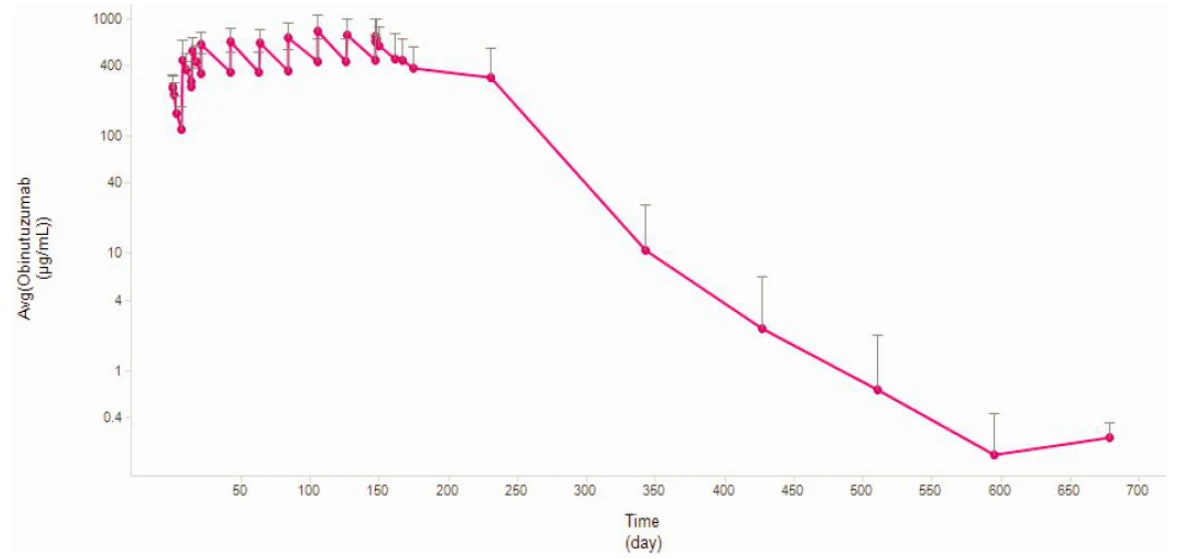
Table 16 Study BO20999 Phase II: Obinutuzumab Serum PK Parameters for CLL Patients on Cycle 8 Following Administration of 1000 mg Obinutuzumab to CLL Patients (N=12)
| Descriptive Stats | Cmax (mcg/ml) | AUC7d (day*mcg/mL) | AUClast (day* mcg/mL) | CLss (mL/day) | Vss (L) | t1/2 (days) |
|---|---|---|---|---|---|---|
| Mean | 799 | 4350 | 42448 | 125 | 16.1 | 23.9 |
| SD | 307 | 2078 | 23877 | 81.5 | 31.4 | 11.1 |
| GeoMean | 741 | 3870 | 36000 | 105 | 7.20 | 21.0 |
| % CV | 38.4 | 47.8 | 56.2 | 65.1 | 194 | 46.2 |
Table 17 Study BO20999 Phase II: Trough Serum Concentrations (Ctrough as mcg/mL) of CLL Patients from Cycle 2 to Cycle 8 Following Administration of 1000 mg of Obinutuzumab
| Descriptive Statistics | Cycle 2 | Cycle 3 | Cycle 4 | Cycle 5 | Cycle 6 | Cycle 7 | Cycle 8 |
|---|---|---|---|---|---|---|---|
| N | 17 | 16 | 16 | 12 | 13 | 13 | 13 |
| Mean | 341 | 345 | 347 | 354 | 424 | 424 | 437 |
| SD | 167 | 176 | 163 | 194 | 242 | 238 | 291 |
| GeoMean | 305 | 292 | 286 | 276 | 314 | 330 | 306 |
| % CV | 48.8 | 50.8 | 47.1 | 54.7 | 57.2 | 56 | 66.7 |
CLL = chronic lymphocytic leukaemia; CV = coefficient of variance of the arithmetic mean;
GeoMean = geometric mean; SD = standard deviation.
Table 18 Study BO21003 Phase I: Obinutuzumab Serum PK Parameters Following Administration of 200-2000 mg Obinutuzumab on Cycle 4 (Induction). Given as Monotherapy in Patients with CD20+ Malignant Disease
| Dose (mg) | Descriptive Statistics | Cmax (mcg/ mL) | AUCLAST a (day *mcg/mL) | AUC7d (day *mcg/mL) | CLss (mL/day) | Vss (L) | t1/2 (day) | Ctrough mcg/mL |
|---|---|---|---|---|---|---|---|---|
200 N = 3 | Mean | 178 | 4688 | 875 | 360 | 14.8 | 61.1 | 109 |
| SD | 87.0 | 4427 | 526 | 329 | 8.68 | 49.5 | 76.1 | |
| GeoMean | 161 | 2580 | 722 | 276 | 12.3 | 34.2 | 79 | |
| % CV | 48.9 | 94.4 | 60.1 | 91.4 | 58.6 | 81.0 | 69.8 | |
400 N = 3 | Mean | 320 | 18172 | 2064 | 207 | 33.1 | 115 | 280 |
| SD | 100 | 6218 | 693 | 59 | 34.4 | 134 | 115 | |
| GeoMean | 310 | 17500 | 1990 | 201 | 22.4 | 69.3 | 266 | |
| % CV | 31.3 | 34.2 | 33.6 | 28.5 | 104 | 117 | 41.1 | |
800 N = 3 | Mean | 466 | 16886 | 2666 | 832 | 7.72 | 15.6 | 336 |
| SD | 261 | 14796 | 1978 | 1080 | 4.24 | 17.8 | 282 | |
| GeoMean | 397 | 6310 | 1780 | 451 | 6.92 | 9.00 | 137 | |
| % CV | 56.0 | 87.6 | 74.2 | 129.8 | 55 | 114 | 83.9 | |
1000 N = 6 | Mean | 620 | 22332 | 3654 | 813 | 26.8 | 102 | 477 |
| SD | 324 | 19113 | 2293 | 1229 | 19.8 | 88.5 | 331 | |
| GeoMean | 510 | 8850 | 2510 | 398 | 19.8 | 55.8 | 121 | |
| % CV | 52.3 | 85.6 | 62.8 | 151 | 73.9 | 86.8 | 69.4 | |
1200 N = 3 | Mean | 1106 | 28237 | 6564 | 196 | 17.1 | 57.6 | 640 b |
| SD | 368 | 14617 | 2221 | 58 | 18.5 | 55.2 | NA | |
| GeoMean | 1070 | 25700 | 6330 | 189 | 11.4 | 41.6 | 640 b | |
| % CV | 33.3 | 51.8 | 33.8 | 30 | 108.2 | 95.8 | NA | |
2000 N = 3 | Mean | 1422 | 32767 | 8947 | 243 | 11.8 | 38.8 | 1222 |
| SD | 407 | 13906 | 2981 | 89.2 | 10.5 | 32.3 | 501 | |
| GeoMean | 1380 | 30700 | 8580 | 233 | 9.18 | 31.2 | 1150 | |
| CV% | 83.2 | 28.6 |
AUCLAST = area under the concentration-time curve; CLss: total body clearance at steady state; Cmax: maximum serum concentration; Ctrough = trough concentrations; CV = coefficient of variance of the arithmetic mean; GeoMean = geometric mean; NA = Not Applicable; PT = patient; SD = standard deviation; T1/2 = terminal elimination half-life; Vss: estimated volume of distribution at steady state.
In this dosing regimen AUCτ = AUC7d. AUCτ = area under the concentration-time curve over the dosing interval (tau)
a Last time point of the AUClast could vary from patient to patient depending on PK sample availability. For comparison across doses use AUCτ.
b Ctrough value with N=1.
Noncompartmental analysis (NCA) was used to determine obinutuzumab PK parameters. The PK parameters Cmax, AUC and Ctrough appear to increase linearly with dose. During induction, an accumulation ratio approximating 3, based on AUCτ from Cycle 1 to Cycle 4, was observed for all dose-cohorts tested.
Lupus Nephritis
The steady state clearance of GAZYVA was approximately 0.13 L/day with a median elimination t1/2 of 22.4 days.
GAZYVA elimination comprises two parallel pathways which describe clearance: a linear clearance pathway and a non-linear clearance pathway which changes as a function of time. The time-varying clearance decreases with time with an exponential decay coefficient, likely related to CD20 target reduction and proteinuria improvement over time and a time-independent one related to the endogenous catabolic processes of IgG.
Special populations and conditions
Chronic Lymphocytic Leukaemia and Follicular Lymphoma
- Pediatrics: No studies have been conducted to investigate the pharmacokinetics of GAZYVA in children.
- Geriatrics: No studies have been conducted to investigate the pharmacokinetics of GAZYVA in elderly patients.
- Hepatic Insufficiency: No formal pharmacokinetic study has been conducted nor was PK data collected in patients with hepatic impairment.
- Renal Insufficiency: No formal pharmacokinetic study has been conducted in patients with renal insufficiency.
Lupus Nephritis
- Pediatrics: No studies have been conducted to investigate the pharmacokinetics of GAZYVA in children.
- Geriatrics: No studies have been conducted to investigate the pharmacokinetics of GAZYVA in patients 65 years old or older.
- Hepatic Insufficiency: No formal pharmacokinetic study has been conducted and no population PK data were collected in patients with hepatic impairment.
- Renal Insufficiency: The population pharmacokinetic (n=196) analysis of GAZYVA showed that creatinine clearance (median [range] 108 [28.9-282 mL/min]) does not affect the pharmacokinetics in patients with LN. The pharmacokinetics of obinutuzumab in patients with mild (CrCl 60-<90 mL/min, n=45) or moderate (CrCL 30-<60 mL/min, n=17) renal impairment were similar to those in patients with normal kidney function. The safety and efficacy of GAZYVA in patients with severe renal impairment has not been formally studied.
10.4. Immunogenicity
All therapeutic proteins have the potential for immunogenicity.
The detection of antibody formation is highly dependent on the sensitivity and specificity of the assay. Additionally, the observed incidence of antibody (including neutralizing antibody) positivity in an assay may be influenced by several factors including assay methodology, sample handling, timing of sample collection, concomitant medications, and underlying disease. For these reasons, comparison of incidence of antibodies in the studies described below with the incidences of antibodies in other studies or to other products may be misleading.
Of the GAZYVA-treated previously untreated CLL patients in the pivotal clinical trial, BO21004/CLL11, 7% (18 / 271) tested positive for anti-GAZYVA antibodies at one or more time points during the treatment period of GAZYVA and/or 12 month follow-up period. Neutralization activity of anti-GAZYVA antibodies has not been assessed.
In iNHL patients, no patients developed anti-GAZYVA antibodies during or following GAZYVA treatment in study GAO4753g, while 0.2% (1 / 565) had a detectable positive result of anti-GAZYVA antibodies post-baseline in study BO21223. While the clinical significance of anti-GAZYVA antibodies is not known, a potential correlation between anti-GAZYVA antibodies and clinical course cannot be ruled out.
In GAZYVA-treated patients in the LN studies, a total of 12 out of 200 (6%) had at least one anti-drug antibody (ADA)-positive sample recorded at any time during the study. Six (3%) subjects had ADA-positive samples recorded at baseline. Two of the 6 patients who were ADA-positive at baseline remained ADA-positive throughout the studies, 1 had a single post-baseline sample that was ADA positive and in the remaining 3 patients all post-baseline samples were ADA-negative. Six (3%) patients for whom the baseline sample was ADA-negative had a positive ADA titer post-baseline (treatment-induced ADA). None of the 12 patients with positive ADA titers at any time during the treatment period experienced an IRR or anaphylactic or hypersensitivity reaction during the study.
Because of the low occurrence of anti-drug antibodies, the effect of these antibodies on the pharmacokinetics, pharmacodynamics, safety and/or effectiveness of GAZYVA is unknown.
- 11. Storage, Stability, and Disposal
Store vials in a refrigerator at 2 - 8°C.
GAZYVA (obinutuzumab) should not be used after the expiry date (EXP) shown on the vial and carton.
Keep vial in the outer carton in order to protect from light. DO NOT FREEZE. DO NOT SHAKE.
Chemical and physical in-use stability has been demonstrated for 24 hours at 2 - 8°C followed by 24 hours at ambient temperature (≤ 30°C) followed by an infusion taking no longer than 24 hours.
From a microbiological point of view, the prepared infusion solution should be used immediately. If not used immediately, in-use storage times and conditions prior to use are the responsibility of the user and would normally not be longer than 24 hours at 2 - 8°C, unless dilution has taken place in controlled and validated aseptic conditions.
GAZYVA does not contain antimicrobial preservatives. Therefore, care must be taken to ensure that the solution for infusion is not microbiologically compromised during preparation.
12. Special Handling Instructions
Disposal of unused/expired medicines
The release of pharmaceuticals in the environment should be minimized. Medicines should not be disposed of via wastewater and disposal through household waste should be avoided. Use established “collection systems”, if available in your location.
Part 2: Scientific Information
13. Pharmaceutical Information
Drug Substance
Proper name: GAZYVA
Chemical name: obinutuzumab
Molecular formula and molecular mass: 146,321 Daltons (peptide chains only, with heavy chain C-terminal lysine residue, with heavy chain N-terminal glutamines)
Structural formula: Two heavy chains (449 amino acid residues each) and two light chains (219 amino acid residues each) with inter- and intra-chain disulfide bonds that are typical of IgG1 antibodies
Physicochemical properties: Concentrate for solution for infusion: clear, colourless to slightly brownish liquid
Pharmaceutical standard: Professed
Product Characteristics: GAZYVA (obinutuzumab) is a recombinant monoclonal humanized and glycoengineered Type II anti-CD20 antibody of the IgG1 isotype.
14. Clinical Trials
14.1. Clinical Trial by Indication
Chronic Lymphocytic Leukaemia
Study BO21004/CLL11
GAZYVA was evaluated in a three arm, open-label, active control, randomized, multicentre trial (BO21004/CLL11) in patients with previously untreated CD20+ chronic lymphocytic leukaemia requiring treatment and had coexisting medical conditions and/or reduced renal function as measured by creatinine clearance (CrCl) <70 mL/min. Patients with CrCl <30 mL/min, active infections, positive hepatitis B (HBsAg or anti-HBc positive, patients positive for anti-HBc could be included if hepatitis B viral DNA was not detectable) and hepatitis C serology, or immunization with live virus vaccine within 28 days prior to randomization were excluded from the trial. Patients were treated with chlorambucil control (Arm 1), GAZYVA in combination with chlorambucil (Arm 2) or rituximab in combination with chlorambucil (Arm 3). The safety of GAZYVA was evaluated in a Stage 1a comparison of Arm 1 vs. Arm 2 in 357 patients and a Stage 2 comparison of Arm 2 vs. Arm 3 in 657 patients. The efficacy of GAZYVA was evaluated in a Stage1a comparison of Arm 1 vs. Arm 2 in 356 patients and a Stage 2 comparison of Arm 2 vs. Arm 3 in 663 patients.
The majority of patients received 1000 mg of GAZYVA on days 1, 8, and 15 of the first cycle, followed by treatment on the first day of 5 subsequent cycles (total of 6 cycles, 28 days each). The first dose of GAZYVA was divided between day 1 (100 mg) and day 2 (900 mg) (see 4 Dosage and Administration), which was implemented in 140 patients. Chlorambucil was given orally at 0.5 mg/kg on day 1 and day 15 of all treatment cycles (1 to 6).
The median age was 73 years, 61% were male, and 95% were Caucasian. At baseline, 22% of patients were Binet stage A, 42% were stage B, and 36% were stage C. For all patients enrolled in both treatment arms, the median comorbidity score was 8 and 76% of the patients enrolled had a comorbidity score above 6. The median estimated CrCl was 62 mL/min and 66% of all patients had a CrCl <70 mL/min. Forty-two percent of patients enrolled had both a CrCl <70 mL/min and a comorbidity score of >6. Thirty-four percent of patients were enrolled on comorbidity score alone, and 23% of patients were enrolled with only impaired renal function. The most frequently reported coexisting medical conditions (using a cut off of 30% or higher), in the MedDRA body systems are: Vascular disorders 73%, Cardiac disorders 46%, GI disorders 38%, Metabolism and Nutrition disorders 40%, Renal and Urinary disorders 38%, musculoskeletal and connective tissue disorders 33%. Eighty-one percent of patients treated with GAZYVA in combination with chlorambucil received all 6 cycles compared to 89% of patients in the rituximab treated arm and 67% of patients in the chlorambucil alone arm.
In the Stage 1a analysis, the median progression free survival (PFS) assessed by an independent review committee (IRC) was 27.2 in the GAZYVA plus chlorambucil arm vs. 11.2 months in the chlorambucil alone arm, which is consistent with the investigator’s assessment (the primary endpoint of the study) with a median observation time of 22.8 months. Key secondary efficacy endpoints of the study include response rate, median duration of response and overall survival. The median overall survival was not yet reached with a total of 46 deaths: 22 (9%) in the GAZYVA in combination with chlorambucil arm and 24 (20%) in the chlorambucil arm at the data cut-off (09 May 2013). The hazard ratio for OS was 0.41(95% CI: 0.23-0.74). Overall survival will continue to be followed.
In the Stage 2 analysis, the median PFS was 26.7 months in the GAZYVA plus chlorambucil arm and 14.9 months in the rituximab plus chlorambucil arm with a median observation time of 18.7 months (HR: 0.42, 95% CI: 0.33-0.54, p-value <0.0001). These results were assessed by independent review and are consistent with investigator-assessed PFS. Minimal Residual Disease (MRD) was evaluated using allele-specific oligonucleotide polymerase chain reaction (ASO-PCR). The cut-off for a negative status was one CLL cell per 104 leukocytes in the sample (i.e., an MRD value of <10-4 was considered negative). MRD was evaluated in bone marrow samples from 133 patients in the GAZYVA arm and 114 patients in the rituximab arm and in peripheral blood samples from 231 and 243 patients respectively. In the bone marrow analysis, 26 patients (20% of evaluable patients) had negative MRD in the GAZYVA arm compared to 3 patients (3% of evaluable patients) in the rituximab arm. In peripheral blood 87 patients (38% of evaluable patients) had negative MRD in the GAZYVA arm compared to 8 patients (3% of evaluable patients) in the rituximab arm.
Efficacy results are shown in Table 19 and the Kaplan-Meier curves for Stage 1a Overall Survival and Stage 2 IRC-assessed PFS is shown in Figure 2 and
Figure 3, respectively.
Table 19 Summary of Efficacy from Study BO21004 (CLL11) 4, 5
Stage 1a (data cut-off 09 May 2013) | Stage 2 (data cut-off 09 May 2013) | ||||||||||||||||||||||||||
|---|---|---|---|---|---|---|---|---|---|---|---|---|---|---|---|---|---|---|---|---|---|---|---|---|---|---|---|
Stage 1a (data cut-off 09 May 2013) | Stage 2 (data cut-off 09 May 2013) | ||||||||||||||||||||||||||
chlorambucil N=118 | GAZYVA + chlorambucil N= 238 | rituximab + chlorambucil N = 330 | GAZYVA + chlorambucil N = 333 | ||||||||||||||||||||||||
chlorambucil N=118 | GAZYVA + chlorambucil N= 238 | rituximab + chlorambucil N = 330 | GAZYVA + chlorambucil N = 333 | ||||||||||||||||||||||||
| 22.8 months median observation time | 18.7 months median observation time | ||||||||||||||||||||||||||
| 22.8 months median observation time | 18.7 months median observation time | ||||||||||||||||||||||||||
| IRC-assessed PFS (PFS-IRC)1 | |||||||||||||||||||||||||||
| Number (%) of patients with event | 90 (76.3%) | 89 (37.4%) | 183 (55.5%) | 103 (30.9%) | |||||||||||||||||||||||
| Median time to event (months) | 11.2 | 27.2 | 14.9 | 26.7 | |||||||||||||||||||||||
| HR (95% CI) | 0.19 [0.14; 0.27] | 0.42 [0.33; 0.54] | |||||||||||||||||||||||||
| p-value (Log-Rank test, stratified 2) | <0.0001 | <0.0001 | |||||||||||||||||||||||||
| End of Treatment Response Rate | |||||||||||||||||||||||||||
| No. of patients included in the analysis | 118 | 238 | 329 | 333 | |||||||||||||||||||||||
| Responders (%) | 37 (31.4%) | 184 (77.3%) | 214 (65.0%) | 261 (78.4%) | |||||||||||||||||||||||
| Difference in response rate, (95% CI) | 45.95 [35.6; 56.3] | 13.33 [6.4; 20.3] | |||||||||||||||||||||||||
| p-value (Chi-squared Test) | <0.0001 | 0.0001 | |||||||||||||||||||||||||
| No. of complete responders 3 (%) | 0 (0.0%) | 53 (22.3%) | 23 (7.0%) | 69 (20.7%) | |||||||||||||||||||||||
| Median Duration of Response | |||||||||||||||||||||||||||
| No. of patients included in the analysis | 41 | 189 | 220 | 269 | |||||||||||||||||||||||
| Months | 5.1 | 22.4 | 9.7 | 19.6 | |||||||||||||||||||||||
| [95% CI] | [3.3; 6.7] | [17.1; -] | [8.9; 12.1] | [17.1; -] | |||||||||||||||||||||||
| Overall Survival | |||||||||||||||||||||||||||
| No. of patients with event | 24 (20.3%) | 22 (9.2%) | Not Yet Mature | ||||||||||||||||||||||||
| HR (95% CI) | 0.41 [0.23; 0.74] | ||||||||||||||||||||||||||
| Molecular Remission at end of treatment (Blood) | |||||||||||||||||||||||||||
| No. of patients included in the analysis | 90 | 162 | 243 | 231 | |||||||||||||||||||||||
| MRD negative 6 (%) | 0 (0%) | 67 (41%) | 8 (3%) | 87 (38%) | |||||||||||||||||||||||
| MRD positive 7 (%) | 90 (100%) | 95 (59%) | 235 (97%) | 144 (62%) | |||||||||||||||||||||||
| Difference in MRD rates, (95% CI) | 41.36 [33.2; 49.5] | 34.37 [27.5; 41.2] | |||||||||||||||||||||||||
| Molecular Remission at end of treatment (Bone marrow) | |||||||||||||||||||||||||||
| No. of patients included in the analysis | 31 | 100 | 114 | 133 | |||||||||||||||||||||||
| MRD negative 6 (%) | 0 (0%) | 21 (21%) | 3 (3%) | 26 (20%) | |||||||||||||||||||||||
| MRD positive 7 (%) | 31 (100%) | 79 (79%) | 111 (97%) | 107 (80%) | |||||||||||||||||||||||
| Difference in MRD rates, (95% CI) | 21.00 [11.4; 30.6] | 16.92 [9.1; 24.7] | |||||||||||||||||||||||||
| Time to new anti-leukemic therapy | |||||||||||||||||||||||||||
| No. (%) of patients with event | 65 (55.1%) | 51 (21.4%) | 86 (26.1%) | 55 (16.5%) | |||||||||||||||||||||||
| Median time to event (months) | 14.8 | - | 30.8 | - | |||||||||||||||||||||||
| HR (95% CI) | 0.24 [0.16; 0.35] | 0.59 [0.42; 0.82] | |||||||||||||||||||||||||
| p-value (Log-Rank test, stratified 2) | <0.0001 | 0.0018 | |||||||||||||||||||||||||
IRC: Independent Review Committee; PFS: progression-free survival; HR: Hazard Ratio; CI: Confidence Intervals, MRD: Minimal Residual Disease 1 Defined as the time from randomization to the first occurrence of progression, relapse or deathfrom any cause as assessed by the investigator. 2 stratified by Binet stage at baseline. 3 Includes 11 patients in the GClb arm with a complete response with incomplete marrow recovery. 4 Stage 1a: Investigator-assessed median PFS was 11.1 months in the Clb arm and 26.7 months in the GClb arm, the HR (95% CI) was 0.18 [0.13; 0.24] and p-value was <0.0001. 5 Stage 2: Investigator-assessed median PFS was 15.2 months in the RClb arm and 26.7 months in the GClb arm, the HR (95% CI) was 0.39 [0.31; 0.49] and p-value was <0.0001. The concordance between IRC- assessed PFS and investigator-assessed PFS were 92% in the RClb arm and 92% in the GClb arm. 6 MRD negativity is defined as a result below 0.0001. 7 Includes MRD positive patients and patients who progressed or died before end of treatment. | |||||||||||||||||||||||||||
The results of other secondary endpoints assessed, including molecular remissions at end of treatment in blood and bone marrow, event free survival and time to new anti-leukaemic therapy, are in favour of GAZYVA in combination with chlorambucil over chlorambucil alone (Stage 1a) as well as GAZYVA in combination with chlorambucil over rituximab in combination with chlorambucil (Stage 2).
Figure 2 Kaplan-Meier Curve of Overall Survival (Stage 1a)
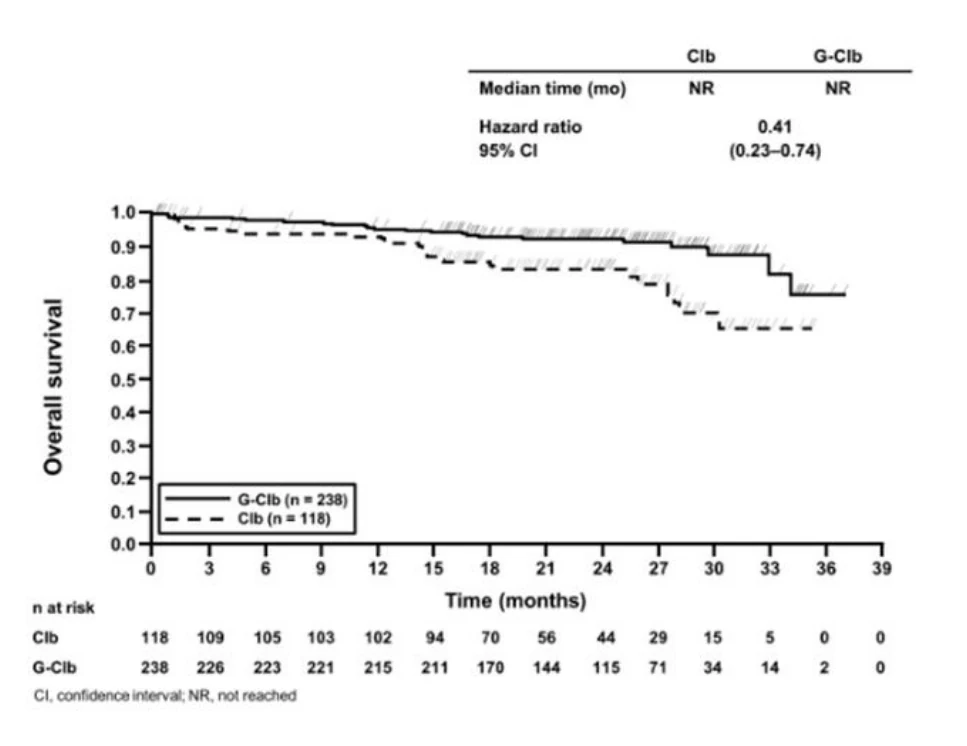
Figure 3 Kaplan-Meier curve of IRC-assessed progression-free survival (Stage 2)
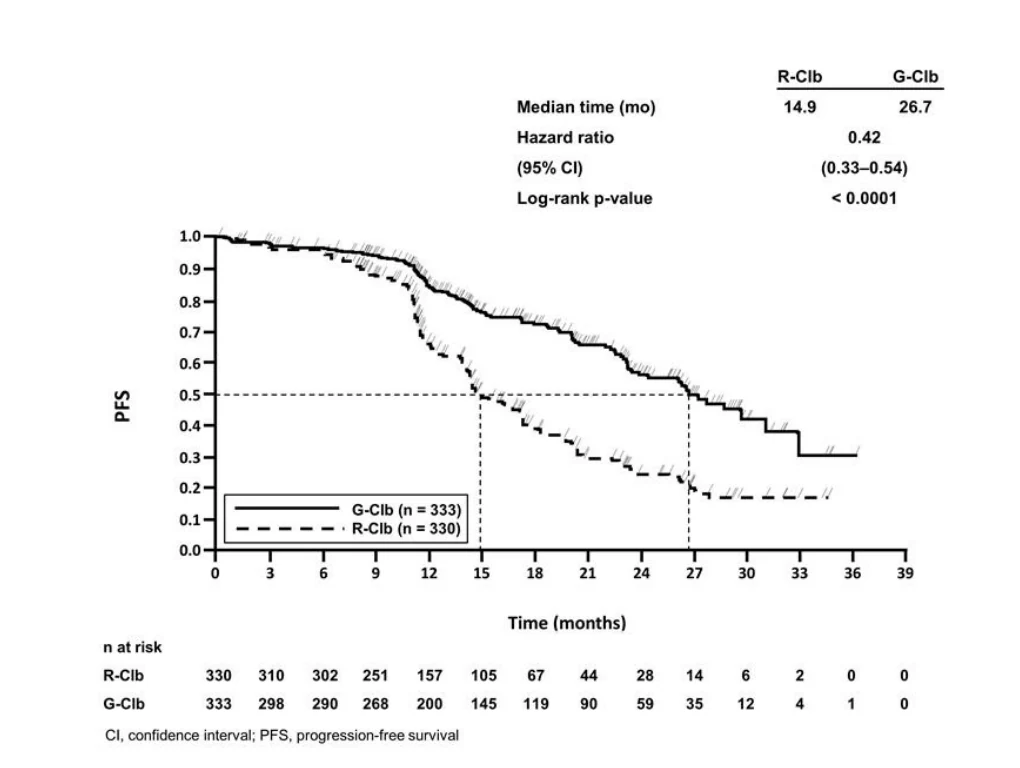
Non-Hodgkin Lymphoma (Follicular Lymphoma)
Relapsed/Refractory Follicular Lymphoma: Study GAO4753g/GADOLIN
GAZYVA was evaluated in a phase III, open-label, multicenter, randomized and controlled trial (GAO4753g/GADOLIN) in 396 patients with indolent Non-Hodgkin lymphoma (iNHL) (81% with follicular lymphoma) who had no response to or who progressed during or up to 6 months after treatment with rituximab or a rituximab-containing regimen. Patients were randomized 1:1 to receive either bendamustine alone (n = 202) or GAZYVA in combination with bendamustine (n = 194) for 6 cycles, each of 28 days duration. Patients in the GAZYVA plus bendamustine arm who did not have disease progression [i.e. patients with a complete response (CR), partial response (PR) or stable disease (SD)] at the end of the sixth cycle continued receiving GAZYVA monotherapy until disease progression or for up to two years, whichever occurred first. Patients were stratified according to iNHL subtype (follicular vs. non follicular), rituximab-refractory type (refractory to prior rituximab monotherapy versus rituximab in combination with chemotherapy) and the number of prior therapies (≤2 versus >2).
GAZYVA was given intravenously as a 1000 mg dose on Days 1, 8 and 15 of Cycle 1, on Day 1 of Cycles 2-6, and in patients who did not have disease progression, every 2 months for up to 2 years or until disease progression. Bendamustine was given intravenously on Days 1 and 2 for all treatment cycles (Cycles 1-6) at 90 mg/m2/day when given in combination with GAZYVA or 120 mg/m2/day when given alone.
The demographic data and baseline characteristics were in general balanced between the two treatment groups [median age was 63 years (age range was 21 to 87 years in the bendamustine arm and 34 to 87 years in the GAZYVA plus bendamustine arm); the majority of patients were Caucasian (88%) and male (58%)]. The median time from initial diagnosis was 3 years and the median number of prior therapies was 2 (range 1 to 10); 44% of patients had received 1 prior therapy and 34% of patients had received 2 prior therapies. Demographic characteristics in the follicular lymphoma patients were consistent with the iNHL population of the trial.
The primary analysis was progression-free survival (PFS) in the iNHL population assessed by an independent review committee (IRC). Median observation time was 21.1 months. The median PFS was 14.9 months in the bendamustine arm and had not been reached in the GAZYVA plus bendamustine arm (stratified HR 0.55 [0.40, 0.74], stratified log-rank test p value = 0.0001). The secondary endpoints included PFS as assessed by investigator, best overall response rate (BOR), duration of the response and overall survival. The median PFS as assessed by investigator was 14.0 months in the bendamustine arm and 29.2 months in the GAZYVA plus bendamustine arm (HR 0.52 [0.39, 0.70]). BOR was 76.6% in the bendamustine arm and 78.6% in the GAZYVA plus bendamustine arm. The median duration of response was 13.2 months in the bendamustine arm and had not been reached in the GAZYVA plus bendamustine arm (stratified HR 0.42 [0.29, 0.61]). The median overall survival was not reached in both arms.
The efficacy results in the FL population were consistent with the efficacy results in the iNHL population. The median PFS as assessed by IRC was 13.8 months in the bendamustine arm and had not been reached in the GAZYVA plus bendamustine arm (HR 0.48 [95% CI: 0.34, 0.68], stratified log-rank test p value <0.0001). The median PFS as assessed by investigator was 13.7 months in the bendamustine arm and 29.2 in the GAZYVA plus bendamustine arm (HR 0.48 [0.35, 0.67]). The BOR was 77.0% in the bendamustine arm and 79.7% in the GAZYVA plus bendamustine arm. The median duration of response was 11.9 months in the bendamustine arm and had not been reached in the GAZYVA plus bendamustine arm (stratified HR 0.36 [0.24, 0.54]). Median overall survival was not reached in both arms.
Table 20 summarizes the efficacy results in iNHL and FL patients. Kaplan-Meier curves for PFS are shown in Figure 4 and Figure 5. Kaplan-Meier curves for OS are shown in
Figure 6 and Figure 7.
Table 20 Summary of Efficacy in iNHL and FL Patients from the GAO4753g (GADOLIN) Study
| iNHL | FL | ||||||||||||||||||||||||
|---|---|---|---|---|---|---|---|---|---|---|---|---|---|---|---|---|---|---|---|---|---|---|---|---|---|
| iNHL | FL | ||||||||||||||||||||||||
Bendamustine N=202 | GAZYVA plus bendamustine followed by GAZYVA monotherapy N=194 | Bendamustine N=166 | GAZYVA plus bendamustine followed by GAZYVA monotherapy N=155 | ||||||||||||||||||||||
Bendamustine N=202 | GAZYVA plus bendamustine followed by GAZYVA monotherapy N=194 | Bendamustine N=166 | GAZYVA plus bendamustine followed by GAZYVA monotherapy N=155 | ||||||||||||||||||||||
| Median observation time 20 months | Median observation time 22 months | Median observation time 20 months | Median observation time 22 months | ||||||||||||||||||||||
| Median PFS-assessed by IRC (months) | 14.9 | NR | 13.8 | NR | |||||||||||||||||||||
| HR [95% CI] | 0.55 [0.40, 0.74] | 0.48 [0.34, 0.68] | |||||||||||||||||||||||
| p-value (Log-Rank test, stratified*) | 0.0001 | < 0.0001 | |||||||||||||||||||||||
| Median PFS-assessed by investigator (months) | 14.0 | 29.2 | 13.7 | 29.2 | |||||||||||||||||||||
| HR [95% CI] | 0.52 [0.39, 0.70] | 0.48 [0.35, 0.67] | |||||||||||||||||||||||
| Best Overall Response (BOR) (IRC-assessed)§ (%) (CR, PR) | 151 (76.6%) | 151 (78.6%) | 124 (77.0%) | 122 (79.7%) | |||||||||||||||||||||
| Difference in response rate (%) [95% CI] | 2.00 [-6.56, 10.55] | 2.72 [-6.74, 12.18] | |||||||||||||||||||||||
| Complete response (CR) | 34 (17.3%) | 32 (16.7%) | 31 (19.3%) | 24 (15.7%) | |||||||||||||||||||||
| Partial response (PR) | 117 (59.4%) | 119 (62.0%) | 93 (57.8%) | 98 (64.1%) | |||||||||||||||||||||
| Median duration of response (IRC-assessed) (months) | 13.2 | NR | 11.9 | NR | |||||||||||||||||||||
| HR [95% CI] | 0.42 [0.29, 0.61] | 0.36 [0.24, 0.54] | |||||||||||||||||||||||
| Median Overall Survival (months) | NR ¶ | NR ¶ | NR ¶ | NR ¶ | |||||||||||||||||||||
| HR [95% CI] | 0.82 [0.52, 1.30] ¶ | 0.71 [0.43, 1.19] ¶ | |||||||||||||||||||||||
IRC: Independent Review Committee; PFS: progression-free survival; HR: Hazard Ratio; CI: Confidence Intervals, NR: Not Reached * Stratification factors were iNHL subtype (follicular vs. non-follicular: not used in analysis of patients with FL), refractory type (rituximab monotherapy vs. rituximab + chemotherapy) and prior therapies (≤ 2 vs. > 2) § Best response within 12 months of start of treatment ¶ Data Not Yet Mature | |||||||||||||||||||||||||
Figure 4 Kaplan-Meier Curve of IRC-Assessed Progression-Free Survival in iNHL Patients (Cut-off date: 01 September 2014)
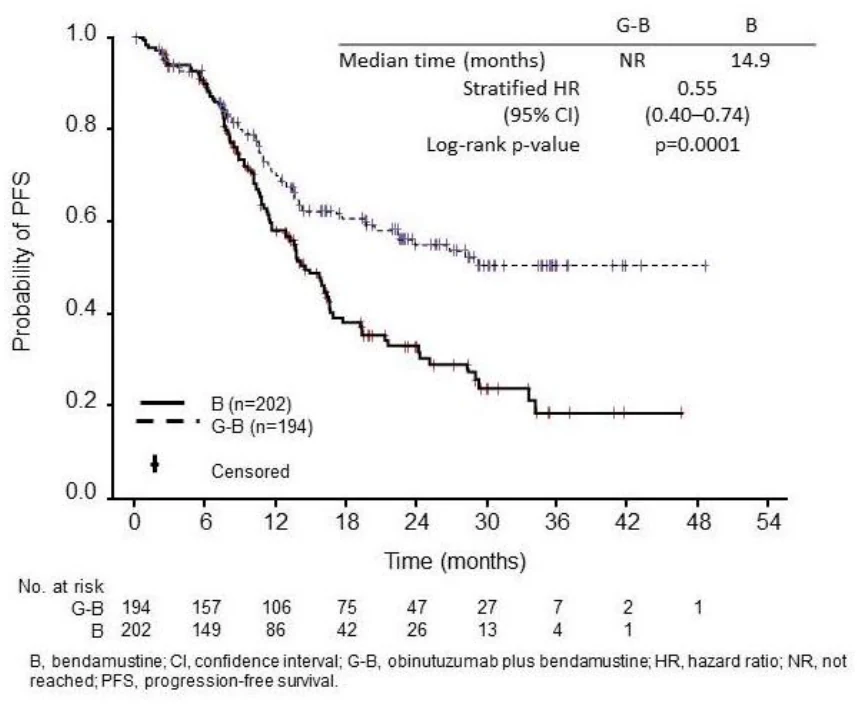
Figure 5 Kaplan-Meier Curve of IRC-assessed Progression-Free Survival in FL Patients (Cut-off date: 01 September 2014)
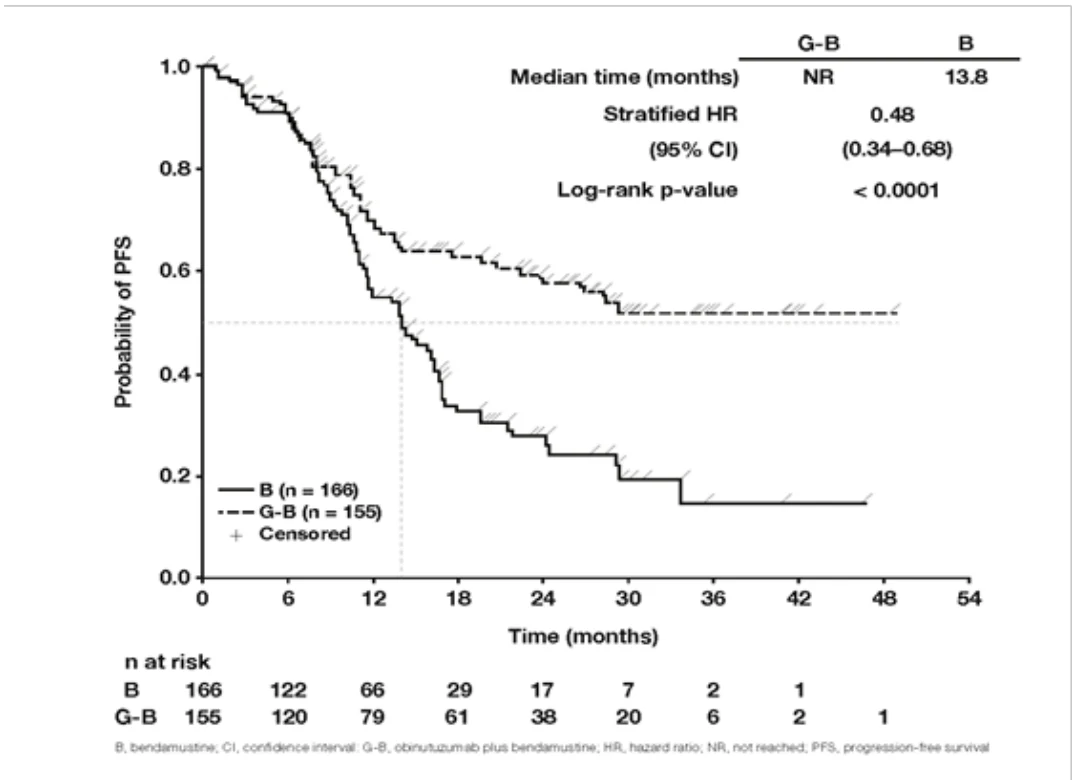
Figure 6 Kaplan-Meier Curve of Overall Survival in iNHL Patients (Cut-off date: 01 September 2014)
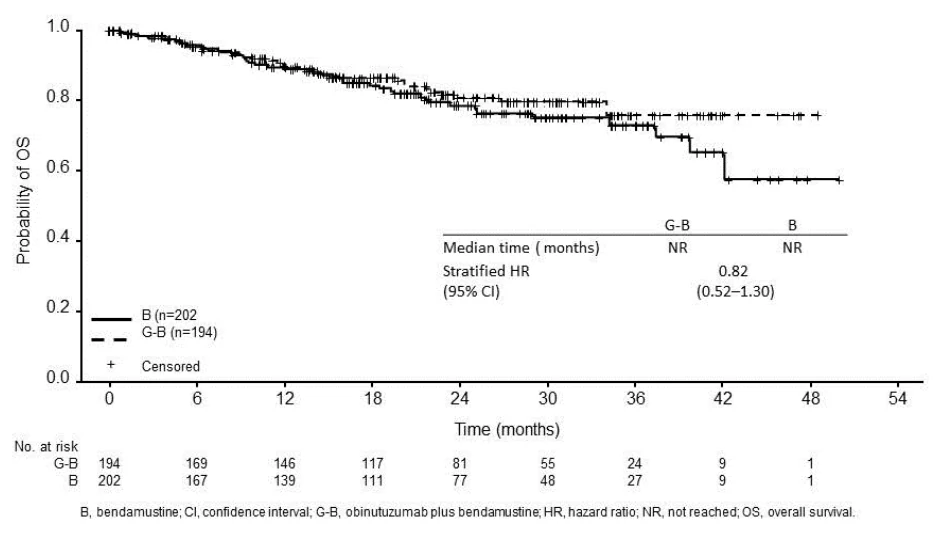
Figure 7 Kaplan-Meier Curve of Overall Survival in FL Patients (Cut-off date: 01 May 2015)*
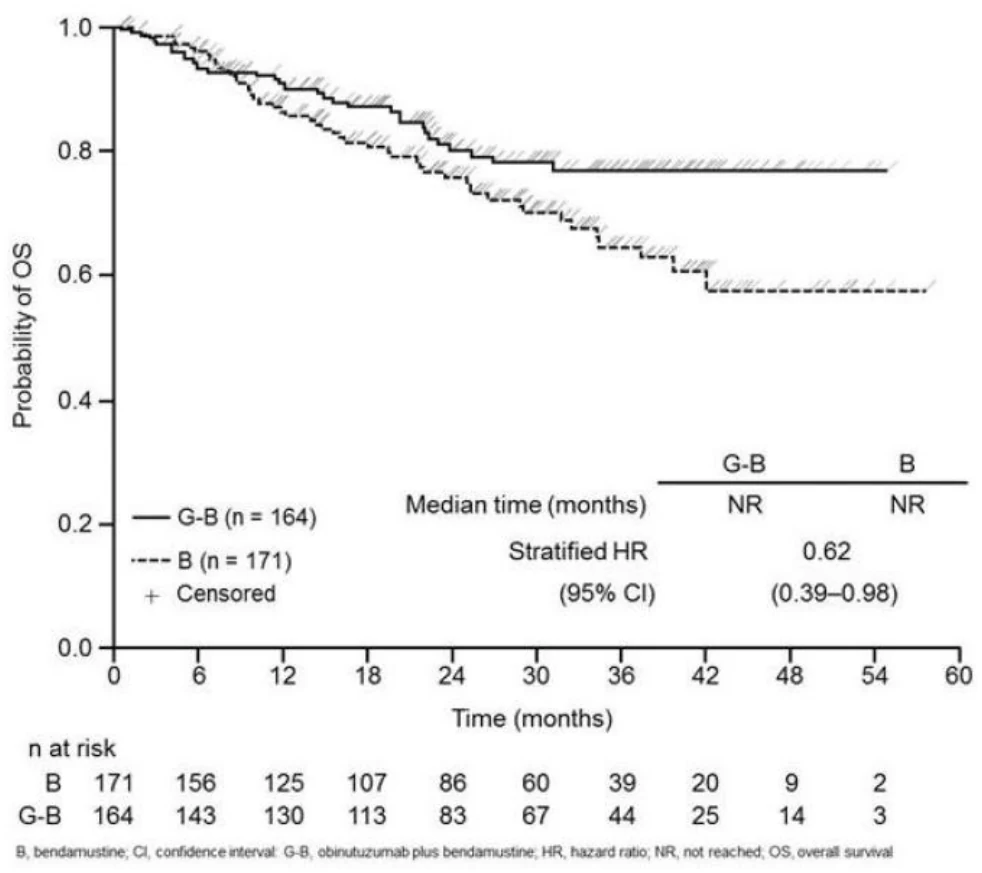
*An analysis conducted with 24.1 months of median observation time revealed that the median overall survival was not yet reached in either arm.
At the final exploratory analysis, the median observation time was 45.9 months (range: 0-100.9 months) for FL patients in the B arm and 57.3 months (range: 0.4-97.6 months) for patients in the G+B arm, representing an additional 25.6 months and 35.2 months of median follow-up in B and G+B arms, respectively, since the primary analysis. Only Investigator (INV) assessed endpoints were reported at the final analysis since IRC assessments did not continue. Based on the final exploratory analysis, the overall survival (OS) HR for risk of death in patients with FL was 0.71 (95%CI: 0.51, 0.98).
Previously Untreated Follicular Lymphoma
Study BO21223/GALLIUM
In a multicentre phase III, open-label, randomized study (BO21223/GALLIUM), 1202 previously untreated patients with stage II (bulky)/III/IV follicular lymphoma (FL) were evaluated. Patients were randomized 1:1 to receive either GAZYVA or rituximab in combination with chemotherapy (CHOP, CVP, or bendamustine) followed by GAZYVA or rituximab monotherapy in patients who achieved a complete or partial response. Randomization was stratified by chemotherapy (selected by each investigational site; all patients at that site received the chosen chemotherapy regimen for the duration of the study), FLIPI risk group and geographic region. The study excluded patients with follicular lymphoma grade 3b or transformed disease.
The demographic data and baseline characteristics of the FL population were well balanced [median age was 59 years, the majority of patients were Caucasian (81%), and female (53%)]. Seventy-nine percent had a FLIPI score of ≥2 and 7% had Stage II (bulky), 35% had Stage III and 57% had Stage IV disease. Fifty-seven percent received bendamustine, 33% received CHOP, and 10% received CVP chemotherapy. Forty-four percent had bulky disease (>7 cm), 34% had at least one B-symptom at baseline and 97% had an ECOG performance status of 0-1 at baseline.
GAZYVA (1000 mg) was administered intravenously (see 4 Dosage and Administration) prior to chemotherapy. Bendamustine was given intravenously on Days 1 and 2 for all treatment cycles (Cycles 1-6) at 90 mg/m2/day when given in combination with GAZYVA. Standard dosing of CHOP and CVP was given. Following 6-8 cycles of treatment with GAZYVA in combination with chemotherapy, patients who responded to induction therapy were given GAZYVA monotherapy every 2 months for 2 years or until disease progression.
Primary efficacy evaluation was based on progression free survival (PFS) defined as the time from randomization to the first occurrence of progression or relapse as assessed by the investigator according to the Revised Response Criteria for Malignant Lymphoma (Cheson et al 2007) or death from any cause. PFS based on Independent Review Committee (IRC) was analyzed to support the primary analysis, and was consistent.
Table 21 Summary of Efficacy in FL Patients from Study BO21223 (GALLIUM)*
rituximab + chemotherapy followed by rituximab monotherapy n = 601 | GAZYVA + chemotherapy followed by GAZYVA monotherapy n = 601 | |||||||
|---|---|---|---|---|---|---|---|---|
| PFS (IRC-assessed) | ||||||||
| Number of events (%) | 141 (23.5%) 108 (18%) | |||||||
| Hazard Ratio | 0.72 [95% CI: 0.56, 0.93] | |||||||
| p-value | 0.0118 | |||||||
| 3 year PFS estimate [95% CI] | 78.9 % [75.2, 82.1] | 83.4% [79.9, 86.3] | ||||||
| Complete response rates at end of induction as assessed by CT (IRC-assessed) | 161 (27%) | 171 (28%) | ||||||
| Overall response rates as assessed by CT (IRC-assessed) | 529 (88%) | 549 (91%) | ||||||
IRC: Independent Review Committee; PFS: progression-free survival; HR: Hazard Ratio; CI: Confidence Interval
Note: p-values and hazard ratios were calculated using the stratified log-rank test and stratified Cox regression for time-to-event endpoints, respectively. Stratification factors were chemotherapy and FLIPI.
*Following a pre-specified interim analysis, the Independent Data Monitoring Committee (IDMC) recommended the study to be unblinded and fully analyzed because the pre-specified boundary for the primary endpoint of Investigator-assessed PFS had been met. These findings are based on an updated efficacy analysis of IRC-assessed PFS, with a median observation time of 41.1 months.
Figure 8 Kaplan-Meier Curve of IRC-assessed Progression-Free Survival in Patients with Previously Untreated FL (Cut-off date: 10 September 2016)
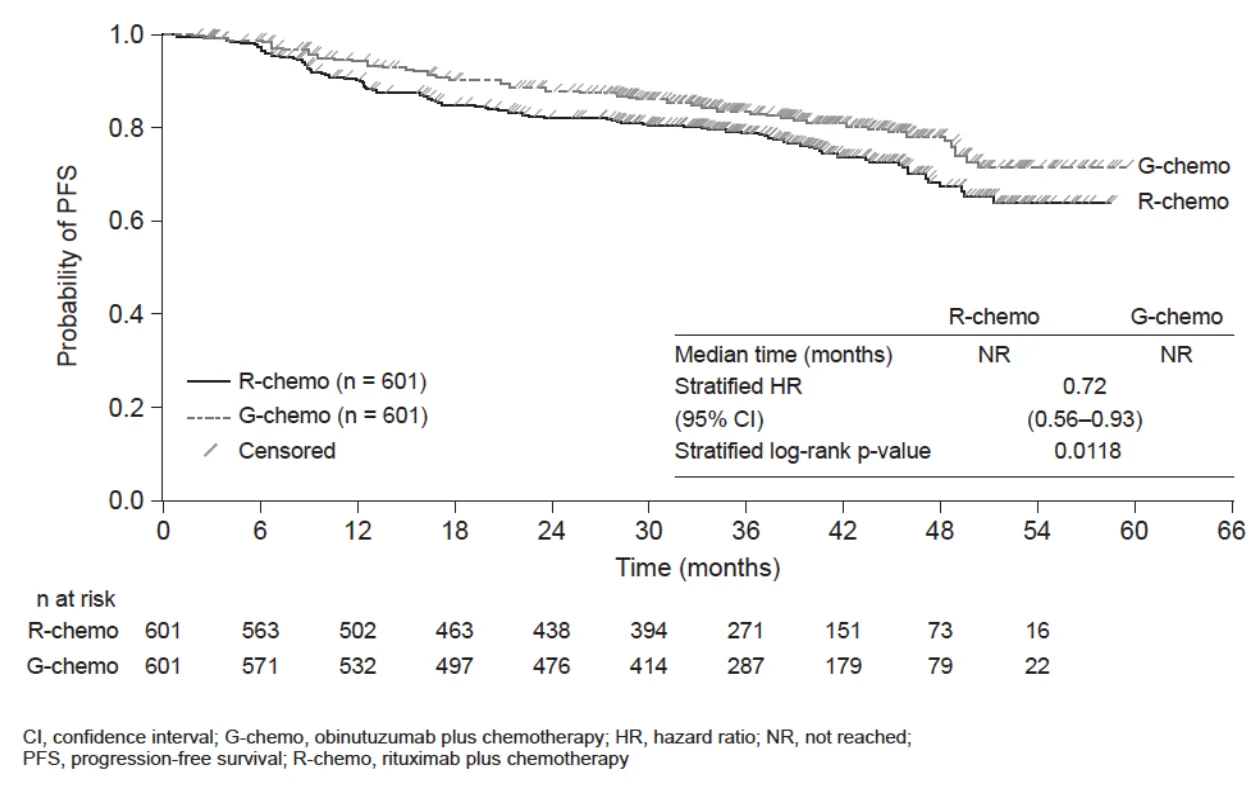
At a median observation time of 41.1 months, the estimate of the hazard ratio based on Independent Review Committee (IRC) assessed PFS events was 0.72 with a 95% CI of 0.56-0.93 and the stratified log-rank test p-value was 0.0118. Please see Table 21 and Figure 8 for more details. On the basis of Kaplan-Meier estimates, 78.9% (95% CI: 75.2, 82.1) of patients in the rituximab containing arm and 83.4% (95% CI: 79.9, 86.3) of patients in the GAZYVA containing arm were progression-free at 3 years. The median PFS was not reached in either arm.
Prospectively planned exploratory subgroup analyses of IRC-assessed PFS were conducted for the stratification factors for the updated analysis. The results across all subgroups, with the exception of one, were in the same direction (point estimates of HR<1) as for the FL ITT population. In the analyses of PFS stratified by FLIPI risk category (low, intermediate, high), the proportion of patients in the FLIPI-low group with disease progression or death was 14.9% (19/127) in the GAZYVA arm and 12% (15/125) in the rituximab arm (see Figure 9).
Figure 9 IRC-assessed Progression-Free Survival based on FLIPI risk category (Cut-off date: 10 September 2016)
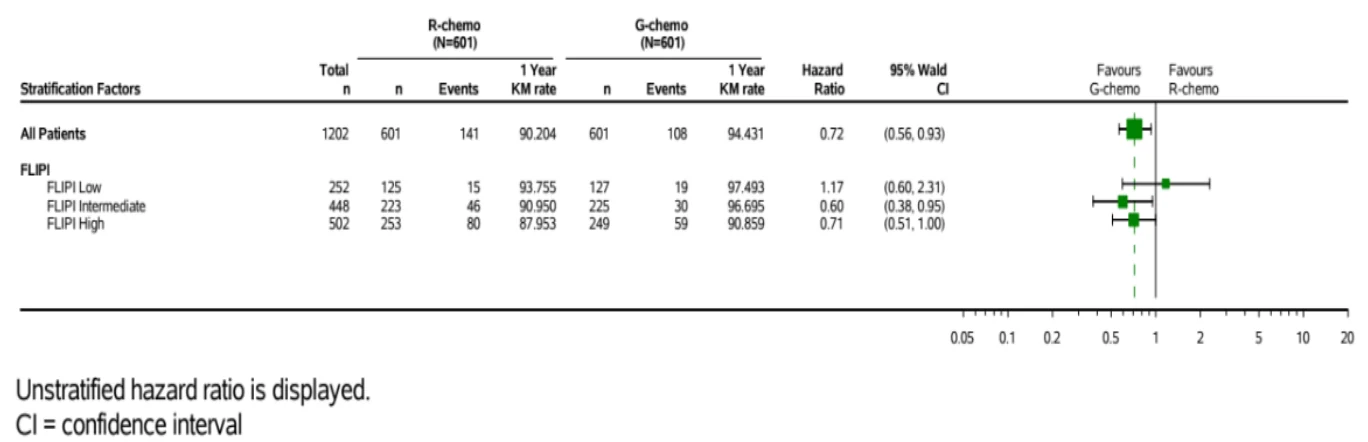
These results should be interpreted with caution given the inherent limitations associated with sub-group analysis.
Short Duration Infusion Study (MO40597/GAZELLE)
The safety of short (approximately 90 minutes) duration infusion (SDI) of obinutuzumab administered in combination with CHOP, CVP or bendamustine chemotherapy was evaluated in a multicenter, open-label, single arm study in 113 patients with previously untreated advanced follicular lymphoma (Study MO40597/GAZELLE).
Patients received the first cycle of obinutuzumab at the standard infusion rate on Day 1, 8, and 15 of cycle 1. Patients who did not experience any Grade ≥3 IRRs during the first cycle received SDI from Cycle 2 onwards.
The primary endpoint of the study was the proportion of patients who experienced a Grade ≥3 IRR associated with SDI during Cycle 2, among those who had previously received 3 administrations of obinutuzumab at the standard infusion rate during Cycle 1 without experiencing a Grade ≥3 IRR.
No Grade ≥3 IRRs were observed among patients receiving SDI at Cycle 2. After Cycle 2 only one patient experienced a Grade 3 IRR (hypertension at Cycle 5).
No life-threatening, fatal, or serious IRRs were observed following 90-minute infusions.
Lupus Nephritis
A Phase III, randomized, double-blind, placebo-controlled, parallel-group, multicenter study (CA41705/REGENCY) was conducted comparing the efficacy and safety of GAZYVA versus placebo in patients with lupus nephritis (LN), treated with standard therapy consisting of MMF and corticosteroids.
Patients had active or active/chronic ISN/RPS 2003 Class III or IV, with or without concomitant Class V proliferative LN determined by kidney biopsy, current or past positive antinuclear antibody (ANA), urine protein-to-creatinine ratio (UPCR) ≥ 1 g/g, and had received at least one dose of pulse methylprednisolone IV (≥ 250 mg) or equivalent treatment for LN during the 6 months prior to screening or during screening.
Patients with eGFR <30 ml/min/1.73 m2 or in need of dialysis or transplantation, with sclerosis in > 50% of glomeruli on kidney biopsy, presence of rapidly progressive glomerulonephritis, evidence of active infection, receipt of anti-CD20 therapy < 9 months before or during screening, or receipt of cyclophosphamide, tacrolimus, ciclosporin, or voclosporin within 2 months of or during screening were excluded.
A total of 271 patients were randomized 1:1 to receive GAZYVA 1000 mg (n=135) or placebo (n=136) intravenously per the recommended dosing schedule (see 4.2 Recommended Dose and Dosage Adjustment), in combination with mycophenolate mofetil (MMF) 2-2.5 g/day and a tapering course of corticosteroids, and were evaluated over 76 weeks. Patients randomized to receive GAZYVA were further randomized in a 1:1 ratio to receive either GAZYVA 1000mg IV on Day 1, Weeks 2, 24, 26, 50, and 52 (Arm 1; n=69) or GAZYVA 1000mg IV on Day 1, Weeks 2, 24, 26, and 52 (Arm 2; n=66). The totality of the GAZYVA efficacy data combining both treatment arms is shown in Table 22.
All patients received oral prednisone 0.5 mg/kg/day (maximum 60 mg/day) and remained at this dose until Week 2. Beginning on Day 15, prednisone was tapered to achieve a target dose of 5 mg/day by Week 24. Prednisone was targeted to be maintained at a low dose (5 mg/day) from Week 24 until Week 80.
The median age of patients was 31 years, 84.5% were female, 57.6% were Hispanic or Latino, 47.6% were White, 14.8% were Black or African American, and 5.9% were Asian. The distribution by kidney biopsy class was 39.5% Class III, 60.5% Class IV, and 31.4% had concomitant Class V. Mean (SD) eGFR at baseline was 102.3 (±30.8) mL/min/1.73 m2. Mean (SD) UPCR at baseline was 3.34 (±2.87) mg/mg with 42.2% of patients exhibiting UPCR ≥3 mg/mg at baseline.
The primary efficacy endpoint was proportion of patients who achieved complete renal response (CRR) at Week 76, defined as meeting all of the following criteria: UPCR < 0.5 g/g; estimated glomerular filtration rate (eGFR) ≥ 85% of baseline, as calculated using the 2009 Chronic Kidney Disease Epidemiology Collaboration (CKD-EPI) equation; no occurrence of the following intercurrent events: rescue therapy, treatment failure, death or early study withdrawal.
Key secondary efficacy endpoints included: proportion of patients who achieved CRR with successful prednisone taper at Week 76 (defined as achievement of CRR at Week 76 without receiving prednisone > 7.5 mg/day or equivalent from Week 64 through Week 76), proportion of patients who achieved a proteinuric response at Week 76 (defined as achievement of UPCR < 0.8g/g and no occurrence of the following intercurrent events (ICE): rescue therapy, treatment failure, death or early study withdrawal) and proportion of patients who experience death or kidney-related events through Week 76 (defined as occurrence of death, treatment failure, ≥ 50% increase in UPCR to a value ≥ 3 and/or ≥ 30% decrease in eGFR to a value < 60).
Results for the primary and key secondary endpoints that were formally tested are presented in Table 26.
Table 22 Summary of efficacy in adult patients with lupus nephritis from REGENCY study
Placebo + standard therapy (N=136) | GAZYVA + standard therapy (N=135) | |||||||||
|---|---|---|---|---|---|---|---|---|---|---|
| Primary endpoint | ||||||||||
| Complete renal response (CRR) at Week 76 (%) | 33.1 (25.18, 41.00) | 46.4 (37.95, 54.86) | ||||||||
| Treatment difference (95% CI) a | 13.40 (1.95, 24.84) | |||||||||
| p-value | 0.0232 | |||||||||
| Components of CRR: | ||||||||||
| UPCR < 0.5 g/g | 49 (36.0%) | 64 (47.4%) | ||||||||
| eGFR ≥ 85% at baseline | 103 (75.7%) | 113 (83.7%) | ||||||||
| No occurrence of intercurrent events | 102 (75.0%) | 120 (88.9%) | ||||||||
| Key secondary endpoints | ||||||||||
| CRR with successful prednisone taper at Week 76 (%) (95% CI) | 30.9 (23.12, 38.65) | 42.7 (34.32, 51.09) | ||||||||
| Treatment difference (95% CI) a | 11.88 (0.57, 23.18) | |||||||||
| p-value | 0.0421 | |||||||||
| Proteinuric response at Week 76 (%) (95% CI) | 41.9 (33.62, 50.20) | 55.5 (47.09, 63.95) | ||||||||
| Treatment difference (95% CI) a | 13.68 (2.01, 25.36), | |||||||||
| p-value | 0.0227 | |||||||||
CI = confidence Interval, eGFR=estimated glomerular filtration rate, UPCR = Urine Protein Creatinine Ratio
a Primary and key secondary endpoints were analyzed using the Cochran-Mantel-Haenszel (CMH) test, adjusted for stratification factors race and region. Multiple Imputation was used to handle missing data. For the primary endpoint CRR and the key secondary endpoint CRR with successful prednisone taper, missing data (not due to an ICE) occurred in four patients in the GAZYVA arm and one in the placebo arm. For the key secondary endpoint proteinuric response, four GAZYVA patients and two placebo patients had non-ICE-related missing data.
The proportion of patients who experienced death or renal-related events through Week 76 was 18.9% in patients treated with GAZYVA in combination with standard therapy and 35.6% in those who received placebo in combination with standard therapy.
14.2. Comparative Bioavailability Studies
Not applicable.
16. Non-Clinical Toxicology
General toxicology:
Repeat-dose toxicity studies using the IV route of administration consisted of a 2-week, 13-week, and a 26-week study conducted in cynomolgus monkeys. Doses administered were 1 and 10 mg/kg/wk in the 2-week study, 10, 30, and 100 mg/kg/wk in the 13-week study, and 5, 25, and 50 mg/kg/wk in the 26-week study. The 13-week and 26-week studies were each followed by a 37-week recovery period. Results from these studies showed decreases in circulating B cells and corresponding B-cell depletion in lymphoid tissues at doses of ≥ 1 mg/kg/wk (IV); by the end of a 37-week recovery period, circulating B-cell recovery was variable (individual peak values ranged from 7% to 152% of baseline values), while lymphoid tissue B cells fully reversed compared with controls. B-cell depletion is consistent with the desired pharmacology of obinutuzumab. In addition, transient decreases in NK cells were observed at doses of ≥ 5 mg/kg (IV); this finding is also consistent with the pharmacologic effect of FcγRIIIa binding and ADCC. Hypersensitivity reactions were noted at all doses (≥ 5 mg/kg, IV) in the 26-week study, and were attributed to the foreign recognition of the drug construct in cynomolgus monkeys. Findings included acute anaphylactic or anaphylactoid reactions, an increased prevalence of systemic inflammation, and infiltrates consistent with immune complex−mediated hypersensitivity reactions, such as arteritis/periarteritis, glomerulonephritis, and serosal/adventitial inflammation. These reactions led to unscheduled termination of up to 6 animals during the dosing and recovery phases of the 26-week study. Due to species differences in protein structure and the perceived antigenicity of the drug construct in monkeys, immunogenicity in monkeys is not considered predictive of potential immunogenicity in humans. However immune-complex−mediated hypersensitivity reactions cannot be fully excluded in case of ADA formation in humans. Suspected opportunistic infections in an additional three unscheduled deaths from shorter-term repeat-dose studies were considered a possible secondary result of B-cell depletion.
No effects on the cardiovascular (electrocardiogram, blood pressure, and heart rate), respiratory (respiration rate) and neurological systems were seen after the first dose or following chronic exposure.
Genotoxicity:
No studies have been performed to establish the mutagenic potential of obinutuzumab.
Carcinogenicity:
No carcinogenicity studies have been performed to establish the carcinogenic potential of obinutuzumab.
Reproductive and developmental toxicology:
An enhanced pre- and postnatal development (ePPND) toxicity study was performed on pregnant cynomolgus monkeys. Pregnant animals received weekly intravenous obinutuzumab doses during gestation (organogenesis period; post-coitum days 20 through delivery). Exposed offspring did not exhibit any teratogenic effects but B-cells were completely depleted on day 28 postpartum. Offspring exposures on day 28 postpartum suggest that obinutuzumab can cross the blood-placenta-barrier. Concentrations in infant serum on day 28 postpartum, were in the range of concentrations in maternal serum, whereas concentrations in milk on the same day were very low (less than 0.5% of the corresponding maternal serum levels) suggesting that exposure of infants must have occurred in utero. B-cell counts returned to normal levels, and immunologic function was restored within 6 months postpartum.