


Product Monograph - GD-Quinapril HCTZ
SUMMARY PRODUCT INFORMATION
| Route of Administration | Dosage Form / Strength | Nonmedicinal Ingredients |
| Oral | Tablet: 10/12.5, 20/12.5 and 20/25 mg | Candelilla wax, crospovidone, lactose, magnesium carbonate, magnesium stearate, povidone, synthetic red iron oxide, synthetic yellow iron oxide and titanium dioxide. |
INDICATIONS AND CLINICAL USE
GD-quinapril HCTZ (quinapril hydrochloride and hydrochlorothiazide) is indicated for the treatment of essential hypertension in patients for whom combination therapy is appropriate.
GD-quinapril HCTZ is not indicated for initial therapy. Patients in whom quinapril and hydrochlorothiazide are initiated simultaneously can develop symptomatic hypotension (see WARNINGS AND PRECAUTIONS, Cardiovascular, - Hypotension and DRUG INTERACTIONS).
Patients should be titrated on the individual drugs. If the fixed combination represents the dosage determined by this titration, the use of GD-quinapril HCTZ may be more convenient in the management of patients. If during maintenance therapy dosage adjustment is necessary, it is advisable to use individual drugs.
Pediatrics (<18 years of age)
The safety and effectiveness of GD-quinapril in children have not been established, therefore use in this age group is not recommended.
CONTRAINDICATIONS
GD-quinapril HCTZ is contraindicated in:
- Patients who are hypersensitive to the drug or to any ingredient in the formulation. For a complete listing, see the Dosage Forms, Composition and Packaging section of the product monograph.
- Patients with a history of angioedema related to previous treatment with an angiotensin converting enzyme (ACE) inhibitor (see WARNINGS AND PRECAUTIONS, General, Angioedema).
- Combination with sacubitril/valsartan due to increased risk of angioedema.
- Patients hypersensitive to other sulfonamide-derived drugs because of the hydrochlorothiazide component.
- Patients with anuria.
- Women who are pregnant, intend to become pregnant, or of childbearing potential who are not using adequate contraception (see WARNINGS AND PRECAUTIONS, Special Populations, Pregnant Women and ADVERSE REACTIONS).
- Nursing women (see WARNINGS AND PRECAUTIONS, Special Populations, Nursing Women).
Combination with aliskiren-containing medicines in patients with
- diabetes mellitus (type 1 or type 2),
- moderate to severe kidney insufficiency (GFR < 60 mL/min/1.73 m2),
- hyperkalemia (> 5 mMol/L) or
- congestive heart failure who are hypotensive (see WARNINGS AND PRECAUTIONS, Dual blockade of the Renin-Angiotensin System (RAS) and Renal Impairment, and DRUG INTERACTIONS, Aliskiren-containing medicines and Angiotensin receptor blockers (ARBs) or other ACE inhibitors).
Combination with angiotensin receptor blockers (ARBs) or other ACE inhibitors in patients with
- diabetes with end organ damage,
- moderate to severe kidney insufficiency (GFR < 60 mL/min/1.73m2),
- hyperkalemia (> 5mMol/L) or
- congestive heart failure who are hypotensive (see DRUG INTERACTIONS, Angiotensin receptor blockers (ARBs) or other ACE inhibitors).
- Patients with hereditary problems of galactose intolerance, glucose-galactose malabsorption or the Lapp lactase deficiency as GD-quinapril HCTZ contains lactose (see WARNINGS AND PRECAUTIONS, Sensitivity/Resistance).
WARNINGS AND PRECAUTIONS
General
Angioedema
Angioedema has been reported in patients treated with ACE inhibitors, including quinapril. Angioedema associated with laryngeal involvement may be fatal. If laryngeal stridor or angioedema of the face, tongue, or glottis occurs, treatment with GD-quinapril HCTZ (quinapril hydrochloride and hydrochlorothiazide) should be discontinued immediately, the patient treated appropriately in accordance with accepted medical care, and carefully observed until the swelling disappears. In instances where swelling is confined to the face and lips, the condition generally resolves without treatment, although antihistamines may be useful in relieving symptoms. Where there is involvement of the tongue, glottis or larynx, likely to cause airway obstruction, appropriate therapy (including but not limited to 0.3 to 0.5 mL of subcutaneous epinephrine solution 1:1000) should be administered promptly (see ADVERSE REACTIONS).
The incidence of angioedema during ACE inhibitor therapy has been reported to be higher in black than in non-black patients.
Patients taking a concomitant mTOR inhibitor (e.g. temsirolimus), DPP-4 inhibitor (e.g. sitagliptin) or neutral endopeptidase (NEP) inhibitor may be at increased risk for angioedema. Caution should
Serious Warnings and Precautions
When used in pregnancy, angiotensin converting enzyme (ACE) inhibitors can cause injury or even death of the developing fetus. When pregnancy is detected, GD-quinapril HCTZ should be discontinued as soon as possible.
be used when either initiating ACE inhibitor therapy in patients already taking a mTOR inhibitor, DPP-4 inhibitor or NEP inhibitor or vice versa (see DRUG INTERACTIONS).
Patients with a history of angioedema related or unrelated to ACE inhibitor therapy may be at increased risk of angioedema while receiving an ACE inhibitor (see CONTRAINDICATIONS).
Carcinogenesis and Mutagenesis
Non-melanoma skin cancer
An increased risk of non-melanoma skin cancer (NMSC) [basal cell carcinoma (BCC) and squamous cell carcinoma (SCC) of the skin] after hydrochlorothiazide therapy was reported in some epidemiological studies. The risk may be higher with increasing cumulative use (see ADVERSE REACTIONS, Post Market Adverse Drug Reactions). The photosensitizing action of hydrochlorothiazide may be a possible mechanism for NMSC (see TOXICOLOGY, Carcinogenicity – Hydrochlorothiazide).
Patients taking hydrochlorothiazide should be informed of the potential risk of NMSC. They should be advised to regularly check their skin for new lesions as well as changes to existing ones, and to promptly report any suspicious skin lesions. Patients should also be advised to limit exposure to sunlight, to avoid the use of indoor tanning equipment, and to use adequate protection (e.g. a broad spectrum sunscreen with a SPF of 30 or higher, clothing, and a hat) when exposed to sunlight or UV light to minimize the risk of skin cancer.
Alternatives to hydrochlorothiazide may be considered for patients who are at a particularly high risk for NMSC (e.g., light coloured skin, known personal or family history of skin cancer, ongoing immunosuppressive therapy, etc.) (see ADVERSE REACTIONS, Post Market Adverse Drug Reactions).
Cardiovascular
Dual blockade of the Renin-Angiotensin System (RAS)
Dual blockade of the Renin-Angiotensin System (RAS): There is evidence that co-administration of angiotensin converting enzyme (ACE) inhibitors, such as GD-quinapril HCTZ, or of angiotensin receptor antagonists (ARBs) with aliskiren increases the risk of hypotension, syncope, stroke, hyperkalemia and deterioration of renal function, including acute renal failure, in patients with diabetes mellitus (type 1 or type 2) and/or moderate to severe kidney insufficiency (GFR < 60 mL/min/1.73 m2). Therefore, the use of GD-quinapril HCTZ in combination with aliskiren-containing drugs is contraindicated in these patients (see CONTRAINDICATIONS).
Further, co-administration of ACE inhibitors, including GD-quinapril HCTZ with other agents blocking the RAS, such as ARBs or aliskiren-containing drugs, is generally not recommended in other patients, since such treatment has been associated with an increased incidence of severe hypotension, acute renal failure, and hyperkalemia. Administration should be limited to individually defined cases with close monitoring of renal function and blood potassium levels (see CONTRAINDICATIONS).
Hypotension
Symptomatic hypotension has occurred after administration of quinapril, usually after the first or second dose or when the dose was increased. It is more likely to occur in patients who are volume depleted by diuretic therapy, dietary salt restriction, dialysis, diarrhea, or vomiting. In patients with ischemic heart or cerebrovascular disease, an excessive fall in blood pressure could result in a myocardial infarction or cerebrovascular accident (See ADVERSE REACTIONS). Because of the potential fall in blood pressure in these patients, therapy with GD-quinapril should be started under close medical supervision. Such patients should be followed closely for the first weeks of treatment and whenever the dose of GD-quinapril is increased. In patients with severe congestive heart failure, with or without associated renal insufficiency, excessive hypotension has been observed and may be associated with oliguria and/or progressive azotemia, and rarely with acute renal failure and/or death.
If hypotension occurs, the patient should be placed in supine position and, if necessary, receive an intravenous infusion of 0.9% sodium chloride. A transient hypotensive response is not a contraindication to further doses which usually can be given without difficulty once the blood pressure has increased after volume expansion. If symptoms persist, the dosage should be reduced or the drug discontinued.
Valvular Stenosis
There is concern on theoretical grounds that patients with aortic stenosis might be at particular risk of decreased coronary perfusion when treated with vasodilators because they do not develop as much afterload reduction.
Endocrine and Metabolism
Initial and periodic determination of serum electrolytes should be performed at appropriate intervals to detect possible electrolyte imbalance.
Hyperkalemia/Hypokalemia
Quinapril: Elevated serum potassium (>5.7 mMol/L) was observed in approximately 2% of patients receiving quinapril. In most cases these were isolated values which resolved despite continued therapy. Hyperkalemia was a cause of discontinuation of therapy in <0.1% of hypertensive patients. Risk factors for the development of hyperkalemia include renal insufficiency, diabetes mellitus, and the concomitant use of agents to treat hypokalemia, potassium-sparing diuretics, potassium supplements, potassium-containing salt substitutes, or other drugs known to raise serum potassium levels (see WARNINGS AND PRECAUTIONS, Monitoring and Laboratory Tests, Serum Electrolytes, ADVERSE REACTIONS, and DRUG INTERACTIONS, Agents Increasing Serum Potassium, Trimethoprim-containing products). The addition of a potassium-sparing diuretic to GD-quinapril HCTZ, which contains a diuretic, is not recommended.
Hydrochlorothiazide: Treatment with thiazide diuretics has been associated with hypokalemia. Hypokalemia can also sensitize or exaggerate the response of the heart to the toxic effects of digitalis. The risk of hypokalemia is greatest in patients with cirrhosis of the liver, in patients experiencing a brisk diuresis, in patients who are receiving inadequate oral intake of electrolytes, and in patients receiving concomitant therapy with corticosteroids or ACTH or with other drugs known to increase the risk of hypokalemia induced by thiazide diuretics (e.g. aminoglycoside antibiotics, cisplatin, foscarnet, amphotericin B and loop diuretics (furosemide)).
Quinapril/Hydrochlorothiazide: The opposite effects of hydrochlorothiazide and quinapril on serum potassium may approximately balance each other in many patients so that no net effect will be seen. In other patients, one or the other effect may be dominant.
Other electrolytes imbalances
Hydrochlorothiazide: In addition to hypokalemia, treatment with thiazide diuretics has also been associated with hyponatremia and hypochloremic alkalosis. These disturbances have sometimes been manifest as one or more of the following: dryness of mouth, thirst, weakness, lethargy, drowsiness, restlessness, muscle pain or cramps, muscular fatigue, hypotension, oliguria, tachycardia, nausea, confusion, seizures and vomiting.
Chloride deficits secondary to thiazide therapy are generally mild and require specific treatment only under extraordinary circumstances (e.g. in liver disease or renal disease). Dilutional hyponatremia may occur in edematous patients, especially in hot weather; appropriate therapy is water restriction rather than administration of salt, except when the hyponatremia is life threatening. In actual salt depletion, replacement of salt is the therapy of choice.
Thiazides may decrease calcium excretion. Thiazides may cause intermittent and slight elevation of serum calcium in the absence of known disorders of calcium metabolism. Marked hypercalcemia may be evidence of hidden hypoparathyroidism. In a few patients on prolonged thiazide therapy, pathological changes in the parathyroid gland have been observed, with hypercalcemia and hypophosphatemia. More serious complications of hyperparathyroidism (renal lithiasis, bone resorption, and peptic ulceration) have not been seen. Thiazides should be discontinued before performing tests for parathyroid function.
Thiazides increase the urinary excretion of magnesium, and hypomagnesaemia may result.
Hypoglycemia/Hyperglycemia and Diabetes
Quinapril: ACE inhibitors may reduce insulin resistance and may lead to hypoglycemia in diabetic patients on insulin or oral hypoglycemic agents; closer monitoring of diabetic patients may be required.
Hydrochlorothiazide: Thiazide-induced hyperglycemia may compromise blood sugar control. Depletion of serum potassium augments glucose intolerance. Monitor glycemic control, supplement potassium, if necessary, to maintain appropriate serum potassium levels, and adjust diabetes medications as required (see DRUG INTERACTIONS, Antidiabetic agents (e.g. insulin, oral hypoglycemic agents, sitagliptin).
Overt diabetes may be precipitated in susceptible individuals.
Other metabolic parameters
Hyperuricemia may occur, or acute hyperuricemia may be precipitated, in certain patients receiving thiazide therapy.
Increase in cholesterol, triglyceride and glucose levels may be associated with thiazide diuretic therapy.
Thiazides may decrease serum PBI levels without signs of thyroid disturbance.
Hematologic
Neutropenia/Agranulocytosis
Agranulocytosis and bone marrow depression have been caused by ACE inhibitors. Agranulocytosis did occur during quinapril treatment in one patient with a history of neutropenia during previous captopril therapy. Periodic monitoring of white blood cell counts should be considered, especially in patients with collagen vascular disease and/or renal disease.
Hepatic
Impairment of Liver Function
Hepatitis (hepatocellular and/or cholestatic), elevations of liver enzymes and/or serum bilirubin have occurred during therapy with other ACE inhibitors in patients with or without pre-existing liver abnormalities. In most cases the changes were reversed on discontinuation of the drug.
Elevations of liver enzymes and/or serum bilirubin have been reported for GD-quinapril HCTZ (see ADVERSE REACTIONS). Should the patient receiving GD-quinapril HCTZ experience any unexplained symptoms particularly during the first weeks or months of treatment, it is recommended that a full set of liver function tests and any other necessary investigation be carried out. Discontinuation of GD-quinapril HCTZ should be considered when appropriate.
There are no adequate studies in patients with cirrhosis and/or liver dysfunction. GD-quinapril HCTZ should be used with particular caution in patients with pre-existing liver abnormalities. In such patients baseline liver function tests should be obtained before administration of the drug and close monitoring of response and metabolic effects should apply.
Patients with Impaired Liver Function
GD-quinapril HCTZ should be used with caution in patients with impaired hepatic function or progressive liver disease, since minor alterations of fluid and electrolyte balance may precipitate hepatic coma. Also, since the metabolism of quinapril to quinaprilat is normally dependent upon hepatic esterase, patients with impaired liver function could develop markedly elevated plasma levels of quinapril.
Immune
Anaphylactoid Reactions during Membrane Exposure
Anaphylactoid reactions have been reported in patients dialysed with high-flux membranes (e.g.: polyacrylonitrile [PAN]) and treated concomitantly with an ACE inhibitor. Dialysis should be stopped immediately if symptoms such as nausea, abdominal cramps, burning, angioedema, shortness of breath and severe hypotension occur. Symptoms are not relieved by antihistamines. In these patients consideration should be given to using a different type of dialysis membrane or a different class of antihypertensive agent.
Anaphylactoid Reactions during LDL Apheresis
Rarely, patients receiving ACE inhibitors during low density lipoprotein apheresis with dextran sulfate have experienced life-threatening anaphylactoid reactions. These reactions were avoided by temporarily withholding the ACE inhibitor therapy prior to each apheresis.
Anaphylactoid Reactions during Desensitization
There have been isolated reports of patients experiencing sustained life threatening anaphylactoid reactions while receiving ACE inhibitors during desensitizing treatment with hymenoptera (bees, wasps) venom. In the same patients, these reactions have been avoided when ACE inhibitors were temporarily withheld for at least 24 hours, but they have reappeared upon inadvertent rechallenge to an ACE inhibitor.
Hypersensitivity to Hydrochlorothiazide
Sensitivity reactions to hydrochlorothiazide may occur in patients with or without a history of allergy or bronchial asthma.
Nitritoid Reactions-Gold
Nitritoid reactions (symptoms include facial flushing, nausea, vomiting and symptomatic hypotension) have been reported rarely in patients on therapy with injectable gold (sodium aurothiomalate) and concomitant ACE inhibitor therapy including GD-quinapril HCTZ (see DRUG INTERACTIONS).
Systemic Lupus Erythematosus
Thiazide diuretics have been reported to cause exacerbation or activation of systemic lupus erythematosus.
Ophthalmologic
Acute Myopia and Secondary Angle-Closure Glaucoma related to Hydrochlorothiazide
Hydrochlorothiazide, a sulfonamide, can cause an idiosyncratic reaction, resulting in acute transient myopia and acute angle-closure glaucoma. Symptoms include acute onset of decreased visual acuity or ocular pain and typically occur within hours to weeks of drug initiation. Untreated acute angle-closure glaucoma can lead to permanent vision loss.
The primary treatment is to discontinue hydrochlorothiazide as rapidly as possible. Prompt medical or surgical treatments may need to be considered if the intraocular pressure remains uncontrolled. Risk factors for developing acute angle-closure glaucoma may include a history of sulfonamide or penicillin allergy.
Peri-Operative Considerations
Surgery/Anaesthesia
In patients undergoing major surgery or during anaesthesia with agents that produce hypotension, ACE inhibitors will block angiotensin II formation secondary to compensatory renin release. If hypotension occurs and is considered to be due to this mechanism, it can be corrected by volume expansion.
Renal
Azotemia
Azotemia may be precipitated or increased by hydrochlorothiazide. Cumulative effects of the drug may develop in patients with impaired renal function. If increasing azotemia and oliguria occur, GD-quinapril HCTZ should be discontinued.
Renal Impairment
The use of ACE inhibitors, including GD-quinapril HCTZ, with ARBs or aliskiren-containing drugs is contraindicated in patients with moderate to severe kidney insufficiency (GFR < 60 mL/min/1.73m2) (see CONTRAINDICATIONS and DRUG INTERACTIONS, Aliskiren-containing medicines and Angiotensin receptor blockers (ARBs) or other ACE inhibitors).
As a consequence of inhibiting the renin-angiotensin-aldosterone system (RAAS), changes in renal function have been seen in susceptible individuals. In patients whose renal function may depend on the activity of the RAAS, such as patients with bilateral renal artery stenosis, unilateral renal artery stenosis to a solitary kidney, or severe congestive heart failure, treatment with agents that inhibit this system has been associated with oliguria, progressive azotemia, and rarely, acute renal failure and/or death. In susceptible patients, concomitant diuretic use may further increase risk (see ADVERSE REACTIONS and DOSAGE ADMINISTRATION).
Use of GD-quinapril HCTZ should be followed by the appropriate assessment of renal function (see ADVERSE REACTIONS and DOSAGE AND ADMINISTRATION).
Thiazides may not be appropriate diuretics for use in patients with renal impairment and are ineffective at creatinine clearance values of ≤30 mL/min (i.e. moderate or severe renal insufficiency) (see ADVERSE REACTIONS and DOSAGE ADMINISTRATION).
Respiratory
Cough
A dry, persistent cough, which usually disappears only after withdrawal or lowering of the dose of quinapril has been reported. Such possibility should be considered as part of the differential diagnosis of the cough.
Sensitivity/Resistance
Due to the presence of lactose, patients with hereditary problems of galactose intolerance, glucose-galactose malabsorption or the Lapp lactase deficiency should not take GD-quinapril HCTZ (see CONTRAINDICATIONS).
Skin
Photosensitivity
Photosensitivity reactions have been reported with the use of thiazide diuretics.
If photosensitivity reactions occur during treatment with hydrochlorothiazide-containing drugs, treatment should be stopped.
Special Populations
Pregnant Women
Quinapril is contraindicated in pregnancy (see CONTRAINDICATIONS and ADVERSE REACTIONS). ACE inhibitors can cause fetal and neonatal morbidity and mortality when administered to pregnant women. Several dozen cases have been reported in the world literature. When pregnancy is detected, GD-quinapril HCTZ should be discontinued as soon as possible.
The use of ACE inhibitors during the second and third trimesters of pregnancy has been associated with fetal and neonatal injury including hypotension, neonatal skull hypoplasia, anuria, reversible or irreversible renal failure, and death. Oligohydramnios has also been reported, presumably resulting from decreased fetal renal function; oligohydramnios in this setting has been associated with fetal limb contractures, craniofacial deformation, and hypoplastic lung development.
Prematurity, and patent ductus arteriosus and other structural cardiac malfomations, as well as neurological malformations, have also been reported following exposure in the first trimester of pregnancy.
Infants with a history of in utero exposure to ACE inhibitors should be closely observed for hypotension, oliguria, and hyperkalemia. If oliguria occurs, attention should be directed toward support of blood pressure and renal perfusion. Exchange transfusion or dialysis may be required as a means of reversing hypotension and/or substituting for impaired renal function; however, limited experience with those procedures has not been associated with significant clinical benefit.
If oligohydramnios is observed, a non-stress test (NST), and/or a biophysical profiling (BPP) may be appropriate, depending upon the week of pregnancy. If concerns regarding fetal well-being still persist, a contraction stress test (CST) should be considered. Patients and physicians should be aware, however, that oligohydramnios may not appear until after the fetus has sustained irreversible injury.
Thiazides cross the placental barrier and appear in cord blood. Although studies in humans have not been done, effects to the fetus may include fetal or neonatal jaundice, thrombocytopenia, and possibly other adverse reactions which have occurred in the adult.
Animal Data: No fetotoxic or teratogenic effects were observed in rats at quinapril doses as high as 300 mg/kg/day (180x maximum daily human dose), despite maternal toxicity at 150 mg/kg/day. Offspring body weights were reduced in rats treated late in gestation and during lactation with doses of ≥25 mg/kg/day. Quinapril hydrochloride was not teratogenic in rabbits; however, maternal and embryo toxicity were seen in some rabbits at doses as low as 0.5 mg/kg/day and 1 mg/kg/day, respectively.
No adverse effects on fertility or reproduction were observed in rats at quinapril dose levels ≤100 mg/kg/day (60x maximum daily human dose).
Nursing Women
The presence of concentrations of ACE inhibitor has been reported in human milk. Thiazides also appear in human milk. The use of GD-quinapril HCTZ is contraindicated during breast-feeding (see CONTRAINDICATIONS).
Pediatrics (<18 years of age)
The safety and effectiveness of GD-quinapril HCTZ in children have not been established, therefore use in this age group is not recommended.
Monitoring and Laboratory Tests
Serum Electrolytes: Variations of serum electrolytes levels have been observed with quinapril HCTZ. Initial and periodic determination of serum electrolytes should be performed at appropriate intervals to detect possible electrolyte imbalance (See CONTRAINDICATIONS and WARNINGS and PRECAUTIONS).
Creatinine and Blood Nitrogen: Increases (>1.25x ULN) in serum creatinine and blood urea nitrogen (BUN) were observed in 3% and 4% respectively, of patients treated with quinapril hydrochloride and hydrochlorothiazide (see WARNINGS AND PRECAUTIONS and DOSAGE AND ADMINISTRATION).
Hepatic: Elevations of liver enzymes and/or serum bilirubin have occurred in patients receiving GD-quinapril HCTZ. If a patient receiving GD-quinapril HCTZ experience any unexplained symptoms, particularly during the first weeks or months of treatment, a full set of liver function tests and any other investigation should be carried out. Discontinuation of GD-quinapril HCTZ should be considered when appropriate. In patients with pre-existing liver abnormalities, baseline liver function tests should be obtained before administration of the drug. The response and metabolic effects should be closely monitored (see WARNINGS AND PRECAUTIONS).
Glucose: Elevations in glucose values have occurred. Monitor glycemic control, supplement potassium, if necessary, to maintain appropriate serum potassium levels, and adjust diabetes medications as required (see WARNINGS AND PRECAUTIONS, Endocrine and Metabolism,
Hypoglycemia/Hyperglycemia and Diabetes and DRUG INTERACTIONS, Antidiabetic agents (e.g. insulin, oral hypoglycemic agents, sitagliptin).
Triglyceride: Elevations in triglyceride values have occurred (see WARNINGS AND PRECAUTIONS, Endocrine and Metabolism, Other metabolic parameters).
Serum Uric Acid: Elevations in serum uric acid values have occurred (see WARNINGS AND PRECAUTIONS, Endocrine and Metabolism, Other metabolic parameters).
Hematology: Possibly clinically important increases and decreases in hematology parameters have occurred. Periodic monitoring of white blood cell counts should be considered, especially in patients with collagen vascular disease and/or renal disease (see WARNINGS AND PRECAUTIONS, Hematologic, Neutropenia/Agranulocytosis).
Other laboratory test values with clinically important deviations during controlled and uncontrolled trials included: Magnesium, Cholesterol, PBI, Parathyroid Function Tests and Calcium (see WARNINGS AND PRECAUTIONS, Endocrine and Metabolism, Other electrolytes imbalances and Other metabolic parameters).
ADVERSE REACTIONS
Clinical Trial Adverse Drug Reactions
Because clinical trials are conducted under very specific conditions the adverse reaction rates observed in the clinical trials may not reflect the rates observed in practice and should not be compared to the rates in the clinical trials of another drug. Adverse drug reaction information from clinical trials is useful for identifying drug-related adverse events and for approximating rates.
Quinapril hydrochloride and hydrochlorothiazide was evaluated for safety in 1571 patients with essential hypertension, including 943 patients in controlled studies (see Table 1), 345 patients in placebo-controlled trials, and 517 patients who were treated with quinapril hydrochloride and hydrochlorothiazide for ≥1 year. Adverse reactions were limited to those reported previously with quinapril or hydrochlorothiazide (HCTZ) when used separately for the treatment of hypertension.
Serious or clinically significant adverse reactions observed in <0.2% of patients treated with quinapril and HCTZ were: hematemesis, gout, syncope and angioedema. Therapy was discontinued in 2.1% of patients due to an adverse event (AE). Headache (0.5%) and dizziness (0.3%) were the most frequent reasons for withdrawal.
The most frequent adverse experiences in controlled trials were headache (6.7%), dizziness (4.8%), cough (3.2%) and fatigue (2.9%). The cough is characteristically non-productive, persistent and resolves after discontinuation of therapy (see WARNINGS AND PRECAUTIONS, Respiratory, Cough).
| Table 1. Adverse Events in ≥1% of Quinapril/Hydrochlorothiazide Patients in Controlled Clinical Studies. |
Adverse Events
| Quinapril / HCTZ | Quinapril | ||||||
N = 943 (% Patients) | N = 799 (% Patients) | ||||||
| Body as a Whole | |||||||
| Asthenia | 1.1 | 1.2 | |||||
| Fatigue | 2.9 | 2.0 | |||||
| Headache | 6.7 | 4.8 | |||||
| Back pain | 1.5 | 0.7 | |||||
| Chest pain | 1.0 | 1.2 | |||||
| Viral infection | 1.9 | 2.0 | |||||
| Cardiovascular System | |||||||
| Vasodilatation | 1.0 | 0.4 | |||||
| Digestive System | |||||||
| Dyspepsia | 1.2 | 1.9 | |||||
| Nausea and/or vomiting | 1.8 | 2.0 | |||||
| Diarrhea | 1.4 | 1.7 | |||||
| Abdominal pain | 1.7 | 1.6 | |||||
| Musculoskeletal System | |||||||
| Myalgia | 2.4 | 0.9 | |||||
| Nervous System | |||||||
| Dizziness | 4.8 | 2.7 | |||||
| Insomnia | 1.2 | 1.5 | |||||
| Somnolence | 1.2 | 0.9 | |||||
| Vertigo | 1.0 | 0.3 | |||||
| Repiratory System | |||
| Pharyngitis | 1.1 | 1.4 | |
| Rhinitis | 2.0 | 3.0 | |
| Bronchitis | 1.2 | 1.3 | |
| Coughing | 3.2 | 2.7 | |
| Upper respiratory infection | 1.3 | 1.1 |
Clinical AEs regardless of relationship to therapy, occurring in ≥0.5% to <1.0% of patients treated with quinapril plus HCTZ in controlled and uncontrolled trials and less frequent clinically significant events seen in clinical trials or in post marketing experience included:
Cardiovascular: Hypotension, palpitations, tachycardia
Gastrointestinal: Dry mouth or throat, flatulence, pancreatitis
Respiratory: Dyspnea, sinusitis
Integumentary: Alopecia, erythema multiforme, exfoliative dermatitis, pemphigus, pruritus, rash
Nervous/Psychiatric: Nervousness, paresthesia
Urogenital: Impotence, urinary tract infection
Other: Arthralgia, hemolytic anemia, peripheral edema
Rare AEs, not listed above, which have been reported with either HCTZ, quinapril, or the combination include:
Cardiovascular: Atrial flutter, cerebrovascular accident, heart arrest, heart failure, myocardial ischemia, necrotizing angiitis, transient ischemic attack, vasodilation. Orthostatic hypotension may occur, especially in elderly patients with reduced plasma volume, and may be potentiated by alcohol, barbiturates, or narcotics
Gastrointestinal: Anorexia, bloody stools, constipation, cramping, gastric irritation, GI hemorrhage, jaundice (intrahepatic cholestatic), pancreatitis, sialadenitis
Eye Disorders: Acute myopia and acute angle closure glaucoma (see WARNINGS AND PRECAUTIONS, Ophthalmologic, Acute myopia and acute angle closure glaucoma)
Respiratory: Respiratory distress including pneumonitis, asthma, hoarseness
Integumentary: Eczema, photosensitivity, rash, Stevens Johnson syndrome urticaria
Nervous System: Amnesia, anxiety, confusion, facial paralysis, paresthesias, polyneuritis, xanthopsia
Hematological: Agranulocytosis, aplastic anemia, hemolytic anemia, leukopenia, purpura, thrombocytopenia
Urogenital: Dysuria, glycosuria, hematuria, impaired renal function, polyuria
Special Senses: Taste disturbance, tinnitus, transient blurred vision
Congenital and familial/genetic disorders:
Fetal/neonatal injury including: anuria, hypotension, oligohydramnios, skull hypoplasia, reversible or irreversible renal failure, and death (See CONTRAINDICATIONS, WARNINGS AND PRECAUTIONS, Pregnant Women)
Other: Allergy, anaphylactic reactions, arthritis, chill, dehydration, face edema, fever, fracture, muscle spasm, restlessness, weakness, weight increase
Laboratory Deviations: Azotemia, hyperglycemia, hyperuricemia, transient hyperlipidemia, WBC decreased
Post-Market Adverse Drug Reactions
Non-melanoma skin cancer: Some pharmacoepidemiological studies have suggested a higher risk of squamous cell carcinoma (SCC) and basal cell carcinoma (BCC) of the skin with increasing use of hydrochlorothiazide. A systematic review and meta-analysis undertaken by Health Canada suggested, with important uncertainty, that the use of hydrochlorothiazide for several years (>3 years) could lead to:
- 122 additional cases (95% CI, from 112 to 133 additional cases) of SCC per 1000 treated patients compared with non-use of hydrochlorothiazide (meta-analysis of 3 observational studies);
- 31 additional cases (95% CI, from 24 to 37 additional cases) of BCC per 1000 treated patients compared with non-use of hydrochlorothiazide (meta-analysis of 2 observational studies).
DRUG INTERACTIONS
Drug-Drug Interactions
| Proper name | Reference | Effect | Clinical comment |
|---|---|---|---|
| Agents Affecting Sympathetic Activity | --- | Agents affecting sympathetic activity (e.g. ganglionic blocking agents or adrenergic neuron blocking agents) may be used with caution. Beta-adrenergic blocking drugs add some further antihypertensive effect to quinapril. | |
| Agents Increasing Serum Potassium | --- | Since quinapril decreases aldosterone production, elevation of serum potassium may occur. | Potassium sparing diuretics such as spironolactone, triamterene or amiloride, potassium supplements or other drugs known to raise serum potassium levels should be given with caution and with frequent monitoring of serum potassium, since they may lead to a significant increase in serum potassium. Salt substitutes which contain potassium should also be used with caution. Since quinapril/HCTZ contains a diuretic, the addition of a potassium-sparing diuretic is not recommended. |
| Alcohol, barbiturates or narcotics | C | Potentiation of orthostatic hypotension may occur in the presence of hydrochlorothiazide. | Avoid alcohol, barbiturates or narcotics, especially with initiation of therapy. |
| Aliskiren- containing medicines | CT | Dual blockade of the renin-angiotensin-aldosterone system by combining an ACE inhibitor with aliskiren-containing medicines is not recommended since there is an increased risk of hypotension, syncope, stroke, hyperkalemia and changes in renal function, including renal failure. | The use of GD-quinapril HCTZ in combination with aliskiren-containing medicines is contraindicated in patients with
It is not recommended in other patients (see CONTRAINDICATIONS; WARNINGS AND PRECAUTIONS, Dual blockade of the Renin-Angiotensin System (RAS)) |
| Amphotericin B | T | Amphotericin B increases the risk of hypokalemia induced by thiazide diuretics. | Monitor serum potassium level. |
| Proper name | Reference | Effect | Clinical comment |
|---|---|---|---|
| Angiotensin receptor blockers (ARBs) or other ACE inhibitors | CT | Dual blockade of the renin-angiotensin-aldosterone system by combining an ACE inhibitor with ARBs or other ACEs inhibitors is not recommended since there is an increased risk of hypotension, syncope, stroke, hyperkalemia and changes in renal function, including renal failure. | The use of GD-quinapril HCTZ in combination with ARBs or other ACE inhibitors is contraindicated in patients with
It is not recommended in other patients (see CONTRAINDICATIONS; WARNINGS AND PRECAUTIONS, Cardiovascular, Dual blockade of the Renin-Angiotensin System (RAS) |
| Anion Exchange Resins - Bile acid sequestrants (e.g. cholestyramine) | CT | Bile acid sequestrants bind thiazide diuretics in the gut and impair gastrointestinal absorption by 43-85%. Administration of thiazide 4 hours after a bile acid sequestrant reduced absorption of hydrochlorothiazide by 30-35%. | Give thiazide 2-4 hours before or 6 hours after the bile acid sequestrant. Maintain a consistent sequence of administration. Monitor blood pressure, and increase dose for thiazide, if necessary. |
| Antidiabetic agents (e.g. insulin oral hypoglycemic agents, sitagliptin) | CT | ACE inhibitors may reduce insulin resistance and may lead to hypoglycemia in diabetic patients on insulin or oral hypoglycemic agents. | Monitor closely diabetic patients (see WARNINGS AND PRECAUTIONS, Endocrine and Metabolism, Hypoglycemia and Diabetes). |
| Thiazide-induced hyperglycemia may compromise blood sugar control. Depletion of serum potassium augments glucose intolerance. | Monitor glycemic control, supplement potassium if necessary, to maintain appropriate serum potassium levels, and adjust diabetes medications as required (see WARNINGS AND PRECAUTIONS, Endocrine and Metabolism, Hypoglycemia and Diabetes). | ||
| Patients taking concomitant DPP-4 inhibitor therapy may be at increased risk for angioedema. | Caution should be used when either initiating ACE inhibitor therapy in patients already taking a DPP-4 inhibitor or vice versa (see WARNINGS AND PRECAUTIONS, General, Angioedema). | ||
| Anti-neoplastic drugs, including cyclophosphamide , methotrexate and mTOR inhibitors (e.g.temsirolimus, everolimus) | C, CT | Concomitant use of thiazide diuretics may reduce renal excretion of cytotoxic agents and enhance their myelosuppressive effects. | Hematological status should be closely monitored in patients receiving this combination. Dose adjustment of cytotoxic agents may be required. |
| Patients taking concomitant mTOR inhibitor therapy may be at increased risk for angioedema. | Caution should be used when either initiating ACE inhibitor therapy in patients already taking an mTOR inhibitor or vice versa (see WARNINGS AND PRECAUTIONS, General, Angioedema). | ||
| Calcium and vitamin D supplements | C | Thiazides decrease renal excretion of calcium and increase calcium release from bone. | Monitor serum calcium, especially with concomitant use of high doses of calcium supplements. Dose reduction or withdrawal of calcium and/or vitamin D supplements may be necessary. |
| Proper name | Reference | Effect | Clinical comment |
|---|---|---|---|
| Carbamazepine | C | Carbamazepine may cause clinically significant hyponatremia. Concomitant use with thiazide diuretics may potentiate hyponatremia. | Monitor serum sodium levels. Use with caution. |
| Concomitant Diuretic Therapy | --- | Patients concomitantly taking ACE inhibitors and diuretics, and especially those in whom diuretic therapy was recently instituted, may occasionally experience an excessive reduction of blood pressure after initiation of therapy. | The possibility of hypotensive effects after the first dose of quinapril can be minimized by either discontinuing the diuretic or increasing the salt intake (except in patients with heart failure) prior to initiation of treatment with quinapril. If it is not possible to discontinue the diuretic, the starting dose of quinapril should be reduced and the patient should be closely observed for several hours following initial dose and until blood pressure has stabilized. (See WARNINGS, and DOSAGE AND ADMINISTRATION). |
| Corticosteroids, and adrenocorticotropic hormone (ACTH) | T | Intensified electrolyte depletion, particularly hypokalemia, may occur when administered with hydrochlorothiazide | Monitor serum potassium, and adjust medications, as required. |
| Digoxin | CT | Thiazide-induced electrolyte disturbances, i.e. hypokalemia, hypomagnesemia, increase the risk of digoxin toxicity, which may lead to fatal arrhythmic events. | Concomitant administration of hydrochlorothiazide and digoxin requires caution. Monitor electrolytes and digoxin levels closely. Supplement potassium or adjust doses of digoxin or thiazides, as required. |
| Drugs that alter GI motility, i.e., anti-cholinergic agents, such as atropine and prokinetic agents, such as metoclopramide, domperidone | CT, T | Bioavailability of thiazide diuretics may be increased by anticholinergic agents due to a decrease in gastrointestinal motility and gastric emptying. Conversely, prokinetic drugs may decrease the bioavailability of thiazide diuretics. | Dose adjustment of thiazide may be required. |
| Gold | C | Nitritoid reactions (symptoms include facial flushing, nausea, vomiting and hypotension) have been reported rarely in patients on therapy with injectable gold (sodium aurothiomalate) and concomitant ACE inhibitor therapy including GD-quinapril HCTZ. |
| Proper name | Reference | Effect | Clinical comment |
|---|---|---|---|
| Gout medications (allopurinol, uricosurics, xanthine oxidase inhibitors) | T, RC | Thiazide-induced hyperuricemia may compromise control of gout by allopurinol and probenecid. The co-administration of hydrochlorothiazide and allopurinol may increase the incidence of hypersensitivity reactions to allopurinol. | Dose adjustment of gout medications may be required. |
| Lithium | CT | Thiazide diuretic agents and ACE inhibitors reduce the renal clearance of lithium and increase the risk of lithium toxicity. | Concomitant use of thiazide diuretics or ACE inhibitors with lithium is generally not recommended. If such use is deemed necessary, reduce lithium dose by 50% and monitor lithium levels closely. |
| Neutral endopeptidase inhibitor | --- | Patients taking concomitant neutral endopeptidase inhibitor may be at increased risk for angioedema. | Caution should be used when either initiating ACE inhibitor therapy in patients already taking a neutral endopeptidase inhibitor or vice versa (see WARNINGS AND PRECAUTIONS, General, Angioedema). |
| Proper name | Reference | Effect | Clinical comment |
|---|---|---|---|
| Non-Steroidal Anti-Inflammatory Drugs (NSAID) including selective cyclooxygenase-2 inhibitors (COX-2 inhibitors) | CT | There are two types of interaction between GD-quinapril HCTZ and NSAIDs: Interaction with ACE-Inhibitor component of GD-quinapril HCTZ: In patients who are elderly, volume-depleted (including those on diuretic therapy), or with compromised renal function, co-administration of NSAIDs, including selective COX-2 inhibitors, with ACE inhibitors, including quinapril, may result in deterioration of renal function, including possible acute renal failure. These effects are usually reversible. The antihypertensive effect of ACE inhibitors, including quinapril may be attenuated by NSAIDs. Interaction with Diuretic component of GD-quinapril HCTZ: In some patients, the administration of a NSAID agent can reduce the diuretic, natriuretic, and antihypertensive effects of loop, potassium-sparing, and thiazide diuretics. NSAID-induced inhibition of renal prostaglandins leading to decreases of renal blood flow, along with thiazide-induced decreases in GFR may lead to acute renal failure. Patients with heart failure may be at particular risk. | If combination use is necessary, monitor renal function, serum potassium, and blood pressure closely. Dose adjustment may be required. |
| Other Antihypertensive Agents | CT | Hydrochlorothiazide may potentiate the action of other antihypertensive drugs (e.g. guanethidine, methyldopa, beta-blockers, vasodilators, calcium channel blockers, ACEI, ARB, ARB, and direct renin inhibitors) | |
| Pressor Amines (e.g. noradrenaline) | --- | Possible decreased response to pressor amines may occur in the presence of a thiazide diuretic, but is not sufficient to preclude their use. |
| Proper name | Reference | Effect | Clinical comment |
|---|---|---|---|
| Selective serotonin reuptake inhibitors (SSRIs, e.g. citalopram, escitalopram, sertraline) | T, C | Concomitant use with thiazide diuretics may potentiate hyponatremia. | Monitor serum sodium levels. Use with caution. |
| Sirolimus (immune-suppressant mTOR inhibitor) | CT | Organ transplant patients taking concomitant sirolimus therapy may be at increased risk for angioedema. | Caution should be used when either initiating ACE inhibitor therapy in patients already taking sirolimus or vice versa (see WARNINGS AND PRECAUTIONS, General, Angioedema). |
| Skeletal muscle relaxants of the curare family, e.g., tubocurare | C | Thiazide drugs may increase responsiveness of some skeletal muscle relaxants, such as curare derivatives. | |
| Tetracycline | --- | Concomitant administration of tetracycline with quinapril reduced the absorption of tetracycline in healthy volunteers (by 28-37%) due to the presence of magnesium carbonate as an excipient in the formulation. | This interaction should be considered with concomitant use of GD-quinapril HCTZ and tetracycline or other drugs which interact with magnesium. |
| Topiramate | CT | Additive hypokalemia. Possible thiazide-induced increase in topiramate serum concentrations. | Monitor serum potassium and topiramate levels. Use potassium supplements, or adjust topiramate dose as necessary. |
Trimethoprim-containing products (sulfamethoxazole/ trimethoprim) | C | In patients who are elderly or have compromised renal function, co-administration of an ACE inhibitor with sulfamethoxazole/trimethoprim has been associated with severe hyperkalemia, likely due to the hyperkalemic effects of trimethoprim. | Quinapril/HCTZ and trimethoprim-containing products should only be co-administered with caution and with appropriate monitoring of serum potassium. |
Legend: C=Case Study; RCS=Retrospective Cohort Study; CT=Clinical Trial; T=Theoretical
Drug-Food Interactions
The rate and extent of quinapril absorption are diminished moderately (approximately 25-30%) when administered during a high-fat meal. However, no effect on quinapril absorption occurs when taken during a regular meal.
Drug-Herb Interactions
Interactions with herbal products have not been established.
Drug-Laboratory Test Interactions
Interactions with laboratory products/methods have not been established.
Drug-Lifestyle Interactions
Lifestyle interactions have not been established.
DOSAGE AND ADMINISTRATION
Dosing Considerations
Dosage must be individualized. The fixed combination is not for initial therapy. The dose of GD-quinapril HCTZ (quinapril hydrochloride and hydrochlorothiazide) should be determined by titration of the individual components.
Once the patient has been successfully titrated with the individual components as described below, GD-quinapril HCTZ may be substituted if the titrated doses and dosing schedule can be achieved by the fixed combination (see INDICATIONS AND CLINICAL USE, and WARNINGS AND PRECAUTIONS). In some patients a twice daily administration may be required.
Patients do not generally require HCTZ in excess of 50 mg daily, particularly when combined with other antihypertensive agents.
Recommended Dose and Dosage Adjustment
Monotherapy: The recommended initial dose of quinapril in patients not on diuretics is 10 mg once daily. An initial dose of 20 mg once daily can be considered for patients without advanced age, renal impairment, or concomitant heart failure failure and who are not volume depleted (see WARNINGS AND PRECAUTIONS, Cardiovascular, - Hypotension). Dosage should be adjusted according to blood pressure (BP) response, generally at intervals of 2-4 weeks. A dose of 40 mg daily should not be exceeded.
In some patients treated once daily, the antihypertensive effect may diminish towards the end of the dosing interval. This can be evaluated by measuring BP just prior to dosing to determine whether satisfactory control is being maintained for 24 hours. If it is not, either 2x daily administration with the same total daily dose, or an increase in dose should be considered. If BP is not controlled with quinapril alone, a diuretic may be added. After the addition of a diuretic, it may be possible to reduce the dose of quinapril.
Concomitant Diuretic Therapy: Symptomatic hypotension occasionally may occur following the initial dose of quinapril and is more likely in patients who are currently being treated with a diuretic. The diuretic should, if possible, be discontinued for 2-3 days before beginning therapy with quinapril to reduce the likelihood of hypotension (see WARNINGS AND PRECAUTIONS, Cardiovascular, Hypotension). If the diuretic cannot be discontinued, an initial dose of 5 mg of quinapril should be used with careful medical supervision for several hours and until BP has stabilized. The dosage of quinapril should subsequently be titrated (as described above) to the optimal response.
Dosage Adjustment in Renal Impairment: For use in hemodialysis patients, see WARNINGS AND PRECAUTIONS and ADVERSE REACTIONS-Anaphylactoid Reactions during Membrane Exposure. Quinapril should be administered on days when dialysis is not performed.
Starting doses should be reduced according to the following guidelines:
| Creatinine Clearance (mL/min) | Maximum Recommended Initial Dose (mg) |
| >60 | 10 |
| 30-60 | 5 |
| 10-30 | 2.5 |
| <10 | Insufficient data for dosage recommendation |
Patients should subsequently have dosage titrated (as described above) to the optimal response as described under Monotherapy.
When concomitant diuretic therapy is required in patients with severe renal impairment a loop diuretic rather than a thiazide is preferred for use with quinapril. Therefore, for patients with severe renal dysfunction GD-quinapril HCTZ is not recommended.
Dosage in the Elderly: The recommended initial dosage of quinapril is 10 mg once daily (depending on renal function), followed by titration to the optimal response as described above under Monotherapy.
OVERDOSAGE
No data are available regarding overdosage with GD-quinapril HCTZ or quinapril. The most likely clinical manifestation would be symptoms attributable to severe hypotension, which should be normally treated by intravenous volume expansion with 0.9% sodium chloride. Hemodialysis and peritoneal dialysis have little effect on the elimination of quinapril and quinaprilat.
The most common signs and symptoms observed for HCTZ monotherapy overdosage are those caused by electrolyte depletion (hypokalemia, hypochloremia, hyponatremia) and dehydration resulting from excessive diuresis. If digitalis has also been administered, hypokalemia may accentuate cardiac arrhythmias.
| For management of a suspected drug overdose, contact your regional Poison Control Centre. |
ACTION AND CLINICAL PHARMACOLOGY
Mechanism of Action
GD-quinapril HCTZ (quinapril hydrochloride and hydrochlorothiazide) is a fixed-combination tablet which combines the antihypertensive actions of an angiotension-converting enzyme (ACE) inhibitor, quinapril hydrochloride and a diuretic, hydrochlorothiazide (HCTZ). In clinical studies, administration of this combination produced greater reductions in blood pressure (BP) than the single agents given alone.
Pharmacodynamics
Quinapril: Quinapril is a nonpeptide, nonsulphydryl ACE inhibitor. ACE is a peptidyl dipeptidase that catalyzes the conversion of angiotensin I to the vasoconstrictor angiotensin II. After absorption, quinapril is rapidly de-esterified to quinaprilat (quinapril diacid), its principal active metabolite. Its primary mode of action is to inhibit circulating and tissue ACE, thereby decreasing vasopressor activity and aldosterone secretion. Although the decrease in aldosterone is small, it results in a small increase in serum K+ (see WARNINGS AND PRECAUTIONS).
Removal of angiotensin II negative feedback on renin secretion leads to increased plasma renin activity.
ACE is identical to kininase II. Thus, quinapril may interfere with the degradation of bradykinin, a potent peptide vasodilator. However, it is not known whether this system contributes to the therapeutic effects of quinapril.
In animal studies, the antihypertensive effect of quinapril outlasts its inhibitory effect on circulating ACE. Tissue ACE inhibition more closely correlates with the duration of antihypertensive effects and this may be related to enzyme binding characteristics.
Administration of 10-40 mg of quinapril to patients with essential hypertension results in a reduction of both sitting and standing BP with minimal effect on heart rate. Antihypertensive activity commences within 1 hour with peak effects usually achieved by 2-4 hours after dosing. Achievement of maximum BP lowering effects may require 2-4 weeks of therapy in some patients. At the recommended doses, antihypertensive effects are maintained throughout the 24-hour dosing interval in most patients. While the dose response relationship is relatively flat, a dose of 40 mg was somewhat more effective at trough than 10-20 mg, and 2x daily dosing tended to give a somewhat lower BP than 1x daily dosing with the same total daily dose. The antihypertensive effect of quinapril was maintained during long-term therapy with no evidence of loss of effectiveness.
Hemodynamic assessments in patients with essential hypertension indicate that BP reduction produced by quinapril is accompanied by a reduction in total peripheral resistance and renal vascular resistance with little or no change in heart rate and cardiac index. There was an increase in renal blood flow which was not significant. Little or no change in glomerular filtration rate (GFR) or filtration fraction was observed.
Hydrochlorothiazide: HCTZ acts directly on the kidney to increase excretion of sodium and chloride, and an accompanying volume of water. HCTZ also increases the excretion of potassium and bicarbonate and decreases calcium excretion.
As a result of its diuretic effect, HCTZ increases plasma renin activity, increases aldosterone secretion, decreases serum potassium, and increases urinary potassium loss. Administration of quinapril inhibits the renin-angiotensin-aldosterone axis and tends to attenuate the potassium decrease associated with HCTZ.
The mechanism underlying the antihypertensive activity of diuretics is unknown. During chronic administration peripheral vascular resistance is reduced; however, this may be secondary to changes in sodium balance.
Quinapril/Hydrochlorothiazide: When quinapril and HCTZ are given together, the antihypertensive effects are approximately additive.
Pharmacokinetics
Quinapril: Following oral administration of quinapril, peak plasma concentrations of quinapril occur within 1 hour. Based on the recovery of quinapril and its metabolites in urine, the extent of absorption is ≥60%. Following absorption, quinapril is de-esterified to its major active metabolite, quinaprilat (quinapril diacid), a potent ACE inhibitor, and to minor inactive metabolites. Quinapril has an apparent half-life in plasma of approximately 1 hour. Peak plasma quinaprilat concentrations occur approximately 2 hours after an oral dose of quinapril. Quinaprilat is eliminated primarily by renal excretion and has an effective accumulation half-life of approximately 3 hours. Quinaprilat has an elimination half-life in plasma of approximately 2 hours with a prolonged terminal phase of 25 hours. Approximately 97% of either quinapril or quinaprilat circulating in plasma is bound to proteins.
The rate and extent of quinapril absorption are diminished moderately (approximately 25-30%) when administered during a high-fat meal. However, no effect on quinapril absorption occurs when taken during a regular meal.
Studies in rats indicate that quinapril and its metabolites do not cross the blood-brain barrier.
Hydrochlorothiazide: After oral administration of HCTZ, diuresis begins within 2 hours, peaks in about 4 hours, and lasts about 6-12 hours; the extent of absorption is approximately 50-80%.
HCTZ is excreted unchanged by the kidney. When plasma levels have been followed for ≥24 hours, the plasma half-life has been observed to vary between 4-15 hours. At least 61% of the oral dose is eliminated unchanged within 24 hours. HCTZ crosses the placental but not the blood-brain barrier.
Quinapril/Hydrochlorothiazide: Concomitant administration of quinapril and HCTZ has little or no effect on the bioavailability or the pharmacokinetics of either drug.
Special Populations and Conditions
Geriatrics:
Quinapril: Therapeutic effects appear to be the same for elderly (>65 years of age) and younger adult patients given the same daily dosages, with no increase in AEs in elderly patients.
Race:
Quinapril: The antihypertensive effect of ACE inhibitors is generally lower in black than in non-black patients.
Hepatic Insufficiency:
Quinapril: Pharmacokinetic studies in patients with end-stage renal disease or chronic hemodialysis or continuous ambulatory peritoneal dialysis indicate that dialysis has little effect on the elimination of quinapril and quinaprilat.
The disposition of quinapril and quinaprilat in patients with renal insufficiency is similar to that in patients with normal renal function until creatinine clearance is ≤60 mL/min. With creatinine clearance <60 mL/min, peak and trough quinaprilat concentrations increase, apparent half-life increases, and time to steady state may be delayed. The elimination of quinaprilat may be reduced in elderly patients (>65 years) and in those with heart failure; this reduction is attributable to decrease in renal function (see DOSAGE and ADMINISTRATION). Quinaprilat concentrations are reduced in patients with alcoholic cirrhosis due to impaired de-esterification of quinapril.
STORAGE AND STABILITY
Store at controlled room temperature 15-25°C. Dispense in well-closed containers.
DOSAGE FORMS, COMPOSITION AND PACKAGING
GD-quinapril HCTZ (quinapril hydrochloride and hydrochlorothiazide) is available as fixed combination tablets in 3 strengths of quinapril hydrochloride with hydrochlorothiazide:
- GD-quinapril HCTZ 10/12.5 mg: Contains 10 mg of quinapril (as hydrochloride) and 12.5 mg of hydrochlorothiazide - pink, oval, biconvex, film-coated tablets with bisecting score on both sides and PD222 on one side.
- GD-quinapril HCTZ 20/12.5 mg: Contains 20 mg of quinapril (as hydrochloride) and 12.5 mg of hydrochlorothiazide - pink, triangular, biconvex, film-coated tablets with bisecting score and PD220 on one side.
- GD-quinapril HCTZ 20/25 mg: Contains 20 mg of quinapril (as hydrochloride) and 25 mg of hydrochlorothiazide - pink, round, biconvex, film-coated tablets with PD223 on one side.
Available in blisters of 28 and 30 tablets.
Composition
Medicinal Ingredients: GD-quinapril HCTZ tablets contain quinapril (as hydrochloride) and hydrochlorothiazide in ratios of 10 mg:12.5 mg; 20 mg:12.5 mg and 20 mg:25 mg, respectively.
Nonmedicinal Ingredients: Candelilla wax, crospovidone, lactose, magnesium carbonate, magnesium stearate, povidone, synthetic red iron oxide, synthetic yellow iron oxide and titanium dioxide.
PART II: SCIENTIFIC INFORMATION
PHARMACEUTICAL INFORMATION
DRUG SUBSTANCE
PROPER NAME: Quinapril (as Hydrochloride) and Hydrochlorothiazide
Quinapril Hydrochloride
Chemical Name: [3S-[2[R*(R*)],3R*]] 2-[2-[[1-(ethoxycarbonyl)-3- phenylpropyl]amino]-1-oxopropyl]-1,2,3,4-tetrahydro-3-isoquinolinecarboxylic acid monohydrochloride
Molecular Formula: C25H30N2O5.HCl (M.W. = 474.98)
Molecular Structure:
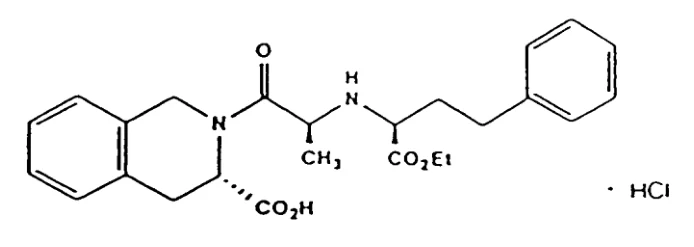
Description: Quinapril hydrochloride is a white to off-white amorphous powder that is freely soluble in aqueous solvents. The pH of a 1% solution in distilled water is 2.5.
Dissociation Constants: pKa1 = 2.8
pKa2 = 5.4
Melting Range: Melts with decomposition, 108-115οC
Solubility: Solvent Solubility (mg/mL)
Distilled water (pH 7.4 and 7.0) >100
0.1 N hydrochloric acid >100
0.05 M acetate buffer, pH 4.0 6.9
0.05 M phosphate buffer, pH 7.0 >100
0.05 M phosphate buffer, pH 7.4 >100
Methanol >50
Ethanol (95%) >50
Acetone >50
Chloroform >50
Polyethylene glycol 400 >100
Polyethylene glycol >100
Partition Coefficient (Octanol-Water):
Aqueous Buffer Log P
0.1N hydrochloric acid 0.86
0.05 M phosphate buffer, pH 2.5 0.68
0.05 M phosphate buffer, pH 4.0 1.35
0.05 M phosphate buffer, pH 7.4 0.33
Hydrochlorothiazide
Chemical Name: 6-chloro-3,4-dihydro-2H-1,2,4-benzothiadiazine-7-sulfonamide 1,1-dioxide
Molecular Formula: C7H8ClN3O4S2 (M.W. = 297.72)
Molecular Structure:
Description: Hydrochlorothiazide is a white to off-white, crystalline powder which is practically insoluble in water, but freely soluble in sodium hydroxide solution.
Dissociation Constants: pKa1 = 7.0
pKa2 = 9.2
Melting Range: 273-275°C
Solubility: Solvent Solubility (g/100 mL)
Water pH 6.2 60.9 x 10⁻³
Water pH 7.2 108 x 10-3
0.9% NaCl 59.4 x 10⁻³
0.1 N hydrochloric acid 60.8 x 10⁻³
0.1 N acetic acid 63.6 x 10⁻³
0.1 N acetic buffer, pH 4.4 62.3 x 10⁻³
0.067 M phosphate buffer, pH 7.4 61.6 x 10⁻³
0.05 M borate buffer 103 x 10-3
1 M ammonia (25) 2.2
0.1 N NaOH 1.79
Simulated gastric fluid pH 1.1 108 x 10-3
Simulated intestinal fluid pH 7.4 109 x 10-3
Acetone 13.7
Acetic acid 0.15
Acetonitrile 2.0
Ethylacetate 0.59
Chloroform 0.1
Ethanol (96%) 1.3 - 1.4
Methanol 3.9 - 4.1
Dichloromethane <0.02
Partition Coefficient (octanol - water):
Aqueous Buffer Log P
0.1 N Hydrochloric acid 1.94
0.1 M glycine buffer, pH 3.0 0.866
0.067 M phosphate buffer, pH 7.4 0.855
DETAILED PHARMACOLOGY
Quinapril: Mechanism of Action
In Vitro Studies: Quinapril was shown to be an inhibitor of angiotensin converting enzyme (ACE) in both plasma and tissue. In assays utilizing human plasma as sources of ACE, the diacid form of quinapril (quinaprilat) exhibited greater inhibition of ACE activity than quinapril
(6.4 x 10⁻¹⁰M and 8.4 x 10⁻⁸M, respectively). In rabbit and rat aortic strips, quinapril (10-7M, 10-5M) specifically suppressed the contractile responses elicited by angiotensin I (50% contraction at approximately 10 -7M and 10-6M angiotensin I, respectively), but had no effect on contractions induced by angiotensin II and potassium chloride.
In Vivo Studies: Following oral dosing of quinapril, captopril or enalapril (0.1-3 mg/kg) to conscious normotensive rats, plasma ACE inhibition was assessed in vivo by the decrease in pressor response to intravenous (IV) angiotensin I, angiotensin II, norepinephrine and bradykinin. Quinapril produced a dose-dependent reduction (44% at 0.1 mg/kg, 81% at 0.3 mg/kg) of angiotensin I (0.32 μg/kg IV) pressor response and potentiated the response to bradykinin (154% after 0.3 mg/kg quinapril), but had no effect on angiotensin II and norepinephrine responses. Quinapril was equipotent to captopril and enalapril, but had a longer duration of action than captopril. In the conscious dog, oral administration of quinapril (0.1-3 mg/kg) resulted in plasma ACE inhibition comparable to that of enalapril and captopril.
In human subjects, quinapril at single oral doses of 10-20 mg/day produced 95-100% inhibition of plasma ACE activity at 0.5 hour postdose, with >80% inhibition persisting at 24 hours postdose. Multiple oral doses of quinapril to humans for 12-weeks (20-80 mg/day) confirmed the inhibitory effect on plasma ACE and showed that it produces corresponding decreases in angiotensin II with significant increases in plasma renin activity. Once or 2x daily dosing did not alter the results.
Hydrochlorothiazide
For a discussion of the pharmacology of HCTZ, consult the corresponding product monograph.
Quinapril Hydrochloride and Hydrochlorothiazide: Antihypertensive Activity
Animal Studies: In spontaneously hypertensive rats the combination of quinapril/ HCTZ administered for 3 days was more efficacious than quinapril or HCTZ monotherapy. Quinapril alone (0.3 mg/kg PO) and HCTZ (30 mg/kg PO) alone reduced blood pressure (BP) by ≤17% and 16%, respectively (p>0.05). Plasma renin activity was elevated 3x by HCTZ. The combination of quinapril/ HCTZ (0.3 and 30 mg/kg PO) produced significant reductions in BP on days 1 and 2 and a sustained reduction (28-32%) in BP on day 3.
In chronic two kidney, perinephritic hypertensive dogs neither quinapril nor enalapril had antihypertensive activity at oral doses ≤10 mg/kg. Plasma renin activity was only transiently elevated in this model. Coadministration of HCTZ (10 mg/kg PO) and quinapril (10 mg/kg PO) in HCTZ pretreated dogs (10 mg/kg for 1 day) reduced mean arterial BP by 35 mmHg. In this model, HCTZ monotherapy had no significant effect on BP over a 24-hour period.
Clinical Studies: Two controlled studies evaluated the efficacy and safety of quinapril and HCTZ combination therapy compared with each drug given as monotherapy in patients with essential hypertension. The combination therapy caused a statistically significant greater fall in diastolic blood pressure (DBP) than each drug given as monotherapy. In a placebo controlled study, when quinapril hydrochloride (10 mg, 40 mg) and HCTZ (12.5 mg, 25 mg) were administered alone or in combination, mean reductions in DBP (at trough) produced by quinapril monotherapy ranged from 7.3-10.3 mmHg, by HCTZ monotherapy from 7.2- 11.4 mmHg, and by combination therapy from 8.2-14.9 mmHg. Placebo produced a mean reduction in DBP of 2.2 mmHg.
TOXICOLOGY
Quinapril Hydrochloride
Acute Toxicity: The acute oral (PO) and intravenous (IV) toxicity of quinapril are summarized in Table 2.
| Table 2: Acute Toxicity of Quinapril | |||
| Species | Sex | Route of Administration | Median Lethal Dose(mg/kg) |
| Mouse | Male Female | PO PO | 1492-2150 1440-2005 |
Male Female | IV IV | 504 523 | |
| Rat | Male Female | PO PO | 4280 3541 |
Male Female | IV IV | 158-300 108-273 | |
| Dog | Male & Female | PO | > 400 |
Quinapril showed a low order of acute toxicity. Clinical signs of toxicity in both mice and rats were depression or hypoactivity, prostration and ataxia. Peak mortality occurred within 24 hours in oral studies and within 15 minutes in IV studies. Asymptomatic oral dose levels were 500 mg/kg in mice and 1000 mg/kg in rats.
In the dog study, escalating oral doses of 50-400 mg/kg were given over 13-consecutive days. Vomiting occurred after doses of >150 mg/kg. BPs decreased with increasing dose. At 400 mg/kg, the female had elevated creatinine and blood urea nitrogen (BUN) levels, decreased sodium and chloride levels, and granular casts in the urine. Gastric erosions and ulcers were seen in both animals and renal tubular dilatation was noted in the female.
The results of quinapril toxicity from subacute, chronic, reproductive, genetic, and carcinogenicity studies are given in Tables 3 - 7, respectively.
Table 8 summarizes the results of toxicity studies with quinaprilat, the major active metabolite of quinapril.
| Table 3: Subacute Toxicity Studies of Quinapril | |||||
| Species | Duration (Week) | No. of Animals/ Sex/Group | Route | Doses (mg/kg/day) | Results |
| Mouse | 2 | 10 | PO | VC1, 125, 250, 500, 750 | One drug-related death at 750 mg/kg; reduced food consumption and body weight gain. MTD2 about 500 mg/kg. |
| Mouse | 13 | 10 | PO | VC, 50, 125, 250, 500 | Body weight gain suppression, decreases in heart weight, hyperplasia of juxtaglomerular apparatus (JGA). MTD between 50 and 125 mg/kg. |
| Rat | 2 | 5 | PO | VC, 200, 400, 800, 1200 | Deaths at 400, 800, and 1200 mg/kg; salivation, reduced food consumption, body weight gain suppression, pulmonary, renal, and gastric lesions. |
| Rat | 2 | 10 | PO | UC1, VC, 100, 400, 800 | Deaths at 400 and 800 mg/kg; respiratory signs, salivation, increased BUN, decreased RBC, Hgb, and Hct; increased liver weights, decreased heart weights; pulmonary edema and focal gastric erosions. MTD was between 400 and 800 mg/kg |
| Rat | 13 | 12 | PO | UC, VC, 50, 250, 500 | Deaths at 250 and 500 mg/kg; salivation; slightly increased BUN, CPK, and LDH; decreased RBC, Hct, and Hgb; decreased heart weight, pulmonary and gastric lesions at ≥250 mg/kg; increased renin granules in JG cells. MTD between 50 and 250 mg/kg. |
| Dog | 2 | 2 | PO | VC, 25, 125, 250 (125 b.i.d.) | No deaths; emesis, mild focal erosions and inflammation of the stomach at 125 mg/kg. MTD estimated as 250 mg/kg. |
| Dog | 13 | 3 | PO | VC, 25, 125, 250 (125 b.i.d.) | Sporadic emesis and anorexia; mild to moderate reversible increase in BUN and mild depression of RBC, Hct, Hgb at 250 mg/kg; focal gastric erosions at ≥125 mg/kg, increases in renin granules in JG cells; hypertrophy and hyperplasia of JGA. MTD was between 25 and 125 mg/kg. |
1 VC = Vehicle Control; UC = Untreated Control. 2 MTD = Maximum Tolerated Dose; RBC = red blood cell count; Hgb = hemoglobin; Hct = hematocrit; CPK = creatine phosphokinase; LDH = lactate dehydrogenase; JG = juxtaglomerular apparus; BUN = blood urea nitrogen. | |||||
| Table 4: Chronic Toxicity Studies of Quinapril | |||||
| Species | Duration (Week) | No. of Animals/ Sex/Group | Route | Doses (mg/kg/day) | Results |
| Rat | 57o | 30 | PO | UC2, VC2, 10, 50, 100 | No drug-related deaths; transient post-dose salivation, body weight gain suppression, increased BUN, decreased glucose, increased plasma renin level, decreased heart weight, JGA hypertrophy and hyperplasia with increased granules; degenerative changes in kidneys. |
| Dog | 52 | 4 | PO | VC, 10, 50, 100 | No deaths; elevation of plasma renin and liver enzyme levels, focal areas of chronic active inflammation in the liver at 100 mg/kg; gastric erosion at 50 mg/kg, and hypertrophy/hyperplasia of renal JGA. |
1 52 weeks treatment plus 4 weeks without treatment for some animals 2 UC = Untreated Control; VC = Vehicle Control; BUN = blood urea nitrogen; JGA = juxtaglomerular apparatus. | |||||
| Table 5: Reproductive Toxicology Studies of Quinapril | |||||
| Species | No. of Animals/ Sex/Group | Route | Doses (mg/kg/day) | Duration of Dosing | Results |
| Fertility: | |||||
| Rat | 12 Male 24 Female | PO | VC1, 10, 50, 100 | Males-60 days prior to mating Females-14 days prior to mating until weaning of offspring | No effects on fertility, no adverse effects on F1offspring parameters, and no teratogenic effects. |
| Teratology: | |||||
| Rat | 5 Female | PO | 100, 200, 400, 600, 800 | Days 6 to 15 of gestation | No teratogenicity. Maternal deaths at 600 and 800 mg/kg; decreased fetal body weights at ≥200 mg/kg. |
| Rat | 20 Female | PO | Uco, VC, 50, 150, 300 | Days 6 to 15 of gestation | No fetotoxic or teratogenic effects. Reversible maternal toxicity. |
| Rabbit | 5-7 Female | PO | 10, 15, 25, 50, 100, 200, 400 | Days 6 to 18 of gestation | Severe materno- and fetotoxicity. |
| Rabbit | 5 Female | PO | VC, 1, 2, 4, 6, 8 | Days 6 to 18 of gestation | Abortions and maternal deaths at 4, 6, and 8 mg/kg; materno- and fetotoxicity at doses >1 mg/kg. |
| Rabbit | 14 Female | PO | VC 0.5, 1.0, 1.5 | Days 6 to 18 of gestation | Not teratogenic. Maternal weight loss; increased incidence of postimplantation loss (embryotoxicity) at 1.0 and 1.5 mg/kg. |
Perinatal/ Postnatal: | |||||
| Rat | 20 Female | PO | VC, 25, 75, 150 | Day 15 of gestation to Day 20 of lactation | Reduction in offspring body weights from birth to Day 21 postnatally at 25, 75, and 150 mg/kg. |
| 1 UC = Untreated Control; VC = Vehicle Control | |||||
| Table 6: Genetic Toxicology Studies of Quinapril | ||
| Test | Dosage Range | Results |
| Mutagenicity | ||
| ≤10,000 μg/plate | Non-cytotoxic. |
| 625- 10,000 μg/plate | Negative-with or without metabolic activation. |
| ≤44,300 μg/mL | Cytotoxic at ≥1400 μg/mL. |
| 175- 1400 μg/mL | Negative - did not manifest direct acting or promutagen activity. |
| Cytogenetics | ||
| ≤44,300 μg/mL | Cytotoxic at concentrations >700 μg/mL. |
| 10.94- 1400 μg/mL | No increase in SCE at toxicity-limited doses ≤700 μg/mL in the presence of metabolic activation or ≤1400 μg/mL in the absence of metabolic activation. |
| ≤2700 μg/mL | Cytotoxic at ≥1200 μg/mL. |
| 800- 1800 μg/mL | Slight, statistically significant increase in SCA with metabolic activation; not considered biologically significant. |
| 1- 1430 μg/kg | Not clastogenic; no increased frequency of micronuclei. |
Table 7: Carcinogenicity Studies of Quinapril
| Species | Duration (Week) | No. of Animals/ Sex/Group | Route | Doses (mg/kg/day) | Results |
| Mouse | 104 | 50 | PO | UC1, VC1, 5, 35, 75 | No evidence of tumorigenic potential. Reduced heart weight, nephritis, and JGA hypertrophy/hyperplasia. |
| Rat | 104 | 65 | PO | UC, VC, 10, 50, 100 | No evidence of tumorigenic potential. Reduced RBC, JGA hypertrophy/hyperplasia and renal degenerative changes. |
| 1 UC = Untreated Control; VC= Vehicle Control; JGA = juxtaglomerular apparatus; RBC = red blood cell count | |||||
| Table 8: Toxicity Studies of Quinaprilat | |||||
| Species | Duration (Week) | No. of Animals/ Sex/Group | Route | Doses (mg/kg/day) | Results |
| A. Acute Studies: | |||||
| Mouse | Single-dose | 10 | IV | VC1, 250, 500, 1000 | No deaths; MLD >1000 mg/kg. No clinical or gross pathological changes. |
| Rat | Single-dose | 10 | IV | VC, 50, 100, 200, 300, 400 | No deaths; MLD >400 mg/kg. No clinical or gross pathological changes. |
| Dog | Escalating doses | 1 | IV | Escalating; 1-240 | No deaths; MLD >240 mg/kg. Reduced food consumption, weight loss, and slight increase in myeloid to erythroid ratio. |
| B. Subacute Studies: | |||||
| Rat | 2 | 5 | IV | VC, 25, 50, 100, 200 | No deaths, clinical signs or adverse pathological findings. |
| Rat | 4 | 10 | IV | VC, 20, 100, 200 | No drug-related deaths or clinical signs; reduced heart weights. |
| Dog | 2 | 1 | IV | VC, 10, 50, 100 | Sporadic increases in heart rate. |
| Dog | 4 | 3 | IV | VC, 10, 50, 100 | No clinical or gross pathologic findings; JGA hypertrophy/hyperplasia. |
| 1 VC = Vehicle Control; MLD = median lethol dose; JGA = juxtaglomerular apparatus | |||||
C. Genotoxicity Studies:
| Test | Dosage Range | Results |
Mutagenicity: In Vitro a) Initial cytotoxicity in Salmonella
| ≤1200 μg/plate 75- 1200 μg/plate | Non-cytotoxic. Negative-with or without metabolic activation. |
Quinapril Hydrochloride and Hydrochlorothiazide
The 14 day Median Lethal Dose (MLD) in mice was 1068/667 mg/kg quinapril/ HCTZ; in rats it was 4640/2896 mg/kg. For quinapril alone, the oral MLD ranged from 1440-2150 mg/kg for mice, and from 3531-4280 mg/kg in rats. In dogs, no drug-related clinical signs of toxicity were observed at doses of 125-250x the maximum human dose of quinapril given in combination with HCTZ, and 60-120x the maximum human dose of HCTZ in combination (100/60 mg/kg in males, 200/120 mg/kg in females).
Hydrochlorothiazide
According to the experimental data available, hydrochlorothiazide revealed inconsistent evidence of carcinogenic activity in rats and mice, with conflicting evidence of hepatic adenoma in male mice at the highest dose and adrenal pheochromocytoma in one rat study but not in another. Current evidence is inadequate to draw a clear conclusion for a carcinogenic effect of hydrochlorothiazide in animals.
The mutagenic potential was assessed in a series of in vitro and in vivo test systems. While some positive results were obtained in vitro, all in vivo studies provided negative results. Hydrochlorothiazide enhanced the UVA-induced formation of pyrimidine dimers in vitro and in the skin of mice following oral treatment. It is therefore concluded that although there is no relevant mutagenic potential in vivo, hydrochlorothiazide could enhance the genotoxic effects of UVA light. This mechanism of photosensitization could be associated with a higher risk for non-melanoma skin cancer.
REFERENCES
- 1. Ferry J, Horvath A, Sedman A, et al. Influence of food on the pharmacokinetics of quinapril and its active diacid metabolite, CI-928. J Clin Pharmacol 1987;27:397-399.
- 2. Ferry J, Cetnarowski A, Sedman A, et al. Multiple-Dose Cimetidine Administration Does Not Influence the Single-Dose Pharmacokinetics of Quinapril and Its Active Metabolite (CI-928). J Clin Pharmacol 1988;28:48-51.
- 3. Fabris B, Chen B, Pupic V, et al. Inhibition of angiotensin-converting enzyme (ACE) in plasma and tissue. J Cardiovasc Pharmacol 1990;15(Suppl 2):S6-S13.
- 4. Frank G. Overview of the clinical development of quinapril. Clin Cardiol 1990; 13(Suppl 7):13-18.
- 5. Frishman W. The safety and efficacy of quinapril in the treatment of mild to moderate essential hypertension. Clin Cardiol 1990;13(Suppl 7):19-25.
- 6. Goldstein R. The treatment of moderate to severe hypertension with ACE inhibitors. J Cardiovasc Pharmacol 1990;15(Suppl 2):S29-S35.
- 7. Gupta R, Kjeldsen S, Krause L, et al. Hemodynamic effects of quinapril a novel angiotensin-converting enzyme inhibitor. Clin Pharmacol Ther 1990;48:41-49.
- 8. Kaplan H, Taylor D, Olson S. Quinapril: Overview of preclinical data. Clin Cardiol 1990;13(Suppl 7):4-12.
- 9. Knapp L, Frank G, McLain R, et al. The safety and tolerability of quinapril. J Cardiovasc Pharmacol 1990:15(Suppl 2); S47-S55.
- 10. Schnaper H. The management of hypertension in older patients. J Cardiovasc Pharmacol 1990;15(Suppl 2):S56-S61.
- 11. Swartz R, Stermann B, Horvath A, et al. Pharmacokinetics of Quinapril and its active metabolite quinaprilat during continuous ambulatory peritoneal dialysis. J Clin Pharmacol 1990;30:1136-41.
- 12. Taylor S. The treatment of mild to moderate hypertension with ACE inhibitors. J Cardiovasc Pharmacol 1990;15(Suppl 2):S24-S28.
- 13. Verresen L, Waer M, Vanrenterhem Y, et al. Angiotensin converting enzyme inhibitors and anaphylactoid reactions to high-flux membrane dialysis. Lancet 1990;336:1360-1362.
- 14. Wadworth A, Brogden R. Quinapril: A review of its pharmacological properties and therapeutic efficacy in cardiovascular disorders. Drugs 1991; 41:378-399.
- 15. Halstenson C, Opsahl J, Rachael K, et al. The pharmacokinetics of quinapril and its active metabolite, quinaprilat, in patients with various degrees of renal function. J Clin Pharmacol 1992;32:344-350.
- 16. Canter D, Frank G, et al. Quinapril and hydrochlorothiazide combination for control of hypertension: assessment by factorial design. J Human Hypertension 1994;8:155-162.
- 17. Lenz T, Schulte K, et al. Quinapril, hydrochlorothiazide, and combination in patients with moderate to severe hypertension. Eur Heart J 1994;15: 940-946.