


Product Monograph - Vaseretic (Merck Canada)
SUMMARY PRODUCT INFORMATION
* Each tablet is made with 10 mg of enalapril maleate that appears as 8 mg of enalapril sodium in the tablet and 25 mg of hydrochlorothiazide.
** The splitting of VASERETIC® 10 mg/25 mg tablets is not advised.
INDICATIONS AND CLINICAL USE
VASERETIC® (enalapril and hydrochlorothiazide) is indicated for:
- Treatment of essential hypertension in patients for whom this combination therapy is appropriate.
In using VASERETIC® consideration should be given to the risk of angioedema (see WARNINGS AND PRECAUTIONS).
VASERETIC® is not indicated for initial therapy. Patients in whom enalapril and diuretic are initiated simultaneously can develop symptomatic hypotension (see DRUG INTERACTIONS).
Patients should be titrated on individual drugs. If the fixed combination represents the dose and dosing frequency determined by this titration, the use of VASERETIC® may be more convenient in the management of patients. If during maintenance therapy dosage adjustment is necessary it is advisable to use the individual drugs.
Geriatrics (> 65 years of age): See DOSAGE AND ADMINISTRATION.
Pediatrics (< 18 years of age): VASERETIC® is not recommended in this age group.
| Route of Administration | Dosage Form / Strength | Non-medicinal Ingredients |
| oral | Tablet* 10 mg/25 mg** | corn starch, lactose, magnesium stearate, pregelatinized starch, sodium bicarbonate and the following colouring agent: red ferric oxide See DOSAGE FORMS, COMPOSITION AND PACKAGING section. |
CONTRAINDICATIONS
VASERETIC® is contraindicated in:
- Patients who are hypersensitive to this product or to any ingredient in the formulation. For a complete listing, see the DOSAGE FORMS, COMPOSITION AND PACKAGING section of the product monograph.
- Patients with a history of angioneurotic edema relating to previous treatment with an angiotensin converting enzyme inhibitor.
- Patients with hereditary or idiopathic angioedema.
Because of the hydrochlorothiazide component, this product is contraindicated in:
- Patients with anuria or hypersensitivity to other sulfonamide-derived drugs.
Concomitant use of angiotensin converting enzyme inhibitors (ACEIs) – including the enalapril component of VASERETIC® with aliskiren-containing drugs in patients with diabetes mellitus (type 1 or type 2) or moderate to severe renal impairment (GFR < 60 ml/min/1.73 m2) is contraindicated (see WARNINGS AND PRECAUTIONS, Cardiovascular, Dual Blockade of the Renin-Angiotensin System (RAS) and Renal, and DRUG INTERACTIONS, Dual Blockade of the Renin-Angiotensin System (RAS) with ACEIs, ARBs or aliskiren-containing drugs).
VASERETIC® is contraindicated in combination with a neprilysin inhibitor (e.g. , sacubitril). Do not administer VASERETIC® within 36 hours of switching to or from sacubitril/valsartan, a product containing a neprilysin inhibitor. (See WARNINGS AND PRECAUTIONS and DRUG INTERACTIONS.)
WARNINGS AND PRECAUTIONS
Serious Warnings and Precautions
- When used in pregnancy, angiotensin converting enzyme (ACE) inhibitors can cause injury or even death of the developing fetus. When pregnancy is detected, VASERETIC® should be discontinued as soon as possible.
General
Angioedema: Angioedema of the face, extremities, lips, tongue, glottis and/or larynx has been reported rarely in patients treated with VASERETIC®. This may occur at any time during treatment and may be life threatening.
Very rarely, fatalities have been reported due to angioedema associated with laryngeal edema or tongue edema. Patients with involvement of the tongue, glottis or larynx are likely to experience airway obstruction, especially those with a history of airway surgery. However, where there is involvement of the tongue, glottis or larynx, likely to cause airway obstruction, appropriate therapy which may include subcutaneous adrenaline solution 1:1000 (0.3 mL to 0.5 mL) and/or measures to ensure a patent airway should be administered promptly when indicated.
If angioedema occurs, VASERETIC® should be promptly discontinued and appropriate monitoring should be instituted to ensure complete resolution of symptoms prior to dismissing the patient. Even in those instances where swelling of only the tongue is involved, without respiratory distress, patients may require prolonged observation since this may be life threatening and treatment with antihistamines and corticosteroids may not be sufficient.
In patients who experience angioedema, future administration is contraindicated (see CONTRAINDICATIONS).
The incidence of angioedema during ACE inhibitor therapy has been reported to be higher in black than in non-black patients.
Patients with a history of angioedema unrelated to ACE inhibitor therapy may be at increased risk of angioedema while receiving an ACE inhibitor (see CONTRAINDICATIONS).
Patients receiving coadministration of ACE inhibitor and mTOR (mammalian target of rapamycin) inhibitor (e.g., temsirolimus, sirolimus, everolimus) therapy may be at increased risk for angioedema. Caution should be used when these drugs are used concomitantly (see DRUG INTERACTIONS).
Patients receiving concomitant ACE inhibitor and neprilysin inhibitor therapy may be at increased risk for angioedema (see CONTRAINDICATIONS and DRUG INTERACTIONS).
Anaphylactoid Reactions during Membrane Exposure: Anaphylactoid reactions have been reported in patients dialysed with high-flux membranes (e.g., polyacrylonitrile [PAN]) and treated concomitantly with an ACE inhibitor. Dialysis should be stopped immediately if symptoms such as nausea, abdominal cramps, burning, angioedema, shortness of breath and severe hypotension occur. Symptoms are not relieved by antihistamines. In these patients consideration should be given to using a different type of dialysis membrane or a different class of antihypertensive agent.
Anaphylactoid Reactions during Desensitization: There have been isolated reports of patients experiencing sustained life-threatening anaphylactoid reactions while receiving ACE inhibitors during desensitizing treatment with hymenoptera (bees, wasp) venom. In the same patients, these reactions have been avoided when ACE inhibitors were temporarily withheld for at least 24 hours, but they have reappeared upon inadvertent rechallenge.
Anaphylactoid Reactions during LDL Apheresis: Rarely, patients receiving ACE inhibitors during low-density lipoprotein (LDL)-apheresis with dextran sulfate have experienced life-threatening anaphylactoid reactions. These reactions were avoided by temporarily withholding ACE inhibitor therapy prior to each apheresis.
Carcinogenesis and Mutagenesis:
An increased risk of non-melanoma skin cancer (NMSC) [basal cell carcinoma (BCC) and squamous cell carcinoma (SCC) of the skin] after hydrochlorothiazide therapy was reported in some epidemiological studies. The risk may be higher with increasing cumulative use (see ADVERSE REACTIONS, Post Market Adverse Drug Reactions). The photosensitizing action of hydrochlorothiazide may be a possible mechanism for NMSC (see TOXICOLOGY, Carcinogenicity – Hydrochlorothiazide).
Patients taking hydrochlorothiazide should be informed of the potential risk of NMSC. They should be advised to regularly check their skin for new lesions as well as changes to existing ones, and to promptly report any suspicious skin lesions. Patients should also be advised to limit exposure to sunlight, to avoid the use of indoor tanning equipment, and to use adequate protection (e.g. a broad spectrum sunscreen with a SPF of 30 or higher, clothing, and a hat) when exposed to sunlight or UV light to minimize the risk of skin cancer.
Alternatives to hydrochlorothiazide may be considered for patients who are at a particularly high risk for NMSC (e.g., light coloured skin, known personal or family history of skin cancer, ongoing immunosuppressive therapy, etc.) (see ADVERSE REACTIONS, Post Market Adverse Drug Reactions).
Cardiovascular
Hypotension: Symptomatic hypotension has occurred after administration of enalapril, usually after the first or second dose or when the dose was increased. It is more likely to occur in patients who are volume depleted by diuretic therapy, dietary salt restriction, dialysis, diarrhea, or vomiting. Therefore, VASERETIC® should not be used to start therapy or when a dose change is needed. In patients with severe congestive heart failure, with or without associated renal insufficiency, excessive hypotension has been observed and may be associated with oliguria and/or progressive azotemia, and rarely with acute renal failure and/or death. Because of the potential fall in blood pressure in these patients, therapy with enalapril should be started under very close medical supervision, usually in a hospital. Such patients should be followed closely for the first two weeks of treatment and whenever the dose of enalapril and/or hydrochlorothiazide is increased. In patients with ischemic heart or cerebrovascular disease, an excessive fall in blood pressure could result in a myocardial infarction or cerebrovascular accident (see ADVERSE REACTIONS).
If hypotension occurs, the patient should be placed in supine position and, if necessary, receive an intravenous infusion of normal saline. A transient hypotensive response is not a contraindication to further doses which usually can be given without difficulty once the blood pressure has increased after volume expansion.
Valvular Stenosis: There is concern on theoretical grounds that patients with aortic stenosis might be at particular risk of decreased coronary perfusion when treated with vasodilators because they do not develop as much afterload reduction.
Dual Blockade of the Renin-Angiotensin System (RAS)
There is evidence that co-administration of angiotensin converting enzyme inhibitors (ACEIs), such as the enalpril component of VASERETIC®, or of angiotensin receptor antagonists (ARBs) with aliskiren increases the risk of hypotension, syncope, stroke, hyperkalemia and deterioration of renal function, including renal failure, in patients with diabetes mellitus (type 1 or type 2) and/or moderate to severe renal impairment (GFR < 60 ml/min/1.73 m2). Therefore, the use of VASERETIC®, in combination with aliskiren-containing drugs is contraindicated in these patients (see CONTRAINDICATIONS). Further, co-administration of ACEIs, including the enalpril component of VASERETIC®, with other agents blocking the RAS, such as ARBs or aliskiren-containing drugs, is generally not recommended in other patients, since such treatment has been associated with an increased incidence of severe hypotension, renal failure, and hyperkalemia.
Ear/Nose/Throat
Cough: A dry, persistent cough, which usually disappears only after withdrawal or lowering of the dose of VASERETIC®, has been reported.
Such possibility should be considered as part of the differential diagnosis of the cough.
Endocrine and Metabolism
Metabolism: Hyperuricemia may occur or acute gout may be precipitated in certain patients receiving thiazide therapy.
Thiazides may decrease serum protein-bound iodine (PBI) levels without signs of thyroid disturbance.
Thiazides have been shown to increase excretion of magnesium; this may result in hypomagnesemia.
Thiazides may decrease urinary calcium excretion. Thiazides may cause intermittent and slight elevation of serum calcium in the absence of known disorders of calcium metabolism. Marked hypercalcemia may be evidence of hidden hyperparathyroidism. Thiazides should be discontinued before carrying out tests for parathyroid function.
Increases in cholesterol and triglyceride levels may be associated with thiazide diuretic therapy.
Hematologic
Neutropenia/Agranulocytosis: Agranulocytosis and bone marrow depression have been caused by angiotensin converting enzyme inhibitors. Several cases of agranulocytosis and neutropenia have been reported in which a causal relationship to enalapril cannot be excluded. Current experience with the drug shows the incidence to be rare. Periodic monitoring of white blood cell counts should be considered, especially in patients with collagen vascular disease and renal disease.
Hepatic/Biliary/Pancreatic
Patients with Impaired Liver Function: Hepatitis, jaundice (hepatocellular and/or cholestatic), elevations of liver enzymes and/or serum bilirubin have occurred during therapy with enalapril in patients with or without pre-existing liver abnormalities (see ADVERSE REACTIONS). In most cases the changes were reversed on discontinuation of the drug.
Should the patient receiving VASERETIC® experience any unexplained symptoms (see CONSUMER INFORMATION), particularly during the first weeks or months of treatment, it is recommended that a full set of liver function tests and any other necessary investigation be carried out. Discontinuation of VASERETIC® should be considered when appropriate.
There are no adequate studies in patients with cirrhosis and/or liver dysfunction. VASERETIC® should be used with particular caution in patients with pre-existing liver abnormalities. In such patients baseline liver function tests should be obtained before administration of the drug and close monitoring of response and metabolic effects should apply.
Thiazides should be used with caution in patients with impaired hepatic function or progressive liver disease, since minor alterations of fluid and electrolyte balance may precipitate hepatic coma.
Nitritoid Reactions – Gold: Nitritoid reactions (symptoms include facial flushing, nausea, vomiting and symptomatic hypotension) have been reported rarely in patients on therapy with injectable gold (sodium aurothiomalate) and concomitant ACE inhibitor therapy including enalapril (including VASERETIC®) (see DRUG INTERACTIONS).
Ophthalmologic
Acute Myopia and Secondary Angle-Closure Glaucoma: Hydrochlorothiazide, a sulphonamide, can cause an idiosyncratic reaction, resulting in acute transient myopia and acute angle-closure glaucoma. Symptoms include acute onset of decreased visual acuity or ocular pain and typically occur within hours to weeks of drug initiation. Untreated acute angle-closure glaucoma can lead to permanent vision loss. The primary treatment is to discontinue hydrochlorothiazide as rapidly as possible. Prompt medical or surgical treatments may need to be considered if the intraocular pressure remains uncontrolled. Risk factors for developing acute angle-closure glaucoma may include a history of sulphonamide or penicillin allergy.
Peri-Operative Considerations
Surgery/Anesthesia: In patients undergoing major surgery or during anesthesia with agents that produce hypotension, enalapril blocks angiotensin II formation, secondary to compensatory renin release. If hypotension occurs and is considered to be due to this mechanism, it can be corrected by volume expansion.
Thiazides may increase the responsiveness to tubocurarine.
Renal
Renal Impairment: As a consequence of inhibiting the renin-angiotensin-aldosterone system, changes in renal function have been seen in susceptible individuals. In patients whose renal function may depend on the activity of the renin-angiotensin-aldosterone system, such as patients with bilateral renal artery stenosis, unilateral renal artery stenosis to a solitary kidney, or severe congestive heart failure, treatment with agents that inhibit this system has been associated with oliguria, progressive azotemia, and rarely, acute renal failure and/or death. In susceptible patients, concomitant diuretic use may further increase risk.
The use of ACEIs – including the enalapril component of VASERETIC® – or ARBs with aliskiren-containing drugs is contraindicated in patients with moderate to severe renal impairment (GFR < 60 ml/min/1.73 m2). (See CONTRAINDICATIONS and DRUG INTERACTIONS, Dual Blockade of the Renin-Angiotensin System (RAS) with ACEIs, ARBs or aliskiren-containing drugs).
Use of VASERETIC® should include appropriate assessment of renal function.
Thiazides may not be appropriate diuretics for use in patients with renal impairment and are ineffective at creatinine clearance values of 30 mL/min or below (i.e., moderate or severe renal insufficiency).
Azotemia: Azotemia may be precipitated or increased by hydrochlorothiazide. Cumulative effects of the drug may develop in patients with impaired renal function. If increasing azotemia and oliguria occur during treatment of severe progressive renal disease the diuretic should be discontinued.
Hyperkalemia: Elevated serum potassium (greater than 5.7 mEq/L) was observed in approximately one percent of hypertensive patients in clinical trials with enalapril alone. In most cases these were isolated values which resolved despite continued therapy. Hyperkalemia was a cause of discontinuation of therapy in 0.28% of hypertensive patients. Risk factors for the development of hyperkalemia include renal insufficiency, diabetes mellitus, and concomitant use of potassium-sparing diuretics (e.g., spironolactone, eplerenone, triamterene, or amiloride), potassium supplements, potassium-containing salt substitutes or other drugs that may increase serum potassium (e.g., trimethoprim-containing products). The use of potassium supplements, potassium-sparing diuretics, potassium-containing salt substitutes or other drugs that may increase serum potassium particularly in patients with impaired renal function should be given only for documented hypokalemia and with caution and frequent monitoring of serum potassium since they may lead to a significant increase in serum potassium. Hyperkalemia can cause serious, sometimes fatal, arrhythmias. If concomitant use of VASERETIC® and any of the above-mentioned agents is deemed appropriate, they should be used with caution and with frequent monitoring of serum potassium (see DRUG INTERACTIONS, Agents Increasing Serum Potassium).
Sensitivity/Resistance
Hypersensitivity Reactions: Sensitivity reactions to hydrochlorothiazide may occur in patients with or without a history of allergy or bronchial asthma.
The possibility of exacerbation or activation of systemic lupus erythematosus has been reported in patients treated with hydrochlorothiazide.
Photosensitivity:
Photosensitivity reactions have been reported with the use of thiazide diuretics.
If photosensitivity reactions occur during treatment with hydrochlorothiazide-containing drugs, treatment should be stopped.
Special Populations
Pregnant Women: ACE inhibitors can cause fetal and neonatal morbidity and mortality when administered to pregnant women. When pregnancy is detected, VASERETIC® should be discontinued as soon as possible.
The use of ACE inhibitors during the second and third trimesters of pregnancy has been associated with fetal and neonatal injury including hypotension, neonatal skull hypoplasia, anuria, reversible or irreversible renal failure, and death. Oligohydramnios has also been reported, presumably resulting from decreased fetal renal function, associated with fetal limb contractures, craniofacial deformation, and hypoplastic lung development.
Prematurity, and patent ductus arteriosus and other structural cardiac malformations, as well as neurologic malformations, have also been reported following exposure in the first trimester of pregnancy.
Infants with a history of in utero exposure to ACE inhibitors should be closely observed for hypotension, oliguria, and hyperkalemia. If oliguria occurs, attention should be directed toward support of blood pressure and renal perfusion. Exchange transfusion or dialysis may be required as a means of reversing hypotension and/or substituting for impaired renal function; however, limited experience with those procedures has not been associated with significant clinical benefit.
Enalapril has been removed from the neonatal circulation by peritoneal dialysis with some clinical benefit and may, theoretically, be removed by exchange transfusion, although there is no experience with the latter procedure.
Animal Data
Maternal and fetal toxicity occurred in some rabbits given enalapril at doses of 1 mg/kg/day or more. Saline supplementation prevented the maternal and fetal toxicity seen at doses of 3 and 10 mg/kg/day, but not at 30 mg/kg/day (50 times the maximum human dose). Enalapril was not teratogenic in rabbits.
There was no fetotoxicity or teratogenicity in rats treated with enalapril at doses up to 200 mg/kg/day (333 times the maximum human dose). Fetotoxicity expressed as a decrease in average fetal weight, occurred in rats given 1200 mg/kg/day of enalapril, but did not occur when these animals were supplemented with saline. Enalapril crosses the placental barrier in rats and hamsters.
Nursing Women: Both enalapril and thiazides appear in human milk. Use of ACE inhibitors (VASERETIC®) is not recommended during breast-feeding.
Pediatrics: VASERETIC® has not been studied in children and, therefore, use in this age group is not recommended.
ADVERSE REACTIONS
Adverse Drug Reaction Overview
In clinical trials involving 1580 hypertensive patients, including over 300 patients treated for one year or more, the most severe adverse reactions were: angioedema (0.3%), syncope (1.3%) and renal failure (0.1%).
The most frequent clinical adverse experiences in controlled trials were: dizziness (8.6%), headache (5.5%), fatigue (3.9%) and cough (3.5%).
Adverse experiences that have occurred have been those that were previously reported with enalapril or hydrochlorothiazide when used separately for the treatment of hypertension.
Clinical Trial Adverse Drug Reactions
Because clinical trials are conducted under very specific conditions the adverse reaction rates observed in the clinical trials may not reflect the rates observed in practice and should not be compared to the rates in the clinical trials of another drug. Adverse drug reaction information from clinical trials is useful for identifying drug-related adverse events and for approximating rates.
Adverse reactions occurring in greater than one percent of patients treated with VASERETIC® in controlled trials are shown below.
Table 1: Hypertension
| Percent of Patients in Controlled Studies | |||||||
| VASERETIC® (n = 1580) Incidence (%) | Placebo (n = 230) Incidence (%) | ||||||
| Body as a Whole | |||||||
| Fatigue | 3.9 | 2.6 | |||||
| Orthostatic Effects | 2.3 | 0.0 | |||||
| Asthenia | 2.4 | 0.9 | |||||
| Cardiovascular | |||||||
| Chest Pain | 1.1 | * | |||||
| Syncope | 1.3 | * | |||||
| Orthostatic Hypotension | 1.5 | * | |||||
| Palpitations | 1.0 | * | |||||
| Dermatologic | |||||||
| Rash | 1.3 | * | |||||
| Digestive | |||||||
| Diarrhea | 2.1 | 1.7 | |||||
| Nausea | 2.5 | 1.7 | |||||
| Vomiting | 1.6 | * | |||||
| Abdominal Pain | 1.1 | * | |||||
| Musculoskeletal | |||||||
| Muscle Cramps | 2.7 | 0.9 | |||||
| Nervous/Psychiatric | |||||||
| Headache | 5.5 | 9.1 | |||||
| Dizziness | 8.6 | 4.3 | |||||
| Paresthesia | 1.1 | * | |||||
| Respiratory | |||||||
| Cough | 3.5 | 0.9 | |||||
| Urogenital | |||||||
| Impotence | 2.2 | 0.5 | |||||
* No data available
Less Common Clinical Trial Adverse Drug Reactions (< 1%) – Hypertension
Cardiovascular: Hypotension, myocardial infarction, tachycardia
Digestive: Dysphagia, dyspepsia, constipation, flatulence, dry mouth
Hearing: Tinnitus
Hematologic: Anemia
Hypersensitivity: Angioedema
Metabolic and Nutritional: Gout
Musculoskeletal: Back pain, arthralgia
Nervous System/Psychiatric: Insomnia, nervousness, somnolence, vertigo
Respiratory: Dyspnea
Skin: Pruritus, hyperhidrosis, diaphoresis
Special Senses: Taste disturbance
Urogenital: Renal failure, oliguria, proteinuria, decreased libido, urinary tract infection
Abnormal Hematologic and Clinical Chemistry Findings
Hyperkalemia: (see WARNINGS AND PRECAUTIONS)
Creatinine, Blood Urea Nitrogen (BUN): In controlled clinical trials minor increases in blood urea nitrogen and serum creatinine, reversible upon discontinuation of therapy, were observed in about 0.6% of patients with essential hypertension treated with VASERETIC®.
In patients treated with enalapril alone, increases in serum creatinine and BUN were reported in about 20% of patients with renovascular hypertension and in about 0.2% of patients with essential hypertension.
Hemoglobin and Hematocrit: Decreases in hemoglobin and hematocrit (mean approximately 0.34 g% and 1.0 vol% respectively) occurred frequently in hypertensive patients treated with enalapril, but were rarely of clinical importance. In clinical trials, less than 0.1% of patients discontinued therapy due to anemia.
Others: Elevations of liver enzymes and/or serum bilirubin have occurred (see WARNINGS AND PRECAUTIONS).
Post-Market Adverse Drug Reactions
Adverse Reactions Reported in Uncontrolled Trials and/or Marketing Experience:
VASOTEC®
Other serious clinical adverse experiences occurring since the drug was marketed or adverse experiences occurring in 0.5 to 1.0 percent of patients in clinical trials are listed below and, within each category, are in order of decreasing severity.
Body as a Whole
Anaphylactoid reactions (see WARNINGS AND PRECAUTIONS).
Cardiovascular
Cardiac arrest; myocardial infarction or cerebrovascular accident, possibly secondary to excessive hypotension in high-risk patients (see WARNINGS AND PRECAUTIONS);
pulmonary embolism and infarction; pulmonary edema; angina pectoris; arrhythmia including atrial tachycardia and bradycardia; atrial fibrillation; palpitation, Raynaud’s phenomenon.
Digestive
Ileus, pancreatitis, hepatic failure, hepatitis (hepatocellular or cholestatic jaundice), liver function abnormalities (see WARNINGS AND PRECAUTIONS), melena, anorexia, dyspepsia, constipation, glossitis, stomatitis, dry mouth.
Hematologic
Rare cases of neutropenia, thrombocytopenia, hemolytic anemia and bone marrow depression.
Musculoskeletal
Muscle cramps.
Non-melanoma skin cancer
Some pharmacoepidemiological studies have suggested a higher risk of squamous cell carcinoma (SCC) and basal cell carcinoma (BCC) of the skin with increasing use of hydrochlorothiazide. A systematic review and meta-analysis undertaken by Health Canada suggested that, with important uncertainty, the use of hydrochlorothiazide for several years (>3 years) could lead to:
- 122 additional cases (95% CI, from 112 to 133 additional cases) of SCC per 1000 treated patients compared with non-use of hydrochlorothiazide (meta-analysis of 3 observational studies);
- 31 additional cases (95% CI, from 24 to 37 additional cases) of BCC per 1000 treated patients compared with non-use of hydrochlorothiazide (meta-analysis of 2 observational studies).
Nervous/Psychiatric
Vertigo, depression, confusion, ataxia, somnolence, insomnia, nervousness, peripheral neuropathy (e.g., paresthesia, dysesthesia), dream abnormality.
Respiratory
Bronchospasm, rhinorrhea, sore throat and hoarseness, asthma, upper respiratory infection, pulmonary infiltrates, eosinophilic pneumonitis.
Skin
Exfoliative dermatitis, toxic epidermal necrolysis, Stevens-Johnson syndrome, pemphigus, herpes zoster, erythema multiforme, urticaria, pruritus, alopecia, flushing, diaphoresis, photosensitivity.
Special Senses
Blurred vision, taste alteration, anosmia, tinnitus, conjunctivitis, dry eyes, tearing, hearing impairment.
Urogenital
Renal failure, oliguria, renal dysfunction (see WARNINGS AND PRECAUTIONS and DOSAGE AND ADMINISTRATION), flank pain, gynecomastia, impotence.
A symptom complex has been reported which may include some or all of the following: fever, serositis, vasculitis, myalgia/myositis, arthralgia/arthritis, a positive antinuclear antibody (ANA), elevated erythrocyte sedimentation rate, eosinophilia and leukocytosis. Rash, photosensitivity or other dermatologic manifestations may occur. These symptoms may be reversible upon discontinuation of therapy. In very rare cases, intestinal angioedema has been reported with angiotensin converting enzyme inhibitors including enalapril.
Laboratory Test Findings: Hyponatremia
VASERETIC® (Marketing Experience Only)
Arthralgia
Asthenia
Constipation
Decreased libido
Dry mouth
Dyspepsia
Flatulence
Gout
Hypotension
Syndrome of inappropriate antidiuretic hormone secretion (SIADH)
Tachycardia
Tinnitus
Vertigo
DRUG INTERACTIONS
Serious Drug Interactions
- Concomitant use of lithium and VASERETIC® is not recommended.
Drug-Drug Interactions
The drugs listed in this table are based on either drug interaction case reports or studies, or potential interactions due to the potential magnitude and seriousness of the interaction (i.e., those identified as contraindicated).
| Proper Name | Ref. | Effect | Clinical comment |
|---|---|---|---|
| Agents Increasing Serum Potassium | Concomitant use of potassium-sparing diuretics (e.g., spironolactone, triamterene, amiloride), potassium supplements, salt substitutes containing potassium or other drugs that may increase serum potassium (e.g., trimethoprim-containing products), may lead to increases in serum potassium | Since enalapril decreases the production of aldosterone, potassium-sparing diuretics or potassium supplements should be given only for documented hypokalemia and with caution and frequent monitoring of serum potassium particularly in patients with impaired renal function since they may lead to a significant increase in serum potassium. If concomitant use of VASERETIC® and any of these agents is deemed appropriate, they should be used with caution and frequent monitoring of serum potassium. Potassium containing salt substitutes should also be used with caution. | |
| Agents Affecting Sympathetic Activity | Agents affecting sympathetic activity (e.g., ganglionic blocking agents or adrenergic neuron blocking agents) may be used with caution. Beta-adrenergic blocking drugs add some further antihypertensive effect to enalapril. | ||
| Alcohol, barbiturates, or narcotics | C | Potentiation of orthostatic hypotension may occur. | Avoid alcohol, barbiturates or narcotics, especially with initiation of therapy. |
| Amphotericin B | T | Amphotericin B increases the risk of hypokalemia induced by thiazide diuretics | Monitor serum potassium level. |
| Antidiabetic agents (e.g. CT insulin and oral hypoglycemic agents) | CT | Thiazide-induced hyperglycemia may compromise blood sugar control. Depletion of serum potassium augments glucose intolerance | Monitor glycemic control, supplement potassium if necessary, to maintain potassium levels, and adjust diabetes medications as required. |
| Proper Name | Ref. | Effect | Clinical comment |
|---|---|---|---|
| Antihypertensive drugs | CT | Hydrochlorothiazide may potentiate the action of other antihypertensive drugs (e.g. guanethidine, methyldopa, betablockers, vasodilators, calcium channel blockers, ACEI, ARB, and direct renin inhibitors). | |
| Antineoplastic drugs, including cyclophosphamide and methotrexate | C | Concomitant use of thiazide diuretics may reduce renal excretion of cytotoxic agents and enhance their myelosuppressive effects. | Hematological status should be closely monitored in patients receiving this combination. Dose adjustment of cytotoxic agents may be required. |
| Bile acid sequestrants, e.g. cholestyramine and Cholestipol Resins | CT | Absorption of hydrochlorothiazide is impaired in the presence of anionic exchange resins. Single doses of either cholestyramine or colestipol resins bind the hydrochlorothiazide and reduce its absorption from the gastrointestinal tract by up to 85 and 43 percent, respectively. Administration of thiazide 4 hours after a bile acid sequestrant reduced absorption of hydrochlorothaizide by 30–35%. | Give thiazide 2–4 hours before or 6 hours after the bile acid sequestrant. Maintain a consistent sequence of administration. Monitor blood pressure, and increase dose of thiazide, if necessary. |
| Calcium and vitamin D supplements | C | Thiazides decrease renal excretion of calcium and increase calcium release from bone. | Monitor serum calcium, especially with concomitant use of high doses of calcium supplements. Dose reduction or withdrawal of calcium and/or vitamin D supplements may be necessary. |
| Carbamazepine | C | Carbamazepine may cause clinically significant hyponatremia. Concomitant use with thiazide diuretics may potentiate hyponatremia. | Monitor serum sodium levels. Use with caution. |
| Corticosteroids, and adrenocorticotropic hormone (ACTH) | T | Intensified electrolyte depletion, particularly hypokalemia, may occur | Monitor serum potassium, and adjust medications, as required. |
| Digoxin | CT | Thiazide-induced electrolyte disturbances, i.e. hypokalemia, hypomagnesemia, increase the risk of digoxin toxicity, which may lead to fatal arrhythmic events. | Concomitant administration of hydrochlorothiazide and digoxin requires caution. Monitor electrolytes and digoxin levels closely. Supplement potassium or adjust doses of digoxin or thiazide, as required. |
| Diuretics | CT | Patients on diuretics, and especially those in whom diuretic therapy was recently | The possibility of hypotensive effects with enalapril can be minimized by either |
| Proper Name | Ref. | Effect | Clinical comment |
|---|---|---|---|
| instituted, may occasionally experience an excessive reduction of blood pressure after initiation of therapy with enalapril. | discontinuing the diuretic or increasing the salt intake prior to initiation of treatment with enalapril. | ||
Drugs that alter GI motility, i.e., anti- cholinergic agents, such as atropine and prokinetic agents, such as. metoclopramide, domperidone | CT, T | Bioavailability of thiazide diuretics may be increased by anticholinergic agents due to a decrease in gastrointestinal motility and gastric emptying. Conversely, prokinetic drugs may decrease the bioavailability of thiazide diuretics. | Dose adjustment of thiazide may be required. |
| Dual blockade of the Renin-Angiotensin System (RAS) with ACEIs, ARBs or aliskiren-containing drugs | Dual Blockade of the Renin-Angiotensin System (RAS) with ACEIs, ARBs or aliskiren-containing drugs is contraindicated in patients with diabetes and/or renal impairment, and is generally not recommended in other patients, since such treatment has been associated with an increased incidence of severe hypotension, renal failure, and hyperkalemia. | See CONTRAINDICATIONS and WARNINGS AND PRECAUTIONS, Cardiovascular, Dual Blockade of the Renin-Angiotensin System (RAS). | |
| Gold | Nitritoid reactions (symptoms include facial flushing, nausea, vomiting and symptomatic hypotension) have been reported rarely in patients on therapy with injectable gold (sodium aurothiomalate) and concomitant ACE inhibitor therapy including enalapril | ||
| Gout medications (allopurinol, uricosurics, xanthine oxidase inhibitors) | T, RC | Thiazide-induced hyperuricemia may compromise control of gout by allopurinol and probenecid. The co-administration of hydrochlorothiazide and allopurinol may increase the incidence of hypersensitivity reactions to allopurinol. | Dose adjustment of gout medications may be required. |
| Lithium | CT | Thiazide diuretics reduce the renal clearance of lithium and add a high risk of lithium toxicity. | Concomitant use of thiazide diuretics with lithium is generally not recommended. If such use is deemed necessary, reduce lithium dose by 50% and monitor lithium levels closely. |
| Mammalian target of rapamycin (mTOR) inhibitors (e.g., temsirolimus, sirolimus, everolimus) | C, RCS | Patients taking concomitant mTOR inhibitor therapy may be at increased risk for angioedema. | Caution should be used when these drugs are used concomitantly (see |
| Proper Name | Ref. | Effect | Clinical comment |
|---|---|---|---|
| WARNINGS and PRECAUTIONS). | |||
| Neprilysin Inhibitors (e.g., sacubitril) | Patients taking a concomitant neprilysin inhibitor may be at increased risk for angioedema. | see CONTRAINDICATIONS and PRECAUTIONS. | |
| Nonsteroidal anti- inflammatory drugs (NSAID) Including Cyclooxygenase-2 Inhibitors | CT | The antihypertensive effect of enalapril may be diminished with concomitant non-steroidal anti-inflammatory drug use including selective cyclooxygenase-2 inhibitors (COX-2 inhibitors). In some patients with compromised renal function (e.g., elderly patients or patients who are volume-depleted including those on diuretic therapy) who are being treated with NSAIDS including selective COX-2 inhibitors, the co-administration of ACE inhibitors or angiotensin II receptor antagonists may result in further deterioration of renal function. Cases of acute renal failure, usually reversible, have also been reported. This combination should therefore be administered with caution in this patient population. It has been reported in the literature that in patients with established atherosclerotic disease, heart failure, or with diabetes with end organ damage, dual blockade of the renin-angiotensin-aldosterone system is associated with a higher frequency of hypotension, syncope, hyperkalemia, and changes in renal function (including acute renal failure) as compared to use of a single renin-angiotensin aldosterone system agent. | If combination use is necessary, monitor renal function, serum potassium, and blood pressure closely. Dose adjustments may be required. |
| Pressor Amines (e.g., norepinephrine) | In the presence of thiazide diuretics, possible decreased response to pressor amines may be seen but not sufficient to preclude their use. | ||
| Probenecid | The rate of elimination of hydrochlorothiazide is |
| Proper Name | Ref. | Effect | Clinical comment |
|---|---|---|---|
| decreased somewhat by the coadministration of probenecid without, however, an accompanying reduction in diuresis. | |||
| Selective serotonin reuptake inhibitors (SSRIs, e.g. citalopram, escitalopram, sertraline) | T, C | Concomitant use with thiazide diuretics may potentiate hyponatremia. | Monitor serum sodium levels. Use with caution. |
| Skeletal muscle relaxants of the curare family, e.g., tubocurare | C | Thiazide drugs may increase the responsiveness of some skeletal muscle relaxants, such as curare derivatives | |
| Topiramate | CT | Additive hypokalemia. Possible thiazide-induced increase in topiramate serum concentrations. | Monitor serum potassium and topiramate levels. |
C = Case Study; RCS = Retrospective Cohort Study; CT = Clinical Trial; T = Theoretical
DOSAGE AND ADMINISTRATION
Dosing Considerations
- 1. Dosage must be individualized.
- 2. The fixed combination is not for initial therapy.
- 3. The dose of VASERETIC® should be determined by the titration of the individual components.
- 4. Special attention for dialysis patients.
- 5. The splitting of VASERETIC® 10 mg/25 mg tablets is not advised.
Recommended Dose and Dosage Adjustment
Once the patient has been successfully titrated with the individual components as described below, VASERETIC® may be substituted if the titrated doses and dosing schedule can be achieved by the fixed combination (see INDICATIONS AND CLINICAL USE and WARNINGS AND PRECAUTIONS).
Patients usually do not require doses in excess of 50 mg of hydrochlorothiazide daily, particularly when combined with antihypertensive agents. Therefore, since each tablet of VASERETIC® contains 25 mg of hydrochlorothiazide (in combination with 10 mg of enalapril respectively), the total daily dosage of VASERETIC® should not exceed two tablets of VASERETIC® 10 mg/25 mg. If further blood pressure control is indicated, additional doses of enalapril or other nondiuretic, antihypertensive agents should be considered.
For enalapril monotherapy the recommended initial dose in patients not on diuretics is 5 mg of enalapril once a day. Dosage should be adjusted according to blood pressure response. The usual dosage range of enalapril is 10 to 40 mg per day administered in a single dose or two divided doses. In some patients treated once daily, the antihypertensive effects may diminish toward the end of the dosing interval. In such patients an increase in dosage or twice-daily administration should be considered. If blood pressure is not controlled with enalapril alone, a diuretic may be added.
In patients who are currently being treated with a diuretic, symptomatic hypotension occasionally may occur following the initial dose of enalapril. The diuretic should, if possible, be discontinued for two to three days before beginning therapy with enalapril to reduce the likelihood of hypotension (see WARNINGS AND PRECAUTIONS). If the patient’s blood pressure is not controlled with enalapril alone, diuretic therapy may be resumed.
If the diuretic cannot be discontinued, an initial dose of 2.5 mg of enalapril should be used to determine whether excessive hypotension occurs.
Geriatrics (> 65 years of age): In the elderly the starting dose of enalapril should be 2.5 mg since some elderly patients may be more responsive to enalapril than younger patients.
Dosing Adjustment in Renal Impairment: In patients with mild to moderate renal impairment (creatinine clearance > 30 mL/min), the usual dose titration of the individual components is required. The recommended initial dose of enalapril, when used alone in patients with mild renal impairment, is 5 mg. In patients with moderate renal impairment, the initial dose of enalapril, when used alone, is 2.5 mg.
When concomitant diuretic therapy is required in patients with severe renal impairment, a loop diuretic, rather than a thiazide diuretic is preferred for use with enalapril. Therefore, for patients with severe renal dysfunction, VASERETIC® is not recommended (see WARNINGS AND PRECAUTIONS, Anaphylactoid Reactions during Membrane Exposure).
OVERDOSAGE
No specific information is available on the treatment of overdosage with VASERETIC®. Treatment is symptomatic and supportive. Therapy with VASERETIC® should be discontinued and the patient observed closely. Suggested measures include induction of emesis and/or gastric lavage, and correction of dehydration, electrolyte imbalance and hypotension by established procedures.
Enalaprilat may be removed from the general circulation by hemodialysis (see WARNINGS AND PRECAUTIONS, Anaphylactoid Reactions during Membrane Exposure).
Enalapril: The most prominent feature of overdosage reported to date is marked hypotension, beginning some six hours after ingestion of tablets, concomitant with blockade of the renin-angiotensin system, and stupor. Serum enalaprilat levels 100 times and 200 times higher than usually seen after therapeutic doses have been reported after ingestion of 300 mg and 440 mg of enalapril, respectively.
The recommended treatment of overdosage is intravenous infusion of normal saline solution.
Hydrochlorothiazide: The most common signs and symptoms observed are those caused by electrolyte depletion (hypokalemia, hypochloremia, hyponatremia) and dehydration resulting from excessive diuresis. If digitalis has also been administered hypokalemia may accentuate cardiac arrhythmias.
For management of a suspected drug overdose, contact your regional Poison Control Center.
ACTION AND CLINICAL PHARMACOLOGY
Mechanism of Action
VASERETIC® combines the action of an angiotensin converting enzyme inhibitor, enalapril, and that of a diuretic, hydrochlorothiazide.
Enalapril: Angiotensin converting enzyme (ACE) is a peptidyl dipeptidase which catalyses the conversion of angiotensin I to the pressor substance, angiotensin II. After absorption, enalapril, a pro-drug, is hydrolyzed to enalaprilat, its active metabolite, which inhibits ACE. Inhibition of ACE results in decreased plasma angiotensin II, which leads to increased plasma renin activity (due to removal of negative feedback of renin release) and decreased aldosterone secretion. Although the latter decrease is small, it results in a small increase in serum potassium. In patients treated with enalapril and a thiazide diuretic there was essentially no change in serum potassium (see WARNINGS AND PRECAUTIONS).
ACE is identical to kininase II. Thus, enalapril may also block the degradation of bradykinin, a potent vasodepressor peptide. However, the role that this plays in the therapeutic effects of enalapril is unknown.
While the mechanism through which enalapril lowers blood pressure is believed to be primarily the suppression of the renin-angiotensin-aldosterone system, enalapril also lowers blood pressure in patients with low-renin hypertension.
Hydrochlorothiazide: Hydrochlorothiazide is a diuretic and antihypertensive which interferes with the renal tubular mechanism of electrolyte reabsorption. It increases excretion of sodium and chloride in approximately equivalent amounts. Natriuresis may be accompanied by some loss of potassium and bicarbonate. While this compound is predominantly a saluretic agent, in vitro studies have shown that it has a carbonic anhydrase inhibitory action which seems to be relatively specific for the renal tubular mechanism. It does not appear to be concentrated in erythrocytes or the brain in sufficient amounts to influence the activity of carbonic anhydrase in those tissues.
Pharmacodynamics
Enalapril
Administration of enalapril to patients with hypertension results in a reduction of both supine and standing blood pressure. Abrupt withdrawal of enalapril has not been associated with a rapid increase in blood pressure. In most patients studied, after oral administration of an individual dose of enalapril, the onset of antihypertensive activity is seen at one hour with peak reduction of blood pressure achieved by 4–6 hours. At recommended doses, the antihypertensive effect has been shown to be maintained for at least 24 hours. In some patients the effect may diminish towards the end of the dosing interval (see DOSAGE AND ADMINISTRATION). On occasion, achievement of optimal blood pressure reduction may require several weeks of therapy.
In hemodynamic studies in patients with essential hypertension, blood pressure reduction was accompanied by a reduction in peripheral arterial resistance with an increase in cardiac output and little or no change in heart rate. Following administration of enalapril, there was an increase in renal blood flow; glomerular filtration rate was usually unchanged.
When used in hypertensive, normolipidemic patients, enalapril had no effect on plasma lipoprotein fractions.
Studies in dogs indicate that enalapril crosses the blood brain barrier poorly, if at all; enalaprilat does not enter the brain.
Hydrochlorothiazide is useful in the treatment of hypertension. It may be used alone or as an adjunct to other antihypertensive drugs. Hydrochlorothiazide does not affect normal blood pressure.
Onset of the diuretic action following oral administration occurs in 2 hours and the peak action in about 4 hours. Diuretic activity lasts about 6 to 12 hours.
Pharmacokinetics
Table 2: Summary of Enalaprilat’s Pharmacokinetic Parameters in Healthy Volunteers Further to a 10 mg Oral Dose of Enalapril
| Cmax ng/mL | t½ (h)* | AUC0-∞ ng • h/mL | |
|---|---|---|---|
| Single dose mean | 32.3 | 11 | 423 |
* Effective half-life of accumulation.
Table 3: Summary of Hydrochlorothiazide’s Pharmacokinetic Parameters in Healthy Volunteers Further to a 25 mg Oral Dose of Hydrochlorothiazide
| Cmax ng/mL | t½ (h) | AUC0-36 (ng • h/mL) | Renal Clearance (mL/min) | Volume of distribution (L/kg) | |
|---|---|---|---|---|---|
| Single dose mean | 127 | 5.6–14.8 | 978 | 257 | 0.83 |
Enalapril
Absorption: Following oral administration, enalapril is rapidly absorbed with peak serum concentrations of enalapril occurring within one hour. Based on urinary recovery the extent of absorption of enalapril is approximately 60%.
The absorption of enalapril is not influenced by the presence of food in the gastrointestinal tract.
Metabolism: Following absorption, enalapril is rapidly and extensively hydrolyzed to enalaprilat, a potent angiotensin converting enzyme inhibitor (which itself is poorly absorbed). Peak serum concentrations of enalaprilat occur 3 to 4 hours after an oral dose of enalapril. Except for conversion to enalaprilat, there is no evidence of significant metabolism of enalapril.
Excretion: Excretion of enalapril is primarily renal. Approximately 94% of the dose is recovered in the urine and feces as enalaprilat or enalapril. The principal components in urine are enalaprilat, accounting for about 40% of the dose, and intact enalapril.
The serum concentration profile of enalaprilat exhibits a prolonged terminal phase, apparently associated with binding to ACE. The effective half-life for accumulation of enalaprilat following multiple doses of enalapril is 11 hours.
Hydrochlorothiazide
Absorption: Hydrochlorothiazide is rapidly absorbed from the gastrointestinal tract with an oral bioavailability of about 65% to 75%. Peak concentrations of hydrochlorothiazide were reached approximately 2 hours after dosing.
Distribution: Hydrochlorothiazide crosses the placental but not the blood-brain barrier and is excreted in breast milk. Its apparent volume of distribution is 0.83 L/kg.
Metabolism: Hydrochlorothiazide is not metabolized.
Excretion: Hydrochlorothiazide is eliminated rapidly by the kidney. The plasma half-life is 5.6–14.8 hours when the plasma levels can be followed for at least 24 hours. At least 61% of the oral dose is eliminated unchanged within 24 hours.
Enalapril – Hydrochlorothiazide
Concomitant administration of enalapril and hydrochlorothiazide has little, or no effect on the bioavailability of either drug. The combination tablet is bioequivalent to concomitant administration of the separate entities.
Special Populations and Conditions
Pediatrics: Safety and effectiveness in pediatric patients have not been established.
Race: The antihypertensive effect of angiotensin converting enzyme inhibitors is generally lower in black than in non-black patients.
Renal Insufficiency: The disposition of enalapril and enalaprilat in patients with renal insufficiency is similar to that in patients with normal renal function until the glomerular filtration rate is 30 mL/min (0.50 mL/s) or less. With renal function ≤ 30 mL/min (≤ 0.50 mL/s), peak and trough enalaprilat levels increase, time to peak concentration increases and time to steady state may be delayed. The effective half-life of enalaprilat following multiple doses of enalapril is prolonged at this level of renal insufficiency (see DOSAGE AND ADMINISTRATION). Enalaprilat is dialyzable at the rate of 62 mL/min (1.03 mL/s).
STORAGE AND STABILITY
Store at controlled room temperature (15°C–30°C). Protect from moisture.
DOSAGE FORMS, COMPOSITION AND PACKAGING
VASERETIC® 10 mg/25 mg tablets are rust, oval-shaped, scored tablets, with MSD 720 on one side. Available in blister packages of 28. The splitting of VASERETIC® 10mg/25 mg tablets is not advised.
Composition
Each tablet of VASERETIC® is made with 10 mg of enalapril maleate that appears as 8 mg of enalapril sodium in the tablets and 25 mg of hydrochlorothiazide and the following non-medicinal ingredients: corn starch, lactose, magnesium stearate, pregelatinized starch, sodium bicarbonate and the following colouring agent: red ferric oxide.
PART II: SCIENTIFIC INFORMATION
PHARMACEUTICAL INFORMATION
Drug Substance
| Proper name: | ||
| Enalapril maleate | Enalapril sodium | Hydrochlorothiazide |
| Chemical name: | ||
| L-Proline, 1-[N-[1-(ethoxycarbonyl)-3-phenylpropyl]-L-alanyl]-, (S)-, (Z)-2-butenedioate (1:1). | L-Proline, 1-[N-[1-(ethoxycarbonyl)-3-phenylpropyl]-L-alanyl]-, (S), Sodium (1:1). | 6-chloro-3,4-dihydro-2H-1,2,4-benzothiadiazine-7-sulfonamide 1,1-dioxide. |
| Molecular formula: | ||
| C20H28N2O5.C4H4O4 | C20H27N2NaO5 | C7H8ClN3O4S2 |
| Molecular mass: | ||
| 492.53 | 398.43 | 297.74 |
| Structural formula: | ||
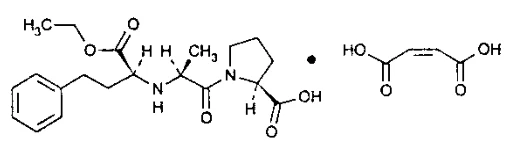 | NH H O O H3C H CH3 N O H O- Na+ O | 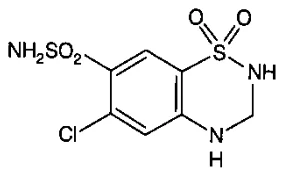 |
| Physicochemical properties: | ||
| Enalapril maleate is a white to off-white crystalline powder which melts at ≈ 143°C to 144°C. It is sparingly soluble in water (pH 3.4), soluble in ethanol, and freely soluble in methanol and dimethylformamide. The pKa1 and pKa2 of the base moiety are 3.0 and 5.4 respectively. | Hydrochlorothiazide is a white or practically white crystalline compound with low solubility in water, but is readily soluble in dilute aqueous sodium hydroxide. |
CLINICAL TRIALS
Study demographics and trial design
Table 4: Summary of patient demographics for clinical trials in specific indication
| Study | Trial design | Dosage, route of administration and duration | Study subjects (n = number) | Mean age (range) |
| 2951 | Multicenter, double-blind randomized, parallel, active controlled study (24 investigators) | Oral Enalapril 10 mg twice daily Or HCTZ 25 mg twice daily Or Enalapril 10/HCTZ 25 twice daily The dose was titrated from 1 to 2 tablets twice daily after 4 weeks if DBP ≥ 90 mm Hg. Total Duration on Treatment: 8 weeks | 546 (221 in enalapril, 222 in HCTZ and 103 in enalapril/HCTZ combination groups) | 21 to 65 years |
| 16 | Multicenter, double-blind randomized, parallel, active controlled study (6 investigators) | Oral Enalapril 10/ Hydrochlorothiazide 25 once daily Or Propranolol 40/HCTZ 25 twice daily The dose was titrated after 4 and 8 weeks if DBP > 85 mm Hg. Total Duration on Treatment: 12 weeks | 151 (76 in enalapril/HCTZ and 75 in propranolol HCTZ groups) | 20 to 68 years |
HCTZ: Hydrochlorothiazide
Study results
Table 5: Results of study 2951 in patients with hypertension
| Primary endpoints | Associated value and statistical significance for enalapril/HCTZ | Associated value and statistical significance for enalapril alone | Associated value and statistical significance for HCTZ alone |
| Mean Change from baseline in supine DBP at 4 weeks | -19.9*,+ | -11.4 | -11.4 |
| Mean Change from baseline in supine DBP at 8 weeks | -21.4*,+ | -11.5 | -13.2 |
*,+ Significantly greater than HCTZ and enalapril respectively, (p < 0.01)
Table 6: Results of study 16 in patients with hypertension
| Primary endpoints | Associated value and statistical significance for enalapril/HCTZ | Associated value and statistical significance for active control/HCTZ |
| Mean Change from baseline in supine DBP at 4 weeks | -14.4 | -12.6 |
| Mean Change from baseline in supine DBP at 8 weeks | -14.9 | -13.6 |
| Mean Change from baseline in supine DBP at 12 weeks | -16.8 | -16.5 |
DETAILED PHARMACOLOGY
Enalapril Maleate
Mechanism of Action
| Study | Species/Strain | Number of Animals/Group | Route | Dose | Results |
| Effect of enalapril maleate on total serum ACE in rats and dogs | Male Sprague/ Dawley rats | 12 experimental 6 placebo | P.O. | 10 mg/kg/day for 7 or 14 days | 79% increase in ACE after 7 days & 140% after 14 days |
| Male beagle hounds | 3 dogs | P.O. | 10 mg/kg (free base) for 7 or 14 days | 30% increase in ACE after 7 days & 48% after 14 days | |
| 3 dogs | P.O. | 30 mg/kg/day for 3 days | 1.5-fold increase in ACE | ||
| In vivo ACE inhibition in anesthetized and unanesthetized rats and dogs | Male Sprague/ Dawley rats (Blue Spruce) | 6 rats | I.V. P.O. | 3, 10, 30 µg/kg 0.1, 0.3, 1.0 and 3.0 mg/kg | The ED50 is 14.0 µg/kg I.V. and 0.29 mg/kg p.o. |
| Mongrel or beagle dogs (male & female) | 6 dogs per dose | I.V. | 30, 130, 430, 1430 μg/kg | Dose related inhibition of pressor response to angiotensin ED50: Enalaprilat: 6.4 μg/kg Enalapril maleate: 278 μg/kg | |
| Effect of enalaprilat on canine hind limb vasodilator response to bradykinin and vasoconstrictor response to angiotensins | Anesthetized dogs male or female | 4 dogs | I.V. | 0.3–100 μg/kg | Local inhibition of ACE: (enalaprilat) ED50 = 4.8 (4.4 to 5.2 μg/kg) I.V. |
Effects on Blood Pressure
Other Effects
| Study | Species/Strain | Number of Animals/Group | Route | Dose | Results |
| Effects in acute renal failure in dogs | Mongrel dogs | 4/group | P.O. | 1.0 mg/kg b.i.d. for 3 days | No further deterioration of acute renal failure occurred. |
Whole body autoradiography | Golden hamsters | Min. 16 | P.O. | 5 mg/kg | No radioactivity was found in the spinal cord or brain of either male or female hamsters. |
Enalapril Maleate and Hydrochlorothiazide
In unanesthetized spontaneously hypertensive rats (7–8/group) enalapril alone when given orally at a dose of 3.0 mg/kg twice daily for three consecutive days reduced mean arterial blood pressure by 10–15 mmHg. A substantially greater fall in mean arterial blood pressure averaging 20, 41 and 34 mmHg (from the pretreatment value on Day 1) was observed in a similar 3-day experiment when enalapril, 3 mg/kg/day orally, was coadministered with an oral dose of hydrochlorothiazide, 50 mg/kg/day.
A similar enhanced antihypertensive response was observed in chronic perinephritic hypertensive dogs when enalapril, 10 mg/kg orally was coadministered with an oral dose of hydrochlorothiazide, 15 mg/kg.
| Study | Species/Strain | Number of Animals/Group | Route | Dose | Results |
| Antihypertensive activity in sodium- deficient rats | Male Sprague/ Dawley rats | 6 rats/group and at least 8 treatment groups | P.O. | Enalapril 1 to 10 mg/kg | Enalapril produced a dose-dependent decrease in systolic BP for 3 or more hours |
| Effect on renal hypertensive rats (Grollman technique) | Male Sprague/ Dawley rats | Most groups = 6 to 8 rats/ treatment group | P.O. | Enalapril 3.0 mg/kg | Enalapril produced a mean decrease in systolic pressure of ≈ 20 mmHg and a slight tachycardia |
| Relationship between angiotensin I blockade and blood pressure lowering in spontaneous hypertensive rats, renal hypertensive rats, and renal hypertensive dogs and normotensive sodium depleted dogs | Sprague/ Dawley rats normotensive dogs (mongrel) | At least 4 to 5 rats/group and at least 3 dogs per group | P.O. | Enalapril 0.1 to 3 mg/kg | Time course of blood pressure decrease did not coincide with time course for maximal inhibition of angiotensin I pressor response |
In a renal study in conscious dogs (6 dogs/group) the combination of enalapril 3 mg/kg plus hydrochlorothiazide (0.1, 0.3 and 1.0 mg/kg) given orally over three days showed no synergistic effect of the two compounds on urinary sodium excretion.
When hydrochlorothiazide, 10 mg/kg p.o., was given in combination with enalapril, at doses of 3, 10 and 30 mg/kg orally, only the combination of 10 mg/kg hydrochlorothiazide plus 10 or 30 mg/kg of enalapril orally for three days produced increases in sodium excretion which were greater than the sum of the effects of hydrochlorothiazide plus enalapril. Decreases in plasma potassium were observed at oral doses of 3 and 10 mg/kg but not at 30 mg/kg.
A 16-fold increase in plasma renin activity was observed with the combination treatment of enalapril 30 mg/kg and hydrochlorothiazide 10 mg/kg orally.
TOXICOLOGY
Enalapril Maleate – Acute Toxicity – LD50 Values:
Route Species Sex MSDRLa NMB/RLb
Oral Mouse Male 2 g/kg 3.5 g/kg
Female 2 g/kg 3.5 g/kg
Rat Male 2 g/kg 3.5 g/kg
Female 2 g/kg 3.0 g/kg
Intravenous Mouse Male - 900 mg/kg
Female 750 mg/kg 900 mg/kg
Rat Male - 950 mg/kg
Female - 850 mg/kg
Subcutaneous Mouse Male - 1150 mg/kg
Female - 1500 mg/kg
Rat Male - 1750 mg/kg
Female - 1400 mg/kg a Merck Sharp and Dohme Research Laboratories, West Point, PA, USA
b Nippon Merck-Banyu Co., Menuma, Japan
Signs of toxicity: ptosis, decreased activity, bradypnea, loss of righting, ataxia, dyspnea, and clonic convulsions.
Sub-Acute and Chronic Toxicity
| Species | Duration | Number of Animals/Group | Route | Dose (mg/kg/day) | Effects |
|---|---|---|---|---|---|
| Rat | 1-Month | 10 M + 10 F | Oral | 0, 10, 30, 90 | At all doses: Slight decrease in body weight gain. At 30 & 90 mg/kg/day: Dose-related increase in BUN in males. |
| Rat | 3-Months | 15 M + 15 F | Oral | 0, 10, 30, 90 | At all doses: Slight decrease in body weight gain and in serum sodium, slight increase in serum potassium. Small increase in kidney weight and decrease in heart weight. At 30 & 90 mg/kg/day: Dose-related increase in BUN. |
| Rat | 1-Year | 25 M + 25 F | Oral | 0, 10, 30, 90 | 6-month interim kill: Males given 90 mg/kg/day had a significantly (p ≤ 0.05) greater kidney weight than controls. 1 year: Dose-related decrease in weight gain (7 to 19%) Dose-related increase in serum urea nitrogen in males given 30 and 90 mg/kg/day (values up to 52.9 and 89.2 mg/100 mL respectively). Three high dose females showed elevated serum urea nitrogen levels. Serum potassium values were increased (0.1 to 0.8 mEq/L) in male rats on the high dose. Males given 90 mg/kg/day had a significantly (p ≤ 0.05) greater kidney weight than controls. |
| Rat | 1-Month | 20 M + 20 F | Oral | 0, 90 & 90 with physiologic saline for drinking | Unsupplemented: Less weight gain (8 to 19%), increase in serum urea nitrogen (up to 62.8 mg%). Supplemented: Body weight gain and serum urea nitrogen levels similar to controls. |
| Rat (sodium depleted) | 3 Weeks | 30 M + 30 F | Oral | 0, 90 | A marked potentiation in toxicity included: death, weight loss, marked increases in serum urea nitrogen, creatinine and potassium, renal tubular degeneration. |
| Species | Duration | Number of Animals/Group | Route | Dose (mg/kg/day) | Effects |
|---|---|---|---|---|---|
| Dog Beagle | 1-Month | 3 M + 3 F | Oral | 0, 10, 30, 90 (4 doses only) reduced to 60 | At 30 mg: One dog showed increase in BUN and renal tubular degeneration (4 doses only). At high doses: 6/6: deaths (7–12 days) Increase in serum urea nitrogen, glucose, SGOT, SGPT, and potassium; decrease in serum sodium and chloride; renal tubular degeneration and increased hepatocellular fat. |
| Dog Beagle | 3-Months | 3 M + 3 F | Oral | 0, 10, 30, 90 (7 doses only) | At all doses: Slight decrease in serum sodium. At 30 mg: 2/6: deaths Increase in BUN and serum glucose; renal tubular degeneration. At 90 mg: 5/6 deaths Increase in BUN, serum glucose, SGOT, SGPT, alkaline phosphatase and potassium. Decrease in serum chloride; renal tubular degeneration, increased hepatocellular fat; hepatocellular necrosis. |
| Dog Beagle | 1-Year | 5 M + 5 F | Oral | 0, 3, 5, 15 | No drug-induced changes were seen. |
| Dog Beagle | 15-days | 3 M + 3 F | Oral | 0, 60 with and without saline supplementation | Unsupplemented treated dogs: 3/6: deaths 4/6: increase in serum urea nitrogen 3/6: decrease in serum chloride; increase in SGOT, SGPT and potassium 1/6: increase in alkaline phosphatase 1/6: hepatocellular lesions (in 1st animal which died) 5/6: renal lesions (3 moderate, 2 slight renal tubular necrosis) Saline supplemented treated dogs: 0/6: deaths 3/6: increase in serum urea nitrogen 1/6: very slight renal tubular necrosis and moderate renal tubular cell vacuolation |
| Species | Duration | Number of Animals/Group | Route | Dose (mg/kg/day) | Effects |
|---|---|---|---|---|---|
| Dog Beagle | 15-days | 3 M + 3 F | Oral | 0, 90 with and without saline supplementation | Unsupplemented treated dogs: 6/6: deaths 6/6: increase in serum urea nitrogen, creatinine and SGPT 5/6: increase in SGOT 2/6: increase in serum potassium 5/6: marked renal tubular degeneration 1/6: moderate renal tubular degeneration 6/6: slight to marked thymic atrophy 3/6: ulceration of distal esophagus 2/6: oral mucosal lesions Supplemented treated dogs: 2/6: deaths 6/6: increase in serum urea nitrogen, creatinine 3/6: increase in SGOT and SGPT 0/6: increase in potassium 2/6: moderate renal tubular degeneration 4/6: slight renal tubular degeneration 4/6: slight to moderate thymic atrophy 3/6: liver degeneration |
Teratology Studies
| Species | Number of Animals/Group | Dose (mg/kg/day) | Duration of Dosing | Results |
|---|---|---|---|---|
Rat (Charles River CD) | 20 F | 0, 10, 30, 90 | Day 15 of gestation through Day 20 of lactation | At all dosage levels:
At 90 mg/kg/day:
|
Rat (Charles River CD) | 25 F | 0, 10, 100, 200, 100 + saline, 200 + saline | Days 6 through Day 17 of gestation | Decreased maternal weight gain at 100 and 200 mg/kg/day in unsupplemented rats. No treatment-related effects on reproductive status or teratogenic effects in any of the groups. |
| Species | Number of Animals/Group | Dose (mg/kg/day) | Duration of Dosing | Results |
|---|---|---|---|---|
Rat (CLEA Japan Inc- JCL:SD) | 25F | 0, 12, 120, 1200, 1200 + saline | Days 6 through Day 17 of gestation | Unsupplemented treated rats:
|
At 1200 mg/kg/day
Supplemented treated rats:
| ||||
| Rabbit (New Zealand albino) | 18 F | 0, 3, 10, 30 (with saline) | Days 6 through Day 18 of gestation | At 3 and 10 mg/kg/day:
At 30 mg/kg/day:
|
Fertility and Postnatal Evaluation Studies
| Species | Number of Animals/Group | Dose (mg/kg/day) | Duration of Dosing | Results |
|---|---|---|---|---|
| Rat (Charles River CD) | 15 M + 30 F | 0, 10, 30, 90 | Males 70 days prior to mating to termination of females. Females 15 days prior to mating and throughout gestation. | No effects on reproductive status were observed at any dose. Males at 30 & 90 mg/kg/day:
|
| Species | Number of Animals/Group | Dose (mg/kg/day) | Duration of Dosing | Results |
|---|---|---|---|---|
Females at 30 & 90 mg/kg/day:
Pups: Reduced body weights in F1 pups at 90 mg/kg/day on Day 1 postpartum and secondarily a delay in postnatal development. Increased incidence of deaths of F1 pups at 30 and 90 mg/kg/day during lactation. |
Mutagenicity Studies
Enalapril was not mutagenic in the Ames microbial mutagen test with or without metabolic activation, in the Rec-Assay, sister chromatid exchange with cultured chinese hamster cells, (up to 20 mg/mL) and the micro-nucleus test with mice.
In vitro chromosomal aberration test – enalapril was clastogenic at 10 and 20 mg/mL but not at 5 mg/mL.
Carcinogenicity Studies
There was no evidence of a carcinogenic effect when enalapril was administered for 106 weeks to rats (Charles River CD-1) at doses up to 90 mg/kg/day (150 times the maximum daily human dose).
Enalapril has also been administered for 94 weeks to male and female mice (Charles River CD-1) at doses up to 90 and 180 mg/kg/day, respectively, (150 and 300 times the maximum daily dose for humans) and no evidence of carcinogenicity was noted.
Hydrochlorothiazide
According to the experimental data available, hydrochlorothiazide revealed inconsistent evidence of carcinogenic activity in rats and mice, with conflicting evidence of hepatic adenoma in male mice at the highest dose and adrenal pheocytochroma in one rat study but not in another. Current evidence is inadequate to draw a clear conclusion for a carcinogenic effect of hydrochlorothiazide in animals.
The mutagenic potential was assessed in a series of in vitro and in vivo test systems. While some positive results were obtained in vitro, all in vivo studies provided negative results. Hydrochlorothiazide enhanced the UVA-induced formation of pyrimidine dimers in vitro and in the skin of mice following oral treatment. It is therefore concluded that although there is no relevant mutagenic potential in vivo, hydrochlorothiazide could enhance the genotoxic effects of UVA light. This mechanism of photosensitization could be associated with a higher risk for non-melanoma skin cancer.
Enalapril Maleate - Hydrochlorothiazide
The acute LD50 of hydrochlorothiazide (479–551 mg/kg) was lowered (390–353 mg/kg) by one hour pretreatment with orally administered enalapril (14–211 mg/kg). This change was slight and at doses which would not be of clinical significance. No effect was seen on the acute oral toxicity of enalapril in mice by the prior oral administration of 900 mg/kg of hydrochlorothiazide.
BIBLIOGRAPHY
- 1. Biollaz J, Burnier M, Turini GA, Brunner DB, Porchet M, Gomez HJ, Jones KH, Ferber F, Abrams WB, Gavras H, Brunner HR. Three new long-acting converting-enzyme inhibitors: relationship between plasma converting-enzyme activity and response to angiotensin I. Clin Pharmacol Ther 1981;29:665-70.
- 2. Biollaz J, Schelling JL, Jacot des Combes B, Brunner DB, Desponds G, Brunner HR. Enalapril maleate and a lysine analogue (MK-521) in normal volunteers; relationship between plasma drug levels and the renin angiotensin system. Br J Clin Pharmacol 1982;14:363-68.
- 3. Biollaz J, Brunner HR, Gavras I, Waeber B, Gavras H. Antihypertensive therapy with MK-421: Angiotensin II - Renin relationships to evaluate efficacy of converting enzyme blockade, J Cardiovasc Pharmacol. 1982;4:966-72.
- 4. Brunner DB, Desponds G, Biollaz J, Keller I, Ferber F, Gavras H, Brunner HR, Schelling JL. Effect of a new angiotensin converting enzyme inhibitor MK 421 and its lysine analogue on the components of the renin system in healthy subjects. Br J Clin Pharmacol 1981;11:461-67.
- 5. Cleary JD, Taylor JW. Enalapril: a new angiotensin converting enzyme inhibitor, Drug Intell Clin Pharm. 1986; 20(3)177-86.
- 6. Cleland JGF, Dargie HJ, McAlpine H, Ball SG, MortonJJ, Robertson JIS, Ford I. Severe hypotension after first dose of enalapril in heart failure. Br Med J 1985;291:1309-12.
- 7. Cody RJ, Covit AB, Schaer GL, Laragh JH. Evaluation of a long-acting converting enzyme inhibitor (enalapril) for the treatment of chronic congestive heart failure. J Am Coll Cardiol 1983;1(4):1154-59.
- 8. Gavras H, Waeber B, Gavras I, Biollaz J, Brunner HR, Davies RO. Antihypertensive effect of the new oral angiotensin converting enzyme inhibitor “MK-421”. Lancet 1981;ii:543-47.
- 9. Gomez HJ, Cirillo VJ. Angiotensin converting enzyme inhibitors: The clinical pharmacology of captopril and enalapril maleate. Clinical pharmacology and therapeutics (International Congress Series No. 604), Velasco, M. ed., Excerpta Medica, Amsterdam 1983;52-57.
- 10. Hodsman GP, Brown JJ, Davies DL, Fraser R, Lever AF, Morton JJ, Murray GD, Robertson JIS. Converting-enzyme inhibitor enalapril (MK421) in treatment of hypertension with renal artery stenosis. Br Med J 1982;285:1697-99.
- 11. Hodsman G.P.; et al.: Enalapril (MK421) in the treatment of hypertension with renal artery stenosis, (Symposium on the renin-angiotensin-aldosterone system: treatment of hypertension and heart failure, Milan, Italy, 28 May 1983), J Hypertension 1(Supp. 1):109-117, 1983.
- 12. Ibsen H, Egan B, Osterziel K, Vander A, Julius S. Reflex-hemodynamic adjustments and baroreflex sensitivity during converting enzyme inhibition with MK-421 in normal humans. Hypertension 1983;5 (Suppl. I):184-91.
- 13. Larochelle P, Carruthers SG, Krip G. Comparison of monotherapy with enalapril and atenolol in mild to moderate hypertension. Can Med Assoc J 1987; 37:803-808.
- 14. McNabb WR. Brooks BA, Noormohamed, Lant AF, Gomez HJ, Cirillo VJ, Hichens M, Bolognese JA. The effect of enalapril on serum prolactin. Br J Clin Pharmacol 1983;15:752-54.
- 15. Millar JA, Derkx FHM, McLean K, Reid JL. Pharmacodynamics of converting enzyme inhibition: the cardiovascular, endocrine and autonomic effects of MK421 (enalapril) and MK521. Br J Clin Pharmacol 1982;14:347-55.
- 16. Wilkins LA, Dustan HP, Walker FJ, Oparil S. Enalapril in low-renin essential hypertension. Clin Pharmacol Ther 1983;34(3):297-302.