


Product Monograph - Prinzide (Merck Canada, 20 mg / 12.5 mg, 10 mg / 12.5 mg)
INDICATIONS AND CLINICAL USE
PRINZIDE® (lisinopril and hydrochlorothiazide tablets) is indicated for the treatment of essential hypertension in patients for whom combination therapy is appropriate.
In using PRINZIDE®, consideration should be given to the risk of angioedema (see WARNINGS).
PRINZIDE® is not indicated for initial therapy. Patients in whom lisinopril and diuretic are initiated simultaneously can develop symptomatic hypotension (see PRECAUTIONS, Drug Interactions).
Patients should be titrated on the individual drugs. If the fixed combination represents the dosage determined by this titration, the use of PRINZIDE® may be more convenient in the management of patients. If during maintenance therapy dosage adjustment is necessary, it is advisable to use individual drugs.
CONTRAINDICATIONS
PRINZIDE® (lisinopril and hydrochlorothiazide tablets) is contraindicated in patients who:
- are hypersensitive to any component of this product;
have a history of angioneurotic edema relating to previous treatment with an
angiotensin-converting enzyme inhibitor; and
- have hereditary or idiopathic angioedema.
Because of the hydrochlorothiazide component, this product is contraindicated in patients with anuria or hypersensitivity to other sulfonamide-derived drugs.
Concomitant use of angiotensin converting enzyme inhibitors (ACEIs) - including the lisinopril component of PRINZIDE® - with aliskiren-containing drugs in patients with diabetes mellitus (type
1 or type 2) or moderate to severe renal impairment (GFR < 60 ml/min/1.73m2) is contraindicated
(see WARNINGS, Dual Blockade of the Renin-Angiotensin System (RAS), PRECAUTIONS,
Renal Impairment, and DRUG INTERACTIONS, Dual Blockade of the Renin-Angiotensin System
(RAS) with ACEIs, ARBs or aliskiren-containing drugs).
WARNINGS
Serious Warnings and Precautions
- When used in pregnancy, angiotensin-converting enzyme (ACE) inhibitors can cause injury or even death of the developing fetus. When pregnancy is detected, PRINZIDE® should be discontinued as soon as possible.
Angioedema
Angioedema has been reported in patients treated with PRINZIDE® (lisinopril and
hydrochlorothiazide tablets). This may occur at any time during treatment. Angioedema associated with shock may be fatal. If angioedema occurs, PRINZIDE® should be promptly discontinued and appropriate monitoring should be instituted to ensure complete resolution of symptoms prior to dismissing the patient. Even in those instances where swelling of only the
tongue is involved, without respiratory distress, patients may require prolonged observation since treatment with antihistamines and corticosteroids may not be sufficient. Very rarely, fatalities have been reported due to angioedema associated with laryngeal edema or tongue edema. Patients with involvement of the tongue, glottis or larynx are likely to experience airway obstruction, especially those with a history of airway surgery. When there is airway obstruction, emergency therapy should be administered promptly when indicated. This includes giving subcutaneous adrenaline (0.5 mL 1:1000), and/or maintaining a patent airway. The patient should be under close medical supervision until complete and sustained symptom resolution has occurred.
The incidence of angioedema during ACE inhibitor therapy has been reported to be higher in
Black than in non-Black patients.
Patients with a history of angioedema unrelated to ACE inhibitor therapy may be at increased risk of angioedema while receiving an ACE inhibitor (see CONTRAINDICATIONS).
Hypotension
Symptomatic hypotension has occurred after administration of lisinopril, usually after the first or second dose or when the dose was increased. It is more likely to occur in patients who are volume-depleted by diuretic therapy, dietary salt restriction, dialysis, diarrhea, or vomiting.
Therefore, PRINZIDE® should not be used to start therapy or when a dose change is needed. In patients with severe congestive heart failure, with or without associated renal insufficiency, excessive hypotension has been observed and may be associated with oliguria and/or progressive azotemia, and rarely with acute renal failure and/or death. Because blood pressure could potentially fall, patients at risk for hypotension should start therapy with lisinopril under very close medical supervision, usually in a hospital. Such patients should be followed closely for the first two weeks of treatment and whenever the dose of lisinopril and/or hydrochlorothiazide is increased. In patients with ischemic heart or cerebrovascular disease, an excessive fall in blood pressure could result in a myocardial infarction or cerebrovascular accident (see ADVERSE
REACTIONS).
If hypotension occurs, the patient should be placed in supine position and, if necessary, receive an intravenous infusion of normal saline. A transient hypotensive response may not be a contraindication to further doses. These can usually be given to hypertensive patients without difficulty once the blood pressure has increased after volume expansion. However, lower doses of lisinopril and/or concomitant diuretic therapy should be considered.
Dual Blockade of the Renin-Angiotensin System (RAS)
There is evidence that co-administration of angiotensin converting enzyme inhibitors (ACEIs), such as the lisinopril component in PRINZIDE®, or of angiotensin receptor antagonists (ARBs)
with aliskiren increases the risk of hypotension, syncope, stroke, hyperkalemia and deterioration of renal function, including renal failure, in patients with diabetes mellitus (type 1 or type 2) and/or moderate to severe renal impairment (GFR < 60 ml/min/1.73m2). Therefore, the use of
PRINZIDE® in combination with aliskiren-containing drugs is contraindicated in these patients
(see CONTRAINDICATIONS). Further, co-administration of ACEIs, including the lisinopril component of PRINZIDE®, with other agents blocking the RAS, such as ARBs or
aliskiren-containing drugs, is generally not recommended in other patients, since such treatment has been associated with an increased incidence of severe hypotension, renal failure, and hyperkalemia.
Neutropenia/Agranulocytosis
Agranulocytosis and bone marrow depression have been caused by angiotensin-converting enzyme inhibitors. Several cases of agranulocytosis and neutropenia have been reported in which a causal relationship to lisinopril cannot be excluded. Current experience with the drug shows the incidence to be rare. Periodic monitoring of white blood cell counts should be considered, especially in patients with collagen vascular disease and renal disease.
Azotemia
Azotemia may be precipitated or increased by hydrochlorothiazide. Cumulative effects of the drug may develop in patients with impaired renal function. If increasing azotemia and oliguria occur during treatment of severe progressive renal disease the diuretic should be discontinued.
Patients with Impaired Liver Function
Hepatitis, jaundice (hepatocellular and/or cholestatic), elevations of liver enzymes and/or serum bilirubin have occurred during therapy with lisinopril in patients with or without pre-existing liver abnormalities (see ADVERSE REACTIONS). In most cases the changes were reversed on discontinuation of the drug.
Should the patient receiving PRINZIDE® experience any unexplained symptoms (see Information for Patients), particularly during the first weeks or months of treatment, it is recommended that a full set of liver function tests and any other necessary investigation be carried out. Discontinuation of PRINZIDE® should be considered when appropriate.
There are no adequate studies in patients with cirrhosis and/or liver dysfunction. PRINZIDE® should be used with particular caution in patients with pre-existing liver abnormalities. In such patients baseline liver function tests should be obtained before administration of the drug and close monitoring of response and metabolic effects should apply.
Thiazides should be used with caution in patients with impaired hepatic function or progressive liver disease, since minor alterations of fluid and electrolyte balance may precipitate hepatic coma.
Hypersensitivity Reactions
Sensitivity reactions to hydrochlorothiazide may occur in patients with or without a history of allergy or bronchial asthma.
The possibility of exacerbation or activation of systemic lupus erythematosus has been reported in patients treated with hydrochlorothiazide.
Ophthalmologic
Acute Myopia and Secondary Angle-Closure Glaucoma: Hydrochlorothiazide, a sulphonamide, can cause an idiosyncratic reaction, resulting in acute transient myopia and acute angle-closure glaucoma. Symptoms include acute onset of decreased visual acuity or ocular pain and typically occur within hours to weeks of drug initiation. Untreated acute angle-closure
glaucoma can lead to permanent vision loss. The primary treatment is to discontinue hydrochlorothiazide as rapidly as possible. Prompt medical or surgical treatments may need to be considered if the intraocular pressure remains uncontrolled. Risk factors for developing acute angle-closure glaucoma may include a history of sulphonamide or penicillin allergy.
Use in Pregnancy
ACE inhibitors can cause fetal and neonatal morbidity and mortality when administered to pregnant women. When pregnancy is detected, PRINZIDE® should be discontinued as soon as possible.
The use of ACE inhibitors during the second and third trimesters of pregnancy has been associated with fetal and neonatal injury including hypotension, neonatal skull hypoplasia, anuria, reversible or irreversible renal failure, and death. Oligohydramnios has also been reported, presumably resulting from decreased fetal renal function, associated with fetal limb contractures, craniofacial deformation, and hypoplastic lung development.
Prematurity, and patent ductus arteriosus and other structural cardiac malformations, as well as neurologic malformations, have also been reported following exposure in the first trimester of pregnancy.
Infants with a history of in utero exposure to ACE inhibitors should be closely observed for hypotension, oliguria, and hyperkalemia. If oliguria occurs, attention should be directed toward support of blood pressure and renal perfusion. Exchange transfusion or dialysis may be required as a means of reversing hypotension and/or substituting for impaired renal function; however, limited experience with those procedures has not been associated with significant clinical benefit.
Lisinopril has been removed from the neonatal circulation by peritoneal dialysis with some clinical benefit and may, theoretically, be removed by exchange transfusion, although there is no experience with the latter procedure.
Animal Data: Lisinopril was not teratogenic in mice treated on days 6–15 of gestation with up to
1000 mg/kg/day (625 times the maximum recommended human dose). There was an increase in fetal resorptions at doses down to 100 mg/kg; at doses of 1000 mg/kg this was prevented by saline supplementation. There was no fetotoxicity or teratogenicity in rats treated with up to
300 mg/kg/day (188 times the maximum recommended dose) of lisinopril at days 6–17 of gestation. In rats receiving lisinopril from day 15 of gestation through day 21 postpartum, there was an increased incidence in pup deaths on days 2–7 postpartum and a lower average body weight of pups on day 21 postpartum. The increase in pup deaths and decrease in pup weight did not occur with maternal saline supplementation.
Lisinopril, at doses up to 1 mg/kg/day, was not teratogenic when given throughout the organogenic period in saline supplemented rabbits. Saline supplementation (physiologic saline in place of tap water) was used to eliminate maternotoxic effects and enable evaluation of the teratogenic potential at the highest possible dosage level. The rabbit has been shown to be extremely sensitive to angiotensin- converting enzyme inhibitors (captopril and enalapril) with maternal and fetotoxic effects apparent at or below the recommended therapeutic dosage levels in man.
Fetotoxicity was demonstrated in rabbits by an increased incidence of fetal resorptions at an oral dose of lisinopril of 1 mg/kg/day and by an increased incidence of incomplete ossification at the lowest dose tested (0.1 mg/kg/day). A single intravenous dose of 15 mg/kg of lisinopril administered to pregnant rabbits on gestation days 16, 21 or 26 resulted in 88% to 100% fetal death.
By whole body autoradiography, radioactivity was found in the placenta following administration of labelled lisinopril to pregnant rats, but none was found in the fetuses.
Use in Nursing Mothers
The presence of concentrations of ACE inhibitor have been reported in human milk. Use of ACE inhibitors is not recommended during breast-feeding.
PRECAUTIONS
Renal Impairment
As a consequence of inhibiting the renin-angiotensin-aldosterone system, changes in renal function have been seen in susceptible individuals. In patients whose renal function may depend on the activity of the renin-angiotensin-aldosterone system, such as patients with bilateral renal artery stenosis, unilateral renal artery stenosis to a solitary kidney, or severe congestive heart failure, treatment with agents that inhibit this system has been associated with oliguria, progressive azotemia, and rarely, acute renal failure and/or death. In susceptible patients, concomitant diuretic use may further increase risk.
The use of ACEIs – including the lisinopril component of PRINZIDE® - or ARBs with aliskiren-containing drugs is contraindicated in patients with moderate to severe renal impairment
(GFR < 60 ml/min/1.73m2). (See CONTRAINDICATIONS and DRUG INTERACTIONS, Dual
Blockade of the Renin-Angiotensin System (RAS) with ACEIs, ARBs or aliskiren-containing drugs).
Use of PRINZIDE® (lisinopril and hydrochlorothiazide tablets) should include appropriate assessment of renal function.
Thiazides may not be appropriate diuretics for use in patients with renal impairment and are ineffective at creatinine clearance values of 30 mL/min or below (i.e., moderate or severe renal insufficiency).
Hyperkalemia
In clinical trials hyperkalemia (serum potassium >5.7 mEq/L) occurred in approximately 1.4% of hypertensive patients. In most cases these were isolated values which resolved despite continued therapy. Hyperkalemia was not a cause of discontinuation of therapy. Risk factors for the development of hyperkalemia include renal insufficiency, diabetes mellitus, and concomitant use of potassium-sparing diuretics (e.g., spironolactone, triamterene, or amiloride), potassium supplements, or potassium-containing salt substitutes (see also Drug Interactions, Agents
Increasing Serum Potassium).
The use of potassium supplements, potassium-sparing diuretics, or potassium-containing salt substitutes particularly in patients with impaired renal function may lead to a significant increase in serum potassium. Hyperkalemia can cause serious, sometimes fatal, arrhythmias.
If concomitant use of PRINZIDE® and any of the above-mentioned agents is deemed appropriate, they should be used with caution and with frequent monitoring of serum potassium.
Valvular Stenosis, Hypertrophic Cardiomyopathy
There is concern on theoretical grounds that patients with aortic stenosis or hypertrophic cardiomyopathy might be at particular risk of decreased coronary perfusion when treated with vasodilators.
PRINZIDE® should be given with caution to these patients.
Metabolism
Hyperuricemia may occur or acute gout may be precipitated in certain patients receiving thiazide therapy.
Thiazides may decrease serum protein-bound iodine (PBI) levels without signs of thyroid disturbance.
Thiazides have been shown to increase excretion of magnesium; this may result in hypomagnesemia.
Thiazides may decrease urinary calcium excretion. Thiazides may cause intermittent and slight elevation of serum calcium in the absence of known disorders of calcium metabolism. Marked hypercalcemia may be evidence of hidden hyperparathyroidism. Thiazides should be discontinued before carrying out tests for parathyroid function.
Increases in cholesterol, triglyceride and glucose levels may be associated with thiazide diuretic therapy.
Surgery/Anesthesia
In patients undergoing major surgery or during anesthesia with agents that produce hypotension, lisinopril blocks angiotensin II formation, secondary to compensatory renin release. If hypotension occurs and is considered to be due to this mechanism, it can be corrected by volume expansion.
Thiazides may increase the responsiveness to tubocurarine.
Cough
A dry, persistent cough, which usually disappears only after withdrawal or lowering of the dose of
PRINZIDE® has been reported.
Such a possibility should be considered as part of the differential diagnosis of the cough.
Use in the Elderly
In general, blood pressure response and adverse experiences were similar in younger and older patients given similar doses of lisinopril. Pharmacokinetic studies, however, indicate that maximum blood levels and area under the plasma concentration time curve (AUC) are doubled in older patients so that dosage adjustments should be made with particular caution.
Pediatric Use
PRINZIDE® has not been studied in children and, therefore, use in this age group is not recommended.
Anaphylactoid Reactions during Membrane Exposure
Anaphylactoid reactions have been reported in patients dialysed with high-flux membranes (e.g., polyacrylonitrile [PAN]) and treated concomitantly with an ACE inhibitor. Dialysis should be stopped immediately if symptoms such as nausea, abdominal cramps, burning, angioedema, shortness of breath and severe hypotension occur. Symptoms are not relieved by antihistamines.
In these patients consideration should be given to using a different type of dialysis membrane or a different class of antihypertensive agent.
Anaphylactoid Reactions during LDL Apheresis
Rarely, patients receiving ACE inhibitors during low density lipoprotein (LDL)-apheresis with dextran sulfate have experienced life-threatening anaphylactoid reactions. These reactions were avoided by temporarily withholding ACE inhibitor therapy prior to each apheresis.
Anaphylactoid Reactions during Hymenoptera Desensitization
There have been isolated reports of patients experiencing sustained life-threatening anaphylactoid reactions while receiving ACE inhibitors during desensitizing treatment with hymenoptera (bees, wasp) venom. In the same patients, these reactions have been avoided when ACE inhibitors were temporarily withheld for at least 24 hours, but they have reappeared upon inadvertent rechallenge.
Drug Interactions
Drug-Drug Interactions
The drugs listed in this table are based on either drug interaction case reports or studies, or potential interactions due to the potential magnitude and seriousness of the interaction (i.e., those identified as contraindicated).
| Proper Name | Ref. | Effect | Clinical comment |
Agents Increasing Serum Potassium | Concomitant use of potassium-sparing diuretics (e.g., spironolactone, triamterene, amiloride), potassium supplements, or salt substitutes containing potassium may lead to increases in serum potassium | Since lisinopril decreases the production of aldosterone, potassium-sparing diuretics or potassium supplements should be given only for documented hypokalemia and with caution and frequent monitoring of serum potassium particularly in patients with impaired renal function since they may lead to a significant increase in serum potassium. If concomitant use of PRINZIDE® and any of these agents is deemed appropriate, |
they should be used with caution and frequent monitoring of serum potassium. Potassium containing salt substitutes should also be used with caution. | |||
Agents Affecting Sympath etic Activity | Agents affecting sympathetic activity (e.g., ganglionic blocking agents or adrenergic neuron blocking agents) may be used with caution. Beta-adrenergic blocking drugs add some further antihypertensive effect to lisinopril. | ||
Agents causing renin release | The antihypertensive effect of PRINZIDE is augmented by antihypertensive agents that cause renin release (e.g., diuretics). | ||
Alcohol, barbiturates, or narcotics | C | Potentiation of orthostatic hypotension may occur. | Avoid alcohol, barbiturates or narcotics, especially with initiation of therapy. |
| Amphotericin B | T | Amphotericin B increases the risk of hypokalemia induced by thiazide diuretics | Monitor serum potassium level. |
Antidiabetic agents (e.g. CT insulin and oral hypoglycemic agents) | CT | Thiazide-induced hyperglycemia may compromise blood sugar control. Depletion of serum potassium augments glucose intolerance. | Monitor glycemic control, supplement potassium if necessary, to maintain potassium levels, and adjust diabetes medications as required. |
| Antihypertensive drugs | CT | Hydrochlorothiazide may potentiate the action of other antihypertensive drugs (e.g. |
guanethidine, methyldopa, betablockers, vasodilators, calcium channel blockers, ACEI, ARB, and direct renin inhibitors). | |||
Antineoplastic drugs, including cyclophosphamide and methotrexate | C | Concomitant use of thiazide diuretics may reduce renal excretion of cytotoxic agents and enhance their myelosuppressive effects. | Hematological status should be closely monitored in patients receiving this combination. Dose adjustment of cytotoxic agents may be required. |
Bile acid sequestrants, eg. cholestyramine and Cholestipol Resins | CT | Absorption of hydrochlorothiazide is impaired in the presence of anionic exchange resins. Single doses of either cholestyramine or colestipol resins bind the hydrochlorothiazide and reduce its absorption from the gastrointestinal tract by up to 85 and 43 percent, respectively. | Give thiazide 2-4 hours before or 6 hours after the bile acid sequestrant. Maintain a consistent sequence of administration. Monitor blood pressure, and increase dose of thiazide, if necessary. |
Calcium and vitamin D supplements | C | Thiazides decrease renal excretion of calcium and increase calcium release from bone. | Monitor serum calcium, especially with concomitant use of high doses of calcium supplements. Dose reduction or withdrawal of calcium and/or vitamin D supplements may be necessary. |
| Carbamazepine | C | Carbamazepine may cause clinically significant hyponatremia. Concomitant use with thiazide diuretics may potentiate hyponatremia. | Monitor serum sodium levels. Use with caution. |
| Corticosteroids, and | T | Intensified electrolyte | Monitor serum potassium, and |
adrenocorticotropic hormone (ACTH) | depletion, particularly hypokalemia, may occur | adjust medications, as required. | |
| Digoxin | CT | Thiazide-induced electrolyte disturbances, i.e. hypokalemia, hypomagnesemia, increase the risk of digoxin toxicity, which may lead to fatal arrhythmic events. | Concomitant administration of hydrochlorothiazide and digoxin requires caution. Monitor electrolytes and digoxin levels closely. Supplement potassium or adjust doses of digoxin or thiazide, as required |
| Diuretics | CT | Patients on diuretics, and especially those in whom diuretic therapy was recently instituted, may occasionally experience an excessive reduction of blood pressure after initiation of therapy with losartan potassium. | The possibility of hypotensive effects with lisinopril can be minimized by either discontinuing the diuretic or increasing the salt intake prior to initiation of treatment with lisinopril. |
Drugs that alter GI motility, i.e., anti-cholinergic agents, such as atropine and prokinetic agents, such as metoclopramide, domperidone | CT, T | Bioavailability of thiazide diuretics may be increased by anticholinergic agents due to a decrease in gastrointestinal motility and gastric emptying. Conversely, prokinetic drugs may decrease the bioavailability of thiazide diuretics. | Dose adjustment of thiazide may be required. |
Dual blockade of the Renin-Angiotensin System (RAS) with ACEIs, ARBs or aliskiren-containing drugs | Dual Blockade of the Renin- Angiotensin System (RAS) with ACEIs, ARBs or aliskiren-containing drugs is contraindicated in patients with diabetes and/or renal impairment, and is generally not recommended in other patients, since such treatment | See CONTRAINDICATIONS, WARNINGS, PRECAUTIONS, Dual Blockade of the Renin-Angiotensin System (RAS). |
has been associated with an increased incidence of severe hypotension, renal failure, and hyperkalemia. | |||
| Gold | Nitritoid reactions (symptoms include facial flushing, nausea, vomiting and symptomatic hypotension) have been reported rarely in patients on therapy with injectable gold (sodium aurothiomalate) and concomitant ACE inhibitor therapy including lisinopril | ||
Gout medications (allopurinol, uricosurics, xanthine oxidase inhibitors) | T, RC | Thiazide-induced hyperuricemia may compromise control of gout by allopurinol and probenecid. The co-administration of hydrochlorothiazide and allopurinol may increase the incidence of hypersensitivity reactions to allopurinol. | Dosage adjustment of gout medications may be required. |
| Lithium | CT | Thiazide diuretics reduce the renal clearance of lithium and add a high risk of lithium toxicity. | Concomitant use of thiazide diuretics with lithium is generally not recommended. |
Nonsteroidal anti- inflammatory drugs (NSAID) Including Cyclooxygenase-2 Inhibitors | CT | The antihypertensive effect of lisinopril may be diminished with concomitant non-steroidal anti-inflammatory drug use including selective cyclooxygenase- inhibitors (COX-2 inhibitors). In some | If combination use is necessary, monitor renal function, serum potassium, and blood pressure closely. Dose adjustments may be required. |
patients with compromised renal function(e.g. elderly patients or patients who are volume-depleted including those on diuretic therapy) who are being treated with NSAIDS including selective COX-2 inhibitors, The co-administration of ACE inhibitors or angiotensin II receptor antagonists may results in further deterioration of renal function. Cases of acute renal failure, usually reversible, have also been reported. This combination should therefore be administered with caution in this patient population. Non-steroidal anti-inflammatory drugs (NSAIDs) including selective cyclooxygenase-2 inhibitors (COX-2 inhibitors) may reduce the effect of diuretics and other antihypertensive drugs. Therefore, the antihypertensive effect of ACE inhibitors or angiotensin II receptor antagonists may be attenuated by NSAIDs including selective COX-2 inhibitors. |
Therefore when PRINZIDE and non-steroidal anti-inflammatory agents are used concomitantly, the patient should be observed closely to determine if the desired antihypertensive effect is obtained. | |||
Pressor Amines (e.g., norepinephrine) | In the presence of thiazide diuretics, possible decreased response to pressor amines may be seen but not sufficient to preclude their use. | ||
Selective serotonin reuptake inhibitors (SSRIs, e.g. citalopram, escitalopram, sertraline) | T, C | Concomitant use with thiazide diuretics may potentiate hyponatremia. | Monitor serum sodium levels. Use with caution. |
Skeletal muscle relaxants of the curare family, e.g., tubocurare | C | Thiazide drugs may increase the responsiveness of some skeletal muscle relaxants, such as curare derivatives | |
| Topiramate | CT | Additive hypokalemia. Possible thiazide-induced increase in topiramate serum concentrations. | Monitor serum potassium and topiramate levels. Use potassium supplements, or adjust topiramate dose as necessary. |
Legend: C = Case Study; RCS = Retrospective Cohort Study; CT = Climcal Tnal; T = Theoretical
INFORMATION FOR PATIENTS
Angioedema: Angioedema, including laryngeal edema, may occur during treatment with
PRINZIDE® (lisinopril and hydrochlorothiazide tablets). Patients should be so advised and told to report immediately any signs or symptoms suggesting angioedema (swelling of face, extremities, eyes, lips, tongue, difficulty in breathing) and to take no more drug until they have consulted with the prescribing physician.
Hypotension: Patients should be cautioned to report lightheadedness especially during the first few days of therapy. If actual syncope occurs, the patients should be told to discontinue the drug until they have consulted with the prescribing physician.
All patients should be cautioned that excessive perspiration and dehydration may lead to an excessive fall in blood pressure because of reduction in fluid volume. Other causes of volume-depletion such as vomiting or diarrhea may also lead to a fall in blood pressure; patients should be advised to consult with their physician.
Neutropenia: Patients should be told to report promptly any indication of infection (e.g., sore throat, fever) which may be a sign of neutropenia.
Impaired Liver Function: Patients should be advised to return to the physician if he/she experiences any symptoms possibly related to liver dysfunction. This would include “viral-like symptoms” in the first weeks to months of therapy (such as fever, malaise, muscle pain, rash or adenopathy which are possible indicators of hypersensitivity reactions), or if abdominal pain, nausea or vomiting, loss of appetite, jaundice, itching or any other unexplained symptoms occur during therapy.
Hyperkalemia: Patients should be told not to use salt substitutes containing potassium without consulting their physician.
Pregnancy: Patients should be advised to stop taking the medication and to report promptly to their physician if they become pregnant, since the use of PRINZIDE® during pregnancy can cause injury and even death of the developing fetus.
Nursing Mothers
Patients should be advised not to breast-feed while taking PRINZIDE®, as it is possible that
PRINZIDE® passes into breast milk.
NOTE: As with many other drugs, certain advice to patients being treated with PRINZIDE® is warranted. This information is intended to aid in the safe and effective use of this medication. It is not a disclosure of all possible adverse or intended effects.
ADVERSE REACTIONS
In clinical trials involving 930 patients, including 100 patients treated for 50 weeks or more, the most severe clinical adverse reactions were syncope (0.8%), and hypotension (1.9%). The most frequent clinical adverse reactions were: dizziness (7.5%), headache (5.2%), cough (3.9%), fatigue (3.7%) and orthostatic effects (3.2%).
Discontinuation of treatment due to adverse reactions occurred in 4.4% of patients, mainly because of dizziness, cough, fatigue or muscle cramps.
Adverse reactions that have occurred in clinical trials or in marketing experience are those which have been previously reported with lisinopril and hydrochlorothiazide when used separately for the treatment of hypertension.
Adverse reactions occurring in hypertensive patients treated with lisinopril and
hydrochlorothiazide in controlled trials are shown below.
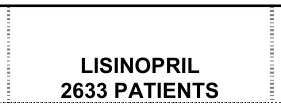
LISINOPRIL
2633 PATIENTS
LISINOPRIL PLUS HYDROCHLOROTHIAZIDE
930 PATIENTS
CARDIOVASCULAR
Hypotension
1.4% 1.9% 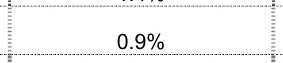
Orthostatic effects
0.9% 3.2% 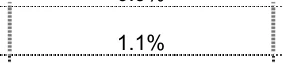
Chest pain
1.1% 1.0%
Syncope
0.2% 0.8% 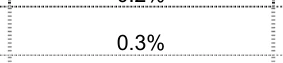
Angina
0.3% 0.1% 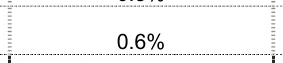
Edema
0.6% 0.1%
Palpitation
0.8% 0.9% 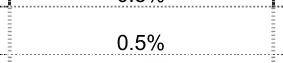
Rhythm disturbances
0.5% 0.1% 
Chest discomfort
- 0.6%
GASTROINTESTINAL 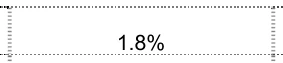
Diarrhea
1.8% 2.5% 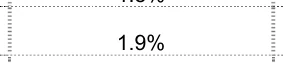
Nausea
1.9% 2.2%
Vomiting
1.1% 1.4% 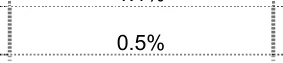
Dyspepsia
0.5% 1.3% 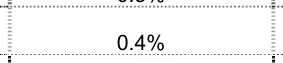
Anorexia
0.4% 0.2%
Constipation
0.2% 0.3% 
Flatulence
0.3% 0.2%
Abdominal pain
1.4% 0.9%
Dry mouth
0.5% 0.2%
LISINOPRIL
2633 PATIENTS
LISINOPRIL PLUS HYDROCHLOROTHIAZIDE
930 PATIENTS
NERVOUS SYSTEM
Dizziness
4.4% 7.5% 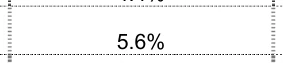
Headache
5.6% 5.2% 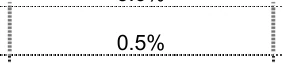
Paresthesia
0.5% 1.5%
Depression
0.7% 0.5% 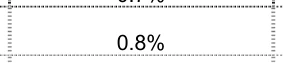
Somnolence
0.8% 0.4% 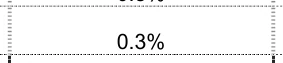
Insomnia
0.3% 0.2%
Vertigo
0.2% 0.9%
RESPIRATORY

Cough
3.0% 3.9%
Dyspnea
0.4% 0.4% 
Upper respiratory infection
2.1% 2.2%
DERMATOLOGIC
Rash
1.0% 1.2% 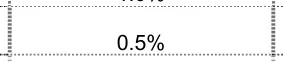
Pruritis
0.5% 0.4% 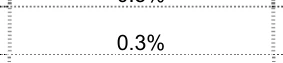
Flushing
0.3% 0.8% 
Angioedema
0.1% -*
MUSCULOSKELETAL 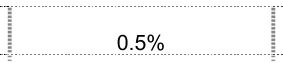
Muscle cramps
0.5% 2.0% 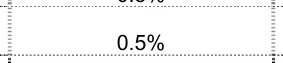
Back pain
0.5% 0.8%
Shoulder pain
0.2% 0.5%
OTHER 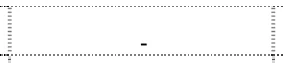
Fatigue
- 3.7%
Asthenia
2.7% 1.8% 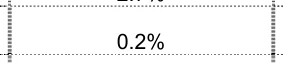
Decreased libido
0.2% 1.0% 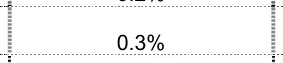
Fever
0.3% 0.5%
Impotence
0.7% 1.2%
Gout
0.2% 0.2%
* See PRINZIDE® (Marketing Experience Only)
Laboratory Test Findings
Hypokalemia, Hyperkalemia: (see PRECAUTIONS).
Creatinine, Blood Urea Nitrogen: Minor increases in blood urea nitrogen (3.8%) and serum creatinine (4.2%) were observed in patients with essential hypertension treated with PRINZIDE®
(lisinopril and hydrochlorothiazide tablets). More marked increases have also been reported and were more likely to occur in patients with bilateral renal artery stenosis (see PRECAUTIONS).
Increases in blood urea nitrogen and serum creatinine, usually reversible upon discontinuation of therapy, were observed in 1.1 and 1.6% of patients, respectively, with essential hypertension treated with lisinopril alone.
Serum Uric Acid, Glucose, Magnesium, Cholesterol, Triglycerides and Calcium: (see
PRECAUTIONS).
Hemoglobin and Hematocrit: Small decreases in hemoglobin and hematocrit (mean decreases of approximately 0.5 g percent and 1.5 vol percent, respectively) occurred frequently in hypertensive patients treated with PRINZIDE® but were rarely of clinical importance unless another cause of anemia coexisted. In clinical trials, 0.4% of patients discontinued therapy due to anemia.
Rarely, hemolytic anemia has been reported.
Agranulocytosis and bone marrow depression, manifested as anemia, thrombocytopenia or leucopenia, have been caused by angiotensin-converting enzyme inhibitors, including lisinopril.
Several cases of agranulocytosis and neutropenia have been reported in which a causal relationship to lisinopril cannot be excluded (see WARNINGS, Neutropenia/Agranulocytosis).
Other (Causal Relationship Unknown): Rarely, elevations of liver enzymes and/or serum bilirubin have occurred.
Adverse Reactions Reported in Uncontrolled Trials and/or Marketing Experience.
PRINIVIL®
Cardiovascular
Myocardial infarction or cerebrovascular accident possibly secondary to excessive hypotension in high-risk patients (see WARNINGS).
Tachycardia
Dermatologic
Alopecia
Urticaria
Pruritus
Diaphoresis
Severe Skin Disorders
Erythema multiforme
Pemphigus
Stevens-Johnson syndrome
Toxic epidermal necrolysis
Cutaneous pseudolymphoma
Gastrointestinal
Abdominal pain and indigestion
Dry mouth
Pancreatitis
Vomiting
Hematologic
Hemolytic anemia
Hepatic
Liver function abnormalities
Hepatitis
Jaundice (hepatocellular and/or cholestatic)
Hepatic failure
Metabolic
Cases of hypoglycemia in diabetic patients on oral antidiabetic agents or insulin have been reported.
Nervous System
Mood alterations
Mental confusion
Paresthesia
Vertigo
Respiratory
Bronchospasm
Rhinitis
Sinusitis
Special Senses
Taste disorder
Urogenital
Uremia
Oliguria/anuria
Renal dysfunction
Acute renal failure
Impotence
A symptom complex has been reported which may include fever, vasculitis, myalgia, arthralgia/arthritis, a positive ANA, elevated ESR, eosinophilia, and leukocytosis.
Rash, photosensitivity, or other dermatologic manifestations may also occur.
PRINZIDE® (Marketing Experience Only)
Angioedema of the face, extremities, lips, tongue, glottis and/or larynx has been reported (see
WARNINGS).
In very rare cases, intestinal angioedema has been reported with angiotensin-converting enzyme inhibitors, including lisinopril.
Cases of pancreatitis have been reported.
Endocrine
Syndrome of inappropriate antidiuretic hormone secretion (SIADH)
No other adverse events have been reported with PRINZIDE® which have not been reported with lisinopril or hydrochlorothiazide individually.
SYMPTOMS AND TREATMENT OF OVERDOSAGE
No specific information is available on the treatment of overdosage with PRINZIDE® (lisinopril and hydrochlorothiazide tablets). Treatment is symptomatic and supportive. Therapy with PRINZIDE® should be discontinued and the patient observed closely. Suggested measures include induction of emesis and/or gastric lavage, if ingestion is recent, and correction of dehydration, electrolyte imbalance and hypotension by established procedures.
Lisinopril
The most likely features of overdosage would be hypotension, for which the usual treatment would be intravenous infusion of normal saline solution. Lisinopril may be removed from general circulation by hemodialysis.
Hydrochlorothiazide
The most common signs and symptoms observed are those caused by electrolyte depletion
(hypokalemia, hypochloremia, hyponatremia) and dehydration resulting from excessive diuresis.
If digitalis has also been administered, hypokalemia may accentuate cardiac arrhythmias.
For management of a suspected drug overdose, contact your regional Poison Control Center.
DOSAGE AND ADMINISTRATION
Dosage must be individualized. The fixed combination is not for initial therapy. The dose of PRINZIDE® (lisinopril and hydrochlorothiazide tablets) should be determined by the titration of the individual components. The splitting of PRINZIDE® tablets is not advised.
Once the patient has been successfully titrated with the individual components as described below, either one PRINZIDE® 10 mg/12.5 mg or, one or two 20 mg/12.5 mg tablets once daily may be substituted if the titrated doses are the same as those in the fixed combination (see
INDICATIONS AND CLINICAL USE and WARNINGS).
Patients usually do not require doses in excess of 50 mg of hydrochlorothiazide daily, particularly when combined with antihypertensive agents.
For lisinopril monotherapy the recommended initial dose in patients not on diuretics is 10 mg of lisinopril once a day. Dosage should be adjusted according to blood pressure response. The usual dosage range of lisinopril is 10 to 40 mg administered in a single daily dose. The antihypertensive effect may diminish toward the end of the dosing interval regardless of the administered dose, but most commonly with a dose of 10 mg daily. This can be evaluated by measuring blood pressure just prior to dosing to determine whether satisfactory control is being maintained for 24 hours. If it is not, an increase in dose should be considered. The maximum dose used in long term controlled clinical trials was 80 mg/day. If blood pressure is not controlled with lisinopril alone, a low dose of a diuretic may be added. Hydrochlorothiazide 12.5 mg has been shown to provide an additive effect. After the addition of a diuretic, it may be possible to reduce the dose of lisinopril.
Diuretic Treated Patients
In patients who are currently being treated with a diuretic, symptomatic hypotension occasionally may occur following the initial dose of lisinopril. The diuretic should, if possible, be discontinued for two to three days before beginning therapy with lisinopril to reduce the likelihood of hypotension (see WARNINGS). The dosage of lisinopril should be adjusted according to blood pressure response. If the patient’s blood pressure is not controlled with lisinopril alone, diuretic therapy may be resumed as described above.
If the diuretic cannot be discontinued, an initial dose of 5 mg of lisinopril alone should be administered and the patient remain under medical supervision for at least two hours, and until blood pressure has stabilized for at least an additional hour (see WARNINGS and
PRECAUTIONS, Drug Interactions).
Dosage Adjustment in Renal Impairment
In patients with creatinine clearance greater than 30 mL/min, the usual dose titration of the individual components is required.
For patients with creatinine clearance between 10 and 30 mL/min, the starting dose of lisinopril is
2.5–5.0 mg/day. The dosage may then be titrated upward until blood pressure is controlled or to a maximum of 40 mg daily.
When concomitant diuretic therapy is required in patients with moderate or severe renal impairment (creatinine clearance <30 mL/min), a loop diuretic, rather than a thiazide diuretic is preferred for use with lisinopril. Therefore, for patients with moderate or severe renal dysfunction the lisinopril-hydrochlorothiazide combination tablet is not recommended (see PRECAUTIONS,
Renal Impairment, and Anaphylactoid Reactions during Membrane Exposure).
PHARMACEUTICAL INFORMATION
I. DRUG SUBSTANCE
Proper names:
lisinopril hydrochlorothiazide
Chemical names:
(S)-1-[N2-(1-carboxy-3-phenyl- 6-chloro-3,4-dihydro-2H-1,2,4- propyl)-L-lysyl]-L-proline benzothiadiazine-7-sulfonamide dihydrate 1,1-dioxide
Structural formulae:
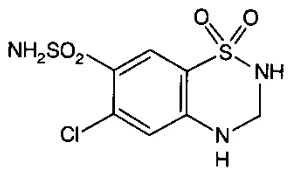
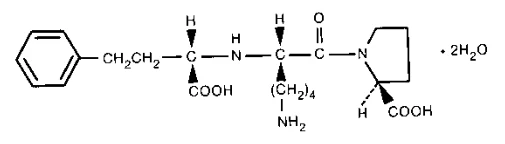
Molecular formulae:
C21H31N3O5.2H2O C7H8ClN3O4S2
Molecular weights:
441.53 297.74
Descriptions:
Lisinopril is a white to off- Hydrochlorothiazide is a white or white, crystalline powder. practically white crystalline It is soluble in water and compound with low solubility in sparingly soluble in methanol water, but is readily soluble in and practically insoluble in dilute aqueous sodium hydroxide. ethanol.
II. COMPOSITION
In addition to the active ingredients, lisinopril and hydrochlorothiazide, each tablet contains the following non-medicinal ingredients: calcium phosphate dibasic milled, corn starch, magnesium stearate and mannitol. PRINZIDE® 10 mg/12.5 mg tablets contain indigotine on aluminum substrate. PRINZIDE® 20 mg/12.5 mg tablets contain iron oxide. The splitting of PRINZIDE® tablets is not advised.
III. STABILITY AND STORAGE RECOMMENDATIONS
Store at controlled room temperature (15oC–30oC). Protect from moisture.
AVAILABILITY OF DOSAGE FORMS
Tablets PRINZIDE® 10 mg/12.5 mg, are blue, hexagon-shaped tablets, engraved 145 on one side and plain on the other. Each tablet contains 10 mg of lisinopril and 12.5 mg of hydrochlorothiazide.
They are supplied in bottles of 100.
Tablets PRINZIDE® 20 mg/12.5 mg, are yellow, hexagon-shaped tablets, engraved MSD 140 on one side and scored on the other. Each tablet contains 20 mg of lisinopril and 12.5 mg of hydrochlorothiazide. They are supplied in bottles of 100.
The splitting of PRINZIDE® tablets is not advised.
PHARMACOLOGY
Lisinopril
| Study | Species/Strain | Number of Animals/Group | Route | Dose | Results |
| MECHANISM OF ACTION | |||||
In vitro ACE inhibitory activity* | Hog plasma | In vitro | IC50 = 1.7 ± 0.5 nM | ||
Augmentation of contractile response to bradykinin | Guinea pig ileum | 7 segments | In vitro | AC50 = 1.6 nM | |
In vivo ACE inhibition in the rat** | Male Sprague/Dawley | 8 | I.V. | ID50 = 2.3 (1.7–3.1) μg/kg | |
Duration of ACE inhibitory activity of lisinopril in rats** | Male Sprague/Dawley | 4 | I.V. | 3 & 10 μg/kg | Duration approx. 110 min. |
In vivo ACE inhibitory activity of lisinopril in conscious rats** | Sprague/Dawley | 3–5 | P.O. | 0.03–3.0 mg/kg (single dose) | Duration of at least 360 min. |
In vivo ACE inhibition in anesthetized dogs** | Mongrel | 6 | I.V. | 1–30 μg/kg | ID50 = 6.5 μg/kg |
In vivo ACE inhibitory activity of lisinopril in conscious dogs** | Mongrel | 3 | P.O. | 0.05–1.0 mg/kg (single dose) | Duration of action between 6–24 hrs |
n of enzymatic activity of hog plasma ACE using 14C labeled substrate.
** Blockage of functional (pressor) response to AI challenge
Lisinopril (continued)
| Study | Species/Strain | Number of Animals/Group | Route | Dose | Results | |
| EFFECTS ON BLOOD PRESSURE | ||||||
| Antihypertensive activity in renal hypertensive dogs (single doses) | Mongrel | 3 | P.O. | 0.3 mg/kg with and without hydrochlorothiazide | After 2 hours: Lisinopril alone: 5% reduction in mean systolic pressure vs pretreatment. Lisinopril + HCTZH = 11% reduction in mean systolic pressure vs pretreatment. | |
| Antihypertensive activity in rats on a sodium-deficient diet (single doses) | Male Sprague/Dawley | 5 | P.O. | 0.03–3.0 mg/kg daily for 4 days | After 2 hours: 11% reduction in mean systolic pressure vs pretreatment at 1 mg/kg. 22% reduction in mean systolic pressure vs pretreatment at 3 mg/kg. Consistent response over 4 days. | |
Antihypertensive activity in 2 kidney Grollman hypertensive rats (single doses) | Male Sprague/Dawley | 6–7 | P.O. | 1 & 3 mg/kg | At 2 hours: approx. 6% reduction in mean systolic pressure vs pretreatment with the antihypertensive effect lasting up to 24 hours. | |
Antihypertensive activity in spontaneous hyper- tensive rats with and without hydrochlorothiazide | SH rats | 3–6 | P.O. | 1.25 mg/kg HCTZ = 50 mg/kg daily for 3 days | Enhancement of hypotensive activity over 3–5 days. Two hours after drug administration, lisinopril alone reduced the average mean arterial pressure from 198 to 161 mmHg. In combination with HCTZ, the average mean arterial pressure was reduced from 202 to 132 mmHg. | |
Antihypertensive activity in spontaneously hypertensive rats (single doses) | SH rats | 3–9 | P.O. & I.V. | 0.1–20 mg/kg | Slight fall in blood pressure at 0.312–5 mg/kg P.O. Pronounced fall at 20 mg/kg P.O. and 0.1 mg/kg I.V. with statistically significant reductions being observed for the majority of time points between ½ and 18 hours. | |
HHydrochlorothiazide
Lisinopril and Hydrochlorothiazide
In spontaneously hypertensive rats (SHR) lisinopril was studied in an oral dose of 1.25 mg/kg daily, given alone or concomitantly with hydrochlorothiazide 50 mg/kg orally, for 3 days.
Reductions in blood pressure were recorded (tail cuff method) on each of the 3 treatment days, reaching normotensive levels (113–116 mmHg) on Day 3 at 4–8 hours after the concomitant therapy.
TOXICOLOGY
Acute Toxicity of Lisinopril
LD50 Values:
| Species | Sex | Route | LD50 (g/kg) |
Mouse Mouse Rat Rat Dog Dog Mouse Mouse Rat Rat | Male Female Male Female Male Female Male Female Male Female | Oral Oral Oral Oral Oral Oral Intravenous Intravenous Intraperitoneal Intraperitoneal | >20 >20 >20 >20 >6 >6 >10 >10 >10 >10 |
Signs of toxicity: Following oral administration to mice decreased activity and one male death
(1/10) occurred. No signs of toxicity occurred in rats after oral administration. Dogs given 6 g/kg had transient diarrhea and increases in serum urea nitrogen. Intravenous administration to mice produced bradypnea, ataxia, clonic convulsions, exophthalmia, and tremors. After intraperitoneal administration in rats, ataxia and one female death (1/10) occurred. No signs of toxicity or death occurred in the males.
Subacute/Chronic Toxicology (lisinopril)
| Species | Duration | No. of Animals/Group | Route | Dose mg/kg/day | Results |
Rat 2-Week 10 F + 10 M Oral 3, 10, 30 At all doses, decreases of 2 to 16% in weight gain and 12 to 14% in heart weights were observed in female rats.
Rat 3-Month with 25 F + 25 M Oral 3, 10, 30 At all doses, increased serum urea nitrogen values (up to
1-Month Interim approximately 2-fold) and decreased heart weights (7 to 10%)
were observed in female rats. At 10 and 30 mg, respectively, weight gain decreased 11 to 14% in males. An increased incidence of focal erosions of the gastric mucosa and focal renal tubular basophilia were also seen.
Rat 1-Year with 25 F + 25 M Oral 2, 5, 10, 30, At all doses, a decrease in weight gain (up to 16%) was
6-Month Interim 90a observed; serum urea nitrogen increased up to 4-fold; serum sodium decreased (average down to 3 mEq/L) and serum potassium increased (average up to 0.5 mEq/L). At 2, 5, 10 and 30 mg, heart weight decreased; at 5, 10 and 30 mg, kidney weight increased; and at 5, 10, 30 and 90 mg, renal tubular basophilia increased. At 10, 30 and 90 mg, focal interstitial nephritis was observed.
Rat 3-Month with a 30 F + 30 M Oral 3, 30, 300, At all doses, weight gain decreased by 5 to 11% and increases 1-Month Interim 3000 were observed in serum urea nitrogen (up to approximately
and a 1-Month 3-fold) and serum potassium (average up to 0.4 mEq/L). At 30, Recovery 300 and 3000 mg there was an increased incidence of focal renal tubular basophilia and focal necrosis of the glandular mucosa of the stomach. An increased incidence of focal tubular basophilia persisted in rats given 300 or 3000 mg/kg/day.
Rat 1-Month 15 F + 15 M Oral 30, 60 Saline supplementation prevented decreased weight gain and 30, 60 (with elevations in serum urea nitrogen at 30 and 60 mg. Decreases saline) in cardiac weight at 30 and 60 mg were suppressed by saline supplementation in males at 30 mg. At 30 and 60 mg, renal changes produced due to a low salt diet (renal tubular degeneration and renal tubular basophilia) were prevented by saline supplementation. Mild gastric erosions or necrotic changes were seen in 1 or 2 of 30 rats given 30 or 60 mg. These gastric changes were not seen in saline supplemented animals given these doses; however, the relationship of amelioration due to saline is uncertain because of the low incidence of this change, which is also occasionally seen in untreated animals.
Rat 5-Day 8 M Oral 5, 300 Consumption of 2% saline increased during treatment at 5 mg and on
6-Day Recovery Days 2 to 4 post-treatment at 300 mg.
a Dosing terminated Week 11, rats killed Week 27.
Subacute/Chronic Toxicology (lisinopril continued)
| Species | Duration | No. of Animals/Group | Route | Dose mg/kg/day | Results |
Dog 2-Week 3 F + 3 M Oral 3, 10, 30 At 30 mg, mineralization of the papilla muscle of the heart was seen in 1 of 6 dogs.
Dog 3-Month with 5 F + 5 M Oral 3, 10, 30 At 10 mg, hemoglobin concentration, hematocrit, and erythrocyte
1-Month Interim count decreased in 2 dogs. Marked increases in serum urea
nitrogen and creatinine were observed in 2 of 10 dogs. One of these dogs had marked renal tubular degeneration and ulcers of the tongue, gums and gastric pyloric mucosa related to uremia. At 30 mg, there was an increase in serum urea nitrogen (average up to 2-fold) and a decrease in serum sodium (down to 4 mEq/L) and serum chloride (down to 3 mEq/L). At 10 and 30 mg, average cardiac weight was decreased (13 to 15%).
Dog 1-Year with 5 F + 5 M Oral 3, 5, 15 At 15 mg, increases were observed in serum urea nitrogen
6-Month Interim (less than 2-fold). Decreases in serum sodium (average down to
2 mEq/L) and increases in serum potassium (average up to 0.5 mEq/L) occurred at all doses.
Dog 18-Day 3 F + 3 M Oral 60/90 with Saline supplementation prevented increases in serum urea
and without nitrogen in dogs given 60 mg for 8 days followed by 90 mg for saline 8 or 9 days.
Dog 7-Day 4 F + 4 M I.V. 60, 90 Decreases in blood pressure and increases in serum urea nitrogen occurred in dogs given 60 or 90 mg/kg/day. Supplementation with physiologic saline (25 mL/kg one hour prior to dosing and 4 hours after dosing) prevented these changes. Increased serum potassium (average up to 0.6 mEq/L) and decreased serum chloride (average down to 0.4 mEq/L) values were seen in both supplemented and unsupplemented animals.
Dog 1-Month 2 F + 2 M Oral 3, 30, 300 and At 30 mg or greater, BUN increased and specific gravity of the urine
1000 decreased. Hyperplasia of renal epithelial cells was observed and deaths occurred. Dogs that died had dilation of distal renal tubules and fatty degeneration of renal tubular epithelium. No drug-related effects were observed at 3 mg.
Subacute/Chronic Toxicology (lisinopril continued)
| Species | Duration | No. of Animals/Group | Route | Dose mg/kg/day | Results |
Dog 3-Month with Control Oral 3, 10, 30 and Eight of 16 dogs given 100 mg died or were killed because of
1-Month Recovery 5 M + 5 F 100 poor physical condition. One of 6 dogs given 30 mg (high dose) 3, 10, was killed because of poor physical condition. At 10 mg or
30 mg/kg/day greater increased BUN and dilation of renal tubules 3 M + 3 F was seen. Fatty degeneration of renal tubular epithelium 100 mg/kg/day occurred at the 2 highest dosage levels. The changes are 8 M + 8 F reversible as only slight dilation of renal tubules was Recovery present in some animals given 100 mg after 4 weeks Control of recovery.
2 M + 2 F
100 mg/kg/day
5 M + 5 F
Rabbit 2-Week 6 F Oral 15 (1, 6 & Renal tubular basophilia and renal tubular dilation
13 doses) (considered sequela to necrosis) were seen after 6 and 13 doses with and in unsupplemented rabbits. Two supplemented rabbits (6 doses) without also had the same renal lesion. One rabbit drank very little saline saline and had increases in BUN, creatinine and potassium.
Increases in these parameters were seen in unsupplemented animals after 1, 6, and 13 doses.
Teratology Studies (lisinopril)
| Species | No. of Animals/Group | Dose mg/kg/day | Route | Duration of Dosing | Results |
Mice 25 100, 300, 1000, Oral Day 6 through No teratogenic effect was observed. There was an increased
1000 with saline Day 15 of gestation incidence of resorptions in all unsupplemented groups (no increase in serum urea nitrogen).
Rat 35 30, 100, 300, Oral Day 6 through No teratogenic effect was observed. Maternal weight gain
300 with saline Day 17 of gestation decreased in all unsupplemented groups. The open field
behavioral test (measure of spontaneous activity) showed increased activity in Week 5 postpartum F1 females at 300 mg with and without saline, but only in 300 mg with saline females in Week 6. When the open field test was repeated in males and females given 300 mg with and without saline in Week 11, no increase in activity was seen.
Rabbit 18 0.1, 0.3, 1.0 Oral Day 6 through No teratogenic effect was observed. At all doses there was (New Zealand) all groups Day 18 of gestation an increased incidence of incomplete ossification (sternebrae, with saline metacarpals, forefoot phalanges, pelvic bones, and tali and/or calcanea) which was considered to represent a fetotoxic effect. At 1 mg one rabbit had a high incidence of resorptions.
Rabbit 18 0.031, 0.125, Oral Day 6 through No fetotoxicity or embryotoxicity was observed at maternotoxic (New Zealand) 0.5 Day 18 of gestation doses. At 0.125 and 0.5 mg maternal deaths, decreased
maternal weight gain and food consumption, as well as increases in BUN, creatinine and potassium were seen. In addition, doses of 0.5 mg produced decreases in serum sodium and chloride, diffuse distention of the renal distal tubules and degeneration of renal tubules.
Fertility and Late Gestation and Lactation with Postnatal Evaluation Studies (lisinopril)
| Species | No. of Animals/Group | Dose mg/kg/day | Route | Duration of Dosing | Results |
Rat 24 F & 24 M 30, 100, 300 Oral Males were dosed for Weight gain was reduced in unsupplemented males at all doses
300 with saline 78 days prior to mating and during gestation in unsupplemented females. No effects and females from on fertility and no signs of teratogenicity were observed. 15 days prior to mating There was an increase in F1 pup deaths (3 to 8% vs control until sacrifice on 1%) Day 1 to 7 postpartum in 100 and 300 mg (saline and Day 20 of gestation nonsaline) groups. Decreased mean F1 pup weight (3 to 7% less than controls) on Day 0 postpartum was seen in all unsupplemented groups.
Rat 20 F 30, 100, 300 Oral Day 15 of gestation On Days 2 to 7 postpartum, there was an increased number of
300 with saline through Day 21 post- dead pups (8 to 10% vs control 0%). On Day 21 postpartum, partum a decrease in pup weights (8% less than controls) was observed in the unsupplemented 100 and 300 mg groups. There was no effect in the supplemented group. Pup development was not altered.
Genotoxicity Studies (lisinopril)
| Study | Test System | Dose | Results |
Mutagenesis
Microbial mutagen Salmonella typhimurium up to 2000 μg/ Negative for mutagenic potential with and without TA1535, TA1537, TA98, TA100 plate metabolic activation Escherichia coli up to 10 mg/
WP2, WP2 uvrA plate
In vitro V-79 mammalian Chinese Hamster Lung Cell up to 10 mM Negative for mutagenic potential cell mutagenesis with (4.42 mg/mL) and without metabolic
activation
DNA Damage
In vitro alkaline elution Rat Hepatocyte up to 30 mM Negative for induction of DNA single
(13.25 mg/mL) strand breaks
Chromosomal Evaluation
In vitro chromosomal Chinese Hamster Ovary up to 30 mM Negative for induction of aberration assay with (13.25 mg/mL) chromosomal aberration and without metabolic
activation
In vivo chromosomal Bone Marrow Cells of up to 5000 mg/kg Negative for increases aberration assay Male Mice in chromosomal aberrations
Carcinogenicity Studies (lisinopril)
| Species | Duration | No. of Animals/Group | Route | Dose mg/kg/day | Results |
Mice 92-week 50 F & 50 M Oral 15, 45, No evidence of carcinogenic effect was observed. Decreased Crl:CD-1(ICR)BR 135 mg/kg/day weight gain (7 to 15%) was seen in females at 135 mg. A
greater incidence and severity of chronic nephritis in females and males given 45 and 135 mg was also seen.
Rats 105-week 50 F & 50 M Oral 10, 30, No evidence of carcinogenic effect was observed. Decreased Crl:CD(SD) BR 90 mg/kg/day weight gain (5 to 14%) in male drug-treated rats during the first
67 weeks of the study was observed. Focal sacculations of the retinal vessels was more prevalent in rats given 30 or 90 mg than in controls in Drug Week 100. An increased incidence of renal tubular hypertrophy in drug-treated males at termination of study was seen (1 mg was considered the no-effect dose for this change in males based on an additional 105-week study at 1, 3, and 10 mg/kg/day). An increased incidence of chronic nephritis in drug-treated females (10 mg is the no-effect dose based on an additional 105-week study at 1, 3, and 10 mg/kg/day) was observed.
Toxicology (lisinopril and hydrochlorothiazide)
| Species | Duration | No. of Animals/Group | Route | Dose | Effects |
Rat 2-week 10 M + 10 F Oral Lisinopril, Decreased body weight gain was seen in all the drug-treated
0, 3, 10, groups. A decrease in serum chloride occurred in all 30 mg/kg/day; groups given the combination. Increased serum urea nitrogen Lisinopril/HCTZ occurred in the 2 highest groups given the combination. 3/10, 10/10, Renal tubular degeneration and gastritis or gastric ulcer 30/10 mg/kg/day occurred in one rat each at 10/10 and 30/10 mg/kg/day. An additional rat at 30/10 mg/kg/day also had a gastric ulcer without renal lesions. Decreased average heart weight (females) was seen in all the groups given the combination.
Rat 14-week 25 M + 25 F Oral Toxicity study Decreased body weight gain, increased serum urea nitrogen, with one month decreased serum sodium and chloride, and decreased average interim necropsy heart weights occurred at all dosage levels. Very slight Lisinopril/HCTZ focal necrosis of the fundic mucosa of the stomach occurred 0/0, 3/10, 10/10, in the 2 highest dosage groups. Focal renal tubular basophilia 30/10 mg/kg/day occurred at a higher incidence in drug-treated
animals compared to control animals.
Rat 27-week 15 M + 15 F Oral Lisinopril/HCTZ All animals had average body weight gains approximately 5
0/0, 3/10, 10/10, to 25% below the controls throughout the study. Average 30/10 mg/kg/day serum urea nitrogen values were generally two to three times greater in drug-treated animals compared to controls. Other serum biochemical parameters changed very slightly. Decreases in erythrocyte parameters were seen at all dosage levels. Decreases in heart weight occurred at all dosage levels and increase in kidney weight occurred at the 2 highest dosage levels. Mineralization of the renal cortico-medullary junction occurred in 2 to 5 rats in each of the drug-treated groups. Very small or small necrotic foci of gastric mucosa occurred in 5 rats in the high dose group. Chronic nephritis and its early stage of renal tubular basophilia occurred among treated and control rats, but occurred at a greater incidence in treated rats.
Toxicology (lisinopril and hydrochlorothiazide)
| Species | Duration | No. of Animals/Group | Route | Dose | Effects |
Dog 2-week 3 M + 3 F Oral Lisinopril, Average body weight losses in dogs given lisinopril
0, 3, 10, 30 mg/kg/day or lisinopril 10 or 30 mg/kg/day with 30 mg/kg/day; hydrochlorothiazide were probably related to treatment. Lisinopril/HCTZ Increases in serum urea nitrogen, creatinine and 3/10, 10/10, phosphorus occurred at the 2 highest dosage levels of the 30/10 mg/kg/day combination. At these doses renal tubular degeneration and secondary lymphoid depletion and gastrointestinal lesions were seen. At the highest dose increases in SGPT, alkaline phosphatase, potassium, and calcium and decreases in serum chloride, necrosis of hepatocytes, and mineralization of the papillary muscle of the heart were seen.
Dog 14-week 5 M + 5 F Oral Toxicity study 3 dogs given 10/10 mg/kg/day of lisinopril/hydrochlorothiazide with one month showed physical signs that were attributable to interim necropsy drug treatment; these included decreased activity, dehydration Lisinopril/HCTZ and anorexia. Marked increases in the serum concentrations 0/0, 1/10, 3/10, of urea nitrogen (128.4 to 271.5 mg/100 mL), creatinine 10/10 mg/kg/day (5.1 to 11.5 mg/100 mL), and phosphorus (9.2 to >16.0 mg/100 mL)
in terminal samples of 3 dogs given 10/10 mg/kg/day of lisinopril/hydrochlorothiazide that were sacrificed due to their poor physical condition after 11 or 18 doses. These dogs had renal tubular necrosis and secondary lymphoid depletion, and gastrointestinal lesions. At 3/10 mg/kg/day, an increase in serum urea nitrogen was seen. At all doses decreases in serum sodium, potassium, and chloride occurred probably due to
hydrochlorothiazide.
Dog 27-week 3 M + 3 F Oral Lisinopril/HCTZ All dogs given 3/10 mg/kg/day had elevations in serum urea
0/0, 0.3/1, 1/3, nitrogen and some had increases in serum creatinine. One 3/10 mg/kg/day dog at this level was markedly affected with increases in
serum urea nitrogen, creatinine, glucose, GOT, and GPT and decreases in serum sodium, chloride, and potassium. This dog was killed in the fifth week and had renal tubular degeneration and secondary lymphoid depletion and gastrointestinal lesions. A transient decrease in blood erythroid parameters were seen at the highest dosage level and a decrease in serum sodium and at necropsy males in this group had a mild hypertrophy of the renal proximal tubules probably due to hypokalemia. The only changes seen at 0.3/1 and 1/3 mg/kg/day were decreases in serum potassium and chloride, and elevation in serum urea nitrogen at 1/3 mg/kg/day.
Teratology (lisinopril and hydrochlorothiazide)
| Species | Duration | No. of Animals/Group | Route | Dose | Effects |
Mouse 4-week 25 F Oral Lisinopril/HCTZ There were no maternal deaths and no treatment-related
0/0,10/10,30/10, abortions. In all drug-treated groups there were no 90/10 mg/kg, treatment-related effects on mean live fetal weights and 90/10 mg/kg+0.9% numbers of implants and live and dead fetuses. There was Saline - Days 6–15 a dose-response increase in incidence of skeletal malformations. of Gestation In addition, there was an increase in the incidence
of lumbar ribs, a skeletal-variation, among drug-treated groups. All of the skeletal malformations, with the exception of the fetus with the extra vertebrae, were among mice not given saline supplementation and have occurred at comparable incidences in control groups of other studies, and some were observed in the control group of this study. A repeat of this study did not produce any evidence of treatment-related fetal skeletal malformations.
Rat 4-week 25 F Oral Lisinopril/HCTZ In the lisinopril/hydrochlorothiazide 90/10 mg/kg/day
0/0,10/10,30/10, group, there was a significant (P<0.05) decrease in the 90/10 mg/kg, number of live fetuses per pregnant female. Maternotoxicity 90/10 mg/kg+0.9% was evident in all unsupplemented drug-treated groups. There Saline - Days 6–17 were significant (P<0.05) treatment-related decreases in live of Gestation fetal weight in all drug-treated groups not supplemented with saline. Fetal weight in the 90/10 mg/kg/day group supplemented with saline was comparable to control. There was an increased incidence of fetuses with incompletely ossified sternebrae in the 30/10 and 90/10 mg/kg/day groups without saline supplementation which were considered to represent an embryotoxic effect. Ossification was not delayed in the 10/10 mg/kg/day group or the 90/10 mg/kg/day group supplemented with saline.
Rat 4-week 20 or 22 F Oral Lisinopril/HCTZ Fetotoxicity was apparent as treatment-related decreases in
0/0, 3/10, 30/10, live fetal weight at all dosage levels without saline 90/10 mg/kg + supplementation which were statistically significant 0.9% Saline - (P<0.05) in the 30/10 and 90/10 mg/kg/day groups. Results Days 6–17 of from this study confirmed those of the previous study. Gestation There was a delay in ossification, consistent with
decreased live fetal weights, at all dosage levels without saline supplementation. Maternotoxicity was evident in all unsupplemented drug-treated groups.
Mutagenicity (lisinopril and hydrochlorothiazide)
The results of a battery of mutogenic and chromosomal aberration studies (Ames test, mammalian cell
mutagenesis assay, an in vitro alkaline elution test for single strand DNA breaks, an in vitro chromosomal
aberration assay in Chinese hamster ovary cells, and in vivo mouse bone marrow chromosome aberration)
failed to reveal a genotoxic potential for the combination of lisinopril and hydrochlorothiazide.
REFERENCES
- 1.
Ajayi AA, Campbell BC, Howie CA, Reid JL. Acute and chronic effects of the converting enzyme inhibitors enalapril and lisinopril on reflex control of heart rate in normotensive man. J Hypertens
1985;3:47–53.
- 2.
Beermann B, Groschinsky-Grind M. Pharmacokinetics of hydrochlorothiazide in man. Eur J Clin
Pharmacol 1977;12:297–303.
- 3.
Biollaz J, Schelling JL, Jacot des Combes B, Brunner DB, Desponds G, Brunner HR, Ulm EH, Hichens
M, Gomez HJ. Enalapril maleate and a lysine analogue (MK-521) in normal volunteers: Relationship between plasma drug levels and the renin angiotensin system. Br J Clin Pharmacol 1982;14:363–368.
- 4. Bussien JP, Waeber B, Nussberger J, Gomez HJ, Brunner HR. Once-daily lisinopril in hypertensive patients: Effect on blood pressure and the renin-angiotensin system. Curr Ther Res 1985;37:342–351.
- 5.
Cirillo VJ, Gomez HJ, Salonen J, Salonen R, Rissanen V, Bolognese JA, Nyberg R, Kristianson K.
Lisinopril: Dose-peak effect relationship in essential hypertension. Br J Clin Pharmacol 1988;25:533–
538.
- 6. Donohoe JF, Kelly J, Laher MS, Doyle GD. Lisinopril in the treatment of hypertensive patients with renal impairment. Am J Med 1988;85 (Suppl 3B):31–34.
7 . Laher MS, Natin D, Rao SK, Jones RW, Carr P. Lisinopril in elderly patients with hypertension. J
Cardiovasc Pharmacol 1987;9(Suppl 3):S69–S71.
- 8. Lancaster SG, Todd PA. Lisinopril: A preliminary review of its pharmacokinetics properties, and therapeutic use in hypertension and congestive heart failure. Drugs 1988;35:646–669.
- 9.
Millar JA, Derkx FHM, McLean K, Reid JL. Pharmacodynamics of converting enzyme inhibition: The cardiovascular endocrine and autonomic effects of MK-421 (enalapril) and MK-521. Br J Clin
Pharmacol 1982;14:347–355.
- 10.
Rotmensch HH, Vlasses PH, Swanson BN, Irvin JD, Harris KE, Merrill DD, Ferguson RD.
Antihypertensive efficacy of once daily MK-521, a new nonsulfhydryl angiotensin-converting enzyme inhibitor. Am J Cardiol 1984;53:116–119.
- 11.
Ulm EH, Hichens M, Gomez HJ, Till AE, Hand E, Vassil TC, Biollaz J, Brunner HR, Schelling JL.
Enalapril maleate and a lysine analogue (MK-521): Disposition in man. Br J Clin Pharmacol
1982;14:357–362.