


Product Monograph - Apo-Cilazapril/HCTZ
RECENT MAJOR LABEL CHANGES
| 7 WARNINGS AND PRECAUTIONS | 08/2023 |
|---|
TABLE OF CONTENTS
Sections or subsections that are not applicable at the time of authorization are not listed.
RECENT MAJOR LABEL CHANGES .......................................................................................... 2
TABLE OF CONTENTS ............................................................................................................ 2
PART I: HEALTH PROFESSIONAL INFORMATION .................................................................... 4
1 INDICATIONS ............................................................................................................ 4
1.1 Pediatrics ................................................................................................................ 4
1.2 Geriatrics ................................................................................................................ 4
2 CONTRAINDICATIONS ................................................................................................ 4
3 SERIOUS WARNINGS AND PRECAUTIONS BOX ........................................................... 5
4 DOSAGE AND ADMINISTRATION ................................................................................ 5
4.1 Dosing Considerations ............................................................................................ 5
4.2 Recommended Dose and Dosage Adjustment ...................................................... 6
4.4 Administration ........................................................................................................ 7
4.5 Missed Dose ........................................................................................................... 8
5 OVERDOSAGE ............................................................................................................ 8
6 DOSAGE FORMS, STRENGTHS, COMPOSITION AND PACKAGING ................................ 8
7 WARNINGS AND PRECAUTIONS ................................................................................. 9
7.1 Special Populations .............................................................................................. 16
7.1.1 Pregnant Women .......................................................................................... 16
7.1.2 Breast-feeding............................................................................................... 17
7.1.3 Pediatrics ...................................................................................................... 17
7.1.4 Geriatrics ....................................................................................................... 18
8 ADVERSE REACTIONS............................................................................................... 18
8.1 Adverse Reaction Overview ................................................................................. 18
8.2 Clinical Trial Adverse Reactions ............................................................................ 19
8.3 Less Common Clinical Trial Adverse Reactions .................................................... 20
8.4 Abnormal Laboratory Findings: Hematologic, Clinical Chemistry and Other Quantitative Data ................................................................................................. 21
8.5 Post-Market Adverse Reactions ........................................................................... 23
9 DRUG INTERACTIONS .............................................................................................. 26
9.1 Serious Drug Interactions ..................................................................................... 26
9.2 Drug Interactions Overview ................................................................................. 26
9.3 Drug-Behavioural Interactions ............................................................................. 26
9.4 Drug-Drug Interactions ......................................................................................... 26
10 CLINICAL PHARMACOLOGY ...................................................................................... 36
10.1 Mechanism of Action ........................................................................................... 36
10.2 Pharmacodynamics .............................................................................................. 37
10.3 Pharmacokinetics ................................................................................................. 38
11 STORAGE, STABILITY AND DISPOSAL ........................................................................ 41
12 SPECIAL HANDLING INSTRUCTIONS .......................................................................... 41
PART II: SCIENTIFIC INFORMATION ..................................................................................... 42
13 PHARMACEUTICAL INFORMATION .......................................................................... 42
14 CLINICAL TRIALS ...................................................................................................... 42
14.2 Comparative Bioavailability Studies ..................................................................... 43
15 MICROBIOLOGY ...................................................................................................... 45
16 NON-CLINICAL TOXICOLOGY .................................................................................... 45
17 SUPPORTING PRODUCT MONOGRAPHS ................................................................... 69
PATIENT MEDICATION INFORMATION ................................................................................ 70
PART I: HEALTH PROFESSIONAL INFORMATION
1 INDICATIONS
APO-CILAZAPRIL/HCTZ (cilazapril and hydrochlorothiazide tablets) is indicated for
- treatment of mild to moderate essential hypertension in patients for whom combination therapy with both cilazapril and hydrochlorothiazide is appropriate.
APO-CILAZAPRIL/HCTZ is not indicated for initial therapy. Patients should be titrated on the individual drugs.
The safety and efficacy of cilazapril and hydrochlorothiazide tablets in congestive heart failure and renovascular hypertension have not been established and therefore, its use in these conditions is not recommended.
The safety and efficacy of concomitant use of cilazapril with antihypertensive agents other than thiazide diuretics have not been established.
1.1 Pediatrics
Pediatrics (birth - <18 years): Based on the data submitted and reviewed by Health Canada, the safety and efficacy of cilazapril and hydrochlorothiazide tablets in pediatric patients has not been established. Therefore, Health Canada has not authorized an indication for this age group.
1.2 Geriatrics
Although clinical experience has not identified differences in response between the elderly and younger patients, greater sensitivity of some older individuals cannot be ruled out (see 7 WARNINGS AND PRECAUTIONS, 10 CLINICAL PHARMACOLOGY and 4.2 Recommended Dose and Dosage Adjustment).
2 CONTRAINDICATIONS
APO-CILAZAPRIL/HCTZ (cilazapril and hydrochlorothiazide tablets) is contraindicated in:
- Patients who are hypersensitive to this drug or to any ingredient in the formulation or component of the container. For a complete listing, see 6 DOSAGE FORMS, STRENGTHS, COMPOSITION AND PACKAGING.
- Patients with hereditary/idiopathic angioedema or a history of angioedema related to previous treatment with an angiotensin-converting enzyme (ACE) inhibitor (see 7 WARNINGS AND PRECAUTIONS).
- Patients with ascites.
- Patients hypersensitive to thiazides and other sulfonamide-derived drugs, because of the hydrochlorothiazide component.
- Patients with anuria.
- Women who are pregnant, intend to become pregnant, or of childbearing potential who are not using adequate contraception (see 3 SERIOUS WARNINGS AND PRECAUTIONS BOX, 7.1.1 Pregnant Women and 8 ADVERSE REACTIONS).
- Breast-feeding (see 7.1.2 Breast-feeding).
Combination with aliskiren-containing drugs in patients with:
- diabetes mellitus (type 1 or type 2) or
- moderate to severe renal impairment (GFR < 60 ml/min/1.73m2) (see 7 WARNINGS AND PRECAUTIONS, 9.1 Serious Drug Interactions and 9.4 Drug-Drug Interactions).
- Concomitant use with drug products containing a neprilysin inhibitor (e.g., sacubitril/valsartan). Do not administer APO-CILAZAPRIL/HCTZ within 36 hours of switching to or from sacubitril/valsartan, a drug product containing a neprilysin inhibitor (see 7 WARNINGS AND PRECAUTIONS and 9 DRUG INTERACTIONS, 9.1 Serious Drug Interactions, 9.4 Drug-Drug Interactions).
3 SERIOUS WARNINGS AND PRECAUTIONS BOX
Serious Warnings and Precautions
|
|---|
4 DOSAGE AND ADMINISTRATION
4.1 Dosing Considerations
Dosage must be individualized. The fixed combination is not for initial therapy. The dose of
- APO-CILAZAPRIL/HCTZ (cilazapril and hydrochlorothiazide tablets) should be determined by titration of the individual components.
- Once the patient has been successfully titrated and stabilized with the individual components, APO-CILAZAPRIL/HCTZ may be substituted if the titrated doses and dosing schedule can be achieved by the fixed combination (see 1 INDICATIONS and 7 WARNINGS AND PRECAUTIONS). In some patients a twice daily administration may be required.
- Patients at risk for hypotension should start treatment with careful titration and low doses of individual components and also APO-CILAZAPRIL/HCTZ. Similar caution should be taken for patients with angina pectoris or cerebrovascular disease, in whom hypotension can cause myocardial or cerebral ischemia.
4.2 Recommended Dose and Dosage Adjustment
Initial therapy with cilazapril
Monotherapy: The recommended initial dose of cilazapril is 2.5 mg once daily. Dosage should be adjusted according to the blood pressure response, generally at intervals of at least two weeks. The usual dose range for cilazapril is 2.5 to 5 mg once daily. Minimal additional blood pressure lowering effects were achieved with a dose of 10 mg daily. A dose of 10 mg should not be exceeded. In most patients, the antihypertensive effect of cilazapril is maintained with a once daily dosing regimen. In some patients treated once daily, the antihypertensive effect may diminish toward the end of the dosing interval. This can be evaluated by measuring blood pressure just prior to dosing to determine whether satisfactory control is being maintained for 24 hours. If it is not, either twice daily administration with the same total daily dose, or an increase in dose should be considered. If blood pressure is not adequately controlled with cilazapril alone a non-potassium-sparing diuretic may be administered concomitantly. After the addition of a diuretic, it may be possible to reduce the dose of cilazapril.
Concomitant Diuretic Therapy: In patients receiving diuretics, cilazapril therapy should be initiated with caution, since they are usually volume depleted and more likely to experience hypotension following ACE inhibition. Whenever possible, all diuretics should be discontinued two to three days prior to the administration of cilazapril to reduce the likelihood of hypotension (see 7 WARNINGS AND PRECAUTIONS). If this is not possible because of the patient’s condition, cilazapril should be started at 0.5 mg once daily and the blood pressure closely monitored after the first dose until stabilized. Thereafter, the dose should be adjusted according to individual response.
Dosage in Elderly Patients (Over 65 Years): Cilazapril treatment should be initiated with 1.25 mg (half of a 2.5 mg tablet) once daily or less, depending on the patient’s volume status and general condition. Thereafter, the dose of cilazapril must be adjusted according to individual response.
Dosage Adjustment in Renal Impairment: See Table 1 for dose schedules recommended in patients with renal impairment.
Table 1: Dosage Adjustment in Renal Impairment
| Creatinine Clearance | Initial Dose of Cilazapril | Maximal Dose of Cilazapril | |||
| > 40 mL/min | 1 mg once daily | 5 mg once daily | |||
| 10-40 mL/min | 0.5 mg once daily | 2.5 mg once daily | |||
| < 10 mL/min | Not recommended. | ||||
When concomitant diuretic therapy is required in patients with severe renal impairment a loop diuretic rather than a thiazide diuretic is preferred for use with cilazapril. Therefore, for patients with severe renal dysfunction (creatinine clearance < 10 mL/min) APO-CILAZAPRIL/HCTZ is not recommended.
Dosage Adjustment in Hepatic Impairment:
Should patients with liver cirrhosis require treatment with cilazapril, treatment should be initiated with caution at a dose of 0.5 mg once daily or less as significant hypotension may occur (see 7 WARNINGS AND PRECAUTIONS).
Drug Discontinuation
- APO-CILAZAPRIL/HCTZ should be promptly discontinued and appropriate therapy instituted without delay if angioedema occurs.
- Patients receiving cilazapril who develop jaundice or marked elevations of hepatic enzymes should discontinue cilazapril and receive appropriate medical follow-up.
- If increasing azotemia and oliguria occur during treatment of severe progressive renal disease the diuretic should be discontinued.
- If renal failure occurs, treatment should be discontinued.
- APO-CILAZAPRIL/HCTZ should be withdrawn and appropriate treatment given if diagnosis of Acute Respiratory Distress Syndrome (ARDS) is suspected.
- Angioneurotic edema has been reported in patients receiving cilazapril. APO-CILAZAPRIL/HCTZ should be discontinued and appropriate therapy instituted without delay when involvement of the face, lips, tongue, glottis and/or larynx occurs.
4.4 Administration
The tablets must not be chewed or crushed and should always be swallowed with a glass of water. They should be taken at the same time each day, preferably in the morning. As food intake has no clinically significant influence on absorption, APO-CILAZAPRIL/HCTZ can be administered before or after meals (see 10.3 Pharmacokinetics).
4.5 Missed Dose
Missed doses should not be replaced by double doses and medication should be resumed at the usual time.
5 OVERDOSAGE
Cilazapril:
Limited data are available with regard to overdosage in humans. Symptoms associated with overdosage of ACE inhibitors may include hypotension, which may be severe, circulatory shock, electrolyte disturbances including hyperkalemia and hyponatremia, renal impairment with metabolic acidosis, renal failure, hyperventilation, tachycardia, palpitations, bradycardia, dizziness, anxiety and cough.
The recommended treatment of overdosage is intravenous infusion of sodium chloride 9 mg/ml (0.9%) solution. If hypotension occurs, the patient should be placed in the shock position. If available, treatment with angiotensin II infusion and/or intravenous catecholamines may also be considered. Specific therapy with angiotensinamide may be considered if conventional therapy is ineffective.
Pacemaker therapy is indicated for therapy-resistant bradycardia. Vital signs, serum electrolytes and creatinine concentrations should be monitored continuously.
Hemodialysis removes cilazapril and cilazaprilat from the general circulation to a limited extent.
Hydrochlorothiazide: The most common signs and symptoms observed are those caused by electrolyte depletion (hypokalemia, hypochloremia, hyponatremia) and dehydration resulting from excessive diuresis. If digitalis has also been administered, hypokalemia may accentuate cardiac arrhythmias.
6 DOSAGE FORMS, STRENGTHS, COMPOSITION AND PACKAGING
Table 2: Dosage Forms, Strengths, Composition and Packaging
| Route of Administration | Dosage Form / Strength/ Composition | Non-medicinal Ingredients |
| Oral | Film-coated tablet (cilazapril and hydrochlorothiazide) tablet, 5/12.5 mg | Corn starch, ferric oxide red, hydroxypropyl cellulose, hydroxypropyl methyl cellulose, microcrystalline cellulose, polyethylene glycol, sodium stearyl fumarate and titanium dioxide. |
| For management of a suspected drug overdose, contact your regional poison control centre. |
|---|
APO-CILAZAPRIL/HCTZ 5 mg/12.5 mg tablets (5 mg of cilazapril (as cilazapril monohydrate) and 12.5 mg of hydrochlorothiazide): Pink, oval, biconvex, film coated tablets. Engraved “APO” on one side and “5” bisect “12.5” on the other side. Available in bottles of 100.
7 WARNINGS AND PRECAUTIONS
Please see 3 SERIOUS WARNINGS AND PRECAUTIONS BOX.
Carcinogenesis and Mutagenesis
Non-melanoma skin cancer:
An increased risk of non-melanoma skin cancer (NMSC) [basal cell carcinoma (BCC) and squamous cell carcinoma (SCC) of the skin] after hydrochlorothiazide therapy was reported in some epidemiological studies. The risk may be higher with increasing cumulative use (see 8.1 Adverse Reaction Overview). The photosensitizing action of hydrochlorothiazide may be a possible mechanism for NMSC (see 16 NON-CLINICAL TOXICOLOGY).
Patients taking hydrochlorothiazide should be informed of the potential risk of NMSC. They should be advised to regularly check their skin for new lesions as well as changes to existing ones, and to promptly report any suspicious skin lesions. Patients should also be advised to limit exposure to sunlight, to avoid the use of indoor tanning equipment, and to use adequate protection (e.g., a broad spectrum sunscreen with a SPF of 30 or higher, clothing, and a hat) when exposed to sunlight or UV light to minimize the risk of skin cancer.
Alternatives to hydrochlorothiazide may be considered for patients who are at a particularly high risk for NMSC (e.g. light coloured skin, known personal or family history of skin cancer, ongoing immunosuppressive therapy, etc.) (see 8.1 Adverse Reaction Overview).
Cardiovascular
Angioedema
Angioedema has been reported in patients treated with angiotensin-converting enzyme inhibitors including cilazapril and hydrochlorothiazide tablets.
Angioedema has been associated with ACE inhibitors, with a reported incidence of 0.1 to 0.5%. Angioedema due to ACE inhibitors can present as recurrent episodes of facial swelling, which resolve on withdrawal, or as acute oropharyngeal edema and potentially life-threatening airway obstruction, which requires emergency treatment. Angioedema associated with laryngeal edema and/or shock may be fatal. A variant form is angioedema of the intestine, which tends to occur within the first 24 to 48 hours of treatment.
Patients with a history of angioedema unrelated to ACE inhibitor therapy may be at an increased risk of angioedema while receiving an ACE inhibitor (see 2 CONTRAINDICATIONS).
Concomitant use of ACE inhibitors with drug products containing a neprilysin inhibitor (e.g., sacubitril/valsartan) is contraindicated due to the increased risk of angioedema. Treatment with sacubitril/valsartan must not be initiated earlier than 36 hours after the last dose of cilazapril. Treatment with cilazapril must not be initiated earlier than 36 hours after the last dose of sacubitril/valsartan (see sections 2 CONTRAINDICATIONS, 9.1 Serious Drug Interactions and 9.4 Drug-Drug Interactions).
Concomitant use of ACE inhibitors with mammalian target of rapamycin (mTOR) inhibitors such as sirolimus, everolimus, temsirolimus, or dipeptidyl peptidase IV (DPP-IV) inhibitors such as alogliptin, linagliptin, saxagliptin and sitagliptin may lead to an increased risk for angioedema (sudden difficulty in breathing or swallowing, swelling of face, eyes, lips, tongues and/or throat, hands or feet). Caution should be used when using mTOR inhibitors (e.g. sirolimus, everolimus, temsirolimus) or DPP-IV inhibitors (e.g. alogliptin, linagliptin, saxagliptin and sitagliptin) concomitantly with ACE inhibitors (see 9.4 Drug-Drug Interactions).
Black-skinned patients of African descent also have a higher risk of angioedema.
Aortic Stenosis/Hypertrophic Cardiomyopathy
As with other ACE inhibitors, APO-CILAZAPRIL/HCTZ should be used with caution in patients with obstructive cardiac disorders (e.g., mitral stenosis, aortic stenosis, hypertrophic cardiomyopathy), since cardiac output cannot increase to compensate for systemic vasodilation, and there is a risk of severe hypotension.
There is concern on theoretical grounds that patients with aortic stenosis might be at particular risk of decreased coronary perfusion when treated with vasodilators because they do not develop as much afterload reduction.
Hypotension
Patients in whom cilazapril and diuretic are initiated simultaneously can develop symptomatic hypotension (see 9.4 Drug-Drug Interactions).
First-dose hypotension is most likely to occur in patients whose renin-angiotensin-aldosterone system is activated, such as in renovascular hypertension or other causes of renal hypoperfusion, sodium or volume depletion, or previous treatment with other vasodilators and in patients with dietary salt restriction, dialysis, diarrhea, or vomiting. These conditions can co-exist, particularly in severe heart failure.
Because of the potential fall in blood pressure in these patients, therapy with APO-CILAZAPRIL/HCTZ should be started under very close medical supervision, and patients should be followed closely for the first two weeks of treatment.
Hypotension should be treated by placing the patient supine and volume expansion. APO-
CILAZAPRIL/HCTZ may be continued once the patient is volume replete but should be given at a lower dose or discontinued if hypotension persists.
Dual Blockade of the Renin-Angiotensin System (RAS)
There is evidence that co-administration of angiotensin-converting enzyme (ACE) inhibitors, such as the cilazapril component in APO-CILAZAPRIL/HCTZ, or of angiotensin receptor antagonists (ARBs) with aliskiren increases the risk of hypotension, syncope, stroke, hyperkalemia and deterioration of renal function, including renal failure, in patients with diabetes mellitus (type 1 or type 2) and/or moderate to severe renal impairment (GFR < 60 ml/min/1.73m2). Therefore, the use of APO-CILAZAPRIL/HCTZ in combination with aliskiren-containing drugs is contraindicated in these patients (see 2 CONTRAINDICATIONS).
Further, co-administration of ACE inhibitors, including the cilazapril component of APO-CILAZAPRIL/HCTZ, with other agents blocking the RAS, such as ARBs or aliskiren-containing drugs, is generally not recommended in other patients, since such treatment has been associated with an increased incidence of severe hypotension, renal failure, and hyperkalemia.
Driving and Operating Machinery
Occasionally dizziness and fatigue may occur, especially when starting therapy (see 8 ADVERSE REACTIONS). Therefore, exercise caution when driving or operating a vehicle or potentially dangerous machinery.
Ear/Nose/Throat
Cough
A dry, persistent cough, which usually disappears only after withdrawal or lowering of the dose of cilazapril and hydrochlorothiazide tablets, has been reported. Such possibility should be considered as part of the differential diagnosis of the cough.
Endocrine and Metabolism
Thiazides may increase serum uric acid levels and may precipitate acute gout. APO-CILAZAPRIL/HCTZ should be used with caution in patients with a history of gout.
Thiazides may decrease serum PBI levels without signs of thyroid disturbance.
Thiazides have been shown to increase excretion of magnesium; this may result in hypomagnesemia.
Marked hypercalcemia may be evidence of hidden hyperparathyroidism. Thiazides should be discontinued before carrying out tests of parathyroid function.
Increases in cholesterol, triglyceride and glucose levels may be associated with thiazide diuretic therapy.
Diabetes
Hyperglycemia may occur with thiazide diuretics in diabetic patients. Dosage adjustments of insulin or oral hypoglycemic agents may be required. Latent diabetes mellitus may become manifest during thiazide therapy.
Administration of ACE inhibitors to patients with diabetes may potentiate the blood glucose-lowering effect of oral hypoglycemic agents or insulin, especially in patients with renal impairment. In such patients, glucose levels should be carefully monitored during initiation of treatment with APO-CILAZAPRIL/HCTZ.
Hematologic
Neutropenia/Agranulocytosis
Thrombocytopenia, neutropenia and agranulocytosis have been caused by both ACE inhibitors and thiazides. Bone marrow depression has been caused by ACE inhibitors. Cases of leucopenia and neutropenia have rarely been reported in patients treated with ACE inhibitors. Periodic monitoring of white blood cell counts should be considered in patients with collagen vascular disease and renal disease such as systemic lupus erythematosus and scleroderma, or in patients receiving immunosuppressive therapy, especially when they also have impaired renal function.
Hydrochlorothiazide has been associated with acute attacks of porphyria and is considered unsafe in porphyric patients.
Autoimmune hemolytic anemia has been reported with thiazides.
Hepatic/Biliary/Pancreatic
Patients with Impaired Liver Function
Hepatitis (hepatocellular and/or cholestatic), jaundice, elevations of liver enzymes and/or serum bilirubin have occurred during therapy with cilazapril in patients with or without pre-existing liver abnormalities. In most cases the changes were reversed on discontinuation of the drug.
Cases of liver function disorders, such as increased values of liver function tests (transaminases, bilirubin, alkaline phosphatase, gamma GT) and cholestatic hepatitis have been reported.
There are no adequate studies in patients with cirrhosis and/or liver dysfunction. APO-CILAZAPRIL/HCTZ should be used with particular caution in patients with pre-existing liver abnormalities. In such patients, baseline liver function tests should be obtained before administration of the drug and close monitoring of response and metabolic effects should apply.
In patients with liver cirrhosis (but without ascites) who require therapy for hypertension, APO-
CILAZAPRIL/HCTZ should be initiated with great caution because significant hypotension may occur. In patients with ascites, APO-CILAZAPRIL/HCTZ is not recommended.
Rarely, ACE inhibitors have been associated with a syndrome that starts with cholestatic jaundice and progresses to fulminant hepatic necrosis, and (sometimes) death. The mechanism of this syndrome is not understood.
Thiazides should be used with caution in patients with impaired hepatic function or progressive liver disease and liver function should be monitored closely since minor alterations of fluid and electrolyte balance may precipitate hepatic coma.
Immune
Anaphylactoid Reactions During Membrane Exposure
Hemodialysis: Anaphylactoid reactions have been reported in patients dialyzed with high-flux membranes (e.g., polyacrylonitrile [PAN], AN 69) and treated concomitantly with an ACE inhibitor. Dialysis should be stopped immediately if symptoms such as nausea, abdominal cramps, burning, angioedema, shortness of breath and severe hypotension occur. Symptoms are not relieved by antihistamines. In these patients, consideration should be given to using a different type of dialysis membrane or a different class of antihypertensive agent.
Anaphylactoid Reactions During Low Density Lipoproteins (LDL) Apheresis
Patients receiving ACE inhibitors during LDL apheresis with dextran sulfate have experienced life-threatening anaphylactoid reactions. These reactions were avoided by temporarily withholding ACE inhibitor therapy prior to each apheresis.
Anaphylactoid Reactions During Desensitization
There have been reports of patients experiencing sustained life threatening anaphylactoid reactions while receiving ACE inhibitors during desensitizing treatment with Hymenoptera (bees, wasps) venom. In the same patients, these reactions have been avoided when ACE inhibitors were temporarily withheld for at least 24 hours, but they have reappeared upon inadvertent rechallenge.
Cilazapril use must be stopped before the start of desensitization therapy and must not be replaced by a beta-blocker.
Nitritoid Reactions – Gold
Nitritoid reactions (symptoms include facial flushing, nausea, vomiting, and symptomatic hypotension) have been reported rarely in patients on therapy with injectable gold (sodium aurothiomalate) and concomitant ACE inhibitor therapy including cilazapril and hydrochlorothiazide tablets (see 9 DRUG INTERACTIONS, 9.4 Drug-Drug Interactions).
Ophthalmologic
Choroidal effusion, Acute Myopia and Secondary Angle-Closure Glaucoma Hydrochlorothiazide, a sulfonamide, can cause an idiosyncratic reaction, resulting in choroidal effusion, acute transient myopia and/or secondary acute angle-closure glaucoma. Symptoms include acute onset of decreased visual acuity, blurred vision or ocular pain and typically occur within hours to weeks of drug initiation. Untreated acute angle-closure glaucoma can lead to permanent vision loss.
The primary treatment is to discontinue hydrochlorothiazide as rapidly as possible. Prompt medical or surgical treatments may need to be considered if the intraocular pressure remains uncontrolled. Risk factors for developing acute angle-closure glaucoma may include a history of sulphonamide or penicillin allergy.
Peri-Operative Considerations
Surgery/Anesthesia
In patients undergoing major surgery or during anesthesia with agents that produce hypotension, cilazapril blocks angiotensin II formation, secondary to compensatory renin release. This may result in arterial hypotension which can be corrected by volume expansion.
Renal
Azotemia
Azotemia may be precipitated or increased by hydrochlorothiazide. Cumulative effects of the drug may develop in patients with impaired renal function.
Renal Impairment
As a consequence of inhibiting the renin-angiotensin-aldosterone system, changes in renal function have been seen in susceptible individuals. In patients whose renal function may depend on the activity of the renin-angiotensin-aldosterone system, such as patients with bilateral renal artery stenosis, unilateral renal artery stenosis to a solitary kidney, or severe congestive heart failure, treatment with ACE inhibitors may produce increases in blood urea nitrogen and/or serum creatinine and has been associated with oliguria, progressive azotemia, and rarely, acute renal failure and/or death. Although these alterations are usually reversible upon discontinuation of cilazapril and/or diuretic therapy, cases of severe renal dysfunction and, rarely, acute renal failure have been reported. In susceptible patients, concomitant diuretic use may further increase risk.
Use of APO-CILAZAPRIL/HCTZ should include appropriate assessment of renal function.
When treated with cilazapril, patients with renal artery stenosis have an increased risk of renal insufficiency, including acute renal failure. Therefore, caution should be exercised in these patients.
In the patient populations as described above, renal function should be monitored during the first weeks of therapy.
Reduced dosages may be required for patients with renal impairment depending on their creatinine clearance (see 4.2 Recommended Dose and Dosage Adjustment).
Thiazides may not be appropriate diuretics for use in patients with renal impairment and are ineffective at creatinine clearance values of 30 ml/min or below (i.e., moderate or severe renal insufficiency).
The use of ACE inhibitors – including the cilazapril component of APO-CILAZAPRIL/HCTZ – or ARBs with aliskiren-containing drugs is contraindicated in patients with moderate to severe renal impairment (GFR < 60 ml/min/1.73m2). (See 2 CONTRAINDICATIONS and 9.4 Drug-Drug Interactions).
Respiratory
Acute Respiratory Toxicity
Very rare severe cases of acute respiratory toxicity, including acute respiratory distress syndrome (ARDS) have been reported after taking hydrochlorothiazide. Pulmonary edema typically develops within minutes to hours after hydrochlorothiazide intake. At the onset, symptoms include dyspnea, fever, pulmonary deterioration and hypotension. Hydrochlorothiazide should not be administered to patients who previously experienced ARDS following hydrochlorothiazide intake.
Sensitivity/Resistance
Hypersensitivity to Hydrochlorothiazide
Sensitivity reactions to hydrochlorothiazide may occur in patients with or without a history of allergy or bronchial asthma.
Exacerbation or activation of systemic lupus erythematosus has been reported in patients treated with hydrochlorothiazide.
Photosensitivity
Photosensitivity reactions have been reported with the use of thiazide diuretics. If photosensitivity reactions occur during treatment with hydrochlorothiazide-containing drugs, treatment should be stopped.
Serum Electrolytes
ACE inhibitors can cause hyperkalemia because they inhibit the release of aldosterone. The effect is usually not significant in patients with normal renal function. However, in patients with impaired renal function and/or in patients taking potassium supplements (including salt substitutes) or potassium-sparing diuretics, other drugs that may increase serum potassium (e.g. trimethoprim or co-trimoxazole (also known as trimethoprim/sulfamethoxazole)) and especially aldosterone antagonists or ARBs, hyperkalemia can occur. Potassium-sparing diuretics and ARBs should be used with caution in patients receiving ACE inhibitors, and serum potassium and renal function should be monitored (see 9.4 Drug-Drug Interactions).
In clinical trials, elevated serum potassium (greater than 5.5 mEq/L) was observed in approximately 0.7% of hypertensive patients receiving cilazapril alone. In most cases these were isolated values which resolved despite continued therapy, however, in one case the patient discontinued treatment. In clinical trials, hyperkalemia was rarely seen in patients using cilazapril and hydrochlorothiazide tablets. Risk factors for the development of hyperkalemia may include renal insufficiency, diabetes mellitus, and the concomitant use of agents to treat hypokalemia (see 9.4 Drug-Drug Interactions, 8.1 Adverse Reaction Overview and 8.5 Post-Market Adverse Reactions). Frequent monitoring of serum potassium may be advisable if these risk factors are present.
Thiazides increase potassium excretion and can cause hypokalemia. Hypokalemia may also occur in patients receiving APO-CILAZAPRIL/HCTZ, although to a lesser extent than that seen in patients receiving thiazide monotherapy. In patients receiving APO-CILAZAPRIL/HCTZ, the hypokalemic effect of hydrochlorothiazide alone is usually attenuated by the effect of cilazapril. Thiazides may decrease urinary calcium excretion and cause intermittent and slight elevation of serum calcium in the absence of known disorders of calcium metabolism.
Thiazides may also cause hyponatremia and dehydration. The risk of hyponatremia is greater in women, patients with hypokalemia or low sodium/solute intake, and in the elderly.
Electrolytes and renal function should be monitored in patients receiving APO-CILAZAPRIL/HCTZ.
7.1 Special Populations
7.1.1 Pregnant Women
ACE inhibitors can cause fetal and neonatal morbidity and mortality when administered to pregnant women. The use of APO-CILAZAPRIL/HCTZ is contraindicated during pregnancy. Pregnant women should be informed of the potential hazards to the fetus and must not take APO-CILAZAPRIL/HCTZ during pregnancy (see 2 CONTRAINDICATIONS). Patients planning pregnancy should be changed to alternative antihypertensive treatments which have an established safety profile for use in pregnancy. When pregnancy is diagnosed, treatment with APO-CILAZAPRIL/HCTZ should be stopped immediately, and, if appropriate, alternative therapy should be started.
Fetal exposure to ACE inhibitors during the first trimester of pregnancy has been reported to be associated with an increased risk of malformations of the cardiovascular (atrial and/or ventricular septal defect, pulmonic stenosis, patent ductus arteriosus) and central nervous system (microcephaly, spina bifida) and of kidney malformations.
Exposure to ACE inhibitor therapy during the second and third trimesters is known to induce human fetotoxicity (decreased renal function, oligohydramnios, skull ossification retardation) and neonatal toxicity (hypotension, hyperkalemia, neonatal skull hypoplasia, intrauterine growth restriction, anuria, renal tubular dysplasia, reversible or irreversible renal failure and death). Oligohydramnios reported with the use of ACE inhibitors presumably resulted from decreased fetal renal function, associated with fetal limb contractures, craniofacial deformation, and hypoplastic lung development. Should exposure to ACE inhibitors have occurred from the second trimester of pregnancy, ultrasound examination of renal function and skull is recommended. Infants whose mothers have taken ACE inhibitors should be closely observed for hypotension.
Infants with a history of in utero exposure to ACE inhibitors should be closely observed for hypotension, oliguria, and hyperkalemia. If oliguria occurs, attention should be directed toward support of blood pressure and renal perfusion. Exchange transfusion or dialysis may be required as a means of reversing hypotension and/or substituting for impaired renal function; however, limited experience with those procedures has not been associated with significant clinical benefit.
Dialysis clearance was estimated to be 2.4 L/h for cilazapril and 2.2 to 2.8 L/h for cilazaprilat.
There is limited experience with hydrochlorothiazide during pregnancy. Thiazides cross the placenta. There have been reports of neonatal jaundice, thrombocytopenia and electrolyte imbalances after maternal use. Reductions in maternal blood volume could also adversely affect placental perfusion.
There is no experience concerning the extent of exposure in pregnancy during clinical trials.
7.1.2 Breast-feeding
Animal data show the presence of cilazaprilat in rat milk. However, no information is available regarding the safety of cilazapril during breast-feeding in humans. The presence of concentrations of ACE inhibitor have been reported in human milk. Use of ACE inhibitors is not recommended during breast-feeding. APO-CILAZAPRIL/HCTZ must not be administered to nursing mothers (see 2 CONTRAINDICATIONS) and alternative treatments with better established safety profiles during breast-feeding are preferable. Furthermore, thiazides do appear in human milk.
In rats, it has been shown that after the oral administration of cilazapril, cilazaprilat is excreted in milk at concentrations resembling those in plasma.
7.1.3 Pediatrics
Pediatrics (0 to 18 years): No data are available to Health Canada; therefore, Health Canada has not authorized an indication for pediatric use.
7.1.4 Geriatrics
Although clinical experience has not identified differences in response between the elderly and younger patients, greater sensitivity of some older individuals cannot be ruled out (see 1.2 Geriatrics, 10 CLINICAL PHARMACOLOGY and 4 DOSAGE AND ADMINISTRATION).
8 ADVERSE REACTIONS
8.1 Adverse Reaction Overview
Cilazapril and hydrochlorothiazide tablets has been evaluated for safety in 4,102 individuals (3,992 patients treated for essential hypertension and 110 normal volunteers enrolled in pharmacokinetic studies). In controlled clinical trials, 1,097 patients received the combination, cilazapril and hydrochlorothiazide, 225 received placebo, 437 received cilazapril alone and 340 received hydrochlorothiazide alone.
The most common adverse effects with cilazapril include dry cough, rash, hypotension, dizziness, fatigue, headache, and nausea, dyspepsia and other gastrointestinal disturbances. The most common adverse effects with hydrochlorothiazide are nausea, fatigue and dizziness.
The most serious adverse reactions reported included hypotension (0.3%) and angioedema (0.1%) (see 7 WARNINGS AND PRECAUTIONS). The most frequent adverse reactions reported for the cilazapril/hydrochlorothiazide combination were headache (5.5%), dizziness (3.9%), fatigue (2.8%), coughing (2.6%), and somnolence (1.2%). Discontinuation of treatment due to adverse events occurred in 2.7% of patients.
Adverse events that have occurred have been those that were previously reported with cilazapril or hydrochlorothiazide when used separately for the treatment of hypertension.
Description of selected adverse events
Hypotension may occur when starting treatment or increasing dose, especially in at-risk patients (see 7 WARNINGS AND PRECAUTIONS). Symptoms of hypotension may include syncope, weakness, dizziness and visual impairment.
Renal impairment and acute renal failure are more likely in patients with severe heart failure, renal artery stenosis, pre-existing renal disorders or volume depletion (see 7 WARNINGS AND PRECAUTIONS).
Hyperkalemia is most likely to occur in patients with renal impairment and those taking potassium sparing diuretics or potassium supplements.
The events of transient ischemic attack and ischemic stroke reported rarely in association with ACE inhibitors may be related to hypotension in patients with underlying cerebrovascular disease. Similarly, myocardial ischemia may be related to hypotension in patients with underlying ischemic heart disease.
Hypokalemia may occur in patients receiving cilazapril and hydrochlorothiazide tablets, although less commonly than in patients receiving thiazide monotherapy.
The risk of hyponatremia is greater in women, patients with hypokalemia or low sodium/solute intake, and the elderly.
Non-melanoma skin cancer
Some pharmacoepidemiological studies have suggested a higher risk of squamous cell carcinoma (SCC) and basal cell carcinoma (BCC) of the skin with increasing use of hydrochlorothiazide. A systematic review and meta-analysis undertaken by Health Canada suggested that, with important uncertainty, the use of hydrochlorothiazide for several years (>3 years) could lead to:
- 122 additional cases (95% CI, from 112 to 133 additional cases) of SCC per 1000 treated patients compared with non-use of hydrochlorothiazide (meta-analysis of 3 observational studies);
- 31 additional cases (95% CI, from 24 to 37 additional cases) of BCC per 1000 treated patients compared with non-use of hydrochlorothiazide (meta-analysis of 2 observational studies).
8.2 Clinical Trial Adverse Reactions
Clinical trials are conducted under very specific conditions. The adverse reaction rates observed in the clinical trials; therefore, may not reflect the rates observed in practice and should not be compared to the rates in the clinical trials of another drug. Adverse reaction information from clinical trials may be useful in identifying and approximating rates of adverse drug reactions in real-world use.
See Table 3 for common adverse reactions (≥1%) reported by hypertensive patients treated with cilazapril and hydrochlorothiazide tablets. The frequencies of ADRs from clinical trials for patients treated with cilazapril, hydrochlorothiazide alone, and placebo alone in controlled clinical trials are also tabulated below. For comparison, adverse reactions tabulated for patients treated with cilazapril alone are as reported in the Product Monograph for APO-CILAZAPRIL (cilazapril) tablets.
Table 3: Common Adverse Reactions (≥1%) reported by hypertensive patients treated with cilazapril and hydrochlorothiazide table
| Table Includes Frequencies for Hydrochlorothiazide Alone, and Placebo in Controlled |
Clinical Trials
| Body System/ Adverse Reaction | Cilazapril (N=2586) | Cilazapril plus Hydro- chlorothiazide (N=1097) | Hydro- chlorothiazide (N=340) | Placebo (N=225) |
Gastrointestinal disorders Nausea | 1.3% | 1.0% | 1.8% | 0.4% |
General disorders and administration site conditions Fatigue | 2.1% | 2.8% | 2.1% | 2.2% |
Nervous system disorders Headache Dizziness Somnolence | 5.1% 3.0% 0.5% | 5.5% 3.9% 1.2% | 6.5% 3.5% - | 6.7% 1.3% 0.9% |
Renal and urinary disorders Micturition Frequency | 0.2% | 1.0% | 0.6% | 0.4% |
Respiratory, thoracic and mediastinal disorders Coughing | 1.8% | 2.6% | 0.3% | 0.4% |
8.3 Less Common Clinical Trial Adverse Reactions
Adverse reactions reported by patients treated with cilazapril and hydrochlorothiazide tablets at a frequency <1% are as follows:
Cardiac disorders and Vascular disorders:
Palpitation (0.9%), Chest Pain (0.4%), Tachycardia (0.3%), Angina Pectoris (0.3%), Hypotension (0.3%), Postural Hypotension (0.1%), Edema Peripheral (0.3%), Edema Dependent (0.2%), Extrasystoles (0.2%), Myocardial Infarction (0.2%). Reported ≤0.1% were: Atrial Fibrillation, Bradycardia.
Gastrointestinal disorders:
Abdominal Pain (0.7%), Dyspepsia (0.7%), Diarrhea (0.5%), Flatulence (0.2%), Constipation (0.3%). Reported ≤0.1% were: Anorexia, Melena, Vomiting.
General disorders and administration site conditions:
Asthenia (0.6%), Malaise (0.3%), Hot Flushes (0.2%). Reported ≤0.1% were: Pain, Allergy, Face Edema, Fever, Weight Increase, Rigors, Hypothermia, Polyuria, Nocturia, Flushing, Peripheral Ischemia, Cerebrovascular Disorder, Vasodilation, Vision Abnormal, Diplopia, Tinnitus, Ear Blockage, Purpura, Bleeding Time Increased, Gout, Thirst, Leukorrhea.
Musculoskeletal and connective tissue disorders:
Back Pain (0.6%), Leg Cramps (0.6%), Arthralgia (0.3%), Myalgia (0.4%).
Nervous system disorders:
Hypoesthesia (0.3%), Paresthesia (0.3%), Vertigo (0.2%), Impotence (0.4%), Mouth Dry (0.3%), Sweating Increased (0.4%), Anxiety (0.2%), Depression (0.3%), Insomnia (0.1%), Nervousness (0.2%), Confusion (0.3%), Libido Decreased (0.2%). Reported ≤0.1% were: Libido Increased, Crying Abnormal, Paroniria, Dreaming Abnormal, Depersonalization, Neurosis.
Respiratory, thoracic and mediastinal disorders:
Rhinitis (0.7%), Upper Respiratory Tract Infection (0.1%), Pharyngitis (0.2%), Sinusitis (0.2%), Bronchitis (0.1%), Dyspnea (0.4%).
Skin and subcutaneous tissue disorders:
Rash (0.8%), Pruritus (0.4%). Reported ≤0.1% were: Dermatitis, Angioedema, Dry Skin.
8.4 Abnormal Laboratory Findings: Hematologic, Clinical Chemistry and Other Quantitative Data
Clinical Trial Findings
One thousand and ninety-seven patients received the combination test treatment. Clinically relevant laboratory abnormalities were reported most frequently for placebo. Laboratory abnormalities occurring in ≥ 1% of these patients were assessed as comparable with placebo except for the following parameters: low absolute neutrophil count, low potassium, low cholesterol-HDL, high glucose, high uric acid, high phosphorus and WBC in urine quantitative. Except for low cholesterol-HDL, all the above laboratory parameters were reported at equivalent or higher incidence for cilazapril alone or hydrochlorothiazide alone. Definitive evaluation of the effect of cilazapril and hydrochlorothiazide tablets on cholesterol-HDL was not possible because controlled diet was not included in the design of this placebo-controlled trial.
Table 4: Overview Hematologic, Clinical Chemistry and Other Quantitative Data Clinical Trial Findings
| Abnormalities | Quantity | |
|---|---|---|
| Hematology | Clinical relevant changes in neutrophil count | In 1.5% of patients (placebo: 1.3%) |
| Abnormalities | Quantity | |
|---|---|---|
| Clinical relevant changes in white blood cell count | In 0.3% of patients (placebo: 0.4%) | |
| Clinical relevant changes in low hemoglobin count | In 0.3% of patients (placebo: 0.9%) | |
| Leukopenia and Neutropenia | Neutropenia | In 1% (11/1,097) of patients (These eleven patients had neutropenia with a neutrophil count <1,000. Ten of these patients had no clinical symptoms associated with these reported findings. In many of these cases, the findings were transient and believed to be due to laboratory handling problems. Some patients had a neutrophil count between 1,000 and 2,000 but none were associated with clinically serious adverse experiences.) |
| Leukopenia | None of the patients evaluated during the study developed leukopenia (defined as a leukocyte count of <2,000). | |
| Electrolytes | Decreased serum sodium (<130 mEq/L) | In 0.3% of patients (was not observed to be clinically relevant as two patients experienced no clinical symptoms and the third incidence of decreased serum sodium was caused by laboratory sample mishandling) |
| Liver Function Tests | High SGPT (clinical relevant change) Abnormalities | In 0.6% of patients Quantity |
High SGOT (clinical relevant change) | In 0.4% of patients | |
| Renal | High BUN (clinical relevant change) | In 0.4% of patients |
8.5 Post-Market Adverse Reactions
The following adverse reactions have been seen in association with cilazapril and/or other ACE inhibitors alone, hydrochlorothiazide and/or other thiazide-type diuretics alone, and in those receiving combined therapy.
Frequency categories are as follows1:
Very common ≥ 1/10
Common ≥ 1/100 and < 1/10
Uncommon < 1/100
1 Estimates of frequency are based on the proportion of patients reporting each adverse reaction during cilazapril and hydrochlorothiazide tablets clinical trials that included a total combined population of 1,097 patients. Adverse reactions that were not observed during cilazapril and hydrochlorothiazide tablets clinical trials but have been reported in association with monotherapy with either component or with other ACE inhibitors or thiazide diuretics, or derived from post-marketing case reports, are classified as ‘uncommon’ (<1/100). The category ‘uncommon’ incorporates ‘rare’ (≥1/10,000 and <1/1,000) and ‘very rare’ (<1/10,000).
The frequency of adverse reactions attributable to cilazapril, occurring in patients receiving combination therapy (cilazapril+hydrochlorothiazide), may differ from that seen in patients receiving cilazapril monotherapy. Reasons may include (i) differences between the target populations treated with cilazapril and hydrochlorothiazide tablets and cilazapril, (ii) differences in cilazapril dose, and (iii) specific effects of combination therapy.
Adverse reactions to cilazapril
The most common adverse effects with cilazapril include dry cough, rash, hypotension, dizziness, fatigue, headache, and nausea, dyspepsia and other gastrointestinal disturbances.
Blood and lymphatic systems disorders
Uncommon: Neutropenia, agranulocytosis (especially in patients with renal failure and those with collagen vascular disorders such as systemic lupus erythematosus and scleroderma), thrombocytopenia, anemia.
Cardiac disorders
Pronounced hypotension may occur at the start of therapy with ACE inhibitors, particularly in patients with heart failure and in sodium- or volume depleted patients. Myocardial infarction and stroke have been reported and may relate to severe falls in blood pressure in patients with ischemic heart disease or cerebrovascular disease. Other cardiovascular effects that have occurred include tachycardia, palpitations, and chest pain.
Gastrointestinal disorders
Common: Nausea
Uncommon: Pancreatitis (in some cases fatal)
General disorders and administration site conditions
Common: Fatigue
Hepatobiliary disorders
Uncommon: Abnormal liver function test (including transaminases, bilirubin, alkaline phosphatase, gamma GT), cholestatic hepatitis with or without necrosis.
Immune system disorders
Uncommon: Angioedema (may involve the face, lips, tongue, glottis, larynx or gastrointestinal tract, see 7 WARNINGS AND PRECAUTIONS), anaphylaxis (see 7 WARNINGS AND PRECAUTIONS), lupus-like syndrome (symptoms may include vasculitis, myalgia, arthralgia/arthritis, positive antinuclear antibodies, increased erythrocyte sedimentation rate, eosinophilia and leukocytosis).
Nervous system disorders
Common: Headache
Uncommon: Dysgeusia, transient ischemic attack, ischemic stroke (may be related in some cases to hypotension in patients with underlying cerebrovascular disease)
Renal and urinary disorders
Cases of acute renal failure have been reported in patients with severe heart failure, renal artery stenosis or renal disorders (see 7 WARNINGS AND PRECAUTIONS).
Uncommon: Renal impairment, acute renal failure, blood creatinine increased, blood urea increased, hyperkalemia, hyponatremia (see 7 WARNINGS AND PRECAUTIONS).
Respiratory, thoracic and mediastinal disorders
Common: Cough (sometimes severe)
Skin and subcutaneous tissue disorders
Uncommon: Toxic epidermal necrolysis, Stevens-Johnson syndrome, erythema multiforme, pemphigus, bullous pemphigoid, exfoliative dermatitis, dermatitis psoriasiform, psoriasis (exacerbation), lichen planus, urticaria, vasculitis, photosensitivity reactions, rash, alopecia, onycholysis
Not known: pseudoporphyria
Vascular disorders
Common: Dizziness
Uncommon: Hypotension (sometimes severe, see 7 WARNINGS AND PRECAUTIONS)
Symptoms of hypotension may include syncope, weakness, dizziness and visual impairment.
Adverse reactions to hydrochlorothiazide
Blood and lymphatic disorders
Uncommon: Thrombocytopenia, hemolytic anemia, granulocytopenia
Cardiac disorders
Uncommon: Arrhythmia
Eye disorders
Uncommon: Lacrimation decreased, visual impairment
Unknown: Choroidal effusion, acute myopia, acute angle-closure glaucoma
Gastrointestinal disorders
Common: Nausea
Uncommon: Dry mouth, sialoadenitis, loss of appetite
General disorders and administration site conditions
Common: Fatigue
Hepatobiliary disorders
Uncommon: Cholestatic jaundice
Immune system disorders
Uncommon: Hypersensitivity (angioedema, anaphylaxis)
Metabolism and nutrition disorders
Uncommon: Hypokalemia, hyponatremia, hypochloremia, hypomagnesemia, hypercalcemia, hypocalciuria, hypovolemia/dehydration, metabolic alkalosis, hyperglycemia, hyperuricemia, gout, hypercholesterolemia (increased total, LDL and VLDL cholesterol) hypertriglyceridemia
Musculoskeletal and connective tissue disorders
Uncommon: Muscle cramp
Nervous system disorders
Common: Dizziness
Psychiatric disorders
Uncommon: Sleep disorder, depression
Renal and urinary disorders
Uncommon: Interstitial nephritis, renal impairment
Reproductive system and breast disorders
Uncommon: Sexual dysfunction
Respiratory, thoracic and mediastinal disorders
Uncommon: Acute interstitial pneumonitis, acute pulmonary edema, acute respiratory distress syndrome (ARDS) (see section 7 WARNINGS AND PRECAUTIONS)
Skin and subcutaneous tissue disorders
Uncommon: Rash, photosensitivity, pseudoporphyria, cutaneous vasculitis
Vascular disorders
Uncommon: Hypotension
9 DRUG INTERACTIONS
9.1 Serious Drug Interactions
Serious Drug Interactions
Combination with aliskiren-containing drugs in patients with:
- diabetes mellitus (type 1 or type 2) or
- moderate to severe renal impairment (GFR < 60 ml/min/1.73m2) (see 7 WARNINGS AND PRECAUTIONS and 9.4 Drug-Drug Interactions).
- Concomitant use with drug products containing a neprilysin inhibitor (e.g., sacubitril/valsartan) (see 7 WARNINGS AND PRECAUTIONS and 9.4 Drug-Drug Interactions).
9.2 Drug Interactions Overview
There is a potential interaction with alcohol (see 9.3 Drug-Behavioural Interactions).
9.3 Drug-Behavioural Interactions
A potentiation of orthostatic hypotension may occur when consuming alcohol while being on therapy with APO-CILAZAPRIL/HCTZ. Therefore, alcohol should be avoided, especially with initiation of therapy.
9.4 Drug-Drug Interactions
The drugs listed in table 5 are based on either drug interaction case reports or studies, or potential interactions due to the expected magnitude and seriousness of the interaction (i.e., those identified as contraindicated).
Table 5: Established or Potential Drug-Drug Interactions
| Proper Name | Ref. | Effect | Clinical comment |
|---|---|---|---|
Agents increasing serum potassium (potassium sparing diuretics, trimethoprim-containing products, cyclosporine, heparin, potassium supplements or potassium-containing salt substitutes) | CT, C | Hyperkalemia may occur in some patients treated with APO-CILAZAPRIL/HCTZ. Potassium sparing diuretics (e.g. spironolactone, triamterene, or amiloride), trimethoprim-containing products, cyclosporine, heparin, potassium supplements or potassium-containing salt substitutes may lead to significant increases in serum potassium impairment (see 10.1 Mechanism of Action and 7 WARNINGS AND PRECAUTIONS). | Therefore, the combination of cilazapril with agents increasing serum potassium (potassium sparing diuretics, trimethoprim-containing products, cyclosporine, heparin, potassium supplements or potassium-containing salt substitutes) is not recommended (see 7 WARNINGS AND PRECAUTIONS). If concomitant use is indicated severe hyperkalemia may occur. They should be used with caution and with frequent monitoring of serum potassium. |
Alcohol, barbiturates, or narcotics | C | Potentiation of orthostatic hypotension may occur. | Avoid alcohol, barbiturates or narcotics, especially with initiation of therapy. |
| Amantadine | Simultaneous administration of amantadine and hydrochlorothiazide may increase possible adverse effects of amantadine. | Monitor the patient closely for adverse effects of amantadine and adjust the dosage of either medication as required. | |
| Amphotericin B | T | Amphotericin B increases the risk of hypokalemia induced by thiazide diuretics | Monitor serum potassium level. |
Antidiabetic agents (e.g. insulin and oral hypoglycemic agents) | CT* | Concomitant administration of ACE inhibitors and antidiabetic medicines (insulins, oral hypoglycemic agents) may cause an increased blood- | Monitor glycemic control, supplement potassium if necessary, to maintain appropriate serum |
| Proper Name | Ref. | Effect | Clinical comment |
|---|---|---|---|
CT, CT* | glucose-lowering effect with risk of hypoglycemia. This phenomenon appeared to be more likely to occur during the first weeks of combined treatment and in patients with renal impairment. Diabetes mellitus which has been latent may become manifest during thiazide administration. Thiazide-induced hyperglycemia may compromise blood sugar control. Depletion of serum potassium augments glucose intolerance. Concomitant use of ACE inhibitors with DPP-IV inhibitors (e.g., alogliptin, linagliptin, saxagliptin and sitagliptin) may lead to an increased risk for angioedema. | potassium levels, and adjust diabetes medications as required. See 7 WARNINGS AND PRECAUTIONS | |
| Antihypertensive drugs | CT | Hydrochlorothiazide may potentiate the action of other antihypertensive drugs (e.g., guanethidine, methyldopa, beta-blockers, vasodilators, calcium channel blockers, ACEI, ARB, and direct renin inhibitors). Patients concomitantly taking ACE inhibitors and diuretics, and especially those in whom diuretic therapy was recently | The possibility of hypotensive effects after the first dose of cilazapril can be minimized by either discontinuing the diuretic or increasing the salt intake prior to initiation of treatment with cilazapril. |
| Proper Name | Ref. | Effect | Clinical comment |
|---|---|---|---|
| instituted, may occasionally experience an excessive reduction of blood pressure after initiation of therapy. | |||
Antineoplastic drugs, including cyclophosphamide and methotrexate | C | Concomitant use of thiazide diuretics may reduce renal excretion of cytotoxic agents and enhance their myelosuppressive effects. | Hematological status should be closely monitored in patients receiving this combination. Dose adjustment of cytotoxic agents may be required. |
Bile acid sequestrants, eg. cholestyramine, colestipol | CT | Bile acid sequestrants bind thiazide diuretics in the gut and impair gastrointestinal absorption by 43-85%. Administration of thiazide 4 hours after a bile acid sequestrant reduced absorption of hydrochlorothiazide by 30- 35%. | Give thiazide 2-4 hours before or 6 hours after the bile acid sequestrant. Maintain a consistent sequence of administration. Monitor blood pressure, and increase dose of thiazide, if necessary. |
Calcium and vitamin D supplements | C | Thiazides decrease renal excretion of calcium and increase calcium release from bone. | Monitor serum calcium, especially with concomitant use of high doses of calcium supplements. Dose reduction or withdrawal of calcium and/or vitamin D supplements may be necessary. |
| Carbamazepine | C | Carbamazepine may cause clinically significant hyponatremia. Concomitant use with thiazide diuretics may potentiate hyponatremia. | Monitor serum sodium levels. Use with caution. |
Corticosteroids, and adrenocorticotropic hormone (ACTH) | T | Intensified electrolyte depletion, particularly hypokalemia, may occur. | Monitor serum potassium, and adjust medications, as required. |
| Proper Name | Ref. | Effect | Clinical comment |
|---|---|---|---|
| Cyclosporine | Simultaneous administration of cyclosporine and hydrochlorothiazide may increase the risk of developing hyperuricemia and gout-like complications. | Renal function, serum electrolytes, uric acid levels, and ciclosporin blood concentrations should be monitored. The clinical significance is unknown. | |
| Digoxin | CT | No pharmacodynamic or pharmacokinetic interactions (and no increase in plasma digoxin concentrations) were observed when cilazapril therapy (5 mg once daily) was administered to healthy volunteers receiving digoxin (0.25 mg twice daily). Thiazide-induced electrolyte disturbances, i.e., hypokalemia, hypomagnesemia, can increase the risk of digoxin toxicity, which may lead to fatal arrhythmic events. | Concomitant administration of hydrochlorothiazide and digoxin requires caution. Since thiazide-induced hypokalemia may occur during therapy with APO-CILAZAPRIL/HCTZ, which may increase the risk of arrhythmia associated with digoxin therapy, monitoring of potassium plasma levels is advised. Monitor electrolytes and digoxin levels closely. Supplement potassium or adjust doses of digoxin or thiazide, as required. |
Drugs that alter GI motility, i.e., anti-cholinergic agents, such as atropine and prokinetic agents, such as metoclopramide, domperidone | CT, T | Bioavailability of thiazide diuretics may be increased by anticholinergic agents due to a decrease in gastrointestinal motility and gastric emptying. Conversely, prokinetic drugs may decrease the bioavailability of thiazide diuretics. | Dose adjustment of thiazide may be required. |
| Gold | C | Nitritoid reactions (symptoms include facial flushing, nausea, vomiting and hypotension) have been reported rarely in | Use with caution when APO-CILAZAPRIL/HCTZ is coadministered with gold salts. |
| Proper Name | Ref. | Effect | Clinical comment |
|---|---|---|---|
| patients on therapy with injectable gold (sodium aurothiomalate) and concomitant ACE inhibitor therapy. | |||
Gout medications (allopurinol, uricosurics, xanthine oxidase inhibitors) | T, RC | Thiazide-induced hyperuricemia may compromise control of gout by allopurinol and probenecid. The co-administration of hydrochlorothiazide and allopurinol may increase the incidence of hypersensitivity reactions to allopurinol. | Dosage adjustment of gout medications may be required. |
Iodine containing contrast media | In case of dehydration induced by hydrochlorothiazide, there is an increased risk of acute renal impairment, in particular when larger doses of iodine containing contrast media are administered. | Before initiation of iodine containing contrast media administration, the patient should be advised about sufficient liquid intake and examined for typical symptoms of dehydration. Furthermore, it is recommended to check serum sodium level and renal function. | |
| Lithium | CT | Reversible increases in serum lithium concentrations have been reported during concomitant administration of lithium with ACE inhibitors. Concomitant use of thiazide diuretics may increase the risk of lithium toxicity and enhance the already increased risk of lithium toxicity with ACE inhibitors. | Lithium generally should not be given with diuretics or ACE inhibitors. Use of cilazapril with lithium is not recommended, but if the combination proves necessary, careful and frequent monitoring of serum lithium levels should be performed. |
| Proper Name | Ref. | Effect | Clinical comment |
|---|---|---|---|
| Lithium toxicity, including CNS symptoms, ECG changes and renal failure, has occurred in patients taking ACE inhibitors. Proposed mechanisms include decreased renal elimination of lithium due to decreased aldosterone secretion or decreased renal function. | |||
Medicinal products that could induce torsades de pointes | Hydrochlorothiazide may induce hypokalemia. | Due to the risk of hypokalemia, hydrochlorothiazide should be administered with caution when a patient is simultaneously being treated with medicinal products that could induce torsades de pointes such as:
Other medicinal products (e.g., bepridil, cisapride, diphemanil, halofantrine, | |
| Proper Name | Ref. | Effect | Clinical comment |
|---|---|---|---|
| ketanserin, pentamidine, terfenadine) | |||
Nonsteroidal anti-inflammatory drugs (NSAID) including aspirin > 3 g/day | CT | NSAID-related retention of sodium and water antagonises the diuretic and antihypertensive effects of thiazides. When ACE inhibitors, including APO-CILAZAPRIL/HCTZ, are administered simultaneously with non-steroidal anti-inflammatory drugs (i.e., acetylsalicylic acid at anti-inflammatory dosage regimens, COX-2 inhibitors and non-selective NSAIDs), attenuation of the antihypertensive effect may occur. Concomitant use of ACE inhibitors, including APO-CILAZAPRIL/HCTZ, and NSAIDs may lead to an increased risk of worsening of renal function, including possible acute renal failure, and an increase in serum potassium, especially in patients with poor pre-existing renal function. The introduction of therapy with cilazapril (2.5 mg once daily) in hypertensive patients receiving indomethacin (50 mg twice daily) did not result in a reduction in | The combination should be administered with caution, especially in the elderly. Patients should be adequately hydrated, and consideration should be given to monitoring for signs of worsening heart failure or renal function or loss of blood pressure control after initiation of concomitant therapy, and periodically thereafter. |
| Proper Name | Ref. | Effect | Clinical comment |
|---|---|---|---|
blood pressure. However, the introduction of therapy with indomethacin (50 mg twice daily) in hypertensive patients receiving cilazapril (2.5 mg once daily) did not attenuate the blood pressure lowering effects of cilazapril. The interaction does not appear to occur in patients treated with cilazapril prior to the administration of a NSAID. There was no evidence of a pharmacokinetic interaction between cilazapril and indomethacin. NSAID-induced inhibition of renal prostaglandins leading to decreases of renal blood flow, along with thiazide-induced decreases in GFR may lead to acute renal failure. Patients with heart failure may be at particular risk. | |||
Other antihypertensive agents | CT | An additive effect may be observed when APO-CILAZAPRIL/HCTZ is administered in combination with other blood pressure-lowering agents (e.g., diuretics, beta-adrenergic blocking drugs). Agents affecting sympathetic activity (e.g., | These drugs should be introduced at a low initial dosage, and used with caution. Close monitoring of blood pressure is advised, and dose/regimen adjustment should be considered if necessary. |
| Proper Name | Ref. | Effect | Clinical comment |
|---|---|---|---|
ganglionic blocking agents or adrenergic neuron blocking agents) should be used with caution. Sympathomimetics may reduce the antihypertensive effects of ACE inhibitors. | |||
Pressor amines (e.g. norepinephrine) | Possible decreased response to pressor amines may occur. | The clinical significance of this effect is not sufficient to preclude their use. | |
Selective serotonin reuptake inhibitors (SSRIs, e.g., citalopram, escitalopram, sertraline) | T, C | Concomitant use with thiazide diuretics may potentiate hyponatremia. | Monitor serum sodium levels. Use with caution. |
Skeletal muscle relaxants of the curare family, eg. tubocurare | C | Thiazide drugs may increase the responsiveness of some skeletal muscle relaxants, such as curare derivatives | Non-depolarizing muscle relaxants should not be administered simultaneously, due to possible intensification and prolongation of the muscular relaxing effect. |
| Tetracycline | C | Increased toxicity has been reported when given with thiazides. | If signs indicative of toxicity are observed, dose reduction or discontinuation of one of both agents may be necessary. |
| Topiramate | CT | Additive hypokalemia. Possible thiazide-induced increase in topiramate serum concentrations. | Monitor serum potassium and topiramate levels. Use potassium supplements, or adjust topiramate dose as necessary. |
Tricyclic antidepressants/antipsyc hotics/anesthetics/narcotics | C | Concomitant use of anesthetics during the course of general anesthesia, as well as tricyclic antidepressants and antipsychotics with ACE inhibitors may result | Close monitoring of blood pressure is advised, and dose/regimen adjustment should be considered if necessary. |
| Proper Name | Ref. | Effect | Clinical comment |
|---|---|---|---|
| in further reduction of blood pressure (see 7 WARNINGS AND PRECAUTIONS). | |||
| Dual blockade of the Renin-Angiotensin-System (RAS) with ACE inhibitors, ARBs or aliskiren-containing drugs | CT | Dual Blockade of the Renin-Angiotensin-System (RAS) with ACE inhibitors, ARBs or aliskiren-containing drugs is contraindicated in patients with diabetes and/or renal impairment, and is generally not recommended in other patients, since such treatment has been associated with an increased incidence of severe hypotension, renal failure, and hyperkalemia. | See 2 CONTRAINDICATIONS 9.1 Serious Drug Interactions and 7 WARNINGS AND PRECAUTIONS. |
| Sacubitril/valsartan | C | Concomitant use of ACE inhibitors with sacubitril/valsartan increases the risk of angioedema. | Concomitant use is contraindicated (see 2 CONTRAINDICATIONS 9.1 Serious Drug Interactions and 7 WARNINGS AND PRECAUTIONS). |
| mTOR inhibitors | C, RCS | Concomitant use of ACE inhibitors with mTOR inhibitors (e.g., sirolimus, everolimus, temsirolimus) may lead to an increased risk for angioedema. | See 7 WARNINGS AND PRECAUTIONS, |
Legend: C = Case Study; RCS = Retrospective Cohort Study; CT = Clinical Trial; T = Theoretical, CT*: Epidemiological studies.
10 CLINICAL PHARMACOLOGY
10.1 Mechanism of Action
APO-CILAZAPRIL/HCTZ (cilazapril and hydrochlorothiazide tablets) combines the action of an angiotensin-converting enzyme (ACE) inhibitor, cilazapril, and a thiazide diuretic agent, hydrochlorothiazide for the treatment of hypertension. The anti-hypertensive effects of cilazapril and hydrochlorothiazide in combination are greater than the effect of either component administered alone resulting in a higher percentage of hypertensive patients responding satisfactorily to the combination.
Cilazapril: Cilazapril suppresses the renin-angiotensin-aldosterone system and thereby reduces both supine and standing systolic and diastolic blood pressures. Renin is an enzyme that is released by the kidneys into the circulation to stimulate the production of angiotensin I, an inactive decapeptide. Angiotensin I is converted by angiotensin-converting enzyme (ACE) to angiotensin II, a potent vasoconstrictor. Angiotensin II also stimulates aldosterone secretion, leading to sodium and fluid retention. After absorption, cilazapril, a pro-drug, is hydrolyzed to cilazaprilat, the active metabolite, which prevents the conversion of angiotensin I to angiotensin II by inhibition of ACE. Following the administration of cilazapril, plasma ACE activity is inhibited more than 90% within two hours at therapeutic doses. Plasma renin activity (PRA) and angiotensin I concentrations are increased and angiotensin II concentrations and aldosterone secretion are decreased. The increase in PRA comes as a result of the loss of negative feedback on renin release caused by the reduction in angiotensin II. The decreased aldosterone secretion may lead to small increases in serum potassium along with sodium and fluid loss. In patients with normal renal function, serum potassium usually remains within the normal range during cilazapril treatment. Mean serum potassium values increased by 0.02 mEq/L in patients with a normal baseline serum creatinine and by 0.11 mEq/L in patients with a raised serum creatinine. In patients concomitantly taking potassium-sparing diuretics, potassium levels may rise.
ACE is identical to kininase II. Therefore, cilazapril may interfere with the degradation of the vasodepressor peptide bradykinin. The role that this plays in the therapeutic effects of cilazapril is unknown.
Hydrochlorothiazide: Hydrochlorothiazide is a diuretic and antihypertensive which interferes with the renal tubular mechanism of electrolyte reabsorption. It increases excretion of sodium and chloride in approximately equivalent amounts. Natriuresis may be accompanied by some loss of potassium and bicarbonate. While this compound is predominately a saluretic agent, in vitro studies have shown that it has a carbonic anhydrase inhibitory action which seems to be relatively specific for the renal tubular mechanism. It does not appear to be concentrated in erythrocytes or the brain in sufficient amounts to influence the activity of carbonic anhydrase in those tissues.
Hydrochlorothiazide is useful in the treatment of hypertension. It may be used alone or as an adjunct to other antihypertensive drugs. Hydrochlorothiazide does not affect normal blood pressure. The mechanism of its antihypertensive action is uncertain. Lowering of the sodium content of arteriolar smooth muscle cells and diminished response to norepinephrine have been postulated.
10.2 Pharmacodynamics
Cilazapril: The antihypertensive effect of cilazapril is usually apparent within the first hour after administration, with maximum effect observed between three and seven hours after dosing. Supine and standing heart rates remain unchanged. Reflex tachycardia has not been observed. Small, clinically insignificant alterations of heart rate may occur.
At recommended doses, the antihypertensive effect of cilazapril is maintained for up to 24 hours. In some patients, blood pressure reduction may diminish toward the end of the dosage interval. Blood pressure should be assessed after two to four weeks of therapy, and dosage adjusted if required. The antihypertensive effect of cilazapril is maintained during long-term therapy. No rapid increase in blood pressure has been observed after abrupt withdrawal of cilazapril.
The blood pressure-lowering effect of cilazapril in black patients may be less pronounced than in non-blacks. Racial differences in response are no longer evident when cilazapril is administered in combination with hydrochlorothiazide.
In hypertensive patients with moderate to severe renal impairment, the glomerular filtration rate and renal blood flow remained in general unchanged with cilazapril.
Hydrochlorothiazide: Use of hydrochlorothiazide increases plasma renin activity and aldosterone secretion resulting in a decrease in serum potassium. Cilazapril, by blocking the angiotensin/aldosterone axis attenuates the potassium loss associated with diuretic use. Concomitant use with hydrochlorothiazide results in a greater reduction of blood pressure by complementary mechanisms.
10.3 Pharmacokinetics
Cilazapril Absorption & Distribution: Cilazapril is well absorbed after oral administration and rapidly converted by ester cleavage to the active form, cilazaprilat. Peak plasma concentrations, and times to peak plasma concentrations for cilazapril and cilazaprilat following the oral administration of 0.5 to 5 mg cilazapril are given below.
Table 6: Peak Plasma Concentrations and Times to Peak Plasma Concentrations for Cilazapril and Cilazaprilat
| Oral Dose | Cilazapril | Cilazaprilat | |||||||
| Cmax | tmax | Cmax | tmax | ||||||
| (mg) | (ng/mL) | (h) | (ng/mL) | (h) | |||||
| 0.5 | 17.0 | 1.1 | 5.4 | 1.8 | |||||
| 1.0 | 33.9 | 1.1 | 12.4 | 1.8 | |||||
| 2.5 | 82.7 | 1.1 | 37.7 | 1.9 | |||||
| Oral Dose | Cilazapril | Cilazaprilat | |||||||
| Cmax | tmax | Cmax | tmax | ||||||
| (mg) | (ng/mL) | (h) | (ng/mL) | (h) | |||||
| 5.0 | 182.0 | 1.0 | 94.2 | 1.6 | |||||
Maximum plasma concentrations of cilazaprilat are reached within two hours after administration of cilazapril.
Maximum ACE inhibition is greater than 90% after 1 to 5 mg cilazapril. Maximum ACE inhibition is 70 to 80% after 0.5 mg cilazapril. Dose proportionality is observed following the administration of 1 to 5 mg cilazapril. Apparent non-proportionality is observed at 0.5 mg reflective of the binding to ACE. The higher doses of cilazapril are associated with longer duration of maximum ACE inhibition.
The absolute bioavailability of cilazaprilat after oral administration of cilazapril is 57% based on urinary recovery data. (The absolute bioavailability of cilazaprilat after oral administration of cilazaprilat is 19%.) Ingestion of food immediately before the administration of cilazapril reduces the average peak plasma concentration of cilazaprilat by 29%, delays the peak by one hour and reduces the bioavailability of cilazaprilat by 14%. These pharmacokinetic changes have little influence on plasma ACE inhibition.
Cilazapril Metabolism & Excretion: Cilazaprilat is eliminated unchanged by the kidneys. The total urinary recovery of cilazaprilat after intravenous administration of 2.5 mg is 91%. Total clearance is 12.3 L/h and renal clearance is 10.8 L/h. The total urinary recovery of cilazaprilat following the oral administration of 2.5 mg cilazapril is 52.6%.
Half-lives for the periods 1 to 4 hours and 1 to 7 days after the intravenous administration of 2.5 mg cilazaprilat are 0.90 and 46.2 hours respectively. These data suggest the saturable binding of cilazaprilat to ACE. The early elimination phase corresponds to the clearance of free drug. During the terminal elimination phase, almost all of the drug is bound to enzyme. Following the oral administration of 0.5, 1, 2.5 and 5 mg cilazapril, terminal elimination phase half-lives for cilazaprilat are 48.9, 39.8, 38.5 and 35.8 h respectively.
After multiple dose, daily administration of 2.5 mg cilazapril for 8 days, pharmacokinetic parameter values for intact cilazapril after the last dose are similar to the first dose. For cilazaprilat, peak plasma concentrations are achieved at the same time but are 30% higher after the last dose. Trough plasma concentrations and areas under the curve are 20% higher. The terminal elimination phase half-life after the last dose is 53.8 h. The effective half-life of accumulation for cilazaprilat is 8.9 h.
Hydrochlorothiazide Absorption & Distribution: Onset of the diuretic action following oral administration occurs in 2 hours and the peak action in about 4 hours. Diuretic activity lasts about 6 to 12 hours. Hydrochlorothiazide crosses the placental but not the blood-brain barrier and is excreted in breast milk.
Hydrochlorothiazide Metabolism & Excretion: Hydrochlorothiazide is not metabolized but is eliminated rapidly by the kidney. When hydrochlorothiazide plasma levels have been followed for 24 hours, the plasma half-life has been observed to vary between 5.6 to 14.8 hours. At least 61% of the oral dose is eliminated unchanged within 24 hours.
Cilazapril - Hydrochlorothiazide Absorption: Concomitant administration of cilazapril and hydrochlorothiazide has little, or no effect on the bioavailability of either drug. The combination tablet is bioequivalent to concomitant administration of the separate entities.
Following oral administration of cilazapril and hydrochlorothiazide tablets, hydrochlorothiazide is rapidly absorbed. Maximum plasma concentrations are consistently achieved within 2 hours post dosing. The bioavailability of hydrochlorothiazide after oral dose is about 65% based on urinary recovery. It is eliminated largely unchanged by the kidney, with a half-life of 7 to 11 hours.
AUC (area under the curve) values increase proportionally for cilazaprilat and hydrochlorothiazide with increasing doses of cilazapril and hydrochlorothiazide in the combination dosage form. The pharmacokinetic parameters of cilazaprilat are not altered in the presence of increasing doses of the hydrochlorothiazide component. Concomitant administration of cilazapril with hydrochlorothiazide has no effect on the bioavailability of either cilazaprilat, cilazapril or hydro-chlorothiazide. Administration of cilazapril and hydrochlorothiazide in the presence of food delays cilazaprilat Tmax by 1.5 hours and reduces Cmax by 24% and delays hydrochlorothiazide Tmax by 1.4 hours and reduces Cmax by 14% with no effect on overall bioavailability for either as assessed by AUC(0→24) values, indicating that there is an influence on rates but not on the extents of absorption.
Special Populations and Conditions
- Geriatrics: Following the administration of 1 mg cilazapril to healthy elderly and young volunteers, the elderly group experienced greater peak plasma concentrations of cilazaprilat and areas under the curve (39% and 25%, respectively) and lower total clearance and renal clearance (20% and 28%, respectively) than the younger volunteers.
- Hepatic Insufficiency: Hepatic Impairment: Following the administration of 1 mg cilazapril in patients with moderate to severe compensated liver cirrhosis, peak plasma concentrations of cilazapril and cilazaprilat are increased (57% and 28% respectively), attained 30 minutes and 45 minutes earlier, and total clearances are decreased (51% and 31% respectively), in comparison to healthy subjects. The renal clearance and early and terminal elimination phase half-lives of cilazaprilat are decreased 52%, 42% and 62% respectively.
- Renal Insufficiency: In patients with renal impairment, peak plasma concentrations of cilazaprilat, times to peak plasma concentrations, early elimination phase half-lives, areas under the curve and 24-hour plasma concentrations all increase as creatinine clearance decreases. The changes in these parameters are small for patients with creatinine clearances of 40 mL/min or more. Cilazaprilat clearance (total and renal) decreases in parallel with creatinine clearance. Cilazaprilat is not eliminated in patients with complete renal failure. Hemodialysis reduces concentrations of both cilazapril and cilazaprilat to a limited extent.
- Ethnic origin: ACE inhibitors are less effective as antihypertensives in black-skinned patients of African descent.
11 STORAGE, STABILITY AND DISPOSAL
Store at 15loC to 30oC. Keep container tightly closed.
The release of pharmaceuticals in the environment should be minimized. Medicines should not be disposed of via wastewater, and disposal through household waste should be avoided. Use established ‘collection systems' if available in your location.
Keep out of reach and sight of children.
12 SPECIAL HANDLING INSTRUCTIONS
There are no special handling instructions necessary for this medicinal product.
PART II: SCIENTIFIC INFORMATION
13 PHARMACEUTICAL INFORMATION
| Drug Substance: | Cilazapril Monohydrate | Hydrochlorothiazide | |
| Proper names: | cilazapril monohydrate | hydrochlorothiazide | |
| Chemical names: | 9(s)-[1(s)-(ethoxycarbonyl)-3-phenylpropylamino]-octahydro-10-oxo-6H-pyridazo [1,2-a] [1,2] diazepine-1(s)-carboxylic acid monohydrate | 6-chloro-3,4-dihydro-2H-1,2,4-benzothiadiazine-7-sulfonamide 1,1-dioxide | |
| Molecular formulas and molecular mass: | C22H31N3O5.H2O, 435.52 g/mol | C7H8ClN3O4S2, 297.72 g/mol | |
| Structural formulas: | |||
| Physicochemical properties: | Cilazapril is a white to off-white crystalline powder. | Hydrochlorothiazide is a white or practically white crystalline compound. | |
| Solubility: | Water (25°C) 0.5 g/100 mL | Practically insoluble in water | |
| pka1 pka2: | 3.3, 6.4 | 7.9, 9.2 | |
| pH (1%) suspension: | 4.9 | ||
| Partition Coefficient: | 0.8 (octanol-pH 7.4 buffer 22°C) | ||
| Melting Point: | 98°C with decomposition | 131°C with decomposition | |
14 CLINICAL TRIALS
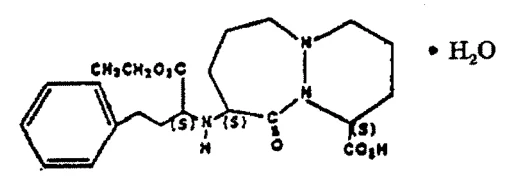 | 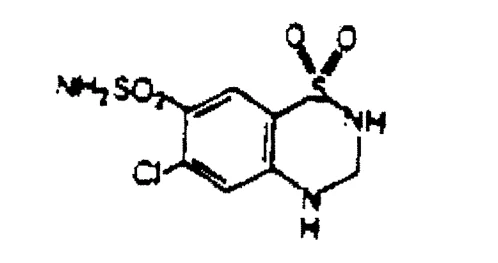 |
14.2 Comparative Bioavailability Studies
A randomized, single dose, two-way crossover study of APO-CILAZAPRIL/HCTZ 5 mg/12.5 mg tablets (Apotex Inc.) and PrINHIBACE PLUS® 5 mg/12.5 mg tablets (Hoffmann-LaRoche Limited) was conducted in healthy, adult, male subjects under fasting conditions. Comparative bioavailability data from the 44 subjects that were included in the statistical analysis are presented in the following table:
SUMMARY TABLE OF THE COMPARATIVE BIOAVAILABILITY DATA
Cilazapril (1 x 5 mg cilazapril/12.5 mg hydrochlorothiazide) Geometric Mean Arithmetic Mean (CV %) | ||||
| Parameter | Test1 | Reference2 | % Ratio of Geometric Means | 90% Confidence Interval |
AUCT (ng·h/mL) | 163.70 171.41 (31.92) | 175.62 186.69 (35.21) | 93.0 | 87.0 – 99.5 |
AUCI (ng·h/mL) | 165.11 172.92 (31.89) | 176.49 187.79 (35.42) | 93.4 | 87.2 – 99.9 |
Cmax (ng/mL) | 106.00 109.81 (27.65) | 116.30 122.50 (33.41) | 91.2 | 85.3 – 97.5 |
Tmax3 (h) | 0.66 (28.63) | 0.84 (34.01) | ||
T1/23 (h) | 1.29 (24.61) | 1.28 (24.69) | ||
1 APO-CILAZAPRIL/HCTZ [cilazapril (as cilazapril monohydrate) and hydrochlorothiazide] tablets, 5 mg/12.5 mg (Apotex Inc.)
2 PrINHIBACE PLUS® [cilazapril (as cilazapril monohydrate) and hydrochlorothiazide] tablets, 5 mg/12.5 mg (Hoffmann-LaRoche Limited)
3 Expressed as the arithmetic mean (CV%) only
SUMMARY TABLE OF THE COMPARATIVE BIOAVAILABILITY DATA
Cilazaprilat (1 x 5 mg cilazapril/12.5 mg hydrochlorothiazide) Geometric Mean Arithmetic Mean (CV %) | ||||
| Parameter | Test1 | Reference2 | % Ratio of Geometric Means | 90% Confidence Interval |
AUCT (ng·h/mL) | 278.07 282.58 (18.19) | 298.69 303.08 (17.67) | 93.0 | 90.7 – 95.3 |
AUCI (ng·h/mL) | 311.15 316.16 (17.98) | 330.83 336.02 (18.15) | 94.0 | 92.0 – 96.0 |
Cmax (ng/mL) | 67.92 70.06 (25.36) | 75.16 77.13 (23.19) | 90.6 | 87.1 – 94.1 |
Tmax3 (h) | 1.58 (15.85) | 1.60 (20.13) | ||
T1/23 (h) | 40.96 (12.92) | 39.41 (16.50) | ||
1 APO-CILAZAPRIL/HCTZ [cilazapril (as cilazapril monohydrate) and hydrochlorothiazide] tablets, 5 mg/12.5 mg (Apotex Inc.)
2 PrINHIBACE PLUS® [cilazapril (as cilazapril monohydrate) and hydrochlorothiazide] tablets, 5 mg/12.5 mg (Hoffmann-LaRoche Limited)
3 Expressed as the arithmetic mean (CV%) only
SUMMARY TABLE OF THE COMPARATIVE BIOAVAILABILITY DATA
Hydrochlorothiazide (1 x 5 mg cilazapril/12.5 mg hydrochlorothiazide) Geometric Mean Arithmetic Mean (CV %) | ||||
| Parameter | Test1 | Reference2 | % Ratio of Geometric Means | 90% Confidence Interval |
AUCT (ng·h/mL) | 416.07 428.32 (24.31) | 443.74 456.18 (23.83) | 93.7 | 89.8 – 97.9 |
AUCI (ng·h/mL) | 453.90 466.06 (22.99) | 484.80 497.48 (23.07) | 93.9 | 90.2 – 97.8 |
Cmax (ng/mL) | 67.88 70.59 (27.96) | 75.56 78.96 (29.58) | 89.7 | 84.0 – 95.8 |
Tmax3 (h) | 1.96 (37.71) | 1.81 (33.22) | ||
T1/23 (h) | 9.15 (32.38) | 8.89 (19.37) | ||
1 APO-CILAZAPRIL/HCTZ [cilazapril (as cilazapril monohydrate) and hydrochlorothiazide]
tablets, 5 mg/12.5 mg (Apotex Inc.)
2 PrINHIBACE PLUS® [cilazapril (as cilazapril monohydrate) and hydrochlorothiazide] tablets, 5 mg/12.5 mg (Hoffmann-LaRoche Limited)
3 Expressed as the arithmetic mean (CV%) only
15 MICROBIOLOGY
No microbiological information is required for this drug product.
16 NON-CLINICAL TOXICOLOGY
General Toxicology:
Cilazapril Pharmacology: In in vitro studies, using hippurylhistidylleucine as substrate, cilazaprilat, the active metabolite of cilazapril, inhibited the activity of ACE from rabbit lung (IC50 0.97 to 1.93 nM), hog lung (IC50 2.83 nM), human lung (IC50 1.39 nM), and human plasma (IC50 0.61 nM). Cilazaprilat (20 μM) did not have any effect on a number of other porcine, bovine, or human enzymes except E. coli dipeptidyl carboxypeptidase.
In ex vivo studies, oral administration of 0.1 and 0.25 mg/kg cilazapril to rats inhibited plasma ACE activity by 76% and 96% respectively and 0.3 to 3 mg/kg significantly inhibited tissue ACE activity in a number of arteries and veins.
In vivo, the dose of cilazapril and/or cilazaprilat required to reduce the angiotensin pressor response by 50% are summarized in Table 7 below.
Table 7: ED50 Values for Cilazapril and/or Cilazaprilat
| Animal Model | Cilazapril Activity | Cilazaprilat Activity |
| Conscious normotensive rats | ED50 0.02 mg/kg p.o. (at 60 min) | |
| Anesthetized SHAD (unilaterally adrenalectomized and contralaterally adrenal demedullated SHR) rats | ED50 0.44 mcmol/kg i.v. | ED50 0.06 mcmol/kg i.v. |
| 2-kidney-1-clip Goldblatt renal hypertensive rats | ED50 0.043 mg/kg i.v. | ED50 0.006 mg/kg i.v. |
| Anesthetised normotensive dogs | ED50 0.035 mg/kg i.v. (0.084 mcmol/kg) |
In the anesthetized SHAD rats 0.06 mcmol/kg i.v. cilazaprilat potentiated the bradykinin induced vasodepressor response.
The antihypertensive activity of cilazapril was assessed in a number of experimental animal models. In spontaneously hypertensive rats (SHR), single oral doses of 10 and 30 mg/kg cilazapril reduced systolic blood pressure for longer than six hours. Repeated daily dosing with oral doses of 10 and 30 mg/kg cilazapril demonstrated 24-hour activity and at the higher dose, antihypertensive effect became maximum after one week. When administered twice daily, the lowest oral dose of cilazapril that reduced systolic blood pressure was 1 mg/kg. Dose dependent decreases in systolic blood pressure were observed between oral doses of 1 and 10 mg/kg twice daily. No further increase in effect was observed with an oral dose of 30 mg/kg twice daily.
Intravenous administration of up to 10 mg/kg of either cilazapril or cilazaprilat to conscious SHR evoked only small reductions in blood pressure. The reason for this disparity with the oral dosing data in the same animal model is unclear.
Following the oral administration of 10 mg/kg cilazapril, the maximum decrease in systolic arterial pressure observed in conscious renal hypertensive hypovolemic dogs was approximately double that observed in normovolemic dogs. In the hypovolemic dogs, the systolic blood pressure fell significantly within 30 minutes of the first dose. The effect persisted for 6 hours. Maximum decrease in systolic arterial pressure in conscious normotensive hypovolemic dogs was similar to that observed in renal hypotensive normovolemic dogs.
Heart rate changes accompanying the antihypertensive action of cilazapril in the rat and the dog were minimal.
Total peripheral resistance and regional vascular resistance were reduced in all vascular beds except in the heart in SHR administered multiple, oral, daily doses of 10 mg/kg cilazapril. Regional blood flow to the kidneys, intestine and skin increased. Regional blood flow to the heart decreased. No changes were observed in cardiac output, cardiac index, stroke volume or heart rate. Hemodynamic and blood flow changes were similar after acute or repeated (twice daily for two weeks) administration of 1 mg/kg cilazapril. Additional increases in blood flow to the lungs, stomach, small intestine, pancreas and thymus were observed, however.
In conscious dogs, cilazapril had no effect on left ventricular pressure and on force of cardiac contraction at 3 mg/kg p.o. and marginal effects at 10 mg/kg p.o. At these doses, slight decreases were noted in abdominal aortic blood flow and heart rate. In anesthetized dogs, intravenous cilazapril doses of 0.03 to 1 mg/kg evoked dose dependent decreases in blood pressure and left ventricular pressure. At 1 mg/kg, left ventricular end diastolic pressure was decreased 15%, myocardial contractile force was reduced and heart rate was unchanged. At 0.3 mg/kg, cardiac output, coronary blood flow, left ventricular minute work, left ventricular stroke work, and cardiac index were decreased 15%, 12%, 31%, 40%, and 12% respectively. In the anesthetized dog with ischemic heart failure, intravenous doses of cilazaprilat (0.1 to 1 mg/kg) reduced total peripheral resistance, left ventricular end diastolic pressure, dp/dt, and mean aortic blood pressure. Cardiac output, heart rate, pulmonary arterial pressure and right arterial pressure remained unchanged.
Oral administration of 3 mg/kg cilazapril did not have an effect on the increase in blood pressure and heart rate accompanying exercise in conscious cats. In anesthetized cats, cilazapril (10 mg/kg i.v.) increased right ventricular force of contraction (28%) and cardiac output (19%). Heart rate changes were minor.
The pharmacokinetics of cilazapril and cilazaprilat have been examined in mice, rats, dogs, monkeys, marmosets and baboons. The oral absorption of cilazapril is rapid and peak plasma concentrations of cilazapril occur in less than 1 hour. Absorption is 70 to 89%. Cilazapril plasma concentrations decline rapidly with a half-life of 0.7 to 2.7 hours. Plasma concentrations are less than dose proportional in baboons, and in rats and marmoset levels are too low for reliable quantitation.
Cilazaprilat is produced rapidly in all species and peak concentrations occur in less than 1.5 hours. Bioavailability from oral cilazapril is 70 to 89%. Cilazaprilat plasma concentrations decline in a biphasic manner with half lives of 0.5 to 3.5 hours and 12 to 68 hours. Plasma concentrations are less than dose proportional, and show a low order of dose dependence during the terminal phase. This is consistent with saturable binding to ACE.
The distribution of drug related material is largely confined to excretory organs, but all major tissues are exposed, including the fetus of pregnant animals. There is no evidence of tissue retention, and more than 95% of the dose is recovered within three days. Repeat administration leads to some accumulation, but only in a limited number of tissues, notably the liver and kidney. Excretion is rapid in all species. More than 90% of the total recovery in urine is achieved within 24 hours. Excretion is predominantly hepatic in rats and baboons, and renal in marmosets.
Hydrochlorothiazide Pharmacology: Hydrochlorothiazide increases the renal excretion of sodium and chloride in approximately equivalent amounts with an accompanying volume of water and causes a simultaneous, usually minimal loss of bicarbonate. The excretion of ammonia is reduced slightly by hydrochlorothiazide and the blood ammonia concentration may be increased. The excretion of potassium is increased slightly. Calcium excretion is decreased by hydrochlorothiazide and magnesium excretion is increased.
Hydrochlorothiazide is eliminated rapidly by the kidney. Its rate of elimination is decreased somewhat by the co-administration of probenecid without, however, an accompanying reduction in diuresis.
For a complete discussion of the pharmacology of hydrochlorothiazide, please consult the Product Monographs for hydrochlorothiazide products.
Cilazapril/Hydrochlorothiazide Pharmacology: In view of the extensive preclinical and clinical experience available with cilazapril and hydrochlorothiazide individually, and also with hydrochlorothiazide in combination with other ACE inhibitors, only limited studies were undertaken to specifically examine the preclinical pharmacology of the combination.
Table 8: Pre-clinical Pharmacology Studies: Cilazapril/Hydrochlorothiazide
| Study | Species | Route of Administration | Dose (mg/kg) | Results/ Observations |
|---|---|---|---|---|
Effects of HCTZ on cilazapril. Modulation by HCTZ of anti-hypertensive actions of cilazapril in spontaneously hypertensive rats. | Male SHR Unilaterally adrenal-demedullated and contralaterally adrenalectomized | p.o. | 10 (cilazapril) 30 (HCTZ) | Although HCTZ alone had no effect on blood pressure, it significantly increased (by up to 24 mm Hg) the reduction in blood pressure induced by cilazapril. |
Table 9: Pharmacokinetic/Toxicokinetic of Cilazapril / Hydrochlorothiazide
| Study | Species | Description | N | Dose/Route/Form | Conclusion | |||||
| 1 | Rat | 6-month oral toxicity | 10 x 6M, 6F | 0 (vehicle), 0.45 (0.2/0.25), 4.95 (2.2/2.75), 56.0 (24.9/31.1), 2.7 (0.2/2.5), 29.7 (2.2/27.5), 337.5 (25.0/312.5) cilazapril/hydrochlorothia zide; 25.0 cilazapril alone; 31.0 and 312.5 hydrochlorothiazide alone/oral/suspension | No drug accumulation of CLZ1 or HCTZ2 after repetitive dosing of each alone. When CLZ/HCTZ was dosed, increasing HCTZ accumulation was observed with increasing HCTZ dose. HCTZ did not affect the disposition of CLZ when these drugs were co-administered. | |||||
| 2 | Baboon | 13-week toxicity | 7 x 2M, 2F | 0, 6.75 (0.5/6.25), 40.5 (3.0/37.5), 270 (20/250), 6.25 (0/6.25), 37.5 (0/37.5), 250 (0/250)/oral/ suspension | Administration of CLZ/HCTZ in a 1:125 ratio at 40.5 or 270 mg/kg/d resulted in decreased plasma clearance of HCTZ and slight decrease of CLZT3 plasma clearance by Day 7. | |||||
| 3 | Baboon | 26-week toxicity | 4 x 2M, 2F | 0, 1.125 (0.5/0.625), 6.75 (3.0/3.75), 45 (20/25)/oral/suspension | The disposition of CLZT and HCTZ remained largely unchanged during the 26 weeks of dosing. | |||||
1 Cilazapril 2 Hydrochlorothiazide 3 Cilazaprilat | ||||||||||
Table 10: Cilazapril Acute Toxicity
| Species | Sex | Route | Approximate LD50 (mg/kg) |
| Mouse | M F M + F M F M + F | p.o. p.o. i.v. i.p. i.p. s.c. | 4,600 2,500 - <5,000 >250 1,600 1,300 >1,000 |
| Rat | M + F M + F | p.o. i.p. | >4,000 - <5,000 830 |
| Monkey | M + F | p.o. | >4,000 - <5,000 |
The signs of toxicity include: ataxia, reduced motor activity, diarrhea, respiratory depression, tremors, piloerection, prostration, hunched appearance, salivation, emesis and facial fur-staining.
Table 11: Cilazapril/ Hydrochlorothiazide Acute Toxicity
| Species | Sex | Route | Observations/LD50 (mg/kg) |
| Mouse | M | p.o.1 | CLZ4 + HCTZ5 (6:10) - 3,500 expressed as CLZ component. CLZ - 3,300 HCTZ - >8,300 |
Mouse Rat | M+F | p.o.2 p.o.3 | No mortalities or clinical observations were noted. |
| |||
Table 12: Long-Term Toxicity of Cilazapril
Species (#/group) | Study duration | Dose Administration (mg/kg/day) | Route | Findings |
Rat (8M + 8F) | 2 Weeks | 0, 2, 6, 20 | i.v. | All dose groups: Swollen tails in individual rats after 8-10 days; slight increase in urine volume (males). |
Monkey Marmoset (3M + 3F) | 2 Weeks | 0, 2, 6, 20 | i.v. | All dose groups: Slightly depressed heart rates. |
Rat (5M + 5F) | 4 Weeks | 0, 5, 15, 50 | p.o. | All dose groups: Increased water consumption. 15 and 50 mg/kg/day: Minimal decreases in RBC, Hb and PCV values (females); increase in plasma urea (2-3x). 50 mg/kg/day: Salivation (6/10) from week 2; decrease body weight gain (20%); slight reduction in food consumption; increased incidence of kidney tubule cells in urine (females). |
Species (#/group) | Study duration | Dose Administration (mg/kg/day) | Route | Findings |
Rat (16M + 16F) | 4 Weeks | 25, 125, 625 | p.o. | All dose groups: Salivation; slight reduction in motor activity; increased urine volumes and minimal decreases in specific gravity (males). 125 and 625 mg/kg/day: Decreased body weight gain and food consumption (males only at 125 mg/kg/day); slight decreases in RBC, Hb and PCV (males); very slight thickening of glomerular afferent arteriolar wall in the kidney (males) (1/10 -125 mg/kg/day, 6/10 - 625 mg/kg/day). 625 mg/kg/day: Increased BUN values (1.5x) (males); decreased BMC1 (males); slight decrease in heart and liver (males) weight. |
Monkey Marmoset (3/6M + 3F) | 4 Weeks | 0, 5, 15, 50 | p.o. | 15 and 50 mg/kg/day: Marginal decreases in RBC, Hb and PCV values. 50 mg/kg/day: Increase in plasma urea (2x), K+ and cholesterol values; increased incidence of kidney tubule cells in urine. |
Species (#/group) | Study duration | Dose Administration (mg/kg/day) | Route | Findings |
Rat (16M + 16F) | 13 Weeks | 0, 10, 50, 250 | p.o. | All dose groups: Very slight increases in urine volume and decreased SG values (males). 50 and 250 mg/kg/day: Dose-related decrease in body weight gain (males only at 50 mg/kg/day); increased BUN levels (2x) (males); slight thickening of glomerular afferent arterioles in the kidneys (10/30). 250 mg/kg/day: Slight decrease in spontaneous activity and salivation; inhibition of food consumption; small decreases in RBC and BMC (males), and in RBC, PCV and Hb (females). |
Monkey Cynomolgus (4M + 4F) | 13 Weeks | 0, 2.5, 25, 50 | p.o. | 25 and 50 mg/kg/day: Slight decreases in RBC, Hb and PCV. Slight to moderate hyperplasia of the juxtaglomerular apparatus; dose-related decreased body weight gains. 50 mg/kg/day: Two deaths; salivation; emesis; decreased spontaneous activity. Slight decrease in BMC, total protein and inorganic phosphate; increase in BUN (4x), blood creatinine; enlargement of kidney (1 female); reduction in heart weight; kidney tubular dilatation. |
Species (#/group) | Study duration | Dose Administration (mg/kg/day) | Route | Findings |
Monkey Baboon (2M + 2F) | 13 Weeks | 0, 2, 10, 20, 40 | p.o. | All dose groups: Emesis; slight reductions in heart rate, body weight gain and heart weight; hypertrophy and hyperplasia of the juxtaglomerular cells (1/4 - 10 mg/kg, 3/4 - 20 mg/kg, 4/4 - 40 mg/kg). 20 and 40 mg/kg/day: Slight decrease in RBC, PCV and Hb; kidney tubular basophilia/ dilatation (1/4 - 20 mg/kg; 3/4 - 40 mg/kg). Increased urea (2x) in 40 mg/kg only. |
Rat (30M + 30F) | 26 Weeks | 0, 5, 30, 200; 0, 2, 12, 75 - from Week 6; 0, 2, 12, 50 from Week 14 | p.o. | All dose groups: Slight decrease in heart rate; weight loss; lethargy; hunched posture. Piloerection; facial fur-staining; dose-related increases in kidney weights (male). 12 and 50 mg/kg/day: Hypertrophy of afferent glomerular arterioles in the kidneys (13 weeks). 50 mg/kg/day: Body weight gain decrease (14%) (males); increased water intake. Increased BUN levels (3x) (males), ALP activity, and liver weights (males); prominent kidney tubular regeneration; kidney tubular dilatation; minimal kidney tubular necrosis (2 animals at 13 weeks). Sclerosis (2 animals at 26 weeks). |
Species (#/group) | Study duration | Dose Administration (mg/kg/day) | Route | Findings |
Monkey Marmoset (9, 7, 7, 11M+ 9, 7, 7, 11F) | 26 Weeks | 0, 5, 30, 200; 0, 2, 15, 100 from Week 9; 0, 2, 15, 50 from Week 14 | p.o. | 200 mg/kg/day: Depression in heart rate; body weight loss (females). 15 mg/kg/day: Two deaths (unrelated to treatment) of minor glomerular arteriolar hypertrophy (13 and 26 weeks). 50 mg/kg/day: Six deaths (two unrelated to treatment); unsteadiness; inactivity; salivation; emesis; diarrhea; slight decrease in RBC, PCV, Hb and bone marrow, myeloid/erythroid ratio (26 weeks). Increase in plasma urea (2x); small reductions in urine osmolality; slight kidney tubular dilatation and tubular epithelium regeneration (4/5 at 13 weeks - 100 mg/kg) (4/10 after 26 weeks). |
Monkey Baboon (7M + 7F) | 52 Weeks | 0, 0.5, 4, 40 | p.o. | 4 and 40 mg/kg/day: Hyperplasia and hypertrophy of juxtaglomerular apparatus with hypertrophy of muscle cells of glomerular arterioles (1/10 - 4 mg/kg; 8/10 - 40 mg/kg/day). 40 mg/kg/day: Emesis; body weight gain reduction; slight reduction in RBC, PCV and Hb; increase in urea values (2x) and creatinine; osmolality reductions; increased incidence in proteinous casts (Week 52); small increase in adrenal and thyroid weights. |
Species (#/group) | Study duration | Dose Administration (mg/kg/day) | Route | Findings |
Rat (35M + 35F) | 78 Weeks | 0, 0.5, 4, 40 | p.o. | All dose levels: Small reductions in body weight gain. 4 and 40 mg/kg/day: Slight decrease in RBC, PCV and Hb; minimal reduction in food intake; increase in BUN (2x) (males). 40 mg/kg/day: Increased water consumption; slight increase in total WBC count (males); increased urine volumes (males); irregular surface ocysts in the kidneys (7/40 at 76 weeks); increased kidney weights (males); slight decrease in heart and liver weight (females); vascular hypertrophy (20/20 males, 17/20 females) consisting of glomerular afferent arteriolar wall thickening; similar but less frequent and less severe changes were observed in the mid-dose group. |
1 Bone marrow nucleated cell count
Hydrochlorothiazide Toxicology: For a complete discussion of the Toxicology of hydrochlorothiazide, please consult the Product Monograph for HYDRODIURIL (Merck Sharp & Dohme Canada).
Hydrochlorothiazide was found to have relatively low toxicity in acute and chronic toxicity studies. In acute animal toxicity studies in mice the LD50 was greater than 10,000 mg/kg suspension orally and was 884 mg/kg intravenously. In rats the acute LD50 was greater than 10,000 mg/kg suspension orally and 3,130 mg/kg suspension intraperitoneally. In the rabbit the acute intravenous LD50 was 461 mg/kg and in the dog it was approximately 1,000 mg/kg. Dogs tolerated at least 2,000 mg/kg orally without signs of toxicity.
Subacute oral toxicity studies in the rat at 500, 1,000 and 2,000 mg/kg/day of suspension five days a week for three weeks displayed no sign of drug effect. Three of the rats given 2000 mg/kg/day hydrochlorothiazide sodium salt died after the fifth day. These deaths were attributed to pneumonia. No sign of drug effect was observed among the other animals. In dogs given doses of 250, 500 and 1,000 mg/kg seven days a week for 8 weeks, no gross signs of drug effect were noted except for electrolyte imbalance.
Chronic oral toxicity studies in the rat using doses of up to 2,000 mg/kg/day 5 days per week for 26 weeks showed no signs of drug effect and no drug related changes on post mortem examination. In dogs oral doses of 0, 125, 250 mg/kg/day 5 days per week for 26 weeks; 500 mg/kg/day for 7 weeks; 11 weeks without drug then 500 mg/kg/day 7 days per week for 8 weeks, were given. Slight depression of plasma potassium, small amounts of yellow crystalline precipitate in the bladder in two of twelve dogs were found on gross examination. Histomorphologic studies did not show drug related changes.
Table 13: Long-Term Toxicity (Cilazapril / Hydrochlorothiazide)
Species (No./Group) | Study Duration | Doses (mg/kg/day)/Route of Administration | Effects |
Rat (6M1 + 6F2) | 2 Weeks | 0 (vehicle control), intubation
|
|
Species (No./Group) | Study Duration | Doses (mg/kg/day)/Route of Administration | Effects | ||
|
50 + 625 - decrease in body weight gain, food consumption, serum calcium (males), serum sodium, serum chloride, serum potassium and serum triglycerides (males);
| ||||
|
| ||||
Species (No./Group) | Study Duration | Doses (mg/kg/day)/Route of Administration | Effects |
Rat (12M + 12F) | 26 Weeks | 0 (vehicle control), intubation
|
|
Species (No./Group) | Study Duration | Doses (mg/kg/day)/Route of Administration | Effects |
|
| ||
|
| ||
|
|
Species (No./Group) | Study Duration | Doses (mg/kg/day)/Route of Administration | Effects |
Baboon (6M + 6F) | 26 Weeks (8-Week recovery for 2/sex/grou p) | 0 (vehicle control) CLZ + HCTZ (1:1.25): 0.5 + 0.625; 3 + 3.75; 20 + 25 P.O. (gavage) | CLZ + HCTZ (1:1.25) 3 + 3.75 - reversible decrease in body weight gain (M), decrease in urine specific gravity.
20 + 25 - decrease in body weight gain and motor activity;
|
- 1 Male
2 Female
3 Cilazapril
4 Hydrochlorothiazide
Carcinogenicity:
Cilazapril Carcinogenicity: An 88-week carcinogenicity study with cilazapril was conducted in mice initially dosed at 5, 25 or 100 mg/kg/day, subsequently reduced to 1, 7 or 50 mg/kg/day from week 11 onwards. Another carcinogenicity study was conducted in rats in which dose levels of 0.5, 4 or 40 mg/kg/day were administered for 104 weeks. Hypertrophy of renal afferent glomerular arterioles and interlobular arteries, and increased cortical nephropathy were the only recorded findings and occurred in the mid- and high-dose groups in both studies.
Hydrochlorothiazide Carcinogenicity: According to the experimental data available, hydrochlorothiazide revealed inconsistent evidence of carcinogenic activity in rats and mice, with conflicting evidence of hepatic adenoma in male mice at the highest dose and adrenal pheochromocytoma in one rat study but not in another. Current evidence is inadequate to draw a clear conclusion for a carcinogenic effect of hydrochlorothiazide in animals.
Genotoxicity:
Cilazapril Mutagenicity: No evidence of mutagenicity with cilazapril was found in the Ames test with or without metabolic activation (up to 2.0 mg/plate), Treatment and Plate test (up to 7,000 mccg/mL), unscheduled DNA synthesis assay (up to 200 mccg/mL), mutagenic assay with Chinese hamster V79 cells with or without metabolic activation (up to 4,800 mccg/mL), chromosomal aberration test with or without metabolic activation (up to 3,500 mccg/mL), or in vivo micronucleus test in mice (2.0 g/kg).
Hydrochlorothiazide Mutagenicity: The mutagenic potential was assessed in a series of in vitro and in vivo test systems. While some positive results were obtained in vitro, all in vivo studies provided negative results. Hydrochlorothiazide enhanced the UVA-induced formation of pyrimidine dimers in vitro and in the skin of mice following oral treatment. It is therefore concluded that although there is no relevant mutagenic potential in vivo, hydrochlorothiazide could enhance the genotoxic effects of UVA light. This mechanism of photosensitization could be associated with a higher risk for non-melanoma skin cancer.
Cilazapril / Hydrochlorothiazide Mutagenicity: The Ames tests showed evidence of weak mutagenicity for cilazapril in combination with hydrochlorothiazide with and without metabolic activation. The activity was considered borderline but was reproducible and dose-dependent. This mutagenic effect correlated with the weak mutagenicity of the hydrochlorothiazide component of the combination.
The mutagenicity of the combination cilazapril and hydrochlorothiazide (at a ratio of 1:5) was assessed in the three additional mutagenicity tests. There was no evidence of gene mutation either in the presence or absence of exogenous metabolizing systems when the combination was tested in saccharomyces cerevisiae D7 yeast strain (up to 5,000 mccg/mL) and in Chinese hamster V79 cells (up to 1,920 mccg/mL). In addition, a mouse micronucleus tests (in vivo) carried out with a 1:5 combination of cilazapril and hydrochlorothiazide (up to 4.0 g/kg) showed no genotoxic activity in mouse bone marrow cells.
Reproductive and Developmental Toxicology:
In fertility and general reproduction performance testing in rats, dosing with 50 mg/kg/day of cilazapril resulted in greater implantation losses, less viable fetuses, smaller pups, and dilatation of the renal pelvis in the pups. No teratogenic effects and no adverse effects on postnatal pup development were observed in rats and cynomolgus monkeys during embryotoxicity testing. In the rats, however, at a dose of 400 mg/kg/day, renal cavitation was observed in the pups. In peri- and post-natal toxicity testing in rats, dosing with 50 mg/kg/day resulted in greater pup mortality, smaller pups, and delayed unfolding of the pinna. On administration of 14C-cilazapril to pregnant mice, rats and monkeys, radioactivity was measured in the fetuses.
No teratogenicity was observed when pregnant mice were treated orally (gavage) with up to 2,400 mg/kg/day (400 mg/kg/day CLZ and 2,000 mg/kg/day HCTZ) of a 1:5 cilazapril/hydrochlorothiazide combination from gestation days 6 through 15. In fetuses from dams treated with 300 mg/kg/day (50 mg/kg/day CLZ and 250 mg/kg/day HCTZ), there was an increased incidence of reduced frontal bone ossification and at 2,400 mg/kg/day (400 mg/kg/day CLZ and 2,000 mg/kg/day HCTZ) there was an increased incidence of reduced frontal and parietal bone ossification, misaligned sternebrae and sternebrae variants, as well as an increased incidence of dilated renal pelvises. All these effects are considered to represent developmental delays.
No teratogenicity was observed when pregnant rats were treated orally (gavage) with up to 37 mg/kg/day (6 mg/kg/day CLZ and 31 mg/kg/day HCTZ) of a 1:5 cilazapril/hydrochlorothiazide combination from gestation day 7 through 17. At 96 (16 mg/kg/day CLZ and 80 mg/kg/day HCTZ) and 240 mg/kg/day (40 mg/kg/day CLZ and 200 mg/kg/day HCTZ), fetal body weight was decreased resulting in decreased or absent ossification of a variety of bones in litters of dams given 240 mg/kg/day.
Table 14: Reproduction and Teratology (Cilazapril)
Species #/Group | Dose (mg/kg/day) | Route | Duration Of Dosing | Effects |
| Fertility and General Reproduction Performance | ||||
Rat Charles River (Crl:CD (SD) BR) (30M + 30F) | 0, 1, 7, 50 | p.o. | Males - 70 days prior to mating and up to 14 days during mating. Females - 14 days before mating, during gestation and until Day 21 post-partum. | All dose groups: No effect on mating or fertil-ity at any dose. Retching reflex after dosing (dose-related) (males). Decreased body weight gain. Males at 50 mg/kg/day: Six deaths (due to dosing error). Females at 50 mg/kg/day: Two deaths (50 mg/kg) (due to dosing error). Increased preimplantation loss (forced delivery group at 50 mg/kg). F1 generation at 7 and 50 mg/kg/day: Reduced body weight at the end of lactation; increased incidence of dilatation of the renal pelvis. Reduction in viable fetuses due to a lower number of implantations (50 mg/kg). |
| Embryotoxicity | ||||
Rat Charles River (CD) (35F) | 0, 2, 30, 400 | p.o. | Days 6-17 of gestation. | All dose groups: No effect on embryonic, fetal or postnatal development. Females at 400 mg/kg/day: Body weight gain and food consumption were reduced during latter half of gestation. F1 generation at 400 mg/kg/day: Slight increase in renal cavitation incidence. |
Species #/Group | Dose (mg/kg/day) | Route | Duration Of Dosing | Effects |
Monkey Cynomolgus (10 or 11F) | 0, 20 | p.o. | Days 21 to 31 or Days 32 to 45 of gestation. | Control group: Reduced food consumption and diarrhea (5/10 females); 2/10 abortions between Days 51-53 of pregnancy; low inci-dence of skeletal variations in tail (2/8 fetuses) and ribs (2/8). 20 mg/kg/day - Days 21-31: Reduced food consumption (10/10 females); diarrhea (2/10); vomiting (2/10). Skeletal findings - ribs (2/8 fetuses), humeri (2/8), distal caudal variations (4/8), and prepuce not patent (2/8) - not treatment related. 20 mg/kg/day - Days 32-45: Decreased food consumption and/or diarrhea (11/11 females); 5/11 abortions; 2/11 maternal deaths (not treatment related). Caudal and humerus variations (1/5 fetuses) - not treatment related. |
| Peri- and Post-natal Toxicity | ||||
Rat Charles River (CDCrl:CD(SD) BR) (25 or 30F) | 0, 1, 7, 50 | p.o. | Day 15 of gestation to Day 21 post-partum. | Females at 50 mg/kg/day: 5 deaths on Day 18 postcoitus or Days 4-16 of lactation (due to dosing error). F1 generation at 50 mg/kg/day: Increased pup mortality (4.9%); reduction in body weight gain during lactation; an associated slight delay in pinna unfolding. |
Hydrochlorothiazide: Hydrochlorothiazide has been administered to rats in a two-litter study, to mice in a two-generation study, and to rabbits in an established pregnancy test. None of these studies showed any evidence of teratogenic effects of hydrochlorothiazide. Offspring carried on to weaning or maturity did not show evidence of effects related to treatment.
Table 15: Reproduction and Teratology (Cilazapril / Hydrochlorothiazide)
| Species (No./Sex/Dose) | Treatment days (Day OfSacrifice) | Doses (mg/kg/day)/ Route Of Administration | Effects | ||
|---|---|---|---|---|---|
Mouse (6F) Segment II | Gestation days: 6-17 (18) | 0 (vehicle control) CLZ + HCTZ (1:5): 6 + 31; 25 + 125; 100 + 500; 400 + 2,000 P.O. (gavage) | 100 + 500: |
| |
400 + 2,000: |
| ||||
Mouse (25F) Segment II | Gestation days: 6-15 (18) | 0 (vehicle control) CLZ + HCTZ (1:5): 6 + 30; 50 + 250; 400 + 2,000 P.O. (gavage) | 50 + 250: |
| |
400 + 2,000: |
| ||||
0 (vehicle control) CLZ + HCTZ (1:5): 6 + 31; 40 + 200; 90 + 450; 200 + 1,000 P.O. (gavage) | 6 + 31: |
| |||
40 + 200: |
| ||||
90 + 450: |
| ||||
| Species (No./Sex/Dose) | Treatment days (Day OfSacrifice) | Doses (mg/kg/day)/ Route Of Administration | Effects | |||
|---|---|---|---|---|---|---|
| ||||||
| ||||||
Rat (6F) Segment II | Gestation days: 7-17 (20) | 200 + 1000: |
| |||
Rat (25F) Segment II | Gestation days: 7-17 (20) | 0 (vehicle control) CLZ + HCTZ (1:5): 6 + 31; 16 + 80; 40 + 200; P.O. (gavage) | >6 + 31: |
| ||
>16 + 80: |
| |||||
40 + 200: |
| |||||
Special Toxicology:
Hydrochlorothiazide could enhance the genotoxic effects of UVA light. This mechanism of photosensitization could be associated with a higher risk for non-melanoma skin cancer.
17 SUPPORTING PRODUCT MONOGRAPHS
- 1. INHIBACE PLUS® (Cilazapril and Hydrochlorothiazide Tablets, 5 mg/12.5 mg), submission control 262136, Product Monograph, CHEPLAPHARM Arzneimittel GmbH. (AUG 15, 2022)