


Product Monograph - Gliadel Wafer
SUMMARY PRODUCT INFORMATION
Route of Administration | Dosage Form / Strength | Clinically Relevant Nonmedicinal Ingredients |
| intralesional | Wafer / 7.7 mg | None. For a complete listing see Dosage Forms, Composition and Packaging section. |
INDICATIONS AND CLINICAL USE
GLIADEL Wafer (carmustine in polifeprosan) is indicated
- in recurrent glioblastoma multiforme patients for whom surgical resection is indicated, as an adjunct to surgery. Presence of tumor should be confirmed by a pathologist prior to wafer implantation.
as a treatment option in selected patients with newly-diagnosed high-grade malignant glioma for whom surgical resection is indicated, as an adjunct to surgery and radiation. Intraoperative histologic confirmation of the diagnosis of malignant glioma should be obtained prior to wafer implantation.
Prescribers should take into consideration the current standard of care for patients with newly diagnosed high-grade malignant glioma when considering GLIADEL Wafer for this patient population. No prospective, controlled studies are available to support the sequential combination of GLIADEL Wafer with temozolomide.
Pediatrics (< 18 years of age): The safety and effectiveness of GLIADEL in pediatric patients have not been established.
CONTRAINDICATIONS
GLIADEL Wafer contains carmustine. It should not be implanted in individuals who have demonstrated a previous hypersensitivity to carmustine or any of the components of GLIADEL.
WARNINGS AND PRECAUTIONS
General
GLIADEL Wafers should not be implanted when the tumors are multifocal, extend across the corpus callosum, require large opening of the ventricle, or are thought to be subtotally resected.
Patients undergoing craniotomy for malignant glioma and implantation of GLIADEL Wafer should be monitored closely for known complications of craniotomy, including seizures, intracranial infections, abnormal wound healing, and cerebral edema/intracranial hypertension. Cases of intracerebral mass effect unresponsive to corticosteroids have been described in patients treated with GLIADEL, including one case leading to brain herniation. CSF leak was more common in GLIADEL-treated patients (see Adverse Reactions). Attention to a water-tight dural closure and local wound care is indicated. Development of brain edema with mass effect (due to
Serious Warnings and Precautions
GLIADEL Wafers should only be used by a qualified surgeon.
Improper implantation of GLIADEL Wafers may result in blockage of cerebrospinal fluid and consequent obstructive hydrocephalus (see General section below).
The safety and efficacy of the administration of temozolomide in patients treated with GLIADEL Wafer is unknown and it may result in increased toxicity (see Drug Interactions below).
Clinically significant or life-threatening safety hazards associated with GLIADEL implantation include (see General section below and Adverse Reactions):
- Obstructive hydrocephalus
- Seizures
- Intracranial infections, including meningitis
- Abnormal wound healing, including cerebrospinal fluid leaks, subdural, subgaleal or wound effusions, delayed wound healing, and wound breakdown or dehiscence
- Brain edema
tumor recurrence, intracranial infection, or necrosis) may necessitate re-operation and, in some cases, removal of GLIADEL Wafer or its remnants (see Adverse Reactions).
Communication between the surgical resection cavity and the ventricular system should be avoided to prevent the wafers from migrating into the ventricular system and causing obstructive hydrocephalus. If a communication larger than the diameter of the implant exists, it should be closed prior to wafer implantation.
Computed tomography and magnetic resonance imaging of the head may demonstrate enhancement in the brain tissue surrounding the resection cavity after GLIADEL implantation. This enhancement may represent edema and inflammation caused by the wafers rather than tumor progression.
Carcinogenesis, Mutagenesis, Impairment of Fertility
No carcinogenicity, mutagenicity or impairment of fertility studies have been conducted with GLIADEL Wafer. Carcinogenicity, mutagenicity and impairment of fertility studies have been conducted with carmustine, the active component of GLIADEL Wafer. Carmustine was carcinogenic in mice and rats; mutagenic in vitro and clastogenic both in vitro and in vivo; and caused testicular degeneration in male rats (see Toxicology).
Carmustine was given three times a week for six months, followed by 12 months observation, to Swiss mice at i.p. doses of 2.5 and 5.0 mg/kg (about 1/5 and 1/3 the recommended human dose (eight wafers of 7.7 mg carmustine/wafer) on a mg/m2 basis) and to SD rats at i.p. dose of 1.5 mg/kg (about 1/4 the recommended human dose on a mg/m2 basis). There were increases in tumor incidence in all treated animals, predominantly subcutaneous and lung neoplasms.
Mutagenesis: Carmustine was mutagenic in vitro (Ames assay, human lymphoblast HGPRT assay) and clastogenic both in vitro (V79 hamster cell micronucleus assay) and in vivo (SCE assay in rodent brain tumors, mouse bone marrow micronucleus assay).
Impairment of Fertility: Carmustine caused testicular degeneration at i.p. doses of 8 mg/kg/week for eight weeks (about 1.3 times the recommended human dose on a mg/m2 basis) in male rats.
Drug Interactions
Interactions of GLIADEL Wafer with other drugs or chemotherapy have not been formally evaluated. In the clinical trial in patients with recurrent malignant gliomas, few patients have received systemic chemotherapy within 30 days of GLIADEL. Chemotherapy was withheld at least four weeks (six weeks for nitrosoureas) prior to and two weeks after surgery in patients undergoing re-operation for malignant glioma.
There is little clinical experience with GLIADEL Wafer and concomitant or sequential temozolomide use and no prospective, controlled studies evaluating the safety and efficacy of such combined treatment. It is unknown whether it is safe to administer temozolomide to
patients treated with GLIADEL Wafer. Clinicians should be aware that carmustine, the active component of GLIADEL can potentially interact with other agents, including temozolomide, resulting in increased toxicity.
Special Populations
Pregnant Women:
Carmustine, the active component of GLIADEL, is embryotoxic and teratogenic in animals (see Toxicology). There are no studies assessing the reproductive toxicity of GLIADEL and there are no studies with GLIADEL or carmustine in pregnant women. GLIADEL may cause fetal harm when administered to pregnant women. GLIADEL Wafer should therefore not be used during pregnancy. Women of childbearing potential should be advised to avoid pregnancy while receiving GLIADEL Wafer. In the event a patient becomes pregnant during treatment with GLIADEL Wafer, the patient should be informed of the potential risk to the fetus and genetic counseling should be obtained.
Nursing Women:
It is not known whether carmustine, carboxyphenoxypropane, or sebacic acid are excreted in human milk. Because many drugs are excreted in human milk and because of the potential for serious adverse reactions from carmustine in nursing infants, it is recommended that patients receiving GLIADEL Wafer discontinue nursing.
Pediatrics (< 18 years of age): The safety and effectiveness of GLIADEL in pediatric patients have not been established.
ADVERSE REACTIONS
Clinical Trial Adverse Drug Reactions
Because clinical trials are conducted under very specific conditions the adverse reaction rates observed in the clinical trials may not reflect the rates observed in practice and should not be compared to the rates in the clinical trials of another drug. Adverse drug reaction information from clinical trials is useful for identifying drug-related adverse events and for approximating rates.
Primary Surgery
The following data are the most frequently occurring adverse events observed in 5% or more of the newly-diagnosed malignant glioma patients during the trial.
TTaabbllee 11:: Common Adverse Events Observed in > 5% of Patients Receiving
GLIADEL Wafer at Initial Surgery
Body System
Adverse event
GLIADEL Wafer [N=120]
n (%)
Placebo [N=120]
n (%)
Body as a whole Aggravation reaction* 98 (82) 95 (79) Headache 33 (28) 44 (37) Asthenia 26 (22) 18 (15) Infection 22 (18) 24 (20) Fever 21 (18) 21 (18) Pain 16 (13) 18 (15) Abdominal pain 10 (8) 2 (2) Back pain 8 (7) 4 (3) Face edema 7 (6) 6 (5) Abscess 6 (5) 3 (3) Accidental injury 6 (5) 8 (7) Chest pain 6 (5) 0 Allergic reaction 2 (2) 6 (5)
Cardiovascular system Deep thrombophlebitis 12 (10) 11 (9) Pulmonary embolus 10 (8) 10 (8) Hemorrhage 8 (7) 7 (6)
Digestive system Nausea 26 (22) 20 (17) Vomiting 25 (21) 19 (16) Constipation 23 (19) 14 (12) Diarrhea 6 (5) 5 (4) Liver function tests abnormal 1 (1) 6 (5)
Endocrine system Diabetes mellitus 6 (5) 5 (4) Cushing’s syndrome 4 (3) 6 (5)
Metabolic and nutritional disorders Healing abnormal 19 (16) 14 (12) Peripheral edema 11 (9) 11 (9)
Musculoskeletal system Myasthenia 5 (4) 6 (5)
Nervous system Hemiplegia 49 (41) 53 (44) Convulsion 40 (33) 45 (38) Confusion 28 (23) 25 (21) Brain edema 27 (23) 23 (19) Aphasia 21 (18) 22 (18) Depression 19 (16) 12 (10)
Nervous system (continued) Somnolence 13 (11) 18 (15)
TTaabbllee 11:: Common Adverse Events Observed in > 5% of Patients Receiving
GLIADEL Wafer at Initial Surgery
Body System
Adverse event
GLIADEL Wafer [N=120]
n (%)
Placebo [N=120]
n (%)
Speech disorder 13 (11) 10 (8) Amnesia 11 (9) 12 (10) Intracranial hypertension 11 (9) 2 (2) Personality disorder 10 (8) 9 (8) Anxiety 8 (7) 5 (4) Facial paralysis 8 (7) 5 (4) Neuropathy 8 (7) 12 (10) Ataxia 7 (6) 5 (4) Hypoesthesia 7 (6) 6 (5) Paresthesia 7 (6) 10 (8) Thinking abnormal 7 (6) 10 (8) Abnormal gait 6 (5) 6 (5) Dizziness 6 (5) 11 (9) Grand mal convulsion 6 (5) 5 (4) Hallucinations 6 (5) 4 (3) Insomnia 6 (5) 7 (6) Tremor 6 (5) 8 (7) CSF leak 6 (5) 1 (0.5) Coma 5 (4) 6 (5) Incoordination 3 (3) 8 (7) Hypokinesia 2 (2) 8 (7)
Respiratory system Pneumonia 10 (8) 9 (8) Dyspnea 4 (3) 8 (7)
Skin and appendages Rash 14 (12) 13 (11) Alopecia 12 (10) 14 (12)
Special senses Conjunctival edema 8 (7) 8 (7) Abnormal vision 7 (6) 7 (6) Visual field defect 6 (5) 8 (7) Eye disorder 3 (3) 6 (5) Diplopia 1 (1) 6 (5)
Urogenital system Urinary tract infection 10 (8) 13 (11) Urinary incontinence 9 (8) 9 (8) *Adverse events coded to the COSTART term “aggravation reaction” were usually events involving tumor/disease progression, tumor recurrence or general/neurological deterioration of condition (e.g. condition/health/Karnofsky/neurological/physical deterioration).
Intracranial hypertension was present in more GLIADEL-treated patients than in placebo patients (9.2% vs. 1.7%). It was typically observed late, at the time of tumor recurrence.
Brain abscess was reported in 8 (7%) patients in each group. In the GLIADEL Wafer group, bacteria culture was positive for propionobacterium acne in 5 of the 8 patients with brain abscesses or wound infection. For the other 3 patients, no bacterial culture information was available. In the Placebo group, propionobacterium acne was identified in 1 of 8 patients and no culture information was provided for the other 7 patients.
Cerebral haemorrhage was reported in 8 (7%) patients in the GLIADEL Wafer group compared to 5 (4%) in the placebo group.
Surgery for Recurrent Disease
The following post-operative adverse events were observed in 4% or more of the patients receiving GLIADEL Wafer at recurrent surgery. Except for nervous system effects, where it is possible that the placebo wafers were responsible, only events more common in the GLIADEL Wafer group are listed. These adverse events were either not present pre-operatively or worsened post-operatively during the follow-up period. The follow-up period was up to 71 months.
Table 2: Common Adverse Events Observed in >4% of Patients Receiving GLIADEL
Wafer at Surgery for Recurrent Disease
Body System
Adverse Event
GLIADEL Wafer with Carmustine
[N=110]
n (%)
Placebo Wafer without Carmustine
[N=112]
n (%)
Body as a Whole
Fever
Pain*
13 (12)
8 (7)
9 (8)
1 (1)
Digestive System
Nausea and Vomiting
9 (8)
7 (6)
Metabolic and Nutritional Disorders
Healing Abnormal*
15 (14)
6 (5)
Nervous System Convulsion 21 (19) 21 (19) Hemiplegia 21 (19) 22 (20) Headache 16 (15) 14 (13) Somnolence 15 (14) 12 (11) Confusion 11 (10) 9 (8) Aphasia 10 (9) 12 (11) Stupor 7 (6) 7 (6) Brain Edema 4 (4) 1 (1) Intracranial Hypertension 4 (4) 7 (6) Meningitis or Abscess 4 (4) 1 (1)
Skin and Appendages
Rash
6 (5)
4 (4)
Urogenital System
Urinary Tract Infection
23 (21)
19 (17)
*p < 0.05 for comparison of GLIADEL Wafer versus placebo groups
Adverse Drug Reactions Known to be Complications of Craniotomy
The following four categories of adverse events were found possibly related to treatment with GLIADEL Wafer. The frequency with which they occurred in the clinical trials is presented below.
Convulsions:
In the initial surgery trial, the incidence of treatment-emergent convulsions was 33.3% in patients given GLIADEL and 37.5% in patients given placebo. Grand mal convulsions occurred in 5% of GLIADEL Wafer-treated patients and 4.2% of placebo treated patients. The incidence of convulsions within the first 5 days after wafer implantation was 2.5% in the GLIADEL Wafer group and 4.2 % in the placebo group. The time from surgery to the onset of the first post-operative seizure did not differ between the GLIADEL Wafer and placebo treated patients.
In the surgery for recurrent disease trial, the incidence of convulsions was 19% in both patients receiving GLIADEL Wafer and placebo. In this study, 12/22 (54%) of patients treated with GLIADEL Wafer and 2/22 (9%) of placebo patients experienced the first new or worsened convulsion within the first five post-operative days. The median time to onset of the first new or worsened post-operative seizure was 3.5 days in patients treated with GLIADEL Wafer and 51 days in placebo patients.
Brain Edema:
In the initial surgery trial, brain edema was noted in 22.5% of patients treated with GLIADEL Wafer and in 19.2% of patients treated with placebo.
Healing Abnormalities:
The following healing abnormalities have been reported in clinical trials of GLIADEL Wafer: cerebrospinal fluid leaks, subdural, subgaleal or wound effusions, delayed wound healing, and wound breakdown or dehiscence. In the initial surgery trial, healing abnormalities occurred in 15.8% of GLIADEL Wafer treated patients and in 11.7% of placebo recipients. Cerebrospinal fluid leaks occurred in 5% of GLIADEL Wafer recipients and 0.8% of those given placebo.
In the surgery for recurrent disease trial, the incidence of healing abnormalities was 14% in GLIADEL Wafer treated patients and 5% in patients receiving placebo wafers.
Intracranial Infection:
In the initial surgery trial, the incidence of intracranial infection (meningitis or brain abscess) was 5% in patients treated with GLIADEL Wafer and 6% in patients receiving placebo.
In the recurrent setting, the incidence of brain abscess or meningitis was 4% in patients treated with GLIADEL and 1% in patients receiving placebo. In GLIADEL-treated patients, there were three cases of bacterial meningitis, one case of chemical meningitis, and one case of meningitis which was not further specified. A brain abscess was diagnosed in one placebo-treated patient 76 days after wafer implant surgery.
Less Common Clinical Trial Adverse Drug Reactions (<4%)
The following treatment-emergent adverse events, not listed in the table above, were reported in less than 4% but at least 1% of patients treated with GLIADEL Wafer in all studies. The events listed were either not present pre-operatively or worsened post-operatively.
Body as a Whole: pain (4%); peripheral edema (3%); neck pain (2%); back pain (2%);
allergic reaction (1%); asthenia (1%); chest pain (1%); sepsis (1%)
Cardiovascular: hypertension (3%); hypotension (2%); tachycardia (2%)
Digestive: oral moniliasis (3%); diarrhea (3%); vomiting (2%); constipation (1%);
dysphagia (1%); gastrointestinal hemorrhage (1%); fecal incontinence (1%)
Hemic and Lymphatic: anemia (4%); thrombocytopenia (1%); leukocytosis (1%)
Metabolic and Nutritional: hyponatremia (3%); hyperglycemia (3%); hypokalemia (1%)
Musculoskeletal: infection (2%)
Nervous: stupor (4%); hydrocephalus (4%); meningitis (4%); depression (3%); thinking abnormal (3%); ataxia (2%); dizziness (2%); coma (2%); insomnia (2%); monoplegia (2%); amnesia (1 %); diplopia (1 %); necrosis (1%); paranoid reaction (1%). In addition, cerebral hemorrhage and cerebral infarct were each reported in less than 1% of patients treated with GLIADEL Wafer.
Respiratory: infection (3%); aspiration pneumonia (1%)
Skin and Appendages: rash (3%)
Special Senses: visual field defect (3%); eye pain (1%)
Urogenital: urinary incontinence (2%)
Post-Market Adverse Drug Reactions
Post-marketing experience includes spontaneous reports of cyst formation after GLIADEL Wafer implantation. These occurred at varying time intervals post-implantation.
DRUG INTERACTIONS
Overview
Interactions of GLIADEL Wafer with other drugs have not been formally evaluated.
The short-term and long-term toxicity profiles of GLIADEL Wafer when given in conjunction with chemotherapy have not been fully explored.
There is little clinical experience with GLIADEL Wafer and concomitant or sequential temozolomide use and no prospective, controlled studies evaluating the safety and efficacy of such combined treatment. It is unknown whether it is safe to administer temozolomide to patients treated with GLIADEL Wafer. Clinicians should be aware that carmustine, the active component of GLIADEL can potentially interact with other agents, including temozolomide, resulting in increased toxicity.
DOSAGE AND ADMINISTRATION
Recommended Dose and Dosage Adjustment
Each GLIADEL Wafer contains 7.7 mg of carmustine, resulting in a dose of 61.6 mg when eight wafers are implanted. It is recommended that eight wafers be placed in the resection cavity if its size and shape allow. Alternately, the maximum possible number of wafers should be placed. The maximum dose should not exceed 8 wafers per surgical procedure.
Once the tumor is resected, tumor pathology is confirmed, and hemostasis is obtained, up to eight GLIADEL Wafers may be placed to cover as much of the resection cavity as possible. Slight overlapping of the wafers is acceptable. Wafers broken in half may be used, but wafers broken in more than two pieces should be discarded in a biohazard container. Oxidizing regenerated cellulose (Surgicel®) may be placed over the wafers to secure them against the cavity surface. After placement of wafers, the resection cavity should be irrigated and the dura closed in a water tight fashion.
OVERDOSAGE
There is no clinical experience with use of more than eight GLIADEL Wafers per surgical procedure.
For management of a suspected drug overdose, contact your regional Poison Control Centre immediately.
ACTION AND CLINICAL PHARMACOLOGY
GLIADEL Wafer (carmustine in polifeprosan) is designed to deliver carmustine directly into the surgical cavity created when a brain tumor is resected. On exposure to the aqueous environment of the resection cavity, the anhydride bonds in the copolymer are hydrolyzed and release the carmustine. The tumoricidal activity of GLIADEL Wafer is dependent on release of carmustine to the tumor cavity in concentrations sufficient for effective cytotoxicity. The carmustine released from the GLIADEL Wafers diffuses into the surrounding brain tissue and produces an antineoplastic effect by alkylating DNA and RNA.
Carmustine has been shown to degrade both spontaneously and metabolically. The production of alkylating moiety hypothesized to be chloroethyl carbonium ion, leads to the formation of DNA cross-links.
GLIADEL Wafers are biodegradable in human brains at a variable rate from patient to patient. Data obtained at reoperation and autopsies have demonstrated wafer remnants up to 232 days after GLIADEL implantation.
Analysis performed on wafer remnants showed there was minimal detectable carmustine present.
STORAGE AND STABILITY
GLIADEL must be stored at or below -15°C (5oF). Unopened foil pouches may be kept at ambient room temperature for a maximum of six hours.
SPECIAL HANDLING INSTRUCTIONS
Handling and Disposal
Wafers should only be handled by personnel wearing surgical gloves because exposure to carmustine can cause severe burning and hyperpigmentation of the skin. Use of double gloves is recommended and the outer gloves should be discarded into a biohazard waste container after use. A surgical instrument dedicated to the handling of the wafers should be used for wafer implantation. If repeat neurosurgical intervention is indicated, any wafer or wafer remnant should be handled as a potentially cytotoxic agent.
GLIADEL Wafers should be handled with care; the aluminum foil laminate pouches containing GLIADEL should be delivered to the operating room and remain unopened until ready to implant the wafers. THE OUTSIDE SURFACE OF THE OUTER FOIL POUCH IS NOT STERILE.
Opening the Pouch Containing the GLIADEL Wafer
Figure 1: To remove the sterile inner pouch from the outer pouch, locate the folded corner and slowly pull in an outward motion.
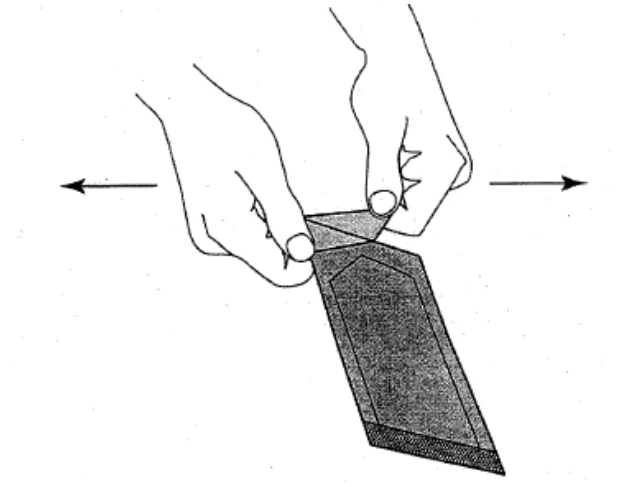
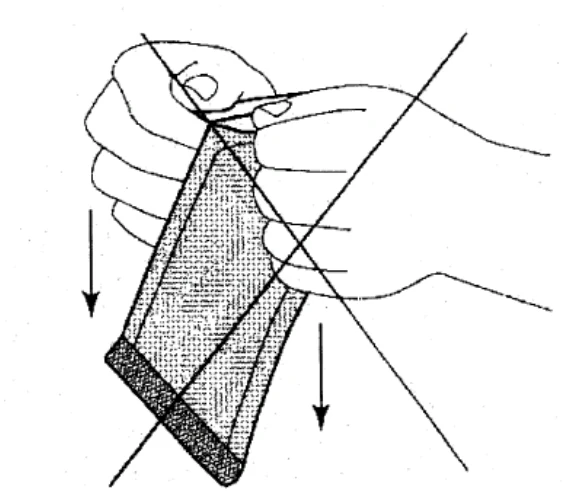
Figure 2: Do NOT pull in a downward motion rolling knuckles over the pouch. This may exert pressure on the wafer and cause it to break.
Figure 3: Remove the inner pouch by grabbing hold of the crimped edge and pulling upward.
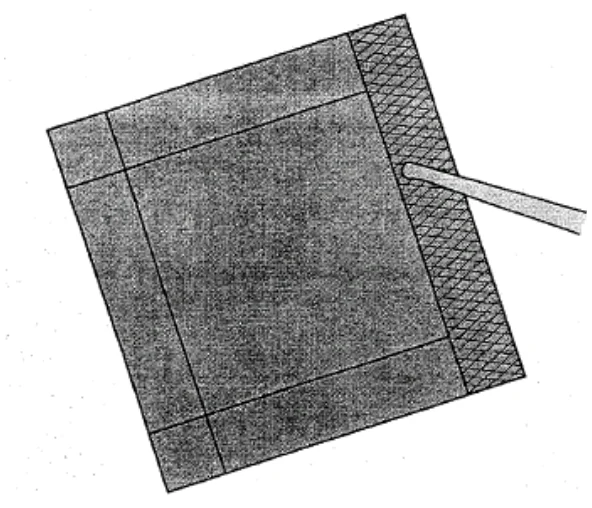
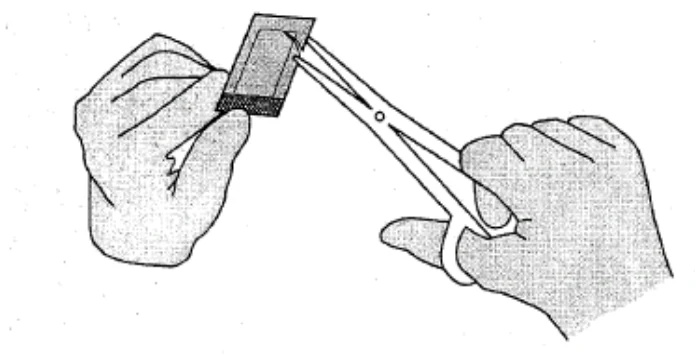
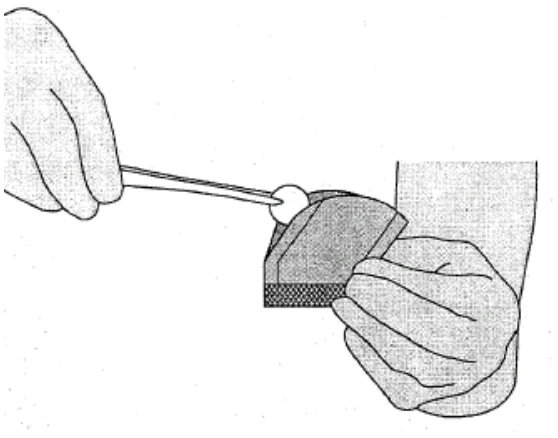
Figure 4: To open the inner pouch, gently hold the crimped edge and cut in an arc-like fashion around the wafer.
Figure 5: To remove the GLIADEL Wafer, gently grasp the wafer with the aid of forceps and place onto a designated sterile field.
DOSAGE FORMS, COMPOSITION AND PACKAGING
GLIADEL Wafer (carmustine in polifeprosan, implant) is a sterile, off-white to pale yellow wafer approximately 1.45 cm in diameter and 1 mm thick.
Each wafer contains 7.7 mg (3.85%) of carmustine.
Non Medicinal Ingredients: Each wafer contains 192.3 mg of a biodegradable polyanhydride copolymer polifeprosan 20 (copolymer of carboxyphenoxypropane and sebacic acid). The copolymer polifeprosan 20, consists of poly[bis(p-carboxyphenoxy)propane: sebacic acid] in a 20:80 molar ratio and is used to control the local delivery of carmustine. Carmustine is homogeneously distributed in the copolymer matrix.
GLIADEL Wafer is available in a single dose treatment box containing eight individually pouched wafers. Each wafer contains 7.7 mg of carmustine and is packaged in two aluminum foil laminate pouches. The inner pouch is sterile and is designed to maintain product sterility and protect the product from moisture. The outer pouch is a peelable overwrap. The outside surface of the outer pouch is not sterile.
PART II: SCIENTIFIC INFORMATION
PHARMACEUTICAL INFORMATION
Drug Substance
Proper name: Carmustine
Chemical name: 1,3-bis(2-chloroethyl)-1-nitrosurea
Molecular formula: C5H9Cl2N3O2
Molecular mass:
214.06
Structural formula:
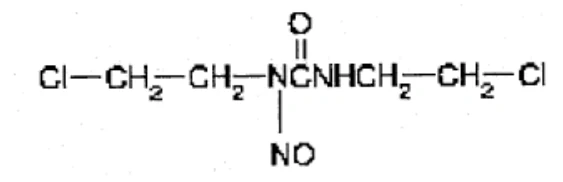
Physicochemical properties: Light yellow powder, soluble in water (4.1 mg/mL),
Melting Point: 30-32oC, Partition Coefficient: Octanol/Water=34.7
CLINICAL TRIALS
Primary Surgery
A randomized, double-blind, placebo-controlled clinical trial was conducted in adult patients with newly-diagnosed high-grade malignant glioma undergoing initial craniotomy for tumor resection. This trial determined the safety and efficacy of GLIADEL Wafer implants plus surgery and radiation therapy compared to placebo implants plus surgery and radiation therapy.
Two hundred and forty patients (21-72 years of age) with newly-diagnosed malignant glioma were enrolled. Overall, there were more male patients than female patients in both treatment groups, with males constituting 63.3% of the GLIADEL group and 70.0% of the placebo group. The majority of patients (96.7%) were Caucasian. The most common tumor type was Glioblastoma Multiforme (GBM) (n=207), followed by anaplastic oligodendroglioma (n=11), anaplastic oligoastrocytoma (n=10), and anaplastic astrocytoma (n=3).
GLIADEL Wafers were implanted at the time of the surgery in 120 patients and placebo wafers were implanted in 120 patients. The majority of patients received 6-8 wafers. The majority of
patients (93/120, 77.5% in the GLIADEL Wafer group and 98/120, 81.7% in the placebo group) with newly-diagnosed malignant glioma received a standard course of radiotherapy (55 to 60 Gy) typically starting 3 weeks after surgery. There were 17 patients (14.2%) in the GLIADEL Wafer group and 12 patients (10.0%) in the placebo group who received systemic chemotherapy during the study. All six patients with anaplastic oligodendroglioma received chemotherapy within 30 days of GLIADEL Wafer implantation.
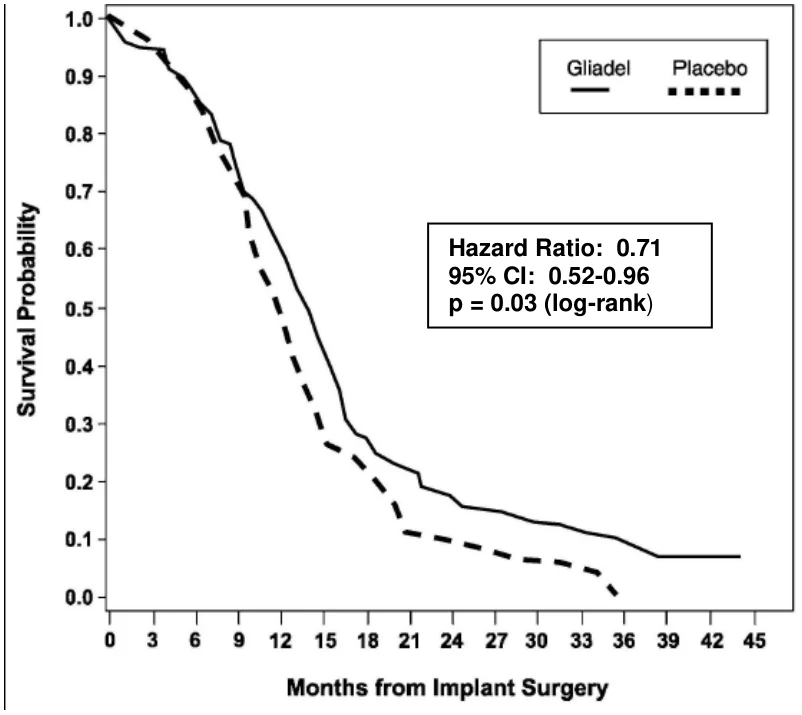
The primary efficacy parameter in this study was overall survival in the ITT population. Secondary efficacy parameters included overall survival in the subgroup of glioblastoma multiforme. In the ITT population, median survival increased from 11.6 months (95% CI: 10.2 to 12.6 months) with placebo to 13.9 months (95% CI: 12.1 to 15.3 months) with GLIADEL Wafer (hazard ratio: 0.71, 95% CI: 0.52-0.96, p = 0.03 log-rank test stratified by country; hazard ratio: 0.77, 95% CI: 0.57-1.03, p = 0.08 unstratified log-rank test) in the original study phase (see Figure 6). When only patients with glioblastoma multiforme (101 patients in the GLIADEL vs. 106 patients in the placebo group) were included in the analysis, the hazard ratio with GLIADEL Wafer treatment was 0.78 (95% CI: 0.59-1.03, p = 0.08, log-rank test). A long-term analysis of this cohort, in which patients were followed for at least three years or until death, has been performed and the hazard ratio is consistent with the original study phase.
Figure 6: Kaplan-Meier Overall Survival Curves for Patients Undergoing
Initial Surgery for a High-Grade Malignant Glioma
Surgery for Recurrent Disease
A randomized, double-blind, placebo-controlled clinical trial was conducted in adult patients with recurrent malignant glioma who had previously received definitive external beam radiation therapy sufficient to disqualify the patient from further radiation therapy and for whom reoperation was considered an appropriate therapy. At the time of surgery, patients were required to have a unilateral single focus of tumor of at least 1.0 cm in diameter, as determined by tumor imaging studies. Randomization into the study occurred during surgery after pathologic examination of the tumor established the presence of malignant glioma. This trial determined the safety and efficacy of GLIADEL Wafer implants plus surgery with maximal tumor resection compared to placebo implants plus surgery. The primary efficacy parameter was the cumulative survival rate at six months from the time of surgery; secondary efficacy parameters included overall survival at the end of the post-surgery observation period (up to 6 years).
Two hundred and twenty-two patients were enrolled in the study; 110 were treated with GLIADEL and 112 were treated with placebo. The median age of patients was 49 years (range: 27-79 years) in the GLIADEL group and 48 years (range 19-80 years) in the placebo group. The majority of patients were male (64%) and Caucasian (92%). Sixty-five percent were diagnosed as having glioblastoma mulitforme (GBM). All patients had undergone surgery for malignant glioma at least once before study enrollment, and the median interval from first operation was approximately 12 months. All patients had received prior radiation therapy; 48 % had received
Hazard Ratio: 0.71
95% CI: 0.52-0.96 p = 0.03 (log-rank)
local radiotherapy, 23% had received diffuse (whole brain) and 28% had received both. Fifty percent of patients had received prior chemotherapy, in most cases with one or more nitrosureas. Ninety-two percent of the patients treated with GLIADEL Wafer had 7-8 wafers implanted. Subtotal tumor resection was performed in 76% of patients. Chemotherapy was withheld at least four weeks (six weeks for nitrosoureas) prior to and two weeks after surgery in patients undergoing re-operation for malignant glioma.
The primary efficacy endpoint in this study was six-month survival. In 222 patients with recurrent malignant glioma who had failed initial surgery and radiation therapy, the six-month survival rate after repeat surgery was 47% (53/112) for patients receiving placebo and 60% (66/110) for patients treated with GLIADEL Wafer (p=0.061, Fisher’s Exact Test). A secondary endpoint in this study was overall survival. Median survival was 24 weeks (5.5 months) in patients treated with placebo and 32 weeks (7.4 months) in patients treated with GLIADEL Wafer treatment (p=0.30, log-rank test).
In the subgroup of 145 patients with GBM, the six-month survival rate increased from 36% (26/73) with placebo to 56% (40/72) with GLIADEL Wafer treatment (p=0.020, Fisher’s Exact Test, see Figure 7). Median survival of GBM patients was 20 weeks (4.6 months) in patients treated with placebo and 28 weeks (6.4 months) in patients treated with GLIADEL Wafer treatment (p=0.18, log-rank test, see Figure 8). In the subgroup of 77 patients with pathologic diagnoses other than GBM at the time of surgery for tumor recurrence, GLIADEL Wafer produced no improvement in survival at six months (69% for patients receiving placebo versus 68% for patients receiving GLIADEL) and no overall survival prolongation. 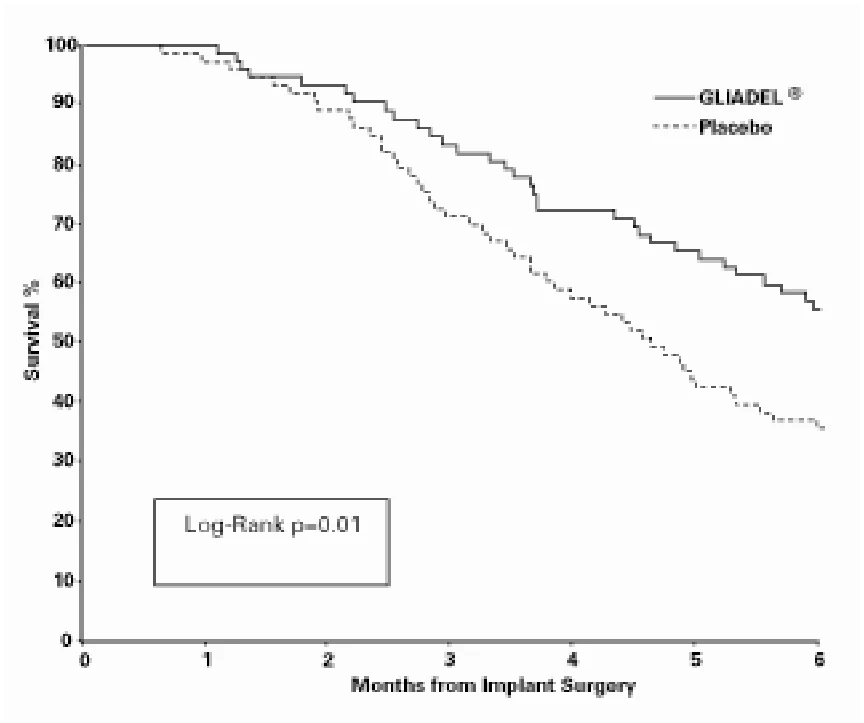
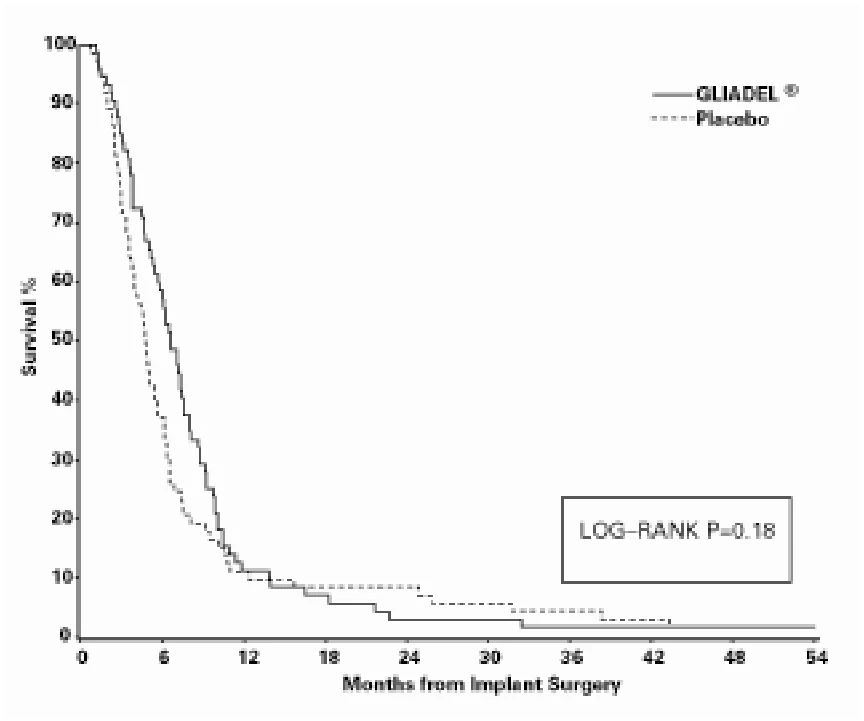
Figure 7: 6-Month Kaplan-Meier Survival Curves for Patients Undergoing Surgery for
Recurrent GBM
Figure 8: Kaplan-Meier Overall Survival Curves for Patients Undergoing Surgery for
Recurrent GBM
DETAILED PHARMACOLOGY
Animals
The pharmacology and pharmacokinetic profile of GLIADEL Wafer, which contain 3.85% of carmustine, has been based on studies conducted in animals; primarily rats, rabbits and monkeys.
The selection of effective doses of carmustine in GLIADEL for tumoricidal treatment was determined with a rat brain tumor model. In this model, 9L gliosarcoma tumor cells are implanted intracerebrally in the rat. The resulting solid tumor mass will enlarge, leading to the death of all untreated animals within 10-30 days post-inoculation. To evaluate different concentrations of carmustine in the GLIADEL polymer matrix, 4-5 days after a 9L gliosarcoma tumor implant, groups of Fischer 344 rats were surgically implanted with increasing concentrations of carmustine in the polymer matrix ranging from 4%-32%. The resulting efficacy was observed as a dose-related increase in mean survival time when compared to the untreated tumor-bearing rat group.
In a 150 day survival study, wafers containing 30% of carmustine were effective in extending survival in a 9L gliosarcoma rat tumor model from a mean survival of 13.5 days to 122.5 days. In a 200 day survival study, wafers containing 4, 8, or 12% of carmustine were effective in extending survival from no survival beyond 25 days in untreated rats to a 10-25% survival after 200 days. With wafers containing 20 or 32% of carmustine, survival was extended to 200 days for 50-60% of the rats.
Intracerebral carmustine dose delivery is dependent on polymer degradation following GLIADEL Wafer implantation. GLIADEL Wafers degrade by surface erosion in a sharp, slowly advancing front from the exterior to the interior of the wafer. The dynamics of the biodegradation process include the penetration of body water into the outer layers of compressed wafer microspheres, which begin to degrade thereby releasing carmustine into the surrounding brain tissue.
To understand the biodistribution and clearance of GLIADEL Wafer’s components, a study was conducted in the male and female adult Sprague-Dawley rat and New Zealand White rabbit. Three types of GLIADEL Wafers with carmustine were prepared, each containing a different 14C-labeled component (14C-PPCP, 14C-SA, and 14C-carmustine). The concentrations of carmustine varied from 0.18-0.27 mg (1-2.5%). The results indicated that greater than 80% of the radiolabel for carmustine is released from the wafer within the first week of implantation and that more than 70% of the radiolabel for the polymer components is released from the wafer by three weeks post-implantation. The major route of excretion of the radiolabel from carmustine and PCPP is the kidneys, and from SA is the lungs as CO2.
In another study conducted in the New Zealand White rabbit, GLIADEL was implanted in the animal's brain to determine the levels of carmustine in the whole blood, cerebrospinal fluid, and brain tissue exclusive of the implantation site. Six rabbits per group were sacrificed at 1, 3, and
5 days post-implantation and on these days no carmustine was detected from the analysis of the whole blood, cerebrospinal fluid, or brain tissue of the implantation site (assay sensitivity, ≥ 2 g). By day 5, 14% of the original carmustine content was present in the wafer remnants.
The plasma and cerebrospinal levels of carmustine were evaluated during a 28 day brain implantation study in the New Zealand White rabbits. Fifteen rabbits received a 12 mg wafer implant of GLIADEL. Three rabbits per group were sacrificed on days 1, 3, 5, 14, and 28. Bioanalytical results indicated that no carmustine was detected in the plasma or cerebrospinal fluid on any of the assay days.
More than70% of the copolymer degrades by three weeks. The metabolic disposition and excretion of the monomers differ. Carboxyphenoxypropane is eliminated unchanged by the kidney and sebacic acid, an endogenous fatty acid, is metabolized by the liver and expired as CO2 in animals.
Human Pharmacology
The absorption, distribution, metabolism, and excretion of the copolymer in humans is unknown. Carmustine concentrations delivered by GLIADEL in human brain tissue and plasma levels of carmustine after implant have not been determined.
Following an intravenous infusion of carmustine in man at doses ranging from 30 to 170 mg/m2, the average terminal half-life, clearance, and steady-state volume of distribution were 22 minutes, 56 mL/min/kg, and 3.25 L/kg, respectively. Approximately 60% of the intravenous 200 mg/m2 dose of 14C-carmustine was excreted in the urine over 96 hours and 6% was expired as CO2.
TOXICOLOGY
An in vitro study evaluated the effects of carmustine on the competency of B6C3Fl mouse macrophage cells. Carmustine produced macrophage toxicity at very low concentrations (5 M to 0.l mM). These findings reflect the known cytotoxicity of carmustine on normal cells possibly associated with carbamoylation of nucleoprotein lysine residues.
The GLIADEL Wafer polymer matrix with different dose percents of carmustine and/or the GLIADEL copolymer, P(CPP:SA, 20:80) alone, were evaluated in a series of safety studies by brain implantation in the rat, rabbit, and monkey.
Wafer containing 10, 20 or 30% of carmustine implanted in the Fischer 344 rat brain resulted in either a reduced weight gain or loss in weight, but no mortality over a four week period. Wafers containing 40 % of carmustine resulted in a significant weight loss and death in 1 of 4 rats over the same period.
In a one month study with New Zealand White rabbits, P(CPP:SA, 20:80) alone and GLIADEL were implanted in the brain ventricle. Both implants produced a region of focal necrosis, which was increased in the presence of carmustine. These findings were resolved at one month. In a ten-month rabbit brain cortex implantation study, animals received an implant of wafers containing 4.0% of carmustine or P(CPP:SA, 20:80) and subsequent evaluation with or without brain radiation. At the one-month time interval, implant- and irradiation-related brain necrosis was observed. In the non-radiated groups of animals at ten months, the effects of wafers containing 4.0% of carmustine, or P(CPP:SA, 20:80) implants, were comparable to the sham surgery control group in the non-radiated animals. In the radiated groups, brain necrosis was observed in all of the treatment groups with comparable incidence and severity. Brain radiation treatment did not result in a significant change in the pathology findings associated with wafers containing 4.0% of carmustine or P(CPP:SA, 20:80).
Ten week (with wafers containing 1.9% of carmustine) and 26 week (with GLIADEL) cynomologous monkey studies were completed to evaluate the effects of the 1.9% wafers and GLIADEL and P(CPP:SA, 20:80) alone following brain implantation. No meaningful neurological or histological findings were observed in either study, except for localized necrosis around the implanted wafer. In the 26 week study, two monkeys were irradiated, with one monkey sacrificed after 10 weeks and the second monkey sacrificed at 26 weeks. Microscopic pathology in the first monkey indicated focal necrosis at the wafer site which was not found in the second monkey at 26 weeks. Radiation treatment in the monkey implanted with GLIADEL and sacrificed after 10 weeks did not result in a greater severity of brain necrosis than was observed in the non-irradiated monkeys implanted with 1.9% wafers in the ten week monkey study.
No carcinogenicity, mutagenicity or impairment of fertility studies have been conducted with GLIADEL Wafer. Carcinogenicity, mutagenicity and impairment of fertility studies have been conducted with carmustine, the active component of GLIADEL. Carmustine was given three times a week for six months, followed by 12 months observation, to Swiss mice at i.p. doses of 2.5 and 5.0 mg/kg (about 1/5 and 1/3 the recommended human dose (eight wafers of 7.7 mg carmustine/wafer) on a mg/m2 basis) and to SD rats at i.p. dose of 1.5 mg/kg (about 1/4 the recommended human dose on a mg/m2 basis). There were increases in tumor incidence in all treated animals, predominantly subcutaneous and lung neoplasms.
Mutagenesis: Carmustine was mutagenic in vitro (Ames assay, human lymphoblast HGPRT assay) and clastogenic both in vitro (V79 hamster cell micronucleus assay) and in vivo (SCE assay in rodent brain tumors, mouse bone marrow micronucleus assay).
Impairment of Fertility: Carmustine caused testicular degeneration at i.p. doses of 8 mg/kg/week for eight weeks (about 1.3 times the recommended human dose on a mg/m2 basis) in male rats.
There are no studies assessing the reproductive toxicity of GLIADEL Wafer. Carmustine, the active component of GLIADEL, has been shown to be embryotoxic and teratogenic in rats at i.p. doses of 0.5, 1, 2, 4, or 8 mg/kg/day when given on gestation days 6 through 15. Carmustine caused fetal malformations (anophthalmia, micrognathia, omphalocele) at 1.0 mg/kg/day (about
1/6 the recommended human dose (eight wafers of 7.7 mg carmustine/wafer) on a mg/m2 basis). Carmustine was embryotoxic in rabbits at i.v. doses of 4.0 mg/kg/day (about 1.2 times the recommended human dose on a mg/m2 basis). Embryotoxicity was characterized by increased embryo-fetal deaths, reduced numbers of litters, and reduced litter sizes.
Biocompatibility
The polymer in GLIADEL consists of 20% CPP and 80% SA by molar ratio [P(CPP:SA, 20:80)]. Sebacic acid is a natural body constituent in man. The biocompatibility of these two polymer components was evaluated in a series of in vitro and in vivo studies.
P(CPP:SA, 45:55) was evaluated in vitro in the Salmonella typhimurium mutation assay. The cell findings in this study indicated that these two polymer components are biocompatible. PCPP alone was evaluated in the ascitic mouse ovarian tumor cell assay and the bovine aorta cell assay. These studies also indicated that PCPP is biocompatible.
P(CPP) was evaluated for local tissue response for six weeks following corneal implantation in the NZW rabbit and for six months following subcutaneous injection in the Sprague-Dawley rat. The results from these studies indicated that PCPP is biocompatible.
P(CPP:SA, 20:80) with 3.85% carmustine (GLIADEL) and without carmustine were evaluated in a series of intramuscular biocompatibility studies in NZW rabbits. P(CPP:SA, 20:80) exhibited a greater foreign body granulomatous response than was found with the USP Negative Control Plastic Reference Standard*. Partial dissolution of the P(CPP:SA, 20:80) was observed by seven days post-implantation.
GLIADEL exhibited a greater intramuscular response in NZW rabbits than P(CPP:SA, 20:80), which included necrosis, heterophil infiltration with mononuclear cells, and increased fibrous tissue. These findings reflect the known tissue effects of carmustine.
*High density polyethylene plastic
REFERENCES
- 1.
Technical Assistance Bulletin on Handling Cytotoxic and Hazardous Drugs. Am J Hosp
Pharm 1990;47:1033-1049.
- 2.
Ammirati M, Galicich JH, Arbit E, et al. Reoperation in the Treatment of Recurrent
Intracranial Malignant Gliomas. Neurosurgery 1987;21(5):607-14.
- 3.
Ashraf J, Bradford R. Surgery for Primary Malignant Brain Tumours, in: Thomas I,
Graham DI (eds.), Malignant Brain Tumors. Springer Verlag, 1995:264-298.
- 4.
Brem H, Domb A, Lenartz D, et al. Brain Biocompatibility of a Biodegradable
Controlled Release Polymer Consisting of Anhydride Copolymer of Fatty Acid Dimer and Sebacic Acid. J Controlled Release 1992; 19:325-30.
- 5.
Brem H, Kadar A, Epstein JI, et al. Biocompatibility of a Biodegradable, Control-Release
Polymer in the Rabbit Brain. Sel Cancer Ther 1989; 5:55-65.
- 6.
Brem H, Mahaley MS, Vick NA, et al. Interstitial Chemotherapy with Drug Polymer
Implants for the Treatment of Recurrent Gliomas. J Neurosurg 1991; 74:441-6.
- 7.
Brem H, Piantadosi S, Burger P, et al. Placebo-Controlled Trial of Safety and Efficacy of
Intraoperative Controlled Delivery of Biodegradable Polymers of Chemotherapy for Recurrent Gliomas. Lancet 1995; 345:1008-12.
- 8.
Brem H, Walter KA, Langer R. Polymer as Controlled Drug Delivery Devices for the
Treatment of Malignant Brain Tumors. Eur J Pharm Biopharm 1993; 39:2-7.
- 9.
Domb AJ, Rock M, Schwartz J, et al. Metabolic Disposition and Elimination Studies of a
Radiolabelled Biodegradable Polymeric Implant in the Rat Brain. Biomaterials 1994; 15(9):681-88.
- 10.
Fine HA, Dear KBG, Loeffler JS, et al. Meta-analysis of Radiation Therapy with and
Without Adjuvant Chemotherapy for Malignant Gliomas in Adults. Cancer 1993; 71:2585-2597.
- 11.
Grossman SA, Reinhard C, Colvin OM, et al. The Intracerebral Distribution of BCNU
Delivered by Surgically Implanted Biodegradable Polymers. J Neurosurg 1992; 76:640-
47.
- 12.
Kornblith PL, Walker M. Chemotherapy for Malignant Gliomas. Review Article. J
Neurosurg 1988; 68: 1-17.
- 13. Laurencin C, Domb A, Morris C, et al. Poly(anhydride) Administration in High Doses in vivo : Studies of Biocompatibility and Toxicology. J Biomater Res 1990; 24: 1463-81.
- 14.
Tamargo RJ, Esptein JI, Reinhard Cs, et al. Brain Biocompatibility of a Biodegradable,
Control-Release Polymer in Rats. J Biomed Mater Res 1989; 23:253-66.
- 15.
Walter KA, Tamargo RJ, Olivi A, et al. Intratumoral Chemotherapy. Neurosurgery 1995;
37:1-17.
- 16.
Westphal M, Hilt DC, Bortey E, et al. A Phase 3 Trial of Local Chemotherapy with
Biodegradable Carmustine (BCNU) Wafers (Gliadel Wafers) in Patients with Primary Malignant Glioma. Neuro-oncol 2003; 5(2):79-88.
- 17.
Westphal M, Ram Z, Riddle V, et al. Gliadel Wafer in Initial Surgery for Malignant
Glioma: long-term follow-up of multicenter controlled trial. Acta Neurochir 2006; 148:269-275.