


Product Monograph - Imdur
ACTIONS AND CLINICAL PHARMACOLOGY
As with other organic nitrates, the principal pharmacological action of IMDUR (isosorbide-5-mononitrate), the major active metabolite of isosorbide dinitrate (ISDN), is relaxation of vascular smooth muscle and consequent dilation of peripheral arteries and veins, especially the latter. Dilation of the veins promotes peripheral pooling of blood and decreases venous return to the heart, thereby reducing left ventricular end-diastolic pressure and pulmonary capillary wedge pressure (pre-load). Arteriolar relaxation reduces systemic vascular resistance, systolic arterial pressure, and mean arterial pressure (after-load). Dilation of the coronary arteries also occurs. The hemodynamic responses to isosorbide-5-mononitrate are similar to those produced by other nitrates.
Pharmacodynamics
Dosage regimens for most chronically used drugs are designed to provide plasma concentrations that are continuously greater than a minimally effective concentration. This strategy is inappropriate for organic nitrates. Prolonged administration of nitrate drugs according to traditionally recommended dosage regimens has been shown to produce tolerance. Tolerance results in a loss of efficacy. Several well-controlled clinical trials have used exercise testing to assess the antianginal efficacy of continuously delivered nitrates. In the large majority of these trials, nitrate effectiveness was indistinguishable from placebo after 24 hours (or less) of continuous therapy. Attempts to overcome tolerance by dose escalation, even to doses far in excess of those used acutely, have consistently failed. Only after nitrates have been absent from the body for several hours has their antianginal efficacy been restored. Drug-free intervals of 10 to 12 hours are known to be sufficient to restore response. The drug-free interval sufficient to avoid tolerance to isosorbide-5-mononitrate has not been completely defined. IMDUR tablets during long-term use over 42 days dosed at 120 mg once daily continued to improve exercise performance at 4 hours and 12 hours after dosing but its effects (although better than placebo) are less than or at best equal to the effects of the first dose of
60 mg. Considering the pharmacokinetic profile of isosorbide-5-mononitrate and its long half-life (see Pharmacokinetics), clinical efficacy is consistent with that observed for other organic nitrates.
Pharmacokinetics
After oral administration of isosorbide-5-mononitrate as a solution or immediate-release tablets, maximum plasma concentrations of isosorbide-5-mononitrate are achieved in 30 to 60 minutes with an absolute bioavailability of approximately 100%. After intravenous administration, isosorbide-5-mononitrate is distributed into total body water in about 9 minutes with a volume of distribution of approximately 0.6 - 0.7 L/kg. Isosorbide-5-mononitrate is approximately 5% bound to human plasma proteins and is distributed into blood cells and saliva. Isosorbide-5-mononitrate is primarily metabolized by the liver, but unlike oral isosorbide dinitrate, it is not subject to first-pass metabolism. Isosorbide-5-mononitrate is cleared by denitration to isosorbide and glucuronidation as the mononitrate, with 96% of the administered dose excreted in the urine within 5 days and only about 1% eliminated in the feces. At least six different compounds have been detected in urine, with about 2% of the dose excreted as the unchanged drug and at least five metabolites. The metabolites are not pharmacologically active. Renal clearance accounts for only about 4% of total body clearance. The mean plasma elimination half-life of isosorbide-5-mononitrate is approximately 5 hours.
The disposition of isosorbide-5-mononitrate in patients with various degrees of renal insufficiency, liver cirrhosis or cardiac dysfunction was evaluated and found to be similar to that observed in healthy subjects.
The elimination half-life of isosorbide-5-mononitrate was not prolonged, and there was no drug accumulation in patients with chronic renal failure after multiple oral dosing.
Impaired liver or kidney function has no major influence on the pharmacokinetic properties.
Food intake may decrease the rate (increase in Tmax) but not the extent (AUC) of absorption of isosorbide-5-mononitrate.
With the extended release formulation of IMDUR, isosorbide-5-mononitrate is gradually released, independent of pH, over a 10-hour period, according to a first order process.
This prolongation of the absorption phase results in reduced and delayed peak plasma levels compared to conventional tablets of isosorbide-5-mononitrate. After administration of 60 mg of isosorbide-5-mononitrate extended release tablets, peak plasma levels of around 3000 nmol/L are usually obtained within approximately 4 hours. The plasma concentrations then gradually fall to around 500 nmol/L at the end of the dosage interval (24 hours after dose intake).
INDICATIONS AND CLINICAL USE
IMDUR (isosorbide-5-mononitrate) is indicated for the prevention of anginal attacks in patients with chronic stable angina pectoris associated with coronary artery disease.
IMDUR is not intended for the immediate relief of acute attacks of angina pectoris.
CONTRAINDICATIONS
- Known hypersensitivity to isosorbide-5-mononitrate or to other nitrates or nitrites.
- Acute circulatory failure associated with marked hypotension (shock and states of collapse).
- Postural hypotension
- Myocardial insufficiency due to obstruction (e.g., in the presence of aortic or mitral stenosis or of constrictive pericarditis).
- Increased intracranial pressure.
- Severe anemia.
- Concomitant use of nitrates, either regularly and/or intermittently, with phosphodiesterase type 5 Inhibitors (e.g. sildenafil, tadalafil, vardenafil) is absolutely contraindicated.
WARNINGS
The benefits and safety of IMDUR (isosorbide-5-mononitrate) in anginal patients with acute myocardial infarction or congestive heart failure have not been established. Because the effects of isosorbide-5-mononitrate are difficult to terminate rapidly, this drug is not recommended in these settings.
Abrupt withdrawal may occasionally aggravate anginal symptoms. To avoid possible withdrawal effects, the administration of IMDUR (isosorbide-5-mononitrate) should be gradually reduced and not abruptly discontinued.
Caution should be observed in patients with severe cerebral arteriosclerosis or severe hypotension.
PRECAUTIONS
Headaches or symptoms of severe hypotension, such as weakness or dizziness, particularly when arising suddenly from a recumbent position, may occur.
Caution should be exercised when using nitrates in patients prone to, or who might be affected by, hypotension. IMDUR (isosorbide-5-mononitrate) should therefore be used with caution in patients who may have volume depletion from diuretic therapy or in patients who have low systolic blood pressure (e.g., below 90 mmHg). Paradoxical bradycardia and increased angina pectoris may accompany nitrate-induced hypotension.
Nitrate therapy may aggravate the angina caused by hypertrophic cardiomyopathy.
In industrial workers who have had long-term exposure to unknown (presumably high) doses of organic nitrates, tolerance clearly occurs. There is, moreover, physical dependence since chest pain, acute myocardial infarction, and even sudden death have occurred during temporary withdrawal of nitrates from these workers. In clinical trials of angina patients, there are reports of anginal attacks being more easily provoked and of rebound in the hemodynamic effects soon after nitrate withdrawal. The importance of these observations to the routine, clinical use of oral isosorbide-5-mononitrate has not been fully elucidated.
Caution should be exercised in patients with arterial hypoxemia due to anemia (see CONTRAINDICATIONS). Similarly, caution is called for in patients with hypoxemia and a ventilation/perfusion imbalance due to lung disease or ischemic heart failure. Patients with angina pectoris, myocardial infarction, or cerebral ischemia frequently suffer from abnormalities of the small airways (especially alveolar hypoxia). Under these circumstances vasoconstriction occurs within the lung to shift perfusion from areas of alveolar hypoxia to better ventilated regions of the lung. As a potent vasodilator, isosorbide-5-mononitrate could reverse this protective vasoconstriction and thus result in increased perfusion to poorly ventilated areas, worsening of the ventilation/perfusion imbalance, and a further decrease in the arterial partial pressure of oxygen.
Tolerance to isosorbide-5-mononitrate with cross tolerance to other nitrates or nitrites may occur (see ACTIONS AND CLINICAL PHARMACOLOGY). As tolerance to isosorbide-5-mononitrate develops, the effect of sublingual nitroglycerin on exercise tolerance, although still observable, is somewhat blunted.
As patients may experience faintness and/or dizziness, reaction time when driving or operating machinery may be impaired, especially at the start of treatment.
Use in Pregnancy
Teratogenic Effects: In studies designed to detect effects of isosorbide-5-mononitrate on embryo-fetal development, doses of up to 240 or 248 mg/kg/day, administered to pregnant rats and rabbits, were unassociated with evidence of such effects. No adverse effects on reproduction or fetal development were reported. These animal doses are about 100 times the maximum recommended human dose when comparison is based on body weight; when comparison is based on body surface area, the rat dose is about 17 times the human dose and the rabbit dose is about 38 times the human dose. There are no studies in pregnant women. Because animal reproduction studies are not always predictive of human response, IMDUR should be used during pregnancy only if the potential benefit justifies the potential risk to the fetus.
Non-Teratogenic Effects: Neonatal survival and development and incidence of stillbirths were adversely affected when pregnant rats were administered oral doses of 750 (but not 300) mg isosorbide-5-mononitrate/kg/day during late gestation and lactation. This dose (about 312 times the human dose when comparison is based on body weight and 54 times the human dose when comparison is based on body surface area) was associated with decreases in maternal weight gain and motor activity and evidence of impaired lactation.
Use in Nursing Mothers
It is not known whether isosorbide-5-mononitrate is excreted in human milk. Because many drugs are excreted in human milk, caution should be exercised when isosorbide-5-mononitrate is administered to a nursing mother.
Use in Children
The safety and efficacy of isosorbide-5-mononitrate in children have not been established. Therefore, its use is not recommended.
Drug Interactions
Concomitant treatment with other vasodilators, calcium antagonists, ACE inhibitors, beta-blockers, diuretics, antihypertensives, tricyclic antidepressants, and major tranquilizers may potentiate the blood pressure lowering effect of IMDUR.
Marked symptomatic orthostatic hypotension has been reported when calcium channel blockers and organic nitrates were used in combination. Dose adjustments of either class of agents may be necessary.
Concomitant use of IMDUR and phosphodiesterase type 5 Inhibitors (e.g. sildenafil, tadalafil, vardenafil) can potentiate the hypotensive effect of IMDUR. This could result in life-threatening hypotension with syncope or myocardial infarction and death. Therefore, phosphodiesterase type 5 Inhibitors (e.g. sildenafil, tadalafil, vardenafil) should not be given to patients receiving IMDUR therapy.
Alcohol may enhance sensitivity to the hypotensive effects of nitrates.
ADVERSE REACTIONS
In 17 clinical trials, both controlled and uncontrolled, 861 patients were treated with IMDUR (isosorbide-5-mononitrate) 30 mg to 240 mg once daily, alone or in combination with b-adrenergic blocking agents. Adverse events were reported in 71% of the patients. Discontinuation of therapy due to adverse reactions was required in 8% of the patients. Most of these were discontinued because of headache. Dizziness, myocardial infarction, nausea, and vertigo were also associated with withdrawal from these studies. The most common adverse events were headache, dizziness, fatigue, nausea and flushing.
The following adverse events were reported by >1-3% of patients: myocardial infarction, postural hypotension, tachycardia, angina pectoris, somnolence, coughing, paresthesia, vertigo, abdominal pain, diarrhea, flatulence, extra systoles, palpitation, aggravated angina, insomnia, dyspnea, respiratory infection, increased sweating, vasospasm, abnormal vision, back pain, musculoskeletal pain, dyspepsia, chest pain, rhinitis, constipation.
The following adverse events were reported in ≤ 1% of the patients:
Cardiovascular: bundle branch block, cardiac failure, circulatory failure, hypotension, hypertension, syncope, arrhythmia, AV block, bradycardia, atrial fibrillation, heart murmur, abnormal heart sound, Q-wave abnormality, T-wave changes, ECG abnormal.
Dermatological: rash, pruritus, eczema, acne, rash erythematous, rash psoriaform, abnormal hair texture, skin disorder.
Gastrointestinal: duodenal ulcer, eructation, hemorrhagic gastric ulcer, gastritis, hemorrhoids, intestinal obstruction, melena, dry mouth, pharynx disorder, tooth disorder, vomiting, loose stools, glossitis.
Genitourinary: atrophic vaginitis, prostatic disorder, renal calculus, urinary bladder diverticulum, urinary tract infection, polyuria.
Miscellaneous: allergic reaction, asthenia, female breast pain, edema, feeling of warmth, fever, flu-like symptoms, malaise, rigors, earache, biliary pain, cholecystitis, hepatomegaly, diabetes mellitus, gout, weight decrease, weight increase, peripheral edema, tinnitus, epistaxis, purpura, infection, bacterial infection, cerebrovascular disorder, intermittent claudication, leg ulcer, peripheral ischemia, varicose vein, amaurosis fugax, conjunctivitis, diplopia, photophobia, moniliasis, skin nodule, tympanic membrane perforation, allergy, pain.
Musculoskeletal: arthralgia, arthritis, arthropathy, arthrosis, frozen shoulder, muscle weakness, myalgia, myositis, torticollis, tendon disorder.
Neurological: hypoesthesia, migraine, neuritis, tremor, agitation, amnesia, impaired concentration, depression, decreased libido, nervousness, paroniria, confusion, anxiety, paresis, ptosis, impotence.
Respiratory: bronchitis, bronchospasm, pharyngitis, pneumonia, rales, respiratory disorder, pulmonary infiltration, increased sputum, sinusitis, nasal congestion.
Laboratory Changes: albuminuria, hematuria, gamma GT increased, SGOT increased, SGPT increased, hypercholesterolemia, hyperlipemia, hyperuricemia, hypocalcemia, hypokalemia, increased non-protein nitrogen, thrombocytopenia, anemia, leukopenia, leukocytosis, glycosuria.
SYMPTOMS AND TREATMENT OF OVERDOSAGE
Hemodynamic Effects
Symptoms of IMDUR (isosorbide-5-mononitrate) overdose are generally the results of vasodilation, venous pooling, reduced cardiac output, and hypotension. These hemodynamic changes may have protean manifestations, including increased intracranial pressure, with any or all of persistent throbbing headache, confusion, and moderate fever; vertigo; palpitations; visual disturbances; nausea and vomiting (possibly with colic and even bloody diarrhea); syncope (especially in the upright posture); air hunger and dyspnea, later followed by reduced ventilatory effort; diaphoresis, with the skin either flushed or cold and clammy; heart block and bradycardia; paralysis; coma; seizures and death.
No specific antagonist to the vasodilator effects of isosorbide-5-mononitrate is known, and no intervention has been subject to controlled study as a therapy of isosorbide-5-mononitrate overdose. Because the hypotension associated with isosorbide-5-mononitrate overdose is the result of venodilation and arterial hypovolemia, prudent therapy in this situation should be directed toward an increase in central fluid volume. Passive elevation of the patient's legs may be sufficient, but intravenous infusion of normal saline or similar fluid may also be necessary.
In patients with renal disease or congestive heart failure, therapy resulting in central volume expansion is not without hazard. Treatment of isosorbide-5-mononitrate overdose in these patients may be subtle and difficult, and invasive monitoring may be required.
The use of epinephrine or other vasoconstrictors is ineffective in reversing the severe hypotensive effects of overdose and is therefore contraindicated in this situation.
Dialysis is known to be ineffective in removing isosorbide-5-mononitrate from the body.
Methemoglobinemia
Methemoglobinemia has been reported in patients receiving other organic nitrates, and it may occur as a side effect of isosorbide-5-mononitrate. Nitrate ions liberated during metabolism of isosorbide-5-mononitrate can oxidize hemoglobin into methemoglobin. In patients totally without cytochrome b5 reductase activity, about 2 mg/kg of isosorbide-5-mononitrate would be required before any of these patients manifests clinically significant (≥10%) methemoglobinemia. In patients with normal reductase function, significant production of methemoglobin would require even larger doses of isosorbide-5-mononitrate.
Methemoglobin levels are available from most clinical laboratories. The diagnosis should be suspected in patients who exhibit signs of impaired oxygen delivery despite adequate cardiac output and adequate arterial pO2. Classically, methemoglobinemic blood is described as chocolate brown without colour change on exposure to air. When methemoglobinemia is diagnosed, administration of methylene blue, 1 to 2 mg/kg intravenously, may be required.
DOSAGE AND ADMINISTRATION
IMDUR (isosorbide-5-mononitrate), administered once daily, provides efficacy for up to 12 hours. This formulation is designed to avoid or attenuate the development of tolerance.
The recommended starting dose of IMDUR, for those patients who are active during the day, is 60 mg (one tablet) once daily to be taken in the morning on arising. The dose may be increased to 120 mg (two tablets) once daily. Rarely 240 mg may be required. To minimize the possibility of headache the dose can be titrated by initiating treatment with 30 mg (half a tablet) for the first 2-4 days.
Dosage adjustments are not necessary for elderly patients or patients with altered renal or hepatic function.
The tablet may be taken whole or as divided halves.
The tablets should not be chewed or crushed, and should be swallowed together with half a glass of water. Whole tablets may sometimes seem to appear in the stool; these will only be the matrices which have remained intact after the active substance has been leached out.
NOTE: IMDUR is not indicated for the relief of acute anginal attacks; in these situations sublingual or buccal nitroglycerin should be used.
PHARMACEUTICAL INFORMATION
| Drug Substance | |
|---|---|
| Proper name: | Isosorbide-5-mononitrate |
| Chemical Name: | D-glucitol,1,4:3,6-dianhydro-, 5-nitrate |
| Chemical Structure: | 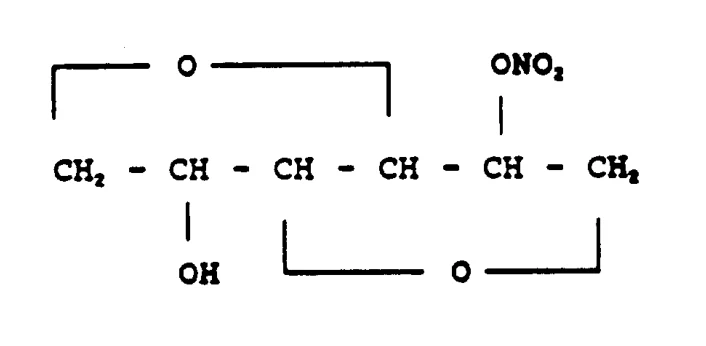 |
| Molecular Formula: | C6H9NO6 |
| Molecular Weight: | 191.14 |
| Description: | White to yellowish-white, crystalline powder or fine needles. Freely soluble in water, ethanol (99.5%) and dichloromethane. Specific optical rotation [∝]D20 : about +144° (0.5% aqueous solution). Melting point about 90°C. |
Composition
| IMDUR 60 mg | |
|---|---|
| Tablet Core: | mg/tablet |
| isosorbide-5-mononitrate | 60 |
| Hydroxypropylcellulose | |
| sodium aluminum silicate | |
| Paraffin | |
| magnesium stearate | |
| colloidal silicon dioxide | |
| Coating: | |
| Hydroxypropylmethylcellulose | |
| polyethylene glycol | |
| titanium dioxide | |
| iron oxide yellow | |
| parrafin |
Storage Recommendations
Store at 15-30°C.
AVAILABILITY OF DOSAGE FORMS
IMDUR are extended release, oval, yellow, biconvex, film coated tablets in the strength of 60 mg. The tablet is scored on both sides and engraved ID A on one side.
The tablets are available in compliance blister packs, 30 tablets/pack, and in bottles of 100 tablets.