


Product Monograph - Nitrol
SUMMARY PRODUCT INFORMATION
| Route of Administration | Dosage Form / Strength | All Non-medicinal Ingredients |
| Topical | Ointment 2% w/w | Lanolin, petrolatum and purified water |
INDICATIONS AND CLINICAL USE
NITROL (nitroglycerin ointment) is indicated for the prevention of attacks of angina pectoris associated with chronic angina of effort.
NITROL is not intended for immediate relief of acute attacks of angina pectoris. Sublingual nitroglycerin preparations should be used for this purpose.
CONTRAINDICATIONS
- Patients who are hypersensitive to this drug or to any ingredient in the formulation or component of the container. For a complete listing, see the DOSAGE FORMS, COMPOSITION AND PACKAGING section of the product monograph.
- Patients with severe anemia, severe hypovolemia, increased intraocular pressure, increased intracranial pressure and hypotension.
- Acute circulatory failure associated with marked hypotension (shock).
- Myocardial insufficiency due to obstruction, as in aortic or mitral stenosis or constrictive pericarditis.
- Patients with known idiosyncrasy to organic nitrates.
- Due to the risk of severe hypotension and the resulting severe side effects (e.g. syncope, myocardial infarction or death), the concomitant use of NITROL and sildenafil or any other PDE5 inhibitor is absolutely contraindicated (see DRUG INTERACTIONS and WARNINGS and PRECAUTIONS).
- Do not use NITROL in patients who are taking the soluble guanylate cyclase stimulator ADEMPAS* (riociguat) for chronic thromboembolic pulmonary hypertension or pulmonary arterial hypertension. Concomitant use can cause hypotension (see DRUG INTERACTIONS).
WARNINGS AND PRECAUTIONS
Serious Warnings & Precautions
As hypotensive effects of nitrates or nitric oxide donors are potentiated by sildenafil, the concomitant use of NITROL and sildenafil or any other PDE5 inhibitor is contraindicated (see CONTRAINDICATIONS and DRUG INTERACTIONS). This could result in life-threatening hypotension with syncope or myocardial infarction and death. Therefore, sildenafil or any other PDE5 inhibitor should not be given to patients receiving NITROL therapy.
Cardiovascular
Data on the safe use of NITROL (nitroglycerin ointment) during the early phase of myocardial infarction (the period during which clinical and laboratory findings are unstable) are insufficient to establish safety.
The use of NITROL in patients with congestive heart failure requires careful clinical and/or hemodynamic monitoring to avoid the hazards of hypotension and tachycardia.
Headaches or symptoms of hypotension, such as weakness or dizziness, particularly when arising suddenly from a recumbent position, may occur. When they occur, the dose should be reduced or use of NITROL discontinued.
Nitroglycerin is a potent vasodilator and causes a significant decrease in mean blood pressure (approximately 10-15 mm Hg) in some patients when used in therapeutic dosages. Caution should be exercised in using the drug in patients who are prone to, or who might be affected by hypotension. Nitroglycerin should therefore be used with caution in patients who may be volume-depleted, are on multiple medications, or who, for whatever reason, are already hypotensive (e.g. below 90 mm Hg). Hypotension induced by nitroglycerin may be accompanied by paradoxical bradycardia and increased angina pectoris.
Nitrate therapy may aggravate the angina caused by hypertrophic cardiomyopathy.
Dependence/Tolerance
Nitrate dependence may occur in patients with chronic use. To avoid possible withdrawal effects, the administration of NITROL should gradually be reduced over 4-6 weeks. In industry workers continuously exposed to nitrates, chest pain, acute myocardial infarction and even sudden death have occurred during temporary withdrawal of nitrate exposure. In clinical trials of angina patients, there are reports of angina attacks being more easily provoked and of rebound of hemodynamic effects soon after nitrate withdrawal. Patients should be monitored closely for increased angina symptoms during drug-free periods.
Tolerance to this drug and cross tolerance to other nitrates or nitrites may occur. Co-administration of other long-acting nitrates could jeopardize the integrity of the nitrate-free interval and therefore must be avoided.
Driving and using machines
As patients may experience faintness and/or dizziness, reaction time when driving or operating machinery may be impaired, especially at the start of treatment.
Hematologic
METHEMOGLOBINEMIA
Case reports of clinically significant methemoglobinemia are rare at conventional doses of nitroglycerin. The formation of methemoglobin is dose-related, and in the case of genetic abnormalities of hemoglobin that favour methemoglobin formation, even conventional doses of organic nitrates can produce harmful concentrations of methemoglobin. Methemoglobin levels are available from most clinical laboratories. The diagnosis should be suspected in patients who exhibit signs of impaired oxygen delivery despite adequate cardiac output and adequate arterial pO2.
Classically, methemoglobinemic blood is described as chocolate brown, without colour change on exposure to air. If methemoglobinemia is present, intravenous administration of 1 to 2 mg/kg of methylene blue 1% solution for injection may be required.
Respiratory
Caution should be exercised in patients with arterial hypoxemia due to anemia (see CONTRAINDICATIONS), because in such patients the biotransformation of nitroglycerin is reduced. Similarly, caution is called for in patients with hypoxemia and a ventilation/perfusion imbalance due to lung disease or ischemic heart failure. Patients with angina pectoris, myocardial infarction, or cerebral ischemia frequently suffer from abnormalities of the small airways (especially alveolar hypoxia). Under these circumstances vasoconstriction occurs within the lung to shift perfusion from areas of alveolar hypoxia to better ventilated regions of the lung. As a potent vasodilator, nitroglycerin could reverse this protective vasoconstriction and thus result in increased perfusion to poorly ventilated areas, worsening of the ventilation/perfusion imbalance, and a further decrease in the arterial partial pressure of oxygen.
Special Populations
Pregnant Women: It is unknown whether nitroglycerin can cause fetal harm when administered to pregnant women. Therefore, NITROL should be used with caution, especially during the first three months of pregnancy and only if the potential benefit justifies the risk to the fetus.
Nursing Women:
It is unknown whether nitroglycerin is excreted in human milk. Because many drugs are excreted in human milk precaution should be exercised. The benefits for the mother must be weighed against the risks for the child.
Geriatrics:
The safety and effectiveness of NITROL in this patient population have not been established. Additional clinical data from the published literature indicate that the elderly demonstrate increased sensitivity to nitrates, which may result in hypotension and increased risk of falling at the therapeutic doses of nitroglycerin. In general, dose selection for an elderly patient should be cautious, usually starting at the low end of the dosing range, reflecting the greater frequency of the decreased hepatic, renal, or cardiac function, and of concomitant disease or other drug therapy.
Pediatrics:
The safety and effectiveness of NITROL in children have not been established. Therefore, administration of NITROL to this subpopulation is not recommended.
ADVERSE REACTIONS
Adverse Drug Reaction Overview
Headache is the most common side effect, especially when higher dosages of NITROL (nitroglycerin ointment) are used. Headache may be treated with concomitant administration of mild analgesics. If headache is unresponsive to such treatment, the dose of NITROL should be reduced or the use of the product discontinued.
Less frequently, postural hypotension which may be associated with reflex tachycardia, an increase in heart rate, faintness, flushing, dizziness, nausea, vomiting and dermatitis have been reported. Syncope, crescendo angina, and rebound hypertension have been reported but are uncommon.
DRUG INTERACTIONS
Serious Drug Interactions
The concomitant use of NITROL (nitroglycerin ointment) with a phosphodiesterase inhibitor (e.g. VIAGRA* or REVATIO* (sildenafil citrate), CIALIS* or ADCIRCA* (tadalafil) or LEVITRA* or STAXYN* (vardenafil) can potentiate the hypotensive effect of NITROL (nitroglycerin ointment). This could result in life-threatening hypotension with syncope or myocardial infarction and death. Therefore, phosphodiesterase inhibitor drugs in any form are contraindicated in patients receiving NITROL therapy (see CONTRAINDICATIONS and WARNINGS and PRECAUTIONS).
Drug Interactions Overview
Concomitant treatment with other vasodilators, calcium channel blockers, ACE inhibitors, beta-blockers, diuretics, antihypertensives, tricyclic antidepressants, and major tranquilizers may potentiate the blood pressure lowering effect of NITROL. Dose adjustment may be necessary.
Drug-Drug Interactions
Concomitant use of NITROL (nitroglycerin ointment) with soluble guanylate cyclase stimulators such as ADEMPAS* (riociguat) is contraindicated (see CONTRAINDICATIONS).
Marked symptomatic orthostatic hypotension has been reported when calcium channel blockers and organic nitrates were used in combination. Dosage adjustments of either class of agents may be necessary.
Concurrent administration of NITROL with dihydroergotamine may increase the bioavailability of dihydroergotamine. Special attention should be paid to this point in patients with coronary artery disease, because dihydroergotamine antagonizes the effect of nitroglycerine and may lead to coronary vasoconstriction.
The possibility that the ingestion of non-steroidal anti-inflammatory drugs might diminish the therapeutic response to nitrates and nitroglycerin cannot be excluded.
Drug-Food Interactions
Alcohol may enhance sensitivity to the hypotensive effects of nitrates.
Drug-Herb Interactions
Interactions with herbal products have not been established.
Drug-Laboratory Interactions
Interactions with laboratory tests have not been established.
Drug-Lifestyle Interactions
As patients may experience faintness and/or dizziness, reaction time when driving or operating machinery may be impaired, especially at the start of treatment.
DOSAGE AND ADMINISTRATION
Recommended Dose and Dosage Adjustment
Angina Pectoris:
NITROL (nitroglycerin ointment) may be applied every 3 to 8 hours if necessary, but one application at bedtime frequently suffices for the entire night. The usual dose is 1 to 2 inches (2.5 to 5 cm) as squeezed from the tube. The optimal dose is determined by starting with an application of 1 inch (2.5 cm) and increasing the dose by 1/2 inch (1.25 cm) at a time until side effects (usually headache) occur or satisfactory response is obtained. Some patients may require as much as 4 to 5 inches (10 to 12.5 cm).
Administration
NITROL is effective in the control of angina pectoris regardless of the site of application on the skin. Therefore, any convenient skin area may be used, but many patients prefer the chest because Anginal pain originates in this area.
OVERDOSAGE
Symptoms
Symptoms of overdosage are primarily related to vasodilation, including cutaneous flushing, persistent throbbing headache, nausea and vomiting (possibly with colic and even bloody diarrhea), syncope (especially in the upright posture), dizziness and severe hypotension, palpitations, visual disturbances, flushing, and perspiring skin (later becoming cold and cyanotic), initial hyperpnea, dyspnea, and slow breathing, slow pulse (dicrotic and intermittent), heart block, and bradycardia increased intracranial pressure with cerebral symptoms of fever, confusion and coma possibly followed by paralysis, clonic convulsions and death due to circulatory collapse. Methemoglobinemia with cyanosis is also possible.
Treatment of Overdosage
No specific antidote is available. Treatment should primarily be symptomatic and supportive.
Keep the patient recumbent in a shock position and comfortably warm. Passive movement of the extremities may aid venous return. Administer oxygen and artificially ventilate if necessary. Epinephrine is ineffective in reversing the severe hypotensive events associated with overdose; it and related compounds are contraindicated in this situation.
Intravenous infusion of normal saline or similar fluid may also be required to produce sufficient central volume expansion. However, in patients with renal disease or congestive heart failure, therapy resulting in central volume expansion is not without hazard. Treatment of nitroglycerin overdose in these patients may be subtle and difficult, and invasive monitoring may be required.
The methemoglobinemia diagnosis should be suspected in patients who exhibit signs of impaired oxygen delivery despite adequate cardiac output and adequate arterial PO2. Classically, methemoglobinemic blood is described as chocolate brown, without color change on exposure to air.
Methemoglobinemia should be treated with methylene blue if the patient develops cardiac or CNS effects of hypoxia. The initial dose is 1 to 2 mg/kg infused intravenously over 5 minutes. Repeat methemoglobin levels should be obtained 30 minutes later and a repeat dose of 0.5 to 1.0 mg/kg may be used if the level remains elevated and the patient is still symptomatic. Relative contraindications for methylene blue include known NADH methemoglobin reductase deficiency or G-6-PD deficiency. Infants under the age of 4 months may not respond to methylene blue due to immature NADH methemoglobin reductase.
Exchange transfusion has been used successfully in critically ill patients when methemoglobinemia is refractory to treatment.
| For management of a suspected drug overdose, contact your regional Poison Control Centre. |
ACTION AND CLINICAL PHARMACOLOGY
Mechanism of Action
The principal action of nitroglycerin ointment is that of all nitrates, namely relaxation of vascular smooth muscle. Nitrates act primarily by reducing myocardial oxygen demands rather than increasing its oxygen supply.
Pharmacodynamics
This effect is thought to be brought about predominantly by peripheral action. Although venous effects predominate, nitroglycerin produces, in a dose-related manner, dilation of both arterial and venous beds. Dilation of the post-capillary vessels, including large veins, promotes peripheral pooling of blood and decreases venous return to the heart, reducing left ventricular end-diastolic pressure (pre-load). Arteriolar relaxation reduces systemic vascular resistance and arterial pressure (after-load). Left ventricular end-diastolic pressure and volume are decreased, resulting in reduction of ventricular size and wall tension. The reduction in ventricular wall tension results in a net decrease in myocardial oxygen consumption and a favorable net balance between myocardial oxygen supply and demand.
Pharmacokinetics
When NITROL is spread on the skin, nitroglycerin, is continuously absorbed through the skin into the systemic circulation, bypassing portal circulation. Therapeutic effect can be anticipated 15 minutes after application. The duration of action of NITROL has been shown to be approximately 3-8 hours.
Absorption: When administered percutaneously, nitroglycerin is absorbed continuously through the skin and reaches the systemic circulation directly.
Following a dose of 15 to 30 mg of nitroglycerin ointment (1-2 inches), peak plasma levels were achieved between 1 and 2 hours and were maintained for at least 4 to 6 hours. The mean peak plasma level was 3.1 ± 3.0 ng/mL.
Following a dose of 60 mg of nitroglycerin ointment, the peak plasma levels were achieved within 60 minutes and remained constant for the sampling period of 4 hours. The mean peak plasma level was 8.9 ± 4.0 ng/mL.
Metabolism: Nitroglycerin is metabolized in the liver by hepatic enzymes. The two active major metabolites are the hydrolysis products 1,3- and 1,2- dinitroglycerols. There are also two inactive minor metabolites, the 1- and 2-mononitroglycerols. Nitroglycerin and the major metabolites are approximately 60% protein bound.
Excretion: Nitroglycerin is excreted by the renal route primarily as the two dinitro metabolites, which have an excretion half-life of approximately 3-4 hours.
PK/PD relationship
Hemodynamic studies carried out in conjunction with pharmacokinetic studies have confirmed a linear correlation between blood levels and hemodynamic effects.
STORAGE AND STABILITY
Keep tubes of ointment tightly closed and store at room temperature (15 – 30 ˚C).
DOSAGE FORMS, COMPOSITION AND PACKAGING
NITROL: available in 30 and 60 g tubes, each tube of ointment contains: 2% nitroglycerin, USP.
Non-medicinal ingredients: lanolin, petrolatum and purified water (all USP standards).
PART II: SCIENTIFIC INFORMATION
PHARMACEUTICAL INFORMATION
Drug Substance
Proper name: Nitroglycerin
Chemical name: 1,2,3-Propanetriol, trinitrate
Molecular Formula: C3H5(ONO2)3
Molecular Mass: 227.1
Structural Formula:
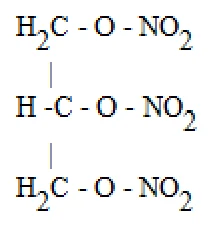
Physicochemical Properties: A colorless, slightly volatile odorless oily liquid, with a sweet aromatic and pungent taste.
It is soluble in alcohol, miscible with acetone, chloroform ether and glacial acetic acid and sparingly soluble in glycerol and light petroleum.
CLINICAL TRIALS
Study Demographics and Trial Design
The effects of nitroglycerin ointment (15 mg nitroglycerin) on hemodynamics at rest and during exercise were studied in 12 patients with coronary artery disease and exertional angina.
Study Results
At rest nitroglycerin ointment induced, within 15 minutes, a significant decrease in left ventricular end-diastolic pressure that was sustained for at least 60 minutes; systemic arterial pressure also decreased within 15 minutes and continued to decrease during the 60 minutes of observation. By 30 to 60 minutes, there were significant decreases in cardiac index, stroke index, left ventricular stroke work index and tension-time index. During exercise performed 60 minutes after receiving nitroglycerin ointment, 10 of the 12 patients had no pain, whereas 2 had delayed and less severe symptoms. Hemodynamic observations during this exercise period revealed significant decreases in left ventricular end-diastolic pressure, systemic pressure and tension-time index from values in the initial exercise period; heart rate remained unchanged.
DETAILED PHARMACOLOGY
In both animals and man, the primary pharmacological effect of nitroglycerin is its smooth muscle relaxant effect. The therapeutic effectiveness depends on its action on vascular smooth muscle. The effect on venous system is stronger than that on arterial circulation.
In coronary occluded dogs, nitroglycerin given intravenously (200-300 mcg/min for 8 hours) decreased S-T segment elevations accompanying myocardial ischemia. Coronary blood flow in the sub-endocardium of ischemic areas increased by 45%, but prolonged i.v. administration of nitroglycerin did not decrease infarct size.
TOXICOLOGY
Acute Toxicity
The intravenous lethal dose was found to be 83.5 mg/kg in the guinea pig, while the intravenous LD50 was 43 mg/kg in the rabbit. The lethal dose following intramuscular administration to rabbits, guinea pigs, rats and cats varied between 150 and 500 mg/kg. Orally, doses of 80 to 100 mg/kg were found to be lethal in the guinea pig and the rat.
The signs and symptoms of nitroglycerin toxicity in these animals were usually circulatory collapse, convulsions and methemoglobinemia.
Subacute Toxicity
Subcutaneous administration of a low dose of 0.1 mg/kg daily to cats for a period of 40 days produced anemia and fatty degeneration of the liver.
Daily doses as high as 7.5 or 15 mg/kg given subcutaneously for a period of 50 days were given to cats. Two, died after 10 and 20 doses, respectively. The surviving animals showed jaundice and albuminuria, and hemorrhages of the cerebellum, heart, liver and spleen were seen at post-mortem.
REFERENCES
- 1. ABRAMS J. Current status of nitroglycerin ointment in angina pectoris: A new look at an old drug. Angiology, 1977; 28: 217
- 2. AWAN NA et al. Cardiocirculatory and anti-anginal actions. Chest, 1978; 73: 14-18
- 3. DAVIDOV ME, MROCZEK WJ. The effect of nitroglycerin ointment on the exercise capacity in patients with angina pectoris. Angiology, 1976; 27: 205-211
- 4. FUKUYAMA, TAKAYA, SCHECTMAN, KENNETH B, ROBERTS R. The effects of intravenous nitroglycerin on hemodynamics, coronary blood flow and morphologically and enzymatically estimated infarct size in conscious dogs. Circulation, 1980; 62: 1227-1238
- 5. HARDARSON, THORDUR, HENNING, HARTMUG, O'ROURKE, ROBERT A. Prolonged salutory effects of isosorbide dinitrate and nitroglycerin ointment on regional left ventricular function. Am J Cardiol, 1977; 40: 90-98
- 6. HORHOTA ST, FUNG H-L. Percutaneous nitroglycerin absorption in rats. J Pharm Sci, 1979; 68: 608-612
- 7. KARSH DL et al. Prolonged benefit of nitroglycerin ointment on exercise tolerance in patients with angina pectoris. Am Heart J, 1978; 96: 587-595
- 8. MEISTER S et al. Sustained hemodynamic action of nitroglycerin ointment. Br Heart J, 1976; 38: 474
- 9. MINER J, CONTI CB. Topical nitroglycerin for ischemic heart disease. JAMA, 1978; 239: 2166
- 10. MUNCH JC, FRIEDLAND B. Glyceryl trinitrate. I. Acute Toxicity. Indust Med Surg, 1965; 34: 143-144
- 11. MUNCH JC, FRIEDLAND B. Glyceryl trinitrate. II. Chronic Toxicity. Indust Med Surg, 1965; 34: 940-943
- 12. PARKER JO, et al. Effect of nitroglycerin ointment on the clinical and hemodynamic response to exercise. Am J Cardiol, 1976; 38 162-166
- 13. REICHEK N et al. Sustained effects of nitroglycerin ointment in patients with angina pectoris. Circulation, 1974; 50: 348
- 14. REICHEK N. Long-acting nitrates in the treatment of angina pectoris. JAMA, 1976; 236: 1399-1402
- 15. SALERNO JA, et al. Treatment of vasospastic angina pectoris at rest with nitroglycerin ointment: a short-term controlled study in the coronary care unit. Am J Cardiol, 1981; 47 1128-1133
- 16. SMOLEN VF, ERB RJ, HANNEMAN RE. Bioavailability and pharmacokinetic activity of oral and topical long-acting nitroglycerin. Clin Res, 1979; 27: 546 A
- 17. SOSTMAN HD, LANGOU R. Contemporary medical management of stable angina pectoris. Am Heart J, 1978; 95: 775
- 18. SPANGGORD RJ, KECK RG. Application of high pressure liquid chromatography and thermal energy analyzer to analysis of trinitroglycerin and its metabolites in blood. J Pharm Sci, 1980; 69: 444-446
- 19. WARREN S, FRANCIS G. Nitroglycerin and nitrate esters. Am J Med, 1978; 65: 53
- 20. WAYNE J. Effects of nitroglycerin ointment on the apexcardiogram and systolic time intervals. Angiology, 1977; 28: 203
- 21. WHITWORTH C, GRANT WM. Use of nitrate and nitrite vasodilators by glaucomatous patients. Arch Ophtal, 1964; 71: 492