


Product Monograph - Mylan-Nitro Patch 0.2
SUMMARY PRODUCT INFORMATION
| Route of Administration | Dosage Form / Strength | All Non-Medicinal Ingredients |
| Transdermal | Transdermal patch / 0.2 mg/hour 0.4 mg/hour 0.6 mg/hour 0.8 mg/hour | Acrylic adhesive, polyolefin film, white ink and silicone coated polyester film. |
INDICATIONS AND CLINICAL USE
Mylan-Nitro Patch used intermittently is indicated for the prevention of anginal attacks in patients with stable angina pectoris associated with coronary artery disease. It can be used in conjunction with other antianginal agents such as beta-blockers and/or calcium antagonists.
Mylan-Nitro Patch is not intended for the immediate relief of acute attacks of angina pectoris. Sublingual nitroglycerin preparations should be used for this purpose.
CONTRAINDICATIONS
- Patients who are hypersensitive to this drug, other nitrates or to any ingredient in the formulation or component of the container. For a complete listing, see the Dosage Forms, Composition and Packaging section of the product monograph.
- Allergy to the adhesive used in nitroglycerin patches has been reported and constitutes a contraindication to the use of this product.
- Acute circulatory failure associated with marked hypotension (shock and states of collapse).
- Postural hypotension.
- Myocardial insufficiency due to obstruction (e.g. in the presence of aortic or mitral stenosis or of constrictive pericarditis).
- Increased intracranial pressure.
- Increased intraocular pressure.
- Severe anemia.
- Concomitant use of Mylan-Nitro Patch (nitroglycerin transdermal system) either regularly and/or intermittently, with a phosphodiesterase inhibitor for erectile dysfunction (e.g. VIAGRA® (sildenafil citrate), CIALIS® (tadalafil) or LEVITRA* or STAXYN* (vardenafil) or for pulmonary arterial hypertension (e.g. REVATIO* (sildenafil citrate) or ADCIRCA* (tadalafil) is absolutely contraindicated. Concomitant use can cause severe drops in blood pressure.
- Do not use Mylan-Nitro Patch (nitroglycerin transdermal system) in patients who are taking the soluble guanylate cyclase stimulator ADEMPAS* (riociguat) for chronic thromboembolic pulmonary hypertension or pulmonary arterial hypertension. Concomitant use can cause hypotension.
WARNINGS AND PRECAUTIONS
Cardiovascular
The benefits and safety of transdermal nitroglycerin in patients with acute myocardial infarction or congestive heart failure have not been established. If one elects to use Mylan-Nitro Patch in these conditions, careful clinical or hemodynamic monitoring must be used to avoid the hazards of hypotension and tachycardia.
Mylan-Nitro Patch must be removed before cardioversion or DC defibrillation is attempted, as well as before applying diathermy treatment, since it may be associated with damage to the paddles and burns to the patient.
Headaches or symptoms of hypotension, such as weakness or dizziness, particularly when arising suddenly from a recumbent position, may occur. A reduction in dose or discontinuation of treatment may be necessary.
Caution should be exercised when using nitroglycerin in patients prone to, or who might be affected by hypotension. The drug therefore should be used with caution in patients who may have volume depletion from diuretic therapy or in patients who have low systolic blood pressure (e.g. below 90 mmHg).
Paradoxical bradycardia and increased angina pectoris may accompany nitroglycerin-induced hypotension.
Nitrate therapy may aggravate the angina caused by hypertrophic cardiomyopathy.
Dependence/Tolerance
In industrial workers who have had long-term exposure to unknown (presumably high) doses of nitroglycerin, tolerance clearly occurs. There is moreover, physical dependence since chest pain, acute myocardial infarction, and even sudden death have occurred during temporary withdrawal of nitroglycerin from these workers. In clinical trials of angina patients, there are reports of anginal attacks being more easily provoked and of rebound in the hemodynamic effects soon after nitrate withdrawal. The importance of these observations to the routine clinical use of nitroglycerin has not been fully elucidated, but patients should be monitored closely for increased anginal symptoms during drug-free periods.
Tolerance to nitroglycerin with cross tolerance to other nitrates or nitrites may occur. As tolerance to nitroglycerin patches develops, the effect of sublingual nitroglycerin on exercise tolerance, although still observable, is somewhat blunted.
As patients may experience faintness and/or dizziness, reaction time when driving or operating machinery may be impaired, especially at the start of treatment.
Although some controlled clinical trials using exercise tolerance testing have shown maintenance of effectiveness when patches are worn continuously, the large majority of such controlled trials have shown the development of tolerance (i.e. complete loss of effect) within the first 24 hours after therapy was initiated. Dose adjustments even to levels much higher than generally used did not prevent the development of tolerance.
Tolerance can be prevented or attenuated by use of an intermittent dosage schedule. Although the minimum nitrate-free interval has not been defined, clinical trials have demonstrated that an appropriate dosing schedule for nitroglycerin patches would provide for a daily patch-on period of 12 - 14 hours and a daily patch-off period of 10 - 12 hours. The patch-free time should coincide with the period in which angina pectoris is least likely to occur (usually at night).
Patients should be watched carefully for an increase of angina pectoris during the patch-free period. Adjustment of background medication may be required. The dose of Mylan-Nitro Patch should be periodically reviewed in relation to continuing antianginal control.
Respiratory
Caution should be exercised in patients with arterial hypoxemia due to anemia (See CONTRAINDICATIONS), because in such patients the biotransformation of nitroglycerin is reduced. Similarly, caution is called for in patients with hypoxemia and a ventilation/perfusion imbalance due to lung disease or ischemic heart failure. Patients with angina pectoris, myocardial infarction, or cerebral ischemia frequently suffer from abnormalities of the small airways (especially alveolar hypoxia). Under these circumstances vasoconstriction occurs within the lung to shift perfusion from areas of alveolar hypoxia to better ventilated regions of the lung. As a potent vasodilator, nitroglycerin could reverse this protective vasoconstriction and thus result in increased perfusion to poorly ventilated areas, worsening of the ventilation/perfusion imbalance, and a further decrease in the arterial partial pressure of oxygen.
Special Populations
Pregnant Women:
It is not known whether nitroglycerin transdermal system can cause fetal harm when administered to pregnant women or can affect reproductive capacity. Therefore, use Mylan-Nitro Patch only if the potential benefit justifies the risk to the fetus.
Nursing Women:
It is not known whether nitroglycerin is excreted in human milk. Benefits to the mother must be weighed against the risk to the infant.
Pediatrics:
Safety and effectiveness in children have not been established.
ADVERSE REACTIONS
Adverse Drug Reaction Overview
Headache, which may be severe, is the most commonly reported side effect. Headache may be recurrent with each daily dose, especially at higher doses of nitroglycerin. Headaches may be treated with concomitant administration of mild analgesics. If such headaches are unresponsive to treatment, the nitroglycerin dosage should be reduced or the product discontinued. Transient episodes of lightheadedness, occasionally related to blood pressure changes, may also occur. Hypotension occurs infrequently, but in some patients it may be severe enough to warrant discontinuation of therapy.
Reddening of the skin, with or without a mild local itching or burning sensation, as well as allergic contact dermatitis may occasionally occur. Upon removal of the patch, any slight reddening of the skin will usually disappear within a few hours. The application site should be changed regularly to prevent local irritation.
Less frequently reported adverse reactions include dizziness, faintness, facial flushing, postural hypotension which may be associated with reflex tachycardia. Syncope, crescendo angina, and rebound hypertension have been reported but are uncommon. Nausea and vomiting have been reported rarely.
Post-Market Adverse Drug Reactions
Methemoglobinemia
Case reports of clinically significant methemoglobinemia are rare at conventional doses of nitroglycerin. The formation of methemoglobin is dose-related, and in the case of genetic abnormalities of hemoglobin that favor methemoglobin formation, even conventional doses of organic nitrates can produce harmful concentrations of methemoglobin.
Methemoglobinemia should be treated with methylene blue if the patient develops cardiac or CNS effects of hypoxia. The initial dose is 1-2 mg/kg infused intravenously over 5 minutes. Repeat methemoglobin levels should be obtained 30 minutes later and a repeat dose of 0.5-1.0 mg/kg may be used if the level remains elevated and the patient is still symptomatic. Relative contraindications for methylene blue include known NADH methemoglobin reductase or G-6-PD deficiency. Infants under the age of 4 months may not respond to methylene blue due to immature NADH methemoglobin reductase. Exchange transfusion has been used successfully in critically ill patients when methemoglobinemia is refractory to treatment.
DRUG INTERACTIONS
Drug-Drug Interactions
Concomitant treatment with other vasodilators, calcium antagonists, ACE inhibitors, beta-blockers, diuretics, antihypertensives, tricyclic antidepressants, and major tranquillizers may potentiate the blood pressure lowering effect of Mylan-Nitro Patch. Dose adjustment may be necessary.
Nitroglycerin acts directly on vascular muscle. Therefore, any other agent that directly or indirectly acts on vascular smooth muscle may have decreased or increased effect depending upon the agent.
Alcohol may enhance sensitivity to the hypotensive effects of nitrates.
Concomitant use of Mylan-Nitro Patch with a phosphodiesterase inhibitor (e.g. VIAGRA® or REVATIO* (sildenafil citrate), CIALIS® or ADCIRCA*(tadalafil) or LEVITRA* or STAXYN* (vardenafil) can potentiate the hypotensive effect of Mylan-Nitro Patch. This could result in life threatening hypotension with syncope or myocardial infarction and death. Therefore, phosphodiesterase inhibitor drugs in any form are contraindicated in patients receiving Mylan-Nitro Patch therapy (see CONTRAINDICATIONS).
Concomitant use of Mylan-Nitro Patch with soluble guanylate cyclase stimulators such as ADEMPAS* (riociguat) is contraindicated (see CONTRAINDICATIONS).
Concurrent administration of nitroglycerin transdermal system with dihydroergotamine may increase the bioavailability of dihydroergotamine. Special attention should be paid to this point in patients with coronary artery disease, because dihydroergotamine antagonizes the effect of nitroglycerin and may lead to coronary vasoconstriction. The possibility that the ingestion of acetylsalicylic acid and non-steroidal anti-inflammatory drugs might diminish the therapeutic response to nitrates and nitroglycerin cannot be excluded.
DOSAGE AND ADMINISTRATION
Dosing Considerations
The daily dosage schedule is based on intermittent therapy to prevent the development of tolerance to nitroglycerin. The optimal dose should be selected based upon the clinical response, side effects, and the effects of therapy on blood pressure.
Recommended Dose and Dosage Adjustment
Starting dose is one Mylan-Nitro Patch 0.2 (7.4 cm2), usually applied in the morning. If 0.2 mg/hour (7.4 cm2) is well tolerated, the dose can be increased to 0.4 mg/hour (14.8 cm2) if required. A maximum of 0.8 mg/hour (29.6 cm2) may be used.
Administration
The Mylan-Nitro Patch may be applied to any convenient skin area; a recommended site of application is the arm or chest. Application sites should be rotated. A suitable area may be shaved if necessary. Do not apply Mylan-Nitro Patch to the distal part of the extremities. Hands should be washed thoroughly after application. Following use, the patch should be discarded in a manner that prevents accidental application or ingestion by curious children or others.
OVERDOSAGE
Nitroglycerin overdose may result in severe hypotension, persistent throbbing headache, vertigo, palpitations, visual disturbances, flushing, and perspiring skin (later becoming cold and cyanotic), nausea and vomiting (possibly with colic and even bloody diarrhea), syncope (especially in the upright posture), methemoglobinemia with cyanosis, initial hyperpnea, dyspnea, and slow breathing, slow pulse (dicrotic and intermittent), heart block, increased intracranial pressure with cerebral symptoms of confusion and moderate fever, paralysis, coma, clonic convulsions and death due to circulatory collapse.
The patch should be removed immediately and the underlying skin scrubbed thoroughly. No specific antagonist to the vasodilator effects of nitroglycerin is known, and no intervention has been subject to controlled study as a therapy of nitroglycerin overdose. Because the hypotension associated with nitroglycerin overdose is the result of venodilation and arterial hypovolemia, prudent therapy in this situation should be directed toward increase in the central fluid volume. Specific elements of such therapy might include any or all of the following: elevation of the patient’s legs, passive motion of the patient’s extremities, and intravenous infusion of normal saline or similar fluid. In patients with renal disease or congestive heart failure, central volume expansion is not without hazard. Treatment of nitroglycerin overdose in these patients may be subtle and difficult, and invasive monitoring may be required.
Treatment of Overdosage
Keep the patient recumbent in a shock position and comfortably warm. Remove the Mylan-Nitro Patch. Passive movement of the extremities may aid venous return. Administer oxygen and artificial ventilation if necessary. Epinephrine is ineffective in reversing the severe hypotensive events associated with overdose; it and related compounds are contraindicated in this situation.
| For management of a suspected drug overdose, contact your regional Poison Control Centre. |
ACTION AND CLINICAL PHARMACOLOGY
Mechanism of Action
The primary pharmacological effect of nitroglycerin is its smooth muscle relaxant effect. Therapeutic effectiveness depends on its actions on vascular smooth muscle.
Pharmacodynamics
Dose-related vasodilation is seen in both the arterial and venous beds, but is most prominent in the latter. The increased venous capacitance (venous pooling) results in a reduction of venous return, ventricular end-diastolic volume, and preload.
In addition, the vasodilating effect on the resistance vessels tends to reduce systolic blood pressure, left ventricular systolic wall tension and afterload. These effects combine to reduce myocardial oxygen requirements.
Metabolism:
Nitroglycerin is rapidly metabolized by a glutathione-dependent organic nitrate reductase in the liver. In addition, studies with human erythrocytes in-vitro have shown that the erythrocyte is also a site of biotransformation of nitroglycerin by a sulphydryl-dependent enzymatic process and by an interaction with reduced hemoglobin. The amount of reduced hemoglobin in human erythrocytes seems to play a major roll in their metabolic activity, and caution should therefore be exercised in cases of anemia. In animal studies it has been found that extrahepatic vascular tissues (femoral vein, inferior vena cava, aorta) likewise play an important role in nitroglycerin metabolism, a finding which is consistent with the large systemic clearance seen with nitrates. It has also been shown in-vitro that the biotransformation of nitroglycerin occurs concurrently with vascular smooth muscle relaxation; this observation is consistent with the hypothesis that nitroglycerin biotransformation is involved in the mechanism of nitroglycerin induced vasodilation.
STORAGE AND STABILITY
Store between 15°C to 30°C. Do not refrigerate.
SPECIAL HANDLING INSTRUCTIONS
Not Applicable for present Product Monograph
DOSAGE FORMS, COMPOSITION AND PACKAGING
Mylan-Nitro Patch 0.2 - A 7.4 cm2 translucent rectangular patch containing 20.7 mg of nitroglycerin with rounded corners, printed with white ink, on a removable release liner. The patch is contained in a square pouch with printed paper on both sides.
Mylan-Nitro Patch 0.4 - A 14.8 cm2 translucent rectangular patch containing 41.4 mg of nitroglycerin with rounded corners, printed with white ink, on a removable release liner. The patch is contained in a square pouch with printed paper on both sides.
Mylan-Nitro Patch 0.6 - A 22.2 cm2 translucent rectangular patch containing 62.2 mg of nitroglycerin with rounded corners, printed with white ink, on a removable release liner.
The patch is contained in a square pouch with printed paper on both sides.
Mylan-Nitro Patch 0.8 - A 29.6 cm2 translucent rectangular patch containing 82.9 mg of nitroglycerin with rounded corners, printed with white ink, on a removable release liner.
The patch is contained in a square pouch with printed paper on both sides.
Mylan-Nitro Patch contains the following non-medicinal ingredients: acrylic adhesive, polyolefin film, white ink and silicone coated polyester film.
Each unit is sealed in a paper polyethylene-foil pouch.
Mylan-Nitro Patch (Rated Release In Vivo) | Total Nitroglycerin Content | System | Package size |
Mylan-Nitro Patch 0.2 (0.2 mg/hour) | 20.7 mg | 7.4 cm2 | Retail unit dose boxes of 30 |
Mylan-Nitro Patch 0.4 (0.4 mg/hour) | 41.4 mg | 14.8 cm2 | Retail unit dose boxes of 30 |
Mylan-Nitro Patch 0.6 (0.6 mg/hour) | 62.2 mg | 22.2 cm2 | Retail unit dose boxes of 30 |
Mylan-Nitro Patch 0.8 (0.8 mg/hour) | 82.9 mg | 29.6 cm2 | Retail unit dose boxes of 30 |
PART II: SCIENTIFIC INFORMATION
PHARMACEUTICAL INFORMATION
Drug Substance
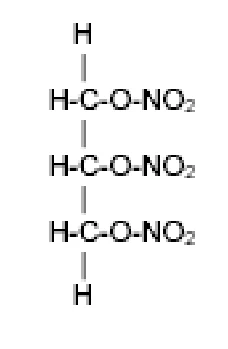
Proper name: Nitroglycerin
Chemical name: 1,2,3-propanetriol trinitrate
Molecular formula: C3H5N3O9
Molecular mass: 227.09 g/mol
Structural formula:
Physicochemical properties: Yellowish viscous liquid without solid or gelled particulates.
CLINICAL TRIALS
Comparative Bioavailability Studies
A blinded, single-dose, randomized, two period, two-treatment, crossover study was conducted comparing Mylan-Nitro Patch 0.4, nitroglycerin transdermal system 0.4mg/hour (Mylan Pharmaceuticals ULC) to Nitro-Dur® 0.4, nitroglycerin transdermal system 0.4 mg/hour (Merck Canada Inc.) in 39 healthy, adult male and female volunteers. The summary of results for nitroglycerin is summarized in the following table:
SUMMARY TABLE OF THE COMPARATIVE BIOAVAILABILITY DATA
Nitroglycerin (1 x 0.4 mg/hour transdermal system) From measured data Geometric Mean Arithmetic Mean (CV %) | ||||
|---|---|---|---|---|
| Parameter | Test* | Reference† | % Ratio of Geometric Means | 90% Confidence Interval |
| AUCT (pg•hr/mL) | 2104.44 2387.57 (55.38) | 2094.93 2614.81 (75.71) | 100.45 | 90.02 – 112.10 |
| AUCINF (pg∙hr/mL) | 2125.65 2476.89 (57.15) | 2086.75 2187.11 (63.34) | 101.86 | 85.04 – 122.01 |
| CMAX (pg/mL) | 271.53 318.05 (57.78) | 275.47 341.05 (66.84) | 98.57 | 84.92 – 114.41 |
| T½ (hr) § | 0.43 (106.06) | 0.49 (82.74) | -- | -- |
| TMAX (hr) § | 8.08 (50.92) | 8.36 (47.14) | -- | -- |
*Mylan-Nitro Patch 0.4 (Mylan Pharmaceuticals ULC)
†Nitro-Dur® 0.4 (Merck Canada Inc) was purchased in Canada.
§ Expressed the arithmetic mean (CV%) only.
DETAILED PHARMACOLOGY
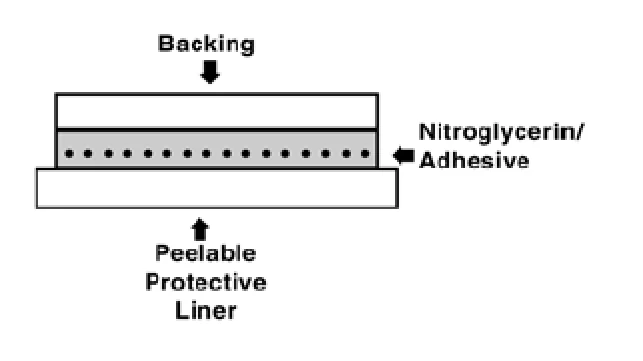
The nitroglycerin transdermal system is a flat unit designed to provide continuous controlled release of nitroglycerin through intact skin. The rate of release of nitroglycerin is linearly dependent upon the area of the applied system; each cm2 of applied system delivers approximately 0.027 mg of nitroglycerin per hour. Thus, the 7.4, 14.8, 22.2, and 29.6-cm2 systems deliver approximately 0.2, 0.4, 0.6 and 0.8 mg of nitroglycerin per hour, respectively. The remainder of the nitroglycerin in each system serves as a reservoir and is not delivered in normal use.
The Mylan-Nitro Patch contains nitroglycerin in an acrylic adhesive to provide a continuous source of active ingredient. Each unit is sealed in a foil-lined pouch.
Cross section of the system:
The principal pharmacological action of nitroglycerin is relaxation of vascular smooth muscle and consequent dilation of both peripheral arteries and veins, with more prominent effects on the latter. Dilation of the post-capillary vessels, including large veins, promotes peripheral pooling of blood and decreases venous return to the heart, thereby reducing left ventricular end-diastolic pressure (preload). Arteriolar relaxation reduces systemic vascular resistance and arterial pressure (afterload). Dilation of the coronary arteries also occurs. The relative importance of preload reduction, afterload reduction, and coronary dilation remains undefined.
When Mylan-Nitro Patch is applied to the skin, nitroglycerin is absorbed continuously through the skin into the systemic circulation. Thus, the active drug reaches target sites before inactivation by the liver. Nitroglycerin is rapidly metabolized, principally by a liver reductase, to form glycerol nitrate metabolites and inorganic nitrate. Two active major metabolites, the 1,2- and 1,3- dinitroglycerols, the products of hydrolysis, appear to be less potent than nitroglycerin as vasodilators but have longer plasma half-lives. The dinitrates are further metabolized to mononitrates (biologically inactive with respect to cardiovascular effects) and ultimately to glycerol and carbon dioxide. There is extensive first-pass deactivation by the liver following gastrointestinal absorption.
In healthy volunteers, steady-state plasma concentrations of nitroglycerin were reached within one half-hour after application of the patch and were maintained at the same level for the duration of the study (24 hours). Between 2 and 24 hours, the mean steady-state concentration was 0.224 ng/mL (0.4 mg/hr patch); the total amount of nitroglycerin delivered in 24 hours was 5.11 ± 1.69 mg, 10.67 ± 4.78 mg and 17.85 ± 7.40 mg from 0.2 mg/hr, 0.4 mg/hr, and 0.8 mg/hr patches, respectively, indicating that the dose delivered is proportional to the surface area of the patch. Within one hour of removal of the patch, the plasma concentration declines to about 50% of steady-state concentration and to undetectable concentrations by two hours.
Dosing regimens for most chronically used drugs are designed to provide plasma concentrations that are continuously greater than a minimally effective concentration.
This strategy is probably inappropriate for organic nitrates. Some well-controlled clinical trials using exercise tolerance testing have shown maintenance of effectiveness when patches are worn continuously. The large majority of such controlled trials, however, have shown the development of tolerance (i.e. complete loss of effect as measured by exercise testing) within the first day. Tolerance has occurred even when doses greater than 4 mg/hour were delivered continuously. This dose is far in excess of the effective dose of 0.2 to 0.8 mg/hour delivered intermittently.
Efficacy of organic nitrates is restored after a period of absence of nitrates from the body. Drug-free intervals of 10 to 12 hours are known to be sufficient to restore response. Several studies have demonstrated that when nitroglycerin is administered according to an intermittent regimen, doses of nitroglycerin 0.4 - 0.8 mg/hr have increased exercise capacity for up to 8 hours, with a trend of increased exercise capacity to 12 hours. One controlled clinical trial suggested that the intermittent use of nitrates may be associated with a decreased, in comparison to placebo, exercise tolerance during the last part of the nitrate-free interval; the clinical relevance of this observation is unknown. In another clinical trial there was an increase in nocturnal angina attacks during the drug-free period in some patients treated with nitroglycerin as compared to placebo. Therefore, the possibility of increased frequency or severity of angina during the nitrate-free interval should be considered.
MICROBIOLOGY
Not Applicable for present Product Monograph.
TOXICOLOGY
Acute Toxicity
The intravenous lethal dose of nitroglycerin was found to be 45 mg/kg in the rabbit. The minimum lethal dose following intramuscular administration to rabbits was found to be 400-500 mg/kg and in the rat was 150-400 mg/kg. Orally, doses of 80 to 100 mg/kg were found to be lethal in the rat. Signs and symptoms of toxicity include methemoglobinemia and circulatory collapse leading to convulsions and death.
Subacute Toxicity
Subcutaneous administration of nitroglycerin at a low dose of 0.1 mg/kg daily to cats for a period of 40 days produced anemia and fatty degeneration of the liver.
Daily doses as high as 7.5 or 15 mg/kg given subcutaneously for a period of 50 days were given to cats. Two died after 10 to 20 doses, respectively. The surviving animals showed jaundice and albuminuria, and hemorrhages of the cerebellum, heart, liver and spleen were seen at post-mortem.
Carcinogenesis, Mutagenesis, Impairment of Fertility
The carcinogenic effects of oral nitroglycerin at doses up to 1060 mg/kg/day for up to 2 years were studied in rats and mice. No carcinogenic effects were observed in mice; in rats, hepatocellular carcinomas were observed at the middle doses of 31.5 or 38.1 mg/kg/day and high doses of 363 or 434 mg/kg/day given for 2 years. The clinical relevance of these findings is unknown. The extensive use of nitroglycerin in man has not produced any evidence of carcinoma.
There were no apparent nitroglycerin-induced mutagenic effects in the cytogenetics analyses of bone marrow and kidney cells from dogs and rats fed nitroglycerin for 2 years and in the dominant lethal mutation study in rats.
A three generation reproduction study in rats found adverse effects on fertility in the high dose group (363 or 434 mg/kg/day) resulting from decreased feed intake and consequent poor nutritional status and decreased body weight gain of the females and decreased spermatogenesis (accompanied by increased interstitial tissue) in the males. Although litter size, birth weight, viability, lactation indices and weaning weight were reduced, there were no specific nitroglycerin-induced teratogenic effects.
REFERENCES
- 1. Arsura E, Lichstein E, Guadagnino V, Nicchi V, Sanders M, Hollander G, Greengart A. Methemoglobin levels produced by organic nitrates in patients with coronary artery disease. J Clin Pharmacol 1984; 24: 160-164.
- 2. Bennett ED, Davis AL. A haemodynamic and pharmacokinetic study to assess a new transdermal nitroglycerin preparation in normal subjects. Eur J Clin Pharmacol 1984; 26: 293-296.
- 3. Cohn PF, and Gorlin R. Physiologic and clinical actions of nitroglycerin. Med Clin North Am 1974; 58: 407-415.
- 4. Cowan JC. Nitrate tolerance. Int J Card 1986; 12: 1-19.
- 5. Cowan JC, Bourke JP, Reid DS, and Julian DG. Prevention of tolerance to nitroglycerin patches by overnight removal. Am J Cardiol 1987; 60: 271-275.
- 6. DeMots H, Glasser SP. Intermittent transdermal nitroglycerin therapy in the treatment of chronic stable angina. J Am Coll Cardiol 1989; 13: 786-793.
- 7. Hollenberg M, Go M. Clinical studies with transdermal nitroglycerin. Am Heart J 1984; 108: 223-231.
- 8. Luke R, Sharpe N, and Coxon R. Transdermal nitroglycerin in angina pectoris: Efficacy of intermittent application. J Am Coll Cardiol 1987; 10(3): 642-646.
- 9. McGregor M. The nitrates and myocardial ischemia. Circ 1982; 66: 689-692.
- 10. Needleman P, Blehm DJ, Harkey AB, Johnson Jr EM, Lang S. The metabolic pathway in the degradation of glyceryl trinitrate. J Pharmacol Exp Ther 1971; 179: 347 353.
- 11. Needleman P, Johnson EM Jr. Mechanism of tolerance development to organic nitrates. J Pharmacol Exp Ther 1973; 184(3): 709-715.
- 12. Parker JO. Nitrate therapy in stable angina pectoris. N Engl J Med 1987; 316(26): 1635-1642.
- 13. Parker JO. Intermittent transdermal nitroglycerin therapy in the treatment of chronic stable angina. JACC 1989; 13(4): 794-795.
- 14. Parker JO, Fung H-L. Transdermal nitroglycerin in angina pectoris. Am J Cardiol 1984; 54: 471-476.
- 15. Schaer DH, Buff LA, and Katz RJ. Sustained antianginal efficacy of transdermal nitroglycerin patches using an overnight 10-hour nitrate-free interval. Am J Cardiol 1988; 61: 46-50.
- 16. Schiavoni G, Mazzari M, Lanza G, Frustaci A, Pennestri F. Evaluation of the efficacy and the length of action of a new preparation of slow-release nitroglycerin for percutaneous absorption (Nitro-Dur, Sigma-Tau) in angina pectoris caused by exercise. Int J Clin Pharm Res 1982; Suppl 1, Vol II(4): 15-20.
- 17. Sellier P, Audouin P, Payen B, Corona P, Maurice P. Therapeutic efficacy of transcutaneously absorbed nitroglycerin evaluated by exercise testing in angina pectoris. Cardiovasc Rev Rep 1985; 6(1): 80, 85-88.
- 18. Transdermal nitroglycerin cooperative study. On file, Schering Canada Inc., Pointe Claire, Que.
- 19. Weber S, Rey E, Pipeau C, Lutfalla G, Richard M-O, El-Assaf D, Olive G, Degeorges M. Influence of aspirin on the hemodynamic effects of sublingual nitroglycerin. J Cardiovasc Phamacol 1983; 5: 874-877.
- 20. Nitro-Dur 0.2, 0.4, 0.6 and 0.8 Product Monograph, USpharma Ltd., Control # 223266, March 26, 2019.