


Product Monograph - Jaydess
SUMMARY PRODUCT INFORMATION
Table 1: Product Information Summary
| Route of Administration | Dosage Form, Strength | Clinically Relevant Nonmedicinal Ingredients |
| Intra-uterine | Intrauterine system / 13.5 mg levonorgestrel (LNG) | Barium sulphate, iron oxide, polydimethylsiloxane, polyethylene, silica, silver For a complete listing see DOSAGE FORMS, COMPOSITION AND PACKAGING section. |
INDICATIONS AND CLINICAL USE
JAYDESS (levonorgestrel-releasing intrauterine system [13.5 mg]) is indicated for conception control for up to 3 years.
Geriatrics
JAYDESS is not indicated for use in postmenopausal women.
Pediatrics (< 18 years of age)
The safety profile of JAYDESS observed in a study of 304 post-menarcheal adolescents was consistent with that of the adult population. Efficacy is expected to be the same for post-menarcheal adolescents under the age of 18 as for users 18 years and older. JAYDESS is not indicated for use before menarche.
CONTRAINDICATIONS
JAYDESS (levonorgestrel-releasing intrauterine system [13.5 mg]) is contraindicated in patients with the following conditions:
- known or suspected pregnancy
- current or recurrent pelvic inflammatory disease or conditions associated with increased risk for pelvic infections
- postpartum endometritis or septic abortion during the previous three months
- abnormal uterine bleeding of unknown etiology
- uterine anomalies including fibroids if they distort the uterine cavity
- uterine or cervical malignancy
- known or suspected progestogen-dependent neoplasia, including breast cancer
- cervicitis or vaginitis, including bacterial vaginosis or other lower genital tract infections until infection is controlled
- cervical dysplasia
- active liver disease or dysfunction
- actual benign or malignant liver tumours
- hypersensitivity to levonorgestrel or any of the other ingredients in the formulation or component of the container components of JAYDESS. For a complete listing, see the DOSAGE FORMS, COMPOSITION AND PACKAGING section of the Product Monograph.
- a previously inserted intrauterine device (IUD) that has not been removed
- recent trophoblastic disease while hCG levels are elevated
- bacterial endocarditis
WARNINGS AND PRECAUTIONS
Serious Warnings and Precautions
Hormonal contraceptives DO NOT PROTECT against Sexually Transmitted
Infections (STIs) including HIV/AIDS. For protection against STIs, it is advisable to use latex or polyurethane condoms IN COMBINATION WITH JAYDESS.
- Cigarette smoking increases the risk of serious adverse effects on the heart and blood vessels. Women should be counseled not to smoke (see Cardiovascular section below).
- Uterine Perforation may occur with the use of intrauterine contraceptives including JAYDESS (see Uterine Perforation section).
Carcinogenesis and Mutagenesis
Breast Cancer
Increasing age, inherited mutations, and a strong family history are the most significant risk factors for the development of breast cancer. Other established risk factors include nulliparity, first full-term pregnancy after the age of 30, menarche before the age of 12, never breastfed a child, and daily alcohol consumption. In some women, the use of hormonal contraceptives may accelerate the growth of an existing but undiagnosed breast cancer. More thorough studies are
needed to determine the definitive link between hormonal contraceptive use and the potential risk of breast cancer.
Breast self-examination should be discussed with women receiving hormonal contraceptives. Women should be instructed to notify their healthcare professionals whenever any masses are detected.
Spontaneous reports of breast cancer have been received during post-marketing experience with another levonorgestrel-releasing intrauterine system (LNG-releasing IUS). Two observational studies did not support a causal relationship between breast cancer and the other LNG-releasing IUS, however an elevated breast cancer risk cannot be totally excluded since these studies did not control for confounding factors such as use of oral hormonal contraception by control subjects, genetics and lifestyle and environmental factors such as smoking and alcohol.
There is currently no conclusive evidence of an association between JAYDESS use and development of breast cancer or progression of subclinical breast cancer.
Cardiovascular
An individual benefit-risk assessment in relation to continued use of JAYDESS should be carried out in the event of arterial thrombosis. In particular, removal of JAYDESS should be considered if severe arterial disease such as stroke or myocardial infarction occurs. In addition, JAYDESS should be used with caution in patients with a previous history of severe arterial disease such as stroke or myocardial infarction. Women with a history of thromboembolic disorders should be made aware of the possibility of a recurrence. There have been post-market reports of cardiovascular events, including myocardial infarction and stroke in women using another LNG IUS, although a causal relationship could not be clearly established in these cases.
Predisposing Factors for Coronary Artery Disease
Cigarette smoking increases the risk of serious cardiovascular side effects and mortality. Hormonal contraceptives increase this risk, especially with increasing age.
Other women who are independently at high risk for cardiovascular disease include those with diabetes, hypertension, abnormal lipid profile, or a family history of these risk factors.
Hypertension
If a significant elevation of blood pressure in previously normotensive or hypertensive subjects occurs at any time during JAYDESS use, JAYDESS removal should be considered.
Congenital or Valvular Heart Disease
JAYDESS should be used with caution in women with congenital or valvular heart disease who are at risk of infective endocarditis.
Endocrine and Metabolism
Glucose Tolerance
Combination and progestogen-only oral contraceptives, including those containing levonorgestrel, may affect glucose tolerance in some users. Diabetic patients, and those with a family history of diabetes, should be observed closely to detect any alterations in carbohydrate metabolism. Young diabetic patients whose disease is of recent origin, well controlled and not associated with hypertension or other signs of vascular disease such as ocular fundal changes, should be closely observed. One published clinical study indicated no change in mean daily insulin requirements in women with Type 1 diabetes using another levonorgestrel (LNG)-releasing intrauterine system (IUS) over a 12-month period. (1)
Genitourinary
Bleeding Irregularities / Amenorrhea
Because irregular menstrual bleeding or spotting is common during the first few months of use, endometrial pathology should be excluded prior to insertion of JAYDESS. Irregular bleeding patterns in users of JAYDESS could mask the signs and symptoms of cervical or endometrial cancer. If bleeding irregularities develop after prolonged use, appropriate diagnostic measures should be undertaken.
Patients should be appropriately counseled on the likelihood of changes in menstrual patterns. Prolonged menstrual bleeding may occur during the first few months, however with continued use, bleeding patterns vary from regular scanty menstruation in some women to infrequent bleeding or amenorrhea in others. Infrequent bleeding (1 or 2 bleeding or spotting episodes per 90-day reference period) or amenorrhea develops gradually in 22.3% and 11.6% of users, respectively, by the end of the third year of use (see ACTION AND CLINICAL PHARMACOLOGY – Pharmacodynamics). Reduced bleeding increases the level of blood hemoglobin.
The possibility of pregnancy should be considered if menstruation does not occur after six weeks or more of amenorrhea, following a pattern of regular menses. A repeat pregnancy test is not necessary in amenorrheic women unless indicated by other symptoms.
Hematologic
An individual benefit-risk assessment in relation to continued use of JAYDESS should be carried out in the event of thrombosis. In particular, removal of JAYDESS should be considered if venous thromboembolic disease such as deep vein thrombosis or pulmonary embolism occurs. Women with a history of thromboembolic disorders should be made aware of the possibility of a recurrence. There have been postmarketing reports of arterial and venous thromboembolism (ATE, VTE) in women using another LNG-releasing IUS, although a causal relationship could not be clearly established in such cases. Epidemiological studies have indicated that women using progestogen-only oral contraceptives may have a slightly increased risk of venous thromboembolism; however, the results are not statistically significant. (2-4)
Appropriate diagnostic and therapeutic measures should be undertaken immediately if there are symptoms or signs of thrombosis in users of JAYDESS. Symptoms of thromboembolism include: unilateral leg pain and/or swelling, sudden severe pain in the chest whether or not it radiates to the left arm, sudden breathlessness, sudden onset of coughing, any unusual severe prolonged headache, sudden partial or complete loss of vision, diplopia, slurred speech or aphasia, vertigo, collapse with or without focal seizure, weakness or very marked numbness suddenly affecting one side or part of the body, motor disturbances and acute abdomen. Symptoms or signs of retinal thrombosis are: unexplained partial or complete loss of vision, onset of proptosis or diplopia, papilledema, or retinal vascular lesions.
Other Risk Factors for Venous Thromboembolism
Other generalized risk factors for venous thromboembolism include but are not limited to a personal history, a family history (the occurrence of VTE in a direct relative at a relatively early age may indicate genetic predisposition), severe obesity (body mass index ≥30 kg/m2) and systemic lupus erythematosus. The risk of VTE also increases with age and smoking. The risk of VTE may be temporarily increased with prolonged immobilization, major surgery, or trauma. Also patients with varicose veins and leg cast should be closely monitored.
Hepatic/Biliary/Pancreatic
Steroid hormones may be poorly metabolized in patients with impaired liver function. Acute or chronic disturbances of liver function may necessitate the discontinuation of hormonal contraceptive use until markers of liver function return to normal (see
CONTRAINDICATIONS).
To date, no studies have examined whether the avoidance of the first-pass effect through the liver, as with non-oral hormonal contraceptives, lessens concerns in women with liver conditions. (5)
Jaundice
Patients who have had jaundice should be given hormonal contraceptives only with great care and under close observation. If jaundice develops in a patient using JAYDESS, consideration should be given to removing the system. Hormonal contraceptive-related cholestasis has been described in women with a history of pregnancy-related cholestasis. This condition may recur with subsequent hormonal contraceptive use (see CONTRAINDICATIONS).
Neurologic
Headache
JAYDESS should be used with caution in women with a history of severe headache or migraine headache, including migraine with focal neurological symptoms (ie, asymmetrical visual loss or other symptoms indicating transient cerebral ischemia). The onset or exacerbation of migraine or the development of headaches with a new pattern that is recurrent, persistent or severe requires evaluation of the cause and consideration to remove JAYDESS (see Cardiovascular section).
Ophthalmologic
Contact Lenses
Any eye problems or discomfort occurring during use of a hormonal contraceptive, including those relating to the use of contact lenses, should be assessed. If this occurs, an ophthalmologist should be consulted. Temporary or permanent cessation of wear may be advised.
Peri-operative Considerations
Thromboembolic Complications – Post surgery
Women using JAYDESS who require surgery associated with prolonged immobilization should be followed closely for signs and symptoms of thromboembolism.
Psychiatric
Patients with a history of emotional disturbances, especially the depressive type, may be more prone to have a recurrence of depression while using JAYDESS. In cases of a serious recurrence, consideration should be given to removing JAYDESS, since the depression may be drug-related.
Sexual Function/Reproduction
Ectopic Pregnancy
Women with a previous history of ectopic pregnancy, tubal surgery, or pelvic infection carry a higher risk of ectopic pregnancy. Carefully consider the possibility of an ectopic pregnancy in women who become pregnant while having JAYDESS in place. Pregnancies with JAYDESS use are rare, however, if a woman becomes pregnant with JAYDESS in situ, the relative likelihood of ectopic pregnancy is increased. Up to half of the pregnancies that occur with JAYDESS in place are ectopic. The possibility of ectopic pregnancy should be considered in the case of lower abdominal pain, especially in association with missed periods, or if an amenorrheic woman starts bleeding.
Women who choose JAYDESS should be told about the risk of ectopic pregnancy, including the possibility of impaired fertility or loss of fertility. Educate women to recognize and report to their healthcare professional any signs and symptoms of ectopic pregnancy.
In clinical trials, the overall incidence of ectopic pregnancy with JAYDESS is approximately 0.11 per 100 women-years. Women with a history of ectopic pregnancies were excluded from clinical trials with JAYDESS.
Expulsion
In clinical trials with JAYDESS, the incidence of expulsion was 3.2% (54 of 1665 subjects over 3 years) and in the same range as that reported for other IUDs and IUSs. Symptoms of the partial or complete expulsion of JAYDESS may include bleeding or pain. However, partial or complete expulsion can occur without the woman noticing it, leading to decrease or loss of contraceptive protection. As JAYDESS typically decreases menstrual bleeding over time, an increase of menstrual bleeding may be indicative of an expulsion (see DOSAGE AND ADMINISTRATION – Expulsion). A partially expelled JAYDESS should be removed. A new system can be inserted at that time provided pregnancy has been excluded.
The risk of expulsion may be increased when the uterus is not completely involuted at the time of insertion. Delay JAYDESS insertion a minimum of six weeks or until uterine involution is complete following a delivery or a second trimester abortion.
A woman should be advised how to check the threads of JAYDESS and to contact her healthcare professional if the threads cannot be felt.
Ovarian Cysts / Enlarged Ovarian Follicles
Since the contraceptive action of JAYDESS is due mainly to its local effect on the uterus, ovulatory cycles with follicular rupture usually occur in women of fertile age. Sometimes atresia of the follicle is delayed and folliculogenesis may continue. These enlarged follicles cannot be distinguished clinically from ovarian cysts.
Most of these follicles are asymptomatic, although some may be accompanied by pelvic pain or dyspareunia. In most cases, the enlarged follicles resolve spontaneously over two to three months' observation. Should an enlarged follicle fail to resolve spontaneously, continued ultrasound monitoring and other diagnostic or therapeutic measures may be appropriate. Rarely, surgical intervention may be required.
In clinical trials, ovarian cysts were reported as adverse drug reactions in approximately 13.2 % of women using JAYDESS including ovarian cyst, hemorrhagic ovarian cyst and ruptured ovarian cyst. Most were assessed as non-serious and did not require study drug discontinuation. (see ADVERSE REACTIONS – Clinical Trial Adverse Drug Reactions).
Pelvic Infection
Jaydess is contraindicated in women with current or recurrent pelvic inflammatory disease or conditions associated with increased risk for pelvic infections (see CONTRAINDICATIONS). Conditions associated with an increased risk of PID include established immunodeficiency and acute malignancies affecting blood or leukemias.
The inserter provided with JAYDESS helps protect the system from contamination with micro-organisms during insertion, thereby minimizing the risk of pelvic infection. The exposed product should be handled with aseptic precautions. (see DOSAGE AND ADMINISTRATION
- Insertion Instructions). Known risk factors for pelvic inflammatory disease (PID) include multiple sexual partners, sexually transmitted infections, prior history of PID, and young age. Less common causes of pelvic inflammatory disease include pelvic actinomycosis and pelvic tuberculosis, both of which are extremely rare. There is an increased risk of PID related to the insertion procedure during 20 days following the insertion of IUDs. Thereafter, the risk of PID during the use of IUDs or levonorgestrel-releasing intrauterine systems is small. Patients should be advised to report to their healthcare professionals promptly if they experience symptoms suggestive of PID. (6-8) PID may be asymptomatic but tubal damage and resulting fertility issues may still occur.
If recurrent endometritis or pelvic infections are experienced, or if an acute infection does not respond to treatment within a few days, JAYDESS must be removed.
Sepsis
There have been very rare post-market reports of Group A streptococcal sepsis (GAS) temporally associated with intrauterine contraceptive insertion. Because death from GAS is more likely if treatment is delayed, it is important to be aware of these rare but serious infections. Aseptic technique during insertion of JAYDESS is essential in order to minimize serious infections such as GAS.
Uterine Perforation
Partial perforation (uterine embedment) or complete perforation of the uterus wall or cervix may occur during insertion with intrauterine contraceptives, although the perforation may not be detected until later. Pregnancy may result from partial or complete perforation. If partial or complete perforation occurs, JAYDESS must be located and removed; surgery may be required. Partial perforation (uterine embedment) can result in difficult removal. Delayed detection of perforation may result in migration outside the uterine cavity, adhesions, peritonitis, intestinal perforation and obstruction, abscesses and erosion of adjacent viscera. The number of uterine perforations is linked to the experience of the person inserting the system. (9) During clinical trials, perforation occurred at a rate between 0.1 and 1 per 1000 insertions (see ADVERSE REACTIONS – Clinical Trial Adverse Drug Reactions). Clinical trials with JAYDESS excluded breast-feeding women.
In a large, prospective, comparative, non-interventional cohort study (1 year follow-up period) in users of another LNG-IUS1 and copper IUDs (N = 61,448 women), the incidence of perforation was 1.3 (95% CI:1.1-1.6) per 1000 insertions in the entire study cohort; 1.4 (95% CI: 1.1-1.8) per 1000 insertions in the cohort of another LNG-IUS, and 1.1 (95% CI: 0.7 - 1.6) per 1000 insertions in the copper IUD cohort. Extending the observational period to 5 years in a subgroup of this study (N = 39,009 women using another LNG-IUS or copper IUD), the incidence of
1 “Another LNG-IUS” refers to an LNG-IUS that is slightly larger than JAYDESS and contains more levonorgestrel.
perforation detected at any time during the entire 5-year period was 2.0 (95% CI: 1.6 – 2.5) per 1000 insertions; 2.1 (95% CI: 1.6 – 2.8) and 1.6 (95% CI: 0.9 – 2.5) for another LNG-IUS and copper IUD, respectively.
The study showed that both breast-feeding at the time of insertion and insertion up to 36 weeks after giving birth were associated with an increased risk of perforation (see Table 2). These risk factors were confirmed in the subgroup followed up for 5 years. Both risk factors were independent of the type of IUD inserted.
Table 2: Incidence of perforation per 1000 insertions for the entire study cohort observed over 1 year, stratified by breastfeeding and time since delivery at insertion (parous women)
| Breastfeeding at time of insertion | Not breastfeeding at time of insertion | |
| Insertion ≤ 36 weeks after delivery | 5.6 (95% CI 3.9-7.9; n=6047 insertions) | 1.7 (95% CI 0.8-3.1; n=5927 insertions) |
| Insertion > 36 weeks after delivery | 1.6 (95% CI 0.0-9.1; n=608 insertions) | 0.7 (95% CI 0.5-1.1; n=41910 insertions) |
The risk of perforations may be increased in women with abnormal uterine anatomy or fixed retroverted uterus.
To reduce the possibility of perforation postpartum, JAYDESS insertion should be delayed a minimum of 6 weeks after delivery or until uterine involution is complete. If involution is delayed, consider waiting until 12 weeks postpartum. Inserting JAYDESS immediately after first trimester abortion is not known to increase the risk of perforation, but insertion after second trimester abortion should be delayed until uterine involution is complete.
To reduce the possibility of perforation, it is important to follow the recommended insertion technique (see DOSAGE AND ADMINISTRATION – Insertion Instructions).
Inform patients before the procedure about the risk of uterine perforation and educate them on possible signs of this complication, including, but not limited to, severe low abdominal pain, which may be associated with bleeding after the procedure, loss of threads, or change in thread length.
Uterine Embedment
Embedment of JAYDESS in the myometrium may occur. Embedment may decrease contraceptive effectiveness and result in pregnancy. An embedded JAYDESS must be removed. Embedment can result in difficult removal, and may require surgery.
Special Populations
Pregnant Women/Intrauterine Pregnancy
The use of JAYDESS during an existing or suspected pregnancy is contraindicated (see also CONTRAINDICATIONS). If pregnancy occurs with JAYDESS in place, JAYDESS should be removed since any intrauterine system left in place may increase the risk of abortion and preterm
labour. Removal of JAYDESS or probing of the uterus may result in spontaneous abortion. In the event of an intrauterine pregnancy with JAYDESS in place, consider the following:
- a) Risk of septic abortion
- b) Continuation of pregnancy
If JAYDESS cannot be removed or the woman chooses not to have it removed, she should be warned that failure to remove JAYDESS increases the risk of miscarriage, sepsis, premature labor, and premature delivery. Ectopic pregnancy should be excluded. The woman should be followed closely and advised to report any abnormal symptoms, such as fever, chill, cramping, abdominal pain, bleeding, vaginal discharge, or leakage of fluid.
- c) Long-term effects and congenital anomalies
When pregnancy continues with JAYDESS in place, long-term effects on the offspring are unknown. Congenital anomalies in live births have occurred infrequently with another LNG-releasing IUS. No clear trend towards specific anomalies has been observed. Because of the intrauterine administration of levonorgestrel and local exposure of the fetus to the hormone, the possibility of teratogenicity following exposure to JAYDESS cannot be completely excluded. Some observational data support a small increased risk of masculinization of the external genitalia of the female fetus following exposure to progestogens at doses greater than those currently used for oral contraception. Whether these data apply to JAYDESS is unknown.
Nursing Women
Hormonal contraceptives are not recommended as the contraceptive method of first choice in breast-feeding women. A published study indicated that during lactation in users of another LNG releasing IUS (52mg), 0.1% of the daily maternal dose of levonorgestrel could be transferred to the newborn via milk. (10) Although levonorgestrel may be found in the breast milk of women using LNG releasing IUS, there does not appear to be a detrimental effect on growth or development of breast-fed infants whose mothers started using the product after six weeks postpartum. Progestogen-only contraceptive methods do not appear to affect the quantity and quality of breast milk. However, isolated cases of decreased milk production have been reported with use of JAYDESS.
Geriatrics
JAYDESS is not indicated for use in postmenopausal women.
Pediatrics (< 18 years of age)
The safety profile of JAYDESS observed in a study of 304 post-menarcheal adolescents was consistent with that of the adult population. Efficacy is expected to be the same for post-menarcheal adolescents under the age of 18 as for users 18 years and older. JAYDESS is not indicated for use before menarche.
Monitoring and Laboratory Tests
Magnetic Resonance Imaging (MRI)
Nonclinical testing has demonstrated that a patient can be scanned safely after placement of JAYDESS (“MR Conditional”) under the following conditions:
- Static magnetic field of 3-Tesla or less
- Spatial gradient magnetic field of 36,000 Gauss/cm (T/m) or less
Maximum whole body averaged specific absorption rate (SAR) of 4W/kg in the First
Level Controlled mode for 15 minutes of continuous scanning
In nonclinical testing, JAYDESS produced a temperature rise of less than 1.8°C at a maximum whole body averaged specific absorption rate (SAR) of 2.9 W/kg, for 15 minutes of MR scanning at 3T using a transmit/receive body coil. A small amount of imaging artifact may occur if the area of interest is in the same area or relatively close to the position of JAYDESS.
Physical Examination and Follow-up
Before insertion, the woman must be informed of the efficacy, risks, and side effects of JAYDESS. As well, before JAYDESS is inserted, a thorough history and physical examination should be performed, including a blood pressure determination. Breasts, liver, extremities, and pelvic organs should be examined. A Papanicolaou smear should be taken if the patient has been sexually active. Pregnancy and sexually transmitted infections should be excluded, and genital infections have to be successfully treated. For timing of insertion to exclude pregnancy see DOSAGE AND ADMINISTRATION – Insertion, Removal and Replacement.
Women should be re-examined 4 to 12 weeks after insertion and at least once a year thereafter, or more frequently if clinically indicated. At each annual visit, examination should include those procedures that were done at the initial visit as outlined above or per recommendations of the Canadian Task Force on Preventive Health Care.
See also DOSAGE AND ADMINISTRATION – Medical Examination/Consultation.
ADVERSE REACTIONS
Adverse Drug Reaction Overview
The majority of women experience changes in menstrual bleeding pattern after insertion of JAYDESS (levonorgestrel-releasing intrauterine system [13.5 mg]). Over time, the frequency of amenorrhea and infrequent bleeding increases, and the frequency of prolonged, irregular and frequent bleeding decreases (see WARNINGS AND PRECAUTIONS – Genitourinary, Bleeding Irregularities / Amenorrhea; and ACTION AND CLINICAL PHARMACOLOGY
- Pharmacodynamics).
Clinical Trial Adverse Drug Reactions
Because clinical trials are conducted under very specific conditions the adverse reaction rates observed in the clinical trials may not reflect the rates observed in practice and should not be
compared to the rates in the clinical trials of another drug. Adverse drug reaction information from clinical trials is useful for identifying drug-related adverse events and for approximating rates.
Adverse drug reactions (ADRs) were collected from a total of 1672 patients in contraception studies, including 1383 exposed for one year and 993 who completed the three year study. The data cover more than 40,000 cycles of exposure or more than 3800 women-years. ADRs were more common during the first year after insertion of JAYDESS, and then gradually decreased over time.
Table 3: Adverse drug reactions, phase II and III clinical trials, N = 1672 (3820.65 women-years)
| System Organ Class (MedDRA) | Very common (≥ 10%) | Common (≥ 1% to < 10%) | Uncommon (≥ 0.1% to < 1%) | Rare (≥ 0.01% to < 0.1%) | Very rare (≥ 0.001% to < 0.01%) |
| Psychiatric disorders | Depressed mood/ Depression | ||||
| Nervous system disorders | Headache | Migraine | |||
| Gastrointestinal disorders | Abdominal/ pelvic pain | Nausea | |||
Skin and subcutaneous tissue disorders | Acne/ Seborrhoea | Alopecia | Hirsutism | ||
| Reproductive system and breast disorders | Bleeding changes including increased and decreased menstrual bleeding, spotting, oligomenorrhoea and amenorrhoea Ovarian cysta Vulvovaginitis | Upper genital tract infection Dysmenorrhea Breast pain/ discomfort Device expulsion (complete and partial) Genital discharge | Uterine perforationb |
a Ovarian cysts had to be reported as ADRs if they were abnormal, non-functional cysts and/or had a diameter > 3 cm on ultrasound examination
b This frequency is based on a large, prospective, comparative, non-interventional cohort study. Please see
Postmarket Adverse Drug Reactions. In clinical trials with JAYDESS that excluded breastfeeding women, the frequency of perforation was “rare”.
Of the subjects treated with JAYDESS, 21.6% discontinued due to an adverse event. The rate of discontinuations due to adverse events decreased over time. The most common adverse reactions leading to discontinuation of JAYDESS were vaginal hemorrhage (3.3 %), device expulsion (3.2%), acne (2.7 %), pelvic pain (1.7 %), and abdominal pain (1.4 %), dysmenorrhea (1.3%) and abdominal pain lower (1.1%).
Postmarket Adverse Drug Reactions
In a large, prospective, comparative, non-interventional cohort study (1 year follow-up period) in users of another LNG-IUS and copper IUDs (N = 61,448 women), the incidence of perforation was 1.3 (95% CI:1.1-1.6) per 1000 insertions in the entire study cohort; 1.4 (95% CI: 1.1-1.8) per 1000 insertions in the cohort of another LNG-IUS, and 1.1 (95% CI: 0.7 - 1.6) per 1000 insertions in the copper IUD cohort. This study showed that breastfeeding at the time of insertion and insertion up to 36 weeks after giving birth are independent risk factors for perforation (see WARNINGS AND PRECAUTIONS – Sexual Function/Reproduction, Uterine Perforation).
Device breakage has been reported with the use of JAYDESS. This can occur with JAYDESS in place or during its removal. The broken pieces should be located and removed; surgery may be required. Check device integrity when removing JAYDESS.
Isolated postmarketing cases of decreased milk production have been reported in women using JAYDESS.
With the use of LNG-IUS, cases of hypersensitivity including rash, pruritis, urticaria and angioedema have been reported.
DRUG INTERACTIONS
Drug-Drug Interactions
No drug-drug interaction studies have been conducted with JAYDESS.
The effect of hormonal contraceptives may be impaired by drugs which induce liver enzymes, specifically cytochrome P450 enzymes. The influence of these drugs on the efficacy of JAYDESS (levonorgestrel-releasing intrauterine system [13.5 mg]) has not been studied, but it is not believed to be of major importance due to the local action of JAYDESS.
Substances increasing the clearance of levonorgestrel
Substances which may increase the clearance of levonorgestrel include phenytoin, barbiturates, primidone, carbamazepine, rifampicin, and possibly also oxcarbazepine, topiramate, and products containing St. John’s wort.
Substances with variable effects on the clearance of levonorgestrel
When co-administered with sex hormones, many HIV/HCV protease inhibitors and non-nucleoside reverse transcriptase inhibitors can increase or decrease plasma concentrations of the progestin.
Substances decreasing the clearance of levonorgestrel (enzyme inhibitors)
Strong and moderate CYP3A4 inhibitors such as azole antifungals (eg, fluconazole, itraconazole, ketoconazole, voriconazole), verapamil, macrolides (eg, clarithromycin, erythromycin), diltiazem and grapefruit juice can increase plasma concentrations of the progestin.
Drug-Food Interactions
Interactions with food have not been established.
Drug-Herb Interactions
Interactions with herbal products have not been established.
Drug-Laboratory Test Interactions
Interactions with laboratory tests have not been established.
Tissue Specimens
Pathologists should be advised of JAYDESS therapy when specimens obtained from surgical procedures and Pap smears are submitted for examination.
Drug-Lifestyle Interactions
The effect of JAYDESS on the ability to drive or to use machines has not been studied. Patients should be advised not to drive or use machines until they know how they react to JAYDESS.
DOSAGE AND ADMINISTRATION
Recommended Dose
Following insertion into the uterine cavity, JAYDESS (levonorgestrel-releasing intrauterine system [13.5 mg]) is effective for up to three years.
The in vivo release curve is characterized by an initial steep decline that slows down progressively resulting in little change after 1 year until the end of the intended 3-year period of use. Estimated in vivo delivery rates for different time points are provided in Table 4.
Table 4: Estimated in vivo release rates based on observed ex vivo residual content data
| Time | Estimated in vivo release rate [micrograms/24 hours] |
| 24 days after insertion | 14 |
| 60 days after insertion | 10 |
| 1 year after insertion | 6 |
| 3 years after insertion | 5 |
| Average over 1st year | 8 |
| Average over 3 years | 6 |
Administration
Medical Examination/Consultation
Before insertion, the patient must be informed of the efficacy, risks and side effects of JAYDESS. A thorough history and physical examination should also be performed prior to insertion, including a blood pressure determination. Breasts, liver, extremities, and pelvic organs should be examined. Cervical smear (Papanicolaou smear) should be performed as needed,
according to healthcare professional’s evaluation. Pregnancy and sexually transmitted infections should be excluded and any genital infections must be successfully treated. For timing of insertion to exclude pregnancy see DOSAGE AND ADMINISTRATION – Insertion, Removal and Replacement. The position of the uterus and the size of the uterine cavity should be determined. Fundal positioning of JAYDESS is particularly important in order to ensure uniform exposure of the endometrium to the progestogen, prevent expulsion and maximize efficacy. The instructions for insertion should be followed carefully. The patient should be re-examined 4 to 12 weeks after insertion and once a year thereafter, or more frequently if clinically indicated.
Insertion, Removal and Replacement
In women of fertile age, JAYDESS should be inserted within seven days of the onset of menstruation. . In this case no back up contraception is needed. JAYDESS can be inserted any time during the cycle if the healthcare professional can be reasonably certain (as defined by the World Health Organization) that the woman is not pregnant. If insertion is more than seven days since menstrual bleeding started, a barrier method of contraception should be used or the patient should abstain from vaginal intercourse for the next seven days to prevent pregnancy. Consider the possibility of ovulation and conception before using this product. JAYDESS may be replaced by a new system at any time during the cycle. The system can also be inserted immediately after first trimester abortion.
Insertions following second trimester abortion should be postponed for a minimum of 6 weeks or until the uterus is fully involuted. If involution is delayed, wait until involution is complete before insertion.
Postpartum insertions should be postponed until the uterus is fully involuted, and not earlier than six weeks after delivery. If involution is substantially delayed, consider waiting until 12 weeks postpartum. In case of a difficult insertion and/or exceptional pain or bleeding during or after insertion, the possibility of perforation should be considered and appropriate steps should be taken, such as physical examination and ultrasound.
JAYDESS is not suitable for use as a postcoital contraceptive.
Because irregular bleeding is common during the first months of therapy, it is recommended to exclude endometrial pathology before insertion of JAYDESS. If bleeding irregularities develop during prolonged treatment, appropriate diagnostic measures should be undertaken.
JAYDESS can be removed by gently pulling on the removal threads with forceps. If the threads are not visible and the system is in the uterine cavity, it may be removed using forceps. This may require dilatation of the cervical canal or other surgical intervention, such as hysteroscopy.
After removal of JAYDESS, verify that the system is intact. The system should be removed after three years of use. If the patient wishes to continue using JAYDESS, a new system can be inserted at the time of removal of the old one. If pregnancy is not desired, removal should be carried out during menstruation in women of fertile age provided that there appears to be a menstrual cycle. If the system is removed at some other time or the woman does not experience regular menses and the woman has had intercourse within a week, she is at risk of pregnancy. To
ensure continuous contraception, a new system should be immediately inserted or an alternative contraceptive method should have been initiated.
Insertion and removal may be associated with some pain and bleeding. The procedure may cause a fainting spell or precipitate a seizure in an epileptic patient. It is recommended to wait 24 to 48 hours before having sexual intercourse in the event of general discomfort after insertion of JAYDESS.
Expulsion
Symptoms of the partial or complete expulsion of JAYDESS may include bleeding or pain; however, a system may be expelled from the uterine cavity without the patient noticing it. Partial expulsion may decrease the effectiveness of JAYDESS. Since JAYDESS decreases menstrual flow, an increase in menstrual flow may indicate an expulsion. A displaced system should be removed. A new system can be inserted at that time and the patient should be advised on how to check for the presence of the system by feeling for the removal threads.
In clinical trials with JAYDESS, the incidence of expulsion was 3.2% (54 of 1665 subjects over 3 years), and in the same range as that reported for other IUDs and IUSs. Overall more expulsions occurred during the first 12 months after insertion.
In clinical trials with JAYDESS, more expulsions occurred in parous women, especially those with a history of vaginal births, than in nulliparous women.
Lost Removal Threads
If the threads are not visible upon follow-up examination, they may have retracted into the uterus or broken, or JAYDESS may have broken, perforated the uterus, or been expelled. If the length of the threads has changed from the length at the time of insertion, the system may have become displaced (see DOSAGE AND ADMINISTRATION – Administration, Expulsion). Pregnancy must be excluded and the location of JAYDESS must be verified by sonography (JAYDESS contains a silver ring to facilitate detection by ultrasound), X-ray (JAYDESS is radiopaque), or by gentle exploration of the uterine cavity with a probe. If JAYDESS is displaced, remove it. A new JAYDESS may be inserted at that time or during the next menses if it is certain that conception has not occurred.
Insertion Instructions
Because the insertion technique is different from other intrauterine devices, it is important that healthcare professionals receive training on the correct insertion technique.
Healthcare professionals should become thoroughly familiar with the insertion instructions in their entirety before insertion of JAYDESS.
JAYDESS is supplied in a sterile package which should not be opened until required for insertion. It is sterilized with ethylene oxide. Do not resterilize. For single use only. Do not use if the seal of the sterile package is broken, or if the package is damaged or opened. The exposed product should be handled with aseptic precautions. Insert before the date indicated on the label.
In women of fertile age, JAYDESS is to be inserted into the uterine cavity within seven days of the onset of menstruation. In this case no back up contraception is needed. JAYDESS can be inserted any time during the cycle if the physician can be reasonably certain (as defined by the World Health Organization) that the woman is not pregnant. If insertion is more than seven days since menstrual bleeding started, a barrier method of contraception should be used or the patient should abstain from vaginal intercourse for the next seven days to prevent pregnancy. Consider the possibility of ovulation and conception before using this product. JAYDESS is not suitable for use as postcoital contraceptive. JAYDESS can be replaced by a new system at any time in the cycle.
Preparation for Insertion
- 1. Visualize the cervix with the aid of a speculum and thoroughly cleanse the cervix and vagina with a suitable antiseptic solution.
- 2. Grasp the upper lip of the cervix with a tenaculum or suitable holding forceps to stabilize the uterus. If the uterus is retroverted, it may be more appropriate to grasp the lower lip of the cervix. Gentle traction on the holding forceps can be applied to straighten the cervical canal. The forceps should remain in position and gentle traction on the cervix should be maintained throughout the insertion procedure.
- 3. Gently advance a uterine sound through the cervical canal to the fundus to determine the depth and confirm the direction of the uterine cavity, and to exclude any evidence of intrauterine abnormalities (eg, uterine septum, synechiae or submucosal fibroids) or a previously inserted intrauterine contraceptive which has not been removed. If difficulty is encountered, consider dilatation of the canal. If cervical dilatation is required, consider using analgesics and/or paracervical block.
Insertion
Step 1–Opening of the sterile package
- First, open the sterile package completely (Figure 1). Then use aseptic technique and sterile gloves.
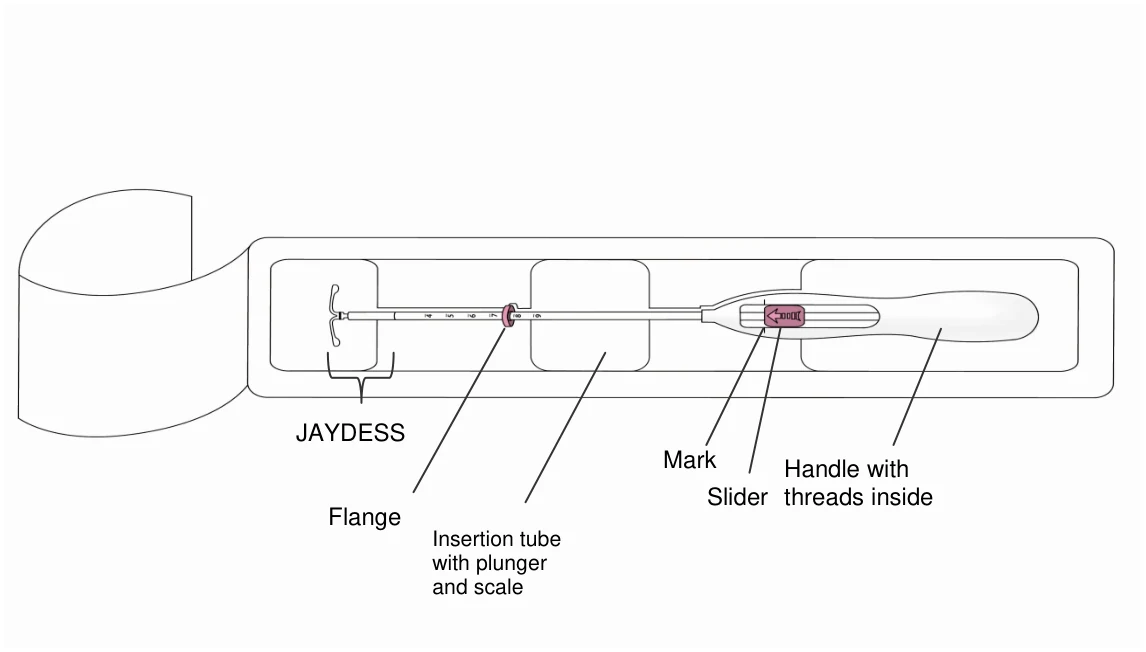
Figure 1: Sterile Package Containing JAYDESS
JAYDESS
Flange
Mark
Slider
Handle with threads inside
Insertion tube
with plunger
and scale
Step 2–Load JAYDESS into the insertion tube
- To load JAYDESS into the insertion tube, push the slider forward in the direction of the arrow to the furthest position (Figure 2).
IMPORTANT! Do not pull the slider downwards as this may prematurely release
JAYDESS. Once released, JAYDESS cannot be re-loaded.
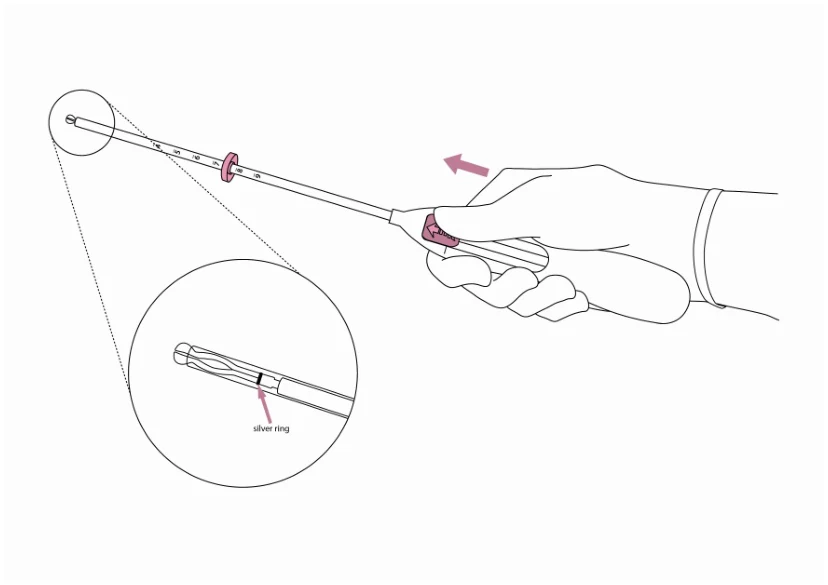
Figure 2: Loading JAYDESS into the Insertion Tube
Step 3–Setting the flange
- Holding the slider in the furthest position, set the upper edge of the flange to correspond to the sound measurement of the uterine depth (Figure 3).
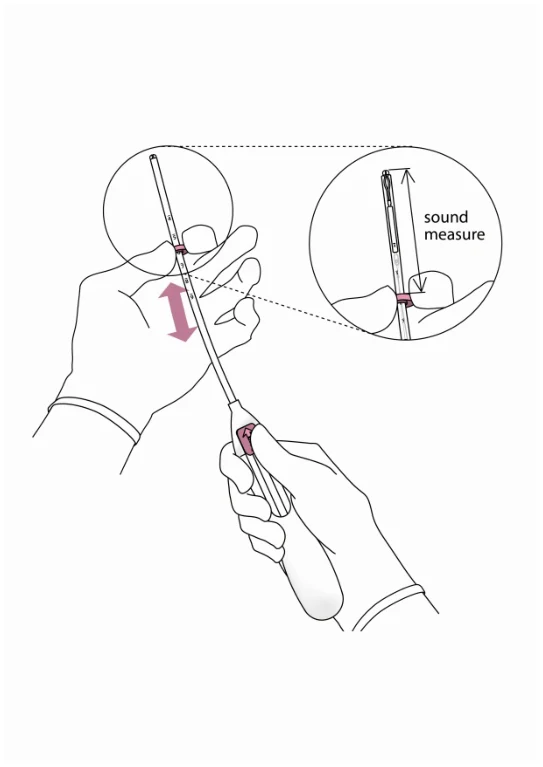
Figure 3: Setting the Flange to the Uterine Depth
Step 4–Advance the inserter through the cervix
- While holding the slider in the furthest position, gently advance the inserter through the cervical canal and into the uterine cavity until the flange is approximately 1.5 to 2.0 cm from the external cervical os (Figure 4).
NOTE: Do not advance flange to the cervix at this step. Maintaining the flange 1.5 to
2 cm from the cervical os allows sufficient space for the arms to open (when released) within the uterine cavity.
IMPORTANT! Do not force the inserter. If necessary, dilate the cervical canal.
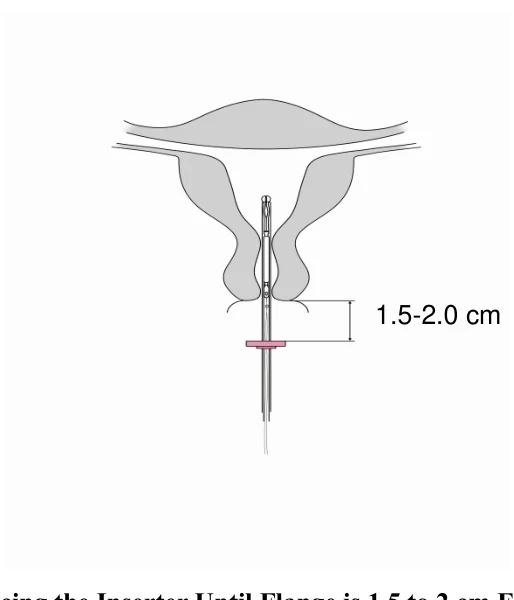
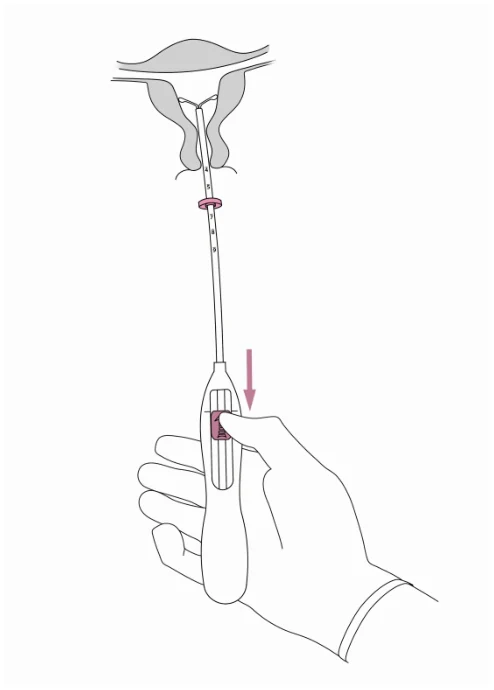
Figure 4: Advancing the Inserter Until Flange is 1.5 to 2 cm From Cervical Os
Step 5–Release the arms
While holding the inserter steady, pull the slider to the mark to open the horizontal arms of JAYDESS (Figure 5). Wait approximately 10 seconds for the horizontal arms of JAYDESS to open completely.
Figure 5: Releasing the Arms of JAYDESS
1.5-2.0 cm 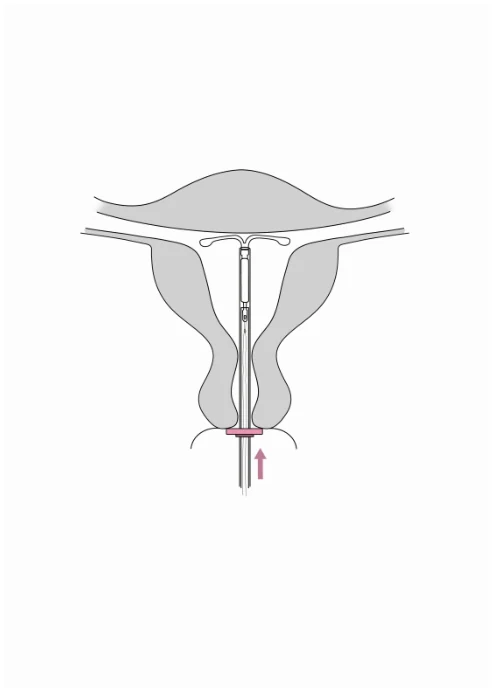
Step 6–Advance to fundal position
Advance the inserter gently towards the fundus of the uterus until the flange touches the cervix or you feel fundal resistance. JAYDESS should now be in the desired fundal position (Figure 6).
Figure 6: JAYDESS in the Fundal Position
Step 7–Release JAYDESS and withdraw the inserter
While holding the inserter in place, pull the slider all the way down to release
JAYDESS from the insertion tube (Figure 7). The threads will release automatically from the internal thread lock of the inserter.
- Gently remove the inserter by pulling it out.
- Cut the threads perpendicular to the thread length, for example, with sterile curved scissors, leaving about 2-3 cm visible outside of the cervix. NOTE: Cutting the threads at an angle may leave sharp ends.
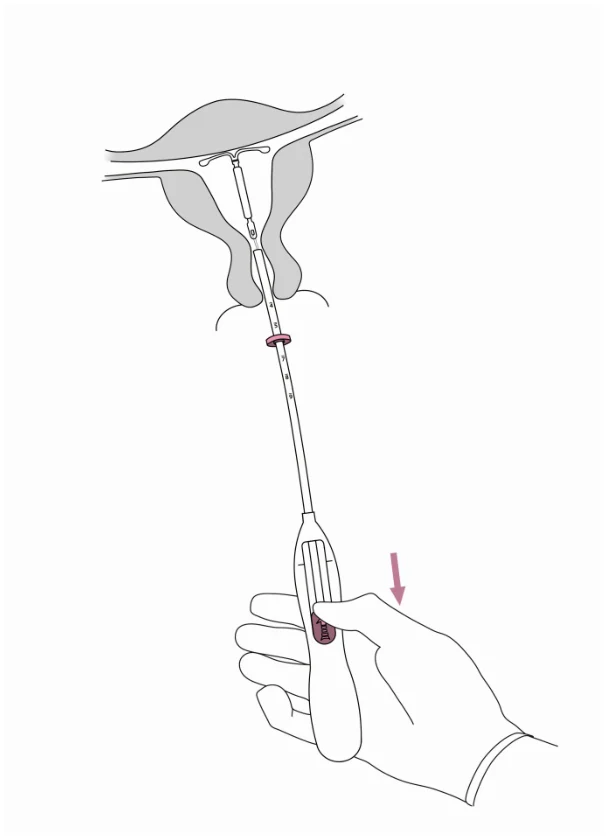
Figure 7: Releasing JAYDESS from the Insertion Tube
JAYDESS insertion is now complete.
In case difficulties arise during insertion, the patient complains of pain, or if there is any doubt that the system is not in the correct position, verify with ultrasound or X-ray. Remove the system if it is not positioned properly in the intrauterine cavity, and insert a new one. A removed system must never be reinserted.
Patients should be re-examined 4 to 12 weeks after insertion and once a year thereafter, or more frequently if clinically indicated.
Use of Sanitary Pads
The use of sanitary pads is recommended. If tampons are used, they should be changed carefully to avoid inadvertently pulling the JAYDESS removal threads.
Removal/Replacement of JAYDESS
JAYDESS is removed by pulling on the threads with a pair of forceps (Figure 8).
A JAYDESS system should not remain in the uterus longer than 3 years.
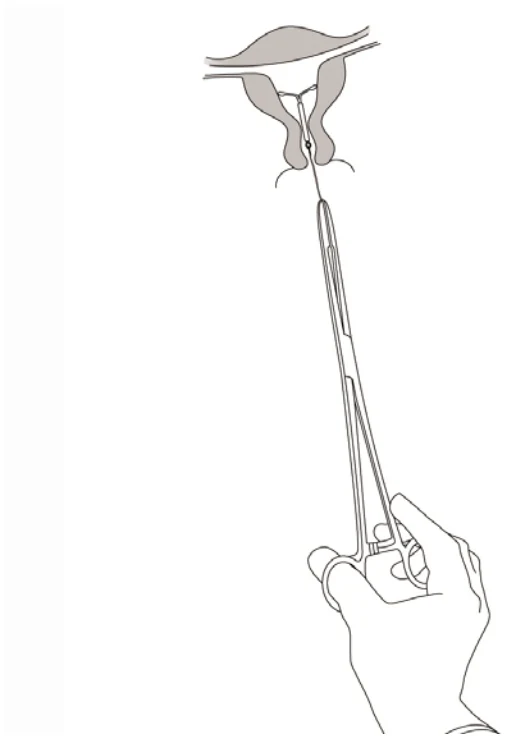
Figure 8: Removal of JAYDESS
Missed Dose
JAYDESS should be removed after 3 years. If the user wishes to continue using JAYDESS, a new system can be inserted to replace the old system. If the system has been used for a longer period of time than 3 years, pregnancy should be ruled out before insertion of a new system.
OVERDOSAGE
Not applicable. JAYDESS is an intrauterine system.
ACTION AND CLINICAL PHARMACOLOGY
Mechanism of Action
JAYDESS (levonorgestrel-releasing intrauterine system [13.5 mg]) consists of a small polyethylene T-shaped frame with a cylindrical reservoir containing levonorgestrel around the vertical stem of the T frame (see Figure 9). In addition, the vertical stem contains a silver ring to aid in detection by sonography located close to the horizontal arms. The T-body has a loop at one end of the vertical stem and two horizontal arms at the other end. Removal threads are attached to the loop.
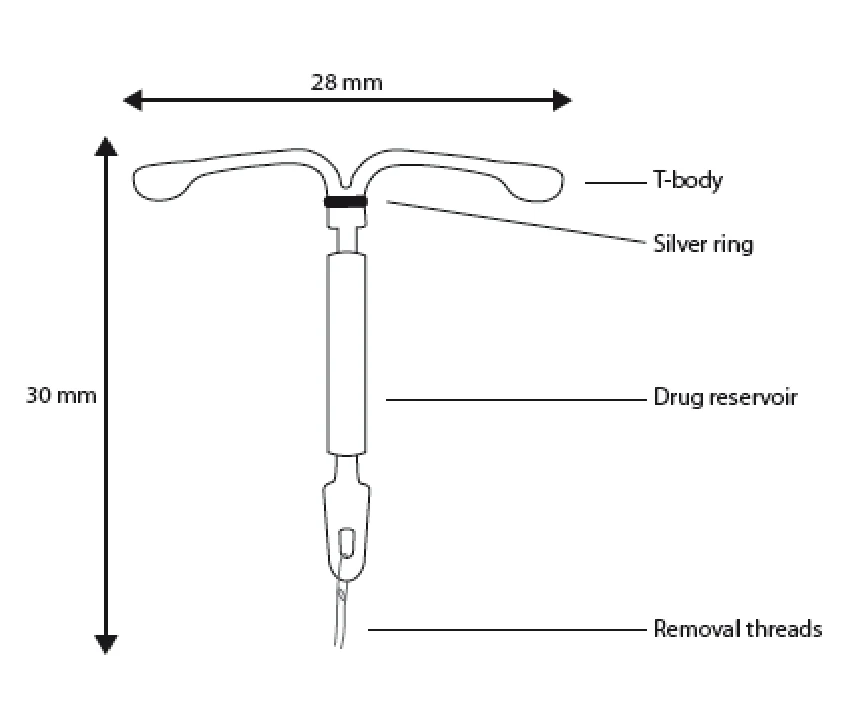
Figure 9: JAYDESS (levonorgestrel-releasing intrauterine system [13.5 mg])
JAYDESS is a long acting reversible contraceptive (LARC). After insertion in the uterus, JAYDESS releases levonorgestrel continuously for up to 3 years. Intrauterine administration allows a very low daily dosage, as the hormone is released directly to the target organ. JAYDESS contains a total of 13.5 mg of levonorgestrel; the in vivo release curve is characterized by an initial steep decline that slows down progressively resulting in little change after 1 year until the end of the intended 3-year period of use. Estimated in vivo delivery rates for different time points are provided in Table 4. JAYDESS does not contain any estrogen.
Pharmacodynamics
JAYDESS has mainly local progestogenic effects in the uterine cavity. The high levonorgestrel concentration in the endometrium down-regulates endometrial estrogen and progesterone receptors. The endometrium becomes relatively insensitive to the circulating estradiol and a strong antiproliferative effect is seen. Morphological changes of the endometrium and a weak local foreign body reaction were observed during use. Thickening of the cervical mucus prevents passage of the sperm through the cervical canal. The local milieu of the uterus and of the fallopian tubes inhibits sperm mobility and function, preventing fertilization.
The use of JAYDESS does not alter the course of future fertility; upon removal of JAYDESS, women return to their normal fertility. In a study in which 3 different doses of LNG-IUSs were investigated, 6 out of 7 women in the JAYDESS group (85.7%) wishing to become pregnant conceived within 12 months after removal of the system.
The duration and volume of menstrual bleeding and menstrual blood loss gradually decreases after the first several months of use, after an initial increase in the number and irregularity of bleeding and spotting days. With continued use, bleeding patterns vary from regular menstruation in some women, to irregular or prolonged bleeding in other women, and amenorrhea in others. In most women, there is a trend over time towards less frequent and shorter episodes of bleeding.
Menstrual bleeding patterns were recorded by all women throughout their participation in clinical trials with JAYDESS, starting from the day of insertion. Menstrual bleeding patterns were assessed using the World Health Organization 90-day reference period method. (11) Data reported for each reference period reflect the number of women actually enrolled in trials during that specific reference period and for whom valid bleeding diaries were returned. The following bleeding patterns were observed:
- During the first 90 days, less than 1% of women experienced amenorrhea, 8% infrequent bleeding, 31% frequent bleeding, 39% irregular bleeding, and 55% prolonged bleeding.
- During the second 90 days, 3% of women experienced amenorrhea, 19% infrequent bleeding, 12% frequent bleeding, 25% irregular bleeding, and 14% prolonged bleeding.
At the end of year 1, 6% of women experienced amenorrhea, 20% infrequent bleeding,
8% frequent bleeding, 18% irregular bleeding, and 6% prolonged bleeding.
At the end of year 3, 12% of women experienced amenorrhea, 22% infrequent bleeding,
4% frequent bleeding, 15% irregular bleeding and 2% prolonged bleeding.
Amenorrhea is defined as no bleeding or spotting throughout the 90 day reference period. Infrequent bleeding is the occurrence of 1 or 2 bleeding/spotting episodes per 90 day reference period. Frequent bleeding is the occurrence of more than 5 bleeding/spotting episodes per 90 day reference period. Prolonged bleeding is the occurrence of bleeding/spotting episodes lasting more than 14 days per 90 day reference period. Irregular bleeding is the occurrence of 3 to 5 bleeding/spotting episodes and less than 3 bleeding/spotting-free intervals of 14 days or more per 90 day reference period.
In the phase III study, the mean number of bleeding/spotting days in the first 30 days was 18.0 and decreased to 5.7 by one year (see Figure 10).
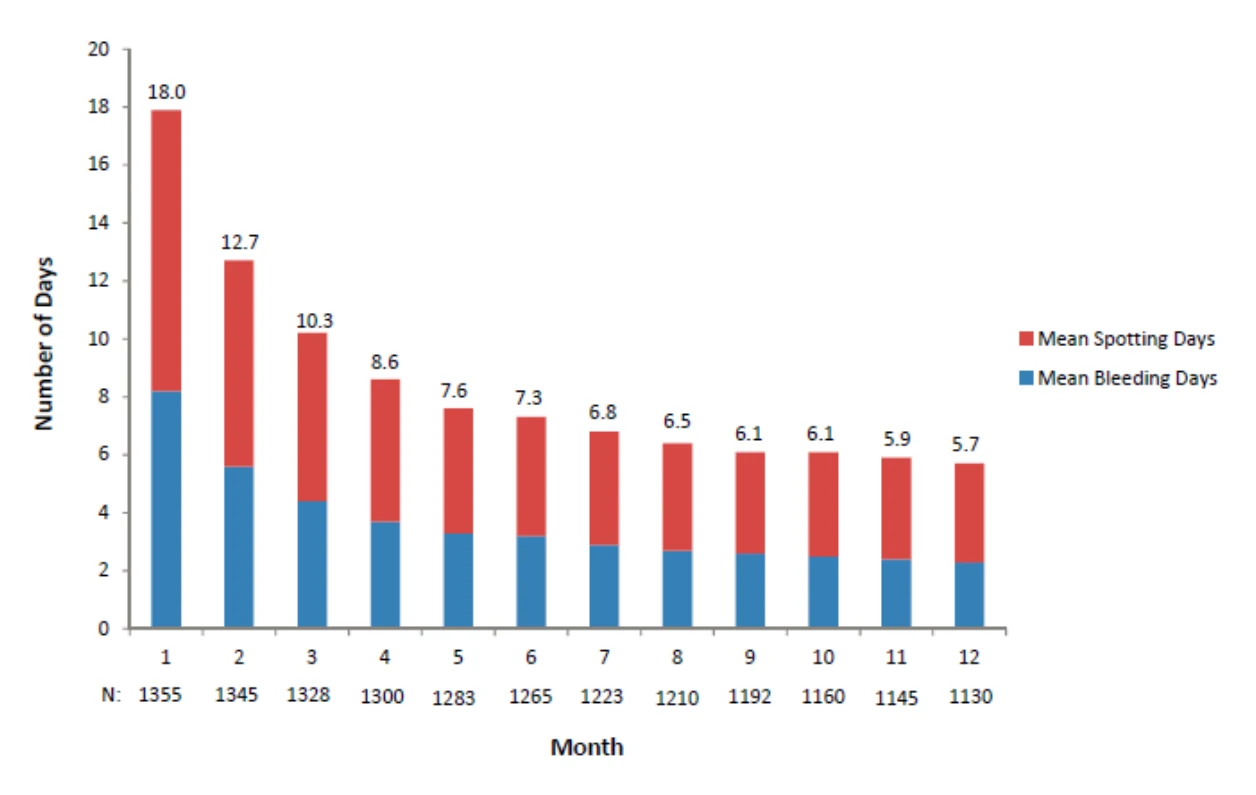
Figure 10: Mean number of bleeding/spotting days by 30-day reference periods in the phase III trial
The altered menstrual bleeding pattern that occurs with JAYDESS use is a result of the direct action of levonorgestrel on the endometrium and is not due to the suppression of the ovulatory cycle. There is no clear difference in follicle development, ovulation, or estradiol and progesterone production in women with different bleeding patterns. Ovarian function is normal and estradiol levels are maintained even when users of JAYDESS are amenorrheic. Ovulation was observed in all women throughout the phase II study, and in most women in the phase III study. Specifically, evidence of ovulation was seen in 34 out of 35 women in the first year, in 26 out of 27 women in the second year, and in all 26 women in the third year in the two studies combined. (12, 13)
Endometrial histology has been investigated in clinical studies examining the intrauterine release of levonorgestrel at rates ranging from approximately 5 (average release rate at the end of 3 years for JAYDESS) to 20 μg/day after insertion. During treatment, a strong progestogenic effect was observed in the majority of cases. The decrease in number of bleeding days and amount of menstrual bleeding seen during the clinical studies reflects the high degree of endometrial suppression.
In the phase III pivotal study, cervical histology was evaluated at screening and annually. Epithelial cell abnormalities were seen in 2.2% of women at screening, and the maximum was observed at Month 24 with 6.5% of women. At the final visit 3.8% of women had epithelial cell abnormalities detected.
Pharmacokinetics
Absorption
Following insertion, levonorgestrel is immediately released from the IUS into the uterine cavity. Maximum serum concentrations of levonorgestrel are reached within the first two weeks after insertion of JAYDESS. In a subset of 7 subjects, maximum observed serum LNG concentration was 192 ± 105 pg/mL, reached after 2 days (median) of JAYDESS insertion. Seven days after insertion, a mean levonorgestrel concentration of 162 pg/mL was determined. Thereafter, serum concentrations of levonorgestrel decline over time to reach mean concentrations of 59 pg/mL after 3 years.
Distribution
Levonorgestrel is bound non-specifically to serum albumin and specifically to sex hormone-binding globulin (SHBG). Less than 2 % of the circulating levonorgestrel is present as free steroid. Levonorgestrel binds with high affinity to SHBG. Total serum concentration of levonorgestrel increases or decreases in proportion to the concentration of SHBG. Within one month after insertion of JAYDESS, the concentration of SHBG declines by about 30 %. Afterwards, plateau-like SHBG concentrations are observed with a tendency to increase towards baseline values over time. The mean apparent volume of distribution of levonorgestrel is about 106 L.
Metabolism
Levonorgestrel is extensively metabolized. The most important metabolic pathways are the reduction of the Δ4-3-oxo group and hydroxylations at positions 2α, 1β and 16β, followed by conjugation. CYP3A4 is the main enzyme involved in the oxidative metabolism of levonorgestrel. The available in vitro data suggest that CYP mediated biotransformation reactions may be of minor relevance for levonorgestrel compared to reduction and conjugation.
Excretion
The total clearance of levonorgestrel from plasma is approximately 1.0 mL/min/kg. Only trace amounts of levonorgestrel are excreted in unchanged form. The metabolites are excreted in feces and urine at an excretion ratio of about 1. The excretion half-life is about 1 day.
Special Populations and Conditions
Geriatrics (> 65 years of age)
JAYDESS is not indicated for use in postmenopausal women.
Pediatrics (< 18 years of age)
In a one-year Phase III study in post-menarcheal female adolescents (mean age 16.2, range 12 to 18 years) using JAYDESS, the pharmacokinetic analysis of 283 adolescents showed estimated LNG serum concentrations slightly higher (approximately 10%) in adolescents compared to adults. This correlates to the generally lower body weight in adolescents. The ranges estimated for adolescents lie, however, completely within the ranges estimated for adults, showing high similarity.
No difference in the pharmacokinetics of adolescents and adults are expected with JAYDESS.
Hepatic Insufficiency
JAYDESS has not been studied in women with hepatic impairment. JAYDESS is contraindicated in women with acute liver disease or liver tumour (see
CONTRAINDICATIONS section).
Renal Insufficiency
JAYDESS has not been studied in women with renal impairment.
STORAGE AND STABILITY
Store JAYDESS (levonorgestrel-releasing intrauterine system [13.5 mg]) at room temperature (between 15°C and 30°C).
Keep out of reach of children and pets.
SPECIAL HANDLING INSTRUCTIONS
JAYDESS (levonorgestrel-releasing intrauterine system [13.5 mg]) should be handled with aseptic precautions. Used JAYDESS systems should be considered biohazardous waste and disposed of accordingly. Care should be taken to ensure the remaining hormonal ingredients are not introduced into water/sewer systems.
DOSAGE FORMS, COMPOSITION AND PACKAGING
JAYDESS (levonorgestrel-releasing intrauterine system [13.5 mg]) contains 13.5 mg of levonorgestrel in a cylindrical-shaped reservoir composed of a whitish or pale yellow matrix of levonorgestrel and polydimethylsiloxane covered with a semiopaque membrane made of polydimethylsiloxane and silica (see Figure 9). The reservoir is mounted on the vertical stem of a polyethylene T-body. The vertical stem contains a silver ring to facilitate detection by sonography which is located close to the horizontal arms. The white T-body is pigmented with barium sulphate and has a loop at one end of the vertical stem and two horizontal arms at the other end. The brown coloured polyethylene removal threads attached to the loop of the T-body are pigmented with iron oxide. The vertical stem of the IUS is loaded in the insertion tube at the tip of the inserter. The IUS and inserter are essentially free of visible impurities. 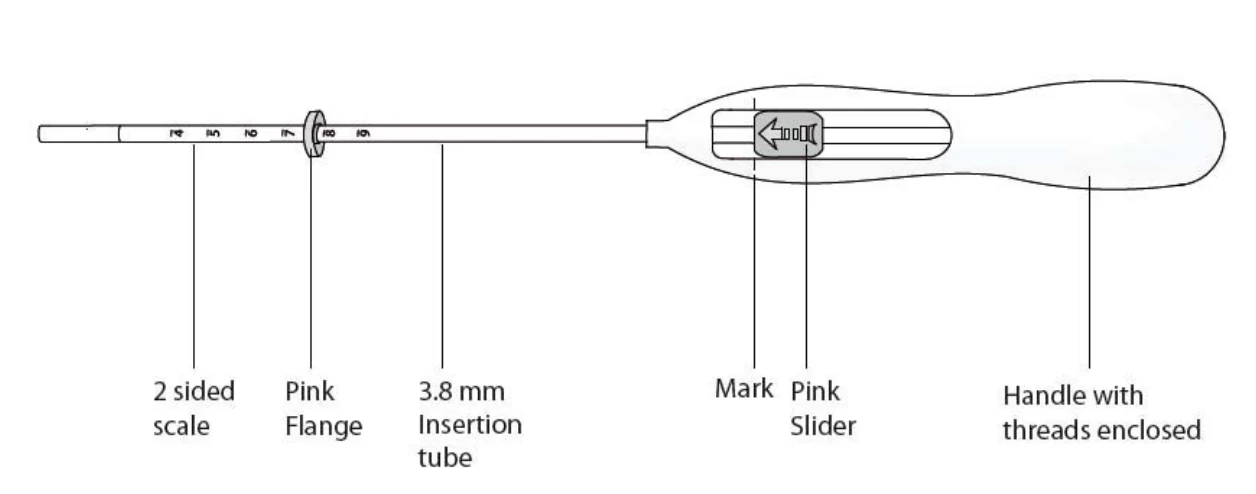
JAYDESS is in a sterile package within an inserter. The EvoInserter (Figure 11), which is used for insertion of JAYDESS into the uterine cavity, consists of a symmetric two-sided body and slider that are integrated with flange, lock, insertion tube and plunger. The outer diameter of the insertion tube is 3.8 mm. The vertical stem of JAYDESS is loaded in the insertion tube at the tip of the inserter. The arms are pre-aligned in the horizontal position. The removal threads are contained within the insertion tube and handle. Once JAYDESS has been placed, the inserter is discarded.
Figure 11: JAYDESS EvoInserter
PART II: SCIENTIFIC INFORMATION
PHARMACEUTICAL INFORMATION
Drug Substance
Proper name: levonorgestrel
Chemical name: 18,19-Dinorpregn-4-en-20-yn-3-one, 13-ethyl-17-hydroxy-
,(17α)(-)
Molecular formula: C21 H28 O2
Molecular weight: 312.45
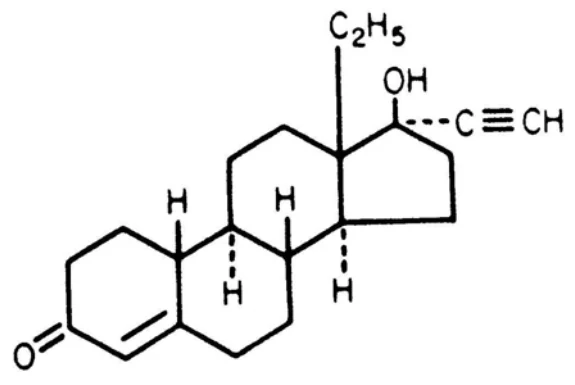
Structural formula:
Physicochemical properties: Levonorgestrel is a white to off-white crystalline powder, practically insoluble in water and slightly soluble in ethanol, in vegetable oils, in chloroform, in ether and in alkaline solutions. The melting range is between 232°C and 239°C.
CLINICAL TRIALS
The contraceptive efficacy of JAYDESS (levonorgestrel-releasing intrauterine system [13.5 mg]) has been evaluated in a multi-centre (Europe, North America, and South America), open-label, randomized clinical study with 1432 women aged 18-35 including 38.8 % (556) nulliparous women of whom 83.6% (465) were nulligravid using JAYDESS. Approximately 40% of women in this study were 25 years or younger. Approximately 80% of women enrolled in the study were Caucasian, 11% Hispanic, 5% Black and 1% of Asian origin. The mean body mass index was 25.3 kg/m2 (range 15.6 – 54.9 kg/m2).
The 1-year Pearl Index was 0.41 (95% CIs: 0.13 – 0.96) and the 3-years Pearl Index was 0.33 (95% CIs: 0.16 – 0.6). The failure rate was approximately 0.4% at 1 year and the cumulative failure rate was approximately 0.9% at 3 years. The failure rate also includes pregnancies due to undetected expulsions and perforations. Since the use of JAYDESS does not require daily intake
compliance by the users, the pregnancy rates in typical use are similar to those observed in controlled clinical trials.
The first insertion attempt was successful in 1380/1432 women (96.4 %); the second attempt was successful in 46/49 (93.9 %) women. Study investigators assessed the insertion procedure as easy in 1283/1432 women (89.6 %). There was a trend towards the insertion procedure being more difficult in nulliparous women and those who have only had Caesarean-section deliveries.
Most women experienced no pain (20.6%, 295/1432) or only mild pain (43.9 %, 629/1432) during insertion of the IUS. A total of 390 (27.2 %) experienced moderate pain and 118 (8.2%) experienced severe pain. There was a trend towards less pain in parous women compared to nulliparous women.
In the pivotal study A52238, almost 60% of the women completed the planned treatment duration of 3 years with LCS12. The majority of premature discontinuations were due to adverse events (319/613). The frequency of discontinuations due to progestogen-related side effects or any bleeding problems/abnormalities (including amenorrhea) were 3.4% and 4.7%, respectively. Other reasons for discontinuation included a desire to become pregnant, no further need for contraception, and withdrawal of consent. (13)
In a multi-center, single arm Phase IIIb study of 304 post-menarcheal adolescents under the age of 18 years, the safety profile of JAYDESS was consistent with that of the adult population. No new or unexpected safety concerns were identified in the adolescent population during the 3-year treatment period of the study. Efficacy is expected to be the same for post-menarcheal adolescents under the age of 18 as for users 18 years and older.
General Information
The following table gives typical pregnancy rates for various forms of birth control, including no birth control. The reported rates represent the number of women out of 100 who would become pregnant within the first year of use.
Table 5: Reported Pregnancies per 100 Women Within
the First Year of Use
| Hormonal Intrauterine system (IUS) | less than 1 |
| Copper Intrauterine device (IUD) | less than 1 |
| Progesterone Injection | 6 |
| Combined hormonal contraceptive (pill, patch or ring) | 9 |
| Diaphragm | 12 |
| Male condom | 18 |
| Female condom | 21 |
| Sponge, spermicide | 12-28 |
| Withdrawal method | 22 |
| Natural family planning | 24 |
| No method | 85 |
DETAILED PHARMACOLOGY
Human Pharmacology
See Part I: ACTION AND CLINICAL PHARMACOLOGY – Pharmacokinetics.
Pharmacodynamics
Levonorgestrel (LNG) is a 19-nortestosterone derivative with potent progestogenic effects, but no significant estrogenic activity.
In rabbits, evidence of transformation of the endometrium was observed after subcutaneous administration of 0.01 mg LNG corresponding to 2 μg/kg/day. Transformative effects are also histologically recognizable in the rabbit endometrium when LNG is administered orally in doses ranging from 0.03 to 0.3 mg per animal corresponding to approximately 6 to 60 μg/kg/day.
In pregnant rats, ovariectomized within the first 4 days after conception, the subcutaneous administration of 0.002 mg LNG had a blastocyst-maintaining effect. The antiestrogenic or progestogenic activity of levonorgestrel has also been demonstrated in various test models in rats and mice. The potency of LNG is significantly higher than progesterone and about 83 times stronger than chlormadinone acetate.
LNG does not have any significant estrogenic activity and androgenic effects are only detectable after large doses. LNG also influences the gonadotrophic function of the anterior lobe of the pituitary gland in all experimental tests.
Like other progestogens, relative large doses of LNG lead to increases in insulin secretion in rats and dogs.
TOXICOLOGY
Levonorgestrel (LNG) is widely used in gynaecology in various ways: either in combination as the progestin component in oral contraceptives, and in hormonal replacement therapy or alone for contraception in minipills, subdermal implants and intrauterine systems. The toxicological profile of LNG after systemic and local administration is well known and the available evidence indicates that this hormone is a safe drug in the above-mentioned indications.
Acute Toxicity
Single dose toxicity studies with LNG in rats and mice using the oral, intraperitoneal and subcutaneous route of application indicate a low acute toxicity with lethal doses in the g/kg body weight range.
Long-term Toxicity
Systemic tolerance studies were performed in mice, rats, dogs and monkeys either with LNG or the racemate d,l-norgestrel. Systemic tolerance findings were as expected and in line with findings that have been described in these species after prolonged treatment with other progestins. Most findings could directly be related to the progestogenic activity of LNG on target organs or on the endocrine regulation. Furthermore, clinical and laboratory findings observed in one or more species, such as increased body weight gains, alterations in serum lipid (cholesterol or triglyceride) levels, increases in plasma fibrinogen, increases in blood sedimentation rate and the decreases in red blood cell parameters are also well known effects of repeated dosages of progestogens, including progesterone in the affected species.
The effect of LNG on the induction of mammary hyperplasia (acinar and/or ductal) in dogs is considered a species-specific effect. No compound-related alterations were observed in tumourigenicity studies with LNG in mice, rats and monkeys. In dogs, long-term oral treatment with the highest daily dose of 0.5 mg/kg LNG led to an increased incidence in benign mammary tumours. This is a well known effect of progestogens in dogs, the mechanism of which is assumed to be due to stimulation of growth hormone secretion that exerts a mammotrophic effect in this species. Endocrine regulation and the sensitivity of the mammary gland to progestogens and growth hormone are known to be unique for the dog, and have no predictive value for human risk assessment. Thus, taking into consideration biocompatibility and the absence of genotoxicity of the LNG-IUS and its components, the absence of proliferative or neoplastic changes in the local and systemic tolerance studies in rats and monkeys, and the extensive clinical experience with LNG and with another levonorgestrel (LNG)-releasing intrauterine system (IUS) (52 mg), JAYDESS is regarded to possess no carcinogenic potential.
Reproductive Toxicology
An early developmental formulation of JAYDESS was studied in rabbits following intrauterine administration. The absence of compound-related maternal toxicity, embryotoxicity, teratogenicity or effects on fetal development in pregnant rabbits suggests that JAYDESS is not a reproductive toxicant.
Reproduction toxicity tests were performed with LNG or norgestrel, for evaluation of effects on fertility and peri-/postnatal toxicity in rats and on embryotoxicity in mice, rats and rabbits. No adverse effects are to be expected at clinically relevant dose levels.
Mutagenicity
Mutagenicity tests were performed with LNG to detect gene mutations and chromosomal aberrations. Based on the results obtained from in vitro and in vivo tests, there is no evidence that LNG has a mutagenic potential. Furthermore, LNG has been tested into the potential to induce DNA-repair in rat hepatocytes in vitro (Unscheduled DNA Synthesis-test) and into its DNA-adduct forming potential in human liver slices in vitro. None of these tests gave an indication of a genotoxic potential of LNG.
Neither the LNG-IUS nor its components showed any evidence of a genotoxic potential in vitro or in vivo.
Biocompatibiliy studies
A wide range of biocompatibility tests were performed with the materials and components of JAYDESS. Many of the tests have been conducted during the development of another LNG-releasing IUS (52 mg), which mainly consists of the same materials as JAYDESS. Therefore, studies conducted with another LNG-releasing IUS (52 mg), or modified versions of it, are also relevant for JAYDESS. There was no evidence of any bioincompatibility including absence of a genotoxic potential of the components of JAYDESS. No systemic or local intolerance was detected in chronic studies in rats (intramuscular, subcutaneous) or Cynomolgus monkeys (intrauterine implantation). The endometrial effects of the modified intrauterine systems observed in monkey studies were similar to those seen in clinical studies.
It is unlikely that cytotoxic concentrations of silver ions can be achieved in vivo by the silver ring used in JAYDESS. Also, taking into consideration that there was no evidence of hemolytic potential or mutagenicity in vitro and no local or systemic intolerance in vivo after exposure to the silver ring for up to 39 weeks, there is no cause for concern for the use of the silver ring in JAYDESS for detection and differentiation by ultrasound.
Based on the results of the studies conducted with JAYDESS materials after ethylene oxide sterilization and considering guidance given by the ISO standard 10993, the limit of 2 ppm is considered to be toxicologically justified and not pose a risk to human health.
REFERENCES
- 1.
Rogovskaya S, Rivera R, Grimes DA, Chen PL, Pierre-Louis B, Prilepskaya V, et al.
Effect of a levonorgestrel intrauterine system on women with type 1 diabetes: a randomized trial. Obstet Gynecol. 2005 Apr;105(4):811-5.
- 2. Farmer RD, Preston TD. The risk of venous thromboembolism associated with low oestrogen oral contraceptives. J Obstet Gynaecol. 1995;15:195-200.
- 3. Gomes MP, Deitcher SR. Risk of venous thromboembolic disease associated with hormonal contraceptives and hormone replacement therapy: a clinical review. Arch Intern Med. 2004 Oct 11;164(18):1965-76.
- 4. Lewis MA, Heinemann LA, MacRae KD, Bruppacher R, Spitzer WO. The increased risk of venous thromboembolism and the use of third generation progestagens: role of bias in observational research. The Transnational Research Group on Oral Contraceptives and the Health of Young Women. Contraception. 1996 Jul;54(1):5-13.
- 5. Gaffield ME, Curtis KM, Mohllajee AP, Peterson HB. Medical eligibility criteria for new contraceptive methods: combined hormonal patch, combined hormonal vaginal ring and the etonogestrel implant. Contraception. 2006 Feb;73(2):134-44.
- 6. ACOG Committee on Practice Bulletins -- Gynecology. ACOG practice bulletin. Clinical management guidelines for obstetrician-gynecologists. Number 59, January 2005. Intrauterine device. Obstet Gynecol. 2005 Jan;105(1):223-32.
- 7. Gareen IF, Greenland S, Morgenstern H. Intrauterine devices and pelvic inflammatory disease: meta-analyses of published studies, 1974-1990. Epidemiology. 2000 Sep;11(5):589-97.
- 8. Black A, Francoeur D, Rowe T, Collins J, Miller D, Brown T, et al. SOGC clinical practice guidelines: Canadian contraception consensus. J Obstet Gynaecol Can. 2004 Mar;26(3):219-54.
- 9. Harrison-Woolrych M, Ashton J, Coulter D. Uterine perforation on intrauterine device insertion: is the incidence higher than previously reported? Contraception. 2003 Jan;67(1):53-6.
- 10. Heikkila M, Haukkamaa M, Luukkainen T. Levonorgestrel in milk and plasma of breast-feeding women with a levonorgestrel-releasing IUD. Contraception. 1982 Jan;25(1):41-9.
- 11. Belsey EM, Machin D, d'Arcangues C. The analysis of vaginal bleeding patterns induced by fertility regulating methods. World Health Organization Special Programme of Research, Development and Research Training in Human Reproduction. Contraception. 1986 Sep;34(3):253-60.
- 12. Gemzell-Danielsson K, Schellschmidt I, Apter D. A randomized, phase II study describing the efficacy, bleeding profile, and safety of two low-dose levonorgestrel-releasing intrauterine contraceptive systems and Mirena. Fertil Steril. 2012 Mar;97(3):616-22 e1-3.
- 13. Nelson A, Apter D, Hauck B, Schmelter T, Rybowski S, Rosen K, et al. Two low-dose levonorgestrel intrauterine contraceptive systems: A randomized controlled trial. Obstet Gynecol. 2013;122(6):1205-13.