


Product Monograph - Kerendia
Recent Major Label Changes
| 1 Indications | 01/2026 |
|---|---|
4 Dosage and Administration, 4.2 Recommended Dose and Dosage Adjustment 4 Dosage and Administration, 4.4 Administration | 01/2026 01/2026 |
7 Warnings and Precautions, Monitoring and Laboratory Tests 7 Warnings and Precautions, Renal 7 Warnings and Precautions, 7.1.4 Geriatrics | 01/2026 01/2026 01/2026 |
Table of Contents
Certain sections or subsections that are not applicable at the time of the preparation of the most recent authorized product monograph are not listed.
RECENT MAJOR LABEL CHANGES ................................................................................................................. 2
TABLE OF CONTENTS ................................................................................................................................. 2
PART 1: HEALTHCARE PROFESSIONAL INFORMATION ....................................................................................... 4
1 Indications .................................................................................................................................... 4
1.1 Pediatrics ........................................................................................................................................................ 4
1.2 Geriatrics ......................................................................................................................................................... 4
2 Contraindications .......................................................................................................................... 4
4 Dosage and Administration ........................................................................................................... 4
4.1 Dosing Considerations .................................................................................................................................... 4
4.2 Recommended Dose and Dosage Adjustment ............................................................................................... 5
4.4 Administration ................................................................................................................................................ 8
4.5 Missed Dose .................................................................................................................................................... 9
5 Overdose ...................................................................................................................................... 9
6 Dosage Forms, Strengths, Composition, and Packaging ................................................................. 9
7 Warnings and Precautions ............................................................................................................. 9
General ................................................................................................................................................................. 9
Hepatic/Biliary/Pancreatic .................................................................................................................................. 10
Monitoring and Laboratory Tests ....................................................................................................................... 10
Renal ................................................................................................................................................................... 11
Reproductive Health ........................................................................................................................................... 12
7.1 Special Populations ....................................................................................................................................... 12
7.1.1 Pregnancy ............................................................................................................................................. 12
7.1.2 Breastfeeding ....................................................................................................................................... 12
7.1.3 Pediatrics .............................................................................................................................................. 12
7.1.4 Geriatrics .............................................................................................................................................. 13
8 Adverse Reactions ....................................................................................................................... 13
8.1 Adverse Reaction Overview .......................................................................................................................... 13
8.2 Clinical Trial Adverse Reactions .................................................................................................................... 14
8.3 Less Common Clinical Trial Adverse Reactions ............................................................................................. 16
8.4 Abnormal Laboratory Findings: Hematologic, Clinical Chemistry and other Quantitative Data .................. 17
9 Drug Interactions ........................................................................................................................ 18
9.1 Serious Drug Interactions ............................................................................................................................. 18
9.2 Drug Interactions Overview .......................................................................................................................... 18
9.3 Drug-Behavioural Interactions ...................................................................................................................... 19
9.4 Drug-Drug Interactions ................................................................................................................................. 20
9.5 Drug-Food Interactions ................................................................................................................................. 21
9.6 Drug-Herb Interactions ................................................................................................................................. 21
9.7 Drug-Laboratory Test Interactions ................................................................................................................ 22
10 Clinical Pharmacology ............................................................................................................... 22
10.1 Mechanism of Action .................................................................................................................................. 22
10.2 Pharmacodynamics ..................................................................................................................................... 22
10.3 Pharmacokinetics ........................................................................................................................................ 23
11 Storage, Stability, and Disposal ................................................................................................. 25
12 Special Handling Instructions ..................................................................................................... 25
PART 2 : SCIENTIFIC INFORMATION ............................................................................................................ 26
13 Pharmaceutical Information ...................................................................................................... 26
14 Clinical Trials ............................................................................................................................. 27
14.1 Clinical Trials by Indication ......................................................................................................................... 27
Renal and Cardiovascular Outcomes in Adults with CKD and T2D ..................................................................... 27
Cardiovascular outcomes in adults with heart failure with LVEF ≥40% .............................................................. 36
15 Microbiology ............................................................................................................................. 41
16 Non-Clinical Toxicology ............................................................................................................. 41
PATIENT MEDICATION INFORMATION ......................................................................................................... 43
Part 1: Healthcare Professional Information
1 Indications
Chronic Kidney Disease and Type 2 Diabetes
KERENDIA (finerenone) is indicated as an adjunct to standard of care therapy in adults with chronic kidney disease (CKD) and type 2 diabetes (T2D) to reduce the risk of:
- End-stage kidney disease and a sustained decrease in estimated glomerular filtration rate,
- Cardiovascular death, non-fatal myocardial infarction and hospitalization for heart failure.
Heart Failure
KERENDIA (finerenone) is indicated as an adjunct to standard of care in adults with heart failure with left ventricular ejection fraction (LVEF) ≥40% to reduce the risk of cardiovascular death, hospitalization for heart failure, and urgent heart failure visits.
1.1 Pediatrics
Pediatrics (< 18 years of age): No data are available; therefore, an indication for pediatric use has not been authorized.
1.2 Geriatrics
Geriatrics (≥ 65 years of age): Evidence from clinical studies suggests that use in the geriatric population is not associated with significant differences in safety or effectiveness. However, greater sensitivity of some older individuals cannot be ruled out (see 7.1.4 Geriatrics and 10.3 Pharmacokinetics, Geriatrics).
2 Contraindications
KERENDIA is contraindicated in patients:
- who are hypersensitive to this drug or to any ingredient in the formulation, including any non-medicinal ingredient, or component of the container. For a complete listing, see 6 Dosage Forms, Strengths, Composition, and Packaging
- who are receiving concomitant systemic treatment with medications that are strong CYP3A4 inhibitors (e.g., itraconazole, ketoconazole, ritonavir, nelfinavir, cobicistat, clarithromycin, telithromycin and nefazodone) (see 9.4 Drug-Drug Interactions)
- with Addison’s disease
4 Dosage and Administration
4.1 Dosing Considerations
- Measure serum potassium levels and estimated glomerular filtration rate (eGFR) to determine whether to initiate KERENDIA treatment and to determine the starting dose of KERENDIA.
- Patients should be adequately treated with standard of care therapy prior to initiating KERENDIA.
After initiating, re-starting or dose adjusting KERENDIA, re-measure serum potassium and eGFR at 4 weeks to determine whether to continue KERENDIA treatment and for dose adjustment (see Table 1 and Table 2). Re-measure serum potassium periodically and as needed based on
- patient characteristics and serum potassium levels (see 7 Warnings and Precautions, Monitoring and Laboratory Tests).
- Pregnancy should be ruled out prior to KERENDIA administration and breastfeeding discontinued (see 7.1.1 Pregnancy and 7.1.2 Breastfeeding).
When developing a dosage regimen, consideration should be given to the following patient populations (see 4.2 Recommended Dose and Dosage Adjustment):
- patients with renal impairment
- patients with hepatic impairment
- patients taking concomitant medications
4.2 Recommended Dose and Dosage Adjustment
CKD and T2D
The starting dose of KERENDIA is:
- 10 mg once daily if eGFR ≥ 25 to < 60 mL/min/1.73m2
- 20 mg once daily if eGFR ≥ 60 mL/min/1.73m2
Initiation of KERENDIA treatment is not recommended in patients with eGFR < 25 mL/min/1.73m2 as clinical experience is limited. Initiation of KERENDIA treatment is not recommended in patients with serum potassium > 5.0 mmol/L (see 7 Warnings and Precautions, Monitoring and Laboratory Tests).
Initiation of KERENDIA treatment is recommended when serum potassium ≤ 4.8 mmol/L. For monitoring of serum potassium, see 4.2 Target dose, continuation of treatment and dose adjustment for CKD and T2D patients.
If serum potassium > 4.8 to 5.0 mmol/L, initiation of KERENDIA treatment may be considered with additional serum potassium monitoring within the first 4 weeks based on patient characteristics and serum potassium levels (see 7 Warnings and Precautions, Monitoring and Laboratory Tests).
Target dose, continuation of treatment and dose adjustment for CKD and T2D patients
For treatment of CKD and T2D the recommended target dose of KERENDIA is 20 mg once daily.
Four weeks after initiation or re-start or up-titration of KERENDIA treatment, remeasure serum potassium and eGFR. See Table 1 to determine continuation of KERENDIA treatment and dose adjustment. Thereafter, remeasure serum potassium periodically and as needed based on patient characteristics and serum potassium levels. See 7 Warnings and Precautions, Monitoring and Laboratory Tests and 9.2 Drug Interactions Overview.
Table 1 – Continuation of KERENDIA Treatment and Dose Adjustment for CKD and T2D
| Serum potassium (mmol/L) | KERENDIA dose (after 4 weeks and thereafter) | |||||||
|---|---|---|---|---|---|---|---|---|
| 10 mg once daily | 20 mg once daily | |||||||
| ≤ 4.8 | For patients on 10 mg once daily, increase the dose to 20 mg once daily if eGFR has not decreased > 30% compared to the prior measurement. | Maintain 20 mg once daily. | ||||||
| > 4.8 – 5.5 | Maintain 10 mg once daily. | Maintain 20 mg once daily. | ||||||
| > 5.5 | Withhold KERENDIA. Consider restarting at 10 mg once daily if serum potassium ≤ 5.0 mmol/L. | Withhold KERENDIA. Restart at 10 mg once daily if serum potassium ≤ 5.0 mmol/L. | ||||||
Heart Failure
The starting dose of KERENDIA is:
- 10 mg once daily if eGFR ≥ 25 to < 60 mL/min/1.73m2
- 20 mg once daily if eGFR ≥ 60 mL/min/1.73m2
Initiation of KERENDIA treatment is not recommended in patients with eGFR < 25 mL/min/1.73m2 as clinical experience is limited. Initiation of KERENDIA treatment is not recommended in patients with serum potassium > 5.0 mmol/L (see 7 Warnings and Precautions, Monitoring and Laboratory Tests).
Initiation of KERENDIA treatment is recommended when serum potassium ≤ 5.0 mmol/L. For monitoring of serum potassium, see 4.2 Target dose, continuation of treatment and dose adjustment for Heart Failure patients.
Target dose, continuation of treatment and dose adjustment for Heart Failure patients
For treatment of heart failure with LVEF ≥40%, the recommended target dose of KERENDIA depends on renal function (eGFR) at initiation of KERENDIA treatment:
- 40 mg once daily if eGFR ≥60 mL/min/1.73m2
- 20 mg once daily if eGFR ≥25 to <60 mL/min/1.73m2
Four weeks after initiation or re-start or dose adjustment of KERENDIA treatment, remeasure serum potassium and eGFR. See Table 2 to determine continuation of KERENDIA treatment and dose adjustment. Thereafter, remeasure serum potassium periodically and as needed based on patient characteristics and serum potassium levels (see 7 Warnings and Precautions, Monitoring and Laboratory Tests and 9.2 Drug Interactions Overview).
Table 2 – Continuation of KERENDIA Treatment and Dose Adjustment for Patients with Heart Failure
| Serum potassium (mmol/L) | KERENDIA dose (after 4 weeks and thereafter) |
|---|---|
| 10 mg once daily | 20 mg once daily |
| 40 mg once daily | |
| < 5.0 | |
| Increase to 20 mg once daily if eGFR has not decreased >30% compared to prior measurement. | Maintain 20 mg once daily if eGFR <60 mL/min/1.73m2 at initiation. Otherwise increase to 40 mg once daily if eGFR has not decreased >30% compared to prior measurement. |
| Maintain 40 mg once daily. | |
| ≥ 5.0 to < 5.5 | Maintain current dose. |
| ≥ 5.5 to < 6.0 | |
Withhold KERENDIA. Restart at 10 mg once daily if serum potassium <5.5 mmol/L. | Decrease to 10 mg once daily. |
| Decrease to 20 mg once daily. | |
| ≥ 6.0 | Withhold KERENDIA. Restart at 10 mg once daily if serum potassium <5.5 mmol/L a |
- a If repeatedly ≥ 5.5 mmol/L, wait to re-start until ˂ 5.0 mmol/L
Patients with renal impairment
Initiation of KERENDIA treatment
In patients with eGFR ≥ 25 to < 60 mL/min/1.73 m2, the starting dose of KERENDIA is 10 mg once daily. See 4.2 Target dose, continuation of treatment and dose adjustment for CKD and T2D patients and 4.2 Target dose, continuation of treatment and dose adjustment for Heart Failure patients.
There are insufficient data to support dosing recommendations for initiation of KERENDIA in patients with an eGFR < 25 mL/min/1.73m2 (see 7 Warnings and Precautions, Monitoring and Laboratory Tests and 7 Warnings and Precautions, Renal).
Continuation of KERENDIA treatment
In patients with mild, moderate or severe renal impairment, continue KERENDIA treatment and adjust dose based on serum potassium. Measure eGFR 4 weeks after initiation to determine whether patient should be up titrated. See Table 1 and Table 2 for dosing adjustment in patients with CKD and T2D, and Heart failure, respectively (see 4.2 Target dose, continuation of treatment and dose adjustment for CKD and T2D patients and 4.2 Target dose, continuation of treatment and dose adjustment for Heart Failure patients).
In patients who develop clinically significant worsening of renal function, consider delaying up-titration or interrupting treatment with KERENDIA (see 7 Warnings and Precautions, Renal; and 8.2 Clinical Trial
Adverse Reactions). Measure eGFR and serum potassium levels prior to dose adjustment or restarting the treatment with KERENDIA (see Table 1 and Table 2).
In patients with end-stage renal disease (eGFR < 15 mL/min/1.73m2), discontinue KERENDIA treatment as clinical experience is limited (see 7 Warnings and Precautions, Renal).
Patients with hepatic impairment
In patients with severe hepatic impairment (Child Pugh C), avoid treatment with KERENDIA as clinical experience is limited and patients with severe hepatic impairment were excluded from phase III studies (see 7 Warnings and Precautions, Hepatic/Biliary/Pancreatic).
In patients with moderate hepatic impairment (Child Pugh B), consider additional serum potassium monitoring and adapt monitoring according to patient characteristics (see 7 Warnings and Precautions, Hepatic/Biliary/Pancreatic).
Patients taking concomitant medications
In patients taking KERENDIA concomitantly with weak or moderate CYP3A4 inhibitors, potassium supplements, trimethoprim, or trimethoprim-sulfamethoxazole, consider additional serum potassium monitoring and adapt monitoring according to patient characteristics and make KERENDIA treatment decisions as directed in Table 1 (patients with CKD and T2D) or Table 2 (patients with Heart Failure). Temporary discontinuation of KERENDIA when taking trimethoprim, or trimethoprim-sulfamethoxazole, may be necessary (see 7 Warnings and Precautions, General and 9 Drug Interactions).
Geriatric patients
No dose adjustment is required in the elderly (see 10.3 Pharmacokinetics, Geriatrics).
4.4 Administration
For oral use, one tablet per day, at approximately the same time each day.
For treatment of CKD and T2D, a daily dose of 20 mg of KERENDIA must not be exceeded.
For treatment of heart failure with LVEF ≥40%, a daily dose of 40 mg of KERENDIA must not be exceeded.
Tablets may be taken with a glass of water and with or without food (see 10.3 Pharmacokinetics, Effect of Food).
Avoid taking KERENDIA with grapefruit or grapefruit juice (see 7 Warnings and Precautions, General and 9.5 Drug-Food Interactions).
For patients who are unable to swallow whole tablets, KERENDIA tablets may be crushed and mixed with water or soft foods, such as applesauce, immediately prior to use and administered orally (see 9.5 Drug-Food Interactions and 10.3 Pharmacokinetics, Effect of Food).
Information about excipients
Lactose
Patients with rare hereditary problems of galactose intolerance, total lactase deficiency or glucose-galactose malabsorption should not take KERENDIA.
Sodium
KERENDIA contains less than 25 mg of sodium per tablet, which is considered low sodium and suitable for restricted sodium diets.
4.5 Missed Dose
A missed dose should be taken as soon as possible after it is noticed, but only on the same day. If this is not possible, the dose should be skipped, and the next dose taken as prescribed. Two doses should not be taken to make up for a missed dose.
5 Overdose
No cases of adverse events associated with finerenone overdose in humans have been reported. The most likely manifestation of overdose is anticipated to be hyperkalemia. If hyperkalemia develops, standard treatment should be initiated.
Finerenone is unlikely to be efficiently removed by hemodialysis given its fraction bound to plasma proteins of about 90%.
For the most recent information in the management of a suspected drug overdose, contact your regional poison control centre or Health Canada’s toll-free number, 1-844 POISON-X (1-844-764-7669).
6 Dosage Forms, Strengths, Composition, and Packaging
Table 3 – Dosage Forms, Strengths, Composition
| Route of Administration | Dosage Form/Strength/Composition | Non-Medicinal Ingredients |
|---|---|---|
| Oral | Tablet / 10 mg, 20 mg, 40 mg | Cellulose microcrystalline, croscarmellose sodium, ferric oxide red (10 mg, 40 mg film-coated tablet), ferric oxide yellow (20 mg, 40 mg film-coated tablet), hypromellose 5 cP, lactose monohydrate, magnesium stearate, sodium laurilsulfate, talc, titanium dioxide |
Description
KERENDIA tablets are presented as either pink (10 mg), pale yellow (20 mg) or gray-orange (40 mg) film-coated, oval oblong tablets. The tablets are marked with “10”, “20” or “40” on one side and “FI” on the other side. The 10 mg, 20 mg and 40 mg tablets are supplied in bottles of 90 tablets and in blisters of 7 tablets.
7 Warnings and Precautions
General
Concomitant use of medications or grapefruit that affect finerenone exposure
Weak and moderate CYP3A4 inhibitors
The concomitant use of KERENDIA with weak CYP3A4 inhibitors (e.g., amiodarone and fluvoxamine) and moderate CYP3A4 inhibitors (e.g., erythromycin and verapamil) is expected to increase finerenone exposure (see 9.2 Drug Interactions Overview and 9.4 Drug-Drug Interactions). Consider additional serum potassium monitoring especially during initiation of or changes to dosing of KERENDIA or the CYP3A4 inhibitor (see 4 Dosage and Administration).
Moderate and strong CYP3A4 inducers
Avoid concomitant use of KERENDIA with moderate CYP3A4 inducers (e.g., efavirenz, phenobarbital) or strong CYP3A4 inducers (e.g., rifampicin, carbamazepine, phenytoin, St John’s Wort) which are expected to markedly decrease finerenone plasma concentrations and result in reduced therapeutic effect (see 9.2 Drug Interactions Overview and 9.4 Drug-Drug Interactions). Consider selection of an alternate concomitant medicinal product with no or weak potential to induce CYP3A4.
Grapefruit
Avoid concomitant intake of grapefruit or grapefruit juice as it is expected to increase the plasma concentration of finerenone (see 4.4 Administration and 9.5 Drug-Food Interactions).
Hepatic/Biliary/Pancreatic
Patients with severe hepatic impairment (Child Pugh C) have not been studied and were excluded from phase III studies. Due to an expected significant increase in finerenone exposure, avoid use of KERENDIA in patients with severe hepatic impairment (see 4.2 Recommended Dose and Dosage Adjustment).
Due to an increase in finerenone exposure, consider additional serum potassium monitoring and adapt monitoring according to patient characteristics in patients with moderate hepatic impairment (Child Pugh B) (see 4.2 Recommended Dose and Dosage Adjustment and 10.3 Pharmacokinetics, Hepatic Insufficiency).
Monitoring and Laboratory Tests
Hyperkalemia and eGFR
Hyperkalemia (serum potassium > 5.5 mmol/L) can occur in patients with CKD and T2D and in patients with heart failure (LVEF ≥40%), and may be aggravated by therapy (e.g., ACEi, ARB, MRA or ARNI). KERENDIA can cause hyperkalemia (see 8.2 Clinical Trial Adverse Reactions, Hyperkalemia).
Some patients are at a higher risk to develop hyperkalemia. Risk factors include low eGFR, higher serum potassium and previous episodes of hyperkalemia. Consider more frequent monitoring in these patients.
Although not observed in phase III studies with KERENDIA, hyperkalemia can, in rare cases, lead to serious, sometimes fatal arrhythmias.
Initiation of KERENDIA treatment is not recommended if serum potassium > 5.0 mmol/L.
CKD and T2D
- If serum potassium > 4.8 to 5.0 mmol/L, initiation of KERENDIA treatment may be considered with additional serum potassium monitoring within the first 4 weeks based on patient characteristics and serum potassium levels. See 4.2 Recommended Dose and Dosage Adjustment and Table 1.
- Withhold KERENDIA in treated patients if serum potassium > 5.5 mmol/L. Follow local guidelines for the management of hyperkalemia. Restart KERENDIA at 10 mg once daily if serum potassium ≤ 5.0 mmol/L. See 4.2 Recommended Dose and Dosage Adjustment and Table 1.
Heart Failure
- Withhold KERENDIA in treated patients if serum potassium ≥6.0 mmol/L. Follow local guidelines for the management of hyperkalemia. Restart KERENDIA at 10 mg once daily if serum potassium <5.5 mmol/L or if repeatedly ≥5.5 mmol/L, wait to restart until <5.0 mmol/L. See 4 Dosage and Administration and Table 2.
Initiation of KERENDIA can cause an initial decrease in eGFR that occurs within the first 4 weeks of starting therapy, which appears to attenuate over time.
In all patients, remeasure serum potassium and eGFR 4 weeks after initiation or re-start or dose adjustment of KERENDIA treatment. Thereafter, remeasure serum potassium periodically and as needed based on patient characteristics and serum potassium levels. See 4.2 Recommended Dose and Dosage Adjustment.
Concomitant medications
The risk of hyperkalemia may increase with the intake of concomitant medications that may increase serum potassium (see 9.2 Drug Interactions Overview, 9.4 Drug-Drug Interactions and 7 Warnings and Precautions, General).
Concomitant treatment with other MRAs and potassium sparing diuretics was prohibited during phase III studies due to the risk of hyperkalemia.
Avoid concomitant use of KERENDIA with the following medications:
- potassium-sparing diuretics (e.g., amiloride, triamterene)
- other mineralocorticoid receptor antagonists (MRAs) (e.g., eplerenone, spironolactone)
Use KERENDIA with caution and monitor serum potassium when taken concomitantly with the following medications:
- potassium supplements
- trimethoprim, or trimethoprim-sulfamethoxazole. Temporary discontinuation of KERENDIA may be necessary.
Renal
The risk of hyperkalemia increases with decreasing renal function. Ongoing monitoring of renal function should be performed as needed according to standard practice (see 4 Dosage and Administration).
Initiation of KERENDIA treatment is not recommended in patients with eGFR < 25 mL/min/1.73m2 as clinical experience is limited (see 4.2 Recommended Dose and Dosage Adjustment, Patients with renal impairment).
Continue KERENDIA treatment with caution regarding serum potassium levels in patients who have progressed to an eGFR < 25 mL/min/1.73m2. Due to limited clinical experience, discontinue treatment in patients who have progressed to end-stage kidney disease (eGFR < 15 mL/min/1.73 m2) (see 4.2 Recommended Dose and Dosage Adjustment).
A greater risk of glomerular filtration rate decrease was observed in patients receiving KERENDIA treatment compared to placebo.
- Worsening of renal function in patients with heart failure
In patients with heart failure, a greater risk of events related to worsening of renal function was observed in patients receiving KERENDIA treatment compared to placebo. Most of these events were mild to moderate in severity. Rarely, severe events associated with worsening renal function, including events requiring hospitalization, have been observed (see 8.2 Clinical Trial Adverse Reactions). Close monitoring of creatinine levels and eGFR should be considered during the treatment with KERENDIA in patients who develop clinically significant worsening of renal function (see 4.2 Recommended Dose and Dosage Adjustment).
Reproductive Health
- Fertility
No human data on the effect of KERENDIA on fertility is available. Animal studies with finerenone did not indicate a risk of impaired male fertility. Animal studies with finerenone indicated impaired female fertility at exposures about 9 times the maximum human exposure (see 16 Non-Clinical Toxicology, Reproductive and developmental toxicology).
7.1 Special Populations
7.1.1 Pregnancy
There are no data on the use of KERENDIA in pregnant individuals. Pregnant individuals were prohibited from entering or permanently discontinued from phase III studies should pregnancy occur. Animal studies have shown embryo-fetal developmental toxicity at exposures corresponding to 7 times the maximum human exposure. In the pre- and post-natal developmental toxicity study, maternal exposure to KERENDIA at levels about 2 times the maximum human, increased perinatal mortality and increased locomotor activity in the offspring, which may have been caused by exposure during pregnancy (see 16 Non-Clinical Toxicology, Reproductive and developmental toxicology).
- Teratogenic Risk
Animal data have shown prenatal and postnatal developmental toxicity at exposures about 2 times the maximum human exposure. Teratogenicity was seen at exposures about 10 times the maximum human exposure. Placental transfer of finerenone and/or its metabolites was demonstrated in pregnant rats. The relevance for humans is unknown (see 16 Non-Clinical Toxicology, Reproductive and developmental toxicology).
- Child-bearing potential/contraception
KERENDIA may cause embryo-fetal harm when administered during pregnancy. Individuals of childbearing potential should use effective contraception during treatment with KERENDIA (see 16 Non-Clinical Toxicology, General toxicology).
KERENDIA should not be used during pregnancy unless there has been careful consideration of the benefit for the mother and the risk to the fetus. If the patient becomes pregnant while taking KERENDIA, the patient should be informed of potential risks to the fetus.
7.1.2 Breastfeeding
It is unknown whether finerenone or its metabolites are excreted in human breast milk. Precaution should be exercised because many drugs can be excreted in human milk. Available pharmacokinetic and toxicological data in animals have shown excretion of finerenone and its metabolites in milk. Rat pups exposed by this route showed adverse effects (see 16 Non-Clinical Toxicology, Reproductive and developmental toxicology). A risk to the nursing infant cannot be excluded (see 7.1.1 Pregnancy). A decision must be made whether to discontinue breast-feeding or to discontinue/abstain from KERENDIA therapy taking into account the benefit of breast-feeding for the child and the benefit of therapy for the individual.
7.1.3 Pediatrics
No data are available; therefore, an indication for pediatric use has not been authorized.
7.1.4 Geriatrics
Of the 6489 patients who received KERENDIA in the FIDELIO-DKD and FIGARO-DKD studies, 40.1% were between 65 and 74 years, and 14.7% were 75 years and older. Of the 2993 patients who received KERENDIA in the FINEARTS-HF study, 36% of patients were between 65 and 74 years, and 43% were 75 years and older. Although evidence from clinical studies has not identified significant differences in efficacy between the elderly (> 65 years) and younger patients, greater sensitivity of some older individuals cannot be ruled out (see 10.3 Pharmacokinetics, Geriatrics).
8 Adverse Reactions
8.1 Adverse Reaction Overview
The overall safety profile of KERENDIA was consistent across the studied indications. However, there were differences in frequencies of certain adverse events in patients with heart failure which are elaborated in the appropriate section below.
CKD and T2D
The safety of KERENDIA in patients with chronic kidney disease and type 2 diabetes was evaluated in two pivotal phase III studies FIDELIO-DKD and FIGARO-DKD (see 14 Clinical Trials). In the FIDELIO-DKD study, 2818 patients received KERENDIA (10 or 20 mg once daily) with a mean duration of treatment of 2.2 years. In the FIGARO-DKD study, 3671 patients received KERENDIA (10 or 20 mg once daily) with a mean duration of treatment of 2.9 years.
Overall, serious adverse reactions occurred in 32% of patients receiving KERENDIA and in 34% of patients receiving placebo in the FIDELIO-DKD study, and in 31% of patients receiving KERENDIA and in 33% of patients receiving placebo in the FIGARO-DKD study. Permanent discontinuation due to adverse reactions occurred in 7% of patients receiving KERENDIA and in 6% of patients receiving placebo in the FIDELIO-DKD study, and 6% of patients receiving KERENDIA and in 5% of patients receiving placebo in the FIGARO-DKD study.
The most commonly reported adverse reactions (≥ 5% of patients receiving KERENDIA and higher frequency in KERENDIA) in the FIDELIO-DKD study were, hyperkalemia (18.2% of patients receiving KERENDIA vs. 9.0% of patients receiving placebo) and decreased GFR (6.4% of patients receiving KERENDIA vs. 4.7% of patients receiving placebo). The most frequently reported (≥ 5% of patients receiving KERENDIA and higher frequency in KERENDIA) adverse reaction in the FIGARO-DKD study was hyperkalemia (10.7% of patients receiving KERENDIA vs. 5.3% of patients receiving placebo). For specific recommendations, see 4 Dosage and Administration and 7 Warnings and Precautions.
Heart Failure
The safety of KERENDIA in patients with heart failure was investigated in a randomized, double-blind, placebo-controlled, multicenter phase III study, FINEARTS-HF (see 14 Clinical Trials). In this study, 2993 patients received KERENDIA (10 mg, 20 mg, or 40 mg once daily) with a mean duration of treatment of 2.1 years.
Overall, serious adverse reactions occurred in 39% of patients receiving KERENDIA and in 41% of patients receiving placebo. Permanent discontinuation due to adverse reactions occurred in 3.2% of patients receiving KERENDIA and in 2.8% of patients receiving placebo.
The most commonly reported adverse reactions (≥ 5% of patients receiving KERENDIA and higher frequency in KERENDIA) were hyperkalemia (9.7% of patients receiving KERENDIA vs. 4.2% of patients receiving placebo), hypotension (7.6% of patients receiving KERENDIA vs. 4.7% of patients receiving placebo) and decreased GFR (5.2% of patients receiving KERENDIA vs. 3.6% of patients receiving placebo). For specific recommendations, see 4 Dosage and Administration and 7 Warnings and Precautions.
8.2 Clinical Trial Adverse Reactions
Clinical trials are conducted under very specific conditions. Therefore, the frequencies of adverse reactions observed in the clinical trials may not reflect frequencies observed in clinical practice and should not be compared to frequencies reported in clinical trials of another drug.
CKD and T2D
In the FIDELIO-DKD study, exposure was calculated for the safety analysis set (SAF), comprising 2818 vs 2828 patients in the KERENDIA vs placebo arms, respectively. Approximately 87% of patients took study drug for at least 12 months, 58% for at least 24 months, and 25% for at least 36 months. The mean duration of exposure in FIDELIO-DKD study was 26.94 vs 27.26 months, respectively for KERENDIA vs placebo, and the mean daily dose was 15.14 vs 16.48 mg, respectively.
In the FIGARO-DKD study, exposure in the safety population (3671 and 3646 subjects in the KERENDIA and placebo arms, respectively) was balanced between the treatment arms. Approximately 91% of patients took study drug for at least 12 months, 81% for at least 24 months, and 50% for at least 36 months. The mean duration of exposure was 35.2 and 35.4 months in the KERENDIA and placebo arms, respectively, and the mean daily dose was 17.5 and 18.2 mg, respectively.
Table 4 shows adverse reactions reported in ≥ 1% of patients treated with KERENDIA in the pooled FIDELIO-DKD and FIGARO-DKD studies.
Table 4 – Adverse Reactions Reported in ≥ 1% of Patients on KERENDIA and More Frequently than Placebo in Phase III Studies (Pooled FIDELIO-DKD and FIGARO-DKD)
MedDRA System Organ Class | KERENDIA N = 6489 n (%) | Placebo N = 6474 n (%) |
|---|---|---|
| Blood and lymphatic system disorders | ||
| Anemia | 425 (6.5) | 397 (6.1) |
| Metabolism and nutrition disorders | ||
| Hyperkalemia a | 908 (14.0) | 448 (6.9) |
| Hyperuricemia b | 328 (5.1) | 253 (3.9) |
| Hyponatremia c | 82 (1.3) | 47 (0.7) |
| Vascular disorders | ||
| Hypotension d | 302 (4.7) | 194 (3.0) |
| Skin and subcutaneous tissue disorders | ||
| Pruritus | 193 (3.0) | 146 (2.3) |
- includes Blood potassium increased and Hyperkalemia
- includes Blood uric acid increased and Hyperuricemia
- includes Blood sodium decreased and Hyponatremia
- includes Blood pressure decreased, Blood pressure diastolic decreased, Diastolic hypotension and Hypotension
Heart Failure
In the FINEARTS-HF study, exposure in the safety population (2993 patients each in the KERENDIA vs placebo arms) was balanced between treatment arms. Approximately 80% of patients took the study drug for at least 12 months. The mean daily dose was 24.4 and 26.1 mg in the KERENDIA and placebo arms, respectively and a mean duration of exposure was 25 months in both the treatment arms.
Table 5 shows adverse reactions reported in ≥ 1% of patients treated with KERENDIA in the FINEARTS-HF study.
Table 5 – Adverse Reactions Reported in ≥ 1% of Patients on KERENDIA and More Frequently than Placebo in the Phase III Study FINEARTS-HF
MedDRA System Organ Class | KERENDIA N = 2993 n (%) | Placebo N = 2993 n (%) |
|---|---|---|
| Metabolism and nutrition disorders | ||
| Hyperkalemia a | 289 (9.7) | 125 (4.2) |
| Hyperuricemia b | 80 (2.7) | 71 (2.4) |
| Hyponatremia c | 57 (1.9) | 27 (0.9) |
| Vascular disorders | ||
| Hypotension d | 226 (7.6) | 140 (4.7) |
- includes Blood potassium increased and Hyperkalemia
- includes Blood uric acid increased and Hyperuricemia
- includes Blood sodium decreased and Hyponatremia
- includes Blood pressure decreased, Blood pressure diastolic decreased, Diastolic hypotension and Hypotension
Overall, the safety profile of KERENDIA in the FINEARTS-HF study was largely consistent with the adverse reactions reported in patients with CKD and T2D. However, in patients with heart failure higher frequencies of TEAEs related to worsening of renal function were observed in the KERENDIA group (17.7%) compared to placebo (10.9%) group. In addition to the previously observed adverse events of hyperkalemia, hyperuricemia, and hyponatremia, patients with heart failure treated with KERENDIA had higher frequencies of renal impairment (6.6% vs. 3.9%), glomerular filtration rate decreased (5.2% vs. 3.6%), acute kidney injury (3.7% vs. 2.1%), renal failure (2.6% vs. 1.6%), and blood creatinine increased (1.2% vs. 0.8%) compared to placebo. The majority of events related to worsening of renal function were reported to be mild to moderate in severity. These events led to dose modifications in 9% of patients receiving KERENDIA versus 4% of patients receiving placebo. Events related to worsening of renal function that led to permanent discontinuation were the same in patients receiving KERENDIA or placebo (0.3%). Hospitalization due to events related to worsening of renal function was 2.0% in the KERENDIA group compared to 1.3% in the placebo group.
Description of Selected Adverse Reactions
Hyperkalemia
In patients treated with KERENDIA, an increase from baseline in mean serum potassium in the first month of treatment of up to 0.2 mmol/L was observed, remaining stable thereafter.
In the FIDELIO-DKD study including patients with CKD (mean eGFR 44.4 ml/min/1.73 m2) and T2D, hyperkalemia events were reported in 18.2% of KERENDIA-treated patients compared with 9.0% of placebo-treated patients. In the FIGARO-DKD study including patients with CKD (mean eGFR 67.8 ml/min/1.73 m2) and T2D, hyperkalemia events were reported in 10.7% of KERENDIA-treated patients compared with 5.3% of placebo-treated patients.
Hospitalization due to hyperkalemia for the KERENDIA group was 1.4% versus 0.3% in the placebo group in the FIDELIO-DKD study, and 0.6% for the KERENDIA group versus < 0.1% in the placebo group in the FIGARO-DKD study. Hyperkalemia led to permanent discontinuation of treatment in 2.3% of patients receiving KERENDIA versus 0.9% of patients receiving placebo in the FIDELIO-DKD study, and 1.2% of patients receiving KERENDIA versus 0.4% of patients receiving placebo in the FIGARO-DKD study.
In the FINEARTS-HF study patients with heart failure (LVEF ≥ 40%), hyperkalemia events were reported in 9.7% of KERENDIA-treated patients compared with 4.2% placebo-treated patients. Hospitalization due to hyperkalemia for the KERENDIA group was 0.5% versus 0.2% in the placebo group in the FINEARTS-HF study. Hyperkalemia led to permanent discontinuation of treatment in 0.4% of patients receiving KERENDIA versus 0.2% of patients receiving placebo, respectively.
In all studies, the majority of hyperkalemia events were mild to moderate and resolved in patients treated with KERENDIA. For specific recommendations, see 4 Dosage and Administration and 7 Warnings and Precautions.
Hyperuricemia
Asymptomatic hyperuricemia was observed with a higher frequency in patients receiving KERENDIA. In the FIGARO-DKD study, an increase from baseline in mean serum uric acid of up to 0.3 mg/dL was seen in the KERENDIA group compared to placebo, which attenuated over time.
In the FINEARTS-HF study, hyperuricemia reporting was comparable in KERENDIA-treated patients (2.7%) and in placebo-treated patients (2.4%).
In all studies, no hyperuricemia events related, treatment discontinuations were reported.
Hypotension
In patients treated with KERENDIA, the mean systolic blood pressure decreased by 2-4 mmHg and the mean diastolic blood pressure decreased by 1-2 mmHg at month 1, remaining stable thereafter.
In the FIDELIO-DKD study, hypotension events were reported in 4.8% of KERENDIA-treated patients compared with 3.4% of patients receiving placebo. In the FIGARO-DKD study, hypotension events were reported in 4.5% of KERENDIA-treated patients compared with 2.7% of patients receiving placebo.
In the FINEARTS-HF study, hypotension events were reported in 7.6% of KERENDIA-treated patients compared with 4.7% of patients receiving placebo.
In all studies, in KERENDIA-treated patients, hypotension events were mostly mild or moderate in intensity, rarely led to treatment discontinuation and most of these events resolved. Events associated with hypotension, e.g., dizziness, syncope, or fall, were comparable between KERENDIA and placebo.
8.3 Less Common Clinical Trial Adverse Reactions
In the pooled FIDELIO-DKD and FIGARO-DKD studies, the following adverse events (regardless of causality) were observed with a frequency of less than 1% and at a higher frequency in the KERENDIA arm compared to placebo:
Immune disorders: drug hypersensitivity (0.2% KERENDIA vs 0.1% placebo)
8.4 Abnormal Laboratory Findings: Hematologic, Clinical Chemistry and other Quantitative Data
Table 6 shows laboratory test abnormalities reported in ≥ 1% of patients treated with KERENDIA in the pooled phase III FIDELIO-DKD and FIGARO-DKD studies.
Table 6 – Laboratory Test Abnormalities Reported in ≥ 1% of Patients on KERENDIA and More Frequently than Placebo in Phase III Studies (Pooled FIDELIO-DKD and FIGARO-DKD)
| Laboratory test abnormalities | KERENDIA N = 6489 n (%) | Placebo N = 6474 n (%) |
|---|---|---|
| Blood creatinine increased | 169 (2.6) | 151 (2.3) |
| Glomerular filtration rate decreased | 348 (5.4) | 274 (4.2) |
Table 7 shows laboratory test abnormalities reported in ≥ 1% of patients treated with KERENDIA in the phase III FINEARTS-HF study.
Table 7 - Laboratory Test Abnormalities Reported in ≥ 1% of Patients on KERENDIA and More Frequently than Placebo in Phase III Study FINEARTS-HF
| Laboratory test abnormalities | KERENDIA N = 2993 n (%) | Placebo N = 2993 n (%) |
|---|---|---|
| Blood creatinine increased | 36 (1.2) | 25 (0.8) |
| Glomerular filtration rate decreased | 157 (5.2) | 108 (3.6) |
Blood creatinine increased/Glomerular filtration rate decreased
Initiation of KERENDIA results in a small increase in blood creatinine and decrease in glomerular filtration rate (GFR) (mean 2-3 mL/min/1.73 m2) which occurs within the first 4 weeks of starting KERENDIA therapy and then appears to attenuate over time. These changes were reversible after treatment discontinuation.
A greater proportion of blood creatinine increased and GFR decreased events was observed in patients receiving KERENDIA treatment compared to placebo. In the FIDELIO-DKD study, blood creatinine increased events were reported in 3.7% of KERENDIA-treated patients compared with 3.1% of placebo-treated patients and GFR decreased events were reported in 6.4% of KERENDIA-treated patients compared with 4.7% of patients receiving placebo. In the FIGARO-DKD study, blood creatinine increased events were equally reported (1.8%) in KERENDIA-treated patients and placebo-treated patients and GFR decreased events were reported in 4.6% of KERENDIA-treated patients compared with 3.9% of patients receiving placebo.
In the FINEARTS-HF study, blood creatinine increased events were reported in 1.2% of KERENDIA-treated patients compared with 0.8% of placebo-treated patients and GFR decreased events were reported in 5.2% of KERENDIA-treated patients compared with 3.6% of patients receiving placebo.
In all studies, in KERENDIA-treated patients, blood creatinine increased and GFR decreased events were mostly mild or moderate in intensity, rarely led to hospitalization or permanent discontinuation.
Hemoglobin decreased
In the FIDELIO-DKD study, a decrease in mean hemoglobin levels was observed in KERENDIA-treated patients in the first 4 months, resulting in a maximum difference of less than 0.15 g/dL between KERENDIA treatment and placebo, which levelled out by Month 28. A similar effect was observed for hematocrit with a maximum difference of less than 0.45% at Month 4. Anemia events were reported in 7.4% of KERENDIA-treated patients compared with 6.8% of patients receiving placebo.
In the FIGARO-DKD study, a decrease in mean hemoglobin levels was observed in KERENDIA-treated patients in the first 4 months, resulting in a maximum difference of less than 0.17 g/dL between KERENDIA treatment and placebo, which levelled out by Month 28. A similar effect was observed for hematocrit with a maximum difference of approximately 0.85% at Month 4. Anemia events were reported in 5.9% KERENDIA-treated patients compared with 5.7% of patients receiving placebo.
In the FINEARTS-HF study, a decrease in mean hemoglobin levels was observed in KERENDIA-treated patients in the first 9 months, resulting in a maximum difference of approximately 0.13 g/dL between KERENDIA treatment and placebo, levelling out thereafter. For hematocrit, differences of approximately 0.41%-0.54% were observed from month 9 until the end of the study. Anemia events were reported in 6.4% of patients treated with KERENDIA compared to 6.2% of patients treated with placebo.
9 Drug Interactions
9.1 Serious Drug Interactions
Serious Drug Interactions
KERENDIA is contraindicated in patients:
- who are receiving concomitant systemic treatment with medications that are strong CYP3A4 inhibitors (e.g., itraconazole, ketoconazole, ritonavir, nelfinavir, cobicistat, clarithromycin, telithromycin and nefazodone) (see 9.4 Drug-Drug Interactions)
9.2 Drug Interactions Overview
Finerenone is a sensitive substrate of cytochrome P450 (CYP) 3A4, which is responsible for about 90% of its metabolic clearance. Inhibitors of CYP3A4 increase finerenone exposure, with strong inhibitors expected to increase its AUC by more than 350% (AUC ratio > 4.5).
Inducers of CYP3A4 are expected to decrease finerenone exposure, with a predicted decrease in AUC by more than 90% following co-administration with a potent CYP3A4 inducer. Avoid concomitant use of KERENDIA with moderate CYP3A4 inducers (e.g., efavirenz, phenobarbital) or strong CYP3A4 inducers (e.g., rifampicin, carbamazepine, phenytoin, St John’s Wort). Consider selection of an alternate concomitant medicinal product with no or weak potential to induce CYP3A4.
At 20 mg finerenone had no effect in vivo on CYP3A4 or CYP2C8 and no effect in vitro on the activity of any other CYP enzyme based on clinical exposure estimates. It also did not affect uridine 5'-diphospho-glucuronosyltransferase enzymes in vitro.
In vitro studies indicated that permeability glycoprotein (P-gp) and breast cancer resistance protein (BCRP) may be inhibited by finerenone, and a potential to inhibit the organic anion transporting polypeptide (OATP) isoform 1B1. Multiple doses of 40 mg finerenone once daily had no clinically relevant effect on AUC or Cmax of the BCRP and OATP substrate rosuvastatin.
In vivo, 20 mg finerenone had no clinically relevant effect on the exposure of the P-gp substrate digoxin, which was also shown in silico for 40 mg finerenone. Therefore, the risk for clinically relevant P-gp inhibition after administration of finerenone is low.
In vivo, co-administration of multiple doses of 40 mg finerenone with the CYP3A4 probe substrate midazolam resulted in a mean AUC increase of 31% with no effect on Cmax. This is considered a weak interaction. Consider the potential increased exposure of sensitive CYP3A4 substrates with a narrow therapeutic window (e.g. cyclosporin, tacrolimus) in case of concomitant use of finerenone 40 mg.
In vivo, co-administration of multiple doses of 40 mg finerenone with the CYP2C8 probe substrate repaglinide resulted in a mean AUC and Cmax increase of 59% and 30%, respectively. This is considered a weak interaction. Consider the potential increased exposure of sensitive CYP2C8 substrates with a narrow therapeutic window (e.g. paclitaxel) in case of concomitant use of finerenone 40 mg.
In vivo, 20 mg finerenone had no clinically relevant effect on the exposure of repaglinide, a substrate of OATP1B1 and OATP1B3. Therefore, the risk for clinically relevant effects on OATP substrates is low.
Finerenone had no effect in vitro on the activity of bile salt export pump (BSEP), multidrug and toxin extrusion protein 1 (MATE1), multidrug and toxin extrusion protein 2K (MATE2K), organic anion transporter 1 (OAT1), organic anion transporter 3 (OAT3), organic cation transporter 1 (OCT1), organic cation transporter 2 (OCT2) and OATP1B3.
Effects of other substances on finerenone
Finerenone is cleared almost exclusively via cytochrome P450 (CYP)-mediated oxidative metabolism (mainly CYP3A4 [90%] with a small contribution of CYP2C8 [10%]). (see 2 Contraindications; 7 Warnings and Precautions, General; Table 8).
Medications that increase serum potassium
It is anticipated that medications that increase serum potassium will increase the risk of hyperkalemia when used concomitantly with KERENDIA.
Concomitant use of KERENDIA with the following medications should be avoided:
- potassium-sparing diuretics (e.g., amiloride, triamterene)
- other mineralocorticoid receptor antagonists (MRAs) (e.g., eplerenone, spironolactone)
KERENDIA should be used with caution and serum potassium monitored when taken concomitantly with the following medications:
- potassium supplements
- trimethoprim, or trimethoprim - sulfamethoxazole. Temporary discontinuation of KERENDIA may be necessary.
Consider selection of alternate concomitant medicinal products.
See also 7 Warnings and Precautions.
9.3 Drug-Behavioural Interactions
Interactions with behaviour have not been established.
9.4 Drug-Drug Interactions
The drugs listed in Table 8 are based on either drug interaction case reports or studies, or potential interactions due to the expected magnitude and seriousness of the interaction (i.e., those identified as contraindicated).
Table 8 – Established or Potential Drug-Drug Interactions
| Proper / Common name | Source of Evidence | Effect | Clinical Comment |
|---|---|---|---|
| Proper / Common name | Source of Evidence | Effect | Clinical Comment |
| Effect of strong CYP3A4 inhibitors on finerenone | |||
| Itraconazole (200 mg BID) | T | AUC ↑ 423-676% Cmax ↑ 124-150% | Due to an expected marked increase in finerenone exposure, concomitant use of KERENDIA with itraconazole, clarithromycin and other strong CYP3A4 inhibitors (e.g., ketoconazole, ritonavir, nelfinavir, cobicistat, telithromycin or nefazodone) is contraindicated (see 2 Contraindications). |
| Clarithromycin (500 mg BID) | T | AUC ↑ 352-527% Cmax ↑ 114-136% | Due to an expected marked increase in finerenone exposure, concomitant use of KERENDIA with itraconazole, clarithromycin and other strong CYP3A4 inhibitors (e.g., ketoconazole, ritonavir, nelfinavir, cobicistat, telithromycin or nefazodone) is contraindicated (see 2 CONTRAINDICATIONS). |
| Effect of moderate CYP3A4 inhibitors on finerenone | |||
| Erythromycin (500 mg thrice daily) | CT | AUC ↑ 248% Cmax ↑ 88% | Serum potassium may increase, and therefore, additional monitoring of serum potassium is recommended and dose adjustment may be needed (see 4 Dosage and Administration and 7 Warnings and Precautions). |
| Verapamil (240 mg controlled-release tablet once daily) | CT | AUC ↑ 170% Cmax ↑ 120% | Serum potassium may increase, and therefore, additional monitoring of serum potassium AND PRECAUTIONS). |
| Effect of weak CYP3A4 inhibitors on finerenone | |||
| Fluvoxamine (100 mg BID) | T | AUC ↑ 57% Cmax ↑ 38% | Serum potassium may increase, and therefore, monitoring of serum potassium is recommended (see 4 Dosage and Administration and 7 Warnings and Precautions). |
| Effect of strong and moderate CYP3A4 inducers on finerenone | |||
| Rifampicin (600 mg OD) | T | AUC ↓ 93% Cmax ↓ 86% | Due to the expected decrease in finerenone exposure, concomitant use of KERENDIA with rifampicin and other strong CYP3A4 inducers (e.g., carbamazepine, phenytoin, St John’s Wort) or with efavirenz and other moderate CYP3A4 inducers (e.g., phenobarbital) should be avoided (see 7 Warnings and Precautions. |
| Efavirenz (600 mg OD) | T | AUC ↓ 81% Cmax ↓ 68% | Due to the expected decrease in finerenone exposure, concomitant use of KERENDIA with rifampicin and other strong CYP3A4 inducers (e.g., carbamazepine, phenytoin, St John’s Wort) or with efavirenz, phenobarbital and other moderate CYP3A4 inducers should be avoided (see 7 WARNINGS AND PRECAUTIONS). |
Legend: C=Case Study; CT=Clinical Trial; T=Theoretical
Note: The effects of itraconazole, clarithromycin, fluvoxamine, rifampicin and efavirenz on finerenone exposure are predictions based on PBPK simulations. No clinical data was available to evaluate effects of strong and weak CYP3A4 inhibitors or strong and moderate CYP3A4 inducers on finerenone exposure.
9.5 Drug-Food Interactions
Administration of a single KERENDIA 20 mg tablet with a high-fat, high-calorie meal to healthy volunteers resulted in a decrease of Cmax and prolonged tmax (2.47 h vs 0.75 h), compared to administration under fasted conditions. This was paralleled by an increase in extent of absorption (AUC). The administration of 10 mg of an earlier developmental formulation tablet exhibited a similar effect of food with a decrease in Cmax, prolonged tmax (2.50 h vs 0.75 h), and increase in AUC. Administration of a single KERENDIA 20 mg tablet, crushed and re-suspended in applesauce, resulted in a decrease in AUC, a decrease of Cmax and an earlier tmax (0.733 h vs 1.25 h), compared to administration of the intact tablet under fasted conditions (see 10.3 Pharmacokinetics, Effect of food).
While administration of a single KERENDIA 40 mg tablet with a high-fat, high-calorie meal to healthy volunteers did not have an effect on the total exposure (AUC) of finerenone relative to fasting conditions, median Tmax was prolonged by 2.25 hours and Cmax decreased by approximately 23%.
Finerenone tablets can be taken with or without food (see 4.4 Administration).
Concomitant intake of grapefruit or grapefruit juice is expected to increase the plasma concentration of finerenone and should be avoided (see 4 Dosage and Administration and 7 Warnings and Precautions, General).
9.6 Drug-Herb Interactions
Avoid concomitant use of KERENDIA with St John’s Wort (a strong CYP3A4 inducer) which may markedly decrease finerenone exposure and result in reduced therapeutic effect.
9.7 Drug-Laboratory Test Interactions
Interactions with laboratory tests have not been established.
10 Clinical Pharmacology
10.1 Mechanism of Action
Finerenone is a nonsteroidal, selective antagonist of the mineralocorticoid receptor (MR). Finerenone binds to the MR and blocks the binding of aldosterone, a component of the renin-angiotensin-aldosterone-system (RAAS). Aldosterone plays a central role in the homeostatic regulation of blood pressure, plasma sodium and potassium levels. The mechanisms of action contributing to reduction of renal and cardiovascular events with KERENDIA are not completely understood and may be due to multi-factorial effects in different tissues. Potential mechanisms of action reported under certain experimental conditions include: attenuation of inflammation and fibrosis that are thought to be mediated by MR overactivation. In vitro, finerenone dose-dependently inhibited MR interaction with transcriptional coactivators implicated in the expression of pro-inflammatory and pro-fibrotic mediators. Blocking of MR by finerenone in vivo counteracts sodium retention in the kidneys and hypertrophic processes in the kidneys, heart and blood vessels.
Finerenone has no relevant affinity for androgen, progesterone, estrogen and glucocorticoid receptors and therefore is unlikely to cause sex hormone-related adverse events (e.g., gynecomastia).
10.2 Pharmacodynamics
Effects in healthy participants
Multiple dose regimens of finerenone (daily doses of 20 mg or 40 mg over 10 days) led to activation of the renin-angiotensin-aldosterone system (RAAS), i.e., reversible increases of plasma renin activity and serum aldosterone concentrations with baseline values reached again within 48 hours after the last dose.
Following activation of the MR with the agonist fludrocortisone, single doses of finerenone up to 20 mg showed natriuretic effects while decreasing urinary potassium excretion as compared to placebo.
The highest single dose of 80 mg and the highest multiple dose of 40 mg of finerenone did not affect vital signs parameters in healthy participants.
Effects on urinary albumin-to-creatinine ratio
In randomized, double-blind, placebo-controlled, multicenter phase III studies in adults with CKD and T2D (FIDELIO-DKD and FIGARO-DKD), the placebo-corrected relative reduction in urinary albumin-to-creatinine ratio (UACR) in patients randomized to finerenone at month 4 was 31% and 32%, respectively and UACR remained reduced throughout both studies for at least 48 months.
In FINEARTS-HF, randomized, double-blind, placebo-controlled, multicenter phase III study in adults with heart failure (LVEF ≥40%), the placebo-corrected relative reduction in UACR in patients randomized to finerenone at month 6 was 30%, and UACR remained reduced up to the last measurement at 24 months.
In MinerAlocorticoid Receptor Antagonist Tolerability Study - Diabetic Nephropathy (ARTS DN), a randomized, double-blind, placebo-controlled, multicenter phase IIb dose-finding study in adults with CKD and T2D, the placebo-corrected relative reduction in UACR at Day 90 was 25% and 38% in patients treated with finerenone 10 mg and 20 mg once daily, respectively.
Cardiac electrophysiology
In a dedicated randomized, blinded, placebo- and positive-controlled four-way crossover QT study in 57 healthy participants, there was no indication of a clinically relevant QT/QTc prolonging effect of finerenone after single doses of 20 mg (therapeutic) or 80 mg (supratherapeutic).
10.3 Pharmacokinetics
Finerenone pharmacokinetics are linear across the investigated dose range from 1.25 to 80 mg. A summary of finerenone pharmacokinetic parameters after single dose of KERENDIA in healthy volunteers is shown in Table 9.
Table 9 – Summary of Finerenone Pharmacokinetic Parameters in Plasma After Single Dose in Fasted State (Healthy Volunteers (Geometric Mean (Geometric Coefficient of Variation), or Median (Range) for tmax)
| Cmax [µg/L] | Tmax [h] | T½ [h] | AUC0-∞ [µg*h/L] | CL a [L/h] | Vd a [L] | |
|---|---|---|---|---|---|---|
| 10 mg | 78.1 (25.6) | 0.74 (0.25-1.52) | 2.31 (41.4) | 198 (24.9) | 22.3 (18.6) | 52.6 (17.3) |
| 20 mg | 145 (34.6) | 0.75 (0.50-2.48) | 2.82 (43.1) | 394 (26.4) | ||
| 40 mg | 285 (34.8) | 0.75 (0.48 – 1.48) | 2.79 (28.7) | 774 (35.0) |
- calculated after intravenous infusion of 1 mg finerenone
- Pharmacokinetic parameters in patients
The estimated steady-state geometric mean Cmax,md and AUCτ,md were 153 μg/L and 646 μg.h/L, in patients with chronic kidney disease and type 2 diabetes, and 198 μg.h/L and 902 μg.h/L in patients with heart failure, respectively, following administration of finerenone 20 mg. Steady state of finerenone was achieved after 2 days of dosing and accumulation is limited.
Absorption
Finerenone is almost completely absorbed after oral administration. Absorption is rapid with maximum plasma concentrations (Cmax) appearing between 0.5 and 1.25 hours after tablet intake in the fasted state. The absolute bioavailability of finerenone is 43.5% due to first-pass metabolism in the gut-wall and liver. Finerenone is not predicted to be a relevant substrate of the efflux transporter P-gp in vivo.
- Effect of food
Administration of a single KERENDIA 20 mg tablet with a high-fat, high-calorie meal to healthy volunteers resulted in a 19% lower Cmax and prolonged tmax (2.47 h vs 0.75 h), compared to administration under fasted conditions. This was paralleled by an increase in extent of absorption (AUC) by 21%. The administration of 10 mg of an earlier developmental formulation tablet exhibited a similar effect of food with 32% lower Cmax, prolonged tmax (2.50 h vs 0.75 h), and 10% increase in AUC. Administration of a single KERENDIA 20 mg tablet, crushed and re-suspended in apple sauce, resulted in an 18% decrease in AUC, an 11% decrease in peak plasma concentration and an earlier tmax (0.733 h vs 1.25 h), compared to administration of the intact tablet under fasted conditions (see 4 Dosage and Administration).
While administration of a single KERENDIA 40 mg tablet with a high-fat, high-calorie meal to healthy volunteers did not have an effect on the total exposure (AUC) of finerenone relative to fasting conditions, median Tmax was prolonged by 2.25 hours and Cmax decreased by approximately 23%. KERENDIA can be taken with or without food.
Distribution
The volume of distribution at steady state (Vss) of finerenone is 52.6 L. The human plasma protein binding of finerenone in vitro is 91.7%, with serum albumin being the main binding protein.
Metabolism
Approximately 90% of finerenone metabolism is mediated by CYP3A4 and 10% by CYP2C8. Four major metabolites were found in plasma, resulting from oxidation of the dihydropyridine moiety to a pyridine (M1a, M1b), subsequent hydroxylation of a methyl group (M2a) and formation of a carboxyl function (M3a). All metabolites are pharmacologically inactive.
Elimination
The elimination of finerenone from plasma is rapid with an elimination half-life (t1/2) of about 2 to 3 hours. Excretion of unchanged finerenone represents a minor route (<1% of dose in the urine due to glomerular filtration, < 0.2% in the feces). About 80% of the administered dose was excreted via urine and approximately 20% of the dose was excreted via feces, almost exclusively in the form of metabolites. The systemic blood clearance is about 25 L/h.
Special Populations and Conditions
- Pediatrics
Safety and efficacy of KERENDIA have not been studied in children and adolescents below 18 years of age.
- Geriatrics
Of the 6489 patients who received KERENDIA in the FIDELIO-DKD and FIGARO-DKD studies, 55% of patients were 65 years and older, and 14 % were 75 years and older. Of the 2993 patients who received KERENDIA in the FINEARTS-HF study, 79% of patients were 65 years and older, and 43% were 75 years and older. No overall differences in pharmacokinetic parameters were observed between these patients and younger patients (50 to 65 years). There was no adjustment of KERENDIA dose based on age during the clinical studies.
In a dedicated phase I study with healthy subjects, elderly subjects (≥ 65 years of age; n=18) exhibited higher finerenone plasma concentrations than younger subjects (≤ 45 years of age; n=18), with mean AUC and Cmax values being 34% and 51% higher in the elderly (see 4 Dosage and Administration).
- Sex
No clinically relevant difference in finerenone exposure was observed between females and males (see 4 Dosage and Administration).
- Ethnic origin
A pooled interethnic analysis of finerenone in healthy subjects demonstrated about 30% and 55-75% higher dose-normalized AUC and Cmax in Asian compared to Caucasian subjects after single dose and multiple dose administration, respectively. This difference was reduced to about 5-10% (single dose) and 30-40% (multiple dose) by normalization to body weight. Population-pharmacokinetic analyses in patients demonstrated no clinically relevant difference in finerenone exposure between Asian and Caucasian patients (see 4 Dosage and Administration).
- Hepatic Insufficiency
There was no clinically relevant change in finerenone exposure in cirrhotic subjects with mild hepatic impairment (Child Pugh A) (see 4 Dosage and Administration).
In cirrhotic subjects with moderate hepatic impairment (Child Pugh B), finerenone mean AUC was increased by 38% and Cmax was unchanged compared to healthy control subjects (see 4 Dosage and Administration).
There are no data in patients with severe hepatic impairment (Child Pugh C) (see 4.2 Recommended Dose and Dosage Adjustment, Patients with hepatic impairment and 7 Warnings and Precautions, Hepatic/Biliary/Pancreatic).
- Renal Insufficiency
Mild renal impairment (CLCR 60 to < 90 mL/min) did not have a clinically relevant effect on finerenone AUC and Cmax. Compared to subjects with normal renal function (CLCR ≥ 90 mL/min), the effect of moderate (CLCR 30 to < 60 mL/min) or severe (CLCR < 30 mL/min) renal impairment on AUC of finerenone was similar with increases by 34-36%. Moderate or severe renal impairment had no clinically significant effect on Cmax (see 4.2 Recommended Dose and Dosage Adjustment, Patients with renal impairment).
Due to the high plasma protein binding, finerenone is not expected to be dialyzable.
- Body Weight
Population-pharmacokinetic analyses based on FIDELIO-DKD, FIGARO-DKD and FINEARTS-HF trials demonstrated that administration of finerenone in subjects weighing below 57 kg (5th percentile of body weight distribution in the pooled data) resulted in higher AUC and Cmax (30% and 52%, respectively) compared to subjects with a body weight between 57 kg and 122 kg. The administration of finerenone in subjects with a body weight above 122 kg (95th percentile of body weight distribution) exhibited an opposite effect resulting in lower AUC and Cmax (20% and 32%, respectively) compared to subjects with a body weight between 57 kg and 122 kg,. There was no adjustment of KERENDIA dose based on body weight during the clinical studies.
11 Storage, Stability, and Disposal
Store bottles and blisters at room temperature 15°C to 30°C. Keep out of sight and reach of children.
12 Special Handling Instructions
There are no special handling requirements for this product.
Part 2 : Scientific Information
13 Pharmaceutical Information
Drug Substance
Non-proprietary name of the drug substance:
finerenone
Chemical name:
(4S)-4-(4-cyano-2-methoxyphenyl)-5-ethoxy-2,8-dimethyl-1,4-dihydro-1,6-naphthyridine-3-carboxamide
Molecular formula and molecular mass:
C21H22N4O3
378.42
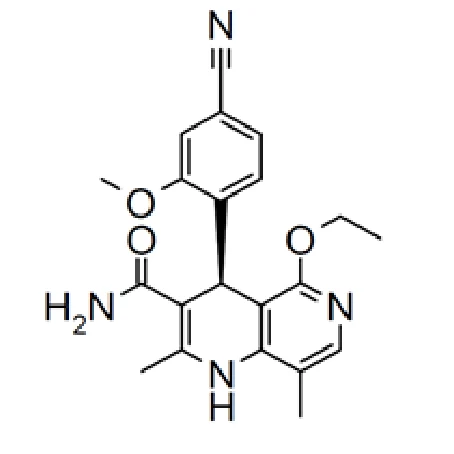
Structural formula:
Physicochemical properties:
Finerenone micronized drug substance is a white to yellow, crystalline powder. It is practically insoluble in water and sparingly soluble in 0.1 M HCl, ethanol, and acetone.
14 Clinical Trials
14.1 Clinical Trials by Indication
Renal and Cardiovascular Outcomes in Adults with CKD and T2D
Table 10 – Summary of Patient Demographics for Clinical Trials in CKD and T2D
| Study # | Study design | Dosage, route of administration and duration | Study subjects (n) | Mean age (Range) | Sex |
|---|---|---|---|---|---|
| FIDELIO-DKD | Randomized, double-blind, placebo-controlled, multicenter | KERENDIA 10 mg or 20 mg or placebo once daily, 27 months | KERENDIA 10 or 20 mg: n= 2824 Placebo: n= 2838 | 66 years (28-97) | Male: 70% Female: 30% |
| FIGARO-DKD | Randomized, double-blind, placebo-controlled, multicenter | KERENDIA 10 mg or 20 mg or placebo once daily, 35 months | KERENDIA 10 or 20 mg: n= 3674 Placebo: n= 3654 | 64 years (23-93) | Male: 69% Female: 31% |
KERENDIA (finerenone) was investigated in two randomized, double-blind, placebo-controlled, multicenter phase III studies, FIDELIO-DKD and FIGARO-DKD. In these studies, the effect of KERENDIA on kidney and cardiovascular outcomes was evaluated in adults with CKD and T2D receiving either KERENDIA 10 mg or 20 mg once daily, or placebo.
Demographics and other baseline characteristics from the FIDELIO-DKD study and the FIGARO-DKD study are presented in Table 11.
Table 11 – Demographics and Other Baseline Characteristics in Phase III Studies (FAS)
FIGARO-DKD
FIDELIO-DKD
KERENDIA (N=3674)
Placebo (N=3654)
KERENDIA (N=2824)
Placebo (N=2838)
Sex: Male
2516 (68.5%)
2568 (70.3%)
1947 (68.9%)
2027 (71.4%)
Sex: Female
1158 (31.5%)
1086 (29.7%)
877 (31.1%)
811 (28.6%)
Race:
White
2672 (72.7%)
2605 (71.3%)
1777 (62.9%)
1815 (64.0%)
Black or African American
113 (3.1%)
145 (4.0%)
138 (4.9%)
124 (4.4%)
Asian
703 (19.1%)
727 (19.9%)
710 (25.1%)
720 (25.4%)
Others
186 (5.0%)
177 (4.8%)
199 (7.0%)
179 (6.3%)
Region
Western Europe
725 (19.7%)
760 (20.8%)
619 (21.9%)
632 (22.3%)
Eastern Europe
1029 (28.0%)
990 (27.1%)
563 (19.9%)
544 (19.2%)
North America
559 (15.2%)
548 (15.0%)
465 (16.5%)
477 (16.8%)
Asia
798 (21.7%)
803 (22.0%)
783 (27.7%)
786 (27.7%)
Latin America
424 (11.5%)
417 (11.4%)
295 (10.4%)
298 (10.5%)
Others
139 (3.8%)
136 (3.7%)
99 (3.5%)
101 (3.6%)
Age (years)
Mean
64.16
64.15
65.44
65.68
SD
9.66
10.00
8.93
9.16
Median
65.00
65.00
66.00
66.00
Baseline BMI (kg/m2)
Mean
31.47
31.42
31.14
31.10
SD
6.05
5.93
6.03
5.99
Q1
27.30
27.20
26.90
27.00
Median
30.70
30.60
30.40
30.30
Q3
34.80
34.80
34.40
34.50
Baseline eGFR (mL/min/1.73m2)
Arithm. Mean
67.60
67.97
44.37
44.33
Arithm.SD
21.66
21.76
12.55
12.57
Median
67.30
67.80
43.00
43.00
Baseline eGFR (mL/min/1.73m2) category
<25
15 (0.4%)
12 (0.3%)
66 (2.3%)
69 (2.4%)
25 - <45
641 (17.4%)
610 (16.7%)
1471 (52.1%)
1502 (52.9%)
45 -<60
743 (20.2%)
787 (21.5%)
968 (34.3%)
928 (32.7%)
FIGARO-DKD
FIDELIO-DKD
KERENDIA (N=3674)
Placebo (N=3654)
KERENDIA (N=2824)
Placebo (N=2838)
≥60
2275 (61.9%)
2244 (61.4%)
318 (11.3%)
338 (11.9%)
Baseline UACR (mg/g)
Geom.Mean
284.56
288.90
799.37
815.81
Geom.SD
3.58
3.53
2.65
2.66
Median
302.74
315.10
832.91
869.29
UACR at baseline (≤/> median in the FAS)
≤514.7 mg/g
2387 (65.0%)
2402 (65.7%)
860 (30.5%)
840 (29.6%)
>514.7 mg/g
1287 (35.0%)
1250 (34.2%)
1962 (69.5%)
1997 (70.4%)
Baseline serum potassium (mmol/L)
Arithm.Mean
4.33
4.33
4.37
4.38
Arithm.SD
0.43
0.43
0.46
0.46
Median
4.30
4.30
4.40
4.40
Baseline systolic blood pressure (mmHg)
Arithm.Mean
135.79
135.71
138.05
138.05
Arithm.SD
13.95
14.07
14.33
14.37
Median
135.67
136.00
138.33
138.33
Baseline HbA1c (%)
Arithm.Mean
7.74
7.69
7.66
7.69
Arithm.SD
1.39
1.35
1.33
1.36
Median
7.50
7.50
7.50
7.50
History of CV disease, present
1676 (45.6%)
1653 (45.2%)
1297 (45.9%)
1302 (45.9%)
Duration of diabetes (in years)
Arithm.Mean
14.55
14.46
16.60
16.54
Arithm.SD
8.60
8.45
8.76
8.78
Median
13.20
14.04
16.12
16.15
Arithm = arithmetic, BMI = body mass index, CV = cardiovascular, eGFR = estimated glomerular filtration rate, FAS = full analysis set, Geom = geometric, HbA1c = glycated hemoglobin, N = number of subjects, Q = quartile, SD = standard deviation, UACR = urinary albumin-to-creatinine ratio
Table 12 shows the breakdown of patients in the pooled analysis of FIGARO-DKD and FIDELIO-DKD stratified by both baseline eGFR and UACR laboratory values.
Table 12 – Number and Percentage of Patients by Baseline eGFR and UACR in the Pooled Analysis of FIGARO-DKD and FIDELIO-DKD
| Urine Albumin Creatinine Ratio (UACR) categories (mg/g) | |||||||||
|---|---|---|---|---|---|---|---|---|---|
| eGFR categories (mL/min/1.73 m2) | <30 | 30 - <300 | ≥300 | ||||||
| ≥90 | 13 (0.1) | 198 (1.5) | 1107 (8.5) | ||||||
| 60-89 | 51 (0.4) | 1032 (7.9) | 2772 (21.3) | ||||||
| 45-59 | 82 (0.6) | 1389 (10.7) | 1960 (15.1) | ||||||
| 30-44 | 68 (0.5) | 1229 (9.5) | 2201 (16.9) | ||||||
| 25-29 | 16 (0.1) | 239 (1.8) | 633 (4.9) | ||||||
Values are presented at n (%)
In the pooled analysis of FIGARO-DKD and FIDELIO-DKD, 6278 (48.3%), 5330 (41.0%), 1312 (10.1%), and 64 (0.5%) of patients had very high, high, moderate, and low Kidney Disease Improving Global Outcomes (KDIGO) risk scores, respectively, according to the KDIGO 2020 Clinical Practice Guideline for Diabetes Management in Chronic Kidney Disease.
FIDELIO-DKD Study
In FIDELIO-DKD patients were eligible based on evidence of persistent albuminuria (> 30 mg/g to 5,000 mg/g), an eGFR of 25 to 75 mL/min/1.73m2, serum potassium ≤ 4.8 mmol/L at screening, and were required to be receiving standard of care, including a maximum tolerated labeled dose of an angiotensin-converting enzyme inhibitor (ACEi) or angiotensin receptor blocker (ARB). Patients with diagnosed heart failure with reduced ejection fraction and persistent symptoms (New York Heart Association II-IV) were excluded.
The primary endpoint in the FIDELIO-DKD study was a composite of time to first occurrence of kidney failure (defined as chronic dialysis or kidney transplantation, or a sustained decrease in eGFR to < 15 mL/min/1.73m2 over at least 4 weeks), a sustained decline in eGFR of 40% or more compared to baseline over at least 4 weeks, or renal death. The key secondary endpoint was a composite of time to first occurrence of cardiovascular (CV) death, non-fatal myocardial infarction (MI), non-fatal stroke or hospitalization for heart failure.
The trial analyzed 5,662 patients randomly assigned to receive either KERENDIA (N=2824), or placebo (N=2838), with a median follow-up duration of 2.6 years. After the end of study notification, vital status was obtained for 99.7% of patients. The trial population was 63% White, 25% Asian and 5% Black. The mean age at enrollment was 66 years and 70% of patients were male. At baseline, the mean eGFR was 44.4 mL/min/1.73m2, with 55% of patients having an eGFR < 45 mL/min/1.73m2, median urine albumin-to-creatinine ratio (UACR) was 853 mg/g and mean glycated hemoglobin A1c (HbA1c) was 7.7%, 46% had a history of atherosclerotic cardiovascular disease, 30% had history of coronary artery disease, 8% had a history of cardiac failure, and the mean blood pressure was 138/76 mmHg. The mean duration of type 2 diabetes at baseline was 16.6 years and a history of diabetic retinopathy and diabetic neuropathy was reported in 47% and 26% of patients at baseline, respectively. At baseline, 99.8% of patients were on ACEi (34%) or ARB (66%), and 97% of patients used one or more antidiabetic medications (insulin [64%], biguanides [44%], glucagon-like peptide-1 [GLP-1] receptor agonists [7%], sodium-glucose cotransporter 2 [SGLT2] inhibitors [5%]). The other most frequent medications taken at baseline were statins (74%) and calcium channel blockers (63%).
FIGARO-DKD Study
The FIGARO-DKD study included adults with CKD and T2D, based on having a UACR of ≥ 30 mg/g to <300 mg/g and an eGFR of 25 to 90 mL/min/1.73m2, or a UACR ≥ 300 mg/g and an eGFR ≥ 60 mL/min/1.73m2 at screening. Patients were required to have a serum potassium of ≤ 4.8 mmol/L at screening and received standard of care background therapy, including a maximum tolerated labeled dose of a renin angiotensin system (RAS) inhibitor (either an ACEi or ARB). Patients with diagnosed heart failure with reduced ejection fraction and persistent symptoms (New York Heart Association II-IV) were excluded.
The primary endpoint of the FIGARO-DKD study was a composite of time to first occurrence of CV death, non-fatal MI, non-fatal stroke or hospitalization for heart failure. The key secondary endpoint was a composite of time to first occurrence of kidney failure, a sustained decline in eGFR of 40% or more compared to baseline over at least 4 weeks, or renal death.
The trial analyzed 7,328 patients randomly assigned to receive either KERENDIA (N=3674), or placebo (N=3654) that were followed for a median duration of 3.4 years. After the end of study notification, vital status was obtained for 99.8% of patients. The trial population was 72% White, 20% Asian and 4% Black. The mean age at enrollment was 64 years and 69% of patients were male. At baseline, the mean eGFR was 67.8 mL/min/1.73 m2, with 62% of patients having an eGFR ≥ 60 mL/min/1.73 m2, median UACR was 309 mg/g, and mean glycated HbA1c was 7.7%, 45% of patients had a history of atherosclerotic cardiovascular disease, 31% had a history of coronary artery disease, 8% had a history of cardiac failure, and the mean blood pressure was 136/77 mmHg. The mean duration of type 2 diabetes at baseline was 14.5 years and a history of diabetic retinopathy and diabetic neuropathy was reported in 31% and 28% of patients, respectively. At baseline, 99.9% of patients were on a RAS-inhibitor and 98% of patients used one or more antidiabetic medications (insulin [54%], biguanides [69%], glucagon-like peptide-1 [GLP-1] receptor agonists [8%], sodium-glucose cotransporter 2 [SGLT2] inhibitors [8%]). The other most frequent medication class taken at baseline was statins (71%).
Results
FIDELIO-DKD Study
KERENDIA demonstrated superiority to placebo by significantly reducing the risk of the primary composite endpoint of a sustained decline in eGFR of ≥40%, kidney failure, or renal death compared to placebo in a time-to-event analysis using the Cox proportional hazards model and log-rank test (HR 0.82, 95% CI 0.73-0.92, p=0.0009). See Table 13 and Figure 1. KERENDIA also significantly reduced the risk of the key secondary composite endpoint of time to first occurrence of CV death, non-fatal MI, non-fatal stroke or hospitalization for heart failure compared to placebo (HR 0.86, 95% CI 0.75-0.99, p=0.0344). See Figure 2.
The treatment effect for the primary and key secondary endpoints was generally consistent across subgroups. The treatment effect for the primary was mainly driven by an effect on a reduction in sustained decrease in eGFR, though kidney failure also contributed to the treatment effect. There were few renal deaths during the trial.
Table 13 – Analysis of the Primary and Secondary Time-to-Event Endpoints (and their individual components) in Phase III Study FIDELIO-DKD
| Subjects with Chronic Kidney Disease and Type 2 Diabetes | ||||||||||||||||||||
|---|---|---|---|---|---|---|---|---|---|---|---|---|---|---|---|---|---|---|---|---|
KERENDIA a 10 or 20 mg OD N=2824 | Placebo a N=2838 | Treatment Effect | KERENDIA / Placebo | |||||||||||||||||
| Primary and Secondary Time-to-event Endpoints: | n (%) | Event Rate (100 pt-yr) | n (%) | Event Rate (100 pt-yr) | Hazard Ratio (95% CI) | p-value | ||||||||||||||
| Primary composite of kidney failure, sustained eGFR decline ≥40% or renal death | 498 (17.6%) | 7.53 | 600 (21.1%) | 9.09 | 0.82 [0.73; 0.92] | 0.0009 | ||||||||||||||
| 205 (7.3%) | 2.96 | 235 (8.3%) | 3.39 | 0.86 [0.72; 1.05] | - | ||||||||||||||
| 473 (16.7%) | 7.15 | 577 (20.3%) | 8.74 | 0.81 [0.72; 0.91] | - | ||||||||||||||
| 2 (<0.1%) | - | 2 (<0.1%) | - | - | - | ||||||||||||||
| Secondary composite of CV death, non-fatal MI, non-fatal stroke or hospitalization for heart failure | 366 (13.0%) | 5.11 | 420 (14.8%) | 5.93 | 0.86 [0.75; 0.99] | 0.0344 | ||||||||||||||
| 128 (4.5%) | 1.70 | 150 (5.3%) | 1.99 | 0.86 [0.68;1.09] | - | ||||||||||||||
| 70 (2.5%) | 0.94 | 87 (3.1%) | 1.18 | 0.80 [0.58;1.09] | - | ||||||||||||||
| 90 (3.2%) | 1.21 | 87 (3.1%) | 1.18 | 1.03 [0.77;1.38] | - | ||||||||||||||
| 138 (4.9%) | 1.88 | 162 (5.7%) | 2.22 | 0.85 [0.68;1.07] | - | ||||||||||||||
- Treatment in addition to maximum tolerated labeled doses of ACEi or ARB.
p-value: two-sided p-value from stratified logrank test
CI = confidence interval, CV = cardiovascular, eGFR = estimated glomerular filtration rate, MI = myocardial infarction, N = number of subjects, n = number of subjects with event, pt-yr = patient year.
Note: Time to first event was analyzed in a stratified Cox proportional hazards model. For patients with multiple events, only the first event contributed to the composite endpoint. Sums of the numbers of first events for the single components do not add up to the numbers of events in the composite endpoint.
Figure 1 – Time to First Occurrence of Kidney Failure, Sustained Decline in eGFR ≥40% from Baseline, or Renal Death in the FIDELIO-DKD Study


Figure 2 – Time to First Occurrence of CV Death, Non-Fatal Myocardial Infarction, Non-Fatal Stroke or Hospitalization for Heart Failure in the FIDELIO-DKD Study
Number of subjects at risk
2824
2696
2599
2390
1802
1269
782
437
82
2838
2721
2583
2376
1757
1247
791
452
82
1 2 0 | 6 12 18 |
|---|---|
24 30 36 42 48 Time to first event (months) 0.00 0.05 0.10 0.15 0.20 0.25 0.30 0.35 0.40 0.45 0.50 Cum ulati ve inci dence pro babili ty 2: Placebo (N=2838) 1: Finerenone (N=2824) Planned Treatment Number of subjects at risk 2824 2751 2679 2574 2009 1481 977 531 108 2838 2750 2650 2546 1967 1473 949 534 115 1 2 | 0 6 12 18 |
24 30 36 42 48 Time to first event (months) 0.00 0.05 0.10 0.15 0.20 0.25 0.30 Cum ulati ve inci dence pro babili ty 2: Placebo (N=2838) 1: Finerenone (N=2824) Planned Treatment |


FIGARO-DKD Study
KERENDIA significantly reduced the risk of the primary composite endpoint of time CV death, non-fatal MI, non-fatal stroke or hospitalization for heart failure compared to placebo in a time to event analysis using the Cox proportional hazards model and log rank test (HR 0.87, 95% CI 0.76-0.98, p=0.0254). See Figure 3 and Table 14. The treatment effect for the primary endpoint was consistent across subgroups and was mainly driven by an effect on hospitalization for heart failure, though CV death also contributed to the treatment effect. A lower incidence rate of the secondary composite outcome of kidney failure, sustained eGFR decline of 40% or more or renal death was observed in the KERENDIA group compared to placebo, however this difference did not achieve statistical significance (HR 0.87, 95% CI 0.75-1.01, p=0.0635). See Table 14 and Figure 4.
Table 14 – Analysis of the Primary and Secondary Time-to-Event Endpoints (and their individual components) in Phase III Study FIGARO-DKD
| Subjects with Chronic Kidney Disease and Type 2 Diabetes | |||||||||||||||||||||
|---|---|---|---|---|---|---|---|---|---|---|---|---|---|---|---|---|---|---|---|---|---|
KERENDIA a 10 or 20 mg OD N=3674 | Placebo a N=3654 | Treatment Effect KERENDIA / Placebo | |||||||||||||||||||
| Primary and Secondary Time- to-event Endpoints: | n (%) | Event Rate (100 pt -yr) | n (%) | Event Rate (100 pt-yr) | Hazard Ratio (95% CI) | p-value | |||||||||||||||
| Primary composite of CV death, non-fatal MI, non-fatal stroke or hospitalization for heart failure | 457 (12.4%) | 3.88 | 518 (14.2%) | 4.46 | 0.87 [0.76; 0.98] | 0.0254 | |||||||||||||||
| 193 (5.3%) | 1.56 | 214 (5.9%) | 1.75 | 0.89 [0.73; 1.08] | - | |||||||||||||||
| 103 (2.8%) | 0.85 | 101 (2.8%) | 0.84 | 1.00 [0.76; 1.32] | - | |||||||||||||||
| 108 (2.9%) | 0.89 | 111 (3.0%) | 0.93 | 0.97 [0.74; 1.26] | - | |||||||||||||||
| 117 (3.2%) | 0.97 | 163 (4.5%) | 1.36 | 0.71 [0.56; 0.90] | - | |||||||||||||||
| Secondary composite of kidney failure, sustained eGFR decline ≥40% or renal death | 350 (9.5%) | 3.17 | 395 (10.8%) | 3.59 | 0.87 [0.75; 1.01] | 0.0635b | |||||||||||||||
| 46 (1.3%) | 0.40 | 62 (1.7%) | 0.55 | 0.72 [0.49; 1.05] | - | |||||||||||||||
| 338 (9.2%) | 3.06 | 385 (10.5%) | 3.50 | 0.86 [0.74; >1.00] | - | |||||||||||||||
| 0 | - | 2 (<0.1%) | - | - | - | |||||||||||||||
- Treatment in addition to maximum tolerated labeled doses of ACEi or ARB.
- Not significant
p-value: two-sided p-value from stratified logrank test
CI = confidence interval, CV = cardiovascular, eGFR = estimated glomerular filtration rate, MI = myocardial infarction, N = number of subjects, n = number of subjects with event, pt-yr = patient year.
Note: Time to first event was analyzed in a stratified Cox proportional hazards model. For patients with multiple events, only the first event contributed to the composite endpoint. Sums of the numbers of first events for the single components do not add up to the numbers of events in the composite endpoint.
Figure 3 – Time to First Occurrence of CV Death, Non-Fatal Myocardial Infarction, Non-Fatal Stroke or Hospitalization for Heart Failure in the FIGARO-DKD Study
Number of subjects at risk 3674 3588 3505 3415 3308 2771 2175 1703 1085 590 3654 3565 3467 3377 3255 2718 2115 1648 1067 576 1 2 0 6 12 18 | 30 36 42 48 54 Time to first event (months) 0.00 0.02 0.04 0.06 0.08 0.10 |
|---|
24
0.12
0.14
0.16
0.18
0.20
Cum ulati ve inci dence pro babili ty
2: Placebo (N=3654)
1: Finerenone (N=3674)
Planned Treatment


Figure 4 – Time to First Occurrence of Kidney Failure, Sustained Decline in eGFR >40% from Baseline, or Renal Death in the FIGARO-DKD Study


Cardiovascular outcomes in adults with heart failure with LVEF ≥40%
Table 15– Summary of Patient Demographics for Clinical Trial in Heart Failure with LVEF ≥40%
| Study # | Study design | Dosage, route of administration and duration | Study subjects (n) | Mean age (Range) | Sex |
|---|---|---|---|---|---|
| FINEARTS-HF | Randomized, double-blind, placebo-controlled, multicenter | KERENDIA 10 mg, 20 mg, 40 mg or placebo once daily, 43 months | KERENDIA 10, 20 or 40 mg: n= 3003 Placebo: n=2998 | 72 years (40 - 97) | Male: 54% Female: 46% |
KERENDIA was investigated in a randomized, double-blind, placebo-controlled, multicenter phase III study, FINEARTS-HF. The effect of KERENDIA on cardiovascular outcomes was evaluated in adults with heart failure receiving either KERENDIA 10 mg, 20 mg, or 40 mg once daily, or placebo. Demographics and other baseline characteristics from the FINEARTS-HF study are presented in Table 16.
2: Placebo (N=3654)
1: Finerenone (N=3674)
Planned Treatment
Number of subjects at risk
3674
3538
3433
3289
3119
2530
1931
1472
900
472
3654
3534
3424
3270
3084
2495
1923
1433
897
475
1
2
Time to first event (months)
Cum ulati ve inci dence pro babili ty
0
6
12
18
24
30
36
42
48
54
0.00
0.02
0.04
0.06
0.08
0.10
0.12
0.14
0.16
0.18
0.20
Table 16- Demographics and Baseline Characteristics in FINEARTS-HF Study (FAS)
KERENDIA
N = 3003 (100%)
Placebo
N = 2998 (100%)
Sex:
Male
1648 (54.9%)
1621 (54.1%)
Female
1355 (45.1%)
1377 (45.9%)
Race:
White
2366 (78.8%)
2369 (79.0%)
Asian
497 (16.6%)
499 (16.6%)
Black or African American
49 (1.6%)
39 (1.3%)
Age (years)
Mean (SD)
71.94 (9.60)
72.04 (9.69)
LVEF (%) at baseline
Mean (SD)
52.64 (7.82)
52.49 (7.81)
NYHA class
II
2081 (69.3%)
2065 (68.9%)
III
903 (30.1%)
910 (30.4%)
IV
18 (0.6%)
23 (0.8%)
Index HF event
≤7 days from randomization
609 (20.3%)
610 (20.3%)
>7 days - ≤3 months
1030 (34.3%)
998 (33.3%)
>3 months or no index HF event
1364 (45.4%)
1390 (46.4%)
Atrial fibrillation at baseline ECG
Present
1165 (38.8%)
1128 (37.6%)
Diabetes at baseline (%)
Present
1217 (40.5%)
1222 (40.8%)
Baseline BMI (kg/m2)
Mean (SD)
29.88 (6.10)
30.00 (6.13)
Baseline Systolic blood pressure (mmHg)
Mean (SD)
129.47 (15.35)
129.30 (15.30)
Baseline Serum potassium (mmol/L) category:
≤ 4.5 mmol/L
1969 (65.6%)
1958 (65.3%)
> 4.5 mmol/L
1034 (34.4%)
1040 (34.7%)
KERENDIA
N = 3003 (100%)
Placebo
N = 2998 (100%)
Baseline eGFR (mL/min/1.73m2)
Mean (SD)
61.94 (19.42)
62.27 (20.04)
Baseline eGFR (mL/min/1.73m2) category:
<45
649 (21.6%)
683 (22.8%)
45 to <60
802 (26.7%)
754 (25.2%)
60 to <90
1278 (42.6%)
1274 (42.5%)
≥90
274 (9.1%)
287 (9.6%)
Baseline UACR (mg/g)
n
2901
2896
Median
18.00
19.00
Albuminuria (mg/g) category at baseline:
<30 (normal albuminuria)
1765 (58.8%)
1746 (58.2%)
≥30 to < 300 (high albuminuria)
844 (28.1%)
868 (29.0%)
≥300 (very high albuminuria)
292 (9.7%)
282 (9.4%)
NT-proBNP (pg/mL) at baseline
n
2930
2913
Median
1052.50
1028.00
Use of medication at baseline:
ACEIs, ARBs, or ARNIs
2379 (79.2%)
2380 (79.4%)
SGLT-2 inhibitors
393 (13.1%)
424 (14.1%)
ACEI=angiotensin-converting enzyme inhibitor, ARB=angiotensin receptor blocker, ARNI=angiotensin receptor-neprilysin inhibitor, BMI=body mass index, ECG=electrocardiogram, eGFR=estimated glomerular filtration rate, FAS=full analysis set, LVEF=left ventricular ejection fraction, HF=heart failure, NT-proBNP=n-terminal prohormone B type natriuretic peptide, NYHA=New York Heart Association, SD=standard deviation, SGLT-2=sodium-glucose co-transporter, UACR=urinary albumin creatine ratio
FINEARTS-HF Study
In FINEARTS-HF, patients were eligible with a diagnosis of heart failure with New York Heart Association (NYHA) class II–IV, ambulatory or hospitalized primarily for heart failure with documented mildly reduced or preserved ejection fraction (LVEF ≥40%). In addition, patients had an eGFR ≥25 mL/min/1.73m2 and serum potassium ≤5.0 mmol/L at screening and randomization and were receiving background therapy, including diuretic treatment.
The primary endpoint was the composite of cardiovascular (CV) death and total (first and recurrent) heart failure events comprised of hospitalization for heart failure and urgent heart failure visits. Secondary endpoints included total (first and recurrent) heart failure events.
The study analyzed 6001 patients randomly assigned to receive either KERENDIA (N=3003), or placebo (N=2998), with a median follow-up duration of 2.7 years. The study included 3247 (54%) patients with a heart failure event in the past 3 months, including 1219 (20%) patients randomized during the hospitalization or within 7 days of discharge. Patients with eGFR ≥25 to <60 mL/min/1.73m2 initiated KERENDIA 10 mg and patients with eGFR ≥60 mL/min/1.73m2 initiated KERENDIA 20 mg. Both the groups were titrated up to a target dose of KERENDIA 20 mg, and 40 mg, respectively. At month 24, of the subjects treated with KERENDIA, 35% were treated with 40 mg once daily, 32% with 20 mg once daily, 12% with 10 mg once daily and 1% were on a treatment interruption. Eighty percent (80%) of the patients reached their target dose at some point during the treatment period. The trial population was 79% White, 17% Asian, and 1.5% Black. The mean age at enrollment was 72 years and 46% of patients were female. At baseline, the mean LVEF was 53%, with 64% of patients having an LVEF ≥50%, and 69% and 30% of patients were NYHA class II and III, respectively. Mean blood pressure was 129/75 mmHg while mean body mass index (BMI) was 30 kg/m2. The median NT-proBNP was 1041 pg/mL, the mean eGFR was 62 mL/min/1.73m2 with 48% of patients having an eGFR <60 mL/min/1.73m2, and the median urinary albumin-to-creatinine ratio (UACR) was 18 mg/g. Atrial fibrillation was present for 38% of patients and 41% had diabetes mellitus. The majority of patients were on loop diuretics (87%), a RAAS inhibitor (an ACEi or ARB, 79%, or an ARNI, 9%), and 14% were on sodium-glucose cotransporter 2 (SGLT2) inhibitors.
Results
KERENDIA demonstrated superiority to placebo by significantly reducing the risk of the primary composite endpoint of CV death and total heart failure events compared to placebo (RR 0.84, 95% CI 0.74-0.95, p=0.0072). See Table 17 and Figure 5 below. The effect was observed early with event curves separating from the first month and continuing to diverge throughout the study period. See Figure 5 below.
KERENDIA also demonstrated superiority to placebo on the secondary endpoints of total heart failure events (Rate Ratio (RR) 0.82, 95% CI 0.71-0.94, p=0.0062).
The treatment effect for the primary endpoints was consistent across all pre-specified subgroups.
Table 17- Analysis of the Primary Endpoints (and their Individual components for time-to-event endpoints) in Phase III Study FINEARTS-HF
| Subjects with Heart Failure and LVEF ≥40% a | |||||||||||||
| KERENDIA 10 or 20 or 40 mg OD N=3003 | Placebo N=2998 | Treatment Effect KERENDIA vs Placebo | |||||||||||
| Primary Efficacy Endpoints | [Event Total] n (%) | Event Rate (100 pt-yr) | [Event Total] n (%) | Event Rate (100 pt-yr) | Ratio or difference [95% CI] | p-value | |||||||
| Primary composite of CV death and total heart failure events | [1083] 624 (20.8%) | 14.88 | [1283] 719 (24.0%) | 17.70 | RR 0.84 [0.74, 0.95] | 0.0072 | |||||||
| [842] 479 (16.0%) | 11.57 | [1024] 573 (19.1%) | 14.12 | RR 0.82 [0.71, 0.94] | 0.0062 | |||||||
| 242 (8.1%) | 3.33 | 260 (8.7%) | 3.59 | HR 0.93 [0.78, 1.11] | - | |||||||
CV=cardiovascular; HR=hazard ratio; pt-yr=patient years; RR=rate ratio | |||||||||||||
Figure 5 - Primary Composite Endpoint of Composite CV Death and Total Heart Failure Events in Phase III Study FINEARTS-HF
Number of subjects at risk
3003
2959
2909
2859
2810
2760
2576
2399
2202
1977
1749
1430
970
385
65
0
2998
2946
2901
2855
2805
2756
2571
2387
2203
1964
1722
1426
960
377
63
0
1
2
0.0
0.1
0.2
0.3
0.4
0.5
0.6
0
3
6
9
12
15
18
21
24
27
30
33
36
39
42
45
Mean cum ulat ive function
2: Placebo
1: Finerenone
Planned Treatment
Time in months
Composite of cardiovascular death and total heart failure events
Rate Ratio = 0.84
15 Microbiology
No microbiological information is required for this drug product.
16 Non-Clinical Toxicology
Non-clinical data reveal no special hazard for humans based on conventional studies of safety pharmacology, single dose toxicity, genotoxicity, phototoxicity, carcinogenicity and male and female fertility.
Effects observed in repeat-dose toxicity studies were mainly due to exaggerated pharmacodynamic activities of finerenone and secondary adaptive responses.
In studies on embryo-fetal development, effects in rats were observed at exposures about 7 to 25 times those expected in humans, with malformations only observed at exposures about 10 times that in humans expected for the 40 mg dose and at 25 times for the 20 mg dose, thereby indicating a reduced concern. In the pre- and post-natal developmental study, adverse effects (pup mortality, low body weight and pinna unfolding delays) were found in pups. In addition, increased locomotor activity in the offspring was observed, which may result from exposure during pregnancy.
General toxicology
In the rat 26-week study, finerenone caused slight changes in electrolytes as well as slight to moderate changes in the adrenals. These findings are related to the mode of action. Adverse effects were seen at an AUCunbound of about 7 times that in humans for the 40 mg dose and about 17 times that in humans for the 20 mg dose (reduced body weight). The dose free of any adverse findings provided a safety margin of at least 2 for the 40 mg dose and at least 6 for the 20 mg dose.
In the 4- and 13-week studies, rats showed mild degenerative changes in the kidney as well as mild changes in the urinary bladder, which were not reproduced in the chronic study. Signs of general toxicity and atrophic changes in female genital organs were observed at high dose (30 mg/kg/day) of finerenone. The AUCunbound in females at the high dose was about 9 times the human exposure for the 40 mg dose and about 21 times the human exposure for the 20 mg dose.
In the chronic study (39 weeks) in dogs, finerenone caused mild changes in the adrenal glands, which are regarded as mode-of-action-related. In addition, a decrease in prostate weights and size was found starting at an AUCunbound of 4 times the maximum human therapeutic exposure for the 40 mg dose and 10 times the maximum human therapeutic exposure for the 20 mg dose. There were no additional findings in the male genital tract at the high dose (5 mg/kg/day) representing 24 or 60 times the maximum human exposure at the 40 mg and 20 mg dose of finerenone, respectively.
Genotoxicity
Finerenone was non-genotoxic in an in vitro bacterial reverse mutation (Ames) assay, the in vitro chromosomal aberration assay in cultured Chinese hamster V79 cells, and the in vivo micronucleus assay in mice.
Carcinogenicity
In 2-year carcinogenicity studies, finerenone did not show a carcinogenic potential in male and female rats at doses representing 8 and 11 times, respectively for the 40 mg dose or 21 and 28 times, respectively for the 20 mg dose the AUCunbound in humans. In male mice, finerenone resulted in an increase in Leydig cell adenoma at doses representing 10 to 26 times the AUCunbound in humans. A dose representing 7 and 8 times, respectively, the AUCunbound for the 40 mg dose and 17 and 19 times, respectively, the AUCunbound in humans for the 20 mg dose did not cause any tumors in male and female mice. Based on the known sensitivity of rodents to develop these tumors and the pharmacology-based mechanism at supratherapeutic doses as well as adequate safety margins, the increase in Leydig cell tumors in male mice is not considered clinically relevant.
Reproductive and developmental toxicology
Male fertility in rats was not affected by KERENDIA at levels up to 6 times (for the 40 mg dose) or 16 times (for the 20 mg dose) the human AUCunbound (see 7 Warnings and Precautions, Reproductive Health).
Finerenone caused reduced female fertility (decreased number of corpora lutea and implantation sites) as well as signs of early embryonic toxicity (increased post-implantational loss and decreased number of viable fetuses) at about 9 times the human AUCunbound for the 40 mg dose and at about 21 times the human AUCunbound for the 20 mg dose. In addition, reduced ovarian weights were found at about 7 times the humans AUCunbound for the 40 mg dose and at about 17 times the human AUCunbound for the 20 mg dose. No effects on female fertility and early embryonic development were found at 4 times the human AUCunbound for the 40 mg dose and at 10 times the human AUCunbound for the 20 mg dose. Additional animal studies demonstrated placental transfer of finerenone and/or its metabolites in pregnant rats (see 7 Warnings and Precautions, Reproductive Health).
In the embryo-fetal toxicity in rats, finerenone resulted in reduced placental weights and signs of fetal toxicity including reduced fetal weights and retarded ossification at the maternal toxic dose of 10 mg/kg/day corresponding to an AUCunbound of at least 7 times that in humans. At 30 mg/kg/day, the incidence of visceral and skeletal variations was increased (slight edema, shortened umbilical cord, slightly enlarged fontanelle) and one fetus showed complex malformations including a rare malformation (double aortic arch) at an AUCunbound of about 10-times that in humans at the 40 mg dose and about 25 times that in humans at the 20 mg dose. The doses free of any findings (low dose in rats, high dose in rabbits) provided safety margins of 4 to 5 and 10 to 13 times for AUCunbound for the 40 mg and 20 mg dose, respectively (see 7.1.1 Pregnancy).
When rats were exposed during pregnancy and lactation in the pre- and postnatal developmental toxicity study, increased pup mortality and other adverse effects (lower pup weight, delayed pinna unfolding) were observed at about 2 and 4 times the AUCunbound expected in humans at the dose of 40 mg and 20 mg, respectively. In addition, the offspring showed slightly increased locomotor activity, but no other neurobehavioral changes starting at about 2 and 4 times the AUCunbound expected in humans, at the dose of 40 mg and 20 mg, respectively. The increased locomotor activity in offspring may indicate a potential risk for the fetus. In addition, because of the findings in pups, a risk for the nursing infant cannot be excluded (see 7.1.1 Pregnancy and 7.1.2 Breastfeeding).