


Product Monograph - Lasix Special
1 INDICATIONS
LASIX® SPECIAL (furosemide) is indicated:
- as an adjuvant treatment of oliguria
in the promotion of diuresis in the treatment of edema in selected patients with:
- acute renal failure, e.g. in the postoperative phase and in association with septic infections;
- chronic renal failure with fluid retention, both in the predialysis phase and when dialysis has become unavoidable, especially in the presence of acute pulmonary edema;
- Nephrotic syndrome with severe impairment of renal function, e.g. in chronic glomerular nephritis, lupus erythematosus (see 7 WARNINGS AND PRECAUTIONS, General)
- Kimmelstiel-Wilson syndrome.
LASIX® SPECIAL (furosemide 500 mg) IS A HIGH-DOSAGE FORMULATION OF FUROSEMIDE AND IS INTENDED EXCLUSIVELY FOR PATIENTS WITH SEVERELY IMPAIRED RENAL FUNCTION. LASIX SPECIAL IS TO BE USED UNDER STRICT MEDICAL SUPERVISION IN A HOSPITAL SETTING (see 4 DOSAGE AND ADMINISTRATION).
1.1 Pediatrics
Pediatrics (Newborn to 15 years)
LASIX SPECIAL is not recommended for the pediatric population (see 2 CONTRAINDICATIONS, 7 WARNINGS AND PRECAUTIONS, Special Populations, Pediatrics).
1.2 Geriatrics
Geriatrics (> 61 years of age)
Use in the geriatric population is associated with differences in safety. Dose selection for the elderly patients should be cautious, reflecting the greater frequency of decreased hepatic, renal or cardiac function, and the concomitant disease or other drug therapy. (see 7 WARNINGS AND PRECAUTIONS).
2 CONTRAINDICATIONS
LASIX SPECIAL is contraindicated in:
Patients who are hypersensitive to furosemide, sulfonamide-derived drugs, or to any ingredient in the formulation or component of the container. For a complete listing, see 6 DOSAGE FORMS, STRENGTHS, COMPOSITION AND PACKAGING Patients allergic to
- sulfonamides (e.g. sulfonamide antibiotics or sulfonylureas) may show cross-sensitivity to furosemide.
- Patients with complete renal shutdown and glomerular filtration rate below 5 mL/min.
- Patients whose glomerular filtration rate is above 20 mL/min. In such cases, it might cause extremely severe water and electrolyte losses
- Patients with hepatic cirrhosis, patients with renal failure due to poisoning with nephrotoxic or hepatotoxic substances and patients with renal failure accompanied by hepatic coma and precoma (see 7 WARNINGS AND PRECAUTIONS and 8 ADVERSE REACTIONS).
- Patients with severe dehydration, hypotension, hyponatremia, hypokalemia or hypovolemia (see 7 WARNINGS AND PRECAUTIONS and 8 ADVERSE REACTIONS).
- Children (Newborn -15 years)
- Women that are breastfeeding (see 7 WARNINGS AND PRECAUTIONS).
3 SERIOUS WARNINGS AND PRECAUTIONS
Serious Warnings and Precautions
LASIX SPECIAL is a potent diuretic which, if given in excessive amounts, can lead to profound diuresis with water and electrolyte depletion. Therefore, careful medical supervision is required and dose and dosage schedule have to be adjusted to the individual patient's needs (see Dosage and Administration). The use of furosemide has been associated with exacerbation or activation of systemic lupus erythematosus. |
4 DOSAGE AND ADMINISTRATION
4.1 Dosing Considerations
LASIX SPECIAL is to be used under strict medical supervision in a hospital setting.
THE HIGH-DOSAGE FORMULATION LASIX SPECIAL IS INTENDED EXCLUSIVELY FOR SELECTED PATIENTS WITH SEVERELY IMPAIRED GLOMERULAR FILTRATION (GFR of less than 20 mL/min. but greater than 5 mL/min.), WHO HAVE NOT RESPONDED TO CONVENTIONAL DOSES OF FUROSEMIDE
When LASIX SPECIAL is used in high doses, careful attention much be paid to the following:
- If the patient is in shock, hypovolemia and hypotension must be corrected by appropriate measures before starting therapy.
- Any serious abnormalities of serum electrolytes or acid-base balance must be corrected before starting therapy
- When treating patients with conditions likely to interfere with micturition, such as prostatic hypertrophy or disturbed consciousness, it is absolutely essential to ensure free urinary drainage.
- Because of the wide and unpredictable individual variations in responsiveness, it is important to adjust dosage and route of administration to individual needs.
- Once the desired rise in urinary output has begun, exact balance of water intake and water output must be maintained throughout the course of treatment, so as to avoid hypovolemia or hypotension. Careful electrolyte replacement is also necessary.
The dosage of high strength LASIX SPECIAL given below is for adults only.
The administration of large doses of furosemide in children has been associated with permanent deafness (See 7 WARNINGS AND PRECAUTIONS).
4.2 Recommended Dose and Dosage Adjustment
The dose used must be the lowest that is sufficient to achieve the desired effect.
For selected patients with advanced chronic renal failure, diuretic therapy may be started with lower oral doses of furosemide, e.g. 80-160 mg/day. If conventional doses fail to produce an adequate diuresis, a single dose of 250 mg may be given as a starting dose. If a satisfactory diuresis does not ensue within 4-6 hours, the initial dose may be doubled to 500 mg. The maximum daily dose of LASIX SPECIAL is 1000 mg and this should not be exceeded.
The criterion of optimal dosage is a urinary output of at least 2.5 litres per day.
5 OVERDOSAGE
Symptoms
Dehydration, electrolyte depletion and hypotension may be caused by overdosage or accidental ingestion. In cirrhotic patients, overdosage might precipitate hepatic coma.
The clinical picture in acute or chronic overdose depends primarily on the extent and consequences of electrolyte and fluid loss, e.g. hypovolemia, dehydration, hemoconcentration, cardiac arrhythmias (including A-V block and ventricular fibrillation). Symptoms of these disturbances include severe hypotension (progressing to shock), acute renal failure, thrombosis, delirious states, flaccid paralysis, apathy and confusion.
| For management of a suspected drug overdose, contact your regional poison control centre. |
Treatment
The drug should be discontinued and appropriate corrective treatment applied: replacement of excessive fluid and electrolyte losses; serum electrolytes, carbon dioxide level and blood pressure should be determined frequently. Adequate drainage must be assured in patients with urinary bladder outlet obstruction (such as prostatic hypertrophy).
No specific antidote to furosemide is known. If ingestion has only just taken place, attempts may be made to limit further systemic absorption of the active ingredient (e.g. activated charcoal).
6 DOSAGE FORMS, STRENGTHS, COMPOSITION AND PACKAGING
Table 1 – Dosage Forms, Strengths, Composition and Packaging
Tablets, 500 mg: Yellow, round, one side double-scored. On the scored side, are debossed the letters “D”, “L”, “X” between the score lines. Other side of the tablet is debossed with the Hoechst “Tower and Bridge” logo. Each tablet contains 500 mg furosemide in HDPE bottles of 20.
7 WARNINGS AND PRECAUTIONS
General
All patients receiving LASIX SPECIAL therapy should be observed for signs and symptoms of fluid or electrolyte imbalance, hyponatremia, hypochloremic alkalosis, hypovolemia, hypomagnesemia, or hypocalcemia: dryness of the mouth, thirst, weakness, lethargy, drowsiness, restlessness, muscle pain or cramps, muscular fatigue, hypotension, oligourea, tachycardia, arrhythmia, or gastro-intestinal disturbances such as nausea and vomiting, increases in blood glucose and alteration in glucose tolerance tests.
During long-term therapy, a high-potassium diet is recommended. Potassium supplements may be required especially when high doses are used for prolonged periods. Some electrolyte disturbances (e.g. hypokalemia, hypomagnesemia) may increase the toxicity of certain other drugs (e.g. digitalis preparations and drugs inducing QT interval prolongation syndrome). Particular caution with potassium levels is necessary when the patient is on digitalis glycosides or potassium-depleting steroids. Potassium supplementation, diminution in dose, or discontinuation of LASIX SPECIAL therapy may be required.
Since rigid sodium restriction is conducive to both hyponatremia and hypokalemia, strict restriction in sodium intake is not advisable in patients receiving LASIX SPECIAL therapy.
| Route of Administration | Dosage Form / Strength/Composition | Non-medicinal Ingredients |
| oral | Tablet 500 mg | Corn starch, colloidal silicon dioxide, D&C Yellow #10, FD&C Yellow #6, lactose monohydrate, magnesium stearate, powdered cellulose, sodium starch glycolate and talc. |
During treatment with LASIX SPECIAL, extreme care must always be taken to adjust dosage to individual requirements.
Since furosemide is a sulfonamide derivative, it should be not be used in patients with known sulfonamide sensitivity (see 2 CONTRAINDICATIONS).
Urinary outflow must be secured. Patients with urinary outflow require careful monitoring, especially during the initial stages of treatment (see 8 ADVERSE REACTIONS, Post-Market Adverse Drug Reactions-Renal and urinary disorders).
The possibility exists of exacerbation or activation of systemic lupus erythematosus.
Concomitant use with risperidone
There is an increased risk of mortality in patients with dementia (see 9 DRUG INTERACTIONS). Patients with dementia should be carefully monitored, especially their hydration status, as dehydration is an overall risk factor for mortality (see 2 CONTRAINDICATIONS).
Driving and Operating Machinery
LASIX SPECIAL may lower the state of patient alertness and/or reactivity particularly at the start of treatment as a result of a reduction in blood pressure and of other adverse reactions (see 8 ADVERSE REACTIONS).
Ear/Nose/Throat
Cases of tinnitus and reversible deafness have been reported. There have also been some reports of cases, the majority in children undergoing renal transplantation, in which permanent deafness has occurred. In these latter cases, the onset of deafness was usually insidious and gradually progressive up to 6 months after furosemide therapy. (The 500 mg furosemide tablet is for adults only). Hearing impairment is more likely to occur in patients with hypoproteinemia or severely reduced renal function, or in patients who are also receiving drugs known to be ototoxic. Since this may lead to irreversible damage, these drugs must only be used with furosemide if there are compelling medical reasons.
Endocrine and Metabolism
Increases in blood glucose and alterations in glucose tolerance tests with abnormalities of the fasting and two-hour postprandial blood sugar levels have been observed. Rare cases of precipitation of diabetes mellitus have been reported.
Asymptomatic hyperuricemia can occur and a gout attack may rarely be precipitated.
Monitoring and Laboratory Tests
Frequent serum electrolyte, creatinine and CO2 content determinations should be performed during the first few months of therapy and periodically thereafter. It is essential to replace electrolyte losses and to maintain fluid balance so as to avoid any risk of electrolyte depletion (hyponatremia, hypochloremia, hypokalemia, hypomagnesemia or hypocalcemia), hypovolemia, or hypotension.
Checks on urine and blood glucose should be made at regular intervals especially in diabetics and in those suspected of latent diabetes when receiving LASIX SPECIAL. Increases in blood glucose and alterations in glucose tolerance tests with abnormalities of the fasting and two-hour postprandial blood sugar levels have been observed.
Frequent BUN determinations during the first few months of therapy and periodically thereafter, as well as regular observations for possible occurrence of blood dyscrasias, liver damage or idiosyncratic reactions are advisable.
Particularly careful monitoring is necessary in patients with:
- Hypoproteinemia. Cautious dose titration is required.
- Hypotension
- A particular risk from a pronounced fall in blood pressure (e.g. patients with significant stenoses of the coronary arteries or of the blood vessels supplying the brain).
- Hepatorenal syndrome.
- Latent and manifest Diabetes mellitus
- Gout
Peri-Operative Considerations
Sulfonamide diuretics have been reported to decrease arterial responsiveness to pressor amines and to enhance the effect of tubocurarine or curare-type muscle relaxants. Great caution should be exercised in administering curare or its derivatives to patients undergoing therapy with LASIX SPECIAL and it is advisable to discontinue LASIX SPECIAL for one week prior to any elective surgery.
7.1 Special Populations
7.1.1 Pregnant Women
The teratogenic and embryotoxic potential of furosemide in humans is unknown. The drug should not be used in pregnant women or in women of childbearing potential unless in the opinion of the attending physician the benefits to the patient outweigh the possible risk to the fetus.
Reproductive and teratological studies have been performed in mice, rats, rabbits, cats, dogs and monkeys. With the exception of mice and rabbits, no abnormalities attributed to furosemide were detected. Furosemide caused unexplained maternal deaths and abortions in the rabbit at a daily dose of 50 mg/kg (approximately three times the maximum recommended human daily dose of 1000 mg orally) when administered between days 12 to 17 of gestation. In another study in rabbits, a dose of 25 mg/kg caused maternal deaths and abortions. In a third study, none of the pregnant rabbits survived a dose of 100 mg/kg. Data from the above studies indicate fetal lethality which can precede maternal deaths.
The results of a mouse study and one of the three rabbit studies also showed an increased incidence of distention of the renal pelvis and, in some cases, of the ureters in fetuses derived from treated dams as compared to the incidence of fetuses from the control group.
Treatment during pregnancy requires monitoring of fetal growth.
7.1.2 Breast-feeding
It should be noted that diuretics may partially inhibit lactation and that LASIX SPECIAL passes into the breast milk. Women must not breast-feed if they are treated with furosemide (see 2 CONTRAINDICATIONS).
7.1.3 Pediatrics
Pediatrics (newborn-15 years)
LASIX SPECIAL is not recommended for pediatric use (see 2 CONTRAINDICATIONS).
LASIX SPECIAL may lower serum calcium levels, and rare cases of tetany have been reported.
In premature infants LASIX may precipitate nephrocalcinosis/nephrolithiasis.
When administered to premature infants with respiratory distress syndrome in the first few weeks of life, diuretic treatment with LASIX may accentuate the risk of a patent ductus arteriosus.
7.1.4 Geriatrics
Geriatrics (> 61 years of age)
Excessive diuresis induced by LASIX SPECIAL may result in dehydration and reduction of blood volume, with circulatory collapse and with the possibility of vascular thrombosis and embolism particularly in elderly patients. LASIX SPECIAL may cause electrolyte depletion.
Furosemide binding to albumin may be reduced in elderly patients.
The drug is known to be substantially excreted unchanged by the kidney, and the risk of toxic reactions to this drug may be greater in patients with impaired renal function. Because elderly patients are more likely to have decreased renal functions, care should be taken in dose selection and may be useful to monitor renal function.
In general dose selection for the elderly patients should be cautious, usually starting at the low end of dosage range, reflecting the greater frequency of decreased hepatic, renal or cardiac function, and the concomitant disease or other drug therapy.
8 ADVERSE REACTIONS
8.1 Adverse reaction overview
Serious adverse reactions with unknown frequency are thrombosis, nephrocalcinosis/nephrolithiasis in premature infants, renal failure, Stevens-Johnson syndrome, toxic epidermal necrolysis, acute generalized exanthematous pustulosis and Drug Rash with Eosinophilia and Systemic Symptoms. The most commonly reported adverse reactions (≥ 10%) are electrolyte disturbances (including symptomatic), dehydration, hypovolaemia, (especially in elderly patients), increased blood creatinine and triglyceride levels and hypotension, including orthostatic hypotension (see 7 WARNINGS AND PRECAUTIONS, General).
8.2 Clinical trial adverse reactions
This information is not available for this drug product.
8.5 Post-Market Adverse Reactions
Adverse reactions are categorized below by body system.
Blood and lymphatic system disorders
Anemia, eosinophilia, leukopenia and thrombocytopenia (with purpura) have occurred, as well as agranulocytosis, aplastic anemia and hemolytic anemia.
Ear and Labyrinth disorders
Cases of tinnitus and sometimes irreversible deafness have been reported. There have also been some reports of cases, the majority in children undergoing renal transplantation, in which permanent deafness has occurred. In these latter cases, the onset of deafness is usually insidious and gradually progressive up to 6 months after furosemide therapy. Hearing disorder is more likely to occur in patients with hypoproteinemia or severely reduced renal function who are also receiving drugs known to be ototoxic.
Vertigo has been reported.
Eye disorders
Xanthopsia and blurred vision have been reported.
Gastrointestinal disorders
Acute pancreatitis, oral and gastric burning, diarrhea, nausea, vomiting and constipation have been reported. Rare occurrences of sweet taste have been reported.
Hepatobiliary disorders
Jaundice (intrahepatic cholestatic jaundice) and cholestasis have been reported.
Immune system disorders
Hypersensitivity reactions to furosemide also include photosensitivity, paresthesia and fever.
Systemic hypersensitivity reactions include vasculitis and necrotizing angiitis.
Severe anaphylactic or anaphylactoid reactions (e.g. with shock) occur rarely.
Exacerbation or activation of systemic lupus erythematosus.
Investigations
Increase in liver transaminases has been reported.
Transient elevations of BUN have been observed, especially in patients with renal insufficiency.
As with other diuretics, there may be an increase in serum creatinine, uric acid (this may lead to gout attack in predisposed patients), blood urea, cholesterol and triglyceride levels during furosemide treatment.
Metabolism and nutrition disorders
Electrolyte depletion has occurred during therapy with LASIX SPECIAL, especially in patients receiving higher doses with a restricted salt intake. Electrolyte depletion(hyponatremia, hypochloremia, hypokalemia, hypocalcemia and hypomagnesemia) manifests itself by adverse reactions attributed to various body systems: weakness, dizziness, drowsiness, polyuria, polydipsia, orthostatic hypotension, lethargy, sweating, bladder spasms, anorexia, vomiting, mental confusion, meteorism, thirst, headache, muscle cramp, muscle weakness, tetany and disorder of cardiac rhythm (see 7 WARNINGS AND PRECAUTIONS).
The development of electrolyte disturbances (including symptomatic) is influenced by factors such as underlying diseases (e.g. liver cirrhosis, cardiac failure), concomitant medication and nutrition.
Cases of Pseudo-Bartter syndrome (hypochloremia, hypokalemia, alkalosis, normal to low blood pressures, and elevated plasma renin and aldosterone) have been reported in the context of misuse and/or long-term use of furosemide.
Treatment with LASIX SPECIAL has occasionally caused some deterioration of metabolic control in cases of manifest diabetes, or has made latent diabetes manifest.
Metabolic alkalosis may develop in the form of a gradually increasing electrolyte deficit or, e.g. where higher furosemide doses are administered to patients with normal renal function, acute severe electrolyte losses.
Pre-existing metabolic alkalosis (e.g. in decompensated cirrhosis of the liver) may be aggravated.
In extreme cases, hypovolemia may lead to dehydration, circulatory collapse, hemoconcentration and thrombophilia. Thrombophlebitis and emboli have been reported.
Musculoskeletal and connective tissue disorders:
Cases of rhabdomyolysis have been reported, often in the context of severe hypokalemia.
Nervous system disorders
At the commencement of treatment, excessive diuresis may give rise, especially in elderly patients, to a feeling of pressure in the head, dizziness, headache, fainting or loss of consciousness.
Paresthesia has been reported.
Hepatic encephalopathy in patients with hepatocellular insufficiency has been reported.
Renal and urinary disorders
Symptoms of obstructed micturition (e.g. in hydronephrosis, prostatic hypertrophy, ureterostenosis) may become manifest or may be aggravated during medication with diuretics.
Interstitial nephritis has been reported.
Increased production of urine may provoke or aggravate complaints in patients with an obstruction of urinary outflow. Thus, acute retention of urine with possible secondary complications may occur. Increases in urine sodium and chloride have also been reported.
There have been some reported cases of renal failure.
In premature infants LASIX may precipitate nephrocalcinosis/nephrolithiasis.
Skin and subcutaneous tissue disorders
Various forms of dermatitis (e.g. dermatitis bullous), including urticaria, erythema multiforme, pemphigoid, Stevens-Johnson syndrome, toxic epidermal necrolysis, exfoliative dermatitis, pruritus, epidermolysis bullosa, AGEP (acute generalized exanthematous pustolosis), lichenoid reactions and DRESS (Drug Rash with Eosinophilia and Systemic Symptoms) have occurred.
Dermatologic reactions to furosemide also include purpura and rash.
Vascular disorders
Too vigorous diuresis may induce orthostatic hypotension or acute hypotensive episodes, which may cause signs and symptoms such as impairment of concentration and reactions, lightheadedness or orthostatic intolerance. There have been some reported cases of thrombosis.
When administered to premature infants with respiratory distress syndrome in the first few weeks of life, diuretic treatment with LASIX may accentuate the risk of a patent ductus arteriosus.
9 DRUG INTERACTIONS
9.2 Drug Interactions Overview
Sulfonamide diuretics have been reported to decrease arterial responsiveness to pressor amines and to enhance the effect of tubocurarine or curare-type muscle relaxants (see 7 WARNINGS AND PRECAUTIONS, Peri-Operative Considerations).
In case of concomitant abuse of laxatives, the risk of an increased potassium loss should be considered.
Glucocorticoids, carbenoxolone and licorice may also increase potassium loss.
Administration of LASIX SPECIAL to diabetic patients may result in possible decrease of diabetic control. Dosage adjustments of the anti-diabetic agent may be needed.
Hearing impairment is more likely to occur in patients who are also receiving drugs known to be ototoxic (e.g. aminoglycosides antibiotics, ethacrynic acid and cisplatin) (see 7 WARNINGS AND PRECAUTIONS).
In edematous hypertensive patients being treated with antihypertensive agents, care should be taken to reduce the dose of these drugs when LASIX SPECIAL is administered, since LASIX SPECIAL potentiates their hypotensive effect.
Non-steroidal anti-inflammatory drugs (e.g. indomethacin, acetyl-salicylic acid) may attenuate the effect of LASIX SPECIAL and may cause renal failure in case of pre-existing hypovolemia.
9.4 Drug-Drug Interactions
Table 2 - Established or Potential Drug-Drug Interactions
| Proper Name | Source of Evidence | Effect | Clinical comment |
|---|---|---|---|
| Anticonvulsants | |||
Carbamazepine Phenobarbital Phenytoin | T | ↓ furosemide diuretic effect | may also attenuate the effect of furosemide. |
| Antidiabetics | T | ↓ antidiabetic drug effect | The effects of antidiabetic drugs may be reduced. |
| Antihypertensive Agents | |||
| ACE inhibitors | CT | ↓ blood pressure and renal function | Consideration must be given to interrupting the administration of furosemide temporarily or at least reducing the dose of furosemide for three days before starting treatment with, or increasing the dose of, an ACE inhibitor. |
| Proper Name | Source of Evidence | Effect | Clinical comment |
|---|---|---|---|
| Angiotensin II receptor antagonists | CT | ↓ blood pressure and renal function | The concomitant administration of LASIX SPECIAL with angiotensin II receptor antagonists may lead to deterioration in renal function and, in isolated cases, to acute renal failure. Consideration must be given to interrupting the administration of furosemide temporarily or at least reducing the dose of furosemide for three days before starting treatment with, or increasing the dose of, an angiotensin II receptor antagonist. |
| Cephalosporins | T | ↓ renal function | Impairment of renal function may develop in patients receiving concurrent treatment with furosemide and high doses of certain cephalosporins. |
| Chloral Hydrate | C | — | In isolated cases intravenous administration of furosemide within 24 hours of taking chloral hydrate may lead to flushing, sweating attacks, restlessness, nausea, increase in blood pressure and tachycardia. Use of furosemide concomitantly with chloral hydrate is therefore not recommended. |
| Chlorothiazides | T | — | The concurrent use of LASIX SPECIAL with chlorothiazide has been reported to decrease hypercalciuria and to dissolve some calculi. |
| Proper Name | Source of Evidence | Effect | Clinical comment |
|---|---|---|---|
| Cisplatin | T | ↑ nephrotoxicity ↑ ototoxicity | Nephrotoxicity of cisplatin may be enhanced if furosemide is not given in low doses and with positive fluid balance when used to achieve forced diuresis during cisplatin treatment. There is also a risk of ototoxic effects if cisplatin and furosemide are given concomitantly. |
| Cyclosporine | CT | — | Concomitant use of cyclosporine A and furosemide is associated with increased risk of gouty arthritis secondary to furosemide-induced hyperurecemia and cyclosporine impairment of renal urate excretion. |
| Digitalis Glycosides | T | ↓ potassium plasma concentration | Some electrolyte disturbances (e.g. hypokalemia, hypomagnesemia) may increase the toxicity of certain other drugs (e.g. digitalis preparations and drugs inducing QT interval prolongation syndrome). Particular caution with potassium levels is necessary when the patient is on digitalis glycosides. Potassium supplementation, diminution in dose, or discontinuation of LASIX SPECIAL therapy may be required (see 7 WARNINGS AND PRECAUTIONS). |
| Proper Name | Source of Evidence | Effect | Clinical comment |
|---|---|---|---|
| Direct Renin Inhibitor | |||
| Aliskiren | C / CT / T | ↓ Plasma concentration of furosemide given orally | Aliskiren reduces plasma concentration of furosemide given orally. In patients treated with both aliskiren and oral furosemide, it is recommended to monitor for reduced diuretic effect and adjust the dose accordingly |
| Levothyroxine | C | ↑ then ↓ thyroid hormones | High doses of furosemide may inhibit binding of thyroid hormones to carrier proteins and thereby lead to an initial transient increase in free thyroid hormones, followed by an overall decrease in total thyroid hormone levels. Thyroid hormone levels should be monitored. |
| Lithium | T | ↑ lithium plasma concentration | Renal clearance of lithium is decreased in patients receiving LASIX SPECIAL, resulting in increased risk of cardiotoxic and neurotoxic effects of lithium. Therefore, it is recommended that lithium levels be carefully monitored in patients receiving this combination. |
| Methotrexate | T | ↓ furosemide diuretic effect | Methotrexate, which like furosemide, undergoes significant renal tubular secretion, may also attenuate the effect of furosemide. |
| Nephrotoxic Drugs | |||
| Proper Name | Source of Evidence | Effect | Clinical comment |
|---|---|---|---|
Cisplatin, cyclosporin, Indomethacin | T | ↑ nephrotoxicity | The harmful effects of nephrotoxic drugs on the kidney may be increased. |
| Non-Steroidal Anti-Inflammatory Drugs (NSAIDs) | |||
| Indomethacin | CT | ↓ furosemide diuretic effect | Clinical studies have shown that the administration of indomethacin can reduce the natriuretic and anti-hypertensive effect of LASIX SPECIAL in some patients. This response has been attributed to inhibition of prostaglandin synthesis by indomethacin. Therefore, when indomethacin is added to the treatment of a patient receiving LASIX SPECIAL, or LASIX SPECIAL is added to the treatment of a patient receiving indomethacin, the patient should be closely observed to determine if the desired effect of LASIX SPECIAL is obtained. Indomethacin blocks the LASIX SPECIAL-induced increase in plasma-renin activity. This fact should be kept in mind when evaluating plasma-renin activity in hypertensive patients. |
| Proper Name | Source of Evidence | Effect | Clinical comment |
|---|---|---|---|
| Potassium-depleting Steroids | T | ↓ potassium plasma concentration | Some electrolyte disturbances (e.g. hypokalemia, hypomagnesemia) may increase the toxicity of certain other drugs (e.g. digitalis preparations and drugs inducing QT interval prolongation syndrome). Particular caution with potassium levels is necessary when the patient is on potassium-depleting steroids. Potassium supplementation, diminution in dose, or discontinuation of LASIX SPECIAL therapy may be required (see 7 WARNINGS AND PRECAUTIONS). |
| Probenecid | T | ↓ furosemide diuretic effect | Probenecid, which like furosemide, undergoes significant renal tubular secretion, may also attenuate the effect of furosemide. |
| Radiocontrast Agents | CT | ↑ radiocontrast nephropathy | Patients who were at high risk for radiocontrast nephropathy treated with furosemide experienced a higher incidence of deterioration in renal function after receiving radiocontrast compared to high-risk patients who received only intravenous hydration prior to receiving radiocontrast. |
| Proper Name | Source of Evidence | Effect | Clinical comment |
|---|---|---|---|
| Risperidone | CT | ---- | A higher incidence of mortality was observed in elderly patients with dementia treated with furosemide plus risperidone (7.3%; mean age 89 years, range 75-97 years) when compared to elderly patients with dementia treated with risperidone alone (3.1%; mean age 84 years, range 70-96 years) or furosemide alone (4.1%; mean age 80 years, range 67-90 years). Caution should be exercised and the risks and benefits of the combination or co-treatment with furosemide or with other potent diuretics should be considered prior to the decision to use. |
| Salicylates | T | ↑ salicylate toxicity | Patients receiving high doses of salicylates in conjunction with LASIX SPECIAL may experience salicylate toxicity at lower doses because of competition for renal excretory sites. |
| Sucralfate | T | ↓ furosemide absorption | Concurrent administration of LASIX SPECIAL and sucralfate should be avoided, as sucralfate reduces the absorption of furosemide from the intestine and hence weakens its effect. |
| Proper Name | Source of Evidence | Effect | Clinical comment |
|---|---|---|---|
| Theophylline | T | ↑ theophylline effect | The effects of theophylline may be increased; theophylline levels should be monitored during treatment |
Legend: C = Case Study; CT = Clinical Trial; T = Theoretical
Interactions with other drugs have not been established.
9.5 Drug-Food Interactions
Interactions with food have not been established.
9.6 Drug-Herb Interactions
Interactions with herbal products have not been established.
9.7 Drug-Laboratory Test Interactions
Interactions with laboratory tests have not been established.
10 CLINICAL PHARMACOLOGY
10.1 Mechanism of Action
Animal experiments using stop-flow and micropuncture techniques have demonstrated that furosemide inhibits sodium reabsorption in the ascending limb of Henle's loop as well as in both proximal and distal tubules. The action of LASIX SPECIAL on the distal tubule is independent of any inhibitory effect on carbonic anhydrase or aldosterone.
Furosemide may promote diuresis in cases which have previously proved resistant to other diuretics.
10.2 Pharmacodynamics
A continuous infusion of furosemide is more effective than repetitive bolus injections. Moreover, above a certain bolus dose of the drug there is no significant increase in effect.
The effect of furosemide is reduced if there is lowered tubular secretion or intra-tubular albumin binding of the drug.
In a randomized, open-label, two-period cross-over Phase I study in 12 chronic renal failure patients under peritoneal dialysis comparing a single dose of LASIX SPECIAL tablet 500 mg orally to furosemide injection 250 mg IV, there was no statistically significant difference in cumulative urinary output over 24 hours and in all time points (6, 12 and 24 hours) for both formulations with respect to adjusted means of urinary volume and weight.
At 6 h after administration, adjusted means in urine chloride concentrations were statistically significantly higher in patients receiving furosemide 250 mg IV, while at 24 h adjusted means in urine sodium and calcium concentrations were statistically significantly higher in patients receiving LASIX SPECIAL 500 mg orally. Changes of adjusted means from baseline in these urinary electrolytes at other time points were not statistically significant between the two formulations.
Changes in adjusted means from baseline in other urinary electrolytes (potassium and magnesium), urea and creatinine concentrations, were not statistically significant between both formulations at any time point (6, 12 and 24 hours).
10.3 Pharmacokinetics
Absorption
In humans, LASIX SPECIAL is rapidly absorbed from the gastro-intestinal tract. The diuretic effect of furosemide is apparent within one hour following oral administration and the peak effect occurs in the first or second hour. The duration of action is 4-6 hours but may continue up to 8 hours. Following intravenous administration of the drug, the diuresis occurs within 30 minutes and the duration of action is about 2 hours.
Distribution:
In a Phase I study conducted in 12 chronic renal failure patients, a single oral dose of a 500 mg tablet of LASIX SPECIAL was shown to be 51.9% bioavailable when compared to a single dose of furosemide injection 250 mg IV (see 10 CLINICAL PHARMACOLOGY, Pharmacodynamics).
Metabolism:
A small fraction is metabolized by cleavage of the side chain.
Elimination
Urinary excretion is accomplished both by glomerular filtration and proximal tubular secretion, together this accounts for roughly only 2/3 of the ingested dose, the remainder being excreted in the feces.
The following table summarizes the elimination kinetics of furosemide.
Table 3 - Summary of furosemide’s elimination kinetics
| Subjects | Route of Administration | Dose (mg) | Rate of Administration | Biliary Excretion | Max. Serum Concentration | t½ (hr) |
|---|---|---|---|---|---|---|
| Normal | Oral | 40 | — | 10-15% | < 1mcg /mL | 4.0 |
| Renal insufficiency | Oral | 500 | - | - | 15.1 mcg/mL | 4.6 |
Special Populations and Conditions
Geriatrics
The elimination of furosemide is slowed down due to reduced renal function in the elderly.
Pregnancy and Breast Feeding
Furosemide crosses the placental barrier and transfers to the fetus slowly. It is found in the fetus or newborn in the same concentrations as in the mother (see 7 WARNINGS AND PRECAUTIONS, Pregnant Women).
- Furosemide passes into the breast milk and may inhibit lactation (see 7 WARNINGS AND PRECAUTIONS, Breast-feeding
Hepatic Insufficiency
In liver failure, the half-life of furosemide is increased by 30% to 90% mainly due to a larger volume of distribution. Additionally, in this patient group there is a wide variation in all pharmacokinetic parameters.
Renal Insufficiency
In renal failure, the elimination of furosemide is slowed down and the half-life prolonged; the terminal half-life may be up to 24 hours in patients with severe renal failure.
In nephrotic syndrome the reduced plasma protein concentration leads to a higher concentration of unbound (free) furosemide. On the other hand, efficacy of furosemide is reduced in these patients due to binding to intratubular albumin and lowered tubular secretion.
Furosemide is poorly dialyzable in patients undergoing hemodialysis, peritoneal dialysis and continuous ambulatory peritoneal dialysis.
11 STORAGE, STABILITY AND DISPOSAL
Tablets: Store between 15° and 25°C.
Protect from light.
12 SPECIAL HANDLING INSTRUCTIONS
There are no special handling instructions applicable to this drug.
PART II: SCIENTIFIC INFORMATION
13 PHARMACEUTICAL INFORMATION
Drug Substance
Proper name: furosemide
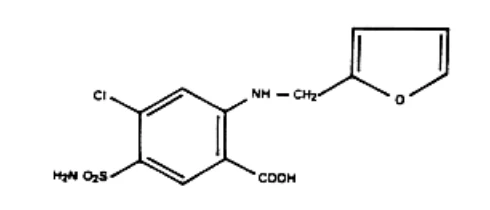
Chemical name: 4-chloro-N-furfuryl-5-sulfamoyl-anthranilic acid
Molecular formula and molecular mass: C12H11ClN2O5S and 330.7
Structural formula:
Physicochemical properties:
White to slightly yellow, crystalline powder. Practically insoluble in water; freely soluble in acetone, in dimethylformamide, and in solutions of alkali hydroxides; soluble in methanol; sparingly soluble in alcohol; slightly soluble in ether; very slightly soluble in chloroform, melting at about 210°C (with decomposition).
14 CLINICAL TRIALS
Clinical trial data
The clinical data on which the original data was initially authorized is not available.
15 MICROBIOLOGY
No microbiological information is required for this drug product.
16 NON-CLINICAL TOXICOLOGY
General Toxicology
The acute toxicity of furosemide has been determined in four animal species:
Table 4 - ACUTE TOXICITY (LD50) OF FUROSEMIDE (Approximate doses in mg/kg)
| SPECIES | ORAL | INTRAVENOUS |
|---|---|---|
| Mice | 1000 | 300 |
| Adult Rats | 4600 | 700 |
The acute toxicity was characterized by signs of vasomotor collapse, sometimes accompanied by slight convulsions. Surviving animals often became dehydrated and depleted of electrolytes. In the newborn rats, intragastric injection of the drug caused hyperactivity and anorexia.
Chronic toxicity studies with furosemide were done in rats, dogs and monkeys.
- 1.
Rats: A one-year study was performed on one hundred albino rats at dosages of 0, 50, 100, 200 and 400 mg/kg/day orally. Seventy-six rats survived for one year. Ten rats from the two highest dose groups died within the first 10 days of therapy. Histological examination of those animals dying early revealed striking basophilic degeneration of the myocardial fibres with infiltration and necrotic foci consistent with severe electrolyte imbalance.
In the kidney, the most consistent pathological changes seen were degenerative changes in the tubular epithelium manifested by swollen cells with increased density of the cytoplasm. Occasionally, focal necrosis of the epithelium and decreased cell size were evident, plus accumulation of some calcified material. These changes were considered consistent with the nephropathy of potassium deficiency.
- 2. Dogs: In a six-month study, eighteen out of twenty beagle dogs survived oral daily doses of 0, 10, 30, 100 and 350 mg/kg. The most consistent pathological findings were renal lesions consisting of calcifications and scarring of the renal parenchyma at all doses above 10 mg/kg. The renal capsule above these lesions sometimes showed strikingly enlarged lymph vessels with thickened walls.
- 3. Rhesus Monkeys: In a 12-month study, daily oral doses of furosemide of 27 mg/kg and 60 mg/kg brought about pathological findings that consisted of dilated convoluted tubules with casts in 3 out of 20 animals given 27 mg/kg and in 6 out of 9 animals given 60 mg/kg. These lesions were considered drug related.
Carcinogenicity
Furosemide in the approximate amount of 200 mg/kg body weight daily was administered to female mice and rats over a 2-year period with their diet. An increased incidence of mammary adenocarcinoma was noted in the mice, but not in the rats. These tumors occurred with a positive trend, and the incidence in the high dose group was increased compared to the control, in addition, the high-dose rate was about five fold over the historical rate. These tumors are considered to be associated with furosemide administration. This dose is considerably greater than the therapeutic dose administered in human patients.
In a carcinogenicity study, rats were administered furosemide in daily doses of 15 and 30 mg/kg body weight. Male rats in the 15 mg/kg-dose category, but not in the 30 mg/kg-dose
| Newborn Rats | 400 | - |
| Rabbits | 700 | 400 |
| Dogs | 2000 | over 400 |
category, showed a marginal increase in uncommon tumours.
Mutagenicity: In in-vitro tests on bacteria and mammalian cells, both positive and negative results have been obtained. Induction of gene and chromosome mutations, however, has been observed only where furosemide reached cytotoxic concentrations.
Reproductive and Developmental Toxicology:
Reproductive and teratological studies have been performed in mice, rats, rabbits, cats, dogs and monkeys. With the exception of mice and rabbits, no abnormalities attributed to furosemide were detected. Furosemide caused unexplained maternal deaths and abortions in the rabbit at a daily dose of 50 mg/kg (approximately three times the maximum recommended human daily dose of 1000 mg orally) when administered between days 12 to 17 of gestation. In another study in rabbits, a dose of 25 mg/kg caused maternal deaths and abortions. In a third study, none of the pregnant rabbits survived a dose of 100 mg/kg. Data from the above studies indicate fetal lethality which can precede maternal deaths.
The results of a mouse study and one of the three rabbit studies also showed an increased incidence of distention of the renal pelvis and, in some cases, of the ureters in fetuses derived from treated dams as compared to the incidence in fetuses from the control group.
DETAILED PHARMACOLOGY
Renal Pharmacology
In dogs, furosemide demonstrated diuretic properties. Diuresis and sodium excretion were induced by doses of 0.125 mg/kg administered intravenously or 0.5 mg administered orally. Maximum water and sodium excretion is obtained by oral and intravenous doses of 12.5 and 25 mg/kg respectively. Increased potassium excretion can only be demonstrated with doses exceeding 1 mg/kg. The onset of action is rapid after intravenous and oral administration and the duration of activity is approximately 2 and 4 hours respectively.
Furosemide produces an immediate diuresis after intravenous administration and is effective unilaterally after injection into a renal artery. Its action, therefore, is directly on the kidney. The diuretic response is prompt and relatively brief. At the peak of diuretic response 30-40% of filtered sodium load may be excreted, along with some potassium and with chloride as the major anion. Furosemide augments the potassium output as a result of increased distal potassium secretion. Its diuretic action is independent of changes in acid-base balance. Under conditions of acidosis or alkalosis the diuretic produces chloruresis without augmentation of bicarbonate excretion. It does not inhibit carbonic anhydrase.
On the basis of changes in free-water production furosemide inhibits sodium reabsorption in the ascending limb of the loop of Henle. However, proximal sites of action are also involved, as determined by micropuncture. Partial distal inhibition of sodium reabsorption is also possible. It also decreases the urinary excretion of uric acid and prolonged administration may lead to hyperuricemia. Since urate is transported in the proximal tubule, the effect of the drug on uric acid excretion further suggests a proximal tubule site of action.
Administration of furosemide may induce extracellular metabolic alkalosis, primarily by virtue of the disproportionate loss of chloride, but also, in part, as a result of the variable depletion of potassium.