


Product Monograph - Leqembi
Recent Major Label Changes
Not applicable
Table of Contents
Certain sections or subsections that are not applicable at the time of the preparation of the most recent authorized product monograph are not listed.
Recent Major Label Changes ................................................................................................. 3
Table of Contents ................................................................................................................. 3
Part 1: Healthcare Professional Information.......................................................................... 5
1 Indications ................................................................................................................ 5
1.1 Pediatrics ................................................................................................................ 5
1.2 Geriatrics ................................................................................................................ 5
2 Contraindications ...................................................................................................... 5
3 Serious Warnings and Precautions Box ...................................................................... 6
4 Dosage and Administration ....................................................................................... 6
4.1 Dosing Considerations ........................................................................................... 6
4.2 Recommended Dose and Dosage Adjustment ...................................................... 7
4.3 Reconstitution ...................................................................................................... 10
4.4 Administration ..................................................................................................... 10
4.5 Missed Dose ......................................................................................................... 11
5 Overdose ................................................................................................................ 11
6 Dosage Forms, Strengths, Composition, and Packaging ............................................ 11
7 Warnings and Precautions ....................................................................................... 12
General ............................................................................................................................. 12
Driving and Operating Machinery .................................................................................... 12
Neurologic ........................................................................................................................ 13
Reproductive Health ........................................................................................................ 15
7.1 Special Populations .............................................................................................. 15
7.1.1 Pregnancy ......................................................................................................... 15
7.1.2 Breastfeeding ................................................................................................... 15
7.1.3 Pediatrics .......................................................................................................... 15
7.1.4 Geriatrics .......................................................................................................... 15
8 Adverse Reactions ................................................................................................... 15
8.1 Adverse Reaction Overview ................................................................................. 15
8.2 Clinical Trial Adverse Reactions ........................................................................... 16
8.3 Less Common Clinical Trial Adverse Reactions .................................................... 18
9 Drug Interactions .................................................................................................... 18
9.2 Drug Interactions Overview ................................................................................. 18
9.3 Drug-Behaviour Interactions ................................................................................ 19
9.4 Drug-Drug Interactions ........................................................................................ 19
9.5 Drug-Food Interactions ........................................................................................ 19
9.6 Drug-Herb Interactions ........................................................................................ 19
9.7 Drug-Laboratory Test Interactions....................................................................... 19
10 Clinical Pharmacology ............................................................................................. 19
10.1 Mechanism of Action ........................................................................................... 19
10.2 Pharmacodynamics .............................................................................................. 19
10.3 Pharmacokinetics ................................................................................................. 20
10.4 Immunogenicity ................................................................................................... 21
11 Storage, Stability, and Disposal ................................................................................ 21
12 Special Handling Instructions ................................................................................... 22
Part 2: Scientific Information .............................................................................................. 23
13 Pharmaceutical Information .................................................................................... 23
14 Clinical Trials ........................................................................................................... 24
14.1 Clinical Trials by Indication .................................................................................. 24
16 Non-Clinical Toxicology ........................................................................................... 27
Patient Medication Information ......................................................................................... 28
Part 1: Healthcare Professional Information
1 Indications
LEQEMBI (lecanemab for injection) is indicated for:
The treatment of adult patients with a clinical diagnosis of mild cognitive impairment or mild dementia due to Alzheimer's disease (early Alzheimer's disease), who are apolipoprotein E ε4 (ApoE ε4) noncarriers or heterozygotes, and who have confirmed amyloid pathology.
Important instructions to ensure proper patient selection for the treatment with LEQEMBI are provided in sections 3 Serious Warnings and Precautions Box; 4.1 Dosing considerations; 7 Warnings and Precautions.
An educational program has been developed for healthcare professionals who prescribe LEQEMBI, regarding management of amyloid related imaging abnormalities (ARIA) which can be accessed at [www.understandingARIA.ca].
A Canadian registry has been established to monitor the safety of LEQEMBI in the real-world setting. Healthcare professionals should enroll patients in the registry at the time of treatment initiation. Information regarding the registry program may be found at [leqembicanada.ca].
1.1 Pediatrics
Pediatrics (< 18 years of age): No data are available to Health Canada; therefore, Health Canada has not authorized an indication for pediatric use.
1.2 Geriatrics
Geriatrics (≥ 65 years of age): There were no clinically meaningful differences in safety or efficacy observed between patients aged 65 years and older, and younger adult patients (50 to 64 years old) (see 4 Dosage and Administration; 7 Warnings and Precautions; 10.3 Pharmacokinetics; and 14. Clinical Trials).
2 Contraindications
LEQEMBI is contraindicated in patients:
- who are hypersensitive to this drug or to any ingredient in the formulation, including any non-medicinal ingredient, or component of the container. For a complete listing see 6 Dosage Forms, Strengths, Composition and Packaging.
- who are ApoE ε4 homozygotes (see 3 Serious Warnings and Precautions Box)
- with prior intracerebral hemorrhage or imaging features suggestive of cerebral amyloid angiopathy (CAA) including pre-treatment magnetic resonance imaging (MRI) findings of more than 4 microhemorrhages, superficial siderosis or vasogenic edema (see 7 Warnings and Precautions).
- receiving ongoing anticoagulant therapy (see 3 Serious Warnings and Precautions Box, 7 Warnings and Precautions).
- with bleeding disorders that are not under adequate control.
- with severe concomitant medical conditions (e.g., cardiac, respiratory, renal) that are not stable and adequately controlled.
3 Serious Warnings and Precautions Box
|
|---|
4 Dosage and Administration
4.1 Dosing Considerations
LEQEMBI should be initiated and supervised by a healthcare professional experienced in the diagnosis and treatment of Alzheimer’s disease with timely access to Magnetic Resonance Imaging (MRI). LEQEMBI infusions should be administered by qualified healthcare professionals trained to monitor for, recognize and manage infusion-related reactions.
Patients treated with LEQEMBI must be given the Patient Alert Card and be informed about the risks of LEQEMBI (see also Patient Medication Information section). Additional educational materials have been developed for patients and caregivers. These can be accessed at [leqembicanada.ca].
Patient Selection
The presence of amyloid beta (Aβ) pathology must be confirmed using approved methods such as amyloid Positron Emission Tomography (PET) scan or cerebrospinal fluid (CSF) analysis or equivalent validated methods prior to initiating treatment with LEQEMBI (see 10.1 Mechanism of Action).
Testing for ApoE ε4 carrier status must be performed prior to initiation of treatment with LEQEMBI to inform the risk of developing ARIA (see 1 Indications and 3 Serious Warnings and Precautions Box).
Monitoring and Dosing Interruption for ARIA
LEQEMBI can cause amyloid related imaging abnormalities (ARIA) characterized as ARIA with edema (ARIA-E), which can be observed on MRI as brain edema or sulcal effusions, and ARIA with hemosiderin deposition (ARIA-H), which includes microhaemorrhage and superficial siderosis. In addition to ARIA, intracerebral haemorrhages greater than 1 cm in diameter have occurred in patients treated with LEQEMBI.
Obtain a recent (within 6 months) baseline brain magnetic resonance imaging (MRI) prior to initiating treatment with LEQEMBI. Obtain an MRI prior to the 3rd, 5th, 7th and 14th infusions. In general, the MRI should be performed within approximately one week before the scheduled infusion of LEQEMBI and reviewed prior to proceeding with the infusion. If a patient experiences symptoms suggestive of ARIA, clinical evaluation should be performed including an MRI (see 7 Warnings and Precautions, Neurologic).
Infusion-related reaction
Monitor for any signs or symptoms of an infusion-related reaction. Consider pre-medication with antihistamines, acetaminophen, non-steroidal anti-inflammatory drugs, or corticosteroids at subsequent dosing (see 4.2 Recommended Dose and Dosage Adjustment; 7 Warnings and Precautions, General; 8 Adverse Reactions).
4.2 Recommended Dose and Dosage Adjustment
The recommended dose of LEQEMBI is 10 mg/kg body weight administered as an intravenous (IV) infusion once every 2 weeks. LEQEMBI is for intravenous use only.
Treatment with LEQEMBI should be discontinued if the patient progresses to moderate Alzheimer’s disease. The efficacy of continued treatment in patients with moderate Alzheimer’s disease has not been established.
ARIA-E
The recommendations for dosing interruptions for patients with ARIA-E are provided in Table 1 (see 7 Warnings and Precautions, Neurologic for radiographic definition of ARIA). Use clinical judgement in considering whether to resume treatment or permanently discontinue LEQEMBI.
Table 1: Dosing Recommendations for Patients with ARIA-E
| Clinical Symptom Severity1 | ARIA-E Severity on MRI2 |
|---|---|
| Mild | |
| Moderate | |
| Severe | |
| Asymptomatic | May continue dosing |
| Suspend dosing3 | |
| Suspend dosing3 | |
| Mild | May continue dosing based on clinical judgement |
| Moderate or Severe | Suspend dosing3 |
1 Mild: discomfort noticed, but no disruption of normal daily activity.
Moderate: discomfort sufficient to reduce or affect normal daily activity.
Severe: incapacitating, with inability to work or to perform normal daily activity.
2 See Table 3 for MRI radiographic severity.
3 Suspend until MRI demonstrates radiographic resolution and symptoms, if present, resolve; consider a follow-up MRI to assess for resolution 2 to 4 months after initial identification. Use clinical judgement in considering whether to resume treatment or permanently discontinue LEQEMBI.
ARIA-H
The recommendations for dosing interruptions for patients with ARIA-H are provided in Table 2. Use clinical judgement in considering whether to resume treatment or permanently discontinue LEQEMBI.
Table 2: Dosing Recommendations for Patients with ARIA-H
| Clinical Symptom Severity | ARIA-H Severity on MRI | |||||
|---|---|---|---|---|---|---|
| Mild | Moderate | Severe | ||||
| Asymptomatic | May continue dosing | Suspend dosing1 | Suspend dosing2 | |||
| Symptomatic | Suspend dosing1 | |||||
1 Suspend until MRI demonstrates radiographic stabilization and symptoms, if present, resolve; resumption of dosing should be guided by clinical judgement; consider a follow-up MRI to assess for stabilization 2 to 4 months after initial identification.
2 Suspend until MRI demonstrates radiographic stabilization and symptoms, if present, resolve; use clinical judgement in considering whether to resume treatment or permanently discontinue LEQEMBI.
Radiographic Findings
The radiographic severity of ARIA associated with LEQEMBI was classified by the criteria provided in Table 3
Table 3: ARIA MRI Classification Criteria
| ARIA Type | Radiographic Severity | ||
| Mild | Moderate | Severe | |
| ARIA-E | FLAIR hyperintensity confined to sulcus and/or cortex/subcortex white matter in one location <5 cm | FLAIR hyperintensity 5 to 10 cm in single greatest dimension, or more than 1 site of involvement, each measuring <10 cm | FLAIR hyperintensity >10 cm with associated gyral swelling and sulcal effacement. One or more separate/ independent sites of involvement may be noted. |
| ARIA-H microhaemorrhage | ≤ 4 new incident microhaemorrhages | 5 to 9 new incident microhaemorrhages | 10 or more new incident microhaemorrhages |
ARIA-H superficial siderosis | 1 focal area of superficial siderosis | 2 focal areas of superficial siderosis | > 2 areas of superficial siderosis |
Intracerebral hemorrhage greater than 1 cm
In patients who develop intracerebral hemorrhage greater than 1 cm in diameter during treatment with LEQEMBI, suspend dosing until MRI demonstrates radiographic stabilization and symptoms resolve. Use clinical judgement in considering whether to continue treatment after radiographic stabilization and resolution of symptoms or permanently discontinue LEQEMBI.
Infusion-related reaction
In case of infusion-related reaction, the infusion rate may be reduced, or the infusion may be discontinued, and appropriate therapy administered as clinically indicated.
Pediatrics (<18 years of age): Health Canada has not authorized an indication for pediatric use (see 1.1 Pediatrics).
Geriatrics (>65 years of age): No dose adjustment is required in patients ≥ 65 years of age (see 10.3 Pharmacokinetics).
Renal or hepatic impaired patients: No dosage adjustment is required in patients with hepatic or renal impairment (see 10.3 Pharmacokinetics).
4.3 Reconstitution
Dilution Instructions:
- Prior to administration, LEQEMBI must be diluted in 250 mL of 0.9% Sodium Chloride Injection, USP.
- No incompatibilities between LEQEMBI and polypropylene, polyvinylchloride, or polyolefin bags have been observed.
- Use aseptic technique when preparing the LEQEMBI diluted solution for intravenous infusion.
- Calculate the dose (mg), the total volume (mL) of LEQEMBI solution required, and the number of vials needed based on the patient’s actual body weight and the recommended dose of 10 mg/kg. Each vial contains a LEQEMBI concentration of 100 mg/mL.
- Parenteral drug products should be inspected visually for particulate matter and discolouration prior to administration, whenever solution and container permit. Check that the LEQEMBI solution is clear to opalescent and colourless to pale yellow. Do not use if opaque particles, discolouration, or other foreign particles are present.
- Remove the flip-off cap from the vial. Insert the sterile syringe needle into the vial through the center of the rubber stopper.
- Withdraw the required volume of LEQEMBI from the vial(s) and add to an infusion bag containing 250 mL of 0.9% Sodium Chloride Injection, USP.
- Each vial is for one time-use only. Discard any unused portion.
- Gently invert the infusion bag containing the LEQEMBI diluted solution to mix completely. Do not shake.
- After dilution, immediate use is recommended. If not administered immediately, store LEQEMBI refrigerated at 2°C to 8°C for up to 24 hours. Chemical and physical in-use stability has been demonstrated for 24 hours at 25°C. Do not freeze (see 11 Storage, Stability, and Disposal).
4.4 Administration
LEQEMBI is administered as an intravenous infusion over approximately 1 hour once every 2 weeks. For the first infusion, the patient should be observed for approximately 2.5 hours following completion of the infusion for signs and symptoms of infusion-related reactions (see 7 Warning and Precautions, General; 8 Adverse Reactions).
LEQEMBI must not be administered as an intravenous push or bolus injection.
LEQEMBI must not be prepared and infused with other medicinal products.
Administration Instructions
- Prior to infusion, allow the LEQEMBI diluted solution to warm to room temperature.
- Infuse the entire volume of the LEQEMBI diluted solution intravenously through an intravenous line containing a terminal low-protein binding 0.2 micron in-line filter. Flush infusion line to ensure all LEQEMBI is administered (see 4.3 Reconstitution).
4.5 Missed Dose
If an infusion is delayed or missed, the next dose should be given as soon as possible. The regular dosing schedule should continue from the new dosing day.
5 Overdose
There is limited clinical experience with LEQEMBI overdose. Single intravenous doses up to 15 mg/kg have been administered to humans in clinical trials without dose-limiting toxicity. In the event of overdosage, it is recommended that the patient be monitored for any signs or symptoms of adverse reactions and appropriate symptomatic treatment be instituted immediately.
| For the most recent information in the management of a suspected drug overdose, contact your regional poison control centre or Health Canada’s toll-free number, 1-844 POISON-X (1-844-764-7669). |
|---|
6 Dosage Forms, Strengths, Composition, and Packaging
To help ensure the traceability of biologic products, including biosimilars, healthcare professionals should recognise the importance of recording both the brand name and the non-proprietary (active ingredient) name as well as other product-specific identifiers such as the Drug Identification Number (DIN) and the batch/lot number of the product supplied.
Table 4: Dosage Forms, Strengths, and Composition
| Route of Administration | Dosage Form / Strength/Composition | Non-medicinal Ingredients |
| Intravenous | Solution for Infusion 100 mg/ mL (500 mg/5 mL vial and 200 mg/2 mL vial) | arginine hydrochloride, histidine, histidine hydrochloride monohydrate, polysorbate 80, and water for injection |
Description
LEQEMBI (lecanemab) injection is a preservative-free, sterile, clear to opalescent, and colourless to pale yellow solution.
Each mL solution for infusion contains 100 mg of LEQEMBI. LEQEMBI is supplied as one vial per carton as follows:
- 500 mg/5 mL (100 mg/mL) single-use vial (with white flip cap)
- 200 mg/2 mL (100 mg/mL) single-use vial (with dark grey flip cap)
7 Warnings and Precautions
See 3 Serious Warnings and Precautions Box.
General
Consider the benefit of LEQEMBI for the treatment of Alzheimer’s disease and potential risk of serious adverse events associated with ARIA when deciding to initiate treatment with LEQEMBI (see 8 Adverse Reactions).
- Treatment with LEQEMBI should be discontinued if the patient progresses to moderate Alzheimer’s disease (see 4.2 Recommended Dose and Dosage Adjustment).
- The safety and efficacy of LEQEMBI has not been established in preclinical Alzheimer disease, patients with more advanced stages of Alzheimer’s disease, atypical Alzheimer’s disease syndromes (without memory-predominant Alzheimer’s disease), autosomal dominant Alzheimer’s disease, adults with Down syndrome, and non-Alzheimer neurodegenerative dementias.
Infusion-related Reactions
Infusion-related reactions were observed in clinical trials with LEQEMBI; the majority were mild or moderate, and occurred with the first infusion. Most reactions including severe reactions occurred during the infusion or within approximately 2.5 hours after infusion completion. Symptoms of infusion-related reactions include fever and flu-like symptoms. In the event of an infusion-related reaction, the infusion rate may be reduced or the infusion may be discontinued and appropriate therapy initiated as clinically indicated. Prophylactic treatment with antihistamines, acetaminophen, nonsteroidal anti-inflammatory drugs, or corticosteroids prior to future infusions may be considered (see 4.1 Dosing Considerations; 8 Adverse Reactions).
Driving and Operating Machinery
Events of dizziness and confusion have been reported in patients treated with LEQEMBI. While taking LEQEMBI, patients should be cautioned not to drive, operate dangerous machinery or engage in activities that require alertness or physical coordination if they are experiencing any of these events.
Neurologic
Amyloid Related Imaging Abnormalities
LEQEMBI can cause amyloid related imaging abnormalities (ARIA), characterized as ARIA with edema (ARIA-E), which can be observed on MRI as brain edema or sulcal effusions, and ARIA with hemosiderin deposition (ARIA-H), which includes microhemorrhage and superficial siderosis. ARIA-H can occur spontaneously in patients with Alzheimer’s disease. ARIA-H associated with LEQEMBI generally occurs in association with an occurrence of ARIA-E. ARIA is usually asymptomatic, although serious and life-threatening events, including seizure and status epilepticus, rarely can occur. When present, reported symptoms associated with ARIA may include headache, confusion, visual changes, dizziness, nausea, and gait difficulty. Focal neurologic deficits may also occur. Symptoms associated with ARIA usually resolve over time.
Monitoring and Management for ARIA
Baseline brain MRI and periodic monitoring with MRI should be performed (see 4.2 Recommended Dose and Dosage Adjustment). Enhanced clinical vigilance for ARIA is recommended during the first 14 weeks of treatment with LEQEMBI.
In the placebo-controlled clinical studies, ARIA was observed more frequently in LEQEMBI-treated patients than in patients receiving placebo. Most ARIA-E events resolved within 16 weeks of detection. ARIA of any type was more frequent in apolipoprotein E (ApoE) ε4 carriers compared to noncarriers.
The majority of ARIA events were asymptomatic. If a patient experiences symptoms which could be suggestive of ARIA, clinical evaluation should be performed, including MRI. Recommendations for dosing in patients with ARIA-E depend on clinical symptoms and radiographic severity. Recommendations for dosing in patients with ARIA-H depend on the type of ARIA-H and radiographic severity (See 4 Dosage and Administration). Based on the clinical and radiological severity of ARIA-E, corticosteroid therapy may be considered.
There is no experience in patients who continued dosing through symptomatic ARIA-E or through asymptomatic, but radiographically severe, ARIA-E. There is limited experience in patients who continued dosing through asymptomatic but radiographically mild to moderate ARIA-E. There are limited data in dosing patients who experienced recurrent ARIA-E. Use clinical judgement in considering whether to resume dosing in patients with recurrent ARIA-E. After the second occurrence of symptomatic or radiographically moderate or severe ARIA-E, treatment with LEQEMBI should be discontinued.
In the post-market setting there were reported cases where LEQEMBI was discontinued due to ARIA and subsequent MRI monitoring showed worsening ARIA, despite treatment cessation, including outcomes of focal neurologic deficits, seizures, and in some instances fatality.
APOE ε4 status
Approximately 15% of Alzheimer’s disease patients are ApoE ε4 homozygotes. Patients who are homozygotes and are treated with LEQEMBI have a higher incidence of ARIA, including symptomatic, serious, severe radiographic, and recurrent ARIA, compared to heterozygotes and noncarriers. LEQEMBI is contraindicated in patients who are homozygotes (see 2 Contraindications). Testing for ApoE ε4 status must be conducted prior to initiating treatment with LEQEMBI to inform the risk of developing ARIA (see 4.1 Dosing Considerations). Prior to testing, the healthcare professional should discuss with their patient the risk of ARIA across genotypes and the implications of genetic testing results.
Concomitant Antithrombotic Medication and Other Risk Factors for Intracerebral Hemorrhage
Baseline use of antithrombotic medication (aspirin, other antiplatelets, or anticoagulants) was allowed in the placebo-controlled period of Study 301 if the patient was on a stable dose. The majority of exposures to antithrombotic medications were to aspirin. An increased risk of ARIA or intracerebral haemorrhage was not observed with antiplatelet use. Intracerebral hemorrhages greater than 1 cm in diameter have been observed in patients taking both LEQEMBI and anticoagulants, and in patients receiving thrombolytic agents during LEQEMBI treatment. Treatment with LEQEMBI is contraindicated in patients receiving ongoing anticoagulant therapy (see 2 Contraindications).
Caution should be exercised when considering the initiation of treatment with anticoagulants or a thrombolytic agent (e.g., tissue plasminogen activator) to a patient already being treated with LEQEMBI (see 3 Serious Warnings and Precautions Box; 9.2 Drug Interactions Overview).
If anticoagulation needs to be commenced during therapy with LEQEMBI (for example incident arterial thromboses, acute pulmonary embolism or other life-threatening indications), then treatment with LEQEMBI should be paused. LEQEMBI can be reinstated if anticoagulation is no longer medically indicated.
There was only limited exposure to thrombolytic agents in the clinical trials however the risk of severe intracranial bleed resulting from concomitant use is plausible. Fatal intracerebral hemorrhage has occurred in patients treated with LEQEMBI in the setting of focal neurologic symptoms of ARIA and the use of a thrombolytic agent. Use of thrombolytic agents should be avoided except for immediately life-threatening indications with no alternative management (e.g., pulmonary embolism with haemodynamic compromise) when the benefits could outweigh the risks.
Because ARIA-E can cause focal neurologic deficits that can mimic an ischemic stroke, treating clinicians should consider whether such symptoms could be due to ARIA-E before giving thrombolytic therapy to a patient being treated with LEQEMBI (see 3 Serious Warnings and Precautions Box).
Additionally, patients were excluded from enrollment in clinical studies for the following risk factors for intracerebral hemorrhage: prior cerebral hemorrhage greater than 1 cm in greatest diameter, more than 4 microhemorrhages, superficial siderosis, evidence of vasogenic edema, evidence of cerebral contusion, aneurysm, vascular malformation, infective lesions, multiple lacunar infarcts or stroke involving a major vascular territory, and severe small vessel or white matter disease. Caution should be exercised when considering the use of LEQEMBI in patients with an increased risk for intracerebral hemorrhage.
Reproductive Health
- Fertility
There are no data on the effects of LEQEMBI on human fertility.
Fertility studies in animals have not been conducted for LEQEMBI.
7.1 Special Populations
7.1.1 Pregnancy
There is no experience on the use of LEQEMBI in pregnant women. No animal studies have been conducted to assess the potential reproductive or developmental toxicity of lecanemab.
Lecanemab is not recommended during pregnancy. Pregnancy status of females of child-bearing potential should be verified prior to initiating treatment with lecanemab. Women of childbearing potential should use effective contraception during treatment and for 3 months after the last dose of lecanemab.
Human IgG is known to cross the placenta. Therefore, lecanemab has the potential to be transmitted from the mother to the developing fetus. The effects of lecanemab on the developing fetus are unknown.
7.1.2 Breastfeeding
It is unknown if LEQEMBI is excreted in human milk. Human IgG is known to be excreted in breast milk. A risk to the newborn/infant cannot be excluded. A decision must be made whether to discontinue breastfeeding or to discontinue LEQEMBI therapy taking into account the benefit of breastfeeding for the child and the benefit of therapy for the woman.
7.1.3 Pediatrics
Pediatrics (< 18 years of age): No data are available to Health Canada; therefore, Health Canada has not authorized an indication for pediatric use.
7.1.4 Geriatrics
No dose adjustment is necessary in patients ≥ 65 years (see 10.3 Pharmacokinetics).
8 Adverse Reactions
8.1 Adverse Reaction Overview
The safety of LEQEMBI has been evaluated in 2203 patients who received at least one dose of LEQEMBI.
In the indicated population in Study 301, the most common adverse reactions were infusion-related reaction (26%), fall (11%), headache (11%), ARIA-H (10%), and ARIA-E (9%). The most frequent serious adverse reaction was infusion-related reaction (1.5%).
Study treatment discontinuation due to an adverse reaction was reported in 6% of patients treated with LEQEMBI, compared to 3% of patients on placebo. The most common adverse reaction leading to discontinuation of LEQEMBI was infusion-related reactions (1.5% LEQEMBI vs. 0.1% placebo).
8.2 Clinical Trial Adverse Reactions
Clinical trials are conducted under very specific conditions. Therefore, the frequencies of adverse reactions observed in the clinical trials may not reflect frequencies observed in clinical practice and should not be compared to frequencies reported in clinical trials of another drug.
In the double-blind, placebo-controlled period of Study 301 conducted in patients with mild cognitive impairment or mild Alzheimer’s disease (early AD), a total of 898 patients received LEQEMBI at the recommended dose of 10 mg/kg once every 2 weeks of which, 757 patients were noncarriers of the ApoE ε4 gene or heterozygotes (the indicated population). A total of 897 patients received placebo, of which 764 were in the indicated population. The duration of exposure for LEQEMBI-treated patients was 15.8 months and for placebo-treated patients was 16.4 months. Approximately 80% of patients completed 18 months on both treatment arms.
Table 5 shows adverse reactions that were reported in at least 3% of patients treated with LEQEMBI and at least 1% more frequently than in patients on placebo, in Study 301, in the indicated population.
Table 5: Adverse Reactions Reported in at least 3% of Patients Treated with LEQEMBI 10 mg/kg Every Two Weeks and at least 1% Higher than Placebo in Study 301 in the Indicated Population
| System organ class/preferred term | LEQEMBI 10 mg/kg Every Two Weeks n = 757 (%) | Placebo n = 764 (%) | ||
| Cardiac disorders | ||||
| Atrial fibrillation | 3 | 2 | ||
| General disorders and administration site conditions | ||||
| Nausea/Vomiting | 6 | 5 | ||
| Fatigue | 4 | 3 | ||
| Infections and infestations | ||||
| Nasopharyngitis | 4 | 3 | ||
| Injury, poisoning and procedural complications | ||||
| Infusion-related reactions | 26 | 7 | ||
| Fall | 11 | 10 | ||
| Musculoskeletal and connective tissue disorders | ||||
| Back pain | 7 | 5 | ||
| System organ class/preferred term | LEQEMBI 10 mg/kg Every Two Weeks n = 757 (%) | Placebo n = 764 (%) | ||
| Nervous system disorders | ||||
| Headache | 11 | 8 | ||
| ARIA-H1 | 10 | 6 | ||
| ARIA-E2 | 9 | 1 | ||
| Superficial siderosis of central nervous system | 4 | 2 | ||
| Psychiatric disorders | ||||
| Anxiety | 5 | 4 | ||
| Skin and subcutaneous tissue disorders | ||||
| Rash | 4 | 2 | ||
1Amyloid related imaging abnormality-microhemorrhages and hemosiderin deposits
2Amyloid related imaging abnormality-edema/effusion
Infusion-related Reactions
In Study 301, in the indicated population, infusion-related reactions were observed in 26% (195/757) of patients treated with LEQEMBI, compared to 7% (54/764) of patients on placebo. Majority of events occurred with the first infusion. Infusion-related reactions were mostly mild (68%) or moderate (29%) in severity. Infusion-related reactions resulted in discontinuations in 1% (11/757) of patients treated with LEQEMBI. Symptoms of infusion-related reactions include fever and flu-like symptoms (chills, generalized aches, feeling shaky, and joint pain), nausea, vomiting, hypotension, hypertension, and oxygen desaturation (see 7 Warnings and Precautions).
Amyloid Related Imaging Abnormalities
In Study 301, in the indicated population, symptomatic ARIA occurred in 2% (16/757) of patients treated with LEQEMBI who are noncarriers and heterozygotes. Most of these symptomatic patients (12 of the 16) had ARIA-E with or without concurrent ARIA-H. Clinical symptoms associated with ARIA resolved in 75% (12/16) of patients during the 18-month study period.
Including asymptomatic radiographic events, ARIA was observed in 17% (128/757) of patients treated with LEQEMBI 10 mg/kg compared to 7% (55/764) of patients on placebo in Study 301.
ARIA-E
Overall, ARIA-E was observed in 9% (67/757) of patients treated with LEQEMBI compared with 1% (10/764) of placebo patients. Among patients with ARIA-E, the maximum radiographic severity of ARIA-E was mild in 46% (31/67), moderate in 49% (33/67), severe in 3% (2/67), and unknown in 1% (1/67). The majority of ARIA-E was asymptomatic, with symptomatic ARIA-E reported in 2% of patients. When present, reported symptoms associated with ARIA-E may include headache, confusion, visual changes, dizziness, nausea, and gait difficulty. Focal neurologic deficits may also occur. Symptoms associated with ARIA-E usually resolve over time.
The majority of ARIA-E events occurred within the first 3 months of treatment. The majority of ARIA-E events (87%) resolved within 4 months of detection. Overall, 12% of the patients had a recurrent episode of ARIA-E.
Of the patients treated with LEQEMBI, the incidence of ARIA-E was higher in apolipoprotein E (ApoE) ε4 heterozygous (11% and placebo 2%) than in ApoE ε4 noncarriers (5% and placebo 0.3%).
ARIA-H
Isolated ARIA-H was observed in 8% (61/757) of patients treated with LEQEMBI 10 mg/kg every 2 weeks compared with 6% (45/764) of placebo patients. Among patients with isolated ARIA-H, the maximum radiographic severity of isolated ARIA-H was mild in 89% (54/61), moderate in 8% (5/61), and severe in 3% (2/61). The majority of isolated ARIA-H was asymptomatic, with symptomatic ARIA-H reported in 3% (2/61) of patients. The occurrence of isolated ARIA-H was randomly distributed throughout the treatment period.
The rate of isolated ARIA-H was similar in ApoE ε4 heterozygous carriers (8% LEQEMBI and 7% placebo) compared to noncarriers (8% LEQEMBI and 4% placebo).
Intracerebral Hemorrhage
Intracerebral hemorrhage was reported in 4/757 (<1%) patients in Study 301 after treatment with LEQEMBI compared to 2/764 (<1%) patients on placebo. Fatal events of intracerebral hemorrhage in patients taking LEQEMBI have been observed (see 7 Warnings and Precautions).
8.3 Less Common Clinical Trial Adverse Reactions
Immune system disorders: Hypersensitivity reactions
Injury, poisoning and procedural complications: Contusions
Nervous system disorders: Intracerebral hemorrhage >1 cm
Renal and urinary disorders: Hematuria
9 Drug Interactions
9.2 Drug Interactions Overview
No drug interaction studies have been conducted with lecanemab.
Elimination of lecanemab is likely to occur through normal degradation pathways for immunoglobulins and the clearance should not be affected by small molecule concomitant medications. Therefore, it is not expected that lecanemab will cause or be susceptible to drug interactions with concomitantly administered agents.
The risk of intracerebral haemorrhage (greater than 1 cm in diameter) with lecanemab treatment may be increased in patients receiving anticoagulant therapy or thrombolytic agents (see 2 Contraindications, 3 Serious Warnings and Precautions Box and 7 Warnings and Precautions). Caution should be exercised when considering the administration of anticoagulants or a thrombolytic agent (e.g., tissue plasminogen activator) to a patient already being treated with lecanemab.
9.3 Drug-Behaviour Interactions
The interaction of lecanemab with individual behavioural risks (e.g. cigarette smoking, cannabis use, and/or alcohol consumption) has not been studied.
9.4 Drug-Drug Interactions
Interactions with other drugs have not been established.
9.5 Drug-Food Interactions
Interactions with food have not been established.
9.6 Drug-Herb Interactions
Interactions with herbal products have not been established.
9.7 Drug-Laboratory Test Interactions
Interactions with laboratory tests have not been established.
10 Clinical Pharmacology
10.1 Mechanism of Action
Lecanemab is a humanized immunoglobulin gamma 1 (IgG1) mAb directed at aggregated soluble and insoluble forms of amyloid beta. In mouse models of human amyloid accumulation, lecanemab reduced the formation of new, diffuse plaque, but had no effect on established, dense plaque.
10.2 Pharmacodynamics
Effect of lecanemab on Amyloid Beta Pathology
The effect of lecanemab on amyloid beta plaque levels in the brain was evaluated using PET imaging visual read and quantified using the Standard Uptake Value Ratio (SUVR) method and the Centiloid scale. In Study 301, administration of 10 mg/kg lecanemab every 2 weeks reduced amyloid beta plaque in a time-dependent manner compared with placebo. At week 79, the mean change from baseline relative to placebo was -59.437 Centiloids.
During an off-treatment period in a Phase 2 study (range from 9 to 59 months; mean of 24 months), SUVR and Centiloid values began to increase with a mean rate of increase of 2.6 Centiloids/year.
Exposure-Response Relationships
Exposure response analysis showed that observed amyloid PET SUVR decreased with the increase in lecanemab exposure. PK/PD analysis showed that changes in CSF Aβ1-42, plasma Aβ42/40 ratio and plasma p-tau181 correlated with the increase in exposure to lecanemab.
10.3 Pharmacokinetics
Lecanemab exhibits linear pharmacokinetics. Steady state concentrations of lecanemab were reached after 6 weeks of 10mg/kg every 2 weeks treatment and systemic accumulation was 1.4-fold. The peak concentration (Cmax), and area under the plasma concentration versus time curve (AUC) of lecanemab increased dose proportionally in the dose range of 0.3 to 15 mg/kg following single dose.
Table 6: Summary of Lecanemab pharmacokinetic parameters in Alzheimer’s disease in Study 101.
Cmax* (µg/mL) | AUCt* (µg*hr/mL) | Tmax** (hr) | t1/2*. (hr) | CLss* (L/h/kg) | Vss* (L/kg) | |
|---|---|---|---|---|---|---|
| At steady state following 10 mg/kg Q2W IV dosing | 307 (21.5) | 37700 (25.5) | 1.88 ( 1.13 -3.10) | 127 (24.2) | 0.000279 (25.6) | 0.0496 (19.9) |
Q2W: Administered every 2 weeks
*Mean(%CV), **Median (min-max)
Absorption
Not applicable as lecanemab is administered intravenously.
Distribution
The population PK estimated mean value (95% CI) for central volume of distribution at steady-state is 3.24 (3.18-3.30) L.
Metabolism
Lecanemab is degraded by proteolytic enzymes in the same manner as endogenous IgGs.
Elimination
The population PK estimated mean value for lecanemab clearance (95% CI) is 0.370 (0.353-0.384) L/day. The terminal half-life is 5 to 7 days.
Special Populations and Conditions
Geriatrics
- Geriatrics: In the main clinical trials, the age of patients exposed to lecanemab 10 mg/kg every two weeks (n=1059) ranged from 50 to 90 years, with a mean age of 72 years; 81% were 65 years and older, and 39% were 75 years and older. Age was not identified as a covariate in the population PK model for lecanemab and no dose adjustment is required.
- Sex: Sex was identified as a covariate on lecanemab clearance; however, no dose adjustment is required.
- Ethnic Origin: Race did not have an effect on lecanemab clearance.
- Hepatic Insufficiency/Renal Insufficiency: No clinical studies were conducted to evaluate the pharmacokinetics of lecanemab in patients with renal or hepatic impairment. Liver function biomarkers (ALT, AST, ALP, total bilirubin) and creatinine clearance were not identified as covariates on population PK predicted lecanemab exposure.
- Body Weight: Body weight was identified as a covariate on lecanemab clearance; however, no dose adjustment is required.
10.4 Immunogenicity
The detection of antibody formation is highly dependent on the sensitivity and specificity of the assay. Additionally, the observed incidence of antibody (including neutralizing antibody) positivity in an assay may be influenced by several factors including assay methodology, sample handling, timing of sample collection, concomitant medications, and underlying disease. For these reasons, comparison of incidence of antibodies in the studies described below with the incidences of antibodies in other studies or to other products may be misleading.
Due to assay limitations, the incidence of anti-lecanemab antibodies (including neutralising antibodies) cannot be determined. There is insufficient information to assess the clinical impact of anti-lecanemab antibodies on the PK, efficacy and safety of lecanemab.
11 Storage, Stability, and Disposal
Storage
Unopened Vial
- Store in a refrigerator at 2°C to 8°C.
- Store in the original carton to protect from light.
- Do not freeze or shake.
Diluted Solution
For storage of the diluted infusion solution, see 4.3 Reconstitution.
After dilution, immediate use is recommended. If not used immediately, in-use storage times and conditions prior to use are the responsibility of the user and would normally not be longer than 24 hours at 2° to 8°C, unless dilution has taken place in controlled and validated aseptic conditions (see 4.3 Reconstitution).
Chemical and physical in-use stability in infusion in polyvinylchloride, polypropylene, or polyolefin bags containing 0.9% Sodium Chloride Injection, USP, has been demonstrated for 24 hours at 25°C.
From a microbiological point of view, the product should be used immediately. If not used immediately, in-use storage times and conditions prior to use are the responsibility of the user and would normally not be longer than 24 hours at 2 to 8°C, unless dilution has taken place in controlled and validated aseptic conditions.
12 Special Handling Instructions
Aseptic technique should be used when preparing the LEQEMBI diluted solution for intravenous infusion. Discard any unused LEQEMBI diluted solution.
Disposal
Any unused medicinal product or waste material should be disposed of in accordance with local requirements.
Part 2: Scientific Information
13 Pharmaceutical Information
Drug Substance:
Non-proprietary name of the drug substance: Lecanemab
The heavy chain consists of 454 amino acids and the light chain has 219 amino acids.
Molecular Mass: The molecular weight of lecanemab is ~150 kDa, based on a sequence containing two lysine clipped HCs plus two G0F glycans.
Structural formula: Lecanemab drug substance is a recombinant monoclonal IgG1 antibody which targets amyloid beta aggregates, including soluble oligomers and insoluble fibrils with selectivity for amyloid beta protofibrils. The antibody consists of two heavy chains (HC; γ1-chains), each of 454 amino acids, and two light chains (LC: κ-chains), each of 219 amino acids.
Each HC is glycosylated at ASN304, predominantly with core fucosylated biantennary structures with or without terminal galactose.
Structure:
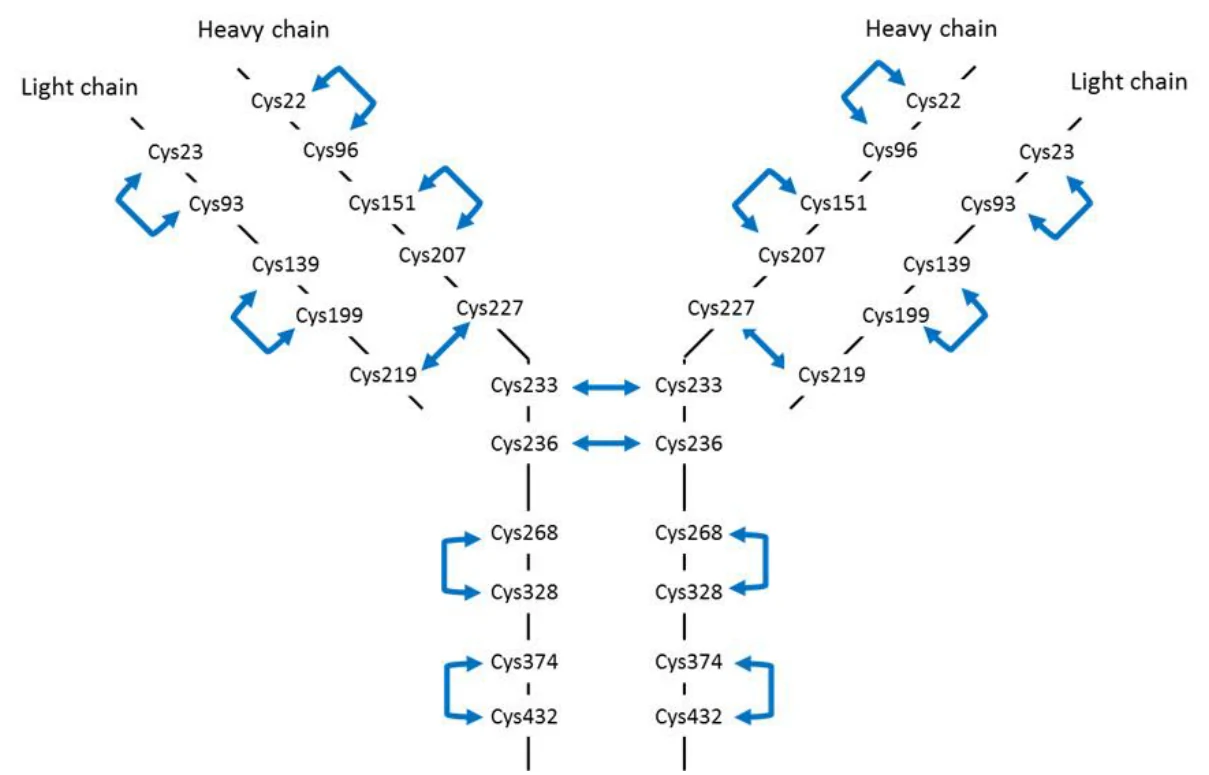
Physicochemical properties: The lecanemab drug substance is formulated at a concentration of 200 mg/mL in a 25 mM histidine, 200 mM arginine and 0.05% (w/v) polysorbate 80 solution. The solution has a pH of 5.0.
LEQEMBI (lecanemab) injection is a preservative-free, sterile, clear to opalescent, and colourless to pale yellow solution.
The theoretical extinction coefficient of lecanemab at 280 nm is 1.32 mL∙mg−1 ∙cm−1
The experimental pI of main isoform of lecanemab is 8.8.
Product Characteristics:
Lecanemab is a recombinant humanized immunoglobulin gamma 1 (IgG1) monoclonal antibody (mAb) produced in Chinese hamster ovary (CHO) cells. Lecanemab is obtained using a process that includes fermentation steps followed by centrifugation of the fermentation broth. The collected fluid subsequently undergoes through multiple steps designed to purify lecanemab.
14 Clinical Trials
14.1 Clinical Trials by Indication
Early Alzheimer’s Disease (mild cognitive impairment or mild dementia)
Table 7: Summary of patient demographics for Study 301 in the Indicated Population
| Study # | Study design | Dosage, route of administration and duration | Study subjects (n) | Median age (Range) | Sex |
| 301 | Double-blind, placebo-controlled, parallel group study in patients with Alzheimer’s disease; mild cognitive impairment, mild dementia | 10 mg/kg biweekly injection The mean duration of treatment was 16 months (range: 0.5 to 19 months) | 1521 | 73 | 52% female 48% male |
Study 301
Study Demographics and Trial Designs
The efficacy of LEQEMBI was evaluated in a double-blind, placebo-controlled, parallel-group, randomized study (Study 301 CLARITY AD) in patients with early Alzheimer’s disease (patients with confirmed presence of amyloid beta pathology and mild cognitive impairment [62% of patients] or mild dementia stage of disease [38% of patients]). The presence of amyloid beta pathology in these patients was measured by amyloid PET or CSF t-tau/Aβ[1-42] testing.
At enrollment, patients had a Clinical Dementia Rating (CDR) global score of 0.5 or 1.0 and a Memory Box score of 0.5 or greater. All patients had the National Institute on Aging and the Alzheimer’s Association (NIA-AA) core clinical criteria for mild cognitive impairment or probable Alzheimer’s disease dementia, a Mini-Mental State Examination (MMSE) score of ≥22 and ≤30, objective impairment in episodic memory as indicated by at least 1 standard deviation below age-adjusted mean in the Wechsler-Memory Scale-IV Logical Memory II (subscale) (WMS-IV LMII).
Patients were excluded if they had history of transient ischemic attacks (TIA), stroke or seizures within 12 months of screening; cerebral contusion; infective lesions; multiple lacunar infarcts or stroke involving a major vascular territory; severe small vessel or white matter disease; bleeding disorders that are not under adequate control; immunologic disorders that were not adequately controlled (e.g., active vasculitis) or required therapy with immunoglobulins, systemic monoclonal antibodies, systemic immunosuppressants or plasmapheresis.
A total of 1795 patients were enrolled and randomized 1:1 to receive LEQEMBI 10 mg/kg or placebo once every 2 weeks for 18 months. Of the total number of patients randomized, 16% were ApoE ε4 homozygotes, 53% were ApoE ε4 heterozygotes, and 31% were ApoE ε4 noncarriers. At enrollment, the median age of patients was 72 years, with a range from 50 to 90 years; 81% were 65 years and older, and 39% were 75 years and older. Fifty-two percent of patients were women; 77% were Caucasian; 17% were Asian; and 2.6% were Black. Comorbidities included hyperlipidemia (60%), hypertension (55%), obesity (17%), ischemic heart disease (16%) and diabetes (15%). The indicated population (i.e. ApoE ε4 noncarriers or heterozygotes) consisted of 1521/1795 (84.7%) patients of the randomized population. The mean length of treatment was 16 months (range: 0.5 to 19 months).
The randomization was stratified according to clinical subgroup (mild cognitive impairment due or mild dementia due to AD), the presence or absence of concomitant symptomatic medication for Alzheimer’s disease at baseline (cholinesterase inhibitors and the N-methyl-D-aspartate antagonist memantine), ApoE ε4 carrier status, and region.
Study 301 results
The primary efficacy outcome was change from baseline at 18 months in the Clinical Dementia Rating scale Sum of Boxes (CDR-SB). Key secondary endpoints included change from baseline at 18 months for the following measures: amyloid beta Positron Emission Tomography (PET) using Centiloids, Alzheimer Disease Assessment Scale – Cognitive Subscale 14 (ADAS-Cog14), and Alzheimer's Disease Cooperative Study-Activities of Daily Living Scale for Mild Cognitive Impairment (ADCS MCI-ADL).
For the overall population, the difference between lecanemab and placebo in the change from baseline in CDR-SB score was -0.451 (95% CI: -0.669, -0.233). For the indicated population (ApoE ε4 noncarriers or heterozygotes), the difference between lecanemab and placebo in the change from baseline in CDR-SB score was -0.579 (95% CI: -0.811, -0.347).
Key efficacy results are shown in Table 8.
Table 8: Results for CDR-SB, ADAS-Cog14, and ADCS MCI-ADL in Study 301
Indicated Population (ApoE ε4 noncarriers or heterozygotes) | Overall Population | ||||||||||||
|---|---|---|---|---|---|---|---|---|---|---|---|---|---|
| Clinical Endpoints | Lecanemab 10 mg/kg Q2W | PBO | Lecanemab 10 mg/kg Q2W | PBO | |||||||||
| Primary Endpoint | |||||||||||||
| CDR-SB1 | N=723 | N=743 | N=859 | N=875 | |||||||||
| Mean baseline | 3.17 | 3.22 | 3.17 | 3.22 | |||||||||
Adjusted mean change from baseline at 18 months Difference from PBO (95% CI) | 1.151 -0.579 (-0.811, -0.347) (p<0.05) | 1.730 | 1.213 -0.451 (-0.669, -0.233) (p<0.05) | 1.663 | |||||||||
| Key Secondary Endpoints | |||||||||||||
| ADAS-Cog14 | N=719 | N=740 | N=854 | N=872 | |||||||||
| Mean baseline | 24.48 | 24.40 | 24.45 | 24.37 | |||||||||
Adjusted mean change from baseline at 18 months Difference from PBO (95% CI) | 4.211 -1.633 (-2.555, -0.712) (p<0.05) | 5.845 | 4.140 -1.442 (-2.270, -0.613) (p<0.05) | 5.581 | |||||||||
| ADCS-MCI-ADL | N=656 | N=675 | N=783 | N=796 | |||||||||
| Mean baseline | 41.3 | 40.9 | 41.2 | 40.9 | |||||||||
Adjusted mean change from baseline at 18 months Difference from PBO (95% CI) | -3.469 2.234 (1.342, 3.126) (p<0.05) | -5.703 | -3.484 2.016 (1.208, 2.823) (p<0.05) | -5.500 | |||||||||
PBO: Placebo; Q2W: Administered every 2 weeks.
1The CDR-SB is a global scale of cognition and function. The CDR-SB evaluates 6 domains (Memory, Orientation, Judgement & Problem Solving, Community Affairs, Home & Hobbies, Personal Care), with each of the domains scored on the following scale of impairment: 0 (none), 0.5 (questionable), 1 (mild), 2 (moderate), or 3 (severe). The CDR-SB ranges from cognitively normal [0] through to severe dementia [18]. The relevant portion of the CDR-SB scale for early Alzheimer’s disease ranges from 0.5 to 6.
The change from baseline is analyzed using the MMRM with treatment group, visit, treatment group by visit interaction, clinical subgroup, use of AD symptomatic medication at baseline, APOE4 carrier status, region, baseline value by visit interaction as fixed effects, and baseline value as covariate.
16 Non-Clinical Toxicology
General Toxicology:
Lecanemab was administered intravenously once per week to cynomolgus monkeys in 4- and 39-week repeated-dose toxicity studies. The majority of male and female monkeys in the 39-week study were sexually mature. Doses administered were 5, 15, or 50 mg/kg in the 4-week study and 15, 50, or 100 mg/kg in the 39-week study. The NOAEL in each study was the highest dose tested, and based on AUC, the doses in the 39-week study resulted in margins of exposure of 6-, 17-, and 27-fold to the maximum recommended clinical dose of 10 mg/kg every 2 weeks. No adverse effects attributable to lecanemab were observed during the dosing phase or recovery phases of the studies. The only test article-related finding in both studies was an increasing trend in mean absolute and relative spleen weights and size and number of germinal centers in the spleen. This finding was reversible and believed to be related to a low-level immune response to a foreign protein with limited relevance to humans.
Carcinogenicity: Carcinogenicity studies have not been conducted with lecanemab.
Genotoxicity: Genotoxicity studies have not been conducted with lecanemab.
Reproductive and Developmental Toxicology:
No studies in animals have been conducted to assess the effects of lecanemab on male or female fertility. No adverse effects on male or female reproductive organs were observed in sexually mature monkeys in the 39-week intravenous toxicity study summarized above (see 16 Non-Clinical Toxicology, General Toxicology)
No studies in animals have been conducted to assess the effects of lecanemab on reproduction and development.