


Product Monograph - Lidocaine Hydrochloride Injection (Juno Pharma Canada)
RECENT MAJOR LABEL CHANGES
- 7. WARNINGS AND PRECAUTIONS, General 09/2025
- 7. WARNINGS AND PRECAUTIONS, Cardiovascular 09/2025
- 7. WARNINGS AND PRECAUTIONS, Endocrine and Metabolism 09/2025
- 7. WARNINGS AND PRECAUTIONS, Sensitivity / Resistance 09/2025
- 7. WARNINGS AND PRECAUTIONS, 7.1 Special Populations 09/2025
TABLE OF CONTENTS
Certain sections or subsections that are not applicable at the time of the preparation of the most recent authorized product monograph are not listed.
RECENT MAJOR LABEL CHANGES ............................................................................................. 2
TABLE OF CONTENTS ................................................................................................................ 2
PART I: HEALTH PROFESSIONAL INFORMATION ....................................................................... 4
- 1.
INDICATIONS .................................................................................................................... 4
1.1. Pediatrics ........................................................................................................................ 4
1.2. Geriatrics ........................................................................................................................ 4
- 2. CONTRAINDICATIONS ....................................................................................................... 4
- 4.
DOSAGE AND ADMINISTRATION ...................................................................................... 5
4.1. Dosing Considerations .................................................................................................... 5
4.2. Recommended Dose and Dosage Adjustment ................................................................ 6
- 5. OVERDOSAGE ................................................................................................................... 9
- 6. DOSAGE FORMS, STRENGTHS, COMPOSITION AND PACKAGING .................................... 11
- 7.
WARNINGS AND PRECAUTIONS ...................................................................................... 12
7.1. Special Populations ....................................................................................................... 17
7.1.1. Pregnant Women .................................................................................................. 18
7.1.2. Breast-feeding ....................................................................................................... 19
7.1.3. Pediatrics ............................................................................................................... 19
7.1.4. Geriatrics ............................................................................................................... 19
- 8.
ADVERSE REACTIONS ...................................................................................................... 20
8.1. Adverse Reaction Overview .......................................................................................... 20
- 9.
DRUG INTERACTIONS ..................................................................................................... 21
9.2. Drug Interactions Overview .......................................................................................... 21
9.4. Drug-Drug Interactions ................................................................................................. 22
9.5. Drug-Food Interactions ................................................................................................. 24
9.6. Drug-Herb Interactions ................................................................................................. 24
9.7. Drug-Laboratory Test Interactions ................................................................................ 24
- 10.
CLINICAL PHARMACOLOGY ......................................................................................... 25
10.1. Mechanism of Action ................................................................................................ 25
10.2. Pharmacodynamics ................................................................................................... 25
10.3. Pharmacokinetics ...................................................................................................... 25
- 11. STORAGE, STABILITY AND DISPOSAL ........................................................................... 27
- 12. SPECIAL HANDLING INSTRUCTIONS ............................................................................. 27
PART II: SCIENTIFIC INFORMATION ........................................................................................ 28
- 13. PHARMACEUTICAL INFORMATION .............................................................................. 28
- 14. CLINICAL TRIALS .......................................................................................................... 28
- 15. MICROBIOLOGY .......................................................................................................... 28
- 16. NON-CLINICAL TOXICOLOGY ....................................................................................... 28
- 17. SUPPORTING PRODUCT MONOGRAPHS ...................................................................... 29
PATIENT MEDICATION INFORMATION ................................................................................... 30
PART I: HEALTH PROFESSIONAL INFORMATION
1. INDICATIONS
Lidocaine Hydrochloride Injection (lidocaine hydrochloride injection) is indicated for production of local or regional anesthesia by:
- infiltration techniques including percutaneous injection,
- peripheral nerve block techniques such as brachial plexus and intercostal blocks, and
- central neural techniques including epidural and caudal blocks, when the accepted procedures for these techniques, as described in standard textbooks, are observed.
1.1. Pediatrics
Pediatrics (<18 years of age): Children should be given reduced doses commensurate with their age, weight and physical condition (see 4.2 DOSAGE AND ADMINISTRATION, Recommended Dose and Dosage Adjustment).
Lidocaine should be used with caution in children younger than two years of age as there are insufficient data to support the safety and efficacy of this product in this patient population at this time.
1.2. Geriatrics
Geriatrics (> 65 years of age): Elderly patients should be given reduced doses commensurate with their age and physical condition (see 4 DOSAGE AND ADMINISTRATION, Special Populations).
2. CONTRAINDICATIONS
Lidocaine Hydrochloride Injection is contraindicated in:
- Patients with a known history of hypersensitivity to local anesthetics of the amide type or to other components of the solution (see 6 DOSAGE FORMS, STRENGTHS, COMPOSITION AND PACKAGING).
4. DOSAGE AND ADMINISTRATION
4.1. Dosing Considerations
General
Lidocaine Hydrochloride Injection should only be used by or under the supervision of clinicians experienced in regional anesthesia.
Parenteral drug products should be inspected visually for particulate matter and discolouration prior to administration, whenever solution and container permit. Solutions which are discoloured or which contain particulate matter should not be administered.
There have been adverse event reports of irreversible chondrolysis in patients receiving intra-articular infusions of local anesthetics following arthroscopic and other surgical procedures. Lidocaine Hydrochloride Injection is not approved for this use (see 7 WARNINGS AND PRECAUTIONS, General).
Recommended doses serve only as a guide to the amount of anesthetic required for most routine procedures. The actual volumes and concentrations to be used depend on a number of factors such as type and extent of surgical procedure, depth of anesthesia and degree of muscular relaxation required, duration of anesthesia required, and the physical condition of the patient (see 4 DOSAGE AND ADMINISTRATION, Special Populations and 4.2 Recommended Dose and Dosage Adjustment).
The lowest concentration of anesthetic and the lowest dosage needed to provide effective anesthesia should be administered. The rapid injection of a large volume of local anesthetic solution should be avoided and fractional doses should be used when feasible.
The use of lidocaine with epinephrine will prolong the anesthetic action.
When Lidocaine Hydrochloride Injection is used concomitantly with other products containing lidocaine, the total dose contributed by all formulations must be kept in mind.
Special Populations
Lidocaine should be used with caution in patients with epilepsy, impaired cardiac conduction, bradycardia, impaired hepatic or renal function and in severe shock (see 7 WARNINGS AND PRECAUTIONS).
Debilitated patients, elderly patients, acutely ill patients, patients with sepsis and children should be given reduced doses commensurate with their age, weight and physical condition (see 7 WARNINGS AND PRECAUTIONS).
4.2. Recommended Dose and Dosage Adjustment
Careful aspiration before and during injection is recommended to prevent intravascular injection. The main dose should be injected slowly or in incremental doses, while closely observing the patient’s vital functions and maintaining verbal contact.
Adults: Table 1 (Recommended Dosages) summarizes the recommended volumes and concentrations of Lidocaine Hydrochloride Injection for various types of anesthetic procedures. The dosages suggested in this table are for normal healthy adults and refer to the use of epinephrine-free solutions. When larger volumes are required, only solutions containing epinephrine should be used except in those cases where vasopressor drugs may be contraindicated.
Children: In children the dosage should be calculated on a weight basis up to 5 mg / kg. With the addition of epinephrine, up to 7 mg / kg can be used. Individual variations occur. In children with a high body weight a gradual reduction of the dosage is often necessary and should be based on the ideal body weight. Standard textbooks should be consulted for factors affecting specific block techniques and for individual patient requirements.
The onset of anesthesia, the duration of anesthesia and the degree of muscular relaxation are proportional to the volume and concentration (i.e. total dose) of local anesthetic used. Thus, an increase in volume and concentration of lidocaine hydrochloride will decrease the time to onset of anesthesia, prolong the duration of anesthesia, provide a greater degree of muscular relaxation and increase the segmental spread of anesthesia. However, increasing the volume and concentration of lidocaine hydrochloride may result in a more profound fall in blood pressure when used in epidural anesthesia. Although the incidence of side effects with lidocaine is quite low, caution should be exercised when employing large volumes and concentrations since the incidence of side effects is directly proportional to the total dose of local anesthetic agent injected. The risk of reaching a toxic plasma concentration or inducing a local neural injury must be considered when prolonged blocks and/or repeated administration are employed.
In general, complete block of all nerve fibres in large nerves requires the higher concentrations of drug. In smaller nerves, or when a less intense block is required (e.g., in the relief of labour pain), the lower concentrations are indicated. The volume of drug used will affect the extent of spread of anesthesia.
The duration of effect can be increased by using solutions containing epinephrine (see Table 1). The risk of epinephrine systemic effects with solutions containing large volumes of epinephrine should be considered.
Epidural Anesthesia
The lowest dosage that will produce the desired effect should be given. The amount varies with the number of dermatomes to be anesthetized (generally 2-3 mL of the indicated concentration per dermatome).
Caudal and Lumbar Epidural Block
Test Dose: As a precaution against the adverse experience sometimes observed following unintentional penetration of the subarachnoid space, a test dose such as 3-5 mL of 1-2% lidocaine (50-60 mg) with epinephrine should be administered at least 5 minutes prior to injecting the total volume required for a lumbar or caudal epidural block. During the administration of a test dose, it is recommended that constant electrocardiographic (ECG) monitoring occur. The test dose should be repeated if the patient is moved in a manner that may have displaced the catheter. Epinephrine, if contained in the test dose (10-15 mcg have been suggested), may serve as a warning of unintentional intravascular injection. If injected into a blood vessel, this amount of epinephrine is likely to produce a transient “epinephrine response” within 45 seconds, consisting of an increase in heart rate and systolic blood pressure, circumoral pallor, palpitations and nervousness in the unsedated patient. The sedated patient may exhibit only a pulse rate increase of 20 or more beats per minute for 15 or more seconds. An accidental intrathecal injection may be recognized by signs of a spinal block.
Patients on beta blockers may not manifest changes in heart rate, but blood pressure monitoring can detect an evanescent rise in systolic blood pressure. Adequate time should be allowed for onset of anesthesia after administration of each test dose. The rapid injection of a large volume of lidocaine hydrochloride through the catheter should be avoided and when feasible, fractional doses should be administered.
The main dose should be injected slowly at a rate of 100-200 mg/min, or in incremental doses, while keeping in constant verbal contact with the patient. If toxic symptoms occur, the injection should be stopped immediately.
In the event of the known injection of a large volume of local anesthetic solution into the subarachnoid space, after suitable resuscitation and if the catheter is in place, consider attempting the recovery of drug by draining a moderate amount of cerebrospinal fluid (such as 10 mL) through the epidural catheter.
Table 1 Dosage Recommendations In Adults.
| Type of Block | Conc. (%) | Each Dose | Onset (min) | Duration (h) Without Epinephrine | Indication | |
|---|---|---|---|---|---|---|
| Type of Block | Conc. (%) | Each Dose | Onset (min) | Duration (h) Without Epinephrine | Indication | |
| mL | mg | |||||
| mL | mg | |||||
| Local infiltration | 0.5 | ≤ 80 | ≤ 400 | 1-2 | 1.5-2 | Surgical operations. |
| 1 | ≤ 40 | ≤ 400 | 1-2 | 2-3 | ||
| Digital1 | 1 | 1-5 | 10-50 | 2-5 | 1.5-2 | Surgical operations. |
Intercostal (per nerve) Maximum total dose of 480 mg | 1 | 2-5 | 20-50 | 3-5 | 1-2 | Surgical operations, postoperative pain and fractured ribs. |
| 1.5 | 2-4 | 30-60 | 3-5 | 2-3 | ||
Paracervical2 (each side) | 1 | 10 | 100 | 3-5 | 1-1.5 | Surgical operations and dilation of cervix. Obstetric pain relief. |
Paravertebral (per segment) | 1 | 3-5 | 30-50 | 5-10 | 1-1.5 | Pain management, diagnostic. |
| 2 | 3-5 | 60-100 | 5-10 | 1.5-2 | ||
| Pudendal (each side) | 1 | 10 | 100 | 5-10 | 1.5-2 | Instrumental delivery. |
| Intra-articular block3 | 0.5 | ≤ 60 | ≤ 300 | 5-10 | 0.5-1 after washout | Arthroscopy and surgical operations. |
| 1 | ≤ 40 | ≤ 400 | 5-10 | |||
| Retrobulbar2 | 2 | 4 | 80 | 3-5 | 1.5-2 | Ocular surgery. |
| Peribulbar2 | 1 | 10-15 | 100-150 | 3-5 | 1.5-2 | Ocular surgery. |
| Brachial plexus: | Surgical operations. | |||||
| Axillary | 1 | 40-50 | 400-500 | 15-30 | 1.5-2 | |
| 1.5 | 30-50 | 450-600 | 15-30 | 1.5-3 | ||
| Supraclavicular interscalene and subclavian perivascular | 1 | 30-40 | 300-400 | 15-30 | 1.5-2 | |
| 1.5 | 20-30 | 300-450 | 15-30 | 1.5-3 | ||
| Sciatic | 1.5 | 15-20 | 225-300 | 15-30 | 2-3 | Surgical operations. |
| 2 | 15-20 | 300-400 | 15-30 | 2-3 | ||
| 3-in-1 (Femoral, obturator and lateral cutaneous) | 1 | 30-40 | 300-400 | 15-30 | 1.5-2 | Surgical operations. |
| 1.5 | 30 | 450 | 15-30 | 2-3 | ||
| Epidural | 1 | 5 | 50 | Test dose. | ||
| 1.5 | 3-5 | 45-75 | ||||
| 2 | 3 | 60 | ||||
| Lumbar epidural 4 | 2 | 15-25 | 300-500 | 15-20 | 1.5-2 | Surgical operations. |
| Thoracic epidural4 | 1.5 | 10-15 | 150-225 | 10-20 | 1-1.5 | Surgical operations and pain relief. |
| 2 | 10-15 | 200-300 | 10-20 | 1.5-2 | ||
| Caudal epidural4 | 1 | 20-30 | 200-300 | 15-30 | 1-1.5 | Surgical operations and pain relief. |
| 2 | 15-25 | 300-500 | 15-30 | 1.5-2 | Surgical operations. | |
1Without epinephrine.
2See 7 WARNINGS AND PRECAUTIONS.
3 There have been post-marketing reports of irreversible chondrolysis in patients receiving post-operative intra- articular infusion of local anesthetics. Lidocaine Hydrochloride Injection is not approved for this indication (See 7 WARNINGS AND PRECAUTIONS).
4 For epidural blocks, dose includes test dose.
5. OVERDOSAGE
Acute systemic toxicity from local anesthetics is generally related to high plasma levels encountered during therapeutic use of local anesthetics and originates mainly in the central nervous and the cardiovascular systems (see 8 ADVERSE REACTIONS and 7 WARNINGS AND PRECAUTIONS). It should be kept in mind that clinically relevant pharmacodynamic drug interactions (i.e., toxic effects) may occur with lidocaine and other local anesthetics or structurally related drugs, and Class I and Class III antiarrhythmic drugs due to additive effects (see 9 DRUG INTERACTIONS).
Symptoms
With accidental intravascular injections, the toxic effect will be obvious within 1-3 min, while with overdosage, peak plasma concentrations may not be reached for 20-30 min depending on the site of injection, with signs of toxicity thus being delayed.
Central nervous system toxicity is a graded response, with symptoms and signs of escalating severity. The first symptoms are circumoral paresthesia, numbness of the tongue, light- headedness, hyperacusis and tinnitus. Visual disturbance and muscular tremors are more serious and precede the onset of generalized convulsions. Unconsciousness and grand mal convulsions may follow, which may last from a few seconds to several minutes. Hypoxia and hypercarbia occur rapidly following convulsions due to the increased muscular activity, together with the interference with normal respiration. In severe cases apnea may occur. Acidosis, hyperkalaemia, hypocalcaemia and hypoxia increase and extend the toxic effects of local anesthetics.
Recovery is due to redistribution and metabolism of the local anesthetic drug. Recovery may be rapid unless large amounts of the drug have been administered.
Cardiovascular effects may be seen in cases with high systemic concentrations. Severe hypotension, bradycardia, arrhythmia and cardiovascular collapse may be the result in such cases.
Cardiovascular toxic effects are generally preceded by signs of toxicity in the central nervous system, unless the patient is receiving a general anesthetic or is heavily sedated with drugs such as a benzodiazepine or barbiturate.
Treatment
The first consideration is prevention, best accomplished by careful and constant monitoring of cardiovascular and respiratory vital signs and the patient’s state of consciousness after each local anesthetic administration. At the first sign of change, oxygen should be administered. If signs of acute systemic toxicity appear, injection of the local anesthetic should be immediately stopped.
The first step in the management of systemic toxic reactions, as well as underventilation or apnea due to unintentional subarachnoid injection consists of immediate attention to the establishment and maintenance of a patent airway and assisted or controlled ventilation with oxygen and a delivery system capable of permitting immediate positive airway pressure by mask. This may prevent convulsions if they have not already occurred.
If convulsions occur, the objective of the treatment is to maintain ventilation and oxygenation and support circulation. Oxygen must be given and ventilation assisted if necessary (mask and bag or tracheal intubation). Should convulsions not stop spontaneously after 15-20 seconds, an anticonvulsant should be given iv to facilitate adequate ventilation and oxygenation. Thiopental sodium 1-3 mg / kg iv is the first choice. Alternatively diazepam 0.1 mg / kg bw iv may be used, although its action will be slow. Prolonged convulsions may jeopardise the patient's ventilation and oxygenation. If so, injection of a muscle relaxant (e.g. succinylcholine 1 mg / kg bw) will facilitate ventilation, and oxygenation can be controlled. Early endotracheal intubation is required when succinylcholine is used to control motor seizure activity.
If cardiovascular depression is evident (hypotension, bradycardia), it should be managed according to the patient condition and standard of anaesthetic care.
Should circulatory arrest occur, immediate cardiopulmonary resuscitation should be instituted. Continual oxygenation and ventilation and circulatory support as well as treatment of acidosis are of vital importance, since hypoxia and acidosis will increase the systemic toxicity of local anesthetics. Epinephrine (0.1 – 0.2 mg as intravenous or intracardial injections) should be given as soon as possible and repeated, if necessary.
For the most recent information in the management of a suspected drug overdose, contact your regional poison control centre or Health Canada’s toll-free number, 1-844 POISON-X (1-844-764-7669).
6. DOSAGE FORMS, STRENGTHS, COMPOSITION AND PACKAGING
Table 2 – Dosage Forms, Strengths, Composition and Packaging
Route of
Administration
Dosage Form / Strength / Composition
Nonmedicinal Ingredients
Parenteral (Block / Infiltration)
Sterile solution
Lidocaine Hydrochloride Injection, 1% contains 10 mg / mL (50 mg / 5 mL or 100 mg / 10 mL) lidocaine hydrochloride
Lidocaine Hydrochloride Injection, 2% contains 20 mg/mL (100 mg / 5 mL or 200 mg / 10 mL) lidocaine hydrochloride
Sodium chloride (isotonicity), Water for Injection, Sodium hydroxide to adjust pH 5.0 – 7.0
Packaging:
Lidocaine Hydrochloride Injection is available in single-use 5mL and 10mL sterile pre-filled polypropylene ampoules.
Table 3 Availability
| Product | Fill Volume | Strength |
|---|---|---|
Lidocaine Hydrochloride Injection, 1% (10 mg / mL) | 5 mL | 50 mg / 5 ml lidocaine hydrochloride |
| 10 mL | 100 mg / 10 ml lidocaine hydrochloride | |
Lidocaine Hydrochloride Injection, 2% (20 mg / mL) | 5 mL | 100 mg / 5 ml lidocaine hydrochloride |
| 10 mL | 200 mg / 10 ml lidocaine hydrochloride |
7. WARNINGS AND PRECAUTIONS
General
LOCAL ANESTHETICS SHOULD ONLY BE EMPLOYED BY CLINICIANS WHO ARE WELL VERSED IN DIAGNOSIS AND MANAGEMENT OF DOSE-RELATED TOXICITY AND OTHER ACUTE EMERGENCIES THAT MIGHT ARISE FROM THE BLOCK TO BE EMPLOYED AND THEN ONLY AFTER ENSURING THE IMMEDIATE AVAILABILITY OF OXYGEN, OTHER RESUSCITATIVE DRUGS, CARDIOPULMONARY EQUIPMENT AND THE PERSONNEL NEEDED FOR PROPER MANAGEMENT OF TOXIC REACTIONS AND RELATED EMERGENCIES (see also 8 ADVERSE REACTIONS and 5 OVERDOSAGE). DELAY IN PROPER MANAGEMENT OF DOSE-RELATED TOXICITY, UNDERVENTILATION FROM ANY CAUSE, AND/OR ALTERED SENSITIVITY MAY LEAD TO THE DEVELOPMENT OF ACIDOSIS, CARDIAC ARREST AND POSSIBLY, DEATH.
AN INTRAVENOUS CANNULA MUST BE INSERTED BEFORE THE LOCAL ANESTHETIC IS INJECTED FOR NERVE BLOCKS WHICH MAY RESULT IN HYPOTENSION OR BRADYCARDIA, OR WHERE ACUTE SYSTEMIC TOXICITY MAY DEVELOP FOLLOWING INADVERTENT INTRAVASCULAR INJECTION.
THE LOWEST DOSAGE OF LOCAL ANESTHETIC THAT RESULTS IN EFFECTIVE ANESTHESIA OR ANALGESIA SHOULD BE USED TO AVOID HIGH PLASMA LEVELS AND SERIOUS ADVERSE REACTIONS. INJECTIONS SHOULD BE MADE SLOWLY OR IN INCREMENTAL DOSES, WITH FREQUENT ASPIRATIONS BEFORE AND DURING THE INJECTION TO AVOID INTRAVASCULAR INJECTION.
Reports of Irreversible Chondrolysis with Intra-articular Infusions of Local Anesthetics Following Surgery:
Intra-articular infusions of local anesthetics following arthroscopic and other surgical procedures is an unapproved use, and there have been post-marketing reports of irreversible chondrolysis in patients receiving such infusions. The majority of reported cases of irreversible chondrolysis have involved the shoulder joint; cases of gleno-humeral irreversible chondrolysis have been described in pediatric and adult patients following intra- articular infusions of local anesthetics with and without epinephrine for periods of 48 to 72 hours. The time of onset of symptoms, such as joint pain, stiffness and loss of motion can be variable, but may begin as early as the 2nd month after surgery. Currently, there is no effective treatment for irreversible chondrolysis; patients who experienced irreversible chondrolysis have required additional diagnostic and therapeutic procedures and some required arthroplasty or shoulder replacement. Lidocaine Hydrochloride Injection should not be used for post- operative intra-articular infusion (See 4.1 DOSAGE AND ADMINISTRATION, Dosing Considerations and 7 WARNINGS AND PRECAUTIONS).
Major Peripheral Nerve Blocks:
Major peripheral nerve blocks may imply the administration of a large volume of local anesthetic in areas of high vascularity, often close to large vessels where there is an increased risk of intravascular injection and/or rapid systemic absorption which can lead to high plasma concentrations.
Repeat Dosing:
Repeated doses of Lidocaine Hydrochloride Injection may cause significant increases in blood levels with each repeated dose because of slow accumulation of the drug or its metabolites. Tolerance to elevated blood levels varies with the status of the patient. Debilitated, elderly patients, acutely ill patients and children should be given reduced doses commensurate with their age and physical condition (see 4 DOSAGE AND ADMINISTRATION, Special Populations).
Use of Parenteral Solutions Containing Epinephrine:
Lidocaine Hydrochloride Injection, with added epinephrine, should not be used in areas of the body supplied by end arteries, such as digits, nose, ears or penis, or otherwise having a compromised blood supply.
Inflammation and Sepsis:
Local anesthetic procedures should not be used when there is inflammation and/or sepsis in the region of the proposed injection.
Malignant Hyperthermia:
Many drugs used during the conduct of anesthesia are considered potential triggering agents for familial malignant hyperthermia. It has been shown that the use of amide local anesthetics in malignant hyperthermia patients is safe. However, there is no guarantee that neural blockade will prevent the development of malignant hyperthermia during surgery. It is also difficult to predict the need for supplemental general anesthesia. Therefore, a standard protocol for the management of malignant hyperthermia should be available.
Acute Porphyria:
Lidocaine has been shown to be porphyrinogenic in animal models. Lidocaine Hydrochloride Injection should only be used in patients with acute porphyria when no safer alternative is available. Appropriate precautions should be taken for all porphyric patients.
Epidural Anesthesia
During the administration of epidural anesthesia, it is recommended that a test dose be administered initially and that the patient be monitored for central nervous system toxicity and cardiovascular toxicity, as well as for signs of unintended intrathecal administration, before proceeding (see 4 DOSAGE AND ADMINISTRATION). When clinical conditions permit, consideration should be given to employing local anesthetic solutions that contain epinephrine for the test dose because circulatory changes compatible with epinephrine may also serve as a warning sign of unintended intravascular injection. An intravascular injection is still possible even if aspirations for blood are negative. Patients on beta-blockers may not manifest changes in heart rate, but blood pressure monitoring can detect an evanescent rise in systolic blood pressure.
Carcinogenesis and Mutagenesis
Genotoxicity tests with lidocaine showed no evidence of mutagenic potential. A metabolite of lidocaine 2,6-dimethylaniline, showed weak evidence of activity in some genotoxicity tests. See 16 NON-CLINICAL TOXICOLOGY.
Cardiovascular
Lidocaine should be used with caution in patients with bradycardia or impaired cardiovascular function since they may be less able to compensate for functional changes associated with the prolongation of A-V conduction produced by amide-type local anesthetics.
Patients with partial or complete heart block require special attention since local anesthetics may depress myocardial conduction. To reduce the risk of potentially serious adverse reactions, attempts should be made to optimize the patient’s condition before major blocks are performed. Dosage should be adjusted accordingly.
Lidocaine should be used with caution in patients in severe shock.
Lumbar and caudal epidural anesthesia should be used with extreme caution in persons with severe hypertension.
Central nerve blocks may cause cardiovascular depression, especially in the presence of hypovolemia. Epidural anesthesia should be used with caution in patients with impaired cardiovascular function.
Epidural anesthesia may lead to hypotension and bradycardia, which should be managed according to patient conditions and standard of anaesthetic care.
Lidocaine Hydrochloride Injection, with added epinephrine, should be used with caution in patients whose medical history and physical evaluation suggest the existence of untreated hypertension, ischemic heart disease, heart block, cerebral vascular insufficiency, peripheral vascular disorder, and any other pathological condition that may be aggravated by the effects of epinephrine.
Patients treated with antiarrhythmic drugs (e.g., amiodarone, mexiletine) should be under close surveillance and ECG monitoring, since cardiac effects of these drugs and lidocaine may be additive (see 9 DRUG INTERACTIONS).
Kounis syndrome: There have been reports of lidocaine-induced hypersensitivity reactions leading to Kounis syndrome (acute allergic coronary arteriospasm that can result in myocardial infarction). Kounis syndrome can develop in patients with and without cardiac risk factors, and may present with cardiac and/or allergic symptoms.
Driving and Operating Machinery
Besides the direct anesthetic effect, local anesthetics may have a very mild effect on mental function and co-ordination even in the absence of overt CNS toxicity and may temporarily impair locomotion and alertness. Patients should be cautioned about driving a vehicle or operating potentially hazardous machinery on the day they receive local anesthetic treatment.
Ear / Nose / Throat
Small doses of local anesthetics injected into the head and neck area, including retrobulbar, dental and stellate ganglion blocks, may produce adverse reactions caused by inadvertent injection to an artery. These reactions may be similar to systemic toxicity seen with unintentional intravascular injections of larger doses. Inadvertent injections into an artery can cause cerebral symptoms even at low doses. Confusion, convulsions, respiratory depression and/or respiratory arrest, and cardiovascular stimulation or depression leading to cardiac arrest have been reported. Patients receiving these blocks should have their circulation and respiration monitored and be constantly observed. Resuscitative equipment and personnel for treating adverse reactions should be immediately available. Dosage recommendations should not be exceeded (see 4 DOSAGE AND ADMINISTRATION).
Ophthalmic Surgery:
Retrobulbar injections may very occasionally reach the cranial subarachnoid space causing temporary blindness, cardiovascular collapse, apnea, convulsions, etc. These reactions, which may be due to intra-arterial injection or direct injection into the central nervous system via the sheaths of the optic nerve, must be diagnosed and treated promptly.
Retrobulbar and peribulbar injections of local anesthetics carry a low risk of persistent ocular muscle dysfunction. The primary causes include trauma and/or local toxic effects on muscles and/or nerves. The severity of such tissue reactions is related to the degree of trauma, the concentration of the local anesthetic and the duration of exposure of the tissue to the local anesthetic. For this reason, as with all local anesthetics, the lowest effective concentration and dose of local anesthetic should be used. Vasoconstrictors and other additives may aggravate tissue reactions and should be used only when indicated.
Clinicians who perform retrobulbar blocks should be aware that there have been reports of respiratory arrest following local anesthetic injection. Prior to retrobulbar block, as with all other regional procedures, the immediate availability of equipment, drugs, and personnel to manage respiratory arrest or depression, convulsions, and cardiac stimulation or depression should be assured (see also 7 WARNINGS AND PRECAUTIONS, General).
Endocrine and Metabolism
Lidocaine Hydrochloride Injection, with added epinephrine, should be used with caution in patients whose medical history and physical evaluation suggest the existence of poorly controlled hyperthyroidism or diabetes
Hepatic / Biliary / Pancreatic
Because amide-type local anesthetics such as lidocaine are metabolized by the liver, these drugs, especially repeated doses, should be used cautiously in patients with hepatic disease. Patients with severe hepatic disease, because of their inability to metabolize local anesthetics normally, are at greater risk of developing toxic plasma concentrations.
Neurologic
Lumbar and caudal epidural anesthesia should be used with extreme caution in persons with existing neurological disease or spinal deformities.
Epilepsy: Lidocaine should be used with caution in patients with epilepsy. The risk of central nervous system side effects when using lidocaine in patients with epilepsy is very low, provided that the dose recommendations are followed.
Locomotion and Coordination: When appropriate, patients should be informed in advance that they may experience temporary loss of sensation and motor activity, usually in the lower half of the body, following proper administration of epidural anesthesia.
Besides the direct anesthetic effect, local anesthetics may have a very mild effect on mental function and co-ordination even in the absence of overt CNS toxicity and may temporarily impair locomotion and alertness.
Peri-Operative Considerations
It is essential that aspiration for blood or cerebrospinal fluid (where applicable) be done prior to injecting any local anesthetics, both the original and all subsequent doses, to avoid intravascular or subarachnoid injection. However, a negative aspiration does not ensure against an intravascular or subarachnoid injection.
The safety and effectiveness of Lidocaine Hydrochloride Injection depends on proper dosage, correct technique, adequate precautions and readiness for emergencies. Standard textbooks should be consulted for specific techniques and precautions for various regional anesthetic procedures.
Resuscitative equipment, oxygen, and other resuscitative drugs should be available for immediate use (see 5 OVERDOSAGE). During major regional nerve blocks or using large doses, the patient should be in an optimal condition and should have i.v. fluids running via an indwelling catheter to assure a functioning intravenous pathway. The clinician responsible should have adequate and appropriate training in the procedure to be performed, should take the necessary precautions to avoid intravascular injection (see 4 DOSAGE AND
ADMINISTRATION), and should be familiar with the diagnosis and treatment of side effects, systemic toxicity and other complications (see 8 ADVERSE REACTIONS and 5 OVERDOSAGE). THE LOWEST DOSAGE THAT RESULTS IN EFFECTIVE ANESTHESIA SHOULD BE USED TO AVOID HIGH PLASMA LEVELS AND SERIOUS ADVERSE EFFECTS. INJECTIONS SHOULD BE MADE SLOWLY, WITH FREQUENT ASPIRATIONS BEFORE AND DURING THE INJECTION TO AVOID INTRAVASCULAR INJECTION.
Careful and constant monitoring of cardiovascular and respiratory (adequacy of ventilation) vital signs and the patient’s state of consciousness should be performed after each local anesthetic injection. It should be kept in mind at such times that restlessness, anxiety, incoherent speech, light-headedness, numbness and tingling of the mouth and lips, metallic taste, tinnitus, dizziness, blurred vision, tremors, twitching, depression or drowsiness may be early warning signs of central nervous system toxicity.
Renal
Lidocaine is metabolized primarily by the liver to monoethylglycinexylidine (MEGX, which has some CNS activity), and then further to metabolites glycinexylidine (GX) and 2,6- dimethylaniline (see 10.3 CLINICAL PHARMACOLOGY, Pharmacokinetics). Only a small fraction (3%) of lidocaine is excreted unchanged in the urine. The pharmacokinetics of lidocaine and its main metabolite were not altered significantly in haemodialysis patients (n=4) who received an intravenous dose of lidocaine. Therefore, renal impairment is not expected to significantly affect the pharmacokinetics of lidocaine when Lidocaine Hydrochloride Injection is used for short treatment durations, according to dosage instructions (see 4.1 DOSAGE AND ADMINISTRATION, Dosing Considerations). Caution is recommended when lidocaine is used in patients with severely impaired renal function because lidocaine metabolites may accumulate during long term treatment.
Sensitivity / Resistance
Lidocaine should be used with caution in persons with known drug sensitivities. Lidocaine solutions are contraindicated in patients with known hypersensitivities to local anesthetics of the amide type, and to other components in the formulation (see 2 CONTRAINDICATIONS).
There have been reports of lidocaine-induced hypersensitivity reactions leading to Kounis syndrome (see 7 WARNINGS AND PRECAUTIONS, Cardiovascular).
7.1. Special Populations
Debilitated patients, acutely ill patients and patients with sepsis should be given reduced doses commensurate with their age, weight and physical condition because they may be more sensitive to systemic effects due to increased blood levels of lidocaine following repeated doses.
Lumbar and caudal epidural anesthesia should be used with extreme caution in persons with septicemia.
7.1.1. Pregnant Women
There are no adequate and well-controlled studies in pregnant women on the effect of lidocaine on the developing fetus.
It is reasonable to assume that a large number of pregnant women and women of child-bearing age have been given lidocaine. No specific disturbances to the reproductive process have so far been reported, e.g. no increased incidence of malformations. However, care should be given during early pregnancy when maximum organogenesis takes place.
The use of Lidocaine Hydrochloride Injection, with added epinephrine, may potentially decrease uterine blood flow and contractility, especially after inadvertent injection into maternal blood vessels.
Paracervical block can sometimes cause fetal bradycardia/tachycardia, and careful monitoring of the fetal heart rate is necessary.
Labour and Delivery: Local anesthetics rapidly cross the placenta and when used for epidural, paracervical, pudendal or caudal block anesthesia, can cause varying degrees of maternal, fetal and neonatal toxicity. The potential for toxicity depends upon the procedure performed, the type and amount of drug used, and the technique of drug administration. Adverse reactions in the parturient, fetus and neonate involve alterations of the central nervous system, peripheral vascular tone and cardiac function.
Maternal hypotension has resulted from regional anesthesia. Local anesthetics produce vasodilation by blocking sympathetic nerves. Elevating the patient’s legs and positioning her on her left side will help prevent decreases in blood pressure. A vasopressor, such as ephedrine, may be indicated (see 7 WARNINGS AND PRECAUTIONS, Cardiovascular). The fetal heart rate also should be monitored continuously, and electronic fetal monitoring is highly advisable.
Epidural, spinal, paracervical, or pudendal anesthesia may alter the forces of parturition through changes in uterine contractility or maternal expulsive efforts. In one study, paracervical block anesthesia was associated with a decrease in the mean duration of first stage labour and facilitation of cervical dilation. However, spinal and epidural anesthesia have also been reported to prolong the second stage of labour by removing the parturient’s reflex urge to bear down or by interfering with motor function. The use of obstetrical anesthesia may increase the need for forceps assistance.
Case reports of maternal convulsions and cardiovascular collapse following use of some local anesthetics for paracervical block in early pregnancy (as anesthesia for elective abortion)
suggest that systemic absorption under these circumstances may be rapid. Fetal bradycardia may occur in 20 to 30 percent of patients receiving paracervical nerve block anesthesia with the amide-type local anesthetics and may be associated with fetal acidosis. Fetal heart rate should always be monitored during paracervical anesthesia. The physician should weigh the possible advantages against risks when considering paracervical block in prematurity, toxemia of pregnancy, and fetal distress. Careful adherence to recommended dosage is of the utmost importance in obstetrical paracervical block. The recommended maximum dose of each drug should not be exceeded. Injection should be made slowly and with frequent aspiration. Allow a 5-minute interval between sides. Failure to achieve adequate analgesia with recommended doses should arouse suspicion of intravascular or fetal intracranial injection. Cases compatible with unintended fetal intracranial injection of local anesthetic solution have been reported following intended paracervical or pudendal block or both. Babies so affected, present with unexplained neonatal depression at birth, which correlates with high local anesthetic serum levels, and often manifest seizures within six hours. Prompt use of supportive measures combined with forced urinary excretion of the local anesthetic has been used successfully to manage this complication.
7.1.2. Breast-feeding
Lidocaine and its metabolites are excreted in the breast milk. At therapeutic doses, the quantities of lidocaine and its metabolites in breast milk are small and generally are not expected to be a risk for the infant.
7.1.3. Pediatrics
Children should be given reduced doses commensurate with their age, weight and physical condition because they may be more sensitive to systemic effects due to increased blood levels of lidocaine following repeated doses (see 4.2 DOSAGE AND ADMINISTRATION, Recommended Dose and Dosage Adjustment).
In children, the dosage should be calculated on a weight basis up to 5 mg / kg. With the addition of epinephrine, up to 7 mg / kg can be used (see 4.2 DOSAGE AND ADMINISTRATION, Recommended Dose and Dosage Adjustment).
Lidocaine should be used with caution in children under the age of 2 as there is insufficient data to support the safety and efficacy of this product in this patient population at this time.
7.1.4. Geriatrics
Elderly patients may be more sensitive to systemic effects due to increased blood levels of lidocaine following repeated doses and may require dose reductions.
8. ADVERSE REACTIONS
8.1. Adverse Reaction Overview
Adverse experiences following the administration of lidocaine are similar in nature to those observed with other amide local anesthetic agents. These adverse experiences are, in general, dose-related and may result from high plasma levels caused by overdosage, rapid absorption, or inadvertent intravascular injection, or may result from a hypersensitivity, idiosyncrasy or diminished tolerance on the part of the patient.
Table 4 Adverse Drug Reaction Frequencies
Common (≥ 1% and <10%) | Vascular disorders: hypotension, hypertension Gastrointestinal disorders: nausea, vomiting Nervous system disorders: parethesia, dizziness Cardiac disorders: bradycardia |
|---|---|
Uncommon (≥ 0.1% and <1%) | Nervous system disorders: Signs and symptoms of CNS toxicity (convulsions, paresthesia circumoral, numbness of the tongue, hyperacusis, visual disturbances, tremor, tinnitus, dysarthria, CNS depression) |
Rare (≥ 0.01% and <0.1%) | Cardiac disorders: cardiac arrest, cardiac arrhythmias Immune system disorders: allergic reactions, anaphylactic reaction/shock Respiratory disorders: respiratory depression Nervous system disorders: neuropathy, peripheral nerve injury, arachnoiditis Eye disorders: diplopia |
Serious adverse experiences are generally systemic in nature. The following types are those most commonly reported:
Central Nervous System: CNS manifestations are excitatory and/or depressant and may be characterized by the following signs and symptoms of escalating severity: circumoral paresthesia, light-headedness, nervousness, apprehension, euphoria, confusion, dizziness, drowsiness, hyperacusis, tinnitus, blurred vision, vomiting, sensations of heat, cold or numbness, twitching, tremors, convulsions, unconsciousness, respiratory depression and arrest. The excitatory manifestations (e.g., twitching, tremors, convulsions) may be very brief or may not occur at all, in which case the first manifestation of toxicity may be drowsiness merging into unconsciousness and respiratory arrest.
Drowsiness following the administration of lidocaine is usually an early sign of a high lidocaine plasma level and may occur as a consequence of rapid absorption.
Cardiovascular System: Cardiovascular manifestations are usually depressant and are characterized by bradycardia, hypotension, arrhythmia and cardiovascular collapse, which may lead to cardiac arrest.
Kounis syndrome: There have been reports of lidocaine-induced hypersensitivity reactions leading to Kounis syndrome (see 7 WARNINGS AND PRECAUTIONS, Cardiovascular).
Allergic: Allergic reactions are characterized by cutaneous lesions, urticaria, edema or, in the most severe instances, anaphylactic shock. Allergic reactions of the amide type are rare (<0.1%) and may occur as a result of sensitivity either to the local anesthetic agent or to other components in the formulation (see 6 DOSAGE FORMS, STRENGTHS, COMPOSITION AND PACKAGING).
Neurologic: The incidences of adverse reactions may be related to the total dose of local anesthetic administered but is also dependent upon the particular drug used, the route of administration and the physical status of the patient. Neuropathy and spinal cord dysfunction (e.g. anterior spinal artery syndrome, arachnoiditis, cauda equina syndrome), have been associated with regional anesthesia. Neurological effects may be related to local anesthetic techniques, with or without a contribution from the drug.
In the practice of lumbar epidural block, occasional unintentional penetration of the subarachnoid space by the catheter or needle may occur. For example, a high spinal is characterized by paralysis of the legs, loss of consciousness, respiratory paralysis and bradycardia.
Neurologic effects following unintentional subarachnoid administration during epidural anesthesia may include spinal block by varying magnitude (including total or high spinal block), hypotension secondary to spinal block, urinary retention, fecal and urinary incontinence, loss of perineal sensation and sexual function, persistent anesthesia, paresthesia, weakness, paralysis of the lower extremities and loss of sphincter control, all of which may have slow, incomplete or no recovery; headache, backache, septic meningitis, meningismus, slowing of labour, increased incidence of forceps delivery, or cranial nerve palsies due to traction on nerves from loss of cerebrospinal fluid.
9. DRUG INTERACTIONS
9.2. Drug Interactions Overview
Lidocaine is mainly metabolized in the liver by CYP1A2 and CYP3A4 to its two major metabolites, monoethylglycinexylidine (MEGX) and glycinexylidine (GX), both of which are pharmacologically active. Lidocaine has a high hepatic extraction ratio. Only a small fraction (3%) of lidocaine is excreted unchanged in the urine. The hepatic clearance of lidocaine is expected to depend largely on blood flow.
Strong inhibitors of CYP1A2, such as fluvoxamine, given concomitantly with lidocaine, can cause a metabolic interaction leading to an increased lidocaine plasma concentration. Therefore, prolonged administration of lidocaine should be avoided in patients treated with strong inhibitors of CYP1A2, such as fluvoxamine. When co-administered with intravenous lidocaine, two strong inhibitors of CYP3A4, erythromycin and itraconazole, have each been shown to have a modest effect on the pharmacokinetics of intravenous lidocaine. Other drugs such as propranolol and cimetidine have been reported to reduce intravenous lidocaine clearance, probably through effects on hepatic blood flow and/or metabolism.
Clinically relevant pharmacodynamic drug interactions may occur with lidocaine and other local anesthetics or structurally related drugs, and Class I and Class III antiarrhythmic drugs due to additive effects.
9.4. Drug-Drug Interactions
Local anesthetics and agents structurally related to amide-type local anesthetics
Lidocaine should be used with caution in patients receiving other local anesthetics or agents structurally related to amide-type local anesthetics (e.g. antiarrhythmics such as mexiletine), since the toxic effects are additive.
Antiarrhythmic Drugs
Class I Antiarrhythmic drugs
Class I antiarrhythmic drugs (such as mexiletine) should be used with caution since toxic effects are additive and potentially synergistic.
Class III Antiarrhythmic drugs
Caution is advised when using Class III antiarrhythmic drugs concomitantly with lidocaine due to potential pharmacodynamic or pharmacokinetic interactions with lidocaine, or both. A drug interaction study has shown that the plasma concentration of lidocaine may be increased following administration of a therapeutic dose of intravenous lidocaine to patients treated with amiodarone (n=6). Case reports have described toxicity in patients treated concomitantly with lidocaine and amiodarone. Patients treated with Class III antiarrhythmic drugs (e.g. amiodarone) should be kept under close surveillance and ECG monitoring should be considered, since cardiac effects of these drugs and lidocaine may be additive.
Strong Inhibitors of CYP1A2 and CYP3A4
Cytochrome CYP1A2 and CYP3A4 are involved in the formation of the pharmacologically active lidocaine metabolite MEGX.
Fluvoxamine: Strong inhibitors of CYP1A2, such as fluvoxamine, given during prolonged administration of lidocaine to areas with a high extent of systemic absorption can cause a metabolic interaction leading to an increased lidocaine plasma concentration. The plasma clearance of a single intravenous dose of lidocaine was reduced by 41 to 60% during co- administration of fluvoxamine, a selective and potent CYP1A2 inhibitor, to healthy volunteers.
Erythromycin and Itraconazole: Erythromycin and itraconazole, which are strong inhibitors of CYP3A4, have been shown to reduce clearance of lidocaine by 9 to 18%, following a single intravenous dose of lidocaine to healthy volunteers.
During combined co-administration with fluvoxamine and erythromycin the plasma clearance of lidocaine was reduced by 53%.
β-blockers and cimetidine
Following a single intravenous dose of lidocaine, administered to healthy volunteers, the clearance of lidocaine has been reported to be reduced up to 47% when co-administered with propanolol and up to 30% when co-administered with cimetidine. Reduced clearance of lidocaine when co-administered with these drugs is probably due to reduced liver blood flow and/or inhibition of microsomal liver enzymes. The potential for clinically significant interactions with these drugs should be considered during long-term treatment with high doses of lidocaine.
Lidocaine Hydrochloride Injection, with added epinephrine, may interact with non-cardioselective betablockers. Non-cardioselective betablockers such as propranolol enhance the pressor effects of epinephrine, which may lead to severe hypertension and bradycardia.
Ergot-Containing Drugs
Lidocaine Hydrochloride Injection, with added epinephrine, should not be used concomitantly with ergot-type oxytocic drugs, because a severe persistent hypertension may occur and cerebrovascular and cardiac accidents are possible.
Monoamine Oxidase (MAO) Inhibitors
Lidocaine Hydrochloride Injection with added epinephrine or solutions containing lidocaine hydrochloride and another vasoconstrictor should be used with extreme caution in patients receiving monoamine oxidase inhibitors (MAO) because severe prolonged hypertension may result. In situations when concurrent therapy is necessary, careful patient monitoring is essential.
Antidepressants (triptyline, imipramine)
Lidocaine Hydrochloride Injection with added epinephrine or solutions containing lidocaine hydrochloride and another vasoconstrictor should be used with extreme caution in patients receiving antidepressants of the triptyline or imipramine types because severe prolonged hypertension may result. In situations when concurrent therapy is necessary, careful patient monitoring is essential.
Antipsychotics (phenothiazines, butryophenones)
Lidocaine Hydrochloride Injection with added epinephrine or solutions containing lidocaine hydrochloride and another vasoconstrictor should be used with extreme caution in patients receiving phenothiazines and butyrophenones. Phenothiazines and butyrophenone may oppose the vasoconstrictor effects of epinephrine giving rise to hypotensive responses and tachycardia. In situations when concurrent therapy is necessary, careful patient monitoring is essential.
Sedatives
If sedatives are employed to reduce patient apprehension, they should be used in reduced doses, since local anesthetic agents, like sedatives, are central nervous system depressants which in combination may have an additive effect.
General Anesthetics -Inhalation agents (halothane, enflurane)
Lidocaine Hydrochloride Injection, with added epinephrine, should be used with caution in patients undergoing general anesthesia with inhalation agents such as halothane and enflurane, due to the risk of serious cardiac arrhythmias.
9.5. Drug-Food Interactions
Interactions with food have not been established.
9.6. Drug-Herb Interactions
Interactions with herbal products have not been established.
9.7. Drug-Laboratory Test Interactions
The intramuscular injection of lidocaine may result in an increase in creatine phosphokinase levels. Thus, the use of this enzyme determination, without isoenzyme separation, as a diagnostic test for the presence of acute myocardial infarction may be compromised by the intramuscular injection of lidocaine.
10. CLINICAL PHARMACOLOGY
10.1. Mechanism of Action
Lidocaine stabilizes the neuronal membrane by inhibiting the ionic fluxes required for the initiation and conduction of impulses, thereby effecting local anesthetic action. Local anesthetics of the amide type are thought to act within the sodium channels of the nerve membrane.
10.2. Pharmacodynamics
The onset of action is 1-5 minutes following infiltration and 5-15 minutes following other types of administration. The duration of anesthesia depends on the concentration of lidocaine used, the dose, and the type of block. The 2% solution will last 1½-2 h when given epidurally, and up to 5 hours with peripheral nerve blocks. With the 1% concentration, there is less effect on motor nerve fibres and the duration of action is shorter. The addition of epinephrine decreases the rate of absorption, reducing toxicity and increasing the duration of effect.
Hemodynamics
Lidocaine, like other local anesthetics, may also have effects on other excitable membranes (e.g. brain and myocardium). If excessive amounts of drug reach systemic circulation, symptoms and signs of toxicity may appear, emanating from the central nervous and cardiovascular systems.
Central nervous system toxicity (see 5 OVERDOSAGE) usually precedes the cardiovascular effects since it occurs at lower plasma concentrations. Direct effects of local anesthetics on the heart include slow conduction, negative inotropism and eventually cardiac arrest.
Indirect cardiovascular effects (hypotension, bradycardia) may occur after epidural administration depending on the extent of the concomitant sympathetic block.
10.3. Pharmacokinetics
Absorption:
Lidocaine is completely absorbed following parenteral administration. The rate of absorption depends on the dose, route of administration, and the vascularity of the injection site. The highest peak plasma levels are obtained following intercostal nerve block (approximately 1.5 mcg/mL per 100 mg injected) while abdominal subcutaneous injections give the lowest (approximately 0.5 mcg / mL per 100 mg injected). Epidural and major nerve blocks are intermediate.
Absorption is considerably slowed by the addition of epinephrine, although it also depends on the site of injection. Peak plasma concentrations are reduced by 50% following subcutaneous injection, by 30% following epidural injection and by 20% following intercostal block if epinephrine 5 mcg / mL is added.
Lidocaine shows complete and biphasic absorption from the epidural space with half lives of the two phases in the order of 9.3 min and 82 min respectively. The slow absorption is the rate limiting factor in the elimination of lidocaine, which explains why the apparent terminal half-life is longer after epidural administration. Absorption of lidocaine from the subarachnoid space is monophasic with an absorption half-life of 71 min.
Distribution:
Lidocaine has a total plasma clearance of 0.95 L / min and a volume of distribution at steady state of 91 L.
Lidocaine readily crosses the placenta, and equilibrium with regard to the unbound concentration is rapidly reached. The degree of plasma protein binding in the fetus is less than in the mother, which results in lower total plasma concentrations in the fetus.
The plasma binding of lidocaine is dependent on drug concentration, and the fraction bound decreases with increasing concentration. At concentrations of 1 to 4 mcg of free base per mL, 60 to 80 percent of lidocaine is protein bound. Binding is also dependent on the plasma concentration of the alpha-1-acid glycoprotein.
Metabolism:
Lidocaine is metabolized rapidly by the liver, and metabolites and unchanged drug are excreted by the kidneys. The main metabolites formed from lidocaine are monoethylglycine xylidide (MEGX), glycinexylidide (GX), 2,6-dimethylaniline and 4- hydroxy-2,6-dimethylaniline. The N-dealkylation to MEGX, is considered to be mediated by both CYP1A2 and CYP3A4. The metabolite 2,6-dimethylaniline is converted to 4-hydroxy- 2,6-dimethylaniline by CYP2A6, and the latter is the major urinary metabolite in man. Only 3% of lidocaine is excreted unchanged. About 70% appears in the urine as 4-hydroxy-2,6- dimethylaniline.
Elimination:
Lidocaine has a terminal half-life of 1.6 h and an estimated hepatic extraction ratio of 0.65. The clearance of lidocaine is almost entirely due to liver metabolism, and depends both on liver blood flow and the activity of metabolizing enzymes.
The pharmacological/toxicological actions of MEGX and GX are similar to, but less potent than those of lidocaine. GX has a longer half-life (about 10 h) than lidocaine and may accumulate during long-term administration.
The elimination half-life of lidocaine following intravenous bolus injection is typically 1.5 to
2.0 hours. The terminal half-life in neonates (3.2 h) is approximately twice that of adults, whereas clearance is similar (10.2 mL / min kg). The half-life may be prolonged two-fold or more in patients with liver dysfunction. Renal dysfunction does not affect lidocaine kinetics but may increase the accumulation of metabolites.
Special Populations and Conditions
Acidosis increases the systemic toxicity of lidocaine while the use of CNS depressants may increase the levels of lidocaine required to produce overt CNS effects. Objective adverse manifestations become increasingly apparent with increasing venous plasma levels above 6.0 mcg free base per mL.
11. STORAGE, STABILITY AND DISPOSAL
Lidocaine Hydrochloride Injection should be stored at controlled room temperature (15-25ᵒC). Protect from freezing.
12. SPECIAL HANDLING INSTRUCTIONS
The solubility of lidocaine is limited at pH>6.5. This must be taken into consideration when alkaline solutions, i.e. carbonates, are added, since precipitation might occur.
The content of the un-opened ampoule is sterile and must not be opened until use.
The product should be inspected visually for particles and discoloration prior to use. Do not use if solution is coloured or if it contains a precipitate.
The ampoule is for single use only. Discard unused portion.
The following instructions should be followed when using the ampoules:
| 1 | 2 | 3 | 4 |
|---|---|---|---|
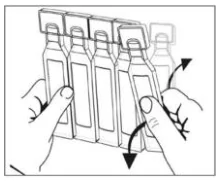 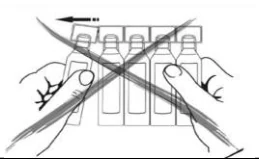 | 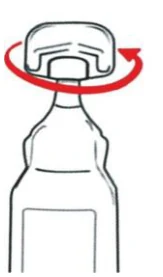 | 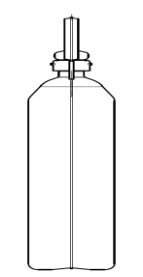 | 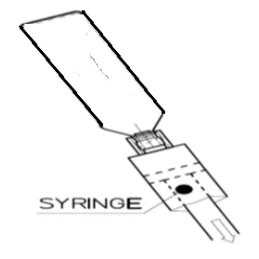 |
| Take a strip of ampoules from the Carton. Remove one ampoule and put the rest back in the carton. | Hold the ampoule upright and twist the top cover to remove. | Push the syringe into the ampoule opening until tight. | Position the ampoule above the syringe, and pull down the plunger to extract liquid from ampoule. |
PART II: SCIENTIFIC INFORMATION
13. PHARMACEUTICAL INFORMATION
Drug Substance
Proper Name: lidocaine hydrochloride
Chemical Name: 2-Diethylamino-N-(2,6-dimethylphenyl)-acetamide monohydrochloride monohydrate
Molecular Formula and Molecular Mass C14H22N2O.HCl.H2O
288.8 g / mol
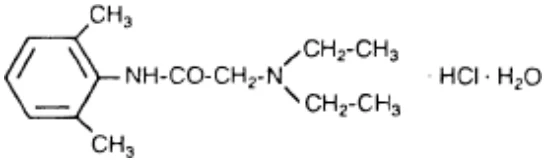
Structural Formula:
Physicochemical Properties: White crystalline powder. Very soluble in water, freely soluble in alcohol. Melting range between 74 and 79oC. pH of 4.0 to 5.5 (0.5% solution in H2O).
- 14. CLINICAL TRIALS
No clinical trials information is available for this product
- 15. MICROBIOLOGY
No microbiological information is required for this product
- 16. NON-CLINICAL TOXICOLOGY
Carcinogenicity
A chronic oral toxicity study of the metabolite 2,6-dimethylaniline (0, 14, 45, 135 mg / kg) administered in feed to rats showed that there was a significantly greater incidence of nasal cavity tumors in male and female animals that had daily oral exposure to the highest dose of 2,6-dimethylaniline for 2 years. The lowest tumor-inducing dose tested in animals (135 mg / kg) corresponds to approximately 11 times the amount of 2,6-dimethylaniline to which a 50 kg subject would be exposed following a single injection of 600 mg of lidocaine for injection, assuming 80% conversion to 2,6-dimethylaniline. Based on a yearly exposure (once daily dosing with 2,6-dimethylaniline in animals and 5 treatment sessions with 600 mg lidocaine for injection in humans), the safety margins would be approximately 1000 times when comparing the exposure in animals to man.
- 17. SUPPORTING PRODUCT MONOGRAPHS
- 1. XYLOCAINE® Parenteral Solutions - Lidocaine Hydrochloride Injection USP (0.5%, 1%, 2% lidocaine hydrochloride), Lidocaine Hydrochloride and Epinephrine Injection USP (1% lidocaine hydrochloride with 0.005 mg/mL epinephrine, 1% lidocaine hydrochloride with 0.010 mg/mL epinephrine, 2% lidocaine hydrochloride with 0.005 mg/mL epinephrine) Control 289518, product monograph, Aspen Pharmacare Canada Inc. (2025-01-08)