


Product Monograph - Lipidil Supra
SUMMARY PRODUCT INFORMATION
| Route of Administration | Dosage Form / Strength | Clinically Relevant Nonmedicinal Ingredients |
| Oral | Film-coated tablet 160 mg | crospovidone, colloidal silicon dioxide, lactose monohydrate, microcrystalline cellulose, povidone, sodium stearyl fumerate and sodium lauryl sulfate. |
INDICATIONS AND CLINICAL USE
LIPIDIL SUPRA® (fenofibrate, microcoated formulation) is indicated as an adjunct to diet, at least equivalent to the Adult Treatment Panel III (ATP III) and Therapeutic lifestyle changes (TLC diet), and other therapeutic measures when the response to diet and other measures has been inadequate for:
- 1. Treatment of patients, including patients with type 2 diabetes (non-insulin dependent), with dyslipoproteinemia (hypercholesterolemia, Fredrickson classification Types IIa and IIb mixed hyperlipidemia), to regulate lipid levels by reducing serum triglycerides and LDL cholesterol levels and increasing HDL cholesterol.
- 2. Treatment of adult patients with very high serum triglyceride levels, Fredrickson classification Type IV and Type V hyperlipidemia, who are at a high risk of sequelae and complications (i.e., pancreatitis) from their hyperlipidemia.
LIPIDIL SUPRA® alone may not be adequate therapy in some patients with familial combined hyperlipidemia with Type IIb and Type IV hyperlipoproteinemia.
LIPIDIL SUPRA® is not indicated for the treatment of Type I hyperlipoproteinemia.
Pediatrics (<18 years of age):
Lipidil Supra® is not recommended for pediatric subjects under 18 years. See WARNINGS AND PRECAUTIONS, Special Populations, Pediatrics.
CONTRAINDICATIONS
- Patients who are hypersensitive to fenofibrate or to any ingredients in the formulation of components of the container. For complete listing, see the DOSAGE FORMS, COMPOSITION AND PACKAGING.
- Hepatic insufficiency (including primary biliary cirrhosis and unexplained persistent liver function abnormality).
- Pre-existing gallbladder disease (see WARNINGS AND PRECAUTIONS).
- Severe renal dysfunction (creatinine clearance of < 30ml/min).
- Chronic or acute pancreatitis.
- Hypersensitivity to fenofibrate, any component of this medication or other drugs of the fibrate class.
- Should not be taken in patients allergic to peanut or arachis oil or soya lecithin or related products due to the risk of hypersensitivity reactions.
- The drug should not be used during pregnancy and breast-feeding.
- Known photoallergy or phototoxic reaction during treatment with fibrates or ketoprofen.
- Should not be co-administered with HMG-CoA reductase inhibitors (statins) in patients with pre-disposing factors for myopathy.
- Under 18 years of age.
WARNINGS AND PRECAUTIONS
General
Fenofibrate and HMG-CoA Reductase Inhibitors (Statins)
The concomitant administration of LIPIDIL SUPRA® (fenofibrate, microcoated formulation) and statins should be avoided unless the benefit for further alteration in lipid levels is likely to outweigh the increased risk of this combination. The concomitant administration of LIPIDIL SUPRA® with Pravastatin (40 mg) once daily for 10 days, in healthy adults, increased the mean Cmax and AUC values for pravastatin by 36% (range: from a 69% decrease to a 321% increase) and 28% (range: from a 54% decrease to a 128% increase), respectively. Co-administration of fenofibrate with Pravastatin also increased the mean Cmax and AUC of the major metabolites, 3-alpha-hydroxy-isopravastatin by 55% (range: from a 32% decrease to a 314% increase) and 39%
(range: from a 24% decrease to a 261% increase), respectively. The combined use of fibric acid derivatives and HMG-CoA reductase inhibitors has been associated, in the absence of a marked pharmacokinetic action, in numerous case reports, with rhabdomyolysis, markedly elevated creatine kinase (CK) levels and myoglobinuria, leading to a high proportion of cases to acute renal failure. This combination therapy must not be used in patients with predisposing factors for myopathy (pre-existing myopathy, age >70 years, renal impairment, hepatic impairment, severe infection, surgery and trauma, frailty, hypothyroidism or electrolyte imbalance, personal or family history of hereditary muscular disorders, previous history of muscle toxicity with another HMG-CoA reductase inhibitor, concomitant use of a fibrate, niacin or ezetimibe, alcohol abuse, excessive physical exercise, diabetes with hepatic fatty change situations where an increase in plasma levels of active ingredient may occur). For information on a specific HMG-CoA reductase inhibitor, consult a respective Product Monograph.
The use of fibrates alone, including LIPIDIL SUPRA®, may occasionally be associated with myositis, myopathy or rhabdomyolysis. Patients receiving LIPIDIL SUPRA® and complaining of muscle pain, tenderness, or weakness should have prompt medical evaluation for myopathy, including serum creatine kinase level determination. If myopathy and or myositis is suspected or diagnosed, LIPIDIL SUPRA® therapy should be stopped.
Initial Therapy
Before instituting LIPIDIL SUPRA® (fenofibrate, microcoated formulation) therapy, laboratory tests should be conducted to ensure that lipid levels are consistently abnormal. Attempts should be made to control serum lipids with appropriate diet, exercise and weight loss in obese patients. Secondary causes of hypercholesterolemia, such as uncontrolled type 2 diabetes mellitus, hypothyroidism, nephrotic syndrome, dysproteinemia, obstructive liver disease, pharmacological treatment and excessive alcohol intake should be adequately treated before fenofibrate therapy is initiated. In patients at high risk, consideration should be given to the control of other risk factors such as smoking, use of preparations containing estrogen and inadequately controlled hypertension.
Long-term therapy
Because long-term administration of fenofibrate is recommended, the potential risks and benefits should be carefully weighed. Adequate pretreatment laboratory studies should be performed to ensure that patients have elevated serum cholesterol and/or triglycerides or low HDL-cholesterol levels. Response to therapy should be monitored by determination of serum lipid values (e.g. total cholesterol, LDL-C, triglycerides). If a significant serum lipidil response is not obtained in
3 months, LIPIDIL SUPRA® should be discontinued.
Carcinogenesis and Mutagenesis
Carcinogenicity
In long-term animal toxicity and carcinogenicity studies fenofibrate has been shown to be tumorigenic for the liver in male rats at 12 times the human dose. At this dose level in male rats there was also an increase in benign Leydig cell tumors. Pancreatic acinar cell tumors were increased in male rats at 9 and 40 times the human dose. However, mice and female rats were unaffected at similar doses. Florid hepato-cellular peroxisome proliferation has been observed following fenofibrate administration to rats. Such changes have not been found in the human liver after up to 3.5 years of fenofibrate administration.
Hematologic
Haematologic changes
Mild hemoglobin, haematocrit and white blood cell decreases have been observed occasionally in patients following initiation of fenofibrate therapy. However, these levels stabilize during long-term administration. Periodic blood counts are recommended during the first 12 months of fenofibrate administration.
Hepatic/Biliary/Pancreatic
Hepatobiliary disease
LIPIDIL SUPRA® is not recommended for use in patients with hepatic impairment due to the lack of data.
Fenofibrate may increase cholesterol excretion into the bile, and may lead to cholelithiasis.
Pancreatitis
In common with some other fibrates, pancreatitis has been reported in patients taking fenofibrate. This occurrence may represent a failure of efficacy in patients with severe hypertriglyceridemia, a direct drug effect, or a secondary phenomenon mediated through biliary tract stone or sludge formation with obstruction of the common bile duct. In patients with severe hypertriglyceridemia, cases of acute pancreatitis have been reported.
Cholelithiasis
Fenofibrate may increase cholesterol excretion into the bile, and may lead to cholelithiasis. If cholelithiasis is suspected, gallbladder studies are indicated. LIPIDIL SUPRA® therapy should be discontinued if gallstones are found.
Liver Function
Abnormal liver function tests have been observed occasionally during fenofibrate administration, including elevations of transaminases, and decreases or, rarely, increases in alkaline phosphatase. From 5 placebo-controlled trials of 2 to 6 months’ duration, increases up to >3 times the upper limit of normal occurred in 2.9% (14/477) of patients taking fenofibrate versus 0.5% (2/386) of those treated with placebo. In the DAIS study (3 years duration), increases up to 3 times the upper limit of normal occurred in 1.9% (4/207) of patients taking fenofibrate versus 0% of those treated with placebo (0/211). Follow-up measurements, performed either at the end of treatment or during continued treatment, showed that transaminase values generally returned to normal limits. Therefore, regular periodic liver function tests (AST, ALT and GGT) in addition to other baseline tests are recommended every 3 months for the first 12 months and at least yearly thereafter. LIPIDIL SUPRA® should be terminated if abnormalities persist and/ or AST and ALT levels increase to more than 3 times the upper limit of normal.
Renal
Renal Function
LIPIDIL SUPRA® should not be used in patients with severe renal dysfunction (creatinine clearance < 30ml/min) including patients on dialysis. In patients with hypoalbuminemia, e.g., nephrotic syndrome, and in patients with renal insufficiency, the dosage of fibrates must be reduced and renal function should be monitored regularly (see WARNINGS AND PRECAUTIONS, Skeletal muscle, DOSAGE AND ADMINISTRATION and ACTION AND CLINICAL PHARMACOLOGY). Treatment should be interrupted in case of an increase in creatinine levels > 50% upper limit of normal. It is recommended that creatinine measurement may be considered during the first three months after initiation of treatment.
Sexual Function/Reproduction
Reproductive studies
Standard tests for teratology, fertility and peri- and post-natal effects in animals have shown a relative absence of risk; however, embryo-toxicity has occurred in animals at maternally toxic doses.
Special Populations
Pregnant Women:
Safety in pregnant women has not been established. Fenofibrate has been shown to be embryocidal in rats when given in doses 7 to 10 times the maximum recommended human dose (MRHD) and in rabbits when given in doses 9 times the MRHD (on the basis of mg/m2 surface area). There are no adequate and well-controlled studies in pregnant women. Fenofibrate should not be used during pregnancy. (See CONTRAINDICATIONS).
Nursing Women:
It is unknown whether fenofibrate and/or its metabolites are excreted in human milk. A risk to the suckling child cannot be excluded. Therefore LIPIDIL SUPRA® should not be used during breast-feeding.
Pediatrics (< 18 years of age):
The safety and efficacy of fenofibrate in children have not yet been established. Only limited paediatric data are available. Therefore the use of LIPIDIL SUPRA® is not recommended in paediatric subjects under 18 years.
Geriatrics:
Fenofibrate is excreted by the kidney. Therefore, the risk of adverse reactions to LIPIDIL SUPRA® may be greater in the elderly patients with impaired renal function. Since elderly patients are more likely to have a decreased renal function, dose should be carefully selected (See DOSAGE AND ADMINISTRATION).
Other
Skeletal muscle
Treatment with drugs of the fibrate class has been associated on rare occasions with myositis or rhabdomyolysis, usually in patients with impaired renal function and in cases of hypoalbuminaemia. Myopathy should be considered in any patient with diffuse myalgias, myositis, muscle cramps, tenderness or weakness, and/or marked elevation of creatine phosphokinase levels. Patients should be advised to promptly report unexplained muscle pain, tenderness or weakness, particularly if accompanied by malaise or fever. CK levels should be assessed in patients reporting these symptoms, and fenofibrate therapy should be discontinued if markedly elevated CK levels (5 times the upper limit of normal) occur or myopathy is diagnosed. Patients with pre-disposing factors for myopathy may be at an increased risk of developing rhabdomyolysis (see WARNINGS AND PRECAUTIONS). For these patients, the putative benefits and risks of fenofibrate therapy should be carefully weighed.
The risk of muscle toxicity may be increased if the drug is administered with another fibrate or an HMG-CoA reductase inhibitor, especially in case of pre-existing muscular disease (see WARNINGS AND PRECAUTIONS). Consequently, the co-administration of fenofibrate with a HMG-CoA reductase inhibitor or another fibrate should be reserved to patients with severe combined dyslipidaemia and high cardiovascular risk without any history of muscular disease or other pre-disposing factors for myopathy (see WARNINGS AND PRECAUTIONS) and with a close monitoring of potential muscle
ADVERSE REACTIONS
Adverse Drug Reaction Overview
The most frequently reported adverse events include: gastrointestinal (epigastric distress, flatulence, abdominal pain, nausea, diarrhea, constipation), dermatologic (erythema, pruritus, urticaria), musculoskeletal (muscle pain and weakness, arthralgia), central nervous system (headache, dizziness, insomnia), miscellaneous (decreased libido, hair loss, weight loss).
Clinical Trial Adverse Drug Reactions
Because clinical trials are conducted under very specific conditions, the adverse reaction rates observed in the clinical trials may not reflect the rates observed in practice and should not be compared to the rates in the clinical trials of another drug. Adverse drug reaction information from clinical trials is useful for identifying drug-related adverse events and for approximating rates.
In five placebo-controlled clinical trials, conducted in the U.S. and Europe, a total of 477 patients on fenofibrate and 386 patients on placebo were evaluated for adverse effects during 2 to 6 months of treatment.
Adverse events led to the withdrawal of treatment in 5.5% of patients (26/477) treated with fenofibrate, the most common symptoms being abnormal elevation in transaminases, skin reactions and digestive disorders. Of the placebo-treated patients, 2.6% (10/386) were discontinued due to adverse effects.
Adverse events, regardless of their causality, reported in more than 1% of patients are shown in Table 1.
Table 1: Number (%) of Patients Reporting Adverse Events
| Fenofibrate | Placebo | ||||||
| N= 477 | N= 386 | ||||||
| Body as a whole | 68 (14.3%) | 51 (13.2%) | |||||
| Abdominal pain | 12 (2.5%) | 8 (2.1%) | |||||
| Asthenia | 14 (2.9%) | 7 (1.8%) | |||||
| Headache | 15 (3.1%) | 11 (2.8%) | |||||
| Cardiovascular system | 15 (3.1%) | 13 (3.4%) | |||||
| Digestive system | 63 (13.2%) | 47 (12.2%) | |||||
| Diarrhea | 10 (2.1%) | 13 (3.4%) | |||||
| Nausea | 12 (2.5%) | 7 (1.8%) | |||||
| Constipation | 6 (1.3%) | 3 (0.8%) | |||||
| Dyspepsia | 5 (1.0%) | 6 (1.6%) | |||||
| Flatulence | 10 (2.1%) | 10 (2.6%) | |||||
| Endocrine system | 1 (0.2%) | 1 (0.3%) | |||||
| Haemic & lymphatic system | 3 (0.6%) | 1 (0.3%) | |||||
| Metabolic & nutritional disorders | 18 (3.8%) | 14 (3.6%) | |||||
| ALT increase | 12 (2.5%) | 4 (1.0%) | |||||
| AST increase | 8 (1.7%) | 1 (0.3%) | |||||
| ALT/AST increase | 9 (4.9%) | 0 | |||||
| CPK increase | 1 (0.2%) | 5 (1.3%) | |||||
| Creatinine increase | 8 (1.7%) | 1 (0.3%) | |||||
| Musculo-skeletal system | 31 (6.5%) | 21 (5.4%) | |||||
| Arthralgia | 11 (2.3%) | 11 (2.8%) | |||||
| Myalgia | 3 (0.6%) | 4 (1.0%) | |||||
| Nervous system | 31 (6.5%) | 11 (2.8%) | |||||
| Dizziness | 5 (1.0%) | 4 (1.0%) | |||||
| Respiratory system | 34 (7.1%) | 25 (6.5%) | |||||
| Rhinitis | 10 (2.1%) | 4 (1.0%) | |||||
| Skin and appendages | 24 (5.0%) | 12 (3.1%) | |||||
| Rash | 11 (2.3%) | 3 (0.8%) | |||||
| Pruritus | 10 (2.1%) | 3 (0.8%) | |||||
| Special senses | 14 (2.9%) | 10 (2.6%) | |||||
| Urogenital system | 14 (2.9%) | 9 (2.3%) | |||||
Safety was monitored for 3 years during the placebo-controlled DAIS study (See Clinical Trials) for both adverse events and laboratory anomalies. Fenofibrate was used safely in type 2 diabetic patients, as the overall incidence and severity of adverse events were comparable in fenofibrate and placebo groups. Table 2 below summarizes the incidence of adverse events, by body system, observed in both treatment groups.
| Table 2: DAIS study: Incidence of adverse events (AEs) by system, experienced by type 2 diabetic patients during treatment with fenofibrate or placebo (ITT population) | ||||||||||||||
| Body System | Fenofibrate (N=207) | Placebo (N=211) | ||||||||||||
| AEs | Patients | AEs | Patients | |||||||||||
| Total # pts. with at least 1 AE | Total AEs: 1710 | 201 (97.1%) | Total AEs: 1759 | 202 (95.7%) | ||||||||||
| Body as a whole | 371 (21.7%) | 136 (65.7%) | 362 (20.6%) | 146 (69.2%) | ||||||||||
| Cardiovascular | 183 (10.7%) | 84 (40.6%) | 220 (12.5%) | 96 (45.5%) | ||||||||||
| Digestive | 196 (11.5%) | 86 (41.6%) | 194 (11.0%) | 87 (41.2%) | ||||||||||
| Endocrine | 11 (0.6%) | 10 (4.8%) | 19 (1.1%) | 11 (5.2%) | ||||||||||
| Haemic/lymphatic | 31 (1.8%) | 19 (9.2%) | 23 (1.3%) | 15 (7.1%) | ||||||||||
Metabolic/ nutritional | 50 (2.9%) | 32 (15.5%) | 70 (4.9%) | 41 (19.4%) | ||||||||||
| Musculo-skeletal | 155 (9, 1%) | 84 (40.6%) | 180 (10.2%) | 84 (39.8%) | ||||||||||
| CNS | 103 (6.0%) | 59 (28.5%) | 98 (5.6%) | 58 (27.5%) | ||||||||||
| Respiratory | 301 (17.6%) | 108 (52.2%) | 279 (15.9%) | 105 (49.8%) | ||||||||||
| Skin/appendage | 107 (6.3%) | 58 (28.0%) | 107 (6.1%) | 48 (22.8%) | ||||||||||
| Special senses | 73 (4.3%) | 44 (21.3%) | 90 (5.1%) | 50 (23.7%) | ||||||||||
| Urogenital | 118 (6.9%) | 55 (26.6%) | 103 (5.9%) | 46 (21.8%) | ||||||||||
| Other | 11 (0.6%) | 9 (4.4%) | 14 (0.8%) | 11 (5.2%) | ||||||||||
In two open, non- controlled clinical studies conducted in Canada and Germany, a total of 375 patients on fenofibrate, microcoated formulation, were evaluated for adverse events. Listed in Table 3 are the adverse events possibly or probably related to fenofibrate, microcoated formulation and reported by more than 0.5% of the patients.
Table 3: Number (%) of patients reporting adverse events possibly or probably related to fenofibrate
Canadian and German multicenter studies (12-week treatment) | |
| Adverse Events | microcoated fenofibrate (n = 375) |
Digestive system Gastrointestinal disorder Nausea Flatulence Diarrhea Liver function tests abnormal Dyspepsia Gastritis Constipation | 4 (1.1%) 3 (0.8%) 2 (0.5%) 2 (0.5%) 2 (0.5%) 2 (0.5%) 2 (0.5%) 2 (0.5%) |
Body as a whole Abdominal pain Headache Asthenia Lab test abnormal | 4 (1.1%) 2 (0.5%) 2 (0.5%) 2 (0.5%) |
Metabolic and Nutritional Disorders ALT increased (> 3 x UNL) AST increased (> 3 x UNL) Creatine kinase increased (> 5 x UNL) | 3 (0.8%) 4 (1.1%) 2 (0.5%) |
Nervous system Dizziness Libido decreased | 2 (0.5%) 2 (0.5%) |
Some epidemiological studies and case reports support paradoxical HDL-C lowering with fenofibrate.
Other adverse events include commonly reported cases of vomiting and increase in levels of blood homocysteine*. Uncommonly reported cases of pancreatitis and venous thromboembolism (pulmonary embolism and deep vein thrombosis). Rarely reported cases of alopecia, sexual asthenia, rhabdomyolysis, myositis and muscular cramps. Episodes of hepatitis have been reported. When symptoms indicative of hepatitis occur (e.g. jaundice, pruritus), and diagnosis is confirmed by laboratory testing, fenofibrate therapy should be discontinued (see WARNINGS AND PRECAUTIONS).
Photosensitivity reactions, development of gallstones and cutaneous hypersensitivity with erythema and vesiculation or nodulation on parts of the skin exposed to sunlight or artificial UV light in individual cases (even after many months of uncomplicated use) have also been reported.
* The average increase in blood homocysteine level in patients treated with fenofibrate was 6.5 μmol/L, and was reversible on discontinuation of fenofibrate treatment. The increased risk of venous thrombotic events may be related to the increased homocysteine level. The clinical significance of this is not clear.
Less Common Clinical Trial Adverse Drug Reactions (<1%)
See Table 3.
Post-Market Adverse Drug Reactions
In addition to those events reported during clinical trials, the following side effects have been reported spontaneously during post-marketing use:
Respiratory, thoracic and mediastinal disorders: Interstitial lung disease.
Hepatobiliary Disorders: jaundice, complications of cholelithiasis (e.g., cholecystitis, cholangitis, biliary colic, etc.)
Skin and Subcutaneous Tissue Disorders: severe cutaneous reactions (e.g erythema multiforme, Stevens-Johnson syndrome, toxic epidermal necrolysis)
Nervous system disorders: Fatigue
DRUG INTERACTIONS
Overview
Fenofibrate is highly protein bound (>99%), mainly to albumin. Consideration should be given to the potential for displacement drug interactions with other highly protein-bound drugs.
Drug-Drug Interactions
Table 4 Established or Potential Drug-Drug Interactions with Lipidil Supra | |||
|---|---|---|---|
| Concomitant Medication | Ref | Effect | Clinical Comments |
| Atorvastatin | CT | Concomitant administration of fenofibrate with atorvastatin (20 mg) once daily for 10 days resulted in a 14% decrease in the mean atorvastatin AUC value (range: from a 67% decrease to a 44% increase) in 22 healthy males. There was a 0% change in the atorvastatin mean Cmax value (range: from a 60% decrease to a 136% increase). No significant pharmacokinetic interaction was observed in the mean fenofibric acid AUC (2.3% decrease, range: from a 39% decrease to a 40 % increase) or in the mean Cmax (3.8% decrease, range: from a 29% decrease to a 42% increase) when fenofibrate was co-administered with | |
Table 4 Established or Potential Drug-Drug Interactions with Lipidil Supra |
|---|
| Concomitant Medication | Ref | Effect | Clinical Comments | ||
|---|---|---|---|---|---|
| multiple doses of atorvastatin. | |||||
| Bile Acid Sequestrants | CT, C | The absorption of fibrates is impaired by cholestyramine. | When a fibrate is used concurrently with cholestyramine or any other resin, an interval of at least 2 hours should be maintained between the administrations of the two drugs. | ||
| Estrogens | P | Estrogens may lead to a rise in lipid levels. | Prescribing LIPIDIL SUPRA® in patients taking estrogens or estrogen-containing contraceptives must be considered clinically on an individual basis. | ||
| Ezetimibe | CT | The safety and effectiveness of ezetimibe and fibrate combination therapy have not been established. | Therefore co-administration is not recommended until use in patients has been studied. | ||
Table 4 Established or Potential Drug-Drug Interactions with Lipidil Supra |
|---|
| Concomitant Medication | Ref | Effect | Clinical Comments |
|---|---|---|---|
| Oral Anticoagulants | C | Caution should be exercised when oral anticoagulants are given in conjunction with LIPIDIL SUPRA®. The dosage of oral anticoagulant should be reduced to maintain the prothrombin time at the desired level to prevent bleeding complications. Careful monitoring of prothrombin time is therefore recommended until it has been definitely determined that the prothrombin level has been stabilized. | |
| Pravastatin | CT | Concomitant administration in 23 healthy adults of fenofibrate with pravastatin, 40 mg once daily for 10 days, has been shown to increase the mean Cmax and AUC values for pravastatin by 36% (range: from a 69% decrease to a 321% increase) and 28% (range: from a 54% decrease to a 128% increase), respectively. Co-administration of fenofibrate with pravastatin also increased the mean Cmax and AUC of the major metabolite, 3-alpha-hydroxy-iso-pravastatin by 55% (range: from a 32% decrease to a 314% increase) and 39% (range: from a 24% decrease to a 261% increase), respectively. | |
| Rosiglitazone | C | Some epidemiologic studies and case reports suggest that markedly decreased HDL-C in some patients involve the interaction of rosiglitazone with fenofibrate or bezafibrate. Laboratory findings in some published case reports demonstrated that, in some cases, it is the combination of rosiglitazone and fenofibrate, and neither agent alone, that lowers HDL-C. | |
| Rosuvastatin | CT | Co-administration of fenofibrate (67 mg three times daily) and rosuvastatin (10 mg once daily) for seven days did not lead to a clinically significant change in the plasma concentrations of either drug. |
Table 4 Established or Potential Drug-Drug Interactions with Lipidil Supra |
|---|
| Concomitant Medication | Ref | Effect | Clinical Comments | ||
|---|---|---|---|---|---|
| Simvastatin | CT | In a 10-day trial, fenofibrate was taken once daily. On day 10, simvastatin 40 mg was added to the fenofibrate regimen. The mean AUC of simvastatin acid, the main active metabolite, decreased by 42% (range: from a 77% decrease to a 50% increase) in the presence of fenofibrate. Fenofibrate had no impact (0%) on the mean simvastatin acid Cmax (range: from a 67% decrease to a 92% increase). The mean fenofibric acid Cmin plasma levels increased by 14% (range: from a 7% decrease to a 48% increase) following the co-administration of simvastatin, indicating that fenofibric acid concentrations are not significantly affected by the addition of a 40 mg dose of simvastatin. | . | ||
| Statin | P | No drug-drug interaction studies with LIPIDIL SUPRA® and statins have been conducted in patients. Pharmacokinetic interaction studies conducted with drugs in healthy subjects may not detect the possibility of a potential drug interaction in some patients due to differences in underlying disease and use of concomitant medications (See WARNINGS AND PRECAUTIONS). | |||
| Statins and Cyclosporine | C | Severe myositis and rhabdomyolysis have occurred when a statin or cyclosporine was administered in combination therapy with a fibrate. Some severe cases of reversible renal function impairment have been reported during concomitant administration of fenofibrate and cyclosporine. | Therefore, the benefits and risks of using LIPIDIL SUPRA® concomitantly with these drugs should be carefully considered. The renal function of these patients must therefore be closely monitored and treatment with LIPIDIL SUPRA® stopped in the case of severe alteration of laboratory parameters. | ||
| Legend: C = Case Study; CT = Clinical Trial; P = Potential | |||||
Drug-Laboratory Interactions
In most trials, sporadic and transient increases in aminotransferase levels have been associated with the use of fenofibrate. The reported frequency of AST and ALT elevations was variable; in the clinical studies conducted in Canada and Germany elevations above three times the upper limit of normal were observed in 2.0% of the patients (7/375) treated with fenofibrate, microcoated formulation. In two dose-ranging studies, the incidence of increases in transaminases (>3 x UNL) due to fenofibrate therapy appears to be dose related; 0.6% (1/157) (80mg tablet), 1.9% (3/158) (160mg tablet) and 4.0% (6/149) (240mg tablet). Values usually return to normal without interruption of treatment (see WARNINGS AND PRECAUTIONS). Reductions in alkaline phosphatase levels have also been observed.
Mild decreases in hemoglobin, haematocrit, and white blood cell counts have been observed occasionally in patients following initiation of fenofibrate therapy but these observations were without clinical significance. However, these levels stabilize during long-term administration. In addition, a decrease in haptoglobin concentration has been observed in some patients with Type IV hyperlipidemia during long-term use of fenofibrate. However, this decrease in haptoglobin was not associated with any other sign of blood dyscrasia and/or haemolysis.
The mean plasma levels of urea and creatinine showed increases, particularly during long-term fenofibrate treatment, most of them remaining within the limits of normal values.
Fenofibrate also has the potential to provoke CK elevations and changes in haematologic parameters, which generally subside when the drug is discontinued (see WARNINGS AND PRECAUTIONS). In the clinical studies conducted in Canada and Germany, the reported frequency of CK elevations above five times the upper limit of normal was approximately 0.3% (2/375) of the patients treated with fenofibrate, microcoated formulation.
DOSAGE AND ADMINISTRATION
Dosing Considerations
Patients should be placed on a standard cholesterol-lowering diet (at least equivalent to the Adult Treatment Panel III (ATP III TLC diet)) before receiving LIPIDIL SUPRA® (fenofibrate, microcoated formulation), and should continue on this diet during treatment with LIPIDIL SUPRA®. If appropriate, a program of weight control and physical exercise should be implemented.
Prior to initiating therapy with LIPIDIL SUPRA®, secondary causes for elevations in plasma lipid levels should be excluded. A lipid profile should also be performed.
If a significant serum lipid response is not obtained in three months, LIPIDIL SUPRA® should be discontinued.
In patients with renal insufficiency (creatinine clearance between 30 to 60 ml/min), LIPIDIL SUPRA® treatment should be initiated at the dose of 100 mg/day and increased only after evaluation of the tolerance and effects on the lipid parameters. If no low dose is available, then fenofibrate is not recommended. LIPIDIL SUPRA® is contraindicated when the creatinine clearance is lower than 30 ml/min.
Recommended Dose and Dosage Adjustment
The usual recommended dose for LIPIDIL SUPRA® in adults is one 160 mg tablet daily taken with the main meal. Tablets should be swallowed whole with a glass of water.
The maximum recommended total daily dose of LIPIDIL SUPRA® is 200 mg (2 tablets of 100 mg).
Missed Dose:
If a dose is missed, the next dose should be taken at the usual time. A double dose should not be taken to make up for a forgotten dose.
Administration
Tablets can be taken any time with or without food and should be swallowed whole (not crushed or chewed) with a glass of water.
OVERDOSAGE
While there has been no reported case of overdosage, symptomatic and supportive measures should be taken. Fenofibrate is not dialysable because the main metabolite (fenofibric acid) is highly bound to plasma proteins.
| For management of a suspected drug overdose, contact your regional Poison Control Centre immediately. |
ACTION AND CLINICAL PHARMACOLOGY
Mechanism of Action
LIPIDIL SUPRA® (fenofibrate, microcoated formulation) lowers elevated serum lipids by decreasing the low density lipoprotein (LDL) fraction rich in cholesterol and the very low density lipoprotein (VLDL) fraction rich in triglycerides. In addition, fenofibrate increases the high density lipoprotein (HDL) cholesterol fraction.
Fenofibrate appears to have a greater depressant effect on the VLDL than on the low density lipoproteins (LDL). Therapeutic doses of fenofibrate produce elevations of HDL cholesterol, a reduction in the content of the low density lipoproteins cholesterol, and a substantial reduction in the triglyceride content of VLDL.
Pharmacodynamics:
Fenofibrate is a fibric acid derivative whose lipid modifying effects reported in humans are mediated by the activation of a specific nuclear receptor called peroxisome proliferator activated receptor alpha (PPARα), which produces:
- a reduction in apo C-III, and therefore a reduction in the level of dense atherogenic LDL particles;
- a stimulation of mitochondrial beta-oxidation, and therefore a reduction in triglyceride secretion;
- a rise in lipoprotein lipase production, and therefore an acceleration of triglyceride rich lipoprotein breakdown;
- a rise in apo A-I and apo A-II production.
Absorption:
Fenofibrate’s absorption is low and variable when the product is administered under fasting conditions. Fenofibrate’s absorption is increased when the compound is given with food.
Distribution:
Fenofibric acid is extensively bound (> 99 %) to plasma albumin. This binding is not saturable.
Metabolism and Excretion
After oral administration, fenofibrate is rapidly hydrolysed to fenofibric acid.
Excretion
In man it is mainly excreted through the kidney. Half-life is about 20 hours.
Special Populations and Conditions
Pediatrics:
Limited experience is available in children and adolescents, at the dose of 5 mg/kg/day fenofibrate non-micronized formulation. However, safety and effectiveness have not been established in this sub-population (see selected bibliography).
Renal Insufficiency:
In patients with severe renal failure, significant accumulation was observed with a large increase in half-life. Therefore, fenofibrate is contraindicated. (See Dosing Considerations, DOSAGE AND ADMINISTRATION)
STORAGE AND STABILITY
Store at 15 to 30oC. Protect from light and moisture.
DOSAGE FORMS, COMPOSITION AND PACKAGING
Availability
LIPIDIL SUPRA® (fenofibrate, microcoated formulation) 160 mg tablets are formulated for oral administration containing microcoated fenofibrate.
LIPIDIL SUPRA® 160 mg tablets are supplied as white, oblong, film-coated tablet and are embossed with the Fournier logo on one side and 160 on the other. The tablets are available in blister packs of 30 tablets.
Composition
Each LIPIDIL SUPRA® 160 mg tablet contains 160 mg of fenofibrate with the following non-medicinal ingredients: colloidal silicon dioxide, crospovidone, lactose monohydrate, microcrystalline cellulose, polyvinyl alcohol, povidone, sodium stearyl fumerate and sodium lauryl sulfate, soybean lecithin, talc, titanium dioxide and xantham gum.
PART II: SCIENTIFIC INFORMATION
PHARMACEUTICAL INFORMATION
Drug Substance
Proper name: fenofibrate
Chemical name: 2-(4-(4-chlorobenzoyl) phenoxy)-2-methyl-propanoic acid 1-methylethyl ester.
Structural formula:
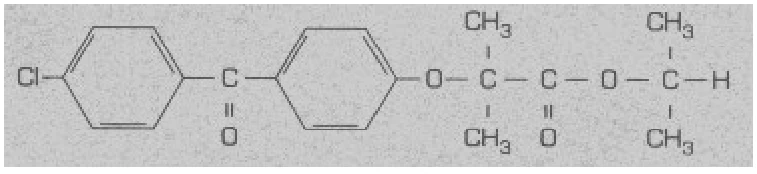
Molecular formula: C20 H21 O4 Cl
Molecular weight: 360.83
Description: Fenofibrate is a crystalline, cream-colored, odourless and tasteless powder.
Melting point: 79 to 82°C.
Solubilities: Fenofibrate is practically insoluble in water, soluble in ethanol, freely soluble in acetone and chloroform.
CLINICAL TRIALS
Study demographic and trial design
The effects of fenofibrate on total mortality, and cardiovascular mortality and morbidity have not been established.
The activity of fenofibrate has been evaluated in more than 150 clinical trials performed in the U.S., Canada and Europe. The majority of these were conducted with fenofibrate, micronized formulation, at a daily dose of 200 mg.
Specific clinical studies were performed with fenofibrate, micronized formulation.
The first clinical trial followed a double-blind, parallel group versus placebo design. One hundred and eighty-nine patients (Type IIa; 120 and Type IIb; 69) were randomized in three groups: placebo, 200 mg micronized fenofibrate and 3 x 100 mg non micronized fenofibrate. The ages of the patients ranged from 18 to 75 years. The intent-to-treat analysis indicated an efficacy level after 3 months (as assessed by the number of patients who experienced a cholesterol reduction > 15%) which was significantly greater in the micronized fenofibrate group (71.9%) than in the placebo group (14.8%). Micronized fenofibrate treatment was significantly more active than placebo in reducing total cholesterol (-18%), LDL-cholesterol (-22%), triglycerides (-19%) and apolipoprotein B (-24%).
The second clinical trial evaluated the effectiveness of micronized fenofibrate on lipid parameters. Of 131 eligible patients, 94 (31 Type IIa, 23 Type IIb and 40 Type IV) were evaluated for efficacy. Of those with Type IIa and Type IIb, 45.1% and 69.6%, respectively, were classified as good responders for total cholesterol. Of patients with Type IIb and IV, 71.4% and 77.7%, respectively, were considered good responders for triglycerides. After 3 months of treatment, the mean value of total cholesterol was lowered in patients with Type IIa from 311.4 mg/dl to 258.3 mg/dl with a mean decrease of 17 %. In patients with Type IIb, the mean value of total cholesterol was lowered from 328.0 mg/dl to 266.5 mg/dl, with a mean decrease of 18.6 %. The mean value of triglycerides was lowered in patients with Type IIb from 254.8 mg/dl to 165.7 mg/dl with a mean decrease of 34.4 %. In patients with Type IV, the mean value of triglycerides was lowered from 383.8 mg/dl to 231.1 mg/dl with a mean decrease of 37.9 %.
A placebo-controlled, double-blind study was also performed in 418 patients with type 2 diabetes: The Diabetes Atherosclerosis Intervention Study (DAIS). The patients were randomized to either fenofibrate 200 mg once daily or to placebo for an average of 38 months. The main objectives were to determine the safety of 200 mg fenofibrate, micronized formulation, in a population of type 2 diabetic patients and to measure angiographic responses by quantitative coronary angiography (QCA). Male (73%) and female patients were included in the study. They presented with adequate glycemic control, total cholesterol/high density lipoprotein cholesterol ratio ≥ 4, and either low density lipoprotein cholesterol (LDL-C) from 3.5 to 4.5 mmol/l with triglycerides (TG) ≤ 5.2 mmol/l, or TG from 1.7 to 5.2 mmol/l with LDL-C ≤ 4.5 mmol/l. An adequate QCA with previous CABG or PTCA or at least one coronary segment with a minimal detectable stenosis was also required.
Study results
The primary efficacy parameter was the mean segment parameter, averaged per patient, to test a null hypothesis of no difference between fenofibrate- and placebo-treated patients. Additional secondary angiographic efficacy parameters were also analyzed.
The angiographic results showed that the primary endpoint (mean segment diameter per patient) did not reach statistical significance and the change from baseline was not clinically meaningful (see following table 5). The change in mean segment diameter was minimal in both groups over the treatment period, with no statistical difference between groups.
| TABLE 5: DAIS study: Mean coronary angiogram values (± S.D.) averaged per patient and per segment at baseline and at the end of study (ITT population) | |||
| Fenofibrate | Placebo | p-value* | |
| Per patient analysis | N=207 | N=211 | |
| |||
| Baseline | 2.70 (0.45) | 2.67 (0.45) | 0.494 |
| Final | 2.62 (0.49) | 2.56 (0.50) | 0.173 |
| |||
| Baseline | 2.14 (0.44) | 2.10 (0.44) | 0.457 |
| Final | 2.05 (0.46) | 1.98 (0.48) | 0.028 |
| |||
| Baseline | 21.8 (7.8) | 21.8 (7.4) | 0.958 |
| Final | 24.1 (9.8) | 25.7 (10.8) | 0.02 |
| Fenofibrate | Placebo | p-value* | |
| Per segment analysis | N=1884 | N=1993 | |
| -Mean diameter (mm) | |||
| Baseline | 2.76 (0.84) | 2.72 (0.83) | 0.145 |
| Final | 2.68 (0.87) | 2.62 (0.87) | 0.037 |
| -Minimum diameter (mm) | |||
| Baseline | 2.20 (0.82) | 2.16 (0.81) | 0.077 |
| Final | 2.11 (0.84) | 2.03 (0.83) | 0.541 |
| % stenosis | |||
| Baseline | 21.0 (13.1) | 21.4 (12.8) | 0.309 |
| Final | 23.0 (15.9) | 24.9 (17.2) | 0.059 |
| *p-values for Student’s t test and for covariance analysis to compare treatment groups, respectively, at baseline and at the end of the study (last available value on treatment). Statistical significance was established at 0.025. |
The changes in lipid levels were also monitored in the type 2 diabetic patients included in the DAIS study. The major lipid values at baseline and at the end of the study are shown in the following table 6 for both the fenofibrate- and placebo-treated groups.
| TABLE 6: DAIS study: Mean major lipid values (±S.D.) at baseline and at the end of the study (ITT population) | ||||||
| Fenofibrate | Placebo | p-values* | ||||
| -Total cholesterol (mmol/L) | ||||||
| Baseline | 5.56 (0.80) | 5.58 (0.72) | 0.751 | |||
| Final | 4.93 (0.83) | 5.42 (0.79) | < 0.001 | |||
| ||||||
| Baseline | 2.56 (1.23) | 2.52 (1.22) | 0.706 | |||
| Final | 1.65 (0.90) | 2.16 (1.20) | < 0.001 | |||
| ||||||
| Baseline | 1.00 (0.19) | 1.04 (0.21) | 0.045 | |||
| End of study | 1.06 (0.26) | 1.06 (0.24) | 0.045 | |||
| -Calc. LDL-C (mmol/L) | ||||||
| Baseline | 3.36 (0.71) | 3.39 (0.72) | 0.532 | |||
| Final | 3.12 (0.69) | 3.38 (0.73) | 0.042 | |||
| TC / HDL-C | ||||||
| Baseline | 5.63 (1.08) | 5.51 (1.10) | 0.115 | |||
| Final | 4.87 (1.27) | 5.35 (1.25) | < 0.001 | |||
| Apo AI (g/L) | ||||||
| Baseline | 1.24 (0.18) | 1.26 (0.277) | 0.277 | |||
| Final | 1.33 (0.22) | 1.29 (0.20) | 0.02 | |||
| *p-values for Student’s t test and for covariance analysis to compare treatment groups at baseline and at the end of the study (last available value on treatment) | ||||||
Safety was closely monitored in the DAIS study for both adverse events and laboratory anomalies. Fenofibrate was used safely in type 2 diabetic patients, as the overall incidence and severity of adverse events were comparable for the two treatment groups. The table 7 below summarizes the incidence of adverse events, by body system, observed in the fenofibrate and placebo treatment groups.
| TABLE 7: DAIS study: Incidence of adverse events (AEs) by system, experienced by type 2 diabetic patients during treatment with fenofibrate or placebo (ITT population) | ||||||||||||||
| Body System | Fenofibrate (N=207) | Placebo (N=211) | ||||||||||||
| AEs | Patients | AEs | Patients | |||||||||||
| Total # pts. with at least 1 AE | Total AEs: 1710 | 201 (97.1%) | Total AEs: 1759 | 202 (95.7%) | ||||||||||
| Body as a whole | 371 (21.7%) | 136 (65.7%) | 362 (20.6%) | 146 (69.2%) | ||||||||||
| Cardiovascular | 183 (10.7%) | 84 (40.6%) | 220 (12.5%) | 96 (45.5%) | ||||||||||
| Digestive | 196 (11.5%) | 86 (41.6%) | 194 (11.0%) | 87 (41.2%) | ||||||||||
| Endocrine | 11 (0.6%) | 10 (4.8%) | 19 (1.1%) | 11 (5.2%) | ||||||||||
| Hemic/lymphatic | 31 (1.8%) | 19 (9.2%) | 23 (1.3%) | 15 (7.1%) | ||||||||||
Metabolic/ nutritional | 50 (2.9%) | 32 (15.5%) | 70 (4.9%) | 41 (19.4%) | ||||||||||
| Musculo-skeletal | 155 (9,1%) | 84 (40.6%) | 180 (10.2%) | 84 (39.8%) | ||||||||||
| CNS | 103 (6.0%) | 59 (28.5%) | 98 (5.6%) | 58 (27.5%) | ||||||||||
| Respiratory | 301 (17.6%) | 108 (52.2%) | 279 (15.9%) | 105 (49.8%) | ||||||||||
| Skin/appendage | 107 (6.3%) | 58 (28.0%) | 107 (6.1%) | 48 (22.8%) | ||||||||||
| Special senses | 73 (4.3%) | 44 (21.3%) | 90 (5.1%) | 50 (23.7%) | ||||||||||
| Urogenital | 118 (6.9%) | 55 (26.6%) | 103 (5.9%) | 46 (21.8%) | ||||||||||
| Other | 11 (0.6%) | 9 (4.4%) | 14 (0.8%) | 11 (5.2%) | ||||||||||
Comparative Bioavailability Studies
SUMMARY TABLE OF THE COMPARATIVE BIOAVAILABILITY DATA A SINGLE DOSE STUDY (Blood levels measured as fenofibric acid) | |||||
Bioavailability Parameters | fenofibrate, microcoated
| fenofibrate, micronized
| Ratio of Means | 90% Confidence Interval Limits (%) | |
| Lower | Upper | ||||
| AUCT (mcg.h/mL) | 138.7 (26) arith. 134.0 (27) geom | 152.0 (24) arith. 147.8 (24) geom | 0.91 arith. 0.91 geom | 88 88 | 94 arith. 94 geom |
| AUC∞ (mcg.h/mL) | 141.5 (27) arith. 136.5 (28) geom | 155.3 (25) arith. 150.8 (25) geom | 0.91 arith. 0.91 geom | 88 88 | 95 arith. 94 geom |
| CMAX (mcg/mL) | 7.98 (13) arith. 7.92 (13) geom | 8.9 (17) arith. 8.8 (17) geom | 0.89 arith. 0.90 geom | 85 86 | 94 arith. 95 geom |
| TMAX (h) | 3.9 (24) arith. | 4.4 (15) arith. | 0.88 arith. | ||
| t1/2 (h) | 20.1 (21) arith. | 19.4 (21) arith. | 1.03 arith. | ||
These data show that biological equivalence was achieved between LIPIDIL SUPRA® and fenofibrate, micronized formulation. During the bioavailability study, three subjects reported gastrointestinal irritation after the administration of LIPIDIL SUPRA®; none were reported after fenofibrate, micronized formulation. The causality of these events in relation to LIPIDIL SUPRA® has not been established.
DETAILED PHARMACOLOGY
Animal Pharmacology
The antilipidemic activity of fenofibrate was investigated in normal and hyperlipidemic rats. Fenofibrate significantly lowers total lipids, LDL and VLDL cholesterol, and triglyceride levels. At the same time it has been found to variably increase HDL cholesterol concentrations. Its effect is more pronounced in hyperlipidemic rats and those fed high fat diets than in normal rats and those fed standard diets. Studies comparing fenofibrate with clofibrate have found that fenofibrate is a potent cholesterol-lowering drug.
The pronounced hypolipidemic effect in hyperlipidemic animals suggests that fenofibrate reduces cholesterol by enhancing the rate of cholesterol elimination. In normocholesterolemic rats, the main effect of fenofibrate is an inhibition of cholesterol biosynthesis.
Fenofibrate has no anti-inflammatory, cardiovascular, respiratory, CNS, autonomic nervous system, or other basal metabolism activities.
Clinical Pharmacology
Uricosuric action
Fenofibrate decreased the plasma uric acid levels in normal as well as hyperuricemic subjects. In a study involving 10 normal male volunteers, single doses of 300 mg of fenofibrate, non-micronized formulation, were compared to benzbromarone. A uricosuric action was observed with both drugs. During a 14 day study in hyperlipidemic patients, a 28 % decrease in plasma uric acid concentration was observed less than four days after the onset of treatment with 300 mg/day of fenofibrate, non-micronized formulation. This effect remained constant until the end of the study. An additional study conducted in healthy volunteers confirmed the rapid onset of the fenofibrate-induced hypouricemic effect and demonstrated the increased capability of the kidneys under these conditions to eliminate uric acid without damage to the proximal tubules.
Effect on lithogenic index
By virtue of structural similarity to other fibrates, fenofibrate might be suspected of increasing the risk of gallstones as a result of increased cholesterol excretion via the bile.
The biliary lithogenic index in fenofibrate-treated patients was evaluated. In most studies, the lithogenic index was shown to be increased but the effect of fenofibrate was not marked and the degree of significance varied from one study to another. The relative proportions of bile lipids were also affected by fenofibrate treatment.
It is not known how fenofibrate treatment modifies the lipid composition of the bile.
Human liver biopsies
Two specific studies have been conducted in hyperlipidemic patients to evaluate the potential hepatocellular toxicity of fenofibrate. Examination of biopsies from liver samples of 38 patients including 28 receiving fenofibrate, non-micronized formulation, over a mean period of approximately 2 years did not show any difference between treated and untreated patients. Peroxisomes were relatively rare, and macroscopic light and electron-microscopic observations revealed no sign of treatment-associated cellular abnormality. A similar study, taking biopsies from 10 patients who had, on average, received fenofibrate, non-micronized formulation, for 9 months, and comparing these with tissue from 13 hyperlipidemic patients who had only received dietary treatment did not show any morphological difference between the two groups or any significant difference in the number or in the size of peroxisomes.
Pharmacokinetics
Fenofibrate is metabolized by hydrolysis to its active form, fenofibric acid. In man, fenofibric acid is eliminated conjugated with glucuronic acid.
In man, the elimination half-life of fenofibric acid is about 20-24 hours. This value is not modified after multiple dosing. Very minor changes of pharmacokinetic parameters were observed in elderly subjects, but in patients with severe renal failure, significant accumulation was observed with a large increase of the half-life.
No sex related differences in pharmacokinetics and metabolism were observed.
Fenofibric acid is extensively bound (> 99 %) to plasma proteins. This binding is not saturable.
In a two-way, randomized, crossover bioavailability study, 200 mg fenofibrate, micronized formulation, was compared to 160 mg fenofibrate, microcoated formulation, (LIPIDIL SUPRA®) in 24 healthy male volunteers. Each volunteer received a single oral dose of each formulation with a standard breakfast and with a one week interval between doses.
TOXICOLOGY
All toxicology studies were performed using fenofibrate, non-micronized formulation.
Acute toxicity
Results from studies in mice, rats, hamsters and dogs indicate a low toxicity for fenofibrate with the highest administered doses (3200 to 24000 mg/kg), resulting in no deaths over the 7-day observation period. Autopsy findings were negative.
Chronic toxicity studies
Rats with normal or high cholesterol diet were treated for 7 days by gavage with fenofibrate at 0, 3, 10, 30, 100 and 300 mg/kg/day or clofibrate at 20, 60, 200 and 600 mg/kg/day. AST levels were raised in treated rats but ALT levels remained within the normal range for rats on normal diet and were only slightly elevated in rats on the high cholesterol diet. Dose-related hepatomegaly and proliferation of peroxisomes occurred, at doses above 30 mg/kg/day. In a second but similar study of drug metabolising enzymes, rats were treated daily by gavage for 7 days with fenofibrate at 0 or 100 mg/kg or clofibrate 200 mg/kg. The absence of significant change in the parameters measured suggests that the mechanisms resulting in hepatomegaly caused by both fibrates had little effect on cell organelles involved in drug metabolism and protein synthesis. In a third study in rats, oral doses of fenofibrate (0 to 1000 mg/kg) were given for 3 months. Depression of blood lipids was seen at all dose levels. AST and ALT values were increased at 500 and 1000 mg/kg. Hepatomegaly was a consistent finding at all dose-levels reaching a maximum of 78 % increase in weight compared to controls but appeared to regress rapidly. There were no other significant findings in the histological examination.
In a three-month oral nonclinical study in the rat species with fenofibric acid, the active metabolite of fenofibrate, toxicity for the skeletal muscles (particularly those rich in type I -slow oxidative- myofibres) and cardiac degeneration, anemia and decreased body weight were seen at exposure levels ≥50- fold the human exposure for the skeletal toxicity and >15 fold for the cardiomyotoxicity. Reversible ulcers and erosions in the gastro-intestinal tract occurred in dogs treated during 3 months at exposures approximately 7-fold the clinical AUC.
A 7-month study in dogs with 50 and 100 mg/kg/day and a 24-month study with 25 mg/kg/day were carried out. None of the dogs died but there was substantial weight loss associated with cholelithiasis and some interstitial nephritis. No important changes were observed in the biological parameters. Livers were apparently normal.
Fenofibrate (0, 12, 50 or 500 mg/kg/day) or clofibrate (200 mg/kg/day) was administered in the food of Rhesus monkeys for 12 months. No fenofibrate-related effect with regard to toxicity was noted in any of the test groups during the study. No evidence of compound-related histomorphologic alterations was present in the animals sacrificed. The Rhesus monkey resembles man where biopsy studies show no signs of peroxisome proliferation during up to 2 years of fenofibrate treatment.
Carcinogenicity studies
Five rodent studies have shown that target organs for tumorigenic effects of fenofibrate are liver, pancreas and testis.
Mice showed increased liver weight with intrahepatic cholestasis and some degenerative changes but not liver tumors with 50 mg/kg/day for 22 months.
Dose-related increases in liver and kidney weight were seen in mice treated with 10 to 200 mg/kg/day of fenofibrate for 80 weeks.
When given at a dose of 200 mg/kg/day, both fenofibrate and clofibrate produced gross hepatomegaly associated with cholestasis and occasional cholangitis and periportal fibrosis. Neoplastic lesions were confined to the liver with significant increases in hepatocellular carcinoma at the high dose of fenofibrate in both sexes. Hepatocellular adenomas were also increased in males. In clofibrate-treated mice there was an excess of hepatic adenomas in females but not in males.
Both fenofibrate and clofibrate were found to be associated with an increased incidence of hepatocellular hypertrophy, lobular dysplasia and Kupffer cell pigmentation in another long-term toxicity study (93 weeks) on mice. In both sexes the incidence of total hepatic neoplasms and carcinomas was significantly increased by the high dose of fenofibrate (200 mg/kg). At the intermediate dose (60 mg/kg) the combined tumor incidence was almost significant in males but not in females, while incidence of carcinomas was not significantly increased in males and absent in females. Also, clofibrate (400 mg/kg) significantly increased the total tumor incidence but not carcinomas in males; females were unaffected.
Rats, which received fenofibrate (0, 10, 45 or 200 mg/kg/day) or clofibrate (200 mg/kg/day) mixed with their diet for a 2-year period showed no significant differences in mortality over the study period. Significant increases in incidences of hepatocellular carcinoma were found in the high dose fenofibrate group of animals of both sexes, in mid dose fenofibrate males, and in clofibrate treated males. Mid-dose fenofibrate males and clofibrate-treated males and females also showed significantly increased incidence of hepatocellular adenomas. Well-differentiated pancreatic acinar cell carcinomas and adenomas were increased in a dose-related manner in the fenofibrate treated males, and higher incidences were also evident in the clofibrate males.
The chronic toxicity and carcinogenicity of fenofibrate was further studied in rats (0, 10 and 60 mg/kg/day) in order to compare treatment-related responses with those produced by clofibrate (400 mg/kg/day) and gemfibrozil (250 mg/kg/day) during 117 weeks of treatments. The absolute and relative weights of the liver were increased in all treatment groups except with 10 mg/kg fenofibrate. Although comparatively low, an incidence of hepatocellular carcinoma was observed in gemfibrozil-treated rats, and neoplastic nodules were also found in the livers of 50 % of the males, which survived up to the termination of the study. Fewer neoplastic nodules were seen in the clofibrate-treated rats but these animals had a high incidence of hepatocellular carcinoma at termination. A significantly increased incidence of pancreatic acinar cell adenoma was seen in the 60 mg/kg fenofibrate males, while this increase in females was not significant. A significant increase in acinar adenoma and a slight increase in acinar carcinoma occurred with clofibrate (400 mg/kg) and some adenomas were seen in gemfibrozil-treated rats. There was some excess of benign interstitial cell tumors of the testis in all treatment groups except the group that received 10 mg/kg of fenofibrate.
Reproduction and teratology studies
There was no evidence of any increase in malformation frequency in mice, rabbits and rats after administration of fenofibrate compared to that seen in controls. Examination of offspring from fenofibrate-treated dams and those having received clofibrate did not disclose any significant abnormalities when compared to offspring from the controls.
With the highest dose levels at which the mothers were adversely affected, there was evidence of embryotoxicity in rats and rabbits.
Genetic toxicity studies
Gene mutations: In vitro tests for mutagenicity with either fenofibrate or fenofibric acid in the presence or absence of activating rat or human microsomal enzyme preparations, have all given negative results. Thus, fenofibric acid was without effect on gene mutation frequency in bacteria (Ames), yeast and mouse lymphoma cells in culture.
In a second mouse lymphoma cell comparative study, there was no response to clofibric acid while some increased response to fenofibric acid at the highest concentration used was discounted due to poor relative growth. Similar activity was seen with gemfibrozil at toxic concentrations in the absence of metabolic activation. In conclusion, all three fibrates were found to be non-mutagenic on the protocol criteria, both in the absence and presence of metabolic activation.
Chromosome aberrations: Some trace of an increased but not significant incidence of aberrations was seen in an in vitro mouse lymphoma cell multiple end point assay.
Chromosome aberrations as such were not seen in a more recent comparative in vitro study with CHO cells when testing clofibric acid and gemfibrozil as well as fenofibric acid. However, clofibric acid did have a marginal effect in increasing sister chromatid exchange frequency.
The absence of excision repair in human originated HeLa cells incubated with a wide range of concentrations of fenofibric acid with or without S9, reaffirmed the essentially non-genotoxic nature of the product.
Direct effects on DNA: The ability to bind covalently to target organ DNA is a property common to chemical substances which act by direct initiation of the carcinogenic process at the nuclear level. This type of genotoxic activity can be studied in vivo by DNA assay in rodents treated with the radiolabeled drug.
Although binding of fenofibric and clofibric acids to proteins was readily observed, no binding to DNA was demonstrated after oral administration of C14-labeled fenofibric or clofibric acid. The data therefore exclude somatic mutations as responsible for the known hepatocarcinogenic activity of these fibrates in rodents.
In a second in vivo test the effects of fenofibric acid were compared with those of clofibric acid and gemfibrozil on DNA synthesis in mouse testicular tissue, as measured by the incorporation of 3H-thymidine. Any response is representative of changes in DNA synthesis in any testicular cells such as germ, Sertoli, Leydig or interstitial cells undergoing scheduled or unscheduled synthesis.
Both fenofibric acid and gemfibrozil caused modest increases in thymidine incorporation above control values. Clofibrate caused some inhibition of the incorporation of thymidine into DNA at the two lowest doses with a small increase at the highest. No positive control substance was used but it would be assumed that, for example, genotoxic alkylating agents might cause a decrease in incorporation due to an inhibition of DNA synthesis. Such inhibition or cell cycle delay is well known for such agents.
The increase in DNA synthesis as observed in mouse testicular tissue with fenofibric acid and gemfibrozil is difficult to evaluate in the absence of a positive control or historical data for this recently developed test, nevertheless such an effect might be anticipated of such agents which are known to cause peroxisome proliferation and which produce increased cell turnover. The occurrence of increased cell turnover would be in keeping with a non-genotoxic but promoting mode of such compounds in mice.
In a rat primary hepatocyte unscheduled DNA synthesis (UDS) assay in vitro, gemfibrozil, clofibric acid and fenofibric acid showed a negative response. None caused nuclear labelling significantly different from the control and no dose-related trends were evident.
Cell growth or malignant transformation in vitro: fenofibric acid was without effect on growth or malignant transformation of cultured mammalian cell lines.
REFERENCES
- 1.Avogaro P, Bittolo Bon G, Belussi F, Pontoglio E, Cassolato G. Variations in Lipids and Proteins of lipoproteins by Fenofibrate in some hyperlipoproteinaemic states. Atherosclerosis 1983; 47: 95-100.
- Blane GF, Bogaievsky Y, Bonnefous F. Fenofibrate : influence on circulating lipids and side-effects in medium and long-term clinical use. Pharmacological control of hyperlipidaemia, ed. JR. Prous Science Publishers 1986; 187-216.
- Blane GF. Comparative toxicity and safety profile of fenofibrate and other fibric acid derivatives. Am J Med 1987; 83 (suppl 5B.): 26- 36.
- Blane GF. Reviews of European clinical experience with fenofibrate. Cardiology 1989; 76 (suppl. 1): 1-13.
- Blumke S, Schwartzkopff W, Lobeck H, Edmonson NA, Prentice DE, Blane GF. Influence of Fenofibrate on Cellular and Subcellular Liver Structure in Hyperlipidemic Patients. Atherosclerosis 1983; 46: 105-116.
- Boissonnat P et al. The long-term effects of the lipid-lowering agent fenofibrate in hyperlipidemic heart transplant recipients. Transplantation 1994; 58(2): 245 – 247.
- Bridgman JF, Rosen SM, Thorp JM. Complications during clofibrate treatment of nephrotic-syndrome hyperlipoproteinaemia. The Lancet September 1972: 506 – 509.
- Brunova E, Valek J, Vondra K, Slabochova Z, Grafnetter D, Bruna J. Treatment of Hyperlipoproteinemia with Procetofen. Curr Ther Res 1982; 31 (1): 37-44.
- Chanu B, Bakir R, Goy-Loeper J, Bouthillier D, Rouffy J. Intérêt de l'évaluation d'un indice achilléen pour la surveillance thérapeutique des hyperlipoprotéinémies avec xanthomatose tendineuse (on the Evaluation of an Achilles Tendon Index for the Therapeutic Surveillance of Hyperlipoproteinemia with Tendinous Xanthomata). Gaz Méd France, numéro spécial du 3ème Colloque Intern. «Lipides et Athérosclérose" 13-14 mars 1982: 96-99.
- Chicaud P., Demange J., Debry G. Long-term (18 months) effects of fenofibrate in young hypercholesterolemic subjects. Presse Med., 1984,13: 417-419.
- Desager JP, Harvengt C. Clinical pharmacokinetic study of procetofen, a new hypolipidemic drug, in volunteers. Int J Clin Pharmacol Res 1978; 16: 570-574.
- Desager JP, Hulhoven R, Harvengt C. Uricosuric effect of fenofibrate in healthy volunteers. J Clin Pharmacol 1980; 20 (10): 560-564.
- Drouin P. Two-year Treatment with Procetofen (Fenofibrate) in Patients with Primary Type II Hyperlipoproteinemia. Effect on Lipoprotein Lipids and Biochemical Tolerance. Clin Ter Cardiovasc 1982; 2: 165-170.
- Effect of fenofibrate on progression of coronary-artery disease in type 2 diabetes: the Diabetes Atherosclerosis Intervention Study, a randomized study. Lancet, 2001; 357: 905-910.
- Farnier M, Bonnefous F, Debbas N, Irvine A. Comparative Efficacy and Safety of Micronized Fenofibrate and Simvastatin in Patients With Primary Type IIa or IIb Hyperlipidemia. Arch Intern Med 1994; 154: 441-449.
- Fodor JG, Frohlich JJ, Genest JJ Jr, McPherson PR. Recommendations for the management and treatment of dyslipidemia. Report of the Working Group on Hypercholesterolemia and Other Dyslipidemias. CMAJ. 2000;162: 1441-1447.
- Fromantin M, Gautier D, Quatre JM, Bon R. Efficacité et tolérance du fénofibrate au cours de traitements à long terme. Thérapie 1981; 36: 473-476.
- Gariot P, Barrat TE, Mejean L, Pointel JP, Drouin P, Debry G. Fenofibrate and human liver. Lack of proliferation of peroxisomes. Arch Toxicol 1983; 53 (2): 151-163.
- Guichard JP, Blouquin P, Qing Y. A new formulation of fenofibrate: suprabioavailable tablets. Curr Med Res Opin. 2000;16(2): 134-138.
- Gurrieri J, Le Lous M, Renson FJ, Tourne C, Voegelin H, Majoie B, Wulfert E. Experimental study of a new potent hypolipidemic drug, is opropyl-[4'-) p-chlorobenzoyl-2-phenoxy-2-methyl]-propionate (LF178) Arzneimmittelforschung 1976; 26 (5): 889-894.
- Harvengt C, Heller F, Desager JP. Hypolipidemic and Hypouricemic Action of Fenofibrate in Various Types of Hyperlipoproteinemias. Artery 1980; 7 (1): 73-82.
- Hunninghake DB. Treatment of hypertriglyceridemia with fenofibrate. Practical Cardiology 1989; 15 (2): 38-39.
- Jacobson TA, Zimmerman FH. Fibrates in combination with statins in the management of dyslipidemia. The Journal of Clinical Hypertension. January 2006;8(1): 35 – 41.
- Kirchgassler KU, Schmitz H, Bach G. Effectiveness and tolerability of 12-week treatment with micronized fenofibrate 200mg in a drug-monitoring programme involving 9884 patients with dyslipidaemia. Clin Drug Invest., 1998; 15: 197-204.
- Knopp RH, Brown WV, Dujovne CA, Farquhar JW, Feldman EB, Goldberg AC, Grundy SM, Lasser NL, Mellies MJ, Palmer RH, Samuel P, Schonfeld G, Superko HR. Effects of fenofibrate on plasma lipoproteins in hypercholesterolemia and combined hyperlipidemia. Am J Med 1987; 83 (suppl. 5B): 50-59.
- Knopp RH. Review of the effects of fenofibrate on lipoproteins, apoproteins and bile saturation : US studies. Cardiology 1989; 76 (suppl. 1): 14-22 and 29-32.
- Langer T, Levy R. Acute muscular syndrome associated with administration of clofibrate. NEJM October 1968; 279(16): 856-858.
- Lethonen A and Viikari J. Fenofibrate and Cholestyramine in type II hyperlipoproteinemia. Artery 1982; 10 (5): 353-367.
- Podda M, Zuin M. Effects of fenofibrate on biliary lipids and bile acid pool size in patients type IV hyperlipoprotenemia. Atherosclerosis 1985; 55: 135-142.
- Rouffy J, Sauvanet JP, Chanu B, Bakir R, Goy-Loeper J, Saya C, Pinaroli F. Evaluation à long terme de l'activité hypolipidémiante et de la tolérance du fénofibrate. Effet à court terme du médicament sur les taux de lipides des lipoprotéines (HDL, LDL, VLDL) et apoprotéines B. (Fenofibrate : Hypolipidemic Activity and Safety in Long term Treatment. Effects of HDL, LDL, VLDL and Apoprotein B in Short-term Treatment). Nouv Presse Méd 1980; 9 (49): 3747-3751.
- Schneider AG, Ditschuneit HH, Stange EF, Ditschuneit H. Regulation of 3-hydroxy-3-methylglutaryl coenzyme A reductase in freshly isolated human mononuclear cells by fenofibrate. 41st Meeting of the European Atherosclerosis Group, Stockholm June 2-3, 1984, ed by: L.A. CARLSON, A.G. OLSSON in : Treatment of hyperlipoproteinemia, Raven Press, New-York 1984: 181-184.
- Seidehamel RJ. Fenofibrate in type IV and type V hyperlipoproteinemia. Cardiology 1989; 76 (suppl. 1): 23-32.
- Third Report of the National Cholesterol Education Program (NCEP) Expert Panel on Detection, Evaluation, and Treatment of High Blood Cholesterol in Adults (Adult Treatment Panel III) final report. Circulation. 2002, 106: 3143-3421. (www.nhlbi.nih.gov/guidelines/cholesterol/index.htm)