


Product Monograph - Lithmax
RECENT MAJOR LABEL CHANGES
| 2 CONTRAINDICATIONS | 04/2025 |
|---|---|
| 3 SERIOUS WARNINGS AND PRECAUTIONS BOX | 04/2025 |
| 4 DOSAGE AND ADMINISTRATION, 4.1 Dosing Considerations | 04/2025 |
| 4 DOSAGE AND ADMINISTRATION, 4.2 Recommended Dose and Dosage Adjustment,Table 1: Lithium Dosing | 04/2025 |
| 4 DOSAGE AND ADMINISTRATION, 4.5 Missed Dose | 04/2025 |
| 7 WARNINGS AND PRECAUTIONS, Cardiovascular | 04/2025 |
| 7 WARNINGS AND PRECAUTIONS, Dependence/Tolerance | 04/2025 |
| 7 WARNINGS AND PRECAUTIONS, Monitoring and Laboratory Tests | 04/2025 |
| 7 WARNINGS AND PRECAUTIONS, Neurologic | 04/2025 |
| 7 WARNINGS AND PRECAUTIONS, Reproductive Health: Female and Male Potential | 04/2025 |
| 7 WARNINGS AND PRECAUTIONS, Skin | 04/2025 |
TABLE OF CONTENTS
Certain sections or subsections that are not applicable at the time of the preparation of the most recent authorized product monograph are not listed.
RECENT MAJOR LABEL CHANGES ............................................................................................. 2
TABLE OF CONTENTS ............................................................................................................... 2
PART I: HEALTH PROFESSIONAL INFORMATION ....................................................................... 4
1 INDICATIONS ................................................................................................................ 4
1.1 Pediatrics ............................................................................................................... 4
1.2 Geriatrics ............................................................................................................... 4
2 CONTRAINDICATIONS .................................................................................................. 4
3 SERIOUS WARNINGS AND PRECAUTIONS BOX ............................................................. 5
4 DOSAGE AND ADMINISTRATION .................................................................................. 5
4.1 Dosing Considerations ........................................................................................... 5
4.2 Recommended Dose and Dosage Adjustment ...................................................... 7
4.4 Administration ....................................................................................................... 8
4.5 Missed Dose .......................................................................................................... 8
5 OVERDOSAGE ............................................................................................................... 8
6 DOSAGE FORMS, STRENGTHS, COMPOSITION AND PACKAGING .................................. 9
7 WARNINGS AND PRECAUTIONS ................................................................................... 9
7.1 Special Populations .............................................................................................. 12
7.1.1 Pregnant Women ................................................................................................. 12
7.1.2 Breast-feeding ..................................................................................................... 12
7.1.3 Pediatrics ............................................................................................................. 12
7.1.4 Geriatrics ............................................................................................................. 12
8 ADVERSE REACTIONS ................................................................................................. 12
8.1 Adverse Reaction Overview ................................................................................. 12
8.5 Post-Market Adverse Reactions .......................................................................... 13
9 DRUG INTERACTIONS ................................................................................................. 15
9.4 Drug-Drug Interactions ........................................................................................ 15
9.5 Drug-Food Interactions ........................................................................................ 20
10 CLINICAL PHARMACOLOGY ........................................................................................ 21
10.1 Mechanism of Action ........................................................................................... 21
10.2 Pharmacodynamics ............................................................................................. 21
10.3 Pharmacokinetics ................................................................................................ 22
11 STORAGE, STABILITY AND DISPOSAL .......................................................................... 23
12 SPECIAL HANDLING INSTRUCTIONS ............................................................................ 23
PART II: SCIENTIFIC INFORMATION ........................................................................................ 24
13 PHARMACEUTICAL INFORMATION ............................................................................. 24
14 CLINICAL TRIALS ......................................................................................................... 24
14.2 Comparative Bioavailability Studies..................................................................... 24
15 MICROBIOLOGY ......................................................................................................... 28
16 NON-CLINICAL TOXICOLOGY ...................................................................................... 28
17 SUPPORTING PRODUCT MONOGRAPHS ..................................................................... 29
PATIENT MEDICATION INFORMATION ................................................................................... 30
PART I: HEALTH PROFESSIONAL INFORMATION
1 INDICATIONS
LITHMAX (lithium carbonate sustained-release tablets) is indicated for:
- the lithium treatment of manic episodes of manic-depressive illness.
Maintenance therapy has been found useful in preventing or diminishing the frequency of subsequent relapses in bipolar manic-depressive patients (with a history of mania).
1.1 Pediatrics
Pediatrics (˂ 12 years of age): Based on the data submitted and reviewed by Health Canada, the safety and efficacy of LITHMAX in pediatric patients has not been established; therefore, Health Canada has not authorized an indication for pediatric use. See 7.1.3 Pediatrics.
1.2 Geriatrics
Geriatrics (≥65 years of age): Evidence from post-market experience suggests that use in the geriatric population is associated with differences in safety or effectiveness. See 8.1 Adverse Reaction Overview and 4.2 Recommended Dose and Dosage Adjustment, Geriatrics.
2 CONTRAINDICATIONS
LITHMAX (lithium carbonate sustained-release tablets) is contraindicated in:
- patients with significant brain damage,
- renal or cardiovascular disease,
- severe debilitation or dehydration,
- sodium depletion,
- patients receiving diuretics;
For the above contraindications in such patients, the risk of lithium toxicity is very high.
For these patients with a high risk of lithium toxicity, if the psychiatric indication is life-threatening and if such a patient fails to respond to other measures, lithium treatment may be undertaken, in selected cases, with extreme caution. This includes a thorough medical assessment and appropriate consultation for at-risk patients, daily serum lithium determinations and adjustments of the doses to levels tolerated by the individual patient. In such instances, hospitalization is a necessity.
LITHMAX (lithium carbonate sustained-release tablets) is also contraindicated in patients who are hypersensitive to this drug or to any ingredient in the formulation, including any non-medicinal ingredient, or component of the container. For a complete listing, see 6 DOSAGE FORMS, STRENGTHS, COMPOSITION, AND PACKAGING.
3 SERIOUS WARNINGS AND PRECAUTIONS BOX
Serious Warnings and Precautions
Lithium toxicity
|
|---|
4 DOSAGE AND ADMINISTRATION
4.1 Dosing Considerations
Before initiating treatment with lithium, renal function, vital signs, serum electrolytes, and thyroid function should be evaluated. See 7 WARNINGS AND PRECAUTIONS, Endocrine and Metabolism and 7 WARNINGS AND PRECAUTIONS, Renal. Concurrent medications should be assessed, and if the patient is a woman of childbearing potential, pregnancy status and potential should be considered. See 7 WARNINGS AND PRECAUTIONS, 7.1 Special Populations.
Lithium toxicity is closely related to serum lithium levels and can occur at doses close to the therapeutic levels. Facilities for prompt and accurate serum lithium determinations should be available before initiating therapy. See 3 SERIOUS WARNINGS AND PRECAUTIONS BOX.
The ability to tolerate lithium is greater during the acute manic phase and decreases when manic symptoms subside. See 4.2 Recommended Dose and Dosage Adjustment, Acute Mania.
Serum lithium concentrations in uncomplicated cases receiving maintenance therapy during remission should be monitored at least every two months. Patients abnormally sensitive to lithium may exhibit toxic signs at serum concentrations of 1.0 to 1.5 mEq/L. Geriatric patients often respond to reduced dosage, and may exhibit signs of toxicity at serum concentrations ordinarily tolerated by other patients. In general, dose selection for an elderly patient should be cautious, usually starting at the low end of the dosing range, reflecting the greater frequency of decreased hepatic, renal, or cardiac function, and of concomitant disease or other drug therapy.
Typical symptoms of mania, as an affective disorder, include pressure of speech, motor hyperactivity, reduced need for sleep, flight of ideas, grandiosity or poor judgment, aggressiveness, and possibly hostility. When given to a patient experiencing a manic episode, lithium may produce a normalization of symptomatology within 1 to 3 weeks.
Selection of Patients and Approach to Lithium Therapy
Screening for lithium candidates should include at least a medical history and physical examination with emphasis on the urinary, cardiovascular, gastrointestinal, endocrine and central nervous systems, and the skin. It should also include routine 24-hour urine volume, serum creatinine, record of weight, an ECG, possibly electrolytes and TSH, and for long-term treatment, creatinine clearance and a urine concentration test. Other examinations and tests should be used when indicated. Monitoring lithium treatment should include, for each visit, mental status, physical examination, weight, 12-hour serum lithium and a check for lithium side effects and compliance. It should also include serum creatinine every 2 months, plasma thyroid hormone and TSH every 6 to 12 months (particularly in female patients) and attention to renal and thyroid function should be maintained throughout, with tests used for baseline screening repeated, as required. Also, consider serum calcium level before onset of treatment, after 6 months, and yearly thereafter in long-term treatment.
The first objective of treatment is to establish an effective and safe daily dosage of lithium, with the aid of standardized 12-hour serum lithium levels, maintained within the therapeutic range, as high as necessary for efficacy, and with the patient as much as possible free of significant side effects. Two daily doses should be used initially, at least until the daily dosage is established. The next aim is to move to an optimal dose, which should be as low as possible, consistent with protection against relapse. During follow-up, an adjustment to lower dosages may be required to minimize adverse effects, and a change in the lithium preparation used and/or the frequency of dosing, either towards multiple doses or towards a single dose, may be necessary to handle absorption-related adverse effects or concern over possible renal toxicity. Intermittent lithium treatment in carefully selected patients has been recommended by some lithium experts, but should not be undertaken without careful planning and great caution. The co-operation of patients and relatives is required throughout.
Maintaining a patient with a lithium non-responsive condition on long-term therapy poses an unacceptable risk. The following are among the factors to be re-assessed before a decision is made: careful reconfirmation of the diagnosis of primary affective disorder; the health status of the patient; the side effects of lithium therapy experienced by the patient; and the response to treatment.
4.2 Recommended Dose and Dosage Adjustment
Acute Mania
The therapeutic dose for the treatment of acute mania should be based primarily on the patient’s clinical condition. It must be individualized for each patient according to blood levels and clinical response. Manic patients usually require serum lithium levels in excess of 1 mEq/L and the dosage should be adjusted to obtain serum levels between 1 and 1.5 mEq/L (in blood samples drawn before the patient has had his first lithium dose of the day).
In properly screened adult patients with good renal function, the suggested initial dosage for acute mania is 1200 to 1800 mg (approximately 50 mEq/L) divided into 2 doses and administered at 12-hour intervals. In view of the large variability of renal lithium excretion among individuals, it is suggested that lithium treatment be started at a dose between 600 and 900 mg/day, reaching a level of 1200 to 1800 mg/day, in 2 divided doses, on the second day.
Depending on the patient’s clinical condition, the initial dosage should be adjusted to produce the desired serum lithium level. The weight of the patient should also influence the choice of the initial dose.
Geriatrics (>65 years of age): Lithium should be used cautiously and in reduced doses in the geriatrics patient, usually in the range of 600 to 1200 mg/day or less, starting with smaller doses (see 7 WARNINGS AND PRECAUTIONS, Renal). Serum lithium levels must always be checked carefully and frequently during initiation of treatment, monitored regularly thereafter and should be kept below 1.5 mEq/L.
Maintenance Therapy
After the acute manic episode subsides, usually within a week, the dosage should be rapidly reduced to achieve serum levels between 0.6 and 1.2 mEq/L, since there is evidence of a decreased tolerance to lithium at this time. The average suggested dosage at this stage is 900 mg/day (approximately 25 mEq/L) administered in a single dose at bedtime, with a range usually between 600 and 1200 mg/day. If a satisfactory response is not obtained within 14 days, lithium therapy should be discontinued. When the manic attack is controlled, lithium administration should be maintained for the expected duration of the manic phase, since early withdrawal might lead to relapse. Long-term lithium treatment has been found useful for relapse prevention (see 4.1 Dosing Considerations, Selection of Patients and Approach to Lithium Therapy). It is essential to maintain clinical supervision of the patient and to monitor serum lithium levels as required during treatment (see 7 WARNINGS AND PRECAUTIONS). Serum lithium levels in uncomplicated cases receiving maintenance therapy during remission should be monitored at least every 2 months.
Pediatrics (<12 years of age): Health Canada has not authorized an indication for pediatric use (see 7.1.3 Pediatrics).
Geriatrics (>65 years of age): Patients abnormally sensitive to lithium may exhibit toxic signs at serum levels of 1.0 to 1.4 mEq/L. Geriatrics patients often respond to reduced dosage and may exhibit signs of toxicity at serum levels ordinarily tolerated by other patients.
N.B.: Blood samples for serum lithium determination should be drawn prior to the next dose and when lithium concentrations are relatively stable (i.e., 10 to 14 hours after the previous dose of lithium). Total reliance must not be placed on serum levels alone. Accurate patient evaluation requires both clinical assessment and laboratory analyses.
Table 1: Lithium Dosing
| Acute Mania | Long-Term Control (usually within a week of manic episode subsides) | ||||||
|---|---|---|---|---|---|---|---|
| Treatment Initiation | Day 2 and onward | ||||||
| Adults | 600 to 900 mg/day in 2 divided doses | 1200 to 1800 mg in divided doses (serum lithium concentration reaching 1 to 1.5 mmol/L) | 600 to 1200 mg/day with a suggested dose of 900 mg/day in a single dose at bed time (serum lithium concentration of 0.6 to 1.2 mmol/L | ||||
| Geriatric | 600 to 1200 mg/day (serum lithium concentration below 1.5 mmol/L) | ||||||
4.4 Administration
LITHMAX should be swallowed whole or broken in half.
They should not be chewed or crushed.
4.5 Missed Dose
In case of missed dose, the next dose should be taken at your usual time. A double dose should not be taken.
5 OVERDOSAGE
The toxic levels for lithium are close to the therapeutic levels. It is therefore important that patients and their families be cautioned to watch for early symptoms of overdosage and to discontinue LITHMAX and inform the physician should they occur. Early signs of toxicity which may occur at serum lithium levels lower than 2 mEq/L were described under ADVERSE REACTIONS and usually respond to reduction of dosage. Lithium intoxication has been preceded by the appearance or aggravation of the following symptoms: sluggishness, drowsiness, lethargy, coarse tremors or muscle twitchings, loss of appetite, vomiting and diarrhea. Occurrence of these symptoms requires immediate cessation of medication and careful clinical re-assessment of management. Signs and symptoms of lithium intoxication have already been described under 8 ADVERSE REACTIONS.
Treatment
No specific antidote for lithium poisoning is known. Early symptoms of lithium toxicity can usually be treated by reduction in the dosage or cessation of the drug and resumption of treatment at a lower dose after 24 to 48 hours. In severe cases of lithium poisoning, the first and foremost goal of treatment consists of elimination of this ion from the patient and supportive care.
Recommended treatment consists of: 1) correction of fluid and electrolyte imbalance and 2) regulation of kidney function. Urea, mannitol and aminophylline all produce significant increases in lithium excretion. Hemodialysis is an effective and rapid means of removing the ion from the severely toxic patient. Infection prophylaxis, regular chest x-ray, and preservation of adequate respiration are essential.
| For the most recent information in the management of a suspected drug overdose, contact your regional poison control centre or Health Canada's toll-free number, 1-844 POISON-X (1-844-764-7669). |
|---|
6 DOSAGE FORMS, STRENGTHS, COMPOSITION AND PACKAGING
Table 2 – Dosage Forms, Strengths, Composition and Packaging
LITHMAX (lithium carbonate sustained-release tablets): each round, white, flat-faced, beveled-edge tablet, scored and engraved “LIT” over “300” on one side and plain on the other, contains 300 mg of lithium carbonate. Available in bottles of 100. Lithium carbonate is a prescription drug.
7 WARNINGS AND PRECAUTIONS
See 3 SERIOUS WARNINGS AND PRECAUTIONS BOX.
General
Cardiovascular
Patients with underlying cardiovascular disease should be observed carefully for signs of arrhythmias.
Dependence/Tolerance
After the acute manic episode subsides, usually within a week, the dosage of LITHANE should be rapidly reduced since there is evidence at this time of a decreased tolerance to lithium; see 4.2 Recommended Dose and Dosage Adjustment.
| Route of Administration | Dosage Form / Strength/Composition | Non-medicinal Ingredients |
| Oral | Sustained release tablet, 300 mg of lithium carbonate | Hydroxypropyl methylcellulose and magnesium stearate. |
Driving and Operating Machinery
Since lithium may impair mental and/or physical abilities, patients should be cautioned about undertaking activities requiring alertness (e.g., operating vehicles or machinery).
Endocrine and Metabolism
Previously existing underlying thyroid disorders do not necessarily constitute a contraindication to lithium therapy; where hypothyroidism exists, careful monitoring of thyroid function during lithium stabilization and maintenance allows for correction of changing thyroid parameters, if any. Where hypothyroidism occurs during lithium stabilization and maintenance, supplemental thyroid treatment may be used.
Parathyroid Abnormalities
A systematic review and meta-analysis indicates that about 10% of patients on long-term lithium therapy may develop hypercalcemia with or without hyperparathyroidism. Screening of serum calcium level and if necessary serum parathormone level need to be considered.
Parathyroid Disorders
Hypercalcemia with or without hyperparathyroidism has been reported in patients on lithium therapy. Screening of serum calcium level and if necessary serum parathormone level need to be considered.
Monitoring and Laboratory Tests
To maximize benefits, minimize the risks, and reduce as much as possible the adverse effects of lithium therapy, it is essential to provide proper information to patients and relatives about the treatment regimen and clinical exams required before and during treatment, as well as an explanation of the expected benefits and the most commonly experienced immediate and long-term side effects. Appropriate written material should be provided to supplement verbal information. See 3 SERIOUS WARNINGS AND PRECAUTIONS BOX and 4.1. Dosing Considerations.
Neurologic
An encephalopathic syndrome (characterized by weakness, lethargy, fever, tremulousness and confusion, extrapyramidal symptoms, leucocytosis, elevated serum enzymes, blood urea nitrogen (BUN) and fasting blood sugar (FBS) followed by irreversible brain damage has occurred in a few patients treated with lithium plus haloperidol. A causal relationship between these events and the concomitant administration of lithium and haloperidol has not been established; however, patients receiving such combined therapy should be monitored closely for early evidence of neurologic toxicity and treatment discontinued promptly if such signs appear (see 9.4 Drug-Drug interactions, Haloperidol). The possibility of similar adverse interactions with other antipsychotic medication exists (see 9.4 Drug-Drug interactions).
Renal
Impaired Renal Function
Chronic lithium therapy is frequently associated with a decrease in renal concentrating capacity with development of thirst, polyuria, nycturia, weight gain and altered kidney function tests, occasionally presenting as nephrogenic diabetes insipidus. Such patients should be managed carefully to avoid dehydration with resulting lithium retention and toxicity. The evidence suggests that impaired renal function during chronic therapy may be, in most instances, only partially reversible when lithium is discontinued.
Prevention of renal toxicity and other toxic effects of long-term therapy requires a firm diagnosis of bipolar manic-depressive illness; careful screening for pre-existing renal and other diseases; establishment of standardized 12-hour serum lithium levels which are as low as possible yet clinically effective; maintaining control of treatment by monitoring serum lithium levels and exercising clinical and laboratory surveillance over possible side effects or signs of lithium intoxication; exercising maximum control of at-risk patients; ensuring that long-term lithium therapy is maintained only when clinical response has been clearly established; and adjusting the dosage schedule and preparation used so as to obtain temporarily periods of lithium concentrations as low as possible in the kidney.
Glomerular sclerosis and interstitial fibrosis, as well as tubular lesions, have been reported in patients on chronic lithium therapy.
When kidney function is assessed for baseline data prior to starting lithium therapy or thereafter, routine urinalysis and other tests may be used to evaluate tubular function (e.g., urine specific gravity or osmolality or 24-hour urine volume) and glomerular function (e.g. serum creatinine or creatinine clearance).
During lithium therapy, progressive or sudden changes in renal function, even within the normal range, indicate the need for re-evaluation of treatment, including dosage and frequency of lithium administration, and a re-assessment of the risk-benefit of long-term lithium therapy.
Lithium decreases sodium re-absorption by the renal tubules, which would lead to sodium depletion. Therefore, it is essential for the patient to maintain a normal diet, including salt, and an adequate fluid intake (2500 to 3000 mL), at least during the initial stabilization period. Decreased tolerance to lithium has been reported to ensue from protracted sweating or diarrhea and, if these occur, supplemental fluid and salt should be administered. In addition to sweating and diarrhea, concomitant infection, with elevated temperatures, may also necessitate a temporary reduction or cessation of medication.
Reproductive Health: Female and Male Potential
Fertility
Lithium decreases the fertility of male rats and is spermicidal in vitro for human and animal spermatozoa (see 16 NON-CLINICAL TOXICOLOGY, Reproductive and Developmental Toxicology).
Skin
Cases of Drug Reaction with Eosinophilia and Systemic Symptoms (DRESS) for which lithium carbonate was suspected to have contributed were reported.
7.1 Special Populations
7.1.1 Pregnant Women
Data from lithium birth registries suggest an increase in cardiac and other anomalies, especially Ebstein’s anomaly; nephrogenic diabetes insipidus, euthyroid goiter and hypoglycemia have occurred in infants born to women who took lithium during pregnancy. Therefore, lithium should not be used during pregnancy or in women of childbearing potential unless it cannot be substituted by other appropriate therapy and, in the opinion of the physician, the expected benefits outweigh the possible hazards to the fetus. See 16 NON-CLINICAL TOXICOLOGY, Reproductive and Developmental Toxicology. Consider contraception for both females and males.
7.1.2 Breast-feeding
Lithium is excreted in human milk. Breast-feeding should not be undertaken during lithium therapy except in rare and unusual circumstances where, in the view of the physician, the potential benefits to the mother outweigh possible hazards to the child.
7.1.3 Pediatrics
Pediatrics (˂ 12 years of age): Health Canada has not authorized an indication for pediatric use.
7.1.4 Geriatrics
Geriatrics (≥ 65 years of age): Evidence from post-market experience suggests that use in the geriatric population is associated with differences in safety or effectiveness.
8 ADVERSE REACTIONS
8.1 Adverse Reaction Overview
Mild side effects may be encountered even when serum lithium levels remain below 1 mEq/L. The most frequent side effects are the initial post-absorptive symptoms, believed to be associated with a rapid rise in serum lithium levels. They include nausea, abdominal pain, vomiting, diarrhea, vertigo, muscle weakness, sleepiness and a dazed feeling, and they frequently disappear after stabilization of therapy. The more common and persistent adverse reactions are fine tremor of the hands (which is not responsive to antiparkinson drugs) and, at times, fatigue, thirst and polyuria (renal toxicity). These side effects may subside with continued treatment, or a temporary reduction or cessation of dosage. If persistent, a lowering or cessation of dosage and reassessment of lithium therapy is indicated.
Mild to moderate toxic reactions may occur at lithium levels from 1.5 to 2 mEq/L, and moderate to severe reactions at levels above 2 mEq/L. Permanent neurological damage has been reported after exposure to toxic levels of lithium.
A number of patients may experience lithium accumulation during initial therapy, increasing to toxic levels and requiring immediate discontinuation of the drug. Some geriatrics patients with lowered renal clearances for lithium may also experience different degrees of lithium toxicity, requiring reduction or temporary withdrawal of medication. However, in patients with normal renal clearance the toxic manifestations appear to occur in a fairly regular sequence related to serum lithium levels. The usually transient Gl symptoms are the earliest side effects to occur. A mild degree of fine tremor of the hands may persist throughout therapy. Thirst and polyuria may be followed by increased drowsiness, ataxia, tinnitus and blurred vision, indicating early intoxication. As intoxication progresses the following manifestations may be encountered: confusion, increasing disorientation, muscle twitching, hyperreflexia, nystagmus, seizures, diarrhea, vomiting, and eventually coma and death.
8.5 Post-Market Adverse Reactions
The following toxic reactions have been reported and appear to be related to serum lithium levels, including levels within the therapeutic range.
Cardiac disorders: Cardiac arrhythmia.
Endocrine disorders:
Euthyroid goiter and/or hypothyroidism (including myxedema) accompanied by lower T3 and T4 levels and elevated TSH. Iodine131 uptake may be elevated. On the average, 5 to 15% of patients on long-term lithium therapy manifest clinical signs or have altered serum hormone levels. See 7 WARNINGS AND PRECAUTIONS, Endocrine and Metabolism. Paradoxically, rare cases of hyperthyroidism have been reported.
Eye disorders: Blurred Vision, visual field defect.
Gastrointestinal disorders: Nausea, vomiting, diarrhea, dry mouth.
General disorders and administration site conditions: Ataxia, fatigue, lethargy.
Investigations: Weight loss, electroencephalogram abnormal (Diffuse slowing, widening of frequency spectrum, potentiation and disorganization of background rhythm). Electrocardiogram abnormal (Reversible flattening, isoelectricity or inversion of T waves).
Metabolism and nutrition disorders: Anorexia, dehydration.
Musculoskeletal and connective tissue disorders: Rippling muscle disease (muscle twitching, tonic clonic movements of whole limbs).
Central and Peripheral Nervous system disorders: Tremor, muscle hyperirritability (fasciculation, twitching, especially of facial muscles and clonic movements of the limbs), hypertonicity, ataxia, choreoathetotic movement, hyperactive deep tendon reflexes, extrapyramidal symptoms including acute dystonia and parkinsonism, general muscle weakness, urinary and fecal incontinence, slurred speech, blackout spells, seizures, cranial nerve involvement, psychomotor retardation, somnolence, dizziness, toxic confusional states, restlessness, stupor, coma, tinnitus, hallucinations, poor memory, slowed intellectual functioning, startled response, worsening of organic brain syndromes, myasthenic syndromes (rarely).
Cases of pseudotumor cerebri (increased intracranial pressure and papilledema) have been reported with lithium use. If undetected, this condition may result in enlargement of the blind spot, constriction of visual fields and eventual blindness due to optic atrophy. Lithium should be discontinued, if clinically possible, if this syndrome occurs.
EEG Changes: Diffuse slowing, widening of frequency spectrum, potentiation and disorganization of background rhythm. Sensitivity to hyperventilation and paroxysmal bilateral synchronous delta activity have also been described.
Psychiatric disorder: Psychomotor retardation, confusional state.
Renal and urinary disorders: Albuminuria, oliguria, polyuria, glycosuria.
Skin and subcutaneous tissue disorders: Dry hair and hair thinning, anesthesia of skin, acne, chronic folliculitis, dry skin, alopecia and exacerbation of psoriasis, rash, pruritus, and drug reaction with eosinophilia and systemic symptoms (DRESS).
Vascular disorders: Hypotension, peripheral circulatory failure.
Post-Market Miscellaneous Reactions Frequently Unrelated to Dosage
Blood and lymphatic system disorders: Leukocytosis.
Investigations: Transient electroencephalographic and electrocardiographic changes, excessive weight gain.
Metabolism and nutrition disorders: Diffuse non-toxic goiter with or without hypothyroidism, transient hyperglycemia.
Musculoskeletal and connective tissue disorders: Edematous swelling of ankles or wrists.
Nervous system disorders: Headache, worsening of organic brain syndrome, metallic taste.
Renal and urinary disorders: Albuminuria, thirst or polyuria sometimes resembling diabetes insipidus.
Skin and subcutaneous tissue disorders: Generalized pruritus with or without rash, cutaneous ulcers.
A single instance has been reported of the development of painful discoloration of fingers and toes and coldness of the extremities within one day of the starting of treatment with lithium. The mechanism through which these symptoms (resembling Raynaud’s syndrome) developed is not known. Recovery followed discontinuance.
Post-Market Serious Reactions to Long-term Therapy
In addition to other possible adverse reactions, the main concern during chronic lithium therapy centres on kidney function, the thyroid, parathyroid, the bones and the skin.
9 DRUG INTERACTIONS
9.4 Drug-Drug Interactions
The drugs listed in this table are based on either drug interaction case reports or studies, or potential interactions due to the expected magnitude and seriousness of the interaction (i.e., those identified as contraindicated).
Table 3 - Established or Potential Drug-Drug Interactions
| Proper/Common name | Source of Evidence | Effect | Clinical comment |
| Bronchodilators, Aminophylline or Theophylline | CT | The administration of aminophylline or theophylline to patients on lithium therapy may require increased lithium doses to maintain the psychotropic effect. Theophylline enhances the renal clearance of lithium in most patients, thus tending to reduce serum lithium concentrations. | When initiating lithium therapy in a patient on chronic theophylline, lithium dosage requirements may be higher than anticipated. When initiating theophylline therapy in a patient on chronic lithium, there may be reduced lithium response. Discontinuation of theophylline in a patient on chronic lithium may result in excessive lithium response. Monitoring of serum lithium concentration is recommended. |
| Calcium Channel Blockers (CCBs) | T | The addition of verapamil or diltiazem to patients stabilized on lithium therapy may result in neurotoxicity. The CCB effects may be additive to that of lithium on transmitter secretion in the nervous system. | The use of CCBs in the treatment of patients with bipolar disorders receiving lithium should be commenced carefully with observation for neurotoxic effects. The therapeutic range of lithium may need to be toward the lower end when a CCB is coadministered. |
| Carbamazepine or Phenytoin | C | Concurrent use of lithium and carbamazepine or phenytoin might result in an increased risk of central nervous system toxicity. | Monitor patients closely for adverse reactions of phenytoin. Patients should be monitored for evidence of lithium toxicity when carbamazepine is given |
| Proper/Common name | Source of Evidence | Effect | Clinical comment | |||
| Several cases of neurotoxicity (in the absence of toxic serum lithium concentrations) have been reported in patients receiving lithium and carbamazepine, but the combination has also been used to advantage in some manic patients. | concurrently. It is not yet established whether plasma lithium concentrations are useful in monitoring this interaction since the carbamazepine might increase the effect of lithium without increasing plasma lithium concentrations. | |||||
| Diazepam | C | An isolated case has been reported of serious hypothermia during concurrent treatment with lithium and diazepam. | Since hypothermia is potentially fatal if it occurs and its general incidence is not known, it would be prudent to watch for this interaction during concurrent treatment. | |||
| Diuretics or Angiotensin Converting Enzyme (ACE) Inhibitors, including captopril | T | Caution should be exercised when lithium and diuretics or ACE inhibitors are used concomitantly because sodium loss may reduce the renal clearance of lithium and increase serum lithium levels with risk of lithium toxicity. | When such combinations are used, the lithium dosage may need to be decreased, and more frequent monitoring of lithium plasma levels is recommended (see also 7 WARNINGS AND PRECAUTIONS, Renal). | |||
| Haloperidol | T | It has been proposed that haloperidol and lithium could have a combined inhibitory effect on striatal adenylate cyclase. An encephalopathy resembling malignant neuroleptic syndrome (characterized by weakness; lethargy; fever; tremulousness and confusion; extrapyramidal symptoms; leukocytosis; and elevated serum | If haloperidol and lithium are used concomitantly, careful attention should be given to the dose of both agents as well as to early evidence of neurological toxicity, such as rigidity and/or hyperpyrexia, particularly in the presence of one or more predisposing factors which include large doses of one or both drugs, the presence of acute mania, failure to discontinue drugs when adverse effects occur, | |||
| Proper/Common name | Source of Evidence | Effect | Clinical comment | |||
| enzymes, BUN and FBS) followed by irreversible brain damage has occurred in a few patients treated with lithium plus haloperidol. A causal relationship between these events and concomitant administration of lithium and haloperidol has not been clearly established. | pre-existing brain damage, a history of extrapyramidal symptoms with neuroleptic therapy alone, the concurrent use of anticholinergic antiparkinsonian drugs, and the presence of other physiologic disturbances such as infection, fever, or dehydration (see also 7 WARNINGS AND PRECAUTIONS, Neurologic). | |||||
| Indomethacin and other Non-Steroidal Anti-Inflammatory Drugs (NSAID)s | C | Indomethacin has been reported to increase steady-state plasma lithium levels by 30 to 59%. There is also evidence that other non-steroidal anti-inflammatory agents may have a similar effect. | In a patient stabilized on lithium and NSAIDs, discontinuation of the NSAIDs may result in inadequate serum lithium concentrations. When such combinations are used, increased frequency of monitoring plasma lithium levels is recommended. | |||
| Mazindol | C | Isolated cases of lithium toxicity have been reported to be induced by concomitant administration of mazindol. | ||||
| Methyldopa or Tetracycline | C | There are reports that concurrent use of methyldopa or tetracycline may increase the risk of lithium toxicity. | Monitor patients closely for adverse reactions of methyldopa. | |||
| Neuromuscular blocking agents | T | The action of neuromuscular blocking agents (e.g., succinylcholine, pancuronium)may be prolonged in patients receiving lithium. | Caution should be exercised when the combination is required. A temporary omission of a few doses of lithium can reduce the risks of this interaction. | |||
| Proper/Common name | Source of Evidence | Effect | Clinical comment | |||
| Monitor for prolonged paralysis. | ||||||
| Phenothiazines | C | Both pharmacokinetic interactions and clinical toxicity with the combined use of these agents have been described. Lithium-induced reductions in plasma chlorpromazine levels, phenothiazine-induced increases in the red cell uptake of lithium, and chlorpromazine-induced increases in renal lithium excretion have been reported. Clinically, occasional cases of neurotoxicity have been reported and may be more likely to occur with thioridazine than other phenothiazines when combined with lithium. | Clinicians should be alert for altered response to either drug when used in combination and when either drug is withdrawn. | |||
| Potassium Iodide | T | The hypothyroidic and goitrogenic effects of lithium carbonate and potassium iodide (and possibly other iodides) may be additive if the two drugs are used concurrently. | Monitor patients for signs or symptoms of hypothyroidism and goiter. | |||
| Propranolol | C | Limited clinical data suggests that propranolol may increase lithium serum concentrations, and its co-administration with lithium may produce bradycardia. | Pending further data, patients maintained on lithium should be monitored for changed lithium serum concentrations or exaggerated beta-blocker effects. | |||
| Selective Serotonin Reuptake | C and CT | Lithium may enhance the serotonergic effects of SSRI drugs. Coadministration of | Combined use of lithium and SSRI drugs should be carried out with caution. Lithium | |||
| Proper/Common name | Source of Evidence | Effect | Clinical comment | ||
| Inhibitors (SSRI) Drugs (including fluvoxamine, fluoxetine, and sertraline) | lithium with SSRI drugs may lead to a higher incidence of serotonin associated side effects (serotonin syndrome) and lithium toxicity. Fluvoxamine: Several cases of adverse reactions including convulsions have been reported in patients receiving concomitant lithium and fluvoxamine. Fluoxetine: There have been reports of both increased and decreased lithium levels when lithium was used concomitantly with fluoxetine. Cases of lithium toxicity have been reported with coadministration of fluoxetine and lithium. Sertraline: In placebo-controlled study in normal volunteers sertraline did not alter steady-state concentrations or renal clearance of lithium. However, there was a high incidence of apparently treatment related side effects with the combination in this study, tremors being the most frequently observed. There is no clinical experience with lithium in sertraline treated patients. | levels should be monitored when these drugs are administered concomitantly, so that appropriate adjustments to the lithium dose may be made if necessary. Monitor patients for signs and symptoms of serotonin syndrome, particularly during lithium initiation. If serotonin syndrome occurs, consider discontinuation of lithium and/or concomitant serotonergic drugs. | |||
| Proper/Common name | Source of Evidence | Effect | Clinical comment |
| Sodium Bicarbonate | T | Concomitant use can lower serum lithium concentrations by increasing urinary lithium excretion. | Patients on combined sodium bicarbonate and lithium therapy should be monitored for decreased lithium effects. Lithium blood levels may be helpful in assessing this interaction. |
| Thiazide diuretic | C | Patients stabilized on lithium therapy who receive a thiazide diuretic may require a reduction of lithium dosage to avoid accumulation and toxicity, since there is often a 20 to 40% reduction of renal lithium clearance. Furosemide appears to be less likely to affect lithium clearance. | Require a reduction of lithium dosage |
| Tricyclic Antidepressants | T | Both lithium and tricyclic antidepressants lower the seizure threshold. An additive effect is possible. | |
| Urea | C | Limited clinical experience indicates that urea may enhance the renal excretion of lithium resulting in reduced lithium serum concentrations. | More frequent serum lithium concentration monitoring. |
Legend: C = Case Study; CT = Clinical Trial; T = Theoretical
9.5 Drug-Food Interactions
Patients on salt-restricted diets who receive lithium are prone to developing symptoms of lithium toxicity. In contrast, increased sodium intake has been associated with reduced therapeutic response to lithium. Extremely large or small intakes of sodium chloride should be avoided in patients receiving lithium (see also 7 WARNINGS AND PRECAUTIONS, Renal).
10 CLINICAL PHARMACOLOGY
10.1 Mechanism of Action
The active ingredient in LITHMAX tablets is lithium carbonate.
Although lithium is useful for its anti-manic effect and in preventing relapses in patients with a clear-cut diagnosis of bipolar affective disorder, it has very little, if any, direct effect on moods, normal or abnormal.
Lithium alters sodium transport in nerve and muscle cells, effects a shift toward intraneuronal metabolism of catecholamines and has an inhibitory action on the intracellular formation of cyclic, AMP. However, the specific biochemical mechanism of action of lithium in mania is still largely unknown.
Use of a sustained-release lithium preparation can reduce the frequency of absorption-related side effects in selected individuals who are particularly sensitive to rapid increases in serum lithium concentrations.
10.2 Pharmacodynamics
Lithium is inactive in most psychopharmacological screening tests but it does produce marked potentiation of amphetamine hyperactivity in animals. It does not appear to protect against the action of stimulant and convulsive drugs and produces only slight potentiation of CNS depressants.
Lithium can replace sodium in extracellular fluid and during the process of depolarization it has an extremely rapid intracellular influx. However, it is not effectively removed by the sodium pump, thereby preventing the cellular re-entry of potassium. As a result, it interferes with electrolyte distribution across the neuronal membrane, leading to a fall in membrane potential and changes in conduction and neuronal excitability. In humans, lithium alters the excitability of the CNS as measured by cortical-evoked potentials.
Balance studies indicate that lithium may produce a transitory diuresis with increase in sodium and potassium excretion. A period of equilibrium or slight retention may follow but persistent polyuria may occur in some patients. There is evidence that therapeutic doses of lithium decrease the 24-hour exchangeable sodium. Longitudinal metabolic studies have demonstrated cumulative lithium retention in some patients without undue rise in plasma lithium values, indicating a possible intracellular retention of lithium. There is some evidence that lithium may affect the metabolism of potassium, magnesium and calcium.
There is also evidence to indicate that lithium might produce a shift in norepinephrine metabolism from O-methylation to intraneuronal deamination, as evidenced by a decrease in normetanephrine and an increase in deaminated catechols observed in animal studies. This would suggest that lithium may decrease levels of norepinephrine available at the central adrenergic receptors. It would appear, however, that this action is not specific of lithium. Lithium may also alter the metabolism of other monoamines such as serotonin (see 9.4 Drug-Drug Interactions, Table 3- Established or Potential Drug-Drug Interactions, Selective Serotonin Reuptake Inhibitors (SSRI) Drugs (including fluvoxamine, fluoxetine, and sertraline).
ECG changes with lithium have been reported in both animals and human.
The mechanism whereby lithium controls manic episodes and possibly influences affective disorders is not yet known.
Unlike other anti-manic agents, it does not possess general sedative properties. There is evidence, however, that lithium alters sodium transport and may interfere with the ion exchange mechanism and nerve conduction. Fluid and electrolyte metabolism are believed to be altered in affective disorders and this may be related to the therapeutic action of lithium. It also has been suggested that lithium may decrease norepinephrine levels at critical receptor sites in the brain where this catecholamine is presumed to be increased during mania.
10.3 Pharmacokinetics
Absorption
Information is not available.
Distribution
Information is not available.
Metabolism
Information is not available.
Elimination
Lithium is excreted primarily in the urine, and the elimination half-life is approximately 24 hours. Renal lithium clearance tends to be remarkably constant in the same individual but decreases with age or when sodium intake is lowered. The dose necessary to maintain a given concentration of serum lithium depends on the ability of the kidney to excrete lithium. However, renal lithium excretion may vary greatly between individuals, and lithium dosage, therefore, must be adjusted individually. It has been suggested that many patients retain larger amounts of lithium during the active manic phase but recent studies have been unable to confirm a clear difference in excretion patterns; however, patients in a manic state appear to have increased tolerance to lithium.
Special Populations and Conditions
- Pediatrics (<12): Health Canada has not authorized an indication for pediatric use. See 7.1.3 Pediatrics.
- Geriatrics (>65 years of age): Geriatrics patients often respond to reduced dosage and may exhibit signs of toxicity at serum levels ordinarily tolerated by other patients. See 4.2 Recommended Dose and Dosage Adjustment, Geriatrics.
- Sex: This information is not available for this drug product.
- Pregnancy and Breast-feeding The safe use of lithium carbonate during pregnancy and breast-feeding has not been established. It is unknown if lithium is excreted in human milk. See 7.1.1 Pregnant Women and 7.1.2 Breast-feeding.
- Genetic Polymorphism: The clinical trial data on which the indication was originally authorised is not available.
- Ethnic Origin: This information is not available for this drug product.
- Hepatic Insufficiency: This information is not available for this drug product.
- Renal Insufficiency: See 7 WARNINGS AND PRECAUTIONS, Renal.
- Obesity: This information is not available for this drug product.
11 STORAGE, STABILITY AND DISPOSAL
LITHMAX tablets should be stored between 15°C - 30°C.
12 SPECIAL HANDLING INSTRUCTIONS
None.
PART II: SCIENTIFIC INFORMATION
13 PHARMACEUTICAL INFORMATION
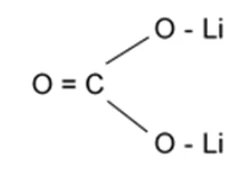
Drug Substance
| Proper name: | Lithium carbonate |
|---|---|
| Chemical name: | Carbonic acid, dilithium salt |
| Molecular formula and molecular mass | Li2CO3 and 73.89 g/mol |
| Structural formula: | |
| Physicochemical properties: | White, granular, odourless powder sparingly soluble in water, very slightly soluble in alcohol, dissolves with effervescence in dilute acid. Saturated solution is alkaline to litmus. |
14 CLINICAL TRIALS
14.2 Comparative Bioavailability Studies
A randomized, two-way, single dose, crossover comparative oral bioavailability study of LITHMAX (Sustained-Release Tablets) 300mg (AA Pharma Inc) and prDURALITH® Sustained-Release Tablets 300mg (Janssen-Ortho Inc.) was conducted in healthy, adult male subjects under fasting conditions. Comparative bioavailability data from the 24 subjects that were included in the statistical analysis are presented in the following table.
 |
SUMMARY TABLE OF THE COMPARATIVE BIOAVAILABILITY DATA
A randomized, two-way, single dose, crossover comparative oral bioavailability study of LITHMAX (Sustained-Release Tablets) 300mg (AA Pharma Inc) and prDURALITH® Sustained-Release Tablets 300mg (Janssen-Ortho Inc.) was conducted in healthy, adult male subjects under high-fat, high-calorie fed conditions. Comparative bioavailability data from the 24 subjects that were included in the statistical analysis are presented in the following table.
Lithium (2 x 300 mg) Geometric Mean Arithmetic Mean (CV%) | ||||
| Parameter | Test1 | Reference2 | % Ratio of Geometric Means | 95% Confidence Interval |
AUCT (mcg·h/mL) | 46.09 47.56 (25.0) | 42.20 43.22 (21.8) | 109.2 | 99.5 – 119.9 |
AUC0-72 (mcg·h/mL) | 51.79 52.52 (17.4) | 46.01 46.54 (15.8) | 112.8 | 104.6 – 121.7 |
AUCI (mcg·h/mL) | 51.34 53.00 (25.7) | 46.84 48.05 (22.9) | 109.6 | 100.3 – 119.8 |
Cmax (mcg/mL) | 1.98 2.01 (17.0) | 1.92 1.93 (13.7) | 103.4 | 96.3 – 111.0 |
Tmax3 (h) | 5.00 (4.00-7.00) | 4.00 (3.00-6.00) | ||
T½4 (h) | 20.51 (21.1) | 20.87 (20.7) | ||
1 LITHMAX (lithium carbonate) Sustained-Release Tablets, 300 mg (AA Pharma Inc) 2 prDURALITH®(lithium carbonate) Sustained-Release Tablets , 300 mg (Janssen-Ortho Inc) 3 Expressed as the median (range) only . 4 Expressed as the arithmetic mean (CV %) only | ||||
SUMMARY TABLE OF THE COMPARATIVE BIOAVAILABILITY DATA
A randomized, two-way, multiple dose, crossover comparative oral bioavailability study of LITHMAX (Sustained-Release Tablets) 300 mg (AA Pharma Inc.) and prDURALITH® Sustained-Release Tablets 300mg (Janssen-Ortho Inc.), administered as 1 x 300 mg every 12 hours for 7 days, was conducted in healthy, adult male subjects under steady state fasting conditions. Comparative bioavailability data from the 24 subjects that were included in the statistical analysis are presented in the following table.
Lithium (2 x 300 mg) Geometric Mean Arithmetic Mean (CV%) | ||||
| Parameter | Test1 | Reference2 | % Ratio of Geometric Means | 95% Confidence Interval |
AUCT (mcg·h/mL) | 54.26 54.63 (11.6) | 52.42 53.27 (16.5) | 103.5 | 99.7 – 107.5 |
AUC0-72 (mcg·h/mL) | 54.26 54.63 (11.6) | 54.10 54.49 (12.1) | 101.9 | 99.8 – 104.1 |
AUCI (mcg·h/mL) | 59.80 60.24 (12.1) | 58.50 59.41 (16.4) | 102.2 | 98.6 – 106.0 |
Cmax (mcg/mL) | 2.86 2.97 (28.2) | 2.62 2.70 (26.2) | 109.5 | 99.1 – 121.0 |
Tmax3 (h) | 5.50 (3.00-9.00) | 4.50 (3.00-12.00) | ||
T½4 (h) | 21.77 (13.0) | 22.6 (13.1) | ||
1 LITHMAX (lithium carbonate) Sustained-Release Tablets, 300 mg (AA Pharma Inc.) 2 prDURALITH®(lithium carbonate) Sustained-Release Tablets , 300 mg (Janssen-Ortho Inc) 3 Expressed as the median (range) only . 4 Expressed as the arithmetic mean (CV %) only | ||||
SUMMARY TABLE OF THE COMPARATIVE BIOAVAILABILITY DATA
Special Studies
A crossover multi-dose bioavailability study involving substituting lithium carbonate sustained-release tablets b.i.d. for regular lithium administered t.i.d. in the same total daily dosage for 5 days in manic patients previously stabilized with optimum therapeutic doses of regular-release lithium, showed that the area under the 24-hour plasma level curve (AUC) for lithium carbonate sustained-release tablets was 90% of that for the regular-release lithium. The peak for regular release lithium was 10 to 20% higher than that for sustained-release tablets (p<0.01) and the time to peak was greater for sustained-release tablets (p<0.01) compared to the regular-release product. The variability in plasma level over the 24-hour period was significantly greater (~40%) for the regular-release product compared to sustained-release tablets (the ratio of the ranges averaging 1.428:1, p<0.01).
Furthermore, the number of hours during the 24-hour period in which the plasma level was in the toxic range (in excess of 1.5 mmol/L) was significantly higher for the regular-release tablet than for sustained-release tablets (2.31 hours regular lithium vs. 0.98 hours lithium carbonate sustained release tablets, p<0.01).
- In a double-blind crossover pharmacokinetic comparison study, sustained-release lithium carbonate (300 mg tablets) and regular-release lithium carbonate (300 mg capsules) were administered once a day for 2 weeks to patients with primary bipolar affective disorder who were previously stabilized at a constant dose of lithium. The study dosage for each
Lithium (1 x 300 mg) Geometric Mean Arithmetic Mean (CV%) | ||||
| Parameter | Test1 | Reference2 | % Ratio of Geometric Means | 95% Confidence Interval |
AUCtau (mcg·h/mL) | 34.51 35.12 (18.0) | 32.52 33.07 (18.2) | 106.1 | 101.7 – 110.7 |
Cmax (mcg/mL) | 3.46 3.52 (16.4) | 3.33 3.37 (15.7) | 104.1 | 100.1 – 108.3 |
Cmin (mcg/mL) | 2.16 2.23 (23.5) | 2.02 2.08 (23.6) | 107.1 | 101.1 – 113.4 |
Tmax3 (h) | 4.00 (2.25-5.00) | 4.00 (2.25-5.00) | ||
| Fluctuation4 (%) | 45.18 (21.8) | 48.32 (22.2) | ||
1 LITHMAX (lithium carbonate) Sustained-Release Tablets, 300 mg (AA Pharma Inc.) 2 prDURALITH®(lithium carbonate) Sustained-Release Tablets , 300 mg (Janssen-Ortho Inc) 3 Expressed as the median (range) only . 4 Expressed as the arithmetic mean (CV %) only | ||||
- medication. The plasma concentration-time curves from 10.5 to 23 hours post last-dose showed little difference either between the two treatments or between the order of treatment, and the lithium ‘trough” levels were statistically similar after the 2 weeks of once-a-day lithium administration, for both treatments.
15 MICROBIOLOGY
No microbiological information is required for this drug product.
16 NON-CLINICAL TOXICOLOGY
General toxicology
The acute oral LD50 of lithium carbonate in the rat is 635 mg/kg and in the mouse 650 mg/kg.
Subacute toxicity studies indicate that lithium accumulates faster, and death occurs earlier, in rats and dogs fed low sodium diets. Dogs given 20 mg/kg/day of lithium chloride showed no signs of toxicity when fed a normal salt diet, but died in 2-4 weeks when fed a low sodium diet. Similar results occurred in rats. The signs of toxicity consisted of tremors, lethargy, salivation, vomiting, diuresis, bloody diarrhea, anorexia, emaciation and coma. ECG changes similar to those produced by potassium intoxication were observed. Animals protected by a high sodium intake developed only polyuria. Serum lithium rose gradually in the animals developing signs of toxicity, while serum potassium levels remained fairly constant. In the final stages, serum lithium values rose rapidly as a result of irreversible renal damage, and in the terminal stages hyperkalemia and azotemia were recorded.
The principal toxic effects of lithium are on the kidney, with lesions in the distal convoluted tubules of dogs and in the proximal convoluted tubules of rats. The primary toxic effects in humans appear to be on the central nervous system.
The long-term toxicity of lithium has not yet been tested in animal studies.
Genotoxicity
Information is not available.
Carcinogenicity
Information is not available.
Reproductive and developmental toxicology
Lithium salts influenced the embryonal development of sea urchins, mollusks, amphibians and chicken embryos.
Adverse effects on reproduction have also been reported in mammalian species.
Adverse effects on the number of corpora lutea, percentage of resorptions, embryonic viability and weaning weight in rats, the number of implantation sites in rabbits and the birth weights in monkeys, have occurred in lithium studies. Cleft palate, together with ocular and auricular defects, occurred in the offspring of mice and rats treated with lithium at doses that produced blood levels similar to the therapeutic range in man.
Lithium decreases the fertility of male rats and is spermicidal in vitro for human and animal spermatozoa.
Juvenile Toxicity
Information is not available.
Special Toxicology
Information is not available.
17 SUPPORTING PRODUCT MONOGRAPHS
- 1. Duralith (Lithium Carbonate Sustained-Release Tablets), Product Monograph, Janssen-Ortho Inc. JUN 07, 1999
- 2. LITHANE (Lithium carbonate capsules USP), Product Monograph, Searchlight Pharma Inc., SEP 21, 2022