


Product Monograph - Lupin-Rifaximin
RECENT MAJOR LABEL CHANGES
NOT APPLICABLE
TABLE OF CONTENTS
Sections or subsections that are not applicable at the time of authorization are not listed.
RECENT MAJOR LABEL CHANGES ............................................................................. 2
TABLE OF CONTENTS ............................................................................................... 2
PART I: HEALTH PROFESSIONAL INFORMATION........................................................ 4
1 INDICATIONS ............................................................................................... 4
1.1 Pediatrics .................................................................................................... 4
1.2 Geriatrics ..................................................................................................... 4
2 CONTRAINDICATIONS ................................................................................... 4
- 4. DOSAGE AND ADMINISTRATION .................................................................. 5
- 5. OVERDOSAGE .............................................................................................. 6
- 6. DOSAGE FORMS, STRENGTHS, COMPOSITION AND PACKAGING .................... 6
7 WARNINGS AND PRECAUTIONS .................................................................... 6
7.1 Special Populations ..................................................................................... 8
7.1.1 Pregnant Women: ................................................................................... 8
7.1.2 Breast-feeding: ......................................................................................... 8
7.1.3 Pediatrics (< 18 years of age): .................................................................. 9
7.1.4 Geriatrics (> 65 years of age): .................................................................. 9
8 ADVERSE REACTIONS ................................................................................... 9
8.1 Adverse Drug Reaction Overview ............................................................... 9
8.2 Clinical Trial Adverse Drug Reactions .......................................................... 9
8.3 Less Common Clinical Trial Adverse Drug Reactions (<1%) ...................... 11
8.5 Post-Market Adverse Drug Reactions ...................................................... 16
9 DRUG INTERACTIONS ................................................................................. 16
9.2 Drug Interactions Overview ....................................................................... 17
9.4 Drug-Drug Interactions ............................................................................. 17
9.5 Drug-Food Interactions ............................................................................. 18
9.6 Drug-Herb Interactions ............................................................................. 18
9.7 Drug-Laboratory Interactions ................................................................... 18
- 10.
CLINICAL PHARMACOLOGY ......................................................................... 18
10.1 Mechanism of Action .............................................................................. 18
10.3 Pharmacokinetics .................................................................................... 20
- 11. STORAGE, STABILITY AND DISPOSAL .......................................................... 22
PART II: SCIENTIFIC INFORMATION ........................................................................ 23
- 13. PHARMACEUTICAL INFORMATION ............................................................. 23
- 14.
CLINICAL TRIALS ......................................................................................... 24
14.1 Trial Design and Study Demographics .................................................... 24
14.2 Study Results .......................................................................................... 26
- 15. MICROBIOLOGY ......................................................................................... 31
- 16. NON-CLINICAL TOXICOLOGY ....................................................................... 31
Patient Medication Information ............................................................................ 33
PART I: HEALTH PROFESSIONAL INFORMATION
1 INDICATIONS
LUPIN-RIFAXIMIN (rifaximin tablets) is indicated for:
- the treatment of irritable bowel syndrome with diarrhea (IBS-D) in adults.
- the reduction in risk of overt hepatic encephalopathy (HE) recurrence in patients ≥ 18 years of age.
In the trials of rifaximin tablets for HE, 91% of the patients were treated with lactulose concomitantly or were on lactulose treatment concomitantly. Differences in the treatment effect on those patients not using lactulose concomitantly could not be assessed.
rifaximin tablets has not been studied in patients with MELD (Model for End-Stage Liver Disease) scores > 25, and only 8.6% of patients in the controlled trial had MELD scores over 19. There is increased systemic exposure to rifaximin in patients with hepatic dysfunction.
To reduce the development of drug-resistant bacteria and maintain the effectiveness of rifaximin tablets, LUPIN-RIFAXIMIN should only be used for the authorized indication and clinical use.
1.1 Pediatrics
Pediatrics (<18 years of age): No data are available to Health Canada; therefore, Health Canada has not authorized an indication for pediatric use.
1.2 Geriatrics
Geriatrics (≥65 years of age): Evidence from clinical studies and experience suggests that use in the geriatric population is associated with differences in safety or effectiveness.
In the trials of rifaximin tablets for IBS-D, patients who experienced a recurrence of symptoms and who responded to a first treatment were safely and effectively retreated for up to 2 times. Current clinical trials have not evaluated the safety and efficacy of three or more repeat treatments for IBS-D.
Studies specifically designed to determine the dose in elderly patients have not been performed. In the controlled trial with rifaximin tablets, 19.4% were aged 65 years and over, while 2.3% were 75 and over. No overall differences in safety or effectiveness were observed between these subjects and younger subjects, and other reported clinical experience has not identified differences in responses between the elderly and younger patients, but greater sensitivity of some older individuals cannot be ruled out.
2 CONTRAINDICATIONS
LUPIN-RIFAXIMIN (rifaximin tablets) is contraindicated in patients with a hypersensitivity to rifaximin, any of the rifamycin antimicrobial agents, or any of the ingredients in LUPIN-RIFAXIMIN (See 6 DOSAGE FORMS, COMPOSITION AND PACKAGING, 7 WARNINGS AND PRECAUTIONS, Immune and 8 ADVERSE REACTIONS).
4. DOSAGE AND ADMINISTRATION
4.1 Dosing Considerations
Due to the limited systemic absorption of LUPIN-RIFAXIMIN (rifaximin tablets), no specific dosing adjustment is recommended for patients with mild to moderate hepatic insufficiency.
Although no dosage adjustment is recommended at this time, caution should be exercised when LUPIN-RIFAXIMIN is administered to patients with severe (Child-Pugh C) hepatic impairment and in patients with MELD score ≥25 (see 10 CLINICAL PHARMACOLOGY, Pharmacokinetics). While taking LUPIN-RIFAXIMIN with food has resulted in small increases in systemic exposure in healthy subjects, the effects of food on LUPIN-RIFAXIMIN exposure in hepatic impairment patients have not been studied. However, since the absolute systemic bioavailability of rifaximin tablets is still relatively low and the drug works locally in the gastrointestinal tract, rifaximin can be given with or without food.
Treatment duration beyond 6 months should take into consideration the individual balance between benefits and risks, including those associated with the progression of hepatic dysfunction and increasing systemic exposure to rifaximin.
4.2 Recommended Dose and Dosage Adjustment
Hepatic Encephalopathy
The recommended dose of LUPIN-RIFAXIMIN is one 550 mg tablet taken orally two times a day. No more than two doses of LUPIN-RIFAXIMIN (1 tablet twice a day) should be taken in a 24-hour period.
Irritable Bowel Syndrome with Diarrhea
The recommended dose of LUPIN-RIFAXIMIN is one 550 mg tablet taken orally three times a day for 14 days.
In the trials of rifaximin tablets for IBS-D, patients who experienced a recurrence of symptoms and who responded to a first treatment were safely and effectively retreated for up to 2 times. Current clinical trials have not evaluated the safety and efficacy of three or more repeat treatments for IBS-D.
No more than three doses of LUPIN-RIFAXIMIN (1 tablet three times a day) should be taken in a 24-hour period.
4.4 Administration
LUPIN-RIFAXIMIN can be taken with or without food (see 10 CLINICAL PHARMACOLOGY, Pharmacokinetics, Table 7). Tablets should be swallowed whole.
4.5 Missed Dose
If a dose is missed, it should be taken as soon as possible. However, if it is almost time for the next dose, no additional dose should be taken and the regular dosing schedule should be resumed.
5. OVERDOSAGE
No specific information is available on the treatment of overdosage with LUPIN-RIFAXIMIN (rifaximin tablets). In clinical studies at doses higher than the recommended dose (i.e., > 1100 mg/day for HE and 1650 mg/day for IBS-D [up to a daily maximum of 2400 mg rifaximin]), adverse reactions were similar in subjects receiving rifaximin tablets or placebo. In the case of overdosage, discontinue LUPIN-RIFAXIMIN, treat symptomatically, and institute supportive measures as required.
For the most recent information in the management of a suspected drug overdose, contact your regional poison control centre or Health Canada’s toll-free number, 1-844 POISON-X (1-844-764-7669).
6. DOSAGE FORMS, STRENGTHS, COMPOSITION AND PACKAGING
Table 1 – Dosage Forms, Strengths, Composition and Packaging
LUPIN-RIFAXIMIN (rifaximin tablets) 550 mg is a pink, oval, biconvex tablet with “rfx” debossed on one side. It is available in bottles of 60 tablets.
7 WARNINGS AND PRECAUTIONS
General
Not for Systemic Infections
LUPIN-RIFAXIMIN (rifaximin tablets) acts locally on the microflora of the gut and should not be used for the treatment of systemic bacterial infections.
Low systemic absorption of rifaximin has been noted in healthy individuals, but absorption is increased in subjects with impaired hepatic function. (See 7 WARNINGS AND PRECAUTIONS, Hepatic/Biliary/Pancreatic).
There is the potential for increased systemic exposure to rifaximin tablets in disease states in which intestinal barrier function or gut motility is altered. rifaximin tablets exposure is slightly
| Route of Administration | Dosage Form / Strength/Composition | Non-medicinal Ingredients |
| Oral | Tablets: 550 mg | colloidal silicon dioxide, glyceryl distearate, microcrystalline cellulose, polyethylene glycol, polyvinyl alcohol, red iron oxide, gluten-free sodium starch glycolate, talc, and titanium dioxide. |
higher in patients with inflammatory bowel disease (2.3- and 4.3-fold increases in Cmax and AUC, respectively) or irritable bowel syndrome (1.8- and 1.7-fold increases in Cmax and AUC, respectively) than in healthy subjects receiving the same doses.
The effect on the gut flora following long-term use of rifaximin is not known.
Carcinogenesis and Mutagenesis
A possible relationship between rifaximin treatment and carcinogenicity cannot be ruled out. A 2- year rat study with administration of rifaximin alfa- at doses of 150 to 250 mg/kg/day (doses equivalent to1.3 to 2.2 times the recommended human dose, based on relative body surface area comparisons) showed an increased trend in malignant schwannomas of the heart in male rats, but not female rats. (See 16 NON-CLINICAL TOXICOLOGY, Carcinogenicity).
Gastrointestinal Clostridium difficile-Associated Disease
Clostridium difficile-associated disease (CDAD) has been reported with use of nearly all antibacterial agents, including rifaximin (see 8 ADVERSE REACTIONS), and may range in severity from mild diarrhea to fatal colitis. Treatment with antibacterial agents alters the normal flora of the colon which may lead to overgrowth of C. difficile.
C. difficile produces toxins A and B which contribute to the development of CDAD. Hypertoxin producing strains of C. difficile cause increased morbidity and mortality, as these infections can be refractory to antimicrobial therapy and may require colectomy. CDAD must be considered in all patients who present with diarrhea following antibiotic use. Careful medical history is necessary since CDAD has been reported to occur over two months after the administration of antibacterial agents.
If CDAD is suspected or confirmed, ongoing antibiotic use not directed against C. difficile may need to be discontinued. Appropriate fluid and electrolyte management, protein supplementation, antibiotic treatment of C. difficile, and surgical evaluation should be instituted as clinically indicated.
Intestinal Obstruction
rifaximin tablets has not been studied for use in prevention of hepatic encephalopathy or treatment of IBS-D in patients with intestinal obstruction; use in patients with an intestinal obstruction is not recommended.
Hepatic/Biliary/Pancreatic
Following administration of rifaximin tablets550 mg twice daily to patients with a history of hepatic encephalopathy, the systemic exposure to rifaximin was increased with increasing hepatic impairment. The AUCtau was about 10-, 13-, and 20-fold higher in those patients with mild (Child-Pugh A), moderate (Child-Pugh B) and severe (Child-Pugh C) hepatic impairment, respectively, compared to that in healthy subjects (see 10 CLINICAL PHARMACOLOGY, Pharmacokinetics). The highest systemic exposure to rifaximin was seen in patients with severe hepatic impairment. Additionally, the clinical trials were limited to patients with MELD scores <25. Therefore, caution should be exercised when administering LUPIN-RIFAXIMIN to patients with severe (Child-Pugh C) hepatic impairment.
Immune
Hypersensitivity Reactions
Acute hypersensitivity reactions, including dyspnea, rash, pruritus, angioedema and anaphylaxis, have been reported with rifaximin (see 8 ADVERSE REACTIONS). If a severe hypersensitivity reaction occurs, LUPIN-RIFAXIMIN should be discontinued and appropriate therapy should be instituted.
Severe cutaneous adverse reactions, including Stevens-Johnson syndrome (SJS) and toxic epidermal necrolysis (TEN), have been reported in association with the use of rifaximin tablets in patients with cirrhosis. Discontinue LUPIN-RIFAXIMIN at the first signs or symptoms of a severe cutaneous adverse reaction or other signs of hypersensitivity and conduct a clinical evaluation.
Renal
The pharmacokinetics of rifaximin tablets in patients with impaired renal function have not been studied.
Sensitivity/Resistance
Development of Drug Resistant Bacteria
Prescribing LUPIN-RIFAXIMIN in the absence of the authorized indications is unlikely to provide benefit to the patient and risks the development of drug-resistant bacteria.
7.1 Special Populations
7.1.1 Pregnant Women:
There are no adequate and well controlled studies in pregnant women. LUPIN-RIFAXIMIN tablets should not be used during pregnancy unless the potential benefit to the mother outweighs the potential risk to the fetus.
Fetal rat malformations were observed in a study of pregnant rats administered a high dose of rifaximin that is equivalent to the therapeutic dose in patients with hepatic encephalopathy (based upon plasma AUC comparisons). Fetal rabbit malformations were observed from pregnant rabbits administered mid and high rifaximin doses that resulted in less than 0.1 times the dose in patients with hepatic encephalopathy, based upon plasma AUC comparisons. (See 16 NON-CLINICAL TOXICOLOGY).
7.1.2 Breast-feeding:
It is not known whether rifaximin is excreted in human milk. Because many drugs are excreted in human milk and because of the potential for adverse reactions from rifaximin in nursing infants, a decision should be made whether to discontinue nursing or to discontinue the drug, taking into account the importance of the drug to the mother.
7.1.3 Pediatrics (< 18 years of age):
The safety and effectiveness of LUPIN-RIFAXIMIN have not been established in patients < 18 years of age.
7.1.4 Geriatrics (> 65 years of age):
In the controlled trial with rifaximin tablets for hepatic encephalopathy, 19.4% were 65 and over, while 2.3% were 75 and over. In the controlled trial with rifaximin tablets for irritable bowel syndrome 11% were 65 and over, while 2% were 75 and over. No overall differences in safety or effectiveness were observed between these subjects and younger subjects, and other reported clinical experience has not identified differences in responses between the elderly and younger patients, but greater sensitivity of some older individuals cannot be ruled out.
8 ADVERSE REACTIONS
8.1 Adverse Drug Reaction Overview
The most common adverse reactions in the clinical and post-marketing setting are GI-related (e.g. diarrhea, nausea), the most serious of which is C. difficile-associated diarrhea. Rash, pruritus, pyrexia, anemia, dyspnea, arthralgia, muscle spasms and peripheral edema were also commonly reported with rifaximin tablets use (1-15 %) and were seen at a higher frequency than in the placebo group.
8.2 Clinical Trial Adverse Drug Reactions
Because clinical trials are conducted under very specific conditions the adverse reaction rates observed in the clinical trials may not reflect the rates observed in practice and should not be compared to the rates in the clinical trials of another drug. Adverse drug reaction information from clinical trials is useful for identifying drug-related adverse events and for approximating rates.
Hepatic Encephalopathy
The safety of rifaximin tablets in patients in remission from hepatic encephalopathy (HE) was evaluated in two studies, a randomized, double-blind, placebo-controlled Phase 3 study, RFHE3001, and a long-term, open-label study, RFHE3002.
Study RFHE3001 compared 140 patients treated with rifaximin tablets (dose 550 mg twice daily for 6 months) to 159 patients treated with placebo, while study RFHE3002 treated 322 patients, of whom 152 were from the RFHE3001 study, with rifaximin tablets550 mg twice daily for 12 months (66% of patients) and for 24 months (39% of patients), for a median exposure of 512.5 days.
All adverse reactions that occurred in patients treated with rifaximin tablets at an incidence ≥ 5% and at a higher incidence (≥ 1%) than placebo patients in RFHE3001 are reported in Table 2.
Table 2: Adverse Events Occurring in ≥ 5% of Patients Receiving rifaximin tabletsand at a Higher Incidence than Placebo in Study RFHE3001
| MedDRA System Organ Class | Event | Placebo N = 159 n (%) | rifaximin tablets (550 mg BID) N = 140 n (%) |
|---|---|---|---|
Blood and lymphatic system disorders | Anaemia | 6 (3.8) | 11 (7.9) |
| Gastrointestinal disorders | Ascites | 15 (9.4) | 16 (11.4) |
| Nausea | 21 (13.2) | 20 (14.3) | |
| Abdominal pain upper | 8 (5.0) | 9 (6.4) | |
| General disorders and administration site conditions | Oedema peripheral | 13 (8.2) | 21 (15.0) |
| Pyrexia | 5 (3.1) | 9 (6.4) | |
| Musculoskeletal and connective tissue disorders | Muscle spasms | 11 (6.9) | 13 (9.3) |
| Arthralgia | 4 (2.5) | 9 (6.4) | |
| Nervous system disorders | Dizziness | 13 (8.2) | 18 (12.9) |
| Psychiatric disorders | Depression | 8 (5.0) | 10 (7.1) |
| Respiratory, thoracic and mediastinal disorders | Dyspnoea | 7 (4.4) | 9 (6.4) |
| Skin and subcutaneous tissue disorders | Pruritus | 10 (6.3) | 13 (9.3) |
| Rash | 6 (3.8) | 7 (5.0) |
Table 3 includes rifaximin tablets adverse drug reactions (considered drug-related by the investigator) observed in the placebo-controlled study RFHE3001 and the long-term study RFHE3002 at an incidence ≥ 1%.
Table 3: Drug-Related TEAEs in ≥ 1% of Rifaximin- or Placebo-Treated Subjects – (Study RFHE3001 and All Rifaximin Subjects from RFHE3001 and RFHE3002)
MedDRA System Organ Class Preferred Term | RFHE3001 | RFHE3001 and RFHE3002 | |||||||||||
|---|---|---|---|---|---|---|---|---|---|---|---|---|---|
| Event | Placebo (N = 159) n (%) | rifaximin tablets 550 mg BID (N = 140) n (%) | All rifaximin tablets 550 mg BID (N = 392) n (%) | ||||||||||
| Gastrointestinal disorders | Diarrhea | 11 (6.9) | 5 (3.6) | 9 (2.3) | |||||||||
| Nausea | 12 (7.5) | 4 (2.9) | 10 (2.6) | ||||||||||
| Abdominal distension | 2 (1.3) | 3 (2.1) | 4 (1.0) | ||||||||||
| Abdominal pain upper | 3 (1.9) | 2 (1.4) | 4 (1.0) | ||||||||||
| Abdominal pain | 3 (1.9) | 1 (0.7) | 6 (1.5) | ||||||||||
| Flatulence | 3 (1.9) | 1 (0.7) | 5 (1.3) | ||||||||||
| Vomiting | 5 (3.1) | 1 (0.7) | 5 (1.3) | ||||||||||
| Constipation | 2 (1.3) | 0 | 2 (0.5) | ||||||||||
| General disorders and administration site conditions | Fatigue | 4 (2.5) | 1 (0.7) | 3 (0.8) | |||||||||
| Infections and infestations | Clostridium colitis | 0 | 2 (1.4) | 2 (0.5) | |||||||||
| Metabolism and nutrition disorders | Decreased appetite | 2 (1.3) | 0 | 0 | |||||||||
| Musculoskeletal and connective tissue disorders | Muscle spasms | 2 (1.3) | 5 (3.6) | 6 (1.5) | |||||||||
| Nervous system disorders | Dizziness | 2 (1.3) | 3 (2.1) | 8 (2.0) | |||||||||
| Balance disorder | 0 | 2 (1.4) | 2 (0.5) | ||||||||||
| Headache | 5 (3.1) | 2 (1.4) | 2 (0.5) | ||||||||||
| Hepatic encephalopathy | 3 (1.9) | 2 (1.4) | 2 (0.5) | ||||||||||
| Psychiatric disorders | Insomnia | 2 (1.3) | 0 | 1 (0.3) | |||||||||
| Skin and subcutaneous tissue disorders | Pruritus | 3 (1.9) | 2 (1.4) | 2 (0.5) | |||||||||
| Rash | 2 (1.3) | 1 (0.7) | 2 (0.5) | ||||||||||
TEAE = treatment-emergent adverse event
8.3 Less Common Clinical Trial Adverse Drug Reactions (<1%)
The following adverse reactions, presented by body system, have also been reported (from the placebo-controlled clinical trial RFHE3001 and the long-term study RFHE3002) in <1% of patients taking rifaximin tablets550 mg taken orally two times a day for hepatic encephalopathy. The following includes adverse events, considered by the investigator to be drug-related:
Blood and lymphatic system disorders: Anaemia, coagulopathy
Ear and labyrinth disorders: Hypoacusis, tinnitus
Eye disorders: Conjunctivitis, visual acuity reduced
Gastrointestinal disorders: Abdominal pain, ascites, constipation, dyspepsia, dry mouth, faeces discoloured, stomach discomfort
General disorders and Administration Site Conditions: Asthenia, fatigue, oedema peripheral, pyrexia
Infections and Infestations: Infectious mononucleosis, Klebsiella bacteraemia, peritonitis bacterial
Injury, Poisoning and Procedural Complications: Fall
Metabolism and nutrition disorders: Anorexia, hypokalemia
Musculoskeletal, Connective Tissue, and Bone disorders: Back pain
Nervous System disorders: Amnesia, balance disorder, headache, hypogeusia, hyposmia
Psychiatric disorders: Anxiety, confusional state, disorientation, insomnia, mental status changes
Renal and urinary disorders: Dysuria
Skin and Subcutaneous Tissue disorders: Pruritus, rash, rash erythematous, swelling face, urticaria
Vascular disorders: Hot flash
Irritable Bowel Syndrome with Diarrhea
The safety of rifaximin tablets for the treatment of IBS-D was evaluated in 3 placebo-controlled studies in which 952 patients were randomized to rifaximin tablets 550 mg three times a day for 14 days.
Across the 3 studies, 96% of patients received at least 14 days of treatment with rifaximin tablets. In Trials 1 and 2, 624 patients received only one 14-day treatment. Trial 3 evaluated the safety of rifaximin tablets in 328 patients who received 1 open-label treatment and 2 double-blind repeat treatments of 14 days each over a period of up to 46 weeks. The combined population studied had a mean age of 47 (range: 18 to 88) years of whom approximately 11% of the patients were > 65 years old, 72% were female, 88% were White, 9% were Black and 12% were Hispanic.
The adverse reaction that occurred at a frequency ≥ 2% in rifaximin tablets-treated patients at a higher rate than placebo in Trials 1 and 2 for IBS-D was:
- nausea (rifaximin 3%, placebo 2%)
The adverse reactions that occurred at a frequency > 2% in rifaximin -treated patients (n=328) at a higher rate than placebo (n=308) in Trial 3 for IBS-D during the double-blind treatment phase were:
- ALT increased (rifaximin 2%, placebo 1%)
- nausea (rifaximin 2%, placebo 1%)
Table 4 includes the TEAEs occurring in at least 1% of Rifaximin-treated subjects in the Phase 3 studies TARGET 3 and TARGET 1/TARGET 2; Safety Populations.
Table 4: Phase 3 Studies - TEAEs Occurring in at Least 1% of Rifaximin-Treated Subjects (TARGET 3 and TARGET 1/TARGET 2; Safety Populations)
| TARGET 3 Open-Label [1] | TARGET 3 Double-Blind [1] | TARGET 1/ TARGET 2 | ||||||||||||||||||||||||
|---|---|---|---|---|---|---|---|---|---|---|---|---|---|---|---|---|---|---|---|---|---|---|---|---|---|---|
| Preferred Term | OL (Only) rifaximi n tablets 500 mg TID (N=1943 ) n (%) | DB rifaximin tablets 500 mg TID (N=328) n (%) [2] | DB Placebo (N=308) n (%) [2] | Total OL rifaximin tablets 550 mg TID (N=2579) n (%) | rifaximin tablets 500 mg TID (N=328) n (%) | Placebo (N=308) n (%) | rifaximin tablets 500 mg TID (N=624) n (%) | Placebo (N=634) n (%) | ||||||||||||||||||
| Treatment Period (During Treatment with Study Drug) | ||||||||||||||||||||||||||
| Headache | 21 (1.1) | 3 (0.9) | 5 (1.6) | 29 (1.1) | 2 (0.6) | 5 (1.6) | 25 (4.0) | 28 (4.4) | ||||||||||||||||||
| Abdominal pain | 12 (0.6) | 2 (0.6) | 3 (1.0) | 17 (0.7) | 1 (0.3) | 2 (0.6) | 17 (2.7) | 17 (2.7) | ||||||||||||||||||
| Nausea | 27 (1.4) | 5 (1.5) | 6 (1.9) | 38 (1.5) | 6 (1.8) | 4 (1.3) | 16 (2.6) | 12 (1.9) | ||||||||||||||||||
| Diarrhea | 7 (0.4) | 0 | 0 | 7 (0.3) | 4 (1.2) | 2 (0.6) | 9 (1.4) | 8 (1.3) | ||||||||||||||||||
| Flatulence | 8 (0.4) | 2 (0.6) | 2 (0.6) | 12 (0.5) | 1 (0.3) | 0 | 9 (1.4) | 10 (1.6) | ||||||||||||||||||
| Abdominal distension | 3 (0.2) | 1 (0.3) | 1 (0.3) | 5 (0.2) | 1 (0.3) | 0 | 7 (1.1) | 3 (0.5) | ||||||||||||||||||
| Nasopharyngitis | 9 (0.5) | 0 | 3 (1.0) | 12 (0.5) | 4 (1.2) | 4 (1.3) | 4 (0.6) | 18 (2.8) | ||||||||||||||||||
| Alanine aminotransferase increased | 14 (0.7) | 2 (0.6) | 1 (0.3) | 17 (0.7) | 7 (2.1) | 3 (1.0) | 0 | 4 (0.6) | ||||||||||||||||||
| Aspartate aminotransferase increased | 15 (0.8) | 2 (0.6) | 0 | 17 (0.7) | 5 (1.5) | 2 (0.6) | 0 | 2 (0.3) | ||||||||||||||||||
| Blood creatine phosphokinase increased | 17 (0.9) | 3 (0.9) | 2 (0.6) | 22 (0.9) | 4 (1.2) | 2 (0.6) | 0 | 0 | ||||||||||||||||||
| Clostridium test positive | 25 (1.3) | 0 | 0 | 25 (1.0) | 0 | 0 | 0 | 0 | ||||||||||||||||||
Overall Evaluation Period (During Treatment with Study Drug + Off-Treatment Intervals [Follow-Up + Maintenance]) | ||||||||||||||||||||||||||
| Headache | 28 (1.4) | 7 (2.1) | 7 (2.3) | 42 (1.6) | 4 (1.2) | 9 (2.9) | 38 (6.1) | 42 (6.6) | ||||||||||||||||||
| Upper respiratory tract infection | 29 (1.5) | 8 (2.4) | 4 (1.3) | 41 (1.6) | 12 (3.7) | 8 (2.6) | 35 (5.6) | 39 (6.2) | ||||||||||||||||||
| Abdominal pain | 26 (1.3) | 2 (0.6) | 4 (1.3) | 32 (1.2) | 3 (0.9) | 2 (0.6) | 29 (4.6) | 35 (5.5) | ||||||||||||||||||
| Diarrhea | 20 (1.0) | 0 | 0 | 20 (0.8) | 7 (2.1) | 3 (1.0) | 27 (4.3) | 22 (3.5) | ||||||||||||||||||
| Nausea | 35 (1.8) | 8 (2.4) | 9 (2.9) | 52 (2.0) | 12 (3.7) | 7 (2.3) | 27 (4.3) | 24 (3.8) | ||||||||||||||||||
| Nasopharyngitis | 29 (1.5) | 3 (0.9) | 4 (1.3) | 36 (1.4) | 10 (3.0) | 9 (2.9) | 19 (3.0) | 34 (5.4) | ||||||||||||||||||
| Sinusitis | 21 (1.1) | 5 (1.5) | 8 (2.6) | 34 (1.3) | 7 (2.1) | 7 (2.3) | 17 (2.7) | 16 (2.5) | ||||||||||||||||||
| Vomiting | 13 (0.7) | 4 (1.2) | 7 (2.3) | 24 (0.9) | 2 (0.6) | 5 (1.6) | 15 (2.4) | 9 (1.4) | ||||||||||||||||||
| Bronchitis | 12 (0.6) | 1 (0.3) | 2 (0.6) | 15 (0.6) | 9 (2.7) | 5 (1.6) | 13 (2.1) | 17 (2.7) | ||||||||||||||||||
| Cough | 7 (0.4) | 4 (1.2) | 2 (0.6) | 13 (0.5) | 3 (0.9) | 5 (1.6) | 13 (2.1) | 9 (1.4) | ||||||||||||||||||
| Urinary tract infection | 25 (1.3) | 4 (1.2) | 6 (1.9) | 35 (1.4) | 11 (3.4) | 15 (4.9) | 12 (1.9) | 11 (1.7) | ||||||||||||||||||
| Abdominal distension | 5 (0.3) | 1 (0.3) | 1 (0.3) | 7 (0.3) | 2 (0.6) | 0 | 11 (1.8) | 10 (1.6) | ||||||||||||||||||
| Back pain | 11 (0.6) | 1 (0.3) | 2 (0.6) | 14 (0.5) | 5 (1.5) | 5 (1.6) | 10 (1.6) | 15 (2.4) | ||||||||||||||||||
| Flatulence | 8 (0.4) | 2 (0.6) | 2 (0.6) | 12 (0.5) | 1 (0.3) | 0 | 10 (1.6) | 14 (2.2) | ||||||||||||||||||
| Dyspepsia | 6 (0.3) | 3 (0.9) | 2 (0.6) | 11 (0.4) | 1 (0.3) | 1 (0.3) | 9 (1.4) | 8 (1.3) | ||||||||||||||||||
| Influenza | 17 (0.9) | 12 (3.7) | 4 (1.3) | 33 (1.3) | 7 (2.1) | 2 (0.6) | 9 (1.4) | 9 (1.4) | ||||||||||||||||||
| Abdominal tenderness | 6 (0.3) | 1 (0.3) | 0 | 7 (0.3) | 1 (0.3) | 0 | 7 (1.1) | 7 (1.1) | ||||||||||||||||||
| Dizziness | 12 (0.6) | 3 (0.9) | 2 (0.6) | 17 (0.7) | 3 (0.9) | 2 (0.6) | 7 (1.1) | 8 (1.3) | ||||||||||||||||||
| Gastroenteritis viral | 11 (0.6) | 2 (0.6) | 1 (0.3) | 14 (0.5) | 4 (1.2) | 3 (1.0) | 7 (1.1) | 8 (1.3) | ||||||||||||||||||
| Migraine | 2 (0.1) | 0 | 3 (1.0) | 5 (0.2) | 0 | 1 (0.3) | 7 (1.1) | 3 (0.5) | ||||||||||||||||||
| Nasal congestion | 2 (0.1) | 0 | 3 (1.0) | 5 (0.2) | 0 | 3 (1.0) | 7 (1.1) | 3 (0.5) | ||||||||||||||||||
| Tooth abscess | 0 | 0 | 0 | 0 | 1 (0.3) | 1 (0.3) | 7 (1.1) | 3 (0.5) | ||||||||||||||||||
| Alanine aminotransferase increased | 20 (1.0) | 3 (0.9) | 1 (0.3) | 24 (0.9) | 9 (2.7) | 4 (1.3) | 6 (1.0) | 7 (1.1) | ||||||||||||||||||
| Aspartate aminotransferase increased | 22 (1.1) | 2 (0.6) | 0 | 24 (0.9) | 7 (2.1) | 4 (1.3) | 5 (0.8) | 5 (0.8) | ||||||||||||||||||
| Arthralgia | 10 (0.5) | 5 (1.5) | 2 (0.6) | 17 (0.7) | 3 (0.9) | 8 (2.6) | 4 (0.6) | 4 (0.6) | ||||||||||||||||||
| Gamma- glutamyltransferas e increased | 14 (0.7) | 2 (0.6) | 0 | 16 (0.6) | 5 (1.5) | 1 (0.3) | 4 (0.6) | 3 (0.5) | ||||||||||||||||||
| Hypertension | 9 (0.5) | 2 (0.6) | 1 (0.3) | 12 (0.5) | 5 (1.5) | 4 (1.3) | 4 (0.6) | 3 (0.5) | ||||||||||||||||||
| Muscle strain | 6 (0.3) | 4 (1.2) | 1 (0.3) | 11 (0.4) | 1 (0.3) | 1 (0.3) | 3 (0.5) | 1 (0.2) | ||||||||||||||||||
| Pharyngolaryngeal pain | 0 | 0 | 0 | 0 | 0 | 0 | 9 (1.4) | 15 (2.4) | ||||||||||||||||||
| Vulvovaginal mycotic infect. | 7 (0.4) | 2 (0.6) | 4 (1.3) | 13 (0.5) | 1 (0.3) | 0 | 8 (1.3) | 7 (1.1) | ||||||||||||||||||
All 2579 subjects in the open-label Treatment Phase 2 of TARGET 3 received rifaximin tablets: 1943 of these subjects participated only in the Treatment Phase 2, while 636 subjects went on to be randomized in DBR Treatment Phase 3 and subsequently to participate in the repeat-treatment phases, that is, DBR Treatment Phase 3 and SRT Treatment Phase 4. Open label includes Treatment Phase 2 and Maintenance Phase 1. Double-blind includes Treatment Phases 3 (DBR) and 4 (SRT) including follow-up periods, Maintenance Phase 2, and the final 4-week follow up. Treatment Period includes only the 14-day treatment period, whereas Overall Evaluation Period includes all treatment, follow up, and maintenance periods.
These columns provide TEAEs during the OL experienced by subjects eventually randomized to the DB period.
Abnormal Hematologic and Clinical Chemistry Findings
In TARGET 1, TARGET 2, and TARGET 3, abnormal clinical laboratory test results that were considered by the investigator to be clinically significant were to be recorded as adverse events. ALT, AST, and CPK increases were reported as adverse events with similar frequency during the treatment period for rifaximin tablets and placebo in TARGET 1 and TARGET 2. For the double-blind treatment period of TARGET 3, frequencies of ALT, AST, and CPK increase adverse events for rifaximin tablets and placebo were 2.1% versus 1.0%, 1.5% versus 0.6%, and 1.2% versus 0.6%, respectively. Thrombocytopenia was not reported in TARGET 1, TARGET 2, or in the double- blind phase of TARGET 3. Thrombocytopenia was reported in 2 subjects in the open-label phase of TARGET 3; both resolved on continued treatment with rifaximin tablets. Anemia was reported in 2 placebo subjects in TARGET 2, and in no subject in TARGET 1 or in the double- blind phase of TARGET 3. In the open-label phase of TARGET 3, anemia was reported in 3 subjects and macrocytic anemia was reported in 1 subject treated with rifaximin tablets; none of the adverse events were considered related to treatment.
8.5 Post-Market Adverse Drug Reactions
The following adverse reactions have been identified during post approval use of LUPIN-RIFAXIMIN. Because these reactions are reported voluntarily from a population of unknown size, estimates of frequency cannot be made. These reactions have been chosen for inclusion due to either their seriousness, frequency of reporting or causal connection to LUPIN-RIFAXIMIN.
Infections and Infestation: C. difficile-associated colitis
Immune: Hypersensitivity reactions, including exfoliative dermatitis, rash, angioneurotic edema (swelling of face and tongue and difficulty swallowing), urticaria, flushing, pruritus and anaphylaxis have been reported. These events occurred as early as within 15 minutes of drug administration. Severe Cutaneous Adverse Reactions, Stevens-Johnson syndrome and Toxic Epidermal Necrolysis, have been observed in patients with cirrhosis, Frequency: unknown.
9 DRUG INTERACTIONS
9.2 Drug Interactions Overview
Rifaximin is a structural analog of rifampin, a rifamycin derivative. LUPIN-RIFAXIMIN contains rifaximin-α, one of the polymorphic forms of rifaximin. Low systemic absorption of this alfa form has been noted in healthy individuals, but absorption is increased in subjects with impaired hepatic function, and to a lesser extent, in patients with inflammatory bowel disease and irritable bowel syndrome.
In Vitro Data
In vitro studies in human hepatocytes have demonstrated:
- Rifaximin is metabolized by CYP3A4.
- Rifaximin is a weak inducer of CYP3A4 (at a concentration of 0.2 μM [157 ng/ml]).
- Rifaximin did not inhibit cytochrome P450 isoenzymes 1A2, 2A6, 2B6, 2C9, 2C19, 2D6, 2E1 and CYP3A4 at concentrations ranging up from 2 to 200 ng/mL.
An in vitro study suggested that rifaximin is a substrate of, and a weak inhibitor of P-glycoprotein (P-gp) (See 10 CLINICAL PHARMACOLOGY).
9.4 Drug-Drug Interactions
summarizes the potential for drug-drug interactions with rifaximin tablets.
Table 5: Established or Potential Drug-Drug Interactions for rifaximin tablets
| Proper name | Reference | Effect | Clinical comment |
|---|---|---|---|
| CYP3A4 substrates (e.g. Midazolam) | CT | rifaximin tablets550 mg bid x 7 or 14 days reduced oral midazolam AUC by 4 – 9%, and Cmax by 4-5% in healthy subjects | Rifaximin is a substrate and a weak inducer of CYP3A4 in vitro. No clinically significant effects on the pharmacokinetics of CYP3A4 substrates were found in healthy subjects; however, the effect of rifaximin on CYP3A4 substrates in subjects with hepatic impairment has not been evaluated. The drug could have an effect on the pharmacokinetics of concomitant CYP3A4 substrates (eg. warfarin, antiepileptics, antiarrhythmics) in hepatically impaired subjects who have elevated systemic levels of rifaximin. |
| P-gp inhibitors (e.g. Cyclosporine) | CT | Cyclosporine 600 mg increased Cmax of rifaximin 83-fold and increased AUC 124-fold in healthy subjects | Concomitant drugs that inhibit P-gp could significantly increase the systemic exposure of rifaximin in hepatically impaired subjects, in particular in patients with severe hepatic impairment |
| P-gp substrates (e.g. Digoxin) | T | Rifaximin showed weak inhibition of digoxin transport in vitro at concentrations 100 times clinical Cmax in healthy subjects | Clinical relevance in hepatically impaired subjects is unknown |
| Oral Contraceptives - CYP3A4 substrate and potential for rifaximin-induced altered gut flora effect | CT | After rifaximin tablets550 mg TID x 7 days in healthy volunteers, Cmax of OC minimally lowered, but no change in AUC of OC. | OC Cmax within clinically reported values. Clinical relevance of minimal Cmax reduction in healthy volunteers and effects on contraception are unknown. |
| (e.g. ethinyl estradiol and norgestimate) | |||
| Warfarin | Case Study | A patient on rifaximin 400 mg TID x 10 days for small intestinal bacterial overgrowth, also on a stable warfarin dose, had elevated INR while on rifaximin. | Patient was on stable warfarin therapy, and when given rifaximin treatment for small intestinal bacterial overgrowth, anticoagulation was attenuated. This potential interaction has not been studied in a controlled clinical trial. |
CT = Clinical Trial; T = Theoretical
9.5 Drug-Food Interactions
In healthy volunteers, administration of rifaximin tabletswithin 30 minutes of a standardized high-fat breakfast increased Cmax and AUC by approximately 1.2- and 2-fold, respectively.
9.6 Drug-Herb Interactions
Interactions with herbal products have not been established.
9.7 Drug-Laboratory Interactions
Interactions with laboratory tests have not been established.
10. CLINICAL PHARMACOLOGY
10.1 Mechanism of Action
Rifaximin is a non-aminoglycoside semi-synthetic antibacterial derived from rifamycin SV. Rifaximin acts by binding to the beta-subunit of bacterial DNA-dependent RNA polymerase resulting in inhibition of bacterial RNA synthesis. Rifaximin has a broad antimicrobial spectrum against many Gram-positive, Gram-negative, aerobic and anaerobic bacteria, including ammonia-producing species. Rifaximin may also be effective against enteric protozoal infections, including Cryptosporidium and Blastocystis. Rifaximin may also modulate the local gut inflammatory host response through the select activation of the human pregnane X receptor (PXR).
Due to the generally low absorption from the gastro-intestinal tract, rifaximin is locally-acting in the intestinal lumen and clinically not effective against invasive pathogens.
In Hepatic Encephalopathy:
Rifaximin is believed to reduce recurrence of overt hepatic encephalopathy (HE) by decreasing the bacterial toxin load on the liver of cirrhotic. As a result, decreasing the neuroinflammation response to toxins and other bacterial products experienced in the central nervous system that can precipitate HE episodes.
Irritable Bowel Syndrome with Diarrhea:
Microbiota in the GI track are believed to play an important role in the development of these symptoms especially those associated with IBS-D. It has been shown that an acute gastrointestinal infection can increase the odds by six-fold of developing IBS. It is suggested that a dysbiosis in the microbiome can lead to increased bloating by way of increased fermentation/gas, small intestinal bacterial overgrowth, mucosal irritation and minimal chronic localized inflammation in the gut.
A sustained effect in IBS-D has been observed following a 2-week treatment course with rifaximin. This suggests that rifaximin may affect the underlying causes of IBS-D mediated by bacterial dysbiosis. Rifaximin’s primary mode of action reduces the bacterial load and bacterial products that can negatively affect the host, alleviating the most common symptoms of IBS-D including bloating, abdominal pain and diarrhea. Furthermore, rifaximin’s effect on gut microbiota may reduce the local immune responses and by suppressing the effect of bacterial endotoxins helping to prevent dysbiosis, maintain homeostasis and mucosal integrity. Rifaximin may also modulate the patient’s local immune responses directly via the PXR pathway; it has been shown to reduce and reverse local mucosal inflammation.
10.2 Pharmacodynamics
The safety pharmacology, neurobehavioral, gastrointestinal, renal, cardiovascular, and neurological effects, were evaluated in mice, rats, cats, and dogs following single oral or intraduodenal doses ranging from 100 to 1000 mg/kg. In mice, rifaximin did not show significant pharmacologic effects on neurobehavior, locomotion, motor coordination, gastrointestinal motility, proconvulsant activity, hexobarbital-induced sleep time, and diazepam- inhibited seizure activity. No significant effects were seen on gastric acid secretion, gastric mucosa, or urinary volume and electrolyte excretion in rats. Rifaximin did not demonstrate significant effects on hemodynamics and respiration in dogs, rats or guinea pigs, or autonomic function in cats. Thus, from the safety pharmacology studies, the no effect level was 1000 mg/kg, equivalent to about 42.4 times greater than the daily therapeutic dose anticipated to be used in IBS-D. When factoring individual animal models this dose level is also about 4-fold (in mouse) to 23-fold (in dog) greater than the human IBS-D therapeutic dose, given that the daily maximum clinical dose is anticipated to be 1650 mg/d which is equivalent to 23.6 mg/kg or 944 mg/m2 for a 70 kg subject with 1.7 m2 total body surface area.
10.3 Pharmacokinetics
Following oral administration of 14C-rifaximin, the drug is poorly absorbed. Most of the radioactivity was demonstrated in the gastrointestinal tract. Systemic availability of orally administered 14C-rifaximin (24 mg/kg) was not more than 2-5% of the oral dose in rats or 0.5% of the oral dose in dogs. In rats, the majority of drug activity >96% was demonstrated in faeces, 0.6% in the liver and 0.01% in the kidney. Biliary excretion approximates 0.5% to 1.7% of the oral dose, suggesting that there is a significant first pass removal of rifaximin by the liver, for the small proportion of the oral dose absorbed. In dogs administered with 2.4 mg/kg IV
14C-rifaximin, the majority of the dose was recovered from faeces (83-93 %) while 0.45% from urine suggesting the faecal radioactivity from IV dose is probably initially excreted in bile.
Effect of rifaximin on hepatic and intestinal drug metabolizing enzymes was evaluated ex vivo in CD rats. Following 50-300 mg/kg/day administration of rifaximin orally for 26 weeks in rats, rifaximin did not demonstrate significant induction potential in liver/GI tract.
In Vitro Study
In vitro interspecies comparison of metabolism of rifaximin in rat, rabbit, dog and human hepatocytes demonstrated that the rate of metabolism varied and was greatest for rabbit, followed by dog, rat and human. Large interspecies differences were reported in major metabolites formed. Different major metabolites were observed for each species. The major human
metabolite (25-desacetyl rifaximin) was not detected in rat and was demonstrated as a minor metabolite in rabbits and dogs.
QT/QTc Prolongation
In vitro rifaximin concentrations of ≥ 30 µM (23,577 ng/mL) demonstrated a statistically significant increase in inhibition of the hERG channel; the IC50 was estimated to be > 100 µM (78590 ng/mL).
Absorption:
Hepatic Encephalopathy
After a single dose and multiple doses of rifaximin tablets550 mg in healthy subjects, the mean time to reach peak plasma concentrations was about an hour. The pharmacokinetic (PK) parameters were highly variable and the accumulation ratio based on AUC was 1.37. The dosing interval was BID or every 12 hours.
The PK of rifaximin in patients with a history of HE was evaluated after administration of rifaximin tablets, 550 mg two times a day. The PK parameters were associated with a high variability and mean rifaximin exposure (AUCtau) in patients with a history of HE (147 ng•h/mL) was approximately 12-fold higher than that observed in healthy subjects following the same dosing regimen (12.3 ng•h/mL). When PK parameters were analyzed based on Child-Pugh Class A, B, and C, the mean AUCτ was 10-, 13-, and 20-fold higher, respectively, compared to that in healthy subjects (Table 6).
Table 6: Mean (± SD) Pharmacokinetic Parameters of rifaximin at Steady-State in Patients with a History of Hepatic Encephalopathy by Child-Pugh Class1
| Pharmacokinetic Parameter | Healthy Subjects (n=14) | Child-Pugh Class | ||||||||
|---|---|---|---|---|---|---|---|---|---|---|
| A (n=18) | B (n=15) | C (n=6) | ||||||||
| AUCtau (ng•h/mL) | 12.3 ± 4.8 | 118 ± 67.8 | 169 ± 55.7 | 257 ± 100 | ||||||
| Cmax (ng/mL) | 3.4 ± 1.6 | 19.5 ± 11.4 | 25.4 ± 11.9 | 39.7 ± 13.5 | ||||||
| Tmaxb (h), range | 0.8 (0.5, 4.0) | 1 (0.9, 10) | 1 (0.97, 4.2) | 1 (0, 2) | ||||||
| T ½ (h) | 4.2 ± 3.3 | 8.1 ± 3.6 | 8.0 ± 2.5 | 6.4 ± 1.1 | ||||||
1Cross-study comparison with PK parameters in healthy subjects
2Median
Irritable Bowel Syndrome with Diarrhea
In patients with irritable bowel syndrome with diarrhea (IBS-D) treated with rifaximin tablets550 mg three times a day for 14 days, the median Tmax was 1 hour and mean Cmax and AUC were generally comparable with those in healthy subjects. After multiple doses, AUC was 1.65-fold higher than that on Day 1 in IBS-D patients (Table 7).
Table 7: Mean (± SD) Pharmacokinetic Parameters of Rifaximin Following rifaximin tablets550 mg Three Times a Day in IBS-D Patients and Healthy Subjects
| Pharmacokinetic Parameter | Healthy Subjects | IBS-D Patients | |||||||
|---|---|---|---|---|---|---|---|---|---|
| Single-Dose (Day 1) n=12 | Multiple-Dose (Day 14) n=14 | Single-Dose (Day 1) n=24 | Multiple-Dose (Day 14) n=24 | ||||||
| AUCtau (ng•h/mL) | 10.4 (3.47) | 9.30 (2.7) | 9.69 (4.16) | 16.0 (9.59) | |||||
| Cmax (ng/mL) | 4.04 (1.51) | 2.39 (1.28) | 3.49 (1.36) | 4.22 (2.66) | |||||
| Tmax (h)*, range | 0.75 (0.5-2.1) | 1.00 (0.5-2.0) | 0.78 (0-2) | 1.00 (0.5-2) | |||||
| T ½ (h) | 1.83 (1.38) | 5.63 (5.27) | 3.14 (1.71) | 6.08(1.68) | |||||
*Median
Food Effect in Healthy Subjects
A high-fat meal consumed 30 minutes prior to rifaximin dosing in healthy subjects delayed the mean time to peak plasma concentration from 0.8 to 1.5 hours and increased the systemic exposure (AUC) of rifaximin by 2-fold (Table 8).
However, since the absolute systemic bioavailability of rifaximin is still relatively low and the drug works locally in the gastrointestinal tract, rifaximin can be given with or without food.
Table 8: Mean (± SD) Pharmacokinetic Parameters after Single-Dose Administration of rifaximin tablets550 mg in Healthy Subjects under Fasting and Fed Conditions (N=12)
| Rifaximin Parameters | Fasting | Fed |
|---|---|---|
| Cmax (ng/mL) | 4.0 ± 1.5 | 4.8 ± 4.3 |
| Tmax (h) a | 0.8 (0.5, 2.1) | 1.5 (0.5, 4.1) |
| t½ (h) | 1.8 ± 1.4 | 4.8 ± 1.3 |
| AUC0- (ng*h/mL) | 11.1 ± 4.2 | 22.5 ± 12 |
aMedian and range
Distribution:
Rifaximin is moderately bound to human plasma proteins. In vivo, the mean protein binding ratio was 67.5% in healthy subjects and 62% in patients with hepatic impairment when rifaximin tablets550 mg was administered.
Metabolism and Excretion:
In vitro studies in human liver cell lines suggested that rifaximin is metabolized by CYP3A4. (See 10 CLINICAL PHARMACOLOGY)
Rifaximin is almost exclusively excreted in faeces. In a mass balance study, after administration of 400 mg 14C-rifaximin orally to healthy subjects, of the 96.94% total recovery, 96.62% of the administered radioactivity was recovered in faeces almost exclusively as the unchanged drug and 0.32% was recovered in urine mostly as metabolites with 0.03% as the unchanged drug. This suggests that the absorbed rifaximin undergoes metabolism with minimal renal excretion of the unchanged drug. Rifaximin was detected in the bile after cholecystectomy in patients with intact gastrointestinal mucosa, indicating some biliary excretion of systemically absorbed rifaximin.
Special Populations and Conditions
Hepatic Insufficiency: The systemic exposure of rifaximin was elevated in patients with hepatic impairment compared to healthy subjects. When PK parameters were analyzed based on Child-Pugh Class A, B, and C, the mean AUCτ was 10-, 13-, and 20-fold higher, respectively, compared to that in healthy subjects. (See 10 CLINICAL PHARMACOLOGY, Pharmacokinetics.)
Renal Insufficiency: The pharmacokinetics of rifaximin in patients with impaired renal function have not been studied.
11. STORAGE, STABILITY AND DISPOSAL
- Keep out of reach and sight of children.
- Store LUPIN-RIFAXIMIN at room temperature (15°C to 30°C).
- Keep container tightly closed.
- Keep away from heat and direct light.
PART II: SCIENTIFIC INFORMATION
13. PHARMACEUTICAL INFORMATION
Drug Substance
Proper name:
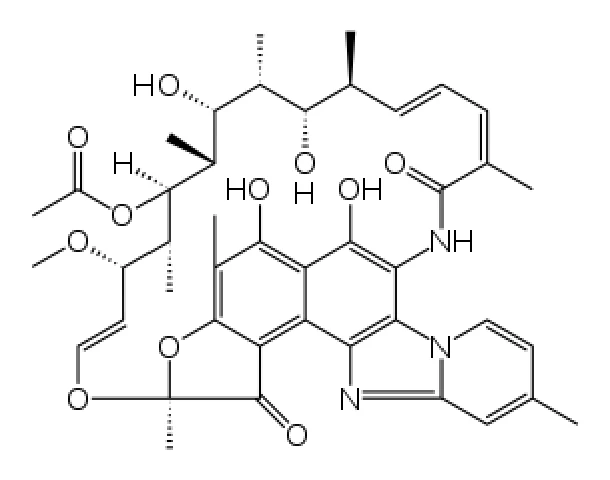
Rifaximin
Chemical name:
(2S,16Z,18E,20S,21S,22R,23R,24R,25S,26S,27S,28E)-
5,6,21,23,25-pentahydroxy-27-methoxy- 2,4,11,16,20,22,24,26-octamethyl-2,7-(epoxypentadeca- [1,11,13]trienimino)benzofuro[4,5-e]pyrido[1,2-α]- benzimidazole-1,15(2H)-dione,25-acetate
Molecular formula
and molecular mass:
C43H51N3O11
MW=785.9
Structural formula:
Physicochemical properties
Rifaximin is red/orange microcrystalline powder, soluble in methanol, chloroform, acetone and ethyl acetate. It is practically insoluble in water. It has a pKa of 6.77. The partition co-efficient (n-octanol-water) is 2.76.
14. CLINICAL TRIALS
14.1 Trial Design and Study Demographics
Hepatic Encephalopathy
The safety and efficacy of rifaximin tablets550 mg twice daily in adult patients in remission from overt HE was assessed in one randomized double-blind, parallel group, controlled multicentre six-month trial, and in one multicentre, open-label, long term study. Study demographics and trial design are summarized in Table 9.
Table 9: Summary of Patient Demographics for Clinical Trials in Prevention of Overt HE Recurrence in Patients ≥18 Years of Age
| Study # | Trial design | Dosage, route of administration and duration | Study subjects (N = number) | Mean age (Range) | Gender |
|---|---|---|---|---|---|
RFHE3001 (Pivotal - Safety and Efficacy) | Randomized placebo controlled, double- blind, multicentre (US, Canada, Russia) | 550 mg BID, oral, up to 6 months Placebo BID, up to 6 months | N = 299 Rifaximin = 140 Placebo = 159 | 56 years (21-82 years) | 61% male |
RFHE3002 (Safety) | Open-label, multicentre (US, Canada, Russia), treatment extension study | 550 mg BID, oral at least 24 months | N = 322 rifaximin subjects (152 from study 3001 [70 rifaximin and 82 placebo] and 170 new subjects) | 57 years (21-82 years) | 61 % male |
More than 90% of the subjects in both studies received concomitant lactulose. No patients were enrolled with a MELD score >25.
Irritable Bowel Syndrome with Diarrhea
The efficacy of rifaximin tablets550 mg for the treatment of IBS-D was established in 3 randomized, multicenter, double-blind, placebo-controlled trials in adult patients.
TARGET 1 and TARGET 2 Design
The first two trials, TARGET 1 and TARGET 2 were of identical design. In these trials, a total of 1258 patients meeting Rome II criteria for IBS* were randomized to receive Rifaximin Tablets 550 mg three times a day (n=624) or placebo (n=634) for 14 days and then followed for a 10-week treatment-free period. The Rome II criteria further categorizes IBS patients into 3 subtypes: diarrhea-predominant IBS (IBS-D), constipation-predominant IBS (IBS-C), or alternating IBS (bowel habits alternating between diarrhea and constipation). Patients with both IBS-D and alternating IBS were included in TARGET 1 and TARGET 2. Rifaximin Tablets is recommended for use in patients with IBS-D.
*Rome II Criteria: At least 12 weeks, which need not be consecutive, in the preceding 12 months of abdominal discomfort or pain that has two out of three features: 1. Relieved with defecation; and/or 2. Onset associated with a change in frequency of stool; and/or 3. Onset associated with a change in form (appearance) of stool.
Symptoms that Cumulatively Support the Diagnosis of Irritable Bowel Syndrome
Abnormal stool frequency (for research purposes “abnormal” may be defined as greater than
3 bowel movements per day and less than 3 bowel movements per week); Abnormal stool form (lumpy/hard or loose/watery stool); Abnormal stool passage (straining, urgency, or feeling of incomplete evacuation); Passage of mucus; Bloating or feeling of abdominal distension.
TARGET 3 – Study Design
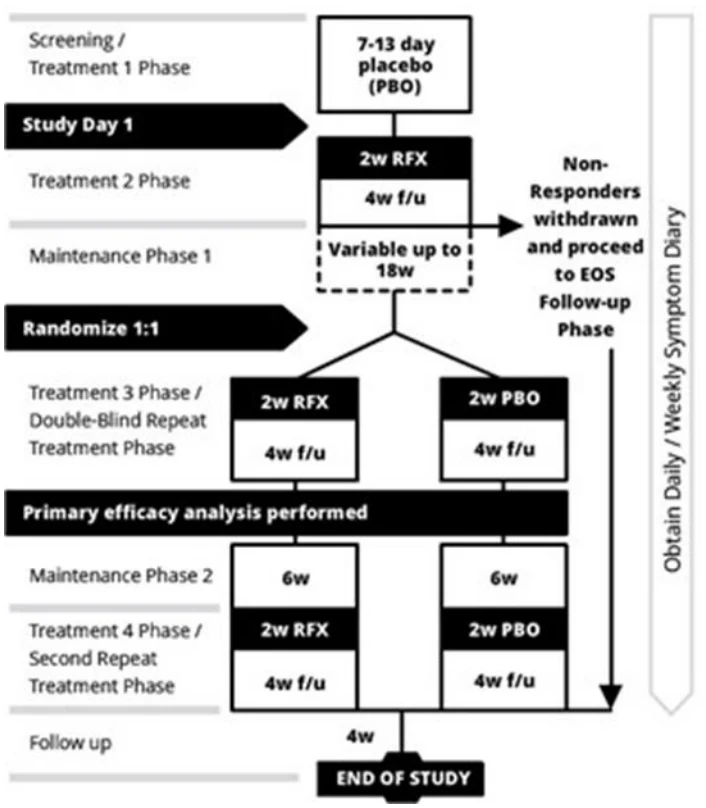
TARGET 3 evaluated repeat treatment in adults with IBS-D meeting Rome III criteria** for up to 46 weeks. A total of 2579 were enrolled to receive open-label Rifaximin Tablets for 14 days. Of the 2438 evaluable patients, 1074 (44%) responded to initial treatment and were evaluated over
22 weeks for continued response or recurrence of IBS-symptoms. A total of 636 patients had symptom recurrence and were randomized into the double-blind phase of the study. These patients were scheduled to receive Rifaximin Tablets 550 mg three times a day (n=328) or placebo (n=308) for two additional 14-day repeat treatment courses separated by 10 weeks.
Figure 1: Target 3 Study Design
**Rome III Criteria: Recurrent abdominal pain or discomfort (uncomfortable sensation not described as pain) at least 3 days/month in last 3 months associated with two or more of the following: 1) improvement with defecation; 2) onset associated with a change in frequency of stool; 3) onset associated with a change in form (appearance) of stool.
Demographics:
The IBS-D population from the three studies (TARGET 1, 2 and 3) had mean age of 47 (range: 18 to 88) years of which approximately 11% of patients were ≥ 65 years old, 72% were female and 88% were white.
14.2 Study Results
Study Results RFHE3001:
The primary efficacy endpoint was the time to first breakthrough overt HE episode. Patients were withdrawn after a breakthrough overt HE episode.
Breakthrough overt HE episodes were experienced by 31 of 140 subjects (22%) in the Rifaximin Tablets group and by 73 of 159 subjects (46%) in the placebo group during the 6-month treatment period. rifaximin tablets significantly reduced the risk of overt HE breakthrough by 58% (p<0.0001) during the 6-month treatment period.
A key secondary endpoint included time to first HE-related hospitalization. HE-related hospitalizations (hospitalizations directly resulting from HE, or hospitalizations complicated by HE) were reported for 19 of 140 subjects (14%) and 36 of 159 subjects (23%) in the rifaximin tablets and placebo groups, respectively. rifaximin tablets significantly reduced the risk of overt HE-related hospitalizations by 50% (p<0.0129) during the 6-month treatment period (see Table 10).
Study Results RFHE3002:
In this open-label, uncontrolled study, treatment with rifaximin tablets for periods up to 24 months did not result in any loss of effect regarding protection from breakthrough overt HE episodes and the reduction in the burden of hospitalization. The time to first breakthrough overt HE episode profiles demonstrated long-term maintenance of remission in new rifaximin tablets subjects in RFHE3002 (including placebo crossover subjects from RFHE3001) and continuing rifaximin tablets subjects in RFHE3002 (i.e., Rifaximin rollover subjects from RFHE3001) (see Table 10).
Table 10: Rates of HE-Related and All-Cause Hospitalizations
| Hospitalization Rates | Historical Placebo (RFHE3001) n=159 | Historical Rifaximin (RFHE3001) n=140 | New Rifaximin (RFHE3002) n=252 | All Rifaximin (RFHE3001 + RFHE3002) n=392 |
|---|---|---|---|---|
HE related Hospitalization rates (events/PYE) | 0.72 | 0.30* | 0.23 | 0.21 |
All – Cause Hospitalization rates (events/PYE) | 1.30 | 0.92 | 0.44 | 0.45 |
Rates of HE-related and all-cause hospitalizations for the all-rifaximin and new-rifaximin populations in the OLM compared with patients receiving historical placebo or rifaximin in the 6-month RCT (RFHE3001). *p < 0.0001 vs placebo. The integrated all-rifaximin population includes 70 from the treatment group in RFHE3001, 70 from treatment group in RFHE3001 that transitioned to RFHE3002, 82 from the placebo group that transitioned to receive rifaximin in RFHE3002 and 170 new patients enrolled in RFHE3002.
Study Results TARGET 1 and TARGET 2:
TARGET 1 and TARGET 2 included 1,258 IBS-D patients (309 Rifaximin Tablets, 314 placebo) and (315 rifaximin tablets, 320 placebo). The primary endpoint for both trials was the proportion of patients who achieved adequate relief of IBS signs and symptoms for at least 2 of 4 weeks during the month following 14 days of treatment. Adequate relief was defined as a response of “yes” to the following weekly Subject Global Assessment (SGA) question: “In regards to your IBS symptoms, compared to the way you felt before you started study medication, have you, in the past 7 days, had adequate relief of your IBS symptoms? [Yes/No].”
Adequate relief of IBS symptoms was experienced by more patients receiving rifaximin tablets than those receiving placebo during the month following 2 weeks of treatment (SGA-IBS Weekly Results: 41% vs. 31%, p=0.0125; 41% vs. 32%, p=0.0263 (See Table 11).
Table 11: Adequate Relief of IBS Symptoms during the Month Following Two Weeks of Treatment
| Endpoint | TARGET 1 | TARGET 2 | ||||||||||
|---|---|---|---|---|---|---|---|---|---|---|---|---|
| rifaxi min tablet s n=309 n (%) | Placebo n=31 4 n (%) | Treatment Difference (95% CIa) | rifaxi min table ts n=31 5 n (%) | Placebo n=32 0 n (%) | Treatment Difference (95% CIa) | |||||||
Adequate Relief of IBS Symptomsb | 126 (41) | 98 (31) | 10% (2.1%, 17.1%) | 128 (41) | 103 (32) | 8% (1.0%, 15.9%) | ||||||
a Confidence Interval
b The p-value for the primary endpoint for TARGET 1 and for TARGET 2 was < 0.05
The trials examined a composite endpoint which defined responders by IBS-related abdominal pain and stool consistency measures. Patients were monthly responders if they met both of the following criteria:
- experienced a ≥ 30% decrease from baseline in abdominal pain for ≥ 2 weeks during the month following 2 weeks of treatment
- had a weekly mean stool consistency score < 4 (loose stool) for ≥ 2 weeks during the month following 2 weeks of treatment
More patients receiving rifaximin tablets were monthly responders for abdominal pain and stool consistency in TARGET 1 and 2 (see Table 12).
Table 12: Efficacy Responder Rates in TARGET 1 and 2 during the Month Following Two Weeks of Treatment
| Endpoint | TARGET 1 | TARGET 2 | |||||||||||
|---|---|---|---|---|---|---|---|---|---|---|---|---|---|
| rifaximin tablets n=309 n (%) | Placeb o n=314 n (%) | Treatmen t Differenc e (95% CIa) | rifaximin tablets n=315 n (%) | Placeb o n=320 n (%) | Treatmen t Differenc e (95% CIa) | ||||||||
Abdominal Pain and Stool Consistency Respondersb | 144 (47) | 121 (39) | 8% (0.3%, 15.9%) | 147 (47) | 116 (36) | 11% (2.7%, 18.0%) | |||||||
| Abdominal Pain Respondersc | 159 (51) | 132 (42) | 9% (1.8%, 17.5%) | 165 (52) | 138 (43) | 9% (1.5%, 17.0%) | |||||||
Stool Consistency Respondersd | 244 (79) | 212 (68) | 11% (4.4%, 18.2%) | 233 (74) | 206 (64) | 10% (2.3%, 16.7%) | |||||||
a Confidence Interval
b The p-value for the composite endpoint for TARGET 1 and for TARGET 2 was < 0.05 and < 0.01, respectively
c The p-value for TARGET 1 and for TARGET 2 was < 0.02
d The p-value for TARGET 1 and for TARGET 2 was <0.01
The safety profile during and after treatment with rifaximin tablets550 mg TID for 14 days was comparable to that observed with placebo in both studies. A similar proportion of rifaximin- treated subjects and placebo-treated subjects (55% vs 55% in TARGET 1 and 54 vs 52% in TARGET 2, respectively) experienced TEAEs (Treatment-emergent adverse event) during this study.
Study Results TARGET 3:
In TARGET 3, 2,579 patients were scheduled to receive an initial 14-day course of open-label rifaximin tablets followed by 4 weeks of treatment-free follow-up. At the end of the follow-up period, patients were assessed for response to treatment. Patients were considered responders if they simultaneously met the weekly response criteria during >2 of the 4 weeks after treatment for the following:
≥ 30% improvement from baseline in the weekly average abdominal pain score based on the daily question: “In regards to your specific IBS symptoms of abdominal pain, on a scale of 0-10, what was your worst IBS-related abdominal pain over the
- last 24 hours? ‘Zero’ means you have no pain at all; ‘Ten’ means the worst possible pain you can imagine”.
- at least a 50% reduction in the number of days in a week with a daily stool consistency of Bristol Stool Scale Type 6 or 7 compared with baseline where 6=fluffy pieces with ragged edges, a mushy stool; 7=watery stool, no solid pieces; entirely liquid.
Responders were then followed for recurrence of their IBS-related symptoms of abdominal pain or mushy/watery stool consistency for up to 20 treatment-free weeks.
When patients experienced recurrence of their symptoms of abdominal pain or mushy/watery stool consistency for 3 weeks of a rolling 4-week period, they were randomized into the double- blind, placebo-controlled repeat treatment phase. Of the 1,074 patients who responded to open- label rifaximin tablets, 382 experienced a period of symptom inactivity or decrease that did not require
repeat treatment by the time they discontinued, including patients who completed the 22 weeks after initial treatment with rifaximin tablets.
Overall, 1,257 of 2,579 patients (49%) were non-responders in the open-label phase and per the study protocol were withdrawn from the study. Other reasons for discontinuation include: patient request (5%), patient lost to follow-up (4%), adverse reaction (3%), and other (0.8%).
There were 1,074 (44%) of 2,438 evaluable patients who responded to initial treatment with improvement in abdominal pain and stool consistency. The response rate during the open-label phase for TARGET 3 assessed as a 30% improvement in abdominal pain and an improvement in stool consistency is found to be similar to the rates seen in earlier studies (TARGET 1 and 2) even though a slight difference in responder definitions exists between the studies (see Table 11).
A total of 636 patients subsequently had sign and symptom recurrence and were randomized to the repeat treatment phase. The median time to recurrence for patients who experienced initial response during the open-label phase with rifaximin tablets was 10 weeks (range 6 to 24 weeks).
The rifaximin tablets and placebo treatment groups had similar baseline IBS symptom scores at the time of recurrence and randomization to the double-blind phase, but symptom scores were less severe than at study entry into the open-label phase.
Patients were deemed to have recurrent signs and symptoms by the following criteria: a return of abdominal pain or lack of stool consistency for at least 3 weeks during a 4-week follow-up period. The primary endpoint in the double-blind, placebo-controlled portion of the trial was the proportion of patients who were responders to repeat treatment in both IBS-related abdominal pain and stool consistency as defined above during the 4 weeks following the first repeat treatment with rifaximin tablets. The primary analysis was performed using the worst case analysis method where patients with < 4 days of diary entries in a given week are considered as non-responders for that week.
More patients receiving rifaximin tablets were monthly responders for abdominal pain and stool consistency in the primary analysis in TARGET 3 (see Table 13).
Table 13: Efficacy Responder Rates in TARGET 3 in a Given Week for at Least 2 Weeks during Weeks 3 to 6 of the Double Blind, First Repeat Treatment Phase (Worst Case Analysis)
| Type of Responder | Placebo (n=308) n (%) | rifaximi n tablets (n=328) n (%) | Treatment Difference (95% CIa) |
|---|---|---|---|
| Combined Responderb: Abdominal Pain and Stool Consistency Responders | 77 (25) | 107 (33) | 8% (0.6%, 14.6%) |
Abdominal Pain Respondersd (> 30% reduction in abdominal pain) | 130 (42) | 166 (51) | 8% (0.7%, 16.1%) |
Stool Consistency Responders (> 50% reduction from baseline in days/week with loose or watery stools) | 111 (36) | 138 (42) | 6% (-1.5%, 13.6%) |
a Confidence Intervals were derived based on CMH test adjusting for center and patients’ time to recurrence during maintenance phase.
b Primary endpoint
c Subjects were IBS-related abdominal pain and stool consistency responders if they were both weekly IBS-related abdominal pain responders and weekly stool consistency responders in a given week for at least 2 weeks during Weeks 3 to 6 in the double-blind first repeat treatment phase. Weekly responder in IBS-related abdominal pain was defined as a 30% or greater improvement from baseline in the weekly average abdominal pain score. Weekly responder in stool consistency was defined as a 50% or greater reduction in the number of days in a week with stool consistency of type 6 or 7 compared with baseline. The p-value for this composite endpoint was < 0.05.
d The p-value for responders was < 0.05.
Thirty-six of 308 (11.7%) of placebo patients and 56 of 328 (17.1%) of rifaximin tablets -treated patients responded to the first repeat treatment and did not have recurrence of signs and symptoms through the treatment-free follow-up period (10 weeks after first repeat treatment, p-value < 0.05). The response rate difference was 5.4% with 95% confidence interval (1.2% to 11.6%).
The overall safety profile during and following treatment and repeat treatment with rifaximin tablets550 mg TID in subjects with IBS-D was consistent with the population under study, was comparable to that observed with placebo in the double-blind repeat treatment phase, and was comparable to that observed after one 14-day rifaximin treatment course in the open-label phase and with previous Phase 3 studies (TARGET 1 and 2).
Results of the culture and susceptibility testing demonstrate no evidence of development of clinically significant bacterial resistance. There was also no rifaximin-mediated cross-resistance to non-rifamycin antibiotics in response to rifaximin treatment in isolates grown from either stool or skin swab cultures. Importantly, repeat treatment courses of rifaximin do not appear to predispose patients to the emergence of potentially pathogenic bacteria (e.g., C. difficile, Enterococcus, or Staphylococcus) in the stool or on the skin. A very small number of C. difficile isolates were identified in stool samples at a rate consistent with literature reports of asymptomatic carriers in the general population, and none of these isolates demonstrated rifaximin resistance.
15. MICROBIOLOGY
Spectrum of Activity
Rifaximin has a broad antimicrobial spectrum.
Development of Resistance
Rifaximin is a structural analog of rifampin. Organisms with high rifaximin minimum inhibitory concentration (MIC) values also have elevated MIC values against rifampin. Cross-resistance between rifaximin and other classes of antimicrobials has not been studied.
Escherichia coli has been shown to develop resistance to rifaximin in vitro. However, the clinical significance of such an effect has not been studied.
16. NON-CLINICAL TOXICOLOGY
Following single-dose toxicity, repeat-dose toxicity, genotoxicity, carcinogenicity and reproductive toxicity studies were conducted to investigate the toxicity of rifaximin.
Single dose
Single oral doses of up to 2000 mg/kg rifaximin were nontoxic to mice and rats.
Repeat Dose
Oral administration of rifaximin for 3-6 months produced hepatic proliferation of connective tissue in rats (50 mg/kg/day) and fatty degeneration of liver in dogs (100 mg/kg/day). However, plasma drug levels were not measured in these studies. Rifaximin was studied at doses as high as 300 mg/kg/day in rats for 6 months and 1000 mg/kg/day in dogs for 9 months, and no signs of hepatotoxicity were observed. The maximum plasma AUC0-8 hr values from the 6-month rat and 9-month dog toxicity studies (range: 42-127 ng•h/mL) was lower than the maximum plasma AUC0-8hr values in cirrhotic patients (range: 19-306 ng•h/mL).
Repeat oral administration of rifaximin at 1000 mg/kg/d for 39 weeks was nontoxic to the dog. To achieve higher exposures to rifaximin, dogs were given 1000 mg/kg/d of the amorphous form of rifaximin by the oral route. The rate and extent of systemic exposure to rifaximin amorphous form was approximately 90-fold higher than for those administered rifaximin alpha. At week 26, except for orange-colored faeces/fur and non-specific stress-induced thymic atrophy/involution, no consistent clinical pathologic or histopathologic changes attributable to rifaximin amorphous were observed in these dogs.
Genotoxicity
Rifaximin did not show evidence of mutagenic activity in a standard battery that included bacterial and yeast gene mutation assays, mammalian CHO/HGPRT gene mutation assay, chromosomal aberration assay with human lymphocytes, and in vivo tests e.g., rat bone marrow micronucleus assay. Rifaximin does not induce unscheduled DNA synthesis in primary rat hepatocytes and unscheduled DNA synthesis in rat hepatocytes after in vivo treatment.
Carcinogenicity
Malignant schwannomas in the heart were significantly increased in male Crl: CD rats that received rifaximin by oral gavage for two years at 150 to 250 mg/kg/day (doses equivalent to
1.3 to 2.2 times the recommended dose, based on relative body surface area comparisons). There was no increase in tumors in Tg.rasH2 mice dosed orally with rifaximin for 26 weeks at 150 to 2000 mg/kg/day (doses equivalent to 0.7 to 9 times the recommended daily dose based on relative body surface area comparisons).
Reproductive Toxicity and Fertility
In a rat embryofetal development study, a slight and transient delay in ossification that did not affect the normal development of the offspring, was observed at 300 mg/kg/day (equivalent to
2.6 times the clinical dose for hepatic encephalopathy, and approximately 1.8 times the recommended dose for IBS-D (1650 mg per day), adjusted for body surface area). In the rabbit, following oral administration of rifaximin during gestation, an increase in the incidence of skeletal variations was observed (at doses similar to clinical dose). The clinical relevance of these findings is not known. In another study in pregnant rabbits from Gestation Day 6 - 19 following administration of rifaximin 62.5- 1000 mg/kg/d orally for 14 days, rifaximin tissue concentrations were evaluated in the fetal and adult brain and liver, and in the placenta. In pregnant rabbits treated with rifaximin 250 and 1000 mg/kg/d, minimal rifaximin exposure to fetus was demonstrated.