


Product Monograph - Lutrepulse
SUMMARY PRODUCT INFORMATION
| Route of Administration | Dosage Form / Strength | Clinically Relevant Nonmedicinal Ingredients |
| Parenteral Subcutaneous (SC) | 10mL vial of 3.2 mg As lyophilized, sterile powder | Mannitol Hydrochloric acid 10% |
| Parenteral Subcutaneous (SC) | 10 mL vial of 0.9% sodium chloride | Mannitol Hydrochloric acid 10% |
INDICATIONS AND CLINICAL USE
LUTREPULSE (gonadorelin acetate) is indicated for the induction of ovulation in women with primary hypothalamic amenorrhea.
Differential Diagnosis
Proper diagnosis is critical for successful treatment with LUTREPULSE. It must be established that hypothalamic amenorrhea or hypogonadism is, in fact, due to a deficiency in quantity or pulsing of endogenous GnRH. The diagnosis of hypothalamic amenorrhea or hypogonadism is based on the exclusion of other causes of the dysfunction, since there is currently no practical technique to directly assess hypothalamic function. Prior to initiation of therapy with LUTREPULSE the physician should rule out disorders (other than abnormalities of GnRH secretion), that can cause amenorrhea and involve most often general health, reproductive organs, central nervous system, anterior pituitary, thyroid, adrenals or other endocrine or metabolic disorders.
CONTRAINDICATIONS
LUTREPULSE (gonadorelin acetate) is contraindicated in women with any condition that could be exacerbated by pregnancy. For example, pituitary prolactinoma should be considered one such condition. Additionally, any history of sensitivity to gonadorelin acetate or any component of this product is a contraindication.
Patients who have ovarian cysts should not receive LUTREPULSE.
LUTREPULSE is intended to initiate events including the production of reproductive hormones (e.g. estrogens and progesterone). Therefore, any condition that may be worsened by reproductive hormones, such as a hormonally-dependent tumor, is a contraindication to the use of LUTREPULSE.
WARNINGS AND PRECAUTIONS
General
Therapy with LUTREPULSE (gonadorelin acetate) should be conducted by physicians familiar with pulsatile GnRH delivery and the clinical ramifications of ovulation induction. While there have been few cases of hyperstimulation (<1%), this possibility must be considered. If hyperstimulation should occur, therapy should be discontinued and spontaneous resolution can be expected. The preservation of the endogenous feedback mechanisms makes severe hyperstimulation (with ascites and pleural effusion) rare. However, the physician should be aware of the possibility and be alert for any evidence of ascites, pleural effusion, hemoconcentration, rupture of a cyst, fluid or electrolyte imbalance, or sepsis.
Serious Warnings and Precautions
- Ovarian hyperstimulation syndrome (OHSS) is a known risk with ovulation induction therapies, but is rare with pulsatile GnRH therapy. While there have been few cases of hyperstimulation (<1%), this possibility must be considered. If hyperstimulation should occur, therapy should be discontinued and spontaneous resolution can be expected.
Ovarian cancer has been reported in a very small number of infertile women who have been treated with fertility drugs. A causal relationship with treatments of fertility drugs has not been established.
Multiple pregnancies are a possibility that can be minimized by careful attention to the recommended doses and ultrasonographic monitoring of the ovarian response to therapy. Following a baseline pelvic ultrasound, follow-up studies should be conducted at a minimum on day 7 and day 14 of therapy.
As with any parenteral medication, scrupulous attention to asepsis is important. The infusion area must be monitored as with all indwelling parenteral approaches.
Carcinogenesis and Mutagenesis
Since GnRH is a natural substance normally present in humans, long-term studies in animals have not been performed to evaluate carcinogenic potential. Mutagenicity testing was not done.
Special Populations
Pregnant Women:
Reproductive studies (teratology and embryotoxicity) performed in rats and rabbits have not revealed any evidence of harm to the fetus due to gonadorelin acetate. There was no evidence of teratogenicity when gonadorelin acetate was administered intravenously up to 120 µg/kg/day (>70 times the recommended human dose of 5 µg per pulse) in rats and rabbits.
Studies in pregnant women have shown that gonadorelin acetate does not increase the risk of abnormalities when administered during the first trimester of pregnancy. It appears that the possibility of fetal harm is remote, if the drug is used during pregnancy. In clinical studies, 47 pregnant patients have used gonadorelin acetate during the first trimester of pregnancy (51 pregnancies) and the drug had no apparent adverse effect on the course of pregnancy. Available follow-up reports on infants born to these women revealed no adverse effects or complications that were attributable to gonadorelin acetate. Nevertheless, because the studies in humans cannot rule out the possibility of harm, gonadorelin acetate should be used during pregnancy only for maintenance of the corpus luteum in ovulation induction cycles.
Nursing Women:
It is not known whether this drug is excreted in human milk. There is no indication for use of LUTREPULSE in a nursing woman.
Pediatrics: Not applicable.
Monitoring and Laboratory Tests
Following a diagnosis of primary hypothalamic amenorrhea, initiation of LUTREPULSE therapy may be monitored by the following:
- 1. Ovarian ultrasound - baseline, and at least weekly while the patient is on therapy or until ovulation has been documented.
- 2. Estradiol serum level to assess ovarian response.
- 3. Mid-luteal phase serum progesterone to confirm ovulation.
- 4. Recording of basal body temperature.
- 5. Clinical observation of infusion site at each visit and as needed.
- 6. Physical examination including pelvic at regularly scheduled visits.
ADVERSE REACTIONS
Adverse Drug Reaction Overview
The majority of adverse effects are associated with the parenteral route of administration of the drug and are generally confined to and injection site irritation.
Adverse reactions have been reported in approximately 10% of treatment regimens in pivotal clinical trials. Ten of 268 patients interrupted therapy because of an adverse reaction but subsequently resumed treatment. One other subject did not resume treatment.
In clinical studies involving 268 women, one case of moderate ovarian hyperstimulation has been reported. This cycle included concomitant use of clomiphene citrate. This low incidence of hyperstimulation appears to be due to the preservation of normal feedback mechanisms of the pituitary-ovarian axis. Despite the preservation of feedback mechanisms, some incidents of multiple follicle development, multiple pregnancy, and spontaneous termination of pregnancy have been reported. In clinical studies involving 142 pregnancies, delivery information was available on 89 pregnancies. Eleven of these LUTREPULSE-induced pregnancies (12%) were multiple (10 sets of twins, 1 set of triplets).
The following adverse reactions are related to use of an infusion pump: inflammation, infection, mild phlebitis, or hematoma at the catheter site. Additionally, infusion set malfunction and interruption of infusion may occur; this has no known adverse effect other than interruption of therapy.
Anaphylaxis (bronchospasm, tachycardia, flushing, urticaris, induration at injection site) has been reported with the related polypeptide hormone gonadorelin hydrochloride (FACTREL®). Antibody formation has occurred in approximately 3% of patients treated with FACTREL® via the subcutaneous route. In some cases, these appear to be related to a decreased effectiveness of the drug.
Undesirable Effects
| Frequency | Side Effect |
Rare (≥0.01% - <0.1%) |
|
Very Rare (<0.01%) |
During treatment of amenorrhea cases of headaches, nausea, increased menstrual bleeding and abdominal pain were reported in connection with induction of the ovarian function. |
DOSAGE AND ADMINISTRATION
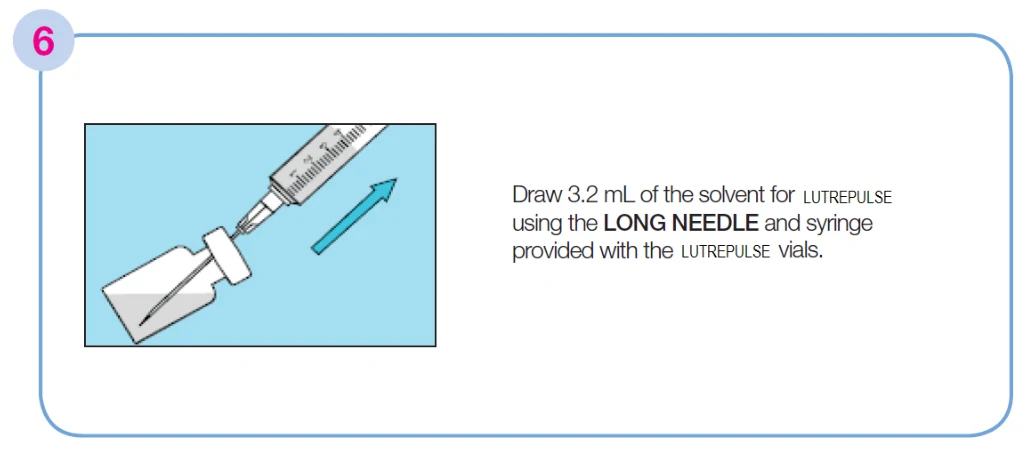
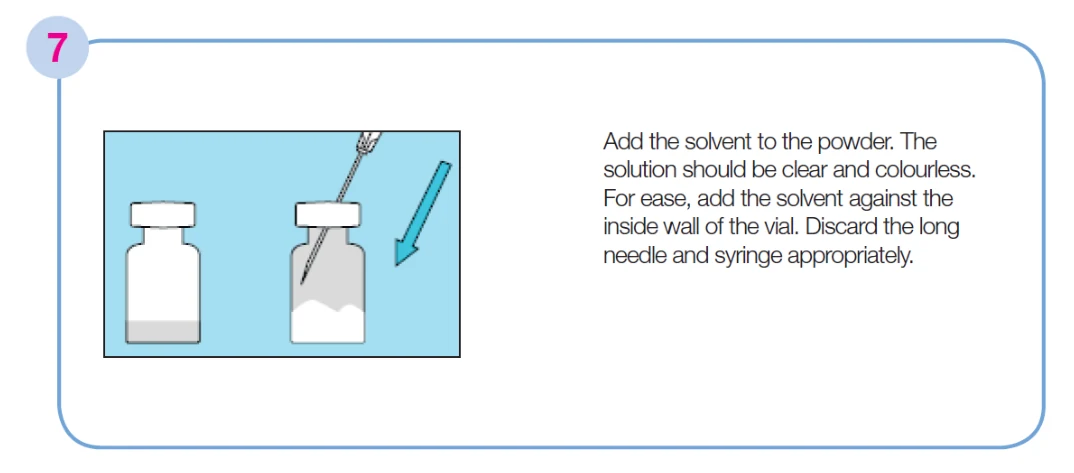
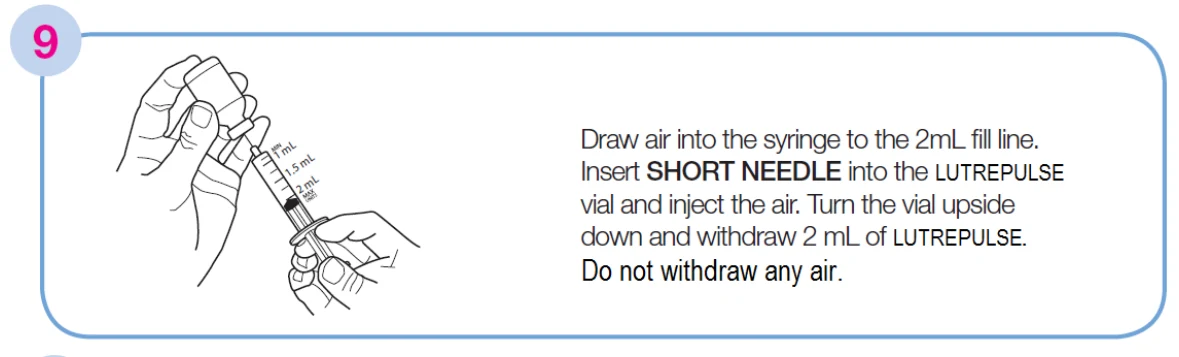
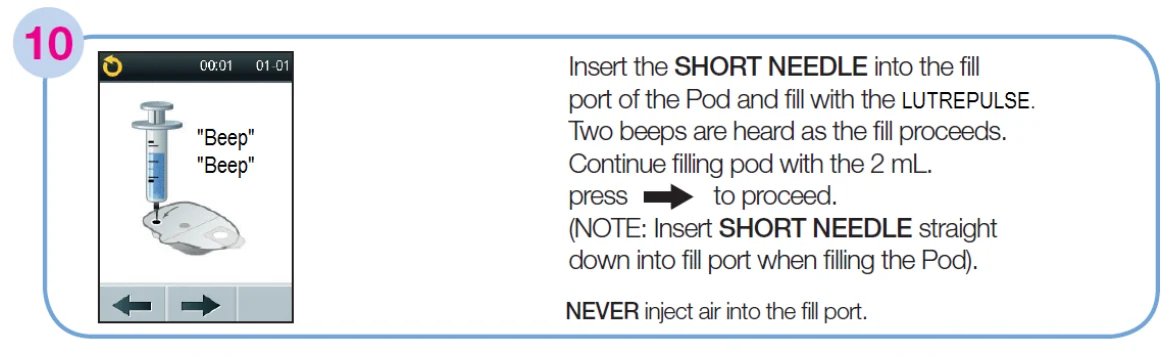
LUTREPULSE 3.2 mg powder is dissolved in 3.2 mL of the solvent provided (10 mL vial of 0.9% sodium chloride injection) and 2.0 mL of the reconstituted solution is transferred into the pump for LUTREPULSE called the LUTREPULSE System and administered in a pulsatile manner. The LUTREPULSE System now contains 1 mg per mL of LUTREPULSE.
The LUTREPULSE System consists of two parts;
- 1) The OmniPod (POD) and 2) Drug Delivery Manager (DDM).
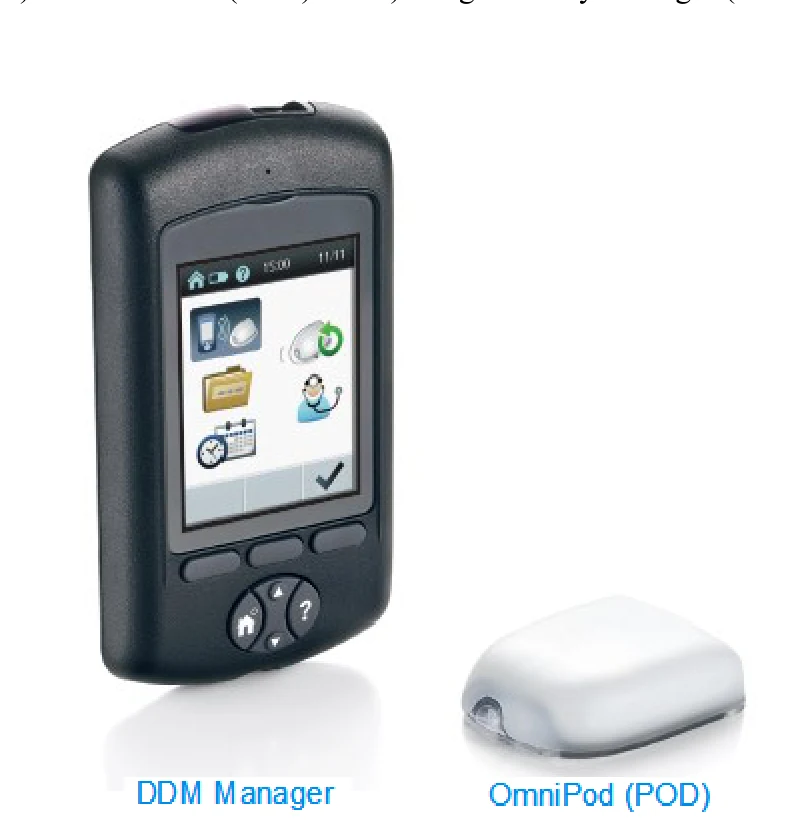

About the POD; it is;
- Oval in shape and has an adhesive backing.
- Wireless pump to deliver the patients LUTREPULSE without tubing.
- Waterproof
- Delivers LUTREPULSE based on personalized settings
- Hands-free, automated insertion—and priming
About the Drug Delivery Manager (DDM)
- Manages LUTREPULSE delivery wirelessly with a handheld controller.
LUTREPULSE 3.2 mg once added to the POD is injected via a cannula. The LUTREPULSE doses range from 5 to 20 µg/pulse/90 min and the POD always runs on internal batteries for 72 hours (3 days). The administration is repeated every 90 minutes with the possibility of increment and decrement using the DDM of the dose within the approved dosage range. The dosing interval of 90 minutes can be changed to 120 minutes, if necessary.
The content of the pod is sufficient for 72 hours (3 days) of treatment (up to 200 deliverable units of medication). For further treatment the process is repeated with a new vial reconstitution for a new POD.
The LUTREPULSE System Drug Delivery Manager is programmed by the doctor or nurse and should be returned to the doctor or nurse after the end of treatment.
Duration of Use:
Therapy is continued until the desired therapeutic result (follicle maturation and ovulation) is achieved.
After ovulation, the therapy should be continued to support the corpus luteum function until the late luteal phase, until endogenous hCG of the implanted trophoblast maintains the function of the corpus luteum. Otherwise, the therapy can be discontinued if pregnancy is clinically confirmed.
Directions for Use:
The LUTREPULSE SYSTEM consists of two parts (see LUTREPULSE SYSTEM User Guide for more detailed information):
- 1) The OmniPod (POD), which is applied to the skin with an adhesive backing, similar to an adhesive bandage.
- 2) The Drug Delivery Manager (DDM)
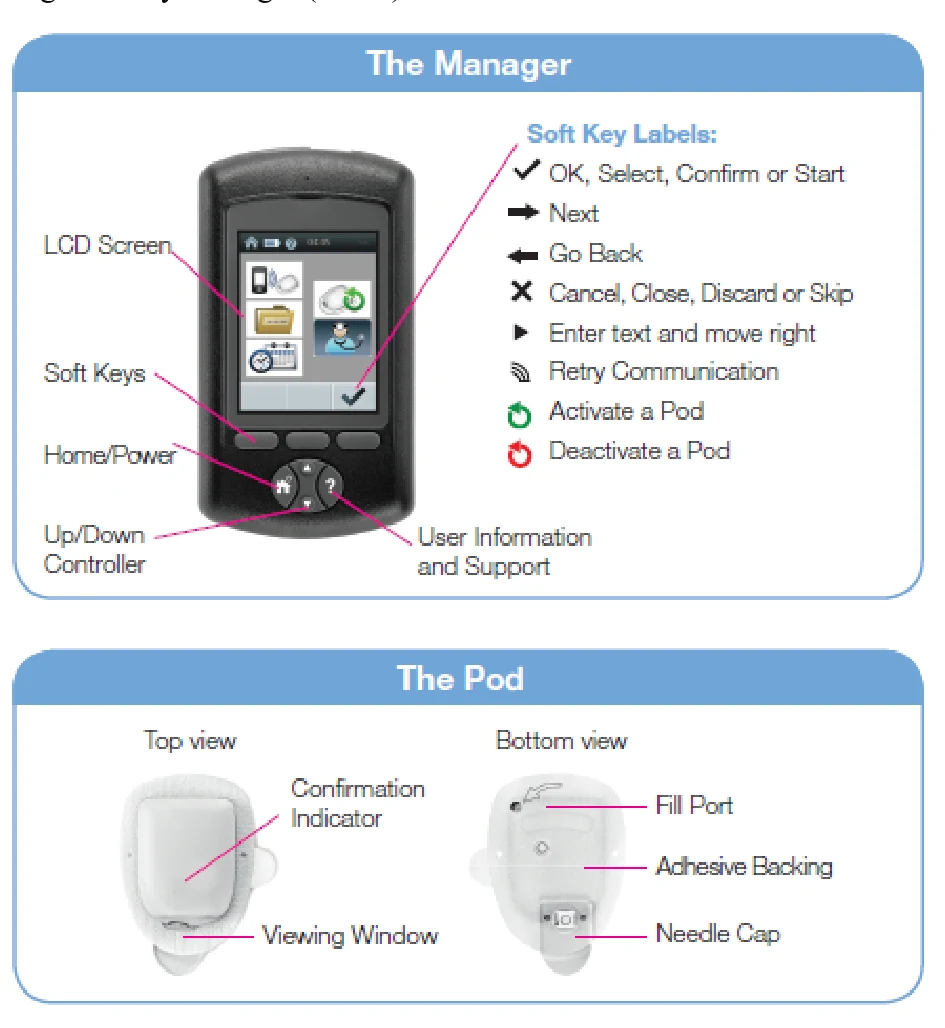
Controlling the LUTREPULSE Manager
Use the Up/Down Controller buttons to move around the Home and other screens.
The messages on these screens:
- Describe system operation
- List the menu choices
- Explain how to perform a certain task
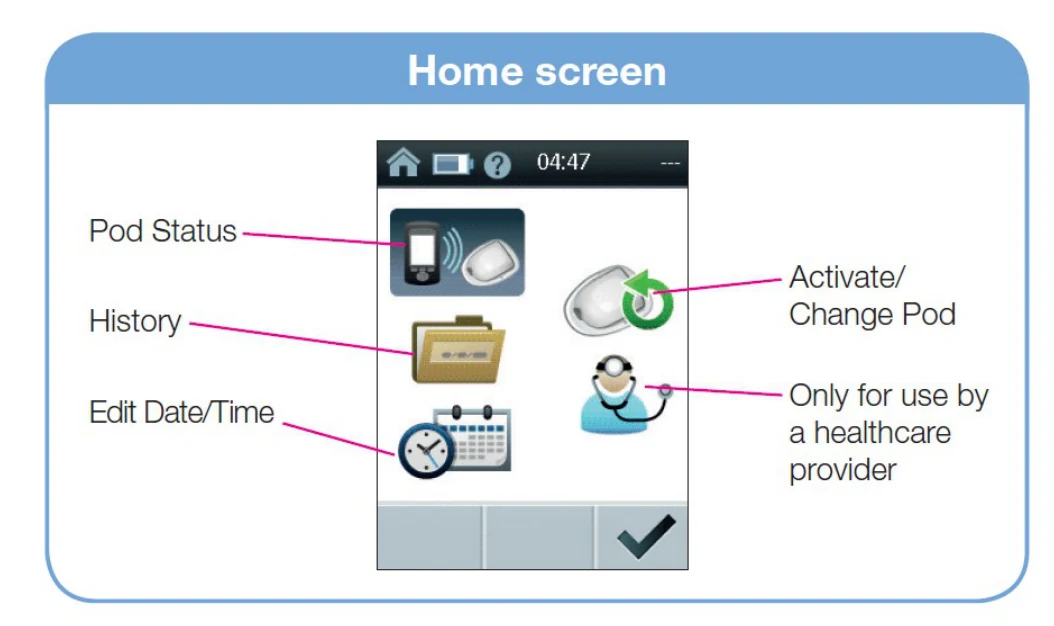
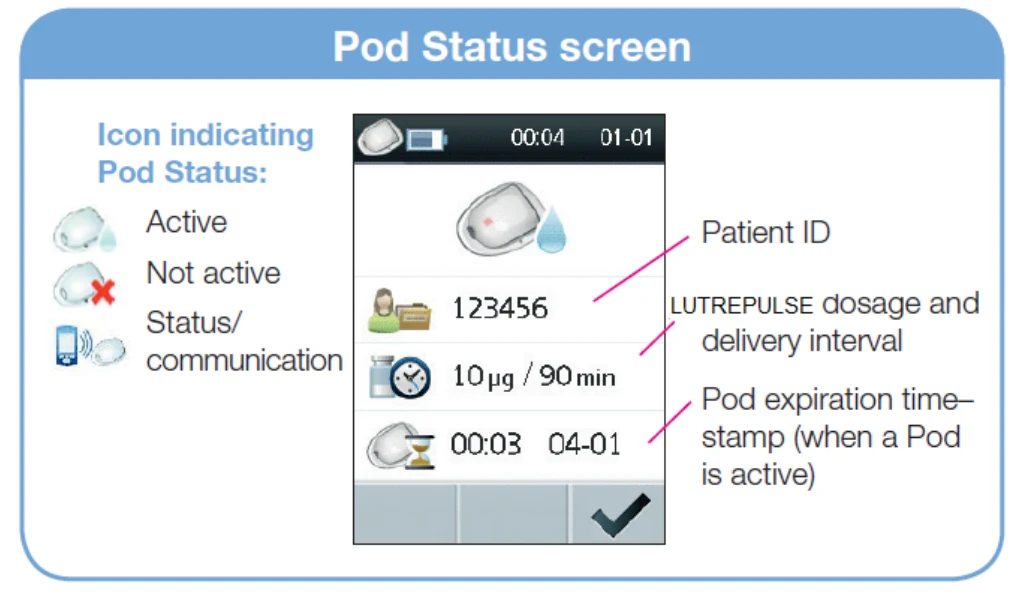
Preparing the LUTREPULSE System for your Patient
Prior to starting treatment you are required to input a Patient Profile, this will include a Patient ID, dosage of LUTREPULSE and dosage interval.
Note: Login is disable if a Pod is active.
Creating a New Patient Profile
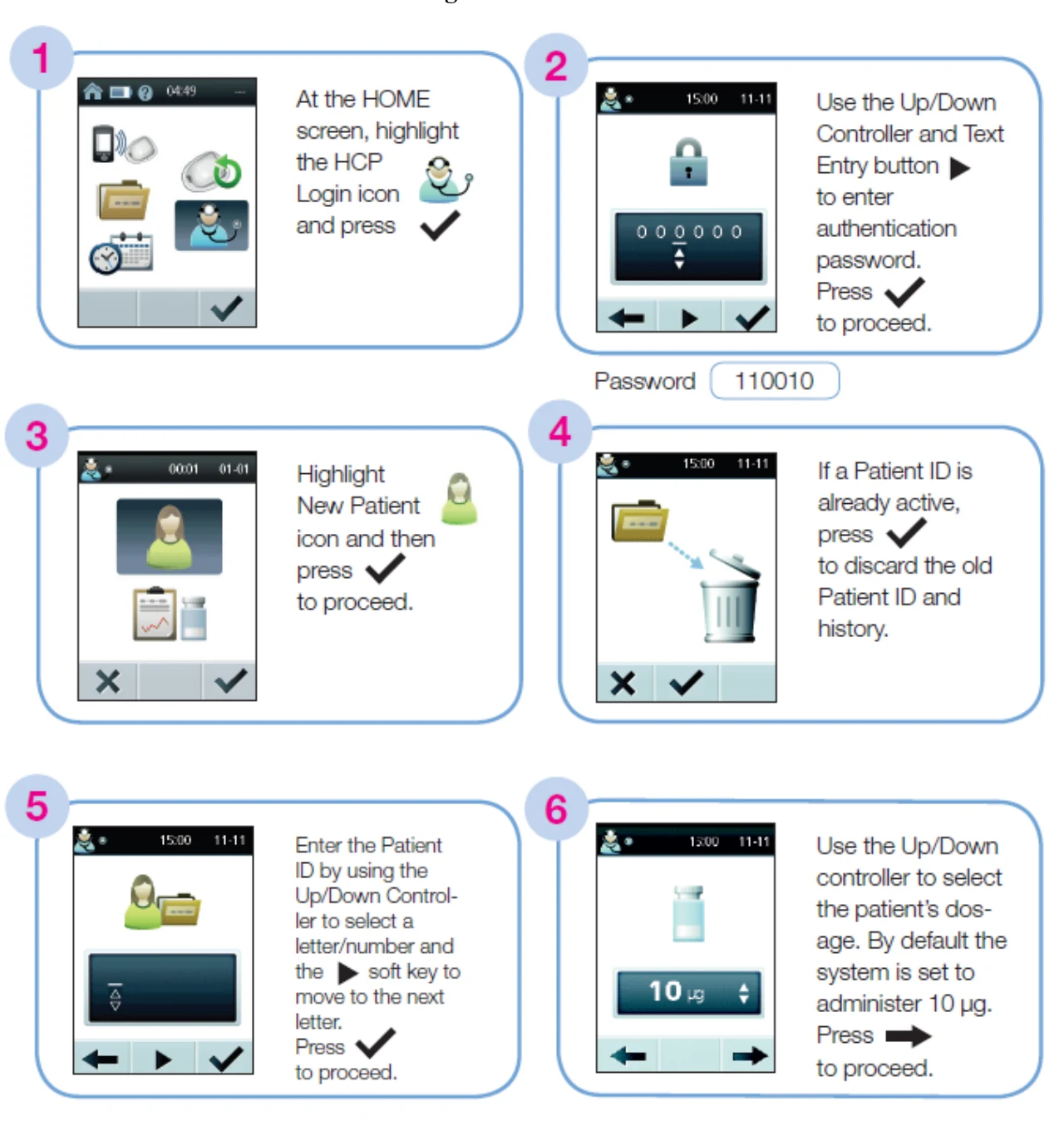
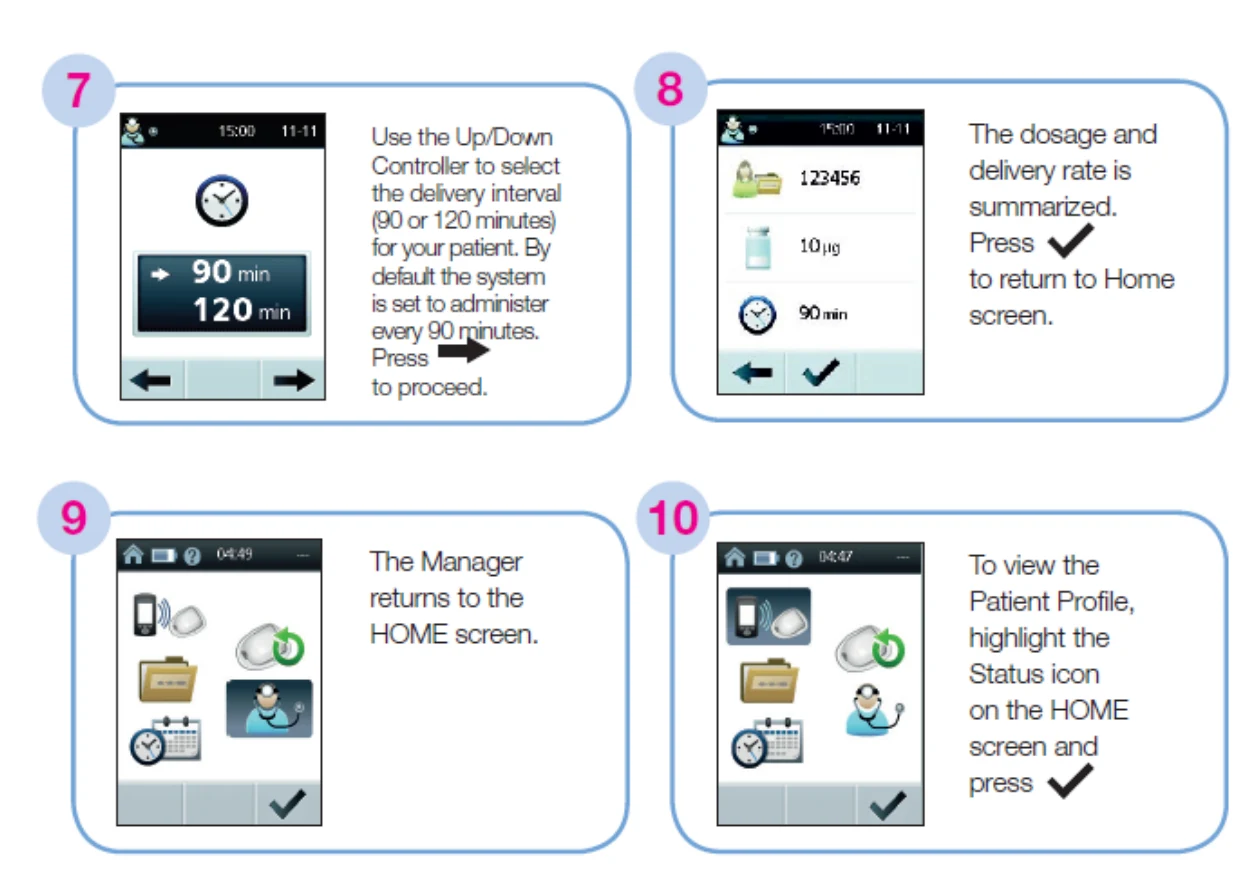
After entering the Patient Profile, the LUTREPULSE System is ready to be filled.
Assemble the following:
- One vial of 3.2 mg powder
- LUTREPULSE solvent, 10 mL vial of 0.9% sodium chloride injection;
- Syringe and long needle for reconstitution of LUTREPULSE 3.2 mg solution
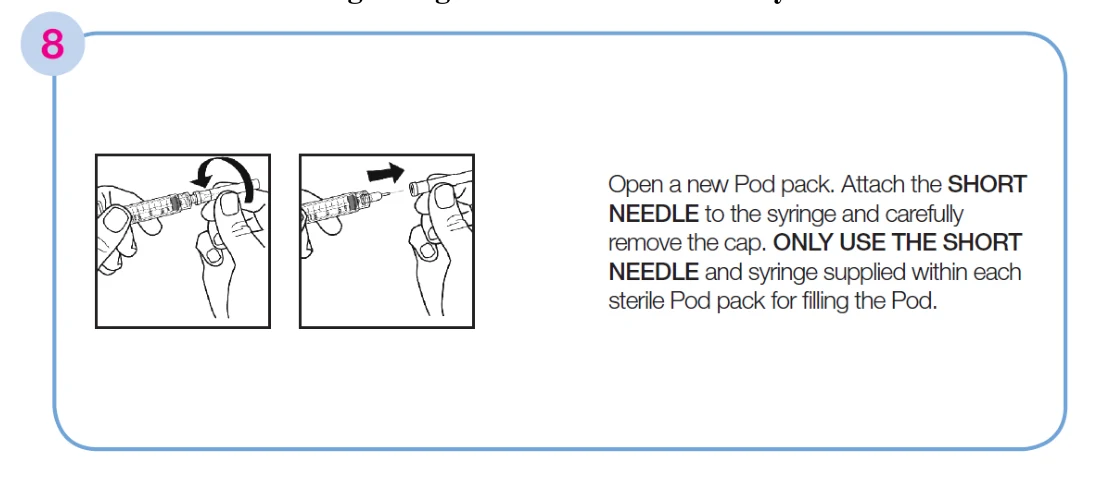
- An unopened POD pack (this contains a new POD, and a short needle and syringe used to fill the POD).
Wash your hands and wash the infusion area.
Preparing a new POD (removing active POD)
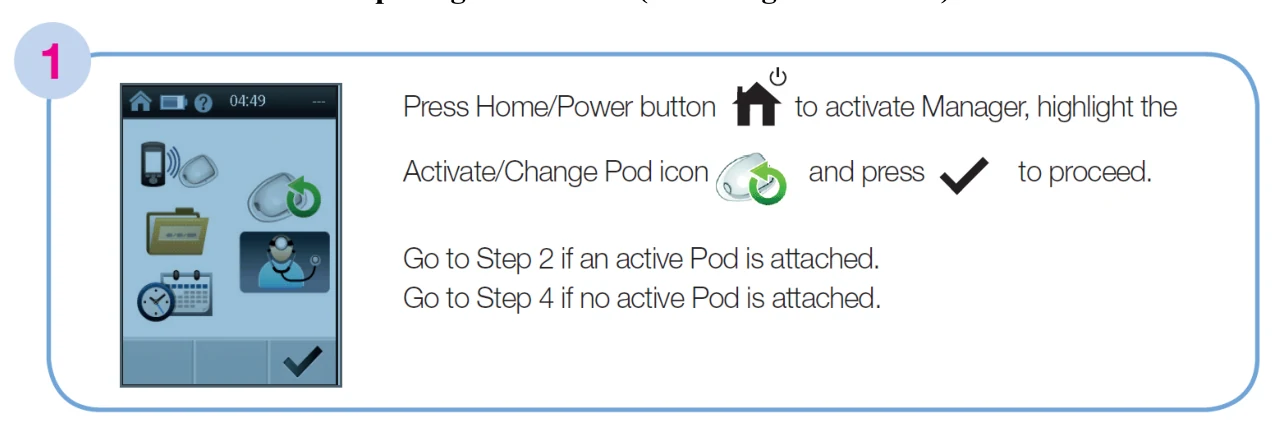
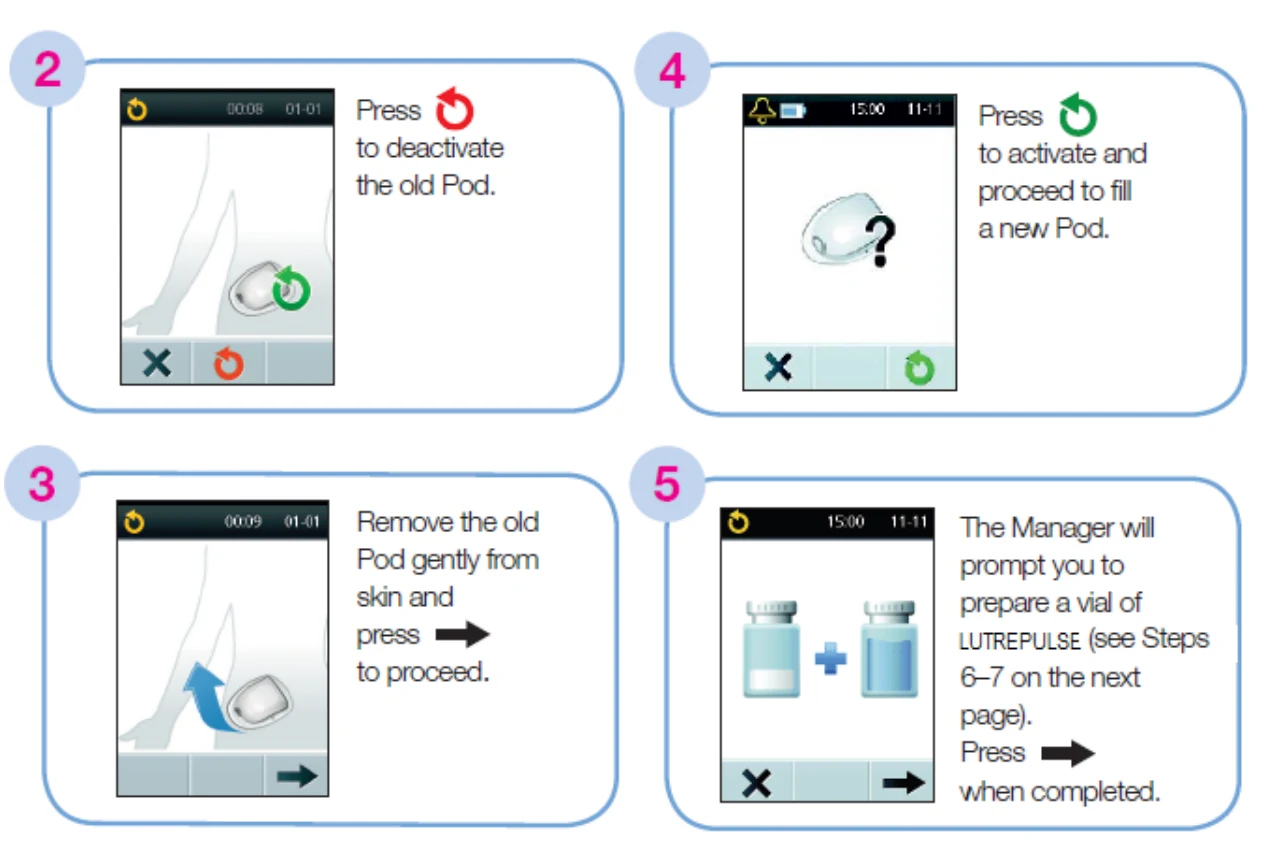
Training your patient to deliver LUTREPULSE
LUTREPULSE 3.2 mg reconstitution
Beginning LUTREPULSE delivery
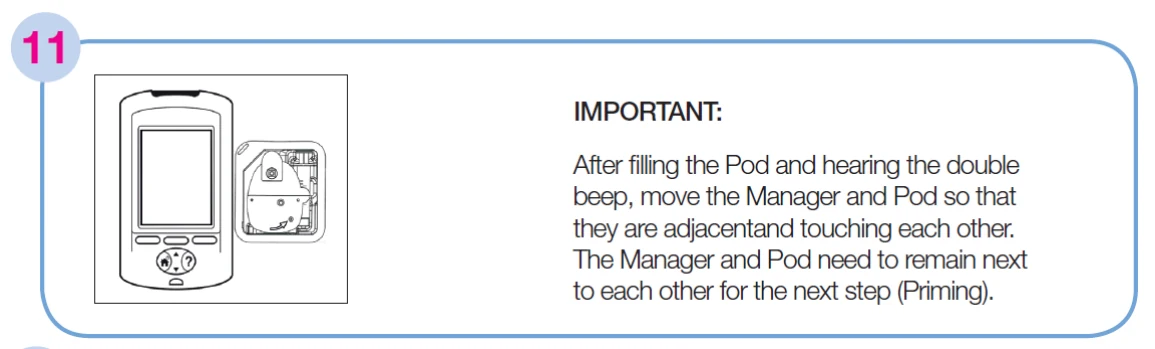
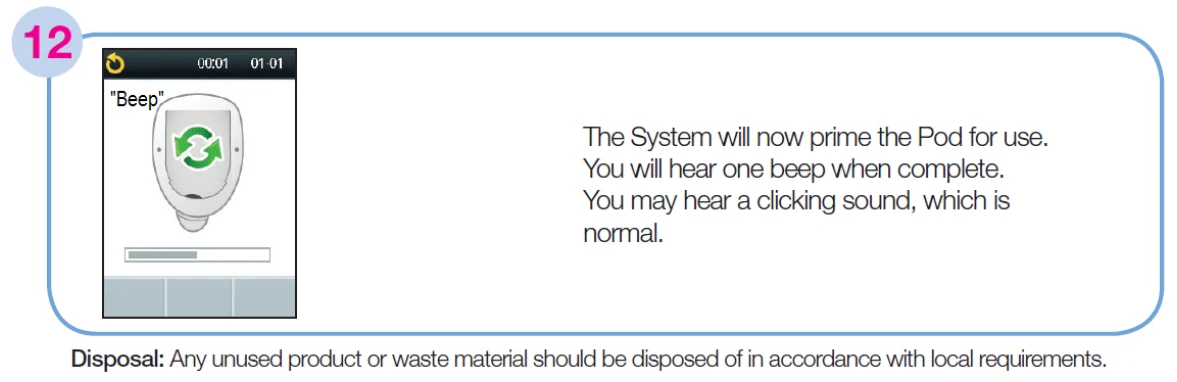
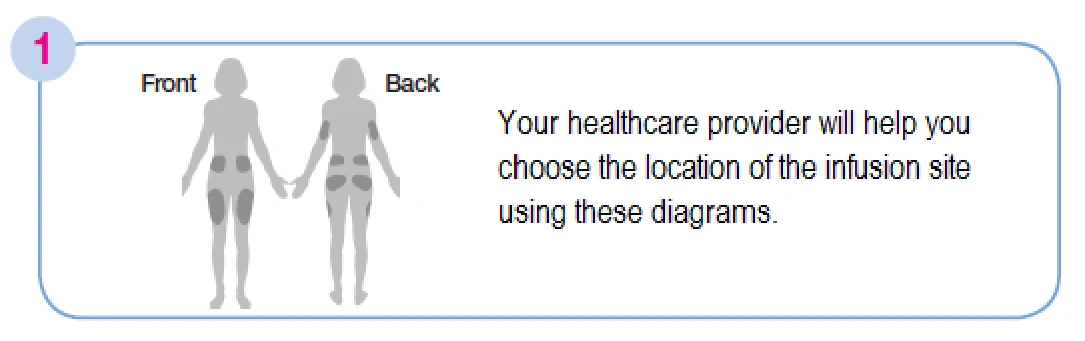
After the POD is loaded with LUTREPULSE, it is ready to be attached to the body and is ready for use. Normally, the abdomen is the preferred site. Note: a new site at least 2.5 cm away from the previous site should be used for each new POD.
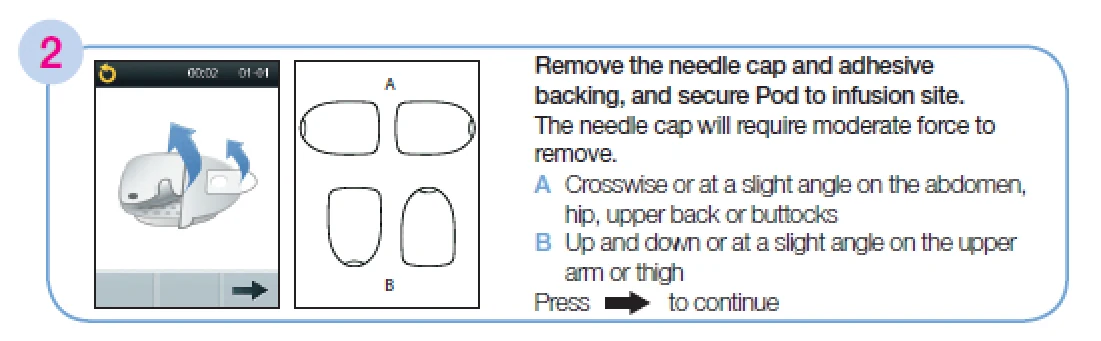
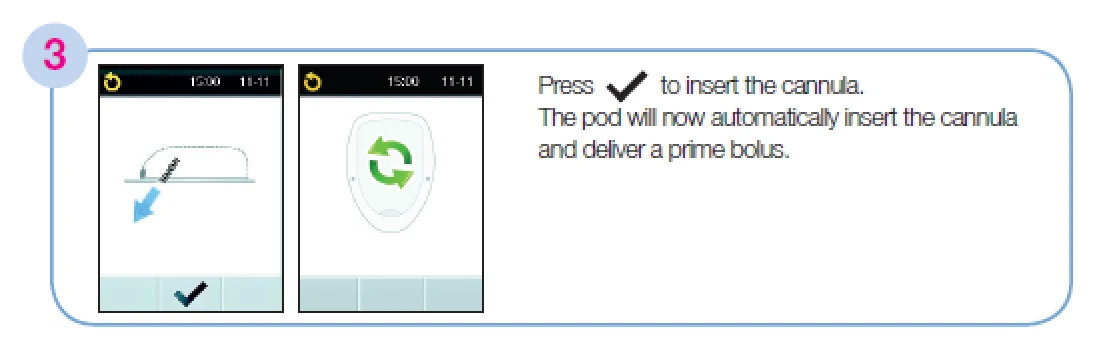
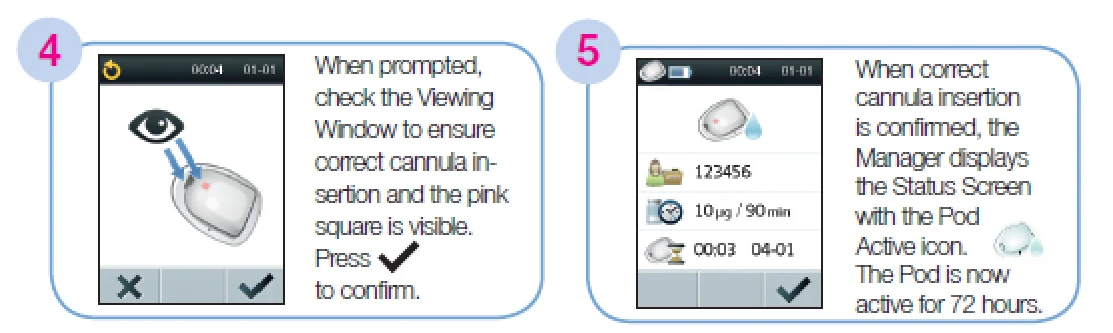
Troubleshooting Alerts
The LUTREPULSE System uses safety checks upon start-up and during operation to advise the user when an issue needs attention. Use the Manager to obtain details on how to respond to these alerts by selecting Pod Status from the Home screen. A constant audible alert from the Pod signifies that the Pod should be changed, wehreas the intermittent audible alert indicates the need to use the Manager to obtain Pod status for guidance.
The most important LUTREPULSE alerts are described below; for other alerts consult your healthecare provider or full LUTREPULSE System User Guide.
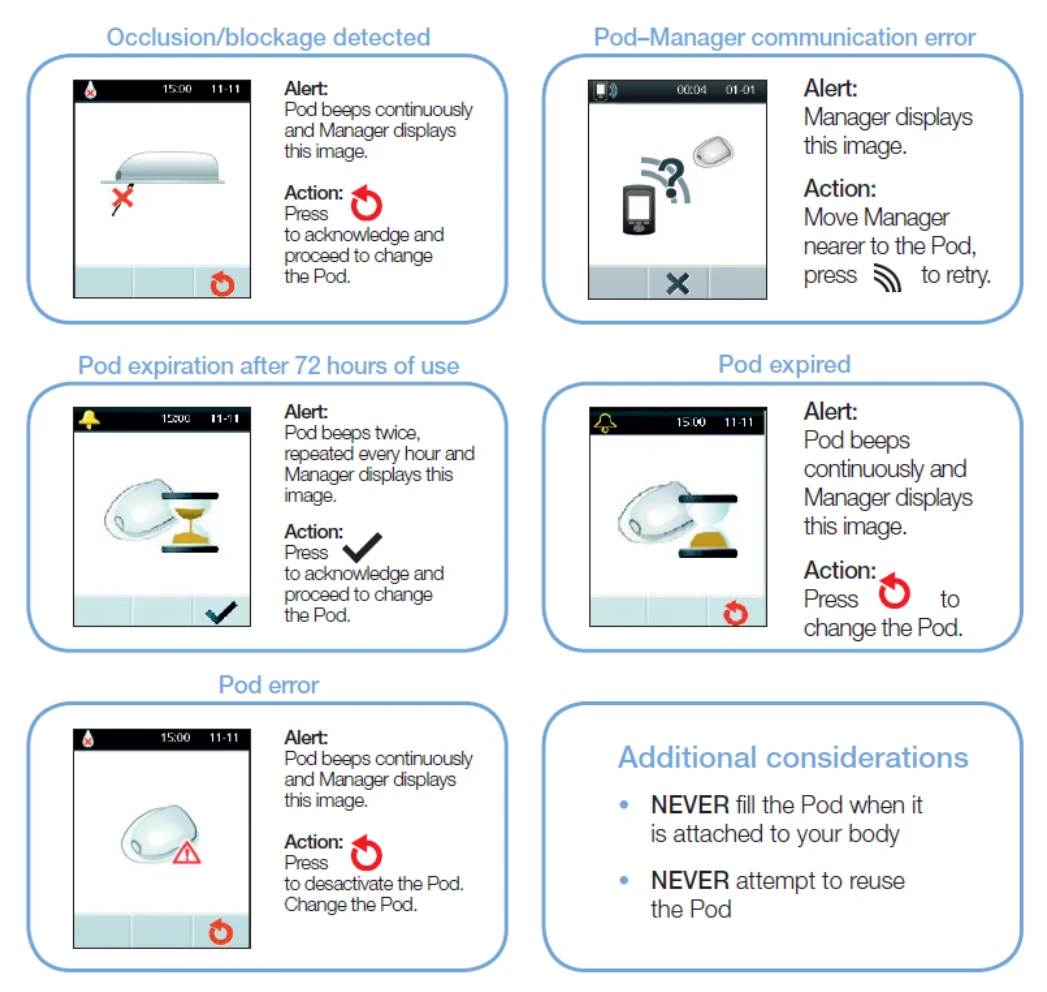
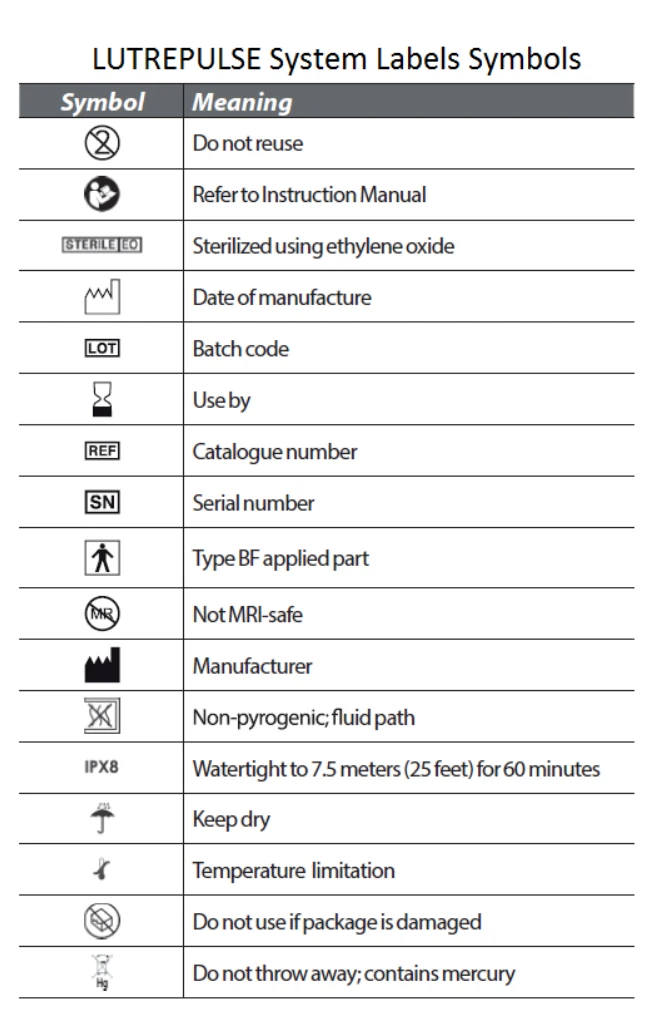
Dosing Considerations:
Dosages between 1 and 20 µg have been successfully used in clinical studies. The recommended starting dose in primary hypothalamic amenorrhea is 5 µg every 90 minutes, administered SC. This is delivered using the LUTREPULSE System Drug Delivery Device (pulsatile pump) (the LUTREPULSE System can be programmed to deliver at 90 minutes or 120 minutes) using the 3.2 mg solution at 5 µl per pulse. The effectiveness of IV and SC pulsatile treatment over a three year period has been assessed and it was found that the SC administration route achieved pregnancy rates significantly higher than the administration IV (78.4 versus 59.4%, p = 0.016).
Laboratory testing and patient monitoring should be run in order to confirm appropriate response. Most primary hypothalamic amenorrhea patients will ovulate during the first cycle of 5 µg therapy; some may be refractory to this dose. The recommended treatment interval before dose adjustment is 21 days. It may be necessary to raise the dose cautiously, and in stepwise fashion if there is no response after three treatment intervals. All dose changes should be carefully monitored for inappropriate response.
Some women may require cessation of dosing, should laboratory testing and patient monitoring indicate an inappropriate response.
The following table can be used to calculate the dose per pulse when individualizing treatment:
Table 1: Calculation of Dose/Pulse:
| Vial Size | Volume of Diluent | Volume/pulse | Dose/pulse |
| 3.2 mg | 3.2 mL | 5 µL | 5 µg |
| 3.2 mg | 3.2 mL | 10 µL | 10 µg |
| 3.2 mg | 3.2 mL | 20 µL | 20 µg |
The response to LUTREPULSE usually occurs within two to three weeks after therapy initiation. When ovulation occurs, therapy should be continued for another two weeks to maintain the corpus luteum. LUTREPULSE dose and dosing frequency should remain the same.
OVERDOSAGE
| If there is a suspected overdose or the pump is not working properly and delivers too much medication, please contact your doctor or your regional Poison Control Centre. |
There is no risk of toxicity even if the full amount of the drug contained in the reservoir was delivered accidently at once and there is therefore no need to orient the patient to the emergency room or the poison control centre under such circumstances.
Continuous, non-pulsatile exposure to gonadorelin acetate could temporarily reduce pituitary responsiveness. If the pump should malfunction and deliver the entire contents of the 3.2 mg system, no harmful effects would be expected. Bolus doses as high as 3000 µg of gonadorelin hydrochloride have not been harmful. Pituitary hyperstimulation and multiple follicle development can be minimized by adhering to recommended doses and appropriate monitoring of follicle formation (see PRECAUTIONS).
The LD50 values (mg/kg) in the mouse are >400, >3000, and >4000 when GnRH is administered intravenously, subcutaneously, and orally, respectively. The LD50 values (mg/kg) in the rat are >200, >2000, and >3000 when GnRH is administered intravenously, subcutaneously, and orally, respectively.
Administration of 640 µg/kg in monkeys as a single intravenous bolus resulted in no compound-related effects in clinical observations or gross morphologic evaluations.
ACTION AND CLINICAL PHARMACOLOGY
Mechanism of Action
Under physiological conditions, GnRH is released by the hypothalamus in a pulsatile fashion. The primary effect of the GnRH is the synthesis and release of luteinizing hormone (LH) in the anterior pituitary gland. GnRH also stimulates the synthesis and release of follicle stimulating hormone (FSH), but this effect is less pronounced. LH and FSH subsequently stimulate the gonads to produce steroids which are instrumental in regulating reproductive hormonal status.
Unlike human menopausal gonadotropin (hMG) which supplies pituitary hormones, pulsatile administration of LUTREPULSE replaces defective hypothalamic secretion of GnRH.
LUTREPULSE for pulsatile injection approximates the natural hormonal secretory pattern, causing pulsatile release of pituitary gonadotropins. Accordingly, LUTREPULSE for pulsatile injection is useful in treating conditions of infertility caused by defective GnRH stimulation from the hypothalamus.
The following information summarizes clinical efficacy of gonadorelin acetate administered by pulsatile intravenous or subcutaneous injection to patients with primary hypothalamic amenorrhea.
In 48 patients with primary hypothalamic amenorrhea (HA):
- A. 94% (45/48) patients ovulated
- B. 58% (25/43) patients became pregnant (5 patients did not desire pregnancy)
Treatment was successful even in those patients who failed past attempts at ovulation induction by other methods.
Following intravenous or subcutaneous injection of GnRH into normal subjects and/or hypogonadotropic patients, plasma GnRH concentrations rapidly declined with initial and terminal half-lives of 2-10 min and 10-40 min, respectively. In these studies, high clearance values (500-1500 L/day) and low volumes of distribution (9-15 L) were calculated. The pharmacokinetics of GnRH in normal subjects and in hypogonadotropic patients was similar. GnRH was rapidly metabolized to various biologically inactive peptide fragments which are readily excreted in urine. Renal failure, but not hepatic disease, prolonged the half-life and reduced the clearance of GnRH.
A comparison of LUTREPULSE to hCG or hCG+LUTREPULSE for corpus luteum maintenance revealed the following information:
| hCG | LUTREPULSE | hCG + LUTREPULSE | |
| Delivered | 43/63 (68%) | 19/26 (73%) | 19/25 (76%) |
| Aborted | 20/63 (32%) | 7/26 (27%) | 6/25 (24%) |
LUTREPULSE alone is therefore able to maintain the corpus luteum during pregnancy.
Pharmacokinetics, Pharmacodynamics and Bioavailability
The pharmacokinetics and pharmacodynamics of gonadorelin acetate (GnRH acetate) are typical for an endogenous hypothalamic peptide hormone which acts as a physiologic trigger (or control) mechanism. Pharmacokinetics, pharmacodynamics as well as clinical efficacy data (see Clinical section) show that GnRH is bioavailable at its site of action, the anterior pituitary, following pulsatile administration.
Following IV injection, plasma GnRH concentration exhibits a rapid spike and biexponential decline with a very short half-life (~2-10 minutes for initial half-life and ~10-40 minutes for the terminal half-life), a high clearance (~500-1500 L/day) and a modest volume of distribution (~10-15L). The pharmacokinetics of GnRH in normal volunteers and male and female patients with hypothalamic hypogonadism appear to be similar. In addition, the pharmacokinetics of GnRH following bolus injection and pulsatile administration, via a pump, appear to be similar.
GnRH is rapidly metabolized to various biologically inactive peptide fragments which are readily excreted into the urine. The kidney appears to be the major organ responsible for the clearance and metabolism of GnRH and excretion of metabolites. Accordingly, renal failure, but not hepatic disease, prolongs the half-life and reduces the clearance of GnRH.
Although some differences in the plasma GnRH vs. time profiles between intravenous and subcutaneous routes occur, the bioavailability of GnRH following either route has been conclusively demonstrated by dose related increases in plasma GnRH concentrations and release of anterior pituitary gonadotropins (LH, FSH).
Pharmacodynamic studies demonstrated that deficient endogenous GnRH can be readily substituted by exogenous pulsatile gonadorelin injection, resulting in normal pituitary and ovarian function. Basal gonadotropin serum levels are normalized following the institution of pulsatile gonadorelin injection and, in general, the patterns of LH and FSH do not differ markedly from those observed in normal menstrual cycles. Thus, pulsatile GnRH injection mimics the natural gonadorelin hormonal secretory pattern, causing pulsatile release of the pituitary gonadotropins. The ultimate manifestation for the pharmacologic effect of gonadorelin pulsatile injection is induction of ovulation in women with primary hypothalamic amenorrhea.
STORAGE AND STABILITY
Both LUTREPULSE (gonadorelin acetate for injection) and 0.9% Sodium chloride for injection are stable when stored at room temperature (15°-30°C) in the unopened package.
DOSAGE FORMS, COMPOSITION AND PACKAGING
Dosage Forms and Packaging
LUTREPULSE (gonadorelin acetate) System kit contains:
- Three vials of 3.2 mg of gonadorelin acetate as a lyophilized, sterile powder,
- Three 10 mL vial of 0.9% sodium chloride injection,
- 3 POD devices (POD with adhesive backing, supplied with a short needle and syringe); syringe for the reconstitution with sodium chloride
Supplied separately: Control device, also known as the “Drug Delivery Manager (DDM)”, containing 2 AAA alkaline batteries.
All of the above can be obtained from Ferring Inc.
Composition
LUTREPULSE (gonadorelin acetate for injection) for injection is supplied as a lyophilized powder containing 3.2 mg gonadorelin acetate (2.91 mg gonadorelin base), hydrochloric acid for pH adjustment and 10.0 mg mannitol as a carrier. Each package also contains 10 mL sterile isotonic sodium chloride diluents (sodium chloride, water for injection and hydrochloric acid for pH adjustment).
PART II: SCIENTIFIC INFORMATION
PHARMACEUTICAL INFORMATION
Drug Substance
Proper name: GONADORELIN ACETATE
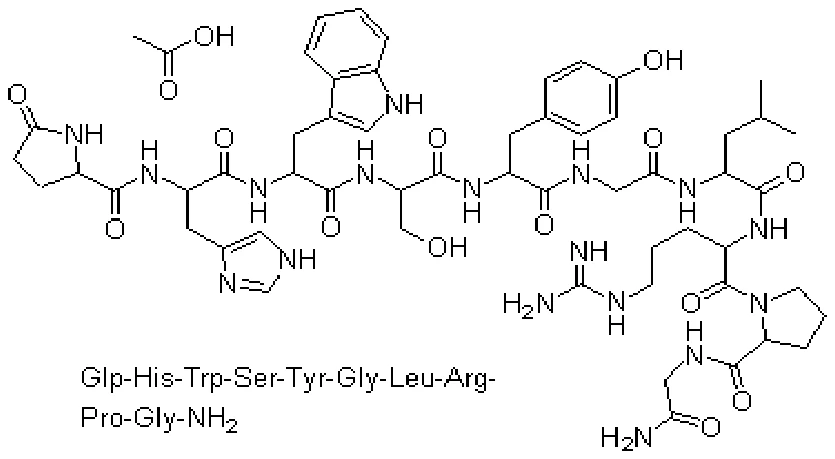
Chemical name: 5-Oxo-L-prolyl-L-histidyl-L-tryptophyl-L-seryl-L-tyrosylglycyl-L- leucyl-L-arginyl-L-prolylglycinamide, acetate salt
Molecular formula and molecular mass:
Formula: C55 H75 N17 O13 x C2H4O2 . yH20
Mass: 1182.32 (Gonadorelin-base)
1242.34 (Gonadorelin acetate)
Structural formula:
Physicochemical properties:
Gonadorelin acetate is a synthetic decapeptide that has the same amino acid sequence as endogenous gonadotropin-releasing hormone (GnRH) synthesize in the human hypothalamus and in various neurons terminating in the hypothalamus. Its pharmacological and toxicological profile is therefore identical to that of endogenous GnRH.
Physiological Properties:
It is amorphous, hygroscopic, and has a white to faintly yellowish colour. It is very soluble in water and acetic acid, and is practically insoluble in chloroform and apolar solvents. A 1.6 mg/mL aqueous solution has an in situ pH of 4.5.
CLINICAL TRIALS
Four open, non-randomized, clinical studies have demonstrated that gonadorelin acetate is effective in treating women with primary hypothalamic amenorrhea.
In each of the four studies, the diagnosis of primary hypothalamic amenorrhea was based on a patient history of never having experienced menarche. The diagnosis of secondary hypothalamic amenorrhea required that at least 6 months had elapsed since the last spontaneous menses (in the absence of pregnancy). Both diagnoses were supported by low baseline LH and FSH tests, low estrogen, normal prolactin and normal androgens.
Patients, all women of reproductive age, were treated with gonadorelin acetate (or hydrochloride) administered parenterally, either intravenously or subcutaneously, with a programmable, pulsatile infusion pump (in most cases the ZYKLOMAT PUMP). The dose and pulse frequency are determined by the investigator and programmed into the pump. The patient wore the pump continuously for a period of two or more weeks. The pump automatically delivered the medication in a pulsatile fashion.
These pivotal studies included 268 women; 48 had primary hypothalamic amenorrhea, 98 had secondary hypothalamic amenorrhea, and 122 had other diagnoses. These women ranged in age from 17 to 45 years. Drug was administered to 227 (85%) patients by the intravenous (IV) route, 13 (5%) patients by subcutaneous route (SC), and 28 (10%) patients by both IV and SC routes. These women received the drug from 1 to 14 treatment intervals. A total of 788 regimens used IV administration and 144 used SC administration.
The doses used in these studies ranged from 0.5 to 40 µg/pulse. The pulse frequencies ranged from 10 minutes to 180 minutes, although the most often used frequency was 90 minutes.
Consistently, across studies, high ovulation rates were observed in women with primary hypothalamic amenorrhea. Overall, 94% (45/48) of women with primary hypothalamic amenorrhea ovulated; and 71% (175/245) of their regimens were ovulatory. The high ovulation rate in this population seemed independent of the route of drug administration. Ninety-one percent (31/34) and 100% (4/4) of women ovulated when the intravenous and subcutaneous route of administration, respectively, was employed. Seventy-two percent (132/184) of the IV regimens and 70% (43/61) of the SC regimens resulted in ovulation. When both IV and SC modes of administration were used, 100% (10/10) of the women ovulated.
Ovulation results in women with secondary hypothalamic amenorrhea were also consistently high. Overall, 96% (94/98) of these women ovulated, and 81 % (280/345) of their regimens were ovulatory. Eighty-two percent (221/270) of the IV treatment regimens resulted in ovulation as compared to 79% (59/75) for the SC treatment regimens. For IV alone, SC alone, or combined IV and SC administration, 96% (72/75), 83% (5/6) and 100% (17/17) of the women ovulated, respectively.
These results with gonadorelin acetate are even more impressive considering that 54% (7/13) gonadorelin acetate-treated patients with primary hypothalamic amenorrhea and 75% (51/68) of the gonadorelin acetate-treated patients with secondary hypothalamic amenorrhea had a history of unsuccessful attempts at ovulation induction by other methods.
Good pregnancy rates were observed in women with primary hypothalamic amenorrhea. Overall, 58% (25/43) of the women with primary hypothalamic amenorrhea who wished to become pregnant did. Twelve women became pregnant twice. Among women with primary hypothalamic amenorrhea, 16% (37/236) of the treatment regimens resulted in pregnancy. Results appeared better among women who received pulsatile gonadorelin acetate intravenously than among those who received the drug subcutaneously. Only 7% (4/61) of the SC treatment regimens resulted in pregnancy as compared to 19% (33/175) for the IV treatment regimen.
Pregnancy results were somewhat better in women with secondary hypothalamic amenorrhea than in those with primary hypothalamic amenorrhea. The overall pregnancy rate in this population was 65%, with 24 % of regimens resulting in a pregnancy. Five of these women became pregnant twice. Among patients who had a history of unsuccessful attempts at ovulation induction with other methods, the pregnancy rates when treated with intravenously administered gonadorelin acetate were 57% (4/7) and 57% (29/51) for those with primary and secondary hypothalamic amenorrhea, respectively.
In patients with both primary and secondary hypothalamic amenorrhea given gonadorelin intravenously, the most common pulse frequency resulting in ovulation was 90 minutes which resulted in ovulation in 107/145 (74%) and 198/235 (80%), respectively, of the treatment regimens in which it was used. Utilizing a 90 minute pulse frequency, ovulation rates were 75% (39/52), 75% (3/4), 91 % (64/70), and 0% (0/1) at dose per pulse of <6 µg, 6-10 µg, 11-20 µg and >20 µg in patients with primary hypothalamic amenorrhea. In patients with secondary hypothalamic amenorrhea, the corresponding ovulation rates at a dose per pulse of <6µg, 6-10 µg, and 11-20 µg were 90% (118/131), 67% (4/6), 85% (63/74) respectively. There were 34 IV regimens of 5µg every 90 minutes in patients with primary hypothalamic amenorrhea; of these, 68% (23/34) induced ovulation. Of the 111 IV regimens of 5 µg every 90 minutes, 80% (89/111) resulted in ovulation in patients with secondary hypothalamic amenorrhea. For subcutaneous administration, a 90 minute pulse frequency resulted in ovulation in 74% (42/57) of the regimens in which it was used for treatment of primary hypothalamic amenorrhea and in 82% (59/72) of the regimens in which it was used for treatment of secondary hypothalamic amenorrhea. Ovulation rates were 27% (3/11), 100% (6/6) and 83% (33/40) at doses per pulse of <6 pg, 6-10 µg and 11-20 µg, respectively, in patients with primary hypothalamic amenorrhea and 75% (24/32), 80% (4/5) and 89% (31/35) at these same dose levels in patients with secondary hypothalamic amenorrhea.
In patients with primary hypothalamic amenorrhea, treatment rarely (less than 5% of intervals) resulted in ovulation in fewer than 10 days of treatment. In half of the successful treatment intervals, ovulation did not occur until after the 15th day of treatment. In most (162/170 = 95.3%) of the successful treatment intervals, ovulation had occurred by the 28th day of treatment. Almost 90% of the ovulations occurred by the 21st day of treatment. A patient should therefore be treated for at least 21 consecutive days before any decision is made that the treatment is not successful and that a different dose needs be tried.
The results of the pivotal studies are supported by the published work of investigators from around the world (references on file at Ferring, Inc.). Approximately 816 women participated in these studies. Ovulation data were available for 61 women with primary hypothalamic amenorrhea and 94 with secondary hypothalamic amenorrhea. Ages ranged from 17 to 62 years. It was reported that 451 women received the drug intravenously, 205 received the drug subcutaneously, and 17 received the drug by both IV and SC routes. A variety of pumps, including the ZYKLOMAT, were used for the administration of gonadorelin. The reported pulse frequency ranged from a single dose to an injection every 24 hours. The reported dose per pulse ranged from a dose of 0.2 µg to 500 µg.
Among patients with primary hypothalamic amenorrhea treated with gonadorelin acetate, approximately 43/61 (70%) ovulated and 21/54 (39%) became pregnant. Among patients with secondary hypothalamic amenorrhea treated with gonadorelin acetate, approximately 83/94 (88%) ovulated and 68/97 (70%) became pregnant. The dosages in these studies varied, but are generally supportive of the dosage recommendations based on the pivotal studies.
Comparative Bioavailability Studies
The extent of the bioavailability (BA) is dependent on the type of application and the dose. At a low dose (5 µg), the BA is 45% (subcutaneously/intravenously). At a high dose (20 µg), the BA is 81% (subcutaneously/intravenously).
TOXICOLOGY
Intravenous administration of GnRH in mice, rats, and monkeys showed no mortality, clinical signs, or systemic lesions at the highest doses used (700 µg/kg in rodents, 640 µg /kg in monkeys)
Studies referenced in the literature indicate that, with one exception, there was no mortality at the highest doses used in acute oral and subcutaneous administration in mice (oral - 4000 mg/kg, subcutaneous - 3000 mg/kg) and rats (oral - 3000 mg/kg, subcutaneous - 2000 mg/kg). The exception was that 1 of 5 mice in the high dose oral group died on day 2 with stomach hemorrhages. Clinical signs of short duration were noted in each of these studies, generally consisting of bristled fur, impaired or reduced movements, clonic movements and exophthalmus at the highest doses.
Referenced studies on intravenous administration in rodents give LD50 values in mice of 416 mg/kg (males and 442 mg/kg (females) and in rats of 203 mg/kg (males) and 216 mg/kg (females). No mortality was noted at 150 mg/kg in rats and 347 mg/kg in mice. Systemic signs included cyanosis and cramps. Animals surviving until study termination had no unusual necropsy findings. Based on the proposed human dose of 1.6 or 6.4 µg/kg/day the potential for acute toxicity of GnRH is considered minimal.
A one month multidose toxicity study is reported in the scientific literature. In the study, rats were dosed intraperitoneally at levels of 0.002, 0.02, 0.2 and 2.0 mg/kg/day (2, 20, 200 and 2000 µg/kg). There were no deaths and no clinical signs of toxicity. A minor increase in erythrocytes was noted in all but the low dose, as were occasional decreases in serum Na+, protein, and GOT and GPT activity. Increased prothrombin time in 0.2 mg/kg females was noted to a minor degree.
Histopathological evaluations were generally unremarkable except for the expected pharmacological effects on the target organs. The uterus was smaller and had resting cycle features. The ovaries were increased in size by retention and stimulation of corpora lutea. The pituitary of males had increased numbers of basophils.
An acute (one day) intravenous physiology and toxicology study in monkeys was done at dose levels up to 10 µg/kg. Doses were given at 30 minute intervals to investigate changes in heart and respiration rates and in blood pressure. No changes were noted at any dose level.
A muscle irritation study in rabbits was performed using a 1 mL volume of 0.4 mg/mL solution of GnRH. The injections were well tolerated and the inflammation at the injection site appeared to regress after a week. Teratology studies conducted in rats and rabbits at intravenous doses of 10, 60, or 120 µg/kg/day during the period of organogenesis showed no evidence of maternal or embryo-fetal toxicity in either species.
Teratogenic effects were not seen in the rabbit study (highest dose: 120 µg/kg which is greater than 70 times the recommended human dose of 5µg per pulse) nor in rats which received 10 or 60 µg/kg doses. At 120 µg/kg in the rat, two fetuses from separate litters had cardiovascular, lower jaw, and/or limb abnormalities. This combination of findings is unusual, but due to the low incidence and lack of similar findings either in combination or singly in other fetuses, they are not considered to be related to treatment with GnRH.
REFERENCES
- 1. Barnhart, E. (publisher). Menotropins for injection. Physician's Desk Reference, 40th Edition, 19.86; 1697-1699.
- 2. Belchetz PE, Plant TM, Nakai Y, Keogh EJ, Knobil E. Hypophysial responses to continuous and intermittent delivery of hypothalamic gonadotropin-releasing hormone. Science. 1978; 202:631-632.
- 3. Braat DDM, Schoemaker J. Endocrinology of gonadotropin-releasing hormone induced cycles in hypothalamic amenorrhea: the role of the pulse dose. Fertil Steril. 1991; 56:1054-9.
- 4. Braat DD, Schoemaker R, Schoemaker J. Life table analysis of fecundity in intravenously gonadotropin-releasing hormone-treated patients with normogonadotropic and hypogonadotropic amenorrhea. Fertil Steril 1991; 55:266-271.
- 5. Brown GM, Van Loon GR, Hummel BCW, Grota LI, Arimura A, Schally AV. Characteristics of antibody produced during chronic treatment with LHRH. J Clin Endocrinol Metab. 1977; 44:784-790.
- 6. Chikamori K, Suehiro F, Ogawa T, Saito S. Distribution volume, metabolic clearance and plasma half disappearance time of exogenous luteinizing hormone releasing hormone in normal women and women with obesity and anorexia nervosa. Acta Endocrinol. 1981; 96:1-6.
- 7. Claman P, Elkiid-Hirsch K, Oskowitz SP, Seibel MM. Urticaria associated with anti-gonadotropin-releasing hormone antibody in a female Kallman's syndrome patient being treated with long-term pulsatile gonadotropin-releasing hormone. Obstet Gynecol. 1987; 69:503-505Corbin A, Bex FJ. Reproductive pharmacology of LHRH and agonists in females and males. Acta Europ Fertil. 1980; 11:113-130.
- 8. Christin-Maitre S, de Crécy M; Groupe Français des pompes à GnRH. [Pregnancy outcomes following pulsatile GnRH treatment: results of a large multicenter retrospective study]. J Gynecol Obstet Biol Reprod (Paris). 2007 Feb;36(1):8-12. Epub 2007 Jan 12.
- 9. Crowley WF Jr, Filicori M, Spratt DI, et al. The physiology of gonadotropin-releasing hormone (GnRH) secretion in men and women. Recent Prog Horm Res. 1985; 41:473-531.
- 10. Gompel A, Mauvais-Jarivs P. Hum Reprod. 1988; 3:473-477. Induction of ovulation with pulsatile GnRH in hypothalamic amenorrhoea.
- 11. Gonadorelin acetate in the treatment of hypothalamic amenorrhea. Report A9772 1979. Investigators: Drs. Leyendecker and Berg.
- 12. Gonadorelin acetate in the treatment of hypothalamic amenorrhea. Report. 1982. Investigators: Drs. Collins , Evans , Jaffe , Loucopoulos, Spratt.
- 13. Hahn DW, McGuire JL, Vale W, Rivier J. Biological assays utilized to characterize LHRH and its analogs. MTP Press Limited. 1984:49-60.
- 14. Handelsman DJ, Jansen RPS, Boylan LM, Spalivriero JA, Turtle JR. Pharmacokinetics of gonadotropin-releasing hormone: comparison of subcutaneous and intravenous routes. J Clin Endocrinol Metab. 1984; 59:739-746.
- 15. Handelsman DJ, Swerdloff RS. Pharmacokinetics of gonadotropin-releasing hormone and its analogs. Endocrine Rev. 1986; 7:95-105.
- 16. Hutchinson JS, Zeleznik AJ. The corpus luteum of the primate menstrual cycle is capable of recovering from a transient withdrawal of pituitary gonadotropin support. Endocrinology. 1985; 117:1043-1049.
- 17. Knobil E, Plant TM, Wildt L, Belchetz PE, Marshall G. Control of the rhesus monkey menstrual cycle: permissive role of hypothalamic gonadotropin-releasing hormone. Science. 1980; 207:1371-1374.
- 18. Kuse H, Yoshida K, Takada H, Noguchi M, Yasui K, Ueno M, Kowa, Y. Experiments concerning acute and sub-acute toxicity of luteinizing hormone-releasing hormone (LH-RH, GN-RH). Pharmacometrics (Tokyo). 1974; 8:605-615.
- 19. Lahlou N, Feinstrein MC, Kerdelhue B, Roger M, Schaison G, Schaller R. Assay of plasma LH-RH Pharmacoidnetic applications in hypogonadic subjects treated with pulsatile injections of LH-RH. Pathol Biol (Paris). 1983; 31:649-651.
- 20. Leyendecker G, Struve T, Platz EL Induction of ovulation with chronic intermittent (Pulsatile) Administration of LH-RH in women with hypothalamic and hyperprolactinemic amenorrhea. Arch Gynaecol. 1980; 229:177-190.
- 21. Lindner J, McNeil LW, Marney S, Conway M, Rivier J, Vale W. Characterization of human anti-luteinizing hormone-releasing hormone (LRH) antibodies in the serum of a patient with isolated gonadotropin deficiency treated with synthetic LRH. J Clin Endocrinol Metab. 1981; 52:267-270.
- 22. Loose MD, Terasawa E. Pulsatile infusion of luteinizing hormone-releasing hormone induces precocious puberty (vaginal opening and first ovulation) in the immature femal guinea pig. Biol Reprod. 1985; 33:1084-1093.
- 23. MacLeod TL, Eisen A, Sussman GL. Anaphylactic reaction to synthetic luteinizing hormone-releasing hormone. Fertil Steril. 1987; 48:500-502.
- 24. Mais V, Melis, GB, Strigini F, et al. Adjusting the dose to the individual response of the patient during the induction of ovulation with pulsatile gonadotropin-releasing hormone. Fertil Steril 1991; 55:80-85.
- 25. Meakin JL, Keogh EJ, Martin CE. Human anti-luteinizing hormone-releasing hormone antibodies in patients treated with synthetic luteinizing hormone-releasing hormone. Fertil Steril. 1985; 43:811-813.
- 26. Pulsatile gonadorelin acetate in the treatment of hypothalamic amenorrhea. Report A9774. Investigator: Dr. WF Crowley. 1981.
- 27. Pulsatile gonadorelin acetate in the treatment of hypothalamic amenorrhea. Report A9773. 1980. Investigator: Dr. Yen.
- 28. Redding TW, Kastin AJ, Gonzalez-Barcena D, Coy DH, Coy EJ, Schalch DS, Schally AV. The half-life, metabolism and excretion of tritiated luteining hormone-releasing hormone (LH-RH) in man. J Clin Endocrinol Metab. 1973; 37:626-631.
- 29. Reid RL, Fretts R, Van Vugt DA. The theory and practice of ovulation induction with gonadotropin-releasing hormone. Am J Obstet Gynecol. 1988; 158:176-185.
- 30. Santoro N, Wierman ME, Filicori M, Waldstreicher J, Crowley Jr. WF. Intravenous administration of pulsatile gonadotropin-releasing hormone in hypothalamic amenorrhea: effects of dosage. J Clin Endocrinol Metab. 1986; 62:109-116.
- 31. Schally AV. Aspects of hypothalamic regulation of the pituitary gland: its implications for the control of reproductive processes. Science. 1978; 202:18-28.
- 32. Schenker, J. and Weinstein, D. Ovarian hyperstimulation syndrome: a current survey. Fertility and Sterility 1978; 30(3):255-268.
- 33. Schroick ED, Robert BJ. Induction of ovulation with gonadotropin-releasing hormone Obstet Gynecol Surv. 1986; 41:414-423.
- 34. Wildt L, Schwilden H, Wesner G, et al. The pulsatile pattern of gondotropin secretion and follicular development during the menstrual cycle and in women with hypothalamic and hyperandrogenemic amenorrhea. Report. 1982:28-57.