


Product Monograph - Medroxyprogesterone Acetate Injectable Suspension USP
SUMMARY PRODUCT INFORMATION
| Route of Administration | Dosage Form/Strength | Clinically Relevant Non-medicinal Ingredients |
| Intramuscular (IM) | Sterile aqueous suspension/150 mg/mL | None are clinically relevant For a complete listing see DOSAGE FORMS, COMPOSITION AND PACKAGING section. |
INDICATIONS AND CLINICAL USE
Medroxyprogesterone Acetate Injectable Suspension USP is indicated for:
- conception control (prevention of pregnancy)
- treatment of endometriosis
Medroxyprogesterone Acetate Injectable Suspension USP should be used only if other treatments have been considered to be unsuitable or unacceptable and should be used for the shortest period of time possible. It should be taken into consideration that the return to fertility following treatment with Medroxyprogesterone Acetate Injectable Suspension USP may be delayed (see WARNINGS AND PRECAUTIONS, General and also WARNINGS AND PRECAUTIONS, Sexual Function/Reproduction).
Since loss of bone mineral density (BMD) may occur in females of child-bearing potential who use Medroxyprogesterone Acetate Injectable Suspension USP long-term (see WARNINGS AND PRECAUTIONS), a risk/benefit assessment, which also takes into consideration the decrease in BMD that occurs during pregnancy and/or lactation, should be considered. The risks and benefits of treatment should be carefully reevaluated on a regular basis in all users of this drug.
Although there are no studies addressing whether calcium and vitamin D may lessen bone mineral density (BMD) loss in women using Medroxyprogesterone Acetate Injectable Suspension USP, all patients should have adequate calcium and vitamin D intake. Cessation of smoking and regular weight bearing exercise should be discussed with all patients.
Use in Adolescents (12-18 years):
In adolescents, use of Medroxyprogesterone Acetate Injectable Suspension USP is only indicated when other contraceptive methods are considered unsuitable or unacceptable, due to unknown
long-term effects of bone loss associated with Medroxyprogesterone Acetate Injectable Suspension USP during the critical period of bone accretion (see WARNINGS AND PRECAUTIONS).
CONTRAINDICATIONS
NOT FOR INTRAVENOUS USE
Medroxyprogesterone Acetate Injectable Suspension USP is contraindicated in women with:
- Known or suspected pregnancy or as a diagnostic test for pregnancy.
- Undiagnosed vaginal and/or urinary tract bleeding.
- Known or suspected carcinoma of the breast.
- Undiagnosed breast pathology.
- Known or suspected progestin-dependent neoplasia.
- History of or actual thrombophlebitis or thromboembolic disorders.
- History of or actual cerebrovascular disorders including cerebral apoplexy.
- History of or actual myocardial infarction or coronary artery disease.
Presence of severe or multiple risk factor(s) for arterial or venous thrombosis:
- Severe hypertension (persistent values of ≥160/100 mm Hg).
Hereditary or acquired predisposition for venous or arterial thrombosis, such as
Factor V Leiden and Prothrombin G20210 A mutation, activated protein C (APC-) resistance, antithrombin-III-deficiency, protein C deficiency, protein S deficiency, hyperhomocysteinemia and antiphospholipid antibodies (anticardiolipin antibodies, lupus anticoagulant).
- Severe dyslipoproteinemia.
- Heavy smoking (>15 cigarettes per day) and over age 35.
- Diabetes mellitus with vascular involvement.
- Any ocular lesion arising from ophthalmic vascular disease, such as partial or complete loss of vision or defect in visual fields.
- Current or history of migraine with focal aura.
- Active liver disease or history of or actual benign or malignant liver tumours.
- Hypersensitivity to this drug or to any ingredient in the formulation or component of the container. For a complete listing, see the DOSAGE FORMS, COMPOSITION AND PACKAGING section of the Product Monograph.
Medroxyprogesterone Acetate Injectable Suspension USP should not be used before menarche.
WARNINGS AND PRECAUTIONS
Serious Warnings and Precautions
The use of medroxyprogesterone acetate has been associated with loss of bone mineral density (BMD) which may not be completely reversible. Loss of bone mineral density is greater with increasing duration of use.
This loss of BMD is of particular concern during adolescence and early adulthood, a critical period of bone accretion. It is unknown if the use of medroxyprogesterone acetate during adolescence or early adulthood will reduce peak bone mass and increase the risk for osteoporotic fracture in later life. A study to assess effects of Medroxyprogesterone acetate in adolescent females showed that its use was associated with significant decline in BMD from baseline, and that mean BMD loss at total hip and femoral neck did not fully recover by 60 months (240 weeks) post-treatment. Similarly, in adults, there was only partial recovery of mean BMD at total hip, femoral neck and lumbar spine towards baseline by 24 months post-treatment.
Medroxyprogesterone acetate should be used as indicated only if other treatments have been considered to be unsuitable or unacceptable and should be used for the shortest period of time possible.
The risks and benefits of treatment should be carefully reevaluated on a regular basis in all users of this drug.
Cigarette smoking increases the risk of serious adverse effects on the heart and blood vessels. Women should be counseled not to smoke.
This product does not protect against sexually transmitted infections (STIs) including HIV/AIDS. For protection against STIs it is advisable to use latex or polyurethane condoms (see the WARNINGS AND PRECAUTIONS, Sexually Transmitted Infections section of the Product Monograph).
Women considering using Medroxyprogesterone Acetate Injectable Suspension USP should be advised about the concerns that Medroxyprogesterone Acetate Injectable Suspension USP may increase risk of HIV acquisition, about the uncertainty over whether there is a causal relationship, and about how to minimize their risk of acquiring HIV.
General
Discontinue Medication at the Earliest Manifestation of:
A. Thromboembolic and cardiovascular disorders such as thrombophlebitis, pulmonary embolism, cerebrovascular disorders, myocardial ischemia, mesenteric thrombosis and retinal thrombosis;
B. Conditions that predispose to venous stasis and vascular thrombosis, such as immobilization after accidents or confinement to bed during long-term illness. Other
nonhormonal methods of contraception should be used until regular activities are resumed. For use of hormonal contraceptives when surgery is contemplated, see Perioperative Considerations below:
C. Visual defects - partial or complete.
D. Papilledema or ophthalmic (retinal) vascular lesions.
E. Severe headache of unknown etiology or worsening of preexisting migraine headache.
Counseling when used for conception control:
It is very important that adequate explanations of the long-term nature of Medroxyprogesterone Acetate Injectable Suspension USP as a contraceptive be given to each woman prior to her first injection. The possible side effects including BMD changes, changes in menstrual cycle and the relatively slow return of fertility should be emphasized. Every effort should be made to ensure that each woman receives such counseling as to enable her to understand fully these explanations and the possible consequences. A detailed Patient Information leaflet that describes the actions, benefits, risks and adverse effects of this contraceptive should be made available to each woman before she makes the decision to use Medroxyprogesterone Acetate Injectable Suspension USP for conception control.
Sexually Transmitted Infections
Some epidemiological evidence on hormonal contraceptive methods and the risk of HIV acquisition suggests a possible increase in risk of HIV acquisition in women who use the depot medroxyprogesterone acetate or Medroxyprogesterone Acetate Injectable Suspension USP. However, since the evidence comes from observational studies, which are vulnerable to certain methodological biases, it remains unclear if the association is definitively causal. If the association between Medroxyprogesterone Acetate Injectable Suspension USP and HIV acquisition risk is causal, data suggest a likely increase in risk of hazards ratio 1.5 or less.
Women considering using Medroxyprogesterone Acetate Injectable Suspension USP should be advised about the concerns that Medroxyprogesterone Acetate Injectable Suspension USP may increase risk of HIV acquisition, about the uncertainty over whether there is a causal relationship, and about how to minimize their risk of acquiring HIV. Women should be counseled that Medroxyprogesterone Acetate Injectable Suspension USP does not protect against sexually transmitted infections (STIs) including HIV infection (AIDS). Safer sex practices including correct and consistent use of condoms reduce the transmission of STIs through sexual contact, including HIV. The benefits of contraceptive options and their risks must be evaluated individually for each woman.
Carcinogenesis and Mutagenesis
Long-term, case-controlled surveillance of users of medroxyprogesterone acetate found slight or no increased overall risk of breast cancer and no overall increased risk of ovarian, liver or cervical cancer and a prolonged, protective effect of reducing the risk of endometrial cancer in the population of users.
Breast Cancer: The World Health Organization Study, a component of a pooled analysis, showed an increased RR of 2.19 (95% CI 1.23 to 3.89) of breast cancer associated with the use of medroxyprogesterone acetate in women whose first exposure to drug was within the previous
4 years and who were under 35 years of age. However, the overall RR for women who have ever used medroxyprogesterone acetate was only 1.2 (95% CI 0.96 to 1.52).
[NOTE: A RR of 1.0 indicates neither an increased nor a decreased risk of cancer associated with the use of the drug, relative to no use of the drug. In the case of the subpopulation with a RR of 2.19, the 95% CI is fairly wide and does not include the value of 1.0, thus inferring an increased risk of breast cancer in the defined subgroup relative to nonusers. The value of 2.19 means that women whose first exposure to drug was within the previous 4 years and who are under 35 years of age have a 2.19-fold (95% CI 1.23 to 3.89-fold) increased risk of breast cancer relative to nonusers. The National Cancer Institute reports an average annual incidence rate for breast cancer for US women, all races, age 30 to 34 years of 26.7 per 100,000. A RR of 2.19, thus, increases the possible risk from 26.7 to 58.5 cases per 100,000 women. The attributable risk, thus, is 31.8 per 100,000 women per year.]
Women who currently have or have had breast cancer should not use hormone contraceptives, including medroxyprogesterone acetate, because breast cancer may be hormonally sensitive. Women with a strong family history of breast cancer or who have breast nodules should be monitored with particular care.
Women receiving Medroxyprogesterone Acetate Injectable Suspension USP should be counselled regarding the importance of breast self-examination. Clinical breast examination should be performed at regular intervals.
Cervical Cancer: A statistically insignificant increase in RR estimates of invasive squamous-cell cervical cancer has been associated with the use of medroxyprogesterone acetate in women who were first exposed before the age of 35 years (RR 1.22 to 1.28 and 95% CI 0.93 to 1.70). The overall, nonsignificant relative rate of invasive squamous-cell cervical cancer in women who ever used medroxyprogesterone acetate was estimated to be 1.11 (95% CI 0.96 to 1.29). No trends in risk with duration of use or times since initial or most recent exposure were observed.
Cardiovascular
Thromboembolic Disorders: Although medroxyprogesterone acetate has not been causally associated with the induction of thrombotic or thromboembolic disorders, there have been reports of cerebrovascular and thromboembolic adverse events in obese medroxyprogesterone acetate women. Women with a prior history of thromboembolic disorders have not been studied in clinical trials and no information is available that would support the safety of medroxyprogesterone acetate use in this population. Before prescribing Medroxyprogesterone Acetate Injectable Suspension USP, the physician should be alert to the earliest manifestations of thrombotic disorders (thrombophlebitis, cerebrovascular disorders, pulmonary embolism and retinal thrombosis). Should any of these occur or be suspected, the drug should be discontinued immediately.
Predisposing Factors for Coronary Artery Disease: Cigarette smoking increases the risk of serious cardiovascular side effects and mortality. Convincing data are available to support an upper age limit of 35 years for hormonal contraceptive use by women who smoke.
Other women who are independently at high risk for cardiovascular disease include those who suffer from or have a family history of diabetes, hypertension or an abnormal lipid profile. Whether hormonal contraceptives accentuate this risk is unclear.
There have been post-market reports of cardiovascular events, including heart attack and stroke (e.g. medullary infarction in a heavy smoker) in women using medroxyprogesterone acetate (see ADVERSE REACTIONS, Post-Market Adverse Drug Reactions). Generally, it is not clear if the risk of cardiovascular events is different for users of medroxyprogesterone acetate than for nonusers.
Hypertension: There have been reports of cerebro/cardiovascular adverse events in medroxyprogesterone acetate users who are suffering from hypertension. Patients with essential hypertension whose blood pressure is well controlled may be given hormonal contraceptives but only under close supervision. If a significant elevation of blood pressure in previously normotensive or hypertensive subjects occurs at any time during the administration of the drug, cessation of medication is necessary (see also CONTRAINDICATIONS).
Endocrine and Metabolism
Loss of Bone Mineral Density: Use of medroxyprogesterone acetate reduces serum estrogen levels and is associated with a statistically significant loss of BMD as bone metabolism accommodates to a lower estrogen level. This loss of BMD is of particular concern during adolescence and early adulthood, a critical period of bone accretion. Bone loss is greater with increasing duration of use and may not be completely reversible. It is unknown if the use of medroxyprogesterone acetate by younger women will reduce peak bone mass and increase the risk for osteoporotic fractures in later life. In both adult and adolescent females the decrease in BMD during treatment appears to be substantially reversible after medroxyprogesterone acetate injection is discontinued and ovarian estrogen production increases.
In adolescence, following medroxyprogesterone acetate use for more than 2 years, subjects did not recover to their baseline BMD level at the femoral neck and total hip even up to 60 months.
In adults, there was only partial recovery of mean BMD at total hip, femoral neck and lumbar spine towards baseline by 24 months post-treatment.
Please see the Serious Warnings and Precautions Box.
Long term use:
BMD should be monitored in women using medroxyprogesterone acetate for longer than 2 years or earlier as clinically appropriate. In adolescent females, interpretation of BMD results should take into account patient age and skeletal maturity. If a clinically significant decrease in BMD is detected, treatment with Medroxyprogesterone Acetate Injectable Suspension USP should be reconsidered.
Use of Medroxyprogesterone Acetate Injectable Suspension USP should be considered a risk factor for osteoporosis. The use of Medroxyprogesterone Acetate Injectable Suspension USP should be considered in light of a patient’s possible other risk factors for osteoporosis:
- Chronic alcohol and/or tobacco use.
- Chronic use of drugs that can reduce bone mass, e.g., anticonvulsants or corticosteroids.
- Low body mass index or eating disorder, e.g., anorexia nervosa or bulimia.
- Metabolic bone disease.
- Strong family history of osteoporosis.
BMD Changes in Adult Women and BMD Recovery Post-treatment in Adult Women: In a controlled, open-label, non-randomized clinical study (medroxyprogesterone acetate n=248, placebo n=360), adult women using medroxyprogesterone acetate (150 mg IM) for up to 5 years for contraception showed spine and hip mean BMD decreases of 5-6%, compared to no significant change in BMD in the control group. The decline in BMD was more pronounced during the first 2 years of use, with smaller declines in subsequent years. Mean changes in lumbar spine BMD of -2.86%, -4.11%, -4.89%, -4.93% and -5.38% after 1, 2, 3, 4 and 5 years, respectively, were observed. Mean decreases in BMD of the total hip and femoral neck were similar. There were no significant changes in BMD in the control women over the same period of time. Table 1 shows the extent of recovery of BMD for women who received one or more injections of medroxyprogesterone acetate during Years 1 through 5.
Table 1 - Mean Percent Change from Baseline in BMD in Adults by Skeletal Site and Cohort (ITT
Population*)
| Time in Study | Lumbar Spine | Total Hip | Femoral Neck | |||||
Medroxyprogesterone acetate** | Control*** | Medroxyprogesterone acetate** | Control*** | Medroxyprogesterone acetate** | Control*** | |||
| 1 year | n=135 -2.86% | n=253 0.22 % | n=88 -1.56% | n=125 0.95% | n=137 -2.85% | n=254 0.28% | ||
| 2 years | n=94 -4.11% | n=197 0.29% | n=57 -3.06% | n=94 0.69% | n=95 -3.99% | n=195 -0.22% | ||
| 3 years | n=71 -4.89% | n=159 0.31% | n=42 -3.89% | n=77 -0.06% | n=72 -4.80% | n=159 -0.23% | ||
| 4 years | n=59 -4.93% | n=137 0.35% | n=31 -4.52% | n=70 -0.02% | n=58 -5.90% | n=138 -0.53% | ||
| 5 years | n=33 -5.38% | n=105 0.43% | n=21 -5.16% | n=65 0.19% | n=34 -6.12% | n=106 -0.27% | ||
| Post- | n=45 -2.42% | n=87 0.28% | n=31 -0.70% | n=54 0.65% | n=45 -3.04% | n=86 -0.27% | ||
| therapy | ||||||||
| † Year | ||||||||
| 1 | ||||||||
| Post- | n=41 -1.19% | n=66 0.47% | n=25 -0.20% | n=43 0.84% | n=42 -3.11% | n=69 -0.36% | ||
| therapy | ||||||||
| † Year | ||||||||
| 2 | ||||||||
* Intent-to-treat population consisted of patients who enrolled in the study and had BMD measured at screening/baseline and at least one post-baseline time point.
** Medroxyprogesterone acetate group consisted of women who received one or more medroxyprogesterone acetate injections during Years 1 through 5.
*** The control group consisted of women who did not use medroxyprogesterone acetate prior to the indicated time point. † Women who took one or more doses of medroxyprogesterone acetate and then stopped treatment, entered the Post-therapy phase of the study; BMD results from such subjects would no longer be reported in the on-therapy section of the Table. For Control women, results from Years 6 and 7 are shown in the Post-therapy section.
After stopping use of medroxyprogesterone acetate (150 mg IM), there was partial progressive recovery of BMD toward baseline values during the 2-year post-therapy period. After 2-years off treatment, the BMD deficit had decreased to approximately 2.1% at the spine and hip. A longer duration of treatment was associated with a less complete BMD recovery observed during the 2-year, post-therapy period.
BMD Changes in Adolescent Females (12-18 years):
The impact of medroxyprogesterone acetate injectable (150 mg) use for up to 240 weeks (4.6 years) was evaluated in an open-label non-randomized clinical study in 389 adolescent females (12-18 years). Use of medroxyprogesterone acetate was associated with a significant decline from baseline in BMD.
Partway through the trial, drug administration was stopped (at 120 weeks). The mean number of injections per medroxyprogesterone acetate user was 9.3. The decline in BMD at total hip and femoral neck was greater with longer duration of use (see Table 2). The mean decrease in BMD at 240 weeks was more pronounced at total hip (-6.4%) and femoral neck (-5.4%) compared to lumbar spine (-2.1%).
In general, adolescents increase bone density during the period of growth following menarche, as seen in the untreated cohort. However, the two cohorts were not matched at baseline for age, gynecologic age, race, BMD and other factors that influence the rate of acquisition of bone mineral density.
Table 2 - Mean Percent Change from Baseline in BMD in Adolescents Receiving ≥4 Injections per 60-week
Period, by Skeletal Site and Cohort
| Duration of Treatment | Medroxyprogesterone Acetate CI (150 mg IM) | Unmatched, Untreated Cohort | ||
| N | Mean % Change | N | Mean % Change | |
Total Hip BMD Week 60 (1.2 years) Week 120 (2.3 years) Week 240 (4.6 years) | 113 73 28 | -2.75 -5.40 -6.40 | 166 109 84 | 1.22 2.19 1.71 |
Femoral Neck BMD Week 60 Week 120 Week 240 | 113 73 28 | -2.96 -5.30 -5.40 | 166 108 84 | 1.75 2.83 1.94 |
Lumbar Spine BMD Week 60 Week 120 Week 240 | 114 73 27 | -2.47 -2.74 -2.11 | 167 109 84 | 3.39 5.28 6.40 |
BMD Recovery Post-Treatment in Adolescents
Longer duration of treatment and smoking were associated with less recovery of BMD following the last injection of medroxyprogesterone acetate. Table 3 shows the extent of recovery of BMD up to 60 months post-treatment for adolescent women who received medroxyprogesterone
acetate for two years or less compared to more than two years. Post-treatment follow-up showed that, in women treated for more than two years, only lumbar spine BMD recovered to baseline levels after treatment was discontinued. Subjects treated with medroxyprogesterone acetate for more than two years did not recover to their baseline BMD level at femoral neck and total hip even up to 60 months post-treatment. Adolescent women in the untreated cohort gained BMD throughout the trial period (data not shown).
Table 3 - Extent of BMD Recovery (Months Post-Treatment) in Adolescents by Years medroxyprogesterone acetate Use (2 Years or Less vs. More than 2 Years)
| Duration of Treatment | 2 years or less | More than 2 years | ||
| N | Mean % Change from baseline | N | Mean % Change from baseline | |
| Total Hip BMD | ||||
End of Treatment 12 M post-treatment 24 M post-treatment 36 M post-treatment 48 M post-treatment 60 M post-treatment | 49 33 18 12 10 3 | -1.5% -1.4% 0.3% 2.1% 1.3% 0.2% | 49 24 17 11 9 2 | -6.2% -4.6% -3.6% -4.6% -2.5% -1.0% |
| Femoral Neck BMD | ||||
End of Treatment 12 M post-treatment 24 M post-treatment 36 M post-treatment 48 M post-treatment 60 M post-treatment | 49 33 18 12 10 3 | -1.6% -1.4% 0.5% 1.2% 2.0% 1.0% | 49 24 17 11 9 2 | -5.8% -4.3% -3.8% -3.8% -1.7% -1.9% |
| Lumbar Spine BMD | ||||
End of Treatment 12 M post-treatment 24 M post-treatment 36 M post-treatment 48 M post-treatment 60 M post-treatment | 49 33 18 12 10 3 | -0.9% 0.4% 2.6% 2.4% 6.5% 6.2% | 49 23 17 11 9 2 | -3.5% -1.1% 1.9% 0.6% 3.5% 5.7% |
Relationship of Fracture Incidence to Use of Medroxyprogesterone Acetate (150 mg IM) or Non-Use by Women of Reproductive Age
A retrospective cohort study to assess the association between medroxyprogesterone acetate injection and the incidence of bone fractures was conducted in 312,395 female contraceptive users in the UK. The incidence rates of fracture were compared between medroxyprogesterone acetate users and contraceptive users who had no recorded use of medroxyprogesterone acetate. The Incident Rate Ratio (IRR) for any fracture during the follow-up period (mean = 5.5 years) was 1.41 (95% CI 1.35, 1.47). It is not known if this is due to medroxyprogesterone acetate use or to other related lifestyle factors that have a bearing on fracture rate.
In the study, when cumulative exposure to medroxyprogesterone acetate was calculated, the fracture rate in users who received fewer than 8 injections was higher than that in women who received 8 or more injections. However, it is not clear that cumulative exposure, which may include periods of intermittent use separated by periods of non-use, is a useful measure of risk, as compared to exposure measures based on continuous use.
There were very few fractures at skeletal sites known to be related to low BMD in the study and the incidence of these fractures was not found to be higher in medroxyprogesterone acetate users compared to non-users. Importantly, this study could not determine whether use of medroxyprogesterone acetate has an effect on fracture rate later in life.
In post-marketing experience, there have been cases of osteoporosis including osteoporotic fractures reported in patients taking medroxyprogesterone acetate. Patient age ranged from 16 years to 48 years (see Post-Market Adverse Drug Reactions).
Adrenocortical Function: Clinical suppression of adrenocortical functions has not been observed at low dose levels used for contraception (ovulation suppression).
Carbohydrate Metabolism: A decrease in glucose tolerance has been observed in some women receiving medroxyprogesterone acetate. The mechanisms of this decrease are obscure. For this reason, diabetic women should be carefully observed while receiving Medroxyprogesterone Acetate Injectable Suspension USP.
Fluid Retention: Since progestogens may cause some degree of fluid retention, conditions that might be influenced by this factor, such as migraine, asthma or cardiac or renal dysfunction, require careful observation.
Weight Changes: Weight gain may be associated with the use of medroxyprogesterone acetate (see ADVERSE REACTIONS, Clinical Trial Adverse Drug Reactions, Weight Gain Experience). The majority of studies report a mean weight gain of 5.4 lbs (2.5 kg) at the end of 1 year, but only 2% of women discontinued treatment due to excessive weight gain. Many studies indicate that weight gain occurs mainly in the first year of use, however, others do report a slow and continuing increase which may reach a mean of 8 lbs (3.6 kg) by the end of 2 years. Some 20 to 40 percent of medroxyprogesterone acetate users actually lose weight during treatment.
Genitourinary
Irregular Menstrual Patterns: Disruption of menstrual patterns is common following the administration of medroxyprogesterone acetate. This includes irregular or unpredictable bleeding or spotting, or rarely heavy or continuous bleeding. If undiagnosed vaginal bleeding occurs, or if abnormal bleeding persists or is severe, appropriate investigation should be instituted to rule out the possibility of organic pathology and appropriate treatment instituted if necessary.
As women continue to use medroxyprogesterone acetate, fewer experience irregular bleeding patterns and more experience amenorrhea. By month 12, amenorrhea was reported by 55% of women and by month 24, amenorrhea was reported by 68% of women using medroxyprogesterone acetate.
Because of the prolonged effect following intramuscular injection of medroxyprogesterone acetate, re-establishment of menstruation may be delayed and difficult to predict. For this reason, Medroxyprogesterone Acetate Injectable Suspension USP is not recommended for treatment of secondary amenorrhea or functional uterine bleeding. For these conditions, oral progestogen
therapy is recommended.
Hematologic
There have been post-market reports of arterial and venous thromboembolism (VTE) in women using medroxyprogesterone acetate (see ADVERSE REACTIONS, Post-Market Adverse Drug Reactions). Generally, it is not clear if the risk of arterial and venous thromboembolism is different for users of medroxyprogesterone acetate than for nonusers.
Generalized risk factors for venous thromboembolism include a personal history, a family history (the occurrence of VTE in a direct relative at a relatively early age may indicate genetic predisposition), severe obesity (body mass index >30 kg/m2) and systemic lupus erythematosus. The risk of VTE also increases with age and smoking. The risk of VTE may be temporarily increased with prolonged immobilization, major surgery or trauma.
Hepatic/Biliary/Pancreatic
Liver function tests should be performed periodically in women who are suspected of, or who are at risk of, having hepatic disease. The physician should be alert to the earliest manifestations of impaired liver function. Should this occur or be suspected, the treatment should not be continued. The woman’s status should be re-evaluated at appropriate intervals. If jaundice develops, consideration should be given to discontinue the drug.
Patients who have had jaundice, including a history of cholestatic jaundice during pregnancy or during use of oral contraceptives should be given hormonal contraceptives only with great care and under close observation.
Immune
Anaphylactic Reactions: Anaphylactic and anaphylactoid reactions have occasionally been reported in women treated with medroxyprogesterone acetate. If an anaphylactic reaction occurs, appropriate therapy should be instituted. Serious anaphylactic reactions require emergency medical treatment.
Neurologic
CNS Disorders and Convulsions: There have been few reported cases of convulsions in patients who were treated with medroxyprogesterone acetate. Association with medroxyprogesterone acetate use or preexisting conditions is not clear. Women with known seizure disorders, including epilepsy, require careful observation.
Migraine and Headache: The onset or exacerbation of migraine or the development of headaches with a new pattern that is recurrent, persistent or severe requires discontinuation of hormonal contraceptives and evaluation of the cause.
Women with migraine headache who take hormonal contraceptives may be at increased risk of stroke (see CONTRAINDICATIONS).
Ophthalmologic
Ocular Disorders: Discontinue medication pending examination, if there is sudden partial or 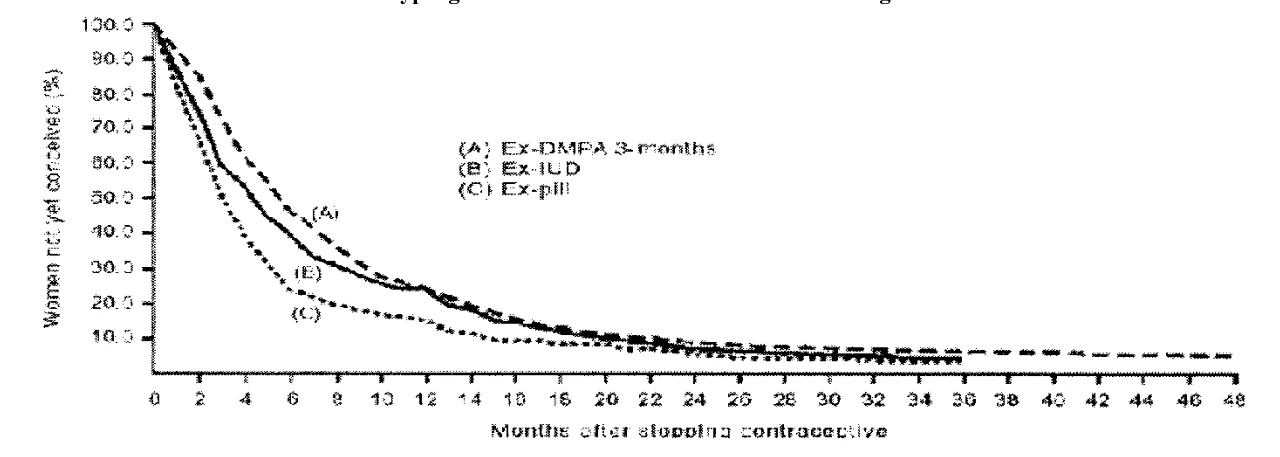
complete loss of vision, or if there is a sudden onset of proptosis, diplopia or migraine. If examination reveals papilledema or retinal vascular lesions, medication should be withdrawn.
Perioperative Considerations
If feasible, hormonal contraceptives should be discontinued and an alternative method substituted at least four weeks prior to elective surgery of a type associated with an increase in risk of thromboembolism and during prolonged immobilization. Hormonal contraceptives should not be resumed until the first menstrual period after hospital discharge following surgery or following prolonged immobilization.
Psychiatric
Women who have a history of mental depression should be carefully observed and this drug discontinued if serious depression re-occurs. Some women may complain of premenstrual like depression while on medroxyprogesterone acetate therapy.
Sexual Function/Reproduction
Return of Fertility: There is no evidence that medroxyprogesterone acetate causes infertility. A large study of return of fertility shows that women conceived 9 months on average after the last injection, or 5.5 months after discontinuing (discontinuance is assumed to be 15 weeks after the last injection). In addition, the number of users who had conceived within 2 years of discontinuing their method of contraception (92% of the injection of medroxyprogesterone acetate users had conceived within 2 years after discontinuing compared with 93% for users of the IUD and 95% for users of oral contraceptives) were comparable. Discuss this information with women who intend to conceive in the next 1 to 2 years.
Cumulative Conception Rates for Women Discontinuing Use of an IUD, Oral Contraceptives, or the Injection of
Medroxyprogesterone Acetate in Order to Become Pregnant
In some cases, women have not become pregnant after stopping injections of medroxyprogesterone acetate. It is not known whether medroxyprogesterone acetate or other factors resulted in a change in the ability to conceive. Many reasons exist for such changes, including increased age and the onset of menopause. The infertility rate in the normal population is 7%.
Ectopic pregnancy: Physicians should investigate the possibility of an ectopic pregnancy among women using Medroxyprogesterone Acetate Injectable Suspension USP who complain of severe abdominal pain.
Special Populations
Pregnant Women: To increase assurance that the woman is not pregnant at the time of the first administration, it is recommended that the first injection be given only within the first 5 days of the onset of a normal menstrual period or only within the first 5 days post-partum if not breastfeeding (see DOSAGE AND ADMINISTRATION).
Infants from unexpected pregnancies that occurred 1 to 2 months after injection of medroxyprogesterone acetate may be at an increased risk of low birth weight, which, in turn, is associated with an increased risk of neonatal death. The attributable risk is low because such pregnancies are uncommon.
A significant increase in incidence of polysyndactyly and chromosomal anomalies was observed among infants of users of medroxyprogesterone acetate, the former being most pronounced in women under 30 years of age. The unrelated nature of these defects, the lack of confirmation from other studies, the distant preconceptual exposure to medroxyprogesterone acetate and the chance effects due to multiple statistical comparisons, make a causal association unlikely.
Children exposed to medroxyprogesterone acetate in utero and followed to adolescence, showed no evidence of any adverse effects on their health including their physical, intellectual, sexual or social development.
Several reports suggest an association between intrauterine exposure to progestational drugs in the first trimester of pregnancy and genital abnormalities in male and female fetuses. The risk of hypospadias (5 to 8 per 1000 male births in the general population) may be approximately doubled with exposure to these drugs. Although there are insufficient data to quantify the risk to exposed female fetuses, some of these drugs induce mild virilization of the external genitalia of the female fetus. Because of these changes, it is prudent to avoid the use of progestogens during the first trimester of pregnancy.
Although a causal relationship between medroxyprogesterone acetate and the induction of thrombotic or thromboembolic disorders has not been determined, in post-marketing experience, cases of cerebro/cardiovascular and thromboembolic adverse events occurring 48 hours to 2 months after delivery have been reported. Women should be encouraged to consider a form of contraception that does not increase the risk of the above-noted events in the three months post-partum, if possible.
Nursing Women: Detectable amounts of progestogen have been identified in the milk of mothers receiving medroxyprogesterone acetate. Two studies have indicated that the maximum amount of medroxyprogesterone acetate which might be ingested by a breastfeeding infant whose mother is receiving medroxyprogesterone acetate for contraception would be 1.0 to 1.5 mcg/day (or 0.0015 mg/day, 0.045 mg/month, 0.27 mg over 6 months which is about 0.05 mg/kg over 6 months for a 5.5 kg baby). If absorption properties between adult and infant are
comparable, this amount would be too low to suppress pituitary function in the infant. No adverse effects related to lactation itself or infant growth were reported in studies where medroxyprogesterone acetate was started 1-4 days, 7 days or within 6 weeks postpartum.
In nursing mothers treated with medroxyprogesterone acetate, milk composition, quality and amount are not adversely affected.
To date, no adverse effects have been observed in children whose mothers were using medroxyprogesterone acetate while lactating. A study of children exposed to medroxyprogesterone acetate with median observation periods of 14-16 years, indicated no incidence of adverse effects on physical growth, mental growth and development of general health status. However, the long-term effects on the child are not fully understood. It is recommended that medroxyprogesterone acetate not be administered until 6 weeks postpartum in women who are breast feeding to avoid risk of exposure of the neonate to steroid hormones. The physician and woman should discuss the risks of pregnancy versus the risks to the child, if medroxyprogesterone acetate is used during lactation, to determine the most appropriate course of action for the individual woman. This discussion should take into account that there have been post-marketing reports of low birth weights and neonatal feeding disorders in children whose mothers were using medroxyprogesterone acetate while lactating.
Pediatrics: Medroxyprogesterone Acetate Injectable Suspension USP should not be used before menarche (see CONTRAINDICATIONS). In adolescents, use of medroxyprogesterone acetate is only indicated when other contraceptive methods are considered unsuitable or unacceptable, due to unknown long-term effects of bone loss associated with medroxyprogesterone acetate during the critical period of bone accretion.
Other: In the perimenopausal population, age constitutes no absolute limiting factor, although treatment with a progestogen may mask the onset of the climacteric.
Monitoring and Laboratory Tests
Before Medroxyprogesterone Acetate Injectable Suspension USP is used, a thorough history and physical examination should be performed, including a blood pressure determination. Breasts, liver, extremities and pelvic organs should be examined. A Papanicolaou smear should be taken if the patient has been sexually active. The first follow-up visit should be three months after the initiation of therapy. Thereafter, examinations should be performed at least once a year or more frequently if indicated. Women with a strong family history of breast cancer or who have breast nodules should be monitored with particular care. At each visit, examination should include those procedures that were done at the initial visit, as outlined above or as per the recommendations of the Canadian Task Force on the Periodic Health Examination.
Bone mineral density (BMD) should be monitored in women using medroxyprogesterone acetate for longer than 2 years, or earlier as clinically appropriate. In adolescent females, interpretation of BMD results should take into account patient age and skeletal maturity. If a clinically significant decrease in BMD is detected, treatment with Medroxyprogesterone Acetate Injectable Suspension USP should be reconsidered. (See WARNINGS AND PRECAUTIONS, Loss of Bone Mineral Density).
ADVERSE REACTIONS
Adverse Drug Reaction Overview
The following adverse reactions have been associated with the use of medroxyprogesterone acetate:
Irregular Menstrual Patterns: The most common adverse reactions associated with the use of medroxyprogesterone acetate for contraception is the disruption of menstrual patterns. This includes irregular or unpredictable bleeding or spotting, or rarely heavy or continuous bleeding.
Non-Menstrual Adverse Reactions: Other than menstrual changes, weight gain, headache and abdominal discomfort are the most common side effects.
In a few instances there have been undesirable sequelae at the site of injection, such as a residual lump, change in colour of the skin or a sterile abscess.
Anaphylactic and anaphylactoid reactions have been reported on rare occasions.
Clinical Trial Adverse Drug Reactions
Because clinical trials are conducted under very specific conditions the adverse reaction rates observed in the clinical trials may not reflect the rates observed in practice and should not be compared to the rates in the clinical trials of another drug. Adverse drug reaction information from clinical trials is useful for identifying drug-related adverse events and for approximating rates.
In clinical studies of 3905 women receiving medroxyprogesterone acetate every 3 months, there were a total of 8467 side effect reports. Headache, abdominal distress, nervousness, dizziness and decreased libido were reported in greater than 5.0 percent of study patients. Thrombophlebitis was reported by 4 women (0.10%).
Total Adverse Reaction Experience: Table 4 contains a list of reported side effects, the number of times each side effect was reported and the number and percent of patients who reported each side effect. Table 5 contains the number of side effects reported by month and the number of side effect reports per 100 patients “exposed” by month.
Table 4 - Medroxyprogesterone Acetate every 90 Days Side Effects
| Symptom | No. of Times Reported | No. of Women Reporting | Percent of Women (3905) |
| Headache | 2187 | 682 | 17.46 |
| Abdominal Distress | 990 | 463 | 11.85 |
| Nervousness | 1143 | 451 | 11.55 |
| Dizziness | 411 | 232 | 5.94 |
| Decreased Libido | 541 | 225 | 5.76 |
| Asthenia | 321 | 177 | 4.53 |
| Limb Pain & Varicose Vein Pain | 311 | 152 | 3.89 |
| Nausea | 209 | 138 | 3.53 |
| Symptom | No. of Times Reported | No. of Women Reporting | Percent of Women (3905) |
| Vaginal Discharge | 178 | 120 | 3.07 |
| Breast Swelling & Tenderness | 188 | 114 | 2.92 |
| Bloating | 170 | 94 | 2.41 |
| Edema Peripheral | 170 | 87 | 2.22 |
| Backache | 131 | 87 | 2.22 |
| Dysmenorrhea | 95 | 69 | 1.77 |
| Depression | 100 | 62 | 1.59 |
| Acne | 72 | 48 | 1.23 |
| Pruritus Vulvae | 67 | 48 | 1.23 |
| No Hair Growth, Alopecia | 108 | 46 | 1.18 |
| Rash | 78 | 41 | 1.05 |
| Hot Flash | 51 | 40 | 1.02 |
| Insomnia | 54 | 38 | 0.97 |
| Genitourinary Infection | 45 | 34 | 0.87 |
| Eye Discomfort | 45 | 33 | 0.85 |
| Anorexia | 37 | 29 | 0.74 |
| Increased Appetite | 37 | 28 | 0.72 |
| Chest Pain | 33 | 28 | 0.72 |
| Dysuria | 39 | 28 | 0.72 |
| Diarrhea | 28 | 25 | 0.64 |
| Heartburn | 26 | 23 | 0.59 |
| Galactorrhea | 40 | 22 | 0.56 |
| Pruritus | 28 | 22 | 0.56 |
| D&C for Bleeding | 21 | 21 | 0.54 |
| Pain | 25 | 19 | 0.49 |
| Somnolence, Drowsiness | 23 | 19 | 0.49 |
| Dyspareunia | 21 | 17 | 0.43 |
| Dyspnea | 30 | 17 | 0.43 |
| Abdominal Swelling | 25 | 17 | 0.43 |
| Allergic Reactions | 21 | 15 | 0.38 |
| Chloasma | 26 | 13 | 0.33 |
| Vomiting | 16 | 12 | 0.31 |
| Constipation | 19 | 11 | 0.28 |
| Tachycardia | 11 | 10 | 0.26 |
| Liver Disorders NOS, Altered Liver Function | 14 | 10 | 0.26 |
| Hirsutism | 13 | 10 | 0.26 |
| Frequency Urination | 11 | 10 | 0.26 |
| Paresthesia, Sensory Disturbances | 13 | 9 | 0.23 |
According to Table 5, 1135 (13.40%) of the total 8467 side effect reports were reported during the first injection period (90 days); during the first two injection periods (first 180 days) 2070 (24.45%) were reported; 2826 (33.38%) were reported during the first three injection periods (first 270 days); and 3536 (41.75%) were reported during the first four injection periods (first 360 days). The number of patients not reporting any side effects was 2117 (54.2%).
Table 5 - Medroxyprogesterone Acetate every 90 Days Side Effects (by Month)
| Month | # Pts Entering/Month | # Reports | # Reports/100 Patients |
| 1 | 3905 | 355 | 9.09 |
| 2 | 3670 | 373 | 10.16 |
| Month | # Pts Entering/Month | # Reports | # Reports/100 Patients |
| 3 | 3571 | 407 | 11.40 |
| 4 | 3294 | 290 | 8.80 |
| 5 | 3084 | 283 | 9.18 |
| 6 | 3004 | 362 | 12.05 |
| 7 | 2792 | 249 | 8.91 |
| 8 | 2634 | 218 | 8.28 |
| 9 | 2579 | 289 | 11.22 |
| 10 | 2419 | 224 | 9.26 |
| 11 | 2299 | 220 | 9.57 |
| 12 | 2253 | 266 | 11.81 |
| 15 | 1872 | 212 | 11.32 |
| 18 | 1659 | 225 | 13.56 |
| 21 | 1485 | 198 | 13.33 |
| 24 | 1344 | 194 | 14.43 |
| 27 | 1180 | 155 | 13.14 |
| 30 | 1037 | 124 | 11.96 |
| 33 | 927 | 127 | 13.70 |
| 36 | 827 | 128 | 15.48 |
| 39 | 722 | 112 | 15.51 |
| 42 | 664 | 99 | 14.91 |
| 45 | 573 | 84 | 14.66 |
| 48 | 474 | 45 | 9.49 |
| 51 | 412 | 52 | 12.62 |
| 54 | 350 | 46 | 13.14 |
| 57 | 305 | 44 | 14.43 |
| 60 | 263 | 23 | 8.75 |
| 63 | 227 | 19 | 8.37 |
| 66 | 201 | 20 | 9.95 |
| 69 | 184 | 17 | 9.24 |
| 72 | 157 | 17 | 10.83 |
| 75 | 118 | 12 | 9.32 |
| 78 | 91 | 16 | 17.58 |
| 81 | 49 | 3 | 6.12 |
| 84 | 1 | 0 | 0.00 |
Bleeding Experience: In U.S. studies of 3905 women receiving medroxyprogesterone acetate every 3 months, unpredictable bleeding or spotting were commonly reported during the first few menstrual cycles with frequency, duration and amount of bleeding diminishing gradually. By month 12, amenorrhea was reported by 55% of the women and by month 24, amenorrhea was reported by 68% of the women using medroxyprogesterone acetate. Bleeding or spotting persisted for more than 10 days of the month in about 12% of the users. Abnormally heavy or prolonged bleeding occurred in about 1 to 2% of users.
The percent of patients with zero days of bleeding and/or spotting per 30-day month increases with time from start of study, as follows:
| Month | Percent Having Zero Bleeding and/or Spotting |
| 3 | 29.3 |
| 12 | 54.6 |
| 24 | 67.7 |
| 36 | 73.8 |
| 48 | 75.5 |
| 60 | 79.3 |
| 72 | 78.9 |
Bleeding and/or spotting occurred in the following percentage of the 90 days of the indicated injection period.
| Injection Period | Months | Percent of Days with Bleeding and/or Spotting |
| First | 1-3 | 25.7 |
| Fourth | 10-12 | 11.8 |
| Eighth | 22-24 | 6.8 |
| Twelfth | 34-36 | 4.8 |
| Sixteenth | 46-48 | 4.3 |
| Twentieth | 58-60 | 4.1 |
| Twenty-fourth | 70-72 | 4.3 |
One hundred and ninety-four (194) patients reported no bleeding or spotting from first injection to the end of their participation in the study. The median number of days of no spotting or bleeding for these 194 women was 120 days. The minimum number of days of no spotting or bleeding was 30 and the maximum was 1674 days.
Thirteen (13) patients reported bleeding and/or spotting every day from first injection to the end of their participation in the study.
Weight Gain Experience: The U.S. studies of 3905 women receiving medroxyprogesterone acetate every 3 months report a mean weight gain of 5.4 lbs (2.5 kg) at the end of 1 year, but only 2% of women discontinued treatment due to excessive weight gain. Many studies indicate that weight gain occurs mainly in the first year of use, however, others report a slow and continuing increase which may reach a mean of 8 lbs (3.6 kg) by the end of 2 years. However, some 20 to 40 percent of medroxyprogesterone acetate users actually lose weight during treatment.
A much higher proportion of patients had an increase as had a decrease of more than 15 pounds. The mean body weight changes from baseline (in pounds) were as follows:
| Month | Weight Increase (pounds) | n |
| 12 | 5.4 | 1644 |
| 24 | 8.1 | 960 |
| 36 | 11.3 | 567 |
| 48 | 13.8 | 282 |
| 60 | 14.1 | 150 |
| 72 | 16.5 | 109 |
Laboratory Assay Results: Laboratory assays were performed on a sample of women, rather than on all women. There were no clinically significant changes in any of the hematology, urine or serum chemistry variables that were monitored.
The number of women having had an initial Pap smear taken is 2052. Ten (10) patients dropped
from the study due to a Grade IV Pap smear, while 4 patients dropped out due to a Grade III Pap smear.
Non-Menstrual Adverse Reactions: The occurrence rates for non-menstrual adverse reactions reported in U.S. studies of 3905 women receiving medroxyprogesterone acetate every 3 months are listed below. 2253 women were in the study for 12 months or more; 827 women were in the study for 36 months or more. The total number of patient-months of experience was 82,384. A total of 2117 of the 3905 women (54%) reported no side effects.
| System Organ Class | Event |
| General disorders and administration site conditions | Asthenia (5%) Peripheral edema (2%) The following adverse events occurred in less than 1% of patients: Axillary swelling, pain, chills, excessive thirst, fever, pain at injection site |
| Blood and lymphatic system disorders | The following adverse events occurred in less than 1% of patients: Anemia, blood dyscrasia |
| Cardiac disorders | Chest pain, tachycardia (0.2-1.0%) |
| Eye disorders | Eye discomfort (0.2-1.0%) |
| Gastrointestinal disorders | Abdominal distress (12%) Nausea (4%) Bloating (2%) Anorexia, increased appetite, diarrhea, heartburn, abdominal swelling, vomiting, constipation (0.2-1.0%) The following adverse events occurred in less than 1% of patients: Gastrointestinal disturbances, rectal bleeding |
| Hepatobiliary disorders | Liver disorders NOS, altered liver function (0.2-1.0%) The following adverse event occurred in less than 1% of patients: Jaundice |
| Immune system disorders | Allergic reactions (0.2-1.0%) |
| Infections and infestations | Genitourinary infection (0.2-1.0%) |
| Musculoskeletal and connective tissue disorders | Backache (2%) Limb pain (4%) Leg cramps, arthralgia (1-5%) The following adverse events occurred in less than 1% of patients: Osteoporosis |
| Neoplasms benign, malignant and unspecified (incl. cysts and polyps) | The following adverse events occurred in less than 1% of patients: Breast cancer, cervical cancer |
| Nervous system disorders | Headache (17%) Dizziness (6%) Somnolence or drowsiness, paraesthesia, sensory disturbances (0.2-1.0%) The following adverse events occurred in less than 1% of patients: Syncope, convulsions, paralysis, facial palsy |
| Pregnancy, puerperium and perinatal conditions | The following adverse events occurred in less than 1% of patients: Unexpected pregnancy, sensation of pregnancy |
| Psychiatric disorders | Nervousness (12%) Decreased libido (6%) Depression (2%) Anorgasmia (1-5%) Insomnia (0.2-1.0%) The following adverse event occurred in less than 1% of patients: Increased libido |
| System Organ Class | Event |
| Renal and urinary disorders | Dysuria, urinary frequency (0.2-1.0%) |
Reproductive system and breast disorders Reproductive system and breast disorders | Breast swelling/tenderness (3%) Vaginal discharge (3%) Leukorrhoea (1-5%) Pelvic pain (1-5%) Vaginitis (1-5%) Dysmenorrhea (2%) Pruritus vulvae (1%) Galactorrhea, bleeding requiring D&C, dyspareunia (0.2-1.0%) The following adverse events occurred in less than 1% of patients: Changes in breast size, breast lumps or nipple bleeding, prevention of lactation, vaginal cysts, lack of return to fertility, uterine hyperplasia |
| Respiratory, thoracic and mediastinal disorders | Dyspnea (0.2-1.0%) The following adverse events occurred in less than 1% of patients: Asthma, hoarseness, pulmonary embolus |
| Skin and subcutaneous tissue disorders | Acne, alopecia, rash (1 %) Hirsutism, pruritus (0.2-1%) Hives (0.2-1.0%) The following adverse events occurred in less than 1% of patients: Melasma, chloasma, scleroderma, excessive sweating, body odour, dry skin |
| Vascular disorders | Hot flashes (1%) The following adverse events occurred in less than 1% of patients: Varicose veins, thrombophlebitis, deep vein thrombosis |
Post-Market Adverse Drug Reactions
In post-marketing experience, there have been cases of osteoporosis including osteoporotic fractures reported in patients taking medroxyprogesterone acetate. Patient age ranged from 16 years to 48 years. Other adverse events reported during post-marketing experience, regardless of causality and frequency, are listed below. It should be noted that the nature of post-marketing surveillance makes it difficult to determine if a reported event was actually caused by medroxyprogesterone acetate.
Blood and Lymphatic System Disorders: hemolytic anemia, hemorrhagic disorder, sickle cell crisis, splenic infarction, thrombocytopenia, thrombotic thrombocytopenic purpura.
Cardiac Disorders: bradycardia, myocardial infarction, palpitations, pericarditis, possible exacerbation of prolonged QT interval syndrome (with fatal outcome), supraventricular tachycardia.
Congenital and Familial/Genetic Disorders: acute porphyria, in cases of failure of contraception: Trisomy 21, Trisomy 16, Turner’s syndrome.
Ear and Labyrinth Disorders: change in hearing, tinnitus, vertigo.
Endocrine Disorders: adrenal dysfunction NOS, Cushingoid, estrogen deficiency, hyperthyroidism, hypoglycemia, hypopituitarism, hypothyroidism, thyroiditis.
Eye Disorders: macular edema, optic ischemic neuropathy, optic neuritis, papilloedema, ptosis, retinal vein occlusion, vision loss, visual changes.
Gastrointestinal Disorders: acute pancreatitis, dysphagia, intestinal infarction, mouth ulceration, oral mucosal blistering, salivary gland enlargement.
General Disorders and Administration Site Conditions: fatigue, injection site reactions (including swelling, rash, ulcer, necrosis, edema, infection, abscess), injections site pain/tenderness, injection site persistent atrophy/indentation/dimpling/scar, injection site nodule/lump, malaise, sudden infant death syndrome (exposure in utero).
Hepatobiliary Disorders: Cholangitis, cholelithiasis, gallbladder disorder, hepatitis, hepatomegaly, obstructive jaundice, hepatic failure (with fatal outcome).
Immune System Disorders: anaphylactic reaction (with fatal outcome in rare cases), hypersensitivity.
Infections and Infestations: salpingitis, sepsis, vulval abscess.
Investigations: coagulation Factor X decreased, decreased blood folate, decreased blood pressure, decreased estrogen, decreased testosterone, elevated blood creatinine, hypernatremia, hypokalemia, increased alanine aminotransferase, increased alkaline phosphatase, increased blood pressure, increased creatine phosphokinase, increased triglycerides, leukocytosis, weight decreased.
Metabolism and Nutrition Disorders: cachexia, excessive thirst.
Musculoskeletal, Connective Tissue and Bone Disorders: joint swelling, muscle weakness, myalgia, osteonecrosis.
Neoplasms Benign, Malignant and Unspecified: acute leukemia, benign breast neoplasm, benign hydatidiform mole, fibroadenoma of breast, Hodgkin’s disease, kidney neoplasm, malignant melanoma, meningioma, neurofibroma, ovarian cancer, squamous cell carcinoma of the cervix, uterine leiomyoma.
Nervous System Disorders: amnesia, anosmia, ataxia, balance disorder, benign intracranial hypertension, cerebral hemorrhage, cerebral ischemia/infarct, cerebral venous thrombosis, cerebrovascular accident, confusion, dysarthria, dysgeusia, memory loss, migraine, myoclonus, Parkinsonism, seizures, speech disorder, stroke (with fatal outcome), third nerve palsy, transient ischemic attack, tremor.
Pregnancy, Peurperium and Perinatal Conditions: exposure in utero: abnormal genitalia, anencephaly, antepartum hemorrhage, blighted ovum, cleft palate, congenital adenomatoid malformation, congenital diaphragmatic hernia, congenital heart defects, congenital megacolon, ear malformations NOS, ectopic pregnancy, esophageal atresia, fetal hydrops, hydrocephalus, hypospadias, intrauterine growth retardation, limb deformity, microcephaly, missed abortion,
polydactyly, polyhydramnios, prematurity, single umbilical artery, skull malformation, spina bifida, spontaneous abortion, stillbirth, Talipes, tracheoesophageal fistula.
Psychiatric Disorders: acute psychosis, agitation, anxiety, attention deficit/hyperactivity disorder, dysphemia, eating disorder, irritability, mood swings, paranoia, suicidality.
Renal and Urinary Disorders: interstitial nephritis, nephrolithiasis, nephrotic syndrome, proteinuria, renal infarct, urinary retention.
Reproductive System and Breast Disorders: cervical dysplasia, fibrocystic breast disease, menorrhagia, ovarian cyst, premature menopause, uterine cyst, vaginal dysplasia, vaginal mucosal blistering.
Respiratory, Thoracic and Mediastinal Disorders: acute respiratory distress syndrome, bronchospasm, epistaxis, laryngeal edema, laryngospasm, oropharyngeal swelling.
Skin and Subcutaneous Tissue Disorders: angioedema, erythema multiforme, erythema nodosum, facial edema, lipodystrophy acquired, porphyria aggravated.
Vascular Disorders: arterial thrombosis, embolism, Henoch-Schonlein purpura, postural hypotension, venous thrombosis (including rare cases with fatal outcome).
DRUG INTERACTIONS
Overview
Medroxyprogesterone acetate is metabolized in vitro primarily by hydroxylation via the CYP3A4.52, 53 Specific drug-drug interaction studies evaluating the clinical effects with CYP3A4 inducers or inhibitors on medroxyprogesterone acetate have not been conducted and therefore the clinical effects of CYP3A4 inducers or inhibitors are unknown.
The results of one study indicated that intramuscularly administered medroxyprogesterone acetate may induce or activate the CYP3A4 enzyme system, leading to an increased metabolism of many CYP3A4 substrates.
Drug-Drug Interactions
Aminoglutethimide: Aminoglutethimide administered concomitantly with medroxyprogesterone acetate may significantly depress the serum concentration of medroxyprogesterone acetate. Users of Medroxyprogesterone Acetate Injectable Suspension USP should be warned of the possibility of decreased efficacy with the use of this or any related drugs.
Rifampin: Rifampin can increase the metabolism of exogenously administered progestational agents. Norethindrone has specifically been affected; a reduction of plasma concentrations has occurred. The extent to which rifampin may alter the metabolism of other progestogens remains to be determined; the possibility of an interaction should be considered.
Drug-Food Interactions
Interactions with food have not been established.
Drug-Herb Interactions
Interactions with herbal products have not been established.
Drug-Laboratory Test Interactions
Certain endocrine and possibly liver function tests may be affected by treatment with medroxyprogesterone acetate. Therefore, if such tests are abnormal in a woman taking Medroxyprogesterone Acetate Injectable Suspension USP, it is recommended that they be repeated 6 to 12 months after the drug has been withdrawn.
The clinical chemist or pathologist should be advised of progestogen therapy when a woman’s blood or tissue specimens are submitted for laboratory diagnosis or biochemical analysis.
The following laboratory tests may be affected by the use of medroxyprogesterone acetate:
- Gonadotropin levels - inhibition of the midcycle LH surge.
- Plasma progesterone levels - inhibition of ovulation and thus the postovulatory rise of progesterone.
- Plasma estrogen levels - do not exceed early-to-mid-proliferative phase levels.
- Plasma cortisol levels - not significantly affected by the dose used for contraception.
- Glucose tolerance test - occasionally some degree of glucose intolerance may develop.
- Plasma lipid concentrations - decrease in high density lipoprotein cholesterol (HDL-C) in some studies. The clinical relevance of this has yet to be determined.
- Urinary pregnanediol levels (Note: medroxyprogesterone acetate does not interfere with the assay of human chorionic gonadotropin (HCG) either chemically or pharmacologically).
DOSAGE AND ADMINISTRATION
Recommended Dose and Dosage Adjustment
Conception Control: The recommended dose for contraception is 150 mg of Medroxyprogesterone Acetate Injectable Suspension USP every 3 months, administered by deep intramuscular injection.
To increase assurance that the woman is not pregnant at the time of the first administration, it is recommended that this injection be given only within the 5 days of the onset of a normal menstrual period or, only within the first 5 days post partum if not breastfeeding. If the woman has chosen to breastfeed, discuss the risks of pregnancy and possible risks of Medroxyprogesterone Acetate Injectable Suspension USP to determine the most appropriate course of action for the individual woman (see WARNINGS AND PRECAUTIONS).
If administered within the first 5 days after the onset of a normal menstrual period, Medroxyprogesterone Acetate Injectable Suspension USP is effective from the day of injection. When Medroxyprogesterone Acetate Injectable Suspension USP is given later in the menstrual
cycle it may not be effective for the first 3 to 4 weeks after the injection and another method of contraception (non-hormonal) should be used during this time.
After miscarriage or first trimester therapeutic abortion, the injection is normally given within 5 days of the procedure and no extra precautions are required. After a late (second trimester) abortion, some further delay is recommended to reduce the risk of heavy and prolonged bleeding, therefore, the first injection should not be given until 4 weeks after the procedure.
The woman must return every 10 to 13 weeks for a repeat intramuscular injection to maintain contraceptive effectiveness. Intervals between intramuscular injections must not exceed 13 weeks (3 months).
When switching from other contraceptive methods, Medroxyprogesterone Acetate Injectable Suspension USP should be given in a manner that ensures continuous contraceptive coverage based upon the mechanism of action of both methods, (e.g., patients switching from oral contraceptives should have their first injection of medroxyprogesterone acetate within 7 days after taking their last active pill).
Endometriosis: The recommended dose of Medroxyprogesterone Acetate Injectable Suspension USP is 50 mg weekly or 100 mg every 2 weeks intramuscularly for at least 6 months. It should be noted that return of ovulation may be delayed following this therapy due to the depot properties of the drug (see WARNINGS AND PRECAUTIONS).
Use in Children:
Medroxyprogesterone Acetate Injectable Suspension USP should not be used before menarche (see CONTRAINDICATIONS).
See WARNINGS AND PRECAUTIONS, Loss of Bone Mineral Density for available data for adolescent females (12-18 years).
Missed Dose
If an injection is not given within 13 weeks of the last Medroxyprogenterone Acetate Injectable Suspension USP a pregnancy test should be done before any further treatment with Medroxyprogesterone Acetate Injectable Suspension USP.
Administration
Medroxyprogesterone Acetate Injectable Suspension USP is intended for INTRAMUSCULAR ADMINISTRATION ONLY. Immediately before use, the sterile aqueous suspension should be vigorously shaken to assure that the dose being administered represents a uniform suspension.
A needle gauge of 21-23 is recommended.
OVERDOSAGE
Overdosage may result in a period of amenorrhea of a variable length and may be followed by irregular menses for several cycles. Very high doses of medroxyprogesterone acetate (500 mg daily or more) have been associated with corticoid-like activity and with Cushingoid symptoms (e.g. moon facies and blood pressure elevation). There is no known therapy for overdosage.
For management of a suspected drug overdose, contact your regional Poison Control Centre.
ACTION AND CLINICAL PHARMACOLOGY
Pharmacodynamics
Medroxyprogesterone acetate is a long-acting progestational steroid (progestogen) derived from a natural source (soybeans). Its long duration of action is a result of slow absorption from the injection site. Medroxyprogesterone acetate does not contain estrogen.
For conception control, medroxyprogesterone acetate inhibits the secretion of gonadotropins which, in turn, prevents follicular maturation and ovulation, and results in endometrial thinning. Additional progestational effects that may contribute to the contraceptive effectiveness of medroxyprogesterone acetate include the transformation and maintenance of an endometrium hostile to implantation, and thickening of cervical mucus making sperm penetration of the cervix more difficult.
Medroxyprogesterone acetate administered parenterally to women with adequate endogenous estrogen transforms proliferative endometrium into secretory endometrium.
Endometriosis is an estrogen-dependent disorder in women of reproductive age that is characterized by the presence of endometrial-like tissue (glands and stoma) outside the uterine lining. The putative mechanism of action of medroxyprogesterone acetate in the treatment of endometriosis is by inhibition of gonadotropin production, induction of decidualization followed by atrophy of endometriotic implants, prevention of follicular maturation and ovulation, and decrease in circulating estrogen levels.
Pharmacokinetics
Table 6 - Summary of medroxyprogesterone acetate suspension for injection’s pharmacokinetic parameters in an adult women population.
| Cmax | t½ (h) | AUC0-∞ | Clearance | Volume of Distribution | |
| Single 150 mg IM | 1-7 ng/mL | ≈ 1000 | N/A* | 1600-4000 liters/day | 20 ± 3 liters |
*not available.
Absorption: Following intramuscular administration, medroxyprogesterone acetate is slowly released from the injection site, resulting in low, but persistent levels of drug and drug-related materials in the circulation. On average, the time required to obtain a maximum concentration of medroxyprogesterone acetate in the circulation is between 4 and 20 days. Following a single 150 mg IM dose of medroxyprogesterone acetate, the concentrations, measured by an extracted radioimmunoassay procedure, increase for approximately 3 weeks to reach peak plasma
concentrations of 1 to 7 ng/mL.
Circulating levels of medroxyprogesterone acetate can be detected for as long as 7 to 9 months. Increasing the injection volume of medroxyprogesterone acetate produces an increased rate of absorption and higher serum levels; however, extent of absorption is not affected.
Distribution: Medroxyprogesterone acetate is approximately 90 to 95 percent protein bound. Volume of distribution is reported as 20 ± 3 liters. It crosses the blood-brain barrier and is secreted in breast milk.
Medroxyprogesterone acetate binding occurs primarily to serum albumin; no binding of medroxyprogesterone acetate occurs with sex hormone-binding globulin (SHBG).
Metabolism: The principal metabolite of medroxyprogesterone acetate that has been identified is a 6α-methyl-6β, 17α, 21-trihydroxy-4-pregnene-3, 20-dione-17-acetate, which is excreted in the urine. Numerous other metabolites of medroxyprogesterone acetate have been reported; however, these have not been well quantified. Metabolism may be influenced by the route of administration as well as the physical state of the drug.
Excretion: The terminal half-life of medroxyprogesterone acetate is approximately 30 to 60 hours. The elimination half-life following intramuscular administration is approximately 6 weeks, reflecting the prolonged absorption of the drug from the intramuscular injection site. The levels then decrease exponentially until they become undetectable (<100 pg/mL) between 120 to 200 days following injection. Plasma clearance is reported as approximately 1600-4000 liters per day. Medroxyprogesterone acetate (as the glucuronide conjugate) is primarily excreted in the feces, via biliary secretion.
Special Populations and Conditions
Hepatic Insufficiency: The effect of hepatic disease on the pharmacokinetics of the injectable form of medroxyprogesterone acetate is unknown. However, medroxyprogesterone acetate is almost exclusively eliminated by hepatic metabolism and steroid hormones may be poorly metabolized in patients with severe liver insufficiency, (see CONTRAINDICATIONS).
Renal Insufficiency: The effect of renal disease on the pharmacokinetics of the injectable form of medroxyprogesterone acetate is unknown.
STORAGE AND STABILITY
Protect from freezing. Store between 15 and 30°C. Shake well before using. Keep out of reach of children.
DOSAGE FORMS, COMPOSITION AND PACKAGING
Composition: Each mL of Medroxyprogesterone Acetate Injectable Suspension USP contains 150 mg medroxyprogesterone acetate, methylparaben 1.37 mg and propylparaben 0.15 mg (as
preservatives), polyethylene glycol 3350 28.9 mg, polysorbate 80 2.41mg, sodium chloride 8.68 mg, hydrochloric acid and/or sodium hydroxide to adjust pH and water for injection.
Medroxyprogesterone Acetate Injectable Suspension USP is supplied in 1 mL vials, boxes of 1.
LATEX-FREE STOPPERS: Stoppers contains no dry natural rubber.
PART II: SCIENTIFIC INFORMATION
PHARMACEUTICAL INFORMATION
Drug Substance
Proper name: Medroxyprogesterone Acetate, USP
Chemical name: (1) Pregn-4-ene-3,20-dione,17-(acetyloxy)-6-methyl-(6α)-; (2) 17-Hydroxy-6α-methylpregn-4-ene-3, 20-dione acetate.
Molecular formula and molecular mass: C24H34O4
386.53 g/mol
Structural formula:
O
C O
CH3
OCOCH3
CH3
Physicochemical properties: Medroxyprogesterone acetate is a white to practically white, crystalline powder. It is freely soluble in methylene chloride, soluble in acetone and dioxane, sparingly soluble in alcohol, practically insoluble in water. The melting point is between 205 and 209°C.
CLINICAL TRIALS
Comparative Bioavailability Studies
A blind, randomized, parallel, bioequivalence study of Medroxyprogesterone Actetate Injectable Suspension USP (Sandoz Canada Inc.) versus DEPO-PROVERA® (Pfizer Canada Inc.) was conducted. Each suspension dose was administered as a 1 x 150 mg/mL intramuscular injection on a total of 117 female volunteers between the ages of 18 to 55 years under fasting conditions. The table below summarizes the results.
Table 7: SUMMARY TABLE OF THE COMPARATIVE BIOAVAILABILITY DATA –150 mg/mL Medroxyprogesterone Acetate Injectable Suspention USP (Sandoz Canada Inc.) versus 150 mg/mL DEPO-PROVERA ® (Pfizer Canada Inc.) Conducted Under Fasting Conditions.
Medroxyprogesterone Acetate (1 mL x 150 mg/mL Intramuscular Injection)
From measured data
Geometric Mean
Arithmetic Mean (CV %)
| Parameter | Test* Medroxyprogesterone acetate SANDOZ Canada Inc., | Reference† Depo-Provera® Pfizer Canada Inc. | % Ratio of Geometric Means1 | 90% Confidence Interval1 | ||||
AUCt (pg.d/mL) | 122,482.49 125,055.60 (22.56) | 120,943.34 122,492.37 (16.56) | 101.27 | 95.63% to 107.25% | ||||
AUC0-inf (pg.d/mL) | 139,654.17 141,424.69 (17.02) | 131,009.74 132,917.56 (17.40) | 106.60% | 101.02 to 112.48% | ||||
Cmax 1 (pg/mL) | 2651.27 3043.72 (65.23) | 2798.28 3059.11 (46.11) | 94.75 | 82.22 to 109.18 | ||||
| Tmax§ (d) | 11 (151.45) | 7 (140.24) | ||||||
| T1/2§ (d) | 34.14 (58.86) | 25.80 (75.56) | ||||||
*Medroxyprogesterone Acetate Injectable Suspension USP by Sandoz Canada Inc.
† DEPO-PROVERA Injectable Suspension (purchased in Canada).
1Based on least-square means estimate.
§ Expressed as the arithmetic mean (CV%) only.
Conception Control
The contraceptive efficacy, safety and acceptability of medroxyprogesterone acetate given as a single intramuscular injection of 150 mg every 90 days has been evaluated in a multicentre study conducted by 54 investigators in the United States.
Protocol: A baseline interview, pelvic examination, weight measurement, blood pressure reading, laboratory study and Papanicolaou smear were carried out. The initial injection of medroxyprogesterone acetate was given toward the end of, or on the day immediately following, a menstrual period in all subjects. Monthly calendar cards were issued on which to record menstrual periods, instructions were given detailing possible side effects (amenorrhea, irregular bleeding) and appointments were made for follow-up and repeat injections in 3 months. At monthly time intervals, interviews were conducted and monthly calendar cards were collected. At 3-month intervals, subjects reported for repeat injections and body weight and laboratory test performance. At this time interviews were again conducted as to acceptance of therapy, side effects and signs of pregnancy. Follow-up pelvic examinations, Pap smears and blood pressure measurements were performed 1 year after first injection (at the time of the fifth injection).
Number of Patients and Study Duration: Fifty-four investigators enrolled 3905 patients into the study. Table 8 contains the number of patients completing at least the stated study month. For example 2253 patients were in the study for 12 months or more; 827 patients were in the study for 36 months or more. The median study duration was 13 months. The ten-percentile was 3 months, the ninety-percentile 51 months, the minimum 1 month and the maximum 84 months. The total number of patient-months of experience on the drug was 82,384.
Table 8 - Medroxyprogesterone Acetate Every 90 Days
Number of Patients Completing at least Stated Study Month
| Study Month | No. of Patients | Study Month | No. of Patients | Study Month | No. of Patients |
| 0-1 | 3905 | 29 | 1068 | 57 | 305 |
| 2 | 3670 | 30 | 1037 | 58 | 285 |
| 3 | 3571 | 31 | 984 | 59 | 267 |
| 4 | 3294 | 32 | 950 | 60 | 263 |
| 5 | 3084 | 33 | 927 | 61 | 250 |
| 6 | 3004 | 34 | 887 | 62 | 238 |
| 7 | 2792 | 35 | 857 | 63 | 227 |
| 8 | 2634 | 36 | 827 | 64 | 215 |
| 9 | 2576 | 37 | 765 | 65 | 206 |
| 10 | 2419 | 38 | 735 | 66 | 201 |
| 11 | 2288 | 39 | 622 | 67 | 199 |
| 12 | 2253 | 40 | 685 | 68 | 190 |
| 13 | 2030 | 41 | 673 | 69 | 184 |
| 14 | 1915 | 42 | 664 | 70 | 182 |
| 15 | 1872 | 43 | 606 | 71 | 174 |
| 16 | 1776 | 44 | 588 | 72 | 157 |
| 17 | 1704 | 45 | 573 | 73 | 143 |
| 18 | 1659 | 46 | 525 | 74 | 129 |
| 19 | 1567 | 47 | 493 | 75 | 118 |
| 20 | 1514 | 48 | 474 | 76 | 110 |
| 21 | 1485 | 49 | 436 | 77 | 97 |
| 22 | 1422 | 50 | 417 | 78 | 91 |
| 23 | 1367 | 51 | 412 | 79 | 77 |
| 24 | 1344 | 52 | 375 | 80 | 67 |
| 25 | 1251 | 53 | 358 | 81 | 49 |
| 26 | 1200 | 54 | 350 | 82 | 23 |
| 27 | 1180 | 55 | 326 | 83 | 3 |
| 28 | 1116 | 56 | 316 | 84 | 1 |
| Study Month | No. of Patients | Study Month | No. of Patients | Study Month | No. of Patients |
| Total Patient-Month Experience | 82,384 | ||||
Patient Description: The median age of the patients was 26 years; 11.3% of the patients were age 19 years or less; 85.7% were age 20 through 39 years; 3.0% were age 40 years or greater.
Caucasians accounted for 54.7% of the patient group. The median number of months since last delivery or miscarriage was 6. The median gravida was 3. The median para was 3. 65.3% of the patients were abortus zero.
Efficacy Results: In total, 15 (0.38%) of the 3905 patients dropped out of the study due to method failure (pregnancy). The 12-month cumulative dropout rate (dropouts per 100 women – life table technique) due to pregnancy was 0.32 with a standard error of 0.11.
The 12-month pregnancy rate, or failure rate, as calculated by the life table technique is 0.32 per 100 women. The 24-month failure rate is 0.44 per 100 women and the 36-month failure rate is 0.75 per 100 women. Table 9 summarizes cumulative dropout rates due to pregnancy according to the months of the study in which a patient dropped out due to method failure.
Table 9 - Medroxyprogesterone Acetate Every 90 Days
Dropouts/Failures (Pregnancy)
| Month | No. of Patients Entering Month | Dropouts | Interval Rate | Cumulative Rate | Standard Error of Cumulative Rate |
| 3 | 3571 | 1 | 0.0003 | 0.0003 | 0.0003 |
| 4 | 3294 | 2 | 0.0006 | 0.0009 | 0.0005 |
| 6 | 3004 | 2 | 0.0007 | 0.0016 | 0.0007 |
| 7 | 2792 | 1 | 0.0004 | 0.0019 | 0.0008 |
| 9 | 2576 | 1 | 0.0004 | 0.0023 | 0.0009 |
| 10 | 2419 | 1 | 0.0004 | 0.0027 | 0.0010 |
| 12 | 2253 | 1 | 0.0004 | 0.0032 | 0.0011 |
| 15 | 1872 | 1 | 0.0005 | 0.0037 | 0.0012 |
| 23 | 1367 | 1 | 0.0007 | 0.0044 | 0.0014 |
| 29 | 1068 | 1 | 0.0009 | 0.0053 | 0.0017 |
| 33 | 927 | 2 | 0.0022 | 0.0075 | 0.0023 |
| 39 | 722 | 1 | 0.0014 | 0.0089 | 0.0026 |
Dropouts: Table 10 contains frequency distribution of dropouts by dropout reason. Listed are only those reasons found common to greater than 1.0% of the women entering the study.
Table 10. Medroxyprogesterone Acetate Every 90 Days
Reasons for Dropout
| Reasons | # Women | % of Total Women (n=3905) |
| Study completed | 1086 | 27.81 |
| Lost to follow-up | 774 | 19.82 |
| Husband objects - inconvenient to come to clinic, to attempt to conceive, objects to expense, personal reasons, no longer requires contraception | 568 | 14.55 |
| Bleeding | 326 | 8.35 |
| Side effects (unspecified) | 245 | 6.27 |
| Moved away | 215 | 5.51 |
| Advice of clinic or private physician | 126 | 3.23 |
| Reasons | # Women | % of Total Women (n=3905) |
| Amenorrhea | 86 | 2.20 |
| Weight gain, excessive | 78 | 2.00 |
| Unknown | 68 | 1.74 |
| Hysterectomy, tubal ligation | 61 | 1.56 |
| Headache | 39 | 1.00 |
Continuation Rate: The expected continuation rate for a specific point in time may be calculated by subtracting the dropout rate for all reasons (except protocol completed for the specific point in time), from 100. The life table expected continuation rates for selected points in time are as follows:
| Month | Continuation Rate | Standard Error |
| 12 | 56.13% | 0.80% |
| 24 | 38.82% | 0.81% |
| 36 | 28.97% | 0.78% |
| 48 | 23.50% | 0.77% |
| 60 | 19.71% | 0.79% |
| 72 | 16.71% | 0.83% |
Conclusion: Medroxyprogesterone acetate given as a single intramuscular injection of 150 mg every 90 days has been assessed overall as a safe and effective method of contraception and is well tolerated by the majority of patients.
The following table shows the reported pregnancy rates for various forms of birth control, including no birth control. The reported rates represent the number of women out of 100 who would become pregnant during the first year of use.
Medroxyprogesterone Acetate Reported Pregnancies per 100 Women per Year
| Method | Lowest Expected | Typical |
| Injectable form of Medroxyprogesterone acetate | 0.3 | 0.3 |
| Female sterilization | 0.2 | 0.4 |
| Male sterilization | 0.1 | 0.15 |
| Oral Contraceptives (the pill) | 0.1-0.5 | 3 |
| IUD - Copper T 380A | 0.8 | 3 |
| Condom | 2 | 12 |
| Diaphragm | 6 | 18 |
| Sponge - women who have not had any children | 6 | 18 |
| Sponge - women who have had children | 9 | 28 |
| Cap | 6 | 18 |
| Withdrawal | 4 | 18 |
| Periodic abstinence | 1-9 | 20 |
| Spermicides | 3 | 21 |
| Chance (no birth control) | 85 | 85 |
Endometriosis
There has been extensive clinical experience with the use of medroxyprogesterone acetate in the effective treatment of endometriosis, however there are no pivotal clinical trials with medroxyprogesterone acetate intramuscular formulation.
DETAILED PHARMACOLOGY
Medroxyprogesterone acetate induces response in laboratory animals comparable to those caused by progesterone. It is more potent than progesterone and, when injected intramuscularly as a suspension, has a long duration of action. Medroxyprogesterone acetate induces glandular development in the endometrium, maintains pregnancy, delays parturition, inhibits ovulation and suppresses oestrus cycles. It is devoid of androgenic and estrogenic activity. In selected animal tests it has some adrenal corticoid-like activity, and in dogs, increases serum growth hormone levels.
Clinical Pharmacology
Medroxyprogesterone acetate has prolonged progestational effects when administered by intramuscular injection. Medroxyprogesterone acetate suppresses the secretion of pituitary gonadotropins which, in turn, prevents follicular maturation, producing long-term anovulation in the reproductive-aged woman.
Clinical studies have not shown signs and symptoms of a hypoestrogenic state in women using medroxyprogesterone acetate as a contraceptive. This finding is supported by laboratory measurements showing that circulating estrogen levels in medroxyprogesterone acetate-treated women are similar to those in the early follicular phase of the menstrual cycle. Cyclic patterns of estrogen levels reappear as medroxyprogesterone acetate serum levels decline.
Medroxyprogesterone acetate suppresses the Leydig cell function in the male (i.e., suppresses endogenous testosterone production).
A single dose of 50 mg of parenteral medroxyprogesterone acetate has the equivalent effect of 20 mg of parenteral progesterone given daily for 10 days in producing an optimal secretory change in an estrogen-primed endometrium. This steroid also produces typical progestational changes in the cervical mucus (inhibits ferning), increases the viscosity of cervical mucus thereby increasing the difficulty of sperm penetration of the cervical mucus, and increases the intermediate cell found in the maturation index of the vaginal epithelium.
It has been suggested that long-term use of medroxyprogesterone acetate may indirectly decrease high density lipoprotein cholesterol (HDL-C) by decreasing the production of natural estrogen. The purported lowering of mean HDL-C levels in a group of 23 women receiving medroxyprogesterone acetate for 1 year or more was attributed to the drug’s suppression of estrogen production. It has been shown, however, that the natural circulating estrogen is not depressed below that of the early follicular phase concentrations after injection of medroxyprogesterone acetate. Women who used medroxyprogesterone acetate for contraception for 4.4 to 10.6 years had no additional suppression of estrogen beyond that observed following the first injection. Another study has shown that long-term use of medroxyprogesterone acetate causes a moderate decrease in triglycerides, HDL cholesterol, HDL cholesterol/total cholesterol ratio and apolipoprotein A1. Total cholesterol, LDL cholesterol and apolipoprotein B were unaffected.
TOXICOLOGY
Chronic Toxicity
Rat, Mouse: In 18-month studies, mice given two, 100 or 200 mg/kg (3x, 150x or 300x the human dose) did not show treatment-related neoplasia; even the massive doses produced only minimal toxicity. Rats given 2, 100 or 200 mg/kg in 24-month carcinogenicity studies did not show serious adverse effects.
Beagle Dog: Two 7 year toxicity studies in Beagle dogs were conducted using medroxyprogesterone acetate doses ranging from 1x to 25x the human contraceptive dose. Medroxyprogesterone acetate (and progesterone) caused anestrus, obesity, increased production of growth hormone, acromegaly, impaired carbohydrate metabolism, multiple endocrinopathy, glomerulopathy and marked stimulation of the mammary gland resulting in hyperplasia and neoplasia. These tumours were not new histologic types. Progestogen treatment appeared to potentiate the growth of the same types of tumours that would be expected in control dogs, usually the complex or “mixed” type. Mammary carcinomas were found in medroxyprogesterone acetate-treated dogs in both studies and in progesterone-treated dogs in the second study.
The Committee on Safety of Medicines (United Kingdom) and three international panels of experts have reviewed the evidence and concluded that the Beagle bitch is not an appropriate model for mammary carcinogenicity testing of progesterone derivatives such as medroxyprogesterone acetate.
Because of differences between the Beagle bitch and the human female in the sensitivity to and the metabolism of progestogens, positive carcinogenicity studies in the Beagle bitch can no longer be considered as indicative of significant hazard to women.
Rhesus Monkey: In a 10 year toxicology study of medroxyprogesterone acetate in Rhesus monkeys, medroxyprogesterone acetate was administered at 1x, 10x and 50x the human contraceptive dose. Mammary nodules diagnosed as focal nodular hyperplasia of the mammary gland were found in 3 of the 7 survivors in the 10x group. The lesions showed no signs of malignancy. Because these lesions were both nonprogressive and noninvasive, and because many lesions of this type are known to appear and then regress, it was concluded that the occurrence of this non-malignant mammary lesion in three medroxyprogesterone acetate-treated monkeys poses no potential threat of breast cancer to women using medroxyprogesterone acetate as a contraceptive.
Lesions diagnosed as endometrial carcinoma were found in 2 of the 12 survivors in the 50x group. These 2 were replacements - 1 was treated for 111 months and the other for 125 months of the 130-month study (based on 28-day months). The lesions were remarkably similar in cell morphology to epithelial plaques which occur in monkeys but not in humans. It is possible that medroxyprogesterone acetate provided a uterine environment that allowed proliferation of an epithelial cell type present in the endometrium of the Rhesus monkey and other non human primates. Under the influence of progesterone, this epithelial cell type responds to implantation by proliferating and forming an epithelial plaque. The cells comprising this plaque are readily distinguished from normal epithelial cells of the endometrium. Under progesterone or
progestogen influence, this epithelial cell type also proliferates and forms a plaque in response to experimentally induced endometrial trauma. Results of electron microscopic studies indicated that the neoplasms were malignant and were epithelial and not mesenchymal in origin, and thus of a type not stimulated by progestogens in women. It has been concluded that, regardless of the cause of these lesions, their occurrence does not signify that medroxyprogesterone acetate is carcinogenic in women using it as a contraceptive.
Mutagenicity
In 3 different mutagenicity tests, medroxyprogesterone acetate showed no mutagenic properties. Medroxyprogesterone acetate was not mutagenic in the Salmonella/Microsome Test (Ames test), it did not induce single-strand breaks in DNA in a DNA damage/alkaline elution assay and in the micronucleus test medroxyprogesterone acetate at 100x the human contraceptive dose did not induce micronuclei (i.e., it was not clastogenic and did not cause abnormal distribution of chromosomal material).
Reproduction and Teratology
Studies have not demonstrated any impairment of fertility in first or second generation studies. In rats, medroxyprogesterone acetate may have some effect on genital systems, but standard teratologic techniques have shown no effects on nongenital systems. Medroxyprogesterone acetate produced cleft palates in rabbits, attributed to that particular species’ sensitivity to the drug’s glucocorticoid activity.
REFERENCES
- 1. Arias RD, Jain JK, Brucker C, Ross D, Ray A. Changes in bleeding patterns with depot medroxyprogesterone acetate subcutaneous injection 104 mg. Contraception 2006; 74-234-8.
- 2. Archer E. Injectable Contraceptives. The role of long-acting progestogens in contraception in developing countries. The Save the Children Fund. London, 1985.
- 3.
Balakrishnan TR, Krotki K, Lapierre-Adamcyk E. Contraceptive use in Canada, 1984.
Fam Plann Perspect 1985;17:209-15.
- 4.
Berek JS. Novak’s Gynecology. 13th ed. Philadelphia: Lippincott Williams & Wilkins;
2002, p. 952-3.
- 5.
Dalen JE, Hickler RB. Oral contraceptives and cardiovascular disease. Am Heart J
1981;101:626-39.
- 6. Deslypere JP, Thiery M, Vermeulen H. Effect of long-term hormonal contraception on plasma lipids. Contraception 1985;31:633-42.
- 7. Fraser IS, Weisberg E. A comprehensive review of injectable contraception with special emphasis on depo-medroxyprogesterone acetate. Med J Aust (special suppl.) 1981;1 :1-20.
- 8.
Gelfand MD. Ischemic colitis associated with a depot synthetic progestogen. Am J
Digestive Dis 1972;17:275-77.
- 9. Greenspan AR, Hatcher RA, Moore M, Rosenberg MJ, Ory HW. The association of depomedroxyprogesterone acetate and breast cancer. Contraception 1980;21:563-9.
- 10. Harel Z, Johnson CC, Gold MA, Cromer B, et al. (2010). Recovery of bone mineral density in adolescents following the use of depot medroxyprogesterone acetate contraceptive injections. Contraception 81(4):281-91.
- 11. Jain J, Dutton C, Nicosia A, Wajszczuk C, Bode FR, Mishell DR Jr. Pharmacokinetics, ovulation suppression and return to ovulation following a lower dose subcutaneous formulation of Depo-Provera®. Contraception 2004; 70:11-18.
- 12. Jain J, Jakimiuk AJ, Bode FR, Ross D, Kaunitz AM. Contraceptive efficacy and safety of DMPA-SC. Contraception 2004;70:269-275.
- 13.
Jeppsson S, Gashagen S, Johansson EDB, Rannevic G. Plasma levels of
medroxyprogesterone acetate (MPA), sex hormone binding globulin, gonadal steroids, gonadotrophins and prolactin in women during long-term use of depo-MPA (Depo-
Provera) as a contraceptive agent. Acta Endocrinol (copenh) 1982;99:339-43.
- 14. Jeppsson S, Johansson EDB, Liungbert O, Sjobert NO. Endometrial histology and circulating levels of medroxyprogesterone acetate (MPA), estradiol, FSH and LH in women with MPA induced amenorrhea compared with women with secondary amenorrhea. Acta Obstet Gynecol Scand 1977;56:43.
- 15.
Jim OC, Sun LY. Medullary infarction - was it Depo-Provera? Singapore Med J
1980;21:717-10.
- 16. Jiminez J, Ochoa M, Pazsoler M, Portales P. Long-term follow-up of children breast-fed by mothers receiving depo-medroxyprogesterone acetate. Contraception 1984;30:523-33.
- 17.
Kaunitz AM, Darney PD, Ross D, Wolter KD, Speroff L. Subcutaneous DMPA vs.
intramuscular DMPA: a 2-year randomized study of contraceptive efficacy and bone mineral density. Contraception 2009:80:7-17.
- 18. Kremer J. de Bruijn HWA, Hendricks FR. Serum high density lipoprotein cholesterol levels in women using a contraceptive injection of depo-medroxyprogesterone acetate. Contraception 1980;22:359-67.
- 19. Kirton KT, Cornette JC. Return of ovulatory cyclicity following an intramuscular injection of medroxyprogesterone acetate (Provera). Contraception 1974;10:39-45.
- 20. Koetsawang S, Boonyaprakob V, Suvanichati S, Paipeekul S. Long-term study of growth and development of children breast-fed by mothers receiving Depo-Provera (medroxyprogesterone acetate) during lactation. In: Zatuchni GI, Goldsmith A, Shelton JD, Sciarra JJ, eds. Proceedings of an International workshop on long-acting contraceptive delivery systems. New Orleans: Program for applied research in fertility regulation, Northwestern University 1983;378-87.
- 21.
Koetswang S, Nukulkar P, Fotherby K, Shrimankere K, Mangalam M, Towalola K.
Transfer of contraceptive steroids in milk of women using long-acting gestagens. Contraception 1982;25:321-31.
- 22. Kaunitz AM, Miller PD, Rice VM, Ross D, McClung MR (2006). Bone mineral density in women aged 25-35 years receiving depot-medroxyprogesterone acetate: recovery following discontinuation. Contraception 74(2):90-9.
- 23.
Liang AP, Levenson AG, Layde PM, Shelton JD, Hatcher RA, Potts M, Michelson MJ.
Risk of breast, uterine corpus and ovarian cancer in women receiving medroxyprogesterone injections. JAMA 1983;249:2909-11.
- 24.
Liskin L, Quillin WF. Long-acting progestins-Promise and prospects. Population
Reports, Series K, No. 2. Baltimore, John Hopkins School of Public Health, Population
Information Program, May 1983. 40p.
- 25.
Looker AC. Dietary Supplement Use in Women: Current Status and Future Directions.
Amer Soc of Nutr Sci 002213166/2003 1987S-1991S.
- 26. McDaniel EB, Pardthaisong T. Incidence of breast nodules in women receiving multiple doses of medroxyprogesterone acetate. J Biosoc Sci 1973:5:83.
- 27. Mishell PR, Khazma K, Thorneycroft IN, Nakamura RM. Estrogenic activity in women receiving an injectable progestogen for contraception. Am J Obstet Gynecol 1972;113:372-6.
- 28.
Ory HW, Rubin GL, Jones V, Wingo P, DeStefano F, Peterson H, Guidotti R, Layde
PM, Levenson AG, Michelson M, Hatcher R. Mortality among young black women using contraceptives. JAMA 1984;251:1044-8.
- 29.
Ory HW, Forrest JD, Lincoln R. Making choices. Alan Guttmacher Institute. New York
1983.
- 30.
Pardthaisong T. Return of fertility after use of injectable contraceptive Depo-Provera®
150: an updated data analysis. J Biosoc Sci 1984;16:23-4.
- 31. Poulter N, Chang CI, Fairley TMM, Meirik O. Risk of cardiovascular diseases associated with oral progestagen preparations with therapeutic indications. Lancet. 1999;354:1610.
- 32.
Rosenfield A, Maine D, Rochat R, Shelton J, Hatcher RA. The Food and Drug
Administration and medroxyprogesterone acetate. JAMA June 1983;249.
- 33. Saxena BN, Shirimanker K, Grudzinskas JG. Levels of contraceptive steroids in breast milk and plasma of lactating women. Contraception 1977;16:605-13.
- 34.
Schwallie PC. Experience with Depo-Provera as an injectable contraceptive. J Reprod
Med 1974;13:113-17.
- 35.
Schwallie PC, Assenzo JR. Contraceptive use-efficacy study utilizing
medroxyprogesterone acetate administered as an intramuscular injection once every 90 days. Fertil Steril 1973;24:331-9.
- 36.
Schwallie PC, Mohberg NR. Medroxyprogesterone acetate: an injectable contraceptive.
ADV Planned Parenthood 1977;12:36-44.
- 37.
Speroff L and Fritz MA. Clinical Gynecologic Endocrinology and Infertility. 7th ed.
Philadelphia: Lippincott Williams & Wilkins; 2005, p. 1115.
- 38.
Terblanche J, Goldin AR, Carnbell JAH, Kirsch RE, Louw JH. Liver tumours and the
contraceptive pill: controversies in aetiology, diagnosis and management. S Afr Med J 1979:56:932-40.
- 39.
Toh YC, Jain J, Rahnny MH, Bode FR, Ross D. Suppression of Ovulation by a New
Subcutaneous Depot Medroxyprogesterone Acetate (104 mg/0.65 mL) Contraceptive Formulation in Asian Women. Clinical Therapeutics 2004;26:1845-1854.
- 40. Trussell J, Hatcher RA, Cates W Jr, Stewart FH, Kost K. A guide to interpreting contraceptive efficacy studies. Obstet Gynecol 1990;76 (II Suppl):558-67.
- 41. Trussell J, Kost K. Contraceptive failure in the United States: A critical review of the literature. Stud Fam Plan 1987;18:237-83.
- 42. Tsunoda SM, Harris RZ, Mroczkowski PJ, Benet LZ. Preliminary evaluation of progestins as inducers of cytochrome P450 3A4 activity in postmenopausal women. In J Clin Pharmacol 1998;38:1137-43.
- 43. Vasilakis C, Jick H, del Mar Melero-Montes M. Risk of idiopathic venous thromboembolism in users of progestagens alone. Lancet. 1999;354:1610-1611.
- 44.
Westhoff C, Jain JK, Milsom I, Ray A. Changes in weight with depot
medroxyprogesterone acetate subcutaneous injection 104 mg/0.65 mL. Contraception 2007:75:261-7.
- 45.
World Health Organization Collaborative Study of Cardiovascular Disease and Steroid
Hormone Contraception. Cardiovascular disease and use of oral and injectable progestogen-only contraceptives and combined injectable contraceptives. Contraception. 1998; 57:315-324.
- 46. World Health Organization. Medical Eligibility Criteria for Contraceptive Use. Third edition. World Health Organization, Geneva, 2004.
- 47.
World Health Organization Special Program of Research, Development and Research
Training in Human Reproduction; Task Force on Long-Acting Systemic Agents for the Regulation of Fertility: Multinational comparative clinical evaluation of two long-acting injectable steroids: Norethisterone enanthate and medroxyprogesterone. 2. Bleeding patterns and side effects. Contraception 1978;17:395-406.
- 48.
World Health Organization Special Program of Research, Development and Research
Training in Human Reproduction; Multinational comparative clinical trial of long-acting injectable contraceptives: Norethisterone enanthate given in two dosage regimens and depo-medroxyprogesterone acetate. Final Report. Contraception 1983;28:1-20.
- 49.
World Health Organization Special Program of Research, Development and Research
Training in Human Reproduction; Breast cancer, cervical cancer and depo-
medroxyprogesterone acetate. Lancet November 1984, 1207-8.
- 50.
World Health Organization Special Program of Research, Development and Research
Training in Human Reproduction; Depo-medroxyprogesterone acetate (DMPA) and cancer: Memorandum from a World Health Organization meeting. Bulletin of the WHO 1986;64(3):375-82.
- 51.
World Health Organization, collaborative study of neoplasia and steroid contraceptives.
Breast cancer and depo-medroxyprogesterone acetate: a multinational study. Lancet 1991;338:833-8.
- 52. Kobayashi K, Mimura N, Fujii H, et al. Role of human cytochrome P450 3A4 in metabolism of medroxyprogesterone acetate. Clin Cancer Res 2000; 6(8):3297-303.
- 53.
Zhang JW, Liu Y, Zhao JY, et al. Metabolic profiling and cytochrome P450 reaction phenotyping of medroxyprogesterone acetate. Drug Metab Dispos 2008; 36(11):2292-
8.
- 54.
Pfizer Canada Inc. Product Monograph: DEPO-PROVERA® (Medroxyprogesterone
Acetate Injectable Suspension, USP) 150 mg/mL. Control Number: 210121. Date of Revision: February 13, 2018.