


Product Monograph - Slynd
1 INDICATIONS
SLYND is indicated for conception control in adolescent and adult women.
SLYND tablets contain progestin only and do not contain an estrogen agent. Progestin-only pills may be called POPs or the "mini-pill".
1.1 Pediatrics
Pediatrics (12-17 years of age): Safety and efficacy of SLYND have been established in adolescents. Use of this product before menarche is not indicated.
1.2 Geriatrics
Geriatrics (≥ 65 years of age): SLYND is not indicated for use in postmenopausal women.
2 CONTRAINDICATIONS
SLYND is contraindicated in women who are hypersensitive to this drug or to any ingredient in the formulation, including any non-medicinal ingredient, or component of the container. For a complete listing, see Dosage Forms, Strengths, Composition and Packaging.
SLYND is contraindicated in women with the following conditions:
- Renal impairment
- Adrenal insufficiency
- Presence or history of cervical cancer or progestin sensitive cancers
- Liver tumors, benign or malignant, or hepatic impairment
- Undiagnosed abnormal uterine bleeding.
4 DOSAGE AND ADMINISTRATION
4.1 Dosing Considerations
There is a potential for an increase in serum potassium concentration in women taking SLYND with other drugs that may increase serum potassium concentration (for example, ACE inhibitors, angiotensin-II receptor antagonists, potassium-sparing diuretics, potassium supplementation, heparin, aldosterone antagonists, and NSAIDS (see Warnings and Precautions-Hyperkalemia).
4.2 Recommended Dose and Dosage Adjustment
One SLYND (white active or green inert tablets) is swallowed whole once daily. SLYND should be started using a Day 1 Start (Table 1).
Take one tablet daily for 28 consecutive days: one white active tablet daily the first 24 days and one green inert tablet daily during the 4 following days. Tablets should be taken every day at about the same time of the day so that the interval between two tablets is 24 hours.
It is very important to take SLYND as directed; however, some patients may miss a pill from time to time. Based on a pharmacodynamics study that covered only 2 cycles, if one pill is missed occasionally, ovulation suppression is maintained (see 3.4 Missed Dose and 9.2 Pharmacodynamics).
SLYND is not intended for use in prepubertal or in postmenopausal women.
4.4 Administration
Table 1: Instructions for Starting SLYND or Switching from Another Contraceptive Method to SLYND
| Starting SLYND | ||
|---|---|---|
Start SLYND in women who are not currently using hormonal contraception (Day 1 Start) Important: Consider the possibility of ovulation and conception prior to initiation of this product. Tablet color:
| Day 1 Start:
| |
| Switching from another contraceptive method to SLYND | Start SLYND: | |
|
| |
|
| |
|
| |
|
| |
|
| |
|
| |
4.5 Missed Dose
Table 2: Instructions for Missed SLYND
| Take the missed tablet as soon as possible. Continue taking one tablet a day until the pack is finished. Backup contraception is not required (see 9.2 Pharmacodynamics) |
|---|---|
| Take the last missed tablet as soon as possible. Continue one tablet a day until the pack is finished (one or more missed tablet(s) will remain in the blister pack). Additional non-hormonal contraception (such as condoms or spermicide) should be used as back-up if the patient has sex within 7 days after missing tablets. |
| Skip the missed pill days and continue taking one tablet a day until the pack is finished. |
If vomiting or diarrhea occurs within 3-4 hours after tablet taking, another tablet (scheduled for the next day) should be taken as soon as possible. The new tablet should be taken within 12 hours of the usual time of tablet-taking if possible. If vomiting or diarrhea last more than one day, the advice concerning missed tablets, including using backup non-hormonal contraception, given above is applicable.
5 OVERDOSAGE
There have been no reports of serious deleterious effects from overdosage of SLYND. Symptoms that may occur are nausea, vomiting, and vaginal bleeding. There are no antidotes and treatment should be to provide symptomatic support.
Drospirenone is a spironolactone analogue which has antimineralocorticoid properties. Therefore, serum potassium and sodium, and evidence of metabolic acidosis, should be monitored in cases of overdose.
| For management of a suspected drug overdose, contact your regional poison control centre. |
|---|
6 DOSAGE FORMS, STRENGTHS, COMPOSITION AND PACKAGING
Table 3: Dosage Forms, Strengths, Composition and Packaging
SLYND is supplied in blister cards, each containing 24 round, film-coated, white tablets and 4 round, film-coated, green tablets.
- Each white tablet contains 4 mg of drospirenone. White tablets are debossed with an “E” on one side and a “D” on the other side.
- Each green tablet is inert and does not contain drospirenone. Green tablets are debossed with an “E” on one side and a “4” on the other side.
7 WARNINGS AND PRECAUTIONS
Carcinogenesis and Mutagenesis
Breast Cancer:
A meta-analysis from 54 epidemiological studies reported a slight increased relative risk of having breast cancer in women using combined oral contraceptives (COCs), without evidence for causation. The risk of having breast cancer diagnosed in users of progestogen-only preparations is possibly of similar magnitude to that associated with COCs. However, for progestogen-only preparations, the evidence is based on much smaller populations of users and so is less conclusive than that for COCs.
Increasing age and a strong family history are the most significant risk factors for the development of breast cancer. Other established risk factors include obesity, nulliparity, and late age for first full-term pregnancy.
Women receiving oral contraceptives (OCs) should be instructed in self-examination of their breasts. They should notify their physicians whenever any masses are detected. A yearly clinical breast examination is also recommended.
Cervical Cancer:
Some studies suggest that use of combination hormonal contraceptives containing progestin and estradiol has been associated with an increase in the risk of cervical cancer or
| Route of Administration | Dosage Form/ Strength/Composition | Non-medicinal Ingredients |
| Oral | Tablet 4 mg drospirenone | Anhydrous lactose, colloidal silicon dioxide, magnesium stearate, microcrystalline cellulose, polyethylene glycol, polyvinyl alcohol partially hydrolyzed, talc and titanium dioxide. |
| Oral | Tablet Inert | Colloidal silicon dioxide, corn starch, FD&C blue 2 aluminum lake, hypromellose, lactose monohydrate, magnesium stearate, polysorbate, povidone, titanium dioxide, triacetin, and yellow ferric oxide |
intraepithelial neoplasia. However, there continues to be controversy about the extent to which such findings may be due to differences in sexual behavior and other factors.
Cardiovascular
Thromboembolic Disorder:
In the three Phase III studies for SLYND (CF111/301, CF111/302 and CF111/303) which included 2575 women for 9 to 13 cycles, no thromboembolic events were reported. Epidemiological studies have not indicated an association between progestin-only preparations and an increased risk of myocardial infarction, cerebral thromboembolism, or venous thromboembolism.
Combined oral contraceptives containing drospirenone and ethinyl estradiol may be associated with a higher risk of venous thromboembolism (VTE) than those containing some other progestins in combination with ethinyl estradiol. It is unknown whether the risk of VTE is increased with drospirenone alone; however, if there is a risk, it is expected to be lower than that of drospirenone in combination with ethinyl estradiol.
When prescribing SLYND, consider the increased risk of thromboembolism inherent in the postpartum period and in women with a history of thromboembolism.
Discontinue SLYND if arterial or venous thromboembolic events occur. Consider discontinuing SLYND, if feasible, in case of prolonged immobilization due to surgery or illness.
Endocrine and Metabolism
Bone metabolism:
Treatment with SLYND leads to decreased estradiol serum levels. It is unknown if this may cause a clinically relevant loss of bone mineral density.
Diabetes:
Although progestogens may have an effect on peripheral insulin resistance and glucose tolerance, there is no evidence for a need to alter the therapeutic regimen in diabetic patients using POPs such as SLYND. However, diabetic patients should be carefully observed during the first months of use, because patients with diabetes may be at greater risk of hyperglycemia. Special attention should be paid to diabetic patients with vascular involvement.
Genitourinary
Vaginal Bleeding and Amenorrhea:
Women using SLYND may experience unscheduled (breakthrough or intracyclic) bleeding and spotting, especially during the first three months of use. Bleeding irregularities may resolve over time or by changing to a different contraceptive product. If bleeding persists or occurs after previously regular cycles, evaluate for causes such as pregnancy or malignancy. Based on subject diaries from four clinical trials of SLYND (CF111/301, CF111/302, CF111/303 and CF111/205), 61.4% of participants experienced unscheduled bleeding or spotting during the first cycle. This percentage decreased to 40.3% by Cycle 13 (see Clinical Pharmacology). A total of 91 out of 2598 subjects discontinued SLYND due to menstrual bleeding disorders including metrorrhagia, menstrual irregular, vaginal hemorrhage, menorrhagia, uterine hemorrhage, and amenorrhea.
If scheduled bleeding does not occur, consider the possibility of pregnancy. If the patient has not adhered to the prescribing dosing schedule (missed one or two active tablets or started taking them on a day later than she should have) consider the possibility of pregnancy at the time of the first missed period and perform appropriate diagnostic measures. If the patient has adhered to the prescribed dosing schedule and misses two consecutive periods, rule out pregnancy.
Hematologic
Hyperkalemia:
SLYND contains drospirenone, a progestin, which has anti-mineralocorticoid activity, including the potential for hyperkalemia in high-risk, comparable to a 25 mg dose of spironolactone. SLYND is contraindicated in women with conditions that predispose to hyperkalemia (e.g. renal impairment, hepatic impairment, and adrenal insufficiency). Women receiving daily, long-term treatment for chronic conditions or diseases with medications that may increase serum potassium concentration should have their serum potassium concentration checked prior to starting treatment and during the first treatment cycle. Consider monitoring serum potassium concentration in women at increased risk for hyperkalemia i.e., those treated with a strong CYP3A4 inhibitor long-term and concomitantly with SLYND. Strong CYP3A4 inhibitors include azole antifungals (e.g. ketoconazole, itraconazole, voriconazole), HIV/HCV protease inhibitors (e.g., indinavir, boceprevir, atazanavir, darunavir) or HIV protease inhibitor enhancer like cobicistat and clarithromycin (see Drug Interactions). Monitor women taking SLYND who later develop medical conditions and/or begin medication that put them at an increased risk for hyperkalemia.
Most women with hyperkalemia in the clinical development studies of SLYND had mild potassium elevations and/or isolated increases that returned to normal while still on study medication. No concurrent adverse reactions were attributed to hyperkalemia. In the Phase III trial CF111/302, two women (0.2%) with persistent potassium elevations discontinued SLYND.
Hepatic/Biliary/Pancreatic
Liver Disease:
Discontinue SLYND if jaundice or acute or chronic disturbances of liver function develop. Do not resume use until markers of liver function return to normal and SLYND causation has been excluded.
SLYND is contraindicated in women with liver tumors, benign or malignant, or hepatic impairment.
Monitoring and Laboratory Tests
The use of contraceptive steroids may influence the results of certain laboratory tests, including biochemical parameters of liver, thyroid, adrenal and renal function, serum levels of (carrier) proteins, e.g. corticosteroid binding globulin and lipid/lipoprotein fractions, parameters of carbohydrate metabolism and parameters of coagulation and fibrinolysis.
Psychiatric
Depression:
Patients with a history of emotional disturbances, especially the depressive type, may be more prone to have a recurrence of depression while taking oral contraceptives. Carefully observe women for a history of depression and discontinue SLYND if depression recurs to a serious degree. Data on the association of progestin-only contraceptive products with onset of depression and exacerbation of depression are limited.
Sexual Health
Reproduction
Ectopic Pregnancy:
Be alert to the possibility of ectopic pregnancy in women who became pregnant or complain of lower abdominal pain while on SLYND.
7.1 Special Populations
7.1.1 Pregnant Women
Risk Summary
SLYND should not be used during pregnancy. Based on epidemiologic studies and meta-analyses, there is little or no increased risk of birth defects in the children of women who inadvertently use oral progestins during early pregnancy.
In the Canadian general population (SOGC 2020), the estimated background risk of major birth defects and miscarriage in clinically recognized pregnancies is 4 percent and 15 to 20 percent, respectively.
Human Data
Epidemiologic studies and meta-analyses have not found an increased risk of genital or nongenital birth defects (including cardiac anomalies and limb-reduction defects) following maternal use of oral progestins before conception or during early pregnancy.
During the SLYND phase III development program, 21 confirmed pregnancies occurred in subjects treated with drospirenone out of a total of 2564 subjects (see Clinical Trials, Table 11). Pregnancy outcomes for pregnancies in subjects treated with drospirenone were: birth of a normal baby (n=9), birth of a premature baby (n=1), birth of healthy twins (n=1), and elective abortion (n= 8). One ectopic pregnancy (n=1) occurred in a subject treated with the comparator, desogestrel.
7.1.2 Breast-feeding
Risk Summary
Negligible amounts of drospirenone are excreted in the breast milk. Thus, at therapeutic doses of SLYND, no effects on breastfed newborns/infants are anticipated. In general, no adverse effects have been found on milk production or on the health growth, or development of the infant with use of progestine only pills (POPs).
Human Data
After daily administration of 4 mg SLYND tablets, the average drospirenone concentration in breast milk over 24-hour period is 5.6 ng/mL. Based on this concentration, the estimated average infant daily dosages for an exclusively breastfed infant is 840 ng/kg/day (relative infant dose is 1.5%).
7.1.3 Pediatrics (12-17 years of age)
Safety and efficacy of SLYND have been established in adolescents and women of reproductive age. Use of this product before menarche is not indicated.
Safety and efficacy are expected to be the same for post-pubertal adolescents under the age of 18 and users 18 years and older.
Study CF111/304 evaluated the bleeding associated with SLYND in females ≥ 12 years of age. Bleeding data were generally consistent with those from study CF111/303 in adult females.
7.1.4 Geriatrics
SLYND is not indicated in postmenopausal women.
7.1.5 Hepatic Impairment
SLYND is contraindicated in women with hepatic impairment (see Contraindications, Warnings and Precautions). The mean exposure to drospirenone in women with moderate liver impairment is approximately three times higher than the exposure in women with normal liver function. SLYND has not been studied in women with severe hepatic impairment (see Action and Clinical Pharmacology).
7.1.6 Renal Impairment
SLYND is contraindicated in women with renal impairment (see Contraindications, Warnings and Precautions).
In subjects with creatinine clearance (CLcr) of 50-79 mL/min, serum drospirenone levels were comparable to those in a control group with CLcr ≥ 80 mL/min. In subjects with CLcr of 30-49 mL/min, serum drospirenone concentrations were on average 37% higher than those in the control group. In addition, there is a potential to develop hyperkalemia in subjects with renal impairment whose serum potassium is in the upper reference range, and who are concomitant using potassium sparing drugs (see Drug Interactions, Action and Clinical Pharmacology).
Monitoring and Laboratory Tests
Physical Examination and Follow-up
Before oral contraceptives are used, a thorough history and physical examination should be performed, including a blood pressure determination and the family case history carefully noted. In addition, disturbances of the clotting system must be ruled out if any members of the family have suffered from thromboembolic diseases (e.g., deep vein thrombosis, stroke, myocardial infarction) at a young age. Breasts, liver, extremities, and pelvic organs should be examined and a Papanicolaou (PAP) smear should be taken if the patient has been sexually active.
The first follow-up visit should be done 3 months after oral contraceptives are prescribed. Thereafter, examinations should be performed at least once a year, or more frequently if indicated. At each annual visit, examination should include those procedures that were done at the initial visit as outlined above or per recommendations of the Canadian Task Force on the Periodic Health Examination.
8 ADVERSE REACTIONS
8.1 Adverse Reaction Overview
The following clinically significant adverse reactions are described elsewhere in other sections of the labelling:
- Hyperkalemia (see Warnings and Precautions)
- Bleeding irregularities and amenorrhea (see Warnings and Precautions)
8.2 Clinical Trial Adverse Reactions
Because clinical trials are conducted under very specific conditions, the adverse reaction rates observed in the clinical trials may not reflect the rates observed in practice and should not be compared to the rates in the clinical trials of another drug. Adverse reaction information from clinical trials is useful for identifying drug-related adverse events and for approximating rates.
The safety of SLYND (n= 2598) has been assessed in adult women in three Phase 3 clinical trials (CF111/301, CF111/302 and CF111/303; see Clinical Trials) as well as in one phase II clinical trial (CF111/205). The overall mean time of SLYND exposure is 236 days, ranging from 197 to 328 days.
All adverse reactions from clinical trials reported in Table 4 and Table 5 are listed by system organ class (SOC) and presented by preferred term.
Table 4: Adverse Reactions Reported in ≥ 1% of Women Receiving SLYND in Four Clinical Studies (Safety Set)
System Organ Class (SOC) (MedDRA version 17.1) | Total N= 2598 n (%) |
|---|---|
| Any adverse reaction | 627 (24.1) |
| Gastrointestinal System Disorders | |
| Nausea | 47 (1.8) |
| Investigations | |
| Weight increased | 50 (1.9) |
| Nervous System Disorders | |
| Headache | 71 (2.7) |
| Psychiatric Disorders | |
| Libido decreased | 33 (1.3) |
| Skin and Subcutaneous Tissue Disorders | |
| Acne | 98 (3.8) |
| Reproductive System and Breast Disorders | |
| Breast Pain | 57 (2.2) |
| Breast Tenderness | 31 (1.2) |
| Dysmenorrhea | 49 (1.9) |
| Menstruation irregular | 30 (1.2) |
| Metrorrhagia | 72 (2.8) |
| Vaginal haemorrhage | 45 (1.7) |
The most common adverse reactions in women were acne (3.8%), metrorrhagia (2.8%), headache (2.7%) and breast pain (2.2%). No major differences between both BMI subgroups or as compared to the total population were observed regarding treatment-emergent adverse events.
8.2.1 Clinical Trial Adverse Reactions – Pediatrics
The following lists the adverse reactions reported in at least 2% of subjects that occurred in adolescents aged 12-17 years (CF111/304).
Table 5: Adverse Reactions Reported in ≥ 2 % of Adolescents
System Organ Class (SOC) (MedDRA version 17.1) | Total N= 102 n (%) |
|---|---|
| Any adverse reaction | 23 (22.5) |
| Gastrointestinal disorders | |
| Abdominal distension | 3 (2.9) |
| Investigations | |
| Weight increased | 3 (2.9) |
| Nervous System Disorders | |
| Headache | 3 (2.9) |
| Psychiatric Disorders | |
| Mood altered | 3 (2.9) |
| Mood swings | 2 (2.0) |
| Reproductive system and breast disorders | |
| Breast pain | 2 (2.0) |
| Dysmenorrhea | 2 (2.0) |
| Metrorrhagia | 5 (4.9) |
| Skin and Subcutaneous Tissue Disorders | |
| Acne | 4 (3.9) |
The most common adverse reactions in adolescents were metrorrhagia (4.9%) and acne (3.9%).
8.3 Less Common Clinical Trial Adverse Reactions
Uncommon (≥ 1/1 000 to < 1/100) adverse reactions that have been reported for SLYND in four clinical studies in healthy adult women:
Blood and lymphatic disorders: Anemia, iron deficiency anemia
Ear and labyrinth disorders: Vertigo
Eye disorders: Contact lens intolerance
Gastrointestinal disorders: Abdominal pain, abdominal pain lower, abdominal pain upper, constipation, diarrhea, flatulence, vomiting
General disorders and administration site conditions: Asthenia, fatigue, local swelling, oedema peripheral
Immune system disorders: Hypersensitivity
Infections and infestations: Bacterial vaginosis, fungal infection, urinary tract infection, vulvovaginal candidiasis, vulvovaginal mycotic infection
Investigations: Alanine aminotransferase increased, blood bilirubin increased, blood creatinine phosphokinase increased, blood pressure increased, blood potassium increased, blood thyroid stimulating hormone increased, blood triglycerides increased, gamma-glutamyltransferase increased
Metabolism and nutrition disorders: Decreased appetite, hyperkalemia, increased appetite, obesity
Musculoskeletal and connective tissue disorders: Back pain, muscle spasms, pain in extremity,
Neoplasms benign, malignant and unspecified (incl cysts and polyps): Uterine leiomyoma
Nervous system disorders: Dizziness, migraine
Psychiatric disorders: Affect lability, anxiety, depression, depressed mood, irritability, libido increased, mood altered, mood swings, nervousness,
Reproductive system and breast disorders: Amenorrhoea, breast enlargement, menorrhagia, menstrual disorder, pelvic pain, premenstrual syndrome, oligomenorrhoea, ovarian cyst, uterine haemorrhage, uterine spasm, vaginal discharge, vulvovaginal dryness
Respiratory, thoracic and mediastinal disorders: Epistaxis
Skin and subcutaneous tissue disorders: Alopecia, hyperhidrosis, pruritus, rash, rash generalised, seborrhoea
Vascular disorders: Hot flush, hypertension
8.4 Abnormal Laboratory Findings: Hematologic, Clinical Chemistry and Other Quantitative Data
Laboratory values reported as adverse events in more than 0.5% of all subjects included blood thyroid-stimulating hormone increased (0.9% of subjects) and blood creatine phosphokinase increased (0.7% of subjects). Across all Phase 3 studies in adults, the only laboratory abnormalities reported as serious adverse events were blood potassium increased (one subject) and hyperkalemia (six subjects).
Laboratory values reported as adverse reactions that led to treatment discontinuation were generally infrequent (reported for ≤ 0.1% of subjects overall); the only preferred terms leading to discontinuation of more than one subject across the Phase 3 studies in adults were gamma-glutamyltransferase increased (three subjects) and hyperkalemia (two subjects).
In the Phase 3 study in adolescents (CF111/304), abnormal laboratory values were reported as adverse events in the SOCs of blood and lymphatic system disorders and investigations. Across all subjects, the incidence of individual adverse reaction preferred terms relating to laboratory values was low (≤ 1% for each preferred term). No laboratory values were reported as AEs in more than a single subject.
8.5 Post-Market Adverse Reactions
The following additional adverse reactions have been identified during post-approval use of SLYND. Because these reactions are reported voluntarily from a population of uncertain size, it is not possible to reliably estimate their frequency or establish a causal relationship to drug exposure.
Gastrointestinal disorders: Oral discomfort, oral dysaesthesia
General disorders and administration site conditions: Crying
Investigations: Blood glucose increased
Nervous system disorders: Dysgeusia, migraine
Reproductive system and breast disorders: Menstruation delayed, suppressed lactation
Skin and subcutaneous tissue disorders: Urticaria
Vascular disorder: Embolism venous
9 DRUG INTERACTIONS
9.2 Drug Interactions Overview
Interactions can occur between SLYND and other medicinal products that induce microsomal enzymes. This can result in increased clearance of sex hormones and may lead to breakthrough bleeding and/or contraceptive failure.
9.4 Drug-Drug Interactions
The drugs listed in this table are based on either drug interaction case reports or studies, or potential interactions due to the expected magnitude and seriousness of the interaction (i.e., those identified as contraindicated).
Table 6: Established or Potential Drug-Drug Interactions
| Proper/Common name | Source of Evidence | Effect | Clinical comment |
| Ketoconazole | CS | Increase systemic exposure of DRSP by 2 to 3-fold. | Co-administration of DRSP 3 mg/ ethinyl estradiol (EE) 0.02 mg with ketoconazole 200 mg, a strong CYP3A4 inhibitor resulted in a moderate increase of DRSP systemic exposure with no relevant changes of medical concern according to safety data. |
Aprepitant, barbiturates, Bosentan, carbamazepine, efavirenz, felbamate, griseofulvin, nevirapine, oxcarbazepine, phenytoin, primidone, rifabutin, rifampicin, ritonavir, rufinamide, topiramate | T | Decrease systemic exposure of DRSP. | Co-administration of SLYND with drugs which induce CYP3A4 activity would be expected to decrease the systemic exposure of DRSP, which may potentially diminish effectiveness of hormonal contraceptives or increase breakthrough bleeding. |
| Midazolam, omeprazole, simvastatin | T | None | A clinically relevant interaction of DRSP with the cytochrome P450 enzyme mediated metabolism is unlikely. |
| Boceprevir, cobicistat (atazanavir-cobicistat, darunavir-cobicistat), clarithromycin, potassium sparing diuretics | CS | Increase of the systemic exposure of DRSP. | Co-administration of SLYND should be avoided as there could be an increase in DRSP pharmacokinetic parameters. |
Legend: DRSP= drospirenone; CS = Case Study; CT = Clinical Trial; T = Theoretical
9.5 Drug-Food Interactions
There are no clinically relevant food interactions detected with drospirenone.
9.6 Drug-Herb Interactions
Drugs or herbal products containing St. John’s wort (hypericum perforatum) that induce certain hepatic enzymes, including cytochrome P450 3A4 (CYP 3A4), may decrease the systemic concentration of hormonal contraceptives and potentially diminish its effectiveness of hormonal contraceptives or increase breakthrough bleeding.
9.7 Drug-Laboratory Test Interactions
There is a potential for an increase in serum potassium concentration in women taking SLYND with other drugs that may increase serum potassium concentration (for example, ACE inhibitors, angiotensin-II receptor antagonists, potassium-sparing diuretics, potassium supplementations, heparin, aldosterone antagonists, and NSAIDS). (see Warnings and Precautions)
10 CLINICAL PHARMACOLOGY
10.1 Mechanism of Action
SLYND is a progestin-only contraceptive that lowers the risk of becoming pregnant primarily by suppressing ovulation.
10.2 Pharmacodynamics
Drospirenone is a spironolactone analogue with anti-mineralocorticoid activity.
Based on four clinical trials of SLYND (CF111/301, CF111/302, CF111/303 and CF111/205), 61.4% of participants experienced unscheduled bleeding or spotting during the first cycle. This percentage decreased to 40.3% (N = 2598) by Cycle 13. See Figure 1 for unscheduled bleeding from the Phase III studies.
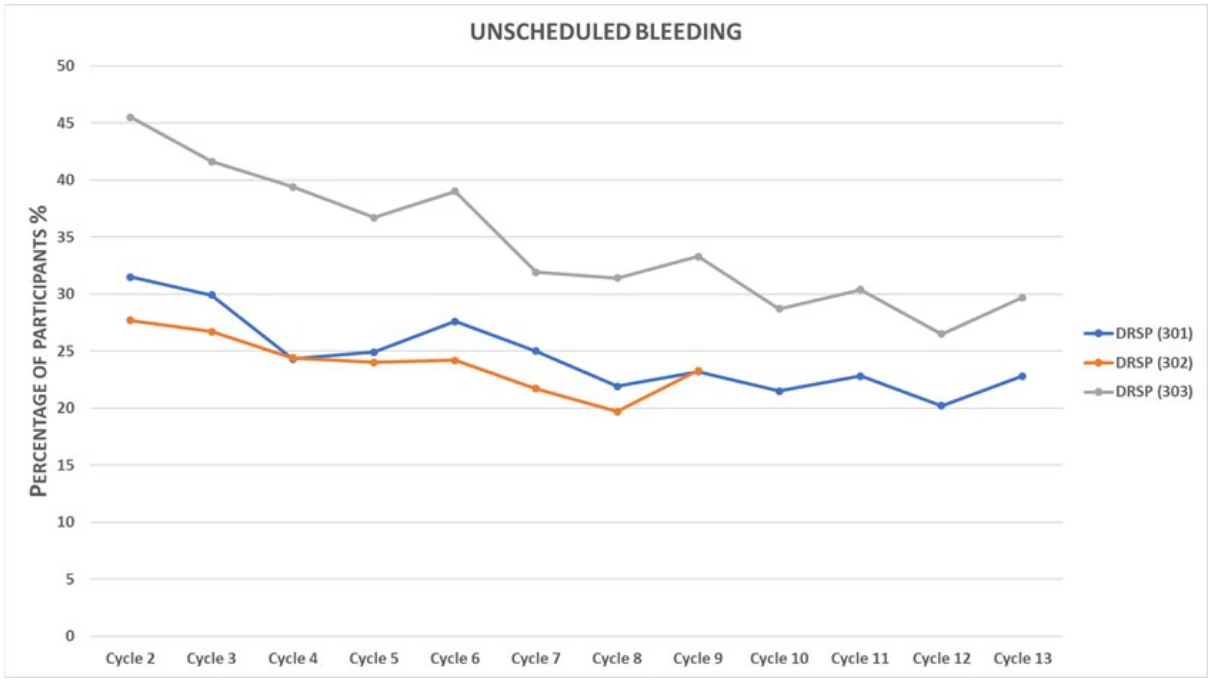
Figure 1: Unscheduled Bleeding from Phase III Clinical Studies CF111/301, CF111/302 and CF111/303
In a separate study (CF111/204), 127 women with proven ovulatory cycles were treated with a regimen consisting of 24 days of active treatment (drospirenone tablets 4 mg) and 4 days of placebo tablets for 2 cycles. In treatment group A (n=62) 24-hour delays in tablet intake were scheduled on days 3, 6, 11 and 22 during cycle 2, and in treatment group B (n=65) during cycle 1, respectively. Ovulation was defined as disappearance or persistence of a large follicle and progesterone levels higher than 5 ng/mL for at least 5 consecutive days. The overall ovulation rate was 0.8% (
Table 7). Follicular diameters in the regular-intake and the delayed-intake cycles were similar. Despite 24-hour delays in tablet intake, ovulation inhibition was maintained (Duijkers 2016).
Table 7: Ovulation Rates in Group A (regular intake in cycle 1, delayed intake in cycle 2) and Group B (delayed intake in cycle 1, regular intake in cycle 2). Numbers (n) and Percentages of subjects and 95% Confidence Interval (CI) are listed
Group A (n=62) | Group B (n=65) | Total (n=127) | ||
|---|---|---|---|---|
| Cycle 1 | Ovulation rate (n(%)) | 0 (0.0) | 0 (0.0) | 0 (0.0) |
| Lower CI limit (%) | 0.000 | 0.000 | 0.000 | |
| Upper CI limit (%) | 5.950 | 5.675 | 2.905 | |
| Cycle 2 | Ovulation rate (n(%)) | 1 (1.6) | 0 (0.0) | 1 (0.8) |
| Lower CI limit (%) | 0.041 | 0.000 | 0.000 | |
| Upper CI limit (%) | 8.987 | 5.675 | 4.387 | |
| Entire treatment period | Ovulation rate (n(%)) | 1 (1.6) | 0 (0.0) | 1 (0.8) |
| Lower CI limit (%) | 0.041 | 0.000 | 0.000 | |
| Upper CI limit (%) | 8.987 | 5.675 | 4.387 |
10.3 Pharmacokinetics
Table 8: Summary of Drospirenone Pharmacokinetic Parameters in Healthy Women volunteers After Oral Single Dose Administration
| Cmax | Tmax | T1/2 | AUC0-72 | AUC0-tau | |
| Single dose mean | 27.28 ng/mL | 3.5 h | Approx. 30 h | 543.51 ng·h/mL | 296.10 ng·h/mL |
AUC(0-72h): Area under the concentration/time curve, calculated by the trapezoidal rule from time 0 h to last observed concentration at 72h; AUC(0-Tau): Area under the observed plasma concentration-time curve during a dosing interval, i.e. 24h, on D1.
Table 9: Summary of Drospirenone Pharmacokinetic Parameters in Healthy Women volunteers after Oral Multiple Dose Administration
| Cmax,ss | Cmin,ss, D15 | Tmax,ss | AUCt,ss | AUC0-tau | |
| Multiple dose mean | 40.99 ng/mL | 17.05 ng/mL | 3.196 h | 1066.84 ng·h/mL | 570.17 ng·h/mL |
Cmax, ss: Maximum observed concentration during the last dosing interval at steady state; AUCt,ss: Multiple dose parameter - Area under the concentration/time curve within one dosing interval of 24 hours after the last dose in each study period calculated according to the linear trapezoid rule; tmax,ss: Multiple dose parameter - Time to reach the observed maximum (peak) concentration at steady state.
Absorption: The pharmacokinetics of oral drospirenone is dose-proportional following single doses ranging from 1-10 mg. Maximum concentrations (Cmax) of drospirenone in plasma of about 27 ng/mL are reached at about 2-6 hours after single ingestion of SLYND. During a treatment cycle, maximum steady-state concentrations of drospirenone in serum of about 41 ng/mL are reached after about 10 days of treatment. Plasma drospirenone Cmax and area under the curve (AUC) accumulate by a factor of about 1.5 to 2 following multiple dose administration of SLYND. Co-administration of a single 4 mg oral dose of drospirenone with a high-calorie, high-fat meal results in similar exposure (AUC) and increases the rate of absorption of drospirenone compared to the fasted state: Cmax increases by approximately 29% and the time to maximum concentration (Tmax) decreases by approximately 31%.
Distribution: Drospirenone is 95% to 97% bound to serum albumin and does not bind to sex hormone binding globulin (SHBG) or corticosteroid binding globulin (CBG). The apparent volume of distribution of drospirenone is approximately 4 L/kg.
Metabolism: Drospirenone is extensively metabolized after oral administration. The two main metabolites of drospirenone found in human plasma were identified to be the acid form of drospirenone generated by opening of the lactone ring and the 4,5-dihydrodrospirenone-3-sulfate, formed by reduction and subsequent sulfation. These metabolites were shown not to be pharmacologically active. Drospirenone is also subject to oxidative metabolism catalyzed by CYP3A4.
Elimination: Drospirenone serum concentrations are characterized by a terminal disposition phase half-life of approximately 30 hours after both single and multiple dose regimens. Excretion of drospirenone was nearly complete after ten days and amounts excreted were slightly higher in feces compared to urine. Drospirenone was extensively metabolized and only trace amounts of unchanged drospirenone were excreted in urine and feces.
Special Populations and Conditions
Hepatic Insufficiency:
The mean exposure to drospirenone in women with moderate liver impairment is approximately three times higher than the exposure in women with normal liver function. SLYND has not been studied in women with severe hepatic impairment (see Contraindications and Warnings and Precautions sections).
Renal Insufficiency:
The effect of renal impairment on the pharmacokinetics of drospirenone (3 mg daily for 14 days) and the effect of drospirenone on serum potassium concentrations were investigated in three separate groups of women subjects (n = 28, age 30–65). All subjects were on a low potassium diet. During the study, 7 subjects continued the use of potassium-sparing drugs for the treatment of their underlying illness. On the 14th day (steady-state) of drospirenone treatment, the serum drospirenone concentrations in the group with CLcr of 50–79 mL/min were comparable to those in the control group with CLcr ≥ 80 mL/min. The serum drospirenone concentrations were on average 37% higher in the group with CLcr of 30–49 mL/min compared to those in the control group. Drospirenone treatment did not show any clinically significant effect on serum potassium concentration. Although hyperkalemia was not observed in the study, in five of the seven subjects who continued use of potassium-sparing drugs during the study, mean serum potassium concentrations increased by up to 0.33 mEq/L. (see Contraindications and Warnings and Precautions sections)
11 STORAGE, STABILITY AND DISPOSAL
Store SLYND tablets in original packaging at room temperature (15 to 30°C).
Keep out of reach and sight of children.
12 SPECIAL HANDLING INSTRUCTIONS
There are no special handling instructions.
PART II: SCIENTIFIC INFORMATION
13 PHARMACEUTICAL INFORMATION
Drug Substance
Proper name: Drospirenone
Chemical name: (6R,7R,8R,9S,10R,13S,14S,15S,16S,17S)1,3',4',6,6a,7,8,9,10,11, 12,13,14,15,15a,16-hexadecahydro-10,13-dimethylspiro-[17Hdicyclopropa-6,7:15,16] cyclopenta[a]phenanthrene-17,2'(5H)-furan]-3,5'(2H)-dione)
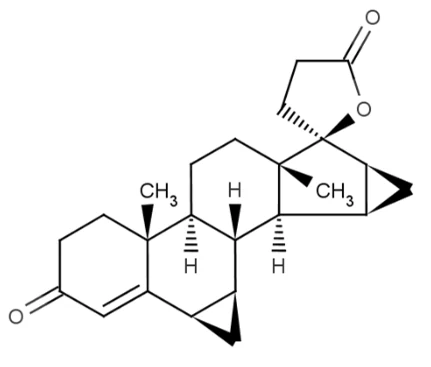
Molecular formula and molecular mass: C24H30O3, 366.49 g/mol
Structural formula:
Physicochemical properties: Drospirenone is a white to almost white or slightly yellow crystalline powder. It is a progestin with slight solubility in water, sparingly soluble in acetone and dimethylformamide and slightly soluble in methanol. Drospirenone is a neutral molecule without any acid-base properties in aqueous solutions. Drospirenone does not present polymorphic forms.
14 CLINICAL TRIALS
Pregnancy Prevention
The efficacy of SLYND to prevent pregnancy has been demonstrated in three Phase III studies: two non-comparative pivotal studies of 13 cycle duration (study CF111/301and study CF111/303) and one supportive comparative study vs desogestrel, 9 cycle duration (study CF111/302). SLYND has also been studied in a safety study that included adolescents aged 12-17 years (study CF111/304, presented as supportive).
These studies were designed to assess SLYND in women who seek contraception in general and in BMI subgroups. Progestin only contraception is considered an acceptable option for obese women.
Although SLYND is indicated for most women of reproductive age, groups for whom a POP such as estrogen-free SLYND may be preferred over COCs include recently postpartum, breastfeeding, or perimenopausal women; women with migraines with aura; smokers over age 35; or in women with systemic lupus erythematosus.
14.1 Trial Design and Study Demographics
Table 10: Description of Clinical Studies
| Study # | Trial design | Dosage, route of administration and duration | Study subjects (n) | Mean age (Range) | Study Population | Endpoints |
| CF111/ 301 | Prospective, multi-center, non-comparative, open-label, non-controlled trial | 24 DRSP 4mg tablets and 4 placebo tablets, oral administration once daily for 13 cycles | 713 | 29 (18-46) | Healthy woman of childbearing potential SBP <140 mmHg DBP <90 mm Hg Mean BMI: 23.00 kg/m2 BMI <30: 94.2% BMI ≥30: 5.8% 99.6% Caucasian ≤35 years: 79.8% >35 years: 20.2% Non-smoker: 69.1% Current smoker: 25.5% Ex-smoker: 5.3% | Overall PI (95% CI): 0.5106 (0.1053, 1.4922) |
| CF111/ 302 | 24 DRSP 4 mg tablets and 4 placebo tablets, oral administration once daily for 9 cycles vs Desogestrel 0.075 mg film-coated tablets (28 active tablets) Randomisation ratio 5 (DRSP): 2 (desogestrel) | 858 | 29 (18-45) | Healthy woman of childbearing potential SBP <140 mmHg DBP <90 mm Hg DRSP group Mean BMI: 22.96 kg/m2 BMI <30: 96.5% BMI ≥30: 3.5% 99.8% Caucasian ≤35 years: 79.5% >35 years: 20.5% Non-smoker: 67% Current smoker: 27.6% Ex-smoker: 5.4% | Overall PI (95% CI): DRSP 0.9715 (0.3154, 2.2671) Desogestrel 0.5227 (0.0132, 2.9124) | |
| CF111/ 303 | Prospective, multi-center, non-comparative, open-label, trial | 24 DRSP 4 mg tablets and 4 placebo tablets, oral administration, once daily for 13 cycles | 1004 | 28 (18-51) | Healthy woman of childbearing potential SBP ≤159 mmHg DBP ≤99 mmHg Mean BMI: 28.61 kg/m2 BMI <30: 64.8% BMI ≥30: 35.2% 56.8% Caucasian 35.6% Black or African American 2% Asian 5.7% Other Non-smoker: 67.1% Current smoker: 18.1% Ex-smoker: 14.6% | PI from evaluable cycles in non-breast-feeding women aged ≤ 35 years (95% CI): 4.0 (2.3, 6.4) Overall PI (95% CI) 2.4 (1.2276, 4.1502) |
CF111/ 304 | Multi-center, open-label trial (safety study) | 24 DRSP 4 mg tablets and 4 placebo tablet, oral administration, once daily Over 6 Cycles, With a 7-Cycle Extension Phase | 102 | 16.1 (12-17) | Healthy adolescents (post-menarcheal for at least six months) Mean BMI:21.47 kg/m2 Caucasian 97.1% Non-smoker: 86.3% Current smoker: 6.9% Ex-smokers: 6.9% | Scheduled bleeding and/or Spotting: the proportion of subjects decreased from 98.0% in Cycle 1 to 39.3% in Cycle 6 Unscheduled bleeding and/or spotting the proportion of subjects decreased from 56.8% in Cycle 2, to 47.6% in Cycle 6 |
DRSP = drospirenone; CI: confidence interval; PI = Pearl Index
Adolescent study
SLYND was also studied in a multicenter, open-label, safety trial in sexually-active adolescents aged 12–17 years for six 28-day treatment cycles (Core Phase) and an optional 7–13 cycle extension (see 7.5 Clinical Trial Adverse Reactions [Pediatrics]). The primary endpoints of this study were: (1) treatment-emergent adverse events; (2) vital signs; (3) clinical laboratory parameters; (4) vaginal bleeding pattern (subject diaries); and (5) drospirenone acceptability.
14.2 Study Results
The studies results will be focusing on overall pearl index, which was the primary efficacy endpoint in the European studies CF111/301 and CF111/302 and secondary endpoint in the USA study CF111/303.
The European and USA studies have different primary efficacy endpoints, different population demographics (race, ethnicity, BMI) and risk factors.
Clinical trial subgroup analyses have demonstrated contraceptive safety and efficacy in adolescents and women with BMI <30 and with BMI ≥30 and in women >35 years of age.
Study CF111/301
The overall PI was calculated by including all pregnancies that occurred during the study excluding any that occurred after premature termination of the study drug. There were no age restrictions stipulated for the primary endpoint in this study.
During study CF111/301, that included 713 subjects and 7638 cycles, 3 subjects became pregnant, with estimated conception dates in Cycle 2, Cycle 3 and Cycle 13, leading to an overall Pearl Index of 0.5106 (95% CI 0.1053; 1.4922).
For pregnancies that occurred in the age subgroup of ≤ 35 years, the overall PI (95% CI) for this subgroup was 0.6593 (0.1360; 1.9269). This calculation was based on data from 569 women with 5915 cycles.
Contraceptive efficacy is often expressed as 1- contraceptive failure rate. Contraceptive efficacy of the study 301 for 13 cycles was equivalent to 99.36%.
Study CF111/302
Results from subjects who were ≤ 35 years of age were included as the primary endpoint.
During study CF111/302 (858 subjects with 6,691 drospirenone cycles, 332 subjects with 2,487 desogestrel cycles), 5 drospirenone subjects (0.6%) and 1 desogestrel subject (0.3%) became pregnant. The overall PI was 0.9715 (95% CI 0.3154; 2.2671) in the drospirenone group and 0.5227 (95%CI 0.0132; 2.9124) in the desogestrel group.
Contraceptive efficacy of the study 302 for 9 cycles was equivalent to 99.1%.
Study CF111/303
The overall PI, was a secondary endpoint, based on confirmed and suspected, non-confirmed pregnancies in total and by BMI and weight subgroups, similar to primary efficacy endpoints of studies CF111/301 and CF111/302. The primary efficacy endpoint was determined in evaluable cycles in non-breastfeeding women aged ≤ 35 years (at the time of trial enrollment). Evaluable cycles were defined as exposure cycles with intercourse without back-up contraceptive at least once per cycle.
The demographic profile for females was: mean age 26.4 years and mean BMI 28.5 kg/m2. The racial distribution was 53.3% Caucasian; 38.5% African American; 2.2% Asian and 6% other.
Of 953 females and with 5547 evaluable cycles, 17 (non-breastfeeding) subjects (1.8%) had a confirmed pregnancy (irrespectively of confirmation by urine and serum pregnancy tests at the study site), with estimated conception dates in Cycle 1, Cycle 2, Cycle 3, Cycle 6, Cycle 8 and Cycle 13, leading to an evaluable PI of 4.0 (95% CI 2.3; 6.4).
Contraceptive efficacy of the study 303 for 13 cycles was equivalent to 97.54%.
Results and Overall or Evaluable Pearl Indexes of studies CF111/301, CF111/302 and CF111/303 are provided in
Table 11.
Table 11: Efficacy Results of Overall or Evaluable Pearl Index in Studies CF111/301, CF111/302, CF111/303
| Primary Endpoint | Statistic | CF111/301 | CF111/302 | CF111/303 | ||||||
DRSP 4mg (N=713) | DRSP 4mg (N=858) | Desogestrel 0.075 mg (N=332) | DRSP 4mg (N=953) | |||||||
| Total number of exposure cycles | n | 7638 | 6691 | 2487 | 5547 | |||||
| Confirmed Pregnancies | n (%) | 3 (0.4%) | 5 (0.6%) | 1 (0.3%) | 17* (1.8%) | |||||
| Overall Pearl Index | % | 0.5106 | 0.9715 | 0.5227 | - | |||||
| Evaluable Pearl Index | % | - | - | - | 4.0 | |||||
| 95% CI | Lower limit/ Upper limit | 0.1053/ 1.4922 | 0.3154/ 2.2671 | 0.0132/ 2.9124 | 2.3/6.4 | |||||
DRSP = drospirenone
N: Number of subjects in FAS; n: Number of subjects/cycles with data available; %: Percentage based on N;
CI: Confidence Interval
*Confirmed pregnancies, on drug participants, non-breast feeding pregnancies, in GCP compliant sites.
Overall PI are based on confirmed pregnancies from sites with no major protocol or regulatory violations.
In study CF111/303, Pearl Indexes for BMI subgroups (<30 kg/m2 and ≥30 kg/m2) were also reported (Table 12).
Table 12: Pearl Index and Life Table Analysis Based on Evaluable Cycles in Women Aged ≤35 Years by Subgroup (Primary Efficacy Set in Study CF111/303).
| N | On-Treatment Pregnancies | Evaluable Cycles | Pearl Index (95% CI) | Cumulative Pregnancy Rate (95% CI) (%) | |
|---|---|---|---|---|---|
| BMI | |||||
| <30 kg/m2 | 621 | 12 | 3681 | 4.2 (2.2, 7.4) | 4.0 (1.5, 6.5) |
| ≥30 kg/m2 | 332 | 5 | 1866 | 3.5 (1.1, 8.1) | 3.0 (0.1, 5.8) |
BMI = body mass index; CI = confidence interval
Effect of Bleeding Pattern
The bleeding pattern during use of SLYND was assessed in all studies, and in all treatment groups. There was a decrease over time in the overall number of subjects with bleeding or spotting and in the number of subjects with unscheduled bleeding or spotting (Table 13 and Figure 2).
Table 13: Number of Subjects with Unscheduled Bleeding or Spotting by Reference Period – Study CF111/301, CF111/302 and Study CF111/303
DRSP=drospirenone
a 8-10 for 301 and 303 studies, 7-9 for 302 study; *: p<0.05 for DRSP vs desogestrel; ** p<0.001 for DRSP vs desogestrel
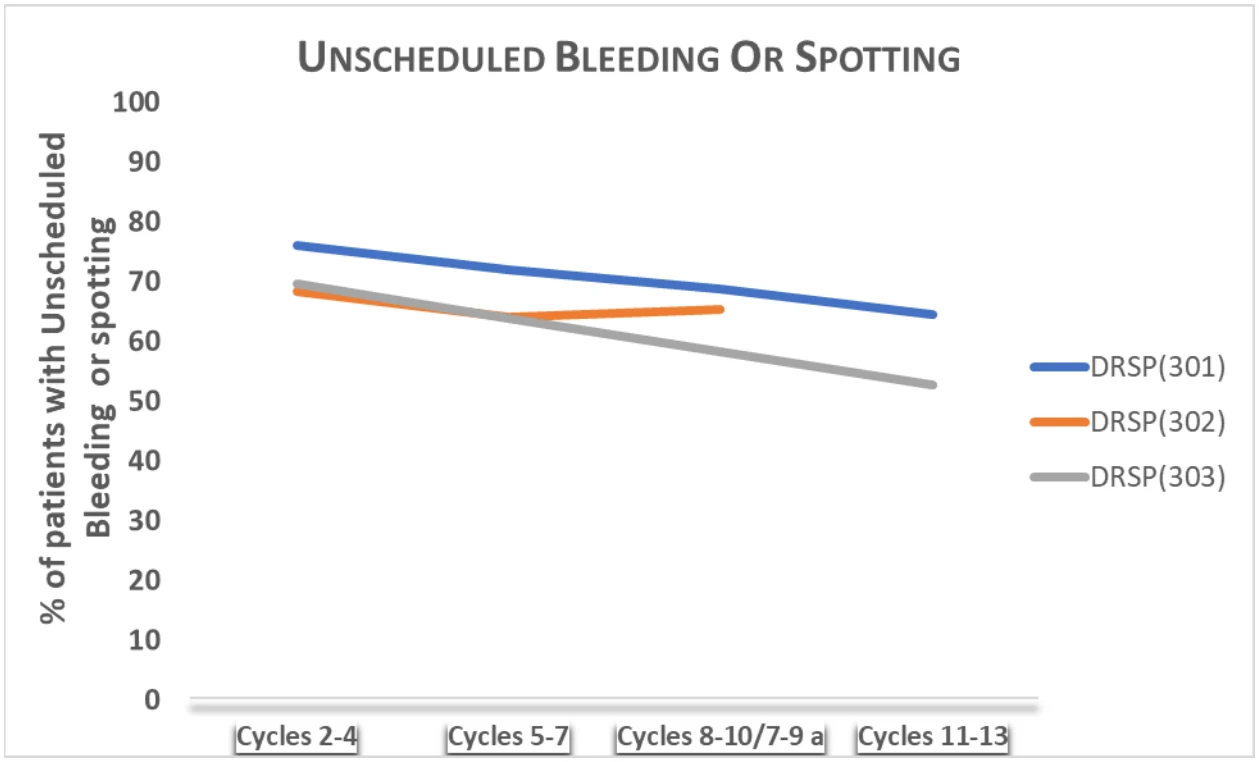
Figure 2: Percentage of Participants with Unscheduled Bleeding or Spotting by Cycle
In the supportive comparative study CF111/302, during the first reference period (Cycle 2 to Cycle 4), the percentages of women reporting bleeding or spotting were statistically lower in the drospirenone group compared to the desogestrel group (79.9% vs 86.5% for overall bleeding or spotting, and 67.9% vs 86.5% for unscheduled bleeding or spotting) (Table 13).
The percentage of subjects with bleeding longer than 14 days was the highest during the first cycle, and it decreased with time in all studies and treatment groups. This rate was significantly lower in the drospirenone group as compared with the desogestrel group for cycles 5-7 and 7-9 in the comparative study (6.1% vs 12.1% (p = 0.02) for Cycle 5 to Cycle 7, 2.9% vs 10.9% (p < 0.001) for Cycle 7 to Cycle 9).
| Statistic | CF111/301 | CF111/302 | CF111/303 | ||
|---|---|---|---|---|---|
DRSP (N = 713) | DRSP (N = 858) | Desogestrel 0.075mg (N=332) | DRSP (N = 1004) | ||
| Unscheduled | |||||
| Cycles 2-4 | n/N (%) | 480/634 (75.7) | 358/527 (67.9)** | 192/222 (86.5) | 422/609 (69.3) |
| Cycles 5-7 | n/N (%) | 408/569 (71.7) | 269/423 (63.6) | 106/157 (67.5) | 284/448 (63.4) |
| Cycles 8-10/7-9 a | n/N (%) | 367/536 (68.5) | 243/374 (65.0) | 93/137 (67.9) | 218/376 (58.0) |
| Cycles 11-13 | n/N (%) | 320/499 (64.1) | 162/310 (52.3) | ||
Adolescent study
Over 6 core and 7 extension treatment cycles with SLYND [CF111/304], the percentage of subjects with both scheduled and unscheduled bleeding and spotting decreased; the number of bleeding/ spotting days decreased; the percentage of subjects with absence of bleeding or spotting increased; and bleeding became lighter and shorter. Only five subjects (4.9% of 102 evaluable) prematurely terminated the trial due to irregular bleeding (metrorrhagia).
At Visit 6, the majority of participants also reported that treatment with drospirenone 4.0 mg positively affected the volume, duration, and predictability of vaginal bleeding.
15 MICROBIOLOGY
Not applicable.
16 NON-CLINICAL TOXICOLOGY
General Toxicology
General Toxicology studies with SLYND have not been conducted. General Toxicology of drospirenone (DRSP) is well-established in the literature.
Toxicity data come principally from studies conducted with a combination of DRSP and ethinyl estradiol (EE), studies which included groups dosed with either agent alone. Mice administered 3, 10 or 30 mg/kg/day of DRSP for 14 weeks showed an increased body weight gain relative to control animals. No hematological changes were reported in DRSP-alone groups. Various organ weight changes, attributed to EE, were observed in EE-alone and combination treated groups but the only reported organ weight change in DRSP-alone treated animals was a decrease in adrenal weights in the 30 mg/kg/day group. Several histopathological changes were observed in EE alone and combination treated groups, but no specific changes were attributed to DRSP alone. In combination with EE, DRSP was synergistic in inducing atrophy of the ovaries but antagonized the stimulatory effect on the uterus.
Carcinogenicity
Carcinogenicity studies with SLYND have not been conducted. Carcinogenicity of drospirenone (DRSP) is well-established in the literature.
In a 24-month oral carcinogenicity study in mice with doses up to 10 mg/kg/day drospirenone, equating to 2 times the maximum clinical exposure (based on AUC), there was a slight increase in carcinomas of the harderian gland in the high dose drospirenone group. In a similar study in rats given doses up to 10 mg/kg/day drospirenone, 10 times the maximum clinical exposure (based on AUC), there was an increased incidence of benign and total (benign and malignant) adrenal gland pheochromocytomas in the high dose drospirenone group.
Genotoxicity
Genotoxicity studies with SLYND have not been conducted. Genotoxicity of drospirenone (DRSP) is well-established in the literature.
Drospirenone was negative for genotoxicity in the ICH S2 (R1) standard battery of genotoxicity tests and in the Hypoxanthin-Guanin-Phosphoribosyl-Transferase (HGPRT) test. Drospirenone increased unscheduled DNA synthesis in rat hepatocytes but not in human hepatocytes. The clinical relevance of the observations in rat hepatocytes is considered questionable.
Reproductive and Developmental Toxicology
Animal fertility studies have not been performed with SLYND. Data from a complete reproductive toxicity package on drospirenone alone are not available.
Whereas rat and rabbit embryofetal development studies have been conducted with drospirenone alone, studies on fertility and peri/post-natal development have only been conducted with the combination of ethinyl estradiol (EE) and drospirenone.
Drospirenone administered alone or in combination with EE given to pregnant rats during the late stage of gestation caused feminization of male fetuses due to its anti-androgenic properties. As a consequence, DRSP/EE caused a reduced reproductive performance of F1 animals at a dose of 45/0.45 mg/kg/day.