


Product Monograph - Mesna for Injection
SUMMARY PRODUCT INFORMATION
Route of Administration | Dosage Form / Strength | Clinically Relevant Nonmedicinal Ingredients |
| Intravenous | Solution for infusion / 100 mg / mL in 10 mL multiple-dose vials. | Benzyl alcohol, Edetate Disodium, Water for Injection and Sodium Hydroxide. |
INDICATIONS AND CLINICAL USE
Mesna for Injection is indicated for the reduction and prevention of urinary tract toxicity (hemorrhagic cystitis) of oxazaphosphorines. (See ADVERSE REACTIONS sections of the Procytox (cyclophosphamide) and Ifex (ifosfamide) Product Monographs.)
Geriatrics:
No specific information is available.
Pediatrics (<16 years of age):
Safety and effectiveness of mesna in pediatric patients (<16 years of age) have not been established.
CONTRAINDICATIONS
Mesna for Injection (mesna) is contraindicated in individuals with a known hypersensitivity to mesna or other thiol compounds, or to any of the excipients, including benzyl alcohol present in the multi-dose vials. For a complete listing, see the Dosage Forms, Composition and Packaging section of the product monograph.
WARNINGS AND PRECAUTIONS
General
| The multi dose vials contain benzyl alcohol, which may be fatal in neonates and infants. (See Special Populations, Pediatrics.) |
The protective effect of Mesna for Injection (mesna) applies only to the urotoxic effects of oxazaphosphorines. Additional prophylactic or accompanying measures recommended during treatment with oxazaphosphorines are thus not affected and should not be discontinued.
Mesna is incompatible in vitro with cisplatin, carboplatin and nitrogen mustard.
The combination of an oxazaphosphorine cytostatic agent with Mesna for Injection and cisplatin, carboplatin, or nitrogen mustard in the same infusion solution is not stable and is not to be used.
Mixing Mesna for Injection and epirubicin leads to inactivation of epirubicin and should be avoided.
Benzyl alcohol contained in the Mesna for Injection multi-dose vials can reduce the stability of cyclophosphamide and ifosfamide.
Patients undergoing treatment with Mesna for Injection may experience syncope, lightheadedness, lethargy/drowsiness, dizziness, and blurred vision which could affect the ability to drive or use machines (see Drug-Lifestyle Interactions).
Carcinogenesis and Mutagenesis
See Toxicology – Mutagenicity and Carcinogenicity sections.
Genitourinary
Mesna for Injection does not prevent hemorrhagic cystitis in all patients. To identify the presence of erythrocytes in the urine, microscopic evidence of red blood cells should be obtained. Patients should be monitored accordingly.
Sufficient urinary output should be maintained, as required for oxazaphosphorine treatment.
Sensitivity/Resistance
Hypersensitivity reactions to mesna have been reported following administration of Mesna for Injection as an uroprotectant. These include:
- Skin reactions characterized by symptoms such as localized or generalized urticaria or other forms of exanthema, pruritus, burning, angioedema and/or flushing.
- In addition, cases of severe bullous and ulcerative skin and mucosal reactions were reported. Some reactions were considered to be consistent with Stevens-Johnson Syndrome, toxic epidermal necrolysis, or erythema exudativum multiforme.
Other reactions appeared to be consistent with a diagnosis of fixed drug eruption. Photodistribution of a rash has also been reported.
In some cases, skin reactions were accompanied by one or more other symptoms, such as
- fever,
- cardiovascular symptoms (hypotension, in some cases reported as fluid refractory, tachycardia, ECG signs consistent with perimyocarditis, hypertension; see Post-Market Adverse Drug Reactions)
- signs consistent with acute renal impairment,
- pulmonary symptoms (hypoxia, respiratory distress, bronchospasm, tachypnea, cough, bloody sputum; see Post-Market Adverse Drug Reactions)
- prolonged prothrombin time (PT) and partial thromboplastin time (PTT), laboratory signs of disseminated intravascular coagulopathy (DIC)
- hematological abnormalities (leukopenia, eosinophilia, lymphopenia, thrombocytopenia, pancytopenia; see Post-Market Adverse Drug Reactions)
- increased liver enzymes,
- nausea, vomiting,
- pain in the extremities, arthralgia, myalgia, malaise,
- stomatitis, and
- conjunctivitis.
Some reactions have presented as anaphylaxis.
Fever accompanied by, e.g., hypotension but no skin manifestations has also been reported.
Allergic reactions to mesna ranging from mild hypersensitivity to systemic anaphylactic reactions have been reported with the use of mesna in regimens to treat both severe systemic autoimmune disorders and malignancy. Patients with autoimmune disorders who were treated with cyclophosphamide and mesna appeared to have a higher incidence of allergic reactions.
In most cases, reactions occurred during or after a first treatment occasion or after several weeks of mesna exposure. In other cases, the initial reaction was observed only after several months of exposure.
In many cases, symptoms appeared on the day of exposure, with a tendency to shorter intervals following subsequent exposures.
In some patients, the occurrence and/or severity of reaction appeared to vary with the dose administered.
Recurrence of reactions, in some cases with increasing severity, has been reported with re- exposure. However, in some cases, a reaction did not recur with re-exposure.
Some patients with a history of a reaction have shown positive delayed-type skin test results. However, a negative delayed reaction does not exclude hypersensitivity to mesna. Positive immediate-type skin test reactions have occurred in patients regardless of previous mesna exposure or history of hypersensitivity reactions, and may be related to the concentration of the mesna solution used for testing.
Prescribers should
- be aware of the potential for such reactions and that reactions may worsen with re-exposure and may in some cases be life-threatening,
- be aware that hypersensitivity reactions to mesna were interpreted to resemble the clinical picture of sepsis and, in patients with autoimmune disorders, resemble an exacerbation of the underlying disease.
Thiol Compounds:
Mesna is a thiol compound, i.e., a sulfhydryl (SH) group-containing organic compound. Thiol compounds show some similarities in their adverse reaction profile, including a potential to elicit severe skin reactions. Examples of drugs that are thiol compounds include amifostine, penicillamine, and captopril.
It is not clear whether patients who experienced an adverse reaction to such a drug are at increased risk for any reactions, or similar reactions, to another thiol compound. However, when considering subsequent use of another thiol compound in such patients, the possibility of an increased risk should be taken into account (see CONTRAINDICATIONS).
Multi-dose vials:
Parenteral benzyl alcohol administration has been associated with systemic hypersensitivity reactions (see CONTRAINDICATIONS).
Special Populations
Pregnant Women:
There are no adequate and well-controlled studies using mesna in pregnant women. Animal studies have not revealed any embryotoxic or mutagenic effects (see TOXICOLOGY). However, in view of the fact that oxazaphosphorines are not recommended during pregnancy, this would eliminate the need for Mesna for Injection. Mesna for Injection should be given to pregnant woman only if the benefits clearly outweigh any possible risks.
Nursing Women:
It is unknown whether mesna or dimesna are excreted in human milk. Because many drugs are excreted in human milk and because of the potential for adverse reactions in nursing infants, a decision should be made whether to discontinue breast-feeding or discontinue the drug, taking into account the importance of the drug to the mother.
Pediatrics (<16 years of age):
The safety and efficacy of mesna in pediatric patients have not been established.
Mesna for Injection in multi-dose vials contains 10.4 mg benzyl alcohol per milliliter. The benzyl alcohol used in the multi-dose vials could be life-threatening or fatal in neonates or infants. Because of the risk of severe toxicities (including gasping syndrome), the multi-dose vials should not be used in neonates or infants and should be used with caution in older children.
Geriatrics (≥65 years of age)
No specific information on the use of mesna in the elderly is available. Clinical studies of mesna did not include sufficient numbers of subjects aged 65 and over to determine whether they respond differently from younger subjects. In general, dose selection for an elderly patient should be cautious, reflecting the greater frequency of decreased hepatic, renal, or cardiac function, and of concomitant disease or other drug therapy. However, the ratio of ifosfamide to mesna should remain unchanged.
ADVERSE REACTIONS
Adverse Drug Reaction Overview
The most frequently occurring adverse reactions (> 10%) associated with use of mesna, per subject are: headache (36.05%), infusion site reactions (25.32%), abdominal pain/colic (22.09%), lightheadedness (16.28%), lethargy/drowsiness (12.79%), pyrexia (12.79%), rash (12.79%), diarrhea (11.63%), nausea (11.63%), flushing (10.47%), and influenza-like illness (10.47%).
The most frequently occurring adverse reactions (> 1%) associated with use of mesna, per administration are: infusion site reactions (15.35%), headache (5.24%), abdominal pain/colic (4.39%), nausea (1.72%), diarrhea (1.53%), rash (1.72%), flushing (1.33%), lightheadedness (1.33%), lethargy/drowsiness (1.33%), and pyrexia (1.14%).
The most severe adverse reactions associated with use of mesna are: toxic epidermal necrolysis, Stevens-Johnson Syndrome, anaphylaxis, and drug rash with eosinophilia and systemic symptoms (DRESS).
Clinical Trial Adverse Drug Reactions
Because clinical trials are conducted under very specific conditions the adverse drug reaction rates observed in the clinical trials may not reflect the rates observed in practice and should not be compared to the rates in the clinical trials of another drug. Adverse drug reaction information from clinical trials is useful for identifying drug-related adverse events and for approximating rates.
The following mesna adverse reaction data are available from pharmacokinetic studies in healthy volunteers who received no concomitant medications.
The adverse reactions from clinical trials were identified from 6 mesna pharmacokinetic studies in healthy volunteers, who were administered mesna without concurrent chemotherapy. In these studies, a total of 86 subjects received oral doses of mesna. Of these 86 subjects, 79 subjects also received intravenously administered mesna. A total of 1049 mesna doses were administered.
Four studies administered single oral doses (tablets or solution) of 600 mg to 2400 mg; with three of these studies also administering single intravenous doses of 600 mg to 1200 mg. Two studies were multiple-dose studies that administered mesna three times daily for 5 days. In these studies, total daily doses of mesna tablets ranged from 1200 mg to 2400 mg, and total daily doses of intravenous mesna infusions ranged from 334 mg to 1800 mg.
Clinical Trial Adverse Drug Reactions to Mesna
Per subject N = 86 | Per administration N = 1049 | |||||||||||||||
|---|---|---|---|---|---|---|---|---|---|---|---|---|---|---|---|---|
System Organ Class (SOC) | Adverse Reaction | Frequency | Frequency Ratio (Percentage) | Frequency | Frequency Ratio (Percentage) | |||||||||||
BLOOD AND LYMPHATIC SYSTEM DISORDERS | Lymphadenopathy | Common | 3/86 (3.49%) | Uncommon | 3/1049 (0.29%) | |||||||||||
| CARDIAC DISORDERS | Palpitations | Common | 1/86 (1.16%) | Uncommon | 1/1049 (0.1%) | |||||||||||
| EYE DISORDERS | Conjunctivitis | Common | 5/86 (5.81%) | Uncommon | 5/1049 (0.48%) | |||||||||||
| Photophobia | Common | 3/86 (3.49%) | Uncommon | 5/1049 (0.48%) | ||||||||||||
| Vision blurred | Common | 1/86 (1.16%) | Uncommon | 1/1049 (0.1%) | ||||||||||||
| GASTROINTESTINAL DISORDERS | Abdominal pain/colic | Very common | 19/86 (22.09%) | Common | 46/1049 (4.39%) | |||||||||||
| Nausea | Very common | 10/86 (11.63%) | Common | 18/1049 (1.72%) | ||||||||||||
| Diarrhea | Very common | 10/86 (11.63%) | Common | 16/1049 (1.53%) | ||||||||||||
| Flatulence | Common | 8/86 (9.3%) | Uncommon | 9/1049 (0.86%) | ||||||||||||
| Mucosal irritation1 | Common | 7/86 (8.14%) | Uncommon | 7/1049 (0.67%) | ||||||||||||
| Vomiting | Common | 3/86 (3.49%) | Uncommon | 6/1049 (0.57%) | ||||||||||||
Burning pain (substernal / epigastric) | Common | 3/86 (3.49%) | Uncommon | 4/1049 (0.38%) | ||||||||||||
| Constipation | Common | 2/86 (2.33%) | Uncommon | 2/1049 (0.19%) | ||||||||||||
| Gingival bleeding | Common | 1/86 (1.16%) | Uncommon | 1/1049 (0.1%) | ||||||||||||
GENERAL DISORDERS AND ADMINISTRATIVE SITE CONDITIONS | Infusion site reactions
pruritus
erythema
| Very common Very common Very common Common Common Common | 20/79 (25.32%) 15/79 (18.99%) 11/79 (13.92%) 5/79 (6.33%) 3/79 (3.8%) 2/79 (2.53%) | Very common Common Common Common Uncommon Uncommon | 68/443 (15.35%) 35/443 (7.9%) 20/443 (4.51%) 5/443 (1.13%) 3/443 (0.68%) 3/443 (0.68%) | |||||||||||
Per subject N = 86 | Per administration N = 1049 |
|---|
System Organ Class (SOC) | ||||
|---|---|---|---|---|
| Adverse Reaction | ||||
| Frequency | Frequency Ratio (Percentage) | Frequency | ||
Frequency Ratio (Percentage) | ||||
| Common | 1/79 (1.27%) | Uncommon | 1/443 (0.23%) |
| Pyrexia | ||||
| Very common | 11/86 (12.79%) | Common | 12/1049 (1.14%) | |
| Influenza-like illness2 | Very common | 9/86 (10.47%) | Unknown | Unknown |
| Rigors | Common | 4/86 (4.65%) | Uncommon | 5/1049 (0.48%) |
| Fatigue | Common | 3/86 (3.49%) | Uncommon | 3/1049 (0.29%) |
| Chest pain | Common | 2/86 (2.33%) | Uncommon | 2/1049 (0.19%) |
| Malaise | Common | 2/86 (2.33%) | Uncommon | 3/1049 (0.29%) |
| HEPATOBILIARY DISORDERS | ||||
| Transaminases increased | Common | 1/86 (1.16%) | Uncommon | 1/1049 (0.1%) |
METABOLISM AND NUTRITION DISORDERS | ||||
| Decreased appetite | Common | 7/86 (8.14%) | Uncommon | 7/1049 (0.67%) |
| Feeling of dehydration | Common | 1/86 (1.16%) | Uncommon | 1/1049 (0.1%) |
| MUSCULOSKELETAL AND CONNECTIVE TISSUE DISORDERS | ||||
| Back pain | Common | 7/86 (8.14%) | Uncommon | 9/1049 (0.86%) |
| Arthralgia | Common | 6/86 (6.98%) | Uncommon | 7/1049 (0.67%) |
| Myalgia | Common | 6/86 (6.98%) | Uncommon | 7/1049 (0.67%) |
| Pain in extremity | Common | 3/86 (3.49%) | Uncommon | 3/1049 (0.29%) |
| Pain in jaw | Common | 1/86 (1.16%) | Uncommon | 1/1049 (0.1%) |
| NERVOUS SYSTEM DISORDERS | ||||
| Headache | ||||
| Very common | 31/86 (36.05%) | Common | 55/1049 (5.24%) | |
| Lightheadedness | Very common | 14/86 (16.28%) | Common | 14/1049 (1.33%) |
| Lethargy/ Drowsiness | Very common | 11/86 (12.79%) | Common | 14/1049 (1.33%) |
| Dizziness | Common | 5/86 (5.81%) | Uncommon | 5/1049 (0.48%) |
| Paresthesia | Common | 4/86 (4.65%) | Uncommon | 4/1049 (0.38%) |
| Hyperesthesia | Common | 2/86 (2.33%) | Uncommon | 2/1049 (0.19%) |
| Syncope | Common | 1/86 (1.16%) | Uncommon | 1/1049 (0.1%) |
| Hypoesthesia | Common | 1/86 (1.16%) | Uncommon | 1/1049 (0.1%) |
Per subject N = 86 | Per administration N = 1049 |
|---|
System Organ Class (SOC) | Adverse Reaction | Frequency | Frequency Ratio (Percentage) | Frequency | Frequency Ratio (Percentage) |
|---|---|---|---|---|---|
| Disturbance in attention | Common | 1/86 (1.16%) | Uncommon | 1/1049 (0.1%) | |
| PSYCHIATRIC DISORDERS | Insomnia | Common | 1/86 (1.16%) | Uncommon | 1/1049 (0.1%) |
| Nightmare | Common | 1/86 (1.16%) | Uncommon | 1/1049 (0.1%) | |
RENAL AND URINARY DISORDERS | Dysuria | Common | 2/86 (2.33%) | Uncommon | 2/1049 (0.19%) |
RESPIRATORY, THORACIC, AND MEDIASTINAL DISORDERS | Nasal congestion | Common | 5/86 (5.81%) | Uncommon | 5/1049 (0.48%) |
| Cough | Common | 3/86 (3.49%) | Uncommon | 3/1049 (0.28%) | |
| Pleuritic pain | Common | 2/86 (2.33%) | Uncommon | 3/1049 (0.29%) | |
| Dry mouth | Common | 2/86 (2.33%) | Uncommon | 2/1049 (0.19%) | |
| Dyspnea | Common | 2/86 (2.33%) | Uncommon | 2/1049 (0.19%) | |
| Bronchospasm | Common | 1/86 (1.16%) | Uncommon | 1/1049 (0.1%) | |
| Laryngeal discomfort | Common | 1/86 (1.16%) | Uncommon | 1/1049 (0.1%) | |
| Epistaxis | Common | 1/86 (1.16%) | Uncommon | 1/1049 (0.1%) | |
SKIN AND SUBCUTANEOUS TISSUE DISORDERS | Rash3 | Very common | 11/86 (12.79%) | Common | 18/1049 (1.72%) |
| Pruritus | Common | 4/86 (4.65%) | Uncommon | 6/1049 (0.57%) | |
| Hyperhidrosis | Common | 2/86 (2.33%) | Uncommon | 3/1049 (0.29%) | |
| VASCULAR DISORDERS | Flushing | Very common | 9/86 (10.47%) | Common | 14/1049 (1.33%) |
Legend: Adverse Drug Reaction frequency is based upon the following scale: Very Common (≥ 1 / 10); Common
(≥ 1 / 100 - < 1 / 10), Uncommon (≥ 1 / 1000 - < 1 / 100), Rare (≥ 1 / 10 000 - < 1 / 1000), Very Rare (< 1 / 10 000)
1Oral, rectal
2The per administration frequency cannot be determined from the data reviewed.
3Including nonpruritic, pruritic, erythema/erythematous, eczematous, papular, and/or macular rashes.
Time to onset
In these studies, some subjects experienced their events on first exposure to mesna and others after the second or third exposure. In general, the complete spectrum of symptoms experienced by a subject developed over a period of several hours.
Experience with re-exposure
Some subjects experienced no further reactions after their initial event while others experienced an exacerbation of events upon repeated dosing.
Infusion site reactions
In some subjects experiencing local cutaneous infusion site reactions, subsequent exposure to mesna resulted in a cutaneous event in other areas.
Cutaneous/mucosal reactions
Cutaneous and mucosal reactions were reported to occur after both intravenous and oral mesna. These reactions included rashes, pruritus, flushing, mucosal irritation, pleuritic pain, and conjunctivitis. Approximately one-quarter of subjects with any event experienced cutaneous/mucosal reactions in conjunction with other adverse symptoms, which included, dyspnea, fever, headache, gastrointestinal symptoms, drowsiness, malaise, myalgia, and influenza-like symptoms.
Gastrointestinal reactions
Gastrointestinal reactions reported in healthy subjects included nausea, vomiting, diarrhea, abdominal pain/colic, epigastric pain/burning, constipation, and flatulence and were reported to occur after intravenous and oral mesna administration.
Abnormal Hematologic and Clinical Chemistry Findings
Hematologic
| Test | Effect | Clinical Comment |
| Lymphocyte counts | Decreased | In pharmacokinetics studies in healthy volunteers, administration of single doses of mesna was commonly associated with a rapid (within 24 hours) and in some cases marked decrease in lymphocyte count, which was generally reversible within 1 week of administration. Data from studies with repeated dosing over several days are insufficient to characterize the time course of lymphocyte count changes under such conditions. These phenomena should be considered when interpreting laboratory results. |
Clinical Chemistry
| Test | Effect | Clinical Comment |
| Serum phosphorus levels | Increased | In pharmacokinetics studies in healthy volunteers, administration of mesna on single or multiple days was in some cases associated with moderate transient increases in serum phosphorus concentration. These phenomena should be considered when interpreting laboratory results. |
Post-Market Adverse Drug Reactions
Because mesna is used in combination with oxazaphosphorines or oxazaphosphorine- containing combination chemotherapy, it is often difficult to distinguish adverse reactions that may be due to mesna from those caused by concomitantly administered cytotoxic agents.
The following adverse reactions have been identified from postmarketing reports of patients receiving mesna in combination with oxazaphosphorine cytostatics and other medications.
Many of the adverse reactions listed in the following SOCs occurred as part of a syndrome suggestive of hypersensitivity reactions. (See WARNINGS AND PRECAUTIONS, Sensitivity/Resistance)
BLOOD AND LYMPHATIC SYSTEM DISORDERS: Pancytopenia, Leukopenia, Lymphopenia, Thrombocytopenia, Eosinophilia
CARDIAC DISORDERS: Electrocardiogram abnormal (consistent with perimyocarditis), Tachycardia
EYE DISORDERS: Periorbital edema
GASTROINTESTINAL DISORDERS: Stomatitis, Bad taste
GENERAL DISORDERS AND ADMINISTRATION SITE CONDITIONS: Face edema, Edema peripheral, Asthenia, Infusion site reactions (thrombophlebitis, irritation*)
HEPATOBILIARY DISORDERS: Hepatitis, Gamma-glutamyl transferase increased, Blood alkaline phosphatase increased
IMMUNE SYSTEM DISORDERS: Anaphylaxis, Hypersensitivity
INJURY, POISONING AND PROCEDURAL COMPLICATIONS: Occupational sensitization to other mesna formulations used for inhalation (manifested as eczema, papulo-vesicular rash, erythema, pruritus)
INVESTIGATIONS: Laboratory signs of disseminated intravascular coagulation, Prothrombin time prolonged, Activated partial thromboplastin time prolonged
NERVOUS SYSTEM DISORDERS: Convulsion
RENAL AND URINARY DISORDERS: Acute renal failure
RESPIRATORY, THORACIC, MEDIASTINAL DISORDERS: Respiratory distress, Hypoxia, Oxygen saturation decreased, Tachypnea, Hemoptysis
SKIN AND SUBCUTANEOUS TISSUE DISORDERS: Toxic epidermal necrolysis, Stevens- Johnson Syndrome, Erythema multiforme, Drug rash with eosinophilia and systemic symptoms, Ulcerations and/or bullae/blistering (mucocutaneous, mucosal, oral, vulvovaginal, anorectal), Angioedema, Fixed drug eruption, Rash (vesicular, exfoliative, maculo-papular, morbilliform),
Photodistributed rash, Urticaria, Burning sensation, Erythema
VASCULAR DISORDERS: Hypotension (in some cases fluid refractory), Hypertension
*Venous irritation may be attributed to the physical properties of mesna – (i.e., pH 6, and hypertonic solution). No venous complications were observed when the solution was given diluted with Sterile Water for Injection USP (one part mesna solution to three parts water).
DRUG INTERACTIONS
Drug-Drug Interactions
No clinical drug interaction studies have been conducted with mesna.
Drug-Food Interactions
Interactions with food have not been established.
Drug-Herb Interactions
Interactions with herbal products have not been established.
Drug-Lifestyle Interactions
Patients undergoing treatment with mesna may experience syncope, lightheadedness, lethargy/drowsiness, and blurred vision, which could affect the ability to drive or use machines. Therefore patients should refrain from driving or operating machinery until they know that mesna does not affect their ability to drive or use machines.
Drug-Laboratory Test Interactions
Mesna treatment may cause false positive reactions in nitroprusside sodium- based urine tests (including dipstick tests) for ketone bodies. The colour reaction for ketones observed following exposure to mesna is reddish purple rather than purple, which is less stable and fades immediately by adding glacial acetic acid.
Mesna treatment may cause false positive reactions in Tillman’s reagent-based urine screening tests for ascorbic acid.
In pharmacokinetics studies in healthy volunteers, serum creatine phosphokinase (CPK) values were lower in samples taken 24 hours after mesna dosing than in pre-dosing samples. While available data are insufficient to determine the cause of this phenomenon, it might be considered to represent a significant interference with thiol (e.g., N-acetylcysteine) dependent enzymatic CPK tests.
DOSAGE AND ADMINISTRATION
Dosing Considerations
Mesna for Injection dosing is dependent on the dose of concomitant oxazaphosphorine drug that a patient receives.
Mesna for Injection dosing schedule should be repeated each day the oxazaphosphorine drug is received.
If the oxazaphosphorine drug dose is adjusted, the mesna dose should also be modified to maintain the mesna-to-oxazaphosphorine drug ratio.
Recommended Dose and Dosage Adjustment
Intravenous Injection
Mesna for Injection should be administered by intravenous bolus injection, usually at 20% of the respective oxazaphosphorine dose, at times 0 (= administration of the cytostatic agent), 4 and 8 hours. In the case of Ifex (ifosfamide), the usual dose of Mesna for Injection is 10 - 12 mg/kg intravenous at 0, 4 and 8 hours after the Ifex dose. The total daily dose of Mesna for Injection is 60% of the Ifex dose. (See DOSAGE AND ADMINISTRATION sections of Procytox and Ifex Product Monographs).
In the treatment of children, and particularly when administering very high doses, such as required when conditioning patients for bone-marrow transplantations, the Mesna for Injection doses should be given at 0, 1, 3, 6, 9 and 12 hours or dosage increased to 30% of the respective oxazaphosphorine dose.
Oral administration of mesna, e.g., in patients with poor veins, is also feasible. Mesna is then given either at doses of 20% of the oxazaphosphorine dose at time 0 hours by the parenteral route, followed by oral doses of 40% of the oxazaphosphorine dose after 4 and 8 hours, taken in juice or cola, or in 3 oral doses of 40% of the oxazaphosphorine dose at times 0, 4 and 8 hours.
Mesna for Injection is available in 100 mg / mL for intravenous use only. Not for other routes of administration.
Administration
For intravenous infusion the drug can be diluted by adding the Mesna for Injection solution to any of the following fluids:
- 5% Dextrose Injection, USP
- 0.9 % Sodium Chloride Injection, USP
For example: One mL of Mesna for Injection multi-dose vial 100 mg / mL may be added to 4 mL of any of the solutions listed above to create a final concentration of 20 mg / mL.
OVERDOSAGE
Reports of inadvertent overdose and observations from a high-dose tolerability study in healthy volunteers showed that, in adults, single doses in the range of approximately 4 g to 7 g of mesna can cause symptoms such as nausea, vomiting, abdominal pain/colic, diarrhea, headache, fatigue, limb and joint pains, rash, flushing, hypotension, bradycardia, tachycardia, paresthesia, fever, and bronchospasm.
A markedly increased rate of nausea, vomiting and diarrhea has also been found in oxazaphosphorine-treated patients receiving ≥ 80 mg mesna per kg per day intravenously compared with patients receiving lower doses or hydration treatment only.
A specific antidote for mesna is not known. Overdosage should be managed with supportive measures to sustain the patient through any period of toxicity. Mesna has been administered at doses from 70 to 100 mg/kg without any toxic effect on hematopoiesis, hepatic and renal function or the central nervous system.
| For management of a suspected drug overdose, contact your regional Poison Control Centre. |
ACTION AND CLINICAL PHARMACOLOGY
Mechanism of Action
Mesna is rapidly and easily converted by auto-oxidation to its only metabolite disodium 2,2'-dithio-bis ethane sulfonate (mesna disulfide, dimesna), forming a disulphide link. Following intravenous injection, only a small portion of the administered dose is detected in the blood as a reactive thiol compound (mesna). Mesna disulphide remains in the intravascular space and is rapidly forwarded to the kidney. In the renal tubular epithelium, a considerable proportion of mesna disulphide is again reduced to a free thiol compound, presumably by mediation of glutathione reductase. It is then capable of chemically reacting with acrolein or other urotoxic oxazaphosphorine metabolites in the urine, thereby developing its detoxifying activity.
The first and most important step towards detoxification is the addition of mesna to the double bond of acrolein, resulting in the formation of a stable thio ether which could be detected in the urine by chromatography. In the second step, mesna reduces the speed of degradation of the 4-hydroxy metabolite in the urine. A relatively stable, non-urotoxic condensation product from 4-hydroxy cyclophosphamide or 4-hydroxy ifosfamide and mesna is formed. By such stabilization, mesna inhibits the degradation of 4-hydroxy cyclophosphamide or 4-hydroxy ifosfamide and hence the formation of acrolein. This intermediate deactivated product could also be detected by chromatographic urinalysis.
STORAGE AND STABILITY
Store the vials at 15 °C to 30 °C. Vials must be discarded 28 days after initial puncture.
Stability of Solution
Storage: Solutions for infusion should be used within 24 hours, if stored below 25 °C, or 48 hours if stored refrigerated (2 °C to 8 °C), from the time of preparation.
SPECIAL HANDLING INSTRUCTIONS
As with all parenteral drug products, intravenous admixtures should be inspected visually for clarity, particulate matter, precipitate, discolouration and leakage prior to administration. The unused portion should be discarded.
DOSAGE FORMS, COMPOSITION AND PACKAGING
Composition:
Each mL of Mesna for Injection contains: 100 mg Mesna, 10.4 mg Benzyl Alcohol, Edetate Disodium, Water for Injection, and Sodium Hydroxide for pH adjustment.
AVAILABILITY OF DOSAGE FORMS
Mesna for Injection is available as 100 mg / mL in 10 mL multiple-dose vials as follows:
C730310 10 mL vials in packages of 10 vials.
PART II : SCIENTIFIC INFORMATION
PHARMACEUTICAL INFORMATION
Drug Substance
Proper Name: Mesna
Chemical Name: Sodium 2-mercaptoethanesulfonate
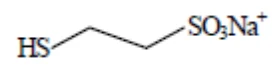
Structural Formula: Molecular Formula: C2H5O3S2Na
Molecular Weight: 164.18 g / mol
Description: Mesna is a white to slightly cream-coloured crystalline or microcrystalline powder with a characteristic odour. It is freely soluble in water, sparingly soluble in methanol and practically insoluble in the usual organic solvents.
DETAILED PHARMACOLOGY
Mesna and dimesna are absorbed from the intestine and during absorption, dimesna undergoes reduction. In the plasma, Mesna is rapidly oxidized by a metal-dependent reaction. Both Mesna and dimesna pass unchanged through hepatic vasculature, are not taken up in the liver cells and are not excreted in bile. In the kidney, dimesna is subject to glomerular filtration and subsequently reabsorbed, whereupon reduction to the pharmacologically active thiol form occurs in the renal tubular epithelium, and the thiol is then re-excreted into the tubular lumen. Reduction of dimesna occurs in intestinal and renal epithelial cells by a mechanism involving the enzymes thiol transferase and glutathione reductase.
Animals
In guinea pigs, the elimination half-life was found to be 1.48 hours following intravenous administration of 200 mg/kg, and 3.9 hours following oral administration of 200 mg/kg. Similar rates were determined in rats and dogs.
Blood levels were quantified after oral administration in all 3 species. Serum half-life was found to be 3.5 hours in the guinea pig, 2.6 hours in the rat, and 2 hours in the dog.
Distribution of Mesna in the tissues was determined in guinea pigs and rats. Following oral administration of 200 mg/kg, it was observed that Mesna does not permeate all body tissues.
In the rat, placental permeability was investigated after oral administration; in the fetus, the placental barrier permits fetal blood levels of only 17.6% of the maternal blood level.
In all 3 animal species, irrespective of the route of administration, dimesna is eliminated in the urine within the first 8 hours at a rate of 38-45% of the administered Mesna dose.
Humans
After intravenous administration of 60 mg/kg Mesna, a half-life of 1.08 hours was established. Renal elimination starts immediately after administration and is largely completed within 8 hours after administration. In the first 4 hours, excretion occurs primarily as a free SH-compound, thereafter occurring almost exclusively in the form of disulphide.
After oral administration of 60 mg/kg, Mesna appears in the blood almost entirely as its disulfide metabolite with a time-lag of 0.36 hours. Maximum serum levels occur after 1.17 hours. The elimination half-life is 1.15 hours. The rate of excretion is not different from that seen after intravenous administration.
Over 60% of the administered oral or intravenous dose (60 mg/kg) is recovered in the urine as mesna or dimesna.
TOXICOLOGY
Acute Toxicity
Mesna was found to be almost completely non-toxic. The LD50 values are as follows:
| Species | Route of Administration | LD50 (mg/kg) |
| Mice | intravenous or intraperitoneal | 1800-2050 |
| oral | > 6100 | |
| Rats | intravenous or intraperitoneal | 1225-2080 |
| oral | > 4330 |
In dogs, death was observed after intravenous doses of 400 mg/kg and above, but not after oral doses of up to 2000 mg/kg.
Subacute Toxicity
The low toxicity of Mesna was confirmed in tests for subacute toxicity. In a 6-week study, rats tolerated daily intravenous doses of up to 316 mg/kg without toxic symptoms. The earliest signs of toxicity were seen at doses of 1000 mg/kg. These included severe body weight loss, leucopenia and anemia.
The kidneys showed distended tubules engorged with urine which had a high protein content and hyaline deposits in the glomerular capillaries.
Dogs tolerated 12 intravenous doses of 200 mg/kg, with vomiting and diarrhea appearing only in the first days of treatment. In a 6-week study, intravenous doses of up to 316 mg/kg were tolerated. The only toxic symptoms were vomiting and diarrhea. In the 100 mg/kg group, these symptoms subsided after about 2 weeks of administration, whereas in the 316 mg/kg group they occasionally persisted to the end of the experiment. Macroscopic and histologic examinations did not reveal any drug-related findings.
Chronic Toxicity
In a 6-month chronic toxicity test in rats (oral administration of a 40% solution), daily doses up to 2000 mg/kg were tolerated without drug-related mortality or morbidity.
In a 7-month study in dogs, mesna was administered orally at doses of 31.6, 100 and 316 mg/kg/day. The high dose was subsequently increased to 420 mg/kg/day and further increased to 560 mg/kg/day. One death occurred at 560 mg/kg/day. Other clinical signs included a dose-related incidence of semi-solid stools and sporadic emesis, and a decrease in motor activity in all dogs. There was a slight increase in alkaline phosphatase, a slight decrease in creatinine, and a slight alteration in the electrolytes in high- and medium-dose dogs.
Mutagenicity
No evidence of mutagenicity of Mesna was found in the Ames tests on strains of Salmonella typhimurium.
Reproduction and Teratology
There was no evidence of interference with fetal development following oral administration to rats (doses of up to 2000 mg/kg from day 8 to day 15 of gestation) and to rabbits (doses of up to 2000 mg/kg from day 7 to day 17 of gestation).
Carcinogenicity
Mesna had no carcinogenic effects in rats.
REFERENCES
Clinical
- 1. Klein HO, Wickramanayake PD, Coerper CL and Christian E: Experimental and clinical studies on the significance of the urophophylactic sodium 2-mercaptoethane sulfonate (Uromitexan) in cytostatic therapy with oxazaphosphorines. In: Burkert H, Nagel GA, eds. Contributions to Oncology. S. Karger, 1980:25-39.
- 2. Brock N, Pohl J, Stekar J and Scheef W. Studies on the urotoxicity of oxazaphosphorine cytostatics and its prevention-III. Profile of action of sodium 2-mercaptoethane sulfonate (mesna). Eur J Cancer Clin Oncol 1982;18:1377-87.
- 3. Pohl J. The toxicology, pharmacokinetics and interactions of Uromitexan. In: Burkert H, Nagel GA, eds. Contributions to Oncology. S. Karger, 1980:12-20.
- 4. Scheulen ME, Niederle N, and Seeber S. Results of a clinical phase II study on the use of ifosfamide in refractory malignant diseases. Comparison of the uroprotective effect of Uromitexan and forced diuresis with alkalization of the urine. In: Burkert H, Nagel GA, eds. Contributions to Oncology. S. Karger, 1980:40-6.
- 5. Scheulen ME, Niederle N, Bremer K, Schutte J and Seeber S. Efficacy of ifosfamide in refractory malignant diseases and uroprotection by mesna: results of a clinical phase II-study with 151 patients. Cancer Treat Rev 1983;10:93-101.
- 6. Araujo CE and Tessler J. Treatment of ifosfamide-induced urothelial toxicity by oral administration of sodium 2-mercaptoethane sulphonate (mesna) to patients with inoperable lung cancer. Eur J Cancer Clin Oncol 1983;19(2):195-201.
- 7. Falkson G, Van Dyk JJ, Stapelberg R and Falkson HC. Mesna as a protector against kidney and bladder toxicity with high-dose ifosfamide treatment. Cancer Chemother Pharmacol 1982; 9:81-4.
- 8. Kaplan S, Malinverni R, Varini M and Cavalli F. Prevention of genito-urinary toxicity of ifosfamide with Na 2-mercaptoethane sulfonate (mesna). In: Burkert H, Nagel GA, eds. Contributions to Oncology. S. Karger, 1980:52-6.
- 9. Scherer HP. Clinical experience with Uromitexan in combination with Holoxan monotherapy. In: Burkert H, Nagel GA, eds. Contributions to Oncology. S. Karger, 1980:52-62.
- 10. Klein HO, Wickramanayake P, Coerper CL, Christian E and Pohl J. High-dose ifosfamide and mesna as continuous infusion over five days - a phase I/II trial. Cancer Treat Rev 1983;10: 167-173.
- 11. Scheef W, Klein HO, Brock N, Burkert H, Hoefer-Janker H, Gunther U, Mitrenga D, Schnitker J and Voigtmann R. Controlled clinical studies with an antidote against the urotoxicity of oxazaphosphorines: Preliminary results. Cancer Treat Rep 1979;63(3):501-5.
- 12. Bryant BM, Jarman M, Fort HT and Smith IE. Prevention of isophosphamide-induced urothelial toxicity with 2-mercaptoethane sulphonate sodium (mesna) in patients with advanced carcinoma. The Lancet 1980; Sept:657-9.
- 13. Czownicki Z and Utracka-Hutka B. Clinical studies with Uromitexan - An antidote against urotoxicity of Holoxan. Preliminary results. Nowotwory 1980; 30 : 377-383.
- 14. Jaeger N, Hartlapp J and Weissbach L. Ifosfamide polychemotherapy with diuresis and alkalization or Uromitexan in the treatment of metastasizing testicular tumours. In: Burkert H, Nagel GA, eds. Contributions to Oncology. S. Karger, 1980:88-90.
- 15. Ritter S. Preliminary results of urinary tract prophylaxis with Uromitexan. In: Burkert H, Nagel GA, eds. Contributions to Oncology. S. Karger, 1980:60-1.
- 16. Scheef W and Soemer G. The treatment of solid malignant tumours with Holoxan and Uromitexan. In: Burkert H, Nagel GA, eds. Contributions to Oncology. S. Karger, 1980:21-4.
- 17. Marti C, Steiner R and Viollier AF. High-dose ifosfamide therapy: Systemic application of Uromitexan to reduce urotoxicity. In: Burkert H, Nagel GA, eds. Contributions to Oncology. S. Karger, 1980:57-9.
Preclinical
- 1. Ormstad K, Orrenius S, Lastbom T, Uehara N, Pohl J, Stekar J and Brock N. Pharmacokinetics and metabolism of sodium 2-mercaptoethane sulfonate. Cancer Res 1983;43:333-338.
- 2. Brock N, Pohl J and Stekar J. Studies on the urotoxicity of oxazaphosphorine cytostatics and its prevention. 2. Comparative study on the uroprotective efficacy of thiols and other sulfur compounds. Eur J Cancer Clin Oncol 1981;17:1155-63.
- 3. Brock N, Stekar J, Pohl J, Niemeyer U and Scheffler G. Acrolein, the causative of urotoxic side-effects of cyclophosphamide, ifosfamide, trofosfamide and sufosfamide. Drug Res 1979;29:659-661.
- 4. Habs MR and Schmahl D. Prevention of urinary bladder tumors in cyclophosphamide-treated rats by additional medication with uroprotectors sodium 2-mercaptoethane sulfonate (mesna) and disodium 2,21-dithio-bis-ethane sulfonate (dimesna). Cancer 1983;51:606-9.
General
- 1. Product Monograph, Uromitexan, Baxter Corporation, August 6, 2013, Control No: 164028.