


Product Monograph - Methotrexate Injection BP (Uman Pharma)
SUMMARY PRODUCT INFORMATION
Route of Administration | Dosage Form / Strength | Clinically Relevant Non-medicinal Ingredients |
| Intramuscular, intravenous, intra-arterial, intrathecal | Solution / 25 mg/mL | For a complete listing see DOSAGE FORMS, COMPOSITION AND PACKAGING section. |
INDICATIONS AND CLINICAL USE
Two major fields of indication exist for methotrexate:
- Neoplastic diseases
- Disease Modifying Antirheumatic Drug (DMARD)
Neoplastic Diseases
- Choriocarcinoma: Methotrexate as single chemotherapy or in combination with other drugs.
Intermediate or high grade Non-Hodgkin's Lymphoma as part of ProMACE-CytaBOM,
ProMACE-MOPP, and Magrath protocols.
- Breast Cancer: as part of CMF (cyclophosphamide-methotrexate-fluorouracil) therapy.
- Acute Lymphoblastic Leukemia (ALL) - as maintenance therapy.
- Head and Neck Cancer - in combination with other chemotherapies.
- Gastric Cancer – palliative combination chemotherapy.
- Metastasis of unknown primary - as palliative combination chemotherapy.
Osteogenic sarcoma (adjuvant) - high dose methotrexate with leucovorin rescue
(HDMTX-LV)
- Bladder Cancer (advanced) - as part of M-VAC regimen.
- Leptomeningeal spread of malignancies (carcinomatosis/leukemia/lymphoma) as a single chemotherapy or alternating with Ara-C
- Burkitt's lymphoma
Advanced stages of childhood lymphoma (III and IV, St. Jude's Childrens' Research Hospital
Staging System)
- Advanced cases of mycosis fungoids (cutaneous T-cell lymphoma).
Disease Modifying Antirheumatic Drug (DMARD)
The use of methotrexate as a DMARD in the following diseases where standard therapeutic interventions fail:
- Severe disabling psoriasis/psoriatic arthritis
- Severe disabling rheumatoid arthritis (RA)
- Severe disabling seronegative arthritides
In the treatment of psoriasis, methotrexate should be restricted to severe recalcitrant, disabling psoriasis, which is not adequately responsive to other forms of therapy, but only when the diagnosis has been established after dermatologic consultation.
Geriatrics:
The clinical pharmacology of methotrexate has not been well studied in older individuals. Due to diminished hepatic and renal function, as well as decreased folate stores in this population, relatively low doses should be considered, and these patients should be closely monitored for early signs of toxicity.
Pediatrics:
Safety and effectiveness in pediatric patients have not been established, other than in cancer chemotherapy.
CONTRAINDICATIONS
- Patients who are hypersensitive to this drug or to any ingredient in the formulation or component of the container. For a complete listing, see the DOSAGE FORMS, COMPOSITION AND PACKAGING section
- Pregnancy: Methotrexate can cause fetal death, embryotoxicity, abortion or teratogenic effects when administered to a pregnant woman. Methotrexate is contraindicated in pregnant patients with psoriasis or rheumatoid arthritis and should be used in the treatment of neoplastic diseases only when the potential benefit outweighs the risk to the fetus.
- Women of childbearing potential should not be started on methotrexate until pregnancy is excluded and should be fully counseled on the serious risk to the fetus should they become pregnant while undergoing treatment. Pregnancy should be avoided if either partner is receiving methotrexate. The optimal time interval between the cessation of methotrexate treatment of either partner and pregnancy has not been clearly established. Published literature recommendations for time intervals vary from 3 months to one year (see WARNINGS AND PRECAUTIONS).
Because of the potential for serious adverse reactions in breast fed infants, it is
contraindicated in nursing mothers.
- Methotrexate formulations and diluents containing preservatives must not be used for intrathecal or high dose Methotrexate therapy.
Methotrexate is contraindicated in patients with psoriasis or rheumatoid arthritis in the following situations:
o Alcoholism, alcoholic liver disease or other chronic liver disease.
o Overt or laboratory evidence of immunodeficiency syndromes.
o Pre-existing blood dyscrasias, such as bone marrow hypoplasia, leucopenia, thrombocytopenia or significant anemia.
WARNINGS AND PRECAUTIONS
Serious Warnings and Precautions
- Methotrexate should be used only by physicians whose knowledge and experience includes the use of antimetabolite therapy (see INDICATIONS AND CLINICAL USE).
- Methotrexate injection containing benzyl alcohol must not be used for intrathecal, intraventricular, or high dose therapy (see DOSAGE AND ADMINISTRATION).
- Serious Toxic Reactions (see General section below).
- Use in pregnancy: Methotrexate has been reported to cause fetal death and/or congenital anomalies (see Special Populations, Pregnant Women section below). Pregnant patients with psoriasis or rheumatoid arthritis should not receive methotrexate (see CONTRAINDICATIONS).
General
Because of the possibility of serious toxic reactions (which can be fatal), methotrexate should be used only in life-threatening neoplastic diseases, or in patients with psoriasis or rheumatoid arthritis with severe, recalcitrant, disabling disease that is not adequately responsive to other forms of therapy. Deaths have been reported with the use of methotrexate in the treatment of malignancy, psoriasis and rheumatoid arthritis. Because of the possibility of serious toxic reactions the patient should be informed by the physician of the risks involved and should be under a physician’s constant supervision.
The use of methotrexate high dose regimens recommended for osteosarcoma requires meticulous care (see DOSAGE AND ADMINISTRATION). High dosage regimens for other neoplastic diseases are investigational and a therapeutic advantage has not been established.
Methotrexate has the potential for serious toxicity. Toxic effects may be related in frequency and severity to dose or frequency of administration but have been seen at all doses. Because they can occur at any time during therapy, it is necessary to follow patients on methotrexate closely. Most adverse reactions are reversible if detected early. When such reactions do occur, the drug should be reduced in dosage or discontinued and appropriate corrective measures should be taken. If necessary, this could include the use of leucovorin calcium and/or acute, intermittent hemodialysis with a high-flux dialyzer (see OVERDOSAGE). If methotrexate therapy is re-instituted, it should be carried out with caution, with adequate consideration of further need for the drug and with increased alertness as to possible recurrence of toxicity.
Methotrexate exits slowly from third space compartments (e.g., pleural effusions or ascites). This results in a prolonged terminal plasma half-life and unexpected toxicity. In patients with significant third space accumulations, it is advisable to evacuate the fluid before treatment and to monitor plasma methotrexate levels.
Unexpectedly severe (sometimes fatal) bone marrow suppression, aplastic anemia and gastrointestinal toxicity have been reported with concomitant administration of methotrexate (usually in high dosage) along with some non-steroidal anti-inflammatory drugs (NSAIDs) (see DRUG INTERACTIONS).
Bone marrow and mucosal toxicity of methotrexate depend on: dose and duration of exposure of high levels (> 2x10⁻⁸ mol/L (0.02 micromolar)) of methotrexate. Since the critical time factor has been defined for these organs as being 42 hours in humans, this has the following implications:
- When high doses of methotrexate are employed (>1 g/m2), drug levels in serum should be monitored;
- When drug levels exceeding (2x10⁻⁸ mol/L (0.02 micromolar)) the above for > 42 hours may forecast significant toxicity;
- When toxicity can be minimized by appropriate administration of Leucovorin Calcium;
- When high-dose methotrexate (HDMTX) is employed, it is imperative to alkalinize the urine in order to prevent crystallization of methotrexate and its 7-hydroxy metabolite in the urine, which may lead to acute renal failure.
Methotrexate given concomitantly with radiotherapy may increase the risk of soft tissue necrosis and osteonecrosis.
Methotrexate should be used with extreme caution in the presence of debility.
Carcinogenesis and Mutagenesis
Malignant lymphomas, which may regress following withdrawal of methotrexate, may occur in patients receiving low-dose methotrexate and, thus, may not require cytotoxic treatment. Discontinue methotrexate first and, if the lymphoma does not regress, appropriate treatment should be instituted.
Like other cytotoxic drugs, methotrexate may induce "tumour lysis syndrome" in patients with rapidly growing tumours. Appropriate supportive and pharmacologic measures may prevent or alleviate this complication.
No controlled human data exist regarding the risk of neoplasia with methotrexate. Methotrexate has been evaluated in a number of animal studies for carcinogenic potential with inconclusive results. Although there is evidence that methotrexate causes chromosomal damage to animal somatic cells and human bone marrow cells, the clinical significance remains uncertain. Assessment of the carcinogenic potential of methotrexate is complicated by conflicting evidence of an increased risk of certain tumours in rheumatoid arthritis. Benefit should be weighed against this potential risk before using methotrexate alone or in combination with other drugs, especially in children or young adults.
Also, see TOXICOLOGY.
Gastrointestinal
If vomiting, diarrhea, or stomatitis occurs, resulting in dehydration, methotrexate should be discontinued until recovery occurs. Diarrhea and ulcerative stomatitis require interruption of therapy; otherwise, hemorrhagic enteritis and death from intestinal perforation may occur. Methotrexate should be used with extreme caution in the presence of peptic ulcer disease or ulcerative colitis.
Hematologic
Methotrexate should be used with caution in patients with impaired bone marrow function and previous or concomitant wide field radiotherapy. Methotrexate may produce marked bone marrow depression with resultant anemia, aplastic anemia, pancytopenia, leucopenia neutropenia and/or thrombocytopenia. In patients with malignancy and pre-existing hematopoietic impairment, the drug should be used with caution, if at all. In controlled clinical trials in rheumatoid arthritis (n=128), leucopenia (WBC < 3000/mm3) was seen in 2 patients, thrombocytopenia (platelets < 1,000,000/mm3) in 6 patients, and pancytopenia in 2 patients.
In psoriasis and rheumatoid arthritis, methotrexate should be stopped immediately if there is a significant drop in blood counts. In the treatment of neoplastic diseases, methotrexate should be continued only if the potential benefit warrants the risk of severe myelosuppression. Patients with profound granulocytopenia and fever should be evaluated immediately and usually require parenteral broad-spectrum antibiotic therapy.
Hepatic/Biliary/Pancreatic
Methotrexate has the potential for acute and chronic hepatotoxicity. Acutely, liver enzyme elevations are frequently seen after methotrexate administration and are usually not a reason for modification of methotrexate therapy. Liver enzyme elevations are usually transient and asymptomatic, and also do not appear predictive of subsequent hepatic disease. Persistent liver abnormalities, and/or decrease of serum albumin may be indicators of serious liver toxicity. Chronic toxicity is potentially fatal; it generally has occurred after prolonged use (generally two years or more) and after a total cumulative dose of at least 1.5 grams. Liver biopsy after sustained use often shows histologic changes, and fibrosis and cirrhosis have been reported; these latter lesions may not be preceded by symptoms or abnormal liver function tests in the psoriasis population. Periodic liver biopsies are usually recommended for psoriatic patients who are under long-term treatment. Persistent abnormalities in liver function tests may precede appearance of fibrosis or cirrhosis in the rheumatoid arthritis population. In studies in psoriatic patients, hepatotoxicity appeared to be a function of total cumulative dose and appeared to be enhanced by alcoholism, obesity, diabetes and advanced age. An accurate incidence rate has not been determined; the rate of progression and reversibility of lesions is not known. Special caution is indicated in the presence of pre-existing liver damage or impaired hepatic function.
In psoriasis, liver damage and function tests, including serum albumin and prothrombin time, should be performed several times prior to dosing, but are often normal in the face of developing fibrosis or cirrhosis. These lesions may be detectable only by biopsy.
The usual recommendation is to obtain a liver biopsy: 1) before the start of therapy or shortly after initiation of therapy (4-8 weeks); 2) after a total cumulative dose of 1.5 grams; and 3) after
each additional 1.0 to 1.5 grams. Moderate fibrosis or any cirrhosis normally leads to discontinuation of the drug; mild fibrosis normally suggests a repeat biopsy in 6 months. Milder histologic findings such as fatty change and low grade portal inflammation are relatively common pre-therapy. Although these mild changes are usually not a reason to avoid or discontinue methotrexate therapy, the drug should be used with caution.
Clinical experience with liver disease in rheumatoid arthritis is limited, but the same risk factors would be anticipated. Liver function tests are also usually not reliable predictors of histological changes in this population.
In rheumatoid arthritis, advanced age at first use of methotrexate and increasing duration of therapy has been reported as risk factors for hepatotoxicity. Persistent abnormalities in liver function tests may precede appearance of fibrosis or cirrhosis in the rheumatoid population. Liver function tests should be performed at baseline and at 4-8 week intervals in patients receiving methotrexate for rheumatoid arthritis. Pretreatment liver biopsy should be performed for patients with a history of excessive alcohol consumption, persistently abnormal baseline liver function test values, or chronic hepatitis B or C infection. During therapy, liver biopsy should be performed if there are persistent liver function test abnormalities, or there is a decrease in serum albumin below the normal range (in the setting of well controlled rheumatoid arthritis).
If the results of a liver biopsy show mild changes (Roenigk grades I, II, IIIa), methotrexate may be continued and the patient monitored according to the recommendations listed above. Methotrexate should be discontinued in any patient who displays persistently abnormal liver function tests and refuses liver biopsy, or in any patient whose liver biopsy shows moderate to severe changes (Roenigk grade IIIb or IV).
There is a combined reported experience in 217 rheumatoid arthritis patients with liver biopsies both before and during treatment (after a cumulative dose of at least 1500 mg) and in 714 patients with a biopsy only during treatment. There are 64 (7%) cases of fibrosis and 1 (0.1%) case of cirrhosis. Of the 64 cases of fibrosis, 60 were deemed mild. The reticulin stain is more sensitive for early fibrosis and its use may increase these figures. It is unknown whether even longer use will increase these risks.
Immune
Methotrexate should be used with extreme caution in the presence of active infection, and is usually contraindicated in patients with overt or laboratory evidence of immunodeficiency syndromes.
Immunization may be ineffective when given during methotrexate therapy. Immunization with live virus vaccines is generally not recommended. There have been reports of disseminated vaccinia infections after smallpox immunization in patients receiving methotrexate therapy. Hypogammaglobulinemia has been reported rarely.
Information for Patients
Patients should be informed of the early signs and symptoms of toxicity, of the need to see their physician promptly if they occur, and the need for close follow-up, including periodic laboratory
tests to monitor toxicity.
Both the physician and pharmacist should emphasize to the patient that the recommended dose is taken weekly in rheumatoid arthritis and psoriasis, and that mistaken daily use of the recommended dose has led to fatal toxicity.
Patients should be informed of the potential benefit and risk in the use of methotrexate. The risk of effects on reproduction should be discussed with both male and female patients taking Methotrexate.
Neurologic
There have been reports of leukoencephalopathy following intravenous administration of Methotrexate to patients who have had craniospinal irradiation. Serious neurotoxicity, frequently manifested as generalized or focal seizures, has been reported with unexpectedly increased frequency among pediatric patients with acute lymphoblastic leukemia who were treated with intermediate-dose intravenous methotrexate (1 g/m2). Symptomatic patients were commonly noted to have leukoencephalopathy and/or microangiopathic calcifications on diagnostic imaging studies. Chronic leukoencephalopathy has also been reported in patients with osteosarcoma who received repeated doses of high-dose methotrexate with leucovorin rescue even without cranial irradiation. Discontinuation of methotrexate does not always result in complete recovery.
A transient acute neurologic syndrome has been observed in patients treated with high dosage regimens. Manifestations of this neurologic disorder may include behavioural abnormalities, focal sensorimotor signs, including transient blindness and abnormal reflexes. The exact cause is unknown.
After the intrathecal use of methotrexate, the central nervous system toxicity which may occur can be classified as follows: chemical arachnoiditis manifested by such symptoms as headache, back pain, nuchal rigidity, and fever; paresis, usually transient, manifested by paraplegia associated with involvement with one or more spinal nerve roots; leukoencephalopathy manifested by confusion, irritability, somnolence, ataxia, dementia, and occasionally major convulsions.
Intravenous administration of methotrexate may also result in acute encephalitis and acute encephalopathy with fatal outcome.
Cases of severe neurological adverse reactions that ranged from headache to paralysis, coma and stroke-like episodes have been reported mostly in juveniles and adolescents given methotrexate in combination with cytarabine.
Renal
Methotrexate therapy in patients with impaired renal function should be undertaken with extreme caution, and at reduced dosages, because renal dysfunction will prolong methotrexate elimination. Methotrexate may cause renal damage that may lead to acute renal failure. High doses of methotrexate used in the treatment of osteosarcoma may cause renal damage leading to acute renal failure.
Nephrotoxicity is due primarily to the precipitation of methotrexate and 7-hydroxymethotrexate in the renal tubules. Close attention to renal function including adequate hydration, urine alkalinization and measurement of serum methotrexate and creatinine levels are essential for safe administration.
Respiratory
Methotrexate-induced lung disease, including acute or chronic interstitial pneumonitis is a potentially dangerous lesion, which may occur at any time during therapy and which has been reported at low doses. It is not always fully reversible and fatalities have been reported. Pulmonary symptoms (especially a dry non-productive cough) or a non-specific pneumonitis occurring during methotrexate therapy may be indicative of a potentially dangerous lesion and require interruption of treatment and careful investigation. Although clinically variable, the typical patient with methotrexate-induced lung disease presents with fever, cough, dyspnea, hypoxemia, and an infiltrate on chest X-ray; infection (including pneumonia) needs to be excluded. This lesion can occur at all dosages.
Pneumonia (in some cases leading to respiratory failure) may occur. Potentially fatal opportunistic infections, especially Pneumocystis carinii pneumonia, may occur with methotrexate therapy. When a patient presents with pulmonary symptoms, the possibility of Pneumocystis carinii should be considered.
Sexual Function/Reproduction
Methotrexate causes embryotoxicity, abortion, and fetal defects in humans. It has also been reported to cause impairment of fertility, oligospermia and menstrual dysfunction in humans, during and for a short period after cessation of therapy.
See TOXICOLOGY.
Skin
Severe, occasionally fatal, dermatologic reactions, including toxic epidermal necrolysis (Lyell’s Syndrome), Stevens-Johnson syndrome, exfoliative dermatitis, skin necrosis and erythema multiforme have been reported in children and adults within days of oral methotrexate administration. Reactions were noted after single or multiple, low, intermediate or high doses of methotrexate in patients with neoplastic and non-neoplastic diseases. Recovery has been reported with discontinuation of therapy.
Lesions of psoriasis may be aggravated by concomitant exposure to ultraviolet radiation. Radiation dermatitis and sunburn may be "recalled" by the use of methotrexate.
Special Populations
Pregnant Women:
Methotrexate can cause fetal death, embryotoxicity, abortion, or teratogenic effects when administered to a pregnant woman. Methotrexate is contraindicated in pregnant patients with psoriasis or rheumatoid arthritis and should be used in the treatment of neoplastic diseases only when the potential benefit outweighs the risk to the fetus.
Women of childbearing potential should not be started on methotrexate until pregnancy is excluded and should be fully counseled on the serious risk to the fetus should they become pregnant while undergoing treatment. Pregnancy should be avoided if either partner is receiving methotrexate. The optimal time interval between the cessation of methotrexate treatment of either partner and pregnancy has not been clearly established. Published literature recommendations for time intervals vary from 3 months to one year.
Nursing Women:
Because of the potential for serious adverse reactions from methotrexate in breast fed infants, methotrexate is contraindicated in nursing mothers.
Pediatrics:
Safety and effectiveness in pediatric patients have not been established, other than in cancer chemotherapy.
Geriatrics:
The clinical pharmacology of methotrexate has not been well studied in older individuals. Due to diminished hepatic and renal function, as well as decreased folate stores in this population, relatively low doses should be considered, and these patients should be closely monitored for early signs of toxicity.
Monitoring and Laboratory Tests
General:
Patients undergoing methotrexate therapy should be closely monitored so that toxic effects are detected promptly. Baseline assessment should include a complete blood count (CBC) with differential and platelet counts, hepatic enzymes, renal function tests, and a chest X-ray. During therapy of rheumatoid arthritis and psoriasis, monitoring of these parameters is recommended: hematology at least monthly, and hepatic enzyme levels and renal function every 1 to 2 months. More frequent monitoring is usually indicated during antineoplastic therapy. During initial or changing doses, or during periods of increased risk of elevated methotrexate blood levels (e.g., dehydration), more frequent monitoring may also be indicated.
Liver:
Liver biopsies prior to methotrexate therapy are not indicated routinely. Liver function tests (LFTs) should be determined prior to the initiation of therapy with methotrexate and they should be monitored regularly throughout therapy. A relationship between abnormal liver function tests and fibrosis or cirrhosis of the liver has not been established. Transient liver function test abnormalities are observed frequently after methotrexate administration and are usually not cause for modification of methotrexate therapy. Persistent liver function test abnormalities just prior to dosing and/or depression of serum albumin may be indicators of serious liver toxicity and require evaluation.
Respiratory:
Pulmonary function tests may be useful if methotrexate-induced lung disease is suspected, especially if baseline measurements are available.
Serum Level Monitoring:
Serum methotrexate level monitoring can significantly reduce methotrexate toxicity and mortality.
Patients subject to the following conditions are predisposed to developing elevated or prolonged methotrexate levels and benefit from routine monitoring of levels: e.g., pleural effusion, ascites, gastrointestinal tract obstruction, previous cisplatin therapy, dehydration, aciduria, impaired renal function.
Some patients may have delayed methotrexate clearance in the absence of these features. It is important that patients be identified within 48 hours since methotrexate toxicity may not be reversible if adequate leucovorin rescue is delayed for more than 42 to 48 hours.
The method of monitoring methotrexate concentrations varies from institution to institution. Monitoring of methotrexate concentrations should include determination of a methotrexate level at 24, 48, or 72 hours, and assessment of the rate of decline in methotrexate concentrations (to determine how long to continue leucovorin rescue).
ADVERSE REACTIONS
Adverse Drug Reaction Overview
In general, the incidence and severity of acute side effects are related to dose, frequency of administration, and the duration of the exposure to significant blood levels of methotrexate to the target organs. The most serious reactions are discussed in WARNINGS AND PRECAUTIONS. That section should also be consulted when looking for information about adverse reactions with methotrexate.
- Some of the effects mentioned in this section, such as dizziness and fatigue, may affect the ability to drive or operate machinery.
- The most frequently reported adverse reactions include ulcerative stomatitis, leucopenia, nausea, and abdominal distress. Other frequently reported adverse effects are malaise, undue fatigue, chills and fever, dizziness and decreased resistance to infection.
Adverse Drug Reactions by Organ System
Adverse reactions that have been reported with methotrexate are listed below alphabetically by organ system. In the oncology setting, concomitant treatment and the underlying disease make specific attribution of a reaction to methotrexate difficult.
Alimentary System: Gingivitis, stomatitis, enteritis, anorexia, nausea, vomiting, diarrhea, hematemesis, melena, gastrointestinal ulceration and bleeding, pancreatitis.
Cardiovascular:
Pericarditis, pericardial effusion, hypotension, and thromboembolic events (including arterial thrombosis, cerebral thrombosis, deep vein thrombosis, retinal vein thrombosis, thrombophlebitis, and pulmonary embolus).
Central Nervous System:
Headaches, dizziness, drowsiness, speech impediment including dysarthria and aphasia; hemiparesis, paresis and convulsions have also occurred following administration of methotrexate. Following low doses, there have been occasional reports of transient subtle cognitive dysfunction, mood alteration, or unusual cranial sensations, leucoencephalopathy, or encephalopathy.
Eye Disorders:
Conjuctivitis, blurred vision, serious visual changes of unknown etiology, and transient blindness/vision loss.
Hematopoietic:
Methotrexate can suppress hematopoiesis and cause anemia, leucopenia, and/or thrombocytopenia. Hypogammaglobulinemia has been reported rarely (see Warnings And Precautions - Immune). Lymphadenopathy and lymphoproliferative disorders (including reversible), pancytopenia, neutropenia and agranulocytosis and eosinophilia have also been observed.
Hepatobiliary Disorders: Hepatotoxicity, acute hepatitis, chronic fibrosis and cirrhosis, decrease in serum albumin, liver enzyme elevations, hepatic failure.
Infection:
There have been case reports of sometimes fatal sepsis, sepsis, opportunistic infections, including fatal infections in patients receiving methotrexate therapy for neoplastic and non-neoplastic diseases. Pneumocystis carinii pneumonia was the most common infection. Other reported infections included pneumonia, nocardiosis, histoplasmosis, cryptococcosis, Herpes zoster, H. simplex hepatitis and disseminated H. simplex and cytomegalovirus infection, including cytomegaloviral pneumonia.
Musculoskeletal,
Connective Tissue, and,
Bone Disorders:
Stress fractures.
Pulmonary System: Respiratory fibrosis, pharyngitis and interstitial pneumonitis deaths have been reported; chronic interstitial obstructive pulmonary disease and alveolitis have occasionally occurred.
Skin:
Erythematous rashes, pruritus, urticaria, photosensitivity, pigmentary changes, alopecia, ecchymosis, telangiectasia, acne, furunculosis, erythema multiforme, toxic epidermal necrolysis (Lyell’s Syndrome), Stevens-Johnson Syndrome, skin necrosis, exfoliative dermatitis, and painful erosion of psoriatic plaques.
Urogenital System:
Severe nephropathy or renal failure, azotemia, dysuria, cystitis, hematuria; defective oogenesis or spermatogenesis, transient oligospermia, menstrual dysfunction, vaginal discharge and gynecomastia; infertility, abortion, fetal defects, loss of libido/impotence. Proteinuria has also been observed.
Rarer reactions: Related to or attributed to the use of Methotrexate such as nodulosis, vasculitis, herpes zoster, sepsis, arthralgia/myalgia, diabetes, osteoporosis, sudden death, lymphoma, reversible lymphomas, tumor lysis syndrome, soft tissue necrosis, aplastic anemia, fetal death and osteonecrosis. A few cases of anaphylactoid reactions have been reported.
Malignant lymphomas, which may regress following withdrawal of methotrexate, may occur in patients receiving low-dose methotrexate, and thus may not require cytotoxic treatment. Discontinue methotrexate first and if the lymphoma does not regress, appropriate treatment should be instituted.
Other Adverse Drug Reactions
Adverse Reactions Reported in Rheumatoid Arthritis
Incidence greater than 10%: elevated liver enzymes 15%, nausea/vomiting 10%. Incidence 3% to 10%: stomatitis, thrombocytopenia.
Incidence 1% to 3%: rash/pruritus/dermatitis, alopecia, diarrhea, dizziness, leucopenia and pancytopenia.
Adverse Reactions in Psoriasis
The adverse reaction rates reported are very similar to those in the rheumatoid arthritis studies. Rarely, painful psoriatic plaque erosions may appear.
Abnormal Hematologic and Clinical Chemistry Findings
Abnormal hematologic and clinical chemistry findings are discussed in WARNINGS AND PRECAUTIONS – Monitoring and Laboratory Tests.
DRUG INTERACTIONS
Drug-Drug Interactions
The drugs listed below are based on either drug interaction case reports or studies, or potential interactions due to the expected magnitude and seriousness of the interaction (i.e., those identified as contraindicated).
Nonsteroidal Anti-inflammatory Drugs (NSAIDs)
Nonsteroidal anti-inflammatory drugs should not be administered prior to or concomitantly with the high doses of methotrexate used in the treatment of osteosarcoma. Concomitant administration of some NSAIDs with high dose methotrexate therapy has been reported to elevate and prolong serum Methotrexate levels, resulting in deaths from severe hematologic and gastrointestinal toxicity.
Caution should be used when NSAIDs and salicylates are administered concomitantly with lower doses of methotrexate. These drugs have been reported to reduce the tubular secretion of methotrexate in an animal model, and may enhance its toxicity by increasing methotrexate levels.
In treating rheumatoid arthritis with methotrexate, acetyl salicyclic acid (ASA), NSAIDs, and/or low dose steroids may be continued.
The possibility of increased toxicity with concomitant use of NSAIDs including salicylates has not been fully explored. Steroids may be reduced gradually in patients who respond to methotrexate. Combined use of methotrexate with gold, penicillamine, hydroxychloroquine, sulfasalazine, or cytotoxic agents has not been studied and may increase the incidence of adverse effects.
Despite the potential interactions, studies of methotrexate in patients with rheumatoid arthritis have usually included concurrent use of constant dosage regimens of NSAIDs without apparent problems. It should be appreciated however, that the doses used in rheumatoid arthritis (7.5 to 15 mg/week) are somewhat lower than those used in psoriasis and that larger doses could lead to unexpected toxicity.
Leflunomide
Methotrexate in combination with leflunomide may increase the risk of pancytopenia.
Drugs Highly Bound to Plasma Proteins
Methotrexate is partially bound to serum albumin, and toxicity may be increased because of displacement by certain drugs, such as salicylates, phenylbutazone, phenytoin and sulfonamides.
Probenecid
Renal tubular transport is also diminished by probenecid; use of methotrexate with this drug should be carefully monitored.
Nephrotoxic Drugs
In the treatment of patients with osteosarcoma, caution must be exercised if high-dose methotrexate is administered in combination with a potentially nephrotoxic chemotherapeutic agent (e.g., cisplatin). Methotrexate clearance is decreased by cisplatinum.
Although not documented, other nephrotoxic drugs such as aminoglycosides, Amphotericin B and Cyclosporin could theoretically increase methotrexate toxicity by decreasing its elimination.
Penicillins and Sulfonamides
Penicillins and sulfonamides may reduce the renal clearance of methotrexate; hematologic and gastrointestinal toxicity have been observed in combination with methotrexate.
Oral Antibiotics
Oral antibiotics such as tetracycline, chloramphenicol, and non-absorbable broad spectrum antibiotics, may decrease intestinal absorption of methotrexate or interfere with the enterohepatic circulation by inhibiting bowel flora and suppressing metabolism of the drug by bacteria. For example: Neomycin, Polymyxin B, Nystatin and Vancomycin decrease methotrexate absorption, whereas Kanamycin increases methotrexate absorption.
Trimethoprim/sulfamethoxazole has been reported rarely to increase bone marrow suppression in patients receiving methotrexate, probably by decreased tubular secretion and/or an additive antifolate effect.
Theophylline
Methotrexate may decrease the clearance of theophylline; theophylline levels should be monitored when used concurrently with methotrexate.
Mercaptopurine
Methotrexate increases the plasma levels of mercaptopurine. Combination of methotrexate and mercaptopurine may therefore require dose adjustment.
Vitamins
Vitamin preparations containing folic acid or its derivatives may decrease responses to systemically administered methotrexate. Preliminary animal and human studies have shown that small quantities of intravenously administered leucovorin enter the cerebrospinal fluid (CSF) primarily as 5-methyl tetrahydrofolate and, in humans, remain 1 - 3 orders of magnitude lower than the usual methotrexate concentrations following intrathecal administration. However, high doses of leucovorin may reduce the efficacy of intrathecally administered methotrexate.
In patients with rheumatoid arthritis or psoriasis, folic acid or folinic acid may reduce methotrexate toxicities such as gastrointestinal symptoms, stomatitis, alopecia and elevated liver enzymes.
Before taking a folate supplement, it is advisable to check B12 levels, particularly in adults over the age of 50, since folate administration can mask symptoms of B12 deficiency. Folate deficiency states may increase methotrexate toxicity.
Radiotherapy
Methotrexate given concomitantly with radiotherapy may increase the risk of soft tissue necrosis and osteonecrosis.
Hepatoxins
The potential for increased hepatotoxicity when methotrexate is administered with other hepatotoxic agents has not been evaluated. However, hepatotoxicity has been reported in such cases. Therefore, patients receiving concomitant therapy with methotrexate and other potential
hepatotoxic agents (e.g., leflunomide, azathioprine, sulfasalazine, retinoids) should be closely monitored for possible increased risk of hepatotoxicity.
Cytarabine
Methotrexate given concomitantly with cytarabine may increase the risk of severe neurologic adverse events such as headache, paralysis, coma and stroke-like episodes (see WARNINGS AND PRECAUTIONS – Neurologic).
Drug-Food Interactions
The bioavailability of orally administered methotrexate is reduced by food, particularly milk products.
DOSAGE AND ADMINISTRATION
Neoplastic Diseases
Dosing Considerations
- Parenteral drug products should be inspected visually for particulate matter and discolouration prior to administration, whenever solution and container permit.
- Methotrexate Injection, BP may be given by the intramuscular, intravenous, intra-arterial, intrathecal or intraventricular (via Ommaya reservoir into the CNS) routes.
- Methotrexate may only be administered by physicians experienced in the treatment of neoplasia. The oncologist should consult the current literature for the treatment regimen to be used. Typical dosages reported in the literature for the following malignancies are listed in the following section.
Recommended Dose and Dosage Adjustment
Breast Cancer
The initial doses of CMF will be cyclophosphamide 100 mg/m2 p.o. days 1 through 14, methotrexate 40 mg/m2 IV day 1, 8, and 5 - Fluorouracil 600 mg/m2 IV day 1, 8. Cycle length will be 28 days ("2 weeks-on, 2 weeks-off"). In patients over 60 years of age, the dosage of methotrexate will be 30 mg/m2 IV day 1, 8.
If total bilirubin exceeds 1.5 mg/dL, decrease the dose of methotrexate only by 50%.
Bladder Cancer
Typical dosage regimens for bladder cancer are the CMV Regimen and the “M-VAC Regimen" which are represented in the following tables.
Table 1 - CMV Regimen*
| Drugs** | Days | ||
| 1 | 2 | 8¶ | |
| Cisplatin‡ | 100 | ||
| Vinblastine | 4 | 4 | |
| Methotrexate*** | 30 | 30 | |
* All doses in mg/m2 with cycles repeated on day 22.
**Patients > 70 years old receive 80% of all doses; if vomiting persists to day 8, no drug is given. ‡For each cycle adjust cisplatin to 100% for Ccr > 60 mL/min; 50% of dose for Ccr 50-60 mL/min; none for Ccr < 50 mL/min.
***No drug for a decrease on day 8 of > 30 mL/min compared to day 1 or Ccr < 50 mL/min or Cr > 1.8 mg/dL. ¶ Major dose modifications for both drugs depending on myelosuppression.
Table 2 - M-VAC Regimen*
| Drugs | Days | |||
| 1 | 2 | 15 | 22*** | |
| Methotrexate | 30 | 30 | 30 | |
| Vinblastine | 3 | 3 | 3 | |
| Doxorubicin | 30** | |||
| Cisplatin | 70 | |||
*All doses in mg/m2 with cycles repeated every 28-32 days.
**Patients having prior pelvic irradiation equivalent to > 2500 rad in 5 days, reduce the dose of Doxorubicin 15 mg/m2.
***No doses given when the WBC < 2500 cells/mm3, platelets > 100,000 cells/mm3, or mucositis present.
Head and Neck Cancer
Methotrexate remains the standard of therapy for patients with recurrent or metastatic disease. It has been given in a wide variety of doses and schedules (a few of which are represented in the table below).
Table 3
Methotrexate Schedule*
0.8 mg/kg every 4 days IV
25 - 50 mg every 4 to 7 days
60 mg/m2 weekly IV or 40 mg/m2 biweekly IV
40 - 60 mg/m2 weekly IV
80 mg/m2 for 30 h every 2 wk with escalation to toxicity
40 mg/m2 weekly IV
40-200 mg/m2 IV on days 1, 4 weekly; Leucovorin on days 2,5
60 mg/m2 IV weekly
* excerpt from Devita, et al: CANCER 3rd Ed, p. 496
For palliation of patients with advanced incurable disease and acceptable renal function, it is appropriate to begin oral or intravenous methotrexate with weekly doses of 40-50 mg/m2 or biweekly doses of 15 to 20 mg/ m2 and escalate the dose in weekly increments until either mild toxicity or therapeutic response is achieved.
Gastric Cancer
A regimen used in a clinical trial in Belgium in patients with resectable gastric cancer follows: methotrexate (1.5 g/m2 IV day 1, +5-Fluorouracil (1.5 g/m2 IV) + Leucovorin (15 mg/m2 orally or IV every 6 hours for 72 hours) + Adriamycin (30 mg/m2 IV, day 15). The schedule is repeated on day 29 for 6 cycles.
Choriocarcinoma and similar trophoblastic diseases
Methotrexate is administered orally or intramuscularly in doses of 15 to 30 mg daily for a 5 day course. Such courses are usually repeated for 3 to 5 times, as required, with rest periods of one or more weeks interposed between courses, until any manifesting toxic symptoms subside. The effectiveness of therapy is ordinarily evaluated by 24 hour quantitative analysis of urinary chorionic gonadotrophin hormone (beta-HCG), which should return to normal or less than 50 IU/24 hours usually after the third or fourth course, and usually be followed by a complete resolution of measurable lesions in four to six weeks. One to two courses of methotrexate after normalization of beta-HCG is usually recommended. Before each course of the drug, careful clinical assessment is essential. Cyclic combination therapy of methotrexate with other anti-tumour drugs has been reported as being useful.
Since hydatiform mole may precede by choriocarcinoma, prophylactic chemotherapy with methotrexate has been recommended.
Chorioadenoma destruens is considered to be an invasive form of hydatiform mole. Methotrexate is administered in these disease states in doses similar to those recommended for choriocarcinoma.
Lymphomas
In Burkitt's tumour, Stages I-II, methotrexate has produced prolonged remissions in some cases. Recommended dosage is 10 to 25 mg/day orally for 4 to 8 days. In Stage III, methotrexate is commonly given concomitantly with other anti-tumor agents. Treatment in all stages usually consists of several courses of the drug interposed with 7 to 10 day rest periods. Lymphosarcomas in Stage III may respond to combined drug therapy with methotrexate given in doses of 0.625 to 2.5 mg/kg daily.
The treatment of choice for localized histologically aggressive lymphoma is primary combination chemotherapy with or without involved-field radiation therapy. Frequently used regimens for intermediate, or high grade NHL that include methotrexate include groups: the ProMACE/MOPP, ProMACE-CytaBOM, Magrath Protocols. Represented in the table below for example, is the ProMACE-CytaBOM Regimen.
Table 4 – ProMACE-CytaBOM Regimen
| ProMACE-CytaBOM | Day 1 | Day 8 Day 14 | Days 15-21 | |
| Cyclophosphamide 650 mg/m2 IV | x | No therapy | ||
| Doxorubicin 25 mg/m2 IV | x | |||
| Etoposide 120 mg/m2 IV | x | |||
| Cytarabine 300 mg/m2 IV | x | |||
| Bleomycin 5 mg/m2 IV | x | |||
| Vincristine 1.4 mg/m2 IV | x | |||
| Methrotrexate 120 mg/m2 IV | x (with leucovorin rescue) | |||
| Prednisone 60 mg/m2 PO | x ----------------------------------------x | |||
| Co-trimoxazole 2 PO bid throughout 6 cycles of therapy | ||||
In early stage childhood non-Hodgkin's lymphoma, methotrexate is used effectively in combination chemotherapy regimens.
Mycosis Fungoides (cutaneous T-cell lymphoma)
Therapy with methotrexate appears to produce a clinical response, in up to 50% of patients treated, but chemotherapy is not curative. Dosage is usually 2.5 to 10 mg daily by mouth for several weeks or months. Dose levels of drug and adjustment of dose regimen by reduction or cessation of drug are guided by patient response and hematologic monitoring. Methotrexate has also been given intramuscularly in doses of 50 mg once weekly or 25 mg 2 times weekly.
Leukemia
Acute lymphoblastic leukemia (ALL) in children and young adolescents is the most responsive to present day chemotherapy. In young adults and older patients, clinical remission is more difficult to obtain and early relapse is more common.
Methotrexate alone or in combination with steroids was used initially for induction of remission in ALL. More recently, corticosteroid therapy in combination with other antileukemic drugs or in cyclic combinations with methotrexate, has appeared to produce rapid and effective remissions. When used for induction, methotrexate in doses of 3.3 mg/m2 in combination with 60 mg/m2 of prednisone, given daily, produced remission in 50% of patients treated usually within a period of 4 to 6 weeks. Methotrexate in combination with other agents appears to be the drug of choice for securing maintenance of drug-induced remissions. When remission is achieved and supportive care has produced general clinical improvement, maintenance therapy is initiated as follows:
Methotrexate is administered 2 times weekly either by mouth or intramuscularly in total weekly doses of 30 mg/m2. It has also been given in doses of 2.5 mg/kg intravenously every 14 days. If and when relapse does occur, re-induction of remission can again usually be obtained by repeating the initial induction regimen.
A variety of combination chemotherapy regimens have been used for both induction and maintenance therapy in ALL. The physician should be familiar with recent advances in antileukemic therapy.
Meningeal Leukemia
In the treatment or prophylaxis of meningeal leukemia, methotrexate must be administered intrathecally.
For intrathecal administration, preservative free methotrexate is diluted to a concentration of 1 mg/mL in an appropriate sterile, preservative free medium such as 0.9% Sodium Chloride Injection, USP.
The cerebrospinal fluid volume is dependent on age and not on body surface area. The CSF is at 40% of the adult volume at birth and reaches the adult volume in several years.
Intrathecal methotrexate administration at a dose of 12 mg/m2 (maximum 15 mg) has been reported to result in low CSF methotrexate concentrations and reduced efficacy in children and high concentrations and neurotoxicity in adults.
The following dosage regimen is based on age instead of body surface area:
| Age (years) | Dose (mg) |
<1 1 2 3 or older | 6 8 10 12 |
In one study in patients under the age of 40, this dosage regimen appeared to result in more consistent CSF methotrexate concentrations and less neurotoxicity. Another study in children with acute lymphocytic leukemia compared this regimen to a dose of 12 mg/m2 (maximum 15 mg), a significant reduction in the rate of CNS relapse was observed in the group whose dose was based on age.
Because the CSF volume and turnover may decrease with age, a dose reduction may be indicated in elderly patients.
For the treatment of meningeal leukemia, intrathecal methotrexate may be given at intervals of 2 to 5 days. However, administration at intervals of less than 1 week may result in increased subacute toxicity. Methotrexate is administered until the cell count of the cerebrospinal fluid returns to normal. At this point one additional dose is advisable. For prophylaxis against meningeal leukemia, the dosage is the same as for treatment except for the intervals of administration. On this subject, it is advisable for the physician to consult the medical literature.
Untoward side effects may occur with any given intrathecal injection and are commonly neurological in character. Large doses may cause convulsions. Methotrexate given by the intrathecal route appears significantly in the systemic circulation and may cause systemic methotrexate toxicity. Therefore, systemic antileukemic therapy with the drug should be appropriately adjusted, reduced, or discontinued. Focal leukemic involvement of the central nervous system may not respond to intrathecal chemotherapy and is best treated with radiotherapy.
Leptomeningeal Carcinomatosis
Intrathecal administration of methotrexate as a single-drug or in combination regimens, is the most common therapy for carcinomatous leptomeningitis.
Treatment is optimally administered through an Ommaya reservoir and is usually started with methotrexate (10 mg/m2) given twice weekly until the cerebrospinal fluid cytology becomes negative. The treatment regimen is gradually decreased, first to a weekly course, and eventually to a single administration every two months.
Osteosarcoma
An effective adjuvant chemotherapy regimen requires the administration of several cytotoxic chemotherapeutic agents. In addition to high-dose methotrexate with leucovorin rescue, these agents may include doxorubicin, cisplatin, and the combination of bleomycin, cyclophosphamide and dactinomycin (BCD) in the doses and schedule shown in the table below. The starting dose for high dose methotrexate treatment is 12 grams/m2. If this dose is not sufficient to produce a peak serum methotrexate concentration of 1,000 micromolar (10-3 mol/L) at the end of the methotrexate infusion, the dose may be escalated to 15 grams/m2 in subsequent treatments. If the patient is vomiting or is unable to tolerate oral medication, leucovorin is given IV or IM at the same dose and schedule.
| Drug* | Dose* | Treatment Week After Surgery |
Methotrexate Leucovorin | 12 g/m2 IV as 4 hour infusion (starting dose) 15 mg orally every six hours for 10 doses starting at 24 hours after start of Methotrexate infusion. | 4,5,6,7,11,12,15,16,29,30,44,45 |
| Doxorubicin** as a single drug | 30 mg/m2/day IV x 3 days | 8,17 |
| Doxorubicin** Cisplatin** | 50 mg/m2 IV 100 mg/m2 IV | 20,23,33,36 20,23,33,36 |
Bleomycin** Cyclophosphamide** Dactinomycin** | 15 units/m2 IV x 2 days 600 mg/m 2 IV x 2 days 0.6 mg/m2 IV x 2 days | 2,13,26,39,42 2,13,26,39,42 2,13,26,39,42 |
* Link MP, Goorin AM, Miser AW, et al: The effect of adjuvant chemotherapy on relapse-free survival in patients with osteosarcoma of the extremity. N Engl J of Med 1986; 314(No.25): 1600-1606. ** See each respective package insert for full prescribing information. Dosage modifications may be necessary because of drug-induced toxicity.
When these higher doses of methotrexate are to be administered, the following safety guidelines should be closely observed.
GUIDELINES FOR METHOTREXATE THERAPY WITH LEUCOVORIN RESCUE
- 1.
Administration of methotrexate should be delayed until recovery if:
- The WBC count is less than 1,500/microliter
- The neutrophil count is less than 200/microliter
- The platelet count is less than 75,000/microliter
- The serum bilirubin level is greater than 1.2 mg/dL
- The SGPT level is greater than 450 U
- Mucositis is present, until there is evidence of healing
- Persistent pleural effusion is present; this should be drained dry prior to infusion.
- 2.
Adequate renal function must be documented.
- a)
Serum creatinine must be normal, and creatinine clearance must be greater than
60 mL/min, before initiation of therapy.
- b) Serum creatinine must be measured prior to each subsequent course of therapy. If serum creatinine has increased by 50% or more compared to a prior value, the creatinine clearance must be measured and documented to be greater than 60 mL/min (even if the serum creatinine is still within the normal range).
- a)
- 3.
Patients must be well hydrated, and must be treated with sodium bicarbonate for urinary alkalinization.
- a) Administer 1,000 mL/m2 of intravenous fluid over 6 hours prior to initiation of the methotrexate infusion. Continue hydration at 125 mL/m2 /hr (3 liters/m2/day) during the methotrexate infusion, and for 2 days after the infusion has been completed.
- b) Alkalinize urine to maintain pH above 7.0 during methotrexate infusion and leucovorin calcium therapy. This can be accomplished by the administration of sodium bicarbonate orally or by incorporation into a separate intravenous solution.
- 4. Repeat serum creatinine and serum methotrexate 24 hours after starting methotrexate and at least once daily until the methotrexate level is below 5x10⁻⁸ mol/L (0.05 micromolar).
- 5.
The table below provides guidelines for leucovorin calcium dosage based upon serum methotrexate levels (see table below).
Patients who experience delayed early methotrexate elimination are likely to develop non-reversible oliguric renal failure. In addition to appropriate leucovorin therapy, these patients require continuing hydration and urinary alkalinization, and close monitoring of fluid and electrolyte status, until the serum methotrexate level has fallen to below 0.05 micromolar and the renal failure has resolved. If necessary, acute, intermittent hemodialysis with a high-flux dialyzer may also be beneficial in these patients.
- 6. Some patients will have abnormalities in methotrexate elimination, or abnormalities in renal function following methotrexate administration, which are significant but less severe than the abnormalities described in the table below. These abnormalities may or may not be associated with significant clinical toxicity. If significant clinical toxicity is observed, leucovorin rescue should be extended for an additional 24 hours (total 14 doses over 84 hours) in subsequent courses of therapy. The possibility that the patient is taking other medications which interact with methotrexate (e.g., medications which may interfere with methotrexate binding to serum albumin, or elimination) should always be reconsidered when laboratory abnormalities or clinical toxicities are observed.
LEUCOVORIN RESCUE SCHEDULES FOLLOWING TREATMENT WITH HIGHER
DOSES OF METHOTREXATE
| Clinical Situation | Laboratory Findings | Leucovorin Dosage and Duration |
| Normal Methotrexate Elimination | Serum methotrexate level approximately 10 micromolar at hours after administration, 1 micromolar at 48 hours, and less than 0.2 micromolar at 72 hours. | 15 mg PO, IM or IV q 6 hours for 60 hours (10 doses starting at 24 hours after start of methotrexate infusion). |
| Delayed Late Methotrexate Elimination | Serum methotrexate level remaining above 0.2 micromolar at 72 hours, and more than 0.05 micromolar at 96 hours after administration. | Continue 15 mg PO, IM or IV q six hours, until methotrexate level is less than 0.05 micromolar. |
| Clinical Situation | Laboratory Findings | Leucovorin Dosage and Duration |
| Delayed Early Methotrexate Elimination and/or Evidence of Acute Renal Injury | Serum methotrexate level of 50 micromolar or more at 24 hours, or 5 micromolar or more at 48 hours after administration, OR; a 100% or greater increase in serum creatinine level at 24 hours after methotrexate administration (e.g., an increase from 0.5 mg/dL to a level of 1 mg/dL or more). | 150 mg IV q three hours, until methotrexate level is less than 1 micromolar; than 15 mg IV q three hours, until methotrexate level is less than 0.05 micromolar. |
Psoriasis and Rheumatoid Arthritis
Dosing Considerations
- Refer to Neoplastic Diseases – Dosing Considerations
- The patient should be fully informed of the risks involved and should be under constant supervision of the physician (see WARNINGS AND PRECAUTIONS - Information for Patients).
- All dosage schedules should be continually tailored to the individual patient. An initial test dose may be given prior to the regular dosing schedule to detect any extreme sensitivity to adverse effects (see ADVERSE REACTIONS). Maximal myelosuppression usually occurs in seven to ten days.
Recommended Dose and Dosage Adjustments
Psoriasis
Recommended Starting Dose Schedules
- Weekly single, IM or IV dose schedule: 10 to 25 mg per week until adequate response is achieved.
Dosages in each schedule may be gradually adjusted to achieve optimal clinical response; 30 mg/week should not ordinarily be exceeded.
Once optimal clinical response has been achieved, the dosage schedule should be reduced to the lowest possible amount of drug and to the longest possible rest period. The use of methotrexate may permit the return to conventional topical therapy, which should be encouraged.
Rheumatoid Arthritis
Recommended Starting Dosage Schedules
Therapeutic response usually begins within 3 to 6 weeks and the patient may continue to improve for another 12 weeks or more.
Administration
Dilution:
Methotrexate Injection, BP may be diluted with any of the solutions for IV infusion listed below in a concentration range of 0.4 mg/mL to 2 mg/mL. Dilutions should be used within 24 hours if kept at room temperature. Unused solution should be discarded after this time in order to avoid risk of microbial contamination.
Solutions:
0.9% Sodium Chloride Injection
5% Dextrose Injection
4% Dextrose and 0.18% Sodium Chloride Injection
Ringer's Injection
Since methotrexate is poorly soluble in acid media, use of potassium chloride solution is not advisable.
If a preservative free diluent is used, the solution should be used immediately because of the possibility of microbial growth. It is advisable to protect diluted solutions from light.
Due to the number of brands available, stability data of methotrexate in plastic syringes and bags are not available.
Unused preservative free products should be discarded due to the possibility of microbial growth.
Incompatibilities:
Other drugs should not be mixed with methotrexate in the same infusion bottle.
Methotrexate has been reported to be incompatible with cytarabine, fluorouracil, and prednisolone sodium phosphate; however, its incompatibility with fluorouracil has been questioned. A mixture of methotrexate with cytarabine and hydrocortisone sodium succinate in various infusion fluids has been reported to be visually compatible for at least 8 hours at 25°C, although precipitation did not occur on storage for several days.
Contact with acidic solutions should be avoided since methotrexate is sparingly soluble in acid media and precipitation may occur.
See WARNINGS AND PRECAUTIONS for clinical incompatibilities.
OVERDOSAGE
In post-marketing experience, overdose with methotrexate has generally occurred with intrathecal administration, although intravenous and intramuscular overdose have also been reported.
Discontinue or reduce dosage at the first sign of ulceration or bleeding, diarrhea, or marked depression of the hematopoietic system. Leucovorin is indicated to diminish the toxicity and counteract the effect of inadvertently administered overdosages of methotrexate. Leucovorin administration should begin as promptly as possible. As the time interval between methotrexate administration and leucovorin initiation increases, the effectiveness of leucovorin in counteracting toxicity decreases. Monitoring of the serum methotrexate concentration is essential in determining the optimal dose and duration of treatment with leucovorin.
In cases of massive overdosage, hydration and urinary alkalinization may be necessary to prevent the precipitation of methotrexate and/or its metabolites in the renal tubules. Generally, neither standard hemodialysis nor peritoneal dialysis has been shown to improve methotrexate elimination. However, effective clearance of methotrexate has been reported with acute, intermittent hemodialysis using a high-flux dialyzer.
There are published case reports of intravenous carboxypeptidase G2 treatment to hasten clearance of methotrexate in cases of overdoses.
For management of a suspected drug overdose, contact your regional Poison Control Centre.
ACTION AND CLINICAL PHARMACOLOGY
Mechanism of Action
Methotrexate is a folate antagonist.
Methotrexate inhibits dihydrofolate reductase (DHFR), the enzyme that reduces folic acid to tetrahydrofolic acid. Tetrahydrofolate must be regenerated via the DHFR-catalyzed reaction in order to maintain the intracellular pool of tetrahydrofolate one-carbon derivatives for both thymidylate and purine nucleotide biosynthesis. The inhibition of DHFR by folate antagonists (methotrexate) results in a deficiency in the cellular pools of thymidylate and purines and thus in a decrease in nucleic acid synthesis. Therefore, methotrexate interferes with DNA synthesis, repair, and cellular replication.
Methotrexate is most active against rapidly multiplying cells, because its cytotoxic effects occur primarily during the S phase of the cell cycle. Since cellular proliferation in malignant tissues is greater than in most normal tissues, methotrexate may impair malignant growth without irreversible damage to normal tissues. As a result, actively proliferating tissues, such as malignant cells, bone marrow, fetal cells, buccal and intestinal mucosa, and cells of the urinary bladder, are generally more sensitive to DHFR inhibition effects of methotrexate.
The cytotoxicity of methotrexate results from three important actions: inhibition of DHFR, inhibition of thymidylate synthase, and alteration of the transport of reduced folates. The affinity of DHFR to methotrexate is far greater than its affinity for folic acid or dihydrofolic acid, therefore, large doses of folic acid given simultaneously will not reverse the effects of methotrexate. However, Leucovorin Calcium, a derivative of tetrahydrofolic acid may block the
effects of methotrexate if given shortly after the antineoplastic agent. Methotrexate in high doses, followed by leucovorin rescue, is used as a part of the treatment of patients with non-metastatic osteosarcoma.
The original rationale for high dose methotrexate therapy was based on the concept of selective rescue of normal tissues by leucovorin. More recent evidence suggests that high dose methotrexate may also overcome methotrexate resistance caused by impaired active transport, decreased affinity of dihydrofolic acid reductase for methotrexate, increased levels of dihydrofolic acid reductase resulting from gene amplification, or decreased polyglutamination of methotrexate. The actual mechanism of action is unknown.
Methotrexate has immunosuppressive activity. This may be a result of inhibition of lymphocyte multiplication. The mechanism of action in the management of rheumatoid arthritis of the drug is not known, although suggested mechanisms have included immunosuppressive and/or anti-inflammatory effects.
In psoriasis, the rate of production of epithelial cells in the skin is greatly increased over normal skin. This differential in proliferation rates is the basis for the use of methotrexate to control the psoriatic process.
Pharmacokinetics
Absorption:
Methotrexate is generally completely absorbed following parenteral administration, and after intramuscular injection peak serum concentrations occur in 30 to 60 minutes.
Distribution:
Methotrexate in serum is approximately 50% protein bound. After intravenous administration, the initial volume of distribution is approximately 0.18 L/kg (18% of body weight) and steady - state volume of distribution is approximately 0.4 to 0.8 L/kg (40% to 80% of body weight). Methotrexate does not penetrate the blood-cerebrospinal fluid barrier in therapeutic amounts when given orally or parenterally.
Metabolism:
After absorption, methotrexate undergoes hepatic and intracellular metabolism to polyglutamated forms which can be converted back to methotrexate by hydrolase enzymes. These polyglutamates act as inhibitors of dihydrofolate reductase and thymidylate syntheses. Small amounts of methotrexate polyglutamates may remain in tissues for extended periods. The retention and prolonged drug action of these active metabolites vary among different cells, tissues and tumours. A small amount of metabolism to 7-hydroxymethotrexate may occur at doses commonly prescribed. The aqueous solubility of 7-hydroxymethotrexate is 3 to 5 fold lower than the parent compound. Methotrexate is partially metabolized by intestinal flora after oral administration.
Excretion:
Renal excretion is the primary route of elimination and is dependent upon dosage and route of administration. Excretion of single daily doses occurs through the kidneys in amounts from 80%
to 90% within 24 hours. Repeated daily doses result in more sustained serum levels and some retention of methotrexate over each 24-hour period, which may result in accumulation of the drug within the tissues. The liver cells appear to retain certain amounts of the drug for prolonged periods even after a single therapeutic dose. Methotrexate is retained in the presence of impaired renal function and may increase rapidly in the serum and in the tissue cells under such conditions. Methotrexate does not penetrate the blood-cerebrospinal fluid barrier in therapeutic amounts when given orally or parenterally. High concentrations of the drug, when needed, may be attained by direct intrathecal administration.
The terminal half-life reported for methotrexate is approximately 3 to 10 hours for patients receiving treatment for psoriasis, rheumatoid arthritis or low dose antineoplastic therapy (less than 30 mg/m2). For patients receiving high doses of methotrexate, the terminal half-life is 8 to 15 hours.
Methotrexate clearance rates vary widely and are generally decreased at higher doses.
Special Populations and Conditions
Nursing Women:
Methotrexate has been detected in human breast milk and is contraindicated during breast feeding. The highest breast milk to plasma concentration ratio reached was 0.08: 1.
STORAGE AND STABILITY
Keep in a safe place out of the reach of children.
Store Methotrexate Injection, BP vials between 15-25 °C. Protect from light.
SPECIAL HANDLING INSTRUCTIONS
General:
Individuals who have contact with anti-cancer drugs or work in areas where these drugs are used, may be exposed to these agents in air or through direct contact with contaminated objects. Potential health effects may be reduced by adherence to institutional procedures, published guidelines and local regulations for preparation, administration, transportation and disposal of hazardous drugs.
Safe Handling and Disposal:
Methotrexate is a potent anti-neoplastic drug. Good medical practice will minimize exposure of persons involved with frequent handling of this drug as outlined below:
Handling:
- 1. Methotrexate has no vesicant properties and does not show acute toxicity on topical contact with the skin or mucous membranes. However, persons involved with handling cytotoxic drugs should avoid contact with skin and inhalation of airborne particles.
- 2.
Preparation of antineoplastic solutions should be done in a vertical laminar flow hood
(Biological Safety Cabinet - Class II).
- 3. Personnel preparing methotrexate solutions should wear PVC gloves, safety glasses and protective clothing such as disposable gowns and masks.
- 4. Personnel regularly involved in preparation and handling of antineoplastics should have bi-annual blood examinations.
Disposal:
- 1. Avoid contact with skin and inhalation of airborne particles by use of PVC gloves and disposable gowns and masks.
- 2. All needles, syringes, vials and other materials for disposal which have come in contact with methotrexate should be segregated in plastic bags, sealed and marked as hazardous waste. Incinerate at 1000°C or higher. Sealed containers may explode if a tight seal exists.
- 3. If incineration is not available, rinse all needles, syringes, tubing and other materials for disposal which have come in contact with methotrexate solutions with water and discard in the sewer system with running water.
Rinse vials with the appropriate quantity of water with the aid of a hypodermic syringe. Withdraw the solution and discard in the sewer system with running water. Dispose of rinsed equipment and vials in a safe manner.
Cleaning:
Non-disposable equipment that has come in contact with methotrexate may be rinsed with water and washed thoroughly with soap and water.
Spillage/Contamination:
Wear gloves, mask and protective clothing. Place spilled material in an appropriate container (i.e. cardboard for broken glass) and then in a polyethylene bag; absorb remains with gauze pads or towels; wash area with water and absorb with gauze or towels again and place in bag; seal, double bag and mark as a hazardous waste. Dispose of waste by incineration or by other methods approved for hazardous materials. Personnel involved in clean up should wash with soap and water.
DOSAGE FORMS, COMPOSITION AND PACKAGING
Methotrexate Injection, BP is supplied in vials containing 25 mg of Methotrexate as follows:
25 mg/mL Methotrexate
* Single use vial
50 mg / 2 mL*(contains no preservative)
Composition: Methotrexate Injection, BP is a sterile, isotonic solution containing: Methotrexate 25 mg/mL with 4.9 mg/mL Sodium Chloride and Sodium Hydroxide as pH adjusters. Water for injection q.s. to 1 mL.
PART II: SCIENTIFIC INFORMATION
PHARMACEUTICAL INFORMATION
Drug Substance
Proper name: Methotrexate
Chemical name:
As per Ph. Eur.:
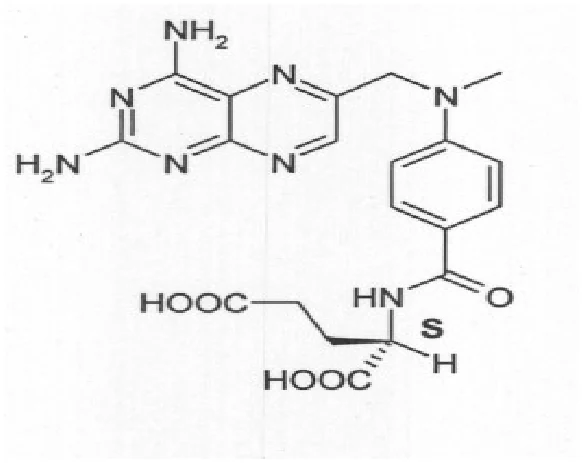
- (2S) – 2 - [ [ 4 - [ [ (2 , 4 – diaminopteridin – 6 - yl) methyl] methylamino]-benzoyl] amino] pentanedioic acid.
As per USP:
L-Glutamic acid, N-[4-[[(2, 4-Diamino-6-pteridinyl)methyl] methylamino]
benzoyl]-
L-(+)-N-[p-[[(2, 4-Diamino-6-pteridinyl) methyl] methylamino] benzoyl]
glutamic acid
Molecular formula and molecular mass: C20H22N8O5 (454.45 g/mol)
Structural formula:
Physicochemical properties:
Physical Form: A yellow to orange crystalline powder. Contains not more than 12% water. Methotrexate is a mixture of 4-amino-10-methylfolic acid and closely related compounds and is equivalent to not less than 94.0% of C20H22N8O5 calculated on the anhydrous basis. The parenteral solution is prepared with the sodium salt, but potency is always expressed on the basis of the acid.
Solubility: Practically insoluble in water, dichloroethane, ethanol and diethylether, but freely soluble in dilute acids and alkaline solutions.
DETAILED HARMACOLOGY
Human Pharmacokinetics
Absorption
Methotrexate is generally completely absorbed from parenteral routes of injection. After intramuscular injection, peak serum concentrations occur in 30 to 60 minutes.
Distribution
After intravenous administration, the initial volume of distribution is approximately 0.18 L/kg (18% of body weight) and steady-state volume of distribution is approximately 0.4 to 0.8 L/kg (40% to 80% of body weight). Methotrexate competes with reduced folates for active transport across cell membranes by means of a single carrier-mediated active transport process. At serum concentrations greater than 100 micromolar, passive diffusion becomes a major pathway by which effective intracellular concentrations can be achieved. Methotrexate in serum is approximately 50% protein bound. Laboratory studies demonstrate that it may be displaced from plasma albumin by various compounds including sulfonamides, salicylates, tetracyclines, chloramphenicol, and phenytoin.
Methotrexate does not penetrate the blood-cerebrospinal fluid barrier in therapeutic amounts when given orally or parenterally. High CSF concentrations of the drug may be attained by intrathecal administration.
In dogs, synovial fluid concentrations after oral dosing were higher in inflamed than uninflamed joints. Although salicylates did not interfere with this penetration, prior prednisone treatment reduced penetration into inflamed joints to the level of normal joints.
Metabolism
After absorption, methotrexate undergoes hepatic and intracellular metabolism to polyglutamated forms, which can be converted back to methotrexate by hydrolase enzymes. These polyglutamates act as inhibitors of dihydrofolate reductase and thymidylate syntheses. Small amounts of methotrexate polyglutamates may remain in tissues for extended periods. The retention and prolonged drug action of these active metabolites vary among different cells, tissues and tumors. A small amount of metabolism to 7-hydroxy methotrexate may occur at doses commonly prescribed. Accumulation of this metabolite may become significant at the high doses used in osteogenic sarcoma. The aqueous solubility of 7-hydroxy methotrexate is 3 to 5 fold lower than the parent compound.
Half-Life
The terminal half-life reported for methotrexate is approximately three to ten hours for patients receiving treatment for psoriasis, rheumatoid arthritis or low dose antineoplastic therapy (less than 30 mg/m2). For patients receiving high doses of methotrexate, the terminal half-life is eight to fifteen hours.
Excretion
Renal excretion is the primary route of elimination and is dependent upon dosage and route of administration. With IV administration, 80% to 90% of the administered dose is excreted unchanged in the urine within 24 hours. There is limited biliary excretion amounting to 10% or less of the administered dose. Enterohepatic recirculation of methotrexate has been proposed.
Renal excretion occurs by glomerular filtration and active tubular secretion. Non-linear elimination due to saturation of renal tubular reabsorption has been observed in psoriatic patients at doses between 7.5 and 30 mg. Impaired renal function, as well as concurrent use of drugs such as weak organic acids that also undergo tubular secretion, can markedly increase methotrexate serum levels. Excellent correlation has been reported between methotrexate clearance and endogenous creatinine clearance.
Methotrexate clearance rates vary widely and are generally decreased at higher doses. Delayed drug clearance has been identified as one of the major factors responsible for methotrexate toxicity. It has been postulated that the toxicity of methotrexate for normal tissues is more dependent upon the duration of exposure to the drug rather than the peak level achieved. When a patient has delayed drug elimination due to compromised renal function, a third space effusion, or other causes, methotrexate serum concentrations may remain elevated for prolonged periods.
The potential for toxicity from high dose regimens or delayed excretion is reduced by the administration of leucovorin calcium during the final phase of methotrexate plasma elimination. Pharmacokinetic monitoring of methotrexate serum concentrations may help identify those patients at high risk for methotrexate toxicity and aid in proper adjustment of leucovorin dosing.
TOXICOLOGY
The acute toxicity (LD50) of methotrexate in mice ranges from 65 to 70 mg/kg intravenously and 45 to 90 mg/kg intraperitoneally.
The acute oral toxicity (LD50) in rats is 317 mg/kg; subcutaneously, it is 58 mg/kg and intraperitoneally it ranges from 80 to 464 mg/kg.
In a 22 month carcinogenicity study in rats that received methotrexate at doses of 0.1, 0.2 and 0.4 mg/kg/day, 5 days/week every other week, little or no effect of the drug was observed. It has been concluded that methotrexate is apparently remarkably free from toxic effects when otherwise lethal doses are administered utilizing an intermittent dosage schedule providing for a recovery period of 9 days. For example, daily oral doses of 0.4 mg/kg are lethal doses both in dogs and rats when administered for up to two weeks; when 0.5 mg/kg and 0.4 mg/kg doses, respectively, were administered daily five times a week every other week for three months to dogs and ten months to rats, they were found to be essentially without toxicity.
Methotrexate is often used clinically in doses that are nearly toxic and may cause severe depression of all blood cellular elements. Constant supervision is recommended and signs of gastrointestinal ulceration and bleeding, including bleeding from the mouth, bone marrow
depression, primarily of the white cell series and alopecia are indications of toxicity. In general, toxicity is in direct proportion to dose and exposure time to methotrexate.
Toxicity of methotrexate to the bone marrow and gastrointestinal epithelium is not so much dependent on dosage as on the duration of exposure of these organs to the drug and its extracellular (plasma) concentration. For bone marrow and gastrointestinal tract, the critical time factor has been defined as about 42 hours and the critical plasma concentration as 2x10⁻⁸M. Both factors must be exceeded for toxicity to occur to these organs.
Doses of methotrexate resulting in plasma levels in excess of 2xl0-8M circulating for greater than 42 hours will be toxic to both the bone marrow and gastrointestinal epithelium. This toxicity can be minimized by the appropriate administration of Leucovorin Calcium.
Methotrexate may be hepatotoxic, particularly at high dosage and with prolonged therapy. Liver atrophy, necrosis, cirrhosis, fatty changes and periportal fibrosis have been reported.
REFERENCES
Anti-neoplastic Chemotherapy
- 1.
Cannon GW. Pulmonary Toxicity of Methotrexate. In: William S. Wilke eds. Methotrexate
Therapy in Rheumatic Disease. Marcel Dekker, Inc. 270 Madison Ave., New York, N.Y. 10016. 1989; 243-260.
- 2.
Martindale: The Extra Pharmacopoeia. 29th Edition. James E.F. Reynolds ed. London
Pharmaceutical Press 1989.
- 3. Evans AE, D'Angelo GJ, and Mitus A. Central Nervous System Complications of Children with Acute Leukemia. An Evaluation of Treatment Methods. J Pediat. 1964; 6:94-96.
- 4.
Hertz R, Lewis J Jr., and Lipsett MB. Five Years' Experience with the Chemotherapy of
Metastatic Choriocarcinoma and Related Trophoblastic Tumours in Women. Amer J Ob Gyn. 1961; 82:631-640.
- 5.
Li MC. Trophoblastic Disease: Natural History, Diagnosis and Treatment. Ann. Int. Med.
1971; 74:102-112.
- 6.
Krivit W, et al. Induction of Remission in Acute Leukemia of Childhood by Combination of
Prednisone and either 6-mercaptopurine or Methotrexate. J Pediat. 1966; 68:965-968.
- 7.
Acute Leukemia Group B.: Acute Lymphocytic Leukemia in Children. JAMA. 1969;
207:923-928.
- 8. Burchenal JH. Chemotherapy for Leukemia. Postgrad. Med. 1970; 48:164-168.
- 9.
Ziegler JL, et al. Treatment of Burkitt's Tumour with Cyclophosphamide. Cancer. 1970;
26:474-484.
- 10.
Hryniuk WM and Bertino JR. Treatment of Leukemia with Large Doses of Methotrexate and
Folinic Acid: Clinical Biochemical Correlates. J Clin Invest. 1969; 48:2140-2155.
- 11.
Hersh EM, Wong VG, Henderson ES, and Freireich EJ. Hepatotoxic Effects of Methotrexate.
Cancer. 1966; 19:600-606.
- 12.
Dixon RL, Henderson ES, and Rall DP. Plasma Protein Binding of Methotrexate and its
Displacement by Various Drugs. Fed. Proc. 1965; 24:454.
- 13. Pitman SW and Frei E. Weekly Methotrexate-Calcium Leucovorin rescue: Effect of alkalinization on nephrotoxicity: Pharmacokinetics in the CNS; and use in CNS Non-Hodgkin's lymphoma. Cancer Treat Reps. 1977; 61(4):695-701.
- 14. Rooney TW, Furst De. Comparison of toxicity in Methotrexate (MTX) treated rheumatoid arthritis (RA) patients also taking aspirin (ASA) or other NSAID. Abstract. Arthritis Rheum 29 Suppl 4:S76.
- 15. Aherne et al. Br Med J. 1978; 1: 1097-1099.
- 16.
Freisheim JH, Matthews DA. Dihydrofolate Reductases. Folate Antagonists as Therapeutic
Agents. Academic Press Inc. 1984; 1:70-73.
- 17. DeVita Jr. LVT, Hellman S, Rosenberg SA. Clinical features of low-grade T-cell lymphomas. Cancer. Principles and Practice of Oncology. 4th. Ed. J.B. Lippincott Co., Philadelphia. pp. 1930-1935.
- 18.
Link MP, Goorin AM, Miser AW, Green AA, Pratt CB, Belasco JB, Pritchard J, Malpas JS,
Baker AR, Kirkpatrick JA, Ayala AG, Shuster JJ, Abelson HT, Simone JV, Vietti TJ. The effect of adjuvant chemotherapy on relapse-free survival in patients with osteosarcoma of the extremity. N Eng J Med. 1986; 314(25):1600-1606.
- 19. Stark AN, Jackson G, Carey PJ, Arfeen S, Proctor SJ. Severe renal toxicity due to intermediate-dose Methotrexate. Department of Haematology, Royal Victoria Infirmary, Newcastle-upon-Tyne.
- 20.
Evans WE, Christensen ML. Drug interactions with Methotrexate. J Rheumatol (Canada).
1985; Suppl 12 12:15-20.
- 21.
Chabner BA, Collins JM. Cancer chemotherapy principles and practice. Philadelphia:
Lippincott, 1990; 449-464.
- 22.
Nyfors A. Benefits and adverse drug experiences during long-term Methotrexate treatment of
248 psoriatics.
Psoriasis Chemotherapy
- 23.
Roenigk HH Jr, Maibach HI, and Weinstein GD. Use of Methotrexate in Psoriasis. Arch
Derm. 1972; 105:363-365.
- 24.
Roenigk HH Jr, Bergfeld WF, and Curits GH. Methotrexate for Psoriasis in Weekly Oral
Doses. Arch Derm. 1969; 99:86-93.
- 25.
Rees RB, Bennett JH, Maibach HI, and Arnold HL. Methotrexate for Psoriasis. Arch Derm.
1971; 103:33-38.
- 26.
Roenigk HH Jr, Maibach HI, and Weinstein GD. Methotrexate Therapy for Psoriasis. Arch
Derm. 1973; 108:35.
- 27. Weinstein GD. Methotrexate for Psoriasis. JAMA. 1973; 225:412.
- 28.
McDonald CJ and Bertino JR. Parenteral Methotrexate in Psoriasis. Arch Derm. 1969;
100:655-668.
- 29. Weinstein GD. Methotrexate for Psoriasis. Dermatology Digest. 1973; 12:49-53.
- 30.
Weinstein GD and Velasco J. Selective Action of Methotrexate on Psoriatic Epidermal Cells.
J of Investigative Dermatology. 1972; 59:121-127.
- 31.
Coe RO and Bull FE. Cirrhosis Associated with Methotrexate Treatment of Psoriasis. JAMA.
1968; 206:1515-1520.
- 32.
Weinstein CD, et al. Cooperative Study. Psoriasis-Liver Methotrexate Interactions. Arch
Derm. 1973; 108:36-42.
- 33. Pearce HP and Wilson BB. Erosion of psoriatic plaques: An early sign of Methotrexate toxicity. Am Acad Dermatol. 1996;35:835-838.
NSAID Interactions
- 34. Adams JD and Hunter GA. Drug interaction in psoriasis. Aust J Derm. 1976; 17:3940.
- 35. Bloom EJ, et al. Delayed clearance (CL) of Methotrexate (MTX) associated with antibiotics and anti-inflammatory agents. Abstract, Clin Res. 1986; 34, No. 2:560A.
- 36.
Daly H. et al. Interaction between Methotrexate and non-steroidal anti-inflammatory drugs.
Lancet. 1986; 557.
- 37.
Daly H, et al. Methotrexate toxicity precipitated by azapropazone. Br J Derm. 1986;
114:733-735.
- 38. Doolittle GC, et al. Early-onset pancytopenia in two patients with rheumatoid arthritis receiving low-dose Methotrexate. Abstract 15C, Art. Rheum 1987; 30:S19, 1 Suppl.
- 39. Ellison NM, and Servi RJ. Acute renal failure and death following sequential intermediate-dose Methotrexate and 5-FU: A possible adverse effect due to concomitant Indomethacin administration. Cancer Treat Reps. 1985; 69(3):342-343.
- 40.
Gabrielli A, et al. Methotrexate and non-steroidal anti-inflammatory drugs. Letter, Br Med J.
1987; 294:776.
- 41.
Maiche AI. Acute renal failure due to concomitant action of Methotrexate and Indomethacin.
Letter, Lancet. 1986; 1390.
- 42.
Mandel MA. The synergistic effect of salicylates on Methotrexate toxicity. Plastic and
Reconstructive Surg. 1976; 733-737.
- 43.
Singh RR, et al. Fatal interaction between Methotrexate and Naproxen. Letter, Lancet. 1986;
1390.
- 44. Thyss A, et al. Clinical and pharmacokinetic evidence of a life-threatening interaction between Methotrexate and Ketoprofen. Lancet. 1986; 256-258.
Interactions with Radiotherapy
- 45. Turner SL, et al. Radical external beam radiotherapy of r333 squamous carcinomas of the oral cavity-Evaluation of the late morbidity and a watch policy for the clinically negative neck. Radiotherapy & oncology. 1996;41:21-9.
Hemodialysis
- 46. Wall SM, et al. Effective clearance of Methotrexate using high-flux hemodialysis membranes. Am J Kidney Dis. 1996; 28(6):846-854.
General
- 47. Kremer JM, et al. Methotrexate for rheumatoid arthritis. Suggested guidelines for monitoring liver toxicity. American College of Rheumatology. Arthritis & Rheumatol. 1994; 37(3):316-328.
- 48.
Goodman TA, et al. Methotrexate: adverse reactions and major toxicities. Rheumatic Disease
Clinics of North America. 1994; 20(2):513-28.
- 49.
Tett SE, et al. Use of Methotrexate in older patients. A risk-benefit assessment. Drugs &
Aging. 1996; 9(6):458-71.
- 50. Said S, et al. Systemic treatment: Methotrexate. Clinics in Dermatology. 1997; 15(5):781-97.
- 51. Evans WE, et al. Applied Pharmacokinetics: Principles of therapeutic drug monitoring, 3rd ed. Applied Therapeutics, Inc. Vancouver WA, 1992.
- 52.
Green JA, et al. Drug interactions with cytotoxic agents. Cancer Topics. 1990; 7(11); 126-
128.
- 53. Nierenberg W, et al. Toxic reaction to Methotrexate in a patient receiving penicillin and furosemide: a possible interaction. Arch-Dermatol. 1983; 119(6): 449-50.
- 54. Squire EN, et al. Unexpected adverse effects of Methotrexate (MTX) when used in the treatment of steroid-dependent asthma. Ann Allergy-Asthma-lmmunol. 1996; 76(1):106 (Abs).
- 55. Glynn Barnhart AM, et al. Effect of low-dose Methotrexate on the deposition of glucocorticoids and theophylline. J Allergy Clin Immunol. 1991; 88(2):180-86.
- 56. Glynn Barnhatt AM, et al. Effect of Methotrexate on prednisolone and theophylline pharmacokinetics. Pharmacotherapy. 1990; 10(3):255.
- 57.
Methotrexate (Methotrexate Tablets USP, Methotraxate Injection USP) Product Monograph.
Wyeth Canada, October 21, 2008.
- 58.
Methotrexate Injection USP Product Monograph. Hospira Healthcare Corporation, May 5,
2009.