


Product Monograph - Metoprolol Tartrate Injection USP (Sterimax)
SUMMARY PRODUCT INFORMATION
| Route of Administration | Dosage Form / Strength | Non-medicinal Ingredients |
| Intravenous Injection | Solution / 5 mg/5 mL (1 mg/mL) | Sodium chloride and water for injection |
INDICATIONS AND CLINICAL USE
Myocardial Infarction
Metoprolol Tartrate Injection USP is indicated in the treatment of hemodynamically stable patients with definite or suspected acute myocardial infarction, to reduce cardiovascular mortality.
Treatment with Metoprolol Tartrate Injection USP can be initiated as soon as the patient's clinical condition allows (see Dosage and Administration, Contraindications, and Warnings and Precautions).
Clinical trials have shown that patients with unconfirmed myocardial infarction received no benefit from early metoprolol tartrate therapy.
Geriatrics:
Caution is indicated when using Metoprolol Tartrate Injection USP in elderly patients. An excessively pronounced decrease in blood pressure or pulse rate may cause the blood supply to vital organs to fall to inadequate levels.
Pediatrics:
No pediatric studies have been performed. The safety and efficacy of metoprolol tartrate in pediatric patients have not been established.
CONTRAINDICATIONS
Metoprolol Tartrate Injection USP (metoprolol tartrate) should not be used in the presence of:
- Known hypersensitivity to metoprolol and derivatives, Metoprolol Tartrate Injection USP components, or hypersensitivity to other beta-blockers (cross-sensitivity between beta-blockers can occur)
- Sinus bradycardia
- Sick sinus syndrome
- Second and third degree A-V block
- Right ventricular failure secondary to pulmonary hypertension
- Overt heart failure
- Cardiogenic shock
- Severe peripheral arterial circulatory disorders
- Anesthesia with agents that produce myocardial depression, (e.g., ether)
- Untreated pheochromocytoma
- Asthma and other obstructive respiratory diseases
Myocardial Infarction Patients - Additional Contraindications
Metoprolol tartrate is contraindicated in patients with a heart rate < 45 beats/min; significant heart block greater than first degree (PR interval ≥ 0.24 s); systolic blood pressure < 100 mmHg; or moderate to severe cardiac failure (see Warnings and Precautions).
WARNINGS AND PRECAUTIONS
General
Cardiovascular system: Special caution should be exercised when administering metoprolol tartrate to patients with a history of heart failure. Sympathetic stimulation is a vital component supporting circulatory function in congestive heart failure, and inhibition with β-blockade always carries the potential hazard of further depressing myocardial contractility and precipitating cardiac failure. The positive inotropic action of digitalis may be reduced by the negative inotropic effect of metoprolol tartrate when the two drugs are used concomitantly. The effects of β-blockers and digitalis are additive in depressing A-V conduction. This also applies to combinations with calcium-antagonists of the verapamil type or some antiarrhythmics (see Drug Interactions).
In patients without a history of cardiac failure, continued depression of the myocardium over a period of time can, in some cases, lead to cardiac failure and/or hypotension (systolic blood pressure ≤ 90 mmHg). Therefore, at the first sign or symptom of impending cardiac failure, patients should be fully digitalized and/or given a diuretic and the response observed closely. If cardiac failure continues, despite adequate digitalization and diuretic therapy, metoprolol tartrate therapy should be reduced or withdrawn.
Cardiovascular
Severe Sinus Bradycardia: Severe sinus bradycardia may occur after β1-adrenergic receptor blockade with metoprolol tartrate because of unopposed vagal activity. Very rarely a pre-existing A-V conduction disorder of moderate degree may become aggravated, possibly leading to A-V block. In such cases, dosage should be reduced or gradually withdrawn. Atropine, isoproterenol or dobutamine should be considered in patients with acute myocardial infarction.
Prinzmetal's angina: Beta-blockers may increase the number and duration of angina attacks in patients with Prinzmetal's angina (variant angina pectoris).
Peripheral Circulatory Disorders: Metoprolol may aggravate the symptoms of peripheral arterial circulatory disorders, mainly due to its blood pressure lowering effect.
Myocardial Infarction - Additional Warnings
Acute Intervention: During acute intervention in myocardial infarction, intravenous metoprolol tartrate should only be used by experienced staff under circumstances where resuscitation and monitoring equipment is available.
Cardiac Failure: Depression of the myocardium with metoprolol tartrate may lead to cardiac failure (see general Warnings above). Special caution should be exercised when administering metoprolol tartrate to patients with a history of cardiac failure or those with minimal cardiac reserve. Should failure occur, treatment should be as described in WARNINGS.
Severe Sinus Bradycardia: Severe sinus bradycardia may occur with metoprolol tartrate use (see general Warnings above). Acute myocardial infarction (particularly inferior infarcts) may significantly decrease sinus rate. If the rate falls below 40 beats/min, especially with signs of decreased cardiac output, administer atropine (0.25-0.5 mg) intravenously. If atropine treatment is unsuccessful, discontinue metoprolol tartrate and consider cautious administration of isoproterenol or installation of a cardiac pacemaker.
A-V Conduction: Metoprolol tartrate slows A-V conduction and may produce significant first- (PR interval ≥ 0.24 sec), second-, or third-degree heart block. Acute myocardial infarction may also produce heart block. If heart block occurs, discontinue metoprolol tartrate and administer atropine (0.25-0.5 mg) intravenously. If atropine treatment is unsuccessful, consider cautious administration of isoproterenol or installation of a cardiac pacemaker. Because of their negative effect on atrioventricular conduction, beta-blockers, including metoprolol tartrate, should only be given with caution to patients with first degree atrioventricular block.
Hypotension: If hypotension (systolic blood pressure ≤ 90 mmHg) occurs, metoprolol tartrate should be discontinued, and the hemodynamic status of the patient and the extent of myocardial ischemia carefully assessed. Invasive monitoring of central venous, pulmonary capillary wedge, and arterial pressures may be required. Appropriate therapy with fluids, positive inotropic agents, balloon counterpulsation, or other treatment modalities should be instituted. If hypotension is associated with sinus bradycardia or A-V block, treatment should be directed at reversing these (see above).
Abrupt withdrawal
Patients with angina or hypertension should be warned against abrupt discontinuation of metoprolol tartrate. There have been reports of severe exacerbation of angina, and of myocardial infarction or ventricular arrhythmias occurring in patients with angina pectoris, following abrupt discontinuation of β-blocker therapy. The last two complications may occur with or without preceding exacerbation of angina pectoris. Therefore, when discontinuation of metoprolol tartrate is planned in patients with angina pectoris or previous myocardial infarction, the dosage should be gradually reduced over a period of about two weeks. The patient should be carefully observed. The same frequency of administration should be maintained. In situations of greater urgency, metoprolol tartrate therapy should be discontinued stepwise and with closer observation. If angina markedly worsens or acute coronary insufficiency develops, it is recommended that treatment with metoprolol tartrate be reinstituted promptly, at least temporarily.
Patients should be warned against interruption or discontinuation of therapy without the physician's advice. Because coronary artery disease is common and may be unrecognized, it is prudent not to discontinue metoprolol tartrate therapy abruptly even in patients treated only for hypertension.
Endocrine and Metabolism
Thyrotoxicosis: Although metoprolol has been used successfully for the symptomatic (adjuvant) therapy of thyrotoxicosis, possible deleterious effects from long-term use of metoprolol tartrate have not been adequately appraised. ß-blockade may mask the clinical signs of continuing hyperthyroidism or its complications, and give a false impression of improvement. Therefore, abrupt withdrawal of metoprolol tartrate may be followed by an exacerbation of the symptoms of hyperthyroidism, including thyroid storm.
Diabetic patients: Metoprolol tartrate should be administered cautiously to patients spontaneously hypoglycemic or diabetic patients who are receiving insulin or oral hypoglycemic agents. ß-adrenergic receptor blockers, including metoprolol tartrate , affect glucose metabolism and may mask the premonitory signs and symptoms of acute hypoglycemia, such as tachycardia. In patients with insulin or non-insulin dependent diabetes, especially labile diabetes, or with a history of spontaneous hypoglycaemia, beta-blockade may result in the loss of diabetic control and delayed recovery from hypoglycaemia. The dose of insulin or oral hypoglycaemic agent may need adjustment. Diabetic patients receiving metoprolol tartrate should be monitored to ensure that diabetes control is maintained.
Pheochromocytoma: Where a ß-blocker is prescribed for a patient known to be suffering from a pheochromocytoma, an alpha-blocker should be given concomitantly and only after the alpha-blocker has been initiated.
Hepatic/Biliary/Pancreatic
Metoprolol tartrate is mainly eliminated by means of hepatic metabolism (see Actions and Clinical Pharmacology - Pharmacokinetics).
Hepatic impairment: may increase the systemic bioavailability of metoprolol and reduce its total clearance, leading to increased plasma concentrations. Therefore, metoprolol tartrate should be used with caution in patients with impaired liver function. Liver function tests should be performed at regular intervals during long-term treatment (see Actions and Clinical Pharmacology, Pharmacokinetics). Therefore, hepatic impairment may increase the systemic bioavailability of metoprolol and reduce its total clearance, leading to increased plasma concentrations. Therefore, dose adjustment and regular monitoring of hepatic function are advised in patients with mild to moderate hepatic impairment.
Patients with severe hepatic impairment should be treated with caution i.e. lower initial and maintenance doses as well as regular monitoring of hepatic function, as they are more sensitive to therapeutic effects/adverse effects of drugs.
Interactions
Calcium channel blocker of the verapamil (phenylalkylamine) type should not be given intravenously to patients receiving metoprolol tartrate because there is a risk of cardiac arrest in this situation (see Drug Interactions). Patients taking an oral calcium channel blocker of the verapamil type in combination with metoprolol tartrate should be closely monitored. See the complete list of observed and potential drug-drug and other drug interactions with metoprolol tartrate in the Drug Interactions section.
Peripheral vascular disease:
Beta-blockade may impair the peripheral circulation and exacerbate the symptoms of peripheral vascular disease (see Contraindications).
Peri-Operative Considerations
Anesthesia and Surgery: The necessity or desirability of withdrawing beta-blocking agents prior to major surgery is controversial. The impaired ability of the heart to respond to reflex adrenergic stimuli may augment the risks of general anaesthesia and surgical procedures. The benefits of continuing a treatment with a beta-blocker should be balanced against the risk of withdrawing it in each patient. However, care should be taken to avoid using anesthetic agents that may depress the myocardium. Vagal dominance, if it occurs, may be corrected with atropine (1-2 mg i.v.).
In patients receiving beta-blocker therapy, inhalation anaesthetics may enhance the cardiodepressant effect. Beta-blockade may have beneficial effects in decreasing the incidence of arrhythmias and myocardial ischaemia during anaesthesia and the postoperative period. It is currently recommended that maintenance beta-blockade be continued peri-operatively. The anaesthetist must be made aware of beta-blockade because of the potential for interactions with other drugs, resulting in severe bradyarrhythmias and hypotension, the decreased reflex ability to compensate for blood loss, hypovolaemia and regional sympathetic blockade, and the increased propensity for vagal-induced bradycardia. Incidents of protracted severe hypotension or difficulty restoring normal cardiac rhythm during anaesthesia have been reported.
Modern inhalational anaesthetic agents are generally well tolerated, although older agents (ether, cyclopropane, methoxyflurane, trichlorethylene) were sometimes associated with severe circulatory depression in the presence of beta-blockade. If it is thought necessary to withdraw beta-blocker therapy before surgery, this should be done gradually and completed about 48 hours before anaesthesia.
Since metoprolol is a competitive inhibitor of ß-adrenoceptor agonists, its effects may be reversed, if necessary, by sufficient doses of such agonists as isoproterenol or dobutamine.
Renal
Renal impairment: In patients with severe renal disease, haemodynamic changes following beta-blockade may impair renal function further. Beta-blockers which are excreted mainly by the kidney may require dose adjustment and safety monitoring in patients with severe renal impairment, including renal failure.
Respiratory
Bronchospastic Diseases: In general, patients with bronchospastic diseases should not receive ß-blockers, including metoprolol tartrate. However, because of its relative ß1-selectivity, metoprolol tartrate may be used with caution in patients with asymptomatic bronchospastic disease who do not respond to, or cannot tolerate, other antihypertensive treatment. Since ß1-selectivity is not absolute, a ß2-stimulating agent should preferably be administered concomitantly, and the lowest possible dose of metoprolol tartrate should be used. In these circumstances it would be prudent initially to administer metoprolol tartrate in smaller doses three times daily, instead of larger doses two times daily, to avoid the higher plasma levels associated with the longer dosing interval (see Dosage and Administration).
Because it is unknown to what extent ß2-stimulating agents may exacerbate myocardial ischemia and the extent of infarction, these agents should not be used prophylactically in patients with proven or suspected acute myocardial infarction. If bronchospasm not related to congestive heart failure occurs, metoprolol tartrate should be discontinued. A theophylline derivative or a ß2-agonist may be administered cautiously, depending on the clinical condition of the patient. Both theophylline derivatives and ß2-agonists may produce serious cardiac arrhythmias.
Sensitivity/Resistance
Anaphylactic reactions: There may be increased difficulty in treating an allergic type reaction in patients on ß-blockers. Whenever possible, ß-blockers, including metoprolol tartrate, should be avoided in patients who are at risk of anaphylaxis. In these patients, the reaction may be more severe due to pharmacologic effects of the ß-blockers and problems with fluid changes. Epinephrine should be administered with caution since it may not have its usual effects in the treatment of anaphylaxis. On the one hand, larger doses of epinephrine may be needed to overcome the bronchospasm, while on the other these doses can be associated with excessive alpha-adrenergic stimulation with consequent hypertension, reflex bradycardia and heart block and possible potentiation of bronchospasm. Alternatives to the use of large doses of epinephrine include vigorous supportive care such as fluids and the use of ß-agonists including parenteral salbutamol or isoproterenol, to overcome bronchospasm and norepinephrine to overcome hypotension.
Skin
Oculomucocutaneous Syndrome: Various skin rashes and conjunctival xerosis have been reported with ß-blockers, including metoprolol tartrate. Oculomucocutaneous syndrome, a severe syndrome whose signs include conjunctivitis sicca and psoriasiform rashes, otitis, and sclerosing serositis has occurred with the chronic use of one ß-adrenergic receptor-blocking agent (practolol). This syndrome has not been observed with metoprolol tartrate or any other such agent. However, physicians should be alert to the possibility of such reactions and should discontinue treatment in the event that they occur. (see Warnings and Precautions – Abrupt withdrawal).
Special Populations
Women of child-bearing potential: Upon confirming the diagnosis of pregnancy, women should immediately inform the doctor and stop gradually taking the drug. The use of any drug in patients of child-bearing potential requires that the anticipated benefit be weighed against the possible hazards.
Pregnant Women: There is a limited amount of data on the use of metoprolol in pregnant women. Metoprolol crosses the placental barrier. Since metoprolol tartrate has not been studied in human pregnancy, the drug should not be given to pregnant women.
Nursing Women: Metoprolol is excreted in breast milk. If drug use is essential, patients should stop nursing.
Pediatrics: No pediatric studies have been performed. The safety and efficacy of metoprolol tartrate in pediatric patients have not been established.
Geriatrics: Caution is indicated when using metoprolol tartrate in elderly patients. An excessively pronounced decrease in blood pressure or pulse rate may cause the blood supply to vital organs to fall to inadequate levels. Lower starting and maintenance doses and safety monitoring are advised in these patients (see Indications and Clinical use, Dosage and Administration, and Actions and Clinical Pharmacology - Pharmacokinetics - Special populations).
Driving and using machines
Dizziness, fatigue or visual impairment may occur during treatment with metoprolol tartrate (see Adverse Drug reactions) and may adversely affect the patient’s ability to drive or use machines.
Patients should be advised to avoid operating automobiles and machinery or engaging in other tasks requiring alertness until the patient's response to metoprolol tartrate therapy has been determined.
ADVERSE REACTIONS
Adverse Drug Reaction Overview
The most common adverse events reported are exertional tiredness, gastrointestinal disorders, and disturbances of sleep patterns. The most serious adverse events reported are congestive heart failure, bronchospasm and hypotension.
Reported adverse events according to organ systems are:
| Cardiac disorders | Secondary effects of decreased cardiac output which include: syncope, vertigo, light-headedness and postural hypotension; Significant Conduction disorders (First, Second and third degree A-V block) (see Contraindications); Congestive heart failure (see Warnings); |
| Severe bradycardia; Hot flushes; Arrhythmias; Lengthening of PR interval; Palpitations; Sinus arrest; Cold extremities; Claudication; Chest pain | |
| Vascular disorders | Raynaud's phenomenon; Gangrene in patients with pre-existing severe peripheral circulatory disorders; Oedema |
| Psychiatric disorders | Mental depression; Vivid dreams / nightmares; Hallucination; Personality disorder |
| Nervous System disorders | Headache, Weakness, Dizziness, Sedation, Light-headedness, Somnolence, insomnia, Vertigo, Paresthesia, Anxiety, Depressed level of consciousness |
| Gastrointestinal disorders | Diarrhea, Abdominal pain, Constipation, Heartburn, Flatulence, Dry mouth, Nausea and vomiting, Retroperitoneal fibrosis |
| Hepatobiliary disorders | Hepatitis |
| Respiratory disorders | Shortness of breath; Wheezing; Bronchospasm; Rhinitis; Status asthmaticus; Exertional dyspnea |
| Skins and subcutaneous tissue disorder (see Warnings) | Rash (exanthema, urticaria, psoriasiform and dystrophic skin lesions; Hyperhydrosis; Pruritus; Photosensitivity reaction; Alopecia; Worsening of psoriasis |
Musculoskeletal and connective tissue disorders | Muscle spasms; Arthritis |
Reproductive system and breast disorders | Erectile dysfunction; Libido disorder; Peyronie's disease |
| Ear and labyrinth disorders | Tinnitus; Hearing disorders (e.g. hypoacusis or deafness) when doses exceed those recommended |
| Eye disorders | Dry eyes, eye irritation; Visual impairment (e.g. blurred vision); Conjunctivitis |
General disorders and administration site conditions | Fatigue; Exertional tiredness |
| Metabolism | Weight increase |
Adverse reactions in clinical trials
In a placebo-controlled study in patients with acute myocardial infarction the incidence of the following cardiovascular reactions were:
| Metoprolol | Placebo | |
| Orthostatic hypotension (systolic BP < 90 mmHg | 27.4% | 23.2% |
| Bradycardia (heart rate < 40 beats/min) | 15.9% | 6.7% |
| Second- or third-degree heart block | 4.7% | 4.7% |
| First-degree heart block (PR ≥ 0.24 s) | 5.3% | 1.9% |
| Cardiac failure | 27.5% | 29.6% |
Abnormal Hematologic and Clinical Chemistry Findings
Clinical Laboratory
The following laboratory parameters have been elevated on rare occasions: transaminases, BUN, alkaline phosphatase and bilirubin.
Hematology
Isolated cases of thrombocytopenia and leucopenia.
Post-Market Adverse Drug Reactions
The following adverse reactions have been derived from post-marketing experience with metoprolol tartrate or via spontaneous case reports and literature cases. Because these reactions are reported voluntary from a population of uncertain size and are subject to confounding factors, it is not possible to reliably estimate their frequency which is therefore categorized as not known. Adverse drug reactions are listed according to system organ classes in MedDRA. Within each system organ class, ADRs are presented in order of decreasing seriousness.
Nervous system disorders
Confusional state
Investigations
Blood triglycerides increased, High Density Lipoprotein (HDL) decreased
DRUG INTERACTIONS
Overview
Established or Potential Drug-Drug Interactions
(Legend: CT = Clinical Trial; C=Postmarket (Case Study); T = Theoretical)
| Metoprolol | Ref | Effect | Clinical comment |
|---|---|---|---|
| Alcohol | C | Increased concentration of metoprolol in blood | Metoprolol modifies the pharmacokinetics (decreases the elimination rate) of alcohol. Which may increase certain side effects of metoprolol |
Anti-adrenergic agents | C | Potentiate antihypertensive effect of alpha-adrenergic blockers | Antihypertensive effect of alpha-adrenergic blockers such as guanethidine, betanidine, reserpine, alpha-methyldopa or clonidine may be potentiated by ß-blockers. ß-adrenergic blockers may also potentiate the postural hypotensive effect of the first dose of prazosin, probably by preventing reflex tachycardia. On the contrary, ß-adrenergic blockers may also potentiate the hypertensive response to withdrawal of clonidine as patients receiving concomitant clonidine and ß-adrenergic blocker. Withdrawing the ß-blocker several days before the clonidine may reduce the danger of rebound effects. |
| Metoprolol | Ref | Effect | Clinical comment |
|---|---|---|---|
Antiarrhythmic Agents | C | Potentiate the negative inotropic effect of antiarrhythmic agents and their effect on atrial conduction time | ß-blockers may potentiate the negative inotropic effect of anti-arrhythmic agents and their effect on atrial-conduction time. Particularly, in patients with pre-existing sinus node dysfunction, concomitant administration of amiodarone may result in additive electro-physiologic effects including bradycardia, sinus arrest, and atrioventricular block antiarrhythmic agents such as quinidine, tocainide, procainamide, ajmaline amiodarone, flecainide and disopyramide may potentiate the effects of metoprolol tartrate on heart rate and atrioventricular conduction. |
Other Antihypertensive drugs | CT | Hypertension | metoprolol tartrate dosage should be adjusted to the individual requirements of the patient especially when used concomitantly with other antihypertensive agents (see Dosage and Administration). Patients receiving concurrent treatment with catecholamine depleting drugs, other beta-blockers (including those in form of eye drops, such as timolol), or monoamine oxidase (MAO) inhibitors, should be carefully monitored. In addition, possibly significant hypertension may theoretically occur up to 14 days following discontinuation of the concomitant administration with an irreversible MAO inhibitor. |
Calcium Channel Blockers (IV use) | CT | Potentiate the depressant effects of ß-blockers | Calcium channel blockers such as verapamil and diltiazem may potentiate the depressant effects of beta-blockers on blood pressure, heart rate, cardiac contractility and atrioventricular conduction. A calcium channel blocker of the verapamil (phenylalkylamine) type should not be given intravenously to patients receiving metoprolol tartrate because there is a risk of cardiac arrest in this situation. However, in exceptional cases, when the physician considers |
| Metoprolol | Ref | Effect | Clinical comment |
|---|---|---|---|
| concomitant use essential, such use should be instituted gradually in a hospital setting under careful supervision. Negative inotropic, dromotropic and chronotropic effects may occur when metoprolol is given together with calcium antagonists. Verapamil and diltiazem reduce metoprolol clearance. (see Warnings and Precautions) | |||
Calcium channel blockers (oral use) | CT | Additive reduction in myocardial contractility | Concomitant administration of a beta-adrenergic antagonist with a calcium channel blocker may produce an additive reduction in myocardial contractility due to negative chronotropic and inotropic effects. Patients taking an oral calcium channel blocker of the verapamil type in combination with metoprolol tartrate should be closely monitored. |
| CYP2D6 inhibitors | CT | ↑ plasma concentration of metoprolol | Potent inhibitors of this enzyme may increase the plasma concentration of metoprolol. Strong inhibition of CYP2D6 would result in the change of phenotype into poor metabolizer (see Clinical Pharmacology). Caution should therefore be exercised when co-administering potent CYP2D6 inhibitors with metoprolol. Known clinically significant potent inhibitors of CYP2D6 are antidepressants such as fluvoxamine, fluoxetine, paroxetine, sertraline, bupropion, clomipramine, desipramine antipsychotics such as chlorpromazine, fluphenazine, haloperidol, thioridazine, antiarrhythmics such as quinidine or propafenone, antiretrovirals such as ritonavir, antihistamines such as diphenhydramine, antimalarials such as hydroxychloroquine or quinine, antifungals such as terbinafine. |
| Digitalis glycosides | C | Excessive bradycardia and/or ↑ in | Concurrent use of digitalis glycosides may result in excessive bradycardia and/or increase in atrioventricular |
| Metoprolol | Ref | Effect | Clinical comment |
|---|---|---|---|
atrioventricular conduction time | conduction time. Monitoring heart rate and PR interval is recommended. | ||
| Dipyridamole | C | Careful monitoring of heart rate | In general, administration of a ß-blocker should be withheld before dipyridamole testing, with careful monitoring of heart rate following the dipyridamole injection. |
| Ergot alkaloid | C | ↑ vasoconstrictive action of ergot alkaloids | Concomitant administration with ß- blockers may enhance the vasoconstrictive action of ergot alkaloids. |
| Fingolimod | CT/C | Bradycardia | Concomitant administration of beta- blockers with other drugs known to decrease heart rate such as sphingosine- 1-phosphate receptor modulators (e.g. fingolimod) may result in additive heart rate lowering effects and is not recommended. Where such co-administration is considered necessary, appropriate monitoring at treatment initiation, i.e. at least overnight monitoring, is recommended. |
Hepatic Enzyme- Inducers | CT | Influence plasma level of metoprolol | Hepatic enzyme-inducing substances may exert an influence on the plasma level of metoprolol. The plasma concentration of metoprolol is lowered by rifampicin. |
| Hydralazine | C | ↑ concentrations of metoprolol | Concomitant administration of hydralazine may inhibit presystemic metabolism of metoprolol leading to increased concentrations of metoprolol. |
Inhalation anesthetics | C | ↑ cardiodepression of certain anesthetics | ß-blockers enhance the cardiodepression produced by certain anesthetics (see Warnings and Precautions - Patients Undergoing Surgery). |
| Lidocaine | C | ↓ clearance of lidocaine | Metoprolol may reduce the clearance of lidocaine. |
MAO Inhibitors and Adrenergic Neuron Blockers | C | ↓ sympathetic activity | Closely monitor patients receiving MAO inhibitors or catecholamine-depleting drugs (such as reserpine or guanethidine). The added ß-adrenergic blockade of metoprolol may excessively reduce sympathetic activity. Metoprolol |
| Metoprolol | Ref | Effect | Clinical comment |
|---|---|---|---|
| tartrate should not be combined with other ß-blockers. | |||
| Nitroglycerin | C | ↑ hypotensive effect of metoprolol tartrate | Nitroglycerin may enhance the hypotensive effect of metoprolol tartrate. |
| NSAIDs | C | ↓ antihypertensive effect of ß-blockers | Concomitant administration of non-steroidal anti-inflammatory drugs including COX-2 inhibitors with a beta-blocker may decrease the antihypertensive effect of ß-blockers, possibly as a result of the inhibition of renal prostaglandin synthesis and sodium and fluid retention caused by non-steroidal anti-inflammatory drugs. |
Oral Antidiabetics drugs and insulin | C | ↑ blood pressure associated with severe bradycardia | ß-blockers may interfere with the usual hemodynamic response to hypoglycemia and produce a rise in blood pressure associated with severe bradycardia. The dosage of oral antidiabetics may have to be readjusted in patients receiving β-blockers (see Warnings and Precautions). |
Prazosin (selective alpha-1-adrenergic antagonist) | C | ↑ acute postural hypotension | The acute postural hypotension that can follow the first dose of prazosin may be increased in patients already taking a ß- blocker, including metoprolol tartrate. |
| Sympathomimetics | C | hypertension | Concomitant administration of sympathomimetic drugs such as adrenaline, noradrenaline, isoprenaline, ephedrine, phenylephrine, phenylpropanolamine, and xanthine derivatives (including antitussives or nose and eye drops) with a ß-blocker may enhance the pressor response resulting in hypertension due to mutual inhibition of therapeutic effects. |
| Aldesleukin or other drugs known to decrease blood pressure | T | ↑ hypotensive effect of metoprolol tartrate | Concomitant administration of beta-blockers with other drugs known to decrease blood pressure such as aldesleukin may result in an enhanced hypotensive effect. |
Drug-Food Interactions
Food enhances the bioavailability of an oral dose of metoprolol by approximately 20-40%. Indeed, food intake affects the pharmacokinetics of metoprolol leading to increased exposure (AUC) and a higher maximum plasma concentration (Cmax) (see Action and Clinical Pharmacology). Hence, in order to minimize the effect variations within the individual, it is recommended that the drug should be administered with or immediately following meals.
In one clinical study with metoprolol immediate release formulation, it was found that Cmax and AUC were higher by about 32% and 38%, respectively, when administered after standard breakfast as compared to fasting condition. The study recommended that the drug should be administered with or immediately following meals to minimize the variations within an individual.
Drug-Herb Interactions
The interaction of metoprolol with herbal medications or supplements has not been studied.
Drug-Laboratory Interactions
No data suggest that metoprolol interferes with laboratory tests.
Drug-Lifestyle Interactions
Dizziness, fatigue or visual impairment may occur during treatment with metoprolol tartrate (see Adverse Drug Reactions) and may adversely affect the patient’s ability to drive or use machines.
DOSAGE AND ADMINISTRATION
Recommended Dose and Dosage Adjustment
Myocardial Infarction
In addition to the usual contraindications:
ONLY PATIENTS WITH SUSPECTED ACUTE MYOCARDIAL INFARCTION WHO MEET THE FOLLOWING CRITERIA ARE SUITABLE FOR THERAPY AS DESCRIBED BELOW: | |
| Systolic Blood Pressure | ≥ 100 mmHg |
| Heart Rate * | ≥ 45 beats per minute |
| PR Interval | < 0.24 seconds |
| Rales* | < 10 cm |
| Adequate peripheral circulation | |
*Extreme caution should be exercised when giving intravenous metoprolol to patients with heart rate between 45 and 60 and/or pulmonary rales less than 10 cm.
Therapy should be discontinued in patients if the heart rate drops below 45 or the systolic blood pressure drops below 100 mmHg.
Early Treatment
During the early phase of definite or suspected acute myocardial infarction, treatment with Metoprolol Tartrate Injection USP can be initiated as soon as possible after the patient's arrival in the hospital. Such treatment should be initiated in a coronary care or similar unit immediately after the patient's hemodynamic condition has stabilized.
Treatment in this early phase should begin with the intravenous administration of three bolus injections of 5 mg of Metoprolol Tartrate Injection USP each. The injections should be given at approximately 2- minute intervals. During the intravenous administration of Metoprolol Tartrate Injection USP, blood pressure, heart rate, and electrocardiogram should be carefully monitored. If any of the injections are associated with adverse cardiovascular effects, intravenous administration should be stopped immediately and the patient should be observed carefully and appropriate therapy instituted.
In patients who tolerate the full intravenous dose (15 mg), metoprolol tartrate tablets*, 50 mg every 6 hours, should be initiated 15 minutes after the last intravenous dose and continued for 48 hours. Thereafter, patients should receive a maintenance dosage of 100 mg twice daily (see Late Treatment below).
Patients who appear not to tolerate the full intravenous dose should be started on either 25 mg or 50 mg* every 6 hours (depending on the degree of intolerance) 15 minutes after the last intravenous dose or as soon as their clinical condition allows. In patients with severe intolerance, treatment with metoprolol tartrate should be discontinued (see Warnings and Precautions).
Late Treatment (For proven myocardial infarction patients only)
Patients with contraindications to treatment during the early phase of myocardial infarction, patients who appear not to tolerate the full early treatment, and patients in whom the physician wishes to delay therapy for any other reason should be started on metoprolol tartrate tablets*, 100 mg twice daily, as soon as their clinical condition allows. Treatment can begin within 3-10 days of the acute event. Therapy should be continued for at least 3 months. Although the efficacy of treatment with metoprolol tartrate beyond 6 months has not been conclusively established data from studies with other ß-blockers suggest that the treatment should be continued for 1-3 years.
Special populations
Pediatric patients
No pediatric studies have been performed. The safety and efficacy metoprolol tartrate in pediatric patients have not been established.
* Metoprolol tartrate tablets are not marketed by SteriMax Inc. Therefore, when metoprolol tartrate tablets are recommended, a Product Monograph for metoprolol tartrate tablets should be consulted.
Renal impairment
No dose adjustment of metoprolol tartrate is required in patients with mild to moderate renal impairment. Caution and regular monitoring of renal function are required in patients with severe renal impairment (see Actions and Clinical Pharmacology - Pharmacokinetics - Special populations).
Hepatic impairment
Metoprolol tartrate blood levels are likely to increase substantially in patients with mild to moderate hepatic impairment. Therefore, metoprolol tartrate should be initiated at low doses with cautious gradual dose titration according to clinical response and safety monitoring. Patients with severe hepatic impairment should be treated with caution i.e. lower initial and maintenance doses as well as regular monitoring of hepatic function, as they are more sensitive to therapeutic effects/adverse effects of drugs (see Actions and Clinical Pharmacology - Pharmacokinetics - Special populations).
Geriatric patients (>65 years)
Metoprolol tartrate should be given with caution in geriatric patients due to increased likelihood of adverse events. Lower starting and maintenance doses and safety monitoring are recommended (see Actions and Clinical Pharmacology - Pharmacokinetics - Special populations).
OVERDOSAGE
Symptoms
The most common signs to be expected with overdosage of a ß-adrenoreceptor agent are hypotension, bradycardia, congestive heart failure, myocardial infarction, bronchospasm and hypoglycemia. Atrioventricular block, cardiogenic shock and cardiac arrest may develop. In addition, impairment of consciousness (or even coma), convulsions, nausea, vomiting and cyanosis and death may occur.
Concomitant ingestion of alcohol, antihypertensives, quinidine, or barbiturates aggravate the signs and symptoms.
The first manifestations of overdosage set in 20 minutes to 2 hours after drug administration.
Management
If overdosage occurs, in all cases, therapy with metoprolol tartrate should be discontinued, the patient hospitalized and observed closely.
Other clinical manifestations of overdose should be managed symptomatically based on modern methods of intensive care.
| For management of a suspected drug overdose, contact your regional Poison Control Centre. |
Bradycardia and Hypotension: Initially 1-2 mg of atropine sulfate should be given intravenously. If a satisfactory effect is not achieved, norepinephrine or dopamine may be administered after preceding treatment with atropine. (See Precaution concerning the use of epinephrine in ß-blocked patients.) In case of hypoglycemia glucagon (1-10 mg) can be administered.
Heart Block (second- or third- degree): Isoproterenol or transvenous cardiac pacemaker.
- 1. Congestive Heart Failure: Conventional therapy.
- 2. Bronchospasm: Intravenous aminophylline or a b2-agonist.
- 3. Hypoglycemia: Intravenous glucose.
It should be remembered that metoprolol tartrate is a competitive antagonist of isoproterenol and hence large doses of isoproterenol can be expected to reverse many of the effects of excessive doses of metoprolol tartrate. However, the complications of excess isoproterenol, e.g. hypotension and tachycardia, should not be overlooked.
ACTION AND CLINICAL PHARMACOLOGY
Mechanism of Action
Metoprolol tartrate is a ß-adrenergic receptor-blocking agent. In vitro and in vivo animal studies have shown that it has a preferential effect on the b1-adrenoreceptors, chiefly located in cardiac muscle. This preferential effect is not absolute, however, and at higher doses, metoprolol tartrate also inhibits β2-adrenoreceptors, chiefly located in the bronchial and vascular musculature. metoprolol tartrate has no membrane-stabilizing or partial agonism (intrinsic sympathomimetic) activities. It is used in the treatment of hypertension, angina pectoris and to reduce mortality in patients with myocardial infarction.
The mechanism of the antihypertensive effect has not been established. Among the factors that may be involved are:
- a) Competitive ability to antagonize catecholamine-induced tachycardia at the b-receptor sites in the heart, thus decreasing heart rate, cardiac contractility and cardiac output;
- b) Inhibition of renin release by the kidneys;
- c) Inhibition of the vasomotor centres.
By blocking catecholamine-induced increases in heart rate, in velocity and extent of myocardial contraction, and in blood pressure, metoprolol reduces the oxygen requirements of the heart at any given level of effort. However, in patients with heart failure, ß-adrenergic receptor blockade may increase oxygen requirements by increasing left ventricular fiber length and end-diastolic pressure (preload).
The mechanisms involved in reducing mortality in patients with acute myocardial infarction are not fully understood.
Pharmacodynamics
Significant ß-blocking effect (as measured by reduction of exercise heart rate) occurs within one hour after oral administration, and its duration is dose-related. For example, a 50% reduction of the maximum effect after single oral doses of 20, 50 and 100 mg occurred at 3.3, 5.0 and 6.4 hours, respectively, in normal subjects. After repeated oral dosages of 100 mg twice daily, a significant reduction in exercise systolic blood pressure was evident at 12 hours.
Pharmacokinetic and pharmacodynamic relationship
Following intravenous administration of metoprolol tartrate, the half-life of the distribution phase is approximately 12 minutes; the urinary recovery of unchanged drug is approximately 10%. When the drug was infused over a 10-minute period, in normal volunteers, maximum ß-blockade was achieved at approximately 20 minutes. Doses of 5 mg and 15 mg yielded a maximal reduction in exercise-induced heart rate of approximately 10% and 15%, respectively. The effect on exercise heart rate decreased linearly with time at the same rate for both doses, and disappeared at approximately 5 hours and 8 hours for the 5 mg and 15 mg doses, respectively.
Equivalent maximal ß-blocking effect is achieved with oral and intravenous doses in the ratio of approximately 2.5:1.
There is a linear relationship between the log of plasma levels and reduction of exercise heart rate. However, antihypertensive activity does not appear to be related to plasma levels. Because of variable plasma levels attained with a given dose and lack of a consistent relationship of antihypertensive activity to dose, selection of proper dosage requires individual titration.
In several studies of patients with acute myocardial infarction, intravenous followed by oral administration of metoprolol tartrate caused a reduction in heart rate, systolic blood pressure, and cardiac output. Stroke volume, diastolic blood pressure, and pulmonary artery end-diastolic pressure remained unchanged.
Pharmacokinetics
The drug is available in racemic form and it exhibits stereo-specific pharmacokinetics.
Absorption: In humans, following oral administration of conventional tablet, metoprolol is rapidly and almost completely absorbed from the gastrointestinal tract. The drug is absorbed evenly throughout gastrointestinal tract. Plasma levels following oral administration, however, approximate 50% of levels following intravenous administration, indicating about 50% first-pass metabolism.
Distribution: Metoprolol is rapidly and extensively distributed to the extra-vascular tissue. The mean volume of distribution is 3.2 to 5.6 L/kg. The apparent volume of distribution at steady-state (Vss) in extensive metabolizers (4.84 L/kg) is almost 2-fold higher than of poor metabolizers (2.83 L/kg). At therapeutic concentrations, approximately 12 % of metoprolol tartrate is bound to human serum proteins. Metoprolol crosses the placenta and is found in breast milk (see Warnings and Precautions - Nursing Women).
Biotransformation / Metabolism: Metoprolol is not a significant P-glycoprotein substrate but is extensively metabolised by enzymes of the cytochrome P450 system in the liver. The oxidative metabolism of metoprolol is under genetic control with a major contribution of the polymorphic cytochrome P450 isoform 2D6 (CYP2D6), which causes inter-individual variability in pharmacokinetics and pharmacodynamics of metoprolol.
Indeed, the accumulation of metoprolol leads to high levels of the drug in plasma in poor metabolizers (PMs), which are associated with higher intensity of therapeutic effects, an increase in duration of action and an increase in the occurrence and severity of AEs as compared to extensive metabolizers (EMs).
Metabolism & Dose-proportionality: Metoprolol exhibits saturable pre-systemic metabolism leading to non-proportionate increase in exposure with increased dose.
Food enhances the bioavailability of an oral dose of metoprolol by approximately 20-40%. Indeed, food intake affects the pharmacokinetics of metoprolol leading to increased exposure (AUC) and a higher maximum plasma concentration (Cmax) (see Drug Interactions - Drug Food Interactions).
In one clinical study with metoprolol immediate release formulation, it was found that Cmax and AUC were higher by about 32% and 38%, respectively, when administered after standard breakfast as compared to fasting condition. The study recommended that the drug should be administered with or immediately following meals to minimize the variations within an individual.
Elimination: Elimination is mainly by biotransformation in the liver, and the plasma half-life averages 3.5 hours (range: 1 [in EMs] to 9 hours [in PMs]). The total clearance rate of an intravenous dose is approximately 1L/min and the protein binding rate is approximately 10%.
Less than 5% of an oral dose of metoprolol tartrate is recovered unchanged in the urine; the rest is excreted by the kidneys as metabolites that appear to have no clinical significance. Following single oral administration of 100 mg metoprolol the median clearance were 31, 168, and 367 L/h in poor metabolizers, extensive metabolizers, and ultrarapid metabolizers, respectively.
Special Populations and Conditions
Elderly: The elderly population show higher plasma concentrations of metoprolol (up to 28% AUC increase in elderly patients as compared to young healthy volunteers) as a combined result of a decreased elimination of metoprolol and the metabolite α-hydroxy-metoprolol and a decreased hepatic blood flow due to age-related physiological changes. In addition, time to reach peak concentration, Tmax, was significantly longer in the elderly population. Hence, it is recommended to initiate therapy with lower doses in this group and safety monitoring may be recommended.
Ethnic sensitivity: The oxidative metabolism of metoprolol is under genetic control with a major contribution of the polymorphic cytochrome P450 isoform 2D6 (CYP2D6). There are marked ethnic differences in the prevalence of the poor metabolizers (PM) phenotype. Approximately 7% of Caucasians and less than 1% Orientals are PMs. CYP2D6 poor metabolizers exhibit 5-fold higher plasma concentrations of metoprolol than extensive metabolizers with normal CYP2D6 activity.
Hepatic impairment: Since the drug is primarily eliminated by hepatic metabolism, hepatic impairment impacts the pharmacokinetics of metoprolol. The elimination half-life of metoprolol is considerably prolonged, depending on severity (up to 7.2 h), in patients with liver impairment. Hence, dose adjustment and safety monitoring are advised in patients with mild to moderate hepatic impairment. Patients with severe hepatic impairment should be treated with caution, i.e. lower initial and maintenance doses as well as regular monitoring of hepatic function, as they are more sensitive to therapeutic effects/adverse effects of drugs.
Renal impairment: Pharmacokinetics of metoprolol in patient with renal impairment did not differ to a clinically significant degree from normal subjects. However, there is accumulation of one of its less active metabolite in patients with a creatinine clearance below 5 mL/min. Since the resulting metabolite accumulation has no significant effect on the ß-blocking effects, metoprolol dosing does not need to be altered in patient with mild to moderate renal impairment. Caution is advised in the use of a beta-blocker in patients with severe renal impairment and safety monitoring is advised in these patients.
STORAGE AND STABILITY
Store Metoprolol Tartrate Injection USP at 15°C -30°C. Protect from light.
SPECIAL HANDLING INSTRUCTIONS
Metoprolol Tartrate Injection USP is for single use only. All parenteral drug products should be inspected for particulate matter and discoloration prior to administration whenever solution and container permit. Discard any unused portion or solution with particulate matter or discoloration.
DOSAGE FORMS, COMPOSITION AND PACKAGING
Metoprolol Tartrate Injection USP is a clear and colorless sterile solution for injection.
Metoprolol Tartrate Injection USP is available in 5 mL vials as a 1 mg/mL strength solution.
Each mL of Metoprolol Tartrate Injection USP contains 1 mg of metoprolol tartrate, 9 mg of sodium chloride, and water for injection.
PART II: SCIENTIFIC INFORMATION
PHARMACEUTICAL INFORMATION
Drug Substance
Proper name: Metoprolol tartrate
Chemical name: 2-Propanol, 1-[4-(2-methoxyethyl)phenoxy]-3-[(1-methylethyl)amino]-, (±)-, [R- (R*,R*)]-2,3-dihydroxybutanedioate (2:1) (salt)
Molecular formula and molecular mass: (C15H25NO3)2 • C4H6O6 ; 684.81
Structural formula:
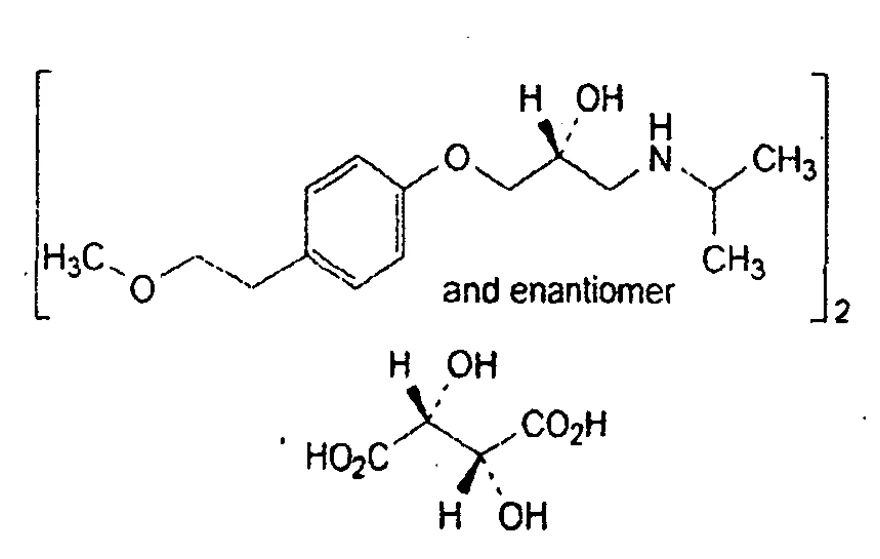
Physicochemical properties: White, crystalline powder. Very soluble in water, freely soluble in Methylene Chloride, in Chloroform, and in Alcohol; slightly soluble in Acetone; insoluble in Ether. pH is between 6.0 and 7.0. Melting point is 120˚C.
DETAILED PHARMACOLOGY
Effect on the Cardiovascular System
Metoprolol produced dose-dependent reductions in heart rate and contractile force responses to sympathetic nerve stimulation in the anaesthetized cat. The ED50 value for blockade of the chronotropic response to nerve stimulation was approximately 7 times less than that for isoproterenol stimulation. Metoprolol reduced the heart rate in conscious dogs at rest and during exercise. With the exception of PR interval prolongation, ECG complexes were not changed.
In anaesthetized cats, intravenous doses up to 2.0 mg/kg did not significantly influence the pressor response to intravenous epinephrine.
In anaesthetized cats, intravenously-administered metoprolol antagonized the hind limb vasodilating response to intra-arterial isoproterenol in much higher doses (ED50 5 mg/kg) than required to block the increase in chronotropic response (ED50 0.4 mg/kg) or increase in contractile force (ED50 0.2 mg/kg).
In 5 healthy volunteers, intravenously-administered 10 mg doses of metoprolol reduced exercise induced tachycardia by 13% and systolic blood pressure during exercise by 13%. The decrease in mean blood pressure after epinephrine was abolished by metoprolol, whereas the increase in systolic blood pressure was reduced by 50%; vascular resistance in the forearm was unchanged after metoprolol.
In healthy volunteers, intravenous metoprolol 0.15 mg/kg significantly lowered cardiac output by 1.3 litre/min. at rest, and 3.6 litre/min. during exercise. The mean decreases in heart rate were 9 and 16 beats/min. during rest and exercise, respectively. Right atrial pressure was significantly increased during rest and exercise. Oxygen consumption was not significantly influenced by drug administration. Significant increases in the calculated arteriovenous oxygen differences were observed (6 and 20 mL/litre at rest and during exercise, respectively).
Studies in reserpinized cats showed that metoprolol was devoid of β-receptor stimulating (intrinsic) activity. In cumulative doses up to 0.85 mg/kg, the drug did not significantly influence heart rate or contractile force.
A single oral dose of 40 mg of metoprolol administered to 17 anginal patients 90 minutes before testing, increased total work performed from 5994 to 8462 k.p.m. (40%). Times to onset of pain and appearance of ST depression were similarly increased from 11.8 to 16.9 minutes and 9.9 to 13.9 minutes respectively.
Effects on Pulmonary Function
The effects on specific airways resistance (SRaw) of single oral doses of 100 mg of metoprolol were assessed in 6 healthy volunteers and in 12 patients with bronchial asthma. No bronchodilator was used. Metoprolol did not have a significant effect on SRaw in the normal subjects, but in the asthmatic patients, SRaw was significantly increased. Similar findings were observed with an 80 mg dose of propranolol.
In a controlled study, 17 patients with bronchial asthma received concomitantly a bronchodilator (terbutaline) with 50 or 100 mg b.i.d. of metoprolol. The FEV1 values fell only in the high dose group, indicating some b2-blocking effect.
Other Effects
Metoprolol showed a negligible local anaesthetic effect on the isolated sciatic nerve of the frog and in the intracutaneous wheal test in guinea pigs. The cardiostimulant effects of ouabain, glucagon and theophylline were not affected by doses of 2-3 mg/kg in the anaesthetized cat. The same dosage of metoprolol was found to be devoid of anticholinergic, ganglionic blocking, antihistaminic and alpha-receptor blocking properties in cats.
Metoprolol inhibited the increase in plasma renin activity induced by furosemide.
The effects of metoprolol on isoproterenol-stimulated metabolic effects showed inhibition of the increase in liberation of glycerol, glucose, insulin, and free fatty acids.
TOXICOLOGY
Acute Toxicity
| Species | Sex | Route | Solutions | LD50 (mg/kg) |
| Mouse | male | I. V. | 1% | 69.4 ± 5.1 |
| Mouse | female | I. V. | 1% | 79.9 ± 4.5 |
| Mouse | male | P. O. | 23% | 2460 ± 210 |
| Mouse | female | P. O. | 25% | 2300 ± 200 |
| Rat | male | I. V. | 5% | 71.9 ± 4.1 |
| Rat | female | I. V. | 5% | 74.3 ± 4.4 |
| Rat | male | P. O. | 50% | 4670 ± 1210 |
| Rat | female | P. O. | 50% | 3470 ± 580 |
The toxic symptoms in rats include: sedation, ataxia, piloerection, irritation, spasm, and lacrimation. Rats were unconscious before death, which occurred within 5-10 minutes after intravenous injection and 6-20 hours after oral administration.
In mice the most pronounced symptoms were: sedation, hypersensitivity, irritation, spasms, and ptosis. Convulsions were seen before death, which occurred within 5 minutes after intravenous injection. No symptoms of toxicity were detectable 24 hours after administration in surviving animals.
Long-Term Toxicity (Subacute)
| Strain Species | No. of Groups | N per Group | Dose (mg/kg) | Route | Duration | Toxic Effects |
|---|---|---|---|---|---|---|
| Sprague-Dawley Rats | 4 | 10 M 10 F | Saline, 10, 50, 100/day (after 14 days, high dose increased to 200/day) | P. O. | 5 Wks | Slight increase in hematocrit and slight decrease in blood sugar in high-dose females. |
| Beagle Dogs | 1 | 1 M 1 F | 40 x 3 days, increased by 20/day to 140 x 6 days to 160/day. | P. O. | 3 Wks | Disturbance of balance; increased abdominal muscular tone, mydriasis, hyperemia in visible mucouse membranes. One dog died at dose level of 140 mg/kg/day. |
| Beagle Dogs | 2 | 1 M | 80 b.i.d. one day; 2 days | P. O. | 3 Days | Disturbance of balance; |
| Strain Species | No. of Groups | N per Group | Dose (mg/kg) | Route | Duration | Toxic Effects |
|---|---|---|---|---|---|---|
| later, single dose of 100. | vomiting, prostration, dyspnea, loss of consciousness, death. | |||||
| 2 F | 20 b.i.d. inceased evey 5 days by 20 b.i.d. up to 120 b.i.d. | P.O. | 4 Wks | Vomiting; increased salivation, tremor, ataxia. One dog died at highest dose. | ||
| Beagle Dogs | 4 | 1 M 1 F | 0, 5, 20, 40/day | P. O. | 4 Wks | None. |
| Beagle Dogs | 3 | 1 M 1 F | Saline, 0.5, 5/day | I. V. | 2 Wks | Prolonged PR interval in ECG. |
| Beagle Dogs | 2 | 1 M 1 F | Saline, 5 /day | I. V. | 2 Wks | Prolonged PR interval in ECG. |
Long-Term Toxicity (Chronic)
| Strain Species | No. of Groups | N per Group | Dose (mg/kg) | Route | Duration | Toxic Effects |
|---|---|---|---|---|---|---|
| Sprague-Dawley Rats | 4 | 15 M 15 F | Saline, 10, 100, 200/day. High dose increased to 200/day after 13 Weeks | P. O. | 6 months | None |
| Beagle Dogs | One Control | 2 M 2 F | 0, 5, 20, 40 b.i.d. After 7 weeks, high dose increased to 50/b.i.d. After 3 months, intermediate dose increased to 30 b.i.d. and high dose to 80 b.i.d. | P. O. | 6 months | Bradycardia, increased PR interval and QT interval in ECG. |
| Three Active | 3 M 3 F | |||||
| Beagle Dog | One Control | 6 M 6 F | 0, 10, 60 day. High level dogs received 120 on day 1, 60 on days 3 to 8; 90/day on days 9 to 22 and 105/day for balance. | P. O. | 1 Year | 2 high-dose dogs died on day 1, otherwise, none. |
| Three Active | 6 M 6 F | |||||
Teratology and Reproduction Studies
Rat: (Sprague-Dawley strain) Doses of 10, 50 and 200 mg/kg were administered orally to groups of 20 pregnant rats on days 6-15 of gestation. Treatment with metoprolol did not adversely affect any of the parameters studied.
Rabbit: (New Zealand White strain) Doses of 5, 12.5 and 25 mg/kg were administered orally to groups of 20 pregnant rabbits on days 6-18 of gestation. Parameters studied were not significantly affected, although litter size was lower and fetal loss higher in the high dose group. The incidence of fetal abnormality was unaffected by treatment.
Rat: (Sprague-Dawley strain) Doses of 10, 50 and 200 mg/kg were administered orally to groups of 50 rats from day 15 of gestation, through lactation to 21 days postpartum. Parameters studied in litter and parent animals were not adversely affected.
Rat: (Charles River CD strain) Doses of 50 and 500 mg/kg were administered orally to groups of 10 male and 20 female rats. Males were treated for 63 days prior to mating and during the mating period. The females were treated for 14 days prior to mating, during mating and throughout the gestation and lactation periods to 21 days postpartum, with an interim sacrifice at day 13 of gestation. The only significant finding in this study was a slight reduction of intrauterine growth in rats at 50 and 500 mg/kg/day and a higher frequency of stillbirths in the high dose group.
Carcinogenicity Studies
Metoprolol was administered to 3 groups of 60 male and 60 female Charles River Sprague- Dawley rats at dietary levels of 50, 200 and 800 mg/kg per day for 78 weeks. A fourth group received 2-AAF (positive control) and the fifth was the negative control group. The incidence of nodules and masses observed at necropsy were comparable between the treated and control groups. The only histopathological changes noted were an increased incidence of impaction of pulmonary alveoli by septal cells in the high and intermediate metoprolol-treated groups. The strain of rats was susceptible to the known carcinogen 2-AAF; a statistically higher incidence of neoplasms, primarily hepatomas, was present.
A similar study in Swiss albino mice at doses of 75, 150 and 750 mg/kg per day for 78 weeks showed that the tumors were distributed with equal frequency in the treated and control groups.
The strain was susceptible to the known carcinogen.
REFERENCES
- 1. Ablad B, Borg KO, Carlsson E, Ek L, Johnsson G, Malmfors T, and Regardh C-G. A survey of the pharmacological properties of metoprolol in animals and man. Acta Pharmacol Toxicol 1975; 36 (suppl V): 7-23.
- 2. Ablad B, Borjesson I, Carlsson E, and Johnsson G. Effects of metoprolol and propranolol on some metabolic responses to catecholamines in the anaesthetized dog. Acta Pharmacol Toxicol 1975; 36 (suppl V): 85-95.
- 3. Adolfsson L, Areskog N-H, Furburg C, and Johnsson G. Effects of single doses of alprenolol and two cardio-selective ß-blockers (H 87/07 and H 93/26) on exercise-induced angina pectoris. Eur J Clin Pharmacol 1974; 7 (2): 111-118.
- 4. Bielmann P, Leduc G, Jequier J-C, Davignon J, and Cartwright K. Changes in the lipoprotein composition after chronic administration of metoprolol and propranolol in hypertriglyceridemichypertensive subjects. Curr Ther Res 1981; 30 (6): 956-967.
- 5. Bodin N-O, Flodh H, Magnussen G, Malmfors T, and Nyberg J-A. Toxicological studies on metoprolol. Acta Pharmacol Toxicol 1975; 36 (suppl V): 96-103.
- 6. Borer JS, Comerford MB, and Sowton E. Assessment of metoprolol, a cardioselective ß-blocking agent, during chronic therapy in patients with angina pectoris. J Int Med Res 1976; 4: 15-22.
- 7. Borg KO, Carlsson E, Hoffmann KJ, Jönsson TE, Thorin H, Wallin B. Metabolism of metoprolol-(3H) in man, the dog and the rat. Acta Pharmacol Toxicol 1975;36 Suppl V:125-35.
- 8. Boyle DMcC, Barber JM, McIlmoyle EL, Salathia KS, Evans AE, Cran G, Elwood JH, and Shanks RG. Effect of very early intervention with metoprolol on myocardial infarct size. Br Heart J 1983; 49: 229-233.
- 9. Comerford MB, and Besterman EMM. An eighteen months' study of the clinical response to metoprolol, a selective b1-receptor blocking agent, in patients with anginal pectoris. Postgrad Med J 1976; 52 (610): 481-486.
- 10. Ekelund L-G, Johnsson G, Melcher A, and Oro L. Effects of cedilanid-D in combination with metoprolol on exercise tolerance and systolic time intervals in angina pectoris. Am J Cardiol 1976; 37 (4): 630-634.
- 11. Epstein SE, and Braunwald E. ß-adrenergic receptor blocking drugs. Mechanisms of action and clinical applications. New Eng J Med 1966; 275: 1106-1112, 1175-1183
- 12. Fitzgerald JD. The role of ß-adrenergic blockade in acute myocardial ischaemia. IN: Oliver MF, Julian DG, and Donald KW (eds). Effect of acute ischaemia on myocardial function. Churchill Livingston, Edinburgh and London, 1972, pp. 321-353.
- 13. Formgren H. The effect of metoprolol and practolol on lung function and blood pressure in hypertensive asthmatics. Br J Clin Pharmacol 1976; 3 (6): 1007-1014 The Göteborg Metoprolol Trial in Acute Myocardial Infarction. Am J Cardiol 1984; 53 (13): 1D-50D.
- 14. Hansten PD, Horn JR, editors. Principles of beta-adrenergic blocker drug interactions 79-82. Anti-arrhythmic drug interactions 153-8, 162-3, 170-1, 188-9. Antidiabetic drug interactions 373-5. Beta-adrenergic blocker drug interactions 435-57. Drug interactions & updates. Vancouver: Applied Therapeutics Inc., 1993.
- 15. Herlitz J, Elmfeldt D, Hjalmarson A, Holmberg S, Malek I, Nyberg G, Ryden L, Swedberg K, Vedin A, Waagstein F, Waldenstrom A, Waldenstrom J, Wedel H, Wilhelmsen L, and Wilhelmsson C. Effect of metoprolol on indirect signs of the size and severity of acute myocardial infarction. Am J Cardiol 1983; 51: 1282-1288.
- 16. Hjalmarson A, Ariniego R, Herlitz J, et al. Limitation of infarct size in man by the b1-blocker metoprolol. Circulation 1979; 59 and 60 (Suppl II): 164 (Abstr.)
- 17. Hjalmarson A, Elmfeldt D, Herlitz J, et al. Effect on mortality of metoprolol in acute myocardial infarction. A double-blind randomized trial. Lancet 1981 (Oct. 17); 823-827.
- 18. Hjalmarson A, Herlitz J, Holmberg S, Ryden L, Swedberg K, Vedin A, Waagstein F, Waldenstrom A, Waldenstrom J, Wedel H, Wilhelmsen L, and Wilhelmsson C: The Göteborg Metoprolol Trial; Effects on mortality and morbidity in acute myocardial infarction. Circulation 1983; 67 (suppl I): I26-I32.
- 19. Imhof P: Les bêta-bloquants et le sport. Médecine et Hygiène 1979; 1348.
- 20. Johnsson G. Influence of metoprolol and propranolol on hemodynamic effects induced by adrenaline and physical work. Acta Pharmacol Toxicol 1975; 36 (suppl V): 59-68.
- 21.
Johnsson G, Regardh C-G, and Sölvell L. Combined pharmacokinetic and pharmacodynamic studies in man of the adrenergic b1-receptor antagonist metoprolol. Acta Pharmacol Toxicol 1975; 36 (suppl V):
- 31-44.
- 22. Johnsson G, Svedmyr N, and Thiringer G. Effects of intravenous propranolol and metoprolol and their interaction with isoprenaline on pulmonary function, heart rate and blood pressure in asthmatics. Eur J Clin Pharmacol 1975; 8: 175-180.
- 23. Kendall MJ, John VA, Quarterman CP, and Welling PG. A single and multiple dose pharmacokinetic and pharmacodynamic comparison of conventional and slow-release metoprolol. Eur J Clin Pharmacol 1980; 17: 87-92.
- 24. Keyrilainen O, and Uusitalo A. Effects of metoprolol in angina pectoris. A subacute study with exercise tests and a long-term tolerability study. Acta Med Scand 1976; 199: 491-497.
- 25. Lennard MS. The polymorphic oxidation of beta-adrenoceptor antagonists. Pharmacol Ther 1989;41:461-77.
- 26. Logan RL, Goldstraw PW, Kiddle GB, Flacks LM, and Watt M. Sustained release metoprolol: a comparison with conventional formulation in the treatment of hypertension. NZ Med J 1981; 687: 1-2.
- 27. Lorimer AR, Barbour MB, and Lawrie TDV. An evaluation of the effect on resting and exercise blood pressure of some first line treatments in hypertension. Ann Clin Res 1983; 15: 30-34.
- 28. Malek I, Waagstein F, Hjalmarson A, Holmberg S, and Swedberg K. Hemodynamic effects of the cardioselective ß-blocking agent metoprolol in acute myocardial infarction. Acta Med Scand 1978; 204: 195-201.
- 29. The Miami Trial Research Group. Metoprolol in acute myocardial infarction (MIAMI). A randomized placebo-controlled international trial. Eur Heart J 1985; 6: 199-226.
- 30. Olsson G, Rehnqvist N, Sjogren A, Eerhart L, and Lundman T. Long-term treatment with metoprolol after myocardial infarction: Effect on 3 year mortality and morbidity. J Am Coll Cardiol 1985; 5 (6): 1428-1437.
- 31. Quarterman CP, Kendall MJ, and Welling PG. Plasma levels and negative chronotropic effect of metoprolol following single doses of a conventional and sustained-release formulation. Europ J Clin Pharmacol 1979; 15: 97-103.
- 32.
Regardh CG, Borg KO, Johansson R, Johnsson G, Palmer L. Pharmacokinetic studies on the selevtive ß1-
- receptor antagonist metoprolol in man. J Pharmacokinet Biopharm 1974;2(4):347-64.
- 33. Regardh CG, Johnsson G. Clinical pharmacokinetics of metoprolol. Clin Pharmacokinet 1980;5:557-69.
- 34. Richards S. Cutaneous side-effects of beta-adrenergic blockers. Aust J Derm 1985;26:25-8.
- 35. Ryden L, Ariniego R, Arnman K, Herlitz J, Hjalmarson A, Holmberg S, Reyes C, Smedgard P, Svedberg K, Vedin A, Waagstein F, Waldenstrom A, Wilhelmsson C, Wedel H, and Yamamoto M. A double-blind trial of metoprolol in acute myocardial infarction. Effects on ventricular tachyarrhythmias. N Eng J Med 1983; 308: 614-618.
- 36. Salathia KS, Barber JM, McIlmoyle EL, Nicholas J, Evans AE, Elwood JH, Cran G, Shanks RG, and Boyle D McC. Very early intervention with metoprolol in suspected acute myocardial infarction. Eur Heart J 1985; 6: 190-198.
- 37. Singh BN, et al. Effects of cardioselective b adrenergic receptor blockade on specific airways resistance in normal subjects and in patients with bronchial asthma. Clin Pharmacol Ther 1976; 19 (5, Pt 1): 493-501.
- 38. Stenberg J, Wasir H, Amery A, Sannerstedt R, and Werko L. Comparative hemodynamic studies in man of adrenergic b1-receptor agents without (H 93/26 = metoprolol) or with (H 87/07) intrinsic sympathicomimetic activity. Acta Pharmacol Toxicol 1975; 36 (suppl V): 76-84.
- 39. Stockley IH, editor. Drug Interactions. A source book of adverse interaction their mechanisms, clinical importance and management. Amiodarone-beta blockers 96-7. Disopyramide + beta-blockers 99-100. Lignocaine (Lidocaine) + beta-blockers) 108-9. Quinidine + beta-blockers 121-2. Clonidine + beta-blockers 362-4. Prazozin + beta-blockers 383-4. Beta-blockers + cimetidine 413-4. Beta-blockers + rifampicin 427-8. Beta-blockers + sympathonimetics 429-31. Digitalis glycosides + beta-blockers 506. Hypoglycamic agents-beta blockers 548-550. Anaesthetics, general + beta-blockers 697. Oxford: Blackwell Science, 1992.
- 40. Trafford JAP, McGonicle R, Bowles J, O'Neal H, Bennet-Jones DN, Halford L, and Evans R. A two year clinical evaluation of atenolol and metoprolol in the treatment of hypertension. Br J Clin Pract 1982; 36: 350-352.
- 41. Van Joost T, Smitt JHS. Skin reactions to propranolol and cross sensitivity to ß-adrenoreceptor blocking agents. Arch Dermatol 1981; 117:600-1.
- 42. Waagstein F, and Hjalmarson AC. Double-blind study of the effect of cardioselective ß-blockade on chest pain in acute myocardial infarction. Acta Med Scand 1975; (Suppl 587): 201-208.
- 43. Waal-Manning, HJ. Hypertension: Which ß-blocker? Drugs 1976; 12: 412-441.
- 44. Wagner F, Kalusche D, Trenk D, Jähnchen E, Roskamm H. Drug interaction between propafenone and metoprolol. Br J Clin Pharmacol 1987; 24:213-20.
- 45. Product Monograph, LOPRESOR®, Novartis Pharmaceuticals Canada Inc. Submission Control No. 235180. Date of Revision: April 14, 2020