


Product Monograph - Minestrin 1/20
RECENT MAJOR LABEL CHANGES
CONTRAINDICATIONS (2) 12-2019 DRUG INTERACTIONS, Drug Interactions (9.2) 12-2019 WARNINGS AND PRECAUTIONS, Hepatic/Biliary/Pancreatic (7) 12-2019
TABLE OF CONTENTS
RECENT MAJOR LABEL CHANGES ............................................................................ 2
1 INDICATIONS ...................................................................................................... 4
1.1 Pediatrics ..................................................................................................... 4 1.2 Geriatrics ..................................................................................................... 4
2 CONTRAINDICATIONS ....................................................................................... 4
3 SERIOUS WARNINGS AND PRECAUTIONS BOX ............................................ 5
4 DOSAGE AND ADMINISTRATION ..................................................................... 5
4.1 Recommended Dose and Dosage Adjustment ............................................ 5 4.2 Missed Dose ................................................................................................ 5
5 OVERDOSAGE .................................................................................................... 6
6 DOSAGE FORMS, STRENGTHS, COMPOSITION AND PACKAGING ............. 6
7 WARNINGS AND PRECAUTIONS ...................................................................... 6
7.1 Special Populations ................................................................................... 13 7.1.1 Pregnant Women ................................................................................... 13 7.1.2 Breast-feeding ........................................................................................ 13 7.1.3 Pediatrics ............................................................................................... 13 7.1.4 Geriatrics ................................................................................................ 13
8 ADVERSE REACTIONS .................................................................................... 14
8.1 Adverse Reaction Overview ...................................................................... 14 8.2 Clinical Trial Adverse Reactions ................................................................ 15 8.3 Less Common Clinical Trial Adverse Reactions ........................................ 16 8.4 Post-Market Adverse Reactions ................................................................ 16
9 DRUG INTERACTIONS ..................................................................................... 18
9.1 Overview .................................................................................................... 18 9.2 Drug-Drug Interactions .............................................................................. 18 9.3 Drug-Herb Interactions .............................................................................. 22 9.4 Drug-Laboratory Test Interactions ............................................................. 22
10 ACTION AND CLINICAL PHARMACOLOGY ................................................... 23
10.1 Mechanism of Action .............................................................................. 23
11 STORAGE, STABILITY AND DISPOSAL ......................................................... 23
12 SPECIAL HANDLING INSTRUCTIONS ............................................................ 24
13 PHARMACEUTICAL INFORMATION ............................................................... 25
14 CLINICAL TRIALS ............................................................................................. 26
14.1 Trial Design and Study Demographics ................................................... 26
15 NON-CLINICAL TOXICOLOGY ......................................................................... 28
PATIENT MEDICATION INFORMATION ..................................................................... 32
PART I: HEALTH PROFESSIONAL INFORMATION
1 INDICATIONS
MINESTRIN® 1/20 is indicated for the control of conception.
1.1 Pediatrics
No data are available to Health Canada; therefore, Health Canada has not authorized an indication for pediatric use.
1.2 Geriatrics
No data are available to Health Canada; therefore, Health Canada has not authorized an indication for geriatric use.
2 CONTRAINDICATIONS
MINESTRIN ® is contraindicated in patients who are hypersensitive to this drug or to any ingredient in the formulation, including any non-medicinal ingredient, or component of the container. For a complete listing, see Dosage Forms, Strengths, Composition and Packaging.
MINESTRIN® 1/20 is contraindicated in patients with any of the following disorders:
- a history of or actual thrombophlebitis or thromboembolic disorders (such as deep vein thrombosis or pulmonary embolism);
- a history of or actual cerebrovascular disorders;
- a history of or actual myocardial infarction or coronary artery disease;
- valvular heart disease with complications;
- history of or actual prodromi of a thrombosis (e.g., transient ischaemic attack, angina pectoris);
- active liver disease, or history of or actual benign or malignant liver tumours;
- known or suspected carcinoma of the breast;
- carcinoma of the endometrium or other known or suspected estrogen-dependent neoplasia;
- undiagnosed abnormal vaginal bleeding;
- steroid-dependent jaundice, cholestatic jaundice, history of jaundice of pregnancy;
- any ocular lesion arising from ophthalmic vascular disease, such as partial or complete loss of vision or defect in visual fields;
- known or suspected pregnancy;
- current or history of migraine with focal aura;
- history of or actual pancreatitis if associated with severe hypertriglyceridaemia;
presence of severe or multiple risk factor(s) for arterial or venous or thrombosis such as:
- severe hypertension (persistent values of ≥160/100 mmHg)
- uncontrolled hypertension
hereditary or acquired predisposition for venous or arterial thrombosis such as
Factor V Leiden mutation and activated protein C (APC-) resistance, antithrombin-III-deficiency, protein C deficiency, protein S deficiency,
hyperhomocysteinemia (e.g., due to MTHFR C677T, A1298 mutations), prothrombin mutation G20210A, and antiphospholipid-antibodies (anticardiolipin antibodies, lupus anticoagulant)
- severe dyslipoproteinemia
- over age 35 and smoke
- diabetes mellitus with vascular involvement
major surgery associated with an increased risk of postoperative
thromboembolism
- prolonged immobilization
- Use with the Hepatitis C virus (HCV) combination drug regimen ombitasvir, paritaprevir, ritonavir with or without dasabuvir (see WARNINGS AND PRECAUTIONS).
3 SERIOUS WARNINGS AND PRECAUTIONS BOX
4 DOSAGE AND ADMINISTRATION
4.1 Recommended Dose and Dosage Adjustment
21-PILL PACK: One active tablet (white) is taken daily for three weeks, and then no tablets are taken for one week.
28-PILL PACK: One active tablet (white) is taken daily for three weeks, and then one inert tablet (lilac) is taken daily for one week.
For complete instructions, refer to Patient Medication Information section.
Safety and efficacy of MINESTRIN® 1/20 have been established in women of reproductive age and use of this product before menarche is not indicated. (See INDICATIONS).
4.2 Missed Dose
Please refer to Patient Medication Information section for details on missed dose.
Serious Warnings and Precautions
Cigarette smoking increases the risk of serious cardiovascular events associated with the use of hormonal contraceptives. This risk increases with age, particularly in women over 35 years of age, and with the number of cigarettes smoked. For this reason, MINESTRIN® 1/20 should not be used by women who are over 35 years of age and smoke (see Cardiovascular section below).
Patients should be counselled that birth control pills DO NOT PROTECT against sexually transmitted infections (STIs) including HIV and AIDS. For protection against STIs, it is advisable to use latex or polyurethane condoms IN COMBINATION WITH birth control pills.
5 OVERDOSAGE
In case of overdosage or accidental ingestion by children, the physician should observe the patient closely although no medication is required. Gastric lavage should be given if considered necessary.
For management of a suspected drug overdose, contact your regional poison control centre.
6 DOSAGE FORMS, STRENGTHS, COMPOSITION AND PACKAGING
MINESTRIN® 1/20 is available in compact dispensers of 21 tablets (white) and 28 tablets (21 white tablets and 7 lilac inert tablets). Each white tablet contains 1 mg of norethindrone acetate and 20 mcg of ethinyl estradiol. Compact dispensers for MINESTRIN® 1/20 of 21 and 28 tablets are available in packages of 5.
7 WARNINGS AND PRECAUTIONS
Please see the Serious Warnings and Precautions Box at the beginning of Part I: Health Professional Information.
General
Before MINESTRIN® 1/20 is used, a thorough history and physical examination should be performed, including a blood pressure determination. Breasts, liver, extremities, and pelvic organs should be examined. A Papanicolaou smear should be taken if the patient has been sexually active.
The first follow-up should be done 3 months after MINESTRIN® 1/20 is prescribed. Thereafter, examinations should be performed at least once a year, or more frequently if indicated. At each annual visit, examination should include those procedures that were done at the initial visit as outlined above or per recommendations of the Canadian Workshop on screening for Cancer of the Cervix. For women who had 2 consecutive negative Pap smears, screening could be continued every 3 years up to the age of 69.
| Route of Administration | Dosage Form / Strength/Composition | Non-medicinal Ingredients |
| Oral | White Tablet 1 mg Norethindrone acetate 20 mcg Ethinyl estradiol | Acacia, Lactose monohydrate, Magnesium stearate, Modified corn starch, Sugar and Talc. |
| Lilac Tablet (inert) | Acacia, FD Blue No. 1, FD&C Red No. 3, FD&C Red No. 40, Lactose monohydrate, Magnesium stearate, Modified corn starch, Sugar and Talc. |
Discontinue medication at the earliest manifestation of:
A. Thromboembolic and cardiovascular disorders, such as thrombophlebitis, pulmonary embolism, cerebrovascular disorders, myocardial ischemia, mesenteric thrombosis, proptosis and retinal thrombosis.
B. Conditions which predispose to venous stasis and to vascular thrombosis (eg, immobilization after accidents or confinement to bed during long-term illness). Other non-hormonal methods of contraception should be used until regular activities are resumed. For use of oral contraceptives when surgery is contemplated, see Perioperative Considerations, below.
C. Visual defects- partial or complete
D. Papilledema or ophthalmic vascular lesions
E. Severe headache of unknown etiology or worsening of pre-existing migraine headache
F. Increase in epileptic seizures
The following information is provided from studies of combination oral contraceptives (COCs).
The use of combination hormonal contraceptives is associated with increased risks of several serious conditions including myocardial infarction, thromboembolism, stroke, hepatic neoplasia and gallbladder disease, although the risk of serious morbidity and mortality is small in healthy women without underlying risk factors. The risk of morbidity and mortality increases significantly if associated with the presence of other risk factors such as hypertension, hyperlipidemias, obesity and diabetes. Other medical conditions which have been associated with adverse circulatory events include systemic lupus erythematosus, hemolytic uremic syndrome, chronic inflammatory bowel disease (Crohn’s disease or ulcerative colitis), sickle cell disease, valvular heart disease and atrial fibrillation.
The following conditions have been reported to occur or deteriorate with both pregnancy and COC use, although a direct association with COCs has not been firmly established: porphyria, systemic lupus erythematosus, hemolytic uremic syndrome, Sydenham’s chorea, herpes gestationis, and otosclerosis-related hearing loss.
The information contained in this section is principally from studies carried out in women who used combination oral contraceptives with higher formulations of estrogens and progestins than those in common use today. The effect of long-term use of combination hormonal contraceptives with lower doses of both estrogen and progestin administered orally remains to be determined.
Carcinogenesis and Mutagenesis
Breast Cancer
Women who currently have or have had breast cancer should not use MINESTRIN® 1/20 because breast cancer is a hormonally-sensitive tumour (see CONTRAINDICATIONS).
Increasing age and a strong family history are the most significant risk factors for the development of breast cancer. Other established risk factors include obesity, nulliparity and late age at first full-term pregnancy. The identified groups of women that may be at increased risk of developing breast cancer before menopause are long-term users of oral contraceptives (more than 8 years) and starters at early age. In a few women, the use of oral contraceptives may accelerate the growth of an existing but undiagnosed breast cancer. Since any potential increased risk related to oral contraceptive use is small, there is no reason to change prescribing habits at present.
Women receiving oral contraceptives should be instructed in self-examination of their breasts. Their physicians should be notified whenever any masses are detected. A yearly clinical breast examination is also recommended because, if a breast cancer should develop, estrogen-containing drugs may cause a rapid progression.
Cervical Cancer
The most important risk factor for cervical cancer is persistent human papillomavirus infection. Some studies suggest that COC use may be associated with an increase in the risk of cervical intraepithelial neoplasia or invasive cervical cancer in some populations of women. For example, the results of one meta-analysis of 24 epidemiological studies indicated that among current users of oral contraceptives, the relative risk of invasive cervical cancer increased with increasing duration of use. The relative risk for 5 or more years’ use versus never-use was 1.90 (95% confidence interval 1.69-2.13). The relative risk declined after use ceased and by 10 or more years was not significantly different from that in never-users. However, there continues to be controversy about the extent to which such findings may be due to differences in sexual behavior and other factors. In cases of undiagnosed abnormal genital bleeding, adequate diagnostic measures are indicated.
Hepatocellular Carcinoma
Hepatocellular carcinoma may be associated with oral contraceptives. The risk appears to increase with duration of hormonal contraceptive use (>8 years). However, the attributable risk (the excess incidence) of liver cancers in oral contraceptive users is extremely small (<1 case/million users). A liver tumor should be considered in the differential diagnosis when severe upper abdominal pain, liver enlargement or signs of intra-abdominal hemorrhage occur in women taking COCs (See also Hepatic/Biliary/Pancreatic: Hepatic nodules).
Cardiovascular
Predisposing Factors for Coronary Artery Disease
Cigarette smoking increases the risk of serious cardiovascular side effects and mortality. Birth control pills increase this risk, especially with increasing age. Convincing data are available to support an upper age limit of 35 years for oral contraceptive (OC) use in women who smoke.
Other women who are independently at high risk for cardiovascular disease include those with diabetes, hypertension, abnormal lipid profile, or a family history of these. Whether OCs accentuate this risk is unclear.
In low risk, non-smoking women of any age, the benefits of oral contraceptive use outweigh the possible cardiovascular risks associated with low dose formulations. Consequently, oral contraceptives may be prescribed for these women up to the age of menopause.
Hypertension
COC use is contraindicated in women with uncontrolled hypertension (see CONTRAINDICATIONS
Patients with essential hypertension whose blood pressure is well controlled may be given MINESTRIN® 1/20, but only under close supervision. If a significant elevation of blood pressure in previously normotensive or hypertensive subjects occurs at any time during the administration of the drug, cessation of medication is necessary.
Driving and Operating Machinery
No studies on the effects of MINESTRIN® 1/20 on the ability to drive or use machines have been performed.
Endocrine and Metabolism
Diabetes
Current low-dose OCs exert minimal impact on glucose metabolism. Diabetic patients, or those with a family history of diabetes, should be observed closely to detect any worsening of carbohydrate metabolism. Patients predisposed to diabetes who can be kept under close supervision may be given MINESTRIN® 1/20. Young diabetic patients whose disease is of recent origin, well-controlled, and not associated with hypertension or other signs of vascular disease such as ocular fundal changes, should be monitored more frequently while using MINESTRIN® 1/20.
Lipid and Other Metabolic Effects
A small proportion of women will have adverse lipid changes while on oral contraceptives. Alternative contraception should be used in women with uncontrolled dyslipidemias. (See also CONTRAINDICATIONS). Elevations of plasma triglycerides may lead to pancreatitis and other complications.
Gastrointestinal
Published epidemiological studies indicate a possible association of COC use and the development of Crohn’s disease and ulcerative colitis, although this has not been firmly established.
Reduced Efficacy
The efficacy of COCs may be reduced in the event of missed tablets, gastrointestinal disturbances or concomitant medication (see DRUG INTERACTIONS).
Genitourinary
Vaginal Bleeding
Persistent irregular vaginal bleeding requires assessment to exclude underlying pathology.
Scheduled (withdrawal) bleeding and/or spotting remained fairly constant over the one year study, with an average of less than 2 days per cycle when including all women and all cycles.
Fibroids
Patients with fibroids (leiomyomata) should be carefully observed. Sudden enlargement, pain, or tenderness requires discontinuation of the use of oral contraceptives.
Hematologic
Epidemiological studies have suggested an association between the use of COCs and an increased risk of arterial and venous thrombotic and thromboembolic diseases such as myocardial infarction, deep venous thrombosis, pulmonary embolism, and of cerebrovascular accidents.
Venous Thromboembolism
The use of any combined oral contraceptive carries an increased risk of venous thromboembolism (VTE) compared with no use. The excess risk of VTE is highest during the first year a woman ever uses a combined oral contraceptive or restarts (following a 4-week or greater pill-free interval) the same or a different COC. Data from a large, prospective 3-armed cohort study suggest that this increased risk is mainly present during the first 3 months. VTE is fatal in 1% to 2% of cases.
A large, prospective 3-armed cohort study has shown that the frequency of VTE diagnosis ranges from about 8 to 10 per 10,000 woman-years in users of oral contraceptives with low estrogen content (<50 μg ethinyl estradiol). The most recent data suggest that the frequency of VTE diagnosis is approximately 4.4 per 10,000 woman-years in nonpregnant, non-COC users and ranges from 20 to 30 per 10,000 women-years in pregnant women or postpartum.
Overall the risk for VTE in users of COCs with low estrogen content (<50 μg ethinyl estradiol) is 2- to 3-fold higher than for nonusers of COCs who are not pregnant and remains lower than the risk associated with pregnancy and delivery.
The risk of VTE with COCs has been shown to be related to the estrogen dose, as risk has decreased as doses have decreased from 100 μg to 50 μg to 30 μg. Whether doses as low as 10 μg are further protective is unknown. MINESTRIN® 1/20 provides a daily dose of ethinyl estradiol of 20 mcg for 21 of 28 days each cycle.
Extremely rarely, thrombosis has been reported to occur in other blood vessels (eg, hepatic, mesenteric, renal, cerebral, or retinal veins and arteries) in COC users. There is no consensus as to whether the occurrence of these events is associated with the use of COCs.
Arterial Thromboembolism
The risk for arterial thromboembolism (ATE) in users of oral contraceptives with <50 μg ethinyl estradiol ranges from about 1 to 3 cases per 10,000 woman-years. An ATE can include cerebrovascular accident, vascular occlusion, or myocardial infarction (MI). Arterial thromboembolic events may be fatal.
Other Risk Factors for Venous or Arterial Thromboembolism or of a Cerebrovascular Accident
Other generalized risk factors for venous or arterial thromboembolism include but are not limited to age, severe obesity (body mass index >30 kg/m2), a personal history, a positive family history (the occurrence of VTE/ATE in a direct relative at a relatively early age may indicate genetic predisposition) and systemic lupus erythematosus. If a hereditary or acquired predisposition for venous or arterial thromboembolism is suspected, the woman should be referred to a specialist for advice before deciding on any COC use. The risk of VTE/ATE may be temporarily increased with prolonged immobilization, major surgery, or trauma. In these situations, it is advisable to discontinue COC use (in the case of elective surgery at least four weeks in advance) and not to resume COC use until two weeks after complete remobilization. Also, patients with varicose veins and leg cast should be closely supervised. Other risk factors may include smoking (with heavier smoking and increasing age, the risk further increases, especially in women over 35 years of age), dyslipoproteinemia, hypertension, migraine, valvular heart disease, and atrial fibrillation.
Biochemical factors that may be indicative of hereditary or acquired predisposition for venous or arterial thrombosis include Factor V Leiden mutation and activated protein C (APC-) resistance, antithrombin-III-deficiency, protein C deficiency, protein S deficiency, hyperhomocysteinemia (eg, due to MTHFR C677T, A1298 mutations), prothrombin mutation G20210A, and antiphospholipid-antibodies (anticardiolipin antibodies, lupus anticoagulant).
When considering risk/benefit, the physician should take into account that adequate treatment of a condition may reduce the associated risk of thrombosis and that the risk associated with pregnancy is higher than that associated with COCs containing <0.05 mg ethinyl estradiol).
Hepatic/Biliary/Pancreatic
Acute or chronic disturbances of liver function may necessitate the discontinuation of COC use until markers of liver function return to normal.
Hepatitis C
MINESTRIN® 1/20 must be discontinued prior to starting therapy with the Hepatitis C virus (HCV) combination drug regimen ombitasvir, paritaprevir, ritonavir, with or without dasabuvir (see CONTRAINDICATIONS and DRUG INTERACTIONS). During clinical trials with ombitasvir, paritaprevir, ritonavir, with or without dasabuvir, ALT elevations 5 to >20 times the upper limit of normal (ULN) were significantly more frequent in healthy female subjects and HCV infected women using ethinyl estradiol-containing medications such as COCs. Physicians are advised to consult the labelling of concurrently-used HCV combination drug regimen ombitasvir, paritaprevir, ritonavir with or without dasabuvir to obtain further information about restarting MINESTRIN® 1/20.
Jaundice
Patients who have had jaundice should be given oral contraceptives only with great care and under close observation. Oral contraceptive-related cholestasis has been described in women with a history of pregnancy-related cholestasis. Women with a history of cholestasis may have the condition recur with subsequent hormonal contraceptive use. The development of severe generalized pruritus or icterus requires that the medication be withdrawn until the problem is resolved.
If a patient develops jaundice, which proves to cholestatic in type, the use of MINESTRIN® 1/20 should not be resumed. In patients taking oral contraceptives, changes in the composition of the bile may occur, and an increased incidence of gallstones has been reported.
Gallbladder Disease
Patients taking oral contraceptives have a greater risk of developing gallbladder disease requiring surgery within the first year of use. The risk may double after four or five years.
Hepatic Nodules
Hepatic nodules (adenoma and focal nodular hyperplasia) have been reported, particularly in long-term users of oral contraceptives. Although these lesions are extremely rare, they have caused fatal intra-abdominal hemorrhage and should be considered in women presenting with an abdominal mass, acute abdominal pain, or evidence of intra-abdominal bleeding.
Immune
Angioedema
Exogenous estrogens may induce or exacerbate symptoms of angioedema, in particular in women with hereditary angioedema.
Monitoring and Laboratory Tests
Before oral contraceptives are used, a thorough history and physical examination should be performed, including a blood pressure determination and the family case history carefully noted. In addition, disturbances of the clotting system must be ruled out if any members of the family have suffered from thromboembolic diseases (e.g., deep vein thrombosis, stroke, myocardial infarction) at a young age. Breasts, liver, extremities and pelvic organs should be examined and a Papanicolaou (PAP) smear should be taken if the patient has been sexually active.
The first follow-up visit should be done three months after oral contraceptives are prescribed. Thereafter, examinations should be performed at least once a year or more frequently if indicated. At each annual visit, examination should include those procedures that were done at the initial visit as outlined above or per recommendations of the Canadian Task Force on the Periodic Health Examination.
Neurologic
Migraine and Headache
The onset or exacerbation of migraine or the development of headache of a new pattern, that is recurrent, persistent or severe, requires discontinuation of MINESTRIN® 1/20 and evaluation of the cause. Women with migraine headaches who take oral contraceptives may be at increased risk of stroke (see CONTRAINDICATIONS).
Ophthalmologic
Ocular Disease
Patients who are pregnant or are taking oral contraceptives, may experience corneal edema that may cause visual disturbances and changes in tolerance to contact lenses, especially of the rigid type. Soft contact lenses usually do not cause disturbances. If visual changes or alterations in tolerance to contact lenses occur, temporary or permanent cessation of wear may be advised.
Ocular Lesions
With use of COCs, there have been reports of retinal vascular thrombosis which may lead to partial or complete loss of vision. If there are signs or symptoms such as visual changes, onset of proptosis or diplopia, papilledema, or retinal vascular lesions, MINESTRIN® 1/20 should be discontinued and the cause immediately evaluated.
Peri-Operative Considerations
There is an increased risk of thromboembolic complications in oral contraceptive users, after major surgery. If feasible, MINESTRIN® 1/20 should be discontinued and an alternative method substituted at least one month prior to MAJOR elective surgery. Oral contraceptives should not be resumed until the first menstrual period after hospital discharge following surgery.
Psychiatric
Patients with a history of emotional disturbances, especially the depressive type, may be more prone to have recurrence of depression while taking oral contraceptives. In cases of a serious recurrence, a trial of an alternate method of contraception should be made which may help to clarify the possible relationship. Women with premenstrual syndrome (PMS) may have a varied response to oral contraceptives, ranging from symptomatic improvement to worsening of the condition.
Renal
Fluid Retention
Hormonal contraceptives may cause some degree of fluid retention. They should be prescribed with caution, and only with careful monitoring in patients with conditions which might be aggravated by fluid retention.
Sexual Health
Return to Fertility
After discontinuing MINESTRIN® 1/20 therapy, the patient should delay pregnancy until at least one normal spontaneous cycle has occurred, in order to date the pregnancy. An alternative contraceptive method should be used during this time.
Amenorrhea
Women having a history of oligomenorrhea, secondary amenorrhea, or irregular cycles may remain anovulatory or become amenorrheic following discontinuation of estrogen-progestin combination therapy.
Amenorrhea, especially if associated with breast secretion that continues for 6 months or more after withdrawal warrants a careful assessment of hypothalamic-pituitary function.
Skin
Chloasma may occasionally occur with use of COCs, especially in women with a history of chloasma gravidarum. Women with a tendency to chloasma should avoid exposure to the sun or ultraviolet radiation while taking COCs. Chloasma is often not fully reversible.
7.1 Special Populations
7.1.1 Pregnant Women
MINESTRIN® 1/20 should not be taken by pregnant women. However, if conception accidentally occurs while taking the pill, there is no conclusive evidence that the estrogen and progestin contained in the oral contraceptive will damage the developing child.
7.1.2 Breast-feeding
In breastfeeding women, the use of oral contraceptives results in the hormonal components being excreted in breast milk and may reduce its quantity and quality. If the use of oral contraceptives is initiated after the establishment of lactation, there does not appear to be any effect on the quantity and quality of the milk. There is no evidence that low dose OCs are harmful to the nursing infant.
7.1.3 Pediatrics
Safety and efficacy of MINESTRIN® 1/20 have been established in women of reproductive age and use of this product before menarche is not indicated.
7.1.4 Geriatrics
MINESTRIN® 1/20 has not been studied in postmenopausal women and is not indicated in this population.
Non-Contraceptive Benefits of Oral Contraceptives
Several health advantages other than contraception have been reported.
- 1. Combination oral contraceptives reduce the incidence of cancer of the endometrium and ovaries.
- 2. Oral contraceptives reduce the likelihood of developing benign breast disease.
- 3. Oral contraceptives reduce the likelihood of development of functional ovarian cysts.
- 4. Pill users have less menstrual blood loss and have more regular cycles, thereby reducing the chance of developing iron-deficiency anemia.
- 5. The use of oral contraceptives may decrease the severity of dysmenorrhea and premenstrual syndrome, and may improve acne vulgaris, hirsutism, and other androgen-mediated disorders.
- 6.
Other non-contraceptive benefits are outlined in the revised 1994 Report on Oral
Contraceptives, Health Canada.
8 ADVERSE REACTIONS
8.1 Adverse Reaction Overview
An increased risk of the following serious adverse reactions has been associated with the use of oral contraceptives:
- arterial and venous thromboembolism
- being diagnosed with breast cancer
- benign and malignant hepatic tumours
- cerebral hemorrhage
- cerebral thrombosis
- congenital anomalies
- gallbladder disease
- hypertension
- mesenteric thrombosis
- myocardial infarction
- neuro-ocular lesions (e.g., retinal thrombosis)
- pulmonary embolism
- thrombophlebitis
The following adverse reactions also have been reported in patients receiving oral contraceptives:
Nausea and vomiting, usually the most common adverse reaction, occurs in approximately 10% or fewer of patients during the first cycle. The following other reactions, as a general rule, are seen less frequently or only occasionally:
Blood and lymphatic system: hemolytic uremic syndrome
Ear and labyrinth: auditory disturbances, otosclerosis-related hearing lossa
Eye: cataracts, change in corneal curvature (steepening), intolerance to contact lenses, retinal thrombosis
Gastrointestinal: abdominal pain, Crohn’s diseasea, diarrhea, gastrointestinal symptoms
(such as abdominal cramps and bloating), pancreatitis, ulcerative colitisa
General: edema
Hepatobiliary: cholestatic jaundice, gallstone formationa, liver function disturbancesa
Immune system: hypersensitivity
Infections and infestations: rhinitis, vaginal candidiasis, vaginitis,
Investigations: change in weight (increase or decrease), reduced tolerance to carbohydrates
Metabolism and nutrition: changes in appetite, hypertriglyceridemia (increased risk of pancreatitis when using COCs) a, porphyria
Musculoskeletal and connective tissue: systemic lupus erythematosusa
Neoplasms benign, malignant and unspecified (incl cyst and polyps): increase in size of uterine leiomyomata
Nervous system: chorea, dizziness, headache, migraine, optic neuritis, Sydenham’s choreaa
Psychiatric: changes in libido, mental depression, nervousness
Renal and urinary: cystitis-like syndrome, impaired renal function
Reproductive system and breast: amenorrhea during and after treatment, breakthrough bleeding, breast changes including tenderness, enlargement, and secretion, change in menstrual flow, dysmenorrhea, endocervical hyperplasias, possible diminution in lactation when given immediately post-partum, premenstrual-like syndrome, spotting, temporary infertility after discontinuance of treatment, vaginal discharge
Skin and subcutaneous tissue: chloasma or melasma which may persist, loss of scalp hair, hirsutism, erythema multiforme, erythema nodosum, hemorrhagic eruption, herpes gestationisa, pruritis related to cholestasisa, rash (allergic), urticaria
Vascular: hypertensiona, Raynaud's phenomenon
a Occurrence or deterioration of conditions for which association with COC use is not conclusive.
8.2 Clinical Trial Adverse Reactions
Because clinical trials are conducted under very specific conditions, the adverse reaction rates observed in the clinical trials may not reflect the rates observed in practice and should not be compared to the rates in the clinical trials of another drug. Adverse reaction information from clinical trials is useful for identifying drug-related adverse events and for approximating rates.
Adverse events reported in clinical trials of MINESTRIN® 1/20 at a frequency of ≥ 1% at cycles 1, 2, 3, 6, 9, 12, 18, 24, and Overall are shown in Table 1 below.
Table 1. Incidence of Adverse Reactions Reported at a Frequency of ≥ 1% of Patients with MINESTRIN® 1/20
| Adverse Reactions | Incidence Rate (%) | ||||||||||||||||||||||||||
| 1 | 2 | 3 | 6 | 9 | 12 | 18 | 24 | Overall | |||||||||||||||||||
| Irregular Bleeding | 44.99 | 36.10 | 31.97 | 26.53 | 22.69 | 23.41 | 20.36 | 25.40 | 27.45 | ||||||||||||||||||
| Amenorrhea | 0.00 | 5.66 | 5.33 | 6.21 | 4.70 | 6.52 | 6.10 | 6.14 | 5.75 | ||||||||||||||||||
| Abdominal | 7.31 | 5.19 | 5.19 | 3.64 | 2.99 | 3.56 | 2.91 | 1.06 | 3.68 | ||||||||||||||||||
| Cramps/Pain | |||||||||
| Headache | 6.56 | 3.75 | 3.55 | 3.52 | 2.69 | 0.94 | 2.18 | 2.65 | 3.11 |
| Nausea | 4.90 | 2.04 | 2.00 | 1.06 | 0.75 | 0.75 | 0.36 | 0.00 | 1.28 |
| Backache | 1.13 | 0.57 | 0.64 | 0.59 | 0.30 | 0.56 | 0.36 | 0.00 | 0.52 |
| Dizziness | 1.43 | 0.73 | 0.27 | 0.59 | 0.30 | 0.00 | 0.00 | 0.00 | 0.44 |
8.3 Less Common Clinical Trial Adverse Reactions
Adverse events reported in controlled clinical trials at a frequency of >0.2% to < 1% are shown in Table 2.
Table 2. Incidence of Adverse Reactions Reported at a Frequency of > 0.2% to < 1% of
Patients with MINESTRIN® 1/20
Adverse Reactions
| Incidence Rate (%) | ||||||||||||||||||||||||||
| 1 | 2 | 3 | 6 | 9 | 12 | 18 | 24 | Overall | ||||||||||||||||||
| Vaginal Discharge | 0.75 | 0.98 | 0.64 | 0.82 | 0.30 | 0.94 | 0.00 | 1.06 | 0.62 | |||||||||||||||||
| Breast Soreness | 0.68 | 0.57 | 0.64 | 0.23 | 0.60 | 0.56 | 0.00 | 1.06 | 0.43 | |||||||||||||||||
| Itching | 0.45 | 0.33 | 0.55 | 0.59 | 0.60 | 0.37 | 0.00 | 1.06 | 0.42 | |||||||||||||||||
| Nervousness | 0.90 | 0.49 | 0.18 | 0.35 | 0.30 | 0.00 | 0.00 | 0.53 | 0.38 | |||||||||||||||||
| Monilia Vaginitis | 0.30 | 0.33 | 0.46 | 0.47 | 0.45 | 0.19 | 0.00 | 0.00 | 0.36 | |||||||||||||||||
| Fatigue | 0.98 | 0.65 | 0.27 | 0.35 | 0.30 | 0.37 | 0.00 | 0.00 | 0.35 | |||||||||||||||||
| Leg Pain/Ache | 0.38 | 0.65 | 0.46 | 0.35 | 0.45 | 0.19 | 0.00 | 0.00 | 0.25 | |||||||||||||||||
| Bloating | 0.15 | 0.16 | 0.18 | 0.12 | 0.00 | 0.19 | 0.00 | 0.53 | 0.21 | |||||||||||||||||
8.4 Post-Market Adverse Reactions
An increased risk of the following serious adverse reactions has been associated with the use of oral contraceptives:
- Thrombophlebitis
- Pulmonary embolism
- Mesenteric thrombosis
- Neuro-ocular lesions, e.g., retinal thrombosis
- Myocardial infarction
- Cerebral thrombosis
- Hypertension
- Benign hepatic tumors
- Gallbladder disease
The following adverse reactions also have been reported in patients receiving oral contraceptives.
Nausea and vomiting, usually the most common adverse reaction, occurs in approximately 10% or less of patients during the first cycle. Other reactions, as a general rule, are seen less frequently or only occasionally.
- Gastrointestinal symptoms (such as abdominal cramps and bloating)
- Breakthrough bleeding
- Spotting
- Change in menstrual flow
- Dysmenorrhea
- Amenorrhea during and after treatment
- Temporary infertility after discontinuation of treatment
- Edema
- Chloasma or melasma which may persist
- Breast changes: tenderness, enlargement, and secretion
- Change in weight (increase or decrease)
- Endocervical hyperplasia
- Possible diminution in lactation when given immediately post-partum
- Cholestatic jaundice
- Migraine
- Increase in size of uterine leiomyomata
- Rash (allergic)
- Mental depression
- Reduced tolerance to carbohydrates
- Vaginal candidiasis
- Premenstrual-like syndrome
- Intolerance to contact lenses
- Change in corneal curvature (steepening)
- Cataracts
- Optic neuritis
- Retinal thrombosis
- Changes in libido
- Chorea
- Changes in appetite
- Cystitis-like syndrome
- Rhinitis
- Headache
- Nervousness
- Dizziness
- Hirsutism
- Loss of scalp hair
- Erythema multiforme
- Erythema nodosum
- Hemorrhagic eruption
- Vaginitis
- Porphyria
- Impaired renal function
- Raynaud’s phenomenon
- Auditory disturbances
- Hemolytic uremic syndrome
- Pancreatitis
9 DRUG INTERACTIONS
9.1 Overview
The concurrent administration of oral contraceptives with other drugs may result in an altered response to either agent. Reduced effectiveness of the oral contraceptive, should it occur, is more likely with the low dose formulations. It is important to ascertain all drugs that a patient is taking, both prescription and non-prescription, before oral contraceptives are prescribed.
Refer to the revised 1994 Report on Oral Contraceptives, Health Canada, for possible drug interactions with OCs.
9.2 Drug-Drug Interactions
Table 3. Drugs which may decrease the efficacy of oral contraceptives
Class of Compound | Drug | Proposed Mechanism | Suggested Management |
| Antacids | Decreased intestinal absorption of progestins. | Dose two hours apart. | |
| Antibiotics | Ampicillin Cotrimoxazole Penicillin | Enterohepatic circulation disturbance, intestinal hurry | For short course, use additional method or use another drug. For long course, use another method. |
| Rifabutin Rifampin | Increased metabolism of progestins. Suspected acceleration of estrogen metabolism. | Use another method. | |
Chloramphenicol Metronidazole Neomycin Nitrofurantoin Sulfonamides Tetracyclines | Induction of hepatic microsomal enzymes. Also disturbance of enterohepatic circulation. | For short course, use additional method or use another drug. For long course, use another method. | |
| Troleandomycin | May retard metabolism of oral contraceptives, increasing the risk of cholestatic jaundice. | ||
| Anticonvulsants | Carbamazepine Ethosuximide | Induction of hepatic microsomal enzymes. | Use higher dose oral contraceptives (50 μg |
Class of Compound | Drug | Proposed Mechanism | Suggested Management |
Felbamate Lamotrigine Oxcarbazepine Phenobarbital Phenytoin Primidone Topiramate | Rapid metabolism of estrogen and increased binding of progestin and ethinyl estradiol to SHBG. | ethinyl estradiol), another drug or another method. | |
| Antifungals | Griseofulvin | Stimulation of hepatic metabolism of contraceptive steroids may occur. | Use another method. |
| Cholesterol Lowering Agents | Clofibrate | Reduces elevated serum triglycerides and cholesterol; this reduces oral contraceptive efficacy. | Use another method. |
| HCV Protease Inhibitors | Telaprevir | Uncertain, but may be due to an effect on GI transporters, leading to a decrease in the AUC of ethinyl estradiol. | Exposure to ethinyl estradiol was decreased when co-administered with telaprevir. Additional methods of non-hormonal contraception should be used when hormonal contraceptives are co-administered with telaprevir. |
| HIV Protease Inhibitors | Ritonavir | Induction of hepatic microsomal enzymes. | Use another drug or another method. |
Non-nucleoside reverse transcriptase inhibitors | Nevirapine | Induction of hepatic microsomal enzymes. | Use another drug or another method. |
| Sedatives and Hypnotics | Barbiturates Benzodiazepines Chloral hydrate Glutethimide Meprobamate | Induction of hepatic microsomal enzymes. | For short course, use additional method or another drug. For long course, use another method or higher dose oral contraceptives. |
| Other Drugs | Antihistamines Analgesics Antimigraine preparations Phenylbutazone preparations Vitamin E | Reduced oral contraceptive efficacy has been reported. Remains to be confirmed. | |
| Bosentan | Induction of hepatic microsomal enzymes. | Consider switching to a non-hormonal contraceptive method or |
Class of Compound | Drug | Proposed Mechanism | Suggested Management |
| adding a barrier method to oral contraceptive therapy |
Table 4. Modification of other drug action by oral contraceptives
Class of Compound | Drug | Modification of other drug action | Suggested Management |
| Alcohol | Possible increased levels of ethanol or acetaldehyde. | Use with caution. | |
Alpha-II adrenoreceptor agents | Clonidine | Sedation effect increased. | Use with caution. |
| Anticoagulants | All | Oral contraceptives increase clotting factors, decrease efficacy. However, oral contraceptives may potentiate action in some patients. | Use another method |
| Anticonvulsants | All | Estrogens may increase risk of seizures. | Use another method. |
| Lamotrigine | Decreased lamotrigine levels, may lead to breakthrough seizures. | Use another method. | |
| Antidiabetic drugs | Oral hypoglycemics and insulin | Oral contraceptives may impair glucose tolerance and increase blood glucose. | Use low-dose estrogen and progestin oral contraceptive or another method. Monitor blood glucose. |
| Antihypertensive agents | Guanethidine and methyldopa | Estrogen component causes sodium retention, progestin has no effect. | Use low-dose estrogen oral contraceptive or use another method. |
| Beta blockers | Increased drug effect (decreased metabolism). | Adjust dose of drug if necessary. Monitor cardiovascular status. | |
| Antipyretics | Acetaminophen | Increased metabolism and renal clearance. | Dose of drug may have to be increased. |
| Antipyrine | Impaired metabolism. | Decrease dose of drug. | |
| ASA | Effects of ASA may be decreased by the short-term use of oral contraceptives. | Patients on chronic ASA therapy may require an increase in ASA dosage. |
Class of Compound | Drug | Modification of other drug action | Suggested Management |
| Aminocaproic acid | Theoretically, a hypercoagulable state may occur because oral contraceptives augment clotting factors. | Avoid concomitant use. | |
| Betamimetic agents | Isoproterenol | Estrogen causes decreased response to these drugs. | Adjust dose of drug as necessary. Discontinuing oral contraceptives can result in excessive drug activity. |
| Caffeine | The actions of caffeine may be enhanced as oral contraceptives may impair the hepatic metabolism of caffeine. | Use with caution. | |
Cholesterol lowering agents | Clofibrate | Their action may be antagonized by oral contraceptives. Oral contraceptives may also increase metabolism of clofibrate. | May need to increase dose of clofibrate. |
| Corticosteroids | Prednisone | Markedly increased serum levels. | Possible need for decrease in dose. |
| Cyclosporine | May lead to an increase in cyclosporine levels and hepatotoxicity. | Monitor hepatic function. The cyclosporine dose may have to be decreased. | |
| Folic acid | Oral contraceptives have been reported to impair folate metabolism. | May need to increase dietary intake, or supplement. | |
| Meperidine | Possible increased analgesia and CNS depression due to decreased metabolism of meperidine. | Use combination with caution. | |
| Phenothiazine tranquilizers | All phenothiazines, reserpine and similar drugs | Estrogen potentiates the hyperprolactinemia effect of these drugs. | Use other drugs or lower dose oral contraceptives. If galactorrhea or hyperprolactinemia occurs, use other method. |
| Sedatives and hypnotics | Chlordiazepoxide Lorazepam Oxazepam Diazepam | Increased effect (increased metabolism). | Use with caution. |
| Theophylline | All | Decreased oxidation, leading to possible toxicity. | Use with caution. Monitor theophylline levels. |
Class of Compound | Drug | Modification of other drug action | Suggested Management |
Tricyclic antidepressants | Clomipramine (possibly others) | Increased side effects: eg, depression | Use with caution. |
| Vitamin B12 | Oral contraceptives have been reported to reduce serum levels of Vitamin B12 | May need to increase dietary intake, or supplement. |
Several of the anti-HIV protease inhibitors (eg, ritonavir) and non-nucleoside reverse transcriptase inhibitors (eg, nevirapine) have been studied with coadministration of oral combination hormonal contraceptives; significant changes (increase and decrease) in the mean AUC of the estrogen and progestin and the potential to affect hepatic metabolism have been noted in some cases. The efficacy and safety of oral contraceptive products may be affected. Healthcare providers should refer to the label of the individual anti-HIV protease inhibitors for further drug-drug interaction information.
Effects of Combined Oral Contraceptives on Other Drugs
COCs containing ethinyl estradiol such as MINESTRIN®1/20 may inhibit the metabolism of other compounds. COCs have been shown to significantly decrease plasma concentrations of lamotrigine, likely due to induction of lamotrigine glucuronidation. This may reduce seizure control; therefore, dosage adjustments of lamotrigine may be necessary.
Women on thyroid hormone replacement therapy may need increased doses of thyroid hormone because serum concentration of thyroid-binding globulin increases with use of COCs.
Contraindicated co-administration
Ombitasvir, paritaprevir, ritonavir, with or without dasabuvir (direct-acting antiviral medicinal products) have been shown to be associated with increases in ALT levels 5 to >20 times the upper limit of normal in healthy female subjects and HCV infected women using ethinyl estradiol-containing medications such as COCs (see CONTRAINDICATIONS and WARNINGS AND PRECAUTIONS, Hepatic/Biliary/Pancreatic).
9.3 Drug-Herb Interactions
Herbal products containing St. John’s wort (hypericum perforatum) may induce hepatic enzymes (cytochrome P450) and p-glycoprotein transporter and may reduce the effectiveness of contraceptive steroids. This may also result in breakthrough bleeding.
9.4 Drug-Laboratory Test Interactions
Liver Function Tests
Aspartate serum transaminase (AST) - variously reported elevations
Alkaline phosphatase and gamma glutamine transaminase (GGT) - slightly elevated
Coagulation Tests
Minimal elevation of test values reported for such parameters as prothrombin and factors VII, VIII, IX, and X.
Thyroid Function Tests
Protein binding of thyroxine is increased as indicated by increased total serum thyroxine concentrations and decreased T3 resin uptake.
Lipoproteins
Small changes of unproven clinical significance may occur in lipoprotein cholesterol fractions.
Gonadotropins
LH and FSH levels are suppressed by the use of oral contraceptives. Wait 2 weeks after discontinuing the use of oral contraceptives before measurements are made.
Glucose Tolerance
Oral glucose tolerance remained unchanged or was slightly decreased.
Tissue Specimens
Pathologists should be advised of oral contraceptive therapy when specimens obtained from surgical procedures and PAP smears are submitted for examination.
10 ACTION AND CLINICAL PHARMACOLOGY
10.1 Mechanism of Action
MINESTRIN® 1/20 achieves its contraceptive effect primarily by inhibition of ovulation through gonadotropin suppression.
It is well established that oral contraceptives containing estrogen and progestogen affect hypothalamic, pituitary and ovarian functions. They may alter many other physiological systems. Although the exact mechanisms of action are incompletely understood, there is universal agreement that the inhibition of the “ovulatory peak” of luteinizing hormone (LH) is a constant and contributing factor. Oral contraceptives may exert their contraceptive action in at least 4 ways.
- 1. Alteration of the physical and chemical properties of the cervical mucus, thereby inhibiting sperm penetration.
- 2. Endometrial changes hindering implantation.
- 3. Inhibition of ovulation.
- 4. Subtle changes in the hypothalamic-pituitary-ovarian axis with possible altered corpus luteum function. The steroid profiles quite often indicate either an absence of or an insufficient luteal activity, or a significant and gradual decrease in several of the indices of luteal function.
Probably none of these factors alone accounts for the high degree of anti-fertility effect of any oral contraceptive. They may all play a part in the production of effective contraception.
11 STORAGE, STABILITY AND DISPOSAL
Store at room temperature (15°C-25°C).
12 SPECIAL HANDLING INSTRUCTIONS
Keep out of reach and sight of children.
PART II: SCIENTIFIC INFORMATION
13 PHARMACEUTICAL INFORMATION
Drug Substance
Proper name: Norethindrone Acetate
Chemical name: 17-alpha-ethinyl-19-nortestosterone acetate ester
Molecular formula and molecular mass: C22H28O3 and 340.07
Structural formula:
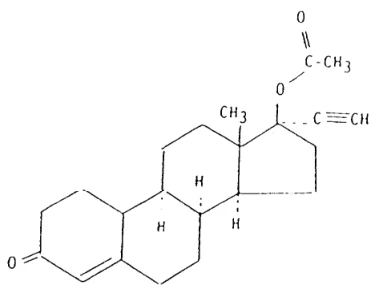
Physicochemical properties: A white solid with a melting point of 157° to 163°C, freely soluble in dioxane, sparingly soluble in ether, and insoluble in water.
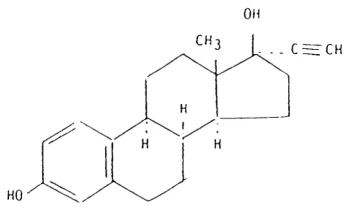
Proper name: Ethinyl Estradiol
Chemical name: 19-Norpregna-1,3,5(10)-trien-20-yne-3,17-diol,(17α)-
Molecular formula and molecular mass: C20H24O2 and 296.41
Structural formula:
Physicochemical properties: A fine white, odourless crystalline powder, insoluble in water but soluble in vegetable oils and organic solvents.
14 CLINICAL TRIALS
14.1 Trial Design and Study Demographics
Summary of Drug Experience for MINESTRIN® 1/20, 28-Day Regimen
Total Subjects Enrolled in Study 1431
Total Subjects Still Active 0
Total Study Days of Experience 430618
Total Cycles of Experience 15899
Number of Pregnancies
Treatment Failure 4
Subject Failure 6
Pregnancies Per 100 Woman Years (Pearl Index)
Therapeutic Effectiveness 0.30
Subject Failure 0.45
Use Effectiveness 0.75
Menstrual Cycle
Information on the incidence of spotting and bleeding is presented in Table 3.
Table 3. Percentage of Total Incidence
| Effect | Cycle 1 | Cycle 2 | Cycle 3 | Cycle 6 | Cycle | Cycle | Overall | ||||
| 12 | 24 | ||||||||||
| Intermenstrual | |||||||||||
| Spotting | 26.3 | 17.5 | 14.7 | 11.4 | 10.1 | 6.9 | 11.4 | ||||
| Light | 19.3 | 16.5 | 14.6 | 12.8 | 12.7 | 14.8 | 13.1 | ||||
| Moderate | 13.5 | 11.3 | 9.7 | 9.3 | 9.0 | 6.9 | 8.9 | ||||
| Heavy | 5.0 | 3.0 | 2.7 | 2.7 | 2.6 | 1.6 | 2.3 | ||||
| Irregular Bleeding | 44.9 | 36.1 | 31.9 | 26.5 | 23.4 | 25.4 | 27.4 |
| Amenorrhea | 0 | 5.6 | 5.3 | 6.2 | 6.5 | 6.1 | 5.7 |
Weight Changes
Information on weight changes is presented in Table 4.
Table 4. Summary of Weight Gain or Loss
Last Weight Data Available During | Decrease | No Change | Increase | Median Weight Change (lbs.) |
No. of Subjects (%) | No. of Subjects (%) | No. of Subjects (%) | ||
Cycle Interval 1-3 | 385 (35.84) | 252 (23.46) | 437 (40.68) | 0.00 |
Cycle Interval 4-6 | 337 (40.31) | 88 (10.52) | 411 (49.16) | 0.00 |
Cycle Interval 7-12 | 311 (42.60) | 41 (5.61) | 378 (51.78) | 1.27 |
| Last Cycle | 177 (39.86) | 31 (6.98) | 236 (53.15) | 1.60 |
| Total | 1210 (39.23) | 412 (13.35) | 1462 (47.40) | 1.10 |
Approximately 47% of subjects gained weight, 39% lost weight and in 13% there was no weight change. The overall median weight change was 1.1 pounds.
Patient Drop Out
The largest number of patient drop out was 419 subjects or 29.2% due to loss of contact; 344 or 24.0% dropped because of adverse reactions. Irregular bleeding and amenorrhea headed the list of adverse reaction reasons for dropping from the study. Continuing in numerical sequence, 88 or 6.1% moved from the area of study, 60 or 4.1% dropped for personal reasons, 55 or 3.8% dropped to become pregnant, 55 or 3.7% changed method of contraception, 40 or 2.7% dropped for medical reasons, 22 or 1.5% dropped giving no reason and 3 subjects or 0.2% were pregnant before starting the study.
Cytology
Initial Papanicolaou smears were taken for almost all the subjects enrolled. Patients were selected at random to have updated Pap smears throughout the study. A total of 3075 Pap smears were done during 57 cycles of observations. Over 97% of the Pap smears were classified within the normal range. There were 19 Grade III smears, 2 Grade IV, and 1 Grade V smears. Four reports were not specified. Overall, there were only three subjects who had a confirmed diagnosis of carcinoma-in-situe.
15 NON-CLINICAL TOXICOLOGY
Detailed Pharmacology
Both norethindrone (NET) and ethinyl estradiol (EE) have been subject to extensive biological examination over the past two decades. Norethindrone, using the Clauberg assay with rabbits, has been variously estimated to possess an oral progestational activity at least 10 times that of injected progesterone. Only slight estrogenic activity along with some androgenic activity (9% that of methyl testosterone) has been evident. Ethinyl estradiol has been demonstrated to be slightly more active than 17ß-estradiol using the vaginal cornification test in rats.
Norethindrone/ethinyl estradiol, in the ratio of 1.0/0.035, fed to female rats for 22 days at a daily dose of 0.15 mg/kg was effective in reducing the littering activity during a period of 15 days cohabitation with fertile males. Subsequent to the dosing period, these females regained their fertility.
Estrogenic, progestational and antigonadotropic characteristics are revealed for the endocrine profile of this combination. In female rats, a uterotropic effect is clearly demonstrated for a range of 0.1-0.4 mcg, total oral dose. In rabbits a McPhail index of 2.6 is recorded at a total oral dose of 0.8 mg of this progestogen/estrogen combination. At a total dose of 450 mcg (based on EE content) compensatory ovarian hypertrophy is completely inhibited in hemicastrate female rats.
Toxicity Studies of Norethindrone Acetate in Animals
The LD50 value of norethindrone acetate on intraperitoneal administration to rats was greater than 1000 mg per kg body weight. The drug produced no toxic effects or abnormalities when administered orally to dogs in a single 30 mg dose.
Administration of norethindrone acetate by the drug-diet method in rats over a period of 41 weeks produced depression in food intake and weight gain comparable to that following the use of norethindrone. Animals received average daily doses of 6, 14, and 27 mg per kg body weight.
Hematocrit, hemoglobin and leukocyte counts were not noticeably affected. Cholesterol values were low in all drug-fed animals, but all other microchemical determinations (minerals, transaminase, proteins, bilirubin, glucose and urea nitrogen) revealed normal values. Histologic examination of tissues showed functional depression of testes and seminal vesicles and atrophy of pituitary and adrenal glands at the two higher dosage levels. Liver cell atrophy and several deviations of a minor nature were also noted. Results indicated that the acetate is as well tolerated as norethindrone in continuous long-term use.
Long-Term Use of Norethindrone in Monkeys
Long-term oral administration of norethindrone to female rhesus monkeys produced only temporary changes in ovarian function. Six monkeys were treated for two years and 12 monkeys for one year at a dosage of 2.5 mg daily for 21 days of each cycle. This is comparable to a dosage of 25 mg daily for eight-and four-year periods in humans.
Extensive studies were conducted on the blood, bone marrow, and on the various other tissues and organs, particularly the ovaries. The only noteworthy differences between control and treated animals were found in the genital organs and the pituitary. The treated monkeys could
not be differentiated from control on the basis of general health, alertness, and behaviour. Bleeding usually started on the third or fourth day after discontinuation of drug administration each month, lasted three or four days, and was never heavy.
Ovaries from animals treated for one or two years were small, whitish with only small follicles visible, and no sign of recent rupture or of corpora lutea. Germinal epithelium was intact, and the layer of primordial ovocytes and young follicles appeared normal. Inside this cortical layer were small and medium-sized vesicular follicles and many corpora atretica, remnants of old follicles. Follicles had developed normally until the vesicular stage and then degenerated before attaining their full preovulatory growth. Ovocytes appeared normal in all stages of development until the last pre-ovulatory step when maturation was inhibited.
Uteri of treated monkeys had proliferative endometria with no decidual changes in the stroma. The vaginal tracts exhibited moderate to considerable epithelial cornification. Mammary glands were in the resting stage. Pituitaries of treated monkeys showed a decrease of basophilic cells.
Normal ovulatory cycles resumed shortly after medication was stopped. The sexual skin increased in redness, the vaginal epithelium became highly carnified during ovulation, and corpora lutea developed in the ovaries. The number and appearance of ova were normal, as was the rate of atresia. Endometria were proliferative or secretory.
The ability to conceive also returned. The conception rate in the treated group compared favourably with that in the control group. Babies of treated animals were all normal at birth, and the females developed normally.
In summary, it was concluded from these studies that continuous administration of norethindrone for periods of one and two years suppressed ovulation without permanent effects on ovarian function and fertility of monkeys.
Chronic Oral Toxicities in Monkeys
Chronic oral toxicity studies were conducted in 8 immature rhesus monkeys – 4 males and 4 females. Norethindrone was administered in the amount of 2.5 mg per kg daily, five days a week for 183 days. No gross or microscopic signs of drug toxicity were found from blood studies, biopsies or at autopsy. As might be anticipated, testicular atrophy occurred in the males. There was also evidence of hormonal stimulation of the sexual skin and mammary glands of both sexes and of the uterine mucosa in females.
Long-Term Oral Studies of the Combination
Dogs
A combination of 50 parts norethindrone acetate to one part ethinyl estradiol was administered orally for 7 years at dosage levels of 0.051, 0.51, and 1.275 mg/kg/day (equivalent to 1, 10 and 25 times the human dose) in 28-day cycles (21 days of drug administration followed by 7 days of drug withdrawal). Sixteen dogs were initiated as controls and at each dosage level.
All dogs were observed daily. Body weights were recorded weekly. Mammary examinations were conducted once each month. Ophthalmoscopic examinations (indirect technique) were done every six months. Clotting studies were conducted for all dogs twice during the control period, six times during the first year, and semiannually thereafter. Urinary steroid outputs were done once during the control period and annually thereafter.
One control dog and 9 treated dogs died or were sacrificed in extremis during the study. At the end of 7 years of study, the number of dogs surviving in each group was 15, 15, 14 and 10 at the control, 0.051, 0.51, and 1.275 mg/kg/day dosage levels, respectively.
One dog at the 0.051 and 0.51 mg/kg/day dosage levels, and 2 dogs at the 1.275 mg/kg/day dose levels were hysterectomized during the study.
At the end of 7 years of study, nodules were palpated in the mammary tissue of 5 control dogs, 5 dogs at the 0.051 mg/kg/day dosage level, 6 dogs at the 0.51 mg/kg/day level and 6 dogs at the 1.275 mg/kg/day level. Frequently, nodules disappeared after variable periods of time. Only rarely did nodules reach or exceed 10 mm in diameter, and commonly the behaviour of these indicated that they were cystic in nature.
Alopecia was seen more frequently for treated dogs than for control dogs. Red or brown vaginal discharge was seen most frequently for control dogs and dogs at the 0.051 mg/kg/day dosage level. It was rarely noted for dogs at the 0.51 and 1.275 mg/kg/day dosage levels following 18 months of study.
Treated dogs showed greater body weight gains than control dogs.
No changes considered to be related to treatment were seen in the mammary development, behaviour or in urinary steroid output.
Fibrinogen concentrations were somewhat greater for treated dogs than for control dogs during the 6th and 7th years of study. No other unusual changes were noted in clotting studies.
Ophthalmologic examinations revealed eye changes for several dogs in each group. No drug relationship was noted with respect to the occurrence of these changes.
Drug related gross lesions consisting of alopecia and enlarged and/or cystic uteri were observed in a number of dogs at terminal sacrifice. Organ weight effects were limited to increase in uterine weights of individuals in most experimental groups.
Microscopically, drug related changes included absence of ovulation in all dogs in the high-dose group and most dogs in the mid-dose group, and increased incidence and severity of cystic endometrial hyperplasia and uterine adenomyosis in dogs in the high dose group.
The occurrence of benign tumors in vaginas and uteri of several dogs in the high dose group was considered drug related.
Hyperplastic nodules and benign tumors occurred in mammary glands of dogs both in control and treated groups, but the incidence at the high-dose level was somewhat greater. No malignant mammary neoplasm occurred in any of the dogs in this study.
Monkeys
A combination of 50 parts of norethindrone acetate to one part ethinyl estradiol was administered orally to mature female rhesus monkeys in a long-term study for a period of 10 years at dosage levels of 0.051, 0.51, and 2.55 mg/kg/day (1, 10, and 50 times the human dose). The dosing regimen consisted of consecutive cycles of 21 days of drug administration followed by 7 days of drug withdrawal. Sixteen monkeys were assigned to each treatment group; while an additional 16 animals received the food vehicle only.
Daily observations of general health revealed no evidence of overt effects of drug treatment or significant changes in behaviour. The percent body weight gain of surviving animals was comparable, although the body weights of the treated groups were less than controls at some intervals.
Red vaginal discharge occurred with greater frequency in control and low-dose groups and was usually observed in the withdrawal phase of the mid-and high-dose groups, reflecting the pharmacologic action of the drug combination. No drug related alterations were noted in vaginal cytology or mammary development.
A retinal macular granularity, with and without foci of altered reflectivity, was noted in both control and treated animals beginning at 6 years. Although the incidence and severity of these alterations appeared to be greater in treated animals, no definite relationship to drug administration was considered to have been established.
Reduced total platelet count and increased fibrinogen concentrations were noted more frequently for treated monkeys during the initial 90 months and 48 months of study, respectively. An occasional animal showed an elevated postprandial glucose concentration, but no treatment or dosage relationship was apparent. No drug related alteration in urinary steroid output was observed.
Small nodules were palpable in or near the mammary tissue of five, four, three, and two monkeys in the control, 0.051, 0.51, and 2.55 mg/kg/day dosage groups, respectively, at least at one examination. Detailed physical examinations also revealed an abdominal mass in 2 control monkeys, slight curvature of the spine in 2 low-dose animals, and a pulsating saphenous vein in a high-dose animal.
No drug related gross lesions were seen in animals that died, were sacrificed in extremis during the study or were terminally sacrificed. A frequent cause of death in this study, which is a common occurrence in non-human primates, was acute gastric dilatation. The lesions observed at necropsy appeared spontaneous and unrelated to drug administration.
A statistically significant decrease (p<0.05) in the mean absolute uterine weight at the high-dose level was drug related.
Microscopically, drug related lesions included uterine atrophy, slightly increased incidence of occurrence of mucus and inflammatory cells in the cervical canal, and dilatation of acini and ducts in mammary glands of monkeys from the high-dose group, were considered to be related to the pharmacologic effect of the test combination.
No drug related neoplasms were observed in the study. A low overall incidence of neoplasms was seen in all organs and tissues examined. A total of 6 neoplastic microscopic lesions were noted during this entire study; an adenoma (pancreatic duct origin) in a low-dose animal; a granulosa cell carcinoma (ovary) in a control animal with metastasis to liver, lymph node, and lung; and a leiomyoma (uterus) and 2 papillomas (skin) in high-dose animals. With the exception of the granulosa cell carcinoma, no malignant neoplasms were identified.