


Product Monograph - Mircera
SUMMARY PRODUCT INFORMATION
Route of Administration | Dosage Form / Strength | Clinically Relevant Non-Medicinal Ingredients |
| Subcutaneous or Intravenous | Solution for Injection Single dose vials: 50 µg/mL, 100 µg/mL, 200 µg/mL, 300 µg/mL, 400 µg/mL, 600 µg/mL, 1000 µg/mL Single dose pre-filled syringes: 50 µg/0.3 mL, 75µg/0.3 mL, 100 µg/0.3 mL, 150 µg/0.3 mL, 200 µg/0.3 mL, 250 µg/0.3 mL, 400 µg/0.6 mL, 600 µg/0.6 mL | Mannitol For a complete listing of non-medicinal ingredients see DOSAGE FORMS, COMPOSITION AND PACKAGING. |
DESCRIPTION
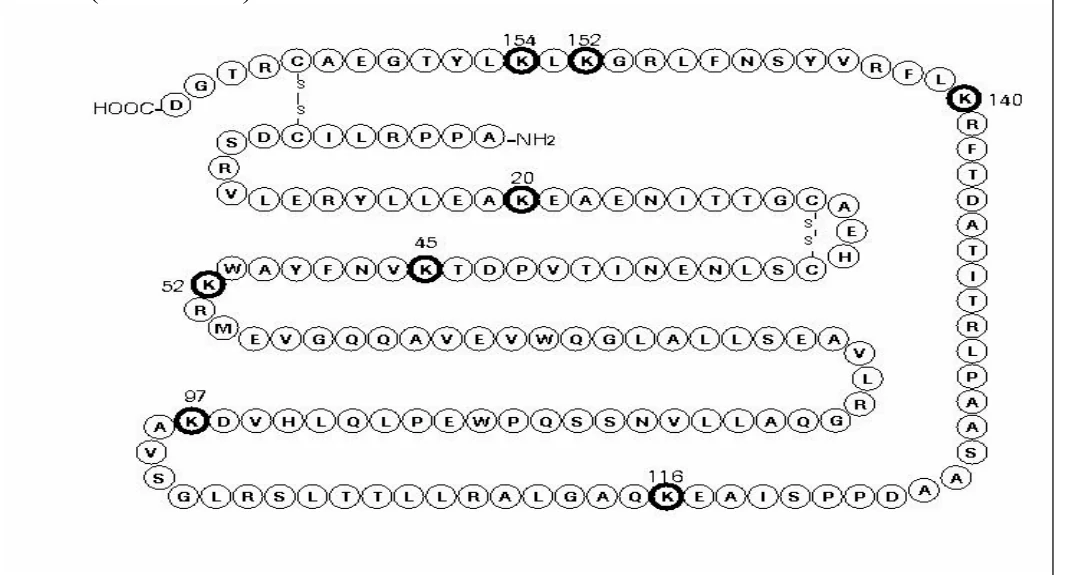
MIRCERA (methoxy polyethylene glycol-epoetin beta) is a polymer-based erythropoietic compound. MIRCERA differs from endogenous and recombinant human erythropoietin through integration of an amide bond between either the N-terminal amino group or the ε-amino group of lysine, predominantly Lys52 and Lys45 and methoxy polyethylene glycol butanoic acid. This results in a molecular weight of approximately 60,000 daltons for methoxy polyethylene glycol-epoetin beta (see Pharmaceutical Information).
INDICATIONS AND CLINICAL USE
MIRCERA (methoxy polyethylene glycol-epoetin beta) is indicated for:
y The treatment of anemia associated with chronic kidney disease (CKD). This indication is based on data from correction of anemia and maintenance of hemoglobin in patients with CKD not previously treated with erythropoiesis-stimulating agents (ESAs), on dialysis and not on dialysis as well as maintenance of hemoglobin levels in dialysis patients previously treated with other ESAs.
The treatment with MIRCERA has to be initiated under the supervision of a healthcare professional.
MIRCERA is not intended for patients who require immediate correction of severe anemia or emergency transfusions. Also, it is not indicated for other causes of anemia such as iron or folate deficiencies, hemolysis, or gastrointestinal bleeding which should be managed appropriately.
MIRCERA is not indicated for the treatment of anemia due to cancer chemotherapy.
Pediatric use (<18 years of age):
MIRCERA is not indicated for use in children and adolescents below 18 years of age.
CONTRAINDICATIONS
MIRCERA (methoxy polyethylene glycol-epoetin beta) is contraindicated in patients:
- with uncontrolled hypertension
- with known hypersensitivity to the active substance or any of the excipients
- who develop Pure Red Cell Aplasia (PRCA) following treatment with any erythropoiesis-stimulating agents
WARNINGS AND PRECAUTIONS
General
Supplementary iron therapy:
Iron therapy is recommended for all patients with serum ferritin values below 100 μg /L or with transferrin saturation below 20%. To ensure effective erythropoiesis, iron status has to be evaluated for all patients prior to and during treatment.
SERIOUS WARNINGS AND PRECAUTIONS
- Titrate the dose of erythropoiesis-stimulating agents (ESAs) that will gradually increase the hemoglobin concentration to the lowest level sufficient to avoid blood transfusions. Hemoglobin levels during ESA treatment should not exceed 120 g/L (See DOSAGE AND ADMINISTRATION).
- Patients with uncontrolled hypertension should not be treated with MIRCERA (methoxy polyethylene glycol-epoetin beta); blood pressure should be adequately controlled before initiation of therapy with MIRCERA.
- MIRCERA should be used with caution in patients with a history of seizures.
- Antibody-mediated Pure Red Cell Aplasia (PRCA) has been reported after months to years of treatment with ESAs.
y Mircera is not indicated for the treatment of anemia due to cancer chemotherapy. A dose-ranging study of MIRCERA was terminated early because of significantly more deaths among patients receiving MIRCERA than another ESA.
y Renal Failure: Patients experienced greater risks for death and serious cardiovascular events when administered ESAs to target higher versus lower hemoglobin levels (135 vs. 113 g/L; 140 vs. 100 g/L) in two clinical studies. Individualize dosing to achieve and maintain hemoglobin levels within the range of 100 to 120 g/L. (See WARNINGS AND PRECAUTIONS: Increased Mortality, Serious Cardiovascular and Thromboembolic Events).
Lack or Loss of Response:
The most common reasons for incomplete response to erythropoiesis stimulating agents (ESAs) are iron deficiency and inflammatory disorders. The following conditions may also compromise the effectiveness of ESAs therapy: chronic blood loss, bone marrow fibrosis, severe aluminum overload due to treatment of renal failure, folic acid, vitamin B12 deficiencies and hemolysis.1,2
If all the conditions mentioned above are excluded and the patient has a sudden drop of hemoglobin associated with reticulocytopenia and anti-erythropoietin antibodies, examination of the bone marrow for the diagnosis of Pure Red Cell Aplasia (PRCA) should be considered. If PRCA is diagnosed, therapy with MIRCERA must be discontinued and patients should not be switched to another ESA. For patients whose hemoglobin does not attain a level within the range of 100 to 120 g/L despite the use of appropriate MIRCERA dose titrations over a 12 week period, do not administer higher MIRCERA doses and use the lowest dose that will maintain a hemoglobin level sufficient to avoid recurrent RBC transfusions (see DOSAGE and ADMINISTRATION).
Effects on ability to drive and use machines:
No studies on the effects on the ability to drive and use machines have been performed. However, no effects are expected based on the mechanism of action and the known safety profile of MIRCERA (See WARNINGS and PRECAUTIONS, Seizures).
Cardiovascular
Blood pressure monitoring:
Patients with uncontrolled hypertension should not be given MIRCERA. As with other ESAs, blood pressure may rise during treatment with MIRCERA. Blood pressure should be adequately controlled in all patients before, at initiation of and during treatment with MIRCERA.
Special care should be taken to closely monitor and control blood pressure in patients treated with MIRCERA. During therapy, patients should be advised of the importance of compliance with antihypertensive therapy and dietary restrictions. If high blood pressure is difficult to control by drug treatment or dietary measures, the dose of MIRCERA must be reduced or withheld (see DOSAGE AND ADMINISTRATION: Dose Adjustments).
In MIRCERA clinical trials, approximately 27% of patients with CKD, including patients on dialysis and not on dialysis, required intensification of antihypertensive therapy. Hypertensive encephalopathy and/or seizures have been observed in patients with CKD treated with MIRCERA.
Increased Mortality, Serious Cardiovascular and Thromboembolic Events
Erythropoiesis-stimulating agents (ESAs) increased the risk for death and for serious cardiovascular events in controlled clinical trials in cancer and CKD patients when treated to a hemoglobin level of greater than 120 g/L. In such trials, there was an increased risk of serious arterial and venous thromboembolic events, including clotting of vascular access, myocardial infarction, stroke, and congestive heart failure in CKD patients and an increased risk of venous thrombotic events in cancer patients. A rate of hemoglobin rise of greater than 10 g/L over 2 weeks may also contribute to these risks.
To reduce the risks for cardiovascular and thromboembolic events, titrate the dose of MIRCERA that will gradually increase the hemoglobin concentration to the lowest level sufficient to avoid blood transfusions. The hemoglobin concentration should not exceed 120 g/L; the rate of hemoglobin increase should not exceed 10 g/L in any 2 week period (see DOSAGE AND ADMINISTRATION).
In patients at risk for thrombosis, the anticipated benefits of MIRCERA should be weighed against the potential for increased risks associated with therapy. Patients with pre-existing vascular disease should be closely monitored. For patients with a known intolerance to antithrombotic agents, treatment with erythropoiesis-stimulating agents should be considered only if the potential benefit justifies the potential risk.
Neurologic
Seizures
Seizures have occurred in patients participating in MIRCERA clinical studies. During the first several months of therapy, blood pressure and the presence of premonitory neurologic symptoms should be monitored closely. Patients should be cautioned not to engage in any hazardous undertaking such as operating heavy machinery during this period. While the relationship between seizures and the rate of rise of hemoglobin is uncertain, the dose of MIRCERA should be decreased or withheld if the hemoglobin increases more than 10 g/L in any 2-week period in CKD patients.
Carcinogenicity and Mutagenicity: see TOXICOLOGY.
Immune
Pure Red Cell Aplasia (PRCA):
PRCA caused by anti-erythropoietin antibodies has been reported in association with ESAs. PRCA occurred predominantly in patients with CKD receiving an ESA by SC administration. PRCA was not observed in pre-marketing clinical studies of MIRCERA.
Any patient who develops a sudden loss of response to MIRCERA, accompanied by severe anemia and low reticulocyte count, should be evaluated for the etiology of the altered hemoglobin response, including evaluation for the development of neutralizing antibodies to erythropoietin. Serum samples should be obtained at least a month after the last MIRCERA administration to prevent interference of MIRCERA with the assay. MIRCERA should be permanently discontinued in patients with antibody-mediated anemia. These antibodies have been shown to cross-react with ESAs, and patients suspected or confirmed to have antibodies to erythropoietin should not be switched to MIRCERA.
Hypersensitivity
Serious allergic reactions, consisting of tachycardia, pruritus and rash, have been reported in patients treated with MIRCERA. If a serious allergic or anaphylactic reaction occurs due to MIRCERA, treatment should be immediately discontinued and appropriate therapy should be administered. Drug related anaphylaxis has been reported with MIRCERA in a single case in pre-market clinical trials.
Special Populations
The safety and efficacy of MIRCERA therapy has not been established in patients with hemoglobinopathies, severe liver disease, seizures or with platelet levels greater than 500 x 109/L. Therefore, caution should be used in these patients.
Chronic Kidney Disease
Patients with CKD Not Requiring Dialysis
Patients with CKD not requiring dialysis may require lower maintenance doses of MIRCERA than patients receiving dialysis. Patients who are not receiving dialysis may be more responsive to the effects of MIRCERA and require judicious monitoring of blood pressure and hemoglobin. Renal function and fluid and electrolyte balance should also be closely monitored.
Patients with CKD Requiring Dialysis
Therapy with MIRCERA results in an increase in red blood cells and a decrease in plasma volume, which could reduce dialysis efficiency; patients who are marginally dialyzed may require adjustments in their dialysis prescription.
The dialysis population comprised 95 peritoneal dialysis patients, which was 4% of the total dialysis population in the Phase II/III. As such, treatment experience is limited in peritoneal dialysis patients.
Cancer Patients
Increased Mortality and/or Tumor Progression
MIRCERA is not indicated for the treatment of anemia due to cancer chemotherapy.
Erythropoiesis-stimulating agents (ESAs), when administered to achieve a hemoglobin of greater than 120 g/L, shortened the time to tumor progression in patients with advanced head and neck cancer receiving radiation therapy. ESAs also shortened survival in patients with metastatic breast cancer receiving chemotherapy when administered to achieve a hemoglobin of greater than 120 g/L.
An increased risk of death was observed in a clinical study when ESAs were administered to achieve hemoglobin of 120 g/L in patients with active malignant disease who were not being treated with either chemotherapy or radiation therapy.
Pregnancy:
There is no clinical data from the use of MIRCERA in pregnant women. Caution should be exercised when prescribing to such patients and MIRCERA should not be used unless the potential benefits outweigh the risks to the fetus (see TOXICOLOGY).
Lactation:
It is unknown whether MIRCERA is excreted in human breast milk. One animal study has shown excretion of MIRCERA in maternal milk. A decision on whether to continue or discontinue breast-feeding or to continue or discontinue therapy with MIRCERA should be made taking into account the benefit of breast-feeding to the child and the benefit of MIRCERA therapy to the woman.
Pediatric use (<18 years of age):
MIRCERA is not recommended for use in children and adolescents below 18 years due to a lack of safety and efficacy data.
Elderly patients:
In clinical studies, 24% of patients treated with MIRCERA were 65 to 74 years old, while 20% were 75 years old and over. Based on population analyses, no adjustment of the starting dose is required in patients aged 65 years or older.
Misuse of MIRCERA by healthy people may lead to an excessive increase in hemoglobin. This may be associated with life-threatening cardiovascular complications.
Other special populations
Population analyses evaluated the potential effects of demographic characteristics on the pharmacokinetics of MIRCERA. Results of these analyses showed that no adjustments of the starting dose are necessary for age, gender, or race. A population pharmacokinetic analysis also showed no pharmacokinetic differences between patients on dialysis and patients not on dialysis.
ADVERSE REACTIONS
Adverse Drug Reaction Overview
The safety database for MIRCERA (methoxy polyethylene glycol-epoetin beta) from clinical trials comprised 2737 CKD patients, including 1789 patients treated with MIRCERA and 948 patients treated in reference arms with another ESA. Based on the results of 1789 patients, approximately 6% of patients treated with MIRCERA are expected to experience adverse reactions. The most frequent reported adverse reaction was hypertension (common).
Clinical Trial Adverse Drug Reactions
Because clinical trials are conducted under very specific conditions the adverse reaction rates observed in the clinical trials may not reflect the rates observed in practice and should not be compared to the rates in the clinical trials of another drug. Adverse drug reaction information from clinical trials is useful for identifying drug-related adverse events and for approximating rates.
The frequencies are defined as follows:
very common (≥1/10); common (≥1/100 to <1/10); uncommon (≥1/1,000 to <1/100); rare (≥1/10,000 to <1/1,000); very rare (<1/10,000)
Table 1: Adverse reactions attributed to the treatment with MIRCERA in controlled clinical trials in CKD patients
| System organ class | Adverse reaction | Frequency |
| Vascular disorders | Hypertension | Common |
| Injury, poisoning and procedural complications | Vascular access thrombosis | Uncommon |
| Nervous System disorders | Headache | Uncommon |
| Immune system disorders | Hypersensitivity | Rare |
| Nervous system disorders | Hypertensive encephalopathy | Rare |
| Skin and subcutaneous tissue disorders | Rash (maculo-papular, serious) | Rare |
All other adverse reactions attributed to MIRCERA were reported with rare frequency and the majority were mild to moderate in severity. These rare adverse reactions were consistent with co-morbidities known in the population.
Adverse Drug Reactions in patients treated with MIRCERA with an incidence of < 1% from controlled studies
Blood and lymphatic system disorders: anemia, polycythaemia
Cardiac Disorders: atrioventricular block first degree, cardiac arrest, tachyarrhythmia Gastrointestinal Disorders: colitis ischaemic, gastrointestinal necrosis, nausea General Disorders & Administration Site Conditions: chills, fatigue, feeling hot, influenza like illness, injection site irritation, injection site pain, injection site reaction, injection site warmth, edema peripheral
Hepatobiliary disorders: hepatitis acute
Immune system disorders: hypersensitivity
Infections and Infestations: sepsis
Injury, Poisoning, & Procedural Complications: arteriovenous fistula thrombosis, arteriovenous graft thrombosis, dialysis disequilibrium syndrome, overdose, procedural hypertension, thrombosis in device, underdose, vascular graft complication
Musculoskeletal & Connective Tissue Disorders: myalgia, pain in extremity, polymyalgia Neoplasms Benign, Malignant & Unspecified: non-hodgkin’s lymphoma Nervous System Disorders: cerebral ischaemia, convulsion, dizziness, dysgeusia, haemorrhagic stroke, headache, thrombotic stroke, transient ischaemic attack
Psychiatric Disorders: anxiety, insomnia
Reproductive system and breast disorders: metrorrhagia
Skin and subcutaneous tissue disorders: erythema, hyperhidrosis, lichen planus, pruritus, rash maculo-papular, skin discolouration, skin hyperpigmentation
Vascular Disorders: blood pressure inadequately controlled, flushing, hot flush, hypotension
Adverse Events
Adverse drug events (regardless of relationship to drug) for both MIRCERA and reference arms have been summarized from six pivotal MIRCERA studies in anemic patients with chronic kidney disease that included patients on dialysis and not on dialysis (Table 2). The most commonly reported adverse events were hypertension, diarrhea, nasopharyngitis, headache and upper respiratory tract infection. Some of the adverse events reported are typically associated with CKD, or recognized complications of dialysis and may not necessarily be attributable to MIRCERA therapy.
Table 2: Summary of Adverse Events from Controlled Studies, Listed Alphabetically, With an Incidence Rate of at Least 1%, by Body System
| Body System/Adverse Event | MIRCERA N = 1435 No. (%) | Reference N = 948 No. (%) |
BLOOD AND LYMPHATIC SYSTEM DISORDERS Anaemia 47 ( 3) 23 ( 2) CARDIAC DISORDERS Angina Pectoris 55 ( 4) 27 ( 3) Arrhythmia 9 ( <1) 10 ( 1) Atrial Fibrillation 42 ( 3) 16 ( 2) | ||
Body System/Adverse Event MIRCERA
N = 1435 No. (%)
Reference N = 948 No. (%)
Bradycardia 24 ( 2) 12 ( 1) Cardiac Arrest 20 ( 1) 15 ( 2) Cardiac Failure Congestive 35 ( 2) 28 ( 3) Coronary Artery Disease 6 ( <1) 10 ( 1) Myocardial Infarction 27 ( 2) 18 ( 2) Tachycardia 31 ( 2) 9 ( <1) ENDOCRINE DISORDERS
Hyperparathyroidism Secondary 22 ( 2) 19 ( 2) Hyperparathyroidism 14 ( <1) 10 ( 1) EYE DISORDERS
Cataract 14 ( <1) 10 ( 1) GASTROINTESTINAL DISORDERS
Abdominal Discomfort 10 ( <1) 11 ( 1) Abdominal Pain 37 ( 3) 24 ( 3) Abdominal Pain Upper 47 ( 3) 21 ( 2) Constipation 65 ( 5) 53 ( 6) Diarrhoea 169 ( 12) 109 ( 11) Dyspepsia 38 ( 3) 24 ( 3) Gastritis 32 ( 2) 14 ( 1) Gastrointestinal Haemorrhage 26 ( 2) 7 ( <1) Gastrooesophageal Reflux Disease 18 ( 1) 17 ( 2) Haemorrhoids 7 ( <1) 11 ( 1) Nausea 59 ( 4) 45 ( 5) Stomach Discomfort 15 ( 1) 8 ( <1) Toothache 17 ( 1) 12 ( 1) Vomiting 79 ( 6) 61 ( 6) GENERAL DISORDERS & ADMINISTRATION SITE CONDITIONS
Asthenia 55 ( 4) 27 ( 3) Catheter Related Complication 19 ( 1) 13 ( 1) Chest Pain 36 ( 3) 25 ( 3) Chills 9 ( <1) 11 ( 1) Fatigue 49 ( 3) 22 ( 2) Influenza Like Illness 19 ( 1) 18 ( 2) Non-Cardiac Chest Pain 16 ( 1) 14 ( 1) Oedema Peripheral 36 ( 3) 53 ( 6) Pain 17 ( 1) 7 ( <1) Pyrexia 56 ( 4) 44 ( 5) HEPATOBILIARY DISORDERS
Cholelithiasis 14 ( <1) 10 ( 1) IMMUNE SYSTEM DISORDERS
Drug Hypersensitivity 17 ( 1) 9 ( <1)
INFECTIONS & INFESTATIONS
Arteriovenous Fistula Site Infection 13 ( <1) 11 ( 1) Arteriovenous Graft Site Infection 12 ( <1) 15 ( 2) Bacteraemia 9 ( <1) 10 ( 1) Bronchitis 64 ( 4) 43 ( 5) Bronchitis Acute 24 ( 2) 11 ( 1) Catheter Site Infection 16 ( 1) 18 ( 2) Cellulitis 34 ( 2) 29 ( 3)
Body System/Adverse Event MIRCERA
N = 1435 No. (%)
Reference N = 948 No. (%)
Gangrene 11 ( <1) 10 ( 1) Gastroenteritis 54 ( 4) 31 ( 3) Gastroenteritis Viral 18 ( 1) 19 ( 2) Influenza 69 ( 5) 43 ( 5) Localised Infection 10 ( <1) 16 ( 2) Lower Respiratory Tract Infection 10 ( <1) 17 ( 2) Nasopharyngitis 164 ( 11) 96 ( 10) Pharyngitis 17 ( 1) 10 ( 1) Pneumonia 56 ( 4) 44 ( 5) Respiratory Tract Infection 17 ( 1) 5 ( <1) Sepsis 24 ( 2) 17 ( 2) Sinusitis 25 ( 2) 21 ( 2) Upper Respiratory Tract Infection 135 ( 9) 76 ( 8) Urinary Tract Infection 75 ( 5) 56 ( 6) Viral Upper Respiratory Tract Infection 18 ( 1) 9 ( <1) INJURY, POISONING & PROCEDURAL COMPLICATIONS
Arteriovenous Fistula Site Complication 72 ( 5) 48 ( 5) Arteriovenous Fistula Site Haemorrhage 71 ( 5) 26 ( 3) Arteriovenous Fistula Thrombosis 77 ( 5) 50 ( 5) Arteriovenous Graft Site Haemorrhage 18 ( 1) 9 ( <1) Arteriovenous Graft Thrombosis 72 ( 5) 50 ( 5) Contusion 33 ( 2) 30 ( 3) Excoriation 18 ( 1) 12 ( 1) Fall 41 ( 3) 25 ( 3) Post Procedural Dizziness 15 ( 1) 10 ( 1) Post Procedural Haemorrhage 16 ( 1) 5 ( <1) Post Procedural Nausea 24 ( 2) 10 ( 1) Post Procedural Vomiting 24 ( 2) 9 ( <1) Procedural Hypertension 40 ( 3) 13 ( 1) Procedural Hypotension 124 ( 9) 54 ( 6) Procedural Pain 27 ( 2) 25 ( 3) Skin Laceration 19 ( 1) 9 ( <1) Thrombosis In Device 19 ( 1) 10 ( 1) Vascular Graft Complication 38 ( 3) 24 ( 3) Wound 23 ( 2) 12 ( 1) MUSCULOSKELETAL & CONNECTIVE TISSUE DISORDERS
Arthralgia 60 ( 4) 43 ( 5) Back Pain 81 ( 6) 49 ( 5) Muscle Spasms 105 ( 7) 72 ( 8) Musculoskeletal Pain 16 ( 1) 11 ( 1) Myalgia 20 ( 1) 16 ( 2) Neck Pain 17 ( 1) 16 ( 2) Osteoarthritis 26 ( 2) 21 ( 2) Pain In Extremity 76 ( 5) 59 ( 6) Shoulder Pain 31 ( 2) 24 ( 3) METABOLISM & NUTRITION DISORDERS
Anorexia 21 ( 1) 20 ( 2) Fluid Overload 104 ( 7) 62 ( 7)
Body System/Adverse Event MIRCERA
N = 1435 No. (%)
Reference N = 948 No. (%)
Gout 15 ( 1) 14 ( 1) Hypercalcaemia 4 ( <1) 15 ( 2) Hyperglycaemia 11 ( <1) 10 ( 1) Hyperkalaemia 41 ( 3) 33 ( 3) Hyperlipidaemia 21 ( 1) 13 ( 1) Hyperphosphataemia 25 ( 2) 18 ( 2) Hypoglycaemia 34 ( 2) 34 ( 4) NERVOUS SYSTEM DISORDERS
Carpal Tunnel Syndrome 14 ( <1) 13 ( 1) Diabetic Neuropathy 11 ( <1) 12 ( 1) Dizziness 57 ( 4) 37 ( 4) Headache 133 ( 9) 87 ( 9) Hypoaesthesia 15 ( 1) 8 ( <1) Paraesthesia 18 ( 1) 7 ( <1) Restless Legs Syndrome 12 ( <1) 11 ( 1) Syncope 13 ( <1) 16 ( 2) PSYCHIATRIC DISORDERS
Anxiety 23 ( 2) 17 ( 2) Confusional State 13 ( <1) 10 ( 1) Depression 31 ( 2) 17 ( 2) Insomnia 62 ( 4) 35 ( 4) RENAL AND URINARY DISORDERS
Haematuria 20 ( 1) 5 ( <1) Renal Failure 6 ( <1) 10 ( 1) Renal Failure Chronic 22 ( 2) 23 ( 2) Renal Impairment 15 ( 1) 7 ( <1) REPRODUCTIVE SYSTEM AND BREAST DISORDERS
Benign Prostatic Hyperplasia 9 ( <1) 10 ( 1) RESPIRATORY, THORACIC & MEDIASTINAL DISORDERS
Cough 85 ( 6) 53 ( 6) Dyspnoea 47 ( 3) 40 ( 4) Epistaxis 40 ( 3) 18 ( 2) Pharyngolaryngeal Pain 32 ( 2) 16 ( 2) SKIN AND SUBCUTANEOUS TISSUE DISORDERS
Decubitus Ulcer 7 ( <1) 11 ( 1) Pruritus 50 ( 3) 37 ( 4) Rash 17 ( 1) 10 ( 1) Skin Ulcer 19 ( 1) 27 ( 3) Uraemic Pruritus 11 ( <1) 11 ( 1) VASCULAR DISORDERS
Haematoma 32 ( 2) 19 ( 2) Hypertension 206 ( 14) 133 ( 14) Hypotension 72 ( 5) 43 ( 5) Peripheral Ischaemia 6 ( <1) 10 ( 1)
Adverse Events in Patients with Baseline Hb ≤ 110 g/L
Most patients (with baseline Hb levels ≤ 110g/L) in each treatment group experienced at least one adverse during the study period: 91% of patients in the MIRCERA 1x/2 weeks group, 90% of patients in the MIRCERA 1x/4 weeks group, and 85% of patients in the reference group. Adverse events occurred most commonly in the infections and infestations body system (47% MIRCERA 1x/2 weeks, 61% MIRCERA 1x/4 weeks, 47% reference) or injury poisoning and procedural complications body system (46% MIRCERA 1x/2 weeks, 54% MIRCERA 1x/4 weeks, 43% reference). The most commonly occurring events were: Hypertension (12% MIRCERA 1x/2 weeks, 13% MIRCERA 1x/4 weeks, 12% reference), Diarrhea (12% MIRCERA 1x/2 weeks, 13% MIRCERA 1x/4 weeks, 11% reference), and Nasopharyngitis (9% MIRCERA 1x/2 weeks, 13% MIRCERA 1x/4 weeks, 8% reference).
Serious adverse events occurred in a similar percentage of patients (with baseline Hb levels ≤110 g/L) in each treatment group: 47% of patients in the MIRCERA 1x/2 weeks group, 44% of patients in the MIRCERA 1x/4 weeks group, and 48% of patients in the reference group. During the evaluation period, the % of patients with Hb levels > 120 g/L, >120 g/L-<130 g/L and > 140 g/L were higher in the 1x/2 weeks group (32.1%, 8.7%, 6.4%, respectively) than in the 1x/4 weeks group (29.7%, 6.3%, 1.6%, respectively).
Gastrointestinal Disorders
In controlled clinical trials, the rates of serious gastrointestinal hemorrhage were 1.2% with MIRCERA vs. 0.2% with the reference medication. Serious hemorrhagic adverse reactions of all types occurred among 5% and 4% of patients receiving MIRCERA and another ESA, respectively.
Abnormal Hematologic and Clinical Chemistry Findings
During treatment with MIRCERA, a slight decrease in platelet counts remaining within the normal range was observed in clinical studies. Platelet counts below 100 x 109/L were observed in 7.5% of patients treated with MIRCERA and 4.4% of patients treated with the other ESAs.
Immunogenicity
As with all therapeutic proteins, there is a potential for immunogenicity. Neutralizing antibodies to erythropoietin, in association with PRCA or severe anemia (with or without other cytopenias), have been reported in patients receiving ESAs during post-marketing experience. In 1789 patients treated with MIRCERA in clinical studies, antibody testing using an enzyme-linked immunosorbent assay (ELISA) was conducted at baseline and during treatment. Antibody development was not detected in any of the patients.
The incidence of antibody formation is highly dependent on the sensitivity and specificity of the assay. Additionally, the observed incidence of antibody (including neutralizing antibody) positivity in an assay may be influenced by several factors including assay methodology, sample handling, timing of sample collection, concomitant medications, and underlying disease. For these reasons, comparison of the incidence of antibodies to MIRCERA with the incidence of antibodies to other ESAs may be misleading. Drug related anaphylaxis has been reported with MIRCERA in a single case in pre-market clinical trials.
DRUG INTERACTIONS
Overview
No interaction studies have been performed. The clinical results do not indicate any interaction of MIRCERA (methoxy polyethylene glycol-epoetin beta) with other medicinal products.
Drug-Drug Interactions
The effect of other drugs on the pharmacokinetics and pharmacodynamics of MIRCERA was explored using a population analysis approach. There was no indication of an effect of concomitant medications on the pharmacokinetics and pharmacodynamics of MIRCERA.
DOSAGE AND ADMINISTRATION
Dosing Considerations
IMPORTANT: The dose of MIRCERA (methoxy polyethylene glycol-epoetin beta) should be titrated to gradually increase the hemoglobin concentration to the lowest level sufficient to avoid blood transfusions (see WARNINGS AND PRECAUTIONS: SERIOUS WARNINGS AND PRECAUTIONS BOX, and Increased Mortality, Serious Cardiovascular and Thrombotic Events).
MIRCERA is administered less frequently than the other ESAs due to the longer elimination half-life. As with all ESAs, patient response is variable, therefore, close medical supervision with regards to monitoring and dosing is required. It is recommended that hemoglobin is monitored every 2 weeks until stabilized and periodically thereafter.
Recommended Dose and Dosage Adjustment
Patients not currently treated with an ESA:
The recommended starting doses of MIRCERA are:
- For patients who are not on dialysis: 0.6 μg/kg body weight, administered once every 2 weeks, as a single SC injection in order to achieve a hemoglobin range of 100-120 g/L
- For patients who are on dialysis: 0.4 μg/kg body weight, administered once every 2 weeks, as a single IV injection in order to achieve a hemoglobin range of 100-120 g/L
The subcutaneous route has not been sufficiently tested in clinical studies for the correction of anemia in patients on hemodialysis. Data in patients undergoing peritoneal dialysis are limited.
The dose of MIRCERA may be increased by approximately 25% of the previous dose if the rate of rise in hemoglobin is less than 10 g/L over a month. Further increases of approximately 25% may be made at monthly intervals until the hemoglobin range is reached. Dose adjustments should not be made more often than once a month.
If the rate of rise in hemoglobin is greater than 20 g/L in one month or if the hemoglobin level is increasing and approaching 120 g/L, the dose is to be reduced by approximately 25%. If the hemoglobin level continues to increase, therapy should be interrupted until the hemoglobin level begins to decrease, at which point therapy should be restarted at a dose approximately 25% below the previously administered dose. After a scheduled dose is missed, a hemoglobin decrease of approximately 3.5 g/L (0.35 g/dL) per week is expected.
Maintenance of the hemoglobin level after correction of anemia
If the hemoglobin range of 100-120 g/L is reached for the individual patient, MIRCERA may be administered once monthly using a dose equal to twice the previous, once every two weeks dose. If a dose adjustment is necessary to maintain the hemoglobin level, the dose may be increased or decreased by approximately 25% as needed. Dose adjustments should not be made more often than once a month.
Patients currently treated with another ESA:
Patients on hemodialysis and treated with another ESA [ i.e. Eprex® (epoetin alfa), Aranesp® (darbepoetin alfa)] may be converted to MIRCERA administered once a month as a single intravenous or subcutaneous injection. Conversion from an ESA for maintenance of hemoglobin in patients who are not on dialysis was not specifically studied. Data on conversion in patients undergoing peritoneal dialysis are limited.
Maintenance of the hemoglobin levels after correction of anemia by other ESAs The starting dose of MIRCERA is based on the calculated, previously given, weekly dose of darbepoetin alfa or epoetin at the time of substitution as described in Tables 3 below. The first injection of MIRCERA should start at the next scheduled dose of the previously administered darbepoetin alfa or epoetin.
Table 3: MIRCERA Starting Doses
| Previous weekly darbepoetin alfa IV or SC dose (μg /week) | Previous weekly epoetin IV or SC dose (IU/week) | Monthly MIRCERA IV or SC dose (μg /once monthly) |
| <40 40-80 >80 | <8000 8000-16000 >16000 | 120 200 360 |
Dose adjustments should not be made more often than once a month. A significant change in hemoglobin may not be observed for several weeks after the dose is adjusted. If a dose adjustment is necessary to maintain the recommended hemoglobin level of between 100 g/L -120 g/L, the dose may be increased or decreased by approximately 25%, as needed.
If the rate of rise in hemoglobin is greater than 20 g/L over a month or if the hemoglobin level is increasing and approaching 120 g/L, the dose is to be reduced by approximately 25%. If the hemoglobin level continues to increase, therapy should be interrupted until the hemoglobin level begins to decrease, at which point therapy should be restarted at a dose approximately 25% below the previously administered dose. After a scheduled dose is missed a hemoglobin decrease of approximately 3.5 g/L (0.35 g/dL) per week is expected.
For patients whose hemoglobin does not attain a level within the range of 100-120 g/L despite the use of appropriate MIRCERA dose titrations over a 12 week period:
y Do not administer higher MIRCERA doses and use the lowest dose that will maintain a haemoglobin level sufficient to avoid the need for recurrent RBC transfusions.
y Evaluate and treat for other causes of anemia.
y Thereafter, continue to monitor the haemoglobin level and if responsiveness improves, make MIRCERA dose adjustments as described above, discontinue MIRCERA if responsiveness does not improve and the patient needs recurrent RBC transfusions.
Patients whose haemoglobin levels were maintained with MIRCERA administered every two weeks experienced more hemoglobin levels above the desired hemoglobin range than those given MIRCERA every four weeks.
Administration
Treatment of anemic patients with chronic kidney disease (CKD)
The solution can be administered subcutaneously (SC) or intravenously (IV), according to patient condition (i.e. dialysis or pre-dialysis). For non-hemodialysis patients, subcutaneous administration is recommended in order to avoid the puncture of peripheral veins. Intravenous administration to non-hemodialysis patients is not standard of care. MIRCERA can be injected subcutaneously in the abdomen, arm or thigh. All three injection sites are equally suitable for subcutaneous injection with MIRCERA. In patients on hemodialysis, the IV route is preferable because it may be less immunogenic (see WARNINGS and PRECAUTIONS: PRCA).
Information for Patients
In those situations in which the physician determines that a patient can safely and effectively self-administer MIRCERA, the patient should be instructed as to the proper dosage and administration technique. Patients should be referred to the “Consumer Information” section of the monograph. This is intended as a guide for patients; however, it is not a disclosure of all possible side effects. Patients should be informed of the signs and symptoms of allergic drug reactions and advised of appropriate actions.
Treatment interruption
Treatment with MIRCERA is normally long-term. However, it can be interrupted at any time, if necessary.
Missed Dose
If one dose of MIRCERA is missed, the missed dose is to be administered as soon as possible and administration of MIRCERA is to be restarted at the prescribed dosing frequency.
Elderly Patients
No dosage adjustment is required in patients aged 65 years or older.
OVERDOSAGE
The therapeutic range of MIRCERA (methoxy polyethylene glycol-epoetin beta) is wide and individual response must be considered when MIRCERA treatment is initiated. Overdose can result in manifestations of an exaggerated pharmacodynamic effect, e.g. excessive erythropoiesis. In case of excessive hemoglobin levels, MIRCERA should be temporarily withheld (see DOSAGE and ADMINISTRATION section). If clinically indicated, phlebotomy may be performed.
ACTION AND CLINICAL PHARMACOLOGY
Mechanism of Action
MIRCERA (methoxy polyethylene glycol-epoetin beta) is the first Continuous Erythropoietin Receptor Activator. MIRCERA differs from endogenous and recombinant human erythropoietin through integration of an amide bond between either the N-terminal amino group or the ε-amino group of lysine, predominantly Lys52 and Lys45 and methoxy polyethylene glycol butanoic acid. This results in a molecular weight of approximately 60,000 daltons for methoxy polyethylene glycol-epoetin beta.
MIRCERA is an erythropoiesis stimulating agent. Like other ESAs, MIRCERA stimulates erythropoiesis through interaction with the erythropoietin receptor on progenitor cells in the bone marrow. As a primary growth factor for erythroid development, the natural hormone erythropoietin is produced in the kidney and released into the bloodstream in response to hypoxia. In responding to hypoxia, the natural hormone erythropoietin interacts with erythroid progenitor cells to increase red cell production.
Pharmacodynamics
In contrast with recombinant human erythropoietin, MIRCERA shows a different activity at the receptor level characterized by a slower association to and faster dissociation from the receptor, a reduced specific activity in vitro with an increased activity in vivo, as well as an increased half-life.4 These differential pharmacological properties are relevant in order to achieve a once monthly dosing regimen with MIRCERA in patients.
Pharmacokinetics
The pharmacokinetics of MIRCERA were studied in healthy volunteers and in anemic patients with CKD including patients on dialysis and not on dialysis. In patients, the pharmacokinetic and the pharmacologic properties allow monthly administration of MIRCERA due to the long elimination half-life. The elimination half-life after IV administration of MIRCERA is 15 to 20 times longer compared to recombinant human erythropoietin3. Following IV administration to CKD patients, the half-life of MIRCERA was 134 hours (or 5.6 days), and the total systemic clearance was 0.494 mL/h per kg. Following SC administration the observed terminal elimination half-life was 139 hours (or 5.8 days) in CKD patients (see Table 4 below).
Table 4: Mean Pharmacokinetic Parameters in CKD patients
| HV/P (age: mean, range) | Treatment (μg/kg)/ Route | Mean Pharmacokinetic Parameters (±SEM) | ||||||||||
Cmax(ng/m L) | tmax (h) | AUClastng.h/mL) | t1/2(h) | CL**(mL/h/kg) | ||||||||
| median | ||||||||||||
| (min-max) | ||||||||||||
CKD P on dialysis (59, 37-80) N = 16
0.4 IV 0.8 SC | 9.05± 0.75 4.60± 0.58 | 2.00 (0.25 to 13.1) 72.0 (23.5-192) | 1028± 272 1106± 266 | 134± 19.0 139± 20.0 | 0.49± 0.05 0.90± 0.13 | ||||||
CKD P not on
dialysis (55, 28-79) N= 12 (sc) N = 12 (iv)
0.8 IV 1.2 SC | 16.0± 1.36 3.19± 0.72 | 0.25 (0.03 to 48.0) 94.5 (48.0 to 144) | 949± 264 771± 235 | 77.4± 19.1 142± 26.0 | 0.93± 0.27 1.67± 0.54 | ||||||
**: CL, following IV administration; CL/F, following SC administration
In CKD patients, the pharmacokinetics of MIRCERA were studied after the first dose and after administration at week 9 and at week 19 or 21. Multiple dosing had no effect on clearance, volume of distribution and bioavailability of MIRCERA. After administration every 4 weeks in CKD patients, there was virtually no meaningful accumulation of MIRCERA as demonstrated by a ratio of accumulation of 1.03. After administration every 2 weeks, the ratio of accumulation was 1.12.
A comparison of serum concentrations of MIRCERA measured before and after hemodialysis in 41 CKD patients showed that hemodialysis has no effect on the pharmacokinetics of MIRCERA. An analysis in 126 CKD patients showed no pharmacokinetic difference between patients on dialysis and patients not on dialysis.
The site of injection (abdomen, arm or thigh) had no clinically important effects on the pharmacokinetics or pharmacodynamics of MIRCERA in healthy volunteers when administered subcutaneously (dose of 3.0 mcg/kg).
The pharmacokinetic data from the Phase III studies has been used to study the linearity of dose. A dataset of 400 patients was selected because the doses used in the phase III studies represent clinically meaningful doses and are more relevant than the doses used in the studies in healthy volunteers during the Phase I part of the clinical development program. The AUC was calculated from the individual post-hoc estimate of clearance and bioavailability (in case of SC dosing). When several clearance values were available in one patient, the lowest one was used. The results indicated dose linearity in the pharmacokinetics of MIRCERA at therapeutic doses.
Absorption: Following SC administration to CKD patients, the maximum serum concentrations of MIRCERA were observed 72 hours (median value) after administration. The absolute bioavailability of MIRCERA after SC administration was 62% and 54%, in dialysis patients and patients not on dialysis, respectively.
Distribution: In CKD patients, the clearance and volume of distribution of MIRCERA were not dose dependent. A study in 400 CKD patients showed that the volume of distribution of MIRCERA is approximately 5 L.
Excretion: Following IV administration to CKD patients, the half-life of MIRCERA was 134 hours (or 5.6 days), and the total systemic clearance was 0.494 mL/h per kg. Following SC administration the observed terminal elimination half-life was 139 hours (or 5.8 days) in CKD patients.
STORAGE AND STABILITY
Store in a refrigerator (2°C - 8°C). Do not freeze or shake. Keep the vial or pre-filled syringe in the outer carton in order to protect from light.
Only solutions which are clear, colorless to slightly yellowish and free of visible particles must be injected. Allow the vial or pre-filled syringe to reach room temperature before injecting. The sterile MIRCERA vial/pre-filled syringe does not contain any preservative and is to be used for a single injection only. Only one dose should be administered per vial or pre-filled syringe.
SPECIAL HANDLING INSTRUCTIONS
For pre-filled syringes: The patient may remove the product from refrigeration for storage at room temperature (not above 25°C) for one single period of 1 month. Once removed from the refrigerator the product must be used within this period.
For vials: The patient may remove the product from refrigeration for storage at room temperature (not above 25°C) for one single period of 7 days. Once removed from the refrigerator, the product must be used within this period.
Allow the product to reach room temperature before injecting. In the absence of compatibility studies, MIRCERA should not be mixed with other medicinal products.
DOSAGE FORMS, COMPOSITION AND PACKAGING
Dosage form:
MIRCERA (methoxy polyethylene glycol-epoetin beta) is a sterile, ready-to-use liquid for subcutaneous or intravenous injection.
Composition:
Single-dose vials contain 50 μg, 100 μg, 200 μg, 300 μg, 400 μg, 600 μg or 1000 μg of methoxy polyethylene glycol-epoetin beta. Injectable solutions of MIRCERA are formulated in an aqueous solution containing sodium phosphate monobasic monohydrate, sodium sulfate, mannitol, methionine and poloxamer 188. The solution is clear, colorless to slightly yellowish.
Single-dose pre-filled syringes contain 50 μg, 75 μg, 100 μg, 150 μg, 200 μg, 250 μg methoxy polyethylene glycol-epoetin beta in 0.3 mL or 400 μg or 600 μg of methoxy polyethylene glycol-epoetin beta in 0.6 mL. Injectable solutions of MIRCERA are formulated containing sodium phosphate monobasic monohydrate, sodium sulfate, mannitol, methionine and poloxamer 188. The solution is clear, colorless to slightly yellowish.
Packaging:
Single-dose vials:
1 mL solution for injection in a vial (type I glass) with grey laminated stopper (bromobutyl rubber material) and flip-off cap made from aluminum and plastic in a pack size of 1.
Singe-dose pre-filled syringes:
0.3 mL or 0.6 mL solution for injection in a pre-filled syringe (type I glass) with laminated plunger stopper (bromobutyl rubber material) and tip cap (bromobutyl rubber material) with needle 27G1/2 in a pack size of 1.
PART II: SCIENTIFIC INFORMATION
PHARMACEUTICAL INFORMATION
Drug Substance
| Proper Name: | methoxy polyethylene glycol-epoetin beta |
| Chemical | 1-165-Erythropoietin (human), monamide with α- (3-carboxypropyl)-ω- methoxypoly (oxy-1, 2- ethanediyl) |
| Molecular Formula: | CH3O(CH2CH2O)nCH2CH2CH2CO-NH* wherein, n = ~681, * attachment site is a free amine of the protein |
| Molecular mass: | 60 kDa |
| Physiochemical properties: | MIRCERA is the first Continuous Erythropoietin Receptor Activator. MIRCERA differs from endogenous and recombinant human erythropoietin through integration of an amide bond between either the N-terminal amino group or the ε-amino group of lysine, predominantly Lys52 and Lys45 and methoxy polyethylene glycol butanoic acid. This results in a molecular weight of approximately 60,000 daltons for methoxy polyethylene glycol-epoetin beta. The extinction coefficient E280 for methoxy polyethylene glycol-epoetin beta is 1.25 mL/mg · cm. Colorless to slightly yellow. pH 6.2 ± 0.2 |
CLINICAL TRIALS
Study demographics and trial design
Table 5: Summary of patient demographics for clinical trials in chronic kidney disease
| Study # | Trial design | Dosage, route of administration and duration | Dosage Study subjects (n=number) | Mean age (Range) |
| BA16738 | An open-label, randomized, multi-center, parallel group | -0.6 mcg/kg SC 1x/2 wks (18 wk correction, 10 wk evaluation, -0.6 mcg/kg SC 1x/2 wks or 1.2 mcg/kg 1x/4 wks (24 wk extension) based on dose at response | N = 162 (MIRCERA) N= 162 (darbepoetin alfa) | 65 years (20-90 years) |
| BA16736 | An open-label, randomized, multi-center, parallel | -0.4 mcg/kg IV 1x/2wks (24 wk correction) ∼0.6 mcg/kg 1x/2wks or 1.2 mcg/kg 1x/4 wks (28 wk extension) based on dose at response | N= 135 (MIRCERA) N = 46 (Epoetin alfa or beta) | 54 years (18-89 years) |
| BA16739 | A randomized, controlled, open-label, multi-center, parallel-group | 60-180 mcg IV 1x/2 wks 120-360 mcg IV 1x/4 wks -52 weeks | N = 223 (1x/2wks) N= 224 (1x/4 wks) (MIRCERA) n= 226 (epoetin alfa or beta) | 59 years (23-89 years) |
| BA16740 | A randomized, controlled, open-label, multi-center, parallel-group | 60-180 mcg SC 1x/2 wks 120-360 mcg SC 1x/4 wks -52 weeks | N = 190 (1x/2wks) N= 191 (1x/4 wks) (MIRCERA) n= 191 (epoetin alfa or beta) | 61 years (1x/2wks) 62 years (1x/4 wks) 61 years (epoetin) |
| BA17284 | A randomized, controlled, open-label, multi-center, parallel-group | 60-180 mcg SC or IV 1x/2 wks (PFS) | N= 168 (MIRCERA) N= 168 (epoetin alfa or beta) | 60 years (19-92 years) |
| BA17283 | A randomized, controlled, open-label, multi-center, parallel-group | 60-180 mcg IV 1x/2 wks | N = 157 (MIRCERA) N= 156 (darbepoetin alfa) | 62 years (23-88 years) |
Study results
Chronic Kidney Disease
The efficacy and safety of MIRCERA have been assessed in six phase III randomized multi-center clinical studies for the treatment of anemia in adult patients with chronic kidney disease (CKD) including patients on dialysis and not on dialysis. Two studies evaluated the efficacy and safety of MIRCERA in patients with CKD not currently treated with an erythropoiesis stimulating agent (ESA) and four studies assessed the ability of MIRCERA to maintain hemoglobin concentrations in patients with CKD who had been receiving another ESA. While patients in some of the studies were undergoing peritoneal dialysis (N=95, 4%), the data were limited in this subgroup.
Patients Not Currently Treated with an ESA
Study BA16738 was an open-label, randomized, multi-center, parallel group study of MIRCERA and darbepoetin alfa, administered for the treatment of anemia in CKD patients not on dialysis who had not been receiving prior treatment with an ESA8. The primary efficacy endpoints are the proportion of patients with CKD who experienced a hemoglobin response, defined as at least a 10 g/L increase in hemoglobin concentration to a level of at least 110.0 g/L without red blood cell transfusion, and the hemoglobin change from baseline tested for non-inferiority to the comparator arm. The starting dose of MIRCERA was 0.6 μg/kg administered SC once every two weeks and the starting dose of the comparator was 0.45 μg /kg administered SC once a week. When necessary, dosage adjustments were instituted to maintain hemoglobin levels in the study target range of 110 to 130 g/L.
In this study, the hemoglobin response was achieved by 97.5% (95% CI: 93.8%, 99.3%) of the 162 patients treated with MIRCERA and 96.3% (95% CI: 92.1%, 98.6%) of the 162 patients in the comparator group. The mean change in hemoglobin from baseline was 21.5 g/L in the MIRCERA group and 19.9 g/L in the comparator group, demonstrating that treatment with MIRCERA is clinically non-inferior to the comparator group (p<0.0001). The incidence of patients who received red blood cell transfusions during the core treatment period was 2.5% in the MIRCERA group and 6.8% in the comparator group. The median time to response was 43 days in the MIRCERA arm and 29 days in the comparator arm with increases of hemoglobin within the first 6 weeks of 2.0 g/L/week and 3.0 g/L/week respectively. During the first 8 weeks of treatment the proportion of patients experiencing a hemoglobin level greater than 130 g/L was 11.4% in the MIRCERA group and 34% in the active comparator arm.
In the extension period (up to 28 weeks), patients in the MIRCERA group were re-randomized to receive either MIRCERA 1x/2 weeks or MIRCERA 1x/4 weeks in an extension period. Of the 324 randomized patients who entered the study, 296 (91%) entered the extension period. During the extension period, efficacy was measured using descriptive statistics. The overall results were similar among the two MIRCERA groups (1x/4 weeks and 1x/2 weeks) and the darbepoetin alfa group. MIRCERA Hb concentrations were similar in the MIRCERA 1x/4 weeks group (range 115.0-118.5 g/L) compared with the MIRCERA 1x/2 weeks group (range 117.0-120.0 g/L) and the darbepoetin group (range 119.0-122.0 g/L), No patients in the MIRCERA 1x/4 weeks group received RBC transfusions, whereas two patients in the MIRCERA 1x/2 weeks and four patients in the darbepoetin group received RBC transfusions.
Study BA16736 was an open-label, randomized, multi-center, parallel group study of MIRCERA and epoetin alfa or epoetin beta, administered for the treatment of anemia in CKD patients on dialysis who had not been receiving prior treatment with an ESA5. The primary efficacy endpoint is the proportion of patients with CKD who experienced a hemoglobin response, defined as at least a 10 g/L increase in hemoglobin concentration to a level of at least 110 g/L without red blood cell transfusion. The starting dose of MIRCERA was 0.4 μg /kg administered IV once every two weeks and the starting dose of the reference therapy was 50 Units/kg administered IV three times per week. When necessary, dosage adjustments were instituted to maintain hemoglobin levels in the study target range of 110 to 130 g/L.
In this study, the hemoglobin response was achieved by 93% (95% CI: 87.7%, 96.9%) of the 135 patients treated with MIRCERA and 91% (95% CI: 79.2%, 97.6%) of the 46 patients in the reference group. The incidence of patients who received red blood cell transfusions during the core treatment period was 5.2% in the MIRCERA group and 4.3% in the reference group. During the first 8 weeks of treatment the proportion of patients experiencing a hemoglobin level greater than 130 g/L was 7.5% in the MIRCERA group and 17.8% in the active comparator arm.
In the extension period (up to 28 weeks), patients in the MIRCERA group were re-randomized to receive either MIRCERA 1x/2 weeks or MIRCERA 1x/4 weeks in an extension period. Of the 181 randomized patients who entered the study, 163 (90%) entered the extension period. During the extension period, efficacy was assessed using descriptive statistics. During the extension period, median Hb concentrations were relatively stable in MIRCERA 1×/2 weeks and epoetin groups (median Hb between 116.0-124.5 g/L in the MIRCERA 1×/2 weeks group and 115.5-122.5 g/L in the epoetin group during the extension period). In the MIRCERA 1×/4 weeks group, the median Hb concentration decreased from the beginning of the extension period (from 123.0 g/L to a minimum median value of 109.0 g/L at week 40 and 42, thereafter Hb concentration increased, as a result of dose adjustments. The incidence of RBC transfusions was not different between the MIRCERA 1x/2 weeks, 1x/4 weeks, and epoetin groups.
Further analyses conducted for study BA16736 with the subset of patients who received comparator products approved/available on the Canadian market did not alter the conclusions of the results.
For both Study BA16738 and BA16736, at time of response, the observed median dose of MIRCERA once every two weeks over the course of the correction/evaluation period was 0.6 μg/kg body weight.
Patients Currently Treated with another ESA
Four randomized and controlled phase III studies demonstrated the ability of MIRCERA compared to other ESAs in maintaining hemoglobin stability within a study target range. Patients with CKD treated with another ESA who had stable hemoglobin levels were randomized to receive MIRCERA either once every two weeks or once every four weeks, or to continue their current ESA dose and schedule. For patients randomized to MIRCERA, the initial once every two week or once every four week dose was determined based on the patient’s previous weekly ESA dose.
Study BA16739 evaluated patients with anemia associated with CKD on dialysis6. Intravenous administration of two dosing intervals of MIRCERA (once every two weeks and once every four weeks) was compared to continued IV epoetin alfa or epoetin beta treatment at the previous dose, route of administration, and dosing interval. In this study, 447 CKD patients were randomized to the MIRCERA treatment group and 226 CKD patients were randomized to the comparator group. All 447 patients randomized to MIRCERA were receiving hemodialysis. The results demonstrated that treatment with both dosing regimens of MIRCERA was non-inferior to the comparator in maintaining hemoglobin concentrations in the study target range (p<0.0001).
Study BA16740 evaluated patients with anemia associated with CKD on dialysis7. Subcutaneous administration of two dosing intervals of MIRCERA (once every two weeks and once every four weeks) was compared to continued IV epoetin alfa or epoetin beta treatment at the previous dose, route of administration, and dosing interval. In this study, 381 patients were randomized to the MIRCERA treatment group and 191 patients were randomized to the comparator group. Of the 381 patients randomized to MIRCERA, 93% were receiving hemodialysis and 7% were receiving peritoneal dialysis. The results demonstrated that treatment with both dosing regimens of MIRCERA was non-inferior to the comparator in maintaining hemoglobin concentrations in the study target range (p<0.0001).
Study BA17283 evaluated patients with anemia associated with CKD on dialysis. Intravenous administration of MIRCERA once every two weeks was compared to continued darbepoetin alfa treatment at the previous dose, route of administration, and dosing interval. In this study, 157 patients were randomized to the MIRCERA treatment group and 156 patients were randomized to the comparator group. All 157 patients randomized to MIRCERA were receiving hemodialysis. The results demonstrated that treatment with MIRCERA once every two weeks was non-inferior to the comparator in maintaining hemoglobin concentrations in the study target range (p<0.0001).
Study BA17284 evaluated dialysis patients with anemia associated with CKD on dialysis. Intravenous or subcutaneous administration of MIRCERA in prefilled syringes once every two weeks was compared to continued epoetin alfa or beta treatment at the previous dose, route of administration, and dosing interval. In this study, 168 patients were randomized to the MIRCERA and comparator groups. Of the 168 patients randomized to MIRCERA, 95% were receiving hemodialysis and 5% were receiving peritoneal dialysis. The results demonstrated that treatment with MIRCERA once every two weeks was non-inferior to the comparator in maintaining hemoglobin concentrations in the study target range (p<0.0001).
Further analyses conducted for studies BA16739, BA16740, BA17284 with the subset of patients who received comparator products approved/available on the Canadian market did not alter the conclusions of the results.
Efficacy Analyses in the Phase III Maintenance Studies in Patients with Baseline Hb ≤ 110 g/L In order to address the question of efficacy and safety of patients whose Hb did not exceed 120 g/L, a subpopulation of patients consisting of those with baseline Hb ≤ 110 g/L was analyzed. The primary endpoint in the Phase III maintenance studies was the change in Hb concentration between baseline and the 8-week evaluation period (weeks 29 to 36). Treatment with MIRCERA is non-inferior to treatment with reference in maintaining Hb levels (p ≤ 0.0023) between baseline and the 8-week evaluation period in patients with baseline Hb levels ≤ 110 g/L. Comparison of Hb levels during the evaluation period showed stability in Hb in that the percentage of patients who maintained Hb levels within +/- 10 g/L of their baseline Hb levels was higher in the MIRCERA groups than the reference group. The percentage of patients with Hb levels more than 10 g/L over baseline levels was lower in the MIRCERA groups than the reference group. During the titration period, the percentage of patients with Hb levels exceeding 130 g/L but less than 140 g/L was lowest in the MIRCERA 1x/4 weeks group (18.31%) compared with the MIRCERA 1x/2 weeks group (29.21%) and the reference group (19.44%). During the evaluation period, the percentage of patients with Hb levels ≥ 130 to <140g/L [1x/2 wks (8.9%), 1x/4 weeks (6.3%), reference (11.58%)] and ≥ 140 g/L [1x/2 wks (6.4%), 1x/4
weeks (1.6%), reference (6.3%)] was also lowest in the MIRCERA 1x/4 weeks group compared with the MIRCERA 1x/2 weeks group and the reference group.
Increased Mortality and Thromboembolic Events
In a clinical trial of Epoetin alfa treatment in hemodialysis patients with clinically evident cardiac disease, patients were randomized to a target hemoglobin of either 140 ± 10 g/L or 100 ± 10 g/L. Higher mortality (35% versus 29%) was observed in the 634 patients randomized to a target hemoglobin of 140 g/L than in the 631 patients assigned a target hemoglobin of 100 g/L. The reason for the increased mortality observed in this study is unknown; however, the incidence of nonfatal myocardial infarction, vascular access thrombosis, and other thrombotic events was also higher in the group randomized to a target hemoglobin of 140 g/L.
DETAILED PHARMACOLOGY
The results of a study in 42 healthy volunteers indicated that the site of subcutaneous injection (abdomen, arm or thigh) has no clinically relevant effect on the pharmacokinetics, pharmacodynamics or local tolerability of MIRCERA (methoxy polyethylene glycol-epoetin beta). Based on these results, all three sites are considered suitable for subcutaneous injection with MIRCERA.
TOXICOLOGY
The nonclinical safety program for methoxy polyethylene glycol-epoetin beta consisted of two single dose acute toxicity studies in mice and rats, four 13-week toxicity studies with 4-week interim evaluation in two species (rats and dogs) by either IV or SC routes of administration, and a 26-week chronic toxicity study in rats by SC administration (Table 6). The findings were within the range of expected findings for this type of drug. A cardiovascular safety pharmacology study in dogs by IV administration and a complete battery of reproductive studies in rats and rabbits by SC administration were also included.
Injection site local tolerability of formulations was tested as a part of the general toxicity studies, while sperm analysis was performed in the rat as a part of the intravenous toxicity study.
Table 6: Single-dose acute toxicity
| Species/Strain/ n/sex/group | Dose/route/ follow up | Approx. Lethal Dose/Observed Max Non-lethal Dose | Major findings |
Mouse/ CRL:CD-1®BR M/F: 5/grp | 0, 50, 150, 450, 750 (µg/kg)/ IV (Single bolus)/ 2-week observation period | > 750 µg/kg / 750 µg/kg |
|
| Species/Strain/ n/sex/group | Dose/route/ follow up | Approx. Lethal Dose/Observed Max Non-lethal Dose | Major findings |
Rat/HsdBrlHan: WIST M/F: 5/grp | 0, 50, 150, 450, 750 (µg/kg) IV (Single bolus) )/2-week observation period | > 750 µg/kg / 750 µg/kg |
|
Table 7: Long Term toxicity studies
Species/Strain/n/sex/ group | Dose/route | NOEL | Dose Level Observed (mcg/kg/dose) | Major findings |
Rats Crl:WI(Glx/BRL/Han) IGS BR rats 26 rats/sex/group 13 weeks + 8 wk recovery w/4 wks interim sacrifice | once weekly iv doses of 0 (vehicle), 1, 3 or 10 mcg/kg 30 μg/kg (interim analysis only) | None determined; treatment-related findings at all dose levels | 3, 10 | slightly decreased glucose and slightly increased sodium, chloride and aspartate aminotransferase. enlarged spleen, increased spleen weight; trabecular bone formation-femur; hemorrhage, kidney necrosis; ossification of bone marrow |
| 10 | 2 M and 5F were found dead or were prematurely sacrificed; blue skin on paws and tail, body and tails, cold to touch, red ears, nasal discharge; decreased body weights and food consumption; slight increase in Alkaline phosphatase; valvular inflammation and/or thrombosis (heart, pancreas) | |||
| 10, 30 | body weights were decreased in males | |||
| 10, 30 | food consumption was decreased in both sexes | |||
| 1, 3 10 | bilateral ocular vascular engorgement; antibody formation; increase in erythrocyte count, Hb, Hct, reticulocytes; decrease in MCV, MCH, MCHC; extramedullary hematopoiesis (spleen, bone marrow); congestion, hemorrhage and/or erosion (stomach glandular mucosa); spleen pigmentation | |||
| 30 (4 wks); 10 (13 wks) | Alkaline phosphatase increased slightly | |||
| 3, 10 (M) ; 3 (F) | red, dark foci and/or erosion/ulceration of the glandular stomach | |||
| Toxicokinetic | -greater than dose-proportional increases in systemic exposure were observed in all doses -no accumulation occurred after repeated dosing with no gender difference --changes that were observed in this study reflected an exaggerated pharmacological activity of the compound | |||
| Recovery | All treatment-related changes had either reversed or were in the process of resolving by the end of the 8-week recovery period. | |||
Rats HsdBrlHan:WIST (Wistar Hannover) rats (26/sex/group) 13 weeks + 8 wk recovery w/4 wks interim sacrifice | once weekly sc doses of 0 (vehicle), 1, 3 or 10 mcg/kg 30 μg/kg (interim analysis only) | None determined; treatment-related findings at all dose levels | 1, 10 | Humane sacrifice (2/26 F at 1 mcg/kg (anemia); 1/26 F at 10 mcg/kg (decrease in food consumption)) |
| 10 | bone marrow of the femur and sternum contained increased hematopoiesis | |||
| 10, 30 | slight decreases in body-weight gain, males only; slight decrease in food consumption, males (30 µg/kg) | |||
| 1, 3, 10, 30 | -antibody formation; increases in erythrocyte count, Hb, Hct, reticulocytes; decrease in platelets (except 30 mcg/kg); increases in spleen size and weight; congestion in kidney, liver, lung, adrenals |
Species/Strain/n/sex/ group | Dose/route | NOEL | Dose Level Observed (mcg/kg/dose) | Major findings |
and stomach; ulcerations and/or erosions of stomach glandular mucosa; Extramedullary erythropoiesis in the bone marrow and spleen; increases in the incidence of anisocytosis polychromasia and/or Howell-Jolly bodies.
| ||||
| 3, 10, 30 | Decreased MCV, MCH, MCHC; extramedullary erythropoiesis in the liver; increased AST, alkaline phosphates; bilirubin, BUN, creatinine, Na, K Increased hematopoiesis (granulocytic series) in the bone marrow, females (3 and 10 µg/kg) | |||
| Recovery | All treatment-related changes had either reversed or were in the process of resolving by the end of the 8-week recovery period. | |||
Dogs/Beagle Toxicity Grp 1 through 4 (8 dogs/sex/group) Grp 5 (3 dogs/sex/group) Toxicokinetic Grps 6 through 10 (2 dogs/sex/group) 13 wks + 8 wks recovery | once weekly iv injections at doses of 0 (vehicle), 1, 3, or 10 μg/kg; 30 μg/kg (interim analysis only) | Not determined; treatment-related findings at all dose levels | 1, 3, 10 | red skin and red conjunctivae; Erythroid hypoplasia of the bone marrow |
| 1 | megakaryocytic hematopoiesis and pigmentation. | |||
| 10 | pale skin (gums); extramedullary hematopoiesis (erythroid and megakaryocytic) in spleen | |||
| All (13 wk) | Hyperemia, dilated retinal blood vessels | |||
| 10 (F) | diffusely light bone marrow (femur/sternum) and pale connective tissue | |||
| 1,3 | focal to diffuse reddening of the GI tract | |||
| 1, 30 | extramedullary hematopoiesis (erythroid and megakaryocytic) in the spleen | |||
| 3, 10 | congestion and edema in GI tract, decreased body weight (10 and 30 µg/kg) and food consumption; anisocytosis of RBC | |||
| 30 | slight myelofibrosis seen in the bone marrow | |||
| All | -anti-erythropoietin antibodies were seen in some of the dogs (except 1 μg/kg); increase in erythrocyte counts,hemoglobin, hematocrit and reticulocyte counts; decreases in MCV, MCH, Hb, and MCHC
| |||
| Toxicokinetics |
|
Species/Strain/n/sex/ group | Dose/route | NOEL | Dose Level Observed (mcg/kg/dose) | Major findings |
| Recovery | All treatment-related changes had either reversed or were in the process of resolving by the end of the 8-week recovery period. | |||
Dogs/Beagle Toxicity Grps 1 through 4 (8 dogs/sex/group) Grp 5 (3 dogs/sex/group) Toxicokinetic Grps 6 through 9 (2 dogs/sex/group) 13 wks + 8 wks recovery | once weekly sc injections at doses of 0 (vehicle), 1, 3, 10, or 30 μg/kg/dose (interim analysis only) | Not determined; treatment-related findings at all dose levels | 1, 3, 10 | Red skin, gums and conjunctivae (polycythemia); pale skin, gums; glomerulosclerosis (segmental) in kidney |
| 3 | Increased extramedullary hematopoiesis of liver | |||
| 1, 3, 10, | Hyperemia (also at recovery); lower serum iron and slightly higher total and unbound iron binding capacity; Hyperplasia of the hematopoietic elements in the bone marrow erythroid hypoplasia of the bone marrow (3 and 10 µg/kg) | |||
| 10 |
Decreased body weight and food consumption; dilated retinal blood vessels; tubular basophilia and interstitial fibrosis in kidney | |||
| 30 | Decreased body weight and food consumption; enlarged spleen | |||
| 10 | diffusely light bone marrow (femur/sternum) and decreased marrow (sternum) | |||
| all | -anti-erythropoietin antibodies were seen in some of the dogs increase in erythrocyte counts, hemoglobin, hematocrit and reticulocyte counts; decreases in MCV, MCH, Hb, and MCHC splenic erythroid, myeloid, or megakaryocytic hyperplasia | |||
| Toxicokinetics | -greater than dose-proportional increases and drug accumulation upon repeated administration were seen up to Day 22 (after 4 doses); drug exposure in the 3 and 10 μg/kg/dose groups on Day 85 had a lack of a dose-dependent increase and was drastically lower than the exposure on Day 1 or Day 22. | |||
| Recovery | All changes had either reversed or were in the process of resolving by the end of the 8-week recovery period, except kidney lesions - evidence of scarring from earlier lesions. | |||
Rats HsdBrlHan:WIST (Wistar Hannover) rats 26 weeks + 12 wk recovery | once weekly sc doses 0, 0.3, 1, 3 mcg/kg | None determined; treatment-related findings at all dose levels | 0.3 and 3 | sacrificed: 2 males at 0.3 µg/kg, 1 male and 1 female at 3.0 µg/kg. found dead: 2 males and 1 female at 3.0 µg/kg; all deaths related to anemia or polycythemia. |
| 1, 3 | increases in erythrocyte counts, hb, hct, MCHC, RCB distribution width, and reticulocytes as well as RBC morphology changes; anemia due to presence of neutralizing antibodies. Vascular congestion (brain, heart, kidney, liver, spleen, stomach, thymus); glandular stomach erosions; macrophages containing large amounts of brownish pigment were seen in the spleen; Decreased erythropoiesis in (femur/sternum) bone marrow | |||
| 3 | Decrease in body weight gain, males only; increased bilirubin, BUN and K; increases in urinary blood, protein, erythrocytes; decrease in urinary calcium |
Species/Strain/n/sex/ group | Dose/route | NOEL | Dose Level Observed (mcg/kg/dose) | Major findings |
| 3 | increases in relative brain, heart and kidney weights in males and absolute and relative heart and kidney weights in females; increases in spleen weight, both sexes. | |||
| all | reddening of the mucosal surface of the glandular stomach | |||
| Recovery | All treatment-related changes had either reversed or were in the process of resolving by the end of the 12-week recovery period |
Table 8: Reproductive and Developmental Toxicity Studies
| Species/Strain/n/s ex/group | Dose/route (mcg/kg) | NOEL | Dose Level Observed (mcg/kg/dose) | Major findings |
| Fertility and General Reproduction Study | ||||
Rat/Sprague-Dawley/ (25/M/F/group) | 0, 5, 20, 50 1x wkly SC for 4 weeks (M) and 2 weeks (F) prior to co-habitation, through to GD7 | F0 males: <5mcg/kg/dose | 5, 20, 50 | Increased RBC parameters (pharmacological effect of MIRCERA). Reduced weights of reproductive organs. Reduced feed consumption. |
| 50 | Enlarged spleen. | |||
| 20, 50 | Single incidence of red or black areas on mucosal side of fundic region of stomach. | |||
F0 females: <5mcg/kg/dose | 5, 20, 50 | Increased RBC parameters (pharmacological effect of MIRCERA). Gross findings of red pancreas and pale areas on spleen. | ||
| 20, 50 | Reduced feed consumption. | |||
F1 Litters: >50 mcg/kg/dose | N/A | No changes to estrous cycling, mating, fertility, and sperm parameters | ||
| Teratology and Toxicokinetic Study in Rats | ||||
Rat/Sprague-Dawley (25 F/group) | 0, 5, 20, 50 SC on DGs 6, 9, 12 and 15 | F0 females: <5mcg/kg/dose F1 Litters: < 5 mcg/kg/dose | 5, 20, 50 | Fetal weights significantly reduced. Increased incidence of reversible development delays (reduced average number of ossification sites per fetus); increased incidence of alterations (50 mcg/kg only). Increased RBC parameters (pharmacological effect of MIRCERA). |
| 20, 50 | Slightly reduced maternal body weight and body weight gain; non-adverse. Slightly decreased maternal food consumption; non-adverse. Enlarged spleen (conforms to anticipated pharmacological effect of MIRCERA). | |||
| Teratology and Toxicokinetic Study in Rabbits | ||||
| Rabbit/New Zealand White (20 F/group) | 0, 5, 20, 50 SC on DGs 6, 9, 12, 15 and 18 | F0 females: <5mcg/kg/dose F1 Litters: < 5 mcg/kg/dose | 5, 20, 50 | Reduced maternal body weight and body weight gain; non-adverse. Decreased food consumption. Increased incidence of abnormal stool. Increased RBC parameters (pharmacological effect of MIRCERA). Fetal weights significantly reduced. Increased number of resorptions. |
| Species/Strain/n/s ex/group | Dose/route (mcg/kg) | NOEL | Dose Level Observed (mcg/kg/dose) | Major findings |
| Increased incidence of angulated hyoids. | ||||
| 50 | Significantly increased number of fetuses with alterations. Decreased number of ossification sites for xiphoids and metacarpals. Increased incidence of flat ribs. | |||
| Developmental and Perinatal/Postnatal Reprotox Study | ||||
Rat/Sprague-Dawley (25 F/group) | 0, 5, 20, 50 SC on DGs 6, 13 and 20 and LD 5, 12, 19 | F0 females: <5mcg/kg/dose | 5, 20, 50 | Red pancreas, red thymus and red areas in fundic portion of stomach. |
| 20, 50 | Enlarged spleen. | |||
| 50 | Reduced survival rate of offspring. Significant increase in abdominal distension observed in offspring. | |||
F1 Litters: < 5 mcg/kg/dose | 5, 20, 50 | Reduction in growth rate during lactation and post-weaning periods. Increase in time to preputial opening. | ||
| 20, 50 | Delay in eye opening and development of air righting reflex. Observed deaths. | |||
| 50 | Increase in cohabitation days prior to mating. | |||
Table 9: Local Tolerability Studies
| Species/Strain/n/sex/group | Dose/route | Major findings |
| Male New Zealand Rabbit N = 2/group (2 groups) | Normal saline, vehicle and vehicle containing RO0503821 (400 mcg/mL) SC: 1 mL/injection (50 mcg/mL) IV 5 mL/injection | SC injection: The vehicle and vehicle containing RO0503821 (400 mcg/mL) were considered slight irritants IV injection: The vehicle and vehicle containing RO0503821 (50 mcg/mL) resulted in degenerative changes of the endothelium. Formulation was not used in any further studies |
| Male New Zealand Rabbit N = 5 | Normal saline, vehicle and vehicle containing RO0503821 (400 mcg/mL) SC: 0.5 or 1 mL/injection | Experimental formulation was well tolerated at the injection sites |
| Male New Zealand Rabbit N = 6 | Normal saline, vehicle and vehicle containing RO0503821 (400 mcg/mL) SC: 1 mL/injection (400 mcg/mL) IV 2 mL/injection | No treatment related tissue reactions at injection sites; no treatment-related clinical signs; no treatment - related histopathological changes. All formulations were graded as non-irritants Hemorrhages noted were attributed to the dosing procedure. |
Table 10: Other Toxicity Studies
| Species/Strain/n/sex/group | Dose/Route | Major findings |
Formulation Comparability Study – 3 donors/tissue | Vehicle groups: PF or FF 1x weekly SC Preliminary groups: 5, 50 | -3 of 40 rats in the preliminary formulation 50 ug/kg/dose group and 2 of 37 rats in the final formulation 50 ug/kg/dose group showed detectable levels of anti-RO0503821 antibodies. No rats in the vehicle control or 5 ug/kg/dose groups showed detectable anti-RO0503821 antibodies. -2 rats in the preliminary formulation 50 ug/kg/dose group and 1 rat in the final formulation 50 ug/kg/dose group showed marked reduction in reticulocyte counts at week 4. |
| Species/Strain/n/sex/group | Dose/Route | Major findings |
mcg/kg, 1x weekly Final FF groups: 5, 50 mcg/kg, 1xwkly PF: Preliminary Formulation FF: Final Formulation | -There were no mortalities, treatment related clinical signs or neurologic, ophthalmic findings, changes in urinalysis or differences in food consumption in either formulation group.
-Small increase in mean AST, bilirubin, serum potassium and phosphorus were seen but the overall changes were considered comparable in both formulation groups.
| |
Cell Proliferation Study RT-112 HepG2 K-562 UT-7 | RO0503821: 167nM Epoetin beta: 167 nM | -Neither RO0530821 nor epoetin beta stimulated proliferation of erythropoietin receptor positive cell lines, HepG2 and K562. -Neither RO0530821 nor epoetin beta stimulated proliferation of erythropoietin receptor negative cell lines RT112. |
| Human Tissue Binding Study | Not applicable |
Conclusion: The experimental condition an detection method utilized were sensitive and specific for EPO-R. |
Non-clinical data show no special hazard for humans based on conventional studies of cardiovascular safety pharmacology, repeat dose toxicity, carcinogenic potential, and reproductive toxicity.
The carcinogenic potential of MIRCERA has not been evaluated in long-term animal studies. MIRCERA did not induce a proliferative response in non-hematological tumour cell lines in vitro. In a six-month rat toxicity study no tumourigenic or unexpected mitogenic responses were observed in nonhematological tissues. In addition, using a panel of human tissues, the in vitro binding of MIRCERA was only observed in target cells (bone marrow progenitor cells).
There are no data from the use of MIRCERA in pregnant women. No significant placental transfer of MIRCERA was observed in the rat and animal studies do not indicate direct harmful effects with respect to pregnancy, embryonal/fetal development, parturition or postnatal development. There was, however, a class-related reduction in fetal weight and decrease in postnatal body-weight gain of offspring at the doses causing exaggerated pharmacodynamic effects in mothers. Physical, cognitive, or sexual developments in the offspring of mothers received MIRCERA during gestation and lactation were not affected.
REFERENCES
- 1.
NKF-DOQI clinical practice guidelines for the treatment of anemia of chronic renal failure.
National Kidney Foundation-Dialysis Outcomes Quality Initiative. Am J Kidney Dis 1997;30(4 Suppl 3):S192-240
- 2. Locatelli F, Aljama P, Bárány P, Canaud B, Carrera F, Eckardt KU, et al. Revised European best practice guidelines for the management of anaemia in patients with chronic renal failure.Nephrol Dial Transplant 2004;19(Suppl 2):ii1-47.
- 3.
Allon M, Kleinman K, Walczyk M, Kaupke C, Messer-Mann L, Olson K, et al.
Pharmacokinetics and pharmacodynamics of darbepoetin alfa and epoetin in patients undergoing dialysis.Clin Pharmacol Ther 2002;72(5):546-55.
- 4. Jarsch M, Brandt M, Lanzendörfer M, Haselbeck A. Comparative erythropoietin receptor binding kinetics of C.E.R.A. and epoetin beta determined by surface plasmon resonance and competition binding assay. Pharmacology 2008;81(1):63-69.
- 5. Klinger M, Arias M, Vargemezis V, Besarab A, Sulowicz W, Gerntholtz T, et al. Efficacy of intravenous methoxy polyethylene glycol-epoetin beta administered every 2 weeks compared with epoetin administered 3 times weekly in patients treated by hemodialysis or peritoneal dialysis (AMICUS): A randomized trial. Am J Kidney Dis 2007; 50(6): 989-1000.
- 6. Levin NW, Fishbane S, Cañedo FV, Zeig S, Nassar GM, Moran JE, et al. Intravenous methoxy polyethylene glycol-epoetin beta for haemoglobin control in patients with chronic kidney disease who are on dialysis: a randomized non-inferiority trial (MAXIMA). Lancet 2007; 370(9596): 1415-21.
- 7. Sulowicz W, Locatelli F, Ryckelynck JP, Balla J, Harris K, Ehrhard P et al. Once-monthly subcutaneous C.E.R.A. maintains stable hemoglobin control in patients with chronic kidney disease on dialysis and convert directly from epoetin one to three times weekly (PROTOS). Clin J Am Soc Nephrol 2007; 2(4): 637-646.
- 8. Macdougall I et al. C.E.R.A. Corrects Anemia in Patients with Chronic Kidney Disease not on Dialysis: Results of a Randomized Clinical Trial. Clin J Am Soc Nephrol 3: 337-347, 2008.