


Patient Medication Information: uses, side effects, how to take - Neffy
What neffy is used for:
- neffy is used in adults and children with a body weight of 30 kg (66 pounds) or more for the emergency treatment of allergic reactions, including anaphylaxis to insect stings or bites, foods, medicines and other allergens, as well as anaphylaxis where the cause is not known or anaphylaxis caused by exercise.
- neffy is intended for immediate self (or caregiver) administration in an allergic emergency.
Symptoms of anaphylaxis may include:
- Raised rash (like a nettle rash) or itching of skin
- Shortness of breath, wheezing
- Fast heartbeat
- Loss of bladder control
- Nausea, vomiting, diarrhea or stomach cramps
- Swelling of the lips, throat, tongue, hands or feet
- Hoarseness
- Flushing
- Apprehension or fitting
How neffy works:
neffy contains epinephrine. When sprayed in the nostril, it works directly on the heart and lung systems to stop the possible fatal effects of a severe allergic reaction that can lead to anaphylactic shock. It improves blood pressure, heart function and breathing, and reduces tissue swelling.
The ingredients in neffy are:
Medicinal ingredients: Epinephrine
Non-medicinal ingredients: Benzalkonium chloride, disodium edetate, -dodecyl beta-D-maltoside, sodium chloride, sodium metabisulfite, and hydrochloric acid or sodium hydroxide to adjust pH, in water for injection.
neffy comes in the following dosage forms:
Nasal spray solution; each dose delivers 2 mg of epinephrine in 0.1 mL of solution.
Do not use neffy if:
- There is no known reason why anyone should not use neffy during an allergic emergency.
To help avoid side effects and ensure proper use, talk to your healthcare professional before you take neffy. Talk about any health conditions or problems you may have, including if you:
- Are allergic to any of the ingredients in neffy
- Have or have a history of nasal problems such as polyps, nasal fractures or injuries, or nasal surgery
- Have heart disease
- Have an irregular heart beat (arrythmia)
- Have coronary artery disease
- Have high blood pressure
- Have diabetes
- Have an overactive thyroid gland (hyperthyroidism)
- Have any brain damage
- Have Parkinson’s disease
- Have narrow-angle glaucoma
- Have kidney problems
- Are 65 years of age or older
Are pregnant, or think you may be pregnant
- Are breastfeeding
Other warnings you should know about:
General: Always carry neffy with you because you may not know when anaphylaxis may happen. It is recommended that you carry at least two neffy nasal sprays in case you need a second dose. After using neffy, get emergency medical help for further treatment of the allergic emergency (anaphylaxis).
Tell your healthcare professional about all the medicines you take, including any drugs, vitamins, minerals, natural supplements or alternative medicines.
The following may interact with neffy:
- Medicines that make the heart sensitive to arrythmias (irregular heart beat) such as digoxin, mercurial diuretics (medicines that increase urine production such as chlormerodrin, merbaphen, mersalyl acid, meralluride, mercaptomerin, mercurophylline, merethoxylline procaine) or quinidine
- Antidepressants called ‘tricyclic antidepressants’ such as imipramine
- Antidepressants called ‘monoamine oxidase inhibitors’ such as isocarboxazid, phenelzine, selegiline, tranylcypromine
- Medicines used to treat Parkinson’s disease such as entacapone, tolcapone, carbidopa-levodopa-entacapone, opicapone, levodopa
- Medicines used in the treatment of thyroid disease such as levothyroxine
- Medicines called ‘parasympatholytics’, which affect the nervous system (such as atropine, cyclopentolate, homatropine, hyoscine, tropicamide)
- Medicines used to treat high blood pressure
- Medicines called ‘beta-blockers’, which are used to lower blood pressure (such as propranolol)
- Medicines called ‘alpha-adrenergic blockers’, which relax smooth muscles in the body (such as phentolamine)
- Medicines used to treat allergies such as diphenhydramine, chlorpheniramine
- Theophylline, often used to treat asthma or chronic obstructive pulmonary disease (COPD)
- Oxytocin, used during labour
- Insulin, used in the treatment of diabetes
Alcohol
How to take neffy:
- Read the Instructions for Use before you use neffy.
- Always use neffy exactly as your healthcare professional has told you.
- neffy is for use in the nose only.
- Each bottle is single-use. Do NOT test the spray bottle or try to reuse it, the bottle contains only one dose.
- For information on the neffy Education Program (training device, training video, patient education brochure and Instructions for Use), go to www.alk.net/ca/neffy-materials, or scan the QR code on the package labels.
- If you have any questions about neffy, ask your healthcare professional.
Instructions for use
Before you need to use it, fully familiarise yourself with neffy, including when and how it should be used.
neffy 2 mg nasal spray:
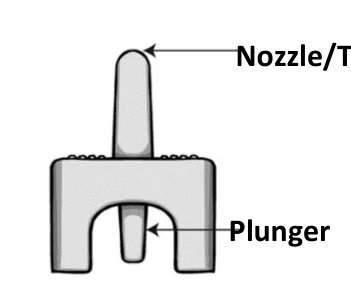
Follow these instructions only when ready to use.
A
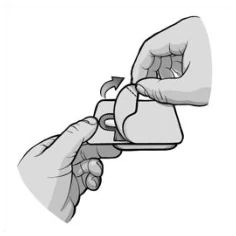
Remove neffy 2 mg nasal spray from packaging.
Pull open the packaging to remove the neffy 2 mg nasal spray.
B
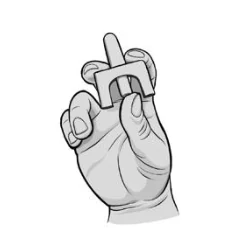
Hold the nasal spray as shown.
Hold the nasal spray with your thumb on the bottom of the plunger and one finger on either side of the nozzle.
- Do not pull or push on the plunger.
- Do not test or pre-spray; each nasal spray has only one dose.
C
Insert tip of nasal spray into a nostril .
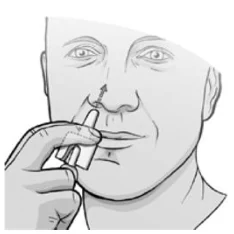
Keep the nozzle straight into the nose pointed toward your forehead. Do not angle the nasal spray to the inner or outer walls of the nose.
Nozzle/Tip
Plunger
D
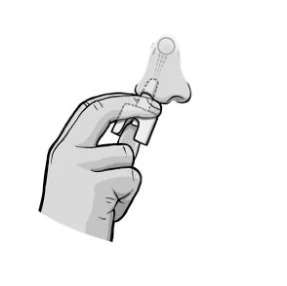
Press plunger up firmly until it snaps up and sprays into the nostril.
Avoid sniffing during and after administration. If any liquid drips out of the nose, monitor for symptoms. You may need to give a second dose of neffy.
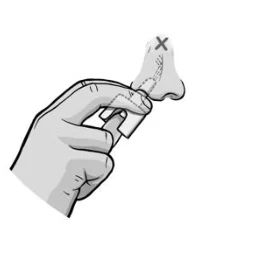
Do not angle the nasal spray to the inner or outer walls of the nose.
Seek emergency medical assistance
Get emergency medical help for further treatment of the allergic emergency (anaphylaxis) after using neffy.
Monitor patient symptoms
If symptoms continue to worsen or reoccur after approximately 5 minutes, or if there was any error in administration, use a new neffy nasal spray, to give a second dose in the SAME nostril as the first dose and seek urgent emergency medical assistance.
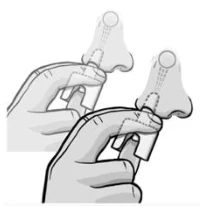
If necessary, you can lie down with feet raised. If this makes you breathless, you should sit up. Unconscious patients should be placed on their side in the recovery position to prevent choking. If symptoms do not resolve, you should, if possible, remain with another person until medical assistance arrives.
If you use more neffy than you should
In case of an overdose of the epinephrine, you should always seek immediate medical help.
Overdose may cause a sudden increase in blood pressure (with symptoms including headache or dizziness), bleeding in brain tissue, palpitations (forceful heartbeats that may be rapid or irregular), reduced blood flow and accumulation of fluid in the lungs (causing symptoms including difficulty breathing). You will need to be monitored.
If you have any further questions on the use of this medicine, ask your healthcare professional.
Usual dose:
The usual dose is one spray (2 mg of epinephrine) into one nostril. If the symptoms do not improve after approximately 5 minutes, use a new neffy nasal spray to deliver a second dose into the SAME nostril. The maximum dose is two sprays (4 mg of epinephrine).
It is recommended that you have at least two neffy nasal sprays on hand.
Overdose:
If you think you, or a person you are caring for, have taken too much neffy, contact a healthcare professional, hospital emergency department, regional poison control centre, or Health Canada’s toll-free number, 1-844-POISON-X (1-844-764-7669) immediately, even if there are no signs or symptoms.
Possible side effects from using neffy:
These are not all the possible side effects you may have when taking neffy. If you experience any side effects not listed here, tell your healthcare professional.
Side effects of neffy may include:
- throat irritation
- tingling nose
- headache
- nasal discomfort
- feeling overly excited, nervous, or anxious
- tingling sensation
- fatigue
- shakiness
runny nose
- itchy nose
- sneezing
- stomach pain
- pain in the gums or teeth
- numbness in the mouth
- nasal congestion
- dizziness
- nausea
- vomiting
Serious side effects and what to do about them
| Frequency/Side Effect/Symptom | Talk to your healthcare professional | Stop taking this drug and get immediate medical help | |
|---|---|---|---|
| Only if severe | In all cases | ||
| Unknown | |||
| Angina (chest pain): discomfort in the shoulder, arm, back, throat, jaw or teeth; pain or pressure in the chest | X | ||
| Arrhythmia (abnormal heart rhythms): rapid, slow or irregular heartbeat | X | ||
| Difficulty breathing | X | ||
If you have a troublesome symptom or side effect that is not listed here or becomes bad enough to interfere with your daily activities, tell your healthcare professional.
Reporting side effects
You can report any suspected side effects associated with the use of health products to Health Canada by:
- Visiting the Web page on Adverse Reaction Reporting (canada.ca/drug-device-reporting) for information on how to report online, by mail or by fax; or
- Calling toll-free at 1-866-234-2345.
NOTE: Contact your healthcare professional if you need information about how to manage your side effects. The Canada Vigilance Program does not provide medical advice.
Storage:
Store at 15°C to 30°C. Do not freeze.
If accidentally frozen, the nasal spray device will not work. Allow the nasal spray to thaw for at least one hour. Do not use if the contents are still frozen or not completely thawed.
Keep this medicine out of sight and reach of children who are not the intended user.
If you want more information about neffy:
- Talk to your healthcare professional
- Find the full Product Monograph that is prepared for healthcare professionals and includes this Patient Medication Information by visiting the Health Canada website: (https://www.canada.ca/en/health-canada/services/drugs-health-products/drug-products/drug-product-database.html); the company’s website: www.alk.net/ca or by calling (1-800-663-0972).
This information is current up to the time of the last authorization date shown below, but more current information may be available from the manufacturer.
Date of Authorization: 2026-04-09