


Product Monograph - Ninlaro
Recent Major Label Changes
| 7 Warnings and Precautions, Neurologic | 2026-06 |
|---|
Table of Contents
Certain sections or subsections that are not applicable at the time of the preparation of the most recent authorized product monograph are not listed.
Recent Major Label Changes ................................................................................................... 2
Table of Contents ................................................................................................................... 2
Part 1: Health Professional Information .................................................................................. 4
- 1.
Indications ....................................................................................................................... 4
1.1. Pediatrics ..................................................................................................................4
1.2. Geriatrics ..................................................................................................................4
- 2. Contraindications ............................................................................................................ 4
- 3. Serious Warnings and Precautions Box ............................................................................ 4
- 4.
Dosage and Administration ............................................................................................. 4
4.1. Dosing Considerations ..............................................................................................4
4.2. Recommended Dose and Dosage Adjustment .........................................................5
4.4. Administration ..........................................................................................................8
4.5. Missed Dose .............................................................................................................8
- 5. Overdose ......................................................................................................................... 8
- 6. Dosage Forms, Strengths, Composition and Packaging .................................................... 9
- 7.
Warnings and Precautions ............................................................................................. 10
General ...............................................................................................................................10
Driving and Operating Machinery .......................................................................................10
Gastrointestinal ..................................................................................................................10
Hematologic .......................................................................................................................10
Hepatic/Biliary/Pancreatic ..................................................................................................11
Monitoring and Laboratory Tests .......................................................................................11
Neurologic ..........................................................................................................................11
Reproductive Health ...........................................................................................................12
Skin .....................................................................................................................................12
7.1. Special Populations ................................................................................................12
7.1.1. Pregnancy ...................................................................................................... 12
7.1.2. Breastfeeding ................................................................................................ 13
7.1.3. Pediatrics ....................................................................................................... 13
7.1.4. Geriatrics ....................................................................................................... 13
- 8.
Adverse Reactions ......................................................................................................... 13
8.1. Adverse Reaction Overview ....................................................................................13
8.2. Clinical Trial Adverse Reactions ..............................................................................14
8.5. Post-Market Adverse Reactions .............................................................................16
- 9.
Drug Interactions ........................................................................................................... 17
9.2. Drug Interactions Overview ....................................................................................17
9.3. Drug-Behaviour Interactions ..................................................................................17
9.4. Drug-Drug Interactions ...........................................................................................17
9.5. Drug-Food Interactions...........................................................................................18
9.6. Drug-Herb Interactions ...........................................................................................18
9.7. Drug-Laboratory Test Interactions .........................................................................18
- 10.
Clinical Pharmacology ................................................................................................... 19
10.1. Mechanism of Action ..............................................................................................19
10.2. Pharmacodynamics ................................................................................................19
10.3. Pharmacokinetics ...................................................................................................19
- 11. Storage, Stability and Disposal....................................................................................... 21
- 12. Special Handling Instructions ......................................................................................... 21
Part 2: Scientific Information ................................................................................................ 22
- 13. Pharmaceutical Information .......................................................................................... 22
- 14.
Clinical Trials .................................................................................................................. 23
14.1. Clinical Trials by Indication .....................................................................................23
- 15. Microbiology ................................................................................................................. 29
- 16. Non-Clinical Toxicology .................................................................................................. 30
Patient Medication Information ........................................................................................... 32
Part 1: Health Professional Information
1. Indications
NINLARO [ixazomib (as ixazomib citrate)] is indicated:
- in combination with lenalidomide and dexamethasone for the treatment of adult patients with multiple myeloma who have received at least one prior therapy.
1.1. Pediatrics
Pediatrics (< 18 years of age): No data are available to Health Canada; therefore, Health Canada has not authorized an indication for pediatric use.
1.2. Geriatrics
Geriatrics (≥ 65 years of age): In studies of NINLARO, there were no clinically significant differences in safety and efficacy between patients less than 65 years of age and patients 65 years of age or older (see 7 Warnings and Precautions, 7.1 Special Populations).
2. Contraindications
Ixazomib is contraindicated in patients who are hypersensitive to this drug or to any ingredient in the formulation, including any non-medicinal ingredient, or component of the container. For a complete listing, see 6 Dosage Forms, Strengths, Composition and Packaging.
3. Serious Warnings and Precautions Box
NINLARO should be prescribed and supervised by a qualified health professional experienced in the use of anticancer agents.
- Consult the product monographs for lenalidomide and dexamethasone, which are administered in combination with NINLARO, for additional health professional information
Prior to initiating a new cycle of therapy:
- Absolute neutrophil count should be ≥ 1,000/mm3
- Platelet count should be ≥ 75,000/mm3 (see 4 Dosage and Administration).
- Avoid direct contact with capsule contents because NINLARO may be harmful by inhalation, ingestion, or skin absorption. Do not crush, chew, or open capsules (see 12 Special Handling Instructions)
4. Dosage and Administration
4.1. Dosing Considerations
For patient monitoring and assessment prior to and during treatment with NINLARO in combination with lenalidomide and dexamethasone, see 7 Warnings and Precautions, Monitoring and Laboratory Tests.
Geriatrics: No dose adjustment of NINLARO is required for patients over 65 years of age (see 7 Warnings and Precautions).
Hepatic Impairment: No dose adjustment of NINLARO is required for patients with mild hepatic impairment. For patients with moderate or severe hepatic impairment, a lower starting dose of 3 mg is recommended. (See 4.2 Special Populations, Hepatic Impairment and 10 Clinical Pharmacology).
Renal Impairment: No dose adjustment of NINLARO is required for patients with mild or moderate renal impairment. For patients with severe renal impairment or end-stage renal disease (ESRD) requiring dialysis, a lower starting dose of 3 mg is recommended. (See 4.2 Special Populations, Renal Impairment and 10 Clinical Pharmacology).
4.2. Recommended Dose and Dosage Adjustment
NINLARO in combination with lenalidomide and dexamethasone
The recommended starting dose of NINLARO is 4 mg (one capsule) administered orally once a week on Days 1, 8, and 15 of a 28-day treatment cycle.
The recommended starting dose of lenalidomide is 25 mg administered daily on Days 1 through 21 of a 28-day treatment cycle.
The recommended starting dose of dexamethasone is 40 mg administered on Days 1, 8, 15, and 22 of a 28-day treatment cycle.
Table 1 Dosing Schedule: NINLARO taken with Lenalidomide and Dexamethasone
- Take medicine
28-Day Cycle (a 4-week cycle)
Week 1
Week 2
Week 3
Week 4
Day 1
Days
2-7
Day 8
Days
9-14
Day 15
Days
16-21
Day 22
Days 23-28
NINLARO
Lenalidomide
Daily
Daily
- Daily
Dexamethasone
For additional information regarding lenalidomide and dexamethasone, refer to their respective product monographs.
Prior to initiating a new cycle of therapy:
- Absolute neutrophil count should be ≥ 1,000/mm3
- Platelet count should be ≥ 75,000/mm3
- Non-hematologic toxicities should, at the health professional’s discretion, generally be recovered to patient’s baseline condition or ≤ Grade 1
Treatment should be continued until disease progression or unacceptable toxicity.
Dose Modifications
The NINLARO dose reduction steps are presented in Table 2 and the dose modification guidelines are provided in Table 3.
Table 2 NINLARO Dose Reduction Steps
| Recommended starting dose* | First reduction to | Second reduction to | Discontinue |
|---|---|---|---|
| 4 mg | 3 mg | 2.3 mg | |
*Recommended starting dose of 3 mg in patients with moderate or severe hepatic impairment, severe renal impairment or end-stage renal disease requiring dialysis.
An alternating dose modification approach is recommended for NINLARO and lenalidomide for overlapping toxicities of thrombocytopenia, neutropenia, and rash as described in Table 3. Refer to the lenalidomide product monograph for dose modification guidelines if dose modification is needed for lenalidomide.
| Table 3 Dose Modifications Guidelines for NINLARO in Combination with Lenalidomide and Dexamethasone | |
|---|---|
| Table 3 Dose Modifications Guidelines for NINLARO in Combination with Lenalidomide and Dexamethasone | |
| Hematological Toxicities | Recommended Actions |
| Thrombocytopenia (Platelet Count) | |
| Platelet count < 30,000/mm3 |
|
| Neutropenia (Absolute Neutrophil Count) | |
Absolute neutrophil count less than 500/mm3 |
|
| Non-Hematological Toxicities | Recommended Actions |
| Rash | |
| Grade† 2 or 3 Rash |
|
| Grade 4 Rash |
|
| Peripheral Neuropathy | |
| Grade 1 Peripheral Neuropathy with Pain or Grade 2 Peripheral Neuropathy |
|
| Grade 2 Peripheral Neuropathy with Pain or Grade 3 Peripheral Neuropathy |
|
| Grade 4 Peripheral Neuropathy | Discontinue the NINLARO regimen |
| Other Non-hematological Toxicities | |
| Other Grade 3 or 4 Non-Hematological Toxicities |
|
*For additional occurrences, alternate dose modification of lenalidomide and NINLARO
†Grading based on National Cancer Institute Common Terminology Criteria (CTCAE) Version 4.03
Special Populations
Geriatrics
No dose adjustment of NINLARO is required for patients over 65 years of age based on the results of a population PK analysis (see 7 Warnings and Precautions).
Hepatic Impairment
No dose adjustment of NINLARO is required for patients with mild hepatic impairment (total bilirubin ≤ upper limit of normal (ULN) and aspartate aminotransferase (AST) > ULN or total bilirubin > 1-1.5 x ULN and any AST) based on the results of a population pharmacokinetic (PK) analysis. A lower starting dose of 3 mg is recommended for patients with moderate (total bilirubin > 1.5-3 x ULN) or severe (total bilirubin > 3 x ULN) hepatic impairment based on the results of a PK study (see 10 Clinical Pharmacology).
Renal Impairment
No dose adjustment of NINLARO is required for patients with mild or moderate renal impairment (creatinine clearance ≥ 30 mL/min) based on the results of a population PK analysis. A lower starting dose of 3 mg is recommended for patients with severe renal impairment (creatinine clearance < 30 mL/min) or end-stage renal disease (ESRD) requiring dialysis based on the results of a PK study. NINLARO is not dialyzable and therefore can be administered without regard to the timing of dialysis (see 10 Clinical Pharmacology).
Refer to the lenalidomide product monograph for dosing recommendations in patients with renal impairment.
4.4. Administration
NINLARO should be taken once a week on the same day and at approximately the same time for the first three weeks of a four week cycle. NINLARO should be taken at least one hour before or at least two hours after food (see 10 Clinical Pharmacology). The capsule should be swallowed whole with water. The capsule should not be crushed, chewed or opened. Direct contact with capsule contents should be avoided as NINLARO may be harmful by inhalation, ingestion, or skin absorption (see 12 Special Handling Instructions).
4.5. Missed Dose
In the event that a NINLARO dose is delayed or missed, the dose should be taken only if the next scheduled dose is ≥ 72 hours away. A missed dose should not be taken within 72 hours of the next scheduled dose. A double dose should not be taken to make up for a missed dose.
If a patient vomits after taking a dose, the patient should not repeat the dose but should resume dosing at the time of the next scheduled dose.
5. Overdose
Overdose has been reported in patients taking NINLARO. Symptoms of overdose are generally consistent with the known risks of NINLARO. Reports of accidental overdose have been associated with adverse events including, aspiration pneumonia, multiple organ failure and death.
There is no known specific antidote for ixazomib overdose. In the event of an overdose, monitor the patient closely for adverse reactions (see 8 Adverse Reactions) and provide appropriate supportive care.
Healthcare professionals should instruct patients and care givers that only one dose of NINLARO should be taken at a time, and only at the prescribed interval (one capsule, once a week, on days 1, 8, and 15 of every 28-day cycle). The importance of carefully following all dosage instructions should be discussed with patients starting treatment.
For the most recent information in the management of a suspected drug overdose,
contact your regional poison control centre or Health Canada’s toll-free number, 1-844
POISON-X (1-844-764-7669).
6. Dosage Forms, Strengths, Composition and Packaging
Table 4 Dosage Forms, Strengths, Composition and Packaging
| Route of Administration | Dosage Form / Strength/Composition | Non-medicinal Ingredients |
| Oral | Capsule 4 mg, 3 mg and 2.3 mg | Magnesium stearate, microcrystalline cellulose, and talc. The capsule shell contains black oxide (3 mg), gelatin, red iron oxide (2.3 mg), red oxide (4 mg), titanium dioxide, yellow oxide (4 mg). The printing ink contains black iron oxide, potassium hydroxide, propylene glycol, and shellac. |
NINLARO is supplied as capsules as follows:
- 4 mg: Light orange, marked “Takeda” on the cap and “4 mg” on the body with black ink
- 3 mg: Light grey, marked “Takeda” on the cap and “3 mg” on the body with black ink
- 2.3 mg: Light pink, marked “Takeda” on the cap and “2.3 mg” on the body with black ink
Each NINLARO capsule contains 5.7 mg, 4.3 mg, or 3.3 mg of ixazomib citrate which is equivalent to 4 mg, 3 mg, or 2.3 mg, respectively, of ixazomib.
NINLARO capsules are supplied as a pack of 3 capsules packaged in PVC-Aluminum/Aluminum blisters sealed within the blister strip inside a wallet. Each blister contains one capsule.
7. Warnings and Precautions
See 3 Serious Warnings and Precautions Box.
General
Herpes Zoster
Herpes zoster was reported in 6% of patients in the NINLARO regimen and 3% of patients in the placebo regimen. Antiviral prophylaxis was allowed at the health professional’s discretion. Patients treated in the NINLARO regimen who received antiviral prophylaxis had a lower incidence (1%) of herpes zoster infection compared to patients who did not receive prophylaxis (10%). Antiviral prophylaxis should be considered in patients being treated with NINLARO to decrease the risk of herpes zoster reactivation.
Peripheral Edema
Peripheral edema has been reported in 27% and 21% of patients in the NINLARO and placebo regimens, respectively (see 8 Adverse Reactions). Grade 3 peripheral edema was reported in 2% and 1% of patients in the NINLARO and placebo regimens, respectively. There were no Grade 4 or 5 events reported. Evaluate for underlying causes and provide supportive care, as necessary. Adjust dosing for Grade 3 or 4 symptoms (see 4 Dosage and Administration).
Driving and Operating Machinery
No studies on the effects on the ability to drive or use machines have been performed.
Due caution should be exercised when driving or operating a vehicle or potentially dangerous machinery.
Gastrointestinal
Diarrhea, vomiting, nausea and constipation have been reported with NINLARO (see 8 Adverse Reactions). Medical management included dose modification, use of antidiarrheal and antiemetic medications, and supportive care. Adjust dosing for Grade 3 or 4 symptoms (see 4 Dosage and Administration).
Hematologic
Thrombocytopenia
Thrombocytopenia has been reported with NINLARO (see 8 Adverse Reactions) with platelet nadirs typically occurring between Days 14-21 of each 28-day cycle and recovery to baseline by the start of the next cycle. Thrombocytopenia (combined preferred terms of thrombocytopenia and platelet count decreased) was reported as an adverse event in 37% of patients in the NINLARO regimen and 18% in the placebo regimen. The difference in frequency was across all grades, including Grade 3 and Grade 4 thrombocytopenia (21% and 10% of patients in the NINLARO and placebo regimens, respectively). Two percent of patients in both the NINLARO regimen and the placebo regimen had a platelet count ≤ 10,000/mm3 during treatment. Thrombocytopenia did not result in an increase in hemorrhagic events or platelet transfusions.
Platelet counts should be monitored at least monthly during NINLARO treatment. More frequent monitoring should be considered during the first three cycles. Thrombocytopenia should be managed with dose modifications (see 4 Dosage and Administration) and platelet transfusions as per standard medical guidelines.
Thrombotic Microangiopathy
Cases of thrombotic microangiopathy, including thrombotic thrombocytopenic purpura (TTP) and hemolytic uremic syndrome (HUS), have been reported in patients who received NINLARO. Some of these events have been fatal.
Monitor for signs and symptoms of TTP/HUS. Withhold NINLARO if TTP/HUS is suspected. If TTP/HUS is confirmed, discontinue NINLARO. The safety of reinitiating NINLARO therapy in patients previously experiencing TTP/HUS is not known.
Hepatic/Biliary/Pancreatic
Hepatic
Drug-induced liver injury, hepatocellular injury, hepatic steatosis, hepatitis cholestatic and hepatotoxicity have each been reported in < 1% of patients treated with NINLARO. Events of liver impairment have been reported (10% in the NINLARO regimen and 9% in the placebo regimen). Monitor hepatic enzymes regularly and adjust dosing for Grade 3 or 4 symptoms (see 4 Dosage and Administration).
Monitoring and Laboratory Tests
Platelet counts should be monitored at least monthly during NINLARO treatment. More frequent monitoring should be considered during the first three cycles.
Monitor hepatic enzymes regularly when NINLARO is administered in combination with lenalidomide and dexamethasone.
Neurologic
Peripheral neuropathy
Peripheral neuropathies have been reported with NINLARO (see 8 Adverse Reactions). The majority of peripheral neuropathy adverse reactions were Grade 1 (18% and 16% in the NINLARO and placebo regimen, respectively) and Grade 2 (11% and 6% in the NINLARO and placebo regimen, respectively). Grade 3 peripheral neuropathy was reported at 2% in both regimens; there were no Grade 4 adverse reactions. The most commonly reported reaction was peripheral sensory neuropathy (24% and 17% in the NINLARO and placebo regimen, respectively). Peripheral motor neuropathy was not commonly reported in either regimen (< 1%). The overall incidence of peripheral neuropathy specifically with pain was 4% in the NINLARO regimen and 2% in the placebo regimen.
Patients should be monitored for symptoms of neuropathy. Patients experiencing new or worsening peripheral neuropathy may require dose modification (see 4 Dosage and Administration).
Posterior reversible encephalopathy syndrome
Posterior reversible encephalopathy syndrome (PRES) has occurred in patients receiving ixazomib. PRES is a rare, reversible, neurological disorder which can present with seizure, hypertension, headache, altered consciousness, and visual disturbances. Brain imaging, preferably Magnetic Resonance Imaging (MRI), is used to confirm the diagnosis. In patients developing PRES, discontinue ixazomib. The safety of reinitiating ixazomib therapy in patients previously experiencing PRES is not known.
Reproductive Health
Fertility
Fertility studies were not conducted with NINLARO. There were no effects in reproductive organs in either males or females in nonclinical studies in rats and dogs (see 16 Non-Clinical Toxicology).
Skin
Rash (representing a pooling of preferred terms) has been reported as an adverse event associated with NINLARO. Grade 3 rash was reported in 3% of patients in the NINLARO regimen compared to 2% of patients in the placebo regimen, and there were no Grade 4 adverse events of rash across the Phase 3 study. The most common type of rash reported in both regimens included maculo-papular and macular rash. Across the NINLARO development program, serious cutaneous adverse events have been reported (see 8 Adverse Reactions).
Rash should be managed with dose modification/discontinuation if Grade 2 or higher, and supportive care (see 4 Dosage and Administration).
Stevens-Johnson syndrome and toxic epidermal necrolysis, including fatal cases, have also been reported with NINLARO. If Stevens-Johnson syndrome or toxic epidermal necrolysis occurs, immediately discontinue NINLARO.
7.1. Special Populations
7.1.1. Pregnancy
NINLARO can cause fetal harm when administered to a pregnant woman. There are no human data available regarding the potential effect of NINLARO on pregnancy or development of the embryo or fetus. Ixazomib caused embryo-fetal toxicity in pregnant rats and rabbits at doses resulting in plasma exposures that were slightly higher than those observed in patients receiving the recommended dose (see 16 Non-Clinical Toxicology).
Advise women of the potential risk to a fetus. Women should not become pregnant while being treated with NINLARO.
Male and female patients of child-bearing potential must use two effective contraceptive measures during and for 90 days following treatment. Since some oral contraceptive products may interact with dexamethasone, and NINLARO is administered with dexamethasone, the risk for reduced efficacy of oral contraceptives needs to be considered. Women using oral hormonal contraceptives should also use a barrier method of contraception.
7.1.2. Breastfeeding
It is unknown if ixazomib is excreted in human milk. Precaution should be exercised because many drugs can be excreted in human milk. Advise women to discontinue nursing.
7.1.3. Pediatrics
Pediatrics (<18 years of age): No data are available to Health Canada; therefore, Health Canada has not authorized an indication for pediatric use.
7.1.4. Geriatrics
In studies of NINLARO, there were no clinically significant differences in safety and efficacy between patients less than 65 years of age and patients 65 years of age or older.
No dose adjustment of NINLARO is required for patients over 65 years of age based on the results of a population PK analysis.
Hepatic Impairment
No dose adjustment of NINLARO is required for patients with mild hepatic impairment. A lower starting dose of 3 mg is recommended for patients with moderate or severe hepatic impairment (see 4 Dosage and Administration and 10 Clinical Pharmacology).
Renal Impairment
No dose adjustment of NINLARO is required for patients with mild or moderate renal impairment. A lower starting dose of 3 mg is recommended for patients with severe renal impairment or end-stage renal disease (ESRD) requiring dialysis. NINLARO is not dialyzable and therefore can be administered without regard to the timing of dialysis (see 4 Dosage and Administration and 10 Clinical Pharmacology).
8. Adverse Reactions
8.1. Adverse Reaction Overview
Safety data was primarily from the Phase 3 clinical study in patients with relapsed and/or refractory multiple myeloma. The most frequently reported NINLARO adverse drug reactions (≥ 20% with a ≥5% absolute increase in frequency compared to placebo) were diarrhea, thrombocytopenia, constipation, peripheral neuropathy, nausea, peripheral edema, rash, vomiting, and bronchitis. Serious adverse drug reactions reported in ≥ 2% of patients in the NINLARO regimen included diarrhea (3%), thrombocytopenia (2%) and bronchitis (2%).
In the Phase 3 study, the median dose intensity for NINLARO and placebo was high and similar in the NINLARO and placebo regimens: 97.8% and 100%, respectively. Dose modifications in both regimens were more common in the first 6 cycles and decreased in frequency over time. Dose modifications included a dose reduction, a cycle delay or dosing delay within a cycle, dose being held, dose missed, or treatment discontinuation. Seventy-five percent of patients in the NINLARO regimen continued treatment at the starting dose of NINLARO without dose reduction. Further, the median dose intensity was high and similar in both the NINLARO and placebo regimens for lenalidomide: 90% and 96.5%, respectively, and for dexamethasone, 90.3% and 93.8%, respectively.
One or more of the three drugs was discontinued in 4% of patients reporting peripheral neuropathy, 3% of patients reporting diarrhea, and 2% of patients reporting thrombocytopenia. The rates of discontinuation of the full study drug regimen due to a treatment-emergent adverse event were 25% in the NINLARO regimen and 22% in the placebo regimen.
Across the NINLARO development program, the following serious cutaneous adverse events were reported: erythema multiforme, acute febrile neutrophilic dermatosis (Sweet’s syndrome), Stevens-Johnson syndrome, toxic epidermal necrolysis, drug reaction with eosinophilia and systemic symptoms (DRESS syndrome), acute generalised exanthematous pustulosis and cutaneous vasculitis.
Across the NINLARO development program, the following serious adverse events for which causality has not been established were rarely reported: transverse myelitis, posterior reversible encephalopathy syndrome, and tumor lysis syndrome.
8.2. Clinical Trial Adverse Reactions
Clinical trials are conducted under very specific conditions. Therefore, the frequencies of adverse reactions observed in the clinical trials may not reflect the frequencies observed in clinical practice and should not be compared to frequencies reported in clinical trials of another drug.
The safety population from the Phase 3, randomized, double-blind, placebo-controlled clinical study included 720 patients with relapsed and/or refractory multiple myeloma, who received NINLARO in combination with lenalidomide and dexamethasone (NINLARO regimen; N=361) or placebo in combination with lenalidomide and dexamethasone (placebo regimen; N=359). In the NINLARO and placebo regimens, the median treatment duration was 457 days and 433 days, respectively.
Adverse events of any type were reported in 99% of patients in both regimens. In all patients, the worst toxicity grade was most often Grade 3 (54% NINLARO regimen and 48% placebo regimen). The frequency of Grade 4 (20% and 17%, respectively) and Grade 5 (6% and 8%, respectively) adverse events was similar between the regimens.
Table 5 summarizes the adverse events, regardless of causality, occurring in ≥ 10% of patients in either the NINLARO regimen or the placebo regimen.
| Table 5 Adverse Events Occurring in ≥ 10% of Patients in Either the NINLARO Regimen or the Placebo Regimen (All Grades, Grade 3 and Grade 4) | |||||||||||||||||||||||
|---|---|---|---|---|---|---|---|---|---|---|---|---|---|---|---|---|---|---|---|---|---|---|---|
| Table 5 Adverse Events Occurring in ≥ 10% of Patients in Either the NINLARO Regimen or the Placebo Regimen (All Grades, Grade 3 and Grade 4) | |||||||||||||||||||||||
| Table 5 Adverse Events Occurring in ≥ 10% of Patients in Either the NINLARO Regimen or the Placebo Regimen (All Grades, Grade 3 and Grade 4) | |||||||||||||||||||||||
NINLARO + Lenalidomide and Dexamethasone N=361 | Placebo + Lenalidomide and Dexamethasone N=359 | ||||||||||||||||||||||
NINLARO + Lenalidomide and Dexamethasone N=361 | Placebo + Lenalidomide and Dexamethasone N=359 | ||||||||||||||||||||||
NINLARO + Lenalidomide and Dexamethasone N=361 | Placebo + Lenalidomide and Dexamethasone N=359 | ||||||||||||||||||||||
| System Organ Class / Preferred Term | N (%) | N (%) | |||||||||||||||||||||
| System Organ Class / Preferred Term | N (%) | N (%) | |||||||||||||||||||||
| System Organ Class / Preferred Term | N (%) | N (%) | |||||||||||||||||||||
| All | Grade 3 | Grade 4 | All | Grade 3 | Grade 4 | ||||||||||||||||||
| All | Grade 3 | Grade 4 | All | Grade 3 | Grade 4 | ||||||||||||||||||
| All | Grade 3 | Grade 4 | All | Grade 3 | Grade 4 | ||||||||||||||||||
| Blood and lymphatic system disorders | |||||||||||||||||||||||
| Thrombocytopeniaa | 132 (37) | 46 (13) | 31 (9) | 65 (18) | 21 (6) | 16 (4) | |||||||||||||||||
| Anaemiab | 130 (36) | 43 (12) | 0 | 116 (32) | 54 (15) | 0 | |||||||||||||||||
| Neutropeniac | 128 (35) | 75 (21) | 19 (5) | 120 (33) | 74 (21) | 22 (6) | |||||||||||||||||
| Eye disorders | |||||||||||||||||||||||
| Cataract | 54 (15) | 19 (5) | 0 | 66 (18) | 28 (8) | 0 | |||||||||||||||||
| Gastrointestinal disorders | |||||||||||||||||||||||
| Diarrhea | 188 (52) | 36 (10) | 0 | 154 (43) | 11 (3) | 0 | |||||||||||||||||
| Constipation | 126 (35) | 1 (< 1) | 0 | 99 (28) | 1 (< 1) | 0 | |||||||||||||||||
| Nausea | 114 (32) | 6 (2) | 0 | 83 (23) | 0 | 0 | |||||||||||||||||
| Vomiting | 93 (26) | 4 (1) | 0 | 47 (13) | 3 (< 1) | 0 | |||||||||||||||||
| Abdominal pain | 37 (10) | 2 (<1) | 0 | 36 (10) | 0 | 0 | |||||||||||||||||
| General disorders and administration site conditions | |||||||||||||||||||||||
| Fatigue | 114 (32) | 17 (5) | 0 | 103 (29) | 11 (3) | 0 | |||||||||||||||||
| Edema peripheral | 97 (27) | 7 (2) | 0 | 76 (21) | 4 (1) | 0 | |||||||||||||||||
| Pyrexia | 65 (18) | 4 (1) | 0 | 80 (22) | 8 (2) | 0 | |||||||||||||||||
| Asthenia | 63 (17) | 10 (3) | 0 | 66 (18) | 4 (1) | 0 | |||||||||||||||||
| Infections and infestations | |||||||||||||||||||||||
| Upper respiratory tract infection | 98 (27) | 4 (1) | 0 | 84 (23) | 4 (1) | 0 | |||||||||||||||||
| Nasopharyngitis | 90 (25) | 0 | 0 | 86 (24) | 0 | 0 | |||||||||||||||||
| Pneumonia | 81 (22) | 46 (13) | 4 (1) | 71 (20) | 38 (11) | 5 (1) | |||||||||||||||||
| Bronchitis | 78 (22) | 6 (2) | 0 | 60 (17) | 8 (2) | 1 (<1) | |||||||||||||||||
| Urinary tract infection | 44 (12) | 3 (<1) | 0 | 40 (11) | 8 (2) | 0 | |||||||||||||||||
| Injury, poisoning and procedural complications | |||||||||||||||||||||||
| Fall | 36 (10) | 1 (<1) | 0 | 41 (11) | 3 (<1) | 0 | |||||||||||||||||
| Investigations | |||||||||||||||||||||||
| Weight decreased | 36 (10) | 6 (2) | 0 | 28 (8) | 2 (<1) | 0 | |||||||||||||||||
| Metabolism and nutrition disorders | |||||||||||||||||||||||
| Hypokalaemia | 61 (17) | 18 (5) | 8 (2) | 51 (14) | 7 (2) | 2 (<1) | |||||||||||||||||
| Decreased appetite | 51 (14) | 4 (1) | 0 | 42 (12) | 4 (1) | 0 | |||||||||||||||||
| Musculoskeletal and connective tissue disorders | |||||||||||||||||||||||
| Back pain | 99 (27) | 3 (< 1) | 0 | 85 (24) | 11 (3) | 0 | |||||||||||||||||
| Muscle spasms | 70 (19) | 0 | 0 | 102 (28) | 4 (1) | 0 | |||||||||||||||||
| Arthralgia | 60 (17) | 5 (1) | 0 | 52 (14) | 1 (<1) | 0 | |||||||||||||||||
| Pain in extremity | 55 (15) | 1 (<1) | 0 | 41 (11) | 2 (<1) | 0 | |||||||||||||||||
| Musculoskeletal pain | 37 (10) | 2 (<1) | 0 | 35 (10) | 1 (<1) | 0 | |||||||||||||||||
| Musculoskeletal chest pain | 34 (9) | 3 (<1) | 0 | 39 (11) | 1 (<1) | 0 | |||||||||||||||||
| Nervous system disorders | |||||||||||||||||||||||
| Peripheral neuropathiesd | 115 (32) | 9 (2) | 0 | 87 (24) | 6 (2) | 0 | |||||||||||||||||
| Dizziness | 58 (16) | 2 (<1) | 0 | 43 (12) | 1 (<1) | 0 | |||||||||||||||||
| Headache | 54 (15) | 2 (<1) | 0 | 56 (16) | 1 (<1) | 0 | |||||||||||||||||
| Tremor | 22 (6) | 0 | 0 | 38 (11) | 2 (<1) | 0 | |||||||||||||||||
| Psychiatric disorders | |||||||||||||||||||||||
| Insomnia | 82 (23) | 7 (2) | 0 | 106 (30) | 11 (3) | 0 | |||||||||||||||||
| Respiratory, thoracic and mediastinal disorders | |||||||||||||||||||||||
| Cough | 73 (20) | 0 | 0 | 65 (18) | 0 | 0 | |||||||||||||||||
| Dyspnoea | 45 (12) | 2 (<1) | 0 | 43 (12) | 6 (2) | 0 | |||||||||||||||||
| Skin and subcutaneous tissue disorders | |||||||||||||||||||||||
| Rashe | 97 (27) | 12 (3) | 0 | 57 (16) | 7 (2) | 0 | |||||||||||||||||
| Pruritus | 45 (12) | 1 (<1) | 0 | 32 (9) | 0 | 0 | |||||||||||||||||
Note: Adverse events included as preferred terms are based on MedDRA version 23.0. (a)Thrombocytopenia and platelet count decreased were combined to determine frequency of thrombocytopenia. (b) Anaemia, haemoglobin decreased, and red blood cell count were combined to determine frequency of anaemia. (c) Neutropenia and neutrophil count decreased were combined to determine frequency of neutropenia. (d) Neuropathy peripheral, peripheral sensory neuropathy, peripheral motor neuropathy, and peripheral sensorimotor neuropathy were combined to determine frequency of peripheral neuropathy. (e) MedDRA HLT 'Rashes, eruptions and exanthems NEC' was used to determine frequency of rash. | |||||||||||||||||||||||
Eye disorders were reported with many different preferred terms but in aggregate, the frequency was 38% in patients in the NINLARO regimen and 31% of patients in the placebo regimen. The most common adverse reactions were cataract (15% in the NINLARO regimen and 18% in the placebo regimen), conjunctivitis (9% in the NINLARO regimen and 3% in the placebo regimen), blurred vision (7% in the NINLARO regimen and 5% in the placebo regimen), and dry eye (6% in the NINLARO regimen and 2% in the placebo regimen). Grade 3 adverse reactions were reported in 7% of patients in the NINLARO regimen and 8% in the placebo regimen. The most common Grade 3 adverse reaction was cataract (5% in the NINLARO regimen and 8% in the placebo regimen).
8.5. Post-Market Adverse Reactions
The following adverse event has been reported in the post-marketing use of NINLARO.
This includes spontaneous case reports as well as adverse reactions from clinical studies.
Blood and lymphatic system disorders: thrombotic microangiopathy (TMA), including thrombotic thrombocytopenic purpura (TTP) and hemolytic uremic syndrome (HUS).
Immune system disorders: anaphylactic reactions
Skin and subcutaneous tissue disorders: angioedema
9. Drug Interactions
9.2. Drug Interactions Overview
At clinically relevant ixazomib concentrations, in vitro studies indicate that no specific CYP isozyme predominantly contributes to ixazomib metabolism and non-CYP proteins contribute to overall metabolism. At concentrations exceeding those observed clinically, ixazomib was metabolized in vitro by multiple CYP isoforms (see 10 Clinical Pharmacology, 10.3 Pharmacokinetics). Co-administration of NINLARO with strong CYP3A inducers is not recommended. The potential for ixazomib to produce clinically relevant drug-drug interactions via CYP isozyme induction or inhibition is low. Ixazomib is unlikely to cause or be susceptible to drug-drug interactions with substrates or inhibitors of clinically relevant drug transporters.
9.3. Drug-Behaviour Interactions
The interaction of NINLARO with individual behavioural risks (e.g., cigarette smoking, cannabis use, and/or alcohol consumption) has not been studied.
9.4. Drug-Drug Interactions
The drugs listed below are based on drug interaction studies.
Table 6 Established or Potential Drug-Drug Interactions with NINLARO
| Common name | Source of Evidence | Effect | Clinical comment |
| Strong CYP3A Inducers (e.g., Rifampin, Phenytoin, Carbamazepine, St. John’s Wart) | CT | Decreased NINLARO Cmax by 54% and AUC by 74% | Co-administration with NINLARO is not recommended |
| Strong CYP3A Inhibitors (e.g., clarithromycin) | CT | Decreased NINLARO Cmax by 4% and AUC increased by 11% | No dose modification is required for NINLARO with co-administration of strong CYP3A inhibitors. |
| Strong CYP1A2 Inhibitors | CT | Co-administration of CYP1A2-modulatory drugs did not significantly impact NINLARO clearance (popPK) | No dose modification is required for NINLARO with co-administration of strong CYP1A2 inhibitors. |
Legend: C = Case Study; CT = Clinical Trial; T = Theoretical
Effect of NINLARO on Other Drugs
In vitro Studies
Ixazomib is neither a reversible nor a time-dependent inhibitor of CYPs 1A2, 2B6, 2C8, 2C9, 2C19, 2D6, or 3A4/5. Ixazomib did not induce CYP1A2, CYP2B6, and CYP3A4/5 activity or corresponding immunoreactive protein levels. NINLARO is not expected to produce drug-drug interactions via CYP inhibition or induction.
Ixazomib is a low affinity substrate of P-gp. Ixazomib is not a substrate of BCRP, MRP2 and hepatic OATPs. Ixazomib is not an inhibitor of P-gp, BCRP, MRP2, OATP1B1, OATP1B3, OCT2, OAT1, OAT3, MATE1, or MATE2-K. NINLARO is not expected to cause transporter-mediated drug-drug interactions.
9.5. Drug-Food Interactions
Administration of NINLARO with a high-fat meal decreased ixazomib AUC0-216h by 28% and Cmax by 69%, and delayed the time to the peak plasma concentration (Tmax) from 1 hour to 4 hours, compared with administration after an overnight fast. Therefore, NINLARO should be taken at least one hour before or at least two hours after food.
9.6. Drug-Herb Interactions
Interactions with herbal products have not been established. Co-administration of St. John’s wort (a strong CYP3A inducer) with NINLARO should be avoided.
9.7. Drug-Laboratory Test Interactions
Interactions with laboratory tests have not been established.
10. Clinical Pharmacology
10.1. Mechanism of Action
NINLARO (ixazomib) is an antineoplastic agent for oral use. Ixazomib citrate, a prodrug, is the drug substance that rapidly hydrolyzes under physiological conditions to its biologically active form, ixazomib.
Ixazomib is a reversible proteasome inhibitor. Ixazomib preferentially binds and inhibits the chymotrypsin-like activity of the beta 5 subunit of the 20S proteasome.
Ixazomib induced apoptosis of several tumor cell types in vitro. Ixazomib demonstrated in vitro cytotoxicity against myeloma cells from patients who had relapsed after multiple prior therapies. The combination of ixazomib and lenalidomide demonstrated synergistic cytotoxic effects in multiple myeloma cell lines. In vivo, ixazomib demonstrated antitumor activity in various tumor xenograft models, including models of multiple myeloma.
In vitro, ixazomib inhibited proliferation of multiple myeloma cells co-cultured with bone marrow stromal cells. Ixazomib demonstrated an anti-angiogenic effect in an in vitro capillary tube formation assay.
10.2. Pharmacodynamics
Cardiac Electrophysiology
NINLARO does not prolong the QTc interval at clinically relevant exposures based on the results of a pharmacokinetic-pharmacodynamic analysis of data from 245 patients. There was no discernible relationship between ixazomib concentration and the RR interval.
10.3. Pharmacokinetics
Table 7 Plasma Pharmacokinetic Parameters of Ixazomib After Day 15 Administration in Patients
| Matrix | Tmax (h) | Cmax (ng/mL) | AUC0-168h (ng•h/mL) | Vss (L) | CL (L/h) | Terminal Half-life (d) |
|---|---|---|---|---|---|---|
| Plasma | 1 | 40.7 (66) | 990 (42) | 543 | 1.86 | 9.5 |
| Whole Blood | 1 | 125 (17) | 9780 (20) | * | * | * |
Cmax and AUC values are presented as geometric mean (% coefficient of variation); all others parameters derived from population PK analysis
* Ixazomib PK parameters in whole blood were quantified based on a single Phase 1/2 clinical trial; Volume of Distribution [Vss (L)], Clearance [CL (L/h)], and Terminal Half-life [(t1/2)(d)] were not estimable
Absorption:
After oral administration, peak plasma concentrations of ixazomib were achieved at approximately one hour after dosing. The mean absolute oral bioavailability is 58% based on a population PK analysis. Ixazomib AUC increases in a dose proportional manner over a dose range of 0.2 – 10.6 mg. The Cmax and AUC0-168h in plasma and whole blood following once weekly oral administration of ixazomib 4 mg on Days 1, 8, and 15 in patients are shown in Table 7 above.
Administration with a high-fat meal decreased ixazomib AUC0-216h by 28% and Cmax by 69% compared with administration after an overnight fast. In addition, administration with food delayed the time to the peak plasma concentration (Tmax) from 1 hour to 4 hours.
Distribution:
Ixazomib is 99% bound to plasma proteins, primarily to serum albumin. Ixazomib distributes into red blood cells with a blood-to-plasma AUC ratio of 10 (see Table 7 above). The steady-state volume of distribution is 543 L based on a population PK analysis.
Metabolism:
After oral administration of a single radiolabeled dose of 4.1 mg to 5 patients with advanced cancer, 70% of total drug-related material in plasma was accounted for by ixazomib. Metabolism by multiple CYP enzymes and non-CYP proteins is expected to be the major clearance mechanism for ixazomib. At clinically relevant ixazomib concentrations, in vitro studies using human cDNA-expressed cytochrome P450 isozymes indicate that no specific CYP isozyme predominantly contributes to ixazomib metabolism and non-CYP proteins contribute to overall metabolism. At concentrations exceeding those observed clinically, ixazomib was metabolized by multiple CYP isoforms with estimated relative contributions of 3A4 (42.3%), 1A2 (26.1%), 2B6 (16.0%), 2C8 (6.0%), 2D6 (4.8%), 2C19 (4.8%) and 2C9 (< 1%).
Elimination
Ixazomib exhibits a multi-exponential disposition profile. Based on a population PK analysis, systemic clearance (CL) was approximately 1.86 L/h with inter-individual variability of 44%. The terminal half-life (t1/2) of ixazomib was 9.5 days. Approximately 2-fold accumulation in AUC was observed with weekly oral dosing on Day 15.
After administration of a single oral dose of 14C-ixazomib to 5 patients with advanced cancer, 62% of the administered radioactivity was excreted in urine and 22% in the feces over 35 days post dose. Unchanged ixazomib accounted for < 3.5% of the administered dose recovered in urine.
Special Populations and Conditions
- Pediatrics: The safety and efficacy of NINLARO in children below 18 years of age have not been established.
- Geriatrics: There was no clinically meaningful effect of age (23-91 years) on the clearance of ixazomib based on the results of a population PK analysis.
- Sex: There was no clinically meaningful effect of sex on the clearance of ixazomib based on the results of a population PK analysis.
- Ethnic Origin: There was no clinically meaningful effect of race on the clearance of ixazomib based on the results of a population PK analysis. Mean AUC0-∞ was 35% higher in Asian patients than White patients.
Hepatic Insufficiency: The PK of ixazomib is similar in patients with normal hepatic function and in patients with mild hepatic impairment (total bilirubin ≤ ULN and AST > ULN or total bilirubin > 1-1.5 x ULN and any AST) based on the results of a population PK analysis.
The PK of ixazomib was characterized in patients with normal hepatic function at 4 mg (N=12), moderate hepatic impairment at 2.3 mg (total bilirubin > 1.5-3 x ULN, N=10) or severe hepatic impairment at 1.5 mg (total bilirubin > 3 x ULN, N=11). Dose-normalized mean AUC was 20% higher in patients with moderate or severe hepatic impairment as compared to patients with normal hepatic function.
Renal Insufficiency: The PK of ixazomib is similar in patients with normal renal function and in patients with mild or moderate renal impairment (creatinine clearance ≥ 30 mL/min) based on the results of a population PK analysis.
The PK of ixazomib was characterized at a dose of 3 mg in patients with normal renal function (creatinine clearance ≥ 90 mL/min, N=15), severe renal impairment (creatinine clearance < 30 mL/min, N=10), or ESRD requiring dialysis (N=6). Mean AUC was 39% higher in patients with severe renal impairment or ESRD requiring dialysis as compared to patients with normal renal function. Pre- and post-dialyzer concentrations of ixazomib measured during the hemodialysis session were similar, suggesting that ixazomib is not dialyzable.
11. Storage, Stability and Disposal
Store at 15°-30°C. Do not freeze.
Store capsules in original packaging until immediately prior to use.
Any unused medicinal product or waste material should be disposed in accordance with local requirements.
12. Special Handling Instructions
NINLARO is cytotoxic. Capsules should not be opened or crushed. Direct contact with the capsule contents should be avoided. In case of capsule breakage, avoid raising dust and wear gloves and protective clothing during clean-up. If contact occurs, wash thoroughly with soap and water.
Part 2: Scientific Information
13. Pharmaceutical Information
Drug Substance
Proper name: Ixazomib citrate
Chemical name: 1,3,2-dioxaborolane-4,4-diacetic acid, 2-[(1R)-1-[[2-[(2,5-dichlorobenzoyl)amino]acetyl]amino]-3-methylbutyl]-5-oxo-
Molecular formula and molecular mass: C20H23BCl2N2O9 and 517.12
Structural formula:
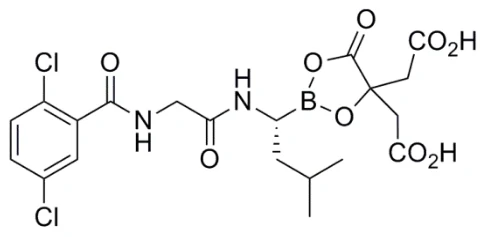
Physicochemical properties: Ixazomib citrate has one chiral center and has been unambiguously determined to be the R-stereoisomer. The solubility of ixazomib citrate in 0.1N HCl (pH 1.2) at 37°C is 0.61 mg/mL (reported as ixazomib). The solubility increases as the pH increases.
14. Clinical Trials
14.1. Clinical Trials by Indication
Relapsed and/or Refractory Multiple Myeloma
Table 8 Summary of patient demographics for clinical trials in patients with relapsed and/or refractory multiple myeloma who had received at least one prior line of therapy
| Study # | Trial design | Dosage, route of administration and duration | Study subjects (n) | Median age (Range) | Sex |
| C16010 | Phase 3 study, randomized, double-blind, placebo-controlled, multicenter | NINLARO 4 mg or placebo on Days 1, 8, and 15 plus lenalidomide (25 mg) on Days 1 through 21 and dexamethasone (40 mg) on Days 1, 8, 15, and 22 of a 28-day cycle. | N=360; NINLARO regimen or placebo, lenalidomide and dexamethasone N=362; placebo regimen | NINLARO regimen: 66 years (38-91 years) Placebo regimen: 66 years (30-89 years) | Male and female |
Study C16010
The efficacy and safety of NINLARO in combination with lenalidomide and dexamethasone was evaluated. Patients who were refractory to lenalidomide or proteasome inhibitors at any line were excluded from the study. For the purposes of this study, refractory disease was defined as disease progression on treatment or progression within 60 days after the last dose of lenalidomide or a proteasome inhibitor.
A total of 722 patients were randomized in a 1:1 ratio to receive either the combination of NINLARO, lenalidomide, and dexamethasone (N=360; NINLARO regimen) or placebo, lenalidomide and dexamethasone (N=362; placebo regimen) until disease progression or unacceptable toxicity. Randomization was stratified according to number of prior lines of therapy (1 versus 2 or 3), myeloma International Staging System (ISS) (stage I or II versus III), and previous therapy with a proteasome inhibitor (exposed or naïve). Patients enrolled in the trial had multiple myeloma that was measurable by paraprotein in the serum, urine, or via free light chain measurements.
Patients received NINLARO 4 mg or placebo on Days 1, 8, and 15 plus lenalidomide (25 mg) on Days 1 through 21 and dexamethasone (40 mg) on Days 1, 8, 15, and 22 of a 28-day cycle. Some patients with renal impairment received a reduced starting dose of lenalidomide. Treatment continued until disease progression or unacceptable toxicities.
Table 9 summarizes the baseline patient and disease characteristics in the study. The baseline demographics and disease characteristics were balanced and comparable between the study regimens.
| Table 9 Baseline Patient and Disease Characteristics | |||||||||||||||
|---|---|---|---|---|---|---|---|---|---|---|---|---|---|---|---|
| Table 9 Baseline Patient and Disease Characteristics | |||||||||||||||
NINLARO + Lenalidomide and Dexamethasone (N = 360) | Placebo + Lenalidomide and Dexamethasone (N = 362) | ||||||||||||||
NINLARO + Lenalidomide and Dexamethasone (N = 360) | Placebo + Lenalidomide and Dexamethasone (N = 362) | ||||||||||||||
| Median age in years (range) | 66 (38, 91) | 66 (30, 89) | |||||||||||||
| Gender (%) Male/ Female | 58/42 | 56/44 | |||||||||||||
| Age Group (% [≤ 65/ > 65-≤ 75/ > 75 years]) | 47/40/13 | 49/35/17 | |||||||||||||
| Race n (%) | |||||||||||||||
| White | 310 (86) | 301 (83) | |||||||||||||
| 7 (2) | 6 (2) | ||||||||||||||
| Asian | 30 (8) | 34 (9) | |||||||||||||
| Other or Not Specified | 13 (4) | 21 (6) | |||||||||||||
| ECOG performance status, n (%) | |||||||||||||||
| 0 or 1 | 336 (93) | 334 (92) | |||||||||||||
| 2 | 18 (5) | 24 (7) | |||||||||||||
| Missing | 6 (2) | 4 (1) | |||||||||||||
| Type of myeloma (%) IgG/ IgA/ light chain | 55/21/20 | 55/13/25 | |||||||||||||
| Free light chain-measurable only disease n (%) | 43 (12) | 44 (12) | |||||||||||||
| Myeloma ISS stage, n (%) | |||||||||||||||
| Stage I or II | 315 (87) | 320 (88) | |||||||||||||
| Stage III | 45 (13) | 42 (12) | |||||||||||||
| Prior line therapies* n (%) | |||||||||||||||
| Median (range) | 1 (1, 3) | 1 (1,3) | |||||||||||||
| 1 | 212 (59) | 213 (59) | |||||||||||||
| 2 or 3 | 148 (41) | 149 (41) | |||||||||||||
| Status at Baseline n (%) | |||||||||||||||
| Relapsed | 276 (77) | 280 (77) | |||||||||||||
| Refractory** | 42 (12) | 40 (11) | |||||||||||||
| Relapsed and Refractory | 41 (11) | 42 (12) | |||||||||||||
| Type of Prior Therapy n (%) | |||||||||||||||
| Any proteasome inhibitor† | 249 (69) | 253 (70) | |||||||||||||
| Bortezomib containing | 248 (69) | 250 (69) | |||||||||||||
| Carfilzomib containing | 1 (<1) | 4 (1) | |||||||||||||
| Any immunomodulatory agent (IMiD)† | 193 (54) | 204 (56) | |||||||||||||
| Thalidomide containing | 157 (44) | 170 (47) | |||||||||||||
| Lenalidomide containing | 44 (12) | 44 (12) | |||||||||||||
| Melphalan containing | 293 (81) | 291 (80) | |||||||||||||
| Stem cell transplant | 212 (59) | 199 (55) | |||||||||||||
| Cytogenetics‡ | |||||||||||||||
| High risk (deletion (del) 17, t(4:14) and/or t(14:16)) | 75 (21) | 62 (17) | |||||||||||||
| deletion (del) 17 | 36 (10) | 33 (9) | |||||||||||||
| Standard risk | 199 (61) | 216 (65) | |||||||||||||
| Corrected calcium (mmol/L) median (min, max) | 2.328 (1.87, 4.43) | 2.324 (1.95, 3.45) | |||||||||||||
| Creatinine clearance, n (%) | |||||||||||||||
| < 30 mL/min | 5 (1) | 5 (1) | |||||||||||||
| 30-59 mL/min | 74 (21) | 95 (26) | |||||||||||||
| ≥ 60 mL/min | 281 (78) | 261 (72) | |||||||||||||
| Hemoglobin g/L median (min, max) | 116 (68, 170) | 115 (71, 167) | |||||||||||||
| Lytic bone disease present at study entry | 254 (71) | 249 (69) | |||||||||||||
*A line of therapy was defined as 1 or more cycles of a planned treatment program.
**Primary refractory, defined as best response of stable disease or disease progression on all prior lines of therapy, was documented in 7% and 6% of patients in the NINLARO regimen and placebo regimens, respectively.
†Subject counts once for each type of treatment.
‡One hundred seventy patients did not have cytogenetics results available for analysis.
The primary endpoint was progression-free survival (PFS) according to the 2011 International Myeloma Working Group (IMWG) Consensus Uniform Response Criteria as assessed by a blinded independent review committee (IRC) based on central lab results. Confirmation of progressive disease was required. Progression and disease response were assessed every four weeks until disease progression. Overall survival (OS) and OS in patients harboring del(17) were key secondary endpoints. Other secondary endpoints included determination of overall response rate; duration of response; time to response; PFS in high-risk populations according to cytogenetics; and comparison of change in global health status, functioning, and symptoms measured with the European Organization for Research and Treatment of Cancer Quality of Life Questionnaire (EORTC QLQ-C30) and Multiple Myeloma Module (MY-20).
There were two analyses for PFS and four planned for OS. The test for PFS was statistically significant at the first analysis thus it became the only analysis for statistical testing purposes. As a result, the study continued in a double-blind fashion with a non-inferential second analysis of PFS. Two interim analyses of overall survival have been conducted to date. If the test for OS was statistically significant, the key secondary endpoint of OS in patients harboring del(17) was to be assessed. All other analyses (except primary and key secondary endpoints) were conducted without adjustments for multiplicity.
At the first analysis for PFS (median follow up of 14.7 months and median number of cycles of 13), the NINLARO regimen demonstrated a statistically significant improvement in median PFS of approximately 6 months when compared to the placebo regimen in the intent-to-treat (ITT) population. PFS results are summarized in Table 10.
Table 10 Progression-Free Survival Results (primary analysis)
NINLARO + Lenalidomide and Dexamethasone (N = 360) | Placebo + Lenalidomide and Dexamethasone (N = 362) | |||||||
|---|---|---|---|---|---|---|---|---|
| Events, n (%) | 129 (36) | 157 (43) | ||||||
Median (months) (95% CI) | 20.6 (17.0, NE*) | 14.7 (12.9, 17.6) | ||||||
| p-value** | 0.012† | |||||||
Hazard Ratio‡ (95% CI) | 0.74 (0.59, 0.94) | |||||||
*Not estimable
**P-value is based on the stratified log-rank test.
† Compared with the O’Brien-Fleming boundary of 0.02268.
‡Hazard ratio is based on a stratified Cox’s proportional hazard regression model. A hazard ratio less than 1 indicates an advantage for the NINLARO regimen.
Figure 1 Kaplan-Meier Plot of Progression-Free Survival in the Intent to Treat Population (primary analysis)
A non-inferential second PFS analysis was conducted at a median follow up of 23 months with 372 PFS events. Hazard ratio of PFS was 0.82 (95% confidence interval [0.67, 1.0]) for the NINLARO regimen versus the placebo regimen, and estimated median PFS was 20 months in the NINLARO regimen and 15.9 months in the placebo regimen.
At the final analysis for OS at a median duration of follow up of approximately 85 months, median OS in the ITT population was 53.6 months for patients in the NINLARO regimen and 51.6 months for patients in the placebo regimen (HR = 0.94 [95% CI: 0.78, 1.13; p=0.495]). For patients with one prior therapy, the median OS was 54.3 months in the NINLARO regimen and 58.3 months in the placebo regimen (HR = 1.02 [95% CI: 0.80, 1.29]). For patients with 2 or 3 prior therapies, the median OS was 53.0 months in the NINLARO regimen and 43.0 months in the placebo regimen (HR =0.85 [95% CI: 0.64, 1.11]).
A pre-specified subgroup analysis for PFS was conducted in patients whose myeloma harbored high risk cytogenetic abnormalities, which included: del(17); translocation of chromosomes 4 and 14 (t[4:14]); and/or translocation of chromosomes 14 and 16 (t[14:16]. The hazard ratio was 0.54, with a nominal p-value=0.02. Median PFS was 21.4 months in the NINLARO regimen compared to 9.7 months in the placebo regimen.
Improvement in PFS with the addition of NINLARO to lenalidomide, and dexamethasone was observed across subgroup populations, including those defined by stratification factors, cytogenetics (high risk or standard risk), and thalidomide refractoriness (yes or no); see Figure 2 below.
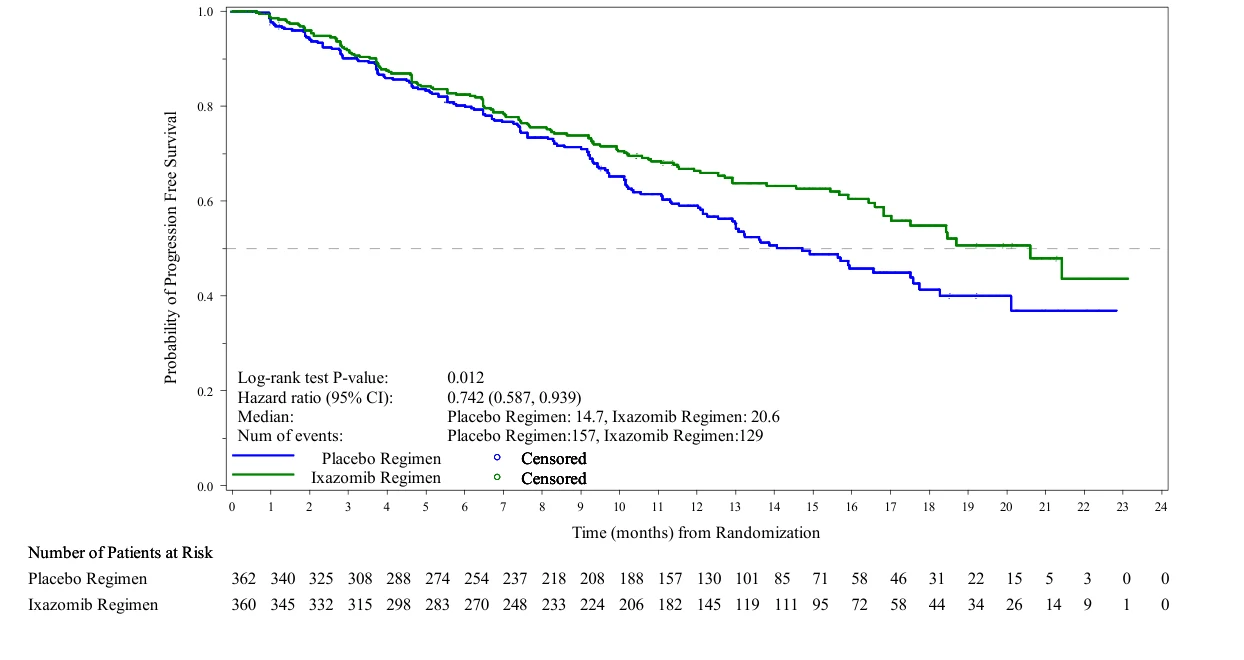
Figure 2 Forest Plot of Progression-Free Survival in Subgroups (primary analysis)
The improvement in PFS in the NINLARO regimen was supported by improvements in overall response rate. Response rates are summarized in Table 11.
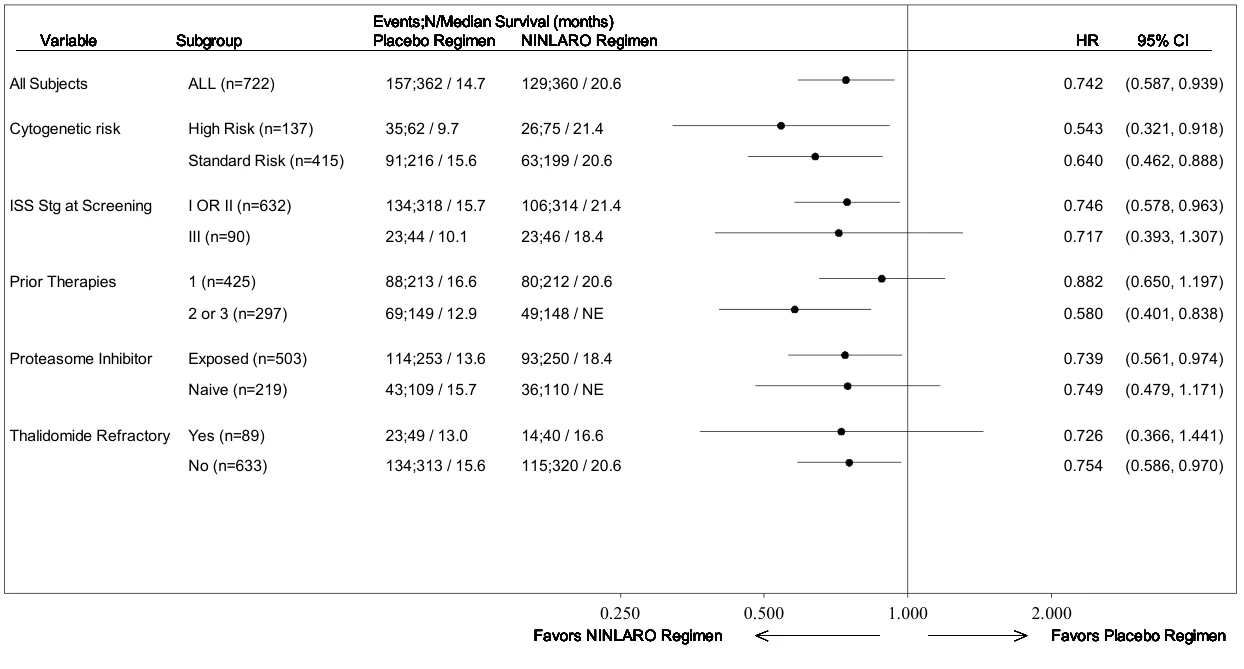
Table 11 Response Data (primary analysis)
NINLARO + Lenalidomide and Dexamethasone (N = 360) | Placebo + Lenalidomide and Dexamethasone (N = 362) | |||||||
|---|---|---|---|---|---|---|---|---|
| Overall Response Rate (ORR)*, n (%) (Independent Review) | 282 (78.3) | 259 (71.5) | ||||||
| Complete Response (CR) + Very Good Partial Response (VGPR), n (%) | 173 (48.1) | 141 (39) | ||||||
| Response Category, n (%) | ||||||||
| CR | 42 (11.7) | 24 (6.6) | ||||||
| VGPR | 131 (36.4) | 117 (32.3) | ||||||
| Partial Response (PR) | 109 (30.3) | 118 (32.6) | ||||||
| Time to Response, months | ||||||||
| Median | 1.1 | 1.9 | ||||||
| Duration of Response†, months | ||||||||
| Median | 20.5 | 15.0 | ||||||
*ORR = CR+PR +VGPR
†Based on responders in the response-evaluable population
15. Microbiology
No microbiological information is required for this drug product.
16. Non-Clinical Toxicology
General Toxicology: In multi-cycle general toxicity studies conducted in rats and dogs, the principal target organs included the gastrointestinal (GI) tract, lymphoid tissues, and the nervous system.
GI findings included emesis and/or diarrhea increases in leukocyte parameters and microscopic changes (inflammation, epithelial hyperplasia, neutrophilic infiltration, single cell necrosis, congestion, hemorrhage, and/or erosion/ulceration). GI effects were observed at doses ≥0.2 mg/kg in rats (≥0.45 times human exposure based on plasma AUC0-168h in the 6-month rat study) and at ≥0.1 mg/kg in dogs (≥1.8 times human exposure based on plasma AUC0-168h in the 9-month dog study).
Lymphoid system toxicity was characterized by lymphoid depletion/necrosis (including bone marrow), neutrophilic infiltration, and single cell necrosis at doses ≥0.2 mg/kg in rats (≥0.45 times human exposure based on plasma AUC0-168h) and at doses ≥0.1 mg/kg in dogs (≥1.8 times human exposure based on plasma AUC0-168h).
Nervous system effects were primarily seen in dogs at oral doses ≥ 0.1 mg/kg (AUC0-168h=1940 ng hr/mL) and included microscopic findings of minimal to mild neuronal degeneration of the sympathetic, dorsal root, peripheral autonomic (salivary gland), and end organ ganglia, and minimal secondary axonal/nerve fiber degeneration of the peripheral nerves and ascending tracts in the dorsal columns of the spinal cord. In the 9-month study (10 cycles) in dogs where the dosing regimen mimics the clinical regimen (28-day cycle), microscopic neuronal effects were generally minimal in nature at 0.2 mg/kg (AUC0-168h= 3900 ng hr/mL; 3.6 times human exposure).
The majority of target organ findings demonstrated partial to full recovery following discontinuation of treatment, with the exception of neuronal findings in the lumbar dorsal root ganglion and dorsal column. The absence of ongoing neuronal degeneration in the peripheral ganglia and presence of only secondary degenerative changes in the nerve fibers and axons is consistent with lack of persistent toxicity.
In tissue distribution studies in rats, ixazomib did not result in excessive individual tissue exposure. The levels in the brain and spinal cord, in addition to the eye lens, had the lowest levels.
Based on the hERG assay, ixazomib weakly inhibits the potassium ion channel. The safety pharmacology study in conscious dogs demonstrated no effects of ixazomib on cardiovascular function at the highest dose tested (0.3 mg/kg).
Genotoxicity: Ixazomib was not mutagenic in a bacterial reverse mutation assay (Ames assay) nor was it clastogenic in a bone marrow micronucleus assay in mice. Ixazomib was considered positive in an in vitro clastogenicity test in human peripheral blood lymphocytes. However, ixazomib was negative for inducing DNA damage in the glandular stomach and liver in an in vivo comet assay in mice. Therefore, the weight of evidence supports that ixazomib does not present a genotoxic risk.
Carcinogenicity: No carcinogenicity studies have been performed with ixazomib.
Reproductive and Developmental Toxicology: Developmental toxicity studies in rats and rabbits did not show direct embryo-fetal toxicity below maternally toxic doses of ixazomib. In pregnant rat (0.6 mg/kg; AUC0-72h=1081 ng hr/mL) and rabbit (1.0 mg/kg; AUC0-72h=1340 ng hr/mL) dose range-finding studies, there were decreases in fetal weights, a trend towards decreased fetal viability, and/or increased post-implantation losses; however, these findings were not clearly reproduced in definitive studies, and were only observed at maternally toxic doses (0.6 mg/kg in rats, ≥0.25 mg/kg in rabbits) that caused decreased body weight and/or food consumption. In the definitive rabbit study, increases in fetal skeletal variations/abnormalities (caudal vertebrae, number of lumbar vertebrae and full supernumerary ribs) were observed at doses ≥ 0.3 mg/kg (AUC0-72h=792 ng hr/mL), which were also associated with maternal toxicity. A dose of 0.1 mg/kg (AUC0-72h=497 ng hr/mL) did not result in maternal toxicity or cause embryo-fetal effects.
Studies of fertility and early embryonic development and pre- and postnatal toxicology were not conducted with ixazomib, but evaluation of reproductive tissues was conducted in the general toxicity studies. There were no effects due to ixazomib treatment on male or female reproductive organs in studies up to 6-months duration in rats and up to 9-months duration in dogs.