


Patient Medication Information: uses, side effects, how to take - Nordimet
Serious warnings and precautions box
Female patients Pregnancy and birth control
Breastfeeding
Male patients Birth control
|
|
What NORDIMET is used for:
NORDIMET is used to treat adults with the severe disabling conditions listed below when other treatments do not work. This means these conditions prevent the patient from carrying out their regular activities:
- Rheumatoid arthritis (an inflammatory condition that affects the joints)
- Psoriasis (a chronic skin disease)
- Psoriatic arthritis (a kind of joint inflammation that affects people with psoriasis)
How NORDIMET works:
NORDIMET belongs to a group of medicines known as immunosuppressants. It works by reducing the activity of your immune system (the body’s defence mechanism against diseases).
NORDIMET is used to control psoriasis, psoriatic arthritis and rheumatoid arthritis, but it will not cure them. Some normal cells in the body may be affected as well. The ingredients in NORDIMET are:
Medicinal ingredients: methotrexate (as methotrexate sodium)
Non-medical ingredients: sodium chloride, sodium hydroxide and water for injection.
NORDIMET comes in the following dosage forms:
Solution for injection in pre-filled autoinjector pens. There are 8 different strengths of NORDIMET, which are colour coded as follows:
| Amount of methotrexate | Volume of solution in each pre-filled autoinjector pen | |
|---|---|---|
| 7.5 mg | 0.3 mL | Beige grey |
| 10 mg | 0.4 mL | Light green |
| 12.5 mg | 0.5 mL | Light blue |
| 15 mg | 0.6 mL | Purple |
| 17.5 mg | 0.7 mL | Pink |
| 20 mg | 0.8 mL | Red |
| 22.5 mg | 0.9 mL | Dark green |
| 25 mg | 1 mL | Yellow |
NORDIMET is available in cartons of 1 or 4 pre-filled autoinjector pens.
Do not use NORDIMET if:
- you are allergic to methotrexate or any other ingredients in NORDIMET
you have any blood disorders including:
- Bleeding from a lack of blood cells call platelets
- Low red blood cells (anemia)
- you have an immune system disorder such as AIDS (autoimmune deficiency syndrome) or HIV, the virus which causes AIDS
- you have an infection
- you have severe kidney problems
- you are on dialysis
- you have severe liver problems
you suffer from alcoholism, alcoholic liver disease or other chronic liver disease
- you are pregnant or would like to be pregnant. NORDIMET may cause harm to your unborn baby
- you are breastfeeding
- you are going to receive a general anaesthetic called nitrous oxide. It is also known as laughing gas
To help avoid side effects and ensure proper use, talk to your healthcare professional before you take NORDIMET. Talk about any health conditions or problems you may have, including if you:
- have ever had any unusual or allergic reaction to methotrexate
- are pregnant or if you plan to have children
- drink alcohol or have a history of alcohol abuse
- recently received or are going to receive a vaccine
- are taking proton pump inhibitors (medicines used to treat acid related stomach problems). These include omeprazole, esomeprazole and pantoprazole
- have colitis
- have a disease of the immune system
have problems with your bone marrow, including:
- low level of cells in the bone marrow (bone marrow hypoplasia)
- low white blood cells (leucopenia)
- low level of platelets (thrombocytopenia)
- low red blood cells (anemia)
- have or have had gout
- have or have had kidney stones
- have fluid on your lungs (pleural effusion) or in your abdomen (ascites)
- have an active infection
- have had chickenpox, shingles, tuberculosis, hepatitis B or hepatitis C infections in the past. NORDIMET may cause the virus to become active again.
- have intestine blockage
- have kidney disease
- are dehydrated or have a lot of vomiting, diarrhea, or sweating
- have liver disease
- have mouth sores or inflammation
- have stomach ulcer
- have inflammation and bleeding from the rectum, with abdominal pain and diarrhea (ulcerative colitis)
- have a neurological disorder
- have diabetes
- are obese
- are over 65 years of age. This is because side effects may be more likely in these patients.
Other warnings you should know about:
Blood and bone marrow problems
- NORDIMET can cause blood and bone marrow problems, which can increase your chance of getting infections and affect how your blood clots, which may lead to bleeding.
To reduce the risk of infection or bleeding, you should:
- Avoid people with infections.
- Check with your healthcare professional right away if you think you are getting an infection or if you get fever or chills, cough or hoarseness, lower back or side pain, or painful or difficult urination.
- Avoid contact with anyone who has been given a live polio vaccine for at least 6 weeks after vaccination.
- Check with your healthcare professional right away if you notice any abnormal bleeding or bruising; black, tarry stools; blood in urine or stools; or red spots on your skin.
- Be careful when using a regular toothbrush, dental floss, or toothpick. Check with your healthcare professional before having any dental work done.
- Avoid contact sports or other situations where bruising or injury can happen.
Dehydration
- NORDIMET may cause vomiting, diarrhea or mouth sores. This can lead to dehydration.
- Drink plenty of fluids to stay hydrated during treatment with NORDIMET. Dehydration can cause NORDIMET to be more toxic.
Fertility
NORDIMET may affect your ability to have children. Talk to your healthcare professional if this is a concern for you.
- In female patients, it may cause you to have irregular or no periods. This may happen during and for a short period after stopping treatment.
- In male patients, it may reduce your sperm count. It may also cause changes in the DNA of the sperm.
Check-ups and testing
You will have regular visits with your healthcare professional before, during and at the end of your treatment. They will do:
- blood and urine tests to check your liver, kidney and blood health
- liver biopsies
- lung tests and/or chest x-rays.
Driving and using machinery
NORDIMET can cause dizziness and tiredness. Before you drive or do tasks that require special attention, wait until you know how NORDIMET affects you.
Skin Exposure to Sun and UV-Rays
NORDIMET may make your skin more sensitive to sunlight. Avoid intense sun and strong UV rays. Do not use sun-beds or a sun-lamp without medical advice. To protect your skin from intense sun, wear adequate clothing or use a sunscreen with a high sun protection factor (SPF).
Tell your healthcare professional about all the medicines you take, including any drugs, vitamins, minerals, natural supplements, or alternative medicines.
Serious Drug Interactions:
The following may also interact with NORDIMET:
- Nonsteroidal anti-inflammatory drugs (NSAIDs), used to relieve pain and inflammation, such as acetyl salicylic acid (ASA), phenylbutazone
- Disease Modifying Antirheumatic drugs (DMARDs), such as gold, penicillamine, hydroxychloroquine, or sulfasalazine
- some antibiotics, used to treat bacterial infections, such as: ciprofloxacin, cefalotin, penicillins, tetracycline, chloramphenicol, pristinamycin, vancomycin, neomycin, kanamycin, nystatin, polymyxin B, trimethoprim/sulfamethoxazole and sulfonamides
- pyrimethamine (used to prevent malaria)
- some epilepsy treatments
- some cancer treatments, including radiations, mercaptopurine
- some vaccines
- some medicines used to lower your cholesterol, such as cholestyramine
- cyclosporin and azathioprine (used to prevent transplant organ rejection)
- amphotericin B used for fungal infections
- packed red blood cells, used for blood transfusions
- medicines used to treat leukemia, such as cytarabine
- 5-fluorouracil (used for skin conditions)
- leflunomide (used to treat rheumatoid arthritis)
- probenicid (used to treat gout)
- retinoid medicines (used to treat acne)
- sulfonylureas (used to treat diabetes)
- theophylline (used to treat asthma)
- the vitamin folic acid
- phenytoins (used to treat seizures)
- proton pump inhibitors (PPI), used to treat acid related stomach problems. These include omeprazole, esomeprazole, and pantoprazole
- amiodarone (used to treat irregular heartbeat)
- triamterene (diuretic or “water pill”, used to treat high blood pressure or swelling)
Serious drug interactions with NORDIMET include:
|
- Psoralen Plus Ultraviolet Light (PUVA) therapy (used to treat skin conditions)
Do NOT drink alcohol during treatment with NORDIMET. Alcohol can increase the chance of liver problems.
How to take NORDIMET:
- At the start of your treatment, NORDIMET will be given to you by your healthcare professional. They may eventually train you or your caregiver on how to inject this medicine. Do NOT try to inject NORDIMET until you have received proper training and feel comfortable with the procedure. Ask your healthcare professional any questions you have. The first time you give yourself an injection of NORDIMET, it will be done with your healthcare professional.
- Use NORDIMET exactly as your healthcare professional tells you. Check with your healthcare professional if you are not sure.
- NORDIMET is given by injection under the skin (subcutaneously).
- Read the “instructions for use for NORDIMET Autoinjector Pen for Self-injection” before use.
Instructions on handling NORDIMET
- If you are pregnant or breastfeeding, do NOT handle or administer NORDIMET.
- Avoid contact with your skin or mucosa. If you accidently get NORDIMET on your skin or mucosa, rinse the affected area immediately with plenty of water.
Usual dose:
Your healthcare professional will decide the right dose for you. You must only use NORDIMET once a week, always on the same day. Discuss with your healthcare professional which day of the week is the best for you.
Rheumatoid Arthritis
- Adults: The recommended starting dose is 7.5 mg, once a week.
Psoriasis or Psoriatic Arthritis:
- Adults: The recommended starting dose is 7.5 mg, once a week.
Your healthcare professional may change your dose temporarily, stop, or completely stop treatment with NORDIMET. This may happen if you experience certain side effects, or your disease gets worse.
Continue taking NORIDMET for as long as your healthcare professional tells you. It is usually a long-term treatment.
Overdose:
If you inject too much NORDIMET, you may experience side effects such as: bleeding, diarrhea, nausea, vomiting, mouth sores or skin rash.
Missed Dose:
If you miss a dose, contact your healthcare professional for more details. Do NOT take 2 doses to compensate for a missed dose.
Possible side effects from using NORDIMET:
These are not all the possible side effects you may have when taking NORDIMET. If you experience any side effects not listed here, tell your healthcare professional.
- upset stomach, stomach pain, vomiting, nausea, loss of appetite
- dizziness
- headaches
- hair loss
- mood changes
- confusion
- ringing in the ears
- sore eyes, blurred vision, short term blindness
- skin rashes, reddening or whitening of skin, acne, boils, itching yellow skin or eyes
- higher skin sensitivity to sunlight or UV-light (including sunbeds and sun-lamps): sunburn-like reactions
- drowsiness, weakness
- hoarseness, sore throat
- fever, chills
- muscle and joint pain
- impotence or loss of interest in sex
- swelling in areas of the body that do not involve the injection sites
- reduced senses of touch or temperature, numbness, or feelings of prickling (pins and needles)
NORDIMET can cause abnormal test results. Your health professional will decide when to perform tests and will interpret the results. This includes blood and urine tests to check how your kidneys are working.
Serious side effects and what to do about them
| Frequency/Side Effects/Symptoms | Talk to your healthcare professional | Stop taking this drug and get immediate medical help |
|---|---|---|
| Only if severe | In all cases | |
| Very common | ||
| Gastrointestinal (stomach and intestine) problems: Diarrhea, vomiting, abdominal | ||
| x | ||
| If you think you, or a person you are caring for, have taken too much NORDIMET, contact a healthcare professional, hospital emergency department, regional poison control centre or Health Canada’s toll-free number, 1-844 POISON-X (1-844-764-7669) immediately, even if there are no signs or symptoms. |
|---|
| Frequency/Side Effects/Symptoms | Talk to your healthcare professional | Stop taking this drug and get immediate medical help | |
|---|---|---|---|
| Frequency/Side Effects/Symptoms | Talk to your healthcare professional | Stop taking this drug and get immediate medical help | |
| Frequency/Side Effects/Symptoms | Talk to your healthcare professional | Stop taking this drug and get immediate medical help | |
| Only if severe | In all cases | ||
| Only if severe | In all cases | ||
| Only if severe | In all cases | ||
| pain, indigestion, mouth ulcers, swelling in the lining of your mouth, loss of appetite | |||
| Lung problems, including pneumonitis (Inflammation of the lungs) and pneumonia (infection in the lungs): Persistent dry, non-productive cough, shortness of breath and fever, chest pain when you breath or cough, confusion, cough which may produce phlegm, fatigue, fever, sweating and shaking chills | x | ||
| Common | |||
| Blood problems, including Leukopenia (low white blood cells), Anemia (low red blood cells) and Thrombocytopenia (low blood platelets): infections, fatigue, fever, aches, pains and flu-like symptoms, loss of energy, looking pale, shortness of breath, weakness, bruising or bleeding for longer than usual if you hurt yourself | x | ||
| Sepsis (infection of the blood): fever or dizziness, chills, high or very low body temperature, little or no urine, low blood pressure, palpitations, rapid breathing, rapid heartbeat | x | ||
| Uncommon | |||
| Convulsion: seizure, spasms, shaking or fits | x | ||
| Rare | |||
| Diabetes: with symptoms such as excessive thirst, excessive urination, excessive eating, unexplained weight loss, poor wound healing, infections | x | ||
| Kidney problems: swelling of the hands, ankles, or feet, nausea, vomiting, blood in the urine, changes in frequency or amount of urine, pain or difficulty urinating | x | ||
| Liver problems, including hepatitis: yellow color of eyes or skin, dark urine | x | ||
| Osteonecrosis of the jaw (bone damage in the jaw): jaw pain | x | ||
| Osteoporosis (thin, fragile bones): broken bones, pain, back pain that gets worse when standing or walking | x | ||
| Pericarditis (inflammation and irritation of the lining surrounding the heart) and Pericardial effusion (the accumulation of fluid around the heart): chest pain or pressure, shortness of breath, nausea, abdominal fullness, difficulty swallowing, sharp, stabbing chest pain that gets worse when you cough, swallow, breathe deeply or lie flat | x | ||
| Progressive Multifocal Leukoencephalopathy (PML) (a rare brain infection): weakness on one side of your body, problems thinking, vision changes | x | ||
| Severe allergic reaction: skin rash, itching, chest tightness, wheezing, dizziness, hives, faintness, rapid heartbeat, shortness of breath, and/or a swollen face, lips, or tongue. | x | ||
| Very rare | |||
| Lymphoma (cancer of the lymphatic system): painless swelling of lymph node, swollen tonsils, fever, chills, night sweats, feeling tired, itching, unexplained weight loss, loss of appetite, persistent coughing⁄ difficulty breathing or not being able to breathe, and headache | x | ||
| Lymphoproliferative disorders (excessive growth of white blood cells): enlarged lymph nodes, abnormal bleeding, joint pain, bruising, diarrhea, nausea, vomiting, headache | x | ||
| Skin problems, including Stevens-Johnson syndrome (SJS), Toxic Epidermal Necrolysis (TEN) and Erythema multiforme (severe skin reactions): redness, blistering and/or peeling of the skin and/or inside of the lips, eyes, mouth, nasal passages or genitals, accompanied by fever, chills, headache, cough, body aches or swollen glands | x | ||
| Unknown | |||
| Hypotension (low blood pressure): dizziness, fainting, light-headedness, blurred vision, nausea, vomiting, fatigue (may occur when you go from lying or sitting to standing up) | x | ||
| Nervous system problems, including encephalopathy/ leukoencephalopathy (brain disorders): behavior changes, decreased consciousness, major headache, weakness, numbness, vision loss or double vision, seizures, loss of memory, vomiting | x | ||
| Pulmonary alveolar haemorrhage: suddenly spit or cough up blood | x | ||
| Reaction at the injection site: blistering, itching, pain, redness, severe skin damage, tenderness, warmth in the area around the injection | x | ||
| Retinopathy (damage to the retina of the eye): spots or dark / empty areas in your vision, blurred vision, vision changes or loss | x | ||
| Reactivation of chronic infections like herpes zoster, tuberculosis, hepatitis B, hepatitis C (when a previous infection becomes active again): rash that is painful, itchy or tingling, cough, fever, weight loss, joint pain and inflammation, fatigue, loss of appetite, nausea, yellowing of the skin or whites of eyes, abdominal pain | x | ||
If you have a troublesome symptom or side effect that is not listed here or becomes bad enough to interfere with your daily activities, tell your healthcare professional.
Reporting side effects
You can report any suspected side effects associated with the use of health products to Health Canada by:
NOTE: Contact your health professional if you need information about how to manage your side effects. The Canada Vigilance Program does not provide medical advice. |
Storage:
- Store NORDIMET between 15 to 25°C in the original carton to protect it from light. Do NOT freeze. Any unused solution should be discarded.
- Keep out of the reach and sight of children.
- Do not keep outdated medicine or medicine no longer needed. Properly discard of this medicine in a sharps container when it is expired or no longer needed. Talk to your healthcare professional if you have any questions.
If you want more information about NORDIMET:
- Talk to your healthcare professional.
- Find the full product monograph that is prepared for healthcare professionals and include this Patient Medication Information by visiting the Health Canada Drug Product Database website (Drug Product Database: Access the database); the Canadian importer’s website (https://www.linepharma.ca/), or by calling +1 877-230-4227.
Date of Authorization: 2025-05-01
Instructions for use for NORDIMET® Autoinjector Pen for Self-injection
Important Warning about the dose of NORDIMET
NORDIMET must be administered only once a week. Using NORDIMET more often than once a week can cause serious side effects, including death. Please read this leaflet very carefully. If you have any questions, please talk to your healthcare professional.
| Step 1: Gather supplies and prepare to use NORDIMET | |||
|---|---|---|---|
Gather the following supplies to give your injection:
Before your injection:
| NORDIMET Pre-filled Autoinjector Pen Parts 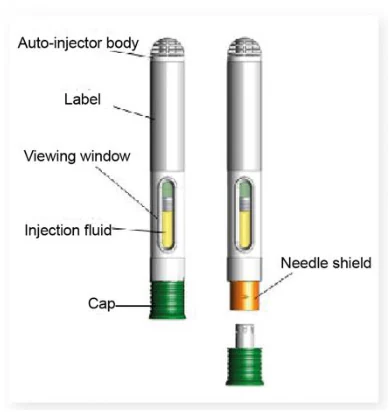 Figure A Note: only the NORDIMET single-dose pre-filled autoinjector pen is included in the tray package. | ||
| Step 2: Choose an injection site | |||
Do NOT inject NORDIMET:
| 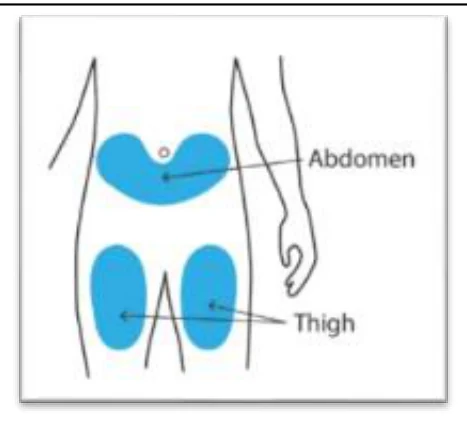 Figure B | ||
| Step 3. Clean the injection site | |||
| 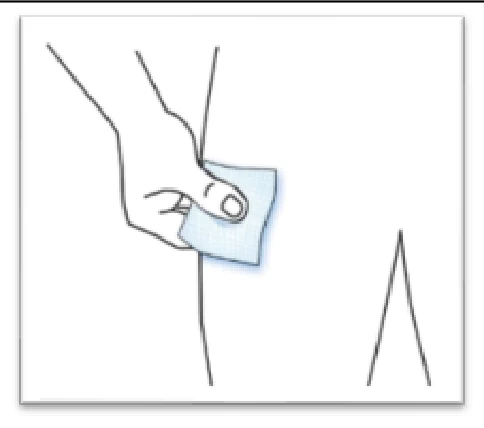 Figure C | ||
| Step 4. Prepare for injection | |||
| 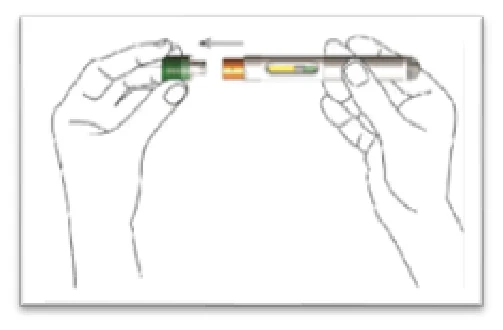 Figure D | ||
| 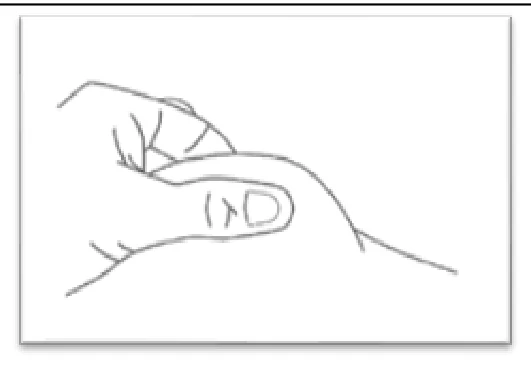 Figure E | ||
| Step 5. Inject NORDIMET | |||
| 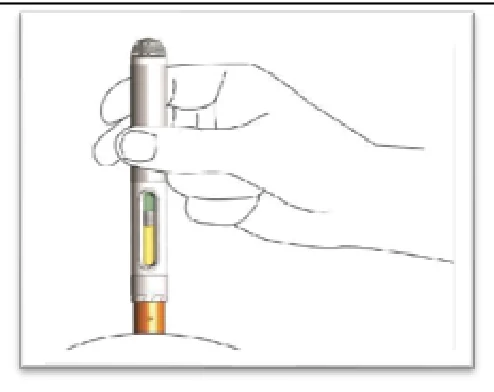 Figure F | ||
| 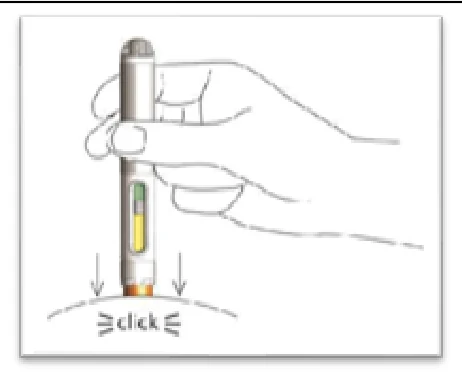 Figure G | ||
| 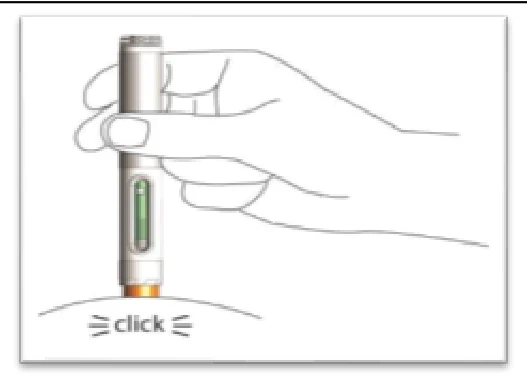 Figure H | ||
| 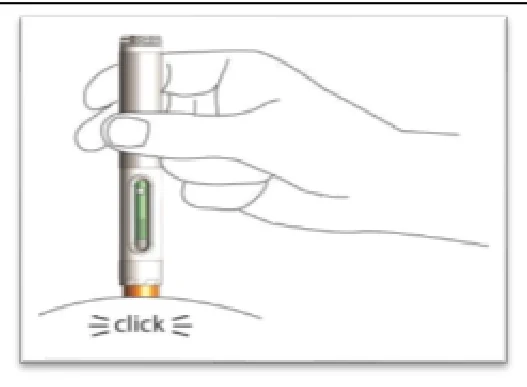 Figure I | ||
| Step 6. Clean up after the injection | |||
| 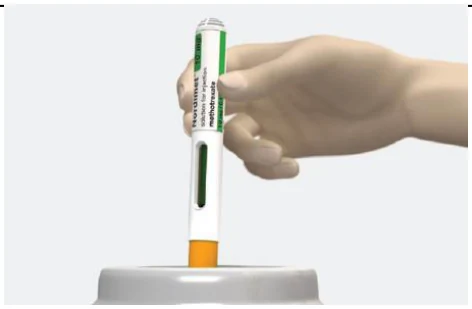 Figure J | ||