Patient Medication Information: uses, side effects, how to take - Methofill Self-Dose Injector
Serious Warnings and Precautions
|
What is Methofill Self-Dose Injector used for?
Methofill Self-Dose Injector is used to treat adults with the severe disabling conditions listed below when other treatments do not work. This means these conditions prevent the patient from carrying out their regular activities.
- Rheumatoid arthritis (joint inflammation caused by the immune system)
- Psoriasis (a chronic skin disease)
- Psoriatic arthritis (a kind of joint inflammation that affects people with psoriasis)
How does Methofill Self-Dose Injector work?
Methofill Self-Dose Injector reduces the activity of the immune system (the body’s own defence mechanism). It is used to modify and slow the worsening of psoriasis and rheumatoid arthritis. It will not cure them. Some normal cells in the body may be affected as well.
What are the ingredients in Methofill Self-Dose Injector?
Medicinal ingredients: Methotrexate (as methotrexate sodium)
Non-medicinal ingredients: Sodium chloride, sodium hydroxide (for pH adjustment) and water for injection.
Methofill Self-Dose Injector comes in the following dosage forms:
Solution in single-dose pre-filled auto-injectors in 8 different strengths. These are colour-coded as follows:
| Amount of methotrexate | Volume of solution in each pre-filled auto-injector | |
| 7.5 mg | 0.15 mL | grey |
| 10 mg | 0.20 mL | light green |
| 12.5 mg | 0.25 mL | light blue |
| 15 mg | 0.30 mL | purple |
| 17.5 mg | 0.35 mL | pink |
| 20 mg | 0.40 mL | red |
| 22.5 mg | 0.45 mL | dark green |
| 25 mg | 0.50 mL | dark blue |
Methofill Self-Dose Injector is available in cartons of 1, 4 or 8 pre-filled auto-injectors.
Do not use Methofill Self-Dose Injector if:
- you are allergic to methotrexate or any ingredient in this medicine or part of the container;
you have any blood or bone marrow problems including:
- low level of cells in the bone marrow (bone marrow hypoplasia);
- low level of platelets (thrombocytopenia);
- low red blood cells (anemia);
- low white blood cells (neutropenia, leukopenia);
- you have severe kidney problems, kidney failure or are on dialysis;
you suffer from alcoholism or alcoholic liver disease, or other severe liver disease;
- you are pregnant or planning to get pregnant;
- you are breastfeeding;
- you are going to receive a general anesthetic called nitrous oxide. It is also known as laughing gas.
To help avoid side effects and ensure proper use, talk to your healthcare professional before you take Methofill Self-Dose Injector. Talk about any health conditions or problems you may have, including if you:
- are experiencing weakness (debility);
- are dehydrated, experience a lot of vomiting, diarrhea or sweating;
- have peptic ulcer disease or ulcerative colitis (inflammatory bowel disease);
- are using medicines to treat stomach acid called proton pump inhibitors. These include omeprazole, esomeprazole and pantoprazole;
- have problems with your bone marrow;
- have previously had radiation treatment to a large area of your body;
- have been previously treated with cisplatin or are receiving cytarabine;
- have liver problems including if you have or have had hepatitis B or hepatitis C infection or have a fatty liver;
- have mild or moderate kidney problems. If you have kidney problems, your healthcare professional may want you to drink extra fluids so that you will pass more urine. This will help the drug to pass from the body;
- have an active infection or have previously had shingles or tuberculosis infections;
- have fluid on your lungs (pleural effusion) or in your abdomen (ascites);
- have an intestine blockage;
- have aciduria, which is a condition where uric acid builds up in the blood;
- have a neurological disorder;
- have cancer;
- are obese;
- have diabetes;
- are over 65 years of age. This is because side effects may be more likely in these patients;
- recently received or are going to receive a vaccine.
Other warnings you should know about:
Methofill Self-Dose Injector can cause blood and bone marrow problems, which can increase your chance of getting infections and affect how your blood clots, which may lead to bleeding. To reduce the risk of infection or bleeding, you should:
- Avoid people with infections. Check with your healthcare professional right away if you think you are getting an infection or if you get a fever or chills, cough or hoarseness, lower back or side pain, or painful or difficult urination.
- Avoid anyone who has had the oral polio vaccine for at least 6 weeks. Do not get close to them or stay in the same room as them for very long. If this is not possible, wear a mask over your nose and mouth.
- Check with your healthcare professional right away if you notice any abnormal bleeding or bruising; black, tarry stools; blood in urine or stools; or red spots on your skin.
- Be careful when using a regular toothbrush, dental floss, or toothpick. Check with your healthcare professional before having any dental work done.
- Do not touch your eyes or the inside of your nose unless you have just washed your hands.
- Be careful not to cut yourself when you are using sharp objects such as scissors or a razor.
- Avoid contact sports or other situations where bruising or injury can happen.
Driving and operating machines: Methofill Self-Dose Injector can cause fatigue and dizziness. Before you drive or do tasks that require special attention, wait until you know how you respond to this medicine.
Fertility: Methotrexate may affect your ability to have a child in the future (fertility).
- Females may have abnormal periods or have no period at all. As well, methotrexate can affect egg production. Males may have a low sperm count. The sperm may also have changes in their DNA.
- These changes can happen during treatment and for a short period after your last dose.
Sun and UV light exposure: Some patients who use Methofill Self-Dose Injector may become more sensitive to sunlight than they are normally. Avoid too much sun exposure and do not use a sunlamp until you see how you react to the sun, especially if you tend to burn easily. If you have been treated with radiation before, you may develop a reaction rash or sunburn to that area while using methotrexate. As well, your psoriasis sores can become worse if you are exposed to UV-rays during your treatment.
Check-ups and testing: You will have regular visits with your healthcare professional before, during and at the end of your treatment. They will do blood and urine tests to check your liver and kidney health, do liver biopsies, lung tests and/or chest x-rays. Your healthcare professional will decide when to do these tests and will interpret the results.
Tell your healthcare professional about all the medicines you take, including any drugs, vitamins, minerals, natural supplements or alternative medicines.
Serious Drug Interactions Do not use Methofill Self-Dose Injector if you are going to receive a general anesthetic called nitrous oxide. It is also known as laughing gas. |
The following may also interact with Methofill Self-Dose Injector:
- medicines to reduce pain, fever or inflammation called Nonsteroidal anti-inflammatory medicines (NSAIDs) including acetyl salicyclic acid (ASA), phenylbutazone and other pain killers;
- a medicine used to treat seizures called phenytoin;
- certain Disease Modifying Antirheumatic drugs (DMARDs) including gold (taken by mouth or injection), penicillamine, hydroxychloroquine, sulfasalazine, leflunomide or azathioprine;
- medicines used to treat bacterial and fungal infections including ciprofloxacin, penicillins, tetracycline, chloramphenicol, pristinamycin, aminoglycosides, amphotericin B, vancomycin, neomycin, kanamycin, nystatin, polymyxin B, trimethoprim/sulfamethoxasole and sulfonamides;
- a medicine used to suppress the immune system called cyclosporine;
- medicines used to treat cancer including cytarabine, mercaptopurine, folinic acid and radiation therapy;
- some vaccines;
- azathioprine (used to prevent transplant organ rejection);
- a medicine to treat Peyronie’s disease called aminobenzoic acid;
- a medicine to treat gout called probenicid;
- medicines used to treat acne called retinoids;
- medicines used to treat diabetes called sulfonylureas;
- a medicine used to treat asthma called theophylline;
- the vitamin folic acid or vitamin preparations that contain folic acid;
- medicines used to treat acid related stomach problems called proton pump inhibitors (PPIs) including omeprazole, esomeprazole, and pantoprazole;
- a medicine used to treat irregular heart beat called amiodarone;
- the medicine, triamterene, which is a diuretic or “water pill”;
- Psoralen Plus Ultraviolet Light (PUVA) therapy, which is used to treat skin conditions;
- packed red blood cells, which are used for blood transfusions.
Do not drink alcohol during your treatment with Methofill Self-Dose Injector. Alcohol can increase the chance of liver problems.
Tell any doctor that is treating you that you are taking Methofill Self-Dose Injector.
How to take Methofill Self-Dose Injector:
- Always use Methofill Self-Dose Injector exactly as your healthcare professional has shown you.
- Read the “Instructions for Use for Methofill Self-Dose Injector” each time before you inject this medicine. Check with your healthcare professional if you are not sure.
- Methofill Self-Dose Injector is given by subcutaneous injection. This means a needle is placed under the skin.
- Inject Methofill Self-Dose Injector only once a week, on the same day each week. Do not use more or less of it, and do not inject it more often than your healthcare professional has indicated. Each auto-injector contains one dose. Thus, you will use one auto-injector per week.
- At the start of your treatment, Methofill Self-Dose Injector will be given to you by your healthcare professional. They may eventually train you or your caregiver on how to inject this medicine. Do not try to inject Methofill Self-Dose Injector until you have received proper training and feel comfortable with the procedure. Ask your healthcare professional any questions you have. The first time you give yourself an injection of Methofill Self-Dose Injector, it will be done with your healthcare professional.
- Pregnant or breastfeeding healthcare professionals or caregivers must not handle and / or inject this medicine.
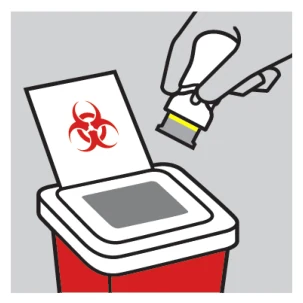
- Each Methofill Self-Dose Injector must be used only once. The entire contents of the auto-injector must be used for each injection. The auto-injector and syringe must be thrown away after each use into a sharps container.
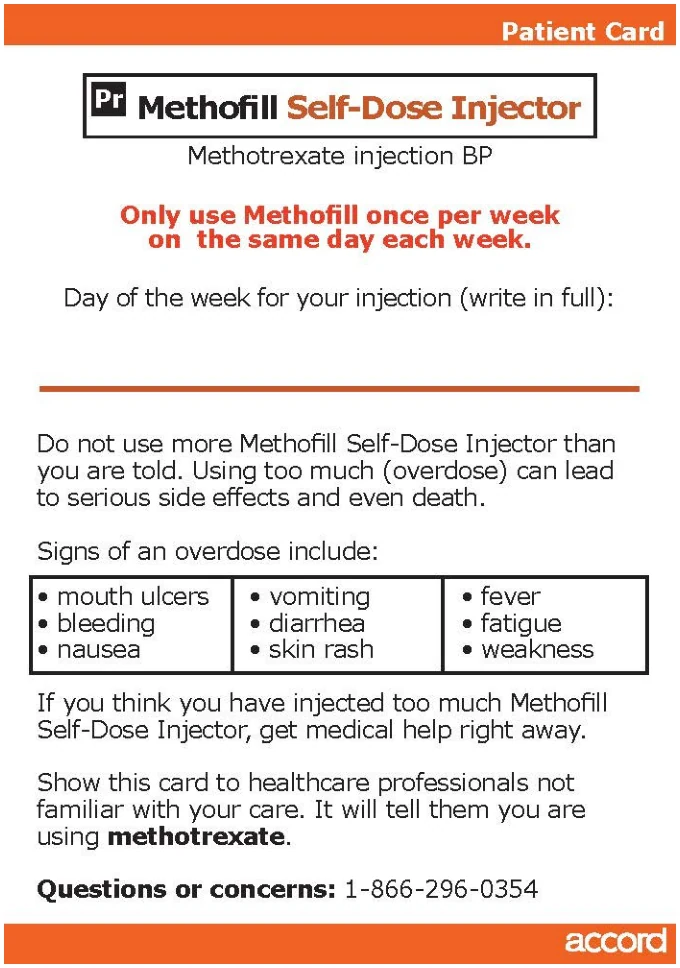
- Print a Patient Card (available at www.accordhealth.ca). This card will help you to remember when to give your injection. It will also remind you of what you may feel if you inject too much Methofill Self-Dose Injector.
Usual dose:
The dose of Methofill Self-Dose Injector is different for different patients. Your healthcare professional will tell you how much to take. Your dose will depend on:
- what the medicine is being used for,
- your weight, and
- if you are taking other medicines
Your healthcare professional may start you on a lower dose, may change your dose, stop your treatment for a period of time or recommend that you stop your treatment completely. This may happen if:
- you have kidney problems
- you are elderly
- you experience certain side effects
- your disease gets worse
Your healthcare professional will determine how long you need to use Methofill Self-Dose Injector. It is usually a long-term treatment.
Overdose:
If you inject too much Methofill Self-Dose Injector, you may get mouth ulcers, feel tired or weak, or experience bleeding, nausea, vomiting, diarrhea, skin rash or fever.
| If you think you, or a person you are caring for, have injected too much Methofill Self-Dose Injector, contact a healthcare professional, hospital emergency department, or regional poison control centre immediately, even if there are no symptoms. |
Missed Dose:
If you missed a dose, contact your healthcare professional for instructions.
What are possible side effects from using Methofill Self-Dose Injector?
These are not all the possible side effects you may have when taking Methofill Self-Dose Injector. If you experience any side effects not listed here, tell your healthcare professional.
Methofill Self-Dose Injector might cause other unwanted effects that may not occur until months or years after the medicine is used. These delayed effects may include certain types of cancer, such as leukemia. Discuss these possible side effects with your healthcare professional.
- nausea, stomach pain
- change in taste (metallic taste)
- dizziness
- headaches
- hair loss
- mood changes
- confusion
- sore eyes, blurred vision
- skin rashes, pin-point red spots on the skin, reddening or whitening of the skin, acne, boils
- fatigue, drowsiness, weakness
- fever
- impotence, loss of interest in sex
- painful muscles and joints
- swelling in areas of the body that do not involve the injection sites, including vagina
Methofill Self-Dose Injector causes nausea and vomiting. Even if you begin to feel ill, do not stop using this medicine without first checking with your doctor.
Methofill Self-Dose Injector can cause abnormal blood and urine test results. Your healthcare professional will do blood and urine tests and will interpret the results.
Serious side effects and what to do about them
| Symptom / effect | Talk to your healthcare professional | Stop taking drug and get immediate medical help | |
|---|---|---|---|
| Only if severe | In all cases | ||
| VERY COMMON | |||
| Gastrointestinal problems: diarrhea, vomiting, dehydration, blood in stool, bloody vomit, black tarry stools, mouth ulcers | √ | ||
| Lung problems including lung damage and Pneumonitis and Pneumonia (Inflammation or infection of the lungs): persistent dry, non- productive cough, shortness of breath, fever, chest pain, sweating and shaking chills | √ | ||
| COMMON | |||
| Blood problems (low white or red blood cells or platelets): shortness of breath, weakness, frequent infections, cold sores, pale skin, rapid heart rate, fatigue, fever, bruising easily, heavy bleeding or bleeding for longer than usual if you hurt yourself | √ | ||
| Reactions at the injection site: blistering, itching, pain, redness, severe skin damage, tenderness, warmth in the area around the injection | √ | ||
| Sepsis and septic shock (blood infections): fever or dizziness, chills, high or very low body temperature, little or no urine, low blood pressure, rapid breathing and heart beat | √ | ||
| UNCOMMON | |||
| Convulsions: seizures, shaking or fits | √ | ||
| RARE | |||
| Allergic reaction: skin rash, itching, chest tightness, wheezing, dizziness, hives, faintness, rapid heartbeat, shortness of breath, and/or a swollen face, lips or tongue | √ | ||
| Diabetes (condition where the body does not produce enough insulin): excessive eating, thirst, and urination; unexplained weight loss, poor wound healing, infections | √ | ||
| Kidney problems: pain or difficulty urinating, blood in the urine, lower back or side pain, changes in how often or how much you urinate, swelling of the hands, ankles or feet, nausea, vomiting | √ | ||
Serious side effects and what to do about them
| Symptom / effect | Talk to your healthcare professional | Stop taking drug and get immediate medical help |
|---|
| Only if severe | In all cases | ||
|---|---|---|---|
| Liver problems (including hepatitis): yellowing of your skin and eyes, itching, right upper stomach area pain or swelling, nausea or vomiting, dark urine | √ | ||
| Osteonecrosis of the jaw (tiny breaks in a bone leading to eventual collapse): broken bones, jaw pain | √ | ||
| Osteoporosis (thinning of the bones): broken bones, pain, back pain that gets worse when standing or walking | √ | ||
| Pericarditis, Pericardial effusion (inflammation of the lining or build-up of fluid around the heart): chest pain or pressure, shortness of breath, sharp, stabbing chest pain that gets worse when you cough, swallow, breathe deeply or lie flat | √ | ||
| Pulmonary alveolar haemorrhage (bleeding in the lungs): suddenly spit or cough up blood | √ | ||
| VERY RARE | |||
| Lymphoma (lymphatic system cancer): painless swelling of lymph node/glands, swollen tonsils, night sweats, itching, unexplained weight loss, persistent coughing/difficulty breathing or not being able to breathe | √ | ||
| Skin problems: Toxic Epidermal Necrolysis (TEN), Stevens-Johnson syndrome (SJS), Erythema multiforme (severe skin reactions): redness, blistering and/or peeling of large areas of the skin, raised red or purple skin patches, possibly with blister or crust in the center; possibly swollen lips, mild itching or burning | √ | ||
| UNKNOWN | |||
| Chemical arachnoiditis (rare pain disorder due to inflammation of a membrane surrounding the nerves of the spinal cord): headache, back pain, neck stiffness, and fever | √ | ||
| Hypotension (low blood pressure): dizziness, fainting, light-headedness, blurred vision, nausea, vomiting, fatigue | √ | ||
| Impaired wound healing | √ | ||
Serious side effects and what to do about them
| Symptom / effect | Talk to your healthcare professional | Stop taking drug and get immediate medical help |
|---|
| Only if severe | In all cases | ||
|---|---|---|---|
| Lymphoproliferative disorders (excessive growth of white blood cells): enlarged lymph nodes, abnormal bleeding, joint pain, bruising, diarrhea, nausea, vomiting, headache | √ | ||
| Nervous system problems including Leukoencephalopathy /Encephalitis / Encephalopathy (brain disorders): abnormal reflexes, paralysis, weakness or unable to move a muscle or group of muscles on one or both sides of the body, stroke-like episodes, difficulty speaking, loss of consciousness, coma, disorientation, abnormal behaviours, changes or reduced senses of touch or temperature, numbness or feelings of prickling (pins and needles), short term blindness, headache, seizures, confusion, loss of speech and sight, changes in thinking, memory and orientation, personality changes | √ | ||
| Progressive Multifocal Leukoencephalopathy (PML) (a rare brain infection): weakness on one side of your body, problems thinking, vision changes | √ | ||
| Reactivation of chronic infections like herpes zoster, tuberculosis, hepatitis B, hepatitis C (when a previous infection becomes active again): rash that is painful, itchy or tingling, cough, fever, weight loss, joint pain and inflammation, fatigue, loss of appetite, nausea, yellowing of the skin or whites of eyes, abdominal pain | √ | ||
| Retinopathy (damage to the retina of the eye): spots or dark / empty areas in your vision, blurred vision, vision changes or loss | √ | ||
| Thrombosis (blood clots): chest pain, shortness of breath, dizziness, face drooping, slurred speech, swelling, pain, arm or leg may be warm to the touch and appear red | √ | ||
If you have a troublesome symptom or side effect that is not listed here or becomes bad enough to interfere with your daily activities, tell your healthcare professional.
Reporting Side Effects
You can report any suspected side effects associated with the use of health products to Health Canada by:
NOTE: Contact your health professional if you need information about how to manage your side effects. The Canada Vigilance Program does not provide medical advice. |
Storage:
Store Methofill Self-Dose Injector:
- between 15 and 25°C.
- in the outer carton to protect it from light. Any unused solution should be discarded.
- Do not keep expired medicine or medicine that you no longer need. Discard of this medicine in a sharps container. Talk to your pharmacist if you have any questions.
- Keep out of the reach and sight of children.
If you want more information about Methofill Self-Dose Injector:
- Talk to your healthcare professional.
- Find the full product monograph that is prepared for healthcare professionals and includes this Patient Medication Information by visiting the Health Canada website: (https://www.canada.ca/en/health-canada/services/drugs-health-products/drug-products/drug-product-database.html); or by calling the sponsor Accord Healthcare Inc. at 1-866-296-0354.
Accord Healthcare Inc.
3535 boul. St. Charles, Suite 704
Kirkland, QC, H9H 5B9
Canada
Last revised: SEP 14, 2022
Instructions for use for Methofill Self-Dose Injector:
Please read these instructions in full before using Methofill Self-Dose Injector. This auto-injector requires training by a healthcare professional before use.
For any problem or question, contact your doctor, pharmacist or nurse.
Before you begin
- Choose a clean, well-lit space to administer your medication.
- Check the expiration date on the packaging. Do not use Methofill Self-Dose Injector if the expiration date has passed.
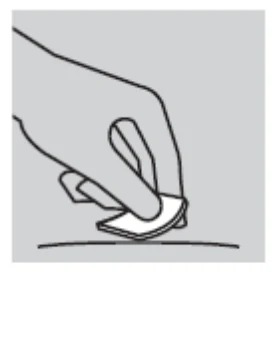
Gather an alcohol swab and a sharps container.
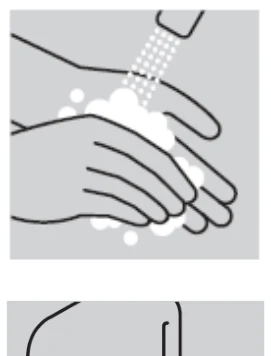
- 1. Preparation
 |
|
 |
|
 |
|
|
|
|
- 3. Injection
| |
| |
|
 |
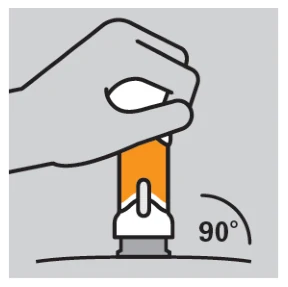 | |
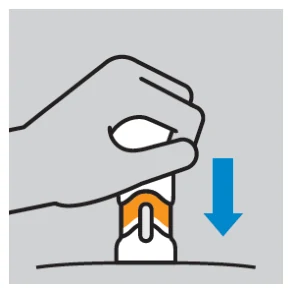 | |
 |
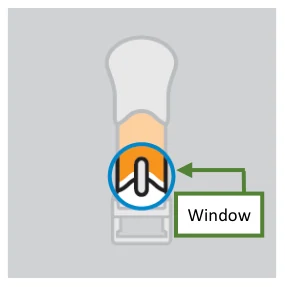
| Window | |
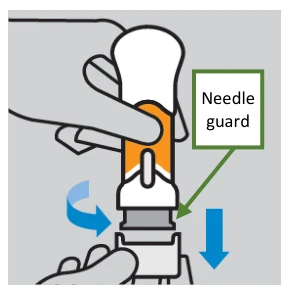 Needle guard |
|
- 4. Disposal
|
Methotrexate should not come into contact with the surface of the skin or mucosa. In the event of contamination, the affected area must be rinsed immediately with plenty of water.
If you or someone around you is injured by the needle, consult your doctor immediately and do not use this Methofill Self-Dose Injector.
Always keep the auto-injector out of the reach and sight of children.
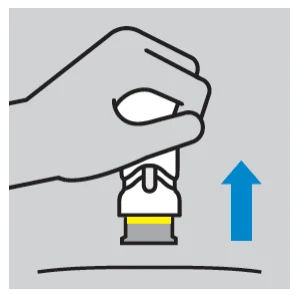 |
 |