


Product Monograph - Methofill Self-Dose Injector
1 INDICATIONS
Methofill Self-Dose Injector (methotrexate injection) is indicated as a Disease Modifying Antirheumatic Drug (DMARD) in the following diseases where standard therapeutic interventions fail:
- Severe disabling psoriasis/psoriatic arthritis in adult patients
- Severe disabling rheumatoid arthritis (RA) in adult patients
In the treatment of psoriasis in adults, Methofill Self-Dose Injector should be restricted to severe recalcitrant, disabling psoriasis, which is not adequately responsive to other forms of therapy, but only when the diagnosis has been established after dermatologic consultation.
1.1 Pediatrics
Pediatrics (˂ 18 years of age): No data are available to Health Canada; therefore, Health Canada has not authorized an indication for pediatric use.
1.2 Geriatrics
The clinical pharmacology of methotrexate has not been well studied in older individuals (≥ 65 years of age). Due to diminished hepatic and renal function, as well as decreased folate stores in this population, relatively low doses should be considered, and these patients should be closely monitored for early signs of toxicity.
Limitation of Use
Methofill Self-Dose Injector is not indicated for the treatment of neoplastic diseases.
2 CONTRAINDICATIONS
Methofill Self-Dose Injector (methotrexate injection) is contraindicated in:
- Patients who are hypersensitive to this drug or to any ingredient in the formulation or component of the container. For a complete listing, see 6 DOSAGE FORMS, STRENGTHS, COMPOSITION AND PACKAGING section.
- In patients with severe renal impairment including end stage renal disease with and without dialysis (see 7 WARNINGS AND PRECAUTIONS, Renal, 4.2 Recommended Dose and Dosage Adjustment, Special Populations and 10.3 Pharmacokinetics, Special Populations and Conditions).
- Pregnancy: Methotrexate can cause fetal death, embryotoxicity, abortion or teratogenic effects when administered to a pregnant woman (see 7 WARNINGS AND PRECAUTIONS, Reproductive Health: Female and Male Potential, Teratogenic Risk and 7.1.1 Pregnant Women).
Women of childbearing potential should not be started on methotrexate until pregnancy is excluded and should be fully counselled on the serious risk to the fetus should they become pregnant while undergoing treatment. Pregnancy should be avoided if either
- partner is receiving methotrexate (see 7 WARNINGS AND PRECAUTIONS, Reproductive Health: Female and Male Potential, Teratogenic Risk and 7.1.1 Pregnant Women).
- Breast-feeding mothers: Due to the potential for serious adverse reactions in breast-fed infants (see 7.1.2 Breast-feeding).
- Patients with alcoholism, alcoholic liver disease or other chronic liver disease (see 7 WARNINGS AND PRECAUTIONS, Hepatic/Biliary/Pancreatic).
- Patients with overt or laboratory evidence of immunodeficiency syndromes (see 7 WARNINGS AND PRECAUTIONS, Immune).
- Patients with pre-existing blood dyscrasias, such as bone marrow hypoplasia, leukopenia, thrombocytopenia or significant anemia (see 7 WARNINGS AND PRECAUTIONS, Hematologic).
- With nitrous oxide anesthesia (see 7 WARNINGS AND PRECAUTIONS, Renal and 9.4 Drug-Drug Interactions).
3 SERIOUS WARNINGS AND PRECAUTIONS BOX
Serious Warnings and Precautions
|
4 DOSAGE AND ADMINISTRATION
4.1 Dosing Considerations
- Parenteral drug products should be inspected visually for particulate matter and discolouration prior to administration, whenever solution and container permit.
- Methotrexate elimination is reduced in patients with a third distribution space (ascites, pleural effusions). Such patients require especially careful monitoring for toxicity, and require dose reduction or, in some cases, discontinuation of methotrexate administration.
Use another formulation of methotrexate for alternative dosing in patients who require oral, intramuscular, intravenous, intra-arterial, intrathecal dosing, doses less than 7.5 mg
- per week, doses more than 25 mg per week, high-dose regimens, or dose adjustments of less than 2.5 mg increments.
4.2 Recommended Dose and Dosage Adjustment
Psoriasis
- Weekly single, SC dose schedule: 7.5 to 25 mg per week until adequate response is achieved.
The recommended initial dose is 7.5 mg of methotrexate once weekly. Dosages in each schedule may be gradually adjusted by 2.5 mg per week to achieve optimal clinical response. A weekly dose of 25 mg should not be exceeded.
Once optimal clinical response has been achieved, the dosage schedule should be reduced to the lowest possible amount of drug and to the longest possible rest period. The use of Methofill Self-Dose Injector may permit the return to conventional topical therapy, which should be encouraged.
Rheumatoid Arthritis
- Weekly single, SC dose schedule: 7.5 to 25 mg per week until adequate response is achieved.
The recommended initial dose is 7.5 mg of methotrexate once weekly. Depending on the individual activity of the disease and tolerability by the patient, the initial dose may be increased gradually by 2.5 mg per week to achieve optimal clinical response. A weekly dose of 25 mg should not be exceeded.
Therapeutic response usually begins within 3 to 6 weeks and the patient may continue to improve for another 12 weeks or more. Upon achieving the therapeutically desired result, the dose should be reduced gradually to the lowest possible effective maintenance dose.
Special Populations
Renal Impairment: Methofill Self-Dose Injector is contraindicated in patients with severe renal impairment (see 2 CONTRAINDICATIONS). Methotrexate is excreted to a significant extent by the kidneys, thus in patients with mild or moderate renal impairment the health professional may need to adjust the dose to prevent accumulation of drug. Table 1, below, provides recommended starting doses in renally impaired patients; dosing may need further adjustment due to wide intersubject pK variability.
Table 1 – Dose Adjustments in Patients with Renal Impairment
| Creatinine Clearance (mL/min) | % Standard Dose to Administer |
| ≥ 90 | Full Dose |
| 60-89 | 75 |
| 30-59 | 50 |
| < 30 | Must not be used; use alternative therapy |
Hepatic Impairment: Methofill Self-Dose Injector is contraindicated in patients with alcoholic liver disease or other chronic liver disease (see 2 CONTRAINDICATIONS).
Pediatrics (<18 years of age): No data are available to Health Canada; therefore, Health Canada has not authorized an indication for pediatric use.
Geriatrics (≥65 years of age): Due to diminished hepatic and renal function as well as decreased folate stores in elderly population, relatively low doses should be considered (especially in rheumatoid arthritis and psoriasis indications) and these patients should be closely monitored for early signs of toxicity. See Table 1 for reduced doses in patients with renal impairment.
4.4 Administration
Methofill Self-Dose Injector is injected once weekly.
Methofill Self-Dose Injector should only be prescribed by health professionals with expertise in the use of methotrexate and a full understanding of the risks of methotrexate therapy.
The administration should routinely be done by health professionals. The treating health professional can, in selected cases for whom it is appropriate, delegate the subcutaneous administration to the patients themselves or to a caregiver. In these cases, patients or caregivers must receive proper training on how to prepare and correctly administer Methofill Self-Dose Injector. At minimum, the first injection of Methofill Self-Dose Injector should be performed under direct medical supervision.
Health professionals should print out or otherwise ensure that patients have access to the Methofill Self-Dose Injector Patient Card (available at www.accordhealth.ca), which can be used as reminder of the day for each weekly dose, and main symptoms of overdose.
Methofill Self-Dose Injector solution should be yellowish in colour and should be clear with no particles in it. Visually inspect Methofill Self-Dose Injector for particulate matter and discolouration prior to administration.
4.5 Missed Dose
If a scheduled dose is missed, the next dose should be given as soon as possible. However, the total weekly dose should not exceed 25 mg.
5 OVERDOSAGE
At the first sign of ulceration or bleeding, diarrhea, nausea or vomiting, skin rash or marked depression of the hematopoietic system, Methofill Self-Dose Injector should be discontinued or the dose should be reduced.
Leucovorin is indicated to diminish the toxicity and counteract the effect of inadvertently administered overdosages of methotrexate. Leucovorin administration should begin as promptly as possible. As the time interval between methotrexate administration and leucovorin initiation increases, the effectiveness of leucovorin in counteracting toxicity decreases. Monitoring of the serum methotrexate concentration is essential in determining the optimal dose and duration of treatment with leucovorin.
In cases of massive overdosage, hydration and urinary alkalinization may be necessary to prevent the precipitation of methotrexate and/or its metabolites in the renal tubules. Generally, neither standard hemodialysis nor peritoneal dialysis has been shown to improve methotrexate elimination. However, effective clearance of methotrexate has been reported with acute, intermittent hemodialysis using a high-flux dialyzer.
There are published case reports of intravenous carboxypeptidase G2 treatment to hasten clearance of Methotrexate in cases of overdoses.
| For management of a suspected drug overdose, contact your regional poison control centre. |
6 DOSAGE FORMS, STRENGTHS, COMPOSITION AND PACKAGING
Table 2 – Dosage Forms, Strengths, Composition and Packaging
| Route of Administration | Dosage Form / Strength/Composition | Non-medicinal Ingredients |
| Subcutaneous Injection | Solution, single-dose pre-filled auto-injector, 7.5 mg/0.15 mL, 10 mg/0.20 mL, 12.5 mg/0.25 mL, 15 mg/0.30 mL, 17.5 mg/0.35 mL, 20 mg/0.40 mL, 22.5 mg/0.45 mL, and 25 mg/0.50mL [each corresponding to 50 mg/mL methotrexate (as methotrexate sodium)] | Sodium chloride, sodium hydroxide for pH adjustment and Water for injection |
Methofill Self-Dose Injector 50 mg/mL (as methotrexate sodium) is available as a single-dose pre-filled auto-injector containing a clear, yellowish solution that is free of particles.
Methofill Self-Dose Injector is available as follows (in colour-coded packaging):
- 1 pre-filled auto-injector with 0.15 ml solution, containing 7.5 mg methotrexate (grey)
- 1 pre-filled auto-injector with 0.20 ml solution, containing 10 mg methotrexate (light green)
- 1 pre-filled auto-injector with 0.25 ml solution, containing 12.5 mg methotrexate (light blue)
- 1 pre-filled auto-injector with 0.30 ml solution, containing 15 mg methotrexate (purple)
- 1 pre-filled auto-injector with 0.35 ml solution, containing 17.5 mg methotrexate (pink)
- 1 pre-filled auto-injector with 0.40 ml solution, containing 20 mg methotrexate (red)
- 1 pre-filled auto-injector with 0.45 ml solution, containing 22.5 mg methotrexate (dark green)
- 1 pre-filled auto-injector with 0.50 ml solution, containing 25 mg methotrexate (dark blue)
All strengths of pre-filled auto-injectors are separately available in cartons of 1, 4 or 8.
7 WARNINGS AND PRECAUTIONS
Please see 3 SERIOUS WARNINGS AND PRECAUTIONS BOX.
General
Methofill Self-Dose Injector has the potential for serious toxicity, which can be fatal.
Fatal toxicities related to inadvertent daily rather than weekly dosing have been reported. It should be emphasized to the patient that the recommended dose is taken weekly.
Deaths have been reported with the use of methotrexate in the treatment of psoriasis and rheumatoid arthritis. Because of the possibility of serious toxic reactions, the patient should be informed by the health professional of the risks involved and should be under a health professional’s ongoing supervision.
Methotrexate is often used clinically in doses that are nearly toxic and may cause severe depression of all blood cellular elements.
Frequency and severity of toxic effects are generally in direct proportion to dose, frequency of administration, or exposure time, but have been seen at all doses. Because they can occur at any time during therapy, it is necessary to follow patients on Methofill Self-Dose Injector closely. Most adverse reactions are reversible if detected early. Signs of gastrointestinal ulceration and bleeding, including bleeding from the mouth, bone marrow depression, primarily of the white cell series and alopecia are indications of toxicity. When such reactions do occur, the drug should be reduced in dosage or discontinued and appropriate corrective measures should be taken. If necessary, this could include the use of leucovorin calcium and/or acute, intermittent hemodialysis with a high-flux dialyzer (see 5 OVERDOSAGE). If Methofill Self-Dose Injector therapy is re-instituted, it should be carried out with caution, with adequate consideration of further need for the drug and with increased alertness as to possible recurrence of toxicity.
Toxicity of methotrexate to the bone marrow and gastrointestinal epithelium is less dependent on dosage as on the duration of exposure of these organs to the drug and its extracellular (plasma) concentration. For bone marrow and gastrointestinal tract, the critical time factor has been defined as about 42 hours and the critical plasma concentration as 2x10⁻⁸M. Both factors must be exceeded for toxicity to occur to these organs. This toxicity can be minimized by the appropriate administration of Leucovorin Calcium.
Methotrexate exits slowly from third space compartments (e.g., pleural effusions or ascites). This results in a prolonged terminal plasma half-life and unexpected toxicity. In patients with significant third space accumulations, it is advisable to evacuate the fluid before treatment and to monitor plasma methotrexate levels.
Methofill Self-Dose Injector should be used with extreme caution in the presence of debility.
Carcinogenesis and Mutagenesis
No controlled human data exist regarding the risk of neoplasia with methotrexate. Methotrexate has been evaluated in a number of animal studies for carcinogenic potential with inconclusive results (see 16 NON-CLINICAL TOXICOLOGY). Although there is evidence that methotrexate causes chromosomal damage to animal somatic cells and human bone marrow cells, the clinical significance remains uncertain. Assessment of the carcinogenic potential of methotrexate is complicated by conflicting evidence of an increased risk of certain tumors in rheumatoid arthritis. Benefit should be weighed against this potential risk before using methotrexate alone or in combination with other drugs, especially in young adults.
Driving and Operating Machinery
Methotrexate may cause adverse reactions such as dizziness and fatigue which can affect the ability to drive or operate machinery.
Gastrointestinal
If vomiting, diarrhea, or stomatitis occurs, resulting in dehydration, Methofill Self-Dose Injector should be discontinued until recovery occurs.
Diarrhea and ulcerative stomatitis require interruption of therapy; otherwise, hemorrhagic enteritis and death from intestinal perforation may occur. Methofill Self-Dose Injector should be used with extreme caution in the presence of peptic ulcer disease or ulcerative colitis.
Unexpectedly severe (sometimes fatal) gastrointestinal toxicity have been reported with concomitant administration of methotrexate (usually in high dosage) along with some non-steroidal anti-inflammatory drugs (NSAIDs) (see 9.4 Drug-Drug Interactions).
Drug Interactions with Proton Pump Inhibitors (PPI): Use caution when administering high-dose methotrexate to patients receiving PPI therapy as concomitant use of some PPIs, such as omeprazole, esomeprazole, and pantoprazole, with methotrexate (primarily at high dose), may elevate and prolong serum levels of methotrexate and/or its metabolite 7-hydroxymethotrexate , possibly leading to methotrexate toxicities (see 9.4 Drug-Drug Interactions).
Hematologic
Methofill Self-Dose Injector may produce marked bone marrow depression with resultant anemia, aplastic anemia, pancytopenia, leukopenia, neutropenia and/or thrombocytopenia. Methofill Self-Dose Injector should be used with caution in patients with impaired bone marrow function and previous or concomitant wide field radiotherapy. In patients with malignancy and pre-existing hematopoietic impairment, the drug should be used with caution, if at all. In controlled clinical trials in rheumatoid arthritis (n=128), leukopenia (WBC < 3000/mm3) was seen in 2 patients, thrombocytopenia (platelets < 1,000,000/mm3) in 6 patients, and pancytopenia in 2 patients.
Methofill Self-Dose Injector should be stopped immediately if there is a significant drop in blood counts. Patients with profound granulocytopenia and fever should be evaluated immediately and usually require parenteral broad-spectrum antibiotic therapy.
Unexpectedly severe (sometimes fatal) bone marrow suppression and aplastic anemia have been reported with concomitant administration of methotrexate (usually in high dosage) along with some non-steroidal anti-inflammatory drugs (NSAIDs) (see 9.4 Drug-Drug Interactions).
Hepatic/Biliary/Pancreatic
Methofill Self-Dose Injector has the potential for acute and chronic hepatotoxicity, particularly at high dosage and with prolonged therapy. Liver atrophy, necrosis, cirrhosis, fatty changes and periportal fibrosis have been reported.
Acutely, liver enzyme elevations are frequently seen after methotrexate administration and are usually not a reason for modification of Methofill Self-Dose Injector therapy; however, persistent liver abnormalities and/or decrease of serum albumin may be indicators of serious liver toxicity (see 7 WARNINGS AND PRECAUTIONS, Monitoring and Laboratory Tests, Hepatic).
Chronic toxicity is potentially fatal; it generally has occurred after prolonged use (generally two years or more) and after a total cumulative dose of at least 1.5 grams.
Methotrexate has caused reactivation or worsening of hepatitis B and C infections, in some cases resulting in death (see 7 WARNINGS AND PRECAUTIONS, Immune). Some cases of hepatitis B reactivation have occurred after discontinuation of methotrexate. Prior to treatment with methotrexate, clinical and laboratory evaluation should be performed to evaluate pre-existing hepatitis virus B and hepatitis virus C infection. Methotrexate is not recommended for patients with active or chronic hepatitis B or C infection.
Psoriasis patients: Liver biopsy after sustained use often shows histologic changes, and fibrosis and cirrhosis have been reported; these latter lesions may not be preceded by symptoms or abnormal LFTs. In studies in psoriatic patients, hepatotoxicity appeared to be a function of total cumulative dose and appeared to be enhanced by alcoholism, obesity, diabetes and advanced age. An accurate incidence rate has not been determined; the rate of progression and reversibility of lesions is not known. Special caution is warranted in the presence of pre-existing liver damage or impaired hepatic function.
Developing fibrosis or cirrhosis may be detectable only by the presence of lesions by biopsy (see 7 WARNINGS AND PRECAUTIONS, Monitoring and Laboratory Tests, Hepatic).
Moderate fibrosis or any cirrhosis normally leads to discontinuation of the drug; mild fibrosis normally suggests a repeat biopsy in 6 months. Milder histologic findings such as fatty change and low grade portal inflammation are relatively common pre-therapy. Although these mild changes are usually not a reason to avoid or discontinue methotrexate therapy, the drug should be used with caution.
Rheumatoid Arthritis: Clinical experience with liver disease in rheumatoid arthritis is limited, but advanced age at first use of methotrexate and increasing duration of therapy have been reported as risk factors for hepatotoxicity. LFTs are usually not reliable predictors of histological changes in this population.
Persistent abnormalities in LFTs may precede appearance of fibrosis or cirrhosis in the rheumatoid arthritis population.
If the results of a liver biopsy show mild changes (Roenigk grades I, II, IIIa), Methofill Self-Dose Injector may be continued and the patient monitored according to the recommendations listed below (see 7 WARNINGS AND PRECAUTIONS, Monitoring and Laboratory Tests, Hepatic). Methofill Self-Dose Injector should be discontinued in any patient who displays persistently abnormal LFTs and refuses liver biopsy, or in any patient whose liver biopsy shows moderate to severe changes (Roenigk grade IIIb or IV).
There is a combined reported experience in 217 rheumatoid arthritis patients with liver biopsies both before and during treatment (after a cumulative dose of at least 1500 mg) and in 714 patients with a biopsy only during treatment. There were 64 (7%) cases of fibrosis and 1 (0.1%) case of cirrhosis. Of the 64 cases of fibrosis, 60 were deemed mild. The reticulin stain is more sensitive for early fibrosis and its use may increase these figures. It is unknown whether even longer use will increase these risks.
Immune
Methofill Self-Dose Injector should be used with extreme caution in the presence of active infection and is contraindicated in patients with overt or laboratory evidence of immunodeficiency syndromes.
Methotrexate may cause reactivation of inactive chronic infections including herpes zoster, tuberculosis, hepatitis B or hepatitis C (see 7 WARNINGS AND PRECAUTIONS, Hepatic/Biliary/ Pancreatic).
Immunization may be ineffective when given during methotrexate therapy. Immunization with live virus vaccines is generally not recommended. Patients on methotrexate should avoid contact with individuals who have been given a live polio vaccine for at least 6 weeks after the vaccination. There have been reports of disseminated vaccinia infections after smallpox immunization in patients receiving methotrexate therapy. Hypogammaglobulinemia has been reported rarely.
Potentially fatal opportunistic infections, especially Pneumocystis jirovecii pneumonia, may occur with Methofill Self-Dose Injector therapy (see 7 WARNINGS AND PRECAUTIONS, Respiratory).
Monitoring and Laboratory Tests
General: Patients undergoing methotrexate therapy should be informed of the early signs and symptoms of toxicity and closely monitored so that toxic effects are detected promptly.
Baseline assessment should include a complete blood count (CBC) with differential and platelet counts, hepatic enzymes, renal function tests, and a chest X-ray. During therapy of rheumatoid arthritis and psoriasis, monitoring of the following parameters is recommended: hematology at least monthly, and hepatic enzyme levels and renal function every 1 to 2 months.
During initial or changing doses, or during periods of increased risk of elevated methotrexate blood levels (e.g., dehydration), more frequent monitoring may also be indicated.
Hepatic: Liver function tests (LFTs) should be determined prior to the initiation of therapy with Methofill Self-Dose Injector and they should be monitored regularly throughout therapy. LFTs should be performed at baseline and at 4-8 week intervals in patients receiving methotrexate for rheumatoid arthritis. A relationship between abnormal LFTs and fibrosis or cirrhosis of the liver has not been established. Transient LFT abnormalities are observed frequently after methotrexate administration and are usually not cause for modification of methotrexate therapy. Persistent LFT abnormalities just prior to dosing and/or depression of serum albumin may be indicators of serious liver toxicity and require evaluation.
Patients with obesity, diabetes, hepatic fibrosis or steatohepatitis are at increased risk for hepatic injury and fibrosis secondary to methotrexate, and should be monitored closely.
Liver biopsies prior to Methofill Self-Dose Injector therapy are not indicated routinely for rheumatoid arthritis. Pre-treatment liver biopsy should be performed for patients with a history of excessive alcohol consumption, persistently abnormal baseline liver function test values, or chronic hepatitis B or C infection. During therapy, liver biopsy should be performed if there are persistent LFT abnormalities, or there is a decrease in serum albumin below the normal range (in the setting of well controlled rheumatoid arthritis).
In psoriasis, liver damage and LFTs, including serum albumin and prothrombin time, should be performed several times prior to dosing, but results are often normal in the face of developing fibrosis or cirrhosis.
Periodic liver biopsies are recommended for psoriatic patients who are under long-term treatment. The recommendation is to obtain a liver biopsy: 1) before the start of therapy or shortly after initiation of therapy (4-8 weeks); 2) after a total cumulative dose of 1.5 grams; and 3) after each additional 1.0 to 1.5 grams.
Respiratory: Pulmonary function tests may be useful if methotrexate-induced lung disease is suspected, especially if baseline measurements are available.
Serum Level Monitoring: Serum methotrexate level monitoring can identify issues requiring intervention to significantly reduce methotrexate toxicity and mortality.
Routine monitoring of levels may be of benefit to patients with conditions that predispose to developing elevated or prolonged methotrexate levels (e.g., pleural effusion, ascites, gastrointestinal tract obstruction, previous cisplatin therapy, dehydration, aciduria, impaired renal function).
Some patients may have delayed methotrexate clearance in the absence of these conditions mentioned above. It is important that patients be identified within 48 hours since methotrexate toxicity may not be reversible if adequate leucovorin rescue is delayed for more than 42 to 48 hours.
Under the conditions mentioned in the above two paragraphs, monitoring of methotrexate concentrations should include determination of a methotrexate level at 24, 48, or 72 hours, and assessment of the rate of decline in methotrexate concentrations (to determine how long to continue leucovorin rescue).
Neurologic
Cases of severe neurological adverse reactions that ranged from headache to paralysis, coma and stroke-like episodes have been reported mostly in juveniles and adolescents given methotrexate in combination with cytarabine.
Acute encephalitis and acute encephalopathy: Intravenous administration of methotrexate may result in acute encephalitis/acute encephalopathy with fatal outcome.
Acute Neurologic Syndrome: A transient acute neurologic syndrome, manifested as behavioural abnormalities, hemiparesis, focal sensorimotor signs, including transient blindness, and abnormal reflexes has been observed in patients treated with high doses of methotrexate. The exact cause is unknown.
Central Nervous System (CNS) Toxicity: After the intrathecal use of methotrexate CNS toxicity may occur. CNS toxicity can be classified as:
- Chemical arachnoiditis manifested by headache, back pain, nuchal rigidity, and fever;
- Paresis, usually transient, manifested by paraplegia involving one or more spinal nerve roots;
- Chronic Leukoencephalopathy manifested by confusion, irritability, somnolence, ataxia, dementia, seizures, and coma. This condition can be progressive and even fatal.
Leukoencephalopathy: There have been reports of leukoencephalopathy following intravenous administration of methotrexate to patients who have had craniospinal irradiation. Serious neurotoxicity, frequently manifested as generalized or focal seizures, has been reported with unexpectedly increased frequency among pediatric patients with acute lymphoblastic leukemia who were treated with intermediate-dose intravenous methotrexate (1 g/m2). Symptomatic patients were commonly noted to have leukoencephalopathy and/or microangiopathic calcifications on diagnostic imaging studies. Chronic leukoencephalopathy has also been reported in patients who received repeated doses of high-dose methotrexate with leucovorin rescue even without cranial irradiation. There are also reports of encephalopathy/ leukoencephalopathy in patients who received low doses (up to 25 mg/week) of methotrexate therapy for rheumatoid arthritis or psoriatic arthritis. Thus, encephalopathy/ leukoencephalopathy cannot be excluded in non-oncologic indications. Discontinuation of methotrexate does not always result in complete recovery.
Progressive multifocal leukoencephalopathy (PML): Cases of progressive PML, including fatal cases, have been reported with methotrexate use. PML is a rare and often fatal demyelinating disease attributed to the presence within the CNS of the John Cunningham virus (JCV) and its reactivation in people with suppressed immune function. Health professionals should consider PML in patients with new or worsening neurological, cognitive, or behavioural signs or symptoms and should take appropriate diagnostic measures. If PML is suspected, further methotrexate dosing must be suspended. If PML is confirmed, methotrexate should be permanently discontinued.
Renal
Methotrexate is contraindicated in patients with severe renal impairment including end stage renal disease with and without dialysis (see 2 CONTRAINDICATIONS).
Methotrexate therapy in patients with mild and moderate renal impairment should be undertaken with extreme caution, and at reduced dosages, because renal dysfunction will prolong methotrexate elimination (see 4.2 Recommended Dose and Dosage Adjustment, Special Populations).
Methotrexate may cause renal damage that may lead to acute renal failure. Nephrotoxicity is due primarily to the precipitation of methotrexate and 7-hydroxymethotrexate in the renal tubules. Close attention to renal function including adequate hydration and measurement of serum methotrexate and creatinine levels are essential for safe administration.
Nephritis has been reported on co-administration with nitrous oxide anesthesia in rheumatoid arthritis patients (see 2 CONTRAINDICATIONS and 9.4 Drug-Drug Interactions).
Reproductive Health: Female and Male Potential
- Fertility
Methotrexate has been reported to cause impairment of fertility, oligospermia, menstrual dysfunction and amenorrhea in humans, during and for a short period after cessation of therapy.
- Teratogenic Risk
Methotrexate is contraindicated during pregnancy in non-oncological indications (see 2 CONTRAINDICATIONS). Methotrexate is a powerful human teratogen, with an increased risk of fetal death, spontaneous abortions, intrauterine growth restriction and congenital malformations (e.g., craniofacial, cardiovascular, central nervous system and extremity-related) in cases of exposure during pregnancy (see 7.1.1 Pregnant Women). In animal studies, methotrexate has shown reproductive toxicity, especially during the first trimester. Therefore, the possible risks of effects on reproduction, pregnancy loss and congenital malformations should be discussed with both male and female patients of childbearing potential.
The absence of pregnancy must be confirmed before Methofill Self-Dose Injector is used. If women of child-bearing potential are treated, effective contraception methods must be used during treatment and from at least six months to one year after discontinuation of methotrexate (see 7.1.1 Pregnant Women). During treatment, pregnancy tests should be repeated as clinically required (e.g., after any gap of contraception).
It is not known if methotrexate is present in semen. Methotrexate has been shown to be genotoxic in animal studies, such that the risk of genotoxic effects on sperm cells cannot completely be excluded. There are insufficient data to estimate the risks of malformations or miscarriage following paternal exposure. As precautionary measures, sexually active male patients or their female partners are recommended to use reliable contraception during treatment of the male patient and from 6 months to one year after cessation of methotrexate. Men should not donate semen during therapy or from 6 months to one year following discontinuation of methotrexate.
If pregnancy occurs during treatment with methotrexate to one year after methotrexate discontinuation, medical advice should be given regarding the risk of harmful effects on the child associated with treatment, and ultrasonography examinations should be performed to confirm normal fetal development.
Respiratory
Methotrexate-induced lung disease, including acute or chronic interstitial pneumonitis is a potentially dangerous lesion, which may occur at all dosages and at any time during therapy with Methofill Self-Dose Injector. It is not always fully reversible and fatalities have been reported.
Pulmonary symptoms (especially a dry non-productive cough) or a non-specific pneumonitis occurring during methotrexate therapy may be indicative of a potentially dangerous lesion and require interruption of treatment and additional investigation. Additional typical symptoms can include fever, cough, dyspnea, hypoxemia, and an infiltrate on chest X-ray; infection (including pneumonia) needs to be excluded.
Pulmonary alveolar haemorrhage has been reported with methotrexate. This event may also be associated with vasculitis and other comorbidities. When suspected, prompt investigations (e.g., early bronchoscopy with serial bronchoalveolar lavage, diagnostic biopsy, etc.) should be performed to confirm the diagnosis.
Pneumonia (in some cases leading to respiratory failure) may occur. Potentially fatal opportunistic infections, especially Pneumocystis jirovecii pneumonia, may occur with Methofill Self-Dose Injector therapy. When a patient presents with pulmonary symptoms, the possibility of Pneumocystis jirovecii should be considered.
Skin
Severe, occasionally fatal, dermatologic reactions, including toxic epidermal necrolysis (Lyell’s Syndrome), Stevens-Johnson syndrome, exfoliative dermatitis, skin necrosis and erythema multiforme have been reported within days of oral methotrexate administration. Reactions were noted after single or multiple, low, intermediate or high doses of methotrexate in patients with rheumatoid arthritis or psoriasis. Recovery has been reported with discontinuation of therapy.
Lesions of psoriasis may be aggravated by concomitant exposure to ultraviolet radiation. Radiation dermatitis and sunburn may be "recalled" by the use of methotrexate.
7.1 Special Populations
7.1.1 Pregnant Women
Methofill Self-Dose Injector is contraindicated in pregnant patients (see 2 CONTRAINDICATIONS). Pregnancy should be avoided if either partner is receiving Methofill Self-Dose Injector (see7 WARNINGS AND PRECAUTIONS, Reproductive Health: Female and Male Potential).
Methofill Self-Dose Injector can cause fetal death, embryotoxicity, abortion, or teratogenic effects when administered to a pregnant woman. Spontaneous abortions have been reported in 42.5% of pregnant women exposed to low-dose methotrexate treatment (less than 30 mg/week), compared to a reported rate of 22.5% in disease-matched patients treated with drugs other than methotrexate. Major birth defects occurred in 6.6% of live births in women exposed to low-dose methotrexate treatment (less than 30 mg/week) during pregnancy, compared to approximately 4% of live births in in disease-matched patients treated with drugs other than methotrexate. Insufficient data is available for methotrexate exposure during pregnancy higher than 30 mg/week, but higher rates of spontaneous abortions and congenital malformations are expected.
The risk of effects on reproduction should be discussed with both male and female patients taking Methofill Self-Dose Injector.
Women of childbearing potential should not be started on Methofill Self-Dose Injector until pregnancy is excluded and should be fully counselled on the serious risk to the fetus should they become pregnant while undergoing treatment. Effective contraception must be used during treatment with methotrexate and at least from 6 months to one year after discontinuation of methotrexate. During treatment, pregnancy tests should be repeated as clinically required (e.g., after any gap of contraception). Female patients of child-bearing potential must be counselled regarding pregnancy prevention and planning.
When methotrexate was discontinued prior to conception, normal pregnancies have been reported.
7.1.2 Breast-feeding
Methotrexate is excreted in human milk. Because of the potential for serious adverse reactions in breast-fed infants, methotrexate is contraindicated during breast-feeding (see 2 CONTRAINDICATIONS). Therefore, breast-feeding must be discontinued prior and during administration of Methofill Self-Dose Injector.
7.1.3 Pediatrics
No data are available to Health Canada; therefore, Health Canada has not authorized an indication for pediatric use.
7.1.4 Geriatrics
The clinical pharmacology of methotrexate has not been well studied in older individuals (≥ 65 years of age). Due to diminished hepatic and renal function, as well as decreased folate stores in this population, relatively low doses should be considered (see 4.2 Recommended Dose and Dosage Adjustment, Special Populations), and these patients should be closely monitored for early signs of toxicity.
8 ADVERSE REACTIONS
8.1 Adverse Reaction Overview
In general, the incidence and severity of acute side effects are related to dose, frequency of administration, and the duration of the exposure to significant blood levels of methotrexate to the target organs. The most serious reactions are discussed in 7 WARNINGS AND PRECAUTIONS.
The most frequently reported adverse reactions with methotrexate include elevated liver enzymes (15%), nausea/vomiting (10%), ulcerative stomatitis (3% to 10%), thrombocytopenia (3% to 10%), leukopenia (1-3%), rash/pruritus/dermatitis (1-3%), alopecia (1-3%), diarrhea (1-
3%), dizziness (1-3%), pancytopenia (1-3%), and abdominal distress/dyspepsia. Other frequently reported adverse effects are malaise, undue fatigue, chills and fever, and decreased resistance to infection. Rarely, painful psoriatic plaque erosions may appear. Table 3 provides an overview of additional adverse reactions observed with methotrexate use.
Table 3 – Adverse Drug Reactions by Organ System
| Blood and lymphatic system disorders | Anaemia, agranulocytosis and severe courses of bone marrow depression, lymphoproliferative disorders. |
| Cardiac disorders | Pericarditis, pericardial effusion and pericardial tamponade. |
| Eye disorders | Visual disturbances and retinopathy. |
| Gastrointestinal disorders | Loss of appetite, oral ulcers, pharyngitis, enteritis, gastrointestinal ulcers, haematemesis, haematorrhea and toxic megacolon. |
| General disorders and administration site conditions | Allergic reactions, anaphylactic shock, allergic vasculitis, conjunctivitis, sepsis, wound-healing impairment, hypogammaglobulinaemia and local damage (formation of sterile abscess, lipodystrophy) of injection site following intramuscular or subcutaneous administration. |
| Hepatobiliary disorders | Cirrhosis, fibrosis and fatty degeneration of the liver, decrease in serum albumin, acute hepatitis and hepatic failure. |
| Metabolism and nutrition disorders | Precipitation of diabetes mellitus. |
| Musculoskeletal and connective tissue disorders | Arthralgia, myalgia and osteoporosis, osteonecrosis of jaw (secondary to lymphoproliferative disorders). |
| Neoplasms benign, malignant and unspecified (including cysts and polyps) | Lymphoma/Lymphoproliferative disorders: there have been reports of individual cases of lymphoma and other lymphoproliferative disorders, which subsided in a number of cases once treatment with methotrexate had been discontinued. |
| Nervous system disorders | Headache, tiredness, confusion, depression, impaired vision, pain, muscular asthenia or paraesthesia/hypoaesthesia, changes in sense of taste (metallic taste), convulsions, meningism, paralysis and leukoencephalopathy. |
| Renal and urinary disorders | Renal failure, severe nephropathy or renal failure, azotemia, dysuria, cystitis, hematuria, urogenital dysfunction. Proteinuria has also been observed. |
| Reproductive system and breast disorders | Inflammation and ulceration of the vagina, loss of libido, impotence, gynaecomastia, oligospermia, impaired menstruation and vaginal discharge. |
| Respiratory, thoracic and mediastinal disorders | Pneumonia, interstitial alveolitis/pneumonitis often associated with eosinophilia, symptoms indicating potentially severe lung injury (interstitial pneumonitis) are: dry, not productive cough, short of breath and fever, pulmonary fibrosis, Pneumocystis jirovecii pneumonia, shortness of breath and bronchial asthma, pleural effusion, epistaxis, and pulmonary alveolar haemorrhage. |
| Skin and subcutaneous tissue disorders | Exanthema, erythema, pruritus, photosensitisation, increase in rheumatic nodules, herpes zoster, vasculitis, herpetiform eruptions of the skin, urticarial, increased pigmentation, acne, ecchymosis, Stevens-Johnson syndrome, toxic epidermal necrolysis (Lyell’s syndrome), increased pigmentary changes of the nails, acute paronychia, furunculosis and telangiectasia. |
| Vascular disorders | Hypotension and thromboembolic events. |
8.4 Abnormal Laboratory Findings: Hematologic, Clinical Chemistry and Other Quantitative Data
Abnormal hematologic and clinical chemistry findings are discussed in 7 WARNINGS AND PRECAUTIONS, Monitoring and Laboratory Tests.
8.5 Post-Market Adverse Reactions
Because these reactions are reported voluntarily from a population of uncertain size, it is generally not possible to reliably estimate their frequency or establish a causal relationship to drug exposure.
The following adverse events have also been reported during post-marketing experience with methotrexate:
Table 4 – Adverse Drug Reactions by System Organ Class Reported Post-Market
| System Organ Class | Adverse Reaction |
|---|---|
| Blood and lymphatic system disorders | Anemia megaloblastic; aplastic anemia; eosinophilia; hypogammaglobulinemia; lymphadenopathy; neutropenia; renal vein thrombosis |
| Eye disorders | Transient blindness/vision loss |
| Gastrointestinal disorders | Abdominal pain; gingivitis; glossitis; intestinal perforation; noninfectious peritonitis; pancreatitis |
| System Organ Class | Adverse Reaction |
|---|---|
| General disorders and administration site conditions | Anaphylactic reactions; asthenia; malaise; pyrexia; swelling/edema at sites independent of injection |
| Hepatobiliary disorders | Abnormal liver function tests (increased alanine transaminase, aspartate transaminase, alkaline phosphatase, and bilirubin); hepatic failure |
| Infections and infestations | Cryptococcosis; cytomegalovirus infection (including cytomegaloviral pneumonia); disseminated H. simplex; H. simplex hepatitis; herpes zoster; histoplasmosis; infections (including fatal sepsis); nocardiosis; Pneumocystis jirovecii pneumonia; pneumonia; reactivation of hepatitis B infection or other inactive chronic infection; worsening of hepatitis C infection |
| Musculoskeletal and connective tissue disorders | Osteonecrosis; stress fracture |
| Nervous system disorders | Acute aseptic meningitis; arachnoiditis; ataxia; CSF pressure increased; dementia; encephalopathy; neurotoxicity; paraplegia; paresthesia; stupor |
| Pregnancy, puerperium and perinatal conditions | Abortion; fetal death |
| Psychiatric disorders | Mood alterations |
| Reproductive system and breast disorders | Urogenital dysfunction |
| Respiratory, thoracic and mediastinal disorders | Chest pain; chronic interstitial pulmonary disease; dyspnea; hypoxia |
| Skin and subcutaneous tissue disorders | Drug reaction with eosinophilia and systemic symptoms; injection site necrosis; local skin reactions at site of injection (such as burning sensations, erythema, swelling, discolouration, pruritus, severe itching, pain); petechiae; skin ulcer |
9 DRUG INTERACTIONS
9.1 Serious Drug Interactions
Serious Drug Interactions The use of nitrous oxide anesthesia with methotrexate is contraindicated (see 2 CONTRAINDICATIONS, 7 WARNINGS AND PRECAUTIONS, Renal and 9.4 Drug-Drug Interactions) |
9.2 Drug Interactions Overview
Methotrexate competes with reduced folates for active transport across cell membranes by means of a single carrier-mediated active transport process. Impaired renal function, as well as concurrent use of drugs such as weak organic acids that undergo tubular secretion, can markedly increase methotrexate serum levels. Laboratory studies demonstrate that methotrexate may be displaced from plasma albumin by various compounds including sulfonamides, salicylates, tetracyclines, chloramphenicol and phenytoin.
9.3 Drug-Behavioural Interactions
Excessive use of alcohol with Methofill Self-Dose Injector is contraindicated (see 2 CONTRAINDICATIONS). The effects of smoking, on the pharmacokinetics of methotrexate have not been specifically studied.
Methotrexate may cause adverse reactions such as dizziness and fatigue which can affect the ability to drive or operate machinery.
9.4 Drug-Drug Interactions
The drugs listed below are based on either drug interaction case reports or studies, or potential interactions due to the expected magnitude and seriousness of the interaction (i.e., those identified as contraindicated).
Table 5 - Established or Potential Drug-Drug Interactions
| Proper/ Common name | Source of Evidence | Effect | Clinical comment |
|---|---|---|---|
| Amiodarone | C | Amiodarone administration to patients receiving methotrexate treatment for psoriasis has induced ulcerated skin lesions | Use with caution. |
| Ciprofloxacin | T | Renal tubular transport is diminished by ciprofloxacin. | Serum methotrexate levels and renal function should be carefully monitored when using this drug with Methofill Self-Dose Injector. |
| Disease Modifying Antirheumatic drugs (DMARDs) | T | Combined use of methotrexate with gold (oral or parenteral), penicillamine, hydroxychloroquine, or sulfasalazine has not been studied and may increase the incidence of adverse effects | Use with caution. |
| Diuretics | C | Bone marrow suppression and decreased folate levels have been described in the concomitant administration of triamterene and methotrexate. | Use with caution. |
| Proper/ Common name | Source of Evidence | Effect | Clinical comment |
|---|---|---|---|
| Drugs Highly Bound to Plasma Proteins, such as sulfonylureas, aminobenzoic acid, salicylates, phenylbutazone, phenytoin, sulfonamides, some antibiotics such as penicillins, tetracycline, pristinamycin, probenecid, and chloramphenicol | T | Methotrexate is partially bound to serum albumin, and toxicity may be increased because of displacement by other highly bound drugs. | Use with caution. |
| Hepatotoxins such as leflunomide, azathioprine, sulfasalazine, retinoids | C | The potential for increased hepatotoxicity when Methofill Self-Dose Injector is administered with other hepatotoxic agents has not been evaluated. However, hepatotoxicity has been reported in such cases. | Patients receiving concomitant therapy with Methofill Self-Dose Injector and other potential hepatotoxic agents should be closely monitored for possible increased risk of hepatotoxicity. |
| Leflunomide | T | Methotrexate in combination with leflunomide may increase the risk of pancytopenia. | Use with caution. |
| Mercaptopurine | T | Methotrexate increases the plasma levels of mercaptopurine. | Combination of Methofill Self-Dose Injector and mercaptopurine may require dose adjustment. |
| Nephrotoxic Drugs, such as aminoglycoside, Amphotericin B and Cyclosporin | T | Although not documented, other nephrotoxic drugs could theoretically increase methotrexate toxicity by decreasing its elimination. | Use with caution. |
| Nitrous oxide | C | The use of nitrous oxide anesthesia potentiates the effect of methotrexate on folate metabolism, yielding increased toxicity such as severe, unpredictable myelosuppression, stomatitis, neurotoxicity (with intrathecal administration of methotrexate) and | In case of accidental co- administration, this effect can be reduced by the use of leucovorin rescue. |
| Proper/ Common name | Source of Evidence | Effect | Clinical comment | |||
|---|---|---|---|---|---|---|
| nephritis (see 2 CONTRAINDICATIONS and 7 WARNINGS AND PRECAUTIONS, Renal). | ||||||
| Nonsteroidal Anti-inflammatory Drugs (NSAIDs) | C, CT | Concomitant administration of NSAIDs with high-dose methotrexate therapy has been reported to elevate and prolong serum methotrexate levels, resulting in deaths from severe hematologic (including bone marrow suppression and aplastic anemia) and gastrointestinal toxicity. These drugs have been reported to reduce the tubular secretion of methotrexate, in an animal model, and may enhance its toxicity by increasing methotrexate levels. The possibility of increased methotrexate toxicity with concomitant use of NSAIDs including salicylates in rheumatoid arthritis has not been fully explored. Studies have usually included concurrent use of constant dosage regimens of NSAIDs without apparent problems. | NSAIDs should not be administered prior to or concomitantly with high doses of methotrexate. Caution should be used when NSAIDs and salicylates are administered concomitantly with Methofill Self-Dose Injector. | |||
| Oral Antibiotics, such as such as tetracycline, chloramphenicol, and non-absorbable broad spectrum antibiotics | C, T | Oral antibiotics may decrease intestinal absorption of methotrexate or interfere with the enterohepatic circulation by inhibiting bowel flora and suppressing metabolism of the drug by bacteria. Neomycin, polymyxin B, nystatin and vancomycin decrease methotrexate absorption, whereas kanamycin increases methotrexate absorption. Trimethoprim/sulfamethoxazole has been reported rarely to increase bone marrow suppression in patients receiving methotrexate, probably by decreased tubular secretion and/or an additive antifolate effect. | Use with caution. | |||
| Packed Red Blood Cells | C, CT | Patients receiving 24-hr methotrexate infusion and subsequent transfusions have showed enhanced toxicity probably resulting from prolonged high serum- methotrexate concentrations | Care should be exercised whenever packed red blood cells and Methofill Self-Dose Injector are given concurrently. | |||
| Proper/ Common name | Source of Evidence | Effect | Clinical comment |
|---|---|---|---|
| Penicillins and Sulfonamides | C, CT, T | Penicillins and sulfonamides may reduce the renal clearance of methotrexate; hematologic and gastrointestinal toxicity have been observed in combination with methotrexate. | Use with caution. |
| Probenecid | T | Renal tubular transport is diminished by probenecid. | Serum methotrexate levels and renal function should be carefully monitored when using this drug with Methofill Self-Dose Injector. |
| Proton Pump Inhibitors (PPI) such as omeprazole, esomeprazole, and pantoprazole | C, CT | Case reports and published population pharmacokinetic studies suggest that concomitant use of some PPIs with methotrexate (primarily at high dose), may elevate and prolong serum levels of methotrexate and/or its metabolite 7-hydroxymethotrexate, possibly leading to methotrexate toxicities. In two of these cases, delayed methotrexate elimination was observed when high-dose methotrexate was co-administered with PPIs, but was not observed when methotrexate was co-administered with ranitidine. However, no formal drug interaction studies of methotrexate with ranitidine have been conducted. | Use caution when administering high- dose methotrexate to patients receiving PPI therapy. Concomitant use of PPIs and high-dose methotrexate should be avoided especially in patients with renal impairment. |
| Psoralen Plus Ultraviolet Light (PUVA) Therapy | C | Skin cancer has been reported in few patients with psoriasis receiving a concomitant treatment with methotrexate plus PUVA therapy (methoxalen and ultraviolet light). | Use with caution. |
| Radiotherapy | C | Methotrexate given concomitantly with radiotherapy may increase the risk of soft tissue necrosis and osteonecrosis. | Use with caution. |
| Theophylline | T | Methotrexate may decrease the clearance of theophylline. | Theophylline levels should be monitored when used concurrently with Methofill Self-Dose Injector |
| Proper/ Common name | Source of Evidence | Effect | Clinical comment |
|---|---|---|---|
| Vitamins, such as folic acid or folinic acid | T | Vitamin preparations containing folic acid or its derivatives may decrease responses to systemically administered methotrexate. Folic acid or folinic acid may reduce methotrexate toxicities such as gastrointestinal symptoms, stomatitis, alopecia and elevated liver enzymes. Folate deficiency states may increase methotrexate toxicity. | Before taking a folate supplement, it is advisable to check B12 levels, particularly in adults over the age of 50, since folate administration can mask symptoms of B12 deficiency. |
Legend: C = Case Study; CT = Clinical Trial; T = Theoretical
9.5 Drug-Food Interactions
The bioavailability of orally administered methotrexate is reduced by food, particularly milk products. Interactions between food and parenterally administered methotrexate have not been established.
9.6 Drug-Herb Interactions
Interactions with herbal products have not been established.
9.7 Drug-Laboratory Test Interactions
Interactions with laboratory tests have not been established.
10 CLINICAL PHARMACOLOGY
10.1 Mechanism of Action
Methotrexate is a folate antagonist that belongs to the class of cytotoxic agents known as antimetabolites. Methotrexate inhibits enzymes responsible for nucleotide synthesis (such as dihydrofolate reductase), which leads to the arrest of the cell cycle and leads to anti-inflammatory actions. Additionally, methotrexate’s anti-inflammatory action may be in part due to induction of increased extracellular adenosine concentrations at inflamed sites. Methotrexate has immunosuppressive activity. This may be in part through inhibition of lymphocyte multiplication.
The mechanisms of action(s) of methotrexate in the management of rheumatoid arthritis, psoriasis, and psoriatic arthritis are not known, although suggested mechanisms have included immunosuppressive and/or anti-inflammatory effects.
10.2 Pharmacodynamics
Methotrexate has immunosuppressive and/or anti-inflammatory effects. The pharmacodynamics of methotrexate show large interpatient variability regardless of the route of administration or disease being treated.
10.3 Pharmacokinetics
Absorption:
Methotrexate is generally completely absorbed following parenteral administration; after intramuscular injection peak serum concentrations occur in 30 to 60 minutes.
Distribution:
Methotrexate in serum is approximately 50% protein bound. After intravenous administration, the initial volume of distribution is approximately 0.18 L/kg (18% of body weight) and steady - state volume of distribution is approximately 0.4 to 0.8 L/kg (40% to 80% of body weight).
Methotrexate competes with reduced folates for active transport across cell membranes by means of a single carrier-mediated active transport process. At serum concentrations greater than 100 micromolar, passive diffusion becomes a major pathway by which effective intracellular concentrations can be achieved. Laboratory studies demonstrate that methotrexate may be displaced from plasma albumin by various compounds including sulfonamides, salicylates, tetracyclines, chloramphenicol, and phenytoin.
Methotrexate is widely distributed into body tissues with highest concentrations in the kidneys, gallbladder, spleen, liver and skin.
The liver cells appear to retain certain amounts of the drug for prolonged periods even after a single therapeutic dose. Methotrexate does not penetrate the blood-cerebrospinal fluid barrier in therapeutic amounts when given orally or parenterally.
Methotrexate distributes to extravascular compartments, including synovial fluid, and to different tissues, especially kidney, liver and joint tissues. Possible accumulation in pleural effusion and ascitic fluid can act as storage locations for methotrexate, prolonging the presence of methotrexate in plasma.
Metabolism:
After absorption, methotrexate undergoes hepatic and intracellular metabolism to polyglutamated forms which can be converted back to methotrexate by hydrolase enzymes. These polyglutamates act as inhibitors of dihydrofolate reductase and thymidylate syntheses. Small amounts of methotrexate polyglutamates may remain in tissues for extended periods. The retention and prolonged drug action of these active metabolites vary among different cells, tissues and tumours. A small amount of metabolism to 7-hydroxymethotrexate may occur at doses commonly prescribed. The aqueous solubility of 7-hydroxymethotrexate is 3 to 5 fold lower than the parent compound. Methotrexate is partially metabolized by intestinal flora after oral administration.
Elimination:
Renal excretion is the primary route of elimination and is dependent upon dosage and route of administration.
With IV administration, 80% to 90% of the administered dose is excreted unchanged in the urine within 24 hours. There is limited biliary excretion amounting to 10% or less of the administered dose. Enterohepatic recirculation of methotrexate has been proposed.
Excretion of single daily doses occurs through the kidneys in amounts from 80% to 90% within 24 hours. Repeated daily doses result in more sustained serum levels and some retention of methotrexate over each 24-hour period, which may result in accumulation of the drug within the tissues.
Renal excretion occurs by glomerular filtration and active tubular secretion. Non-linear elimination due to saturation of renal tubular reabsorption has been observed in psoriatic patients at doses between 7.5 and 30 mg. Impaired renal function, as well as concurrent use of drugs such as weak organic acids that also undergo tubular secretion, can markedly increase methotrexate levels in the serum and tissue cells. Correlation has been reported between methotrexate clearance and endogenous creatinine clearance.
Methotrexate clearance rates vary widely and are generally decreased at higher doses. Delayed drug clearance has been identified as one of the major factors responsible for methotrexate toxicity. It has been postulated that the toxicity of methotrexate for normal tissues is more dependent upon the duration of exposure to the drug rather than the peak level achieved. When a patient has delayed drug elimination due to compromised renal function, a third space effusion, or other causes, methotrexate serum concentrations may remain elevated for prolonged periods.
The potential for toxicity from delayed excretion is reduced by the administration of leucovorin calcium during the final phase of methotrexate plasma elimination.
Half Life
The terminal half-life reported for methotrexate is approximately 3 to 10 hours for patients receiving treatment for psoriasis or rheumatoid arthritis.
Special Populations and Conditions
- Geriatrics
The clinical pharmacology of methotrexate has not been well studied in older individuals (≥ 65 years of age). Due to diminished hepatic and renal function as well as decreased folate stores in this population, relatively low doses (especially in RA and psoriasis indications) should be considered and these patients should be closely monitored for early signs of toxicity.
- Breast-feeding
Methotrexate has been detected in human breast milk and is contraindicated during breast feeding. The highest breast milk to plasma concentration ratio reached was 0.08: 1.
- Hepatic Impairment
Hepatic excretion of methotrexate is a minor route of elimination. However, the liver cells appear to retain certain amounts of the drug for prolonged periods even after a single therapeutic dose. Special caution is indicated in the presence of pre-existing liver damage or impaired hepatic function.
- Renal Impairment
Since the renal excretion of methotrexate is the primary route of elimination with 80% to 90% of the single daily doses of methotrexate excreted through the kidneys within 24 hours, methotrexate is retained in the presence of impaired renal function and may increase rapidly in the serum and in the tissue cells under such conditions. Thus, in patients with renal impairment the health professional may need to adjust the dose to prevent accumulation of drug (see 4.2 Recommended Dose and Dosage Adjustment, Special Populations).
11 STORAGE, STABILITY AND DISPOSAL
Keep in a safe place out of the reach of children.
Store Methofill Self-Dose Injector at controlled room temperature, between 15 to 25°C. Store it in the outer carton to protect it from light.
Discard the used Methofill Self-Dose Injector in a sharps container. Any unused solution should be discarded (see 12 SPECIAL HANDLING INSTRUCTIONS, Safe Handling and Disposal).
12 SPECIAL HANDLING INSTRUCTIONS
General
Individuals who have contact with this drug or work in areas where these drugs are used, may be exposed to these agents in air or through direct contact with contaminated objects. Potential health effects may be reduced by adherence to institutional procedures, published guidelines and local regulations for preparation, administration, transportation and disposal of hazardous drugs.
Safe Handling and Disposal
Good medical practice will minimize exposure of persons involved with frequent handling of this drug as outlined below:
Handling: Methotrexate has no vesicant properties and does not show acute toxicity on topical contact with the skin or mucous membranes. However, persons involved with handling this drug should avoid contact with skin and inhalation of airborne particles. In the event of contamination, the affected area must be rinsed immediately with ample amounts of water.
Pregnant or breast-feeding health professionals or caregivers should not handle and/or administer Methofill Self-Dose Injector.
Disposal: The auto-injector and other materials for disposal which have come in contact with Methofill Self-Dose Injector should be segregated in plastic bags, sealed and marked as hazardous waste for incineration or by other methods approved for hazardous materials.
PART II: SCIENTIFIC INFORMATION
13 PHARMACEUTICAL INFORMATION
Drug Substance
Proper name: Methotrexate
Chemical name: Methotrexate
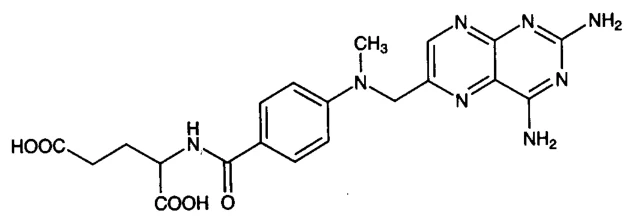
N-[4-[[(2,4-diamino-6-pteridinyl)methylamino]benzoyl]-L-glutamic acid
Amethopterin
4-Amino-4-deoxy-10-methylpteroyl-L-glutamic acid
4-Amino-10-methylfolic acid
Molecular formula and molecular mass: C20H22N8O5 and 454.45 g/mol
Structural formula:
| Physicochemical properties: | A yellow to orange-brown crystalline powder. Contains not more than 12% water. Methotrexate is a mixture of 4-amino-10-methylfolic acid and closely related compounds and is equivalent to not less than 94.0% of C20H22N8O5 calculated on the anhydrous basis. The parenteral solution is prepared with the sodium salt, but potency is always expressed on the basis of the acid. Practically insoluble in water, chloroform, ether and alcohol, but freely soluble in dilute solutions of mineral acids, alkali hydroxides and carbonates. Note: methotrexate sodium is formed in situ during drug product manufacturing. |
14 CLINICAL TRIALS
No clinical trials were done using Methofill Self-Dose Injector.
15 MICROBIOLOGY
No microbiological information is required for this drug product.
16 NON-CLINICAL TOXICOLOGY
General Toxicology:
The acute toxicity (LD50) of methotrexate in mice ranges from 65 to 70 mg/kg intravenously and 45 to 90 mg/kg intraperitoneally.
The acute oral toxicity (LD50) in rats is 317 mg/kg; subcutaneously, it is 58 mg/kg and intraperitoneally it ranges from 80 to 464 mg/kg.
Results of a 22 month study in rats, receiving 0.1, 0.2 and 0.4 mg methotrexate/kg/day, 5 days/week every other week showed that methotrexate is apparently free from toxic effects when otherwise lethal doses are administered utilizing an intermittent dosage schedule providing for a recovery period of 9 days. For example, daily oral doses of 0.4 mg/kg are lethal doses both in dogs and rats when administered for up to two weeks; when 0.5 mg/kg and 0.4 mg/kg doses, respectively, were administered daily five times a week every other week for three months to dogs and ten months to rats, no toxicity was observed.
Carcinogenicity:
In a 22 month carcinogenicity study in rats that received methotrexate at doses of 0.1, 0.2 and 0.4 mg/kg/day, 5 days/week every other week, little or no effect of the drug was observed. As conventional carcinogenicity studies have not been performed and data from chronic toxicity studies in rodents are inconsistent, methotrexate is considered not classifiable as to its carcinogenicity to humans.
Genotoxicity:
There is evidence that methotrexate is mutagenic in vivo and in vitro. It causes chromosomal damage to animal somatic cells, animal germinal cells and human bone marrow cells.
Reproductive and Developmental Toxicology:
Animal studies show that methotrexate impairs fertility in both males and females, is embryo- and fetotoxic and teratogenic.