


Product Monograph - Jamp Dimethyl Fumarate
RECENT MAJOR LABEL CHANGES
| 7 WARNINGS AND PRECAUTIONS | 01/2024 |
|---|
TABLE OF CONTENTS
Sections or subsections that are not applicable at the time of authorization are not listed.
RECENT MAJOR LABEL CHANGES ........................................................................................... 2
TABLE OF CONTENTS ............................................................................................................. 2
PART I: HEALTH PROFESSIONAL INFORMATION..................................................................... 4
1 INDICATIONS .............................................................................................................. 4
1.1 Pediatrics .............................................................................................................. 4
1.2 Geriatrics .............................................................................................................. 4
2 CONTRAINDICATIONS ................................................................................................ 4
4 DOSAGE AND ADMINISTRATION ................................................................................ 4
4.1 Dosing Considerations .......................................................................................... 4
4.2 Recommended Dose and Dosage Adjustment ..................................................... 5
4.4 Administration ..................................................................................................... 5
4.5 Missed Dose ......................................................................................................... 6
5 OVERDOSAGE ............................................................................................................ 6
6 DOSAGE FORMS, STRENGTHS, COMPOSITION AND PACKAGING ................................ 6
7 WARNINGS AND PRECAUTIONS ................................................................................. 7
7.1 Special Populations ............................................................................................ 12
7.1.1 Pregnant Women ............................................................................................... 12
7.1.2 Breast-feeding .................................................................................................... 13
7.1.3 Pediatrics ............................................................................................................ 13
7.1.4 Geriatrics ............................................................................................................ 13
8 ADVERSE REACTIONS ............................................................................................... 13
8.1 Adverse Reaction Overview ............................................................................... 13
8.2 Clinical Trial Adverse Reactions .......................................................................... 14
8.3 Less Common Clinical Trial Adverse Reactions ................................................... 17
8.4 Abnormal Laboratory Findings: Hematologic, Clinical Chemistry and Other Quantitative Data ............................................................................................... 18
8.5 Post-Market Adverse Reactions ......................................................................... 19
9 DRUG INTERACTIONS ............................................................................................... 19
9.2 Drug Interactions Overview ................................................................................ 19
9.4 Drug-Drug Interactions ....................................................................................... 19
9.5 Drug-Food Interactions ...................................................................................... 22
10 CLINICAL PHARMACOLOGY ...................................................................................... 22
10.1 Mechanism of Action .......................................................................................... 22
10.2 Pharmacodynamics ............................................................................................ 23
10.3 Pharmacokinetics ............................................................................................... 24
11 STORAGE, STABILITY AND DISPOSAL ........................................................................ 27
12 SPECIAL HANDLING INSTRUCTIONS .............................................................................. 27
PART II: SCIENTIFIC INFORMATION ...................................................................................... 28
13 PHARMACEUTICAL INFORMATION ........................................................................... 28
14 CLINICAL TRIALS ....................................................................................................... 29
14.1 Clinical Trials by Indication ................................................................................. 29
14.2 Comparative Bioavailability Studies .................................................................... 33
15 MICROBIOLOGY ....................................................................................................... 34
16 NON-CLINICAL TOXICOLOGY .................................................................................... 34
17 SUPPORTING PRODUCT MONOGRAPHS ................................................................... 36
PATIENT MEDICATION INFORMATION ................................................................................. 37
PART I: HEALTH PROFESSIONAL INFORMATION
1 INDICATIONS
JAMP Dimethyl Fumarate (dimethyl fumarate) is indicated as monotherapy for:
- treatment of relapsing remitting multiple sclerosis (MS), to reduce the frequency of clinical exacerbations and to delay the progression of disability.
The efficacy of dimethyl fumarate in patients with primary progressive multiple sclerosis has not been established.
JAMP Dimethyl Fumarate should only be prescribed by clinicians who are experienced in the diagnosis and management of multiple sclerosis.
1.1 Pediatrics
Pediatrics (< 18 years of age): Based on the data submitted and reviewed by Health Canada, the safety and efficacy of dimethyl fumarate in pediatric patients has not been established; therefore, Health Canada has not authorized an indication for pediatric use (see 10 CLINICAL PHARMACOLOGY, Pharmacokinetics, Pediatrics).
1.2 Geriatrics
Geriatrics (> 65 years of age): Clinical studies of dimethyl fumarate did not include sufficient numbers of patients aged 65 and over to determine whether the safety and efficacy of dimethyl fumarate may differ in elderly patients compared to younger patients. Physicians who choose to treat geriatric patients should consider that treatment with JAMP Dimethyl Fumarate in the context of a greater frequency of other concomitant diseases and concomitant drug therapy warrants caution and may necessitate additional or more frequent monitoring (see 7 WARNINGS AND PRECAUTIONS, Geriatrics).
2 CONTRAINDICATIONS
- JAMP Dimethyl Fumarate is contraindicated in patients who are hypersensitive to this drug or to any ingredient in the formulation, including any non-medicinal ingredients, or component of the container. For a complete listing, see 6 DOSAGE FORMS, STRENGTHS, COMPOSITION AND PACKAGING.
4 DOSAGE AND ADMINISTRATION
4.1 Dosing Considerations
Dosing in special populations:
- Renal or hepatic impairment: Dimethyl Fumarate has not been studied in patients with renal or hepatic impairment. Based on the pharmacokinetics and metabolic fate of dimethyl fumarate in healthy adults, neither condition would be expected to affect exposure to MMF and therefore no dosage adjustment is necessary. However, caution should be exercised when treating patients with these conditions (see 7 WARNINGS AND PRECAUTIONS, Special Populations; 10 CLINICAL PHARMACOLOGY, Pharmacokinetics).
- Pediatric patients: JAMP Dimethyl Fumarate is not indicated for use in pediatric patients (see 1 INDICATIONS and 10 CLINICAL PHARMACOLOGY).
- Geriatric patients: Clinical studies of dimethyl fumarate had limited exposure to patients aged 55 years and above, and did not include sufficient numbers of patients aged 65 and over to determine whether the safety and efficacy of dimethyl fumarate differs in elderly patients compared to younger patients. Based on the mechanism of action there are no theoretical reasons for any requirement for dose adjustments in the elderly. Physicians who choose to treat geriatric patients should consider that treatment with JAMP Dimethyl Fumarate in the context of a greater frequency of other concomitant diseases and concomitant drug therapy warrants caution and may necessitate additional or more frequent monitoring (see 7 WARNINGS AND PRECAUTIONS, Geriatrics).
4.2 Recommended Dose and Dosage Adjustment
- Initial dose: The starting dose for JAMP Dimethyl Fumarate is 120 mg twice a day orally, for a total of 240 mg per day.
- Usual dose: After 7 days, increase to the recommended dose of 240 mg twice a day orally, for a total of 480 mg per day.
Temporary dose reduction to 120 mg twice a day (total of 240 mg per day) may reduce the occurrence of flushing and gastrointestinal (GI) side effects. Within one month, the recommended dose of 240 mg twice a day orally should be resumed.
JAMP Dimethyl Fumarate can be taken with or without food. For those patients who may experience gastrointestinal side effects, taking JAMP Dimethyl Fumarate with food may improve tolerability.
Administration of 325 mg non-enteric coated acetylsalicylic acid prior to dimethyl fumarate dosing reduced the occurrence and severity of flushing in a 4-day healthy volunteer study. Longer term use of acetylsalicylic acid to manage flushing has not been studied and is not recommended (see 10 CLINICAL PHARMACOLOGY).
Health Canada has not authorized an indication for pediatric use.
4.4 Administration
JAMP Dimethyl Fumarate is taken orally, with or without food.
Capsules should be taken by swallowing whole. The capsule and its contents should not be crushed, divided, or dissolved, as the enteric-coating of the minitablets in the capsule helps to prevent irritant effects on the stomach.
4.5 Missed Dose
If a dose is missed, the missed dose can be taken if there is at least 4 hours between the morning and evening doses. Otherwise, treatment should be continued with the next dose as planned.
5 OVERDOSAGE
Cases of overdose with dimethyl fumarate have been reported. The symptoms described in these cases were consistent with the known adverse event profile of dimethyl fumarate. There are no known therapeutic interventions to enhance elimination of dimethyl fumarate nor is there a known antidote. In the event of overdose, it is recommended that symptomatic supportive treatment be initiated as clinically indicated. Safety of cumulative doses higher than 720 mg daily has not been adequately evaluated (see 10 CLINICAL PHARMACOLOGY, Pharmacokinetics).
| For management of a suspected drug overdose, contact your regional poison control centre. |
|---|
6 DOSAGE FORMS, STRENGTHS, COMPOSITION AND PACKAGING
Table – Dosage Forms, Strengths, Composition and Packaging
| Route of Administration | Dosage Form / Strength/Composition | Non-medicinal Ingredients |
|---|---|---|
| Oral | Delayed-release capsules 120 mg and 240 mg | colloidal silicon dioxide, crospovidone, ethyl acrylate polymer, hydroxypropylmethylcellulose, magnesium stearate, methacrylic acid, microcrystalline cellulose, polyvinylpyrrolidone, talc, titanium dioxide, triacetin and triethyl citrate. The capsule shell contains FD&C Blue No. 1, gelatin, iron oxide yellow, titanium dioxide. The printing ink contains iron oxide black, potassium hydroxide, propylene glycol and shellac. |
Description
JAMP Dimethyl Fumarate is available as delayed-release capsule containing 120 mg or 240 mg of dimethyl fumarate
120 mg
Capsules: Green opaque cap and white opaque body, capsule shell size No. 0 imprinted in black ink with “DMF 120” on the body containing white to off-white minitablets.
Packaging: HDPE Bottle pack of 100 capsules, Blisters of 14 (2 x 7) capsules and Blisters of 56 (8 x 7) capsules.
240 mg
Capsules: Green opaque cap and body, capsule shell size No. 00 imprinted in black ink with “DMF 240” on the body containing white to off-white minitablets.
Packaging: HDPE Bottle pack of 100 capsules and Blisters of 56 (8 x 7) capsules.
7 WARNINGS AND PRECAUTIONS
General
During treatment with JAMP Dimethyl Fumarate, simultaneous use of other fumaric acid derivatives (topical or systemic) is not recommended.
Gastrointestinal
JAMP Dimethyl Fumarate may cause gastrointestinal adverse events. In placebo controlled clinical trials in patients with multiple sclerosis, 48% of patients treated with dimethyl fumarate compared to 36% of patients that received placebo, experienced gastrointestinal adverse events. The increased frequency of gastrointestinal adverse events with dimethyl fumarate was mainly due to higher frequencies of nausea, vomiting, diarrhea, abdominal pain, upper abdominal pain, and dyspepsia. Gastroenteritis was also reported more frequently in patients treated with dimethyl fumarate than in patients who received placebo (see 8 ADVERSE REACTIONS, Clinical Trial Adverse Reactions).
Administration of JAMP Dimethyl Fumarate with food or a temporary dose reduction to 240 mg/day may improve tolerability in patients who experience gastrointestinal adverse events (see 4 DOSAGE AND ADMINISTRATION, Recommended Dose and Dosage Adjustment).
Dimethyl Fumarate has not been evaluated in patients with severe active gastrointestinal disease and caution should be exercised when treating these patients.
Hematologic
JAMP Dimethyl Fumarate (dimethyl fumarate) may decrease lymphocyte counts (see 8 ADVERSE REACTIONS, Abnormal Laboratory Findings: Hematologic, Clinical Chemistry and Other Quantitative Data). In the MS placebo-controlled trials, mean lymphocyte counts decreased by approximately 30% during the first year of treatment with dimethyl fumarate then remained stable at this reduced level for the duration of treatment. Six percent (6%) of dimethyl fumarate patients and < 1% of placebo patients experienced lymphocyte counts < 0.5 x 10⁹/L (lower limit of normal 0.91 x 10⁹/L).
In controlled and uncontrolled clinical trials, 9% of patients had lymphocyte counts ≥ 0.5 x 10⁹/L and < 0.8 x 10⁹/L for at least six months. 2% of patients experienced lymphocyte counts < 0.5 x 10⁹/L for at least 6 months and in this group, the majority of lymphocyte counts remained < 0.5 x 10⁹/L with continued therapy. Four weeks after stopping dimethyl fumarate, mean lymphocyte counts increased but did not return to baseline.
For estimated median lymphocyte recovery times in a 24 week period after stopping dimethyl fumarate, see 10.2 Pharmacodynamics.
The following precautions should be taken:
- Prior to initiating treatment with JAMP Dimethyl Fumarate, obtain a complete blood count (CBC), including lymphocytes, if no recent (within 6 months) result is available. A CBC, including lymphocytes, is also recommended after 6 months of treatment, then every 6 to 12 months, and as clinically indicated.
- Consider interruption of JAMP Dimethyl Fumarate in patients with lymphocyte counts <0.5 x 10⁹/L persisting for more than 6 months.
- Assess the benefit-risk in patients who experience moderate lymphopenia for more than 6 months.
- In patients with lymphocyte counts below lower limit of normal (LLN) as defined by local laboratory reference range, regular monitoring of absolute lymphocyte counts is recommended. Additional factors that might further augment the individual PML risk should be considered (see also Progressive Multifocal Leukoencephalopathy below).
- In all cases of lymphopenia, lymphocyte counts should be followed until recovery. Where JAMP Dimethyl Fumaratetreatment has been stopped, decisions about whether or not to restart JAMP Dimethyl Fumarate should be individualized based on clinical circumstances.
- A CBC is also recommended prior to switching patients to other therapies that are known to reduce lymphocyte counts to avoid additive immune effects (see 8 ADVERSE REACTIONS, Abnormal Laboratory Findings: Hematologic, Clinical Chemistry and Other Quantitative Data).
- Patients with pre-existing low lymphocyte counts, and patients concomitantly taking other immunomodulating treatments, were excluded from the multiple sclerosis clinical trials. Treatment is not recommended in patients who are immunocompromised due to other treatments (e.g., anti-neoplastic, immunosuppressive or immune modulating therapies) or disease (e.g., immunodeficiency syndrome), due to the potential risk of additive immune system effects.
Hepatic/Biliary
During clinical trials in patients with multiple sclerosis, elevations in liver transaminases (ALT and AST) > 1 x the upper limit of normal (ULN) and less than 3 x ULN occurred more frequently in patients treated with dimethyl fumarate than in patients that received placebo. The increased incidence of elevations of hepatic transaminases in patients treated with dimethyl fumarate relative to placebo was primarily seen during the first 6 months of treatment (see 8 ADVERSE REACTIONS, Clinical Trial Adverse Reactions, Hepatic Transaminases).
Prior to initiating treatment with JAMP Dimethyl Fumarate, serum aminotransferase, alkaline phosphatase and total bilirubin levels should be obtained (within 6 months). During treatment, evaluation of transaminases is recommended after 6 months of treatment, then every 6 to 12 months, and as clinically indicated.
Discontinue JAMP Dimethyl Fumarate if clinically significant liver injury induced by JAMP Dimethyl Fumarate is suspected.
Clinically significant cases of liver injury have been reported in patients treated with dimethyl fumarate in the postmarketing setting. The onset has ranged from a few days to several months after initiation of treatment with dimethyl fumarate. Signs and symptoms of liver injury, including elevation of serum aminotransferases to greater than 5-fold the upper limit of normal and elevation of total bilirubin to greater than 2-fold the upper limit of normal have been observed. These abnormalities resolved upon treatment discontinuation. Some cases required hospitalization.
None of the reported cases resulted in liver failure, liver transplant, or death. However, the combination of new serum aminotransferase elevations with increased levels of bilirubin caused by drug-induced hepatocellular injury is an important predictor of serious liver injury that may lead to acute liver failure, liver transplant, or death in some patients.
Immune
Infections: Treatment with JAMP Dimethyl Fumarate should not be initiated in patients with signs and symptoms of a serious infection.
Decreases in lymphocyte counts observed in patients treated with dimethyl fumarate in clinical trials were not associated with increased frequencies of infections. However, due to the potential risk of infections in patients who develop sustained lymphopenia, patients should be instructed to report symptoms of infection to their physician. For patients with signs and symptoms of serious infections, interrupting treatment with JAMP Dimethyl Fumarate should be considered, until the infection(s) resolves.
Herpes Zoster and Other Serious Opportunistic Infections: Cases of herpes zoster have occurred with dimethyl fumarate. The majority of cases were non-serious, however, serious cases, including disseminated herpes zoster, herpes zoster ophthalmicus, herpes zoster meningoencephalitis and herpes zoster meningomyelitis have been reported. These events may occur at any time during treatment. Monitor patients taking JAMP Dimethyl Fumarate for signs and symptoms of herpes zoster. If herpes zoster occurs, appropriate treatment for herpes zoster should be administered.
Other serious opportunistic infections have occurred with dimethyl fumarate, including cases of serious viral (herpes simplex virus, West Nile virus, cytomegalovirus), fungal (Candida and Aspergillus), and bacterial (Nocardia, Listeria monocytogenes, Mycobacterium tuberculosis) infections. These infections have been reported in patients with reduced absolute lymphocyte counts (ALC) as well as in patients with normal ALC. These infections have affected the brain, meninges, spinal cord, gastrointestinal tract, lungs, skin, eye, and ear. Patients with symptoms and signs consistent with any of these infections should undergo prompt diagnostic evaluation and receive appropriate treatment.
Consider withholding JAMP Dimethyl Fumarate treatment in patients with serious infections until the infection has resolved (See 8 ADVERSE REACTIONS, Post-Market Adverse Reactions).
Vaccination: The safety of administration of live attenuated vaccines during treatment with dimethyl fumarate has not been evaluated in clinical trials. Live vaccines have a potential risk of clinical infection and are not recommended during treatment with JAMP Dimethyl Fumarate.
The efficacy of live attenuated vaccines administered during treatment with dimethyl fumarate has not been evaluated in clinical trials.
Hypersensitivity and Anaphylactic Reactions: In clinical trials, 3 patients out of a total of 2,560 patients treated with dimethyl fumarate experienced serious flushing symptoms that were probable hypersensitivity or anaphylactoid reactions. These events were not life-threatening, but led to hospitalization. Cases of hypersensitivity, angioedema and anaphylactic reaction have been reported during the post marketing period (see 8 ADVERSE REACTIONS, Post-Market Adverse Reactions). These reactions generally occurred after the first dose, but may occur at any time during treatment, and may be serious and life threatening. Prescribers and patients should be alert to this possibility in the event of severe flushing reaction. Patients should be instructed to discontinue JAMP Dimethyl Fumarate and seek immediate medical care should they experience signs and symptoms of anaphylaxis or angioedema. Treatment should not be restarted.
Monitoring and Laboratory Tests
Prior to initiating treatment, a recent complete blood count (CBC), including lymphocytes, (i.e. within 6 months) is recommended to identify patients with pre-existing low lymphocyte counts, as JAMP Dimethyl Fumarate may decrease lymphocyte counts (see 7 WARNINGS AND PRECAUTIONS, Hematologic; 8 ADVERSE REACTIONS, Abnormal Laboratory Findings: Hematologic, Clinical Chemistry and Other Quantitative Data). A CBC, including lymphocytes, is recommended after 6 months, then every 6 to 12 months, and as clinically indicated (see 7 WARNINGS AND PRECAUTIONS, Hematologic; 8 ADVERSE REACTIONS, Abnormal Laboratory Findings: Hematologic, Clinical Chemistry and Other Quantitative Data).
Urinalysis should be performed before initiating treatment with JAMP Dimethyl Fumarate, after 6 months of treatment, then every 6 to 12 months, and as clinically indicated (see 7 WARNINGS
AND PRECAUTIONS, Renal; 8 ADVERSE REACTIONS, Abnormal Laboratory Findings: Hematologic, Clinical Chemistry and Other Quantitative Data).
Liver transaminases should be checked (within 6 months) before initiating treatment with JAMP Dimethyl Fumarate. During treatment, evaluation of transaminases is recommended after 6 months of treatment, then every 6 to 12 months and as clinically indicated (see 7 WARNINGS AND PRECAUTIONS, Hepatic/Biliary; 8 ADVERSE REACTIONS, Abnormal Laboratory Findings: Hematologic, Clinical Chemistry and Other Quantitative Data).
Progressive Multifocal Leukoencephalopathy
Cases of progressive multifocal leukoencephalopathy (PML) have occurred in patients treated with dimethyl fumarate, in the presence of lymphopenia (<0.91 x 10⁹/L), including in patients who had not previously taken or were not concomitantly taking either immunosuppressive or immunomodulatory medications (see 8 Adverse Reactions, Post-Marketing Experience). These PML cases have occurred predominantly in the setting of prolonged moderate to severe lymphopenia. PML is an opportunistic viral infection of the brain caused by the JC virus (JCV) that typically only occurs in patients who are immunocompromised, and may lead to death or severe disability.
Physicians should be vigilant for clinical symptoms or MRI findings that may be suggestive of PML. If PML is suspected, JAMP Dimethyl Fumarate treatment should be suspended until PML has been excluded. Typical symptoms associated with PML are diverse, progress over days to weeks, and include progressive weakness on one side of the body or clumsiness of limbs, disturbance of vision, and changes in thinking, memory, and orientation leading to confusion and personality changes.
There is no known intervention that can reliably prevent PML or adequately treat PML if it occurs. Lymphocyte counts should be monitored in patients taking JAMP Dimethyl Fumarate and as a precaution, interruption of JAMP Dimethyl Fumarate should be considered in patients with lymphocyte counts < 0.5 x 10⁹/L persisting for more than 6 months (see 7 WARNINGS AND PRECAUTIONS, Hematologic).
Renal
In clinical trials with patients with multiple sclerosis, adverse events of proteinuria (proteinuria, microalbuminuria and urine albumin present) were reported at slightly higher frequencies in patients treated with dimethyl fumarate compared to patients that received placebo. The significance of these clinical observations is not known at this time.
Prior to initiating treatment with JAMP Dimethyl Fumarate, urinalysis should be available (within 6 months). During treatment, urinalysis is recommended after 6 months of treatment, then every 6 to 12 months, and as clinically indicated.
The use of dimethyl fumarate in patients who receive chronic treatment with medications that are associated with potential nephrotoxic risk (e.g., aminoglycosides, diuretics, NSAIDs, lithium)
has not been evaluated. Therefore, caution should be exercised if JAMP Dimethyl Fumarate is used in patients receiving chronic treatment with such medications.
Vascular Disorders
JAMP Dimethyl Fumarate may cause flushing (e.g. flushing, hot flush, warmth, redness, itching, and/or burning sensation). In placebo controlled clinical trials in patients with multiple sclerosis, 34% of dimethyl fumarate treated patients, compared to 5% of patients that received placebo, experienced flushing. Flushing symptoms generally began soon after initiating dimethyl fumarate and usually improved or resolved over time (see 8 ADVERSE REACTIONS, Clinical Trial Adverse Reactions). In the majority of patients who experienced flushing, it was mild or moderate in severity. For patients experiencing severe flushing reactions the possibility of hypersensitivity or anaphylactoid reactions should be considered (see 7 WARNINGS AND PRECAUTIONS, Immune; 8 ADVERSE REACTIONS, Post-Market Adverse Reactions).
Administration of JAMP Dimethyl Fumarate with food, administration of 325 mg non-enteric coated acetylsalicylic acid prior to dosing, or a temporary dose reduction to 240 mg/day may reduce the incidence of flushing (see 4 DOSAGE AND ADMINISTRATION, Recommended Dose and Dosage Adjustment). The long term use of acetylsalicylic acid is not recommended for the management of flushing (see 9 DRUG INTERACTIONS).
7.1 Special Populations
Hepatic Impairment: The safety of dimethyl fumarate has not been evaluated in patients with hepatic impairment and it is not known if these patients are at an increased risk of developing elevated liver transaminases, or other adverse events during treatment with JAMP Dimethyl Fumarate. Caution should be exercised when treating these patients (see 7 WARNINGS AND PRECAUTIONS, Hepatic/Biliary; Monitoring and Laboratory Tests; 8 ADVERSE REACTIONS, Abnormal Laboratory Findings: Hematologic, Clinical Chemistry and Other Quantitative Data; 4 DOSAGE AND ADMINISTRATION, Dosing Considerations).
Renal Impairment: The safety of dimethyl fumarate has not been evaluated in patients with renal impairment and it is not known if these patients are at an increased risk of developing renal adverse events, or other adverse events during treatment with JAMP Dimethyl Fumarate. Caution should be exercised when treating these patients (see 7 WARNINGS AND PRECAUTIONS, Renal; Monitoring and Laboratory Tests; 8 ADVERSE REACTIONS, Clinical Trial Adverse Reactions, Abnormal Laboratory Findings: Hematologic, Clinical Chemistry and Other Quantitative Data; 4 DOSAGE AND ADMINISTRATION, Dosing Considerations).
7.1.1 Pregnant Women
There are no adequate and well-controlled studies of dimethyl fumarate in pregnant women. The use of JAMP Dimethyl Fumarate during pregnancy should only be considered if the potential benefit to the mother justifies the potential risk to the fetus.
Monomethyl fumarate was detected in rat and rabbit fetal plasma after oral dimethyl fumarate administration to the mothers. Administration of dimethyl fumarate to rats and rabbits at doses up to 11 and 16 times the recommended human dose (RHD) (AUC basis), respectively, have revealed no evidence of teratogenicity. There were no fertility effects in male and female rats at exposures of 9 and 6 times the RHD, respectively (based on mg/m2). Embryo-fetal toxicity that may have been secondary to maternal toxicity was observed when dimethyl fumarate was given during the period of organogenesis. Adverse effects were observed in offspring when dimethyl fumarate was administered during the pre- and post-natal periods, with the no effect dose at 4 times the RHD on an AUC basis (see 16 NON- CLINICAL TOXICOLOGY).
7.1.2 Breast-feeding
It is not known whether dimethyl fumarate or its metabolites are excreted in human milk. Because many drugs are excreted in human milk, caution should be exercised when JAMP Dimethyl Fumarate is administered to a nursing woman.
7.1.3 Pediatrics
Pediatrics (< 18 years of age): Based on the data submitted and reviewed by Health Canada, the safety and efficacy of dimethyl fumarate in pediatric patients has not been established; therefore, Health Canada has not authorized an indication for pediatric use (see 10 CLINICAL PHARMACOLOGY, Pharmacokinetics, Pediatrics).
7.1.4 Geriatrics
Geriatrics (> 65 years of age): Clinical studies of dimethyl fumarate did not include sufficient numbers of patients aged 65 and over to determine whether the safety and efficacy of dimethyl fumarate may differ in elderly patients compared to younger patients. Physicians who choose to treat geriatric patients should consider that treatment with JAMP Dimethyl Fumarate in the context of a greater frequency of other concomitant diseases and concomitant drug therapy warrants caution and may necessitate additional or more frequent monitoring (see 10 CLINICAL PHARMACOLOGY, Pharmacokinetics, Geriatrics).
8 ADVERSE REACTIONS
8.1 Adverse Reaction Overview
In placebo-controlled and uncontrolled clinical studies, a total of 2,513 patients have received dimethyl fumarate; of these, 1169 have received at least 5 years of treatment with dimethyl fumarate, and 426 have received at least 10 years. The experience in uncontrolled clinical trials is consistent with the experience in the placebo-controlled clinical trials.
In the two Phase 3 placebo-controlled trials, 1529 patients received dimethyl fumarate with an overall exposure of 2371 person years. The adverse reactions presented below are based on safety information from 769 patients treated with dimethyl fumarate 240 mg twice a day and
771 patients treated with placebo.
The most common adverse reactions (incidence > 10%) for patients treated with dimethyl fumarate were flushing and gastrointestinal (GI) events (i.e., diarrhea, nausea, abdominal pain and abdominal pain upper). In the majority of subjects, the adverse reactions were non-serious in nature. The most commonly reported adverse events leading to discontinuation of treatment (incidence > 1%) in patients treated with dimethyl fumarate were flushing (3%) and gastrointestinal events (4%).
8.2 Clinical Trial Adverse Reactions
Clinical trials are conducted under very specific conditions. The adverse reaction rates observed in the clinical trials; therefore, may not reflect the rates observed in practice and should not be compared to the rates in the clinical trials of another drug. Adverse reaction information from clinical trials may be useful in identifying and approximating rates of adverse drug reactions in real-world use.
Table 1 lists treatment emergent adverse events that occurred during active treatment in ≥ 1% of dimethyl fumarate-treated patients and at ≥ 1% higher incidence than placebo in the two Phase 3 placebo-controlled trials.
Table 1 – Treatment-Emergent Adverse Events with an Incidence of ≥1% of dimethyl fumarate Treated Patients and at ≥ 1% Higher Rate than for Placebo
| Adverse Event | Placebo N=771 (%) | Dimethyl Fumarate 240 mg BID N=769 (%) |
|---|---|---|
| Blood and Lymphatic System Disorders | 2 (0.3%) | 18 (2.3%) |
| Lymphopenia | ||
| Lymphocyte Count Decreased | 1 (0.1%) | 9 (1.2%) |
| Endocrine Disorders | 24 (3.1%) | 35 (4.6%) |
| Microalbuminuria | ||
| Gastrointestinal Disorders | 83 (10.8%) | 107 (13.9%) |
| Diarrhea | ||
| Nausea | 67 (8.7%) | 93 (12.1%) |
| Abdominal Pain Upper | 45 (5.8%) | 76 (9.9%) |
| Abdominal Pain | 37 (4.8%) | 73 (9.5%) |
| Vomiting | 37 (4.8%) | 65 (8.5%) |
| Dyspepsia | 20 (2.6%) | 35 (4.6%) |
| Gastritis | 11 (1.4%) | 22 (2.9%) |
| Abdominal Discomfort | 11 (1.4%) | 19 (2.5%) |
| Gastrointestinal Disorder | 8 (1.0%) | 18 (2.3%) |
| Dry Mouth | 6 (0.8%) | 16 (2.1%) | ||
|---|---|---|---|---|
General Disorders and Administration Site Conditions Feeling Hot | 2 (0.3%) | 15 (2.0%) | ||
| Immune system Disorders | 5 (0.6%) | 13 (1.7%) | ||
| Dermatitis Allergic | ||||
| Hypersensitivity | 2 (0.3%) | 11 (1.4%) | ||
| Infections and Infestations | 159 (20.6%) | 170 (22.1%) | ||
| Nasopharyngitis | ||||
| Upper Respiratory Tract Infection | 87 (11.3%) | 99 (12.9%) | ||
| Gastroenteritis | 28 (3.6%) | 42 (5.5%) | ||
| Otitis Media | 1 (0.1%) | 10 (1.3%) | ||
| Investigations | 27 (3.5%) | 46 (6.0%) | ||
| Albumin Urine Present | ||||
| Alanine Aminotransferase Increased | 38 (4.9%) | 45 (5.9%) | ||
| Aspartate Aminotransferase Increased | 18 (2.3%) | 33 (4.3%) | ||
| Blood Urine Present | 7 (0.9%) | 16 (2.1%) | ||
| Blood Parathyroid Hormone Increased | 6 (0.8%) | 15 (2.0%) | ||
| White Blood Cell Count Decreased | 1 (0.1%) | 13 (1.7%) | ||
| Weight Decreased | 3 (0.4%) | 11 (1.4%) | ||
| Nervous System Disorders | 13 (1.7%) | 21 (2.7%) | ||
| Burning Sensation | ||||
| Respiratory, Thoracic and Mediastinal Disorders | ||||
| Rhinorrhoea | 8 (1.0%) | 15 (2.0%) | ||
| Renal and Urinary Disorders | 95 (12.3%) | 107 (13.9%) | ||
| Urinary Tract Infection | ||||
| Proteinuria | 59 (7.7%) | 67 (8.7%) | ||
| Skin and Subcutaneous Tissue Disorders | 30 (3.9%) | 62 (8.1%) | ||
| Pruritus | ||||
| Rash | 26 (3.4%) | 58 (7.5%) | ||
| Erythema | 10 (1.3%) | 36 (4.7%) | ||
| Dysaesthesia | 5 (0.6%) | 12 (1.6%) | ||
| Vascular Disorders | 33 (4.3%) | 265 (34.5%) | ||
| Flushing | ||||
| Hot Flush | 16 (2.1%) | 52 (6.8%) | ||
Flushing: In the placebo-controlled trials, 34% of dimethyl fumarate treated patients, compared to 5% of patients that received placebo, experienced flushing adverse events. The incidence of flushing adverse events (e.g., flushing, hot flush, warmth, redness, itching, burning sensation)
was higher early in the course of treatment (primarily in month 1) and decreased over time. The majority of flushing adverse events were mild-to-moderate in severity. Overall, 3% of patients treated with dimethyl fumarate compared to < 1% on placebo discontinued treatment due to flushing. The incidence of serious flushing which may be characterized by generalized erythema, rash and/or pruritus was seen in less than 1% of patients treated with dimethyl fumarate (see 7 WARNINGS AND PRECAUTIONS, Vascular Disorders and 4 DOSAGE AND ADMINISTRATION).
Gastrointestinal: In placebo controlled clinical trials, 48% of patients treated with dimethyl fumarate compared to 36% of patients that received placebo, experienced gastrointestinal adverse events. The incidence of GI related adverse events (e.g. nausea, vomiting, diarrhea, abdominal pain, upper abdominal pain & dyspepsia) was higher early in the course of treatment (primarily in month 1) and usually decreased over time in patients treated with dimethyl fumarate compared with placebo. Four percent (4%) of patients treated with dimethyl fumarate and less than 1% of placebo treated patients discontinued due to gastrointestinal adverse events. The incidence of individual serious GI events, including gastroenteritis and gastritis, was less than 1% of patients treated with dimethyl fumarate (see 7 WARNINGS AND PRECAUTIONS, Gastrointestinal Disorders and 4 DOSAGE AND ADMINISTRATION)
Infections: The incidence of infections (60% vs. 56%) and serious infections (2% vs. 1%) was similar in patients treated with dimethyl fumarate or placebo, respectively (see 7 WARNINGS AND PRECAUTIONS, Hematologic, Infections; 8 ADVERSE REACTIONS, Abnormal Laboratory Findings: Hematologic, Clinical Chemistry and Other Quantitative Data).
Hepatic Transaminases: In placebo-controlled trials, elevations of hepatic transaminases were observed. The majority of patients with elevations had hepatic transaminases that were less than 3 times the upper limit of normal (ULN). Alanine aminotransferase (ALT) > 1 x ULN and < 3 x ULN occurred in 42% of patients treated with dimethyl fumarate compared to 31% of patients on placebo. Aspartate aminotransferase (AST) > 1 x ULN and < 3 x ULN occurred in 24% of patients treated with dimethyl fumarate compared to 19% of patients on placebo. The increased incidence of elevations of hepatic transaminases in patients treated with dimethyl fumarate relative to placebo was primarily seen during the first 6 months of treatment. Discontinuation of treatment due to elevated hepatic transaminases were < 1% and similar in patients treated with dimethyl fumarate or placebo. Elevations in transaminases ≥3 times ULN with concomitant elevations in total bilirubin > 2 times ULN were not observed during placebo- controlled studies (see 7 WARNINGS AND PRECAUTIONS, Hepatic/Biliary, Monitoring and Laboratory Tests; 8 ADVERSE REACTIONS, Abnormal Laboratory Findings: Hematologic, Clinical Chemistry and Other Quantitative Data).
Renal: Adverse events of proteinuria (proteinuria, microalbuminuria and urine albumin present) were reported at slightly higher frequencies in patients treated with dimethyl fumarate compared to patients that received placebo (Table 1). The overall incidence of renal and urinary adverse events, including serious adverse events and adverse events leading to discontinuation, was similar for dimethyl fumarate and placebo- treated patients. There were no reports of serious renal failure. On urinalysis, the percentage of patients with protein values of 1+ or greater was similar for dimethyl fumarate (43%) and placebo-treated patients (40%). Typically, laboratory observations of proteinuria were not progressive. Positive urine ketones occurred more frequently in patients treated with dimethyl fumarate than in patients who received placebo, but were not associated with increases in other renal/urinary adverse events (see 8 ADVERSE REACTIONS, Abnormal Laboratory Findings: Hematologic, Clinical Chemistry and Other Quantitative Data).
8.3 Less Common Clinical Trial Adverse Reactions
The following is a list of treatment-emergent adverse events reported by patients treated with dimethyl fumarate at any dose in MS placebo-controlled trials (n=1720) at an incidence of < 1% but at an incidence of ≥ 0.3% higher than placebo (n=836). Events that have already been included in Table 1 have been excluded. Although the events reported occurred during treatment with dimethyl fumarate, they were not necessarily caused by dimethyl fumarate.
Events are listed by system organ class in decreasing order of incidence in dimethyl fumarate-treated patients.
Blood and lymphatic system: eosinophilia
Cardiac disorders: supraventricular extrasystoles, atrioventricular block first degree, angina pectoris
Gastrointestinal disorders: periodontitis, dental caries, food poisoning, defaecation urgency, eructation
General disorders: non-cardiac chest pain, malaise
Hepatobiliary disorders: liver disorder
Immune system disorders: food allergy
Infections and infestations: conjunctivitis infective, cellulitis, tracheitis
Injury, poisoning and procedural complications: foot fracture, ankle fracture
Investigations: beta 2 microglobulin increased, neutrophil count decreased, blood potassium increased
Metabolism and nutrition disorders: hypercholesterolaemia
Musculoskeletal and connective tissue disorders: arthritis, joint stiffness
Neoplasms benign, malignant and unspecified: skin papilloma, lipoma, breast cancer (events occurred during open-label extension studies)
Nervous system disorders: dysgeusia, dysarthria, migraine with aura, cognitive disorder
Psychiatric disorders: mood altered
Renal and urinary disorders: urge incontinence
Reproductive system and breast disorders: breast pain
Respiratory, thoracic and mediastinal disorders: sinus congestion, asthma
Skin and subcutaneous tissue disorders: rash pruritic, skin burning sensation, rash macular, generalized erythema, rash generalised, photosensitivity reaction, rash erythematous
Vascular disorders: hyperaemia, varicose vein
8.4 Abnormal Laboratory Findings: Hematologic, Clinical Chemistry and Other Quantitative Data
Clinical Trial Findings
Abnormal hematological and clinical chemistry findings reported in the placebo controlled multiple sclerosis clinical trials included the following:
Hematologic
- See also 7 WARNINGS AND PRECAUTIONS, Hematologic. The majority of patients (> 98%) had normal lymphocyte values prior to initiating treatment. Upon treatment with dimethyl fumarate, lymphocytes counts decreased over the first year with a subsequent plateau. On average, lymphocyte counts decreased by approximately 30% from baseline value, but mean and median lymphocyte counts remained within normal limits. Patients with lymphocyte counts < 0.5 x 10⁹/L were observed in < 1% of patients treated with placebo and 6% of patients treated with dimethyl fumarate. In controlled and uncontrolled clinical studies, 9% of patients had lymphocyte counts ≥0.5 x 10⁹/L and <0.8 x 10⁹/L for at least six months. 2% of patients experienced lymphocyte counts <0.5 x 10⁹/L for at least 6 months and in this group, the majority of lymphocyte counts remained <0.5 x 10⁹/L with continued therapy. For estimated median lymphocyte recovery times in a 24 week period after stopping dimethyl fumarate, see 10.2 Pharmacodynamics.
- A transient increase in mean eosinophil counts was seen during the first 2 months of dimethyl fumarate therapy (see 7 WARNINGS AND PRECAUTIONS, Hematologic).
Clinical Chemistry
In the placebo-controlled studies, measurement of urinary ketones (1+ or greater) was higher in patients treated with dimethyl fumarate (45%) compared to placebo (10%). No
- 8 ADVERSE REACTIONS, Clinical Trial Adverse Reactions, Renal).
- Levels of 1,25-dihydroxyvitamin D decreased in dimethyl fumarate treated patients relative to placebo (median percentage decrease from baseline at 2 years of 25% versus 15%, respectively) and levels of parathyroid hormone (PTH) increased in dimethyl fumarate treated patients relative to placebo (median percentage increase from baseline at 2 years of 29% versus 15%, respectively). Mean values for both parameters remained within normal range. No untoward clinical consequences were observed in clinical trials.
8.5 Post-Market Adverse Reactions
During post marketing experience, hypersensitivity reactions have been reported, including rare reports of anaphylaxis and angioedema in patients treated with dimethyl fumarate. Signs and symptoms have included difficulty breathing, urticaria, and swelling of the throat and tongue.
Progressive multifocal leukoencephalopathy has occurred in the setting of lymphopenia (<0.91 x 10⁹/L) following dimethyl fumarate administration. These PML cases have occurred predominantly in the setting of prolonged moderate to severe lymphopenia. Liver function abnormalities (elevations in transaminases ≥ 3 times ULN with concomitant elevations in total bilirubin > 2 times ULN) have been reported following dimethyl fumarate administration in post marketing experience. These abnormalities resolved upon treatment discontinuation.
Herpes zoster infection has been reported with dimethyl fumarate administration in post marketing experience. The majority of cases were non-serious.
Rhinorrhea and alopecia have been reported with dimethyl fumarate administration in post marketing experience.
9 DRUG INTERACTIONS
9.2 Drug Interactions Overview
In humans, dimethyl fumarate is extensively metabolized by esterases before it reaches the systemic circulation and further metabolism occurs through tricarboxylic acid (TCA) cycle, with no involvement of the cytochrome P450 (CYP) system. Potential drug interaction risks were not identified from in vitro CYP-inhibition and induction studies, a p-glycoprotein study, or studies of the protein binding of dimethyl fumarate and monomethyl fumarate (MMF, a major metabolite of dimethyl fumarate).
9.4 Drug-Drug Interactions
The drugs listed in Table 2 are based on either drug interaction case reports (C) or studies (CT), or potential interactions (T) due to the expected magnitude and seriousness of the interaction (i.e., those identified as contraindicated).
Table 2 - Established or Potential Drug-Drug Interactions
| Proper/Common name | Source of Evidence* | Effect | Clinical comment |
|---|---|---|---|
Other fumaric acid derivatives (Topical or systemic) | T | - | During treatment with JAMP Dimethyl Fumarate, simultaneous use of other fumaric acid derivatives (topical or systemic) is not recommended. |
| Interferon beta-1a (Intramuscular) | CT | Single doses of drugs used in patients with multiple sclerosis, intramuscular interferon beta-1a and glatiramer acetate (GA), were clinically tested for potential drug- interactions with dimethyl fumarate and did not alter the pharmacokinetic profile of dimethyl fumarate. | JAMP Dimethyl Fumarate is not indicated for concomitant use with these drugs. |
Glatiramer acetate (GA) (Intramuscular) | CT | Single doses of drugs used in patients with multiple sclerosis, intramuscular interferon beta-1a and glatiramer acetate (GA), were clinically tested for potential drug- interactions with dimethyl fumarate and did not alter the pharmacokinetic profile of dimethyl fumarate. | JAMP Dimethyl Fumarate is not indicated for concomitant use with these drugs. |
|---|---|---|---|
| Non-enteric coated acetylsalicylic acid | CT | Non-enteric coated acetylsalicylic acid 325 mg, when administered approximately 30 minutes before dimethyl fumarate, over 4 days of dosing in healthy adult volunteers, did not alter the pharmacokinetic profile of dimethyl fumarate, and reduced the occurrence and severity of flushing. | Long-term use of acetylsalicylic acid is not recommended for the management of flushing. Potential risks associated with acetylsalicylic acid therapy should be considered prior to co-administration with JAMP Dimethyl Fumarate. |
| Monophasic combined oral contraceptive (norgestimate and ethinyl estradiol) | CT, T | In a 2-period cross-over pharmacokinetic study in healthy female subjects (n=40), co- administration of dimethyl fumarate for 21 days (240 mg BID) with a monophasic combined oral contraceptive (250 mcg norgestimate and 35 mcg ethinyl estradiol) did not elicit any relevant effects on oral contraceptive exposure (Day 21). No interaction studies have been performed with oral contraceptives containing other progestogens, however an effect of dimethyl fumarate on their exposure is not expected, based on in vitro CYP induction studies (see Drug Interactions Overview). | An effect of JAMP Dimethyl Fumarate on the exposure of oral contraceptives is not expected |
|---|---|---|---|
| Anti-neoplastic, immuno- suppressive or immune modulating drugs | T | Dimethyl Fumarate has not been studied in patients treated with anti-neoplastic or immunosuppressive therapies and concomitant treatment is not recommended in these patients due to the potential risk of additive immune system effects. | Concomitant treatment is not recommended. Caution should also be exercised when switching patients from long-acting therapies with immune effects to avoid additive immune system effects (see 7 WARNINGS AND PRECAUTIONS, Hematologic). |
| Proper/Common name | Source of Evidence* | Effect | Clinical comment |
|---|---|---|---|
| Vaccines | T | The use of live attenuated vaccines may carry the risk of infection and is not recommended. No clinical data are available on the efficacy and safety of live attenuated vaccines in patients taking dimethyl fumarate. | The use of live attenuated vaccines in patients taking JAMP Dimethyl Fumarate is not recommended. |
| Drugs associated with nephrotoxicity | T | The use of dimethyl fumarate in patients who receive chronic treatment with drugs that are associated with potential nephrotoxic risk (e.g., aminoglycosides, diuretics, NSAIDs, lithium) has not been evaluated. | Caution should be exercised if JAMP Dimethyl Fumarate is used in these patients (see 7 WARNINGS AND PRECAUTIONS, Renal; 8 ADVERSE REACTIONS, Abnormal Laboratory Findings: Hematologic, Clinical Chemistry and Other Quantitative Data). |
| Corticosteroids | CT | In the multiple sclerosis clinical trials, relapses were treated with a short course of corticosteroids. Although this was not associated with an increased rate of infection in clinical trials, patients should be reminded of the potential increased risk of infection due to additive immune system effects of corticosteroids. | Patients should be reminded of the potential increased risk of infection due to additive immune system effects of corticosteroids. |
* Legend: C = Case Study; CT = Clinical Trial; T = Theoretical
9.5 Drug-Food Interactions
Food does not have a clinically significant effect on exposure of dimethyl fumarate. JAMP Dimethyl Fumarate may be taken with or without food.
10 CLINICAL PHARMACOLOGY
10.1 Mechanism of Action
Dimethyl fumarate (DMF) and the metabolite, monomethyl fumarate (MMF), have been shown to activate the Nuclear factor (erythroid-derived 2)-like 2 (Nrf2) pathway in vitro and in vivo in animals and humans. The Nrf2 pathway is involved in the cellular response to oxidative stress. Dimethyl fumarate has also demonstrated anti-inflammatory effects in vitro and in vivo. The mechanism by which dimethyl fumarate exerts therapeutic effects in multiple sclerosis is not known.
10.2 Pharmacodynamics
The primary pharmacodynamic response to dimethyl fumarate treatment appears to be mediated, in part, through activation of the Nrf2 pathway. Activation of the Nrf2 pathway leads to the upregulation of antioxidant response genes. Studies done in vitro and in vivo in animals suggest that the Nrf2 dependent upregulation of antioxidant response genes by DMF and/or MMF can protect various types of cells and tissues, including some from the CNS, from experimental toxic oxidative stress.
Dimethyl fumarate has demonstrated anti-inflammatory effects in vitro, with a reduction in pro- inflammatory cytokine and chemokine production that was stimulated by activation of the TLR-4 pathway via LPS administration. Additionally, a mechanistic role for dimethyl fumarate has been identified in inducing type II dendritic cells and biasing immune cell differentiation towards an anti- inflammatory TH2 phenotype. These anti-inflammatory responses are thought to reduce aberrant immune cell activation, which occurs in auto-immune diseases such as MS. These anti-inflammatory effects observed in vitro were consistent with in vivo studies. In the Phase 3 clinical trials mean lymphocyte counts decreased by approximately 30% from baseline values during the first year and remained stable at the reduced level.
An analysis over a 4-day dosing period, in healthy adult volunteers, indicated that flushing scores decreased from a maximum on the first day of dosing, despite higher plasma MMF concentrations at the final dose. Administration of non-enteric coated acetylsalicylic acid 325 mg, 30 minutes prior to dosing, attenuated flushing (see 4 DOSAGE AND ADMINISTRATION).
In a clinical study in patients with relapsing forms of MS, patients treated with dimethyl fumarate and non pegylated interferons mounted comparable immune responses to recall antigen (re-exposure with tetanus toxoid) inactivated neoantigen (first vaccination with conjugated meningococcal C polysaccharide vaccine), while the immune response to different serotypes of an unconjugated 23 valent pneumococcal polysaccharide vaccine varied in both treatment groups. Small numerical differences in the response to tetanus toxoid and pneumococcal serotype 3 polysaccharide were noted in favour of non-pegylated interferon.
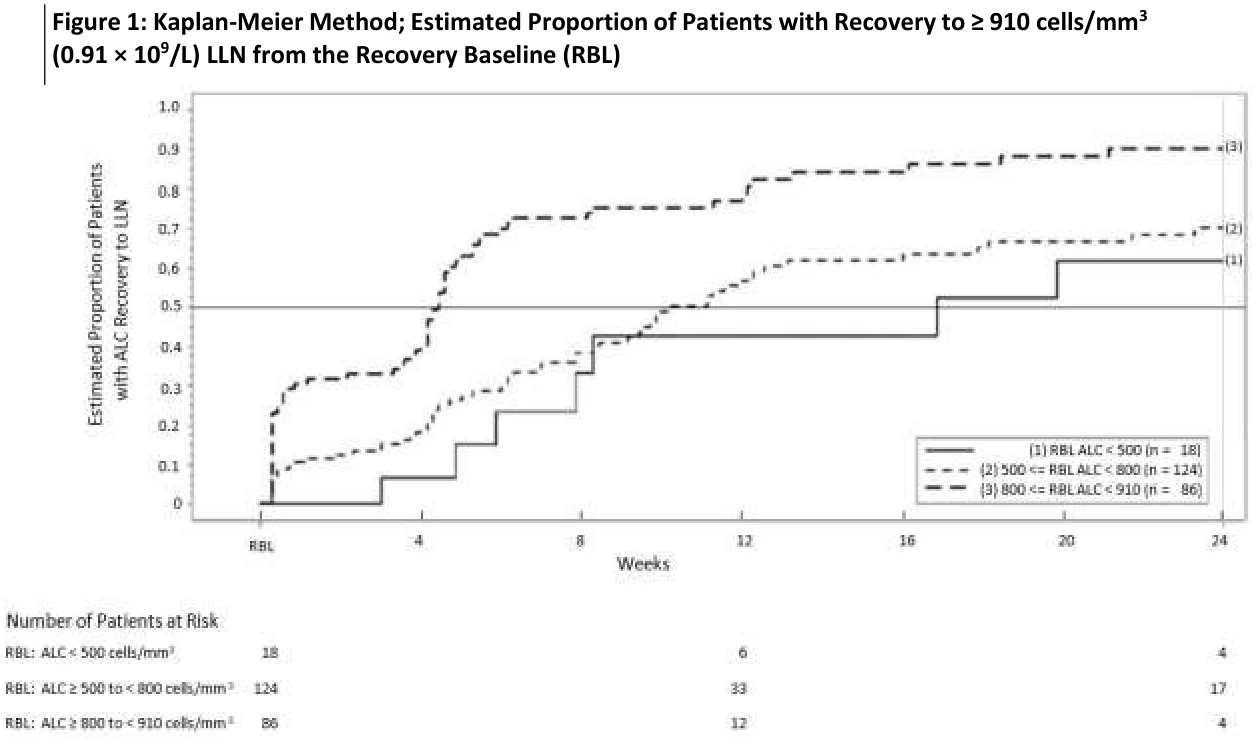
In Phase 3 studies in MS patients (DEFINE, CONFIRM and ENDORSE), patients who discontinued dimethyl fumarate therapy with lymphocyte counts below the lower limit of normal (LLN, 0.91 × 10⁹/L) were monitored for recovery of lymphocyte counts to the LLN. With the exclusion of 49 patients with severe prolonged lymphopenia (< 0.5 × 10⁹/L, for 6 months or more), there were 228 patients with ALC < LNN at dimethyl fumarate discontinuation who had at least 1 ALC value after dimethyl fumarate discontinuation. Of these patients, 66% (n=150) were recorded as reaching LLN. Among the remaining 44% (n=78) who did not reach LLN, 57 patients had at most 12 weeks of follow up.
Figure 1 shows the proportion of patients estimated to reach the LLN based on the Kaplan-
Meier method, using patient subgroups with mild, moderate, or severe lymphopenia (defined in the Figure). The recovery baseline (RBL) was defined as the last on-treatment ALC prior to dimethyl fumarate discontinuation. The horizontal line indicates the estimated median recovery point (i.e. time for 50% to reach the LLN), while the vertical lines indicate the estimated proportion of patients who recovered to the LLN at Week 12 and Week 24.
Note: 500 cells/mm3, 800 cells/mm3, 910 cells/mm3 correspond to 0.5 × 10⁹/L, 0.8 × 10⁹/L and 0.91 × 10⁹/L respectively.
Effect on Cardiovascular System: Single doses of 240 mg or 360 mg dimethyl fumarate did not have any effect on the QTc interval when compared to placebo in a specialized QTc study in healthy subjects.
10.3 Pharmacokinetics
Orally administered dimethyl fumarate undergoes rapid presystemic hydrolysis by esterases and is converted to its primary metabolite, monomethyl fumarate (MMF), which is also active. Dimethyl fumarate is not quantifiable in plasma following oral administration of dimethyl fumarate. Therefore, all pharmacokinetic analyses related to dimethyl fumarate were performed with plasma MMF concentrations. Pharmacokinetic data were obtained in subjects with multiple sclerosis and healthy volunteers.
Table 3 - Summary of monomethyl fumarate (MMF) pharmacokinetic parameters in adult patient population
Figure 1: Kaplan-Meier Method; Estimated Proportion of Patients with Recovery to ≥ 910 cells/mm3 (0.91 × 10⁹/L) LLN from the Recovery Baseline (RBL)
| Cmax | Tmax | t½ (h) | AUC0-24 | CL | Vd | |||||||
|---|---|---|---|---|---|---|---|---|---|---|---|---|
| Single dose Mean | 1.87 mg/L 1 | 7.9 h 2 | 1 h | 8.21 h.mg/L 3 | 68.5 L/h | 134.6 L | ||||||
1 Median Cmax : 1.72 mg/L 2 Median Tmax : 5 h 3 Median AUC0-24 : 8.02 h.mg/L | ||||||||||||
Table 4 - Summary of monomethyl fumarate (MMF) pharmacokinetic parameters in pediatric patient population (aged 13 to 17 years)
| Cmax | Tmax | t½ | AUC0-24 | CL | Vd | |||||||
|---|---|---|---|---|---|---|---|---|---|---|---|---|
| Single dose Mean | 2.00 mg/L | 4.2 h | 0.84 h | 7.24 h.mg/L 1 | 74.45 L/h | 98.2 L | ||||||
| 1 AUC0-12 : 3.62 h.mg/L | ||||||||||||
Absorption
Dimethyl fumarate concentration-time profiles are characterized by high inter-individual variability. The Tmax of dimethyl fumarate is 2-5 hours. As dimethyl fumarate minitablets are protected by an enteric coating, absorption does not commence until the minitablets leave the stomach (generally less than 1 hour post-dose).
Following 240 mg administered twice a day with food, the median peak (Cmax) was 1.72 mg/L and overall (AUC) exposure was 8.02 h.mg/L in subjects with MS (Cmax and AUC increased approximately dose proportionally in the dose range studied (120 mg to 360 mg).
Food does not have a clinically significant effect on exposure of dimethyl fumarate. Therefore, JAMP Dimethyl Fumarate may be taken with or without food.
Based on the results of ANOVA, body weight is the main covariate of exposure (by Cmax and AUC) in relapsing remitting multiple sclerosis (RRMS) subjects, but did not affect safety and efficacy measures evaluated in the clinical studies. Gender and age did not have a statistically significant impact on Cmax and AUC.
Distribution:
The apparent volume of distribution following oral administration of 240 mg dimethyl fumarate varies between 53 and 73L in healthy subjects. Human plasma protein binding of MMF generally ranges between 27% - 40%.
Metabolism:
In humans, dimethyl fumarate is extensively metabolized by esterases, which are ubiquitous in the gastrointestinal tract, blood and tissues, before it reaches the systemic circulation. Further metabolism occurs through the tricarboxylic acid (TCA) cycle, with no involvement of the cytochrome P450 (CYP) system. A single 240 mg 14C-dimethyl fumarate dose study identified monomethyl fumarate, fumaric and citric acid, and glucose as the major metabolites in plasma. The downstream metabolism of fumaric and citric acid occurs through the TCA cycle, with exhalation of CO2 serving as a primary route of elimination. Less than 0.1% of the dose is excreted as unchanged dimethyl fumarate in urine.
Potential drug interaction risks were not identified for monomethyl fumarate from in vitro
CYP-inhibition and induction studies, a p-glycoprotein study, or protein binding studies.
Elimination
Exhalation of CO2 is the primary route of dimethyl fumarate elimination accounting for approximately 60% of the dose. Renal and fecal elimination are secondary routes of elimination, accounting for 15.5% and 0.9% of the dose respectively.
The terminal half-life of MMF is short (approximately 1 hour) and so no circulating MMF is present at 24 hours in the majority of individuals. Accumulation of MMF does not occur with multiple doses of dimethyl fumarate at the therapeutic regimen.
Linearity
Dimethyl Fumarate exposure increases in an approximately dose proportional manner with single and multiple doses in the 120 to 360 mg dose range studied.
Special Populations and Conditions
- Pediatrics
JAMP Dimethyl Fumarate is not indicated in patients below the age of 18. The pharmacokinetic profile of dimethyl fumarate 240 mg twice a day was evaluated in a small, open-label, uncontrolled study in patients with RRMS aged 13 to 17 years (n=22; 21 patients of whom were in the pharmacokinetic analysis). The pharmacokinetics of dimethyl fumarate in these adolescent patients was consistent with that previously observed in adult patients (Cmax: 2.00±1.29 mg/l; AUC0-12hr: 3.62±1.16 h.mg/l, which corresponds to an overall daily AUC of 7.24 h.mg/l).
- Geriatrics
The pharmacokinetics in patients aged 65 and over has not been studied (see 7 WARNINGS AND PRECAUTIONS, Special Populations, Geriatrics).
- Sex
Gender and age did not have a statistically significant impact on Cmax.
- Ethnic Origin
Race and ethnicity have no effect on the pharmacokinetics of dimethyl fumarate.
- Hepatic Insufficiency
As dimethyl fumarate and MMF are metabolized by esterases present in most tissues, without the involvement of the CYP450 system, evaluation of pharmacokinetics in individuals with hepatic impairment was not conducted (see 7 WARNINGS AND PRECAUTIONS, Special Populations, Hepatic Impairment).
- Renal Insufficiency
Since the renal pathway is a secondary route of elimination for dimethyl fumarate accounting for less than 16% of the dose administered, evaluation of pharmacokinetics in individuals with renal impairment was not conducted (see 7 WARNINGS AND PRECAUTIONS, Special Populations, Renal Impairment).
- Obesity
Body weight is the main covariate of exposure (by Cmax and AUC) in relapsing remitting multiple sclerosis (RRMS) subjects, but did not affect safety and efficacy measures evaluated in the clinical studies.
11 STORAGE, STABILITY AND DISPOSAL
Store JAMP Dimethyl Fumarate (dimethyl fumarate) capsules between 15 and 30⁰C in the original packaging in order to protect from light. Keep out of the reach and sight of children.
12 SPECIAL HANDLING INSTRUCTIONS
Not applicable.
PART II: SCIENTIFIC INFORMATION
13 PHARMACEUTICAL INFORMATION
Drug Substance
Proper name: Dimethyl fumarate
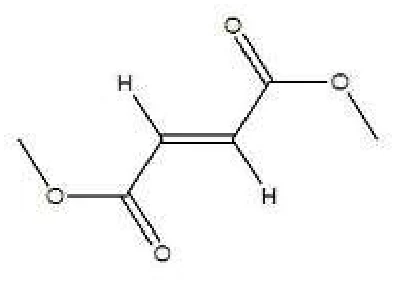
Chemical name: Dimethyl (E)-butenedioate
Molecular formula and molecular mass: C6H8O4, molecular mass 144.13 g/mol
Structural formula:
Physicochemical properties: Dimethyl fumarate is a white to off-white powder that is highly soluble in water.
14 CLINICAL TRIALS
14.1 Clinical Trials by Indication
Relapsing remitting multiple sclerosis
Table 5- Summary of patient demographics for clinical trials in patients with relapsing-remitting multiple sclerosis (RRMS)
| Study # | Study design | Dosage, route of administration and duration | Study subjects (n) | Mean age (Range) (years) | Sex |
|---|---|---|---|---|---|
| Study 1 (DEFINE) | Randomized, double- blind, placebo-controlled study. | Dimethyl Fumarate 240 mg twice or three times daily, or placebo, (oral). 2-year study. | Dimethyl Fumarate BID: n=410 Dimethyl Fumarate TID: n=416 Placebo: n=408 | 39 (18 – 56) | Male: 26% Female: 74% |
| Study 2 (CONFIRM) | Multicenter, randomized, double-blind, placebo controlled study with a rater-blinded reference comparator of glatiramer acetate (GA). | Dimethyl Fumarate 240 mg twice or three times daily or placebo (oral), or GA. 2-year study. | Dimethyl Fumarate BID: n=359 Dimethyl Fumarate TID: n=345 Placebo: n=363 GA: n=350 | 37 (18 – 56) | Male: 30% Female: 70% |
The efficacy and safety of dimethyl fumarate was demonstrated in two studies that evaluated dimethyl fumarate taken either twice or three times a day in patients with relapsing-remitting multiple sclerosis (RRMS). The starting dose for dimethyl fumarate was 120 mg twice or three times a day for the first 7 days, followed by an increase to either 240 mg twice or three times a day. Both studies (Study 1 and Study 2) included patients with Expanded Disability Status Scale (EDSS) scores ranging from 0 to 5, who had experienced at least 1 relapse during the year prior to randomization, or, within 6 weeks of randomization had a brain Magnetic Resonance Imaging (MRI) demonstrating at least one gadolinium+ (Gd+) lesion.
Study 1 (DEFINE): Study 1 was a 2-year randomized, double-blind, placebo-controlled study in 1234 patients with RRMS who had not received interferon-beta or glatiramer acetate (GA) for at least the previous 3 months or natalizumab for at least the previous 6 months. Neurological evaluations were performed at baseline, every 3 months and at time of suspected relapse. MRI evaluations were performed at baseline, month 6, and year 1 and 2. The primary endpoint in Study 1 was the reduction in the proportion of patients relapsed at 2 years.
Patients were randomized to receive dimethyl fumarate 240 mg twice a day (n=410), dimethyl fumarate 240 mg three times a day (n=416), or placebo (n=408) for up to 2 years (96 weeks). Median age: 39 years, median years since diagnosis: 4.0 years and median EDSS score at baseline: 2.0. Mean time on study was 84 weeks on 240 mg twice a day, 83 weeks on 240 mg three times a day and 85 weeks on placebo.
The proportion of patients relapsed at 2 years was significantly lower (p < 0.0001) in the group treated with dimethyl fumarate than in the group that received placebo (Table 6, Figure 2).
Clinical secondary endpoints included annualized relapse rate (ARR), and time to 12-week confirmed disability progression at 2 years. Confirmed disability progression was defined as at least a 1 point increase from baseline EDSS (1.5 point increase for patients with baseline EDSS of 0) sustained for 12 weeks. The annualized relapse rate and time to 12-week confirmed disability progression were reduced in patients treated with dimethyl fumarate compared to placebo (Table 6).
Secondary MRI endpoints included the number of new or newly enlarging T2 hyperintense lesions and number of Gd-enhancing lesions over 2 years, and both were reduced in patients treated with dimethyl fumarate compared to patients who received placebo (Table 6).
The 240 mg three times daily dose resulted in no additional benefit over the dimethyl fumarate 240 mg twice daily dose.
Table 6 – Results of Study 1 (DEFINE) in patients with relapsing-remitting multiple sclerosis (RRMS)
Dimethyl Fumarate, 240 mg BID (N=410) | Placebo (N=408) | |||
|---|---|---|---|---|
| Primary Endpoint | ||||
| Proportion relapsing at 2 years | 0.270 | 0.461 | ||
| Relative risk reduction (percentage) | 49% | |||
| Secondary Endpoints | ||||
| Annualized relapse rate | 0.172 | 0.364 | ||
| Relative risk reduction (percentage) | 53% | |||
| Proportion with disability progression | 0.164 | 0.271 | ||
| Relative risk reduction (percentage) | 38% | |||
Mean number of new or newly enlarging T2 lesions over 2 years Relative reduction (percentage) | 2.6 85% | 17.0 |
|---|---|---|
Mean number of Gd lesions at 2 years (median) Relative odds reduction (percentage) | 0.1 (0) 90% | 1.8 (0) |
Figure 2 - Time to First Relapse in Study 1 (DEFINE) – Percentage of Patients Relapsed at 2 years
| ······· Placebo (n=408) ──── Dimethyl Fumarate 240 mg BID (n=410) |
|---|
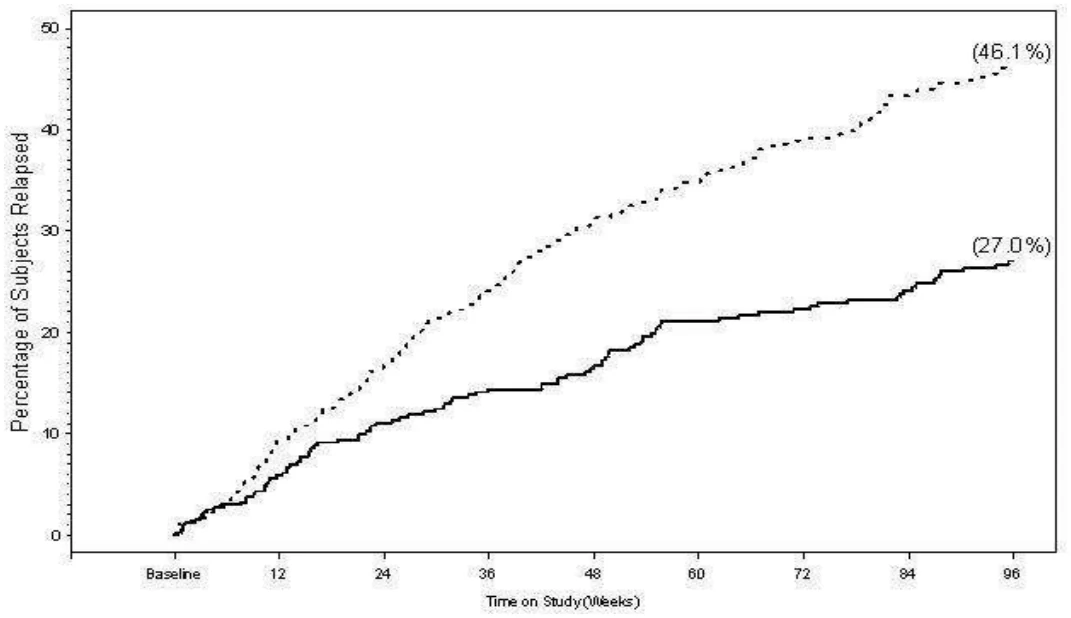
NOTE 1: Only relapses confirmed by the INEC (Independent Neurology Evaluation Committee) were included in the analysis.
2: Subjects who did not experience a relapse prior to switching to alternative MS medications or withdrawal from study were censored at the time of switch/withdrawal.
Study 2 (CONFIRM): Study 2 was a 2-year, randomized, double-blind, placebo-controlled study in 1417 patients with RRMS. Study 2 included an open label reference comparator group that received glatiramer acetate (GA). Patients included in the study had not received interferon-beta for at least the previous 3 months, natalizumab for at least the previous 6 months or glatiramer acetate at any time previously. The efficacy and safety evaluations were identical to Study 1 and the endpoints were consistent between the studies. The primary endpoint in Study 2 was the annualized relapse rate at 2 years.
Patients were randomized to receive dimethyl fumarate 240 mg twice a day (n=359), dimethyl fumarate 240 mg three times a day (n=345), placebo (n=363) or glatiramer acetate (n=350) for up to 2 years (96 weeks). Median age: 37 years, median years since diagnosis: 3.0 years and median EDSS score at baseline: 2.5. Mean time on study was 84 weeks on dimethyl fumarate, 86 weeks on placebo and 88 weeks on glatiramer acetate.
The annualized relapse rate at 2 years, was significantly lower in patients treated with dimethyl fumarate than in patients treated with placebo (0.224 for dimethyl fumarate vs. 0.401 for placebo, p < 0.0001), corresponding to a 44% relative reduction.
Clinical secondary endpoints included the proportion of patients relapsed at 2 years, and time to 12-week confirmed disability progression at 2 years (defined as in Study 1). The proportion of patients relapsed at 2 years was reduced in the dimethyl fumarate group compared to the placebo group. Time to 12-week confirmed disability progression was not significantly reduced for patients on dimethyl fumarate compared to those on placebo (Table7).
Secondary MRI endpoints included the number of new or newly enlarging T2 hyperintense lesions and number new of T1 hypointense lesions at 2 years, and both were reduced in patients treated with dimethyl fumarate compared to those on placebo (Table 7).
Table 7 – Results of Study 2 (CONFIRM) in patients with relapsing-remitting multiple sclerosis (RRMS)
Dimethyl Fumarate, 240 mg BID (N=359) | Placebo (N=363) | |||||
|---|---|---|---|---|---|---|
| Primary Endpoint | ||||||
| Annualized relapse rate | 0.224 | 0.401 | ||||
| Relative risk reduction (percentage) | 44% | |||||
| Secondary Endpoints | ||||||
| Proportion relapsing at 2 years | 0.291 | 0.410 | ||||
| Relative risk reduction (percentage) | 34% | |||||
| Proportion with disability progression | 0.128 | 0.169 | ||||
| Relative risk reduction (percentage) | 21% | |||||
Mean number of new or newly enlarging T2 lesions over 2 years Relative reduction (percentage) | 5.1 | 17.4 | ||||
| 71% | ||||||
| Mean number of new T1 hypointense lesions over 2 years | 3.0 | 7.0 | ||||
| Relative reduction (percentage) | 57% | |||||
14.2 Comparative Bioavailability Studies
Fasting Study
A double-blinded, randomized, two-treatment, two-sequence, two-period, single-dose, crossover oral comparative bioavailability study of JAMP Dimethyl Fumarate 240 mg delayed- release capsules (JAMP Pharma Corporation) and TECFIDERA® 240 mg delayed-release capsules (Biogen Canada Inc.) was conducted in healthy, adult male subjects under fasting conditions.
Comparative bioavailability data, based on the active metabolite of dimethyl fumarate (monomethyl fumarate) from 29 subjects that were included in the statistical analysis are presented in the following table:
SUMMARY TABLE OF THE COMPARATIVE BIOAVAILABILITY DATA
Monomethyl Fumarate (1 × 240 mg) Geometric Mean Arithmetic Mean (CV %) | ||||
|---|---|---|---|---|
| Parameter | Test1 | Reference2 | % Ratio of Geometric Means | 90% Confidence Interval |
AUCT (mcg.h/mL) | 3.60 3.74 (27.36) | 3.42 3.62 (36.47) | 105.4 | 98.3-113.1 |
AUCI 3 (mcg.h/mL) | 3.64 3.78(27.10) | 3.49 3.71 (35.54) | 104.4 | 97.0-112.3 |
Cmax (mcg/mL) | 1.50 1.60 (40.35) | 1.85 1.97 (33.72) | 81.2 | 72.3-91.1 |
Tmax 4 (h) | 3.00 (0.75- 4.50) | 3.00 (1.77- 6.00) | ||
T½3, 5 (h) | 0.79 (28.79) | 0.65 (36.90) | ||
- 1 JAMP Dimethyl Fumarate (dimethyl fumarate) delayed-release capsules, 240 mg (JAMP Pharma Corporation)
- 2 TECFIDERA® (dimethyl fumarate) delayed-release capsules, 240 mg (Biogen Canada Inc.)
- 3 n=28 subjects
- 4 Expressed as the median (range) only
- 5 Expressed as the arithmetic mean (CV%) only
Fed Study
A double-blinded, randomized, two-treatment, two-sequence, two-period, single-dose, crossover oral comparative bioavailability study of JAMP Dimethyl Fumarate 240 mg delayed- release capsules (JAMP Pharma Corporation) and TECFIDERA® 240 mg delayed-release capsules
(Biogen Canada Inc.) was conducted in healthy, adult male subjects under fed conditions.
Comparative bioavailability data, based on the active metabolite of dimethyl fumarate (monomethyl fumarate) from 41 subjects that were included in the statistical analysis are presented in the following table:
SUMMARY TABLE OF THE COMPARATIVE BIOAVAILABILITY DATA
Monomethyl Fumarate (1 × 240 mg) Geometric Mean Arithmetic Mean (CV %) | ||||
|---|---|---|---|---|
| Parame ter | Test1 | Reference2 | % Ratio of Geometric Means | 90% Confidence Interval |
AUCT (mcg.h/mL) | 2.73 | 2.87 | 95.2 | 87.9-103.1 |
| 2.84 (25.17) | 2.94 (24.65) | |||
AUCI (mcg.h/mL) | 2.893 | 3.123 | 92.54 | 85.9-99.74 |
| 3.00 (24.20) | 3.19 (27.50) | |||
| Cmax | 1.39 | 1.68 | 82.6 | 71.4-95.4 |
| (mcg/mL) | 1.51 (37.89) | 1.79 (36.67) | ||
Tmax 5 (h) | 5.00 | 5.33 | ||
| (1.67- 12.00) | (2.00- 12.00) | |||
T½ 3, 6 (h) | 1.12 (103.23) | 1.17 (118.42) | ||
- 1 JAMP Dimethyl Fumarate (dimethyl fumarate) delayed-release capsules, 240 mg (JAMP Pharma Corporation)
- 2 TECFIDERA® (dimethyl fumarate) delayed-release capsules, 240 mg (Biogen Canada Inc.)
- 3 n=39 subjects
- 4 n=37 subjects
- 5 Expressed as the median (range) only
- 6 Expressed as the arithmetic mean (CV%) only
15 MICROBIOLOGY
No microbiological information is required for this drug product.
16 NON-CLINICAL TOXICOLOGY
All nonclinical safety studies in rodents and non-rodents were conducted with a dimethyl fumarate suspension (in 0.8% hydroxypropyl methylcellulose) administered by oral gavage, except acute and chronic studies in the dog that were conducted with oral administration of the dimethyl fumarate capsule.
Kidney changes were observed after repeated oral administration of dimethyl fumarate in mice, rats, dogs, and monkeys. Renal tubule epithelial regeneration, suggestive of tubule epithelial injury, was observed in all species. Exacerbation of age-related nephropathy and renal tubular hyperplasia were observed in mice and rats with chronic and life time dosing (2 year study) at all dose levels; hence there are no safety margins. In dogs, renal tubular dilatation and hypertrophy and hyperplasia of papillary urothelium at all dose levels, and tubular epithelial regeneration at higher dose levels indicate no safety margin was identified for renal toxicity. In monkeys, single cell necrosis and regeneration of tubular epithelial cells and, interstitial fibrosis with tubular atrophy were observed. The findings in monkeys were observed after daily oral doses of dimethyl fumarate for 12 months at approximately 2 times the RHD for single cell necrosis and at 6 times the RHD for interstitial fibrosis, based on AUC. The relevance of these findings to human risk is not known.
Parathyroid hyperplasia and adenoma in the 2-year rat study were considered secondary to renal toxicity.
In the testes, degeneration of the seminiferous epithelium was seen in rats and dogs at the high dose in an 11-month study and interstitial (Leydig) cell hyperplasia was seen in rats at all dose levels in a male fertility study and with lifetime dosing (2-year study). Findings were observed at less than the RHD in rats, and 3 times the RHD in dogs (AUC basis). The relevance of these findings to humans is not known.
In the forestomach (nonglandular stomach) of mice and rats, squamous epithelial hyperplasia and hyperkeratosis, inflammation, squamous cell papilloma and carcinoma were observed in studies of at least 3 months duration. The forestomach of mice and rats does not have a human counterpart.
Findings in the liver in a 6-month study in rats were reported only in rats and not in mice, dogs or monkeys. Findings in the retina in the mouse carcinogenicity study were reported only in this study and not with other species.
Carcinogenesis: Carcinogenicity studies of dimethyl fumarate were conducted in mice and rats. In mice, dimethyl fumarate was administered at oral doses of 25, 75, 200, and 400 (dose reduced from 600) mg/kg/day for up to 2 years. The incidence of renal tubular adenoma (benign) and carcinoma was increased at 4 times the RHD on an AUC basis. Renal tumours were considered to be the result of the exacerbation of nephropathy caused by chronic renal toxicity. The relevance of these findings to human risk is unknown. The incidence of leiomyosarcoma, papilloma, and squamous cell carcinoma in the nonglandular stomach (forestomach) was increased at 4 times the RHD (AUC basis). The forestomach of mice does not have a human counterpart. Plasma MMF exposure (AUC) at the highest dose that was not associated with tumors in mouse (75 mg/kg/day) was similar to that in humans at the RHD of 480 mg/day.
In rats, dimethyl fumarate was administered at oral doses of 25, 50, 100 and 150 mg/kg/day for up to 2 years. In males, an increase in the incidence of benign interstitial cell (Leydig cell) adenoma of the testes was observed at 1.5 times the RHD based on relative AUC values. The incidence of squamous cell papilloma and carcinoma of the nonglandular stomach (forestomach) was increased below the RHD. The forestomach of rats does not have a human counterpart. Plasma MMF AUC at the lowest dose tested was lower than that in humans at the RHD.
Mutagenesis: Dimethyl fumarate (DMF) and monomethyl fumarate (MMF) were not mutagenic in the in vitro bacterial reverse mutation (Ames) assay. DMF and MMF were clastogenic in the in vitro chromosomal aberration assay in human peripheral blood lymphocytes in the absence of metabolic activation. DMF was not clastogenic in the in vivo micronucleus assay in the rat.
Fertility: Administration of dimethyl fumarate to male rats at daily oral doses of 75, 250, and 375 mg/kg prior to and during mating had no effects on male fertility up to the highest dose tested (9 times the RHD based on mg/m2). Administration of dimethyl fumarate to female rats at daily oral doses of 25, 100, 250 mg/kg/day prior to and during mating, and continuing to Day 7 gestation, caused disruption of the estrous cycle and increases in embryolethality at the highest dose tested. The highest dose not associated with adverse effects (100 mg/kg/day) is twice the RHD on a mg/m2 basis. Testicular toxicity (germinal epithelial degeneration, atrophy, hypospermia, and/or hyperplasia) was observed at clinically relevant doses in mouse, rat, and dog in subchronic and chronic oral toxicity studies of DMF.
Teratogenicity: No malformations were observed at any dose of dimethyl fumarate in rats or rabbits. Administration of dimethyl fumarate at daily oral doses of 25, 100, and 250 mg/kg/day to pregnant rats during the period of organogenesis resulted in reductions in maternal body weight at 4 times the RHD on an AUC basis, and reductions in fetal weight, increased alterations and reduced ossification (metatarsals and hindlimb phalanges) at 11 times the RHD on an AUC basis. The effects on the fetus may have been secondary to maternal toxicity.
Administration of dimethyl fumarate at daily oral doses of 25, 75, and 150 mg/kg/day to pregnant rabbits during organogenesis had no effect on embryo-fetal development and resulted in reductions in maternal body weight at doses 7 times the RHD and increased abortion at 16 times the RHD on an AUC basis.
Administration of dimethyl fumarate at daily oral doses of 25, 100, and 250 mg/kg/day to rats during pregnancy and lactation resulted in lower body weights in the F1 offspring, and delays in sexual maturation in F1 males at 11 times the RHD on an AUC basis. There were no effects on fertility in the F1 offspring. The effects on the F1 offspring may have been secondary to maternal toxicity.
17 SUPPORTING PRODUCT MONOGRAPHS
- 1. Pr TECFIDERA TM (delayed-release capsules; 120 mg and 240 mg), submission control No. 259869, Product Monograph, Biogen Canada Inc. May 16, 2023.