


Product Monograph - Thalomid (Bristol-Myers Squibb Canada, 50 mg, 100 mg)
Recent Major Label Changes
| None at time of the most recent authorization |
|---|
Table of Contents
Certain sections or subsections that are not applicable at the time of the preparation of the most recent authorized product monograph are not listed.
Recent Major Label Changes .................................................................................................. 2
Table of Contents .................................................................................................................. 2
Part 1: Healthcare Professional Information........................................................................... 5
1 Indications ................................................................................................................. 5
1.1 Pediatrics ............................................................................................................ 5
1.2 Geriatrics............................................................................................................. 5
2 Contraindications ....................................................................................................... 5
3 Serious Warnings and Precautions Box ....................................................................... 6
4 Dosage and Administration ........................................................................................ 6
4.1 Dosing Considerations ........................................................................................ 6
4.2 Recommended Dose and Dosage Adjustment ................................................... 6
4.5 Missed Dose ........................................................................................................ 9
5 Overdose ................................................................................................................... 9
6 Dosage Forms, Strengths, Composition and Packaging ................................................ 9
7 Warnings and Precautions ........................................................................................ 10
General .......................................................................................................................... 10
Carcinogenesis and Genotoxicity ...................................................................................... 10
Cardiovascular ................................................................................................................... 11
Dependence, Tolerance and/or Abuse Liability ................................................................ 11
Hematologic ...................................................................................................................... 11
Hepatic/Biliary/Pancreatic ................................................................................................ 12
Immune .......................................................................................................................... 12
Monitoring and Laboratory Tests ..................................................................................... 12
Neurologic ......................................................................................................................... 13
Reproductive Health ......................................................................................................... 13
Second Primary Malignancies - Acute Myeloid Leukemia (AML) and Myelodysplastic Syndrome (MDS) ............................................................................................................... 14
Sensitivity/Resistance ....................................................................................................... 14
Skin .......................................................................................................................... 15
Tumor Lysis Syndrome ...................................................................................................... 15
7.1 Special Populations ........................................................................................... 15
7.1.1 Pregnancy .......................................................................................................... 15
7.1.2 Breastfeeding .................................................................................................... 16
7.1.3 Pediatrics ........................................................................................................... 17
7.1.4 Geriatrics ........................................................................................................... 17
8 Adverse Reactions .................................................................................................... 17
8.1 Adverse Reaction Overview .............................................................................. 17
8.2 Clinical Trial Adverse Reactions ........................................................................ 17
8.3 Less Common Clinical Trial Adverse Reactions ................................................ 19
8.5 Post-Market Adverse Reactions ....................................................................... 20
9 Drug Interactions ..................................................................................................... 24
9.2 Drug Interactions Overview .............................................................................. 24
9.3 Drug-Behaviour Interactions ............................................................................ 24
9.4 Drug-Drug Interactions ..................................................................................... 24
9.5 Drug-Food Interactions ..................................................................................... 25
9.6 Drug-Herb Interactions ..................................................................................... 25
9.7 Drug-Laboratory Test Interactions ................................................................... 25
10 Clinical Pharmacology .............................................................................................. 25
10.1 Mechanism of Action ........................................................................................ 25
10.3 Pharmacokinetics ............................................................................................. 26
11 Storage, Stability, and Disposal ................................................................................. 28
12 Special Handling Instructions .................................................................................... 28
Part 2: Scientific Information ............................................................................................... 29
13 Pharmaceutical Information ..................................................................................... 29
14 Clinical Trials ............................................................................................................ 29
14.1 Clinical Trials by Indication ............................................................................... 29
Multiple Myeloma ............................................................................................ 29
15 Microbiology ............................................................................................................ 33
16 Non-Clinical Toxicology ............................................................................................ 33
Patient Medication Information .......................................................................................... 37
Part 1: Healthcare Professional Information
1 Indications
THALOMID (thalidomide capsules) in combination with melphalan and prednisone (MPT) is indicated for the treatment of patients with previously untreated multiple myeloma who are 65 years of age or older.
Distribution restrictions
THALOMID is only available through a controlled distribution program called RevAid®. Under this program, only prescribers and pharmacists registered with the program are able to prescribe and dispense the product. In addition, THALOMID can only be dispensed to patients who are registered and meet all the conditions of the RevAid program. Please call 1-888-RevAid1 (1-888-738-2431) or log onto RevAid.
1.1 Pediatrics
The safety and effectiveness of THALOMID in children and adolescents < 19 years of age have not been established. THALOMID is not recommended for use in children under 19 years of age.
1.2 Geriatrics
THALOMID has been used in clinical trials in patients up to 92 years of age. For patients > 75 years of age, the recommended starting dose of THALOMID is 100 mg/day (see 7.1.4 Geriatrics and 4.2 Recommended Dose and Dosage Adjustment).
2 Contraindications
- Due to its known human teratogenicity, even following a single dose, THALOMID (thalidomide capsules) is contraindicated in females who are pregnant and females at risk of becoming pregnant (see 7 Warnings and Precautions).
- THALOMID is contraindicated in patients who have known hypersensitivity to thalidomide or to lenalidomide, pomalidomide or to any ingredient in the formulation or component of the container. For a complete listing, see 6 Dosage Forms, Strengths, Composition, and Packaging section of the product monograph.
- Breast feeding women.
- Male patients unable to follow or comply with the required contraceptive measures (see 7 Warnings and Precautions).
3 Serious Warnings and Precautions Box
THALOMID (thalidomide capsules) should be initiated and monitored under the supervision of a physician qualified in the use of cancer therapies and a full understanding of the risks of thalidomide therapy and monitoring requirements.
Causes human birth defects, stillbirths and spontaneous abortions (see7 Warnings and
Precautions and 7.1.1 Pregnancy)
- Peripheral Neuropathy (see 7 Warnings and Precautions, Neurologic)
Thromboembolic events, venous and arterial (see 7 Warnings and Precautions, Cardiovascular,
7.1.1 Pregnancy, 8 Adverse Reactions and 9 Drug Interactions)
- Hepatotoxicity, including fatal cases (see 7 Warnings and Precautions, Hepatic/Biliary/Pancreatic)
- Anaphylaxis (see 7 Warnings and Precautions, Sensitivity/Resistance)
- Available only under a controlled distribution program called RevAid.
4 Dosage and Administration
4.1 Dosing Considerations
- The capsules should be taken orally as a single dose, regardless of food intake, at about the same time each day.
- THALOMID (thalidomide capsules) should be taken at bedtime, to reduce the impact of somnolence.
- The capsules should not be broken, chewed, or opened.
- Patients should be instructed to not extensively handle the capsules.
- Capsules should be kept in the blister package until it is time to take them unless it is determined by the pharmacist that it is not safe to do so.
- The capsules should be swallowed whole, preferably with water
4.2 Recommended Dose and Dosage Adjustment
Patients with previously untreated MM: In combination with melphalan and prednisone, the recommended dose of THALOMID for patients ≤ 75 years of age is 200 mg/day. For patients > 75 years of age, the recommended dose of THALOMID is 100 mg/day.
A maximum number of 12 cycles of 6 weeks should be used.
Table 1 outlines the starting doses for the MPT regimen used in previously untreated MM patients based on age and blood counts.
Table 1: Starting Doses for MPT Regimen in Previously Untreated Multiple Myeloma
Age (years) | ANC (/µL) | Platelet Count (/µL) | Melphalan1,2,3 | Prednisone4 | THALOMID5,6 | |
|---|---|---|---|---|---|---|
| ≤75 | ≥1,500 | AND | ≥100,000 | 0.25 mg/kg daily | 2 mg/kg daily | 200 mg daily |
| >75 | ≥1,500 | AND | ≥100,000 | 0.20 mg/kg daily | 2 mg/kg daily | 100 mg daily |
| ≤75 | <1,500 but ≥1,000 | OR | <100,000 but ≥50,000 | 0.125 mg/kg daily | 2 mg/kg daily | 200 mg daily |
| >75 | <1,500 but ≥1,000 | OR | <100,000 but ≥50,000 | 0.10 mg/kg daily | 2 mg/kg daily | 100 mg daily |
- 1. Melphalan dosed once daily on Days 1 to 4 of each 42-day cycle.
- 2. Melphalan dosing: reduce by 50% for moderate (creatinine clearance: ≥30 but <50 mL/min) or severe (CrCl: <30mL/min) renal insufficiency.
- 3. Maximum daily melphalan dose: 24 mg (subjects ≤75 years old) or 20 mg (subjects >75 years old).
- 4. Prednisone dosed once daily on Days 1 to 4 of each 42-day cycle.
- 5. THALOMID dosed once daily at bedtime on Days 1 to 42 of each 42-day cycle.
- 6. Due to the sedative effect associated with THALOMID, administration at bedtime is known to generally improve tolerability.
ANC = absolute neutrophil count
Dose Modification or Interruption:
Patients should be monitored on an ongoing basis for: neutropenia, thrombocytopenia, thromboembolic events, hemorrhage, peripheral neuropathy, rash/skin reactions, bradycardia, syncope and somnolence. Dose delay, reduction or discontinuation, may be considered in patients who develop NCI CTC (National Cancer Institute Common Toxicity Criteria) Grade 3 or 4 adverse reactions and/or based on clinical judgment (see Table 2).
Decreased white blood cell counts, including neutropenia, have been reported in association with the clinical use of THALOMID. White blood cell count and differential should be monitored on an ongoing basis, in accordance with oncology guidelines especially in patients who may be more prone to neutropenia.
Table 2 outlines the conditions under which a new cycle of MPT was started in patients with previously untreated multiple myeloma.
Table 2 : Conditions to be Met Before Starting a New Cycle of MPT in Previously Untreated MM
| Conditions Met | Conditions Not Met – Delay 1 Week | |||||||||||||||
|---|---|---|---|---|---|---|---|---|---|---|---|---|---|---|---|---|
Baseline Hematologic Status | New Cycle of MPT Started if: | After 1 Week Start New Cycle if: | ||||||||||||||
ANC (/µL) | Platelet Count (/µL) | ANC (/µL) | Platelet Count (/µL) | Melphalan-related nonhemato-logic DLT | ANC (/µL) | Platelet Count (/µL) | Reduce melphalan dose | |||||||||
| ≥ 1,500 | ≥ 100,000 | ≥ 1,500 | ≥ 100,000 | ≤ Grade 2 | < 1,500 but ≥ 1,000 | < 100,000 but ≥ 50,000 | 50% | |||||||||
| < 1,0001 | < 50,0001 | |||||||||||||||
| ≥ 1,500 | < 100,000 but ≥ 50,000 | ≥ 1,500 | ≥ 50,000 | ≤ Grade 2 | < 1,500 but ≥ 1,000 | ≥ 50,000 | 50% | |||||||||
| < 1,0001 | < 50,0001 | |||||||||||||||
< 1,500 but ≥ 1,000 | ≥ 100,000 | ≥ 1,000 | ≥ 100,000 | ≤ Grade 2 | ≥ 1,000 | < 100,000 but ≥ 50,000 | 50% | |||||||||
| < 1,0001 | < 50,0001 | |||||||||||||||
< 1,500 but ≥ 1,000 | < 100,000 but ≥ 50,000 | ≥ 1,000 | ≥ 50,000 | ≤ Grade 2 | ≥ 1,000 but < 1,500 | ≥ 50,000 | 50% | |||||||||
| < 1,0001 | < 50,0001 | |||||||||||||||
| ANC = absolute neutrophil count; DLT = dose-limiting toxicity; M = melphalan; P = prednisone; T = thalidomide. | ||||||||||||||||
- 1. based upon medical judgment.
Thromboprophylaxis should be administered for at least the first 5 months of treatment especially in patients with additional thrombotic risk factors. Prophylactic antithrombotic medicinal products, such as low molecular weight heparins or warfarin, should be recommended. The decision to take antithrombotic prophylactic measures should be made after careful assessment of an individual patient’s underlying risk factors.
If the patient experiences any thromboembolic events, treatment must be interrupted and standard anticoagulation therapy started. Once the patient has been stabilized on the anticoagulation treatment and any complications of the thromboembolic event have been managed, the thalidomide treatment may be restarted at the original dose dependent upon a benefit risk assessment. The patient should continue anticoagulation therapy during the course of thalidomide treatment (see Table 3).
Table 3 : Dose Modification Instructions for THALOMID for Dose-limiting Toxicity During a Treatment Cycle in Previously Untreated Multiple Myeloma
| Toxicity | THALOMID Dose Modification |
|---|---|
| Rash = Grade 3 | Stop THALOMID dosing until the rash resolves to ≤ Grade 1. Decrease dose by one dose level when resumed. |
| Rash = Grade 4 or blistering; anaphylaxis | Discontinue THALOMID |
| Constipation ≥ Grade 3 | Initiate bowel regimen and stop THALOMID dosing until constipation resolves to ≤ Grade 2. Decrease dose by one dose level when resumed. |
Thrombosis/embolism ≥ Grade 3 | If occurring during aspirin therapy or during a period of inadequate anticoagulation, initiate adequate anticoagulation treatment. Maintain dosing and dose level at the discretion of the treating physician. Discontinue THALOMID if occurring during adequate anticoagulation treatment (prophylactic dose of anticoagulation therapy with LMWH, heparin or warfarin [Coumadin]). |
Hypo/hyperthyroidism ≥ Grade 2 | Initiate appropriate medical therapy. Maintain dosing and dose level at the discretion of the treating physician. |
| Peripheral Neuropathy = Grade 3 | Stop THALOMID until neuropathy resolved to ≤ Grade 1. Decrease dose by one dose level when resumed. |
| Peripheral Neuropathy = Grade 4 | Discontinue THALOMID |
| Other ≥ Grade 3 THALOMID-related AEs | Stop THALOMID until the AE resolves to ≤ Grade 2. Decrease dose by one dose level when resumed. |
AE = adverse event; LMWH = low molecular weight heparin.
Table 4 describes the dose reduction steps for THALOMID.
Table 4: THALOMID Dose Reduction Steps in Previously Untreated Multiple Myeloma
| Days 1 – 42 of Every 42-Day Cycle | ||||||||
|---|---|---|---|---|---|---|---|---|
| Dose Level | Age ≤ 75 years | Age > 75 | ||||||
| Starting Dose | 200 mg daily | 100 mg daily | ||||||
| Dose Level -1 | 100 mg daily | 50 mg daily | ||||||
| Dose Level -2 | 50 mg daily | 50 mg every other day | ||||||
| Dose Level -3 | 50 mg every other day | — | ||||||
4.5 Missed Dose
If less than 12 hours has elapsed since missing a dose, the patient can take the dose. If more than 12 hours has elapsed since missing a dose at the normal time, the patient should not take the dose, but take the next dose at the normal time on the following day. Patients should not take 2 doses at the same time.
5 Overdose
Information on overdosage of THALOMID (thalidomide capsules) is limited. There have been 6 cases of overdose reported to Bristol-Myers Squibb at doses up to 1000 mg single dose and 300 mg/day chronic dosing. Symptoms included somnolence in the single dose cases and peripheral neuropathy in one chronic case which resolved. There are also 18 reports of accidental or suicidal overdose in the literature. Doses in these cases ranged from 350 mg in a 5-year old patient to 14.4 g of thalidomide with alcohol in a 21-year old patient with a history of attempted suicides. There have been no reported fatalities in doses of up to 14.4 grams, and all patients recovered without reported sequelae. There is no known specific antidote for THALOMID overdosage and treatment must be symptomatic. In the event of an overdosage, frequent monitoring of the patient’s vital signs and blood counts over the following 2 weeks along with close patient monitoring are indicated. Appropriate supportive care to maintain blood pressure and respiratory status should be administered.
For the most recent information in the management of a suspected drug overdose, contact your regional poison control centre or Health Canada’s toll-free number, 1-844 POISON-X (1-844-764-7669).
6 Dosage Forms, Strengths, Composition and Packaging
Table 5 : Dosage Forms, Strengths, and Composition
| Route of Administration | Dosage Form/Strength/Color | Imprint | Non-medicinal ingredients |
|---|---|---|---|
| Oral | Capsule, 50mg, White opaque | Do Not Get Pregnant woman logo | pregelatinized corn starch and magnesium stearate; capsule shell contains gelatin, titanium dioxide and black ink1 |
| BMS 50 mg | |||
| Oral | Capsule, 100mg, Tan opaque | Do Not Get Pregnant woman logo BMS 100 mg | pregelatinized corn starch and magnesium stearate; capsule shell contains gelatin, iron oxide black, ferric oxide yellow, titanium dioxide, and black ink1 |
- 1. The 50 mg, and 100 mg capsule shells have black ink which contains shellac and iron oxide black.
7 Warnings and Precautions
Please see 3 Serious Warnings and Precautions Box.
General
Thalidomide is a powerful human teratogen, inducing a high frequency of severe and life-threatening birth defects. Thalidomide must never be used by females who are pregnant. Thalidomide must never be used by Females of Child-Bearing Potential unless all aspects of the controlled distribution program RevAid are fulfilled. The conditions of the RevAid program must be fulfilled for all male and female patients.
The only type of thalidomide exposure known to result in drug associated birth defects is as a result of direct oral ingestion of thalidomide. Currently no specific data are available regarding the cutaneous absorption or inhalation of thalidomide in Females of Child-Bearing Potential and whether these exposures may result in any birth defects. Patients should be instructed to not extensively handle or open the capsules and to maintain storage of capsules in blister packs until ingestion wherever possible. If there is contact with non-intact THALOMID capsules or the powder contents, the exposed area should be washed with soap and water.
Thalidomide has been shown to be present in the serum and semen of patients receiving THALOMID. If healthcare providers or other care givers are exposed to body fluids from patients receiving THALOMID, appropriate precautions should be utilized, such as wearing gloves to prevent the potential cutaneous exposure to THALOMID or the exposed area should be washed with soap and water.
Patients should be informed to not give blood while taking THALOMID and for 4 weeks after stopping THALOMID. If a woman who is pregnant received their donated blood, her baby may be exposed to thalidomide and may be born with birth defects.
Carcinogenesis and Genotoxicity
Two-year carcinogenicity studies were conducted in male and female rats and mice. No compound-related carcinogenic effects were observed (see 16 Non-Clinical Toxicology).
Thalidomide was neither mutagenic nor clastogenic in the following assays: the Ames bacterial (S. typhimurium and E. coli) reverse mutation assay, a Chinese hamster ovary cell (AS52/XPRT) forward mutation assay, and an in vivo mouse micronucleus test (see 16 Non-Clinical Toxicology).
Cardiovascular
Dizziness and Orthostatic Hypotension: Patients should be advised that THALOMID may cause dizziness and orthostatic hypotension and that, therefore, they should sit upright for a few minutes prior to standing up from a recumbent position.
Bradycardia/Syncope/Atrioventricular Block/Cardiac Failure: Bradycardia in association with thalidomide use has been reported. Some of the reported cases of bradycardia required medical interventions. The clinical significance and underlying etiology of the bradycardia noted in some thalidomide-treated patients are presently unknown. Patients should be monitored for syncope, bradycardia and atrioventricular block; dose reduction or discontinuation may be required.
Thromboembolic Events: The use of THALOMID in multiple myeloma (MM) results in an increased risk of venous thromboembolic events (VTE), such as deep vein thrombosis (DVT) and pulmonary embolism (PE), and arterial thromboembolic events, such as myocardial infarction and cerebrovascular events. The risk appears to be greatest during the first 5 months of therapy. This risk increases significantly when THALOMID is used in combination with standard chemotherapeutic agents and/or steroids.
Previous history of thromboembolic events or concomitant administration of erythropoietic agents or other agents such as hormone replacement therapy, may also increase thrombotic risk in these patients. Therefore, these agents should be used with caution in MM patients receiving THALOMID with prednisone and melphalan. The use of hormonal contraceptives is associated with an increased risk of thromboembolic disorders. Hormonal contraceptives are not recommended (see 7.1.1 Pregnancy).
Patients and physicians are advised to be observant for the signs and symptoms of thromboembolism. Patients should be instructed to seek medical care if they develop symptoms such as shortness of breath, chest pain, or arm or leg swelling. Prophylactic antithrombotic medicinal products, such as low molecular weight heparins (LMWH) or warfarin, should be recommended. Thromboprophylaxis should be recommended especially in patients with additional thrombotic risk factors. The decision to take antithrombotic prophylactic measures should be made after careful assessment of an individual patient’s underlying risk factors (see 4.2 Recommended Dose and Dosage Adjustment).
Myocardial Infarction: Myocardial infarction has been reported in patients receiving THALOMID, particularly those with known risk factors. Consequently, patients with known risk factors should be closely monitored and action should be taken to minimize risk factors (e.g. smoking, hypertension, and hyperlipidemia) (see 8.5 Post-Market Adverse Reactions).
Dependence, Tolerance and/or Abuse Liability
Physical and psychological dependence have not been reported in patients taking THALOMID.
Hematologic
Neutropenia or Thrombocytopenia: Decreased blood cell counts, including neutropenia or thrombocytopenia, including Grade 3 or 4 occurrences for both events, have been reported in association with the clinical use of THALOMID in combination with melphalan and prednisone. Patients should be monitored and dose reduction, delay, or discontinuation may be required (see 7 Warnings and Precautions, Monitoring and Laboratory Tests and 4.2 Recommended Dose and Dosage Adjustment). Patients and physicians are advised to be observant for signs and symptoms of bleeding including petechiae, epistaxis, and renal, conjunctival, and gastrointestinal bleeding, especially in case of concomitant medication susceptible to induce bleeding (see 8.5 Post-Market Adverse Reactions).
Hepatic/Biliary/Pancreatic
Hepatic disorders, mainly abnormal liver test results, were reported. Serious and fatal cases of liver injury were reported. No specific pattern was identified between hepatocellular and cholestatic abnormalities, with some cases having a mixed presentation. The majority of the reactions occurred within the first 2 months of therapy and resolved spontaneously without treatment after THALOMID discontinuation. Patients should be monitored for liver function periodically, specifically but not limited to cases with pre-existing liver disorder or concomitant use of medication susceptible to induce liver dysfunction.
Immune
Increased HIV Viral Load: In a randomized, placebo-controlled trial of THALOMID in an HIV-seropositive patient population, plasma HIV RNA levels were found to increase (median change = 0.42 log10 copies HIV RNA/mL, p = 0.04 compared to placebo). A similar trend was observed in a second, unpublished study conducted in patients who were HIV- seropositive. The clinical significance of this increase is unknown. Both studies were conducted prior to availability of highly active antiretroviral therapy. Until the clinical significance of this finding is further understood, in HIV-seropositive patients, viral load should be measured after the first and third months of treatment and every 3 months thereafter.
Severe Infections: Patients should be monitored for severe infections including sepsis and septic shock.
Hepatitis B Virus Reactivation: Reactivation of hepatitis B virus (HBV) has been reported in THALOMID-treated patients who have previously been infected with HBV. Some of these cases progressed to acute hepatic failure or fulminant hepatitis, and resulted in permanent discontinuation of THALOMID or were fatal.
Caution should be exercised when THALOMID is used in patients previously infected with HBV. These patients should be closely monitored for signs and symptoms of active HBV infection throughout therapy and for several months following termination of therapy. See 8.5 Post-Market Adverse Reactions.
Progressive Multifocal Leukoencephalopathy: Cases of progressive multifocal leukoencephalopathy (PML), including fatal outcomes, have been reported with THALOMID. Physicians should consider PML in the differential diagnosis in patients with new or worsening neurological, cognitive or behavioural signs or symptoms. Appropriate diagnostic measures for PML are recommended. If PML is suspected, further THALOMID dosing must be suspended until PML has been excluded. If PML is confirmed, THALOMID must be permanently discontinued.
Monitoring and Laboratory Tests
Complete Blood Count (CBC) and serum chemistries should be evaluated approximately monthly. White blood cell count and differential, and platelets should be monitored on an ongoing basis, in accordance with oncology guidelines especially in patients who may be more prone to neutropenia and thrombocytopenia, respectively.
Patients should be monitored for liver function periodically, specifically but not limited to cases with pre-existing liver disorder or concomitant use of medication susceptible to induce liver dysfunction.
In an HIV-seropositive patient population, plasma HIV RNA levels were found to increase. Until the clinical significance of this finding is further understood, in HIV-seropositive patients, viral load should be measured after the first and third months of treatment and every 3 months thereafter.
Neurologic
Peripheral Neuropathy: THALOMID is known to cause nerve damage. Peripheral neuropathy (sensory and /or motor) is a very common, potentially severe adverse reaction to treatment with THALOMID that may be irreversible. Peripheral neuropathy generally occurs following chronic use over a period of months; however, reports following relatively short-term use also exist. The correlation with cumulative dose is unclear. Symptoms may occur some time after THALOMID treatment has been stopped and may resolve slowly or not at all.
THALOMID may also potentially aggravate existing neuropathy and should not be used in patients with clinical signs or symptoms of peripheral neuropathy.
It is recommended that clinical and neurological examinations are performed in patients prior to starting THALOMID. Patients should be examined at monthly intervals for the first 3 months of therapy to enable the clinician to detect early signs of neuropathy, which include numbness, tingling or pain in the hands and feet. Patients should be evaluated periodically thereafter during treatment. Closer monitoring should be carried out during treatment with any concomitant therapy associated with peripheral neuropathy. Patients should be regularly counseled, questioned, and evaluated for signs or symptoms of peripheral neuropathy (see 4.2 Recommended Dose and Dosage Adjustment).
Medications known to be associated with neuropathy should be used with caution in patients receiving THALOMID.
Drowsiness and Somnolence: THALOMID frequently causes drowsiness and somnolence. Patients should be instructed to avoid situations where drowsiness may be a problem and not to take other medications that may cause drowsiness without adequate medical advice. Such medications include anxiolytics, hypnotics, antipsychotics, H1 anti-histamines, opiate derivatives, barbiturates and alcohol. Patients should be advised as to the possible impairment of mental and/or physical abilities required for the performance of hazardous tasks, such as driving a car or operating other complex or dangerous machinery. Patients should be instructed that THALOMID may potentiate the somnolence caused by alcohol. Patients should be monitored and dose reduction may be required (see 4.2 Recommended Dose and Dosage Adjustment).
Seizures: Seizures, including grand mal convulsions, have been reported during post-marketing experience with THALOMID. Most patients had disorders that may have predisposed them to seizure activity, and it is not currently known whether THALOMID has any epileptogenic influence. During therapy with THALOMID, patients with a history of seizures or with other risk factors for the development of seizures should be monitored closely for clinical changes that could precipitate acute seizure activity.
Reproductive Health
All Females of Child-Bearing Potential (including those who normally do not use contraception due to a history of infertility, and those who have amenorrhea) must use the two simultaneous, effective methods of contraception:
- For at least 4 weeks before starting THALOMID treatment.
- During dose interruptions.
- During THALOMID treatment.
- For at least 4 weeks following the discontinuation of THALOMID treatment.
- The patient who chooses to abstain from heterosexual contact as a contraceptive measure, must commit to using 2 methods of contraception at the same time if abstinence is no longer practiced.
- The use of hormonal contraceptives is associated with an increased risk of thromboembolic disorders. Hormonal contraceptives are not recommended (see 7 Warnings and Precautions, Hematologic).
- Any method of contraception can fail. It is, therefore, critically important that Females of Child-Bearing Potential use two effective methods of contraception simultaneously.
- If pregnancy does occur during treatment, the drug should be immediately discontinued. Under these conditions, the patient should be referred to an obstetrician/gynecologist experienced in reproductive toxicity, for further evaluation and counseling.
- Any suspected embryo-fetal exposure to THALOMID should be reported to Bristol-Myers Squibb at 1-888-RevAid1 (1-888-738-2431)
- Female patients with a previous hysterectomy or bilateral oophorectomy are exempt from contraception use during THALOMID therapy.
Males receiving THALOMID must always use a condom during any sexual contact with Females of Child-Bearing Potential even if they have undergone a successful vasectomy. The condom should be used:
- While the Male Patient is taking THALOMID.
- During interruption of treatment.
- For at least 4 weeks after stopping THALOMID.
Patients should not donate semen while taking THALOMID, and for at least 4 weeks after stopping THALOMID.
Male patients must inform their female sexual partners of child-bearing potential that:
- The male patient is taking THALOMID.
- There is a potential risk of birth defects, stillbirths and spontaneous abortions if a developing fetus is exposed to the semen of the male patient.
- A condom must be used during any sexual contact.
If a pregnancy occurs in a partner of a male patient taking thalidomide, it is recommended to refer the female partner to a physician specialized or experienced in teratology for evaluation and advice.
Second Primary Malignancies - Acute Myeloid Leukemia (AML) and Myelodysplastic Syndrome (MDS)
A statistically significant increase of AML and MDS was observed in one clinical trial in patients with previously untreated MM receiving the combination melphalan, prednisone, and THALOMID (MPT). In patients receiving MPT, the hematologic SPM incidence rate (0.72 per 100 person-years) was increased as compared to lenalidomide in combination with dexamethasone (0.17 per 100-patient years). AML and MDS have been reported in the post-market setting (see 8.5 Post-Market Adverse Reactions).
The risk of AML and MDS must be taken into account before initiating treatment with THALOMID in combination with melphalan and prednisone (MPT). Physicians should carefully evaluate patients before and during treatment using standard cancer screening for occurrence of second primary malignancies and institute treatment as indicated.
Sensitivity/Resistance
Hypersensitivity
Hypersensitivity reactions to THALOMID including anaphylaxis has been reported. Signs and symptoms have included the occurrence of erythematous macular rash, possibly associated with fever, tachycardia, and hypotension, and if severe, may necessitate interruption of therapy. If the reaction recurs when dosing is resumed, THALOMID should be discontinued. If anaphylactic reaction or angioedema occurs, use of THALOMID should not be resumed.
Skin
Serious dermatologic reactions including Stevens-Johnson syndrome (SJS), toxic epidermal necrolysis (TEN) and drug reaction with eosinophilia and systemic symptoms (DRESS), which may be fatal, have been reported. DRESS may present with a cutaneous reaction (such as rash or exfoliative dermatitis), eosinophilia, fever, and/or lymphadenopathy with systemic complications such as hepatitis, nephritis, pneumonitis, myocarditis, and/or pericarditis. THALOMID should be interrupted or discontinued if a Grade 2-3 skin rash occurs and only resumed following appropriate clinical evaluation. If the rash is Grade 4, exfoliative, purpuric, or bullous or if SJS, TEN or DRESS is suspected, use of THALOMID should not be resumed. Caution should be exercised when THALOMID is given with drugs known to cause serious skin reactions.
Tumor Lysis Syndrome
Patients at risk for Tumor Lysis Syndrome are those with high tumor burden prior to treatment. These patients should be monitored closely, and appropriate precautions taken.
7.1 Special Populations
7.1.1 Pregnancy
- THALOMID is contraindicated in females who are, or may become, pregnant.
- THALOMID is contraindicated in Females of Child-Bearing Potential who are not using the two mandatory, simultaneous and effective methods of contraception or who are not continually abstaining from heterosexual sexual contact.
- Even if a single dose [1 capsule (50 mg or 100 mg)] of THALOMID is taken during pregnancy, it can cause severe birth defects or death to an unborn baby.
- If pregnancy does occur during treatment, the drug should be immediately discontinued. Under these conditions, the patient should be referred to an obstetrician/gynecologist experienced in reproductive toxicity, for further evaluation and counseling.
- Any suspected embryo-fetal exposure to THALOMID should be reported to Bristol-Myers Squibb at 1-888-RevAid1 (1-888-738-2431).
Females of Child-Bearing Potential:
Females of Child-Bearing Potential are all females who are menstruating, amenorrheic from previous treatments, and/or perimenopausal.
The most serious toxicity associated with thalidomide is its documented human teratogenicity. The risk of severe birth defects, primarily phocomelia or death to the fetus, is extremely high. The critical period of pregnancy is estimated, depending on the source of information, to range from 35 to 50 days after the last menstrual period. The risk of other potentially severe birth defects outside this critical period is unknown, but may be significant. Based on present knowledge, THALOMID must not be used at any time during pregnancy. Even if a single dose [1 capsule (50 mg or 100 mg)] of THALOMID is taken during pregnancy, it can cause severe birth defects or death to an unborn baby.
For Females of Child-Bearing Potential, THALOMID is contraindicated unless ALL of the following conditions are met:
- The patient is capable of understanding and carrying out instructions. (In some cases, the patient will need a competent support person to ensure RevAid program compliance).
- The patient is willing and able to comply with the two mandatory, simultaneous and effective contraceptive measures or to commit to continually abstaining from heterosexual contact.
- The patient has a consultation with a health care professional, who has experience with the use of contraceptive methods, to discuss the best and most effective two simultaneous contraceptive methods to be used.
- The patient understands the cumulative risks of deep venous thrombosis, including, but not limited to, THALOMID, cancer and hormonal contraception.
- The patient knows the risk of possible contraceptive failure.
- The patient is willing and able to comply with the pregnancy testing requirements noted in detail below. This includes two negative pregnancy tests prior to the first dispense and on-going pregnancy tests throughout treatment.
- The patient is aware of the potential need for emergency contraception.
- The patient is informed of the risk of teratogenicity should a pregnancy occur.
- The patient knows and understands the need to consult her physician immediately if there is a risk of pregnancy.
- The patient acknowledges the importance of compliance with all the conditions of use.
Thalomid is present in the semen of males who take THALOMID. (See 10.3 Pharmacokinetics, Distribution). There is a potential risk of birth defects, stillbirths and spontaneous abortions if a developing fetus is exposed to thalidomide through the semen of male patients.
Pregnancy Testing:
- Females of Child-Bearing Potential must not be given THALOMID until pregnancy is excluded. The patient must have two negative pregnancy tests before starting THALOMID therapy, as well as subsequent tests throughout the treatment.
- The first pregnancy test should be conducted seven to 14 days prior to the start of therapy.
- The second pregnancy test should be conducted 24 hours prior to dispensing and starting the drug.
- A pregnancy test should be conducted weekly during the first month of treatment, monthly thereafter during treatment (or every two weeks if menses are irregular) and 4 weeks after the discontinuation of treatment.
- The pregnancy test should be a blood test performed in a licensed laboratory. The dates and results of pregnancy tests should be documented.
- The pregnancy test should have a serum hCG sensitivity of at least 25 mIU/ml.
- Pregnancy testing and consultation with an obstetrician/gynecologist should also occur if a patient misses her period, or if there is any abnormal menstrual bleeding.
7.1.2 Breastfeeding
- THALOMID is contraindicated in breast feeding women. Therefore, THALOMID must not be used when a patient is breast-feeding. THALOMID is excreted in the milk of lactating rabbits (see 16 Non-Clinical Toxicology).
7.1.3 Pediatrics
Safety and effectiveness in pediatric patients below the age of 19 years of age have not been established. THALOMID is not recommended for use in children under 19 years of age. For ALL sexually active Females of Child-Bearing Potential the use of two simultaneous, effective methods of contraception is mandatory (see 7.1.1 Pregnancy).
7.1.4 Geriatrics
THALOMID has been used in clinical trials in patients up to 92 years of age. For patients > 75 years of age, the recommended starting dose of THALOMID is 100 mg/day (see 1.2 Geriatrics and 4.2 Recommended Dose and Dosage Adjustment).
The adverse reaction profile reported in patients > 75 years of age treated with THALOMID 100 mg daily was similar to the adverse reaction profile observed in patients ≤ 75 years of age treated with THALOMID 200 mg once daily. However, the overall frequency of serious (such as atrial fibrillation, back pain, and fall) including fatal adverse reactions was higher in patients > 75 years of age treated with THALOMID 100 mg daily, possibly due to additional co-morbidities and risk factors (see 8.2 Clinical Trial Adverse Reactions).
8 Adverse Reactions
8.1 Adverse Reaction Overview
THALOMID (thalidomide capsules) is a powerful human teratogen, inducing a high frequency of severe and life-threatening birth defects.
In general, in controlled studies in patients treated for MM, the overall incidence of adverse reactions in the THALOMID treatment group was higher than in patients treated in the comparator arms. This was also true for serious adverse reactions, discontinuations due to adverse reactions, and adverse reactions that led to discontinuation of study drug or dose reduction or interruption. However, the percentages of patients who died due to adverse drug reactions were similar between treatment groups.
Most patients taking THALOMID in combination with melphalan and prednisone (MPT) can be expected to experience adverse reactions.
The most frequently reported (≥ 10%) adverse reactions in THALOMID treated patients (when taken as MPT) in clinical trials were constipation, nausea, rash, somnolence/fatigue, dizziness, peripheral sensory neuropathy, paraesthesia, tremor, peripheral edema, asthenia, and hematological adverse events (neutropenia, anemia, thrombocytopenia, leucopenia, lymphopenia). Events of deep vein thrombosis and pulmonary embolism (DVT/PE) were also reported, generally at higher rates in the THALOMID treatment groups.
8.2 Clinical Trial Adverse Reactions
Clinical trials are conducted under very specific conditions. The adverse reaction rates observed in the clinical trials; therefore, may not reflect the rates observed in practice and should not be compared to the rates in the clinical trials of another drug. Adverse reaction information from clinical trials may be useful in identifying and approximating rates of adverse drug reactions in real-world use.
Treatment of Multiple Myeloma in Subjects Aged 65 to 75 Years (Study IFM 99-06)
IFM-99-06 was a multicentre, randomized, open-label study comparing MPT versus MP in patients ≥ 65 years of age with previously untreated MM. Patients less than 65 years of age were included if they were ineligible for high-dose therapy.
Patients were excluded from participation in the trial if they had serum creatinine ≥ 50 mg/L, impaired cardiac function, signs of cerebral circulatory insufficiency, peripheral neuropathy or significant impairment of hepatic function.
Patients were to receive up to 12 cycles of treatment, with each cycle lasting 6 weeks (total of 72 weeks). All patients received at least 1 week of study drug. The median duration of treatment in the MPT group was 10.5 months and ranged up to 26.9 months. The median dose of THALOMID in the MPT group was 217.4 mg and ranged up to 400 mg.
At study start, equal proportions of patients received an initial daily dose of thalidomide of 200 mg and 400 mg (44.4% of patients for each dose). The majority of patients remained stable on the 200 mg dose of THALOMID during the first 12 months of the study, after which an increasing proportion of patients either had their dose reduced or discontinued thalidomide.
According to the IFM sponsored protocol, events that were considered by the investigator to be of Grades 1 and 2 were not collected on the case report form unless they were identified as events of interest based on the known adverse effects of thalidomide (e.g. skin, cardiac, thrombotic or neurological toxicity events). Events of interest were reported for all grades. In addition, all of those AEs that were life-threatening or death events were reported as serious and were therefore included in the safety assessment of the use of melphalan, prednisone and thalidomide.
The most commonly observed adverse reactions associated with the use of THALOMID in combination with melphalan and prednisone are: neutropenia, leukopenia, constipation, somnolence, paresthesia, peripheral neuropathy, anemia, lymphopenia, thrombocytopenia, dizziness, dysesthesia, tremor and peripheral edema (Table 6).
The clinically important adverse reactions associated with the use of THALOMID in combination with melphalan and prednisone include: DVT, PE, peripheral neuropathy, severe skin reactions including Stevens Johnson Syndrome and toxic epidermal necrolysis, syncope, bradycardia and dizziness.
Table 6 : Most Commonly Reported Adverse Reactions in ≥ 10% of subjects treated in the THALOMID, Melphalan and Prednisone arm in the Previously Untreated Multiple Myeloma Study IFM 99-06 of MPT vs MP
| Organ System Class/Preferred Term | MPT (N=124) | MP (N=193) | ||
|---|---|---|---|---|
Grade 3/4 n (%) | All grades n (%) | Grade 3/4 n (%) | All grades n (%) | |
| Blood and Lymphatic System Disorders | ||||
| Neutropenia | 55 (44) | 58 (47) | 59 (31) | 63 (33) |
| Leukopenia | 35 (28) | 35 (28) | 32 (17) | 32 (17) |
| Anemia | 26 (21) | 27 (22) | 37 (19) | 38 (20) |
| Lymphopenia | 19 (15) | 19 (15) | 14 (7) | 14 (7) |
| Thrombocytopenia | 14 (11) | 15 (12) | 22 (11) | 23 (12) |
| Nervous System Disorders | ||||
| Somnolence | 2 (2) | 28 (23) | 0 | 0 |
| Paresthesia | 3 (2) | 23 (19) | 0 | 4 (2) |
| Peripheral Neuropathy | 2 (2) | 21 (17) | 0 | 0 |
| Dizziness | 1 (1) | 15 (12) | 0 | 5 (3) |
| Dysesthesia | 1 (1) | 15 (12) | 0 | 1 (0.5) |
| Neuropathy | 1 (1) | 15 (12) | 0 | 0 |
| Tremor | 0 | 14 (11) | 0 | 0 |
| General Disorders and Administrative Site Conditions | ||||
| Peripheral edema | 0 | 15 (12) | 0 | 3 (2) |
| Gastrointestinal Disorders | ||||
| Constipation | 0 | 28 (23) | 0 | 1 (0.5) |
In Study IFM 99-06, skin, neurological, cardiac, and thrombotic events of all WHO grades or intensities were reported. For all other AEs, only those of WHO Grades 3 or of severe intensity were reported and only if, according to the investigator, they were not attributable to progression of the myeloma.
Adverse Drug Reactions from Other Clinical Trials
In an additional study, in patients with previously untreated MM, in which THALOMID (as MPT) was a comparator arm, the most frequently reported adverse events (≥ 20%) were: neutropenia, constipation, anemia, peripheral edema, peripheral sensory neuropathy, nausea, fatigue, and thrombocytopenia. The proportion of patients with at least one grade 3 or 4 adverse event was 89%. The most frequently reported Grade 3 or 4 adverse events were: blood disorders namely, neutropenia, anemia, thrombocytopenia, leucopenia, and lymphopenia; and peripheral sensory neuropathy.
Patients’ age ranged from 51-92. Subgroup analyses were performed by age (≤ 75 and > 75 years of age). The adverse reaction profile reported in patients > 75 years of age treated with THALOMID 100 mg daily was similar to the adverse reaction profile observed in patients ≤ 75 years of age treated with THALOMID 200 mg once daily.
The most frequently reported adverse events (≥ 20%) in patients > 75 years of age were: neutropenia, constipation, anemia, peripheral edema, peripheral sensory neuropathy, fatigue, nausea, asthenia, back pain, and thrombocytopenia. The most frequently reported serious adverse events (≥ 2%) in patients > 75 years of age were: pneumonia, anemia, atrial fibrillation, back pain, febrile neutropenia, general physical health deterioration, cardiac failure, pulmonary embolism, acute renal failure, dyspnea, fall, neutropenia, renal failure, sepsis and syncope. The serious adverse events of atrial fibrillation, back pain and fall were more frequently (with a difference of ≥ 2%) reported in patients > than 75 years of age than younger patients, possibly due to additional co-morbidities and risk factors.
In two studies of THALOMID in combination with dexamethasone in the treatment of previously untreated MM, the following adverse reactions were observed in ≥ 10% of patients: peripheral neuropathy, tremor, dizziness, confusion, DVT/PE, constipation, peripheral edema, fatigue, dry skin, anemia, vision blurred, dry mouth, asthenia, WBC count decreased, depressed level of consciousness, paresthesia, anxiety and hypotension.
8.3 Less Common Clinical Trial Adverse Reactions
Blood and Lymphatic System Disorders: febrile bone marrow aplasia, febrile neutropenia, pancytopenia
Cardiac Disorders: cardiac failure, bradyarrhythmia, sinus bradycardia
Gastrointestinal Disorders: vomiting, dry mouth, nausea, diarrhea, abdominal pain upper
General Disorders and Administration Site Conditions: asthenia, pyrexia, malaise, general physical health deterioration, edema, fatigue
Infections and infestations: herpes zoster, pneumonia, oral fungal infection
Metabolism and Nutrition Disorders: hyperkalemia, hypokalemia
Musculoskeletal, Connective Tissue, and Bone Disorders: back pain
Nervous System Disorders: peripheral sensory neuropathy, coordination abnormal, balance disorder, coma, gait disturbance, hypoesthesia, cognitive disorder, polyneuropathy
Psychiatric Disorders: depression, confusional state
Renal and Urinary Disorders: renal failure acute
Reproductive System and Breast Disorders: sexual dysfunction
Respiratory, Thoracic and Mediastinal Disorders: dyspnea, pulmonary embolism, acute pulmonary edema, bronchopneumopathy, interstitial lung disease
Skin and subcutaneous tissue disorders: toxic skin eruption, dry skin, rash
Vascular Disorders: deep vein thrombosis, hypotension, phlebitis, thrombosis, venous thrombosis, venous thrombosis limb, thrombophlebitis
8.5 Post-Market Adverse Reactions
Somnolence, dizziness, neuropathy and rash are the most commonly observed adverse events associated with the use of THALOMID. THALOMID has been studied in controlled and uncontrolled clinical trials in patients with MM and Erythema Nodosum Leprosum (ENL) and in people who are HIV-seropositive. In addition, thalidomide has been administered investigationally for more than 20 years in numerous indications.
Table 7 provides the adverse drug reactions from post-marketing experience for patients that have been exposed to THALOMID since February 1997.
Table 7 : Adverse Reactions reported from February 1997 to February 2013
| Body System | Common (≥ 1% and < 10%) | Uncommon (≥ 0.1% and < 1%) | Rare (≥ 0.01% and < 0.1%) |
|---|---|---|---|
| Blood and lymphatic system disorders | Anemia, Leucopenia, Neutropenia, Thrombocytopenia | Bone marrow failure, Febrile neutropenia, Lymphopenia, Pancytopenia | |
| Cardiac disorders | Bradycardia | Arrhythmia, Atrial fibrillation, Cardiac arrest, Cardiac disorder, Cardiac failure, Cardiac failure congestive, Cardio-respiratory arrest, Myocardial infarction, Palpitations, Sinus bradycardia, Tachycardia, Atrioventricular block | |
| Ear and labyrinth disorders | Deafness, Tinnitus, Vertigo | ||
| Endocrine disorders | Hypothyroidism | ||
| Eye disorders | Diplopia, Vision blurred, Visual disturbance | ||
| Gastrointestinal disorders | Constipation, Diarrhea, Nausea, Vomiting | Abdominal distension, Abdominal pain, Abdominal pain upper, Ascites, Colitis, Dry mouth, Dyspepsia, Dysphagia, Gastrointestinal disorder, Gastrointestinal hemorrhage (including fatalities), Hypoesthesia oral, Intestinal obstruction, Intestinal perforation, Pancreatitis, Paresthesia oral, Stomach discomfort, Stomatitis | |
| General disorders and administration site conditions | Death, Disease progression | Asthenia, Condition aggravated, Drug ineffective, Drug intolerance, Fatigue, Malaise, Edema peripheral, Pain, Pyrexia | Chest pain, Chills, Drug interaction, Face edema, Feeling abnormal, Gait disturbance, General physical health deterioration, Hyperpyrexia, Influenza like illness, Mucosal inflammation, Multi-organ failure, Edema, Sudden death, Swelling, |
| Hepatobiliary disorders | Hepatic failure, Jaundice | ||
| Immune system disorders | Graft versus host disease, Hypersensitivity | ||
| Infections and infestations1 | Pneumonia, Sepsis | Bronchitis, Cellulitis, Herpes zoster, Infection, Septic shock, Sinusitis, Staphylococcal infection, Upper respiratory tract infection, Urinary tract infection | |
| Injury, poisoning and procedural complications | Drug toxicity, Fall, Injury, Medication error, Nerve injury | ||
| Investigations | Alanine aminotransferase increased, Aspartate aminotransferase increased, Blood alkaline phosphatase increased, Blood bilirubin increased, Blood count abnormal, Blood creatinine increased, Blood glucose increased, Blood human chorionic gonadotropin increased, Blood immunoglobulin G increased, Blood pressure increased, Blood urea increased, Hematocrit decreased, Hemoglobin decreased, Heart rate decreased, International | ||
| normalized ratio increased, Laboratory test abnormal, Liver function test abnormal, Neutrophil count decreased, Platelet count decreased, Protein total increased, Weight decreased, Weight increased, White blood cell count decreased, White blood cell count increased | |||
| Metabolism and nutrition disorders | Dehydration | Anorexia, Cachexia, Decreased appetite, Diabetes mellitus, Fluid retention, Hypercalcemia, Hyperglycemia, Hyperkalemia, Hypokalemia, Hyponatremia | |
| Musculoskeletal and connective tissue disorders | Arthralgia, Back pain, Bone pain, Joint swelling, Muscle spasms, Muscular weakness, Myalgia, Osteonecrosis, Pain in extremity | ||
| Neoplasms benign, malignant and unspecified (incl cysts and polyps) | Multiple Myeloma | Acute myeloid leukemia, Myelodysplastic syndrome, Neoplasm malignant, Neoplasm progression | |
| Nervous system disorders | Neuropathy peripheral | Dizziness, Headache, Hypoesthesia, Paresthesia, Somnolence, Syncope, Tremor | Amnesia, Aphasia, Ataxia, Balance disorder, Burning sensation, Cerebral ischemia, Cerebrovascular accident, Coma, Convulsion, Depressed level of consciousness, Dysesthesia, Dysarthria, Dysgeusia, Encephalopathy, Hemorrhage intracranial, Hemiparesis, Hyperesthesia, Lethargy, Loss of consciousness, Memory impairment, Mental impairment, Neuralgia, Neurotoxicity, Paralysis, Peripheral motor neuropathy, Peripheral sensory neuropathy, Polyneuropathy, Sedation, Sensory disturbance, Speech disorder, Transient ischemic attack |
| Psychiatric disorders | Confusional state | Agitation, Anxiety, Depression, Disorientation, Hallucination, Insomnia, Mental status changes, Nervousness, Thinking abnormal | |
| Renal and urinary | Renal failure | Renal failure acute, Renal failure chronic, Renal impairment, Urinary | |
| disorders | incontinence | ||
| Reproductive system and breast disorders | Amenorrhea, Erectile dysfunction | ||
| Respiratory, thoracic and mediastinal disorders | Dyspnea, Pulmonary embolism | Chronic obstructive pulmonary disease, Cough, Dysphonia, Dyspnea exertional, Epistaxis, Hypoxia, Interstitial lung disease, Lung disorder, Lung infiltration, Pharyngolaryngeal pain, Pleural effusion, Pulmonary hypertension, Pulmonary edema, Respiratory disorder, Respiratory failure | |
| Skin and subcutaneous tissue disorders | Rash, Rash generalized | Alopecia, Dermatitis, Dermatitis exfoliative, Dry skin, Erythema, Hyperhidrosis, Petechiae, Pruritus, Rash erythematous, Rash macular, Rash maculo-papular, Rash pruritic, Skin exfoliation, Skin ulcer, Swelling face, Angioedema, Urticaria | |
| Vascular disorders | Deep vein thrombosis | Embolism, Hemorrhage, Hypertension, Hypotension, Orthostatic hypotension, Phlebitis, Thrombosis | |
- 1. All Preferred Terms under System Organ Class of Infections and Infestations (including bacterial, fungal and viral infections) except for rare infections of Public Health interest will be considered listed.
In addition, there have been very rare (< 1/10,000) reports of Tumor Lysis Syndrome, anaphylactic reaction, Stevens Johnson Syndrome, Toxic Epidermal Necrolysis and drug reaction with eosinophilia and systemic symptoms.
Severe infections including sepsis and septic shock, viral infections including hepatitis B and C reactivation resulting in death, and progressive multifocal leukoencephalopathy (PML) have been reported in the post-market experience with thalidomide. Patients should be monitored for severe infections over the course of their treatment.
Arterial Thromboembolic Events:
Cases of arterial thromboembolic events (ATEE), including fatal cases, have been reported in patients treated with thalidomide. These events included principally myocardial infarction, cerebrovascular accident, transient ischemic attack and other arterial thromboembolic events. Risk factors associated with ATEE, in addition to the underlying malignant disease, age ≥ 65 years, and being male, included hyperlipidemia, hypertension, diabetes, obesity, renal disease, and tobacco use (see 7 Warnings And Precautions, Cardiovascular, Thromboembolic Events).
Immune system Disorders: Solid Organ Transplant Rejection.
9 Drug Interactions
9.2 Drug Interactions Overview
In vitro thalidomide is not a substrate, inhibitor or inducer of cytochrome P450 enzymes. Hence, co-administration of cytochrome P450 substrates or inhibitors with thalidomide is not likely to result in clinically relevant drug-drug interactions.
9.3 Drug-Behaviour Interactions
THALOMID may be associated with dizziness and fatigue. Therefore, patients are advised to be cautious when operating machinery, or when driving.
9.4 Drug-Drug Interactions
Table 8: Established or Potential Drug-Drug Interactions
| Proper/Common name | Source of Evidence | Effect | Clinical comment |
| Anxiolytics, hypnotics, antipsychotics, H1 anti-histamines, opiate derivatives, barbiturates and alcohol | C | Enhance the sedative activity | Caution should be used when thalidomide is given in combination with medicinal products that cause drowsiness. Warn the patient of the potential of increased sedation. Monitor effects of the combination. |
| Medications known to be associated with peripheral neuropathy (e.g., vincristine, bortezomib) | T | Increase the risk for peripheral neuropathy | Medicinal products known to be associated with peripheral neuropathy (e.g. vincristine and bortezomib) should be used with caution in patients receiving thalidomide. |
| Combined hormonal Contraceptives | CTT | In 10 healthy women, the pharmacokinetic profiles of norethindrone and ethinyl estradiol following administration of a single dose containing 1.0 mg of norethindrone acetate and 75 µg of ethinyl estradiol were studied. The results were similar with and without co-administration of THALOMID 200 mg/day to steady-state levels. | Thalidomide does not interact with hormonal contraceptives. Thalidomide did not impact the PK profile of an oral contraceptive. |
| Beta blockers, anticholinesterase agents | T | Increase the risk for bradycardia | Due to thalidomide’s potential to induce bradycardia, caution should be exercised with medicinal products having the same pharmacodynamic effect |
Legend: C = Case Study; CT = Clinical Trial; T = Theoretical
The risk of DVT and PE may potentially be increased with the simultaneous use of other agents used in the treatment of MM, such as high dose dexamethasone and erythropoiesis-stimulating agents as well as Hormone Replacement Therapy in menopause.
Hormonal contraceptives are not recommended due to the increased risk of venous thromboembolic disease.
9.5 Drug-Food Interactions
THALOMID is absorbed equally well with or without food.
9.6 Drug-Herb Interactions
Interactions with herbal products have not been established.
9.7 Drug-Laboratory Test Interactions
Interactions with laboratory tests have not been established.
10 Clinical Pharmacology
10.1 Mechanism of Action
The mechanism of action of thalidomide is not fully understood. Thalidomide possesses immunomodulatory, anti-inflammatory and anti-angiogenic properties. Available data from in vitro studies and clinical trials suggest that the immunologic effects of this compound can vary substantially under different conditions, but may be related to suppression of excessive tumor necrosis factor-alpha (TNF-a) production and down-modulation of selected cell surface adhesion molecules involved in leukocyte migration. For example, administration of thalidomide has been reported to decrease circulating levels of TNF-a in patients with ENL; however, it has also been shown to increase plasma TNF-a levels in HIV-seropositive patients. Other anti-inflammatory and immunomodulatory properties of thalidomide may include suppression of macrophage involvement in prostaglandin synthesis, and modulation of interleukin-10 and interleukin-12 production by peripheral blood mononuclear cells. Thalidomide treatment of MM patients is accompanied by an increase in the number of circulating natural killer cells, and an increase in plasma levels of interleukin-2 and interferon-gamma (T cell-derived cytokines associated with cytotoxic activity). Thalidomide was found to inhibit angiogenesis in a human umbilical artery explant model in vitro. The cellular processes of angiogenesis inhibited by thalidomide may include the proliferation of endothelial cells. Thalidomide is also a non-barbiturate centrally active hypnotic sedative.
10.3 Pharmacokinetics
Pharmacokinetic data have been collected in studies conducted in healthy subjects.
Table 9: Plasma Pharmacokinetic Parameter Values for THALOMID Mean (%CV)
Population/ Single Dose | AUC0∞ µg•hr/mL | Cmax µg/mL | Tmax (hrs) | Half-life (hrs) | Clearance (L/hr) | ||||||
| Healthy Subjects (n=14) | |||||||||||
| 50 mg | 4.9 (16%) | 0.62 (52%) | 2.9 (66%) | 5.52 (37%) | 10.4 (17%) | ||||||
| 200 mg | 18.9 (17%) | 1.76 (30%) | 3.5 (57%) | 5.53 (25%) | 10.9 (17%) | ||||||
| 400 mg | 36.4 (26%) | 2.82 (28%) | 4.3 (37%) | 7.29 (36%) | 11.7 (24%) | ||||||
Following a single [14C] thalidomide dose in a healthy human study, the observed elimination half-life in plasma for total radioactivity was longer than for thalidomide, suggesting the possible presence of one or more metabolites with longer terminal half-lives than thalidomide. The half-lives of the drug related radioactivity in plasma and whole blood were 144 and 202 hours, respectively.
Absorption
The absolute bioavailability of thalidomide from THALOMID (thalidomide capsules) has not yet been characterized in humans. Based on the [14C] thalidomide study in human, greater than 90% of the total radioactivity is recovered in urine suggesting good oral absorption. In addition, the capsules are 90% bioavailable relative to an oral PEG solution. The mean time to peak plasma concentrations (Tmax) of thalidomide ranged from 2.9 to 5.7 hours indicating that thalidomide is slowly absorbed from the gastrointestinal tract. While the extent of absorption (as measured by area under the curve [AUC]) is proportional to dose in healthy subjects, the observed peak concentration (Cmax) increased in a less than proportional manner (see Table 9). This lack of Cmax dose proportionality, coupled with the observed increase in Tmax values, suggests that this may be due to the poor solubility of thalidomide in aqueous media. It suggests a slower rate of absorption of thalidomide at the highest dose. Co-administration of THALOMID with a high fat meal causes minor (< 10%) changes in the observed AUC and Cmax values; however, it causes an increase in Tmax to approximately 6 hours.
Distribution
In human blood plasma, the geometric mean plasma protein binding was 55% and 66%, respectively, for (+)-(R)- and (-)-(S)-thalidomide. In a pharmacokinetic study of thalidomide in HIV-seropositive adult male patients receiving thalidomide 100 mg/day, thalidomide was detectable in the semen.
Metabolism
In humans, unchanged drug is the predominant circulating component and thalidomide is not metabolized to any significant extent by the liver cytochrome P450 system. Unchanged thalidomide is not eliminated by the kidney to a notable degree (<3.5% of the dose), but is primarily excreted as hydrolytic metabolites in urine. In vitro, thalidomide itself does not appear to be hepatically metabolized to any large extent, but appears to undergo non-enzymatic hydrolysis in plasma to multiple products. Based on in vitro studies, thalidomide is not anticipated to produce drug-drug interactions due to cytochrome P450 inhibition or induction. In a repeat dose study in which four 50 mg capsules of THALOMID (200 mg dose) was administered to 10 healthy females for 18 days, thalidomide displayed similar pharmacokinetic profiles on the first and last day of dosing. This suggests that thalidomide does not induce or inhibit its own metabolism.
Elimination
As indicated in Table 9 the mean half-life of elimination ranges from approximately 5 to 7 hours following a single dose and is not altered upon multiple dosing. In humans, [14C] thalidomide is primarily excreted in urine (91.9% of the radioactive dose) mainly as hydrolytic metabolites while fecal excretion is minor (< 2% of the dose). Thalidomide itself is excreted by kidneys to a limited extent (<3.5% of the dose).
Special Populations and Conditions
- Pediatrics
No pharmacokinetic data are available.
- Geriatrics
THALOMID has been used in clinical trials in patients up to 92 years of age. For patients > 75 years of age, the recommended starting dose of THALOMID is 100 mg/day (see 7.1.4 Geriatrics and 4 Dosage and Administration). The adverse reaction profile reported in patients > 75 years of age treated with THALOMID 100 mg daily was similar to the adverse reaction profile observed in patients ≤ 75 years of age treated with THALOMID 200 mg once daily. However, the overall frequency of serious (such as atrial fibrillation, back pain, and fall) including fatal adverse reactions was higher in patients > 75 years of age treated with THALOMID 100 mg daily, possibly due to additional co-morbidities and risk factors (see 8.2 Clinical Trial Adverse Reactions).
- Sex
While a comparative trial of the effects of gender on thalidomide pharmacokinetics has not been conducted, examination of the data for thalidomide does not reveal any significant gender differences in pharmacokinetic parameter values.
- Genetic polymorphism
The pharmacokinetics of thalidomide in patients with genetic polymorphism has not been determined.
- Ethnic origin
Pharmacokinetic differences due to race have not been studied.
- Hepatic Insufficiency
The pharmacokinetics of thalidomide in patients with hepatic impairment have not been determined.
- Renal Insufficiency
The pharmacokinetics of thalidomide in patients with renal impairment have not been determined. In a study with previously untreated MM patients who received THALOMID (taken as MPT) 33% of subjects receiving MPT had baseline CrCl < 50 mL/min. Considering that pharmacologically active metabolites are eliminated via urine, patients with severe renal impairment should be carefully monitored for adverse events.
- HIV-seropositive Patients
There is no apparent significant difference in measured pharmacokinetic parameter values between healthy human subjects and HIV-seropositive patients following single dose administration of a thalidomide capsule which is bioequivalent to THALOMID.
- Patients with Multiple Myeloma
Pharmacokinetics of thalidomide in patients with multiple myeloma have not been fully characterized.
11 Storage, Stability, and Disposal
Store at 15-30º C. Keep out of the reach of children.
12 Special Handling Instructions
Currently, no published data are available regarding the cutaneous absorption of thalidomide. Most health care institutions recommend that latex gloves be worn while handling chemotherapeutic agents. Health care providers may consider wearing gloves when directly handling THALOMID (thalidomide capsules), along with standard hand washing. Females who could become pregnant, or who plan to become pregnant can handle THALOMID capsules if they are using latex gloves.
Repackaging of THALOMID must only be done on exceptional circumstances. This should only be done by pharmacists.
Part 2: Scientific Information
13 Pharmaceutical Information
Drug Substance
Non-proprietary name of the drug substance: thalidomide
Chemical name: a-(N-phthalimido) glutarimide
Molecular formula and molecular mass: C13H10N2O4, 258.2 g
Structural formula:
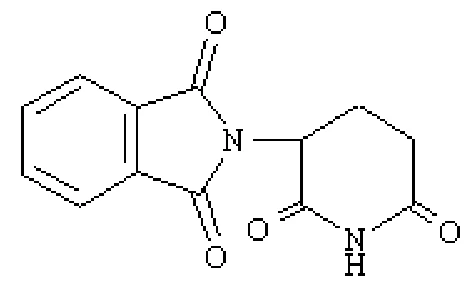
Physicochemical properties: Thalidomide is an off-white to white, odorless, crystalline powder that is soluble at 25°C in dimethyl sulfoxide and sparingly soluble in water and ethanol. The glutarimide moiety contains a single asymmetric center and, therefore, may exist in either of two optically active forms designated S-(-) or R-(+). Thalidomide used in THALOMID contains an equal mixture of the S-(-) and R-(+) forms and, therefore, has a net optical rotation of zero.
14 Clinical Trials
14.1 Clinical Trials by Indication
Multiple Myeloma
Study IFM 99-06
Study demographics and trial design
The efficacy and safety of THALOMID (thalidomide capsules) were evaluated in patients with MM in IFM 99-06. This was a randomized, open-label, parallel group, multicenter study comparing thalidomide in combination with melphalan plus prednisone (MPT) versus melphalan plus prednisone (MP) for 12 cycles of 6 weeks in newly diagnosed MM patients. Even though this study had an open-label design, the primary endpoint, Overall Survival (OS), was an objective endpoint.
Patients in the MPT treatment group received thalidomide orally at a starting dose of 200 mg/day increasing to a dose of 400mg/day after 2 to 4 weeks depending on the absence of major adverse events. Melphalan was administered at 0.25 mg/kg/day and prednisone at 2 mg/kg/day from Day 1 to 4 at 6 week intervals for 12 cycles. The MP treatment group used the same melphalan and prednisone dosing schedule as the MPT treatment group. All subjects received bisphosphonates. The demographic characteristics are shown in Table 10.
Visits were planned at 3 months, 6 months, and every 6 months thereafter, until treatment withdrawal or death.
Table 10: Demographic Characteristics- ITT Population (Study IFM 99-06)
| Demographic Characteristic | MPT (N = 125) | MP (N = 196) |
| Age (Years) | ||
| N | 125 | 196 |
| Mean ± Std Dev | 69.7 ± 2.9 | 69.7 ± 2.7 |
| Median | 69.2 | 9.5 |
| Min, Max | 64, 76 | 65, 75 |
| Age Group (Years) – n (%) | ||
| < 70 | 75 (60) | 112 (57) |
| ≥ 70 | 50 (40) | 84 (43) |
| Gender – n (%) | ||
| Male | 63 (50) | 109 (56) |
| Female | 62 (50) | 87 (44) |
| Race – n (%) | ||
| Caucasian | 124 (>99) | 194 (99.0) |
| Other | 0 (0) | 2 (1) |
| Missing | 1 (<1) | 0 (0) |
| MM Stage (Durie Salmon) – n (%) | ||
| I | 13 (10.4) | 18 (9.2) |
| II | 33 (26.4) | 50 (25.6) |
| III | 79 (63.2) | 127 (65.1) |
| Missing | 0 | 1 (0.5) |
| ISS Stage – n (%) | ||
| I | 38 (30.4) | 61 (31.1) |
| II | 42 (33.6) | 67 (34.2) |
| III | 32 (25.6) | 54 (27.6) |
| Missing | 13 (10.4) | 14 (7.1) |
The median duration of thalidomide exposure was 10.5 months and the median thalidomide daily dosing was 217.4 mg (Table 11).
Table 11: Duration of exposure and average daily dose of thalidomide for the MPT group safety population N = 109
| Parameter | Thalidomide duration in months1 | Thalidomide daily dosing in mg |
|---|---|---|
| Mean2 ± SD | 9.9 ± 6.1 | 238.1 ± 99.7 |
| Median | 10.5 | 217.4 |
| Q1, Q3 | 4.5, 15.2 | 160.1, 326.0 |
| Min, Max | 0.4, 26.9 | 75.3, 400.0 |
- 1. Number of months from day of first dose to last dose including interruption period
- 2. Calculated for each subject. Individual means were then used to calculate the treatment group mean and SD
Q1 = 25th percentile; Q3 = 75th percentile; Subjects still receiving THALOMID on 8 October 2005 were excluded from the calculations.
Study results
Overall Survival – ITT Population
Overall survival was defined as the time from randomization to death from any cause. Two analyses are presented. The first cut off was 8 October 2005 while the second was 8 January 2007. For the earlier cut off, for those patients who were alive at the time of analysis (n = 240) or who were lost to follow-up before death was documented (n = 1), OS was censored at the last date that the patient was known to be alive. All censored information corresponded to administrative censoring, except in the case of one patient who was lost to follow-up. For the later cut off, an additional 15 months of follow-up data was obtained. The additional follow-up time provided approximately 30% more deaths (268 deaths compared to 206 deaths) and an increase in median follow-up time of approximately 40% (51.5 months compared to 36.8 months). The statistical methodology and censoring used for this update of OS was identical to that used for the earlier cut off. Table 12 summarizes OS by treatment for the ITT population.
Table 12: Summary of Overall Survival (OS)– ITT Population (Study IFM 99-06)
| OS | 8 October 2005 cut off | 8 January 2007 cut off | |||||||||||||||
|---|---|---|---|---|---|---|---|---|---|---|---|---|---|---|---|---|---|
| MPT (N=125) | MP (N=196) | MPT (N=125) | MP (N=196) | ||||||||||||||
| Died – n (%) | 43 (34.4) | 97 (49.5) | 62 (49.6) | 128 (65.3) | |||||||||||||
| Censored – n (%) | 82 (65.6) | 99 (50.5) | 63 (50.4) | 68 (34.7) | |||||||||||||
| Follow-up (Months) | |||||||||||||||||
| Median | 36.8 | 34.1 | 51.3 | 46.9 | |||||||||||||
| 95% CI | 30.0, 43.5 | 26.8, 41.4 | 43.8, 58.7 | 38.5, 55.4 | |||||||||||||
| OS Time (Months) | |||||||||||||||||
| Median | 53.6 | 32.2 | 51.6 | 33.2 | |||||||||||||
| 95% CI | 43.4, 63.8 | 23.9, 40.5 | 42.7, 60.4 | 27.0, 39.4 | |||||||||||||
| Hazard Ratio (97.5% CI)1 | 0.56 (0.37, 0.84) | 1 | 0.59 (0.42, 0.84) | 1 | |||||||||||||
| P-value2 | 0.0012 | 0.0008 | |||||||||||||||
- 1. Based on a proportional hazards model comparing the hazard functions associated with treatment groups (MPT:MP)
- 2. Based on a two-sided un-stratified log rank test of survival curve differences between treatment groups.
As of 08 Oct 2005, the median follow-up time was 36.8 months, and similar values were obtained across the 2 treatment groups (34.1 and 36.8, months in the MP and MPT treatment groups respectively). These data indicate that sufficient follow-up was available to adequately assess the primary endpoint, OS, for all treatment groups. As of 08 Jan 2007, the reverse Kaplan Meier (KM) median follow-up time was 51.5 months, and similar values were obtained across the treatment groups (51.3 and 46.9 months in the MPT and MP groups, respectively).
Results of these analyses showed that at both the earlier and later cut off, treatment with MPT was superior to MP for prolonging OS, with the median survival increased by 21.4 months at the earlier cut off. At the time of the later cut off, the results are similar with the median survival increased by 18.4 months.
At the time of the earlier cut off, patients in the MPT group had a 44% (p = 0.0012) reduced risk of death relative to patients in the MP treatment group. At the time of the later cut off, as estimated through the proportional hazards model, patients in the MPT group had a 41% (p = 0.0008) reduced risk of death compared to patients in the MP treatment group.
A KM plot of OS by treatment group for the ITT population as of 8 January 2007 is presented in Figure 1.
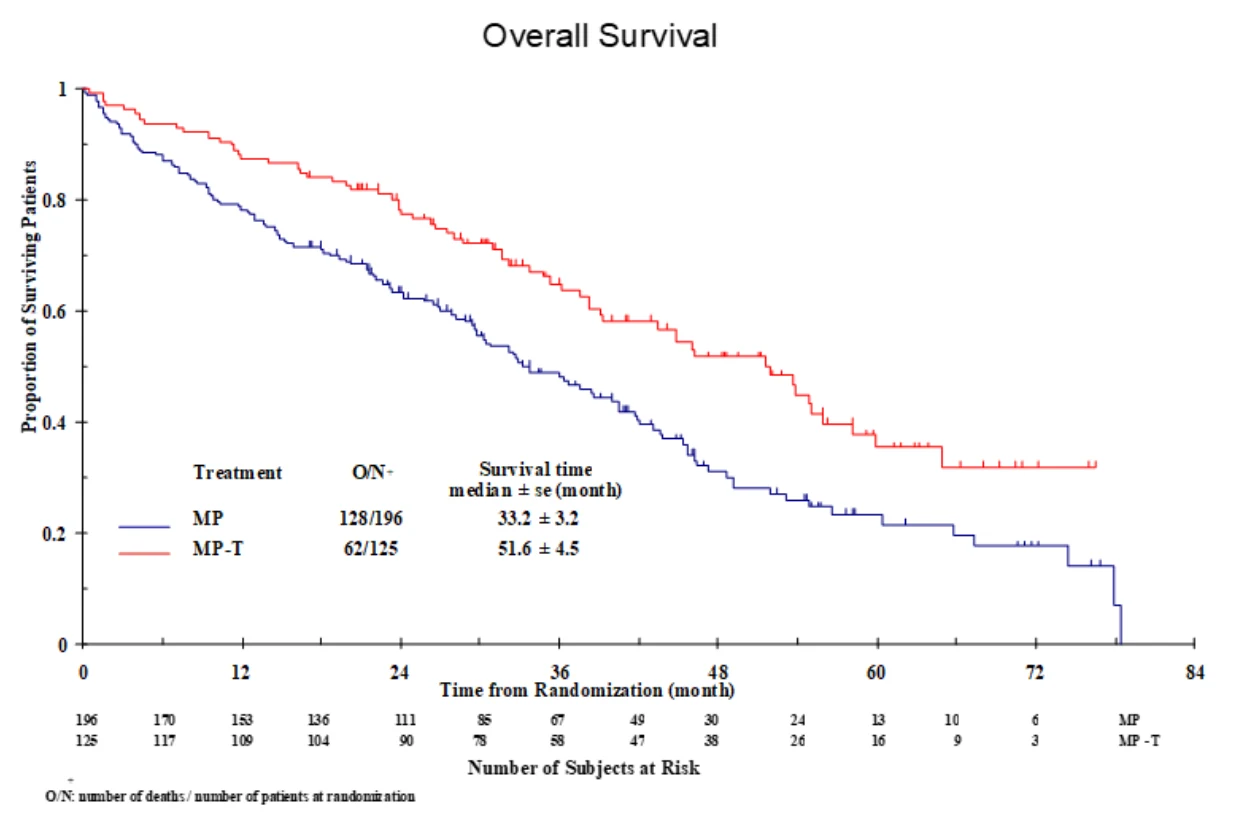
Figure 1: Updated Overall Survival – ITT Population as of 8 January 2007
KEY: ITT = intent-to-treat; MP = melphalan-prednisone; MPT = melphalan-prednisone plus THALOMID; N = number of patients at randomization; O = number of deaths; se = standard error. Note: Tick marks on the survival curves indicate a censored time.
The OS rate at 1, 2, 3, and 4 years is presented by treatment for the ITT population in Table 13.
Table 13: Overall Survival (OS) At 1, 2, 3 and 4 Years Per Treatment Group – ITT Population Estimate of the percentage of patients still surviving at the given time point
| (Study IFM 99-06) | ||
| OS (%) | MPT (N=125) | MP (N=196) |
| 1 Year – n | 99 | 134 |
| Estimate (%) | 87.5 | 77.7 |
| 95% CI | 81.6, 93.4 | 71.7, 83.7 |
| 2 Years – n | 68 | 86 |
| Estimate (%) | 78.2 | 62.2 |
| 95% CI | 70.4, 86.0 | 54.9, 69.6 |
| 3 Years – n | 43 | 44 |
| Estimate (%) | 65.1 | 47.5 |
| 95% CI | 55.2, 75.1 | 39.1, 56.0 |
| 4 Years – n | 20 | 16 |
| Estimate (%) | 55.2 | 31.1 |
| 95% CI | 43.5, 66.8 | 21.3, 40.8 |
CI = confidence interval; ITT = intent-to-treat; MP = melphalan-prednisone; MPT=melphalan-prednisone plus thalidomide; n=number of subjects at risk; OS = overall survival. Note: This summary excludes any observation that occurred after 08 Oct 2005.
In the ITT population, the OS rate was always higher in MPT group than in MP treatment group at 1, 2, 3, and 4 years.
Progression Free Survival
PFS was defined as the time from randomization to first progression or death from any cause, whichever occurred first. Patients were censored at the last date that the patient was known to be alive without progression. Table 14 summarizes PFS by treatment for the ITT population.
Table 14: Summary of Progression Free Survival Time (PFS) – ITT Population (Study IFM 99-06)
| Parameter | MPT (N = 125) | MP (N = 196) | ||||||
| Progression Free Survival (PFS) | ||||||||
| Progressed or died– n (%) | 67 (53.63) | 152 (77.6) | ||||||
| Censored – n (%) | 58 (46.4) | 44 (22.4) | ||||||
| Overall PFS Time (Months) | ||||||||
| Median | 27.6 | 17.2 | ||||||
| 95% CI | 22.6, 32.6 | 14.3, 20.2 | ||||||
| Hazard Ratio (97.5% CI)2, 3 | 0.45 (0.32, 0.62) | 1 | ||||||
| P-value1, 3 | < 0.0001 | |||||||
- 1. Based on a two-sided unstratified log rank test of survival curve differences between treatment groups.
- 2. Based on a proportional hazards model comparing the hazard functions associated with treatment groups (MP:MPT)
- 3. MPT:MP comparison
Notes: This summary excludes any observation that occurred after 08 Oct 2005. The median is based on the Kaplan-Meier estimate.
Additional Clinical Trial Results
In an additional study, in patients with previously untreated MM, in which THALOMID (as MPT) was a comparator arm, patients who were > 75 years of age who received THALOMID (as MPT) at 100 mg/day as a starting dose (n=188) achieved a median PFS of 19.2 months.
15 Microbiology
No microbiological information is required for this drug product.
16 Non-Clinical Toxicology
General toxicology
Acute toxicity
The acute toxicity profile of thalidomide was evaluated in a study conducted in 1960 by Distillers Biochemicals. Thalidomide was administered to male Albino mice by the oral route at unspecified doses. An oral LD50 of > 5000 mg/kg was obtained. Guinea pigs administered a 650 mg/kg oral dose became quiet and sedated; while those administered a 400 mg/kg intramuscular dose exhibited no effects.
Chronic toxicity
The chronic toxicity profile of thalidomide was evaluated in a series of oral toxicology studies up to 13 weeks duration in mice and rats at doses of 30, 300 and 3000 mg/kg/day and up to 52 weeks duration in dogs at doses of 43, 200 and 1000 mg/kg/day.
In mice, mild/moderate centrilobular hepatocellular hypertrophy was observed from 300 mg/kg/day in males (5-fold human exposure) and at 3000 mg/kg/day in females (9-fold human exposure). Increased liver weight was noted at 3000 mg/kg/day in males (13-fold human exposure) and females. In rats, decreased total and free T4 was observed from 300 mg/kg in males (10-fold human exposure) and from 30 mg/kg/day in females (5-fold human exposure). TSH levels were not evaluated. In female dogs, prolongation of the estrus cycle or no estrus, and a dose-related increase in severity of mammary duct dilatation and hyperplasia of the glandular epithelium was noted from 43 mg/kg/day (<1-fold human exposure). Mammary tissue findings were also observed following a 4-week drug-free period. In male dogs, accumulation of ductal bile plugs in canaliculi was seen at 1000 mg/kg/day (4-fold human exposure).
Exposure margins were derived by comparing AUC0-t in animals with AUC0-24 in healthy volunteers administered a 200 mg dose of thalidomide.
Combination toxicity
Thalidomide is indicated in combination with melphalan/prednisone. A combination toxicity study was not performed.
Genotoxicity
Thalidomide is not genotoxic (mutagenic or clastogenic) as evaluated by the in vitro Ames bacterial (S. typhimurium and E. coli) reverse mutation assay, the in vitro AS52 Chinese hamster ovary xanthine-guanine phosphoribosyl transferase (XPRT) forward mutation assay, and the in vivo mouse micronucleus test.
Carcinogenicity
Two-year carcinogenicity studies were conducted in male and female mice dosed at 100, 1000 and 3000 mg/kg/day, male rats dosed at 20, 160 and 300 mg/kg/day and female rats dosed at 30, 300 and 3000 mg/kg/day. No compound-related tumorigenic effects were observed at the highest dose levels in male and female mice (9 to 14-fold human exposure), and male rats (12-fold human exposure). In female rats, a tumorigenic effect was not observed at 300 mg/kg/day (16-fold human exposure). Survival was significantly reduced at 3000 mg/kg/day (37-fold human exposure) which precluded interpretation of carcinogenicity findings.
Reproductive and Developmental Toxicology
Fertility and early embryonic development (segment I)
Fertility studies were conducted in male rabbits at 30, 150 and 500 mg/kg/day and female rabbits at 10, 50 and 100 mg/kg/day. In treated males, there was no change in mating index but a slight reduction in fertility and pregnancy indices was observed at 500 mg/kg/day. Testicular pathological and histopathological effects (mild to moderate degeneration of the germinal epithelium) were also seen in male rabbits at dose levels ≥ 30 mg/kg/day (6.5-fold the 200 mg clinical dose, based on body surface area, BSA). Thalidomide was detected in sperm at all dose levels. In treated females, there were no compound-related effects in mating, fertility and pregnancy indices up to 100 mg/kg/day.
Embryo-fetal development (segment II)
A dose-ranging segment II study was performed wherein pregnant female rabbits were dosed with thalidomide at 10, 20, 60 and 180 mg/kg/day from gestation day 7 to 19. Maternal toxicity was not observed up to doses of 180 mg/kg/day (3-fold human exposure). The no-observed-adverse-effect-level (NOAEL) for reproductive effects was considered to be 20 mg/kg/day (<1-fold human exposure) and is based on decreased mean number of live fetuses, increased mean number of total (early + late) and early resorptions, and increased percent resorbed conceptuses per litter from 60 mg/kg/day. An increased mean number of dead fetuses was noted at 180 mg/kg/day. The NOAEL for embryonic developmental effects was considered to be 20 mg/kg/day as an increased number of fetuses and litters exhibiting congenital malformations was noted at 60 and 180 mg/kg/day.
A pivotal segment II study was not performed as thalidomide is a known human teratogen (see 2 Contraindications).
Pre- and post-natal development (segment III)
Pregnant female rabbits were dosed with thalidomide at 30, 150 and 500 mg/kg/day from gestation day 6 through to lactation day 28. A thalidomide-related increase in abortions was observed from 30 mg/kg/day (6.5-fold the 200 mg clinical dose, based on BSA). Pups born to thalidomide-treated females exhibited reduced viability as an increased number of females with stillborn pups and number of females with all pups dying during post-natal days 1-4 and 5-29 was observed from 30 mg/kg/day. At 150 and 500 mg/kg/day, a decreased number of liveborn pups, an increased number of stillborn pups, an increased number of dead pups found dead, moribound or sacrificed from post-natal days 1 to 49, and a decreased number of surviving pups/litter throughout the pre-weaning period (up to Day 49) was observed. Thalidomide was not associated with delays in post-natal development, including learning and memory functions.
Milk transfer and fetal exposure
In a developmental toxicology study conducted with rabbits, thalidomide, being a lipophilic compound, distributed into milk with concentrations similar to or slightly greater than those observed systemically. Thalidomide was also detected in fetal plasma following administration of the compound to pregnant rabbits.
Special Toxicology
Central nervous and respiratory systems
Neurobehavioral assessments were performed in the 13-week rat (30, 300, 3000 mg/kg/day) and 52-week dog (43, 200, 1000 mg/kg/day) repeat-dose toxicity studies. The effect of thalidomide on respiratory rate was evaluated in the 52-week dog study. There were no toxicologically-relevant findings in both studies.
Cardiovascular system
In vitro IKr assay: The effect of thalidomide on hERG tail currents was evaluated in stably transfected HEK-293 cells. At 25 μg/mL (96.8 μM) and 75 μg/mL (290 μM) thalidomide, hERG tail current was inhibited by 23.1% (p>0.05) and 31% (p<0.01), respectively, when compared with DMSO. The degree of inhibition was not sufficient to calculate an IC50 or IC25.
In vitro Purkinje action potential assay: Ventricular Purkinje fibres isolated from male Beagle dogs were treated with 0.125, 1.25, 12.5, 125 µg/mL thalidomide. At 12.5 and 125 μg/mL, a rate-independent reduction in action potential duration (ADP) was observed at 60% repolarization (APD60), and 90% repolarization (APD90). This reduction was statistically significant at 125 μg/mL. The reduction at ADP60 was greater than that at ADP90 indicating an inhibition of cardiac calcium channel with onset at approximately12.5 µg/mL. A rate-independent decrease in the maximum rate of depolarization was noted at 125 μg/mL.
In vivo cardiovascular safety data: In the 52-week dog repeat-dose toxicity study (43, 200, 1000 mg/kg/day), a dose-dependent and statistically significant decrease in heart rate was observed in females at 200 mg/kg (102 bpm) and 1000 mg/kg/day (98 bpm) when compared with controls (126 bpm). There were no findings in males. In vivo QTc was not evaluated.