


Product Monograph - Nozinan (Neuraxpharm Arzneimittel)
RECENT MAJOR LABEL CHANGES
| 1 INDICATIONS, 1.1 Pediatrics | 09/2022 |
| 1 INDICATIONS, 1.2 Geriatrics | 09/2022 |
| 2 CONTRAINDICATIONS | 09/2022 |
| 3 SERIOUS WARNNGS AND PRECAUTIONS BOX | 09/2022 |
| 4 DOSAGE AND ADMINISTRATION, 4.1 Dosing Considerations | 09/2022 |
| 4 DOSAGE AND ADMINISTRATION, 4.4 Administration | 09/2022 |
| 7 WARNINGS AND PRECAUTIONS | 09/2022 |
TABLE OF CONTENTS
Sections or subsections that are not applicable at the time of authorization are not listed.
RECENT MAJOR LABEL CHANGES .......................................................................................... 2
TABLE OF CONTENTS ............................................................................................................ 2
PART I: HEALTH PROFESSIONAL INFORMATION .................................................................... 4
1 INDICATIONS ............................................................................................................. 4
1.1 Pediatrics ...................................................................................................................... 4
1.2 Geriatrics ...................................................................................................................... 4
2 CONTRAINDICATIONS ................................................................................................ 4
3 SERIOUS WARNINGS AND PRECAUTIONS BOX ........................................................... 5
4 DOSAGE AND ADMINISTRATION ................................................................................ 5
4.1 Dosing Considerations ................................................................................................. 5
4.2 Recommended Dose and Dosage Adjustment ............................................................ 6
4.3 Administration ............................................................................................................. 6
4.4 Missed Dose ................................................................................................................. 7
5 OVERDOSAGE ............................................................................................................ 7
6 DOSAGE FORMS, STRENGTHS, COMPOSITION AND PACKAGING ................................ 8
7 WARNINGS AND PRECAUTIONS ................................................................................. 8
7.1 Special Populations .................................................................................................... 14
7.1.1 Pregnant Women ............................................................................................. 14
7.1.2 Breast-feeding .................................................................................................. 14
7.1.4 Geriatrics (> 65 years of age): .......................................................................... 14
8 ADVERSE REACTIONS............................................................................................... 15
8.1 Adverse Reaction Overview ....................................................................................... 15
8.2 Clinical Trial Adverse Reactions ................................................................................. 15
8.5 Post-Market Adverse Reactions ................................................................................. 16
9 DRUG INTERACTIONS .............................................................................................. 18
9.1 Serious Drug Interactions........................................................................................... 18
9.2 Drug Interactions Overview ....................................................................................... 18
9.3 Drug-Behavioural Interactions ................................................................................... 18
9.4 Drug-Drug Interactions .............................................................................................. 18
9.5 Drug-Food Interactions .............................................................................................. 19
9.6 Drug-Herb Interactions .............................................................................................. 19
9.7 Drug-Laboratory Test Interactions ............................................................................. 19
10 CLINICAL PHARMACOLOGY ...................................................................................... 19
10.1 Mechanism of Action ............................................................................................... 19
10.2 Pharmacodynamics .................................................................................................. 20
10.3 Pharmacokinetics ..................................................................................................... 20
11 STORAGE, STABILITY AND DISPOSAL ........................................................................ 20
12 SPECIAL HANDLING INSTRUCTIONS .......................................................................... 20
PART II: SCIENTIFIC INFORMATION ..................................................................................... 21
13 PHARMACEUTICAL INFORMATION .......................................................................... 21
14 CLINICAL TRIALS ...................................................................................................... 22
15 MICROBIOLOGY ...................................................................................................... 22
16 NON-CLINICAL TOXICOLOGY .................................................................................... 22
PATIENT MEDICATION INFORMATION ................................................................................ 23
PART I: HEALTH PROFESSIONAL INFORMATION
1 INDICATIONS
NOZINAN (methotrimeprazine hydrochloride injection) is indicated for:
- Psychotic disturbances: acute and chronic schizophrenias, senile psychoses, manic-depressive syndromes.
- Analgesic: In pain due to cancer, zona, trigeminal neuralgia, neurocostal neuralgia, in phantom limb pains, muscular discomforts and as post-operative analgesic adjunct.
- Antiemetic: For the treatment of nausea and vomiting of central origin.
- Sedative: For the management of insomnia.
1.1 Pediatrics
Pediatrics (<1 year of age): Contraindicated See 2 CONTRAINDICATIONS.
Pediatrics (1 – 18 years of age): 4.2 4.2 Recommended Dose and Dosage Adjustment
1.2 Geriatrics
Geriatrics (>65 years of age): Evidence from clinical studies and experience suggests that use in the geriatric population is associated with differences in safety or effectiveness (see 7 WARNINGS AND PRECAUTIONS, 4.2 4.2 Recommended Dose and Dosage Adjustment
NOZINAN is not indicated for the treatment of patients with dementia. See 3 SERIOUS WARNINGS AND PRECAUTIONS BOX.
2 CONTRAINDICATIONS
NOZINAN is contraindicated in children younger than 1 year, due to a possible association between use of phenothiazine-containing products and Sudden Infant Death Syndrome (SIDS).
NOZINAN (methotrimeprazine hydrochloride injection) is contraindicated in patients with:
- hypersensitivity to methotrimeprazine, other phenothiazines, or to any other ingredient in the formulation or component of the container;
- concomitant neuroleptics including dopaminergics;
- coma or CNS depression due to alcohol, hypnotics, analgesics or narcotics;
- blood dyscrasia, including agranulocytosis;
- bone marrow depression;
- hepatic impairment;
- brain damage;
- pheochromocytoma;
- circulatory collapse/severe hypotension, or severe heart disorder;
- myasthenia gravis;
- regional or spinal anesthesia;
- risk of urinary retention related to urethroprostatic disorders;
- risk of closed angle glaucoma.;
3 SERIOUS WARNINGS AND PRECAUTIONS BOX
Patients with dementia: Elderly patients with dementia-related psychosis treated with antipsychotic drugs are at an increased risk of death compared to those treated with placebo. See 7 WARNINGS AND PRECAUTIONS, and 7.1.4 Special Populations, Geriatrics.
4 DOSAGE AND ADMINISTRATION
4.1 Dosing Considerations
In high parenteral doses, orthostatic hypotension may be encountered at the start of treatment. Patients whose treatment is started by the parenteral route should be kept in bed during the first few days.
Patients should remain lying down for at least one hour after injection due to risk of hypotension (see 4.2 4.2 Recommended Dose and Dosage Adjustment).
Medical and laboratory evaluations should be performed prior to initiation of treatment, to rule out cardiovascular risk factors (in particular ventricular arrhythmia and QT prolongation) (see 7 WARNINGS AND PRECAUTIONS and 8.5 Post-Market Adverse Reactions).
NOZINAN therapy should be initiated at low doses in patients with arteriosclerosis or cardiovascular problems.
Careful monitoring of treatment with methotrimeprazine is required in patients with certain cardiovascular diseases, due to the quinidine-like, tachycardia inducing and hypotensive effects of this product class (see 7 WARNINGS AND PRECAUTIONS and 5 OVERDOSAGE).
All potential risk factors for venous thromboembolism (VTE) should be identified and preventive measures undertaken prior to initiation of treatment with NOZINAN (see 7 WARNINGS AND PRECAUTIONS and 8.2 Clinical Trial Adverse Reactions).
Because of its anticholinergic effects, NOZINAN must be administered with caution in patients with glaucoma and prostatic hypertrophy.
During long-term therapy, periodic liver function tests should be performed. In addition, complete blood counts (CBC) should be conducted regularly and physicians should watch for any signs of blood dyscrasia.
NOZINAN should be used with caution in epileptic patients, since phenothiazines, including NOZINAN, may lower the seizure threshold (see 7 WARNINGS AND PRECAUTIONS, Seizures 8 ADVERSE REACTIONS). It is advisable to administer an appropriate anticonvulsant medication to epileptic patients receiving NOZINAN therapy.
Careful monitoring of patients with severe renal impairment is recommended, due to the risk of accumulation.
Patients should have baseline and periodic monitoring of blood glucose and body weight.
Because of the risk of photosensitization, patients should be advised to avoid exposure to direct sunlight.
Patients are strongly advised not to consume alcoholic beverages or to take medicines containing alcohol during treatment with NOZINAN.
Phenothiazines may be additive with, or may potentiate the action of, other CNS depressants such as opiates or other analgesics, barbiturates or other sedatives, general anesthetics, or alcohol.
4.2 Recommended Dose and Dosage Adjustment
Dosage must be adjusted according to the indication and individual needs of the patient. If sedation during the day is too pronounced, lower doses may be given during the day and higher doses at night. Patients should remain lying down for at least one hour after injection, due to the risk of hypotension.
Adults
I.M.: 75 to 100 mg total daily dose, to be divided as a 25 mg injection given by deep I.M. injection in a large muscle 3 or 4 times per day. When given as a post-operative analgesic adjunct, the average dose varies from 10 to 25 mg every 8 hours, which is equivalent to 20 to 40 mg given orally. If NOZINAN is administered in conjunction with narcotics, the doses of the latter must be appropriately reduced.
Children
I.M.: A total daily dose of 0.0625 to 0.125 mg/kg, given once daily or in divided doses. Oral medication should be substituted as soon as possible.
I.V.: in the context of palliative care, 0.0625 mg/kg/day in 250 mL of a 5% glucose solution may be administered as a slow infusion (20 to 40 drops per minute).
4.3 Administration
Do not use if solution shows haziness, particulate matter, discolouration, or leakage.
Ampoule opening instructions
NOZINAN ampoules are equipped with a weak spot in the glass stem, below the white dot, to facilitate opening the ampoule without excessive force.
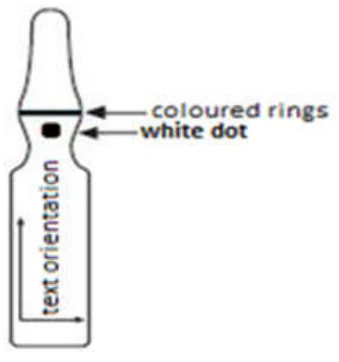
- Hold the bottom part of the ampoule upright with one hand. If there is liquid in the top or stem of
the ampoule, gently tap the top to move it to the bottom of the ampoule. 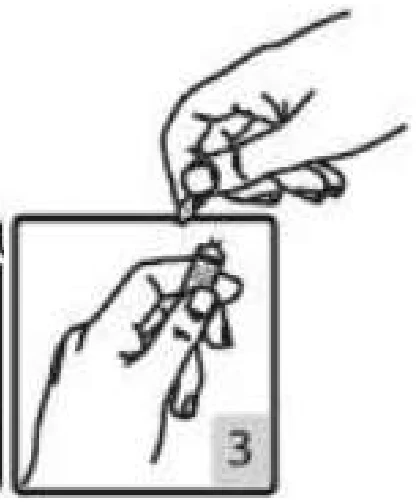
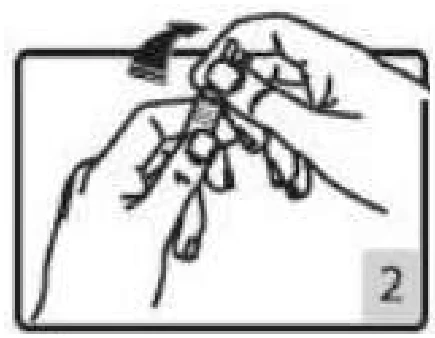
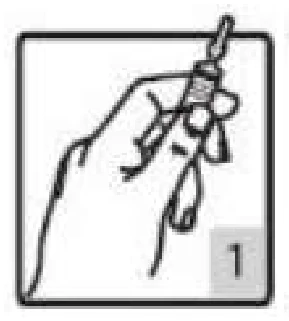
- Position the ampoule as indicated in Picture 1, with your thumb at or below the stem, pointing towards the white dot. Do not exert excessive pressure on the cylinder of the ampoule.
- With the other hand, grasp the top of the ampoule, positioning the thumb on the white dot at the top of the ampoule as indicated in Picture 2. Correct thumb position will target pressure on the break point (stem) of the ampoule just below the white dot.
Using the thumb on the white dot, gently push the dot away from you (as indicated by the arrow in
Picture 2) while applying counter pressure with the index finger of the same hand (pivot). Your two hands:
- must not move apart (tearing action),
- must not move closer to each other and
- must not twist.
4.4 Missed Dose
If a dose is missed, it should be taken promptly, unless it is near the time of the next dose, in which case the missed dose should be skipped. The next dose should be taken at the regular time. Doses should not be doubled.
5 OVERDOSAGE
High doses cause depression of the central nervous system, presenting as lethargy, dysarthria, ataxia, stupor, reduction in consciousness into coma, convulsions; mydriasis; cardiovascular symptoms (related to risk of QT interval prolongation), such as hypotension, ventricular tachycardia and arrhythmia; respiratory depression; hypothermia. These effects may be potentiated by other medicines or by alcohol. Anticholinergic syndrome may occur. Severe parkinsonian syndrome may occur.
Symptoms: Symptoms of acute intoxication may include: simple CNS depression, spasms, tremor or tonic and clonic convulsions, coma accompanied by hypotension and respiratory depression.
Treatment: There is no specific antidote. After gastric lavage, treatment is symptomatic. Centrally acting emetics are ineffective because of the anti-emetic action of NOZINAN.
Hypotension: A 5% glucose solution may be administered. If a hypertensive agent is required, norepinephrine or phenylephrine may be used, but not epinephrine, which can aggravate hypotension.
Respiratory depression: Oxygen by inhalation or controlled respiration after tracheal intubation.
Respiratory infection: Wide spectrum antibiotics.
Extrapyramidal reactions: An antiparkinsonian agent or chloral hydrate, however the latter must be used with caution because of its depressant effect on respiration.
Any CNS stimulant should be used with caution.
For management of a suspected drug overdose, contact your regional poison control centre.
6 DOSAGE FORMS, STRENGTHS, COMPOSITION AND PACKAGING
Table 1 – Dosage Forms, Strengths, Composition and Packaging
NOZINAN (methotrimeprazine base) 25 mg/mL (as hydrochloride) injectable is available in amber glass ampoules of 1 mL in boxes of 10 ampoules.
7 WARNINGS AND PRECAUTIONS
Please see 3 SERIOUS WARNINGS AND PRECAUTIONS BOX.
General
Acute withdrawal symptoms, including nausea, vomiting, headache, anxiety, agitation, dyskinesia, dystonia, disturbed temperature regulation, and insomnia, have very rarely been reported following the abrupt cessation of high doses of neuroleptics.
Relapse may also occur, and the emergence of extrapyramidal reactions has been reported. Therefore, gradual withdrawal is advisable. Symptoms of withdrawal can occur following treatment at any dose. Withdrawal of treatment should occur under close medical supervision.
Body Temperature Regulation:
Disruption of the body’s ability to reduce core body temperature has been attributed to antipsychotic agents. Appropriate care is advised when prescribing NOZINAN for patients who will be experiencing conditions which may contribute to an elevation of core temperature, e.g. exercising strenuously, exposure to extreme heat, receiving concomitant medication with anticholinergic activity, or being subject to dehydration.
Elderly Patients:
NOZINAN should be avoided in patients with Parkinson’s disease.
| Route of | Dosage Form / | Non-medicinal Ingredients | ||||
| Administration | Strength/Composition | |||||
| Intravenous (IV) Intramuscular (IM) | Each mL contains: methotrimeprazine base 25 mg (as the hydrochloride) | 0.1% ascorbic acid, 0.65% sodium chloride, 0.05% sodium sulfite and water for injection. | ||||
NOZINAN is not indicated for the treatment of patients with dementia see 7 WARNINGS AND PRECAUTIONS, 7.1.4 Geriatrics.
Careful monitoring of treatment with methotrimeprazine is required when administered in elderly patients exhibiting greater susceptibility to orthostatic hypotension, sedation, and extrapyramidal effects; chronic constipation (risk of ileus paralytic); possible prostatic hypertrophy.
NOZINAN should be used cautiously in the elderly owing to their susceptibility to drugs acting on the central nervous system and a lower initial dosage is recommended. There is an increased risk of drug-induced Parkinsonism in the elderly particularly after prolonged use.
NOZINAN should be used with caution in the elderly, particularly during very hot or very cold weather (risk of hyper-, hypothermia).
Cardiovascular
NOZINAN should be avoided in patients with cardiac failure.
Hypotension: Hypotension, which is typically orthostatic, may occur, especially in elderly and in alcoholic patients. This effect may be additive with other hypotensive agents. Exercise special care in those patients in whom a hypotensive crisis would be undesirable, such as those with arteriosclerosis or other cardiovascular diseases.
QT Interval: As with other neuroleptics, very rare cases of QT interval prolongation have been reported with NOZINAN. Neuroleptic phenothiazines may potentiate QT interval prolongation, which increases the risk of onset of serious ventricular arrhythmias of the torsade de pointes type, which is potentially fatal (sudden death). QT prolongation is exacerbated, in particular, in the presence of bradycardia, hypokalemia, and congenital or acquired (i.e., drug induced) QT prolongation. If the clinical situation permits, medical and laboratory evaluations should be performed to rule out possible risk factors before initiating treatment with a neuroleptic agent and as deemed necessary during treatment (see 8 ADVERSE REACTIONS and 9 DRUG INTERACTIONS.
NOZINAN should be used with caution in patients with risk factors for stroke or with a history of stroke as well as patients with risk factors for thromboembolism.
Dependence/Tolerance
In general, phenothiazines do not produce psychic dependence. However, gastritis, nausea, vomiting, dizziness, and tremulousness have been reported following abrupt cessation of high dose therapy.
Driving and Operating Machinery
NOZINAN, like other antipsychotics, has the potential to impair judgement, thinking, or motor skills.
Patients should be warned about drowsiness, dizziness, and blurred vision and advised not to drive or operate machinery, particularly during the early days of treatment, until they know how NOZINAN affects them.
Endocrine and Metabolism
NOZINAN should be avoided in patients with hypothyroidism or pheochromocytoma.
Hyperglycemia: Hyperglycemia or intolerance to glucose has been reported in patients treated with NOZINAN. Diabetic ketoacidosis (DKA) has occurred in patients with no reported history of hyperglycemia. Patients should have baseline and periodic monitoring of blood glucose and body weight.
Hyperprolactinemia: Long-standing hyperprolactinemia when associated with hypogonadism may lead to decreased bone mineral density in both female and male subjects.
Gastrointestinal
The onset of paralytic ileus, which may be manifested by distension and abdominal pain, should be treated as an emergency.
Very rare cases of potentially life-threatening necrotizing colitis have been reported (see 8 ADVERSE REACTIONS).
Genitourinary
Rare cases of priapism have been reported with antipsychotic use, such as NOZINAN. This adverse reaction, as with other psychotropic drugs, did not appear to be dose-dependent and did not correlate with the duration of treatment. The most likely mechanism of action of priapism is a relative decrease in sympathetic tone.
Hematologic
NOZINAN should be avoided in patients with agranulocytosis.
Blood disorders:
Neutropenia, granulocytopenia and agranulocytosis have been reported during antipsychotic use. Therefore, it is recommended that patients have their complete blood count (CBC) tested prior to starting NOZINAN and then periodically throughout treatment. Most cases of agranulocytosis associated with the administration of phenothiazine derivatives have occurred between the fourth and tenth week of treatment. Therefore, observe patients on prolonged therapy with particular care during that time for the appearance of such signs as sore throat, fever and weakness. The occurrence of unexplained infections or fever may be evidence of blood dyscrasia (see 8 ADVERSE REACTIONS), and requires immediate hematological investigation.
Vascular disorders:
Cases of venous thromboembolism, sometimes fatal, have been reported with antipsychotic drugs. Therefore, NOZINAN should be used with caution in patients with risk factors for thromboembolism (see 8 ADVERSE REACTIONS).
In randomized, placebo-controlled, clinical trials placebo performed in a population of elderly patients with dementia and treated with certain atypical antipsychotic drugs, a 3-fold increased risk of cerebrovascular events has been observed. The mechanism of this risk increase is not known. An increase in the risk with other antipsychotic drugs or other populations of patients cannot be excluded. NOZINAN should be used with caution in patients with stroke risk factors (see 7.1.4 Geriatrics (> 65 years of age):)
Hepatic
NOZINAN should be avoided in patients with liver dysfunction.
Immune
NOZINAN should be avoided in patients with myasthenia gravis.
All patients should be advised that, if they experience fever, sore throat or any other infection, they should inform their physician immediately and undergo a complete blood count. Treatment should be discontinued if any marked changes (hyperleukocytosis, granulocytopenia) are observed in the blood count.
Hypersensitivity reactions including urticaria and angioedema have been reported with NOZINAN use. In case of allergic reaction, treatment with NOZINAN must be discontinued and appropriate symptomatic treatment initiated (see 8 ADVERSE REACTIONS).
Monitoring and Laboratory Tests
The following assessments should be done before and periodically during treatment with NOZINAN.
- Blood glucose and body weight
- Complete blood count (CBC)
- WBC and differential counts and liver function tests
- Sore throat, fever and weakness in patients on prolonged therapy may indicate agranulocytosis. If these symptoms appear, discontinue the drug and perform liver function tests
- Blood pressure
- Renal function
Neurologic
Neuroleptic Malignant Syndrome:
A potentially fatal symptom complex sometimes referred to as neuroleptic malignant syndrome (NMS) has been reported in association with antipsychotic drugs, including NOZINAN.
Clinical manifestations of NMS are hyperpyrexia, muscle rigidity, altered mental status (including catatonic signs) and evidence of autonomic instability (irregular pulse or blood pressure, tachycardia, diaphoresis, and cardiac dysrhythmias). Additional signs may include elevated creatine phosphokinase, myoglobinuria (rhabdomyolysis), and acute renal failure.
If NMS is suspected, immediately discontinue NOZINAN and provide intensive symptomatic treatment and monitoring.
In arriving at a diagnosis, it is important to identify cases where the clinical presentation includes both serious medical illness (e.g., pneumonia, systemic infection, etc.) and untreated or inadequately treated extrapyramidal signs and symptoms (EPS). Other important considerations in the differential diagnosis include central anticholinergic toxicity, heat stroke, drug fever and primary central nervous system (CNS) pathology.
The management of NMS should include: (1) immediate discontinuation of antipsychotic drugs, including NOZINAN, and other drugs not essential to concurrent therapy; (2) intensive symptomatic treatment and medical monitoring; and (3) treatment of any concomitant serious medical problems for which specific treatments are available. There is no general agreement about specific pharmacological treatment regimens for uncomplicated NMS.
If a patient requires antipsychotic drug treatment after recovery from NMS, the potential reintroduction of drug therapy should be carefully considered. The patient should be carefully monitored, since recurrences of NMS have been reported.
Parkinson’s Disease:
Apart from exceptional situations, NOZINAN should not be used in patients with Parkinson’s Disease.
Tardive Dyskinesia: (See also 8.2 Central Nervous System)
A syndrome consisting of potentially irreversible, involuntary, dyskinetic movements may develop in patients treated with conventional antipsychotic drugs. Although the prevalence of tardive dyskinesia with conventional antipsychotics appears to be highest among the elderly, especially elderly women, it is impossible to rely upon prevalence estimates to predict, at the beginning of treatment, which patients are likely to develop the syndrome.
Both the risk of developing tardive dyskinesia and the likelihood that it will become irreversible are believed to increase as the duration of treatment and the total cumulative dose of antipsychotic drugs administered to the patient increase. However, the syndrome can develop, although much less commonly, after relatively brief treatment periods at low doses.
There is no known treatment for established cases of tardive dyskinesia, although the syndrome may remit, partially or completely, if antipsychotic drug treatment is withdrawn.
Antipsychotic drug treatment itself, however, may suppress (or partially suppress) the signs and symptoms of tardive dyskinesia and thereby may possibly mask the underlying process.
The effect that symptom suppression has upon the long-term course of the syndrome is unknown.
NOZINAN should be prescribed in a manner that is most likely to minimize the risk of tardive dyskinesia. The lowest effective dose and the shortest duration of treatment should be used, and treatment should be discontinued at the earliest opportunity, or if a satisfactory response cannot be obtained. If the signs and symptoms of tardive dyskinesia appear during treatment, discontinuation of NOZINAN should be considered.
Ophthalmologic
NOZINAN should be avoided in patients with a history of narrow angle glaucoma.
Phenothiazines have been associated with retinopathy and lenticular or corneal deposits. Discontinue NOZINAN if retinal changes are observed.
Peri-Operative Considerations
Psychotic patients on large doses of a phenothiazine drug who are undergoing surgery should be watched carefully for possible hypotensive phenomena. Moreover, it should be remembered that
reduced amounts of anesthetics or CNS depressants may be required.
Renal
NOZINAN should be avoided in patients with renal dysfunction or prostate hypertrophy.
Monitor the renal function of patients on long-term therapy with NOZINAN, due to the risk of accumulation. If abnormal values are observed, discontinue the drug. Patients who may develop urinary retention should be carefully observed. This drug should not be used in patients with renal insufficiency.
Reproductive Health: Female and Male Potential
- Fertility
There are no fertility data in animals. In humans, because of the interaction with dopamine receptors, NOZINAN may cause hyperprolactinemia which can be associated with impaired fertility in women. Some data suggest that NOZINAN treatment is associated with impaired fertility in men.
- Teratogenic Risk
Non-teratogenic effects:
Neonates exposed to antipsychotic drugs including NOZINAN during the third trimester of pregnancy are at risk for:
neurological disorders such as extrapyramidal and/or withdrawal symptoms following delivery.
There have been reports of agitation, hypertonia, hypotonia, tremor, somnolence.
- various degrees of respiratory disorders ranging from tachypnoea to respiratory distress and bradycardia. Although these events occurred most often when other drugs such as psychotropic or antimuscarinic drugs were coadministered, they may also occur with antipsychotic use alone.
- signs related to atropinic properties of phenothiazines such as meconium ileus, delayed meconium passage, abdominal bloating, tachycardia and initial feeding difficulties in neonates can also occur.
These complications have varied in severity; while in some cases symptoms have been self-limited, in other cases neonates have required intensive care unit support and prolonged hospitalization. Appropriate monitoring and treatment of neonates born to mothers receiving NOZINAN are recommended.
Congenital malformations:
Animal studies are insufficient with respect to reproductive toxicity. Most studies indicate that these agents are not teratogenic but there are reports of defects in infants exposed to these drugs in utero during the first trimester. Risk of congenital malformations cannot be excluded.
Seizures
NOZINAN should be used with caution in epileptic patients, since phenothiazines, including NOZINAN, may lower the seizure threshold. It is advisable to administer an appropriate anticonvulsant medication to epileptic patients receiving NOZINAN therapy.
Sensitivity/Resistance
Phenothiazines like NOZINAN may impair sensitivity and adaptation to changes of environmental temperature so that fatal hyperthermia and heat strokes are possible complications.
Skin
Photosensitivity may occur. Patients should use sunscreens when exposed to sunlight for prolonged periods of time.
7.1 Special Populations
7.1.1 Pregnant Women
The use of NOZINAN is not recommended during pregnancy and in women of childbearing potential not using contraception unless the potential benefits outweigh the potential risks to the fetus.
7.1.2 Breast-feeding
Lactation:
Phenothiazines, including NOZINAN, are excreted in milk, therefore, breastfeeding is not recommended during treatment with NOZINAN. See 2 CONTRAINDICATIONS
7.1.4 Geriatrics (> 65 years of age):
Paralytic ileus, even resulting in death, may occur, appropriate measures should be taken if constipation develops.
NOZINAN is not indicated for the treatment of elderly patients with dementia-related psychosis.
Mortality in Geriatric Patients with Dementia-related Psychosis
Elderly patients with dementia-related psychosis treated with antipsychotic drugs are at an increased risk of death.
In a meta-analysis of 13 controlled clinical trials, elderly patients with dementia treated with atypical antipsychotic drugs had an increased risk of mortality compared to placebo.
Observational studies suggest that, similar to atypical antipsychotics, treatment with conventional antipsychotic drugs may increase mortality. The extent to which the findings of increased mortality in observational studies may be attributed to the antipsychotic drug as opposed to some characteristic(s) of the patients is not clear.
Cerebrovascular Adverse Events (CVAEs) including stroke in Elderly Patients with Dementia
A 3-fold increase in risk of cerebrovascular adverse events has been seen in the dementia population in randomized clinical trials versus placebo with some atypical antipsychotics. The mechanism for this increased risk is not known. There is insufficient data to know if there is an increased risk of cerebrovascular events associated with NOZINAN. An increased risk with other antipsychotic drugs or with other populations of patients cannot be excluded.
8 ADVERSE REACTIONS
8.1 Adverse Reaction Overview
Adverse effects with different phenothiazines vary in type, frequency, and mechanism of occurrence, i.e., some are dose-related, while others involve individual patient sensitivity. Some adverse effects may be more likely to occur, or occur with greater intensity, in patients with special medical problems, e.g., patients with mitral insufficiency or pheochromocytoma have experienced severe hypotension following recommended doses of certain phenothiazines.
Phenothiazines have been observed to exert marked sedative effects and have a definite potential to induce parkinsonian syndrome, cause cholestatic hepatitis with intrahepatic obstructive jaundice and precipitate dermatological reactions.
8.2 Clinical Trial Adverse Reactions
Not all of the following adverse reactions have been reported with every phenothiazine derivative, but they have been reported with one or more, and should be borne in mind when drugs of this class are administered.
Adverse reactions may be classified as follows:
Autonomic Nervous System: Dryness of the mouth and, in older patients, occasional urinary retention and tachycardia. Patients should be advised of the risk of severe constipation during NOZINAN treatment, and that they should tell their doctor if constipation occurs or worsens, as they may need laxatives.
Blood: Rare instances of agranulocytosis have been reported. Cases of neutropenia and granulocytopenia have also been reported.
Cardiovascular: Orthostatic hypotension may be encountered at the start of treatment by the parenteral route. Rare cardiac rhythm disturbances, including tachycardia or fibrillation have occurred. Very rare cases of QT interval prolongation have been reported. There have been isolated reports of sudden death, with possible causes of cardiac origin (see 7 WARNINGS AND PRECAUTIONS, Cardiovascular and 9.4 Drug-Drug Interactions), as well as cases of unexplained sudden death, in patients receiving neuroleptic phenothiazines.
Central Nervous System: Drowsiness may appear early in treatment but will gradually disappear during the first weeks or with an adjustment in the dosage. Cases of confusional states, delirium, and seizures have been reported. Phenothiazines, such as NOZINAN, may impair sensitivity and adaptation to changes of environmental temperature, so that fatal hyperthermia and heat strokes are possible complications.
Extrapyramidal effects, including dystonias, akathisia, and parkinsonism, have been reported with antipsychotic medication. These reactions may be corrected either by reducing the dose of NOZINAN or by administering an anticholinergic agent (see 7 WARNINGS AND PRECAUTIONS, 9 DRUG INTERACTIONS).
As with other antipsychotic agents, tardive dyskinesia may occur in patients on long-term therapy and symptoms may persist long after therapy is discontinued or may be permanent, in some cases. The risk appears to be greater in children (including dystonias) and elderly patients. If the signs and symptoms of tardive dyskinesia appear during treatment, dosage reduction or discontinuation of NOZINAN should be considered. Anticholinergic antiparkinsonian agents have no effect and may cause exacerbation (see 8 ADVERSE REACTIONS, 8.5 Post-Market Adverse Reactions).
Endocrine: Weight gain has been occasionally reported in patients during prolonged treatment with high doses. Hyperglycemia or glucose tolerance impaired has been reported in patients treated with NOZINAN (see 7 WARNINGS AND PRECAUTIONS). Altered libido, menstrual irregularities, lactation, false positive pregnancy tests, inhibition of ejaculation, gynecomastia.
Gastrointestinal: Necrotizing colitis, which can be fatal, has been very rarely reported in patients treated with NOZINAN. Chronic constipation, including paralytic ileus.
Hepatobiliary: Rare cases of cholestatic jaundice and liver injury have been observed.
Metabolism and Nutrition: Hyponatremia, syndrome of inappropriate antidiuretic hormone secretion (SIADH).
Skin: Skin reaction, rash photosensitivity reactions, pigmentation disorder are extremely rare.
Urogenital: Priapism has been very rarely reported.
Vascular: Cases of venous thromboembolism, including cases of pulmonary embolism, sometimes fatal, and cases of deep vein thrombosis have been reported with antipsychotic drugs (see 7 WARNINGS AND PRECAUTIONS, Cardiovascular, Hematologic).
8.5 Post-Market Adverse Reactions
Blood and lymphatic system disorders:
Leukopenia, eosinophilia, thrombocytopenia (including thrombocytopenic purpura).
Cardiac disorders:
There have been reports of sudden death, with possible causes of cardiac origin (see 7
WARNINGS AND PRECAUTIONS), as well as cases of unexplained sudden death, in patients receiving neuroleptic phenothiazines.
- Torsades de pointes
ECG changes include QT prolongation (as with other neuroleptics), ST depression, U-Wave and
T-Wave changes. Cardiac arrhythmias, including ventricular arrhythmias and atrial arrhythmias, atrioventricular block, ventricular tachycardia, which may result in ventricular fibrillation or cardiac arrest have been reported during neuroleptic phenothiazine therapy, possibly related to dosage.
Endocrine disorders:
- temperature regulation disorder, hyperprolactinemia which may result is galactorrhea, gynecomastia, amenorrhea, erectile dysfunction.
Eye disorders:
- accommodation disorder, corneal deposits (brownish deposits in the anterior segment of the eye caused by accumulation of the drug and generally without effect on vision).
Immune System Disorders:
- hypersensitivity, urticaria, angioedema
Investigations:
- Positive serology for antinuclear antibodies without clinical lupus erythematosus
- Liver function test abnormal
Nervous system disorders:
- parkinsonism
- dizziness, insomnia
- dystonia (spasmodic torticollis, oculogyric crises, trismus, etc.)
- Tardive dyskinesia occurring with long-term treatment. Tardive dyskinesia may occur after the neuroleptic agent is withdrawn and resolve after rechallenge or if the dose is increased. Anticholinergic antiparkinsonian agents have no effect and may cause exacerbation.
- Extrapyramidal syndrome: akinesia with or without hypertonia, partially relieved by anticholinergic antiparkinsonian agents, hyperkinetic-hypertonic movements, motor excitation, akathisia
- Neuroleptic malignant syndrome (see 7 WARNINGS AND PRECAUTIONS)
- Anticholinergic effects such as ileus paralytic, risk of accommodation disorders
Pregnancy, puerperium and perinatal conditions:
- Drug withdrawal syndrome neonatal (see 7 WARNINGS AND PRECAUTIONS)
Psychiatric disorders:
- Indifference, anxiety, mood altered
Renal and urinary disorders:
- risk of urinary retention
Respiratory, thoracic and mediastinal disorders:
- respiratory depression, nasal congestion
Reproductive System and Breast Disorders:
- ejaculation disorder
Vascular disorders:
- orthostatic hypotension
9 DRUG INTERACTIONS
9.1 Serious Drug Interactions
Serious Drug Interaction
NOZINAN should not be used with dopaminergics, due to mutual antagonism between dopaminergics and neuroleptics. See 2 CONTRAINDICATIONS and detailed information in 9.4 Drug-Drug Interactions.
9.2 Drug Interactions Overview
NOZINAN potentiates the action of other phenothiazines and CNS depressants (barbiturates, analgesics, narcotics and antihistaminics). The usual doses of these agents should be reduced by half if they are to be given concomitantly with NOZINAN until the dosage of the latter has been established.
9.3 Drug-Behavioural Interactions
The CNS depressant actions of neuroleptic agents may be intensified (additively) by alcohol, barbiturates and other sedatives. Respiratory depression may occur. Impaired vigilance may make it dangerous to drive or use machines. Avoid consumption of alcoholic beverages and medications containing alcohol.
9.4 Drug-Drug Interactions
Contraindicated combinations:
NOZINAN should not be used with dopaminergics, due to mutual antagonism between dopaminergics and neuroleptics. Where treatment for neuroleptic-induced extrapyramidal symptoms is required, anticholinergic antiparkinsonian agents should be used in preference to levodopa, since neuroleptics antagonize the antiparkinsonian action of dopaminergics.
Dopaminergics may cause or exacerbate psychotic disorders. If treatment with neuroleptics is required in patients with Parkinson's disease treated with a dopaminergic, the latter should be tapered off gradually, as sudden discontinuation of dopaminergic agents exposes the patient to a risk of NMS. For parkinsonian patients who require treatment with both a neuroleptic and a dopaminergic agent, use the minimum effective doses of both medications.
The action of some drugs may be opposed by phenothiazine neuroleptics; these include amphetamine, clonidine, and adrenaline.
Combinations not recommended or requiring precaution:
There is an increased risk of arrhythmias when antipsychotics are used with concomitant QT prolonging drugs (including certain antiarrhythmics, antidepressants and other antipsychotics) and drugs causing electrolyte imbalance.
Neuroleptic phenothiazines may potentiate QT interval prolongation. QT prolongation is exacerbated, in particular, in the presence of bradycardia, hypokalemia, and congenital or acquired (i.e., drug induced) QT prolongation (see 7 WARNINGS AND PRECAUTIONS, Cardiovascular).
Methotrimeprazine is a moderate inhibitor of CYP2D6. There is a possible pharmacokinetic interaction between inhibitors of CYP2D6, such as phenothiazines, and CYP2D6 substrates. Co-administration of methotrimeprazine with amitriptyline/amitriptylinoxide, a CYP2D6 substrate, may lead to an increase in the plasma levels of amitriptyline/amitriptylinoxide. Monitor patients for dose-dependent adverse reactions associated with amitriptyline/amitriptylinoxide.
NOZINAN should be avoided in patients taking monamine oxidase inhibitors within the previous 14 days, and monamine oxidase inhibitors should be avoided while using NOZINAN.
Because of convulsive risk, the combined use of medicinal products which lower the seizure threshold should be carefully assessed.
Gastro-intestinal agents that are not absorbed (magnesium, aluminium and calcium salts, oxides and hydroxides): Reduced gastro-intestinal absorption of phenothiazine neuroleptics may occur. Such gastro-intestinal agents should not be taken at the same time as phenothiazine neuroleptics (at least 2 hours apart, if possible).
Administration of NOZINAN in patients taking antidiabetic agents can lead to an increase in blood sugar levels. Forewarn the patient and advise increased self-monitoring of blood and urine levels.
If necessary, adjust the antidiabetic dosage during and after discontinuing neuroleptic treatment.
Medicines that lower blood pressure: Enhanced antihypertensive effect and higher risk of postural hypotension (cumulative effects).
Guanethidine: Inhibition of the antihypertensive effect of guanethidine.
Atropine and atropine-like substances: Cumulative adverse effects related to atropine-like substances such as urinary retention, constipation, dry mouth, etc.
Lithium: Risk of developing neuropsychiatric symptoms suggestive of a neuroleptic malignant syndrome or of lithium poisoning.
9.5 Drug-Food Interactions
Interactions with food have not been established.
9.6 Drug-Herb Interactions
Interactions with herbal products have not been established.
9.7 Drug-Laboratory Test Interactions
False positive or negative pregnancy tests have occurred in patients receiving phenothiazine therapy.
10 CLINICAL PHARMACOLOGY
10.1 Mechanism of Action
NOZINAN possesses antipsychotic, tranquilizing, anxiolytic, sedative and analgesic properties.
NOZINAN possesses strong sedative properties. It potentiates the pharmacological actions of anesthetics and opioids. It also exerts a potent anti-apomorphine effect, a hypothermic action 3 times more potent than that of chlorpromazine and strong antispasmodic and anti-histaminic effects.
NOZINAN is capable of reversing epinephrine-induced hypertension but has practically no effect against norepinephrine and acetylcholine. It readily protects rats against traumatic shock.
10.2 Pharmacodynamics
Information is not available.
10.3 Pharmacokinetics
Information is not available.
11 STORAGE, STABILITY AND DISPOSAL
NOZINAN (methotrimeprazine hydrochloride) injectable should be stored at 15o C to 30˚C. Protect from light.
12 SPECIAL HANDLING INSTRUCTIONS
None
PART II: SCIENTIFIC INFORMATION
13 PHARMACEUTICAL INFORMATION
Drug Substance
Proper name: Methotrimeprazine hydrochloride
Chemical name: 2-methoxy-N,N,β-trimethyl-10H-phenothiazine-10-propamine hydrochloride
Molecular formula and molecular mass: C19H24N2OS • HCl and 364.9
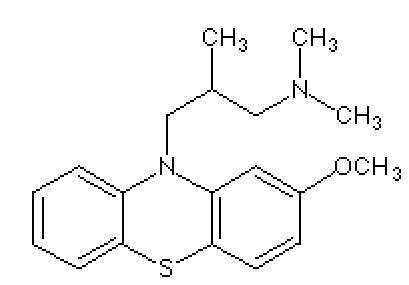
Structural formula: `
- HCl
Physicochemical properties: White to very slightly yellow, slightly hygroscopic powder
Product Characteristics:
Solubility: Freely soluble in water and in alcohol, practically insoluble in ether
Melting point: 142˚C and 162˚C
14 CLINICAL TRIALS
Data on which indications were initially approved is not available.
15 MICROBIOLOGY
No microbiological information is required for this drug product.
16 NON-CLINICAL TOXICOLOGY
General Toxicology: In mice the LD50 of NOZINAN is 70 mg/kg i.v., 250 mg/kg s.c., 344 mg/kg i.p. and 380 mg/kg p.o. Signs of acute toxicity consist of CNS depression interrupted by periods of convulsions and uncoordinated movements.
In the rat, a daily dose of 5 or 10 mg/kg p.o. for 4 consecutive weeks did not produce any digestive issues or weight loss. During the first days of treatment, a state of depression appeared, which was most pronounced on the third or fourth day and then almost completely disappeared. Laboratory and function tests indicated no renal, hepatic or blood anomalies. Microscopic visceral examinations revealed no toxic lesions.
In the dog, a daily dose of 2.5 or 5 mg/kg p.o. for 4 consecutive weeks did not affect weight stability but animals appeared lethargic. Some relaxation of the nictitating membrane and a transient reduction of blood pressure were observed. During treatment, the leucocyte count and blood coagulation remained normal. Anatomopathological examination of the visceral parenchyma of sacrificed animals confirmed that all organs remained normal.